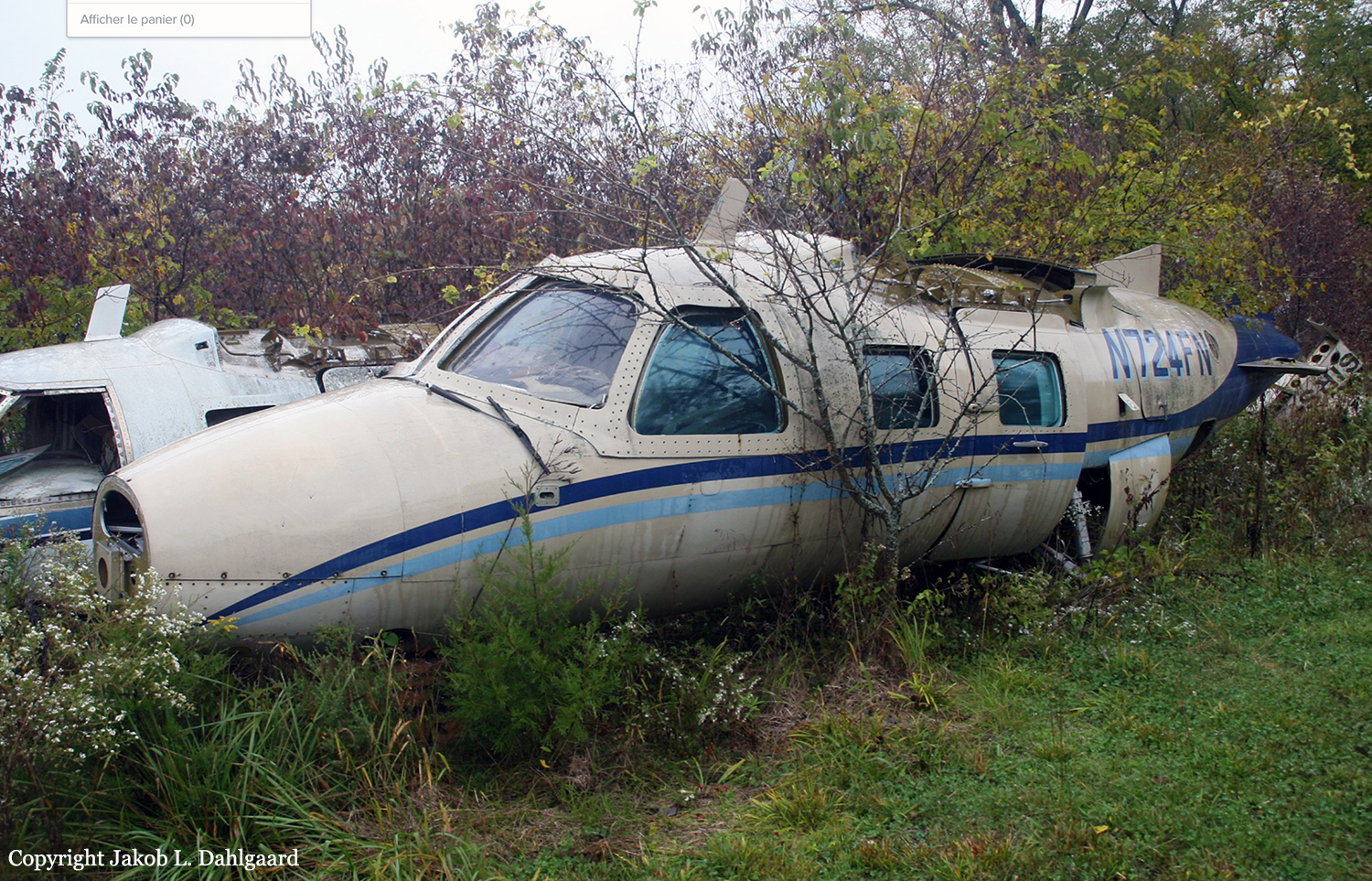
Crash of a Beechcraft E90 King Air in Wiscasset: 2 killed

Date & Time: Jun 10, 1996 at 0600 LT
Type of aircraft:
Registration:
N916PA
Flight Phase:
Survivors:
No
Schedule:
Wiscasset - Philadelphia
MSN:
LW-313
YOM:
1979
Location:
Crew on board:
2
Crew fatalities:
Pax on board:
0
Pax fatalities:
Other fatalities:
Total fatalities:
2
Captain / Total flying hours:
10516
Captain / Total hours on type:
1138.00
Aircraft flight hours:
6230
Circumstances:
The pilot took off on runway 07 and was cleared direct to the Wiscasset NDB, east of the airport. Shortly after takeoff, the airplane began turning to the left. The pilot then asked the controller, '. . . can you tell if I'm in a turn? I have a problem here.' Soon thereafter, the airplane collided with terrain in an uncontrolled descent, about 1.6 miles north of the airport. Investigation revealed that three days before the accident, a refueler had fueled the airplane's left wing with 840 pounds of fuel, then the fuel farm ran out of fuel. No further fueling was accomplished, and the pilot was not advised of the uneven fuel load. Procedures in the Beech E90 Pilot's Operating Manual (POM) included a check of the fuel tanks during preflight. The Beech C90 POM specified a maximum fuel imbalance of 200 pounds, but the E90 POM did not specify a maximum fuel imbalance. During examination of the wreckage, no preimpact malfunction or failure was found.
Probable cause:
Failure of the pilot to maintain control of the airplane while climbing after takeoff, due to spatial disorientation, which resulted in an uncontrolled descent and subsequent collision with terrain. Factors relating to the accident were: the improper refueling (servicing of the aircraft) by FBO personnel, and failure of the pilot to note the excessive lateral imbalance of the airplane during preflight.
Final Report:

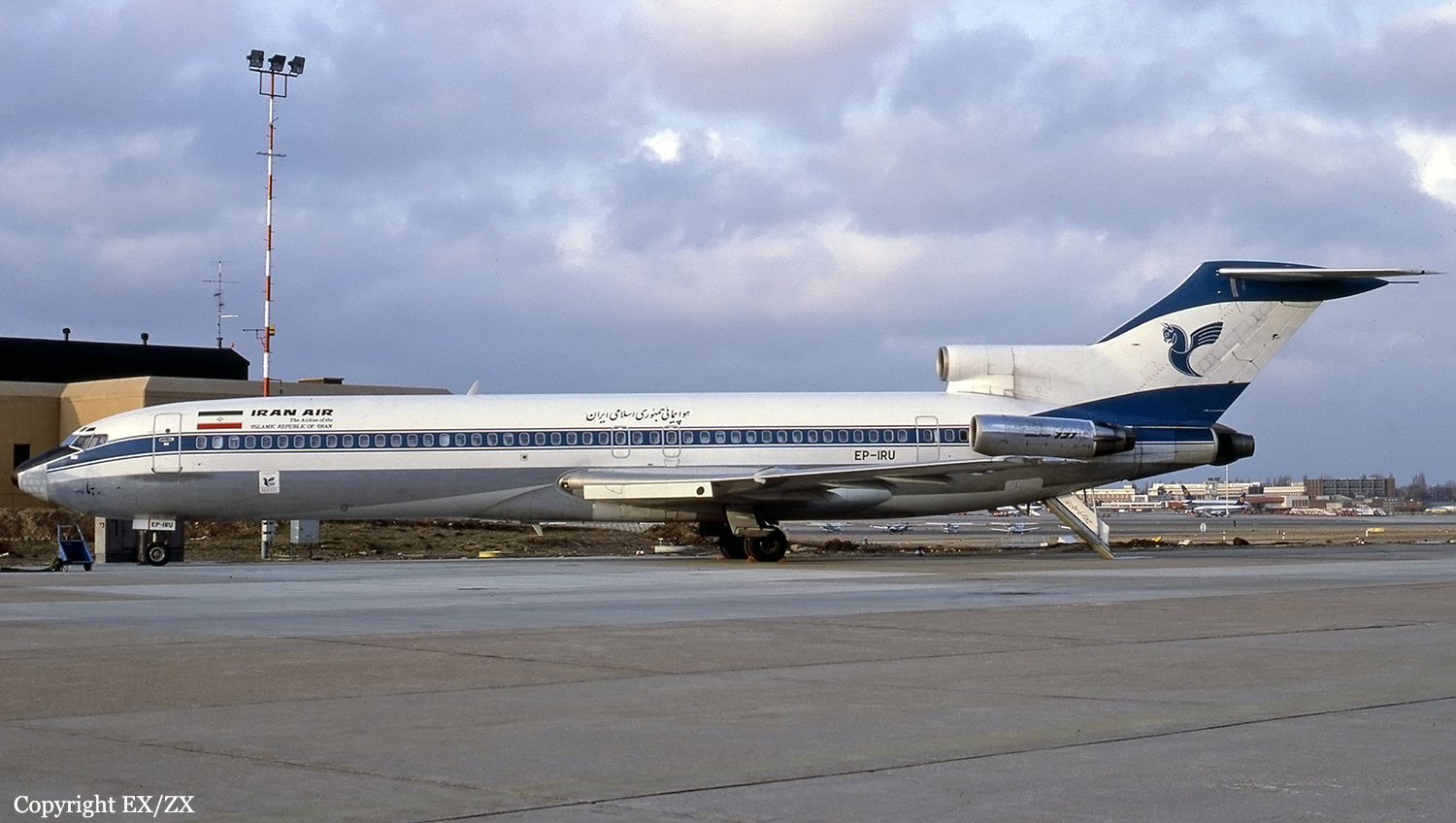
Crash of a Boeing 727-286 in Rasht: 4 killed

Date & Time: Jun 9, 1996 at 1455 LT
Type of aircraft:
Operator:
Registration:
EP-IRU
Flight Type:
Survivors:
Yes
Schedule:
Rasht - Rasht
MSN:
21079
YOM:
1975
Location:
Country:
Region:
Crew on board:
7
Crew fatalities:
Pax on board:
0
Pax fatalities:
Other fatalities:
Total fatalities:
4
Circumstances:
The crew departed Tehran-Mehrabad Airport at 1233LT on a training flight to Rasht. Following 14 touch-and-go manoeuvres completed successfully, the crew approached the airport but forgot to lower the landing gear. The aircraft landed on its belly and slid on runway 09 for a period of 30 seconds and on a distance of 2,100 metres. Despite the situation, the crew decided to take off again and continued to climb when the rear fuselage caught fire. The crew declared an emergency, extended the undercarriage manually and was cleared to land on runway 09. On final approach, the aircraft became unstable, lost height and crashed in a field located 5 km short of runway. Four crew members were killed while three others were injured. The aircraft was destroyed. §
Probable cause:
The following findings were reported:
- The crew failed to follow the approach checklist,
- The crew forgot to lower the landing gear,
- Poor crew coordination,
- Lack of crew resources management,
- Wrong decision on part of the crew to take off following a belly landing,
- Following the belly landing, the aircraft suffered a fire and was not fit to fly.

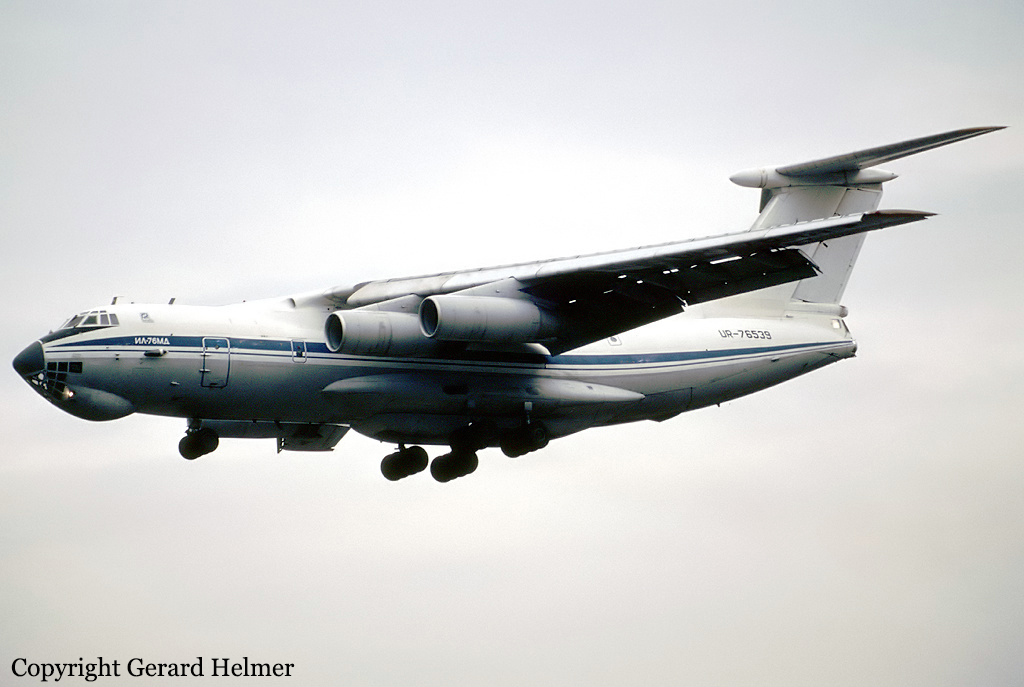
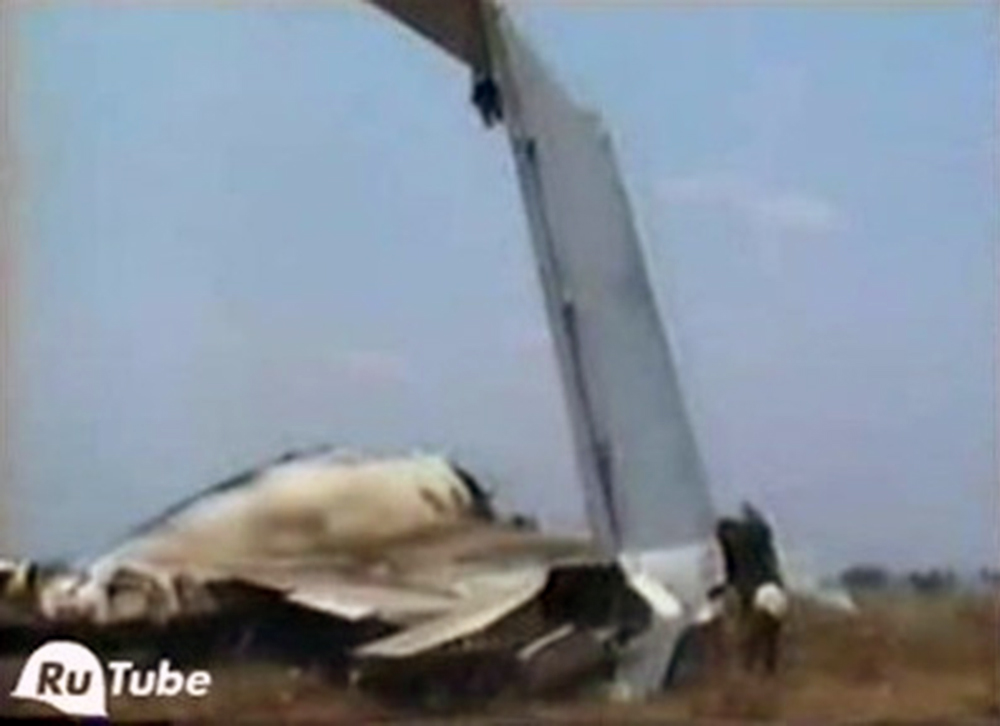
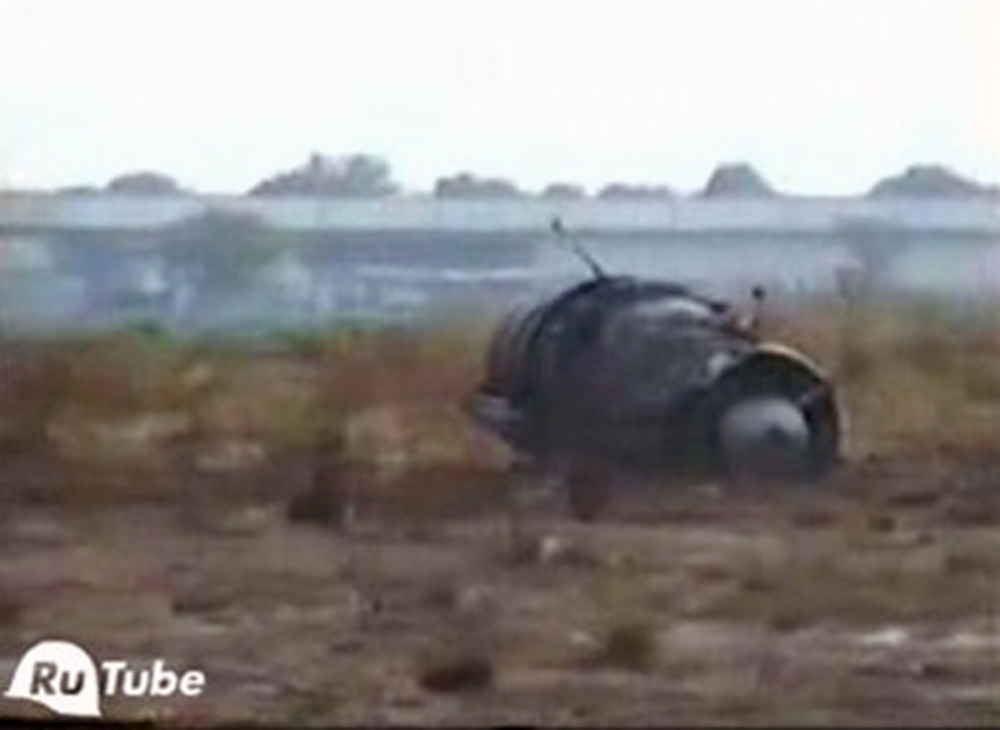
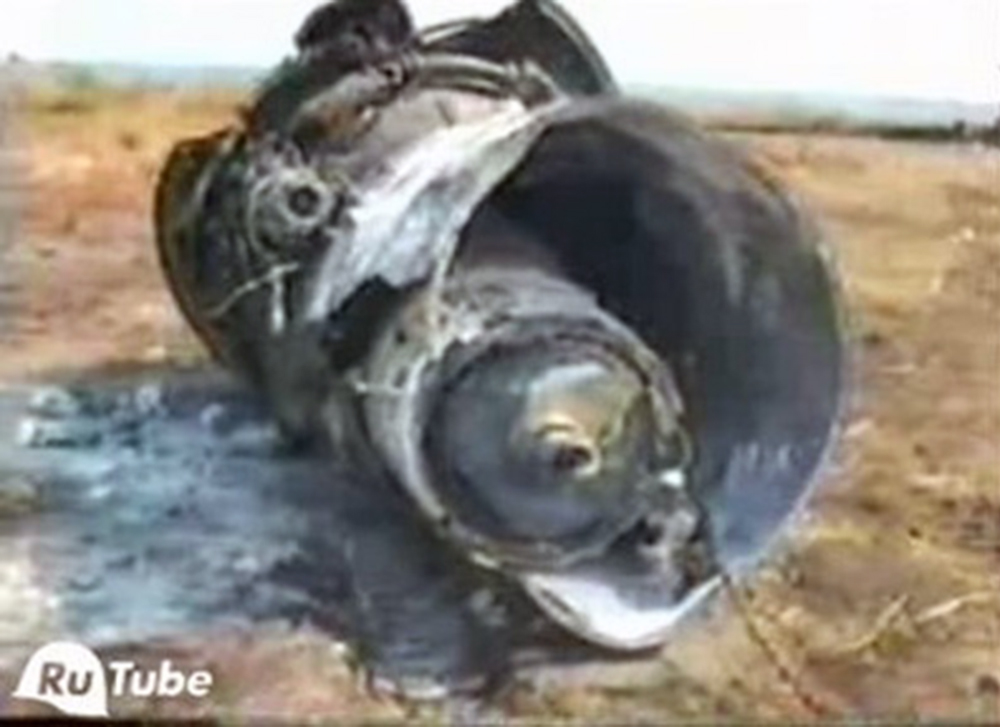
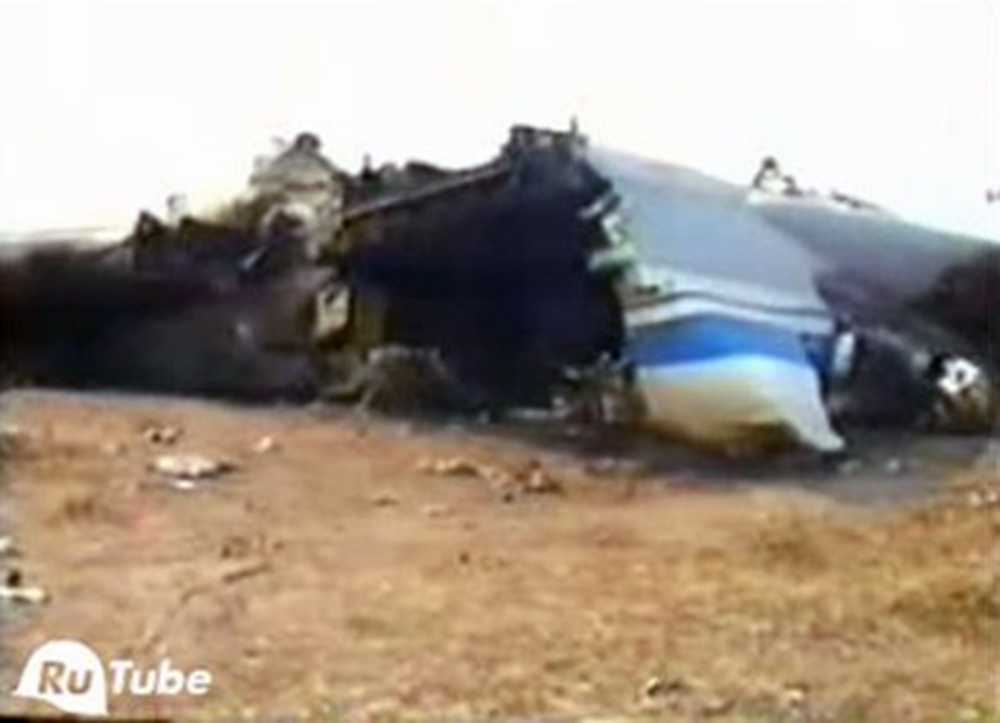
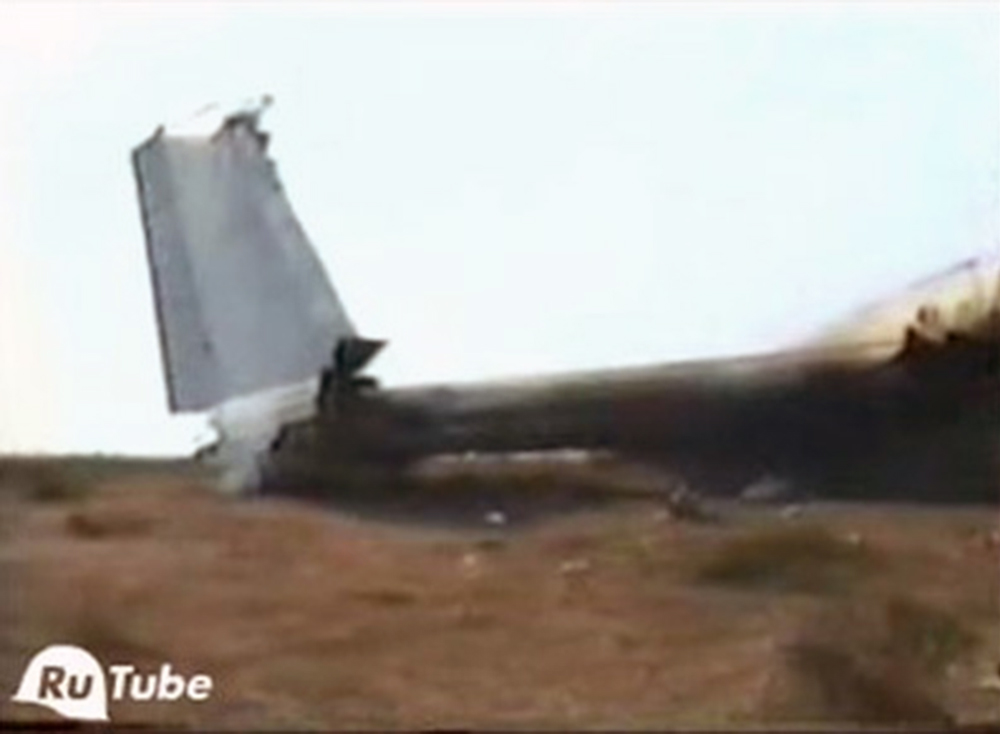
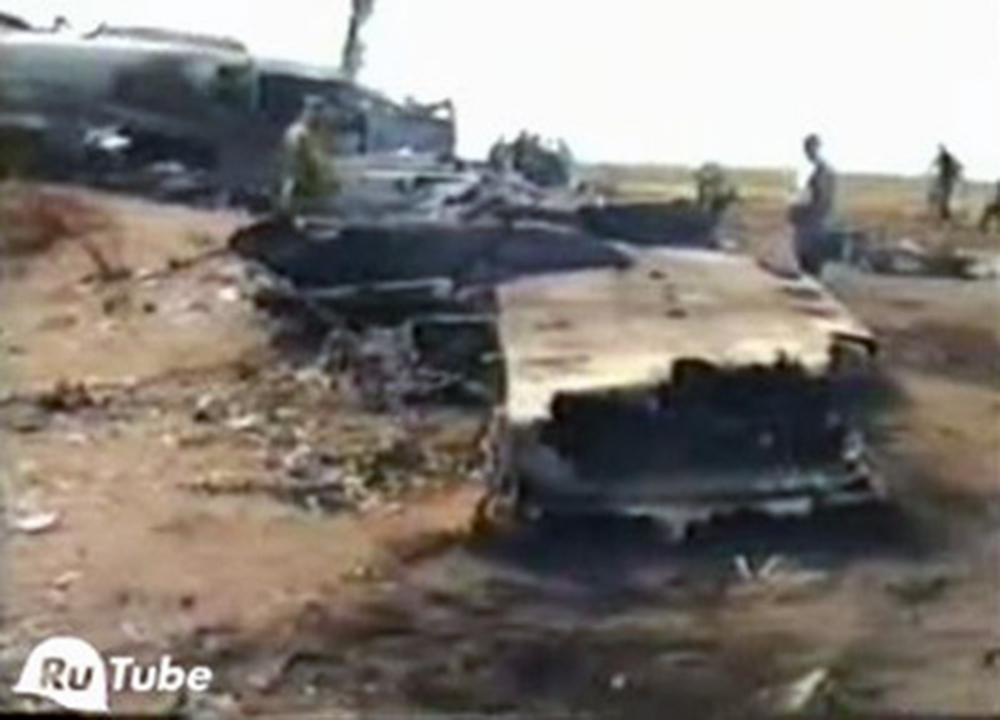
Crash of an Ilyushin II-76MD in Kinshasa: 10 killed

Date & Time: Jun 6, 1996
Type of aircraft:
Operator:
Registration:
UR-76539
Flight Phase:
Flight Type:
Survivors:
No
Schedule:
Kinshasa - Athens
MSN:
00334 42234
YOM:
1983
Region:
Crew on board:
7
Crew fatalities:
Pax on board:
3
Pax fatalities:
Other fatalities:
Total fatalities:
10
Aircraft flight hours:
2134
Aircraft flight cycles:
1358
Circumstances:
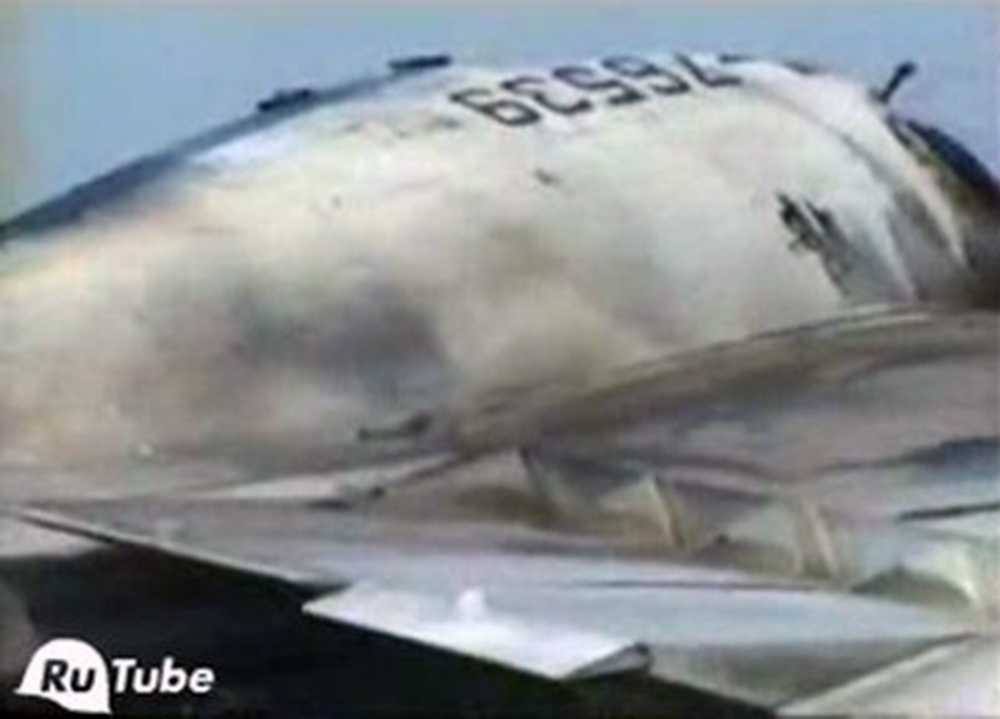
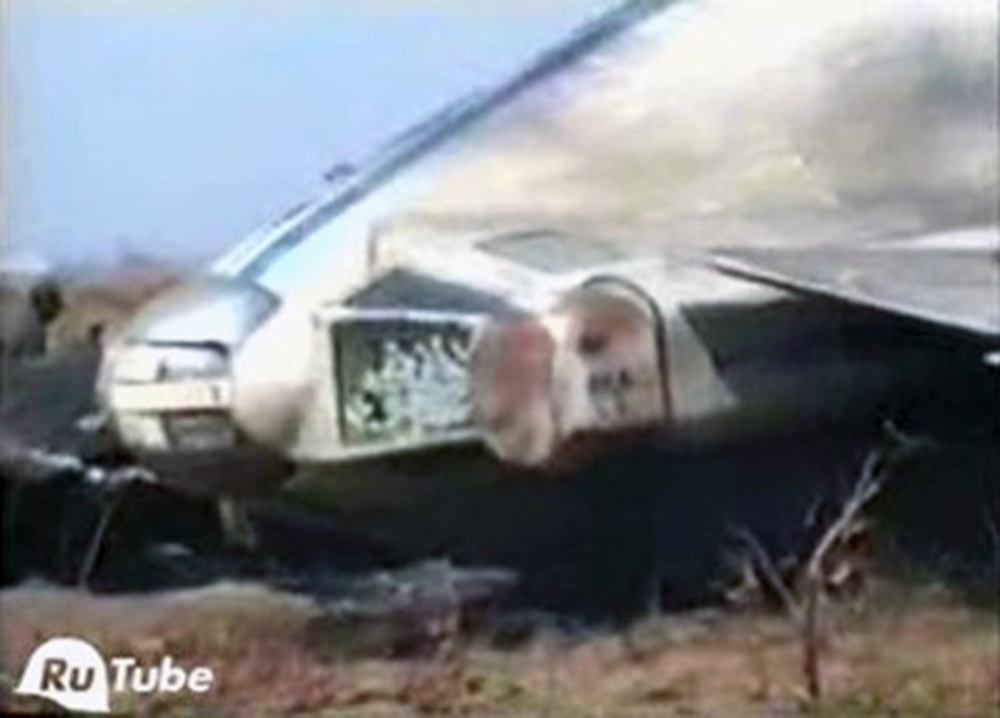
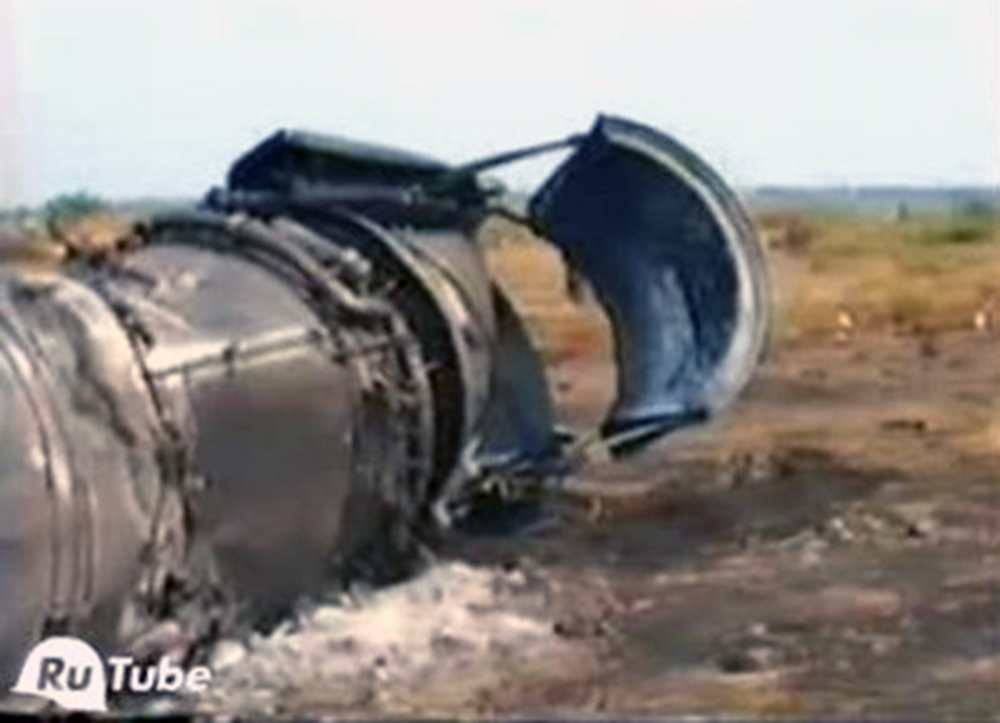
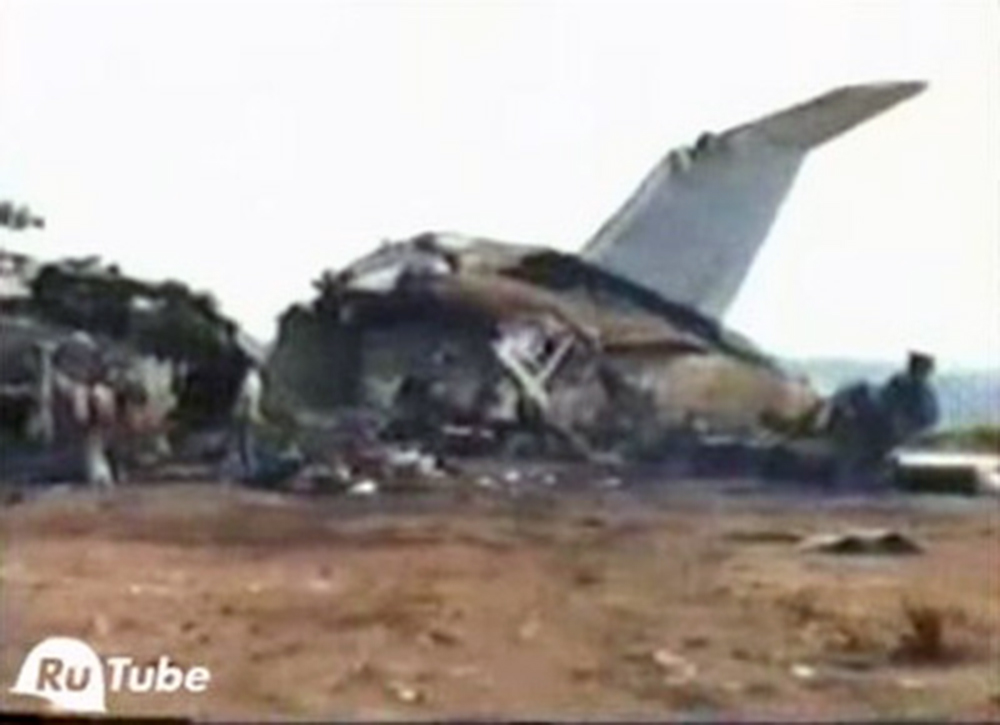
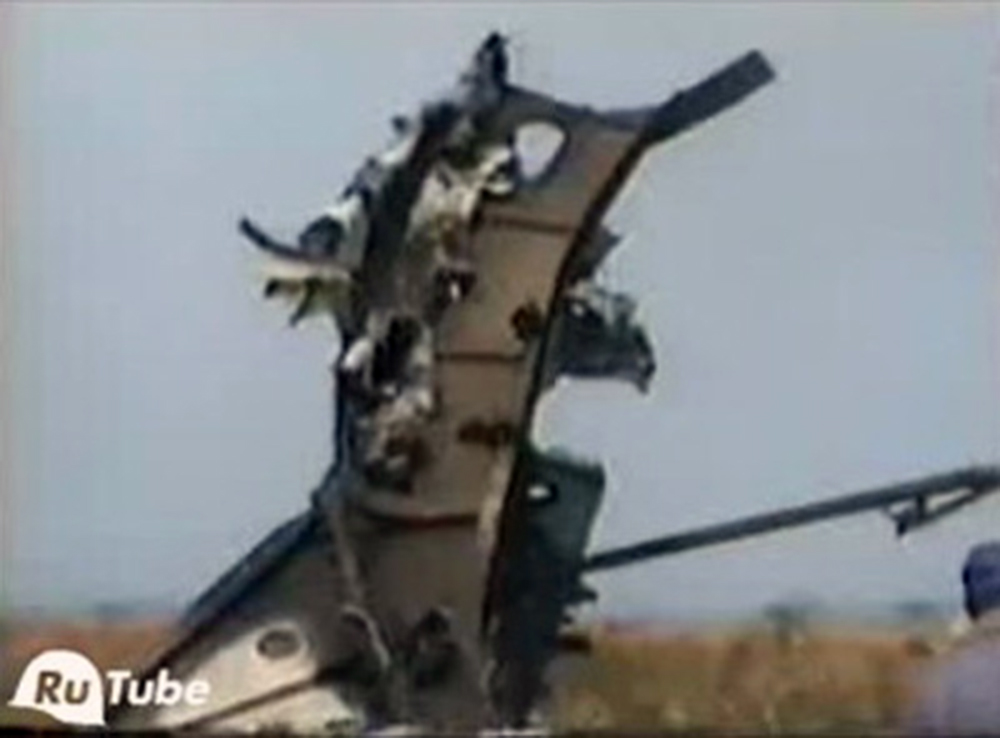
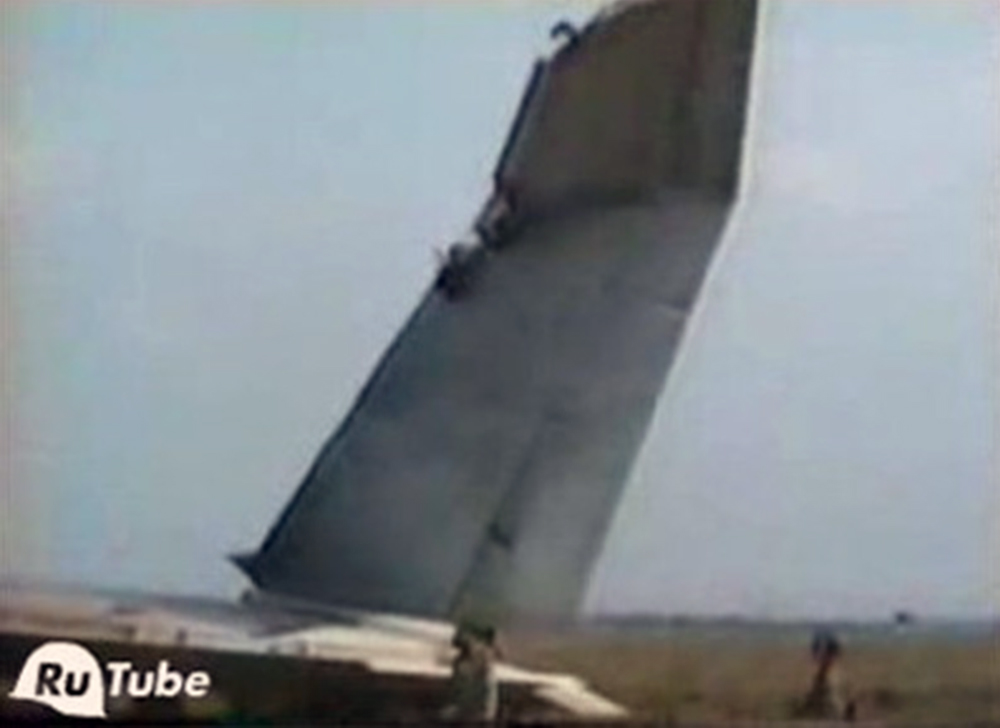
While taxiing backwards at Kinshasa-N'Djili Airport, the crew used thrust reversers and failed to extend the flaps prior to takeoff. During the takeoff roll, the pilot-in-command started the rotation when the nose gear lifted off. Despite the aircraft failed to take off, the crew did not reject the takeoff procedure and continued. The aircraft adopted a high nose up attitude and a super critical angle of attack. It rolled for about 3,800 metres, overran, rolled for another 800 metres when it struck irregularities on the ground. On impact, the right wing was torn off and the aircraft crashed, bursting into flames. All 10 occupants were killed. The aircraft was on its way to Athens, carrying a load consisting of engine and spare parts.
Probable cause:
The crew failed to prepare the flight according to published procedures and failed to extend flaps prior to takeoff. The following contributing factors were reported:
- Poor flight preparation,
- Poor crew coordination,
- Misunderstanding by the crew about the aircraft configuration,
- The pilot-in-command failed to reject takeoff.
- Crew's fatigue,
- The aircraft was not equipped with an alarm in case of wrong flaps' position.

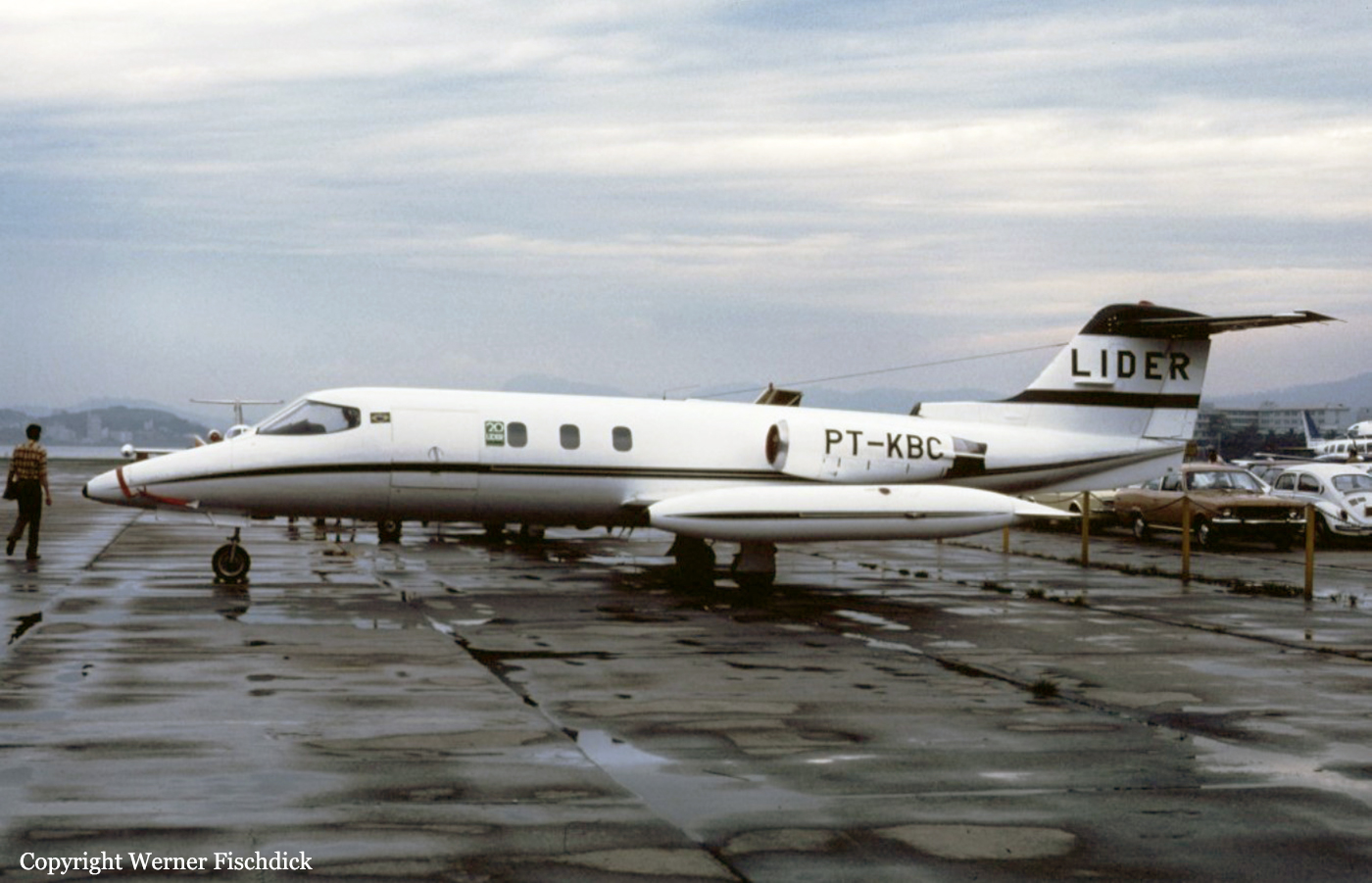
Crash of a Learjet 25C in Ribeirão Preto: 2 killed

Date & Time: Jun 4, 1996 at 1320 LT
Type of aircraft:
Registration:
PT-KBC
Flight Phase:
Flight Type:
Survivors:
Yes
Schedule:
São Paulo – Uberaba – Ribeirão Preto
MSN:
25-165
YOM:
1974
Country:
Crew on board:
2
Crew fatalities:
Pax on board:
2
Pax fatalities:
Other fatalities:
Total fatalities:
2
Captain / Total flying hours:
3500
Captain / Total hours on type:
250.00
Copilot / Total flying hours:
2000
Copilot / Total hours on type:
420
Circumstances:
The crew departed São Paulo on a training flight to Ribeirão Preto with an intermediate stop in Uberaba. On approach to Ribeirão Preto-Leite Lopes Airport, the instructor decided to reduce power on the left engine to simulate a failure and to complete a touch-and-go manoeuvre. After touchdown, the left engine power lever remained in the idle position so the captain took over control and attempted to take off as he judged it impossible to stop on the remaining runway. The aircraft took off but landed back about 92 metres past the runway end. Out of control, it collided with a truck and a tree and came to rest, bursting into flames. A man in the truck as well as one pilot were killed while three other pilots were injured. The aircraft was destroyed.
Probable cause:
The following findings were reported:
- There are indications of the presence of psychological variables that may have influenced the instructor's decision to perform the touch-and-go manoeuvre.
- There was inadequate supervision, at the technical and operational level, by the aircraft operating company, due to the lack of training, inadequate instruction and absence of flight simulator training.
- There was an error made by the pilots due to the inadequate use of the crew resources in the cockpit intended for the operation of the aircraft, due to an ineffective fulfillment of the tasks assigned to each of the crew and the non-observance of the operational rules.
- Even though the crew was qualified for the type of flight, there was inadequate planning regarding the absence of a takeoff and landing briefing.
- There was an error made by the copilot, when the delay in reducing the power levers, as soon as the locking of the left engine lever was established during the dash on the ground, with an inadequate assessment of the situation in this regard.
- There was the participation of the training process received, due to quantitative and qualitative deficiency, which did not attribute to pilots the full technical conditions to be developed in the activity, regarding the lack of simulator training, lack of a company training program that included CRM and local flights, among others.
- There are indications that the difficulties reported by the pilots in relation to the throttle were caused by the rupture of fibers in the cable that transfers its control to the FCU. This cable slides inside a corrugated cover and can be jammed if any fiber in the cable breaks.
Final Report:

Crash of a Piper PA-31-325 Navajo C/R near Kangiqsujuaq: 4 killed

Date & Time: May 30, 1996 at 0804 LT
Type of aircraft:
Registration:
C-GRPM
Flight Phase:
Survivors:
No
Site:
Schedule:
Kangiqsujuaq – Kuujjuaq
MSN:
31-8012021
YOM:
1980
Country:
Crew on board:
1
Crew fatalities:
Pax on board:
3
Pax fatalities:
Other fatalities:
Total fatalities:
4
Circumstances:
The Piper Navajo PA-31 (serial number 318012021), belonging to Les transports Aéro 2000 Inc., with three passengers and one pilot on board, was on a charter visual flight rules (VFR) flight from Kangiqsujuaq, Quebec, to Kuujjuaq, Quebec. At 1056 eastern daylight saving time (EDT), the pilot contacted the Kuujjuaq flight service station (FSS) by radio and reported that he had taken off eight minutes earlier and planned to overfly the Nouveau-Québec crater. That was the last message received from the pilot. When the aircraft failed to arrive at destination at the expected time, a search was initiated. The next day, a ground search team found the aircraft. The Navajo struck the eastern slope of the Nouveau-Québec crater while in straight and level flight. The four occupants of the aircraft were fatally injured in the accident.
Probable cause:
The pilot continued flight in adverse weather and may have lost situational awareness due to incorrect information provided by the GPS. The pilot evidently did not have the visual references required to avoid striking the eastern slope of the Nouveau-Québec crater.
Final Report:

Crash of a Piper PA-31T Cheyenne II in Malvern: 5 killed

Date & Time: May 29, 1996 at 1835 LT
Type of aircraft:
Operator:
Registration:
N333LM
Flight Phase:
Flight Type:
Survivors:
No
Schedule:
Malvern - Malvern
MSN:
31-792005
YOM:
1979
Crew on board:
1
Crew fatalities:
Pax on board:
4
Pax fatalities:
Other fatalities:
Total fatalities:
5
Captain / Total flying hours:
7500
Captain / Total hours on type:
700.00
Aircraft flight hours:
4483
Circumstances:
After the completion of scheduled maintenance and a normal ground run up, the airplane departed the airport for a local test flight. Witnesses observed the airplane in a nose high attitude, turn to the left, and then saw the nose drop toward the ground approximately 1 1/2 miles from the departure end of the runway. The airplane impacted hilly terrain and was consumed by a post impact fire. Detailed examination of the airframe, engines, and propellers revealed no defects or anomalies that would have contributed to the accident.
Probable cause:
The pilot's failure to maintain control of the airplane after takeoff.
Final Report:

Crash of a Britten-Norman BN-2A-27 Islander in Holitipu

Date & Time: May 29, 1996
Type of aircraft:
Operator:
Registration:
8R-GHG
Survivors:
Yes
MSN:
484
YOM:
1975
Country:
Crew on board:
0
Crew fatalities:
Pax on board:
0
Pax fatalities:
Other fatalities:
Total fatalities:
0
Circumstances:
After touchdown at Holitipu Airport, the twin engine aircraft collided with construction machinery and came to rest. There were no injuries while the aircraft was damaged beyond repair.
Probable cause:
The airport authority failed to publish a notam about works in progress. The pilot failed to get information about the destination airport conditions.

Crash of a Piper PA-31-310 Navajo off Stevensville

Date & Time: May 24, 1996 at 1055 LT
Type of aircraft:
Registration:
N103RW
Flight Phase:
Flight Type:
Survivors:
Yes
Schedule:
Stevensville - Laconia
MSN:
31-223
YOM:
1968
Crew on board:
1
Crew fatalities:
Pax on board:
6
Pax fatalities:
Other fatalities:
Total fatalities:
0
Captain / Total flying hours:
2000
Captain / Total hours on type:
600.00
Aircraft flight hours:
3812
Circumstances:
The pilot reported that he ran the engines to full power before releasing the brakes. Immediately after lift-off, when he retracted the landing gear, he noticed a dramatic loss of airspeed. The airplane began to rock back and forth, and the pilot's efforts to increase the airspeed including lowering the nose and adding full power was unsuccessful. According to the Piper Information Manual for a short field takeoff, a lift-off speed of 85 mph and 15 degree of flaps is required. The reported winds were 010 degrees at 7 knots. The pilot departed runway 29 which is 2910 feet long. A witness who was refueling an airplane on the ramp stated that the airplane was still on the runway at the 500 foot mark from the end of runway 29.
Probable cause:
The pilot's improper short field takeoff/procedure and selection of the wrong runway for takeoff.
Final Report:

Crash of a Mitsubishi MU-2B-25 Marquise at Tyndall AFB

Date & Time: May 20, 1996
Type of aircraft:
Registration:
N724FN
Flight Type:
Survivors:
Yes
Schedule:
Tyndall AFB - Tyndall AFB
MSN:
300
YOM:
1974
Crew on board:
1
Crew fatalities:
Pax on board:
0
Pax fatalities:
Other fatalities:
Total fatalities:
0
Circumstances:
The pilot was engaged in a local military mission at Tyndall AFB. On approach to runway 13L, conflicting traffic forced the pilot to initiate a go-around procedure. During the second approach, the pilot failed to follow the approach checklist and failed to lower the undercarriage. The aircraft landed on its belly and came to rest on the runway. The pilot escaped uninjured.

Crash of a Cessna 414 Chancellor near Kernville: 1 killed

Date & Time: May 19, 1996 at 1018 LT
Type of aircraft:
Registration:
N111AH
Flight Type:
Survivors:
No
Site:
Schedule:
Bakersfield - Kernville
MSN:
414-0089
YOM:
1970
Crew on board:
1
Crew fatalities:
Pax on board:
0
Pax fatalities:
Other fatalities:
Total fatalities:
1
Captain / Total flying hours:
1629
Captain / Total hours on type:
213.00
Circumstances:
Recorded radar data showed the aircraft was flying in an area of mountainous terrain. Mountain tops in the area were reported to be obscured. Radar data showed that the aircraft first descended to a low altitude as it flew up a valley, then it climbed until impacting rising terrain about 7,200 feet msl. Wreckage was scattered over 300 feet up the mountain slope. About 32 miles southwest at Bakersfield (elevation 507 feet), the 1000 pdt weather was in part: 4500 feet scattered, 6000 feet overcase, visibility 20 miles, wind from 260 degrees at 10 knots. Nearby residents reported that the mountain was obscured in clouds at the time of the accident. During postmortem toxicology tests, a low level of ethanol (23 mg/dl) was detected in muscle fluid specimen, probably from post-mortem production. No ethanol was detected in brain fluid.
Probable cause:
VFR flight by the pilot into instrument meteorological conditions (IMC), and his failure to maintain sufficient altitude/clearance from rising/mountainous terrain. Factors relating to the accident were: the terrain and weather conditions.
Final Report: