Crash of a Piper PA-31T Cheyenne II in Navegantes

Date & Time: Jul 6, 2026 at 1519 LT
Type of aircraft:
Registration:
PT - ODR
Flight Type:
Survivors:
Yes
Schedule:
Porto Belo – Curitiba
MSN:
31T-8020079
YOM:
1980
Country:
Crew on board:
2
Crew fatalities:
Pax on board:
0
Pax fatalities:
Other fatalities:
Total fatalities:
0
Circumstances:
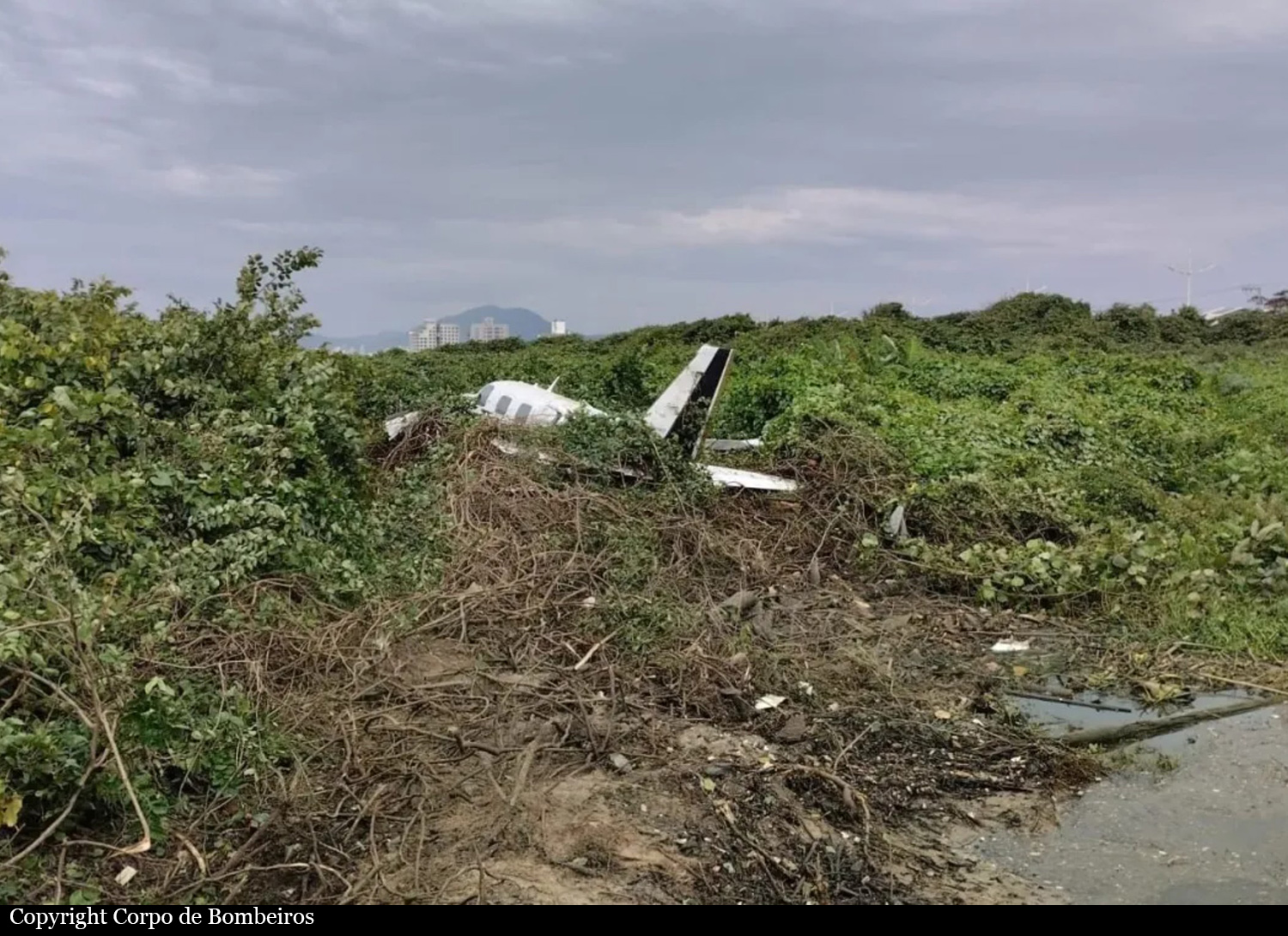
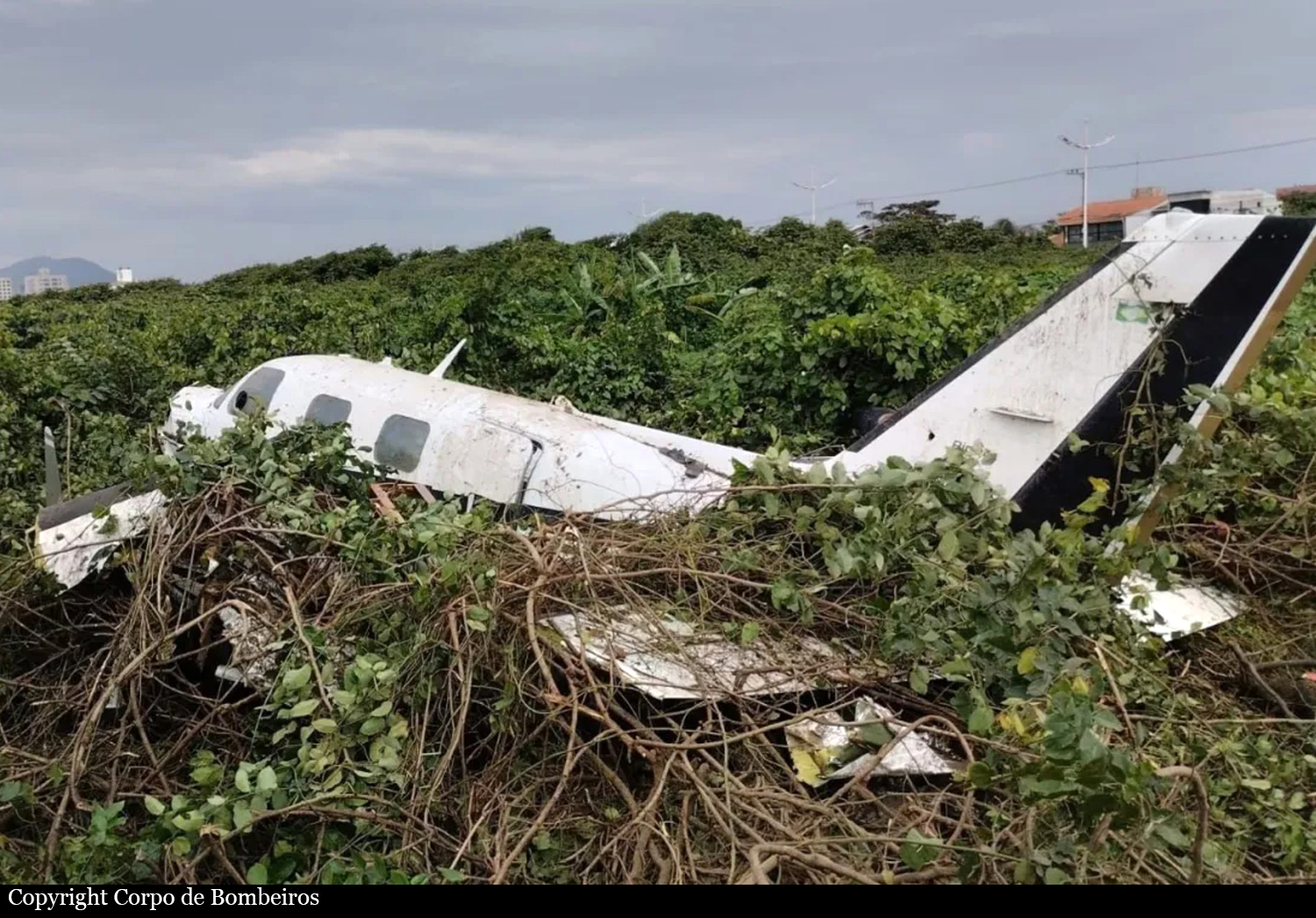
Few minutes after takeoff from Port Belo Airport, en route to Curitiba-Bacacheri Airport, the crew contacted ATC, declared an emergency and was cleared to divert to Navegantes-Itajaí Airport. On final approach, the airplane crashed in a marshy area located about 500 metres short of runway 26 threshold. Both occupants were injured and the airplane was damaged beyond repair.

Crash of a Piper PA-31T1 Cheyenne I in Japuranã

Date & Time: Mar 11, 2026 at 1305 LT
Type of aircraft:
Operator:
Registration:
PS-HEV
Flight Type:
Survivors:
Yes
Schedule:
Cuiabá – Japuranã
MSN:
31T-8104061
YOM:
1981
Country:
Crew on board:
1
Crew fatalities:
Pax on board:
3
Pax fatalities:
Other fatalities:
Total fatalities:
0
Circumstances:
Upon landing at Japuranã Airfield, the twin engine airplane went out of control and came to rest upside down. All four occupants were rescued, among them one was injured. The airplane was performing an ambulance flight from Cuiabá.

Crash of a Piper PA-31T1 Cheyenne I in San Cristóbal: 2 killed

Date & Time: Oct 22, 2025 at 0952 LT
Type of aircraft:
Operator:
Registration:
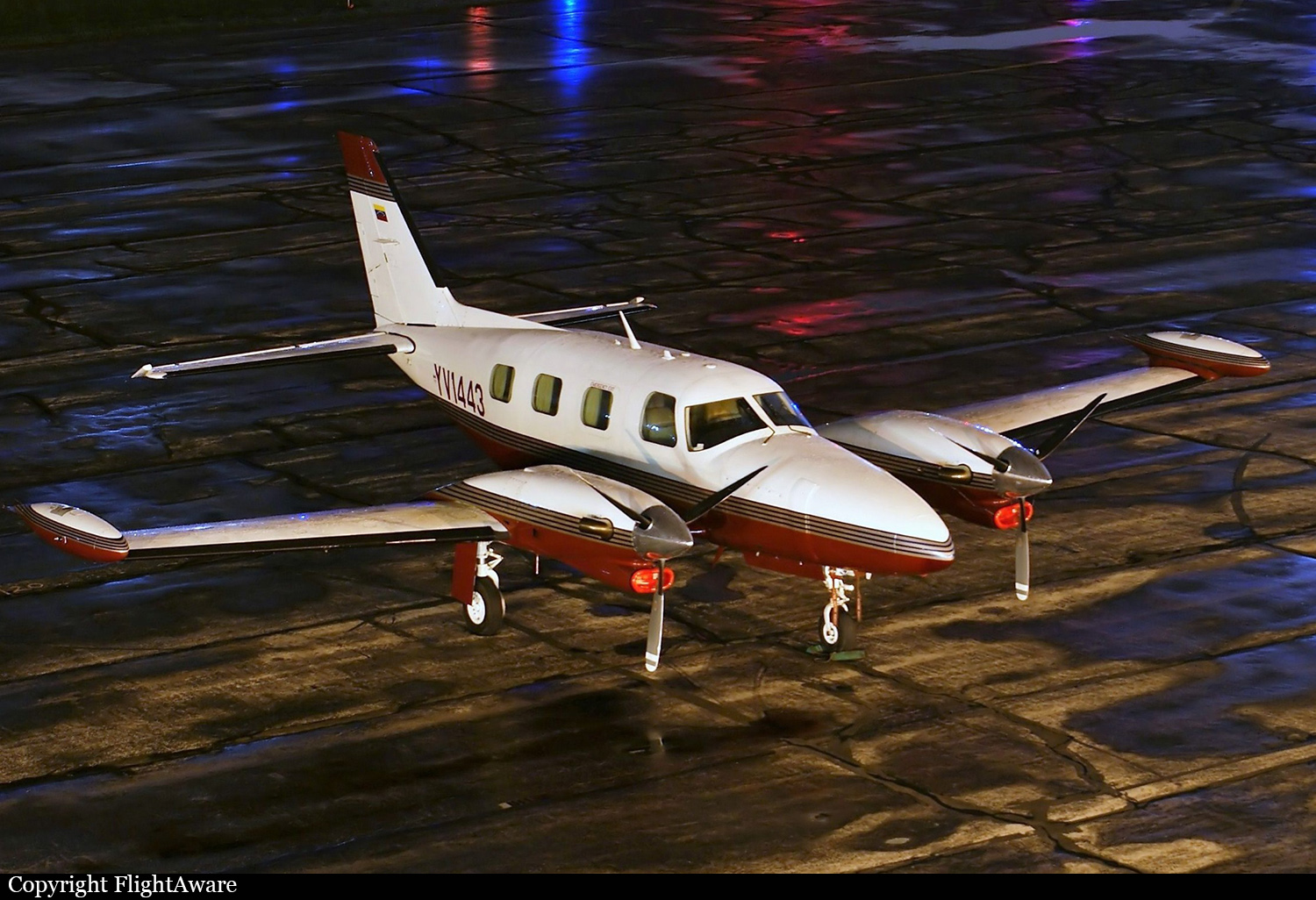
YV1443
Flight Phase:
Flight Type:
Survivors:
No
MSN:
31-7904013
YOM:
1979
Country:
Crew on board:
1
Crew fatalities:
Pax on board:
1
Pax fatalities:
Other fatalities:
Total fatalities:
2
Circumstances:
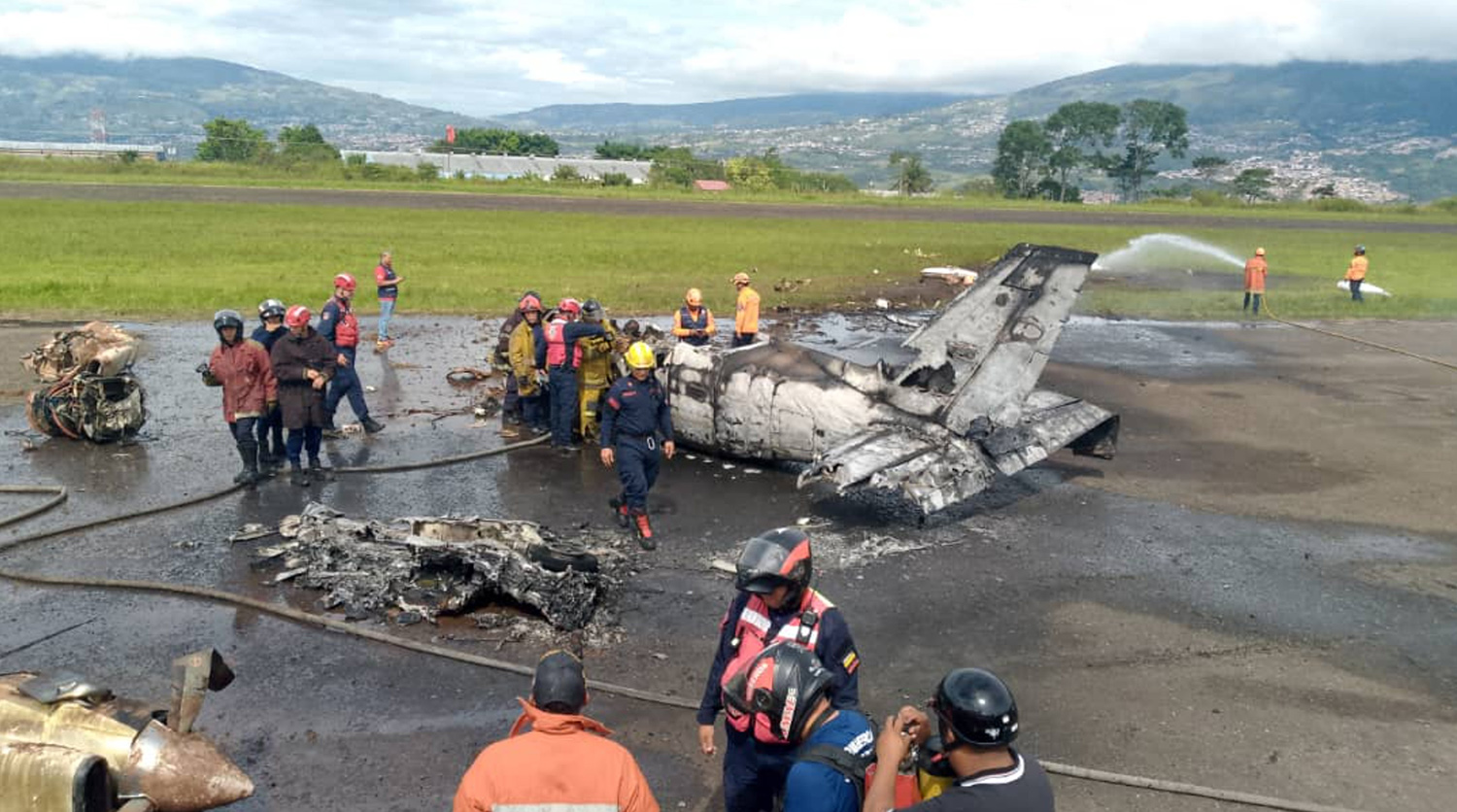
Just after liftoff from runway 20 at San Cristóbal-Paramillo Airport, while in initial climb, the twin engine airplane rolled to the left, got almost inverted then crashed in a huge explosion nearby the runway. The airplane was destroyed by a post crash fire and both occupants were killed. The left engine was windmilling after rotation while the right engine was at almost full power.

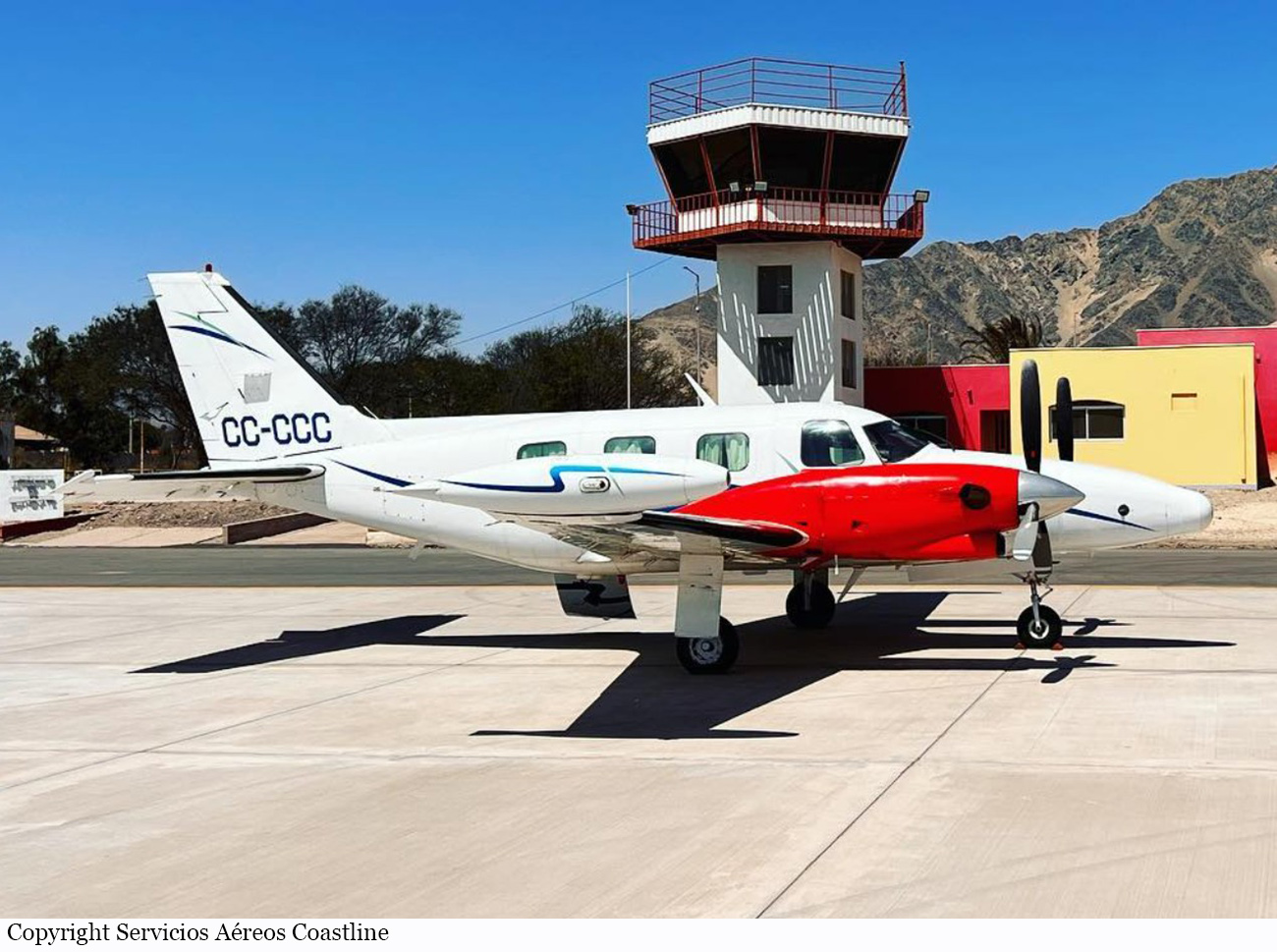
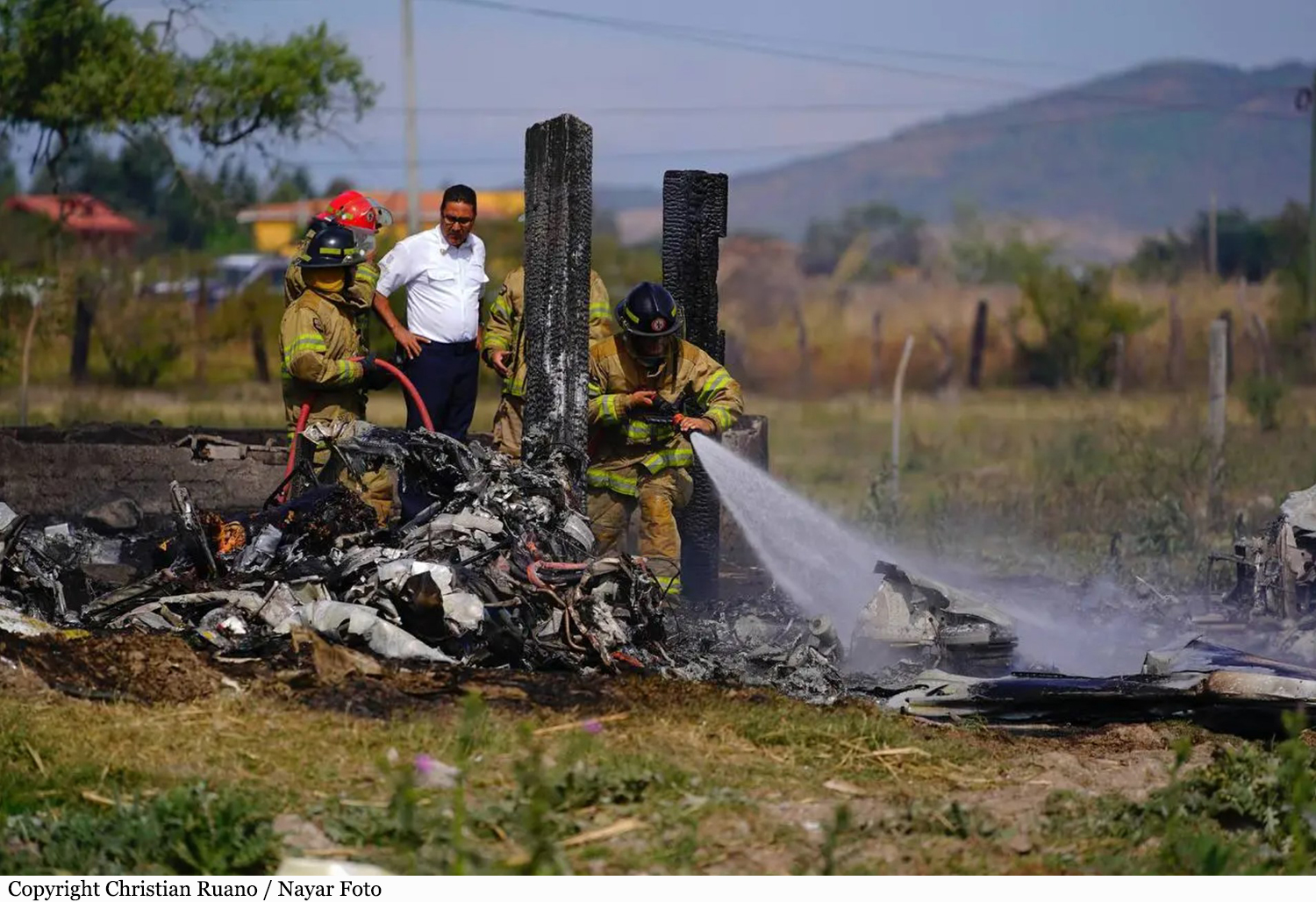
Crash of a Piper PA-31T Cheyenne II near Curacaví: 6 killed

Date & Time: May 7, 2025 at 1929 LT
Type of aircraft:
Operator:
Registration:
CC-CCC
Flight Phase:
Flight Type:
Survivors:
No
Site:
Schedule:
Santiago - Arica
MSN:
31-7920082
YOM:
1979
Country:
Crew on board:
2
Crew fatalities:
Pax on board:
4
Pax fatalities:
Other fatalities:
Total fatalities:
6
Circumstances:
The twin engine airplane departed Santiago-Comodoro Arturo Merino Benítez Airport at 1916LT on an ambulance flight to Arica. On board were one patient, three medics and two pilots. After departure, the airplane continued to the west then headed to the north and climbed to an altitude of 15,000 feet when the crew apparently encountered technical problems. About 13 minutes into the flight, the airplane impacted the slope of a mountain near Curacaví. The wreckage was spotted by the crew of a Chilean Air Force Black Hawk the following afternoon. The airplane was totally destroyed and all six occupants were killed.

Crash of a Piper PA-31T Cheyenne II in Tepic: 4 killed

Date & Time: Jan 23, 2024 at 1055 LT
Type of aircraft:
Operator:
Registration:
XB-OQA
Flight Type:
Survivors:
No
Schedule:
Atizapán de Zaragoza – Tepic
MSN:
31-7620049
YOM:
1976
Country:
Crew on board:
1
Crew fatalities:
Pax on board:
3
Pax fatalities:
Other fatalities:
Total fatalities:
4
Aircraft flight hours:
3600
Circumstances:
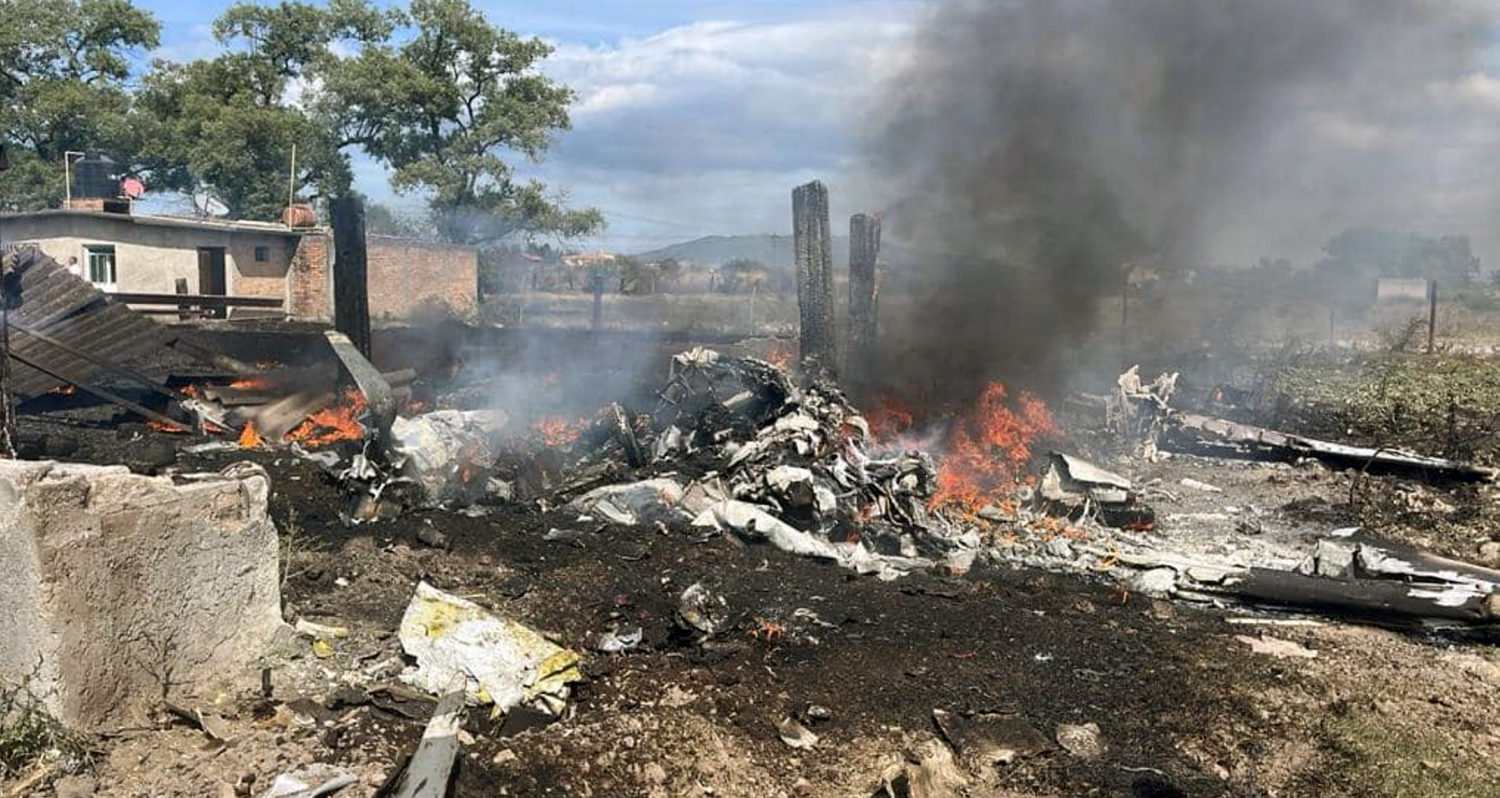
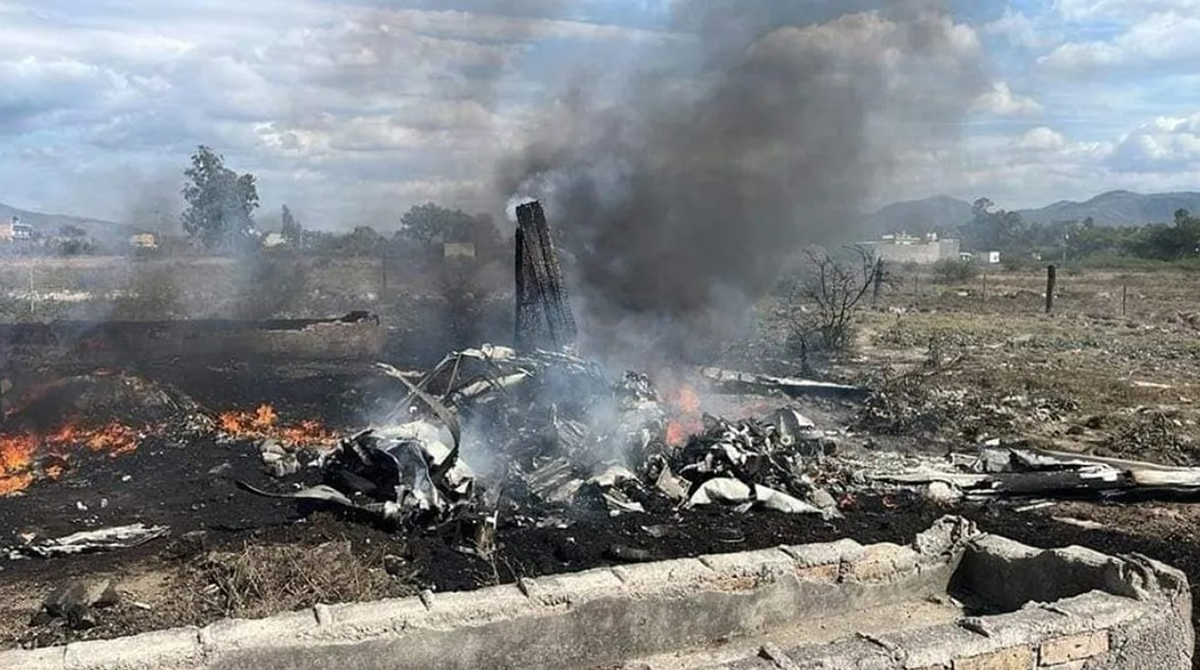
On final approach to Tepic-Amado Nervo Airport, the twin engine airplane went out of control and crashed in a field located west of the airport, bursting into flames. The airplane was destroyed and all four occupants were killed.

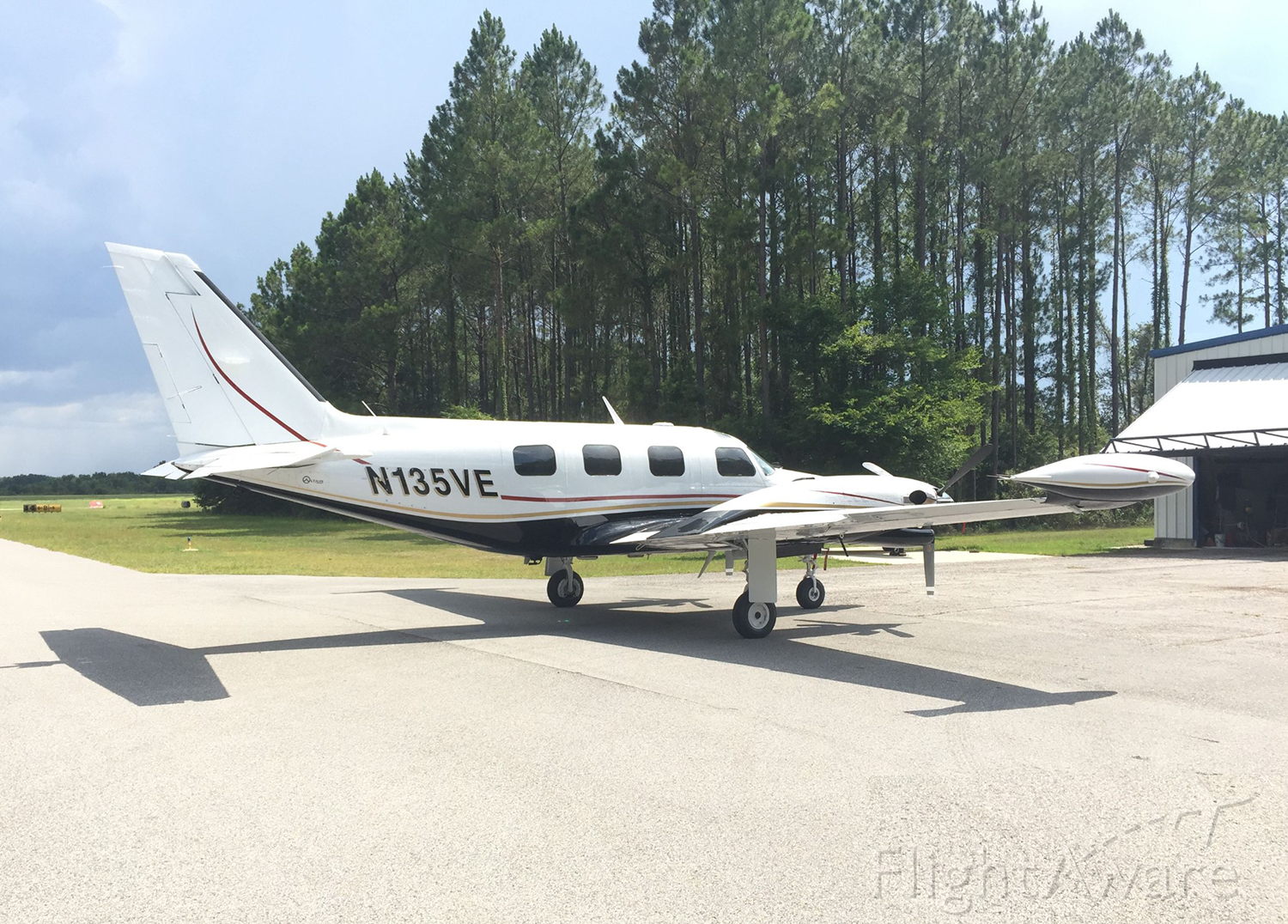
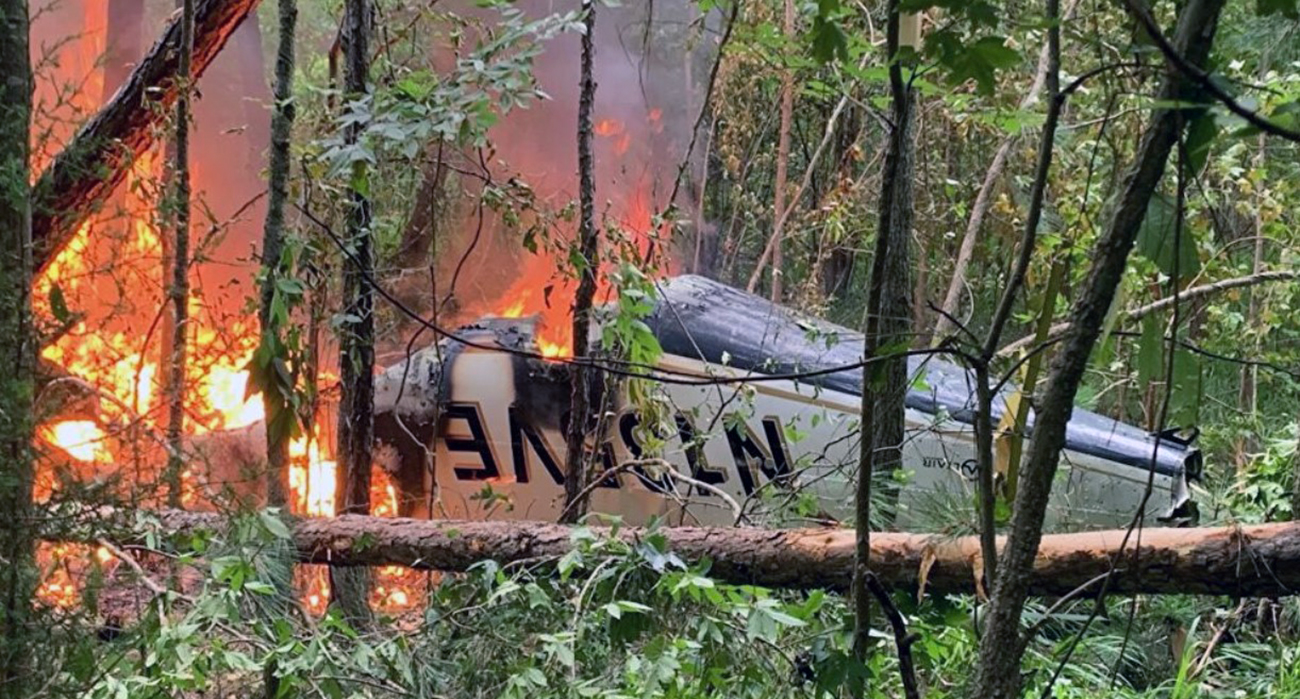
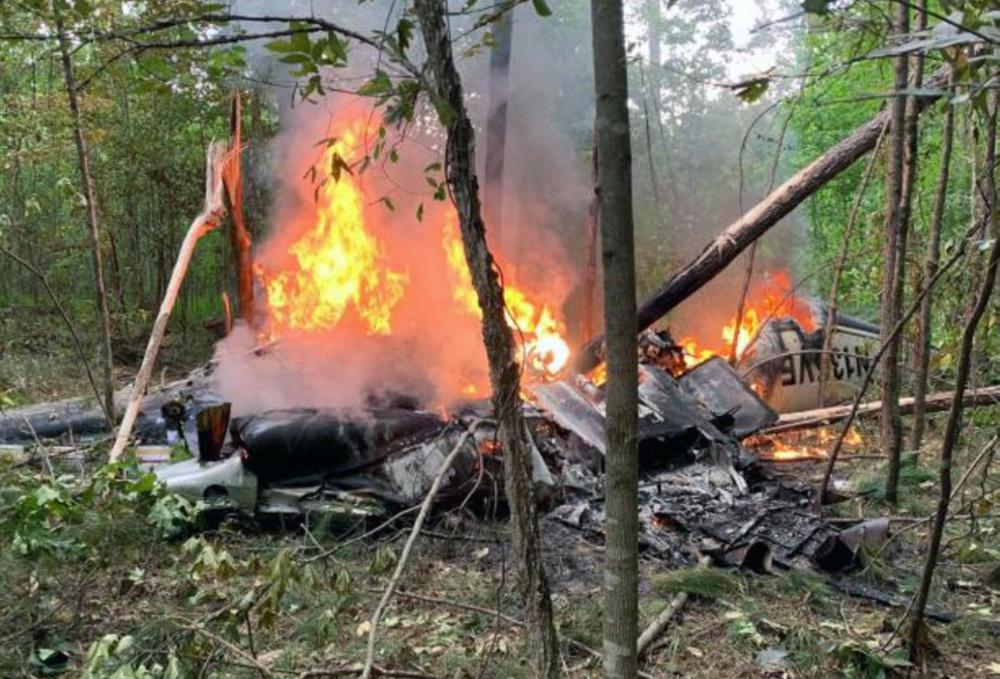
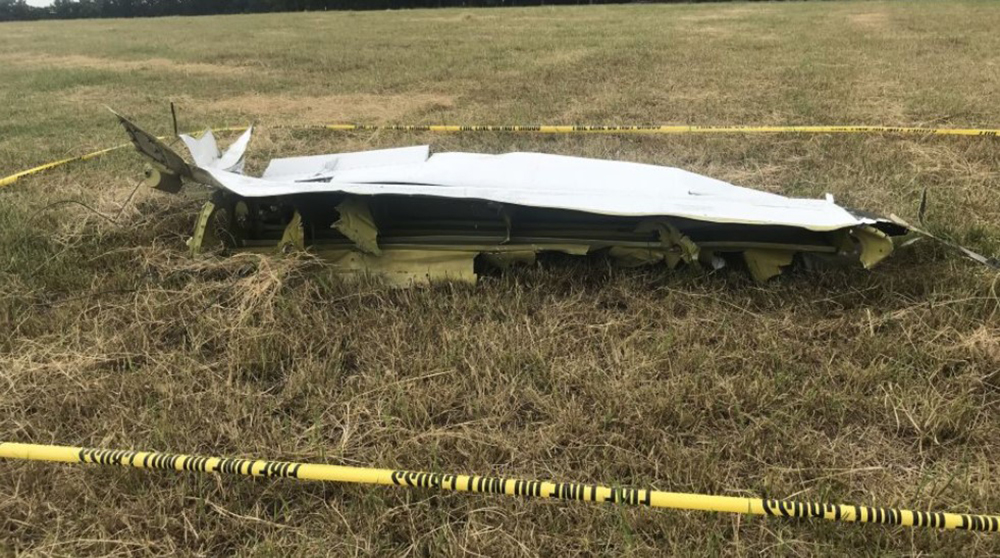
Crash of a Piper PA-31T Cheyenne near Eatonton: 5 killed

Date & Time: Jun 5, 2020 at 1520 LT
Type of aircraft:
Registration:
N135VE
Flight Phase:
Flight Type:
Survivors:
No
Schedule:
Williston – New Castle
MSN:
31-7520024
YOM:
1975
Crew on board:
2
Crew fatalities:
Pax on board:
3
Pax fatalities:
Other fatalities:
Total fatalities:
5
Captain / Total flying hours:
2000
Copilot / Total flying hours:
15
Aircraft flight hours:
7749
Circumstances:
Before the personal instrument flight rules flight began, the pilot obtained a preflight weather briefing that indicated that instrument meteorological conditions, convective activity, and moderate-to-severe icing conditions would be occurring along the route of flight. According to track data, while the pilot was navigating to avoid weather, the pilot was using the autopilot for maneuvering. After the pilot reported to air traffic control that the airplane would be turning direct to its destination, the performance analysis of track data showed that the airplane began a slight left turn with a bank angle of about 10°, which was consistent with the intended route of flight. However, the turn then reversed, and the airplane began banking to the right, reaching about 120° right wing down during the next 70 seconds and showing a slow oscillation in pitch attitude. Satellite imagery showed that the airplane was likely in instrument meteorological conditions when it began a rapid descent, and the airplane’s descent rate was about 7,000 feet per minute. Postaccident examination of the airplane and right engine (the left engine was not recovered) revealed no evidence of any preimpact mechanical malfunctions or failures that would have precluded normal operation. The dynamics of the airplane’s movements after the right turn began indicated that the airplane likely was not being actively controlled when it diverted from the intended flightpath. The circumstances of this accident were thus consistent with the pilot’s lack of timely recognition that the autopilot was disengaged. The available evidence for this accident precluded a determination of where the pilot’s attention was directed while navigating direct to the destination. However, the turbulence would have increased the pilot’s workload, and the restricted visibility conditions would have prevented the pilot’s use of outside cues to detect deviations in the airplane’s attitude. Also, the initial roll rates might not have been sufficient to provide reliable cues to the pilot of the developing bank, and the convective conditions would likely have made it difficult for the pilot to detect and recover from the fully developed unusual attitude.
Probable cause:
The pilot’s failure to maintain control of the airplane while maneuvering in instrument meteorological conditions, which placed the airplane in an unusual attitude from which the pilot could not recover. Contributing to the accident was the convective and turbulent weather.
Final Report:


Crash of a Piper PA-31T Cheyenne I in Billings: 1 killed

Date & Time: Apr 20, 2020 at 0950 LT
Type of aircraft:
Operator:
Registration:
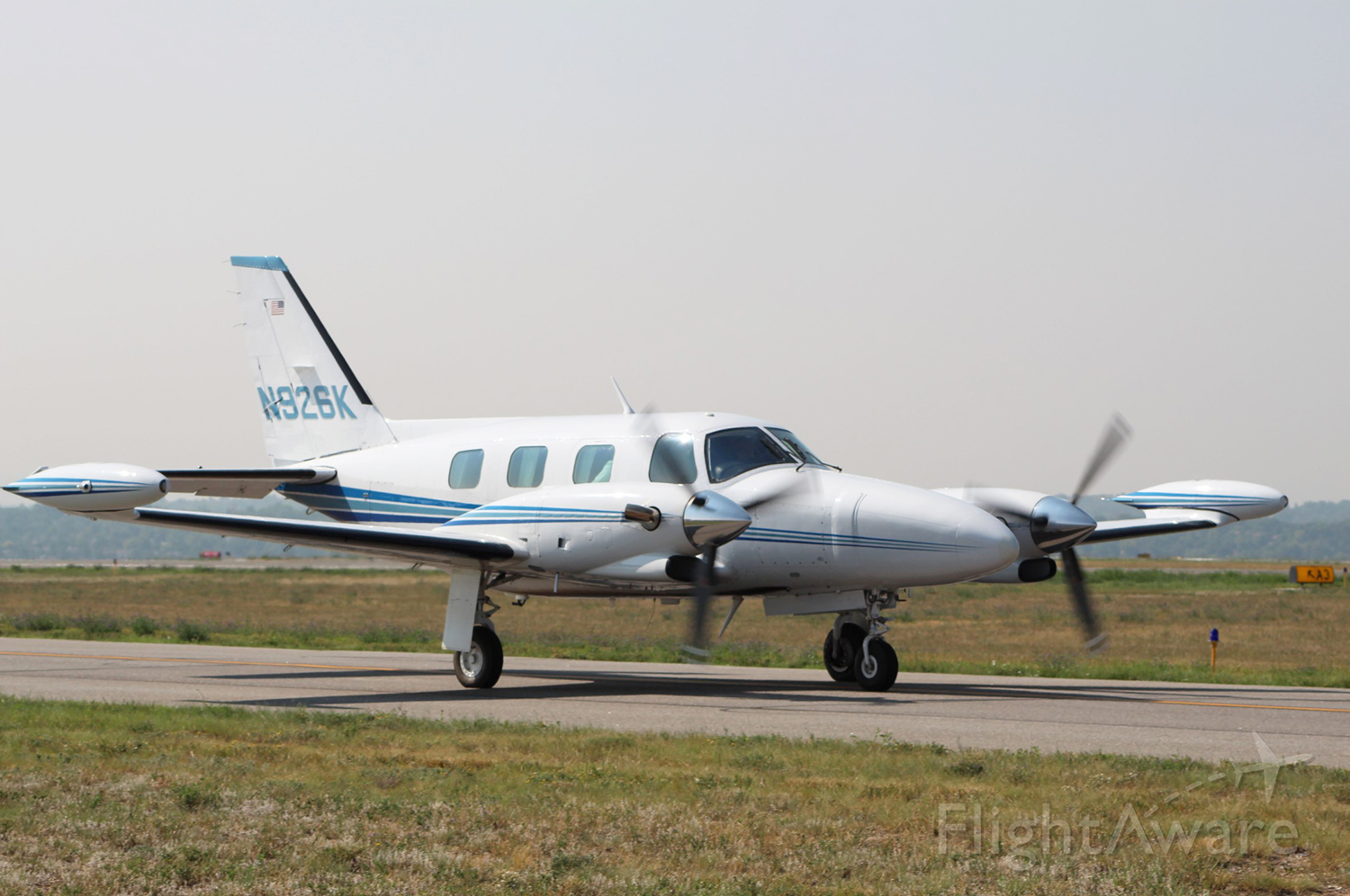
N926K
Flight Phase:
Flight Type:
Survivors:
No
Schedule:
Billings - Billings
MSN:
31-8004046
YOM:
1980
Crew on board:
1
Crew fatalities:
Pax on board:
0
Pax fatalities:
Other fatalities:
Total fatalities:
1
Captain / Total flying hours:
12955
Aircraft flight hours:
4696
Circumstances:
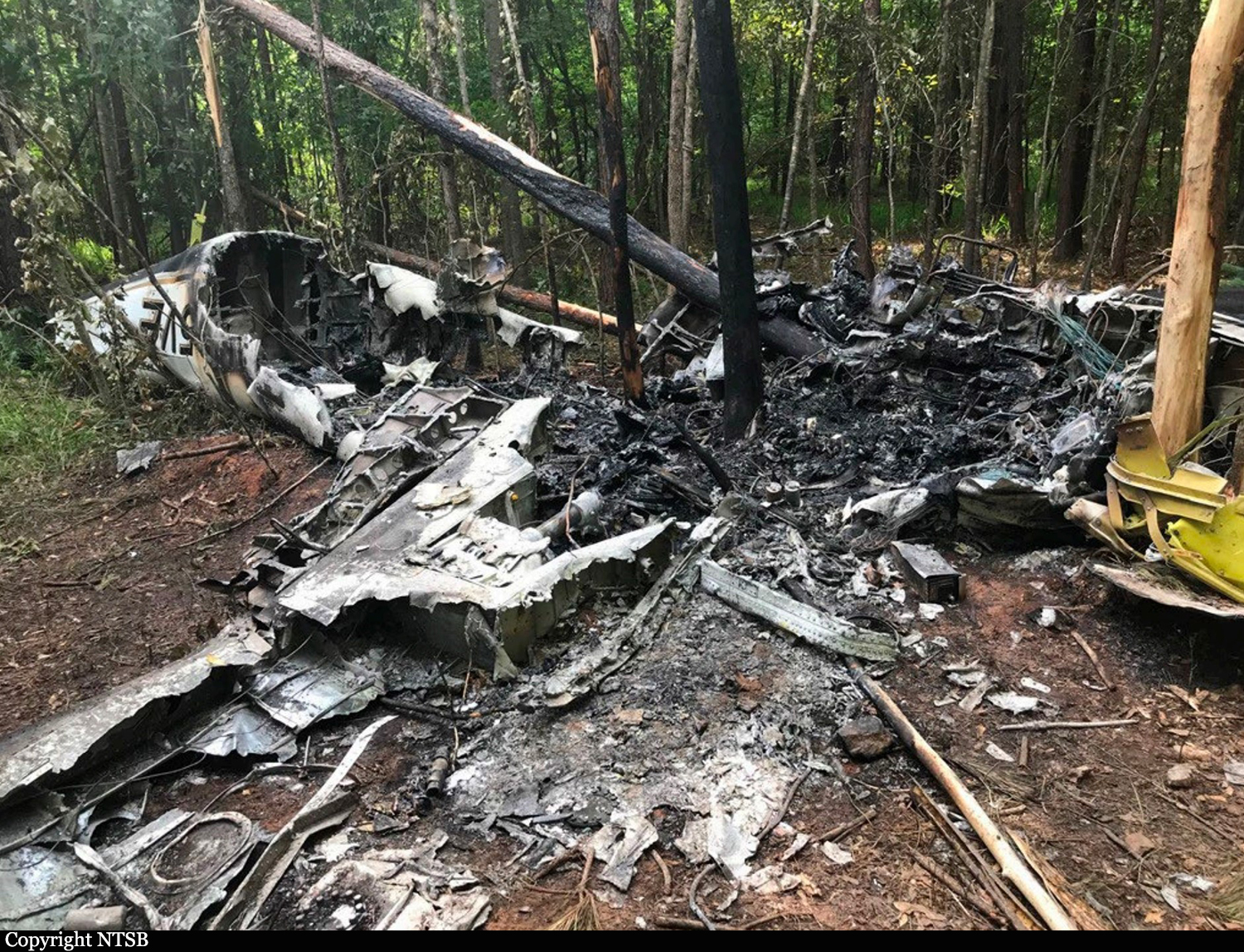
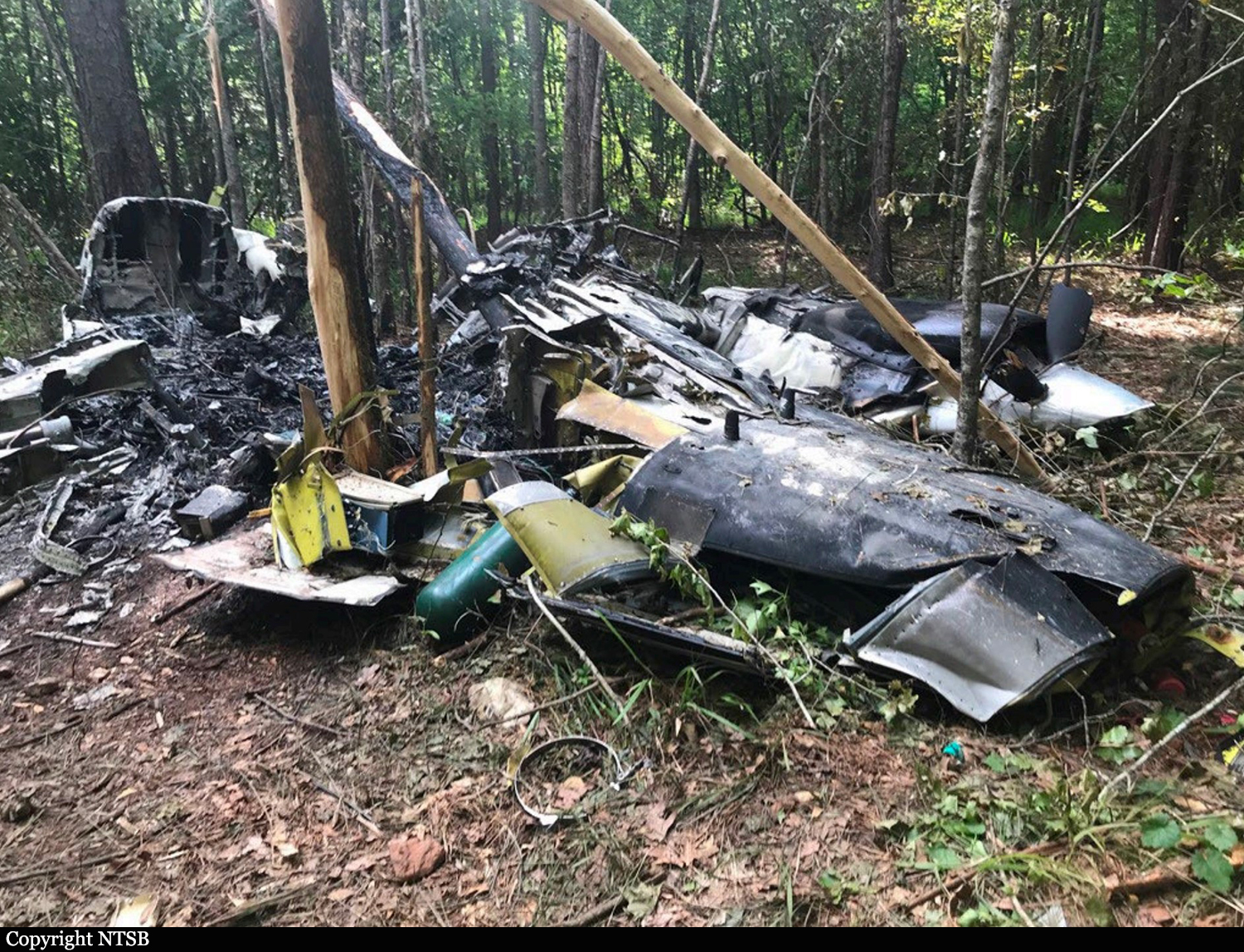
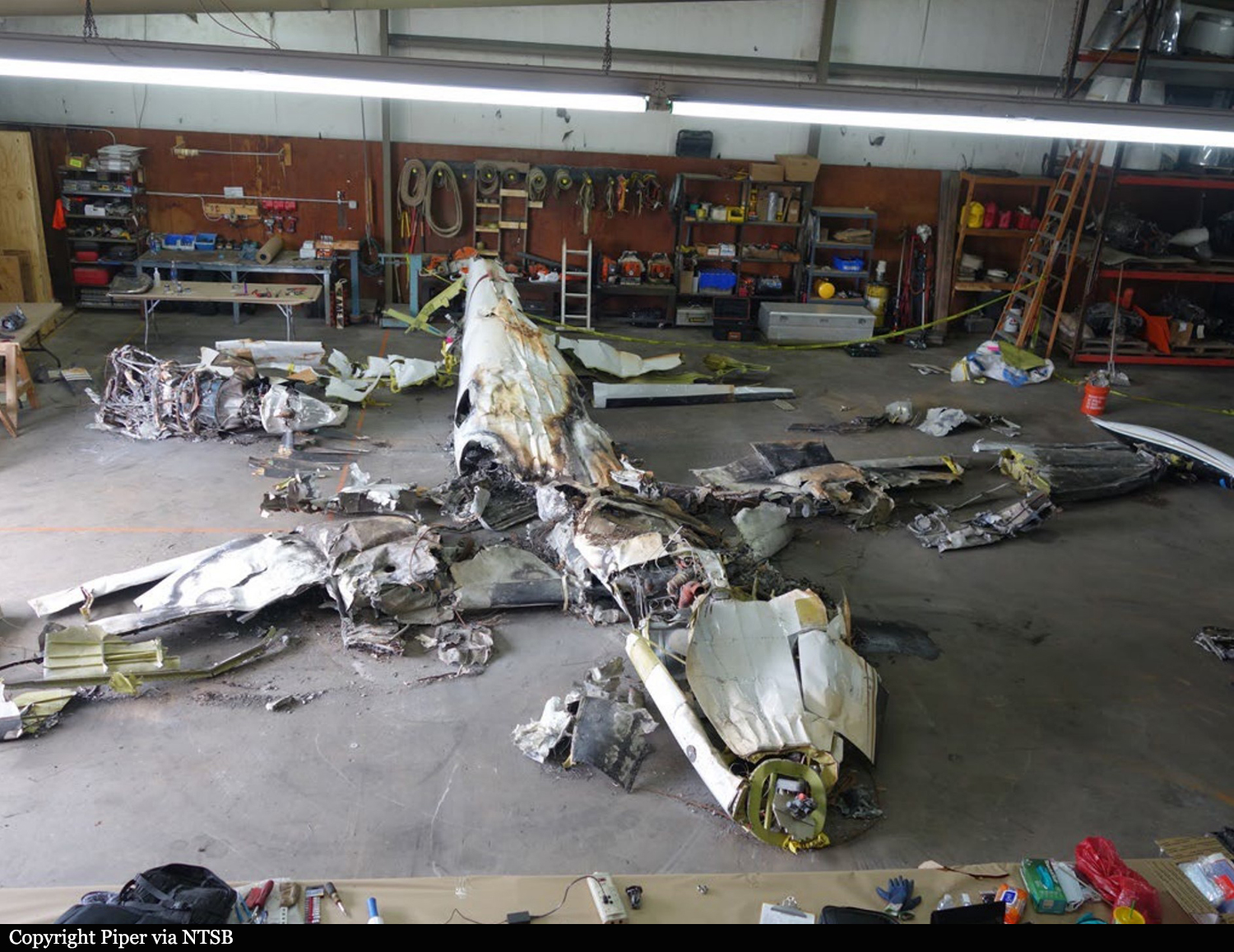
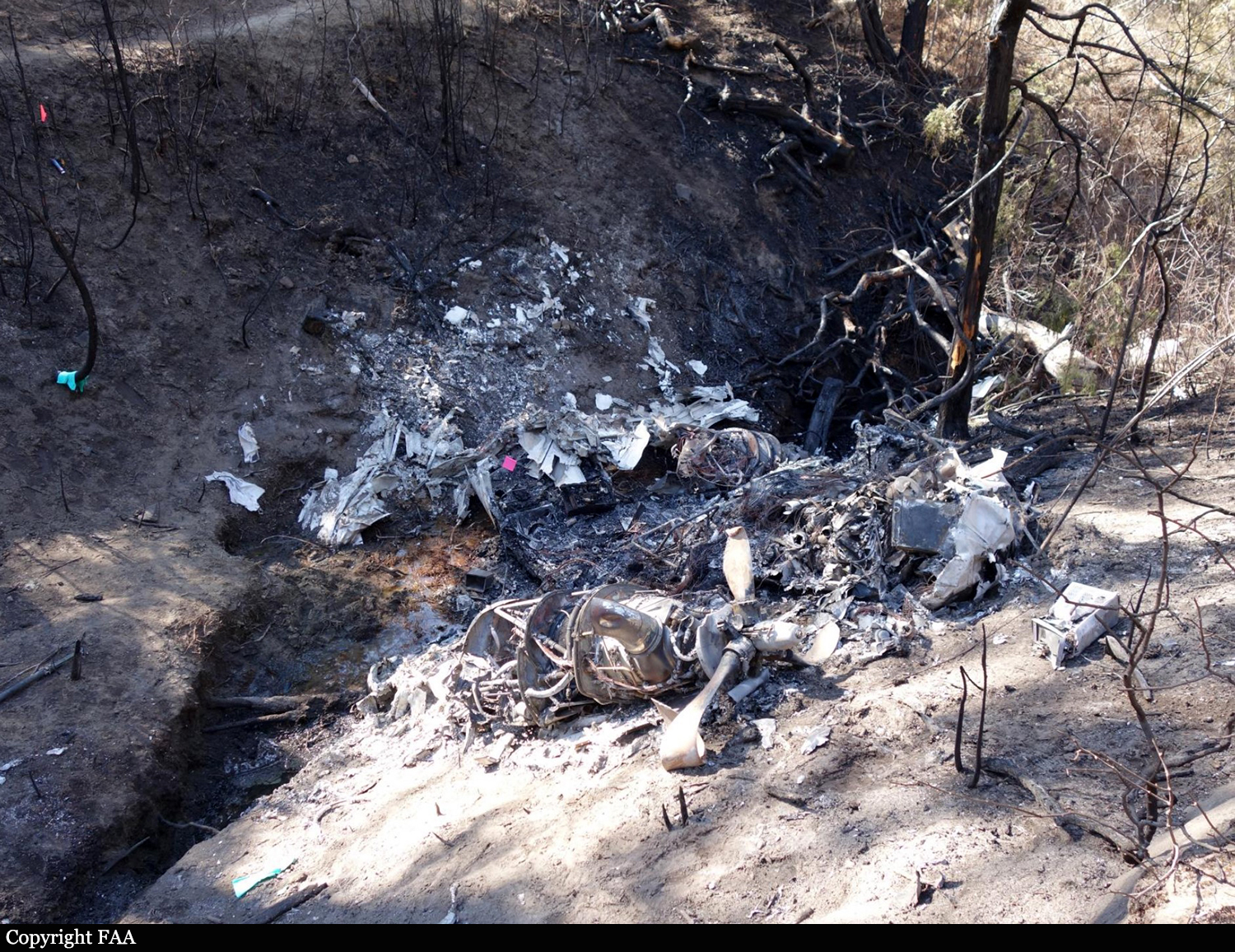
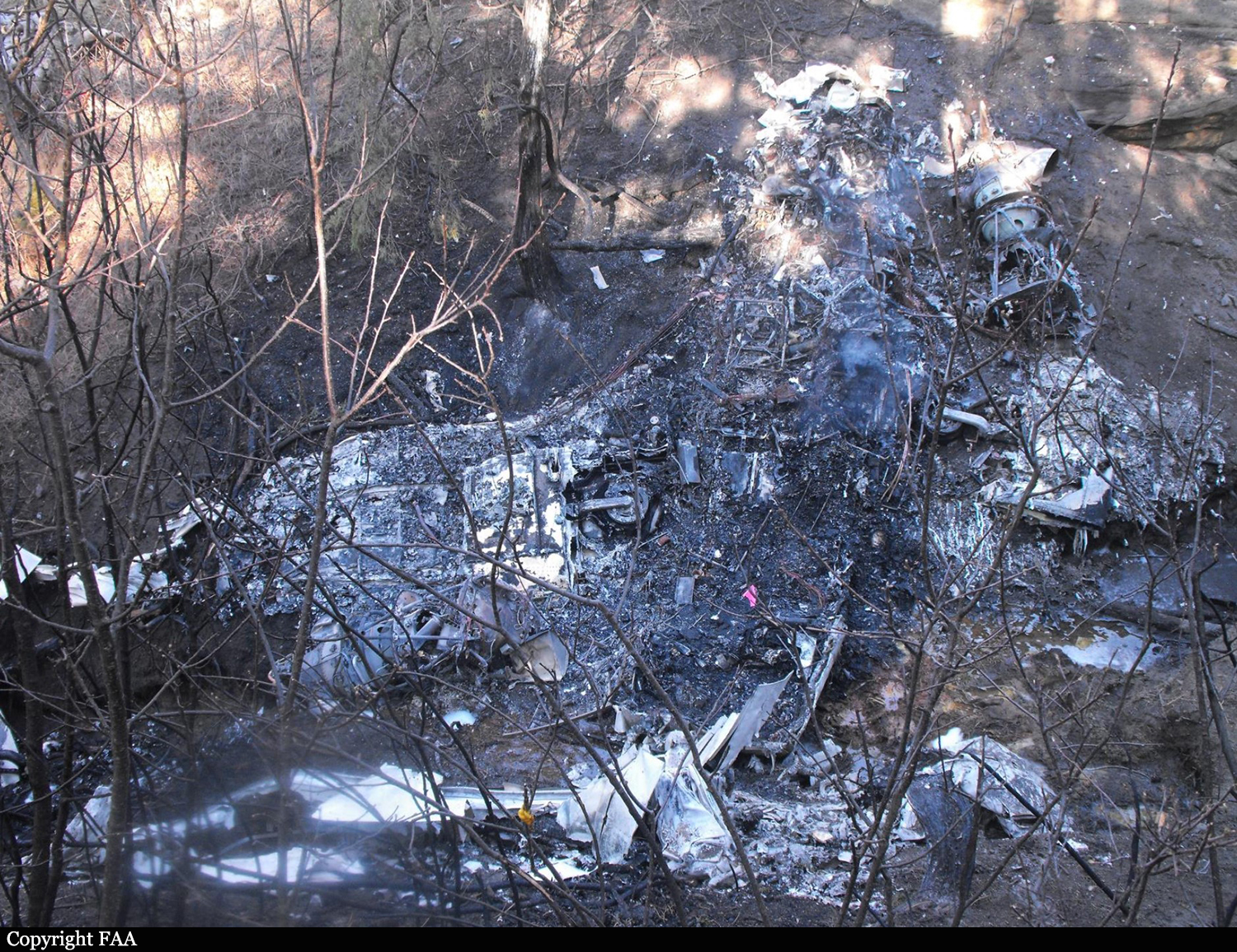
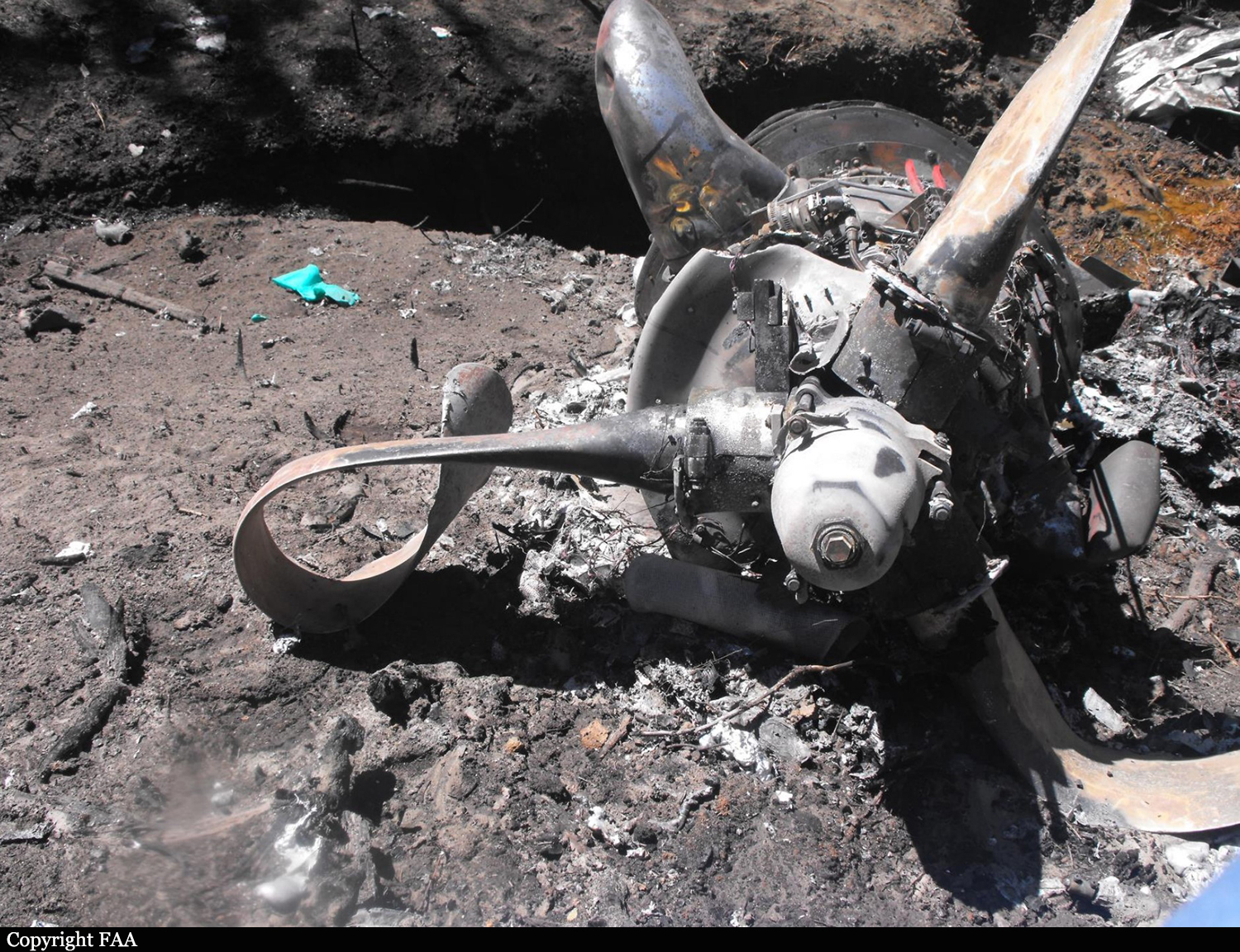
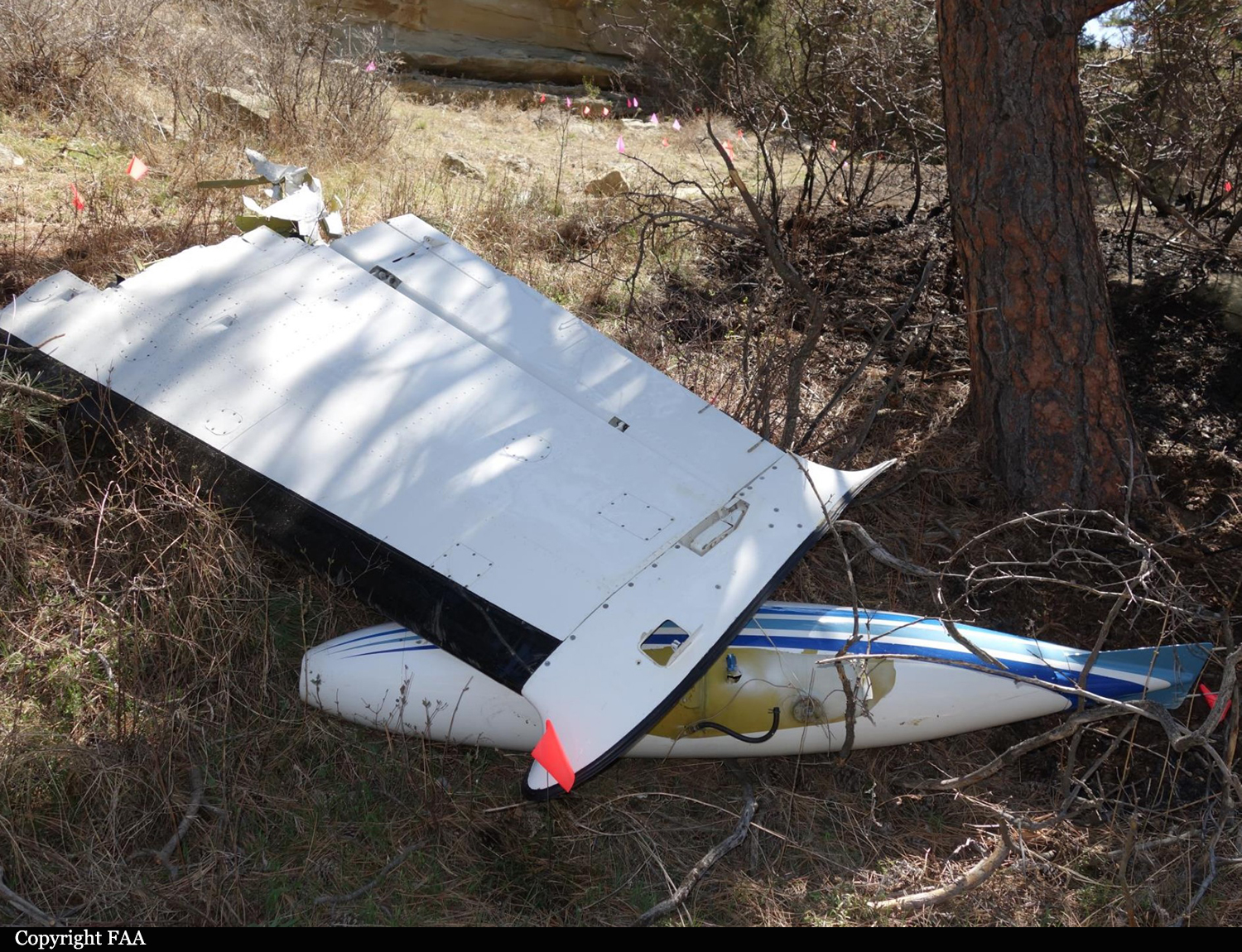
Air traffic control communications revealed that the pilot requested to take off from the departure runway so that he could perform traffic pattern work and return for a landing on the left adjacent runway. Shortly after takeoff and while departing to the west, the pilot was instructed twice to enter the left traffic pattern, with no response. Radar data showed the airplane departing the runway and remaining on runway centerline heading for the length of the flight. The airplane climbed to about 100 ft above ground level and the airplane’s groundspeed increased to 81 knots soon after departure then decreased to 70 knots before dropping off radar. Witnesses reported seeing the airplane depart the airport at a low climb rate and slow airspeed. Shortly after, the airplane flew out of view and a column of smoke was seen on the horizon. Accident site documentation identified symmetrical propeller strikes on the ground consistent with the airplane impacting the ground in a shallow, nose-up, wings level attitude. Examination of the airframe and both engines did not reveal any evidence of a preaccident mechanical failure or malfunction that would have precluded normal performance to allow for sufficient airspeed and climb rate after takeoff. Both the engines exhibited damage signatures consistent with the engines producing symmetrical power at impact. The pilot’s most recent flight in the accident airplane was 2 months before the accident. The pilot was reported to have problems with understanding the accident airplane’s avionics system; however, it is unknown if he was having these problems during the accident flight. Review of the pilot’s medical history revealed no significant medical concerns or conditions that could pose a hazard to flight.
Probable cause:
The degraded airplane performance after takeoff for reasons that could not be determined from available evidence.
Final Report: