Crash of a PZL-Mielec AN-2R in Borów

Date & Time: Nov 27, 1989
Type of aircraft:
Operator:
Registration:
SP-WWO
Flight Phase:
Survivors:
Yes
MSN:
1G177-05
YOM:
1977
Country:
Region:
Crew on board:
0
Crew fatalities:
Pax on board:
0
Pax fatalities:
Other fatalities:
Total fatalities:
0
Circumstances:
Crashed in unknown circumstances. There were no casualties.

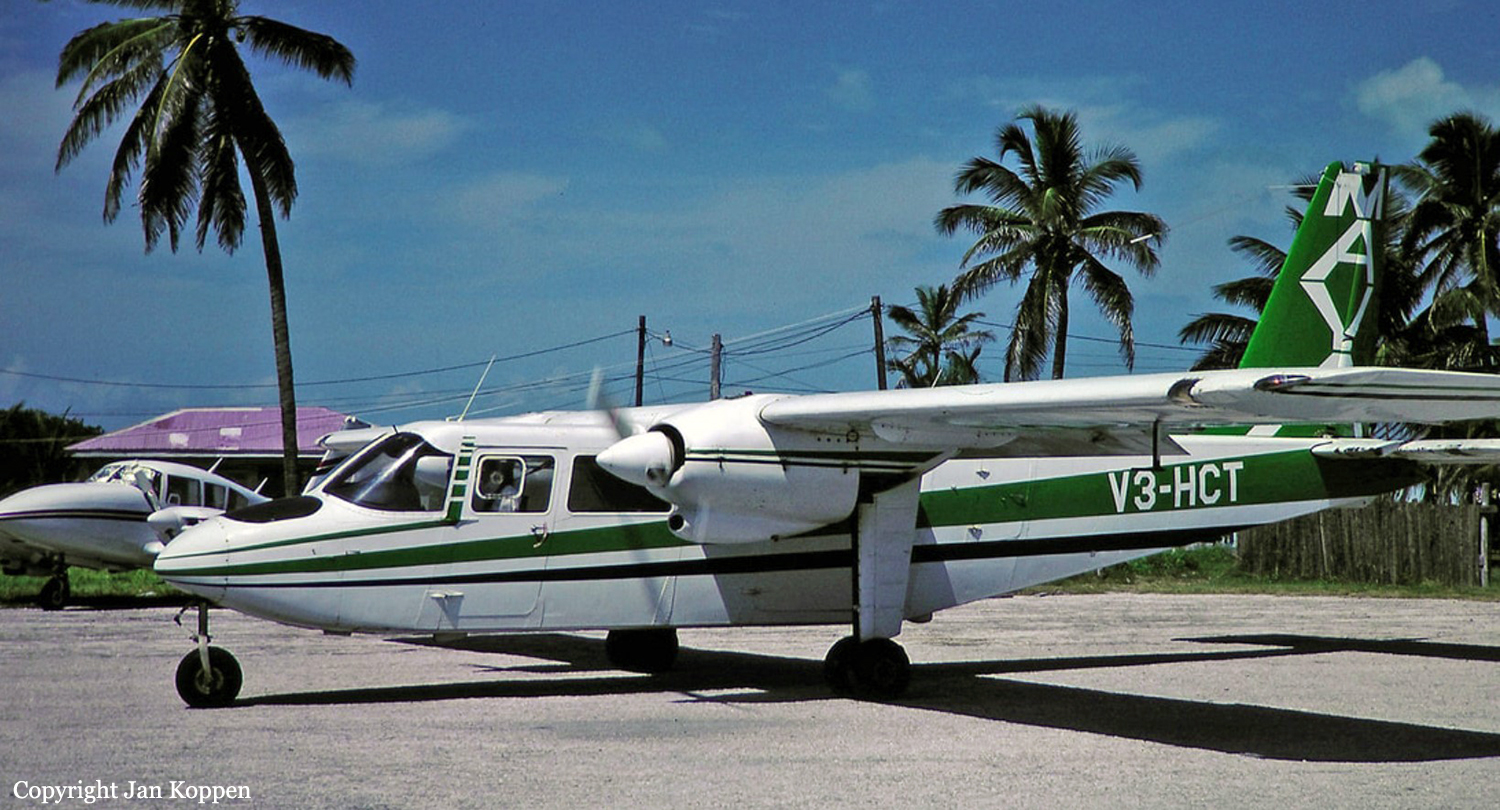
Crash of a Britten-Norman BN-2A-26 off Belize

Date & Time: Nov 25, 1989
Type of aircraft:
Operator:
Registration:
V3-HCT
Flight Phase:
Survivors:
Yes
MSN:
571
YOM:
1977
Country:
Crew on board:
0
Crew fatalities:
Pax on board:
0
Pax fatalities:
Other fatalities:
Total fatalities:
0
Circumstances:
Crashed in the sea off Belize in unknown circumstances. There were no casualties.

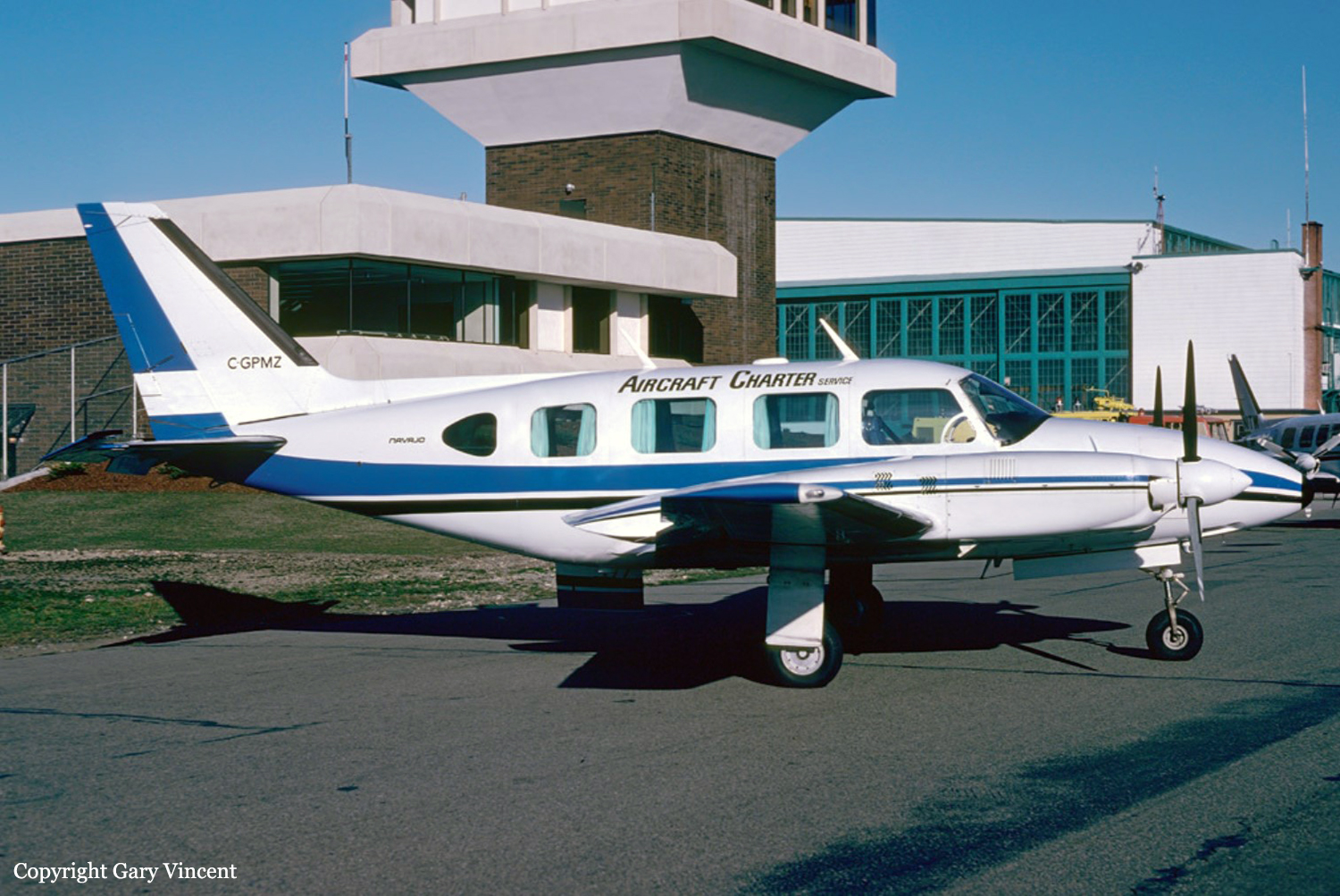
Crash of a Piper PA-31-310 Navajo in British Columbia: 2 killed

Date & Time: Nov 23, 1989
Type of aircraft:
Operator:
Registration:
C-GPMZ
Flight Phase:
Survivors:
No
Site:
MSN:
31-7401120
YOM:
1974
Country:
Crew on board:
1
Crew fatalities:
Pax on board:
1
Pax fatalities:
Other fatalities:
Total fatalities:
2
Circumstances:
Struck a hill somewhere in BC while on a charter flight. Both occupants were killed.
Probable cause:
Controlled flight into terrain.

Crash of a Rockwell 500U Shrike Commander on Mt Barren Jack: 2 killed

Date & Time: Nov 18, 1989 at 1241 LT
Operator:
Registration:
VH-BMR
Flight Phase:
Survivors:
No
Site:
Schedule:
Canberra – Dalby
MSN:
500-1754-45
YOM:
1968
Country:
Region:
Crew on board:
2
Crew fatalities:
Pax on board:
0
Pax fatalities:
Other fatalities:
Total fatalities:
2
Circumstances:
When the survey aircraft failed to arrive at the destination, and on expiry of the SAR time, a search was commenced. Wreckage of the aircraft was subsequently found on the eastern slope of Mt Barren Jack, to the north west of the mouth of Carrolls Creek, and on the planned track for the survey operation. Observers at the Burrinjuck reservoir near the mouth of Carrolls Creek described the weather in the accident area at the time as black clouds spilling over and obscuring the mountain tops. The aircraft collided with trees on the side of the mountain, while banked steeply to the right and in a tail low attitude. The pilot was thrown from the aircraft during the impact sequence. Medical opinion held that there was no evidence of body trauma consistent with the seat belt being fastened at the time of impact. The flight was completed on behalf of the Bureau of Mineral Resources (BMR) and both occupants were killed.
Probable cause:
Because of the destruction of the aircraft by the ensuing fire the status of the seat belt assemblies were unable to be determined. The investigation revealed that both engines were operating at high power at the time of impact. No malfunction or defect could be found with the aircraft which could have contributed to the accident. The survey task required the pilot to adhere strictly to a particular track and the target height for the flight was 500 feet above ground level while maintaining visual contact with the ground at all times. The pilot was suitably qualified to act as pilot in command of survey operations down to a height of 200 feet above ground level. The investigation concluded that the aircraft was being operated at a height substantially lower that 500 feet above ground level prior to the accident. Impact marks, wreckage and mechanical evidence suggest that the aircraft impacted terrain at a time when the pilot was attempting to carry out an evasive manoeuvre to remain clear of terrain. The reason why the aircraft was being operated at such a height and why the pilot delayed turning away from the steeply rising terrain could not be determined.
The following factors were reported:
- The pilot continued the flight into adverse weather conditions.
- The pilot flew the aircraft towards steeply rising terrain at a height substantially lower that 500 feet above ground level.
Final Report:

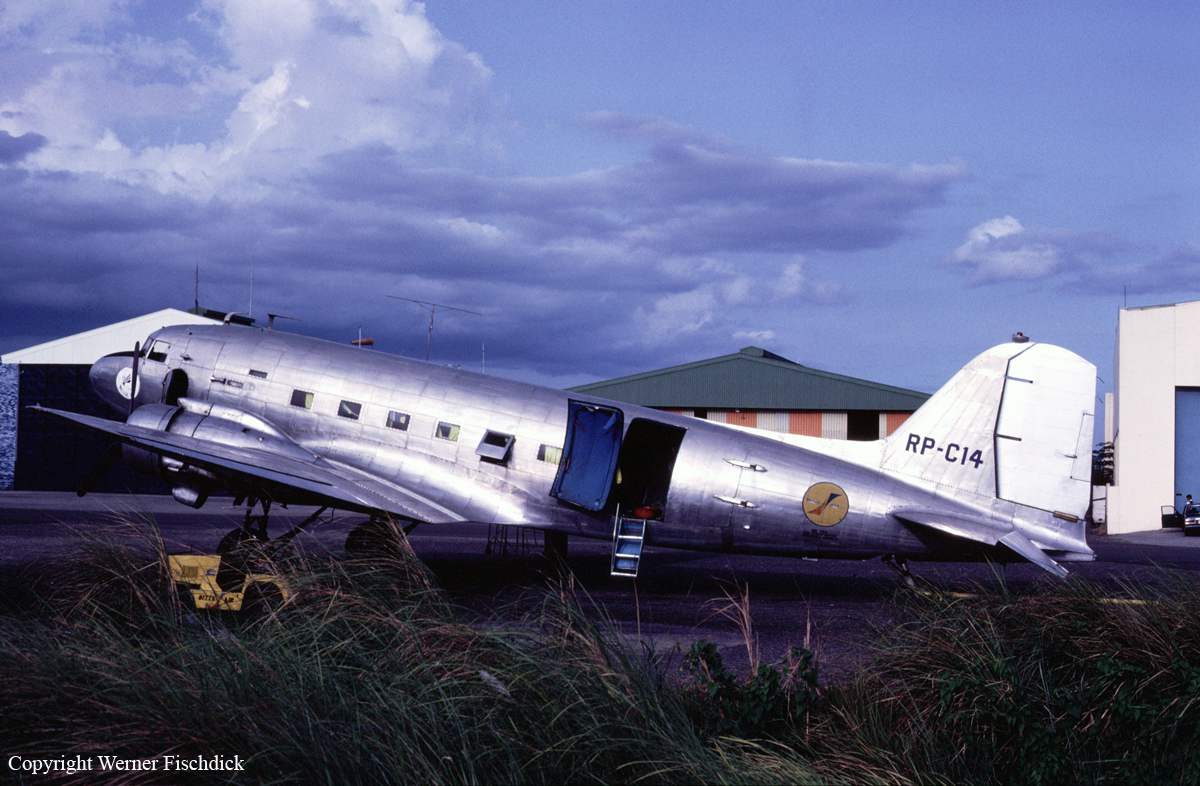
Crash of a Douglas DC-3C off San Juan

Date & Time: Nov 15, 1989
Type of aircraft:
Registration:
RP-C14
Flight Phase:
Flight Type:
Survivors:
Yes
MSN:
14643/26088
YOM:
1944
Country:
Region:
Crew on board:
2
Crew fatalities:
Pax on board:
3
Pax fatalities:
Other fatalities:
Total fatalities:
0
Circumstances:
Crashed in unknown circumstances in the sea 100 meters offshore. All five occupants were rescued.

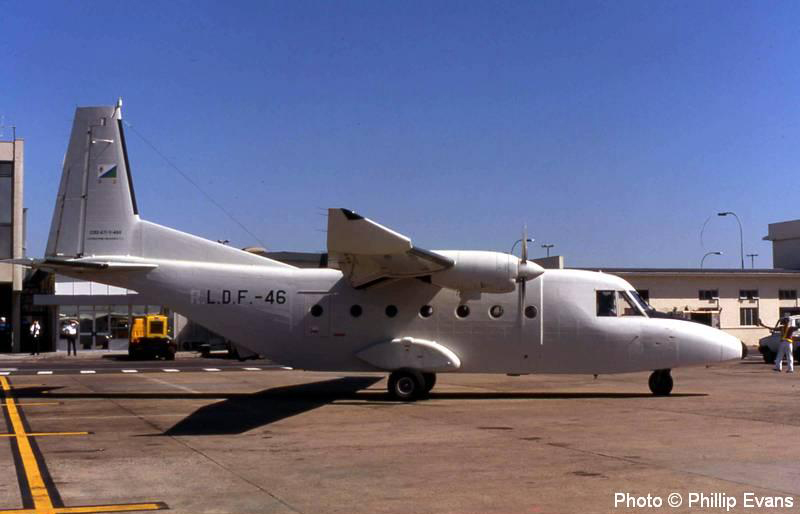
Crash of a Casa 212M Aviocar 300 on Mt Maluti: 18 killed

Date & Time: Nov 10, 1989
Type of aircraft:
Operator:
Registration:
LDF-46
Flight Phase:
Flight Type:
Survivors:
No
Site:
Schedule:
Qacha’s Nek – Maseru
MSN:
389
YOM:
1989
Country:
Region:
Crew on board:
2
Crew fatalities:
Pax on board:
16
Pax fatalities:
Other fatalities:
Total fatalities:
18
Circumstances:
While cruising in poor weather conditions, the twin engine struck the slope of Mt Maluti. All 18 occupants were killed.
Probable cause:
Controlled flight into terrain.

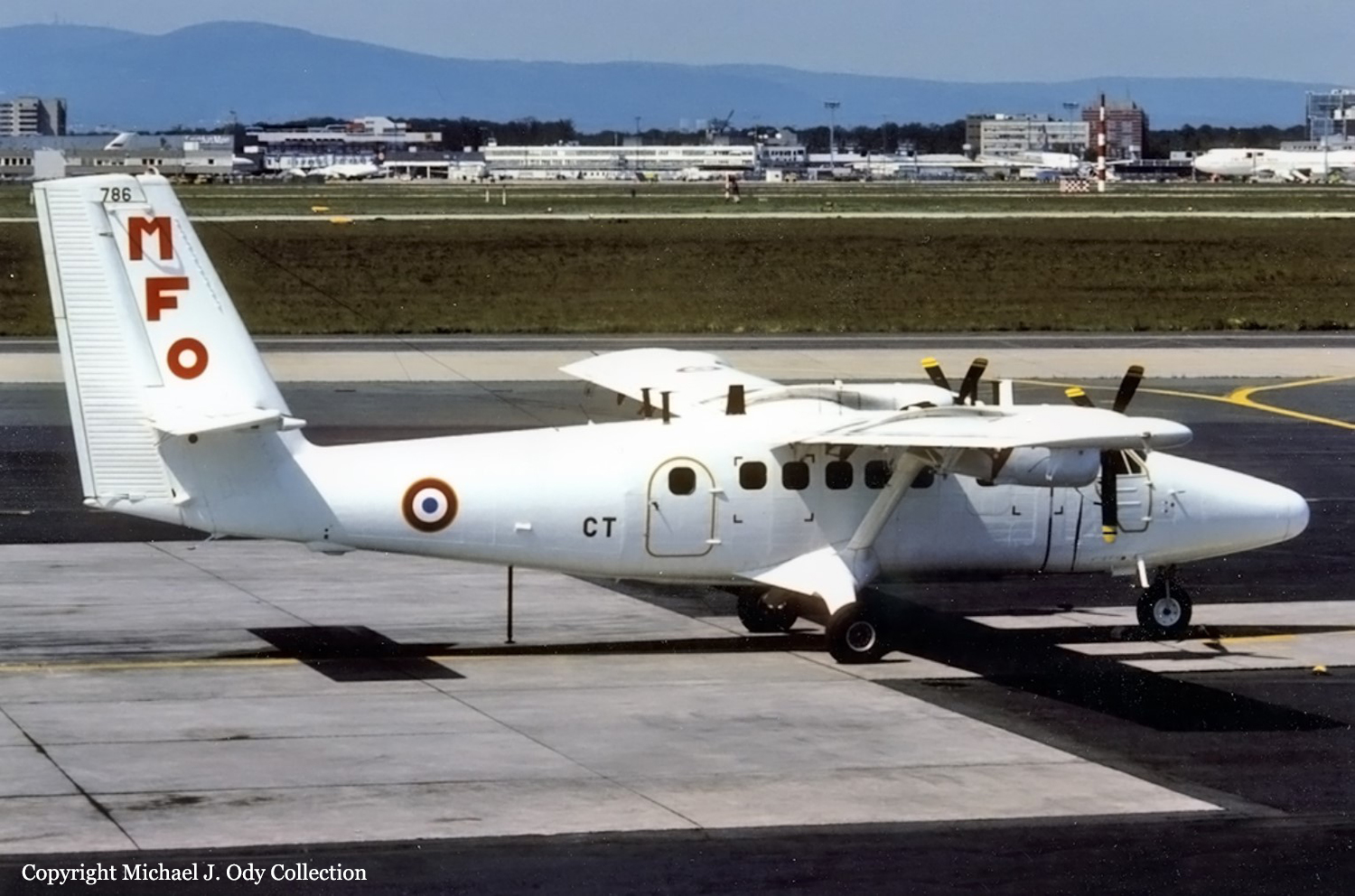
Crash of a De Havilland DHC-6 Twin Otter 300 in Al Gora

Date & Time: Nov 8, 1989
Operator:
Registration:
786/F-RAVV
Flight Phase:
Flight Type:
Survivors:
Yes
MSN:
786
YOM:
1982
Country:
Region:
Crew on board:
0
Crew fatalities:
Pax on board:
0
Pax fatalities:
Other fatalities:
Total fatalities:
0
Circumstances:
Crashed in unknown circumstances while engaged in a mission on behalf of the Multinational Force Observers (MFO) based in Al Gora. There were no casualties.

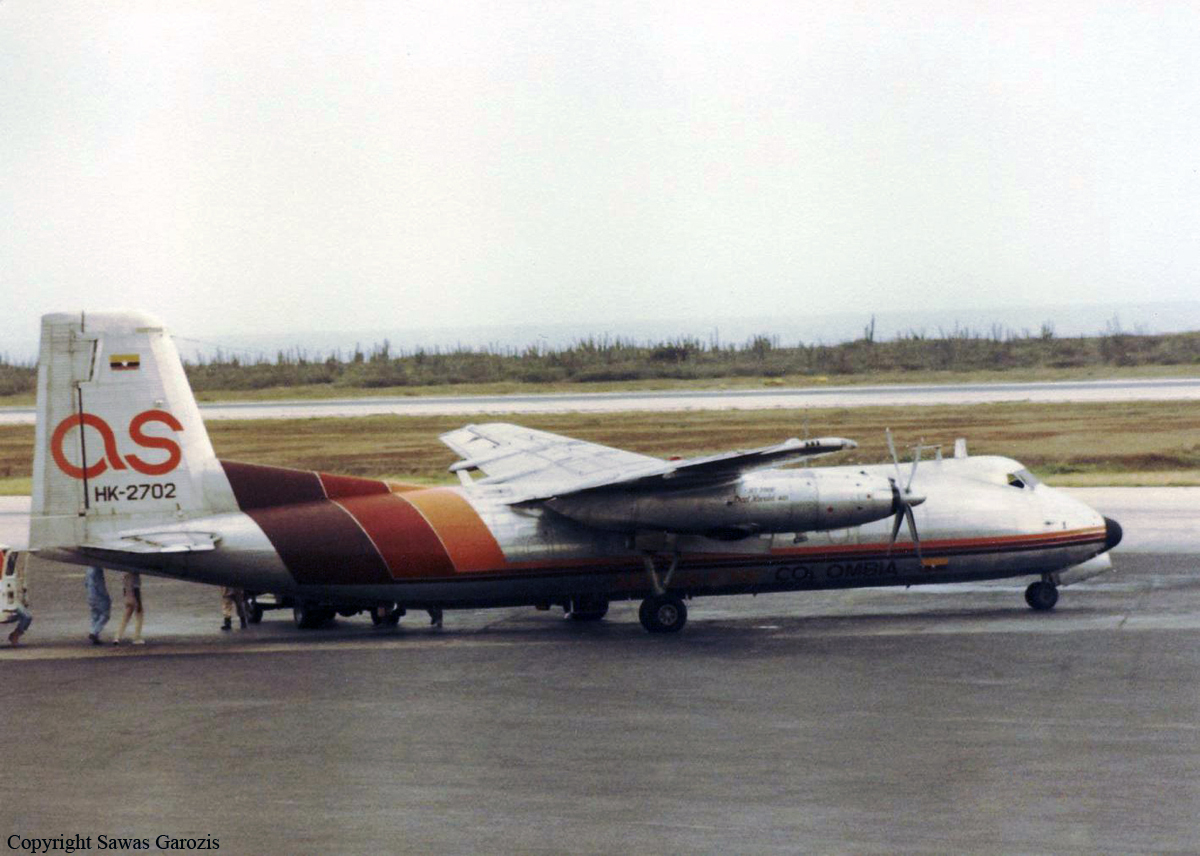
Crash of a Handley Page HPR.7 Dart Herald 401 near Roncesvalles: 6 killed

Date & Time: Nov 5, 1989 at 2344 LT
Operator:
Registration:
HK-2702
Flight Phase:
Flight Type:
Survivors:
No
Site:
Schedule:
Bogotá – Cali
MSN:
180
YOM:
1964
Country:
Crew on board:
3
Crew fatalities:
Pax on board:
3
Pax fatalities:
Other fatalities:
Total fatalities:
6
Circumstances:
While cruising by night on a cargo flight from Bogotá to Cali, the crew encountered poor weather conditions with heavy rain falls. In poor visibility, the aircraft struck the slope of a mountain located near Roncesvalles. The aircraft was destroyed upon impact and all six occupants were killed.
Probable cause:
Controlled flight into terrain.

Crash of a Piper PA-60 Aerostar (Ted Smith 600) off Apopka: 2 killed

Date & Time: Nov 2, 1989 at 0845 LT
Registration:
N7526S
Flight Phase:
Flight Type:
Survivors:
No
Schedule:
Shreveport – Orlando
MSN:
60-0158-071
YOM:
1974
Location:
Crew on board:
1
Crew fatalities:
Pax on board:
1
Pax fatalities:
Other fatalities:
Total fatalities:
2
Captain / Total flying hours:
5400
Aircraft flight hours:
2509
Circumstances:
The air taxi aircraft departed Shreveport, LA, at approximately 0500 cst on an unscheduled, domestic, cargo flight. At about 0815 est, the pilot reported on company frequency that he was approximately 30 minutes from the destination (Orlando, FL). Subsequently, the aircraft crashed in the northwest part of Lake Apopka, approximately 15 to 20 miles west-northwest of the destination airport. A witness heard it crash, then saw parts from the aircraft, but did not see the actual impact. There was evidence the aircraft impacted in a shallow descent, while in a slight left wing low attitude, traveling at a relatively high speed. No preimpact part failure or malfunction of the aircraft or engine was found, though the aircraft was extensively damaged and some of the wreckage was not recovered from the lake. The Orlando weather was in part: 2,500 feet scattered, visibility 6 miles with fog and haze, wind from 350° at 4 knots. Both occupants were killed.
Probable cause:
Failure of the pilot to maintain altitude/clearance above the water, while proceeding over a lake and approaching the vicinity of the airport.
Final Report:

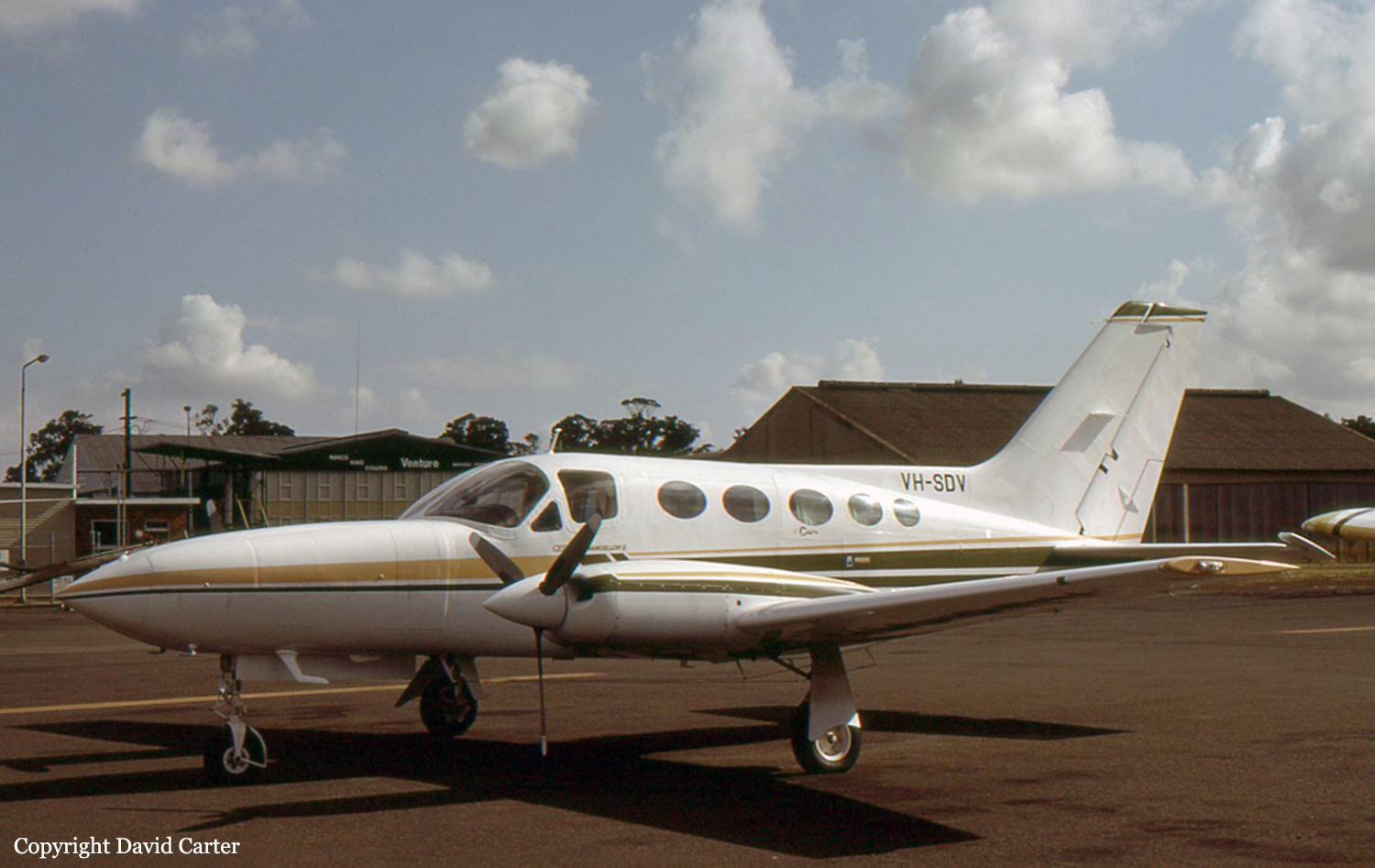
Crash of a Cessna 414A Chancellor near Wonthaggi

Date & Time: Oct 27, 1989 at 0833 LT
Type of aircraft:
Operator:
Registration:
VH-SDV
Flight Phase:
Flight Type:
Survivors:
Yes
Schedule:
Melbourne – Port Welshpool
MSN:
414A-0261
YOM:
1979
Country:
Region:
Crew on board:
1
Crew fatalities:
Pax on board:
6
Pax fatalities:
Other fatalities:
Total fatalities:
0
Circumstances:
The pilot reported that whilst enroute from Essendon to Wonthaggi he descended to the lowest safe altitude of 3600 feet above sea level, lowered the landing gear, reduced power and airspeed to counter the effect of turbulence and entered a holding pattern to the south south west of the Wonthaggi navigation aid. During the holding pattern the aircraft descended until it collided with trees that were 865 feet above sea level. The weather at the time included gale force winds, rain and low cloud. There were no thunderstorms or microbursts in the area, however, other aircraft reported a very low cloud base and severe turbulence. A few minutes prior to the accident ground witnesses, south south west of the accident site, reported an aircraft matching the description of VH-SDV, flying below a low, misty, ragged cloud base. There was no record of another aircraft in the area at the time. Information was available which indicated that the aircraft had descended below 3600 feet during the approach to Wonthaggi. The passengers reported that the pilot gave no indication of any problem or danger. Until the impact, they believed the aircraft was descending normally for a landing at Port Welshpool.
Probable cause:
No aircraft defects were found which may have been factors in the accident. The investigation indicates that the pilot attempted to fly under the low cloud base, in order to reach the Port Welshpool destination where weather conditions were earlier reported to have been partially sunny. Port Welshpool is not serviced by an approved navigation aid. The pilot attempted to descend below the cloud base, hoping to achieve visual flight conditions to continue to his destination.
Final Report: