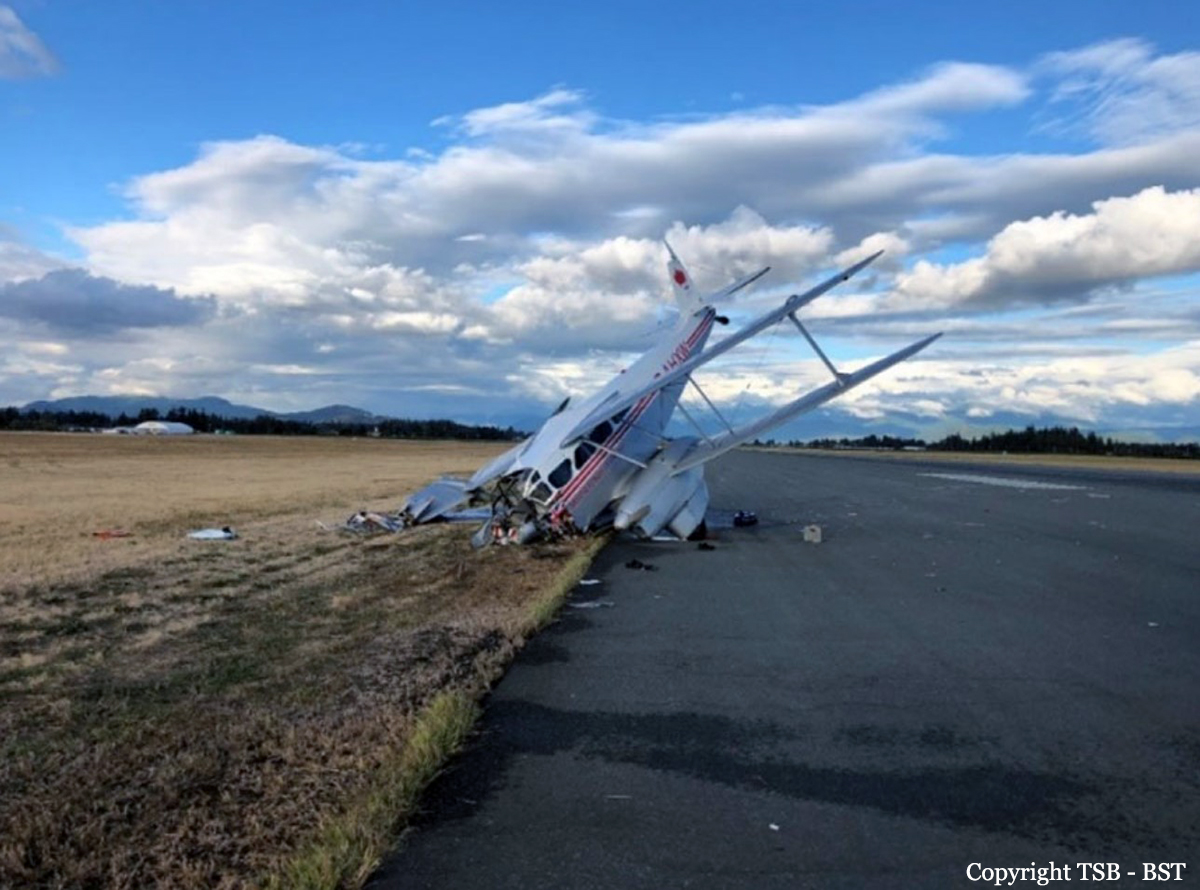
Crash of a Beechcraft B200 Super King Air off Kake: 3 killed

Date & Time: Jan 29, 2019 at 1811 LT
Operator:

Registration:
N13LY
Flight Type:
Survivors:
No
Schedule:
Anchorage - Kake
MSN:
BB-1718
YOM:
2000
Location:
Crew on board:
1
Crew fatalities:
Pax on board:
2
Pax fatalities:
Other fatalities:
Total fatalities:
3
Captain / Total flying hours:
17774
Captain / Total hours on type:
1644.00
Aircraft flight hours:
5226
Circumstances:
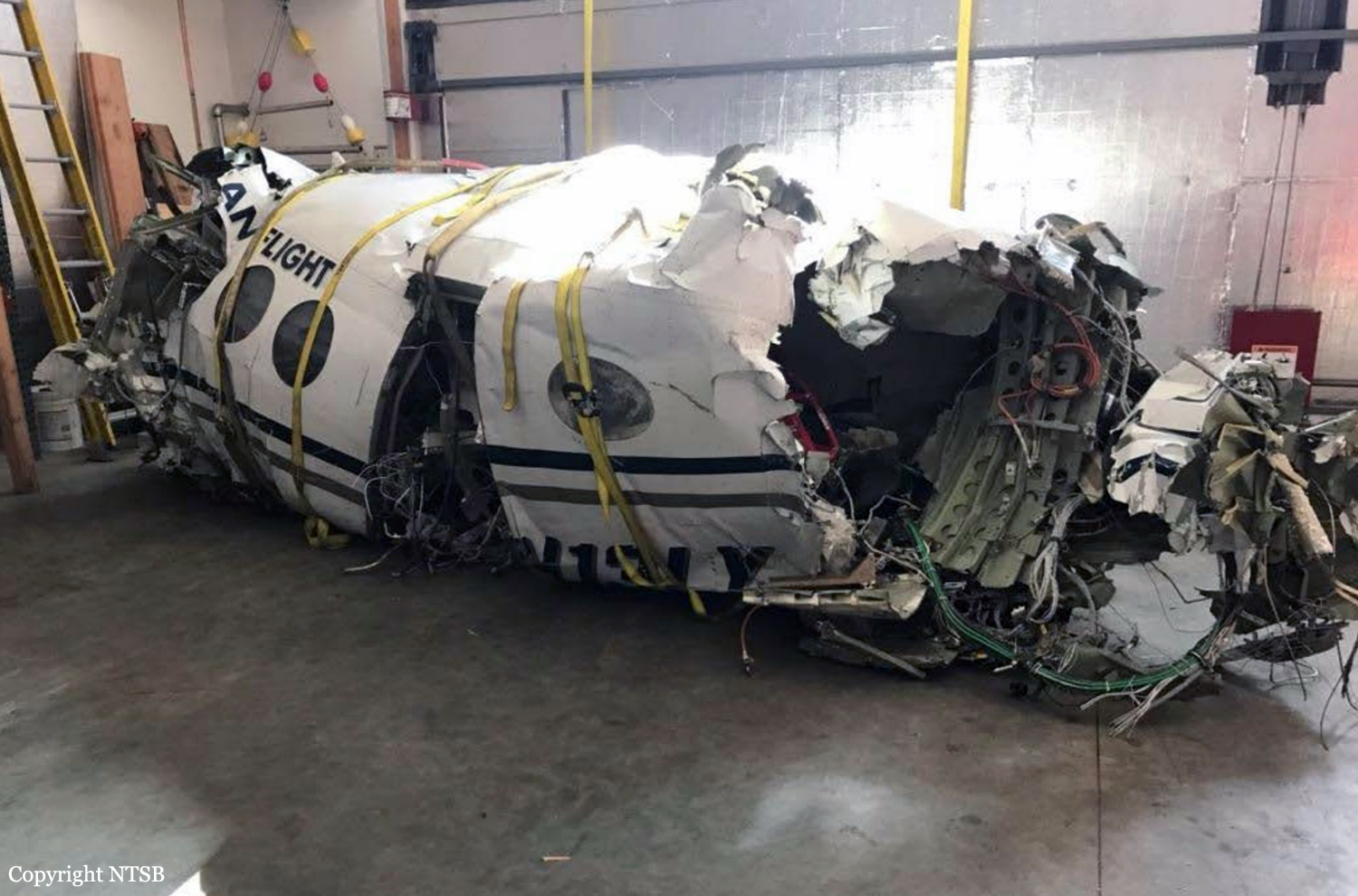
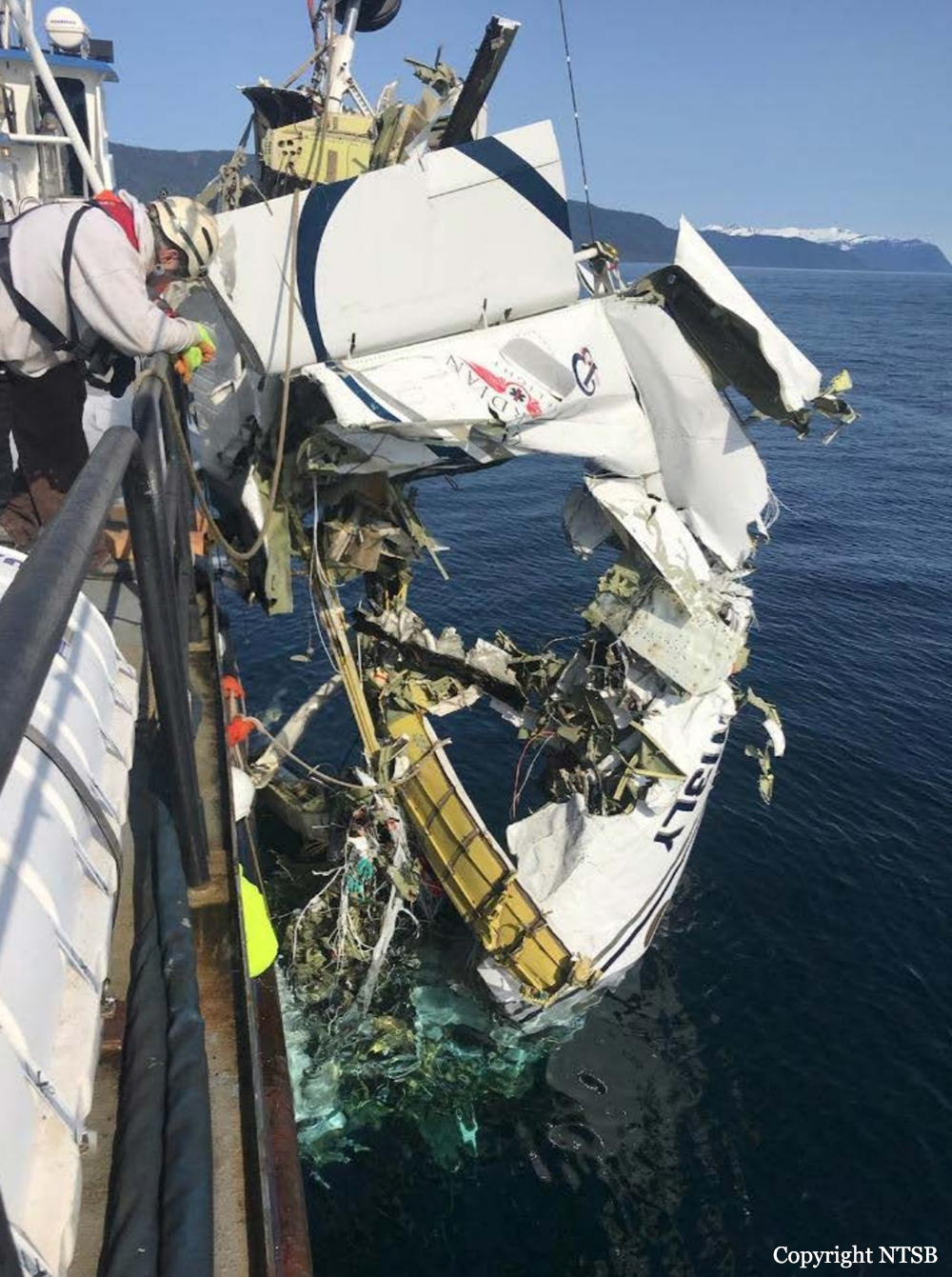
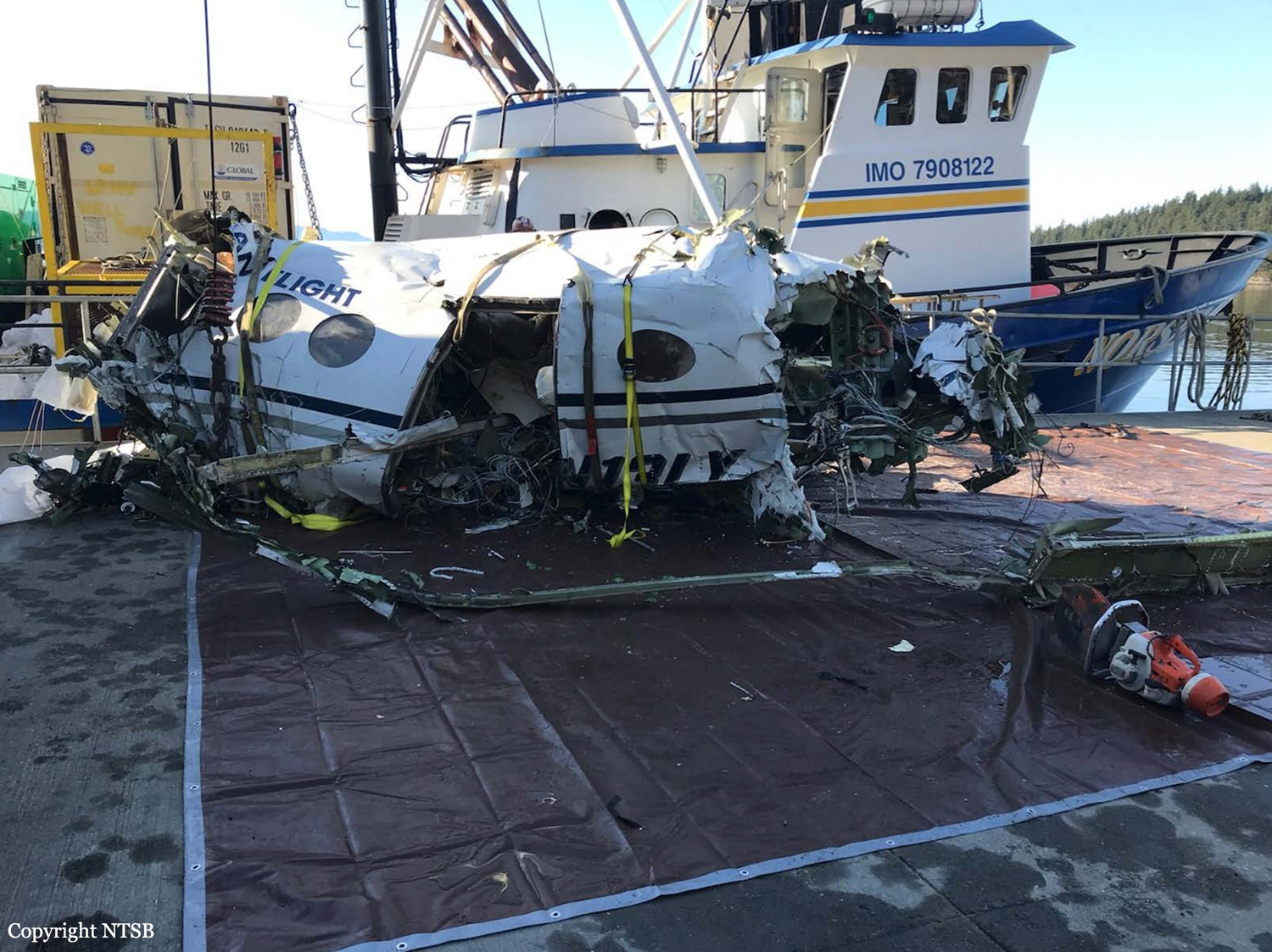
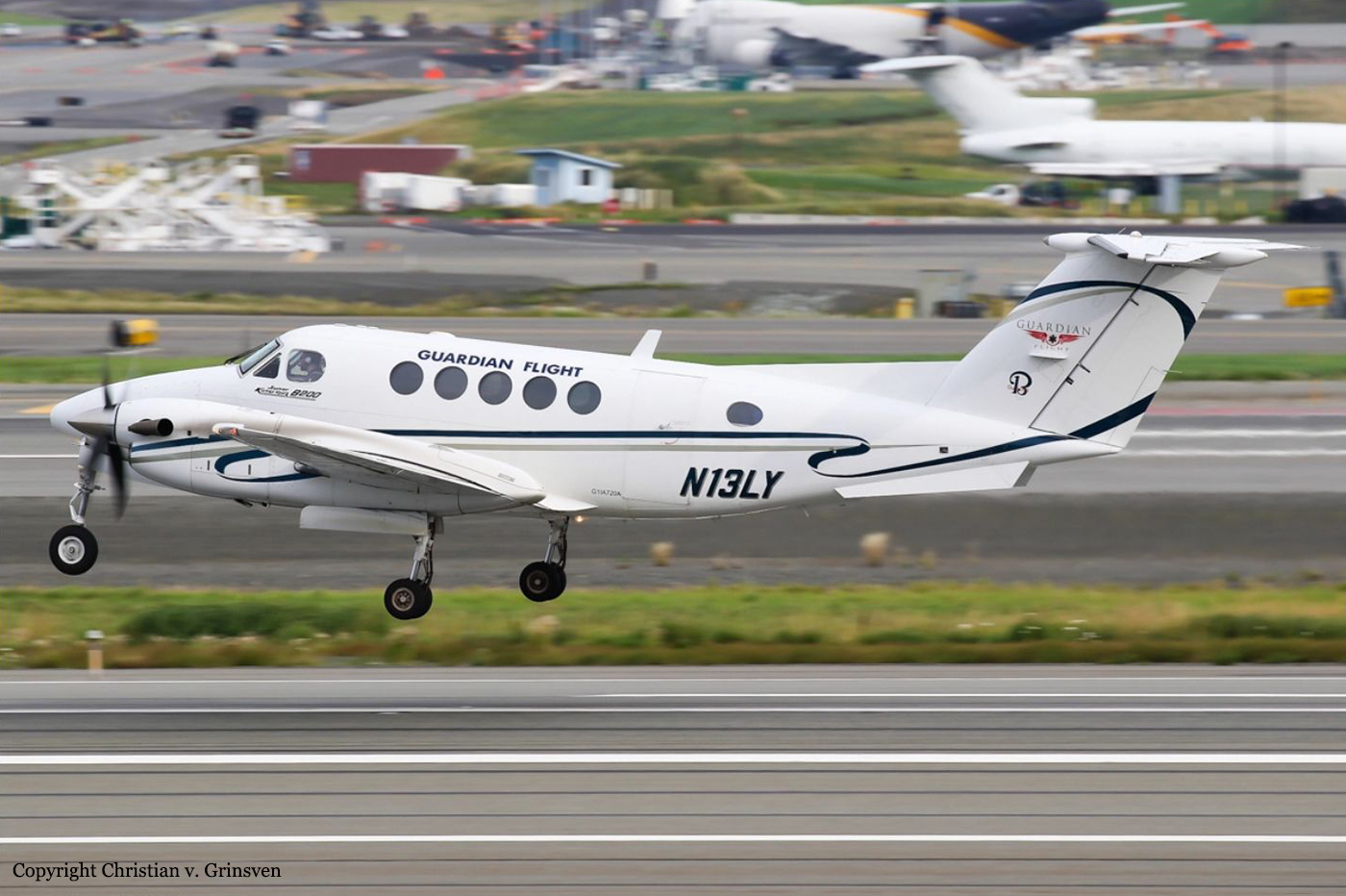
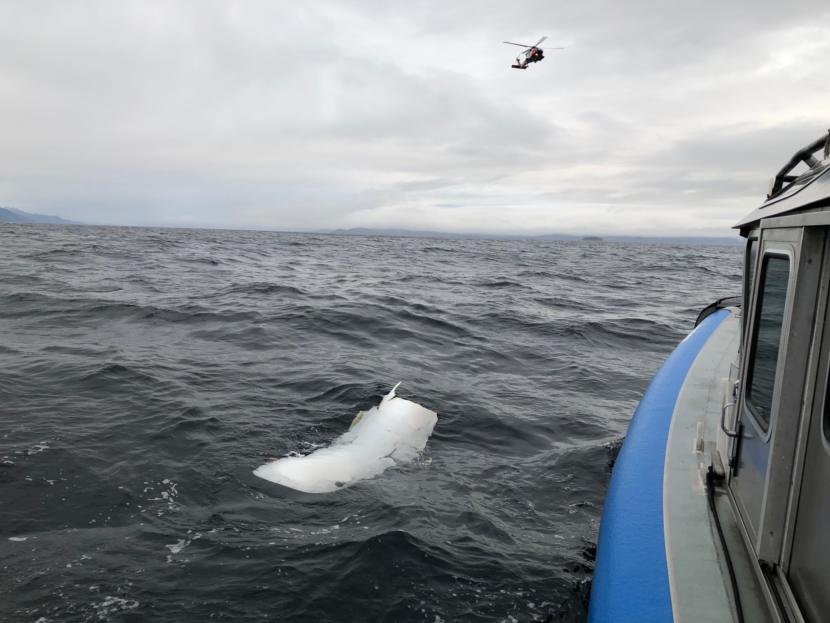
The pilot of the medical transport flight had been cleared by the air traffic controller for the instrument approach and told by ATC to change to the advisory frequency, which the pilot acknowledged. After crossing the initial approach fix on the RNAV approach, the airplane began a gradual descent and continued northeast towards the intermediate fix. Before reaching the intermediate fix, the airplane entered a right turn and began a rapid descent, losing about 2,575 ft of altitude in 14 seconds; radar returns were then lost. A witness at the destination airport, who was scheduled to meet the accident airplane, observed the pilot-controlled runway lights illuminate. When the airplane failed to arrive, she contacted the company to inquire about the overdue airplane. The following day, debris was found floating on the surface of the ocean. About 48 days later, after an extensive underwater search, the heavily fragmented wreckage was located on the ocean floor at a depth of about 500 ft. A postaccident examination of the engines revealed contact signatures consistent with the engines developing power at the time of impact and no evidence of mechanical malfunctions or failures that would have precluded normal operation. A postaccident examination of the airframe revealed about a 10° asymmetric flap condition; however, significant impact damage was present to the flap actuator flex drive cables and flap actuators, indicating the flap actuator measurements were likely not a reliable source of preimpact flap settings. In addition, it is unlikely that a 10° asymmetric flap condition would result in a loss of control. The airplane was equipped with a total of 5 seats and 5 restraints. Of the three restraints recovered, none were buckled. The unbuckled restraints could suggest an emergency that required crewmembers to be up and moving about the cabin; however, the reason for the unbuckled restraints could not be confirmed. While the known circumstances of the accident are consistent with a loss of control event, the factual information available was limited because the wreckage in its entirety was not recovered, the CVR recording did not contain the accident flight, no non-volatile memory was recovered from the accident airplane, and no autopsy or toxicology of the pilot could be performed; therefore, the reason for the loss of control could not be determined. Due to the limited factual information that was available, without a working CVR there is little we know about this accident.
Probable cause:
A loss of control for reasons that could not be determined based on the available information.
Final Report:
Crash of a Piper PA-46-310P Malibu off Guernsey: 2 killed

Date & Time: Jan 21, 2019 at 2016 LT
Operator:
Registration:
N264DB
Flight Phase:
Survivors:
No
Schedule:
Nantes - Cardiff
MSN:
46-8408037
YOM:
1984
Region:
Crew on board:
1
Crew fatalities:
Pax on board:
1
Pax fatalities:
Other fatalities:
Total fatalities:
2
Captain / Total flying hours:
3500
Captain / Total hours on type:
30.00
Aircraft flight hours:
6636
Circumstances:
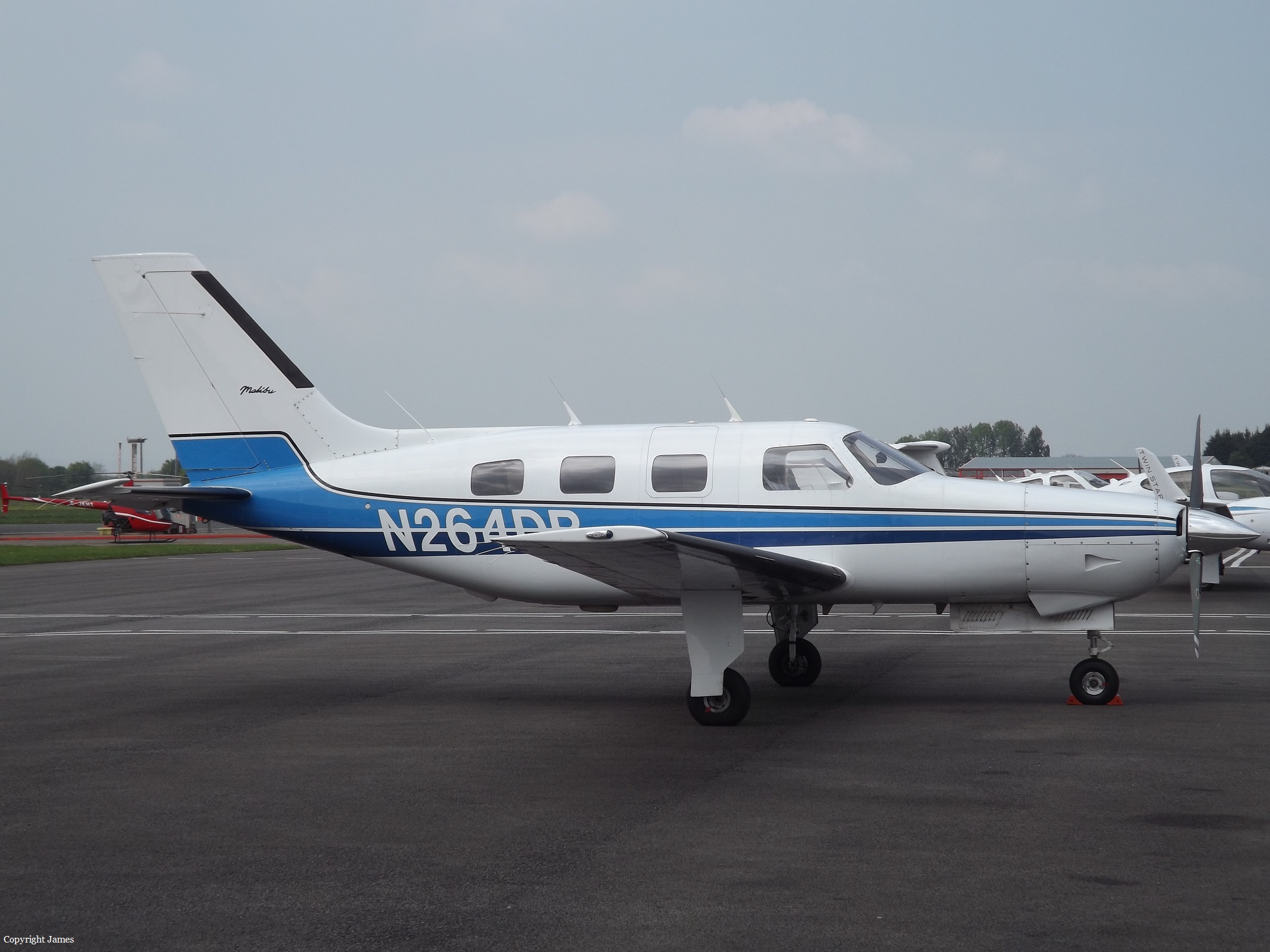
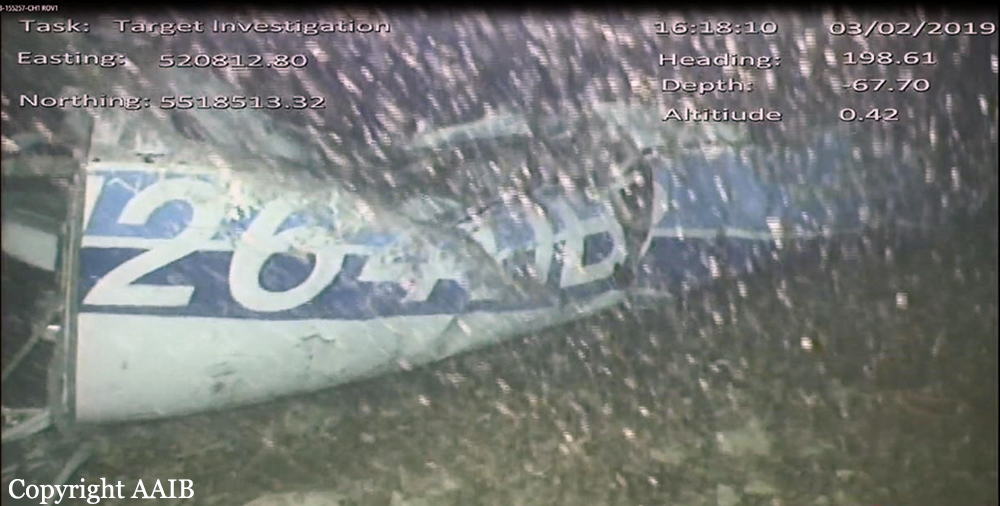
The pilot of N264DB flew the aircraft and the passenger from Cardiff Airport to Nantes Airport on 19 January 2019 with a return flight scheduled for 21 January 2019. The pilot arrived at the airport in Nantes at 1246 hrs on 21 January to refuel and prepare the aircraft for the flight. At 1836 hrs the passenger arrived at airport security, and the aircraft taxied out for departure at 1906 hrs with the passenger sitting in one of the rear, forward-facing passenger seats. Figure 1 shows the aircraft on the ground before departure. The pilot’s planned route would take the aircraft on an almost direct track from Nantes to Cardiff, flying overhead Guernsey en route (Figure 2). The Visual Flight Rules (VFR) flight plan indicated a planned cruise altitude of 6,000 ft amsl and distance of 265 nm. The aircraft took off from Runway 03 at Nantes Airport at 1915 hrs, and the pilot asked Air Traffic Control (ATC) for clearance to climb to 5,500 ft. The climb was approved by Nantes Approach Control and the flight plan was activated. The aircraft flew on its planned route towards Cardiff until it was approximately 13 nm south of Guernsey when the pilot requested and was given a descent clearance to remain in Visual Meteorological Conditions (VMC). Figure 3 shows the aircraft’s subsequent track. The last radio contact with the aircraft was with Jersey ATC at 2012 hrs, when the pilot asked for a further descent. The aircraft’s last recorded secondary radar point was at 2016:34 hrs, although two further primary returns were recorded after this. The pilot made no distress call that was recorded by ATC. On February 4, 2019, the wreckage (relatively intact) was found at a depth of 63 meters few km north of the island of Guernsey. On February 6, a dead body was found in the cabin and recovered. It was later confirmed this was the Argentine footballer Emiliano Sala. The pilot's body was not recovered.
Probable cause:
Causal factors
1. The pilot lost control of the aircraft during a manually-flown turn, which was probably initiated to remain in or regain VMC.
2. The aircraft subsequently suffered an in-flight break-up while manoeuvring at an airspeed significantly in excess of its design manoeuvring speed.
3. The pilot was probably affected by CO poisoning.
Contributory factors
1. A loss of control was made more likely because the flight was not conducted in accordance with safety standards applicable to commercial operations. This manifested itself in the flight being operated under VFR at night in poor weather conditions despite the pilot having no training in night flying and a lack of recent practice in instrument flying.
2. In-service inspections of exhaust systems do not eliminate the risk of CO poisoning.
3. There was no CO detector with an active warning in the aircraft which might have alerted the pilot to the presence of CO in time for him to take mitigating action.
Final Report:
Crash of a Partenavia P.68B Victor near Strausberg: 2 killed

Date & Time: Jan 12, 2019 at 1155 LT
Type of aircraft:
Operator:
Registration:
D-GINA
Flight Phase:
Flight Type:
Survivors:
No
Schedule:
Strausberg - Neuhardenberg - Eberswalde - Strausberg
MSN:
59
YOM:
1975
Country:
Region:
Crew on board:
2
Crew fatalities:
Pax on board:
0
Pax fatalities:
Other fatalities:
Total fatalities:
2
Captain / Total flying hours:
2923
Copilot / Total flying hours:
632
Aircraft flight hours:
5750
Circumstances:
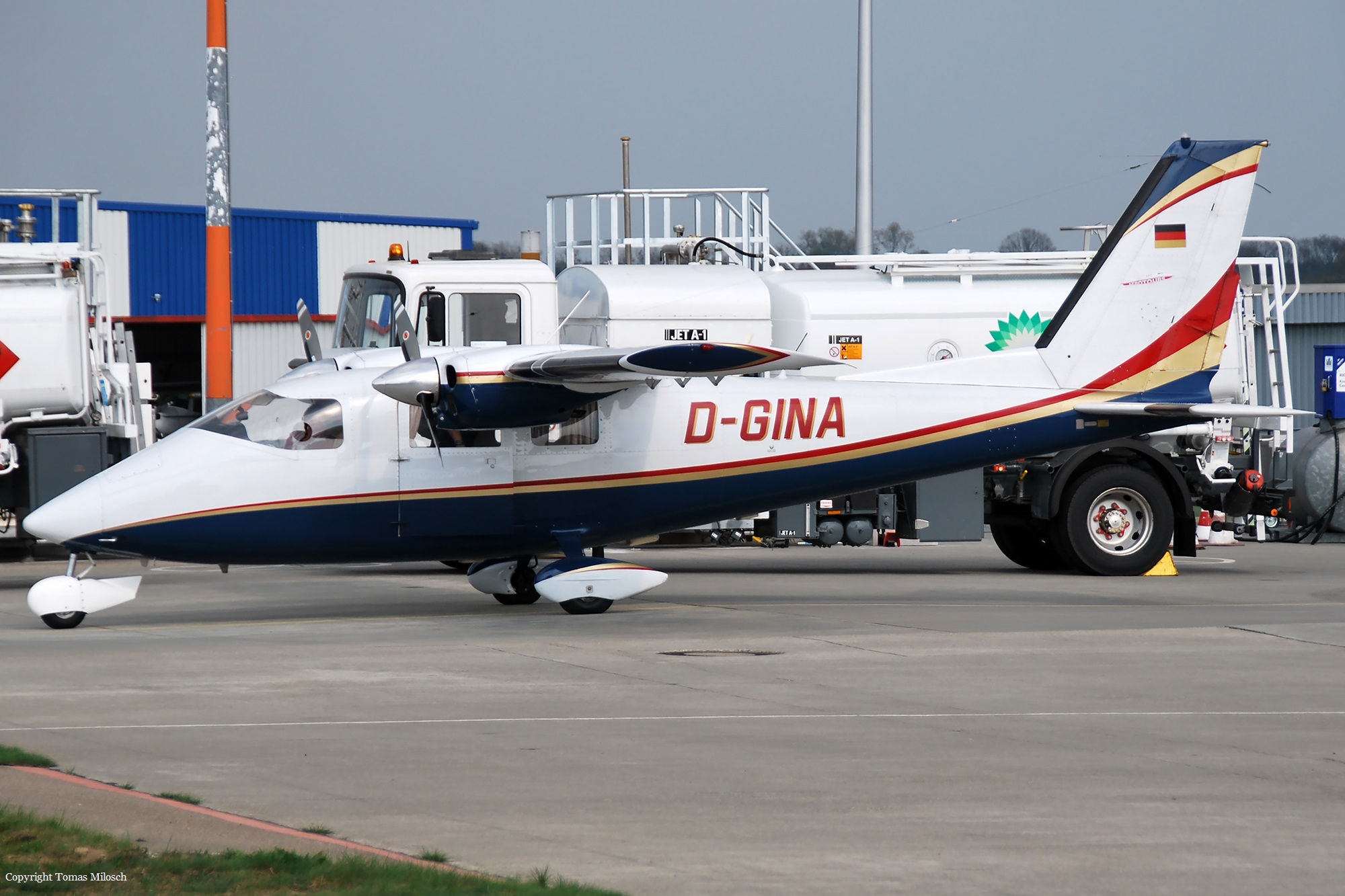
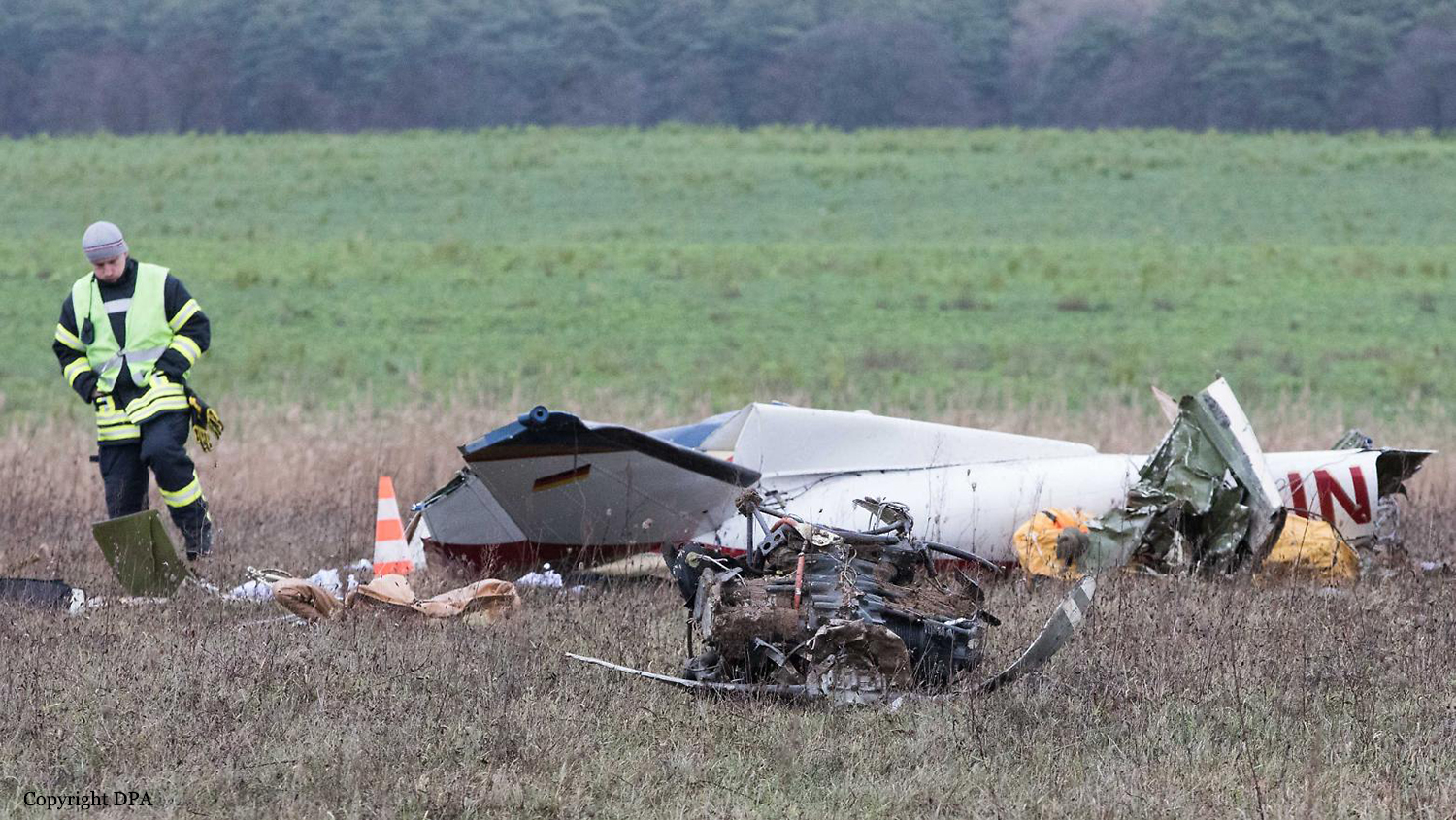
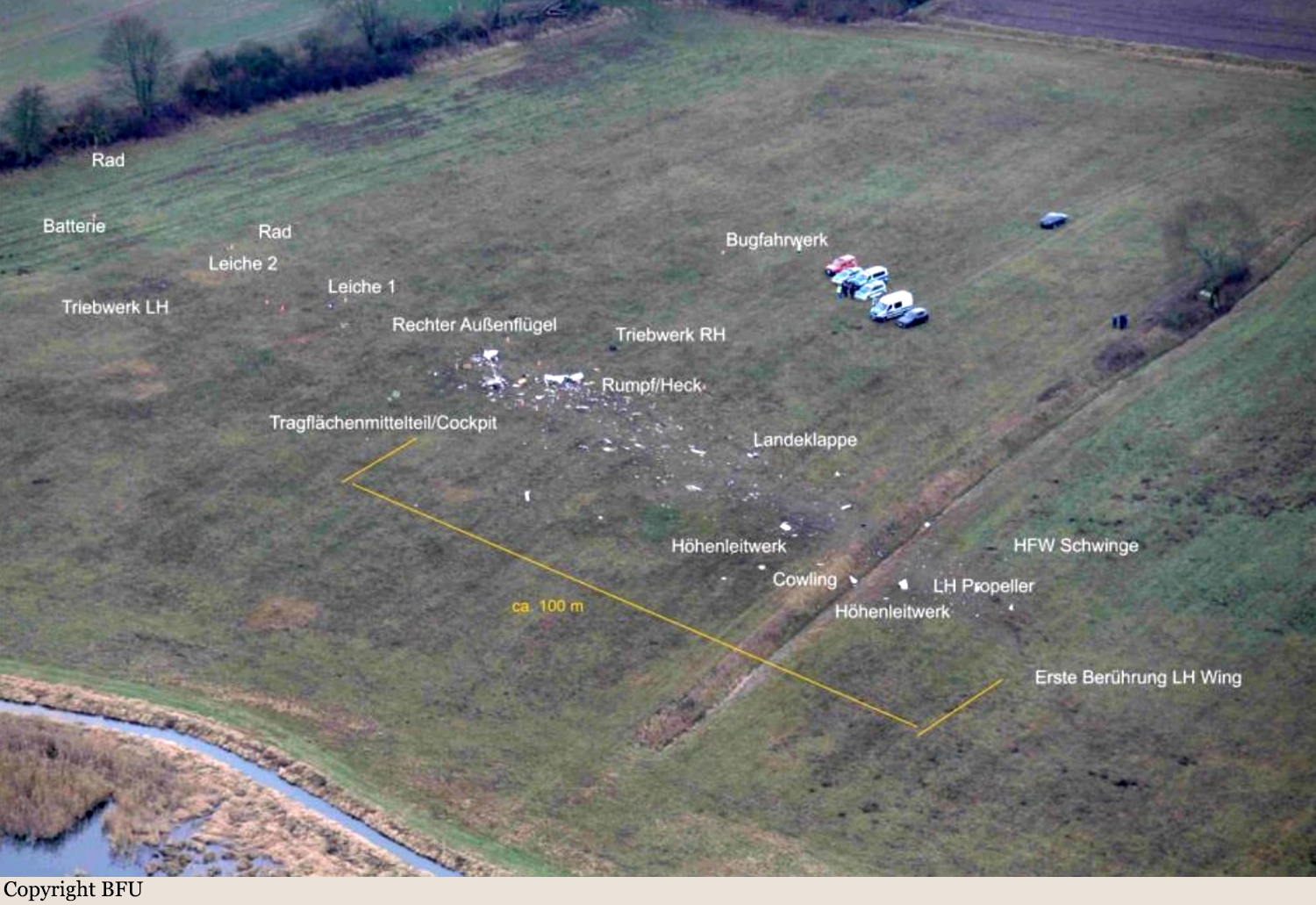
The twin engine airplane departed Strausberg Airport at 1100LT on a training flight with two pilots on board, one instructor and one pilot under supervision. Between 1112LT and 1125LT, the crew performed touch and go manoeuvre at Neuhardenberg Airport then proceeded to Eberswalde-Finow Airfield where other exercises were completed. At 1148LT, the crew returned to Neuhardenberg, made and approach and departed the circuit two minutes later. While cruising at an altitude of 1,300 feet, the crew encountered marginal weather conditions with drizzle. The airplane entered an uncontrolled descent and crashed in an open field located 7,9 km northwest of the airport. The airplane disintegrated on impact and both occupants were killed.
Probable cause:
The exact cause of the accident could not be determined with certainty due to the high degree of destruction of the airplane.
Final Report:
Crash of an Antonov AN-26B in Beni

Date & Time: Dec 24, 2018
Type of aircraft:
Operator:
Registration:
9T-TAB
Flight Type:
Survivors:
Yes
Schedule:
Kisangani – Beni
Region:
Crew on board:
4
Crew fatalities:
Pax on board:
68
Pax fatalities:
Other fatalities:
Total fatalities:
0
Circumstances:
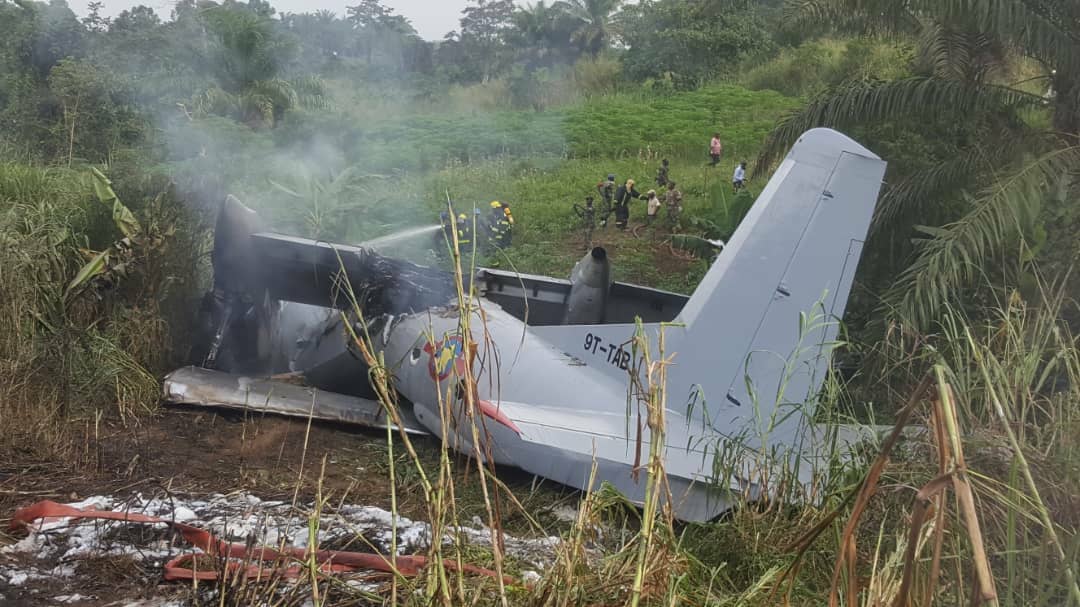
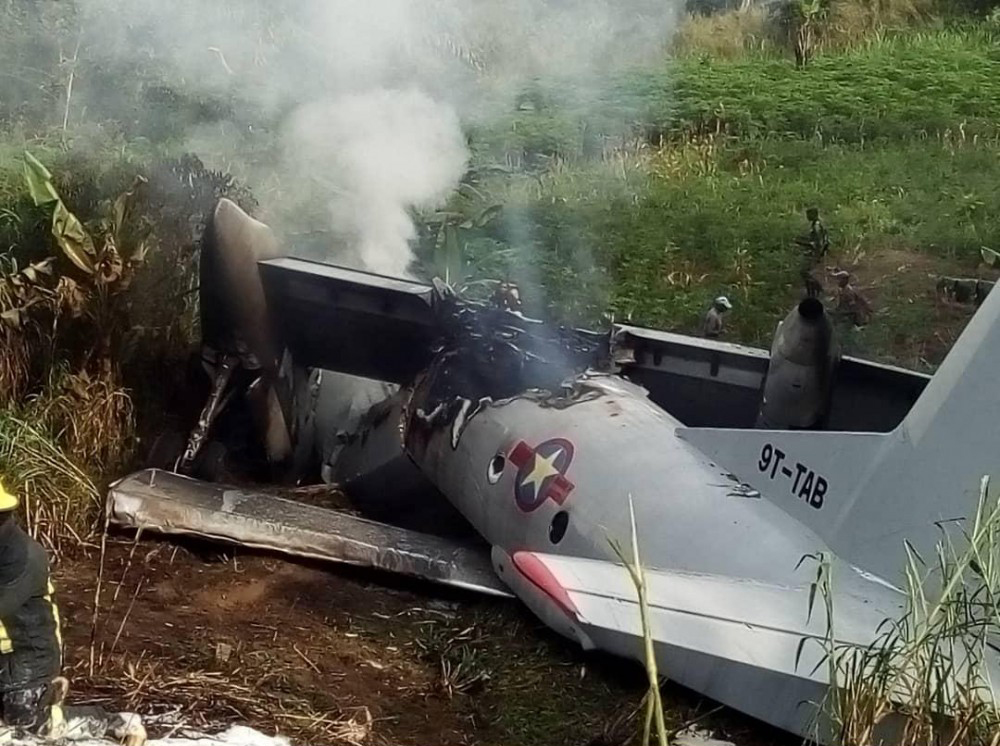
The airplane was completing a flight from Kisangani to Beni, carrying 68 soldiers who should be dispatched in the region of Beni. After touchdown, the airplane encountered difficulties to stop within the remaining distance, overran and went down an embankment. It came to rest in flames, broken into several pieces. While all 72 occupants evacuated safely, 10 of them were injured, the aircraft was destroyed.

Crash of an Antonov AN-26B in Kinshasa: 7 killed

Date & Time: Dec 20, 2018 at 1000 LT
Type of aircraft:
Operator:
Registration:
9S-AGB
Flight Type:
Survivors:
No
Schedule:
Tshikapa – Kinshasa
MSN:
13402
YOM:
1984
Region:
Crew on board:
7
Crew fatalities:
Pax on board:
0
Pax fatalities:
Other fatalities:
Total fatalities:
7
Circumstances:
The crew was returning to Kinshasa after delivering election equipments and materials in Tshikapa on behalf of the Independent National Election Commission. The crew was cleared to descend to 5,000 feet on approach to runway 06 at Kinshasa-N'Djili Airport but encountered poor weather conditions with rain falls. In limited visibility, the airplane crashed on a hilly terrain located about 35 km west of the airport. The wreckage was found few hours later and all seven occupants were killed.

Crash of a Boeing 737 MAX 8 off Jakarta: 189 killed

Date & Time: Oct 29, 2018 at 0631 LT
Type of aircraft:
Operator:
Registration:
PK-LQP
Flight Phase:
Survivors:
No
Schedule:
Jakarta - Pangkal Pinang
MSN:
43000
YOM:
2018
Flight number:
JT610
Country:
Region:
Crew on board:
8
Crew fatalities:
Pax on board:
181
Pax fatalities:
Other fatalities:
Total fatalities:
189
Captain / Total flying hours:
6028
Captain / Total hours on type:
5176.00
Copilot / Total flying hours:
5174
Copilot / Total hours on type:
4286
Aircraft flight hours:
895
Aircraft flight cycles:
443
Circumstances:
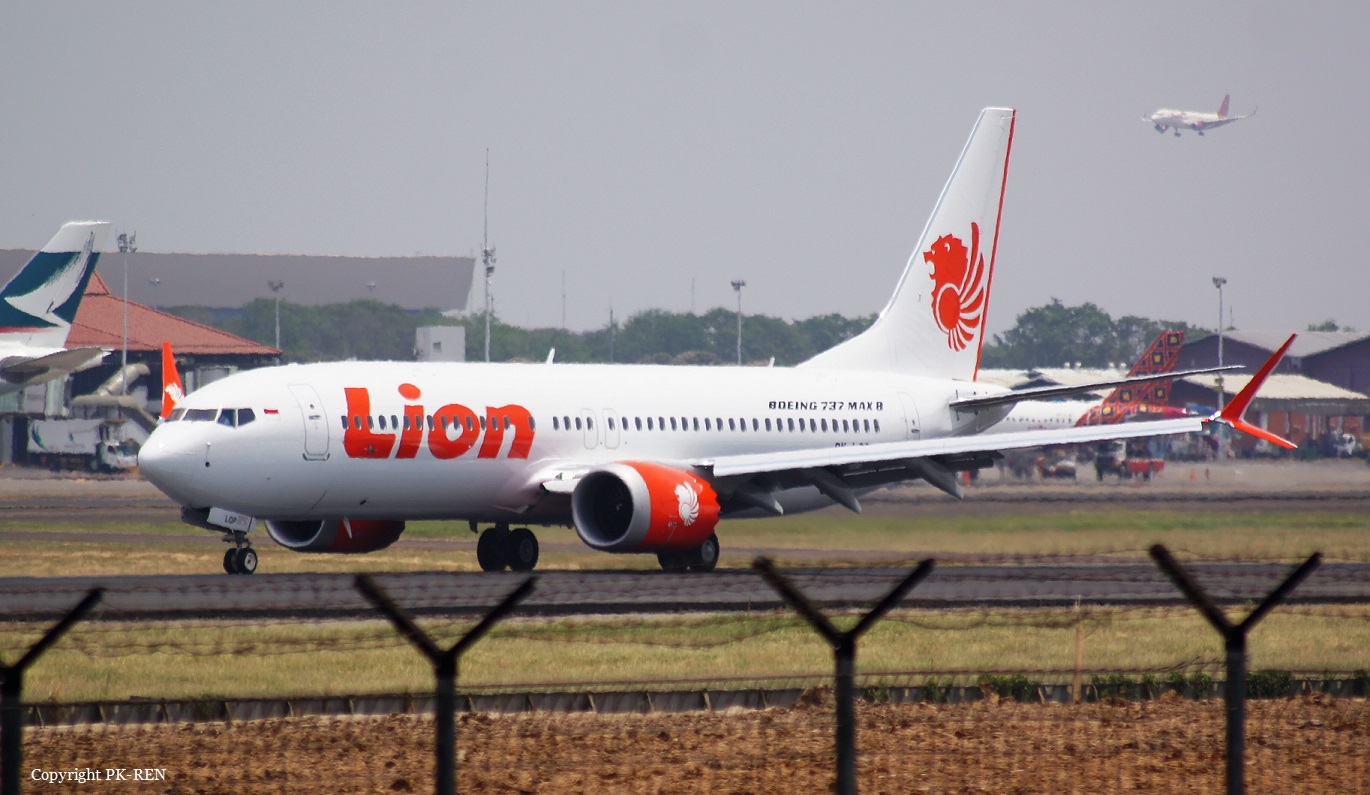
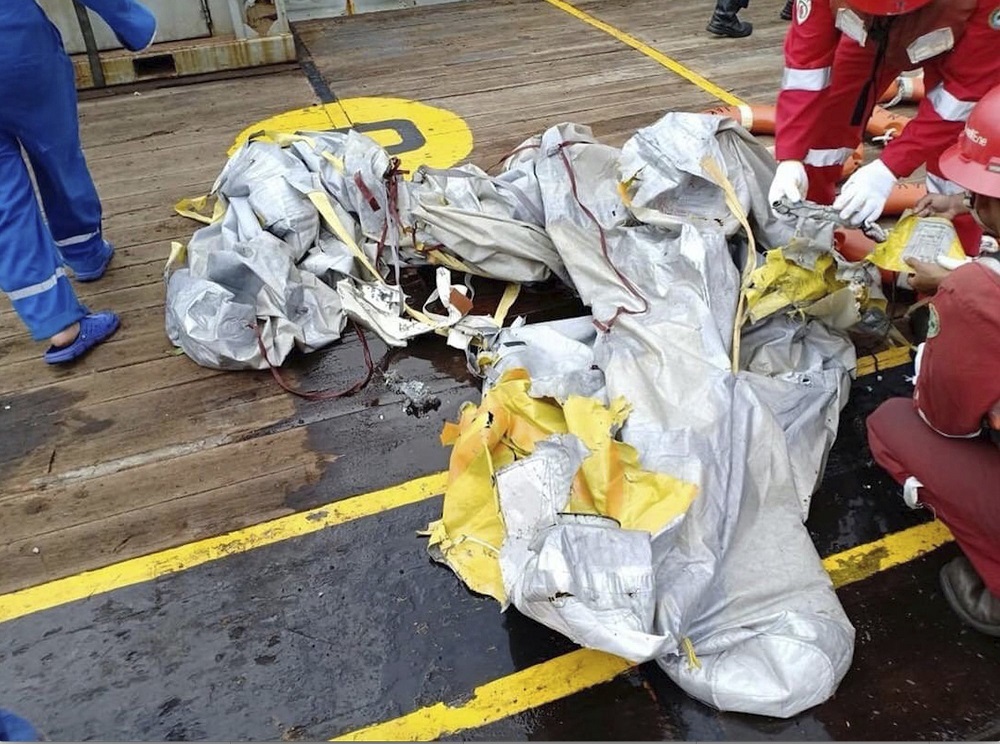
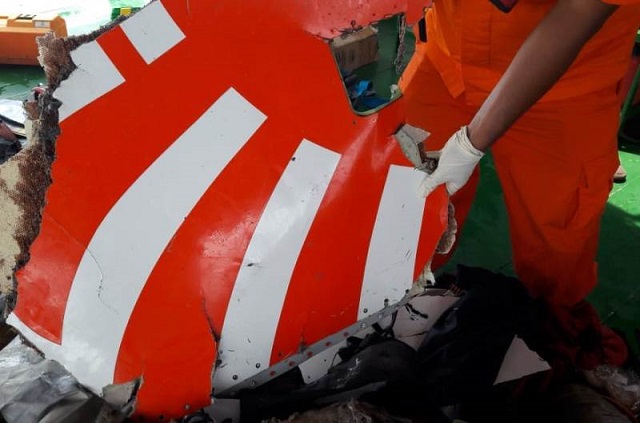
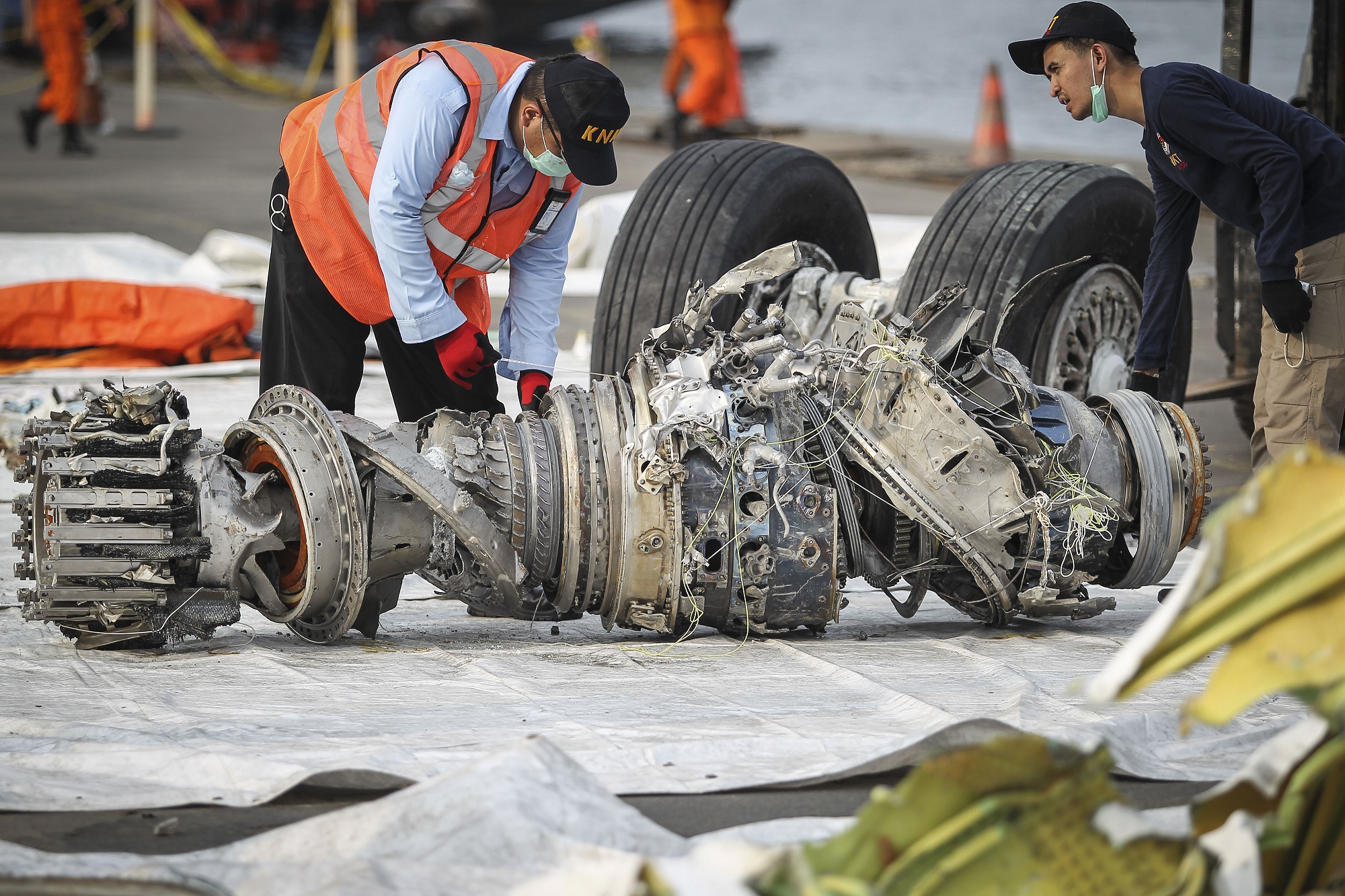
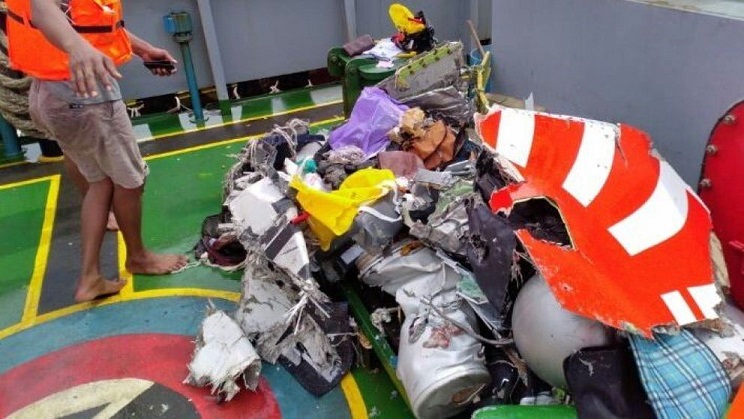
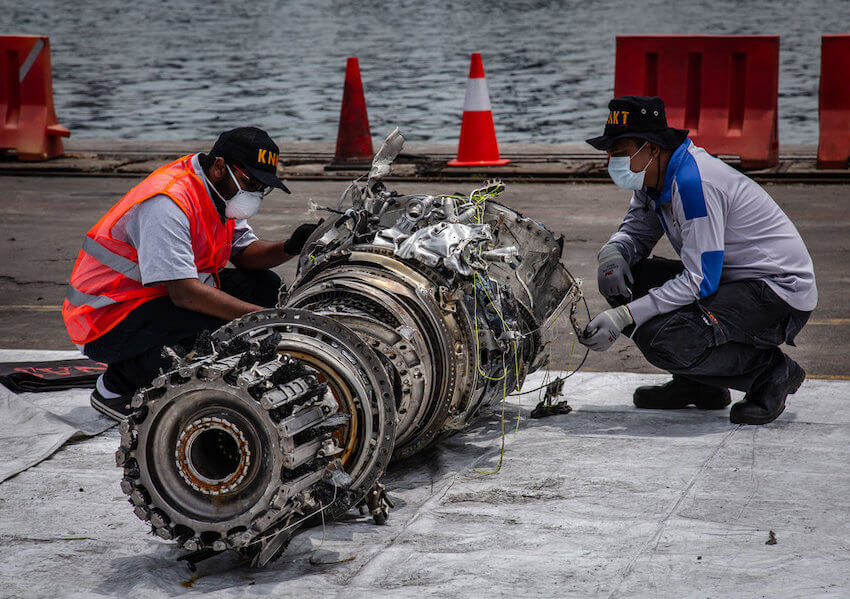
The aircraft departed runway 25L at Jakarta-Soekarno-Hatta Airport at 0621LT bound for Pangkal Pinang, carrying 181 passengers and 8 crew members. The crew was cleared to climb but apparently encountered technical problems and was unable to reach a higher altitude than 5,375 feet. At this time, the flight shows erratic speed and altitude values. The pilot declared an emergency and elected to return to Jakarta when control was lost while at an altitude of 3,650 feet and at a speed of 345 knots. The airplane entered a dive and crashed 12 minutes after takeoff into the Kerawang Sea, about 63 km northeast from its departure point. The airplane disintegrated on impact and few debris were already recovered but unfortunately no survivors. It has been reported that the aircraft suffered various technical issues during the previous flight on Sunday night but was released for service on Monday morning. Brand new, the airplane was delivered to Lion Air last August 18. At the time of the accident, weather conditions were considered as good. The Cockpit Voice Recorder (CVR) was found on 14 January 2019. In the initial stages of the investigation, it was found that there is a potential for repeated automatic nose down trim commands of the horizontal stabilizer when the flight control system on a Boeing 737 MAX aircraft receives an erroneously high single AOA sensor input. Such a specific condition could among others potentially result in the stick shaker activating on the affected side and IAS, ALT and/or AOA DISAGREE alerts. The logic behind the automatic nose down trim lies in the aircraft's MCAS (Maneuvering Characteristics Augmentation System) that was introduced by Boeing on the MAX series aircraft. This feature was added to prevent the aircraft from entering a stall under specific conditions. On November 6, 2018, Boeing issued an Operations Manual Bulletin (OMB) directing operators to existing flight crew procedures to address circumstances where there is erroneous input from an AOA sensor. On November 7, the FAA issued an emergency Airworthiness Directive requiring "revising certificate limitations and operating procedures of the airplane flight manual (AFM) to provide the flight crew with runaway horizontal stabilizer trim procedures to follow under certain conditions.
Probable cause:
Contributing factors defines as actions, omissions, events, conditions, or a combination thereof, which, if eliminated, avoided or absent, would have reduced the probability of the accident or incident occurring, or mitigated the severity of the
consequences of the accident or incident. The presentation is based on chronological order and not to show the degree of contribution.
1. During the design and certification of the Boeing 737-8 (MAX), assumptions were made about flight crew response to malfunctions which, even though consistent with current industry guidelines, turned out to be incorrect.
2. Based on the incorrect assumptions about flight crew response and an incomplete review of associated multiple flight deck effects, MCAS’s reliance on a single sensor was deemed appropriate and met all certification requirements.
3. MCAS was designed to rely on a single AOA sensor, making it vulnerable to erroneous input from that sensor.
4. The absence of guidance on MCAS or more detailed use of trim in the flight manuals and in flight crew training, made it more difficult for flight crews to properly respond to uncommanded MCAS.
5. The AOA DISAGREE alert was not correctly enabled during Boeing 737-8 (MAX) development. As a result, it did not appear during flight with the mis-calibrated AOA sensor, could not be documented by the flight crew and was therefore not available to help maintenance identify the mis-calibrated AOA sensor.
6. The replacement AOA sensor that was installed on the accident aircraft had been mis-calibrated during an earlier repair. This mis-calibration was not detected during the repair.
7. The investigation could not determine that the installation test of the AOA sensor was performed properly. The mis-calibration was not detected.
8. Lack of documentation in the aircraft flight and maintenance log about the continuous stick shaker and use of the Runaway Stabilizer NNC meant that information was not available to the maintenance crew in Jakarta nor was it available to the accident crew, making it more difficult for each to take the appropriate actions.
9. The multiple alerts, repetitive MCAS activations, and distractions related to numerous ATC communications were not able to be effectively managed. This was caused by the difficulty of the situation and performance in manual handling, NNC execution, and flight crew communication, leading to ineffective CRM application and workload management. These performances had previously been identified during training and reappeared during the accident flight.
Final Report:
Crash of a Piper PA-31T Cheyenne in the Atlantic Ocean: 5 killed

Date & Time: Oct 25, 2018 at 1119 LT
Type of aircraft:
Registration:
N555PM
Flight Phase:
Flight Type:
Survivors:
No
Schedule:
Andrews - Governor's Harbour
MSN:
31T-7620028
YOM:
1976
Country:
Region:
Crew on board:
2
Crew fatalities:
Pax on board:
3
Pax fatalities:
Other fatalities:
Total fatalities:
5
Captain / Total flying hours:
2778
Copilot / Total flying hours:
12000
Aircraft flight hours:
7718
Circumstances:
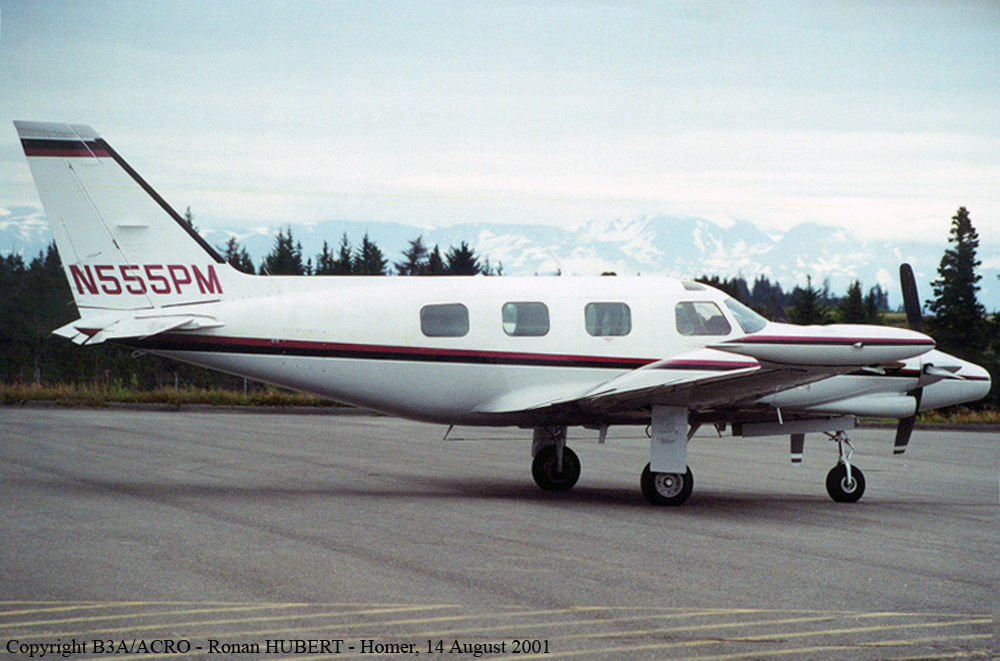
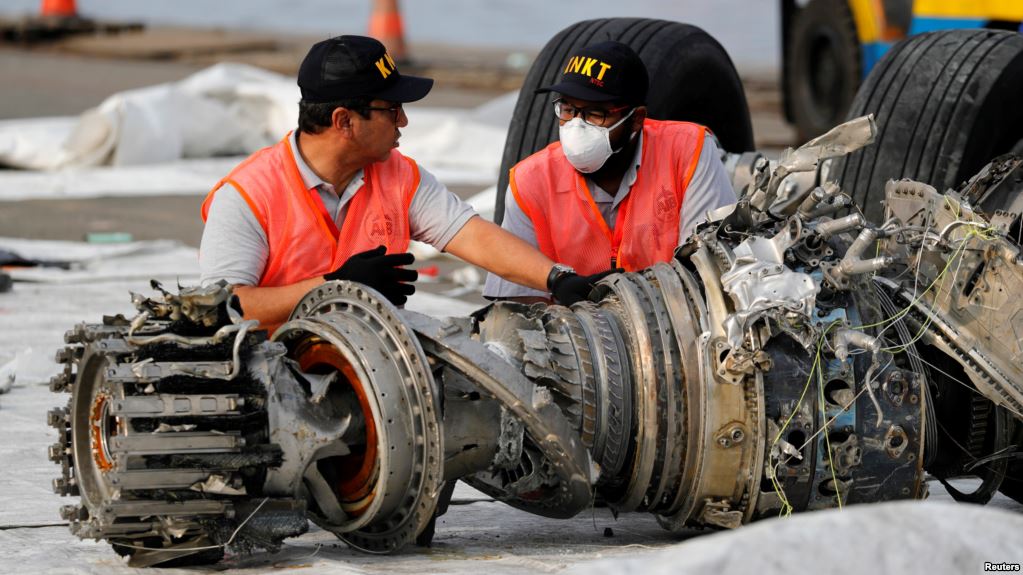
The two pilots and three passengers were conducting a cross-country flight over the ocean from South Carolina to the Bahamas. About 30 minutes into the flight, while climbing through 24,300 ft to 25,000 ft about 95 miles beyond the coast, the pilot made a garbled radio transmission indicating an emergency and intent to return. At the time of the transmission the airplane had drifted slightly right of course. The airplane then began a descent and returned on course. After the controller requested several times for the pilot to repeat the radio transmission, the pilot replied, "we're descending." About 15 seconds later, at an altitude of about 23,500 ft, the airplane turned sharply toward the left, and the descent rate increased to greater than 4,000 ft per minute, consistent with a loss of control. Attempts by the air traffic controller to clarify the nature of the emergency and the pilot's intentions were unsuccessful. About 1 minute after the sharp left turn and increased descent, the pilot again declared an emergency. No further communications were received. Search efforts coordinated by the U.S. Coast Guard observed an oil slick and some debris on the water in the vicinity of where the airplane was last observed via radar, however the debris was not identified or recovered. According to recorded weather information, a shallow layer favorable for light rime icing was present at 23,000 ft. However, because the airplane was not recovered, the investigation could not determine whether airframe icing or any other more-specific issues contributed to the loss of control. One air traffic control communication audio recording intermittently captured the sound of an emergency locator transmitter (ELT) "homing" signal for about 45 minutes, beginning near the time of takeoff, and ending about 5 minutes after radar contact was lost. Due to the intermittent nature of the signal, and the duration of the recording, it could not be determined if the ELT signal had begun transmitting before or ceased transmitting after these times. Because ELT homing signals sound the same for all airplanes, the source could not be determined. However, the ELT sound was recorded by only the second of two geographic areas that the airplane flew through and began before the airplane arrived near either of those areas. Had the accident airplane's ELT been activated near the start of the flight, it is unlikely that it would be detected in the second area and not the first. Additionally, the intermittent nature of the ELT signal is more consistent with an ELT located on the ground, rather than an airborne activation. An airborne ELT is more likely to have a direct line-of-sight to one or more of the ground based receiving antennas, particularly at higher altitudes, resulting in more consistent reception. The pilot's initial emergency and subsequent radio transmissions contained notably louder background noise compared to the previous transmissions. The source or reason for the for the increase in noise could not be determined.
Probable cause:
An in-flight loss of control, which resulted in an impact with water, for reasons that could not be determined because the airplane was not recovered.
Final Report:
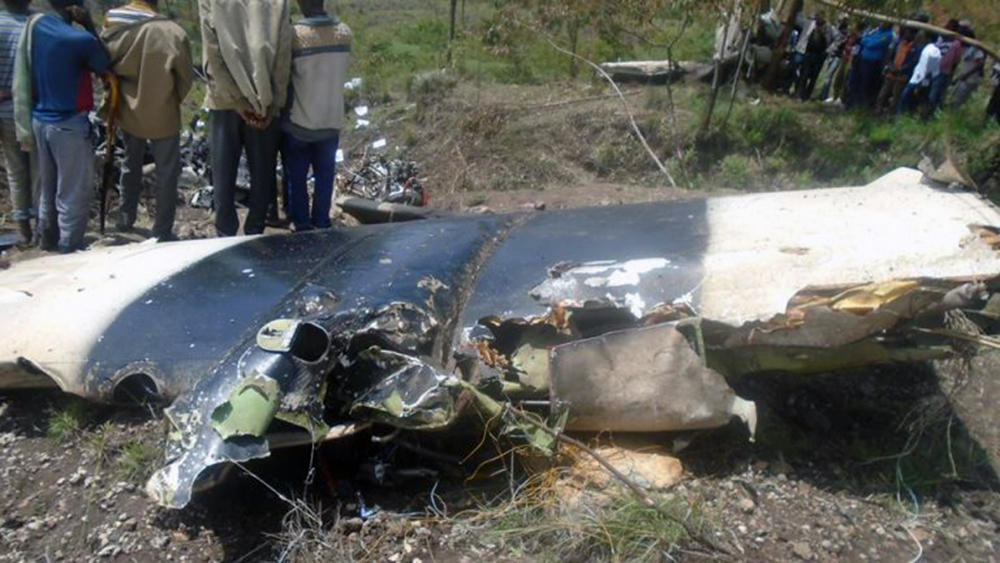
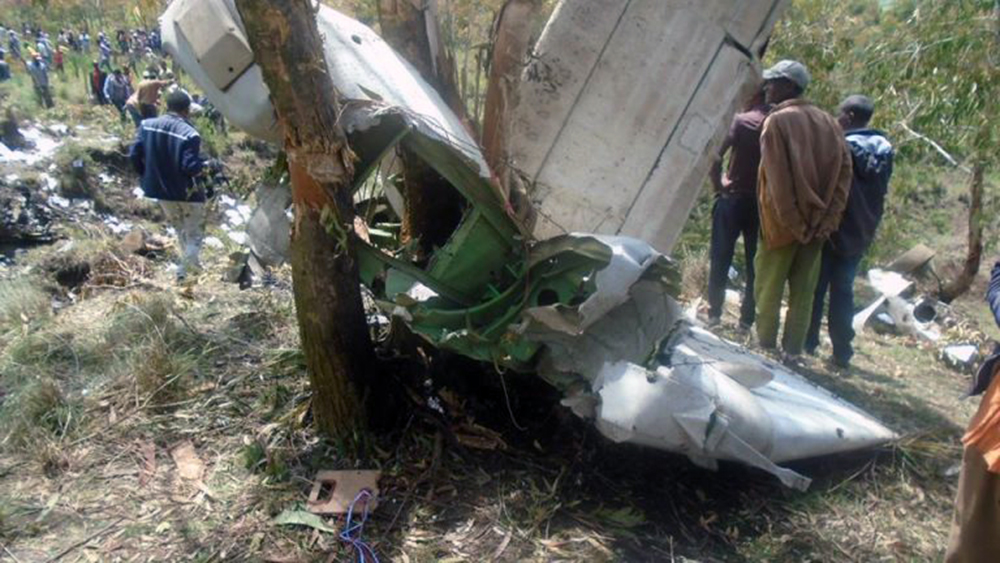
Cras of a De Havilland DHC-6 Twin Otter in Mojo: 18 killed

Date & Time: Aug 30, 2018 at 1030 LT
Operator:
Registration:
ET-AIU
Survivors:
No
Schedule:
Dire Dawa – Debre Zeit
MSN:
822
YOM:
1985
Location:
Country:
Region:
Crew on board:
3
Crew fatalities:
Pax on board:
15
Pax fatalities:
Other fatalities:
Total fatalities:
18
Circumstances:
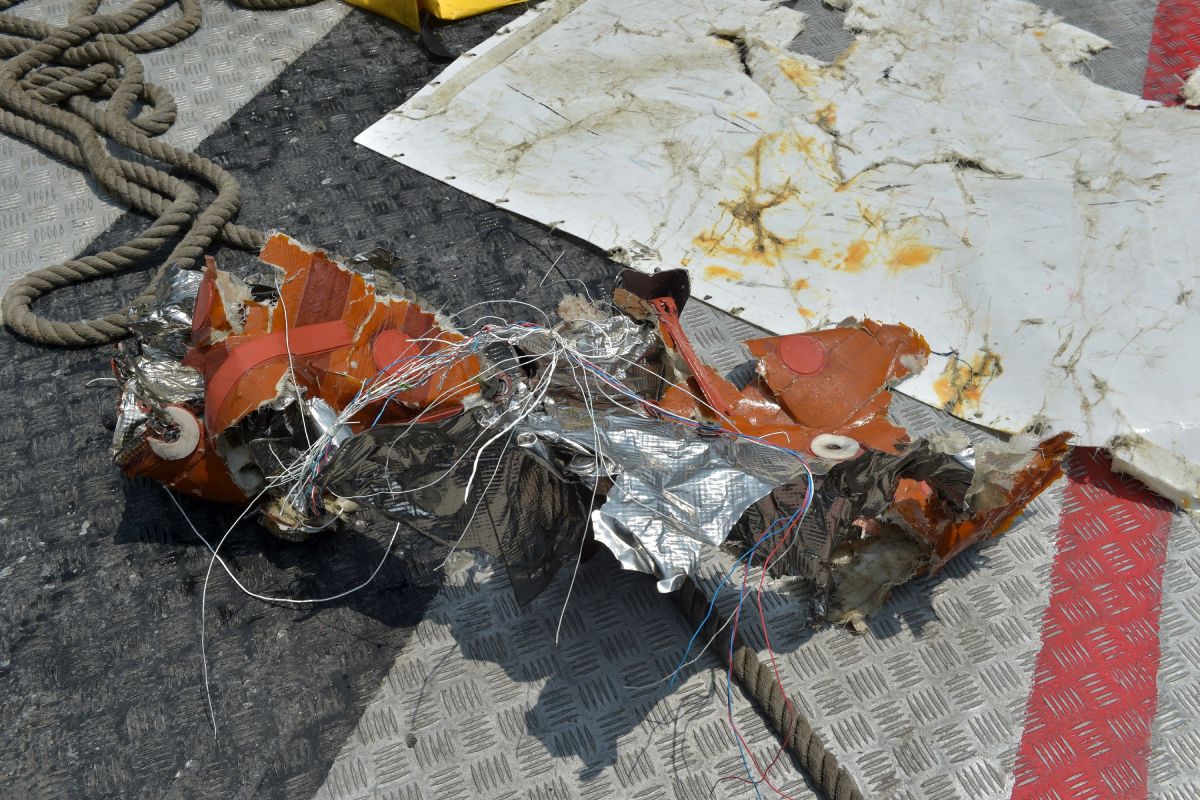
The twin engine airplane departed Dire Dawa in the morning on a flight to Harar Meda Airbase located in Debre Zeit, carrying 15 Army officers and three civilians on behalf of the Ethiopian Army. While descending to Harar Meda, the airplane crashed in unknown circumstances in a wooded area located in Mojo, some 17 km southeast of the airfield. The aircraft was totally destroyed and all 18 occupants were killed, among them two children. Operated on behalf of the Ethiopian Army with dual registration ET-AIU/808.

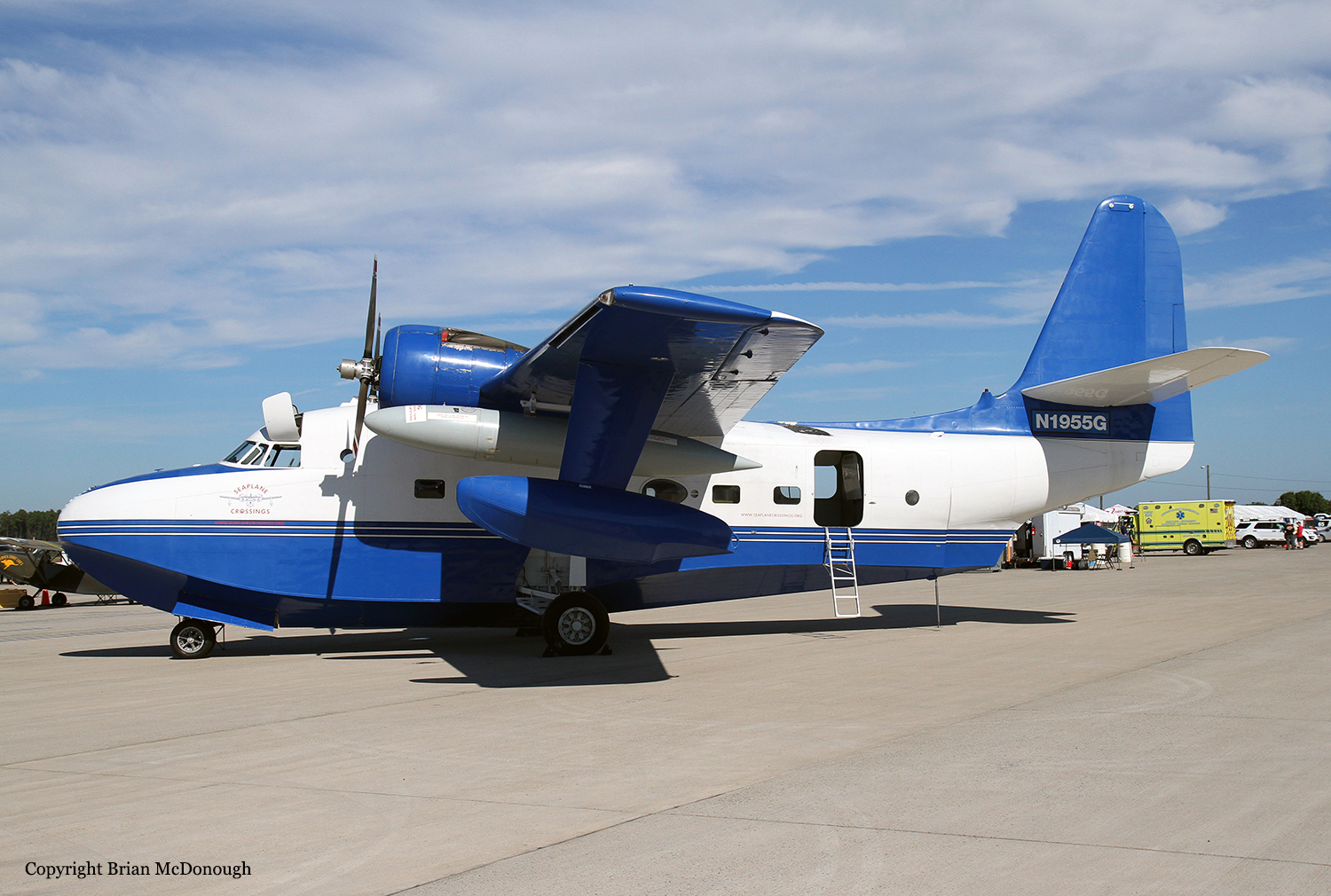
Crash of a Grumman G-64 in the Atlantic Ocean

Date & Time: Aug 25, 2018
Type of aircraft:

Operator:
Registration:
N1955G
Flight Phase:
Survivors:
Yes
Schedule:
Elizabeth City - Elizabeth City
MSN:
G-406
YOM:
1954
Country:
Region:
Crew on board:
5
Crew fatalities:
Pax on board:
0
Pax fatalities:
Other fatalities:
Total fatalities:
0
Circumstances:
The crew departed Elizabeth City CGAS in North Carolina to deploy weather buoys in the Atlantic Ocean. Several landings were completed successfully. While taking off, the seaplane struck an unkknown object floating on water and came to rest some 680 km east off Cape Hatteras, North Carolina. All five crew members evacuated the cabin and were later recovered by the crew of a container vessel. The aircraft sank and was lost.
Probable cause:
Collision with an unknown floating object while taking off.

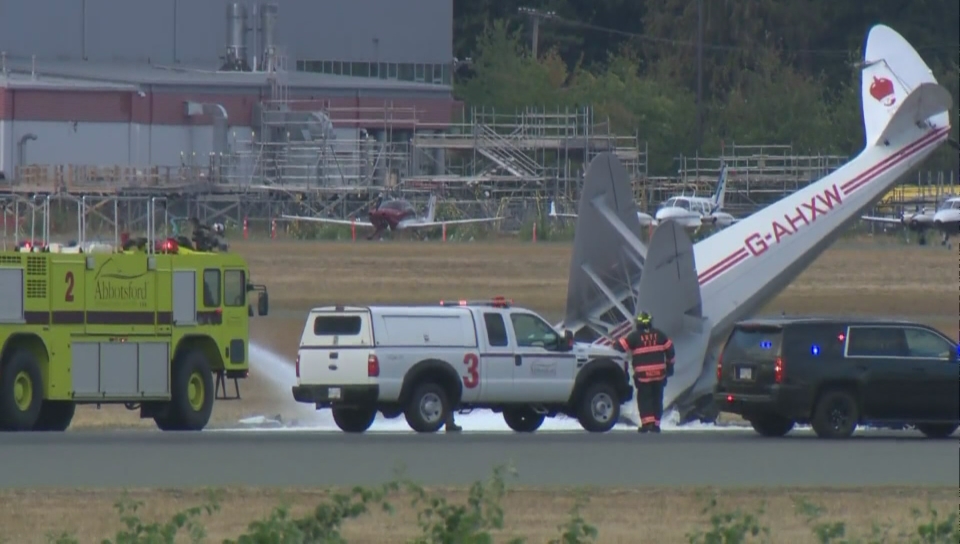
Crash of a De Havilland DH.89A Dragon Rapide 4 in Abbotsford

Date & Time: Aug 11, 2018 at 1731 LT
Operator:
Registration:
N683DH
Flight Phase:
Flight Type:
Survivors:
Yes
Schedule:
Abbotsford - Abbotsford
MSN:
6782
YOM:
1944
Country:
Crew on board:
1
Crew fatalities:
Pax on board:
4
Pax fatalities:
Other fatalities:
Total fatalities:
0
Captain / Total flying hours:
10000
Captain / Total hours on type:
20.00
Circumstances:
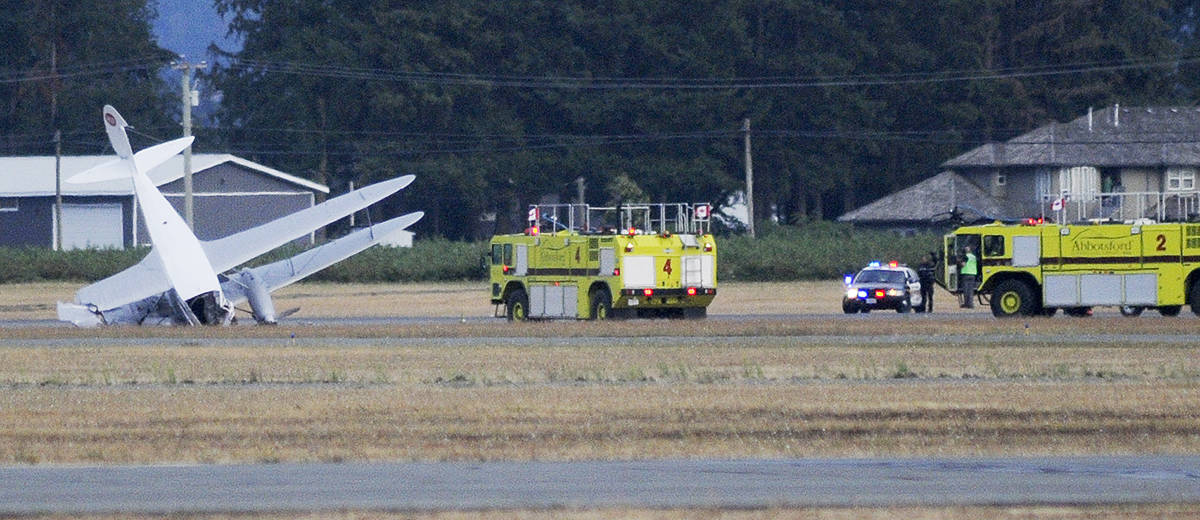
The vintage de Havilland DH-89A MKIV Dragon Rapide biplane (U.S. registration N683DH, serial number 6782) operated by Historic Flight Foundation was part of the static aircraft display at the Abbotsford International Airshow at Abbotsford Airport (CYXX), British Columbia. Following the conclusion of the airshow that day, the aircraft was being used to provide air rides. At approximately 1731 on 11 August 2018, the aircraft began its takeoff from Runway 25 with the pilot and 4 passengers on board for a local flight to the southeast. During the takeoff, the aircraft encountered strong, gusting crosswinds. It climbed to about 30 feet above ground level before descending suddenly and impacting the runway, coming to rest on its nose immediately off the right edge of the runway. Within 2 minutes, 2 aircraft rescue firefighting trucks arrived on the scene along with an operations/command vehicle. About 10 minutes later, 2 St. John Ambulances arrived. A representative of the HFF was escorted to the scene to ensure all electronics on the aircraft were turned off. Shortly thereafter, 2 BC Ambulance Service ground ambulances arrived, followed by 2 City of Abbotsford fire trucks. Two BC Ambulance Service air ambulances arrived after that. The fire trucks stabilized the aircraft, and the first responders who arrived with the fire truck finished evacuating the occupants. The pilot and 1 passenger received serious injuries; the other 3 passengers received minor injuries. All of the aircraft occupants were taken to the hospital. The aircraft was substantially damaged. There was a fuel spill, but no fire. The emergency locator transmitter activated.
Final Report: