Country

Crash of a Partenavia P.68C-TC near Waterford: 1 killed

Date & Time: Nov 20, 2025 at 1248 LT
Type of aircraft:
Operator:
Registration:
EI-HPY
Flight Type:
Survivors:
No
Schedule:
Sligo – Béziers
MSN:
485-52-TC
YOM:
2015
Country:
Region:
Crew on board:
1
Crew fatalities:
Pax on board:
0
Pax fatalities:
Other fatalities:
Total fatalities:
1
Circumstances:
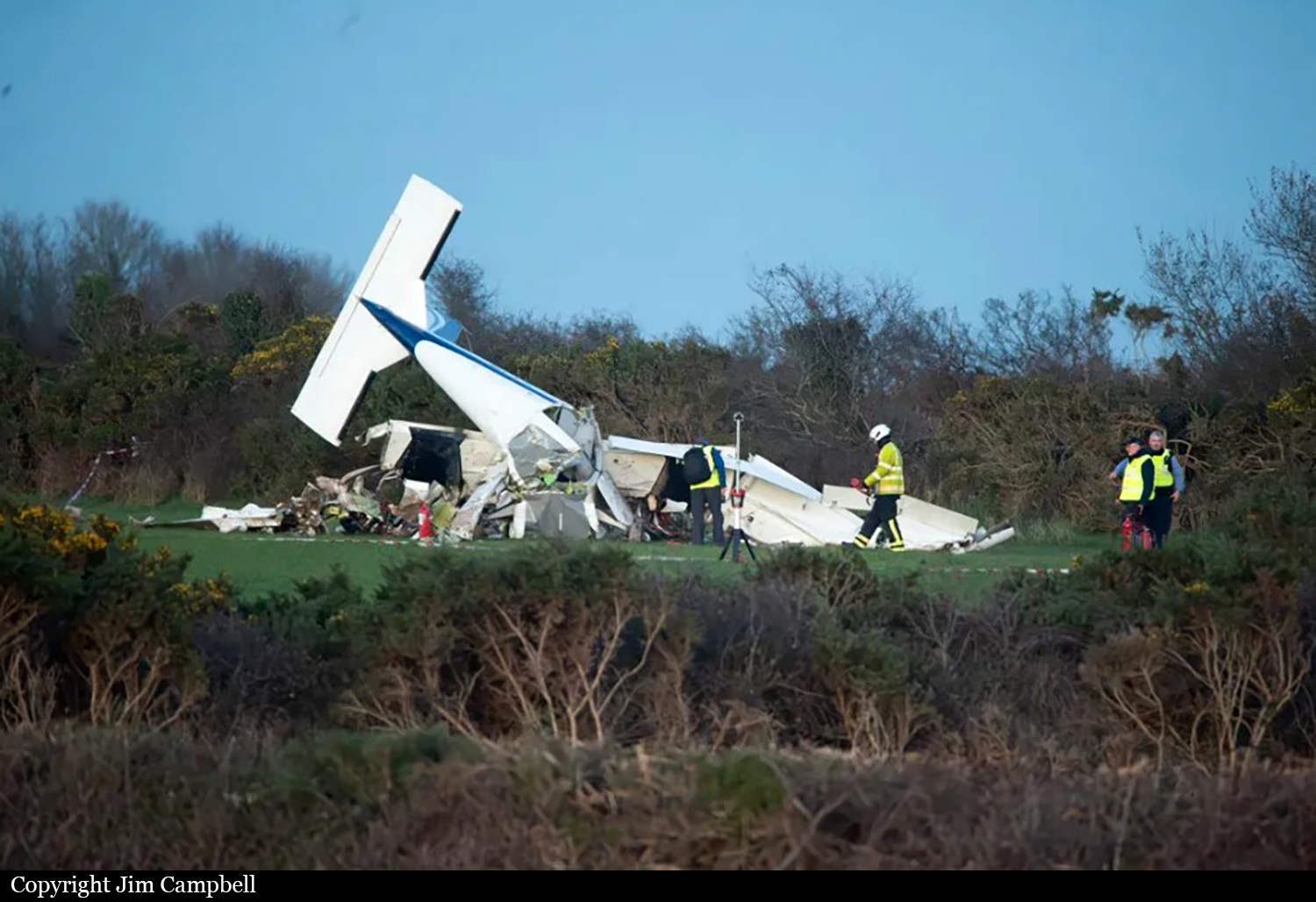
The twin engine airplane departed Sligo Airport at 1121LT on a private flight to Béziers. About an hour into the flight, while cruising at an altitude of 10,900 feet over the Celtic Sea, the pilot encountered an unexpected situation and was cleared to divert to Waterford Airport. He gradually reduced his altitude and was cleared for an approach to runway 03. On approach, he lost control of the airplane that crashed in a pasture located south of the airport. The airplane was destroyed by impact forces and the pilot, sole occupant, was killed.

Crash of a Partenavia P.68C in Cerro San Simón

Date & Time: Aug 19, 2025 at 1145 LT
Type of aircraft:
Operator:
Registration:
CP-1930
Flight Type:
Survivors:
Yes
MSN:
332
YOM:
1984
Country:
Crew on board:
1
Crew fatalities:
Pax on board:
4
Pax fatalities:
Other fatalities:
Total fatalities:
0
Circumstances:
While approaching an airstrip in Cerro San Simón, the twin engine airplane impacted the ground and crashed in a field. All five occupants were injured, two seriously. The airplane was destroyed. The flight was operated on behalf of a local mine company.

Crash of a Partenavia P.68C Victor in Besakoa: 1 killed

Date & Time: Aug 24, 2023 at 1510 LT
Type of aircraft:
Operator:
Registration:
5R-MKB
Flight Phase:
Survivors:
Yes
Schedule:
Besakoa - Moramba
Country:
Region:
Crew on board:
1
Crew fatalities:
Pax on board:
4
Pax fatalities:
Other fatalities:
Total fatalities:
2
Circumstances:
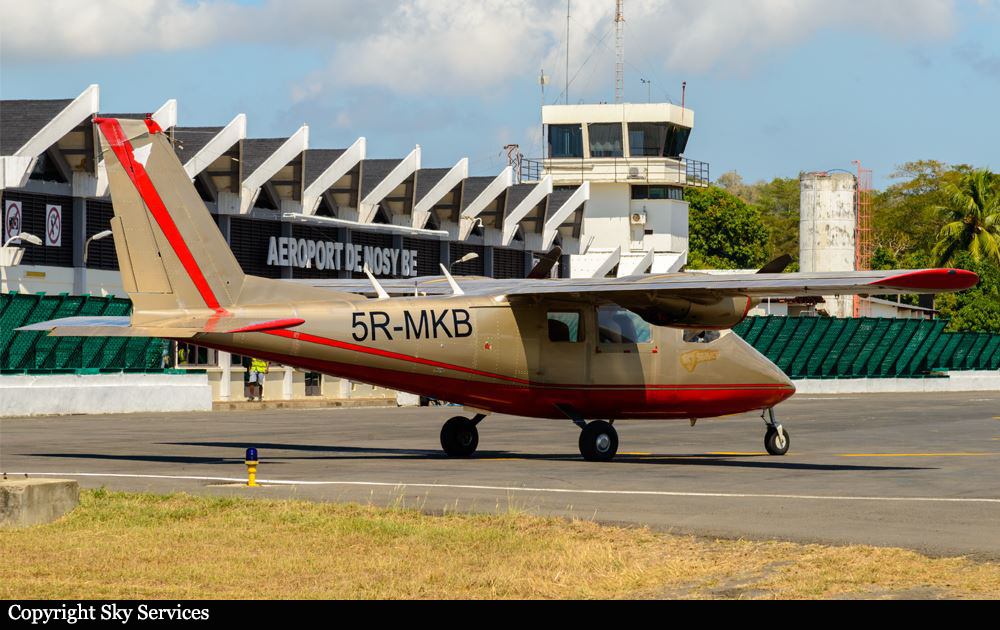
Shortly after takeoff from Besakoa Airfield, the twin engine airplane crashed, bursting into flames. A passenger was killed and four other occupants were injured and evacuated to Antananarivo. The airplane was en route to Moramba.

Crash of a Partenavia P.68 Victor in Carnsore Point

Date & Time: Sep 23, 2021 at 1710 LT
Type of aircraft:
Operator:
Registration:
F-HIRD
Flight Phase:
Survivors:
Yes
Schedule:
Waterford - Waterford
MSN:
14
YOM:
1975
Country:
Region:
Crew on board:
1
Crew fatalities:
Pax on board:
3
Pax fatalities:
Other fatalities:
Total fatalities:
0
Captain / Total flying hours:
2112
Captain / Total hours on type:
325.00
Circumstances:
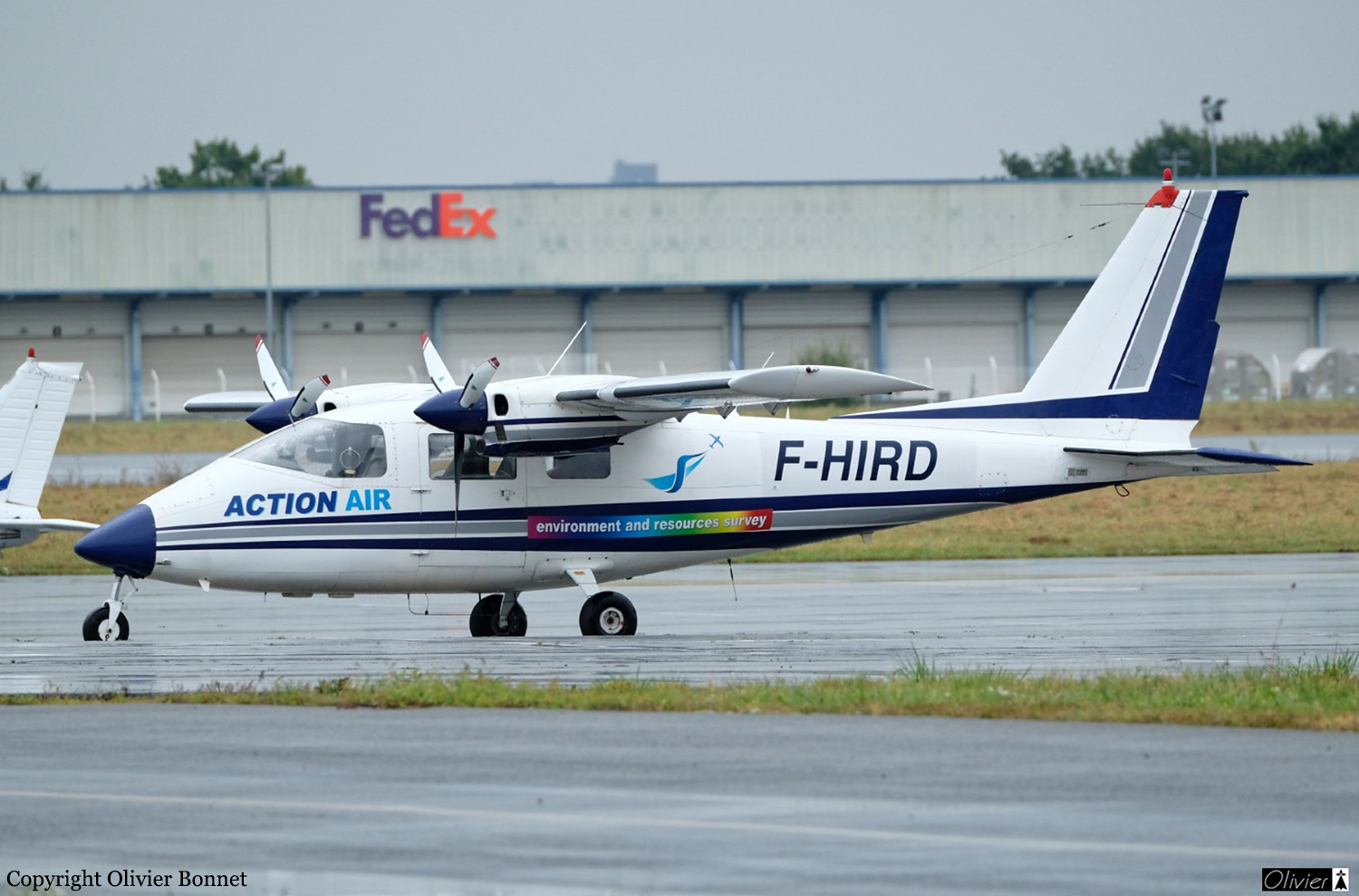
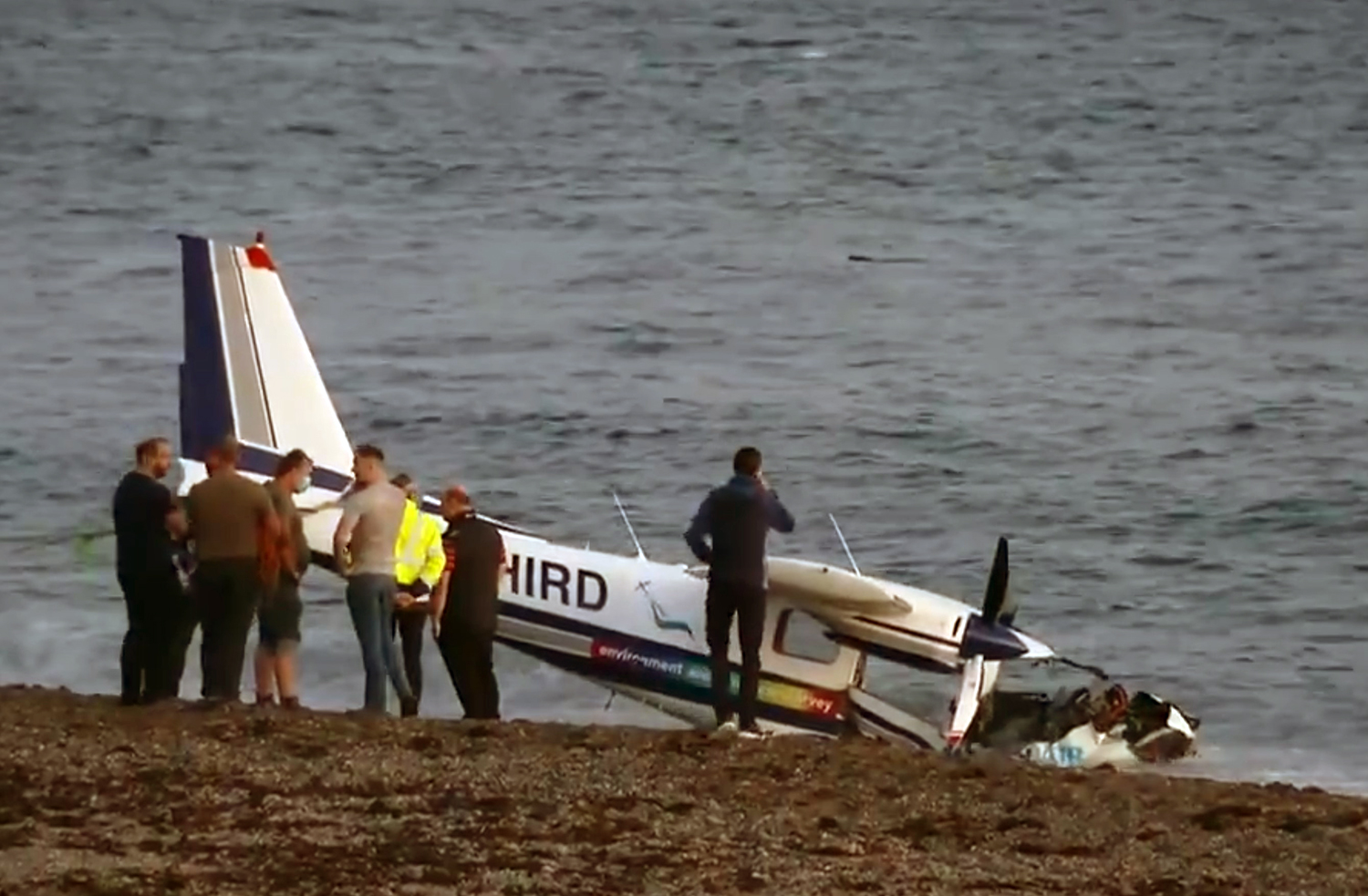
The twin engine aircraft, a Partenavia P.68 Victor, with one pilot and three Task Specialists on board, departed Waterford Airport (EIWF) at 11:08 hrs on 23 September 2021. The three Task Specialists were members of an environmental research team. The flight was part of a series of survey flights, the purpose of which was to record sightings of marine wildlife in the waters off the coast of Ireland. The aircraft seating layout was two rows of two seats and a benchtype seat in the rear of the aircraft. During the occurrence flight, one Task Specialist was seated in the front right seat next to the Pilot, and the two other Task Specialists were seated in the row directly behind. The rear bench seat was unoccupied. The plan for the flight was to fly over the sea along 16 pre-defined survey lines at a height of approximately 250 – 300 feet (ft) and a speed of approximately 100 knots (kt). Each line was approximately 45 km (24.3 NM) in length and the lines were spaced approximately 4 km (2.2 NM) apart. The planned 16 survey lines were completed in approximately 4 hours and 30 minutes. Following a discussion with the Task Specialists, and after assessing the remaining fuel, the Pilot determined that there was enough fuel to complete two more survey lines before returning to EIWF with his fuel reserves intact. Shortly after commencing the second of the two additional survey lines, the right engine stopped. At the time, the aircraft was reportedly travelling at a speed of approximately 105 kts and was at a height of approximately 300 ft. Recorded data shows that the aircraft then climbed to approximately 500 ft. The Pilot reported that the aircraft climbed more slowly than expected whilst operating on the left engine only. At approximately 500 ft whilst still in the climb, the left engine exhibited a significant loss of power but did not completely stop. The Task Specialists later reported that the aircraft dropped in height and turned to the left. The left engine power recovered but the power loss re-occurred. This sequence of climbing slightly, losing power, losing height, and recovering engine power when descending repeated several times. The Pilot then routed directly towards land and as the aircraft approached the shore, the left engine lost power again. The Pilot banked the aircraft to the left and carried out a forced landing on the beach during which the nose of the aircraft impacted with the loose shale surface. The aircraft sustained significant structural damage to the forward cabin area. The three Task Specialists exited the aircraft through the door on the left side. The Pilot and Task Specialists reported that when the aircraft was on the beach, the left engine ran briefly at what the Pilot said appeared to be full power. The Pilot pulled back the fuel mixture lever to shut down the engine. The Pilot exited the aircraft through the broken windscreen which had shattered during the impact. Two Coastguard helicopters attended the scene. The Pilot and the Task Specialist seated in the front right seat sustained serious injuries during the impact sequence and were airlifted to hospital. The two other Task Specialists sustained minor injuries and were taken to hospital by road ambulance.
Probable cause:
Separate interruptions to the fuel supply of each engine, while operating at or below a quarter of the aircraft’s fuel tank capacity, ultimately resulting in a forced landing.
Contributory factors:
- A lack of clarity in the aircraft Flight Manual limitations section regarding operations at less than ¼ tank fuel.
- The configuration of the fuel selector panel was potentially misleading and its operation was not intuitive.
Final Report:


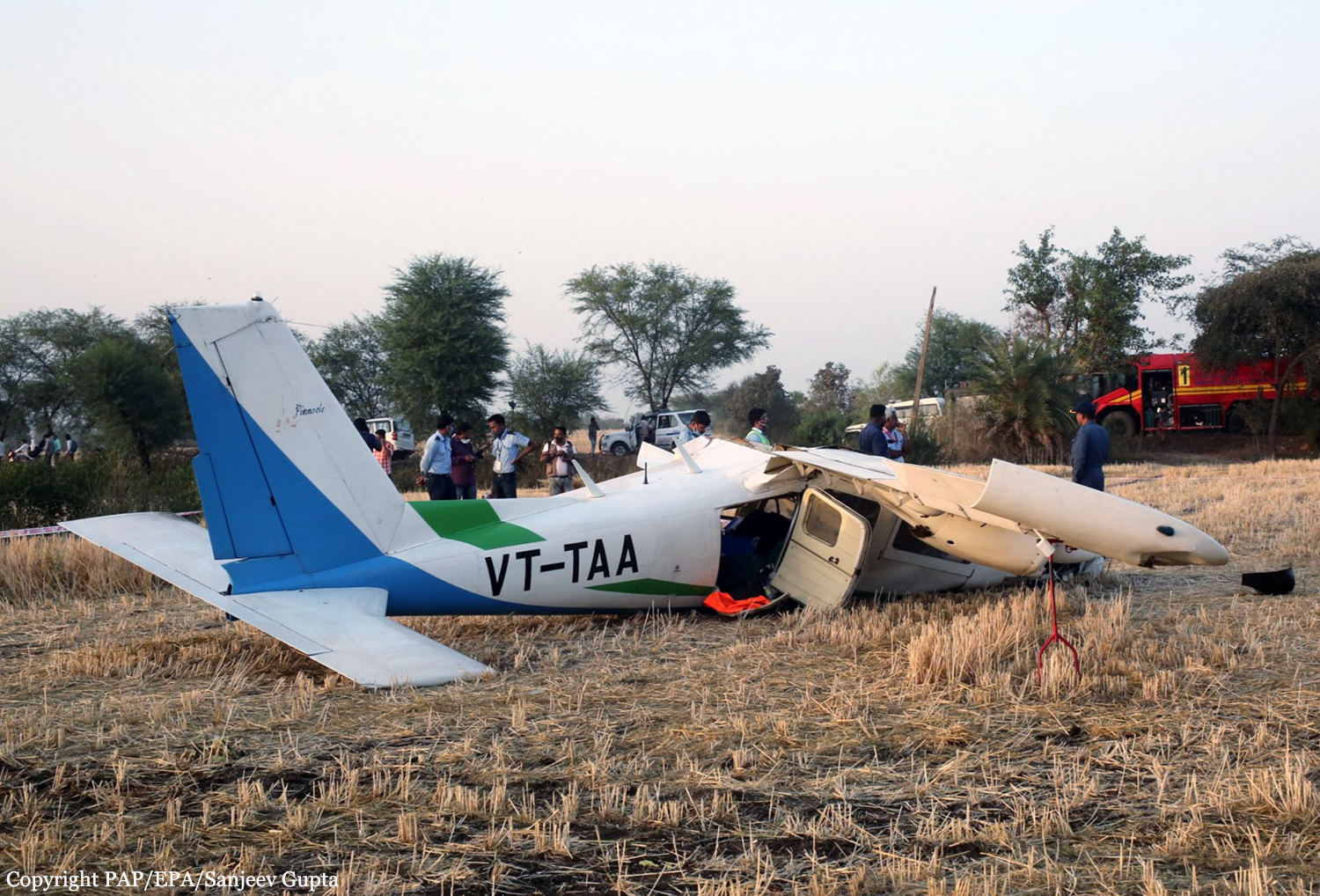
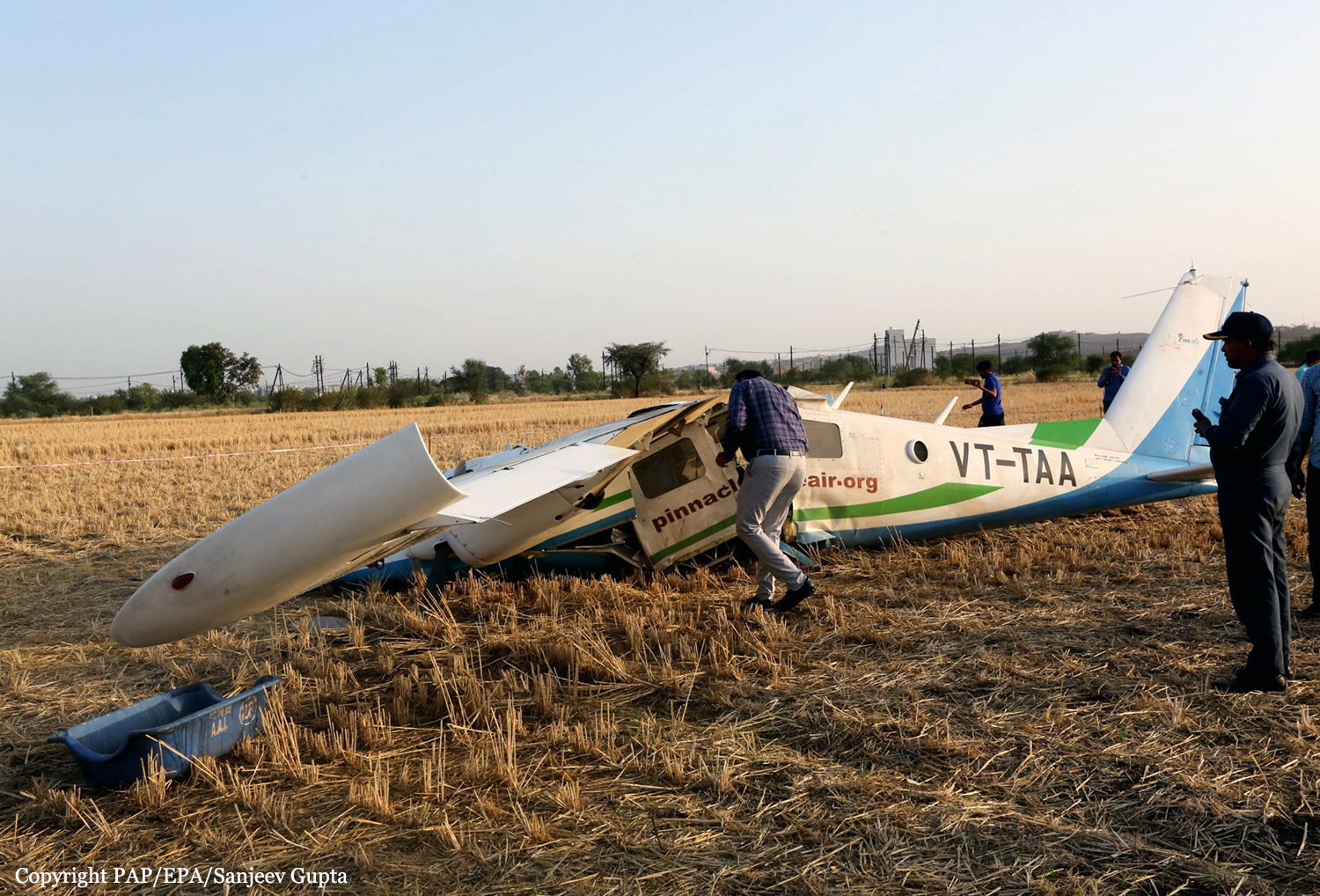
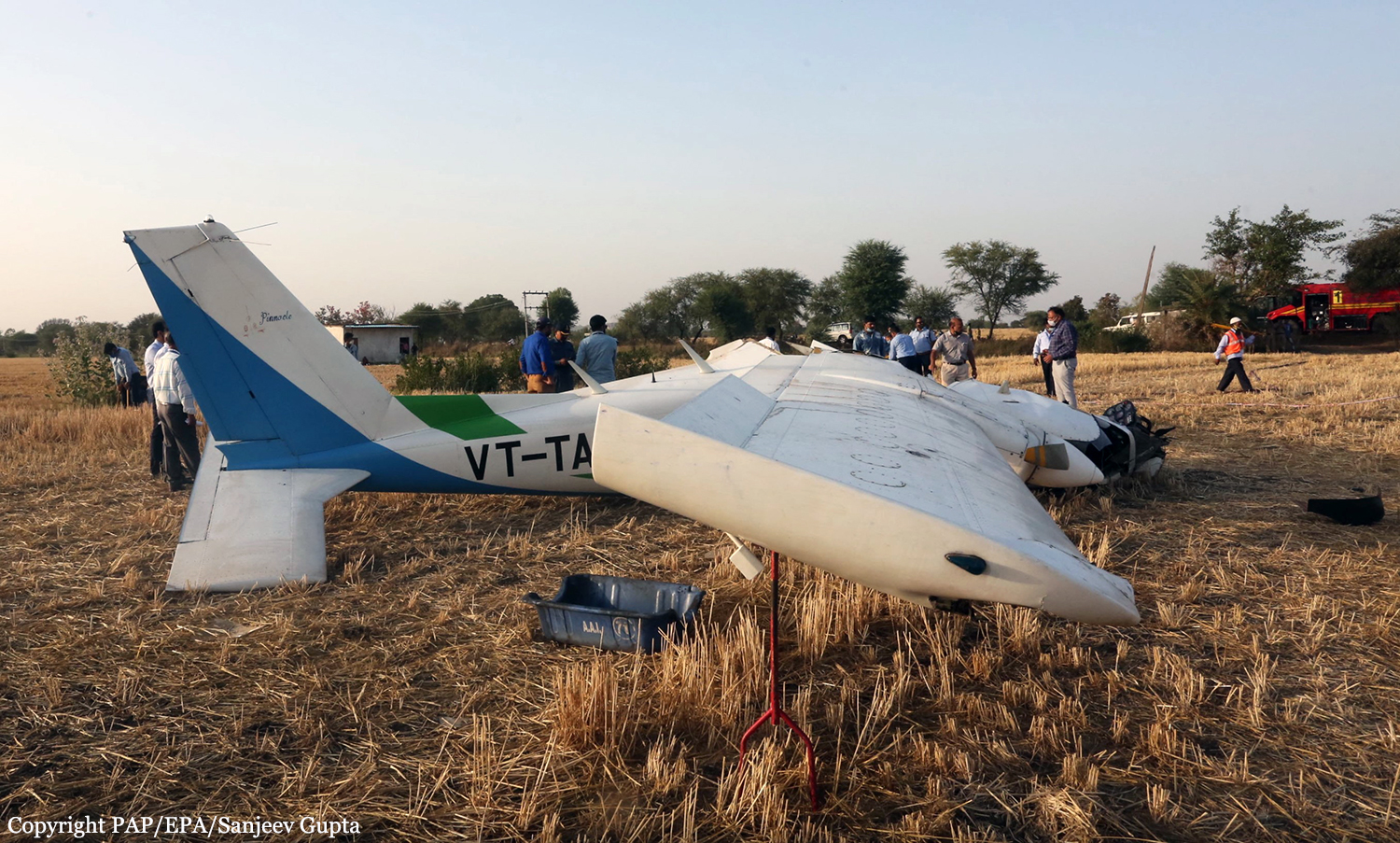
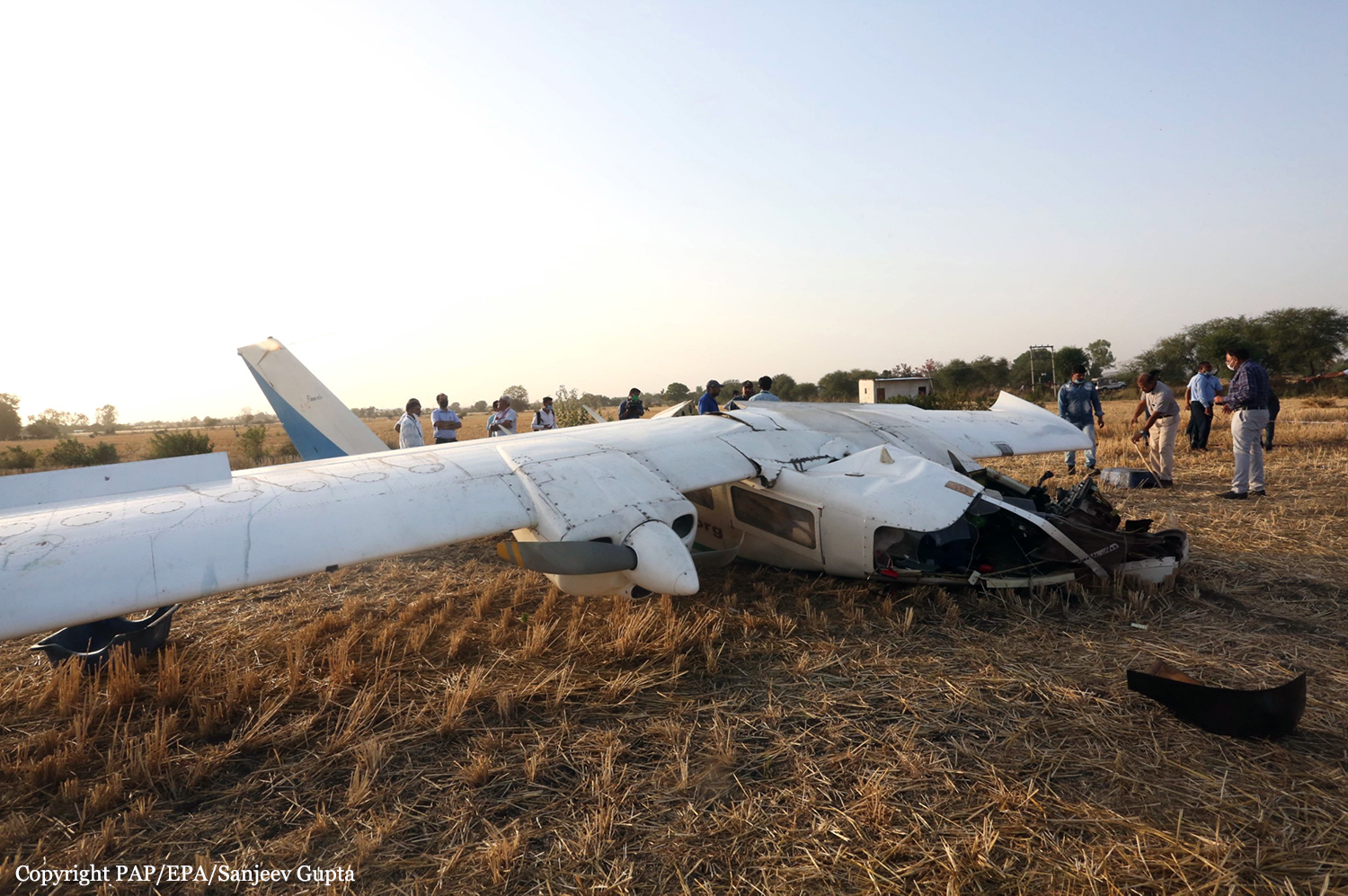
Crash of a Partenavia P.68C Observer 2 in Bhopal

Date & Time: Mar 27, 2021 at 1605 LT
Type of aircraft:
Operator:
Registration:
VT-TAA
Flight Phase:
Flight Type:
Survivors:
Yes
Schedule:
Bhopal - Guna
MSN:
398-07-OB2
YOM:
1994
Country:
Region:
Crew on board:
2
Crew fatalities:
Pax on board:
1
Pax fatalities:
Other fatalities:
Total fatalities:
0
Captain / Total flying hours:
772
Captain / Total hours on type:
472.00
Copilot / Total flying hours:
458
Copilot / Total hours on type:
220
Aircraft flight hours:
2835
Circumstances:
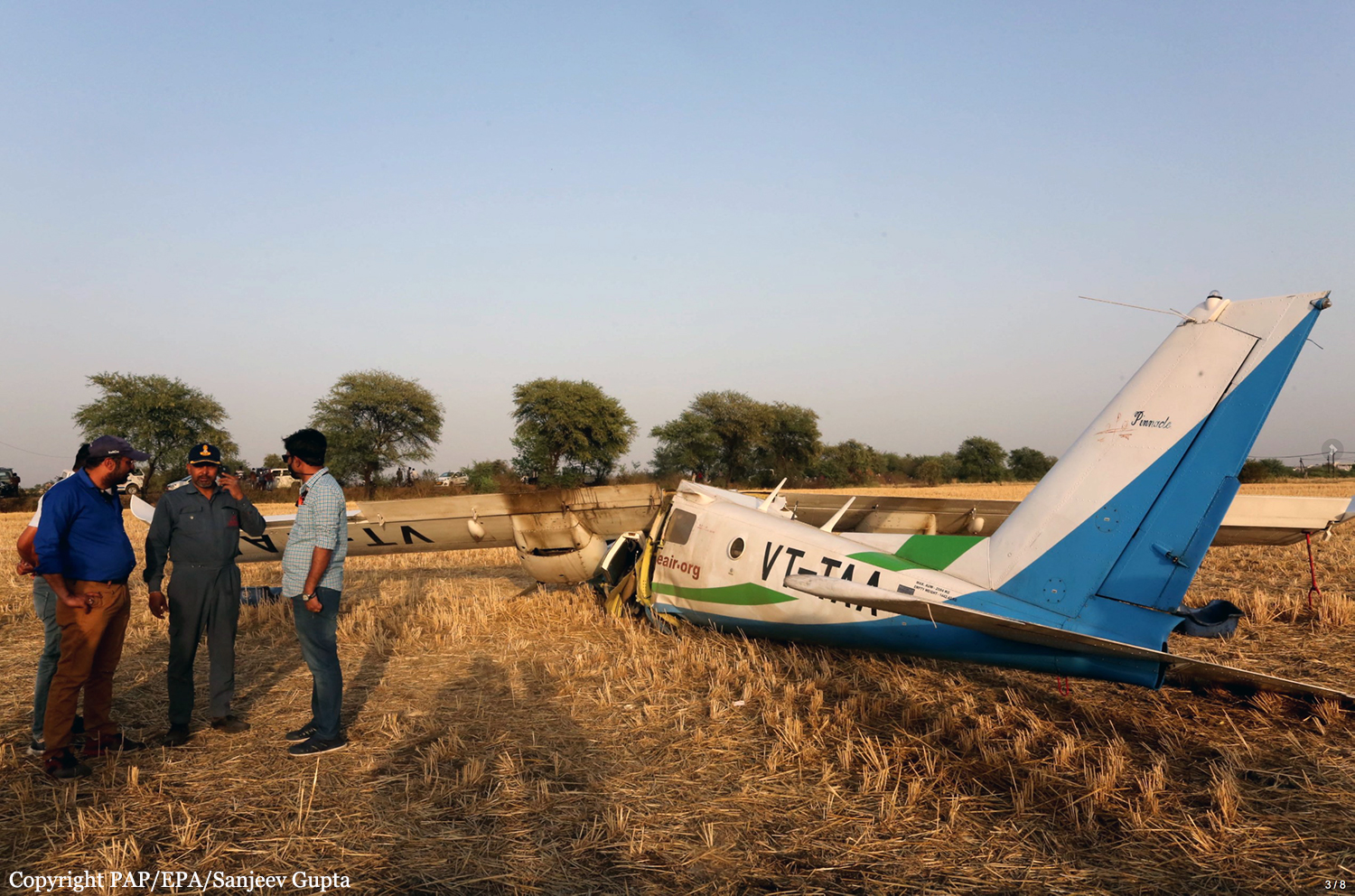
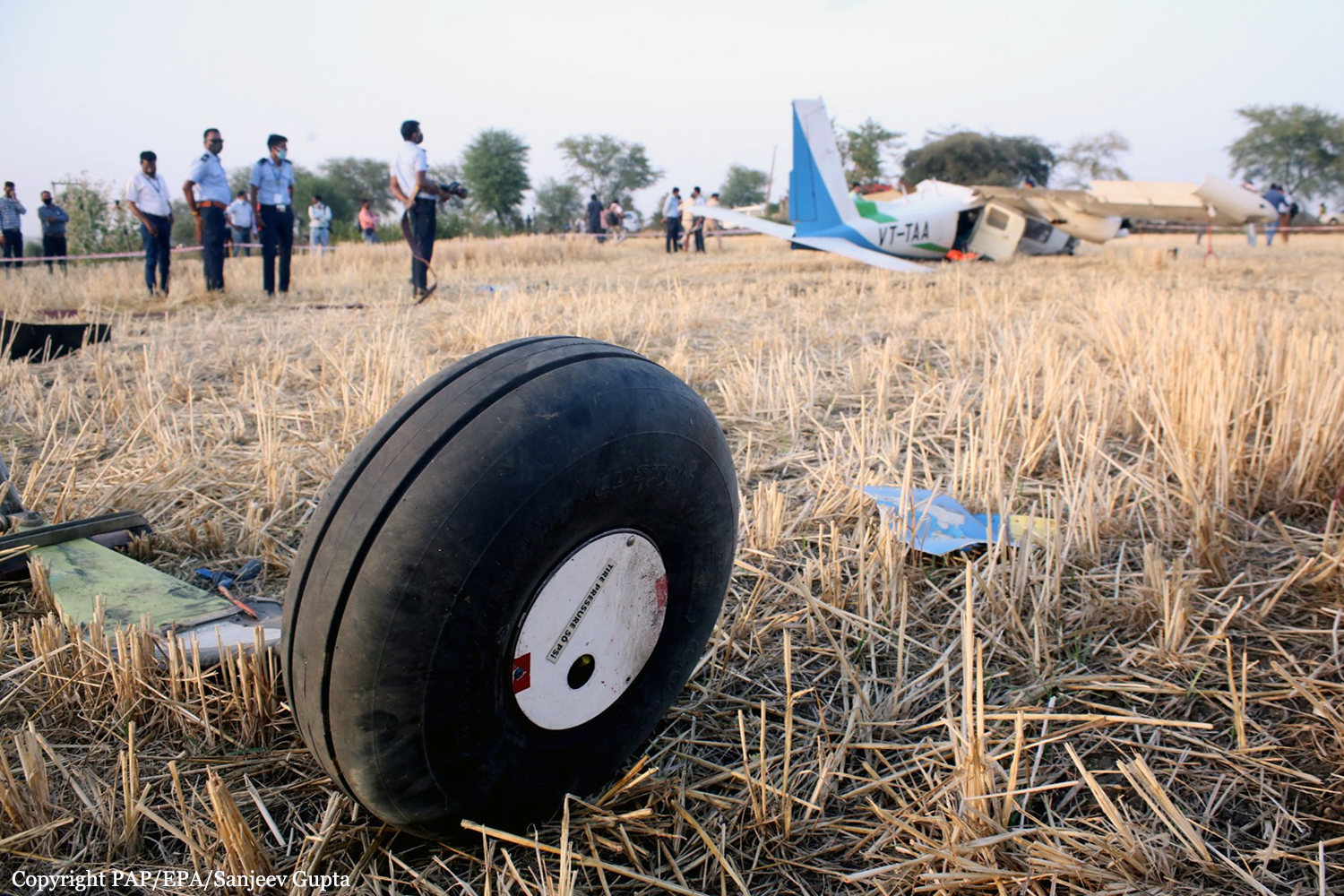
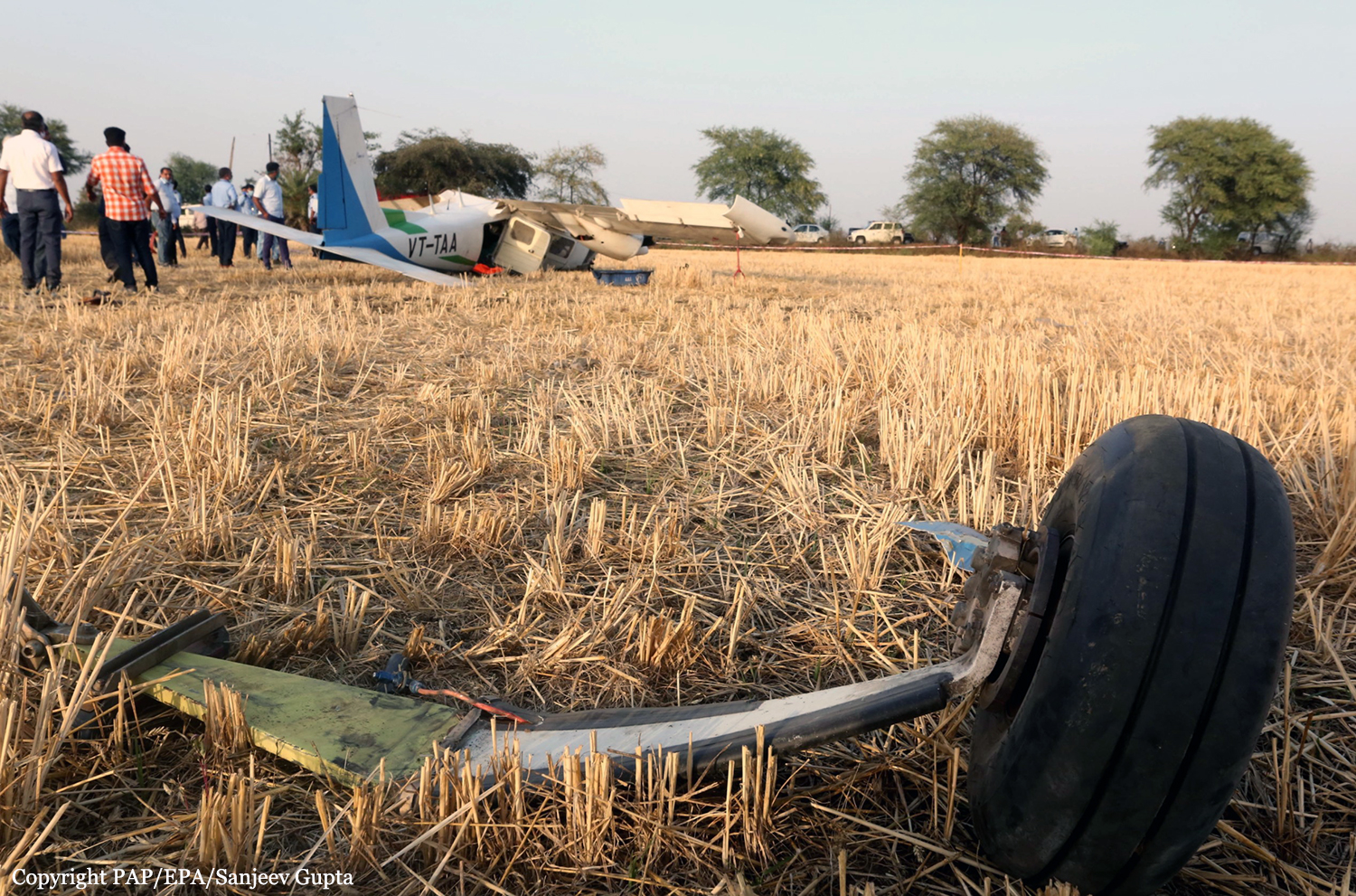
The aircraft was under the command of a CPL holder pilot-in-command (PIC), who was Pilot Flying (PF). PIC was assisted by a CPL holder copilot, who was pilot monitoring (PM). One passenger (Director of Operations M/s PAPL) was also onboard. The aircraft took off from Bhopal airport uneventfully. After takeoff, at about 20 NM, the crew observed abnormal noise followed by low oil pressure and high oil temperature indication on aircraft’s LH engine. Crew assessed the situation and decided to turn back to Bhopal. The crew however, reported to ATC Bhopal that they are returning back due to wind and turbulence. While returning, crew shutdown the LH engine. Post LH engine shut down, crew gave a call to ATC, Bhopal requested to land the aircraft on the taxiway (disuse runway). ATC did not agree to the request, as there was no cross runway at Bhopal. The ATC was also not made aware of the prevailing emergency situation by the crew. When ATC declined the request, the crew informed ATC, that they might be doing force landing. ATC Bhopal immediately responded and asked the crew to land on Runway 12. However, the crew carried out a force landing in an agriculture field approximately 3 NM from Bhopal Airport. During the force landing, the PIC received serious injury and the copilot and passenger received minor injuries.The aircraft sustained substantial damages.
Probable cause:
The probable cause of the accident was Oil leak from the LH engine during the flight. Consequently, oil starvation and lack of lubrication resulted in excessive heat generation amongst the frictional components. Due to excessive heat, the bearing of no. 4 piston connecting rod failed and broke into pieces. However, the root cause of the LH engine oil leak could not be conclusively established. Subsequent to LH engine seizure, the crew did not follow the emergency procedures for single engine operation and took a decision to come for landing with single engine (RH). The crew further aggravated the emergency situation by not communicating the actual reason with ATC, displaying gross lack of situational awareness in handling the emergency. Crew estimated that they cannot reach the airport runway due to the low altitude and force landed the aircraft before the airport.
Final Report:

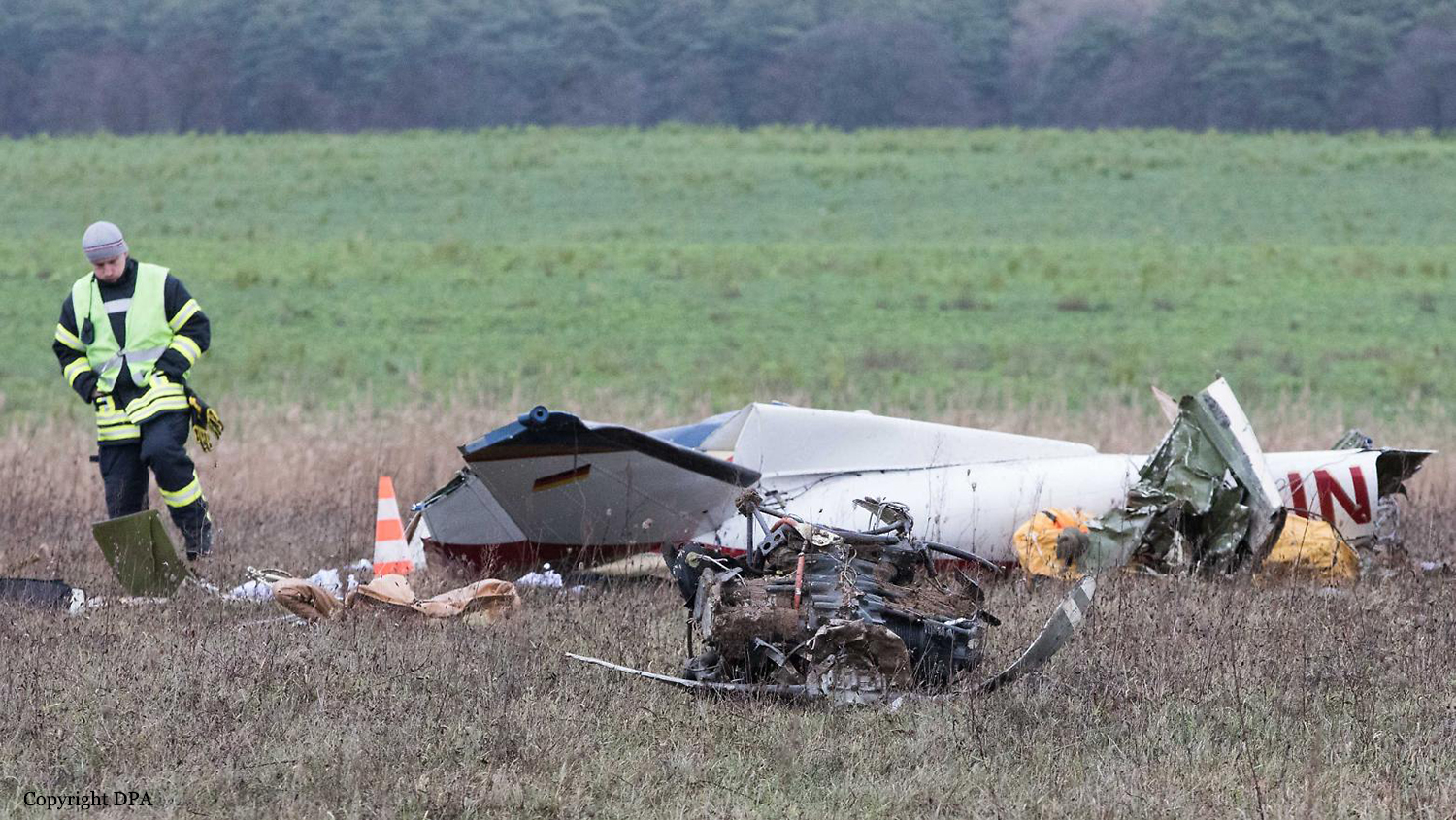
Crash of a Partenavia P.68B Victor near Strausberg: 2 killed

Date & Time: Jan 12, 2019 at 1155 LT
Type of aircraft:
Operator:
Registration:
D-GINA
Flight Phase:
Flight Type:
Survivors:
No
Schedule:
Strausberg - Neuhardenberg - Eberswalde - Strausberg
MSN:
59
YOM:
1975
Country:
Region:
Crew on board:
2
Crew fatalities:
Pax on board:
0
Pax fatalities:
Other fatalities:
Total fatalities:
2
Captain / Total flying hours:
2923
Copilot / Total flying hours:
632
Aircraft flight hours:
5750
Circumstances:
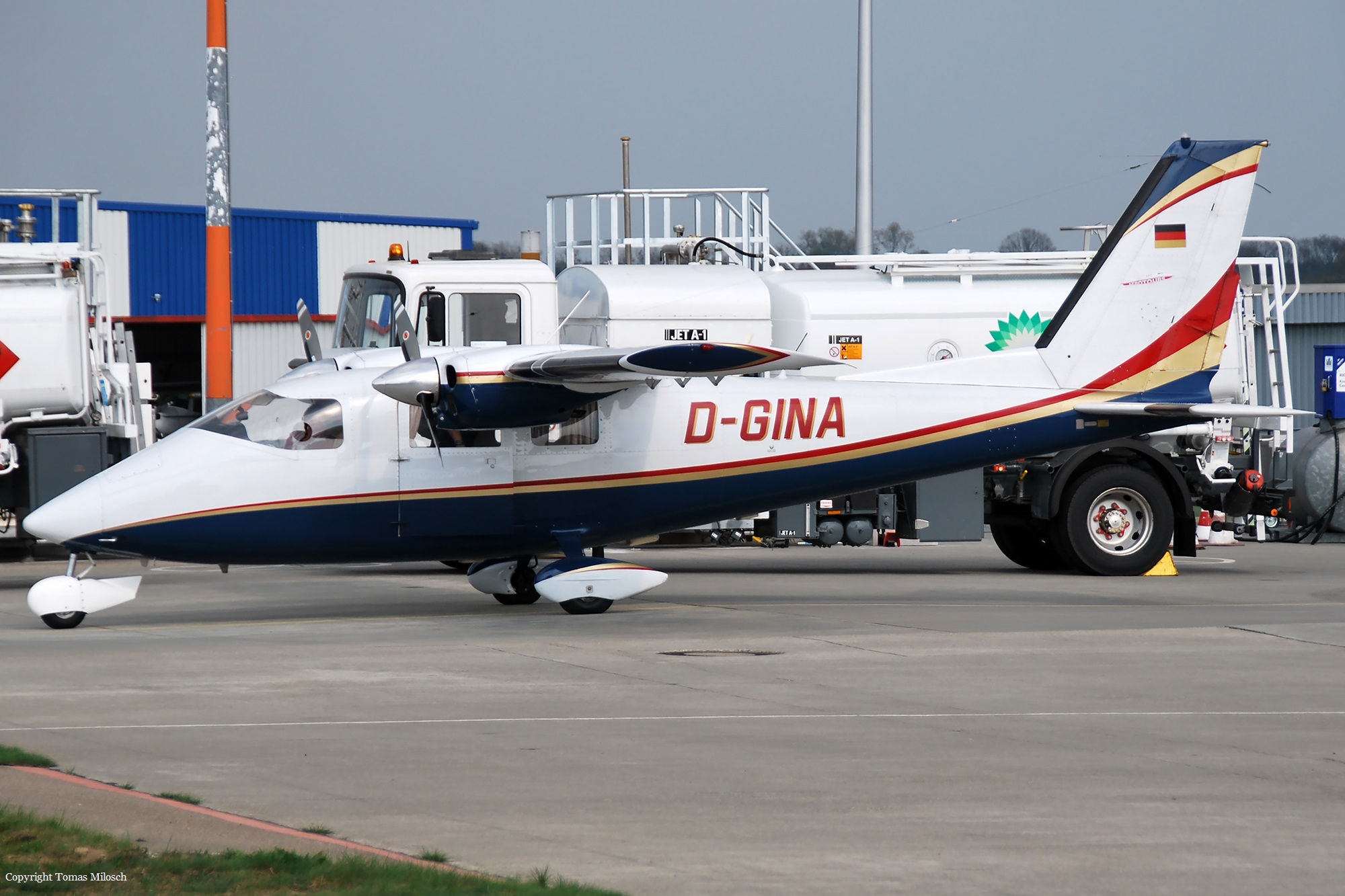
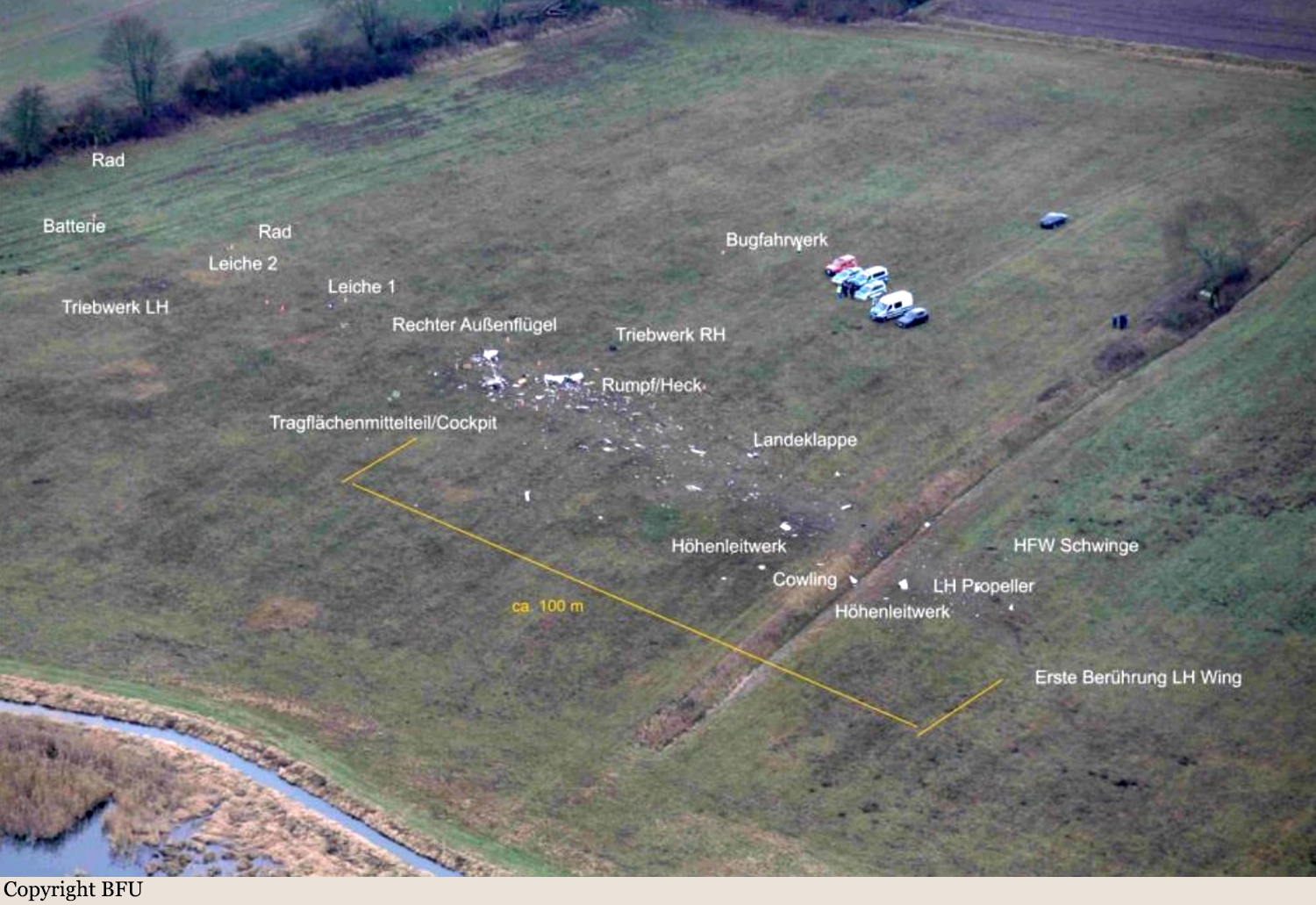
The twin engine airplane departed Strausberg Airport at 1100LT on a training flight with two pilots on board, one instructor and one pilot under supervision. Between 1112LT and 1125LT, the crew performed touch and go manoeuvre at Neuhardenberg Airport then proceeded to Eberswalde-Finow Airfield where other exercises were completed. At 1148LT, the crew returned to Neuhardenberg, made and approach and departed the circuit two minutes later. While cruising at an altitude of 1,300 feet, the crew encountered marginal weather conditions with drizzle. The airplane entered an uncontrolled descent and crashed in an open field located 7,9 km northwest of the airport. The airplane disintegrated on impact and both occupants were killed.
Probable cause:
The exact cause of the accident could not be determined with certainty due to the high degree of destruction of the airplane.
Final Report:
Crash of a Partenavia P.68B Victor on Endelave Island

Date & Time: Jun 3, 2018 at 1422 LT
Type of aircraft:
Operator:
Registration:
D-GATA
Flight Type:
Survivors:
Yes
Schedule:
Rendsburg - Endelave Island
MSN:
82
YOM:
1977
Country:
Region:
Crew on board:
1
Crew fatalities:
Pax on board:
3
Pax fatalities:
Other fatalities:
Total fatalities:
0
Captain / Total flying hours:
950
Captain / Total hours on type:
70.00
Aircraft flight hours:
3260
Circumstances:
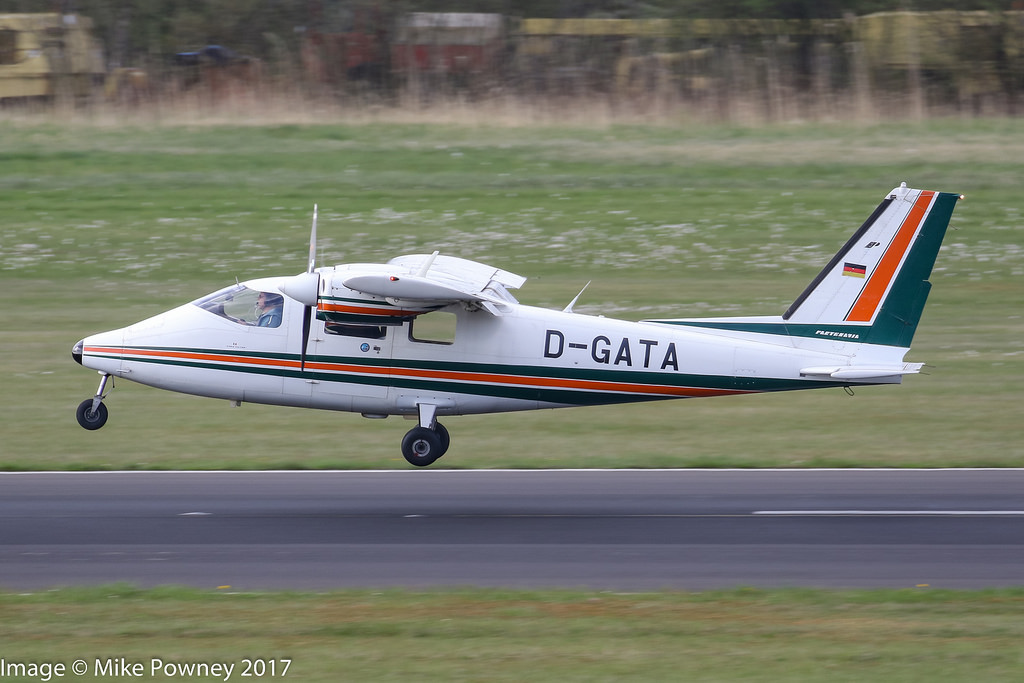
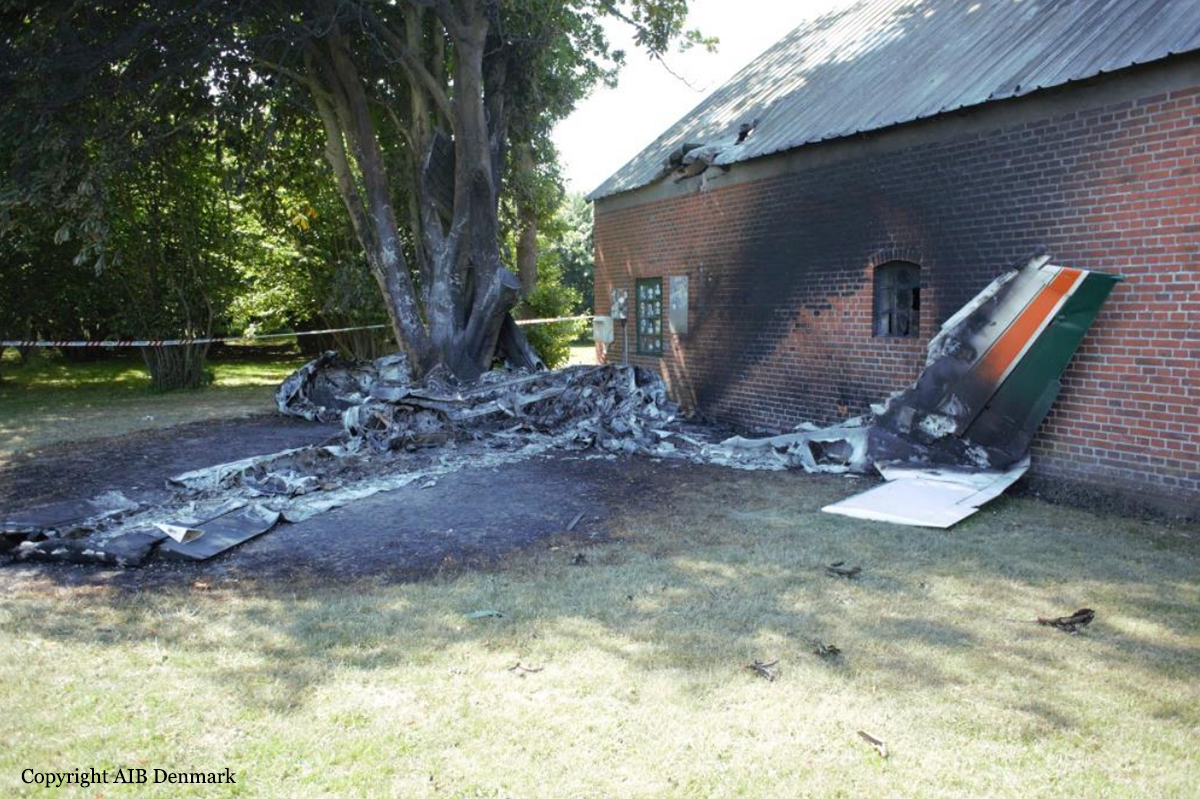
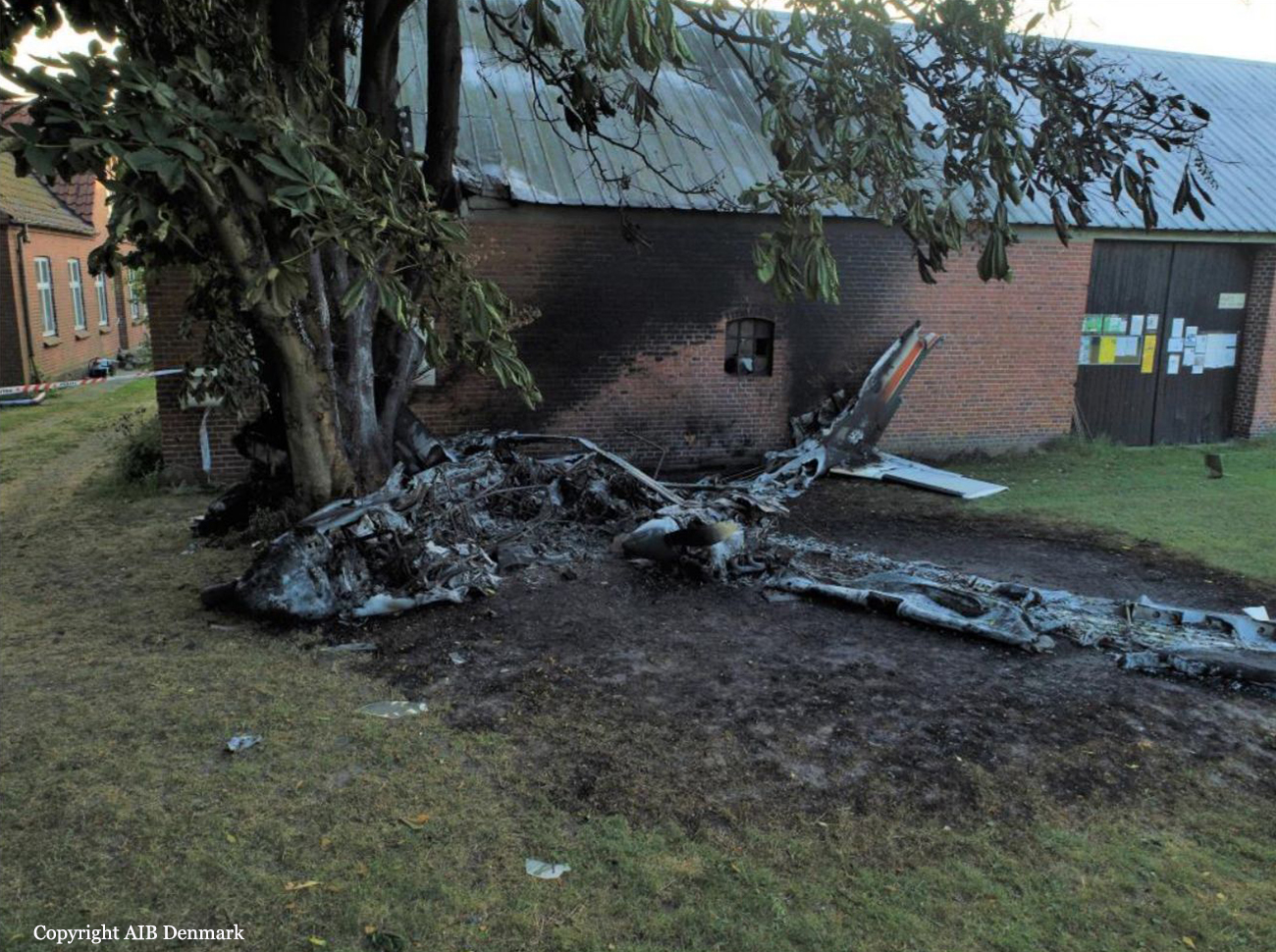
The accident occurred during a private VFR flight from EDXR (Rendsburg-Schachtholm) to Endelave (EKEL). When arriving overhead EKEL, the pilot made a visual inspection of the airstrip conditions. Upon a low approach at a shallow angle to runway 29 at EKEL, the pilot on short final reduced engine power and initiated the flare. Approximately 10 meters in front of the beginning of runway 29, the aircraft landed in a wheat field, and the main landing gear touched down at and collided with an upslope roadside next to a road crossing perpendicularly to the beginning of runway 29. When colliding with the upslope roadside, the left main landing gear collapsed. The aircraft started veering uncontrollably to the left and ran off the side of the airstrip. In the grass parking area next to the airstrip, the left wing of the aircraft collided with the nose landing gear of a parked aircraft. The aircraft continued veering to the left, impacted with a tree and a farm building, and came to rest. After impact with the tree and the farm building, the aircraft caught an explosive fire. Witnesses observing the landing and the impact with the tree and the farm building initiated a rescue mission. The aircraft was totally destroyed by a post crash fire and all four occupants were injured.
Probable cause:
An undershoot landing and touchdown at an upslope roadside next to a road crossing perpendicularly to the beginning of runway 29 resulted in a left main landing gear collapse. The aircraft uncontrollably veered to the left, ran off the side of the airstrip, collided with a parked aircraft, and impacted with a tree and a farm building. The aircraft caught an explosive fire. The resolute actions by witnesses and the local community in combination with an effective rescue mission were the difference between fatal and serious injuries.
Final Report: