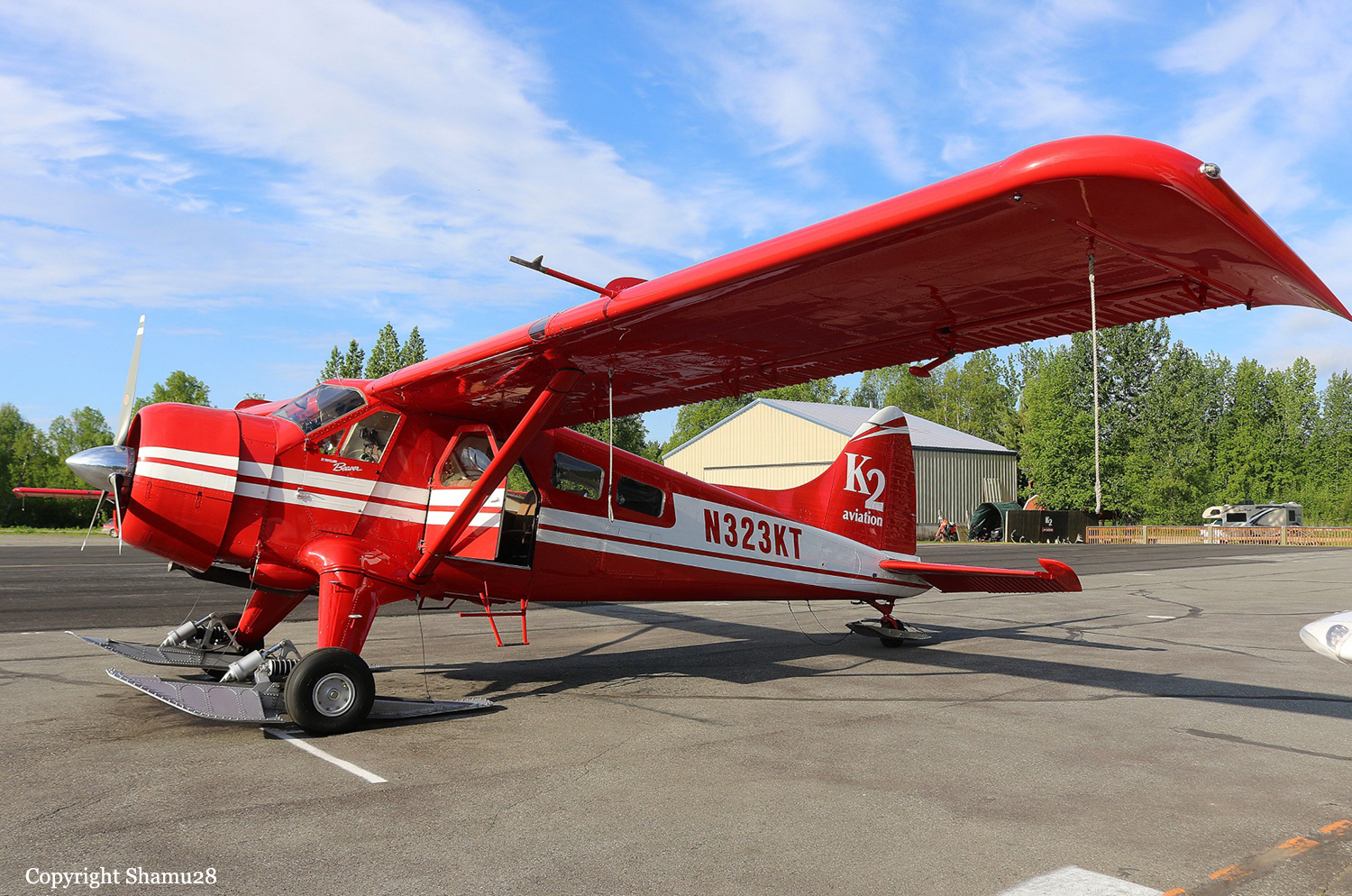
Crash of a De Havilland DHC-2 Beaver I on Mt Kahiltna: 5 killed

Date & Time: Aug 4, 2018 at 1753 LT
Type of aircraft:
Operator:
Registration:
N323KT
Flight Phase:
Survivors:
No
Site:
Schedule:
Talkeetna - Talkeetna
MSN:
1022
YOM:
1957
Crew on board:
1
Crew fatalities:
Pax on board:
4
Pax fatalities:
Other fatalities:
Total fatalities:
5
Captain / Total flying hours:
2550
Captain / Total hours on type:
346.00
Aircraft flight hours:
15495
Circumstances:
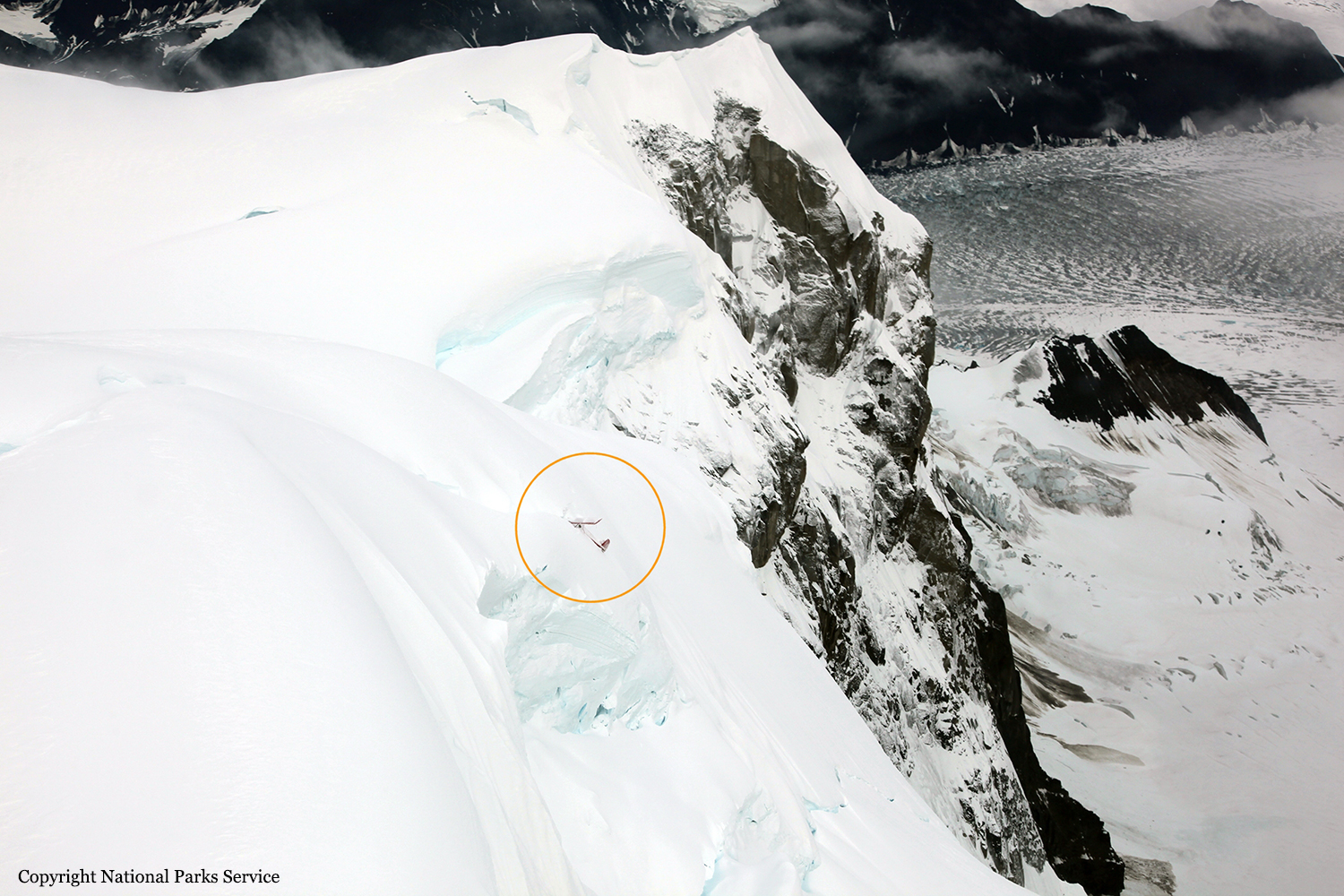
The commercial pilot was conducting a 1-hour commercial air tour flight over Denali National Park and Preserve with four passengers on board. About 48 minutes after departure, the Alaska Rescue Coordination Center received an alert from the airplane's emergency locator transmitter. About 7 minutes later, company personnel received a call from the pilot, who reported that the airplane had run "into the side of a mountain." Although a search was initiated almost immediately, due to poor weather conditions in the area, the wreckage was not located until almost 36 hours later in a crevasse on a glacier about 10,920 ft mean sea level. Due to the unique challenges posed by the steepness of terrain, the crevasse, avalanche hazard, and the condition of the airplane, neither the occupants nor the wreckage were recovered from the accident site. A weather model sounding for the area of the accident site estimated broken cloud bases at 700 ft above ground level (agl) with overcast clouds at 1,000 ft agl and cloud tops to 21,000 ft agl and higher clouds above. The freezing level was at 9,866 ft and supported light-to-moderate rime type icing in clouds and precipitation. The on-scene assessment indicated that the right wing impacted snow while the airplane was flying in a wings-level attitude; the right wing had separated from the remainder of the wreckage. Based upon available weather data and forecast models and the impact evidence, it is likely that the pilot entered an area of reduced visibility and was unable to see the terrain before the airplane's right wing impacted the snow. The company's organizational structure was such that one group of management personnel oversaw operations in both Anchorage and Talkeetna. Interviews with company management revealed that they were not always aware of the exact routing a pilot would take for a tour; the route was pilot's discretion based upon the weather at the time of the flight to provide the best tour experience. Regarding risk mitigation, the company did not utilize a formal risk assessment process, but rather relied on conversations between pilots and flight followers. This could lead to an oversight of actual risk associated with a particular flight route and weather conditions. About 8 months after the accident, an assessment flight conducted by the National Park Service determined that during the winter, the hazardous hanging glacier at the accident site calved, releasing an estimated 4,000 to 6,000 tons of ice and debris. There was no evidence of the airplane wreckage near the crash site, in the steep fall line, or on the glacier surface over 3,600 ft below. Although the known circumstances of the accident are consistent with a controlled flight into terrain event, the factual information available was limited because the wreckage was not recovered and no autopsy or toxicology of the pilot could be performed; therefore, whether other circumstances may have contributed to the accident could not be determined.
Probable cause:
Impact with terrain for reasons that could not be determined because the airplane was not recovered due to the inaccessible nature of the accident site.
Final Report:
Crash of an Extra EA-400 in Ponca City: 5 killed

Date & Time: Aug 4, 2018 at 1045 LT
Type of aircraft:
Operator:
Registration:
N13EP
Flight Phase:
Flight Type:
Survivors:
No
Schedule:
Ponca City - Independence
MSN:
10
YOM:
2000
Crew on board:
1
Crew fatalities:
Pax on board:
4
Pax fatalities:
Other fatalities:
Total fatalities:
5
Captain / Total flying hours:
4200
Captain / Total hours on type:
200.00
Aircraft flight hours:
1198
Circumstances:
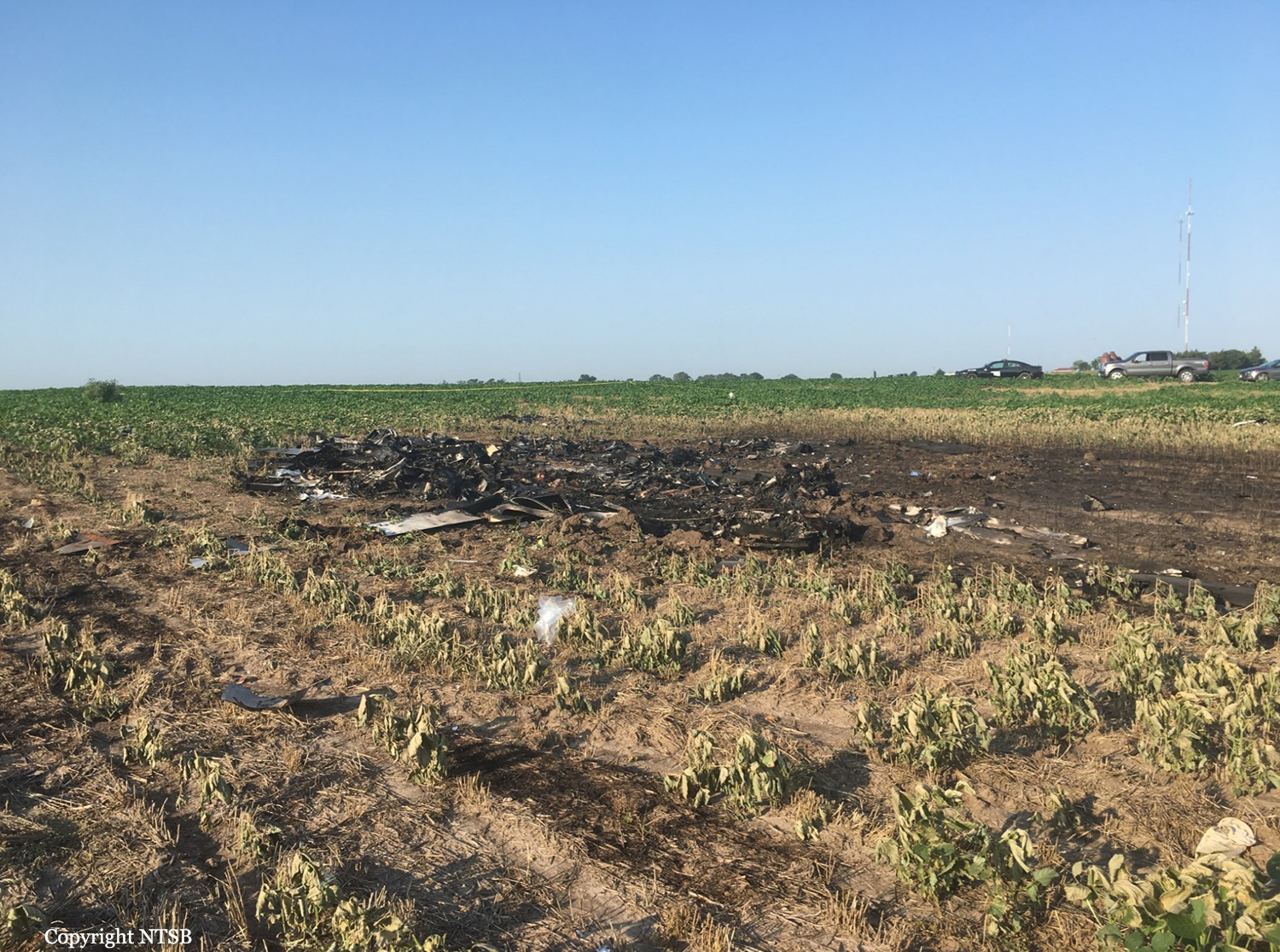
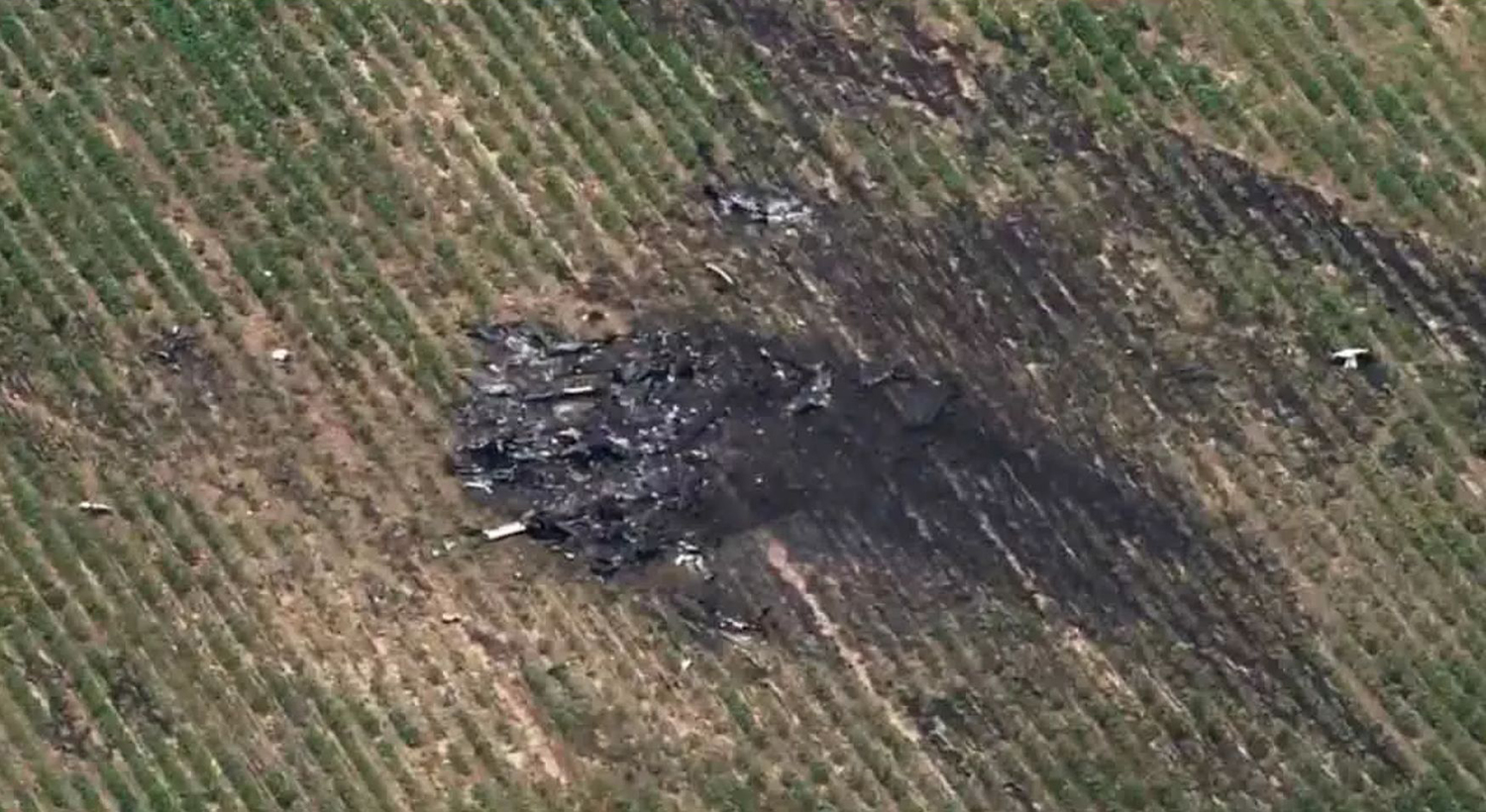
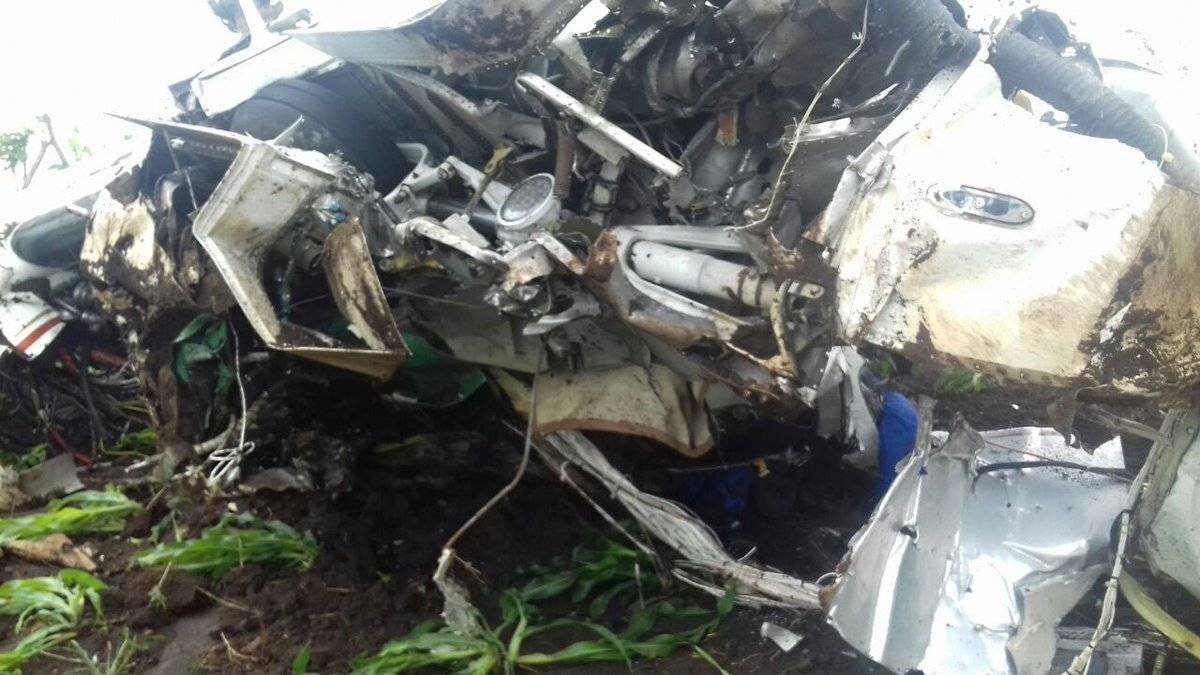
The pilot was conducting a personal flight with four passengers. A witness observed the airplane take off and climb slowly from the airport. A pilot flying in the vicinity observed the airplane maneuver erratically before the airplane impacted terrain in a near-vertical attitude. The airplane was destroyed by impact forces and a postimpact fire. The wreckage was contained to a confined area in the field and the remains of the major airplane components were all accounted for. Extensive thermal damage to the airframe and engine limited the scope of the postaccident examination. The impact energy needed to drive the engine into the ground suggested that the engine was producing power at the time of the accident. A postaccident examination of the remaining airframe and engine components did not reveal any anomalies which would have precluded normal operation of the airplane. Depending on the amount of fuel, baggage and equipment on board, and the location of the adult passenger, the center of gravity (CG) could have been within or aft of the recommended CG. Since fuel load and location of the passengers could not be determined or may have shifted during flight, it is not known if loading contributed to the accident. The pilot was not operating with valid medical certification. His second-class medical certificate had expired several years prior to the accident and Federal Aviation Administration records did not indicate that he had obtained BasicMed medical certification. A pilot-rated passenger was seated in the rightfront seat. Investigators were unable to determine who was manipulating the flight controls of the airplane at the time of the accident. The circumstances of the accident are consistent with the pilot’s loss of control. However, the reason for the loss of control could not be determined with the available evidence.
Probable cause:
The pilot's loss of control for reasons that could not be determined with the available evidence.
Final Report:

Crash of a Piper PA-31-310 Navajo B near Jardim do Ouro: 2 killed

Date & Time: Jun 27, 2018 at 1430 LT
Type of aircraft:
Registration:
PT-IIU
Flight Phase:
Flight Type:
Survivors:
Yes
Schedule:
Guarantã do Norte – Apuí
MSN:
31-852
YOM:
1972
Country:
Crew on board:
1
Crew fatalities:
Pax on board:
2
Pax fatalities:
Other fatalities:
Total fatalities:
2
Circumstances:
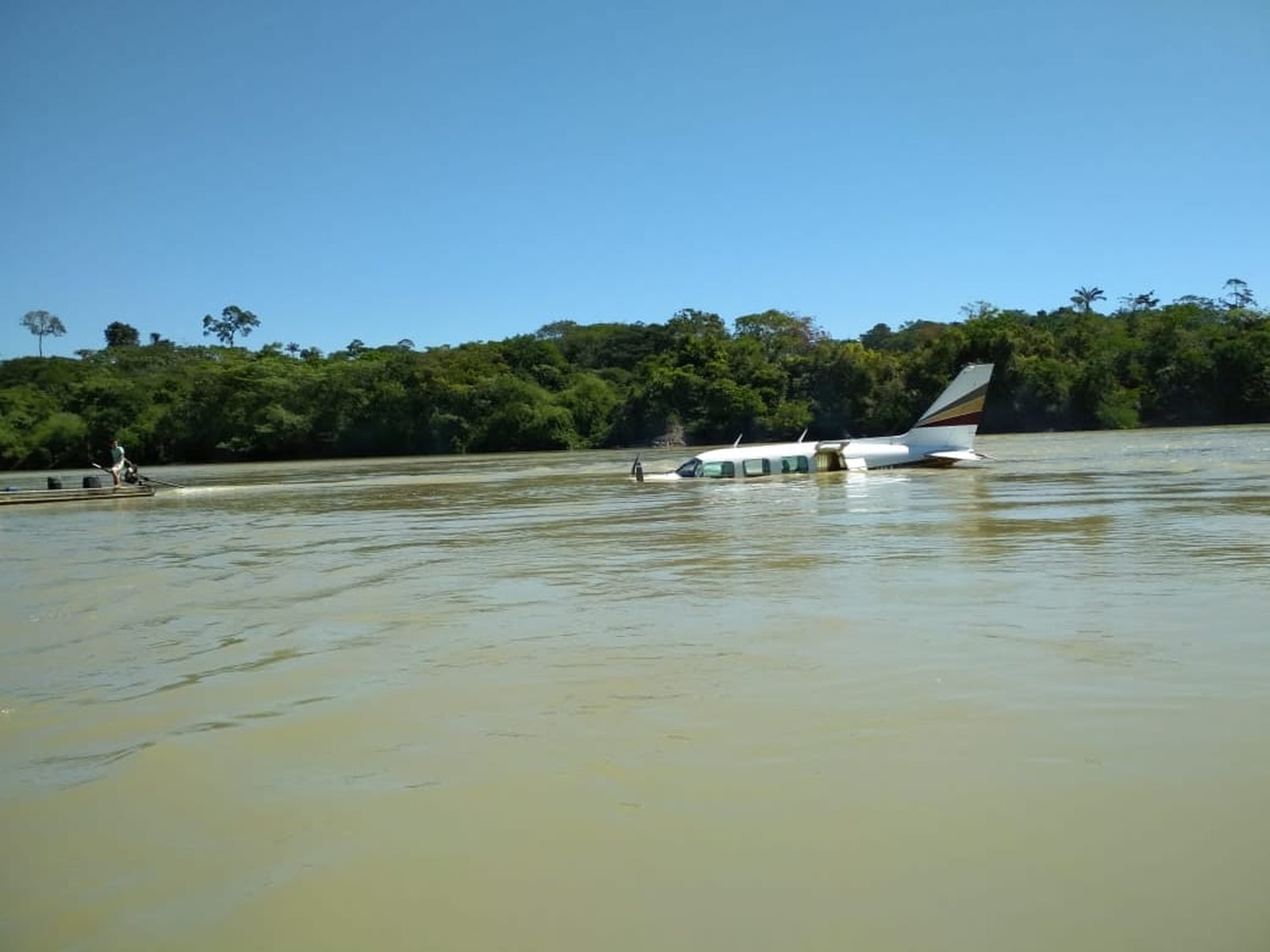
The twin engine airplane departed Guarantã do Norte on a flight to a remote area located on km 180 on the Transamazonica Road. En route, both passengers started to fight in the cabin and one of them was killed. The pilot was apparently able to kill the assassin and later decided to attempt an emergency landing. He ditched the airplane in the Rio Novo near Jardim do Ouro. The pilot was later arrested but no drugs, no weapons, no ammunition as well a both passengers bodies were not found. Apparently, the goal of the flight was illegal but Brazilian Authorities were unable to prove it.
Final Report:

Crash of a Piper PA-31-310 Navajo B in Ampangabe: 5 killed

Date & Time: Jun 18, 2018 at 0912 LT
Type of aircraft:
Operator:
Registration:
5R-MKF
Flight Phase:
Flight Type:
Survivors:
No
Schedule:
Antananarivo - Antananarivo
MSN:
31-756
YOM:
1971
Country:
Region:
Crew on board:
1
Crew fatalities:
Pax on board:
4
Pax fatalities:
Other fatalities:
Total fatalities:
5
Circumstances:
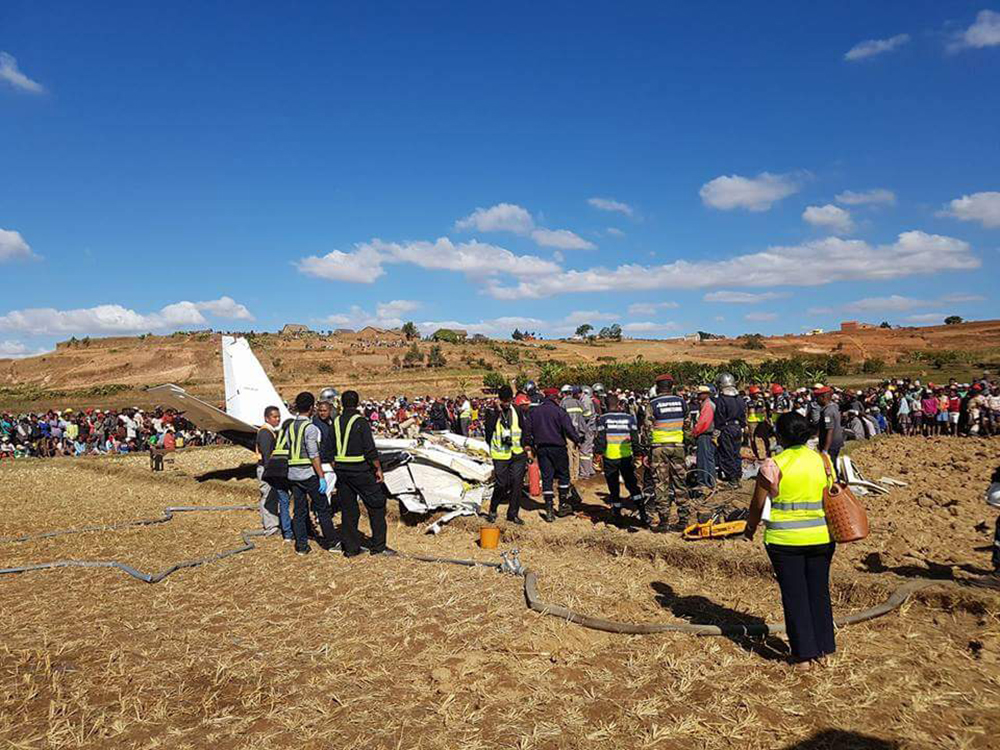
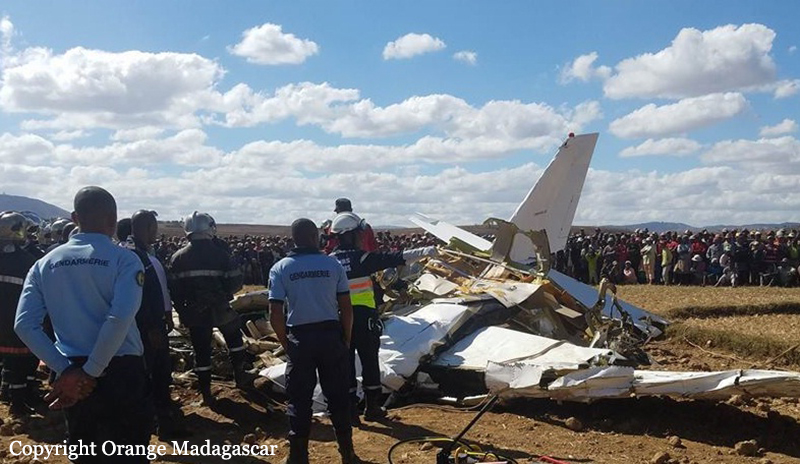
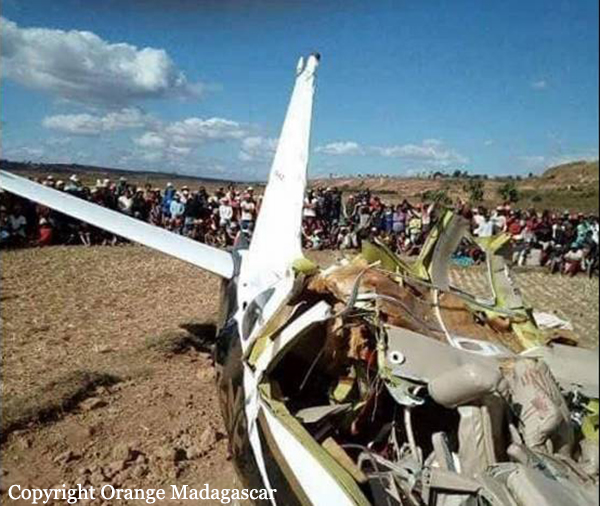
About five minutes after takeoff from Antananarivo-Ivato Airport, the twin engine aircraft went out of control and crashed in an open field located in Ampangabe, some 10 km southwest of the airfield. The aircraft was totally destroyed upon impact and all five occupants were killed. They were engaged in a training flight with one instructor and two pilots under instruction on board.
Crew:
Claude Albert Ranaivoarison, pilot.
Passengers:
Eddie Charles Razafindrakoto, General of the Madagascar Air Force,
Andy Razafindrakoto, son of the General,
Kevin Razafimanantsoa, pilot trainee,
Mamy Tahiana Andrianarijaona, pilot trainee.

Crash of a Cessna 421B Golden Eagle II in Rock Sound: 3 killed

Date & Time: Jun 5, 2018 at 1545 LT
Registration:
N421MM
Flight Phase:
Flight Type:
Survivors:
No
Schedule:
Rock Sound – Treasure Coast
MSN:
421B-0804
YOM:
1974
Country:
Crew on board:
1
Crew fatalities:
Pax on board:
2
Pax fatalities:
Other fatalities:
Total fatalities:
3
Circumstances:
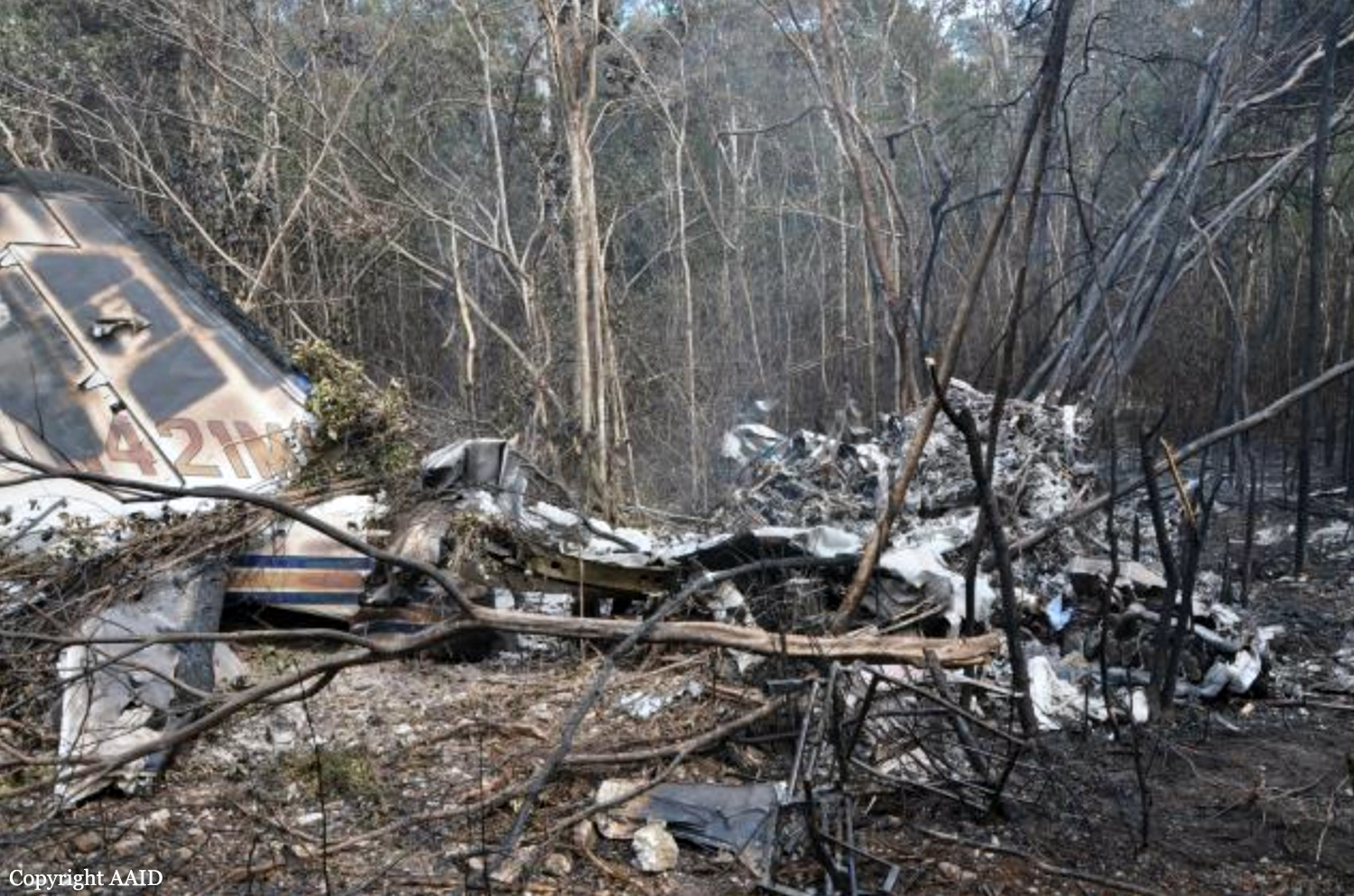
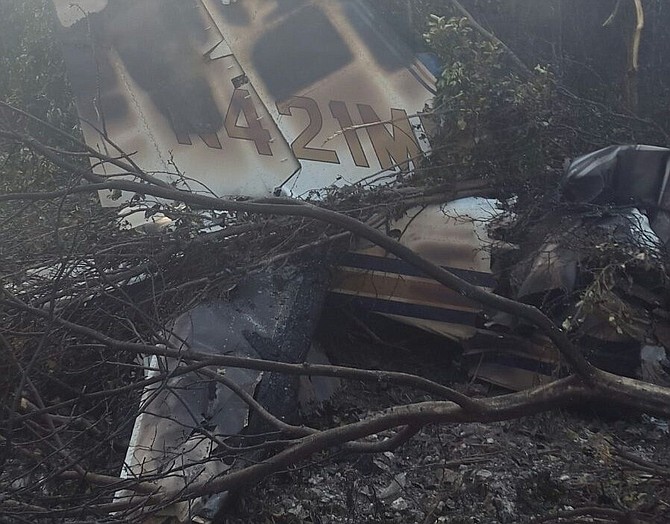
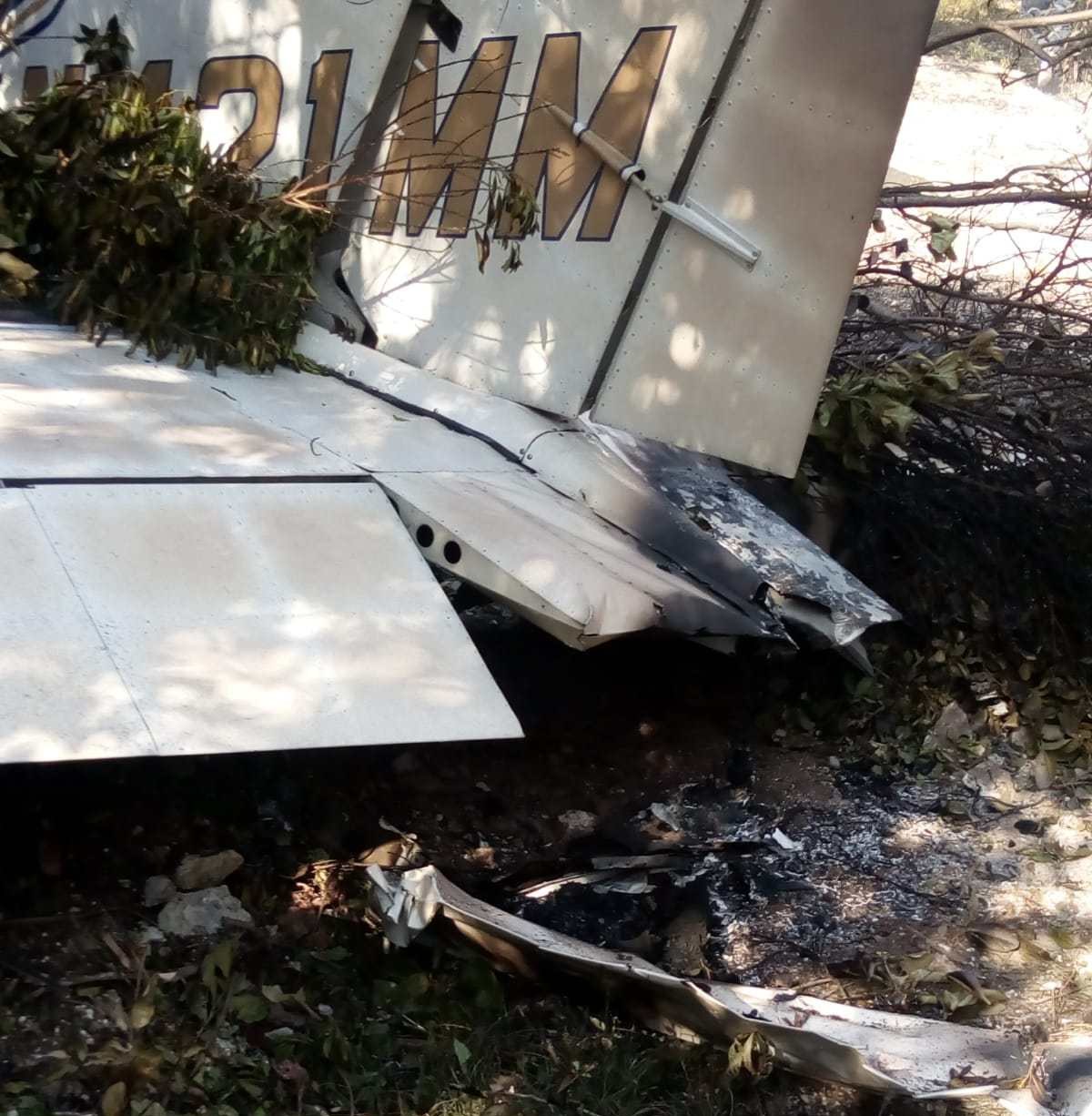
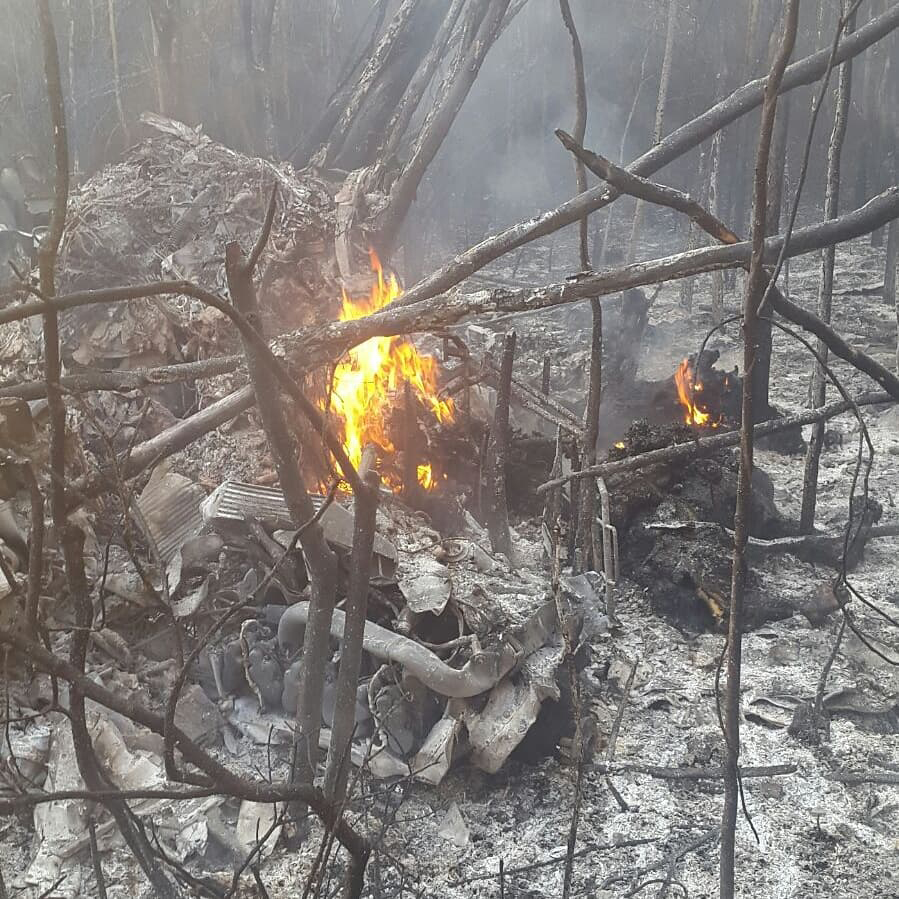
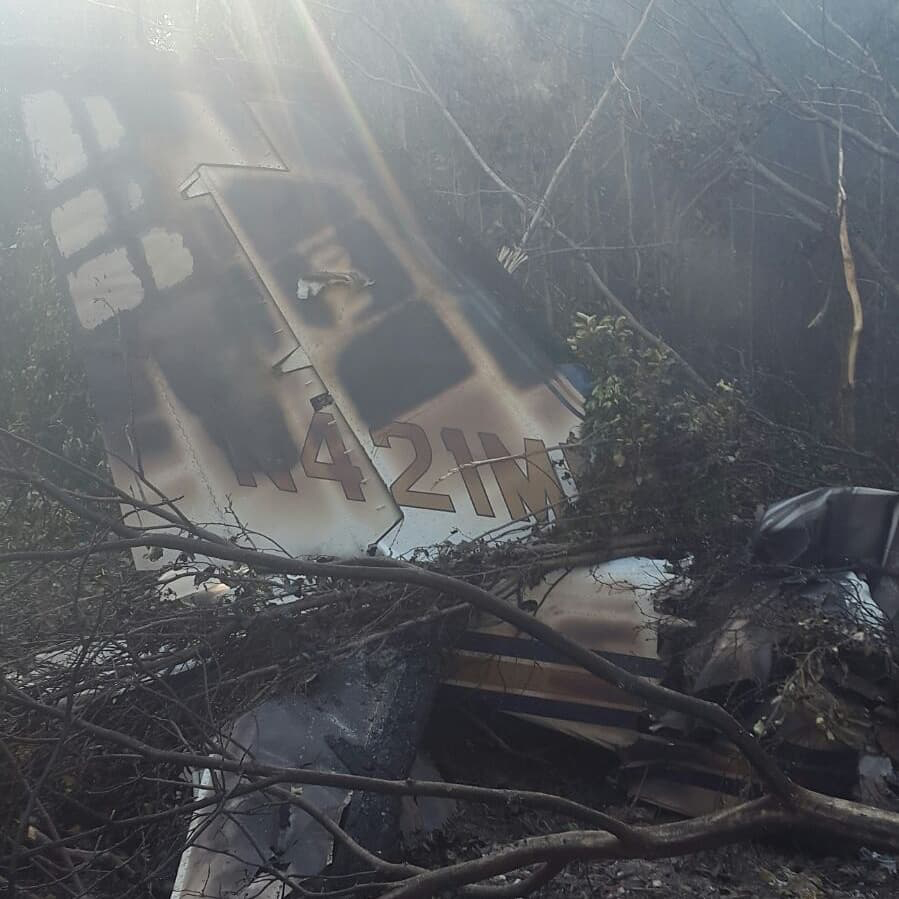
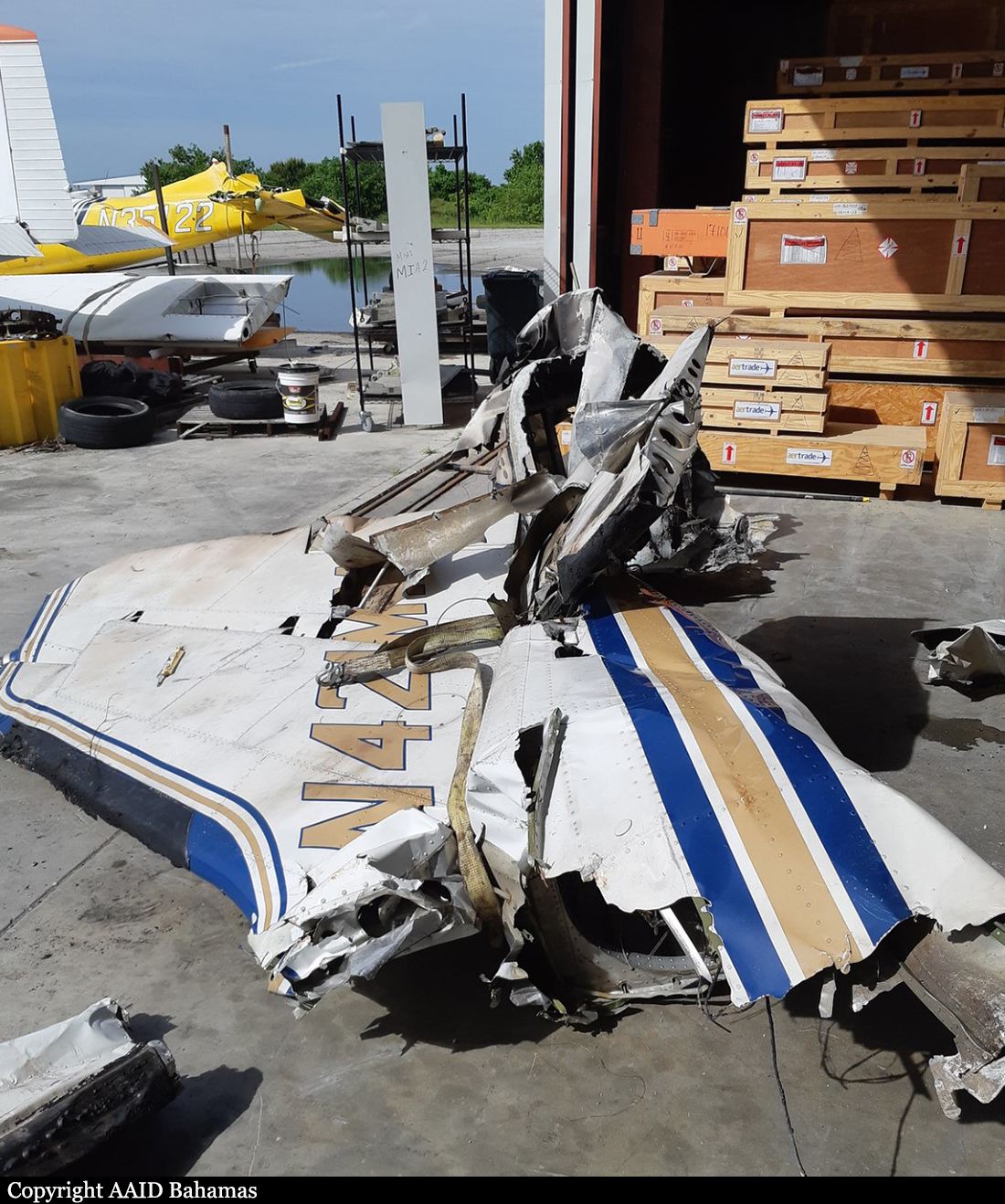
On 5th June, 2018 at approximately 3:45pm local, (Eastern Daylight Time) , a Cessna 421B aircraft crashed in dense bushes shortly after departure from Runway 27 at Rocksound Int’l Airport, Rock Sound, Eleuthera, Bahamas. The crash site was located approximately 2,503 feet / .41 nautical mile (nm) north of the threshold of Runway 09 and 8,588 feet / 1.42 nm from threshold of runway 27. The pilot and 2 passengers were killed and the aircraft was destroyed by impact forces and a post-crash fire. The aircraft made initial contact with trees before making contact with the ground and other trees in dense bushes. The aircraft descended right wing first, in an approximately 40 degree nose-down angle. A crater approximately 12 inches deep and 10 feet long by 5 feet wide was created when the aircraft hit the ground, subsequently crossing a dirt road, before coming to rest partially in an upward incline in trees. The nose of the aircraft came to rest on a heading of 355° degrees. The fuselage of the aircraft was located at Latitudes 24° 53’ 50”N and Longitude 076° 11’33”W. A fire ensued after the crash.
Probable cause:
The Air Accident Investigation Department has determined the probable cause of this accident to be the pilot failure to maintain control of the airplane. Circumstances contributing to the failure to maintain control undetermined. Evidence exist to demonstrate the aircraft was not producing full power at the time it loss control, the reasons for the reduced power unknown. It could not be determined why the fuel selector was position to the auxiliary tank and not the main tank as required by manufacturer’s recommendation. Critical evidence were destroyed in the post impact fire.
Final Report:
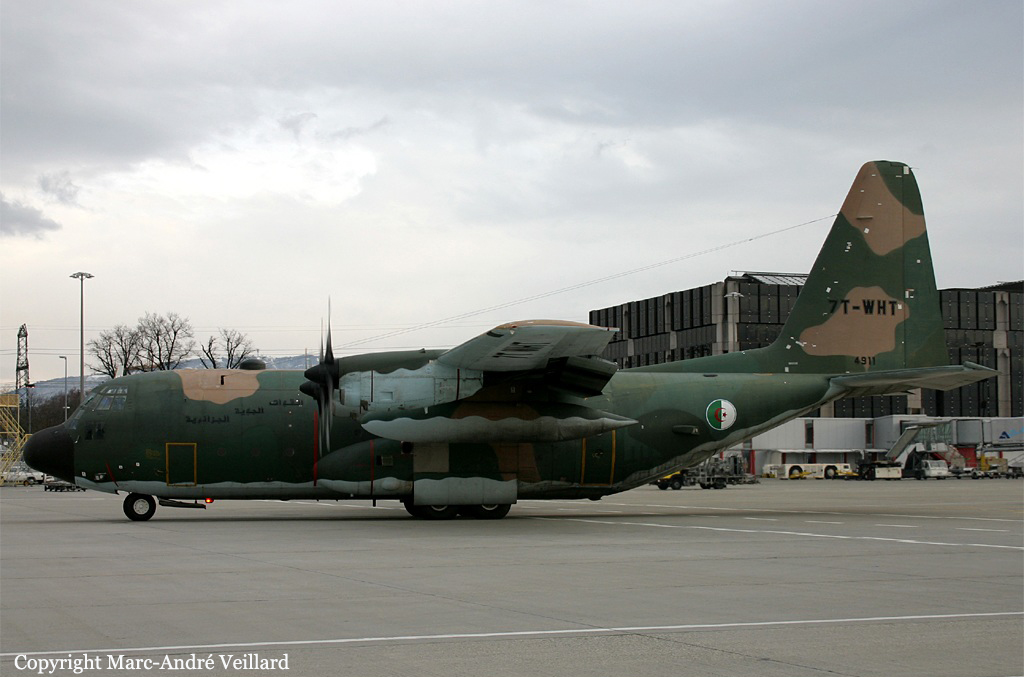
Crash of a Lockheed C-130H Hercules in Biskra: 1 killed

Date & Time: Jun 3, 2018
Type of aircraft:
Operator:
Registration:
7T-WHT
Survivors:
Yes
Schedule:
Biskra - Biskra
MSN:
4911
YOM:
1981
Location:
Country:
Region:
Crew on board:
9
Crew fatalities:
Pax on board:
0
Pax fatalities:
Other fatalities:
Total fatalities:
1
Circumstances:
Following an uneventful paratroopers mission over the area of Biskra, the crew was returning to Biskra-Mohamed Khider Airport. On final approach, the airplane stalled and crashed few hundre metres short of runway, coming to rest broken in two. All nine crew members were injured and the aircraft was destroyed. A day later, one of the survivor died from his injuries.

Crash of a Cessna 421 Golden Eagle near Génova: 2 killed

Date & Time: May 27, 2018
Type of aircraft:
Operator:
Registration:
N113FT
Flight Phase:
Flight Type:
Survivors:
No
Schedule:
Guatemala City – El Petén
Country:
Crew on board:
2
Crew fatalities:
Pax on board:
0
Pax fatalities:
Other fatalities:
Total fatalities:
2
Circumstances:
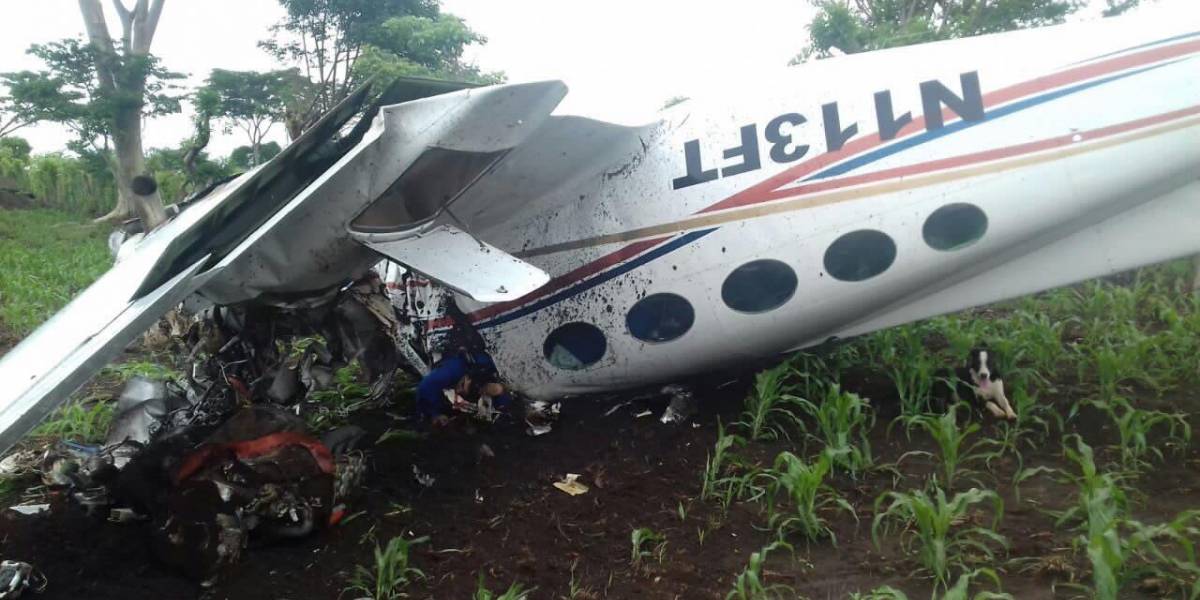
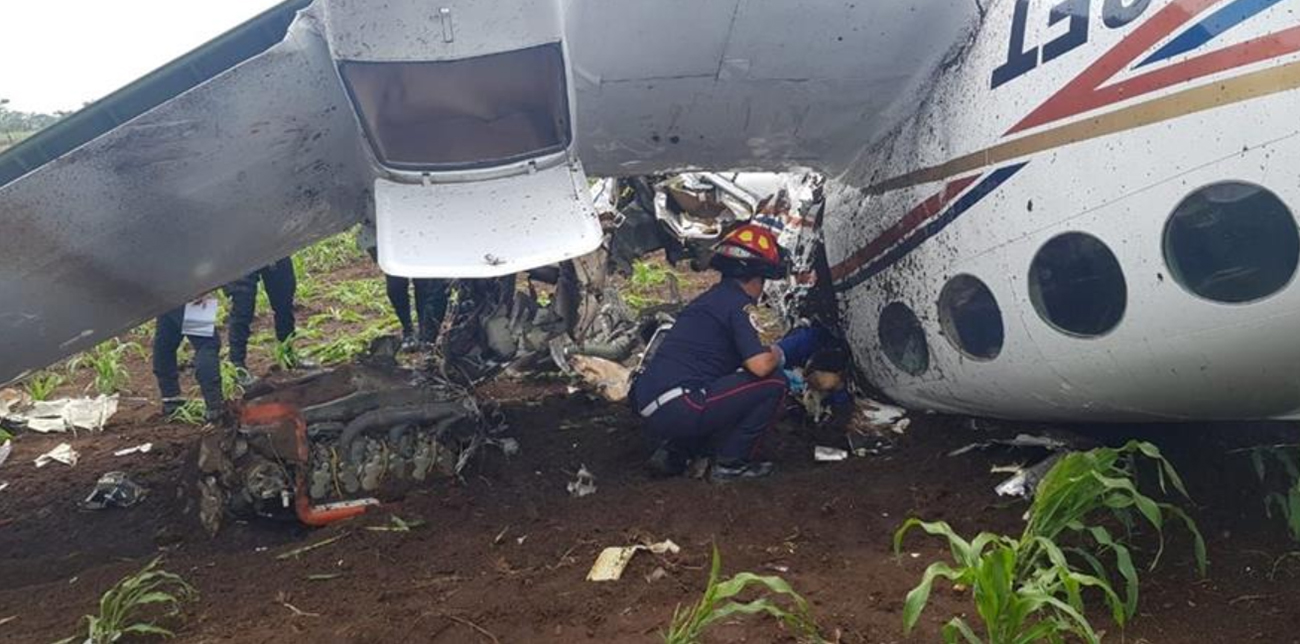
The twin engine aircraft crashed in unknown circumstances in an open field located near Génova. The aircraft came to rest upside down and both occupants were killed. It is understood that the registration was false as N113FT is officially attributed to a Piper PA-46 according to the FAA. Thus, it is believed that the flight was illegal.

Crash of a Swearingen SA227AC Metro III in Saltillo

Date & Time: May 24, 2018
Type of aircraft:
Operator:
Registration:
XA-UPP
Flight Type:
Survivors:
Yes
Schedule:
Saltillo - Saltillo
MSN:
AC-736
YOM:
1989
Country:
Crew on board:
3
Crew fatalities:
Pax on board:
0
Pax fatalities:
Other fatalities:
Total fatalities:
0
Circumstances:
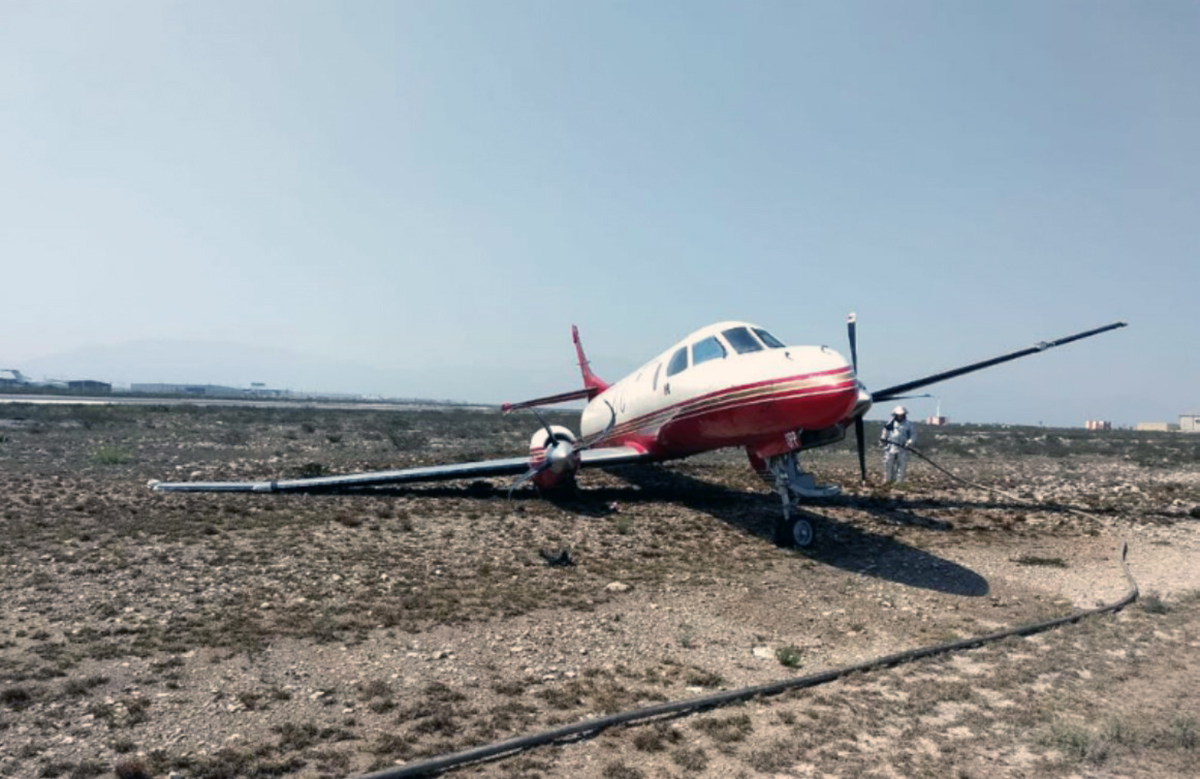
The crew was completing a training flight at Saltillo-Plan de Guadalupe Airport. After touchdown on runway 17, the airplane veered off runway to the left, lost its right main gear and came to rest about 600 metres from the runway threshold. All three crew members evacuated safely and the aircraft was damaged beyond repair.

Crash of a Cessna 208B Grand Caravan near Tuzantán: 3 killed

Date & Time: May 15, 2018 at 0900 LT
Type of aircraft:
Operator:
Flight Phase:
Flight Type:
Survivors:
No
Site:
Country:
Crew on board:
2
Crew fatalities:
Pax on board:
1
Pax fatalities:
Other fatalities:
Total fatalities:
3
Circumstances:
The single engine aircraft crashed in unknown circumstances in a wooded and hilly terrain located near Tuzantán. The airplane was totally destroyed by a post crash fire and all three occupants were killed. According to Mexican Authorities, the crew was completing an illegal flight.

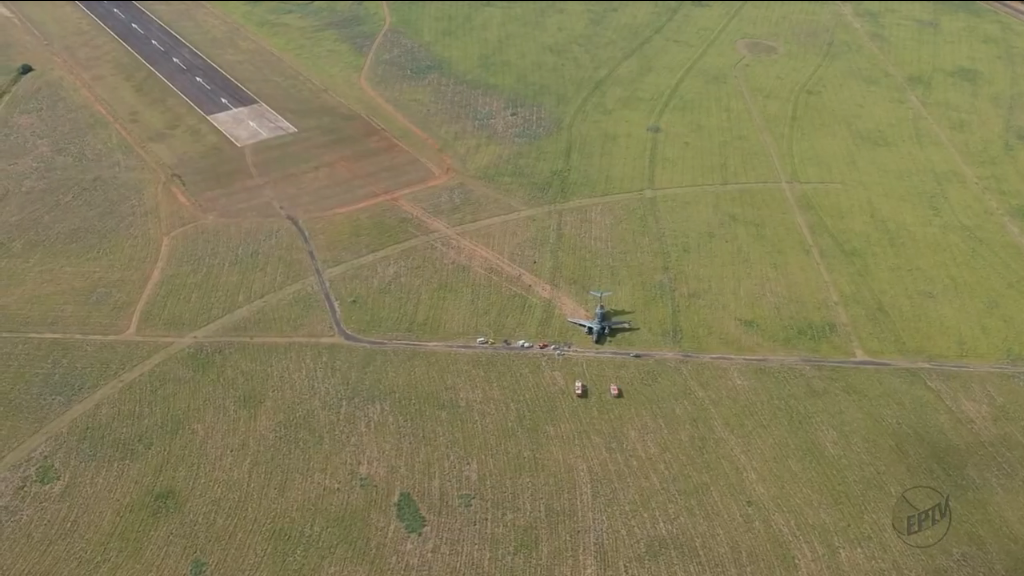
Crash of an Embraer KC-390 in Gavião Peixoto

Date & Time: May 5, 2018 at 1110 LT
Type of aircraft:
Operator:
Registration:
PT-ZNF
Flight Type:
Survivors:
Yes
Schedule:
Gavião Peixoto - Gavião Peixoto
MSN:
390-00001
YOM:
2015
Country:
Crew on board:
3
Crew fatalities:
Pax on board:
0
Pax fatalities:
Other fatalities:
Total fatalities:
0
Circumstances:
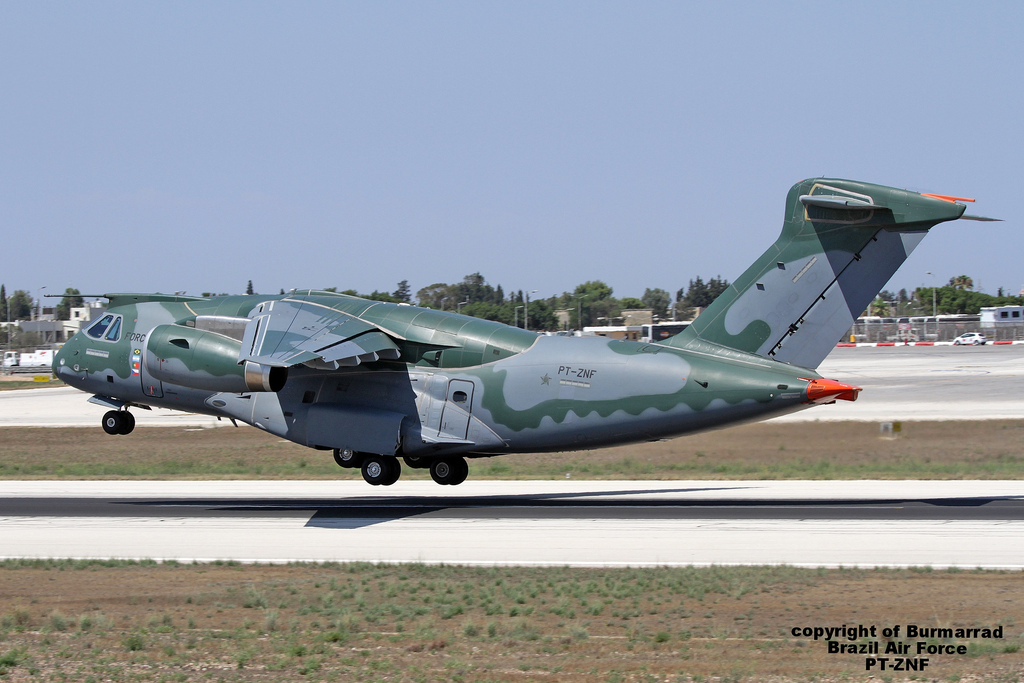
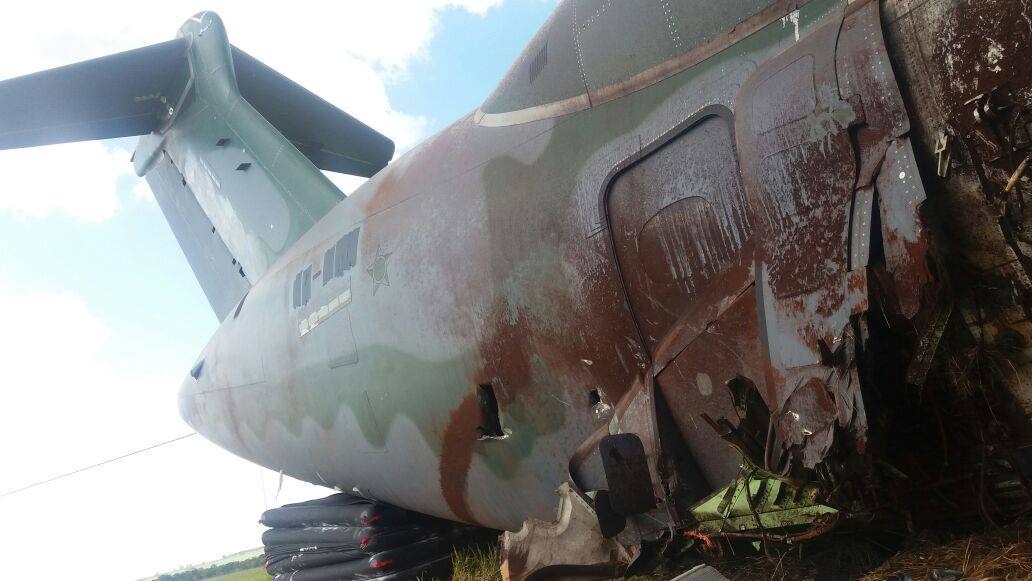
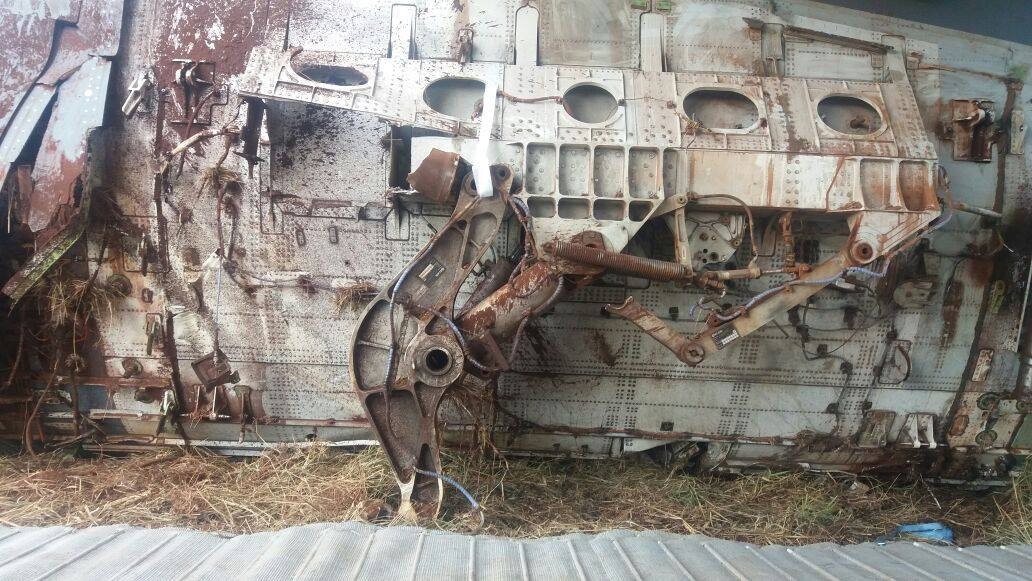
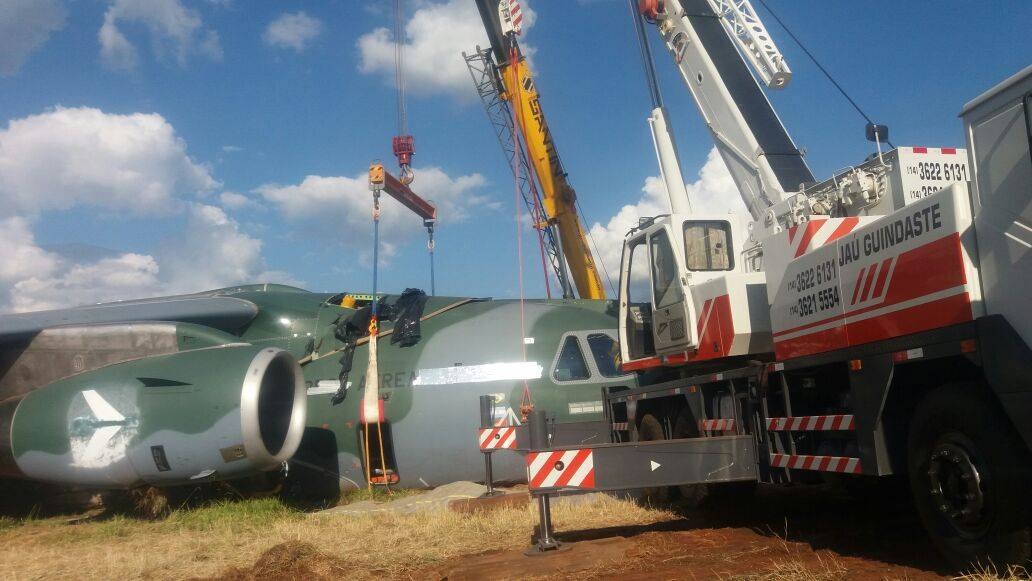
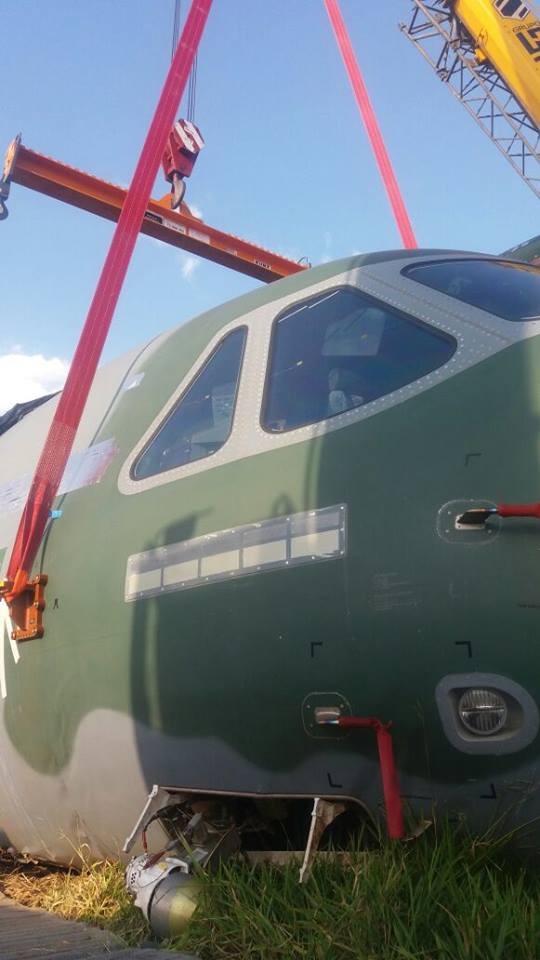
The crew was completing a local test flight at Gavião Peixoto-Embraer Unidade Airport on this first prototype built in 2015 and flying under the Brazilian Air Force colour scheme. Following several circuits, the crew landed on runway 20. After touchdown, the airplane was unable to stop within the remaining distance and overran. While contacting soft ground, it lost its undercarriage and came to rest few dozen metres further. All three crew members escaped uninjured while the aircraft was considered as damaged beyond repair.
Probable cause:
Despite the fact that the aircraft sustained significant damage, CENIPA classified the event as an 'Incident' and on August 5, 2018, reported that closed the investigation with no final report being issued.