Crash of a Let L-410UVP-E in Tanay: 4 killed

Date & Time: Jun 19, 2021 at 1000 LT
Type of aircraft:
Operator:
Registration:
RF-94603
Flight Phase:
Survivors:
Yes
Schedule:
Tanay - Tanay
MSN:
892328
YOM:
1989
Country:
Region:
Crew on board:
2
Crew fatalities:
Pax on board:
17
Pax fatalities:
Other fatalities:
Total fatalities:
4
Circumstances:
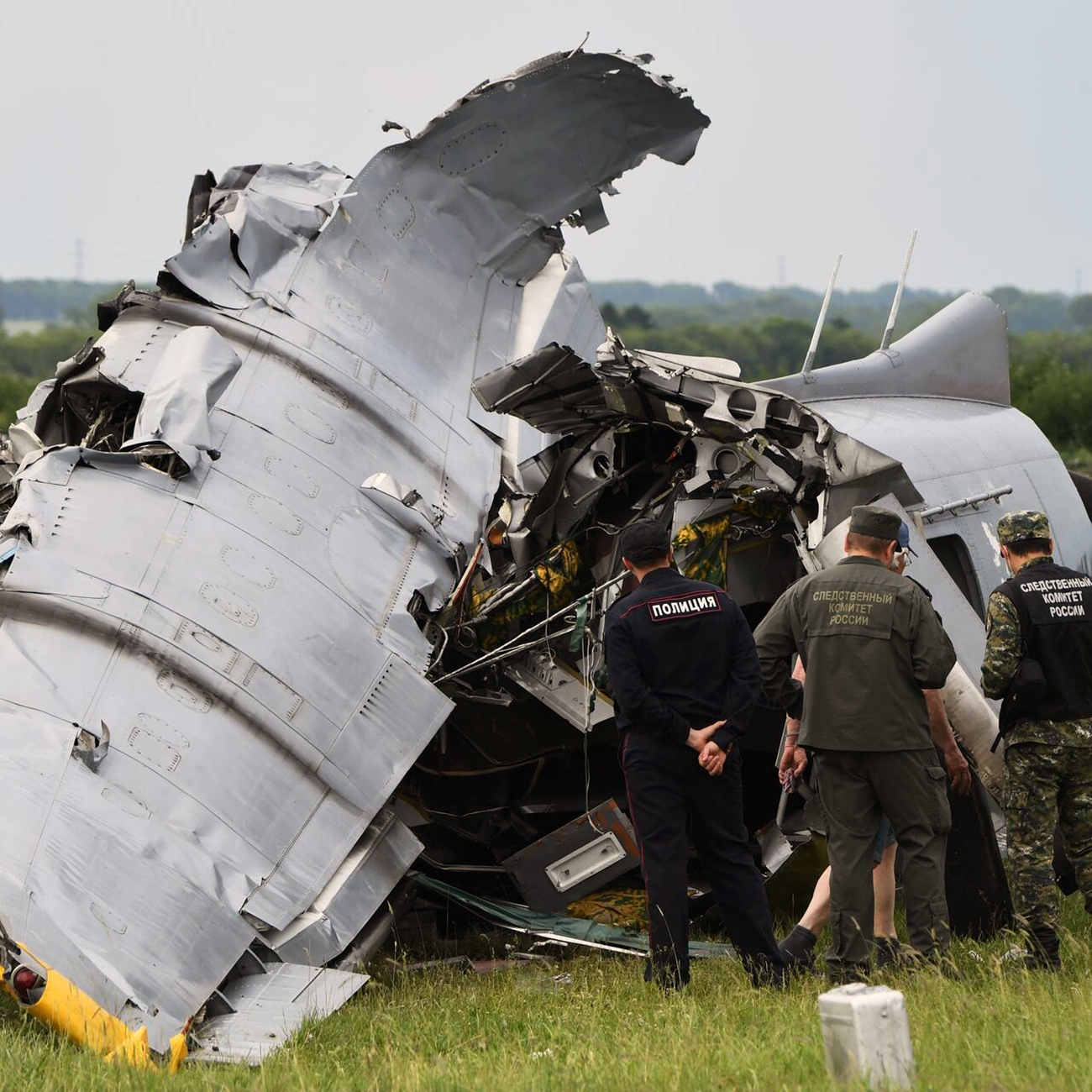
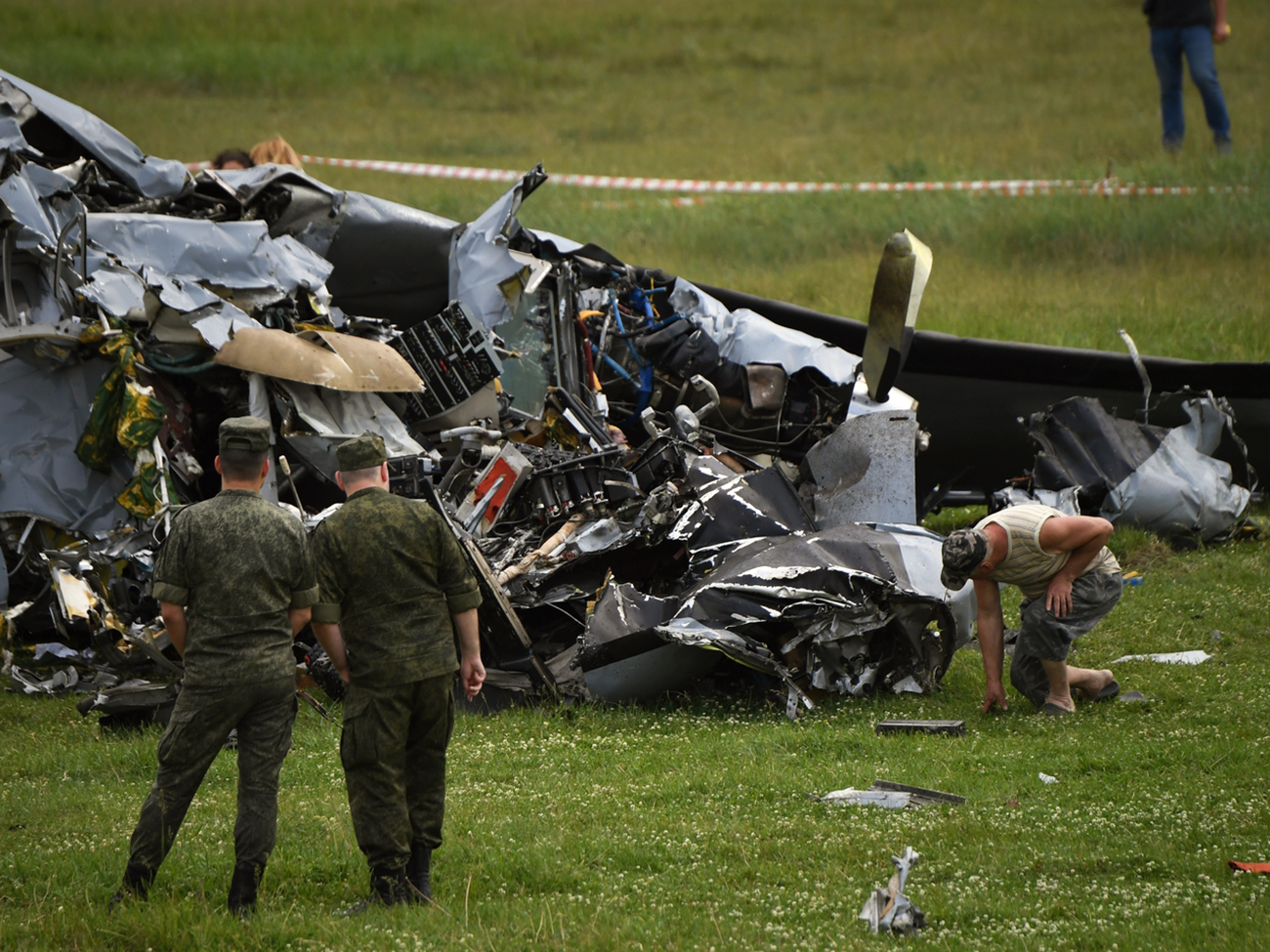
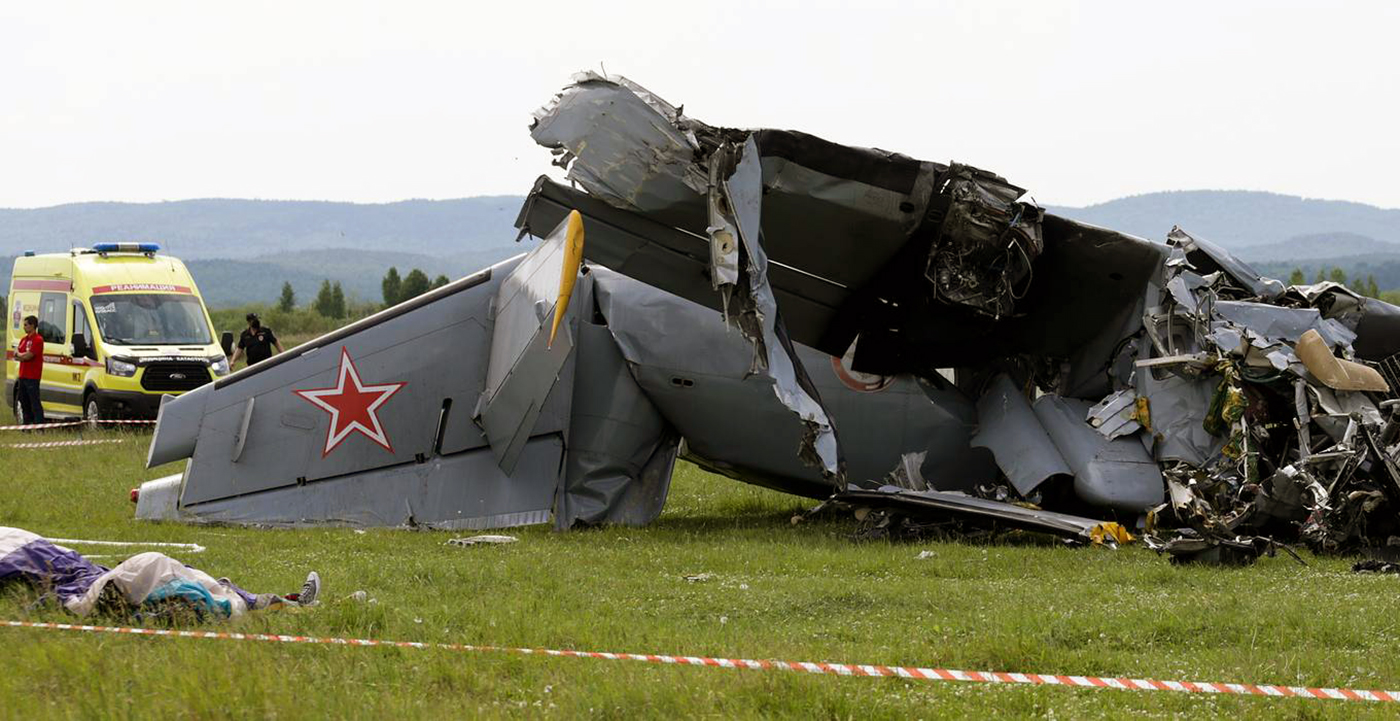
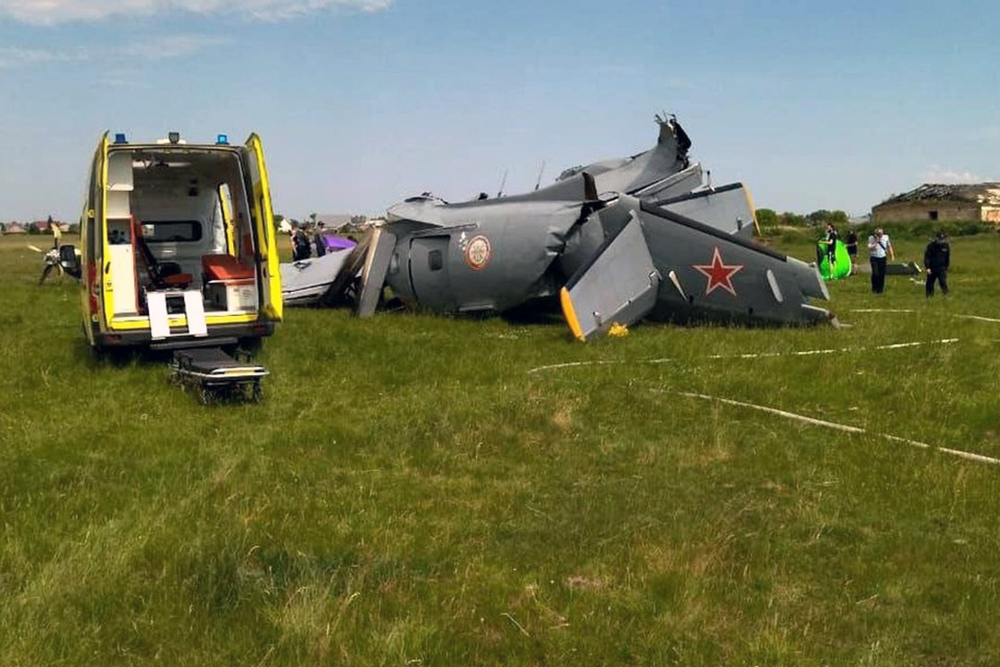
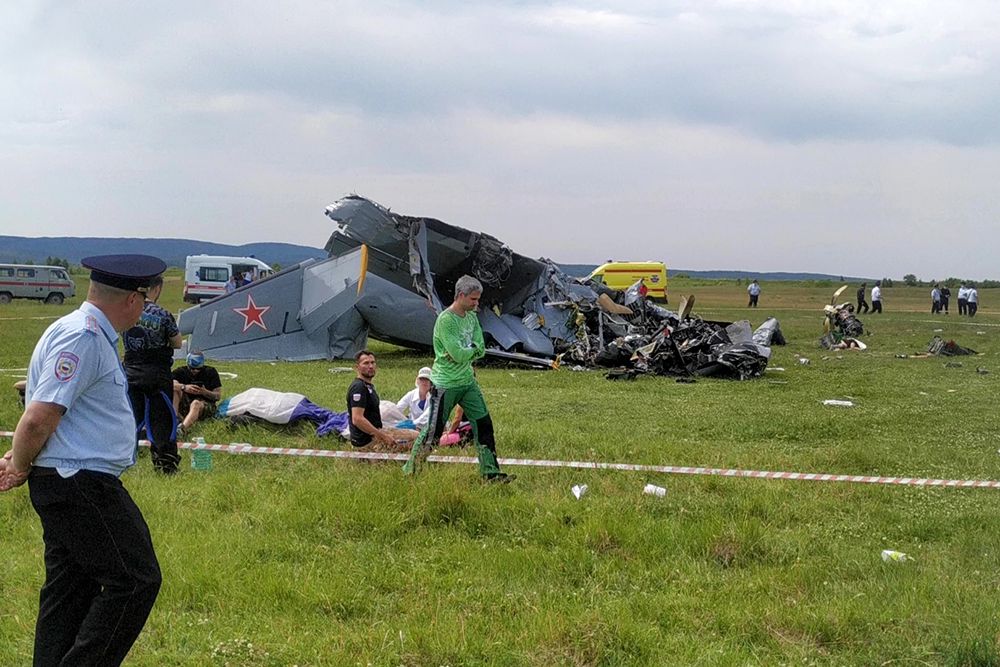
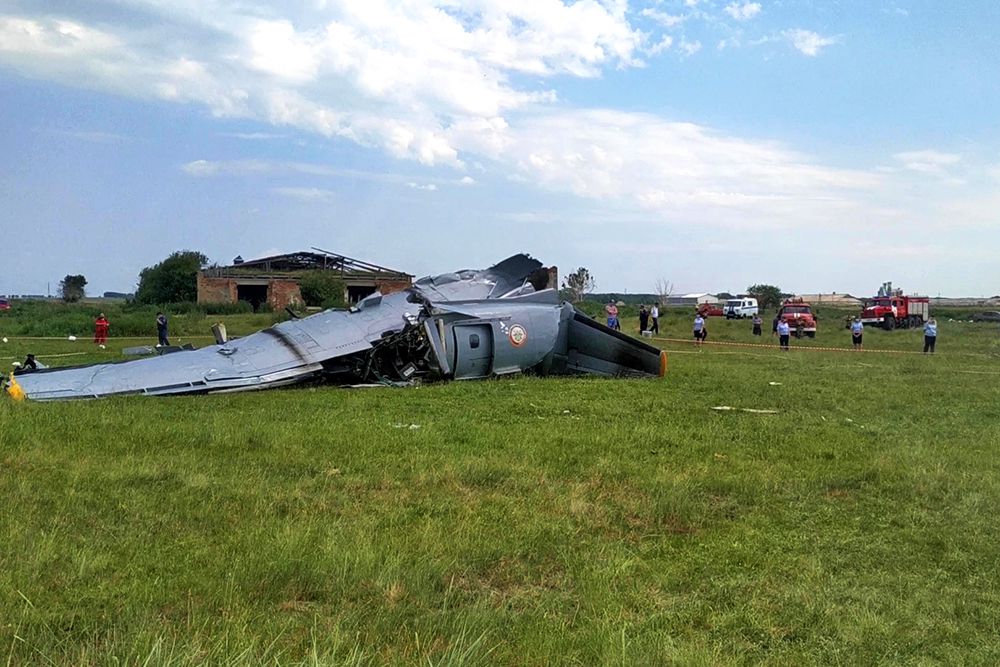
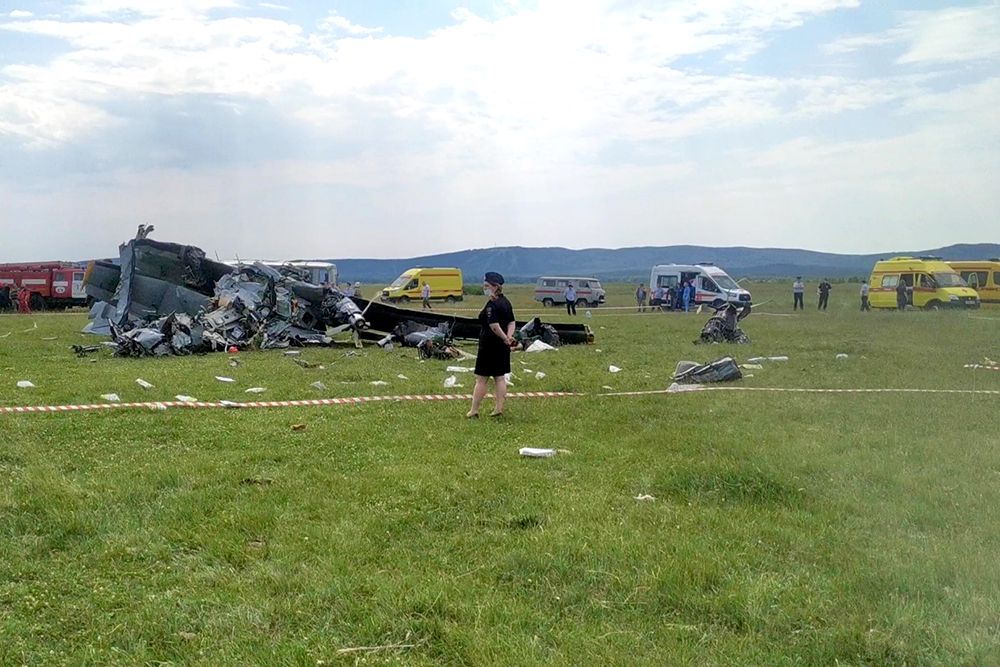
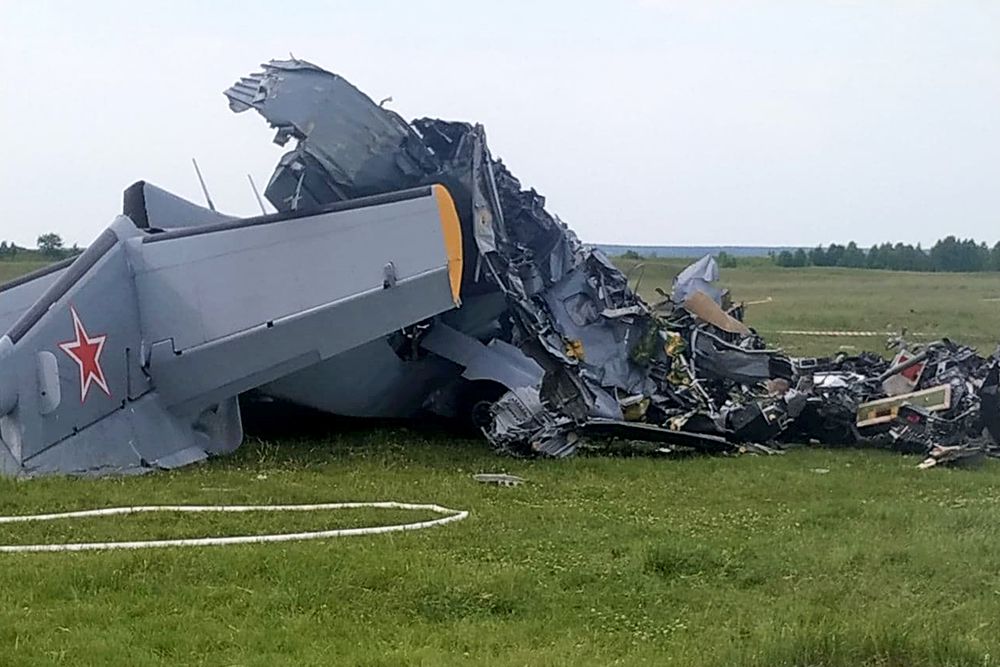
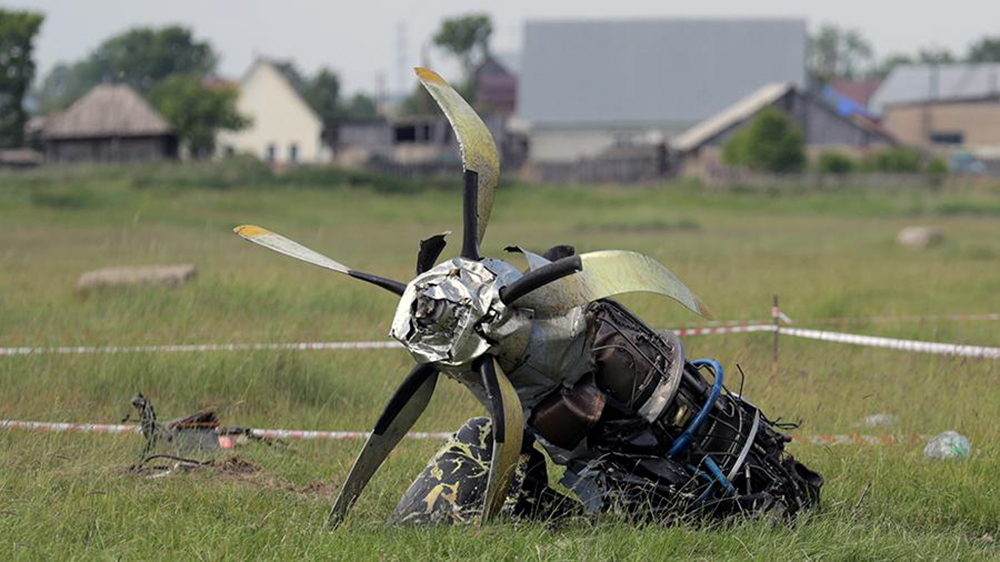
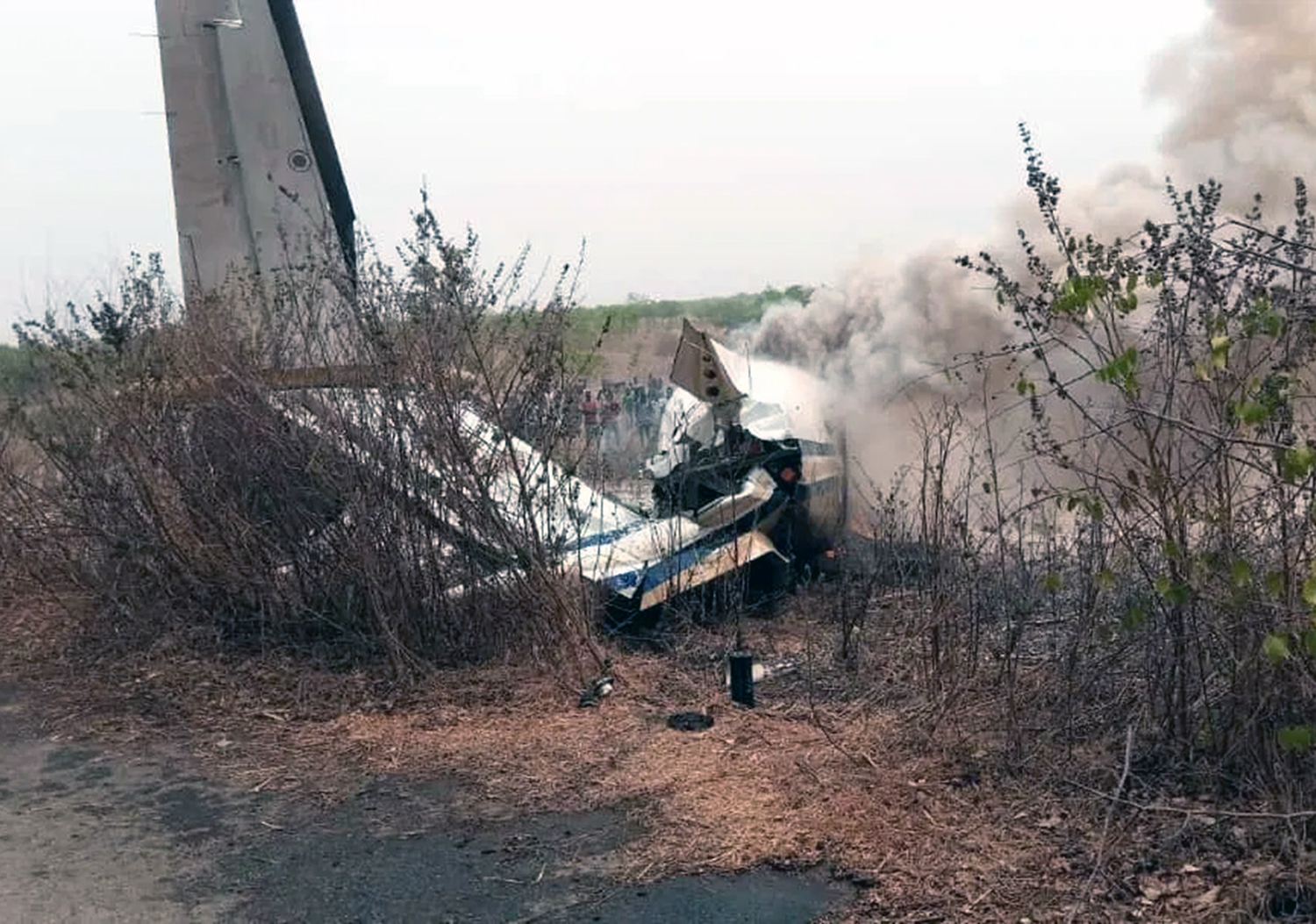
The twin engine aircraft was engaged in a local skydiving mission in Tanay, Kemerovo oblast. On board were 17 skydivers and two pilots. Shortly after takeoff, while in initial climb, the aircraft stalled and crashed in a grassy area. Both pilots and two passengers were killed while 15 other occupants were injured. The aircraft was totally destroyed. It is believed that the right engine suffered a power loss.

Crash of a Piper PA-46-350P Malibu Mirage in Cranfield

Date & Time: Apr 29, 2021 at 1425 LT
Operator:
Registration:
G-HYZA
Flight Type:
Survivors:
Yes
Schedule:
Cranfield - Cranfield
MSN:
46-36130
YOM:
1997
Flight number:
86
Region:
Crew on board:
2
Crew fatalities:
Pax on board:
0
Pax fatalities:
Other fatalities:
Total fatalities:
0
Captain / Total flying hours:
34620
Captain / Total hours on type:
1588.00
Circumstances:
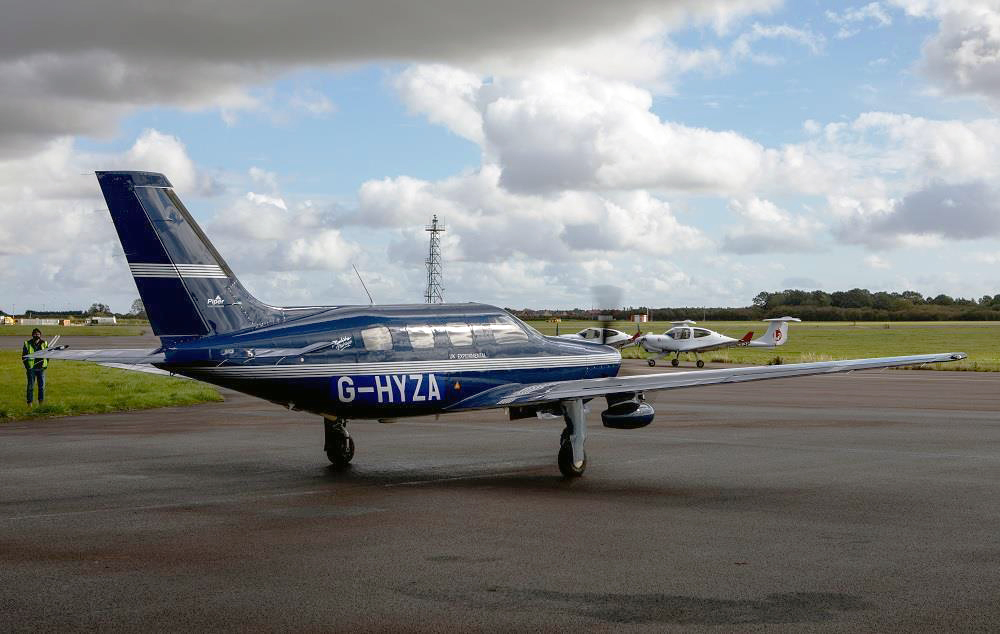
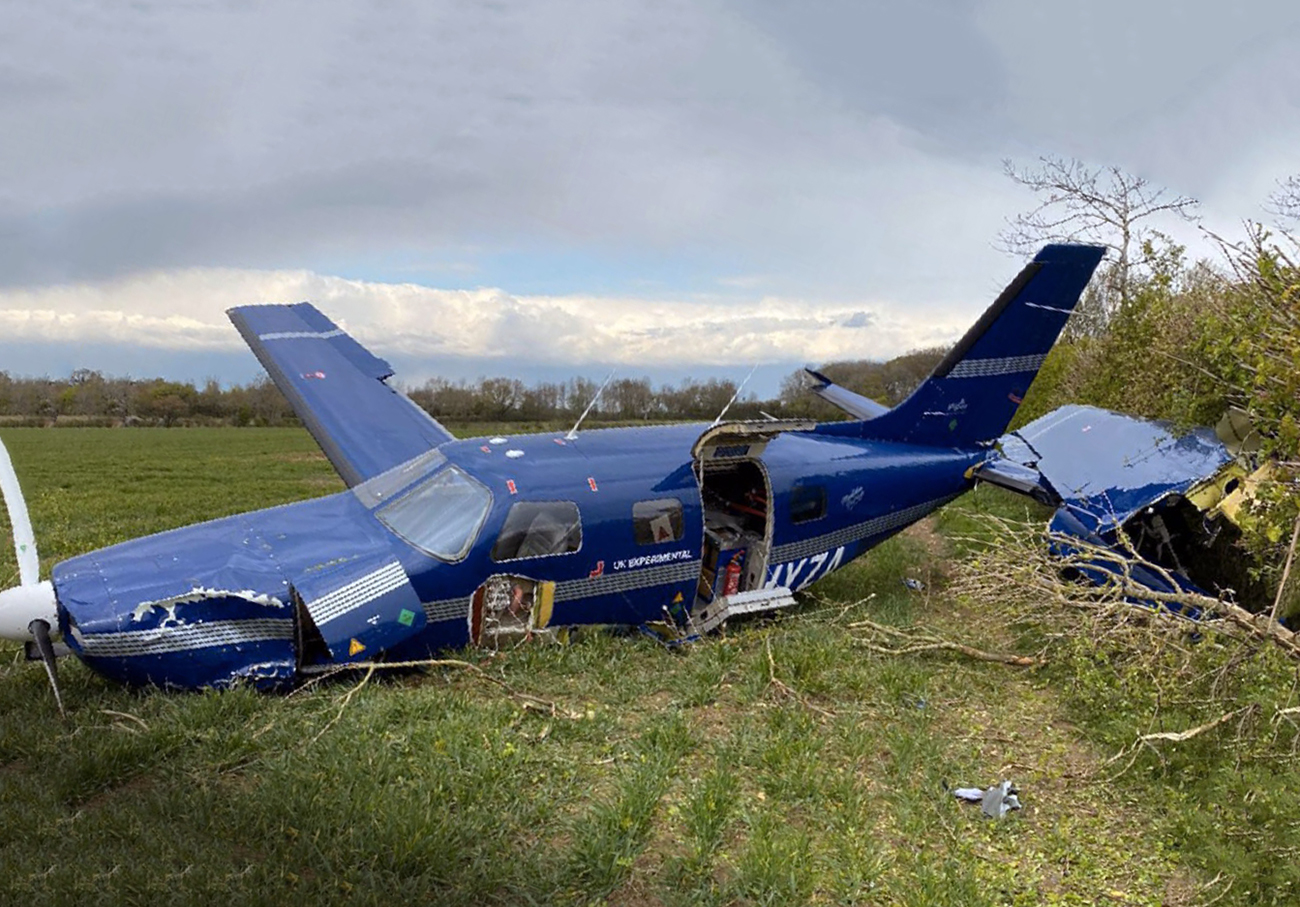
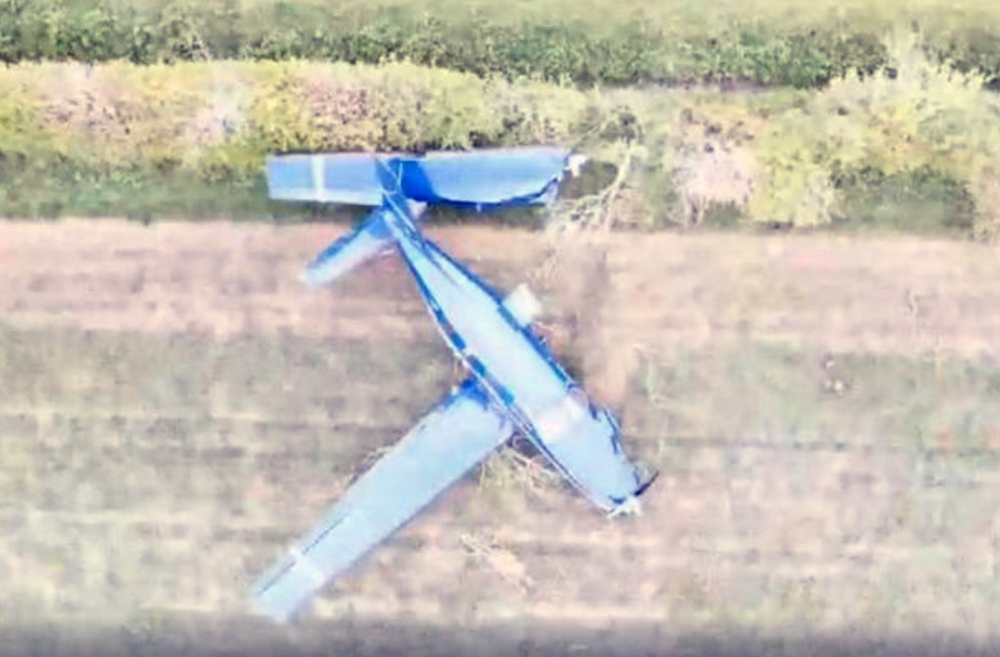
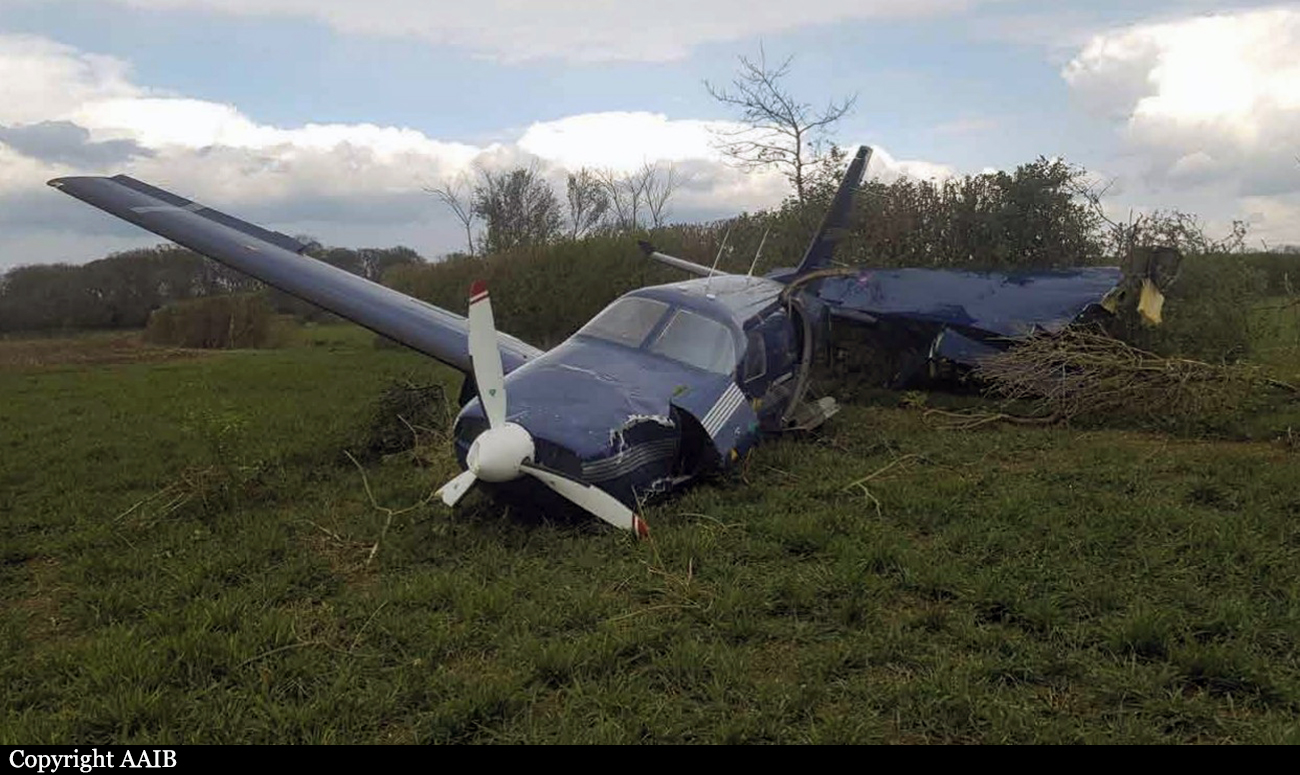
On the morning of the accident flight, G-HYZA was flown for approximately 16 minutes on test flight 85. The flight test team debriefed the results and prepared the aircraft for flight 86. The plan for this flight was for the HV battery to be switched off at the end of the downwind leg then, if able, to fly three or more circuits at 1,000 ft aal using the HFC only to provide electrical power. The flight test team discussed experimenting with combinations of higher airspeeds and propeller rpm that would reduce the aircraft angle of attack and improve the mass flow of air through the radiator which provided cooling for the HFC. This was considered as a potential strategy to manage a slow rise in temperature in the HFC which they had observed in previous flights when flying on that power source alone. The test card for flight 86 was not amended to reflect this intention. At 1406 hrs, following a normal start using both the HV battery and HFC to provide electrical power, the HV was switched off to preserve its electrical capacity. The aircraft taxied to the holding point and was cleared to line up on Runway 03. The weather was fair with good visibility and light winds from 010°. The aircraft entered the runway and backtracked to the threshold where the pilot commenced a run-up of the propulsion system to ensure the HFC could achieve thermal stability within the flight test parameters. Once the temperatures in the HFC were stable, the pilot switched on the HV battery to bring both power sources online and commenced the takeoff run. As the aircraft accelerated and the power lever was advanced, the observer operated the high temperature override switch to maintain the temperature of the HFC within the operating limits. After takeoff, the pilot turned onto the crosswind leg and climbed to the circuit height of 1,000 ft agl. During the downwind leg of the right-hand circuit, the pilot stated the power was set to 95 kW, the propeller to 2,500 rpm and the airspeed to 100 kt. Once stabilized at these parameters, which were at variance with the flight test card conditions, the observer confirmed that the HFC operating temperatures were within limits. He then instructed the pilot to reduce power to 90 kW to assess the effect on the airspeed, which reduced to approximately 95 kt. The pilot increased the power to 95 kW to regain the target speed. The pilot set the power by reference to his display unit which was located below the throttle quadrant. When he looked up from this task, he recognized that the aircraft was in a late downwind position. He turned onto base leg and commented that they were losing speed in the turn. The observer suggested that they could increase power to 120 kW to regain the lost airspeed, then reduce power before turning off the HV battery to re-establish the test conditions. He also suggested a reduction in propeller rpm. The pilot increased power to 120 kW but did not reduce the propeller rpm. As he started to turn onto final, the pilot briefed that once he had established straight and level flight he would reduce the power slightly and turn off the HV battery leaving the electrical motors powered by the HFC. He called final on the radio and was cleared by ATC to fly through at circuit height. Approaching the runway threshold at approximately 940 ft agl, the pilot reduced power to 90 kW, set the airspeed to 90 kt then selected the HV battery to off. Immediately, all electrical drive to the propeller was lost. The pilot and observer made several unsuccessful attempts to reset the system to restore power from the HFC with the observer stating the action to be taken and the pilot making the switch selection. The observer instructed the pilot to select the HV battery to on to reconnect the alternative power source. HV power was not restored so the observer instructed the pilot to attempt a system reset with the HFC in the off position. Electrical power was still not restored and at 440 ft agl the observer declared “the voltage is too high”, to which the pilot replied, “we’ve got to do something quick”. The observer called for a further reset attempt and adjusted the power lever. The aircraft had now travelled the length of the runway and was at approximately 320 ft aal when the observer reported that power could not be restored. The pilot transmitted a MAYDAY call and initiated a turn to the left to position for a landing on Runway 21. Almost immediately he recognized that he did not have sufficient height to complete the manoeuvre so lowered the landing gear and selected full flap for a forced landing in a field that was now directly ahead on a north-westerly heading. The aircraft touched down at approximately 87 kt ground speed on a level grass field. The pilot applied the brakes, and the aircraft continued its movement until it struck, and passed through, a hedge during which the left wing broke away. The nosewheel and left main wheel entered a ditch and the aircraft came to an abrupt stop. The pilot and observer were uninjured and exited the aircraft through the upper half of the cabin door. The airport fire service arrived quickly at the scene. The observer returned to the aircraft and vented the hydrogen tank to atmosphere and disconnected the HV battery to make the aircraft safe.
Probable cause:
The loss of power occurred during an interruption of the power supply when, as part of the test procedure, the battery was selected off with the intention of leaving the electrical motors solely powered by the hydrogen fuel cell. During this interruption the windmilling propeller generated a voltage high enough to operate the inverter protection system, which locked out the power to the motors. The pilot and observer were unable to reset the system and restore electrical power.
Final Report:

Crash of a Swearingen SA226T Merlin IIIB in Winslow: 2 killed

Date & Time: Apr 23, 2021 at 1519 LT
Operator:
Registration:
N59EZ
Flight Phase:
Flight Type:
Survivors:
No
Schedule:
Scottsdale - Winslow
MSN:
T-394
YOM:
1981
Location:
Crew on board:
2
Crew fatalities:
Pax on board:
0
Pax fatalities:
Other fatalities:
Total fatalities:
2
Aircraft flight hours:
5959
Circumstances:
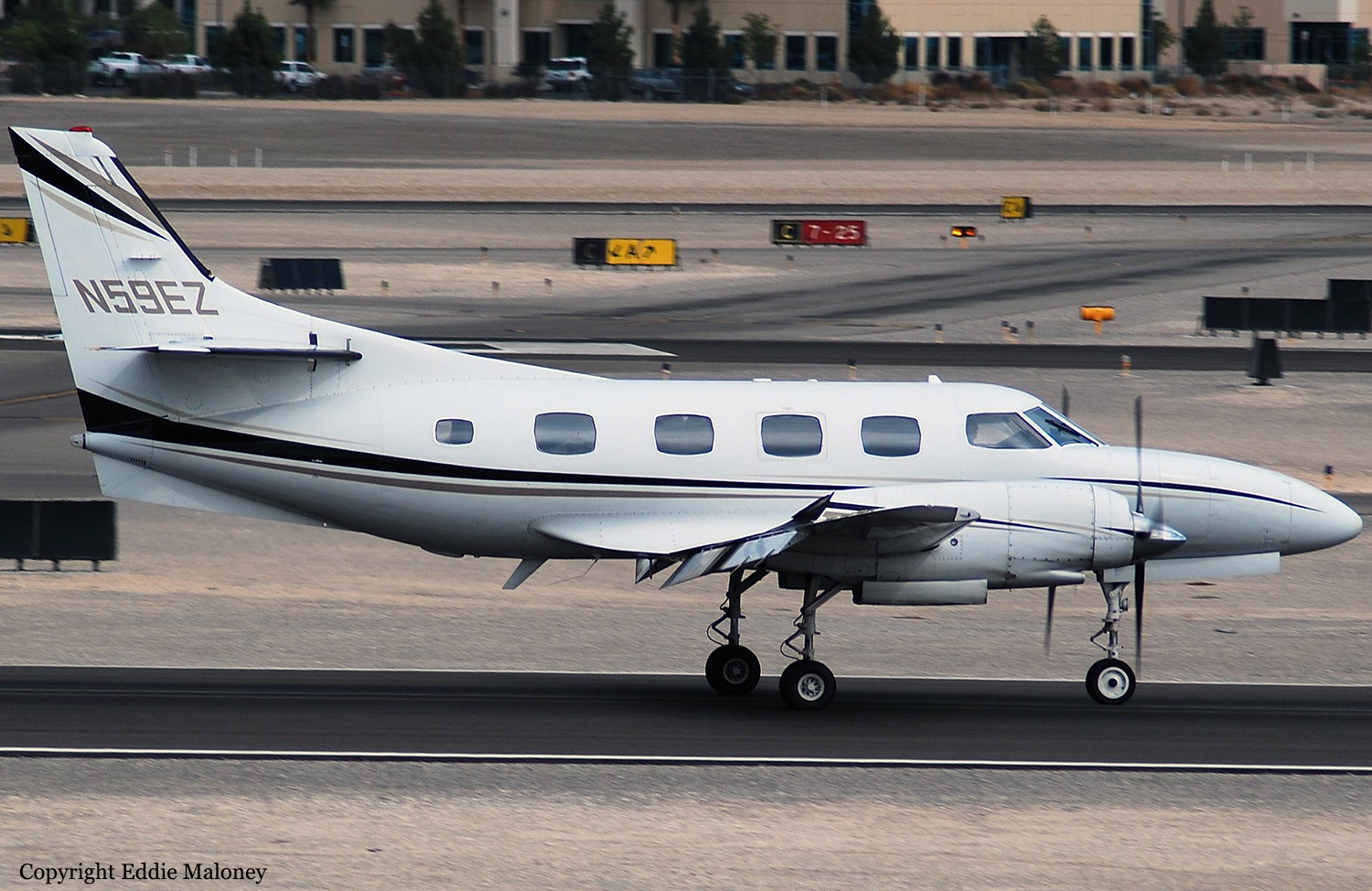
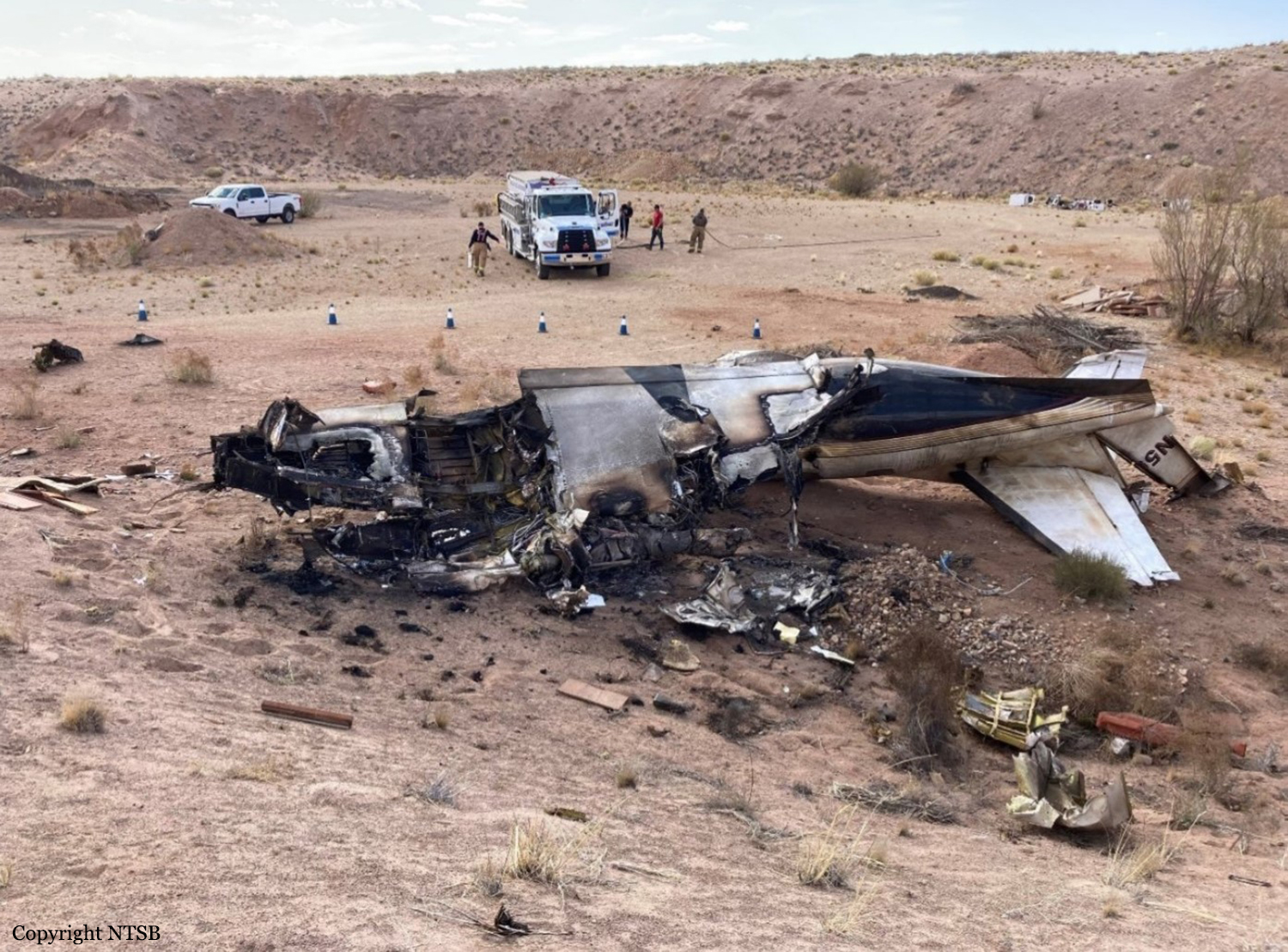
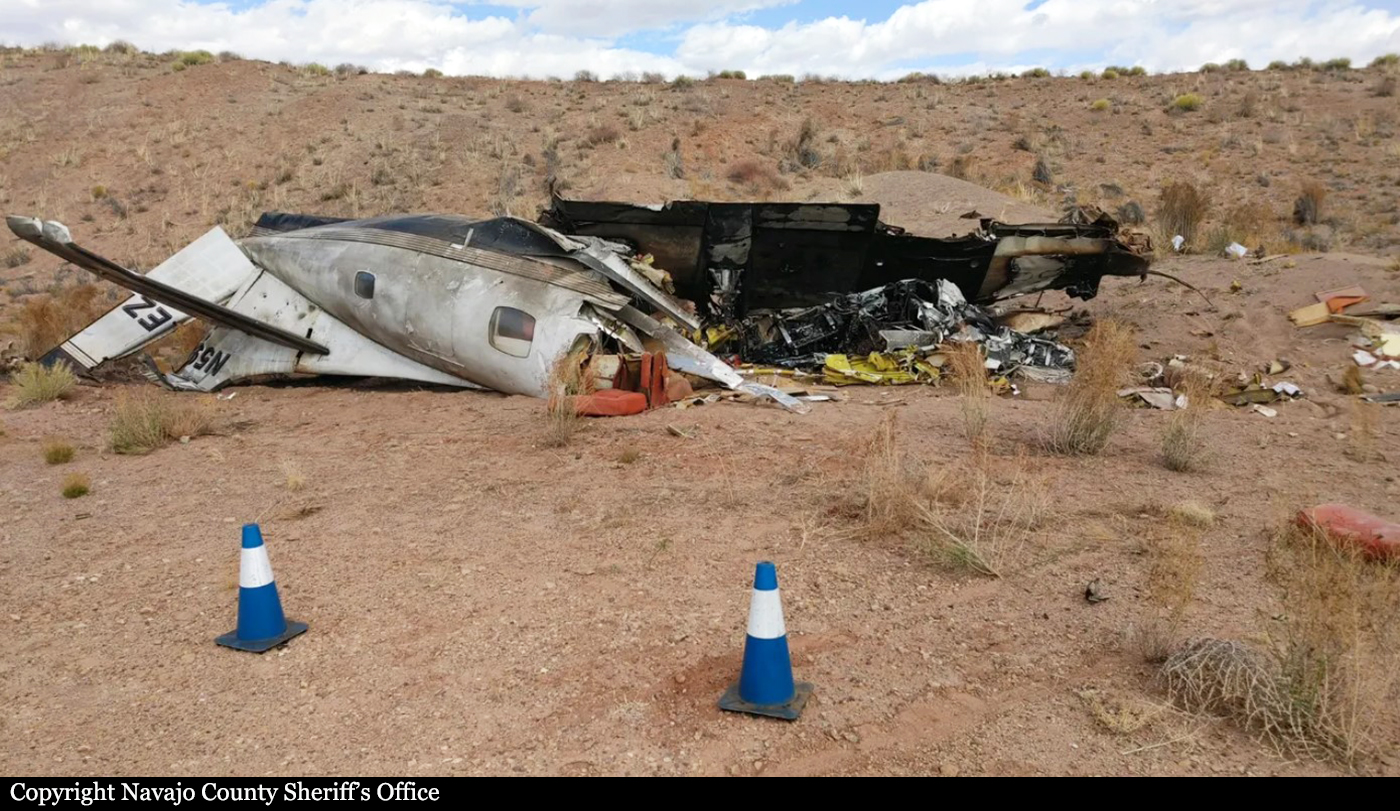
The pilot was conducting a personal flight and was descending the airplane to the destination airport. Automatic dependent surveillance-broadcast (ADS-B) data showed that the airplane accomplished several turning maneuvers near the airport. These turns occurred from an elevation of 6,000 to 4,950 ft mean sea level, at which time the data ended. The airplane was 80 ft above ground level at the time. Witnesses reported seeing a low-flying airplane perform a turn and then veer toward the ground. The airplane came to rest about 4 miles east of the destination airport and 70 ft from the last data target. A postcrash fire ensued. Postaccident examination of the airframe and engines found no mechanical anomalies that would have precluded normal operation. Examination of the left engine revealed that the engine was likely producing power. The right engine examination revealed damage consistent with low or no rotation at the time of the accident, including distinct, localized contact marks on the rotating propeller shaft. In addition, no metal spray was found in the turbine section, and no dirt was found within the combustor section. The examination of the right propeller blades showed chordwise scoring with the blades bent aft and twisted toward a low-pitch setting. Examination of the fuel system noted no anomalies. The airplane was equipped with a single redline (SRL) autostart computer. Examination of the right (R) SRL-OFF annunciator panel light bulb showed signatures of hot filament stretch, which was consistent with illumination of the light at the time of the accident. The SRL light normally extinguishes above an engine speed of 80% rpm. Given the low rotational signatures on the right engine and the illuminated “R SRL-OFF” warning light, it is likely that the right engine lost engine power during the flight for reasons that could not be determined.
Probable cause:
The loss of engine power to the right engine for reasons that could not be determined. Contributing to the accident was the pilot’s failure to maintain control of the airplane.
Final Report:

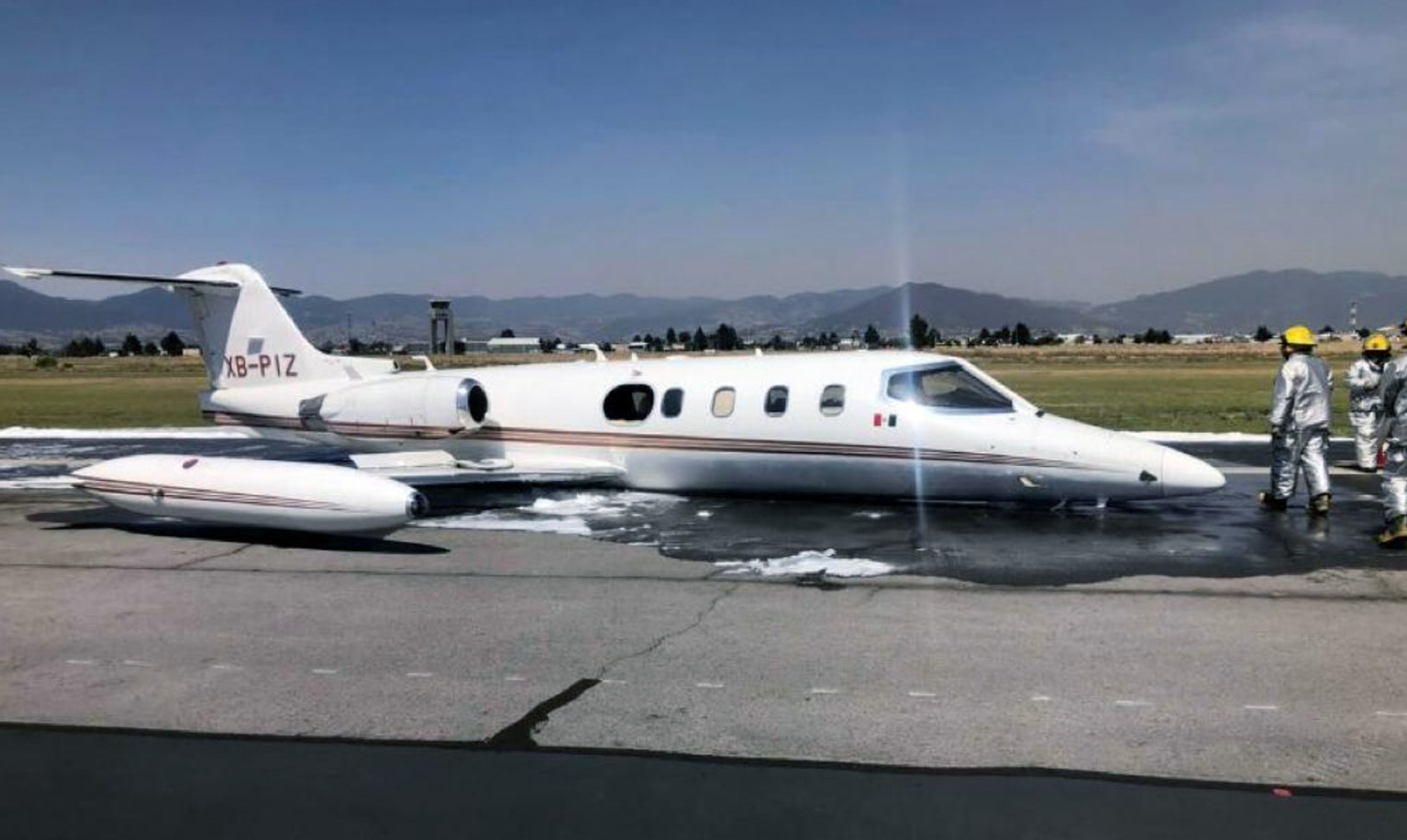
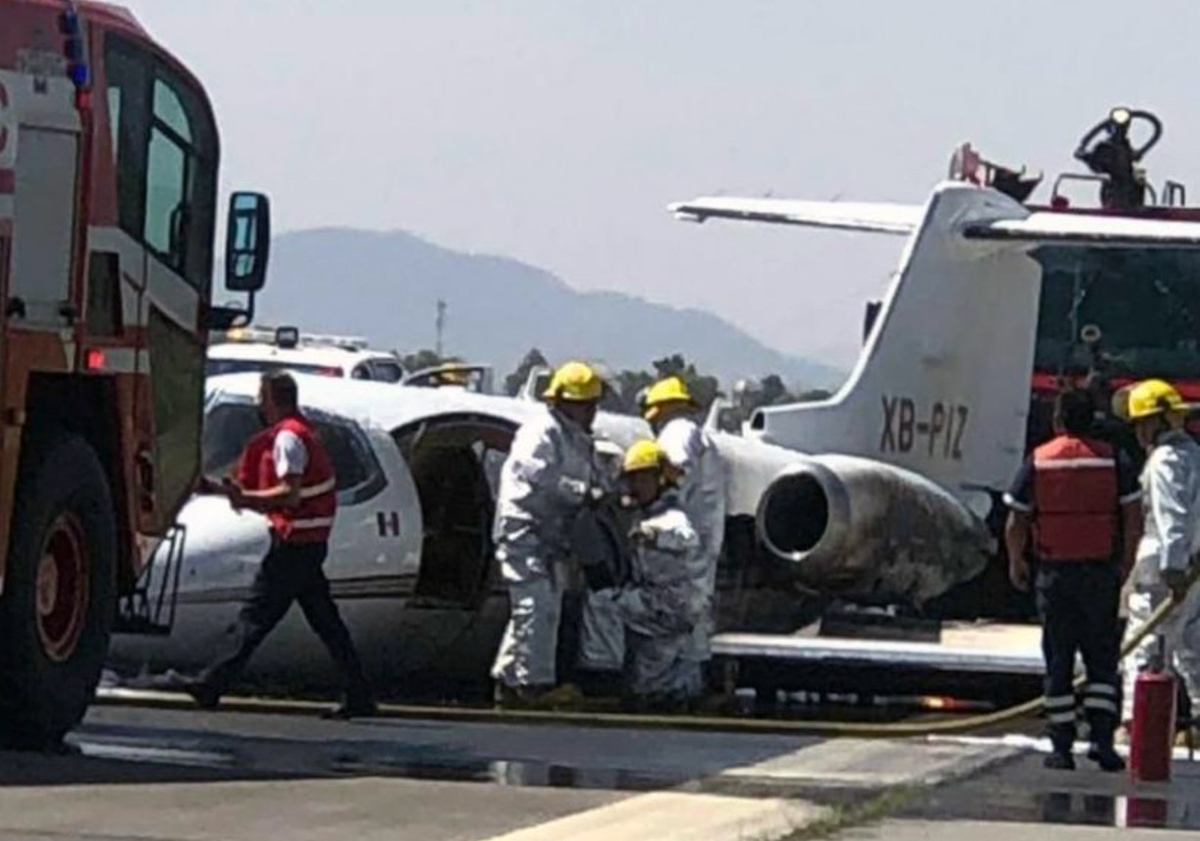
Crash of a Learjet 25B in Toluca

Date & Time: Apr 18, 2021 at 1527 LT
Type of aircraft:
Operator:
Registration:
XB-PIZ
Survivors:
Yes
Schedule:
Cancún - Toluca
MSN:
25-193
YOM:
1975
Location:
Country:
Crew on board:
2
Crew fatalities:
Pax on board:
7
Pax fatalities:
Other fatalities:
Total fatalities:
0
Circumstances:
Following an uneventful flight from Cancún, the crew encountered technical problems with the undercarriage while on approach to Toluca-Licenciado Adolfo López Mateos. Decision was taken to complete a belly landing on runway 15/33. The airplane slid for few dozen metres before coming to rest, bursting into flames. All 9 occupants evacuated safely and the aircraft was damaged beyond repair.

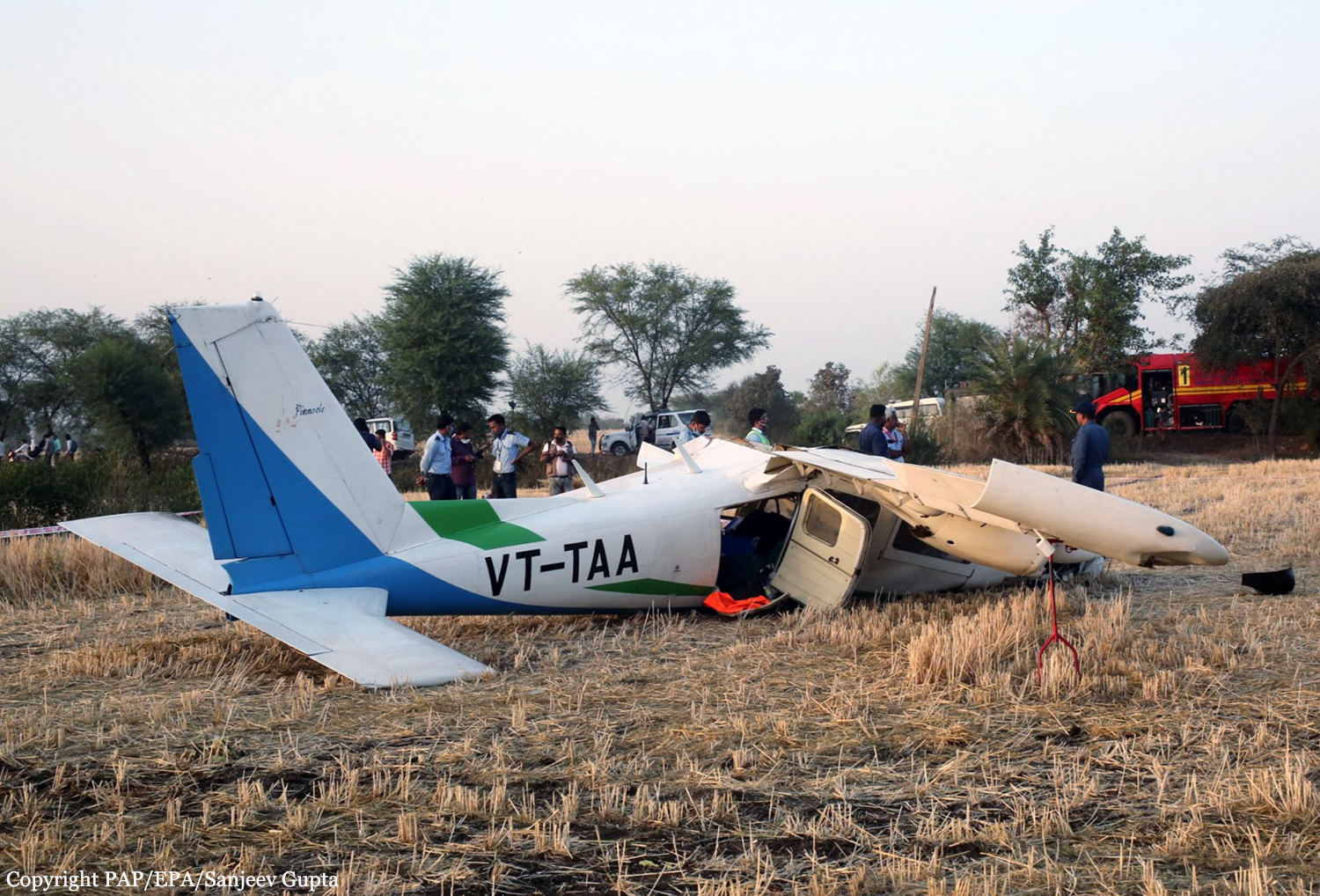
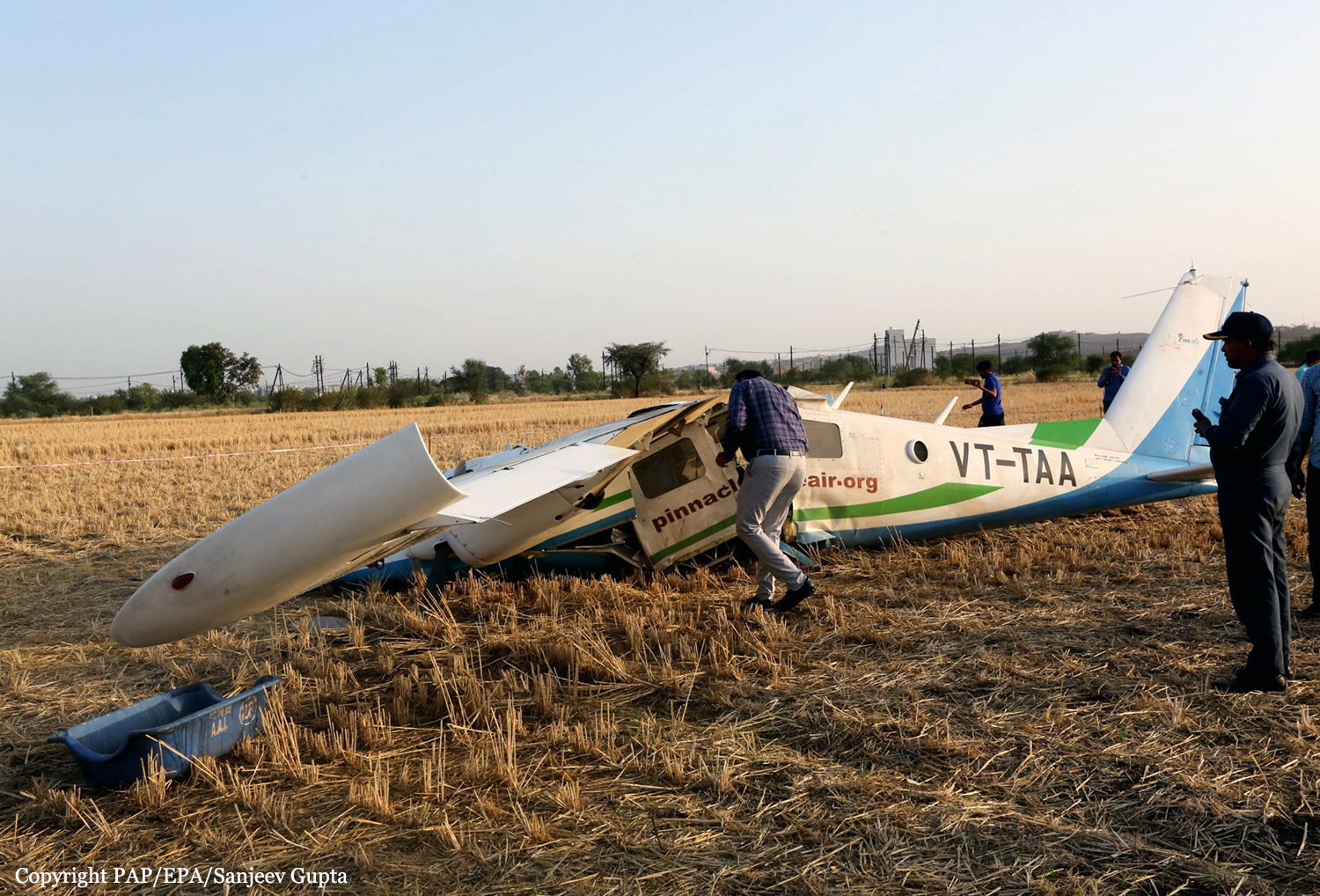
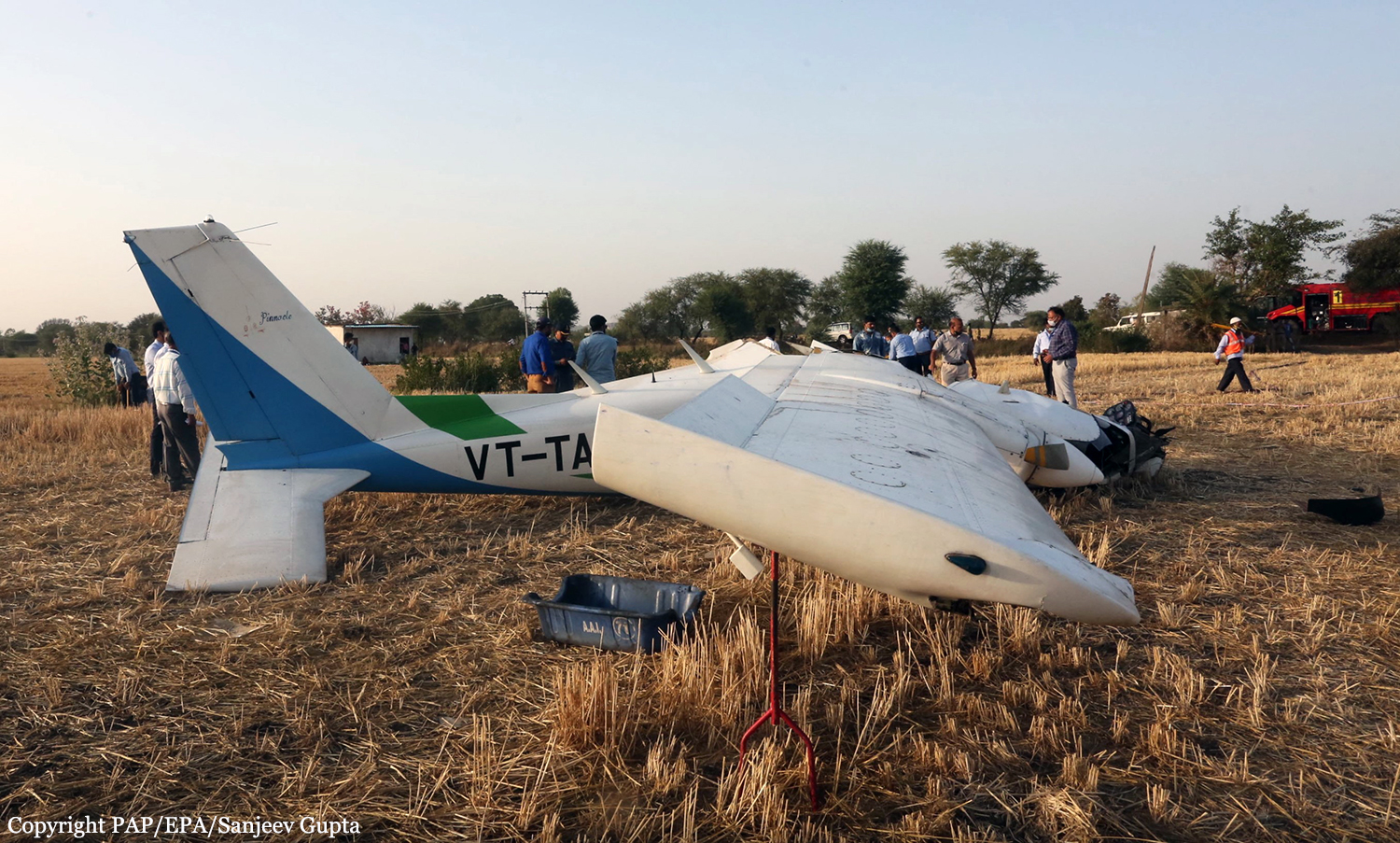
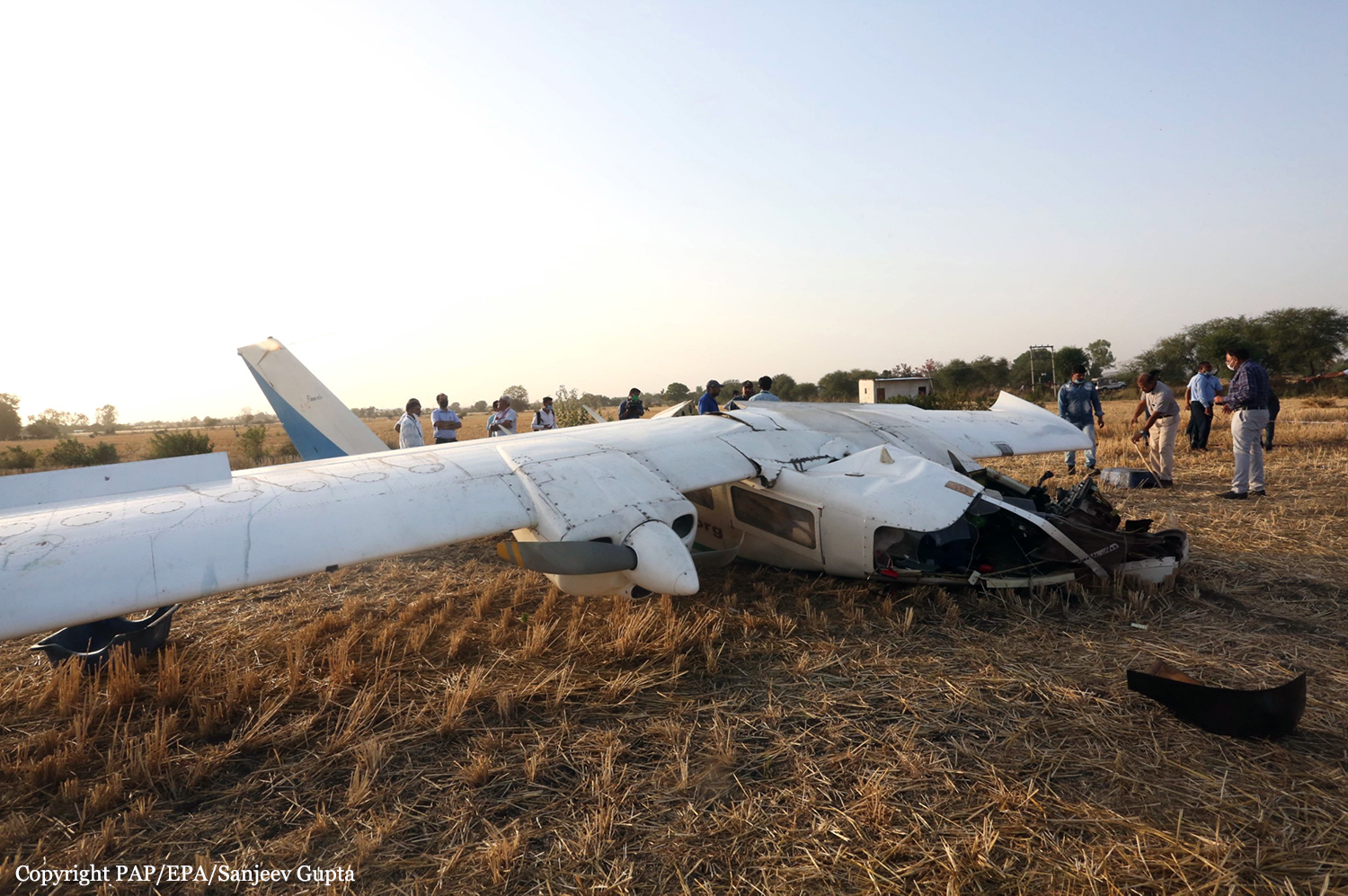
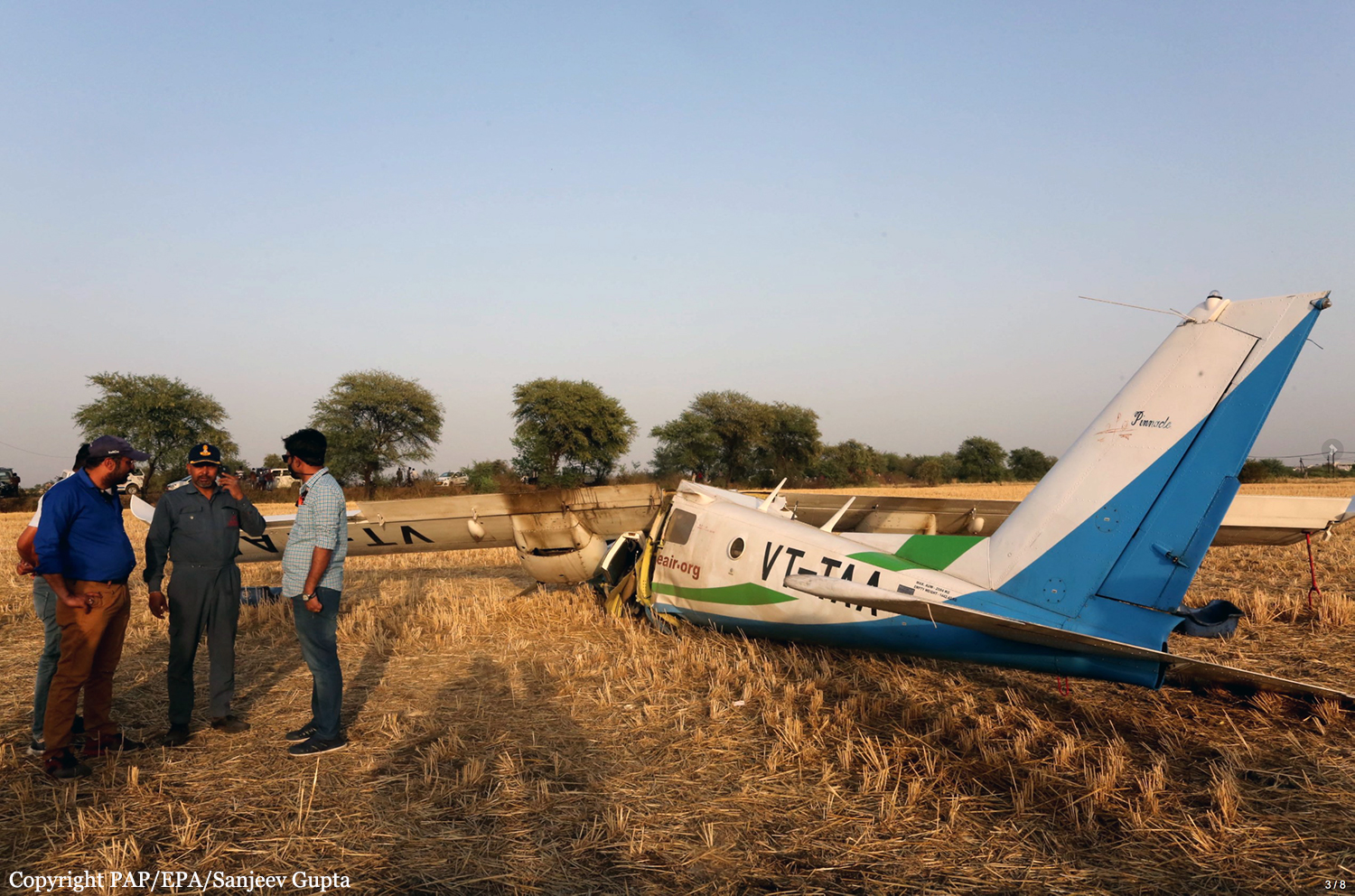
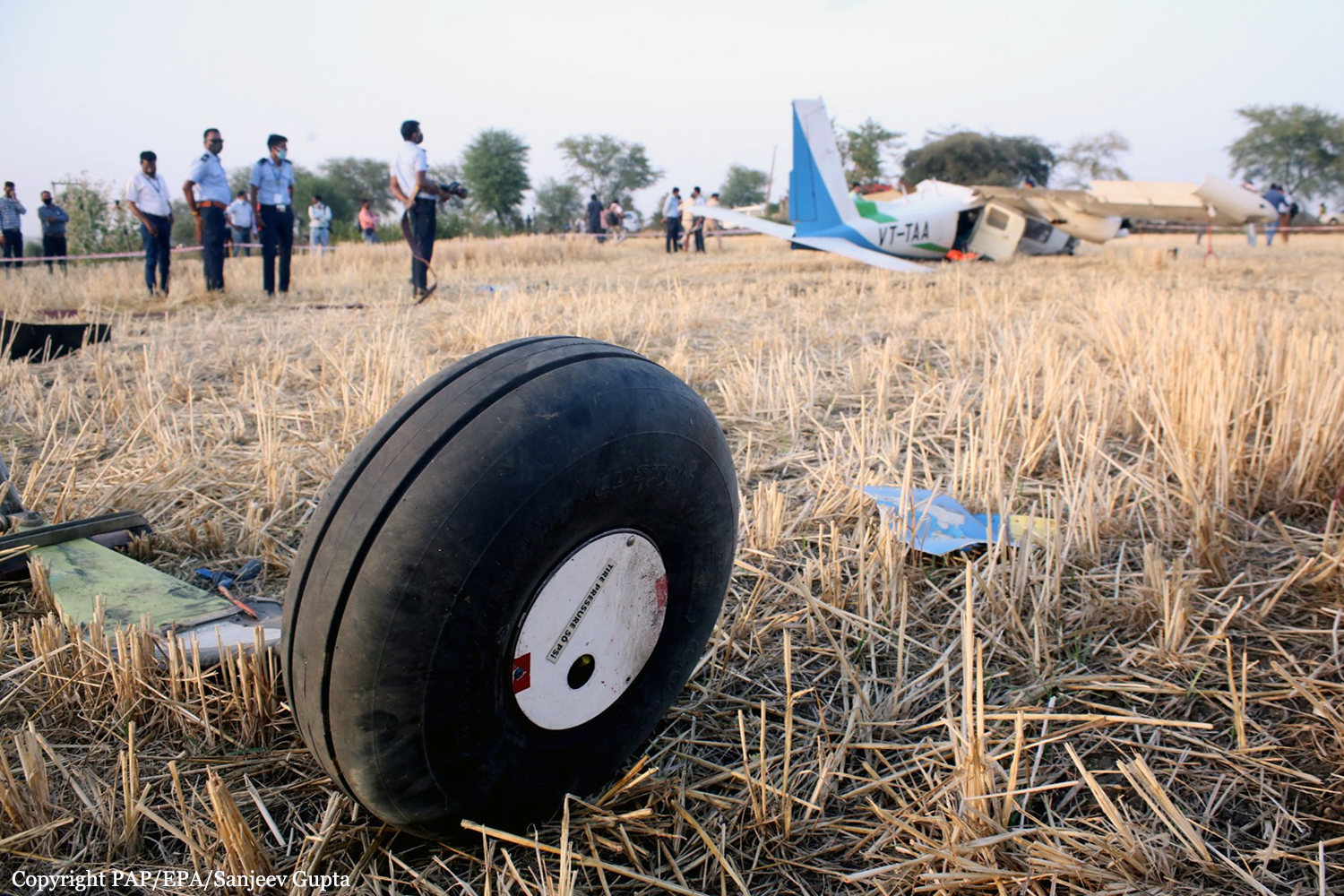
Crash of a Partenavia P.68C Observer 2 in Bhopal

Date & Time: Mar 27, 2021 at 1605 LT
Type of aircraft:
Operator:
Registration:
VT-TAA
Flight Phase:
Flight Type:
Survivors:
Yes
Schedule:
Bhopal - Guna
MSN:
398-07-OB2
YOM:
1994
Country:
Region:
Crew on board:
2
Crew fatalities:
Pax on board:
1
Pax fatalities:
Other fatalities:
Total fatalities:
0
Captain / Total flying hours:
772
Captain / Total hours on type:
472.00
Copilot / Total flying hours:
458
Copilot / Total hours on type:
220
Aircraft flight hours:
2835
Circumstances:
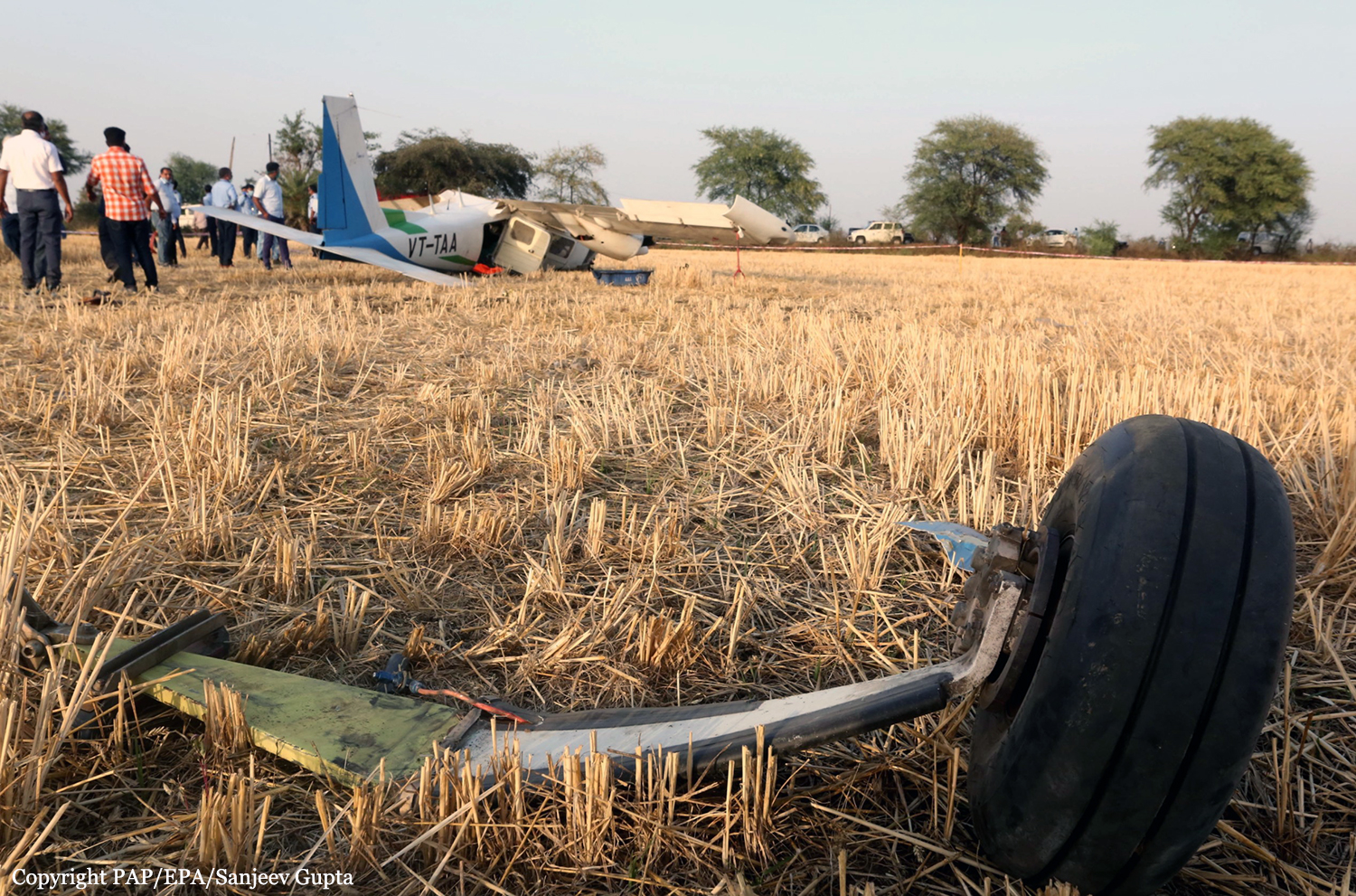
The aircraft was under the command of a CPL holder pilot-in-command (PIC), who was Pilot Flying (PF). PIC was assisted by a CPL holder copilot, who was pilot monitoring (PM). One passenger (Director of Operations M/s PAPL) was also onboard. The aircraft took off from Bhopal airport uneventfully. After takeoff, at about 20 NM, the crew observed abnormal noise followed by low oil pressure and high oil temperature indication on aircraft’s LH engine. Crew assessed the situation and decided to turn back to Bhopal. The crew however, reported to ATC Bhopal that they are returning back due to wind and turbulence. While returning, crew shutdown the LH engine. Post LH engine shut down, crew gave a call to ATC, Bhopal requested to land the aircraft on the taxiway (disuse runway). ATC did not agree to the request, as there was no cross runway at Bhopal. The ATC was also not made aware of the prevailing emergency situation by the crew. When ATC declined the request, the crew informed ATC, that they might be doing force landing. ATC Bhopal immediately responded and asked the crew to land on Runway 12. However, the crew carried out a force landing in an agriculture field approximately 3 NM from Bhopal Airport. During the force landing, the PIC received serious injury and the copilot and passenger received minor injuries.The aircraft sustained substantial damages.
Probable cause:
The probable cause of the accident was Oil leak from the LH engine during the flight. Consequently, oil starvation and lack of lubrication resulted in excessive heat generation amongst the frictional components. Due to excessive heat, the bearing of no. 4 piston connecting rod failed and broke into pieces. However, the root cause of the LH engine oil leak could not be conclusively established. Subsequent to LH engine seizure, the crew did not follow the emergency procedures for single engine operation and took a decision to come for landing with single engine (RH). The crew further aggravated the emergency situation by not communicating the actual reason with ATC, displaying gross lack of situational awareness in handling the emergency. Crew estimated that they cannot reach the airport runway due to the low altitude and force landed the aircraft before the airport.
Final Report:

Crash of a Boeing 737-4Y0 in Jakarta

Date & Time: Mar 20, 2021 at 1126 LT
Type of aircraft:
Operator:
Registration:
PK-YSF
Flight Type:
Survivors:
Yes
Schedule:
Jakarta - Makassar
MSN:
23869/1639
YOM:
1988
Country:
Region:
Crew on board:
2
Crew fatalities:
Pax on board:
0
Pax fatalities:
Other fatalities:
Total fatalities:
0
Captain / Total flying hours:
6228
Captain / Total hours on type:
5208.00
Copilot / Total flying hours:
1255
Copilot / Total hours on type:
1084
Aircraft flight hours:
55982
Aircraft flight cycles:
65005
Circumstances:
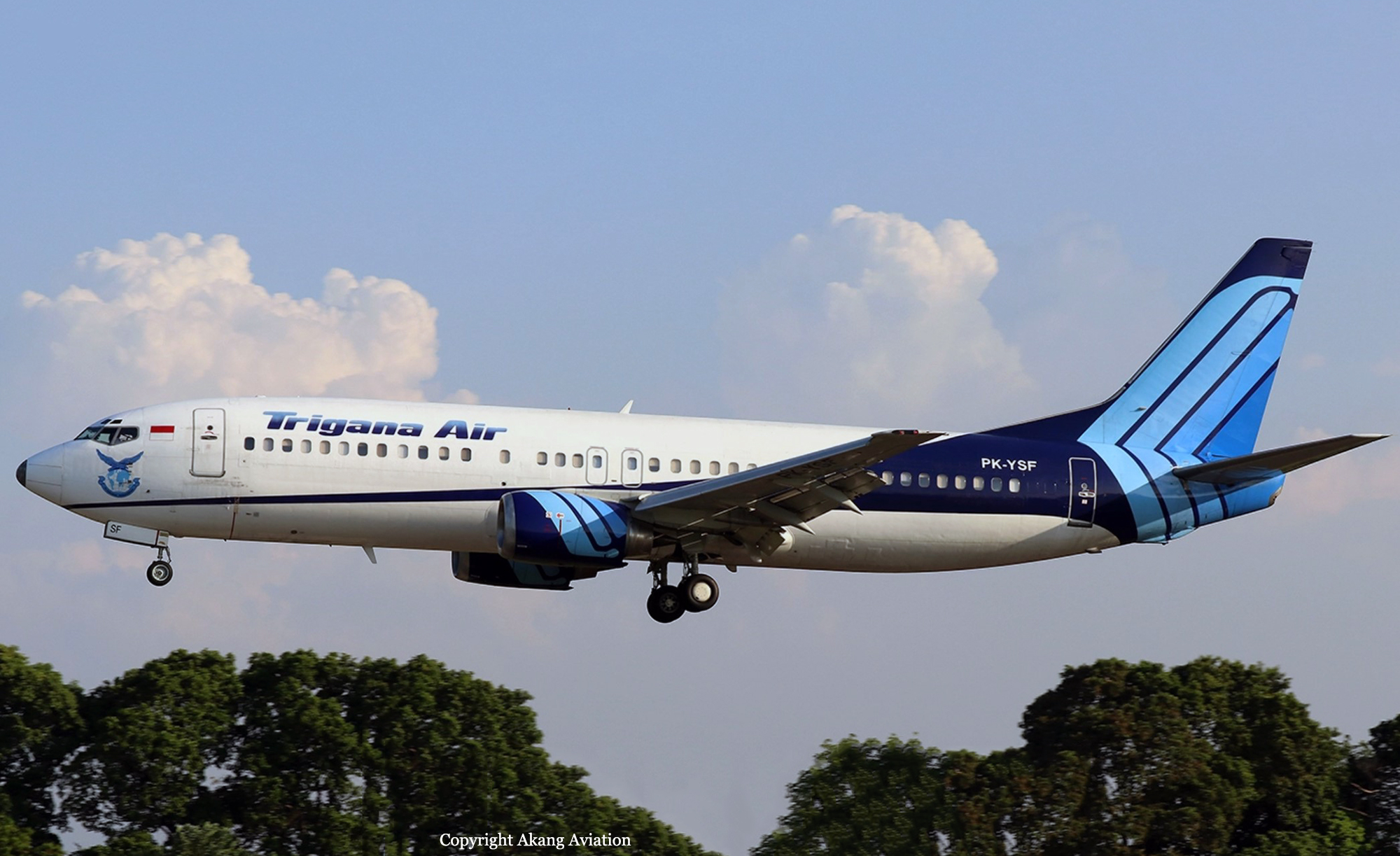
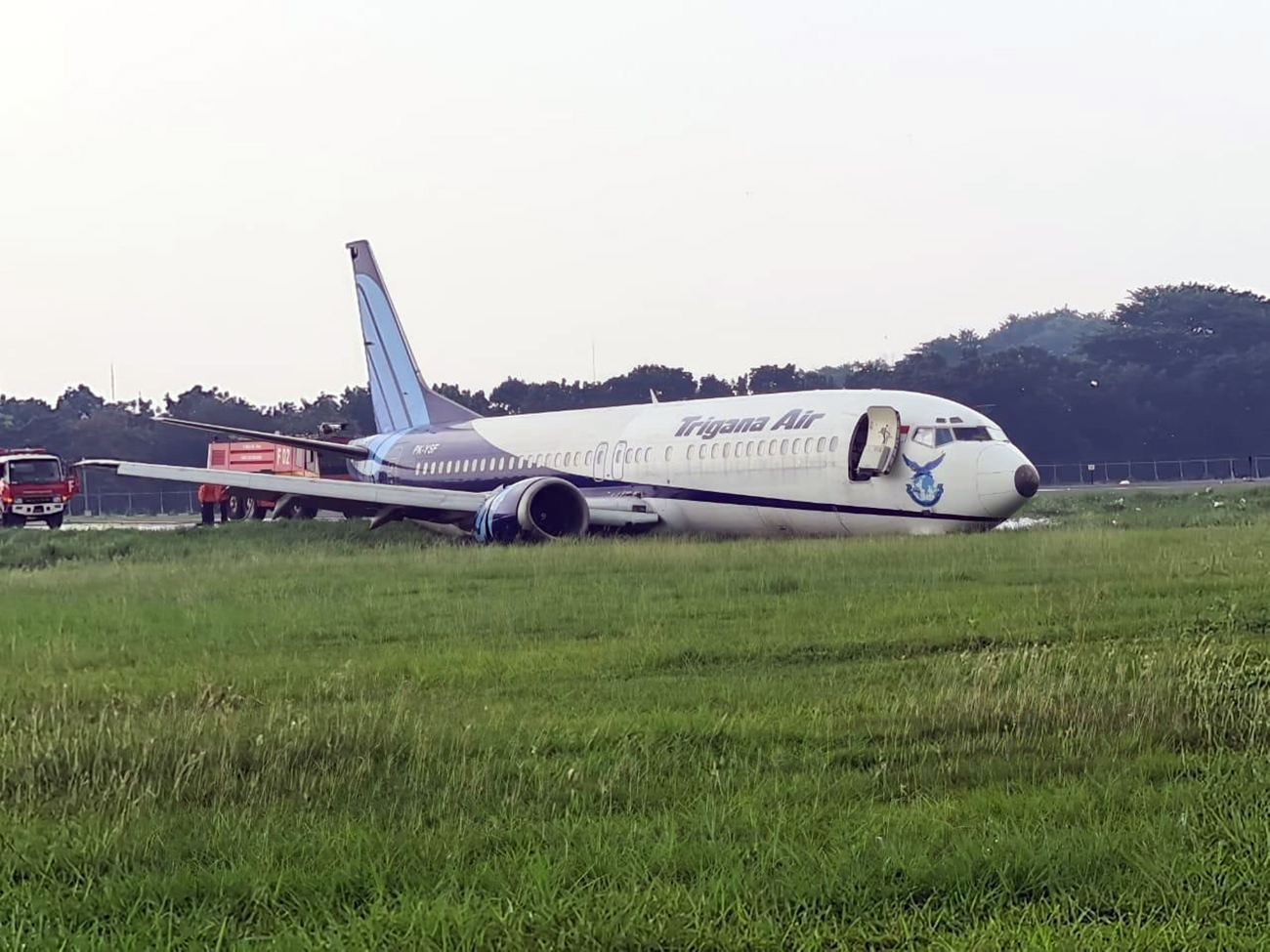
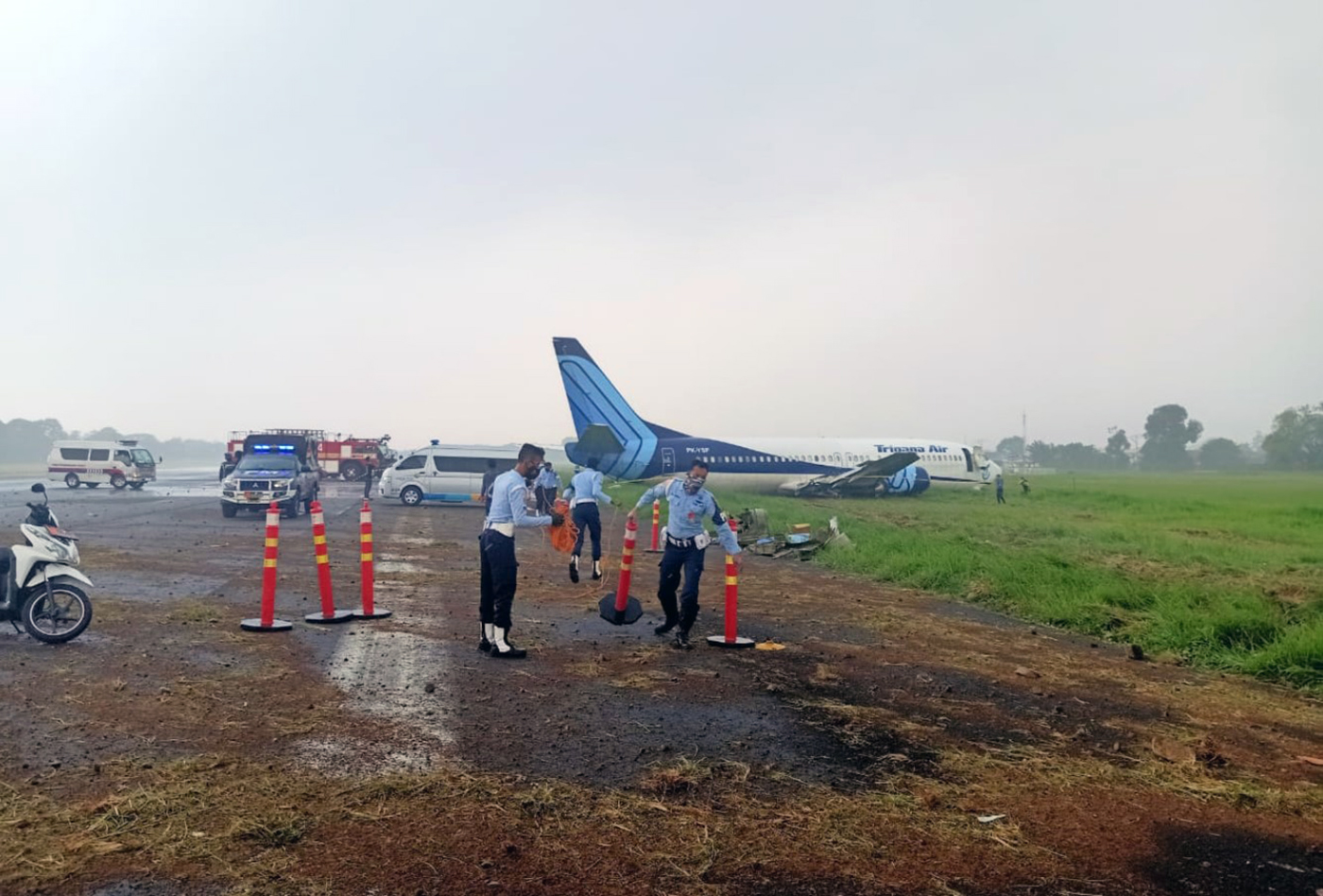
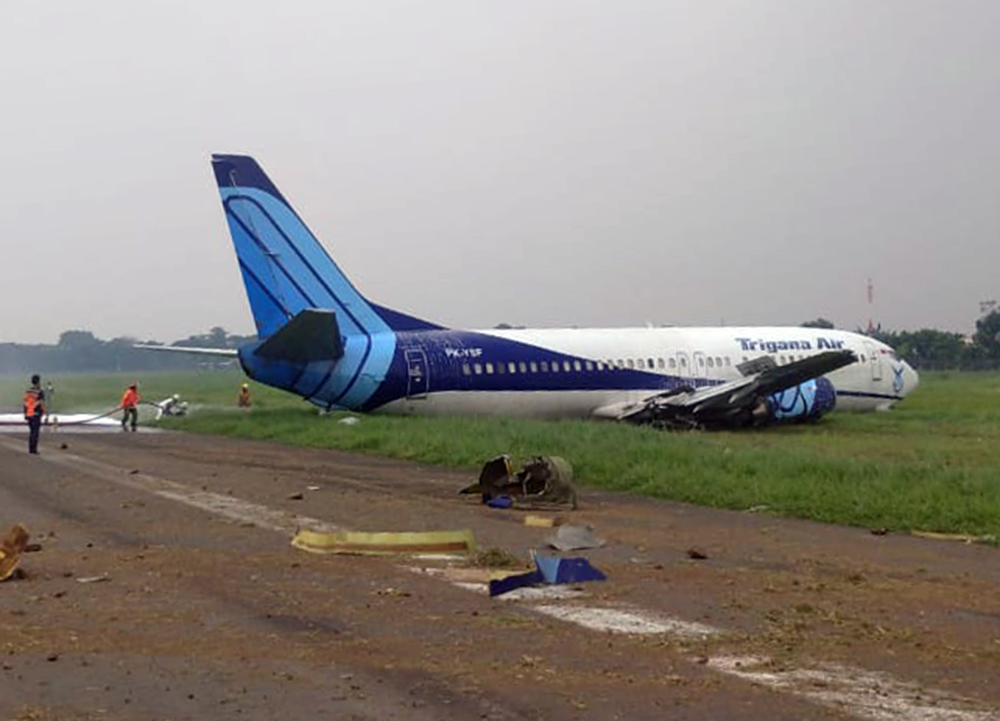
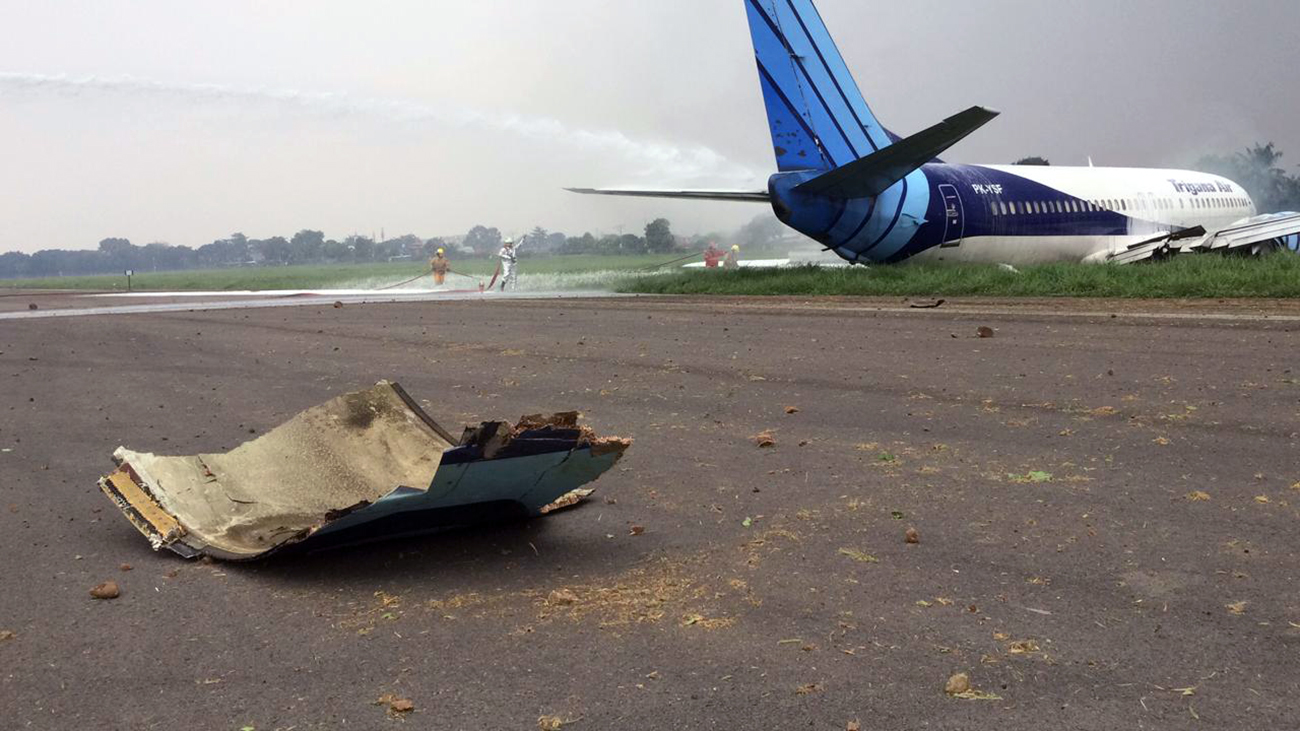
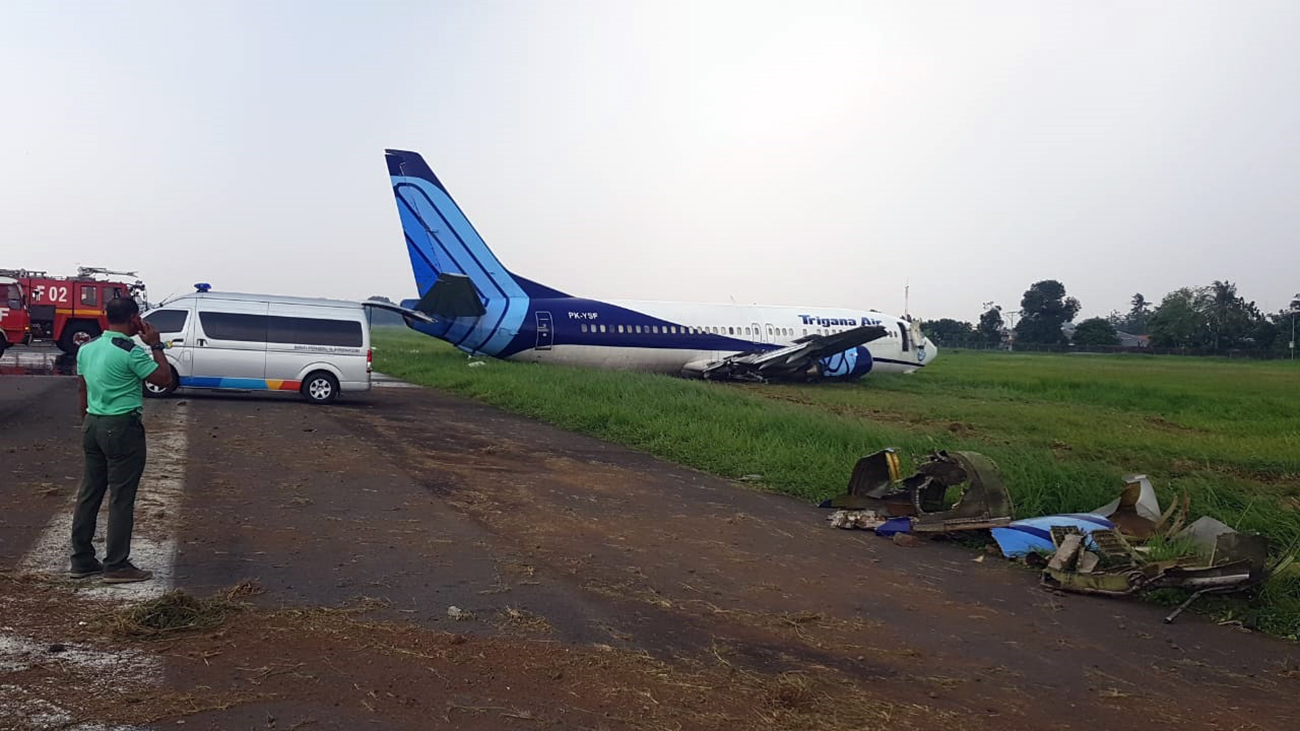
On 20 March 2021, a Boeing 737-400F, registered PK-YSF, was being operated by Trigana Air Service on a non-schedule cargo flight from Halim Perdanakusuma International Airport (WIHH), Jakarta, Indonesia with intended destination of Sultan Hasanuddin International Airport (WAAA), South Sulawesi, Indonesia. On board in this flight was two pilots, one engineer and one Flight Operation Officer (FOO). According to the weight and balance sheet, the flight carried 16,672 kgs of general cargo, takeoff fuel of 11,100 kg and the takeoff weight was 60,695 kg (133,835 lbs). The Pilot in Command (PIC) acted as Pilot Flying (PF) and the Second in Command (SIC) acted as Pilot Monitoring (PM). At 0328 UTC (1028 LT), the PM requested clearance to Halim Tower controller (the controller) to pushback and start the engines. At 1031 LT, the PM requested to the controller for taxi clearance. There was no report of aircraft system abnormality prior to the aircraft departure. At 1047 LT, the controller issued clearance to the PK-YSF pilot to enter and to backtrack Runway 24. At 1051 LT, the PM reported ready for departure to the controller. The controller issued takeoff clearance with additional departure clearance that after takeoff, turn left to heading 180° and initially climb to altitude of 3,000 feet. The PM acknowledged the clearance. The takeoff was conducted with reduced takeoff thrust by assumed temperature of 40°C and the aircraft became airborne at 10:52:57 LT. At 1055 LT, the controller advised the pilot to report when established on heading 180°. The PM reported that they were experiencing right engine failure and requested to fly to AL NDB . The controller advised the PM to turn left heading 060° and to climb to 2,500 feet. Furthermore, the controller asked the pilot intention whether to hold over AL NDB or direct for landing approach. The PM replied that they would hold over AL NDB and added the information that no fire was detected. The controller issued clearance to fly to AL NDB at altitude of 2,500 feet. The controller assumed that PK-YSF would return to Halim and advised the Airport Rescue and Fire-Fighting (ARFF) personnel that PK-YSF experienced right engine failure and would return to Halim. At 1058 LT, the controller requested the information of time required for holding over AL NDB and was replied by the PM that holding would require about 15 minutes. Furthermore, the controller requested whether the pilot able to hold at a point about 15 to 20 Nm from AL NDB and was replied by the PM that they did not objection to the proposal. The controller instructed the pilot to maintain outbound heading up to 15 Nm, at altitude of 2,500 feet. This was intended by the controller to manage the departure and arrival aircraft to and from Halim. At 1116 LT, the PM reported that they were ready to turn left for approach. The controller advised the pilot to turn left and to intercept localizer of the Instrument Landing System (ILS) Runway 24. At 1125 LT, the PM reported to the controller that the Runway was in sight. The controller advised that the wind was from 060° at velocity of 6 knots, QNH 1,007 mbs and issued landing clearance. The aircraft touched down on the touchdown zone and shortly after, both wheels of the right main landing gear detached. The controller noticed spark appeared from the aircraft and pressed the crash bell. At 1127 LT, the controller informed pilots of the other aircraft that the runway blocked by the landing aircraft and identified fire on one of the engines. Few seconds later, the PM called the controller whether any fire and was replied by the controller that fire was visible on the left side of the aircraft.


Crash of a Embraer EMB-120ER Brasília in Detroit

Date & Time: Mar 7, 2021 at 0008 LT
Type of aircraft:
Operator:
Registration:
N233SW
Flight Type:
Survivors:
Yes
Schedule:
Detroit - Akron
MSN:
120-307
YOM:
1995
Flight number:
BYA233
Crew on board:
2
Crew fatalities:
Pax on board:
0
Pax fatalities:
Other fatalities:
Total fatalities:
0
Circumstances:
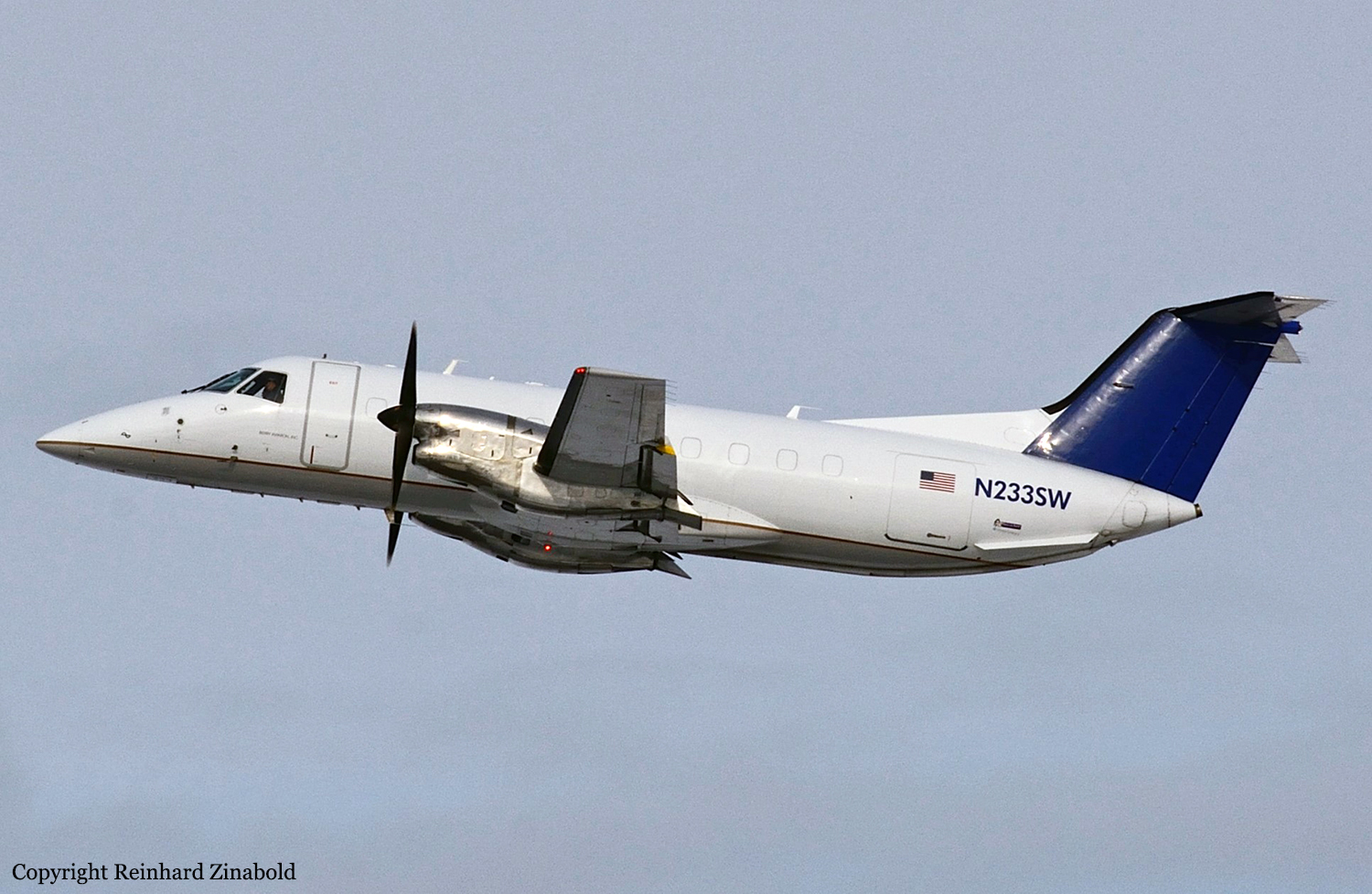
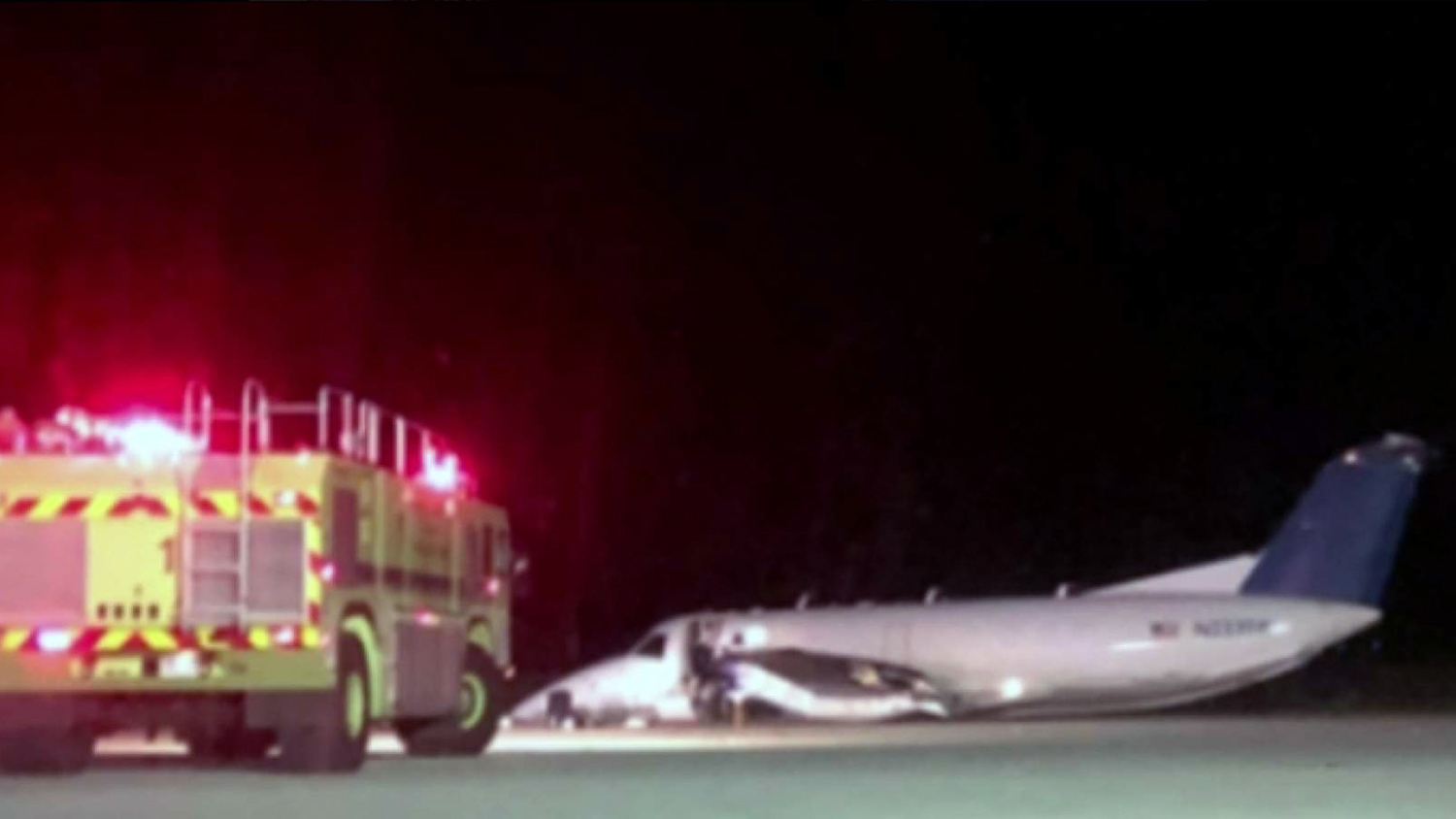
The twin engine airplane departed Detroit-Willow Run (Ypsilanti) Airport at 2337LT on March 6 on a cargo service to Akron-Canton Airport, carrying two pilots and a load of various goods. After takeoff, the crew encountered technical problems and declared an emergency. He completed two low passes in front of the tower, apparently due to gear problems. Eventually, the aircraft belly landed at 0008LT and came to rest on runway 05R. Both pilots evacuated safely and the aircraft was damaged beyond repair.

Crash of a Piper PA-31-350 Navajo Chieftain in Sergio Butrón Casas

Date & Time: Mar 3, 2021 at 1447 LT
Operator:
Registration:
N640WA
Flight Phase:
Survivors:
Yes
Schedule:
Morelia - Chetumal
MSN:
31-8252065
YOM:
1982
Country:
Crew on board:
1
Crew fatalities:
Pax on board:
1
Pax fatalities:
Other fatalities:
Total fatalities:
0
Circumstances:
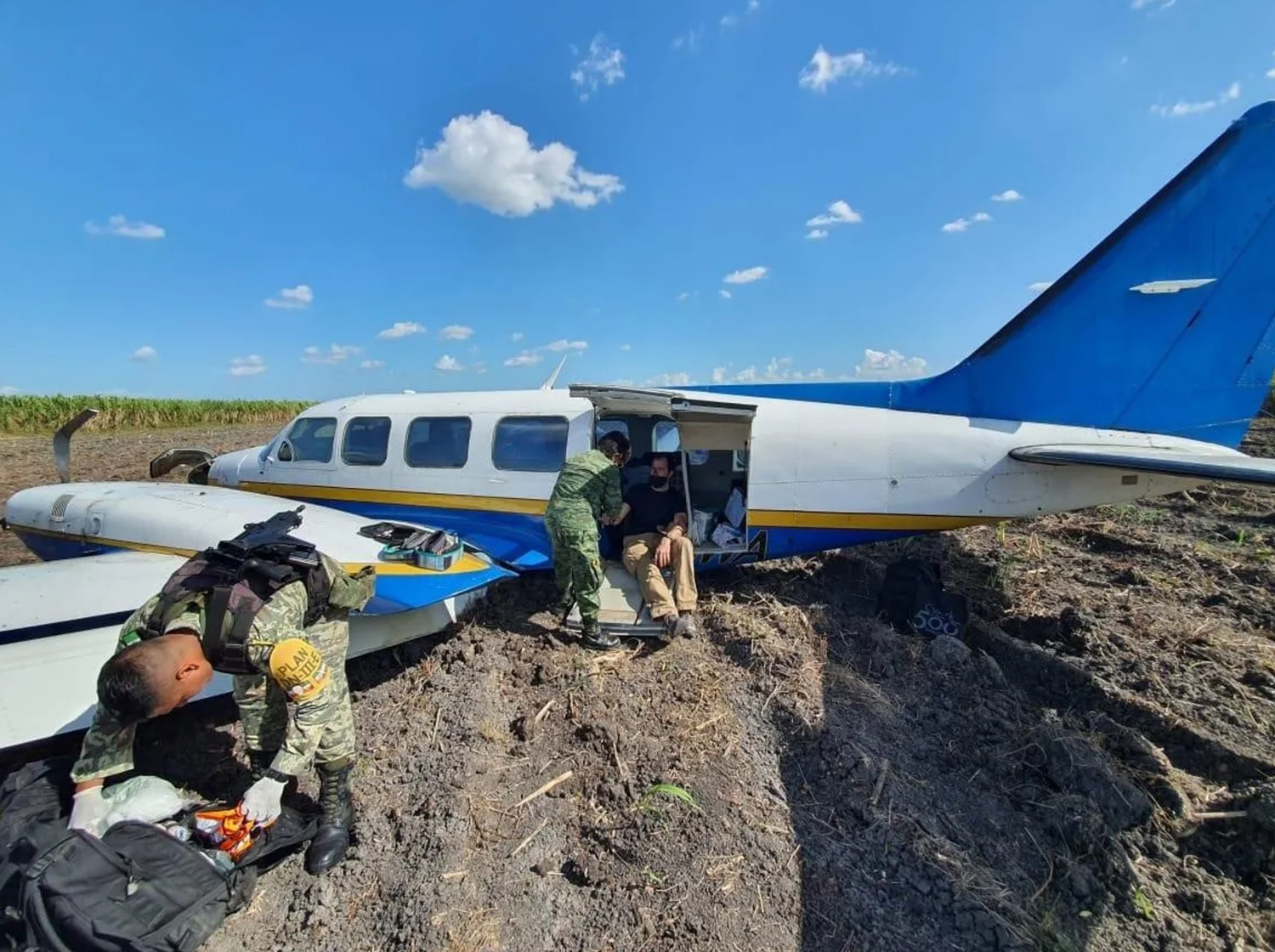
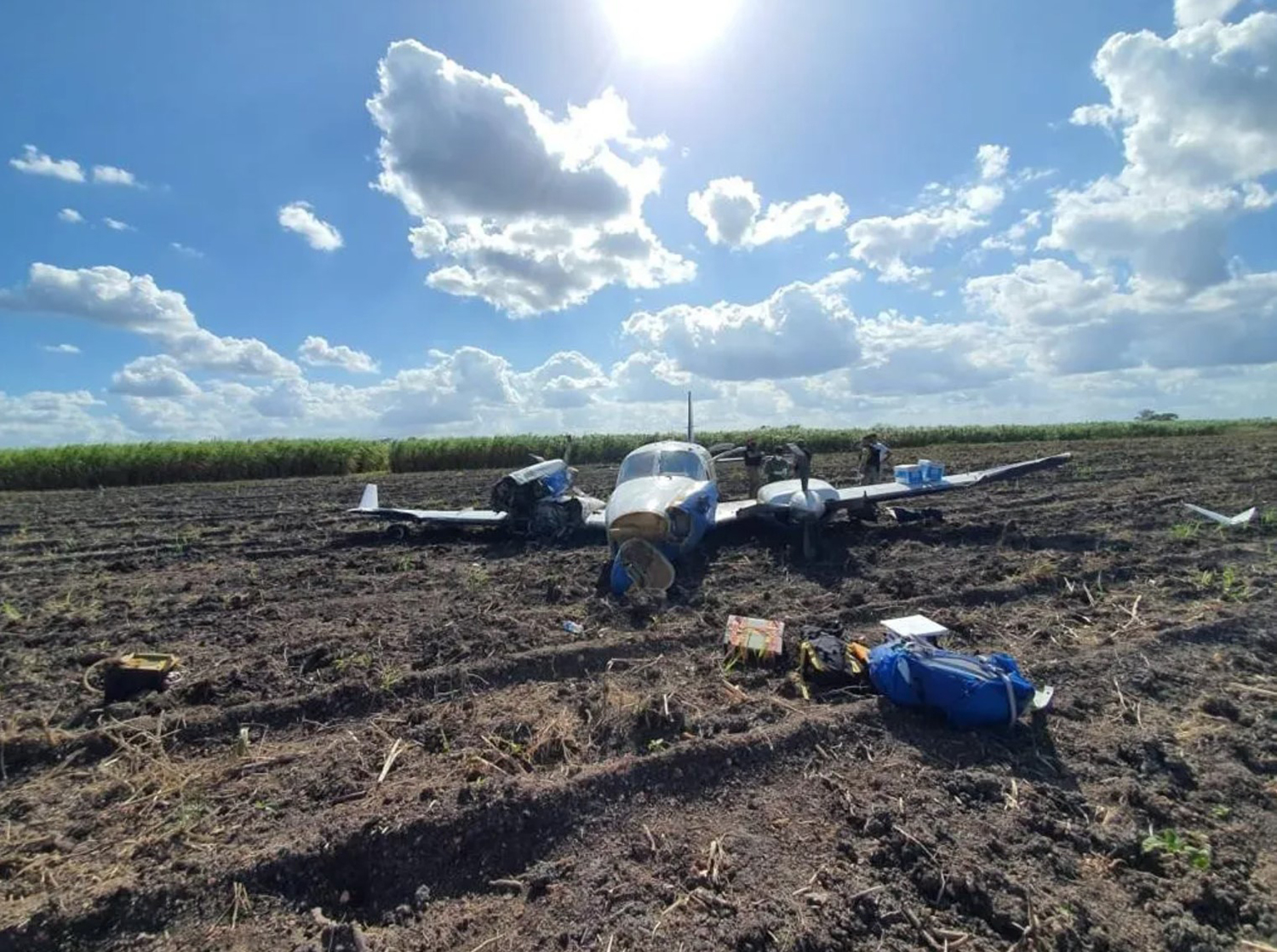
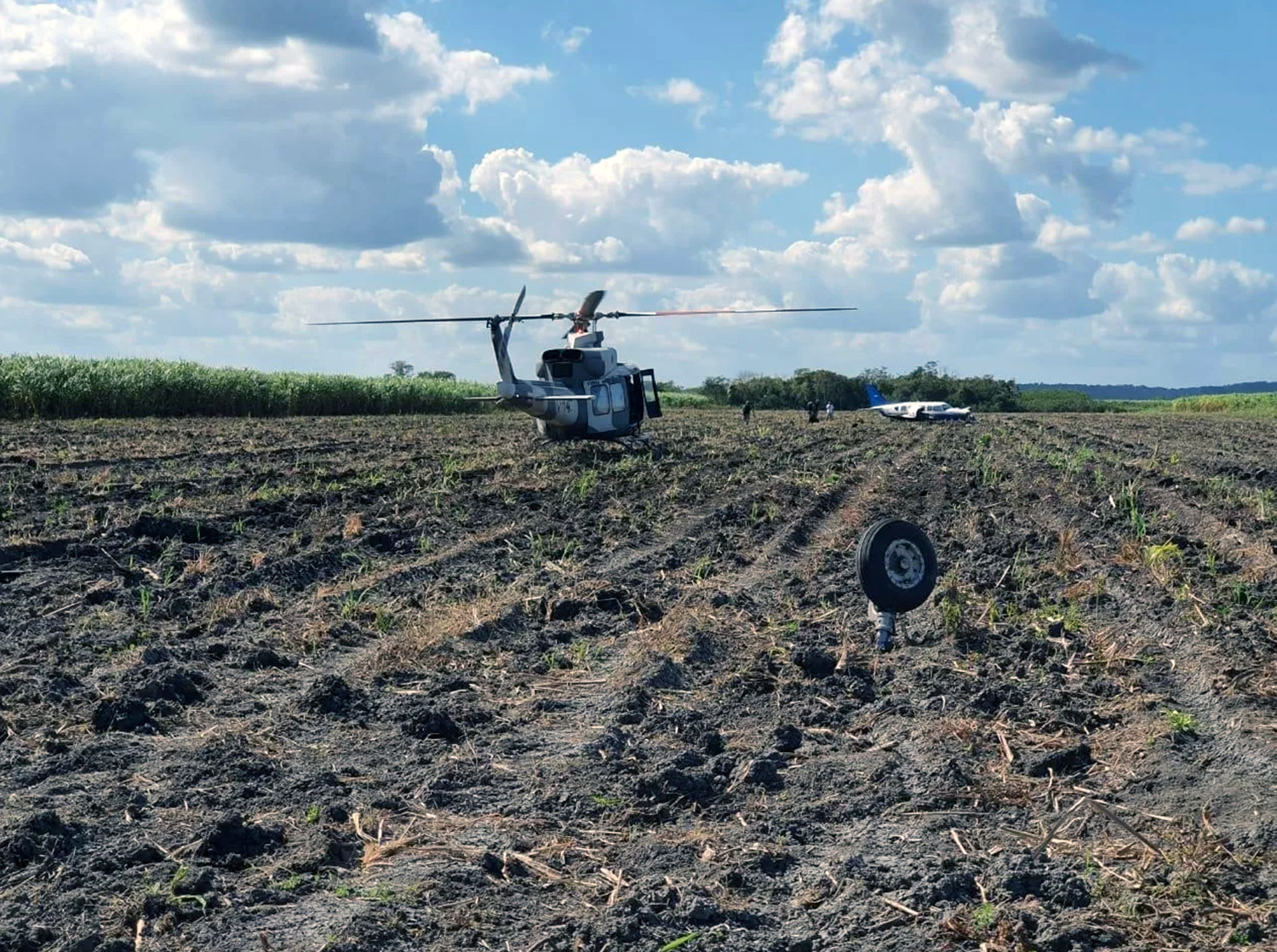
The pilot was approaching Chetumal Airport when he reported engine problems. He elected to make an amergency landing when the aircraft crash landed in an open field located in Sergio Butrón Casas, about 25 km west of Chetumal Airport. Both occupants were slightly injured and the aircraft was damaged beyond repair.

Crash of a PZL-Mielec AN-2T in Boralday

Date & Time: Feb 26, 2021 at 1226 LT
Type of aircraft:
Operator:
Registration:
UP-A0351
Flight Phase:
Flight Type:
Survivors:
Yes
Schedule:
Boralday - Kegen
MSN:
1G194-19
YOM:
1981
Country:
Region:
Crew on board:
2
Crew fatalities:
Pax on board:
3
Pax fatalities:
Other fatalities:
Total fatalities:
0
Circumstances:
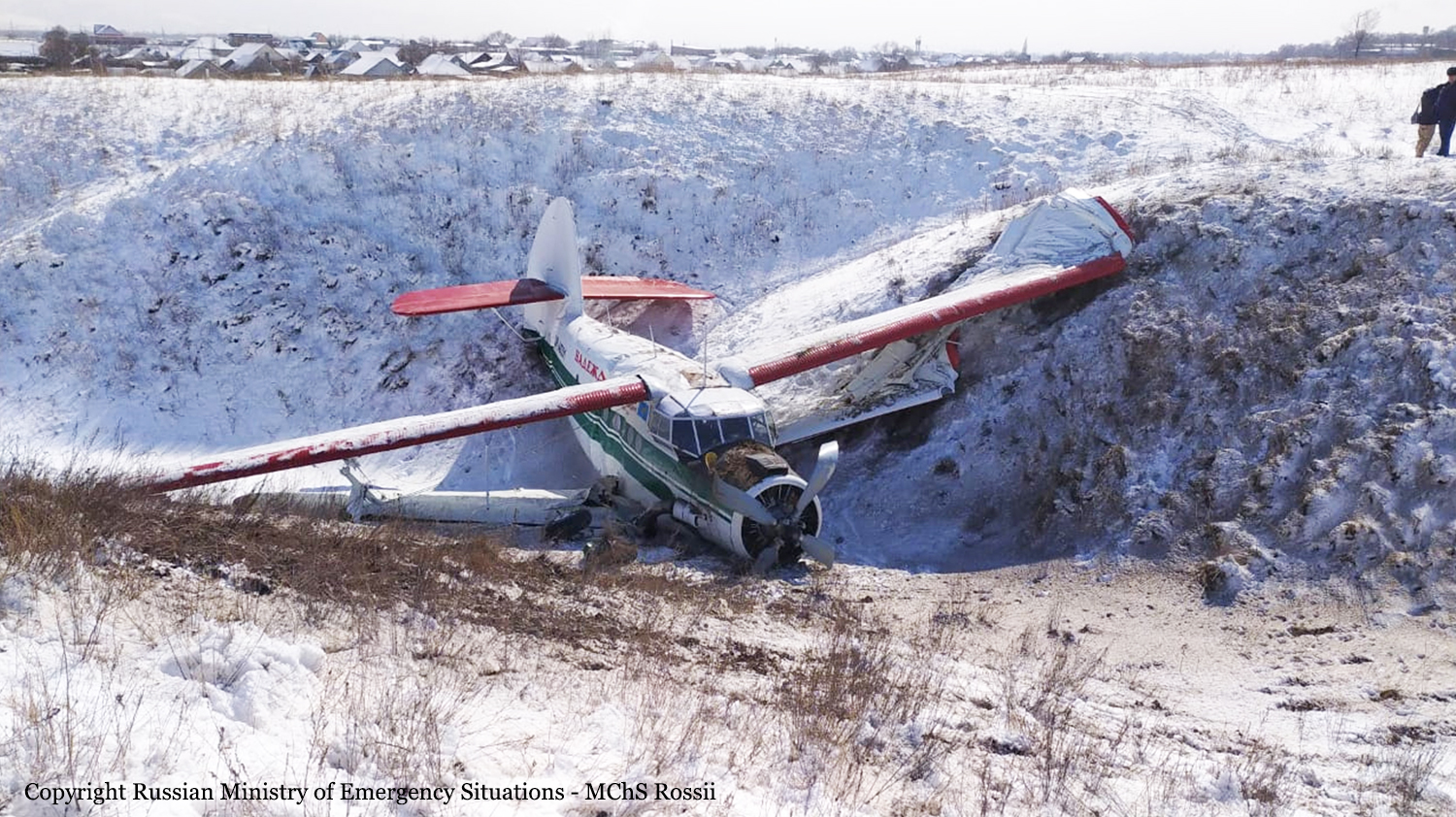
The single engine aircraft departed Boralday Airport in the suburb of Almaty on an ambulance flight to Kegen with five people on board. Shortly after takeoff, while climbing, the engine suffered a loss of power. The crew attempted an emergency landing when the aircraft lost height and crashed in hilly terrain. All five occupants escaped uninjured while the aircraft was damaged beyond repair. Operator reported as Asia Continental Airlines.

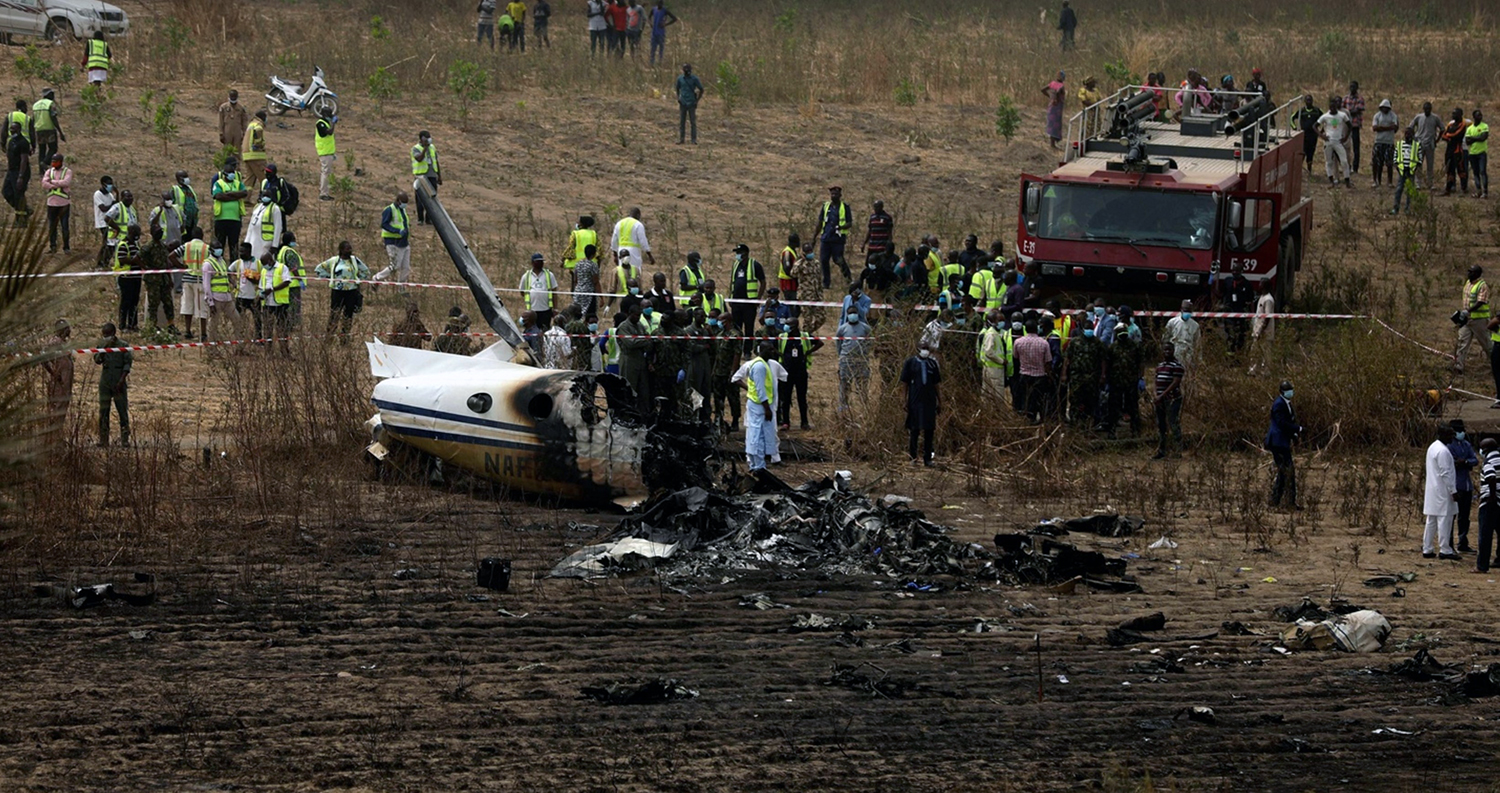
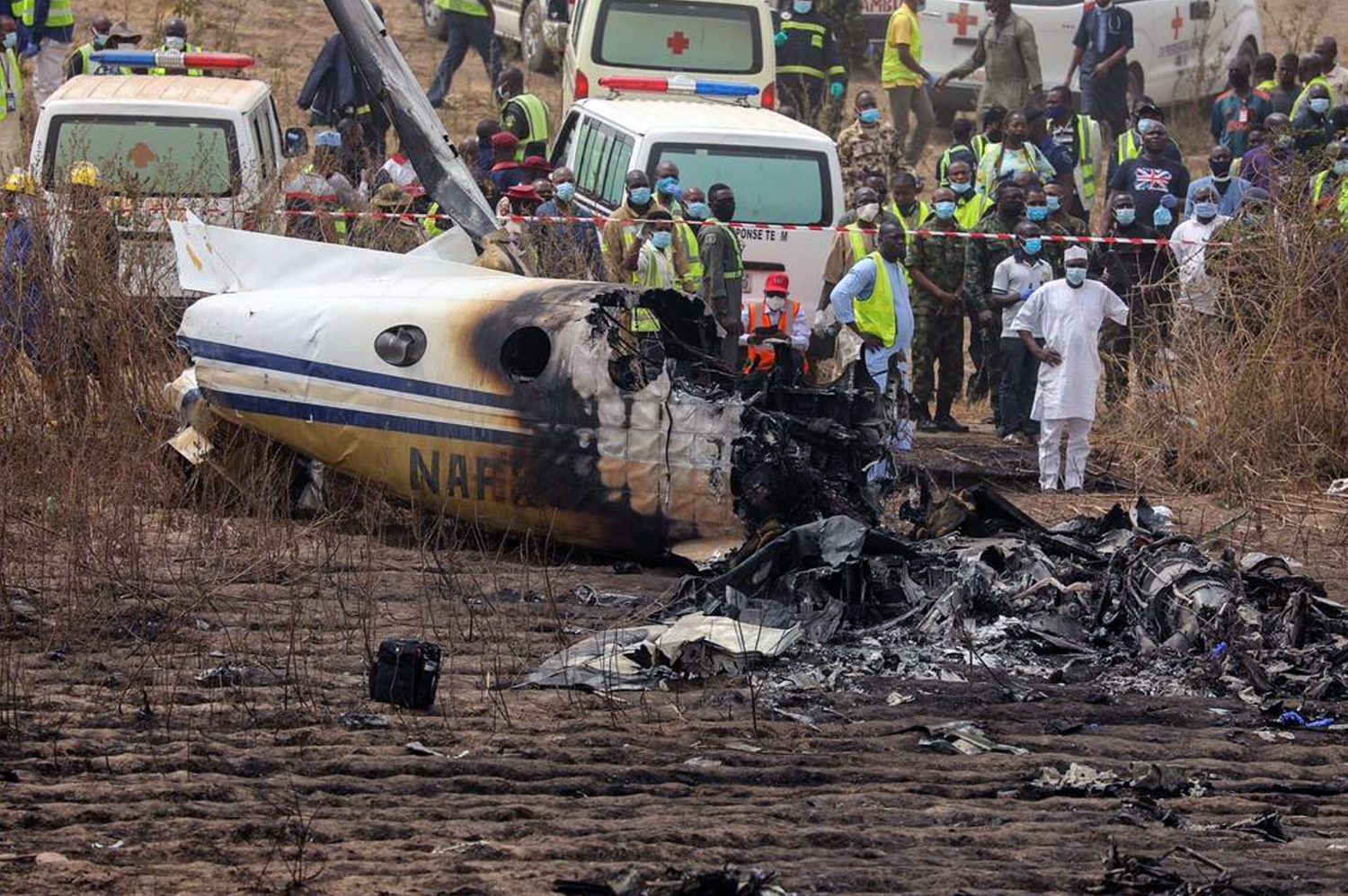
Crash of a Beechcraft 350 Super King Air in Abuja: 7 killed

Date & Time: Feb 21, 2021 at 1148 LT
Operator:
Registration:
NAF201
Flight Type:
Survivors:
No
Schedule:
Abuja - Minna
MSN:
FL-585
YOM:
2008
Country:
Region:
Crew on board:
2
Crew fatalities:
Pax on board:
5
Pax fatalities:
Other fatalities:
Total fatalities:
7
Circumstances:
After takeoff from Abuja-Nnamdi Azikiwe Airport, while climbing, the crew informed ATC about an engine failure and was cleared for an immediate return. On final approach to runway 22, the aircraft went out of control and crashed in an open field, bursting into flames. The aircraft was destroyed and all 7 occupants were killed, among them two pilots, four ATOS specialists (Airborne Tactical Observation System) and one technician.