Crash of a Britten Norman BN-2B-26 Islander in Montserrat

Date & Time: Sep 29, 2021 at 1733 LT
Type of aircraft:
Operator:
Registration:
J8-VBI
Survivors:
Yes
Schedule:
Saint John’s – Montserrat
MSN:
2025
YOM:
1981
Flight number:
SVD207
Country:
Crew on board:
1
Crew fatalities:
Pax on board:
6
Pax fatalities:
Other fatalities:
Total fatalities:
0
Captain / Total flying hours:
2650
Captain / Total hours on type:
712.00
Circumstances:
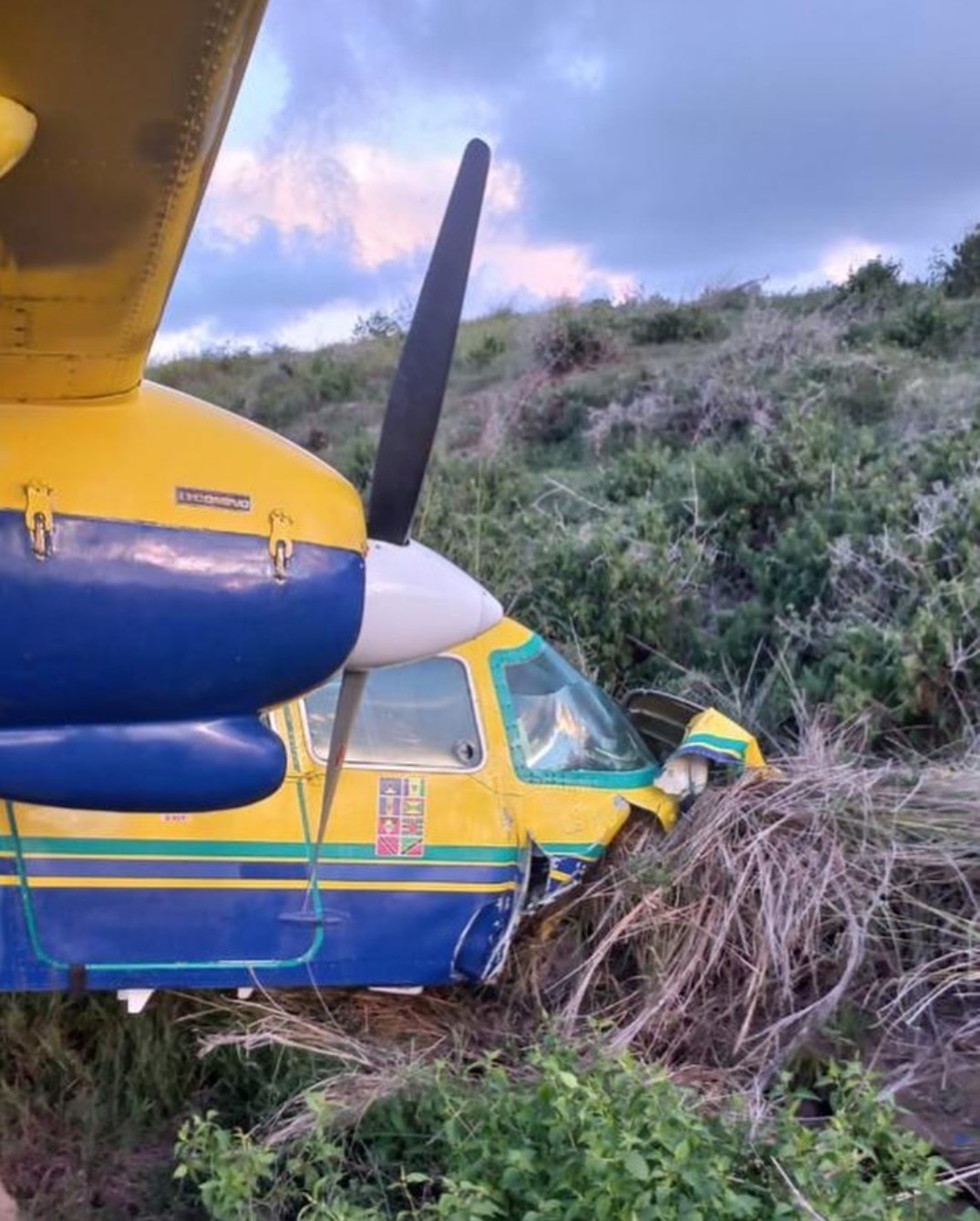
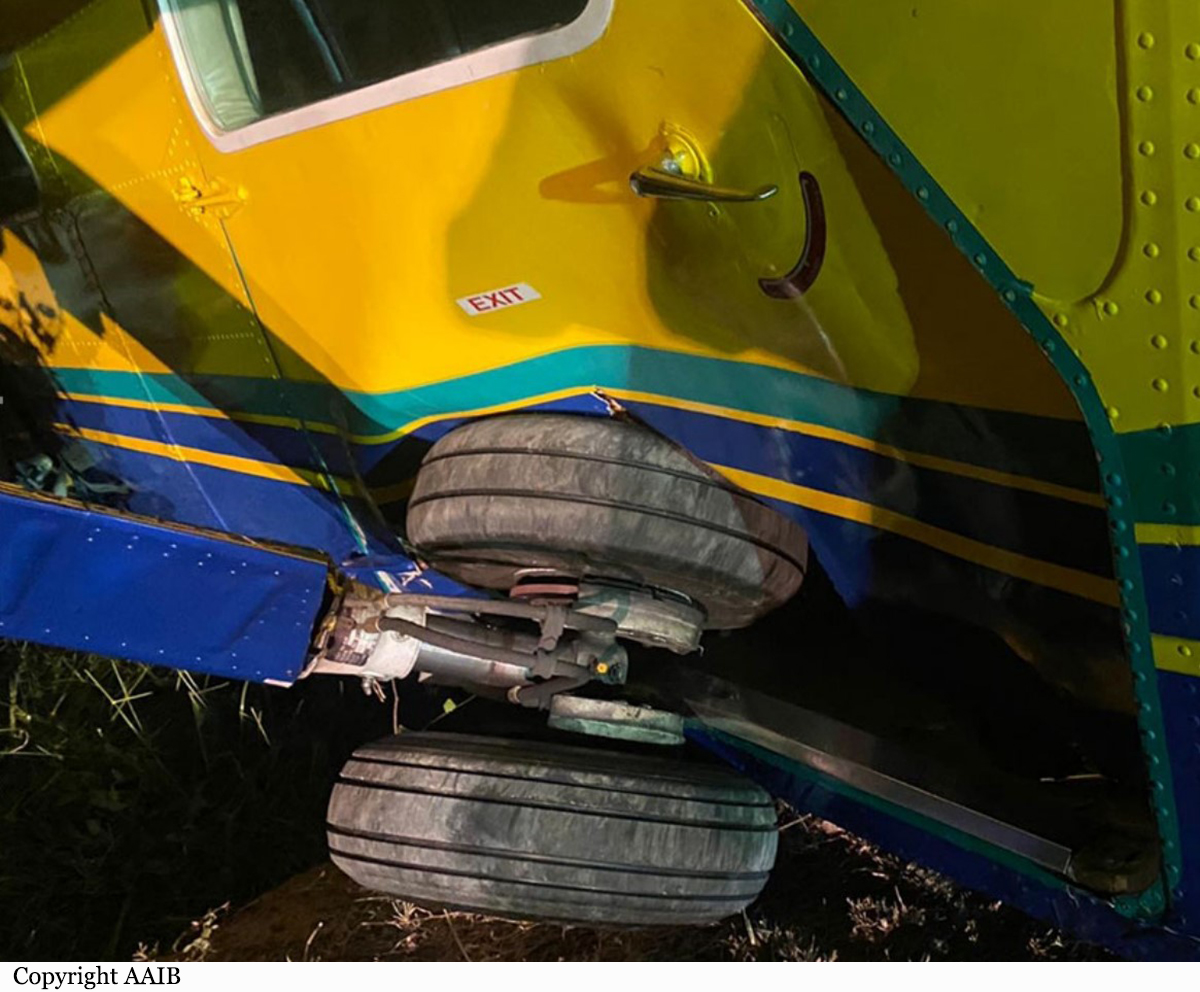
After an uneventful return flight to Barbuda, the aircraft departed Antigua at 2114 hrs (1714 hrs local) for John A Osborne Airport, Montserrat, with the pilot and six passengers on board. The aircraft cruised at 2,000 ft enroute and the pilot recalled there were good visual meteorological conditions throughout the 19 minute flight. On arriving at Montserrat there were no other aircraft operating in the vicinity of the airport and the pilot positioned the aircraft visually on a downwind leg for Runway 10. The pilot reported he commenced the approach, flying an approach speed of 65 kt, reducing to 60 kt as the aircraft touched down. The runway surface was dry and the pilot described the landing as “smooth”. After the main landing gear touched down, but prior to the nosewheel contacting the runway, the pilot applied the brakes. He reported that the left brake felt “spongy” and did not seem to act, but that the right brake felt normal. The pilot was unable to maintain directional control of the aircraft which veered to the right two seconds after touchdown, departing the runway a further three seconds later. The aircraft continued across the adjacent grassed area before impacting an embankment close to the runway. After the aircraft had come to a stop, the pilot shut down the engines using the normal shut down procedure. The left main gear had collapsed and rendered the left cabin exit unusable. The pilot evacuated through the flight deck door which was on the left of the aircraft. The six passengers were able to evacuate through the right cabin exit. The airport fire service then arrived at the aircraft, less than one minute after the accident.
Probable cause:
On landing at John A. Osborne Airport, Montserrat, the pilot was unable to maintain directional control of the aircraft, later reporting the left brake felt “spongy”. The aircraft veered off the right side of the runway and came to rest in an adjacent drainage ditch. An inspection of the aircraft’s braking system revealed a slight brake fluid leak from one of the pistons in the left outboard brake calliper. This would have prevented full brake pressure being achieved on the left brakes, resulting in an asymmetric braking effect. Difficulty in maintaining directional control was compounded by the use of an incorrect braking technique on landing. The investigation identified shortcomings with the operator’s manuals, procedures and regulatory oversight.
Final Report:
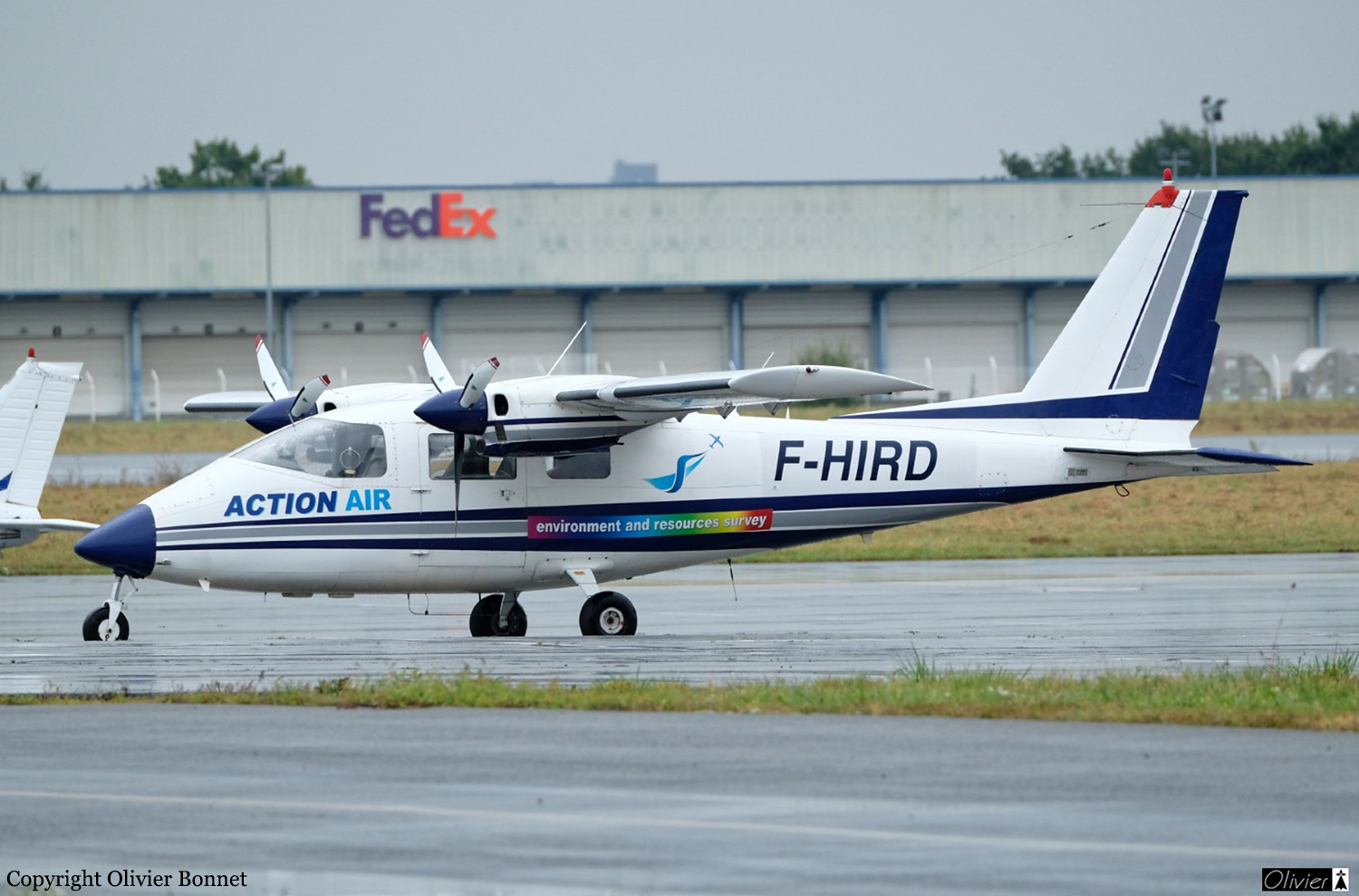
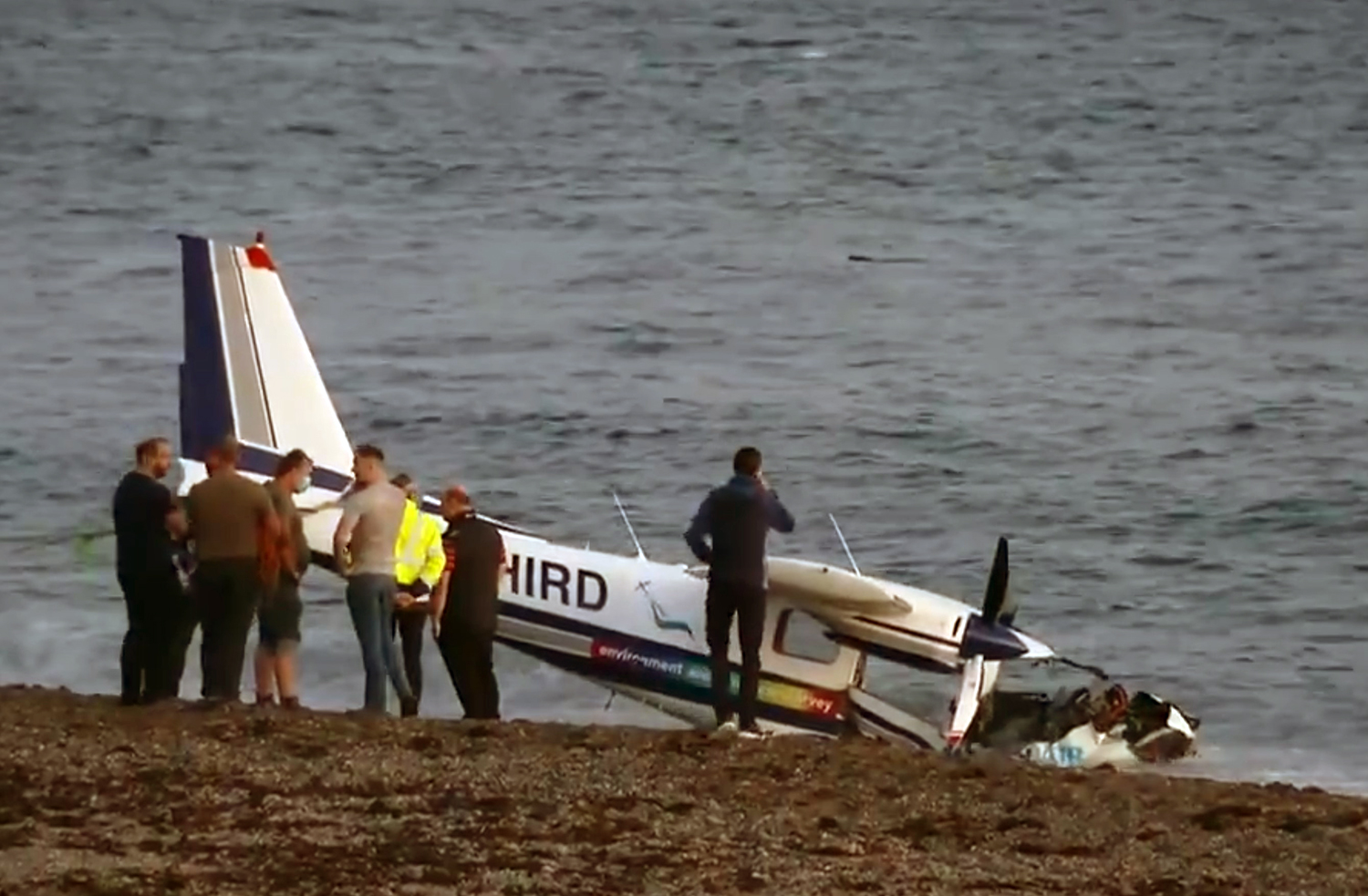
Crash of a Partenavia P.68 Victor in Carnsore Point

Date & Time: Sep 23, 2021 at 1710 LT
Type of aircraft:
Operator:
Registration:
F-HIRD
Flight Phase:
Survivors:
Yes
Schedule:
Waterford - Waterford
MSN:
14
YOM:
1975
Country:
Region:
Crew on board:
1
Crew fatalities:
Pax on board:
3
Pax fatalities:
Other fatalities:
Total fatalities:
0
Captain / Total flying hours:
2112
Captain / Total hours on type:
325.00
Circumstances:
The twin engine aircraft, a Partenavia P.68 Victor, with one pilot and three Task Specialists on board, departed Waterford Airport (EIWF) at 11:08 hrs on 23 September 2021. The three Task Specialists were members of an environmental research team. The flight was part of a series of survey flights, the purpose of which was to record sightings of marine wildlife in the waters off the coast of Ireland. The aircraft seating layout was two rows of two seats and a benchtype seat in the rear of the aircraft. During the occurrence flight, one Task Specialist was seated in the front right seat next to the Pilot, and the two other Task Specialists were seated in the row directly behind. The rear bench seat was unoccupied. The plan for the flight was to fly over the sea along 16 pre-defined survey lines at a height of approximately 250 – 300 feet (ft) and a speed of approximately 100 knots (kt). Each line was approximately 45 km (24.3 NM) in length and the lines were spaced approximately 4 km (2.2 NM) apart. The planned 16 survey lines were completed in approximately 4 hours and 30 minutes. Following a discussion with the Task Specialists, and after assessing the remaining fuel, the Pilot determined that there was enough fuel to complete two more survey lines before returning to EIWF with his fuel reserves intact. Shortly after commencing the second of the two additional survey lines, the right engine stopped. At the time, the aircraft was reportedly travelling at a speed of approximately 105 kts and was at a height of approximately 300 ft. Recorded data shows that the aircraft then climbed to approximately 500 ft. The Pilot reported that the aircraft climbed more slowly than expected whilst operating on the left engine only. At approximately 500 ft whilst still in the climb, the left engine exhibited a significant loss of power but did not completely stop. The Task Specialists later reported that the aircraft dropped in height and turned to the left. The left engine power recovered but the power loss re-occurred. This sequence of climbing slightly, losing power, losing height, and recovering engine power when descending repeated several times. The Pilot then routed directly towards land and as the aircraft approached the shore, the left engine lost power again. The Pilot banked the aircraft to the left and carried out a forced landing on the beach during which the nose of the aircraft impacted with the loose shale surface. The aircraft sustained significant structural damage to the forward cabin area. The three Task Specialists exited the aircraft through the door on the left side. The Pilot and Task Specialists reported that when the aircraft was on the beach, the left engine ran briefly at what the Pilot said appeared to be full power. The Pilot pulled back the fuel mixture lever to shut down the engine. The Pilot exited the aircraft through the broken windscreen which had shattered during the impact. Two Coastguard helicopters attended the scene. The Pilot and the Task Specialist seated in the front right seat sustained serious injuries during the impact sequence and were airlifted to hospital. The two other Task Specialists sustained minor injuries and were taken to hospital by road ambulance.
Probable cause:
Separate interruptions to the fuel supply of each engine, while operating at or below a quarter of the aircraft’s fuel tank capacity, ultimately resulting in a forced landing.
Contributory factors:
- A lack of clarity in the aircraft Flight Manual limitations section regarding operations at less than ¼ tank fuel.
- The configuration of the fuel selector panel was potentially misleading and its operation was not intuitive.
Final Report:
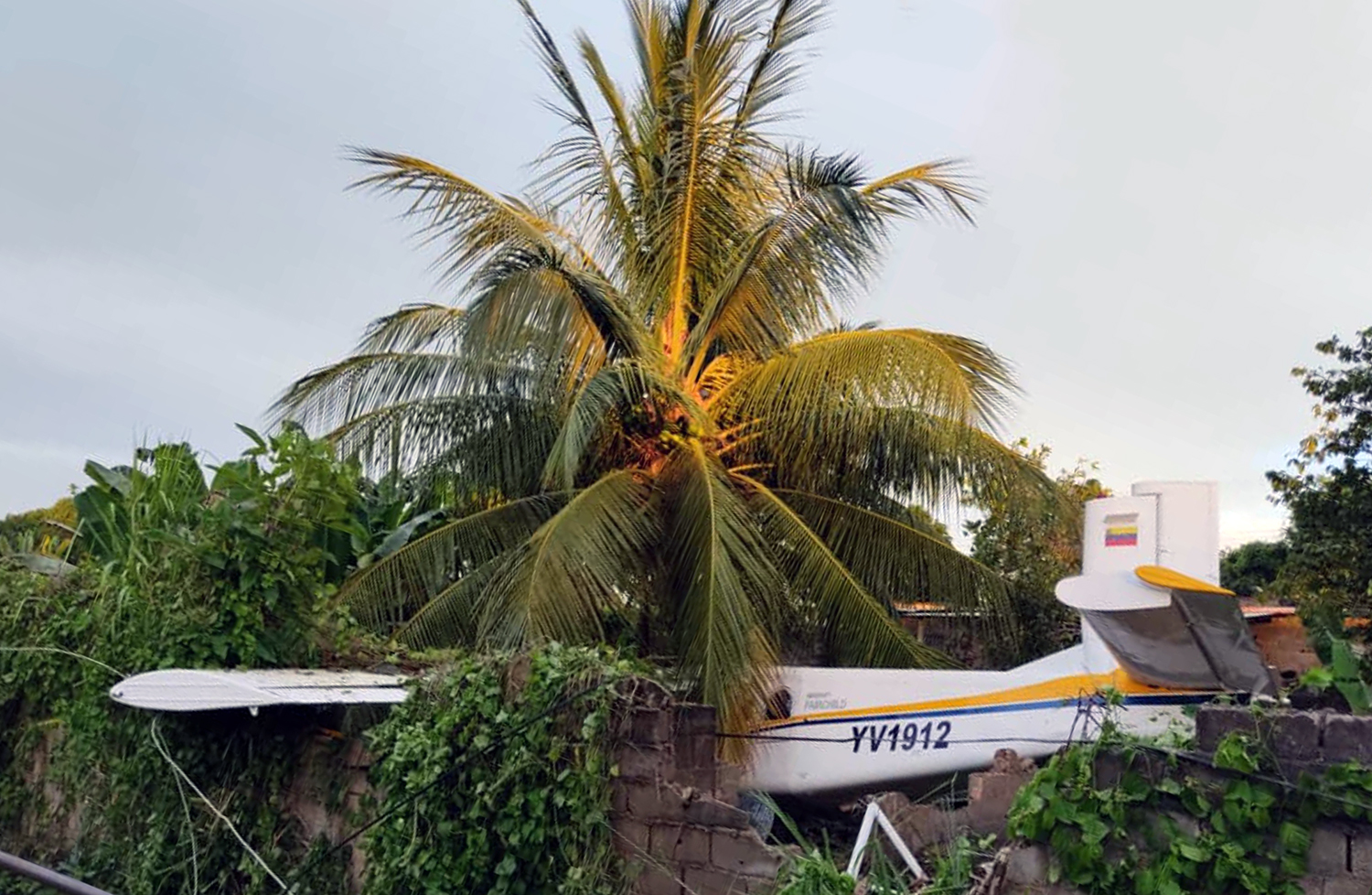
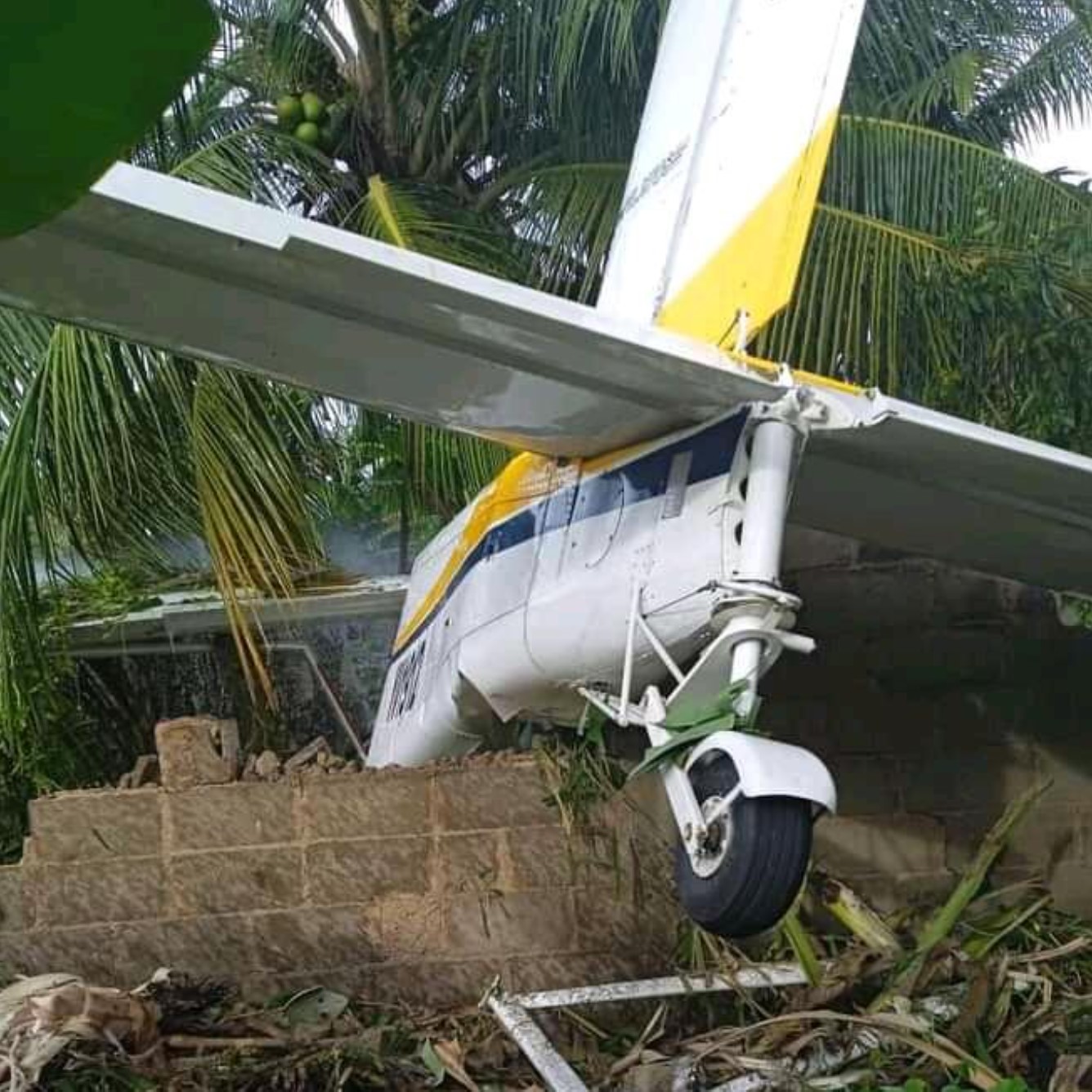
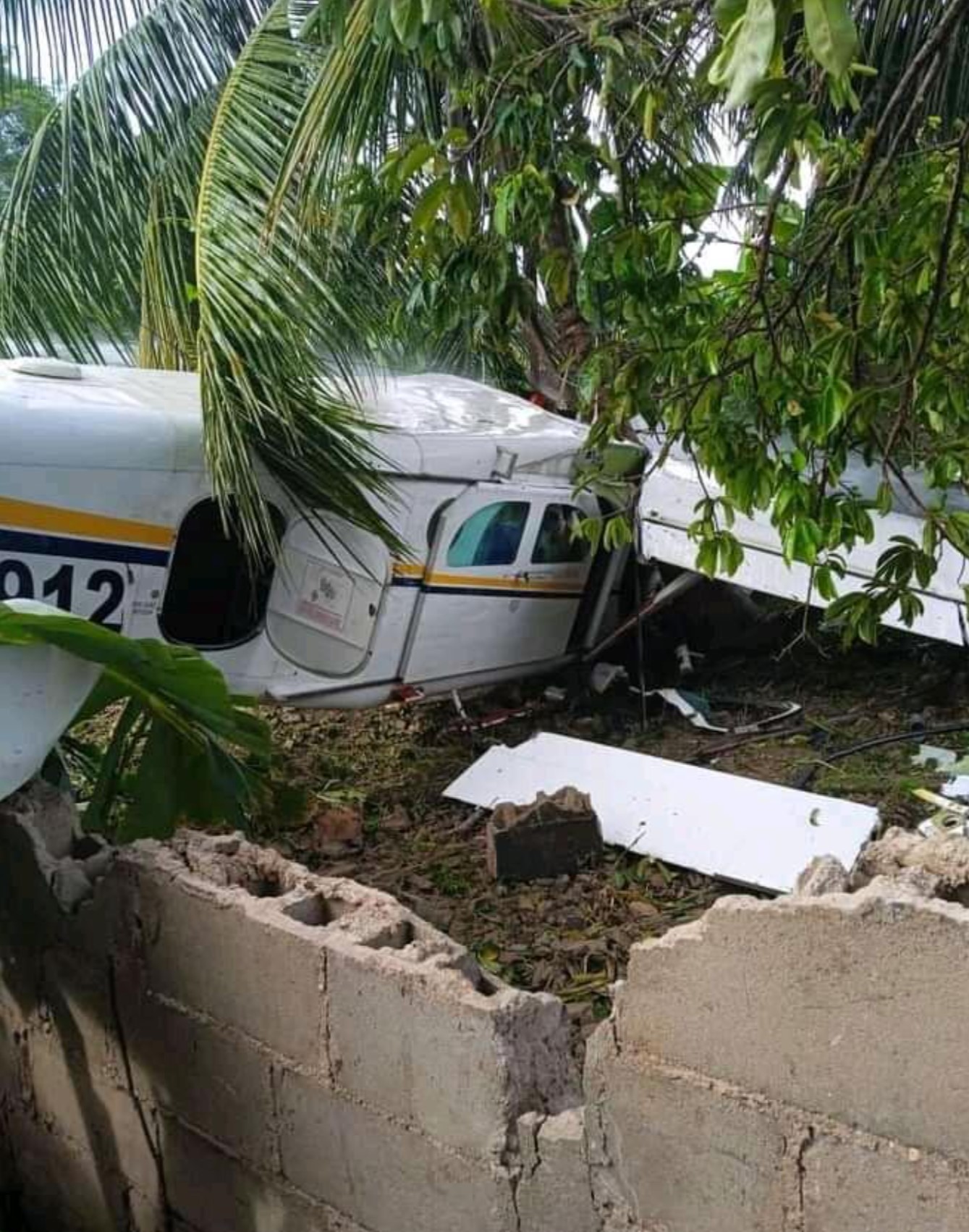
Crash of a Pilatus PC-6/C-H2 Turbo Porter in Maturín

Date & Time: Aug 21, 2021 at 1638 LT
Operator:
Registration:
YV1912
Flight Phase:
Flight Type:
Survivors:
Yes
Site:
Schedule:
Maturín – Higuerote
MSN:
2048
YOM:
1971
Country:
Crew on board:
1
Crew fatalities:
Pax on board:
0
Pax fatalities:
Other fatalities:
Total fatalities:
0
Captain / Total flying hours:
5047
Aircraft flight hours:
5721
Circumstances:
Shortly after takeoff from Maturín-General José Tadeo Monagas Airport, while in initial climb, the engine failed. The pilot attempted an emergency when the airplane lost height, impacted trees and a concrete wall before coming to rest against a tree in a garden. The pilot was seriously injured.
Probable cause:
It was determined that the engine failed because the fuel was contaminated with a high amount of water. The malfunction of the engine regulator accessories was considered as a contributing factor.
Final Report:

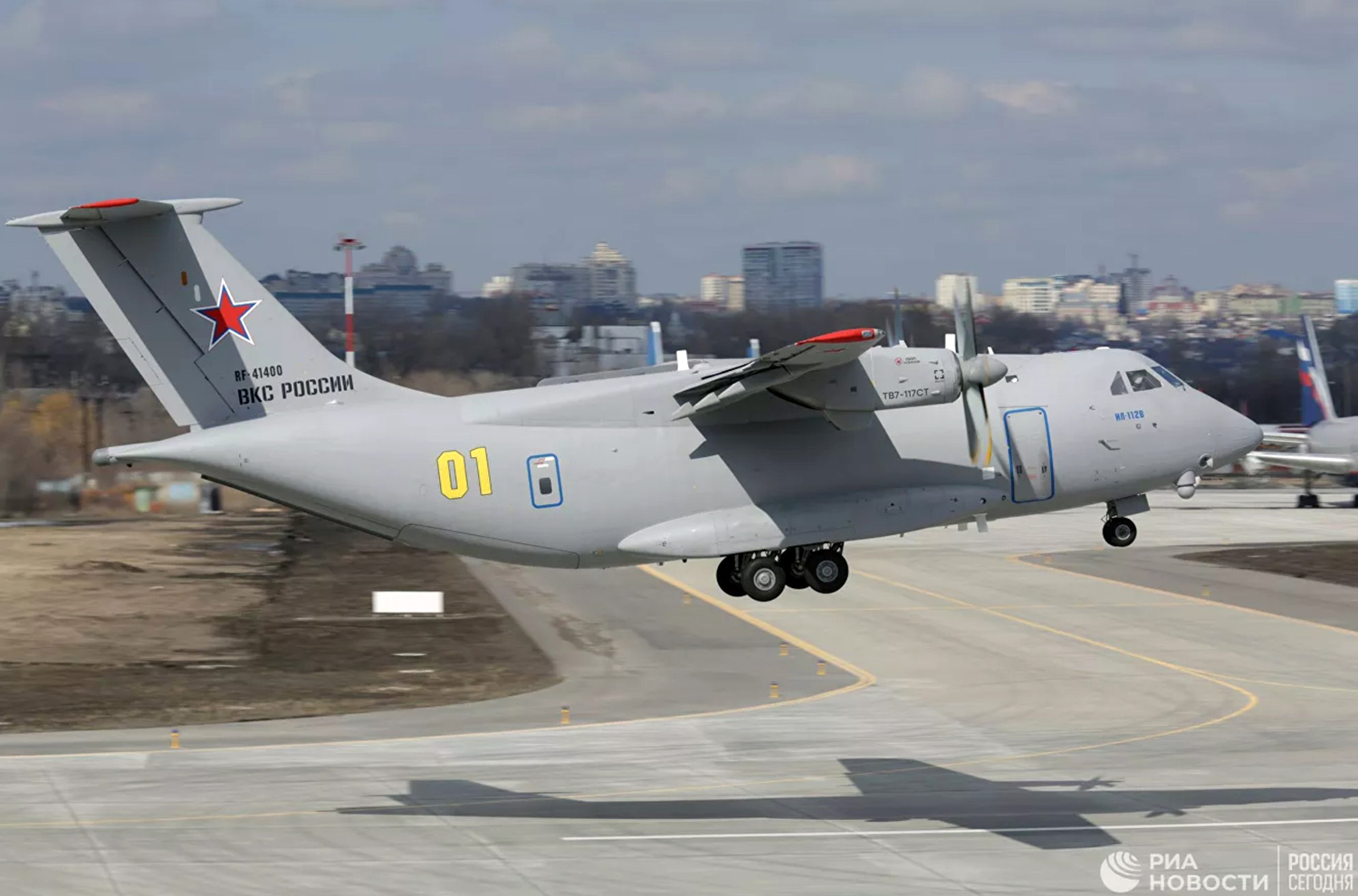
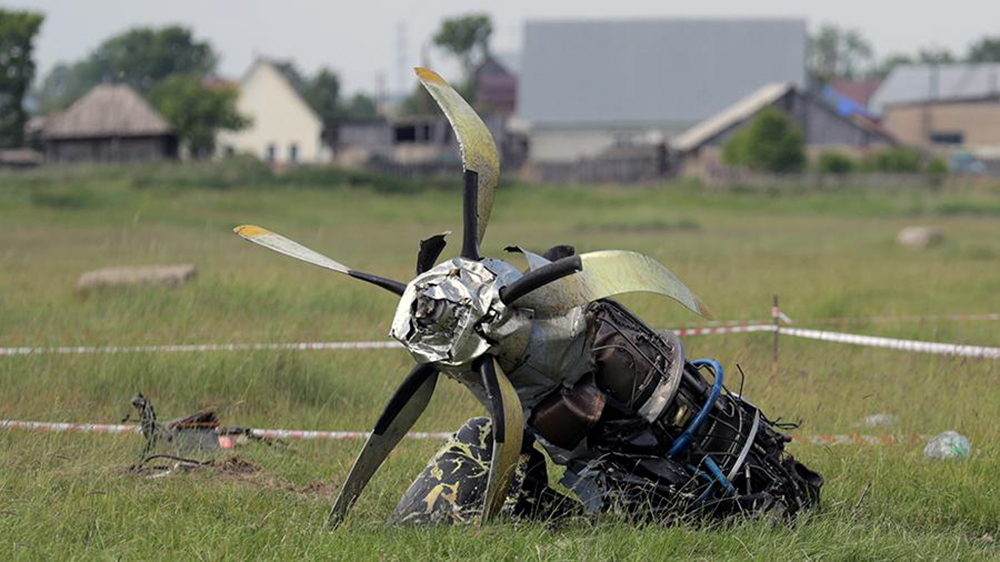
Crash of an Ilyushin II-112V in Kubinka: 3 killed

Date & Time: Aug 17, 2021 at 1118 LT
Type of aircraft:
Operator:
Registration:
RF-41400
Flight Type:
Survivors:
No
Schedule:
Kubinka - Kubinka
MSN:
01-01
YOM:
2008
Country:
Region:
Crew on board:
3
Crew fatalities:
Pax on board:
0
Pax fatalities:
Other fatalities:
Total fatalities:
3
Circumstances:
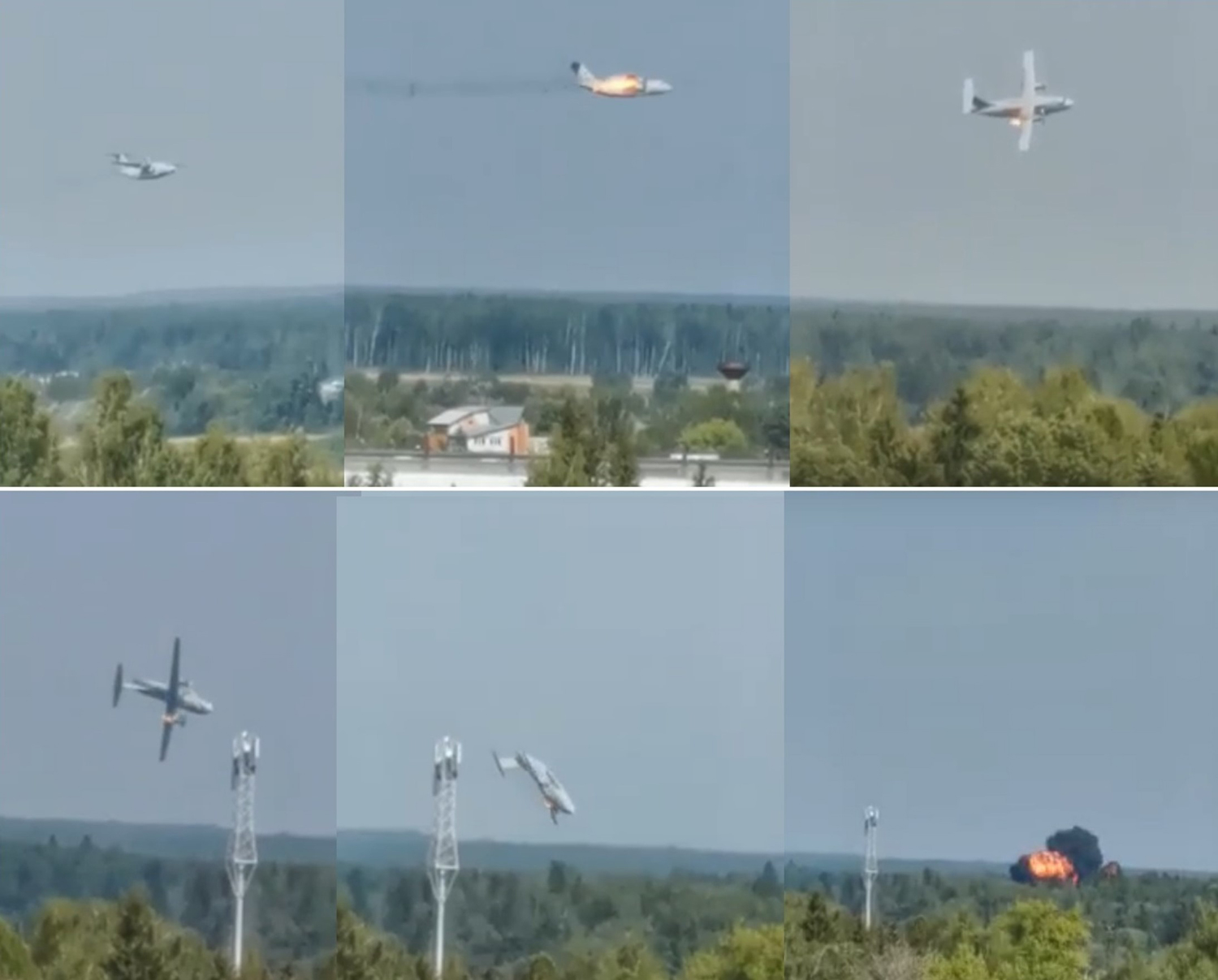
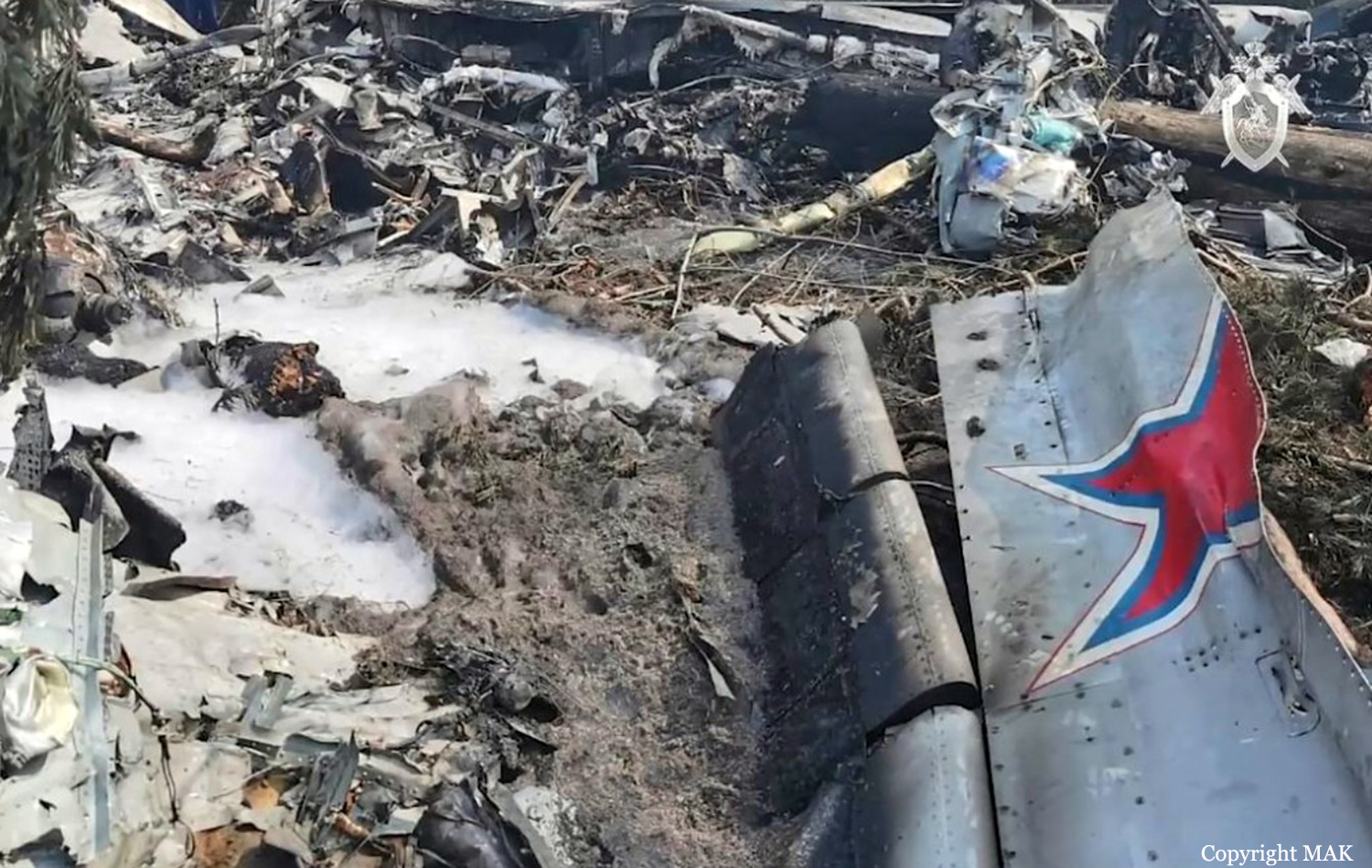
On August 13, the aircraft (first prototype of this new model) departed the aviation plant at Voronezh Airport on a flight to Moscow-Zhukovsky, preparing for a demonstration flight at the 7th Military Technical Forum. On August 17, the crew departed Zhukovsky for a test flight to Kubinka Airport where the aircraft landed at 1109LT. Four minutes after takeoff at 1114LT, while flying at low altitude in a flat attitude, the right engine caught fire. 35 seconds later, while the crew elected to reach the airport, the aircraft rolled to the right, got inverted and crashed in a wooded area located 2,5 km short of runway 22. The aircraft was totally destroyed and all three crew members were killed. This first exemple was dedicated to the Russian Aerospace Forces (Vozdushno-kosmicheskiye sily) and was also registered 01 yellow.
Crew:
Nikolay Dmitrievich Kuimov, test pilot,
Dmitry Komarov, test pilot,
Nikolai Khludeyev, flight engineer.

Crash of a Cessna 425 Conquest I in Helena

Date & Time: Aug 11, 2021 at 0900 LT
Type of aircraft:
Operator:
Registration:
N783MB
Flight Type:
Survivors:
Yes
Schedule:
Faribault - Missoula
MSN:
425-0103
YOM:
1982
Location:
Crew on board:
1
Crew fatalities:
Pax on board:
2
Pax fatalities:
Other fatalities:
Total fatalities:
0
Captain / Total flying hours:
6000
Captain / Total hours on type:
800.00
Aircraft flight hours:
9576
Circumstances:
The pilot stated that on the morning of the accident he filled both wing fuel tanks to full. After takeoff, he climbed to his planned cruise altitude of 24,000 ft mean sea level (msl). While en route to his destination, the pilot reported that the left engine experienced a flame-out. The pilot opted to divert from the originally planned destination and descended. When the airplane was about 7,900 ft msl, the pilot reported that the right engine experienced a loss of power and that he was not going to be able to make it to the airport. Shortly thereafter, the airplane collided with trees and the airplane came to rest with the right wing and empennage severed from the fuselage.
Probable cause:
A flameout of both engines due to fuel starvation for reasons that could not be determined due to the airplane’s damage. There was fuel in the wing tanks at the time of the impact. Postaccident examination of the wreckage did not reveal any anomalies. A partial amount of fuel was found in both of the filter bowls, but it is unknown if fuel was able to reach the engines. A complete examination of the fuel system could not be completed due to the damage incurred to the airplane at impact. Both engines flaming out within a short time of one another is likely indicative of a fuel supply or delivery issue; however, the nature of the problem could not be identified during postaccident examination.
Final Report:
Crash of a Beechcraft C90 King Air near Wikieup: 2 killed

Date & Time: Jul 10, 2021 at 1254 LT
Type of aircraft:
Operator:
Registration:
N3688P
Flight Phase:
Flight Type:
Survivors:
No
Site:
Schedule:
Marana - Wikieup
MSN:
LJ-915
YOM:
1980
Location:
Crew on board:
1
Crew fatalities:
Pax on board:
1
Pax fatalities:
Other fatalities:
Total fatalities:
2
Captain / Total flying hours:
10400
Aircraft flight hours:
17126
Circumstances:
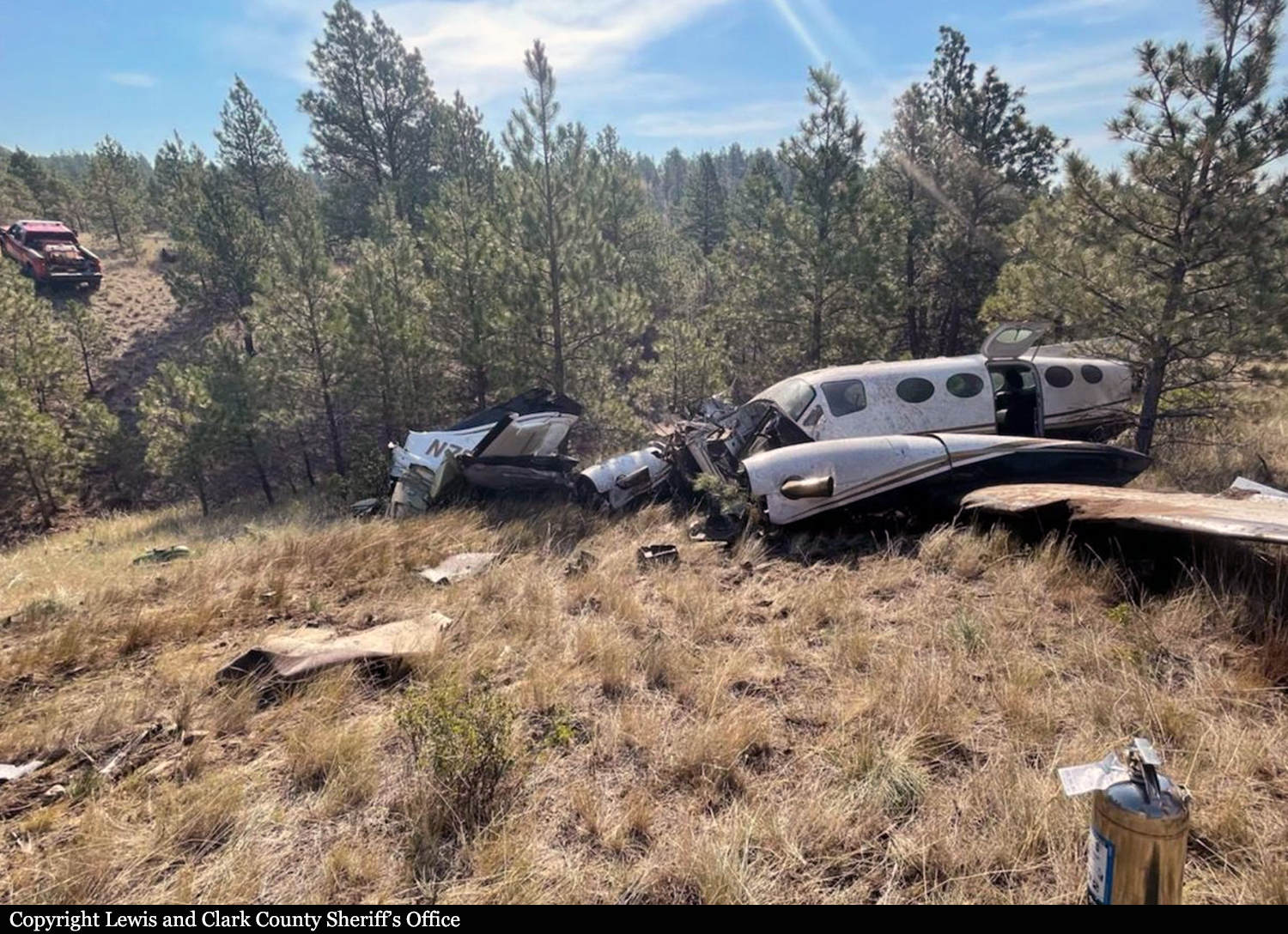
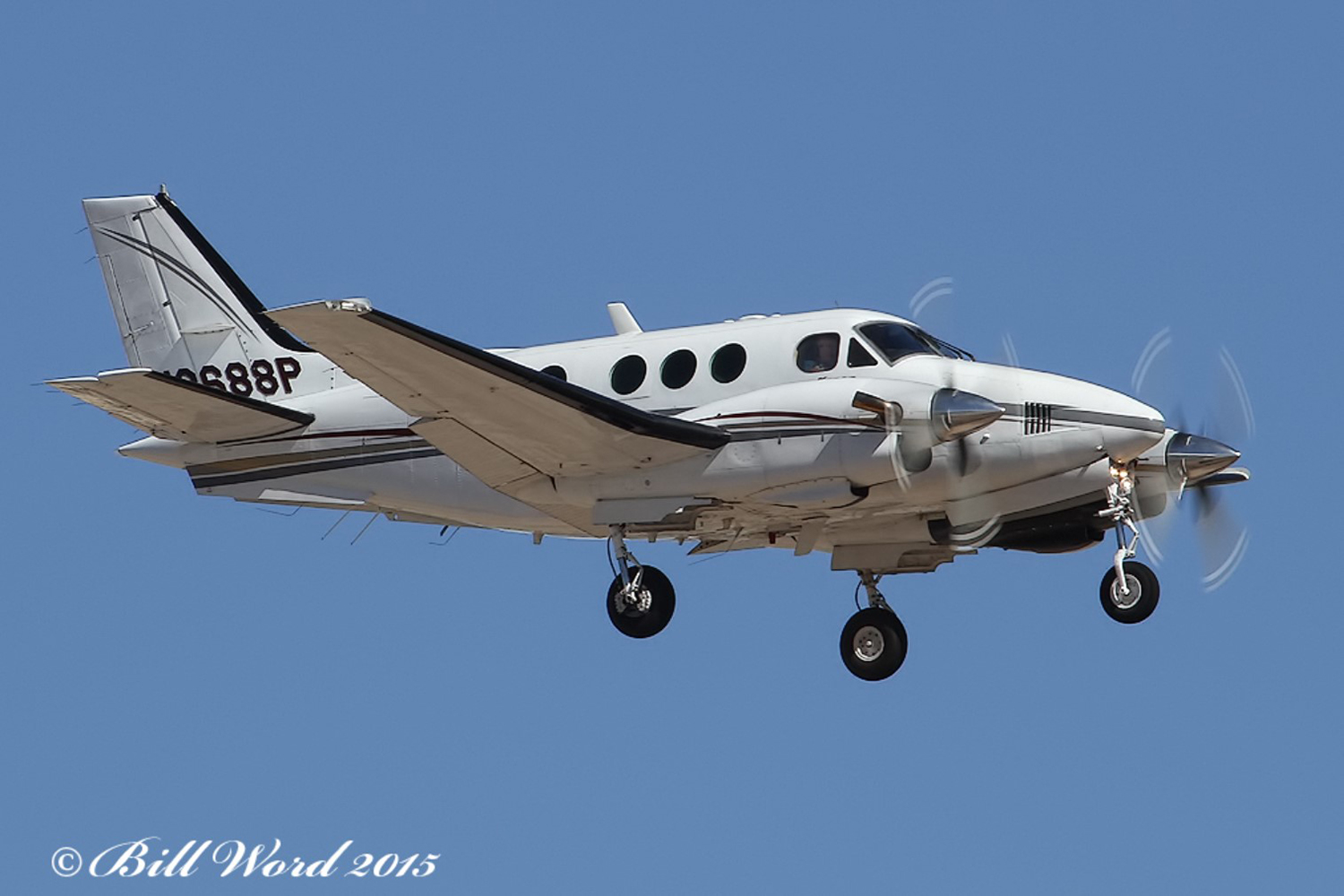
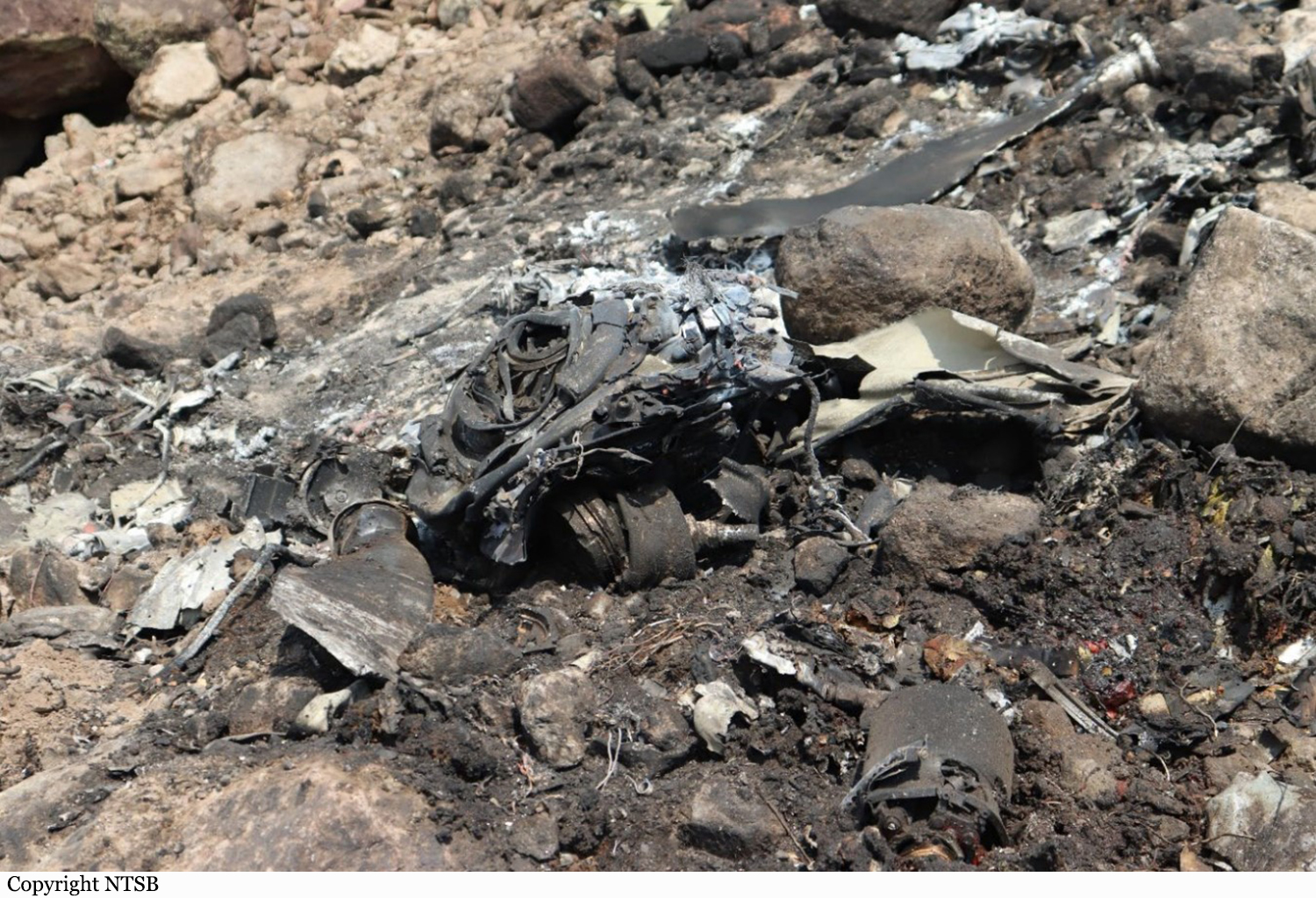
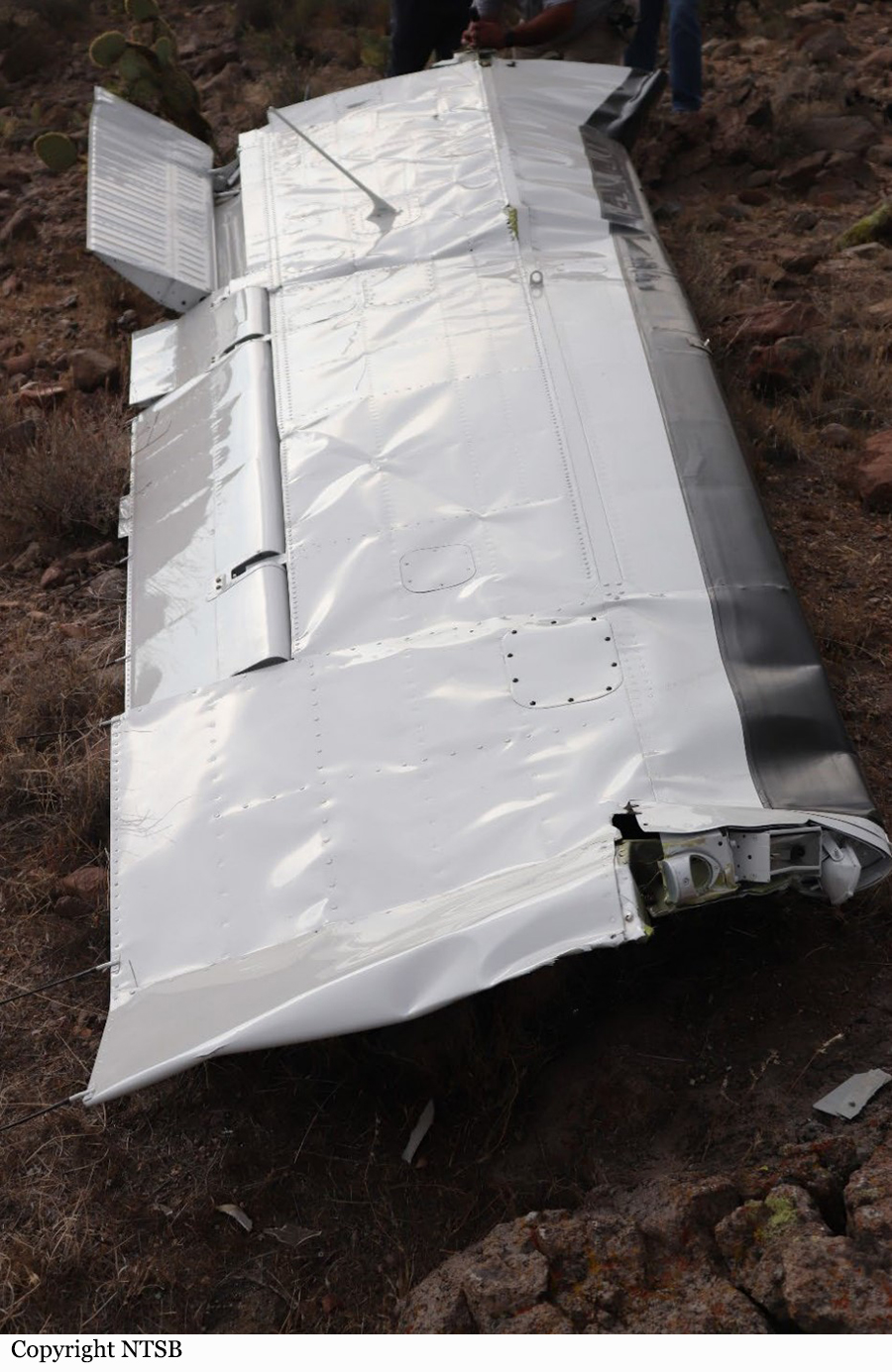
On July 10, 2021, about 1254 mountain standard time, a Beech C-90, turbo prop airplane, N3688P, was destroyed when it was involved in an accident near Wikieup, Arizona. The pilot and Air Tactical Group supervisor were fatally injured. The airplane was operated as a public use firefighting aircraft in support of the Bureau of Land Management conducting aerial reconnaissance and supervision. The airplane was on station for about 45 minutes over the area of the Cedar Basin fire. The ADS-B data showed the airplane had accomplished multiple orbits over the area of the fire about 2,500 ft above ground level (agl). The last ADS-B data point showed the airplane’s airspeed as 151 knots, its altitude about 2,300 ft agl, and in a descent, about 805 ft east southeast of the accident site. No distress call from the airplane was overheard on the radio. According to a witness, the airplane was observed in a steep dive towards the ground. The airplane impacted the side of a ridgeline in mountainous desert terrain. The main wreckage was mostly consumed by a post-crash fire. Debris was scattered over an area of several acres. Another witness observed the left wing falling to the ground after the aircraft had impacted the terrain. The left wing had separated outboard of the nacelle and was located about 0.79 miles northeast of the main wreckage and did not sustain thermal damage.
Probable cause:
The failure and separation of the left wing’s outboard section due to a fatigue crack in the lower spar cap. Contributing to the accident was the operator’s decision to repair the wing spar instead of replacing it as recommended by the aircraft manufacturer. Also contributing to the accident was the failure of the Non-Destructive Testing inspector to detect the fatigue crack during inspection.
Final Report:
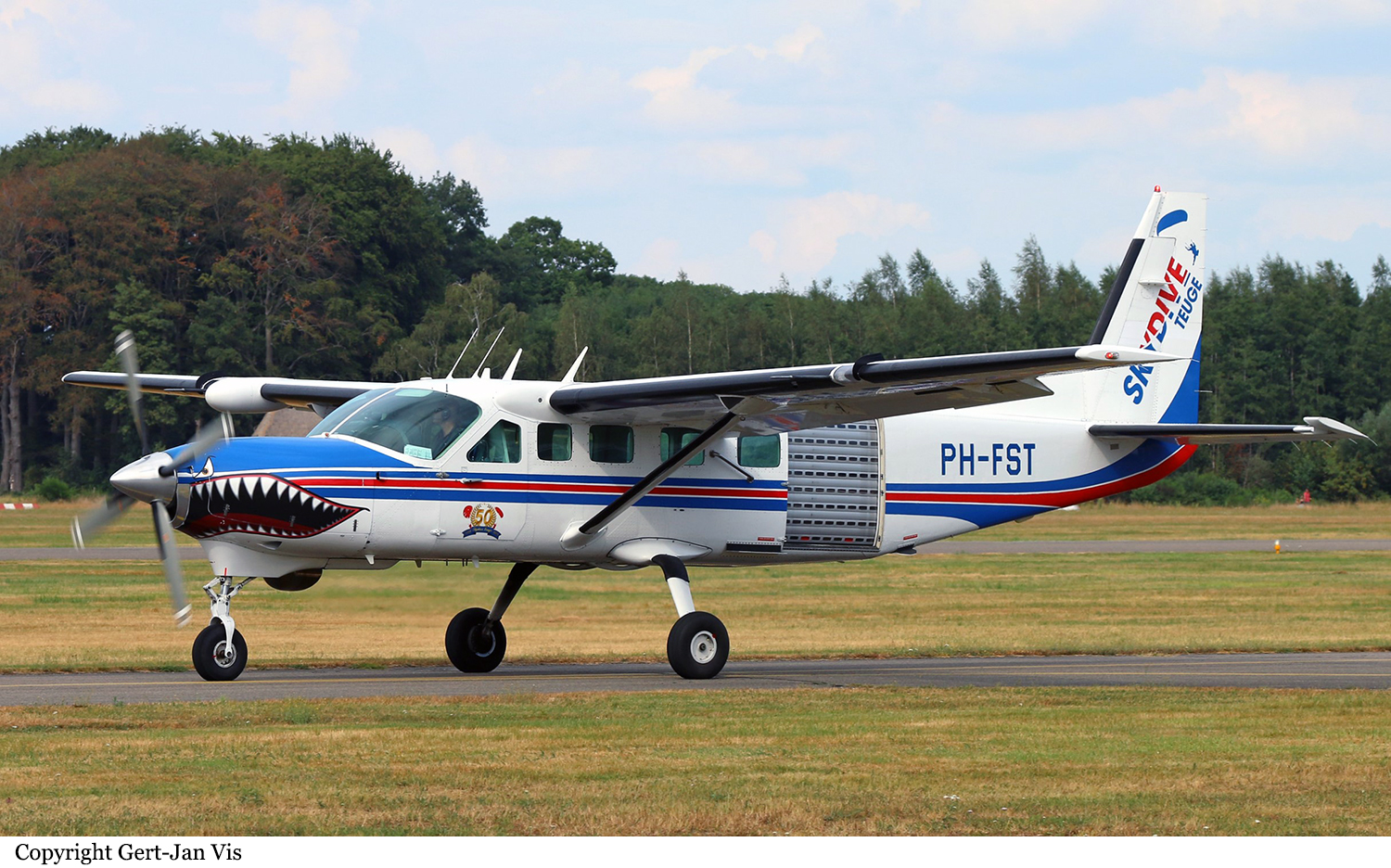
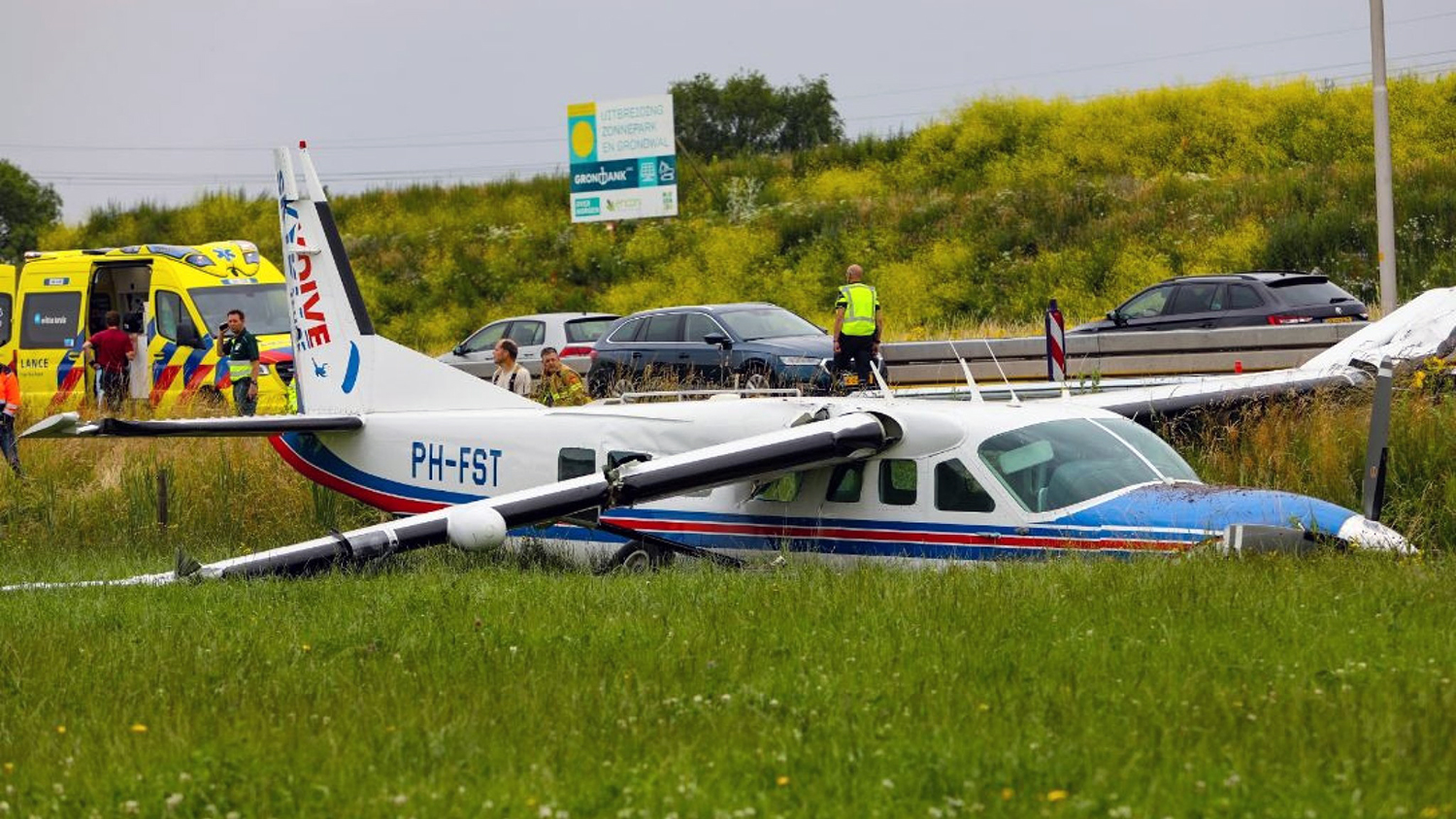
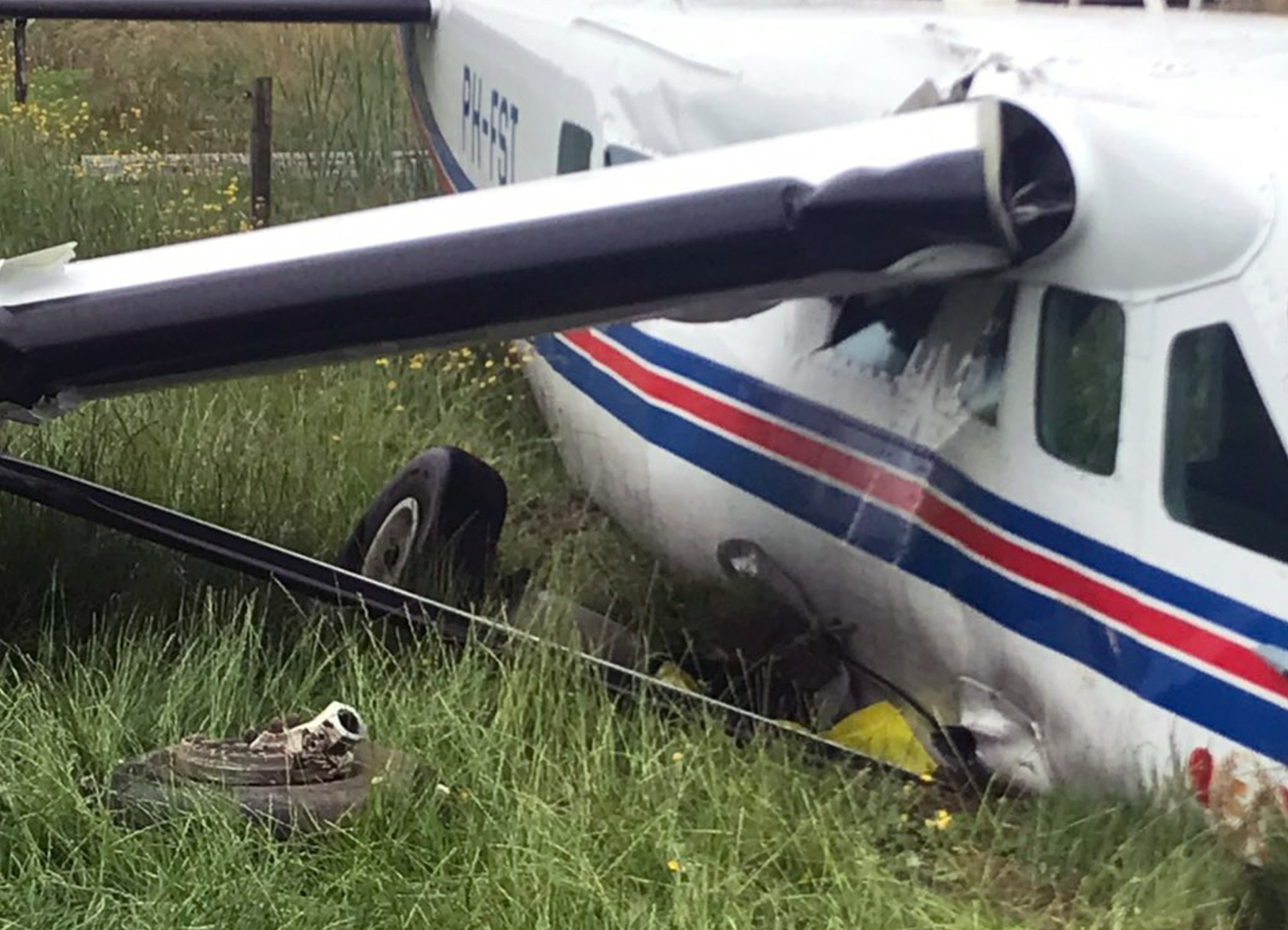
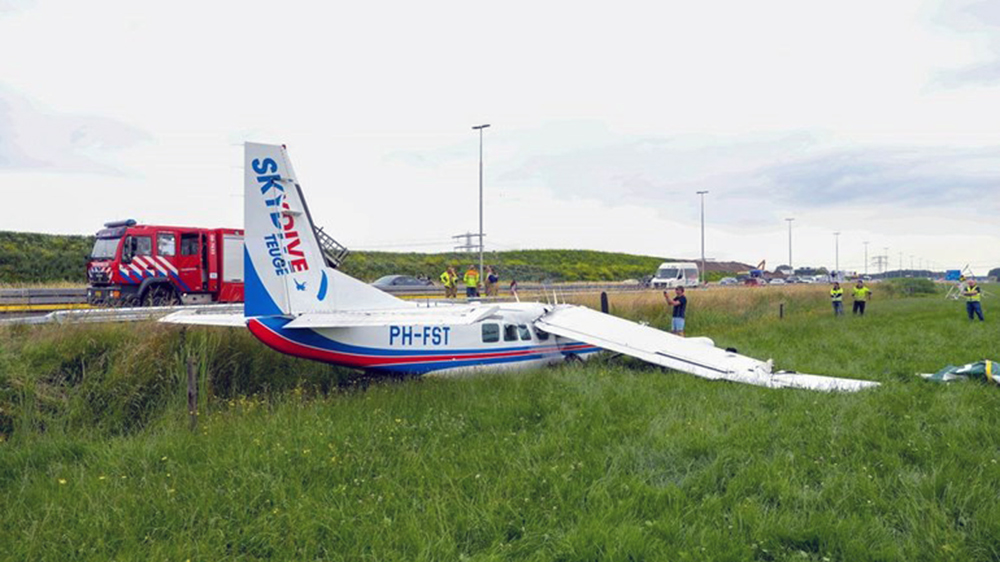
Crash of a Cessna 208 Supervan 900 in Teuge

Date & Time: Jun 25, 2021 at 0933 LT
Type of aircraft:
Operator:
Registration:
PH-FST
Flight Phase:
Survivors:
Yes
Schedule:
Teuge - Teuge
MSN:
208B-0823
YOM:
2000
Country:
Region:
Crew on board:
1
Crew fatalities:
Pax on board:
17
Pax fatalities:
Other fatalities:
Total fatalities:
0
Captain / Total flying hours:
6115
Aircraft flight hours:
9251
Circumstances:
On the morning of 25 June 2021, the Cessna 208B with registration PH-FST was parked inside the hangar of a maintenance organization. The organization performed maintenance tasks on the aircraft on a regular basis. The maintenance organization had scheduled to perform a maintenance task before the planned flights that day. When the aircraft was on ground with the engine off, erratic and high engine Exhaust Gas Temperature (EGT) readings were reported. The maintenance organization suspected a faulty magnetic pick-up in the engine’s propeller governor to be the cause of these erratic EGT readings. A mechanic under supervision of a licensed engineer was tasked to replace the magnetic pick-up. After removal of the old magnetic pick-up, the mechanic followed steps one through four of the maintenance manual to install the new magnetic pick-up. Steps five through eight, a system voltage test to check correct installation, were not noticed by the mechanic and as a result not carried out. After connecting the wiring and tightening the lock nut, the mechanic, together with the pilot, did a static engine test run and performed the Single Red Line (SRL) check to verify the system and EGT readings. After the system was found to be functioning correctly, the mechanic left the aircraft and the pilot taxied to the skydive organization's building to pick up parachutists. Following the boarding of seventeen parachutists, the pilot taxied to runway 26 and commenced the takeoff roll. Shortly after takeoff, without any warning, the engine lost power at approximately 400 feet above field level. The pilot made an emergency landing in a field whereby the aircraft sustained substantial damage to the fuselage, wings, landing gear and propeller. One parachutist suffered minor injuries.
Probable cause:
During the initial climb after takeoff, the aircraft suffered a complete loss of engine power as a result of the uncommanded feathering of the propeller. This feathering was the result of damage that occurred within the propeller governor. Most probably, the incorrect installation of the magnetic pick-up in the propeller governor prior to the accident flight led to contact damage between the pick-up and the rotating toothed gear. Debris restricted the free movement of the ball head assembly in the governor housing, allowing all oil to drain from the propeller dome and causing the propeller to continuously move to the feather position and eventually cease rotation. The increasing pitch of the propeller led to a power reduction of the engine which reinforced itself. The distorted output signal of the damaged magnetic pick-up did not cause the engine flame out. The design of the propeller governor’s toothed gear makes it possible to position the magnetic pick-up in between its teeth. The maintenance procedure for the replacement of the magnetic pick-up did not specifically mention or address this. The final steps of this procedure, a voltage check to verify the correct placement of the pick-up, were not performed by the maintenance staff. The design of the toothed gear in combination with the procedure in the maintenance manual allowed for the incorrect installation.
Final Report:
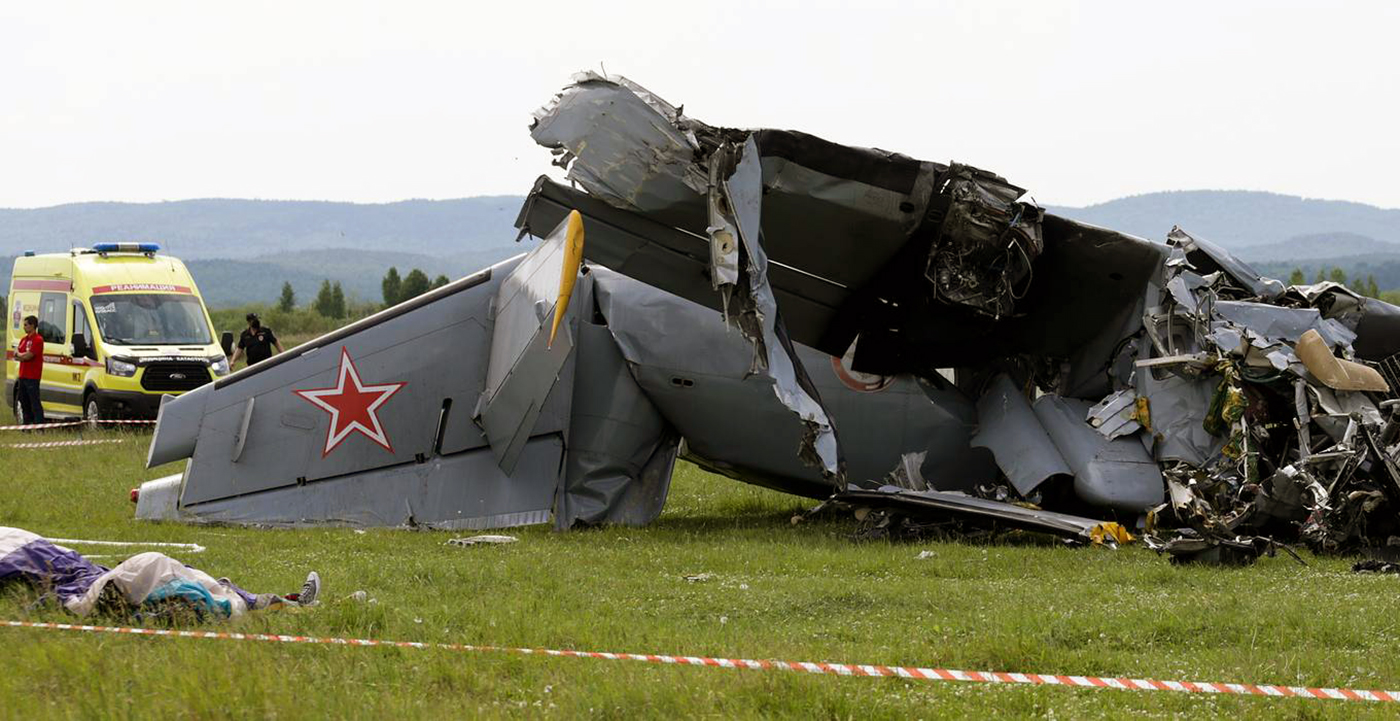
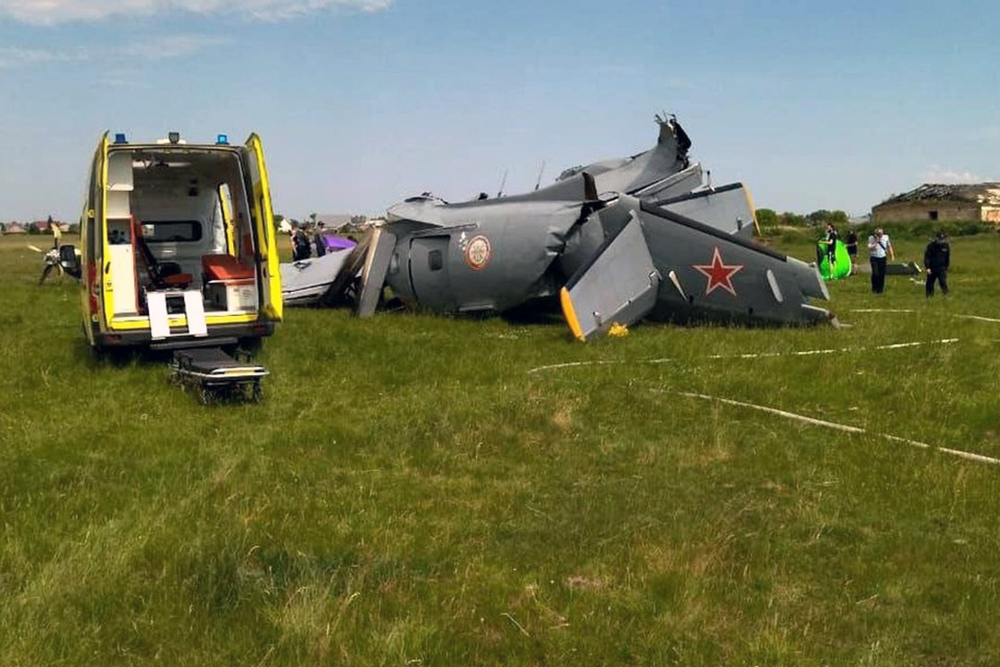
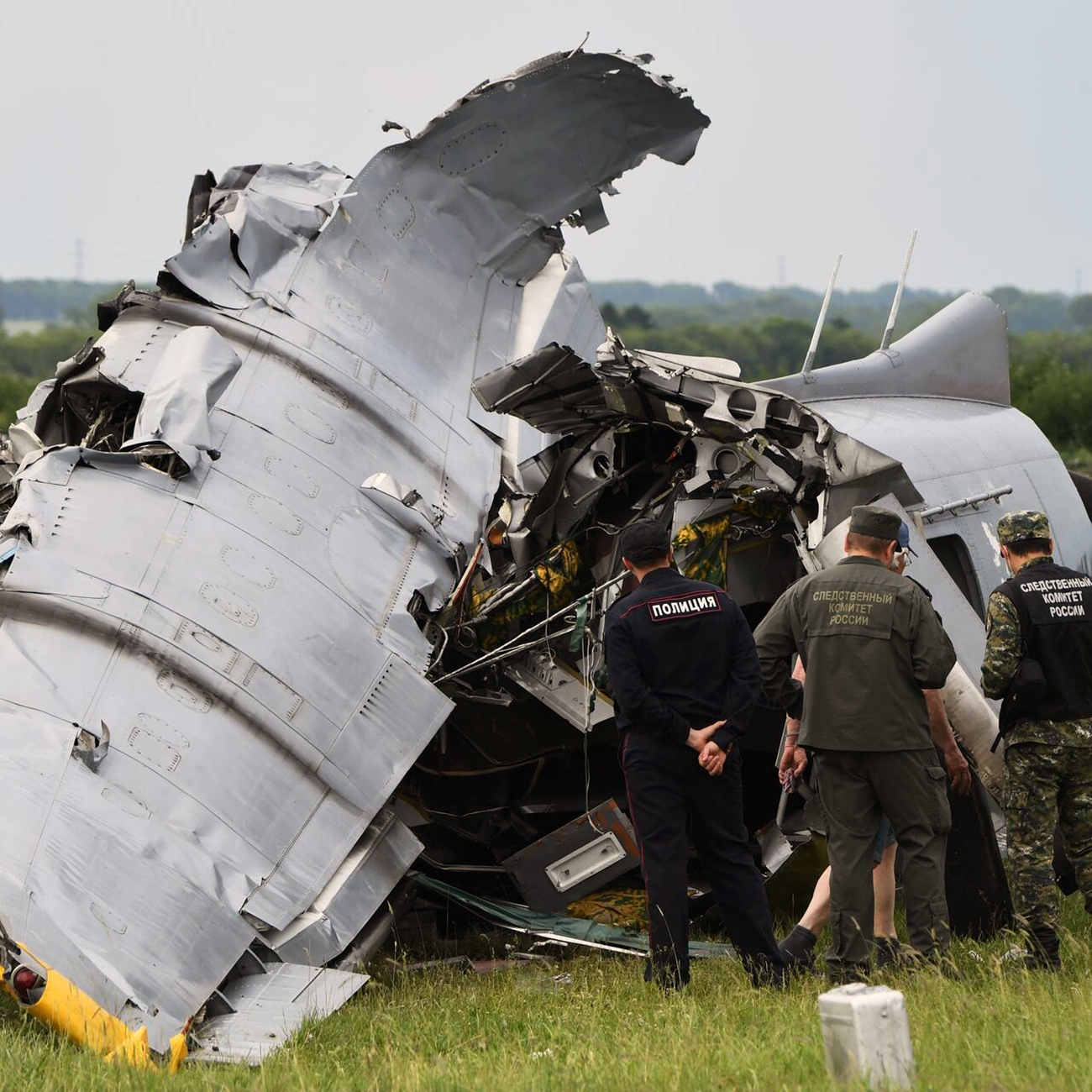
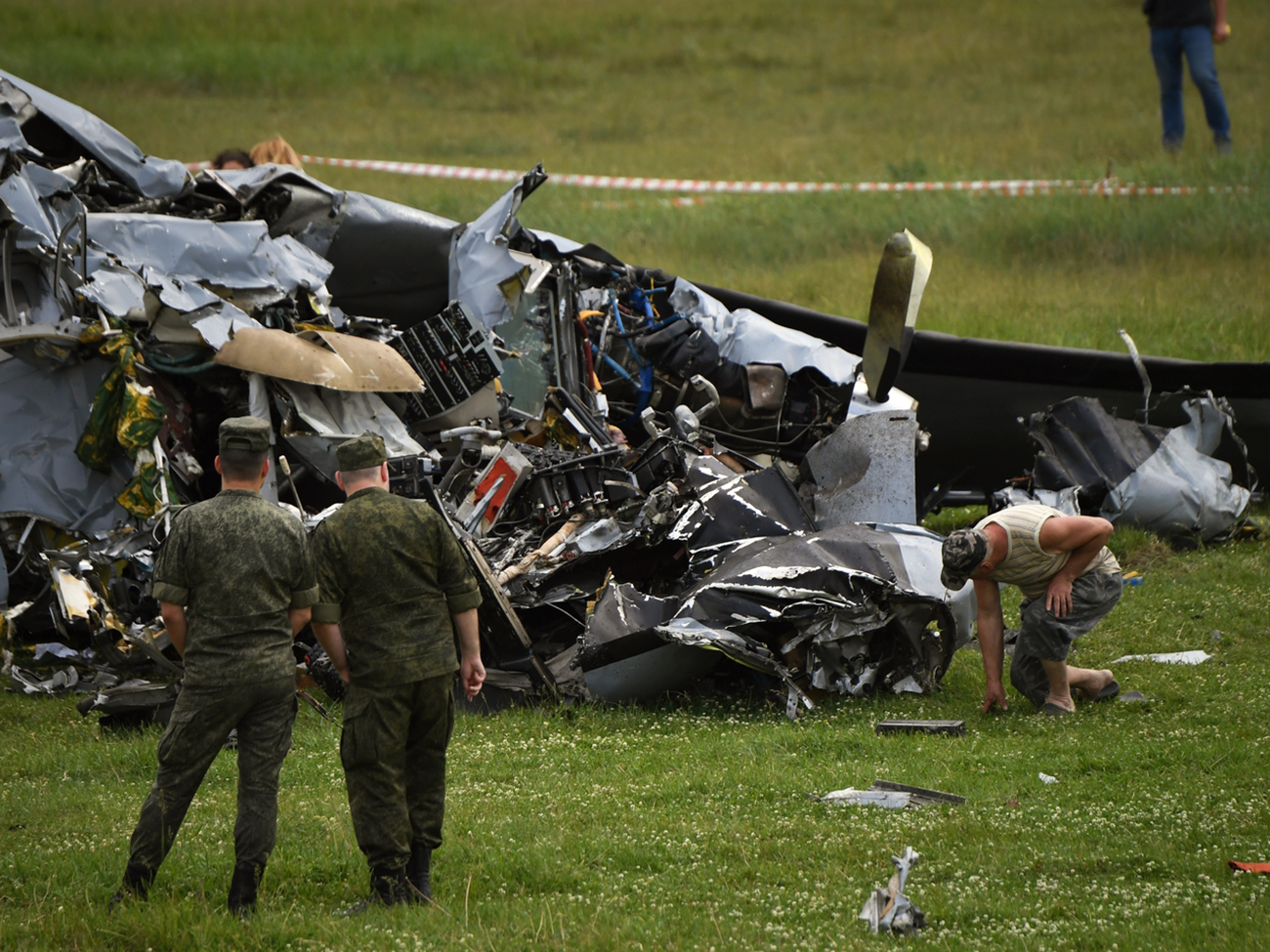
Crash of a Let L-410UVP-E in Tanay: 4 killed

Date & Time: Jun 19, 2021 at 1000 LT
Type of aircraft:
Operator:
Registration:
RF-94603
Flight Phase:
Survivors:
Yes
Schedule:
Tanay - Tanay
MSN:
892328
YOM:
1989
Country:
Region:
Crew on board:
2
Crew fatalities:
Pax on board:
17
Pax fatalities:
Other fatalities:
Total fatalities:
4
Circumstances:
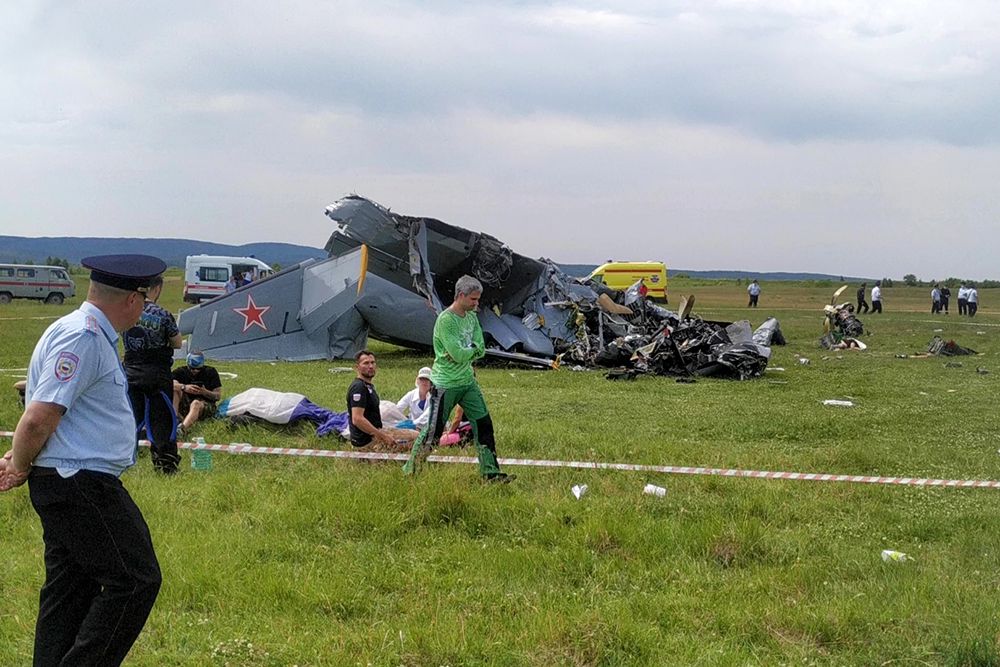
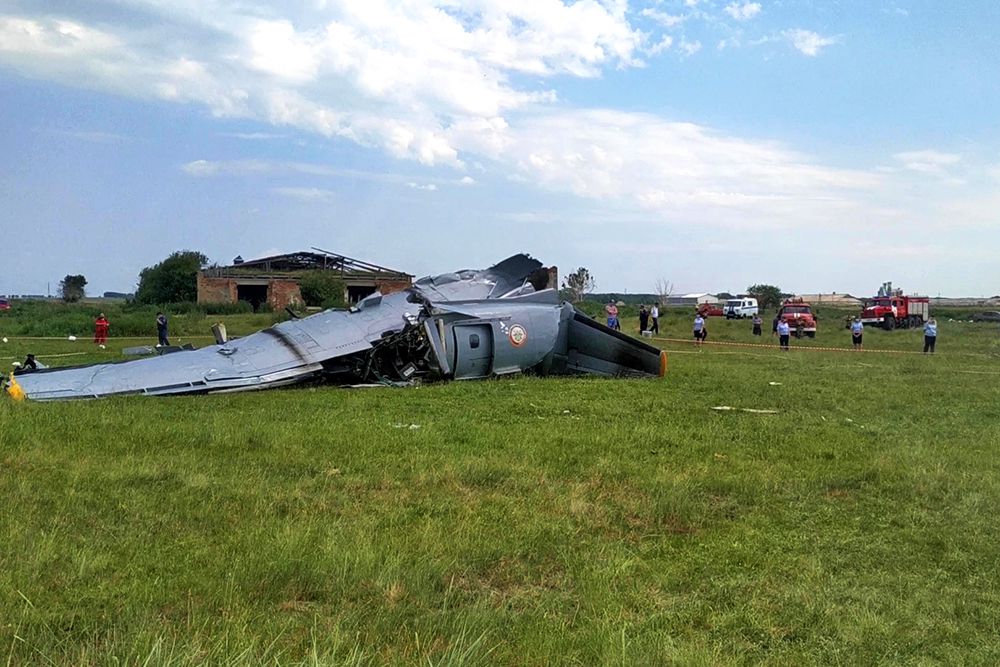
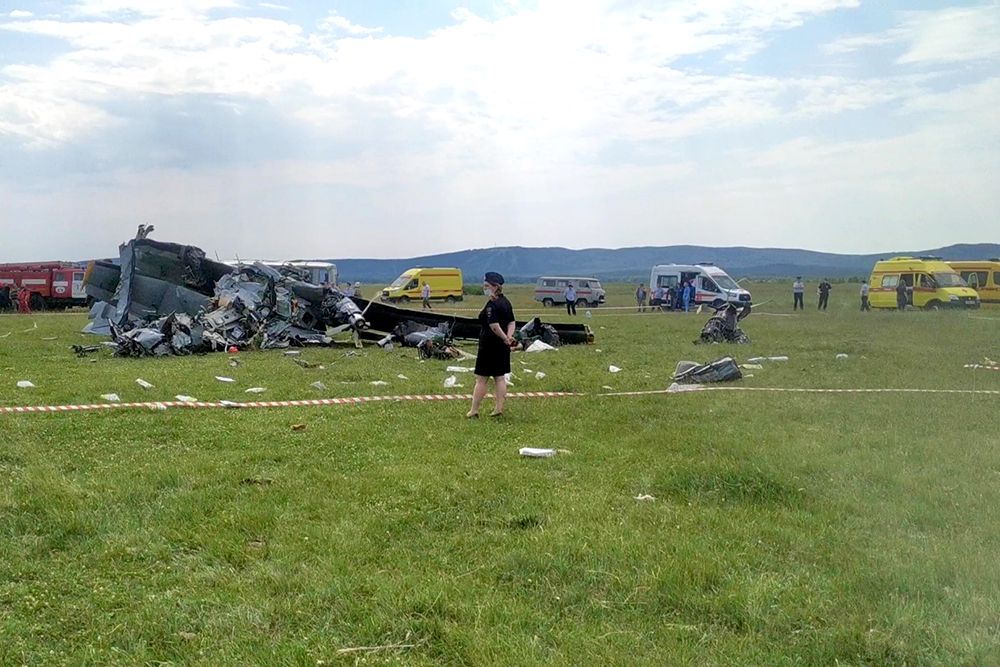
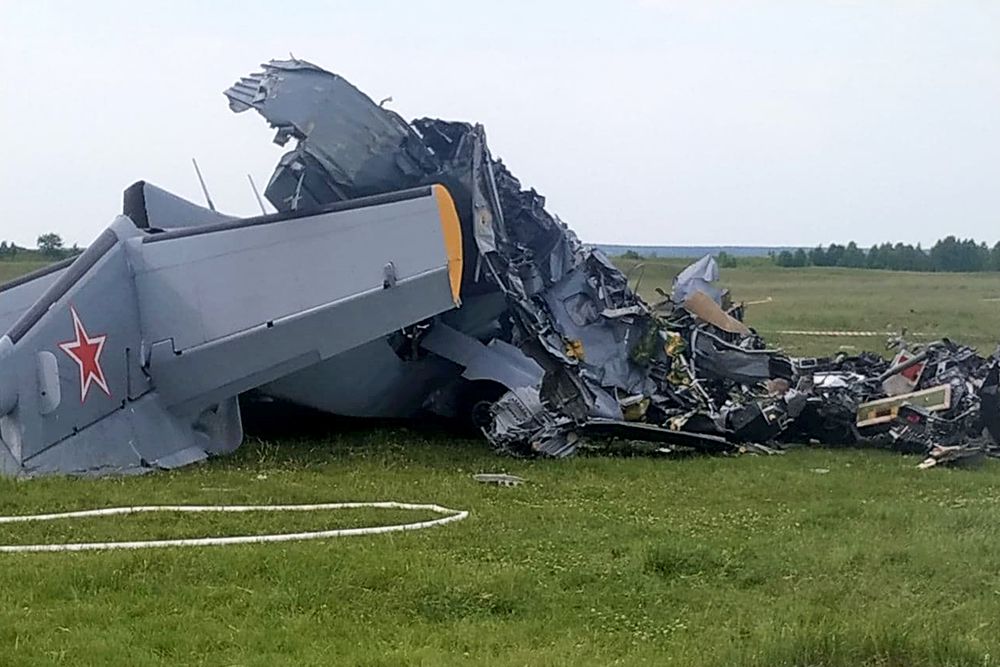
The twin engine aircraft was engaged in a local skydiving mission in Tanay, Kemerovo oblast. On board were 17 skydivers and two pilots. Shortly after takeoff, while in initial climb, the aircraft stalled and crashed in a grassy area. Both pilots and two passengers were killed while 15 other occupants were injured. The aircraft was totally destroyed. It is believed that the right engine suffered a power loss.

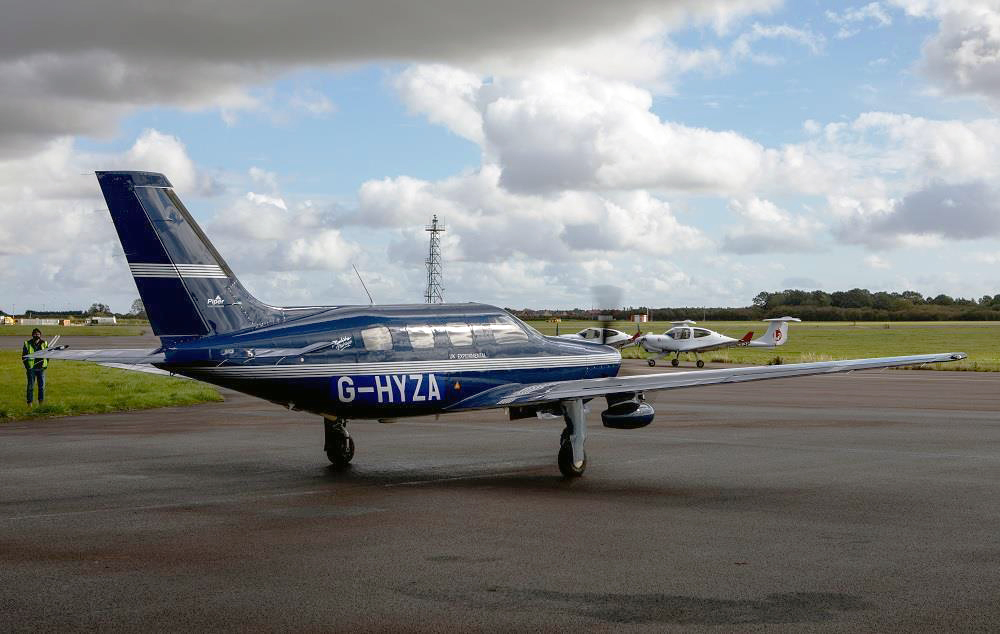
Crash of a Piper PA-46-350P Malibu Mirage in Cranfield

Date & Time: Apr 29, 2021 at 1425 LT
Operator:
Registration:
G-HYZA
Flight Type:
Survivors:
Yes
Schedule:
Cranfield - Cranfield
MSN:
46-36130
YOM:
1997
Flight number:
86
Region:
Crew on board:
2
Crew fatalities:
Pax on board:
0
Pax fatalities:
Other fatalities:
Total fatalities:
0
Captain / Total flying hours:
34620
Captain / Total hours on type:
1588.00
Circumstances:
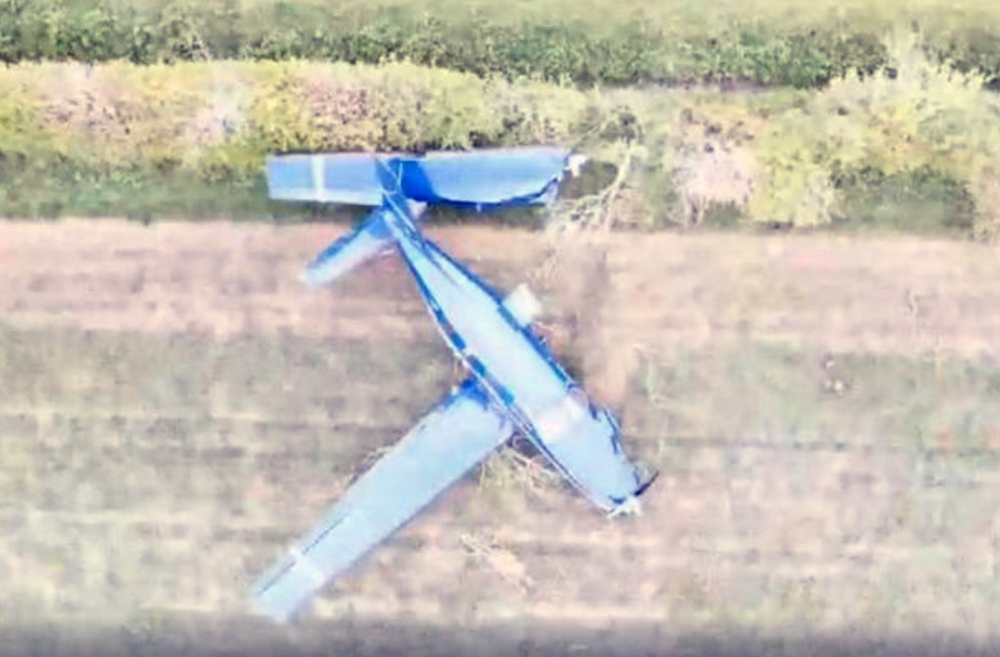
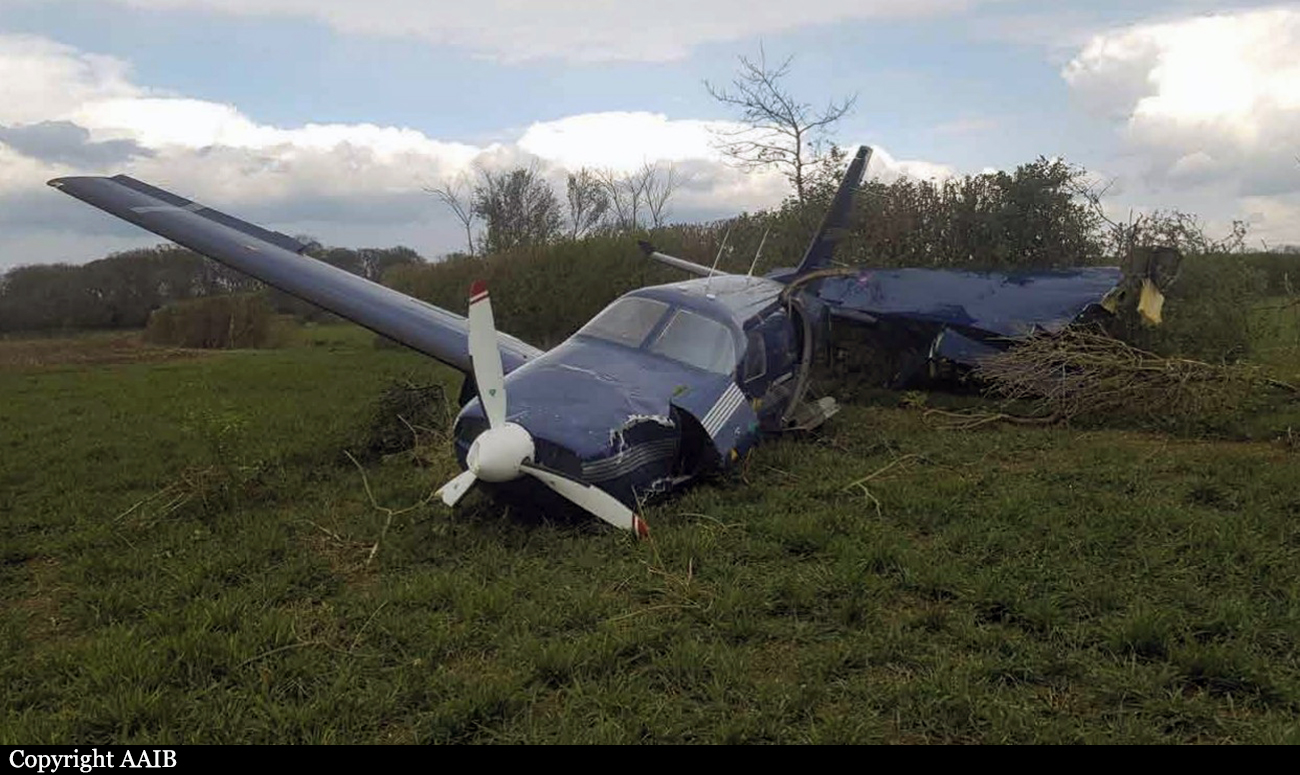
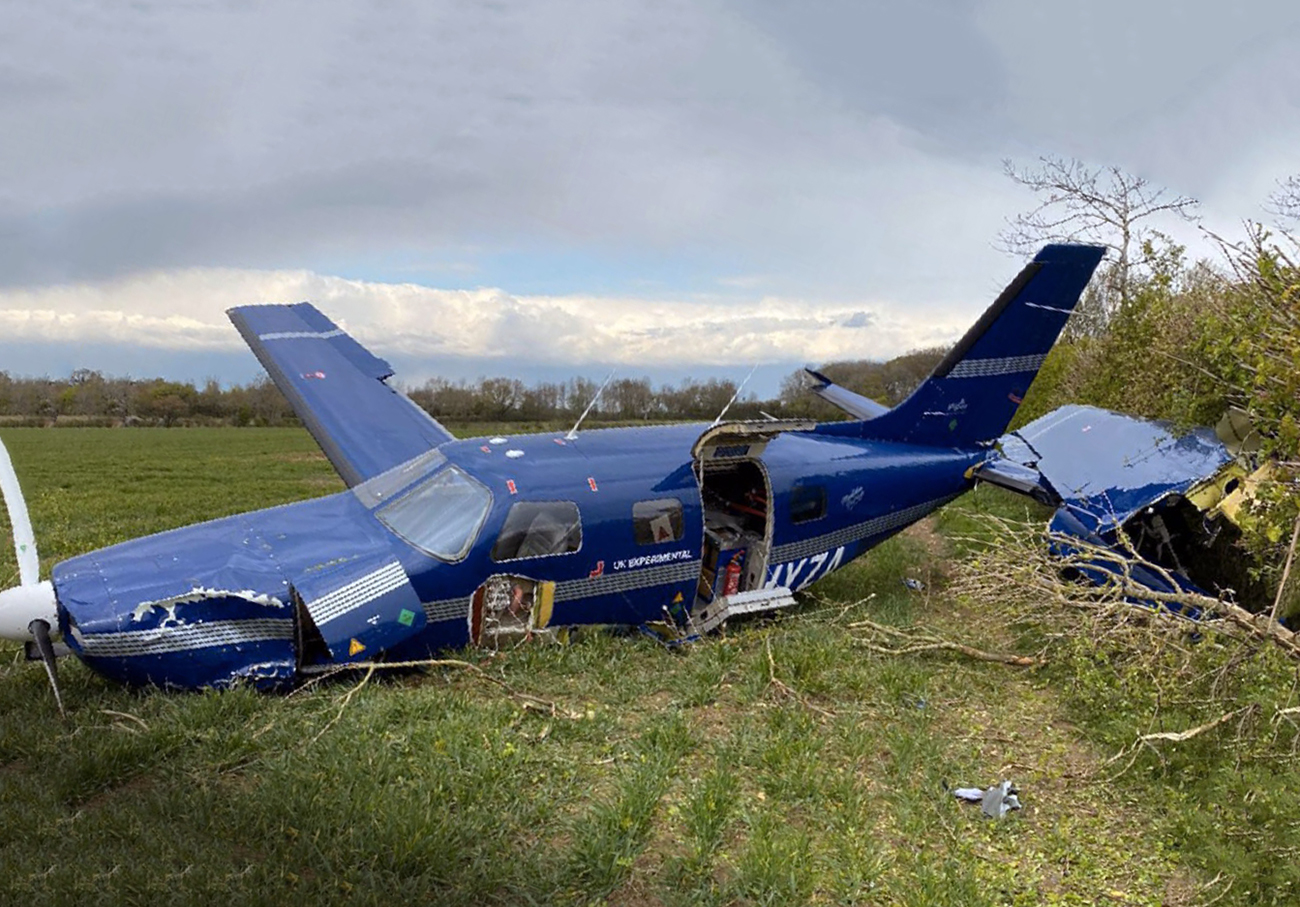
On the morning of the accident flight, G-HYZA was flown for approximately 16 minutes on test flight 85. The flight test team debriefed the results and prepared the aircraft for flight 86. The plan for this flight was for the HV battery to be switched off at the end of the downwind leg then, if able, to fly three or more circuits at 1,000 ft aal using the HFC only to provide electrical power. The flight test team discussed experimenting with combinations of higher airspeeds and propeller rpm that would reduce the aircraft angle of attack and improve the mass flow of air through the radiator which provided cooling for the HFC. This was considered as a potential strategy to manage a slow rise in temperature in the HFC which they had observed in previous flights when flying on that power source alone. The test card for flight 86 was not amended to reflect this intention. At 1406 hrs, following a normal start using both the HV battery and HFC to provide electrical power, the HV was switched off to preserve its electrical capacity. The aircraft taxied to the holding point and was cleared to line up on Runway 03. The weather was fair with good visibility and light winds from 010°. The aircraft entered the runway and backtracked to the threshold where the pilot commenced a run-up of the propulsion system to ensure the HFC could achieve thermal stability within the flight test parameters. Once the temperatures in the HFC were stable, the pilot switched on the HV battery to bring both power sources online and commenced the takeoff run. As the aircraft accelerated and the power lever was advanced, the observer operated the high temperature override switch to maintain the temperature of the HFC within the operating limits. After takeoff, the pilot turned onto the crosswind leg and climbed to the circuit height of 1,000 ft agl. During the downwind leg of the right-hand circuit, the pilot stated the power was set to 95 kW, the propeller to 2,500 rpm and the airspeed to 100 kt. Once stabilized at these parameters, which were at variance with the flight test card conditions, the observer confirmed that the HFC operating temperatures were within limits. He then instructed the pilot to reduce power to 90 kW to assess the effect on the airspeed, which reduced to approximately 95 kt. The pilot increased the power to 95 kW to regain the target speed. The pilot set the power by reference to his display unit which was located below the throttle quadrant. When he looked up from this task, he recognized that the aircraft was in a late downwind position. He turned onto base leg and commented that they were losing speed in the turn. The observer suggested that they could increase power to 120 kW to regain the lost airspeed, then reduce power before turning off the HV battery to re-establish the test conditions. He also suggested a reduction in propeller rpm. The pilot increased power to 120 kW but did not reduce the propeller rpm. As he started to turn onto final, the pilot briefed that once he had established straight and level flight he would reduce the power slightly and turn off the HV battery leaving the electrical motors powered by the HFC. He called final on the radio and was cleared by ATC to fly through at circuit height. Approaching the runway threshold at approximately 940 ft agl, the pilot reduced power to 90 kW, set the airspeed to 90 kt then selected the HV battery to off. Immediately, all electrical drive to the propeller was lost. The pilot and observer made several unsuccessful attempts to reset the system to restore power from the HFC with the observer stating the action to be taken and the pilot making the switch selection. The observer instructed the pilot to select the HV battery to on to reconnect the alternative power source. HV power was not restored so the observer instructed the pilot to attempt a system reset with the HFC in the off position. Electrical power was still not restored and at 440 ft agl the observer declared “the voltage is too high”, to which the pilot replied, “we’ve got to do something quick”. The observer called for a further reset attempt and adjusted the power lever. The aircraft had now travelled the length of the runway and was at approximately 320 ft aal when the observer reported that power could not be restored. The pilot transmitted a MAYDAY call and initiated a turn to the left to position for a landing on Runway 21. Almost immediately he recognized that he did not have sufficient height to complete the manoeuvre so lowered the landing gear and selected full flap for a forced landing in a field that was now directly ahead on a north-westerly heading. The aircraft touched down at approximately 87 kt ground speed on a level grass field. The pilot applied the brakes, and the aircraft continued its movement until it struck, and passed through, a hedge during which the left wing broke away. The nosewheel and left main wheel entered a ditch and the aircraft came to an abrupt stop. The pilot and observer were uninjured and exited the aircraft through the upper half of the cabin door. The airport fire service arrived quickly at the scene. The observer returned to the aircraft and vented the hydrogen tank to atmosphere and disconnected the HV battery to make the aircraft safe.
Probable cause:
The loss of power occurred during an interruption of the power supply when, as part of the test procedure, the battery was selected off with the intention of leaving the electrical motors solely powered by the hydrogen fuel cell. During this interruption the windmilling propeller generated a voltage high enough to operate the inverter protection system, which locked out the power to the motors. The pilot and observer were unable to reset the system and restore electrical power.
Final Report:

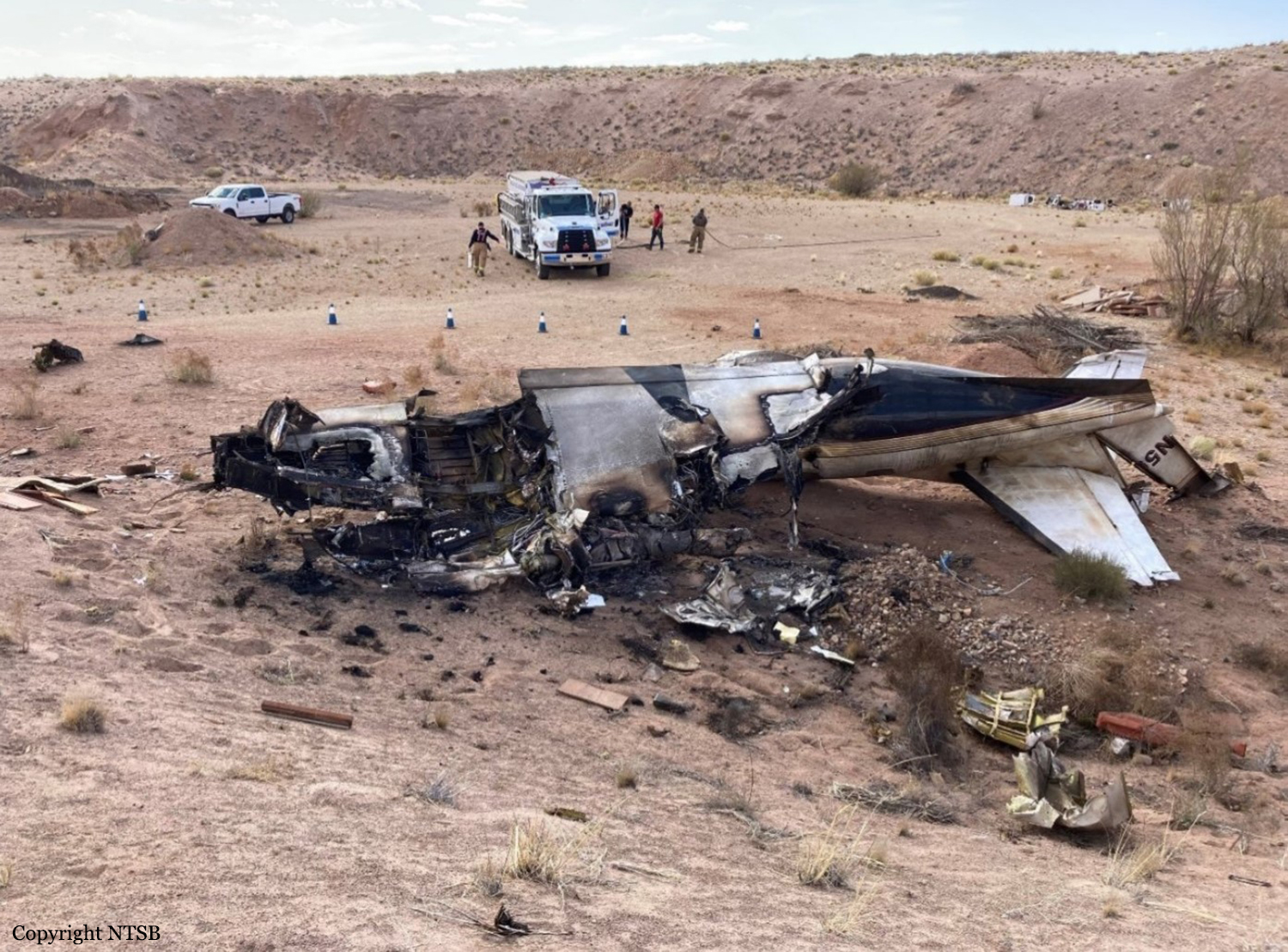
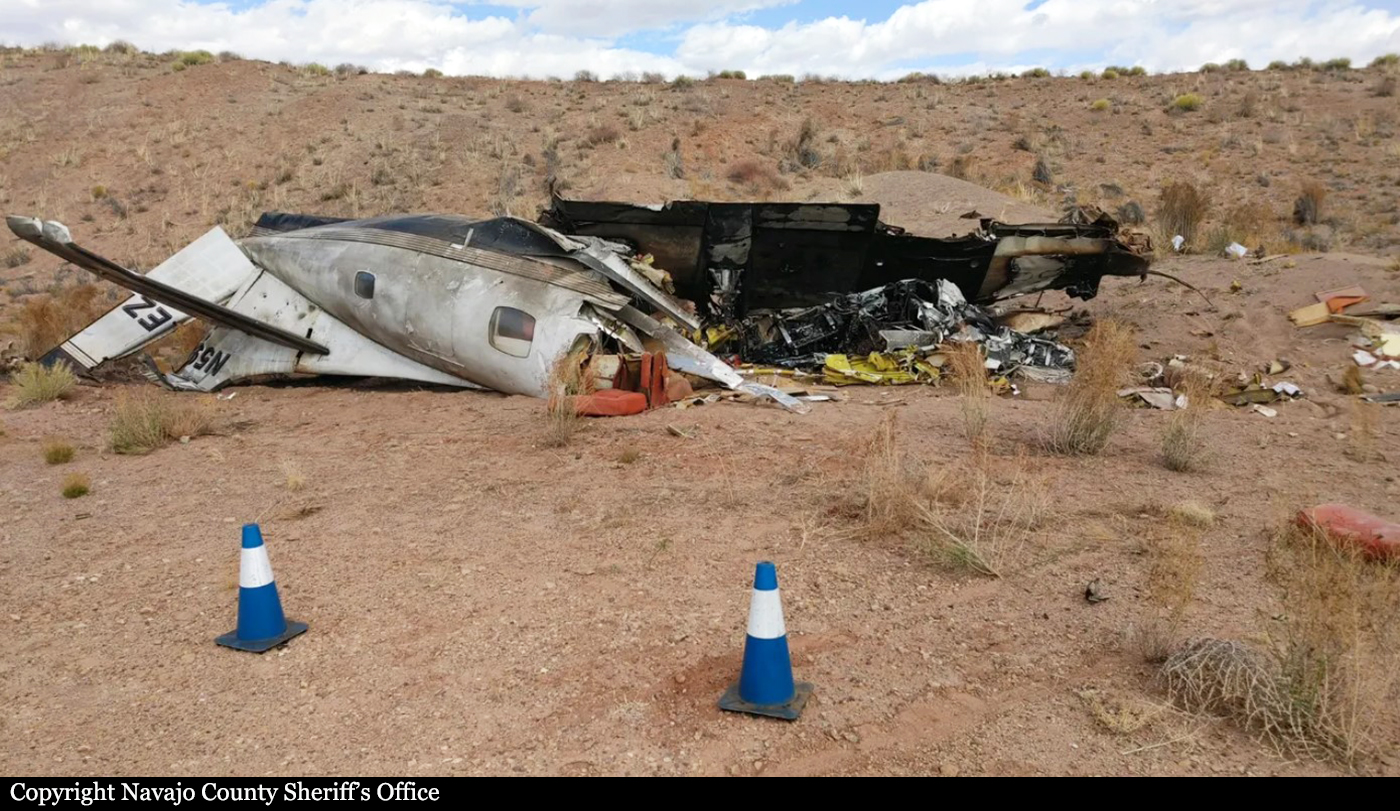
Crash of a Swearingen SA226T Merlin IIIB in Winslow: 2 killed
Date & Time: Apr 23, 2021 at 1519 LT
Operator:
Registration:
N59EZ
Flight Phase:
Flight Type:
Survivors:
No
Schedule:
Scottsdale - Winslow
MSN:
T-394
YOM:
1981
Location:
Crew on board:
2
Crew fatalities:
Pax on board:
0
Pax fatalities:
Other fatalities:
Total fatalities:
2
Aircraft flight hours:
5959
Circumstances:
The pilot was conducting a personal flight and was descending the airplane to the destination airport. Automatic dependent surveillance-broadcast (ADS-B) data showed that the airplane accomplished several turning maneuvers near the airport. These turns occurred from an elevation of 6,000 to 4,950 ft mean sea level, at which time the data ended. The airplane was 80 ft above ground level at the time. Witnesses reported seeing a low-flying airplane perform a turn and then veer toward the ground. The airplane came to rest about 4 miles east of the destination airport and 70 ft from the last data target. A postcrash fire ensued. Postaccident examination of the airframe and engines found no mechanical anomalies that would have precluded normal operation. Examination of the left engine revealed that the engine was likely producing power. The right engine examination revealed damage consistent with low or no rotation at the time of the accident, including distinct, localized contact marks on the rotating propeller shaft. In addition, no metal spray was found in the turbine section, and no dirt was found within the combustor section. The examination of the right propeller blades showed chordwise scoring with the blades bent aft and twisted toward a low-pitch setting. Examination of the fuel system noted no anomalies. The airplane was equipped with a single redline (SRL) autostart computer. Examination of the right (R) SRL-OFF annunciator panel light bulb showed signatures of hot filament stretch, which was consistent with illumination of the light at the time of the accident. The SRL light normally extinguishes above an engine speed of 80% rpm. Given the low rotational signatures on the right engine and the illuminated “R SRL-OFF” warning light, it is likely that the right engine lost engine power during the flight for reasons that could not be determined.
Probable cause:
The loss of engine power to the right engine for reasons that could not be determined. Contributing to the accident was the pilot’s failure to maintain control of the airplane.
Final Report: