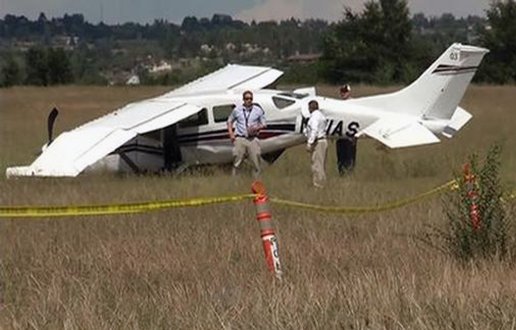
Crash of a Cessna T207 Turbo Skywagon in Colorado Springs

Date & Time: Sep 4, 2013 at 0758 LT
Registration:
N211AS
Flight Phase:
Survivors:
Yes
Schedule:
Colorado Springs – Lubbock
MSN:
207-0259
YOM:
1974
Crew on board:
1
Crew fatalities:
Pax on board:
1
Pax fatalities:
Other fatalities:
Total fatalities:
0
Captain / Total flying hours:
5200
Captain / Total hours on type:
18.00
Aircraft flight hours:
13482
Circumstances:
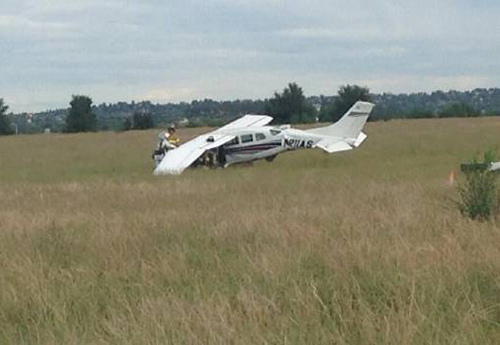
The pilot reported that he performed the takeoff with the airplane at gross weight and with the flaps up and the engine set for maximum power, which he verified by reading the instruments. During the takeoff, the airplane accelerated and achieved liftoff about 65 to 70 mph and then climbed a couple hundred feet before the pilot began to lower the nose to accelerate to normal climb speed (90 to 100 mph). The airplane then stopped climbing and would not accelerate more than 80 mph. While the pilot attempted to maintain altitude, the airplane decelerated to 70 mph with the engine still at the full-power setting. With insufficient runway remaining to land, the pilot made a shallow right turn toward lower terrain and subsequently made a hard landing in a field. The pilot likely allowed the airplane to climb out of ground effect before establishing a proper pitch attitude and airspeed for the climb, which resulted in the airplane inadvertently entering a “region of reversed command” at a low altitude. In this state, the airplane may be incapable of climbing and would require either more engine power or further lowering of the airplane’s nose to increase airspeed. Because engine power was already at its maximum and the airplane was at a low altitude, the pilot was unable to take remedial action to fly out of the region of reversed command.
Probable cause:
The pilot’s failure to establish the proper pitch attitude and airspeed during takeoff with the engine at maximum power, which resulted in the exceedance of the airplane’s climb performance capability.
Final Report:

Crash of a Cessna 421C Golden Eagle III in Paris: 1 killed

Date & Time: Aug 27, 2013 at 1120 LT
Operator:
Registration:
N229H
Flight Phase:
Flight Type:
Survivors:
No
Schedule:
Paris - Terre Haute
MSN:
421C-0088
YOM:
1976
Location:
Crew on board:
1
Crew fatalities:
Pax on board:
0
Pax fatalities:
Other fatalities:
Total fatalities:
1
Captain / Total flying hours:
8600
Captain / Total hours on type:
2000.00
Aircraft flight hours:
3000
Circumstances:
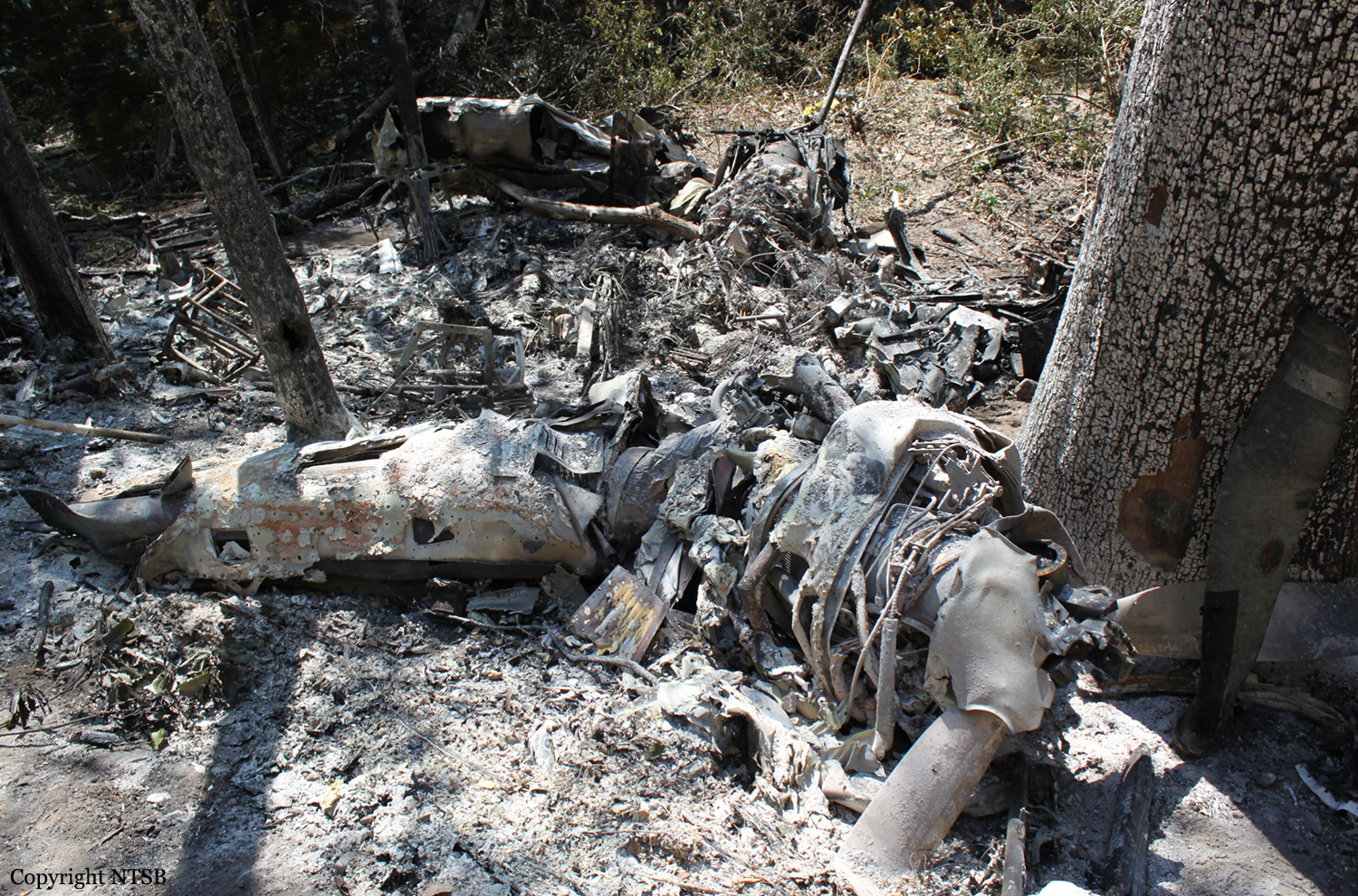
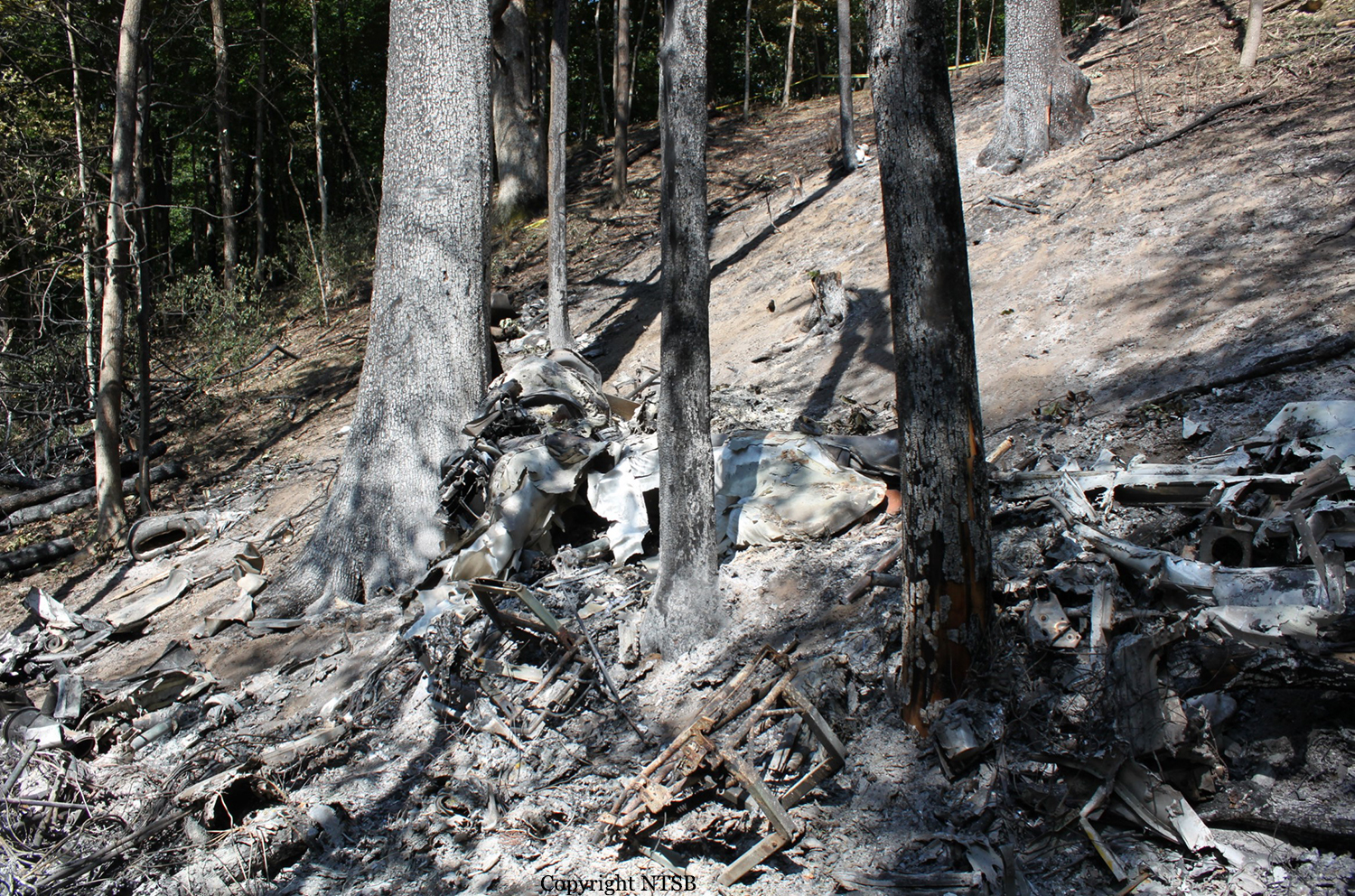
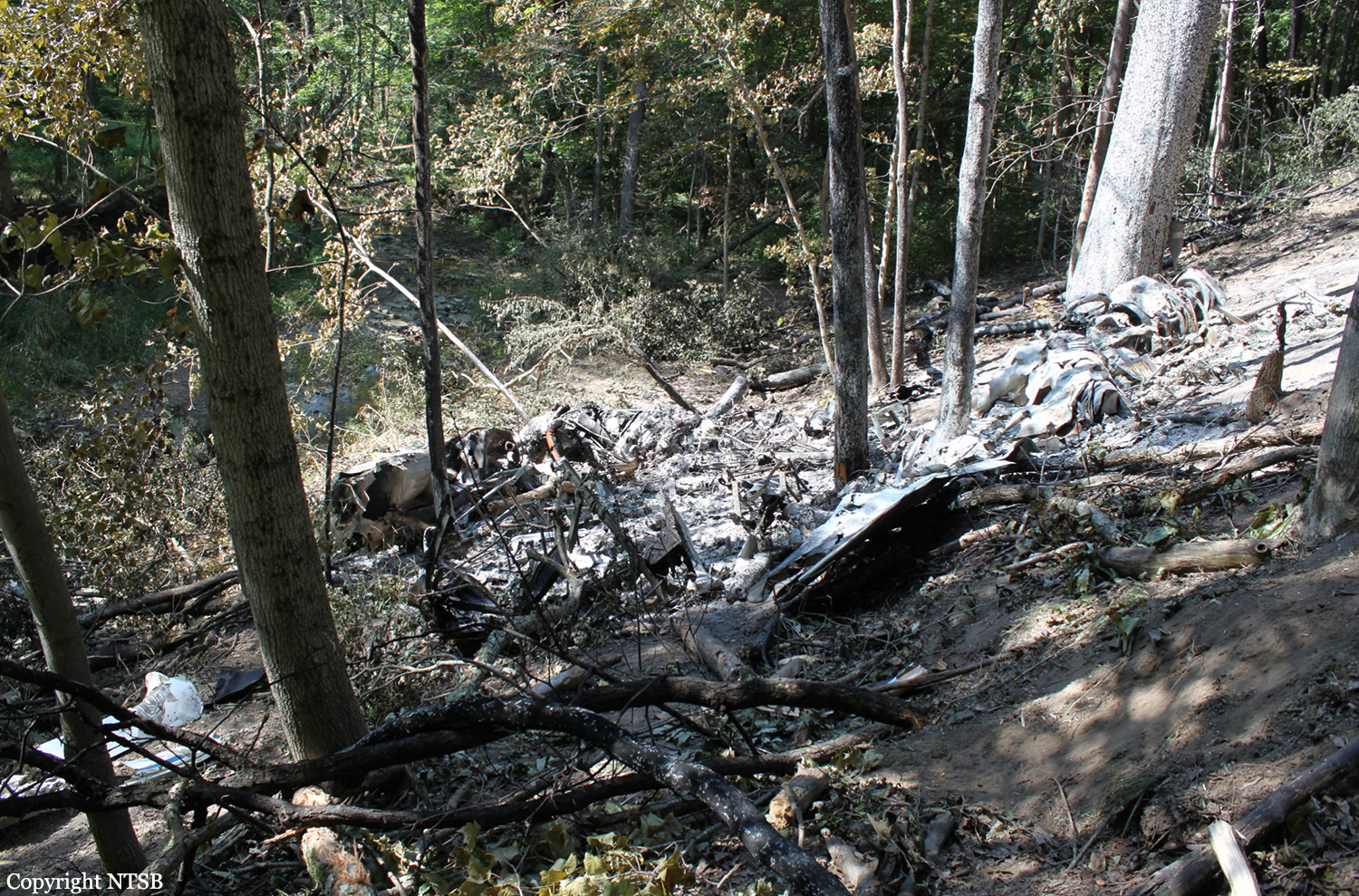
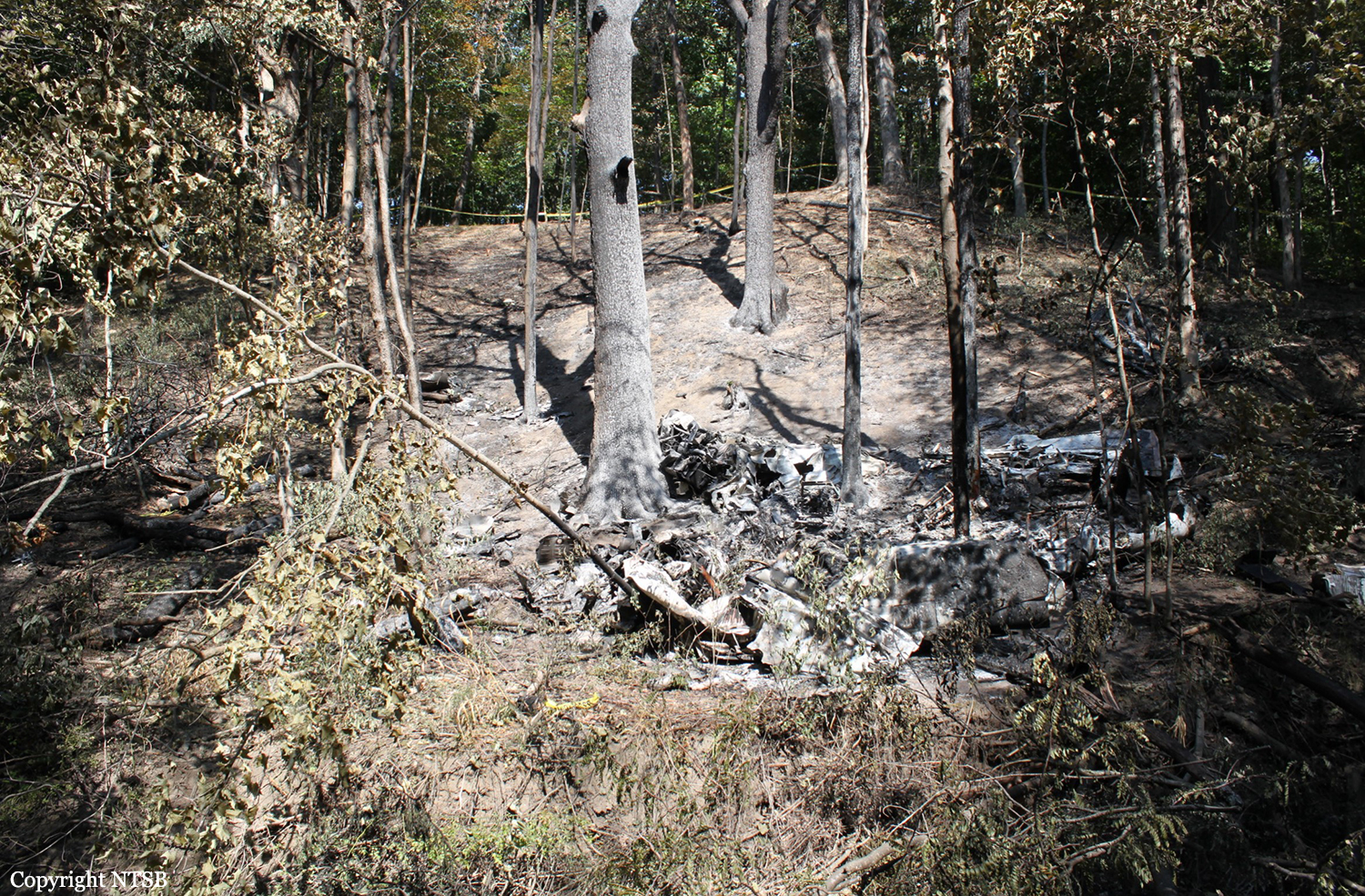
Company personnel reported that, in the weeks before the accident, the airplane's left engine had been experiencing a problem that prevented it from initially producing 100 percent power. The accident pilot and maintenance personnel attempted to correct the discrepancy; however, the discrepancy was not corrected before the accident flight, and company personnel had previously flown flights in the airplane with the known discrepancy. Witnesses reported observing a portion of the takeoff roll, which they described as slower than normal. However, the airplane was subsequently blocked from their view. Examination of the runway environment showed that, during the takeoff roll, the airplane traveled the entire length of the 4,501-ft runway, continued to travel through a 300-ft-long grassy area and a 300- ft-long soybean field, and then impacted the top of 10-ft-tall corn stalks for about 50 ft before it began to climb. About 1/2 mile from the airport, the airplane impacted several trees in a leftwing, nose-low attitude, consistent with the airplane being operated below the minimum controllable airspeed. The main wreckage was consumed by postimpact fire. Postaccident examinations revealed no evidence of mechanical anomalies with the airframe, right engine, or propellers that would have precluded normal operation. Given the left engine's preexisting condition, it is likely that its performance was degraded; however, postimpact damage and fire preluded a determination of the cause of the problem.
Probable cause:
The pilot's failure to abort the takeoff during the ground roll after detecting the airplane's degraded performance. Contributing to the accident was the pilot's decision to attempt a flight with a known problem with the left engine and the likely partial loss of left engine power for reasons that could not be determined during the postaccident examination of the engine.
Final Report:

Crash of an Antonov AN-26B-100 in Guriceel

Date & Time: Aug 25, 2013 at 1604 LT
Type of aircraft:
Operator:
Registration:
EK-26818
Survivors:
Yes
Schedule:
Mogadishu – Guriceel
MSN:
141 01
YOM:
1990
Country:
Region:
Crew on board:
5
Crew fatalities:
Pax on board:
45
Pax fatalities:
Other fatalities:
Total fatalities:
0
Circumstances:
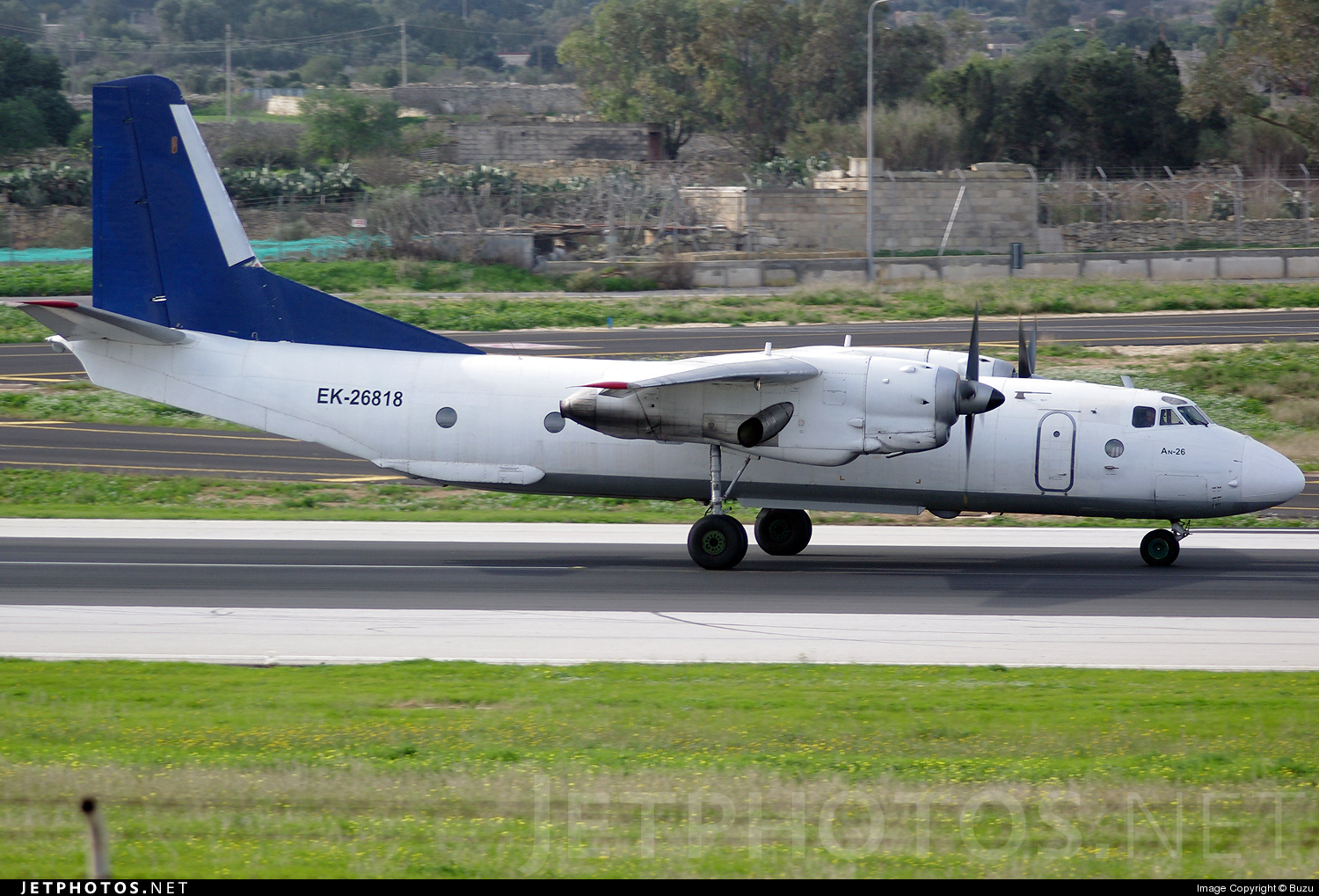
The aircraft was performing a special flight from Mogadishu to Guriceel, carrying 5 crew members and 45 passengers, among them Hussein Ali Wehliye, the new governor of the Galguduud Province. Following an uneventful flight, the aircraft landed too far down the runway and was unable to stop within the remaining distance. It overran and hit a rock which caused the nose gear to collapse and to penetrated the cockpit floor, injuring a crew member. All 49 other occupants escaped uninjured and the aircraft was damaged beyond repair.
Probable cause:
It is believed that, following a wrong approach configuration, the aircraft landed too far down the runway, reducing the landing distance available. In such situation, the aircraft could not be brought to a safe halt. As the landing maneuver was obviously missed, the crew should initiate a go-around procedure. It was also reported that the aircraft CofA expired 31 May 2012 and that the aircraft was removed from the Armenian registered on 26 Oct 2012.

Crash of a Piper PA-46R-350T Matrix off Cat Cay

Date & Time: Aug 25, 2013 at 1406 LT
Registration:
N720JF
Flight Phase:
Flight Type:
Survivors:
Yes
Schedule:
Cat Cay - Kendall-Miami
MSN:
46-92004
YOM:
2008
Location:
Country:
Crew on board:
1
Crew fatalities:
Pax on board:
4
Pax fatalities:
Other fatalities:
Total fatalities:
0
Captain / Total flying hours:
12250
Captain / Total hours on type:
210.00
Aircraft flight hours:
1000
Circumstances:
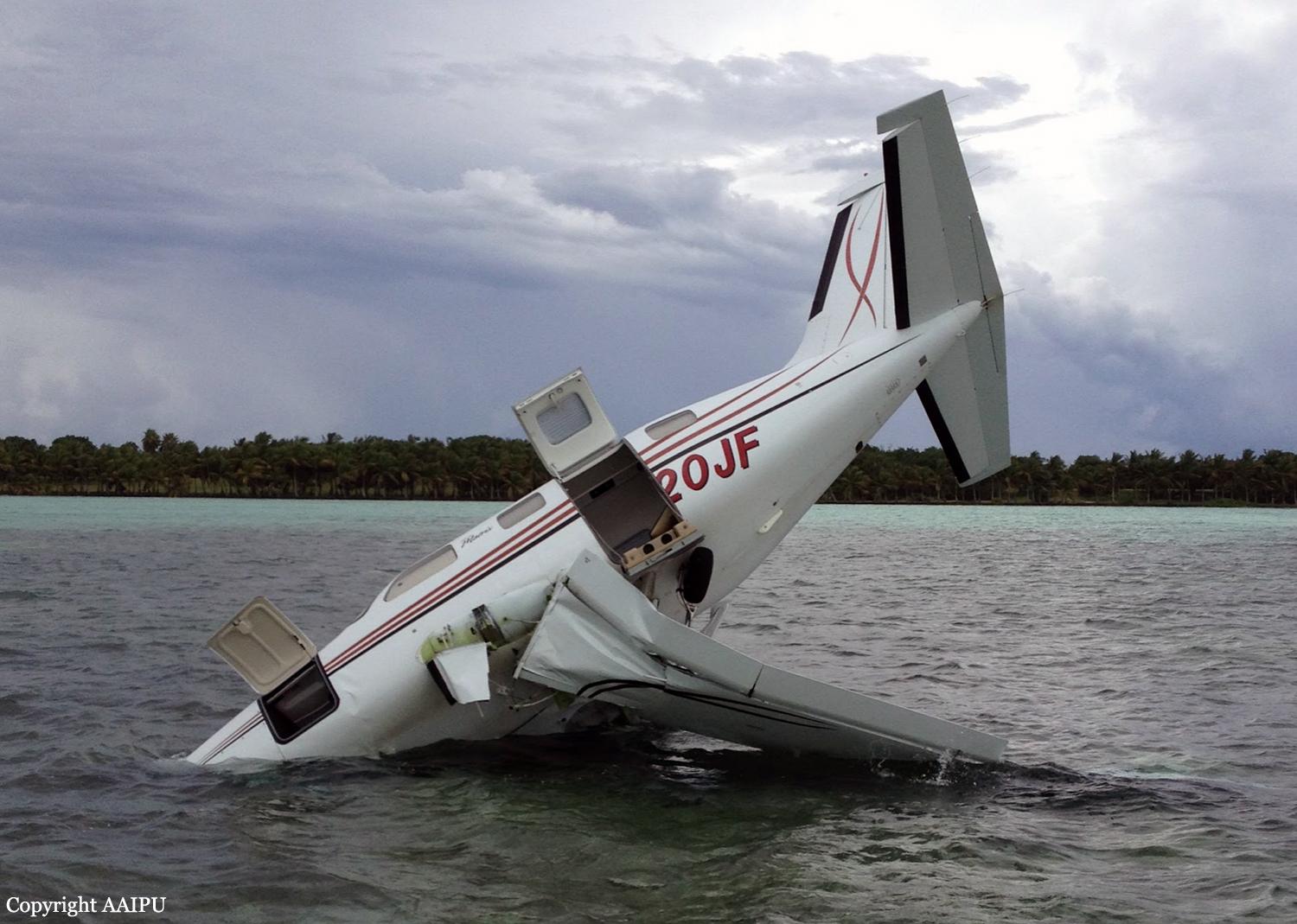
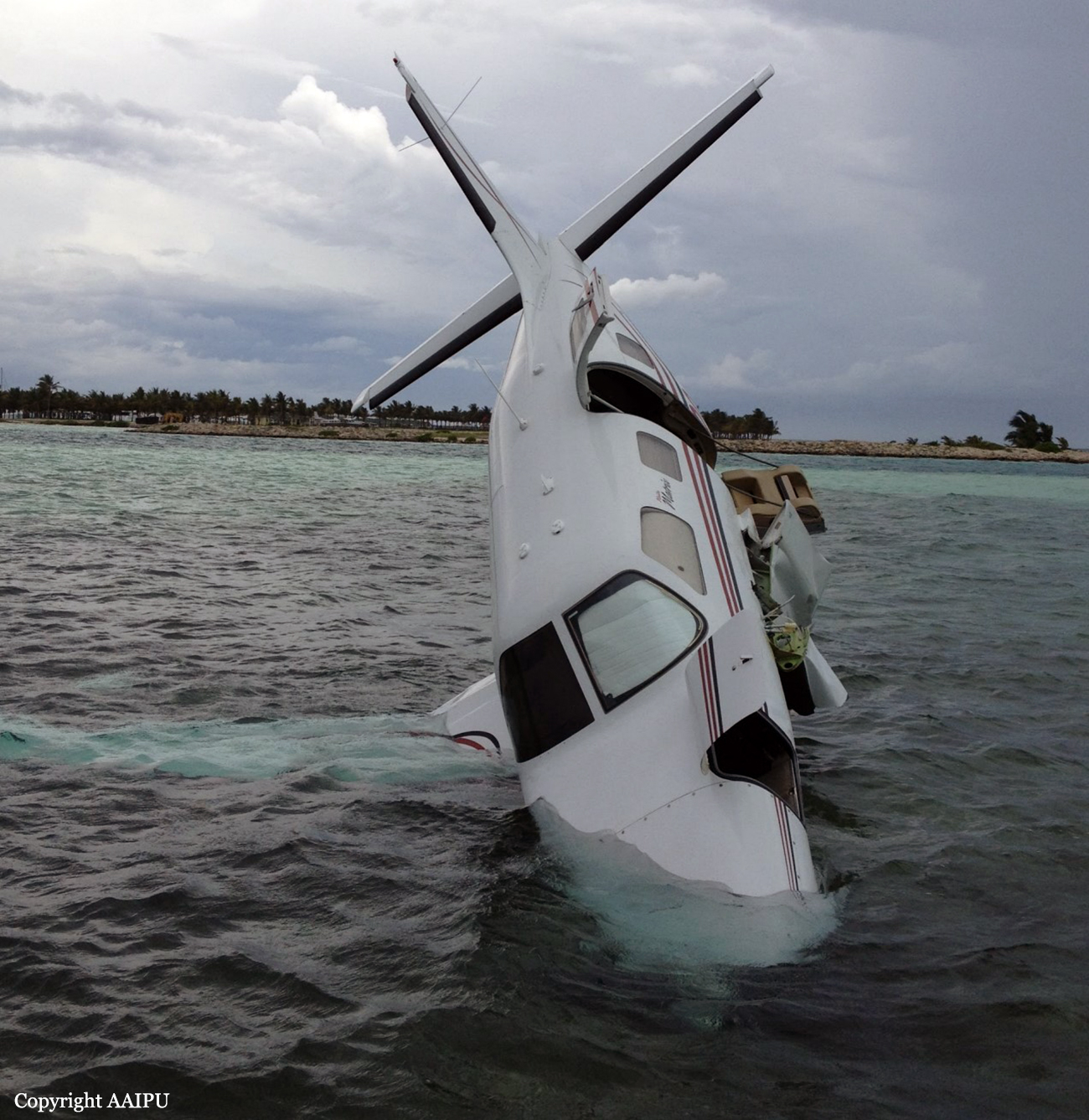
According to the pilot, he applied full power, set the flaps at 10 degrees, released the brakes, and, after reaching 80 knots, he rotated the airplane. The pilot further reported that the engine subsequently lost total power when the airplane was about 150 ft above ground level. The airplane then impacted water in a nose-down, right-wing-low attitude about 300 ft from the end of the runway. The pilot reported that he thought that the runway was 1,900 ft long; however, it was only 1,300 ft long. Review of the takeoff ground roll distance charts contained in the Pilot’s Operating Handbook (POH) revealed that, with flap settings of 0 and 20 degrees, the ground roll would have been 1,700 and 1,150 ft, respectively. Takeoff ground roll distances were not provided for use of 10 degrees of flaps; however, the POH stated that 10 degrees of flaps could be used. Although the distance was not specified, it is likely that the airplane would have required more than 1,300 ft for takeoff with 10 degrees of flaps. Examination of the engine revealed saltwater corrosion throughout it; however, this was likely due to the airplane’s submersion in water after the accident. No other mechanical malfunctions or abnormalities were noted. Examination of data extracted from the multifunction display (MFD) and primary flight display (PFD) revealed that the engine parameters were performing in the normal operating range until the end of the recordings. The data also indicated that, 7 seconds before the end of the recordings, the airplane pitched up from 0 to about 17 degrees and then rolled 17 degrees left wing down while continuing to pitch up to 20 degrees. The airplane then rolled 77 degrees right wing down and pitched down about 50 degrees. The highest airspeed recorded by the MFD and PFD was about 70 knots, which occurred about 1 second before the end of the recordings. The POH stated that, depending on the landing gear position, flap setting, and bank angle, the stall speed for the airplane would be between 65 and 71 knots. Based on the evidence, it is likely that the engine did not lose power as reported by the pilot. As the airplane approached the end of the runway and the pilot realized that it was not long enough for his planned takeoff, he attempted to lift off at an insufficient airspeed and at too high of a pitch angle, which resulted in an aerodynamic stall at a low altitude. If the pilot had known the actual runway length, he might have used a flap setting of 20 degrees, which would have provided sufficient distance for the takeoff.
Probable cause:
The pilot’s attempt to rotate the airplane before obtaining sufficient airspeed and his improper pitch control during takeoff, which resulted in the airplane exceeding its critical angle-of-attack and subsequently experiencing an aerodynamic stall at a low altitude. Contributing to the accident was the pilot’s lack of awareness of the length of the runway, which led to his attempting to take off with the airplane improperly configured.
Final Report:

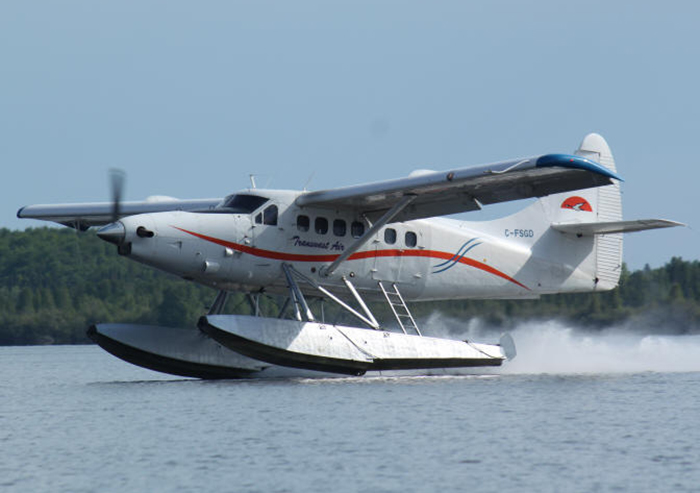
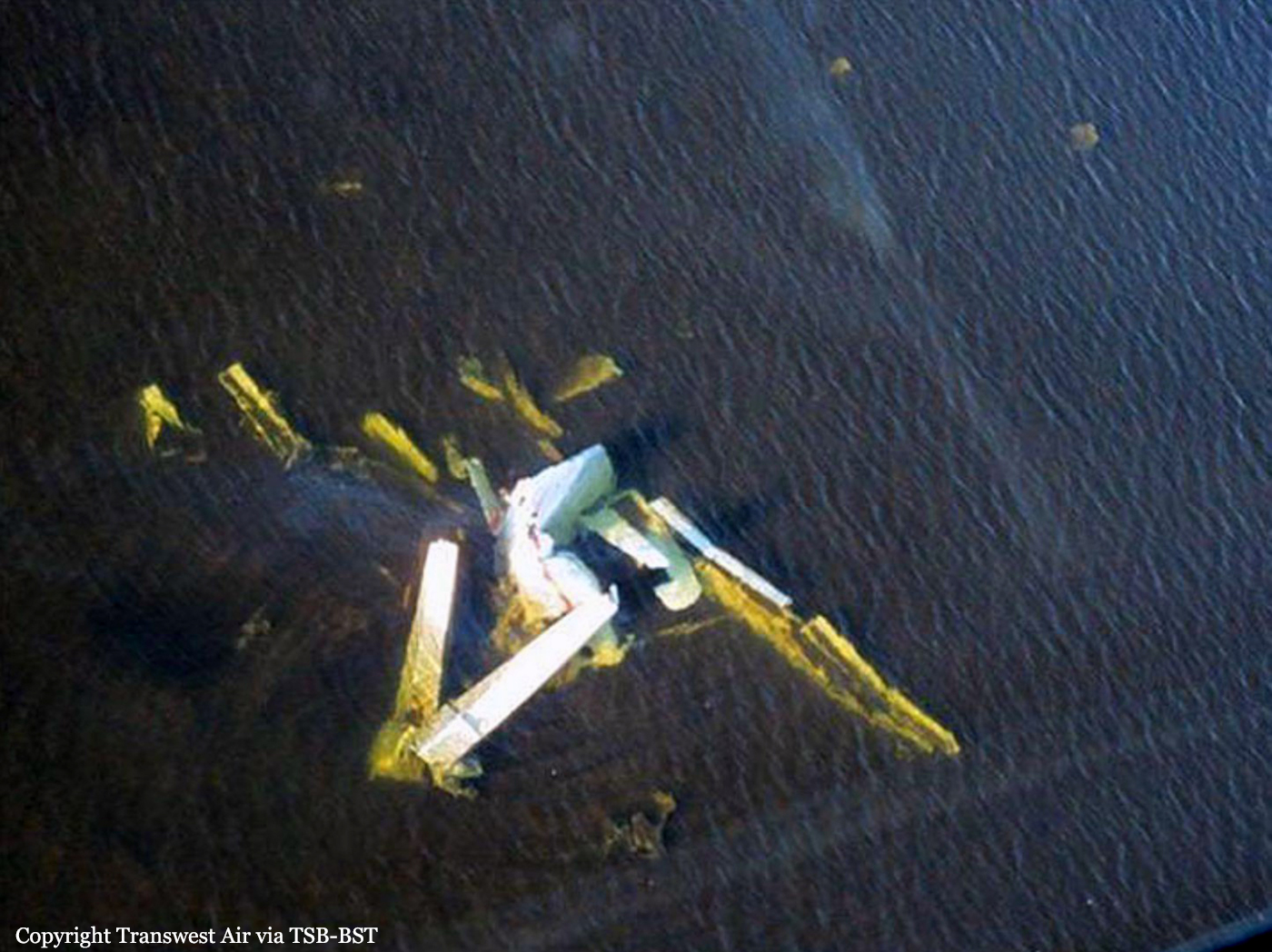
Crash of a De Havilland DHC-3 Otter near Ivanhoe Lake: 1 killed

Date & Time: Aug 22, 2013 at 1908 LT
Type of aircraft:
Operator:
Registration:
C-FSGD
Flight Phase:
Flight Type:
Survivors:
No
Schedule:
Scott Lake Lodge - Ivanhoe Lake
MSN:
316
YOM:
1959
Country:
Crew on board:
1
Crew fatalities:
Pax on board:
0
Pax fatalities:
Other fatalities:
Total fatalities:
1
Captain / Total flying hours:
1600
Captain / Total hours on type:
248.00
Circumstances:
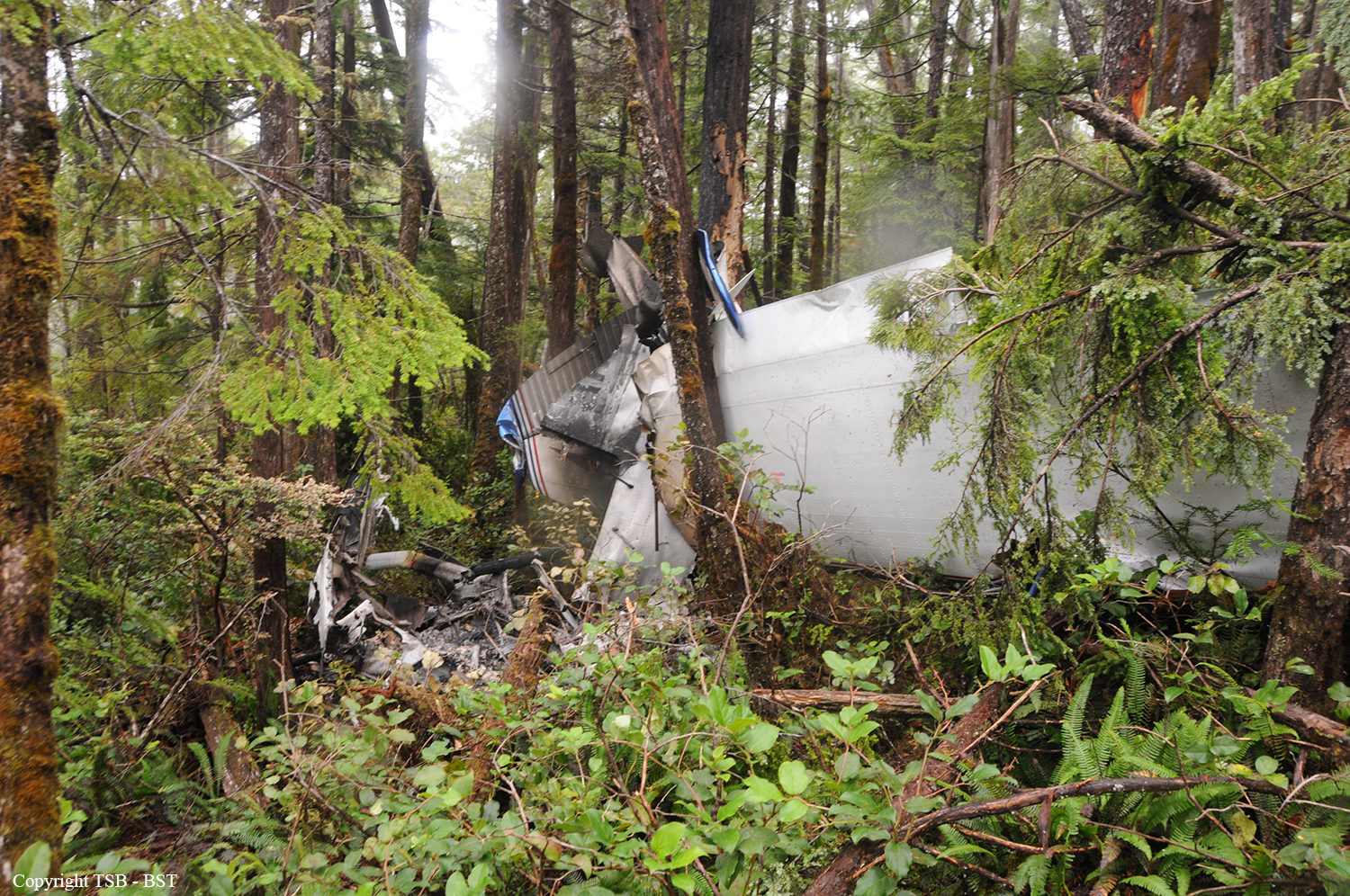
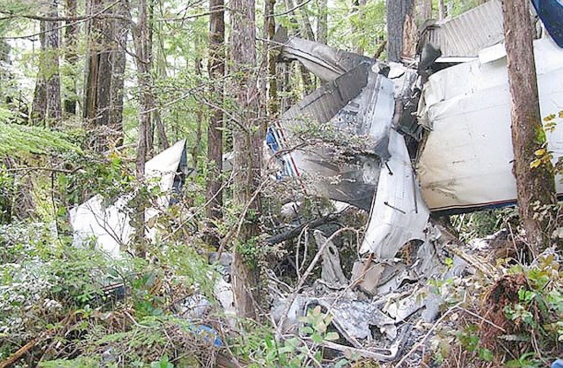
The float-equipped Transwest Air Limited Partnership DHC-3 turbine Otter (registration C-FSGD, serial number 316) departed Scott Lake, Northwest Territories, at approximately 1850 Central Standard Time on a 33-nautical mile, day, visual flight rules flight to Ivanhoe Lake, Northwest Territories. The aircraft did not arrive at its destination, and was reported overdue at approximately 2100. The Joint Rescue Coordination Centre Trenton was notified by the company. There was no emergency locator transmitter signal. A search and rescue C-130 Hercules aircraft was dispatched; the aircraft wreckage was located on 23 August 2013, in an unnamed lake, 10 nautical miles north of the last reported position. The pilot, who was the sole occupant of the aircraft, sustained fatal injuries.
Probable cause:
Findings as to causes and contributing factors:
1. During approach to landing on the previous flight, the right-wing leading-edge and wing tip were damaged by impact with several trees.
2. The damage to the aircraft was not evaluated or inspected by qualified personnel prior to take-off.
3. Cumulative unmanaged stressors disrupted the pilot’s processing of safety-critical information, and likely contributed to an unsafe decision to depart with a damaged, uninspected aircraft.
4. The aircraft was operated in a damaged condition and departed controlled flight likely due to interference between parts of the failing wing tip, acting under air loads, and the right aileron.
Findings as to risk:
Not applicable.
Other findings:
1. The emergency locator transmitter did not activate, due to crash damage and submersion in water.
2. The aircraft was not fitted with FM radio equipment that is usually carried by aircraft servicing the lodge. Lodge personnel did not have a means to contact the pilot once the aircraft moved away from the dock.
Final Report:

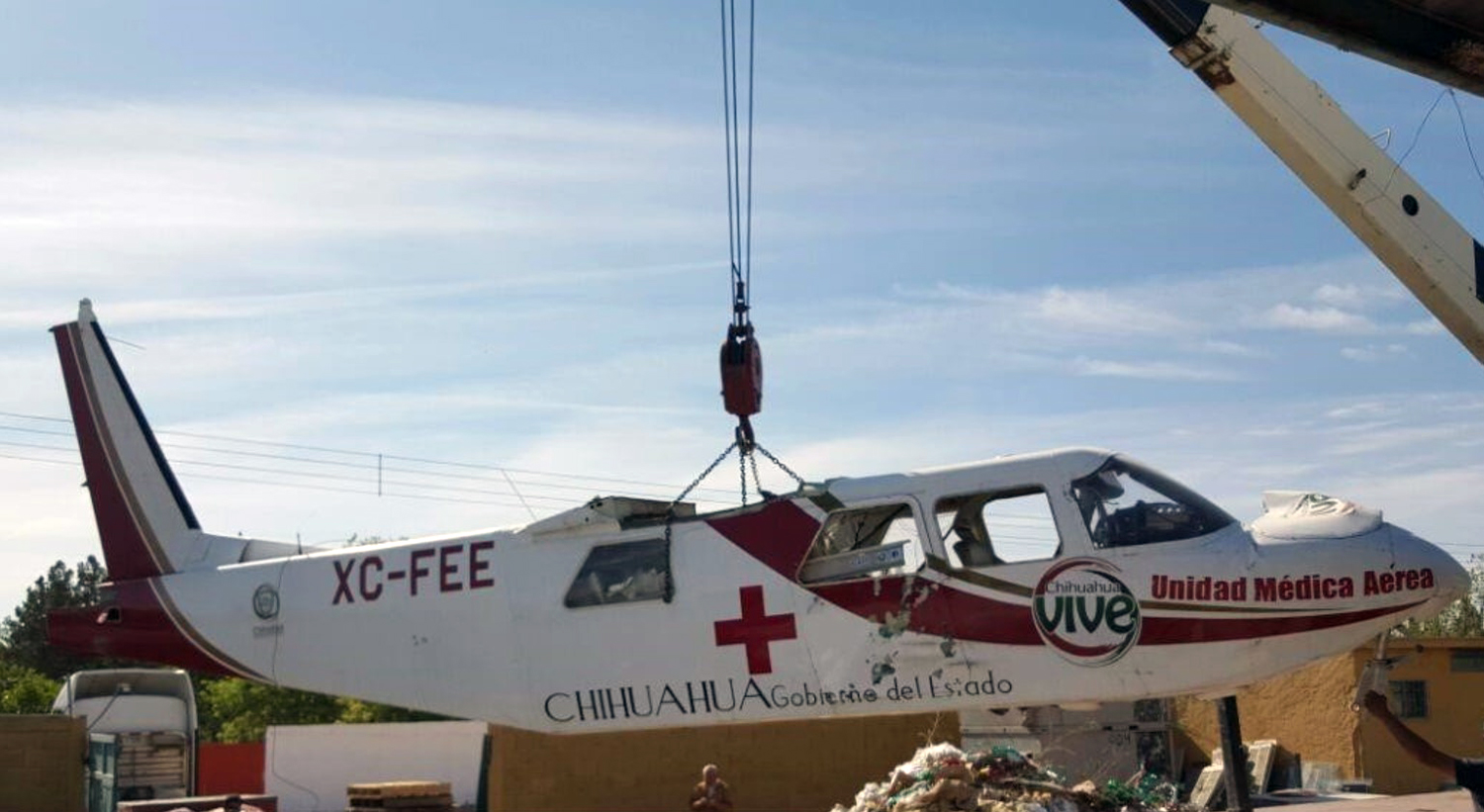
Crash of a Britten Norman BN-2B-27 Islander in Purisima del Maguey

Date & Time: Aug 22, 2013 at 1530 LT
Type of aircraft:
Operator:
Registration:
XC-FEE
Flight Phase:
Flight Type:
Survivors:
Yes
Schedule:
Chihuahua – Zacatecas
MSN:
2022
YOM:
1980
Country:
Crew on board:
1
Crew fatalities:
Pax on board:
4
Pax fatalities:
Other fatalities:
Total fatalities:
0
Aircraft flight hours:
4000
Circumstances:
The twin engine aircraft departed Chihuahua-General Fierro Villalobos Airport at 1352LT on a flight to Zacatecas, carrying four passengers and one pilot. It continued to the south at an altitude of 11,500 feet and a speed of 120 knots. The flight was uneventful until the pilot started the descent to Zacatecas-General Leobardo C. Ruiz. when the left engine lost power then failed shortly later. The pilot reduced his altitude and attempted an emergency landing when the aircraft crash landed in an open field located near Purisima del Maguey, some 25 km northwest of Zacatecas Airport. All five occupants evacuated safely and the aircraft was damaged beyond repair.
Probable cause:
Failure of the left engine due to fuel exhaustion.
The following contributing factors were identified:
- Failure to apply the standard procedures relating to the quantity of fuel required as set out in the applicable regulations which were not provided to the crew by the operator.
- Poor flight preparation.
- Non-adherence to VFR rules.
- Lack of familiarity in the equipment on the part of the pilot when not receiving adequate training from the operator.
Final Report:

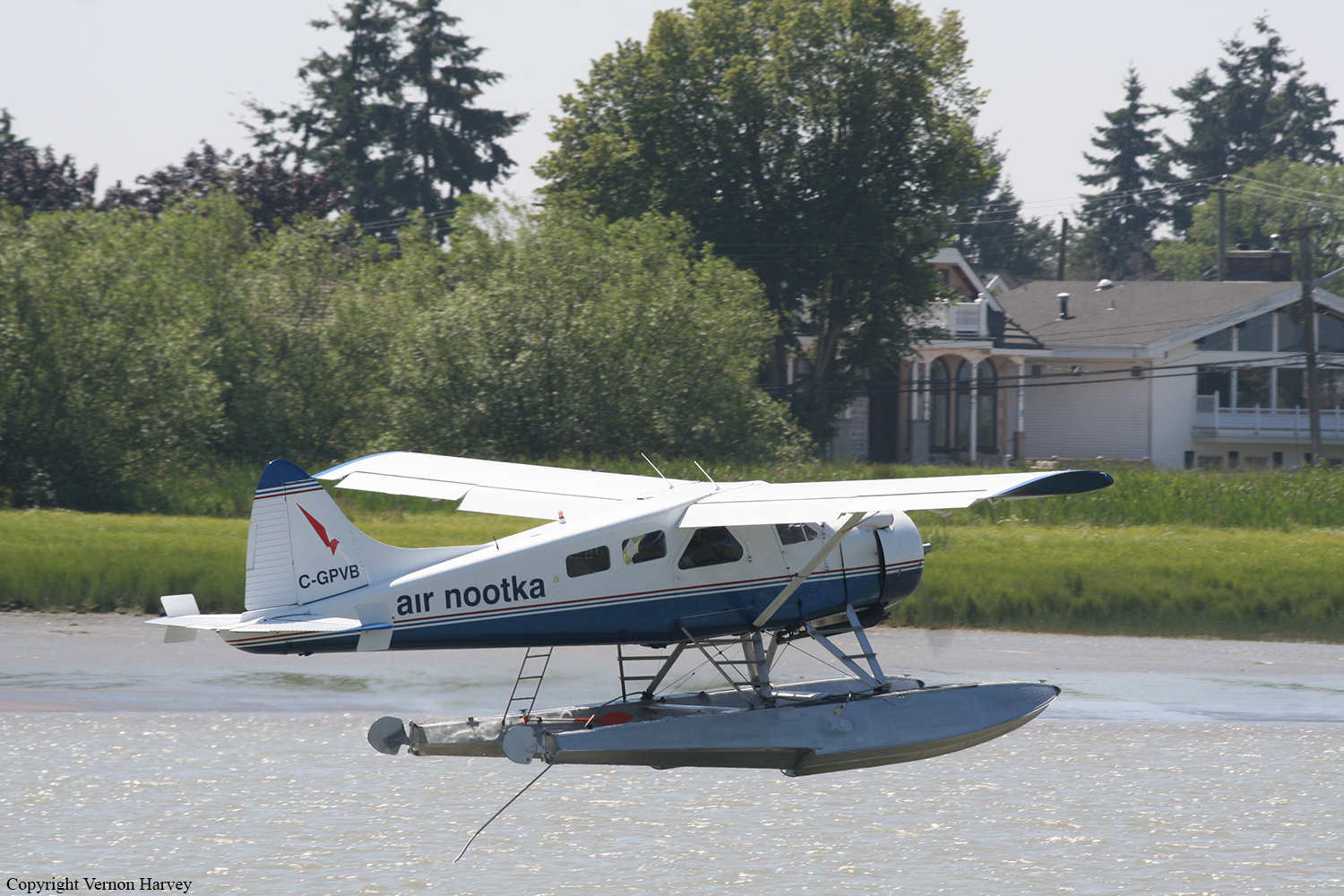
Crash of a De Havilland DHC-2 Beaver I in Hesquiat Lake: 2 killed

Date & Time: Aug 16, 2013 at 1023 LT
Type of aircraft:
Operator:
Registration:
C-GPVB
Flight Phase:
Survivors:
Yes
Schedule:
Hesquiat Lake - Gold River
MSN:
871
YOM:
1956
Country:
Crew on board:
1
Crew fatalities:
Pax on board:
5
Pax fatalities:
Other fatalities:
Total fatalities:
2
Captain / Total flying hours:
17000
Circumstances:
At 1015 Pacific Daylight Time, the de Havilland DHC-2 (Beaver) floatplane (registration CGPVB, serial number 871), operated by Air Nootka Ltd., departed Hesquiat Lake, British Columbia, with the pilot and 5 passengers for Air Nootka Ltd.’s water aerodrome base near Gold River, British Columbia. Visibility at Hesquiat Lake was about 2 ½ nautical miles in rain, and the cloud ceiling was about 400 feet above lake and sea level. Approximately 3 nautical miles west of the lake, while over Hesquiat Peninsula, the aircraft struck a tree top at about 800 feet above sea level and crashed. Shortly after the aircraft came to rest, a post-crash fire developed. All 6 persons on board survived the impact, but the pilot and 1 passenger died shortly after. A brief 406 megahertz emergency locator transmitter signal was transmitted, and a search and rescue helicopter recovered the survivors at about 1600.
Probable cause:
Findings as to causes and contributing factors:
1. The pilot flew just above the tree tops into instrument meteorological conditions and rising terrain, and the aircraft struck a tree that was significantly taller than the others.
2. The pilot and 1 passenger did not exit the aircraft before it was consumed in the postimpact fire.
3. Air Nootka did not have effective methods to monitor its pilots’ in-flight decision making and associated practices. As a result, Air Nootka had no way to detect and correct unsafe behavior or poor decision making such as occurred on this flight.
Findings as to risk:
1. If aircraft are not fitted with technology to reduce fuel leakage or to eliminate ignition sources, the risk of post-impact fire is increased.
2. If aircraft are not equipped with shoulder harnesses for all seating positions then there is an increased risk of injuries.
3. If aircraft are not equipped with some alternate means of escape such as push-out windows, then there is a risk that post-crash structural deformation will jam doors shut and restrict exit for the occupants.
4. If companies operating under self-dispatch do not monitor their operations, they risk not being able to identify unsafe practices that are a hazard to flight crew and passengers.
5. If flight data recordings are not available to an investigation, this may preclude the identification and communication of safety deficiencies to advance transportation safety.
Final Report:

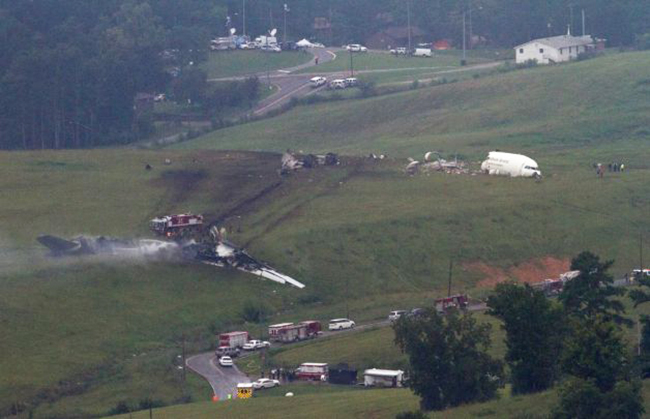
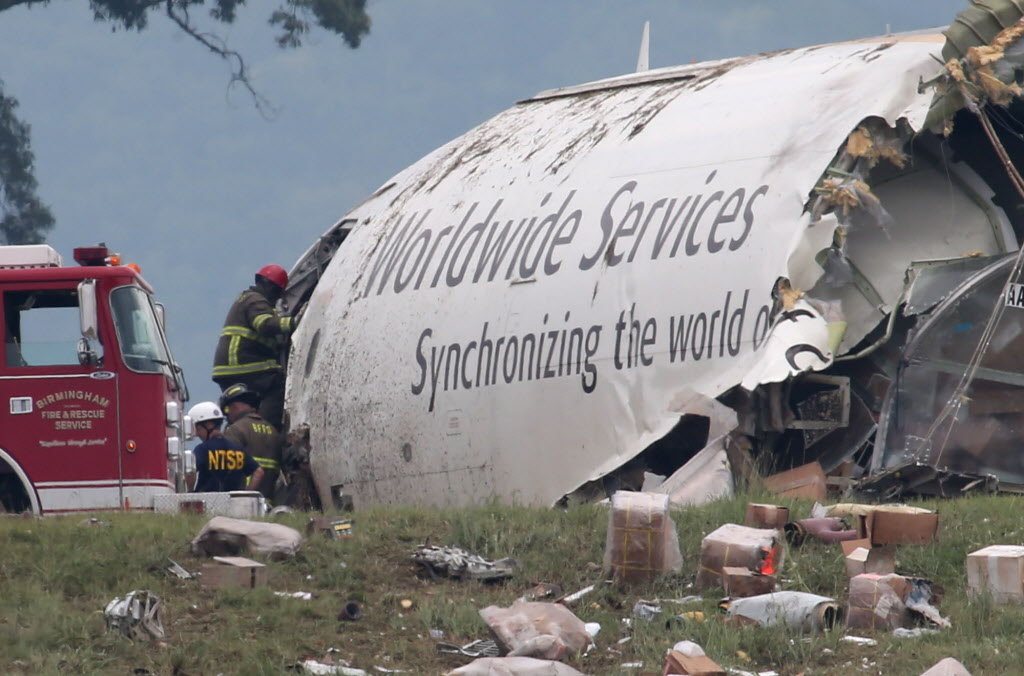
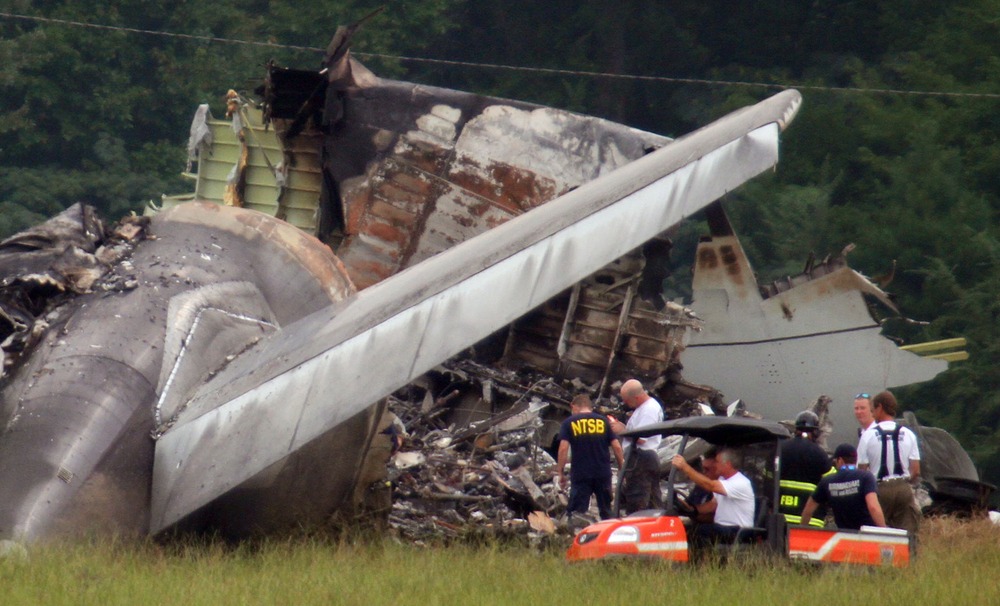
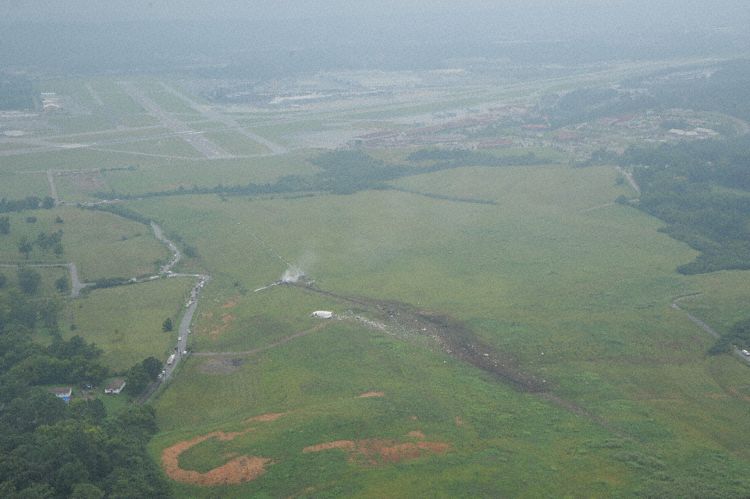
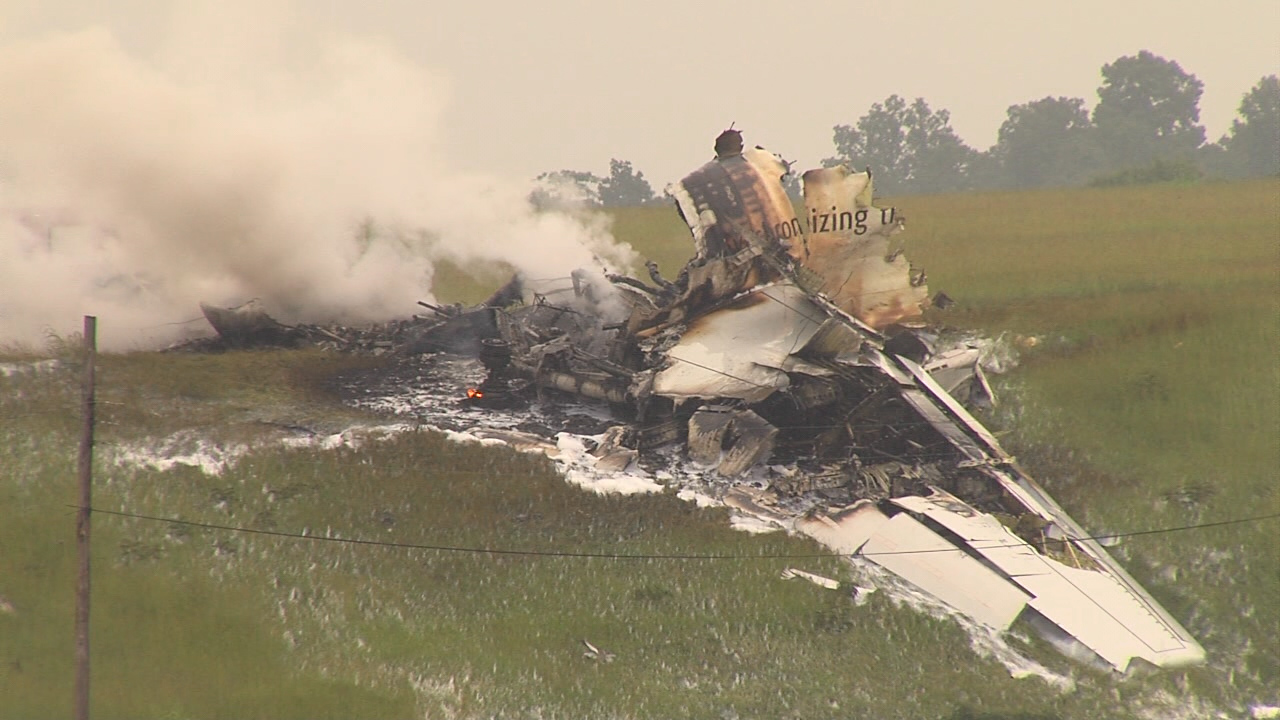
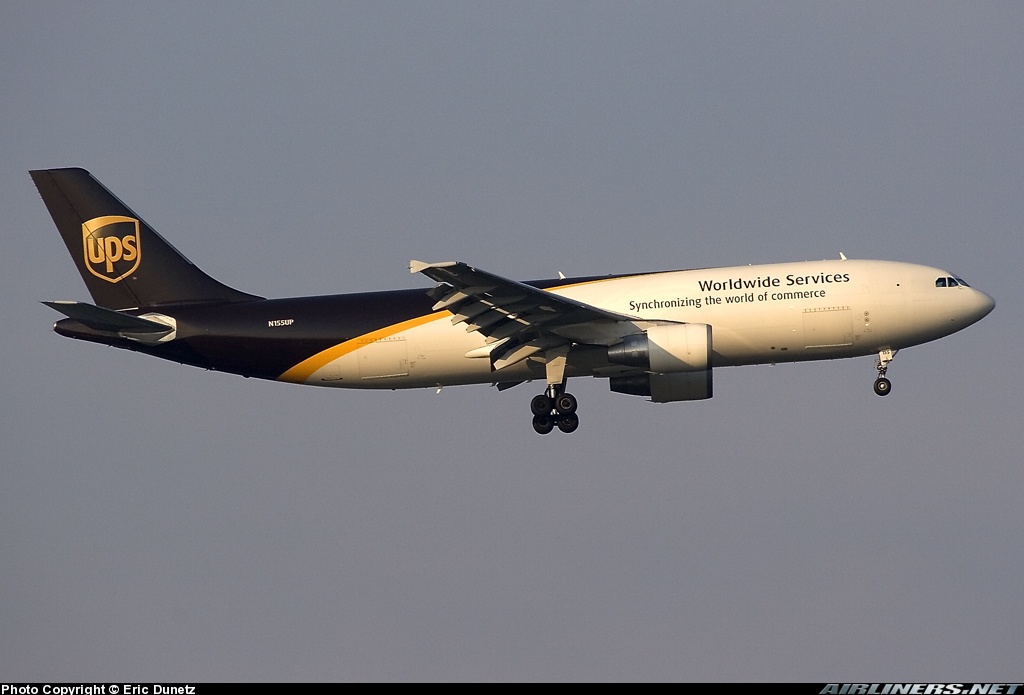
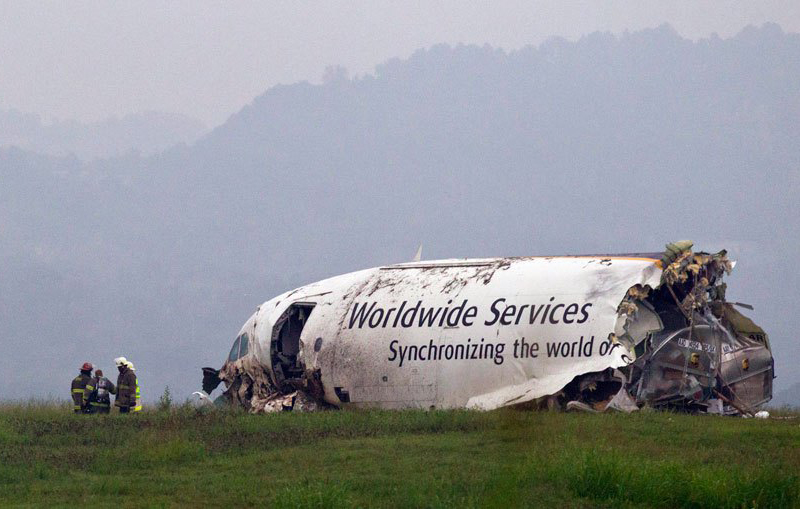
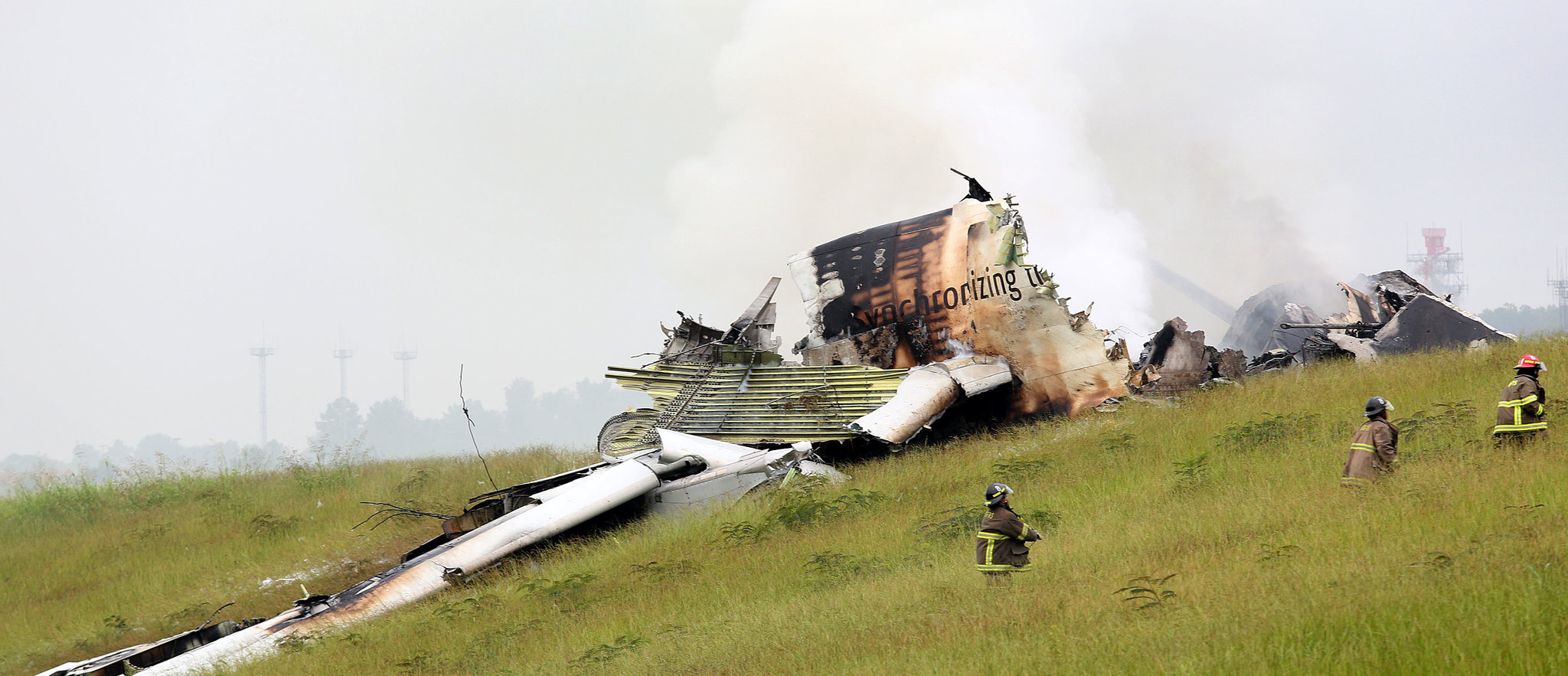
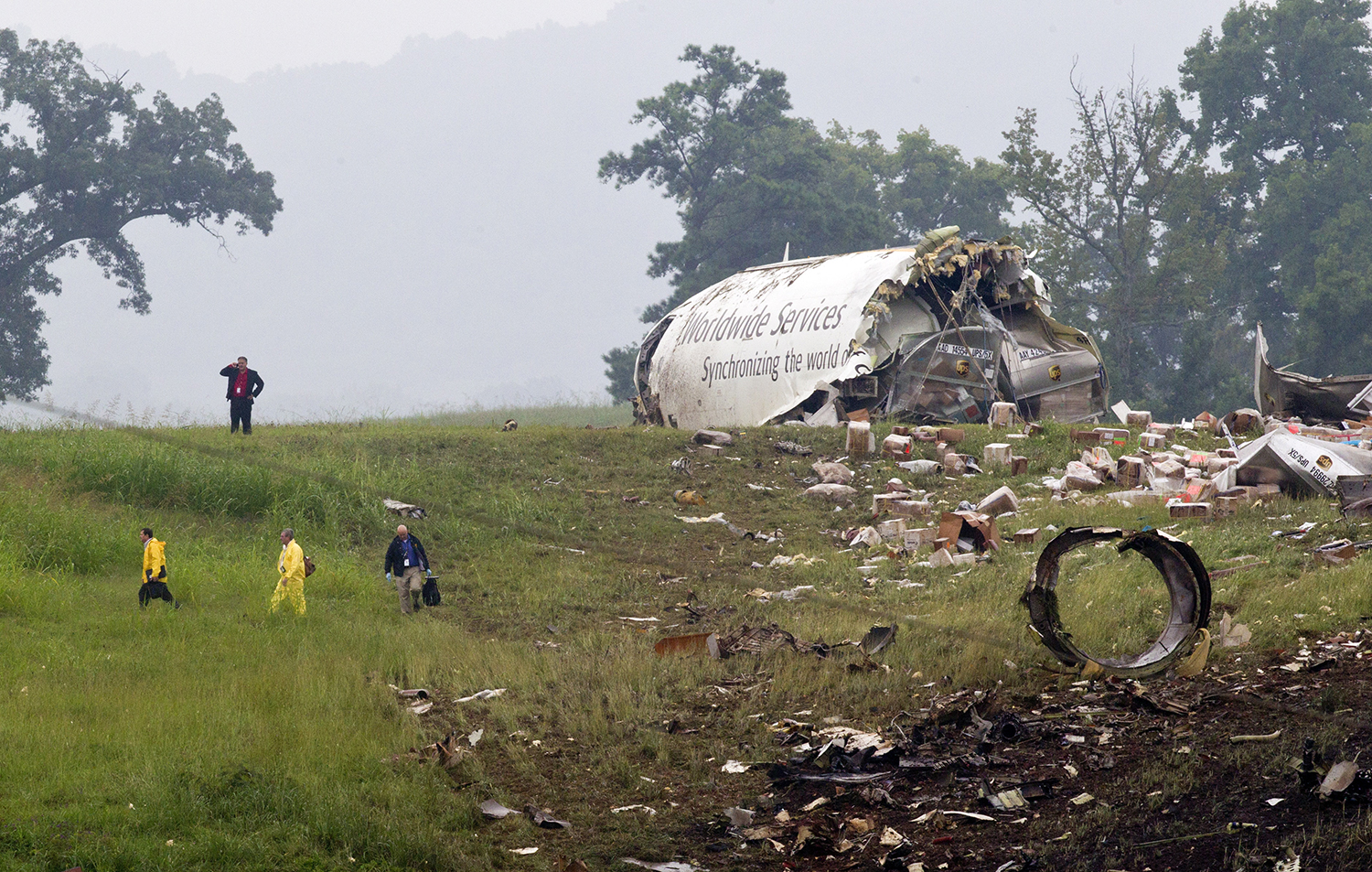
Crash of an Airbus A300-622R in Birmingham: 2 killed

Date & Time: Aug 14, 2013 at 0447 LT
Type of aircraft:
Operator:
Registration:
N155UP
Flight Type:
Survivors:
No
Schedule:
Louisville - Birmingham
MSN:
841
YOM:
2003
Flight number:
UPS1354
Crew on board:
2
Crew fatalities:
Pax on board:
0
Pax fatalities:
Other fatalities:
Total fatalities:
2
Captain / Total flying hours:
6406
Captain / Total hours on type:
3265.00
Copilot / Total flying hours:
4721
Copilot / Total hours on type:
403
Aircraft flight hours:
11000
Aircraft flight cycles:
6800
Circumstances:
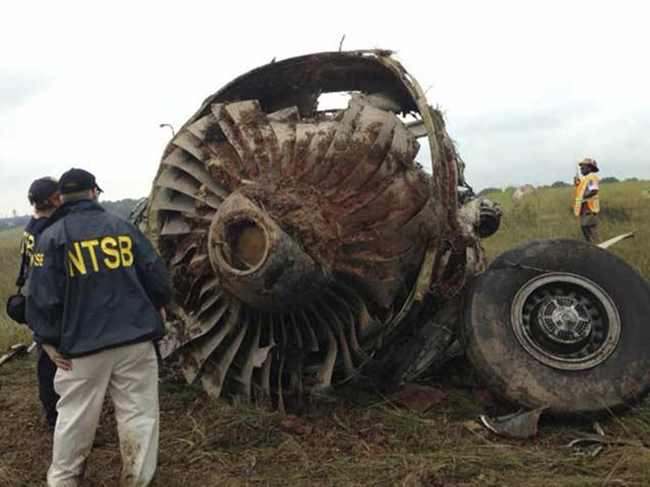
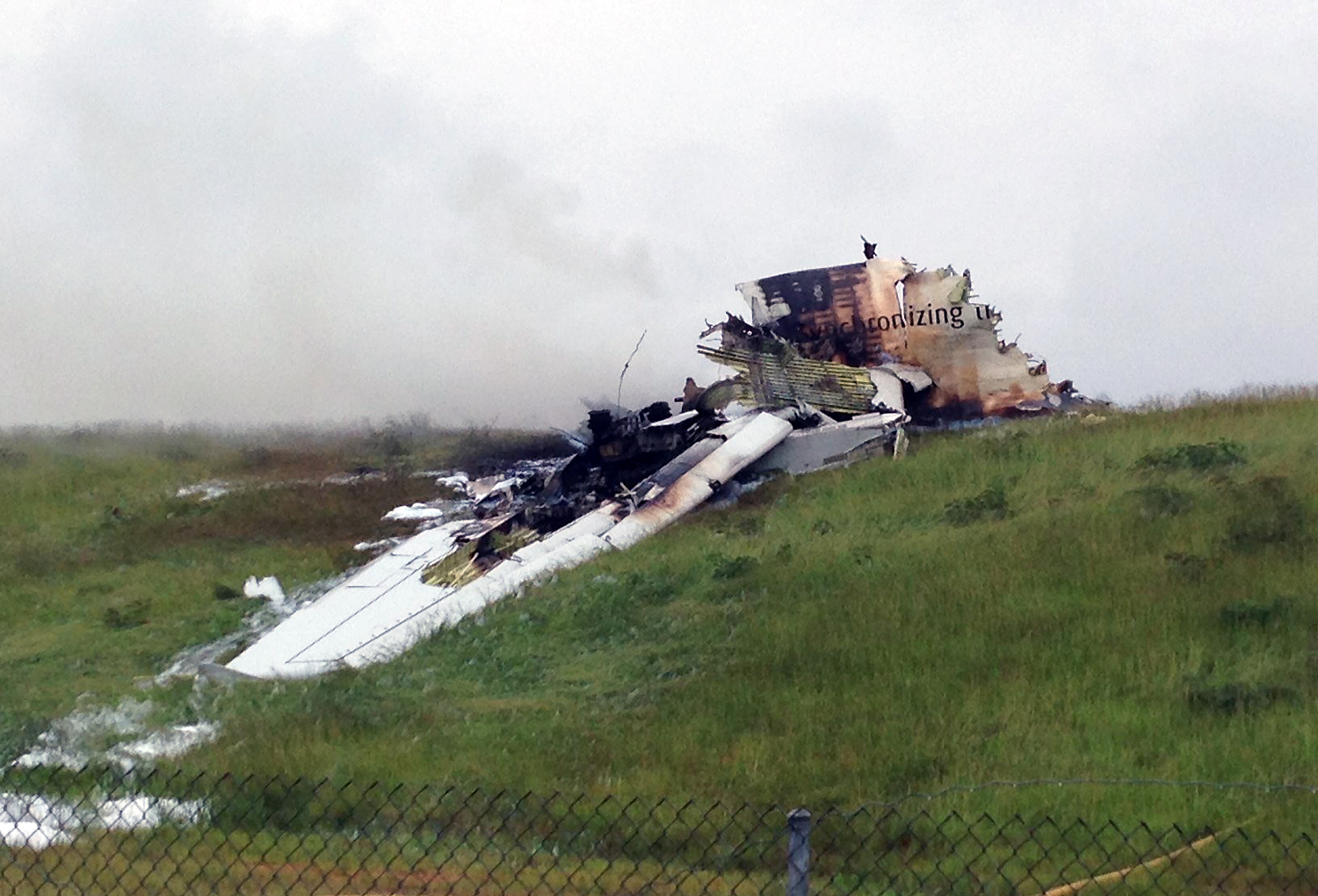
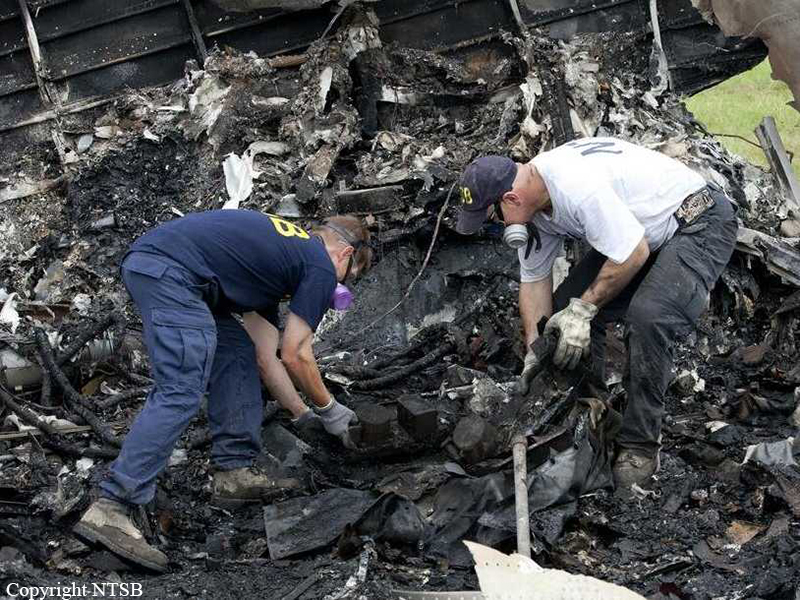
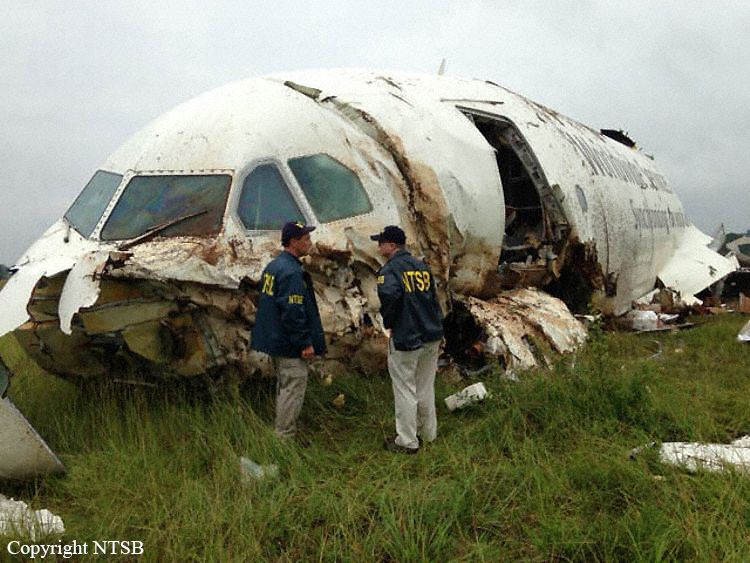
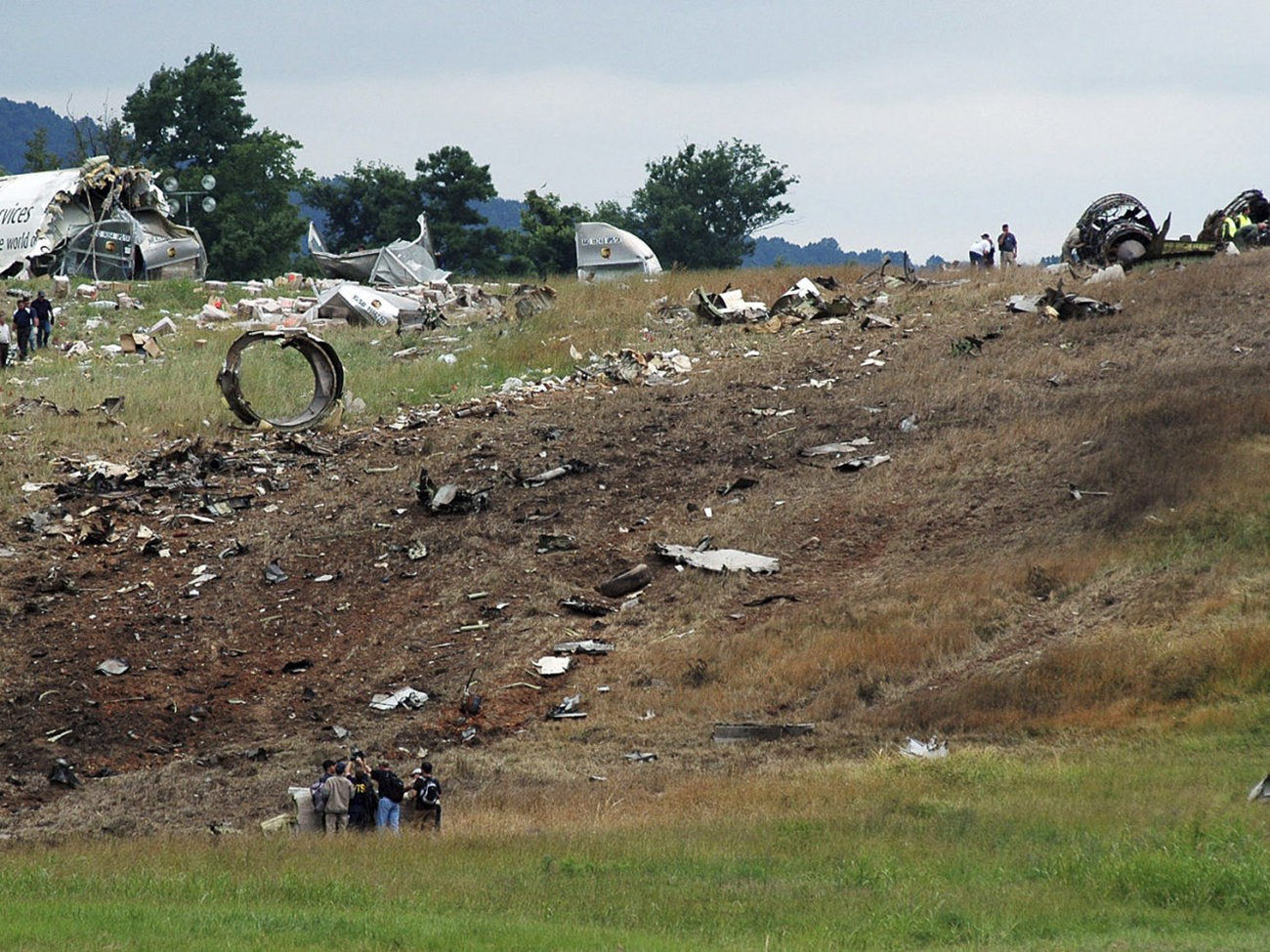
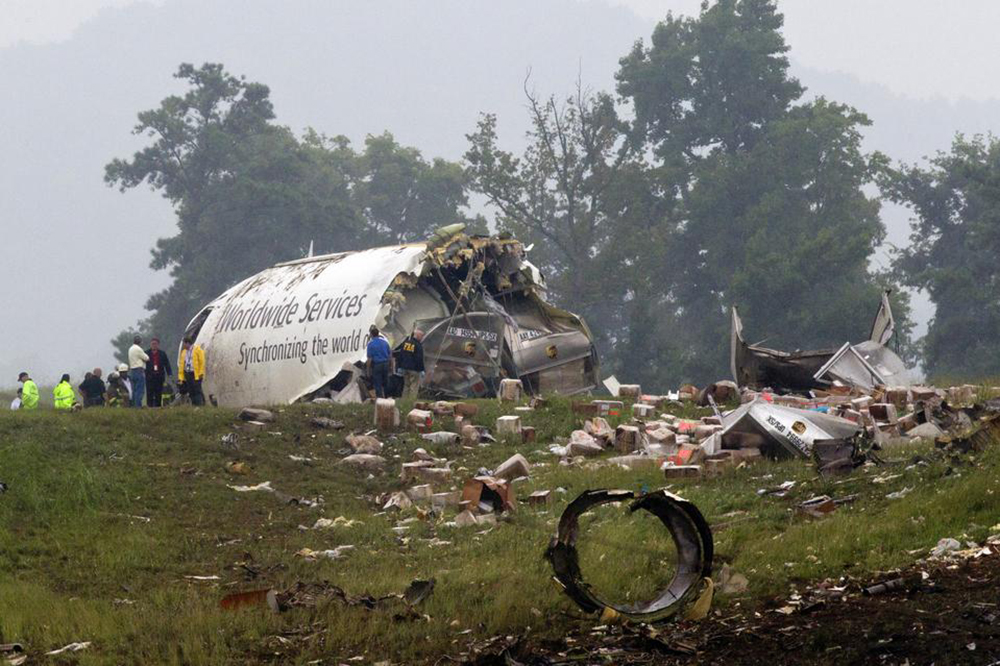
On August 14, 2013, about 0447 central daylight time (CDT), UPS flight 1354, an Airbus A300-600, N155UP, crashed short of runway 18 during a localizer non precision approach to runway 18 at Birmingham-Shuttlesworth International Airport (BHM), Birmingham, Alabama. The captain and first officer were fatally injured, and the airplane was destroyed by impact forces and postcrash fire. The scheduled cargo flight was operating under the provisions of 14 Code of Federal Regulations Part 121 on an instrument flight rules flight plan, and dark night visual flight rules conditions prevailed at the airport; variable instrument meteorological conditions with a variable ceiling were present north of the airport on the approach course at the time of the accident. The flight originated from Louisville International Airport-Standiford Field, Louisville, Kentucky, about 0503 eastern daylight time. A notice to airmen in effect at the time of the accident indicated that runway 06/24, the longest runway available at the airport and the one with a precision approach, would be closed from 0400 to 0500 CDT. Because the flight's scheduled arrival time was 0451, only the shorter runway 18 with a non precision approach was available to the crew. Forecasted weather at BHM indicated that the low ceilings upon arrival required an alternate airport, but the dispatcher did not discuss the low ceilings, the single-approach option to the airport, or the reopening of runway 06/24 about 0500 with the flight crew. Further, during the flight, information about variable ceilings at the airport was not provided to the flight crew.
Probable cause:
The NTSB determined that the probable causes of the crash were:
- The crew continued an unstabilized approach into Birmingham Airport,
- The crew failed to monitor the altitude and inadvertently descended below the minimum descent altitude when the runway was not yet in sight.
Contributing factors were:
- The flight crew's failure to properly configure the on-board flight management computer,
- The first officer's failure to make required call-outs,
- The captain's decision to change the approach strategy without communicating his change to the first officer,
- Flight crew fatigue.
Final Report:
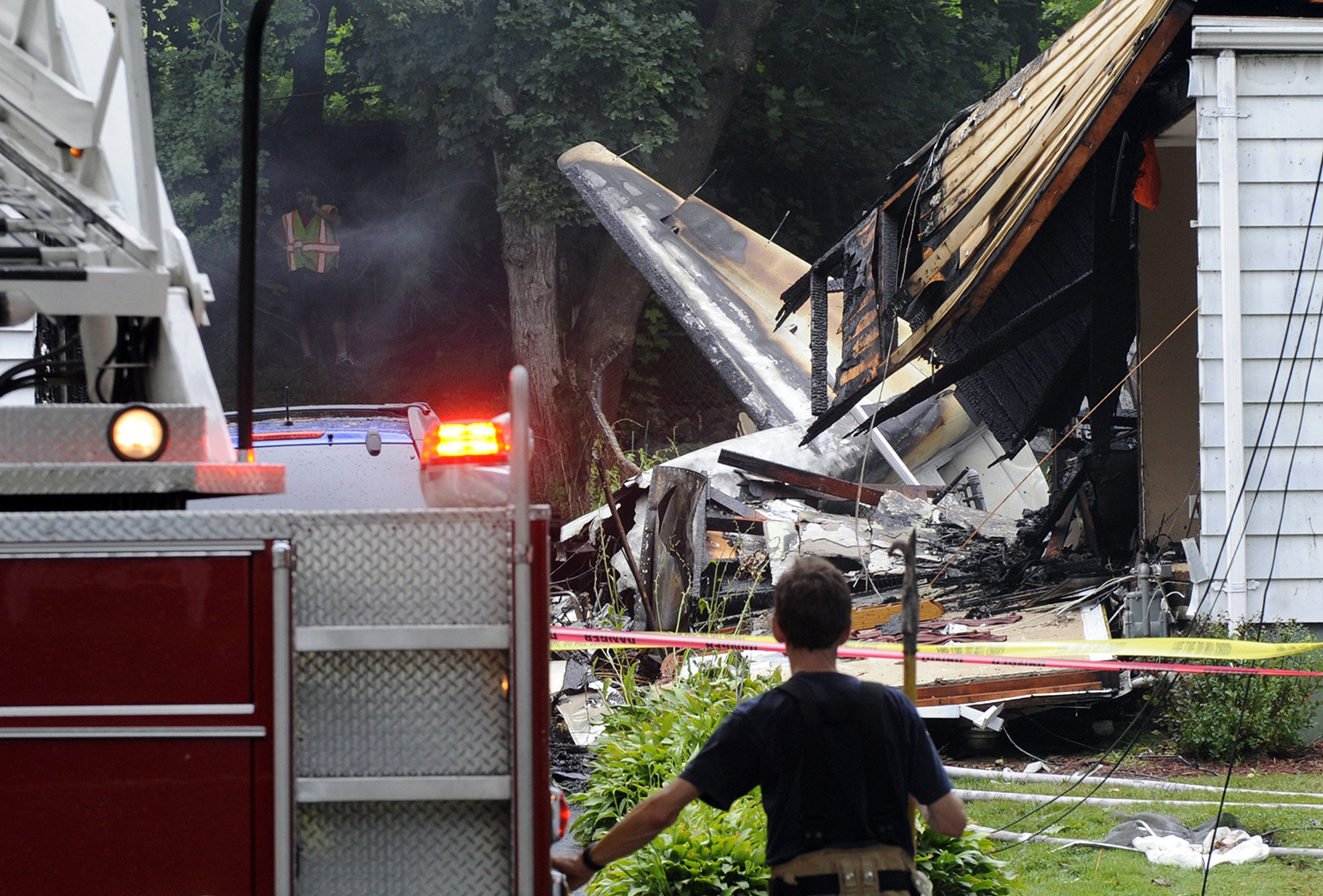
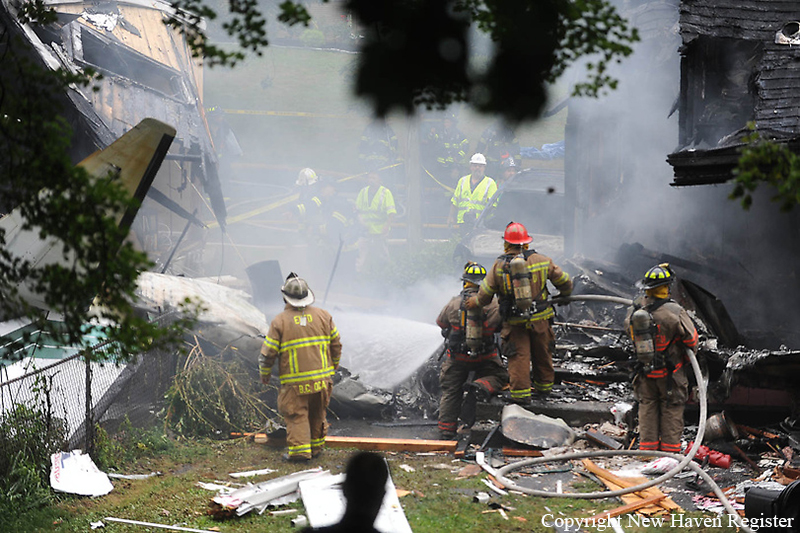
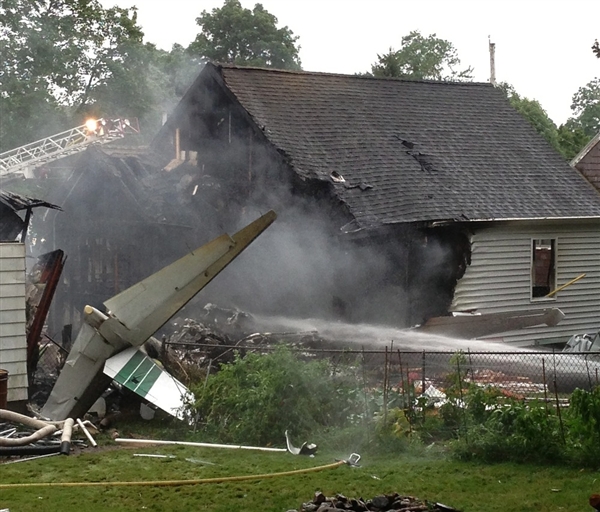
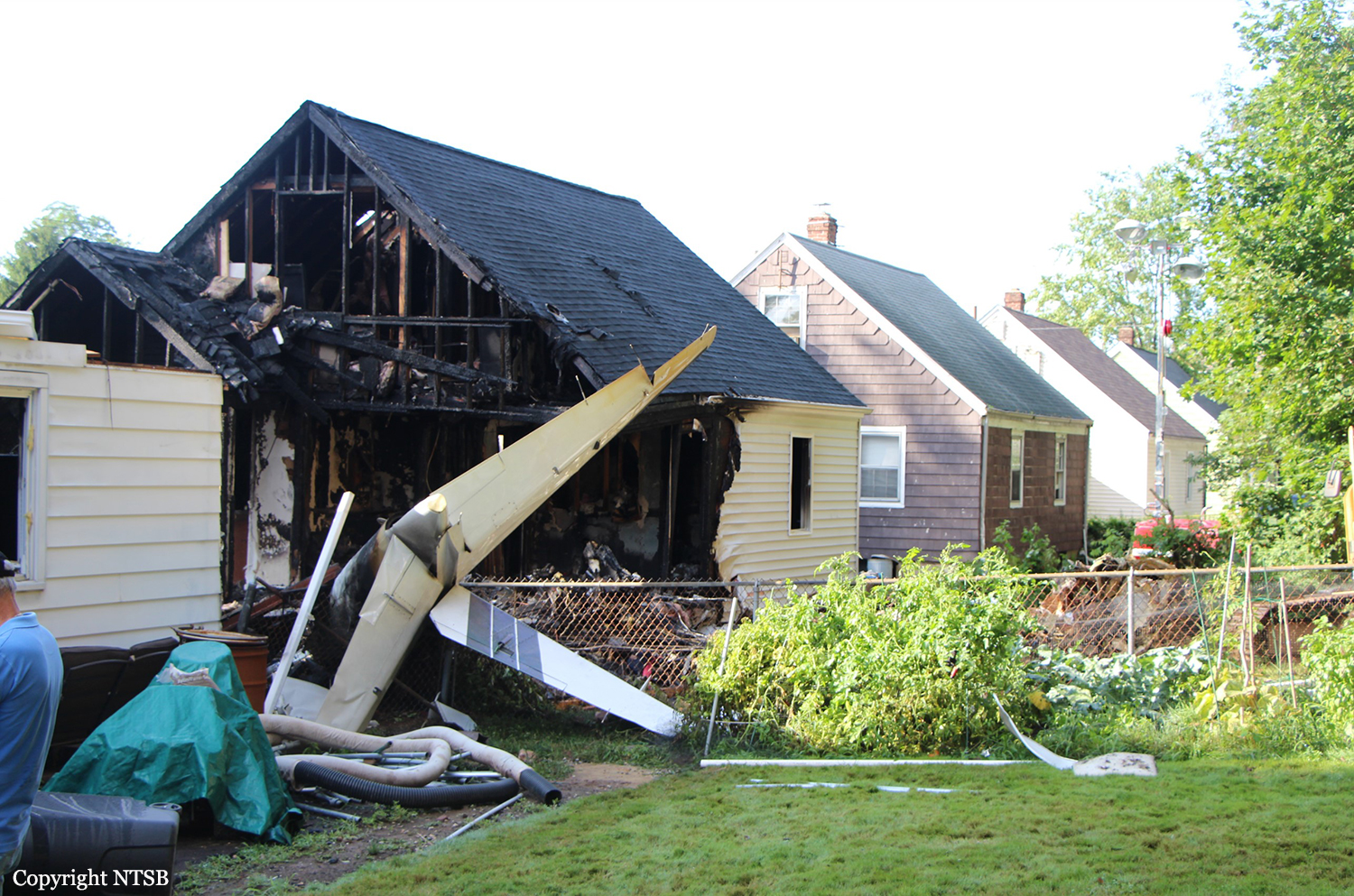
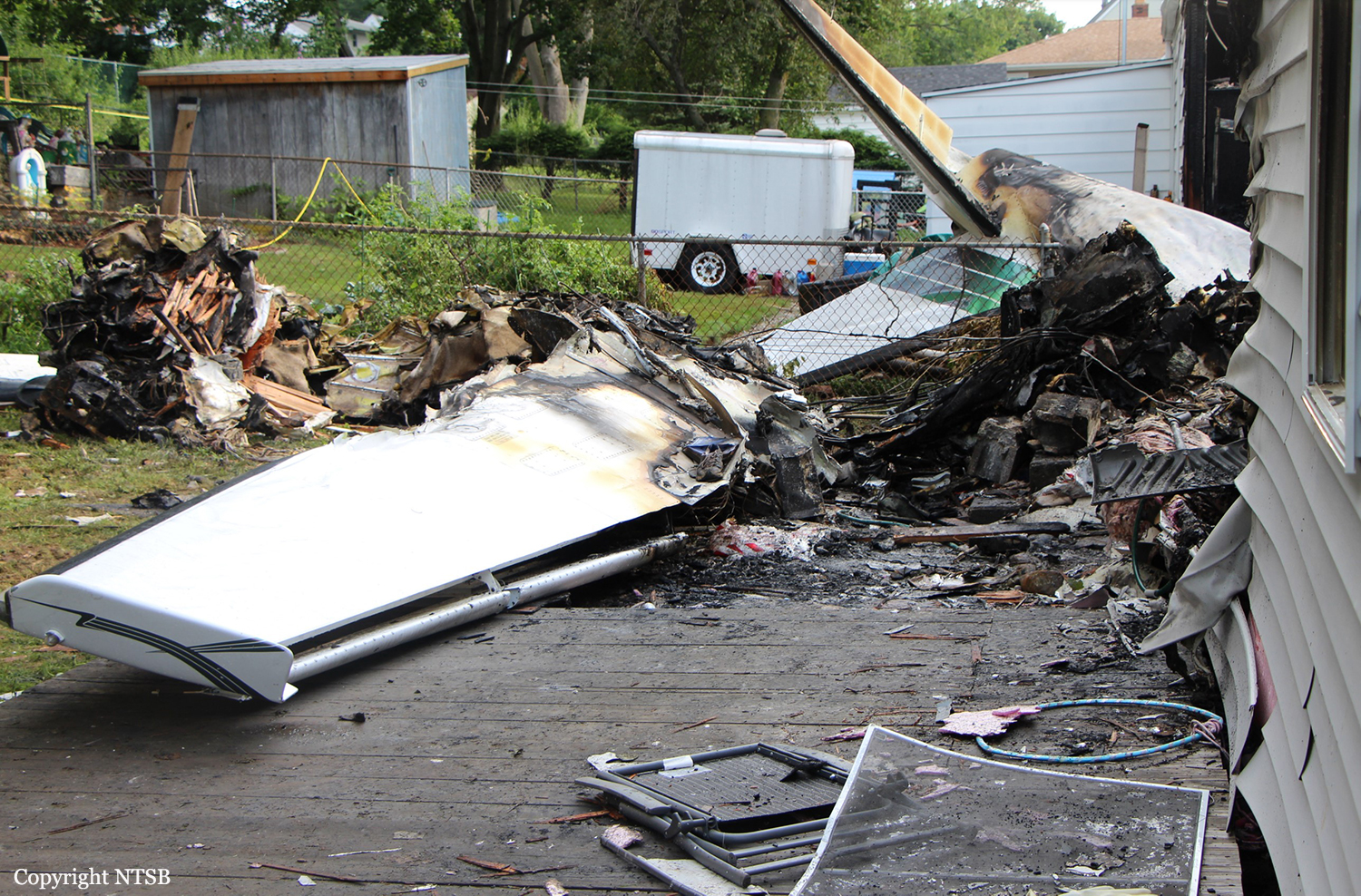
Crash of a Rockwell 690B Turbo Commander in New Haven: 4 killed

Date & Time: Aug 9, 2013 at 1121 LT
Registration:
N13622
Flight Type:
Survivors:
No
Site:
Schedule:
Teterboro - New Haven
MSN:
11469
YOM:
1978
Crew on board:
1
Crew fatalities:
Pax on board:
1
Pax fatalities:
Other fatalities:
Total fatalities:
4
Captain / Total flying hours:
2067
Aircraft flight hours:
8827
Circumstances:
The pilot was attempting a circling approach with a strong gusty tailwind. Radar data and an air traffic controller confirmed that the airplane was circling at or below the minimum descent altitude of 720 feet (708 feet above ground level [agl]) while flying in and out of an overcast ceiling that was varying between 600 feet and 1,100 feet agl. The airplane was flying at 100 knots and was close to the runway threshold on the left downwind leg of the airport traffic pattern, which would have required a 180-degree turn with a 45-degree or greater bank to align with the runway. Assuming a consistent bank of 45 degrees, and a stall speed of 88 to 94 knots, the airplane would have been near stall during that bank. If the bank was increased due to the tailwind, the stall speed would have increased above 100 knots. Additionally, witnesses saw the airplane descend out of the clouds in a nose-down attitude. Thus, it was likely the pilot encountered an aerodynamic stall as he was banking sharply, while flying in and out of clouds, trying to align the airplane with the runway. Toxicological testing revealed the presence of zolpidem, which is a sleep aid marketed under the brand name Ambien; however, the levels were well below the therapeutic range and consistent with the pilot taking the medication the evening before the accident. Therefore, the pilot was not impaired due to the zolpidem. Examination of the wreckage did not reveal any preimpact mechanical malfunctions.
Probable cause:
The pilot's failure to maintain airspeed while banking aggressively in and out of clouds for landing in gusty tailwind conditions, which resulted in an aerodynamic stall and uncontrolled descent.
Final Report:
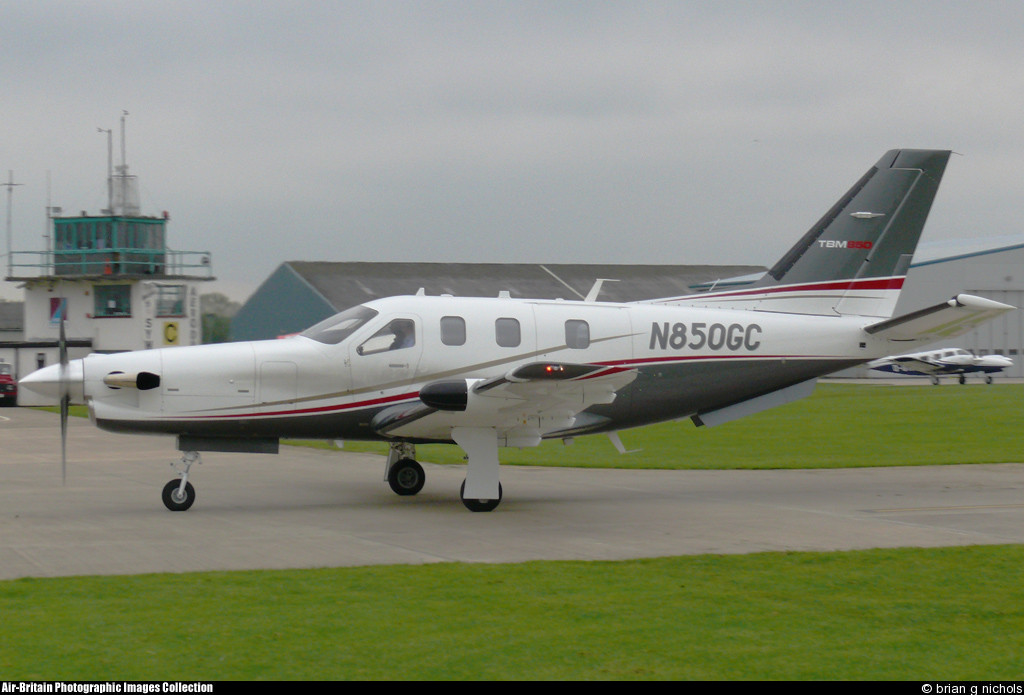
Crash of a Socata TBM-850 in Clermont-Ferrand: 3 killed

Date & Time: Aug 8, 2013 at 0940 LT
Type of aircraft:
Operator:
Registration:
N850GC
Flight Type:
Survivors:
No
Schedule:
Toussus-le-Noble - Clermont-Ferrand - Biarritz
MSN:
645
YOM:
2013
Country:
Region:
Crew on board:
1
Crew fatalities:
Pax on board:
2
Pax fatalities:
Other fatalities:
Total fatalities:
3
Captain / Total flying hours:
615
Captain / Total hours on type:
51.00
Circumstances:
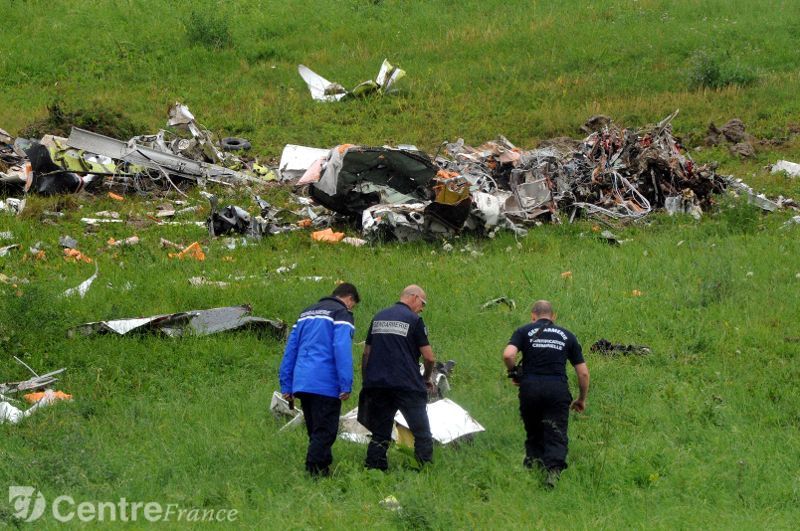
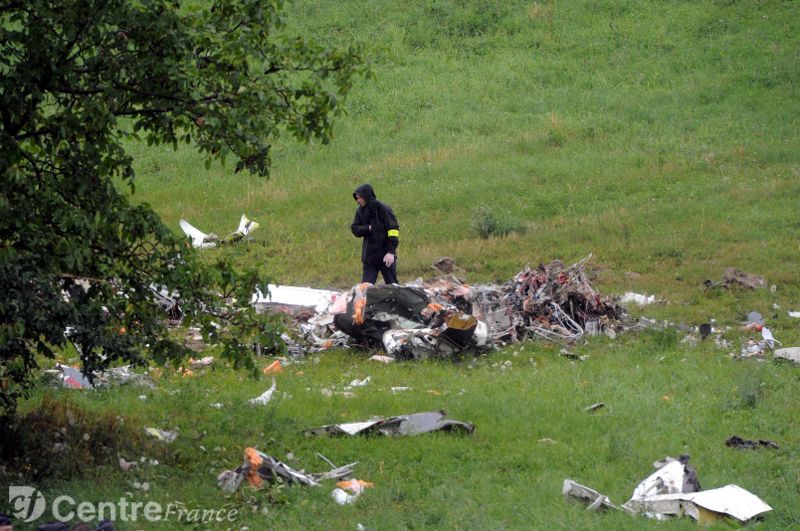
On an ILS Z approach to Clermont-Ferrand-Auvergne Airport Runway 26 in IMC conditions, the pilot was instructed by ATC to climb to 6,000 feet to TIS VOR via a right turn because he failed to follow the published missed approach procedures. The single engine aircraft departed the approach path and control was lost after it completed several turns on climb and descent. It entered a high nose-down attitude and struck the ground at high speed about 6 km short of runway. The aircraft disintegrated on impact and all three occupants aged respectively 70, 73 and 76 years old were killed. They were completing an intermediate stop at Clermont-Ferrand Airport to pick up two additional passengers before continuing to Biarritz.
Probable cause:
The trace from the radar data shows that the aircraft followed the ILS Z 26 procedure track in the horizontal plane to about 6.4 NM from the runway threshold. This observation is consistent with the autopilot tracking of the ILS Z 26 procedure entered into the FMS in GPS mode. The transition from GPS to LOC occurred after the FAP. Although the APP mode was engaged, the aircraft did not descend as expected by the pilot. It continued in line with the localizer but in level flight at 4000 feet for more than 1 nm. The pilot attempted to catch up with the glide path from above. Unable to stabilize his course, he aborted the approach without following the prescribed go-around path or the heading and altitude instructions provided by the controller. He made a succession of left and right turns and climbs and descents. The track and readbacks show that he lost situational awareness. The airspeed regression following the last climb caused the pilot to lose control of the aircraft, which collided with the ground. The entire approach was flown with no outside visibility.
Contributing factors (may have contributed to the loss of control):
- A coding error in the Garmin 1000 avionics suite database that prevented the automatic transition from GPS mode to LOC mode. Thus the automatic interception of the descent plan did not occur, which probably surprised the pilot and led him to resume manual piloting with excessive corrections.
- The pilot's overconfidence in the aircraft's autopilot system.
- Lack of knowledge of the conditions required for the aircraft autopilot system to capture and track the glide path.
- Lack of consistency verification by the pilot between the coded procedure in the avionics suite and his breakthrough sheet.
- The pilot's lack of total and recent instrument flight experience without external visual reference, which may have contributed to his increased stress, lack of availability, and spatial disorientation.
- Sensory illusions that the pilot may have been confronted with, given the numerous changes in aircraft attitude, without external visual reference.
- The acquisition of additional experience and skills with safety pilots after obtaining the SET class rating, which is ineffective and outside the regulatory training framework, which can lead pilots to free themselves from this support when it is considered to be restrictive.
Final Report: