Crash of a Cessna 208B Grand Caravan in Fulshear: 2 killed

Date & Time: Dec 21, 2021 at 0926 LT
Type of aircraft:
Operator:
Registration:
N1116N
Flight Phase:
Flight Type:
Survivors:
No
Schedule:
Houston - Victoria
MSN:
208B-0417
YOM:
1994
Flight number:
MRA685
Location:
Crew on board:
1
Crew fatalities:
Pax on board:
0
Pax fatalities:
Other fatalities:
Total fatalities:
2
Captain / Total flying hours:
3500
Aircraft flight hours:
13125
Circumstances:
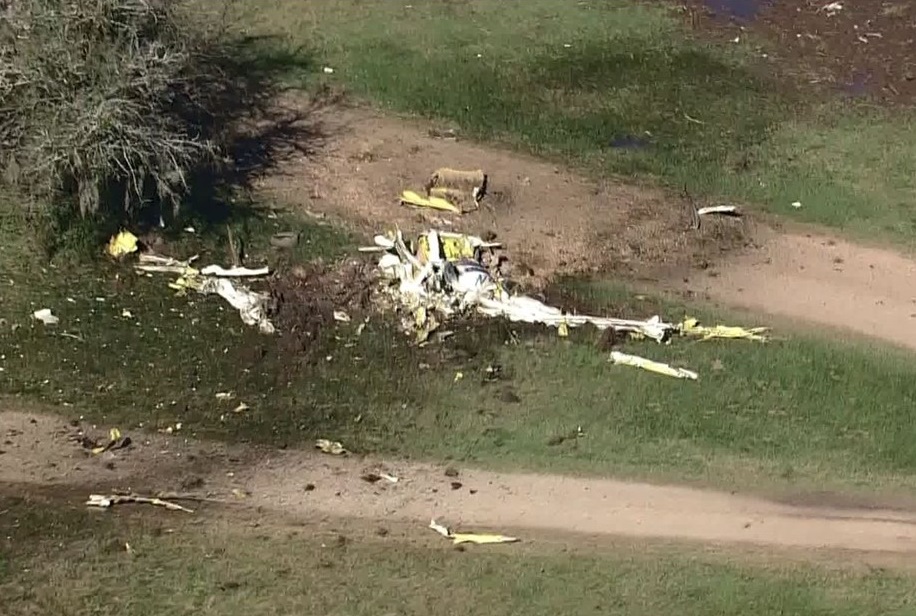
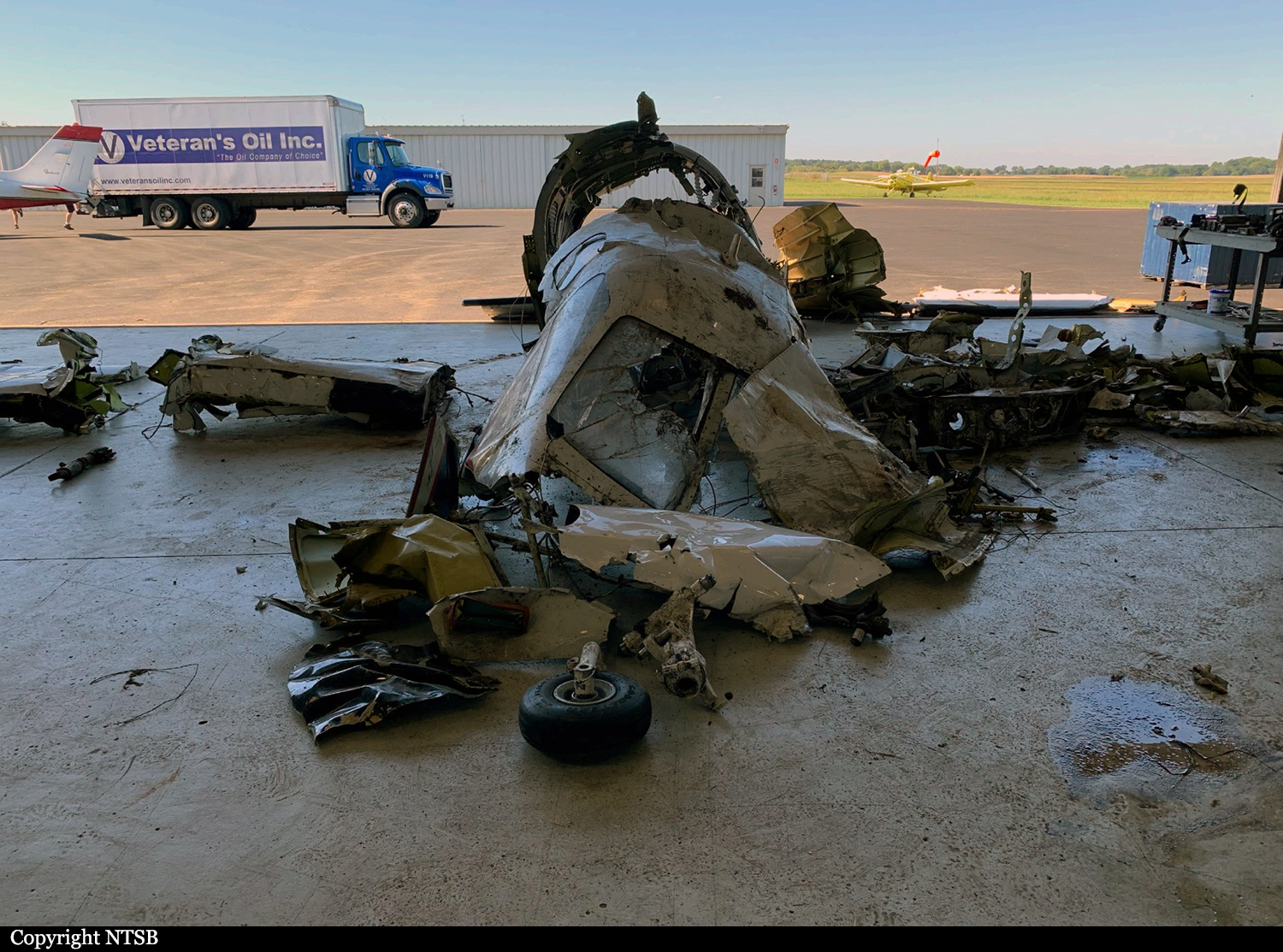
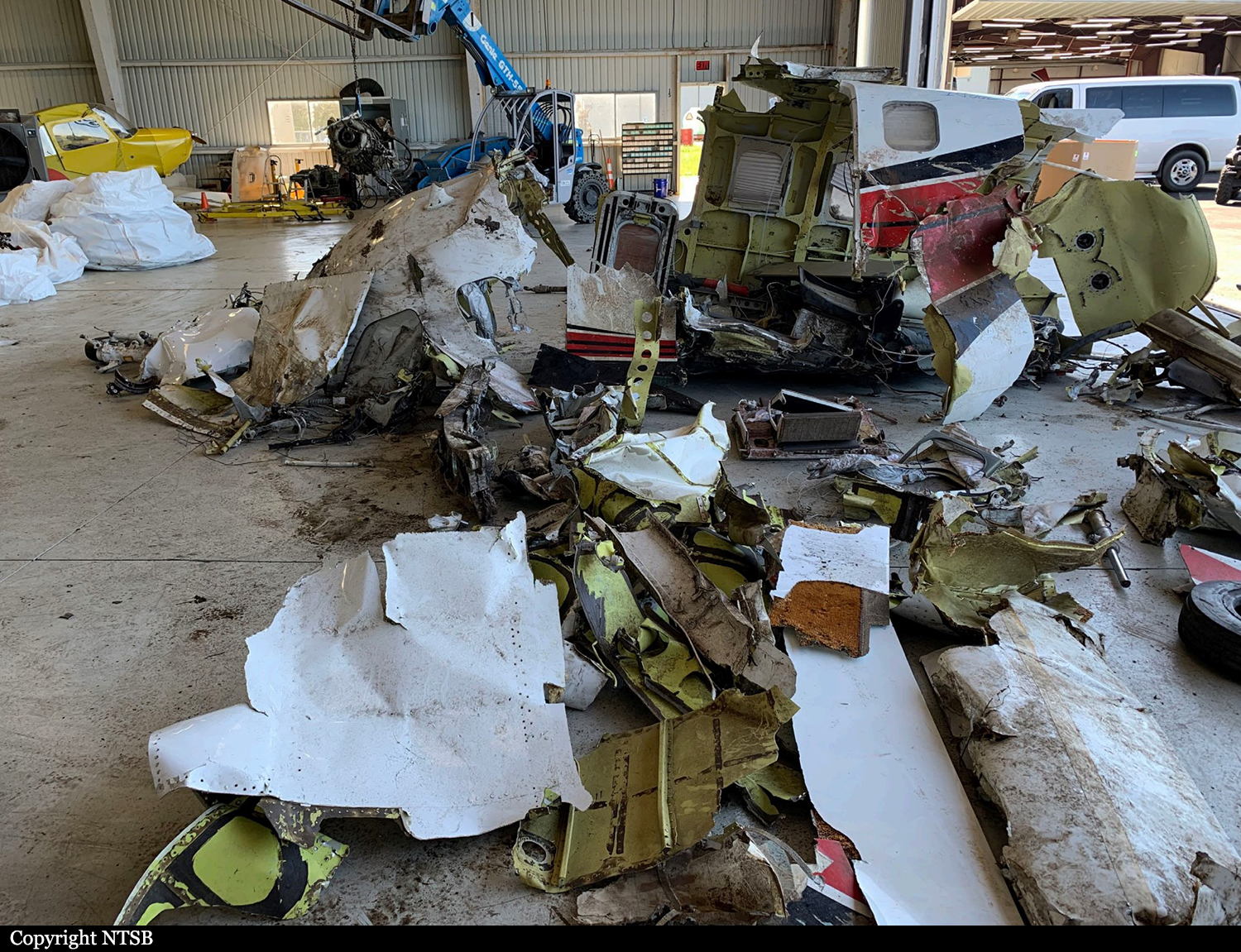
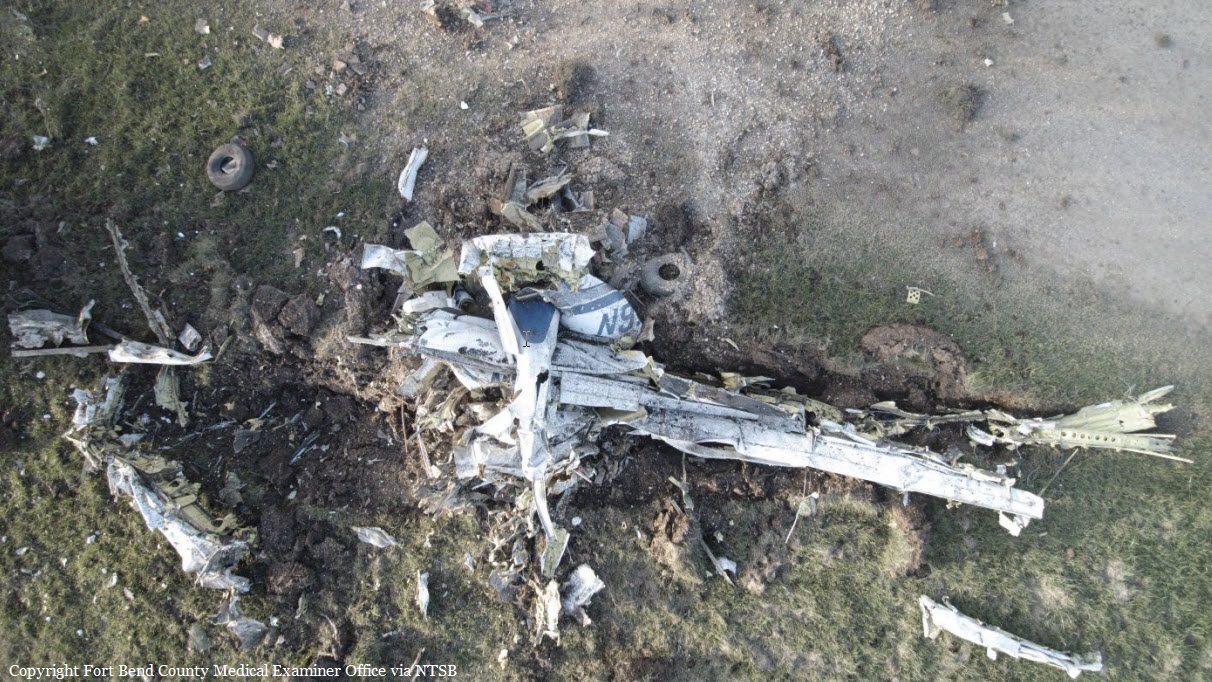
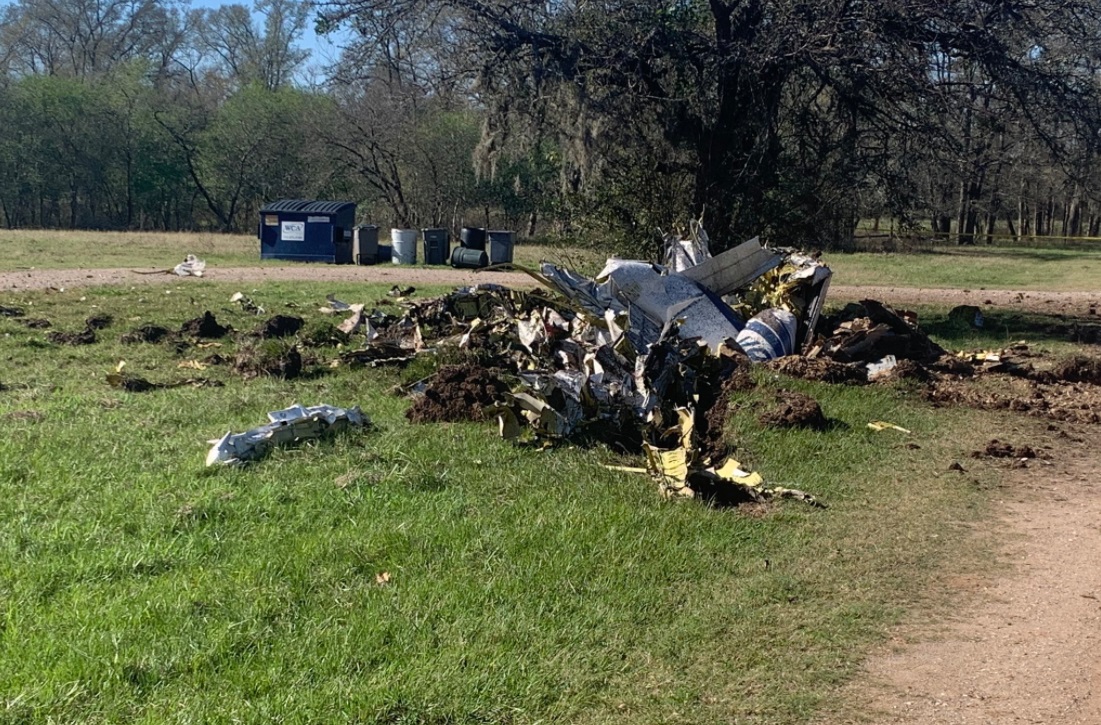
A Cessna 208B airplane collided with a powered paraglider during cruise flight at 5,000 feet mean sea level (msl) in Class E airspace. Based on video evidence, the powered paraglider operator impacted the Cessna’s right wing leading edge, outboard of the lift strut attachment point. The outboard 10 ft of the Cessna’s right wing separated during the collision. The Cessna impacted terrain at high vertical speed in a steep nose-down and inverted attitude. The powered paraglider operator was found separated from his seat style harness. The paraglider wing, harness, and emergency parachute were located about 3.9 miles south of the Cessna’s main wreckage site. Based on video evidence and automatic dependent surveillance-broadcast (ADS-B) data, the Cessna and the powered paraglider converged with a 90° collision angle and a closing speed of about 164 knots. About 8 seconds before the collision, the powered paraglider operator suddenly turned his head to the right and about 6 seconds before the collision, the powered paraglider maneuvered in a manner consistent with an attempt to avoid a collision with the converging Cessna. Research indicates that about 12.5 seconds can be expected to elapse between the time that a pilot sees a conflicting aircraft and the time an avoidance maneuver begins. Additionally, research suggests that general aviation pilots may only spend 30-50% of their time scanning outside the cockpit. About 8 seconds before the collision (when the powered paraglider operator’s head suddenly turned to the right), the Cessna would have appeared in the powered paraglider operator’s peripheral view, where research has demonstrated visual acuity is very poor. Additionally, there would have been little apparent motion because the Cessna and the powered paraglider were on a collision course. Under optimal viewing conditions, the powered paraglider may have been recognizable to the Cessna pilot about 17.5 seconds before the collision. However, despite the powered paraglider’s position near the center of his field of view, the Cessna pilot did not attempt to maneuver his airplane to avoid a collision. Further review of the video evidence revealed that the powered paraglider was superimposed on a horizon containing terrain features creating a complex background. Research suggests that the powered paraglider in a complex background may have been recognizable about 7.4 seconds before the collision. However, the limited visual contrast of the powered paraglider and its occupant against the background may have further reduced visual detection to 2-3 seconds before the collision. Thus, after considering all the known variables, it is likely that the Cessna pilot did not see the powered paraglider with sufficient time to avoid the collision. The Cessna was equipped with a transponder and an ADS-B OUT transmitter, which made the airplane visible to the air traffic control system. The operation of the powered paraglider in Class E airspace did not require two-way radio communication with air traffic control, the use of a transponder, or an ADS-B OUT transmitter and therefore was not visible to air traffic control. Neither the Cessna nor the powered paraglider were equipped with ADS-B IN technology, cockpit display of traffic information, or a traffic alerting system. Postmortem toxicological testing detected the prescription antipsychotic medication quetiapine, which is not approved by the Federal Aviation Administration (FAA), in the Cessna pilot’s muscle specimen but the test results did not provide sufficient basis for determining whether he was drowsy or otherwise impaired at the time of the collision (especially in the absence of any supporting details to suggest quetiapine use). Testing also detected ethanol at a low level (0.022 g/dL) in the Cessna pilot’s muscle specimen, but ethanol was not detected (less than 0.01 g/dL) in another muscle specimen. Based on the available results, some, or all of the small amount of detected ethanol may have been from postmortem production, and it is unlikely that ethanol effects contributed to the accident. The Cessna pilot likely did not have sufficient time to see and avoid the powered paraglider (regardless of whether he was impaired by the quetiapine) and, thus, it is unlikely the effects of quetiapine or an associated medical condition contributed to the accident.
Probable cause:
The limitations of the see-and-avoid concept as a method for self-separation of aircraft, which resulted in an inflight collision. Contributing to the accident was the absence of collision avoidance technology on both aircraft.
Final Report:
Crash of a Rockwell 690B Turbo Commander near Hiles: 3 killed

Date & Time: Sep 28, 2021 at 0900 LT
Operator:
Registration:
N690LS
Flight Phase:
Survivors:
No
Schedule:
Rhinelander - Rhinelander
MSN:
690-11475
YOM:
1978
Location:
Crew on board:
1
Crew fatalities:
Pax on board:
2
Pax fatalities:
Other fatalities:
Total fatalities:
3
Captain / Total flying hours:
1019
Captain / Total hours on type:
300.00
Aircraft flight hours:
7854
Circumstances:
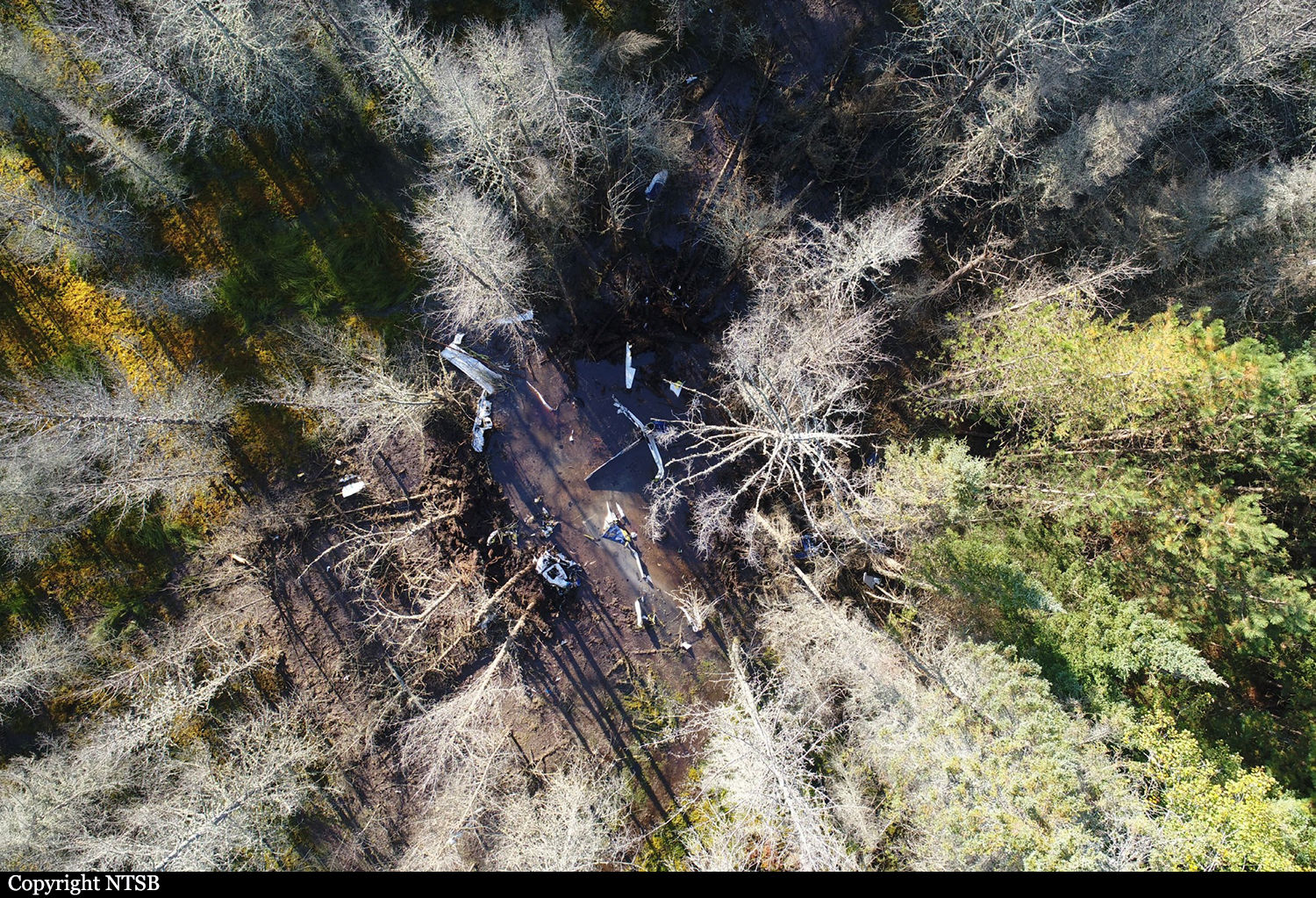
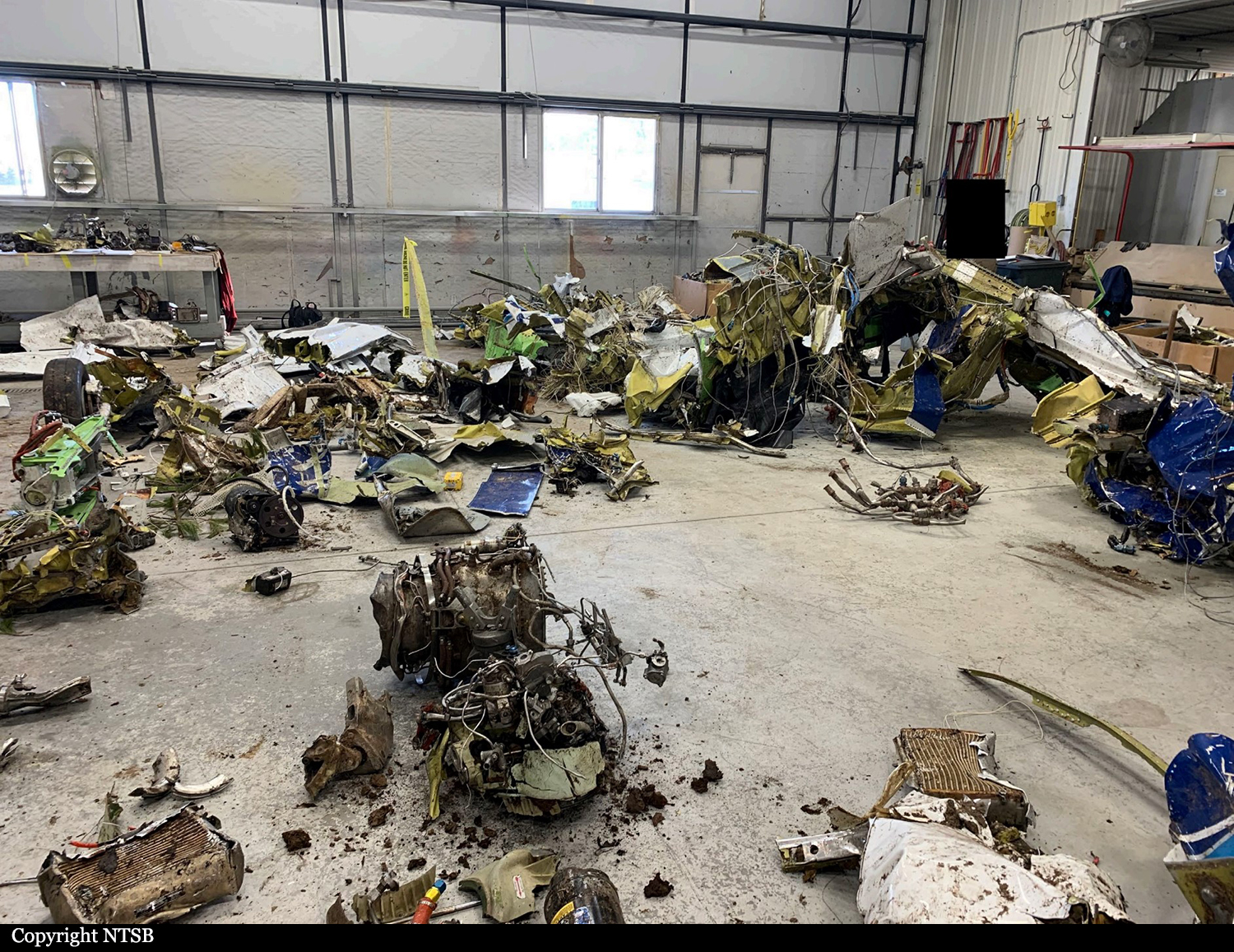
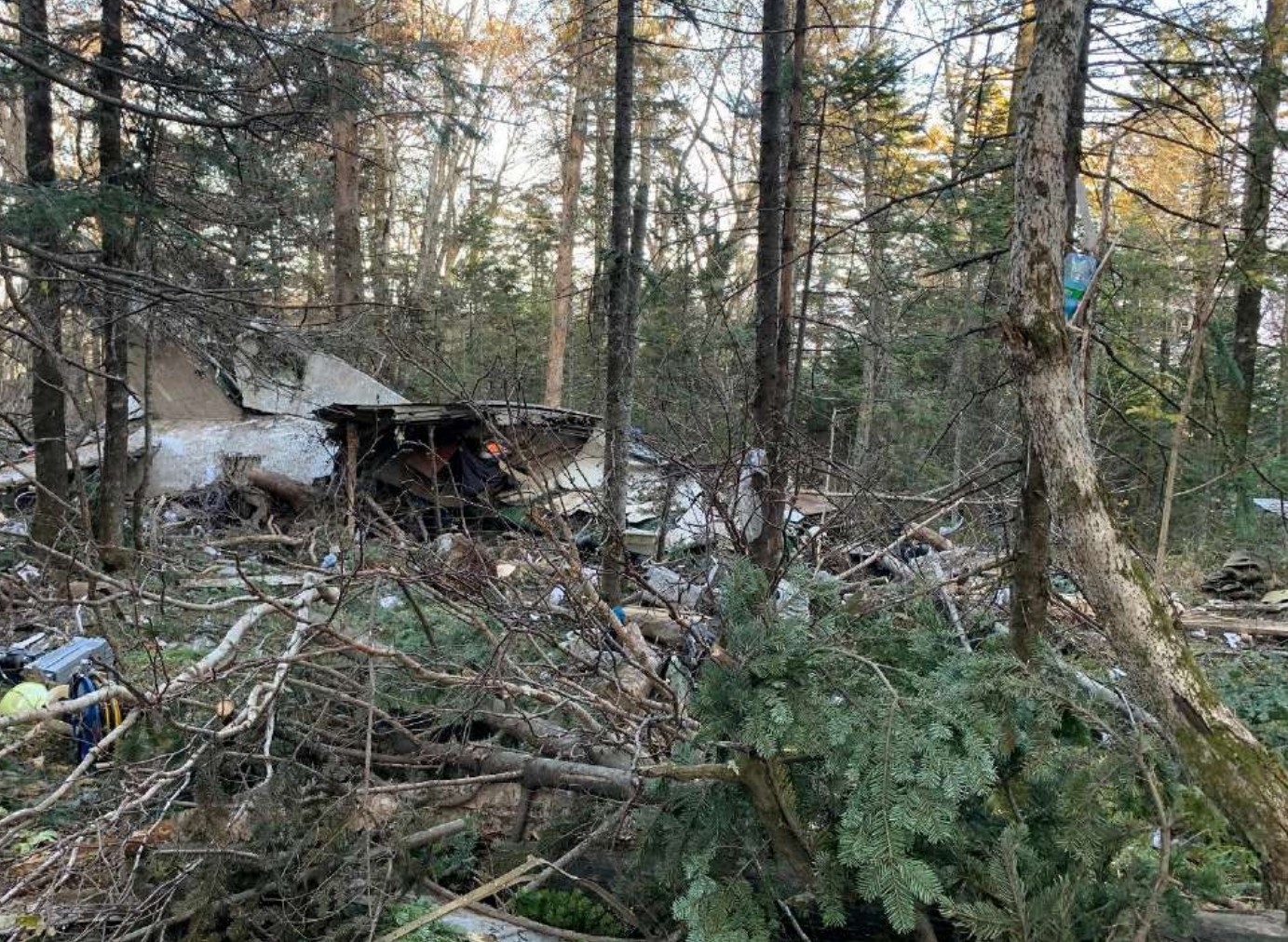
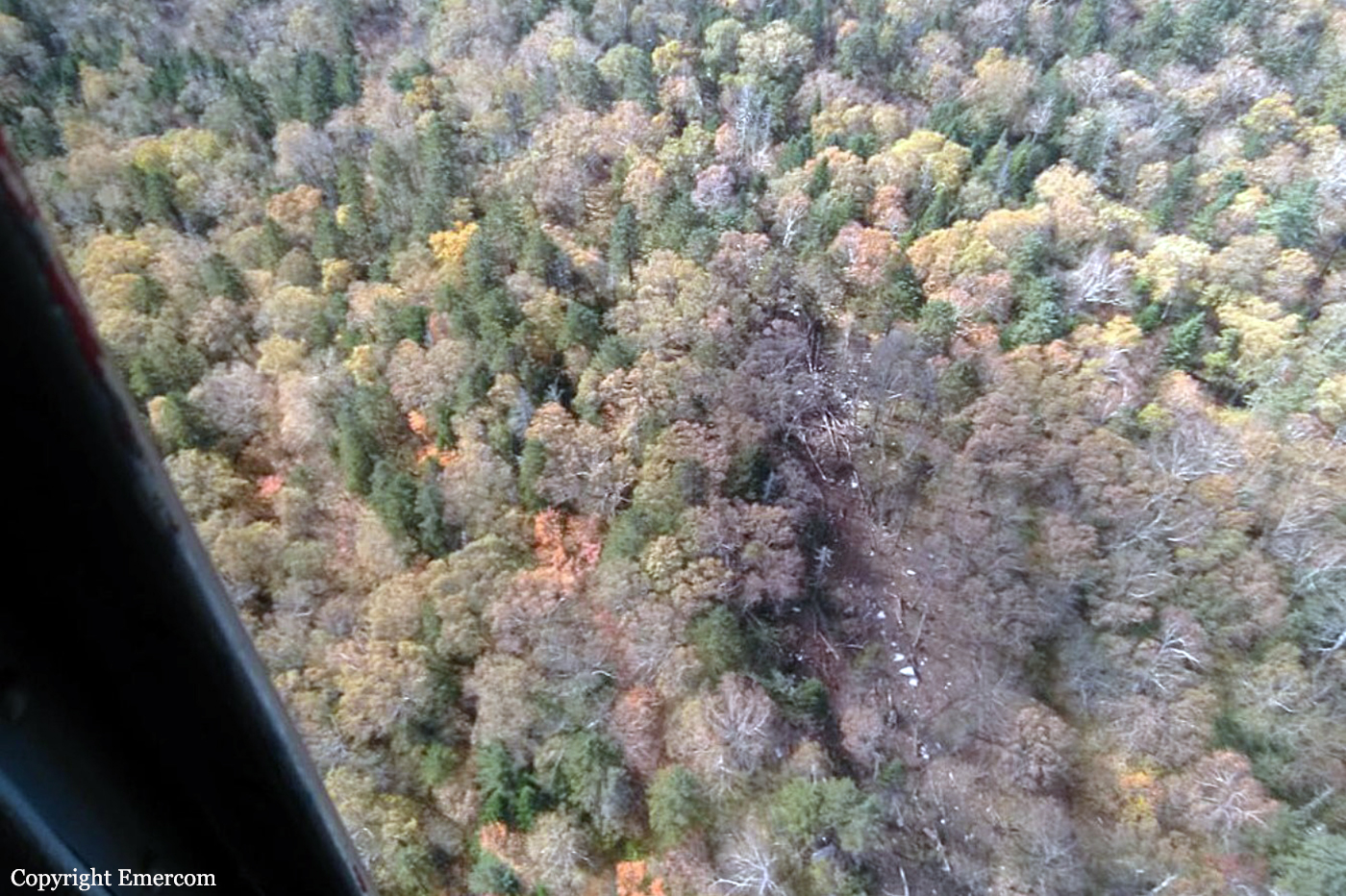
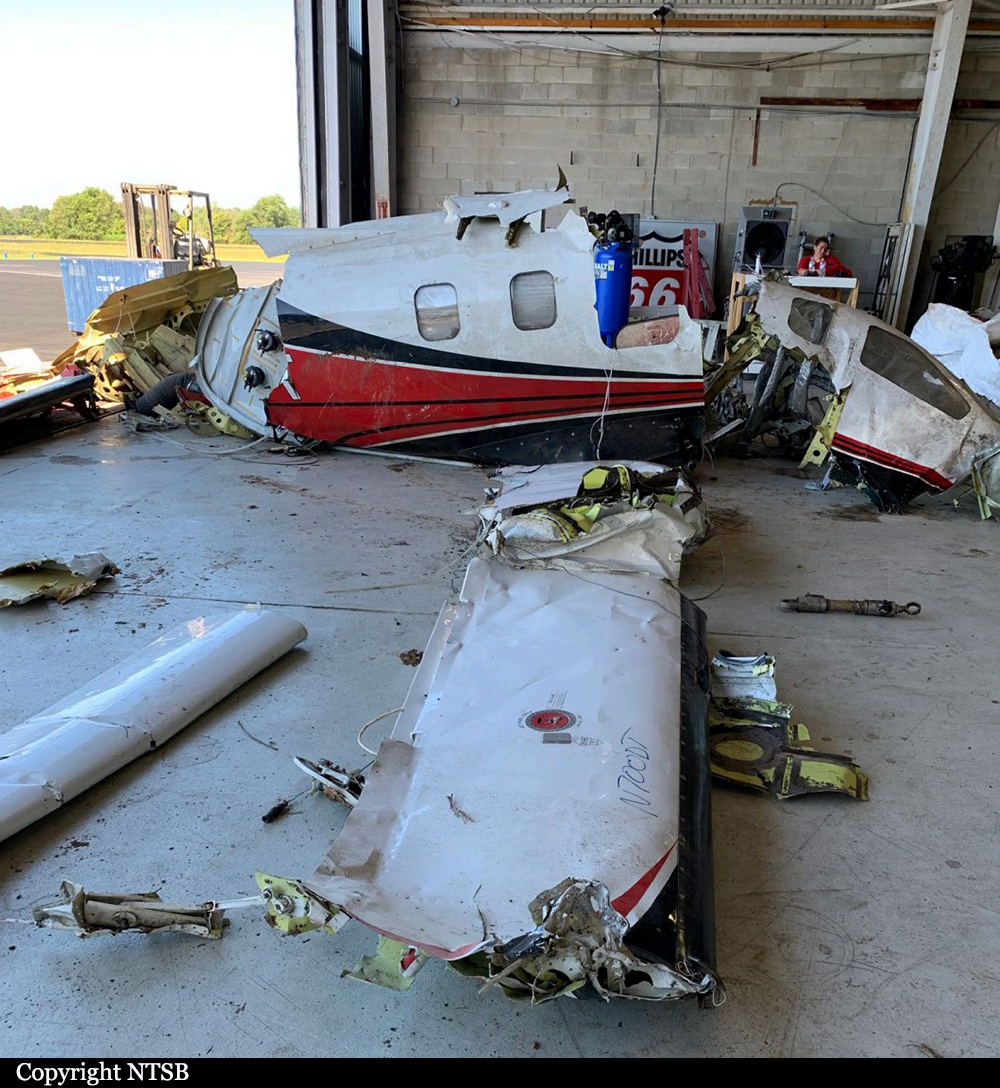
The company pilot and two employees had departed on an aerial imagery survey flight of forest vegetation. The airplane began to level off at an altitude of about 16,100 ft mean sea level (msl) and accelerated to a maximum recorded groundspeed of 209 knots. Less than 2 minutes later, the groundspeed decreased to about 93 knots, and the airplane descended about 500 ft while on a steady heading. The airplane subsequently entered a rapid descent and a right turn, and “mayday, mayday, mayday” and “we’re in a spin” transmissions were broadcast to air traffic control (ATC). A witness, who was located near the accident site, noticed the airplane nose down at high rate of speed and then saw the airplane spinning rapidly about its longitudinal axis. The airplane wreckage was located in remote wetlands and wooded terrain. Postaccident examination revealed that the airplane impacted the ground in a nose-low vertical attitude and at high speed. All major components of the airplane were located at the accident site. Examination of the airframe, engines, and propellers revealed no preimpact mechanical malfunctions or failures that would have precluded normal operation. According to the aircraft performance study for this accident, when the airplane pitched down, the normal load factor decreased rapidly from about 1.6 to less than 1 G. A rapid decrease in normal load factor is consistent with a stall when the wing exceeds its critical angle of attack. At that point, the air flow becomes separated at the wing, and the wing can no longer generate the necessary lift. If the airplane is in uncoordinated flight at the stall, a spin can result. Thus, the pilot likely did not maintain adequate airspeed, causing the airplane to exceed its critical angle of attack and enter a stall and spin. An important but unknown factor before and during the initial stall was the behavior of the pilot regarding his flight control inputs, including his possible attempt to recover. The airplane’s Pilot Operating Handbook states that spins are not authorized and does not include a procedure for inadvertent spin recovery.
Probable cause:
The pilot’s failure to maintain adequate airspeed, which caused the airplane to exceed its critical angle of attack and enter an inadvertent stall and spin.
Final Report:

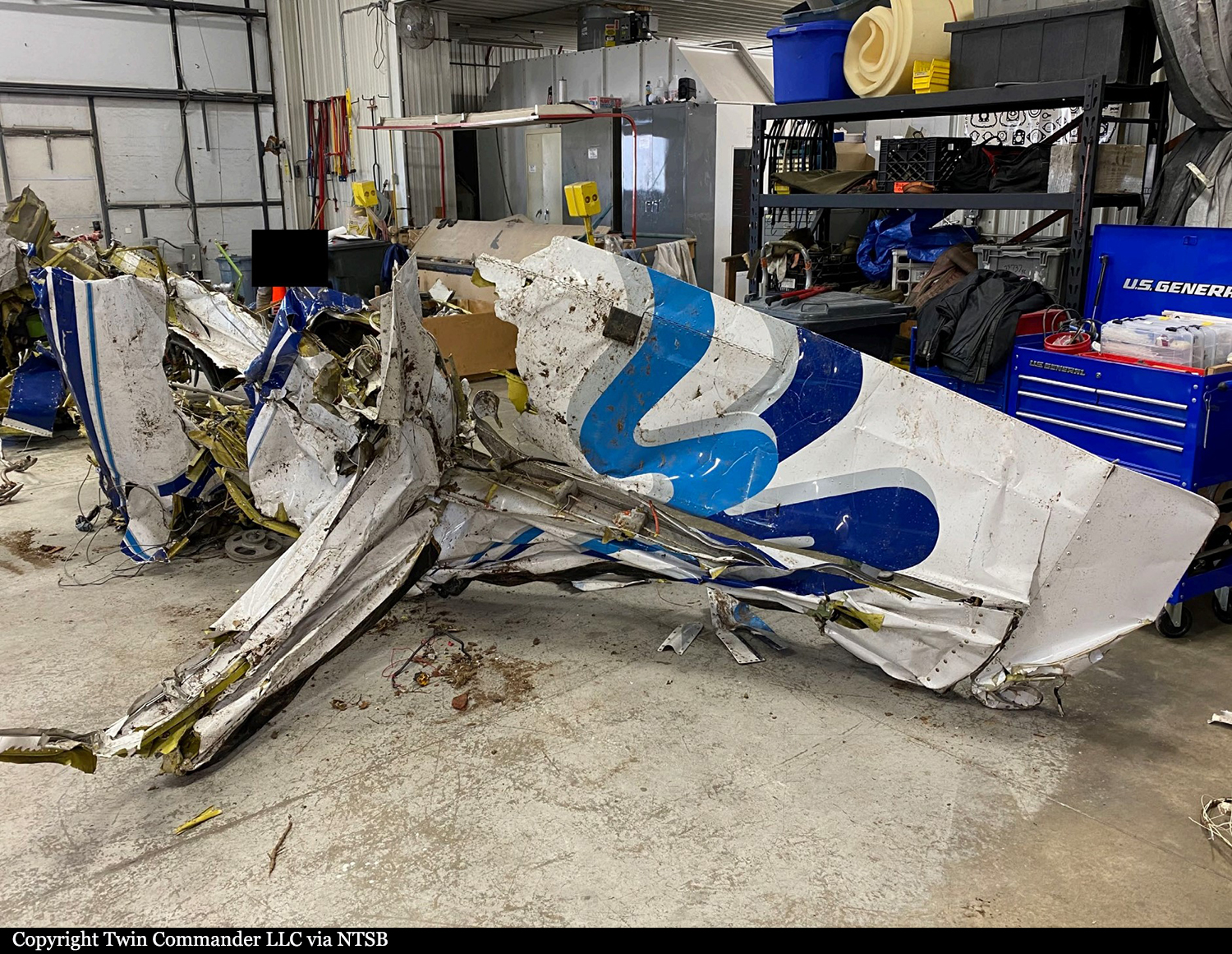
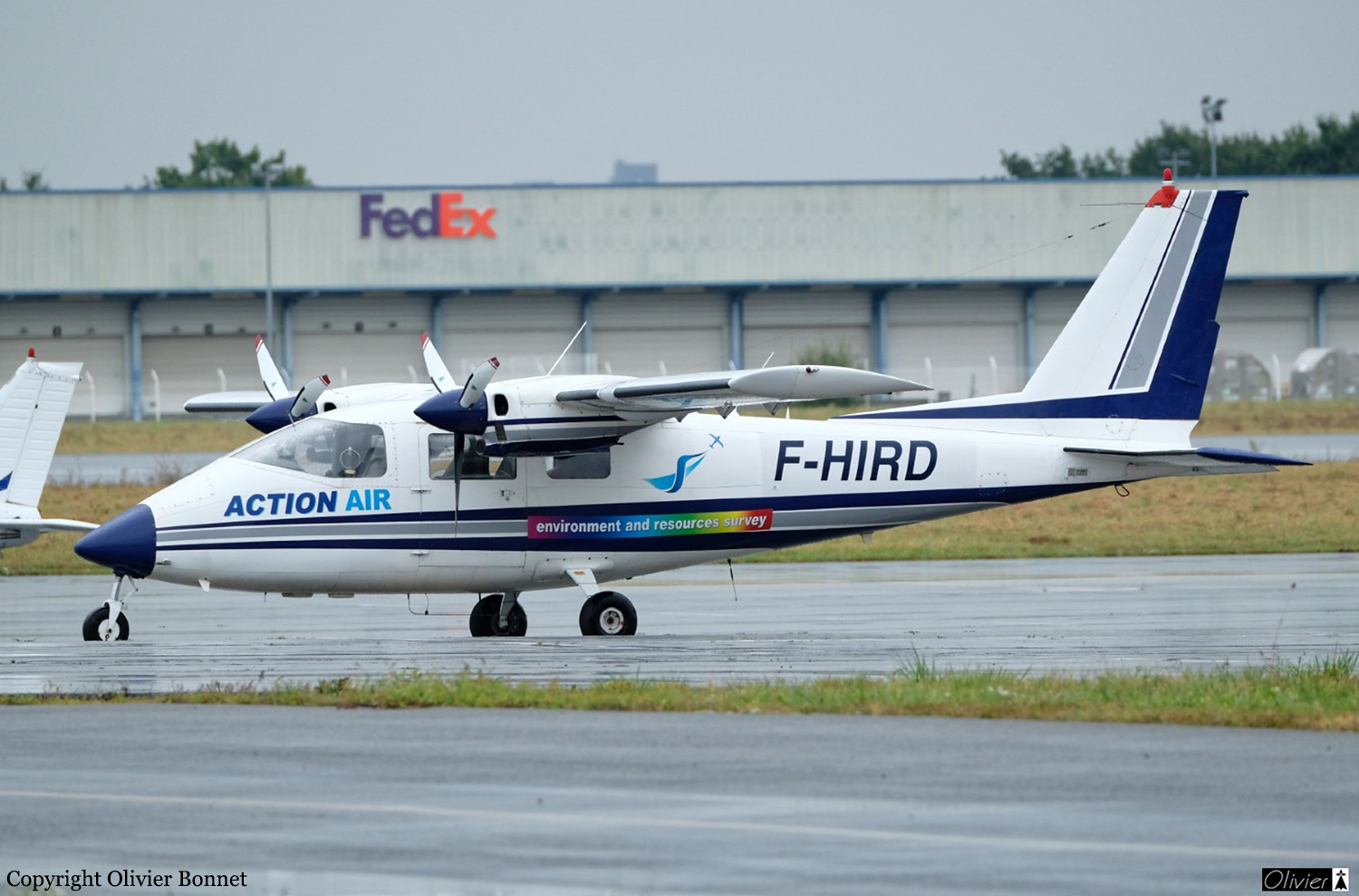
Crash of a Partenavia P.68 Victor in Carnsore Point

Date & Time: Sep 23, 2021 at 1710 LT
Type of aircraft:
Operator:
Registration:
F-HIRD
Flight Phase:
Survivors:
Yes
Schedule:
Waterford - Waterford
MSN:
14
YOM:
1975
Country:
Region:
Crew on board:
1
Crew fatalities:
Pax on board:
3
Pax fatalities:
Other fatalities:
Total fatalities:
0
Captain / Total flying hours:
2112
Captain / Total hours on type:
325.00
Circumstances:
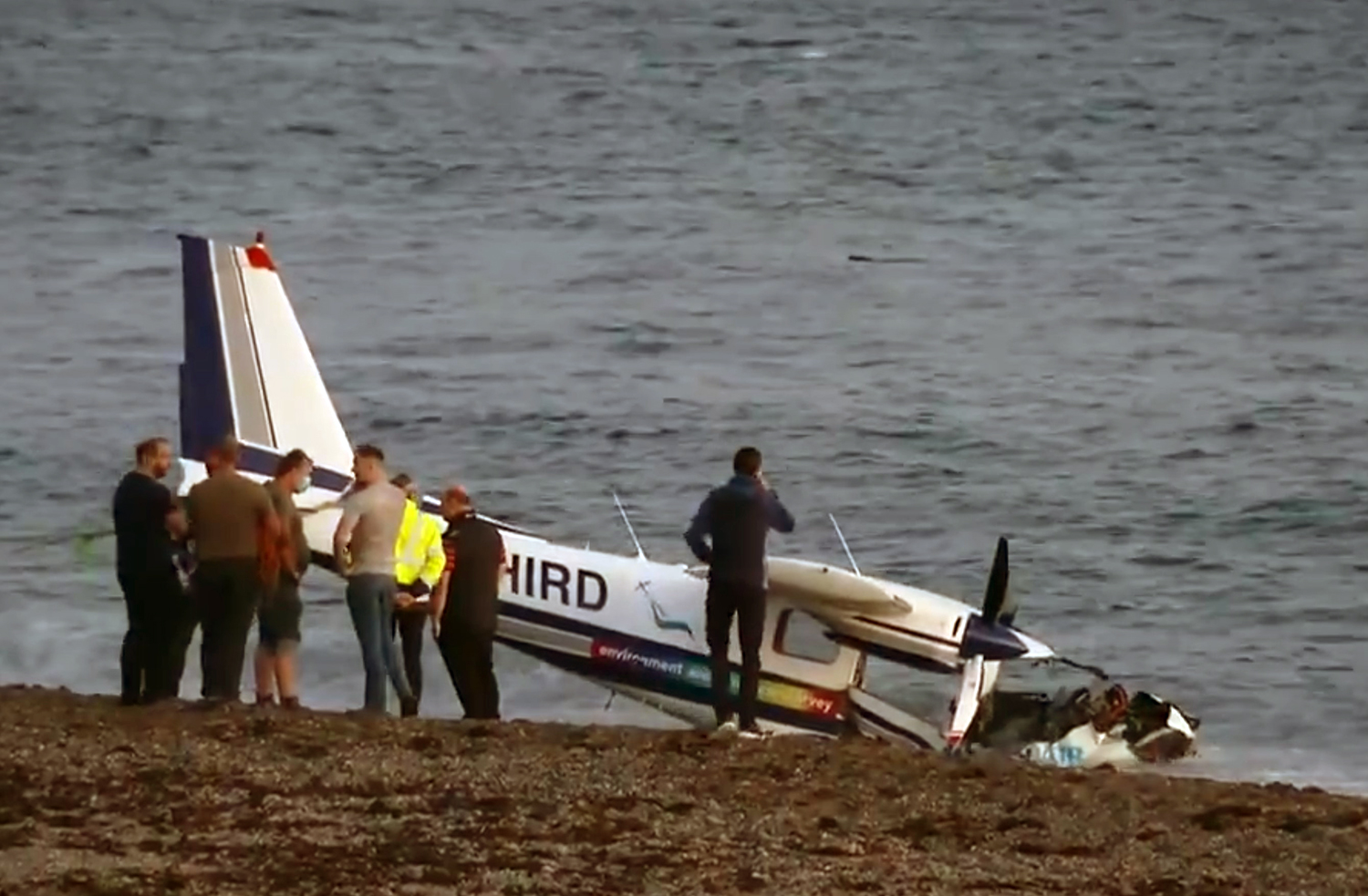
The twin engine aircraft, a Partenavia P.68 Victor, with one pilot and three Task Specialists on board, departed Waterford Airport (EIWF) at 11:08 hrs on 23 September 2021. The three Task Specialists were members of an environmental research team. The flight was part of a series of survey flights, the purpose of which was to record sightings of marine wildlife in the waters off the coast of Ireland. The aircraft seating layout was two rows of two seats and a benchtype seat in the rear of the aircraft. During the occurrence flight, one Task Specialist was seated in the front right seat next to the Pilot, and the two other Task Specialists were seated in the row directly behind. The rear bench seat was unoccupied. The plan for the flight was to fly over the sea along 16 pre-defined survey lines at a height of approximately 250 – 300 feet (ft) and a speed of approximately 100 knots (kt). Each line was approximately 45 km (24.3 NM) in length and the lines were spaced approximately 4 km (2.2 NM) apart. The planned 16 survey lines were completed in approximately 4 hours and 30 minutes. Following a discussion with the Task Specialists, and after assessing the remaining fuel, the Pilot determined that there was enough fuel to complete two more survey lines before returning to EIWF with his fuel reserves intact. Shortly after commencing the second of the two additional survey lines, the right engine stopped. At the time, the aircraft was reportedly travelling at a speed of approximately 105 kts and was at a height of approximately 300 ft. Recorded data shows that the aircraft then climbed to approximately 500 ft. The Pilot reported that the aircraft climbed more slowly than expected whilst operating on the left engine only. At approximately 500 ft whilst still in the climb, the left engine exhibited a significant loss of power but did not completely stop. The Task Specialists later reported that the aircraft dropped in height and turned to the left. The left engine power recovered but the power loss re-occurred. This sequence of climbing slightly, losing power, losing height, and recovering engine power when descending repeated several times. The Pilot then routed directly towards land and as the aircraft approached the shore, the left engine lost power again. The Pilot banked the aircraft to the left and carried out a forced landing on the beach during which the nose of the aircraft impacted with the loose shale surface. The aircraft sustained significant structural damage to the forward cabin area. The three Task Specialists exited the aircraft through the door on the left side. The Pilot and Task Specialists reported that when the aircraft was on the beach, the left engine ran briefly at what the Pilot said appeared to be full power. The Pilot pulled back the fuel mixture lever to shut down the engine. The Pilot exited the aircraft through the broken windscreen which had shattered during the impact. Two Coastguard helicopters attended the scene. The Pilot and the Task Specialist seated in the front right seat sustained serious injuries during the impact sequence and were airlifted to hospital. The two other Task Specialists sustained minor injuries and were taken to hospital by road ambulance.
Probable cause:
Separate interruptions to the fuel supply of each engine, while operating at or below a quarter of the aircraft’s fuel tank capacity, ultimately resulting in a forced landing.
Contributory factors:
- A lack of clarity in the aircraft Flight Manual limitations section regarding operations at less than ¼ tank fuel.
- The configuration of the fuel selector panel was potentially misleading and its operation was not intuitive.
Final Report:

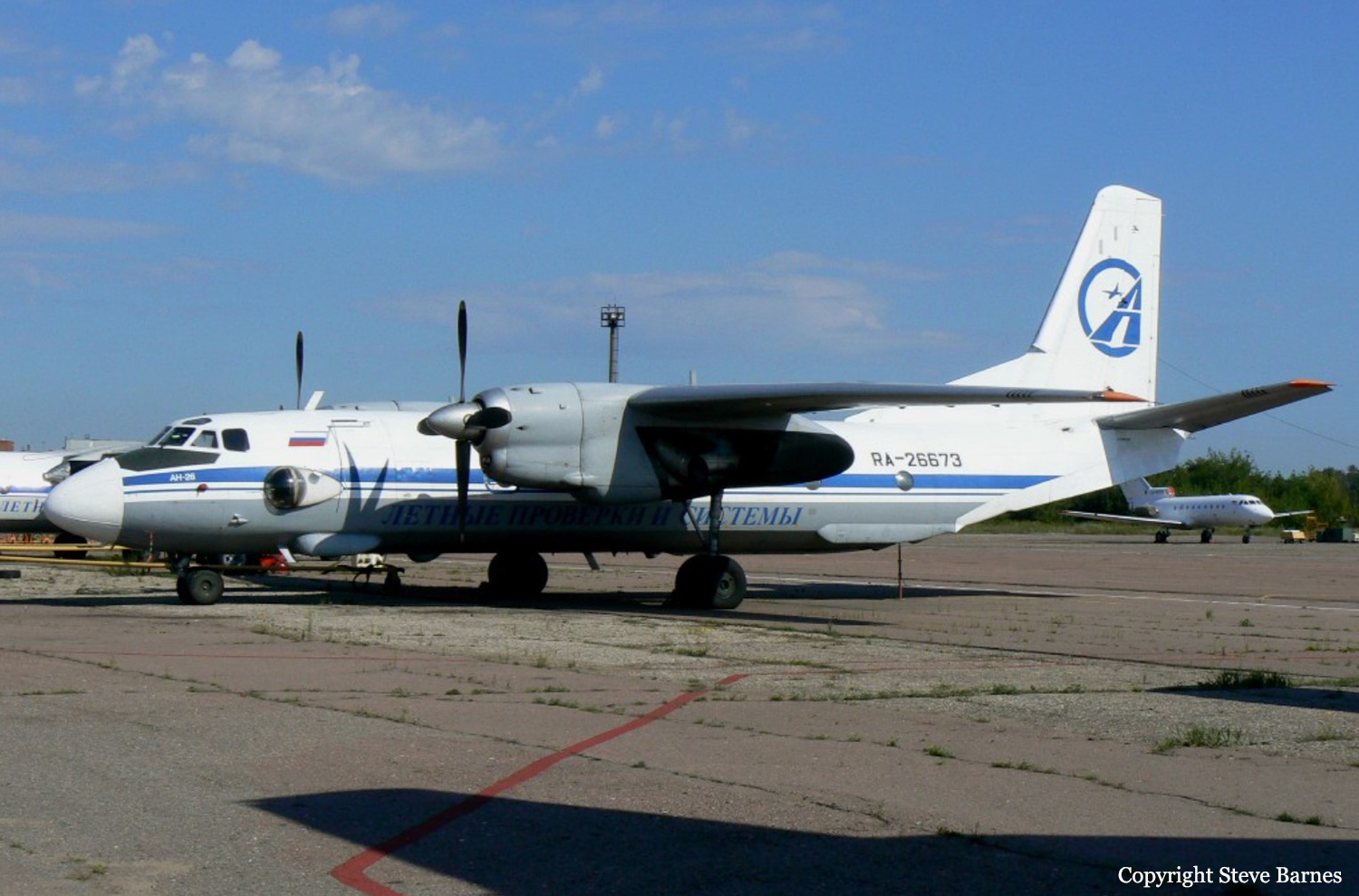
Crash of an Antonov AN-26KPA near Khabarovsk: 6 killed

Date & Time: Sep 22, 2021 at 1811 LT
Type of aircraft:
Operator:
Registration:
RA-26673
Flight Phase:
Flight Type:
Survivors:
No
Site:
Schedule:
Khabarovsk - Khabarovsk
MSN:
84 08
YOM:
1979
Country:
Region:
Crew on board:
6
Crew fatalities:
Pax on board:
0
Pax fatalities:
Other fatalities:
Total fatalities:
6
Captain / Total flying hours:
11990
Captain / Total hours on type:
3276.00
Copilot / Total flying hours:
530
Copilot / Total hours on type:
390
Aircraft flight hours:
36881
Circumstances:
The airplane was engaged in a calibration mission at Khabarovsk-Novy Airport, carrying six crew members. The goal of the flight was to caliber the ILS system of runway 05R. In the afternoon, the airplane departed Khabarovsk-Novy Airport and completed several circuits over the aerodrome and the area. The crew was instructed to climb away from the airport to an altitude of 600 metres and to turn to follow the reverse approach course. However, the minimum published altitude for that sector up to a distance of 46 km was fixed to 1,200 metres. The crew continued at an altitude of 600 metres with a heading of 220° for few minutes. While initiating a slight climb and while flying at an altitude of 742 metres in poor visibility due to marginal weather conditions, the airplane impacted trees and crashed on the wooded slope of Mt Khrebtovaya (793 metres high) located in the Bolchoï Khekhtsir Mountain Range, some 40 km southwest of Khabarovsk Airport. The aircraft was totally destroyed by impact forces and all six occupants were killed.
Probable cause:
The cause of the accident was that the airplane was flying over the radio beacons of runway 05R of Khabarovsk-Novy) Airport in instrumental meteorological conditions (IMC) at an altitude of 600 metres QFE, which was significantly lower than the established minimum safe altitude of 1,200 metres QFE in the sector where the accident occurred, which led to a collision with the mountain slope and resulted in a controlled flight into terrain (CFIT).

The following contributing factors were identified:
- Lack of current regulatory documents governing the conduct of flight inspections of ground-based flight support equipment, avionics, and civil aviation lighting equipment systems, including for airfields whose topographical features do not allow inspections to be conducted according to standard procedure;
- Unreasonable establishment of a continuous exclusion zone from 0 m to 6000 m by altitude within a radius of 99900 m from KTA for the function of signaling aircraft descent below the minimum safe altitude (MSAW), which excluded issuing a corresponding warning to a DPC dispatcher;
- Absence of the ATC Dispatcher's Work Procedure at the ATC and other documents of the ATC of EU ATS (Khabarovsk):
- procedure for ATC specialists when flying over the aerodrome's RMS;
- procedure for practical training of ATC specialist performing direct ATC under the control of ATC instructor, including their interaction and responsibility for ensuring flight safety.
- Making a decision to combine two sections of trainee navigator training without the necessary risk analysis and risk mitigation measures;
- Insufficient preliminary preparation of the crew for the overflight, including failure to take into account the terrain features (presence of zones with considerable elevation) and geographical features (proximity to the state border) of the airfield, as well as the presence in the crew of a trainee navigator not admitted to independent flights and to this particular type of work;
- Insufficient cooperation between the crew and ATC specialists when preparing and performing the overflight, including coordination by the crew and ATC specialists during the flight of the maneuver with violation of the established minimum safe altitude when performing a flight under instrumental weather conditions;
- Interference of the instructor navigator in the flight procedure (route change) without assessing the relevant risks in the absence of the pilot's control;
- Failure of the trainee navigator to comply with the operating procedures in terms of comprehensive use of aircraft equipment for precise piloting, maintenance of safe altitudes and timely informing the crew about turns, as well as lack of proper control over his actions on the part of the instructor navigator;
- Lack of control over the aircraft flight by the trainee controller and instructor controller at their minimum workload (controlling only the aircraft which had suffered a crash).
- The Operator's Flight Operations Manual lacked standard operating procedures for crew operation regarding the EGPWS Mark VIII system installed on board the aircraft. There were no warnings of this system during the flight. Probably, the system was not activated by the crew prior to the flight, maybe to avoid frequent activation during the flight. Due to the complete destruction of the system as a result of the crash, it was impossible to determine the cause of its failure. A proper use of this system may have prevent the accident.
Final Report:
Crash of a Socata TBM-700 near Urbana: 1 killed

Date & Time: Aug 20, 2021 at 1440 LT
Type of aircraft:
Operator:
Registration:
N700DT
Flight Phase:
Flight Type:
Survivors:
No
Schedule:
Port Clinton – Cincinnati
MSN:
134
YOM:
1998
Location:
Crew on board:
1
Crew fatalities:
Pax on board:
0
Pax fatalities:
Other fatalities:
Total fatalities:
1
Captain / Total flying hours:
2156
Captain / Total hours on type:
17.00
Aircraft flight hours:
2624
Circumstances:
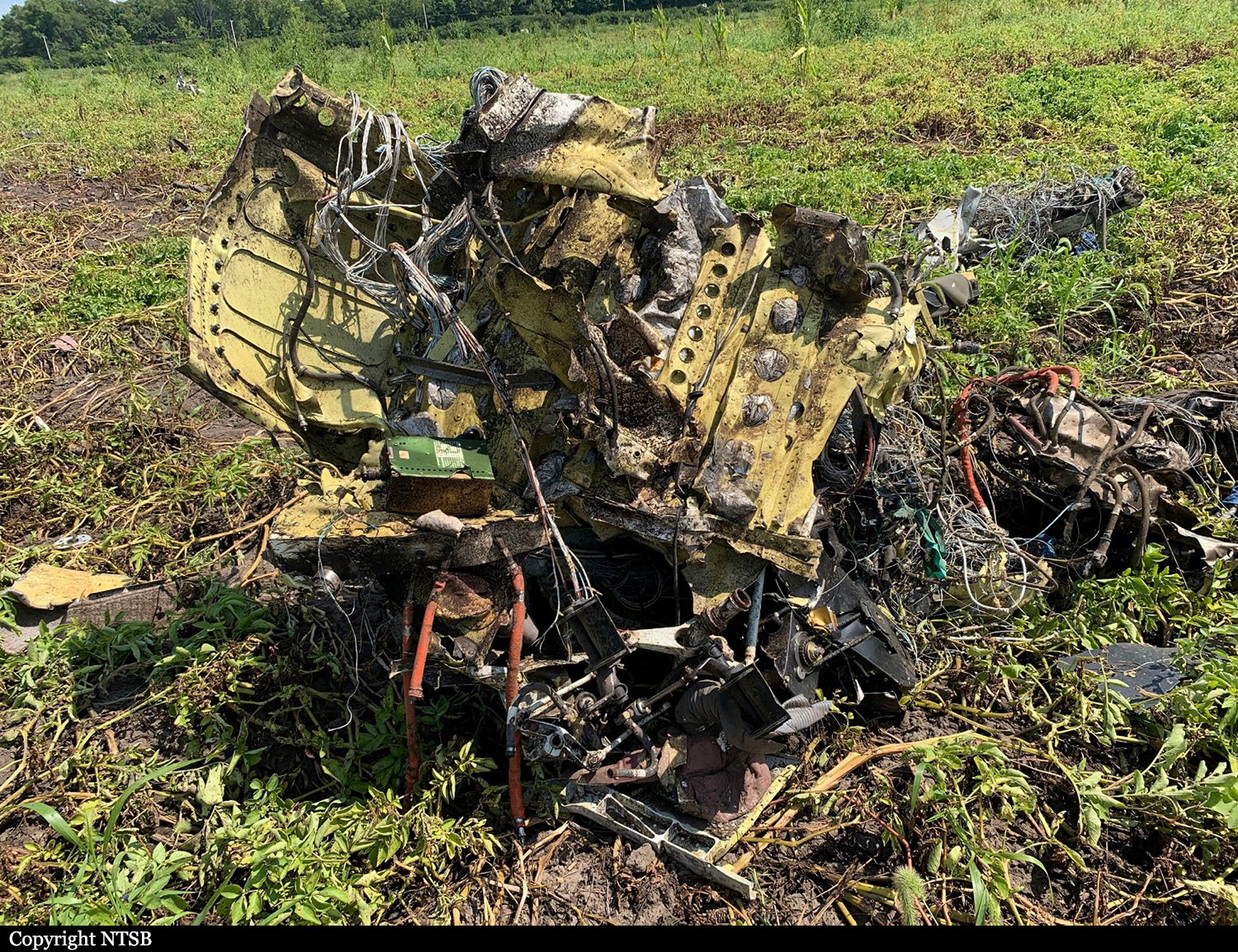
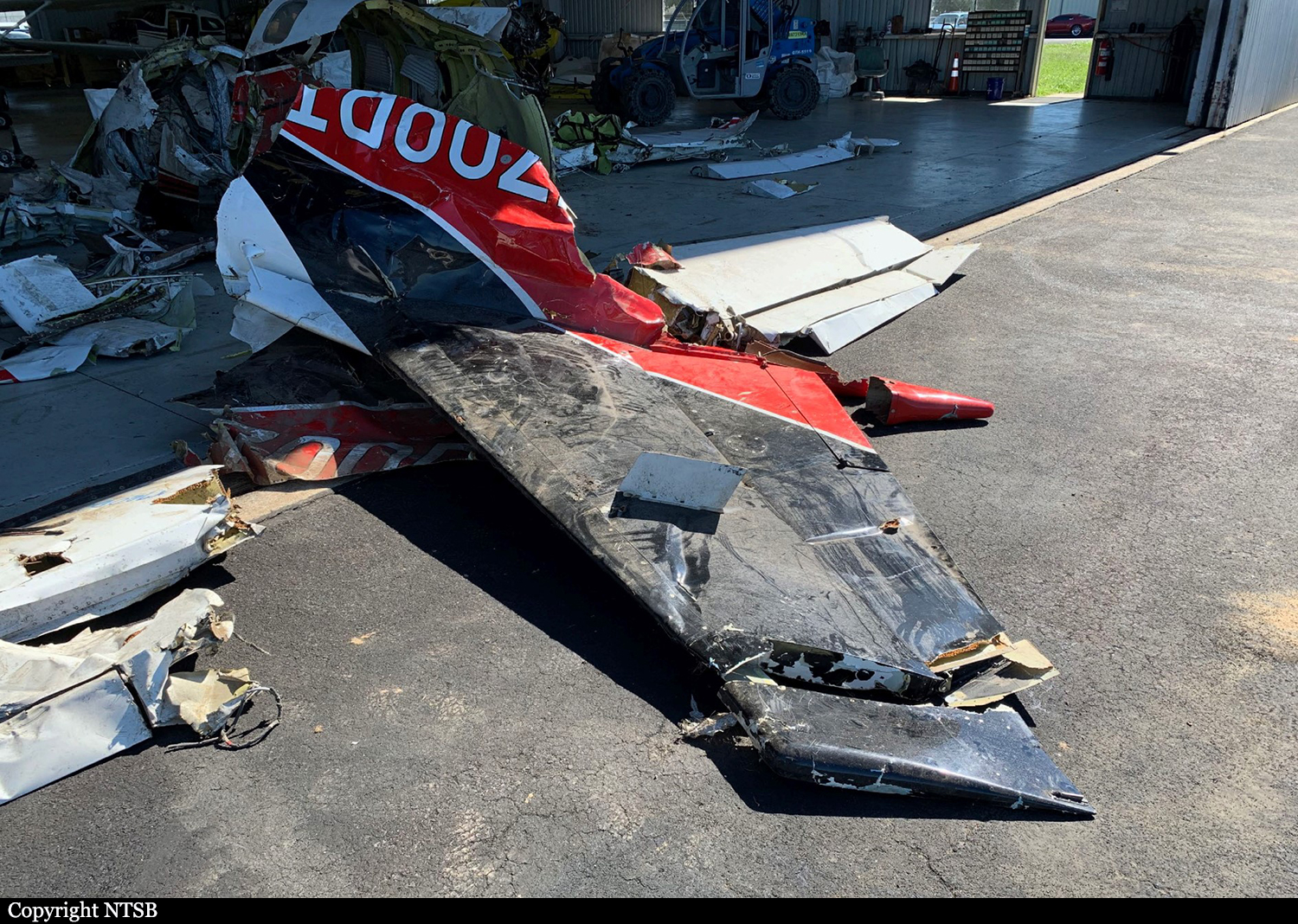
The pilot was performing a short cross-country flight, which was his third solo flight in the high-performance single-engine airplane. The airplane departed and climbed to 20,000 ft mean sea level (msl) before beginning to descend. About 8 minutes before the accident, the airplane was southbound, descending to 11,000 ft, and the pilot established communications with air traffic control (ATC). About 4 minutes later, the controller cleared the pilot to descend to 10,000 ft msl and proceed direct to his destination; the pilot acknowledged the clearance. While descending through 13,000 ft msl, the airplane entered a descending left turn. The controller observed the left turn and asked the pilot if everything was alright; there was no response from the pilot. The controller’s further attempts to establish communications were unsuccessful. Following the descending left turn, the airplane entered a high speed, nose-down descent toward terrain. A witness observed the airplane at a high altitude in a steep nose-down descent toward the terrain. The witness noted no signs of distress, such as smoke, fire, or parts coming off the airplane, and he heard the airplane’s engine operating at full throttle. The airplane impacted two powerlines, trees, and the terrain in a shallow descent with a slightly left-wing low attitude. Examination of the accident site revealed a long debris field that was consistent with an impact at a high speed and relatively shallow flightpath angle. All major components of the airplane were located in the debris field at the accident site. Examination of the airframe and engine revealed no preimpact mechanical malfunctions or failures with the airplane that would have precluded normal operation. A performance study indicated the airplane entered a left roll and dive during which the airplane exceeded the airspeed, load factor, and bank angle limitations published in the Pilot’s Operating Handbook (POH). An important but unknown factor during these maneuvers was the behavior of the pilot and his activity on the flight controls during the initial roll and dive. The pilot responded normally to ATC communications only 98 seconds before the left roll started. It is difficult to reconcile an alert and attentive pilot with the roll and descent that occurred, but there is insufficient information available to determine whether the pilot was incapacitated or distracted during any part of the roll and dive maneuver. Although all the available toxicological specimens contained ethanol (the alcohol contained in alcoholic drinks such as beer and wine), the levels were very low and below the allowable level for flight (0.04 gm/dl). While it is possible that some of the identified ethanol had been ingested, it is also possible that all or most of the identified ethanol was from sources other than ingestion (such as postmortem production). In either case, the levels were too low to have caused incapacitation. It is therefore unlikely that any effects from ethanol contributed to the circumstances of the accident. There was minimal available autopsy evidence to support any determination of incapacitation. As a result, it could not be determined from the available evidence whether medical incapacitation contributed to the accident.
Probable cause:
The pilot’s failure to arrest the airplane’s left roll and rapid descent for reasons that could not be determined based on the available evidence.
Final Report:
Crash of a Beriev Be-200Chs near Kahramanmaraş: 8 killed

Date & Time: Aug 14, 2021
Type of aircraft:
Operator:
Registration:
RF-88450
Flight Phase:
Flight Type:
Survivors:
No
Site:
MSN:
64620090311
YOM:
2020
Country:
Region:
Crew on board:
8
Crew fatalities:
Pax on board:
0
Pax fatalities:
Other fatalities:
Total fatalities:
8
Circumstances:
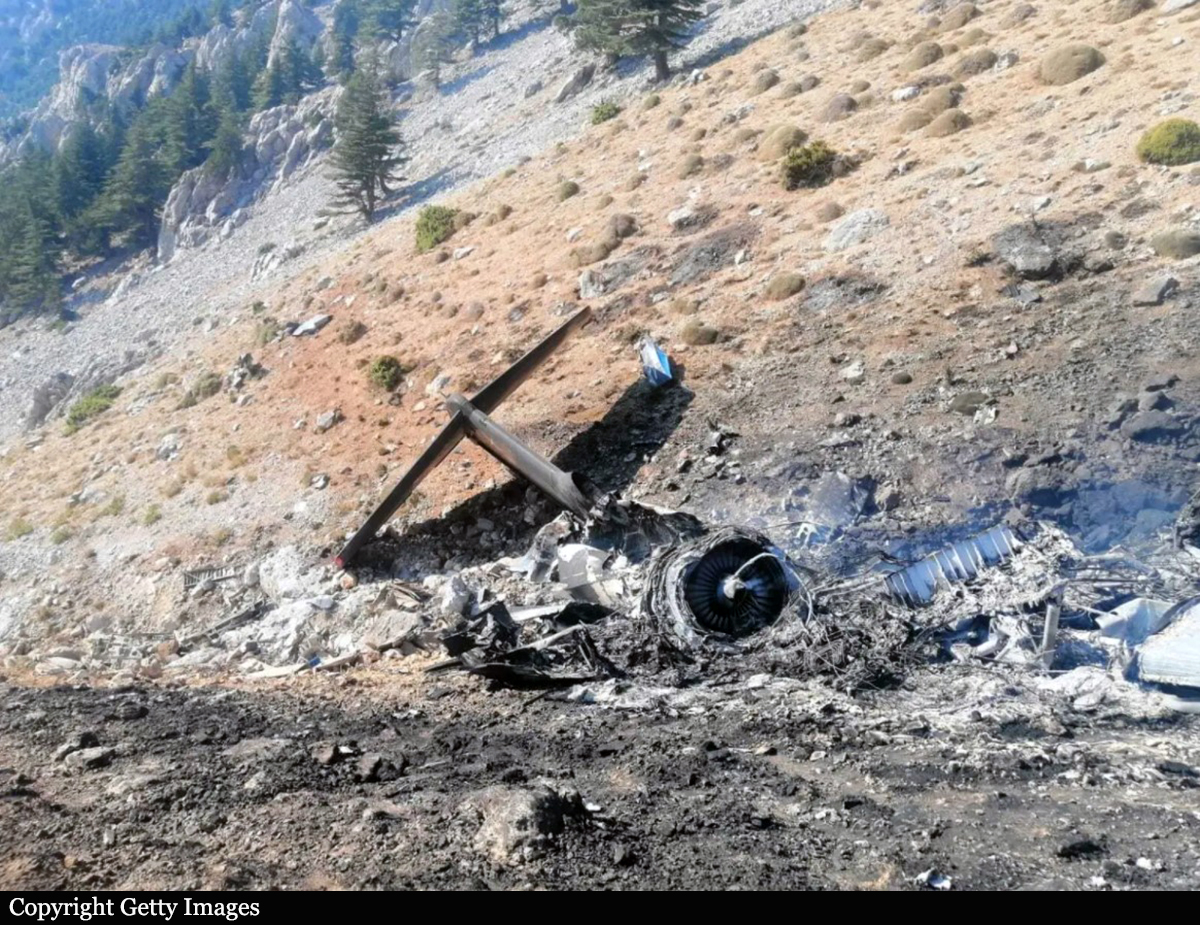
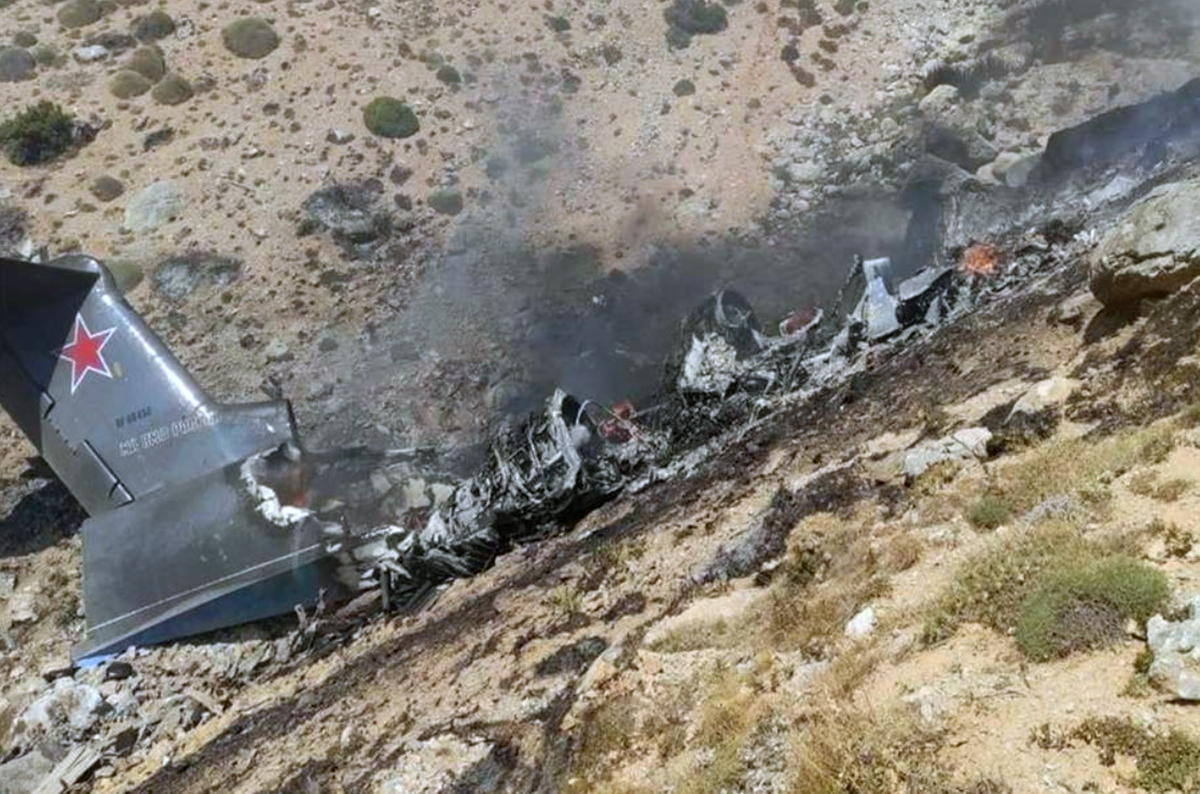
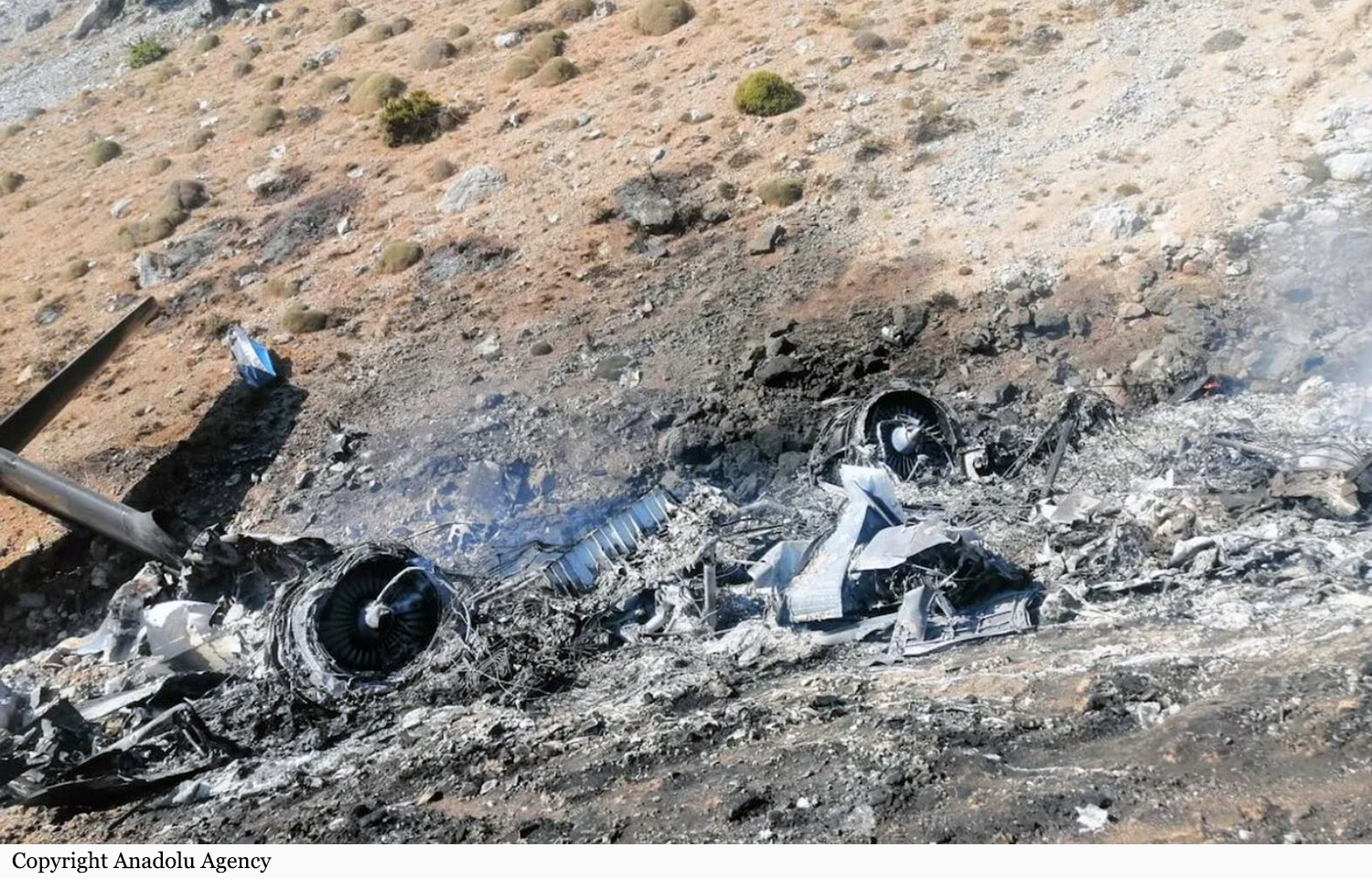
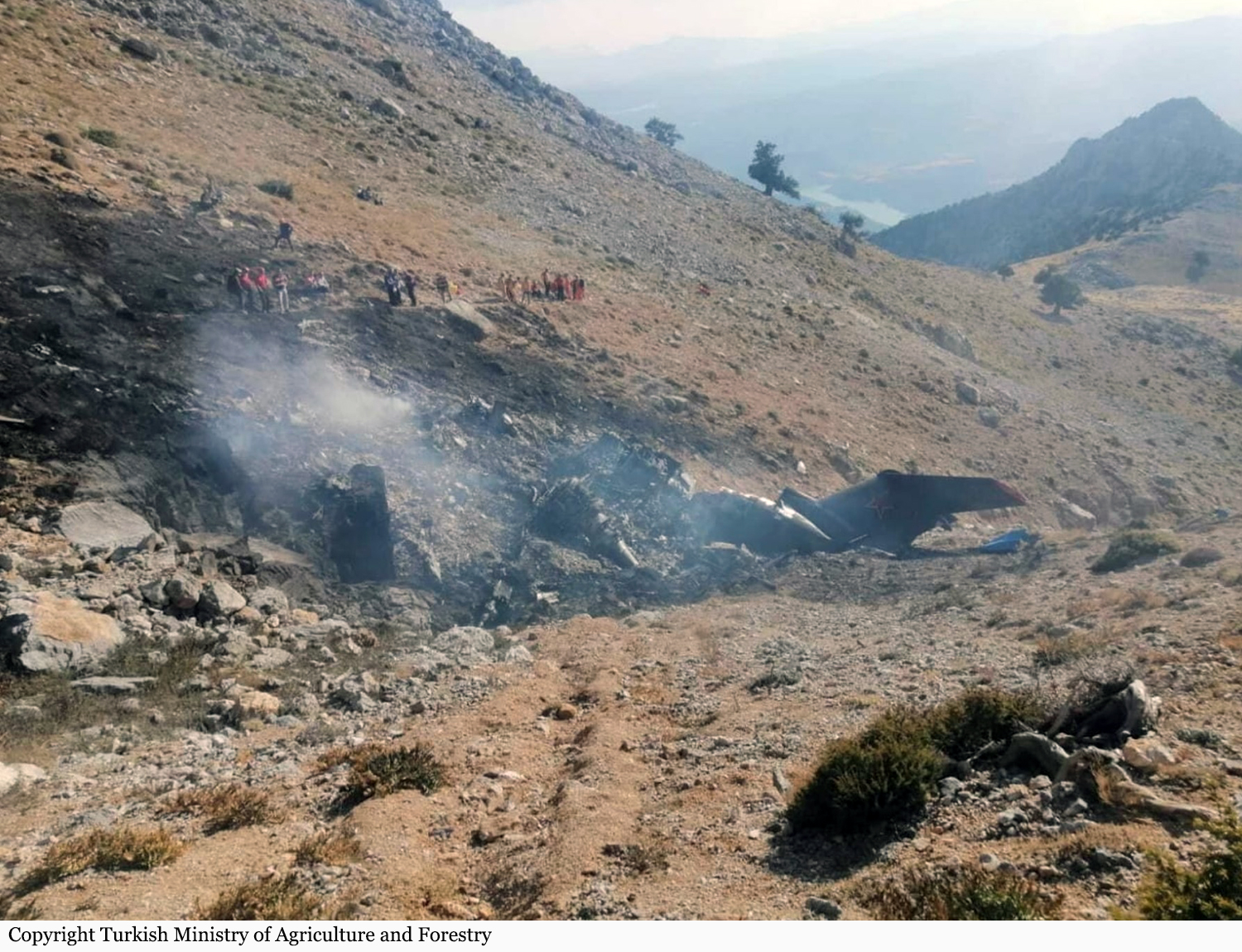
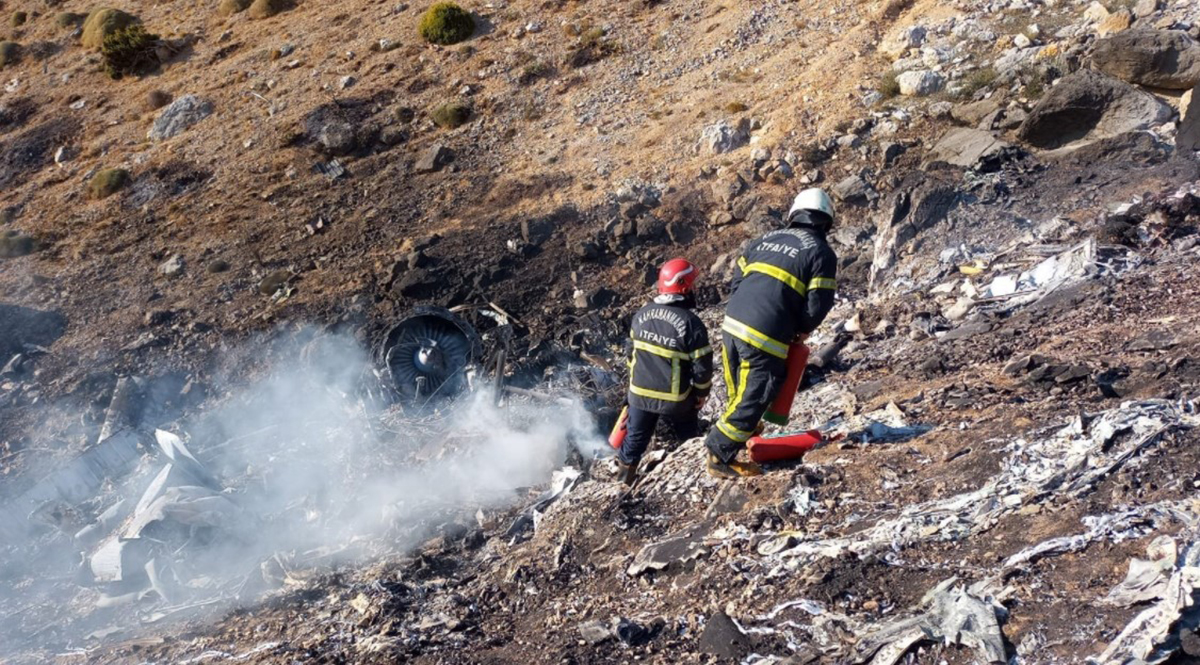
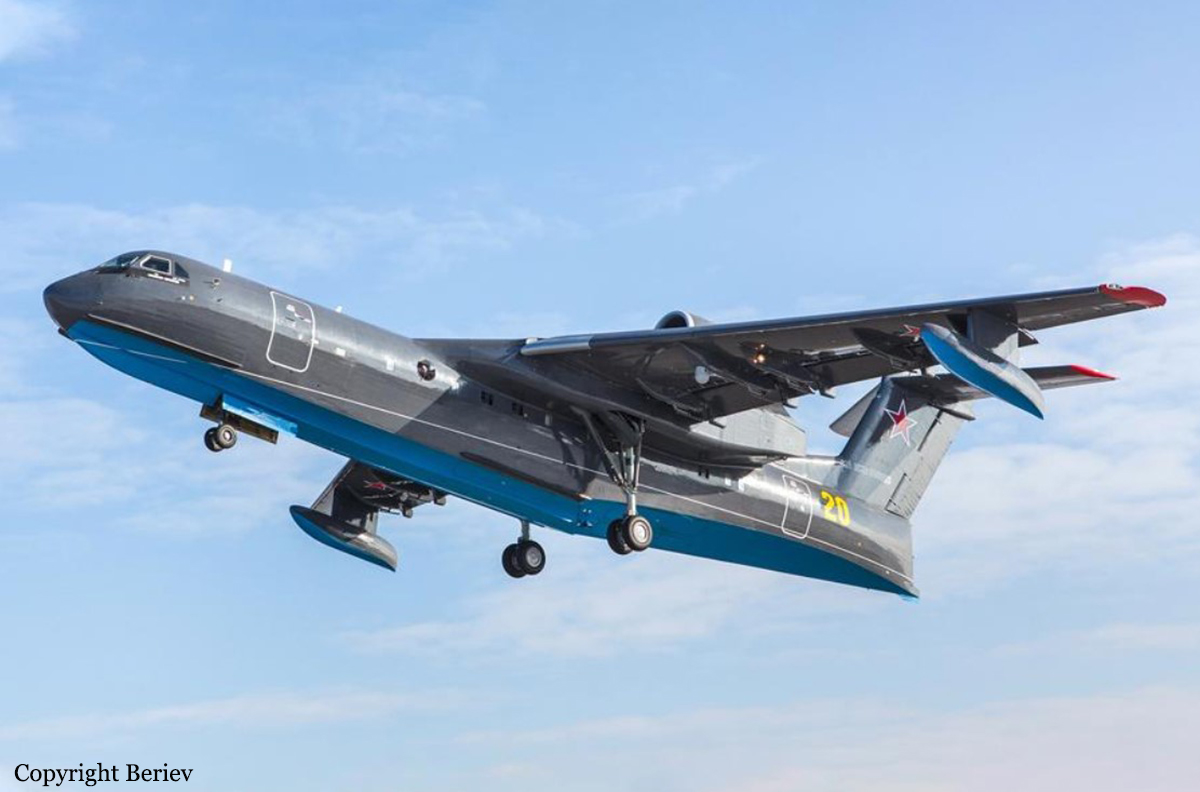
Owned and operated by the Russian Navy, the aircraft was dispatched in Turkey in July to help the Turkish government (General Directorate of Forestry) to fight raging forest fires in the southeast part of the country. On board were eight crew members, five Russian and three Turkish. After the aircraft drop water on fire, the crew elected to gain height when the aircraft impacted terrain and crashed on the slope of a mountain, bursting into flames. The aircraft was totally destroyed and all 8 occupants were killed.

Crash of a De Havilland DHC-2 Beaver near Ketchikan: 6 killed

Date & Time: Aug 5, 2021 at 1050 LT
Type of aircraft:
Operator:
Registration:
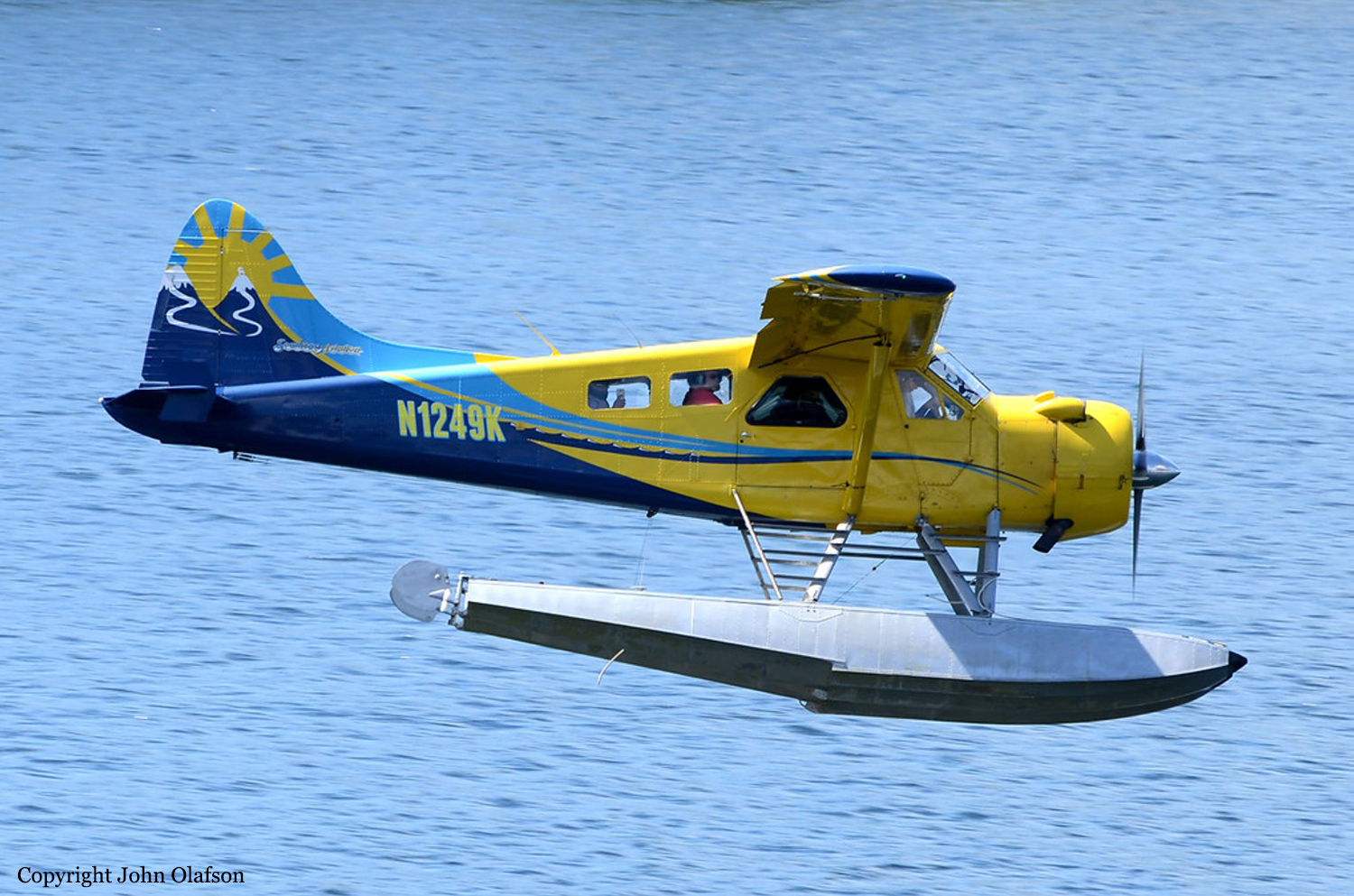
N1249K
Flight Phase:
Survivors:
No
Site:
Schedule:
Ketchikan - Ketchikan
MSN:
1594
YOM:
1965
Crew on board:
1
Crew fatalities:
Pax on board:
5
Pax fatalities:
Other fatalities:
Total fatalities:
6
Captain / Total flying hours:
15552
Captain / Total hours on type:
8000.00
Aircraft flight hours:
15028
Circumstances:
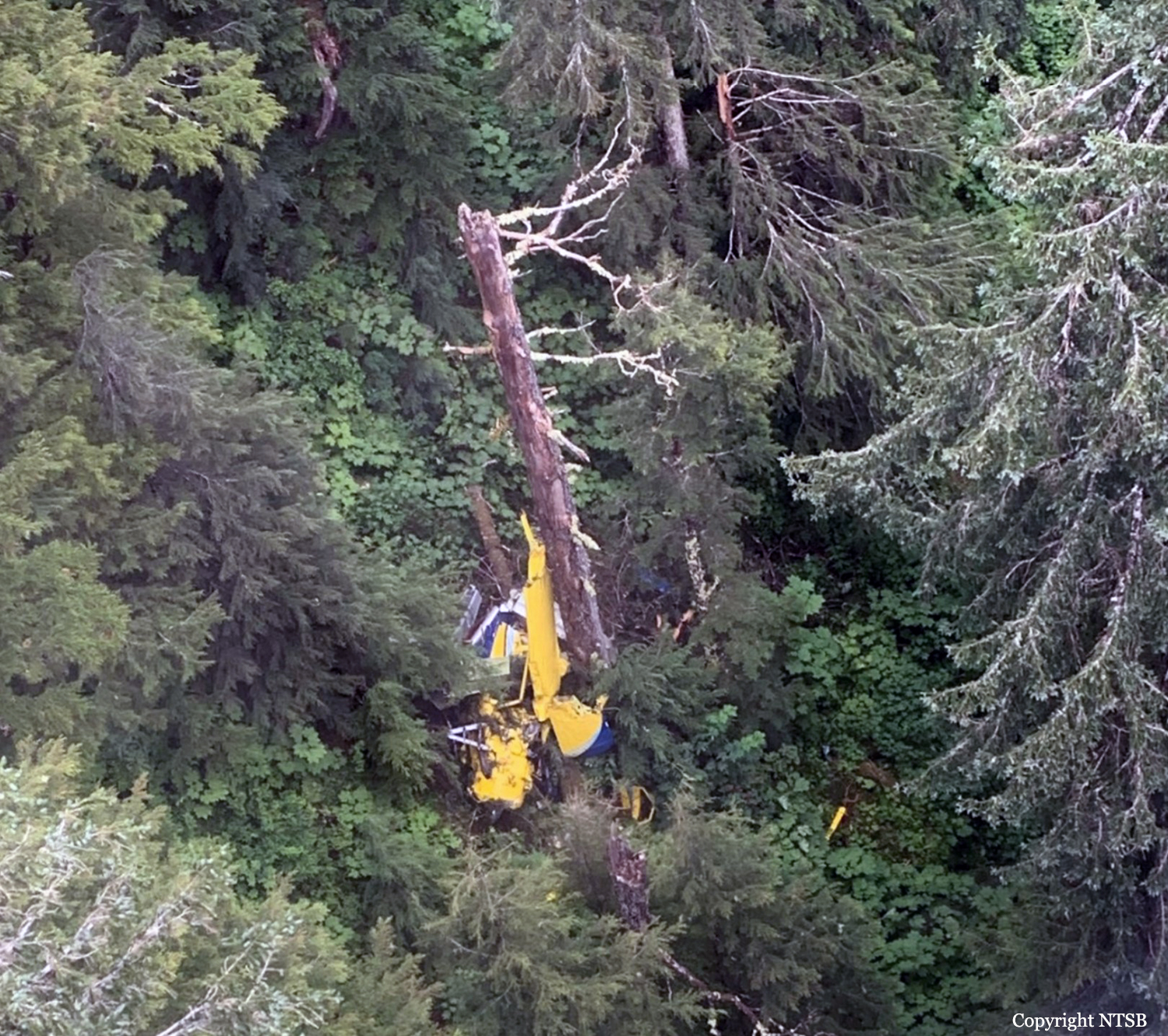
The accident flight was the pilot’s second passenger sightseeing flight of the day that overflew remote inland fjords, coastal waterways, and mountainous, tree-covered terrain in the Misty Fjords National Monument. Limited information was available about the airplane’s flight track due to radar limitations, and the flight tracking information from the airplane only provided data in 1-minute intervals. The data indicated that the airplane was on the return leg of the flight and in the final minutes of flight, the pilot was flying on the right side of a valley. The airplane impacted mountainous terrain at 1,750 ft mean sea level (msl), about 250 ft below the summit. Examination of the wreckage revealed no evidence of pre accident failures or malfunctions that would have precluded normal operation. Damage to the propeller indicated that it was rotating and under power at the time of the accident. The orientation and distribution of the wreckage indicated that the airplane impacted a tree in a left-wing-low attitude, likely as the pilot was attempting to maneuver away from terrain. Review of weather information for the day of the accident revealed a conditionally unstable environment below 6,000 ft msl, which led to rain organizing in bands of shower activity. Satellite imagery depicted that one of these bands was moving northeastward across the accident site at the accident time. Federal Aviation Administration (FAA) weather cameras and local weather observations also indicated that lower visibility and mountain obscuration conditions were progressing northward across the accident area with time. Based on photographs recovered from passenger cell phones along with FAA weather camera imagery, the accident flight encountered mountain obscuration conditions, rain shower activity, and reduced visibilities and cloud ceilings, resulting in instrument meteorological conditions (IMC) before the impact with terrain. The pilot reviewed weather conditions before the first flight of the day; however, there was no indication that he obtained updated weather conditions or additional weather information before departing on the accident flight. Based on interviews, the accident pilot landed following the first flight of the day in lowering visibility, ceiling, and precipitation, and departed on the accident flight in precipitation, based on passenger photos. Therefore, the pilot had knowledge of the weather conditions that he could have encountered along the route of flight before departure. The operator had adequate policies and procedures in place for pilots regarding inadvertent encounters with IMC; however, the pilot’s training records indicated that he was signed off for cue-based training that did not occur. Cue-based training is intended to help calibrate pilots’ weather assessment and foster an ability to accurately assess and respond appropriately to cues associated with deteriorating weather. Had the pilot completed the training, it might have helped improve his decision-making skills to either cancel the flight before departure or turn around earlier in the flight. The operator’s lack of safety management protocols resulted in the pilot not receiving the required cue-based training, allowed him to continue operating air tours with minimal remedial training following a previous accident, and allowed the accident airplane to operate without a valid FAA registration. The operator was signatory to a voluntary local air tour operator’s group letter of agreement that was developed to improve the overall safety of flight operations in the area of the Misty Fjords National Monument. Participation was voluntary and not regulated by the FAA, and the investigation noted multiple instances in which the LOA policies were ignored, including on the accident flight. For example, the accident flight did not follow the standard Misty Fjords route outlined in the LOA nor did it comply with the recommended altitudes for flights into and out of the Misty Fjords. FAA inspectors providing oversight for the area reported that, when they addressed operators about disregarding the LOA, the operators would respond that the LOA was voluntary and that they did not need to follow the guidance. The FAA’s reliance on voluntary compliance initiatives in the local air tour industry failed to produce compliance with safety initiatives or to reduce accidents in the Ketchikan region.
Probable cause:
The pilot’s decision to continue visual flight rules (VFR) flight into instrument meteorological conditions (IMC), which resulted in controlled flight into terrain. Contributing to the accident was the FAA’s reliance on voluntary compliance with the Ketchikan Operator’s Letter of Agreement.
Final Report:

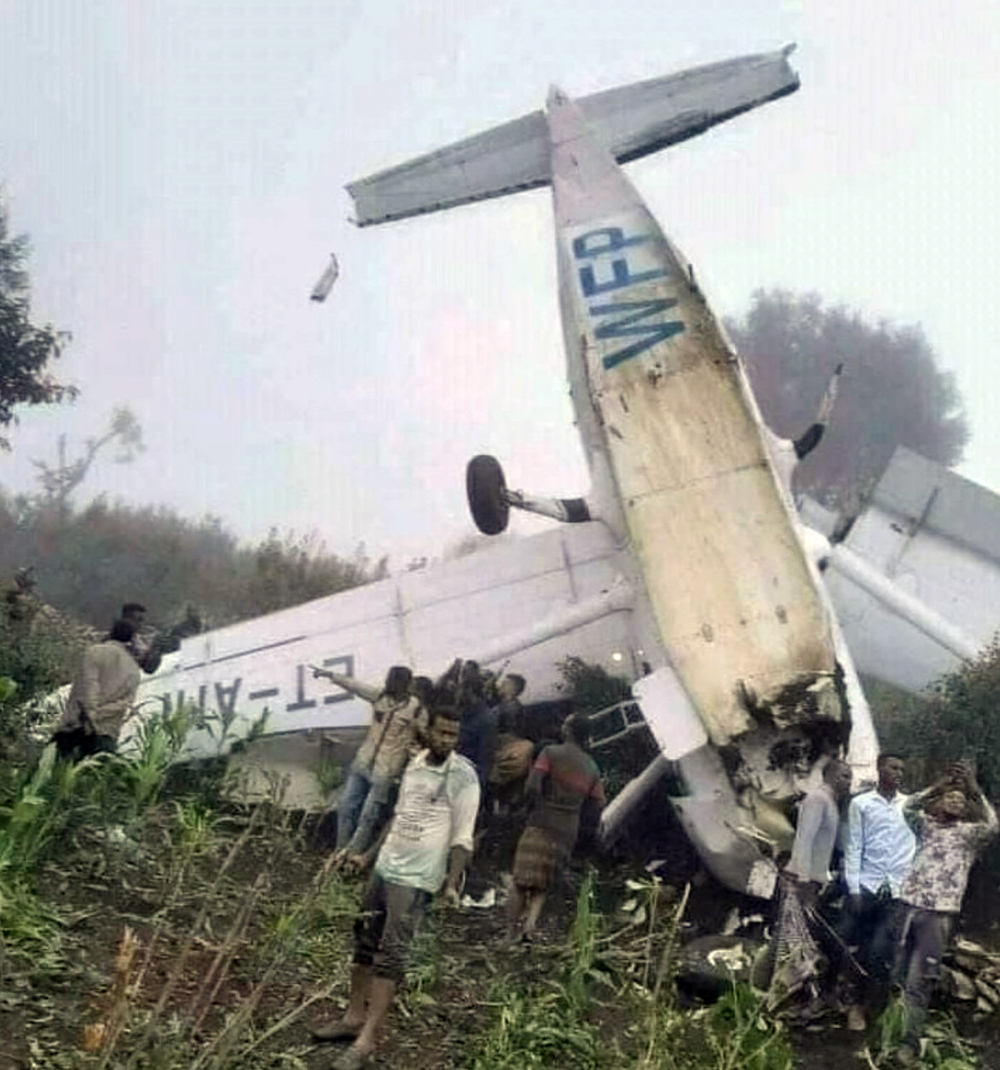
Crash of a Cessna 208B Grand Caravan near Kombolcha

Date & Time: Jul 27, 2021
Type of aircraft:
Operator:
Registration:
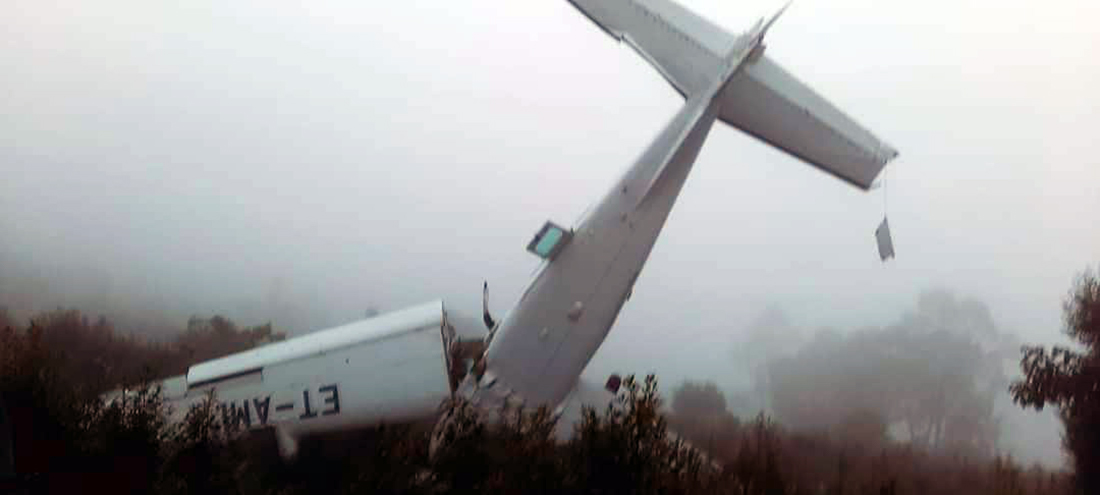
ET-AMI
Flight Phase:
Flight Type:
Survivors:
Yes
Schedule:
Jigjiga - Dire Dawa
MSN:
208B-1260
YOM:
2007
Country:
Region:
Crew on board:
2
Crew fatalities:
Pax on board:
2
Pax fatalities:
Other fatalities:
Total fatalities:
0
Circumstances:
The single engine aircraft departed Jigjiga Airport on a humanitarian mission to Dire Dawa, carrying two pilots and two employees of the World Food Program. En route, the crew encountered an unexpected situation and was forced to attempt an emergency landing. Upon landing, the aircraft came to rest on its nose in a near vertical position with its right wing partially torn off. All four occupants escaped with minor injuries.

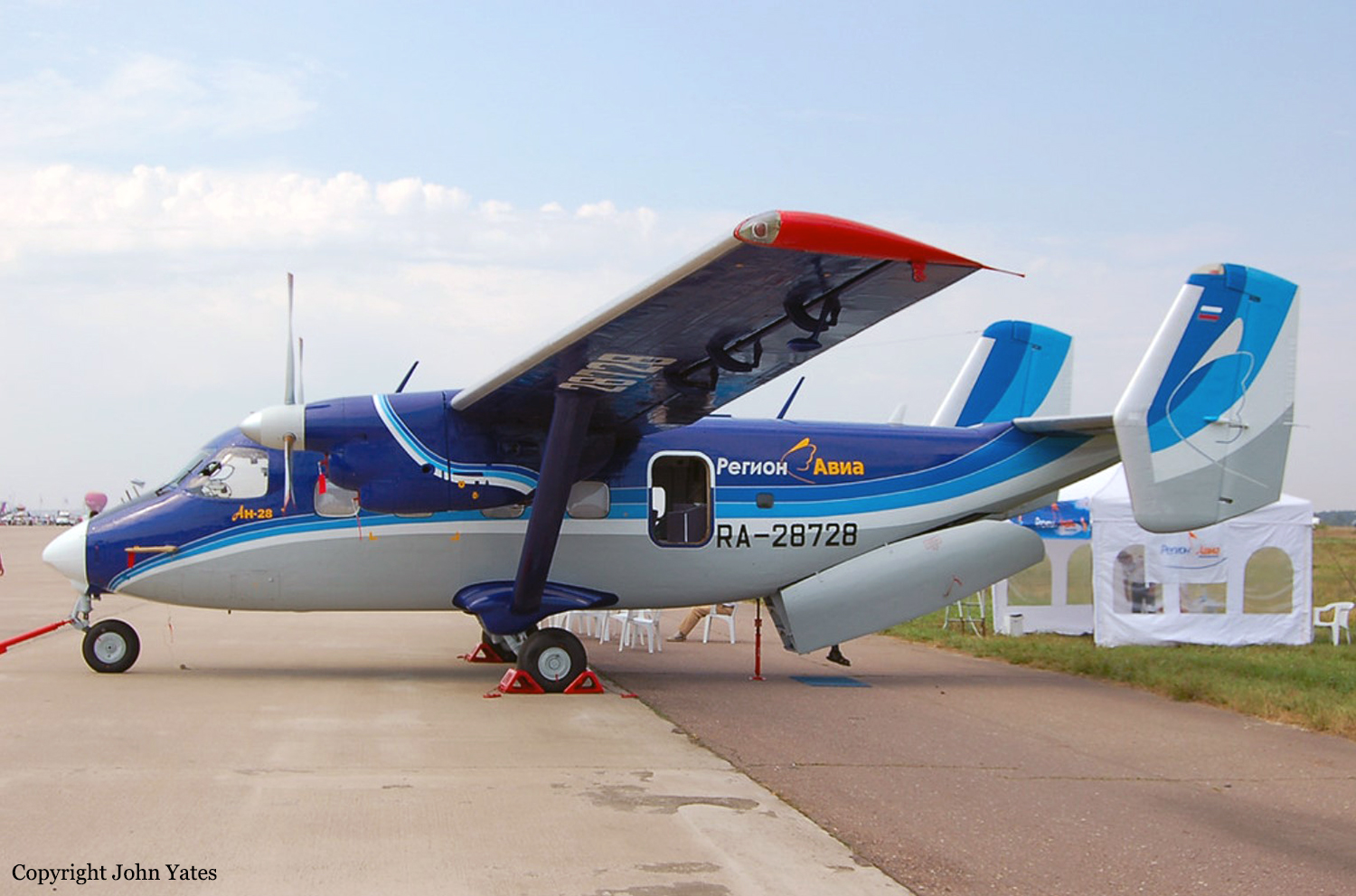
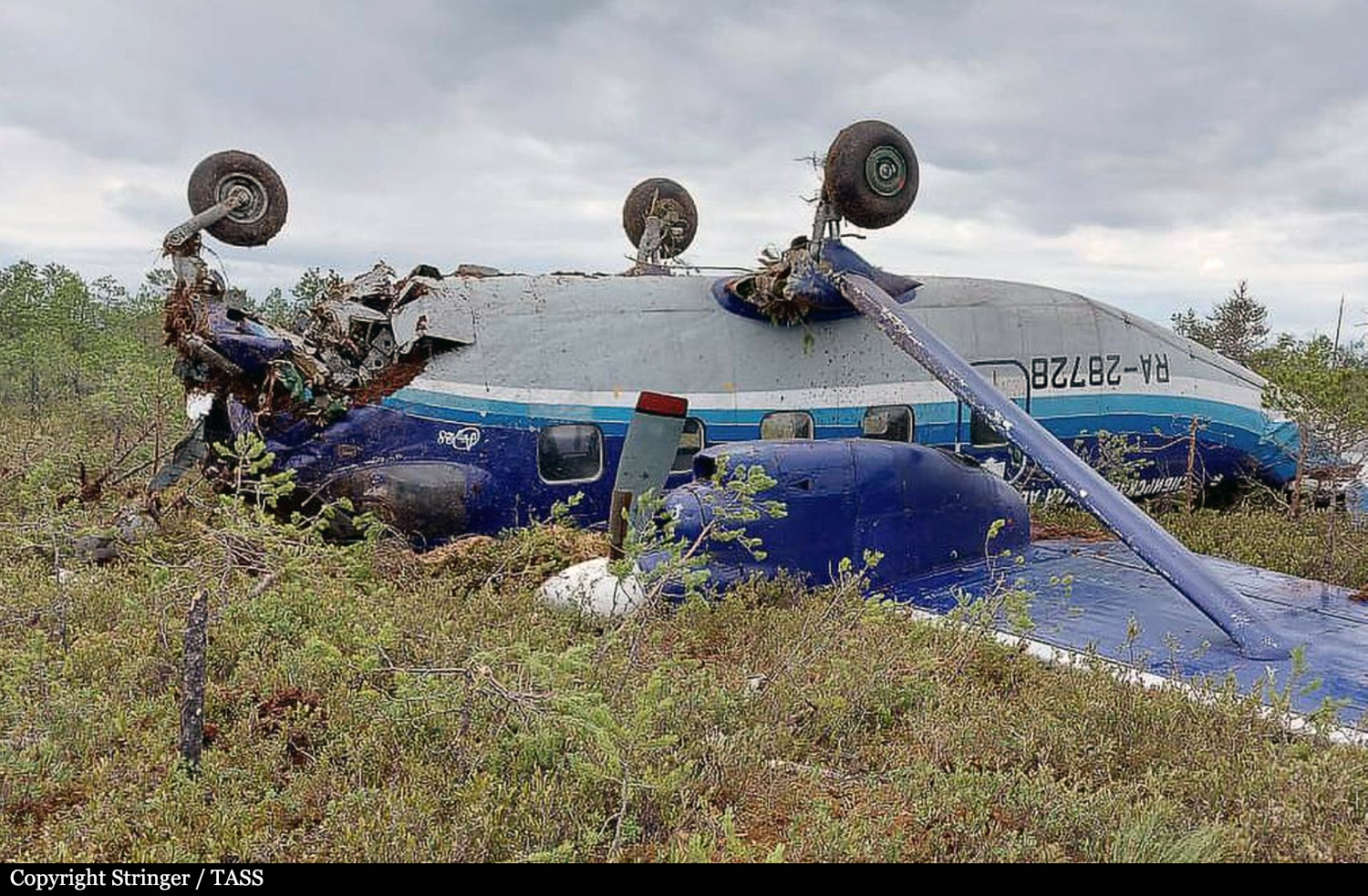
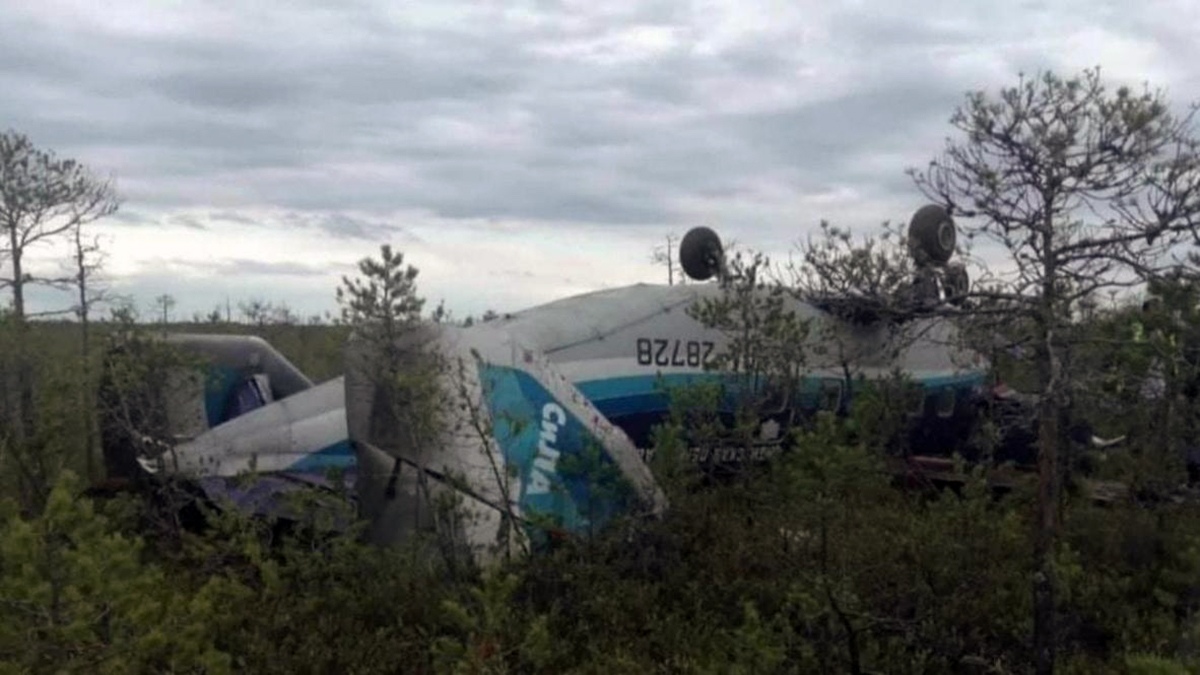
Crash of a PZL-Mielec AN-28 near Kedrovy

Date & Time: Jul 16, 2021 at 1611 LT
Type of aircraft:
Operator:
Registration:
RA-28728
Flight Phase:
Survivors:
Yes
Schedule:
Kedrovy - Tomsk
MSN:
1AJ007-13
YOM:
1989
Flight number:
SL42
Country:
Region:
Crew on board:
4
Crew fatalities:
Pax on board:
15
Pax fatalities:
Other fatalities:
Total fatalities:
0
Captain / Total flying hours:
7906
Captain / Total hours on type:
3970.00
Copilot / Total flying hours:
181
Copilot / Total hours on type:
26
Aircraft flight hours:
8698
Aircraft flight cycles:
5921
Circumstances:
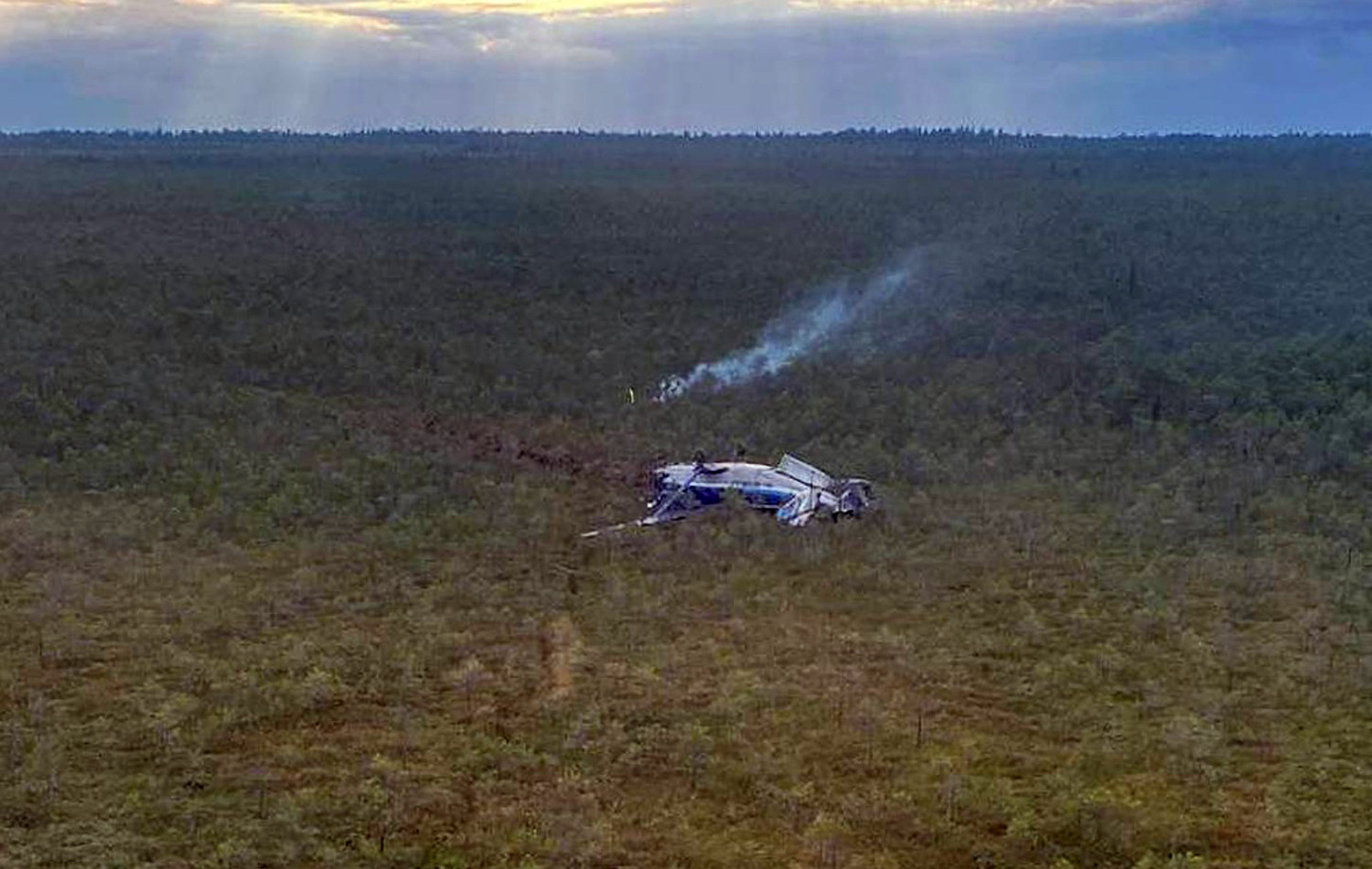
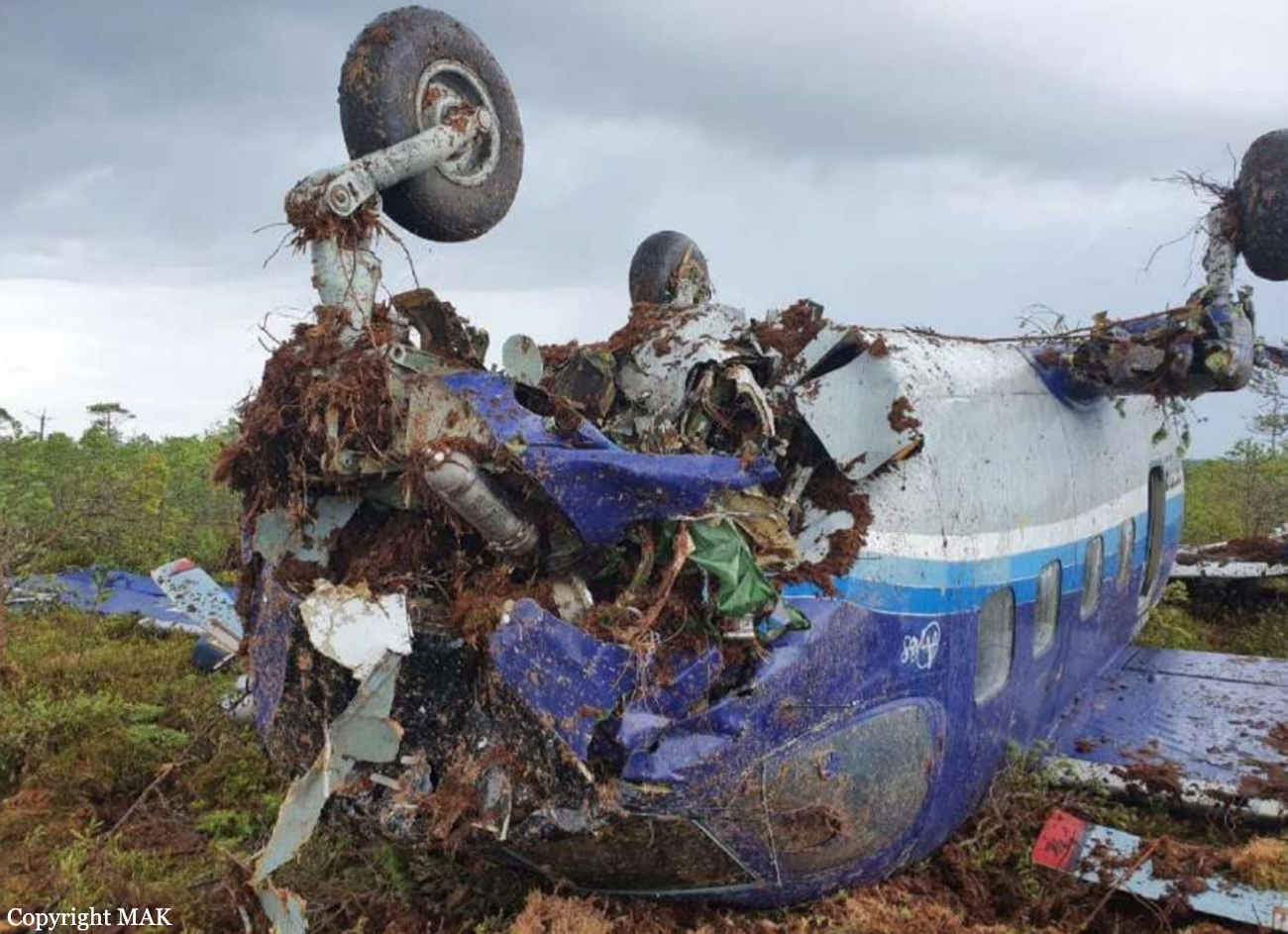
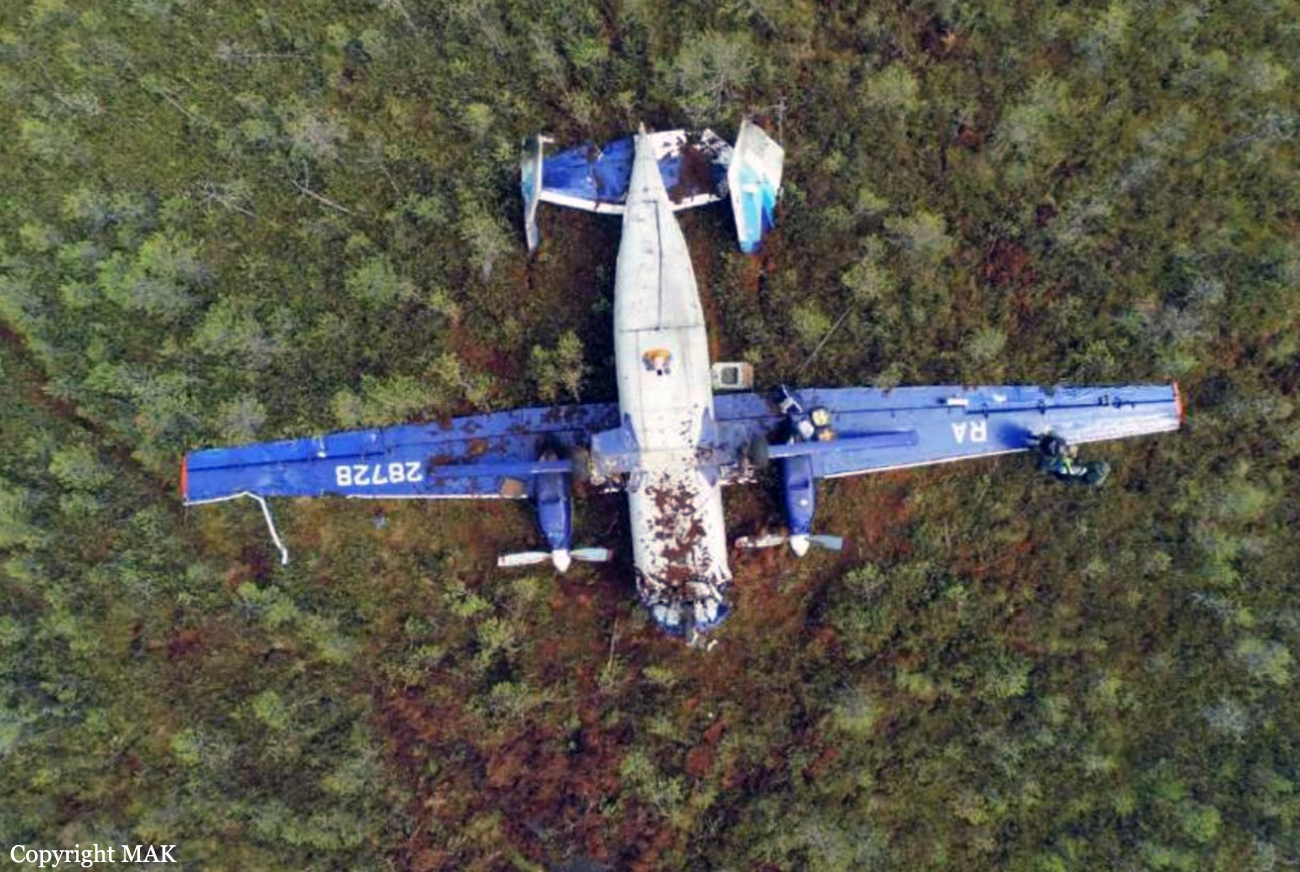
En route from Kedrovy to Tomsk, while cruising at an altitude of 12,000 feet in icing conditions, both engines failed simultaneously. The crew tried to restart both engines, without success. In such conditions, the crew reduced his altitude and attempted an emergency landing in the taiga. Upon impact, the flipped over and came to rest upside down. The wreckage was found around 1430LT some 52 km southeast of Kedrovy. All 17 occupants were found alive, among them few were injured. The captain broke one of his leg. The aircraft was damaged beyond repair.
Probable cause:
The accident of the An-28 aircraft, registration RA-28728, occurred during a forced landing on an improvised landing site due to the simultaneous shutdown of both engines while in flight. The need for this landing was triggered by the engines' spontaneous shutdown. The shutdown occurred while the aircraft was flying in icing conditions with the Pitot-Static System (POSS) turned off due to ice ingestion into its air intake.
The aviation incident was most likely influenced by the following factors:
- The crew's failure to follow the Aircraft Flight Manual (AFM) procedures for manually activating the POSS when meteorological conditions favored icing;
- Violation of the crew's duty and rest time regulations, which could have led to the accumulation of operational fatigue and contributed to missing the operation to activate the POSS;
- The crew's failure to make the decision to cease further performance of their duties due to the accumulation of operational fatigue in the absence of the airline's established procedures for exercising this crew right, which does not comply with the provisions of the Russian Ministry of Transport Order No. 139 dated November 21, 2005, "On Approval of the Regulation on Features of the Work and Rest Time Regime for Crew Members of Civil Aviation Aircraft in the Russian Federation";
- Increased hypoxia stress when flying at altitudes exceeding 3000 meters without the additional use of oxygen, which is a violation of the regulations of FAP-128, AFM, and the airline's internal regulations, and could have exacerbated the negative effects of operational fatigue;
- A malfunction in the ice detection sensor DSL-40T, which prevented the issuance of ice detection alerts and the automatic activation of the POSS.
Final Report:
Crash of a De Havilland DHC-2 Beaver near Naivasha: 1 killed

Date & Time: Jul 12, 2021 at 1245 LT
Type of aircraft:
Operator:

Registration:
5Y-BCL
Flight Phase:
Survivors:
Yes
Schedule:
Nairobi - Lodwar
MSN:
1552
YOM:
1964
Country:
Region:
Crew on board:
1
Crew fatalities:
Pax on board:
2
Pax fatalities:
Other fatalities:
Total fatalities:
1
Captain / Total flying hours:
534
Captain / Total hours on type:
217.00
Aircraft flight hours:
9034
Circumstances:
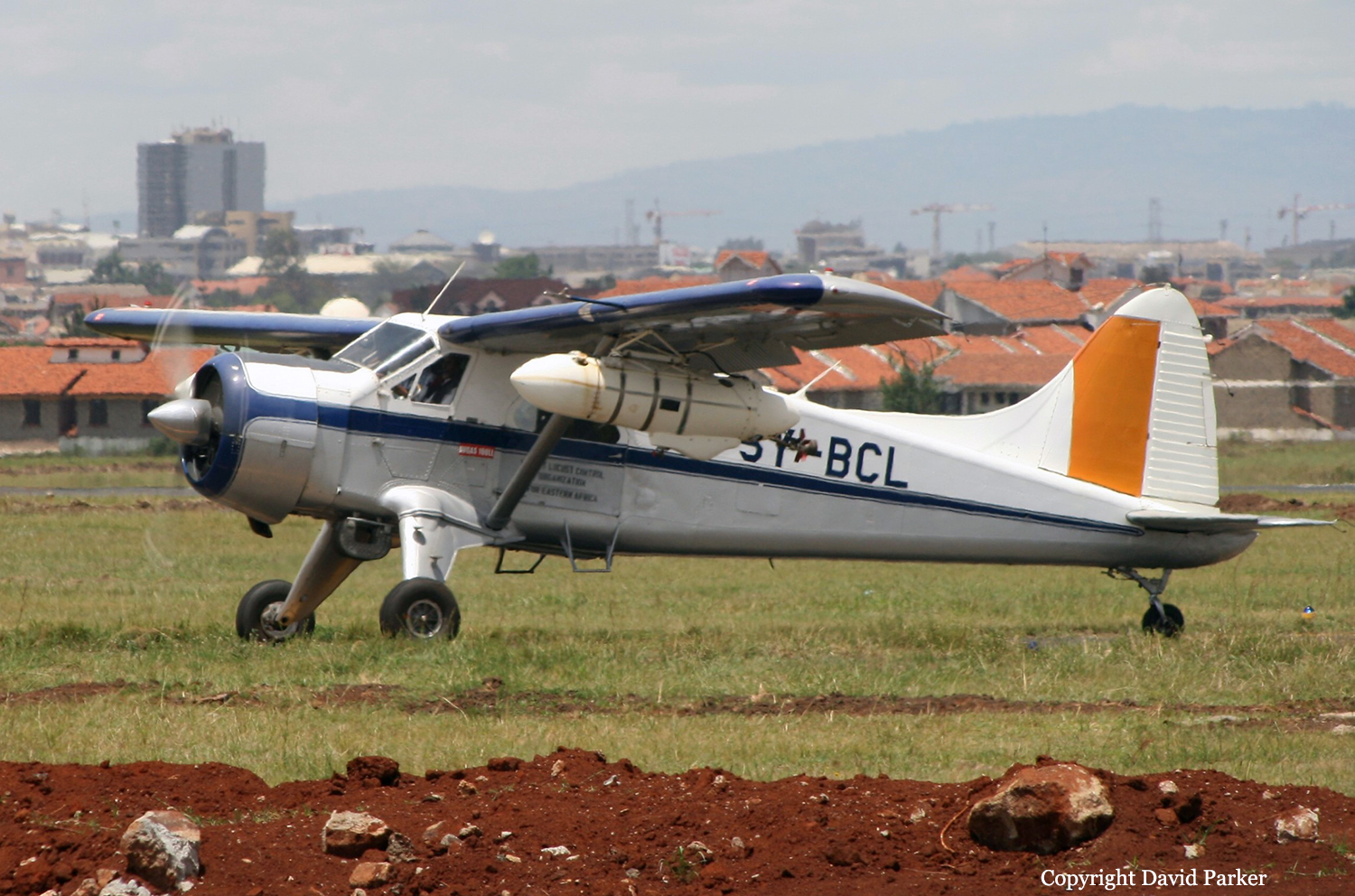
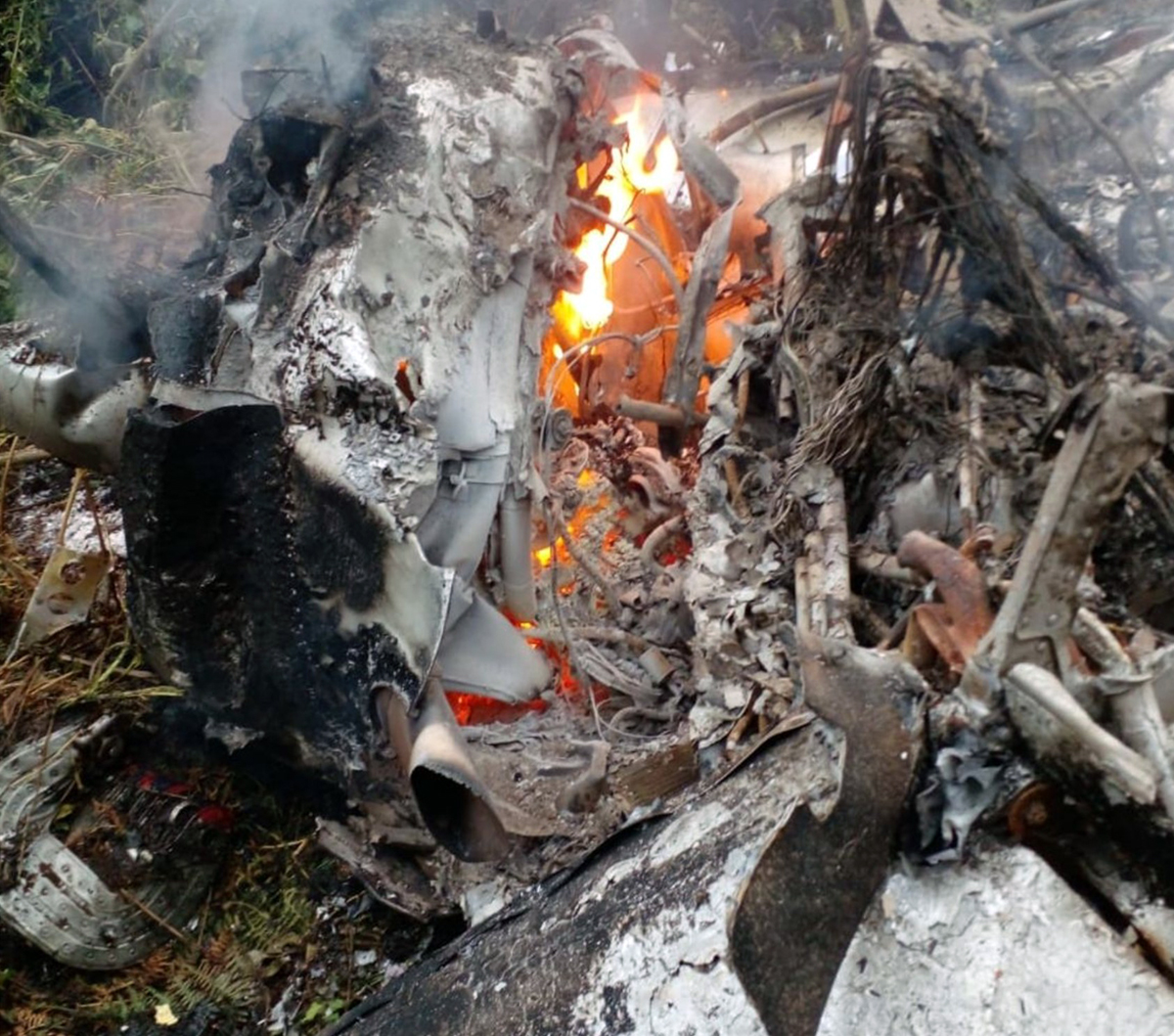
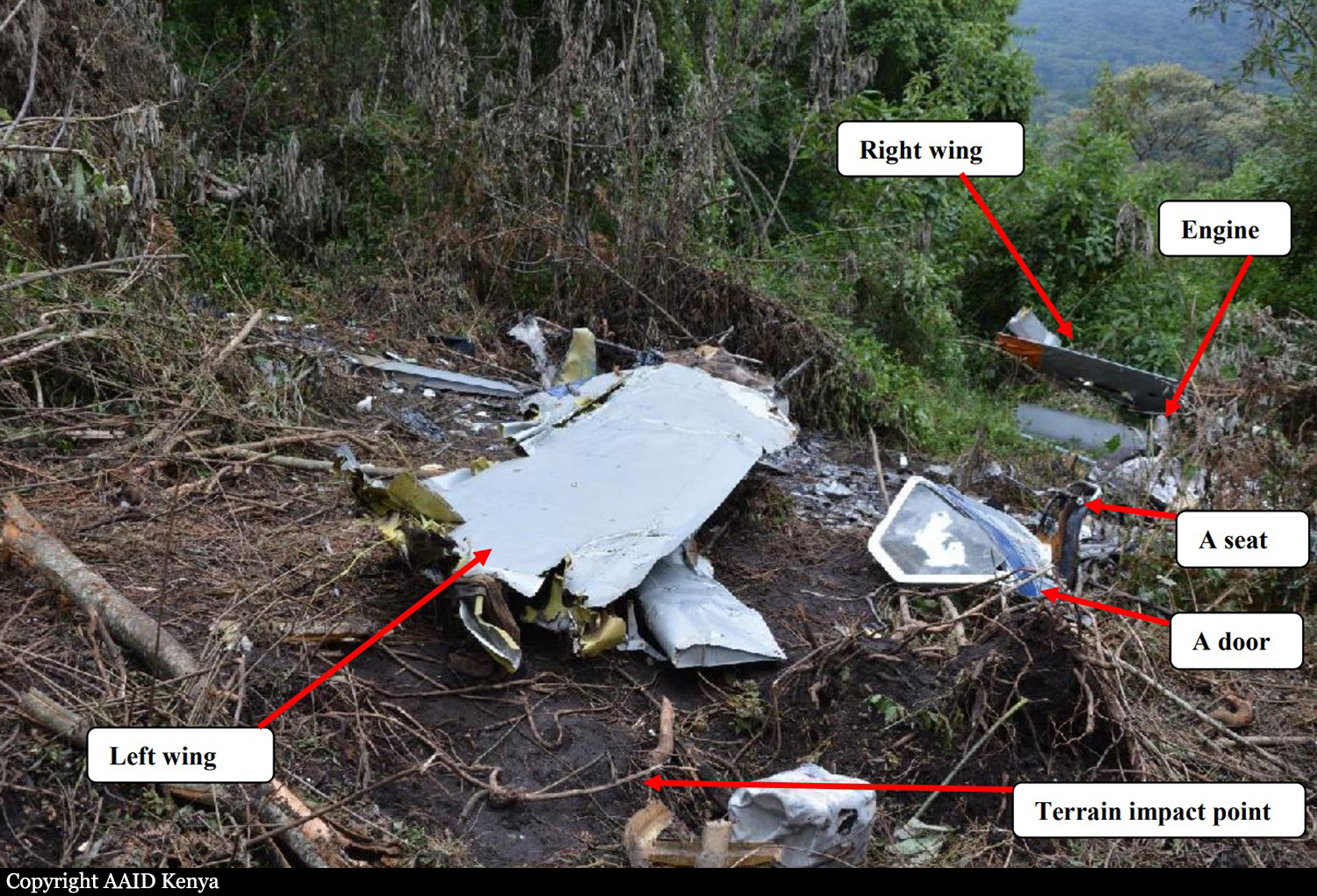
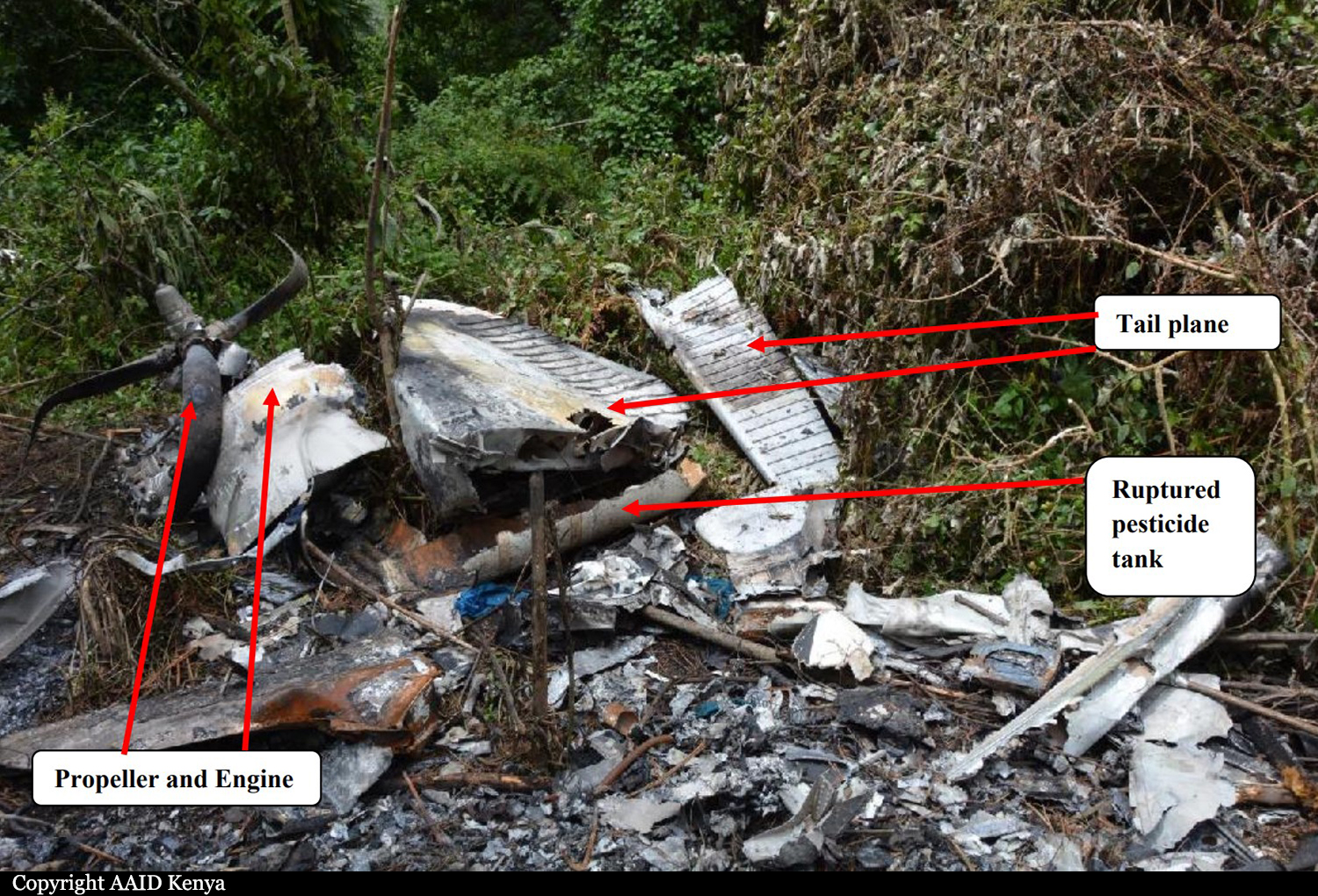
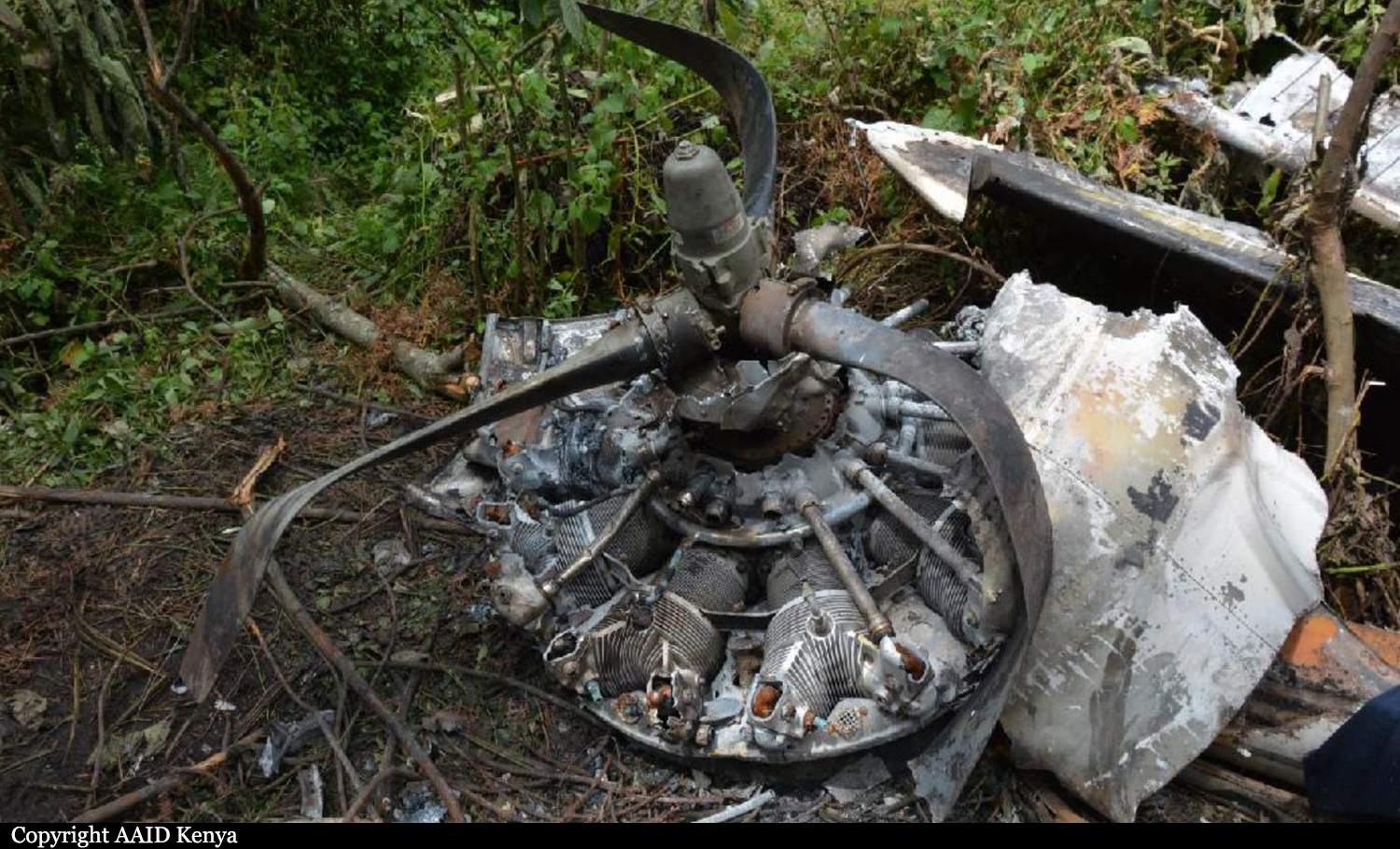
On 12 July 2021 at about 1245 (1545) a Viking Air Ltd DHC-2 Beaver MK1A aircraft registration 5Y-BCL operated by the Desert Locust Control Organization of Eastern Africa (DLCO-EA) with three on board crashed at Kosovo area of Ndabibi in Naivasha, Nakuru County. The accident site is located near the edge of the hilly eastern side of Eburru forest manned by the Kenya Forest Service (KFS). The flight originated from Wilson airport, Nairobi County and was enroute to Lodwar airport, Turkana County. The aircraft was destroyed by impact forces and largely consumed by the ensuing fire. A passenger suffered fatal injuries while the pilot and the other passenger suffered serious injuries requiring more than 48 hours of hospitalization. At the time of the accident the area in the vicinity of the accident site had near overcast cloudy conditions.