Crash of a Douglas DC-3C near Restrepo: 3 killed

Date & Time: Jul 8, 2021 at 0709 LT
Type of aircraft:
Operator:
Registration:
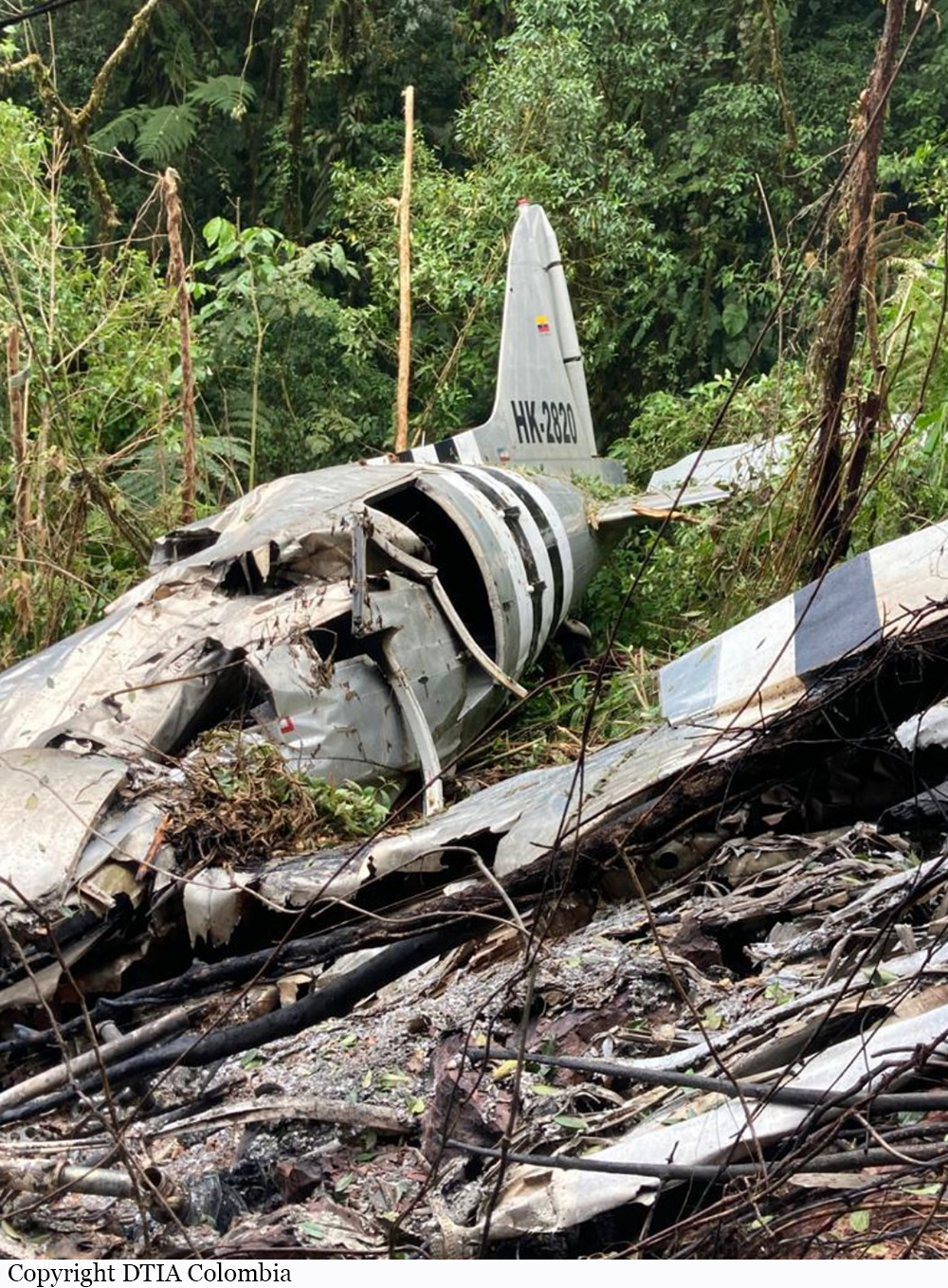
HK-2820
Flight Phase:
Flight Type:
Survivors:
No
Site:
Schedule:
Villavicencio - Villavicencio
MSN:
20171
YOM:
1944
Location:
Country:
Crew on board:
2
Crew fatalities:
Pax on board:
1
Pax fatalities:
Other fatalities:
Total fatalities:
3
Captain / Total flying hours:
16923
Captain / Total hours on type:
16680.00
Copilot / Total flying hours:
9387
Copilot / Total hours on type:
8170
Aircraft flight hours:
18472
Circumstances:
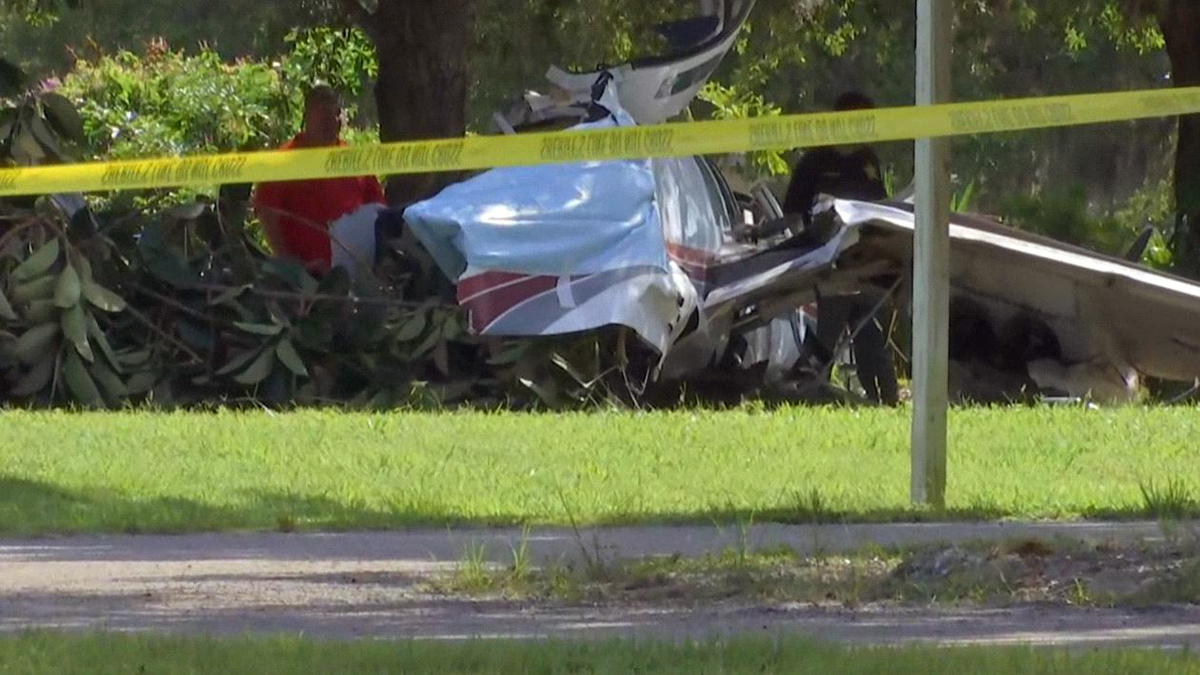
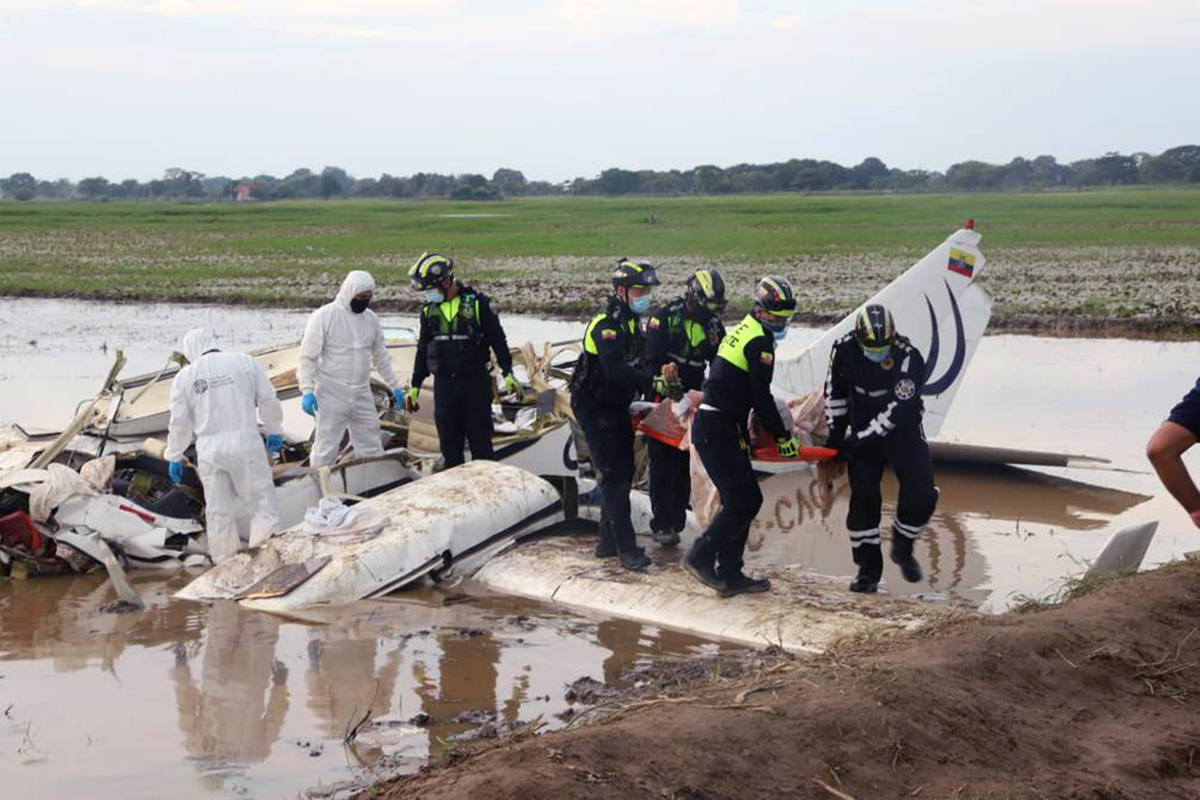
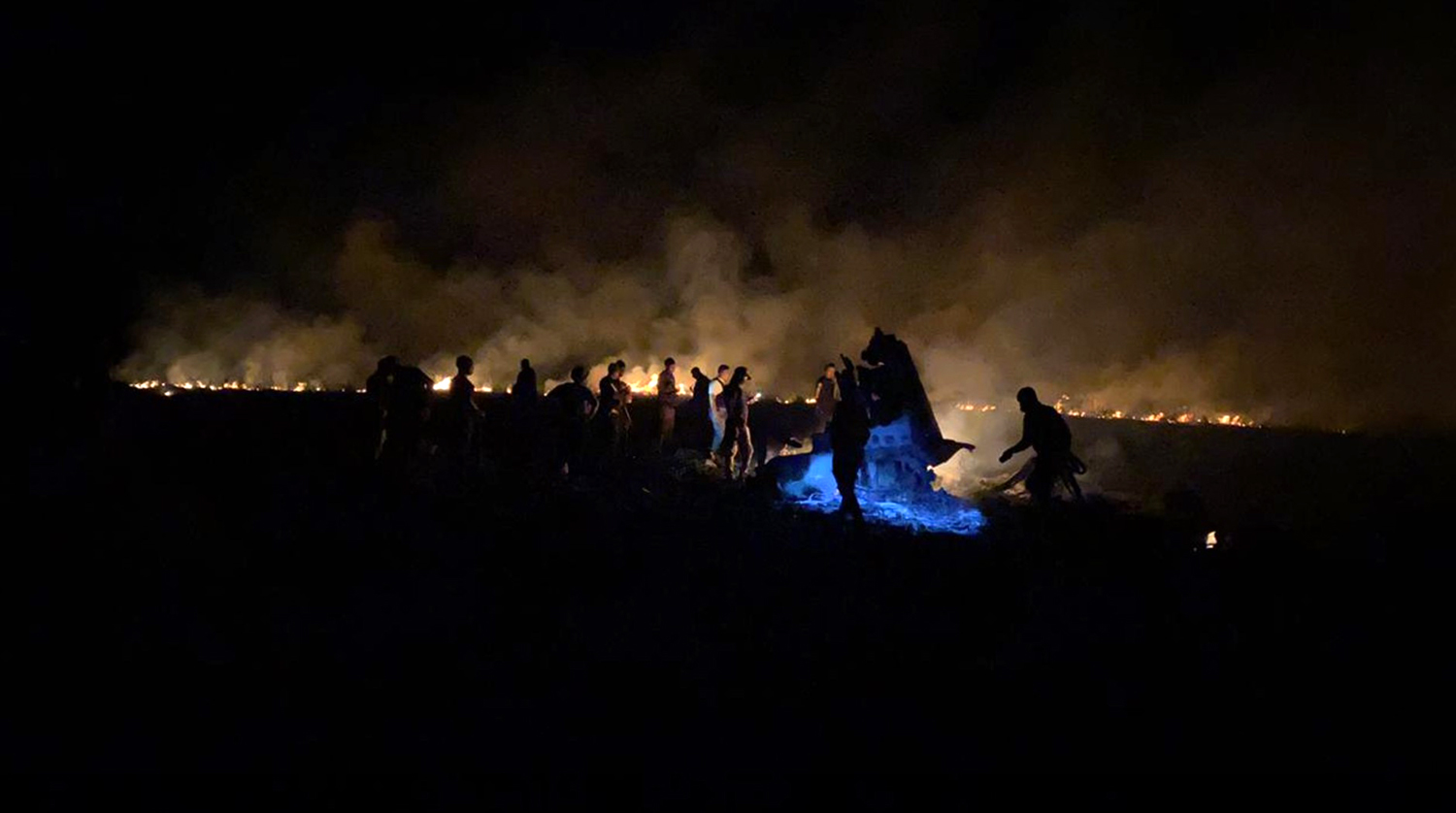
The twin engine airplane departed Villavicencio-La Vanguardia Airport Runway 05 at 0659LT on a training flight consisting with a proficiency check of the captain. On board were one instructor, one captain and one mechanic. About 10 minutes into the flight, while cruising at an altitude of 6,000 feet over mountainous terrain in Instrument Meteorological Conditions, the airplane impacted trees and crashed on the slope of a hilly terrain located in the region of Restrepo. The wreckage was found three days later. All three crew members were killed.
Probable cause:
Probable causes:
- Controlled flight into terrain during the execution of the IFR departure procedure VVC2A, during which the crew mistakenly turned left, contrary to the procedure, heading towards the mountainous area at the foothills of the eastern range, where the impact occurred.
- Loss of situational awareness by the crew, which, for reasons that could not be determined, apparently made a controlled left turn, contrary to the indications of the VVC2A departure procedure, even though it was an experienced crew familiar with the operating area.

The following contributing factors were identified:
- Lack of operator standards, as there was no detailed, organized, and sequential instructional plan and syllabus for the crew to follow during each maneuver, such as the VVC2A instrument departure.
- Lack of operator standards, as there was no specific syllabus for the planning and execution of the Recurrent Check, taking into account, among other aspects, the composition of the aircraft crew, consisting of two instructor pilots, one of whom was conducting the check on the other.
- Inadequate planning and supervision of the training flight by the operator, as they did not conduct a specific risk analysis of the flight, did not monitor its preparation and execution, did not provide details in a flight order or other document, considering especially the composition of the aircraft crew, consisting of two instructor pilots, one of whom was conducting the check on the other.
- Deficient planning and preparation of the flight by the crew, as they informally changed the VFR Flight Plan to IFR, apparently did not conduct a complete and adequate briefing, were unaware of or did not consider the VVC2A SID for the start of the IFR flight, and omitted several IFR flight procedures.
- Crew's neglect of the following IFR flight procedures:
- Not specifying a route and an IFR departure procedure in the IFR Flight Plan.
- Not requesting complete authorization from ATC to initiate an IFR flight. At no time did they mention the VVC2A departure, which was key to the verbally proposed plan before takeoff.
- Not defining or requesting from ATS which standard departure procedure or other they would use to initiate the IFR flight, in which they would encounter IMC shortly after takeoff.
- Not requiring ATC to assign a transponder code before takeoff or at any other phase of the flight, or selecting code 2000 as they did not receive instructions from ATS to activate the transponder.
- Likely not activating the transponder before takeoff and/or not verifying its correct operation before takeoff or immediately once the aircraft was in the air.
- Inaccurate use of phraseology with non-standard terminology in their transmissions with ATC.
- Insufficient experience and training in IFR flights by the crew, despite their extensive experience with the equipment. Much of this experience had been gained in the eastern region of the country, where the majority of DC3 flights are conducted in VMC and under VFR, with no opportunity for the practical execution of IFR procedures.
- Overconfidence of the crew, influenced by factors such as the high flight experience and DC3 equipment experience of the two pilots in the crew, their status as instructor pilots, the relatively low operational demand of the flight mission, and the knowledge, familiarity, and confidence of both crew members with the aerodrome's characteristics, the surrounding area, and especially the peculiarities and risks of the terrain to the west of the takeoff path.
- Non-observance by air traffic control of the following IFR flight procedures initiated by HK2820:
- Failure to issue complete authorization to the aircraft for the IFR flight before initiating the flight or at any other time.
- Failure to issue a standardized instrument departure, SID, or any other safe departure procedure to the aircraft. At no time did ATC mention the VVC2A departure, which was crucial for carrying out the plan verbally proposed by the crew.
- Failure to provide the aircraft with a transponder code before takeoff or at another appropriate time, or to verify its response. This process started only 03:11 minutes after the aircraft took off, so positive radar contact verification was only achieved 04:58 minutes after takeoff, delaying radar presentation and limiting positive flight control.
- Late transfer of aircraft control from the Control Tower to Approach Control (03:35 minutes after takeoff), not immediately after the aircraft was airborne as it should have been, considering prevailing IMC flight conditions in the vicinity of the aerodrome.
- Operating with an incomplete radar display configuration in Approach Control, with insufficient symbology, depriving control of references and judgment elements for an accurate location of the aircraft and its left turn from the path.
- Failure to observe radar surveillance techniques and procedures.
- Inaccurate use of phraseology with non-standard terminology in their transmissions with the aircraft.
- Lack of situational awareness by both the crew and ATC during a flight that, perhaps because it seemed routine, led both parties to omit elementary IFR flight procedures, disregarding the inherent risks of an operation in IMC conditions, with strict IFR procedures that needed to be followed, considering, among other things, the aerodrome's proximity to a mountainous area.
Final Report:
Crash of a Pilatus PC-6/B2-H4 Turbo Porter in Ravenna: 2 killed

Date & Time: May 14, 2021 at 1140 LT
Operator:
Registration:
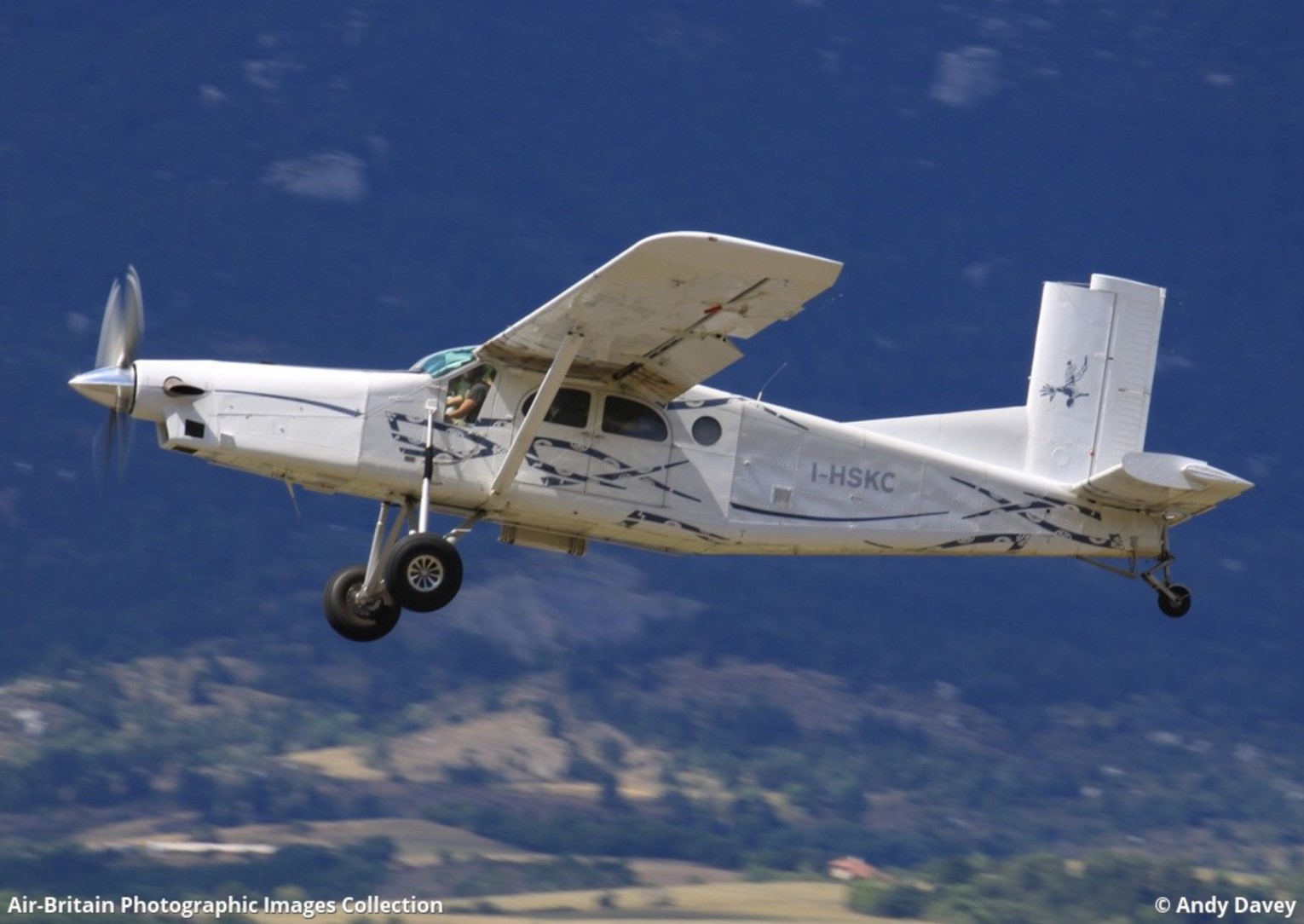
I-HSKC
Flight Phase:
Flight Type:
Survivors:
No
Schedule:
Ravenna - Ravenna
MSN:
779
YOM:
1977
Country:
Region:
Crew on board:
2
Crew fatalities:
Pax on board:
0
Pax fatalities:
Other fatalities:
Total fatalities:
2
Circumstances:
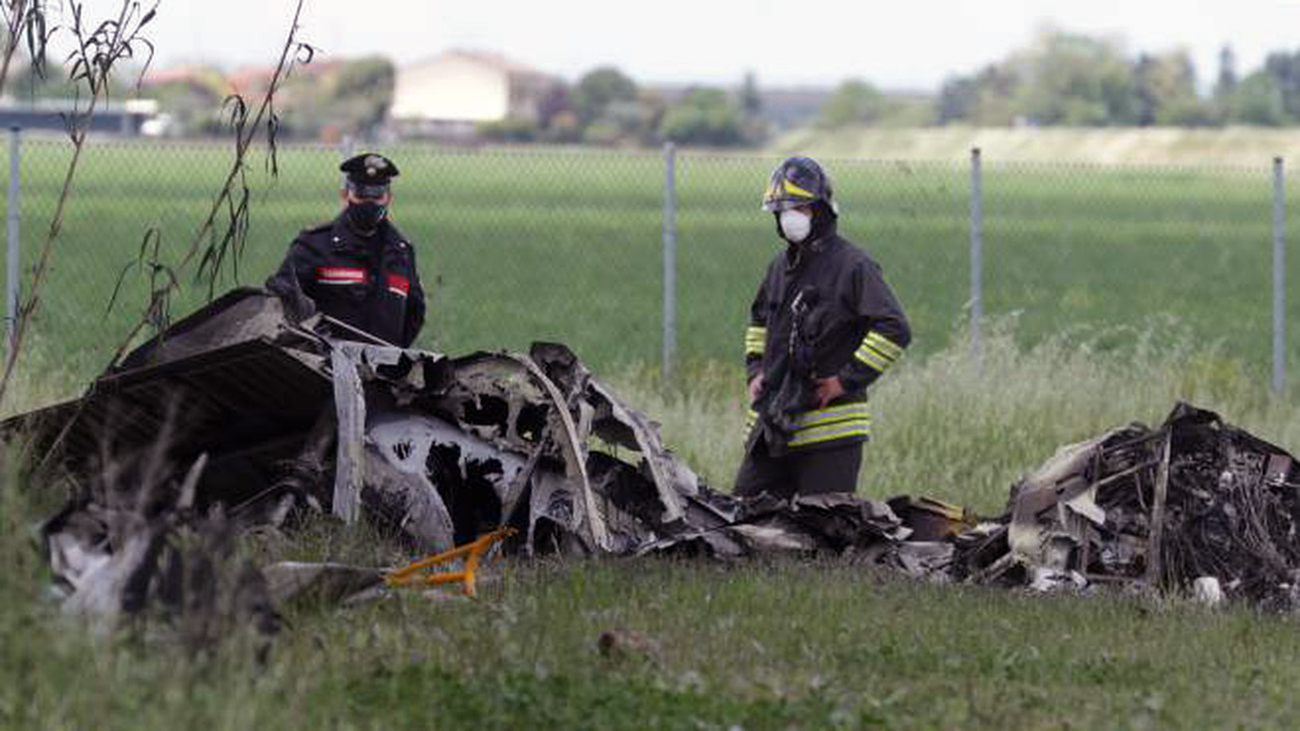
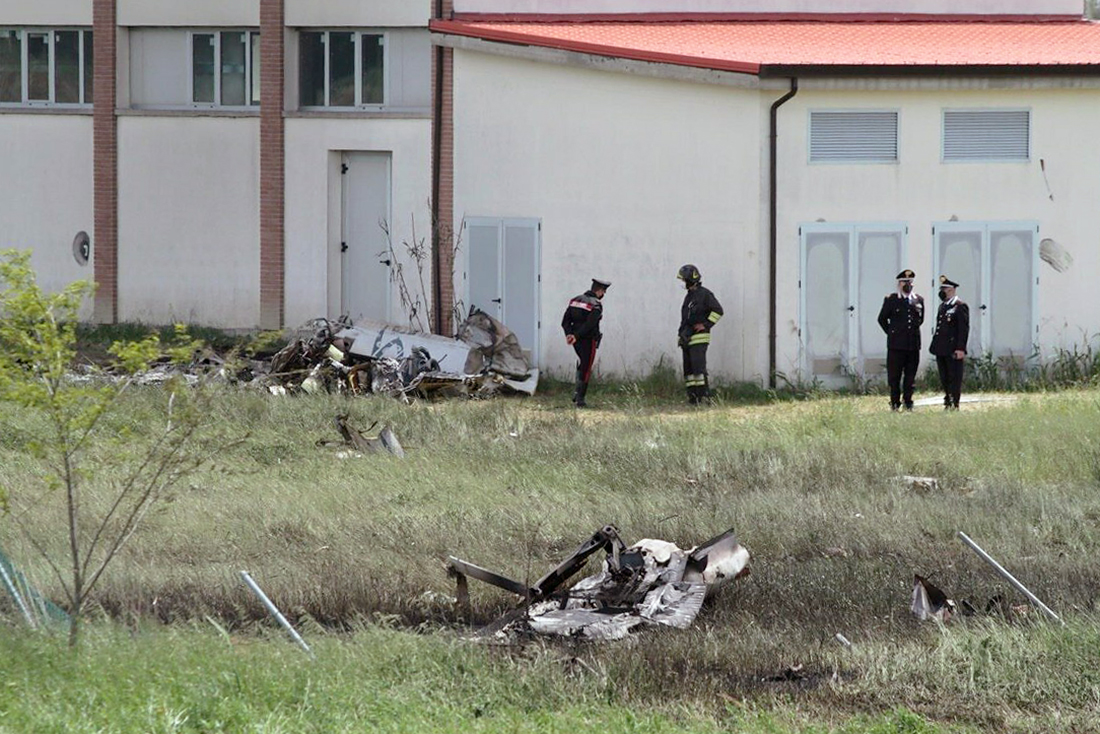
The crew departed Ravenna-La Spreta Airport in the morning on a local training flight consisting of a licence renewal for one of the pilots. En route, in unclear circumstances, the single engine aircraft went out of control and crashed at the bottom of a building located about 1,400 metres south of the airfield. The aircraft was totally destroyed by impact forces and a post crash fire and both occupants were killed.

Crash of a Piper PA-60 Aerostar (Ted Smith 600) in LaBelle: 1 killed

Date & Time: May 6, 2021 at 1520 LT
Registration:
C-FAAZ
Flight Phase:
Flight Type:
Survivors:
Yes
Site:
Schedule:
LaBelle - LaBelle
MSN:
60-0148-065
YOM:
1973
Location:
Crew on board:
1
Crew fatalities:
Pax on board:
1
Pax fatalities:
Other fatalities:
Total fatalities:
1
Captain / Total flying hours:
10000
Captain / Total hours on type:
65.00
Aircraft flight hours:
5252
Circumstances:
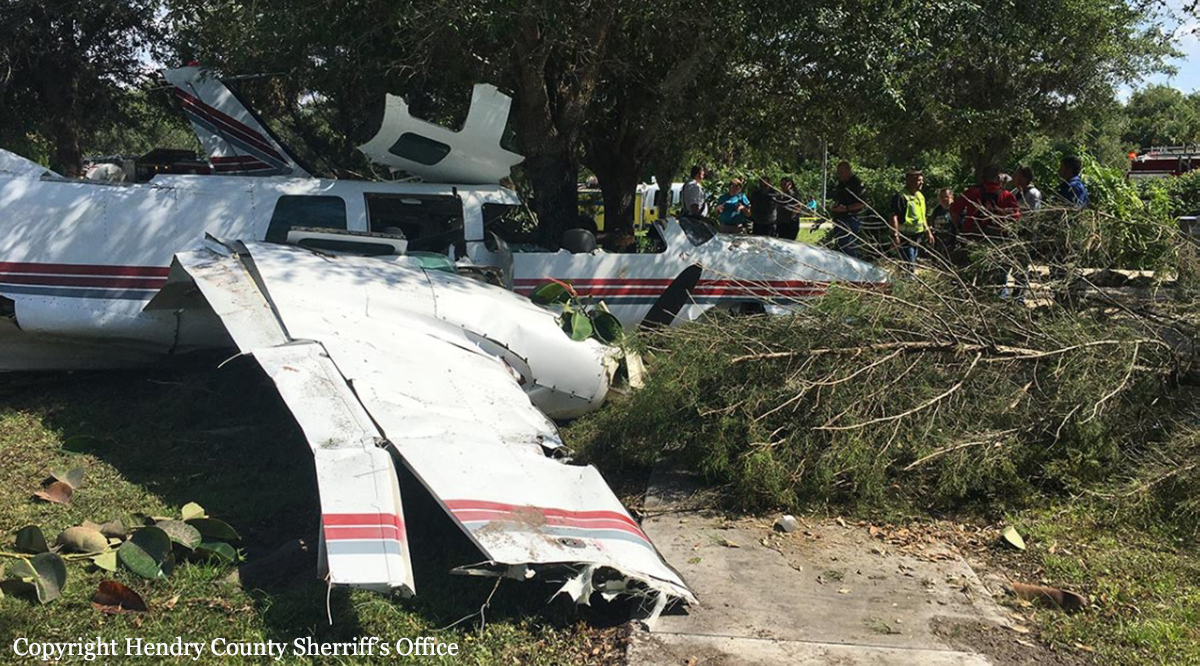
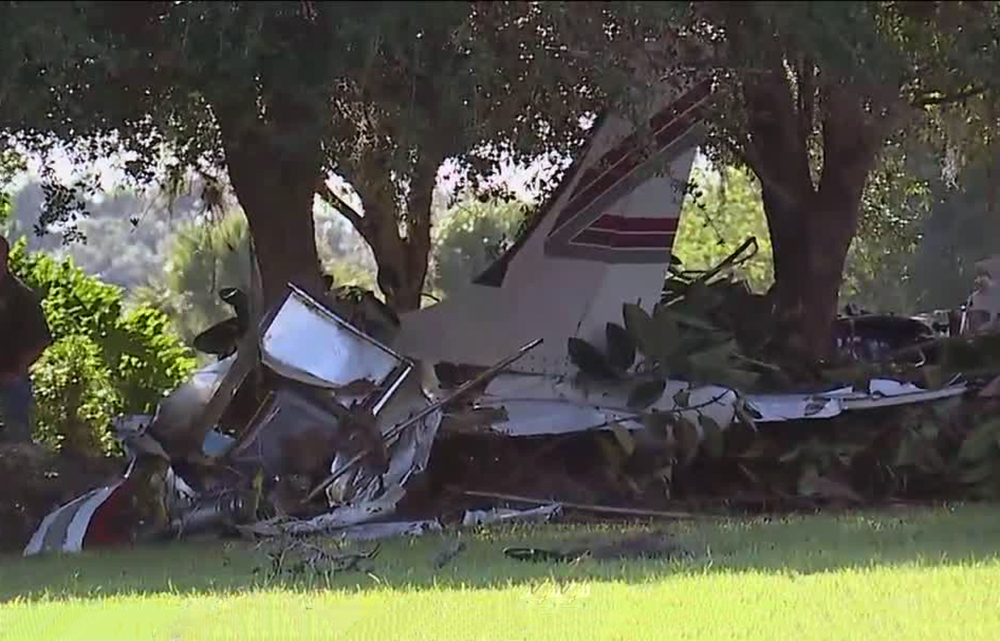
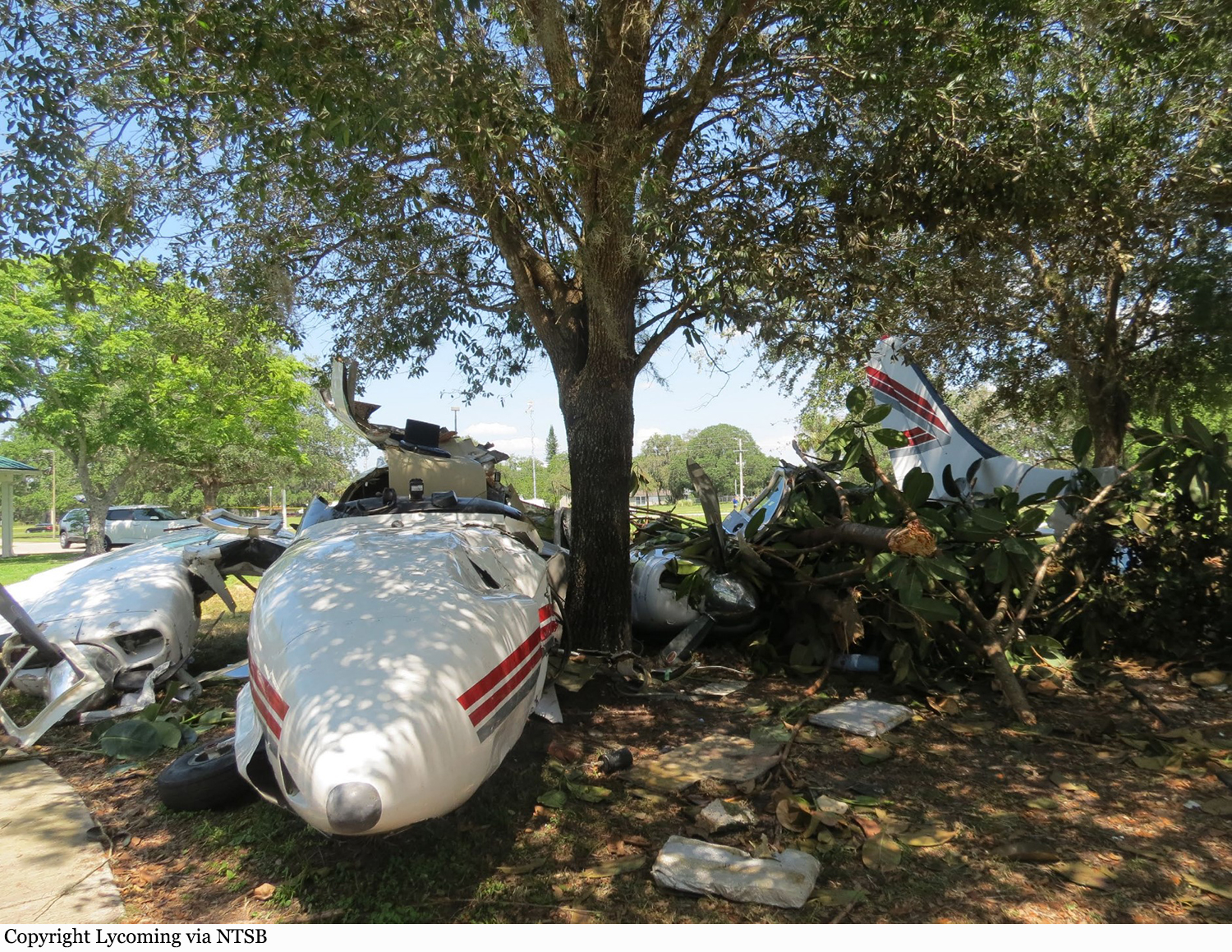
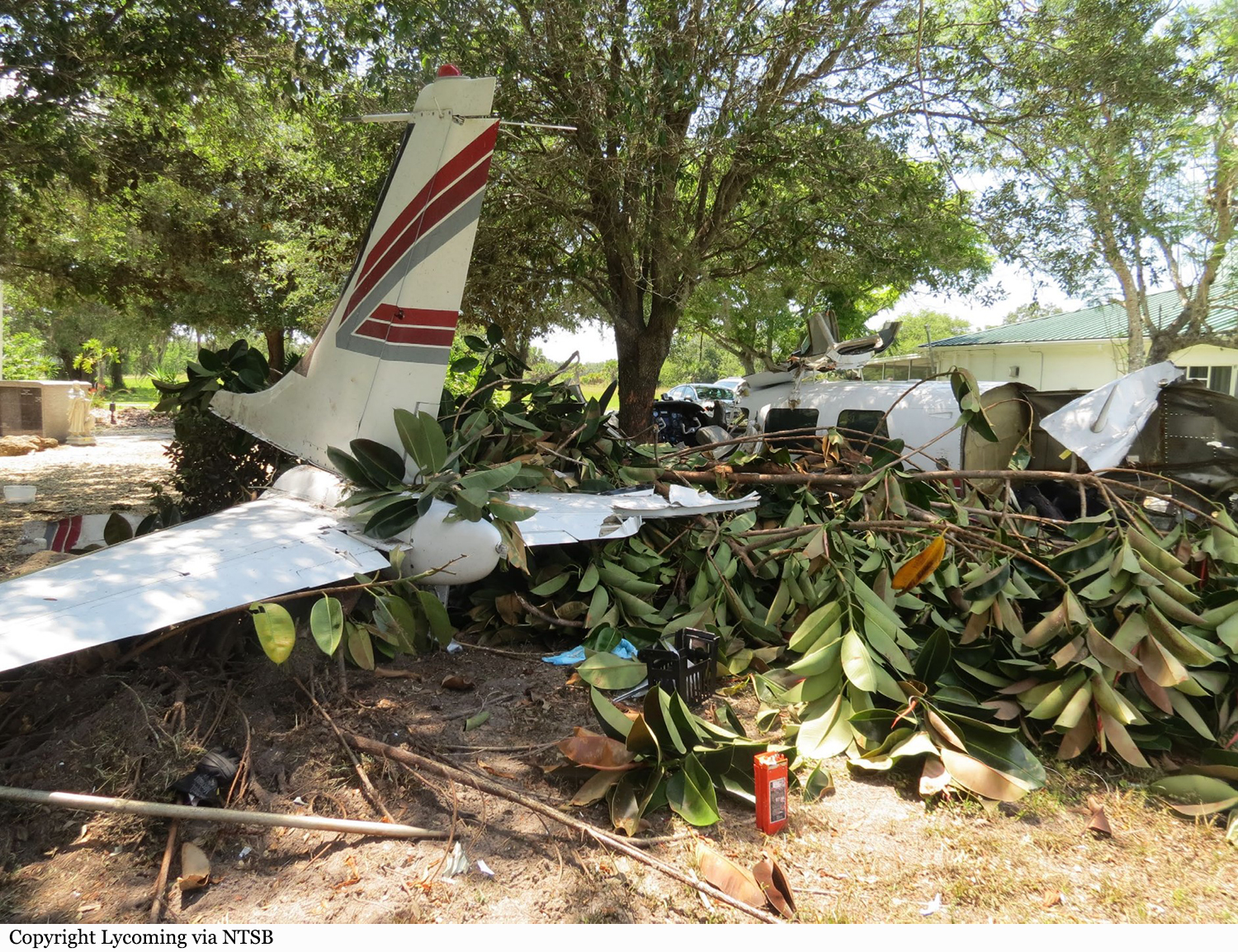
The pilot, who was the owner of the airplane, and the pilot-rated passenger, whose maintenance facility had recently completed work on the airplane, departed on the second of two local flights on the day of the accident as requested by the pilot, since he had not flown the airplane recently. Flight track and engine monitor data indicated that, about 15 minutes after takeoff, fuel flow and engine exhaust gas temperature (EGT) values were consistent with a total loss of left engine power at an altitude about 2,500 ft. Engine power was fully restored about 4 minutes later. Between the time of the power loss and subsequent restoration, the airplane directly overflew an airport and was in the vicinity of a larger airport. It is likely that the left engine was intentionally shut down to practice one engine inoperative (OEI) procedures. Had the loss of power been unanticipated, the pilot would likely have initiated a landing at one of these airports in accordance with the airplane’s published emergency procedure, which was to land as soon as possible if engine power could not be restored; however, data indicated that engine power was restored, and the flight continued back to the departure airport. About 7.5 minutes later, about 6 nautical miles from the departure airport, engine data indicated a total loss of right engine power, followed almost immediately by a total loss of left engine power, at an altitude about 3,500 ft. A battery voltage perturbation consistent with starter engagement was recorded about 1 minute later, followed by a slight increase in left engine fuel flow; however, the data did not indicate that left engine power was fully restored during the remainder of the flight. The airplane continued in the direction of the departure airport as it descended and ultimately impacted a tree and terrain and came to rest upright. A witness saw the airplane flying toward her with the landing gear extended and stated that it appeared as though neither of the two propellers was turning. A doorbell security camera near the accident site captured the airplane as it passed overhead at low altitude. Sound spectrum analysis of the footage indicated that one engine was likely operating about 1,600 rpm while the other was operating at less than 1,000 rpm. The right propeller was found feathered at the accident site. An examination and test run of the right engine revealed no anomalies that would have precluded normal operation. The left propeller blades exhibited bending, twisting, and chordwise polishing consistent with the engine producing some power at the time of impact. Examination of the left engine and engine-driven fuel pump did not reveal any anomalies. Based on the available information, it is likely that the pilots were conducting practice OEI procedures and intentionally shut down the right engine. The loss of left engine power immediately after was likely the result of the pilot’s failure to properly identify and verify the “failed” engine before securing it, which resulted in an inadvertent shutdown of the left engine. Although partial left engine power was restored before the accident (as indicated by fuel flow values, damage to the left propeller, and sound spectrum analysis of security camera video), the left engine power available was inadequate to maintain altitude for reasons that could not be determined, and it is likely that the pilot was performing a forced landing when the accident occurred. It is also likely that the pilot’s decision to conduct intentional OEI flight at low altitude resulted in reduced time and altitude available for troubleshooting and restoration of engine power following the inadvertent shutdown of the left engine. The 67-year-old pilot was a Canadian national and had never applied for a Federal Aviation Administration medical certificate. According to the Transportation Safety Board of Canada, the pilot was issued a category 1 license with knowledge of a previous condition and knowledge of currently taking Xarelto (rivaroxabam). No acute or historical cardiovascular event was found on autopsy. Toxicology testing detected the sedating antihistamine cetirizine just below therapeutic levels in the pilot’s blood. A very low concentration of the narcotic pain medication codeine was detected in the pilot’s blood and urine; codeine’s metabolite morphine was also detected in his urine. The mood stabilizing medication lamotrigine was detected but not quantified in the pilot’s blood and urine. Thus, the pilot was taking some impairing medications and likely had a psychiatric condition that could impact decision-making and performance; however, given the circumstances of the accident, including the presence of the pilot-rated passenger to operate the airplane, the effects from the pilot’s use of cetirizine, codeine, and lamotrigine were not likely factors in this accident.
Probable cause:
The pilot's inadvertent shutdown of the left engine following an intentional shutdown of the right engine while practicing one engine inoperative (OEI) procedures. Contributing to the accident was the pilot’s decision to conduct OEI training at low altitude.
Final Report:

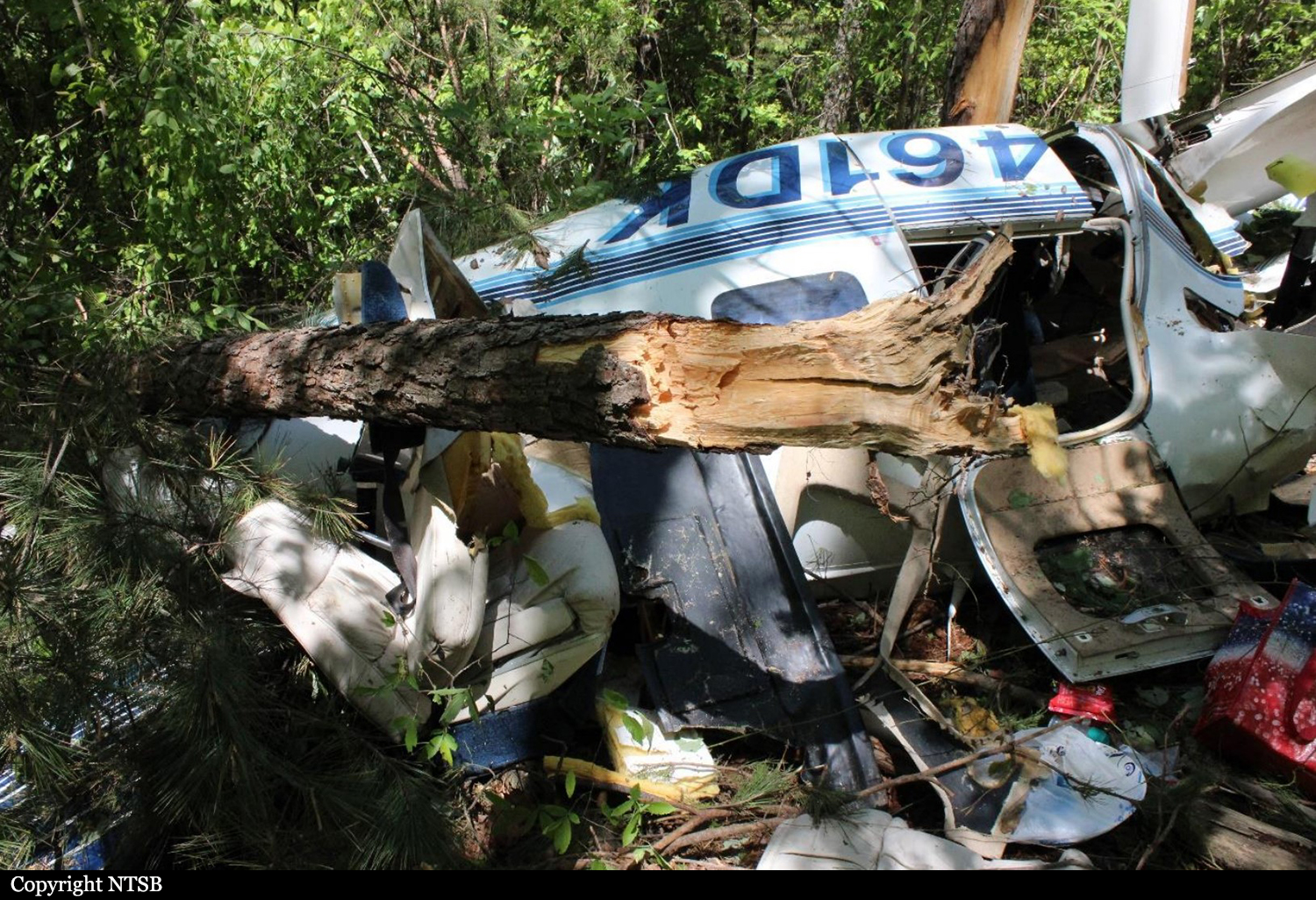
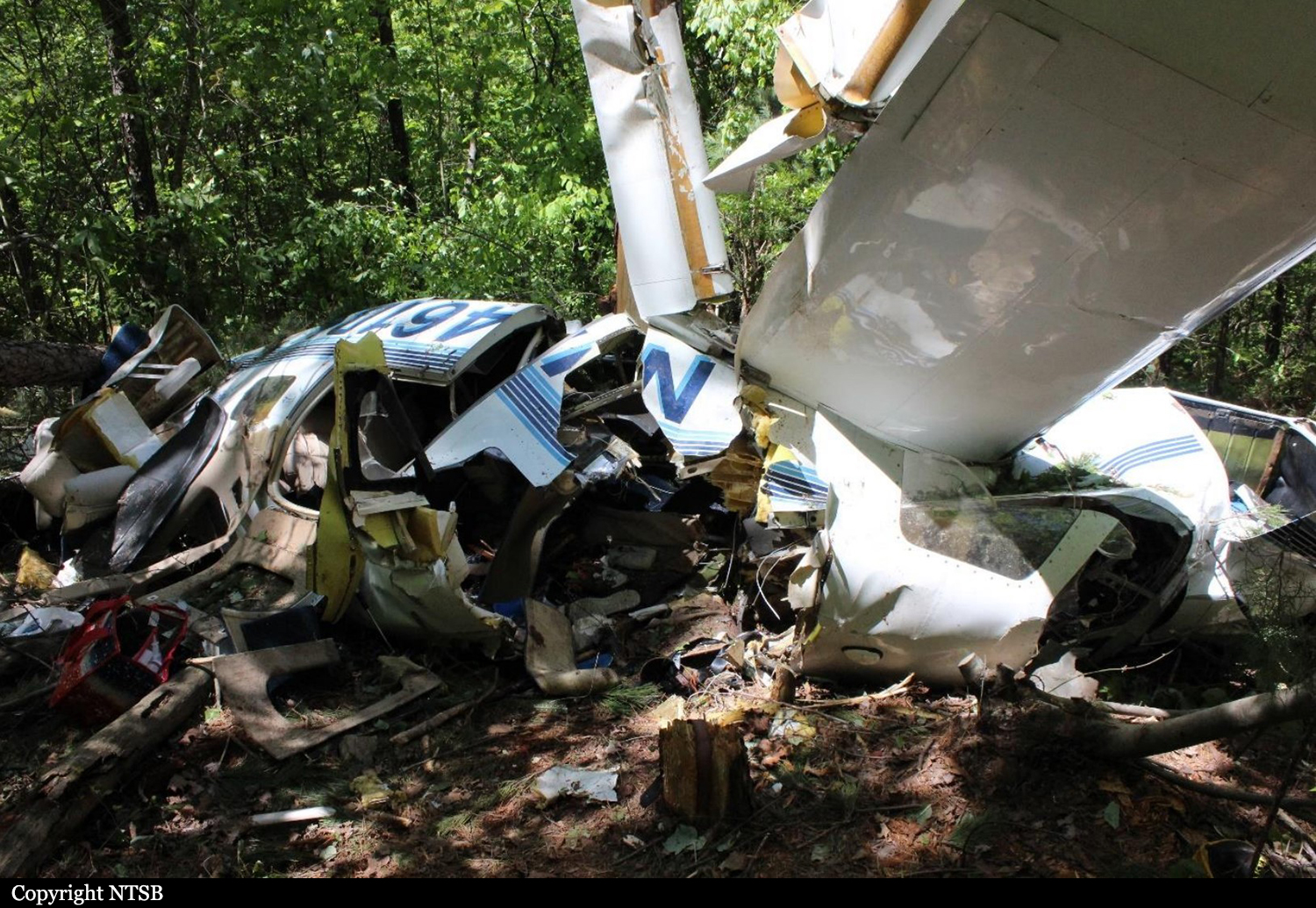
Crash of a Piper PA-46-310P Malibu in Danville: 4 killed

Date & Time: Apr 23, 2021 at 1701 LT
Operator:
Registration:
N461DK
Flight Phase:
Flight Type:
Survivors:
No
Site:
Schedule:
Muskogee – Williston
MSN:
46-8508102
YOM:
1985
Crew on board:
1
Crew fatalities:
Pax on board:
3
Pax fatalities:
Other fatalities:
Total fatalities:
4
Captain / Total flying hours:
1431
Circumstances:
The pilot was conducting an instrument flight rules cross-country flight and climbing to a planned altitude of 23,000 ft mean sea level (msl). According to air traffic control data, as the airplane climbed through 18,600 ft msl, its groundspeed was 171 knots, and a gradual reduction in groundspeed began. After reaching an altitude of about 20,200 ft msl, the airplane began a descent on a southeast heading. Just before the descent began, the airplane’s groundspeed had decreased to 145 knots. About 2 minutes after the descent began, the airplane turned right to a northeast heading on which it continued for about 30 seconds. The flightpath then became erratic before the data ended. The pilot made no distress calls and did not respond to repeated calls from the controller. The main wreckage of the airplane was located in densely forested terrain at an elevation of about 930 ft about 1,000 ft south of the last radar return. The outboard portion of the right wing, right aileron, right horizontal stabilizer, and right elevator were not located with the main wreckage and, despite ground and aerial searches with a small unmanned aircraft system, were not found. Examination of the wreckage indicated that the missing wing and tail sections separated in flight due to overload. Examination of the recovered airframe and engine did not reveal evidence of any pre-existing mechanical malfunctions or anomalies that would have precluded normal operation. Weather forecasts indicated that the accident site was in an area where moderate icing conditions up to 25,000 ft msl, embedded thunderstorms, and 2-inch hail were forecasted. Review of preflight weather information received by the pilot indicated that he was aware of the conditions forecast on the route of flight before initiating the flight. Meteorological data revealed that the airplane likely entered icing conditions that ranged from light to heavy as it climbed through 14,000 ft msl about 23 minutes after takeoff and remained in icing conditions for the remaining 16-minute duration of the flight. Freezing drizzle conditions were likely present along the flightpath. Although the airplane was equipped for flight in icing conditions, the pilot’s operating handbook contained a warning about flight into severe icing conditions, which stated that flight in freezing drizzle could result in ice build-up on protected surfaces exceeding the capability of the ice protection system. The airplane’s gradual loss of groundspeed as it climbed was consistent with ice accumulating on the airplane. It is likely that during the 16 minutes the airplane was operating in icing conditions, the capability of the ice protection system was exceeded, which resulted in a degradation of aircraft performance and subsequent aerodynamic stall. During the ensuing uncontrolled descent, the structural capability of the airplane was exceeded, which resulted in an inflight break up. A review of the pilot’s records revealed multiple certificate application failures for reasons that included inadequate knowledge of cross-country flight planning, aircraft performance, and stalls. Review of the pilot’s airman knowledge written tests found areas answered incorrectly over multiple exams included meteorology, aircraft performance, aeronautical decision-making, and stalls. The ethanol identified in the pilot’s cavity blood was most likely the result of postmortem production. Therefore, effects from ethanol did not play any role in this accident. The cargo was documented as it was removed from the airplane and remained secure until after it was weighed. Based upon the weight of the cargo, passengers, airplane, and fuel from the filed flight plan, at the time of departure, the airplane would have been about 361 lbs over maximum gross weight. According to the FAA Pilot’s Handbook of Aeronautical Knowledge, an overloaded airplane “may exhibit unexpected and unusually poor flight characteristics,” which include reduced maneuverability and an increased stall speed.
Probable cause:
The pilot’s improper decision to continue flight in an area of moderate-to-heavy icing conditions, which resulted in exceedance of the airplane’s anti-icing system capabilities, a degradation of aircraft performance, and subsequent aerodynamic stall.
Final Report:
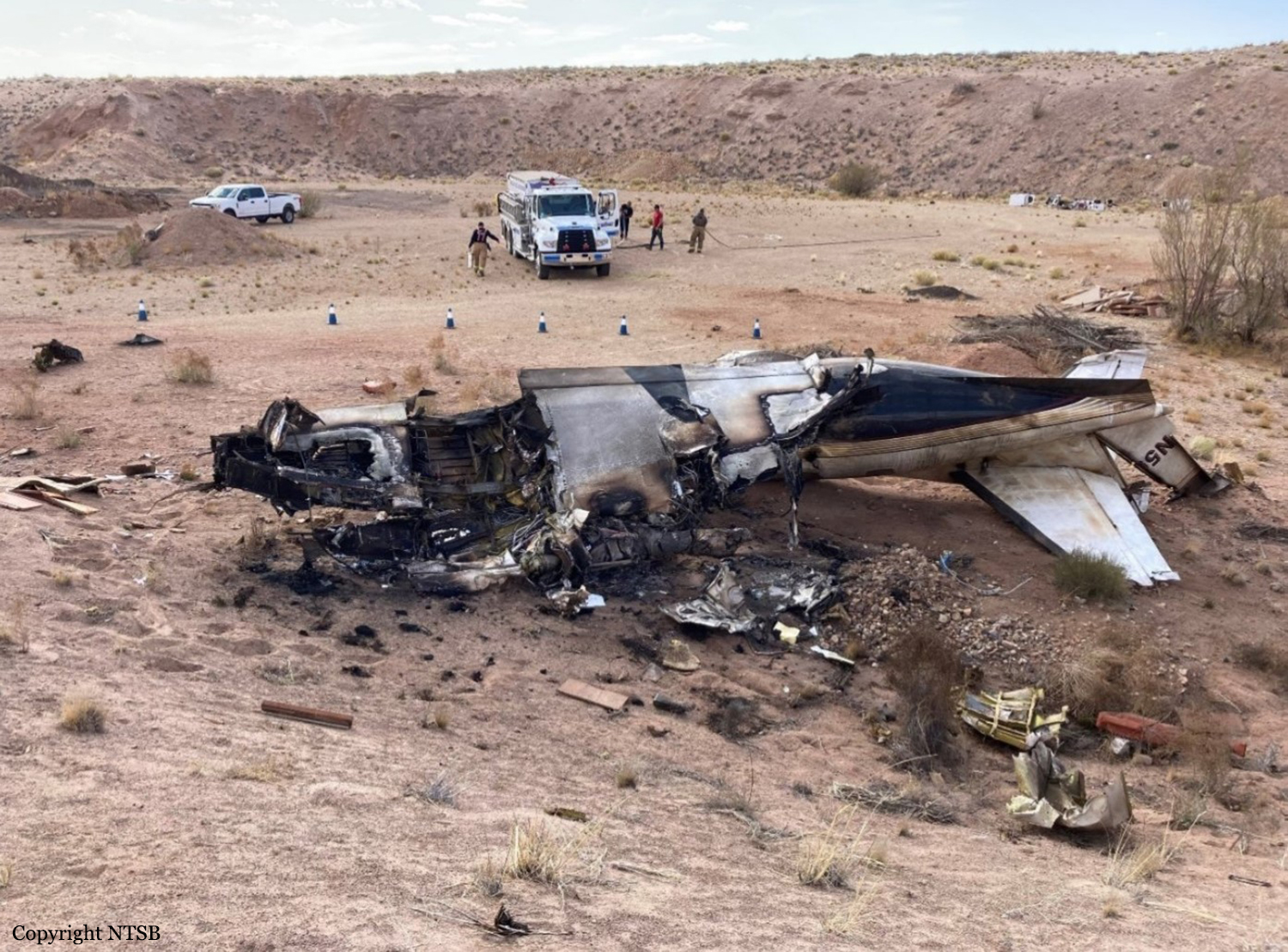
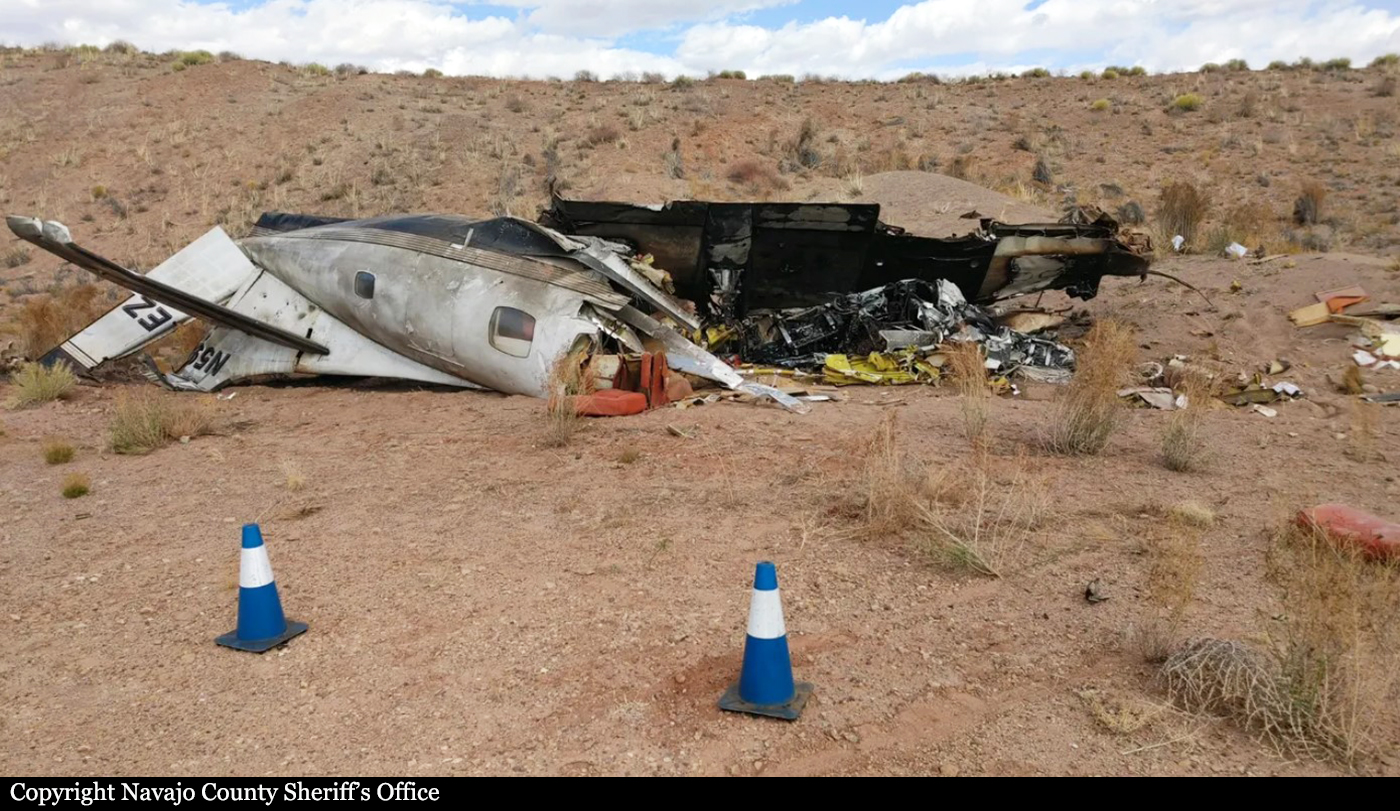
Crash of a Swearingen SA226T Merlin IIIB in Winslow: 2 killed

Date & Time: Apr 23, 2021 at 1519 LT
Operator:
Registration:
N59EZ
Flight Phase:
Flight Type:
Survivors:
No
Schedule:
Scottsdale - Winslow
MSN:
T-394
YOM:
1981
Location:
Crew on board:
2
Crew fatalities:
Pax on board:
0
Pax fatalities:
Other fatalities:
Total fatalities:
2
Aircraft flight hours:
5959
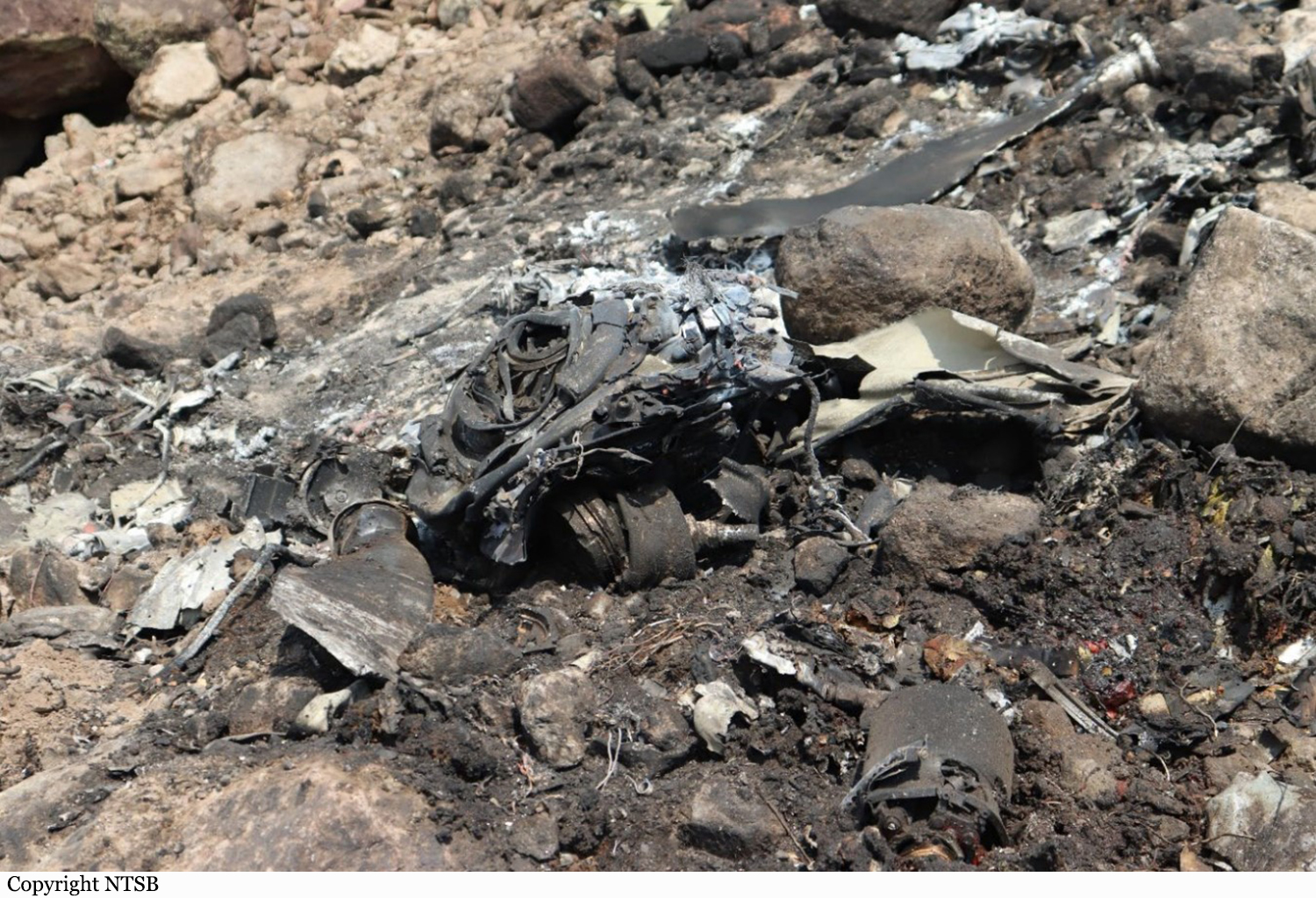
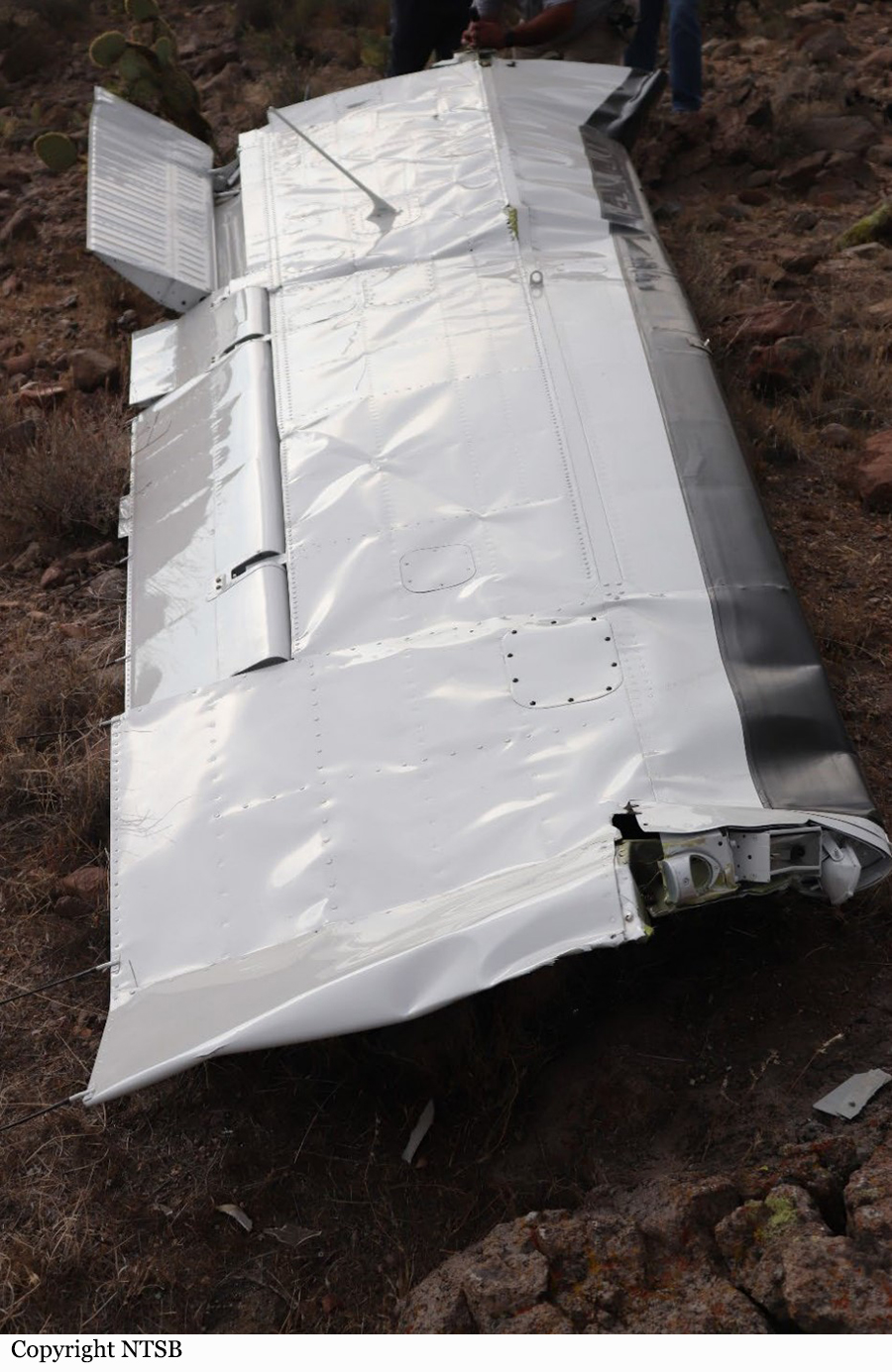
Circumstances:
The pilot was conducting a personal flight and was descending the airplane to the destination airport. Automatic dependent surveillance-broadcast (ADS-B) data showed that the airplane accomplished several turning maneuvers near the airport. These turns occurred from an elevation of 6,000 to 4,950 ft mean sea level, at which time the data ended. The airplane was 80 ft above ground level at the time. Witnesses reported seeing a low-flying airplane perform a turn and then veer toward the ground. The airplane came to rest about 4 miles east of the destination airport and 70 ft from the last data target. A postcrash fire ensued. Postaccident examination of the airframe and engines found no mechanical anomalies that would have precluded normal operation. Examination of the left engine revealed that the engine was likely producing power. The right engine examination revealed damage consistent with low or no rotation at the time of the accident, including distinct, localized contact marks on the rotating propeller shaft. In addition, no metal spray was found in the turbine section, and no dirt was found within the combustor section. The examination of the right propeller blades showed chordwise scoring with the blades bent aft and twisted toward a low-pitch setting. Examination of the fuel system noted no anomalies. The airplane was equipped with a single redline (SRL) autostart computer. Examination of the right (R) SRL-OFF annunciator panel light bulb showed signatures of hot filament stretch, which was consistent with illumination of the light at the time of the accident. The SRL light normally extinguishes above an engine speed of 80% rpm. Given the low rotational signatures on the right engine and the illuminated “R SRL-OFF” warning light, it is likely that the right engine lost engine power during the flight for reasons that could not be determined.
Probable cause:
The loss of engine power to the right engine for reasons that could not be determined. Contributing to the accident was the pilot’s failure to maintain control of the airplane.
Final Report:
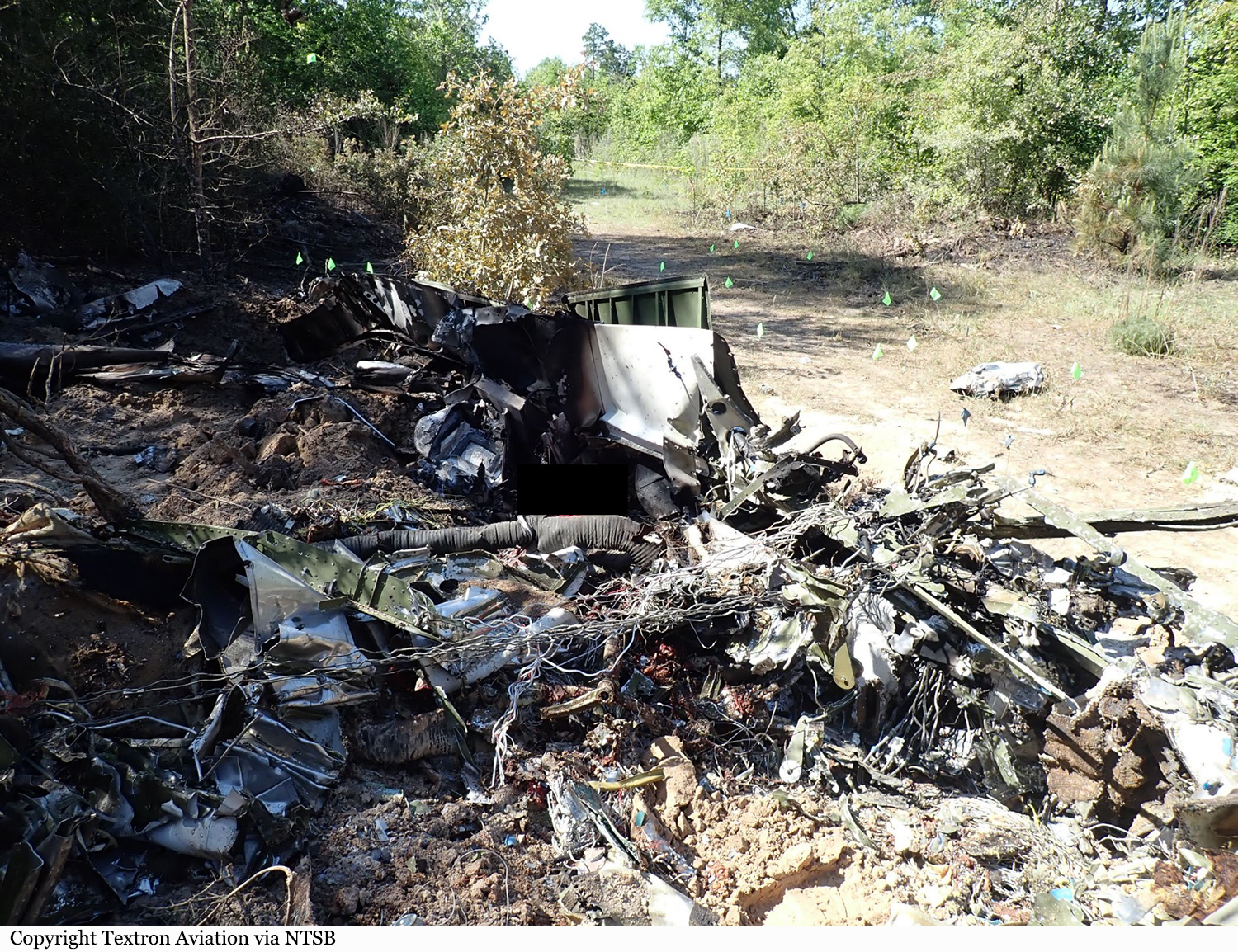
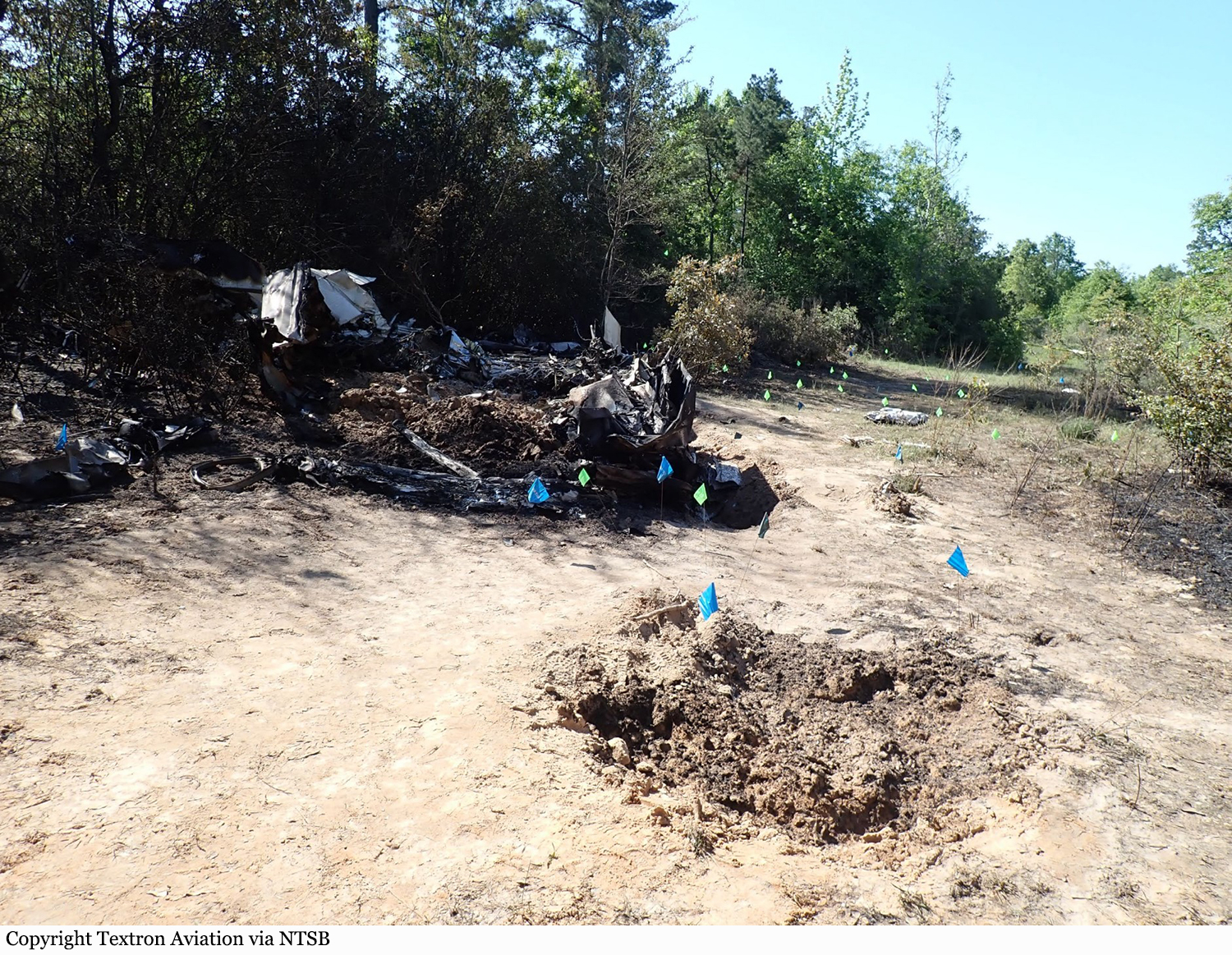
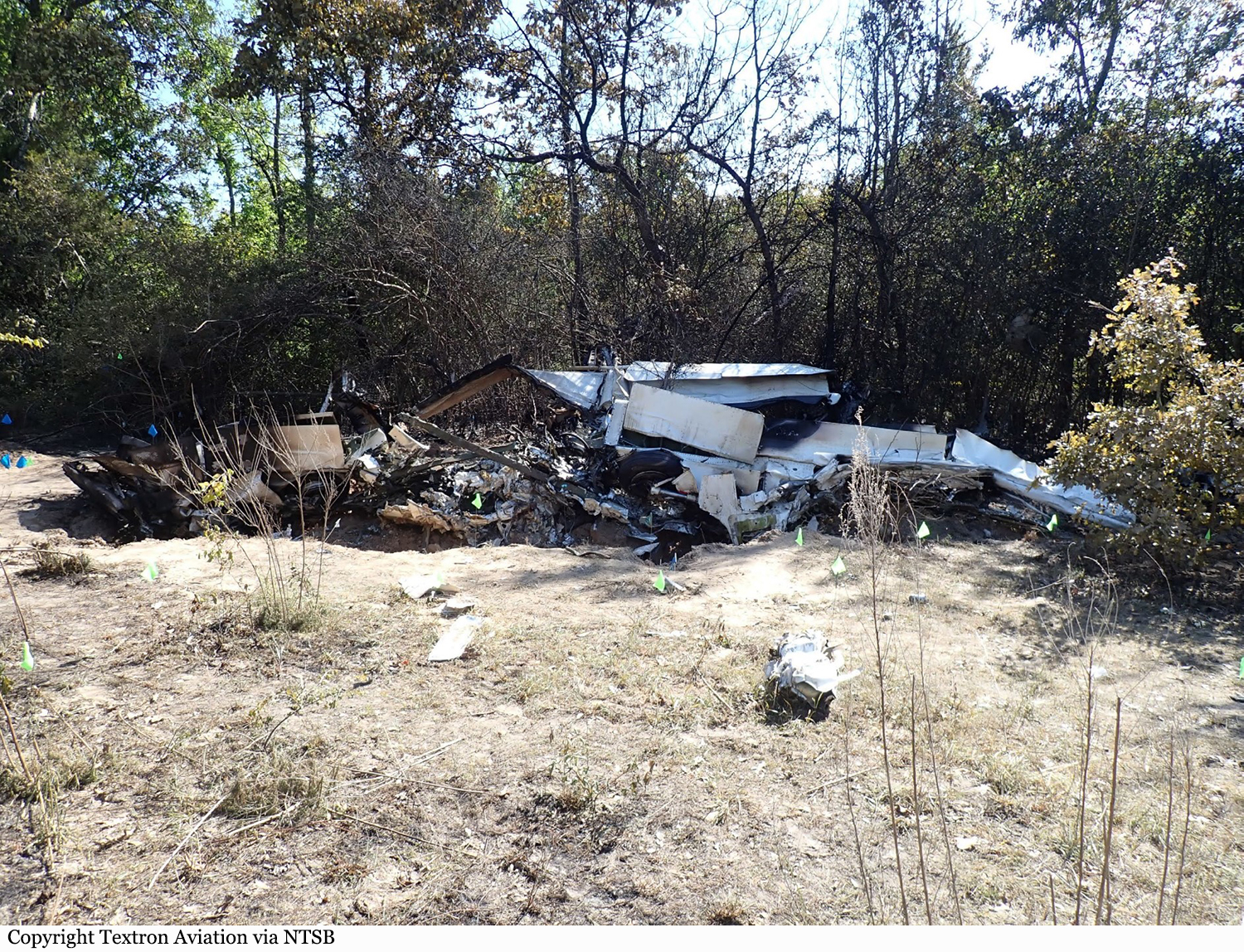
Crash of a Cessna 340A in Tatum: 1 killed

Date & Time: Apr 19, 2021 at 1346 LT
Type of aircraft:
Registration:
N801EC
Flight Phase:
Flight Type:
Survivors:
No
Schedule:
Longview - Tatum
MSN:
340A-0312
YOM:
1977
Location:
Crew on board:
1
Crew fatalities:
Pax on board:
0
Pax fatalities:
Other fatalities:
Total fatalities:
1
Captain / Total flying hours:
28665
Captain / Total hours on type:
120.00
Aircraft flight hours:
6500
Circumstances:
The pilot was planning to perform a functional test of the airplane’s newly upgraded autopilot system. Automatic dependent surveillance-broadcast data showed that, after takeoff, the airplane turned east and climbed to 2,750 ft. Air traffic control information indicated that the controller cleared the pilot to operate under visual flight rules to the east of the airport. Communications between ground control, tower control, and the pilot were normal during the ground taxi, takeoff, and climb. Radio and radar communications were lost 6 minutes after takeoff, and no radio distress calls were received from the pilot. The airplane impacted wooded terrain about 3/4 mile to the east of the last recorded radar data point. Groundspeeds and headings were consistent throughout the flight with no abrupt deviations. The airplane impacted the wooded terrain in a nose-down, near-vertical flight attitude. Most of the airplane, including the fuselage, wings, and empennage, were consumed by a postimpact fire. Both engines and propellers separated from the airplane at impact with the ground. Examination of the engines revealed no preaccident failures or malfunctions that would have precluded normal operations. Both propellers showed signs of normal operation. Flight control continuity was confirmed. The elevator trim cables stop blocks were secured to the cables and undamaged. They were found against the forward stop meaning the trim tab was at full down travel (elevator leading edge full down) which indicated that the airplane was trimmed full nose up at impact. The airplane’s cabin sustained fragmentation from impact and was consumed by fire; as a result, the autopilot system could not be examined. The investigation was unable to determine why the pilot lost control of the airplane.
Probable cause:
The pilot’s loss of airplane control for undetermined reasons.
Final Report:
Crash of a Piper PA-31-350 Navajo Chieftain in Salitre: 6 killed
Date & Time: Apr 7, 2021 at 1200 LT
Operator:
Registration:
HC-CVC
Flight Phase:
Flight Type:
Survivors:
No
Schedule:
Nueva Loja – Guayaquil
Location:
Country:
Crew on board:
2
Crew fatalities:
Pax on board:
4
Pax fatalities:
Other fatalities:
Total fatalities:
6
Circumstances:
The twin engine airplane (a PA-31 Panther II variant) departed Nueva Loja-Lago Agrio Airport at 1023LT on an ambulance flight to Guayaquil, carrying one patient, one nurse, two doctors and two pilots. The descent to Guayaquil-José Joaquín de Olmedo Airport was started when the aircraft crashed in unknown circumstances in the Río Salitre, near Salitre, about 35 km north of Guayaquil Airport. The aircraft was destroyed and all six occupants were killed.

Crash of a Rockwell Grand Commander 690B in Batey Palo Bonito: 2 killed

Date & Time: Mar 11, 2021 at 2100 LT
Operator:
Flight Phase:
Flight Type:
Survivors:
No
Crew on board:
2
Crew fatalities:
Pax on board:
0
Pax fatalities:
Other fatalities:
Total fatalities:
2
Circumstances:
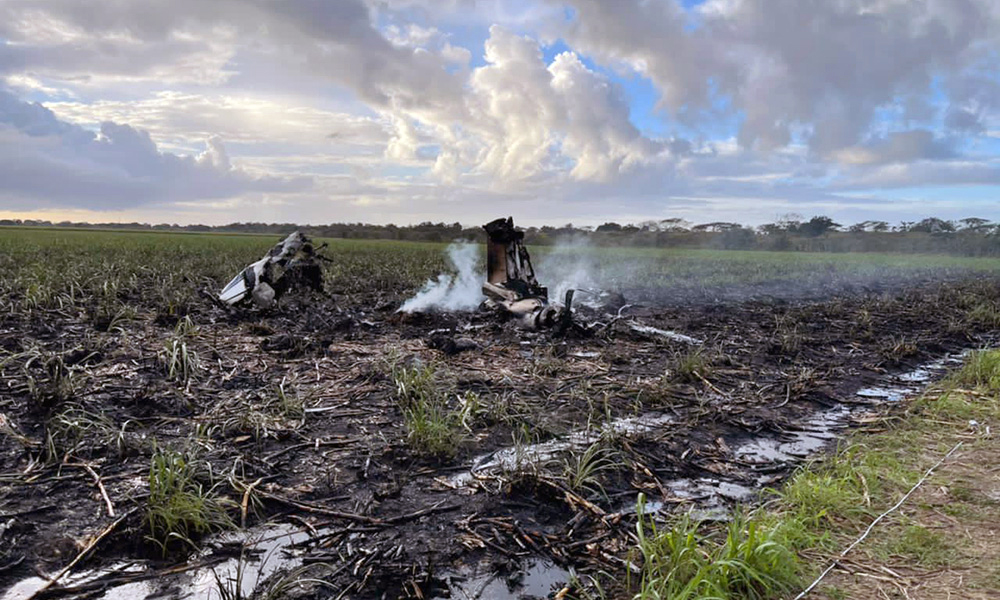
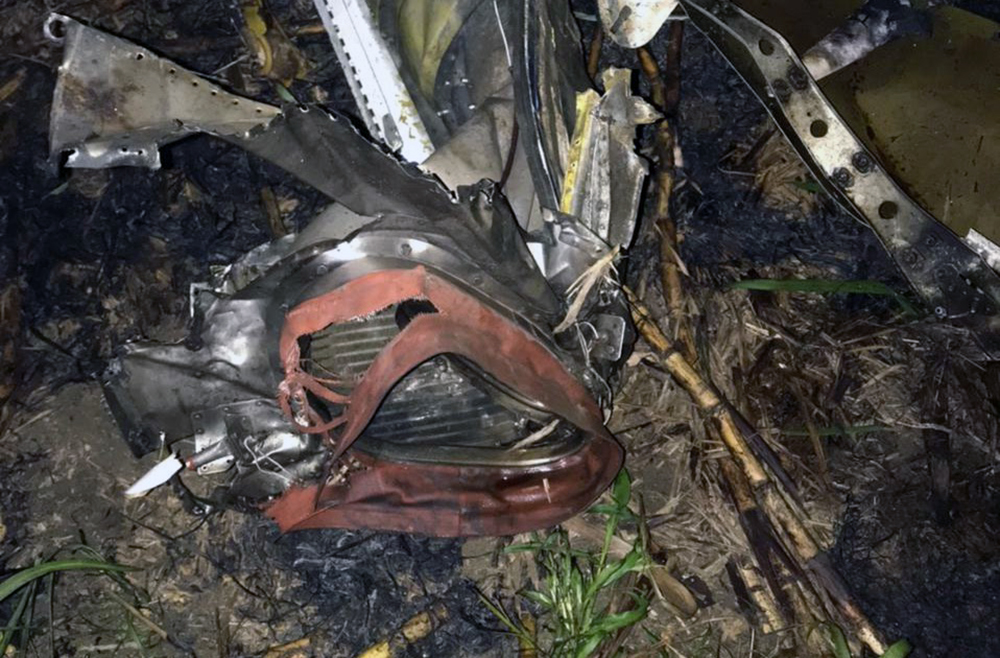
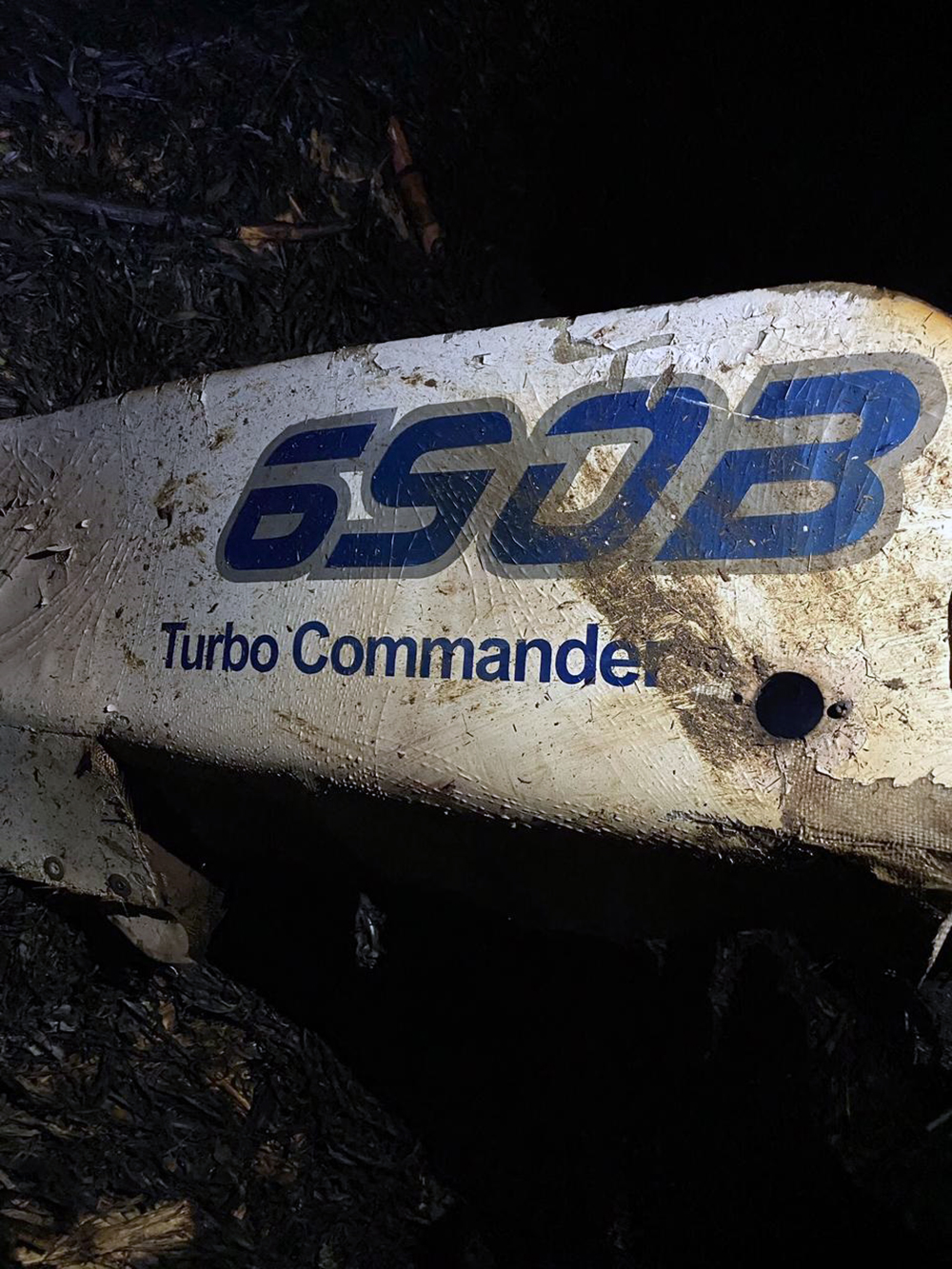
The twin engine aircraft entered the Dominican airspace without clearance while probably being involved in an illegal mission (contraband). After being traced by an A-29B Super Tucano, it crashed in unknown circumstances in a sugar cane field located in Batey Palo Bonito. The aircraft was destroyed by impact forces and a post crash fire and both occupants were killed.

Crash of a Piper PA-31-350 Navajo Chieftain in Sergio Butrón Casas

Date & Time: Mar 3, 2021 at 1447 LT
Operator:
Registration:
N640WA
Flight Phase:
Survivors:
Yes
Schedule:
Morelia - Chetumal
MSN:
31-8252065
YOM:
1982
Country:
Crew on board:
1
Crew fatalities:
Pax on board:
1
Pax fatalities:
Other fatalities:
Total fatalities:
0
Circumstances:
The pilot was approaching Chetumal Airport when he reported engine problems. He elected to make an amergency landing when the aircraft crash landed in an open field located in Sergio Butrón Casas, about 25 km west of Chetumal Airport. Both occupants were slightly injured and the aircraft was damaged beyond repair.

Crash of a Beechcraft 350ER Super King Air in Ji'an: 5 killed

Date & Time: Mar 1, 2021 at 1519 LT
Registration:
B-10GD
Flight Phase:
Survivors:
No
Site:
Schedule:
Ganzhou - Ganzhou
MSN:
FL-1014
YOM:
2015
Location:
Country:
Region:
Crew on board:
2
Crew fatalities:
Pax on board:
3
Pax fatalities:
Other fatalities:
Total fatalities:
5
Aircraft flight hours:
672
Aircraft flight cycles:
398
Circumstances:
The twin engine aircraft departed Ganzhou Airport at 1440LT on a cloud seeding mission over the Jiangxi Region. While flying in clouds, the aircraft entered an uncontrolled descent, entered a spin and eventually crashed in a residential area. All five occupants were killed and one people on the ground was slightly injured.
Probable cause:
Loss of control due to icing conditions. It was determined that the aircraft was flying in icy conditions for a long period of time during an artificial rainfall operation and the wings and propellers became seriously iced up. The aircraft was unable to effectively control the risk of icing, which resulted in the aircraft losing speed and entering a spin, eventually crashing to the ground and catching fire. Based on the casualties and damage to the aircraft, the incident constituted a major general aviation accident of aircraft crew origin. The investigation also found that the aircraft had been modified in such a way that the relevant data was not available and that the crew did not handle the spin properly.
Final Report: