code

OH

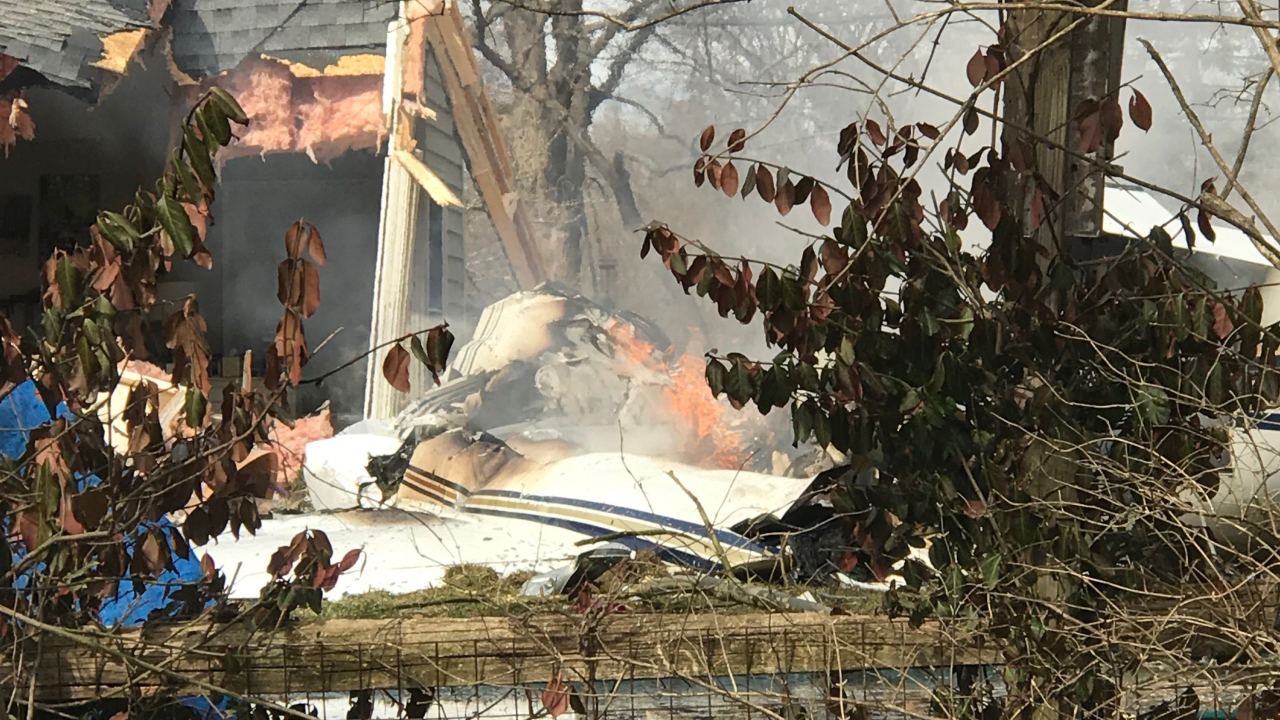
Crash of a Cessna 441 Conquest in Youngstown: 6 killed

Date & Time: Jun 29, 2025 at 0654 LT
Type of aircraft:
Operator:
Registration:
N441LS
Flight Phase:
Flight Type:
Survivors:
No
Schedule:
Youngstown - Bozeman
MSN:
441-0342
YOM:
1984
Crew on board:
1
Crew fatalities:
Pax on board:
5
Pax fatalities:
Other fatalities:
Total fatalities:
6
Circumstances:
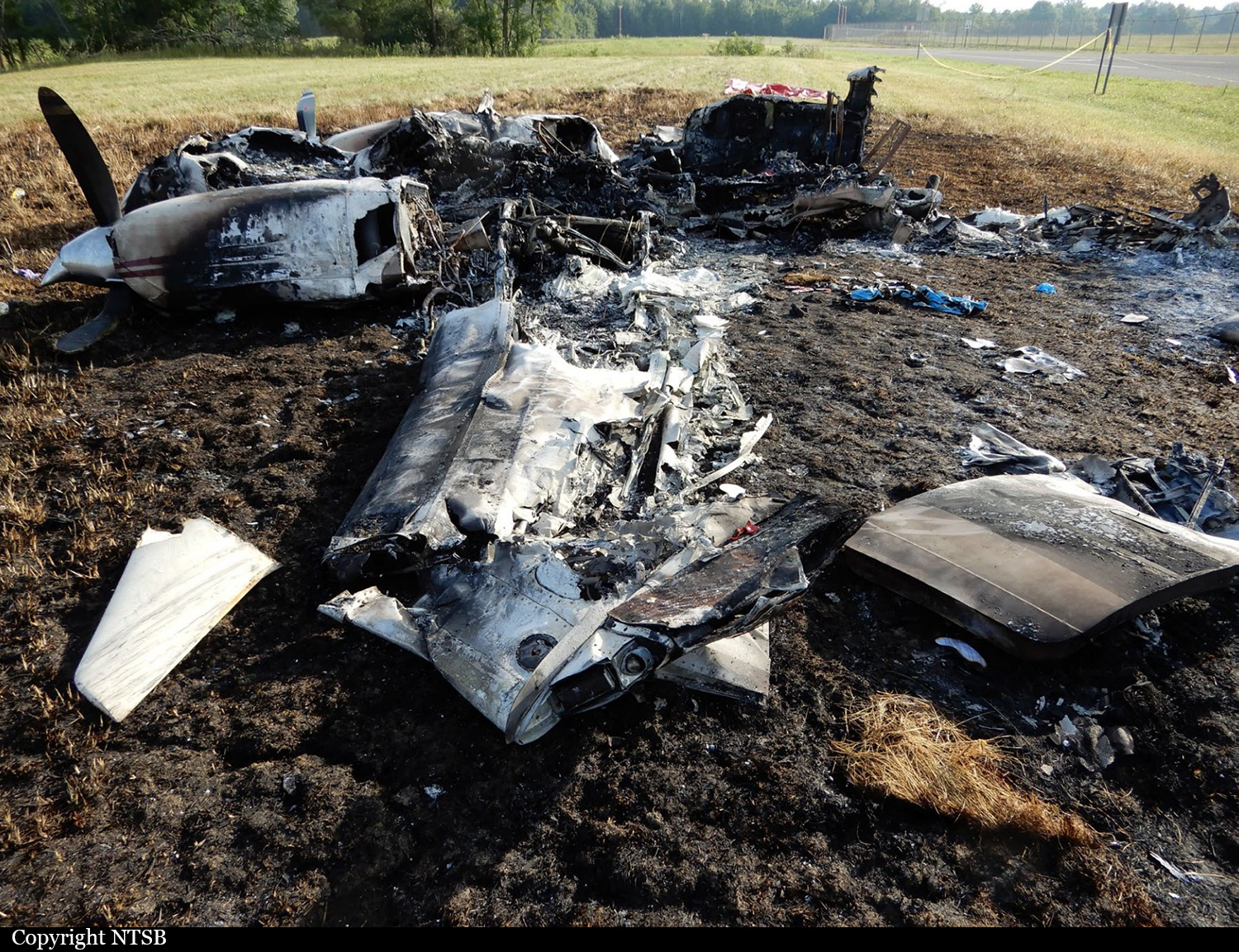
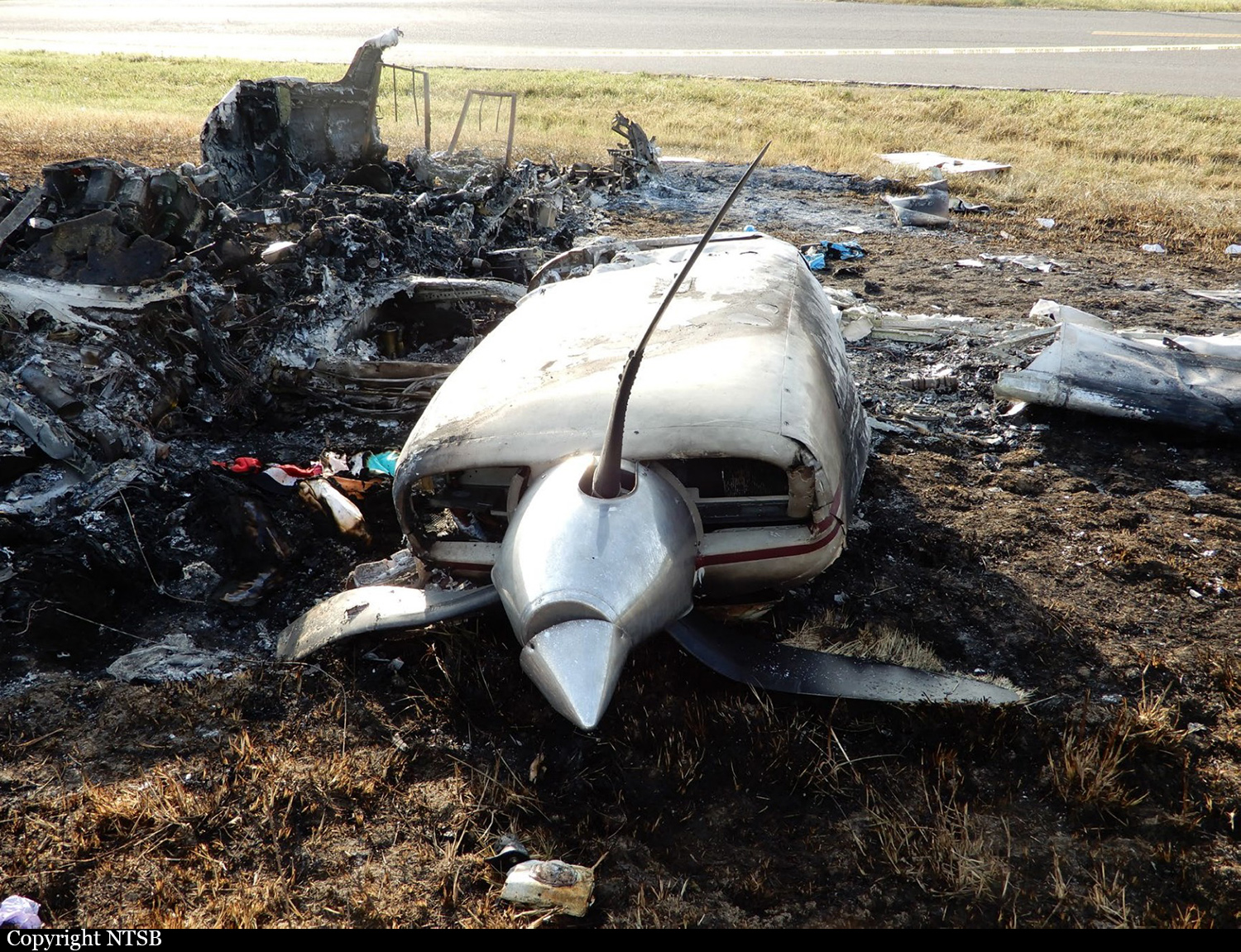
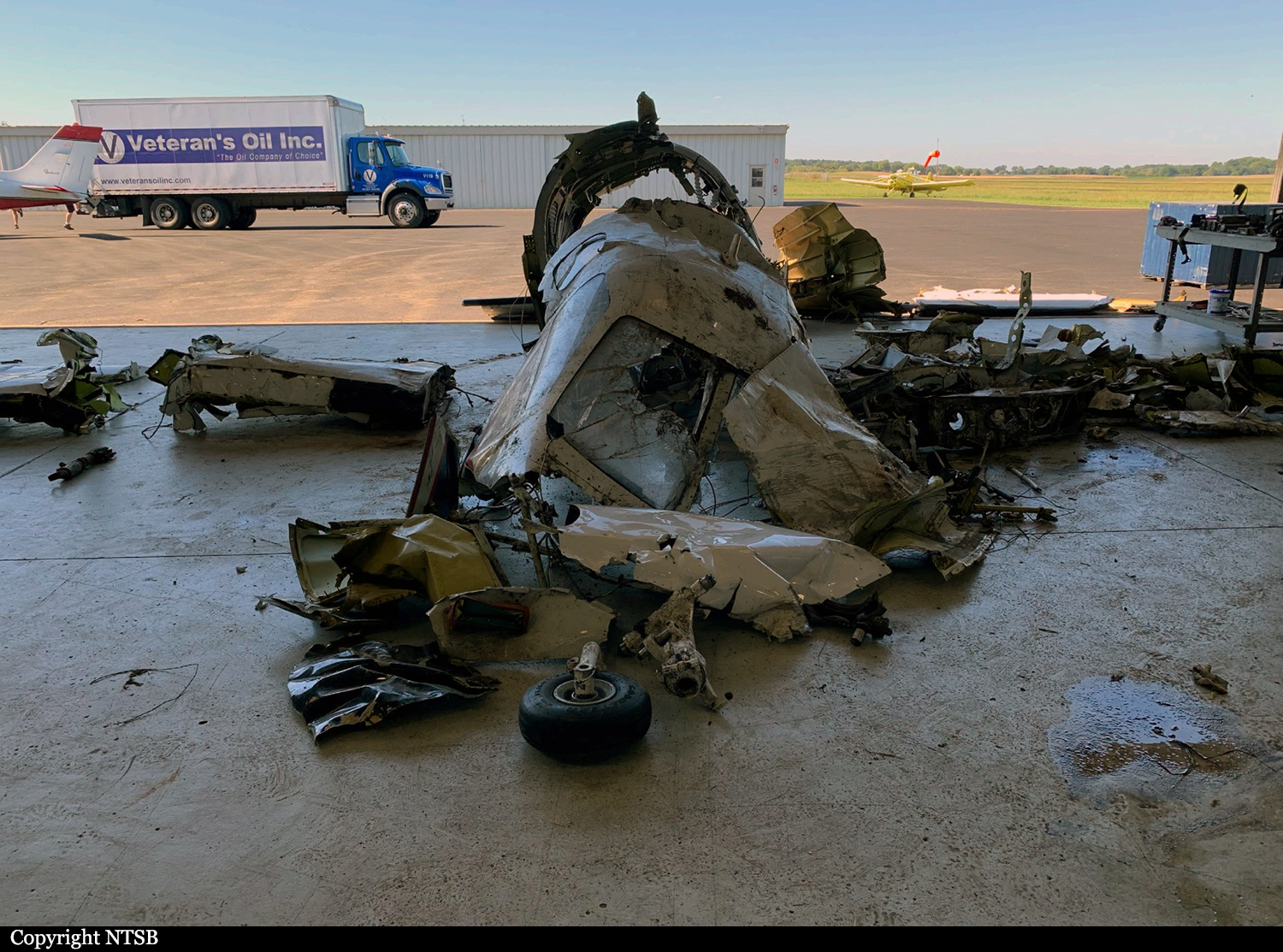
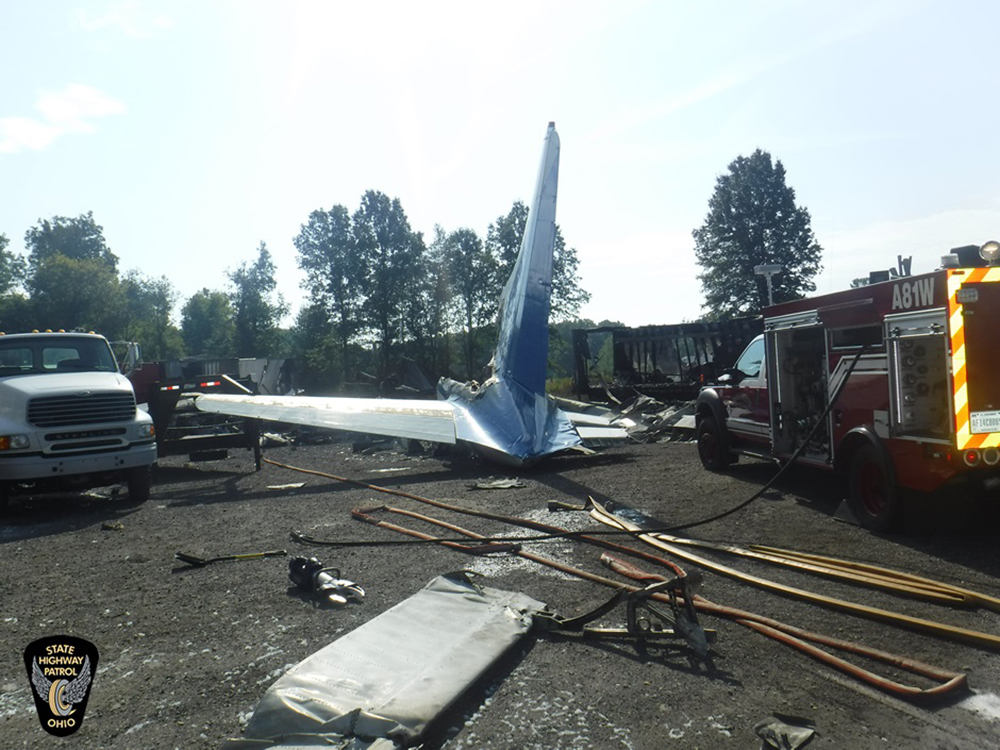
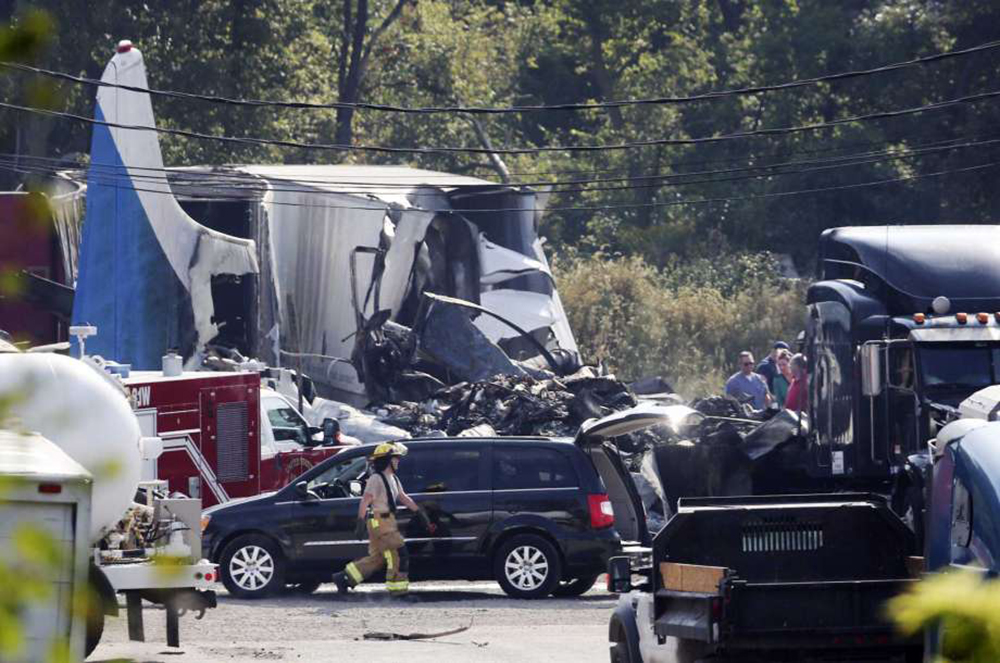
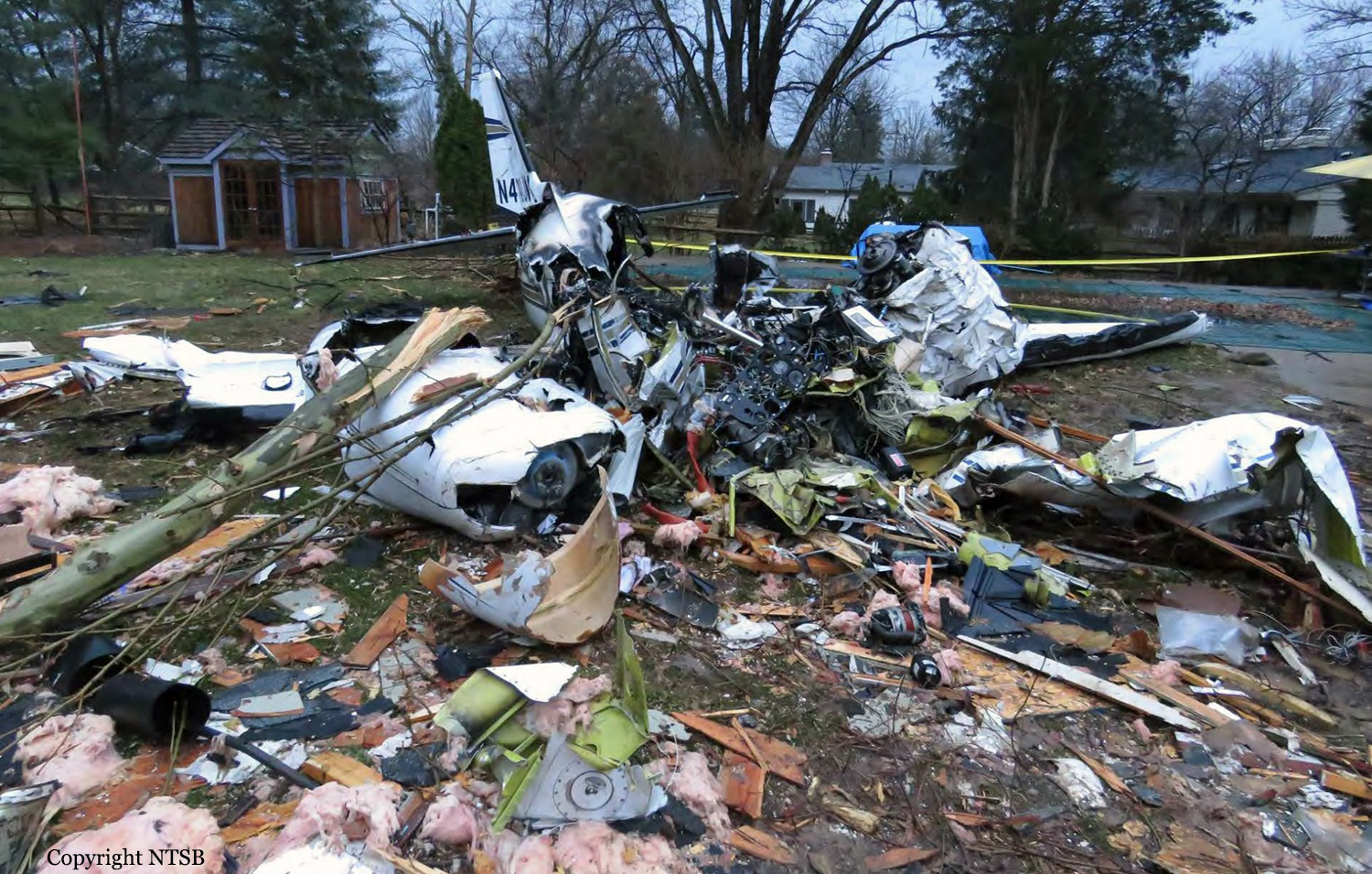
The twin engine airplane departed Youngstown-Warren Airport Runway 32 at 0653LT on a 5,5-hours flight to Bozeman, MT, carrying five passengers and one pilot. After takeoff, while in initial climb, the airplane initiated a left turn then started to descend until it crashed in the backyard of a private property located about 2 km northwest of the airfield. The accident occurred about one minute after liftoff. The airplane was destroyed and all six occupants were killed.

Crash of a Beechcraft B60 Duke in Youngstown: 3 killed

Date & Time: Jul 19, 2024 at 1904 LT
Type of aircraft:
Operator:
Registration:
N23553
Flight Type:
Survivors:
No
Schedule:
Plattsburgh - Columbus
MSN:
P-453
YOM:
1978
Crew on board:
1
Crew fatalities:
Pax on board:
2
Pax fatalities:
Other fatalities:
Total fatalities:
3
Captain / Total flying hours:
1123
Captain / Total hours on type:
46.00
Aircraft flight hours:
4579
Circumstances:
During the cruise portion of the cross-country flight, the pilot/owner informed air traffic control that the airplane’s left engine had lost power and he could not maintain altitude. The controller offered information on a nearby airport; however, the pilot requested, and then proceeded to, an airport farther away with a 9,003-ft-long runway. After twice circling the approach end of the runway to the left while descending, the pilot proceeded down the runway well above a normal glide path. A witness reported that the airplane never touched down, and track data showed that the airplane’s ground speed increased while over the runway. Airport surveillance video showed the airplane pitch up and to the left at the departure end of the runway. It continued into a left, descending turn until it impacted the ground about ¼ mile west of the departure end of the runway. Given this information, it is most likely that the pilot was unsuccessful in achieving an appropriate altitude and airspeed, which likely resulted in the pilot performing a single-engine go-around. During the subsequent climb and maneuvering, he lost control of the airplane, which resulted in an uncontrolled descent and impact with terrain. The wreckage was destroyed by impact forces and a postimpact fire. The left engine’s propeller blades were feathered and showed no indications of powered rotation at impact, while the right engine’s propeller blades showed damage signatures consistent with powered rotation at impact. A postaccident examination of the left engine revealed severe detonation damage of the No. 4 cylinder piston. Further examination of the left engine fuel servo revealed a significant amount of sand-like contamination in the servo inlet filter, which matched the properties of polyethylene terephthalate (PET), which is a thermoplastic polymer of the polyester family commonly found in fuel system components. The examination of the right engine fuel servo revealed that it was also contaminated with the same substance. The right engine’s spark plugs and one of its cylinders also displayed signatures consistent with a lean fuel to air ratio. Given this evidence, it is likely that the engines were operating with unpredictable fuel to air ratios due to the fuel system contamination, which likely contributed to the detonation in the left engine and pilot’s description that the engine lost power. The investigation was unable to determine how or when the PET was introduced into the fuel system due to the postimpact fire damage.
Probable cause:
The pilot’s loss of airplane control during a single-engine go-around. Also contributing to the accident was fuel system contamination, which resulted in detonation and a total loss of left engine power.
Final Report:

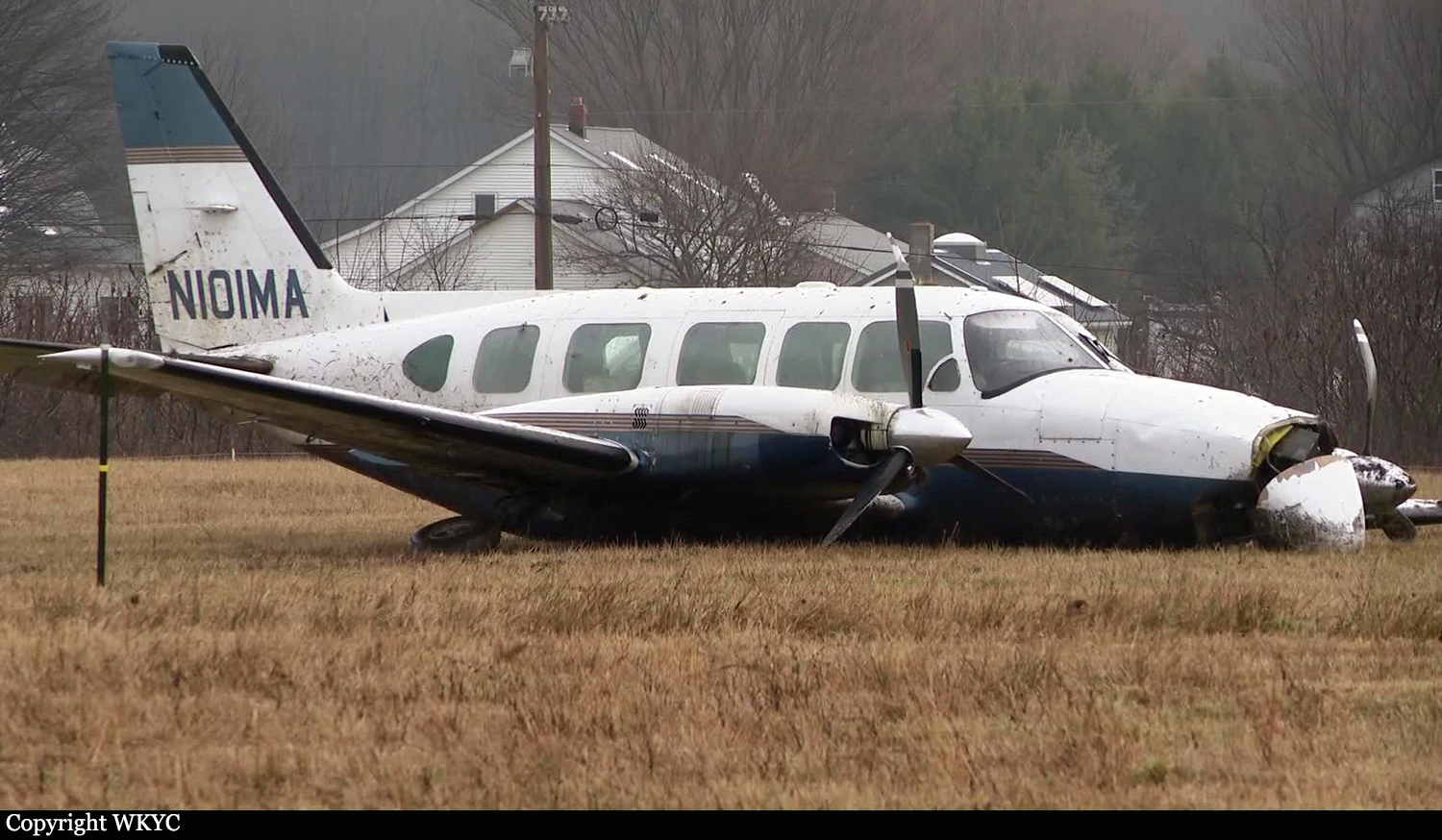
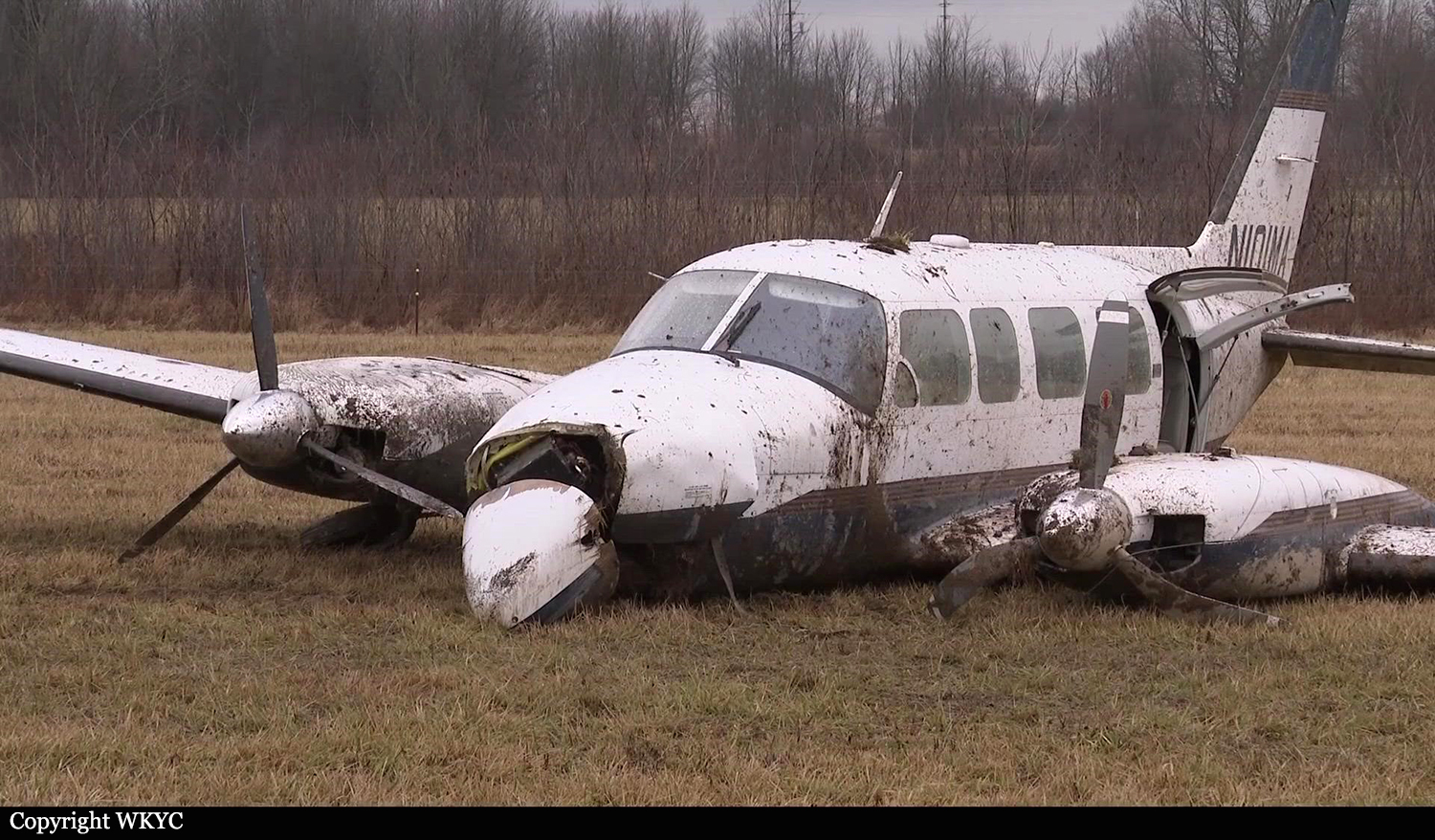
Crash of a Piper PA-31-350 Navajo Chieftain in Middlefield

Date & Time: Jan 18, 2023 at 0903 LT
Registration:
N101MA
Survivors:
Yes
Schedule:
Youngstown – Detroit – Minneapolis
MSN:
31-7752186
YOM:
1977
Crew on board:
1
Crew fatalities:
Pax on board:
5
Pax fatalities:
Other fatalities:
Total fatalities:
0
Captain / Total flying hours:
9275
Captain / Total hours on type:
750.00
Aircraft flight hours:
17154
Circumstances:
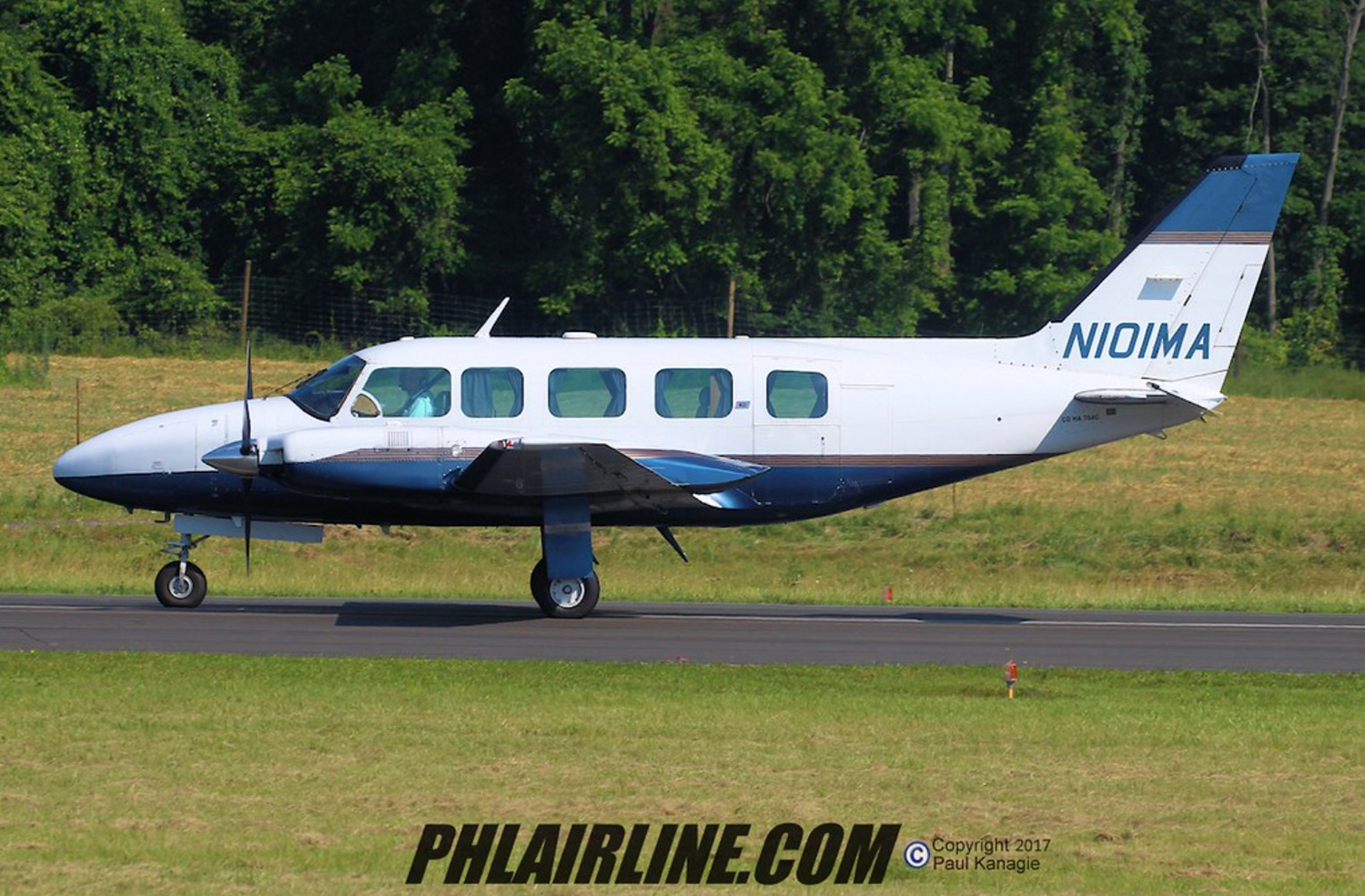
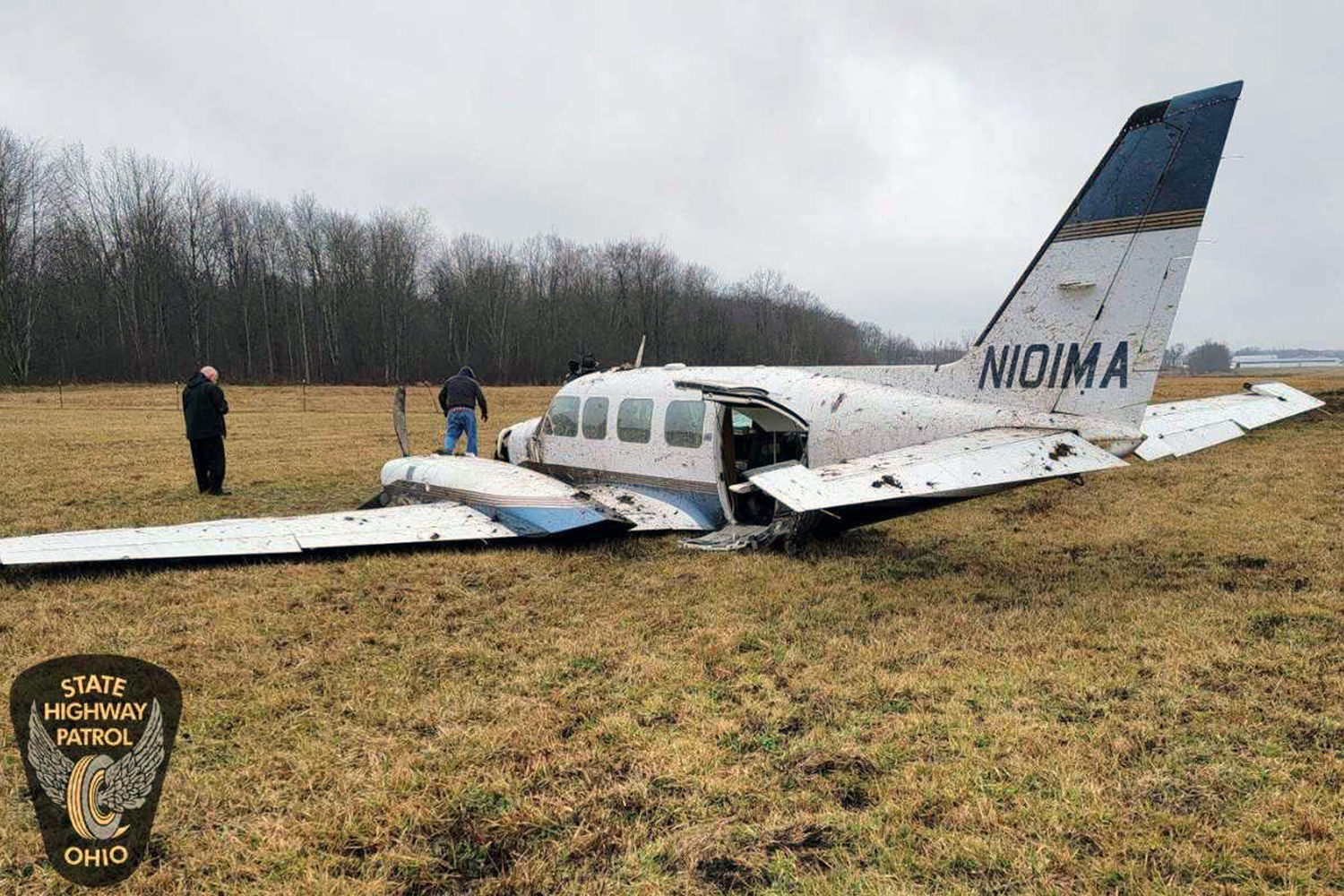
While enroute in instrument meteorological (IMC) conditions, the pilot of the twin-engine, piston-powered airplane declared an emergency following a loss of power to the right engine. The pilot secured the engine and was provided vectors by air traffic control for an instrument approach procedure at the nearest airport, which he successfully completed. The pilot reported that he flew the approach and landing with the wing flaps retracted and visually acquired the runway about 500 ft above the ground. The airplane touched down on the first third of the runway at 120 knots. The pilot knew he would not be able to stop the airplane on the 3,500-ft long runway but committed to the landing rather than risking a single-engine go-around in IMC. After landing, the airplane continued beyond the departure end of the runway and impacted a berm, collapsing the landing gear and resulting in substantial damage to the airplane. Examination of the engine revealed catastrophic damage consistent with detonation and oil starvation. The damage to the No. 5 cylinder was consistent with a subsequent over pressurization of the crankcase, which likely expelled the crankshaft nose seal and the oil supply. Detonation of the cylinder(s) can create excessive crankcase pressures capable of expelling the crankshaft nose seal. The crankshaft nose seal displacement likely created a rapid loss of oil and the resulting oil starvation of the engine. The fractured connecting rod and high-temperature signatures were consistent with oil starvation. No source or anomaly that would result in engine detonation was identified. According to the Pilot’s Operating Handbook (POH) for the accident airplane, during a single engine inoperative approach, the pilot should maintain an airspeed of 116 kts indicated (KIAS) or above until landing is assured. Once landing is assured, the pilot should extend the gear and flaps, slowly retard the power on the operative engine, and land normally. The airplane’s best single-engine rate of climb speed (blue line) was 106 KIAS, and its minimum controllable airspeed with one engine inoperative (Vmca) was 76 KIAS. The maximum speed for full flap extension (40°) was 132 KIAS. The POH also stated that a single-engine go-around should be avoided if at all possible. The pilot’s decision to commit to the landing was reasonable given the circumstances and the guidance provided by the POH; however, it is likely that his decision to conduct the landing without flaps and the airplane’s excessive airspeed at touchdown resulted in the runway overrun.
Probable cause:
A runway overrun during a precautionary landing following a total loss of right engine power due to detonation and subsequent oil starvation. Contributing was the pilot’s failure to lower the flaps and the excessive airspeed at touchdown.
Final Report:

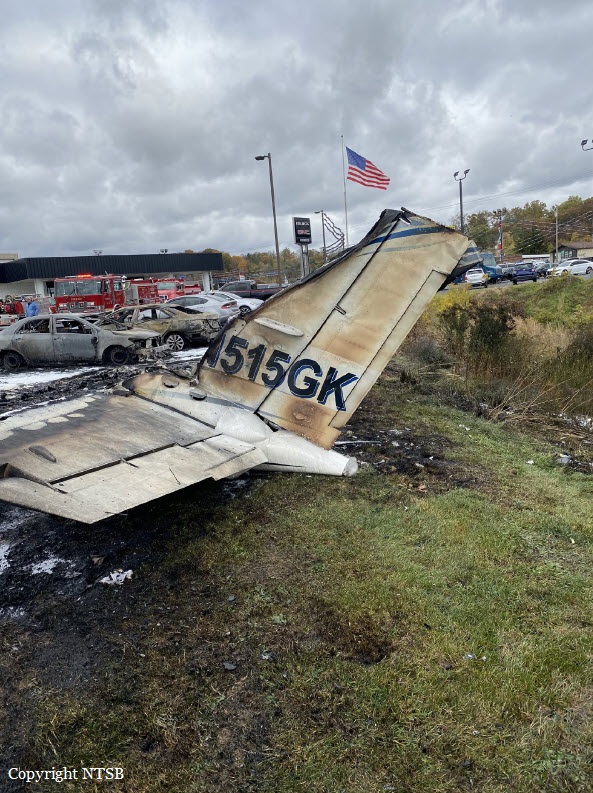
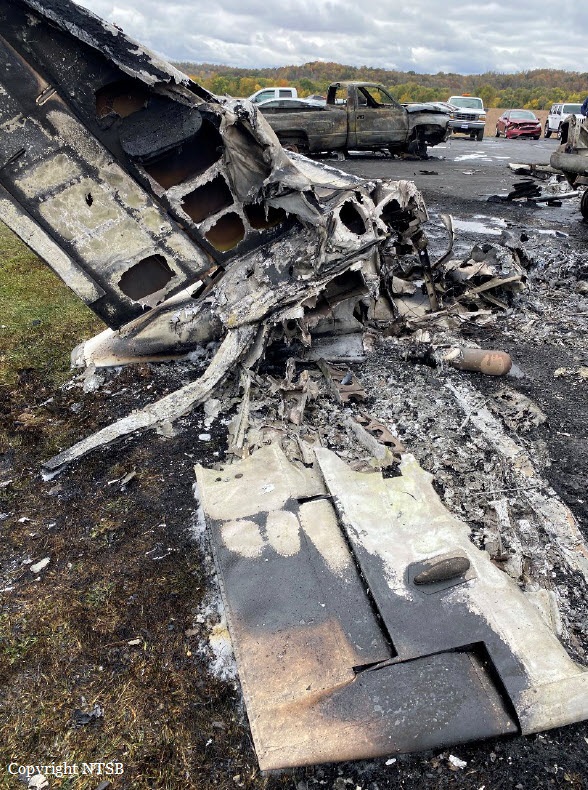
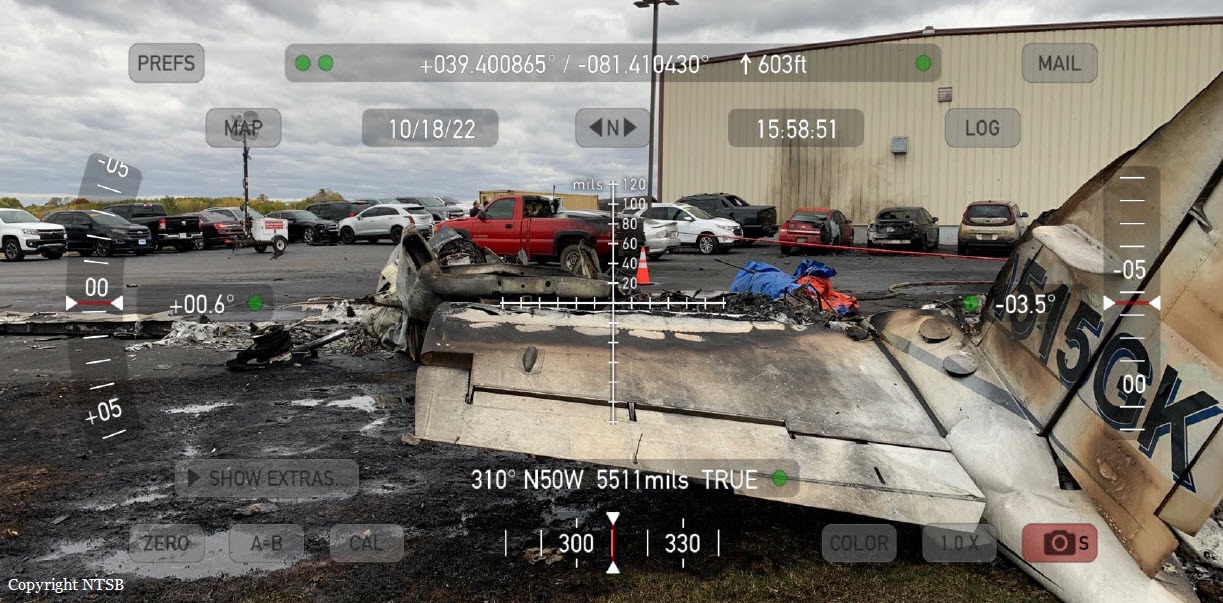
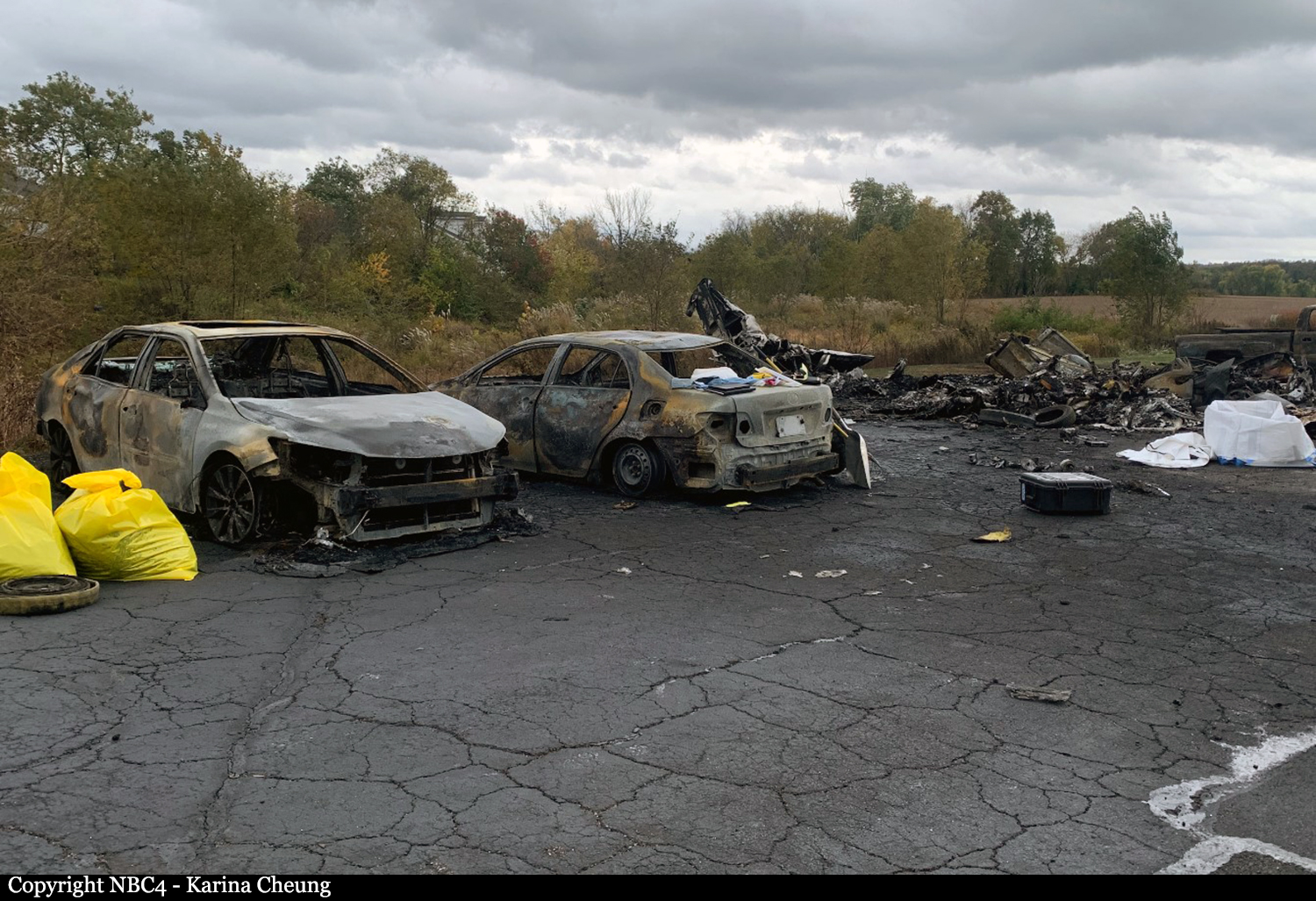
Crash of a Beechcraft E90 King Air in Marietta: 2 killed

Date & Time: Oct 18, 2022 at 0709 LT
Type of aircraft:
Registration:
N515GK
Flight Type:
Survivors:
No
Schedule:
Columbus – Parkersburg
MSN:
LW-108
YOM:
1974
Location:
Crew on board:
2
Crew fatalities:
Pax on board:
0
Pax fatalities:
Other fatalities:
Total fatalities:
2
Captain / Total flying hours:
1940
Captain / Total hours on type:
15.00
Copilot / Total flying hours:
2500
Copilot / Total hours on type:
250
Aircraft flight hours:
9521
Circumstances:
Shortly after departure to pick up a passenger at their destination airport about 75 nm away, the pilots climbed and turned onto a track of about 115° before leveling off about 11,000 ft mean sea level (msl), where the airplane remained for a majority of the flight. Pilot and controller communications during the flight were routine and there were no irregularities reported. As the airplane descended into the destination airport area, the airplane passed through areas of light to heavy icing where there was a 20 to 80% probability of encountering supercooled large droplets (SLD) during their initial descent and approach. While level at 4,000 ft msl, the flight remained in icing conditions, and then was cleared for the instrument approach to the runway. The flight emerged from the overcast layer as it crossed the final approach fix at 2,800 ft msl; the flight continued its descent and was cleared to land. The controller informed the flight that there was a vehicle on the runway but it would be cleared shortly, which was acknowledged; this was the final communication from the flight crew. Multiple eyewitnesses and security camera footage revealed that the airplane, while flying straight and level, suddenly began a steep, spinning, nearly vertical descent until it impacted a commercial business parking lot; the airplane subsequently collided with several unoccupied vehicles and caught fire. The airplane was certified for flight in known icing conditions and was equipped with pneumatic deice boots on each of the wings and tail surfaces. The pneumatic anti-icing system was consumed by the postimpact fire; the control switches were impact and thermally damaged and a reliable determination of their preimpact operation could not be made. Further examination of the airframe and engines revealed no indications of any preimpact mechanical anomalies that would have precluded normal engine operation or performance. During the approach it is likely that the airframe had been exposed to and had built-up ice on the control surfaces. It could not be determined if the pilots used the pneumatic anti-icing system, or if the system was inoperative, based on available evidence. Review of the weather conditions and the airplane’s calculated performance based on ADS-B data, given the speeds at which the airplane was flying, and the lack of any discernable deviations that might have been expected due to an extreme amount of ice accumulating on the airframe, it is also likely that the deice system, if operating at the time of the icing encounter, should have been able to sufficiently remove the ice from the surfaces. Although it is also uncertain when the pilots extended the landing gear and flaps, it is likely that the before-landing checklist would be conducted between the final approach fix and when the flight was on its 3-mile final approach to land. Given this information, the available evidence suggests that the sudden loss of control from a stable and established final approach was likely due to the accumulation of ice on the tailplane. It is likely that once the pilots changed the airplane’s configuration by extending the landing gear and flaps, the sudden aerodynamic shift resulted in the tailplane immediately entering an aerodynamic stall that maneuvered the airplane into an attitude from which there was no possibility to recover given the height above the ground. Postaccident toxicological testing detected the presence of delta-8 THC. Delta-8 THC has a potential to alter perception and cause impairment, but only the non-psychoactive metabolite carboxy-delta-8-THC was present in the pilot’s liver and lung tissue. Thus, it is unlikely that the pilot’s delta-8-THC use contributed to the accident.
Probable cause:
Structural icing on the tailplane that resulted in a tailplane stall and subsequent loss of control.
Final Report:

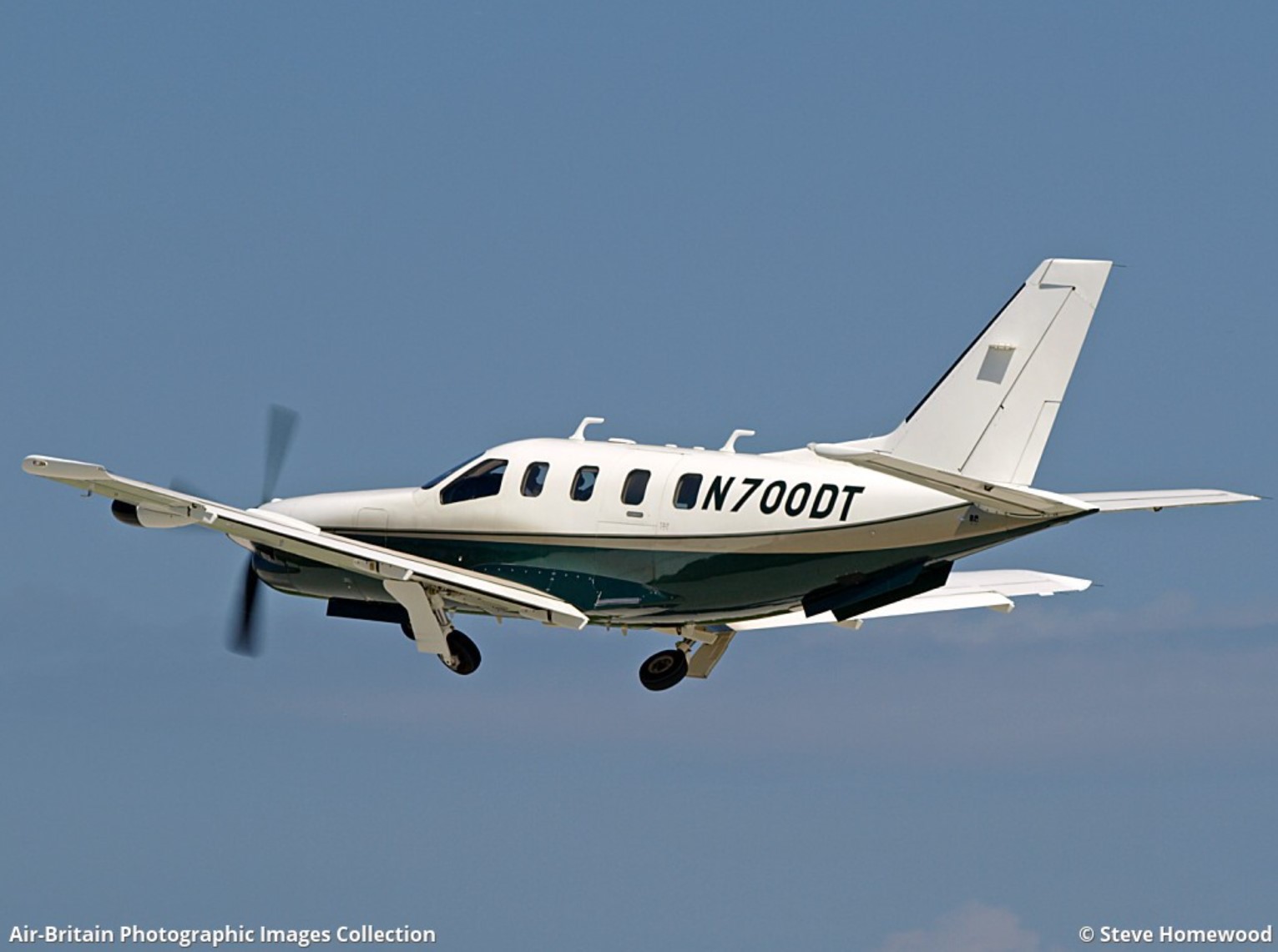
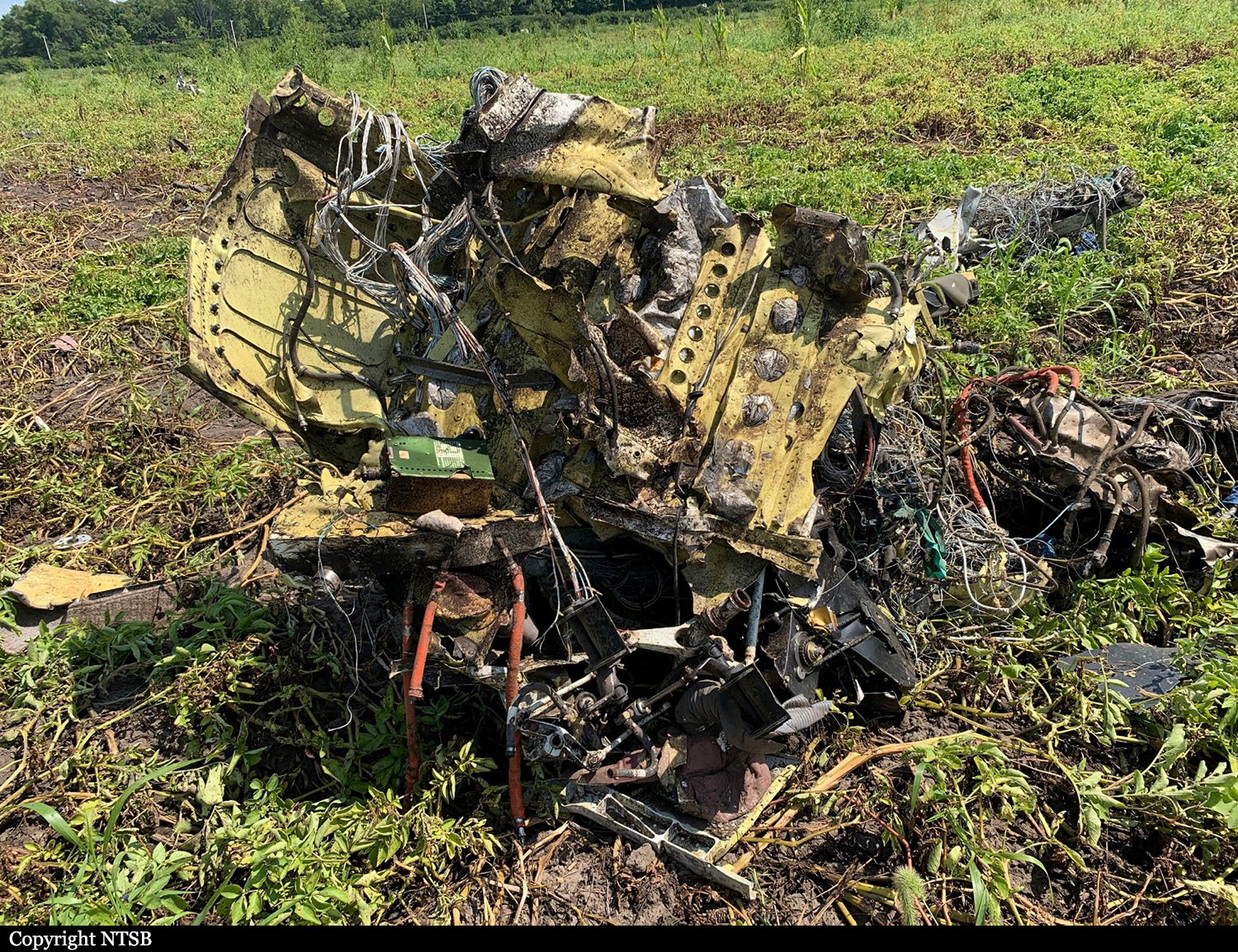
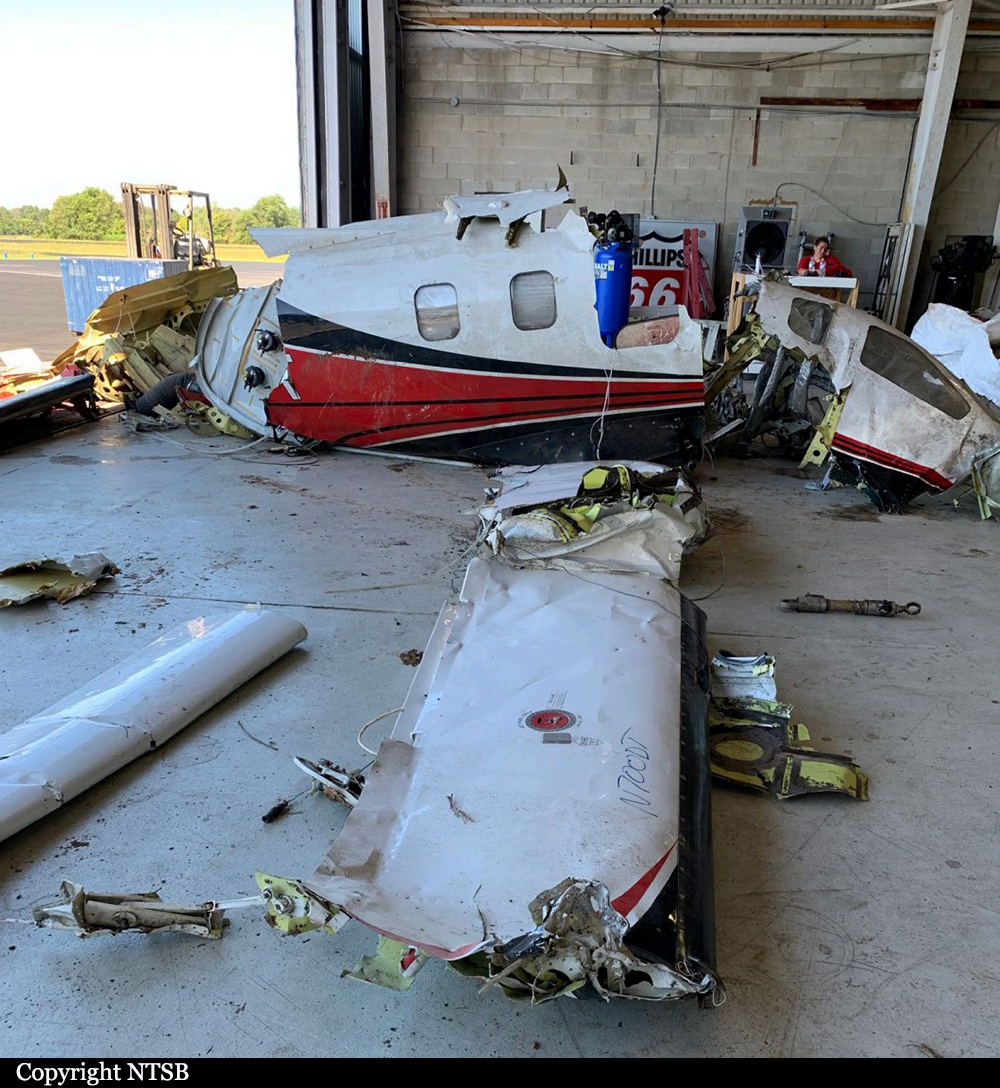
Crash of a Socata TBM-700 near Urbana: 1 killed

Date & Time: Aug 20, 2021 at 1440 LT
Type of aircraft:
Operator:
Registration:
N700DT
Flight Phase:
Flight Type:
Survivors:
No
Schedule:
Port Clinton – Cincinnati
MSN:
134
YOM:
1998
Location:
Crew on board:
1
Crew fatalities:
Pax on board:
0
Pax fatalities:
Other fatalities:
Total fatalities:
1
Captain / Total flying hours:
2156
Captain / Total hours on type:
17.00
Aircraft flight hours:
2624
Circumstances:
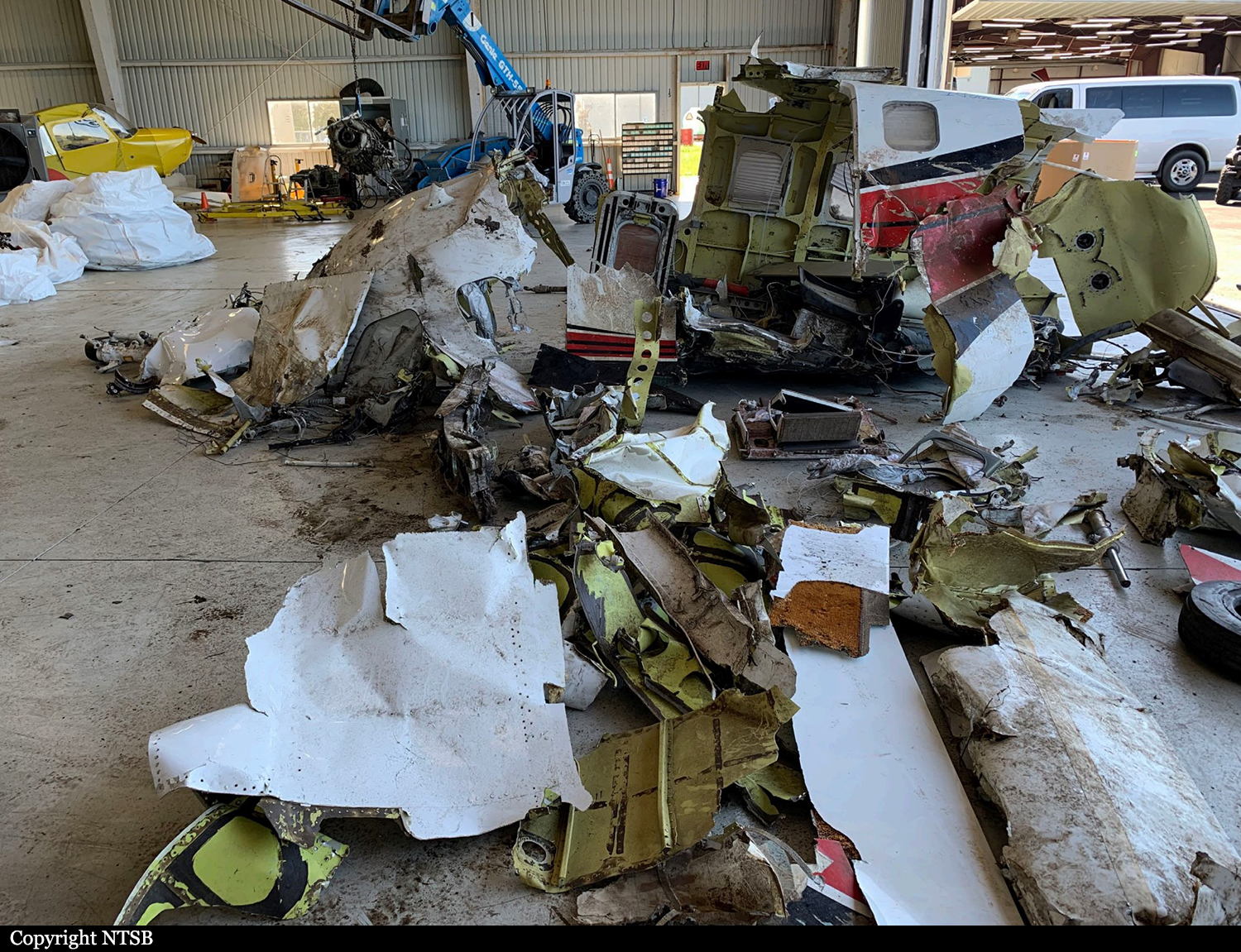
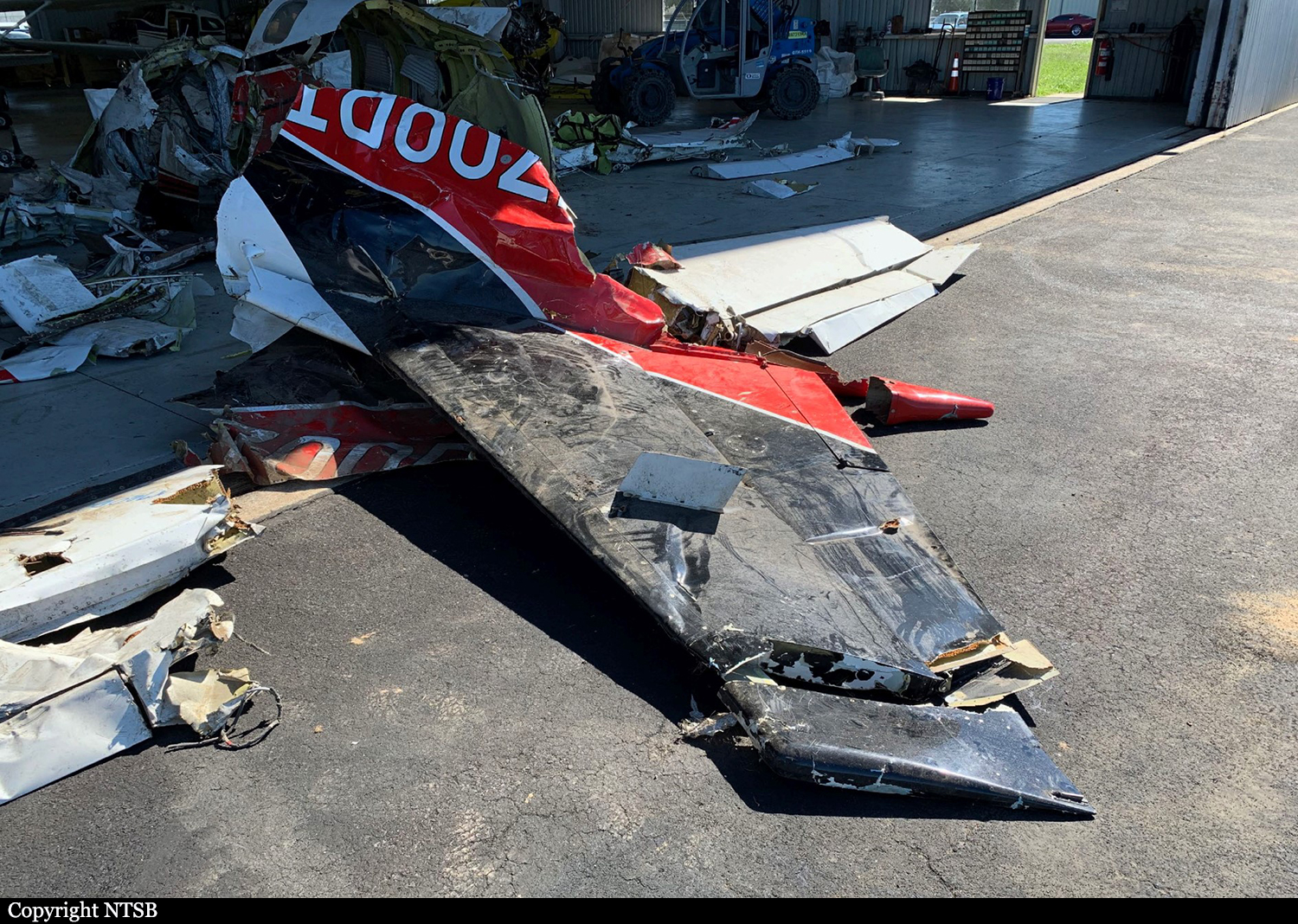
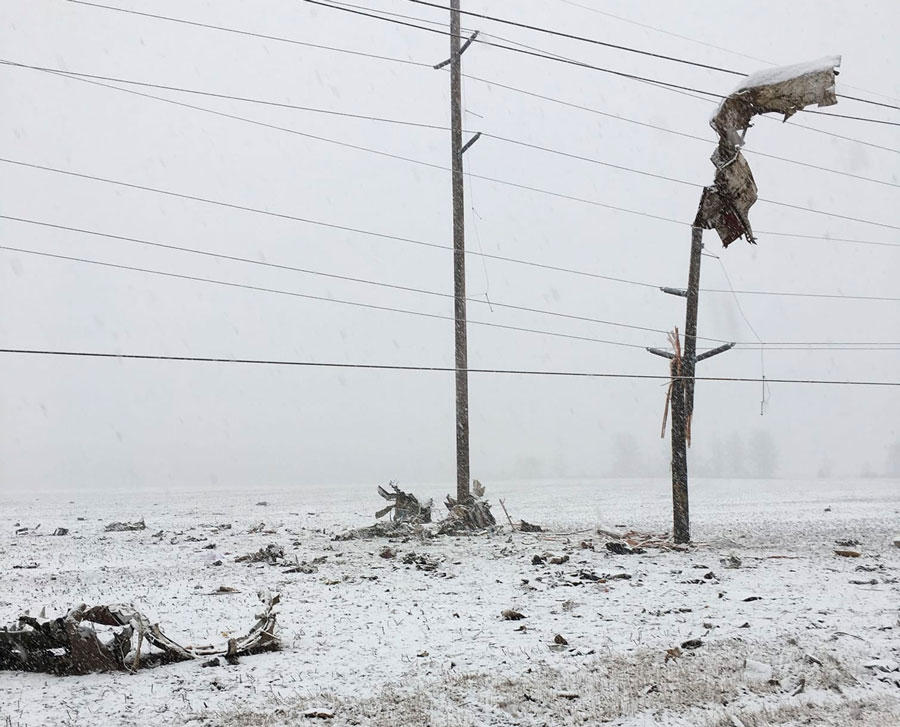
The pilot was performing a short cross-country flight, which was his third solo flight in the high-performance single-engine airplane. The airplane departed and climbed to 20,000 ft mean sea level (msl) before beginning to descend. About 8 minutes before the accident, the airplane was southbound, descending to 11,000 ft, and the pilot established communications with air traffic control (ATC). About 4 minutes later, the controller cleared the pilot to descend to 10,000 ft msl and proceed direct to his destination; the pilot acknowledged the clearance. While descending through 13,000 ft msl, the airplane entered a descending left turn. The controller observed the left turn and asked the pilot if everything was alright; there was no response from the pilot. The controller’s further attempts to establish communications were unsuccessful. Following the descending left turn, the airplane entered a high speed, nose-down descent toward terrain. A witness observed the airplane at a high altitude in a steep nose-down descent toward the terrain. The witness noted no signs of distress, such as smoke, fire, or parts coming off the airplane, and he heard the airplane’s engine operating at full throttle. The airplane impacted two powerlines, trees, and the terrain in a shallow descent with a slightly left-wing low attitude. Examination of the accident site revealed a long debris field that was consistent with an impact at a high speed and relatively shallow flightpath angle. All major components of the airplane were located in the debris field at the accident site. Examination of the airframe and engine revealed no preimpact mechanical malfunctions or failures with the airplane that would have precluded normal operation. A performance study indicated the airplane entered a left roll and dive during which the airplane exceeded the airspeed, load factor, and bank angle limitations published in the Pilot’s Operating Handbook (POH). An important but unknown factor during these maneuvers was the behavior of the pilot and his activity on the flight controls during the initial roll and dive. The pilot responded normally to ATC communications only 98 seconds before the left roll started. It is difficult to reconcile an alert and attentive pilot with the roll and descent that occurred, but there is insufficient information available to determine whether the pilot was incapacitated or distracted during any part of the roll and dive maneuver. Although all the available toxicological specimens contained ethanol (the alcohol contained in alcoholic drinks such as beer and wine), the levels were very low and below the allowable level for flight (0.04 gm/dl). While it is possible that some of the identified ethanol had been ingested, it is also possible that all or most of the identified ethanol was from sources other than ingestion (such as postmortem production). In either case, the levels were too low to have caused incapacitation. It is therefore unlikely that any effects from ethanol contributed to the circumstances of the accident. There was minimal available autopsy evidence to support any determination of incapacitation. As a result, it could not be determined from the available evidence whether medical incapacitation contributed to the accident.
Probable cause:
The pilot’s failure to arrest the airplane’s left roll and rapid descent for reasons that could not be determined based on the available evidence.
Final Report:

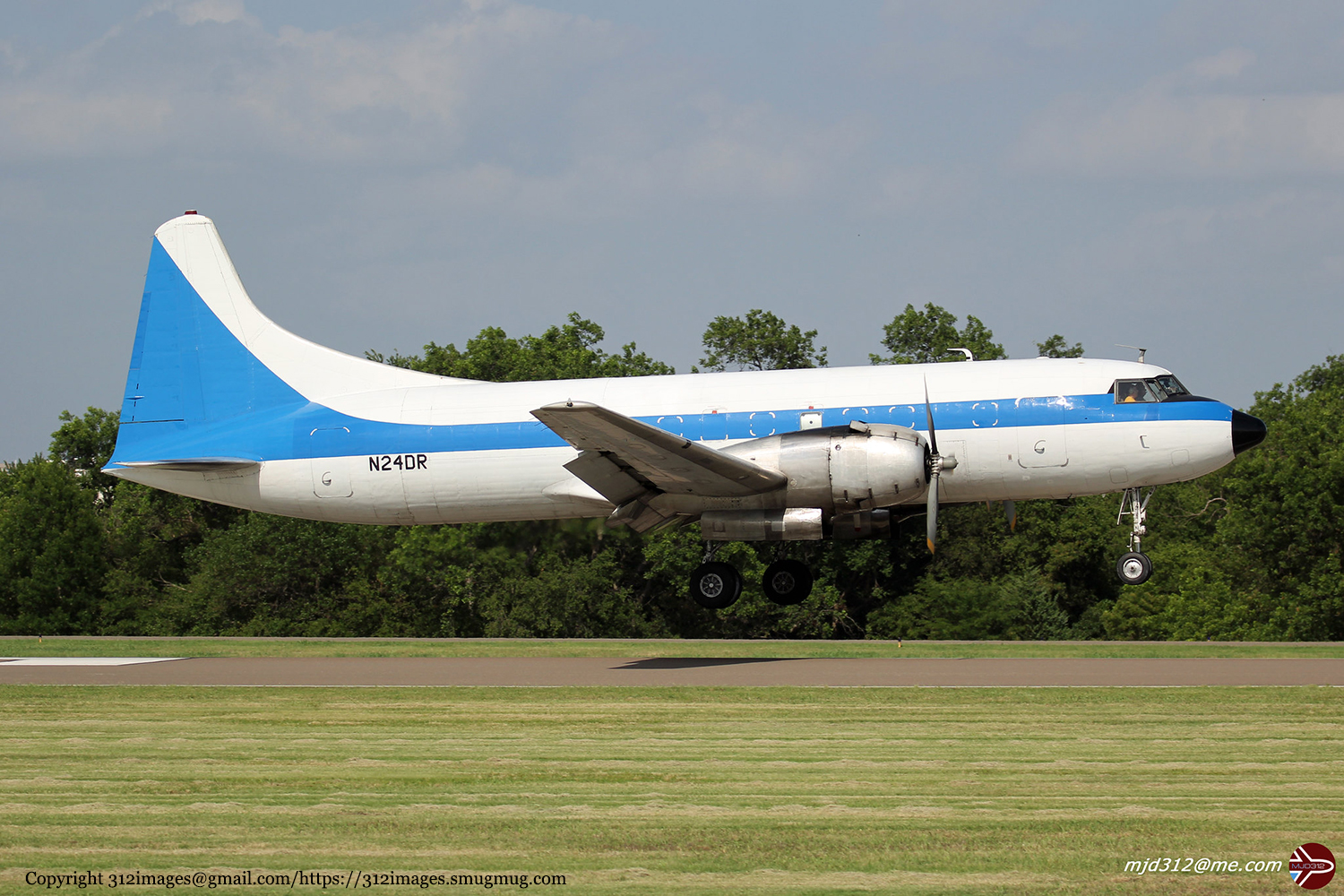
Crash of a Convair CV-440F in Toledo: 2 killed

Date & Time: Sep 11, 2019 at 0239 LT
Registration:
N24DR
Flight Type:
Survivors:
No
Schedule:
Millington-Memphis - Toledo
MSN:
393
YOM:
1957
Crew on board:
2
Crew fatalities:
Pax on board:
0
Pax fatalities:
Other fatalities:
Total fatalities:
2
Captain / Total flying hours:
8000
Copilot / Total flying hours:
11287
Aircraft flight hours:
47742
Circumstances:
The accident occurred during the second of a two-leg nonscheduled cargo flight. The initial leg of the flight departed the preceding evening. The pilots landed about 3.5 hours later for fuel and departed on the accident flight an hour after refueling. The flight entered a cruise descent about 39 miles from the destination airport in preparation for approach and landing. The pilots reported to air traffic control that they were executing a wide base and were subsequently cleared for a visual approach and landing. The landing clearance was acknowledged, and no further communications were received. No problems or anomalies were reported during the flight. The airplane was briefly established on final approach before radar contact was lost. The airplane impacted trees and terrain about 0.5 mile short of the runway and came to rest in a trucking company parking lot. A postimpact fire ensued. Damage to the landing gear indicated that it was extended at the time of impact. The position of the wing flaps could not be determined. Disparities in the propeller blade angles at impact were likely due to the airplane’s encounter with the wooded area and the impact sequence. No evidence of mechanical anomalies related to the airframe, engines, or propellers was observed. A review of air traffic control radar data revealed that the airplane airspeed decayed to about 70 to 75 kts on final approach which was at or below the documented aerodynamic stall speed of the airplane in the landing configuration. Although there was limited information about the flight crew’s schedules, their performance was likely impaired by fatigue resulting from both the total duration of the overnight flights and the approach being conducted in the window of the circadian low. This likely resulted in the flight crew’s failure to maintain airspeed and recognize the impending aerodynamic stall conditions.
Probable cause:
The flight crew’s failure to maintain the proper airspeed on final approach, which resulted in an inadvertent aerodynamic stall and impact with trees, and terrain. Contributing to the accident was the flight crew’s fatigue due to the overnight flight schedule.
Final Report:

Crash of a Cessna 421B Golden Eagle II in Delaware: 1 killed

Date & Time: Mar 17, 2019 at 1745 LT
Registration:
N424TW
Flight Type:
Survivors:
No
Schedule:
Dayton - Delaware
MSN:
421B-0816
YOM:
1974
Location:
Crew on board:
1
Crew fatalities:
Pax on board:
0
Pax fatalities:
Other fatalities:
Total fatalities:
1
Captain / Total flying hours:
3000
Captain / Total hours on type:
48.00
Aircraft flight hours:
8339
Circumstances:
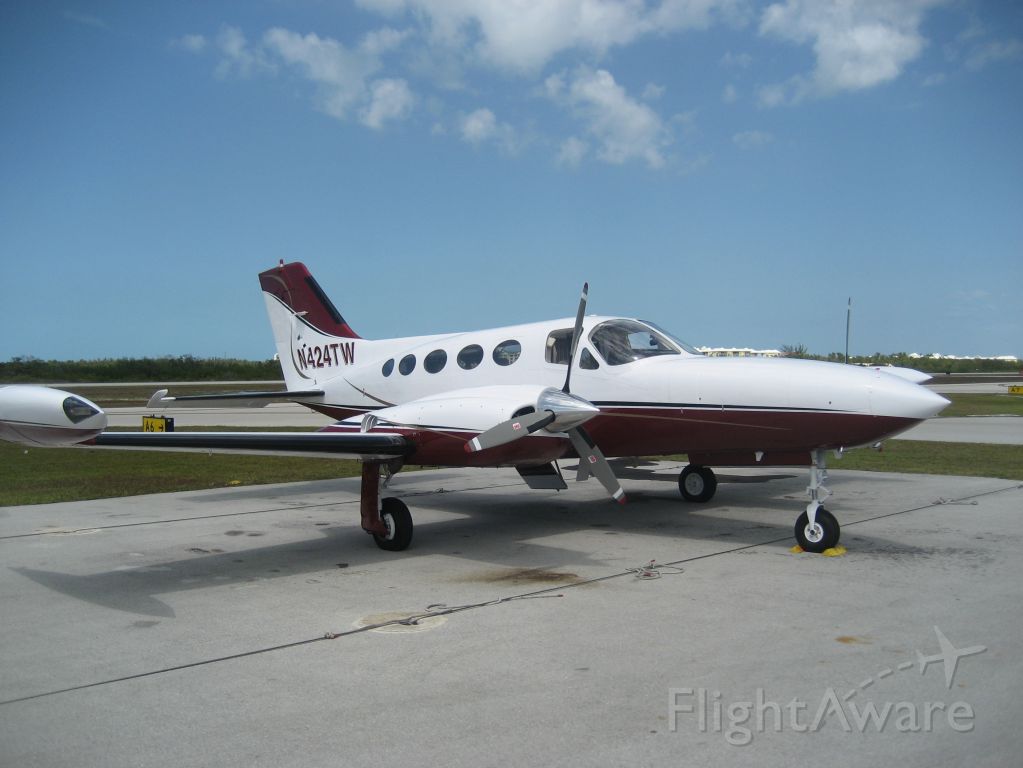
The pilot departed on a short cross-country flight in the twin-engine airplane. Instrument meteorological conditions (IMC) were present at the time. While en route at an altitude of 3,000 ft mean sea level, the pilot reported that the airplane was "picking up icing" and that he needed to "pick up speed." The controller then cleared the pilot to descend, then to climb, in order to exit the icing conditions; shortly thereafter, the controller issued a low altitude alert. The pilot indicated that he was climbing; radar and radio contact with the airplane were lost shortly thereafter. The airplane impacted a field about 7 miles short of the destination airport. Examination of the airplane was limited due to the fragmentation of the wreckage; however, no pre-impact anomalies were noted during the airframe and engine examinations. Extensive damage to the pitot static and deicing systems precluded functional testing of the two systems. A review of data recorded from onboard avionics units indicated that, about the time the pilot reported to the controller that the airplane was accumulating ice, the airplane's indicated airspeed had begun to diverge from its ground speed as calculated by position data. However, several minutes later, the indicated airspeed was zero while the ground speed remained fairly constant. It is likely that this airspeed indication was the result of icing of the airplane's pitot probe. During the final 2 minutes of flight, the airplane was in a left turn and the pilot received several "SINK RATE" and "PULL UP PULL UP" annunciations as the airplane conducted a series of climbs and descents during which its ground speed (and likely, airspeed) reached and/or exceeded the airplane's maneuvering and maximum structural cruising speeds. It is likely that the pilot became distracted by the erroneous airspeed indication due to icing of the pitot probe and subsequently lost control while maneuvering.
Probable cause:
A loss of airspeed indication due to icing of the airplane's pitot probe, and the pilot's loss of control while maneuvering.
Final Report:

Crash of a Piper PA-31-350 Navajo Chieftain in Madeira: 1 killed

Date & Time: Mar 12, 2019 at 1516 LT
Operator:
Registration:
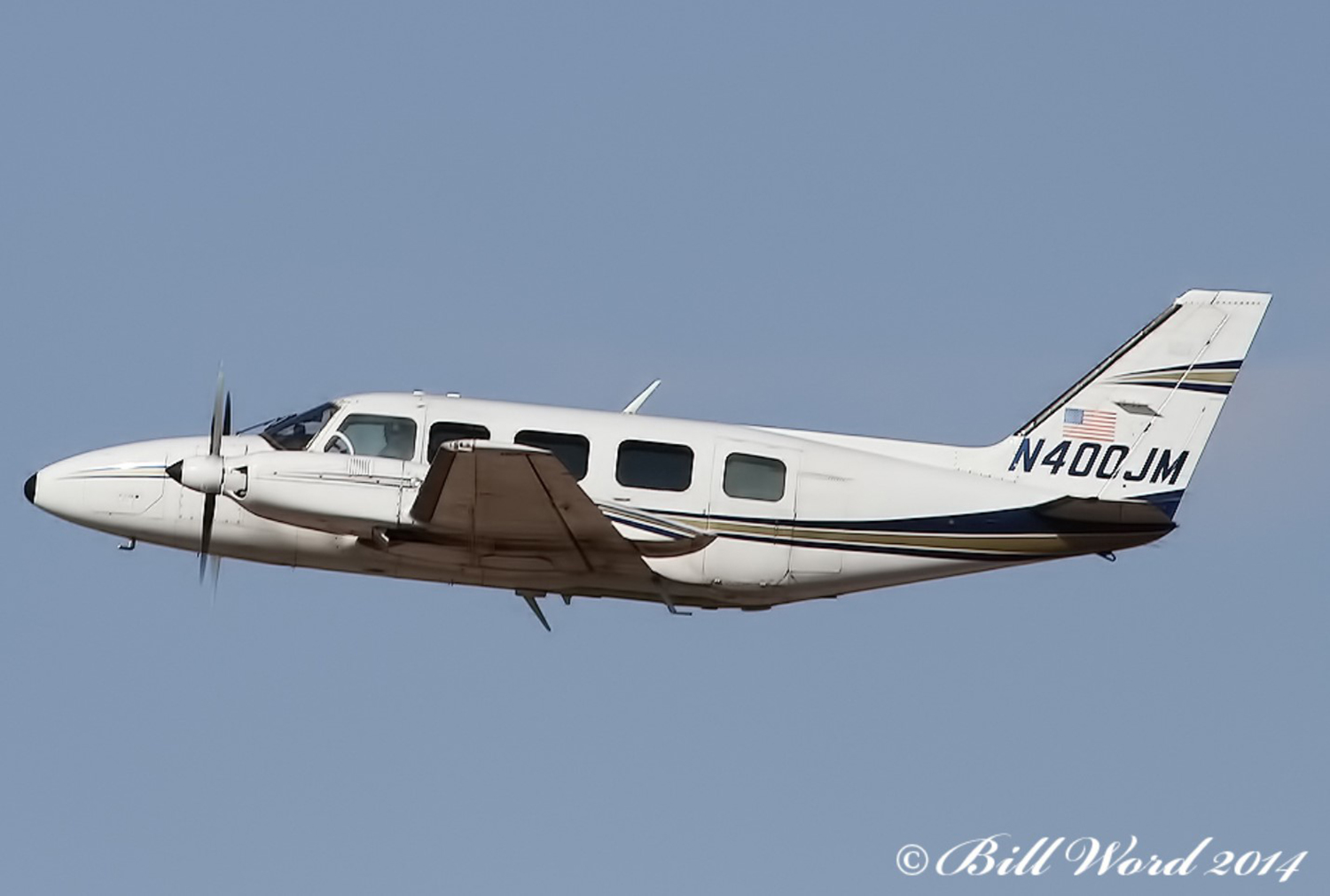
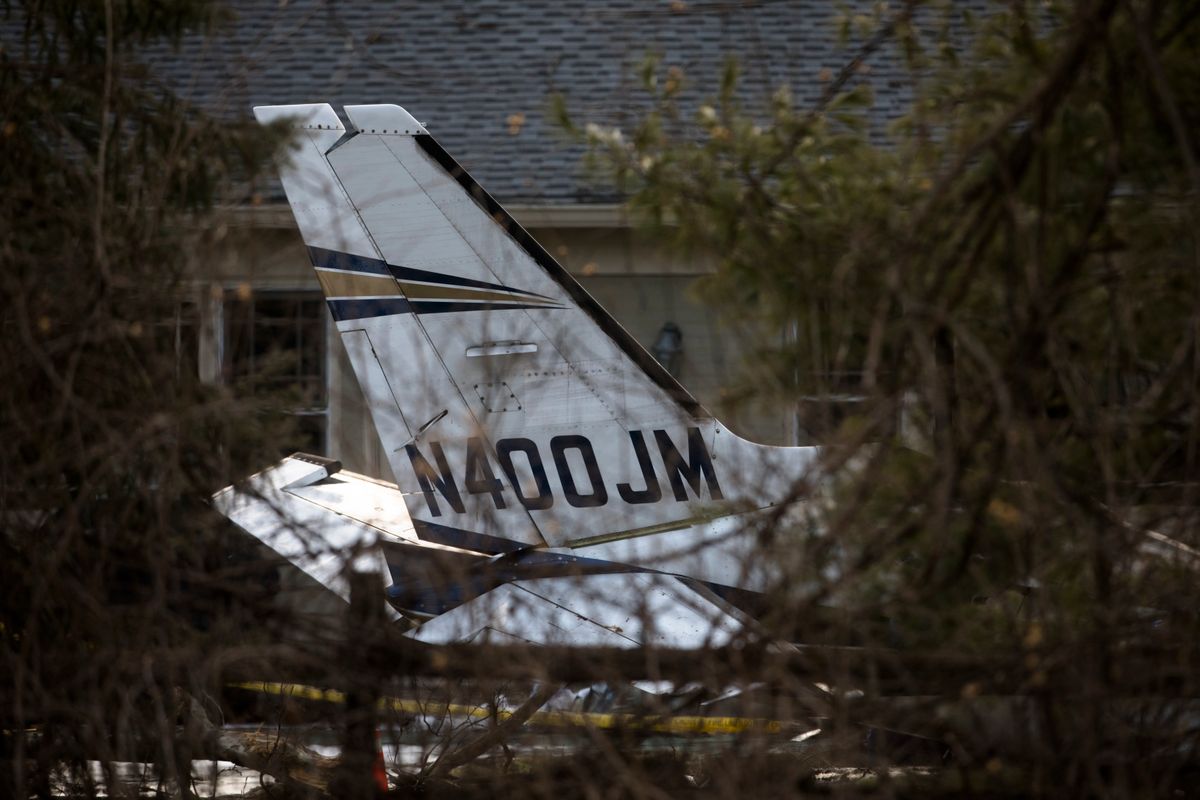
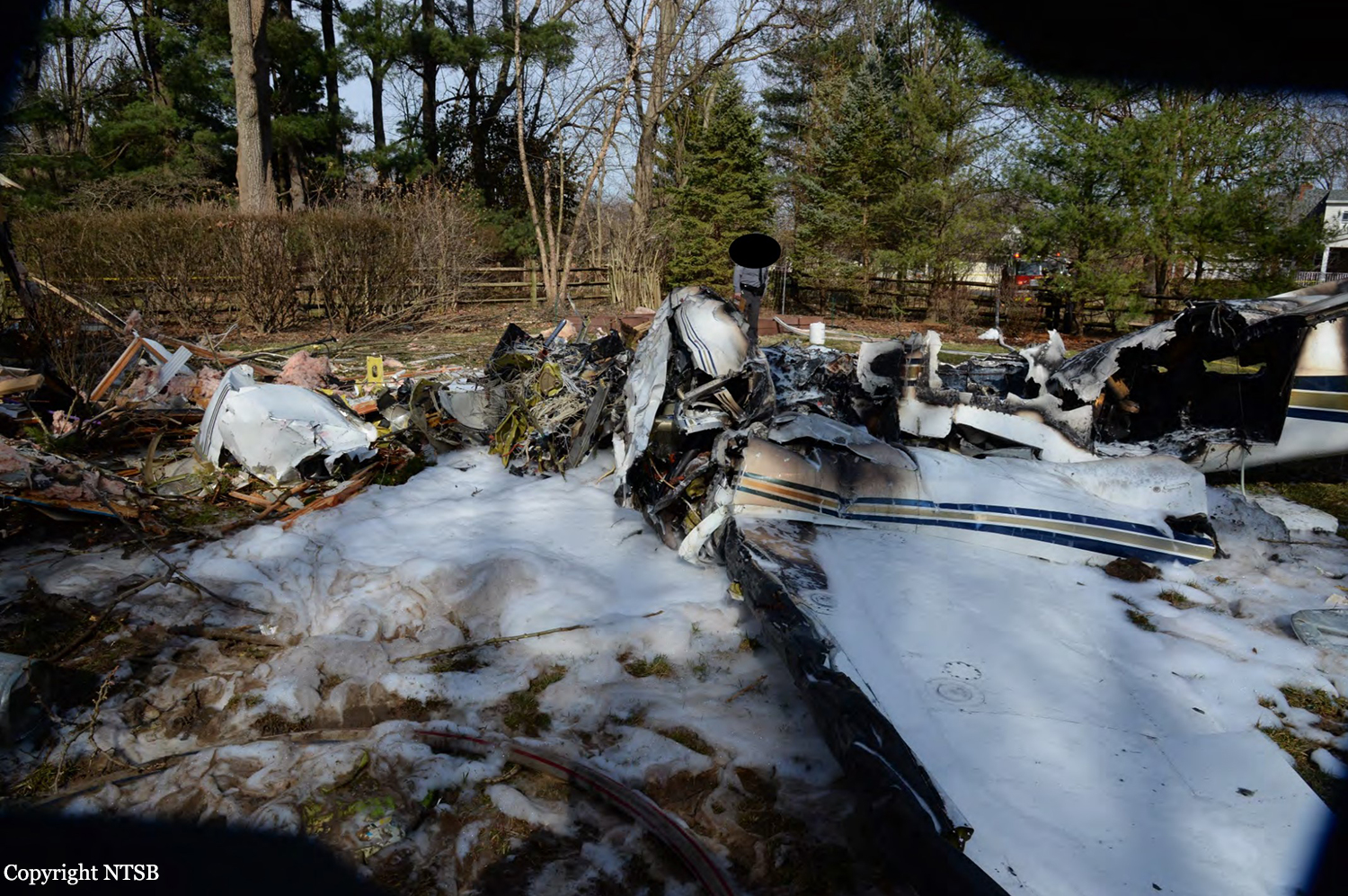
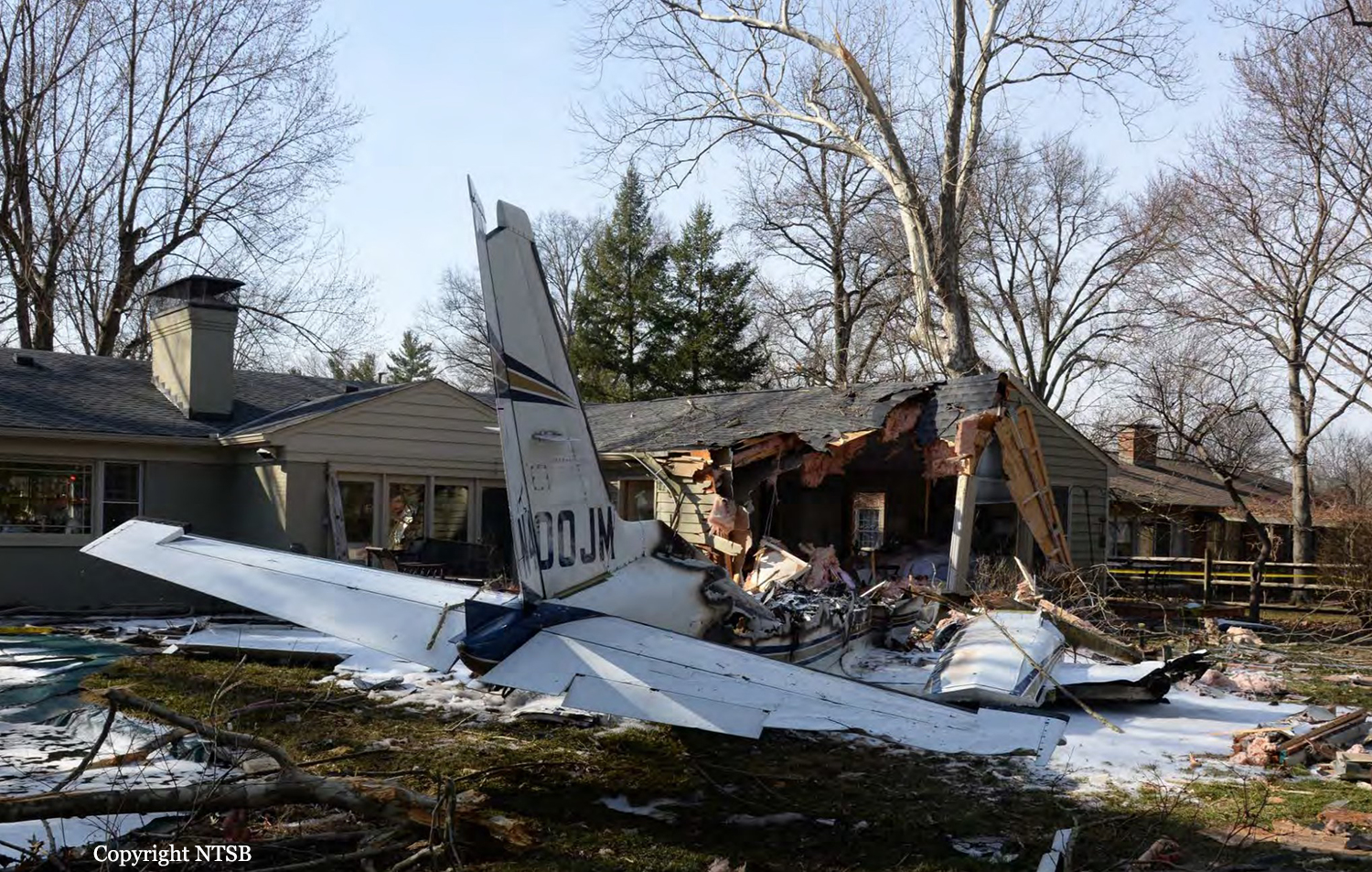
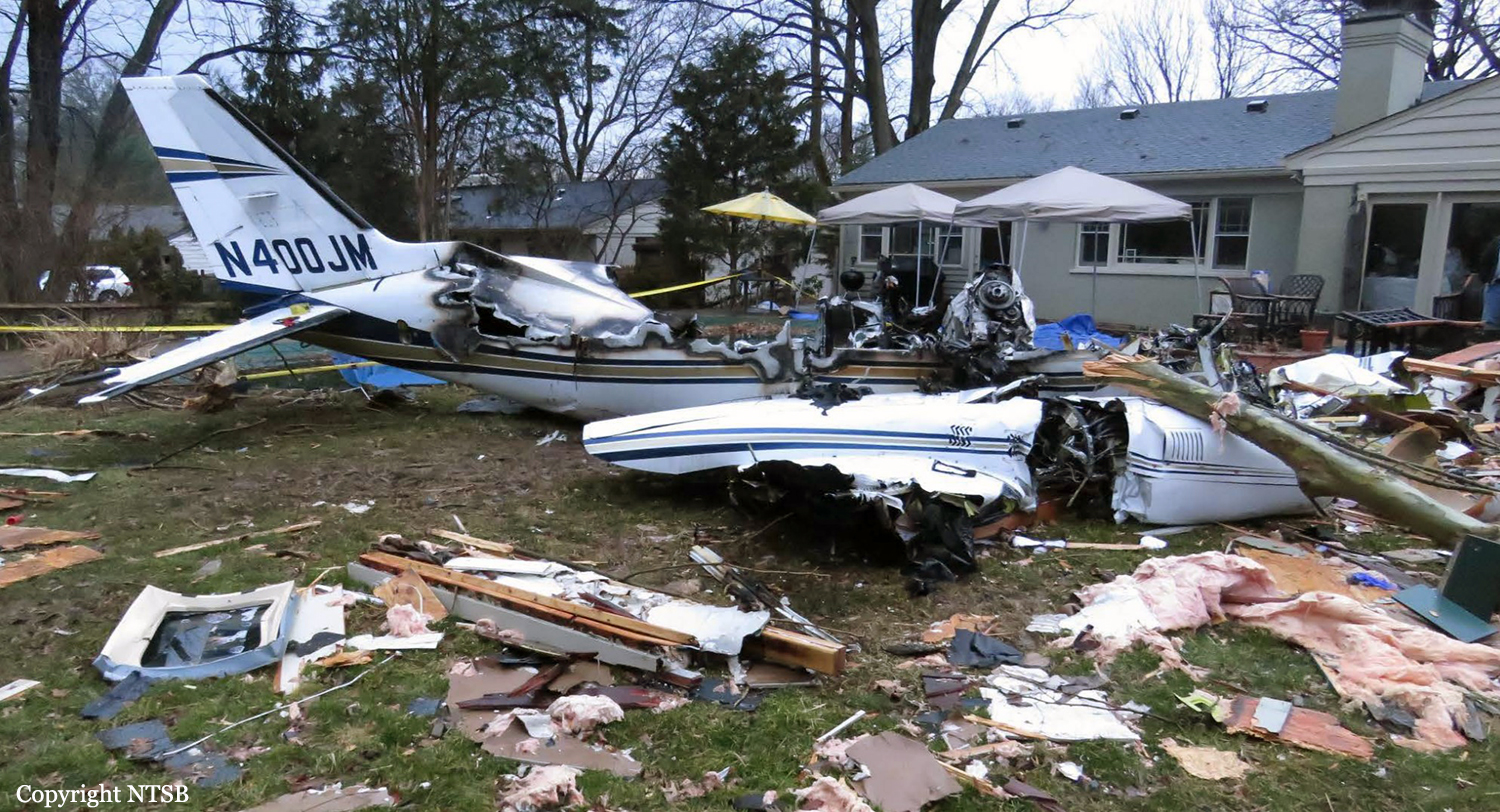
N400JM
Flight Phase:
Survivors:
No
Site:
Schedule:
Cincinnati - Cincinnati
MSN:
31-8152002
YOM:
1981
Location:
Crew on board:
1
Crew fatalities:
Pax on board:
0
Pax fatalities:
Other fatalities:
Total fatalities:
1
Captain / Total flying hours:
6421
Captain / Total hours on type:
1364.00
Aircraft flight hours:
19094
Circumstances:
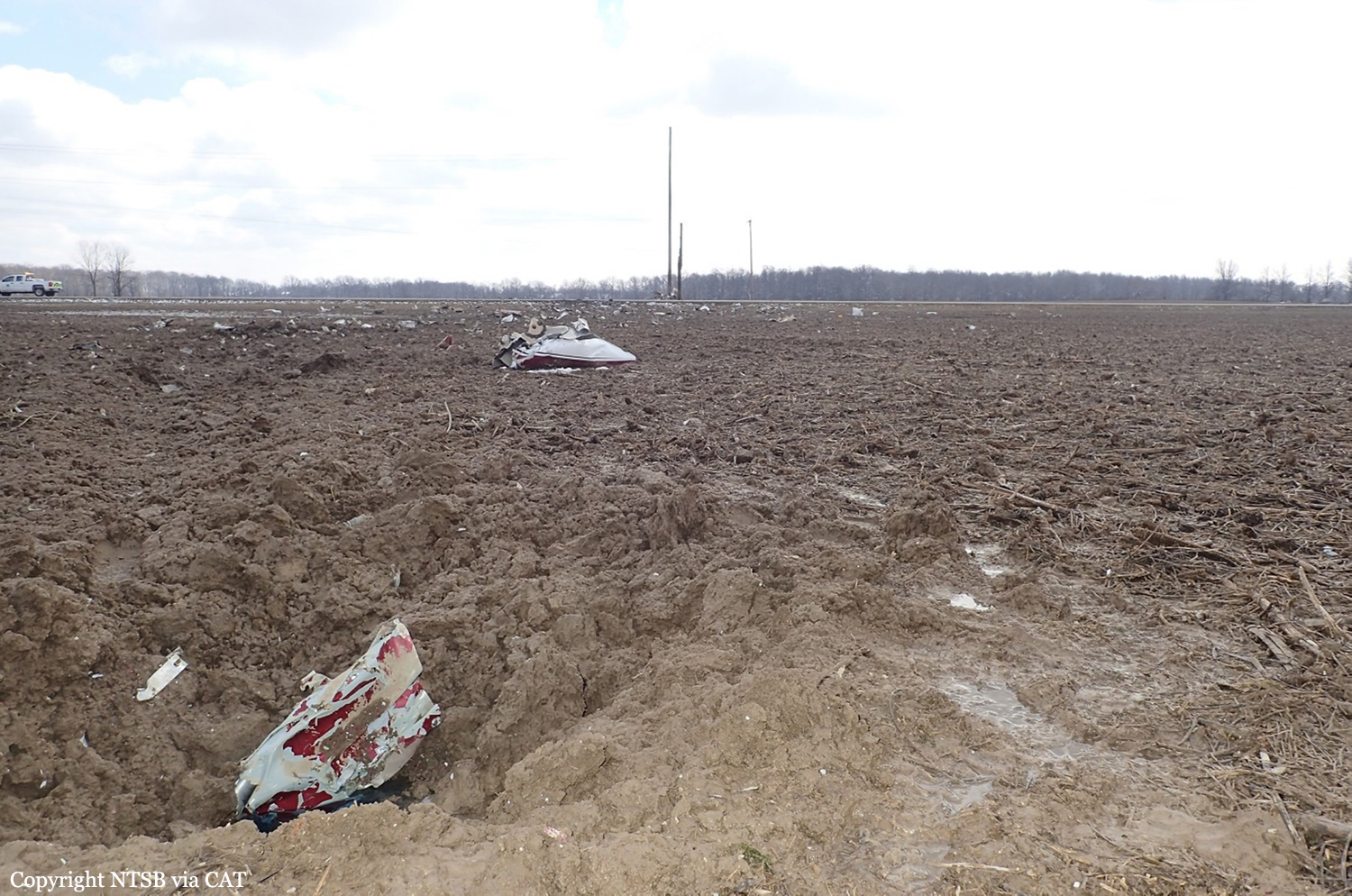
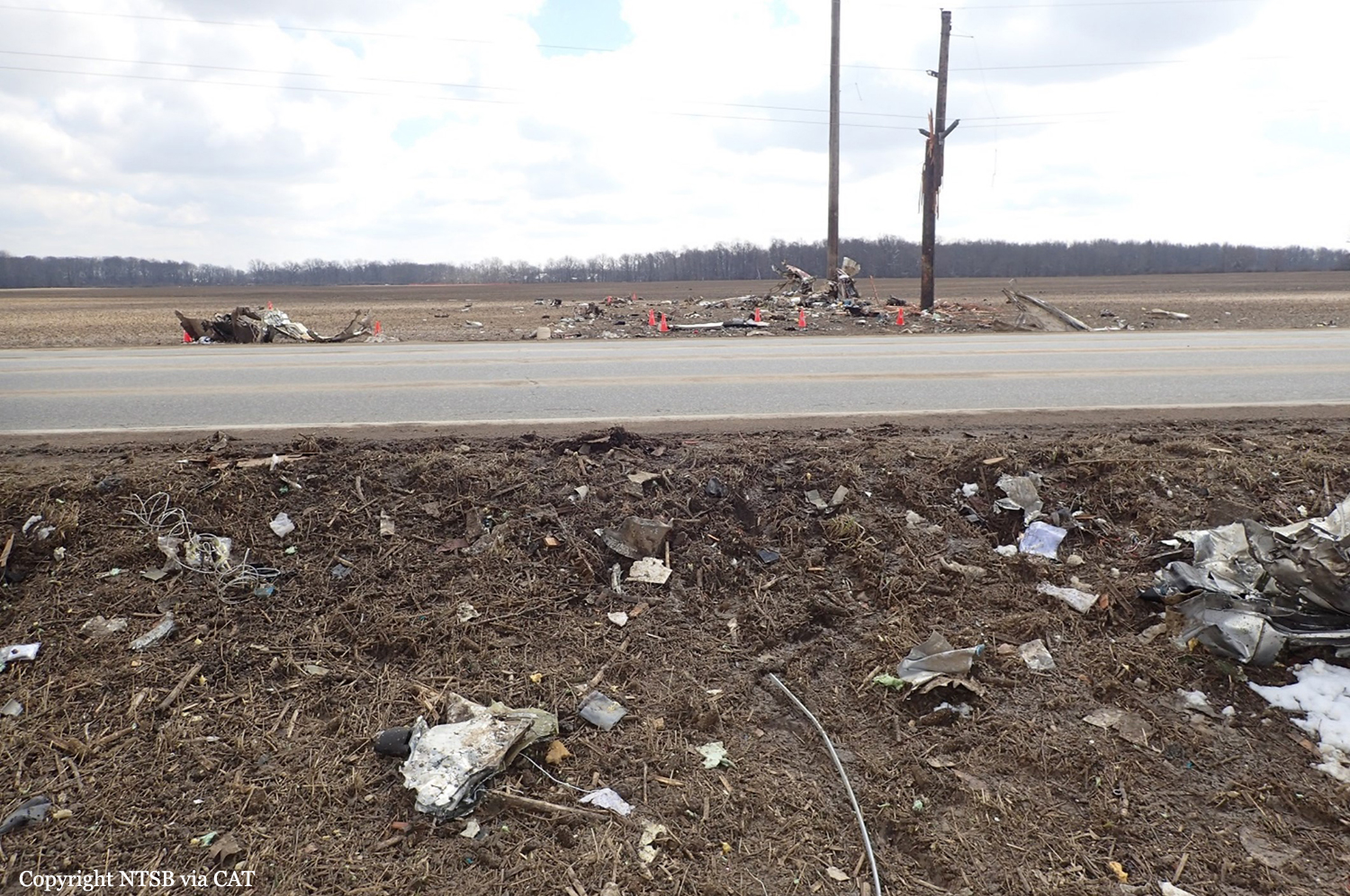
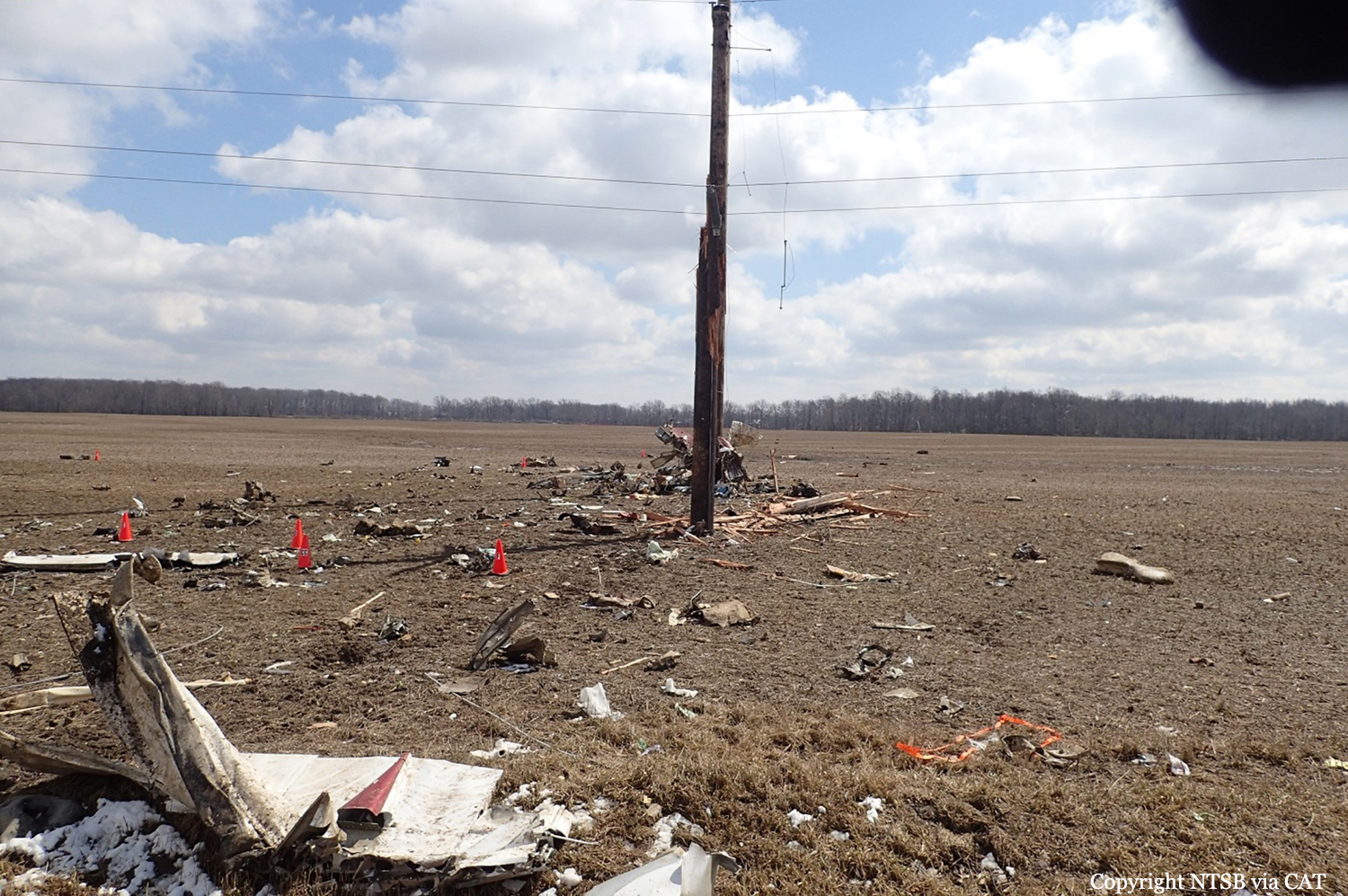
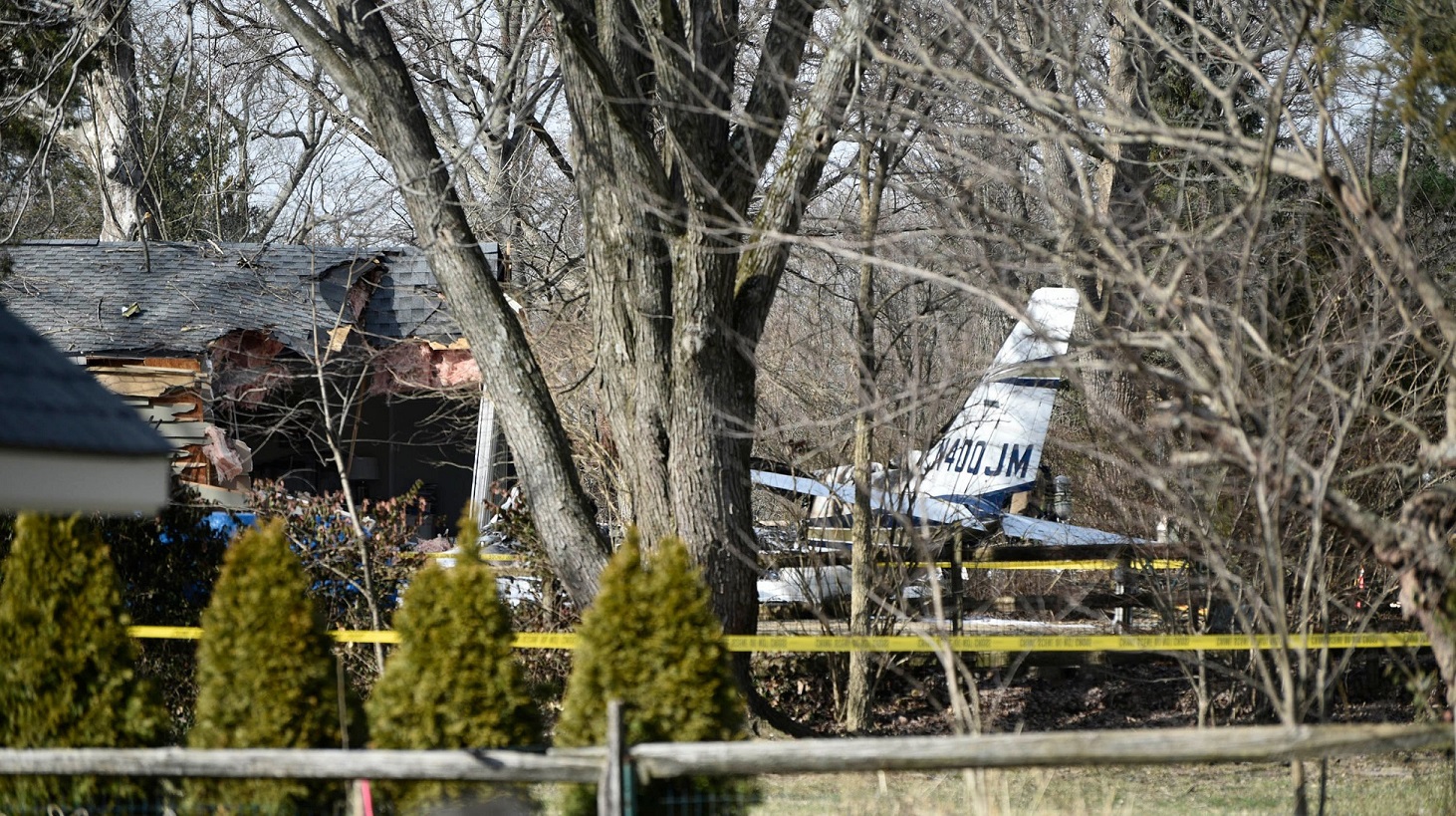
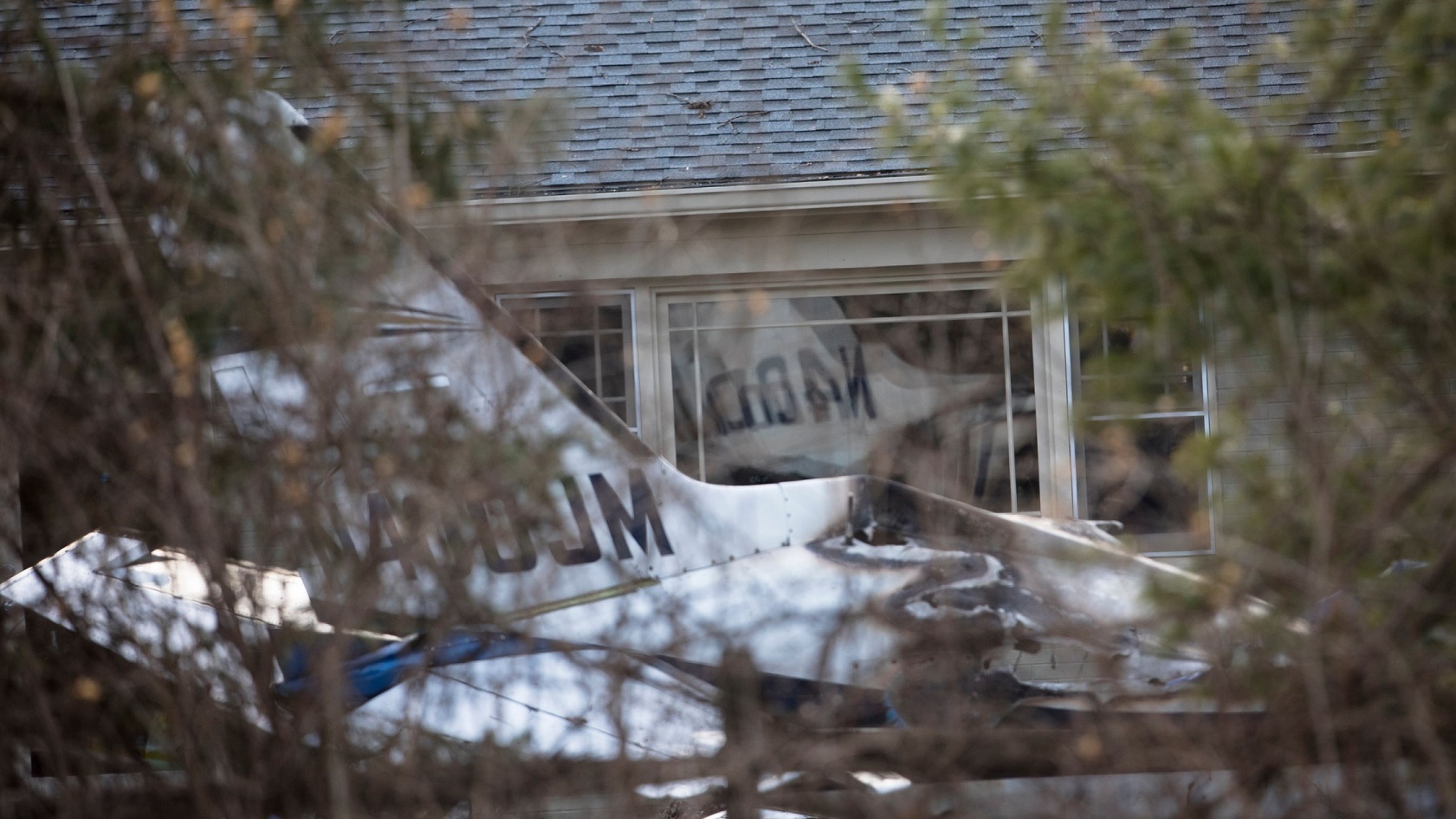
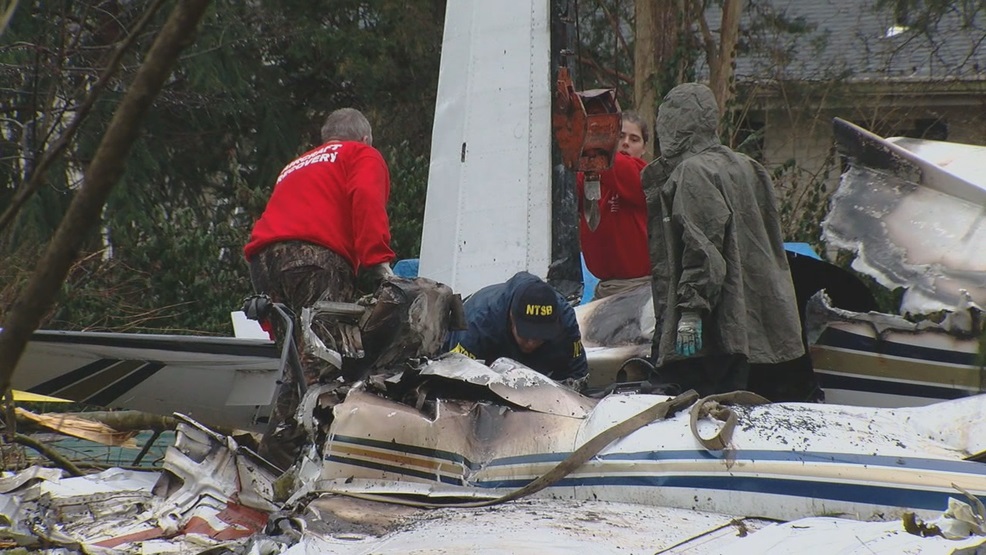
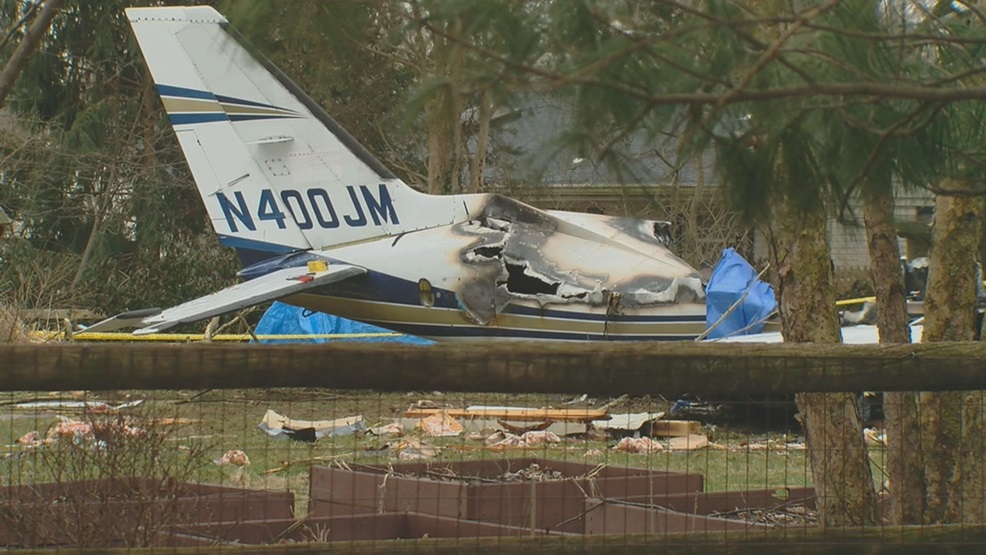
The commercial pilot was conducting an aerial observation (surveying) flight in a piston engineequipped multiengine airplane. Several hours into the flight, the pilot advised air traffic control (ATC) that the airplane had a fuel problem and that he needed to return to the departure airport. When the airplane was 8 miles from the airport, and after passing several other airports, the pilot informed ATC that he was unsure if the airplane could reach the airport. The final minutes of radar data depicted the airplane in a descent and tracking toward a golf fairway as the airplane's groundspeed decreased to a speed near the single engine minimum control airspeed. According to witnesses, they heard an engine sputter before making two loud "back-fire" sounds. One witness reported that, after the engine sputtered, the airplane "was on its left side flying crooked." Additional witnesses reported that the airplane turned to the left before it "nose-dived" into a neighborhood, impacting a tree and private residence before coming to rest in the backyard of the residence. A witness approached the wreckage immediately after the accident and observed a small flame rising from the area of the left engine. Video recorded on the witness' mobile phone several minutes later showed the airplane engulfed in flames. Examination of the wreckage revealed no evidence of any preimpact mechanical malfunctions or failures of either engine. The fuel systems feeding both engines were damaged by impact forces but the examined components generally displayed that only trace amounts of fuel remained; with the exception of the left engine nacelle fuel tank. Given the extent of the fire damage to this area of the wreckage, and the witness report that the post impact fire originated in this area, it is likely that this tank contained fuel. By design, this fuel in this tank was not able to supply fuel directly to either engine, but instead relied on an electric pump to transfer fuel into the left main fuel tank. Fire damage precluded a detailed postaccident examination or functional testing of the left nacelle fuel transfer pump. Other pilots who flew similar airplanes for the operator, along with a review of maintenance records for those airplanes, revealed at least three instances of these pumps failing in the months surrounding the accident. The other pilots also reported varying methods of utilizing fuel and monitoring fuel transfers of fuel from the nacelle fuel tanks, since there was no direct indication of the quantity of fuel available in the tank. These methods were not standardized between pilots within the company and relied on their monitoring the quantity of fuel in the main fuel tanks in order to ensure that the fuel transfer was occurring. Had the pilot not activated this pump, or had this pump failed during the flight, it would have rendered the fuel in the tank inaccessible. Given this information it is likely that the fuel supply available to the airplane's left engine was exhausted, and that the engine subsequently lost power due to fuel starvation. The accident pilot, along with another company pilot, identified fuel leaking from the airplane's left wing, about a week before the accident. Maintenance records showed no actions had been completed to the address the fuel leak. Due to damage sustained during the accident, the origin of the fuel leak could not be determined, nor could it be determined whether the fuel leak contributed to the fuel starvation and eventual inflight loss of power to the left engine. Because the left engine stopped producing power, the pilot would have needed to configure the airplane for single-engine flight; however, examination of the left engine's propeller found that it was not feathered. With the propeller in this state, the pilot's ability to maintain control the airplane would have been reduced, and it is likely that the pilot allowed the airplane's airspeed to decrease below the singleengine minimum controllable airspeed, which resulted in a loss of control and led to the airplane's roll to the left and rapid descent toward the terrain. Toxicology results revealed that the pilot had taken doxylamine, an over-the-counter antihistamine that can decrease alertness and impair performance of potentially hazardous tasks. Although the toxicology results indicated that the amount of doxylamine in the pilot's cavity blood was within the lower therapeutic range, review of ATC records revealed that the pilot was alert and that he was making necessary decisions and following instructions. Thus, the pilot's use of doxylamine was not likely a factor in the accident.
Probable cause:
Fuel starvation to the left engine and the resulting loss of engine power to that engine, and a loss of airplane control due to the pilot's failure to maintain the minimum controllable airspeed.
Final Report:

Crash of an AMI DC-3-65TP in Kidron: 2 killed

Date & Time: Jan 21, 2019 at 0912 LT
Type of aircraft:
Operator:
Registration:
N467KS
Flight Phase:
Flight Type:
Survivors:
Yes
Schedule:
Kidron - Akron
MSN:
20175
YOM:
1944
Crew on board:
2
Crew fatalities:
Pax on board:
0
Pax fatalities:
Other fatalities:
Total fatalities:
2
Captain / Total flying hours:
15457
Captain / Total hours on type:
5612.00
Copilot / Total flying hours:
9969
Copilot / Total hours on type:
12
Aircraft flight hours:
37504
Circumstances:
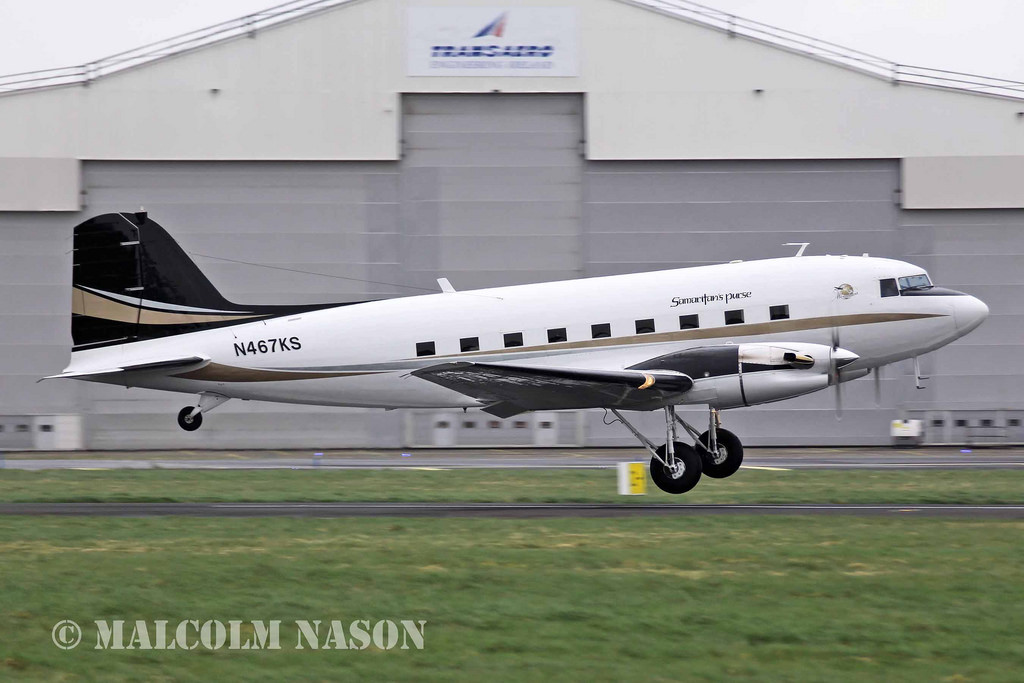
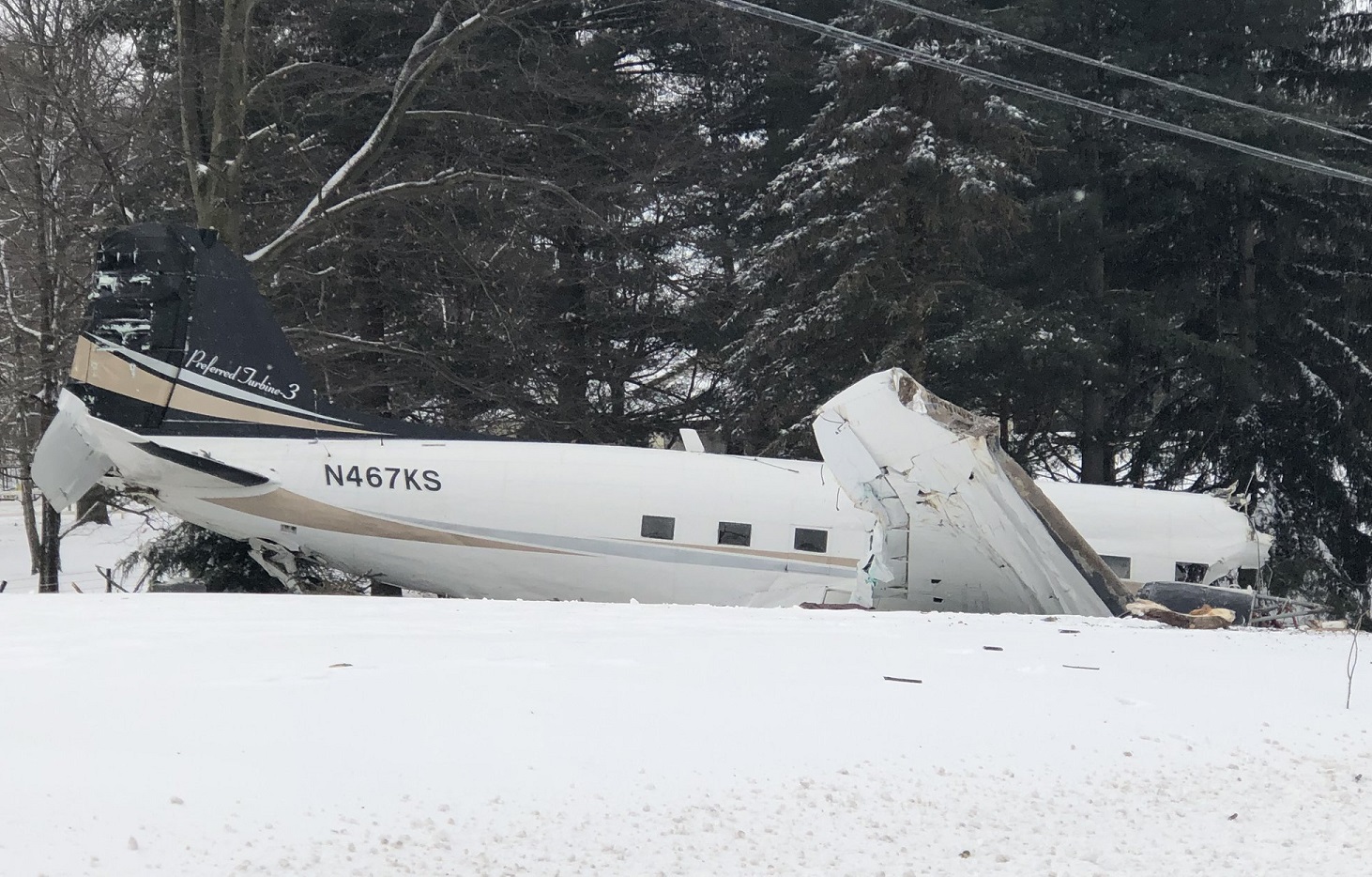
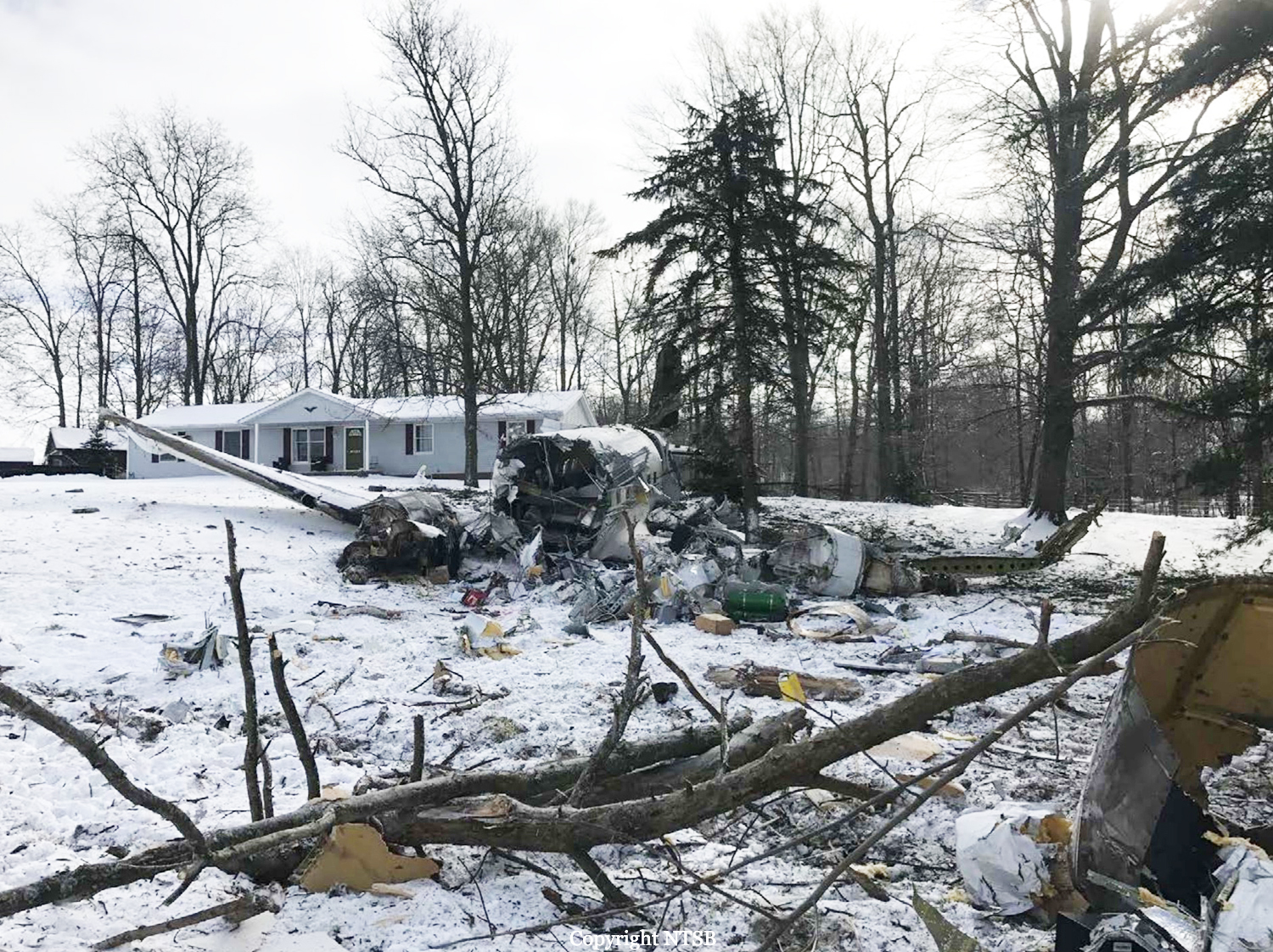
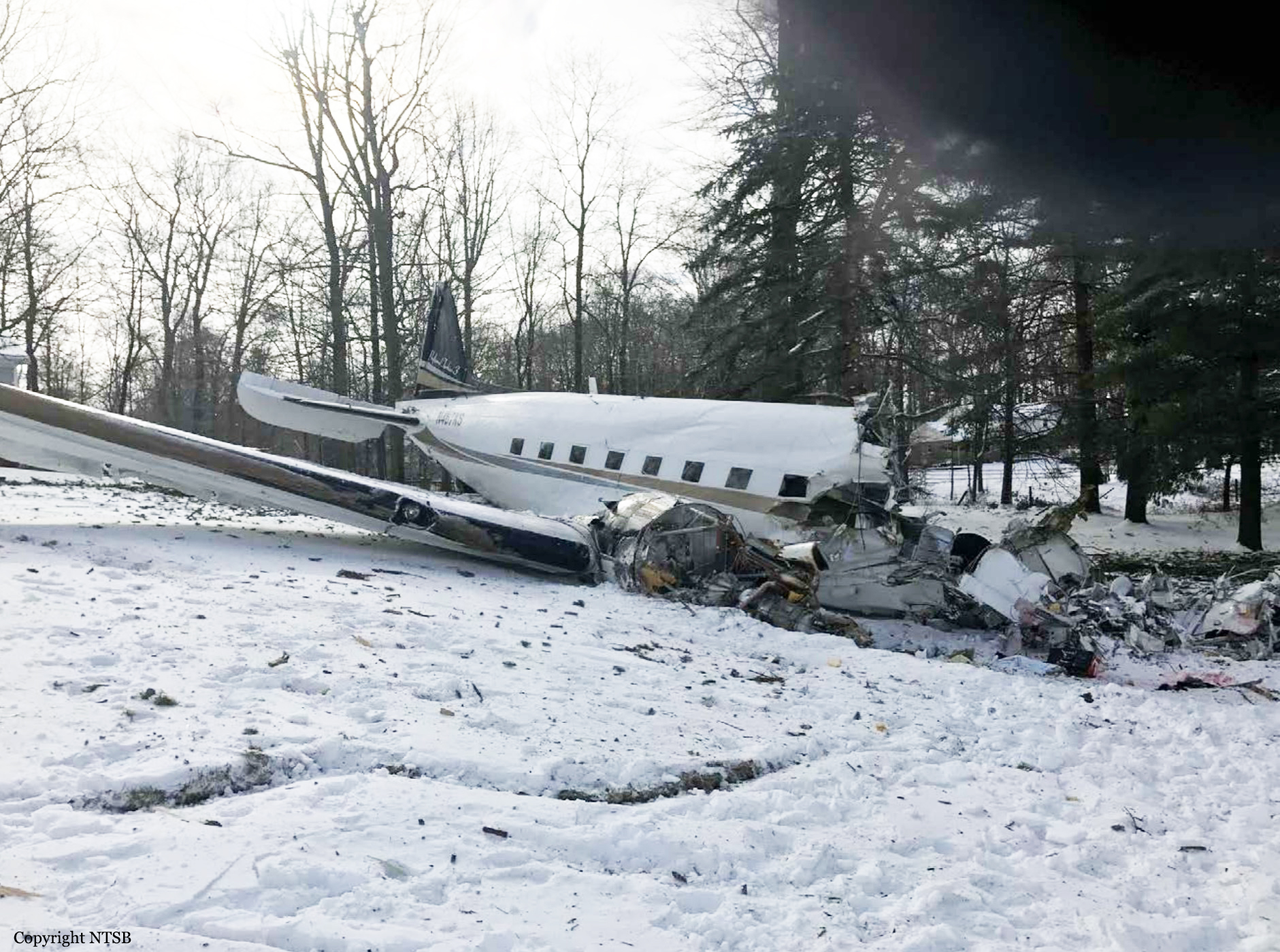
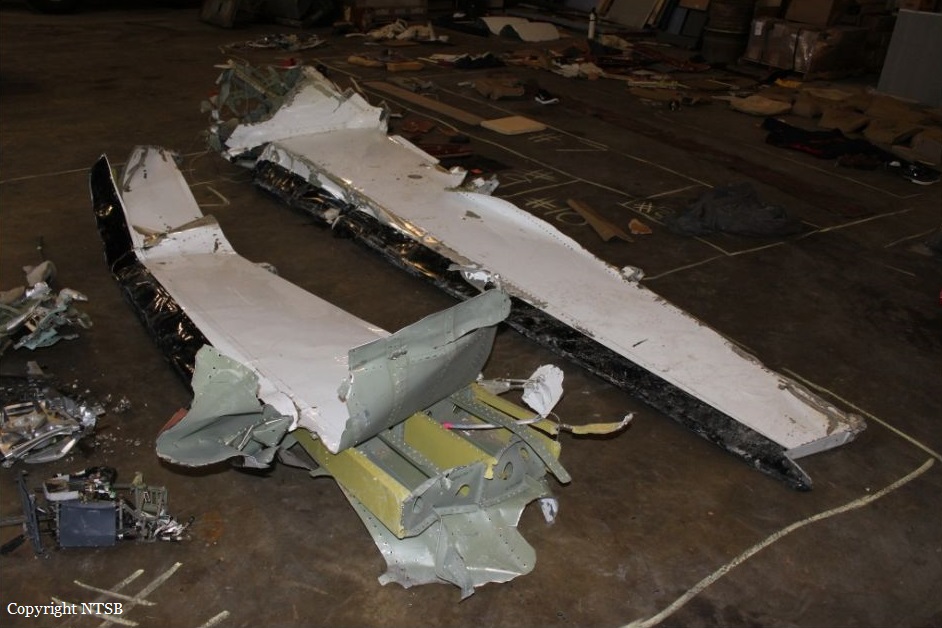
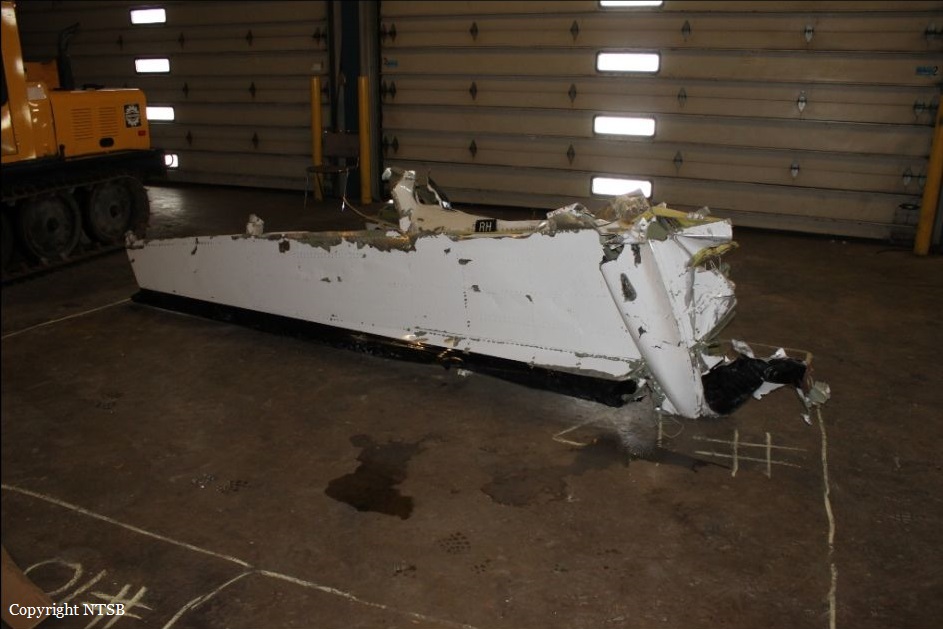
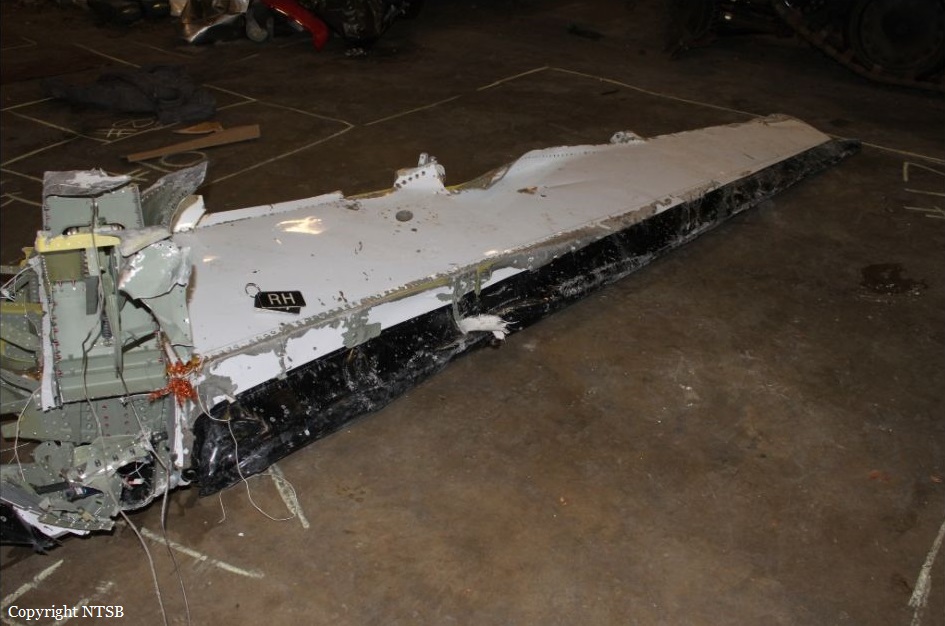
The two pilots departed in a turbine powered DC-3C at maximum gross weight for a repositioning flight. The airplane was part of a test program for new, higher horsepower engine installation. Soon after liftoff and about 3 seconds after decision speed (V1), the left engine lost total power. The propeller began to auto-feather but stopped feathering about 3 seconds after the power loss. The airplane yawed and banked to the left, descended, and impacted terrain. Recorded engine data indicated the power loss was due to an engine flameout; however, examination of the engine did not determine a reason for the flameout or the auto-feather system interruption. While it is plausible that an air pocket developed in the fuel system during the refueling just before the flight, this scenario was not able to be tested or confirmed. It is possible that the auto-feather system interruption would have occurred if the left power lever was manually retarded during the auto-feather sequence. The power loss and auto-feather system interruption occurred during a critical, time-sensitive phase of flight since the airplane was at low altitude and below minimum controllable airspeed (Vmc). The acutely transitional phase of flight would have challenged the pilots' ability to manually feather the propeller quickly and accurately. The time available for the crew to respond to the unexpected event was likely less than needed to recognize the problem and take this necessary action – even as an immediate action checklist/memory item.
Probable cause:
The loss of airplane control after an engine flameout and auto-feather system interruption during the takeoff climb, which resulted in an impact with terrain.
Final Report:

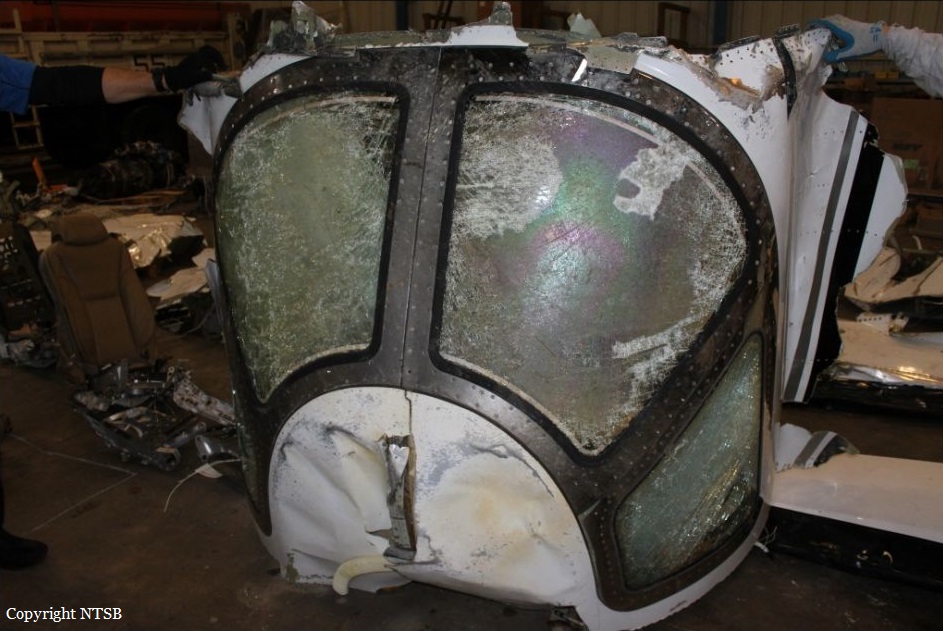
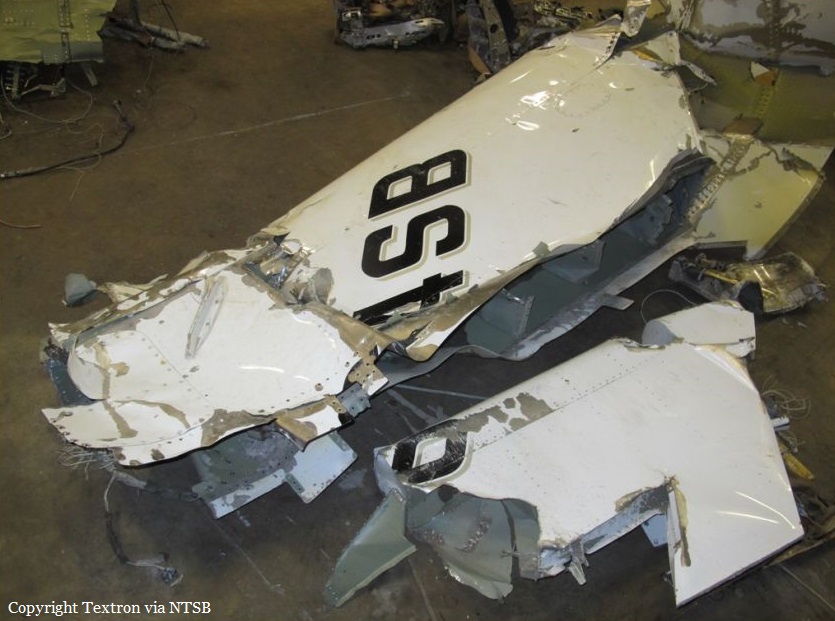
Crash of a Cessna 525C CitationJet CJ4 off Cleveland: 6 killed

Date & Time: Dec 29, 2016 at 2257 LT
Operator:
Registration:
N614SB
Flight Phase:
Flight Type:
Survivors:
No
Schedule:
Cleveland – Columbus
MSN:
525C-0072
YOM:
2012
Crew on board:
1
Crew fatalities:
Pax on board:
5
Pax fatalities:
Other fatalities:
Total fatalities:
6
Captain / Total flying hours:
1205
Captain / Total hours on type:
56.00
Aircraft flight hours:
861
Circumstances:
The airplane entered a right turn shortly after takeoff and proceeded out over a large lake. Dark night visual conditions prevailed at the airport; however, the airplane entered instrument conditions shortly after takeoff. The airplane climb rate exceeded 6,000 fpm during the initial climb and it subsequently continued through the assigned altitude of 2,000 ft mean sea level. The flight director provided alerts before the airplane reached the assigned altitude and again after it had passed through it. The bank angle increased to about 62 degrees and the pitch attitude decreased to about 15 degrees nose down, as the airplane continued through the assigned heading. The bank angle ultimately decreased to about 25 degrees. During the subsequent descent, the airspeed and descent rate reached about 300 knots and 6,000 fpm, respectively. The enhanced ground proximity warning system (EGPWS) provided both "bank angle" and "sink rate" alerts to the pilot, followed by seven "pull up" warnings. A postaccident examination of the recovered wreckage did not reveal any anomalies consistent with a preimpact failure or malfunction. It is likely that the pilot attempted to engage the autopilot after takeoff as he had been trained. However, based on the flight profile, the autopilot was not engaged. This implied that the pilot failed to confirm autopilot engagement via an indication on the primary flight display (PFD). The PFD annunciation was the only indication of autopilot engagement. Inadequate flight instrument scanning during this time of elevated workload resulted in the pilot allowing the airplane to climb through the assigned altitude, to develop an overly steep bank angle, to continue through the assigned heading, and to ultimately enter a rapid descent without effective corrective action. A belief that the autopilot was engaged may have contributed to his lack of attention. It is also possible that differences between the avionics panel layout on the accident airplane and the airplane he previously flew resulted in mode confusion and contributed to his failure to engage the autopilot. The lack of proximal feedback on the flight guidance panel might have contributed to his failure to notice that the autopilot was not engaged.The pilot likely experienced some level of spatial disorientation due to the dark night lighting conditions, the lack of visual references over the lake, and the encounter with instrument meteorological conditions. It is possible that once the pilot became disoriented, the negative learning transfer due to the differences between the attitude indicator display on the accident airplane and the airplane previously flown by the pilot may have hindered his ability to properly apply corrective control inputs. Available information indicated that the pilot had been awake for nearly 17 hours at the time of the accident. As a result, the pilot was likely fatigued which hindered his ability to manage the high workload environment, maintain an effective instrument scan, provide prompt and accurate control inputs, and to respond to multiple bank angle and descent rate warnings.
Probable cause:
Controlled flight into terrain due to pilot spatial disorientation. Contributing to the accident was pilot fatigue, mode confusion related to the status of the autopilot, and negative learning transfer due to flight guidance panel and attitude indicator differences from the pilot's previous flight experience.
Final Report: