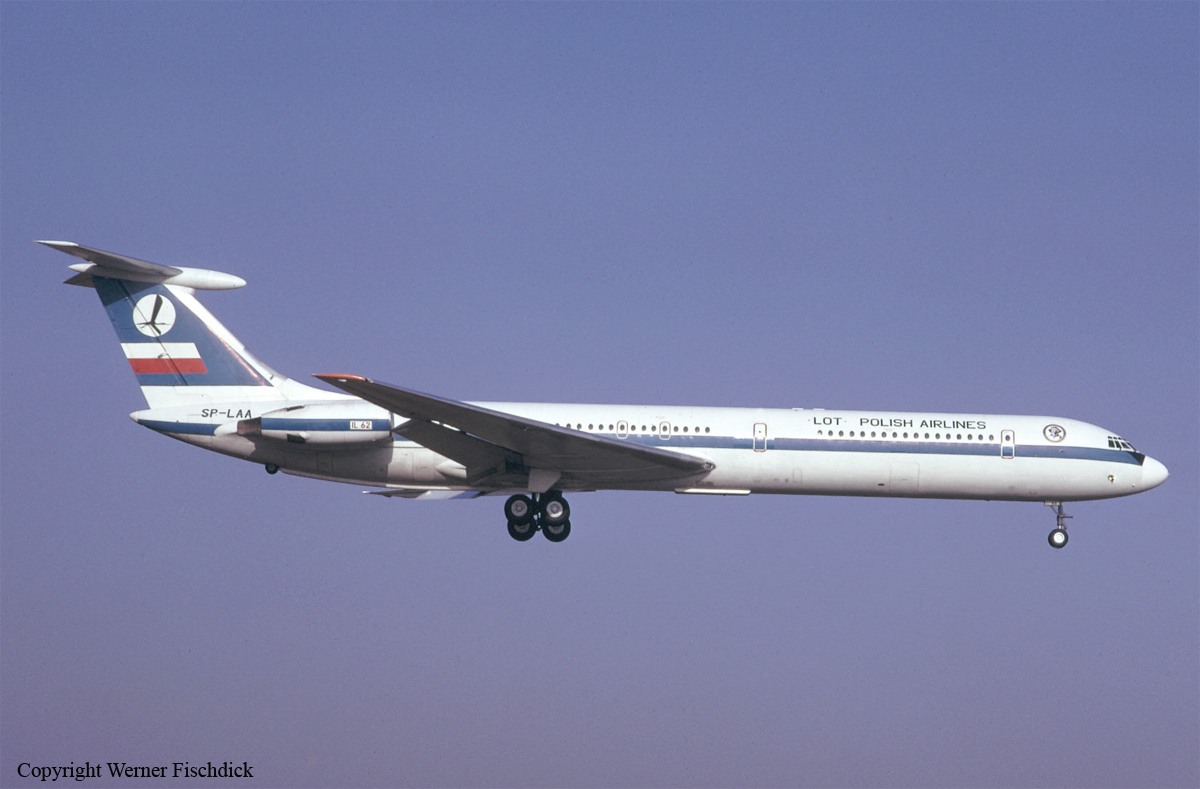
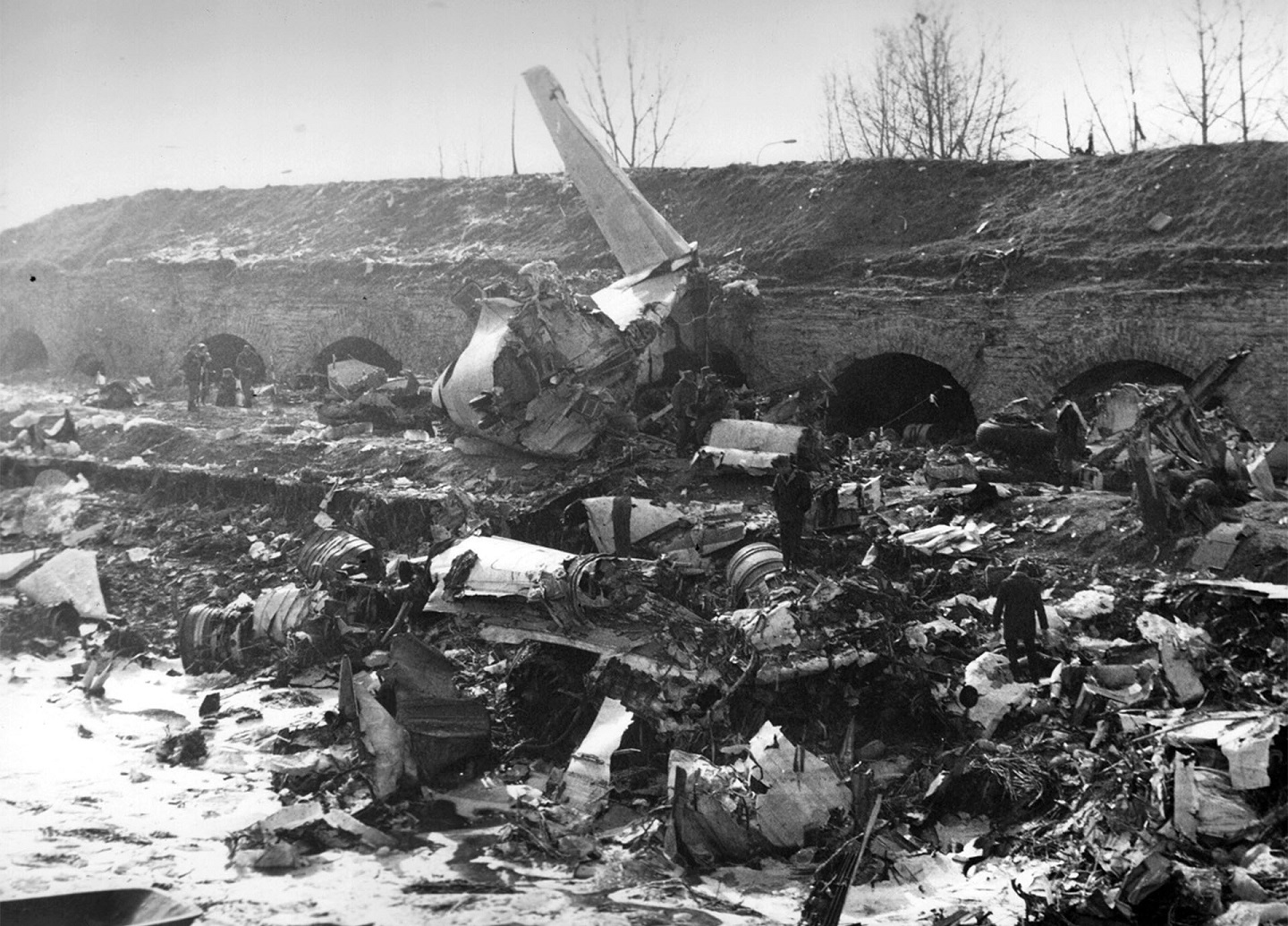
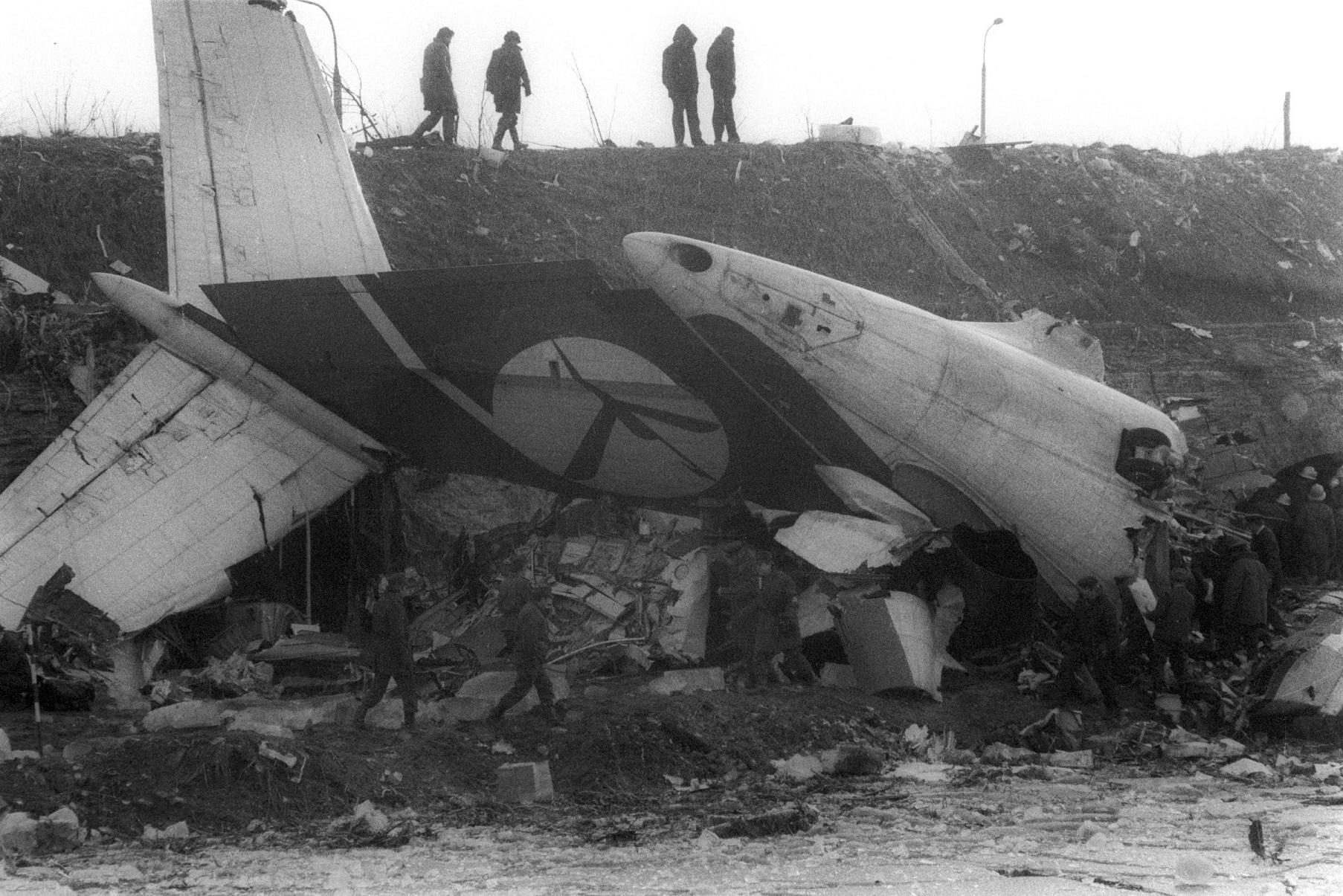
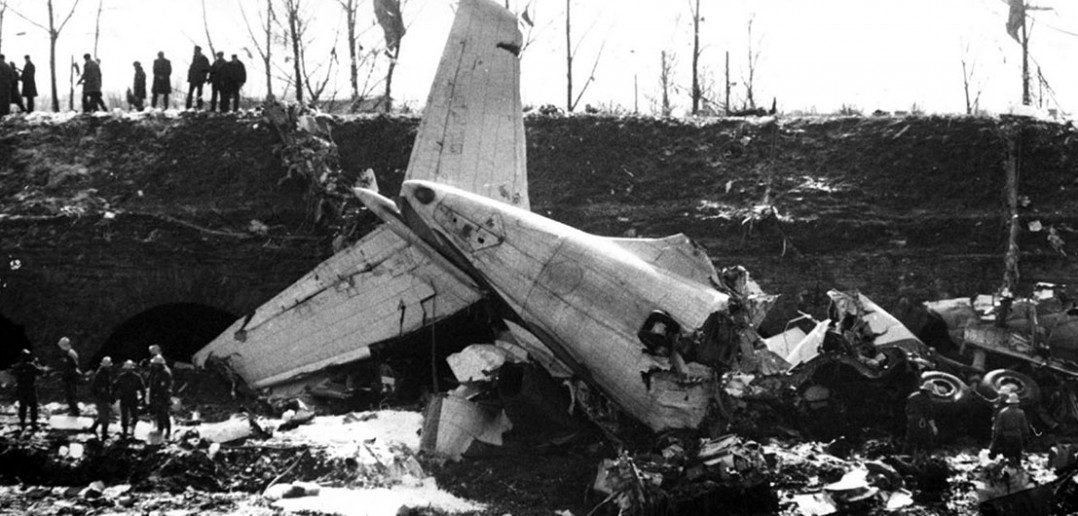
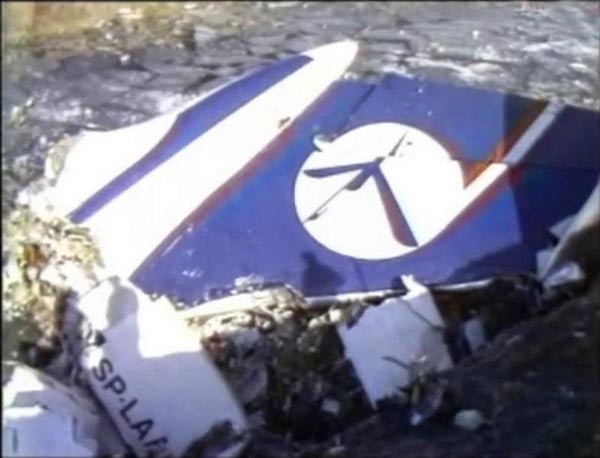
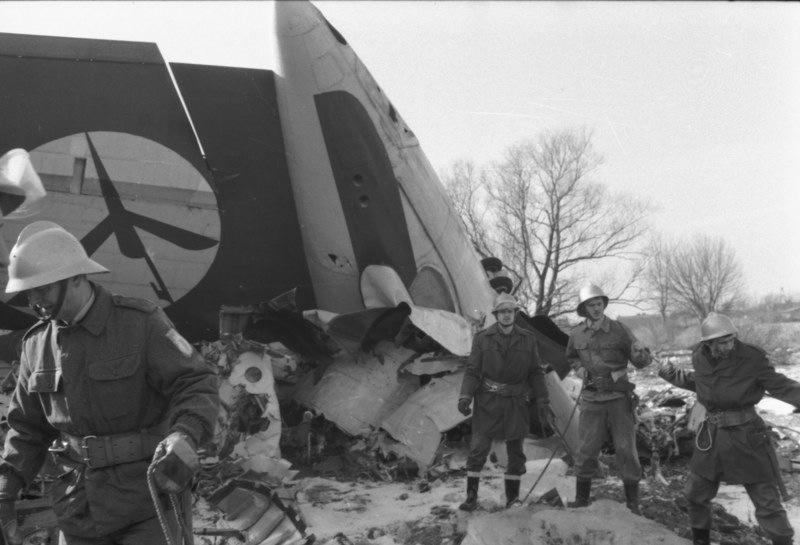
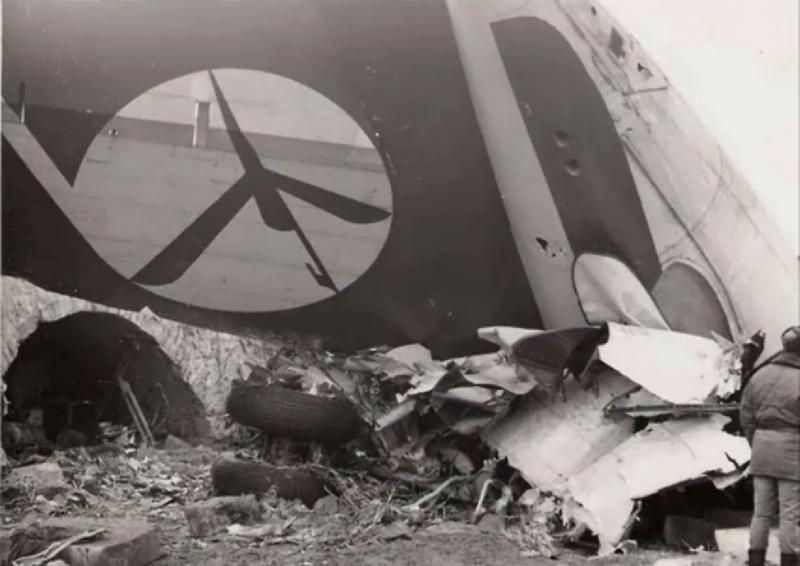
Crash of an Ilyushin II-62 in Warsaw: 87 killed

Date & Time: Mar 14, 1980 at 1114 LT
Type of aircraft:
Operator:
Registration:
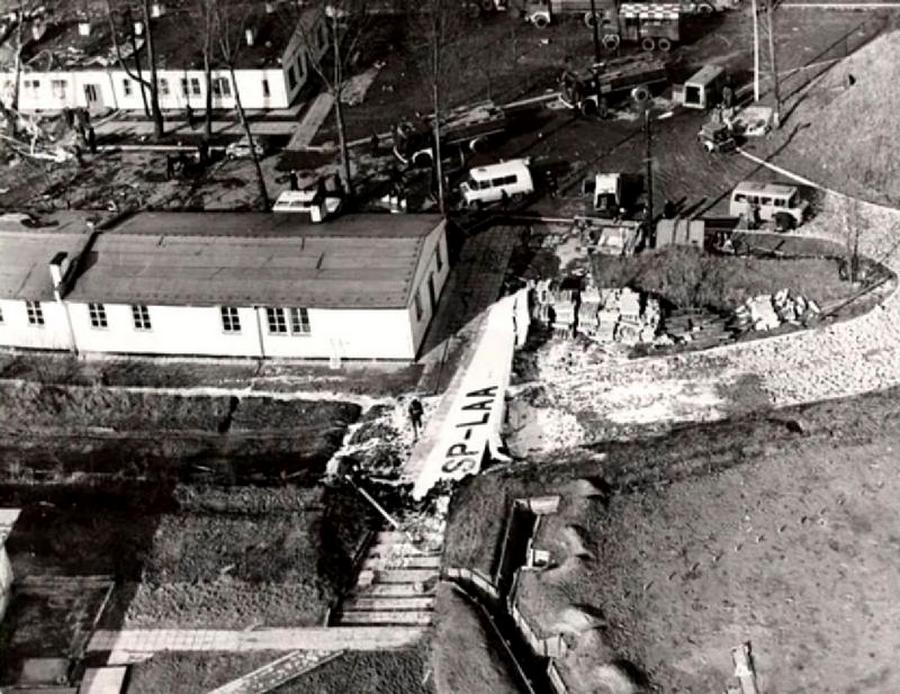
SP-LAA
Survivors:
No
Schedule:
Montreal - New York - Warsaw
MSN:
11004
YOM:
1971
Flight number:
LO007
Country:
Region:
Crew on board:
10
Crew fatalities:
Pax on board:
77
Pax fatalities:
Other fatalities:
Total fatalities:
87
Circumstances:
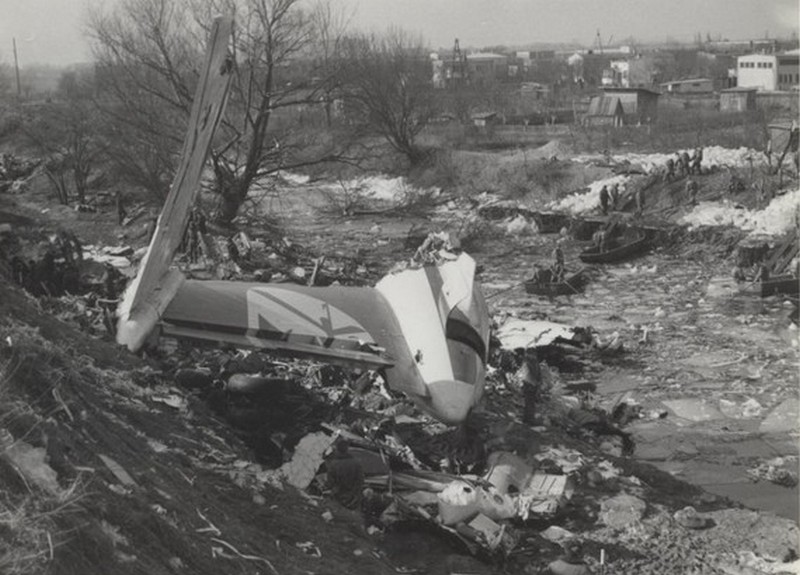
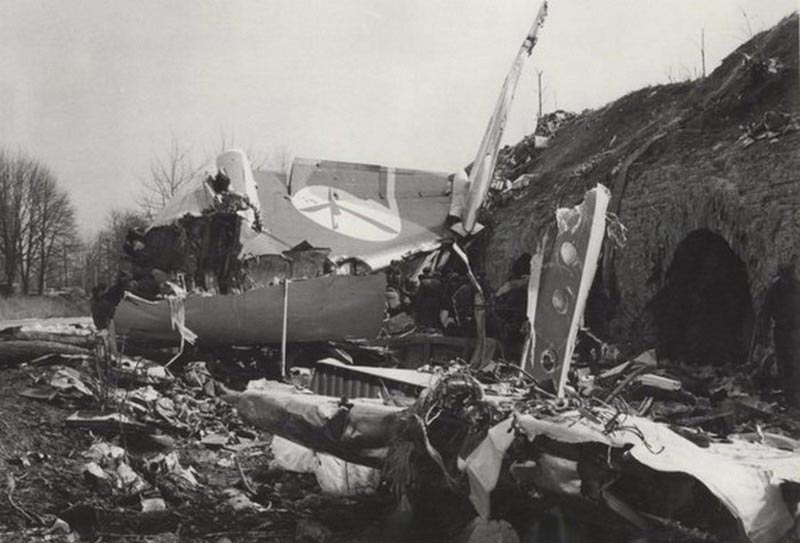
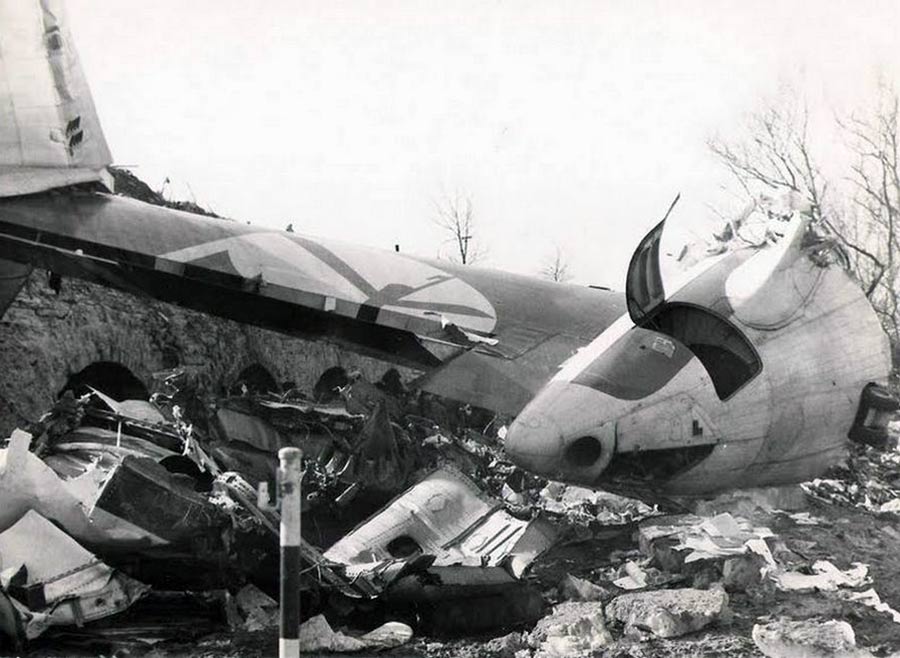
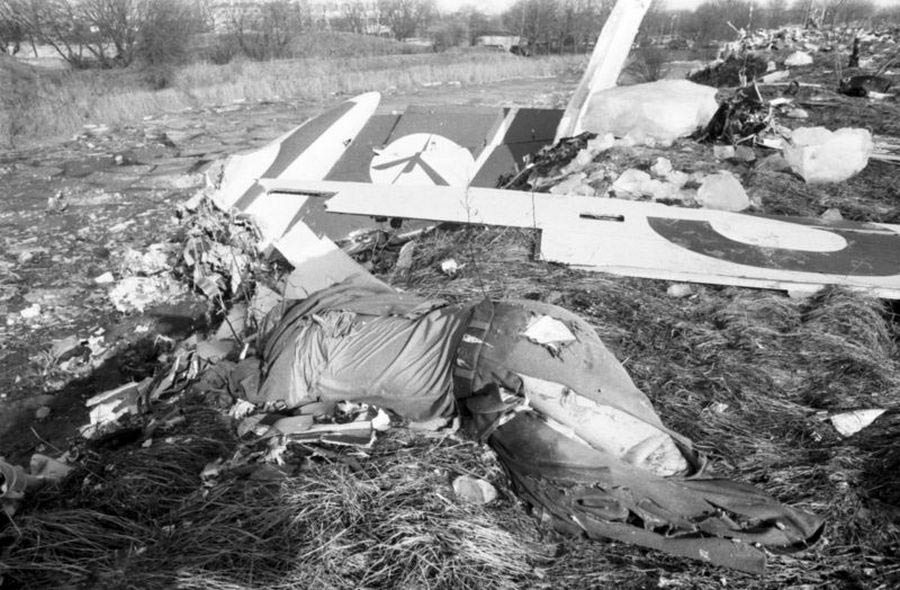
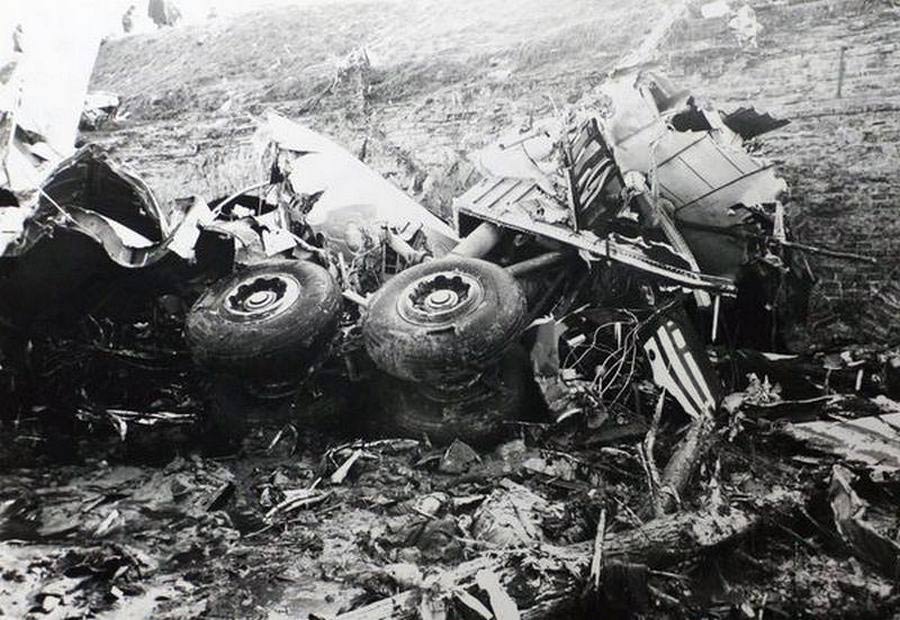
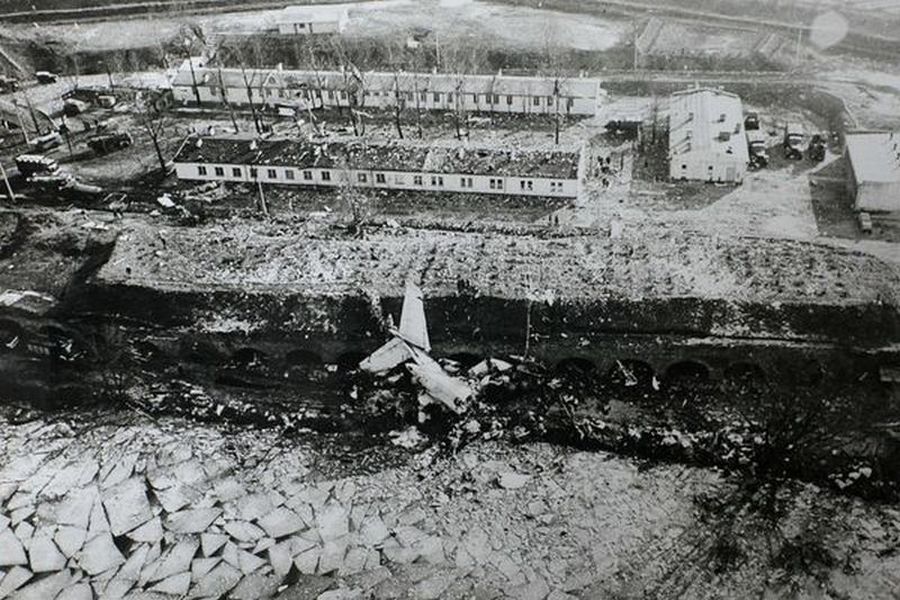
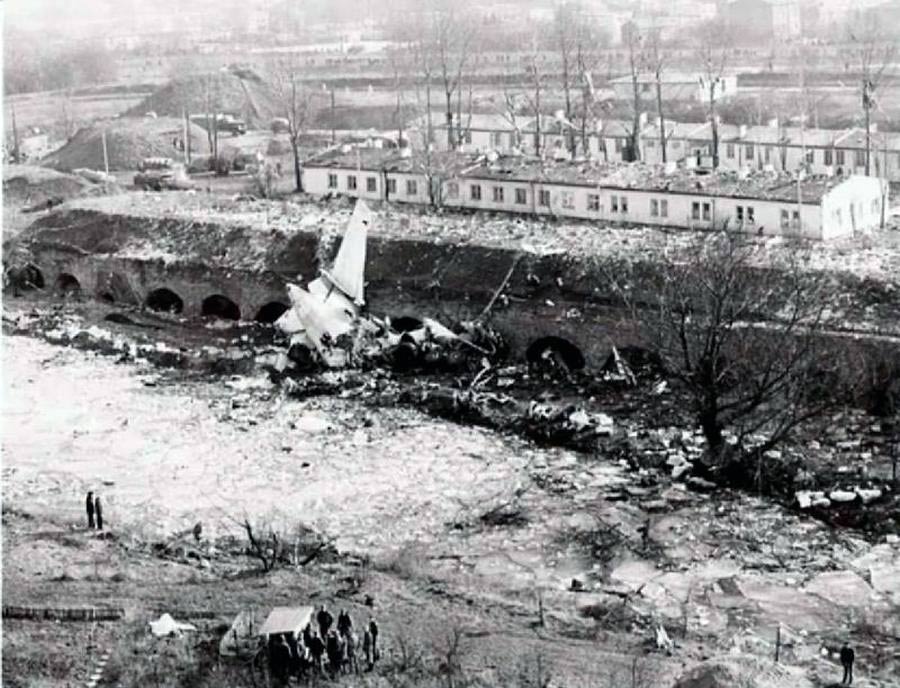
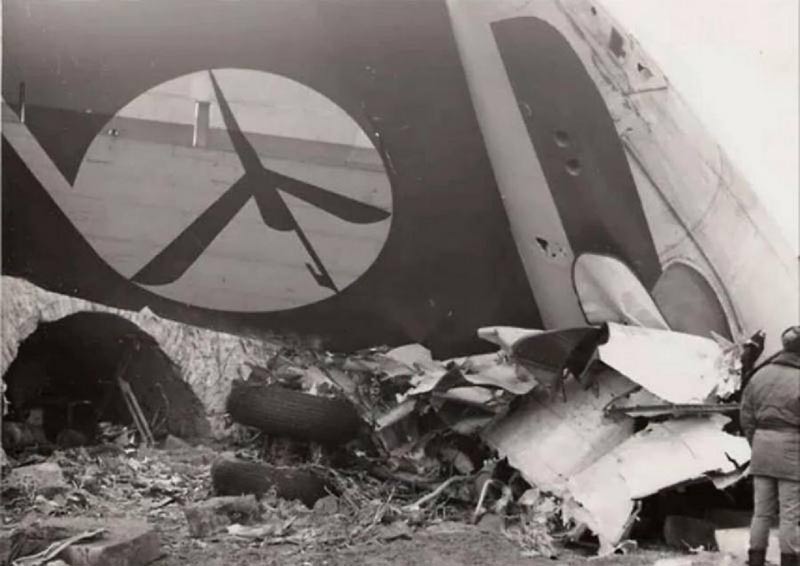
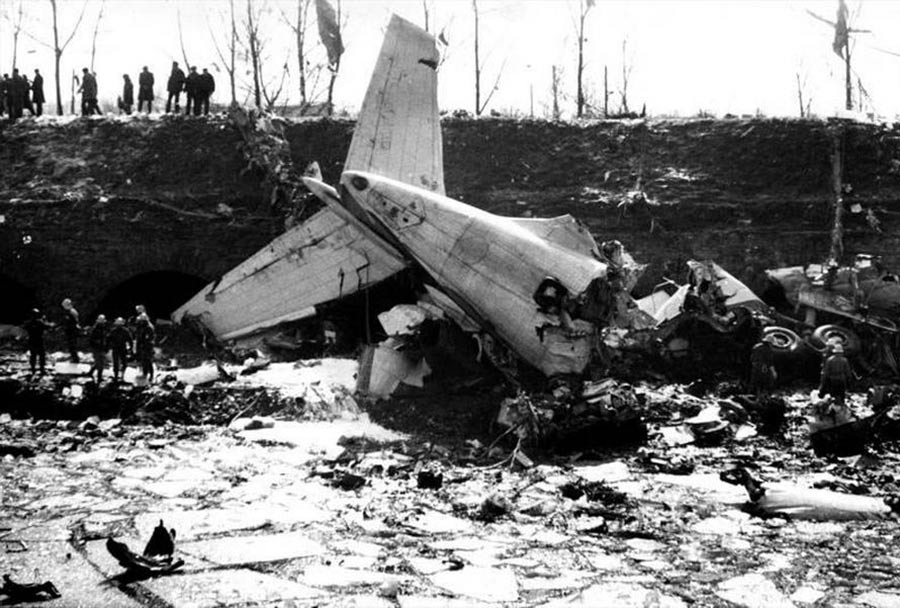
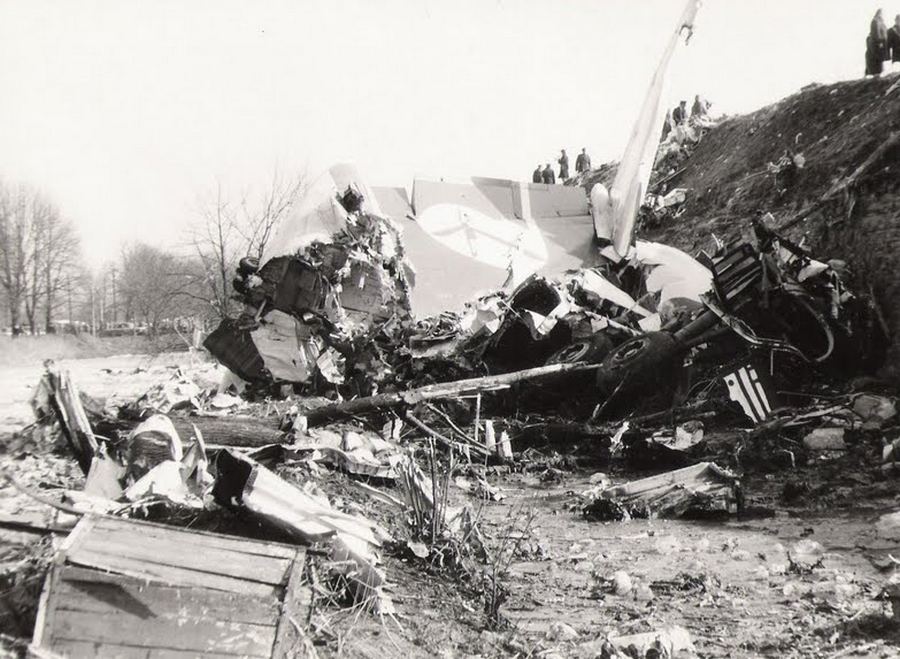
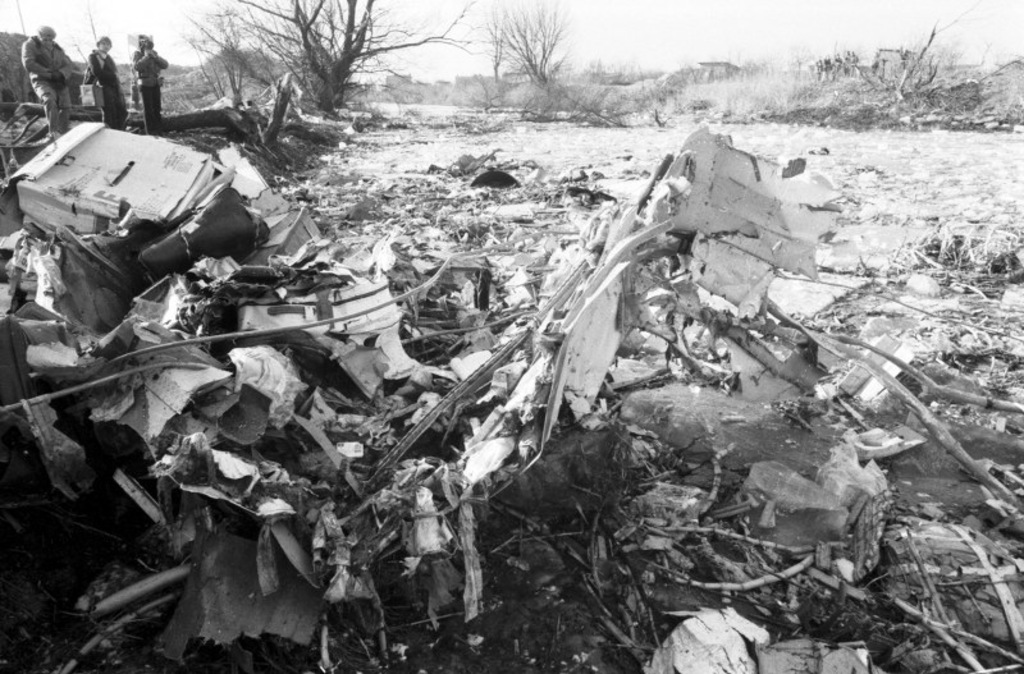
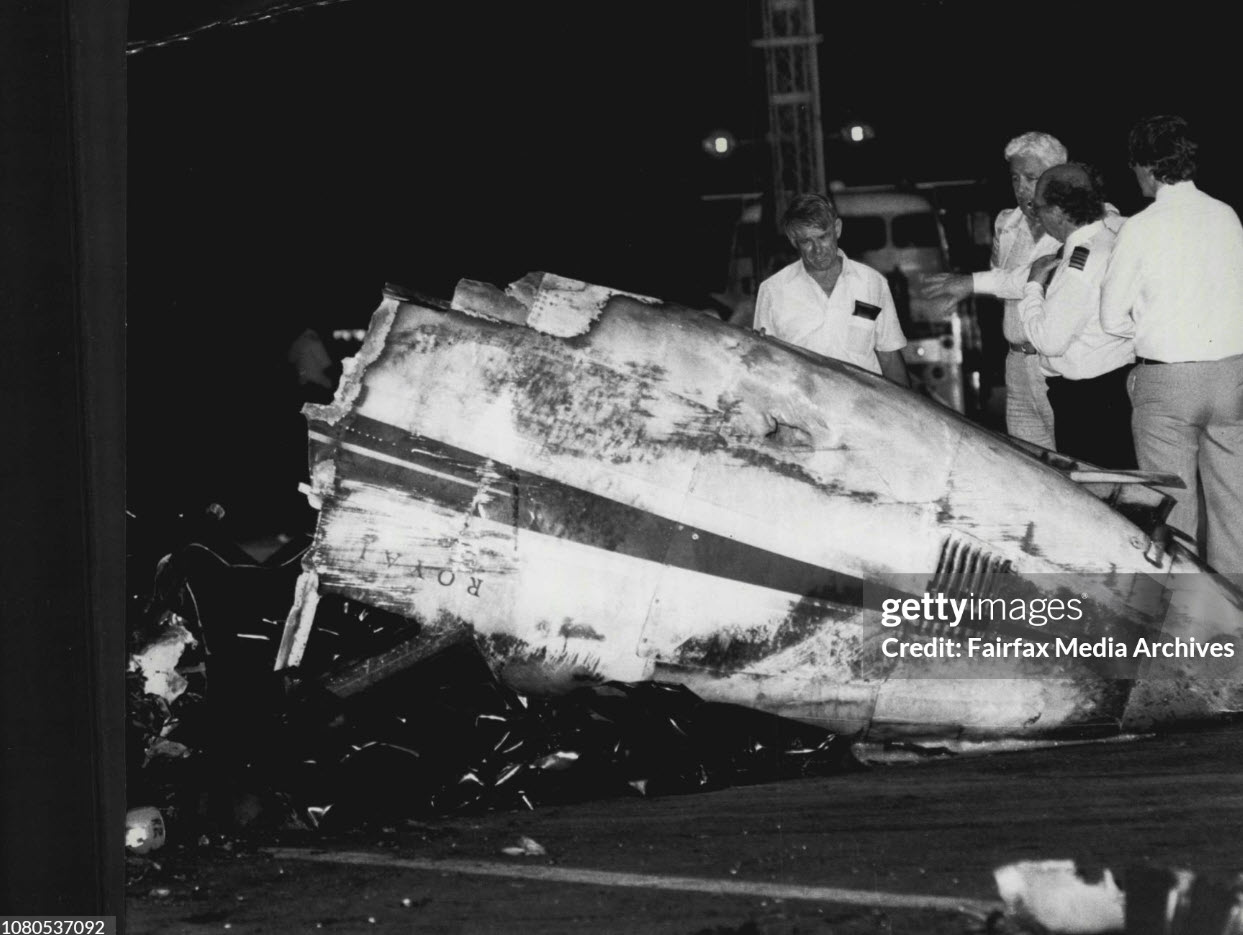
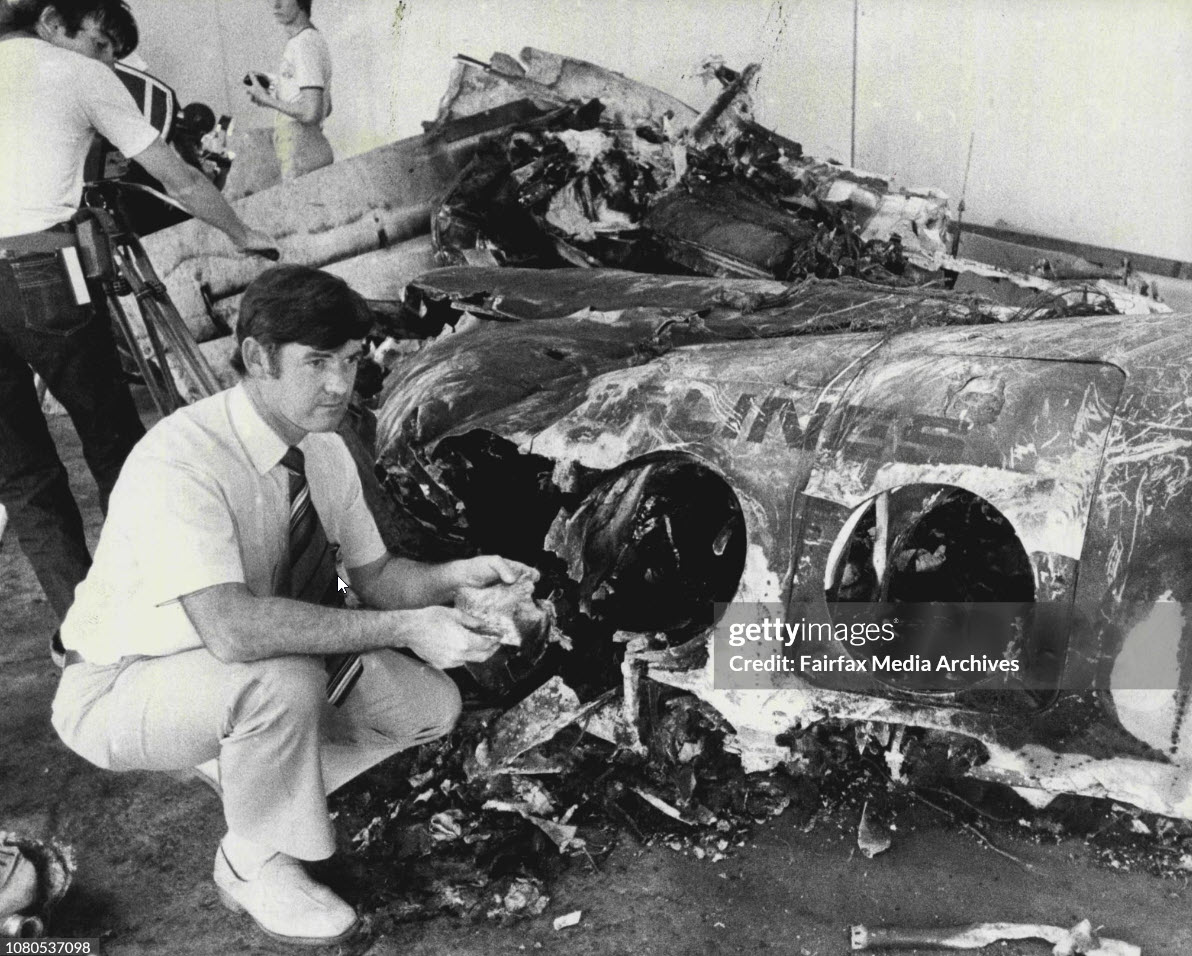
The four engine airplane was completing flight LO007 from Montreal to Warsaw via New York-JFK. On final approach to Warsaw-Okecie Airport runway 15, the crew reported problems with the landing gears that seemed to be down but not locked. At a height of about 250 meters, the captain was cleared to initiate a go-around and increased engine power when the engine n°2 exploded, damaging the engine n°1. Debris damaged the rudder and elevator control cables, causing the aircraft to enter an uncontrolled descent. In a 20° nose-down attitude, the aircraft speed increased to 380 km/h when it crashed in an embankment located by the Okecie Fort, about 900 meters short of runway 15 threshold. The aircraft disintegrated on impact and all 87 occupants were killed. On board were 14 members of the US boxing team and 10 coaches as well as Anna Jantar, a Polish singer.
Probable cause:
Explosion of the engine n°2 caused by the disintegration of a compressor stage due to fatigue cracks.

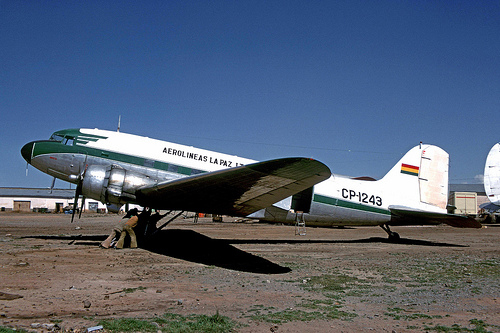
Crash of a Douglas C-47B-20-DK in San Borja

Date & Time: Mar 13, 1980
Operator:
Registration:
CP-1243
Flight Phase:
Survivors:
Yes
MSN:
15861/32609
YOM:
1945
Country:
Crew on board:
0
Crew fatalities:
Pax on board:
0
Pax fatalities:
Other fatalities:
Total fatalities:
0
Circumstances:
Shortly after takeoff, one of the engine failed. The airplane stalled and crashed by the runway. There were no casualties.
Probable cause:
Engine failure on takeoff for unknown reasons.

Crash of a Piper PA-31-300 Navajo in Appomattox

Date & Time: Feb 29, 1980 at 1030 LT
Type of aircraft:
Operator:
Registration:
N77QC
Flight Phase:
Survivors:
Yes
Schedule:
Norfolk - Roanoke
MSN:
31-511
YOM:
1969
Crew on board:
1
Crew fatalities:
Pax on board:
1
Pax fatalities:
Other fatalities:
Total fatalities:
0
Captain / Total flying hours:
3330
Captain / Total hours on type:
1027.00
Circumstances:
While in cruising altitude on a taxi flight from Norfolk to Roanoke, the pilot informed ATC about a double engine failure and elected to divert to the nearest airport. Shortly later, he decided to attempt an emergency landing when the airplane crashed in an open field. Both occupants were slightly injured and the aircraft was damaged beyond repair.
Probable cause:
Douglas engine failure in flight due to inadequate preflight preparation on part of the pilot. The following contributing factors were reported:
- Mismanagement of fuel,
- Fuel exhaustion,
- Powerplant-instruments: fuel quantity gauge, improperly alignment/adjustment,
- Forces landing off airport on land,
- Fuel gauges read 1/8 full, tanks empty.
Final Report:

Crash of a Beechcraft 200 Super King Air in Sydney: 13 killed

Date & Time: Feb 21, 1980 at 1909 LT
Operator:
Registration:
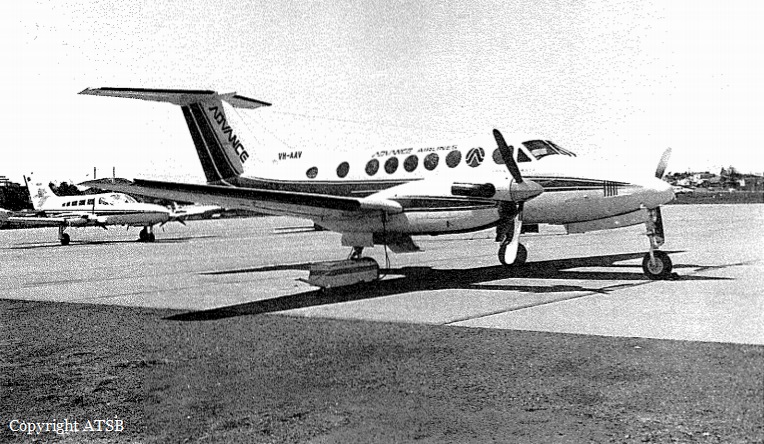
VH-AAV
Survivors:
No
Schedule:
Sydney – Temora – Condobolin
MSN:
BB-245
YOM:
1977
Flight number:
DR4210
Country:
Region:
Crew on board:
1
Crew fatalities:
Pax on board:
12
Pax fatalities:
Other fatalities:
Total fatalities:
13
Captain / Total flying hours:
6384
Captain / Total hours on type:
448.00
Aircraft flight hours:
5061
Circumstances:
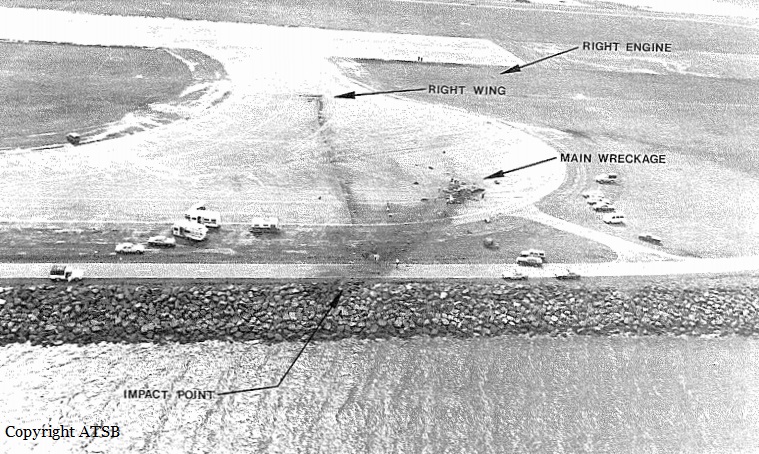
The aircraft was engaged in a scheduled service, designated Flight DR 4210, from Sydney to Temora and Condobolin, within the State of New South Wales. The scheduled departure time was 1845 hours. At 1844 hours the pilot of VH-AAV contacted Sydney Airport Clearance Delivery by radio and requested his airways clearance. The airways clearance issued was a Standard Instrument Departure (SID), titled '25 Katoomba Two'. That SID specified that radar headings would be assigned after take-off from Runway 25. The pilot correctly acknowledged the airways clearance. At 1848 hours the pilot contacted Sydney Ground Control and requested clearance to· taxi. This was granted and the aircraft was taxied to the holding point for Runway 25. The pilot reported to Sydney Aerodrome Control at 1858 hours that he was ready for take-off. Due to other traffic. the aircraft was not cleared to line up until 1906 hours. VH-AAV then entered Runway 25 and stopped about 50 metres from the threshold. At 1907 hours VH-AAV was cleared to 'maintain runway heading, maintain 3000 (feet), clear for take-off. This was correctly acknowledged and VH-AAV commenced takeoff. The aircraft became airborne and crossed the intersection with Runway 16/34, at a height of about 100 feet above ground level (AGL) at 1908:19 hours. The landing gear was retracted. Observers then noted the aircraft level off at about 150 feet AGL and commence a shallow banked turn to the left. As this was contrary to the departure instructions, Aerodrome Control was about to query the pilot when, at 1908:33 hours. he advised: ' ... we've lost er, the left engine. Request landing, ah, landing on runway three four immediately please.' This was acknowledged and Aerodrome Control cleared VH-AAV for a visual approach to a left base for Runway 34. During these transmissions, VH-AAV continued its left turn through approximately 90 degrees, onto a southerly heading. It had maintained a height of about 150 feet AGL and the left propeller was probably in the process of feathering. At 1908:44 hours, Aerodrome Control queried' ... do you have the seven two seven in sight on short final.' At 1908:49 hours, the pilot of VH-AAV replied, 'Affirmative'. The other aircraft referred to by Aerodrome Control was an Ansett Airlines of Australia Boeing 727, VH-RMO, which was on approach for Runway 34. Shortly after passing over the shore of Botany Bay, VH-AAV entered a steady descent and then levelled off just above the water. The left turn was continued and the aircraft converged towards the western side of the sea wall enclosing the extension of Runway 16/34. At 1908:50 hours, Aerodrome Control asked,' ... will your approach and landing be normal.' The reply, eight seconds later, was 'Alpha Alpha Victor negative'. At 1909:08 hours, Aerodrome Control activated the crash alarm system. In addition, VH-RMO was directed' ... go around, correction, st ... stay on the runway and expedite. We have a landing, er, right behind you ... one engine out.' The initial direction was made prior to visually assessing the Boeing ?27's situation, but when, during the transmission, it was noted that the aircraft was on the ground and well established in its landing roll sequence, the 'expedite' instruction was substituted. At 1909:20 hours, Aerodrome Control cleared VH-AAV to land. This was not acknowledged. The final segment of the flight was at an extremely low altitude and in a nose-high attitude. The right propeller, on at least one occasion, probably contacted the water and the tail either furrowed the water or induced a wake. VH-AAV struck the sea wall in a nose-up attitude, banking to the left and skidding to the right. The left wing of the aircraft disintegrated. The resultant fuel spillage ignited and a 'fire ball' explosion occurred. The right engine and the outboard section or the right wing both separated and were thrown across the ground adjacent to the runway. The remainder of the aircraft bounced over the sea wall, landed inverted on a taxiway and slid backwards. The accident occurred in daylight at 1909:22 hours. The aircraft was totally destroyed by impact forces and a post crash fire and all 13 occupants were killed.
Probable cause:
The cause of the accident has not been determined, but the most likely explanation is that the aircraft was operated in a reduced power configuration which, under the prevailing conditions, rendered its single-engine performance critical in respect to aircraft handling. The following findings were reported:
- At a height of about 100 feet AGL the left engine failed, probably due to the ingestion of water-contaminated fuel,
- The source of water contamination of the left fuel system of VH-AAV was not established but elemental analyses indicated the water had been present in the fuel system for some time,
- It could
not be determined where the water in the left fuel system of VH-AAV had accumulated or by what means it traveled to the left engine,
- It was not established whether or not the pilot had carried out a fuel drain check prior to the accident flight,
- At the time of engine failure, a high cockpit workload situation existed.
Final Report:

Crash of a Convair CV-240-0 off Haïti: 3 killed

Date & Time: Feb 15, 1980
Type of aircraft:
Registration:
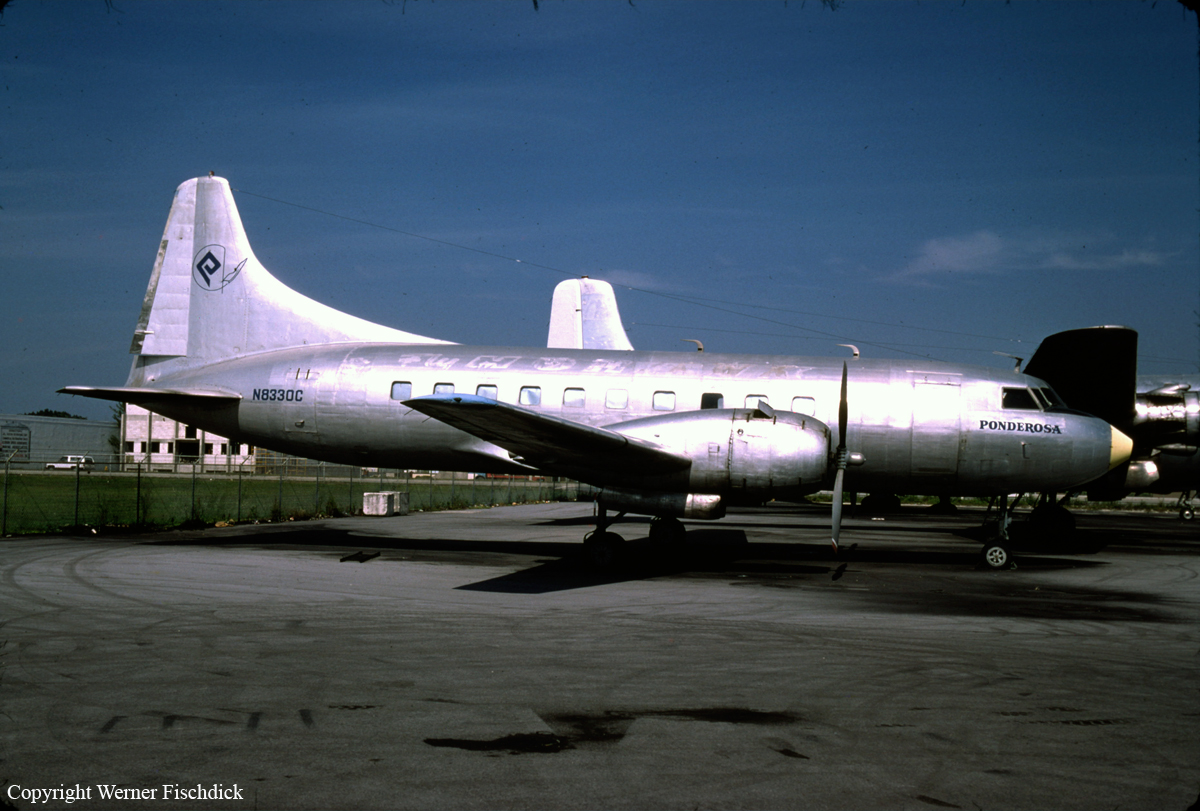
N8330C
Flight Phase:
Flight Type:
Survivors:
No
MSN:
109
YOM:
1948
Location:
Country:
Crew on board:
3
Crew fatalities:
Pax on board:
0
Pax fatalities:
Other fatalities:
Total fatalities:
3
Circumstances:
The airplane departed Port-au-Prince Airport on an illegal flight to the US. About 45 minutes after takeoff, the crew declared an emergency and reported a fire on the right engine and right wing. He was cleared to return to Port-au-Prince when the airplane went out of control and crashed into the sea few km offshore. The aircraft was destroyed and all three occupants were killed.

Probable cause:
Engine fire in flight for undetermined reasons.

Crash of an Antonov AN-2T near Novoangarsk

Date & Time: Jan 26, 1980
Type of aircraft:
Operator:
Registration:
CCCP-15933
Flight Phase:
Survivors:
Yes
Schedule:
Yeniseysk - Motygino
MSN:
1 149 473 04
YOM:
1960
Country:
Region:
Crew on board:
0
Crew fatalities:
Pax on board:
0
Pax fatalities:
Other fatalities:
Total fatalities:
0
Circumstances:
En route from Yeniseysk to Motygino, while cruising at an altitude of 900 meters in the region of the Pogromnaya River, the engine failed. The crew attempted an emergency landing when the airplane struck trees and crashed in a wooded area located 8 km north of Novoangarsk. All occupants were rescued and the aircraft was damaged beyond repair.


Probable cause:
Engine failure in flight caused by a poor quality fuel.

Crash of a Fairchild-Hiller FH-227B in Mandalay: 43 killed

Date & Time: Jan 24, 1980 at 0620 LT
Type of aircraft:
Operator:
Registration:
5003
Flight Type:
Survivors:
Yes
Site:
Schedule:
Mandalay - Yangon
MSN:
545
YOM:
1967
Country:
Region:
Crew on board:
5
Crew fatalities:
Pax on board:
39
Pax fatalities:
Other fatalities:
Total fatalities:
43
Circumstances:
Shortly after takeoff from Mandalay-Chianmyathazi (Annisaton) Airport, while in initial climb, the crew reported an engine failure and was cleared to return for an emergency landing. Following a circuit, on final, the airplane lost height and crashed on a tobacco factory. The airplane and the factory were totally destroyed. A passenger was seriously injured while 43 other occupants were killed. There were no casualties on the ground.
Probable cause:
Engine failure after takeoff for undetermined reasons.

Crash of a Cessna 411 in Columbus: 1 killed

Date & Time: Jan 24, 1980 at 0241 LT
Type of aircraft:
Registration:
N23RJ
Flight Phase:
Flight Type:
Survivors:
No
Schedule:
Columbus - Louisville
MSN:
411-0287
YOM:
1969
Crew on board:
1
Crew fatalities:
Pax on board:
0
Pax fatalities:
Other fatalities:
Total fatalities:
1
Captain / Total flying hours:
3300
Captain / Total hours on type:
20.00
Circumstances:
After takeoff from Columbus-Port Columbus Airport, while in initial climb, both engines suffered a partial loss of power. The airplane stalled, entered a spin and crashed in flames. The pilot, sole on board, was killed.
Probable cause:
Engine failure during initial climb after fuel system: pumps sheared. The following contributing factors were reported:
- The pilot failed to maintain flying speed,
- Inadequate preflight preparation on part of the pilot,
- Partial loss of power on both engines,
- Left engine fuel pump sheared,
- Left and right auxiliary fuel pumps found in low position.
Final Report:

Crash of a Douglas DC-3A in Bogotá: 4 killed

Date & Time: Jan 24, 1980
Type of aircraft:
Operator:
Registration:
HK-2214
Flight Phase:
Flight Type:
Survivors:
No
Schedule:
Bogotá - Bogotá
MSN:
11627
YOM:
1943
Country:
Crew on board:
4
Crew fatalities:
Pax on board:
0
Pax fatalities:
Other fatalities:
Total fatalities:
4
Circumstances:
The aircraft was engaged in a local test flight at Bogotá-El Dorado Airport, carrying four crew members, two pilots and two engineers. After passing over runway 12 at an altitude of about 200 feet, the pilot was able to send a brief mayday message when the airplane banked left and crashed in flames. The aircraft was destroyed and all four occupants were killed.
Probable cause:
The exact cause of the accident could not be determined. At impact, the left propeller was feathered while no technical anomalies was detected on the left engine. Nevertheless, it was determined that the forward bearing and connecting rod were seized on the right engine. It was also reported that the pilot-in-command was not qualified on such aircraft type.

Crash of a Boeing 727-86 near Tehran: 128 killed

Date & Time: Jan 21, 1980 at 1911 LT
Type of aircraft:
Operator:
Registration:
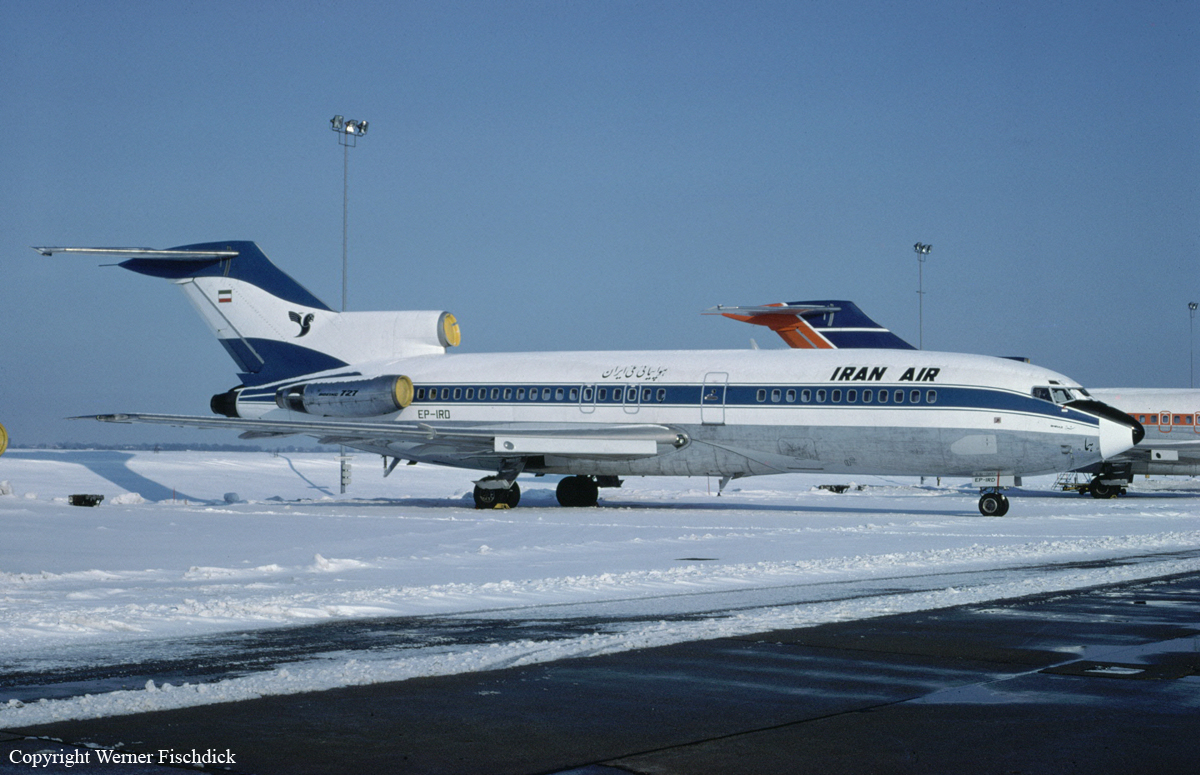
EP-IRD
Survivors:
No
Site:
Schedule:
Mashhad - Tehran
MSN:
19817/537
YOM:
1968
Flight number:
IR291
Country:
Region:
Crew on board:
8
Crew fatalities:
Pax on board:
120
Pax fatalities:
Other fatalities:
Total fatalities:
128
Circumstances:
On the day of the accident, Iranian air traffic controllers went on strike, which led to hundreds of domestic flights being cancelled. At 1600LT the strike was interrupted and flights resumed. At 1740LT, the airplane departed Mashad Airport on schedule service IR291 to Tehran-Mehrabad Airport with 120 passengers and a crew of eight on board. At 1852LT, ATC based at Tehran-Mehrabad Airport cleared the crew for a direct approach to runway 29. At 1905LT, the dispatcher instructed the crew to take a 360° heading to reach the non-directional beacon of Varamin. On approach, the copilot informed the captain that the VORTAC was giving a wrong radial course but the captain failed to respond to this message. At 1911LT, while descending in limited visibility due to night, snow falls and foggy conditions, the airplane struck the slope of a mountain located in the Alborz Mountain Range. The wreckage was found few hours later in a snow covered terrain about 29 km north of Tehran Airport. The aircraft disintegrated on impact and none of the 128 occupants survived the crash.
Probable cause:
It is believed that the accident was the consequence of a controlled flight into terrain, favored by an inoperable instrument landing system (ILS) of runway 29, when the ground radar was inoperative. The accident occurred just three hours after the Iranian air traffic controllers had resumed work after a strike period till 1600LT. The lack of visibility due to night and poor weather conditions remains a contributing factor.