Crash of a Let L-410UVP-E20 in Nelkan: 6 killed

Date & Time: Nov 15, 2017 at 1309 LT
Type of aircraft:
Operator:
Registration:
RA-67047
Survivors:
Yes
Schedule:
Khabarovsk - Chumikan - Nelkan
MSN:
15 30 10
YOM:
2015
Flight number:
RNI463
Country:
Region:
Crew on board:
2
Crew fatalities:
Pax on board:
5
Pax fatalities:
Other fatalities:
Total fatalities:
6
Captain / Total flying hours:
12076
Captain / Total hours on type:
1243.00
Copilot / Total flying hours:
1220
Copilot / Total hours on type:
837
Aircraft flight hours:
1693
Aircraft flight cycles:
1071
Circumstances:
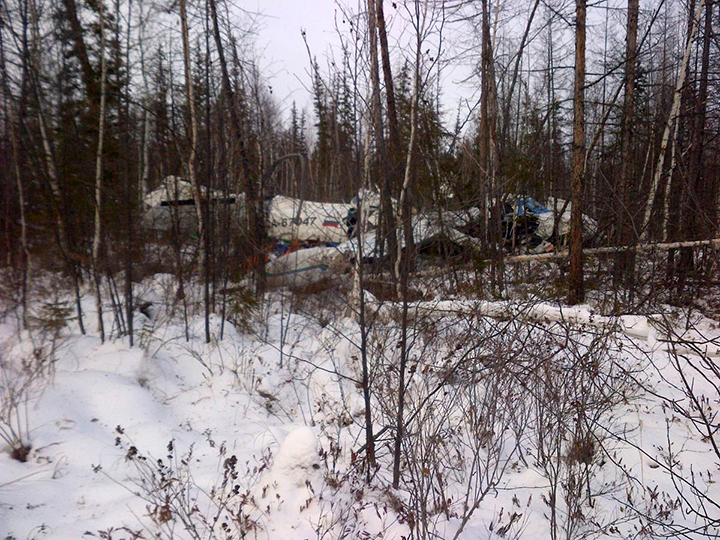
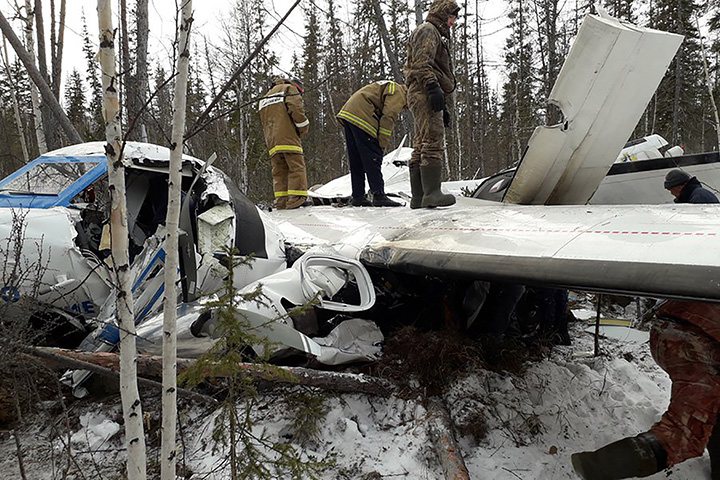
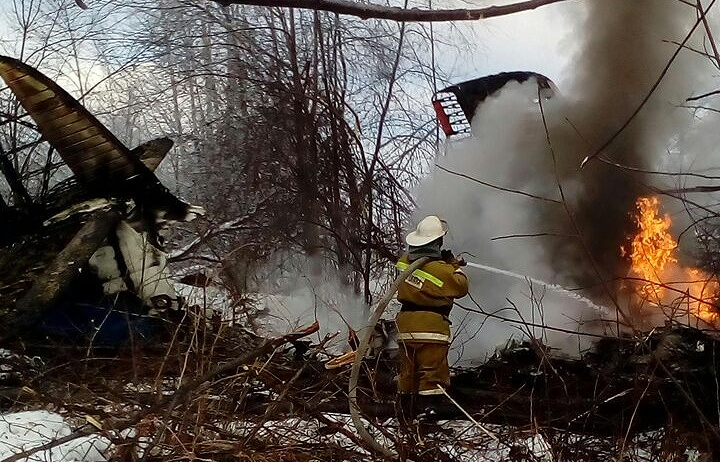
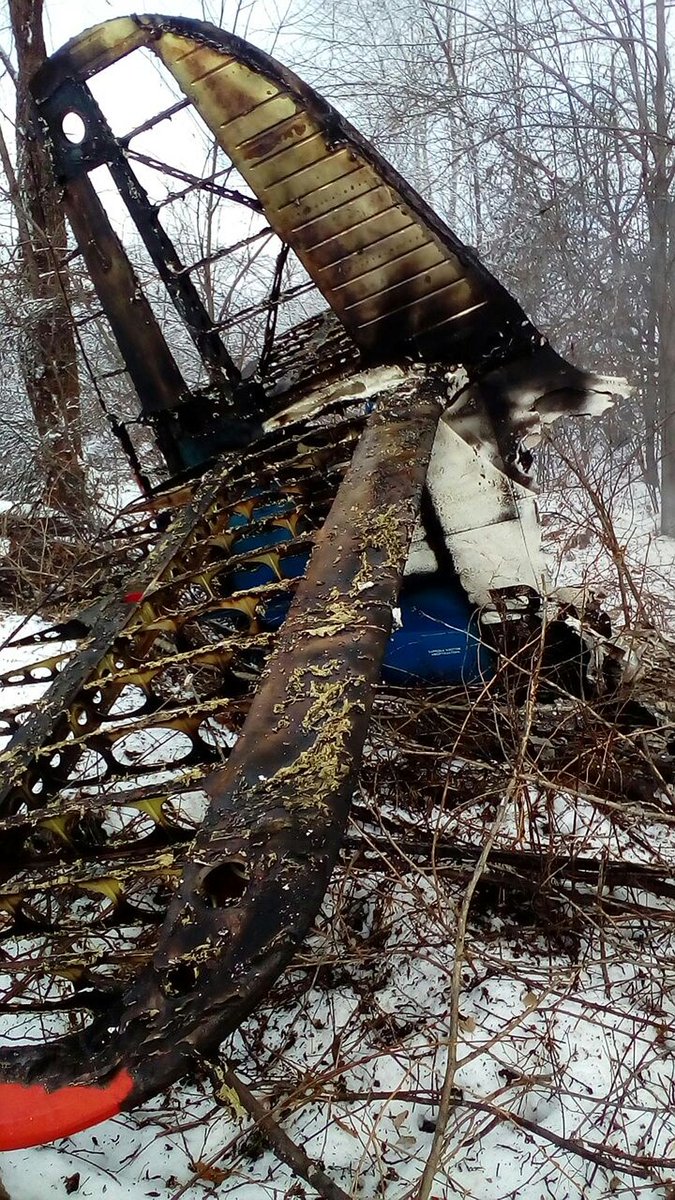
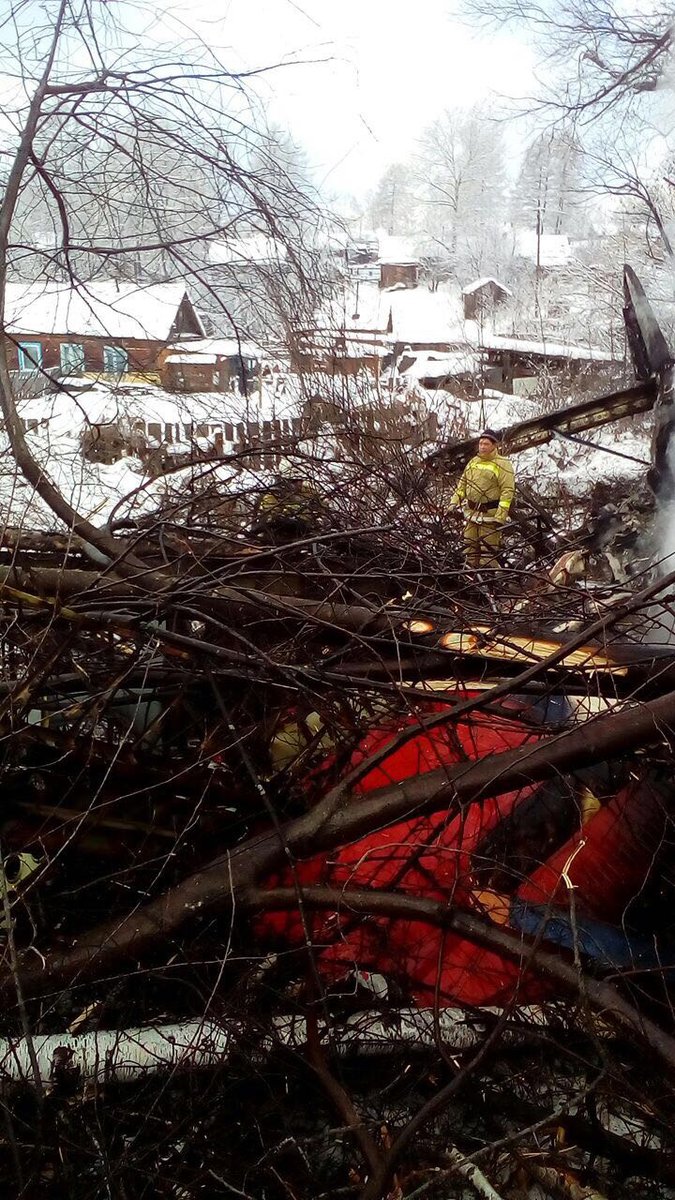
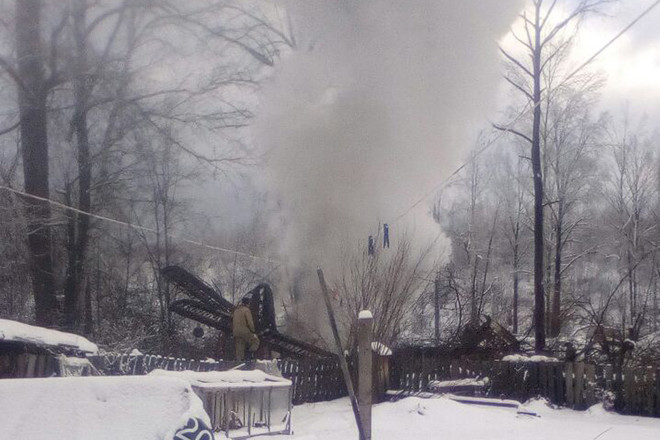
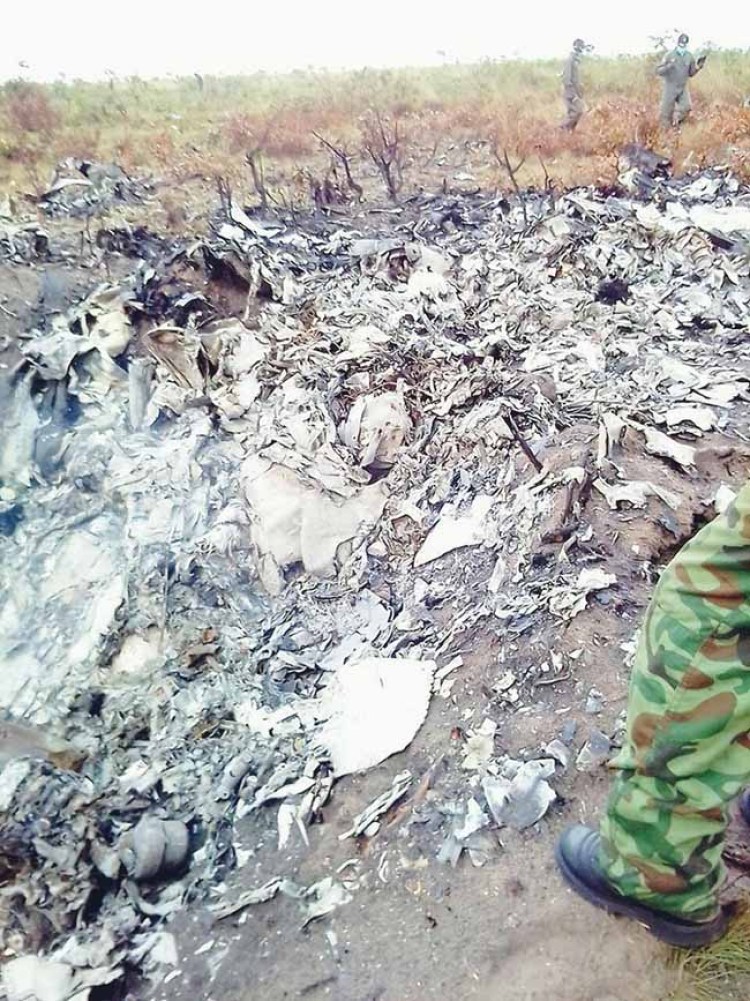
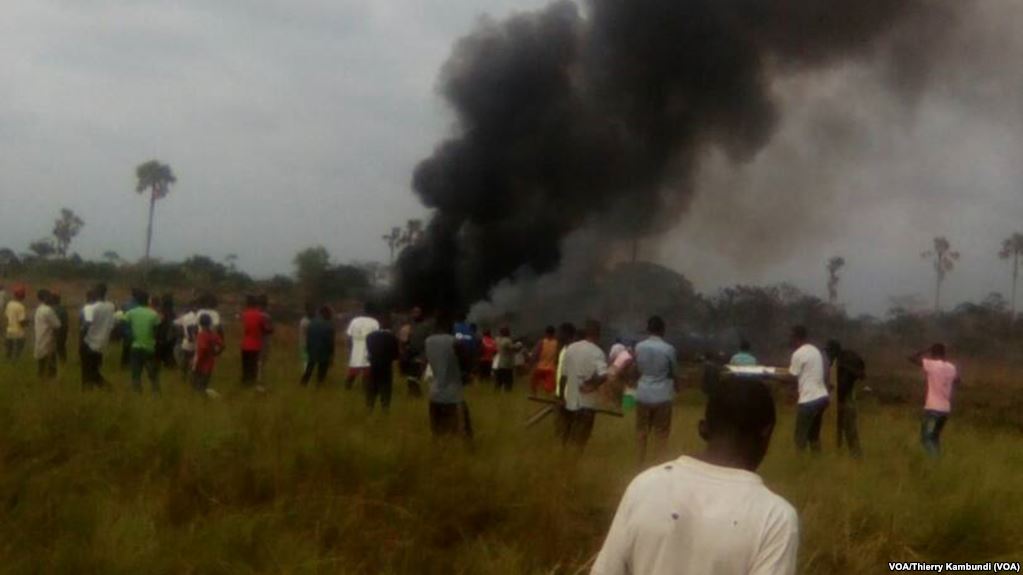
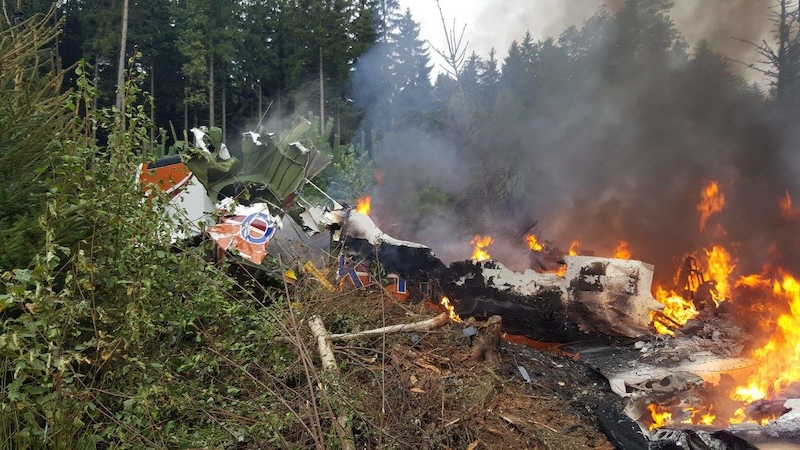
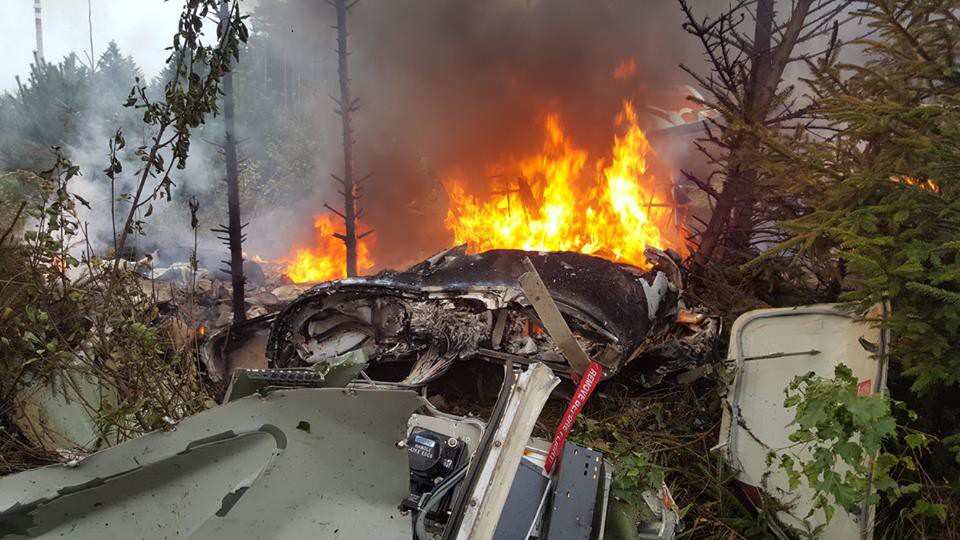
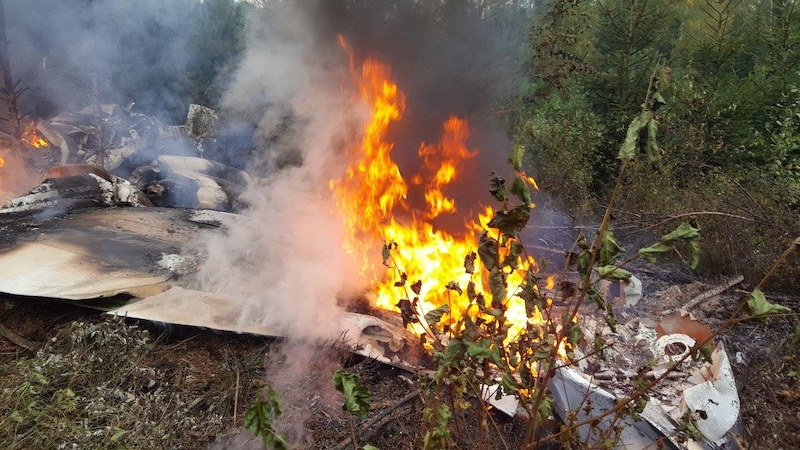
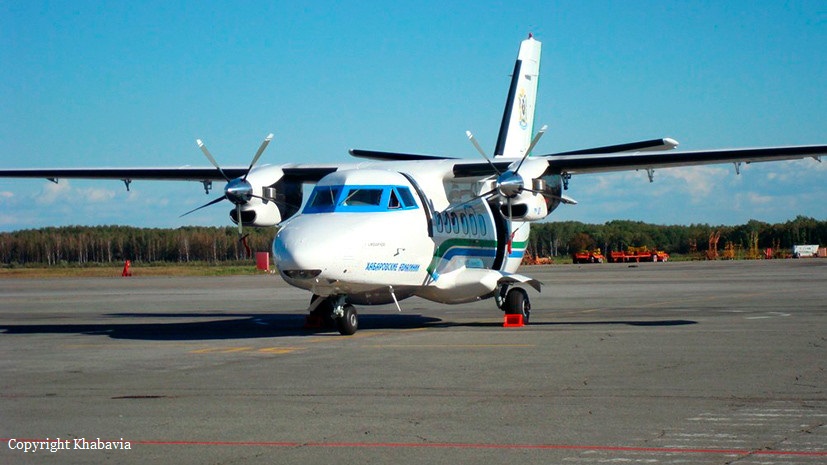
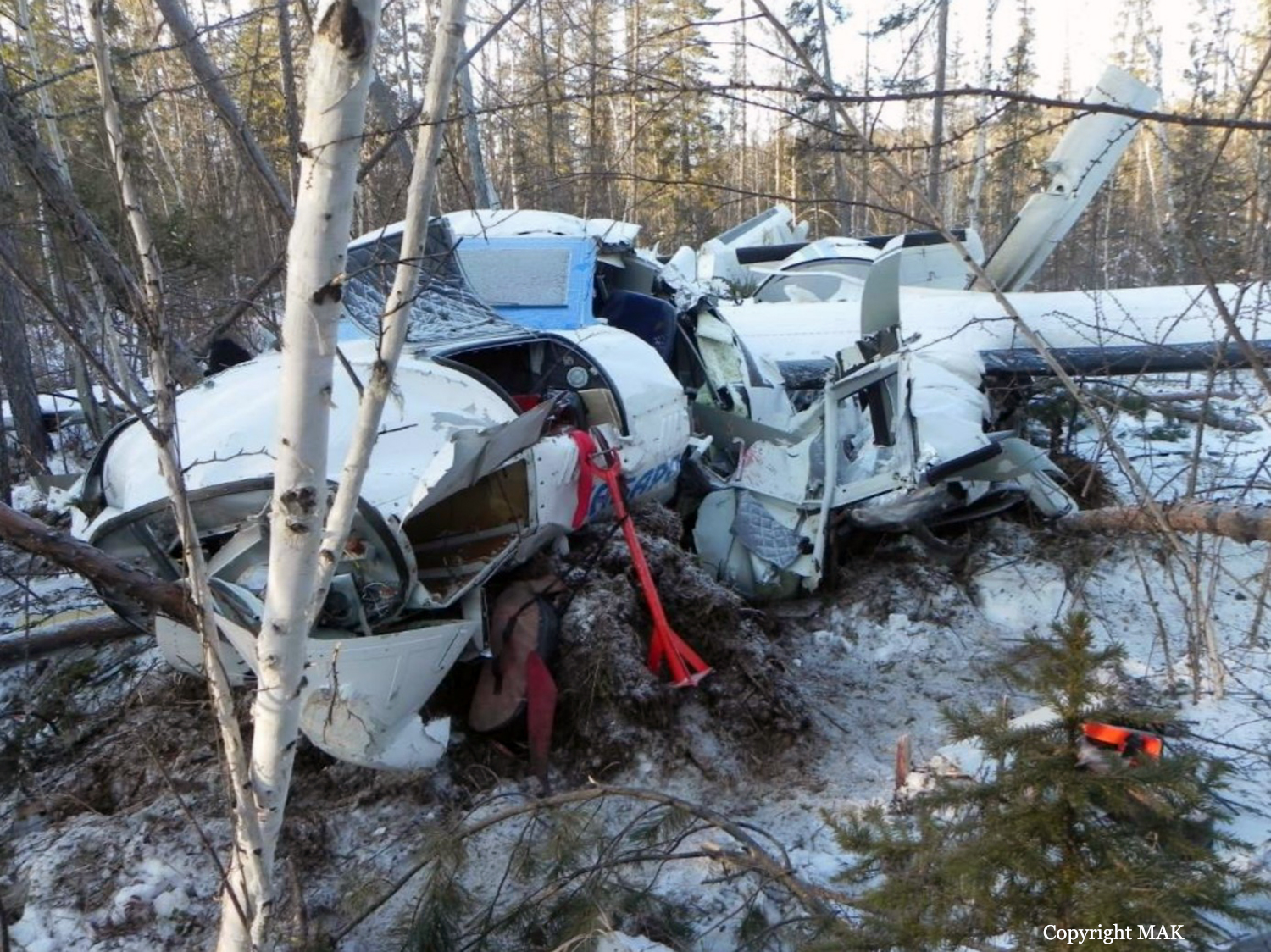
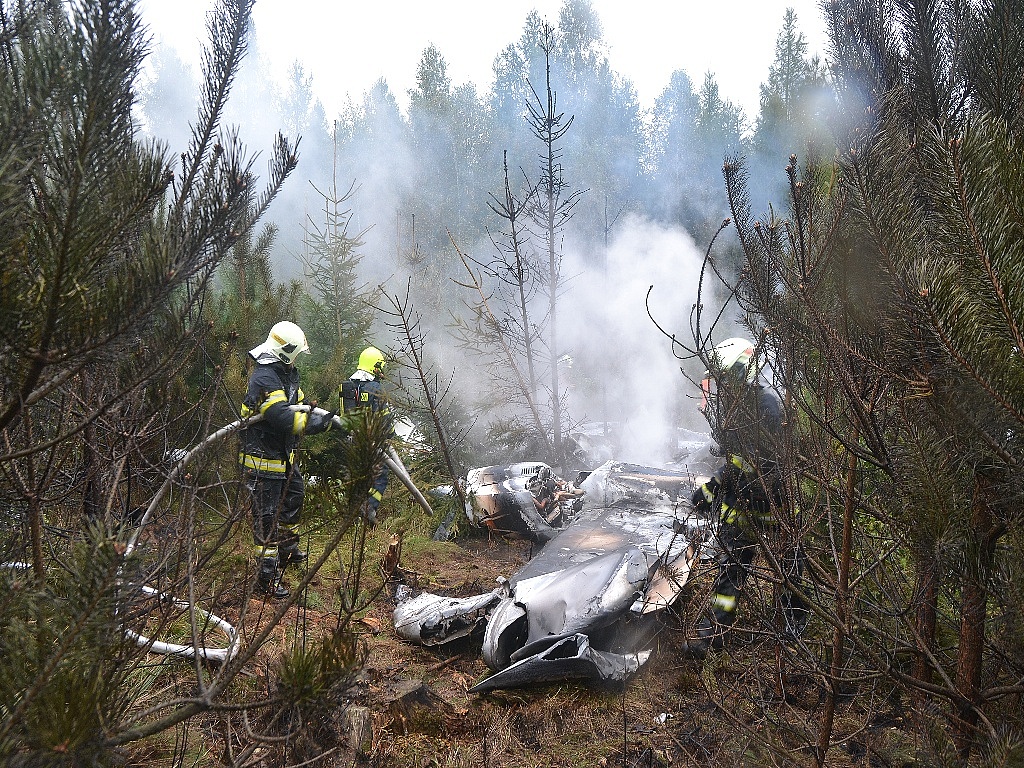
On 14.11.2017, Khabarovsk Airlines' representative submitted the flight request for L-410UVP-E20 RA-67047 A/C flight to Joint ATM System Khabarovsk regional unit; the flight (NI 463) was planned along the route Khabarovsk – Nikolayevsk-on-Amur – Nelkan. On 14.11.2017 at 22:00 (local time: on 15.11.2017 at 08:00) at Khabarovsk airport, the preflight preparation was started including the medical examination. While the preflight preparation was being performed, new information was received that Nikolayevsk-on-Amur airport was closed due to the RWY snow removal. In coordination with ATC of Nikolayevsk-on-Amur airport, it was decided to change the route as follows: Khabarovsk – Chyumican – Nelkan. Before coming onboard the crew passed all mandatory preflight procedures as required by the normative documentation. On 15.11.2017, before the departure, Khabarovsk Airlines' technicians provided the line maintenance check in accordance with the F-A Form (Maintenance Job Card #687). No findings in relation to the aircraft and/or systems' operation were reported. The total amount of fuel on board was 1250 kg. The flight crew obtained all the necessary weather information (actual and forecast) during of the preflight weather briefing. The actual weather and the weather forecast for the departure aerodrome, on route weather, the weather forecast for the destination and alternate aerodromes – all met the FAP-128 (Russian FAR) requirements stated in items 5.30 and 5.38, and did not preclude the PIC's decision for departure. There were 2 crew members, 5 passengers and 410 kg of cargo (personal luggage and mail) onboard. The A/C takeoff mass was 6368 kg and the A/C center of gravity was at 25.5% MAC, which was within the AFM limits for the flight. The takeoff from Khabarovsk airport was performed at 23:33. 50 minutes before the approach to Chyumikan aerodrome, the flight crew checked the remaining fuel and requested the Khabarovsk ATC controller for the route change (AFIL): after passing of the OGUMI waypoint to follow the B226 airway to Nelkan destination airport without a stop at Chyumikan. According the initial flight plan, the stop at Chyumikan was intended only for refueling. On 15.11.2017 at 01:47 the Khabarovsk ATC approved the AFIL. At 02:35 the crew contacted the Nelkan Tower controller and received the approach conditions and the actual weather at the landing site. During the approach, at the true height of about 100 m and IAS of about 100 knots, developing the aggressive right roll and losing its altitude, the aircraft left the descending glidepath, collided with the ground and was destroyed. The crew and 4 passengers were killed. A 3-and-half year old child was taken to hospital with serious injuries. Nobody was killed on ground and there was no on-ground damage. The accident area is mountainous, marshy, with broad-leaved and needle-leaved trees. In winter, the area is covered with snow which is about 50-100 cm deep. The accident place ASL elevation is 304 m, the magnetic dip is minus 15°.
Probable cause:
The direct cause of the L410UVP-E20 RA-67047 A/C accident was the uncommanded inflight RH engine propeller blades setting to the angle of minus 1.8° which is significantly below the
minimum inflight pitch angle (13.5°) with TCLs set to forward thrust. It caused the significant rolling and turning moments, the A/C loss of speed and controllability, and the subsequent with the ground collision. The propeller blades' setting to the negative angles was caused by the failures of two systems: the BETA Feedback system and the Pitch Lock system. As the Propeller Pitch Lock system components that are to be tested during the PITCH LOCK TEST most probably did not contribute to the system malfunction, then it is unlikely that the crews' deviation of the PITCH LOCK TEST procedure could have make any difference in the detection of the said system malfunction before the flight. The said situation had been classified as extremely improbable during the aircraft type certification, so, there was no required crew actions in AFM for such situations, and the respective crew training was not required.
Final Report:
Crash of a PZL-Mielec AN-2 in Ekimchan: 1 killed

Date & Time: Nov 7, 2017 at 0825 LT
Type of aircraft:
Operator:
Registration:
RA-02305
Flight Type:
Survivors:
Yes
Schedule:
Ekimchan - Udskoye
MSN:
1G240-07
YOM:
1990
Flight number:
SHA9001
Country:
Region:
Crew on board:
2
Crew fatalities:
Pax on board:
0
Pax fatalities:
Other fatalities:
Total fatalities:
1
Captain / Total flying hours:
5253
Captain / Total hours on type:
2500.00
Copilot / Total flying hours:
13550
Copilot / Total hours on type:
10000
Aircraft flight hours:
2483
Aircraft flight cycles:
8807
Circumstances:
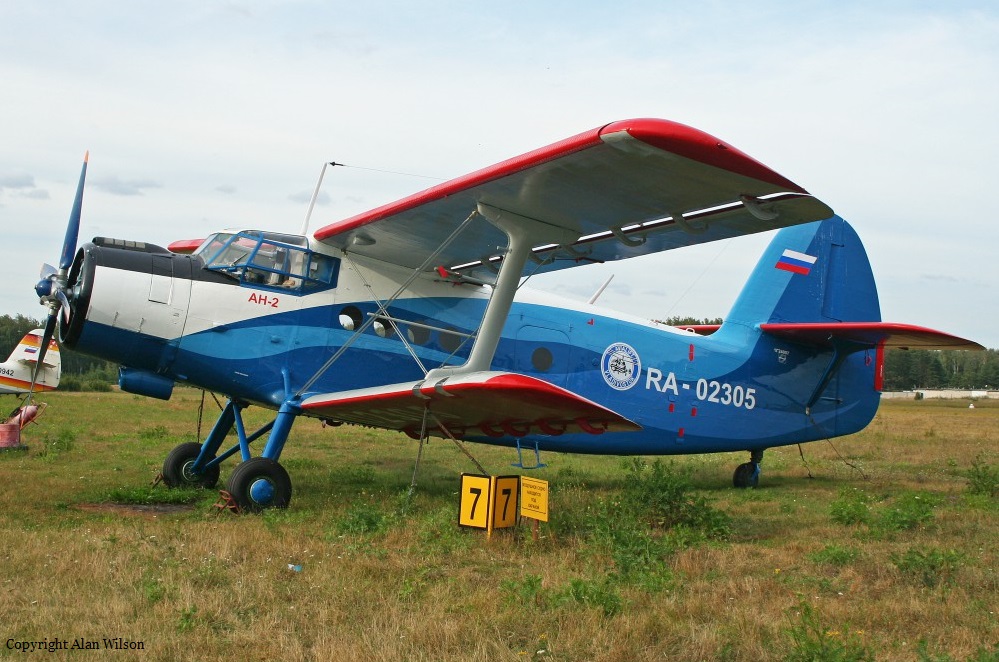
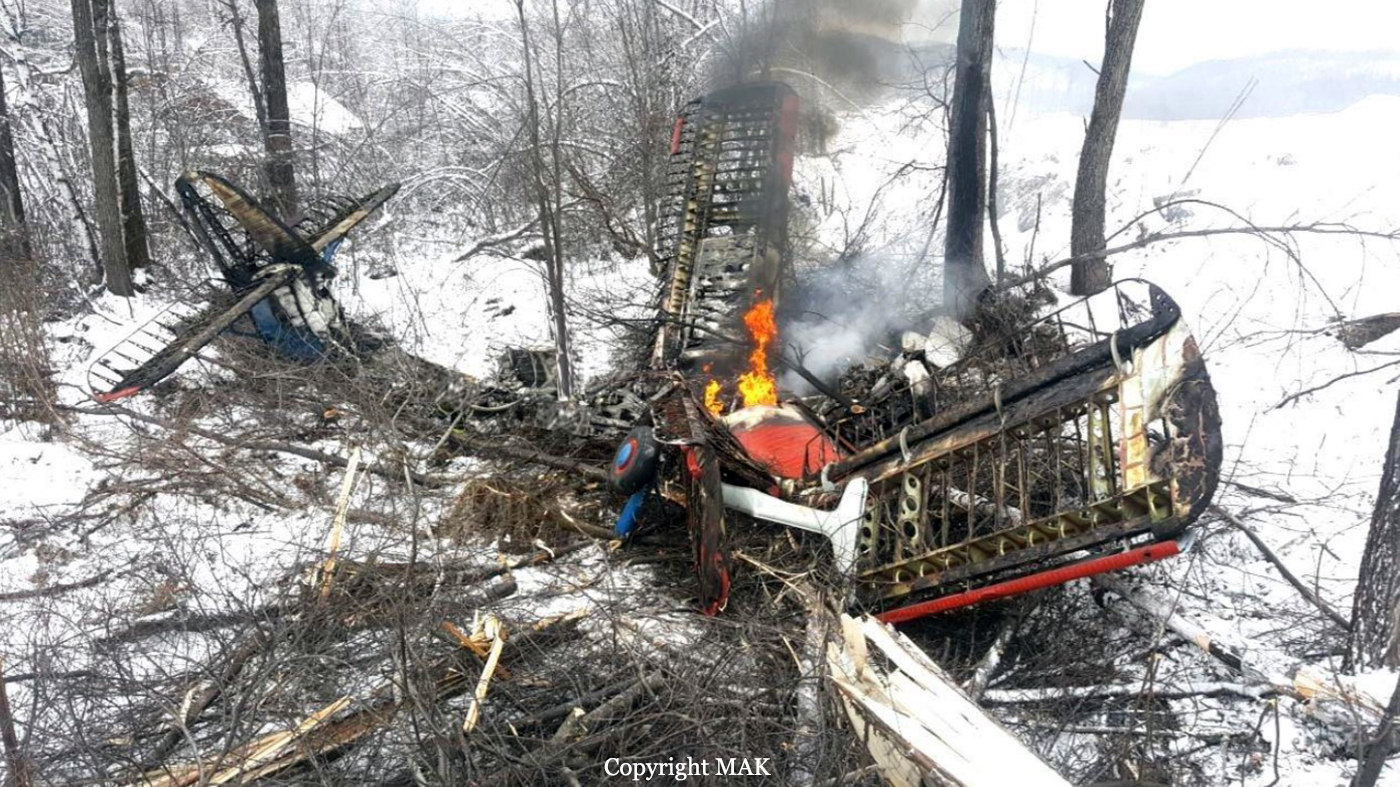
The single engine airplane depart Ekimchan Airport at 0834LT on a cargo flight to Udskoye, carrying two pilots and a load of 1,199 kilos of various goods. Six minutes after takeoff, while climbing to an altitude of 1,600 metres, the crew noticed a strong smell of fuel in the cockpit and decided to return. During the descent, flames came out from the engine that started to rough and eventually stopped on short final. The airplane stalled, impacted a birch tree and crashed in a wooded area located 132 metres short of runway 06, bursting into flames. The copilot was killed and the captain was seriously injured. The aircraft was totally destroyed by a post crash fire.
Probable cause:
The crash of An-2 RA-02305 aircraft occurred during the forced landing. The necessity of the forced landing was caused by the engine stopping in flight due to the destruction of the cylinder head No.1 of the ASH62-IR engine No.K16509153. The destruction of cylinder head No. 1 is of fatigue nature and occurred due to exhaustion of fatigue life of the cylinder head material and reaching its limit state. Most likely, during the last repair of the engine the crack in the cylinder head was present, but was not through and was not revealed during the inspection. The most likely contributing factor to stopping the engine in flight was the impoverishment of the fuel-air mixture due to icing of the BAC filter mesh and the presence of a rubber plug on the filter flange of the corrector.
Final Report:
Crash of a Swearingen SA227AC Metro III in Thompson

Date & Time: Nov 2, 2017 at 1920 LT
Type of aircraft:
Operator:
Registration:
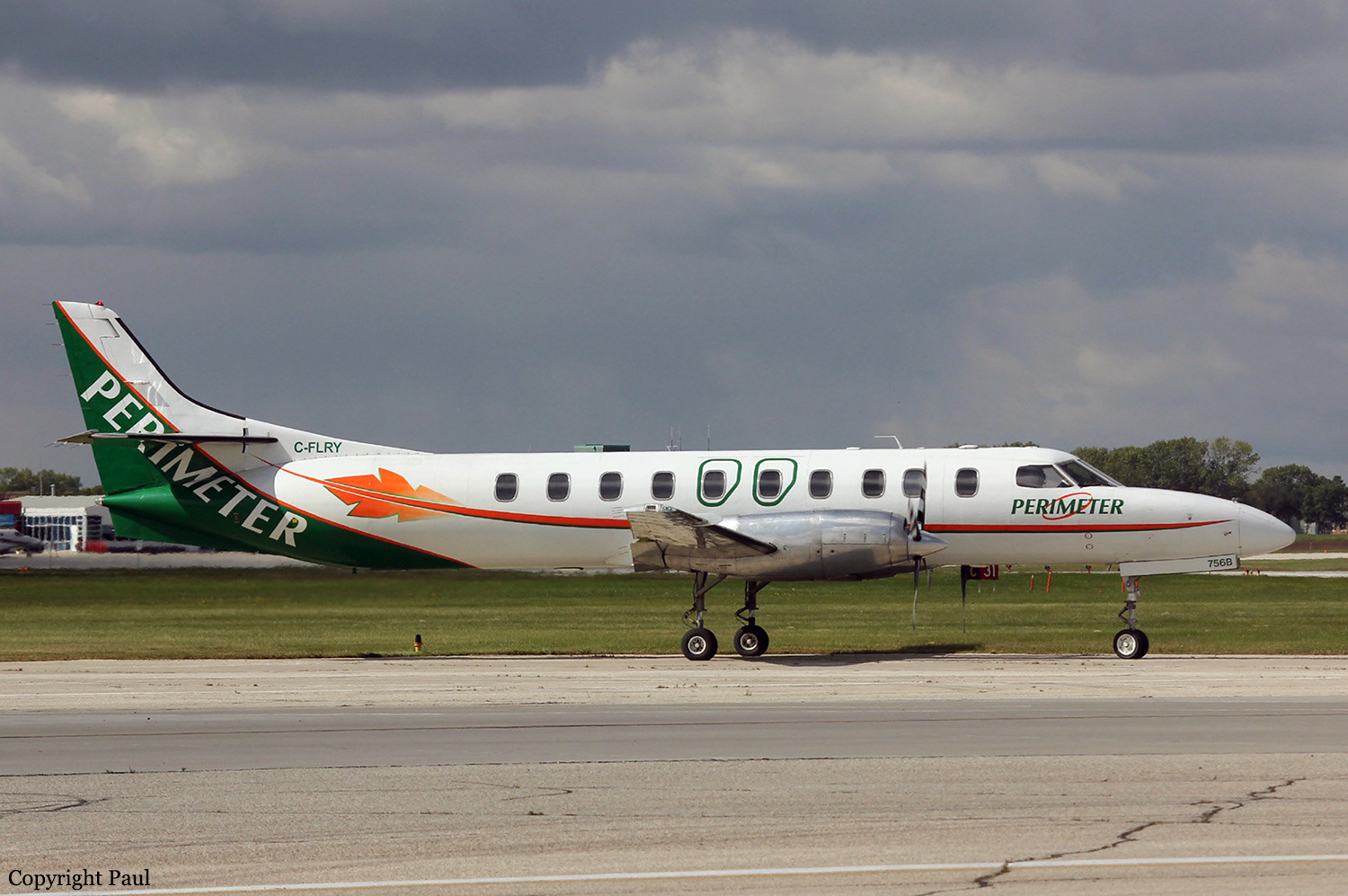
C-FLRY
Flight Type:
Survivors:
Yes
Schedule:
Gods River – Thompson
MSN:
AC-756
YOM:
1990
Flight number:
PAG959
Country:
Crew on board:
2
Crew fatalities:
Pax on board:
0
Pax fatalities:
Other fatalities:
Total fatalities:
0
Captain / Total flying hours:
1400
Captain / Total hours on type:
1000.00
Copilot / Total flying hours:
950
Copilot / Total hours on type:
700
Aircraft flight hours:
24672
Circumstances:
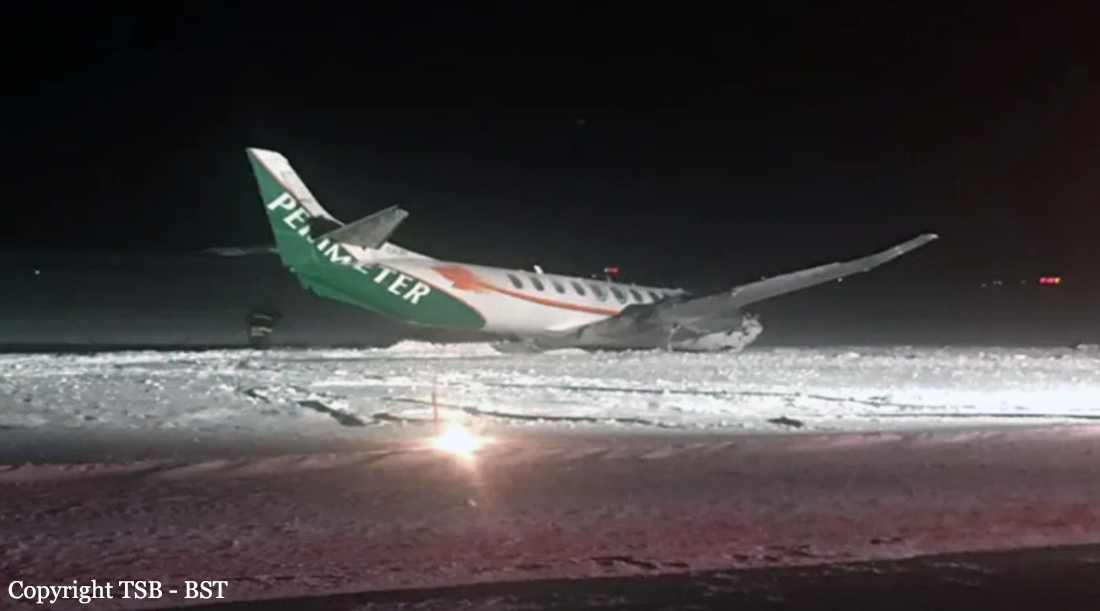
On 02 November 2017, a Perimeter Aviation LP Fairchild SA227-AC Metro III (serial number AC-756B, registration C-FLRY) was operating as flight 959 (PAG959) from Gods River Airport, Manitoba, to Thompson Airport, Manitoba, with 2 flight crew members on board. When the aircraft was approximately 40 nautical miles southeast of Thompson Airport, the crew informed air traffic control that they had received a low oil pressure indication on the left engine that might require the engine to be shut down. The crew did not declare an emergency, but aircraft rescue and firefighting services were put on standby. After touchdown on Runway 24 with both engines operating, the aircraft suddenly veered to the right and exited the runway. The aircraft came to rest in snow north of the runway. The captain and first officer exited the aircraft through the left side over-wing emergency exit and were taken to hospital with minor injuries. The aircraft was substantially damaged. The 406-MHz emergency locator transmitter did not activate. The occurrence took place during the hours of darkness, at 1920 Central Daylight Time.
Probable cause:
Findings as to causes and contributing factors:
1. The left engine low oil pressure indications during the previous and the occurrence flights were likely the result of a steady oil leak past the rear turbine air-oil seal assembly.
2. The loss of engine oil pressure resulted in a loss of propeller control authority on landing and the upset of the aircraft.
3. After consultation with maintenance, the crew considered the risks associated with landing single engine and without hydraulic pressure for the nose-wheel steering, and decided to continue the flight with both engines running, even though this was not consistent with the QRH procedures for low oil pressure indications.
4. Carbon deposits that accumulated within the inside diameter of the bellows convolutions interfered with the bellows’ ability to expand and to provide a positive seal against the rotor seal.

Findings as to risk:
1. If Canadian Aviation Regulations (CARs) subparts 703 and 704 operators do not provide initial or recurrent crew resource management training to pilots, these pilots may not be prepared to avoid, trap, or mitigate crew errors encountered during flight.
2. If operators of the SA227-AC Metro III aircraft rely solely on the emergency procedures listed in the aircraft flight manual, continued engine operation with low oil pressure may result in loss of control of the aircraft.
3. If an engine is not allowed to sufficiently cool down prior to shutdown, oil that remains trapped within hot areas of the engine may heat up to a point where the oil decomposes, creating a carbon deposit.
4. If flight data, voice, and video recordings are not available to an investigation, the identification and communication of safety deficiencies to advance transportation safety may be precluded.

Other findings:
1. The investigation was unable to determine the length of cooldown periods for the occurrence aircraft. However, a random sampling of engine shutdowns for similar company aircraft showed that 50% had not completed the full 3-minute cooldown period.
2. Despite having received limited crew resource management (CRM).
Final Report:
Crash of an Embraer EMB-120RT Brasília near Cuilo: 7 killed

Date & Time: Oct 12, 2017 at 1715 LT
Type of aircraft:
Operator:
Registration:
D2-FDO
Flight Phase:
Flight Type:
Survivors:
No
Schedule:
Dundo – Luanda
MSN:
120-082
YOM:
1988
Country:
Region:
Crew on board:
3
Crew fatalities:
Pax on board:
4
Pax fatalities:
Other fatalities:
Total fatalities:
7
Circumstances:
The twin engine aircraft departed Dundo Airport at 1658LT on an ambulance flight to Luanda, carrying three doctors, one patient from South Africa and three crew members. About 15 minutes into the flight, the crew reported engine problems when one of them caught fire shortly later. The airplane went out of control and crashed in an open field located near Cuilo, about 170 km southwest of Dundo. All seven occupants were killed.

Crash of an Antonov AN-12B near Kinshasa: 12 killed

Date & Time: Sep 30, 2017 at 0730 LT
Type of aircraft:
Operator:
Registration:
EX-001
Flight Phase:
Flight Type:
Survivors:
No
Schedule:
Kinshasa – Bukavu
MSN:
5 3 436 06
YOM:
1965
Region:
Crew on board:
6
Crew fatalities:
Pax on board:
6
Pax fatalities:
Other fatalities:
Total fatalities:
12
Circumstances:
The four engine aircraft departed Kinshasa-N'Djili Airport on a flight to Bukavu, carrying ammunition and two vehicles. Few minutes after takeoff, the crew reported technical problems and was cleared for an immediate return. Shortly later, the aircraft entered an uncontrolled descent and crashed in a prairie located in Nsele, about 20 km northeast of the airport, bursting into flames. The aircraft was destroyed and all 12 occupants were killed.

Crash of a Cessna 421B Golden Eagle II in Noviny pod Ralskem: 2 killed

Date & Time: Sep 26, 2017 at 0736 LT
Operator:
Registration:
OK-TKF
Flight Phase:
Survivors:
No
Schedule:
Příbram – Gdansk
MSN:
421B-0931
YOM:
1975
Region:
Crew on board:
1
Crew fatalities:
Pax on board:
1
Pax fatalities:
Other fatalities:
Total fatalities:
2
Captain / Total flying hours:
675
Captain / Total hours on type:
47.00
Aircraft flight hours:
6381
Aircraft flight cycles:
6797
Circumstances:
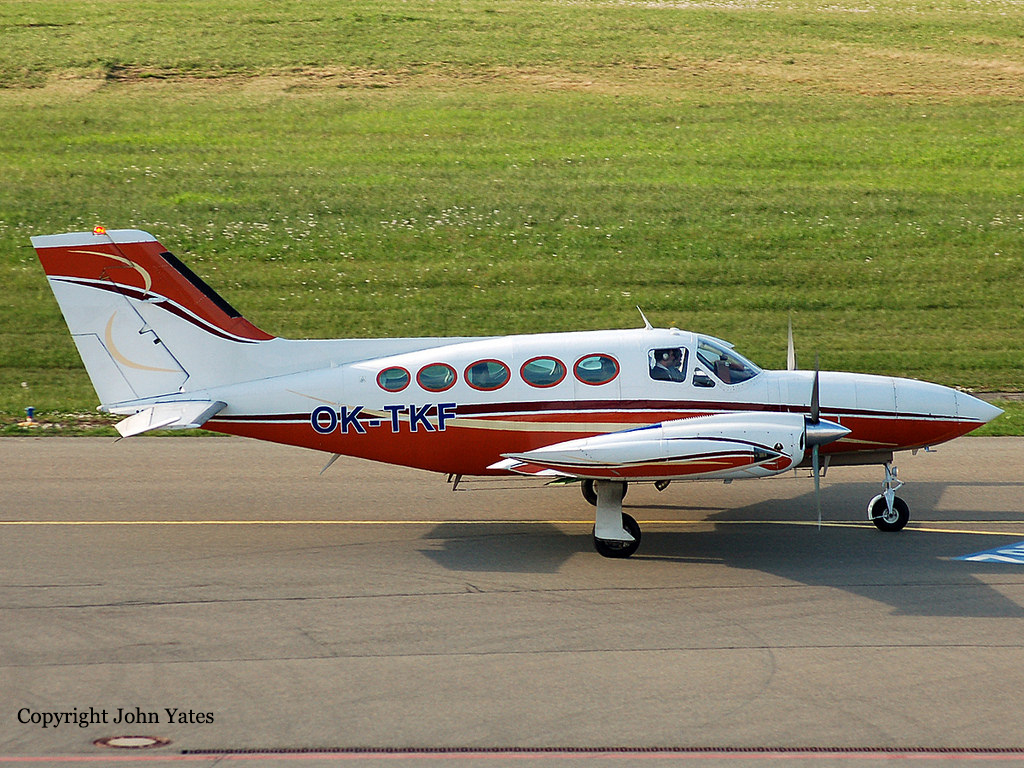
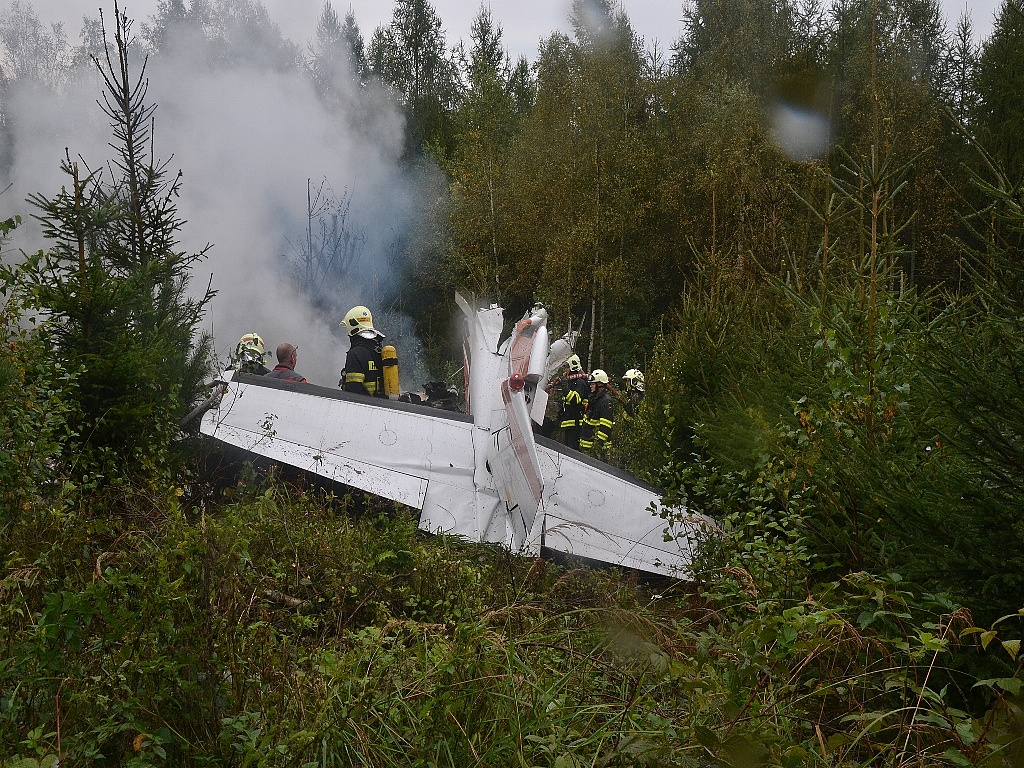
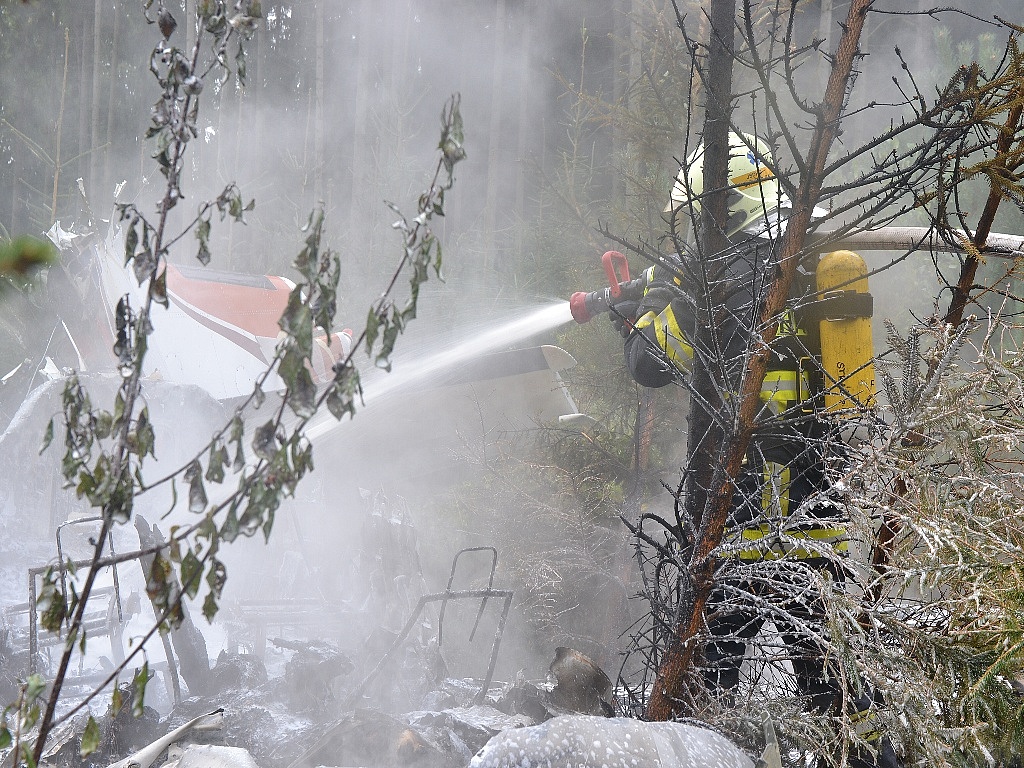
The twin engine airplane departed Příbram Airport Runway 06 at 0705LT on a charter flight to Gdansk, carrying one passenger and one pilot. About 30 minutes into the flight, while cruising at an altitude of 14,100 feet, the pilot was cleared to climb to FL180 when he declared an emergency and reported the failure of both engines. The aircraft entered an uncontrolled descent and crashed in a wooded area located 1,5 km northeast of Noviny pod Ralskem, bursting into flames. The aircraft was destroyed by impact forces and a post crash fire and both occupants were killed.
Probable cause:
The cause of the accident was an inner mechanical defect in the left engine past its stipulated TSO. The defect caused a forced stall of the engine. For this reason, the propeller on this engine could not be feathered. During the shutdown of the right engine, the feathering of the propeller on this engine did not take place. The aircraft entered to the fall and a stall-spin in which it fell to the ground.
Contributing factors:
- The left engine TSO was over the stipulated limit of 12 years. (The last general overhaul was performed on 29 October 2001.),
- Limited experience of the pilot on this type of aircraft.
Final Report:
Crash of a Cessna 650 Citation VII in Istanbul

Date & Time: Sep 21, 2017 at 2116 LT
Type of aircraft:
Operator:
Registration:
TC-KON
Survivors:
Yes
Schedule:
Istanbul - Ercan
MSN:
650-7084
YOM:
1998
Country:
Region:
Crew on board:
3
Crew fatalities:
Pax on board:
1
Pax fatalities:
Other fatalities:
Total fatalities:
0
Circumstances:
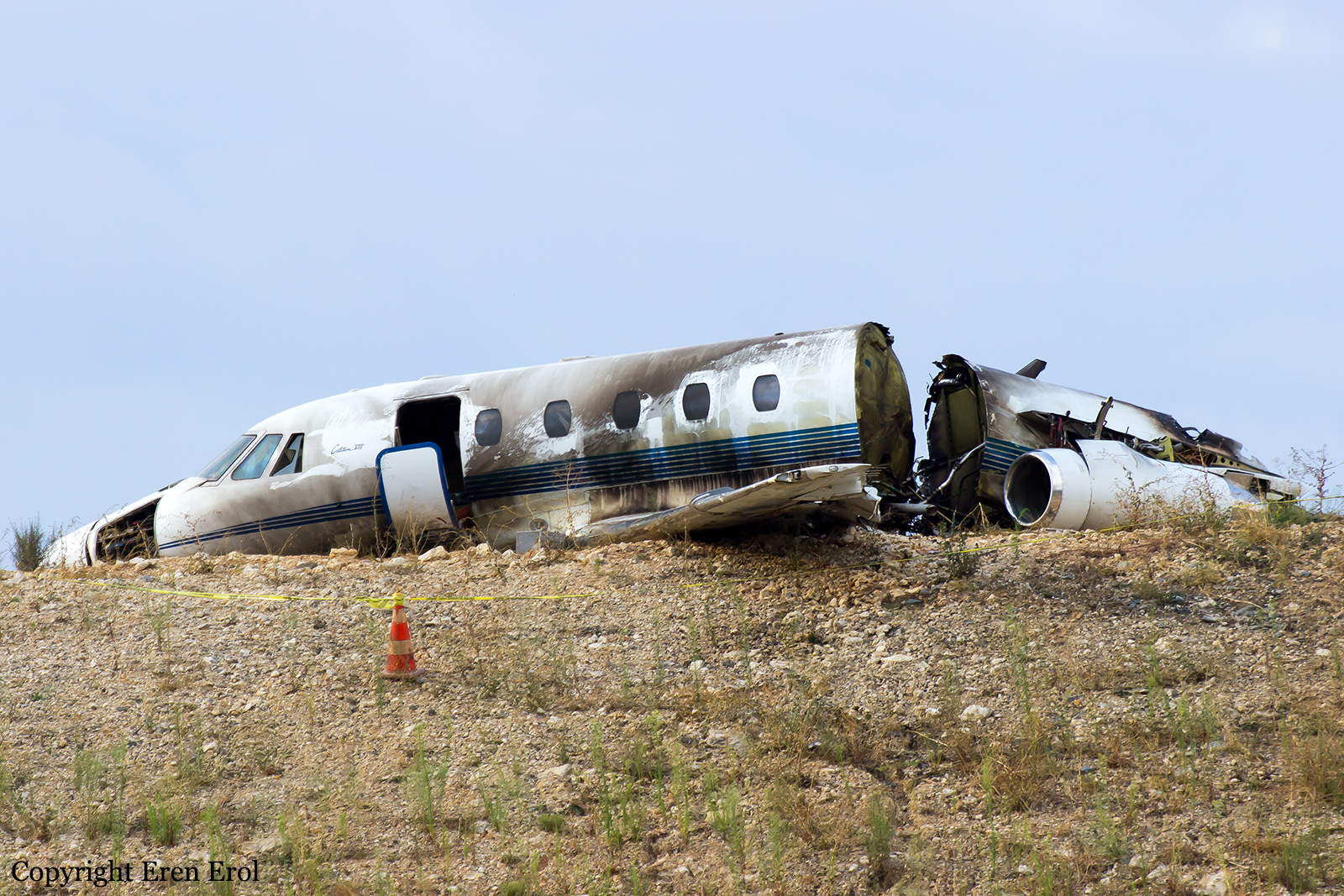
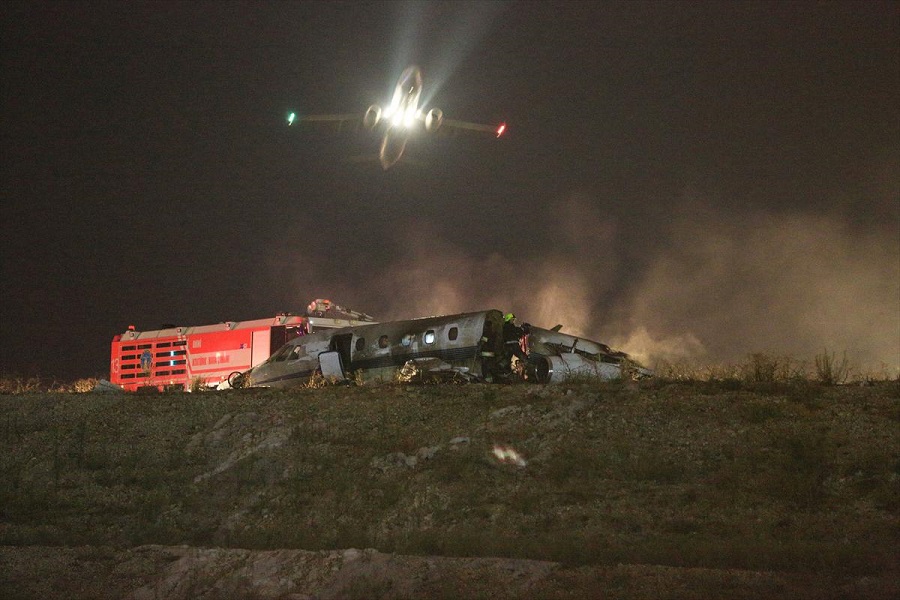
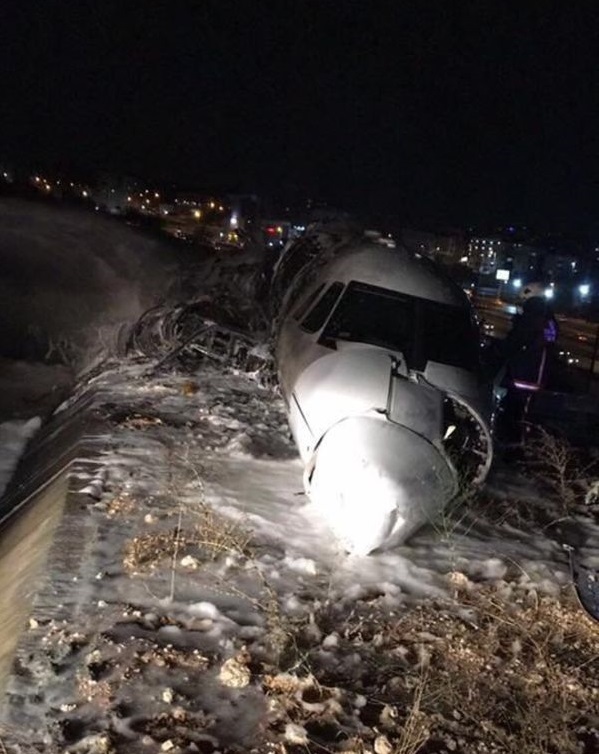
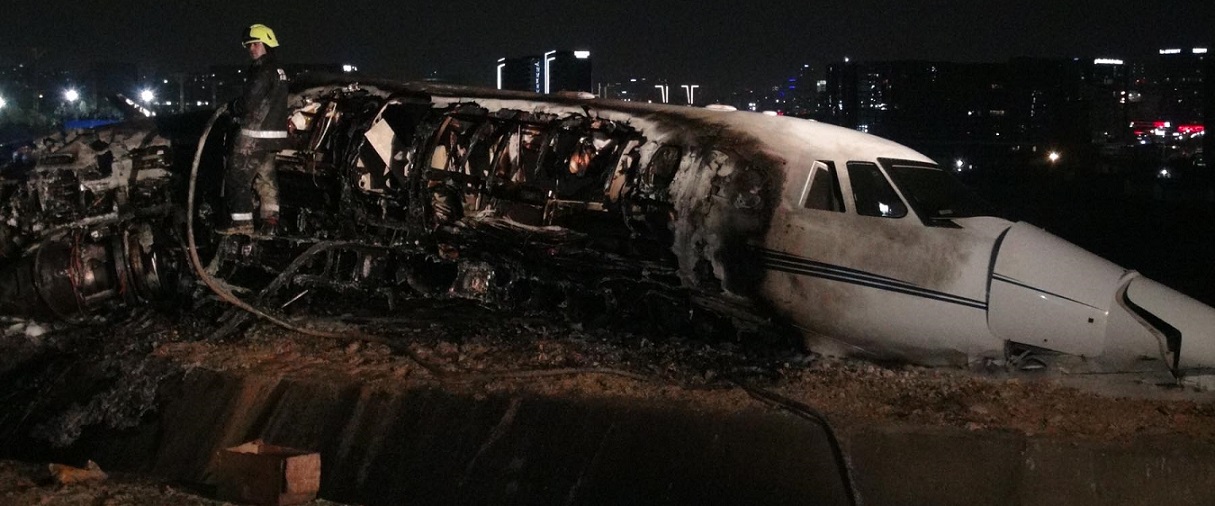
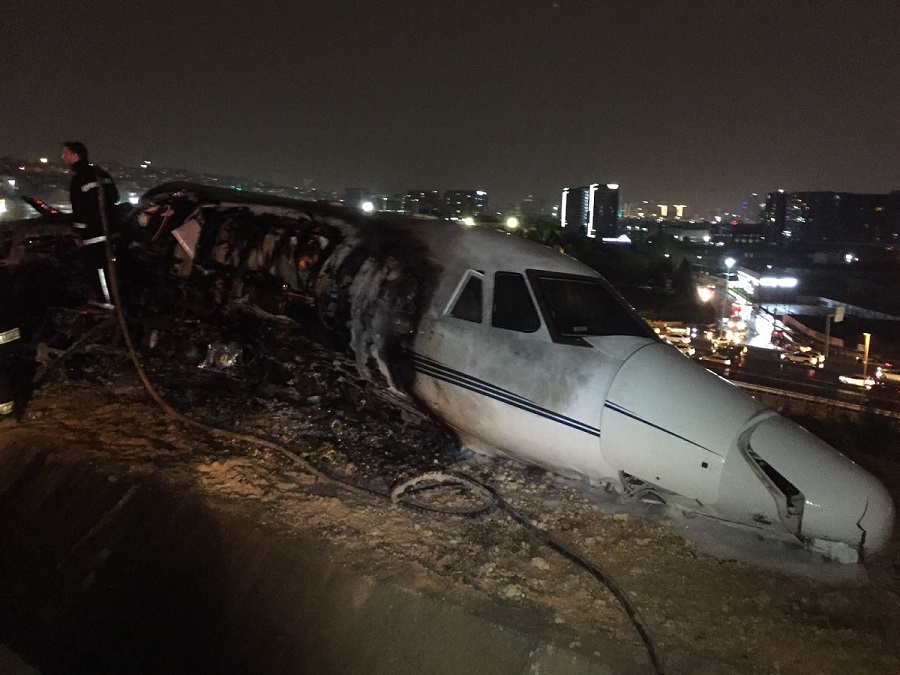
The aircraft departed Atatürk Airport in Istanbul at 2105LT bound for Ercan with a crew of three and one passenger on board. Shortly after takeoff, an unexpected situation forced the crew to return for an emergency landing. After touchdown on runway 35L, the twin engine aircraft went out of control, veered off runway, struck a concrete drainage ditch and came to rest, broken in two and bursting into flames. All four occupants evacuated safely while the aircraft was destroyed by a post crash fire.

Crash of a Cessna 402B in Nantucket

Date & Time: Sep 13, 2017 at 0723 LT
Type of aircraft:
Registration:
N836GW
Flight Phase:
Flight Type:
Survivors:
Yes
Schedule:
Nantucket – Hyannis
MSN:
402B-1242
YOM:
1977
Crew on board:
1
Crew fatalities:
Pax on board:
0
Pax fatalities:
Other fatalities:
Total fatalities:
0
Captain / Total flying hours:
1500
Captain / Total hours on type:
1100.00
Aircraft flight hours:
4928
Circumstances:
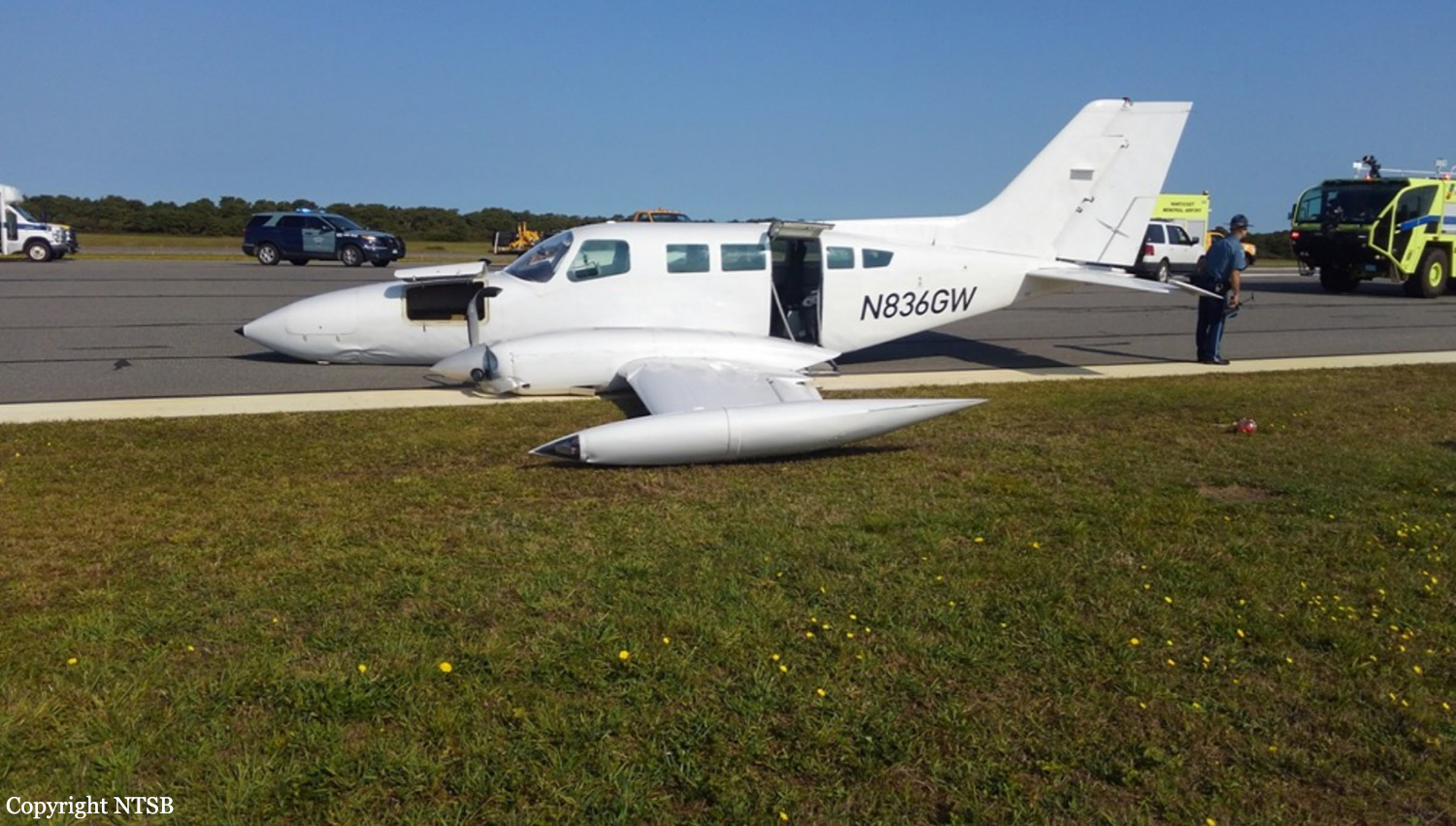
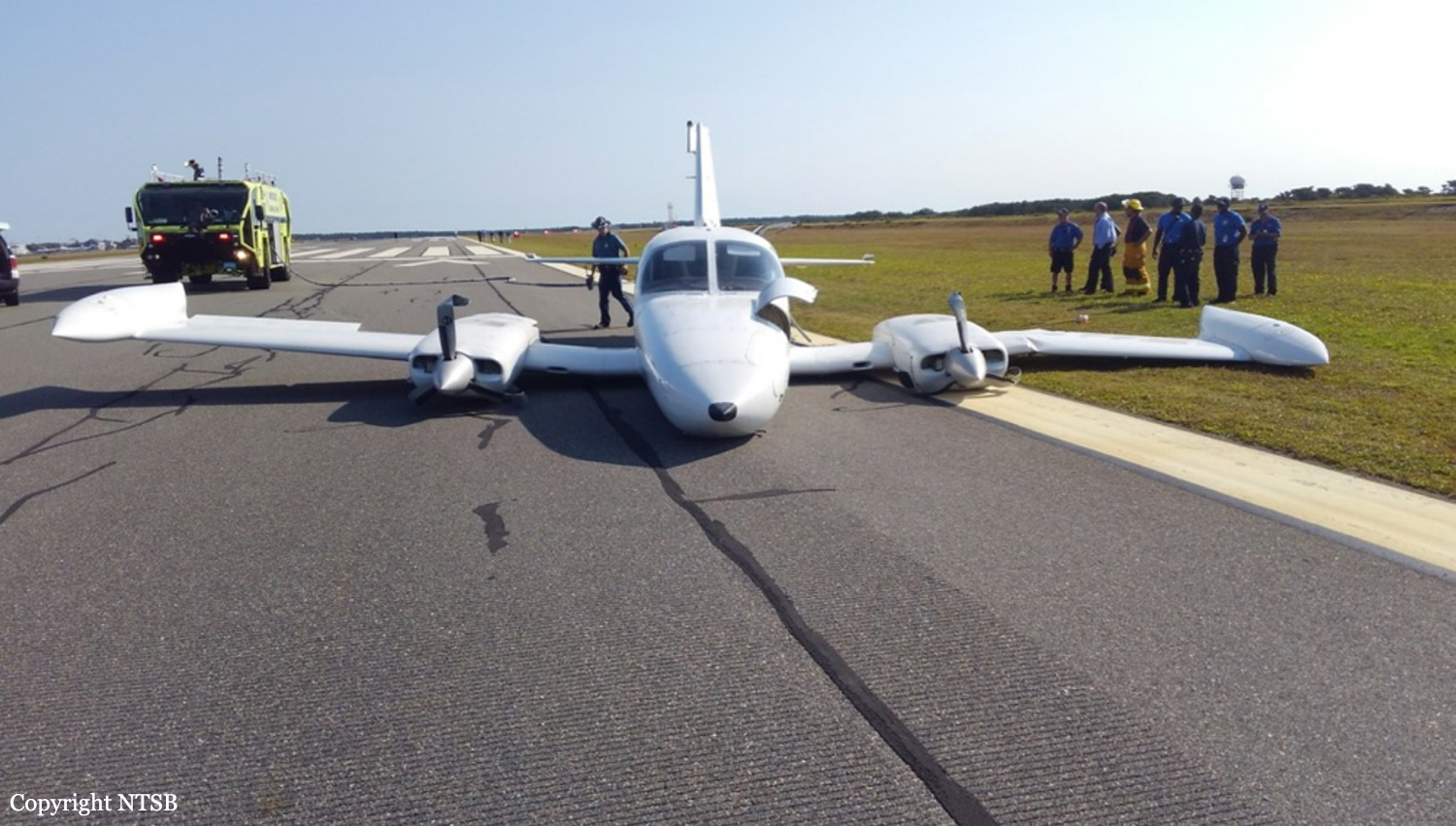
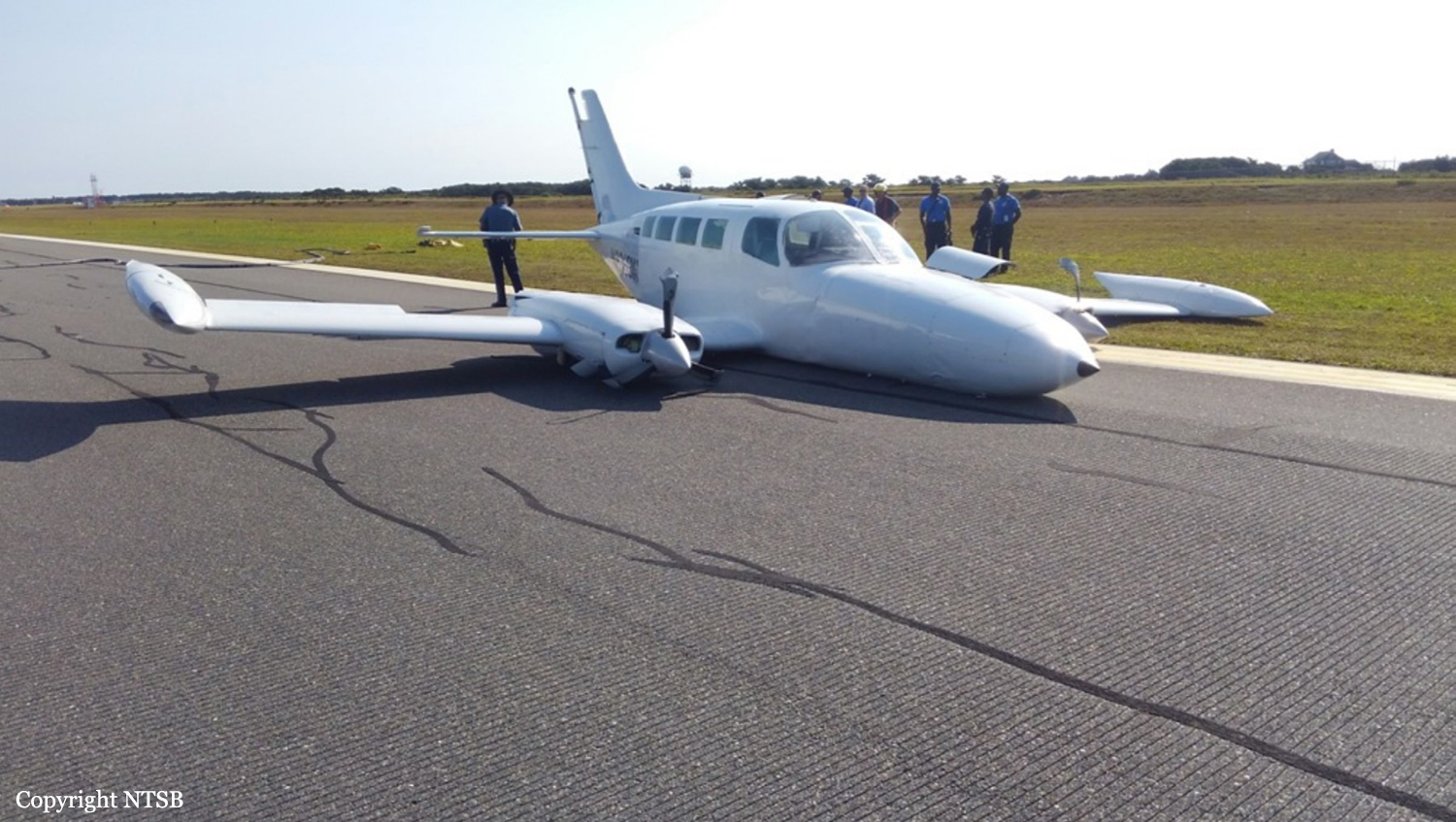
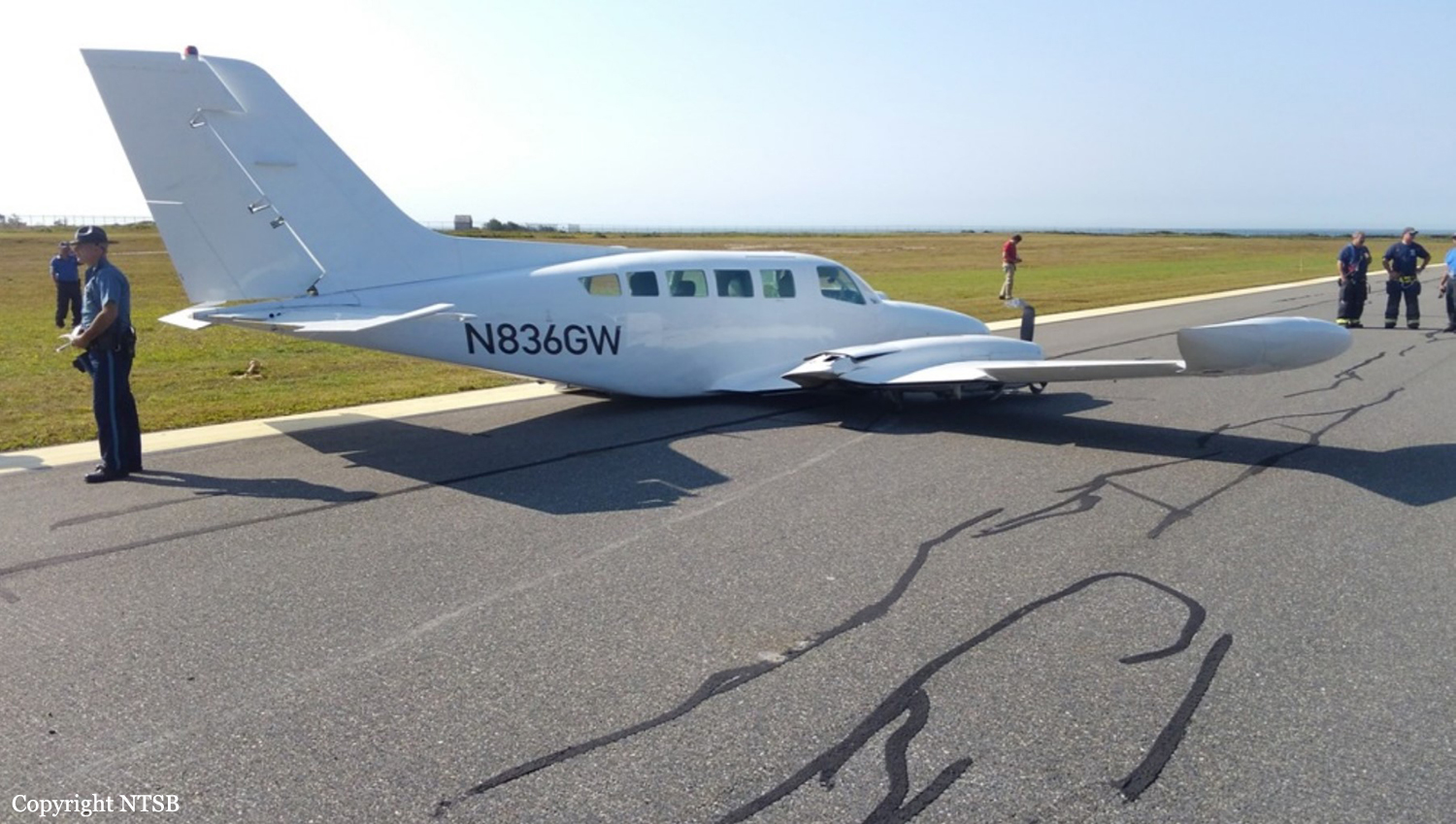
The commercial pilot stated that, shortly after taking off for a cross-country, personal flight and while accelerating, he noticed high airplane nose-down control forces and that the airplane became increasingly difficult to control. He used manual trim to attempt to trim out the control forces and verified that the autopilot was not engaged; however, the nose-down tendency continued, and the pilot had trouble maintaining altitude. During the subsequent emergency landing, the airframe sustained substantial damage. Postaccident examination of the airplane revealed that the elevator trim push rod assembly was separated from the elevator trim tab actuator, and the end of the elevator trim push rod assembly was found wedged against the elevator's main spar. The elevator trim indicator in the cockpit was found in the nose-up stop position; however, the elevator trim tab was deflected 24° trailing edge up/airplane nose down (the maximum airplane nose-down setting is 6°). A drilled bolt was recovered from inside the right elevator; however, the associated washer, castellated nut, and cotter pin were not found. Examination of the bolt revealed that the threads were damaged and that the bolt hole on one of the clevis yoke halves exhibited deformation, consistent with the bolt separating. About 2 weeks before the accident, the pilot flew the airplane to a maintenance facility for an annual inspection. At that time, Airworthiness Directive (AD) 2016-07-24, which required installation of new hardware at both ends of the pushrod for the elevator trim tab, was overdue. While the airplane was in for the annual inspection, AD 2016-07-24 was superseded by AD 2016-17-08, which also required the installation of new hardware. The ADs were issued to prevent jamming of the elevator trim tab in a position outside the normal limits of travel due to the loss of the attachment hardware connecting the elevator trim tab actuator to the elevator trim tab push-pull rod, which could result in loss of airplane control. While in for the annual inspection, the airplane was stripped and painted, which would have required removal of the right elevator. Although the repair station personnel indicated that they did not disconnect the elevator trim pushrod from the elevator trim tab actuator when they painted the airplane, photographs taken of the airplane while it was undergoing inspection and painting revealed that the pushrod likely had been disconnected. The repair station owner reported that he reinstalled the right elevator and the elevator trim pushrod after the airplane was painted; however, he did not replace the hardware at either end of the pushrod as required by the ADs. Subsequently, the airplane was approved for return to service. After the annual inspection, no work, repairs, or adjustments were made to the elevator trim system. The airplane had accrued about 58 hours since the annual inspection at the time of the accident. Although reusing the self-locking nut might have resulted in it coming off by itself, the cotter pin should have prevented this from happening. Therefore, although the castellated self-locking nut, washer, and cotter pin normally used to secure the elevator trim pushrod at the elevator trim tab actuator were not found, given the evidence it is likely that the hardware, which was not the required hardware, was not properly secured at installation, which allowed it to separate in flight. It is also likely that the pushrod assembly then moved aft and jammed in a position well past the maximum nose-down trim setting, which rendered controlled flight impossible.
Probable cause:
The separation of the pushrod from the elevator trim tab actuator, which rendered controlled flight impossible. Contributing to the separation of the pushrod was the failure of maintenance personnel to properly secure it to the elevator trim tab actuator.
Final Report:
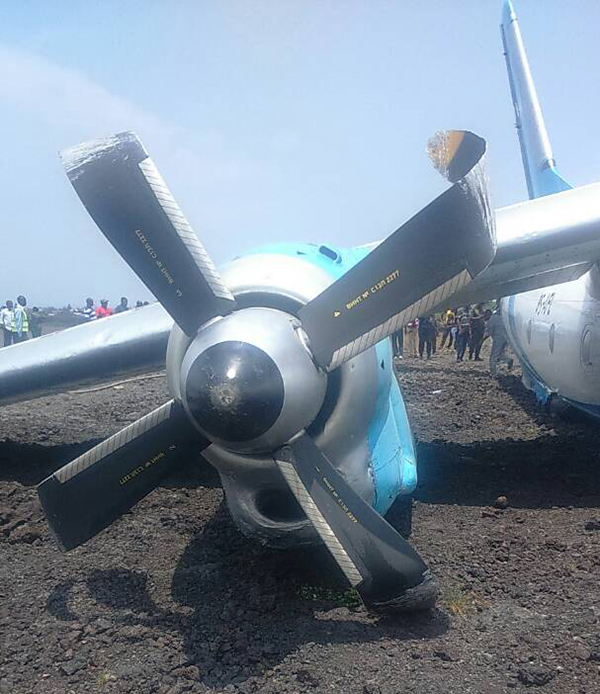
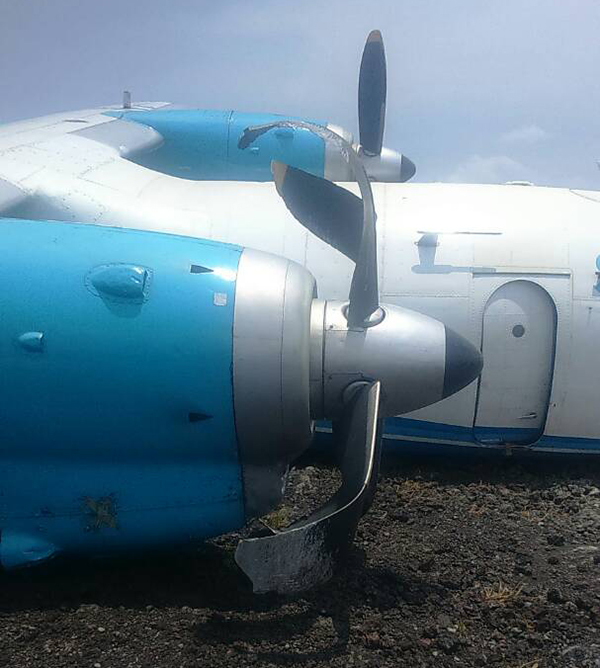
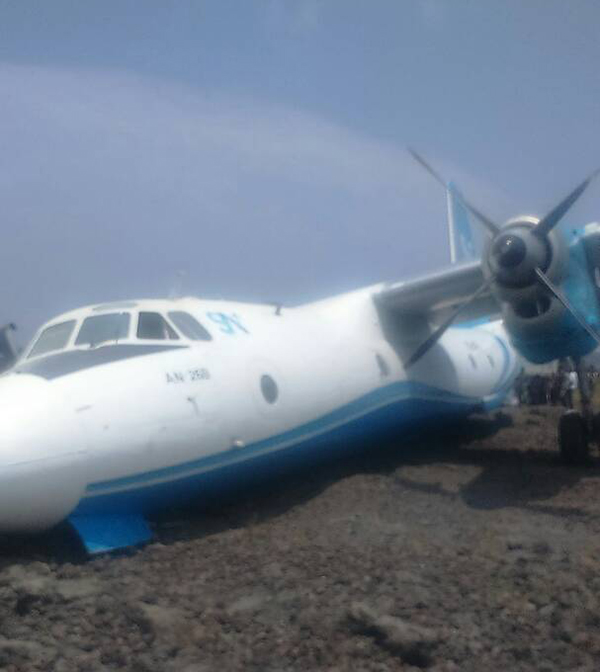
Crash of an Antonov AN-26B in Goma

Date & Time: Sep 10, 2017 at 1130 LT
Type of aircraft:
Operator:
Registration:
9S-AFL
Flight Type:
Survivors:
Yes
Schedule:
Goma – Bunia
MSN:
140 03
YOM:
1985
Location:
Region:
Crew on board:
4
Crew fatalities:
Pax on board:
0
Pax fatalities:
Other fatalities:
Total fatalities:
0
Circumstances:
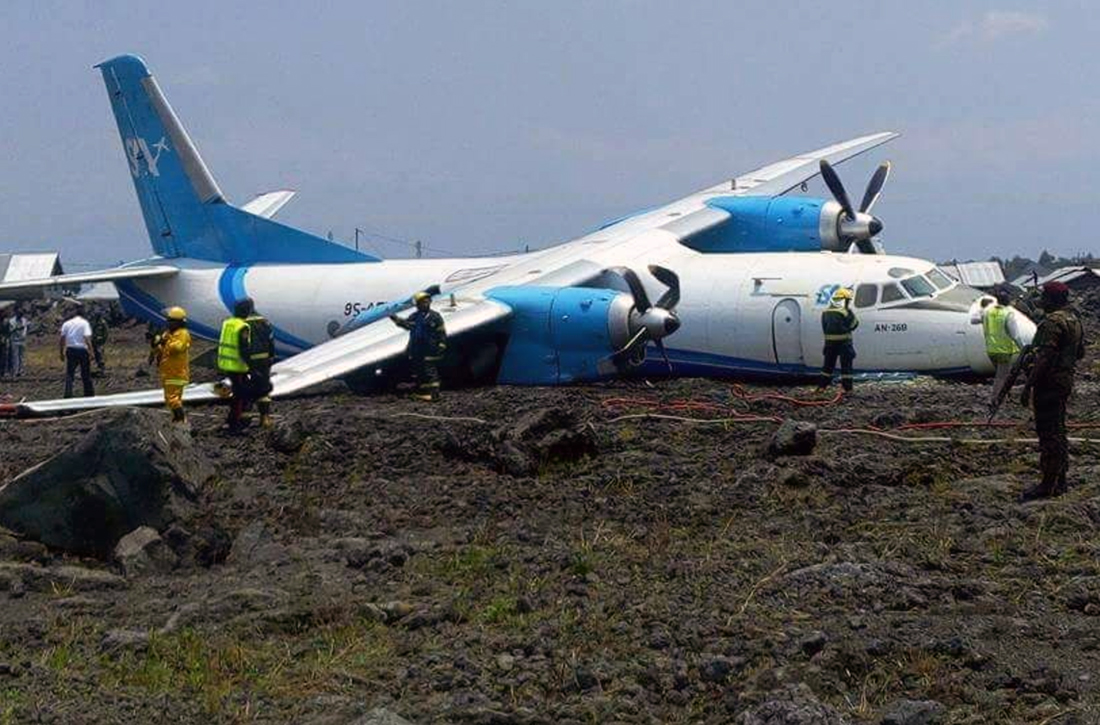
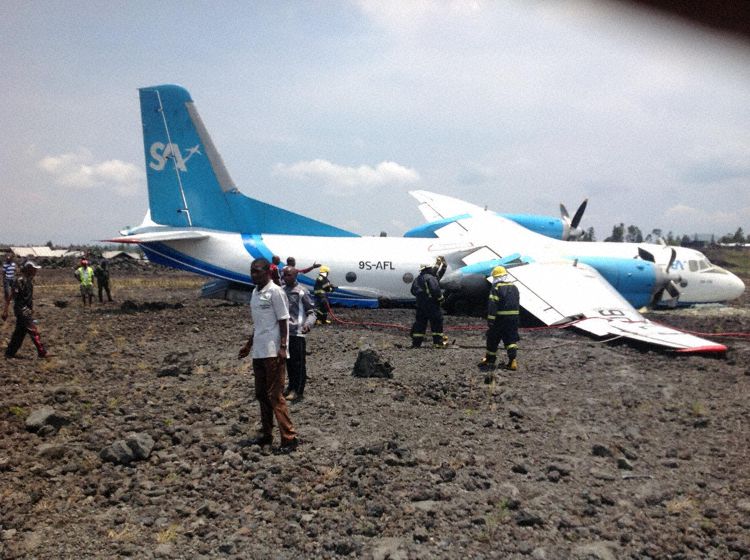
Shortly after takeoff from Goma Airport, while on a cargo flight to Bunia, the crew reported technical problems with the right engine and was cleared to return for an emergency landing. The crew landed long (about half way down the runway) and after touchdown, the airplane was unable to stop within the remaining distance. It overran and while contacting lava ground, the right main gear and the nose gear collapsed. The airplane came to rest with its right wing bent and all four crew members evacuated safely.

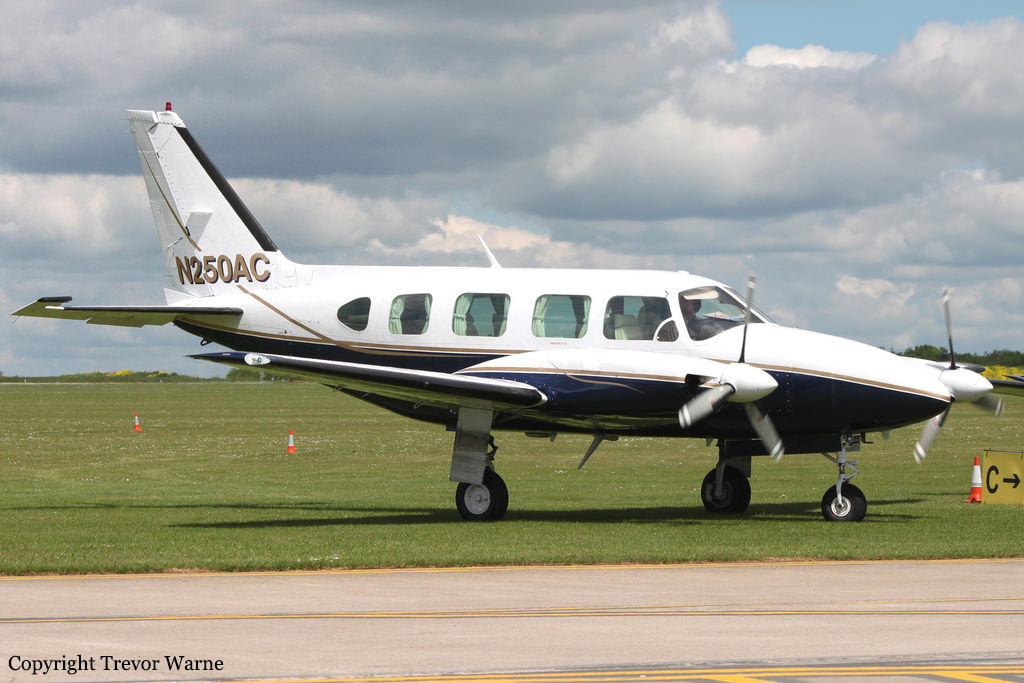
Crash of a Piper PA-31-310 Navajo in Caernarfon: 1 killed

Date & Time: Sep 6, 2017 at 1723 LT
Type of aircraft:
Registration:
N250AC
Flight Type:
Survivors:
No
MSN:
31-7612040
YOM:
1976
Region:
Crew on board:
1
Crew fatalities:
Pax on board:
0
Pax fatalities:
Other fatalities:
Total fatalities:
1
Captain / Total flying hours:
4000
Aircraft flight hours:
9243
Circumstances:
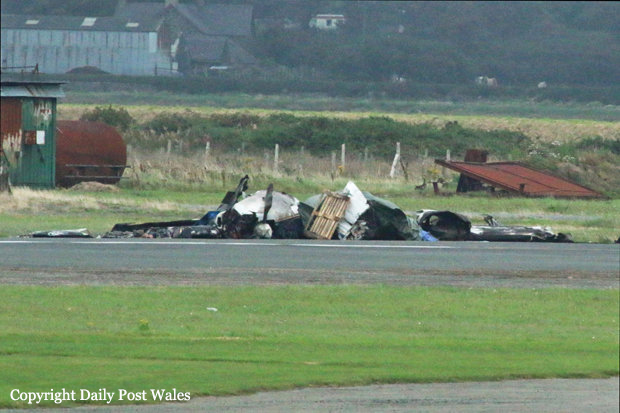
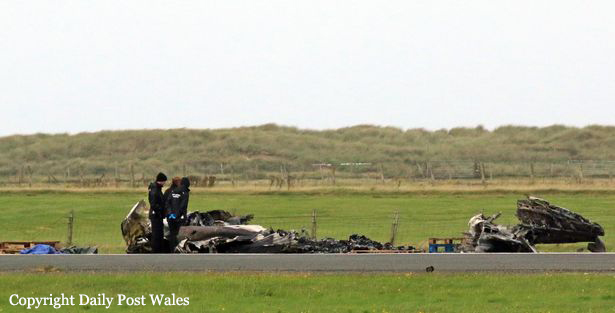
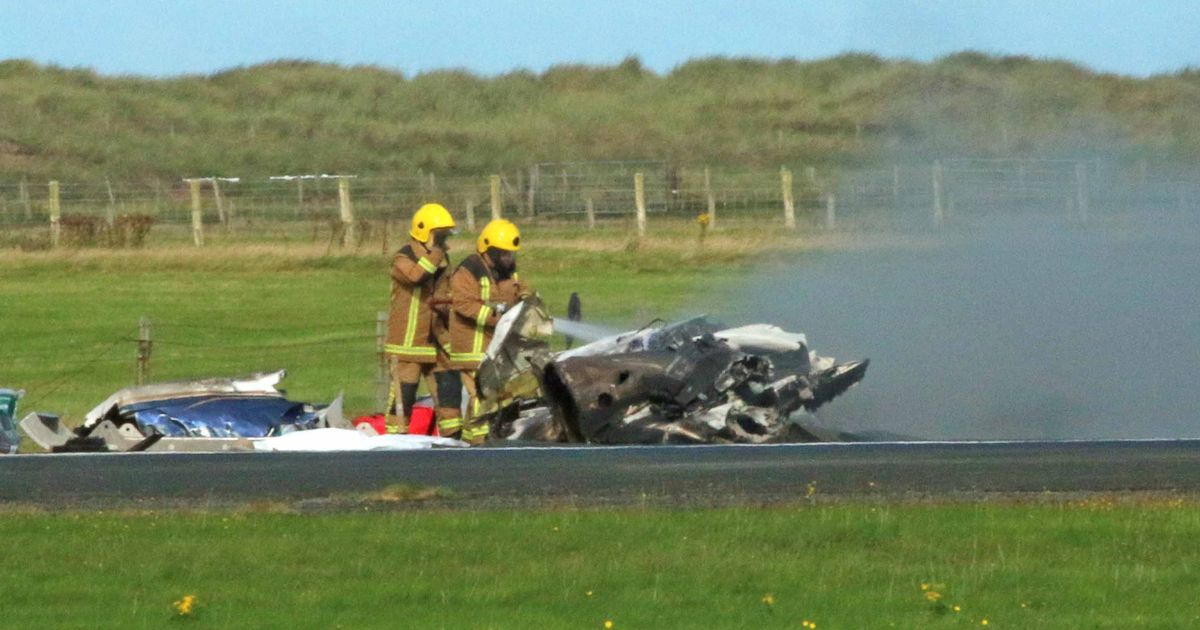
Approximately 20 minutes after takeoff from a private airstrip in Cheshire the pilot reported pitch control problems and stated his intention to divert to Caernarfon Airport. Approximately 5 minutes later, the aircraft struck Runway 25 at Caernarfon Airport, with landing gear and flaps retracted, at high speed, and with no noticeable flare manoeuvre. The aircraft was destroyed. The elevator trim was found in a significantly nose-down position, and whilst the reason for this could not be determined, it is likely it would have caused the pilot considerable difficulty in maintaining control of the aircraft. The extensive fire damage to the wreckage and the limited recorded information made it difficult to determine the cause of this accident with a high level of confidence. A possible scenario is a trim runaway, and both the CAA and the EASA are taking safety action to promote awareness for trim runaways as a result of this accident.
Probable cause:
After reporting pitch control problems, N250AC made a direct diversion with a significantly unstable approach, in a clean configuration, to Runway 25 at Caernarfon Airport. The elevator trim was found in a nose-down position and, whilst the reason for this could not be determined, it is likely that it caused the pilot considerable difficulty in controlling the aircraft. The aircraft struck Runway 25 at Caernarfon Airport, with landing gear and flaps retracted, at high speed, and with no noticeable flare manoeuvre. The extensive fire damage to the wreckage and the limited recorded information made it difficult to determine the cause of this accident with a high level of confidence. It is possible there was a nose-down trim runaway that the pilot was unable to stop.
Final Report: