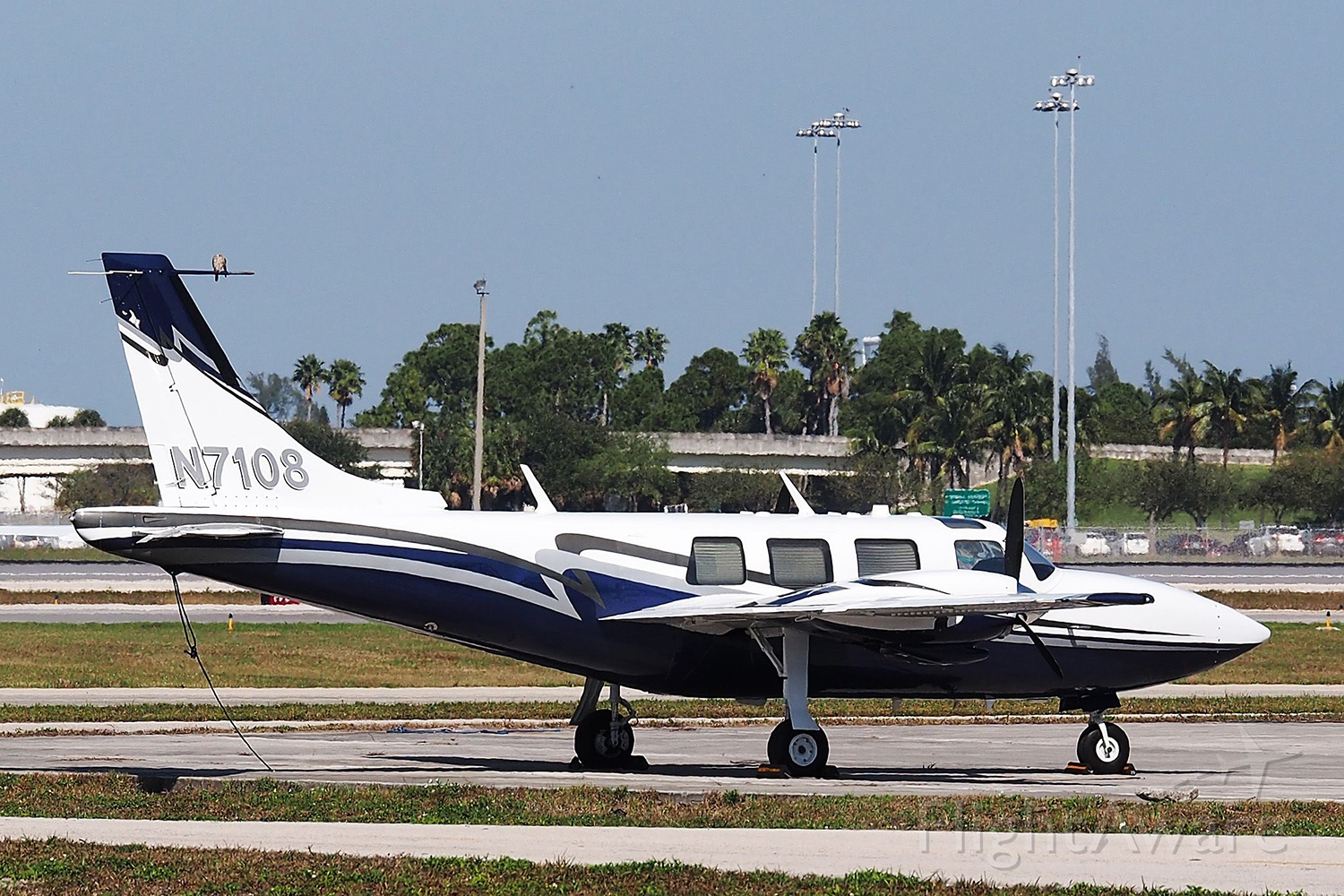
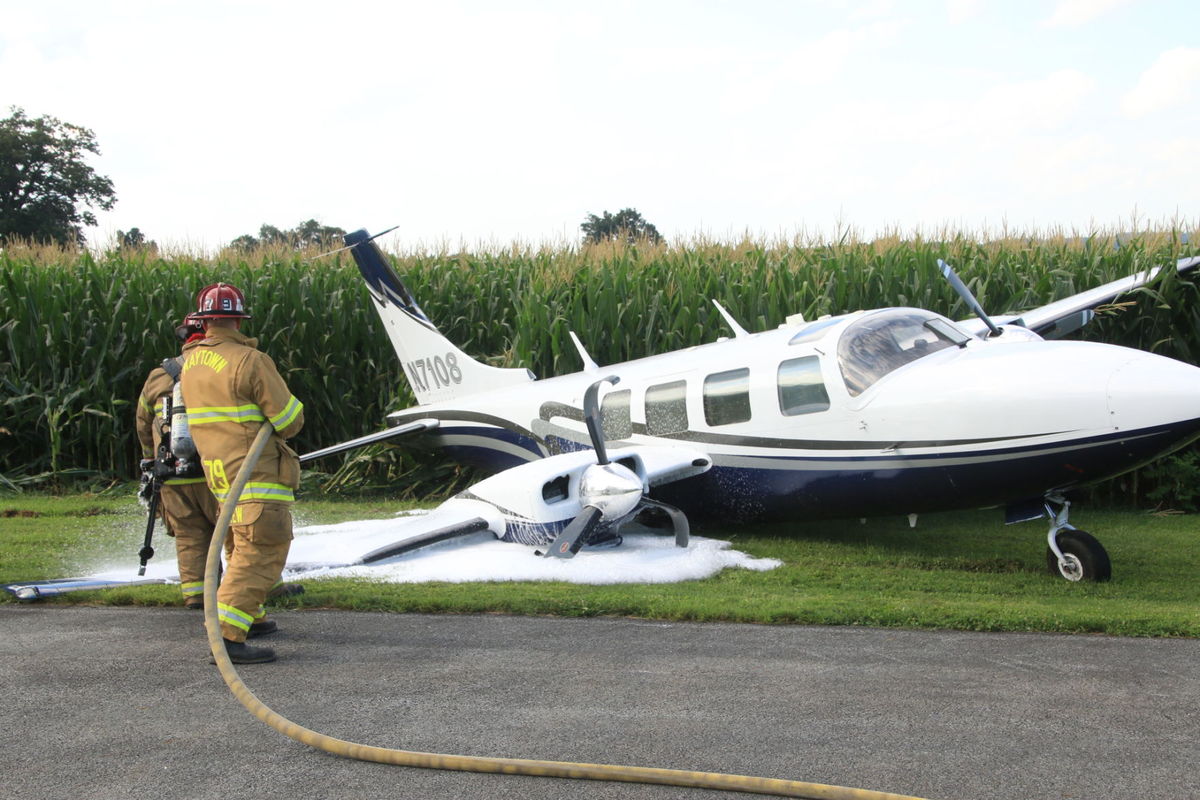
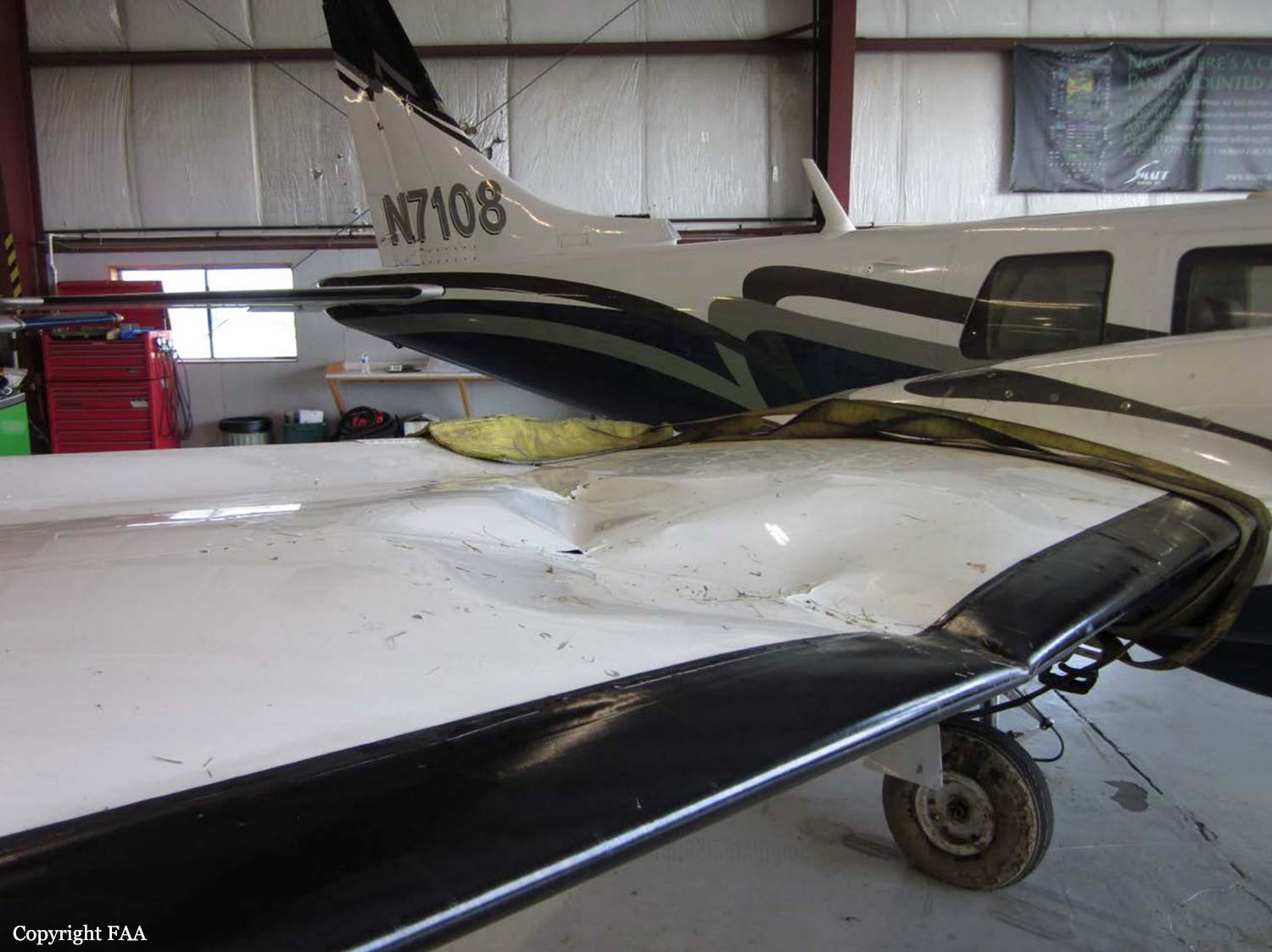
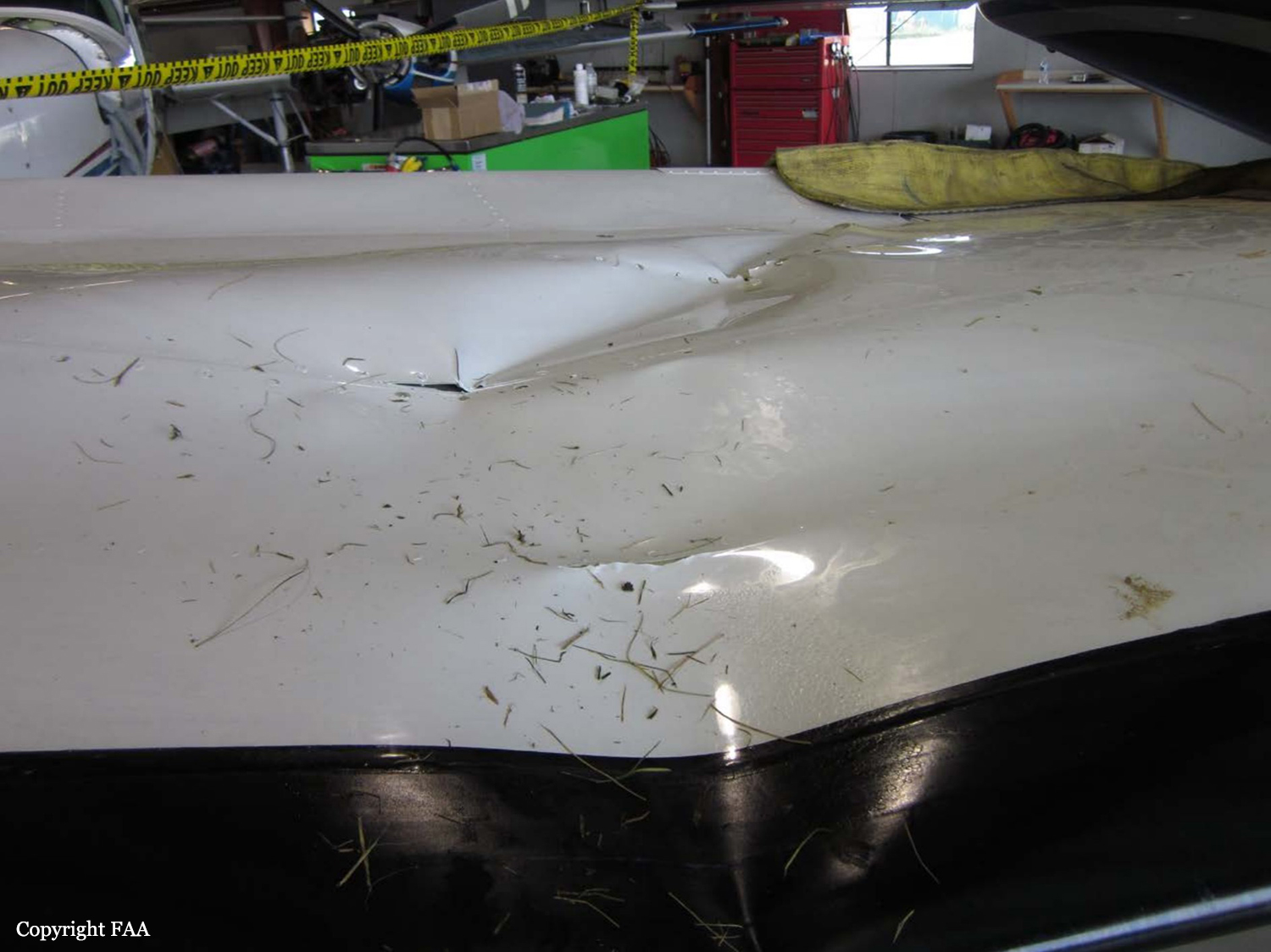
Crash of a Piper PA-61P Aerostar (Ted Smith 601P) in Donegal Springs

Date & Time: Aug 19, 2017 at 1642 LT
Operator:
Registration:
N7108
Flight Phase:
Flight Type:
Survivors:
Yes
Schedule:
Donegal Springs - Donegal Springs
MSN:
61-0405-142
YOM:
1977
Crew on board:
1
Crew fatalities:
Pax on board:
0
Pax fatalities:
Other fatalities:
Total fatalities:
0
Captain / Total flying hours:
400
Captain / Total hours on type:
1.00
Aircraft flight hours:
3957
Circumstances:
The commercial pilot stated that, during the takeoff roll, the airplane swerved to the right, and he corrected to the left and aborted the takeoff; however, the airplane departed the left side of the runway and collided with an embankment. At the time of the accident, a quartering tailwind was present. The pilot had no previous experience in the accident airplane make and model or in any other multiengine airplane equipped with engines capable of producing 300 horsepower. During a postaccident conversation with a mechanic, the pilot stated that the airplane "got away from him" during the attempted takeoff. Because a postaccident examination of the airplane did not reveal any evidence of a preimpact mechanical malfunction or failure of the airplane's flight controls or nosewheel steering system that would have precluded normal operation and the pilot did not have any previous experience operating this make and model of airplane, it is likely that the pilot lost directional control during takeoff with a quartering tailwind.
Probable cause:
The pilot's failure to maintain directional control during takeoff with a quartering tailwind. Contributing to the accident was the pilot's lack of experience in the accident airplane make and model.
Final Report:

Crash of a Socata TBM-700 in Yamazoe: 2 killed

Date & Time: Aug 14, 2017 at 1215 LT
Type of aircraft:
Registration:
N702AV
Flight Phase:
Flight Type:
Survivors:
No
Site:
Schedule:
Yao – Fukushima
MSN:
182
YOM:
2001
Location:
Country:
Region:
Crew on board:
1
Crew fatalities:
Pax on board:
1
Pax fatalities:
Other fatalities:
Total fatalities:
2
Captain / Total flying hours:
3750
Captain / Total hours on type:
7.00
Aircraft flight hours:
2094
Circumstances:
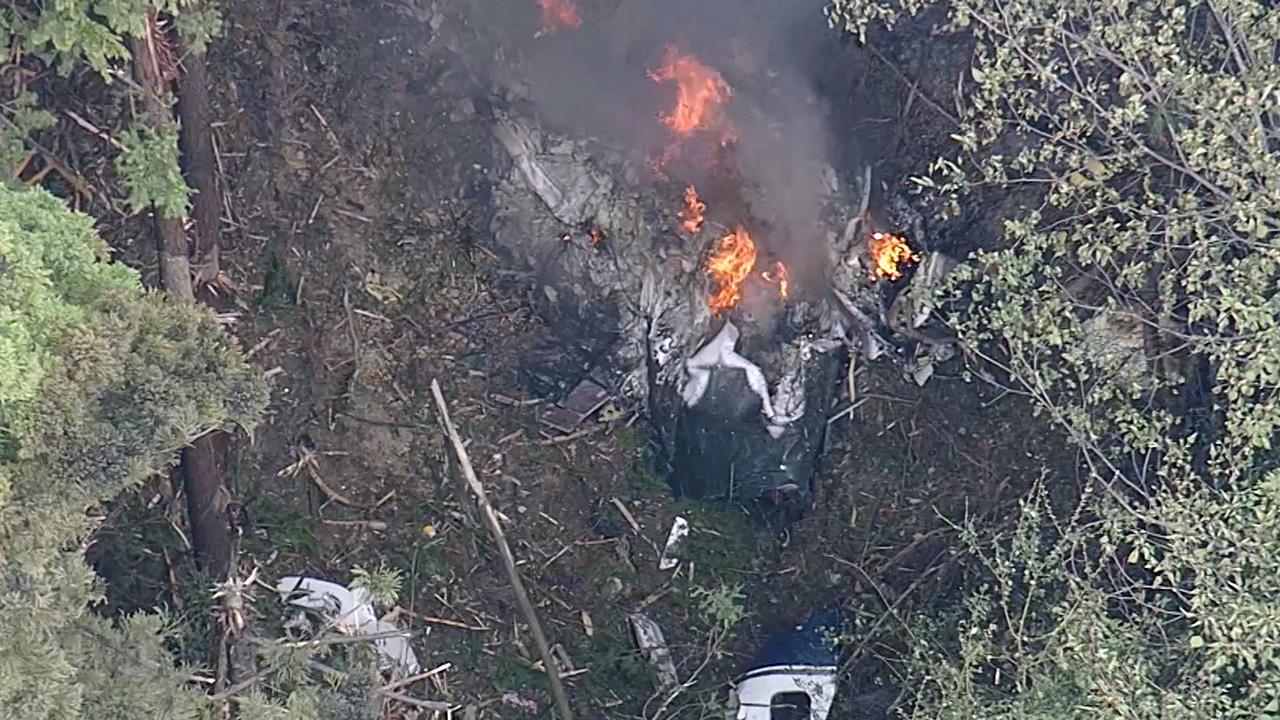
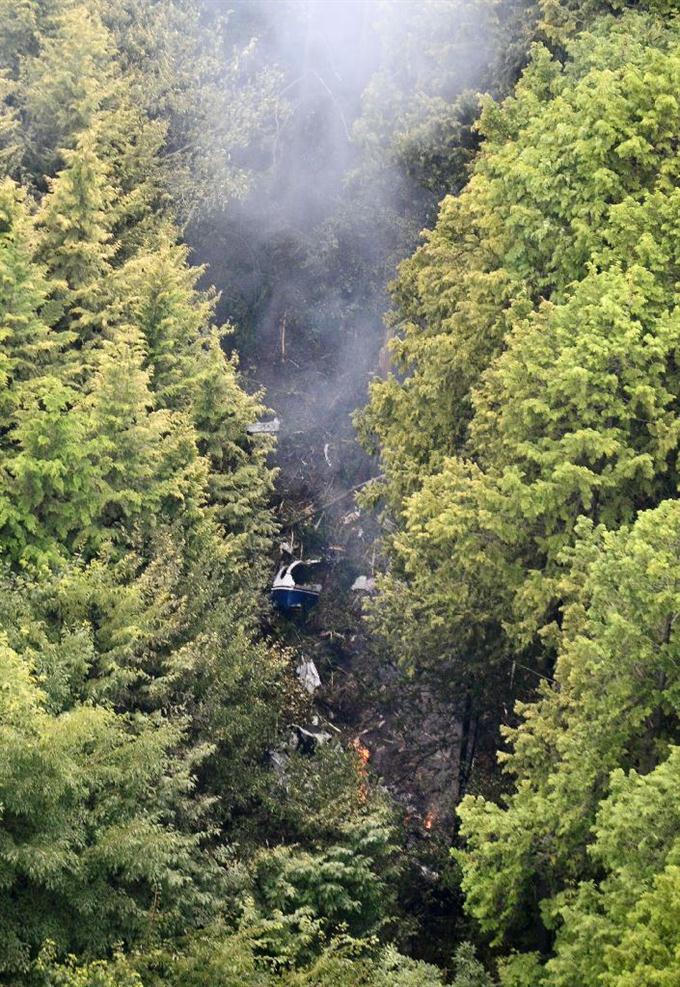
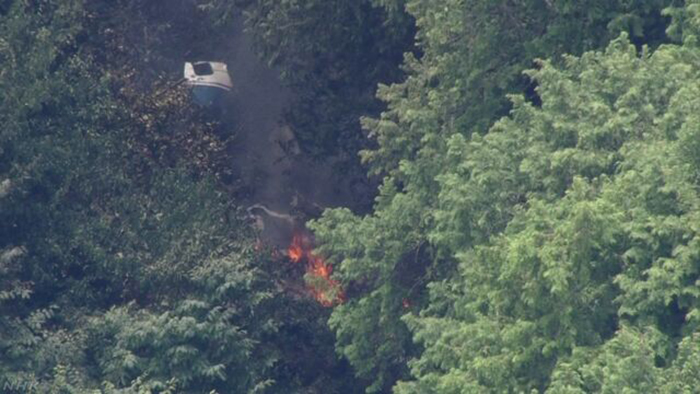
The single engine aircraft departed Yao Airport at 1157LT on a leisure flight to Fukushima, carrying one passenger and one pilot. Few minutes later, the pilot reported an unexpected situation to ATC and was cleared to return to Yao. At an altitude of 17,200 feet and a speed of 150 knots, the aircraft entered an uncontrolled descent, partially disintegrated in the air and eventually crashed in a hilly and wooded terrain near the village of Yamazoe, bursting into flames. Both occupants were killed.
Probable cause:
In the accident, it is highly probable that the Aircraft lost control during flight, nose-dived while turning, and disintegrated in mid-air, resulting in the crash. It is somewhat likely that the Aircraft lost control during flight, because the captain did not have pilot skills and knowledge necessary for the operation of the Aircraft, and was not able to perform proper flight operations.
Final Report:

Ground collision with an ATR72-500 in Medan

Date & Time: Aug 3, 2017 at 1100 LT
Type of aircraft:
Operator:
Registration:
PK-WFF
Flight Phase:
Survivors:
Yes
Schedule:
Medan – Meulaboh
MSN:
869
YOM:
2009
Flight number:
IW1252
Country:
Region:
Crew on board:
5
Crew fatalities:
Pax on board:
67
Pax fatalities:
Other fatalities:
Total fatalities:
0
Captain / Total flying hours:
13006
Captain / Total hours on type:
624.00
Copilot / Total flying hours:
263
Copilot / Total hours on type:
109
Aircraft flight hours:
14321
Aircraft flight cycles:
16132
Circumstances:
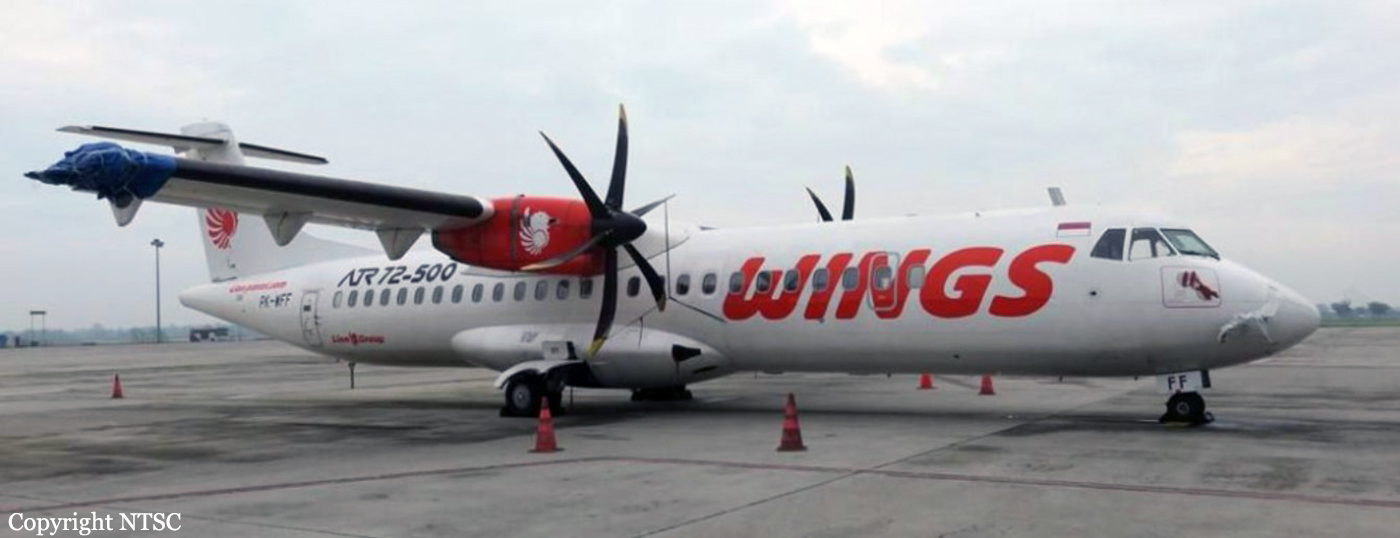
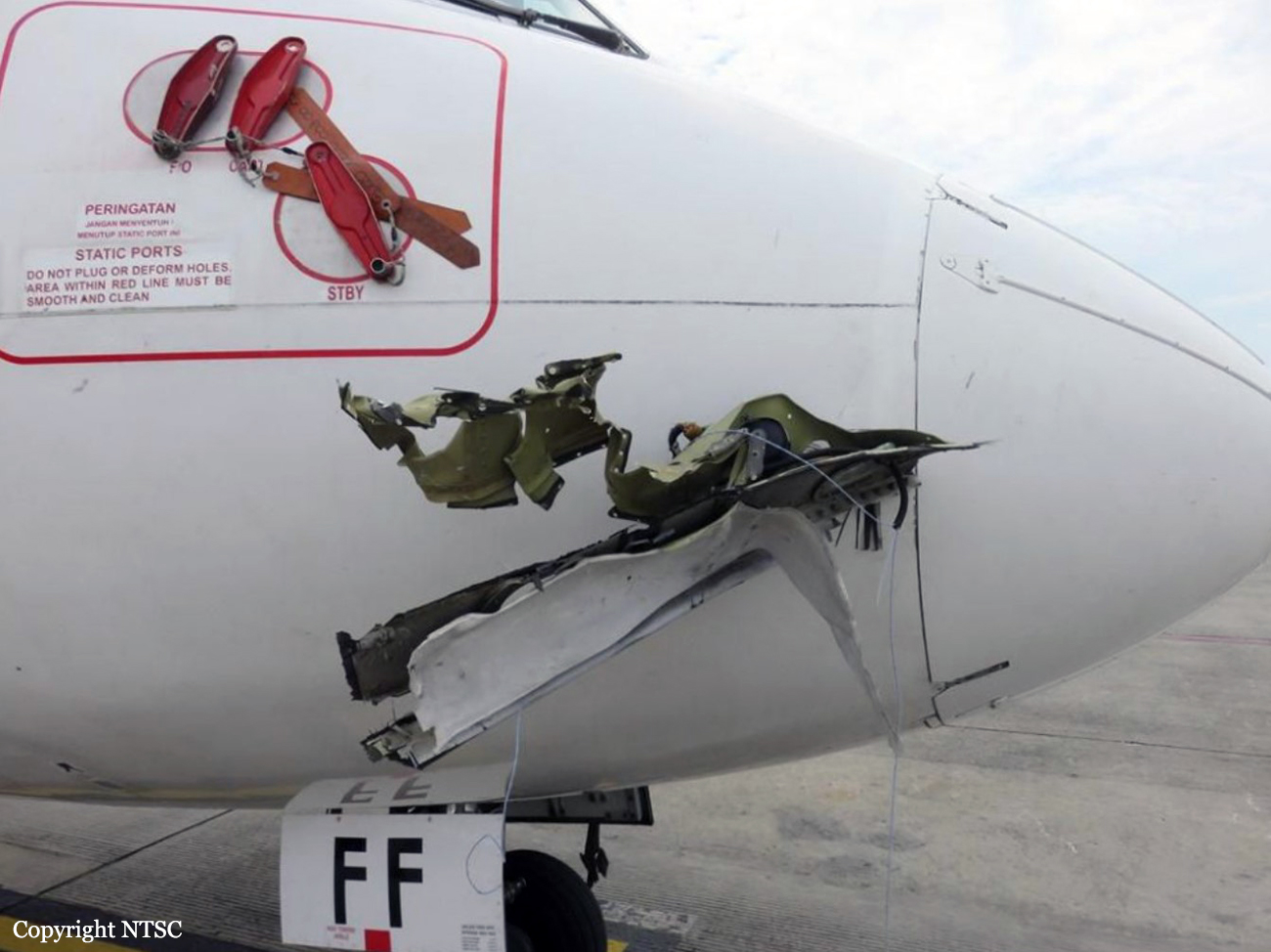
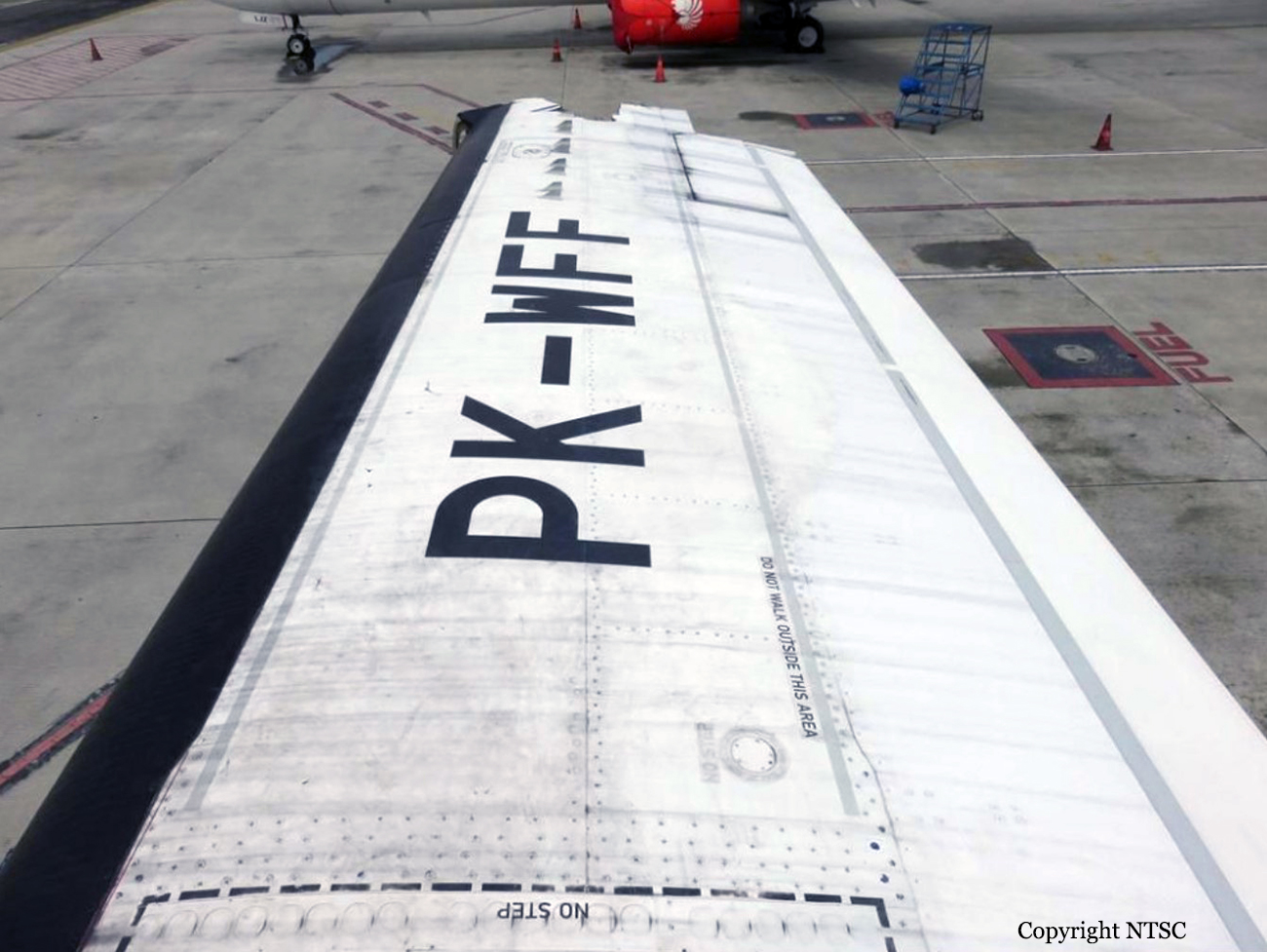
On 3 August 2017, a Boeing 737-900 ER aircraft, operated by PT. Lion Mentari Airlines (Lion Air) as a scheduled passenger flight from Sultan Iskandar Muda International Airport, Banda Aceh (WITT) to Kualanamu International Airport, Medan (WIMM) as flight number JT 197. JT197 departed at 1010 LT (0310 UTC) in daylight condition, with 151 persons on board. Meanwhile, an ATR 72-500 aircraft, operated by PT. Wings Abadi Airlines (Wings Air) as scheduled passenger flight from Medan with intended destination to Cut Nyak Dien Airport, Meulaboh (WITC) as flight number IW1252. On board IW1252 were two pilots, one observer pilot, two flight attendants and 67 passengers. At 0356 UTC, the IW1252 pilot requested taxi clearance to runway 23 from the Medan Ground controller and was instructed to follow U2 taxi route, the IW1252 pilot requested to depart via intersection taxiway D which was approved by Medan Tower controller. At 0357 UTC, JT197 was on landing approach and received landing clearance. At 04:00:01 UTC, the Medan Tower controller issued conditional clearance to the IW1252 pilot, to enter the runway after the JT197 had landed. This conditional clearance was combined with the air traffic control route clearance. IW1252 continued to taxi and entered the runway. At 04:00:50 UTC, JT197 touched down on runway 23 and a few second later impacted with the IW1252. There were no injuries during this occurrence, but both aircraft were substantially damaged. After impact, debris from the impact aircraft remained on the runway. Prior to the runway inspection, one aircraft departed and one aircraft landed.
Probable cause:
The communication misunderstanding of the conditional clearance to enter runway while the IW1252 pilots did not aware of JT197 had received landing clearance and the unobserved IW1252 aircraft movement made the IW1252 aircraft entered the runway.
Final Report:

Crash of an Antonov AN-74TK-100 in São Tomé

Date & Time: Jul 29, 2017 at 0905 LT
Type of aircraft:
Operator:
Registration:
UR-CKC
Flight Phase:
Flight Type:
Survivors:
Yes
Schedule:
São Tomé – Accra
MSN:
470 95 905
YOM:
1992
Flight number:
CVK7087
Region:
Crew on board:
6
Crew fatalities:
Pax on board:
0
Pax fatalities:
Other fatalities:
Total fatalities:
0
Captain / Total flying hours:
12847
Captain / Total hours on type:
986.00
Copilot / Total flying hours:
5389
Copilot / Total hours on type:
618
Aircraft flight hours:
5104
Circumstances:
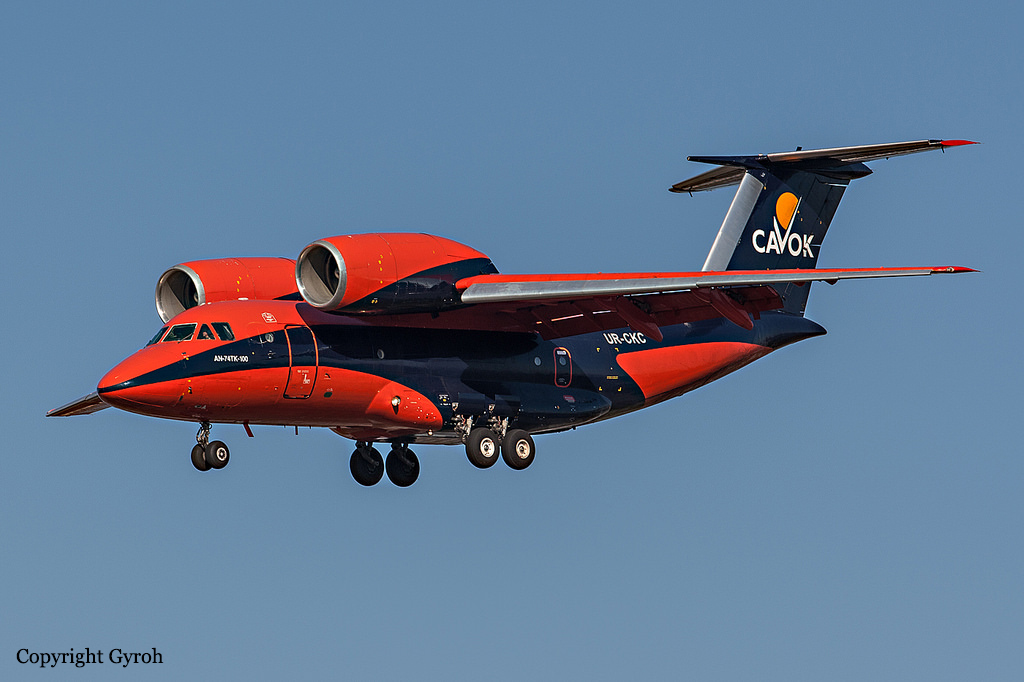
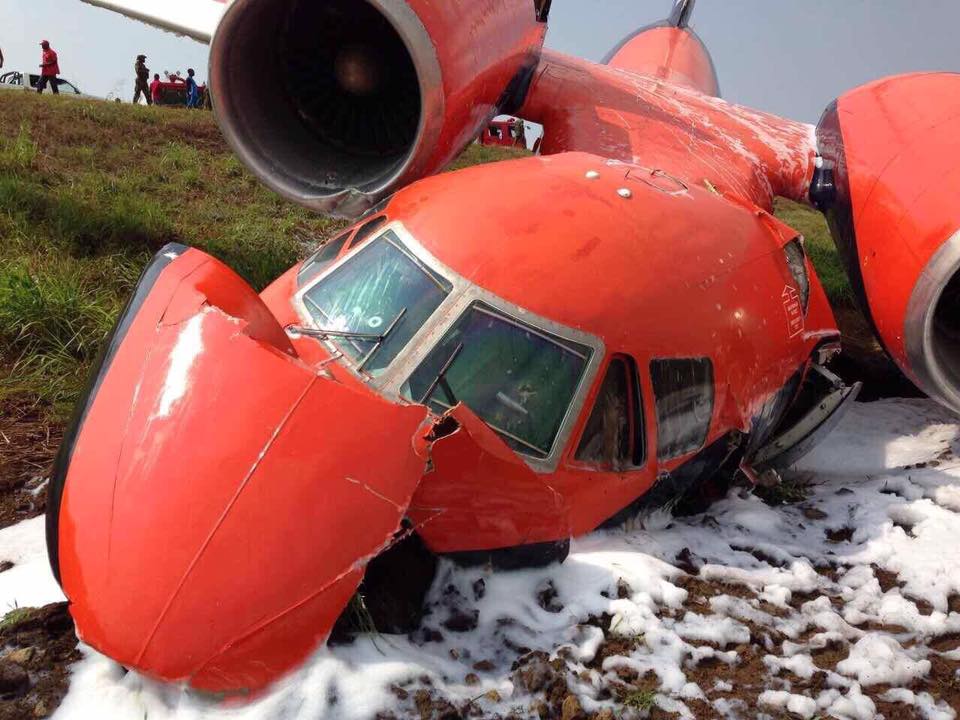
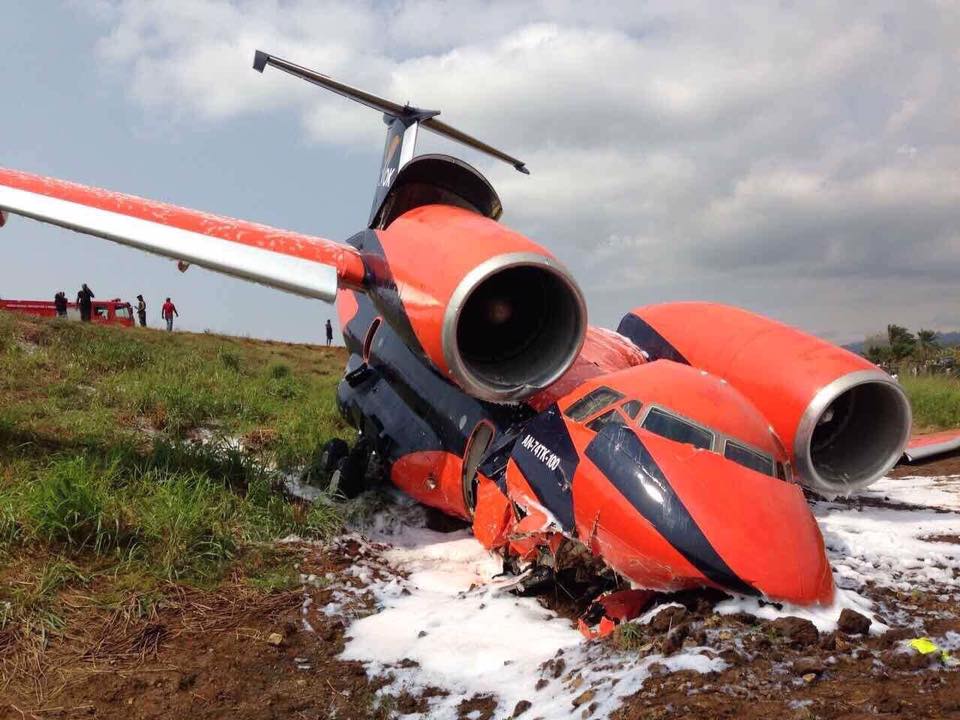
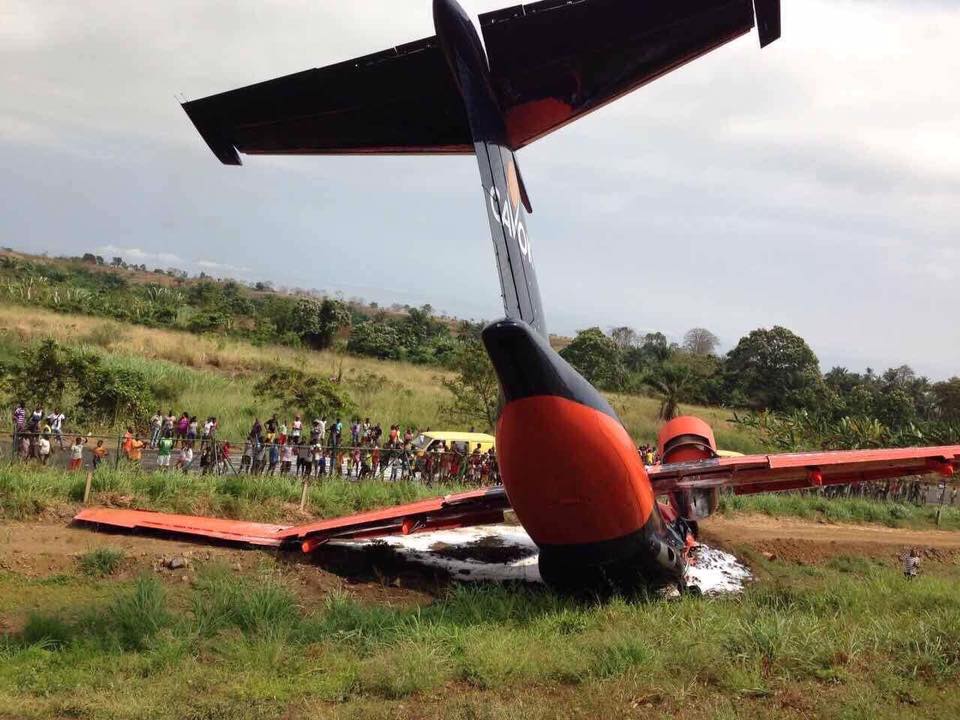
On 29th July, 2017 at about 0905hrs, an Antonov aircraft Model AN-74TK-100, flight CVK7087, registration UR-CKC, owned by SWIFT SOLUTION FZC and operated by CAVOK Airlines LLC was departing Sao Tome International Airport to Kotoka International Airport, Accra, for positioning with six crew on board. The flight was on an Instrument Flight Rule (IFR) flight plan and Visual Meteorological Conditions prevailed. The aircraft exited runway 29 during a rejected take off. The Flight Navigator sustained an injury and the aircraft was destroyed. On 28th July, 2017 at 0225hrs the aircraft arrived Sao Tome International Airport from Stavanger (Norway), via Luxemburg and Ghardaia (Algeria) as a Cargo flight. On 29th July, 2017 at about 0800hrs, the crew of CVK 7087 comprising the Captain, the First Officer, the Flight Engineer, the Flight Navigator and 2 Maintenance Engineers arrived the airport and commenced the flight preparation; pre-flight inspection, determination of weight and balance, computation of performance and take-off speeds. The crew received flight briefing/weather information and refuelled the aircraft with an uplift of 5,700kg. At 0850hrs, the crew requested engine start-up clearance from Sao Tome Tower and it was approved. After completing the engine start procedures, engine parameter indications on both engines were normal. Appropriate checklist was completed and taxi clearance was requested by the crew. Sao Tome Tower initially cleared CVK 7087 to taxi on runway (RWY) 11 as favoured by the prevailing wind. However, the crew requested RWY 29 for departure. This request was approved by the Tower and the aircraft re-cleared to taxi to RWY 29 for departure. Sao Tome Tower did not provide the flight crew with the information about possible presence of birds at the aerodrome, in particular, on the runway. At 0905hrs, the aircraft began the take-off roll. The First Officer was the Pilot Flying (PF) while the Captain was the Pilot Monitoring (PM). The engines and systems parameters were reported to be normal. According to the Captain, "In the first half of the take-off run from the runway, from five to six eagles got off the ground of the runway and flew dangerously close to the aircraft". He then requested the Flight Engineer to check if the flood lights were ON and to monitor the engine parameters. The crew asserted that they observed a rising and narrowing runway as the aircarft accelerated to a speed of 180 km/hr. They stated further: "At a speed of 180 km/hr, ahead, a flock of eagles, which were not seen before this moment began to get off the ground from the runway." The Captain took control of the aircraft and decided, after assessing the situation within 4 seconds that the best option for the crew was to discontinue the take-off. At that moment, the crew heard a bang, which they suggested could be a bird strike. This was followed by aural and visual indications on the annunciator panel such as “Left Engine Failure”, “Dangerous Vibration”, and “Take-off is prohibited” and the Captain immediately initiated a rejected take-off and instructed the Flight Engineer to deploy thrust reversers. The rejected takeoff was initiated about 5 seconds after sighting the birds, at a speed of 220km/h. According to the Captain, his decision was necessitated by the consideration of losing multiple engines due to bird strike if the take-off continued. The Captain said he pressed the brake pedals completely immediately after initiating the rejected take-off, subsequently he assessed the braking action as not effective and he used the emergency braking at a speed of about 130 km/h. On realizing that the aircraft would not stop within the remaining available runway length (about 272.3m) coupled with the presence of a ravine at the end, the captain intentionally veered to the right in order to extend the runway stopping distance and also avoid the ravine. The aircraft exited the runway at a speed of approximately 76 km/h. As the aircraft’s speed decayed to 60 km/h and just before the aircraft exited the runway, the Captain instructed the Flight Engineer to close the fuel emergency shutoff cock. The aircraft travelled a distance of about 95m from the exit point before plunging into the ravine. In the process, the forward fuselage separated from the bulkhead located immediately after the cockpit section. The aircraft came to rest at a location with coordinates: N002° 2' 51'' and E006° 42' 07''. The accident occurred in daylight at about 0905hrs.
Probable cause:
The investigation determines that the cause of this accident as:
Due to the presence of birds on the runway, the take-off was rejected at a speed above decision speed V1, which is inconsistent with CAVOK’s Standard Operating Procedures (SOP).
Contributory factors:
The contributory factors to this accident include but are not limited to the following:
- Failure of the crew to deploy interceptors (speed brakes/spoilers).
- Inadequate flight crew training on details of rejected take-off procedure scenarios.
- The omission of the take-off briefing in CAVOK’s Normal Operations checklist.
- Poor Crew Resource Management (CRM), especially in a multi-crew flight operation.
Final Report:

Crash of a Britten Norman BN-2A-26 Islander in Eteringbang: 1 killed

Date & Time: Jul 25, 2017 at 1755 LT
Type of aircraft:
Operator:
Registration:
8R-GRA
Flight Type:
Survivors:
No
Schedule:
Ekereku – Eteringbang
MSN:
3006
YOM:
1982
Country:
Crew on board:
1
Crew fatalities:
Pax on board:
0
Pax fatalities:
Other fatalities:
Total fatalities:
1
Captain / Total flying hours:
4760
Aircraft flight hours:
24716
Circumstances:
The twin engine airplane departed Ekereku on a cargo flight to Eteringbang, carrying fuel drums for local miners. On final approach to Eteringbang Airfield Runway 03, the aircraft was very low and the pilot initiated a right turn when control was lost. The aircraft crashed in a dense wooded area some 200 metres from the runway. The aircraft was destroyed and the pilot, sole on board, was killed. The pilot Collin Martin was the Chief Pilot of Roraima Airways since 2015.
Probable cause:
The pilot flew a non-standard traffic pattern very low and very close to the runway. The excessive and extreme fight manoeuvres to position the aircraft for the landing resulted in a loss of aircraft control.
Contributory Factors:
The pilot’s failure to operate in accordance with established standard operating procedures when approaching the runway to land.
Final Report:

Crash of a Mitsubishi MU-2B-26A Marquise near San Fernando: 3 killed

Date & Time: Jul 24, 2017 at 1430 LT
Type of aircraft:
Operator:
Registration:
LV-MCV
Flight Phase:
Flight Type:
Survivors:
No
Schedule:
San Fernando – Las Lomitas
MSN:
361
YOM:
1977
Country:
Crew on board:
1
Crew fatalities:
Pax on board:
2
Pax fatalities:
Other fatalities:
Total fatalities:
3
Captain / Total flying hours:
682
Captain / Total hours on type:
58.00
Aircraft flight hours:
5804
Aircraft flight cycles:
4670
Circumstances:
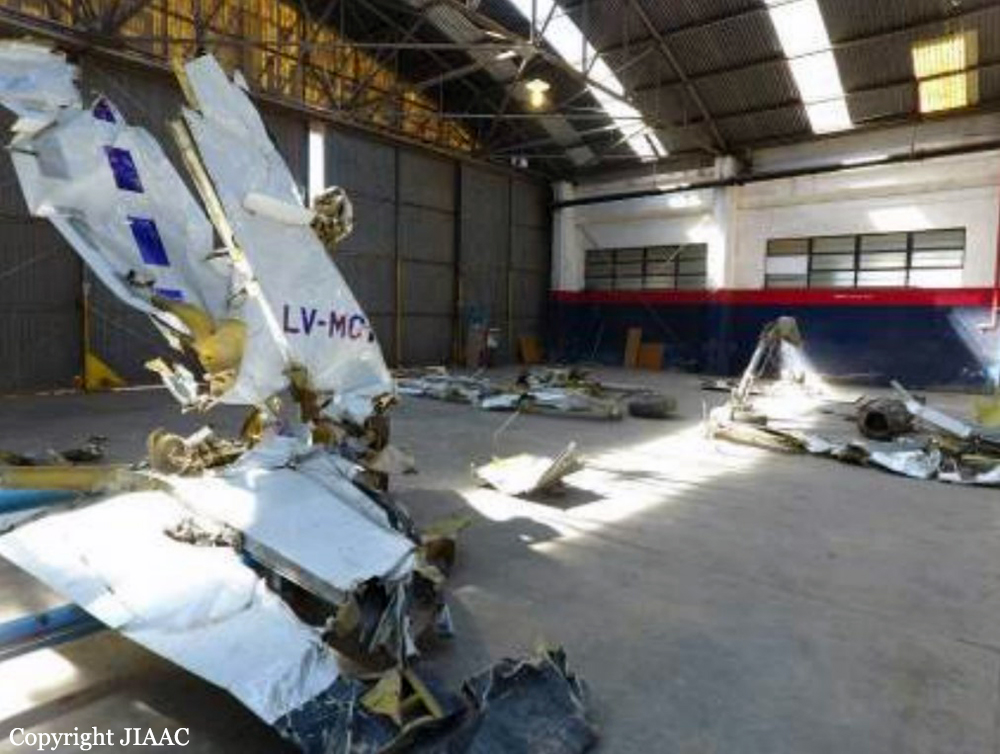
Shortly after takeoff from San Fernando Airport in Buenos Aires, while in initial climb, the pilot was contacted by ATC about an apparent transponder issue. The crew did not respond when, few seconds later, the twin engine airplane entered an uncontrolled descent and crashed in a marshy area located in the delta of Paraná de la Palmas. The wreckage was found on August 19 about 17 km north of San Fernando Airport. The aircraft disintegrated on impact and all three occupants were killed.
Crew:
Matías Ronzano,
Passengers:
Emanuel Vega,
Matías Aristi.
Probable cause:
Loss of control during climb due to the combination of the following factors:
- The particular characteristics of the aircraft;
- The attention required by the transponder as it is not displayed by air traffic control;
- The detour of the planned flight at the request of the inspection department of air traffic;
- Aircraft trajectory management with autopilot switched off;
- The pilot's limited experience in instrument flight conditions. In addition, the absence of additional instruction in the aircraft type (due to the lack of specific regulations) can be considered a contributing factor, according to the probable scenario described above. In addition, the research identified the following elements with potential impact in operational safety:
- Absence of the TAWS system on the aircraft in non-conformity with the established RAAC 91;
- Lack of effective means to enable the flight plan office to quickly determine whether an aircraft has operating restrictions;
- Shortcomings in the training of staff in the units ATS and SAR in search and rescue.
Final Report:

Crash of a Cessna 207 Skywagon near Hope

Date & Time: Jul 3, 2017 at 1032 LT
Operator:
Registration:
N9620M
Flight Phase:
Flight Type:
Survivors:
Yes
Schedule:
Seldovia – Anchorage
MSN:
207-0711
YOM:
1981
Location:
Crew on board:
1
Crew fatalities:
Pax on board:
0
Pax fatalities:
Other fatalities:
Total fatalities:
0
Captain / Total flying hours:
5365
Captain / Total hours on type:
3.00
Aircraft flight hours:
23833
Circumstances:
According to the pilot, he was flying the second airplane in a flight of two about 1 mile behind the lead airplane. The lead airplane pilot reported to him, via the airplane's radio, that he had encountered decreasing visibility and that he was making a 180° left turn to exit the area. The pilot recalled that, after losing sight of the lead airplane, he made a shallow climbing right turn and noticed that the terrain was rising. He recalled that he entered the clouds for a few seconds and "at that moment I ran into the trees which I never saw coming." The airplane sustained substantial damage to both wings. The pilot reported that there were no preaccident mechanical malfunctions or failures with the airplane that would have precluded normal operation. The pilot reported that the temperature was 60°F with 8 miles visibility and 1,500-eeft ceilings. The nearest METAR was about 1 mile away and reported that the temperature was 54°F, dew point was 52°F, visibility was 8 statute miles with light rain, and ceiling was broken at 500 feet and overcast at 1,500 feet.

Probable cause:
The pilot's inadvertent flight into instrument meteorological conditions and subsequent controlled flight into terrain.
Final Report:

Crash of a PZL-Mielec AN-2R in Kiliya

Date & Time: Jun 27, 2017 at 1444 LT
Type of aircraft:
Registration:
UR-19717
Flight Phase:
Survivors:
Yes
Schedule:
Kiliya - Kiliya
MSN:
1G165-31
YOM:
1975
Country:
Region:
Crew on board:
2
Crew fatalities:
Pax on board:
0
Pax fatalities:
Other fatalities:
Total fatalities:
0
Captain / Total flying hours:
3403
Captain / Total hours on type:
2782.00
Copilot / Total flying hours:
1110
Copilot / Total hours on type:
72
Aircraft flight hours:
10030
Circumstances:
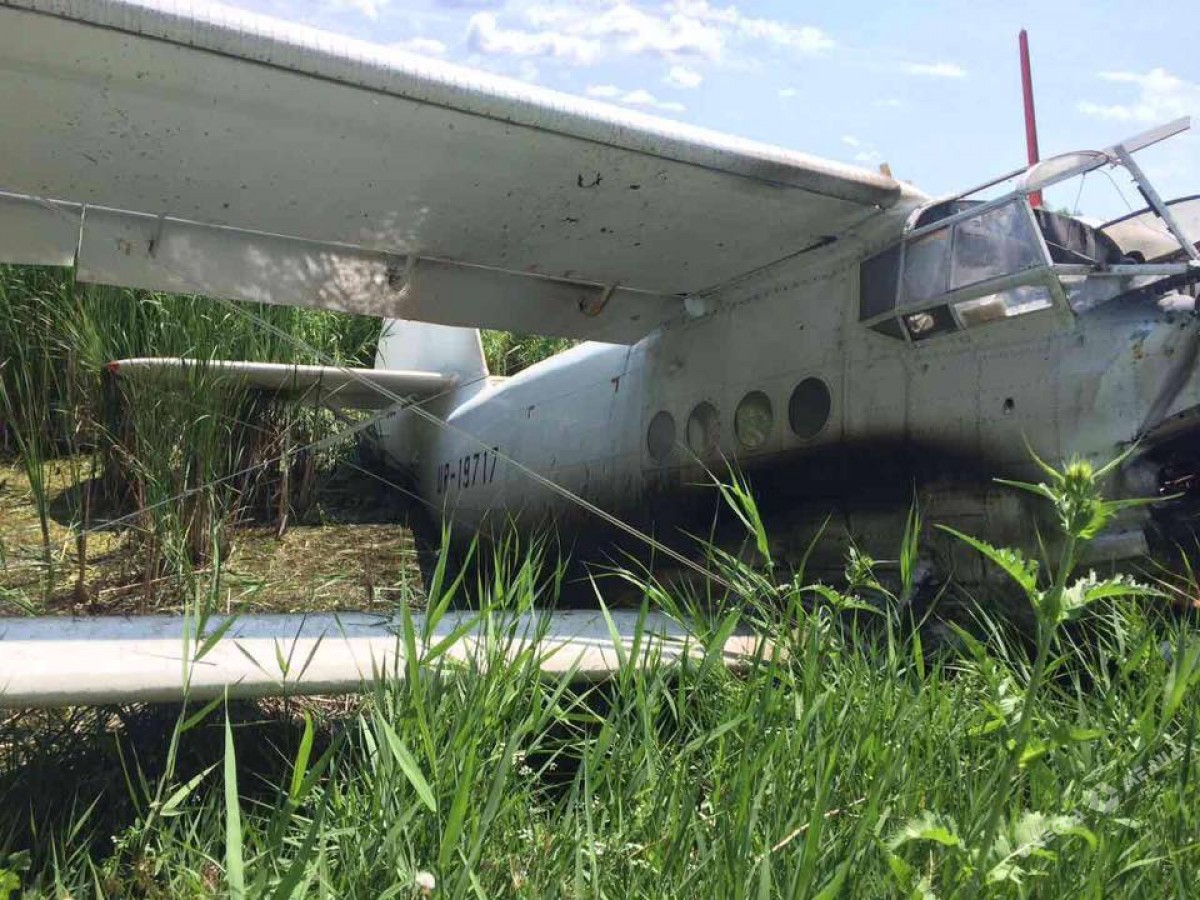
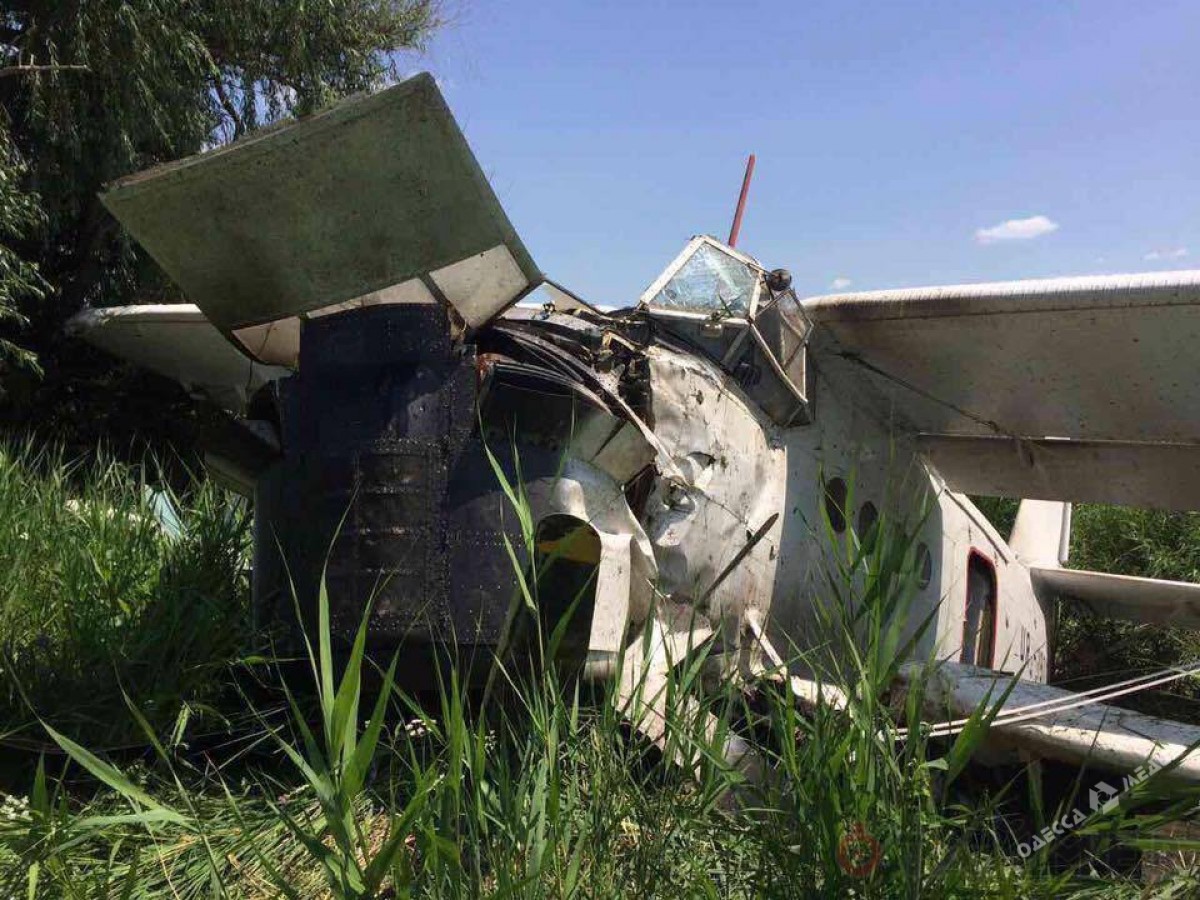
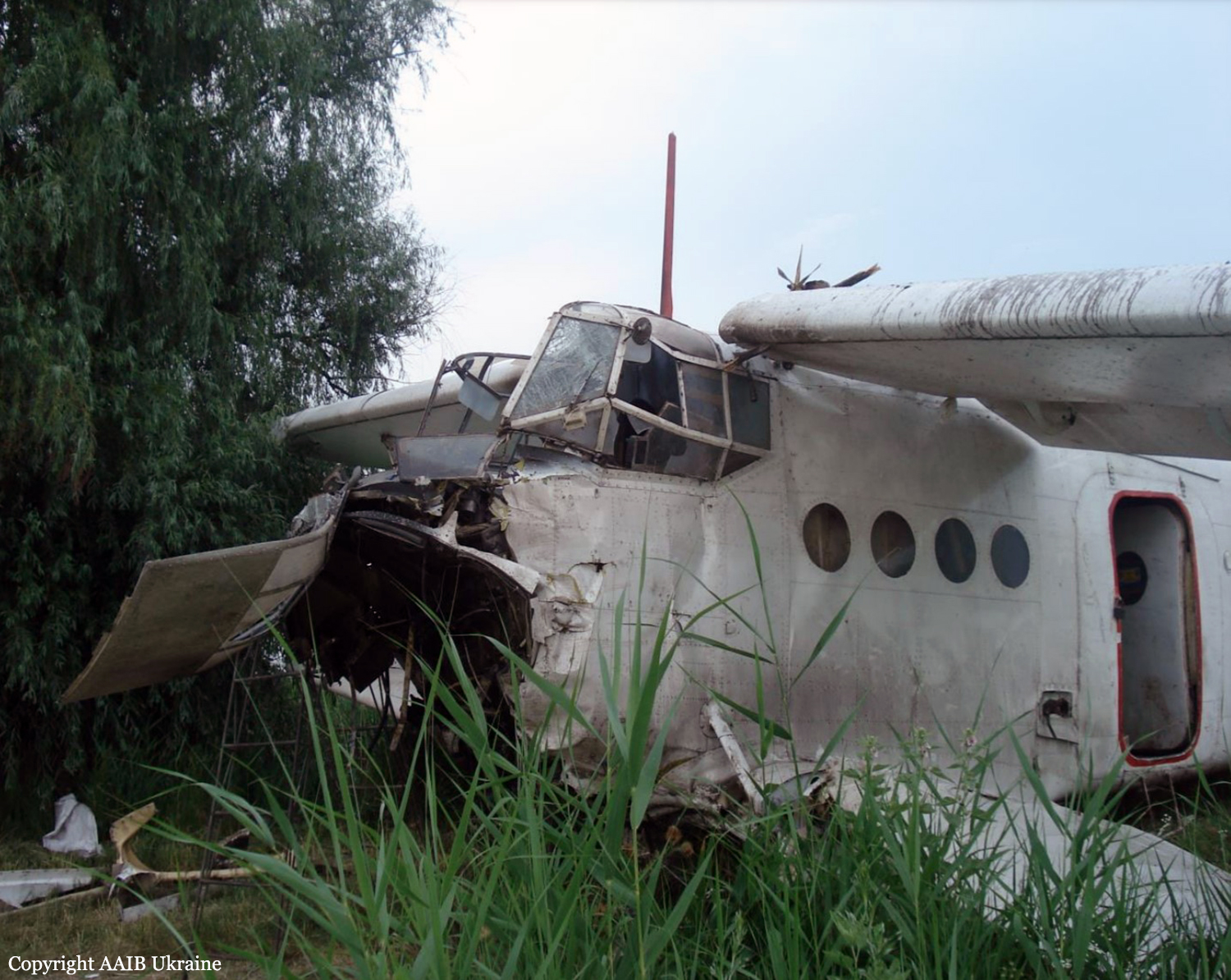
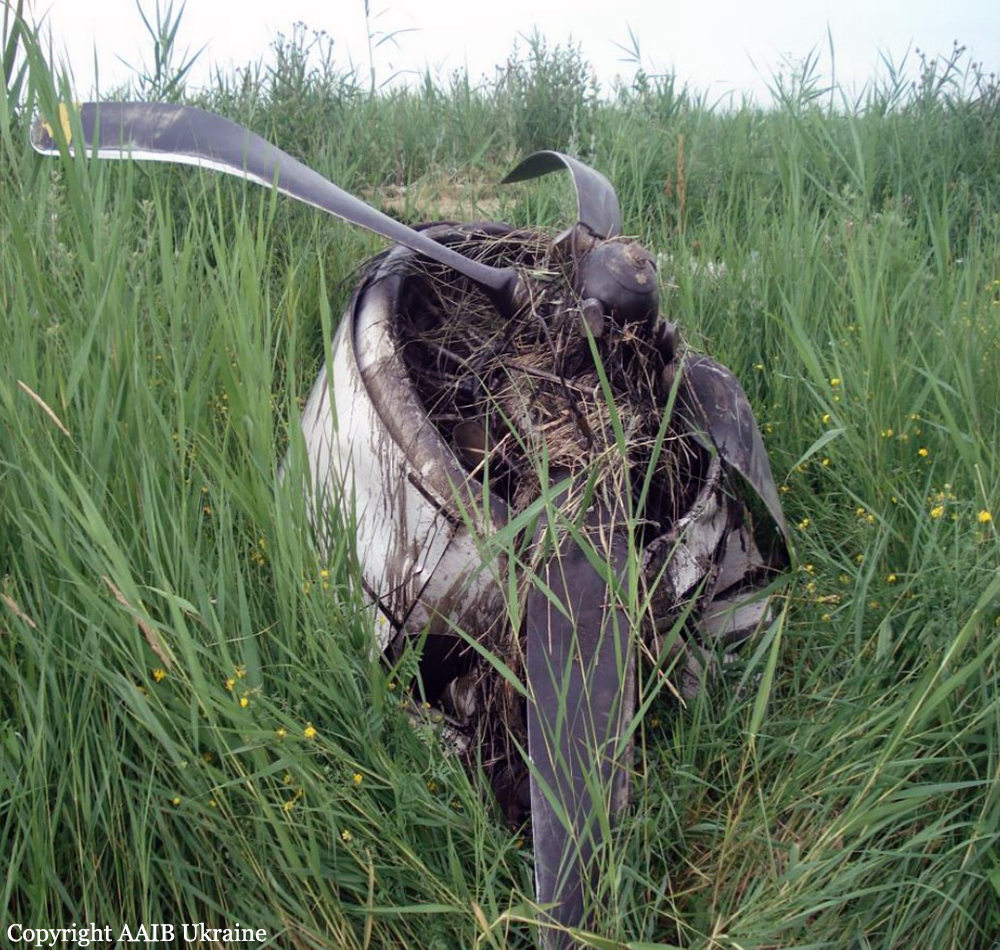
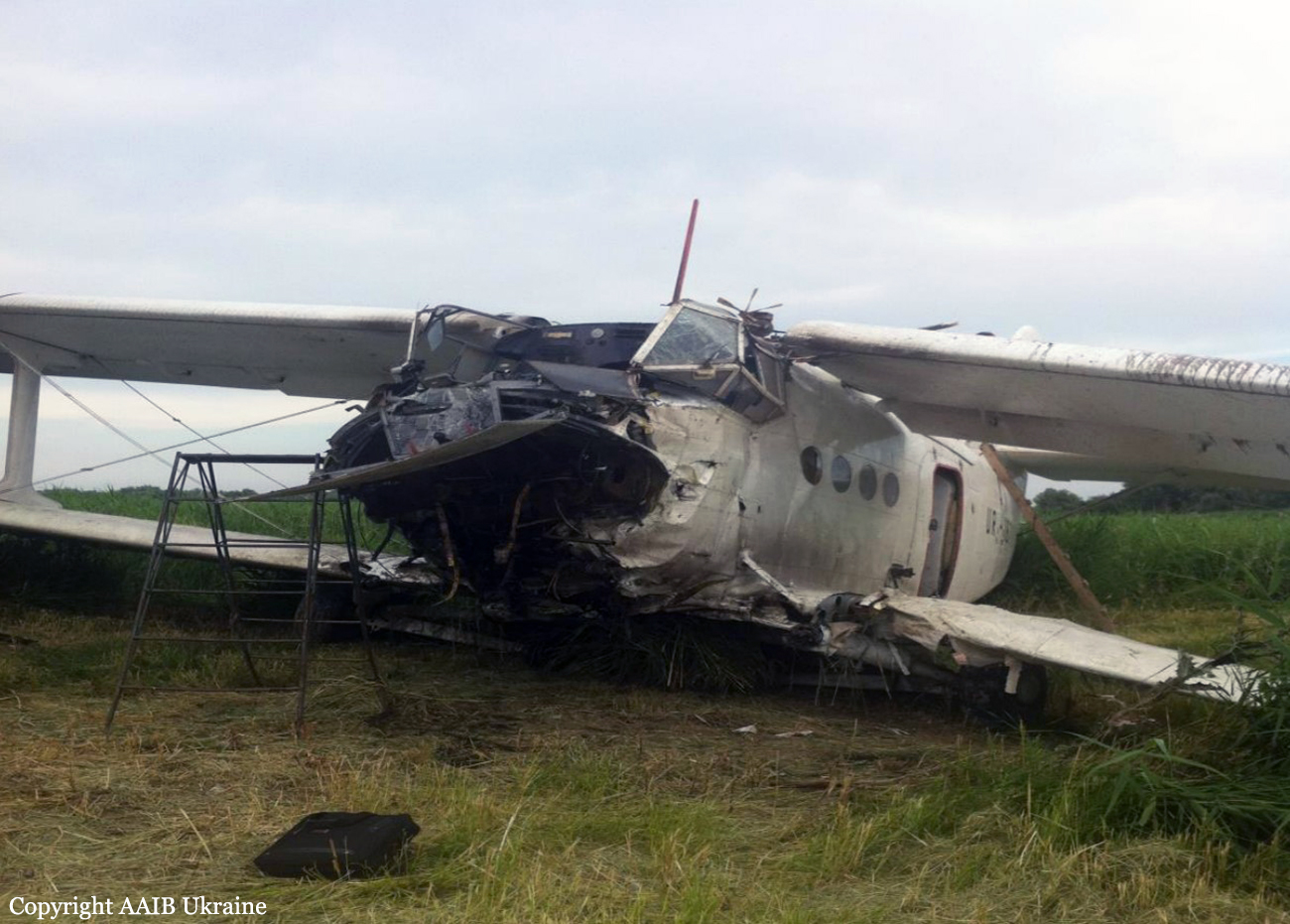
The crew was engaged in a spraying mission over rice paddy fields in the region of Kiliya, Odessa. While completing the 18th sortie of the day, flying at a height of 50 metres and at a speed of 140-150 km/h, the engine failed. The crew attempted an emergency landing when the aircraft hit obstacles and trees and crashed. The captain escaped unhurt while the copilot was slightly injured. The aircraft was damaged beyond repair.
Probable cause:
Engine failure in flight due to fuel exhaustion.
The following contributing factors were identified:
- Poor flight preparation on part of the crew who failed to follow the pre-takeoff checklist,
- The fuel selector was in the wrong position,
- Poor organization on part of the operator, regarding implementation of procedures related to agricultural flghts.
Final Report:

Crash of a Cessna 207 Stationair in Vinalhaven

Date & Time: Jun 26, 2017 at 0741 LT
Operator:
Registration:
N207GM
Flight Type:
Survivors:
Yes
Schedule:
Rockland - Vinalhaven
MSN:
207-0217
YOM:
1972
Crew on board:
1
Crew fatalities:
Pax on board:
0
Pax fatalities:
Other fatalities:
Total fatalities:
0
Captain / Total flying hours:
15436
Captain / Total hours on type:
356.00
Aircraft flight hours:
12458
Circumstances:
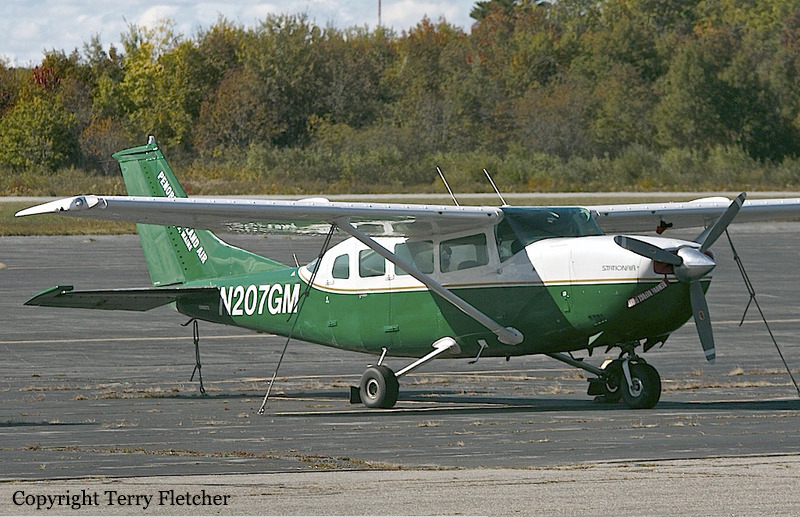
The pilot reported that the approach appeared normal, but during the landing on the 1,500 feet long gravel strip, the airplane firmly struck the runway and bounced. He added that the bounce was high and that the remaining runway was too short to correct the landing with power. The pilot chose to go around, applying full power and 20° of flaps for the balked landing procedure. During the climb, the airplane drifted left toward 50-ft-tall trees about 150 ft from the departure end of the runway. Unable to climb over the trees, the airplane struck the tree canopy, the nose dropped, and the pilot instinctively reduced power as the airplane descended through the trees and impacted terrain. The wings and fuselage were substantially damaged. The pilot reported no preimpact mechanical failures or malfunctions with the airplane that would have precluded normal operation.

Probable cause:
The pilot's failure to maintain a stabilized approach, which resulted in a bounced landing and subsequent go-around with insufficient distance to clear trees during the climb.
Final Report:

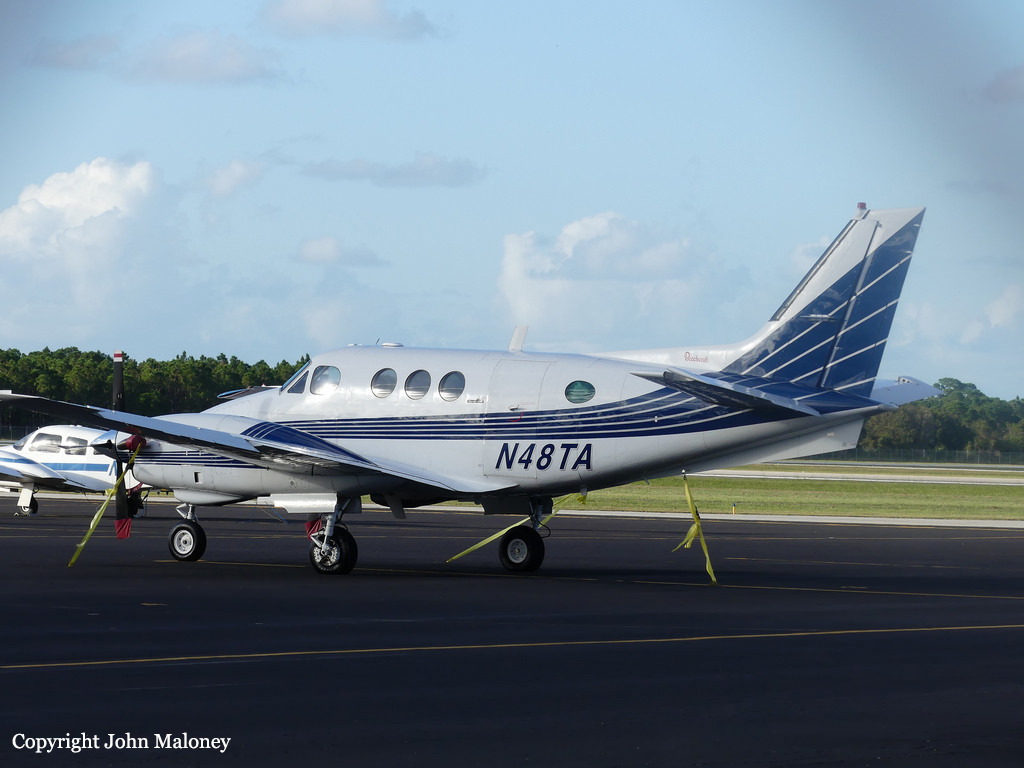
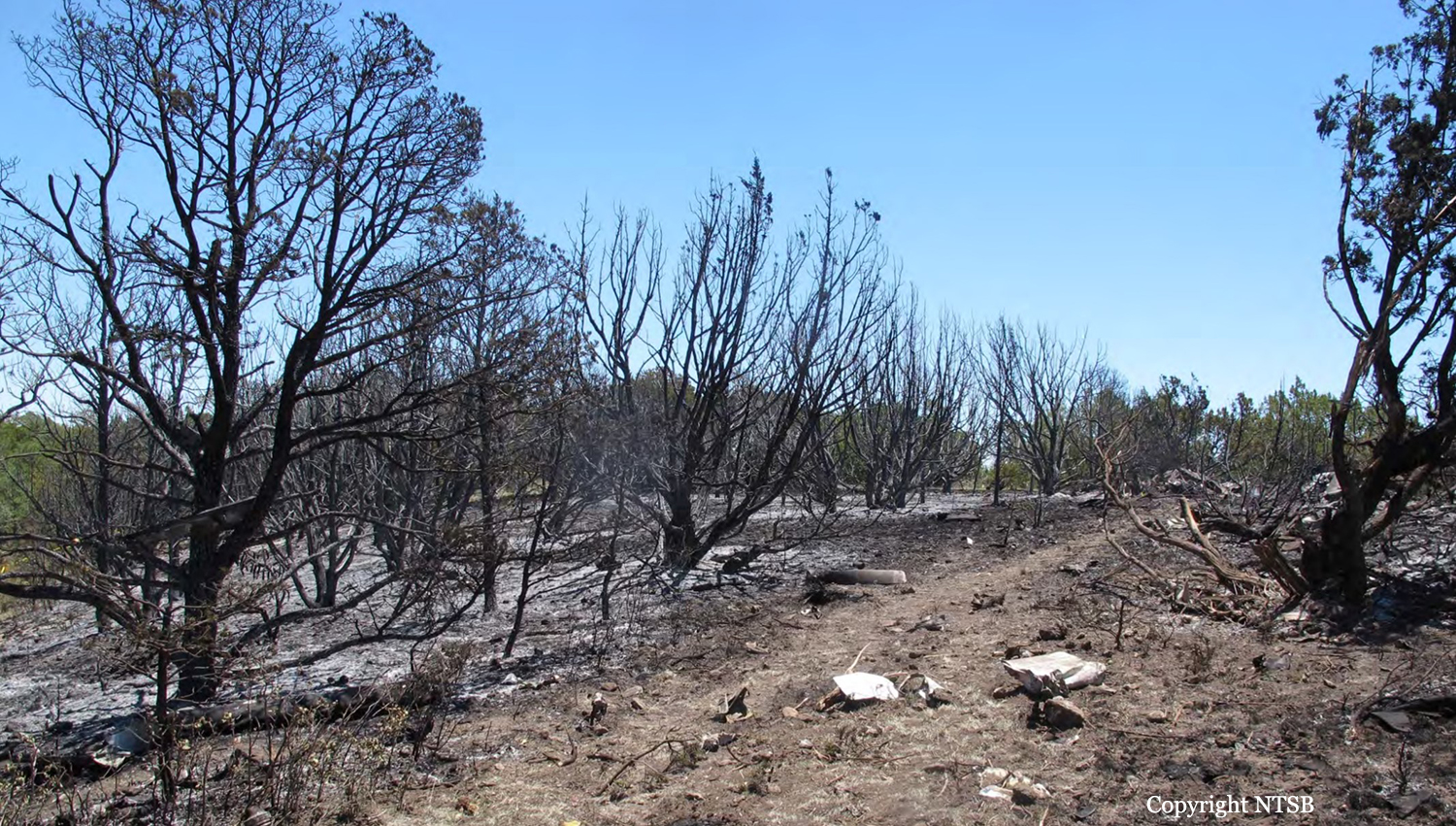
Crash of a Beechcraft E90 King Air in Ruidoso: 2 killed

Date & Time: Jun 13, 2017 at 2210 LT
Type of aircraft:
Operator:
Registration:
N48TA
Flight Phase:
Flight Type:
Survivors:
No
Schedule:
Ruidoso – Abilene
MSN:
LW-283
YOM:
1978
Crew on board:
1
Crew fatalities:
Pax on board:
1
Pax fatalities:
Other fatalities:
Total fatalities:
2
Captain / Total flying hours:
1073
Captain / Total hours on type:
25.00
Aircraft flight hours:
12621
Circumstances:
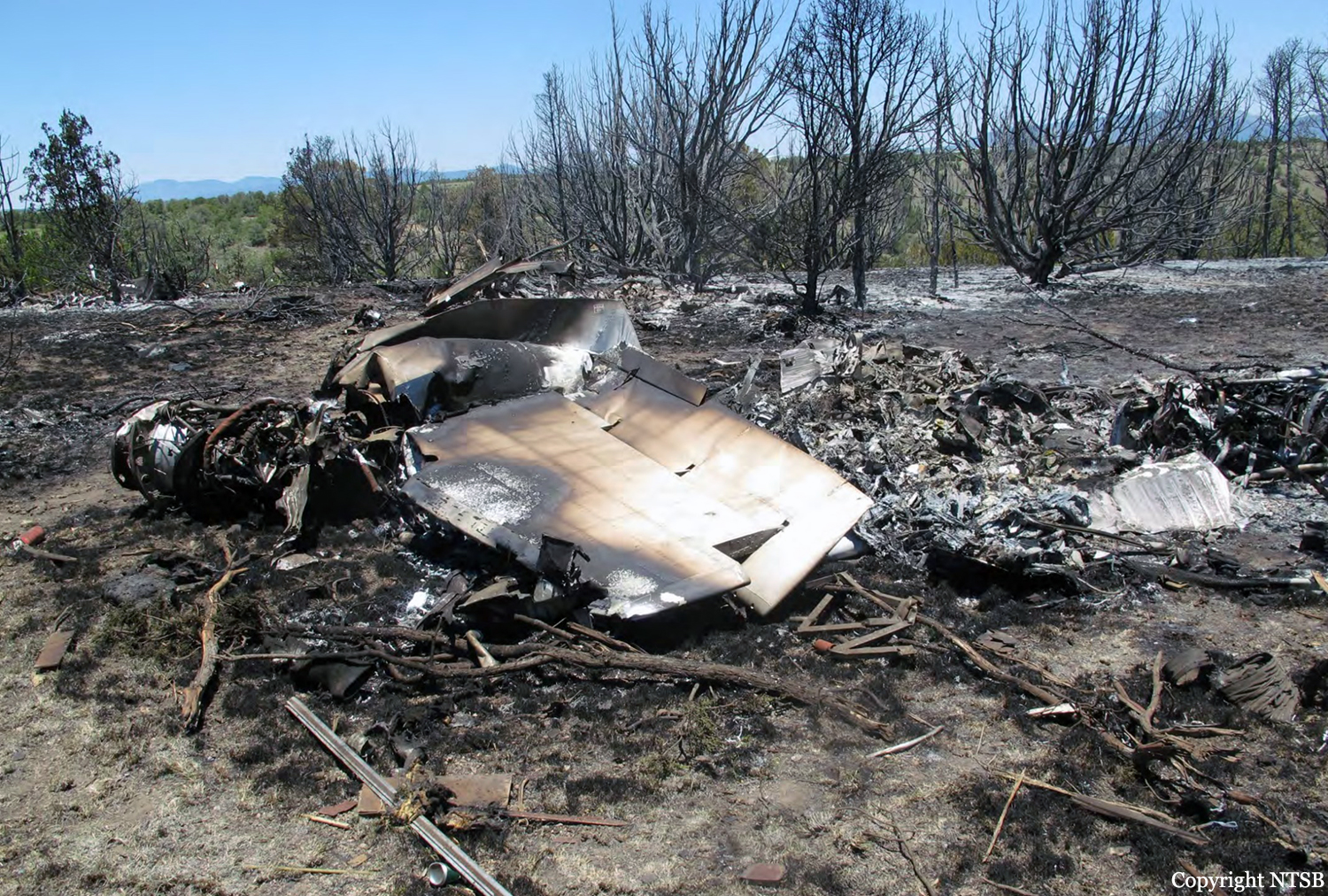
The commercial pilot had filed an instrument flight rules flight plan and was departing in dark night visual meteorological conditions on a cross-country personal flight. A witness at the departure airport stated that during takeoff, the airplane sounded and looked normal. The witness said that the airplane lifted off about halfway down runway 24, and there was "plenty" of runway remaining for the airplane to land. The witness lost sight of the airplane and did not see the accident because the airport hangars blocked her view. The wreckage was located about 2,400 ft southeast of the departure end of runway 24. Examination of the accident site indicated that the airplane impacted in a nose-down attitude with a left bank of about 20°. A left turn during departure was consistent with the airport's published instrument departure procedures for obstacle avoidance, which required an immediate climbing left turn while proceeding to a navigational beacon located about 7 miles east-northeast of the airport. Examination of the wreckage did not reveal any evidence of preimpact mechanical malfunctions that would have precluded normal operation. The pilot had reportedly been awake for about 15 hours and was conducting the departure about the time he normally went to sleep and, therefore, may have been fatigued about the time of the event; however, given the available evidence, it was impossible to determine the role of fatigue in this event. Although the circumstances of the accident are consistent with spatial disorientation, there was insufficient evidence to determine whether it may have played a role in the sequence of events.

Probable cause:
The pilot's failure to maintain clearance from terrain after takeoff during dark night conditions.
Final Report: