Crash of an Antonov AN-26B in Geneina

Date & Time: Jun 7, 2004
Type of aircraft:
Operator:
Registration:
ST-ARO
Flight Type:
Survivors:
Yes
Schedule:
Khartoum – Al Fashir – Geneina
MSN:
102 05
YOM:
1980
Country:
Region:
Crew on board:
4
Crew fatalities:
Pax on board:
12
Pax fatalities:
Other fatalities:
Total fatalities:
0
Circumstances:
After landing, the aircraft was unable to stop within the remaining distance. It overran, crossed an unpaved road and some ditches before coming to rest 250 meters further. All 16 occupants escaped uninjured while the aircraft was damaged beyond repair.
Probable cause:
Following a wrong approach configuration, the crew landed too far down the runway, reducing the landing distance available.


Crash of a Raytheon 390 Premier I in North Las Vegas

Date & Time: May 27, 2004 at 1557 LT
Type of aircraft:
Operator:
Registration:
N5010X
Flight Type:
Survivors:
Yes
Schedule:
Palm Springs - North Las Vegas
MSN:
RB-10
YOM:
2002
Crew on board:
1
Crew fatalities:
Pax on board:
1
Pax fatalities:
Other fatalities:
Total fatalities:
0
Captain / Total flying hours:
9200
Captain / Total hours on type:
62.00
Circumstances:
The airplane overran the runway after landing on runway 7. The passenger stated that he felt that the approach was "fast" and that the pilot was "behind the power curve" because of high
minimum en route altitudes in the area and that they had to "hustle down" during the descent. The passenger indicated that the flight crossed the runway threshold "maybe a bit more" that 10 knots above Vref and touched down about 10 knots above Vref. He said it was not a stabilized approach. Landing distance calculations and other evidence suggest that the lift dump panels did not extend after landing; however, the investigation did not determine the reason(s) for the lack of lift dump. No evidence was found of any failures affecting the lift dump or braking systems. Evidence and interview statements reveal that the pilot flew an unstabilized approach to the runway and landed well above target speed. The high landing speed was result of the pilot's excessive airspeed on the approach and a tailwind component of about 8 knots. Although the pilot landed the airplane within the touchdown area, the airplane's speed upon touchdown was about 17 knots above the prescribed speed. The flight's unstabilized approach and excessive speed should have prompted the pilot to initiate a missed approach.
Probable cause:
The flight's unstabilized approach and excessive speed. Contributing to the excessive touchdown speed was the presence of a tailwind at landing.
Final Report:

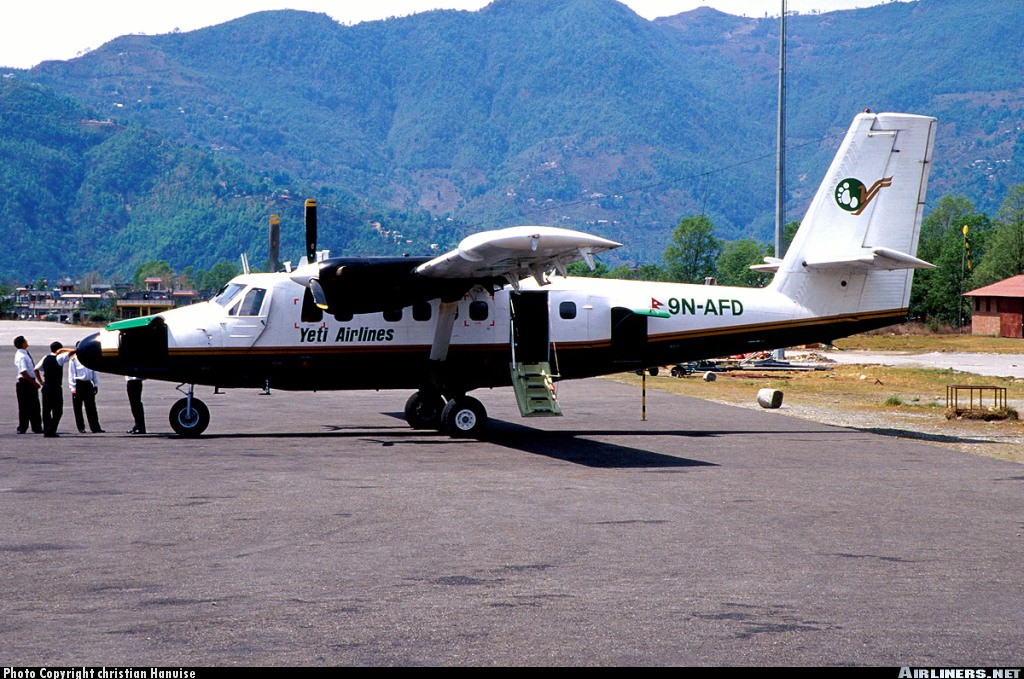
Crash of a De Havilland DHC-6 Twin Otter 300 in Lukla: 3 killed

Date & Time: May 25, 2004 at 1356 LT
Operator:
Registration:
9N-AFD
Flight Type:
Survivors:
No
Site:
Schedule:
Kathmandu - Lukla
MSN:
651
YOM:
1979
Flight number:
YET117
Country:
Region:
Crew on board:
3
Crew fatalities:
Pax on board:
0
Pax fatalities:
Other fatalities:
Total fatalities:
3
Circumstances:
While descending to Lukla Airport from the south following a cargo flight from Kathmandu, the crew encountered poor visibility due to clouds when, at an altitude of 11,600 feet, the aircraft struck the slope of a mountain located near the Lamjura Pass, in the Solukhumbu district. The wreckage was found west of the airport and all three crew members were killed.
Probable cause:
Controlled flight into terrain. The following factors were identified:
- Hazardous behaviour and attitudes of the captain such as overconfidence,
- The crew failed to comply with the approach routes, following a direct track,
- The crew failed to follow SOP's,
- The operator's policy for flying in adverse weather were incomplete and not up to date,
- Lack of communication by the operator,
- The operator was unable to perform internal investigations and execute corrective actions when required.

Crash of a PZL-Mielec AN-2R in Bozoy: 1 killed

Date & Time: May 19, 2004 at 1040 LT
Type of aircraft:
Operator:
Registration:
UN-70276
Flight Phase:
Survivors:
Yes
Schedule:
Kyzylorda – Bozoy – Vozrozhdeniya Island
MSN:
1G139-35
YOM:
1972
Location:
Country:
Region:
Crew on board:
2
Crew fatalities:
Pax on board:
10
Pax fatalities:
Other fatalities:
Total fatalities:
1
Circumstances:
The single engine aircraft departed Kyzylorda on a charter flight to the island of Vozrozhdeniya with an intermediate stop in Bozoy, carrying 10 doctors and two pilots. They were taking part to a plague control program. After takeoff from Bozoy, while climbing to a height of about 50 metres, the aircraft stalled and crashed in an open field. All 12 occupants were rescued, among them three passengers were seriously injured. Few hours later, one of them died from his injuries.
Probable cause:
Stall and loss of control after the cargo shifted during initial climb. It was determined that the cargo was not properly secured in the cabin and moved to the rear during initial climb. The distance between the aircraft and the ground was insufficient to expect recovery. It was also reported that the aircraft has been refueled with AI-96 motor gasoline instead of aviation fuel.

Crash of a De Havilland DHC-2 Beaver in Fawcett Lake: 4 killed

Date & Time: May 18, 2004 at 1800 LT
Type of aircraft:
Registration:
C-GQHT
Survivors:
No
Schedule:
Pickeral Arm Camp - Fawcett Lake
MSN:
682
YOM:
1954
Country:
Crew on board:
1
Crew fatalities:
Pax on board:
3
Pax fatalities:
Other fatalities:
Total fatalities:
4
Captain / Total flying hours:
1688
Captain / Total hours on type:
344.00
Circumstances:
Pickerel Arm Camps is located about 22 km south of Sioux Lookout, Ontario. It operates a main campsite at its water base and several remote fishing lodges. The company operates two float equipped de Havilland DHC-2 Beaver aircraft to fly guests and supplies to their remote sites. Seven guests of the company arrived at the water base on 18 May 2004, the day before their scheduled four-day fishing trip at Fawcett Lake, one of the remote lodges. Because the remote lodge was available, a decision was made to fly in that afternoon. The group was divided in two, and a group of three guests and all the supplies for the seven guests were to go in the first aircraft. The second group of four, with their personal baggage, was to follow in the company’s other Beaver. The occurrence aircraft, a de Havilland DHC-2 Beaver (C-GQHT, serial number 682) with one pilot and three camp guests on board, departed the company water base at approximately 1700 eastern daylight time on a day visual flight rules flight to Fawcett Lake. At approximately 1930, the pilot and the other four guests arrived in the second aircraft to discover that the first group had not arrived. The guests later found the accident aircraft overturned in the lake. Ontario Provincial Police divers recovered the bodies of the pilot and the three passengers. The aircraft sustained substantial damage. There was no fire.
Probable cause:
Findings as to Causes and Contributing Factors:
1. The pilot flew a high-drag approach configuration for which his proficiency was not established.
2. The pilot most likely allowed the airspeed to decrease to the point that the aircraft stalled on approach at an altitude at which recovery was unlikely.
3. The impact was non-survivable because of the high impact forces.
Findings as to Risk:
1. The emergency locator transmitter (ELT) airframe antenna was broken off above the fuselage; however, the flight was within the 30-day period allowed by regulation for flight with an unserviceable ELT.
2. The pilot did not secure the cargo prior to flight, which allowed the cargo to shift forward on impact.
3. The weight and centre of gravity (C of G) were not indicated in the operational flight plan and load record, and the aircraft’s weight and C of G could only be estimated.
Final Report:

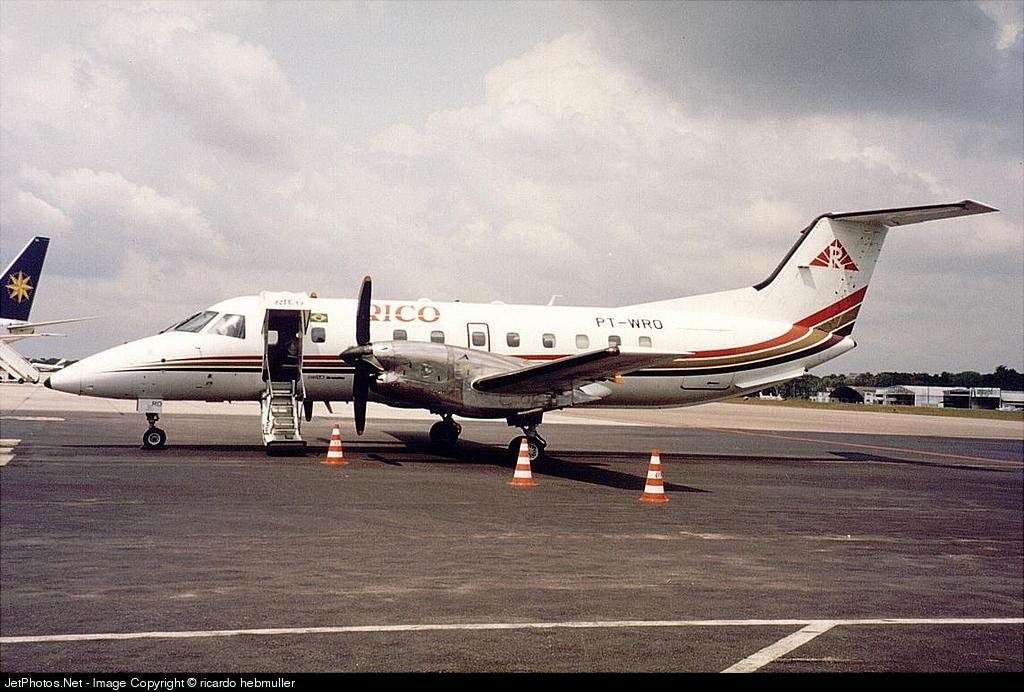
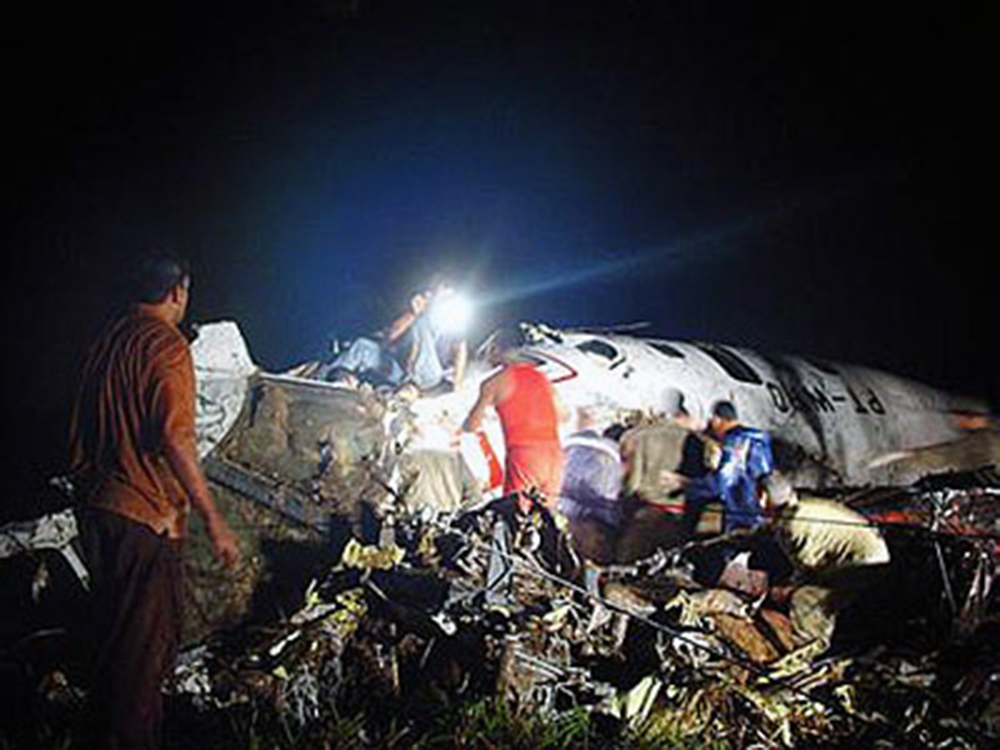
Crash of an Embraer EMB-120ER Brasília near Manaus: 33 killed

Date & Time: May 14, 2004 at 1835 LT
Type of aircraft:
Operator:
Registration:
PT-WRO
Survivors:
No
Schedule:
São Paulo de Olivença – Tabatinga – Tefé – Manaus
MSN:
120-070
YOM:
1988
Flight number:
RLE4815
Location:
Country:
Crew on board:
3
Crew fatalities:
Pax on board:
30
Pax fatalities:
Other fatalities:
Total fatalities:
33
Captain / Total flying hours:
19069
Captain / Total hours on type:
5819.00
Copilot / Total flying hours:
11927
Copilot / Total hours on type:
4637
Circumstances:
While descending to Manaus-Eduardo Gomes Airport following an uneventful flight from Tefé, the aircraft was correctly established on the ILS when the crew was instructed by ATC to initiate a go-around and to follow a holding pattern as the priority was given to an ambulance flight. The crew made a left turn heading 060° and continued the descent after passing 2,000 feet when the aircraft struck the ground and crashed about 33 km from the airport. The aircraft disintegrated on impact and all 33 occupants were killed.
Probable cause:
Controlled flight into terrain after the crew continued the descent below 2,000 feet until the aircraft impacted ground. The following contributing factors were identified:
- The crew reported his altitude at 2,000 feet while the real altitude of the airplane was 1,300 feet,
- The crew continued the descent until final impact,
- The crew did not react to the GPWS alarm that sounded four times when the aircraft reached the altitude of 400 feet,
- No corrective action was taken by the crew,
- Lack of crew coordination,
- Poor approach planning that led the aircraft descending to a critical altitude,
- Lack of supervision,
- Operational deficiencies.
Final Report:

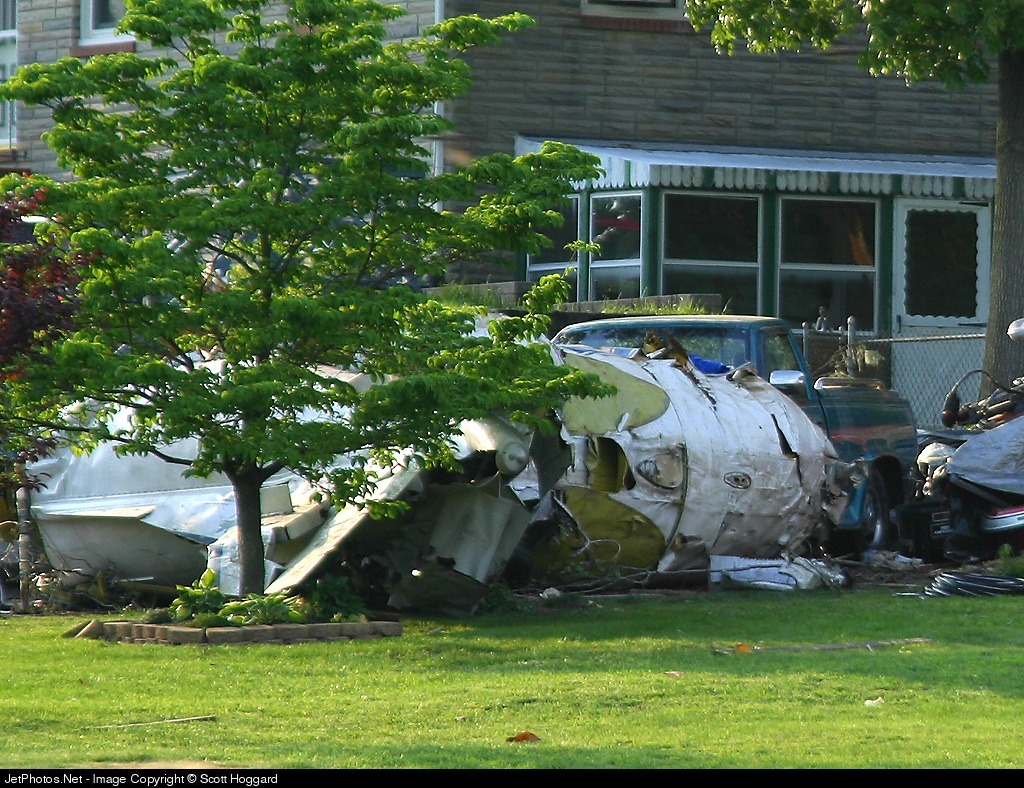
Crash of a Mitsubishi MU-2B-60 Marquise in Baltimore: 1 killed

Date & Time: May 14, 2004 at 0724 LT
Type of aircraft:
Operator:
Registration:
N755AF
Flight Type:
Survivors:
No
Site:
Schedule:
Philadelphia - Baltimore
MSN:
755
YOM:
1980
Flight number:
EPS101
Crew on board:
1
Crew fatalities:
Pax on board:
0
Pax fatalities:
Other fatalities:
Total fatalities:
1
Captain / Total flying hours:
6800
Aircraft flight hours:
6951
Circumstances:
The pilot was finishing his third round-trip, Part 135 cargo flight. The first round trip began the previous evening, about 2150, and the approach back to the origination airport resulted in a landing on runway 15R at 2305. The second approach back to the origination airport resulted in a landing on runway 28 at 0230. Prior to the third approach back to the airport, the pilot was cleared for, and acknowledged a visual approach to runway 33R twice, at 0720, and at 0721. However, instead of proceeding to the runway, the airplane flew north of it, on a westerly track consistent with a modified downwind to runway 15L. During the westerly track, the airplane descended to 700 feet. Just prior to an abeam position for runway 15L, the airplane made a "sharp" left turn back toward the southeast, and descended into the ground. Witnesses reported the airplane's movements as "swaying motions as if it were going to bank left, then right, and back left again," and "the nose...pointing up more than anything...but doing a corkscrew motion." Other witnesses reported the "wings straight up and down," and "wings vertical." Tower controllers also noted the airplane to be "low and tight," and "in an unusually nose high attitude close to the ground. It then "banked left and appeared to stall and then crashed." A post-flight examination of the wreckage revealed no evidence of mechanical malfunction. The pilot, who reported 6,800 hours of flight time, had also flown multiple round trips the previous two evenings. He had checked into a hotel at 0745, the morning prior to the accident flight, checked out at 1956, the same day, and reported for work about 1 hour before the first flight began.
Probable cause:
The pilot's failure to maintain airspeed during a sharp turn, which resulted in an inadvertent stall and subsequent impact with terrain. Factors included the pilot's failure to fly to the intended point of landing, and his abrupt course reversal back towards it.
Final Report:

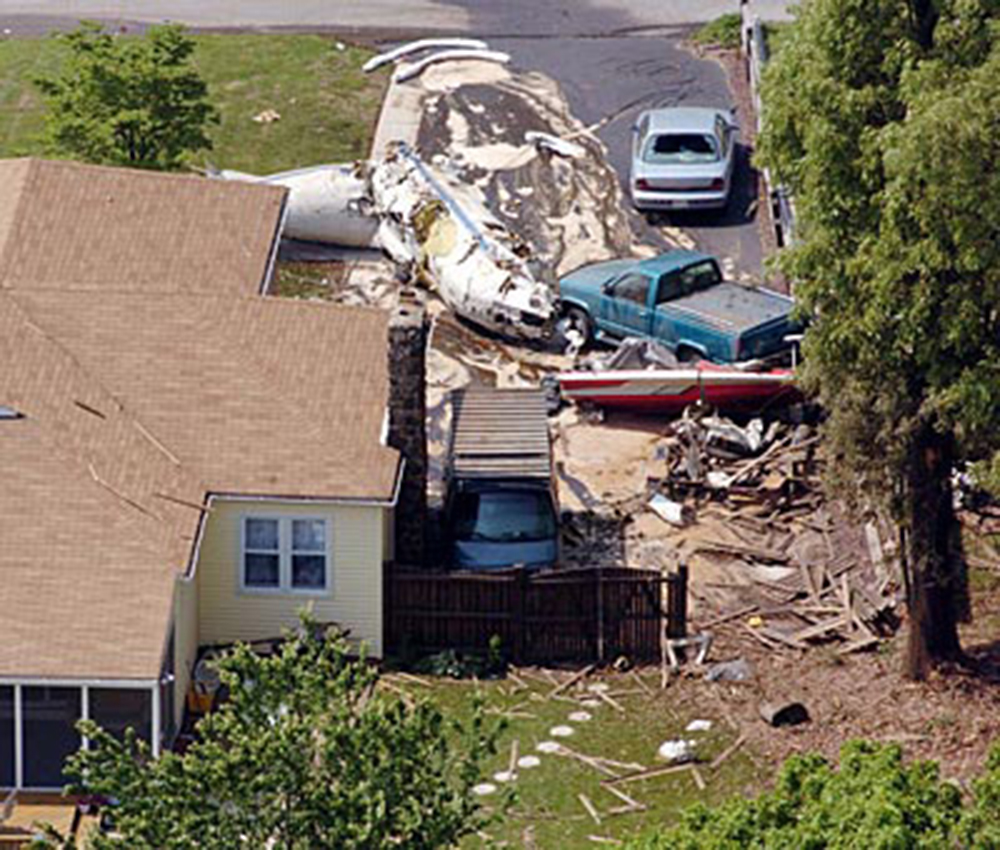
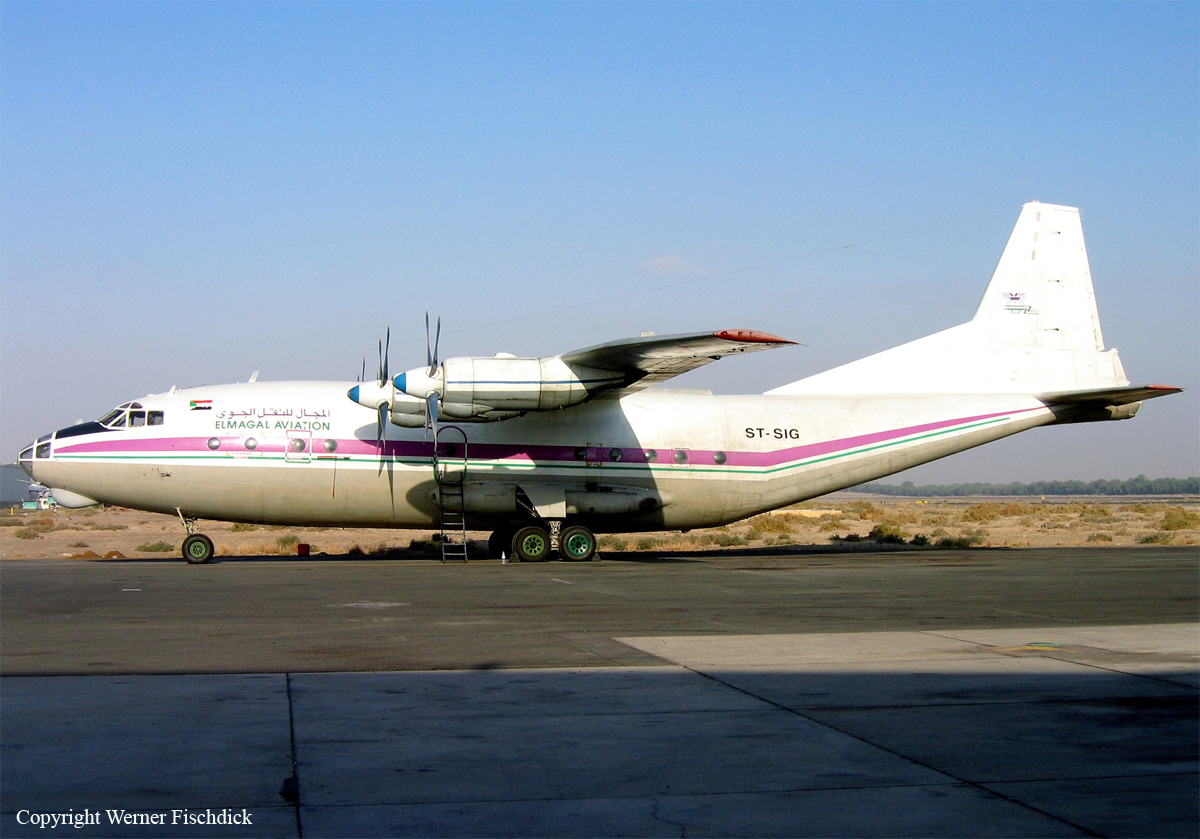
Crash of an Antonov AN-12BP near Tatal: 7 killed

Date & Time: May 11, 2004 at 1018 LT
Type of aircraft:
Operator:
Registration:
ST-SIG
Flight Phase:
Flight Type:
Survivors:
No
Schedule:
Juba - El Obeid
MSN:
14 001 01
YOM:
1961
Country:
Region:
Crew on board:
7
Crew fatalities:
Pax on board:
0
Pax fatalities:
Other fatalities:
Total fatalities:
7
Aircraft flight hours:
16609
Aircraft flight cycles:
7753
Circumstances:
En route from Juba to El Obeid, while cruising at an altitude of 24,000 feet, all four engines flamed out. The crew feathered the propeller, reduced his altitude and attempted an emergency landing when the aircraft struck the ground and crashed against trees. One occupant was seriously injured while six others were killed. Few hours later, the only survivor died from his injuries. It was reported that the aircraft was performing several round trips between Juba and El Obeid since May 9, each time with 9018 kgs of fuel uplifted in El Obeid while the average fuel consumption for a round trip was 10000 kgs. The crew was composed of an Armenian captain and ground engineer, a Sudanese first officer, a Sudanese navigator, a Sudanese radio operator, an Iraqi navigator and an Iraqi flight engineer.
Probable cause:
The following findings were identified:
- Fuel starvation due to Company fuel planning policy,
- The exhaustion of the Captain as he was handling all flights during the three days preceding the accident flight in addition to the weather on day of accident,
- Some of the crew members had limited experience on the type and three of them even did not fly on AN-12 for a long time which might aggravate the situation before the crash,
- The Sudanese navigator license was expired since July 2001,
- The Iraqi crew members did not have any valid licenses and their experience on the An-12 dated back from 1994,
- The aircraft's Certificate of Release to Service and Certificate of Maintenance Review both expired on April 30, 2004.

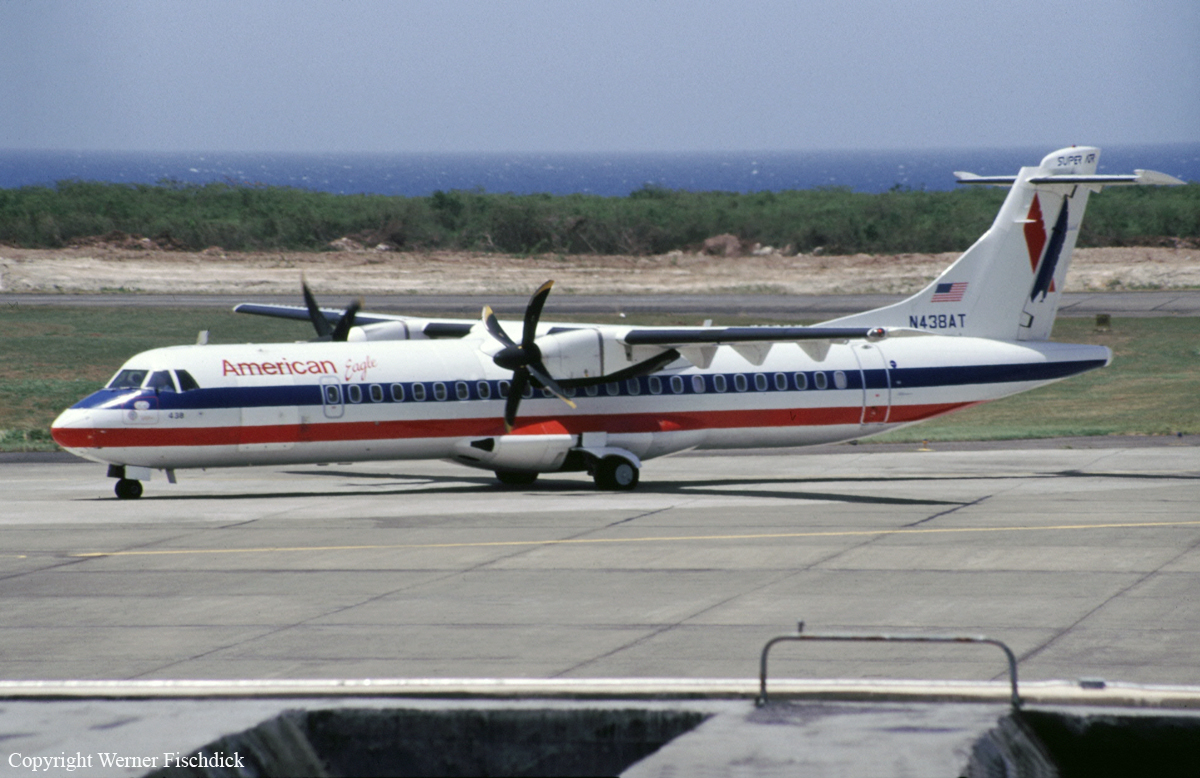
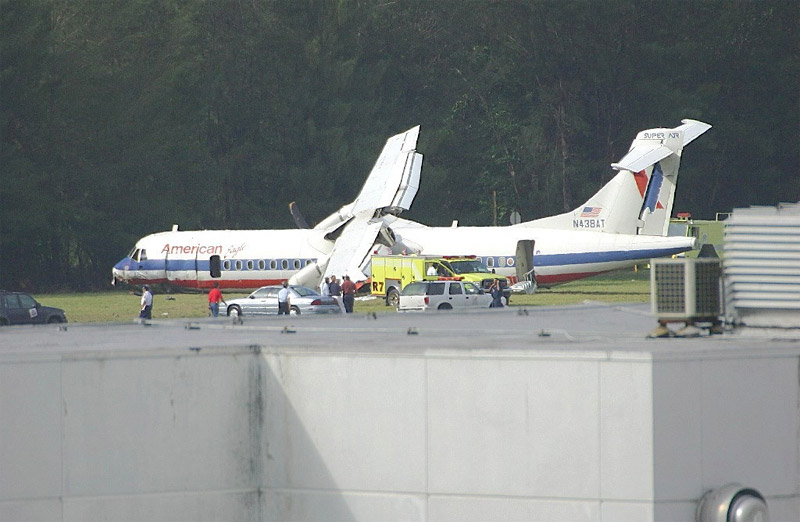
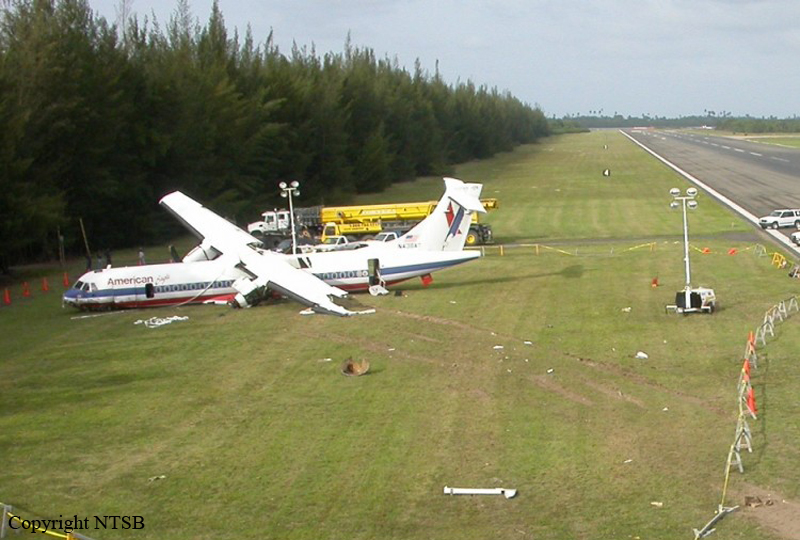
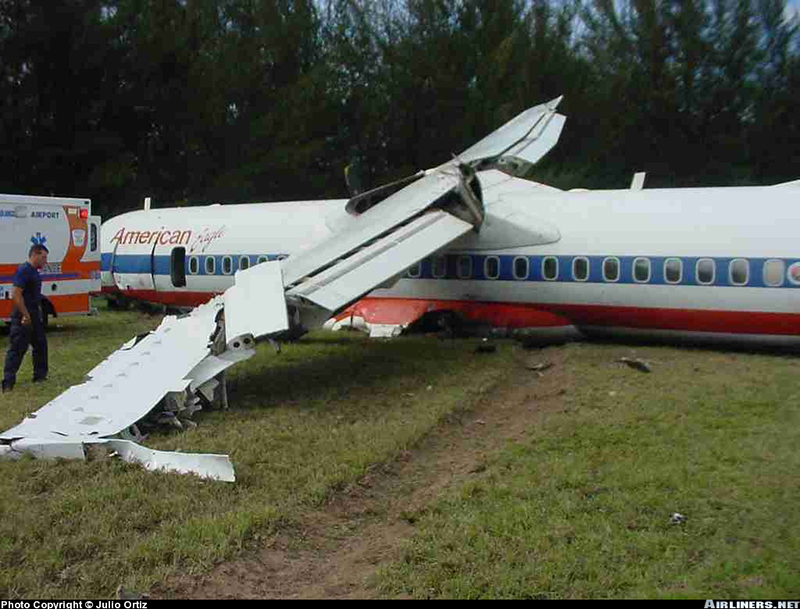
Crash of an ATR72-212 in San Juan

Date & Time: May 9, 2004 at 1450 LT
Type of aircraft:
Operator:
Registration:
N438AT
Survivors:
Yes
Schedule:
Mayaguez - San Juan
MSN:
438
YOM:
1995
Flight number:
AA5401
Country:
Crew on board:
4
Crew fatalities:
Pax on board:
22
Pax fatalities:
Other fatalities:
Total fatalities:
0
Captain / Total flying hours:
6071
Captain / Total hours on type:
3814.00
Copilot / Total flying hours:
2000
Copilot / Total hours on type:
20
Aircraft flight hours:
19276
Aircraft flight cycles:
18086
Circumstances:
Flight 5401 departed Mayagüez, Puerto Rico, for San Juan about 14:15. The captain was the nonflying pilot for the flight, and the first officer was the flying pilot. The takeoff, climb, and en route portions of the flight were uneventful. At 14:37, as the flight approached the San Juan traffic area, the ATIS reported that winds were 060 degrees at 17 knots and gusting at 23 knots. Shortly thereafter, the captain briefed a Vref (the minimum approach airspeed in the landing configuration before the airplane reaches the runway threshold) of 95 knots and told the first officer to "stand by for winds." At 14:43 SJU Terminal Radar Approach Control cautioned the pilots of possible wake turbulence from a preceding Boeing. The captain told the first officer to slow down to about 140 kts. At 14:46, the local controller cleared the airplane to land on runway 08. The first officer turned the airplane left toward runway 08 and transitioned to the visual approach slope indicator. At 14:49, the captain stated, "you better keep that nose down or get some power up because you're gonna balloon." The airplane descended below the glideslope, causing a GPWS "glideslope" alert. The airplane was about 45 feet above ground level and traveling at 110 knots indicated airspeed when it crossed the runway 08 threshold. After the airplane crossed the runway threshold, the captain stated, "power in a little bit, don't pull the nose up, don't pull the nose up." At 14:49:39, the captain stated, "you're ballooning," and the first officer replied, "all right." The airplane touched down for the first time about 14:49:41 and about 1,600 feet beyond the runway 08 threshold with vertical and lateral loads of about 1.3 Gs and -0.10 G, respectively. Upon touchdown the captain stated, "get the power," and, 1 second later, "my aircraft." The first officer responded, "your airplane." The airplane had skipped to an altitude of about 4 feet and touched down again two seconds later about 2,200 feet beyond the runway 08 threshold. The airplane then pitched up to an angle of 9° while climbing to an altitude of 37 feet and the engine torque increased from 10 to 43 percent. About 14:49:49, the pitch angle decreased to -3°, and the engine torque started to decrease to 20 percent with the pitch angle decreasing to -10°. The airplane touched down a third time about 14:49:51 at a bank angle of 7° left wing down and about 3,300 feet beyond the runway 08 threshold and with vertical and lateral loads of about 5 Gs and 0.85 G. The ATR pitched up again to 24 feet and landed a fourth time about 14:49:56 (about 15 seconds after the initial touchdown) and about 4,000 feet beyond the runway 08 threshold. This time the airplane pitched down to -7° and that it was banked 29° left wing down. The airplane came to a complete stop on a grassy area about 217 feet left of the runway centerline and about 4,317 feet beyond the runway threshold.
Probable cause:
The captain’s failure to execute proper techniques to recover from the bounced landings and his subsequent failure to execute a go-around.
Final Report:

Crash of a Swearingen SA227AC Metro III in Carepa: 5 killed

Date & Time: May 5, 2004 at 1300 LT
Type of aircraft:
Registration:
HK-4275X
Survivors:
Yes
Schedule:
Bogotá – Carepa
MSN:
AC-676
YOM:
1987
Country:
Crew on board:
2
Crew fatalities:
Pax on board:
5
Pax fatalities:
Other fatalities:
Total fatalities:
5
Aircraft flight hours:
19335
Circumstances:
Following an uneventful flight from Bogotá-El Dorado Airport, the crew started the approach to Carepa-Los Cedros Airport, the copilot was the pilot-in-command. On final approach, the captain took over controls and continued the descent when the GPWS alarm sounded seven times. For unknown reasons, the captain failed to respond to this situation and did not proceed with any corrective actions. On short final, at a height of about 200 feet, one of the engine failed. The crew failed to follow the published procedures, causing the aircraft to stall and to crash about 100 metres short of runway 33. Two passengers were seriously injured while five other occupants were killed.
Probable cause:
The following findings were identified:
- Poor judgement of distance, speed, altitude and the obstacle clearance during the final approach,
- Attempting the operation beyond the experience and the high level of competence required by the crew,
- Encountering unforeseen circumstances exceeded the capacity of the crew,
- Diverting attention on the operation of the aircraft,
- Lack of approved procedures, directives and instructions,
- The absence of CRM procedures and low situational awareness,
- The lack of evasive action when the ground proximity warning system's alarm sounded,
- The sudden loss of power in one of the engines,
- The wrong use of the world's major flight to maintain directional control,
- The activation of the Stall Avoidance System (SAS) on the control column, moving it forward when the plane was at low altitude.