Crash of a Beechcraft C90 King Air in Oeiras

Date & Time: Mar 18, 2016 at 1630 LT
Type of aircraft:
Registration:
PP-JBL
Survivors:
Yes
Schedule:
Teresina - Oeiras
MSN:
LJ-861
YOM:
1979
Location:
Country:
Crew on board:
1
Crew fatalities:
Pax on board:
7
Pax fatalities:
Other fatalities:
Total fatalities:
0
Circumstances:
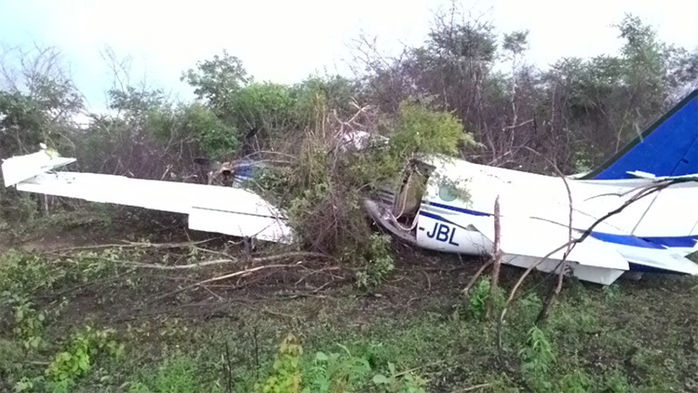
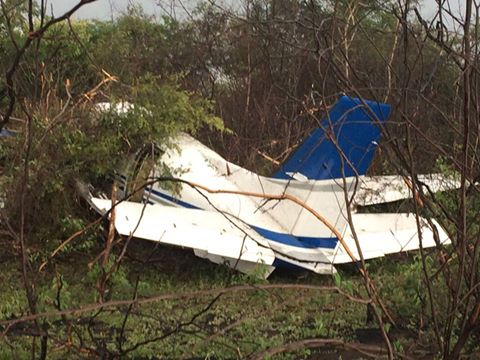
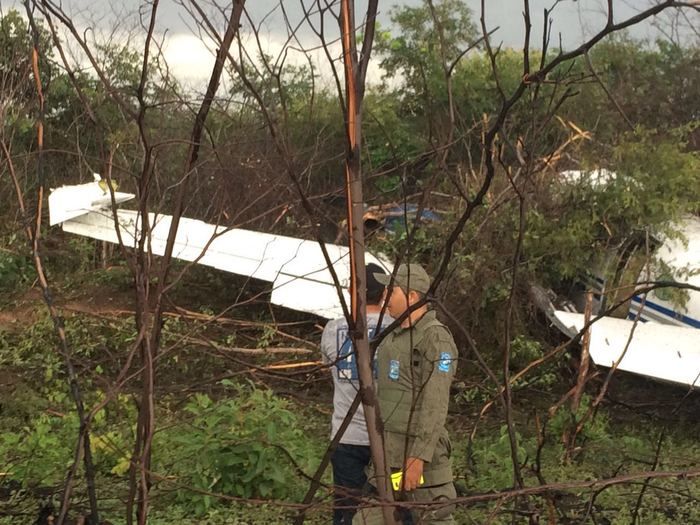
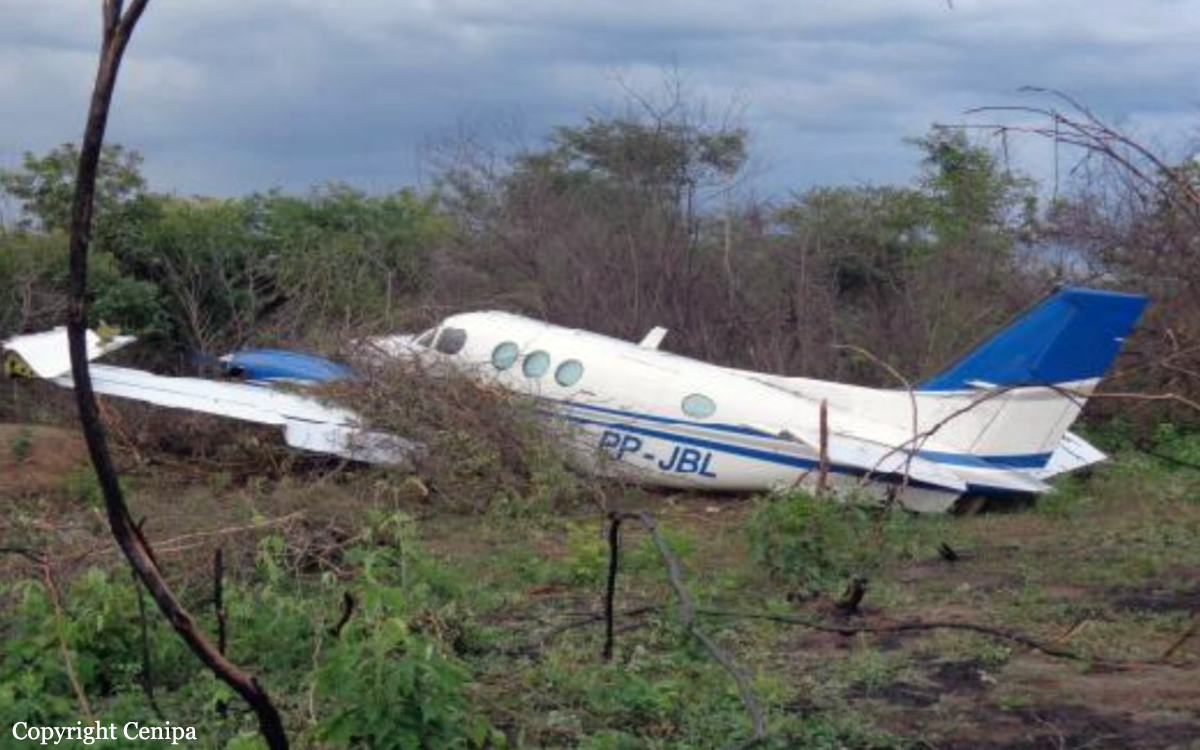
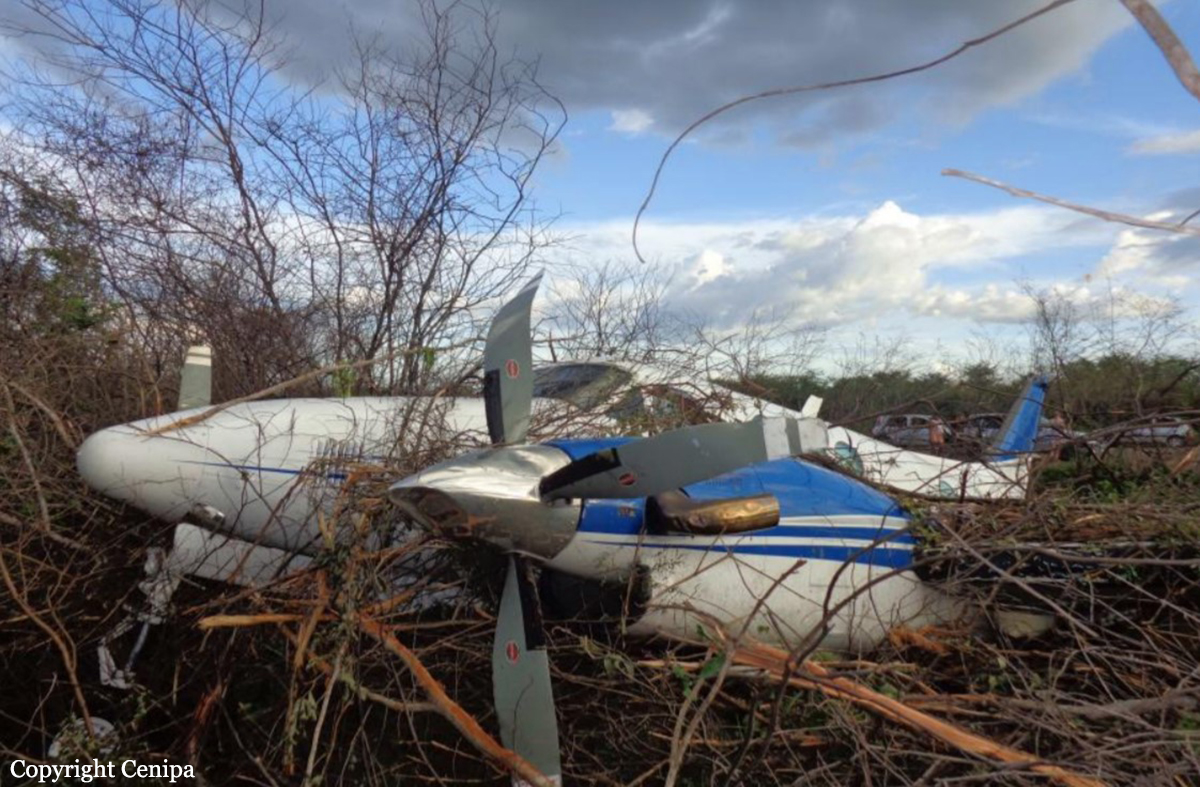
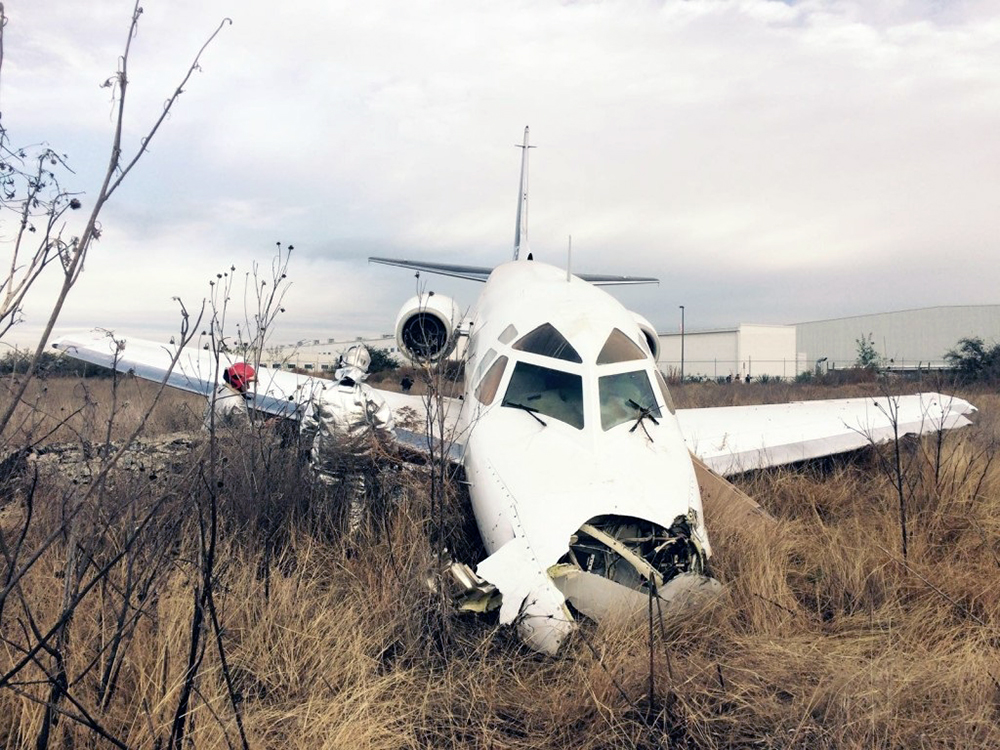
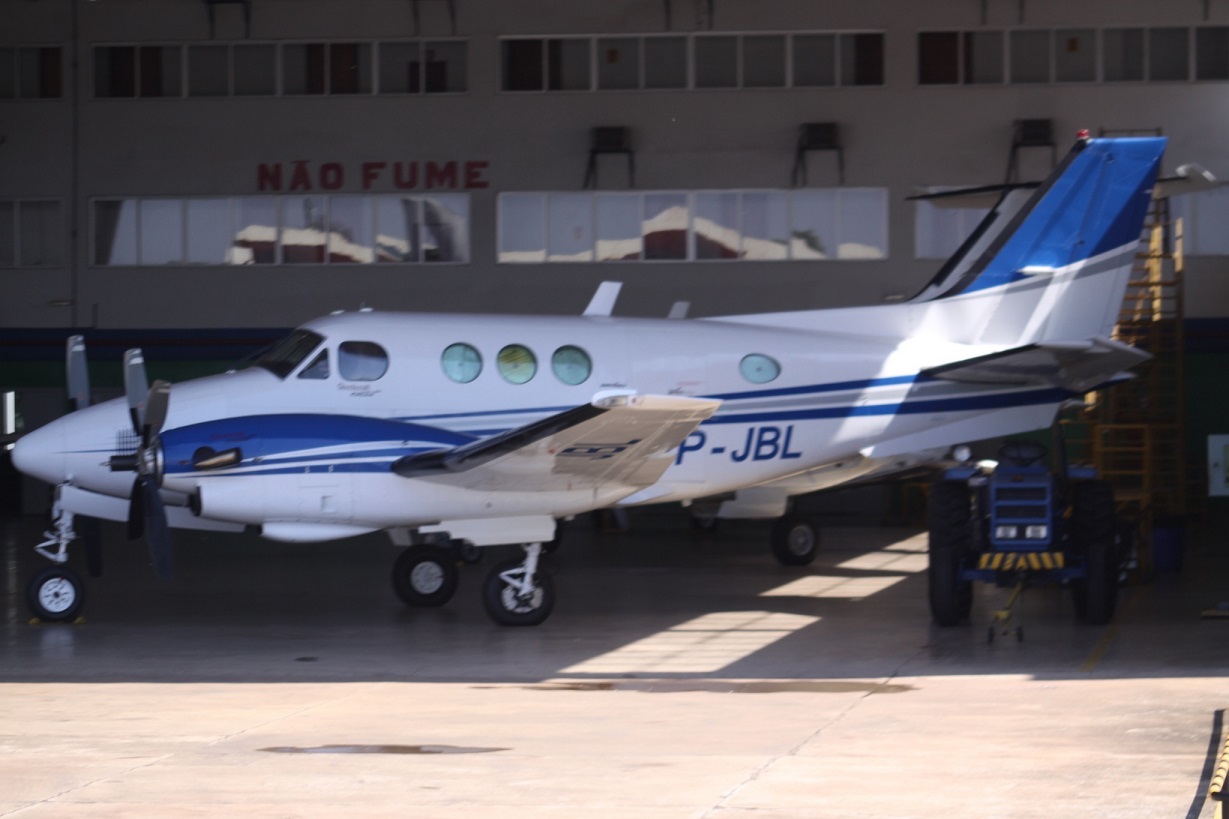
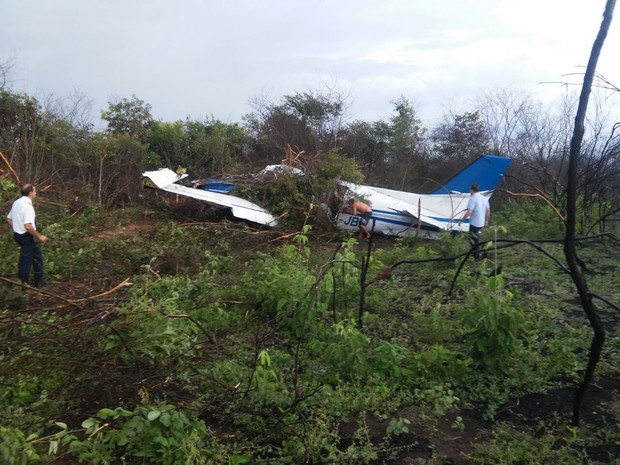
The twin engine airplane departed Teresina on a business flight to Floriano, carrying seven passengers and one pilot, among them Ciro Nogueira, Senator of the State of Piauí and Margarete Coelho, Vice-Governor of the State of Piauí. En route to Floriano, the pilot was informed about the deterioration of the weather conditions at destination and decided to divert to Oeiras Airfield. After touchdown on runway 11 that was wet due to recent rain falls, the aircraft started to skid. Control was lost and the aircraft veered off runway to the left and came to rest in a wooded area, some 10 metres from the runway. All eight occupants were rescued, among them one passenger was slightly injured. The aircraft was damaged beyond repair.
Probable cause:
Contributing factors:
- Application of commands - undetermined
It is possible that the pilot has not acted properly in the controls after touchdown to avoid a runway excursion.
- Flight indiscipline - contributed
Having landed on a non-approved runway, without justifiable reason, the crew member did not comply with the provisions of civil aviation regulations.
- Influence of the environment - undetermined
The wet and puddled runway may have affected directional control and aircraft braking performances during the landing roll.
- Pilot judgment - contributed
The crew member had not correctly assessed the risks involved in the operation in an unapproved runway, without justifiable reason. In addition, the pilot had no considering that the wet and puddle conditions of the runway could affect the directional control and braking performances of the aircraft.
- Decision-making process - contributed
The decision to land at an unapproved aerodrome, as well as having used a wet runway and the presence of puddles denoted an inadequate assessment of the risks present in the context. Failures related to decisions assumed by the pilot contributed to the occurrence insofar as they resulted in the entry of the aircraft into a critical condition, affecting its control.
Final Report:
Crash of a Cessna 340A in Tampa: 2 killed

Date & Time: Mar 18, 2016 at 1130 LT
Type of aircraft:
Operator:
Registration:
N6239X
Flight Phase:
Flight Type:
Survivors:
No
Schedule:
Tampa – Pensacola
MSN:
340A-0436
YOM:
1978
Crew on board:
1
Crew fatalities:
Pax on board:
1
Pax fatalities:
Other fatalities:
Total fatalities:
2
Captain / Total flying hours:
5195
Aircraft flight hours:
3963
Circumstances:
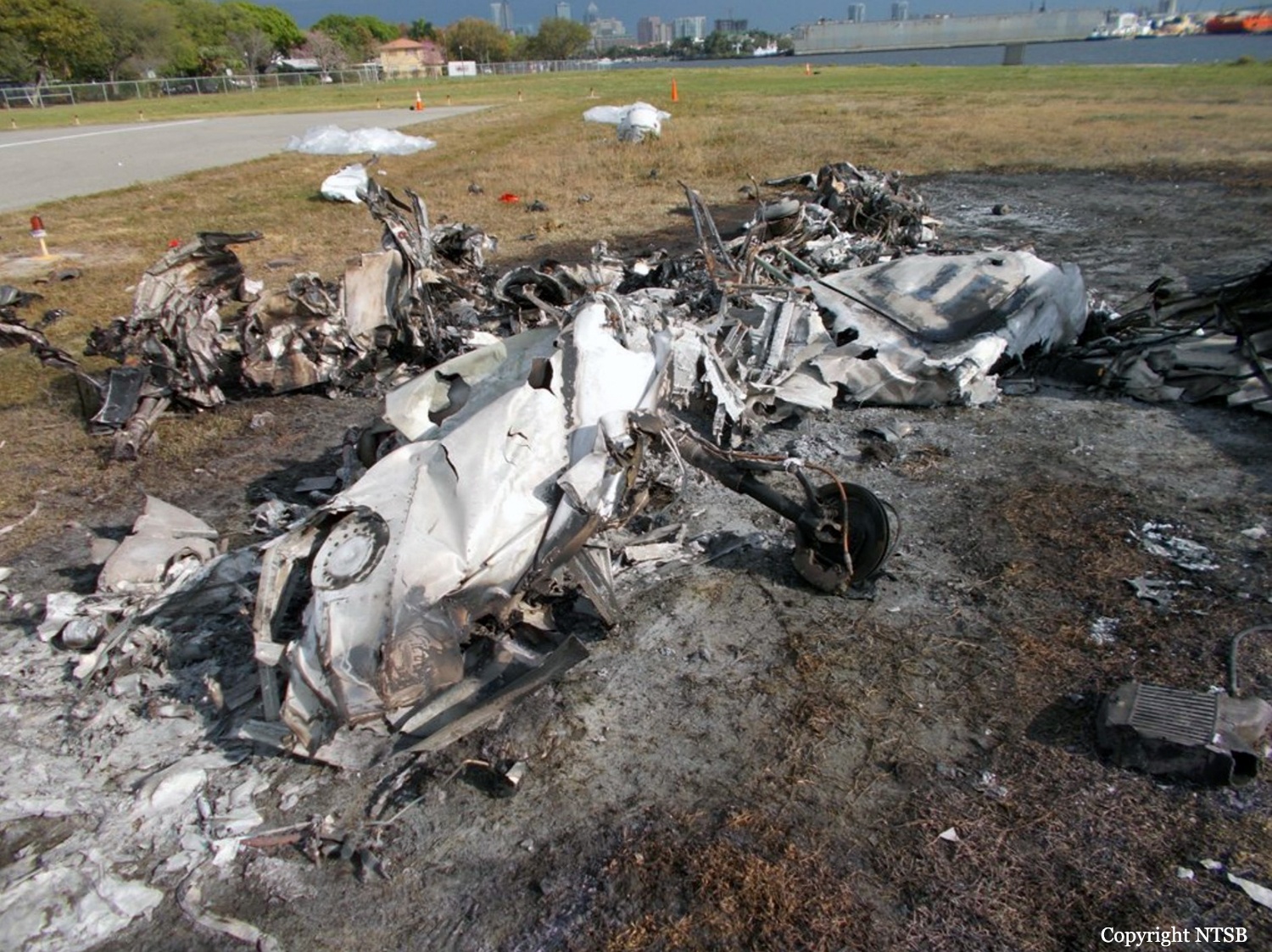
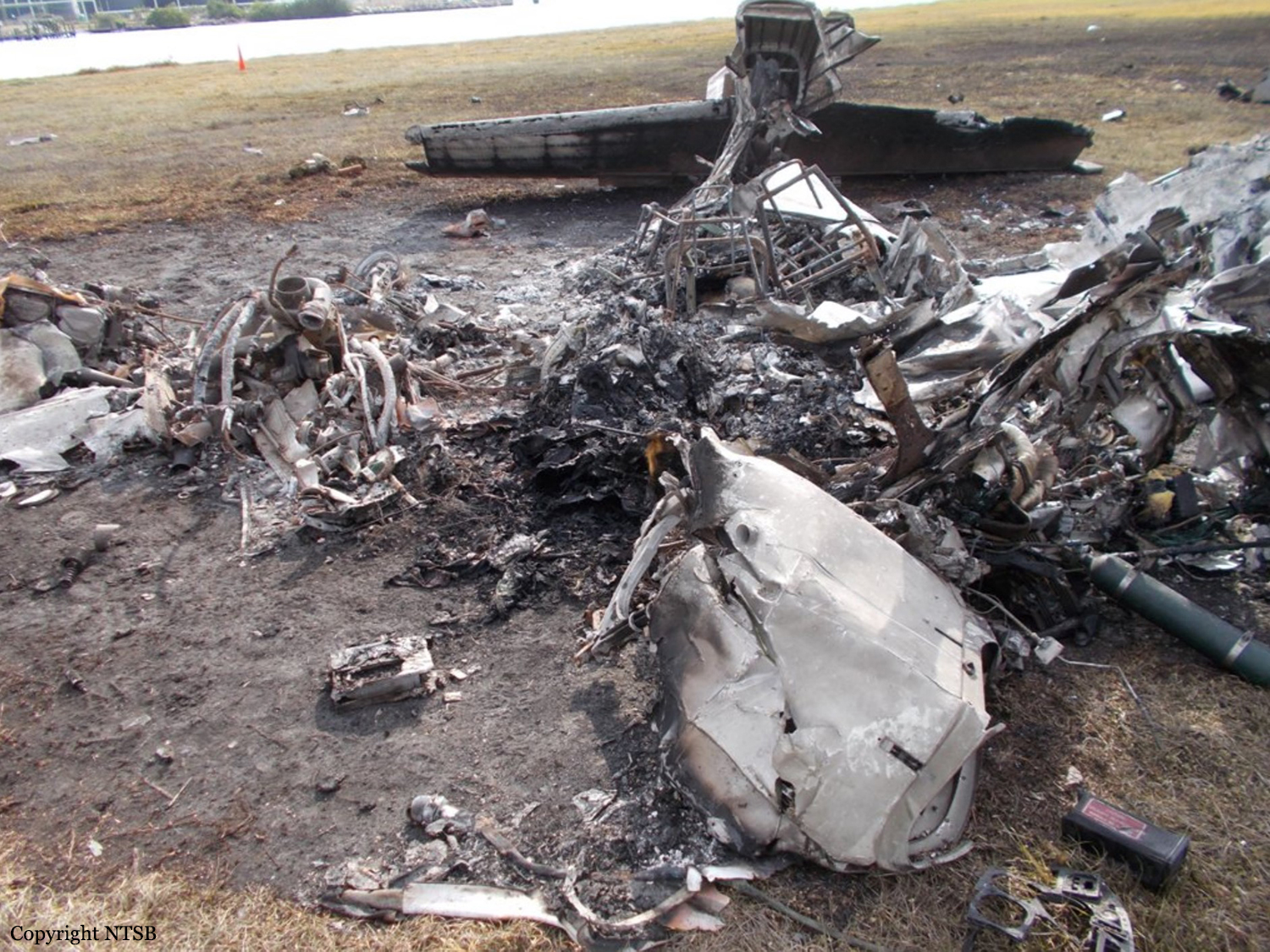
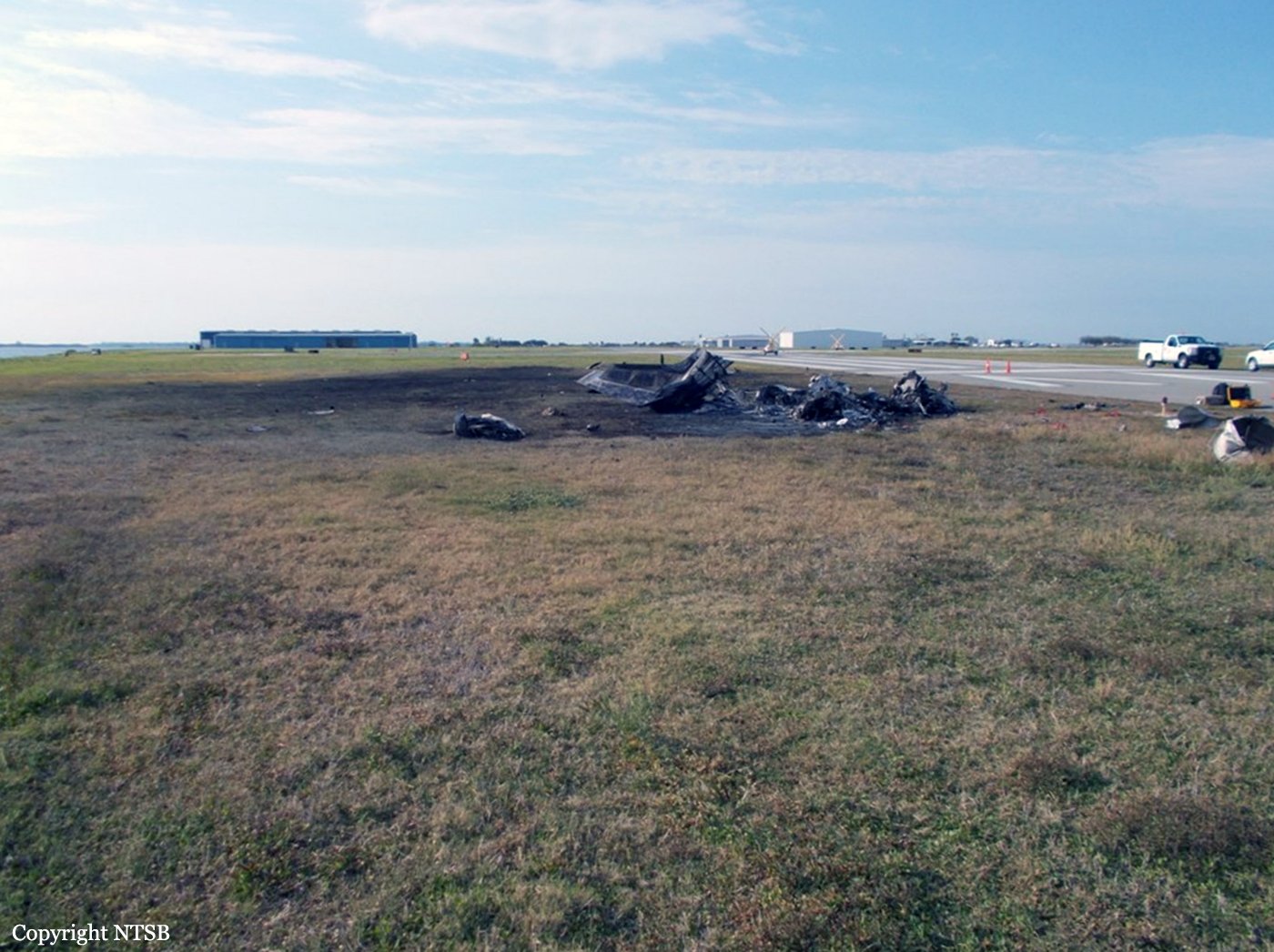
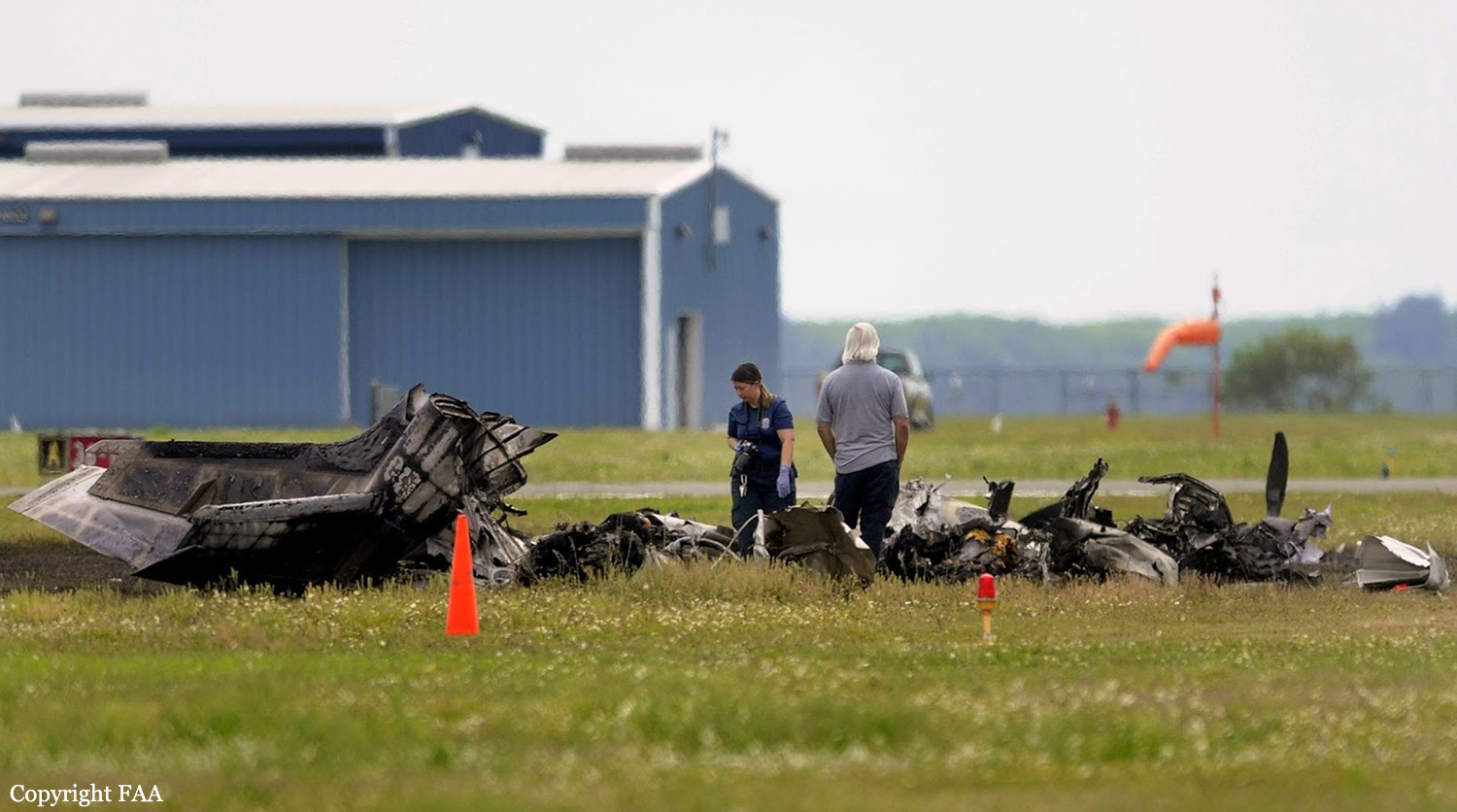
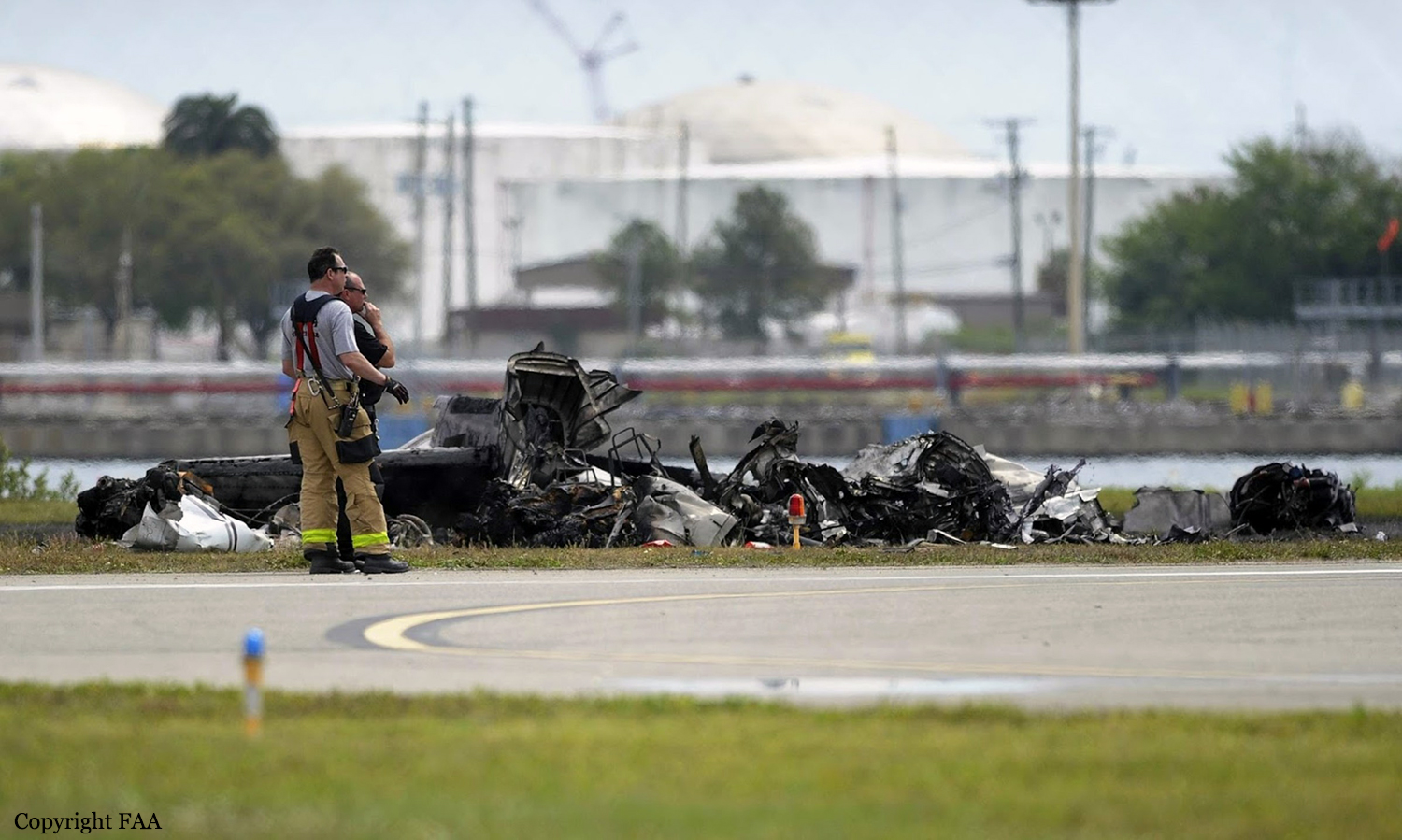
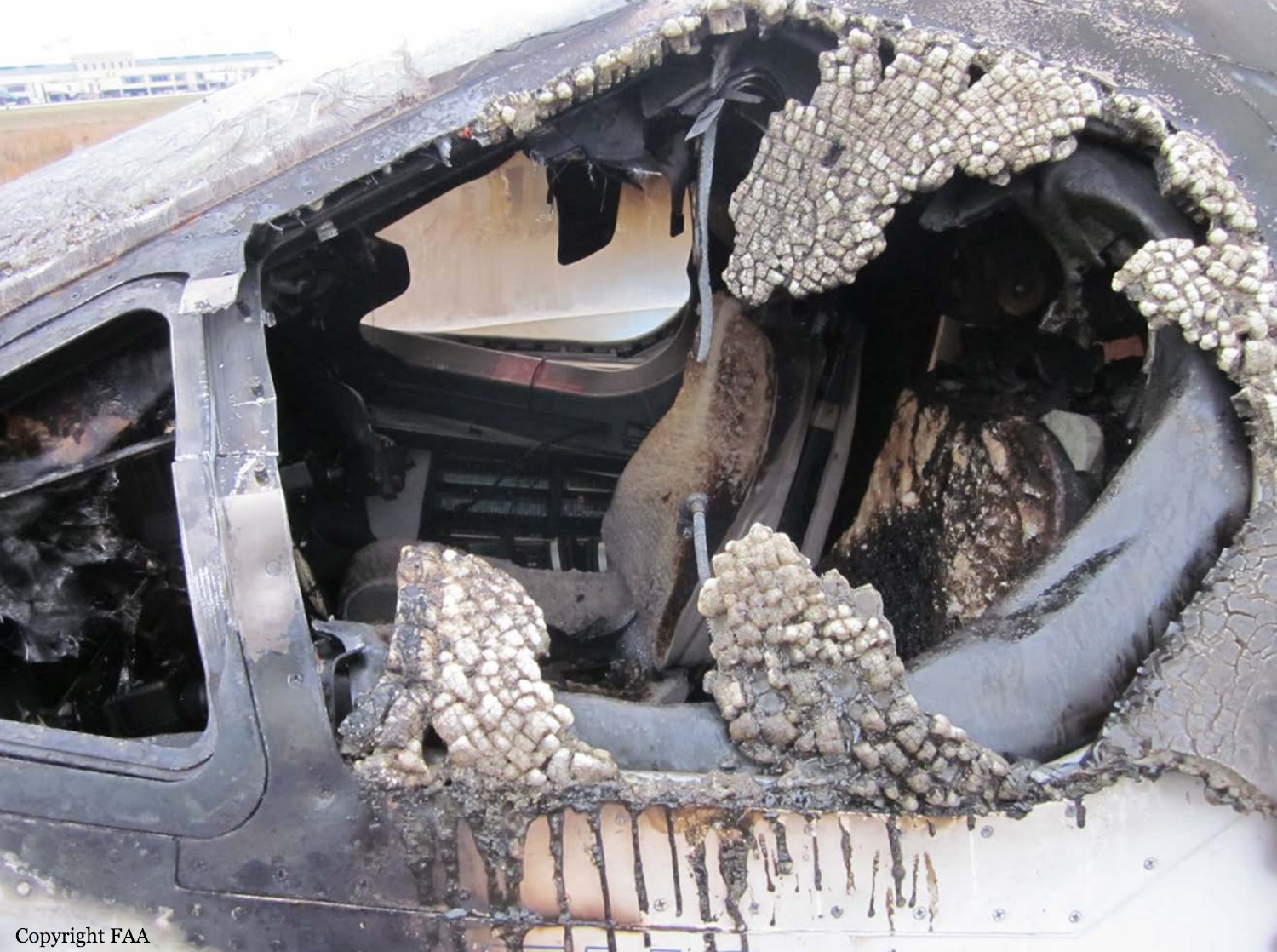
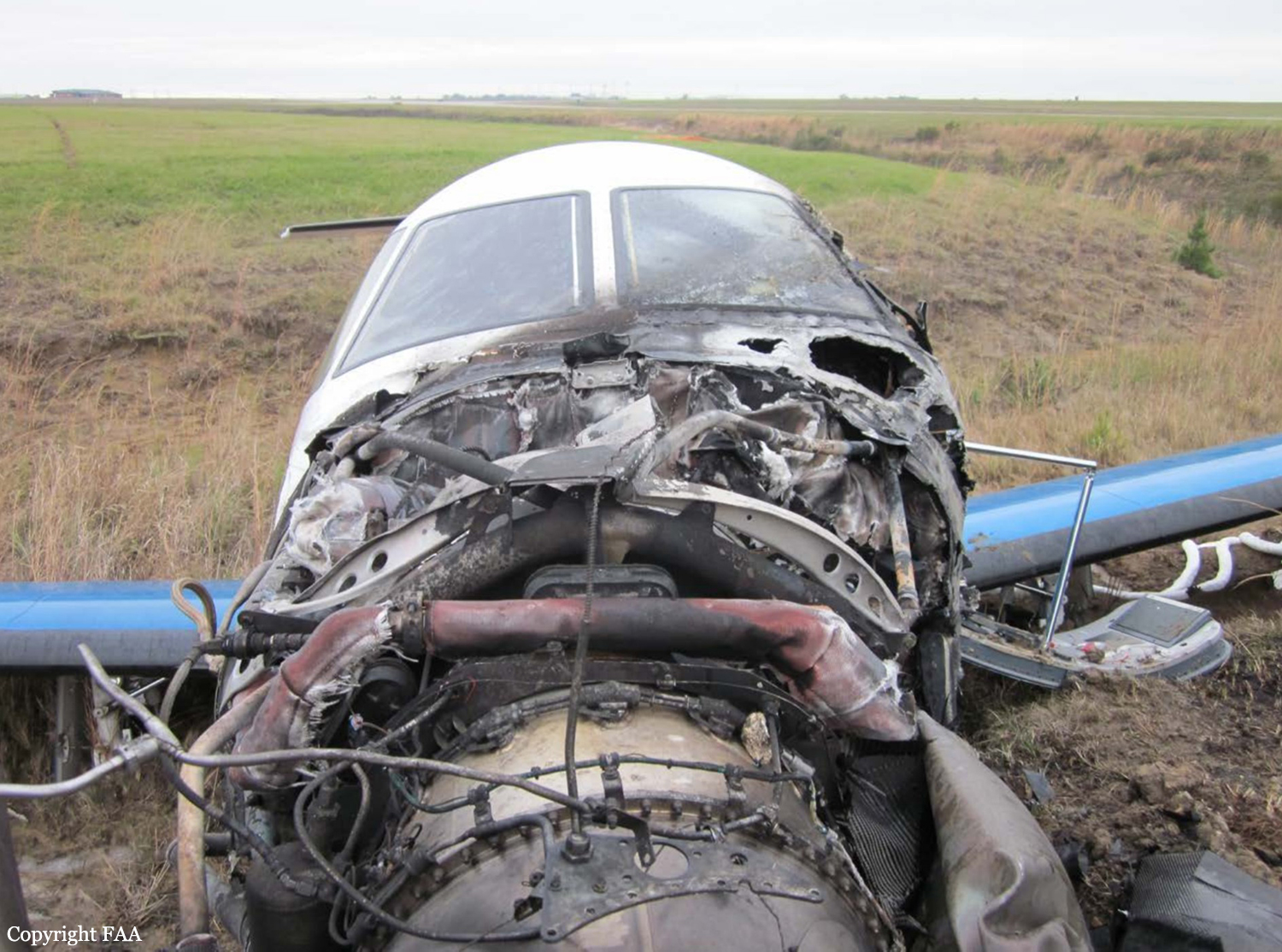
The airline transport pilot and pilot-rated passenger were departing on an instrument flight rules (IFR) cross country flight from runway 4 in a Cessna 340A about the same time that a private pilot and pilot rated passenger were departing on a visual flight rules repositioning flight from runway 36 in a Cessna 172M. Visual meteorological conditions prevailed at the airport. The runways at the nontowered airport converged and intersected near their departure ends. According to a witness, both airplanes had announced their takeoff intentions on the airport's common traffic advisory frequency (CTAF), which was not recorded; the Cessna 340A pilot's transmission occurred about 10 to 15 seconds before the Cessna 172M pilot's transmission. However, the witness stated that the Cessna 172M pilot's transmission was not clear, but he was distracted at the time. Both occupants of the Cessna 172M later reported that they were constantly monitoring the CTAF but did not hear the transmission from the Cessna 340A pilot nor did they see any inbound or outbound aircraft. Airport video that captured the takeoffs revealed that the Cessna 172M had just lifted off and was over runway 36 approaching the intersection with runway 4, when the Cessna 340A was just above runway 4 in a wings level attitude with the landing gear extended and approaching the intersection with runway 36. Almost immediately, the Cessna 340A then began a climbing left turn with an increasing bank angle while the Cessna 172M continued straight ahead. The Cessna 340A then rolled inverted and impacted the ground in a nose-low and left-wing-low attitude. The Cessna 172M, which was not damaged, continued to its destination and landed uneventfully. The Cessna 340A was likely being flown at the published takeoff and climb speed of 93 knots indicated airspeed (KIAS). The published stall speed for the airplane in a 40° bank was 93 KIAS, and, when the airplane reached that bank angle, it likely exceeded the critical angle of attack and entered an aerodynamic stall. Examination of the Cessna 340A wreckage did not reveal any preimpact mechanical malfunctions that would have precluded normal operation. Because of a postcrash fire, no determination could be made as to how the radios and audio panel were configured for transmitting and receiving or what frequencies were selected. There were no reported discrepancies with the radios of the Cessna 172M, and there were no reported difficulties with the communication between the Cessna 340A and the Federal Aviation Administration facility that issued the airplane's IFR clearance. Additionally, there were no known issues related to the CTAF at the airport. Toxicological testing detected unquantified amounts of atorvastatin, diphenhydramine, and naproxen in the Cessna 340A pilot's liver. The Cessna 340A pilot's use of atorvastatin or naproxen would not have impaired his ability to hear the radio announcements, see the other airplane taking off on the converging runway, or affected his performance once the threat had been detected. Without an available blood level of diphenhydramine, it could not be determined whether the drug was impairing or contributed to the circumstances of the accident.
Probable cause:
The intentional low altitude maneuvering during takeoff in response to a near-miss with an airplane departing from a converging runway, which resulted in an exceedance of the airplane's critical angle of attack and a subsequent aerodynamic stall.
Final Report:
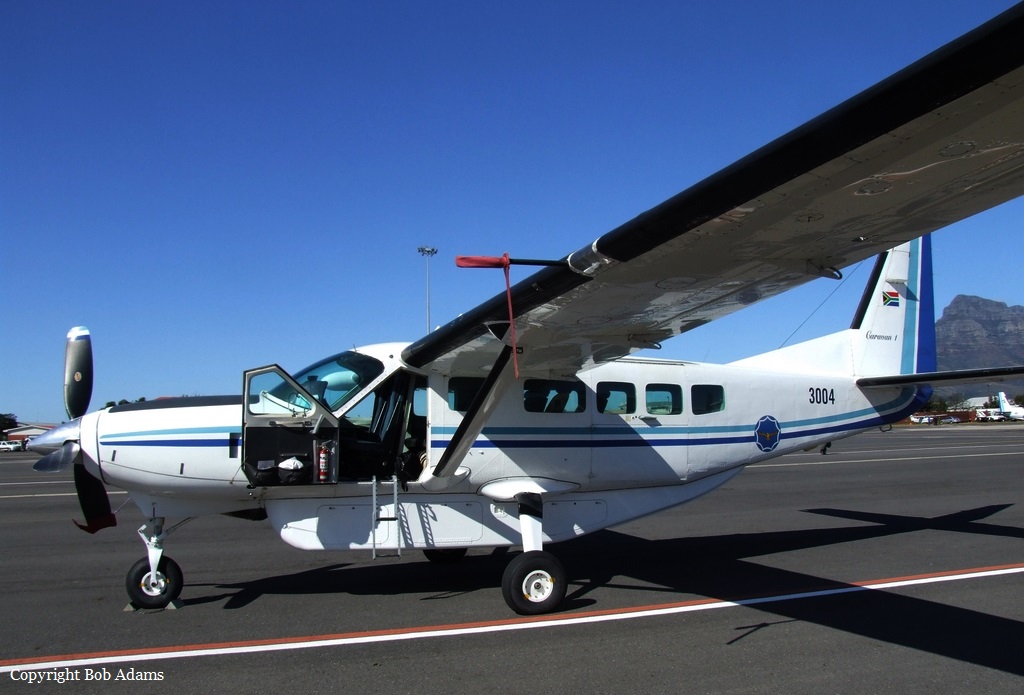
Crash of a Beechcraft 1900D in Karachi

Date & Time: Mar 18, 2016 at 0820 LT
Type of aircraft:
Operator:
Registration:
AP-BII
Flight Phase:
Survivors:
Yes
Schedule:
Karachi – Sui
MSN:
UE-45
YOM:
1993
Country:
Region:
Crew on board:
3
Crew fatalities:
Pax on board:
18
Pax fatalities:
Other fatalities:
Total fatalities:
0
Captain / Total flying hours:
2885
Captain / Total hours on type:
717.00
Copilot / Total flying hours:
3614
Copilot / Total hours on type:
245
Aircraft flight hours:
19574
Aircraft flight cycles:
30623
Circumstances:
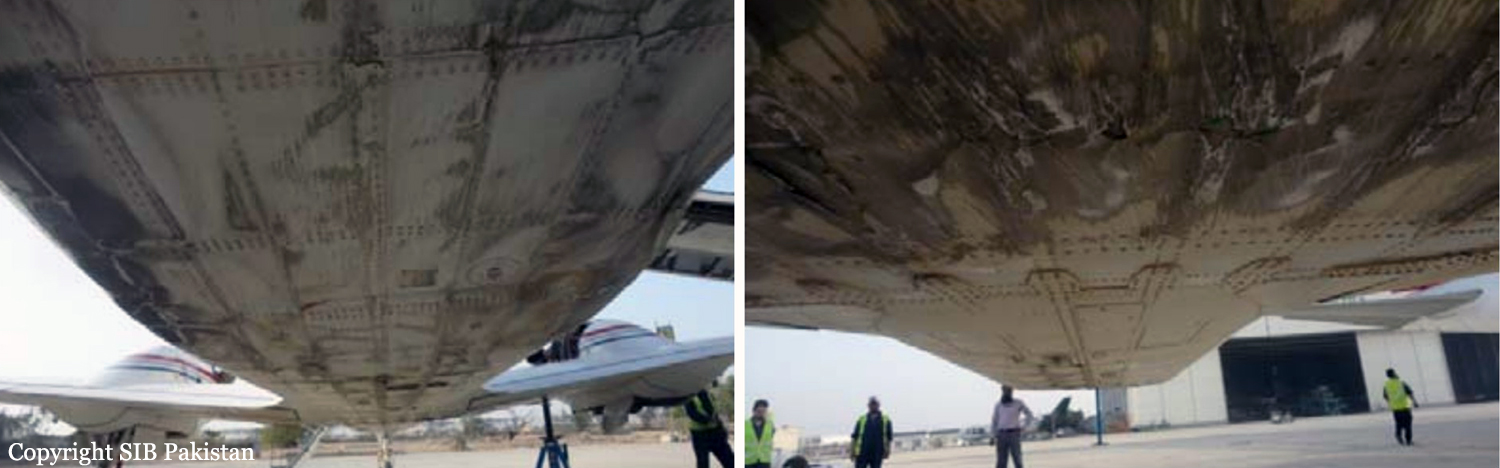
The Aircraft Sales and Services (Private) Limited (ASSL) aircraft Beechcraft-1900D Registration No. AP-BII was scheduled for a chartered flight on 18th March, 2016 from Karachi to Sui. Just after takeoff from runway 25L at 0820 hrs local time, the crew observed power loss of right engine and made a gear up landing on the remaining runway on the right side of centreline. After touchdown, the aircraft went off the runway towards right side and then came back on the runway before coming to a final stop 1,050 feet short from the end of runway. The Captain and one passenger received serious injuries due to hard impact of the aircraft with ground. All other passengers and technician remained unhurt.
Probable cause:
The investigation therefore, concludes that:
- Some internal malfunction of the Propeller Governor Part No. 8210-410 Serial No. 2490719 was the cause of experienced uncommanded auto feather. However, exact cause of the occurrence could not be determined.
- Continuing take off below V1 speed (104kts) after encountering engine malfunction and after takeoff raising flaps below recommended height (400ft AGL) lead to decrease in lift and unsustainability of flight.
Final Report:
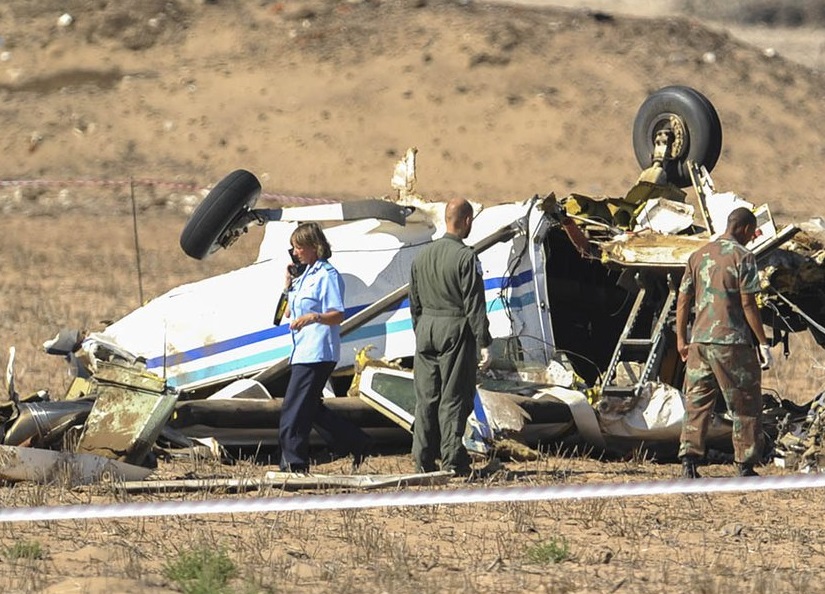
Crash of a Beechcraft Beechjet 400A in Rome

Date & Time: Mar 14, 2016 at 1508 LT
Type of aircraft:
Operator:
Registration:
N465FL
Flight Type:
Survivors:
Yes
Schedule:
Jackson - Rome
MSN:
RK-426
YOM:
2005
Crew on board:
2
Crew fatalities:
Pax on board:
0
Pax fatalities:
Other fatalities:
Total fatalities:
0
Captain / Total flying hours:
10393
Captain / Total hours on type:
6174.00
Copilot / Total flying hours:
6036
Copilot / Total hours on type:
407
Aircraft flight hours:
7061
Circumstances:
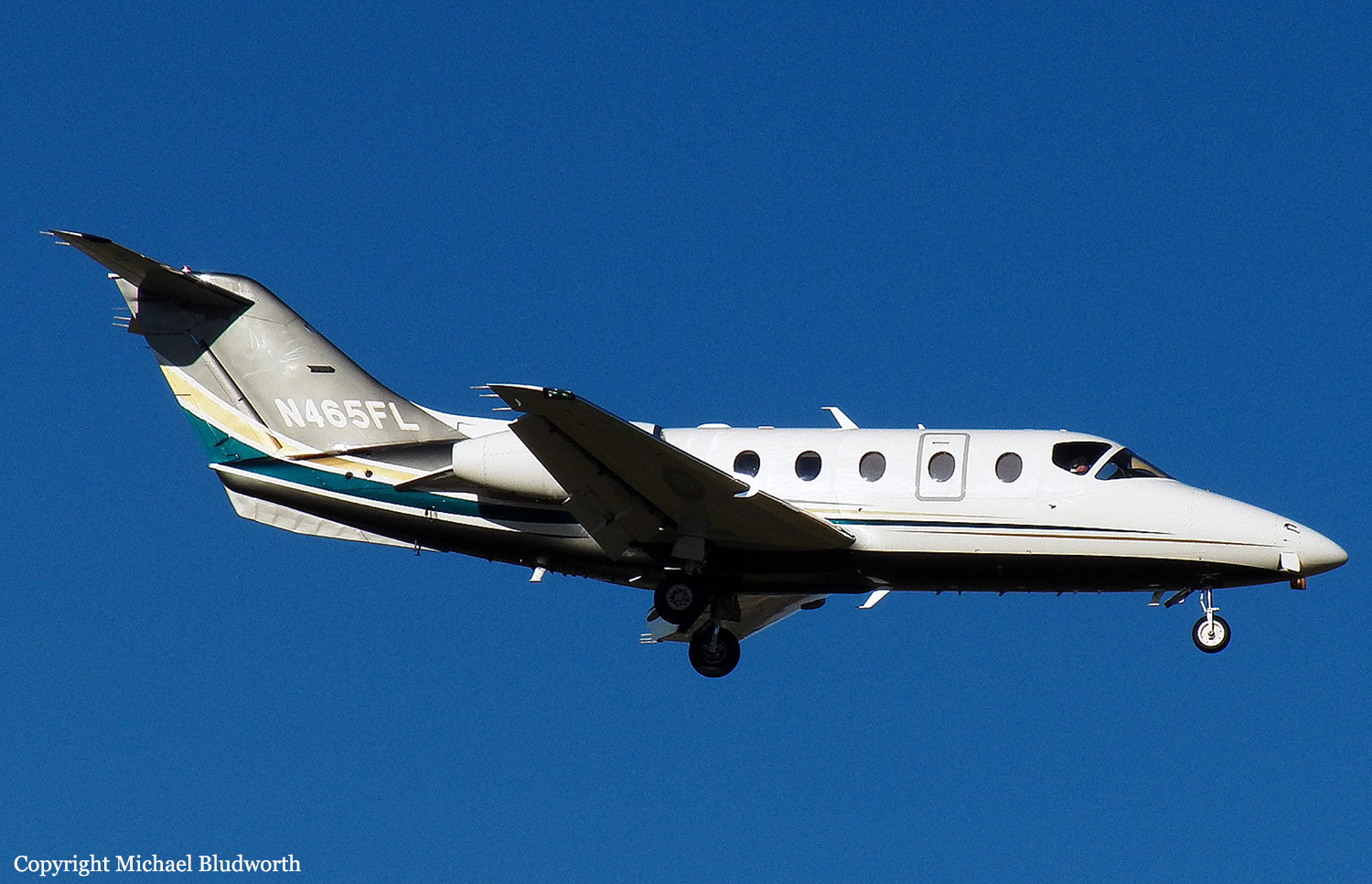
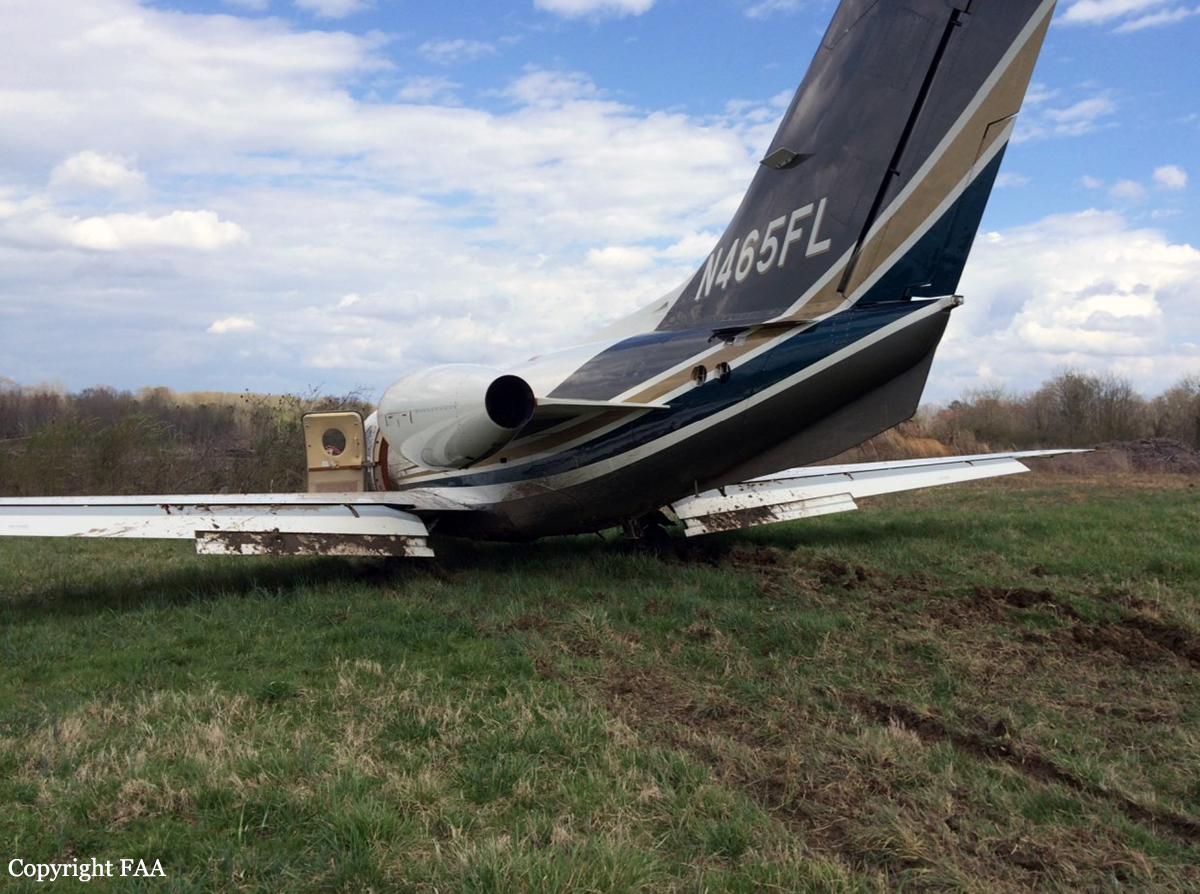
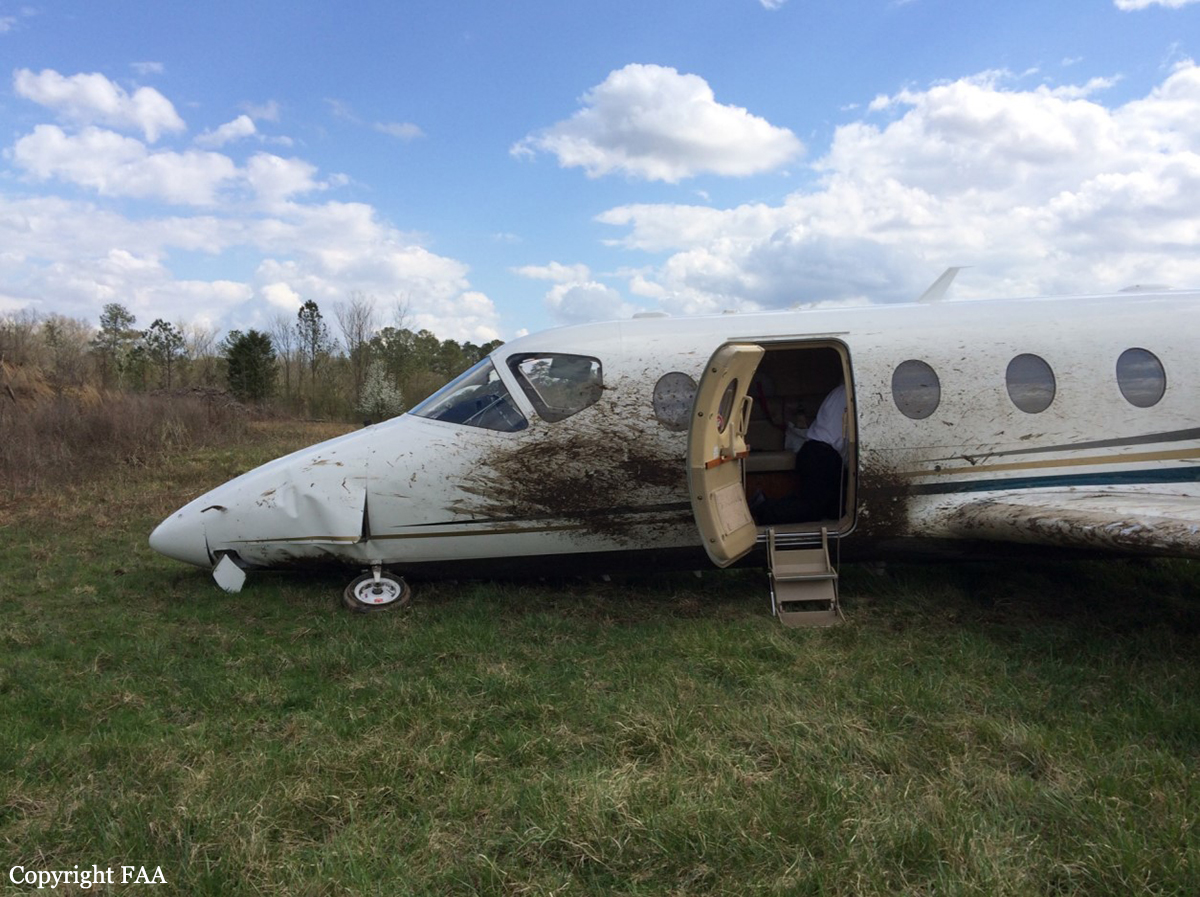
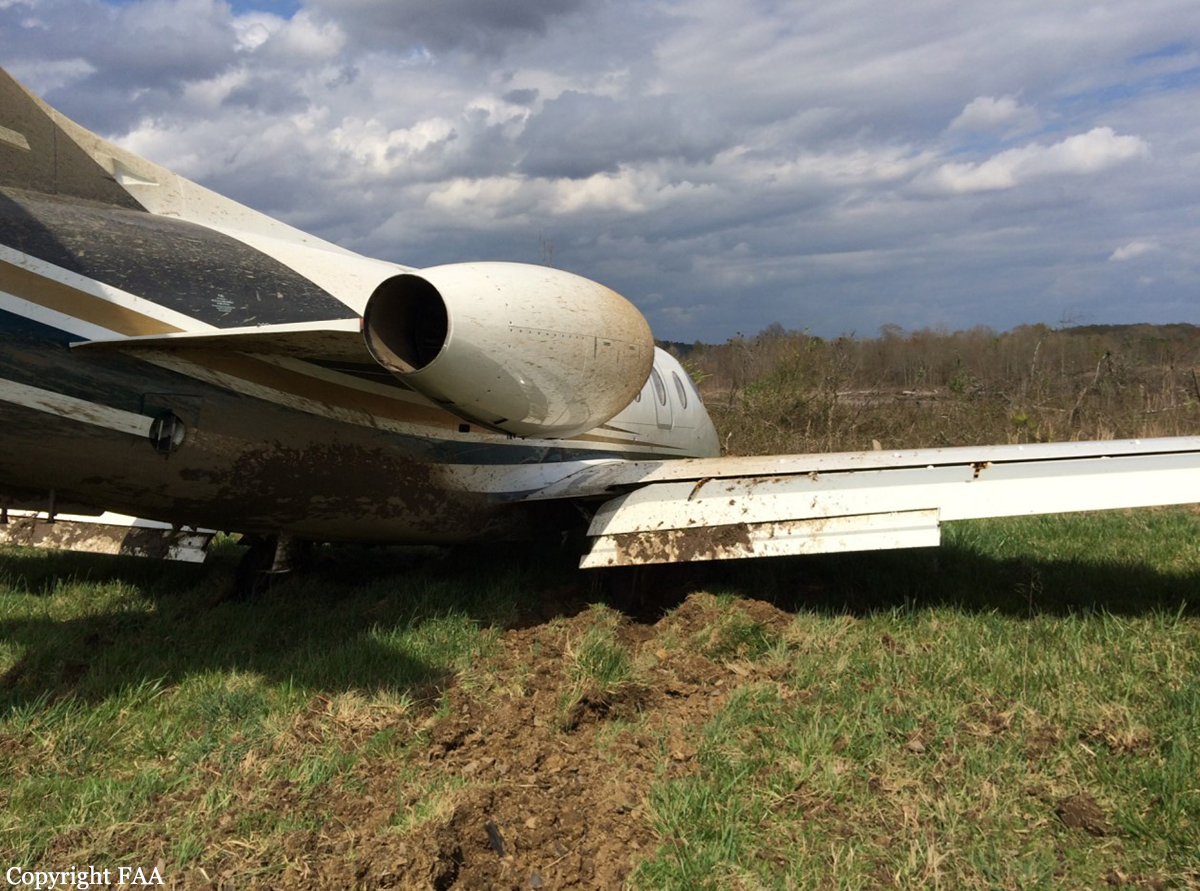
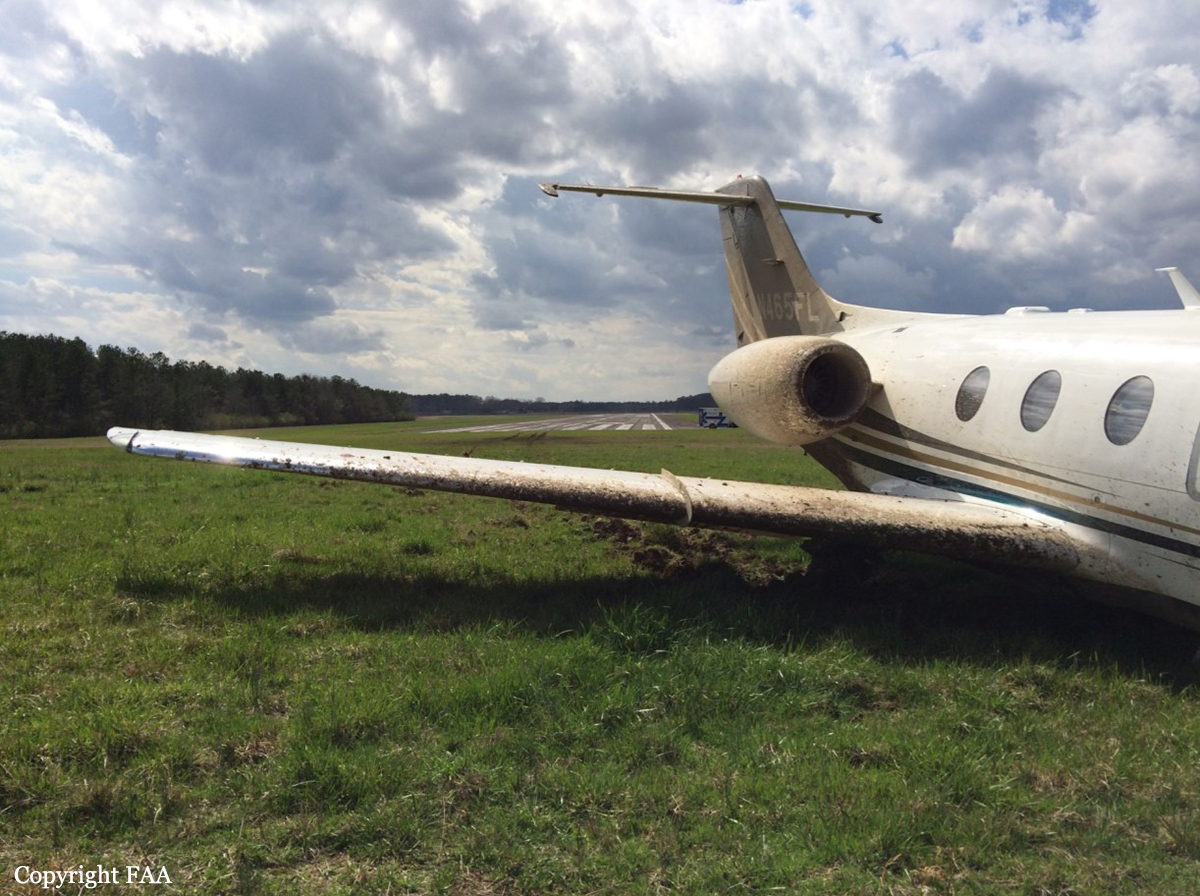
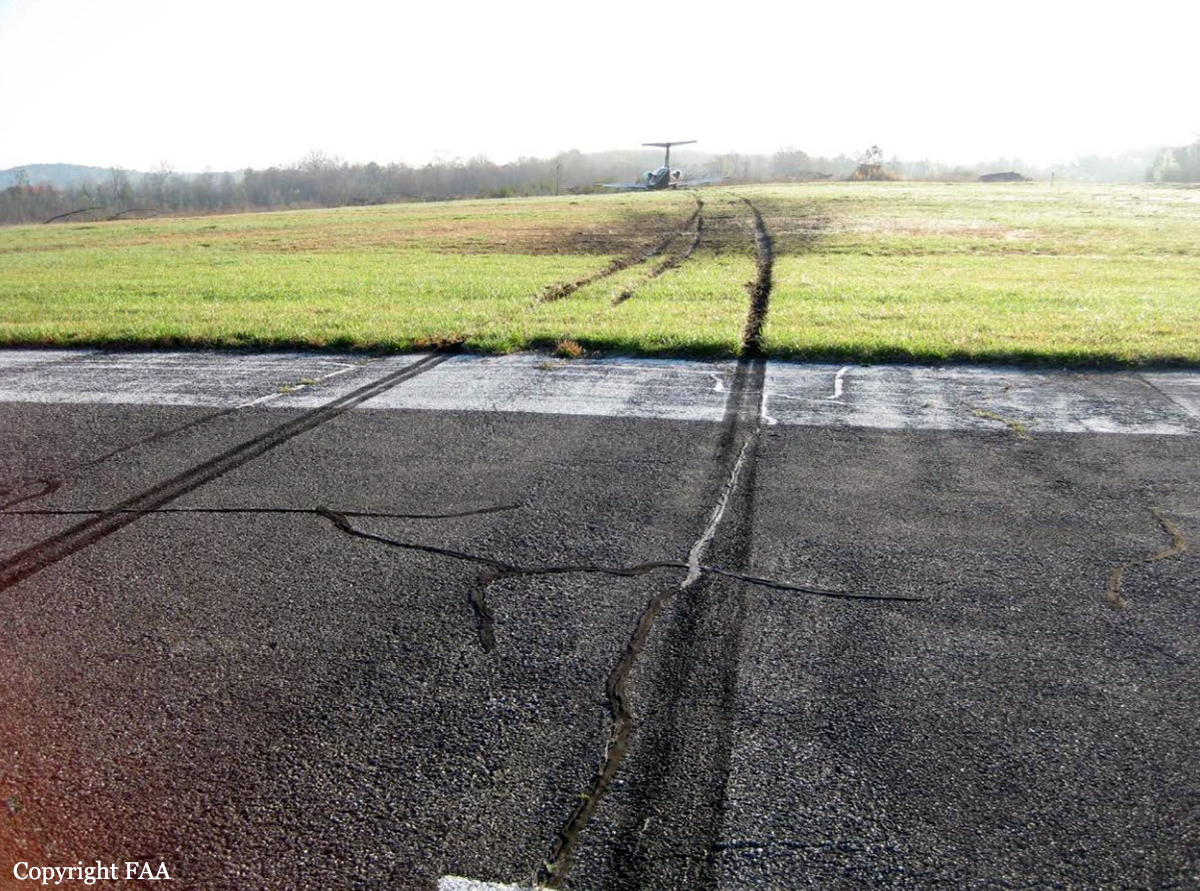
The pilots of the business jet were conducting a cross-country positioning flight. According to the pilot flying (PF), the flight was uneventful until the landing. While completing the descent checklist and while passing through 18,000 ft mean sea level (msl), the pilot monitoring (PM), received the automated weather report from the destination airport and briefed the PF that the wind was variable at 6 knots, gusting to 17 knots. The PF then programmed the flight management system for a visual approach to runway 7 and briefed the reference speed (Vref) as 107 knots and the go-around speed as 129 knots based on an airplane weight. The PF further reported that he knew the runway was over 4,400 ft long (the runway was 4,495 ft long) and he thought that the airplane needed about 2,900 ft of runway to safely land. During the left descending turn to the base leg of the traffic pattern, the PF overshot the final approach and had to turn back toward the runway centerline as the airplane was being “pushed by the winds.” About 500 ft above ground level (agl), both pilots acknowledged that the approach was “stabilized” while the airspeed was fluctuating between 112 and 115 knots. About 200 ft agl, both pilots noticed that the airplane was beginning to descend and that the airspeed was starting to decrease. The PF added power to maintain the descent rate and airspeed. The PF stated that, after adding power and during the last 200 ft of the approach, the wind was “gusty,” that a left crosswind existed, that the ground speed seemed “very fast,” and that excessive power was required to maintain airspeed. When the airplane was between about 75 and 100 ft agl, the PF asked the PM for the wind information, and the PM responded that the wind was variable at 6 knots, gusting to 17 knots. Both pilots noted that the ground speed was “very fast” but decided to continue the approach. Neither pilot reported seeing the windsock located off the right side of the runway. Review of weather data recorded by the airport’s automated weather observation system revealed that about 3 minutes before the landing, the wind was from 240° at 16 knots, gusting to 26 knots, which would have resulted in a 3- to 5-knot crosswind and 16- to 26-knot tailwind. Assuming these conditions, the airplane’s landing distance would have been about 4,175 ft per the unfactored landing distance performance chart. Tire skid marks were found beginning about 1,000 feet from the approach end of runway 7. The PF stated that the airplane touched down “abruptly at Vref+5 and he applied the brakes while the PM applied the speed brakes. Neither pilot felt the airplane decelerating, so the PF applied harder pressure to the brakes with no effect and subsequently applied full braking pressure. When it was evident that the airplane was going to depart the end of the runway, the PM applied the emergency brakes, at which point he felt some deceleration; however, the airplane overran the end of the runway and travelled through grass and mud for about 370 feet before stopping. Examination of the airplane revealed that the nose landing gear (NLG) had collapsed, which resulted in the forward fuselage striking the ground and the airframe sustaining substantial damage. Although the pilots reported that they never felt the braking nor antiskid systems working and that they believed that they should have been able to stop the airplane before it departed the runway, postaccident testing of the brake and antiskid systems revealed no evidence of preaccident mechanical malfunctions or failures that would have precluded normal operation, and they functioned as designed. Given the tire skid marks observed on the runway following the accident, as well as the postaccident component examination and testing results, the brakes and antiskid system likely operated nominally during the landing. Based on the available evidence, the pilots failed to recognize performance cues and use available sources of wind information that would have indicated that they were landing in significant tailwind conditions and conduct a go-around. Landing under these conditions significantly increased the amount of runway needed to stop the airplane and resulted in the subsequent runway overrun and the collapse of the NLG.
Probable cause:
The pilots’ failure to use available sources of wind information before landing and recognize cues indicating the presence of the tailwind and conduct a go-around, which resulted in their landing with a significant tailwind and a subsequent runway overrun.
Final Report:

Crash of a Cessna 208 Caravan I at Langebaanweg AFB

Date & Time: Mar 3, 2016
Type of aircraft:
Operator:
Registration:
3004
Flight Phase:
Flight Type:
Survivors:
Yes
Schedule:
Langebaanweg - Langebaanweg
MSN:
208-0130
YOM:
1988
Country:
Region:
Crew on board:
2
Crew fatalities:
Pax on board:
0
Pax fatalities:
Other fatalities:
Total fatalities:
0
Circumstances:
The crew was completing a local night training exercice at Langebaanweg AFB. While completing various manoeuvres, the airplane went out of control and crashed in an open field located near airbase, coming to rest upside down. The aircraft was destroyed and both pilots were injured.

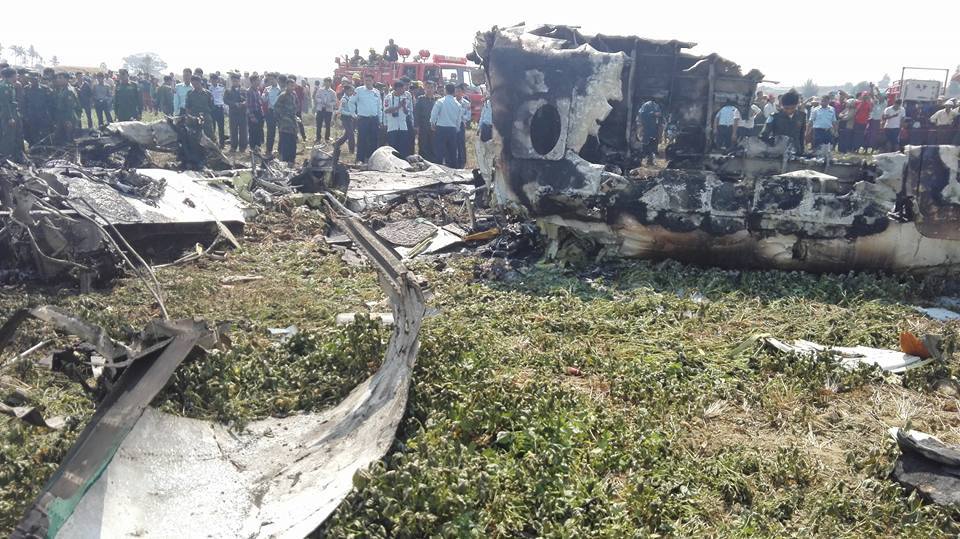
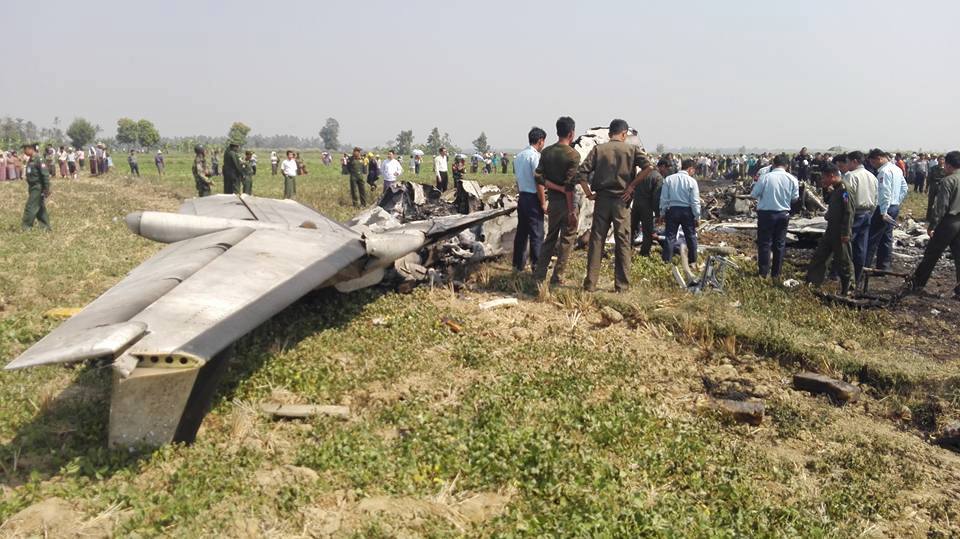
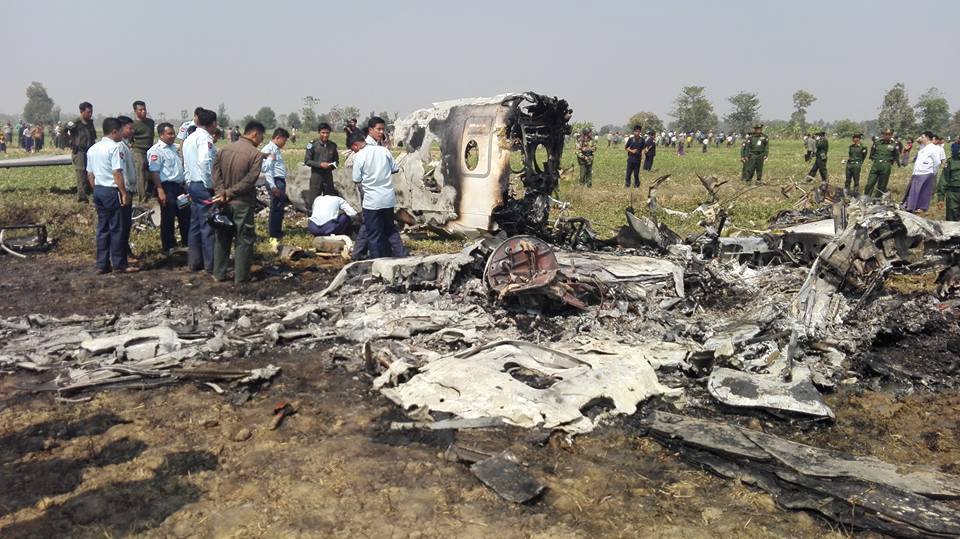
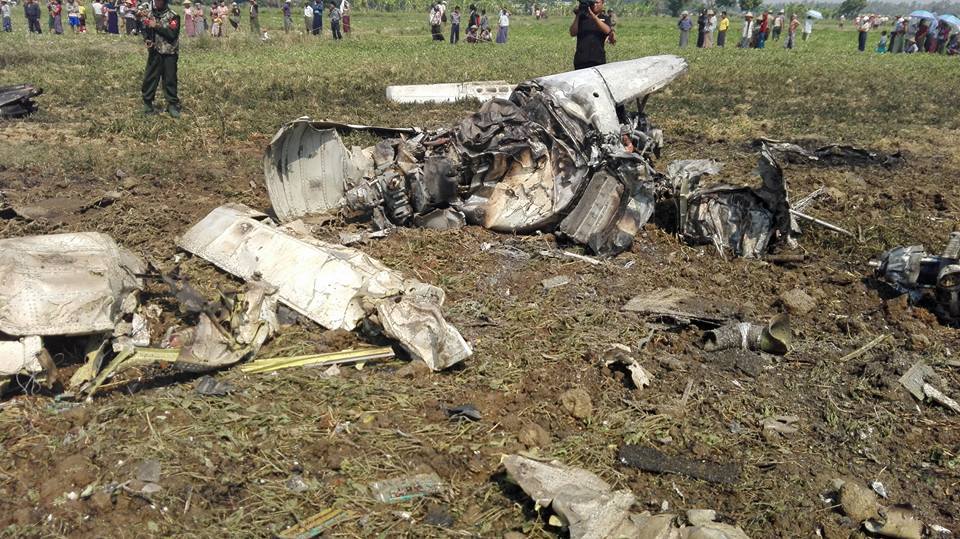
Crash of a Beechcraft 1900D in Naypyidaw: 5 killed

Date & Time: Feb 10, 2016 at 0940 LT
Type of aircraft:
Operator:
Registration:
4601
Flight Phase:
Flight Type:
Survivors:
No
Schedule:
Naypyidaw – Namhsan
MSN:
UE-177
YOM:
1995
Country:
Region:
Crew on board:
2
Crew fatalities:
Pax on board:
3
Pax fatalities:
Other fatalities:
Total fatalities:
5
Circumstances:
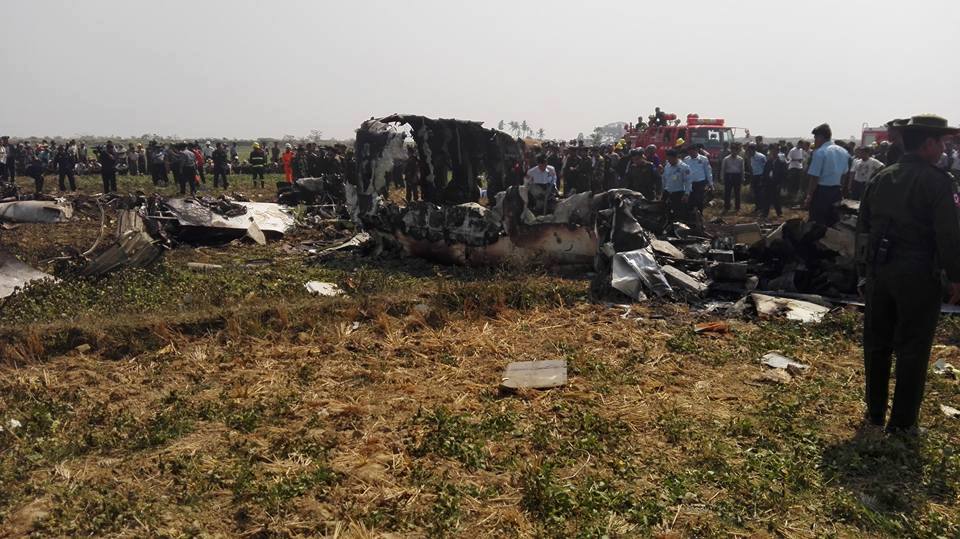
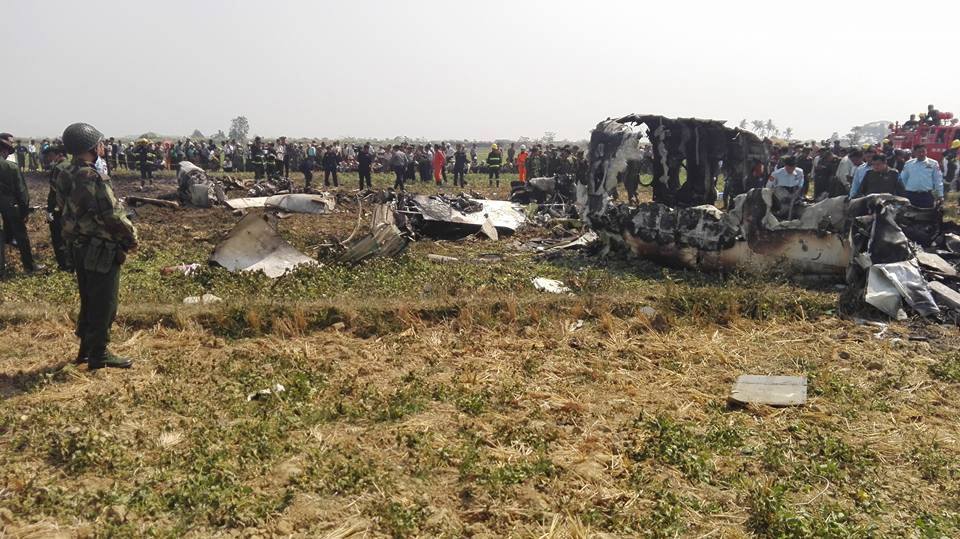
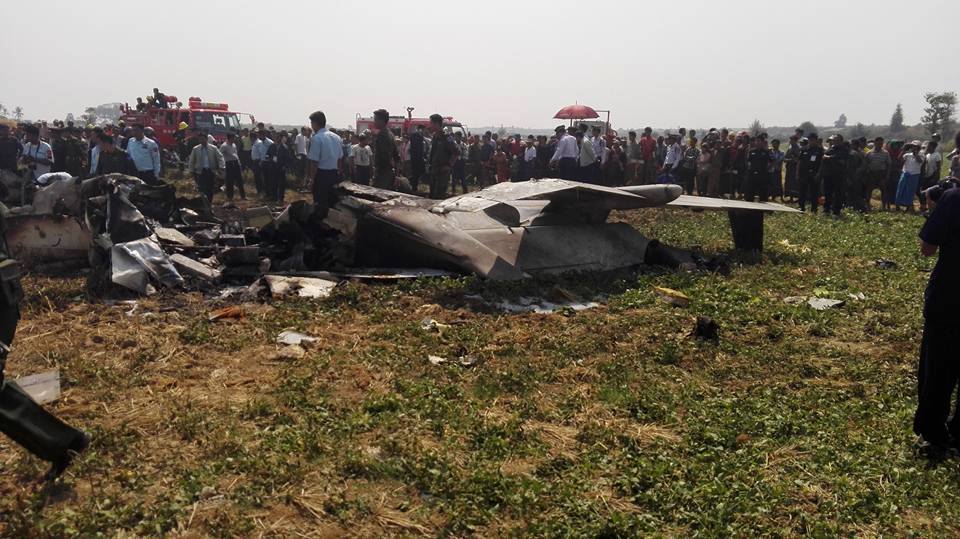
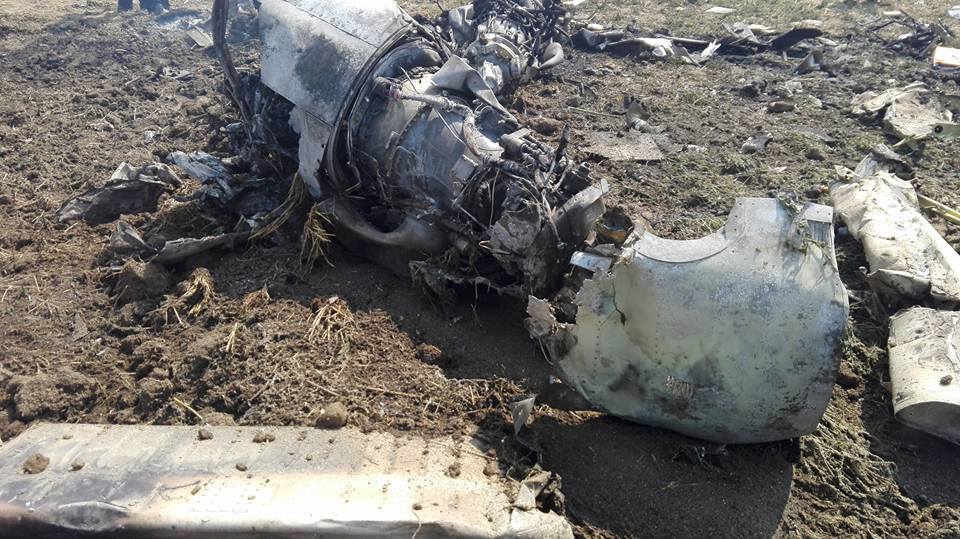
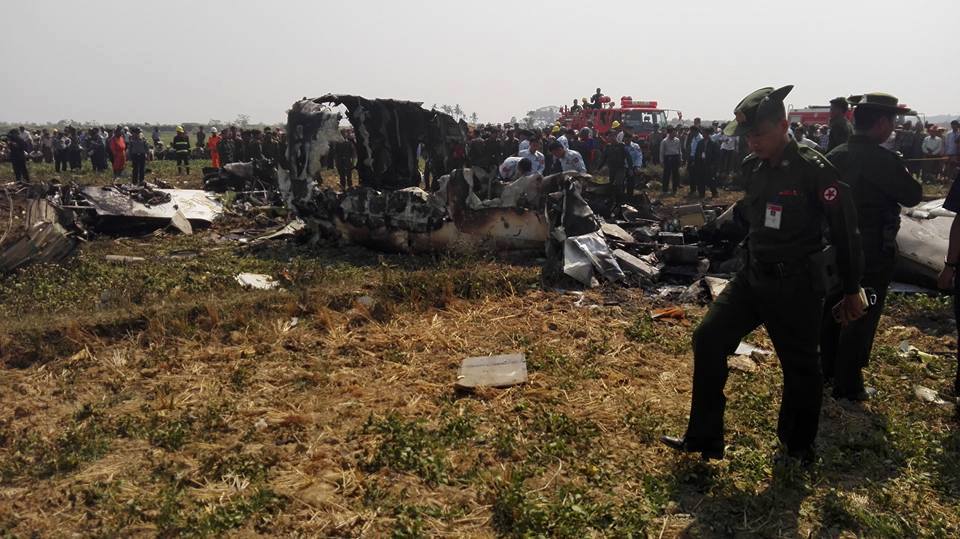
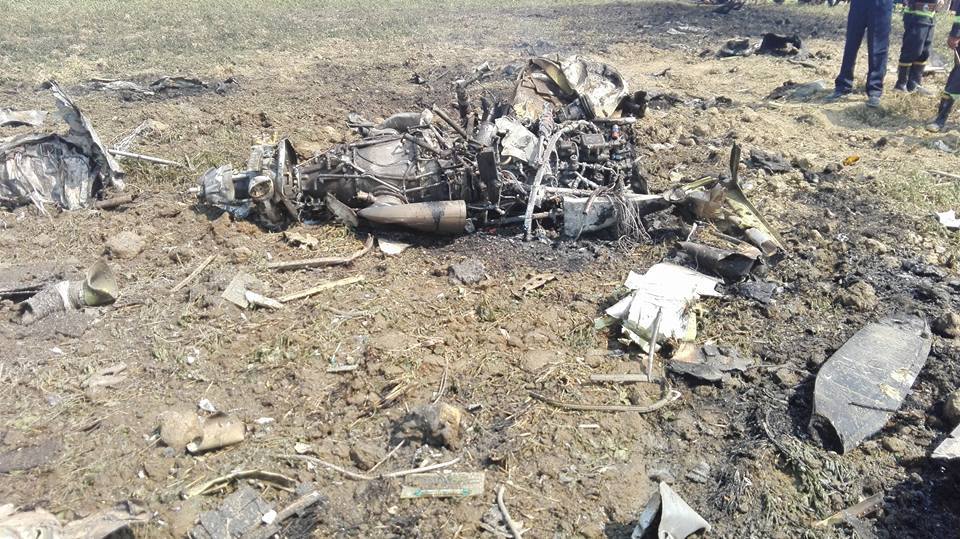
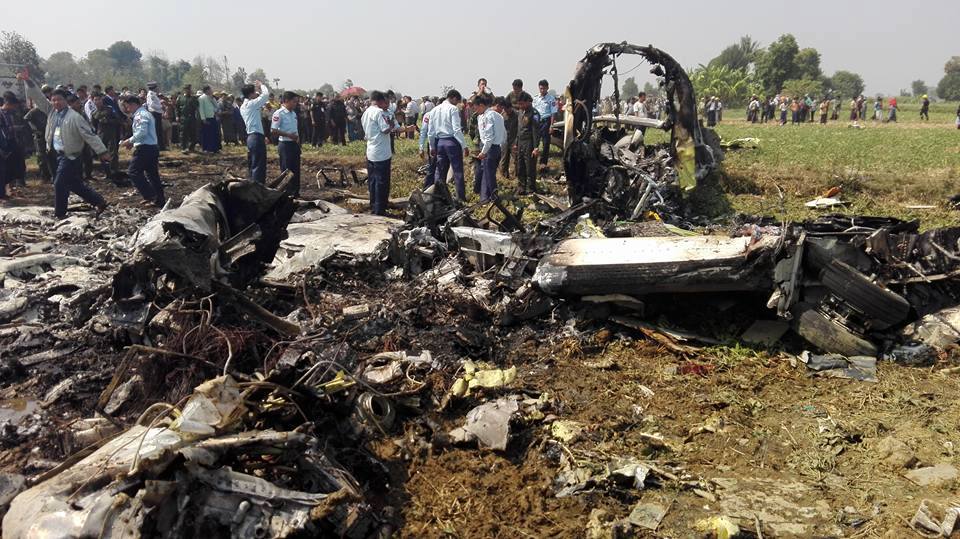
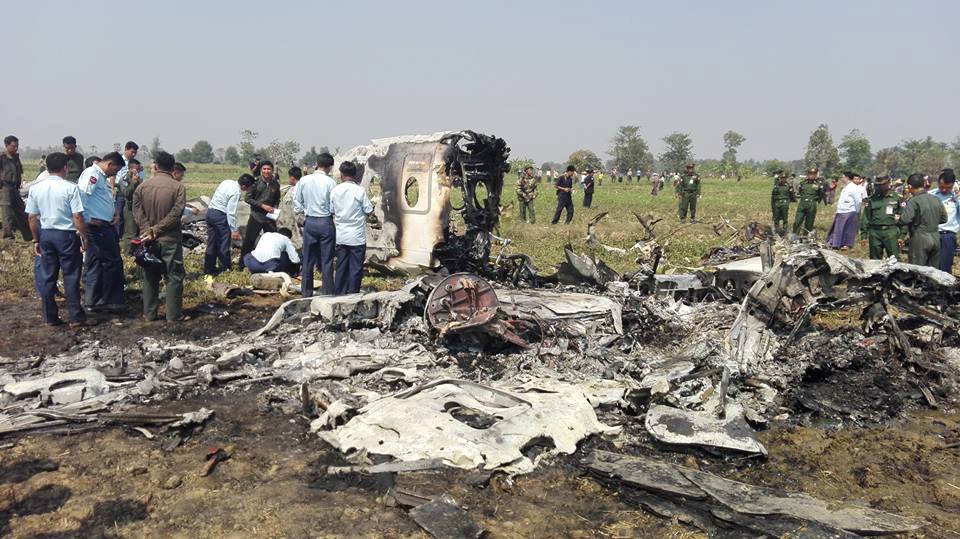
Shortly after takeoff from Naypyidaw Airport, while climbing to an altitude of about 500 feet, the aircraft entered an uncontrolled descent and crashed in an open field located 600 metres past the runway end, bursting into flames. Four occupants were killed while a passenger was seriously injured and evacuated to a local hospital. He died from his injuries few hours later. Used for emergency flights, the airplane was carrying three officers to Namhsan, Shan State, to assist with the aftermath of a fire there. Those officers who were killed were Major Aung Kyaw Moe, Captain Aung Paing Soe and Captain Htin Kyaw Soe.

Crash of a Rockwell Sabreliner 75A in Santiago de Querétaro

Date & Time: Jan 30, 2016 at 0738 LT
Type of aircraft:
Operator:
Registration:
N380CF
Flight Type:
Survivors:
Yes
Schedule:
Celaya - Santiago de Querétaro
MSN:
380-51
YOM:
1977
Country:
Crew on board:
0
Crew fatalities:
Pax on board:
0
Pax fatalities:
Other fatalities:
Total fatalities:
0
Aircraft flight hours:
10195
Circumstances:
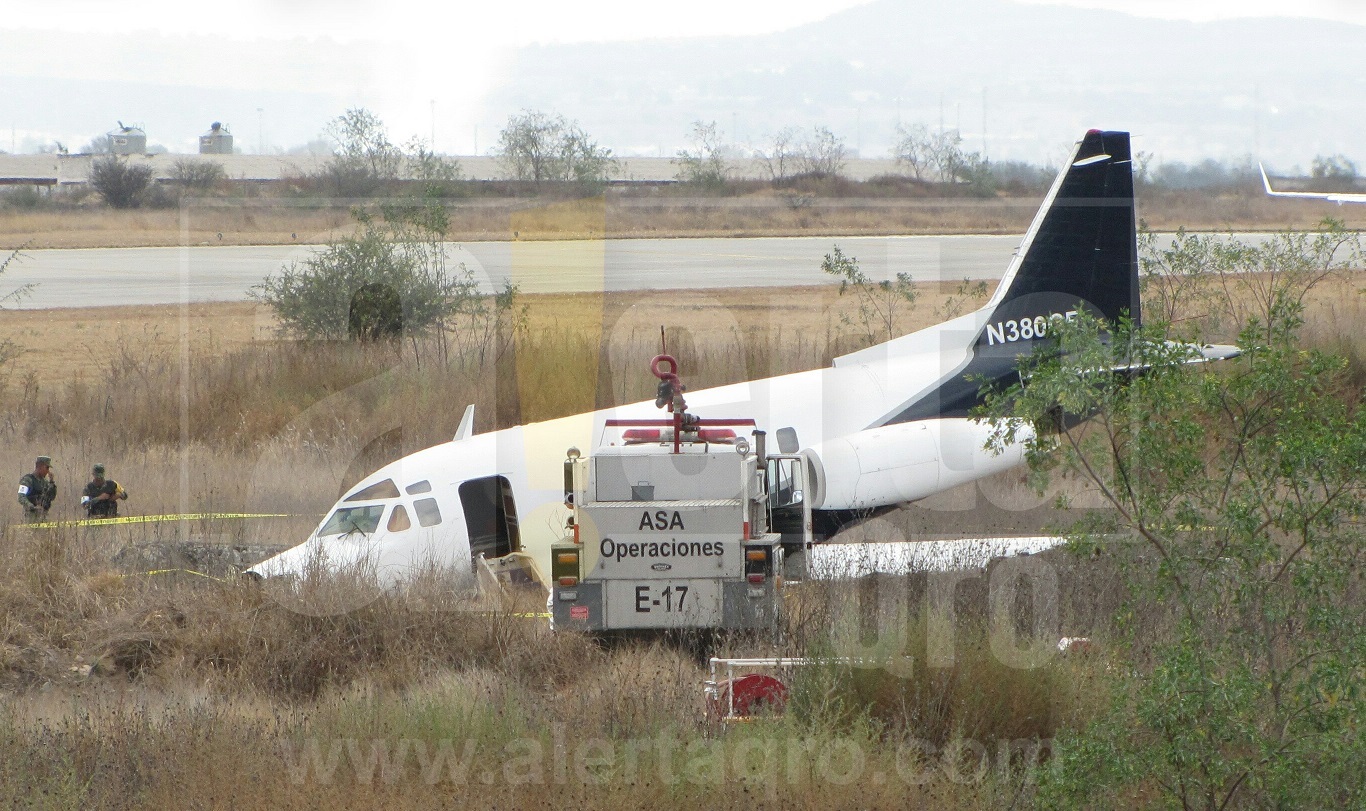
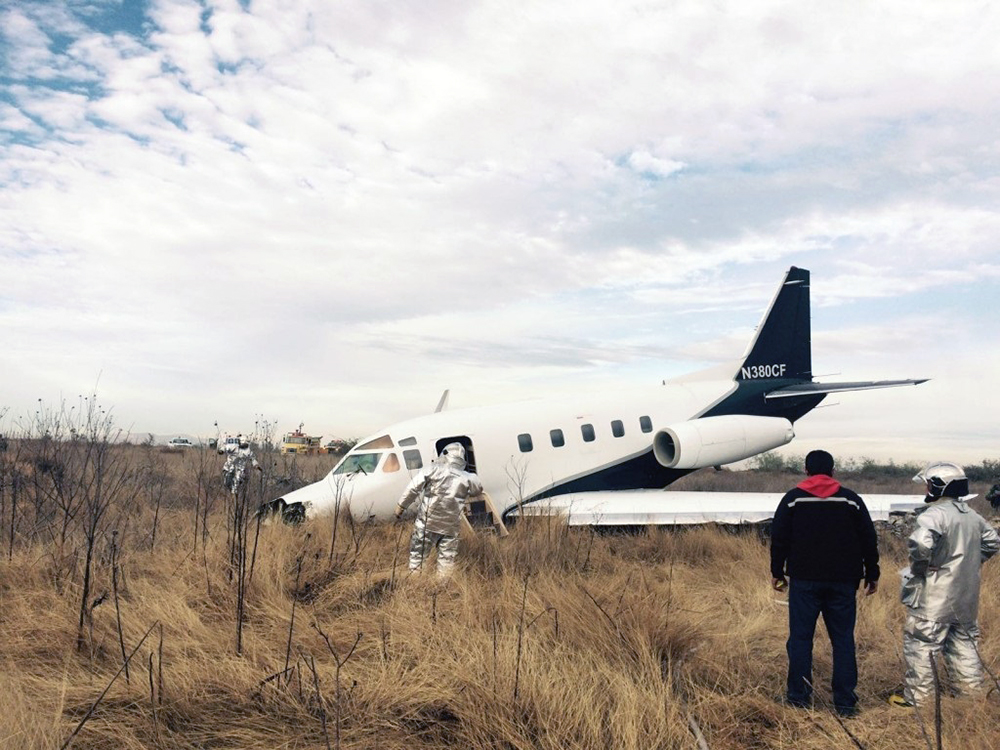
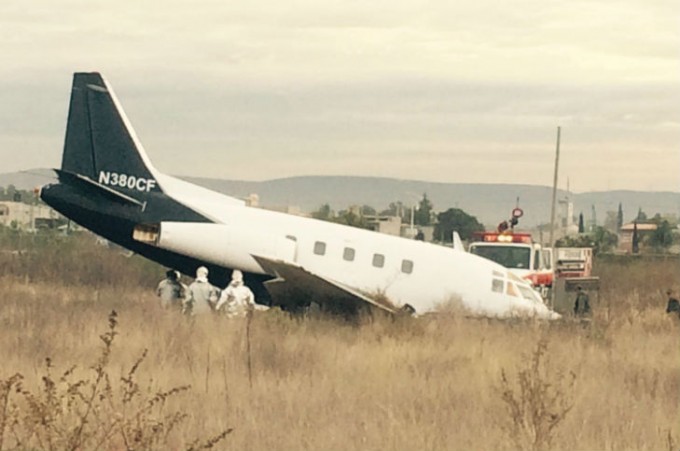
The aircraft, a Rockwell Sabreliner 75A (NA-265-80 version) departed Celaya-Capitán Rogelio Castillo Airport shortly before 0700LT on a short flight to Santiago de Querétaro without any flight plan and with an unknown number of people on board. At 0731LT, the crew contacted the destination airport and elected to land about seven minutes later. After landing on runway 27, the crew was instructed to vacate via taxiway for the apron but the aircraft continued, veered off runway after a distance 800 metres, impacted a rocky wall, lost its nose gear and came to rest. When the rescuers arrived on the scene, there was nobody as the occupants left the airplane and disappeared. It appears the flight was illegal and it is believed that the aircraft was stolen at Celaya Airport.

Crash of a Cessna 425 Conquest in Windhoek: 3 killed

Date & Time: Jan 29, 2016 at 1010 LT
Type of aircraft:
Operator:
Registration:
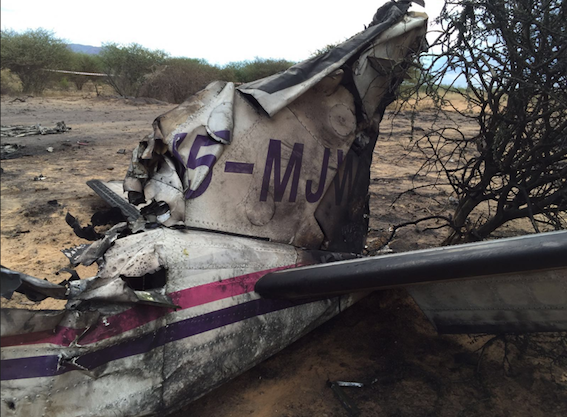
V5-MJW
Flight Type:
Survivors:
No
Schedule:
Windhoek - Windhoek
MSN:
425-0077
YOM:
1981
Country:
Region:
Crew on board:
3
Crew fatalities:
Pax on board:
0
Pax fatalities:
Other fatalities:
Total fatalities:
3
Captain / Total flying hours:
11686
Copilot / Total flying hours:
3765
Copilot / Total hours on type:
256
Aircraft flight hours:
10108
Circumstances:
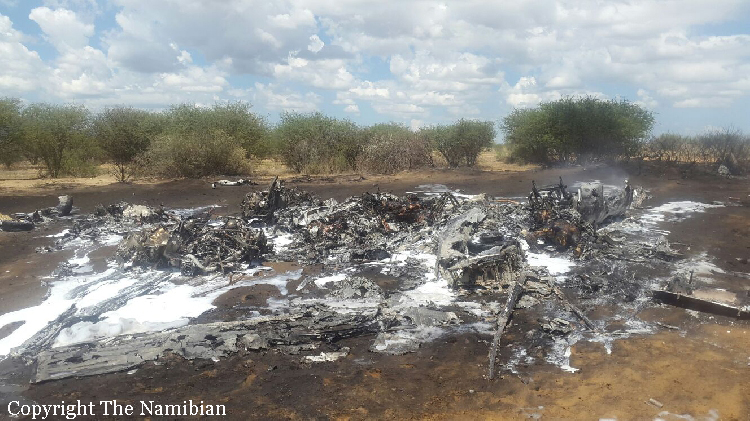
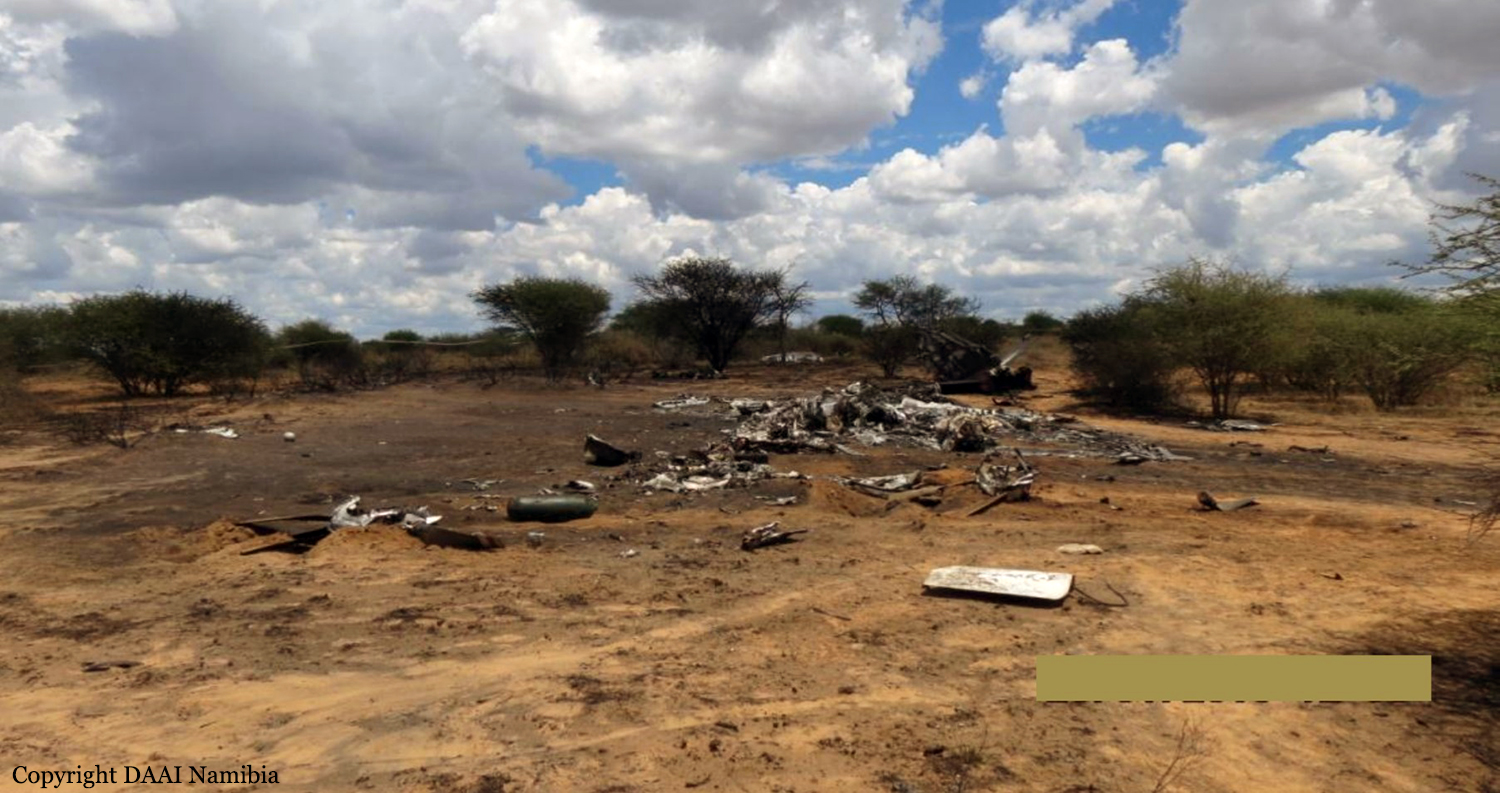
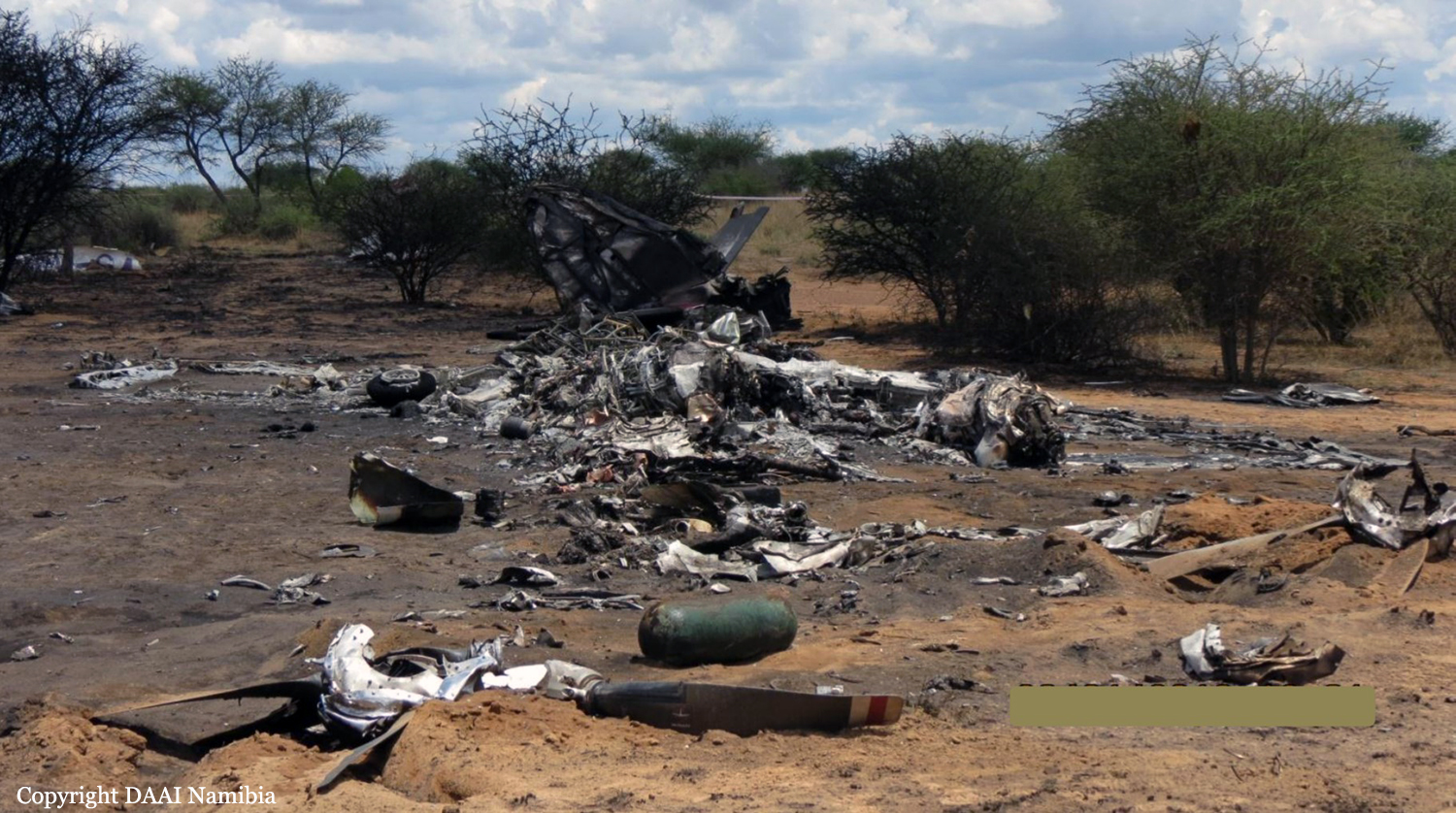
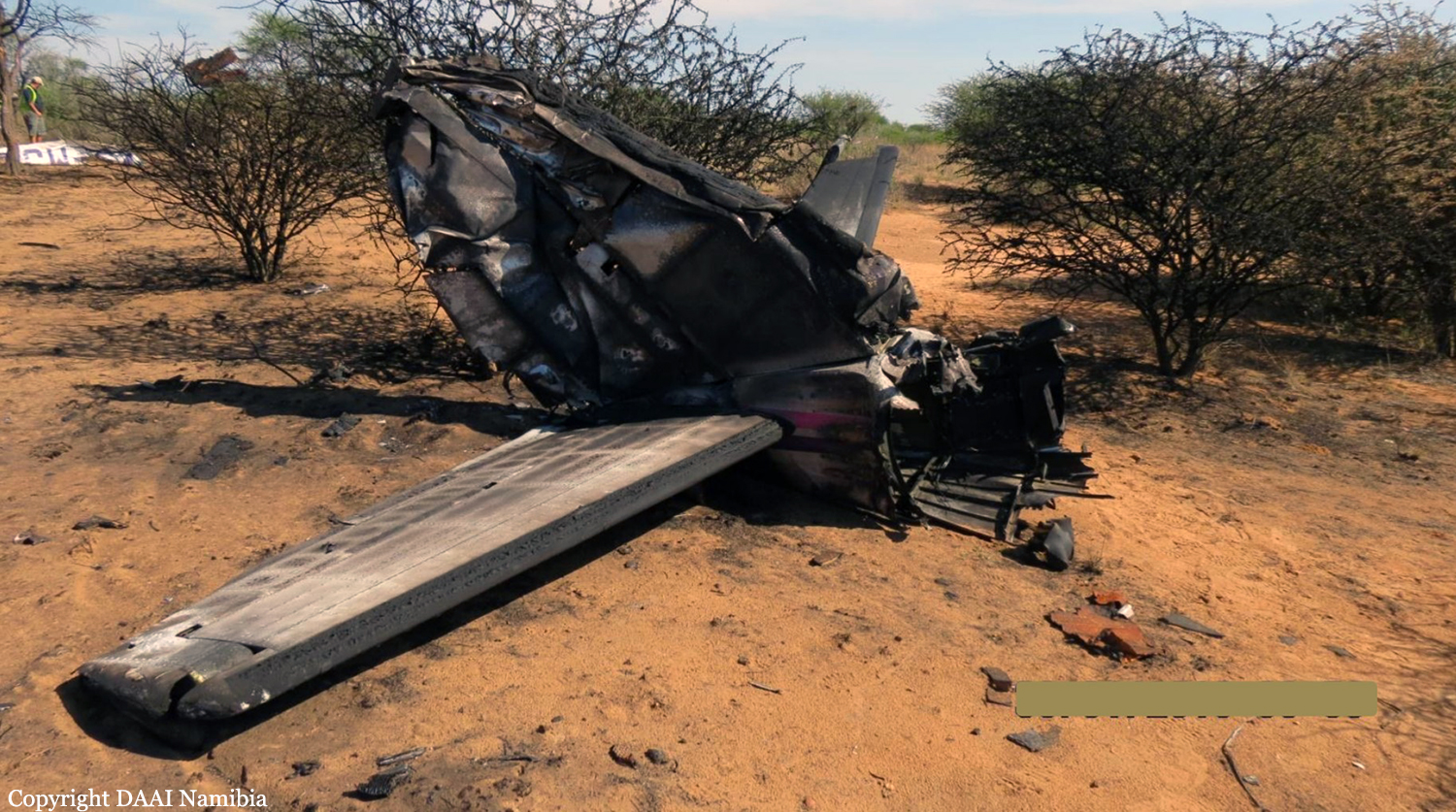
On 29 January 2016, at 08:10 a Cessna 425 Conquest, which was privately operated, crashed approx. 300 meters NNE of threshold Runway 26. 1.1.2 According to the flight plan filled on the 28th January 2016, the flight was scheduled for a renewal of CPL and IR ratings for the two pilots by a Designated Examiner (DE). Departure time was scheduled at 07:45 at a cruising altitude of FL100 for Hosea Kutako Airport. The pilots requested a procedure for an Instrument Landing System (ILS) approach. The Air Traffic Controller (ATC) cleared them for the procedure for runway 26 ILS approach with QNH 1024. They were also asked to report when at nine miles-inbound. At around nine miles they reported their location and were instructed to continue the approach along the glide slope. The DE requested a VOR approach for their next approach and an early right hand turnout that was approved by ATC who also required them to report when going around. The ATC stated that he saw them at around 4nm on final approach. He then stated that he looked away for a moment after which he heard a slight bang, then saw a ball of flames at about 300 meters north of threshold runway 26. He called out to the aircraft three times whilst looking out for it when he finally concluded that it could have been V5-MJW that had crashed. The ATC pressed a crash alarm after a moment when it did not go off, the controller then called the fire station and alerted them of the occurrence. The Airport’s Fire and Rescue team after receiving the initial notification from the ATC took around 10 minutes to reach the site, by that time fire had engulfed the plane and its occupants. The team took 3-4 minutes to extinguish the fire. The weather was reported as fine with winds about 140° at 08 kts with scattered clouds at 4000ft and unrestricted visibility.
Probable cause:
The aircraft stalled at low altitude and consequently impacted the ground.
Contributory Factors:
- Loss of control of the aircraft,
- Non-adherence of go-around procedures as set on the AIP,
- Normalization of deviation -where non-standard go-around procedures are executed.
Final Report:
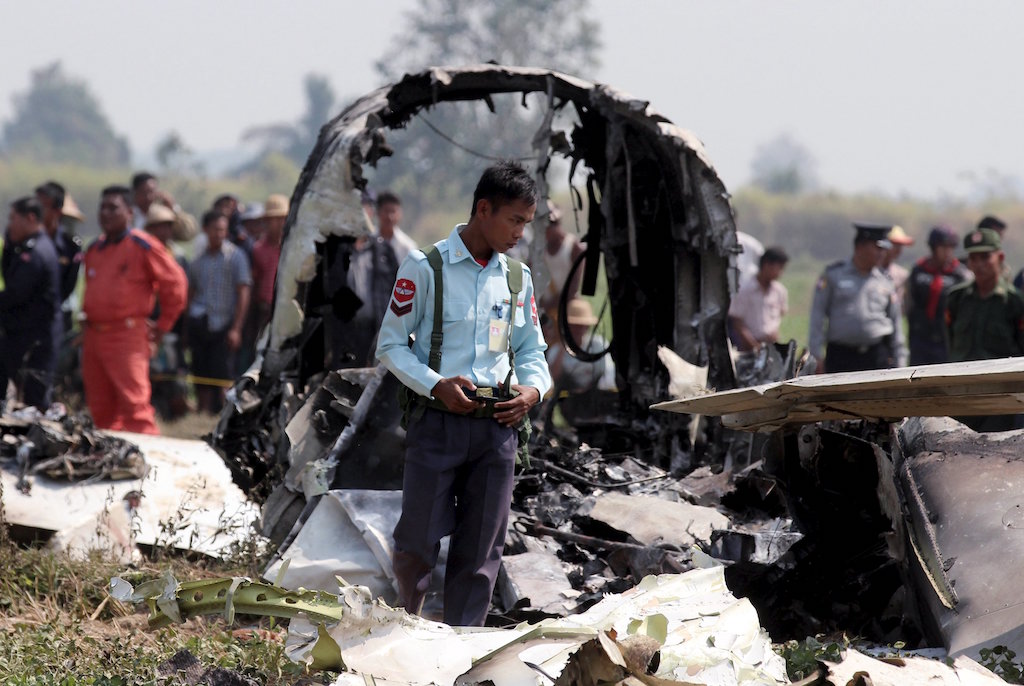
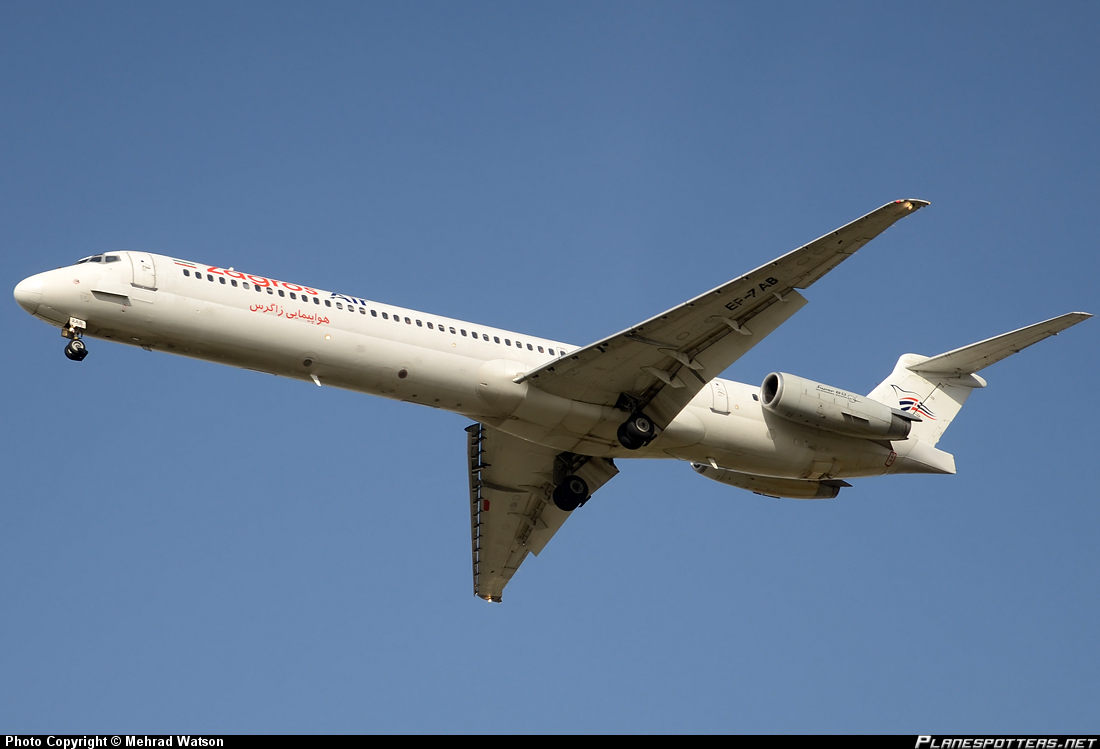
Crash of a McDonnell Douglas MD-83 in Mashhad

Date & Time: Jan 28, 2016 at 1937 LT
Type of aircraft:
Operator:
Registration:
EP-ZAB
Survivors:
Yes
Schedule:
Isfahan – Mashhad
MSN:
49930/1720
YOM:
1990
Flight number:
ZV4010
Country:
Region:
Crew on board:
8
Crew fatalities:
Pax on board:
154
Pax fatalities:
Other fatalities:
Total fatalities:
0
Captain / Total flying hours:
9224
Captain / Total hours on type:
4341.00
Copilot / Total flying hours:
633
Copilot / Total hours on type:
471
Aircraft flight hours:
51446
Aircraft flight cycles:
30255
Circumstances:
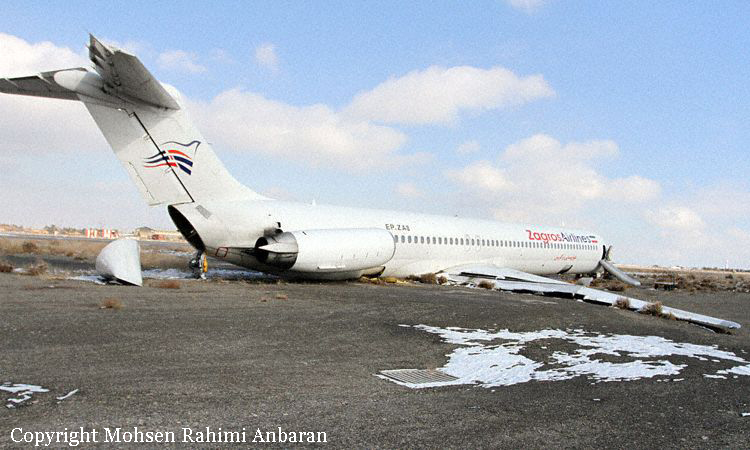
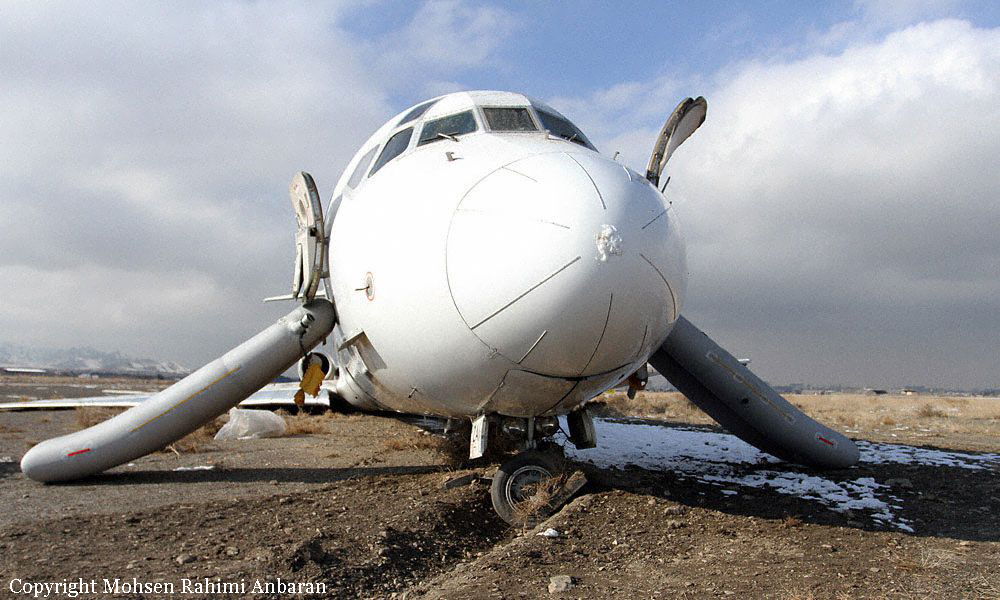
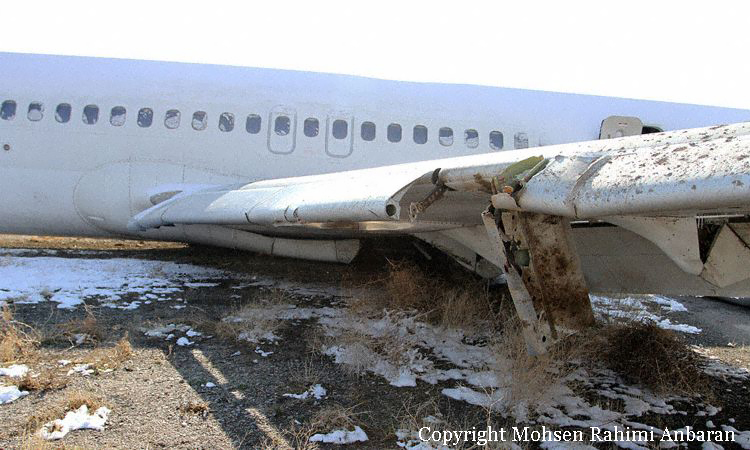
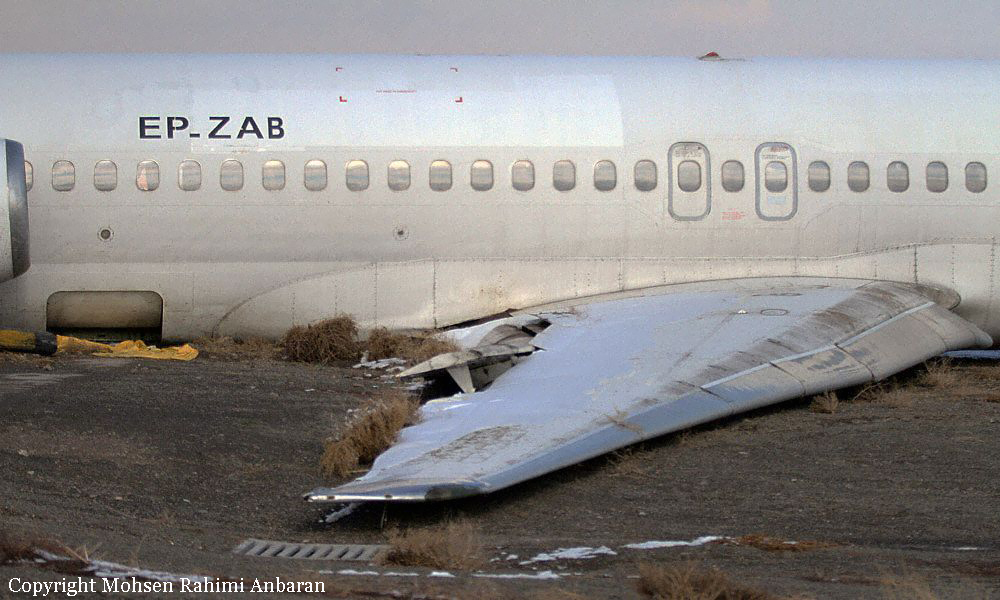
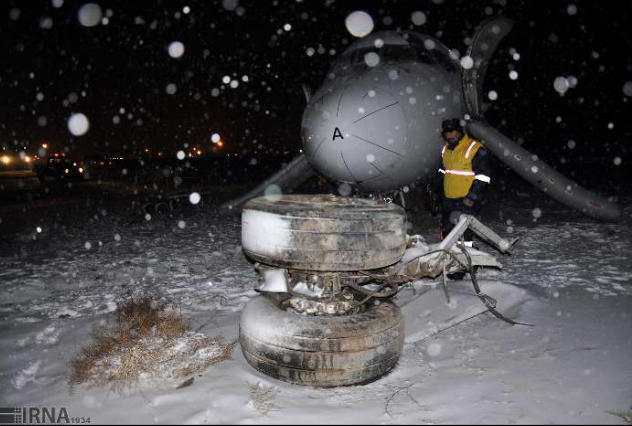
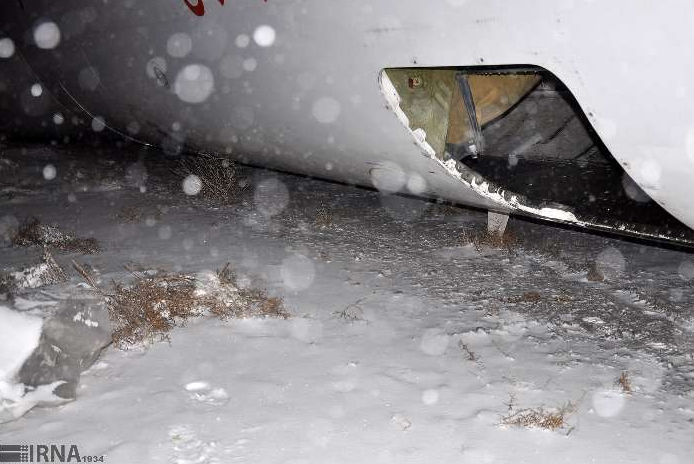
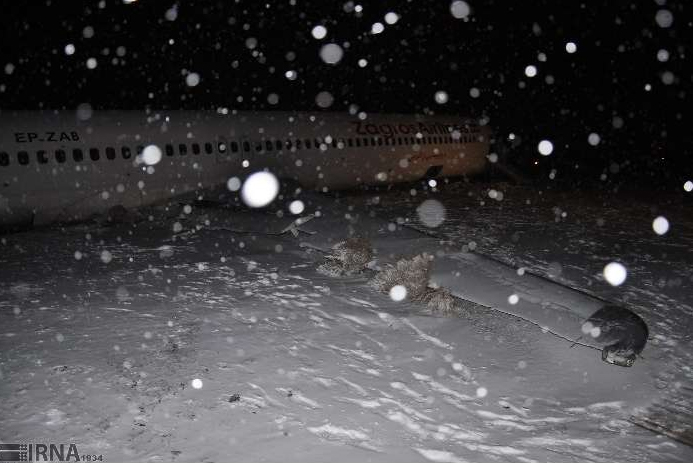
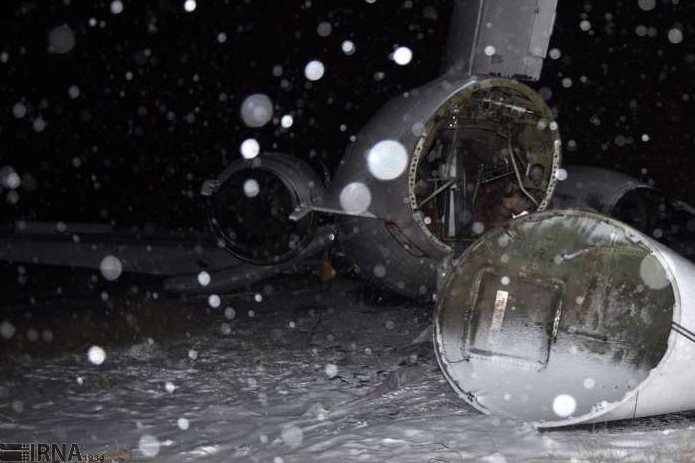
Following an uneventful flight from Isfahan, the crew initiated the approach to Mashhad Airport by night and poor weather conditions with low visibility due to snow falls. After touchdown on runway 31R, the crew started the braking procedure and activated the reverse thrust systems. The aircraft skidded then veered off runway to th left, lost its both main undercarriage and came to rest 55 metres to the left of the runway, some 1,311 metres from the runway threshold. All 162 occupants evacuated safely while the aircraft was damaged beyond repair.
Probable cause:
The following findings were identified:
- Loss of control after touchdown due to an abnormal use by the captain of the reverse thrust systems, which caused the aircraft to slid and to become out of control,
- Weather conditions deteriorated with a sudden drop in temperature and a reduced visibility,
- Limited RVR to 811 metres,
- The crew failed to initiate a go-around procedure,
- Overconfidence on part of the captain due to his high experience,
- Poor crew resource management,
- The braking coefficient was low due to an excessive deposit of rubber on the runway surface, combined with a layer of snow that the airport authorities did not consider necessary to clear in due time.
Final Report:
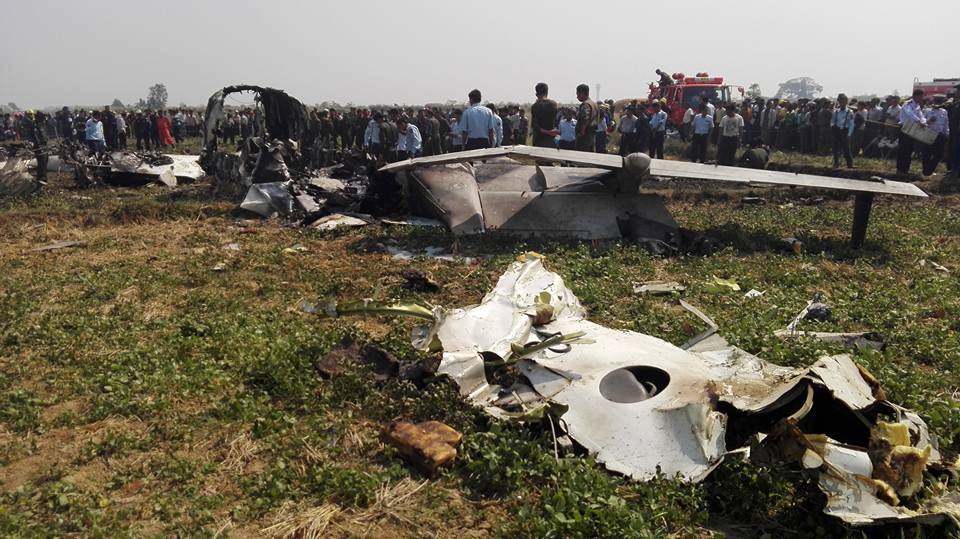
Ground accident of a Pilatus PC-12/47E in Savannah

Date & Time: Jan 6, 2016 at 0835 LT
Type of aircraft:
Operator:
Registration:
N978AF
Flight Phase:
Flight Type:
Survivors:
Yes
Schedule:
Savannah - Lexington
MSN:
1078
YOM:
2008
Flight number:
Cobalt Air 727
Crew on board:
2
Crew fatalities:
Pax on board:
0
Pax fatalities:
Other fatalities:
Total fatalities:
0
Captain / Total flying hours:
23141
Captain / Total hours on type:
534.00
Copilot / Total flying hours:
7900
Copilot / Total hours on type:
5100
Aircraft flight hours:
4209
Circumstances:
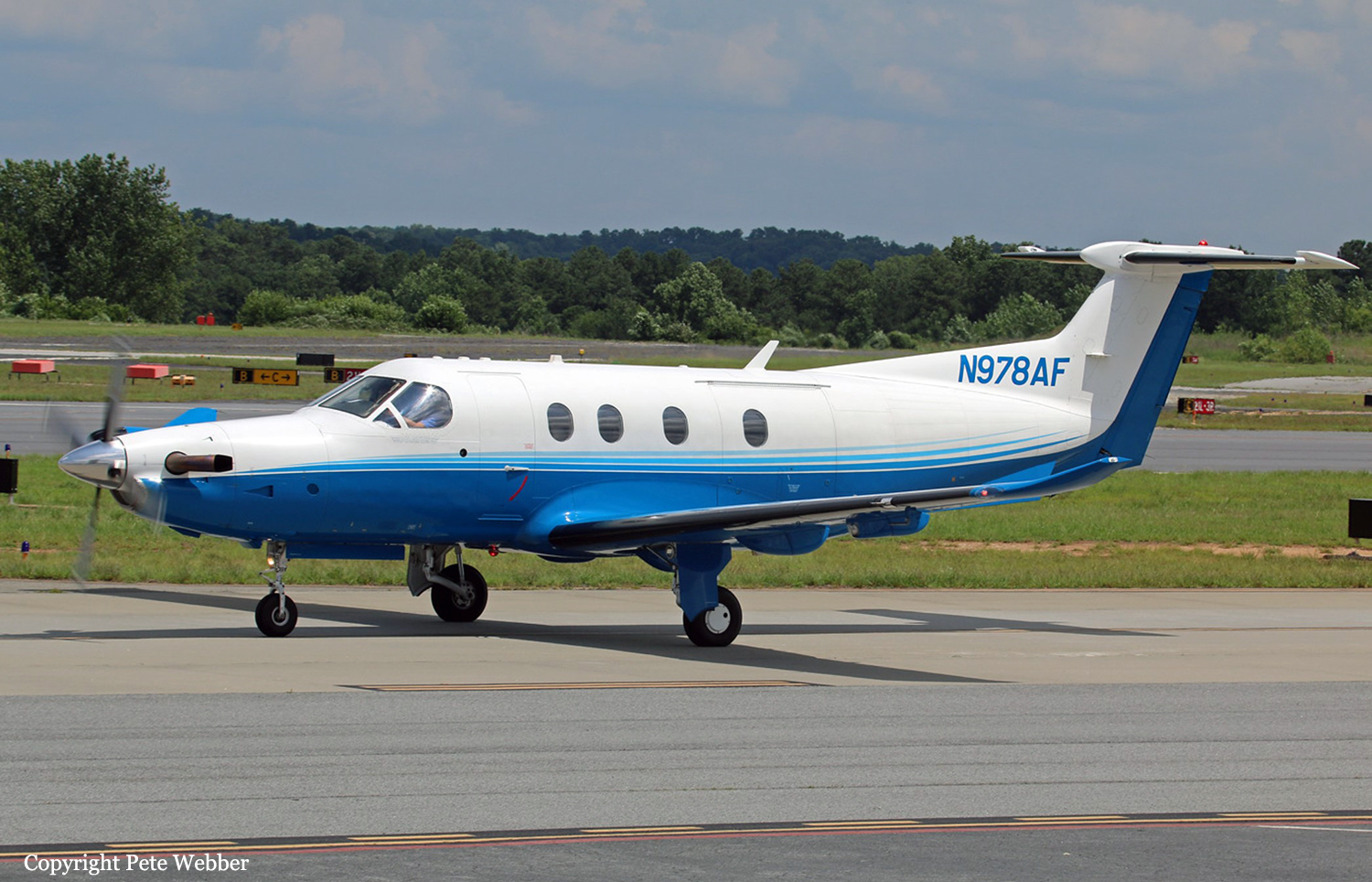
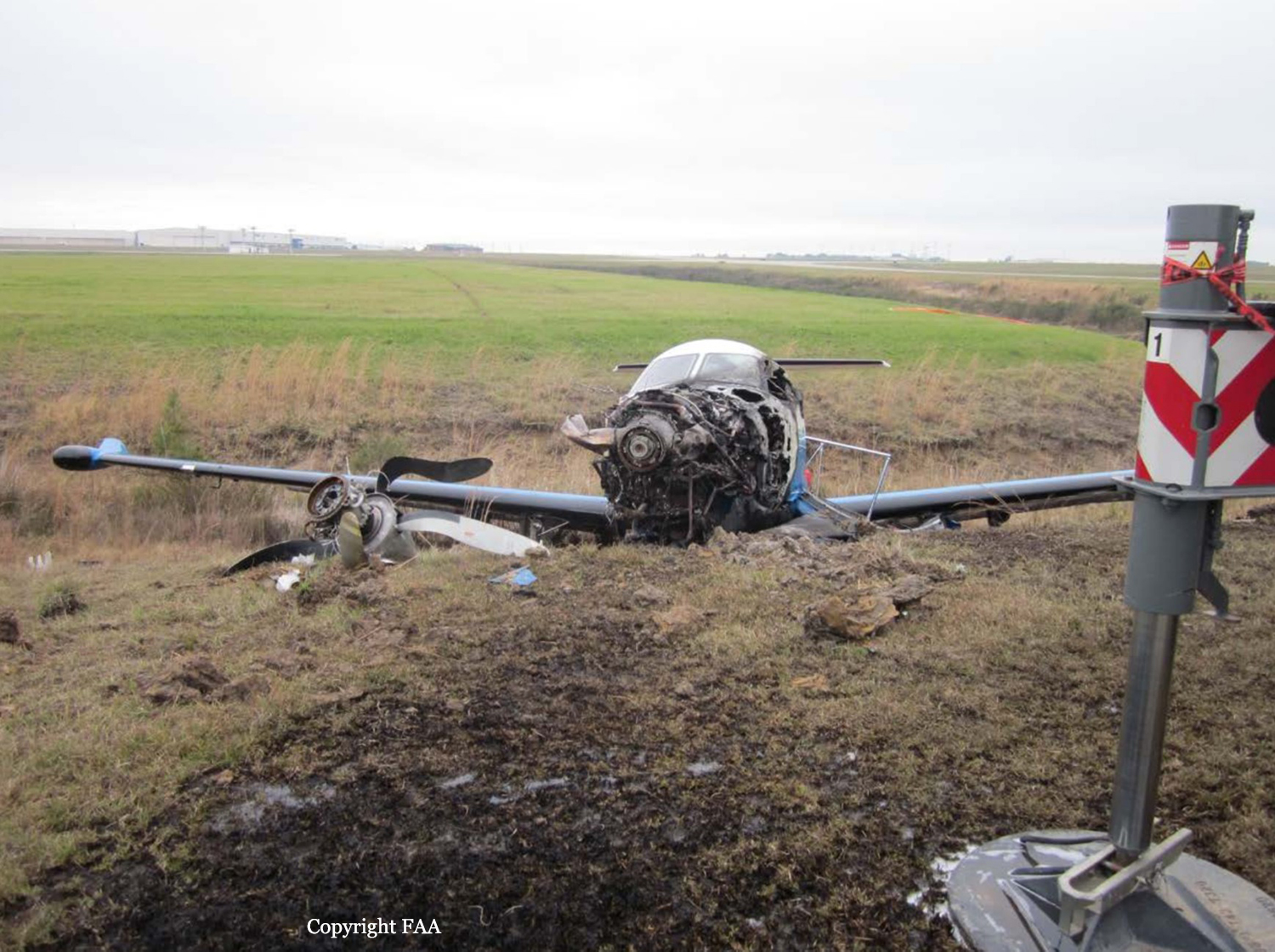
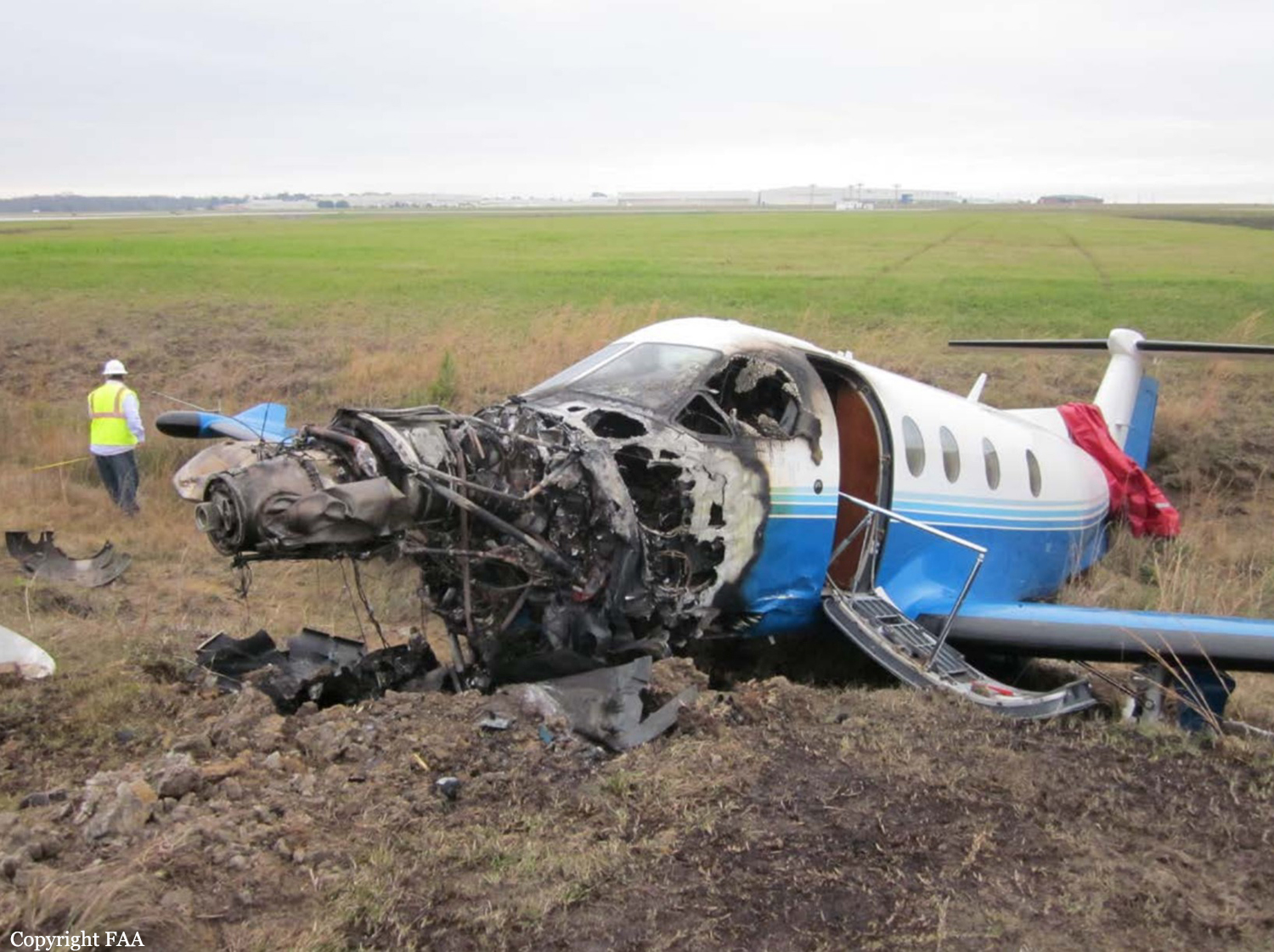
The aircraft collided with a ditch during a precautionary landing after takeoff from Savannah/Hilton Head International Airport (SAV), Savannah, Georgia. The pilot and copilot sustained minor injuries, and the airplane was substantially damaged. The airplane was registered to Upper Deck Holdings, Inc. and was being operated by PlaneSense, Inc,. as a Title 14 Code of Federal Regulations Part 91 positioning flight. Visual meteorological conditions prevailed, and an instrument flight rules flight plan was filed for the flight to Blue Grass Airport (LEX), Lexington, Kentucky. The pilot in the left seat was the pilot monitoring and the copilot in the right seat was the pilot flying. The crew had the full length of the runway 1 available (7,002 ft) for takeoff. The pilots reported that the acceleration and takeoff was normal and after establishing a positive rate of climb, the crew received an auditory annunciation and a red crew alerting system (CAS) torque warning. The engine torque indicated 5.3 pounds per square inch (psi); the nominal torque value for the conditions that day was reported by the crew to be 43.3 psi. With about 2,700 ft of runway remaining while at an altitude of 200 ft msl, the copilot elected to land immediately; the copilot pushed the nose down and executed a 90° left descending turn and subsequently landed in the grass. Although he applied "hard" braking in an attempt to stop, the airplane impacted a drainage ditch, resulting in substantial impact damage and a postimpact fire. The pilot reported that, after takeoff, he observed a low torque CAS message and the copilot told him to "declare an emergency and run the checklist." The pilot confirmed that the landing gear were extended and the copilot turned the airplane to the left toward open ground between the runways and the terminal. About 60 seconds elapsed from the start of the takeoff roll until the accident. The airport was equipped with security cameras that captured the airplane from its initial climb through the landing and collision. One camera, pointed toward the west-southwest, recorded the airplane's left descending turn and its landing in the grass, followed by impact and smoke. A second camera, mounted on the control tower, pointed toward the southeast and showed the airplane during the initial climb before it leveled off and entered a descending left turn; it also showed the airplane land and roll through the grass before colliding with the ditch.
Probable cause:
The pilots' failure to follow proper procedures in response to a crew alerting system warning for high engine torque values, which necessitated an off-runway emergency landing during which the airplane sustained substantial damage due to postimpact fire. Contributing to the accident was the erroneous engine torque indication for reasons that could not be determined.
Final Report: