Crash of an Embraer EMB-121A1 Xingu II in Santa Branca: 5 killed

Date & Time: Oct 23, 2024 at 1839 LT
Type of aircraft:
Operator:
Registration:
PT-MBU
Flight Phase:
Flight Type:
Survivors:
No
Schedule:
Florianópolis – Belo Horizonte – Salvador
MSN:
121-052
YOM:
1982
Country:
Crew on board:
2
Crew fatalities:
Pax on board:
3
Pax fatalities:
Other fatalities:
Total fatalities:
5
Circumstances:
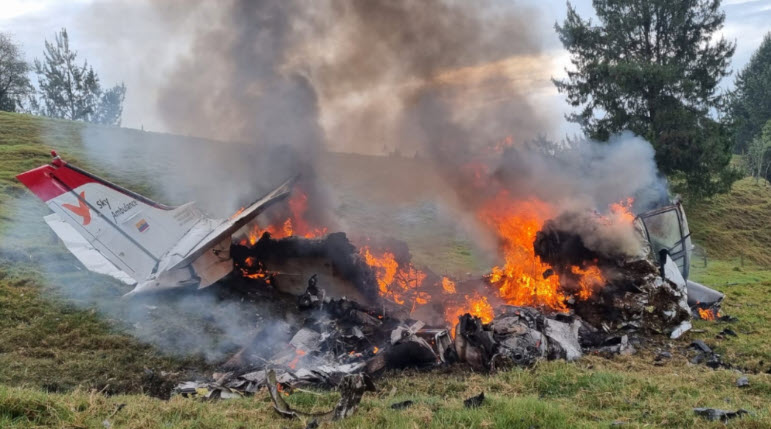
The twin engine airplane departed Florianópolis-Hercilio Luz Airport at 1651LT on an ambulance flight to Salvador, carrying three passengers (a doctor, a nurse and a mechanic) and two pilots. A technical stop for refueling was scheduled in Belo Horizonte. While flying in cruising altitude in reduced visibility (almost night and heavy rain falls), the airplane entered an uncontrolled descent and crashed in a wooded area located in Santa Branca. The airplane disintegrated on impact and all five occupants, all employees of the company, were killed.

Crash of a Britten-Norman BN-2B-27 Islander in Yerbabuena

Date & Time: Aug 12, 2024 at 1502 LT
Type of aircraft:
Operator:
Registration:
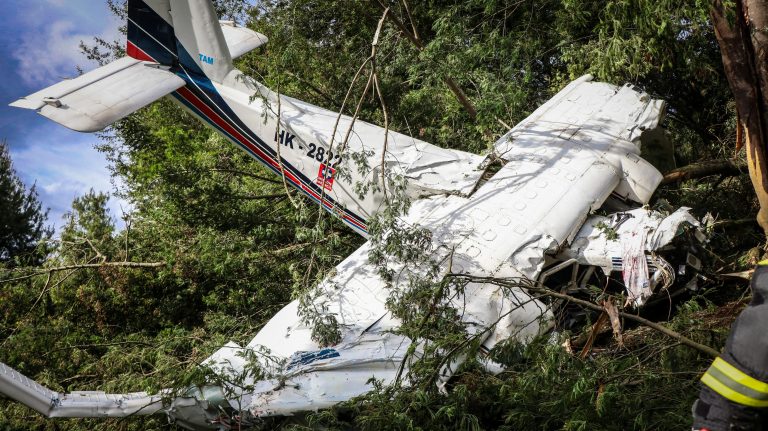
HK-2822
Flight Phase:
Flight Type:
Survivors:
Yes
Schedule:
Bogotá - La Macarena
MSN:
2109
YOM:
1981
Country:
Crew on board:
2
Crew fatalities:
Pax on board:
2
Pax fatalities:
Other fatalities:
Total fatalities:
0
Circumstances:
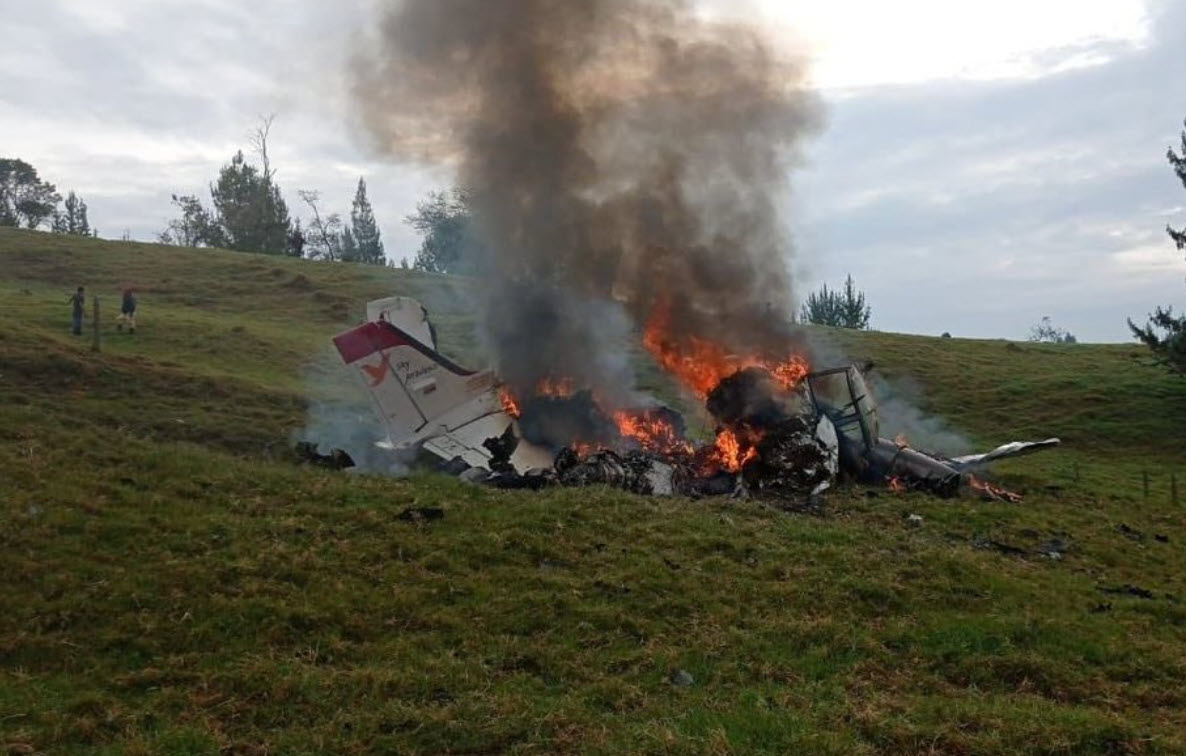
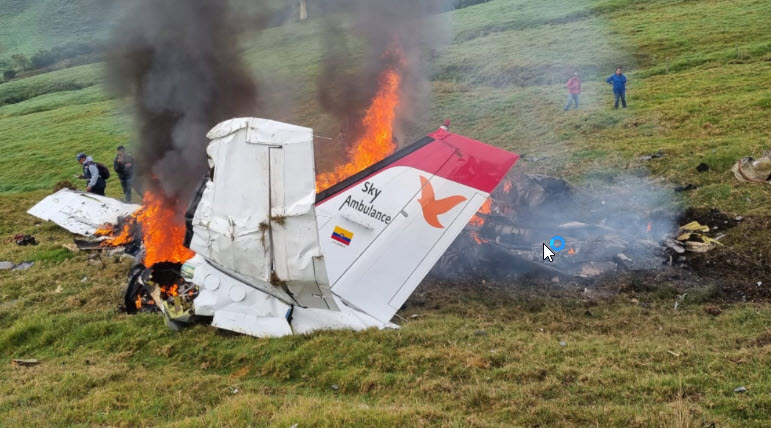
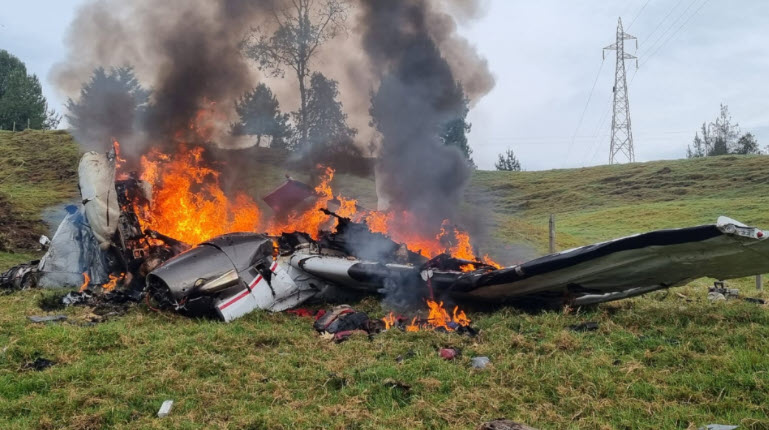
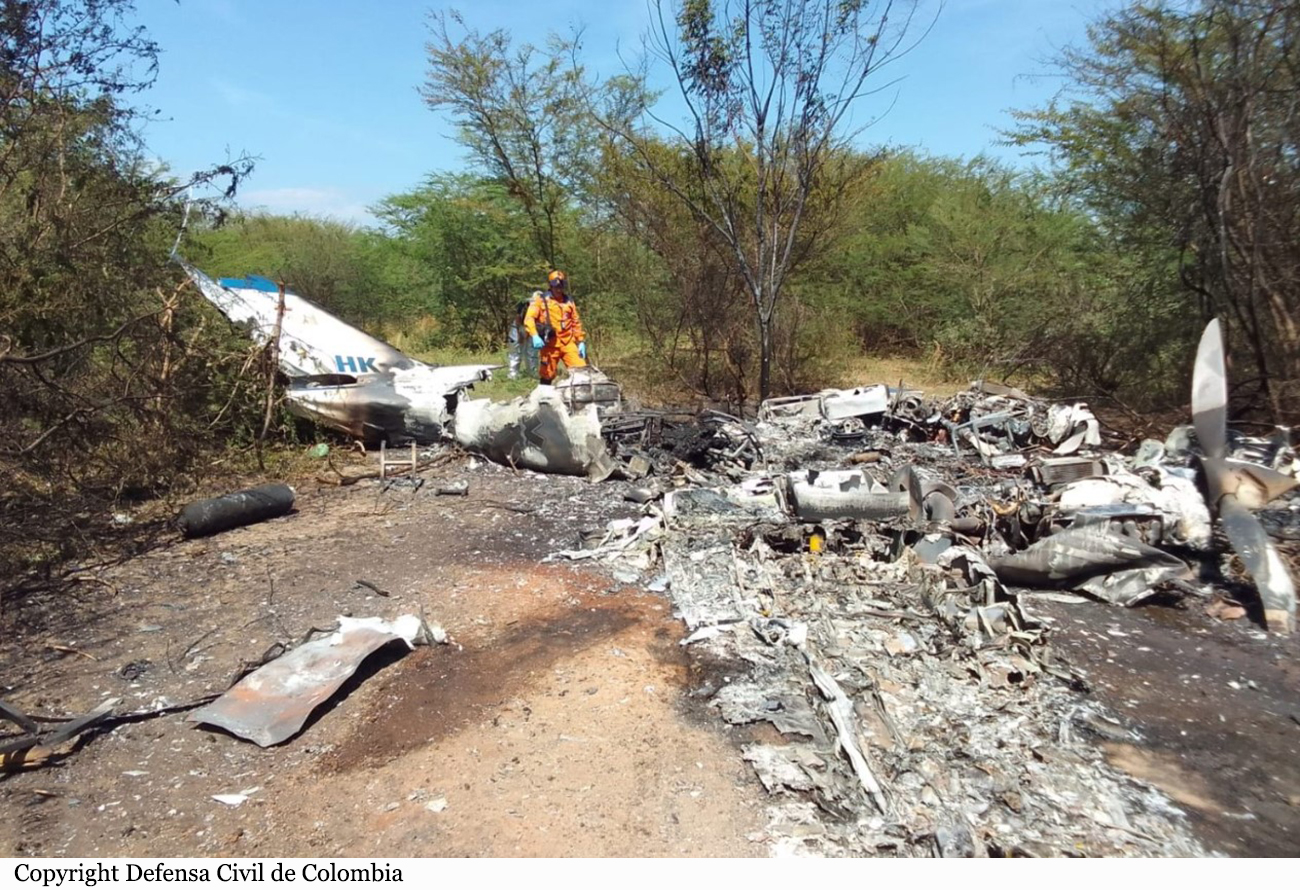
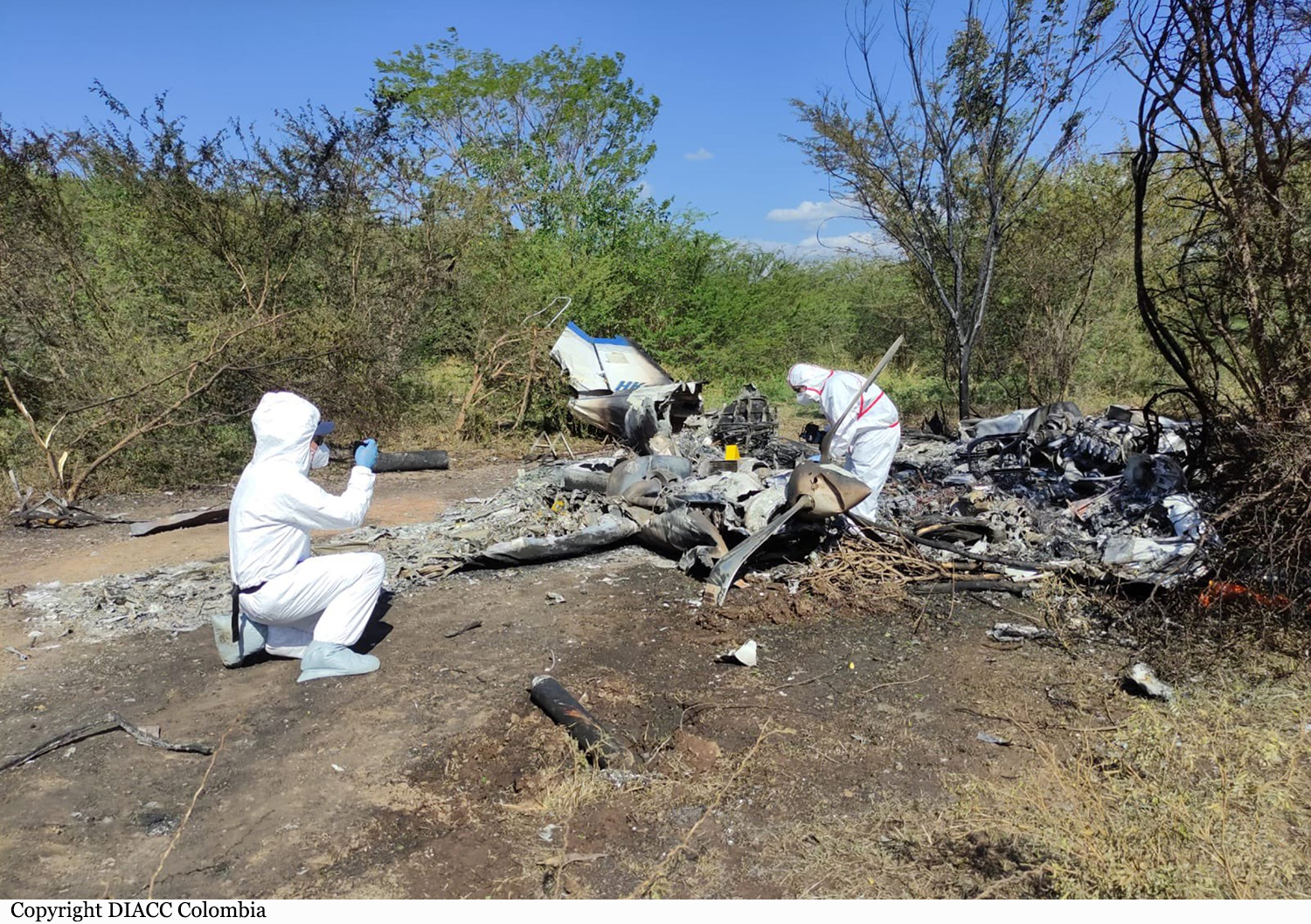
Few minutes after takeoff from Bogotá-Guaymaral Airport, the crew encountered an unexpected situation and declared an emergency. He attempted an emergency landing when the airplane nosed down and crashed on hilly and wooded terrain located in Yerbabuena, about 10 km northeast of Guaymaral Airport. All four occupants were injured and the airplane was destroyed. It was en route to La Macarena on an ambulance flight, carrying two pilots and a medical team.

Crash of a Beechcraft C90 King Air near Yarumal: 4 killed

Date & Time: Mar 21, 2024 at 0720 LT
Type of aircraft:
Operator:
Registration:
HK-4684
Flight Phase:
Flight Type:
Survivors:
No
Schedule:
Montería - Medellín
MSN:
LJ-934
YOM:
1981
Country:
Crew on board:
2
Crew fatalities:
Pax on board:
2
Pax fatalities:
Other fatalities:
Total fatalities:
4
Captain / Total flying hours:
12182
Captain / Total hours on type:
432.00
Copilot / Total flying hours:
242
Copilot / Total hours on type:
51
Aircraft flight hours:
11704
Circumstances:
The twin engine airplane departed Montería-Los Garzones Airport on an ambulance flight to Medellín, carrying two pilots, a doctor and a nurse. About 30 minutes into the flight, while cruising at an altitude of 19,000 feet, the airplane initiated a descent and the speed started to decrease until it stalled and crashed in a prairie, bursting into flames. All four occupants were killed.

Crash of a Dassault Falcon 10 on Mt Topkhana: 2 killed

Date & Time: Jan 20, 2024 at 1933 LT
Type of aircraft:
Operator:
Registration:
RA-09011
Flight Phase:
Flight Type:
Survivors:
Yes
Site:
Schedule:
U-Tapao – Gaya – Tashkent – Moscow
MSN:
128
YOM:
1978
Country:
Region:
Crew on board:
2
Crew fatalities:
Pax on board:
4
Pax fatalities:
Other fatalities:
Total fatalities:
2
Captain / Total flying hours:
2370
Captain / Total hours on type:
26.00
Copilot / Total flying hours:
870
Copilot / Total hours on type:
26
Aircraft flight hours:
10072
Aircraft flight cycles:
7485
Circumstances:
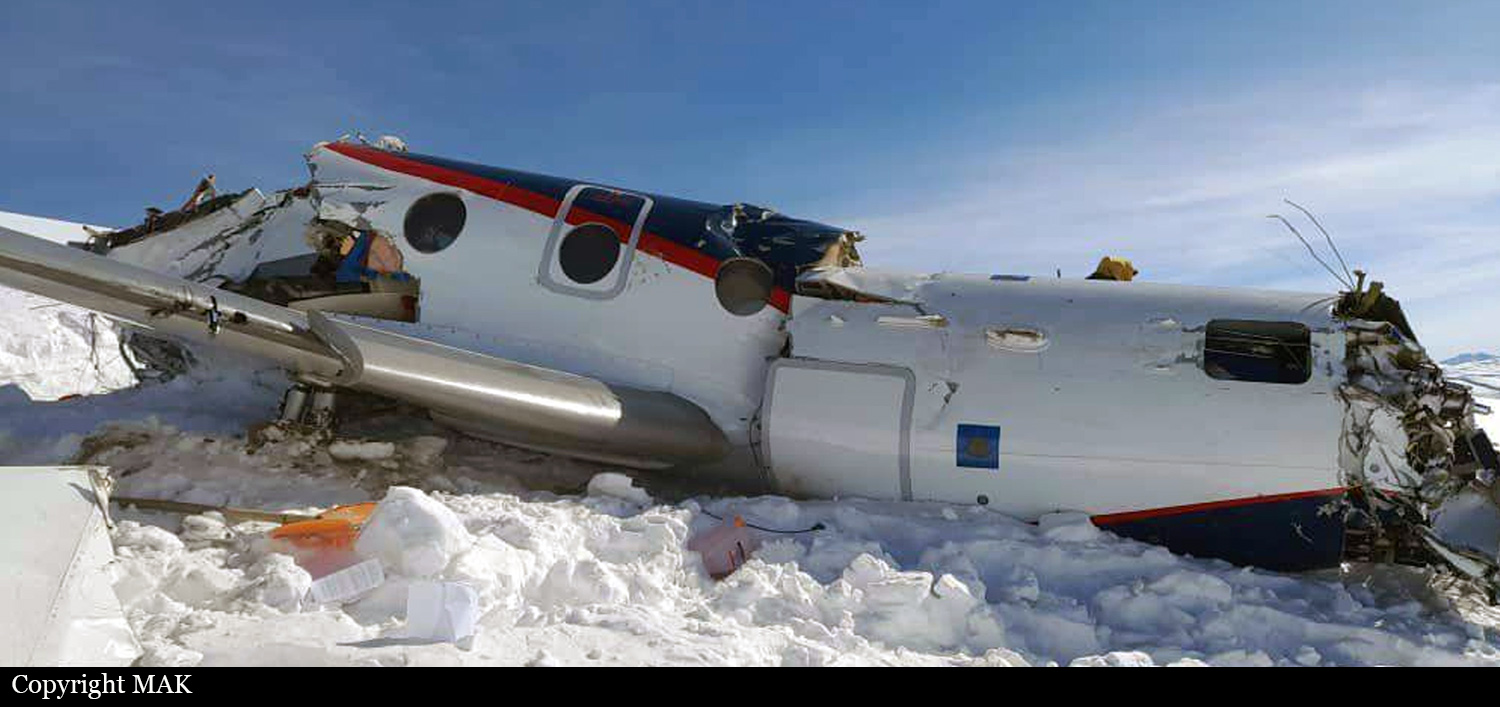
The airplane departed U-Tapao Airport, Thailand, in the early morning, on an ambulance flight to Moscow-Zhukovsky Airport. Chartered by Gazpromavia, it was carrying four passengers and two crew members. A first fuel stop was made in Gaya, Bihar, and a second fuel stop was scheduled in Tashkent. After three hours and 45 minutes into the flight, while cruising at FL380 over the Afghan mountains, the crew declared an emergency and elected to divert to Kulyab, southeast Tajikistan. Few minutes later, one of the engine failed, followed shortly later by the second one. In such conditions, the crew attempted an emergency landing when the airplane crashed on the snow covered Mt Topkhana located in the province of Badakhshan. Two passengers were killed and four other occupants were injured.
Probable cause:
The accident occurred at night during an attempted emergency landing off airfield in mountainous terrain. The necessity of this landing was most likely caused by the consecutive flameout of both engines in flight due to total fuel exhaustion.
The following contributing factors were identified:
・Inadequate crew training for performing preflight calculations and safely conducting flights under IFR, including the failure to fully utilize the Falcon 10’s navigation equipment suite.
・Non-compliance with FAP-128 (Federal Aviation Regulations) requirements (clauses 2.7 and 2.71) during the pre-departure decision-making process:
- The crew failed to review the weather forecast along the route, resulting in a situation where the required fuel for the flight exceeded the actual fuel reserves on board.
- No alternative actions were planned in the event that the flight could not be completed as filed due to deteriorating weather conditions.
・Failure to maintain an optimal flight profile (altitude and speed, excessive engine thrust settings) throughout the flight, or increased fuel consumption caused by engine component wear over long-term operation, leading to higher-than-expected fuel burn.
・Failure to make a timely decision to land at the nearest available airfield when an emergency situation arose due to insufficient fuel to continue the flight according to the FPL.
・Delayed notification of Dushanbe Regional Center (ACC) air traffic controllers regarding the onboard emergency related to critical fuel levels, which prevented a landing at the nearest airport (Kulyab Airport, Republic of Tajikistan).
Final Report:

Crash of a Cessna 421C Golden Eagle III in Valledupar: 1 killed

Date & Time: Jan 7, 2024 at 1140 LT
Operator:
Registration:
HK-4983
Flight Phase:
Flight Type:
Survivors:
Yes
Schedule:
Valledupar – Bogotá
MSN:
421C-0346
YOM:
1977
Country:
Crew on board:
2
Crew fatalities:
Pax on board:
4
Pax fatalities:
Other fatalities:
Total fatalities:
1
Circumstances:
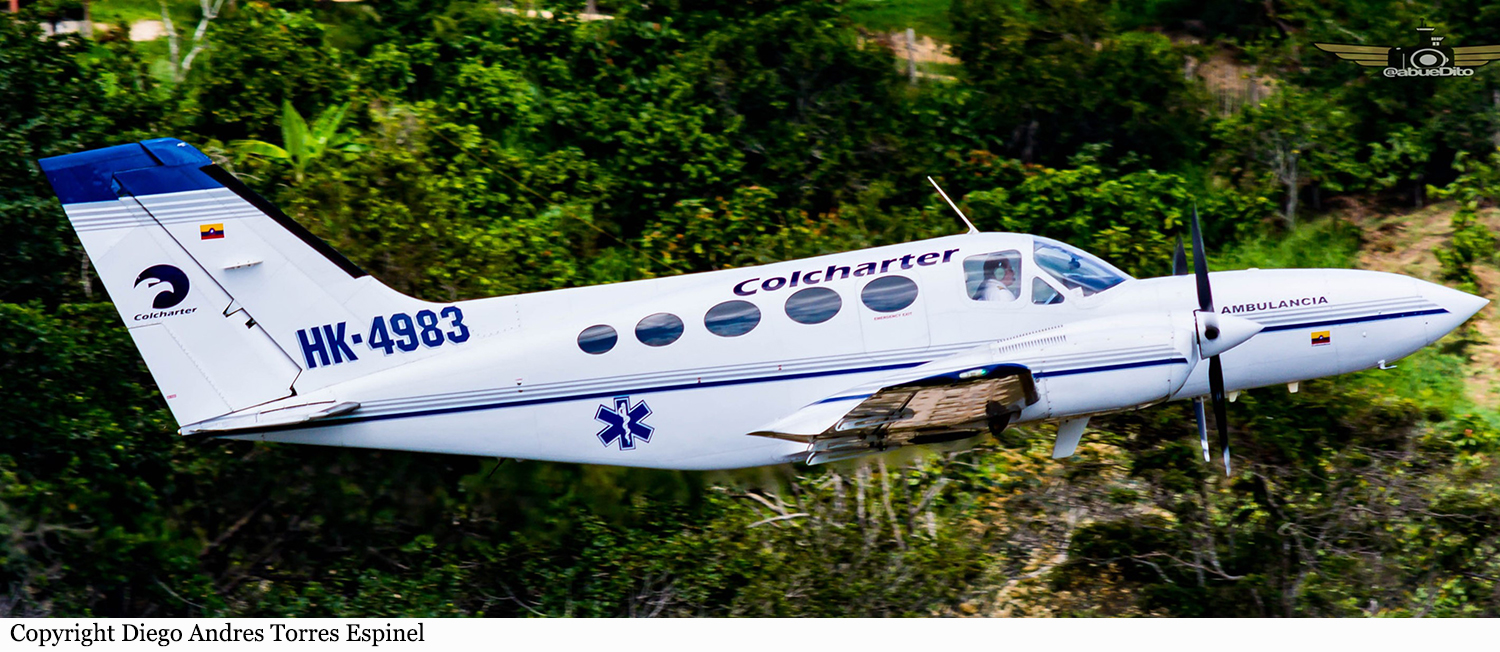
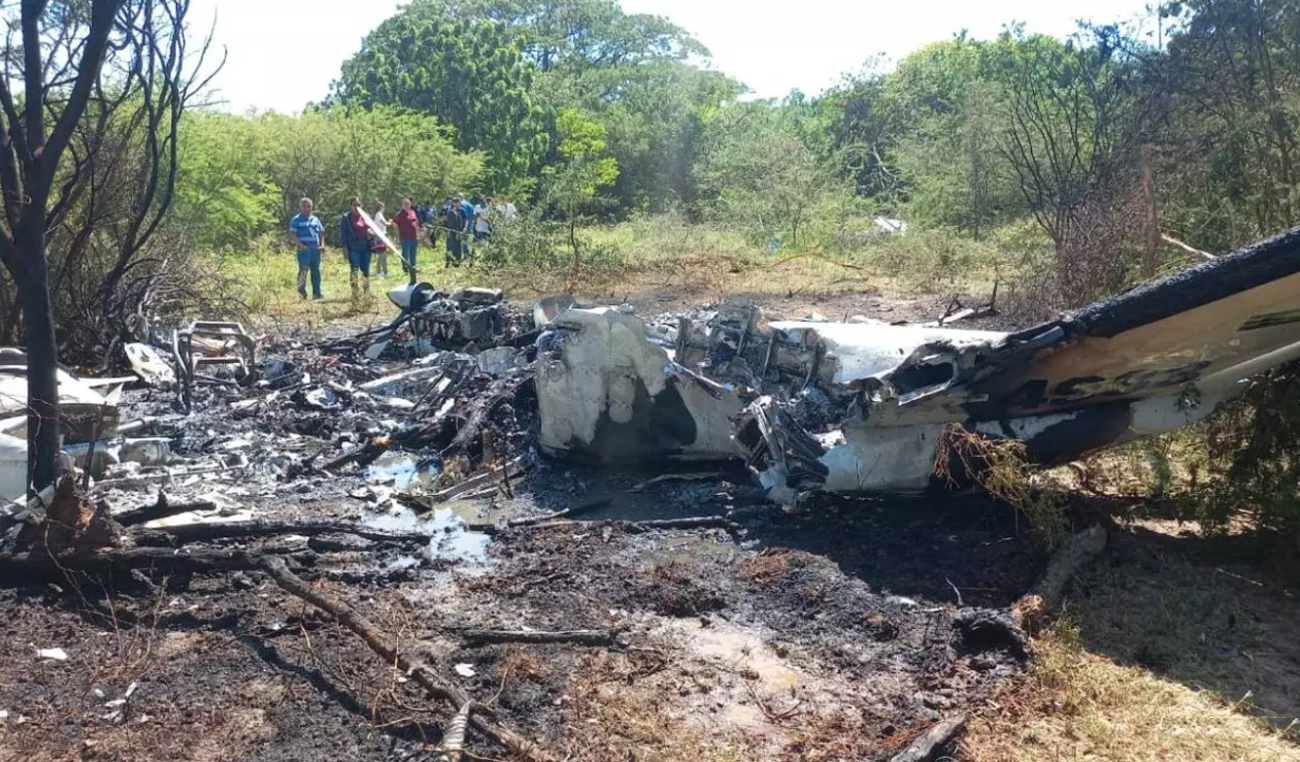
The airplane was operated on an ambulance flight from Valledupar to Bogotá-Guaymaral Airport, carrying six people, a mother and son, a doctor, a nurse and two pilots. After takeoff from runway 02/20, the airplane reached the altitude of 50 metres then stalled and crashed near trees, bursting into flames. Five occupants were injured and the doctor was killed. The airplane was destroyed by a post crash fire.

Crash of a De Havilland DHC-8-315Q in Tokyo: 5 killed

Date & Time: Jan 2, 2024 at 1747 LT
Operator:
Registration:
JA722A
Flight Phase:
Flight Type:
Survivors:
Yes
Schedule:
Tokyo - Niigata
MSN:
656
YOM:
2007
Country:
Region:
Crew on board:
6
Crew fatalities:
Pax on board:
0
Pax fatalities:
Other fatalities:
Total fatalities:
5
Circumstances:
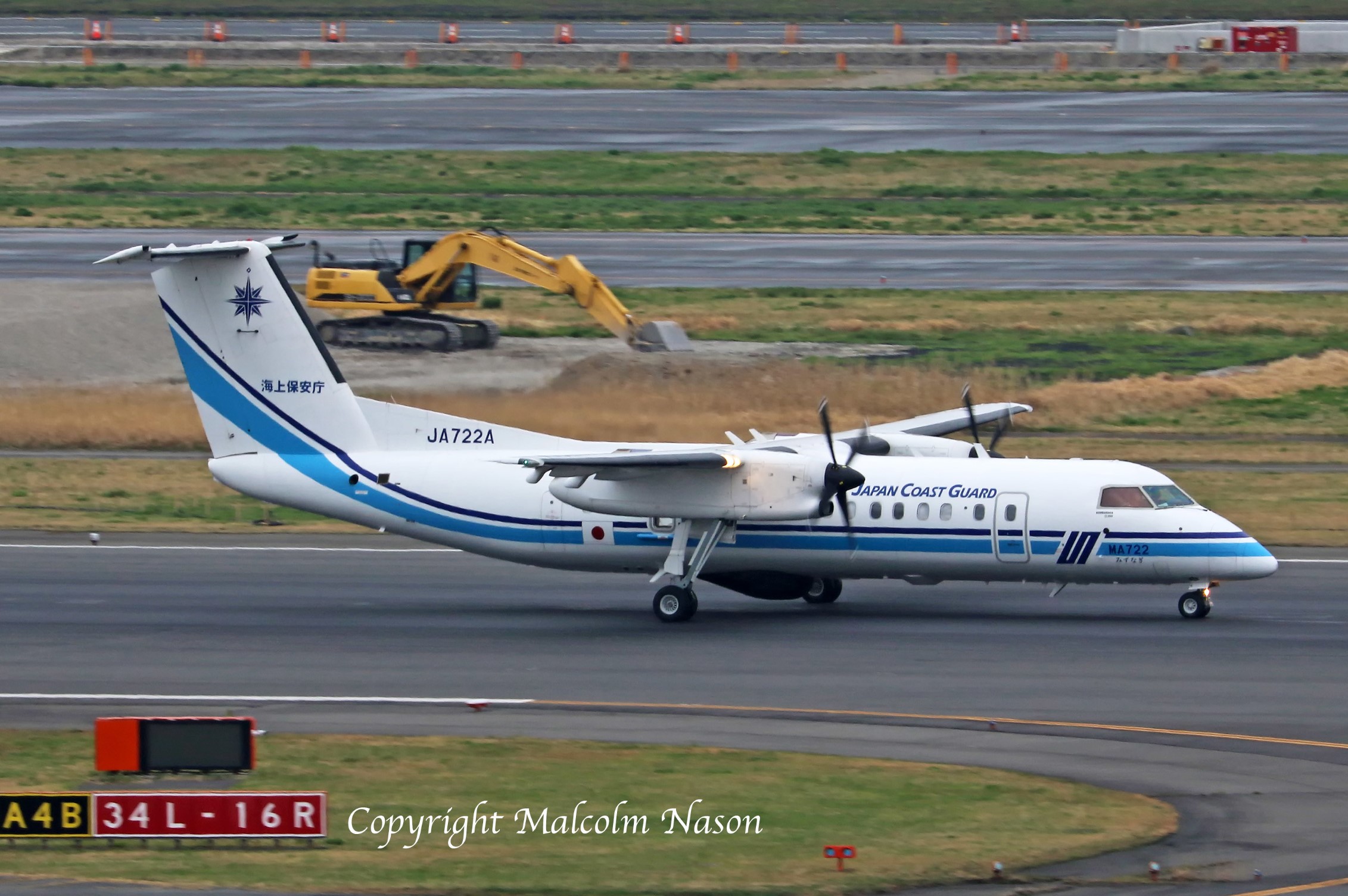
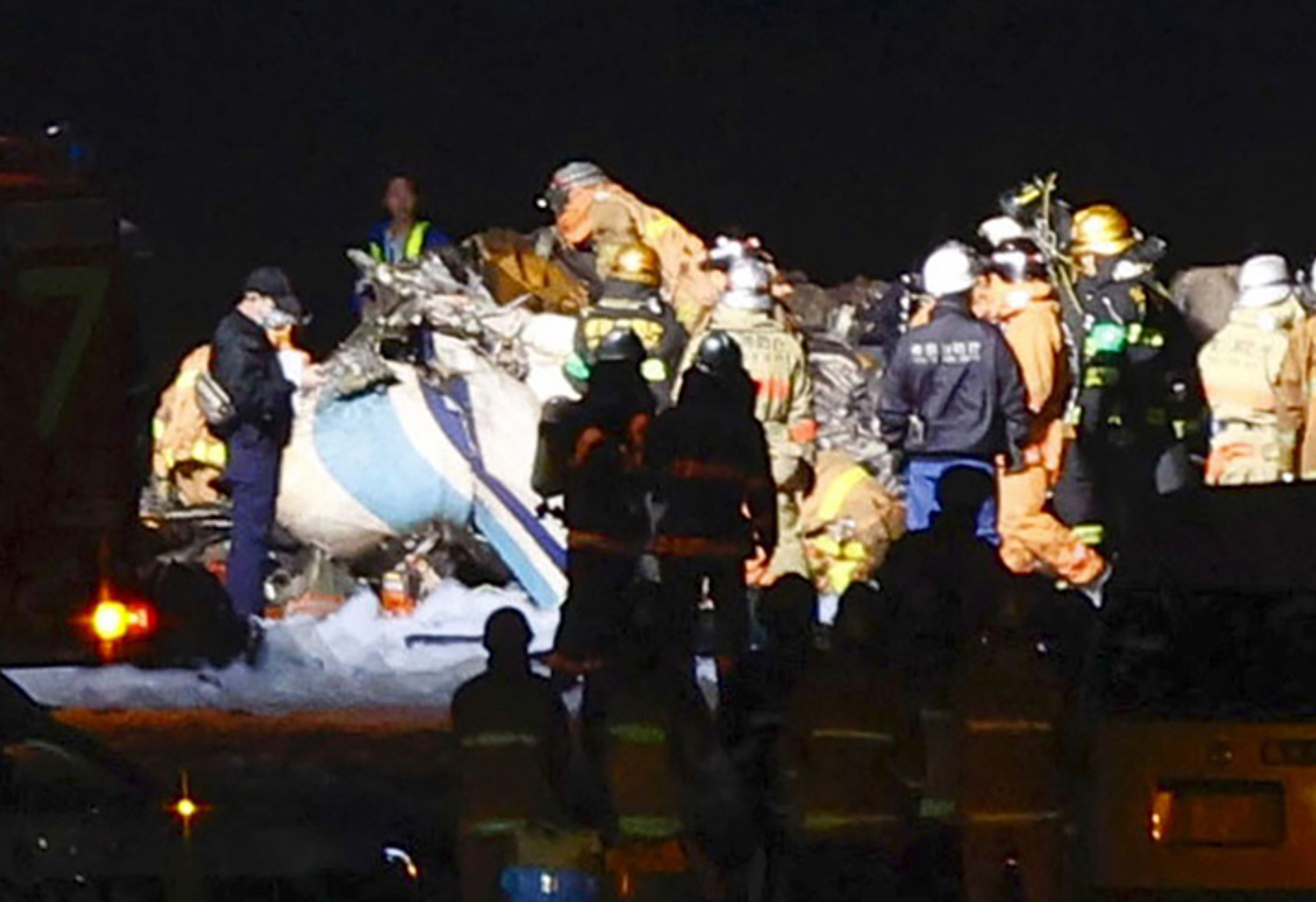
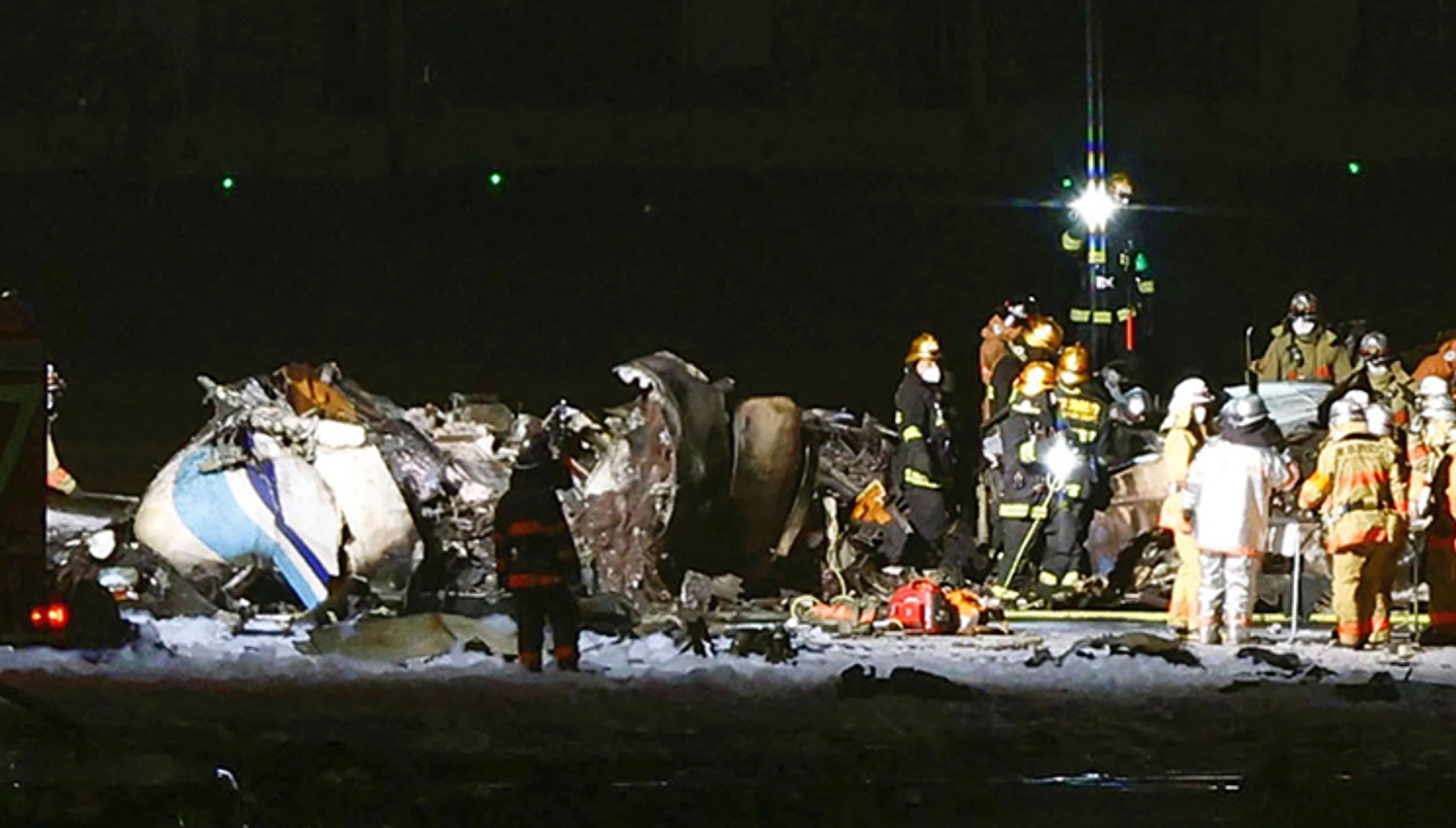
The crew of flight JL516 from Sapporo-New Chitose Airport was on a night approach to Tokyo-Haneda Airport Runway 34R when he was informed about traffic holding by taxiway C5. Weather conditions were considered as good. A De Havilland DHC-8-315Q MPA of the Japan Coast Guard was dispatched from Tokyo to Niigata, carrying a crew of six who were on a support mission of the victims of the recent earthquake in the north Peninsula. This crew was instructed by ground ATC to hold short at taxiway C5. After touchdown on runway 34R, the Airbus A350 collided with the Dash-8 that was aligned on the runway centerline. Upon impact, the nose gear of the Airbus was torn off and a violent explosion occurred. The Airbus caught fire, slid for approximately 2,400 meters then veered to the right and came to rest in a grassy area located near taxiway C11, about 200 meters from runway 16L threshold, bursting into flames. All 379 occupants evacuated the airplane, among them 15 were injured. The Airbus was later consumed by fire and totally destroyed. The Dash-8 was also totally destroyed by impact forces and a post crash fire. Among its crew of six, only the captain survived, critically injured. The five other crew members were killed. According to preliminary report released by the Japan Minister of Transport, the crew of JL516 have been cleared to land on runway 34R and the crew of the Japan Coast Guard Dash-8 have been instructed to hold short at taxiway C5. It was also reported that the stop bar lights for taxiway C1 to C14 were unserviceable since December 25 as per Notam published.

Crash of a Mitsubishi MU-2B-60 in Wawa

Date & Time: Nov 27, 2023 at 0739 LT
Type of aircraft:
Operator:
Registration:
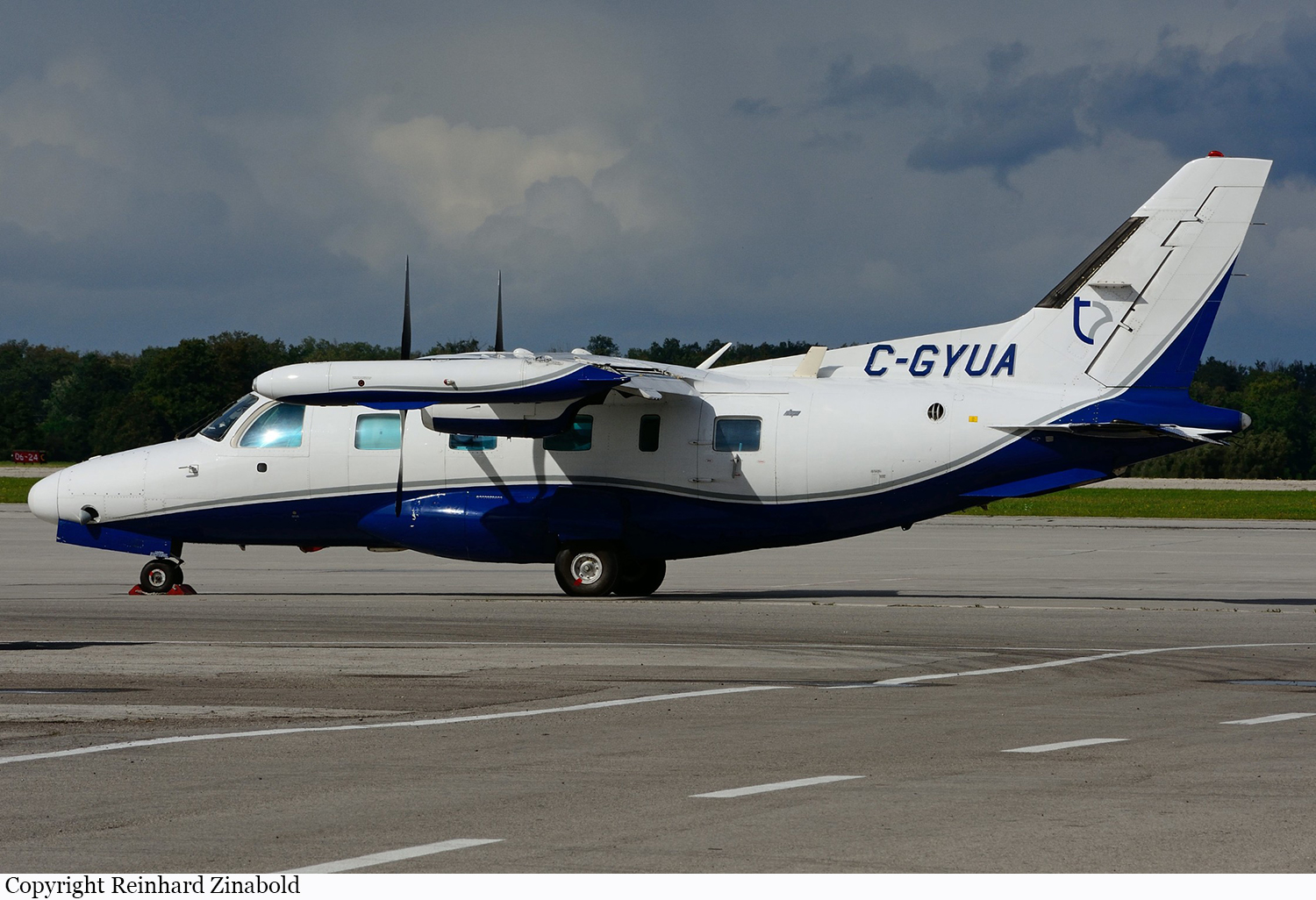
C-GYUA
Flight Type:
Survivors:
Yes
Schedule:
Thunder Bay – Wawa – Sault Sainte Marie
MSN:
1553
YOM:
1982
Flight number:
THU890
Location:
Country:
Crew on board:
2
Crew fatalities:
Pax on board:
1
Pax fatalities:
Other fatalities:
Total fatalities:
0
Captain / Total flying hours:
2058
Captain / Total hours on type:
184.00
Copilot / Total flying hours:
1984
Copilot / Total hours on type:
44
Circumstances:
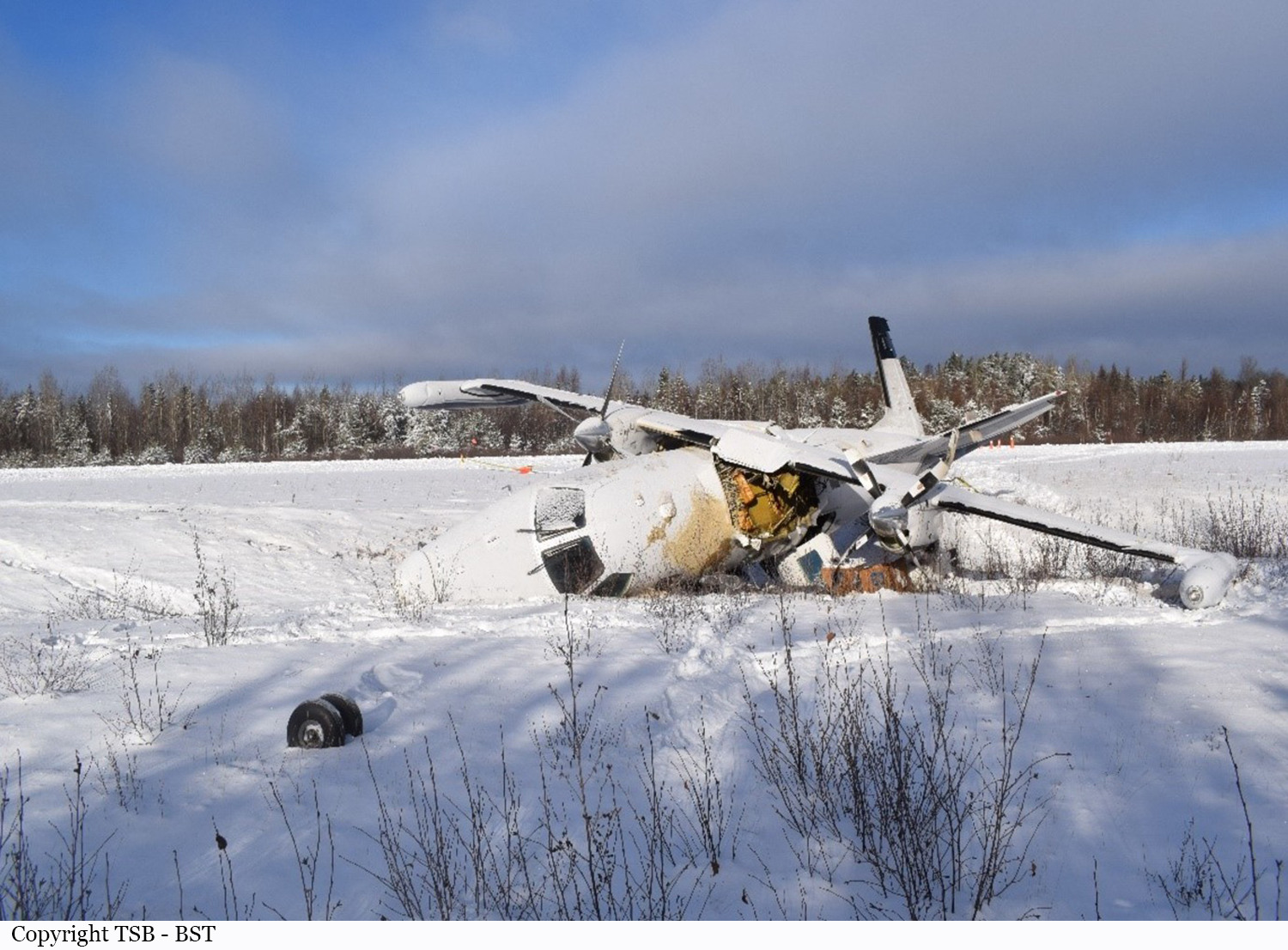
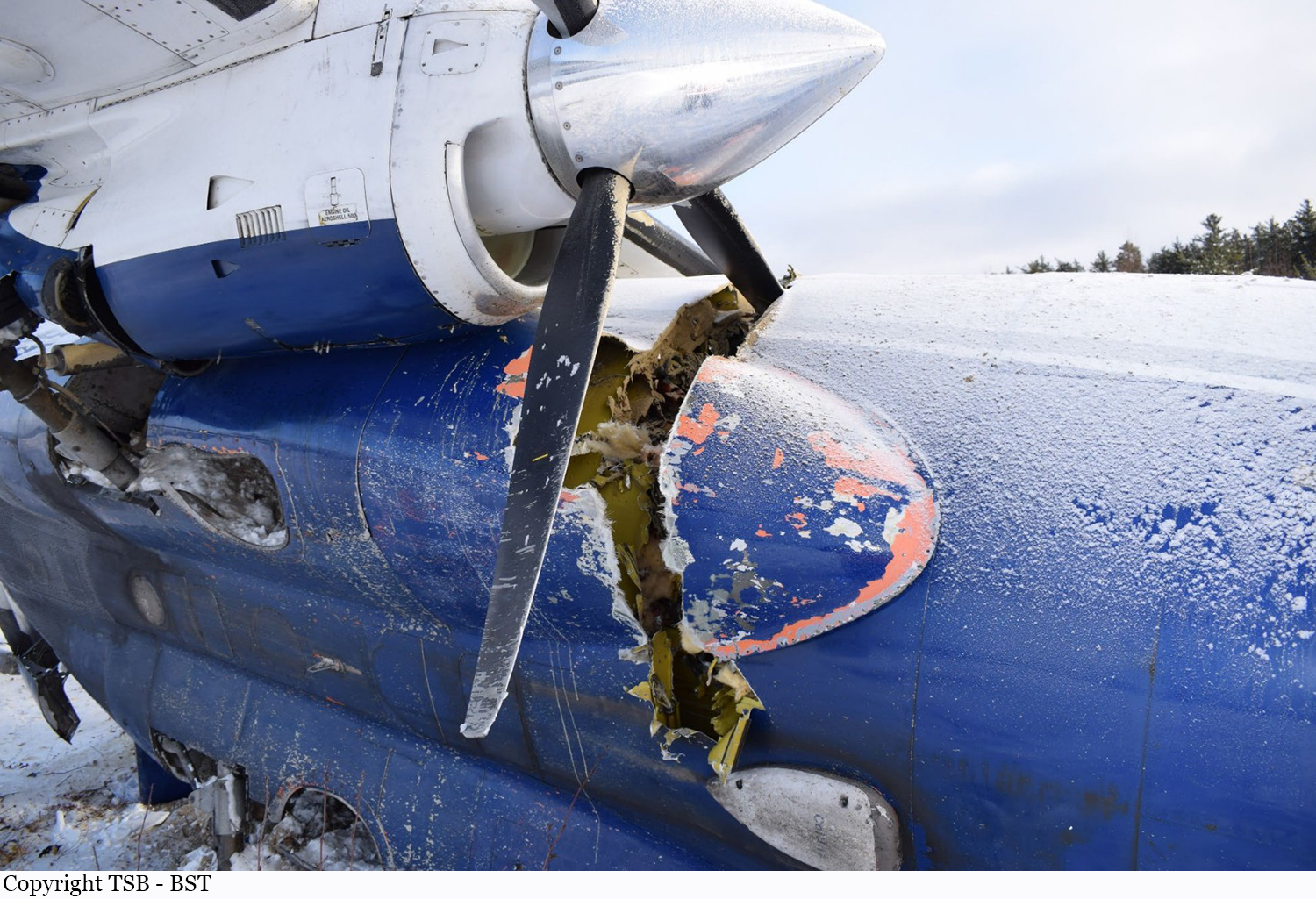
The crew was preparing for instrument flight rules (IFR) flight THU890 from Thunder Bay Airport (CYQT), Ontario, to Sault Ste. Marie Airport (CYAM), Ontario. The flight included a stop at Wawa Aerodrome (CYXZ), Ontario, to pick up a patient for a medical transfer to CYAM. As part of the pre-flight preparations, one of the flight crew members contacted CYXZ at 0549 to check the runway conditions and spoke with an aerodrome employee who was on duty for after-hour inquiries. During the call, the flight crew member learned of ongoing light snowfall and understood that the runway would be plowed by about 0730. At approximately 0653, during the hours of darkness, the aircraft departed CYQT for CYXZ with 2 flight crew members and a paramedic on board. The cruise portion of the flight was uneventful. The flight crew maintained radio contact with air traffic control (ATC) and received clearance for the approach to CYXZ. At about 0726, ATC instructed the flight crew to switch to the Wawa aerodrome traffic frequency (ATF). Between 0715 and 0730, aerodrome staff, including the employee to whom the flight crew member had spoken and a trainee, arrived at CYXZ. An ambulance carrying the patient who would be transferred also arrived at the aerodrome in that time. It had snowed overnight, and aerodrome staff were aware of the potential arrival of flight THU890, but had not yet plowed the runway. The staff began their morning duties, which included preparing the snow removal vehicles to clear the runway. There was no radio communication between aerodrome staff and the occurrence flight crew. The approach to CYXZ occurred during civil twilight,Footnote3 before sunrise. The flight crew activated the runway lights using the aircraft radio control of aerodrome lighting system and performed the RNAV (GNSS) [area navigation (global navigation satellite system)] approach to Runway 03. They visually spotted the runway when they were about 10 nautical miles away on final approach. As the aircraft approached the runway, the flight crew had a clear view of the runway lights and saw that the runway was covered in snow. The aircraft touched down on Runway 03 at 0739, and shortly after, it suddenly began sliding to the right. The flight crew attempted to correct this using rudder pedals, as well as differential propeller and power control, but were unsuccessful. The aircraft rotated almost 180° before sliding off the runway’s right side. The aircraft continued sliding sideways off the runway while facing the opposite direction of landing and came to rest on its left side in a drainage ditch, about 78 feet from the runway’s edge. The aircraft was extensively damaged; the right engine propeller blades penetrated the cabin before the engines were shut down. After the engines were shut down, the occupants began evacuating. The right emergency exit was damaged and would not open, so they egressed through the aircraft’s main door, which was located at the rear, on left side of the aircraft. A significant fuel leak was noted. The occupants walked the short distance to the runway, where the snow was between 6 to 8 inches deep on the runway surface. The flight crew called 911 and the London Flight Information Centre (FIC) to report the accident. The aerodrome staff observed the aircraft land and slide off the runway. They drove the snow removal vehicle down the runway, plowing snow along the way. They stopped to check on the occupants and then continued down the remaining runway length before turning around at the end and continuing to plow snow back toward the terminal building. Another vehicle transported the aircraft occupants to the terminal building, where they were assessed by emergency medical services and then transported to the local hospital for examination. There were only minor injuries.
Probable cause:
The investigation was unable to determine the aircraft’s exact touchdown point because the runway was plowed immediately after the occurrence. However, based on the available data, it was estimated that the aircraft touched down between 1000 feet and 1400 feet beyond the runway threshold, and began to slide to the right shorty after. The aircraft continued sliding to the right and rotated nearly 180° while on the runway surface. The aircraft then exited the side of the runway at an angle of about 45° to the runway edge. Shortly after the occurrence, Thunder Airlines Limited issued an operations bulletin to all flight crews, indicating that no flight crew shall depart until there is confirmation of suitable runway conditions (maximum ½ inch wet snow or 2 inches dry snow) from reliable sources on the ground. In addition, the bulletin states that if the communicated information includes a plan to clear the runway, confirmation of a cleared runway must be obtained before landing. The bulletin will be incorporated in the Thunder Airlines Limited standard operating procedures in the next revision.
Final Report:

Crash of a Learjet 35A in Cuernavaca: 4 killed

Date & Time: Nov 1, 2023 at 1415 LT
Type of aircraft:
Operator:
Registration:
XA-IRE
Flight Type:
Survivors:
No
Schedule:
Toluca - Cuernavaca
MSN:
35A-354
YOM:
1980
Country:
Crew on board:
2
Crew fatalities:
Pax on board:
2
Pax fatalities:
Other fatalities:
Total fatalities:
4
Circumstances:
The airplane departed Toluca-Licenciado Adolfo López Mateos International Airport on a positioning flight (Ambulance) to Cuernavaca, carrying two doctors and two pilots. After landing on runway 20 at Cuernavaca Airport, the crew initiated the braking procedure but the airplane was unable to stop within the remaining distance. It overran, went down a steep embankment and crashed in bushes, bursting into flames. The airplane was totally destroyed by impact forces and a post crash fire and all four occupants were killed. It is believed that the airplane landed too far down the runway, causing the landing distance to be insufficient.

Crash of a Pilatus PC-12/45 near Stagecoach: 5 killed

Date & Time: Feb 24, 2023 at 2114 LT
Type of aircraft:
Operator:
Registration:
N273SM
Flight Phase:
Flight Type:
Survivors:
No
Schedule:
Reno - Salt Lake City
MSN:
475
YOM:
2002
Crew on board:
1
Crew fatalities:
Pax on board:
4
Pax fatalities:
Other fatalities:
Total fatalities:
5
Captain / Total flying hours:
2136
Captain / Total hours on type:
94.00
Circumstances:
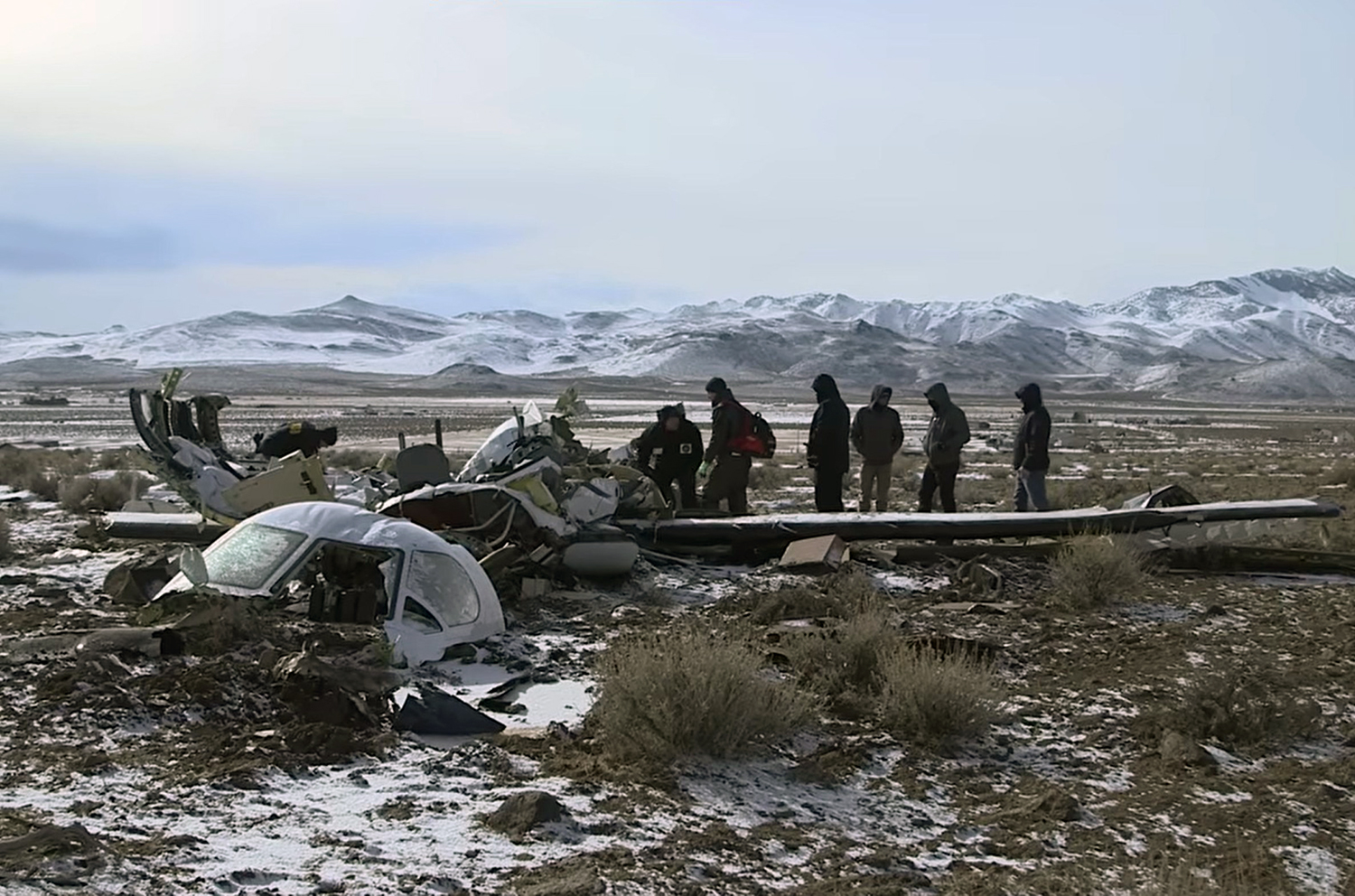
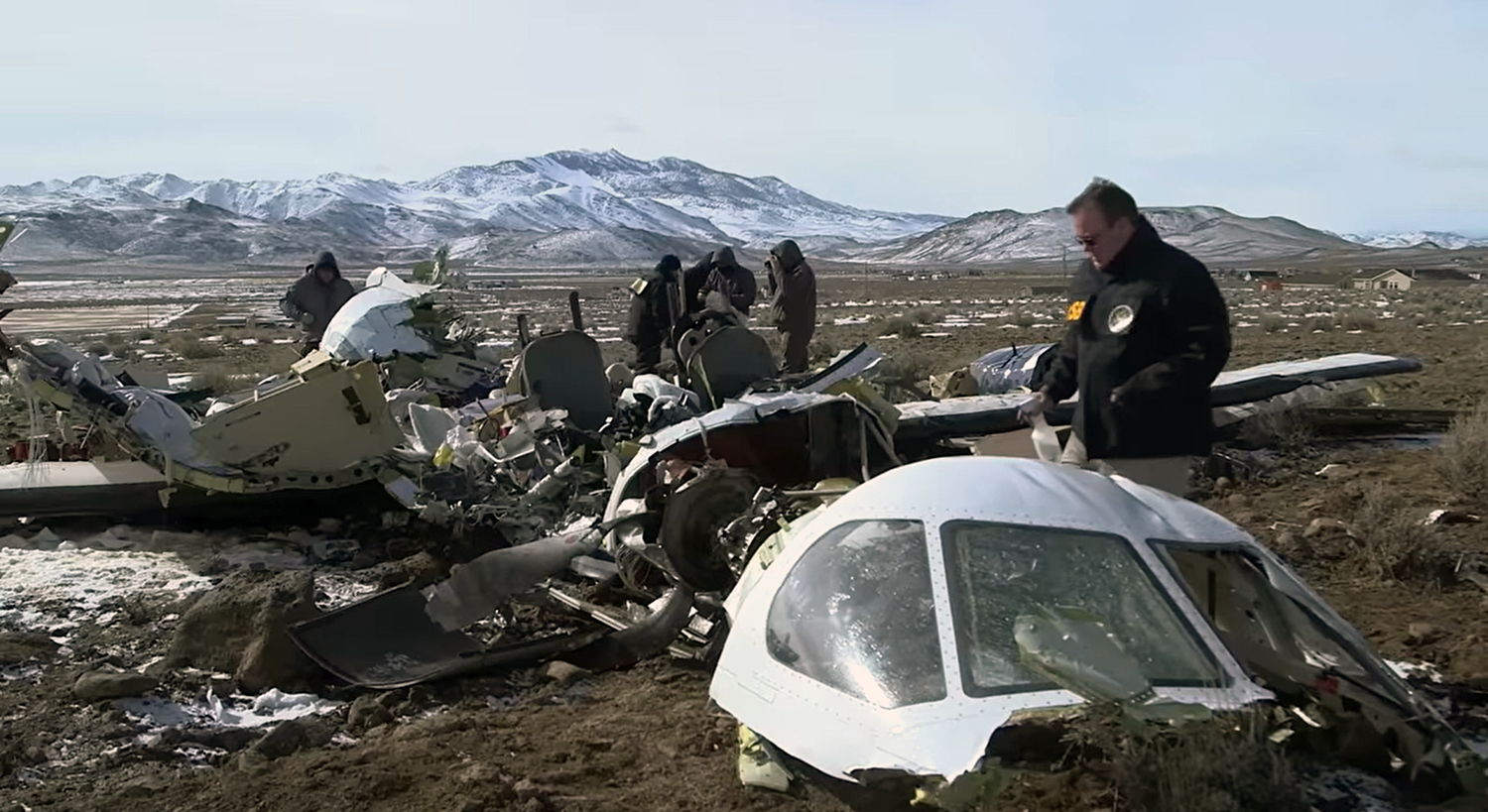
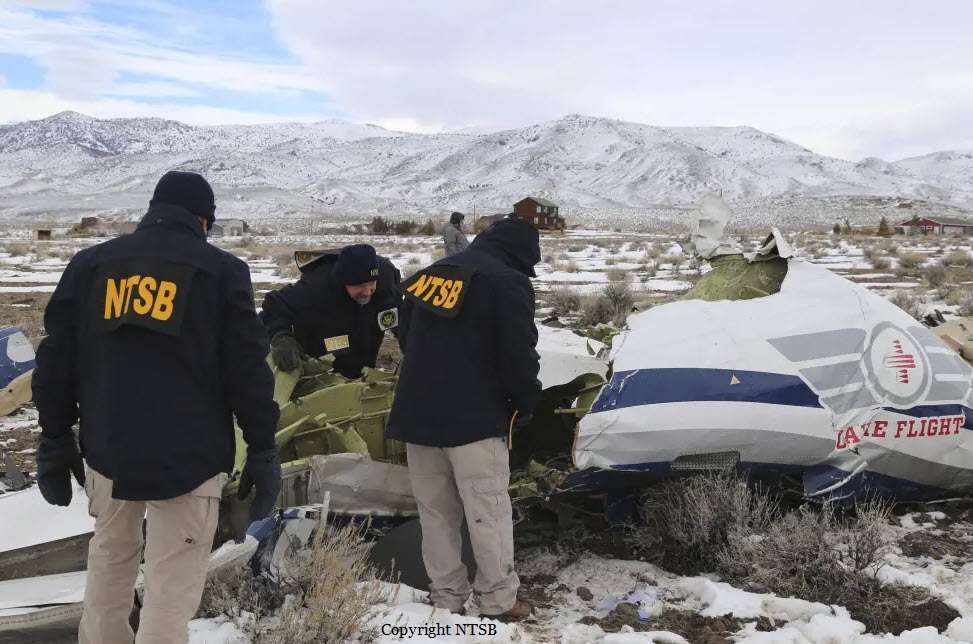
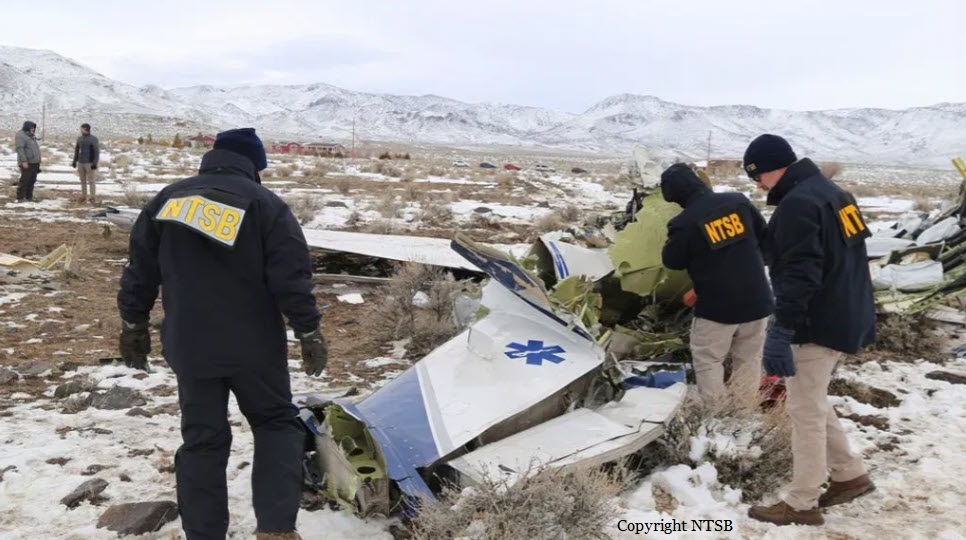
The pilot, two medical crew members, and two passengers departed on the medical transport flight, which was operating on an instrument flight rules (IFR) flight plan in night instrument meteorological conditions (IMC). Onboard data and ADS-B flight track information showed that, between 1 and 3 minutes after takeoff, the autopilot disengaged and then reengaged; however, the airplane continued to fly a course consistent with the published departure procedure. About 11 minutes after takeoff, the airplane turned about 90° right, away from the next waypoint along the departure procedure, and remained on that heading for about 47 seconds. Around this time, the airplane’s autopilot was disengaged again and was not reengaged for the remainder of the flight. Also, about this time, the airplane’s previously consistent climb rate stopped, and the airplane maintained an altitude of about 18,300 ft mean sea level (msl) for about 20 seconds, even though the pilot had been cleared to climb to 25,000 ft msl. The airplane subsequently turned left to a northeasterly heading and climbed to about 19,400 ft msl before entering a descending right turn. Shortly after entering the right turn, the airplane’s rate of descent increased from about 1,800 ft per minute (fpm) to about 13,000 fpm, and the rate of turn increased before ADS-B tracking information was lost at an altitude of about 11,100 ft msl, in the vicinity of the accident site. The airplane crashed in a snow covered area located 32 km southeast of Reno-Tahoe Airport. The aircraft was destroyed and all five occupants were killed.
Probable cause:
The pilot’s loss of control due to spatial disorientation while operating in night instrument meteorological conditions, which resulted in an in-flight breakup. Contributing to the accident was the disengagement of the autopilot for undetermined reasons, as well as the operator’s insufficient flight risk assessment process and lack of organizational oversight.
Final Report:

Crash of a Beechcraft C90A King Air off Hana: 3 killed

Date & Time: Dec 15, 2022 at 2114 LT
Type of aircraft:
Operator:
Registration:
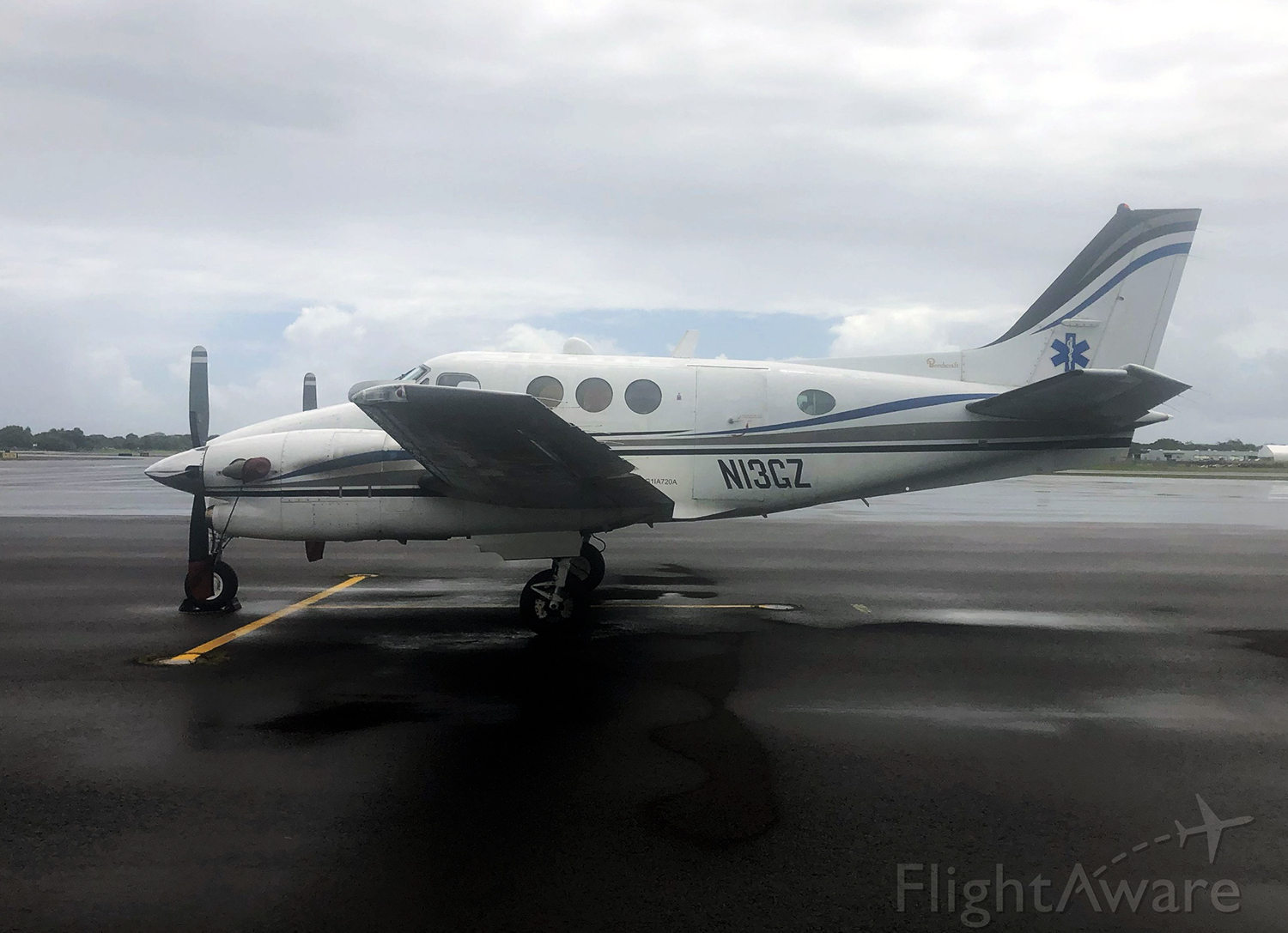
N13GZ
Flight Phase:
Flight Type:
Survivors:
No
Schedule:
Kahului – Waimea
MSN:
LJ-1590
YOM:
2000
Location:
Crew on board:
1
Crew fatalities:
Pax on board:
2
Pax fatalities:
Other fatalities:
Total fatalities:
3
Captain / Total flying hours:
7668
Captain / Total hours on type:
615.00
Aircraft flight hours:
10130
Circumstances:
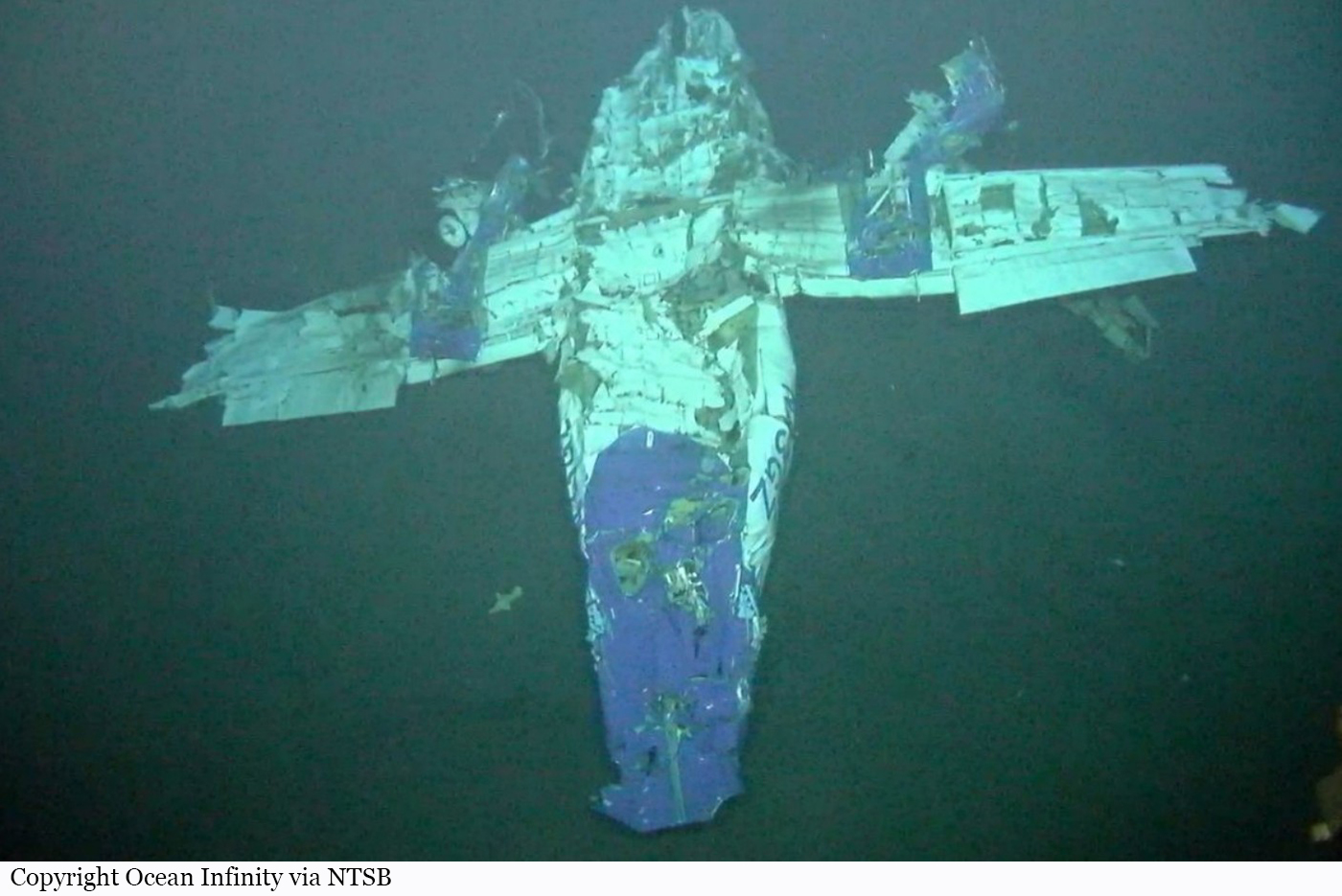
The medical transport flight was en route to pick up a patient on a neighboring island on an instrument flight rules (IFR) flight plan in dark night conditions over the ocean. About 13 minutes after departure, at 13,000 ft mean sea level (msl), the airplane’s vertical gyro failed, which subsequently failed the pilot’s Electric Attitude Director Indicator (EADI), which also caused the autopilot to disconnect. The failure of the EADI and autopilot disconnect required the pilot to manually fly the airplane using the copilot’s attitude gyro for his horizon information (bank angle and pitch attitude) for the duration of the flight. The pilot did not declare an emergency, nor did he inform air traffic control (ATC) that his electric attitude indicator had failed and that his autopilot had disengaged. After the instrumentation failure and autopilot disconnect, the airplane entered a series of right banks before being brought back to level, followed by a left turn, and then subsequent right banks. ATC asked the pilot to change course and the pilot agreed. The copilot attitude indicator indicated that the airplane entered a descending, steep right bank turn. Over the next 5 minutes, ATC issued varying instructions to the pilot. During this time, the airplane entered several right- and left-hand banks and rolls and descended 1,000 ft per minute (fpm), which increased to -3,500 fpm as the airplane’s airspeed increased. About 7 minutes after the instrumentation failure, the airplane was in a 65° bank angle when ATC asked the pilot to verify his heading. As the pilot responded, the airplane bank angle increased to 90° and the airspeed exceeded 260 knots. The bank angle and airspeed continued to increase; a loud metallic bang was recorded that was consistent with an in-flight separation of the empennage from the fuselage before impacting with the water. After an extensive underwater search, the main wreckage was located on the seabed at a depth of about 6,420 ft. The wreckage was recovered and transported to a facility for examination.
Probable cause:
Guardian Flight’s inadequate pilot training and performance tracking, which failed to identify and correct the pilot’s consistent lack of skill, and which resulted in the pilot’s inability to maintain his position inflight using secondary instruments to navigate when the airplane’s electronic attitude direction indicator failed, leading to his spatial disorientation and subsequent loss of control. Contributing to the accident was the lack of a visible horizon during dark night overwater conditions and the pilot’s failure to declare an emergency with air traffic control.

Final Report: