Crash of a Dassault Falcon 10 on Mt Topkhana: 2 killed
Date & Time:
Jan 20, 2024 at 1933 LT
Registration:
RA-09011
Survivors:
Yes
Schedule:
U-Tapao – Gaya – Tashkent – Moscow
MSN:
128
YOM:
1978
Crew on board:
2
Crew fatalities:
Pax on board:
4
Pax fatalities:
Other fatalities:
Total fatalities:
2
Captain / Total hours on type:
26.00
Copilot / Total hours on type:
26
Aircraft flight hours:
10072
Aircraft flight cycles:
7485
Circumstances:
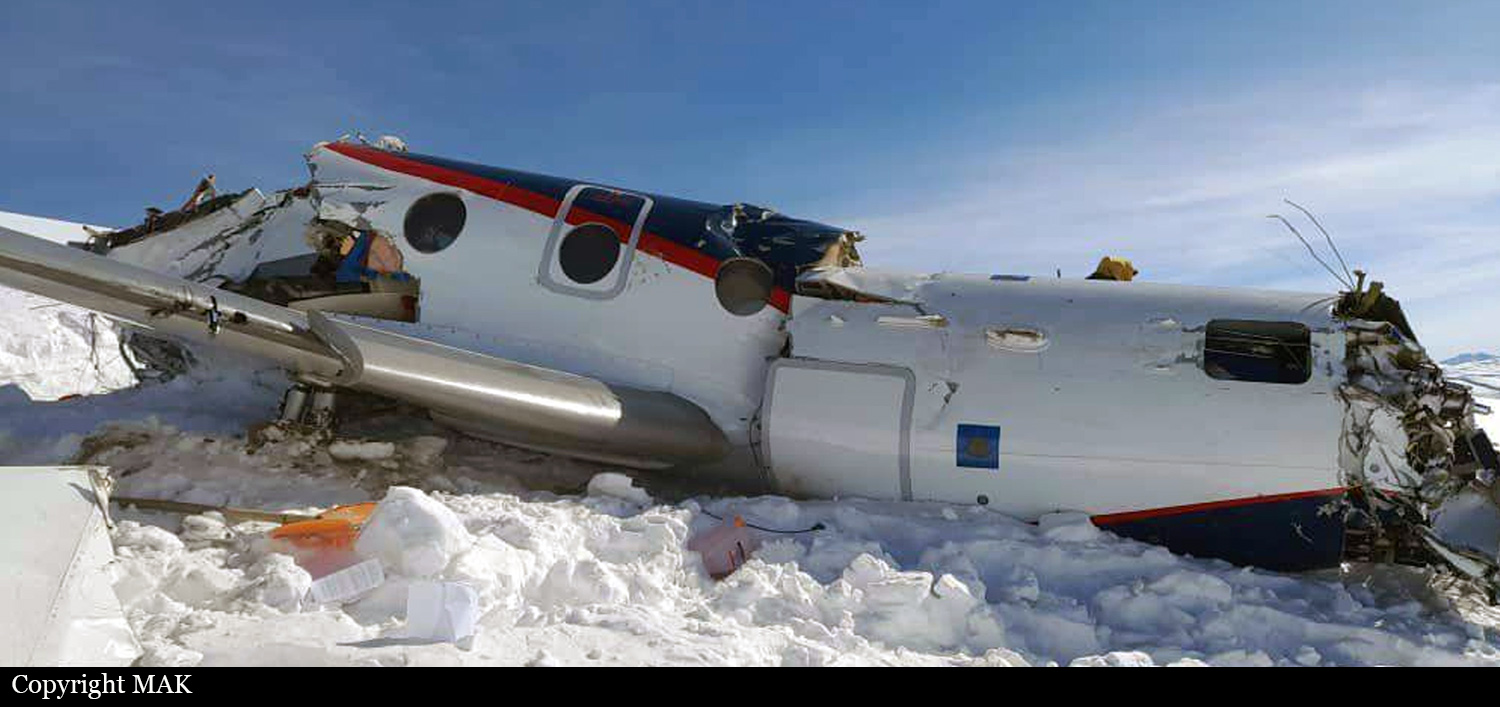
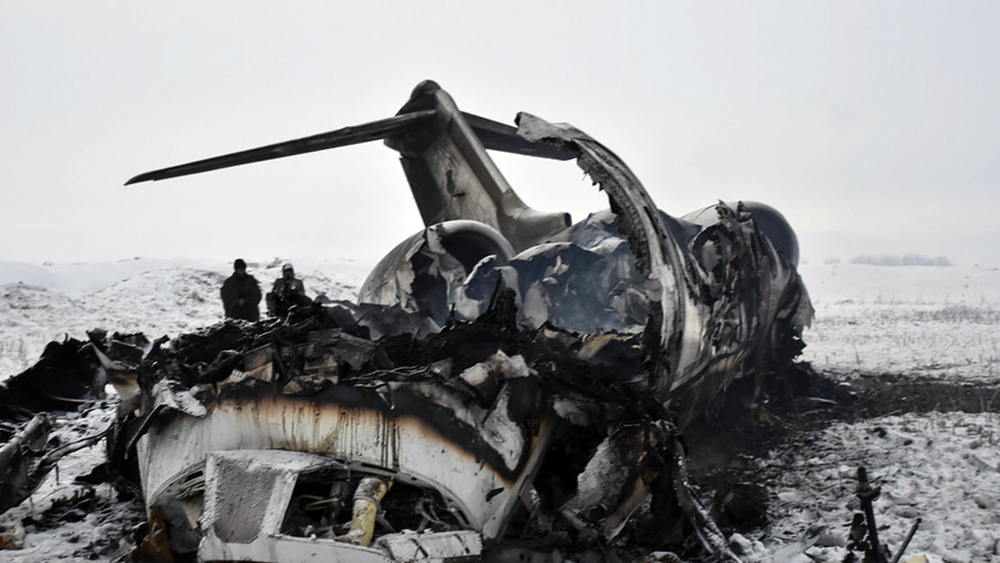
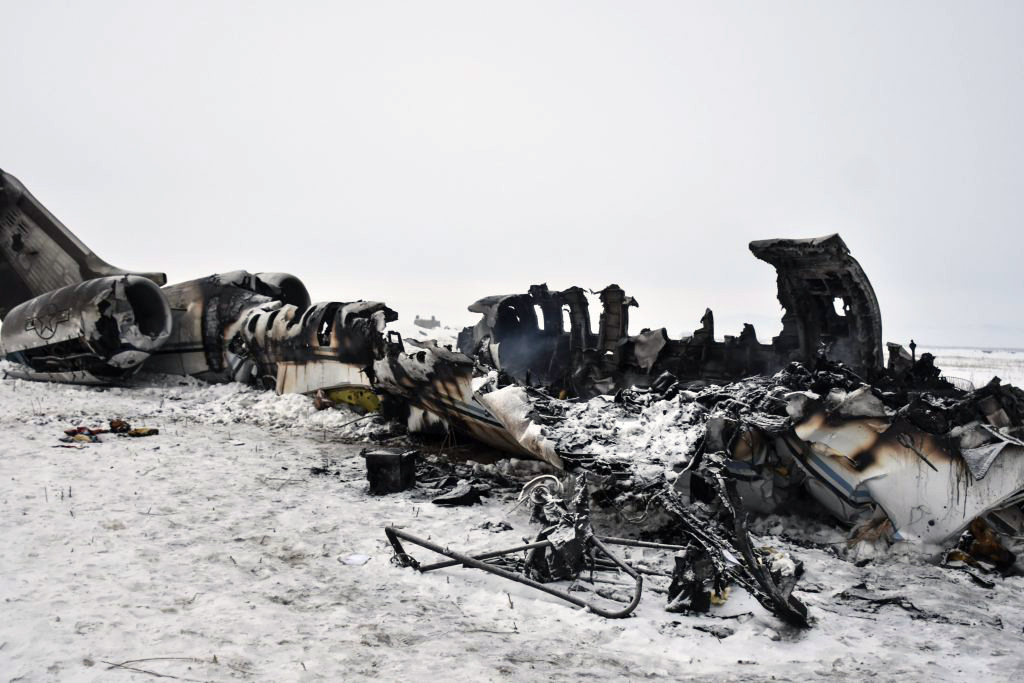
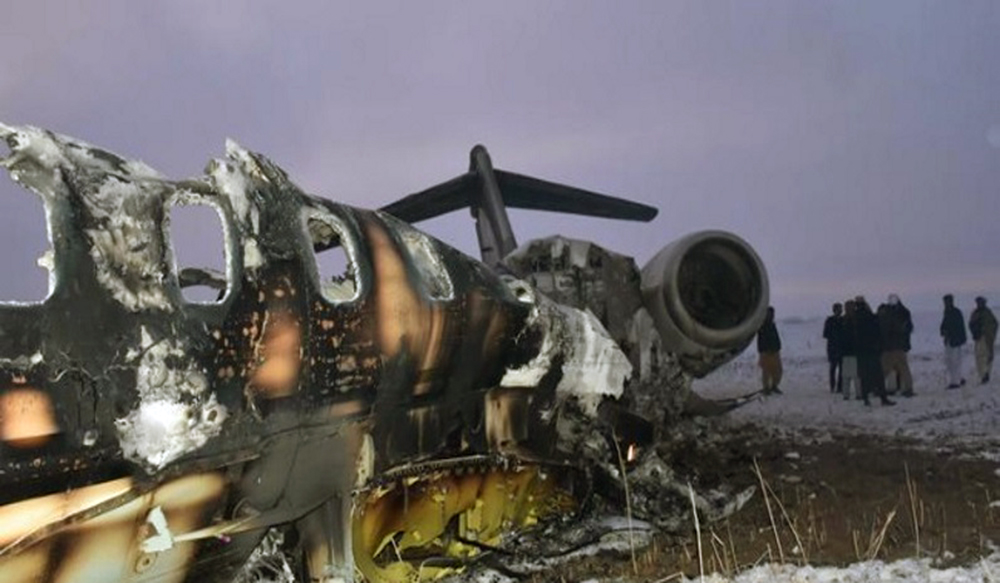
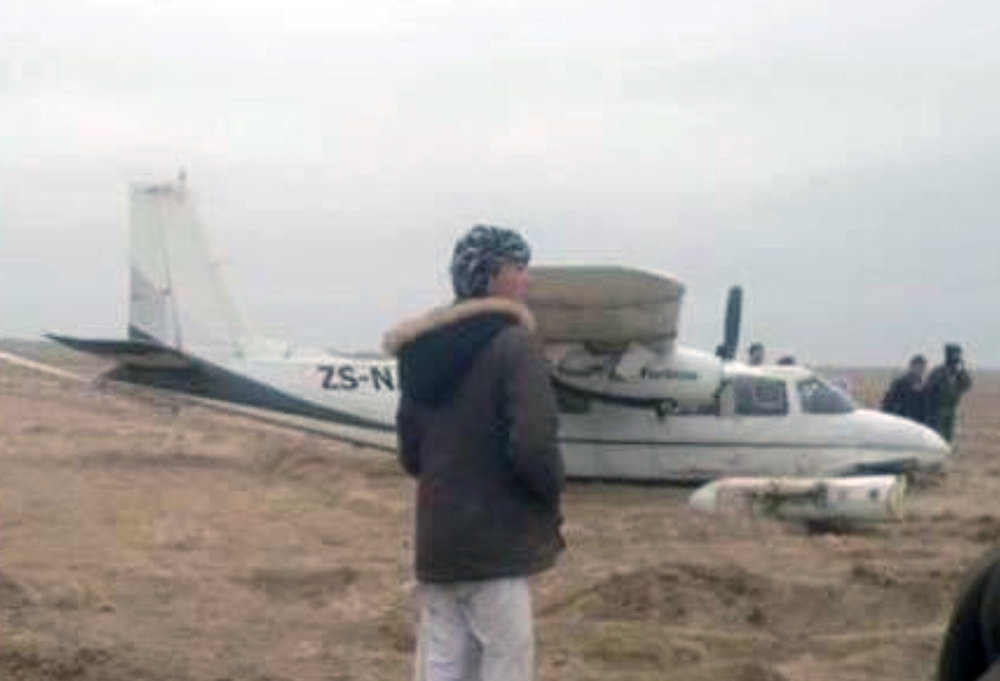
The airplane departed U-Tapao Airport, Thailand, in the early morning, on an ambulance flight to Moscow-Zhukovsky Airport. Chartered by Gazpromavia, it was carrying four passengers and two crew members. A first fuel stop was made in Gaya, Bihar, and a second fuel stop was scheduled in Tashkent. After three hours and 45 minutes into the flight, while cruising at FL380 over the Afghan mountains, the crew declared an emergency and elected to divert to Kulyab, southeast Tajikistan. Few minutes later, one of the engine failed, followed shortly later by the second one. In such conditions, the crew attempted an emergency landing when the airplane crashed on the snow covered Mt Topkhana located in the province of Badakhshan. Two passengers were killed and four other occupants were injured.
Probable cause:
The accident occurred at night during an attempted emergency landing off airfield in mountainous terrain. The necessity of this landing was most likely caused by the consecutive flameout of both engines in flight due to total fuel exhaustion.
The following contributing factors were identified:
・Inadequate crew training for performing preflight calculations and safely conducting flights under IFR, including the failure to fully utilize the Falcon 10’s navigation equipment suite.
・Non-compliance with FAP-128 (Federal Aviation Regulations) requirements (clauses 2.7 and 2.71) during the pre-departure decision-making process:
- The crew failed to review the weather forecast along the route, resulting in a situation where the required fuel for the flight exceeded the actual fuel reserves on board.
- No alternative actions were planned in the event that the flight could not be completed as filed due to deteriorating weather conditions.
・Failure to maintain an optimal flight profile (altitude and speed, excessive engine thrust settings) throughout the flight, or increased fuel consumption caused by engine component wear over long-term operation, leading to higher-than-expected fuel burn.
・Failure to make a timely decision to land at the nearest available airfield when an emergency situation arose due to insufficient fuel to continue the flight according to the FPL.
・Delayed notification of Dushanbe Regional Center (ACC) air traffic controllers regarding the onboard emergency related to critical fuel levels, which prevented a landing at the nearest airport (Kulyab Airport, Republic of Tajikistan).
The following contributing factors were identified:
・Inadequate crew training for performing preflight calculations and safely conducting flights under IFR, including the failure to fully utilize the Falcon 10’s navigation equipment suite.
・Non-compliance with FAP-128 (Federal Aviation Regulations) requirements (clauses 2.7 and 2.71) during the pre-departure decision-making process:
- The crew failed to review the weather forecast along the route, resulting in a situation where the required fuel for the flight exceeded the actual fuel reserves on board.
- No alternative actions were planned in the event that the flight could not be completed as filed due to deteriorating weather conditions.
・Failure to maintain an optimal flight profile (altitude and speed, excessive engine thrust settings) throughout the flight, or increased fuel consumption caused by engine component wear over long-term operation, leading to higher-than-expected fuel burn.
・Failure to make a timely decision to land at the nearest available airfield when an emergency situation arose due to insufficient fuel to continue the flight according to the FPL.
・Delayed notification of Dushanbe Regional Center (ACC) air traffic controllers regarding the onboard emergency related to critical fuel levels, which prevented a landing at the nearest airport (Kulyab Airport, Republic of Tajikistan).
Final Report: