Crash of a Learjet 35A in Río Grande: 4 killed

Date & Time: Jul 1, 2022 at 1410 LT
Type of aircraft:
Operator:
Registration:
LV-BPA
Flight Phase:
Flight Type:
Survivors:
No
Schedule:
Río Grande – San Fernando
MSN:
35-143
YOM:
1978
Country:
Crew on board:
2
Crew fatalities:
Pax on board:
2
Pax fatalities:
Other fatalities:
Total fatalities:
4
Captain / Total flying hours:
9338
Captain / Total hours on type:
2122.00
Copilot / Total flying hours:
6913
Copilot / Total hours on type:
717
Aircraft flight hours:
13917
Aircraft flight cycles:
13170
Circumstances:
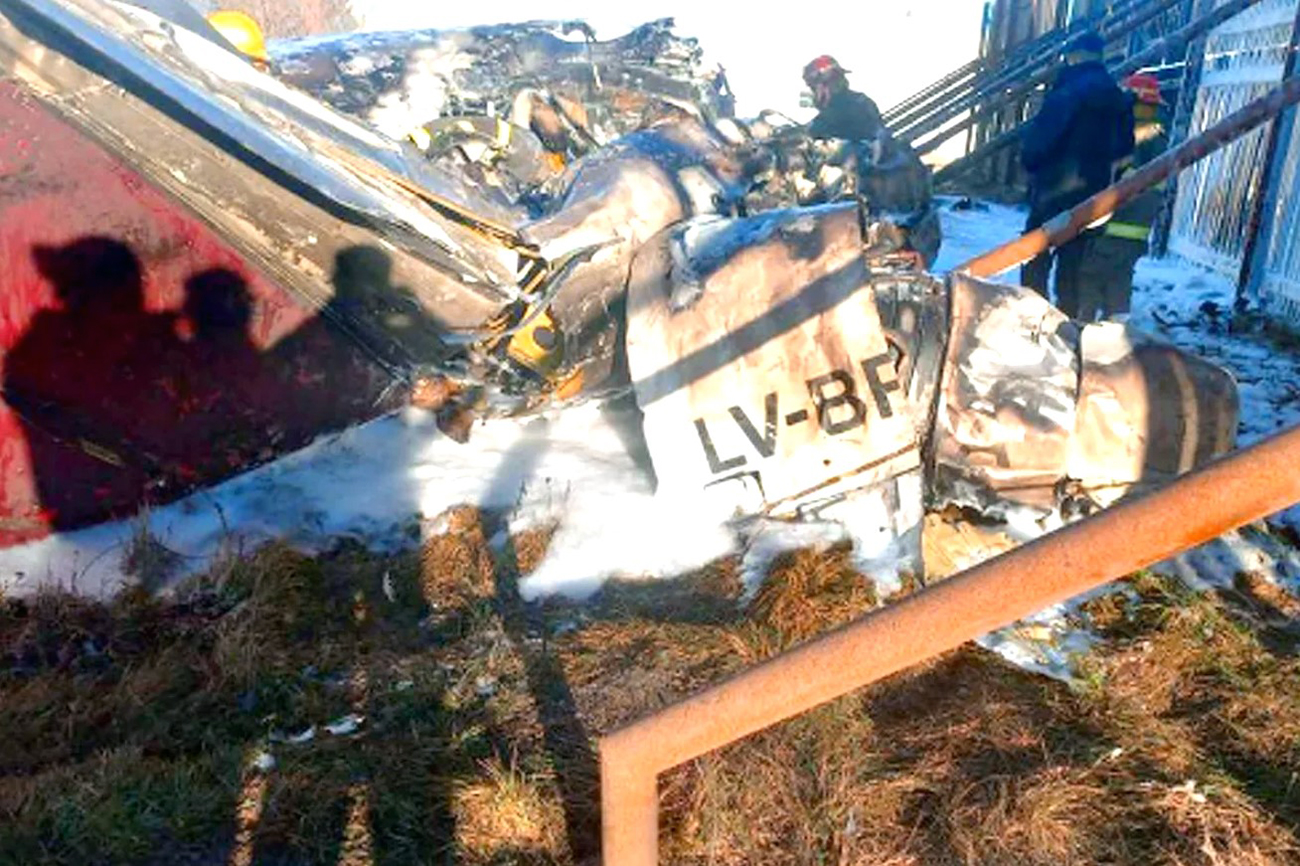
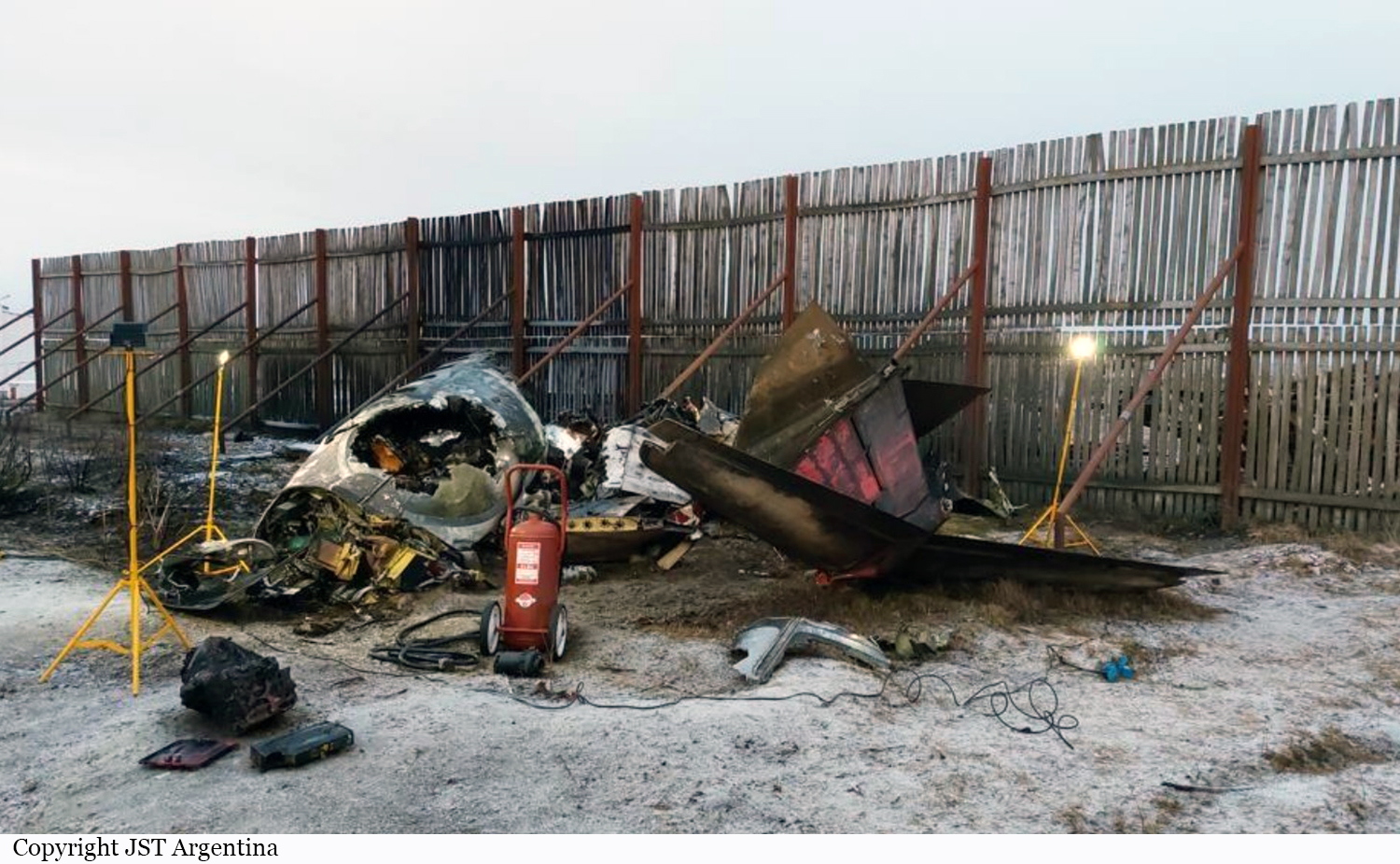
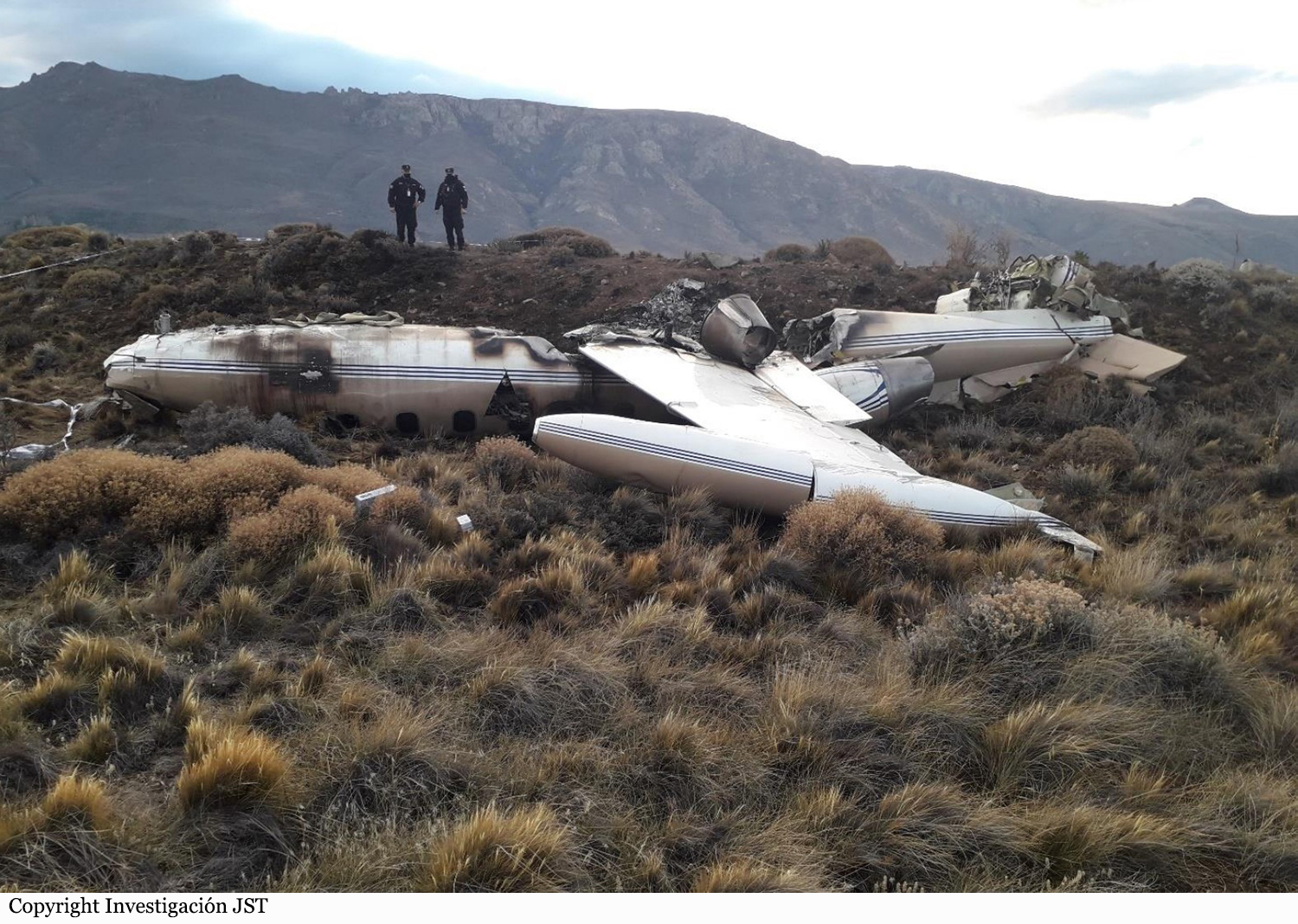
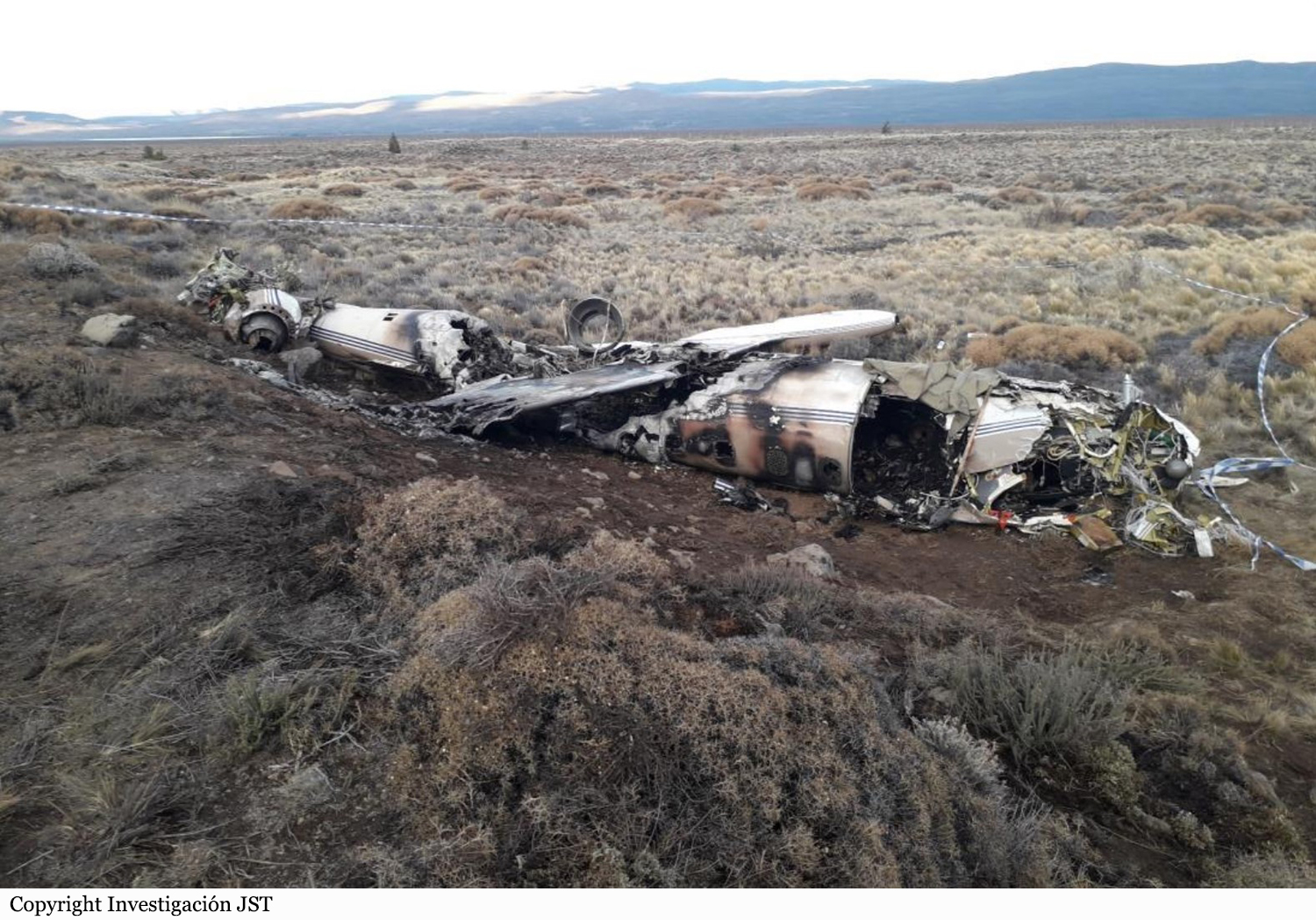
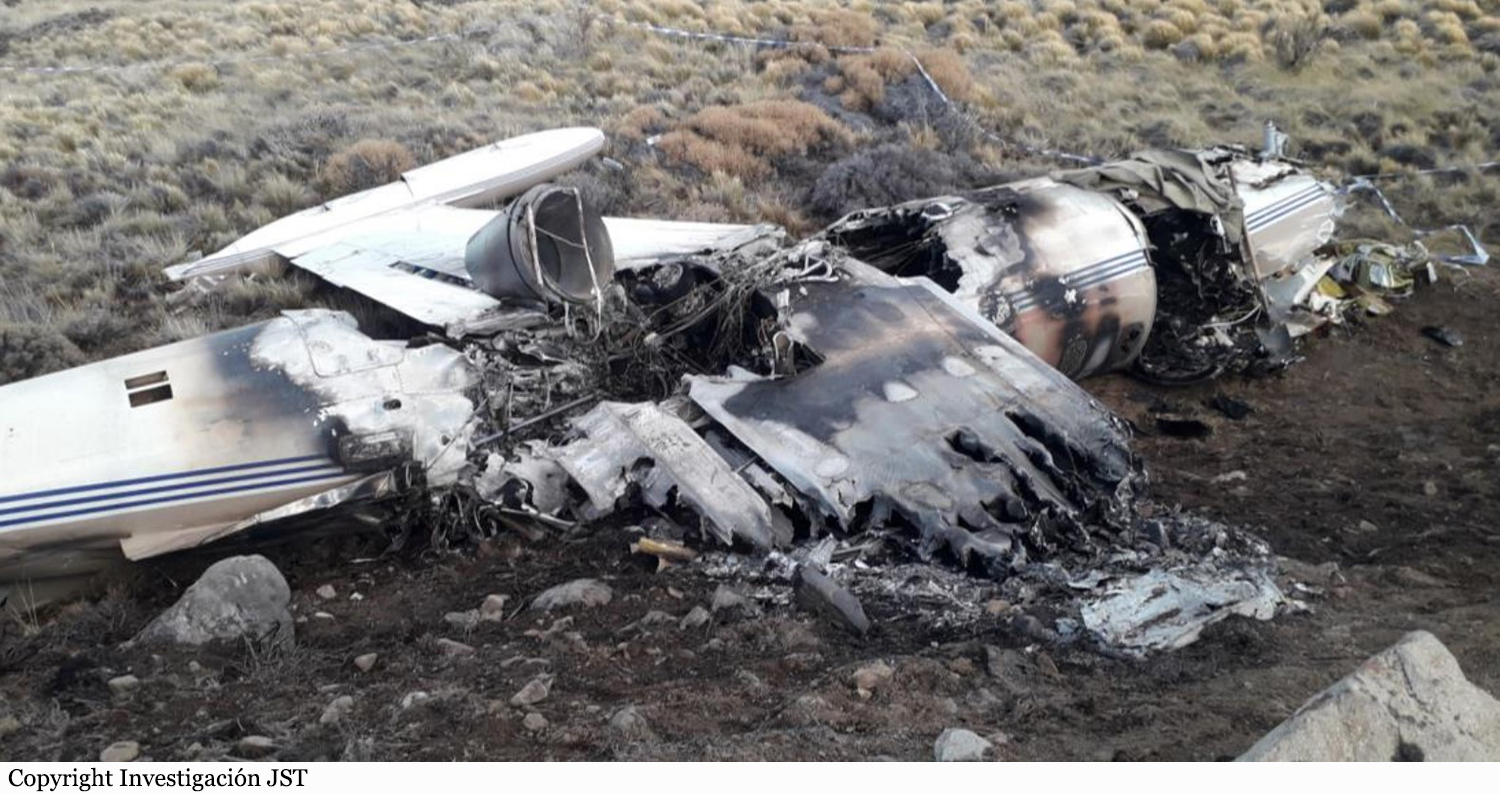
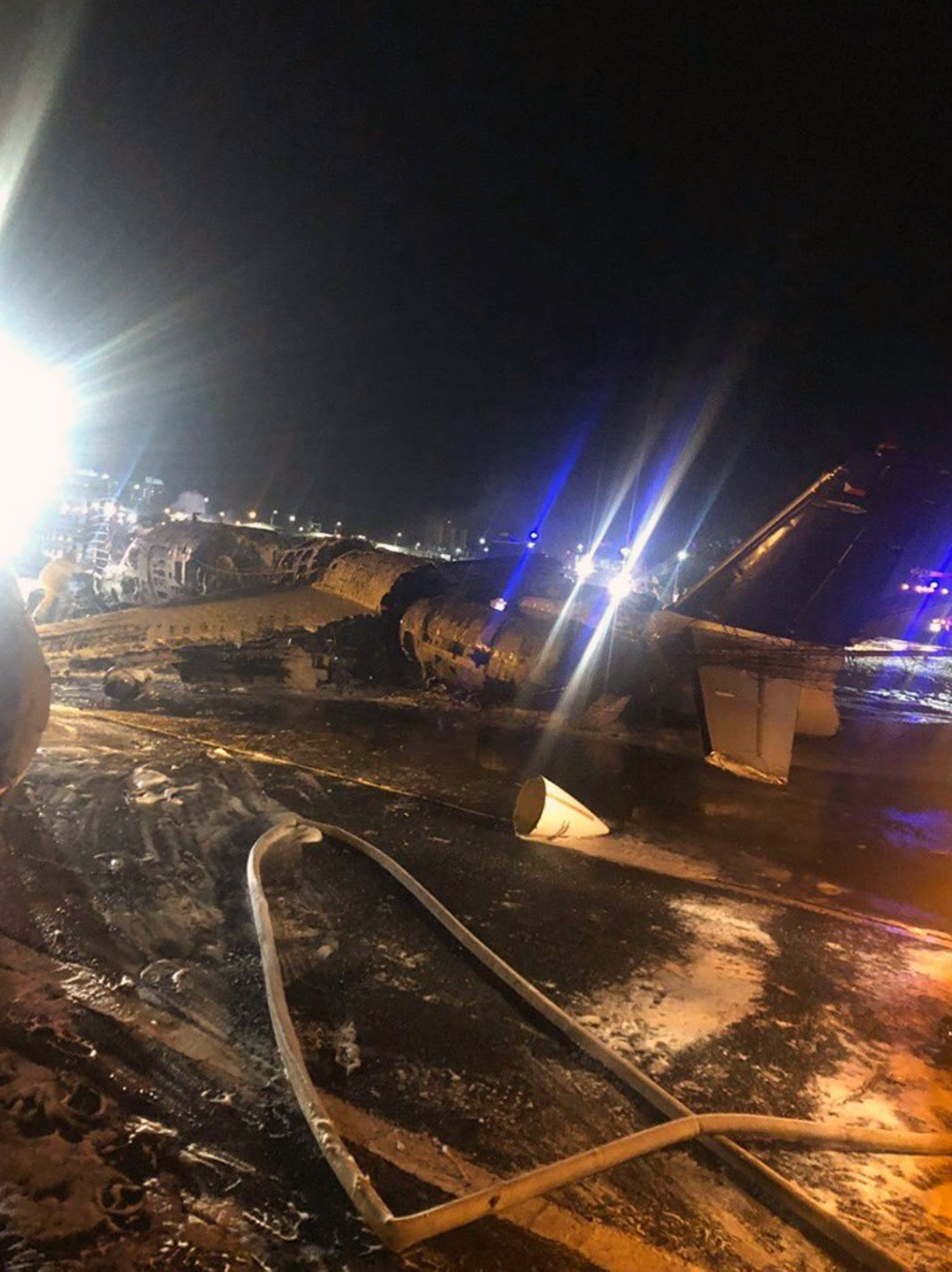
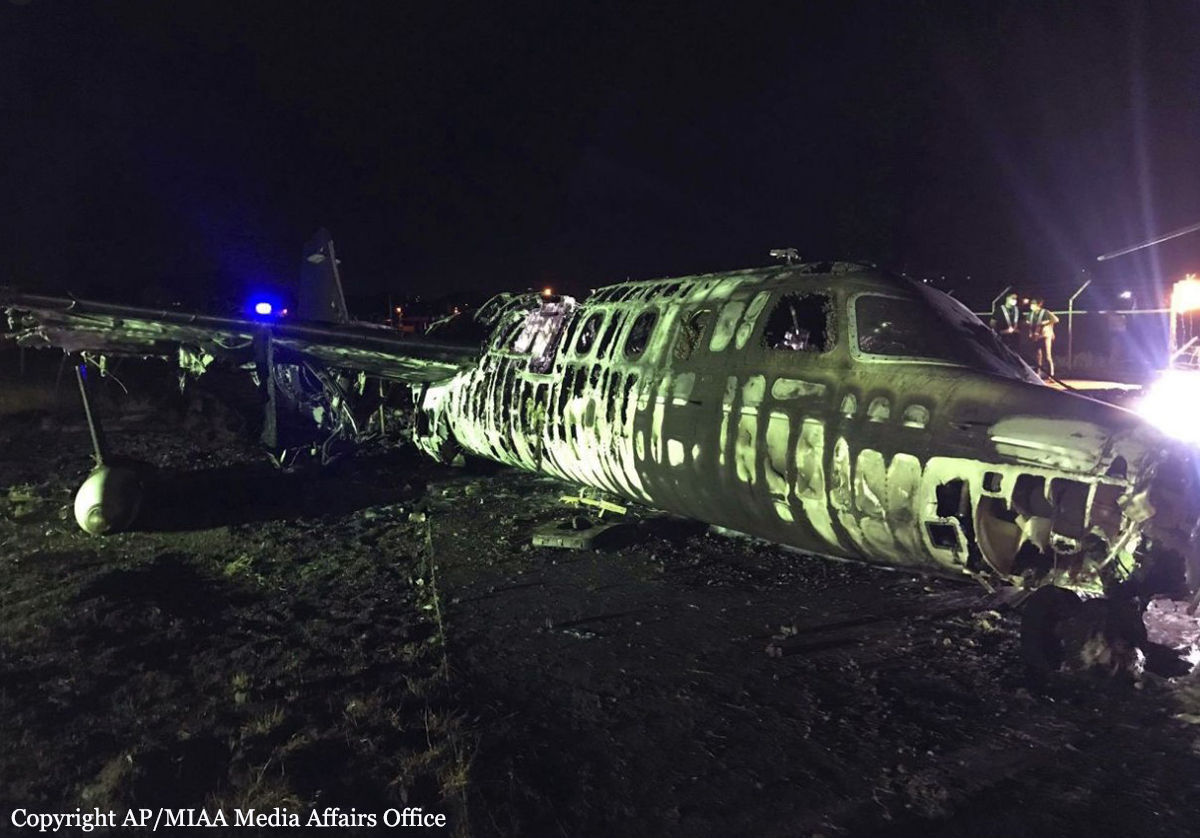
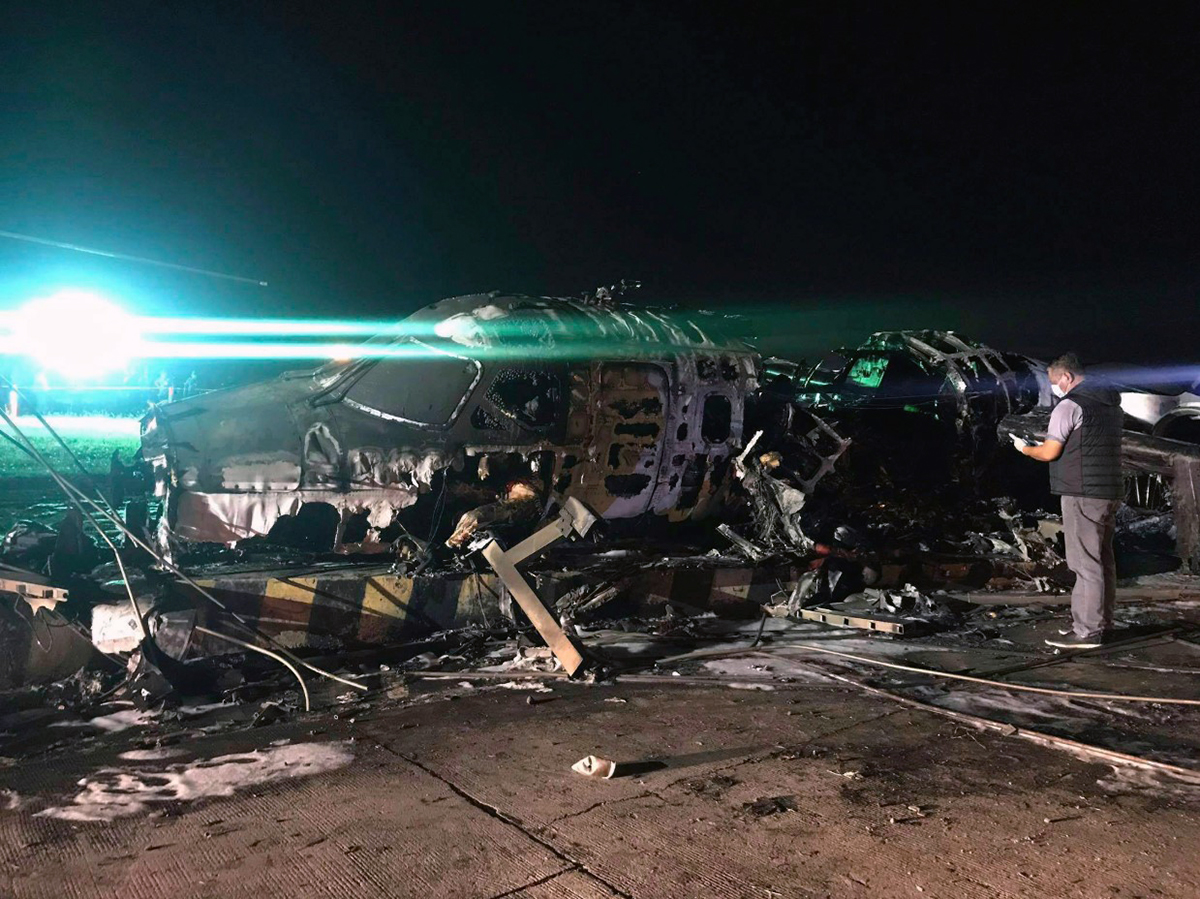
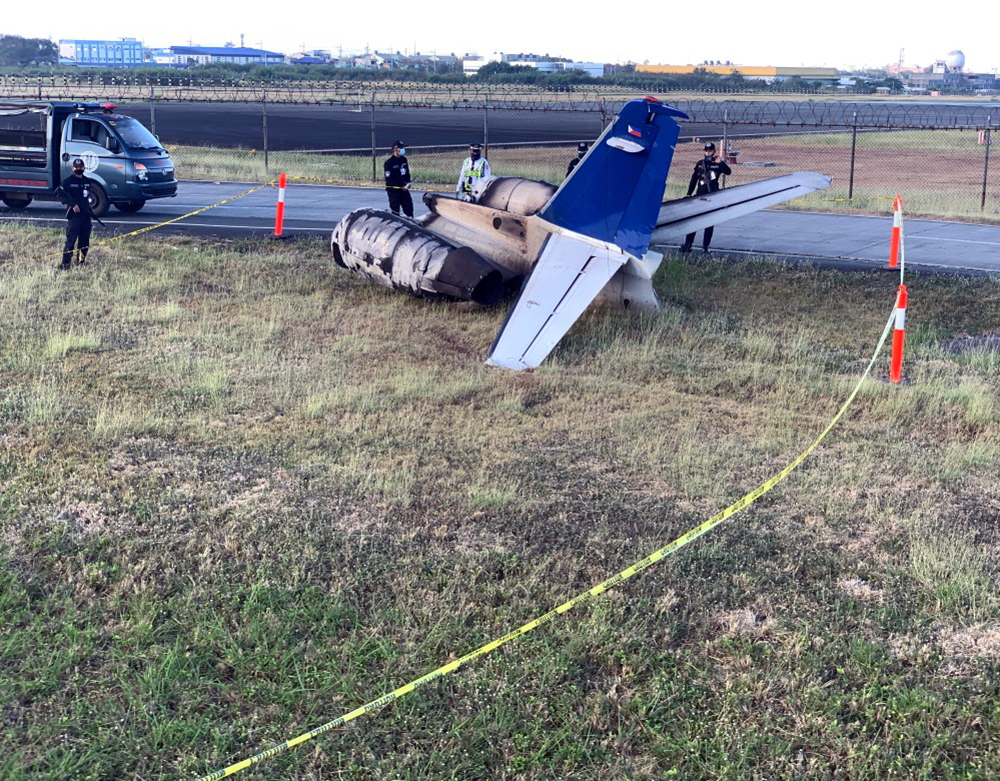
The airplane was returning to its base in San Fernando following an ambulance flight from Comodoro Rivadavia to Río Grande. Shortly after takeoff from Río Grande-Gobernador Ramón Trejo Noel Airport Runway 26, while in initial climb, the airplane rolled to the left, stabilized momentarily then rolled again to the left, lost lift and crashed in a huge explosion 1,870 metres pas the runway end and 300 metres to its left. The airplane was destroyed by impact forces and a post crash fire and all four occupants were killed.
Crew:
Claudio Canelo, pilot,
Héctor Vittore, copilot.
Passengers:
Diego Ciolfi, doctor,
Denise Torres Garcá, nurse.
Probable cause:
During the climb, immediately after takeoff, the aircraft rolled to the left, stabilized momentarily, and then rolled again to the same side. The second roll caused excessive bank, resulting in localized lift loss on the left wing, which led to a loss of altitude until impact with the ground. Information obtained during the investigation suggests that the aileron interconnection cable was disconnected at the time of the accident. Disconnection of the aileron interconnection cable causes a loss of synchronization between the left (pilot) and right (copilot) controls, allowing only right turns from the left control and left turns from the right control. This disconnection likely generated asymmetrical responses in the control inputs, making it difficult to control the aircraft and contributing to the loss of control. Cockpit conversations suggest that the copilot, seated on the right, began the takeoff run and, after the second left bank, transferred control to the pilot, seated on the left. At low altitude, the attempt to correct the left wing tilt, once in a stall situation, proved ineffective. According to the aircraft's maintenance records, the last replacement of the aileron interconnection cable was performed at 13,217.5 total flight hours July 18, 2016. The procedure for replacing the aileron interconnection cable did not clearly establish the removal and installation of the locking clips. The procedure for checking the tension of the aileron system cables, carried out on February 28, 2020, at 13,695.7 flight hours, did not clearly establish the installation of the locking clips. It is reasonable to conclude that the cable became disconnected due to the absence of the locking clips, which would have allowed the tensioner to gradually unscrew under the dynamic loads resulting from successive flights. The conclusion that the cable detachment was due to the absence of the locking clip suggests shortcomings in the training of the personnel responsible for inspecting the aircraft, as well as in the supervision of maintenance tasks by the maintenance manager. No evidence of failure of other flight control components that could have contributed to the accident was found.
Final Report:

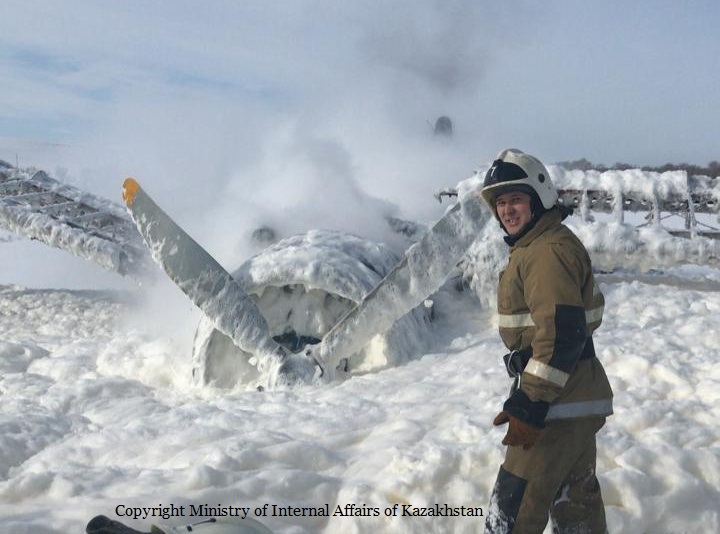
Crash of an Antonov AN-2 near Aralsk

Date & Time: Feb 23, 2022 at 1210 LT
Type of aircraft:
Flight Phase:
Flight Type:
Survivors:
Yes
Site:
Schedule:
Kyzylorda - Aralsk
Flight number:
TJA5217
Country:
Region:
Crew on board:
2
Crew fatalities:
Pax on board:
1
Pax fatalities:
Other fatalities:
Total fatalities:
0
Circumstances:
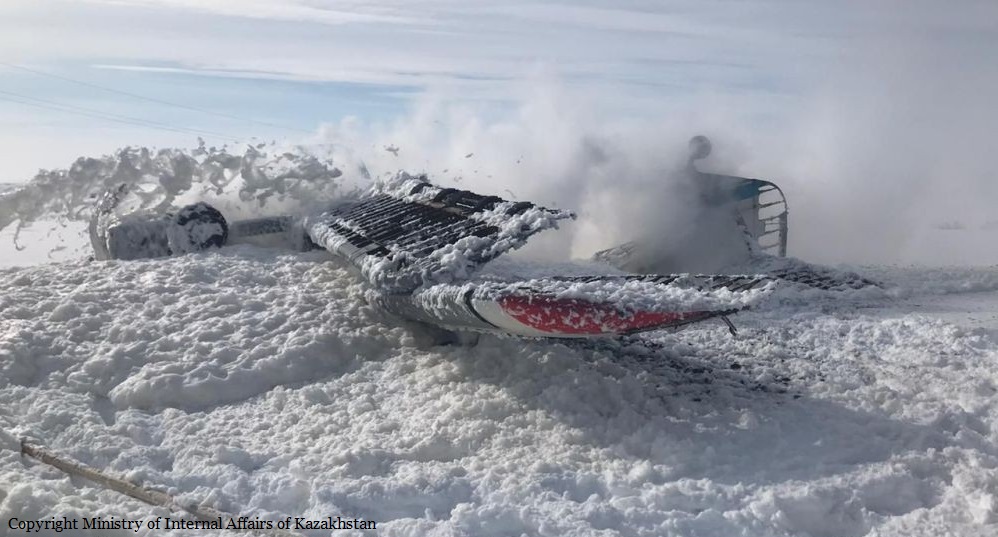
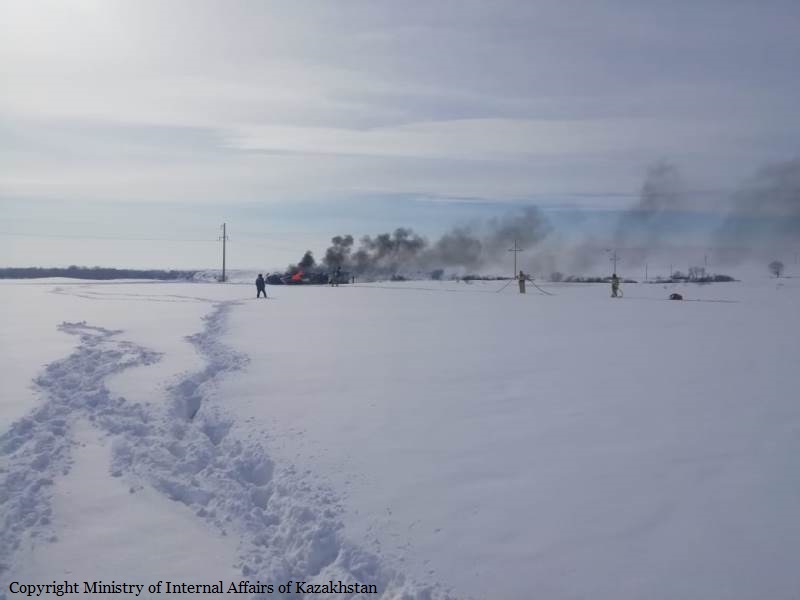
The single engine airplane departed Kyzylorda on an ambulance flight to Aralsk, carrying one doctor and two pilots. En route, the crew encountered an unexpected situation and apparently attempted to make an emergency landing when the aircraft crashed in a desert area, coming to rest upside down and bursting into flames. All three occupants evacuated with minor injuries while the aircraft was totally destroyed by a post crash fire. Registration UP-A0279?

Crash of a Beechcraft B250GT Super King Air in Gwalior

Date & Time: May 6, 2021 at 2115 LT
Operator:
Registration:
VT-MPQ
Flight Type:
Survivors:
Yes
Schedule:
Indore - Gwalior
MSN:
BY-373
YOM:
2020
Country:
Region:
Crew on board:
2
Crew fatalities:
Pax on board:
1
Pax fatalities:
Other fatalities:
Total fatalities:
0
Captain / Total flying hours:
12324
Captain / Total hours on type:
9362.00
Copilot / Total flying hours:
5135
Copilot / Total hours on type:
50
Aircraft flight hours:
49
Circumstances:
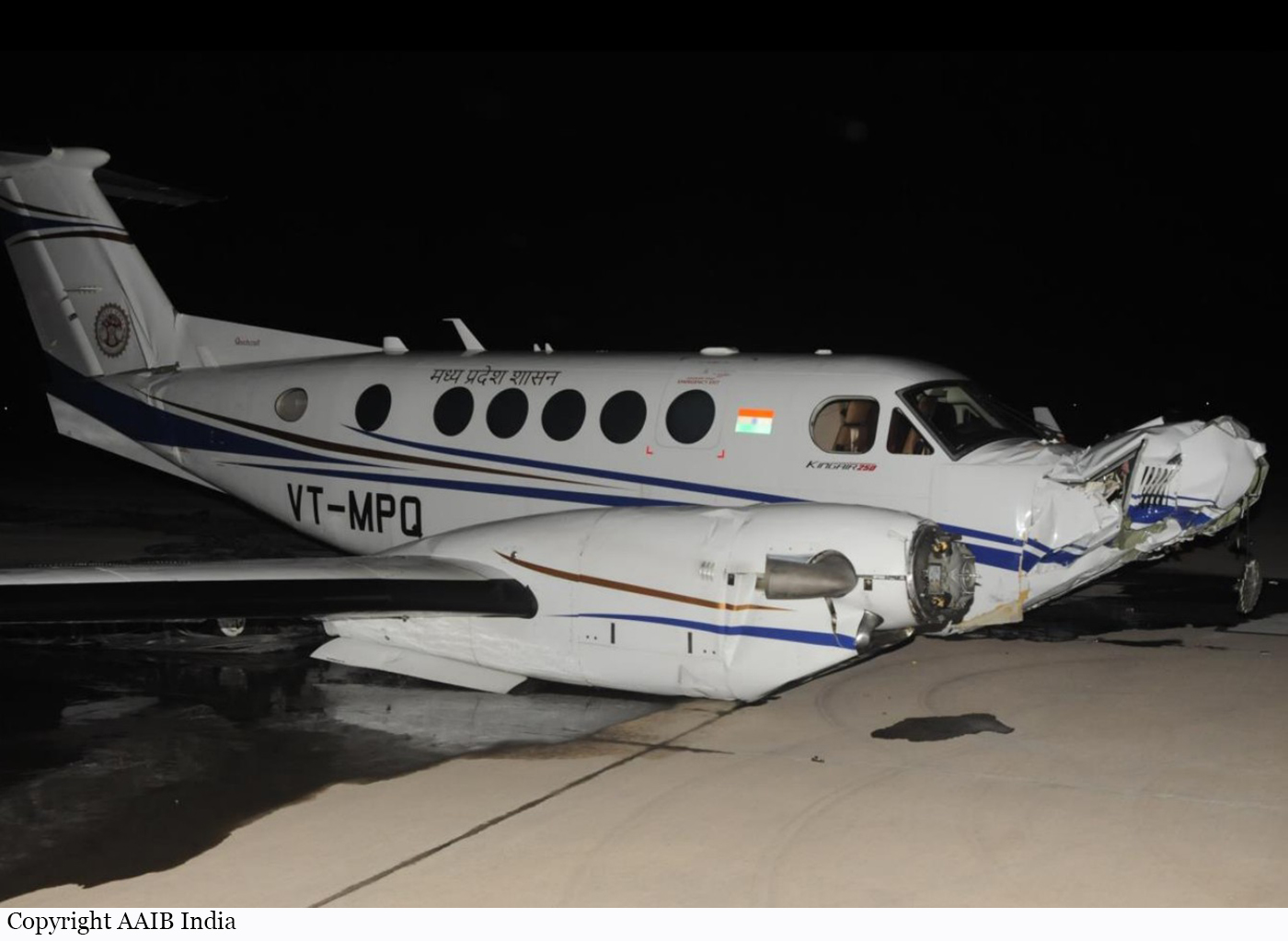
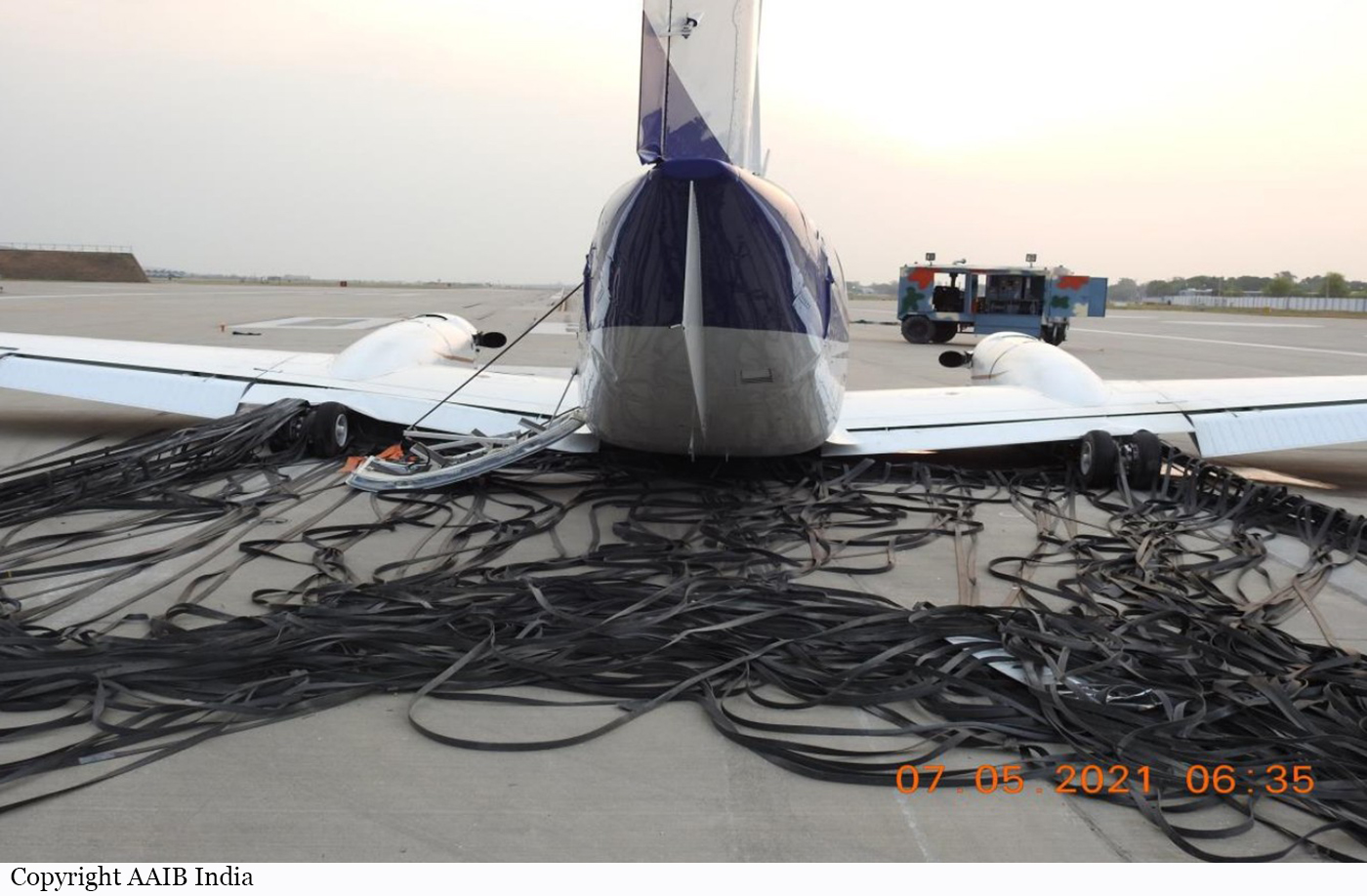
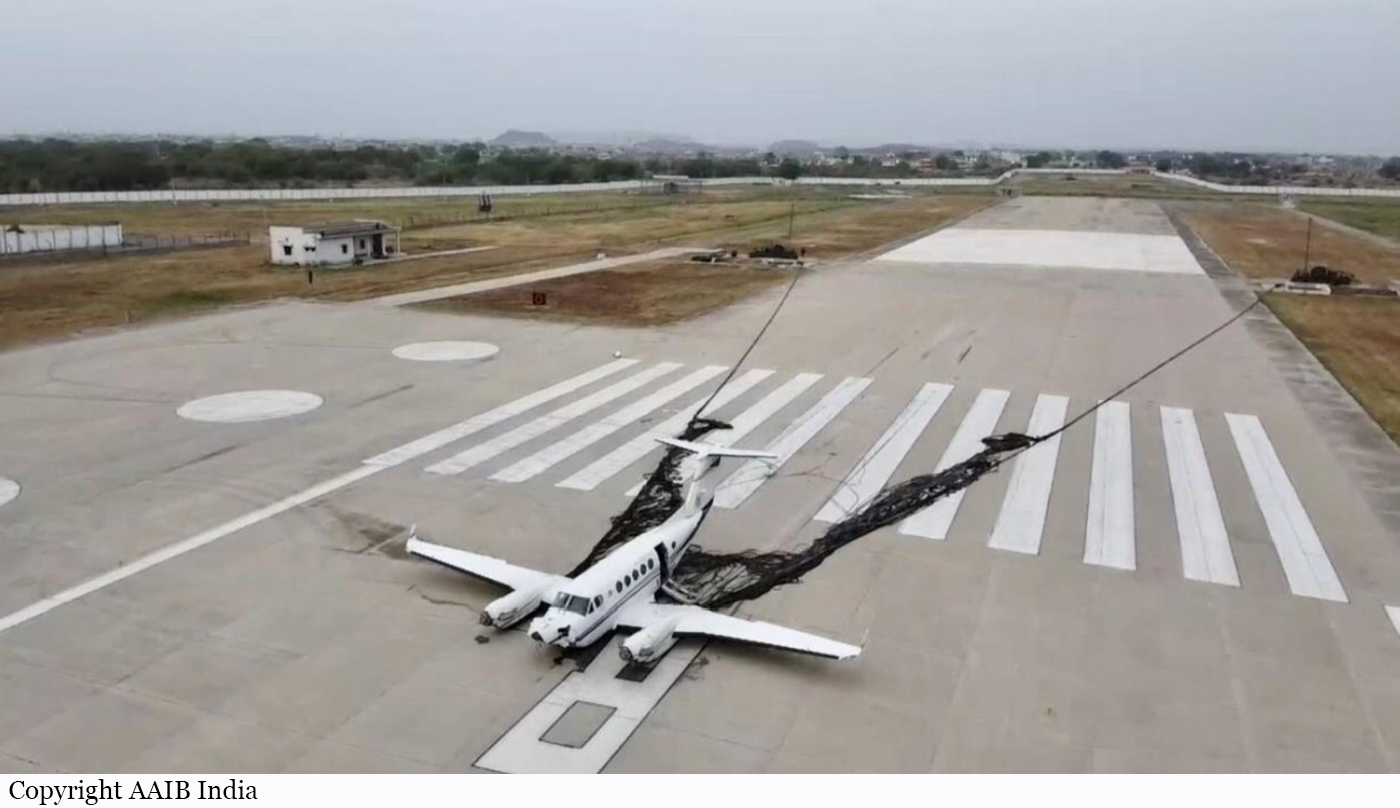
Beechcraft Super King Air B200GT aircraft, VT-MPQ belonging to the Directorate of Aviation, Government of Madhya Pradesh (DoA,GoMP) was involved in an accident on 06.05.2021 while operating a flight from Indore Airport to Gwalior. The flight was under the command of an ATPL holder with another CPL holder as Co-Pilot. There was one passenger on board in addition. The flight crew contacted ATC Indore for clearance to operate the flight to Gwalior. The aircraft was cleared for Gwalior via airway W10N and FL270. Aircraft departed from RWY25 at Indore and climbed to FL 270. Aircraft descended into Gwalior in coordination with Delhi and Gwalior. Approaching Gwalior the crew were advised by the ATC that RWY24L was in use. ATC then asked the crew if they would like to carry out a VOR approach for the opposite RWY 06R. The crew requested for a visual approach for RWY 06R in the night time and were cleared to descend 2700 ft and called field in sight at 25 NM. Crew then requested for right base RWY 06R and were cleared to circuit altitude. Crew called turning right base with field visual and were cleared to land which the crew acknowledged. Just before landing the aircraft and short of the threshold, the main gear collided with the raised arrester barrier and came to a halt on the Runway 06R just beyond the threshold markings at 1515 UTC. The aircraft was substantially damaged, however there was no post impact fire. The 2 crew and 1 passenger received minor to serious injuries.
Probable cause:
The PIC (PF) carrying out a visual approach at night and knowingly deviated below the visual approach path profile (3°) while disregarding the PAPI indications, thereby the aircraft collided with the raised Arrester Barrier. Lack of assertiveness on the part of the copilot (PM).
The following contributing factors were identified:
- Non-Compliance to the SOP of “Change of Runway Checklist” by the ATC staff leading to the 'Arrester Barrier' remaining in a 'Raised Position' while the aircraft (VT-MPQ) came in for landing on runway 06R.
- Non-essential conversation by the flight crew during the final approach for landing causing distraction leading to a delayed sighting of the raised Arrester Barrier.
- Systemic failure at various levels at the Gwalior Air Force Base to ensure that the 'Arrester Barrier Position Indicator Lights and Integral Panel Lights' were not rectified in a stipulated time period.
- A robust alternate procedure was not defined when the 'Arrester Barrier Position Indicator Lights and Integral Panel Lights' were unserviceable.
- The Gwalior Airforce Base authorities did not install 'Red Obstacle Lights' on the Arrester Barrier Poles to indicate the position of the obstacle on the date of the accident as per the DGCA requirements (CAR Section 4, Series B, Part 1).
Final Report:
Crash of a Piper PA-31-350 Navajo Chieftain in Salitre: 6 killed

Date & Time: Apr 7, 2021 at 1200 LT
Operator:
Registration:
HC-CVC
Flight Phase:
Flight Type:
Survivors:
No
Schedule:
Nueva Loja – Guayaquil
Location:
Country:
Crew on board:
2
Crew fatalities:
Pax on board:
4
Pax fatalities:
Other fatalities:
Total fatalities:
6
Circumstances:
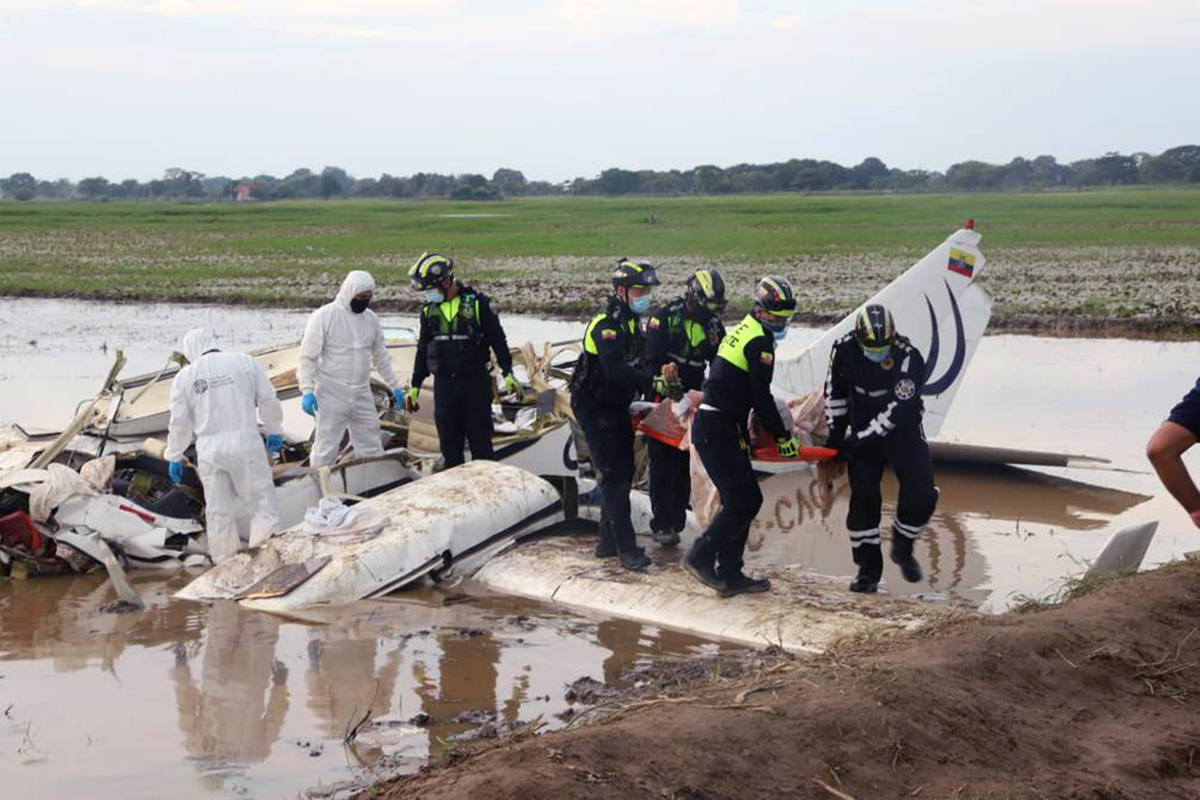
The twin engine airplane (a PA-31 Panther II variant) departed Nueva Loja-Lago Agrio Airport at 1023LT on an ambulance flight to Guayaquil, carrying one patient, one nurse, two doctors and two pilots. The descent to Guayaquil-José Joaquín de Olmedo Airport was started when the aircraft crashed in unknown circumstances in the Río Salitre, near Salitre, about 35 km north of Guayaquil Airport. The aircraft was destroyed and all six occupants were killed.
Crew:
Gabriel Guapáz, pilot,
Edwin Velásquez, copilot.
Passengers:
Jaime Muñoz,
Elvis Trujillo,
Silvia Orellana,
Julio Jaramillo.

Crash of a PZL-Mielec AN-2T in Boralday

Date & Time: Feb 26, 2021 at 1226 LT
Type of aircraft:
Operator:
Registration:
UP-A0351
Flight Phase:
Flight Type:
Survivors:
Yes
Schedule:
Boralday - Kegen
MSN:
1G194-19
YOM:
1981
Country:
Region:
Crew on board:
2
Crew fatalities:
Pax on board:
3
Pax fatalities:
Other fatalities:
Total fatalities:
0
Circumstances:
The single engine aircraft departed Boralday Airport in the suburb of Almaty on an ambulance flight to Kegen with five people on board. Shortly after takeoff, while climbing, the engine suffered a loss of power. The crew attempted an emergency landing when the aircraft lost height and crashed in hilly terrain. All five occupants escaped uninjured while the aircraft was damaged beyond repair. Operator reported as Asia Continental Airlines.

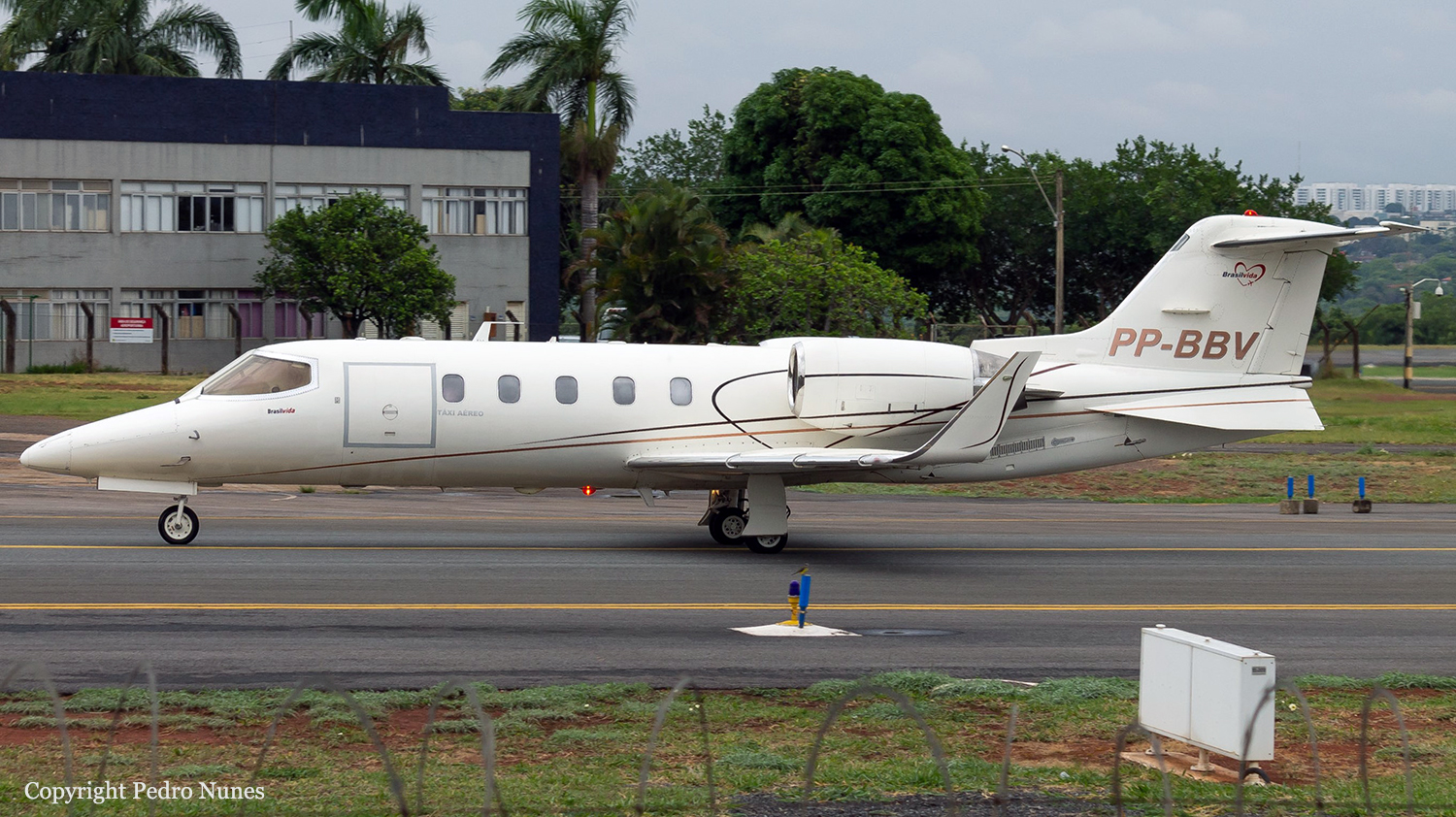
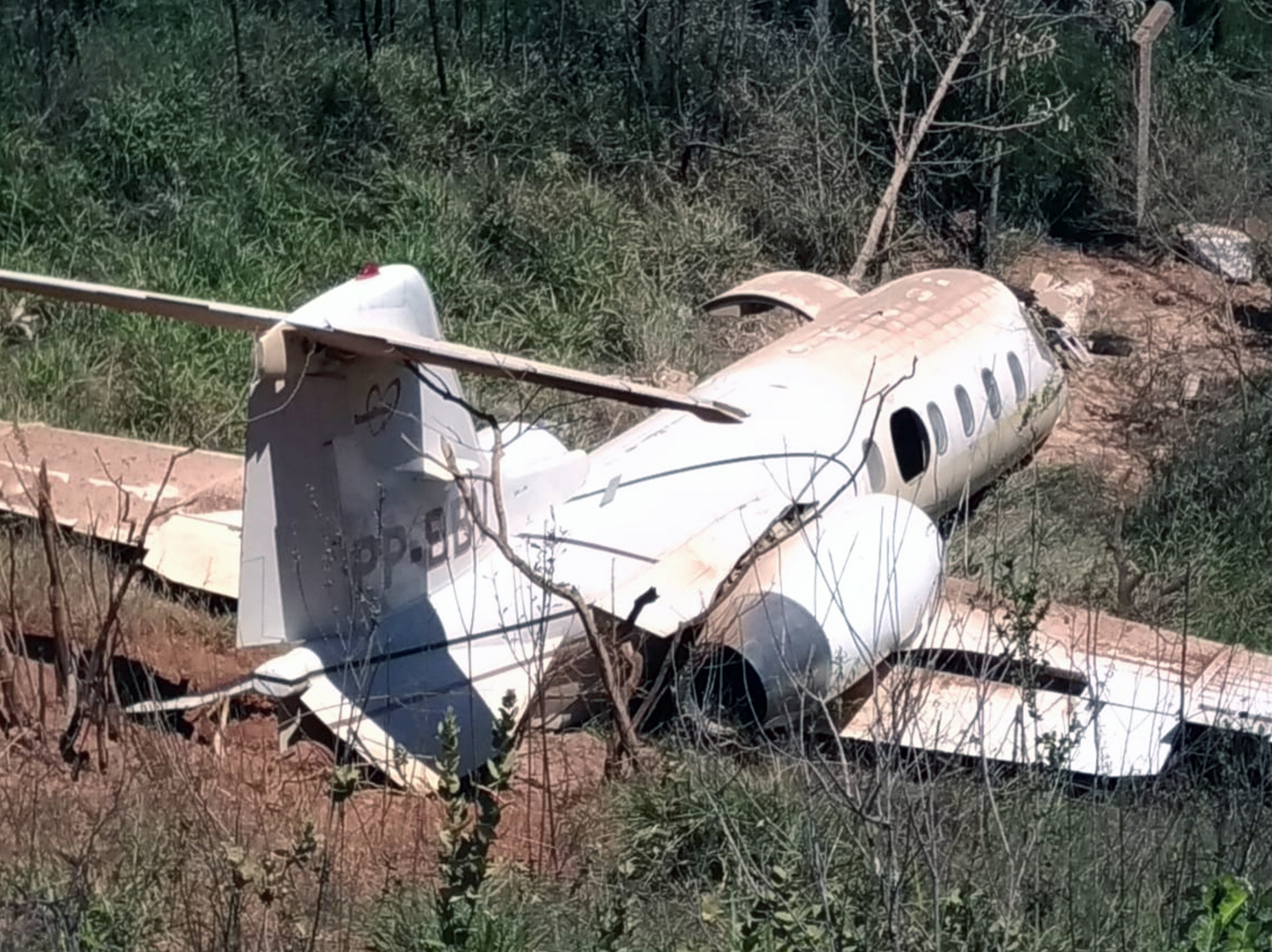
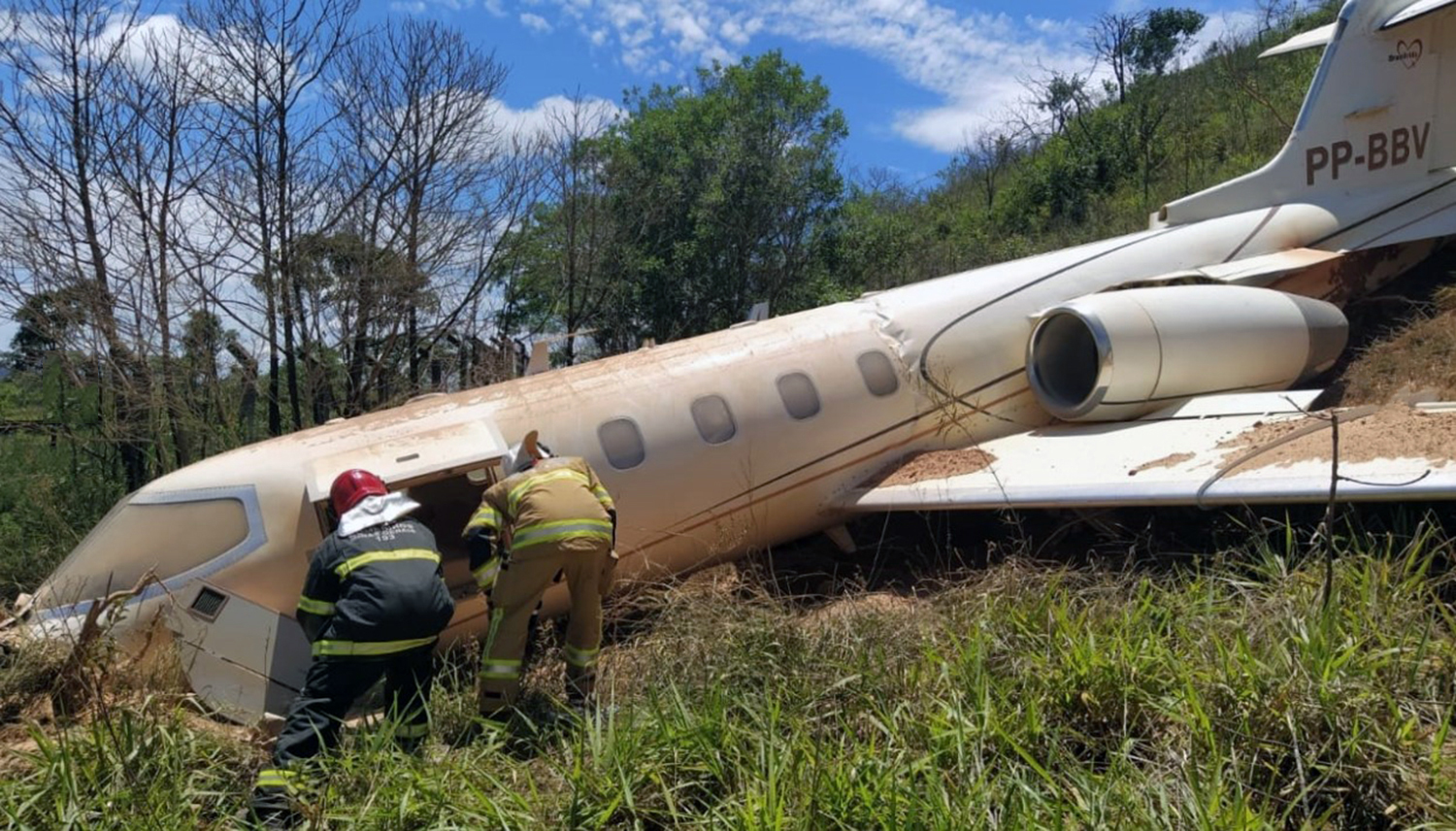
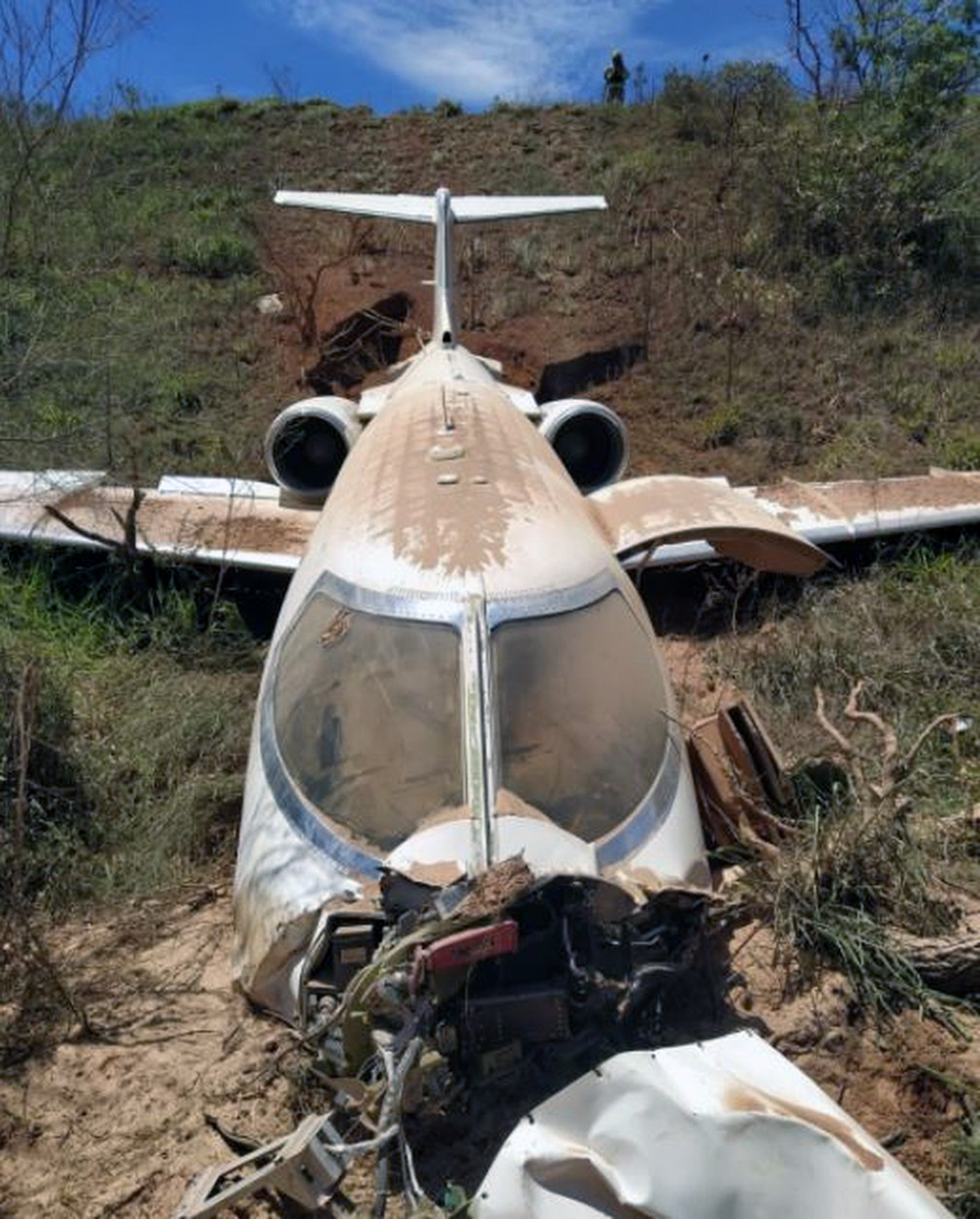
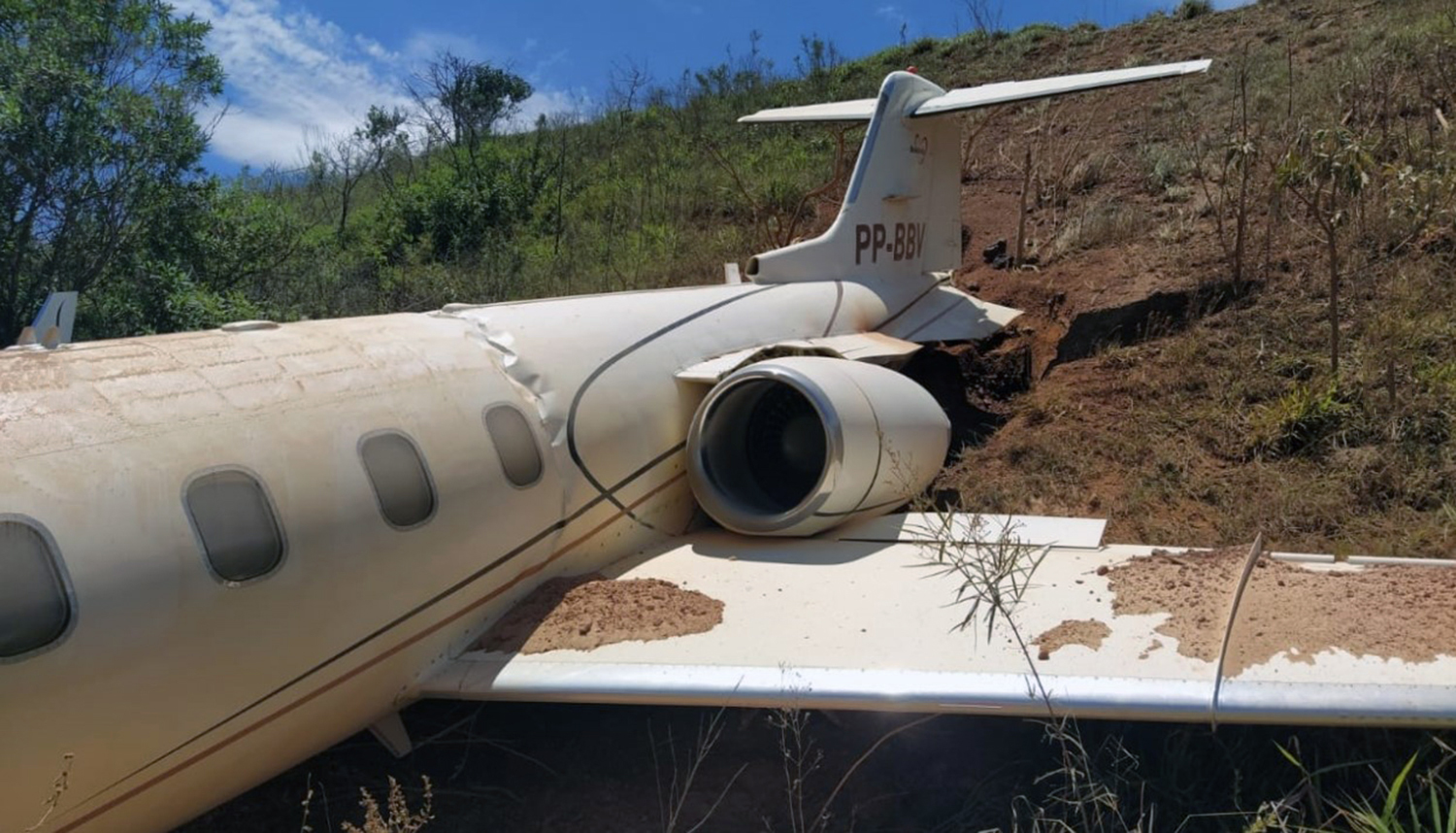
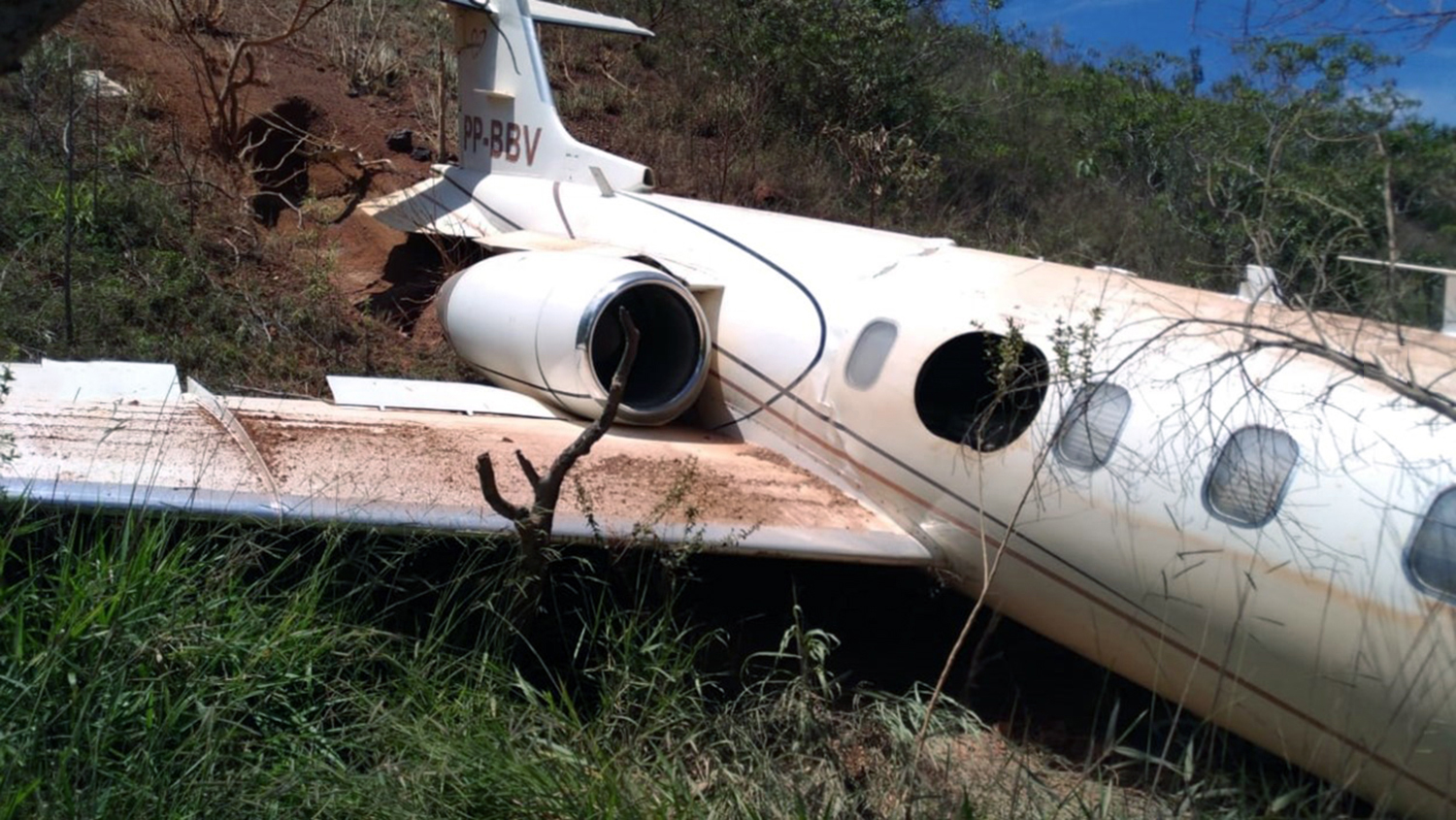
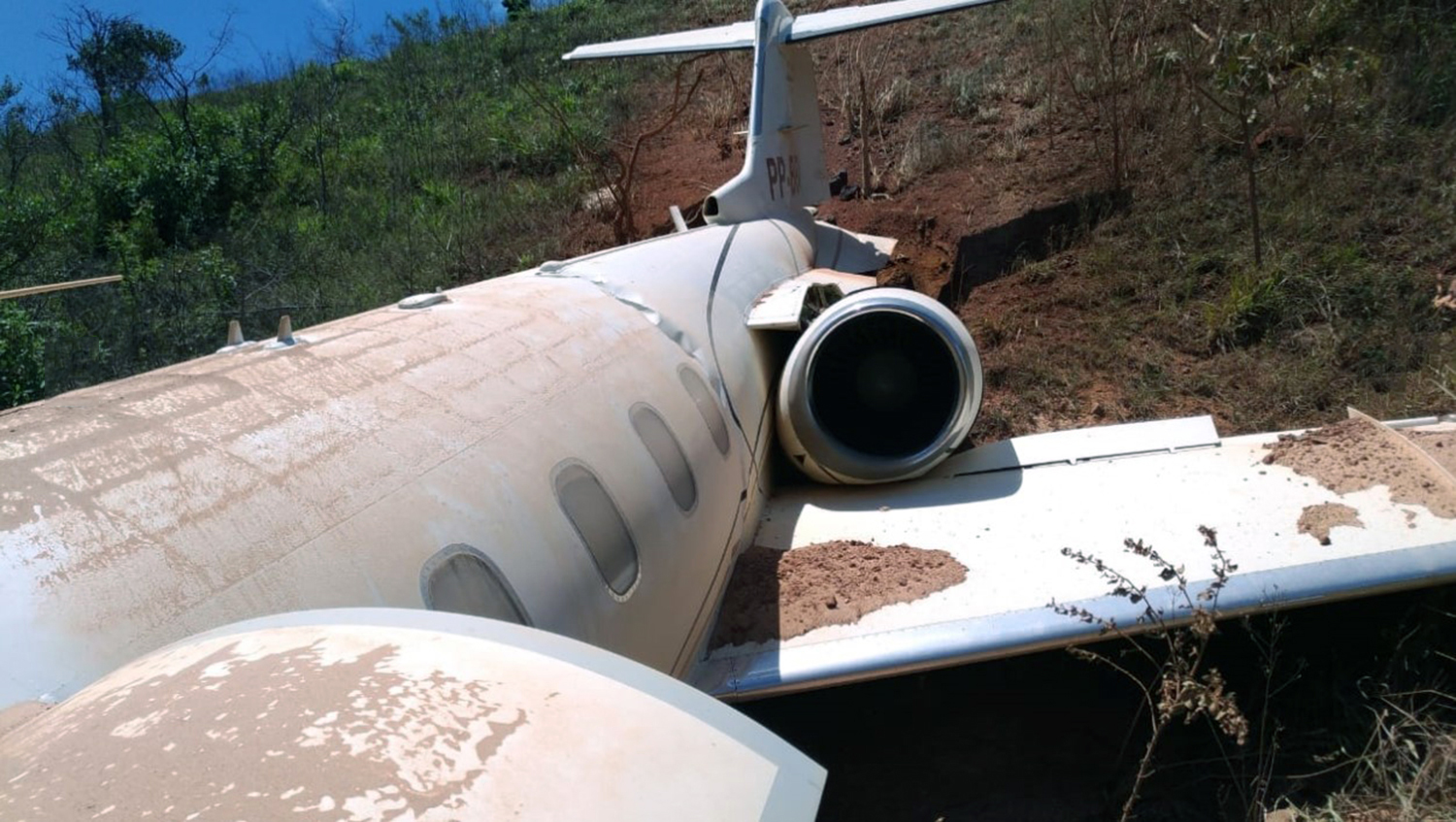
Crash of a Learjet 31A in Diamantina

Date & Time: Jan 2, 2021 at 0851 LT
Type of aircraft:
Operator:
Registration:
PP-BBV
Flight Type:
Survivors:
Yes
Schedule:
São Paulo – Diamantina
MSN:
31-113
YOM:
1995
Country:
Crew on board:
2
Crew fatalities:
Pax on board:
2
Pax fatalities:
Other fatalities:
Total fatalities:
0
Captain / Total flying hours:
4606
Captain / Total hours on type:
1138.00
Copilot / Total flying hours:
1475
Copilot / Total hours on type:
680
Circumstances:
The airplane departed São Paulo-Congonhas Airport on an ambulance flight to Diamantina-Juscelino Kubitschek Airport, carrying two doctors and two pilots. Following an unstabilized approach, the airplane landed too far down the runway 03 and was unable to stop within the remaining distance. It overran, went down a ravine and came to rest. All four occupants evacuated with minor injuries while the aircraft was damaged beyond repair.
Probable cause:
Following a wrong approach configuration on part of the crew, it was determined that the airplane landed about 600 metres from the runway end. In such conditions, the airplane could not be stopped within the remaining distance.
The following contributing factors were identified:
- Both pilots knew each other well and often flew together, thus it is possible that they over-relied on each other during the final phase of the flight,
- This over-confidence led the crew to neglect certain parameters related to the approach manoeuvre,
- Lack of crew coordination,
- Post-accident medical examinations revealed that the pilot-in-commands' (PF) lack of reaction to the pilot monitoring's (PM) warnings, and his impaired alertness, could indicate that he was suffering from the effects of alcohol and fatigue, reducing his performances,
- The pilots' decision to continue with the landing procedure despite an unstabilized approach characterized by inadequate situational awareness,
- Poor judgment on the part of the crew who failed to take the correct decision to initiate a go-around procedure.
Final Report:

Crash of a Learjet 35A in Esquel: 3 killed

Date & Time: May 5, 2020 at 2238 LT
Type of aircraft:
Operator:
Registration:
LV-BXU
Flight Type:
Survivors:
Yes
Schedule:
San Fernando – Esquel
MSN:
35-462
YOM:
1982
Location:
Country:
Crew on board:
2
Crew fatalities:
Pax on board:
2
Pax fatalities:
Other fatalities:
Total fatalities:
3
Captain / Total flying hours:
1498
Copilot / Total flying hours:
2612
Aircraft flight hours:
11711
Aircraft flight cycles:
10473
Circumstances:
The airplane departed San Fernando Airport on an ambulance flight to Esquel, carrying a doctor, a nurse and two pilots. On approach to Esquel-Brigadier General Antonio Parodi Airport at night, the crew encountered poor visibility (200 metres) and the visual contact with the runway was lost intermittently. Nevertheless, the crew continued the approach and at decision height, the captain decided to continue the descent. After crossing Runway 23 threshold at a height of 78 feet, the pilot-in-command initiated a go-around procedure and turned to the left. The airplane continued in a left hand turn, causing the left wing tip fuel tank to struck the ground. Out of control, the airplane crashed on a small embankment located about 400 metres to the left of the runway centerline, coming to rest upside down and bursting into flames. Both passengers were killed and both pilots were seriously injured. Two days later, the copilot died from injuries sustained.
Probable cause:
It was determined that the accident was the consequence of a controlled flight into terrain (CFIT) and the airplane did not suffer any technical anomalies.
The following contributing factors were identified:
- The crew failed to check the approach charts according to SOP's,
- The approach was initiated and continued in conditions that were below weather minimums,
- Visibility data transmitted by Tower to the crew were inaccurate, leading to confusion on the part of the pilots and their decision-making,
- Both engines were at full power upon impact as the crew was initiating a go-around procedure.
Final Report:
Crash of an IAI 1124A Westwind II in Manila: 8 killed

Date & Time: Mar 29, 2020 at 2000 LT
Type of aircraft:
Operator:
Registration:
RP-C5880
Flight Phase:
Flight Type:
Survivors:
No
Schedule:
Manila - Tokyo
MSN:
353
YOM:
1981
Country:
Region:
Crew on board:
2
Crew fatalities:
Pax on board:
6
Pax fatalities:
Other fatalities:
Total fatalities:
8
Circumstances:
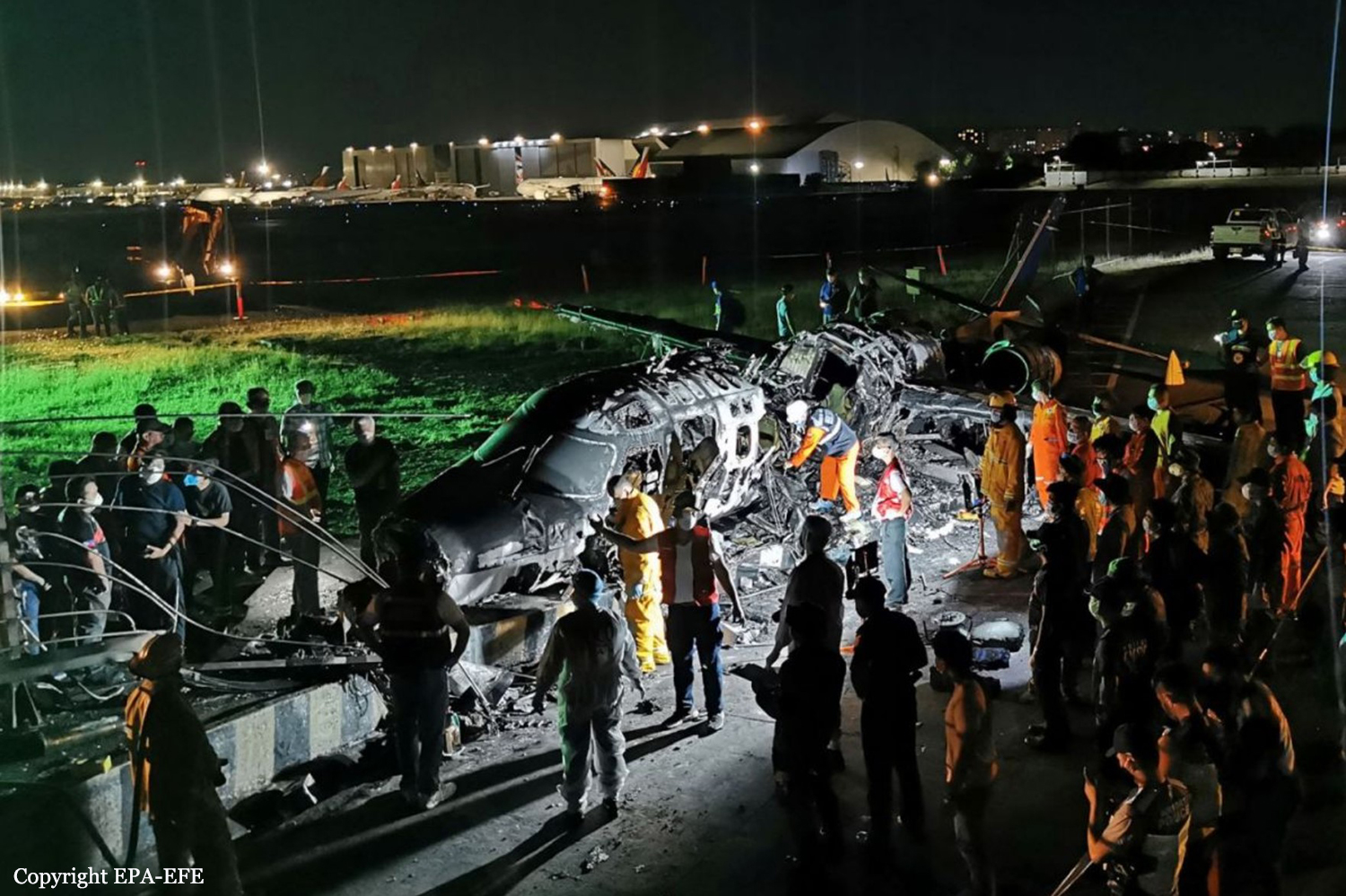
An IAI Westwind II 1124A type of aircraft with registry number RP-C5880, was destroyed following a runway excursion while taking-off at RWY 06, Ninoy Aquino International Airport (NAIA), Manila Philippines. All eight (8) occupants (six (6) Filipino, one (1) Canadian and one (1) American citizen are fatally injured. The aircraft is being operated by Lionair Inc. and was bound for Haneda, Japan on a medical evacuation flight. While the aircraft was on take-off roll before reaching taxiway R2, sparks were noted at the runway, it continued until the aircraft came to complete stop and engulfed by fire. Chunks of rubber and metal debris were present on the runway. Scrape marks coming from the right hand (RH) wheel hub were also visible. Tire marks followed by scrape marks on the runway coming from the LH tire and wheel hub were also seen after taxiway H1 intersection. Large portion of the remaining LH tire was recovered from the grassy portion near taxiway H1. After exiting from the asphalted portion of runway safety area, the aircraft initially run over two (2) runway edge lights then impacted into a concrete electric junction box and came to a complete stop at the runway secondary fence. The aircraft settled almost 172 meters away from the end of RWY 06, in an upright position at 14°30'53.50"N; 121°1'48.48"E and heading of 170 degrees. The flight was on Instrument Flight Rules (IFR) condition. A Notice to Airmen (NOTAM) of NAIA RWY 06/24 closure for aircraft operation was declared at 2000H and opened for operation at 0420H, March 30, 2020.
Probable cause:
The accident was the caused by the combination of the decision of the PF to abort the take-off after VR that resulted to runway excursion and incorrect pilot techniques or procedures in the high-speed rejected take-off.
The following contributing factors were identified:
- Operational pressures related to the delay of schedule due to late filing of the flight plan compelling the crew to rush and meet the schedule demand.
- The crew's complacency by skipping required briefing item in the before take-off checklist, in this case, the considerations in the event of a malfunction before/after V1.
Final Report:
Crash of a PZL-Mielec AN-2P in Ust-Kamenogorsk

Date & Time: Feb 26, 2020 at 1226 LT
Type of aircraft:
Operator:
Registration:
UP-A0001
Flight Phase:
Flight Type:
Survivors:
Yes
Schedule:
Ust-Kamenogorsk - Aksuat
MSN:
1G140-49
YOM:
1972
Country:
Region:
Crew on board:
2
Crew fatalities:
Pax on board:
3
Pax fatalities:
Other fatalities:
Total fatalities:
0
Circumstances:
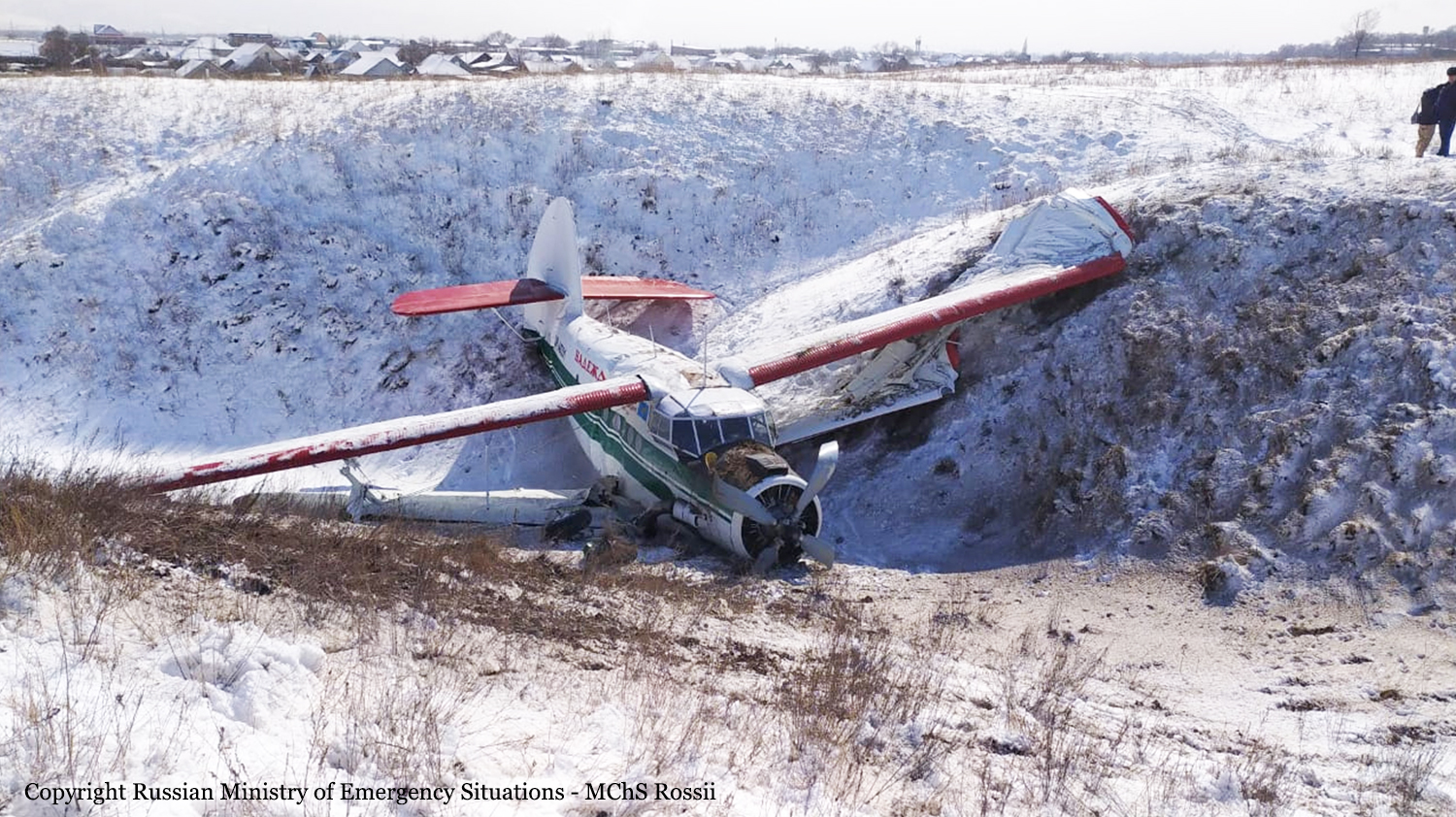
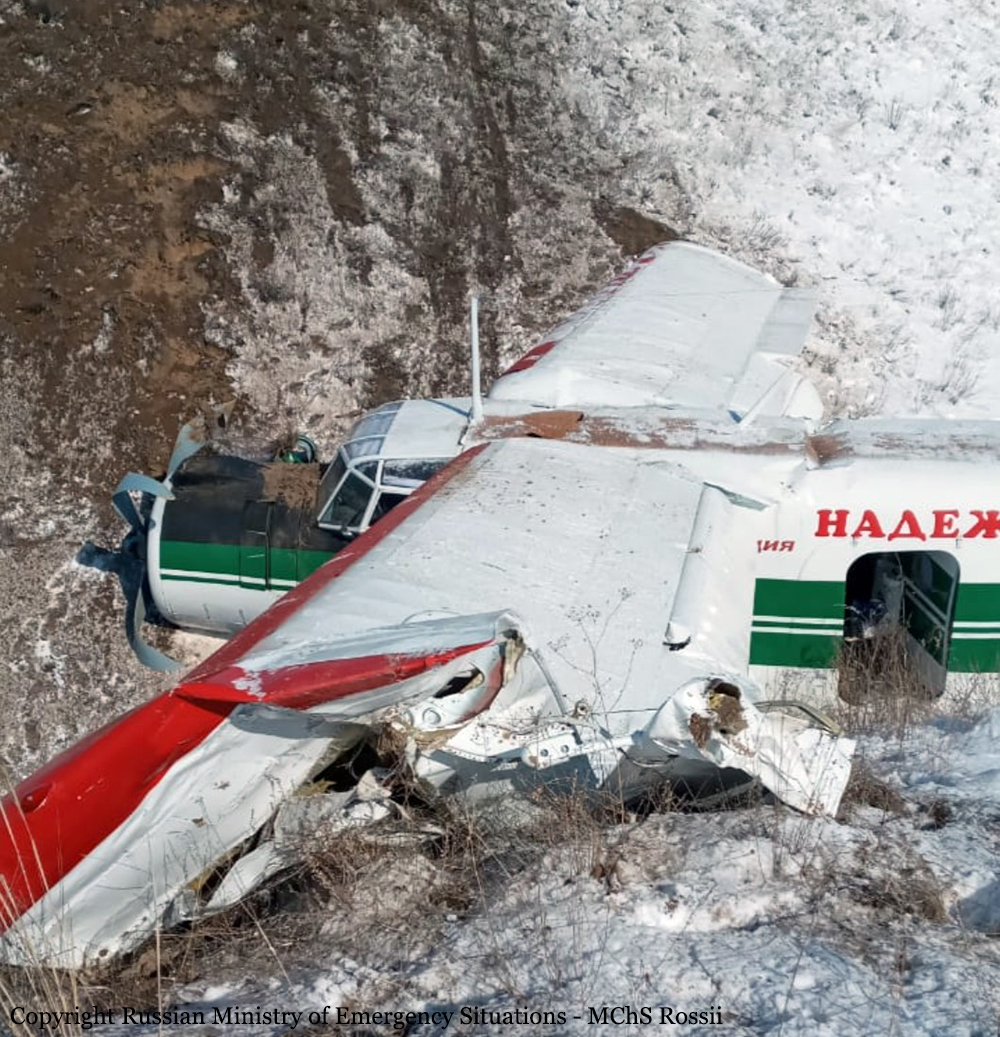
The single engine airplane departed Ust-Kamenogorsk Airport on an ambulance flight to Aksuat. After takeoff, while in initial climb, the crew encountered engine problems. They elected to make an emergency in a snow covered field. The airplane came to rest upside down, bursting into flames. All five occupants escaped with minor injuries while the aircraft was destroyed.

Crash of a Beechcraft B200 King Air off Dutch Harbor

Date & Time: Jan 16, 2020 at 0806 LT
Operator:
Registration:
N547LM
Flight Phase:
Flight Type:
Survivors:
Yes
Schedule:
Dutch Harbor - Adak
MSN:
BB-1642
YOM:
1998
Crew on board:
1
Crew fatalities:
Pax on board:
2
Pax fatalities:
Other fatalities:
Total fatalities:
0
Captain / Total flying hours:
6470
Captain / Total hours on type:
756.00
Aircraft flight hours:
7058
Circumstances:
According to the pilot, when the airplane’s airspeed reached about 90 knots during the takeoff roll, he applied back pressure to the control yoke to initiate the takeoff and noted a brief positive rate of climb followed by a sinking sensation. The airspeed rapidly decayed, and the stall warning horn sounded. To correct for the decaying airspeed, he lowered the nose then pulled back on the airplane’s control yoke and leveled the wings just before impacting the ocean. The pilot stated there were no pre accident mechanical malfunctions or anomalies that would have precluded normal operation. Wind about the time of the accident was recorded as 110º downwind of the airplane at 15 knots gusting to 28 knots. The passengers recalled that the pilot’s preflight briefing mentioned the downwind takeoff but included no discussion of the potential effect of the wind conditions on the takeoff. The airplane’s estimated gross weight at the time of the accident was about 769.6 pounds over its approved maximum gross weight, and the airplane’s estimated center of gravity was about 8.24 inches beyond the approved aft limit at its maximum gross weight. It is likely that the pilot’s decision to takeoff downwind and operate the airplane over the maximum gross weight with an aft center of gravity led to the aerodynamic stall during takeoff and loss of control. Downwind takeoffs result in higher groundspeeds and increase takeoff distance. While excessive aircraft weight increases the takeoff distance and stability, and an aft center of gravity decreases controllability. Several instances of the operator’s noncompliance with its operational procedures and risk mitigations were discovered during the investigation, including two overweight flights, inaccurate and missing information on aircraft flight logs, and the accident pilot’s failure to complete a flight risk assessment for the accident flight. The operator had a safety management system (SMS) in place at the time of the accident that required active monitoring of its systems and processes to ensure compliance with internal and external requirements. However, the discrepancies noted with several flights, including the accident flight, indicate that the operator’s SMS program was inadequate to actively monitor, identify, and mitigate hazards and deficiencies.
Probable cause:
The pilot’s improper decision to takeoff downwind and to load the airplane beyond its allowable gross weight and center of gravity limits, which resulted in an aerodynamic stall and loss of control. Contributing to the accident was the inadequacy of the operator’s safety management system to actively monitor, identify, and mitigate hazards and deficiencies.
Final Report: