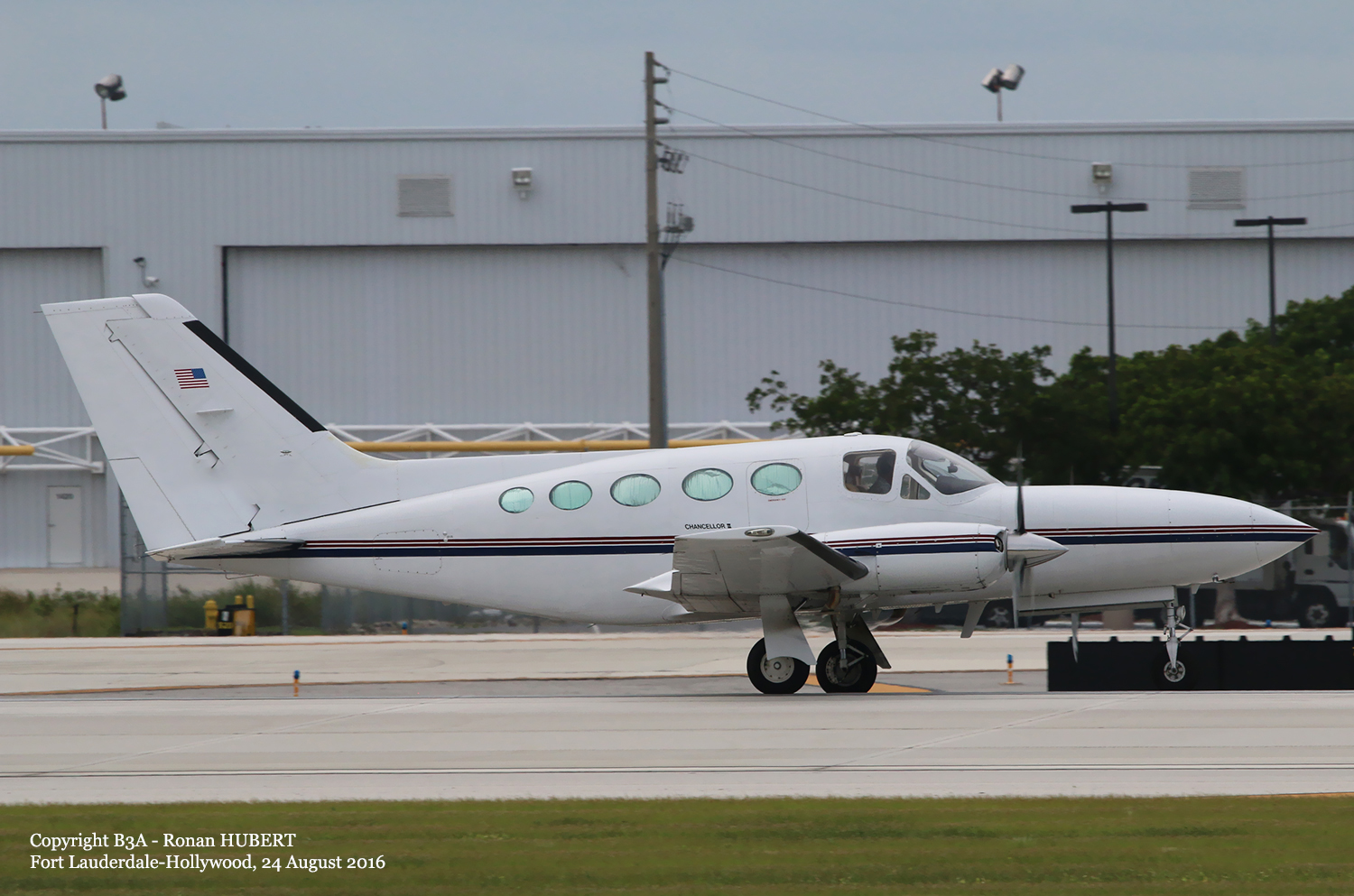
Crash of a Cessna 414 Chancellor in Patterson: 2 killed

Date & Time: Oct 12, 2023 at 1511 LT
Type of aircraft:
Operator:
Registration:
N880A
Flight Type:
Survivors:
No
Schedule:
Gonzales – Patterson
MSN:
414-0397
YOM:
1973
Crew on board:
1
Crew fatalities:
Pax on board:
1
Pax fatalities:
Other fatalities:
Total fatalities:
2
Circumstances:
The twin engine airplane departed Gonzales-Louisiana Regional Airport at 1456LT on a short flight to Patterson. Following a left hand turn, the airplane descended to Patterson-Harry P. Williams Airport when it crashed 300 feet short of runway 06 threshold, bursting into flames. The airplane was destroyed and both occupants were killed. Patterson-Harry P. Williams Airport is located 64 km southwest of Gonzales-Louisiana Regional Airport.
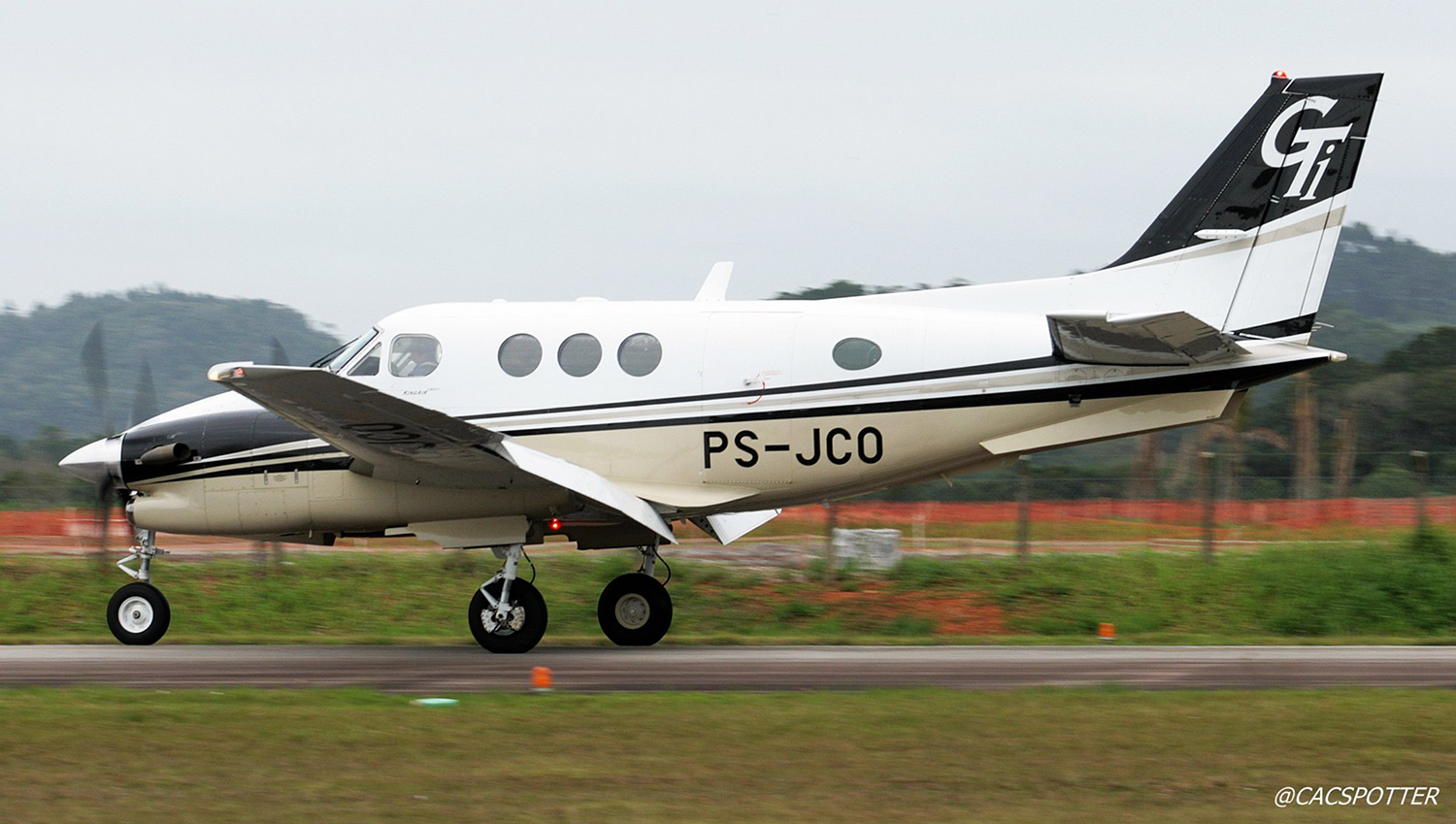
Crash of a Beechcraft C90GTi King Air in Bom Futuro: 2 killed

Date & Time: Oct 4, 2023 at 1307 LT
Type of aircraft:
Registration:
PS-JCO
Flight Phase:
Flight Type:
Survivors:
Yes
MSN:
LJ-1875
YOM:
2008
Country:
Crew on board:
1
Crew fatalities:
Pax on board:
2
Pax fatalities:
Other fatalities:
Total fatalities:
2
Circumstances:
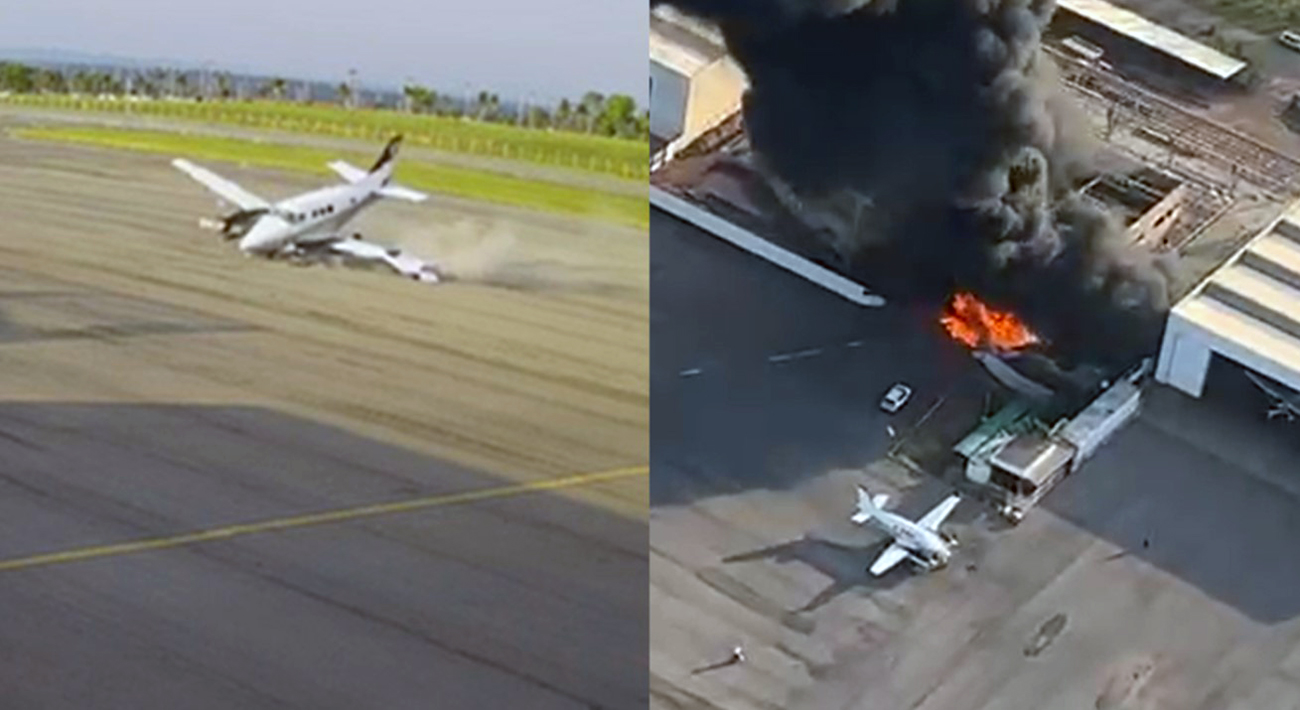
Just after liftoff from runway 35 at Bom Futuro Airport, while in initial climb, the twin engine airplane rolled to the left, descended and impacted the surface of the apron with its left wing. Upon impact, the undercarriage were torn off then the airplane slid for few dozen metres before it crashed against a hangar under construction, bursting into flames. Both passengers were injured while the pilot and one person on the ground were killed.

Crash of a Cessna 207 Skywagon in Mbukula

Date & Time: Aug 26, 2023
Operator:
Registration:
9S-LAL
Flight Phase:
Flight Type:
Survivors:
Yes
Schedule:
Lubumbashi – Kananga
MSN:
207-0320
YOM:
1976
Region:
Crew on board:
1
Crew fatalities:
Pax on board:
1
Pax fatalities:
Other fatalities:
Total fatalities:
0
Circumstances:
The single engine airplane crashed in unknown circumstances in Mbukula while performing a flight from Lubumbashi to Kananga. The crew was supposed to make a stop in Mbukula to deliver fuel cans and chairs to the village chief's home when the accident occurred.

Crash of an Embraer EMB-135BJ Legacy 600 in Kuzhenkino: 10 killed

Date & Time: Aug 23, 2023 at 1715 LT
Operator:
Registration:
RA-02795
Flight Phase:
Flight Type:
Survivors:
No
Schedule:
Moscow - Saint Petersburg
MSN:
145-1008
YOM:
2007
Country:
Region:
Crew on board:
3
Crew fatalities:
Pax on board:
7
Pax fatalities:
Other fatalities:
Total fatalities:
10
Circumstances:
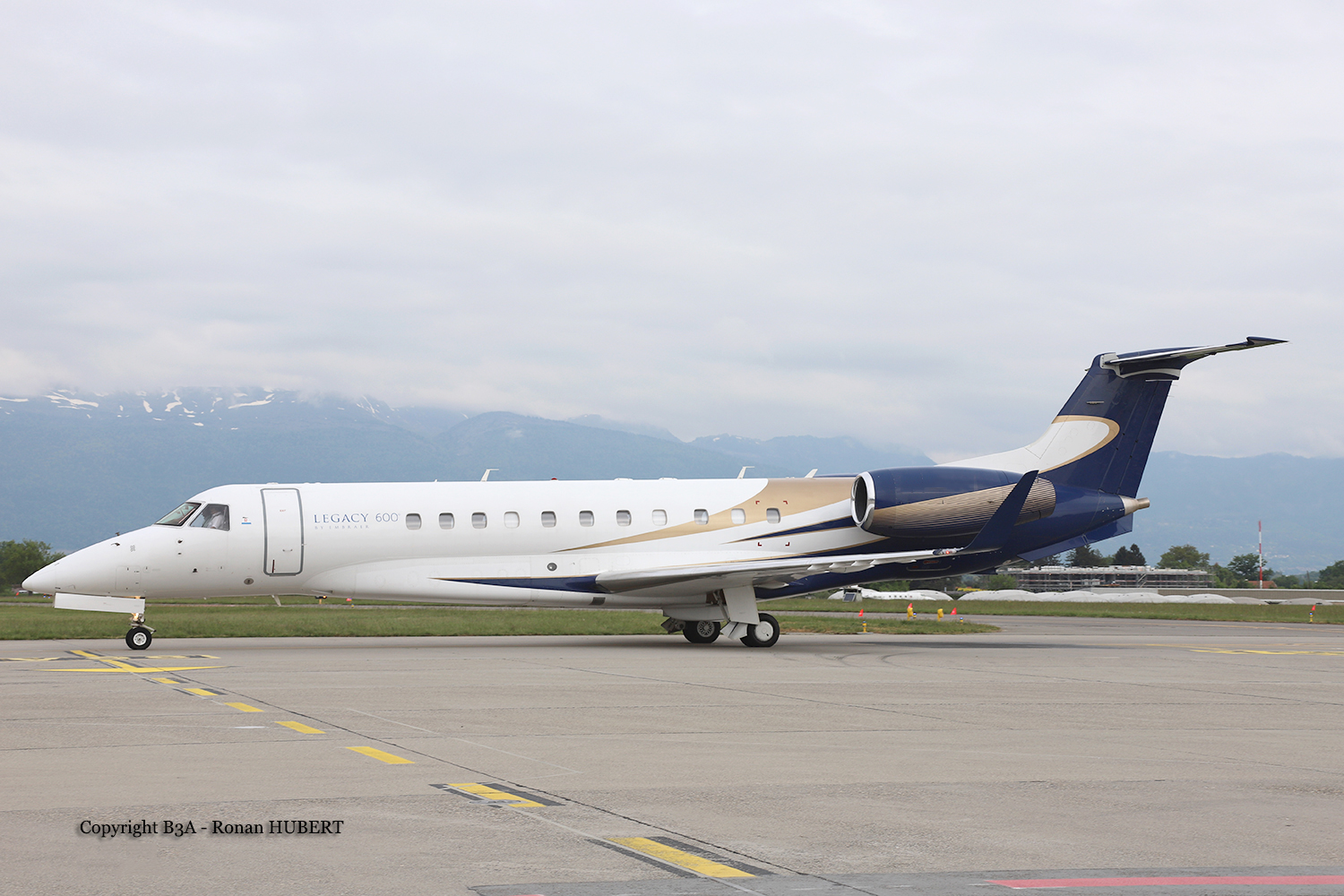
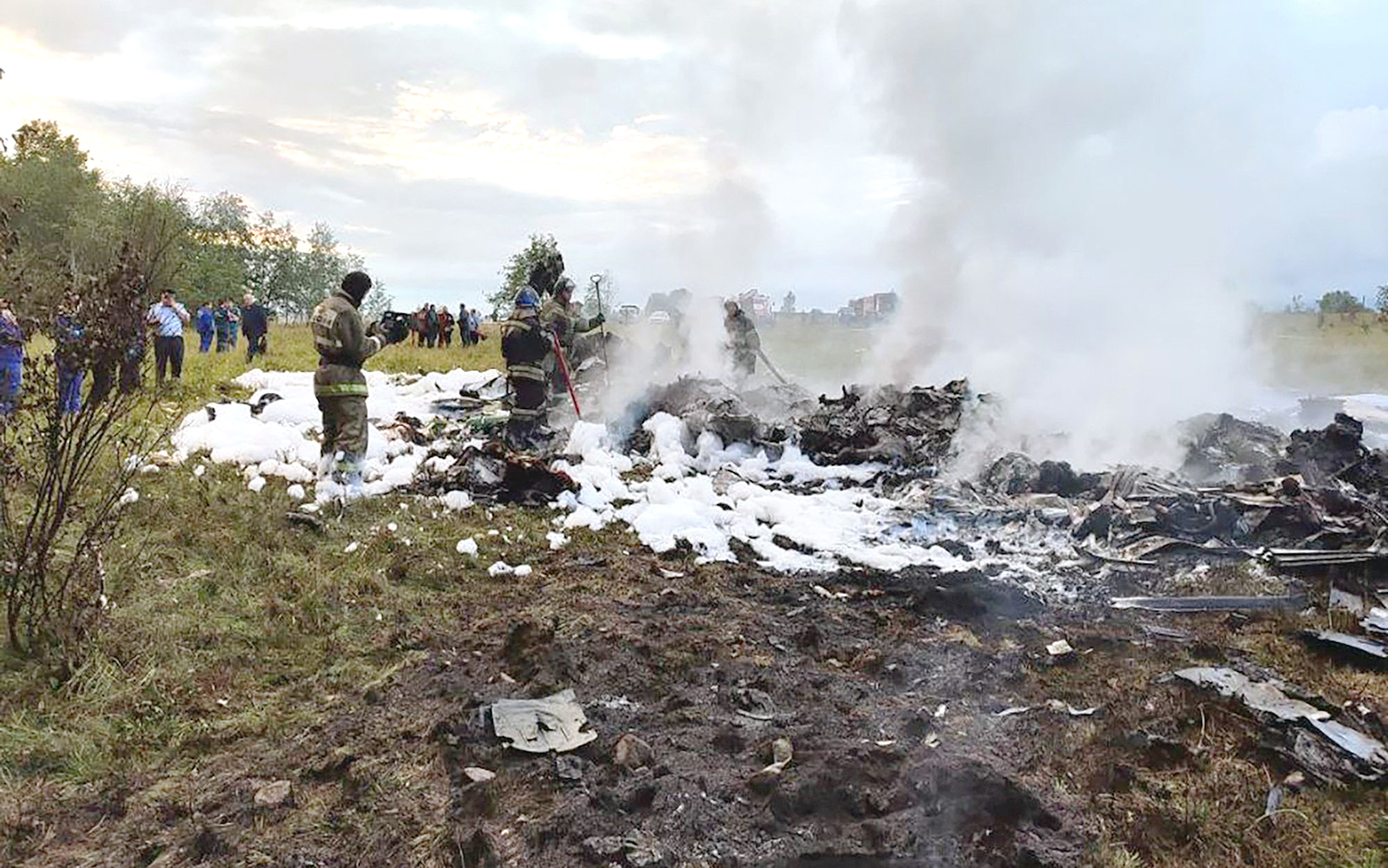
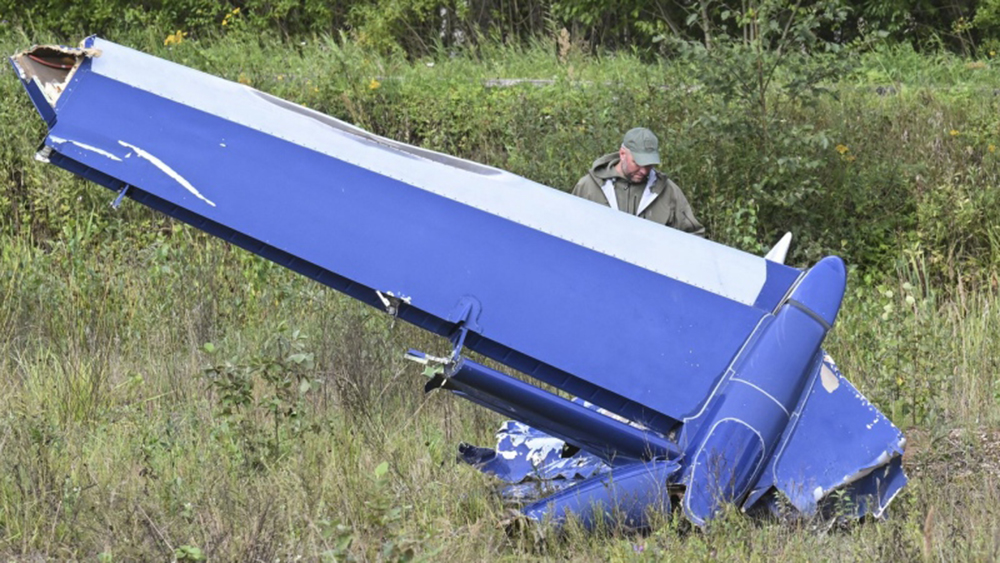
The Legacy departed Moscow-Sheremetyevo Airport shortly before 1645LT on a flight to St Petersburg-Pulkovo, carrying seven passengers and three crew members. According to the radar, while cruising at FL280, it entered an uncontrolled descent and spiraled into the ground until it crashed in an open field located near the village of Kuzhenkino, bursting into flames. The airplane was destroyed and all 10 occupants were killed. The airplane was the property of the Wagner Group owned by Evgueni Viktorovitch Prigozhine who was on board with Dmitry Utkin, n°2 of the group. It is showable on videos that the airplane was emanating white/grey smoke while spiraling to the ground.

Crash of a Rockwell Gulfstream 690C Jetprop 840 in Las Velas: 2 killed

Date & Time: Aug 23, 2023 at 1530 LT
Operator:
Registration:
YV2915
Flight Phase:
Flight Type:
Survivors:
No
Schedule:
Caracas – Medellín
MSN:
690-11663
YOM:
1981
Country:
Crew on board:
2
Crew fatalities:
Pax on board:
0
Pax fatalities:
Other fatalities:
Total fatalities:
2
Circumstances:
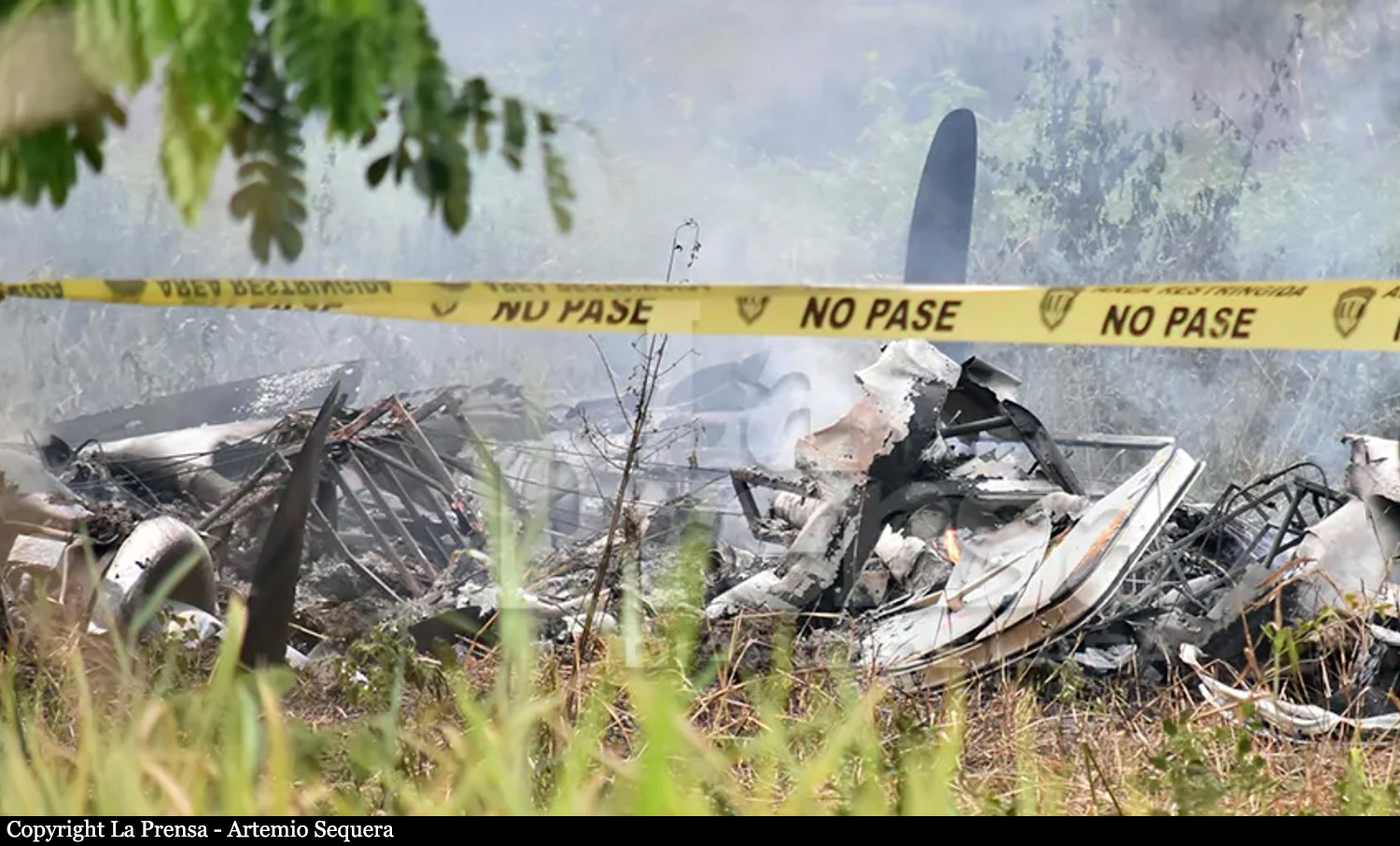
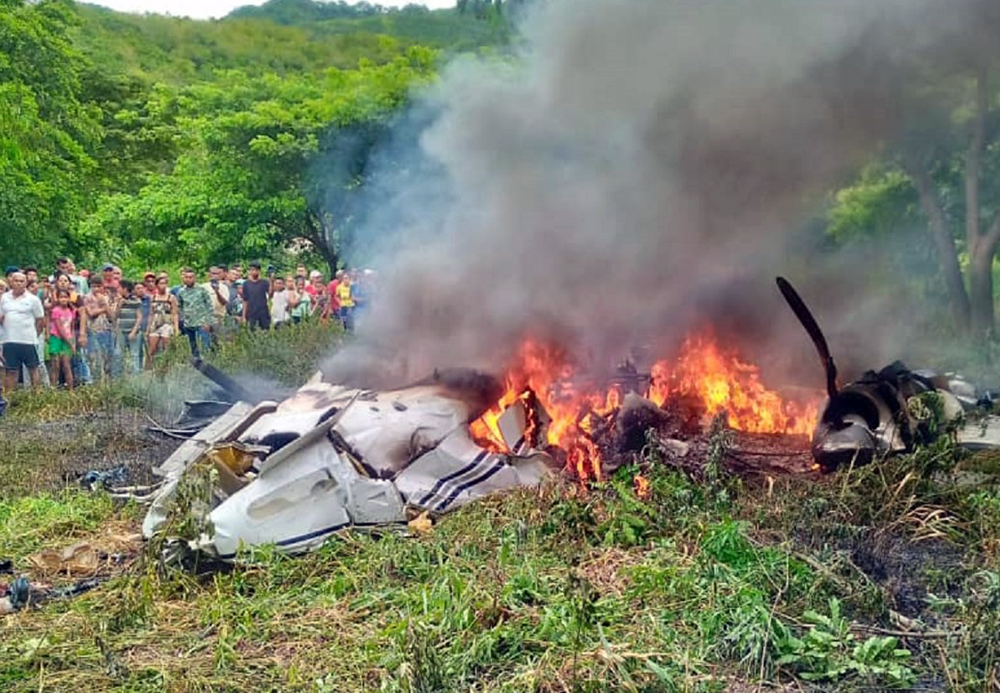
The twin engine airplane was en route from Caracas-Maiquetía-Simón Bolívar Airport to Medellín-José María Córdova Airport (Rionegro) with two people on board. In unknown circumstances, it went out of control and crashed in a pasture located near the village of Las Velas, bursting into flames. The aircraft was destroyed by impact forces and a post crash fire and both occupants were killed.

Crash of a Cessna 402B off Bimini: 1 killed

Date & Time: Aug 19, 2023 at 1258 LT
Type of aircraft:
Operator:
Registration:
C6-SPK
Flight Phase:
Flight Type:
Survivors:
No
Schedule:
Fort Lauderdale – North Eleuthera
MSN:
402B-1054
YOM:
1976
Location:
Country:
Crew on board:
1
Crew fatalities:
Pax on board:
0
Pax fatalities:
Other fatalities:
Total fatalities:
1
Circumstances:
On 19th August 2023 at approximately 12:25 pm local (1625 UTC), a Cessna 402B aircraft which was last registered in The Bahamas until 17th July 2022 as C6-SPK (serial number 402B-1054), departed from the Fort Lauderdale International Airport (KFLL), Fort Lauderdale, FL, USA with one (1) person on board enroute to the North Eleuthera International Airport (MYEH), Eleuthera, Bahamas. The aircraft was expected to return to KFLL shortly after 2:00 pm later that afternoon, however, it never arrived at its intended destination. It was reported that at approximately 12:58 pm (1658 UTC), KFLL air traffic control observed the aircraft in a rapid descent from an altitude of approximately 8,400 feet mean sea level (MSL) to about 4,500 feet MSL, while at coordinates 25.84N 78.90W, approximately some 70 nautical miles south east of KFLL, or approximately 18 nautical miles north east of Bimini, Bahamas. The aircraft was not observed on radar after the rapid descent. Upon notification that the aircraft was overdue, search and rescue protocols were initiated with coordination between the United States Coast Guard (USCG), Royal Bahamas Defence Force (RBDF), Royal Bahamas Police Force (RBPF), with assistance from the Bahamas Air Sea Rescue Association (BASRA). During search and rescue, aerial and marine assets from the US Coast Guard and RBDF responded to areas in vicinity of the last known position of the aircraft, initially identified at coordinates 25.84N 78.90W. An updated position of the aircraft was later provided by the US Coast Guard and identified at coordinates 25°20'35.00"N 76°59'46.00"W, at a distance of approximately 17 nautical miles southwest from MYEH. Assets also searched the updated position with combined search efforts extending up to 21st August 2023. As of the time of release of this report, neither the pilot nor the aircraft has been located.
Probable cause:
The AAIA was unable to determine a probable cause in relation to this occurrence and subsequently classify the probable cause as unknown or undetermined. Based on the information revealed during the course of the investigation, it seemed apparent that weather may have potentially been a contributory factor to what ultimately resulted in the missing pilot and aircraft, but there was insufficient evidence to definitively come to that conclusion.
Final Report:

Crash of a Rockwell Shrike Commander 500S off Key West

Date & Time: Aug 13, 2023 at 1020 LT
Operator:
Registration:
N62WE
Flight Phase:
Flight Type:
Survivors:
Yes
Schedule:
Orlando - Key West
MSN:
500-3317
YOM:
1978
Crew on board:
1
Crew fatalities:
Pax on board:
0
Pax fatalities:
Other fatalities:
Total fatalities:
0
Captain / Total flying hours:
975
Captain / Total hours on type:
338.00
Aircraft flight hours:
3997
Circumstances:
The pilot was enroute to the destination airport and overflying the Gulf of Mexico when about 15 nautical miles from the airport and at an altitude of 3,000 ft, the right engine suddenly lost power. The pilot described that about that time, the fuel totalizers indicated that 48 gallons of fuel were onboard, and his fuel quantity gauge indicated similarly. He then contacted air traffic control and declared an emergency. Shortly thereafter, the left engine also suddenly lost power. The pilot attempted to troubleshoot the issue and restart both engines but was unsuccessful. He subsequently ditched the airplane and was rescued from the water without injury. The airplane was not recovered and could not be examined after the accident, therefore the reason for the loss of engine power could not be determined.
Probable cause:
A total loss of engine power for reasons that could not be determined.
Final Report:

Crash of a Cessna 650 Citation VII off Veracruz: 3 killed

Date & Time: Jul 28, 2023 at 2050 LT
Type of aircraft:
Operator:
Registration:
XB-VFJ
Flight Phase:
Flight Type:
Survivors:
No
Schedule:
Veracruz – Toluca
MSN:
650-7053
YOM:
1993
Country:
Crew on board:
2
Crew fatalities:
Pax on board:
1
Pax fatalities:
Other fatalities:
Total fatalities:
3
Circumstances:
The airplane departed Veracruz-General Heriberto Jara Corona Airport Runway 01 at 2047LT on a private flight to Toluca, carrying one passenger and two pilots. Three minutes later, while climbing at night, it entered an uncontrolled descent until it crashed into the sea off Ciudad de Veracruz. The airplane was destroyed upon impact and all three occupants were killed.

Crash of a PZL-Mielec AN-2R in Vårgårda

Date & Time: Jul 8, 2023 at 1533 LT
Type of aircraft:
Registration:
SE-KCE
Flight Phase:
Flight Type:
Survivors:
Yes
Schedule:
Kattleberg - Vårgårda - Tumberg
MSN:
1G189-59
YOM:
1981
Country:
Region:
Crew on board:
1
Crew fatalities:
Pax on board:
4
Pax fatalities:
Other fatalities:
Total fatalities:
0
Captain / Total flying hours:
1778
Captain / Total hours on type:
1600.00
Aircraft flight hours:
5150
Circumstances:
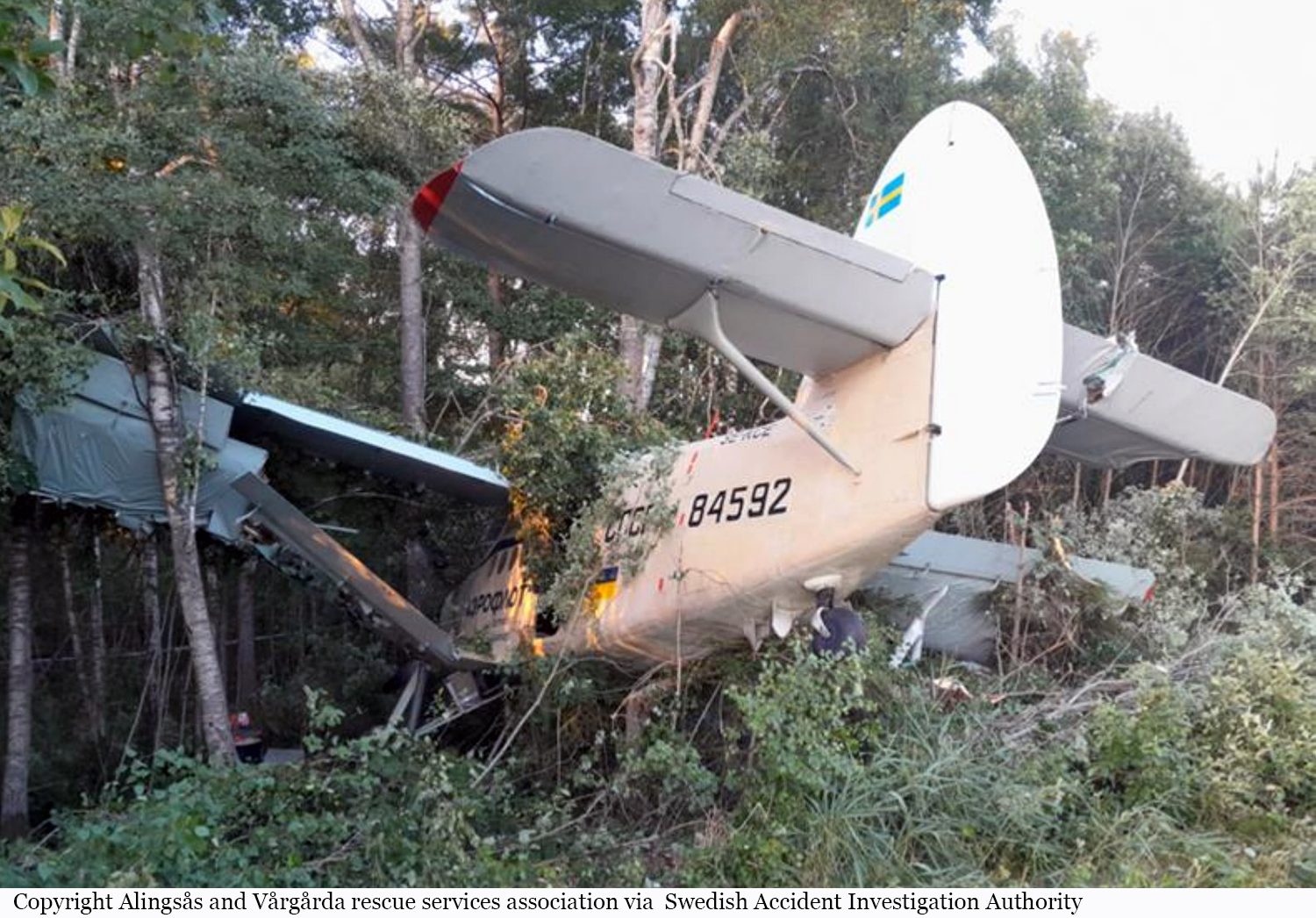
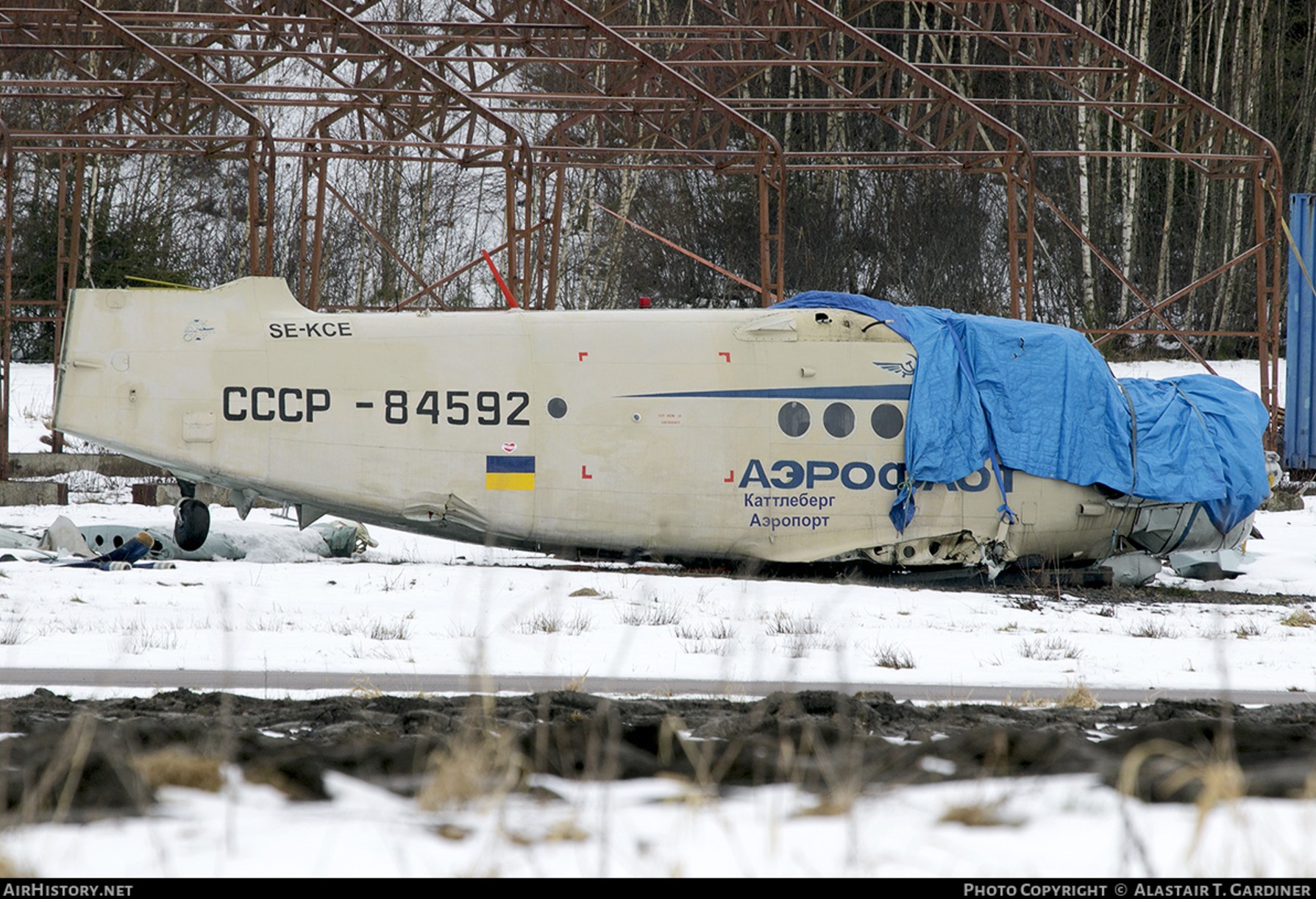
The flight, which was a private flight, was the third of the day. The pilot had landed on a field at Tumberg just north of Vårgårda and after a ground stop they planned to take off from the field. On board were one pilot and four passengers. The pilot decided to take off from the field in an easterly direction because there were obstacles in the form of buildings and lamp posts in the westerly direction. There were trees at the end of the field to the east, but the pilot assessed that these did not pose a problem and that the field was long enough for a take-off in an easterly direction. No precise calculations were made to determine the required take-off distance. The pilot initiated the take-off and set the engine controls to full take-off power. According to the pilot and the passenger in the right front seat, the indicated values for engine rpm and manifold pressure were normal. The acceleration of the aircraft was also perceived as normal. At lift-off, the aircraft rolled to the right and the pilot felt that the aircraft did not climb as expected. The pilot pulled hard on the control yoke and tried to climb over the trees at the end of the field. However, he failed to manoeuvre the aircraft away from the trees and as a result the aircraft collided with the trees. No one was injured in the collision but the aircraft sustained significant damage.
Probable cause:
The accident was caused due to the fact that a robust method for performance calculation of the required take-off distance was not applied. This in term led to the commencement of the flight in spite of the lack of conditions for a safe start in the chosen direction. The investigation has shown that under the prevailing conditions, the required distance for a take-off exceeded the available distance. A safe take-off was therefore not possible in the chosen take-off direction.
Final Report:

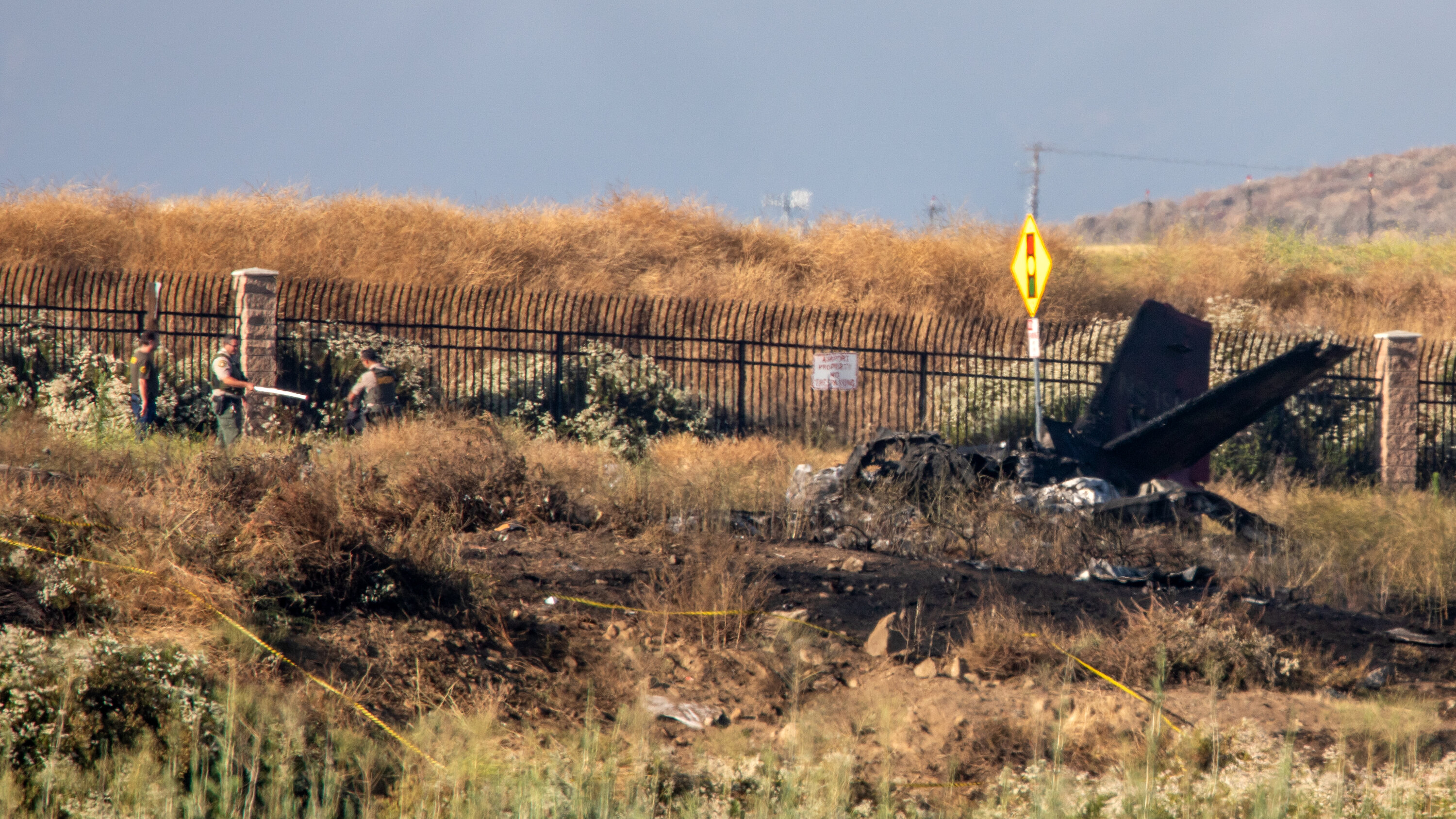
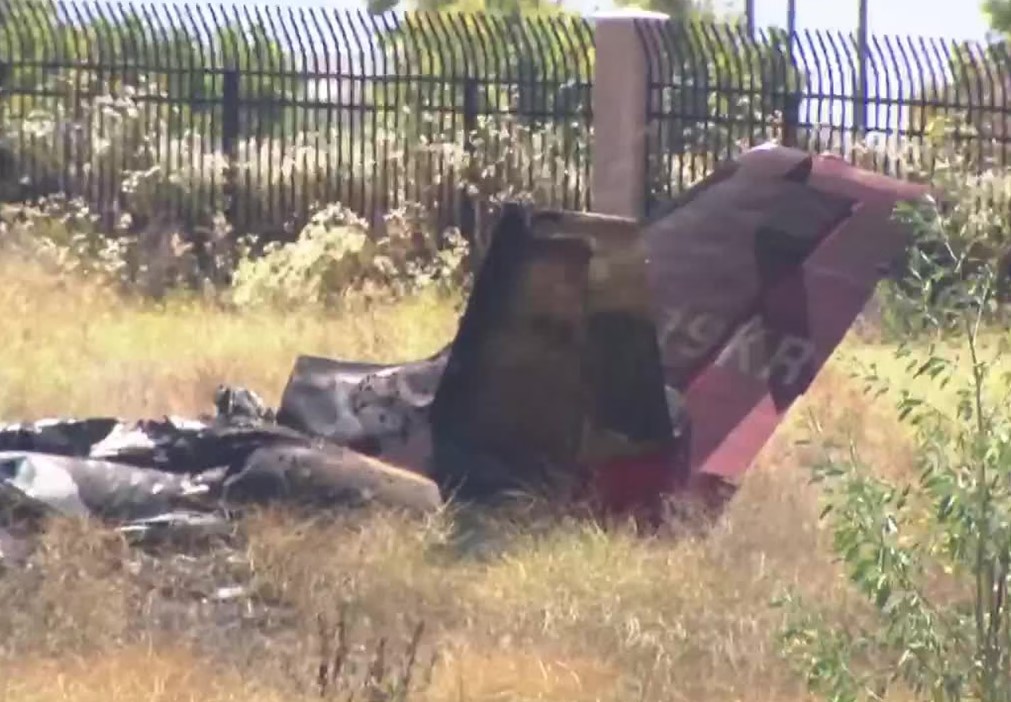
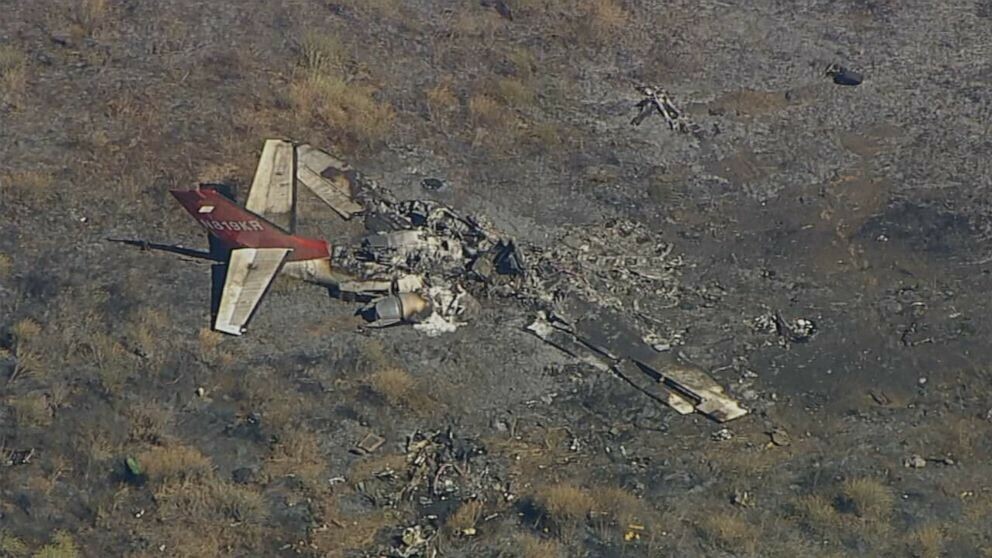
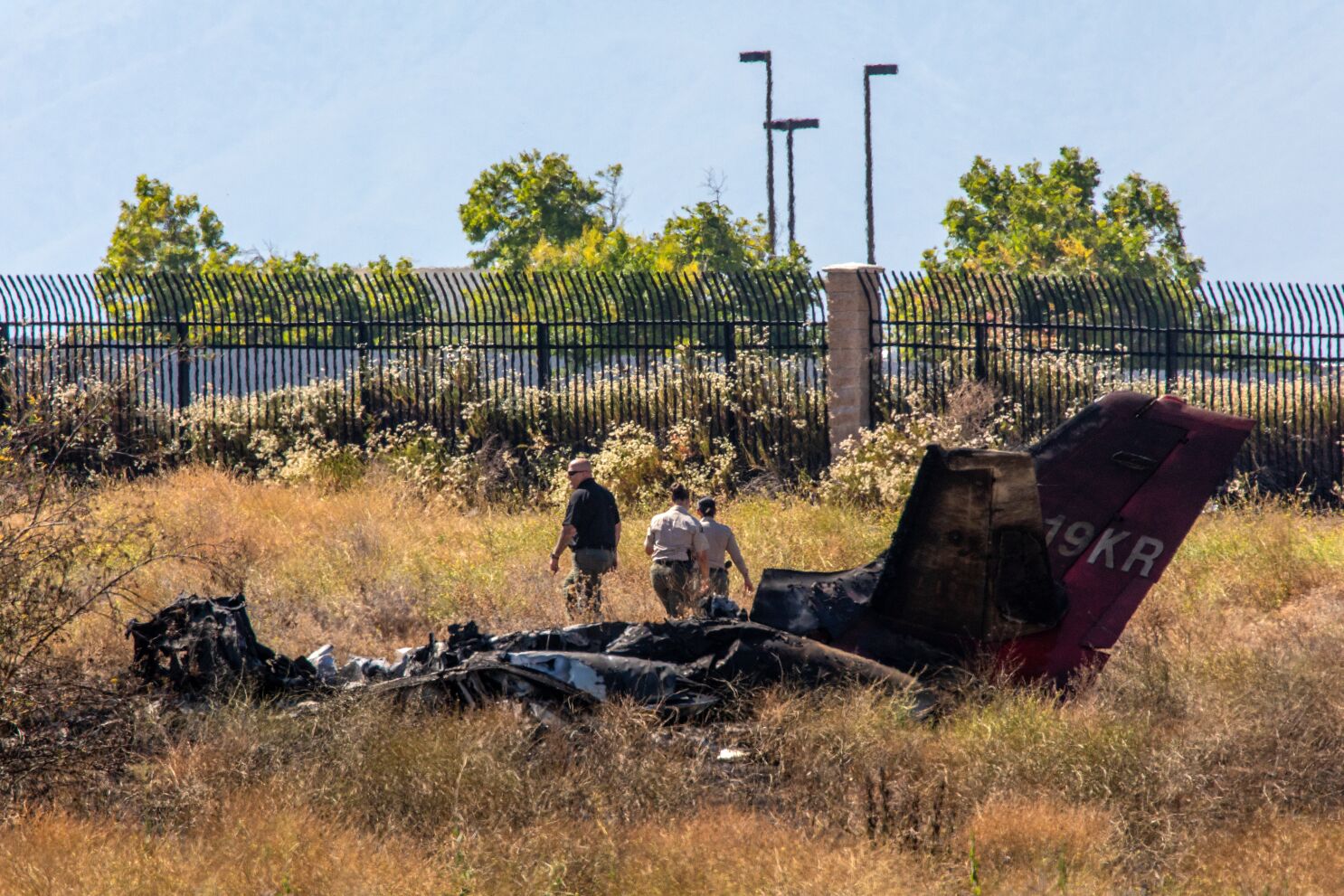
Crash of a Cessna 550 Citation II in Temecula: 6 killed

Date & Time: Jul 8, 2023 at 0414 LT
Type of aircraft:
Registration:
N819KR
Flight Type:
Survivors:
No
Schedule:
Las Vegas - Temecula
MSN:
550-0114
YOM:
1979
Crew on board:
2
Crew fatalities:
Pax on board:
4
Pax fatalities:
Other fatalities:
Total fatalities:
6
Captain / Total flying hours:
950
Copilot / Total flying hours:
1600
Aircraft flight hours:
14569
Circumstances:
During an early morning night flight, the flight encountered deteriorating weather conditions with a low overcast ceiling and rapidly decreasing visibility at the destination due to fog. A few minutes before the flight’s arrival time at the destination airport, the weather had changed from being clear with 10 statute miles (sm) visibility to 300 ft overcast with 3/4 sm visibility. Additionally, in the next 20 minutes, the visibility further decreased to about 1/2 sm with fog. The airplane was cleared for the RNAV (GPS) Runway 18 instrument approach to the airport. The lowest visibility requirement on the approach was 7/8 of a mile. During the final approach, the pilot executed a missed approach and asked to try another instrument approach. During the second instrument approach, while on final approach, the pilot failed to fly a stabilized approach as the airplane’s descent rate and airspeed were excessive. Subsequently, the airplane descended below the decision altitude of the approach without appropriate visual references and impacted terrain about 810 ft short of the runway threshold. The circumstances of the accident flight were consistent with controlled flight into terrain (CFIT). The postaccident examination of the airplane and engines revealed no evidence of mechanical failures or malfunctions that would have precluded normal operation of the airplane. The pilot had very low levels of ethanol detected in postmortem vitreous fluid and cavity blood. Some or all of this small amount of ethanol may have been from sources other than alcohol consumption. Although it is uncertain whether the pilot had consumed alcohol overnight, the toxicology results indicate that it is unlikely that the pilot’s performance would be significantly affected by ethanol. The copilot’s ethanol levels were high in all tested postmortem specimens. Based on the toxicology results and the circumstances of the event, it is likely that the copilot had consumed alcohol. However, based on the extent of his injuries, the presence of indicators of microbial decomposition, and the relative differences in ethanol levels across specimens, it also is likely that some of the detected ethanol was from sources other than alcohol consumption. The copilot’s blood alcohol level at the time of the crash cannot be reliably determined from available evidence. Overall, alcohol-related impairment may have limited the copilot’s ability to make a positive contribution to flight safety (such as by helping to monitor the approach); however, whether the effects of alcohol use by the copilot contributed to the accident outcome could not be determined.
Probable cause:
The flight crew’s decision to descend below the decision altitude of an instrument approach without having the appropriate runway visual reference(s) distinctively identified and with the visibility below the minimum that was prescribed for the approach, which resulted in controlled flight into terrain.
Final Report: