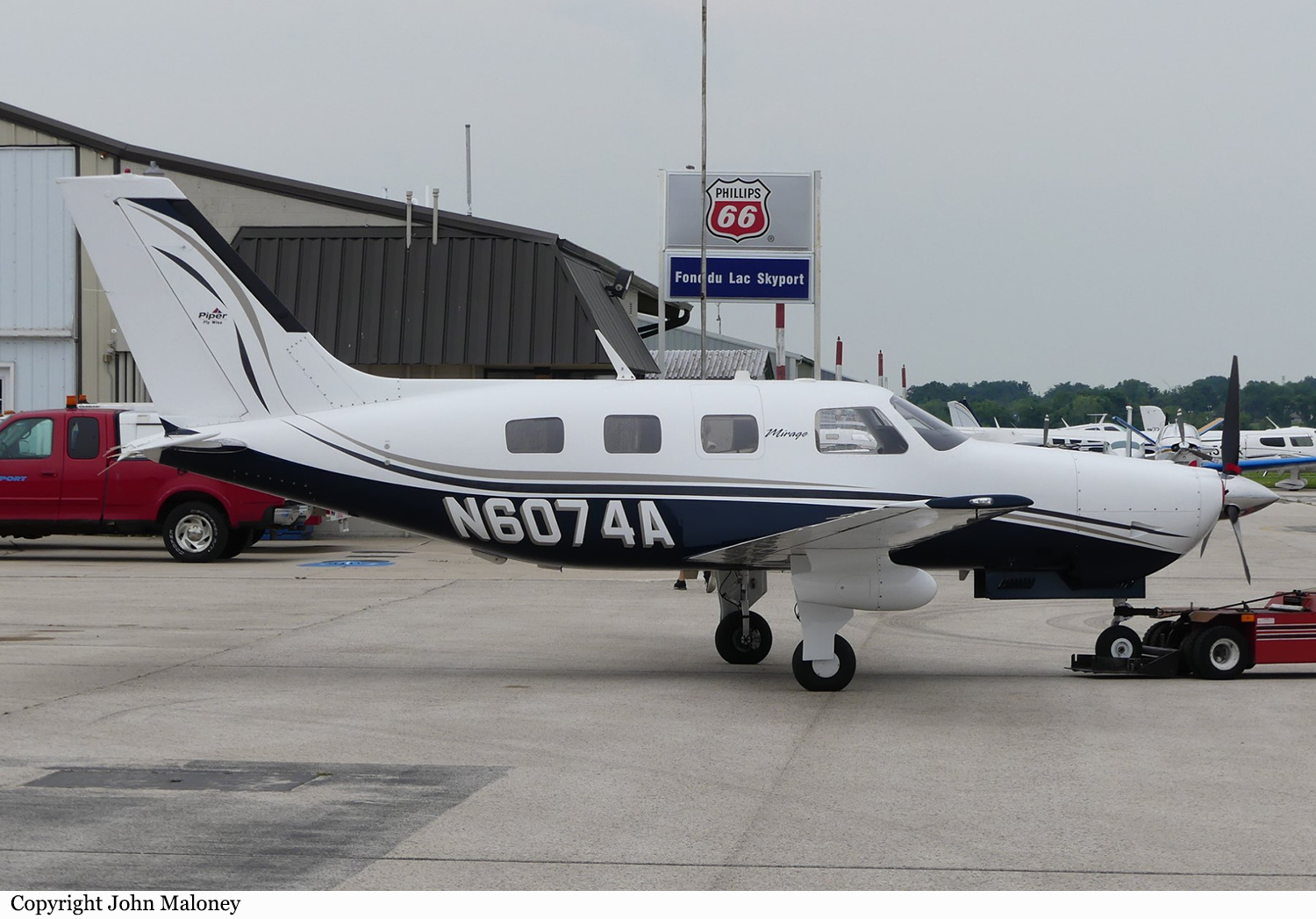
Crash of a Piper PA-46-350P Malibu Mirage in Saltillo: 4 killed

Date & Time: Jan 5, 2024 at 1149 LT
Operator:
Registration:
N6074A
Flight Type:
Survivors:
No
Schedule:
Matamoros - Saltillo
MSN:
46-36451
YOM:
2008
Country:
Crew on board:
1
Crew fatalities:
Pax on board:
3
Pax fatalities:
Other fatalities:
Total fatalities:
4
Circumstances:
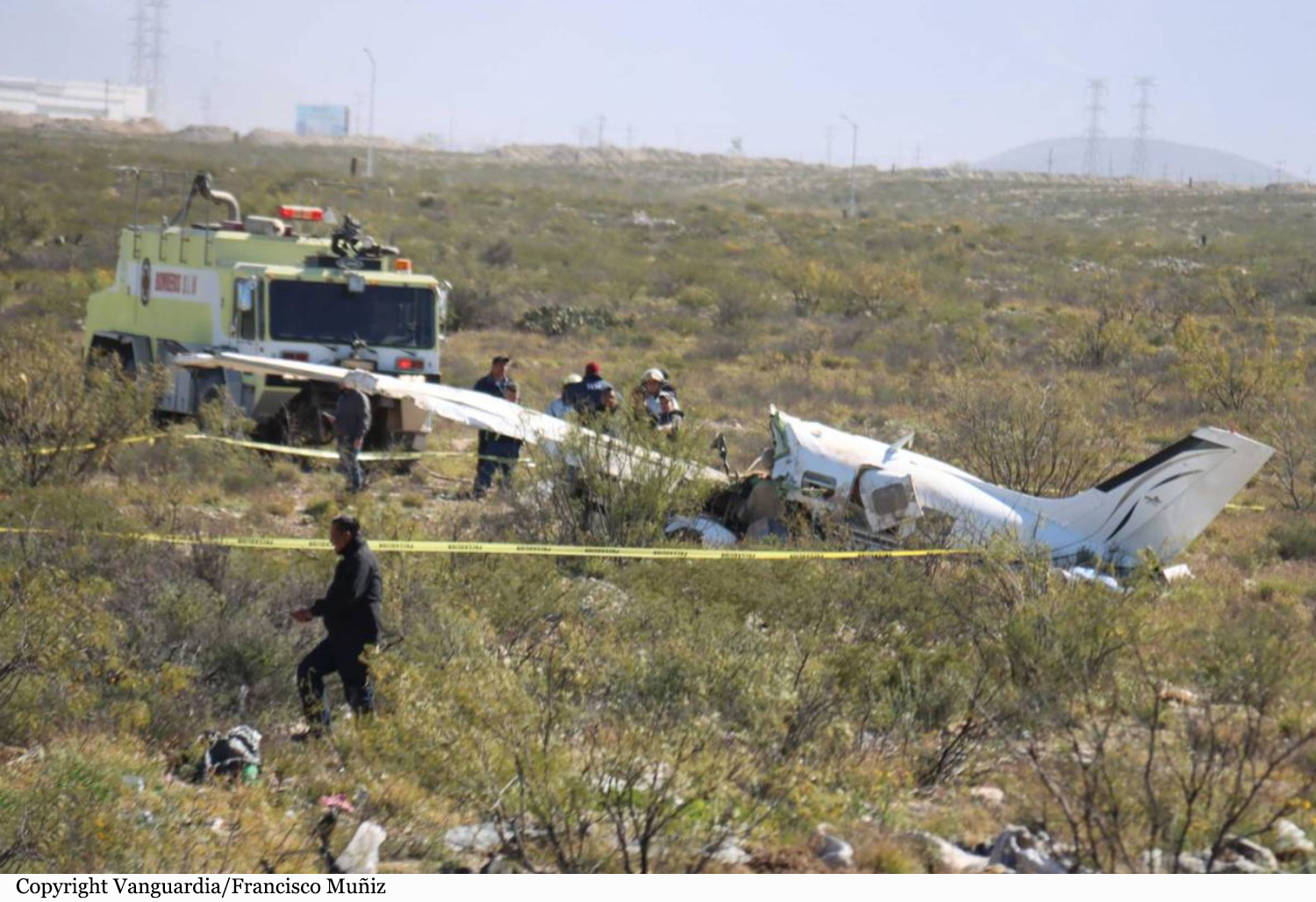
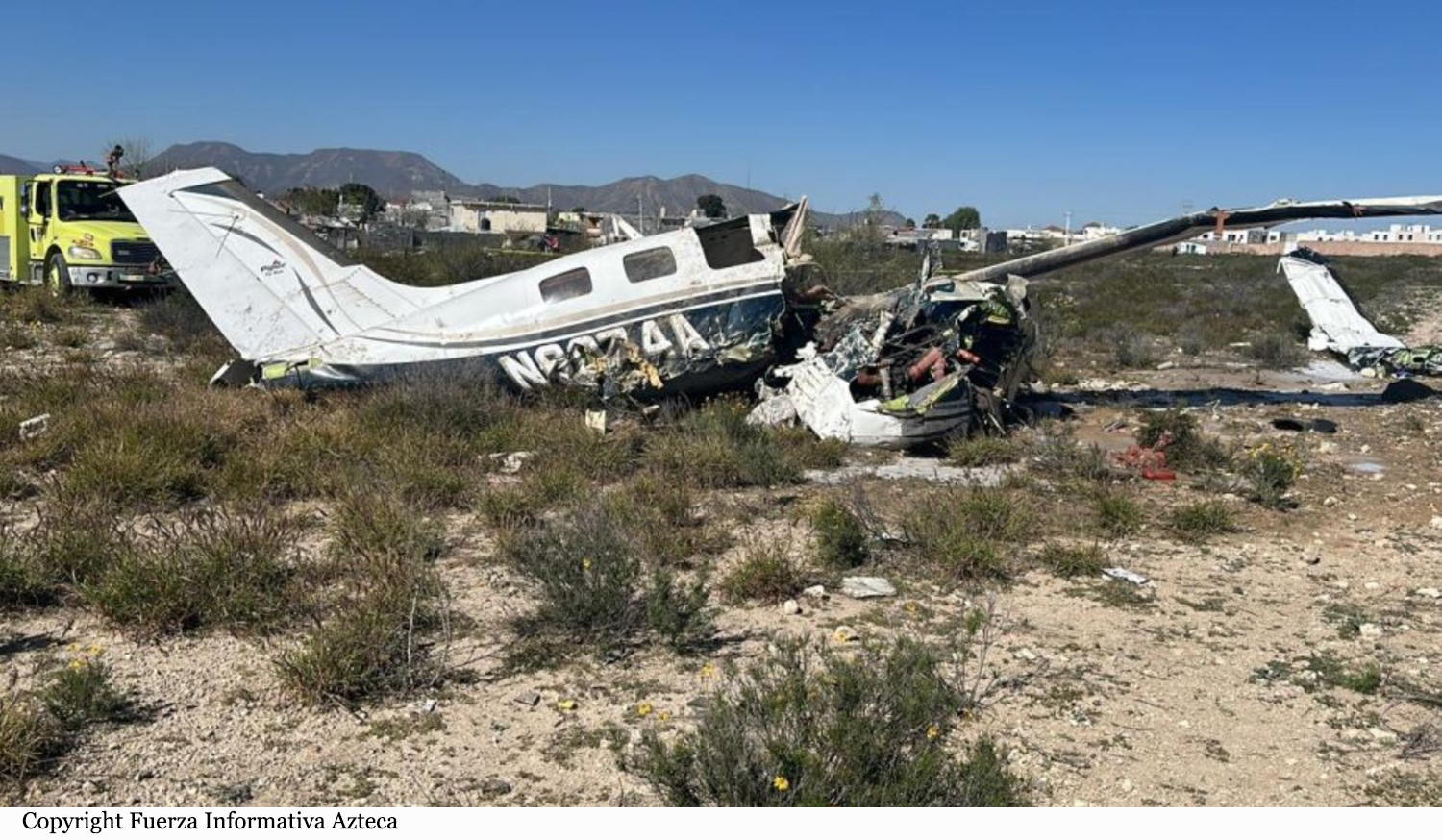
On final approach to Saltillo-Plan de Guadalupe Airport Runway 35, the single engine airplane entered a sudden left turn, impacted the ground and crashed in an open field. The wreckage was found about 200 metres short of runway threshold. The airplane was destroyed upon impact and all four occupants were killed.
Crash of a Piper PA-46R-350RT Malibu Matrix in Lake Norman Airpark: 1 killed

Date & Time: Dec 31, 2023 at 1215 LT
Operator:
Registration:
N539MA
Flight Type:
Survivors:
No
Schedule:
Lake Norman Airpark - Lake Norman Airpark
MSN:
46-92139
YOM:
2010
Crew on board:
1
Crew fatalities:
Pax on board:
0
Pax fatalities:
Other fatalities:
Total fatalities:
1
Circumstances:
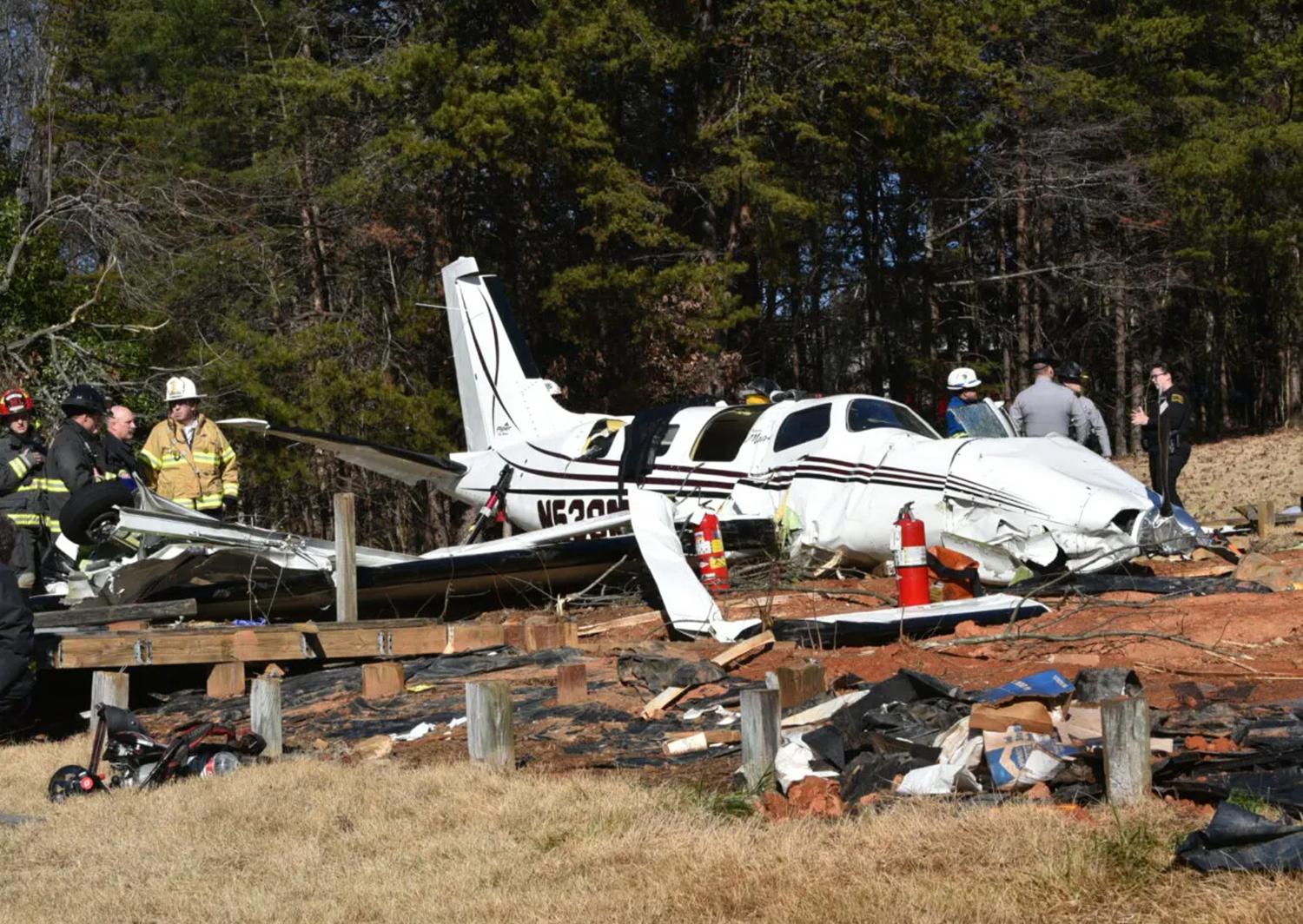
The pilot departed Lake Norman Airpark Runway 32 at 1152LT on a local flight. After takeoff, he continued to the northwest for about 10 minutes then initiated a turn to the left and a descent back to the airfield. On short final, the single engine airplane crashed nearby a wooded area located near Adrian Lane, about 1,200 metres short of runway 14. The airplane was destroyed and the pilot, sole on board, was killed.

Crash of a Gulfstream GIII off Canouan: 4 killed

Date & Time: Dec 22, 2023 at 1435 LT
Type of aircraft:
Registration:
N337LR
Flight Phase:
Flight Type:
Survivors:
No
Schedule:
Canouan - Canouan
MSN:
337
YOM:
1981
Crew on board:
1
Crew fatalities:
Pax on board:
3
Pax fatalities:
Other fatalities:
Total fatalities:
4
Circumstances:
The airplane departed Canouan Airport at 1427LT on a local flight, carrying apparently three passengers and one pilot. About six minutes after takeoff, the airplane disappeared from radar screens and crashed into the sea two minutes later, at 1435LT. It is unclear if the wreckage was found. The airplane's operations were apparently monitored by the Drug Enforcement Administration (DEA) for some time and it is believed that the pilot may have switched off the transponder after takeoff. Illegal operation suspected.

Crash of a Pilatus PC-12/45 near San Angelo: 2 killed

Date & Time: Dec 14, 2023 at 1318 LT
Type of aircraft:
Operator:
Registration:
N188PC
Flight Type:
Survivors:
No
Schedule:
Jacksonville – San Angelo
MSN:
188
YOM:
1997
Crew on board:
1
Crew fatalities:
Pax on board:
1
Pax fatalities:
Other fatalities:
Total fatalities:
2
Circumstances:
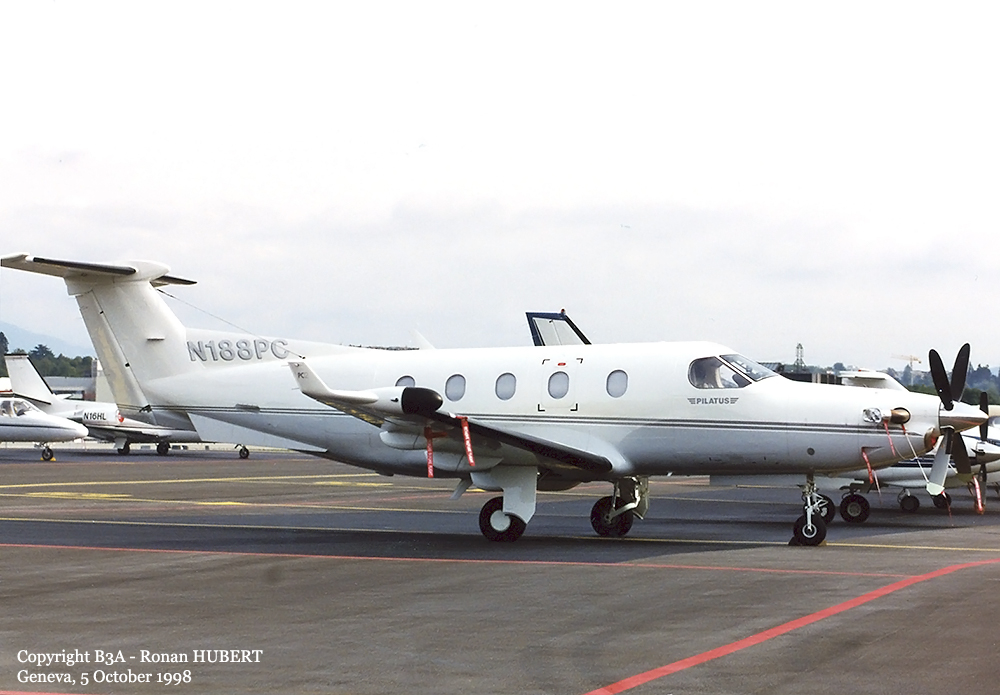
While on final approach to San Angelo-Mathis Field, the single engine airplane entered a rapid descent with a rate of 5,058 feet per minute then crashed in an open field located about 12 km south of the airport. The airplane was totally destroyed and both occupants were killed.
Crash of a Socata TBM-850 in Ludington: 2 killed

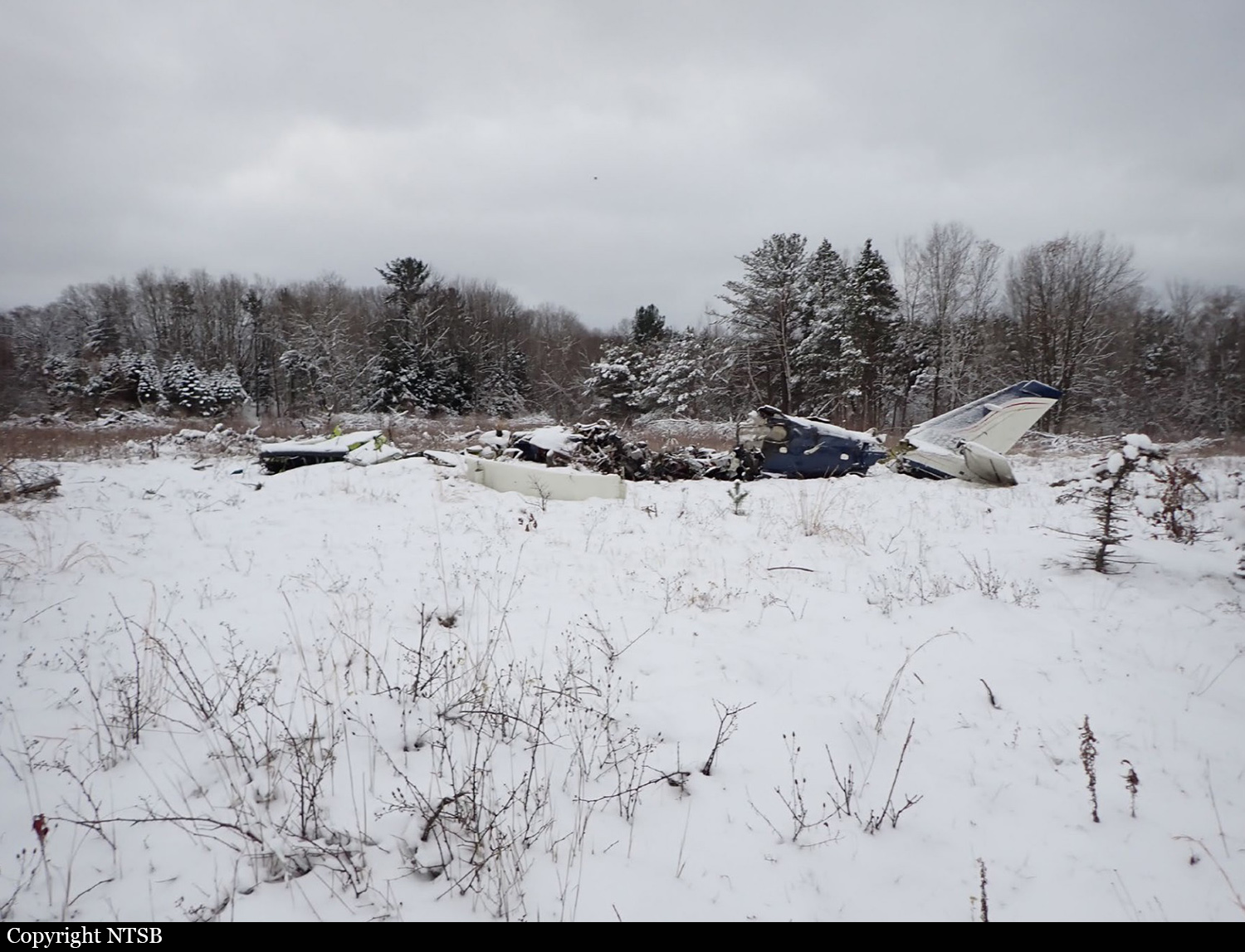
Date & Time: Nov 26, 2023 at 1000 LT
Type of aircraft:
Operator:
Registration:
N850JH
Flight Phase:
Flight Type:
Survivors:
No
Schedule:
Ludington - Angola
MSN:
448
YOM:
2008
Crew on board:
1
Crew fatalities:
Pax on board:
1
Pax fatalities:
Other fatalities:
Total fatalities:
2
Captain / Total flying hours:
3750
Aircraft flight hours:
1660
Circumstances:
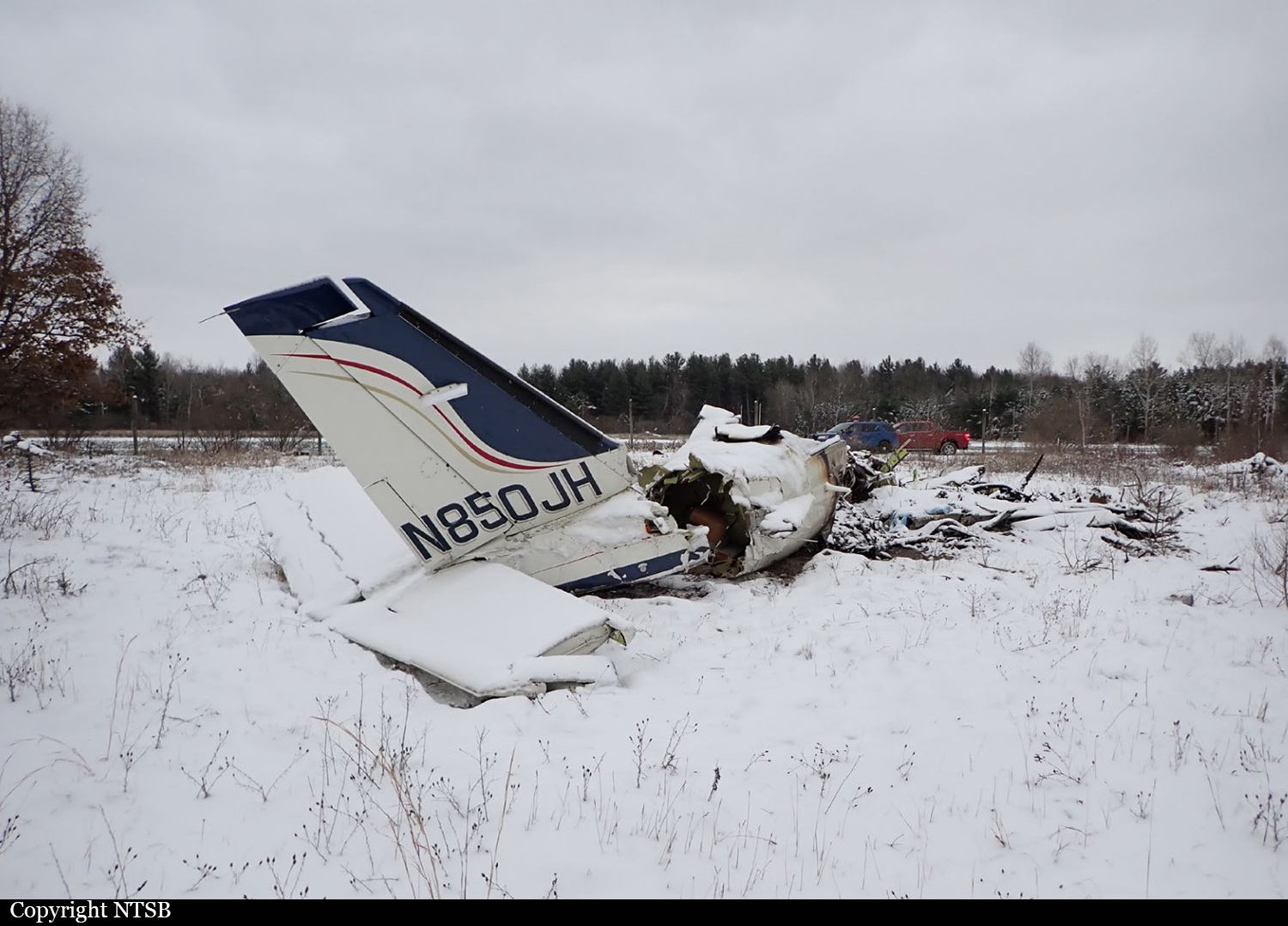
The airplane was removed from an unheated hangar during a period of moderate snowfall. About 15 minutes later, the instrument-rated pilot taxied the airplane to the runway for departure, with visible snow accumulation on the ground and on the airplane wings, and horizontal stabilizer. The airplane was equipped with wing surface deice boots; however, deice boots are used to dislodge ice that may accumulate while in flight. According to the airplane’s pilot operating handbook, all snow, frost, and ice must be removed from all wing and control surfaces during the preflight inspection. On icy or snow-covered runways, anti-icing fluid must be sprayed on the wings, control surfaces and in landing gear wells, shortly before take-off. The risks of snow and ice accumulation on control surfaces were further outlined in a 2018 service letter (SL) from the airplane manufacturer, which stated that takeoffs with snow or ice adhering to the wings should not be attempted because this could drastically affect performance due to the reduced aerodynamic lift and increased drag resulting from disturbed airflow. The SL further provided the appropriate recommendations to assist the operator in checking proper implementation of on ground de-icing or anti-icing procedures. The departure airport did not offer de-icing or anti-icing services. The airport manager, who watched the airplane take off, said the departure appeared to be normal until the left wing dropped shortly after rotation. Another witness said that the airplane was loud and low. She said the airplane was in a left-wing-low attitude before it cleared a line of trees and then impacted the ground. The airplane was destroyed by impact forces and a postimpact fire. The impact and fire damage precluded functional testing of the flight controls, and related systems. Signatures on the engine and propeller were consistent with power and rotation at the time of the accident. Examination of the wreckage did not reveal preimpact anomalies that would have precluded normal operations. The left wing dropping during the climb was likely the result of snow accumulation on the airplane surfaces; the reduced aerodynamic lift and increased drag resulted in an aerodynamic stall and loss of control during the attempted climb after takeoff.
Probable cause:
The pilot’s decision to take off with ice/snow contamination on the airplane’s wings, which resulted in an aerodynamic stall and impact with terrain.
Final Report:

Crash of a Cessna 402B in Panama City: 1 killed

Date & Time: Nov 24, 2023 at 1123 LT
Type of aircraft:
Registration:
N76MD
Flight Phase:
Flight Type:
Survivors:
Yes
Schedule:
Panama City - David
MSN:
402B-1055
YOM:
1976
Country:
Crew on board:
2
Crew fatalities:
Pax on board:
0
Pax fatalities:
Other fatalities:
Total fatalities:
1
Circumstances:
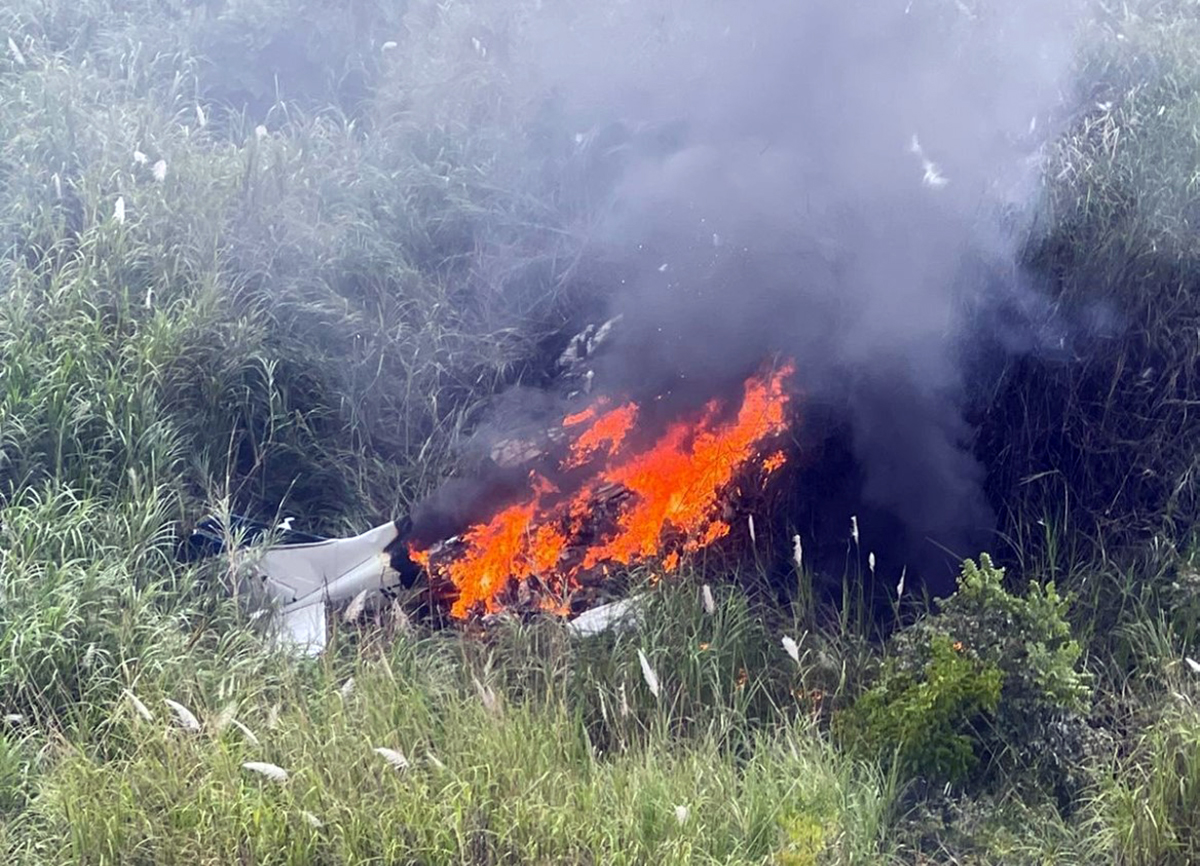
Shortly after takeoff from Panama City-Marcos A. Gelabert Airport Runway 01, while climbing to a height of about 300 feet, the twin engine airplane entered an uncontrolled descent and crashed in a grassy area located about 700 metres north of the airport, bursting into flames. One occupant was killed and a second was seriously injured.

Crash of a Cessna 208B Grand Caravan EX in Rancho Rosavilla

Date & Time: Nov 15, 2023 at 0918 LT
Type of aircraft:
Operator:
Registration:
N867UT
Flight Type:
Survivors:
Yes
Schedule:
Asunción - Rancho Rosavilla
MSN:
208B-5740
YOM:
2023
Country:
Crew on board:
2
Crew fatalities:
Pax on board:
5
Pax fatalities:
Other fatalities:
Total fatalities:
0
Circumstances:
The single engine airplane departed Asunción-Silvio Pettirossi Airport on a flight to a private airstrip deserving Rancho Rosavilla, northwest Paraguay (22° 00' 24.0" S 61° 51' 54.0" W). There were five passengers and two pilots on board. After landing on a dirt runway, the airplane veered off runway and came to rest against trees. All seven occupants were injured and the airplane was damaged beyond repair.

Crash of a Piper PA-46-350P Malibu Mirage in McCook: 1 killed

Date & Time: Oct 30, 2023 at 1201 LT
Operator:
Registration:
N510KC
Flight Phase:
Flight Type:
Survivors:
Yes
Schedule:
McCook – Shreveport
MSN:
46-22151
YOM:
1993
Crew on board:
1
Crew fatalities:
Pax on board:
1
Pax fatalities:
Other fatalities:
Total fatalities:
1
Captain / Total flying hours:
4500
Captain / Total hours on type:
676.00
Aircraft flight hours:
4951
Circumstances:
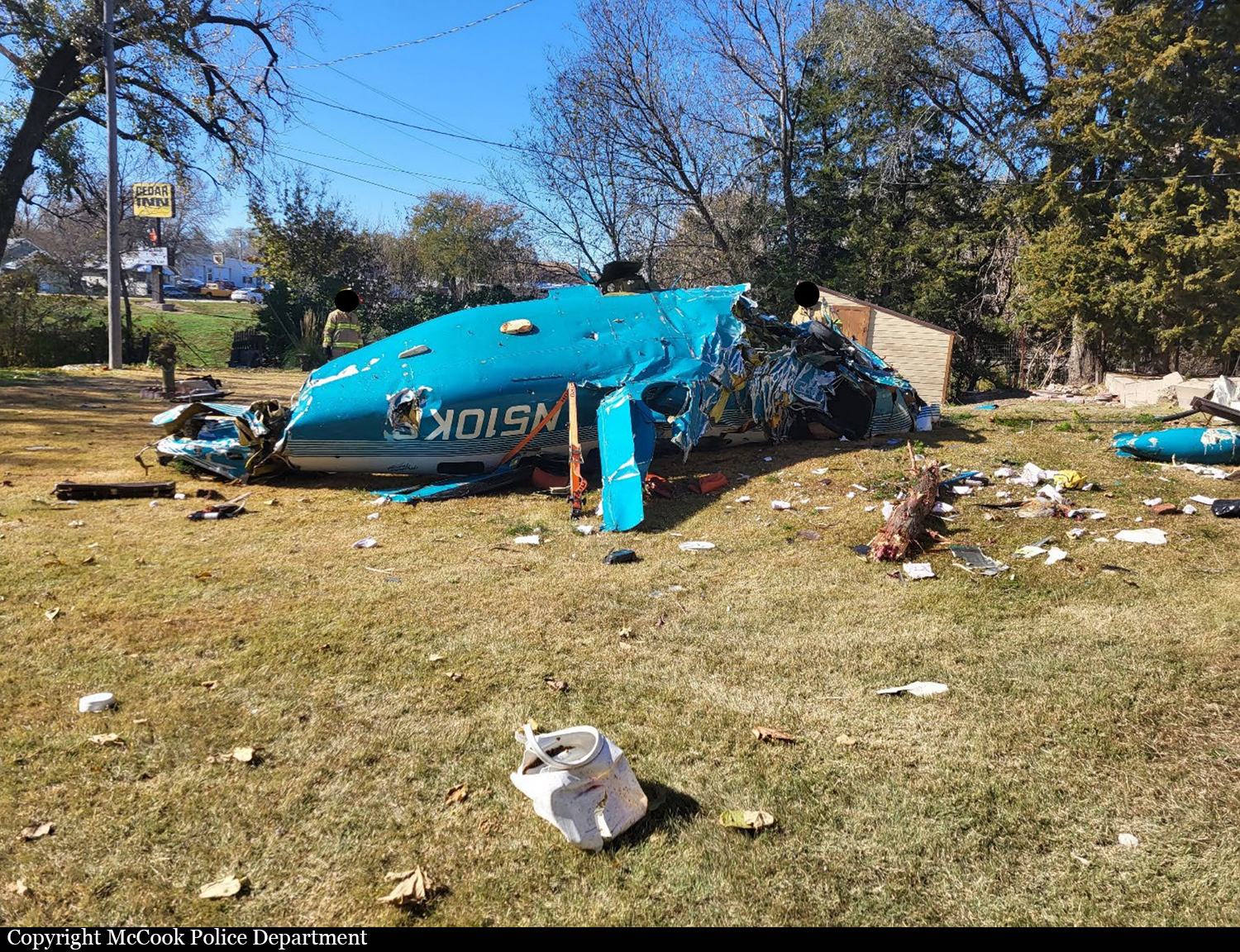
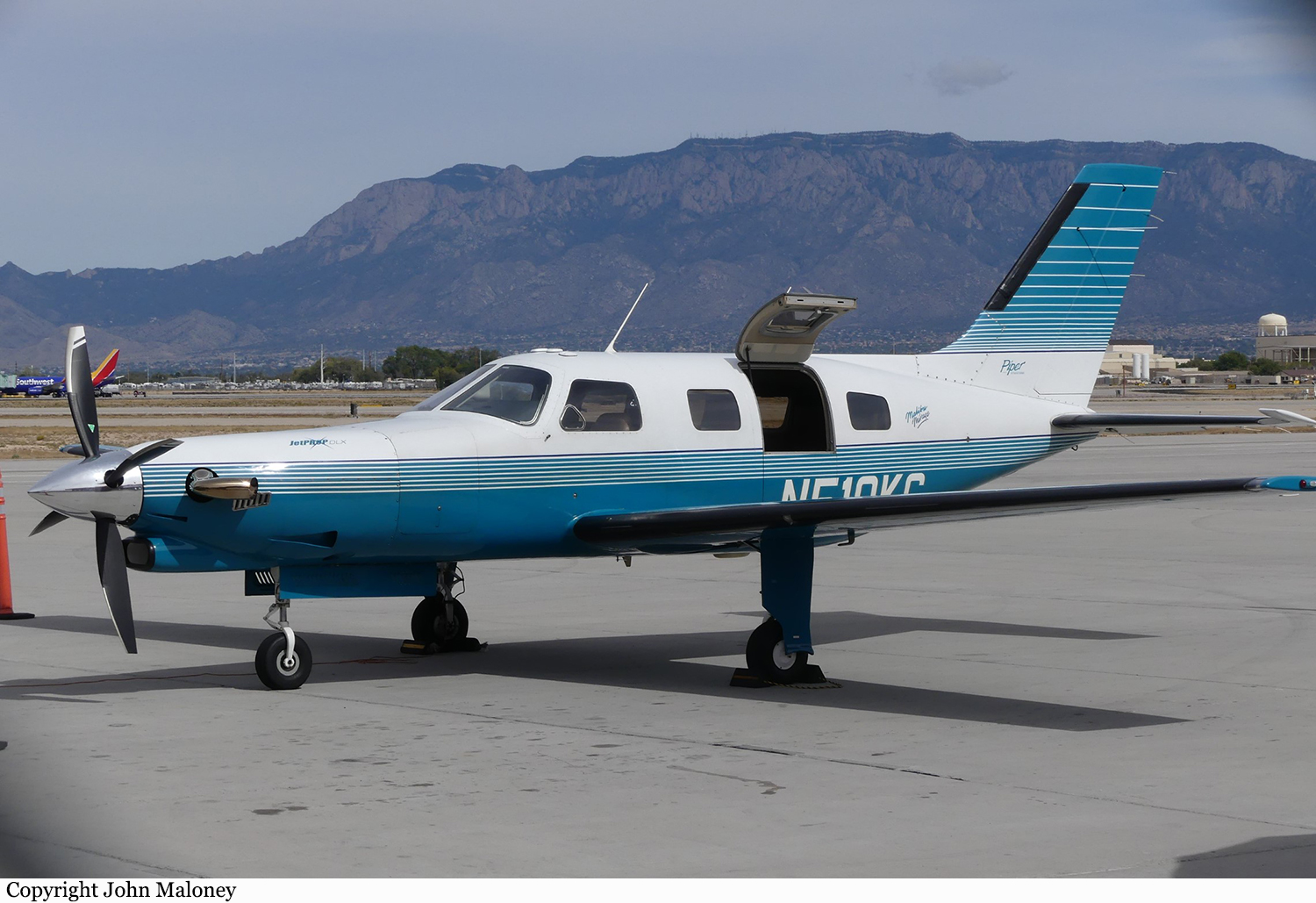
The airplane had just departed for a cross-country flight when witnesses observed it flying nose-high but descending. The airplane’s nose pitched downward before the airplane rolled sharply left, consistent with an aerodynamic stall, and collided with trees. Examination of the airframe and engine found no preimpact anomalies. Flight data from the airplane’s onboard engine monitoring system showed that several engine parameters advanced normally for the takeoff portion but then gradually reduced during the takeoff roll and continued to decrease as the airplane began to climb away from the runway. The data stopped seconds before the accident. Estimated weight and balance calculations for the accident flight showed that the airplane was being operated about 550 pounds over its maximum gross weight and 0.5 inches outside of its aft center of gravity (cg) limit. The airplane’s throttle quadrant friction lock was found in the full aft position (disengaged) after the accident. The throttle and condition levers appeared full forward and the propeller level was near mid-travel. Pilot-rated friends who had flown with the pilot reported that he would “ease into the power and not go to full torque.” Accordingly, although the recorded gradual reduction in power was consistent with the engine controls moving during takeoff and rotation, which commanded a reduction in engine power, the reason for the airplane’s reduction in power could not be determined. Toxicology results indicated that the pilot had used the sedating medication zolpidem and may have been experiencing some associated impairing effects at the time of the accident. However, the timing and dosage of the pilot’s last zolpidem use, whether he may have been impaired by it, or whether he may have been experiencing impairing effects from an underlying sleep disturbance that was being treated with zolpidem could not be determined. The pilot’s decision to take off with the airplane loaded about 550 lbs over its maximum gross weight, and outside of its aft cg limit, combined with the gradual reduction in engine power, would have significantly degraded the airplane’s controllability. The pilot subsequently exceeded the airplane’s critical angle of attack during the initial climb, resulting in an aerodynamic stall from which he could not recover.
Probable cause:
The pilot exceeded the airplane’s critical angle of attack during the initial climb, resulting in an aerodynamic stall from which he could not recover. Contributing to the accident was the pilot’s decision to take off with the airplane well above its maximum gross weight and outside of its aft center of gravity limit, as well as a gradual reduction in engine power for undetermined reasons.
Final Report:

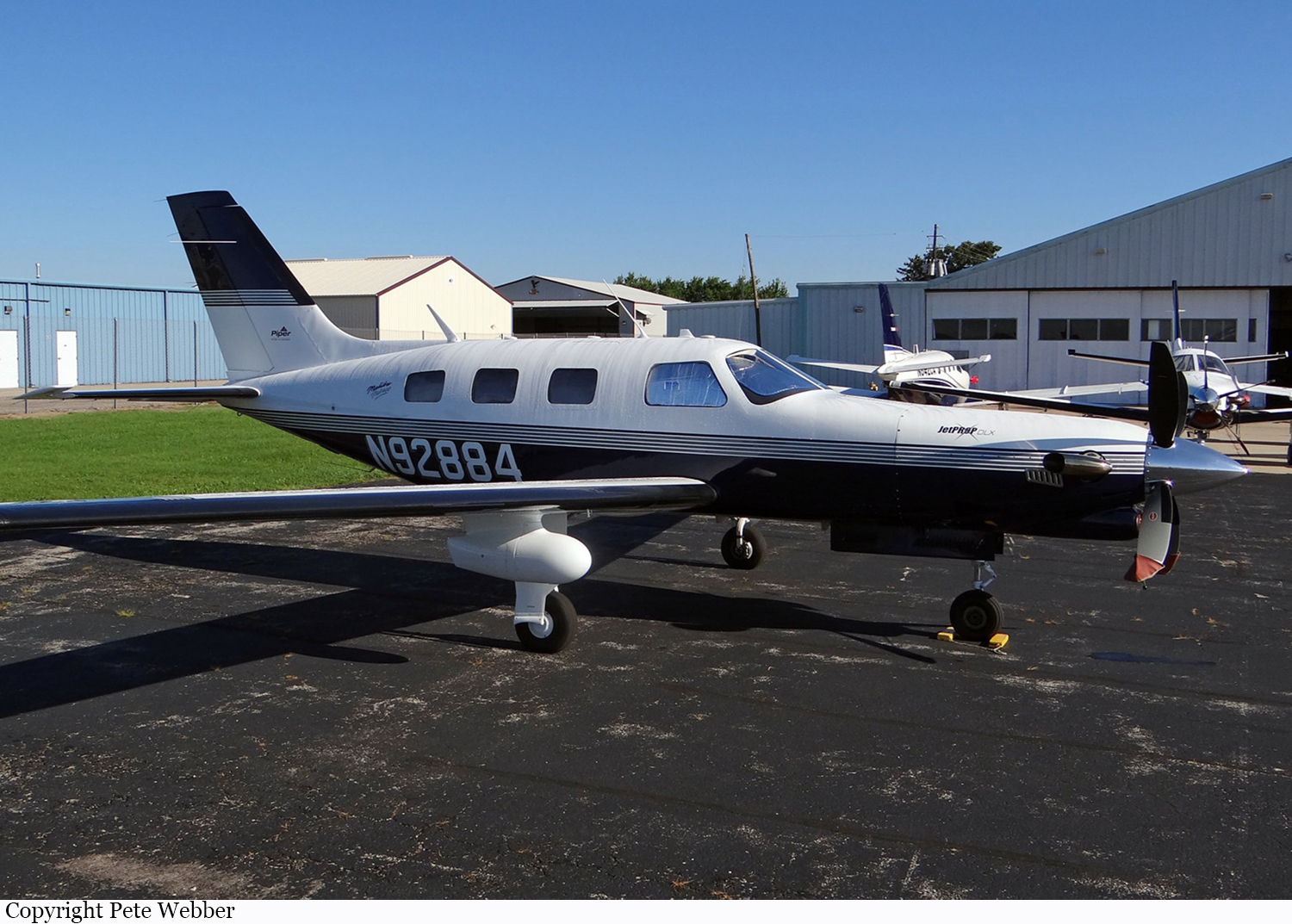
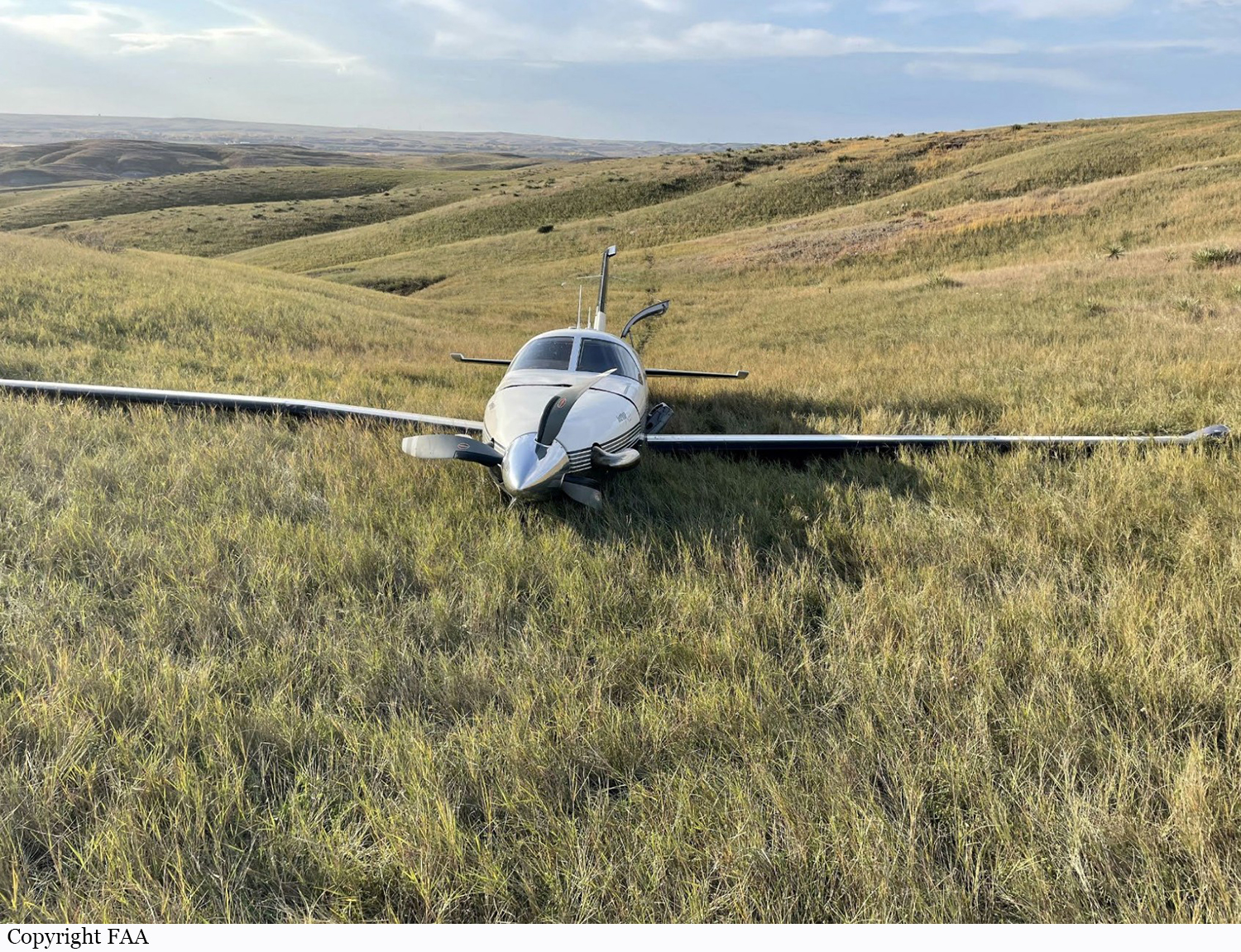
Crash of a Piper PA-46-310P Malibu JetProp DLX in Pierre: 1 killed

Date & Time: Oct 23, 2023 at 1611 LT
Registration:
N92884
Flight Phase:
Flight Type:
Survivors:
Yes
Schedule:
Pierre – Steamboat Springs
MSN:
46-36107
YOM:
1997
Crew on board:
1
Crew fatalities:
Pax on board:
1
Pax fatalities:
Other fatalities:
Total fatalities:
1
Captain / Total flying hours:
2810
Captain / Total hours on type:
680.00
Aircraft flight hours:
3653
Circumstances:
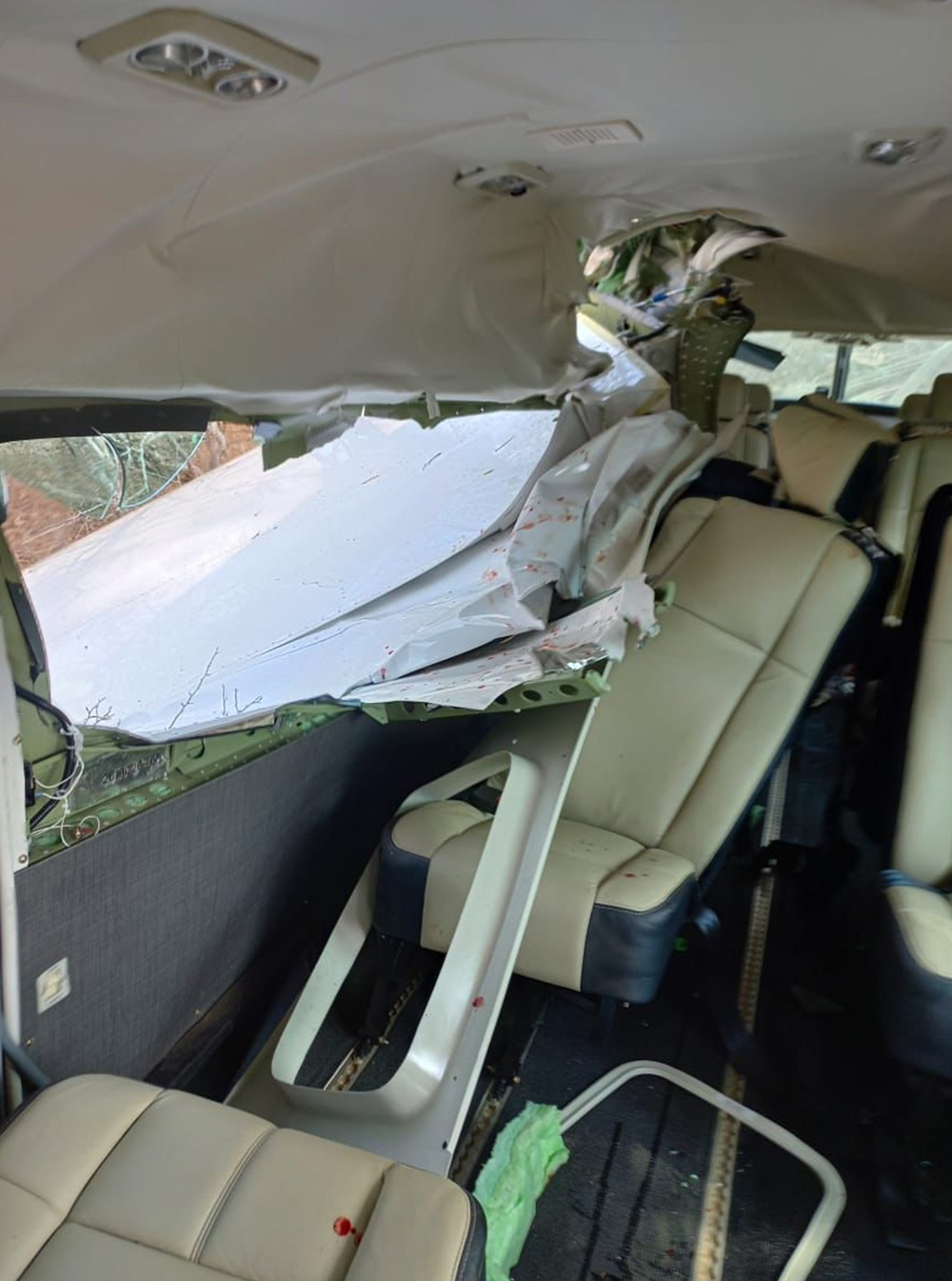
The pilot reported that before takeoff on the cross-country flight, the airplane contained 100 gallons of fuel, with 11 gallons in the header fuel tank, and the airplane’s automatic fuel transfer system was configured as per the checklist. No anomalies were noted during the engine start, takeoff, and initial climb. About 7 minutes into the flight and climbing through 12,000 ft mean sea level (msl), the engine sustained an abrupt loss of power that was confirmed by the loss of torque and engine compressor turbine rpm (Ng) speed. The pilot noted no cockpit warning or abnormal indications before the loss of engine power. The pilot declared an emergency and then executed a 180° turn back to the departure airport. The pilot attempted two engine restarts, and both were unsuccessful. Unable to make it back to the airport, the pilot executed an off airport forced landing. During the forced landing, the airplane sustained substantial damage to the fuselage and both wings. A postaccident examination of the airframe, fuel system components, and functional engine test revealed no evidence of mechanical malfunctions or failures that would have precluded normal operation. The fuel transfer pump switch was found in the manual position. The engine’s fuel was provided by the airframe header tank. Avionics data indicated that during the short flight, the header fuel tank quantity consistently decreased, and the airplane’s automatic fuel system did not continually resupply fuel to the header tank. Based on the available data, a functional engine test, and functional testing of the airplane’s fuel system, it is likely the pilot improperly configured the airplane’s fuel transfer system, which prevented the header fuel tank from automatically refilling during the flight and resulted in fuel starvation and total loss of engine power. Although the pilot reported that he had configured the airplane’s automatic fuel transfer system per the checklist, it is likely that the fuel transfer switch was in the manual or OFF position during the flight. In addition, the pilot did not properly monitor the header tank’s fuel quantity.
Probable cause:
The total loss of engine power due to fuel starvation as a result of the pilot’s improper configuration of the automatic fuel transfer system. Contributing to the accident was the pilot’s failure to adequately monitor the header tank’s fuel quantity.
Final Report:

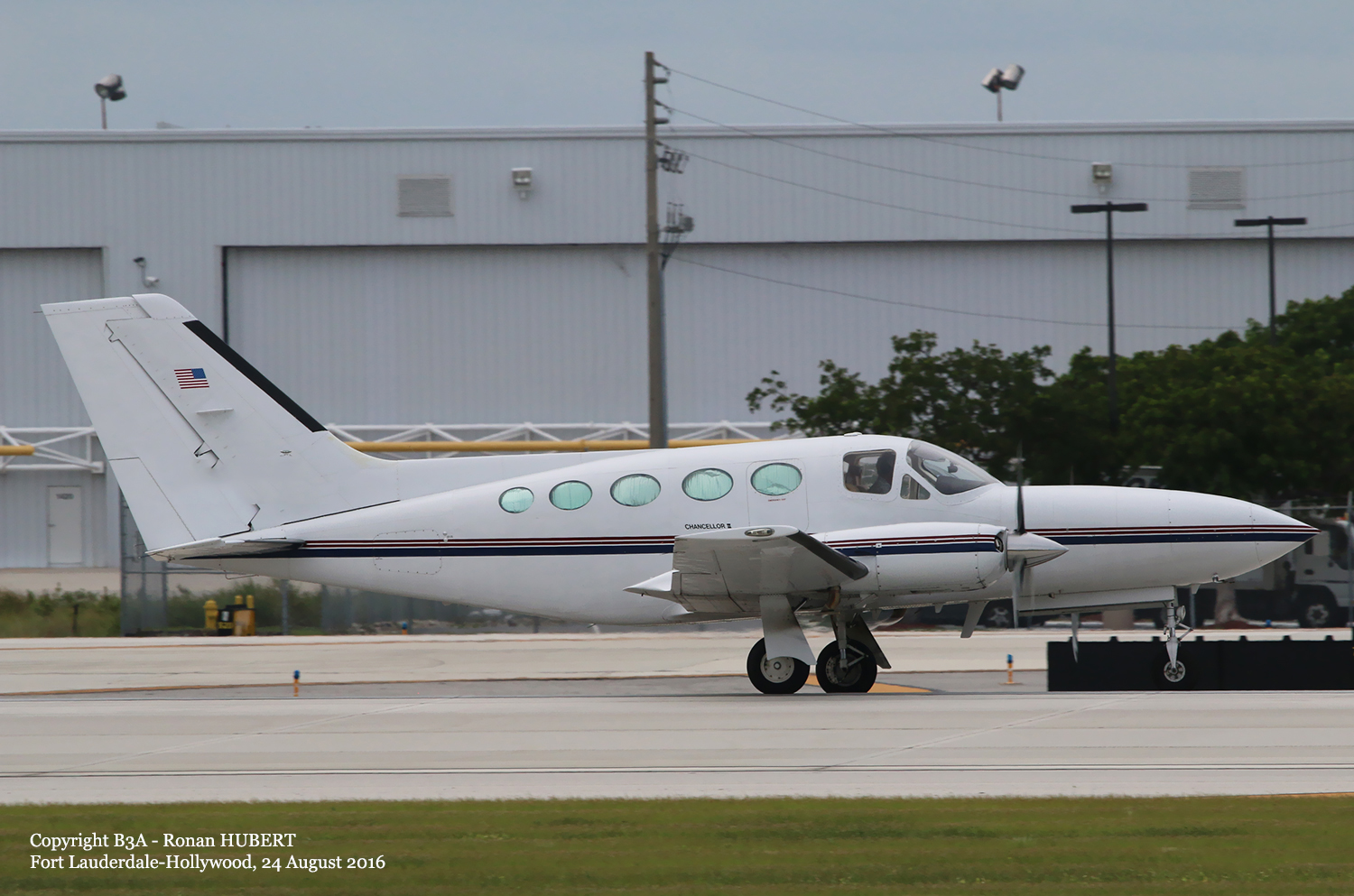
Crash of a Cessna 414 Chancellor in Patterson: 2 killed

Date & Time: Oct 12, 2023 at 1511 LT
Type of aircraft:
Operator:
Registration:
N880A
Flight Type:
Survivors:
No
Schedule:
Gonzales – Patterson
MSN:
414-0397
YOM:
1973
Crew on board:
1
Crew fatalities:
Pax on board:
1
Pax fatalities:
Other fatalities:
Total fatalities:
2
Circumstances:
The twin engine airplane departed Gonzales-Louisiana Regional Airport at 1456LT on a short flight to Patterson. Following a left hand turn, the airplane descended to Patterson-Harry P. Williams Airport when it crashed 300 feet short of runway 06 threshold, bursting into flames. The airplane was destroyed and both occupants were killed. Patterson-Harry P. Williams Airport is located 64 km southwest of Gonzales-Louisiana Regional Airport.