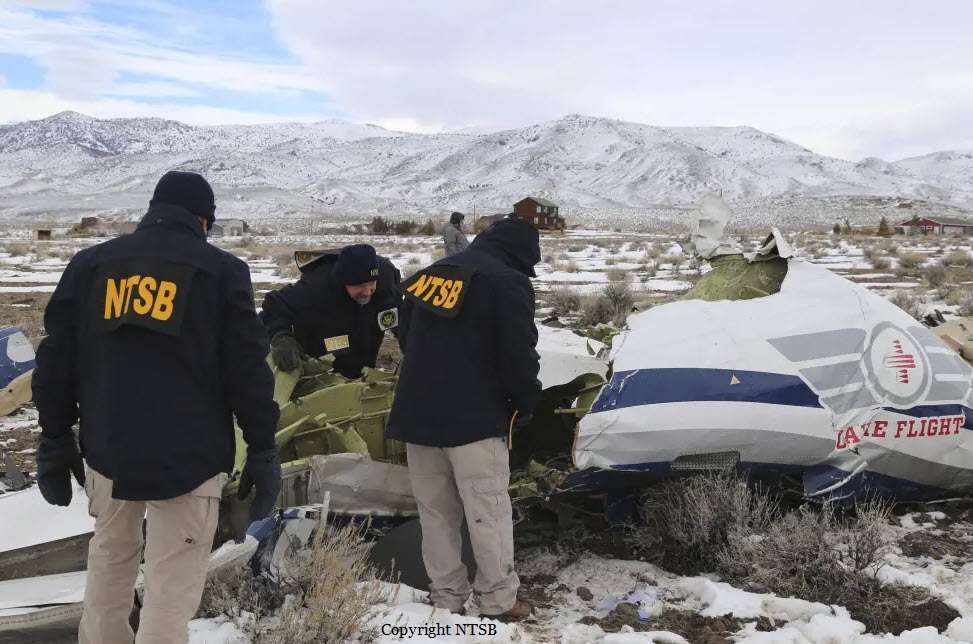
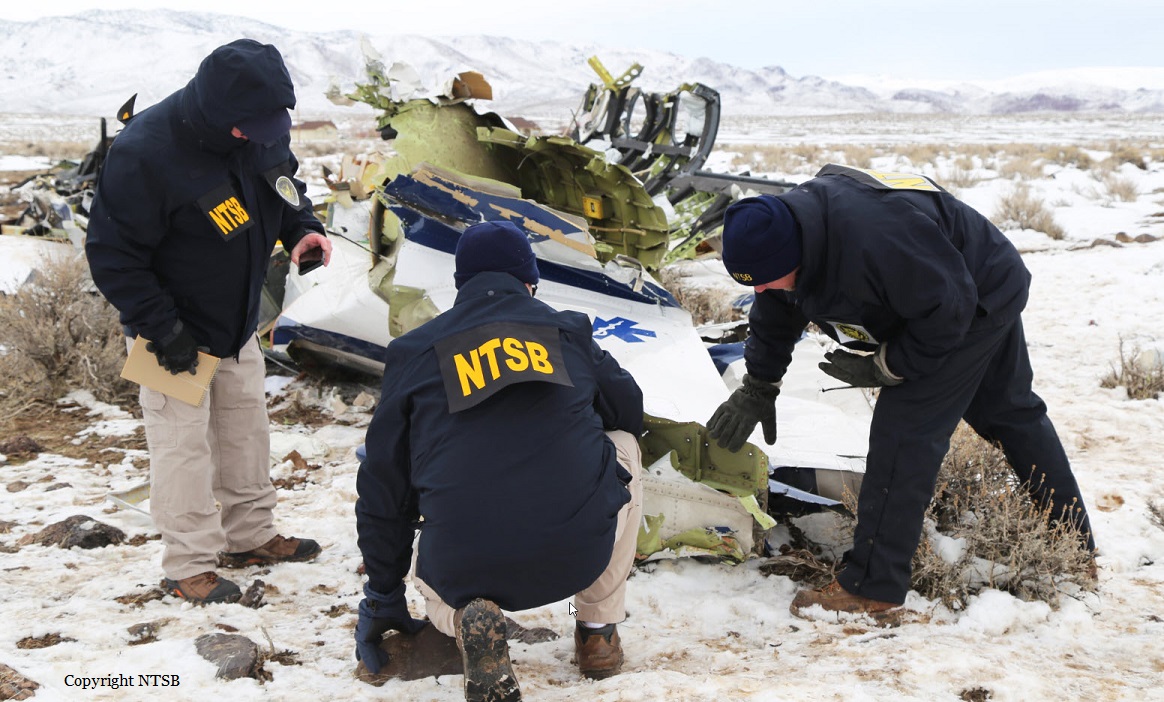
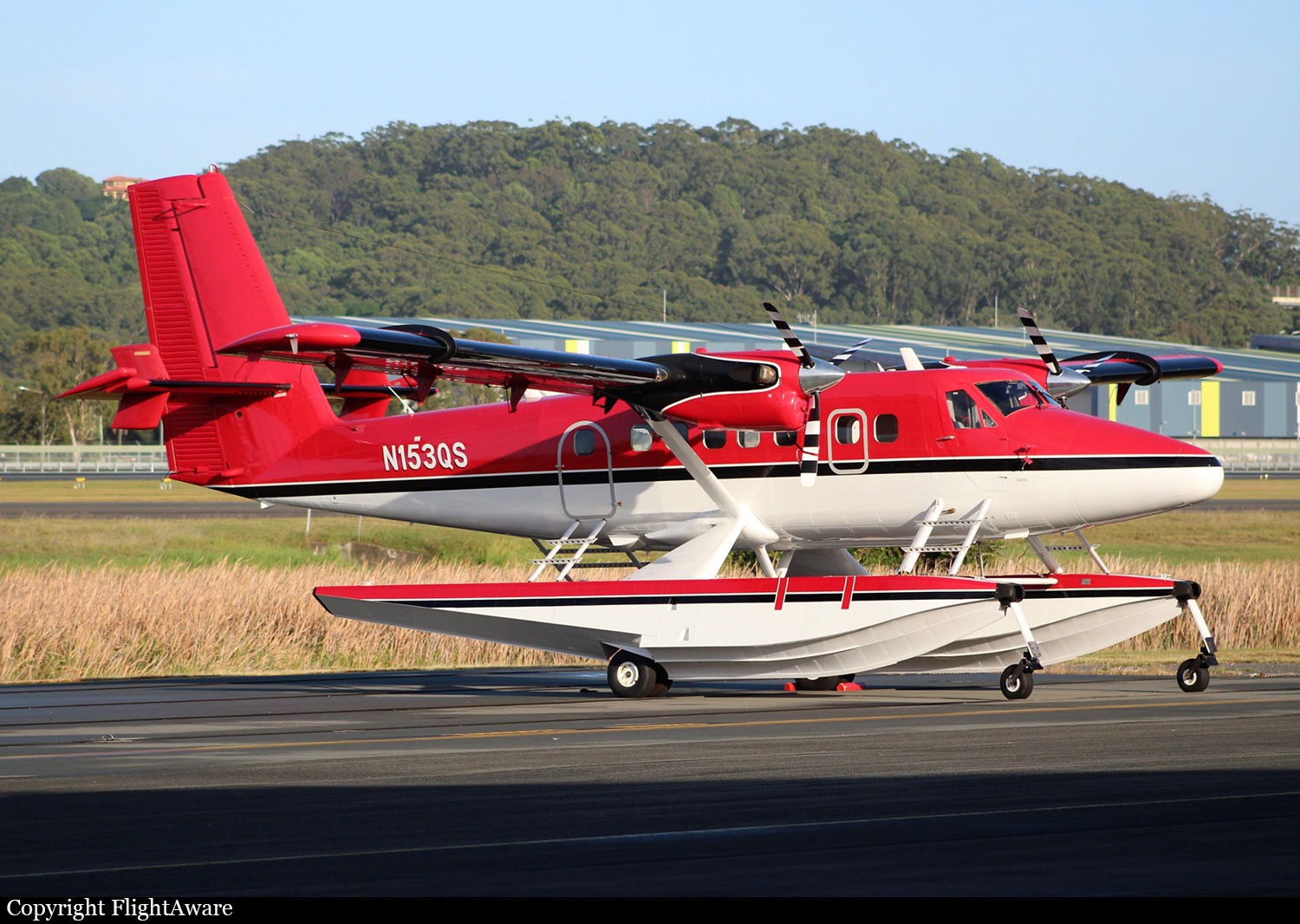
Crash of a Viking Air DHC-6 Twin Otter 400 off Half Moon Bay: 2 killed

Date & Time: May 20, 2023 at 1400 LT
Operator:

Registration:
N153QS
Flight Phase:
Flight Type:
Survivors:
No
Schedule:
Santa Rosa - Honolulu
MSN:
869
YOM:
2013
Crew on board:
2
Crew fatalities:
Pax on board:
0
Pax fatalities:
Other fatalities:
Total fatalities:
2
Captain / Total flying hours:
7140
Copilot / Total flying hours:
20000
Aircraft flight hours:
1641
Circumstances:
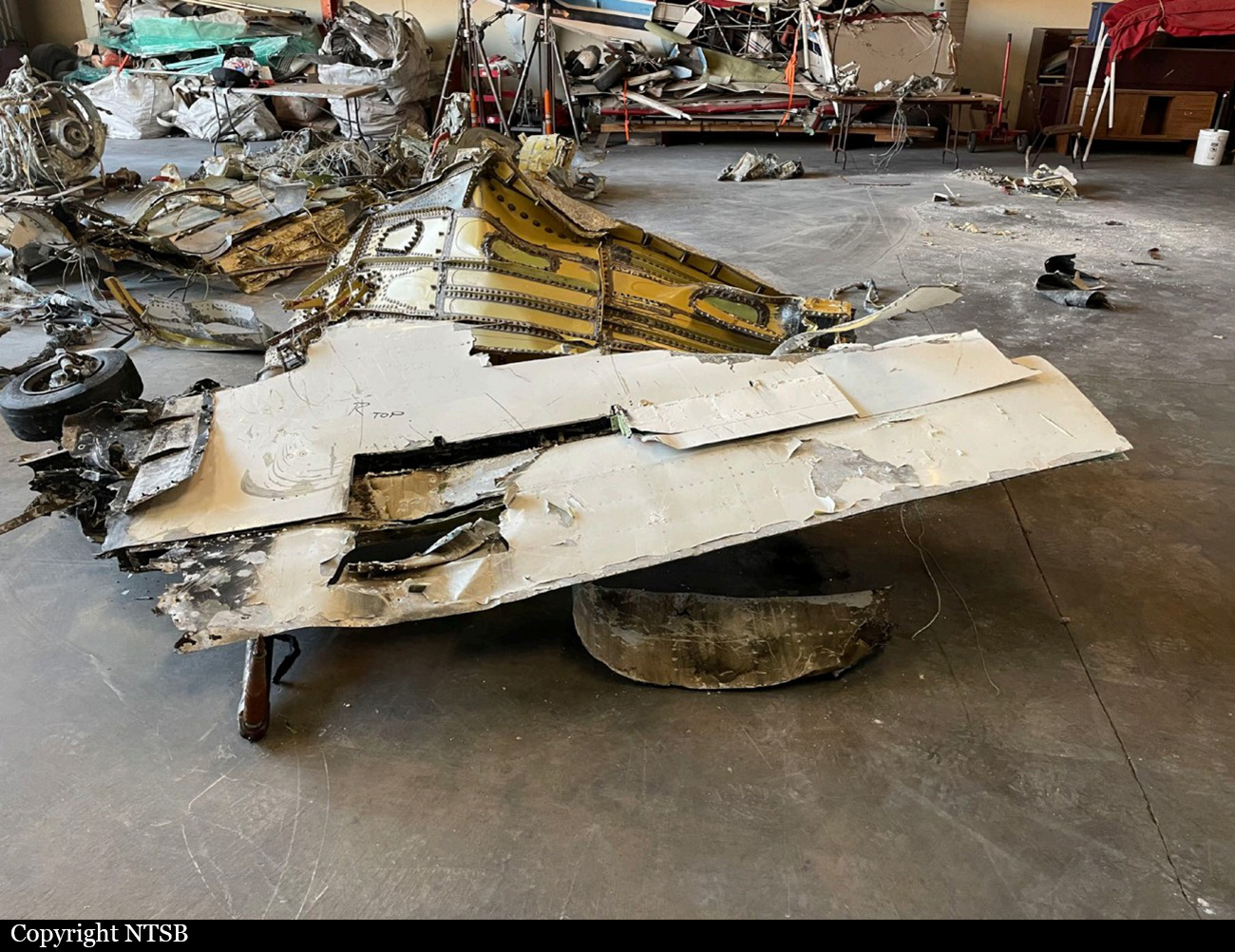
The airplane was conducting a trans-Pacific flight when the accident occurred. A ferry fuel tank system was installed on the airplane and 1,189 gallons of fuel was added for the flight. About 4 hours into the flight over the Pacific Ocean, the crew contacted air traffic control (ATC) and reported that they were having a fuel transfer problem and were thinking of turning around. The crew then reported they were declaring an emergency and had 10 hours of fuel remaining but could only access about 2 hours of fuel. Satellite flight track data showed the airplane reversed course when it was about 356 miles from the California coast. About 132 miles from the coast the flight track decreases in altitude to about 4,000 ft above mean sea level (msl). The last few minutes of the data shows the altitude decrease from about 3,600 ft msl to about 240 ft msl. The last track data point was located about 33 miles off the California coast. The United States Coast Guard (USCG) responded to the accident location and reported the fuselage was inverted in the water. They reported the wings and engines were separated from the fuselage. The pilots were still strapped in their seats and unresponsive. The occupants were not recovered. Search efforts resulted in finding the nose landing gear, right wing, and right engine. A fuel bladder tank had washed ashore in southern California. Postaccident examination of the recovered components revealed no evidence of any preimpact mechanical malfunctions or failures that would have precluded normal operation. A mechanic reported that he was instructed to set up the ferry fuel tank system in the accident airplane. He installed but did not fill the system with fuel, as he did not know when the flight would take place and it would have been unsafe to have the bladders contain fuel for several days before the flight. After installing the ferry fuel tank system, he contacted the copilot (who was also a mechanic), who was then to complete the installation. The mechanic understood that the copilot would be responsible for the final installation of the ferry fuel tank system and complete the appropriate logbook entries. The mechanic was not present when the copilot completed the installation and was not sure if the copilot had signed off on it.
Probable cause:
The failure of the ferry fuel tank system to transfer fuel during a trans-Pacific flight for reasons that could not be determined, which resulted in fuel starvation and a subsequent ditching into the water.
Final Report:
Crash of a Honda HA-420 HondaJet in Summerville

Date & Time: May 18, 2023 at 0014 LT
Type of aircraft:
Registration:
N255HJ
Flight Type:
Survivors:
Yes
Schedule:
Wilkesboro – Summerville
MSN:
420-00055
YOM:
2017
Crew on board:
1
Crew fatalities:
Pax on board:
5
Pax fatalities:
Other fatalities:
Total fatalities:
0
Circumstances:
The pilot was attempting to land on a wet, 5,000-ft-long asphalt runway in night conditions with calm wind. He stated that the airplane touched down before the 1,000 ft markers and that he immediately applied full brake pressure. The brakes began to cycle in anti-skid mode, but the pilot said the cycling felt slower than normal. The pilot considered a go-around, but the left brake “grabbed” suddenly, and the airplane yawed left and began a sequence of left and right skids before it continued off the end of the runway. The airplane traveled down an embankment onto a rocky berm and came to rest about 360 ft from the end of the runway. The pilot and the passengers egressed the airplane uninjured before a post-impact fire consumed the cockpit, center fuselage, and the right wing. The pilot stated that he used the airplane’s cockpit display unit (CDU) computer to calculate the airplane’s landing reference speed (Vref) of 120 knots (kts) and reported that the airplane touched down at this speed. Although recorded data for the flight was not available due to thermal damage to the avionics, ADS-B data last captured the airplane on final approach at a ground speed of 120 kts, about 200 ft above the runway, consistent with the pilot’s statement. However, when the conditions that existed at the time of the accident were entered into an exemplar CDU, the calculated Vref was 112 kts, and the required landing distance for a wet/contaminated runway was 4,829 ft. To determine the landing distance required at a Vref of 120 kts, a Vref increment of Vref+5 (117 kts) and Vref+10 (122 kts) were entered into the CDU; the results were 5,311 ft and 5,794 ft, respectively. When these landing distances were calculated, the CDU, which had already been programmed for a 5,000-ft-long runway, displayed a prominent caution below the Vref number that stated: “LANDING FIELD LENGTH INSUFFICIENT.” How the accident pilot achieved a Vref of 120 kts via the CDU based on the conditions that existed at the time of the accident could not be determined. Postaccident examination of the braking system revealed no evidence of any preimpact anomalies or malfunctions that would have precluded normal operation; however, a testing anomaly was observed when the power brake and antiskid valve were tested. An initial test on an exemplar bench stand produced hysteresis that could not be produced when it was tested on a certified bench at the manufacturer. According to the manufacturer, the anomaly observed would not prevent the application of brakes nor the removal of pressure during skidding events; however, significant hysteresis may lead to braking performance degradation due to a decreased pressure application for a given current input. The reason for the anomaly was unknown, and therefore, it could not be determined if it played a role in the loss of braking action reported by the pilot. Despite this anomaly, and based on all other available information, the pilot landed the airplane faster than the prescribed landing speed with insufficient runway length available given the wet runway condition, which resulted in a runway excursion.
Probable cause:
The pilot’s improper calculation of the airplane’s landing approach speed and required landing distance, which resulted in the airplane touching down fast with inadequate runway available, and a subsequent runway excursion.
Final Report:

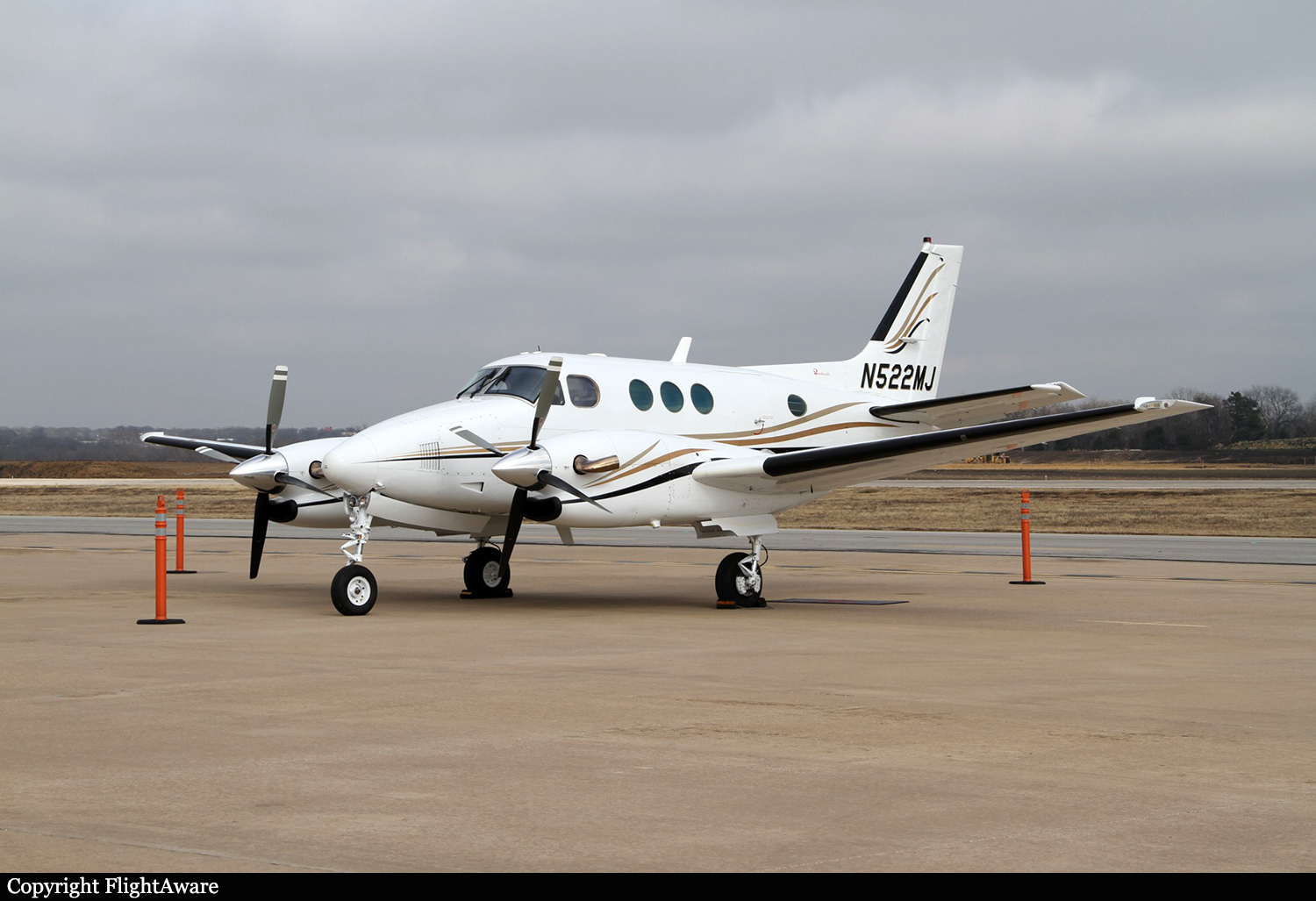
Crash of a Beechcraft E90 King Air near Fayetteville: 1 killed

Date & Time: May 17, 2023 at 1237 LT
Type of aircraft:
Operator:
Registration:
N522MJ
Flight Type:
Survivors:
No
Schedule:
University-Oxford – Fayetteville
MSN:
LW-80
YOM:
1973
Crew on board:
1
Crew fatalities:
Pax on board:
0
Pax fatalities:
Other fatalities:
Total fatalities:
1
Captain / Total flying hours:
4836
Aircraft flight hours:
4925
Circumstances:
The airplane was being flown to another airport for maintenance work on the autopilot system. Before the flight, the pilot and an avionics technician discussed a roll issue with the airplane’s autopilot and the pilot was advised not to use the autopilot until the issue was resolved. The avionics technician further advised the pilot to wait for good weather to make the flight, but the pilot reportedly had a function back home that he wanted to attend later, on the day of the accident. Recorded flight track data indicated that most of the flight was uneventful until the airplane began its descent toward the intended destination. During the descent, the airplane encountered overcast clouds that continued to the end of the flight. The pilot was subsequently cleared for an instrument approach to the destination airport. While maneuvering on the approach, the airplane descended below its assigned altitude and the controller issued a low-altitude alert to the pilot. The airplane briefly climbed before it entered a descending right turn that continued to the end of the recorded data. Calculations based on recorded flight data revealed the airplane was descending over 15,000 feet per minute shortly before impact. The airplane impacted the ground near the final recorded flight track data point, in a near vertical attitude, and was fragmented. Examination of the airplane, engines, and systems did not reveal any preimpact anomalies that would have precluded normal flight. Based on the available information, the pilot likely was not using the autopilot due to the known issue with the system and, as a result, was hand flying the airplane during the instrument approach. The pilot likely was accustomed to flying the airplane with the automation that the autopilot provided rather than by hand in single-pilot instrument meteorological conditions (IMC). Based on the recorded flight path, it is likely that the pilot became spatially disoriented and lost control of the airplane while intercepting the final approach course for the instrument approach. In addition, the pilot allowed his self-imposed pressure to influence his decision to complete the flight in less-than-ideal weather conditions without a functional autopilot. Although ethanol was detected in liver and muscle tissue, it is likely that some, or all, of the detected ethanol was from postmortem production. Thus, it is unlikely that ethanol contributed to the accident. Tadalafil, salicylic acid, famotidine, atenolol, and irbesartan were detected in liver and muscle tissue, but it is unlikely that these substances contributed to the accident.
Probable cause:
The pilot’s poor preflight decision to depart into known instrument meteorological conditions (IMC) without a functional autopilot system, which resulted in spatial disorientation and his failure to maintain aircraft control while flying in IMC during the instrument approach. Contributing to the accident was the pilot’s self-imposed pressure to conduct the flight.
Final Report:
Crash of a Learjet 36A off San Clemente NAS: 3 killed

Date & Time: May 10, 2023 at 0749 LT
Type of aircraft:
Operator:
Registration:
N56PA
Flight Phase:
Flight Type:
Survivors:
No
Schedule:
Point Mugu - Point Mugu
MSN:
36-023
YOM:
1976
Flight number:
Fenix 01
Crew on board:
3
Crew fatalities:
Pax on board:
0
Pax fatalities:
Other fatalities:
Total fatalities:
3
Captain / Total flying hours:
10300
Captain / Total hours on type:
5700.00
Copilot / Total flying hours:
1013
Copilot / Total hours on type:
844
Aircraft flight hours:
18807
Circumstances:
The accident airplane took off as the lead airplane in formation with a second Lear Jet airplane flying as wingman in a close formation position. The purpose of the flight was to participate in an exercise with the United States Navy in an over-water training area. Shortly after entering the training area at 15,000 ft mean sea level (msl) the wingman positioned on the right side of the accident airplane, observed the flaps on the accident airplane were partially extended. They notified the pilot of the accident airplane who acknowledged the radio call. The wingman then observed the flaps retract and observed white or gray colored “smoke or gas” coming from the left aft side of the airplane. The pilot in the accident airplane then radioed that they detected an odor in the cabin. Seconds later, the wingman observed red fluid on the underside of the tail cone followed by flames coming from around the aft equipment bay (tail cone) access door. They informed the accident pilots that their airplane was on fire and the accident pilot declared an emergency along with their intentions to land at a nearby airfield on the island. The wingman took over leading the formation and maneuvered in front of the accident airplane. The wingman last observed and heard radio transmissions from the accident airplane a short time later as they descended through about 7000 ft msl. The flight was above an overcast cloud layer that obstructed the view of the island at that time. Recorded ADS-B data showed that the accident airplane subsequently made a series of descending turns before the data ended. The airplane wreckage was located underwater about 4 miles northwest of the last ADS-B data point. The wreckage was highly fragmented, and the debris field extended several hundred feet along the ocean floor. Salvage operations were able to recover about 40 percent of the airplane wreckage. Examination of the wreckage showed areas of smoke and fire damage in portions of the airplane from the center wing fuselage outboard through the left- and right-wing roots and aft throughout the empennage. The aft equipment bay forward bulkhead, which also served as the fuselage fuel tank aft bulkhead, exhibited damage on the upper left side consistent with exposure to a focused heat source such as a fire from a leak in a pressurized fuel or hydraulic line. Additional evidence of focused fire damage was identified in the left engine pylon, which was located outboard and adjacent to the aft equipment bay. The effected area of the pylon contained engine fire detection circuits. Examination of the hydraulic shutoff valves attached to the hydraulic reservoir found that the left hydraulic shutoff valve was closed and the right valve was in the open position. The position of the left hydraulic shutoff valve indicates the aircrew likely shut down the left engine due to a fire indication (A hydraulic valve will close if the FIRE PULL tee-handle switch is activated by the flight crew in the event an engine fire is detected). Investigators were unable to determine if the witnessed flap extension and retraction was initiated by activation of the flap selector switch or induced by fire damage. The aft equipment bay houses electrical equipment capable of providing an ignition source for a fire, and hydraulic and fuel system components capable of providing fuel for a fire in the event of a leak. The left fuel motive flow line was intact from the fuel pump up to the fuselage fitting, where the line passes through the fuselage skin into the aft equipment bay near the aft left engine mount. The fuselage fitting had the stainless-steel fuel line and b-nut attached on the outboard, engine side. The inboard, aft equipment bay side of the fitting did not have an aluminum b-nut attached or the line that connects the fitting to the motive flow valve. The left engine hydraulic pressure line and PT2 line, which pass through the fuselage into the aft equipment bay adjacent to the motive fuel line, each had aluminum b-nuts present on the interior side of their respective fuselage fittings and the interior lines for each was sheared at the fitting. The left fuel motive flow fuselage fitting and the hydraulic fluid return fitting were examined. No thermal damage was observed on the outboard nuts and attached portions of tubing. Examination of the threads on the inboard side of the motive flow fitting did not exhibit evidence of thread stripping and comparison between the two fittings did not reveal any physical differences to explain why one nut remained attached and the other did not. The reason the motive flow nut was missing from the fitting could not be determined. Observed fire and heat damage patterns indicate the fire likely started in proximity to the where the pressurized fuel motive flow line connected to the firewall fitting where the missing b-nut was located. A leak from the pressurized motive flow line would have sustained and allowed an uncontrollable fire to develop. The sustained fire likely affected controllability of the airplane and resulted in the pilots’ loss of control of the airplane.
Probable cause:
The pilots’ loss of airplane control following a catastrophic fire that started on the left side of the aft equipment bay (tail cone). The fire likely initiated from a leak from the left fuel motive flow line due to a b-nut that loosened for reasons that could not be determined based on available evidence.
Final Report:
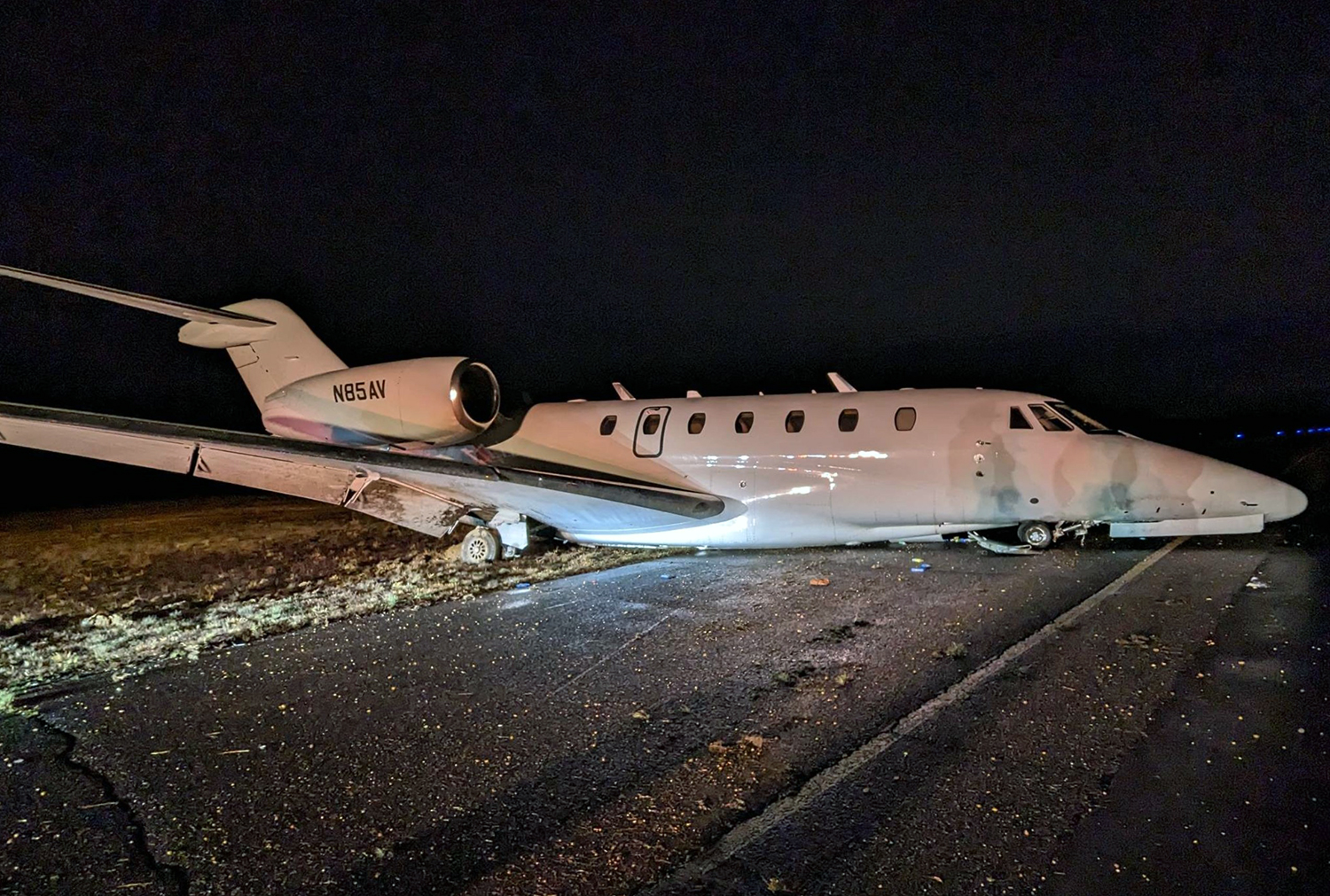
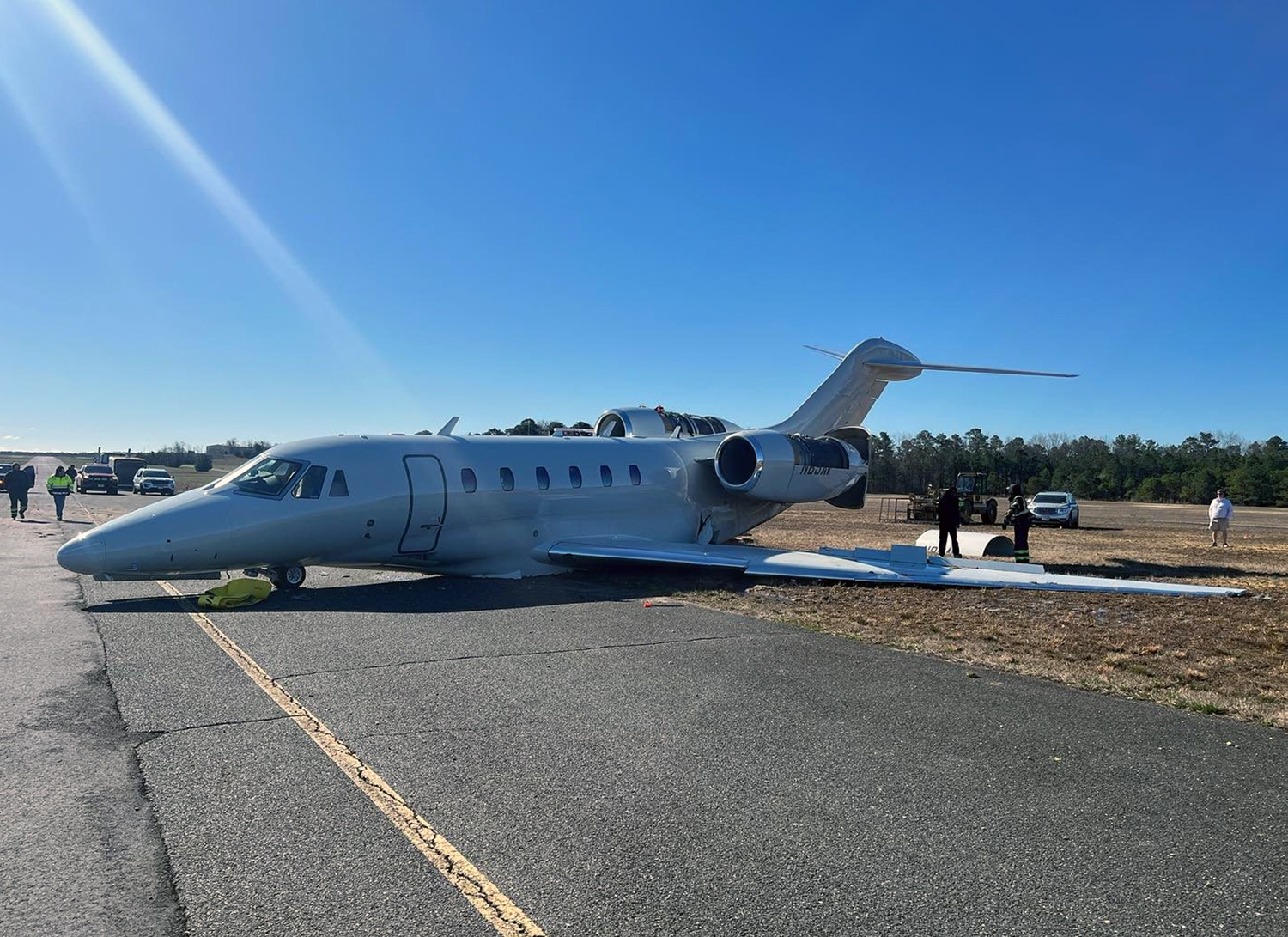
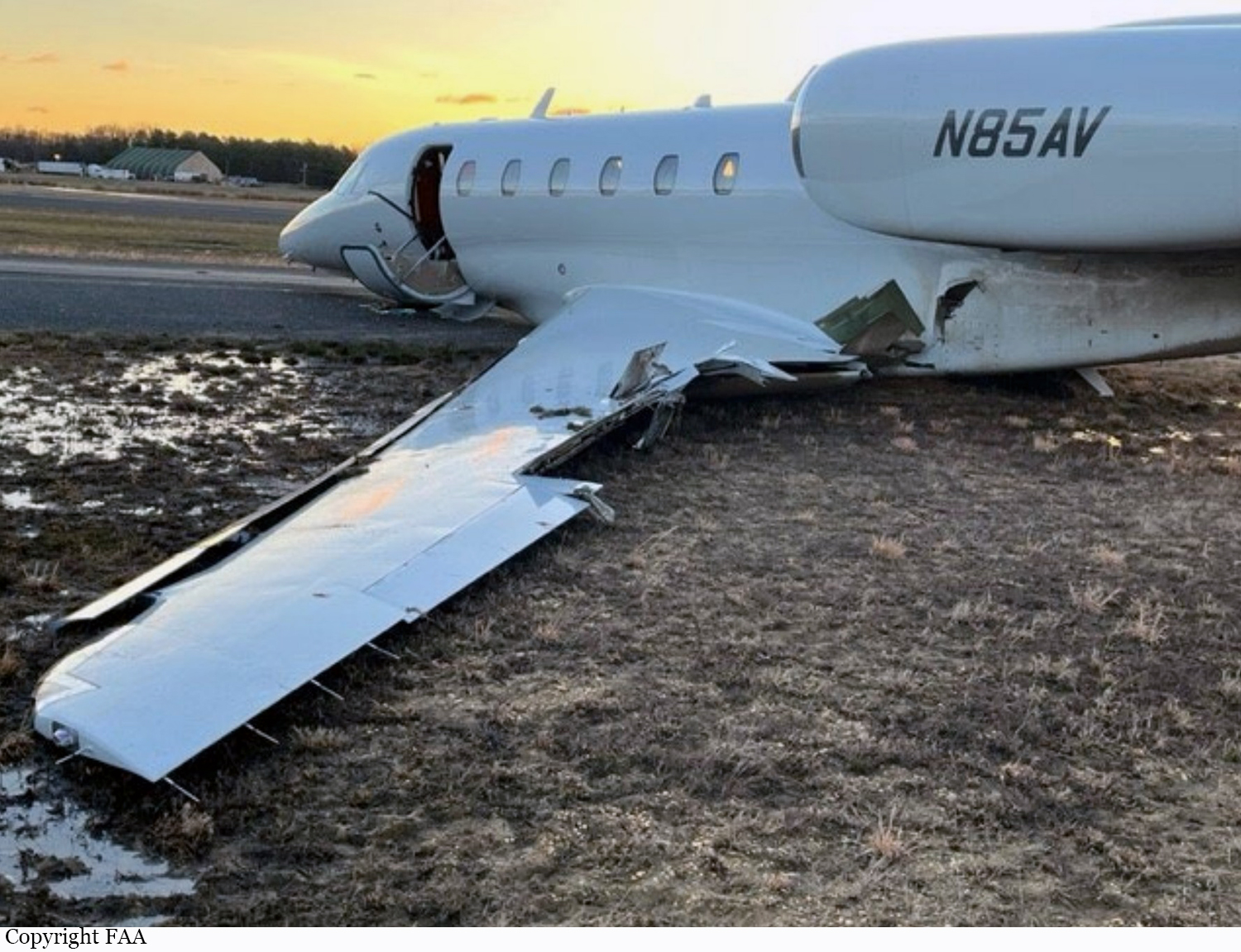
Crash of a Cessna 750 Citation X in Monmouth

Date & Time: Apr 1, 2023 at 1937 LT
Type of aircraft:
Operator:
Registration:
N85AV
Flight Type:
Survivors:
Yes
Schedule:
Nashville - Monmouth
MSN:
750-0085
YOM:
1999
Crew on board:
2
Crew fatalities:
Pax on board:
0
Pax fatalities:
Other fatalities:
Total fatalities:
0
Captain / Total flying hours:
12865
Captain / Total hours on type:
264.00
Copilot / Total flying hours:
1450
Copilot / Total hours on type:
330
Aircraft flight hours:
12272
Circumstances:
The flight crew of the business jet reported that after touching down on runway centerline the airplane was struck by a gust of wind from the right. They were able to keep the airplane on the runway centerline but were subsequently struck by another more powerful gust, which pushed the airplane off the left side of the runway. The runway excursion resulted in substantial damage to the fuselage and left wing. A posaccident review of weather radar data showed that a severe thunderstorm (for which a tornado warning had been issued) was present to the west of the airport and was rapidly moving east. There was a convective SIGMET valid for the airport at the time of the accident. The pilot-in-command reported checking relevant weather information before the flight, that the airplane was equipped with an operational onboard weather radar system, and that there were no preaccident mechanical malfunctions or failures with the airplane that would have precluded normal operation.
Probable cause:
The pilots’ loss of directional control while landing in gusting wind conditions which resulted in a runway excursion. Also contributing was the flight crew’s decision to land at an airport where there was a rapidly approaching severe thunderstorm.
Final Report:
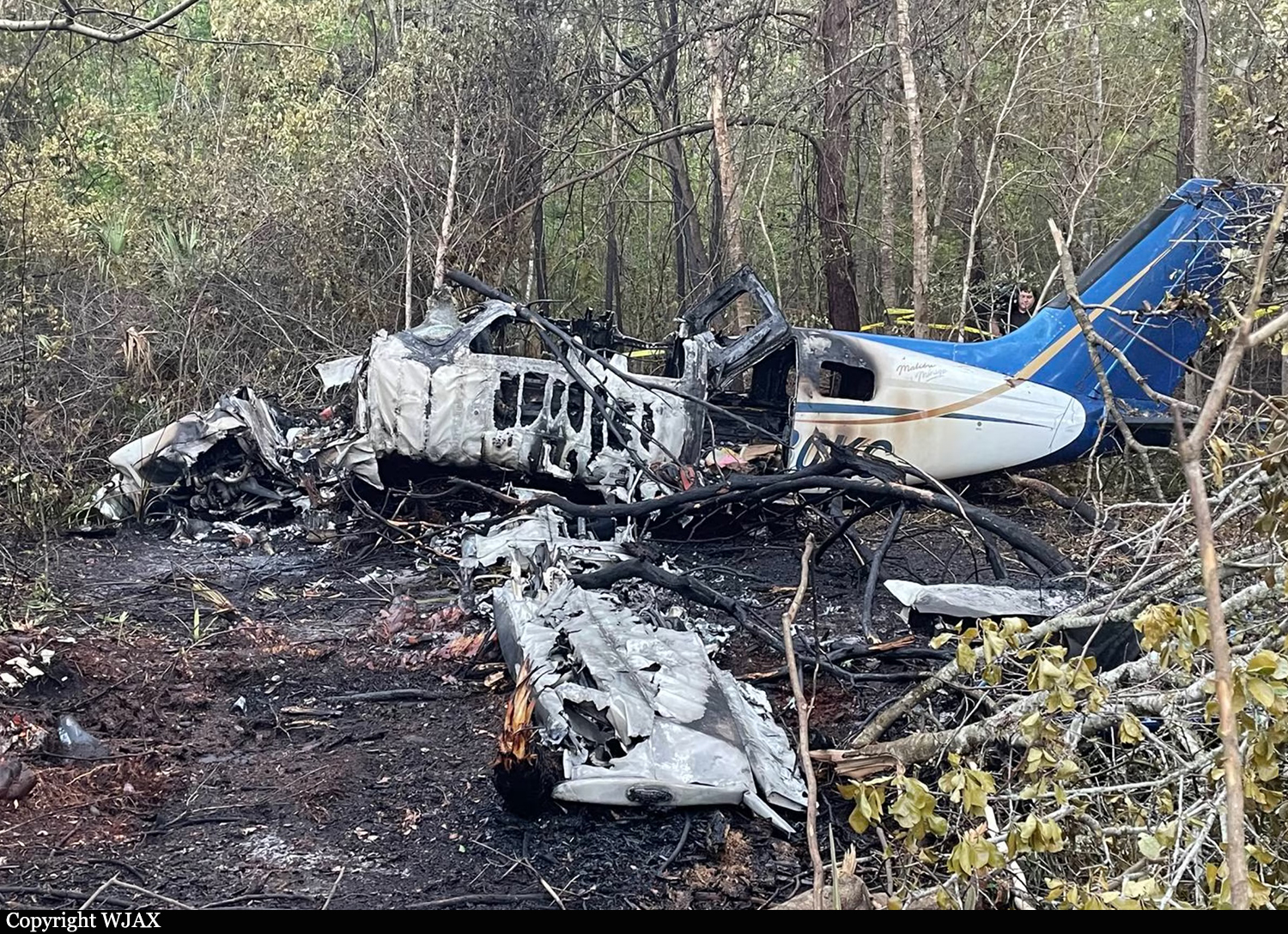
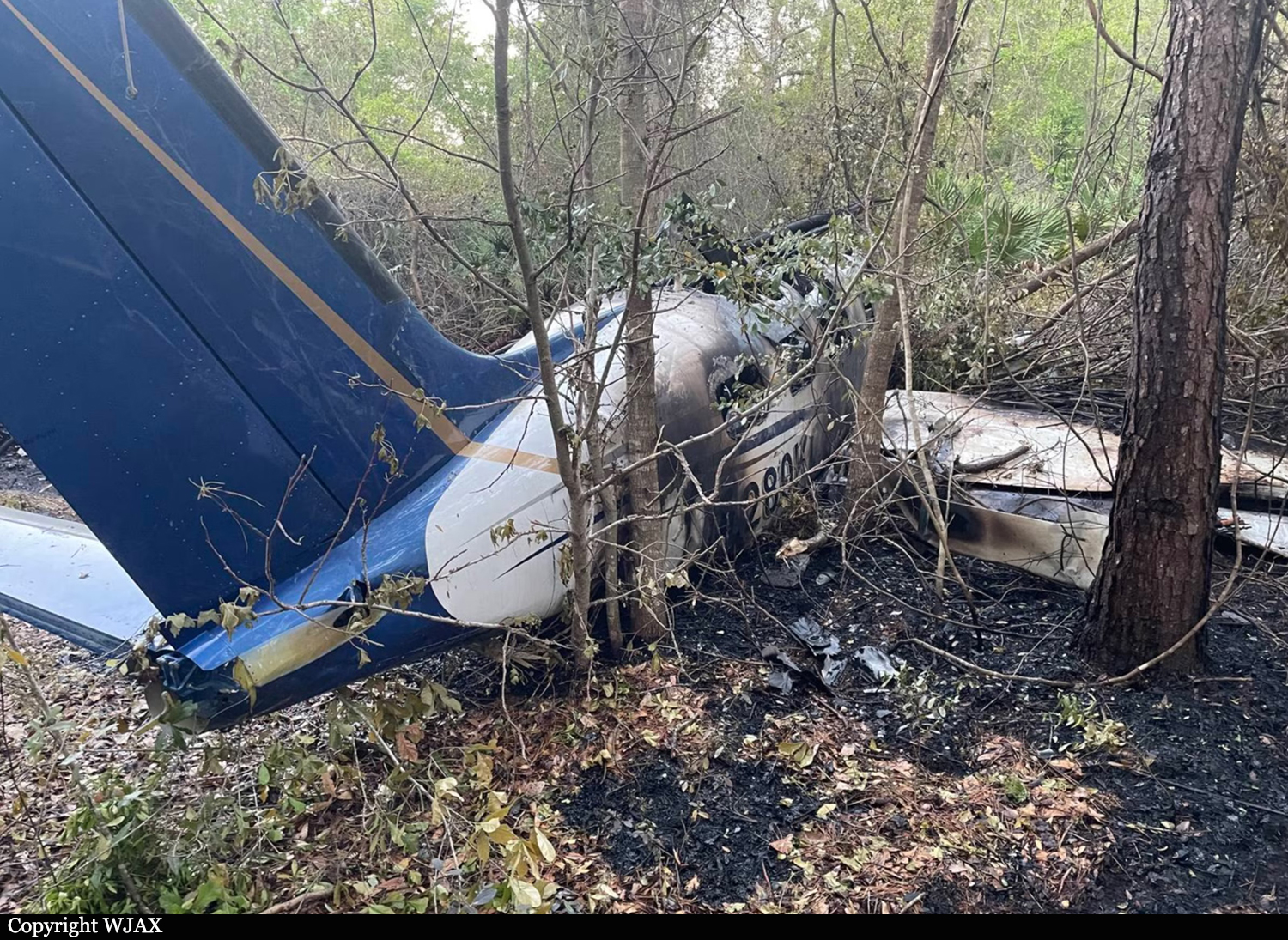
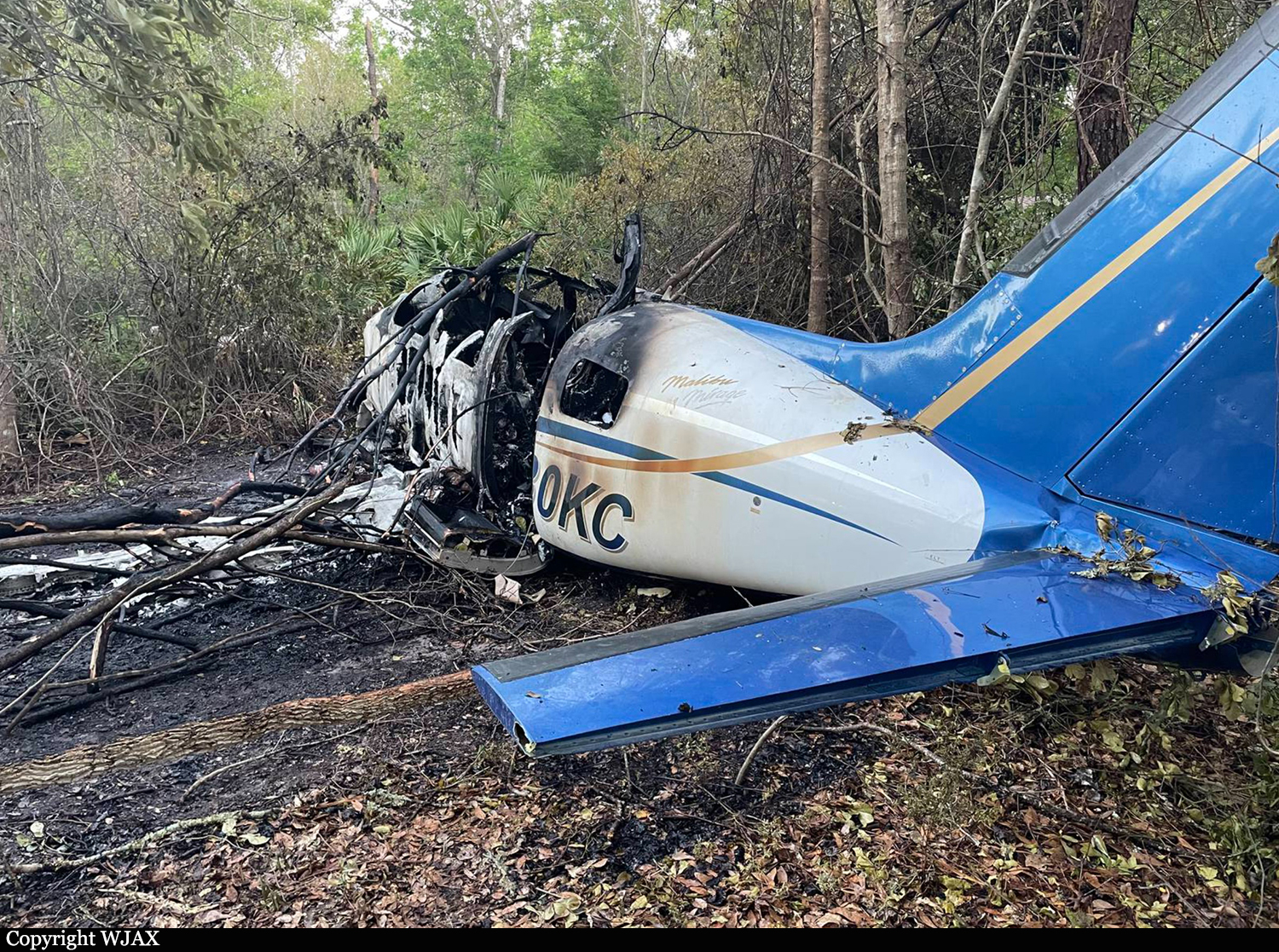
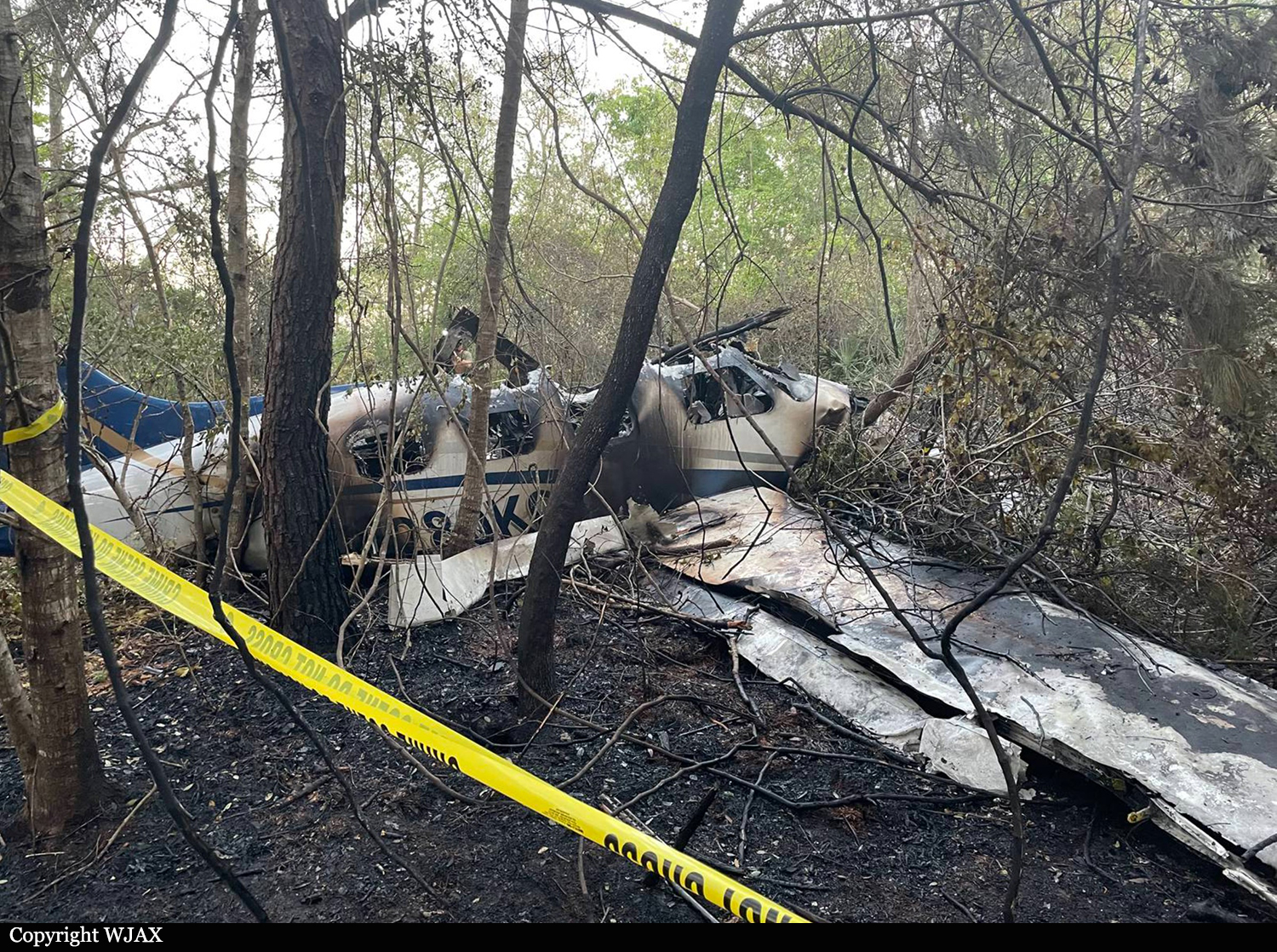
Crash of a Piper PA-46-350P Malibu Mirage in Saint Augustine

Date & Time: Mar 23, 2023 at 1644 LT
Registration:
N280KC
Flight Phase:
Flight Type:
Survivors:
Yes
Schedule:
Saint Augustine – Jacksonville
MSN:
46-36219
YOM:
1999
Crew on board:
1
Crew fatalities:
Pax on board:
1
Pax fatalities:
Other fatalities:
Total fatalities:
0
Captain / Total flying hours:
2000
Aircraft flight hours:
3896
Circumstances:
The pilot reported that the airplane did not gain sufficient airspeed during the takeoff roll. He stated that, to avoid overrunning the runway onto a busy road he lifted the airplane off the runway when it reached rotation speed near the end of the runway. He was able to clear the highway, but the airplane contacted trees on the far side of the highway. The airplane descended to the ground and postimpact fire ensued. Witnesses who heard and saw the airplane taking off reported the engine sounded strong, as if it was running at full power. One witness observed the airplane pitch up into a steep nose-up attitude, climb to an estimated altitude of 100 ft, then start settling, barely clearing the streetlights along the side of a road. The airplane then began a slight roll to the left and struck trees. A large fireball erupted almost immediately upon impact with the trees. The climb and impact sequence were later verified by review of airport security camera video. The pilot contacted air traffic control (ATC) and requested to take off from a runway that was 2,700 ft in length, had an uphill gradient, and obstacles off the departure end. In addition, the pilot did not use the entire runway for the takeoff; instead, he initiated the takeoff with 2,301 ft of runway available. The requested runway also resulted in him departing with a tailwind component of about 3 knots, and an 11-knot crosswind component. The primary runway in use was 8,001 ft long and would have resulted in the airplane taking off downhill, with a headwind and no obstacles off the departure end. The runway selected by the pilot was closer to his hangar than the available longer runway. Examination of the wreckage did not reveal any evidence of preimpact failure of the engine or airplane that would have precluded normal operation. As the postimpact fire consumed many of the items onboard, the investigation was unable to establish the actual weight of the items that were loaded onto the airplane. However, the weights of the recovered cargo, in addition to the weights of the occupants (the pilot, his wife, and their dog), and the fuel onboard, indicated that at a minimum the total weight was in excess of the airplane’s maximum takeoff weight by about 14 pounds and the center of gravity (CG) was outside of the forward limit of the operating envelope. Based on this information, it is most likely that the overweight condition and exceedance of the CG limitations resulted in performance degradation that prevented the pilot from gaining sufficient airspeed and altitude to clear the trees off the end of the runway. The performance degradation was compounded by the pilot’s runway selection, which resulted in a takeoff tailwind component and obstacles.
Probable cause:
The pilot's inadequate preflight planning, which resulted in a takeoff above the airplane’s maximum gross weight, a CG forward of the limit, and a tailwind component that prevented the airplane from climbing above trees.
Final Report:

Crash of a Rockwell 690A Turbo Commander in Bullhead City

Date & Time: Mar 6, 2023 at 1945 LT
Registration:
N4PZ
Flight Type:
Survivors:
Yes
Schedule:
Plainview – Henderson
MSN:
690-11269
YOM:
1975
Crew on board:
1
Crew fatalities:
Pax on board:
1
Pax fatalities:
Other fatalities:
Total fatalities:
0
Captain / Total flying hours:
11095
Captain / Total hours on type:
3720.00
Aircraft flight hours:
6643
Circumstances:
The pilot reported that while enroute, a low fuel level annunciation occurred. The pilot subsequently prepared to divert to a nearby airport due to low fuel. Within 2 minutes the left engine shut down, followed by the right. The pilot asked air traffic control for vectors to the nearest airport. The sky conditions were clear with no moon, no horizon and no terrain feature visible. While approaching the airport at approximately 2,000 feet above the runway, the airport runway lighting turned off. The pilot was unable to turn the lights back on and subsequently used the terminal and ramp lights to maneuver the airplane to the runway. The airplane touched down and veered off the runway, which resulted in substantial damage to the fuselage. The pilot reported to a first responder that there were no pre accident mechanical failures or malfunctions with the airplane that would have precluded normal operation and that he ran out of gas.
Probable cause:
The pilot’s improper fuel planning for a cross-country flight, which resulted in fuel exhaustion, a total loss of engine power and subsequent impact with terrain.
Final Report:
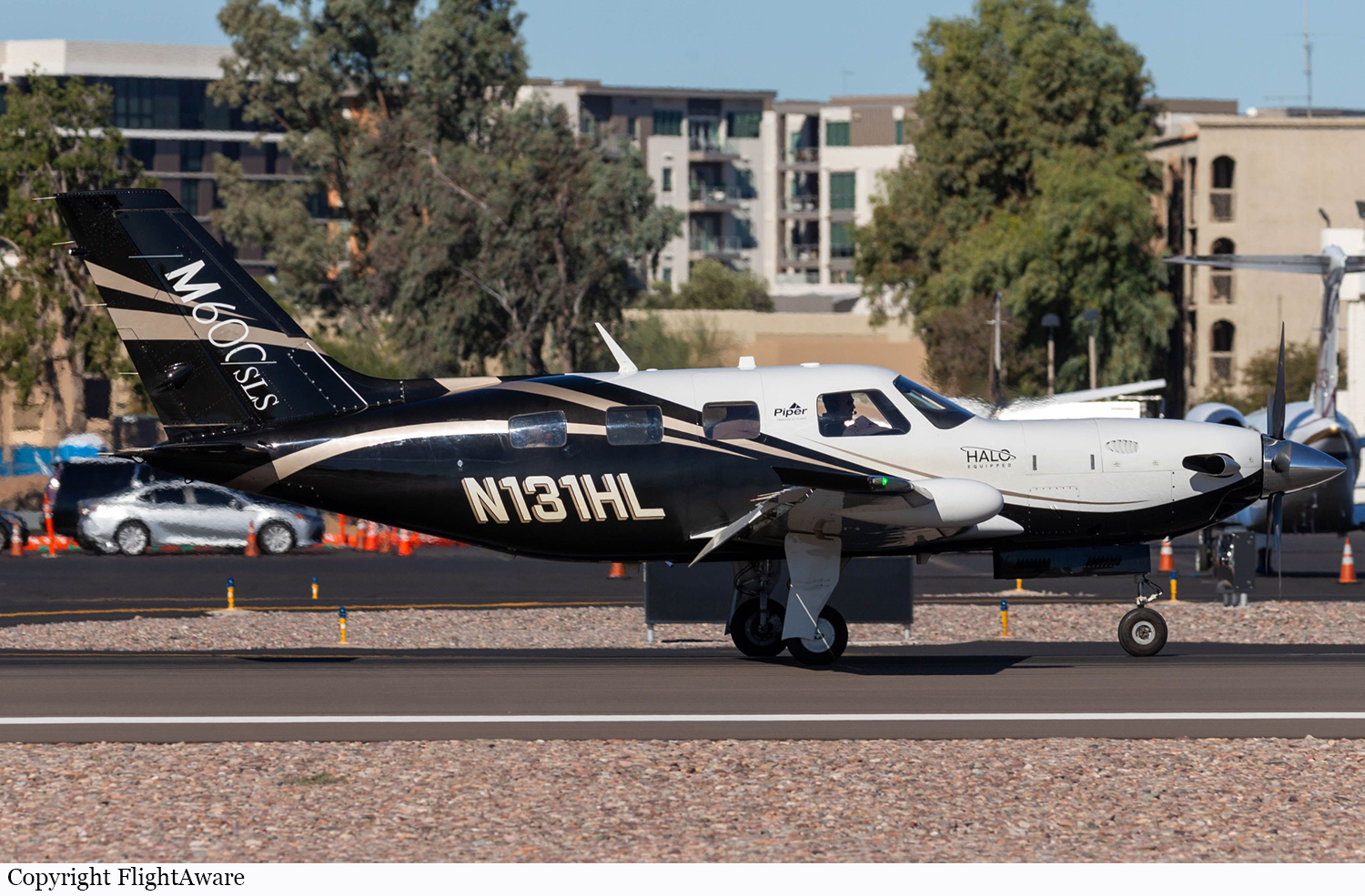
Crash of a Piper PA-46-600TP M600 in Thedford

Date & Time: Mar 4, 2023 at 1437 LT
Registration:
N131HL
Flight Type:
Survivors:
Yes
Schedule:
Waukesha – Thedford
MSN:
46-98131
YOM:
2020
Crew on board:
1
Crew fatalities:
Pax on board:
1
Pax fatalities:
Other fatalities:
Total fatalities:
0
Circumstances:
The airplane sustained substantial damage when it was involved in an accident near Thedford, Nebraska. The pilot and passenger were uninjured. The airplane was being operated as a Title 14 Code of Federal Regulations Part 91 personal flight. The pilot reported that during landing, when the nose wheel made contact with the runway, the airplane began to veer right. He attempted to use left rudder and brake to keep the airplane on the runway, but as the airspeed decreased, directional control became harder to maintain and the airplane subsequently departed the right side of the runway. During the runway excursion, the airplane impacted a runway light, spun left and the landing gear collapsed. During a post accident examination, it was determined that the airplane sustained substantial damage to the left wing.

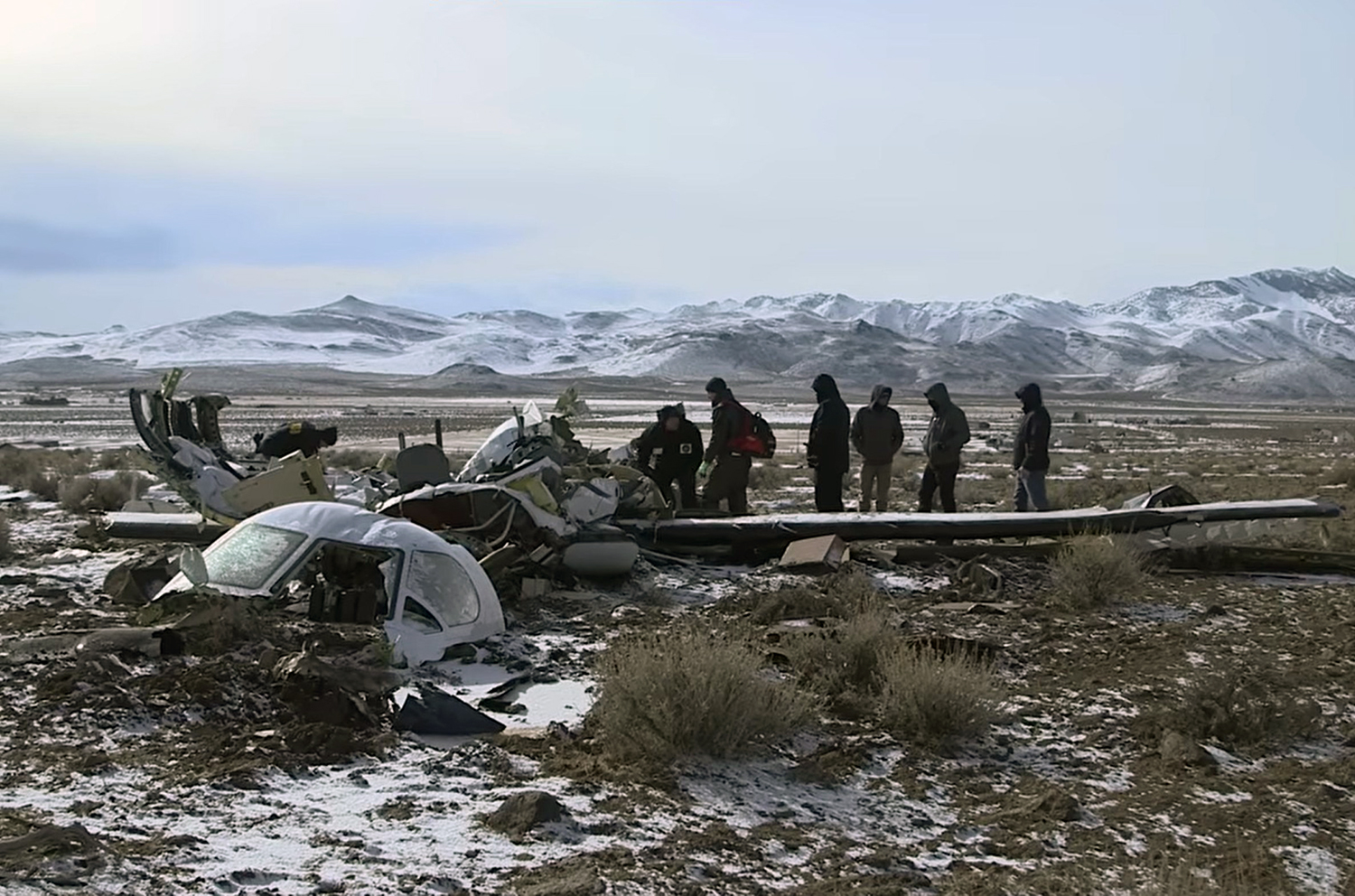
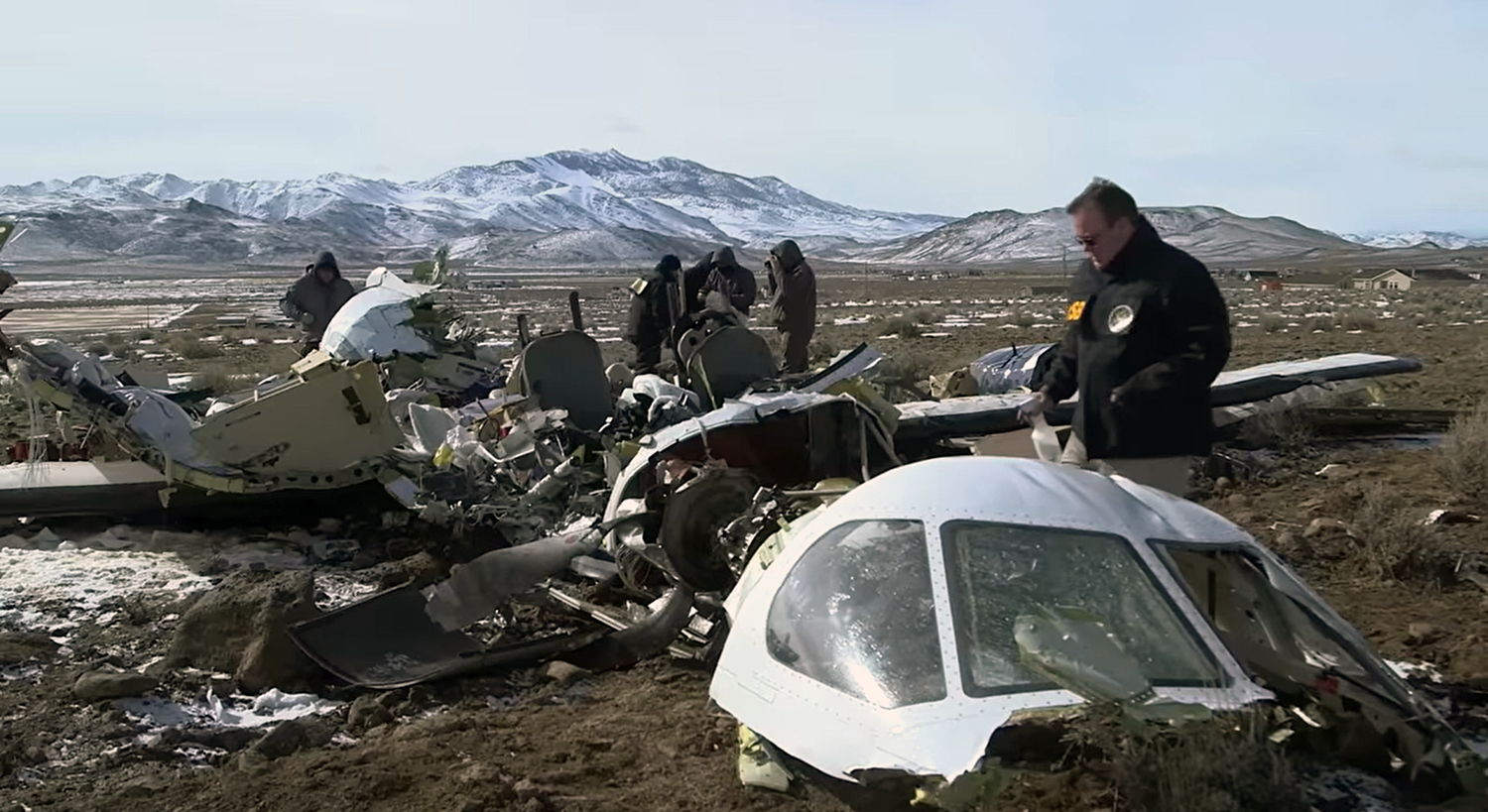
Crash of a Pilatus PC-12/45 near Stagecoach: 5 killed

Date & Time: Feb 24, 2023 at 2114 LT
Type of aircraft:
Operator:
Registration:
N273SM
Flight Phase:
Flight Type:
Survivors:
No
Schedule:
Reno - Salt Lake City
MSN:
475
YOM:
2002
Crew on board:
1
Crew fatalities:
Pax on board:
4
Pax fatalities:
Other fatalities:
Total fatalities:
5
Captain / Total flying hours:
2136
Captain / Total hours on type:
94.00
Circumstances:
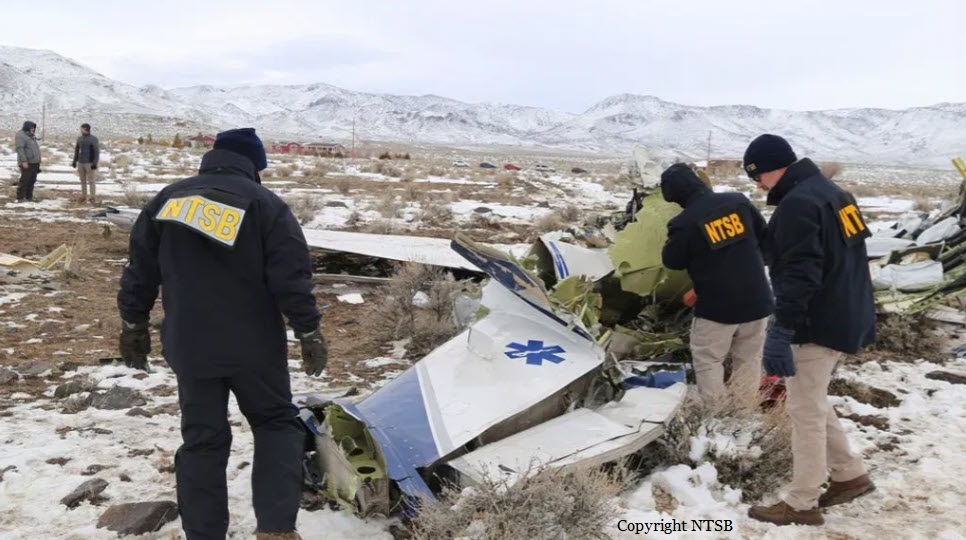
The pilot, two medical crew members, and two passengers departed on the medical transport flight, which was operating on an instrument flight rules (IFR) flight plan in night instrument meteorological conditions (IMC). Onboard data and ADS-B flight track information showed that, between 1 and 3 minutes after takeoff, the autopilot disengaged and then reengaged; however, the airplane continued to fly a course consistent with the published departure procedure. About 11 minutes after takeoff, the airplane turned about 90° right, away from the next waypoint along the departure procedure, and remained on that heading for about 47 seconds. Around this time, the airplane’s autopilot was disengaged again and was not reengaged for the remainder of the flight. Also, about this time, the airplane’s previously consistent climb rate stopped, and the airplane maintained an altitude of about 18,300 ft mean sea level (msl) for about 20 seconds, even though the pilot had been cleared to climb to 25,000 ft msl. The airplane subsequently turned left to a northeasterly heading and climbed to about 19,400 ft msl before entering a descending right turn. Shortly after entering the right turn, the airplane’s rate of descent increased from about 1,800 ft per minute (fpm) to about 13,000 fpm, and the rate of turn increased before ADS-B tracking information was lost at an altitude of about 11,100 ft msl, in the vicinity of the accident site. The airplane crashed in a snow covered area located 32 km southeast of Reno-Tahoe Airport. The aircraft was destroyed and all five occupants were killed.
Probable cause:
The pilot’s loss of control due to spatial disorientation while operating in night instrument meteorological conditions, which resulted in an in-flight breakup. Contributing to the accident was the disengagement of the autopilot for undetermined reasons, as well as the operator’s insufficient flight risk assessment process and lack of organizational oversight.
Final Report:

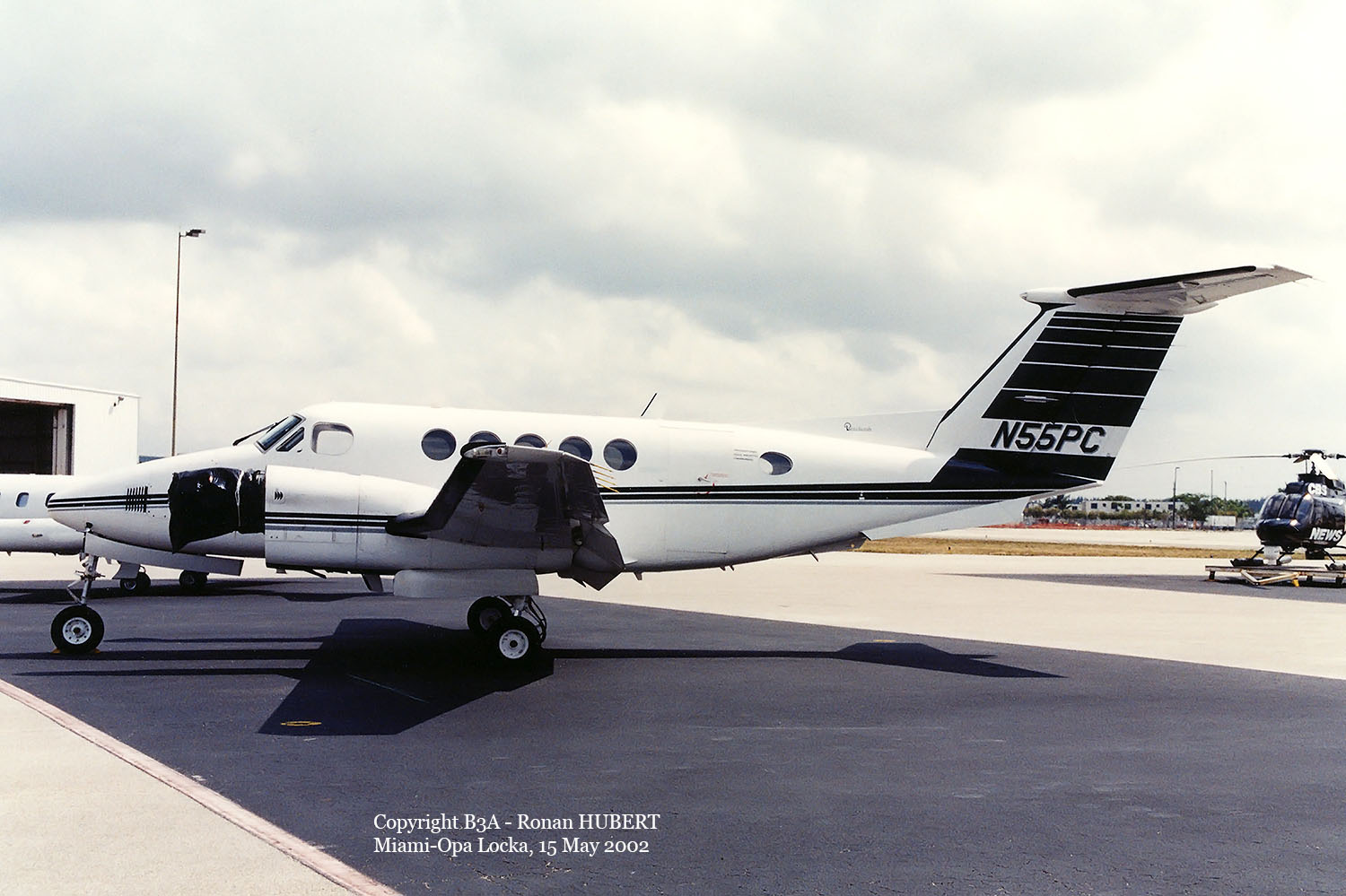
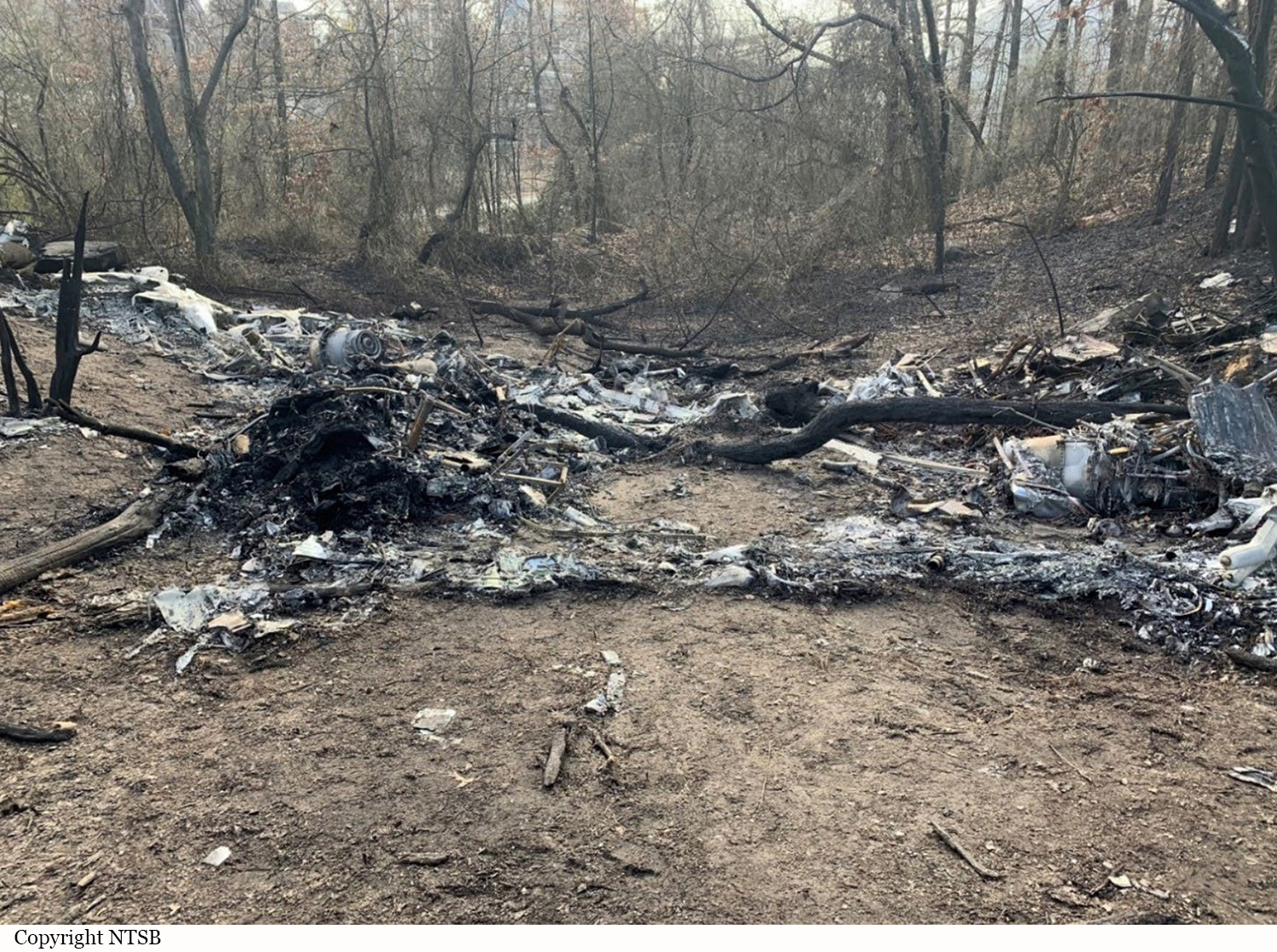
Crash of a Beechcraft B200 Super king Air in Little Rock: 5 killed
Date & Time: Feb 22, 2023 at 1156 LT
Operator:
Registration:
N55PC
Flight Phase:
Survivors:
No
Schedule:
Little Rock - Columbus
MSN:
BB-1170
YOM:
1983
Crew on board:
1
Crew fatalities:
Pax on board:
4
Pax fatalities:
Other fatalities:
Total fatalities:
5
Captain / Total flying hours:
10196
Captain / Total hours on type:
195.00
Aircraft flight hours:
10784
Circumstances:
The pilot and four passengers were departing in the multi-engine turbopropeller-powered airplane when the accident occurred. Surveillance video indicated that the takeoff and initial climb appeared normal, however, the airplane than began to lose airspeed and altitude until the airplane entered a left roll and descended toward the ground. Just after the airplane went out of sight, the camera recorded a rising plume of smoke about 1 mile from of the departure end of the runway. Shortly after the plume of smoke appeared, the camera appeared to shake from wind, and recorded blowing debris and heavy rain on the ramp where the camera was located. Just before and during takeoff, the camera showed that the ramp was dry with no rain or noticeable wind. No radio or distress calls were heard from the pilot. Several witnesses saw the airplane’s takeoff and initial climb and they described the airplane as struggling to climb and reported that it entered a steep bank and descent toward the ground shortly after takeoff. The witnesses characterized the weather conditions as stormy and windy, with a weather front passing through the area. The wreckage of the airplane was found amidst heavily wooded terrain adjacent to a factory about 1 mile south of the departure end of runway 18 and a post-impact fire consumed most of the airplane. Detailed examinations of the airframe, engines, flight controls, and propellers did not reveal any pre-impact mechanical anomalies that would have precluded normal operations. Both engines and propellers exhibited evidence of rotation at the time of impact, and several large diameter tree branches at the accident site were found cut consistent with propeller blade strikes, also indicating that the engines were producing power at the time of impact. A performance study indicated that the airplane climbed to a maximum altitude of about 386 ft above ground level before it began to descend. Review of airplane performance from previous takeoffs from the same runway indicated that the airplane’s climb performance during the accident initial climb takeoff was diminished. The reason for the diminished performance could not be determined. Review of weather information indicated that the airplane departed about the time a line of extreme intensity precipitation was approaching, and weather reporting equipment at the airport indicated a wind shift associated with this oncoming line of precipitation. A wind shear alert was active in the control tower advising of 15 to 20 kt gains about 1 mile from the runway. Based on the observation weather data, it is likely that, during the initial climb, the airplane encountered wind with magnitudes between 20 and 30 kts that likely varied in direction about 50°, from a quartering headwind to a crosswind condition. In the minutes following the accident time, this wind continued to shift to a quartering tailwind condition for the departure runway and increased in magnitude to 30 to 40 kts. There was no evidence to suggest that the airplane encountered a microburst or downdraft. Based on available information, the performance study could not conclude why the airplane had diminished performance during the initial climb after takeoff. Although there was diminished performance during the initial climb, it could not be attributed to a airframe, engine, or system anomaly. Although the weather was deteriorating at the time of the accident, and there were wind shifts in the area, a weather study determined that the wind shifts likely contributed to, but did not cause the accident. The pilot’s autopsy was limited by injury but identified severe coronary artery disease. Within the limits of the autopsy, there was no evidence that a medical event contributed to the accident. The pilot’s toxicology testing detected a low level of ethanol in cavity blood only; however, the small amount of ethanol may have been produced postmortem. It is unlikely that the effects of ethanol contributed to the accident.
Probable cause:
The loss of control during initial climb for undetermined reasons. Contributing to the accident were the sudden wind shifts during the initial climb.
Final Report: