Crash of a Honda HA-420 HondaJet in Houston

Date & Time: Feb 17, 2023 at 1116 LT
Type of aircraft:
Operator:
Registration:
N14QB
Flight Type:
Survivors:
Yes
Schedule:
Miami – Houston
MSN:
420-00107
YOM:
2018
Crew on board:
1
Crew fatalities:
Pax on board:
5
Pax fatalities:
Other fatalities:
Total fatalities:
0
Captain / Total flying hours:
1134
Captain / Total hours on type:
287.00
Aircraft flight hours:
644
Circumstances:
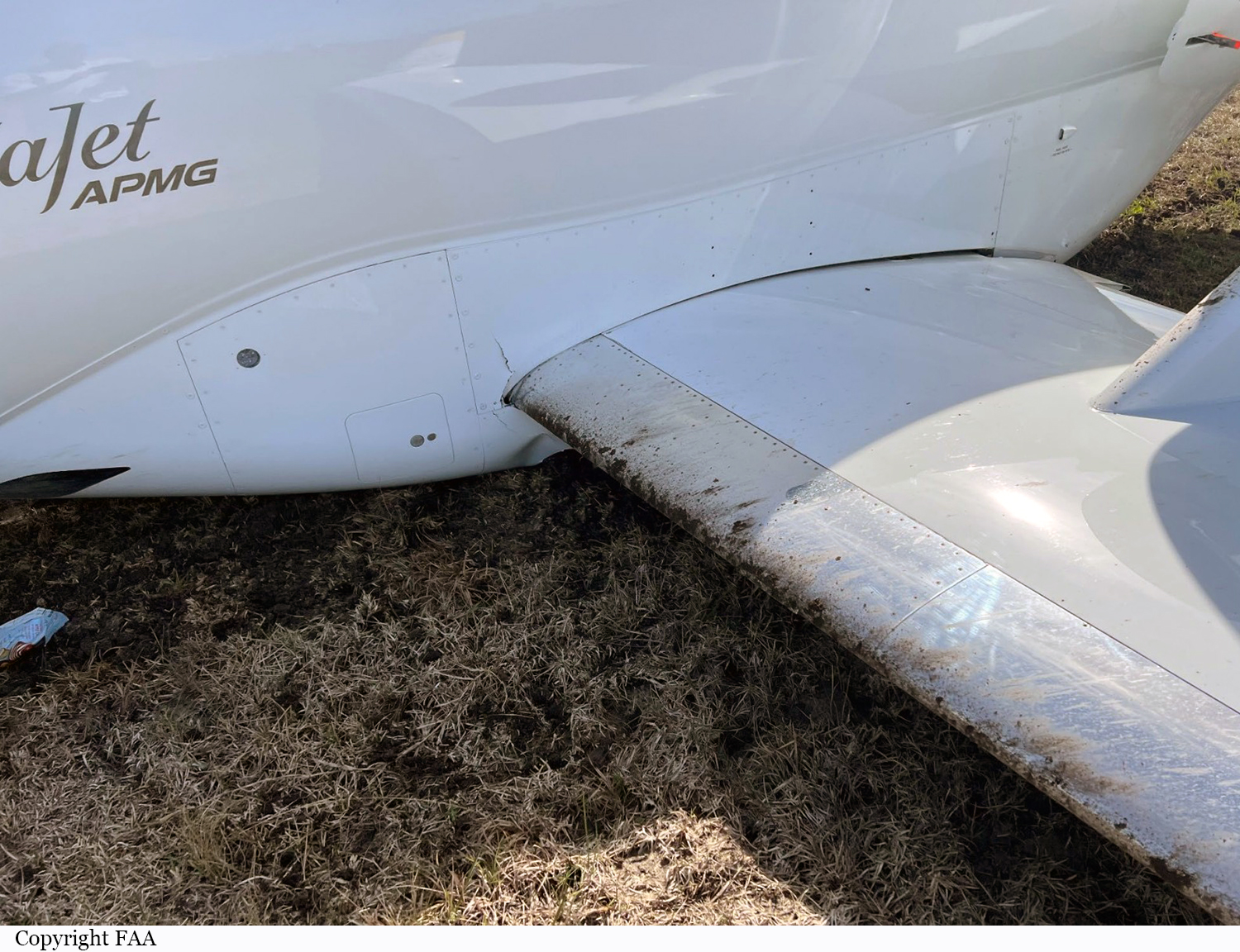
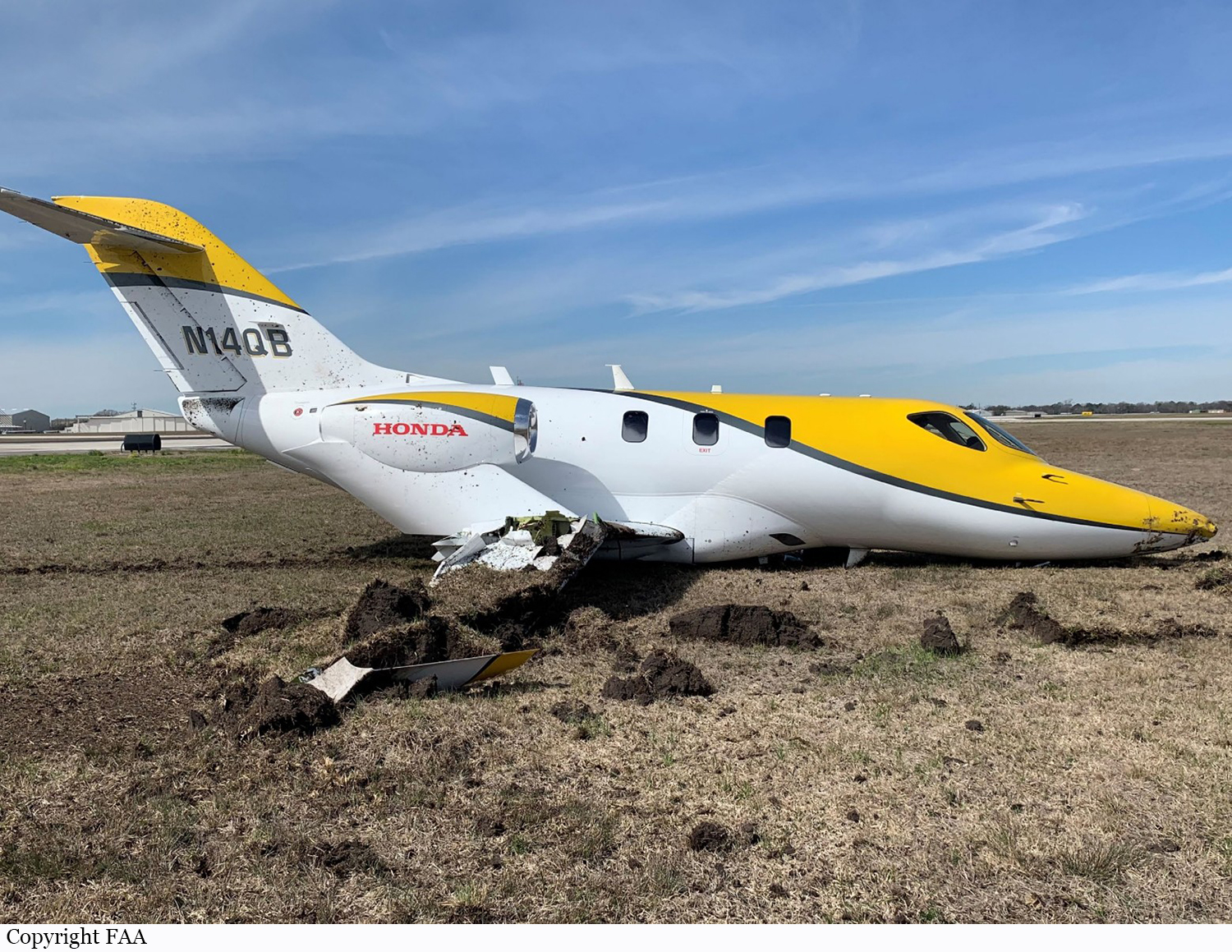
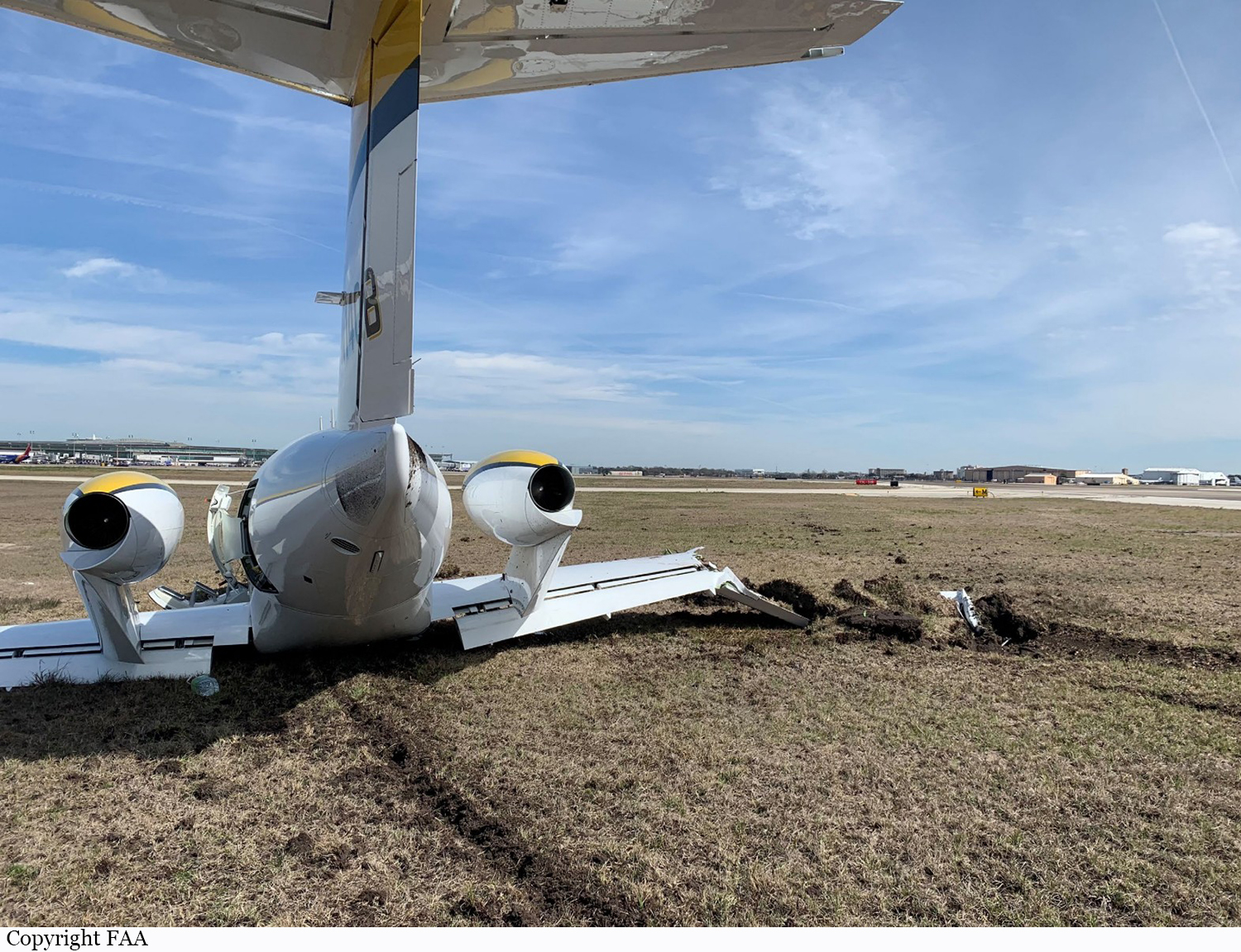
The pilot was landing at the destination airport with a gusting crosswind. Upon touchdown, he established the aileron controls for the crosswind and applied the brakes; however, no braking action was observed. The airplane subsequently drifted left and departed the runway pavement. It came to rest upright in the grass infield area adjacent to the runway. The outboard portion of the right wing separated which resulted in substantial damage. Data indicated that the airplane was 14 knots or more above the published landing reference speed when it crossed the runway threshold, and it touched down about 2,000 ft from the threshold. The left and right weight-on-wheels (WOW) parameters transitioned from air to ground consistent with initial touchdown; however, the left WOW parameter transitioned back to air about 2 seconds later. The right WOW parameter remained on ground until the airplane departed the runway pavement. A detailed review of the Central Maintenance Function (CMF) data files did not reveal any record of airplane system anomalies from the time the airplane lifted off until it touched down. Multiple system anomalies were recorded after the runway excursion consistent with airframe damage sustained during the accident sequence. The brake system touchdown protection is designed to prevent brake application until wheel spin-up occurs to avoid the possibility of inadvertently landing with a locked wheel due to brake application. After weight-on-wheels has been true for three seconds, power braking is enabled. It is likely that the lack of positive weight-on-wheel parameters inhibited brake application due to the touchdown protection function and resulted in the pilot not observing any braking action. The excess airspeed, extended touchdown, and transient weight-on-wheels parameters were consistent with the airplane floating during the landing flare and with the application of aileron controls for the crosswind conditions. The airplane was not equipped with wing-mounted speed brakes which would have assisted in maintaining weight-on-wheels during the initial portion of the landing. The most recent wind report, transmitted by the tower controller when the airplane was on a 3- mile final, presented a 70° crosswind at 15 knots, gusting to 25 knots. The corresponding crosswind gust component was about 24 knots. The airplane flight manual specified a crosswind limitation of 20 kts for takeoff and landing; therefore, the crosswind at the time of the accident exceeded the airframe crosswind limitation and would have made control during touchdown difficult. The pilot reported that he had made two requests with the approach controller to land on a different runway, but those requests were denied. The investigation was unable to make any determination regarding a pilot request for an alternate runway. Federal Aviation Regulations stated that the pilot in command of an aircraft is directly responsible for, and is the final authority as to, the operation of that aircraft. The regulations also stated that no person may operate a civil aircraft without complying with the operating limitations. The pilot’s ultimate acceptance of the runway assignment which likely exceeded the crosswind limitation of the airplane was contrary to the regulations and to the safe operation of the airplane.
Probable cause:
The pilot’s loss of directional control during landing which resulted in a runway excursion. Contributing to the accident was the pilot’s decision to land with a crosswind that exceeded the limitation for the airplane.
Final Report:
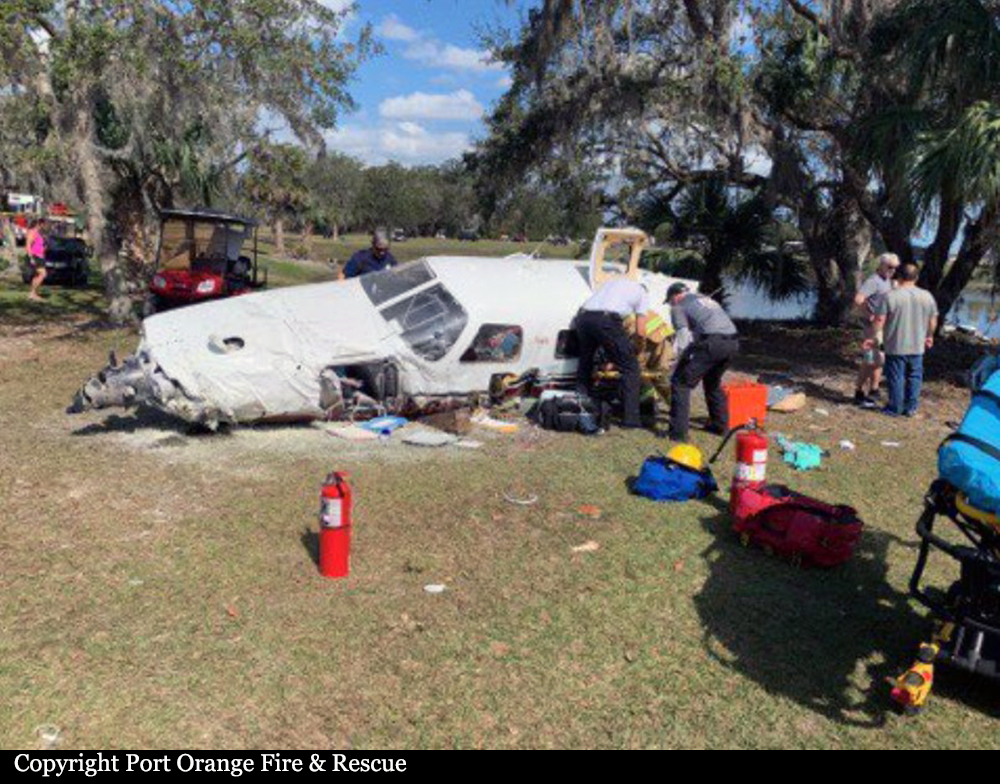
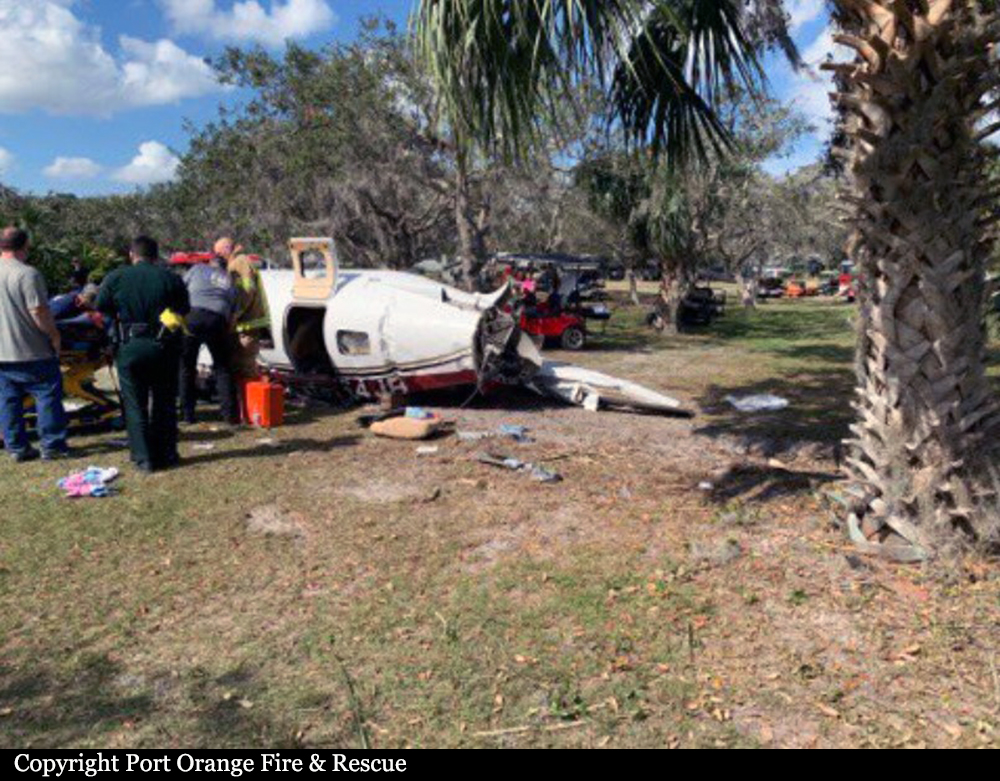
Crash of a Piper PA-46-310P Malibu in Port Orange

Date & Time: Feb 2, 2023 at 1200 LT
Registration:
N864JB
Flight Phase:
Flight Type:
Survivors:
Yes
Schedule:
Port Orange – Bluffton
MSN:
46-08009
YOM:
1986
Crew on board:
1
Crew fatalities:
Pax on board:
1
Pax fatalities:
Other fatalities:
Total fatalities:
0
Captain / Total flying hours:
469
Captain / Total hours on type:
19.00
Circumstances:
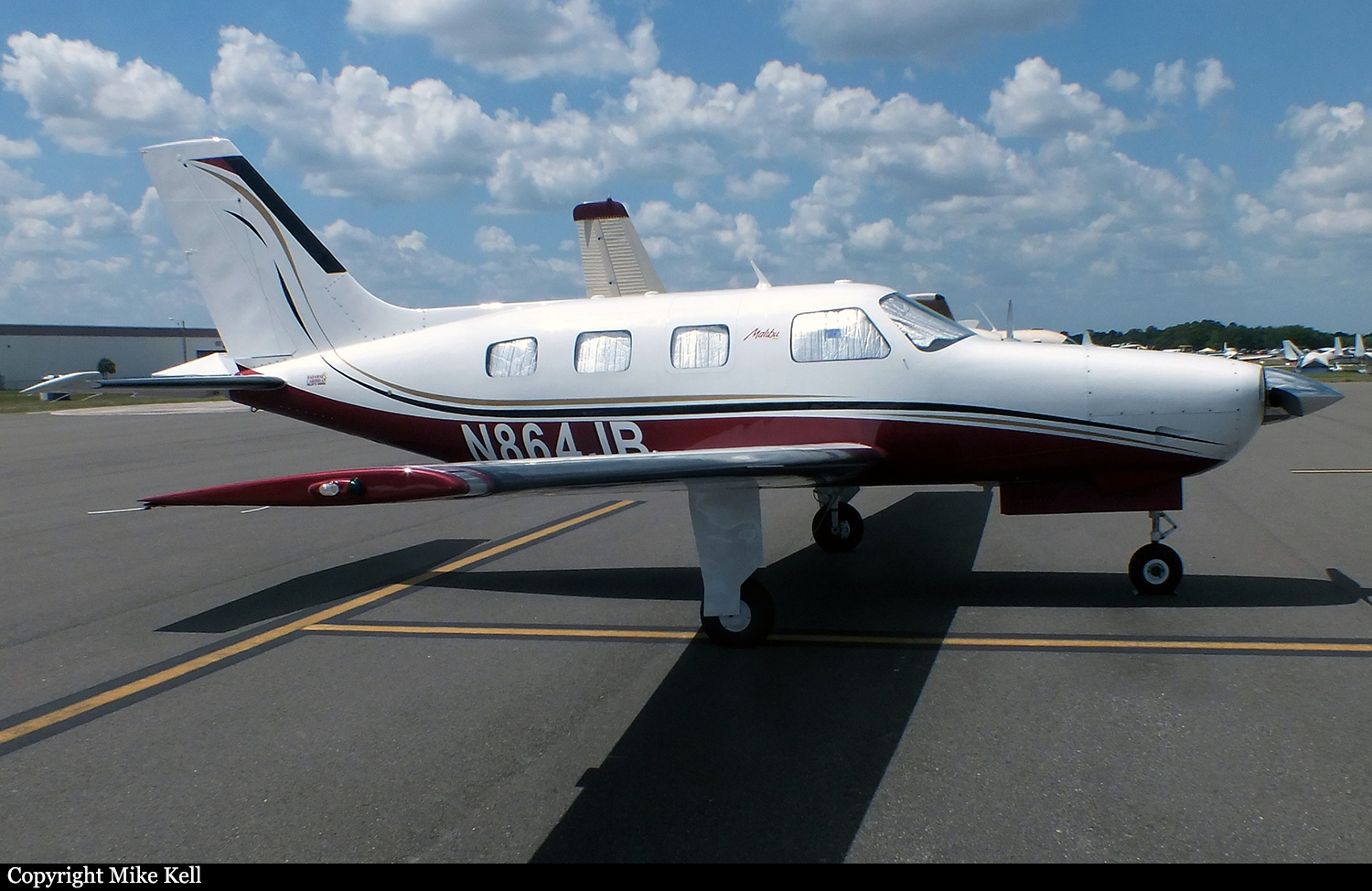
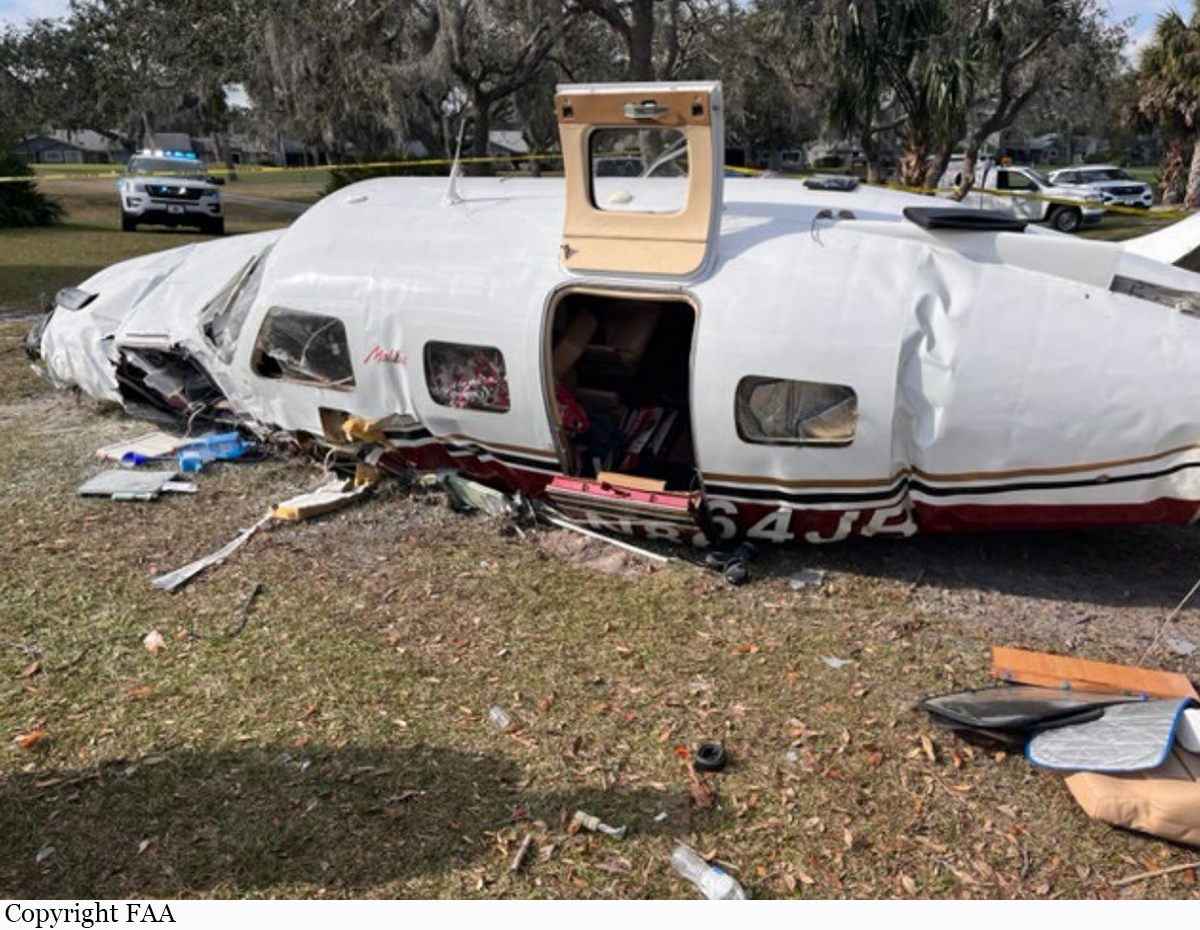
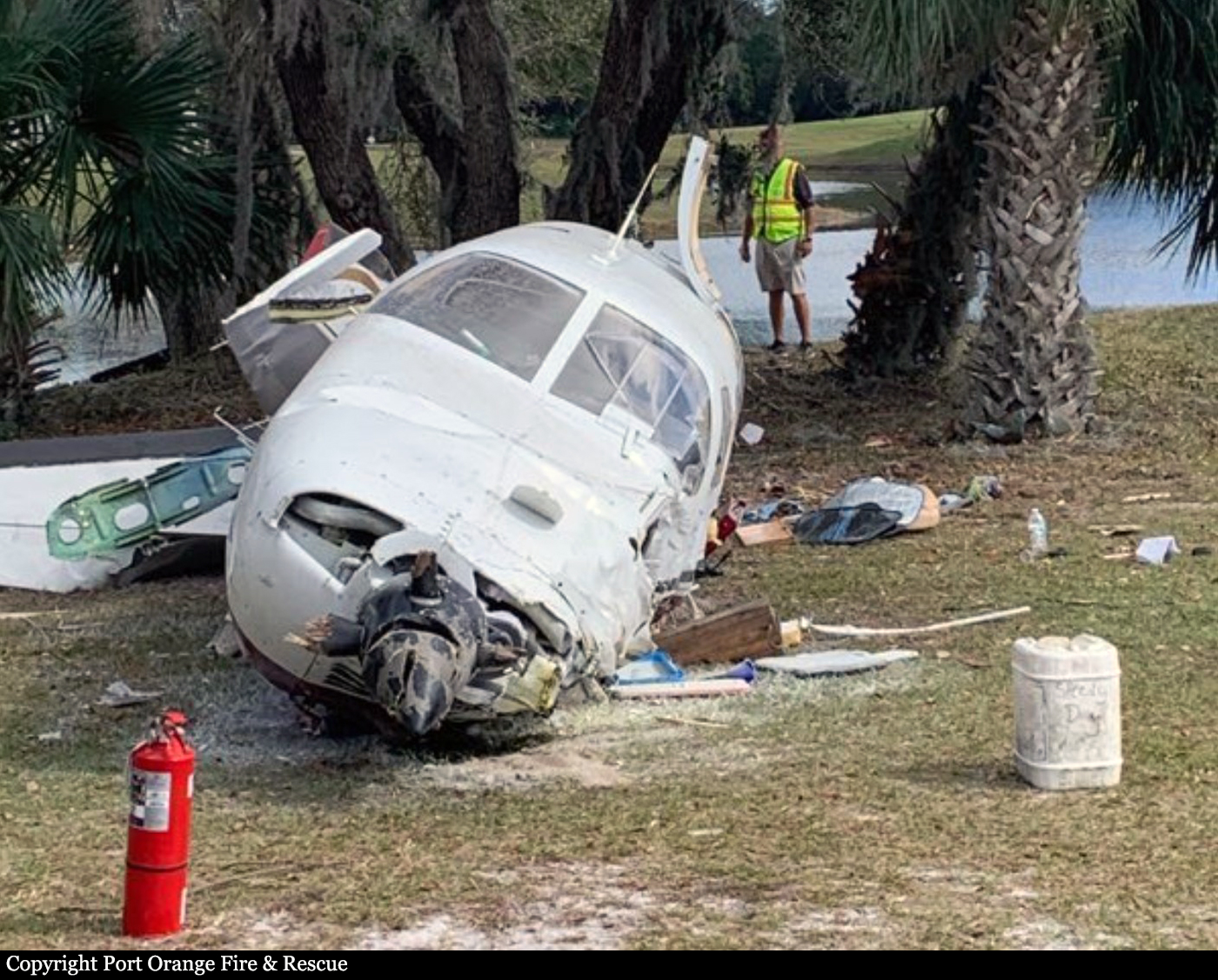
The pilot reported, and airport security video confirmed, that during a takeoff attempt, the right wing contacted the runway and the pilot pulled back excessively on the yoke. The airplane pitched up, stalled, and descended back on to the runway. It subsequently traveled off the end of the runway and impacted trees, before coming to rest on its side. The pilot added that in retrospect, he should have rejected the takeoff when the right wing contacted the runway. Examination of the wreckage by a Federal Aviation Administration inspector did not reveal any preimpact mechanical malfunctions, nor did the pilot report any. The inspector noted that both wings separated, and the fuselage was substantially damaged.
Probable cause:
The pilot’s failure to maintain aircraft control during a takeoff attempt, which resulted in an aerodynamic stall, runway excursion, and collision with trees.
Final Report:
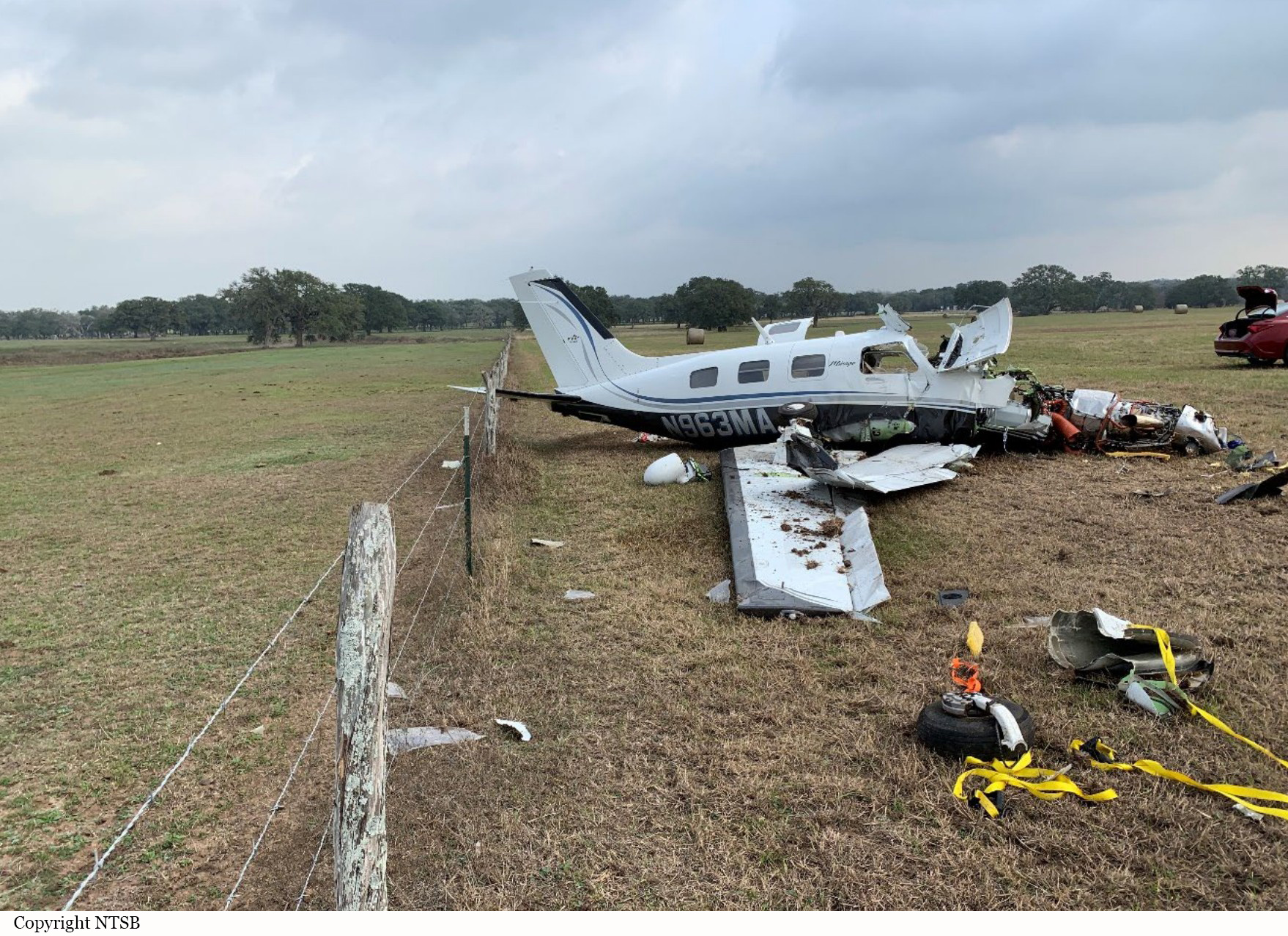
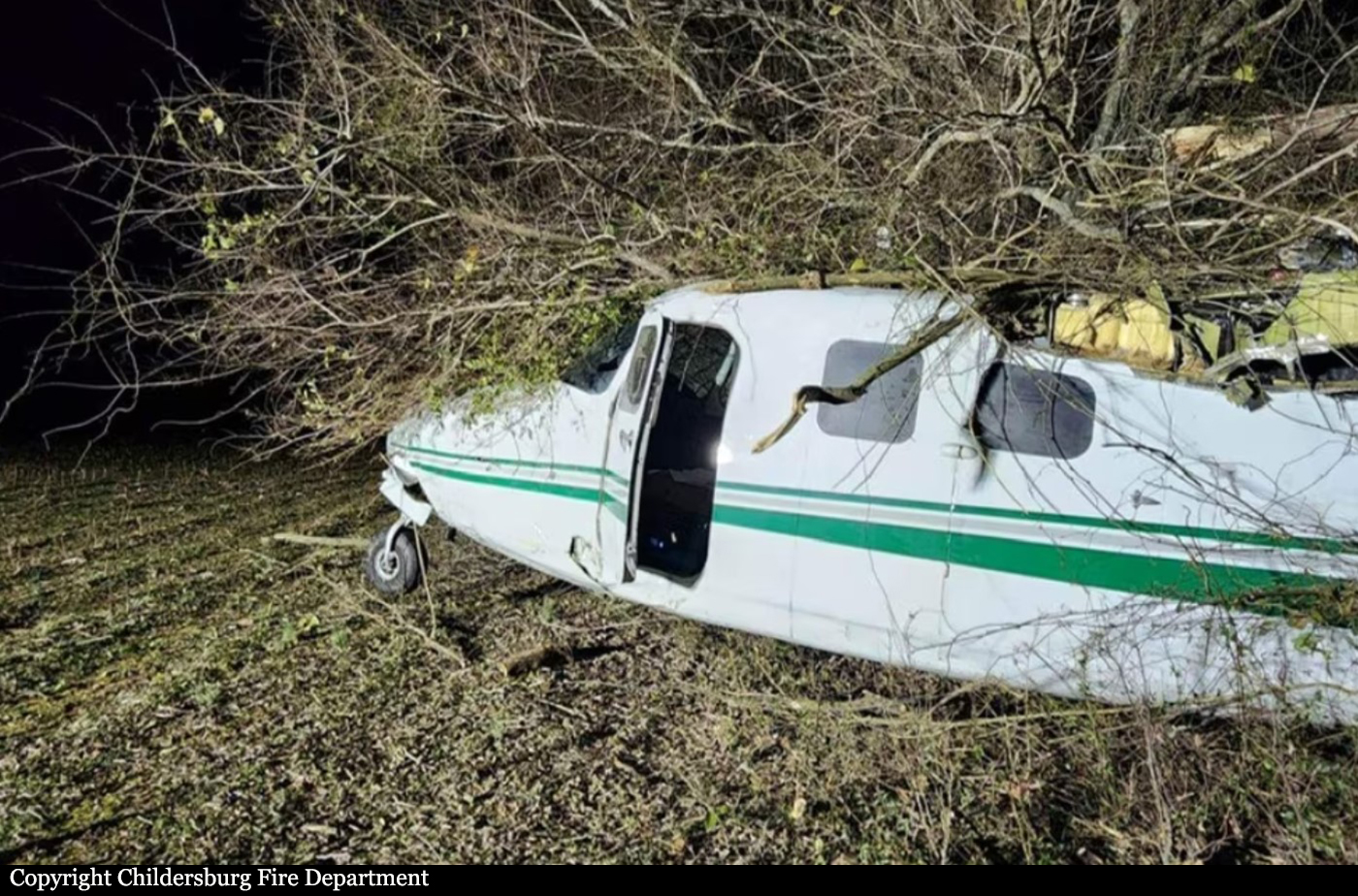
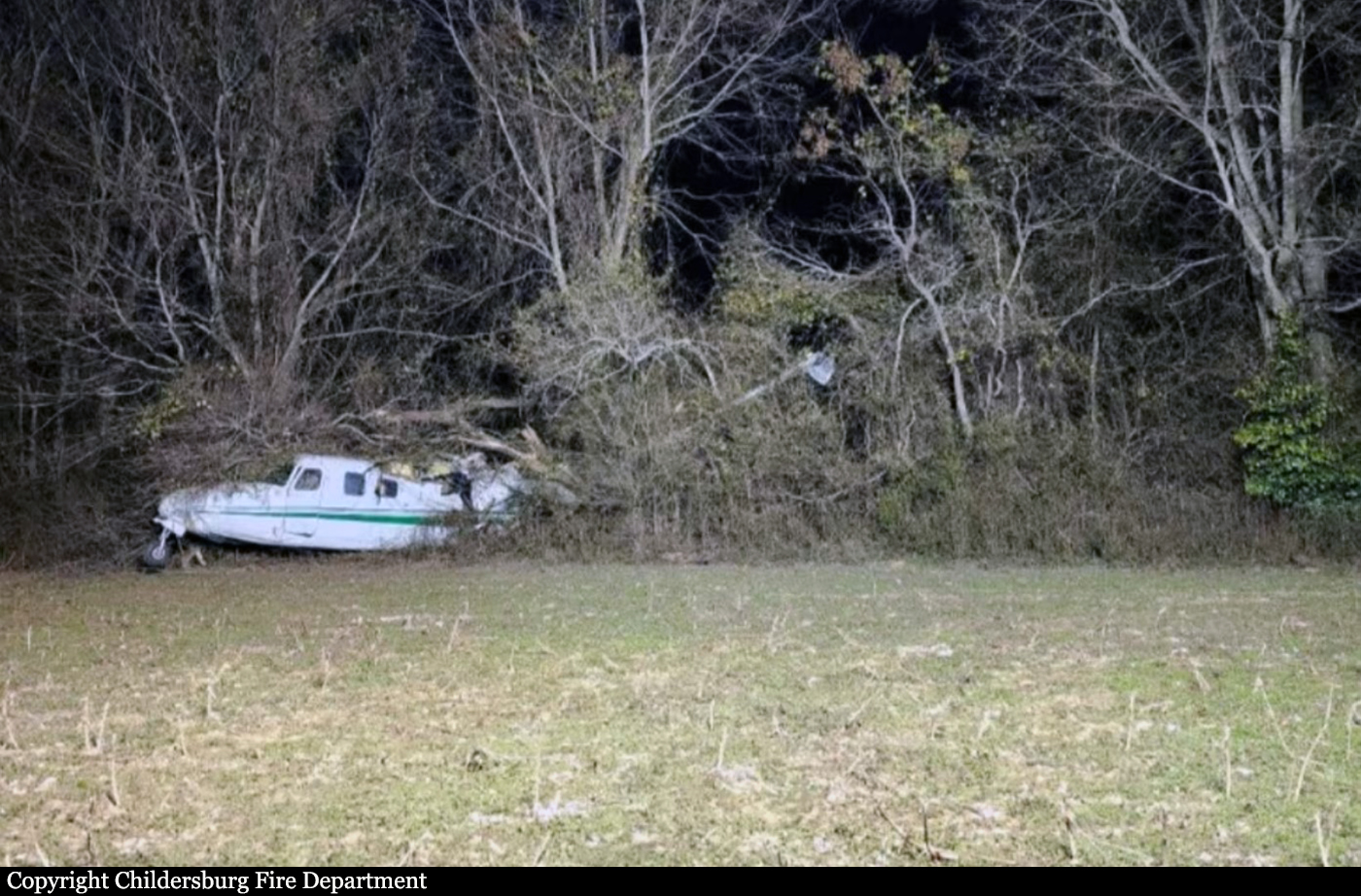
Crash of a Rockwell Aero Commander 500B near Sylacauga

Date & Time: Jan 28, 2023 at 1751 LT
Operator:
Registration:
N107DF
Flight Phase:
Flight Type:
Survivors:
Yes
Schedule:
Tampa - Birmingham
MSN:
500B-1191-97
YOM:
1962
Crew on board:
1
Crew fatalities:
Pax on board:
0
Pax fatalities:
Other fatalities:
Total fatalities:
0
Captain / Total flying hours:
1337
Captain / Total hours on type:
366.00
Aircraft flight hours:
20061
Circumstances:
The pilot was taking the airplane on a flight to another airport for maintenance. During the preflight inspection, the pilot turned on the electrical power and noticed that the fuel gauge was indicating 80 gallons of fuel. The pilot reported the airplane holds a maximum of 156 gallons of fuel and he calculated that he needed 113 gallons of fuel to legally complete the flight. He informed the fixed base operator (FBO) that he wanted the fuel tanks topped off, but was informed by the ramp technician that the fuel tanks were full and he did not need fuel. The pilot went back to the airplane and removed the fuel cap. He noticed fuel in the filler neck and assumed the fuel tanks were full. He did not push open the anti-siphon fuel valve to see if the tanks were full or if residual fuel was pooled on top of the anti-siphon fuel valve. When the pilot started the engines, he noticed the fuel gauge was flickering and thought it was malfunctioning. He proceeded to depart for the maintenance base. After about 2 hours of flight time both engines lost power. Unable to reach the closest airport, the pilot executed an off field landing in a cotton field. After landing, the airplane rolled into the trees and the left wing separated from the fuselage. The airplane sustained substantial damage to the left and right wings. According to the fueler at the FBO, she drove out to the airplane to fuel it on the morning of the accident and, after removing the single fuel cap, saw fuel on top of the anti-siphon valve. She used her finger to push down the valve and felt fuel, so she believed the airplane was full of fuel and it did not need additional fuel. Both wing fuel bladders were breached during the accident and a minor amount of fuel was leaked onto the ground. Personnel from the company who recovered the wreckage stated that there was no fuel in the fuel tanks when the airplane was recovered. The fuel quantity transmitter was sent to the manufacturer for examination. Testing of the transmitter revealed no anomalies with the unit. Based on this information, it is likely that the pilot erred in his assessment of the airplane’s fuel quantity prior to departing on the accident flight and that the available quantity of fuel was exhausted, which resulted in the total loss of engine power and the subsequent forced landing.
Probable cause:
The pilot’s failure to assure there was an adequate amount of fuel onboard to complete the flight, which resulted in a loss of engine power due to fuel exhaustion.
Final Report:
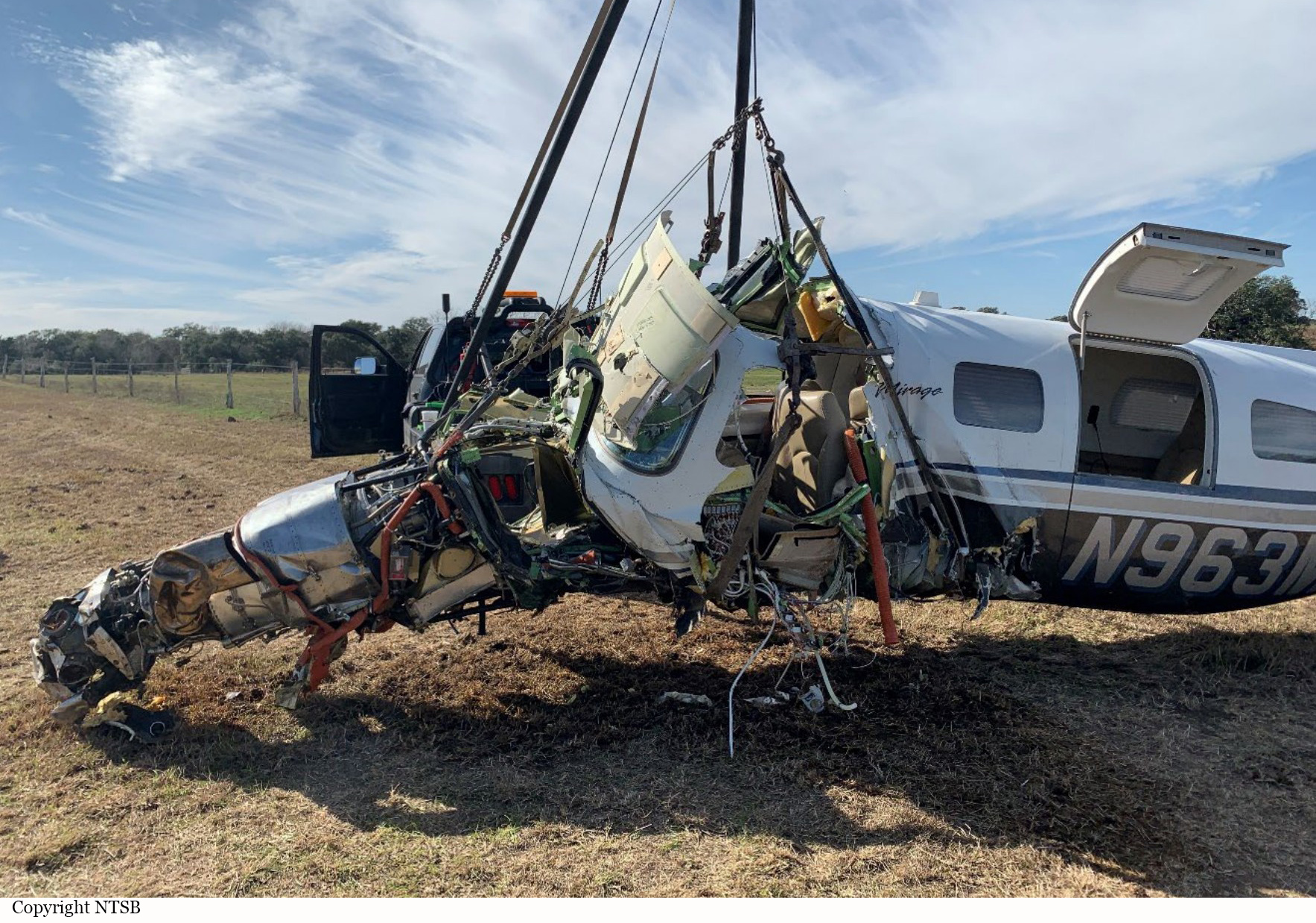
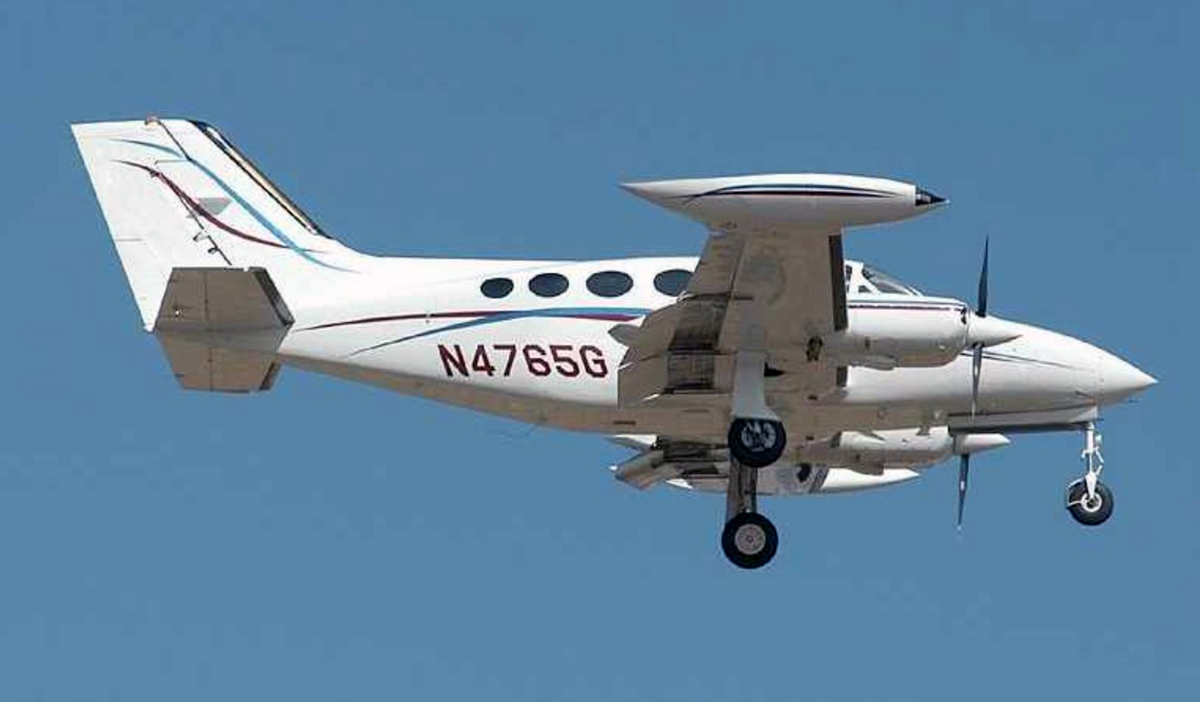
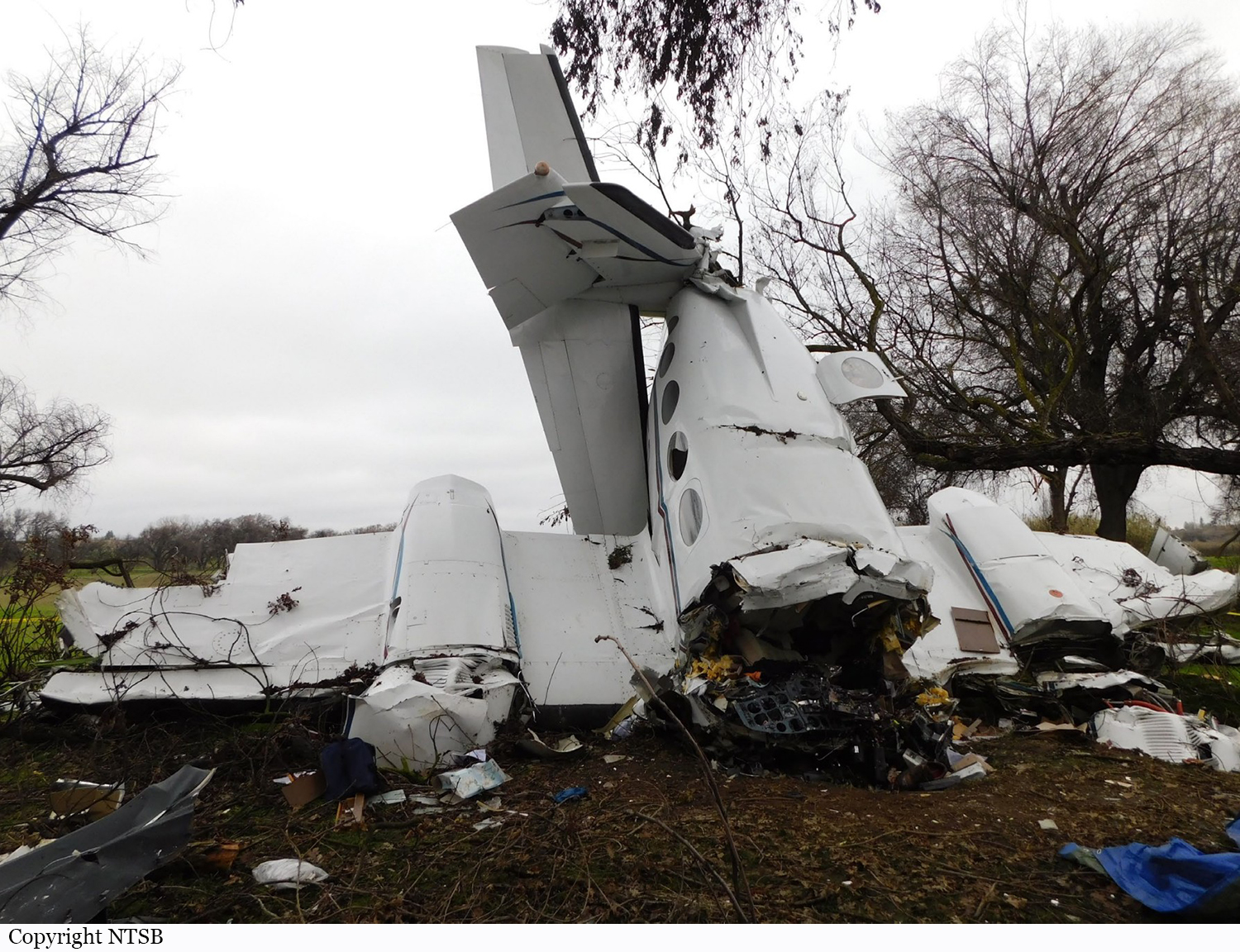
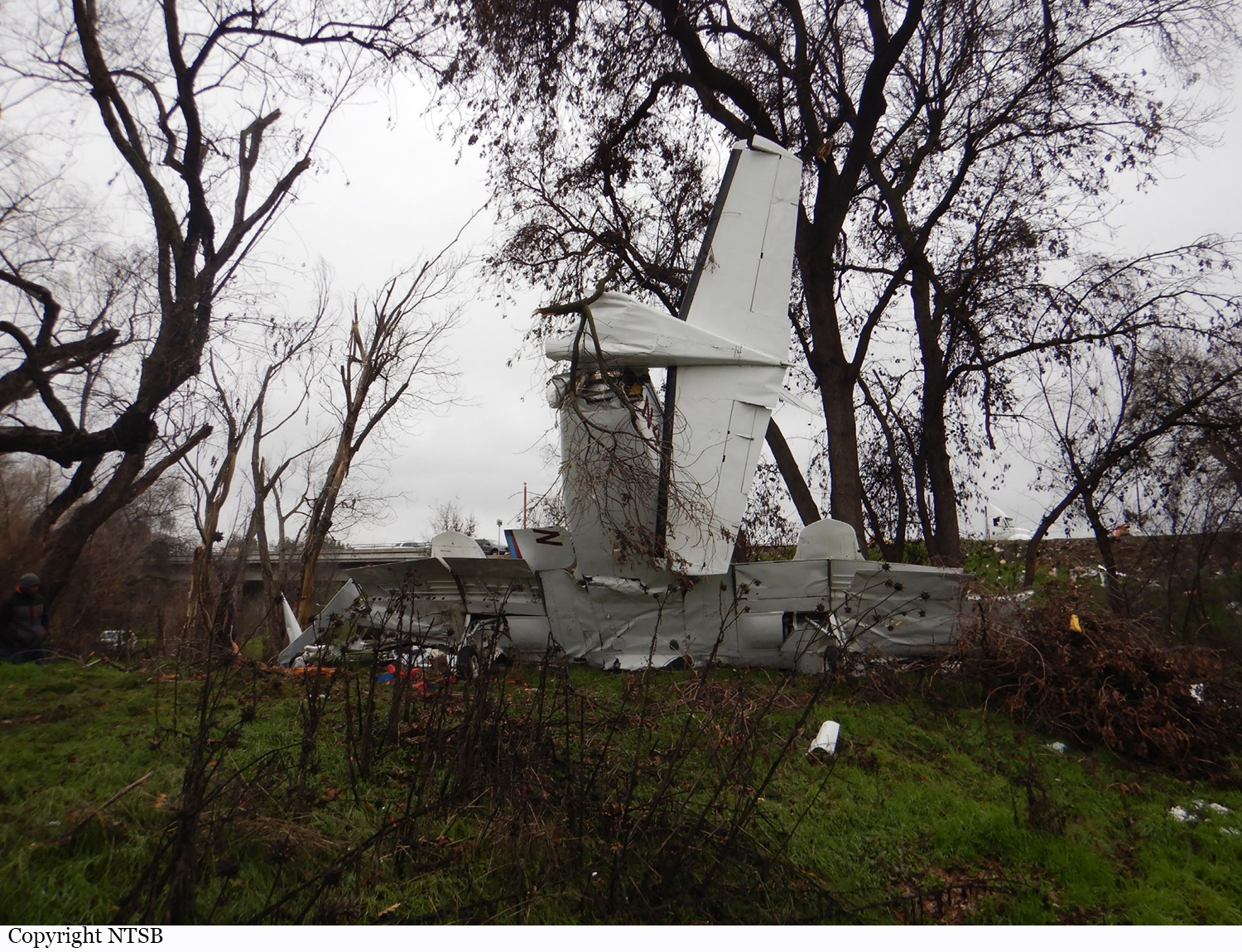
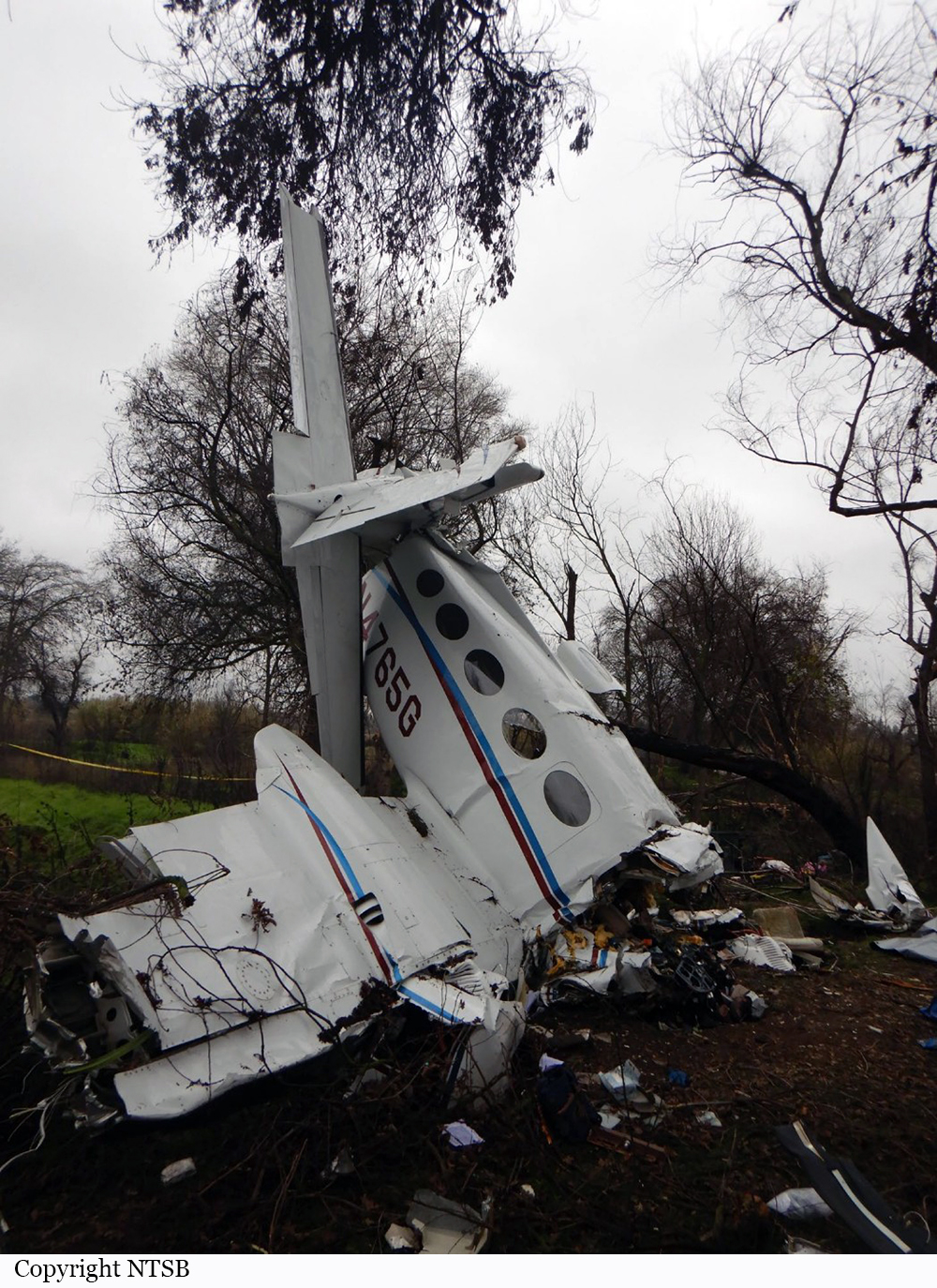
Crash of a Cessna 414 Chancellor in Modesto: 1 killed

Date & Time: Jan 18, 2023 at 1307 LT
Type of aircraft:
Registration:
N4765G
Flight Type:
Survivors:
No
Schedule:
Modesto – Concord
MSN:
414-0940
YOM:
1977
Crew on board:
1
Crew fatalities:
Pax on board:
0
Pax fatalities:
Other fatalities:
Total fatalities:
1
Captain / Total flying hours:
4506
Captain / Total hours on type:
9.00
Aircraft flight hours:
3574
Circumstances:
Shortly after taking off, the pilot was instructed to change from the airport tower frequency to the departure control frequency. Numerous radio transmissions followed between tower personnel and the pilot that indicated the airplane’s radio was operating normally on the tower frequency, but the pilot could not change frequencies to departure control as directed. The pilot subsequently requested and received approval to return to the departure airport. During the flight back to the airport, the pilot made radio transmissions that indicated he continued to troubleshoot the radio problems. The airplane’s flight track showed the pilot flew directly toward the runway aimpoint about 1,000 ft from, and perpendicular to, the runway during the left base turn to final and allowed the airplane to descend as low as 200 ft pressure altitude (PA). The pilot then made a right turn about .5 miles from the runway followed by a left turn towards the runway. A pilot witness near the accident location observed the airplane maneuvering and predicted the airplane was going to stall. The airplane’s airspeed decreased to about 53 knots (kts) during the left turn and video showed the airplane’s bank angle increased before the airplane aerodynamically stalled and impacted terrain. Post accident examination of the airframe, engines, and review of recorded engine monitoring data revealed no evidence of any preimpact mechanical malfunctions or failures that would have precluded normal operation. Toxicology testing showed the pilot had diphenhydramine, a sedating antihistamine, in his liver and muscle tissue. While therapeutic levels could not be determined, side effects such as diminished psychomotor performance from his use of diphenhydramine were not evident from operational evidence. Thus, the effects of the pilot’s use of diphenhydramine was not a factor in this accident. The accident is consistent with the pilot becoming distracted by the reported non-critical radio anomaly and turning base leg of the traffic pattern too early during his return to the airport. The pilot then failed to maintain adequate airspeed and proper bank angle while maneuvering from base leg to final approach, resulting in an aerodynamic stall and impact with terrain.
Probable cause:
The pilot’s exceedance of the airplane’s critical angle of attack and failure to maintain proper airspeed during a turn to final, resulting in an aerodynamic stall and subsequent impact with terrain. Contributing to the accident was the pilot’s distraction due to a non-critical radio anomaly.
Final Report:
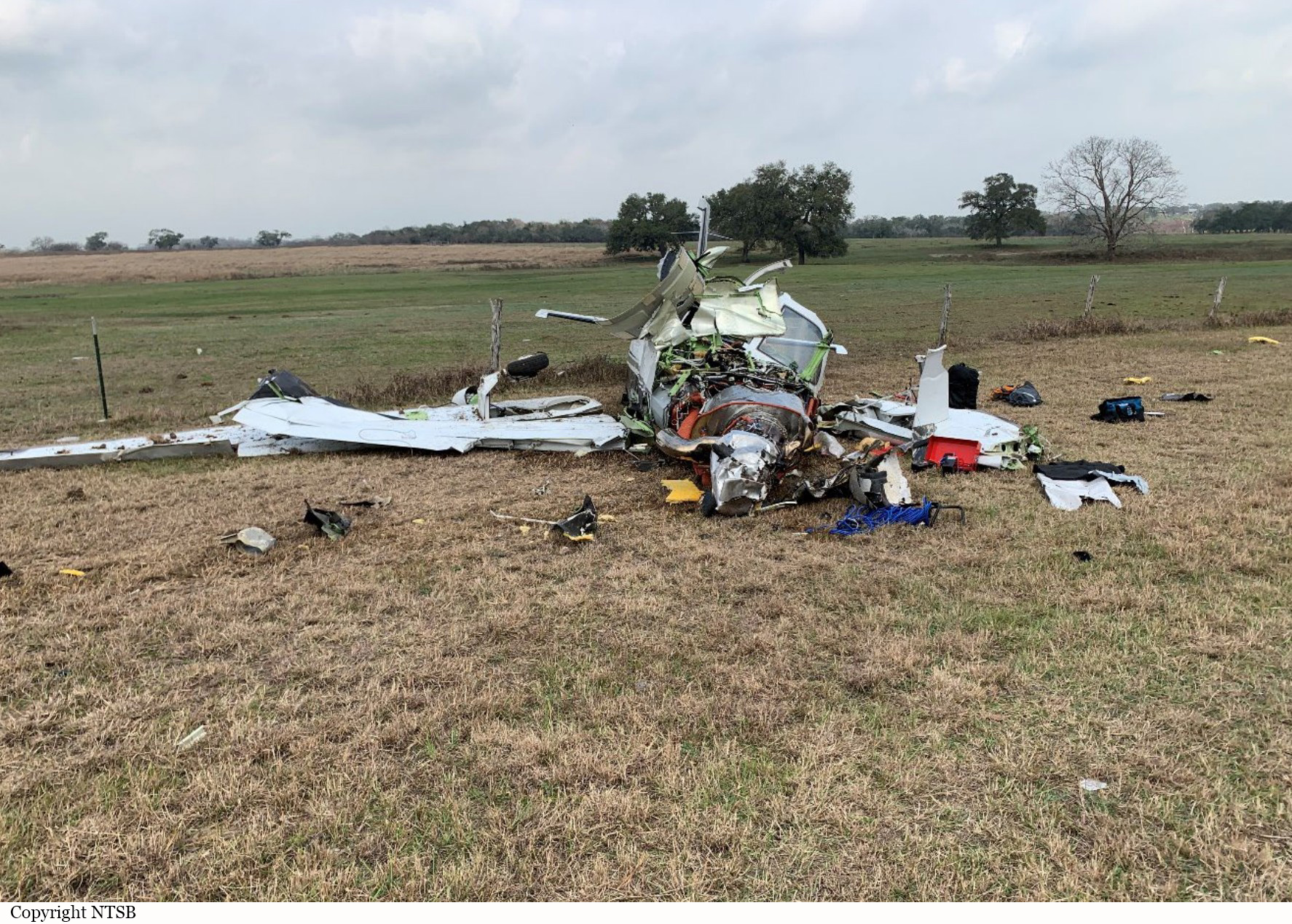
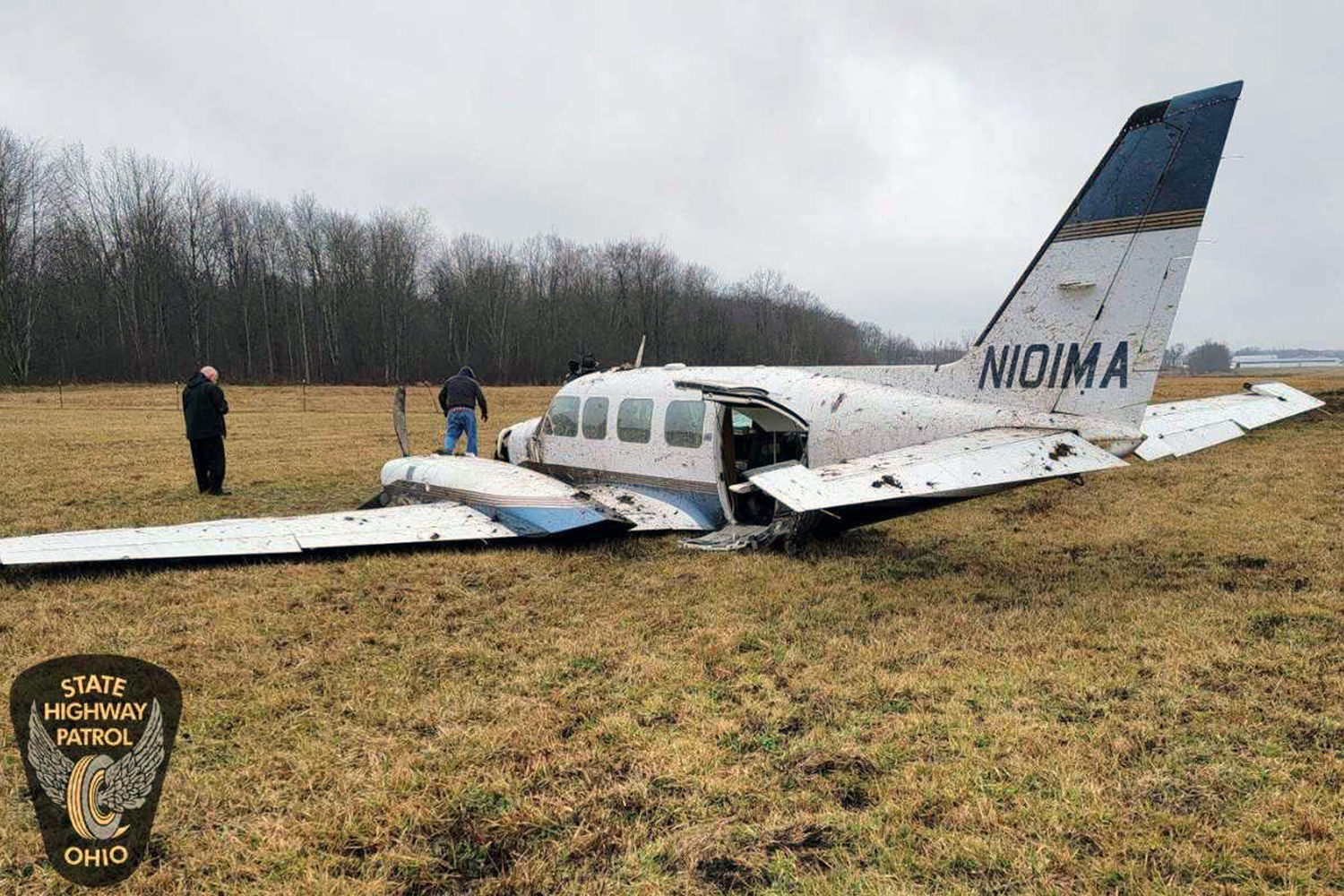
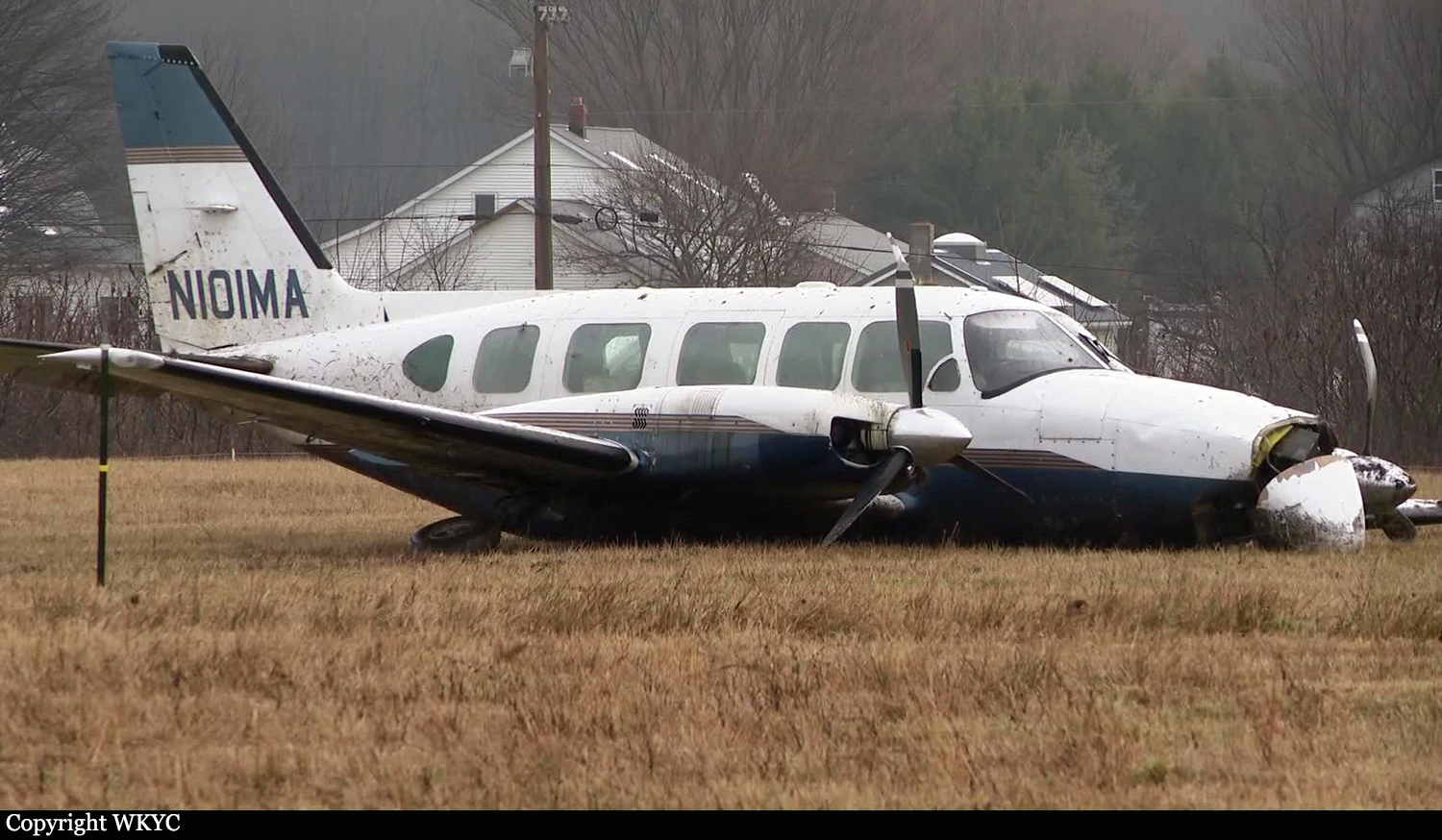
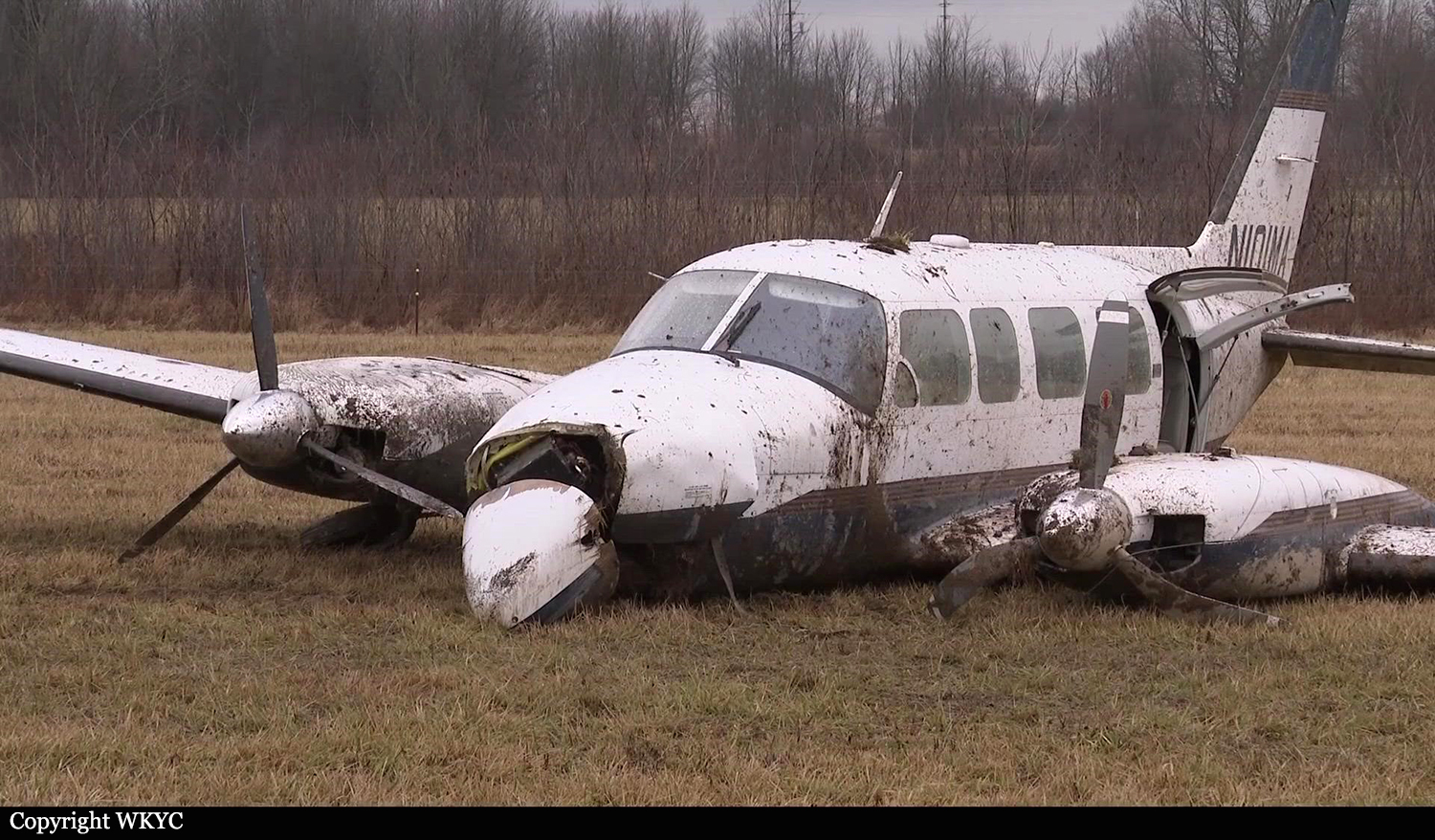
Crash of a Piper PA-31-350 Navajo Chieftain in Middlefield

Date & Time: Jan 18, 2023 at 0903 LT
Registration:
N101MA
Survivors:
Yes
Schedule:
Youngstown – Detroit – Minneapolis
MSN:
31-7752186
YOM:
1977
Crew on board:
1
Crew fatalities:
Pax on board:
5
Pax fatalities:
Other fatalities:
Total fatalities:
0
Captain / Total flying hours:
9275
Captain / Total hours on type:
750.00
Aircraft flight hours:
17154
Circumstances:
While enroute in instrument meteorological (IMC) conditions, the pilot of the twin-engine, piston-powered airplane declared an emergency following a loss of power to the right engine. The pilot secured the engine and was provided vectors by air traffic control for an instrument approach procedure at the nearest airport, which he successfully completed. The pilot reported that he flew the approach and landing with the wing flaps retracted and visually acquired the runway about 500 ft above the ground. The airplane touched down on the first third of the runway at 120 knots. The pilot knew he would not be able to stop the airplane on the 3,500-ft long runway but committed to the landing rather than risking a single-engine go-around in IMC. After landing, the airplane continued beyond the departure end of the runway and impacted a berm, collapsing the landing gear and resulting in substantial damage to the airplane. Examination of the engine revealed catastrophic damage consistent with detonation and oil starvation. The damage to the No. 5 cylinder was consistent with a subsequent over pressurization of the crankcase, which likely expelled the crankshaft nose seal and the oil supply. Detonation of the cylinder(s) can create excessive crankcase pressures capable of expelling the crankshaft nose seal. The crankshaft nose seal displacement likely created a rapid loss of oil and the resulting oil starvation of the engine. The fractured connecting rod and high-temperature signatures were consistent with oil starvation. No source or anomaly that would result in engine detonation was identified. According to the Pilot’s Operating Handbook (POH) for the accident airplane, during a single engine inoperative approach, the pilot should maintain an airspeed of 116 kts indicated (KIAS) or above until landing is assured. Once landing is assured, the pilot should extend the gear and flaps, slowly retard the power on the operative engine, and land normally. The airplane’s best single-engine rate of climb speed (blue line) was 106 KIAS, and its minimum controllable airspeed with one engine inoperative (Vmca) was 76 KIAS. The maximum speed for full flap extension (40°) was 132 KIAS. The POH also stated that a single-engine go-around should be avoided if at all possible. The pilot’s decision to commit to the landing was reasonable given the circumstances and the guidance provided by the POH; however, it is likely that his decision to conduct the landing without flaps and the airplane’s excessive airspeed at touchdown resulted in the runway overrun.
Probable cause:
A runway overrun during a precautionary landing following a total loss of right engine power due to detonation and subsequent oil starvation. Contributing was the pilot’s failure to lower the flaps and the excessive airspeed at touchdown.
Final Report:
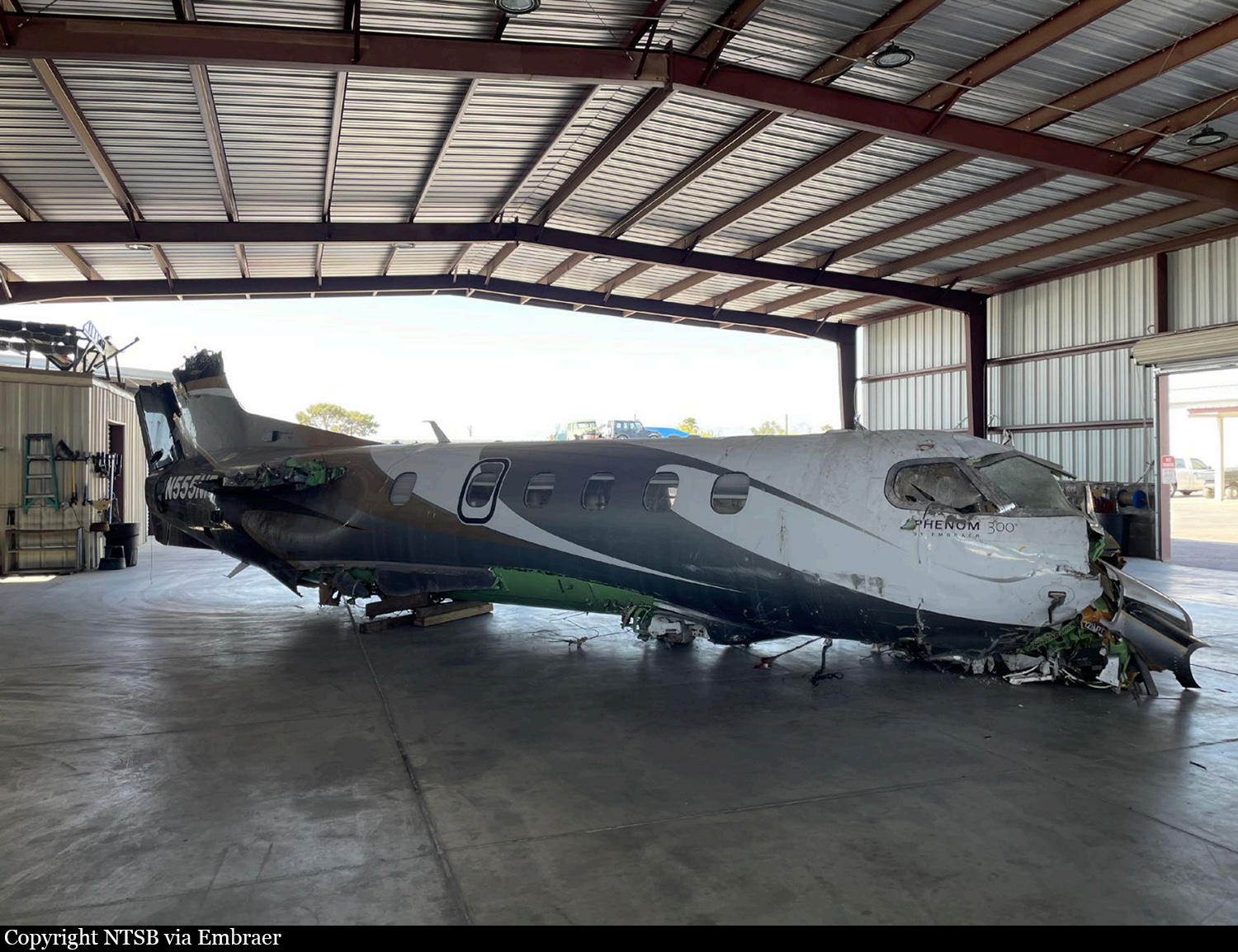
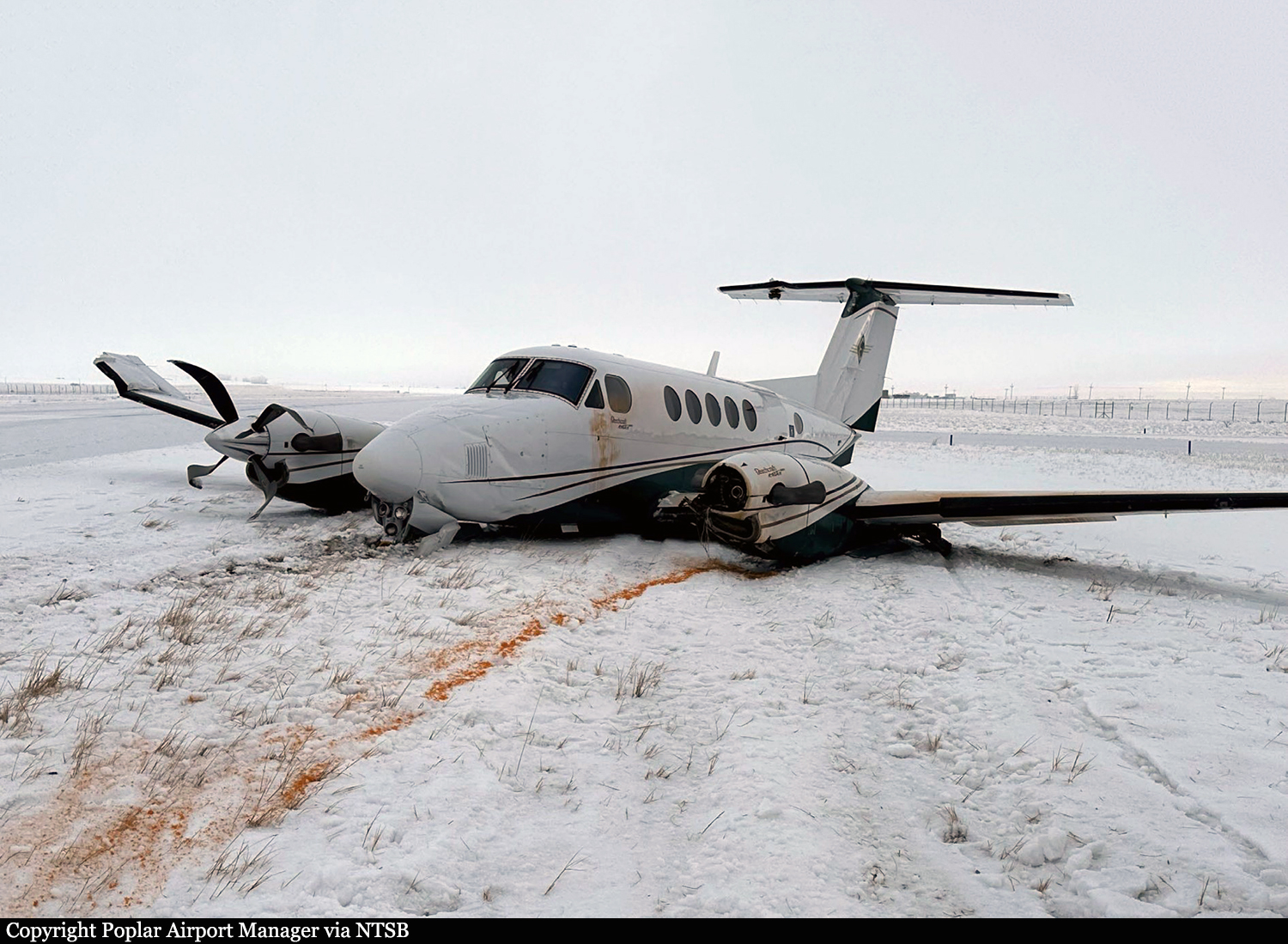
Crash of a Beechcraft B200 Super King Air in Poplar

Date & Time: Jan 18, 2023 at 0818 LT
Operator:
Registration:
N200EJ
Survivors:
Yes
Schedule:
Billings - Poplar
MSN:
BB-1884
YOM:
2004
Location:
Crew on board:
2
Crew fatalities:
Pax on board:
1
Pax fatalities:
Other fatalities:
Total fatalities:
0
Captain / Total flying hours:
4242
Captain / Total hours on type:
2068.00
Copilot / Total flying hours:
10301
Copilot / Total hours on type:
4137
Aircraft flight hours:
4538
Circumstances:
The pilot reported that while on approach for landing, the airplane started to lose altitude quickly. After the co-pilot noticed the high decent rate and the slow airspeed, he advised the pilot to add power. However, the airplane continued to descend and impacted terrain in a right wing and nose low attitude, about 30 yards short of the runway approach threshold, which resulted in substantial damage to the right wing. The pilot reported that there were no preaccident mechanical failures or malfunctions with the airplane that would have precluded normal operation.
Probable cause:
The pilot’s failure to maintain adequate airspeed and descent rate during the landing approach, which resulted in an impact with terrain short of the runway threshold.
Final Report:
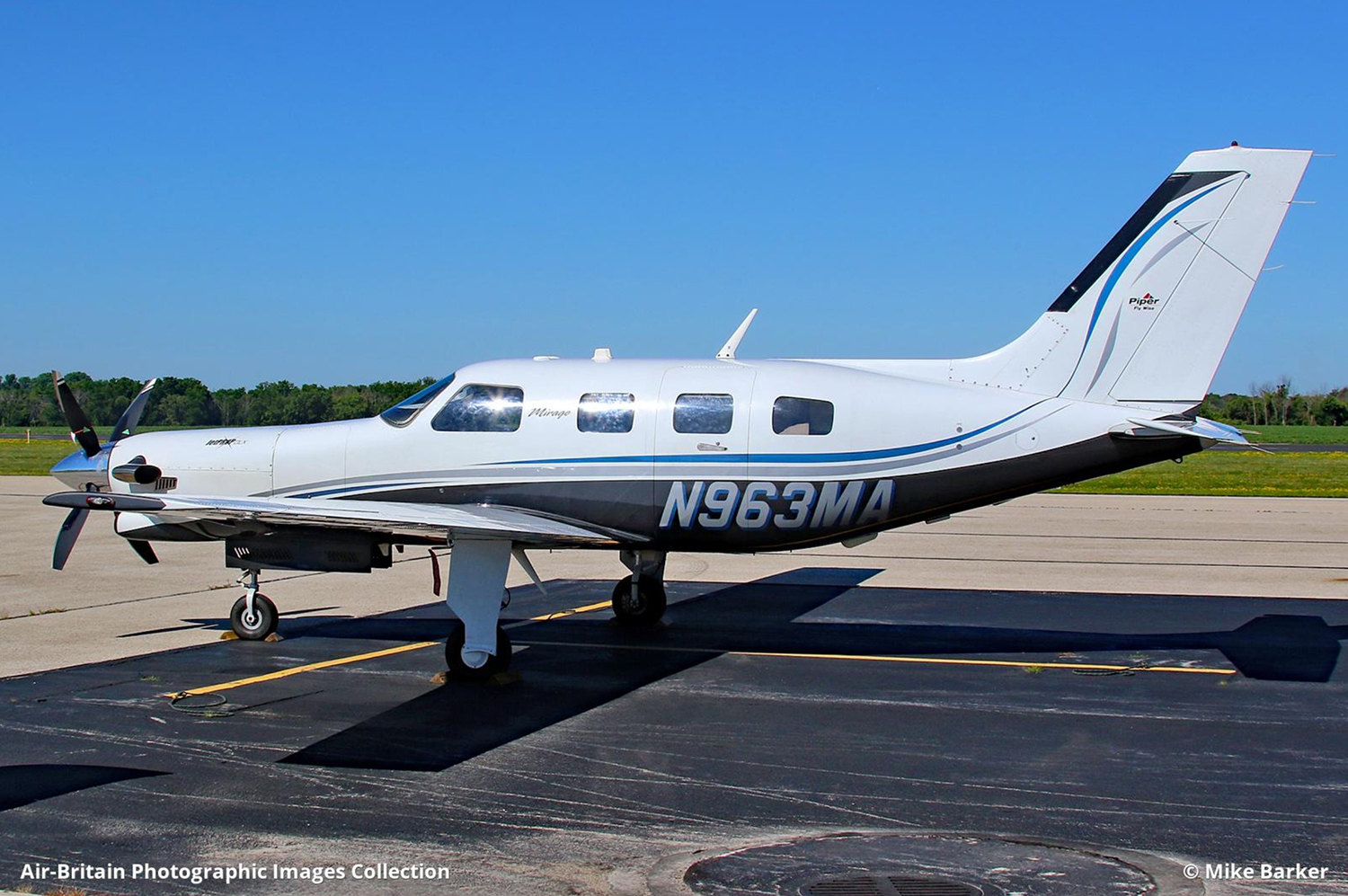
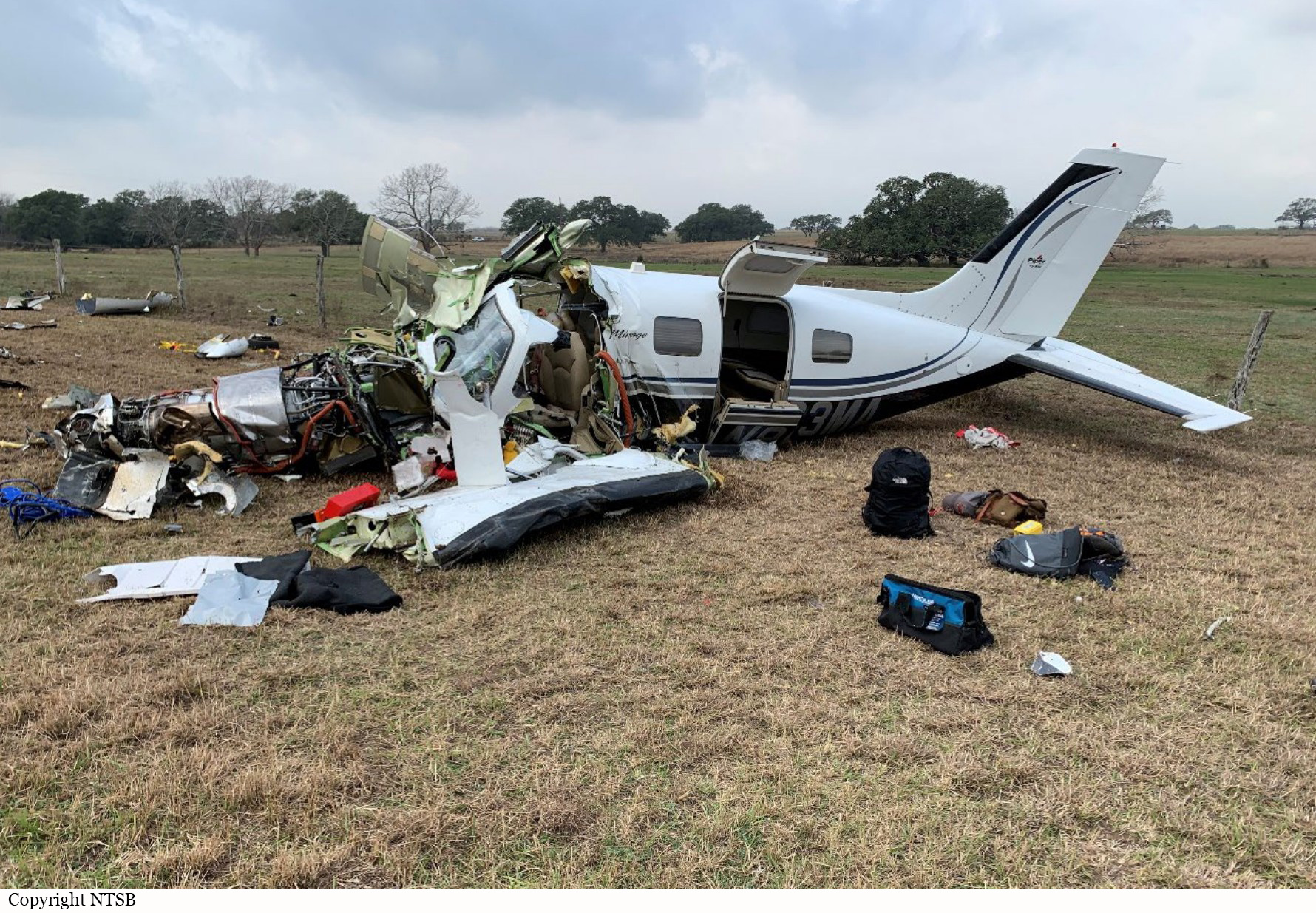
Crash of a Piper PA-46-350P Malibu Mirage in Yoakum: 4 killed

Date & Time: Jan 17, 2023 at 1036 LT
Registration:
N963MA
Flight Type:
Survivors:
Yes
Schedule:
Memphis – Yoakum
MSN:
46-36453
YOM:
2008
Location:
Crew on board:
1
Crew fatalities:
Pax on board:
4
Pax fatalities:
Other fatalities:
Total fatalities:
4
Captain / Total flying hours:
3295
Copilot / Total flying hours:
700
Aircraft flight hours:
1714
Circumstances:
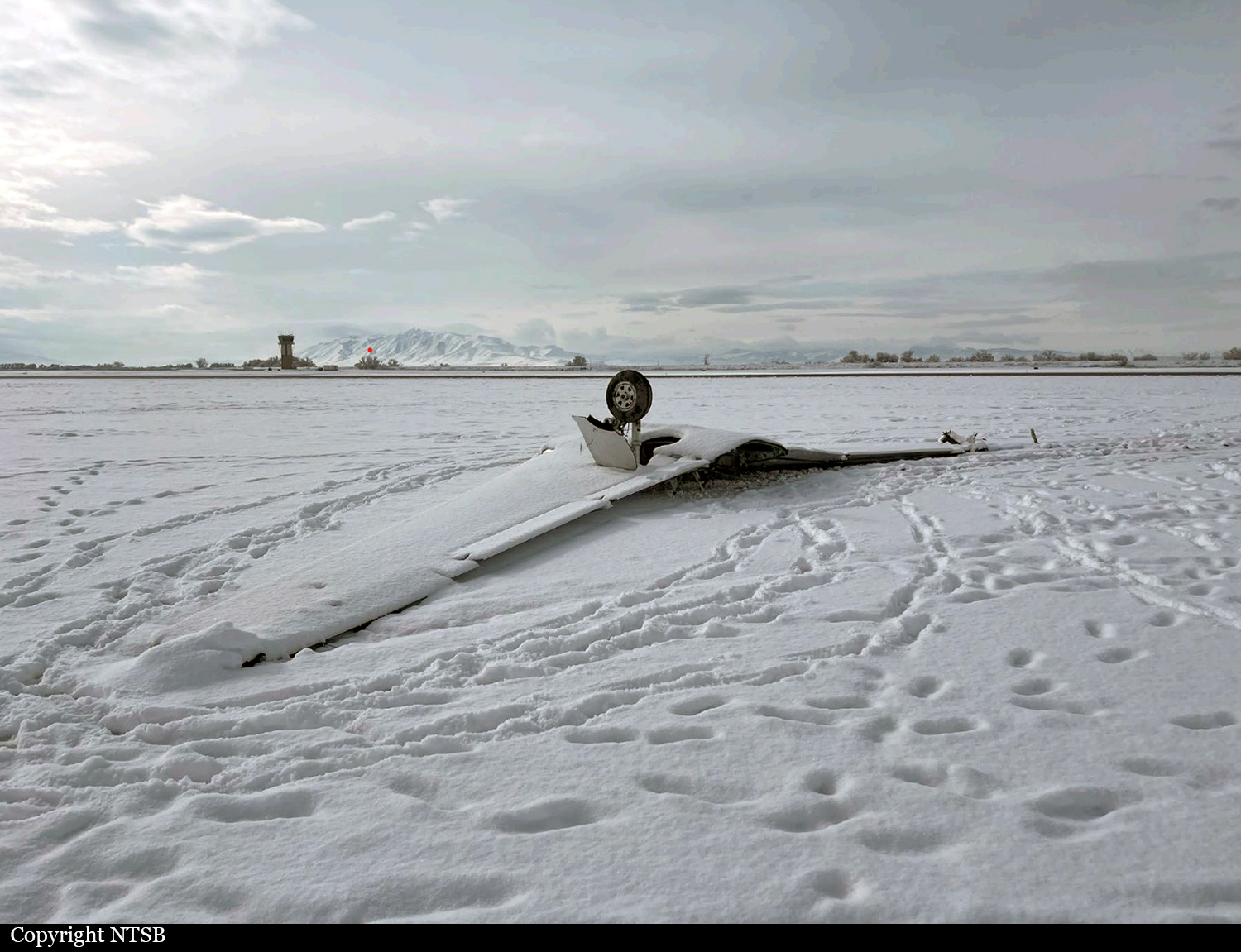
A review of air traffic control (ATC) data showed that the airplane departed with an instrument flight rules (IFR) clearance for the destination airport. The pilot requested and was cleared for an RNAV (GPS) approach into the destination airport. When the airplane was descending through 3,500 ft msl , the controller instructed the pilot to report cancelling the IFR clearance and approved a radio frequency change. There was no further communication from the pilot; the ATC facility reported that radar contact was lost when the airplane reached 2,000 ft msl, which was normal for the approach. The sole surviving passenger reported the airplane was off course during the approach, and the pilot was struggling with the airplane to get it back on course. The passenger remembered hearing a warning alarm several times and the airplane “aggressively pitching up” with more warning alarms and then “aggressively pitching down.” He observed the pilot pulling hard on the yoke and he believed he heard the copilot calling for the pilot to try and get the nose of the airplane up and straightened out. He said that he couldn’t see anything out of the windows due to the clouds and fog until right before the airplane impacted the ground. The airplane came to rest in an open pasture about 1.5 miles from the destination airport. Low IFR (LIFR) conditions were forecast for the area of the accident site and the destination airport. The National Weather Service (NWS) forecasts were consistent with the weather conditions encountered by the pilot on the approach. Data recovered from the airplane’s autopilot indicate that the pilot began the approach with the autopilot engaged. When the airplane was about 1 mile from the runway and 500 ft above the airport elevation, the pilot initiated a right climbing turn and disconnected the autopilot. This action was consistent with the initiation of the missed approach procedure. Autopilot datas indicate that the airplane’s pitch then increased as high as +20° and roll to +47° (right) during the climbing right turn. These angles suggest that the pilot likely had difficulty controlling the airplane. The pilot then engaged the autopilot’s unusual attitude recovery mode. The autopilot made inputs to return to a level flight attitude; however, autopilot data indicate that the pilot made conflicting flight control inputs. As a result, the airplane entered a brief descent, followed by a rapid climb. Indicated airspeed at the top of the climb was 16 knots, well below the airplane’s stall speed for any flap configuration. Thus, the airplane likely entered an aerodynamic stall followed by a rapid descent to impact with the terrain. The airplane impacted an open field at a shallow pitch angle, which suggests that the pilot may have attempted a stall recovery maneuver. However, altitude was insufficient for a full recovery. Postaccident examination revealed no anomalies with the airframe, engine, or autopilot. Toxicology testing showed trace levels of pheniramine, naltrexone, naltrexol, and CBD in the pilot’s system. Although postmortem toxicological testing indicates that the pilot had used these substances, his performance was not likely impaired by effects of those substances at the time of the accident. Based on the level of meclizine detected in the copilot’s heart blood, it is reasonably likely he was experiencing some effects of this medication at the time of the accident. However, whether such effects impaired his performance in a way that contributed to the accident is unknown, particularly considering his uncertain role on the flight and the presence of the other pilot. The copilot’s toxicology testing also indicated he had used cetirizine, but this medication was not detected in his blood, so it was not likely causing impairing effects at the time of the accident. The pilot’s difficulty in controlling the airplane when initiating the climbing turn in instrument conditions, along with the activation of the autopilot’s unusual attitude recovery mode, and his continued inappropriate control inputs suggest that pilot was experiencing spatial disorientation during the missed approach procedure.
Probable cause:
The pilot’s spatial disorientation during a missed approach in instrument meteorological conditions, which led to an exceedance of the airplane’s critical angle of attack and a subsequent aerodynamic stall.
Final Report:
Crash of an Embraer EMB-505 Phenom 300 in Provo: 1 killed

Date & Time: Jan 2, 2023 at 1135 LT
Type of aircraft:
Operator:
Registration:
N555NR
Flight Phase:
Flight Type:
Survivors:
Yes
Schedule:
Provo - Chino
MSN:
505-00327
YOM:
2015
Location:
Crew on board:
1
Crew fatalities:
Pax on board:
3
Pax fatalities:
Other fatalities:
Total fatalities:
1
Captain / Total flying hours:
3456
Captain / Total hours on type:
172.00
Circumstances:
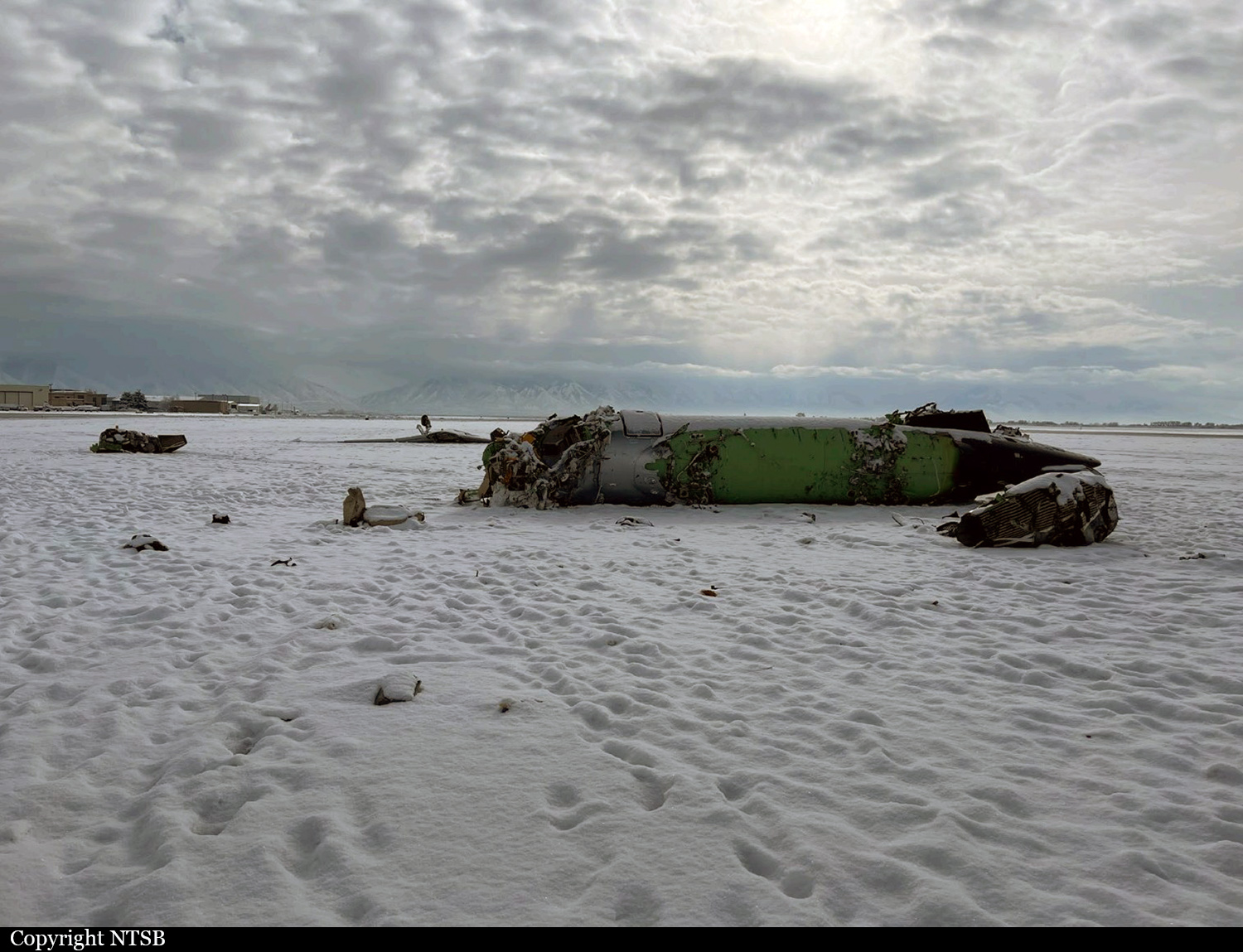
The airplane was removed from a heated hangar and refueled, at which time water droplets were visible on both wings. The airplane remained outside for about 40 minutes, with no deice or anti-ice treatment, until takeoff was initiated. Multiple witnesses near the accident site reported observing the airplane take off and enter a nose-high attitude, after which it immediately rolled left and impacted the terrain. Wreckage and impact signatures at the accident site were consistent with the left wing impacting the runway surface before the nose of the airplane impacted terrain just to the left of the runway. Witnesses characterized the precipitation at the time of the accident as snow and misty rain, varying in intensity between light and medium. The airplane was equipped with a Wing and Horizontal Stabilizer Anti-Icing System to prevent and remove any ice formation on the leading edges of the wing and the horizontal stabilizer; the system is activated by a “Wing Stab” switch. Based upon both witness statements and flight data from the Cockpit Voice Data Recorder (CVDR) and Flight Data Recorder (FDR), the Wing Stab ice switch was turned on about 9 minutes after engine start, while the pilot was performing his checklist; however, it was turned off shortly thereafter. The recorded position of the Wing Stab system switch remained off through the remainder of the recorded data. The airplane pilot’s operating handbook (POH) stated that airplane surfaces contaminated by ice, frozen precipitation, or frost must be deiced before departure. The POH also stated that the airplane must be anti-iced when the risk of freezing precipitation exists or is actually taking place. While deicing removes ice, anti-icing protects against additional icing for a certain period of time. The POH further states that the entire wing should be inspected during the pre-takeoff contamination check, not just the leading edge of the wing or wingtips, and that “when inspecting the wing, during the pre-takeoff contamination check, look at the entire upper surface and not only at the leading edge or wing tip. Although the wing tips can be seen from the cockpit, almost the entire wing is visible from a cabin window. Therefore, it is strongly advised that the visual inspection be done by a crew member from the cabin. Additionally, the crew should ask for the assistance of trained and qualified personnel outside the airplane to assist in the pre-takeoff and check to make sure that the tail and fuselage, which are not visible from the cockpit or cabin, are free of any ice contamination.” Furthermore, the before-takeoff checklist included an ice accumulation check, and included guidance that, “aerodynamic surfaces must be confirmed free of all forms of frost, ice, snow and slush prior to entering the takeoff runway or initiating takeoff.” No evidence of the pilot requesting a passenger or vocalizing that he was checking the wings for ice accumulation was heard on the CVR audio. A postaccident examination of the airframe and engine revealed no evidence of mechanical malfunctions or failures that would have precluded normal operation. Although the Wing Stab ice protection switch was found in the on position, recorded data indicated that, after the initial system check, the wing stab ice protection system remained off through the remainder of the recorded data. The panel the switch was mounted to had separated from the instrument panel and had an area of dirt/mud directly below the switch itself. The anti-ice system valves and controller were tested at the respective manufacturers and functioned normally. Accordingly, based on the evidence, the switch was likely moved to the on position during the accident sequence. It could not be determined why the Wing Stab ice protection switch was turned off. At the accident time, and in the 3 hours before the accident, light snow, mist, IFR ceilings, and a temperature of -1°C were reported at the departure airport. Witnesses reported that around the time of the accident light snowfall with freezing mist existed, which would have allowed for accumulation of ice to form on the upper surfaces of the wings, fuselage, and tail surfaces in the 40 minutes between when the airplane exited the hangar and when it took off. Given that the pilot did not obtain any deice or anti-ice services before departure, and the immediate roll to the left as the weight on wheels transitioned from ground to air, the airplane likely had some degree of ice contamination on the upper surfaces of the wings, fuselage, and tail that affected the flight characteristics of the airplane.
Probable cause:
The pilot’s failure to deice the airplane before takeoff in weather conditions conducive to ice accumulation, which resulted in an ice-contaminated wing and subsequent stall during takeoff.
Final Report:

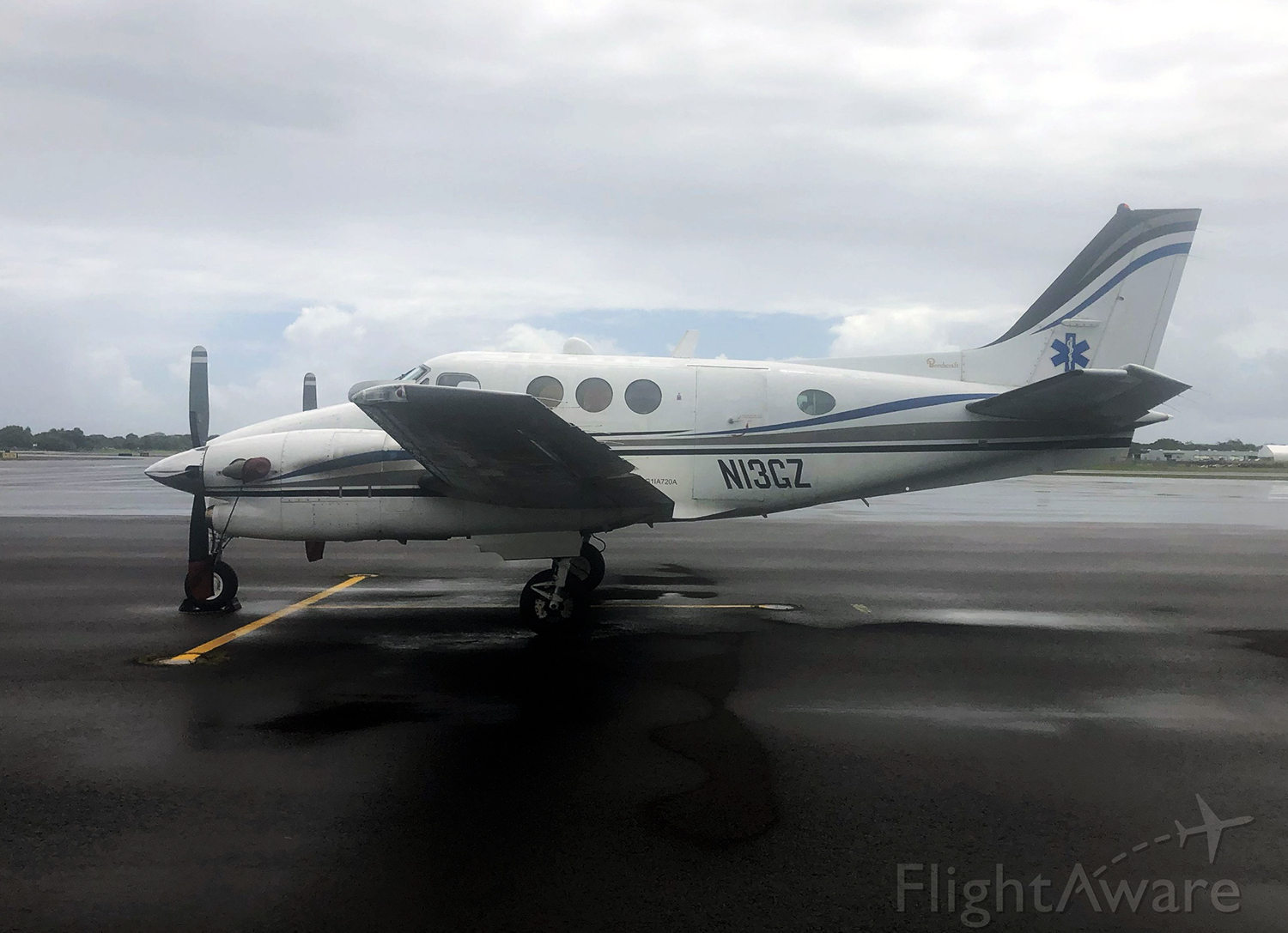
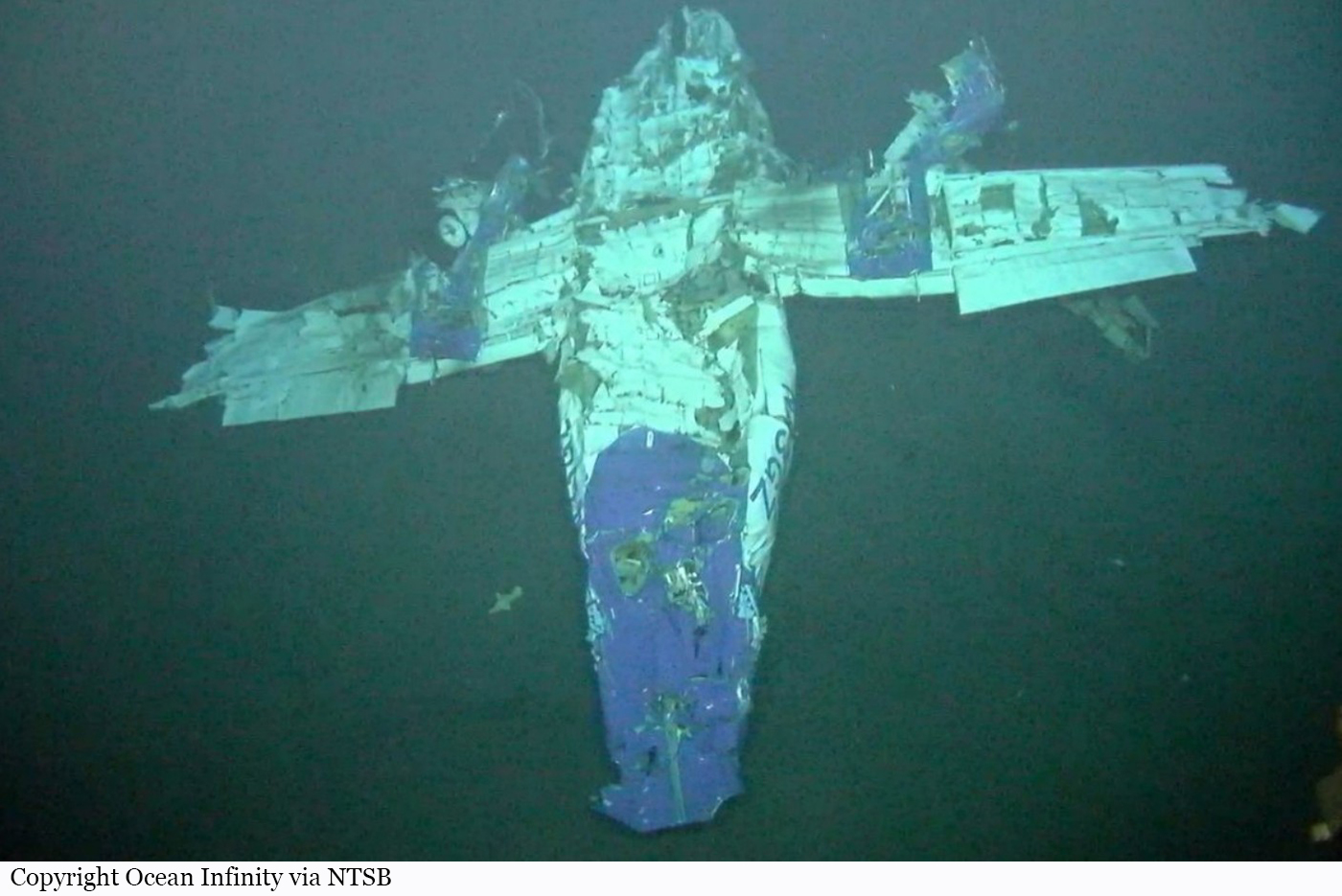
Crash of a Beechcraft C90A King Air off Hana: 3 killed

Date & Time: Dec 15, 2022 at 2114 LT
Type of aircraft:
Operator:
Registration:
N13GZ
Flight Phase:
Flight Type:
Survivors:
No
Schedule:
Kahului – Waimea
MSN:
LJ-1590
YOM:
2000
Location:
Crew on board:
1
Crew fatalities:
Pax on board:
2
Pax fatalities:
Other fatalities:
Total fatalities:
3
Captain / Total flying hours:
7668
Captain / Total hours on type:
615.00
Aircraft flight hours:
10130
Circumstances:
The medical transport flight was en route to pick up a patient on a neighboring island on an instrument flight rules (IFR) flight plan in dark night conditions over the ocean. About 13 minutes after departure, at 13,000 ft mean sea level (msl), the airplane’s vertical gyro failed, which subsequently failed the pilot’s Electric Attitude Director Indicator (EADI), which also caused the autopilot to disconnect. The failure of the EADI and autopilot disconnect required the pilot to manually fly the airplane using the copilot’s attitude gyro for his horizon information (bank angle and pitch attitude) for the duration of the flight. The pilot did not declare an emergency, nor did he inform air traffic control (ATC) that his electric attitude indicator had failed and that his autopilot had disengaged. After the instrumentation failure and autopilot disconnect, the airplane entered a series of right banks before being brought back to level, followed by a left turn, and then subsequent right banks. ATC asked the pilot to change course and the pilot agreed. The copilot attitude indicator indicated that the airplane entered a descending, steep right bank turn. Over the next 5 minutes, ATC issued varying instructions to the pilot. During this time, the airplane entered several right- and left-hand banks and rolls and descended 1,000 ft per minute (fpm), which increased to -3,500 fpm as the airplane’s airspeed increased. About 7 minutes after the instrumentation failure, the airplane was in a 65° bank angle when ATC asked the pilot to verify his heading. As the pilot responded, the airplane bank angle increased to 90° and the airspeed exceeded 260 knots. The bank angle and airspeed continued to increase; a loud metallic bang was recorded that was consistent with an in-flight separation of the empennage from the fuselage before impacting with the water. After an extensive underwater search, the main wreckage was located on the seabed at a depth of about 6,420 ft. The wreckage was recovered and transported to a facility for examination.
Probable cause:
Guardian Flight’s inadequate pilot training and performance tracking, which failed to identify and correct the pilot’s consistent lack of skill, and which resulted in the pilot’s inability to maintain his position inflight using secondary instruments to navigate when the airplane’s electronic attitude direction indicator failed, leading to his spatial disorientation and subsequent loss of control. Contributing to the accident was the lack of a visible horizon during dark night overwater conditions and the pilot’s failure to declare an emergency with air traffic control.
Final Report:

Crash of a Piper PA-42-1000 Cheyenne 400LS in Lewistown

Date & Time: Dec 13, 2022 at 1006 LT
Type of aircraft:
Operator:
Registration:
C-GZPU
Survivors:
Yes
Schedule:
Great Falls – Lewistown
MSN:
42-5527011
YOM:
1984
Crew on board:
2
Crew fatalities:
Pax on board:
2
Pax fatalities:
Other fatalities:
Total fatalities:
0
Circumstances:
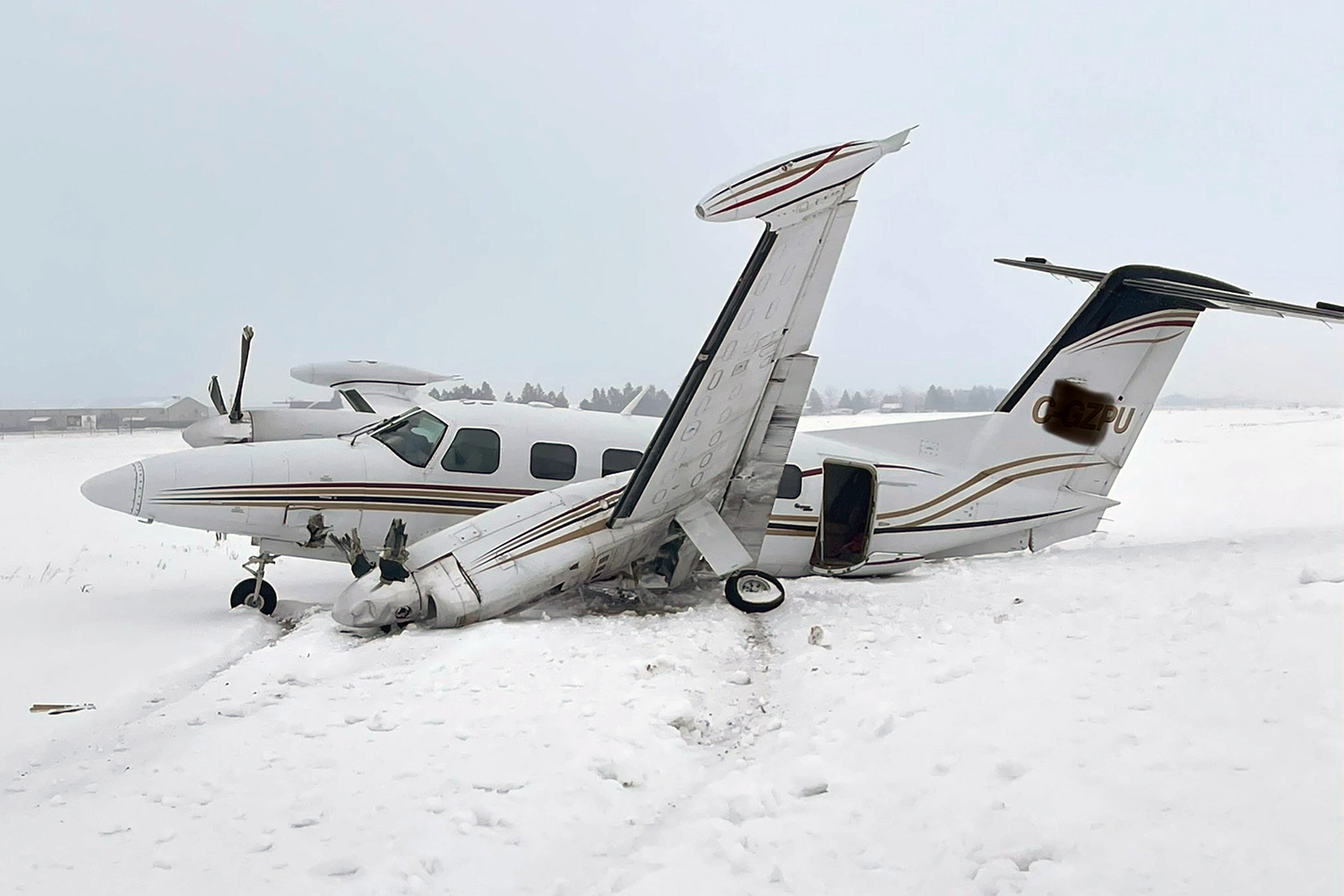
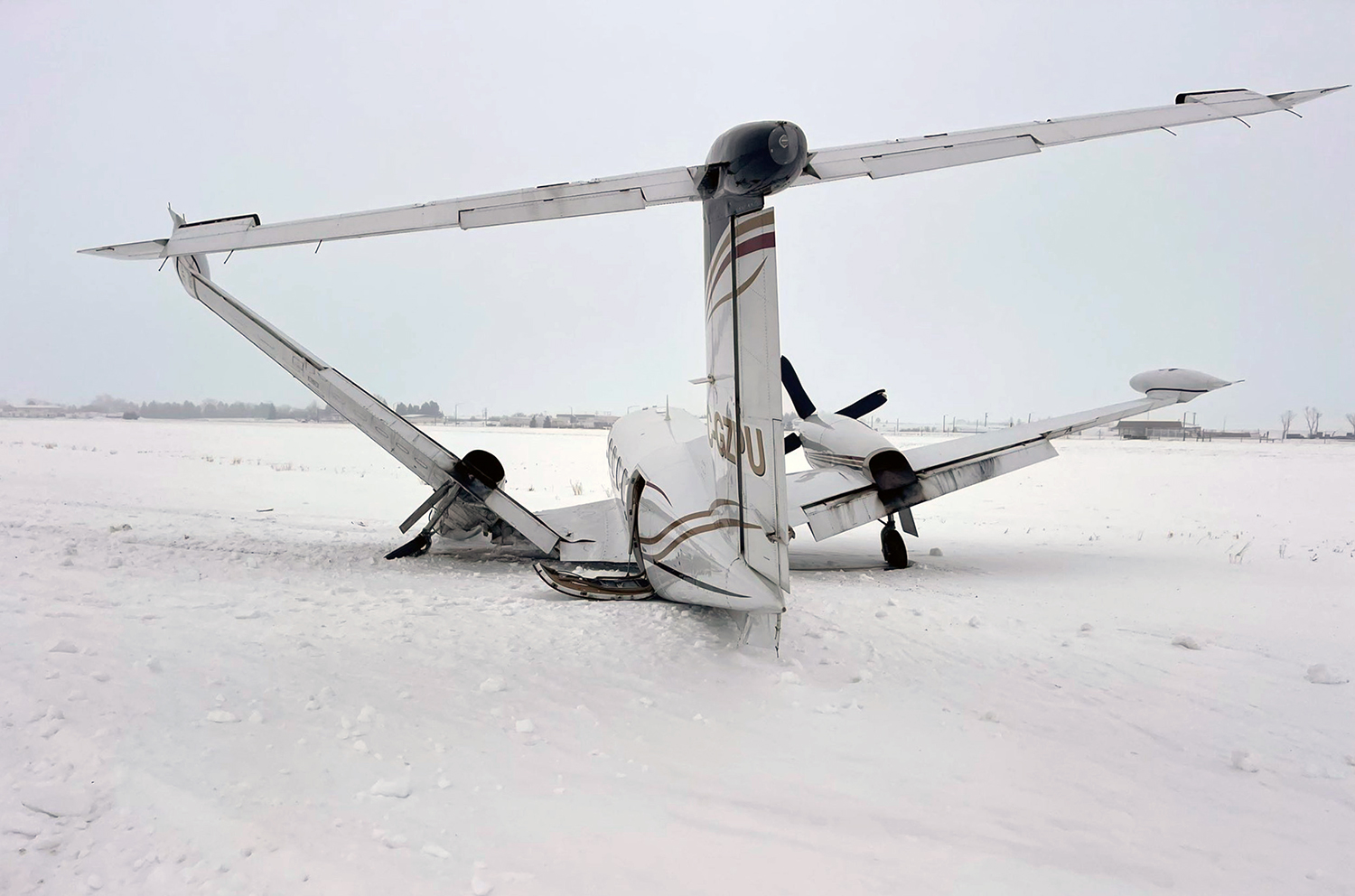
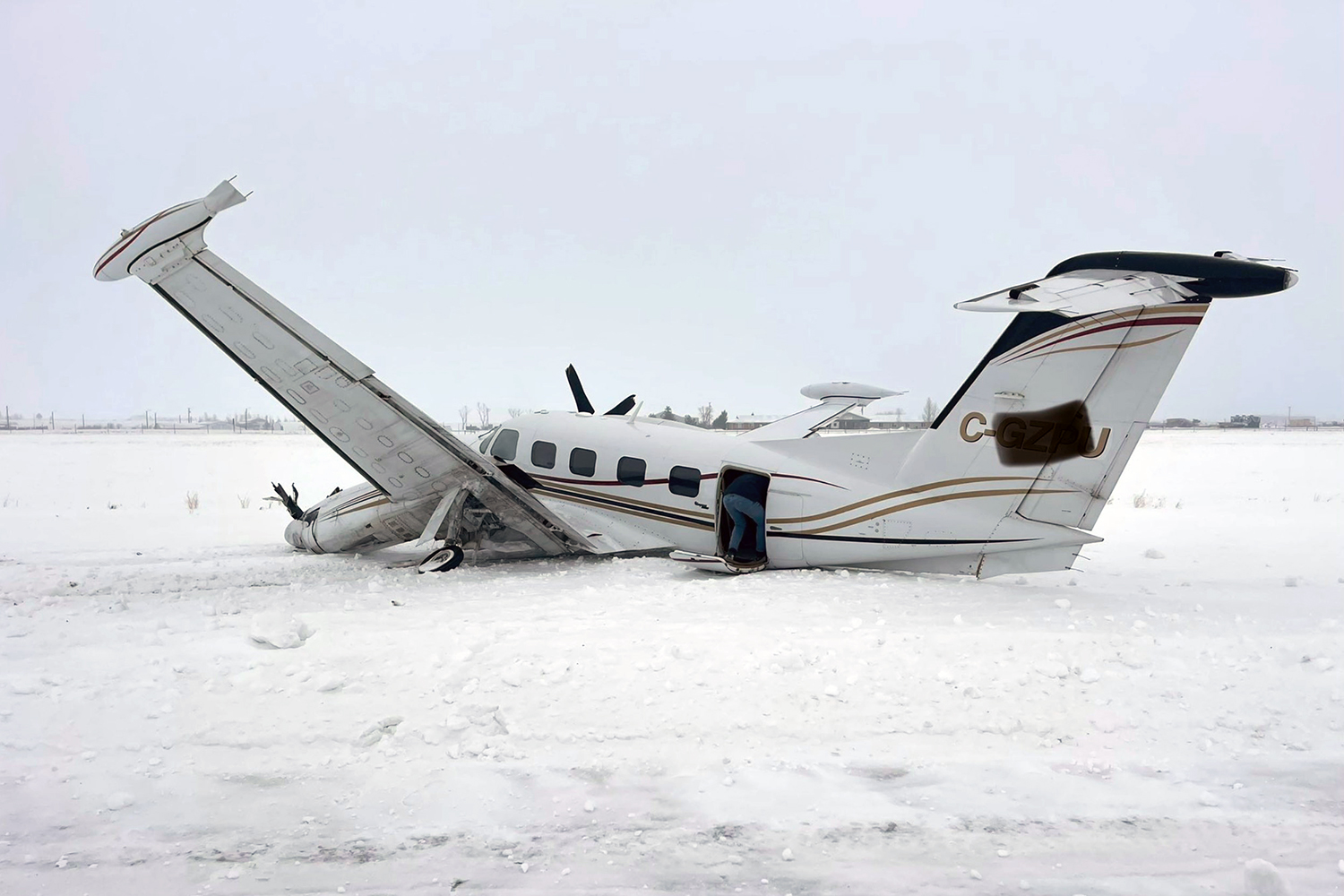
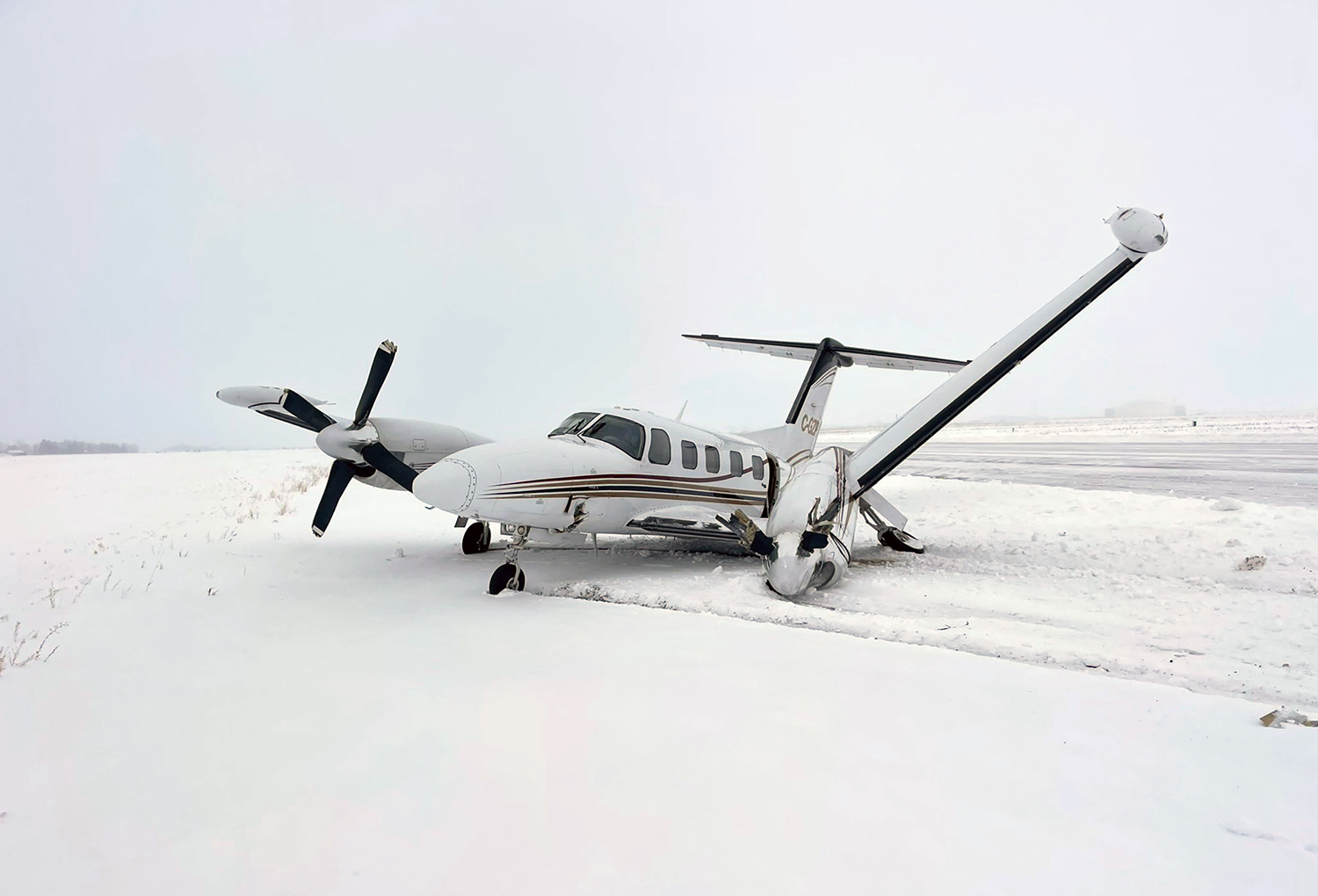
The flight crew reported that, the instrument approach was flown on autopilot to about 700 ft above ground level until the runway was visually in sight. They were 300 ft off the runway centerline, and 1 nautical mile from the runway threshold. The visual glideslope indicator was inoperative, and the runway markings were obscured due to dry light snow. The airplane subsequently landed hard on the unusable portion of the runway, about 800 ft short of the landing threshold, and the left mail landing gear tire blew, causing the propeller to strike the runway. The airplane veered off the runway substantially damaging the left wing. The pilots reported that there were no preaccident mechanical failures or malfunctions with the airplane that would have precluded normal operation.
Probable cause:
The pilot’s improper landing flare, which resulted in a hard landing. Contributing to the accident was the out of service visual glideslope indicator and snow obscuring the runway markings.
Final Report: