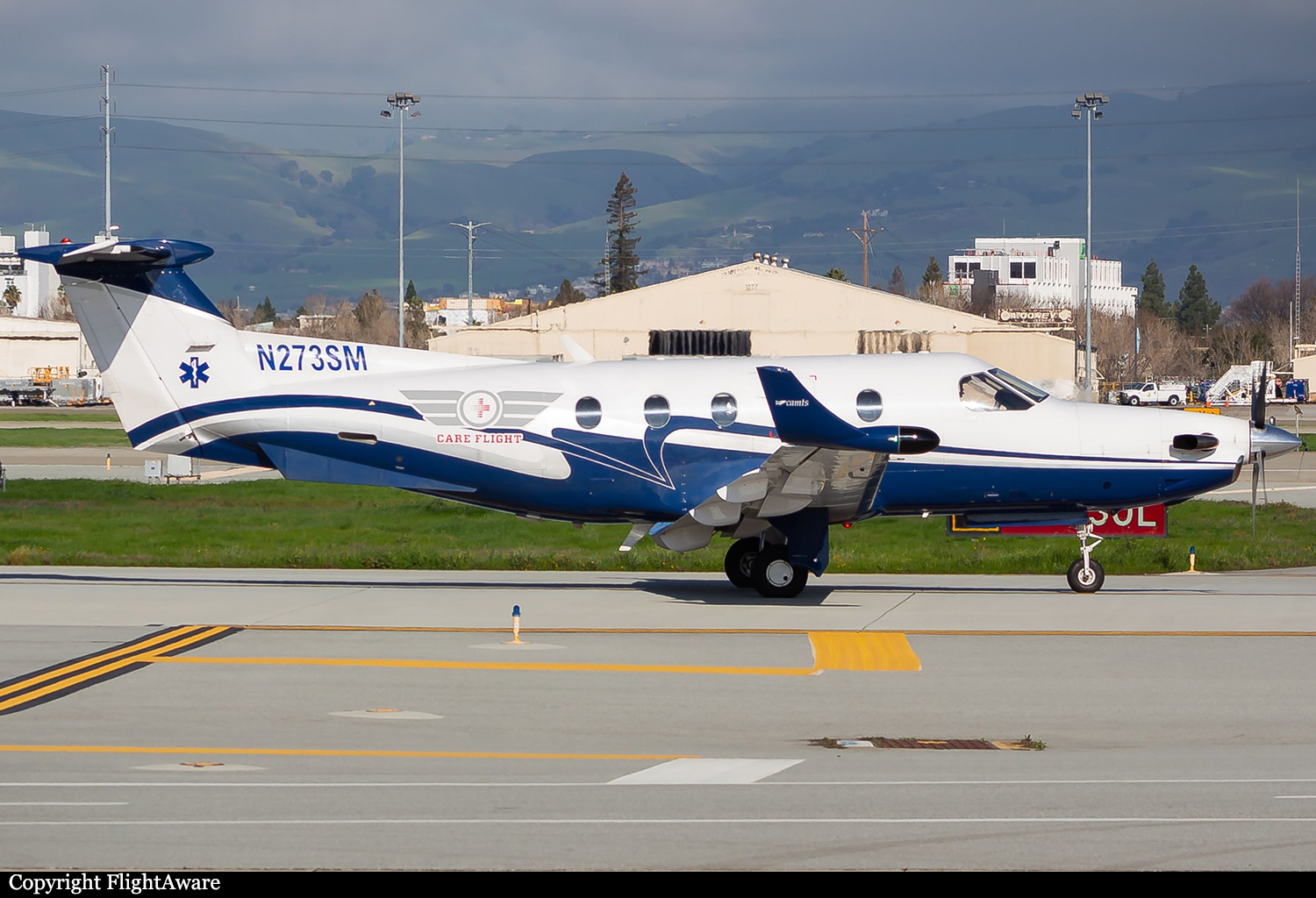
Crash of a Pilatus PC-12/45 near Stagecoach: 5 killed
Date & Time:
Feb 24, 2023 at 2114 LT
Operator:

Registration:
N273SM
Survivors:
No
Schedule:
Reno - Salt Lake City
MSN:
475
YOM:
2002
Crew on board:
1
Crew fatalities:
Pax on board:
4
Pax fatalities:
Other fatalities:
Total fatalities:
5
Captain / Total hours on type:
94.00
Circumstances:
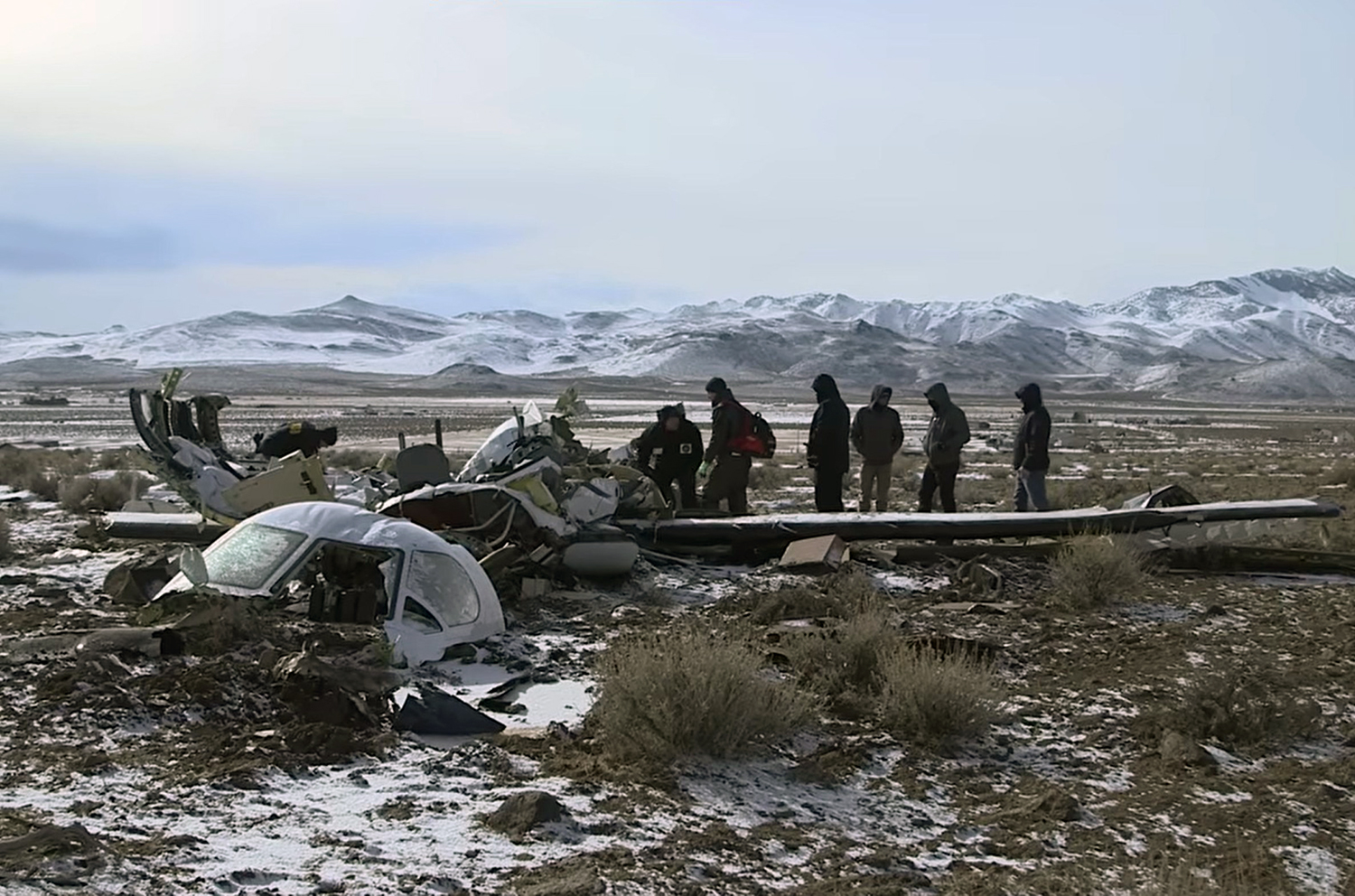
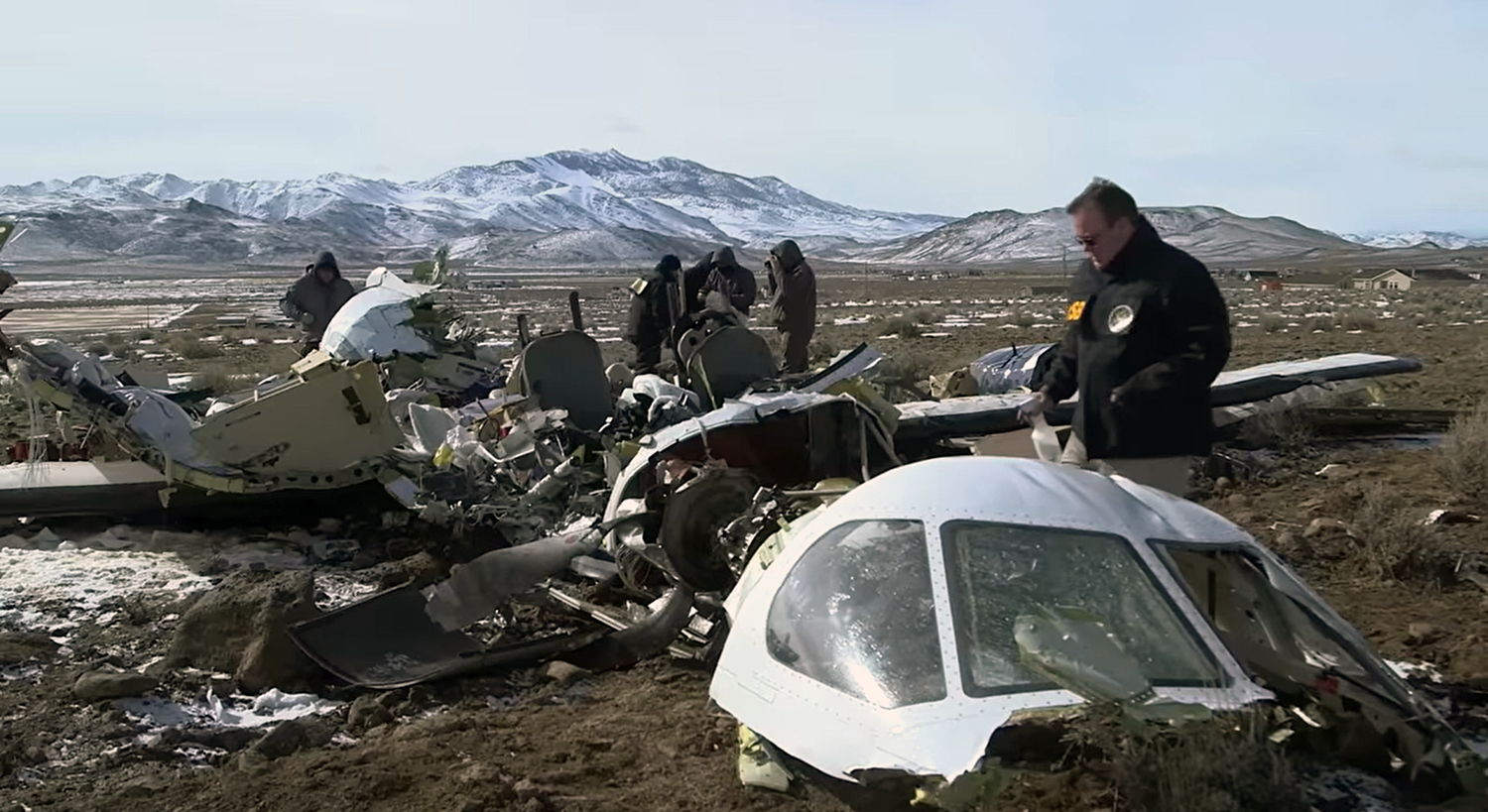
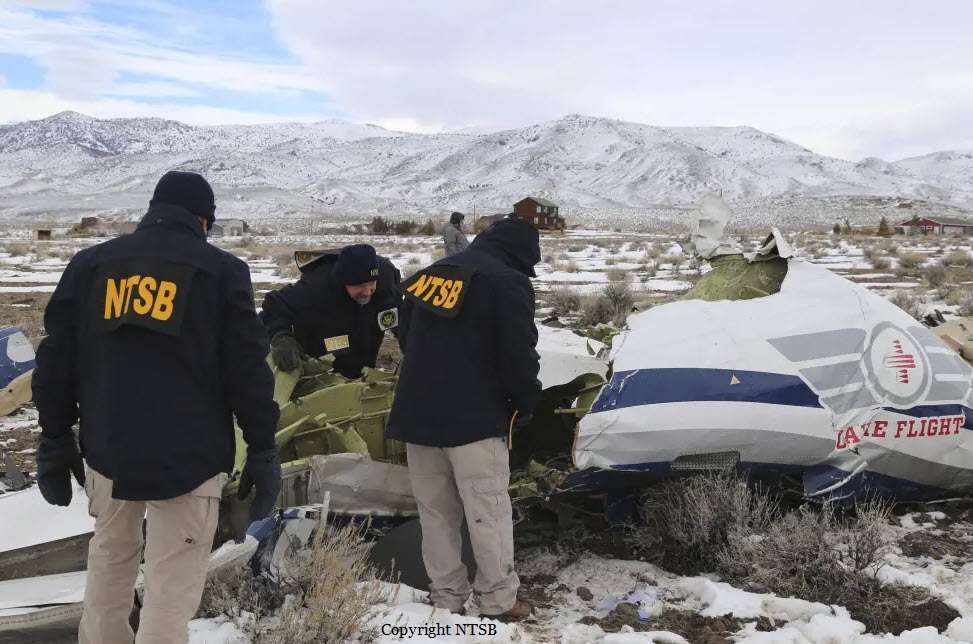
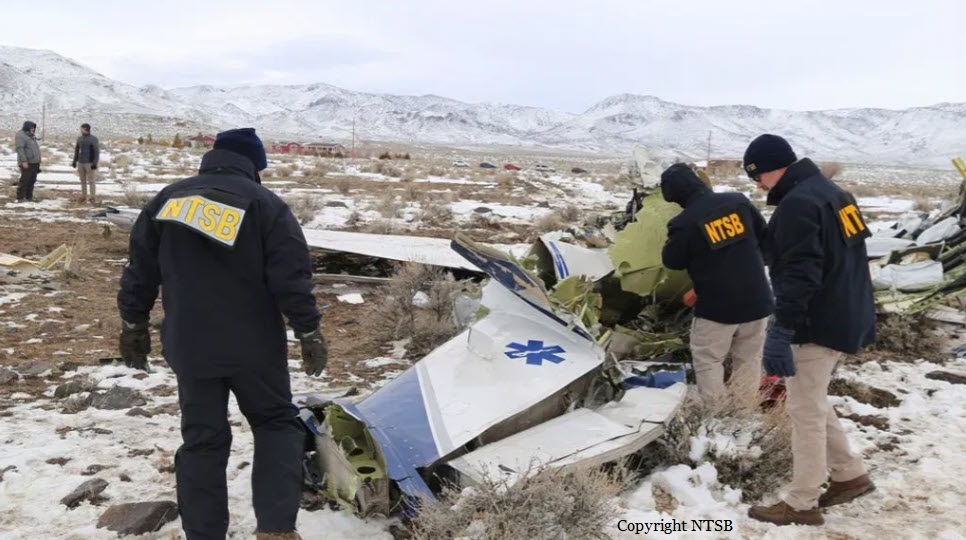
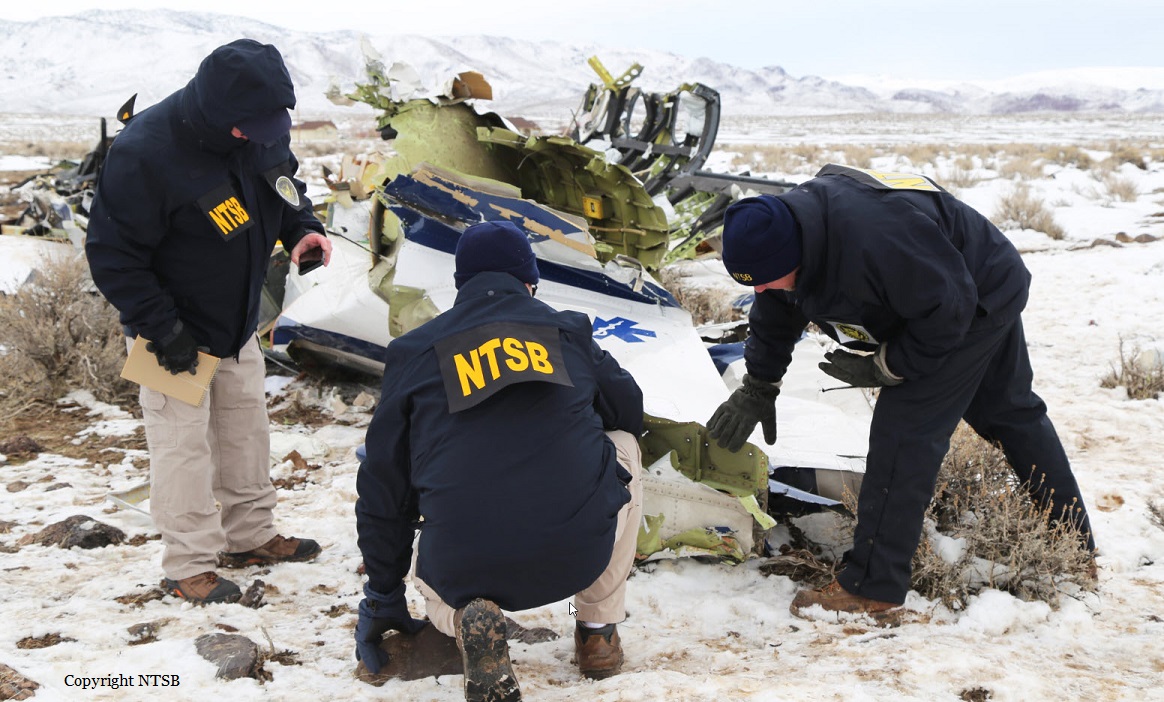
The pilot, two medical crew members, and two passengers departed on the medical transport flight, which was operating on an instrument flight rules (IFR) flight plan in night instrument meteorological conditions (IMC). Onboard data and ADS-B flight track information showed that, between 1 and 3 minutes after takeoff, the autopilot disengaged and then reengaged; however, the airplane continued to fly a course consistent with the published departure procedure. About 11 minutes after takeoff, the airplane turned about 90° right, away from the next waypoint along the departure procedure, and remained on that heading for about 47 seconds. Around this time, the airplane’s autopilot was disengaged again and was not reengaged for the remainder of the flight. Also, about this time, the airplane’s previously consistent climb rate stopped, and the airplane maintained an altitude of about 18,300 ft mean sea level (msl) for about 20 seconds, even though the pilot had been cleared to climb to 25,000 ft msl. The airplane subsequently turned left to a northeasterly heading and climbed to about 19,400 ft msl before entering a descending right turn. Shortly after entering the right turn, the airplane’s rate of descent increased from about 1,800 ft per minute (fpm) to about 13,000 fpm, and the rate of turn increased before ADS-B tracking information was lost at an altitude of about 11,100 ft msl, in the vicinity of the accident site. The airplane crashed in a snow covered area located 32 km southeast of Reno-Tahoe Airport. The aircraft was destroyed and all five occupants were killed.
Probable cause:
The pilot’s loss of control due to spatial disorientation while operating in night instrument meteorological conditions, which resulted in an in-flight breakup. Contributing to the accident was the disengagement of the autopilot for undetermined reasons, as well as the operator’s insufficient flight risk assessment process and lack of organizational oversight.
Final Report: