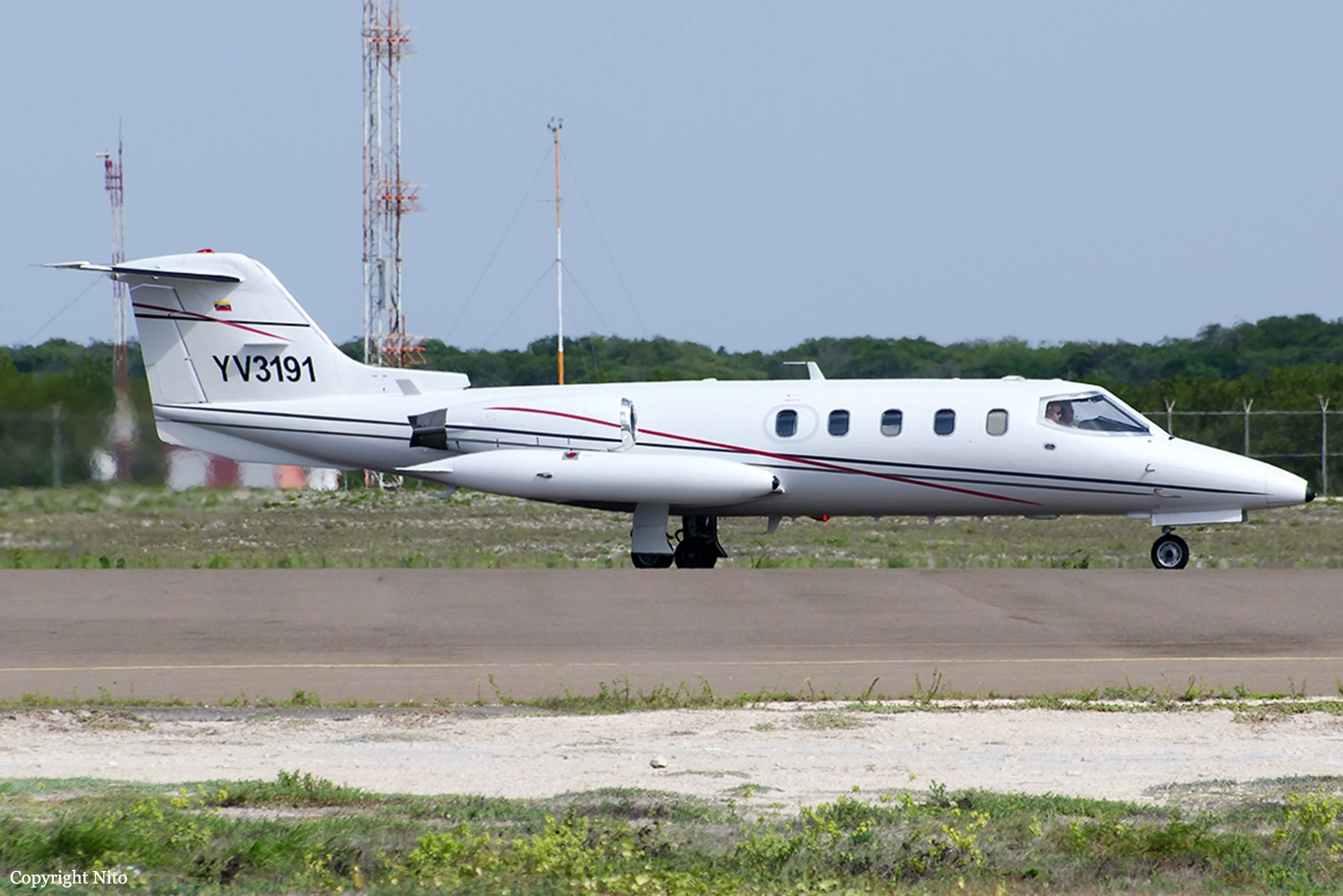
Crash of a Learjet 25D off Naiguatá: 5 killed

Date & Time: Aug 19, 2017 at 0016 LT
Type of aircraft:
Operator:
Registration:
YV3191
Flight Phase:
Survivors:
No
Schedule:
Maiquetía – Barcelona
MSN:
25-368
YOM:
1984
Country:
Crew on board:
2
Crew fatalities:
Pax on board:
3
Pax fatalities:
Other fatalities:
Total fatalities:
5
Circumstances:
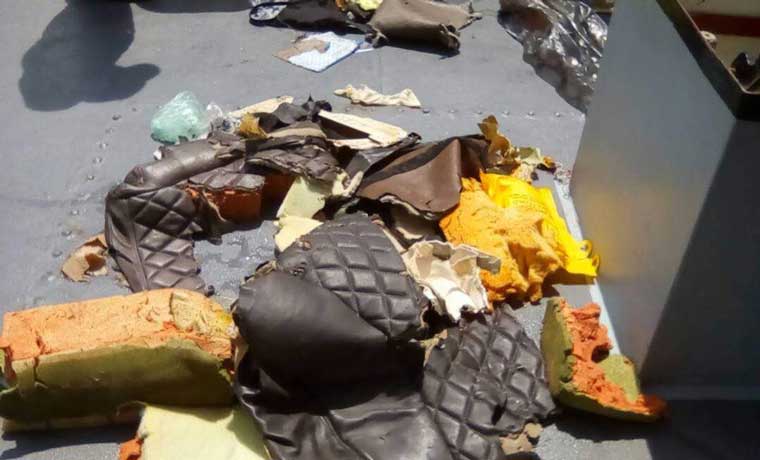
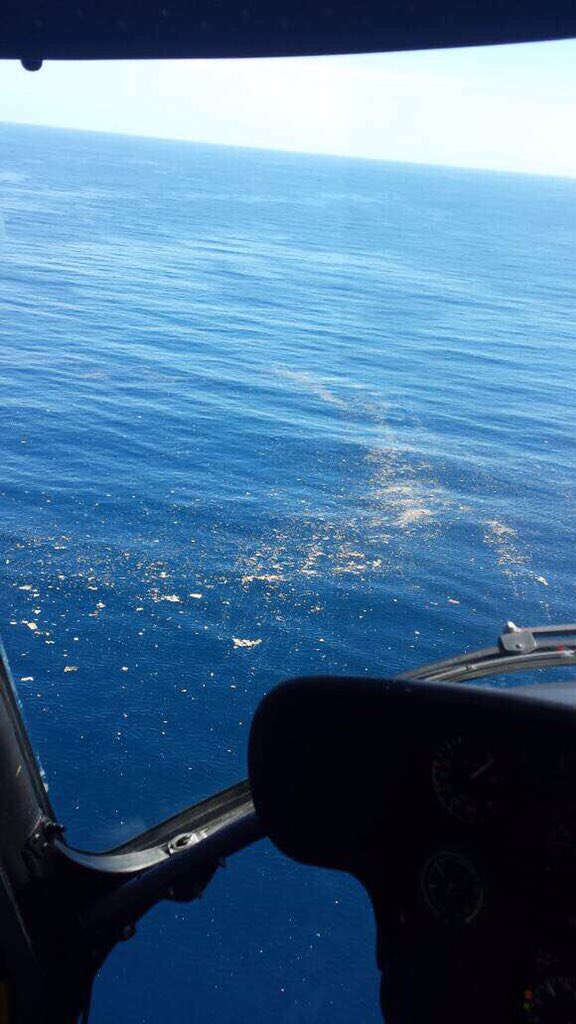
The airplane departed Maiquetía-Símon Bolívar Airport at 0011LT for a 35 minutes flight to Barcelona. About five minutes after takeoff, while cruising at an altitude of 23,000 feet, the aircraft went out of control and plunged into the sea few km off Naiguatá, State of Vargas. It appeared the aircraft disintegrated on impact and few debris were found the following morning floating on water. All five occupants were killed.

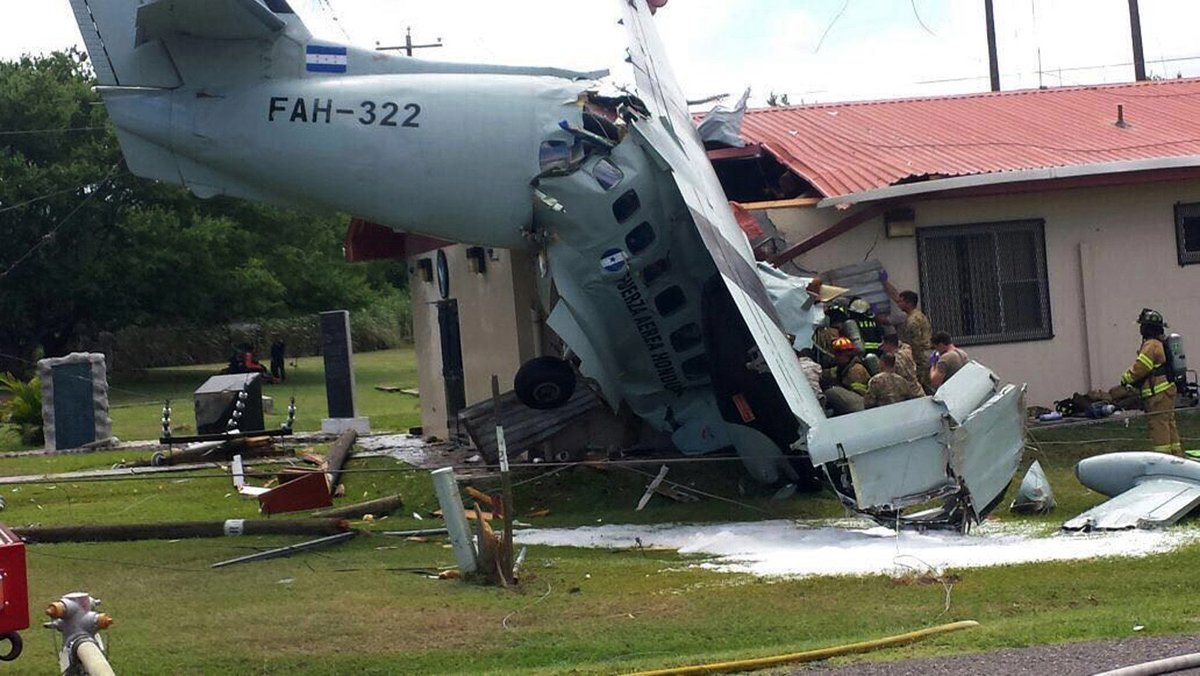
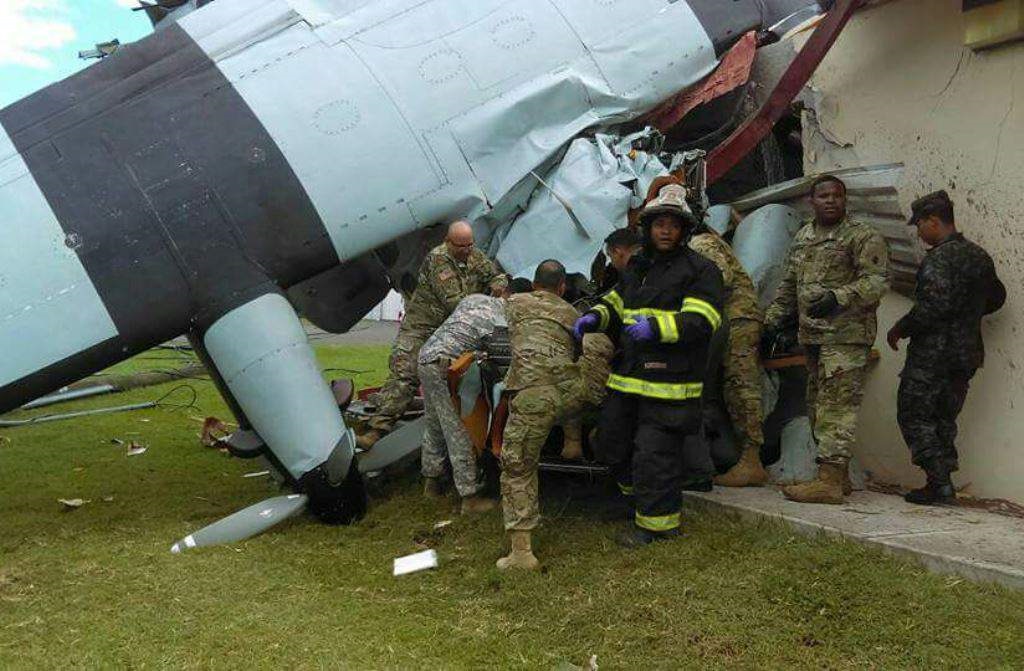
Crash of a Let L-410UVP-E3 in Comayagua: 1 killed

Date & Time: Aug 16, 2017 at 0940 LT
Type of aircraft:
Operator:
Registration:
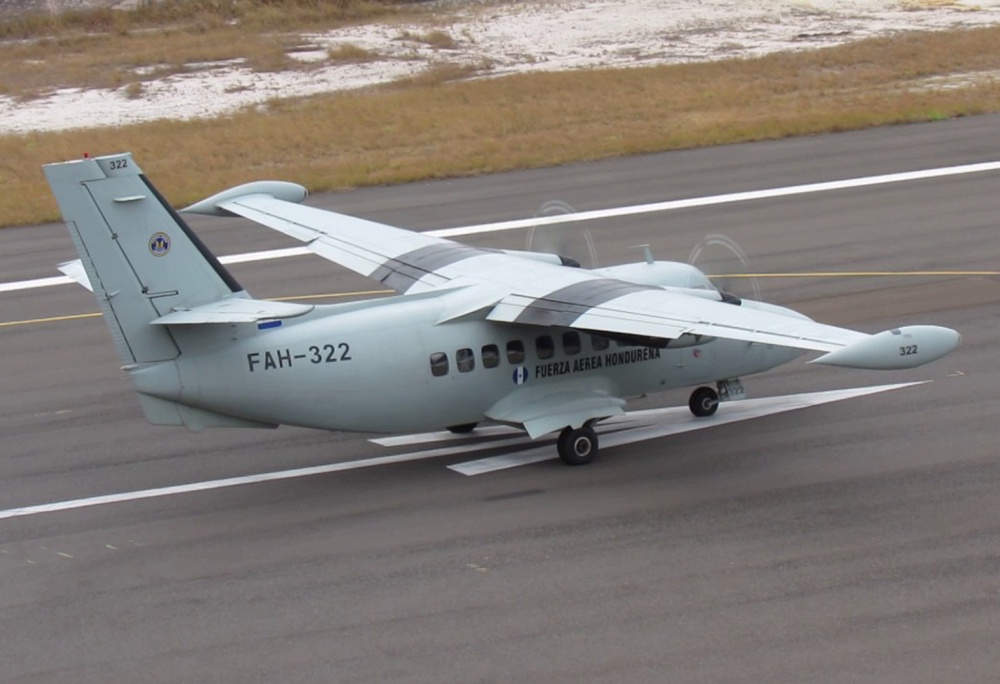
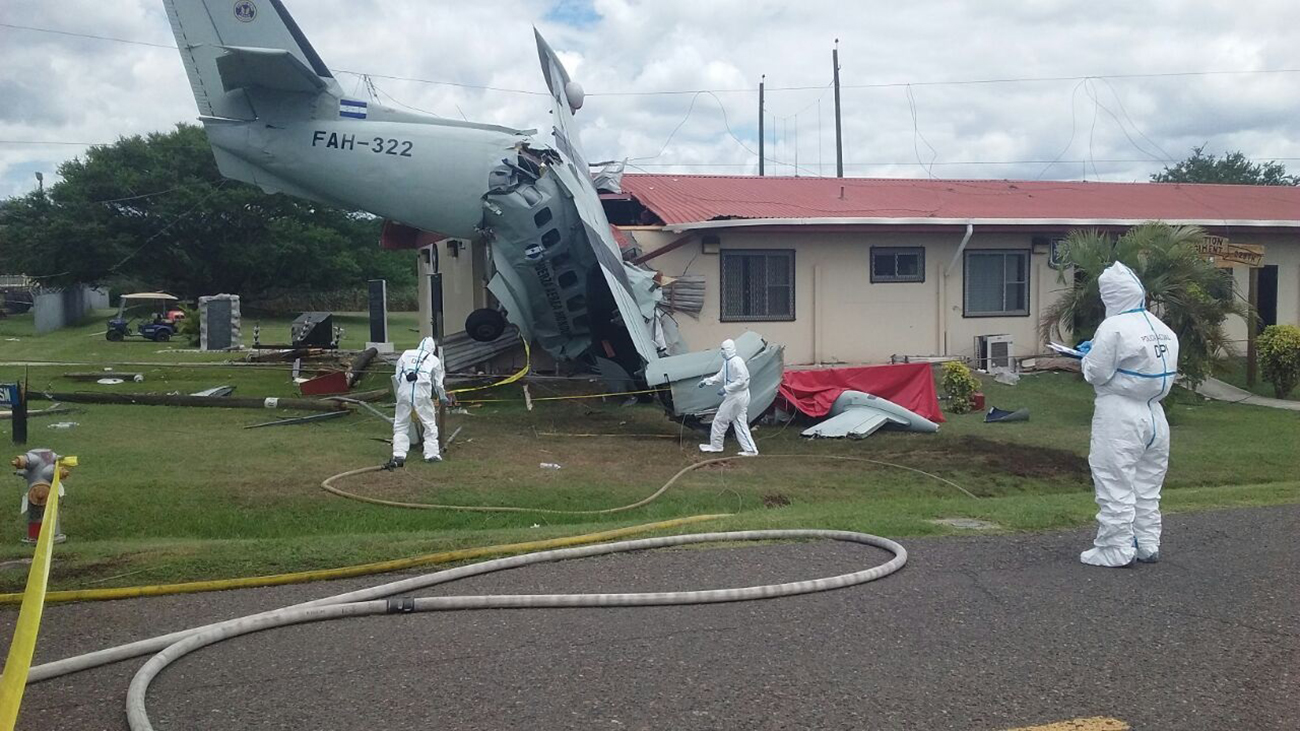
FAH-322
Flight Phase:
Flight Type:
Survivors:
Yes
Schedule:
Comayagua - Comayagua
MSN:
87 18 27
YOM:
1987
Country:
Crew on board:
3
Crew fatalities:
Pax on board:
0
Pax fatalities:
Other fatalities:
Total fatalities:
1
Circumstances:
The crew was completing a local training flight at Comayagua-Palmerola AFB when the twin engine aircraft crashed in unknown circumstances onto a building. The captain was killed while the copilot and the flight engineer were injured. The aircraft was destroyed.
Crew:
Cpt Olvin Emanuel Florez Meraz, pilot, †
Lt Cesar Augusto Banegas Corea, copilot,
Cdt Brayan Daniel Zavala Amaya, flight mechanic.

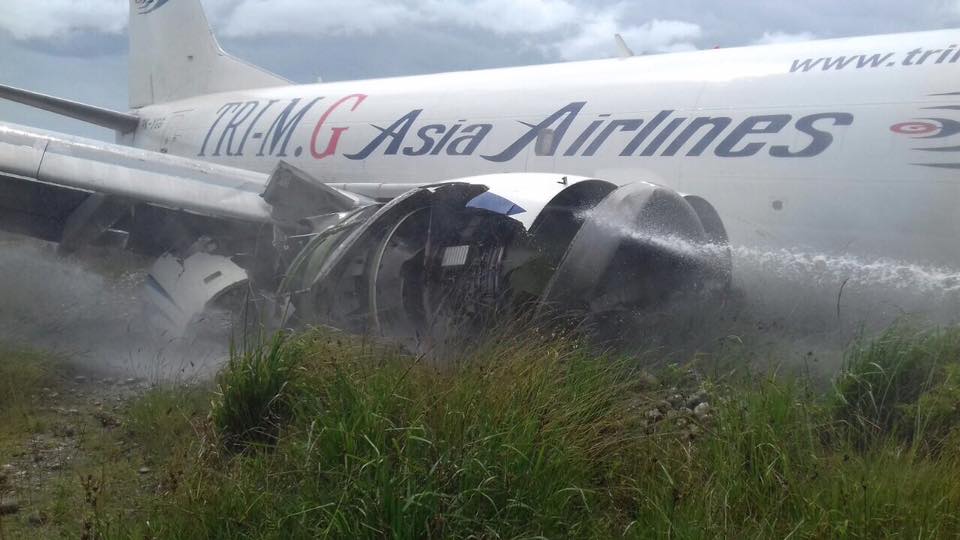
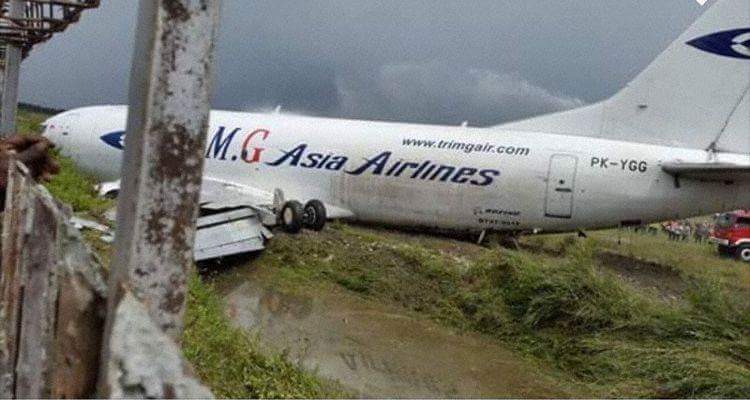
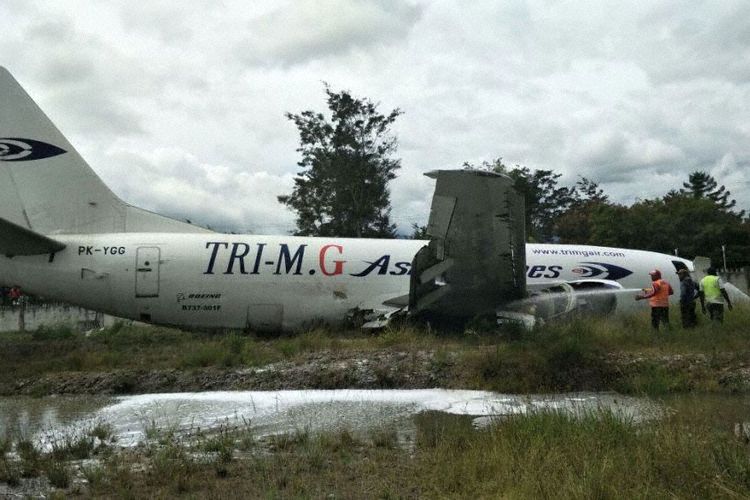
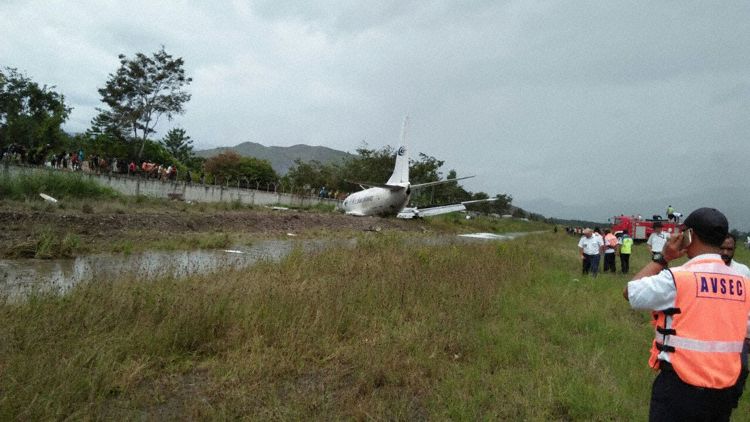
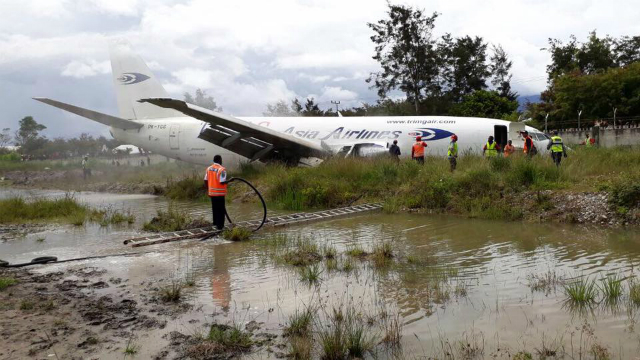
Crash of a Boeing 737-301F in Wamena

Date & Time: Jul 18, 2017 at 1239 LT
Type of aircraft:
Operator:
Registration:
PK-YGG
Flight Type:
Survivors:
Yes
Schedule:
Timika – Wamena
MSN:
23743/1510
YOM:
1988
Flight number:
TMG103
Country:
Region:
Crew on board:
5
Crew fatalities:
Pax on board:
0
Pax fatalities:
Other fatalities:
Total fatalities:
0
Circumstances:
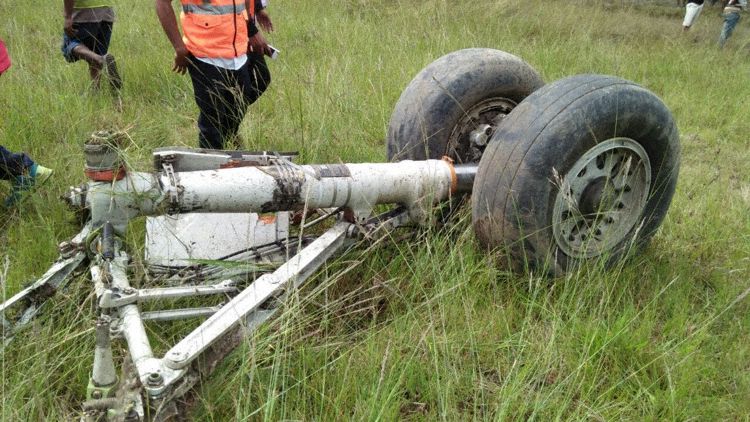
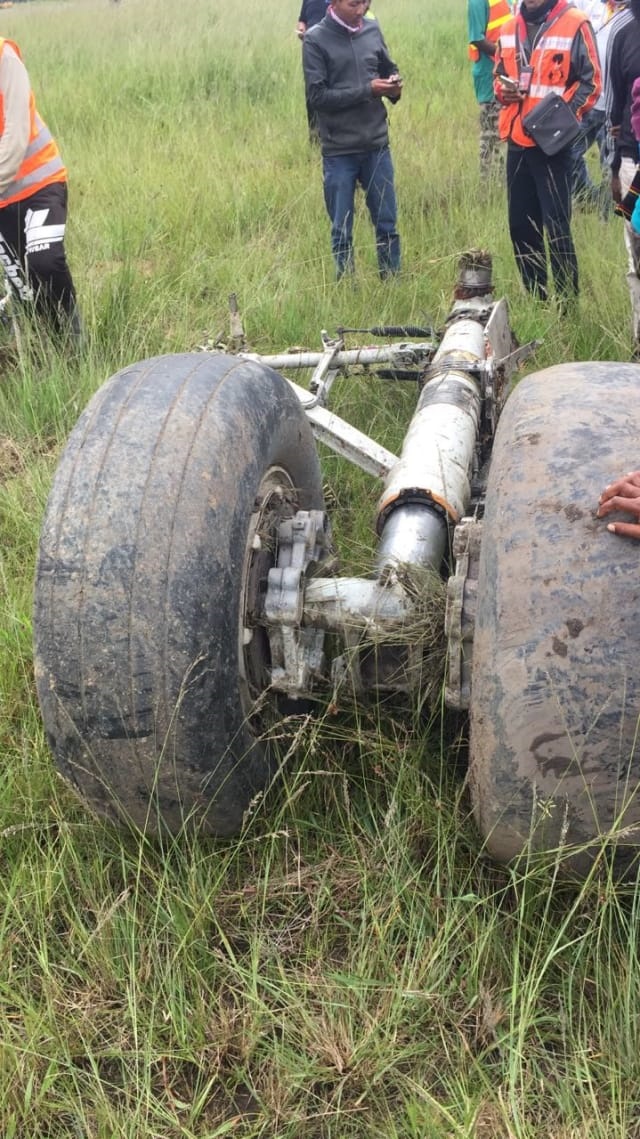
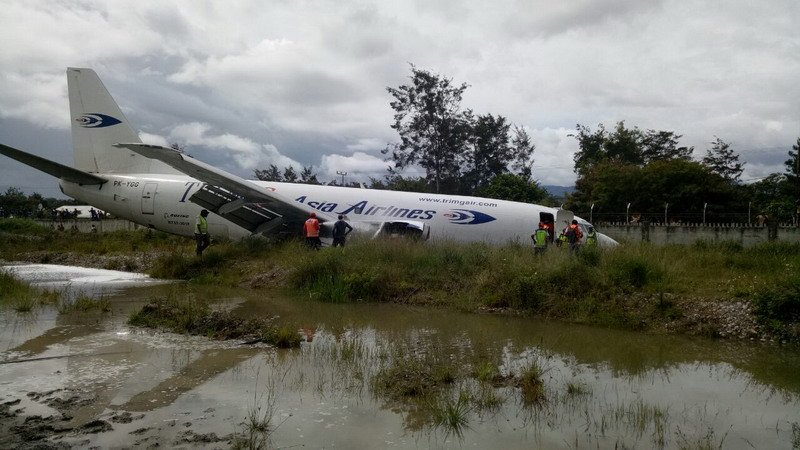
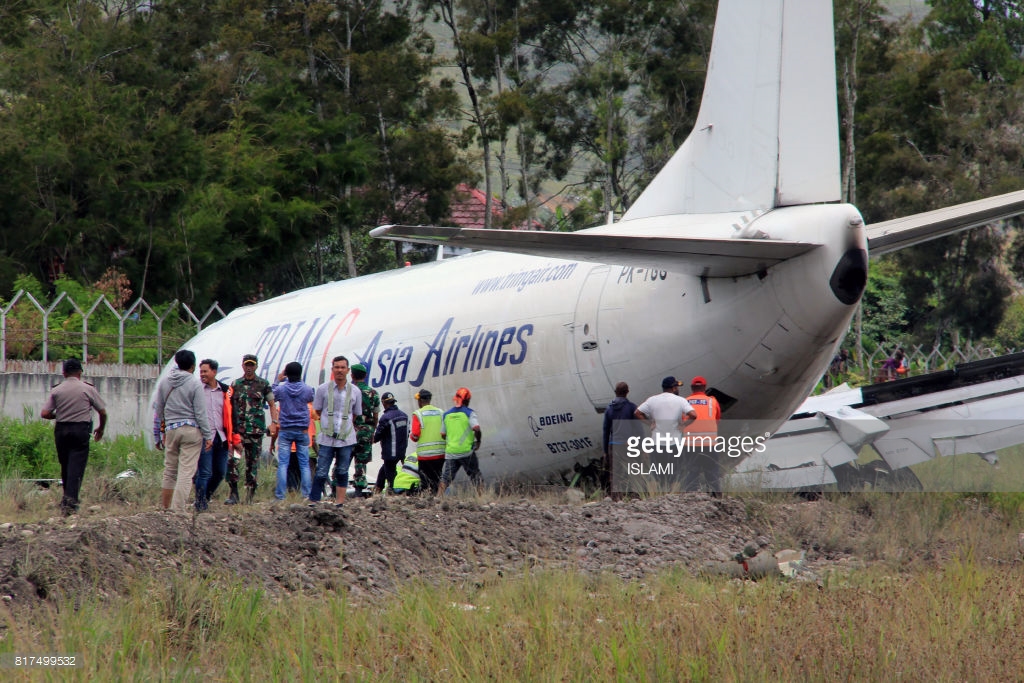
The aircraft was performing a cargo flight from Timika, carrying five crew members and a load of various goods including constructioin materials. Upon landing on runway 15, the airplane bounced twice. It went out of control and veered off runway to the left. While contacting soft ground, both main landing gear were torn off and the aircraft slid for few dozen metres before coming to rest. All five crew members evacuated safely while the aircraft was damaged beyond repair.

Crash of a Piper PA-31T1 Cheyenne in Tyler: 2 killed

Date & Time: Jul 13, 2017 at 0810 LT
Type of aircraft:
Operator:
Registration:
N47GW
Flight Phase:
Survivors:
No
Schedule:
Tyler - Midland
MSN:
31T-8104030
YOM:
1981
Crew on board:
1
Crew fatalities:
Pax on board:
1
Pax fatalities:
Other fatalities:
Total fatalities:
2
Captain / Total flying hours:
17590
Aircraft flight hours:
5685
Circumstances:
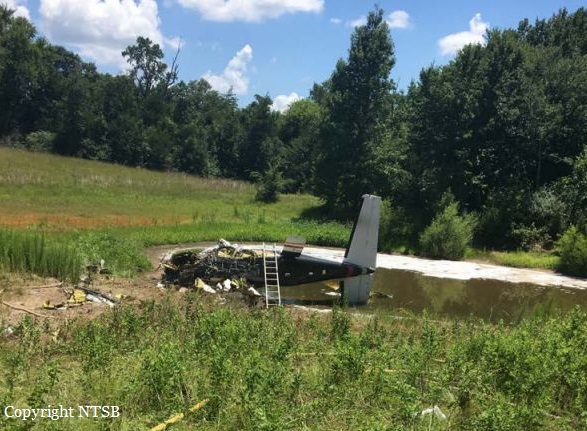
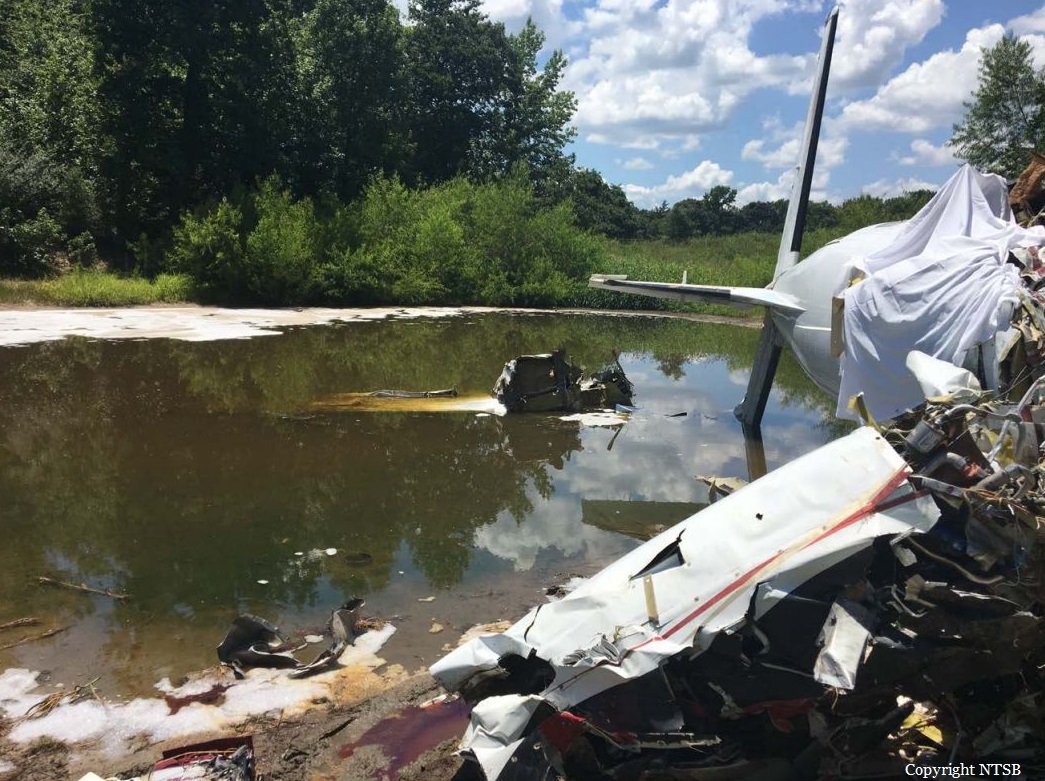
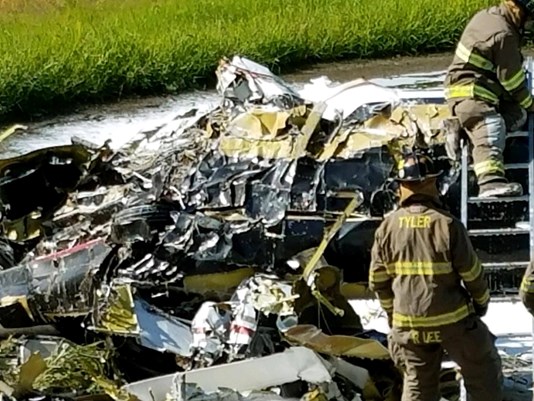
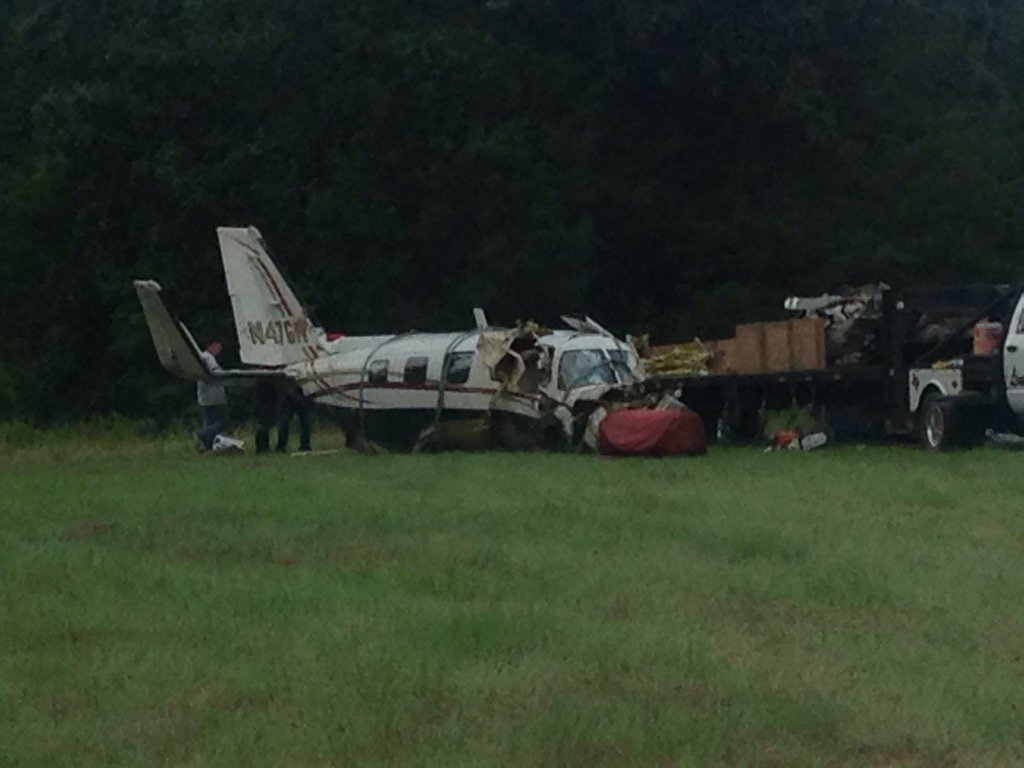
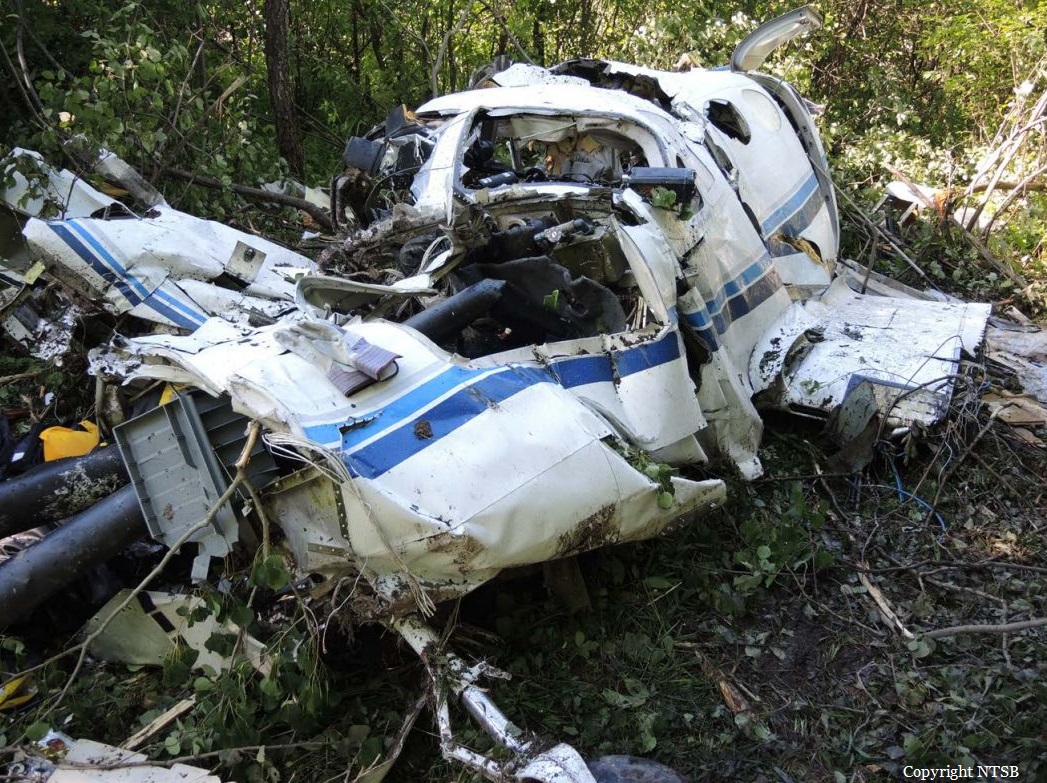
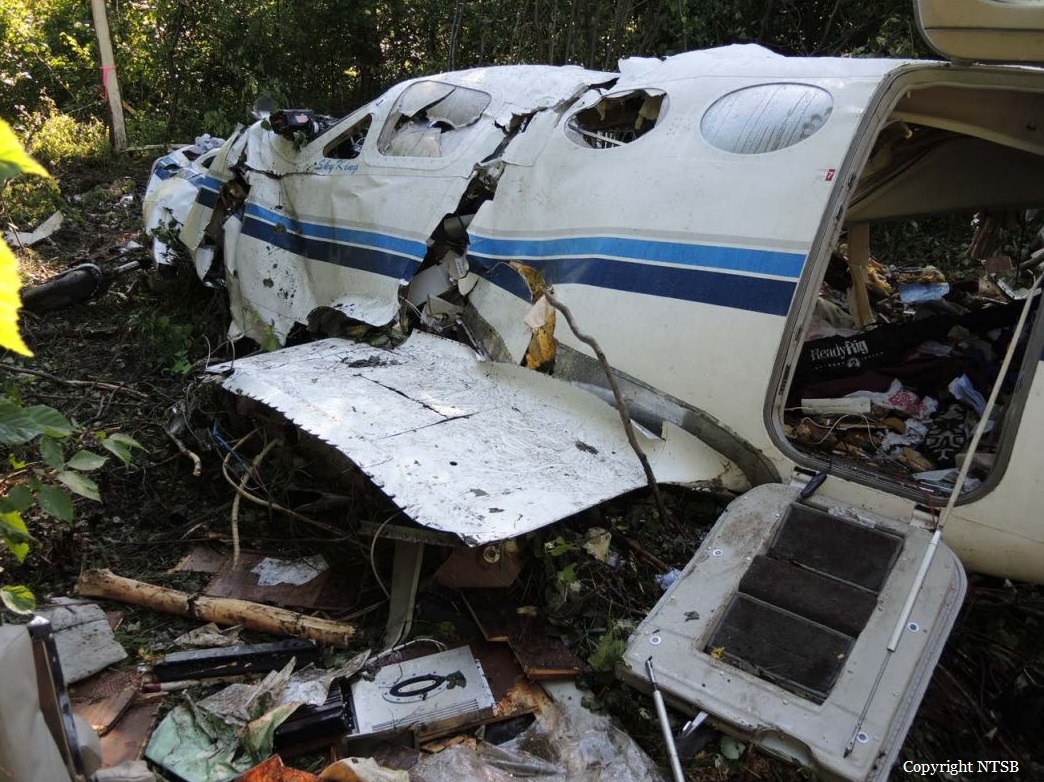
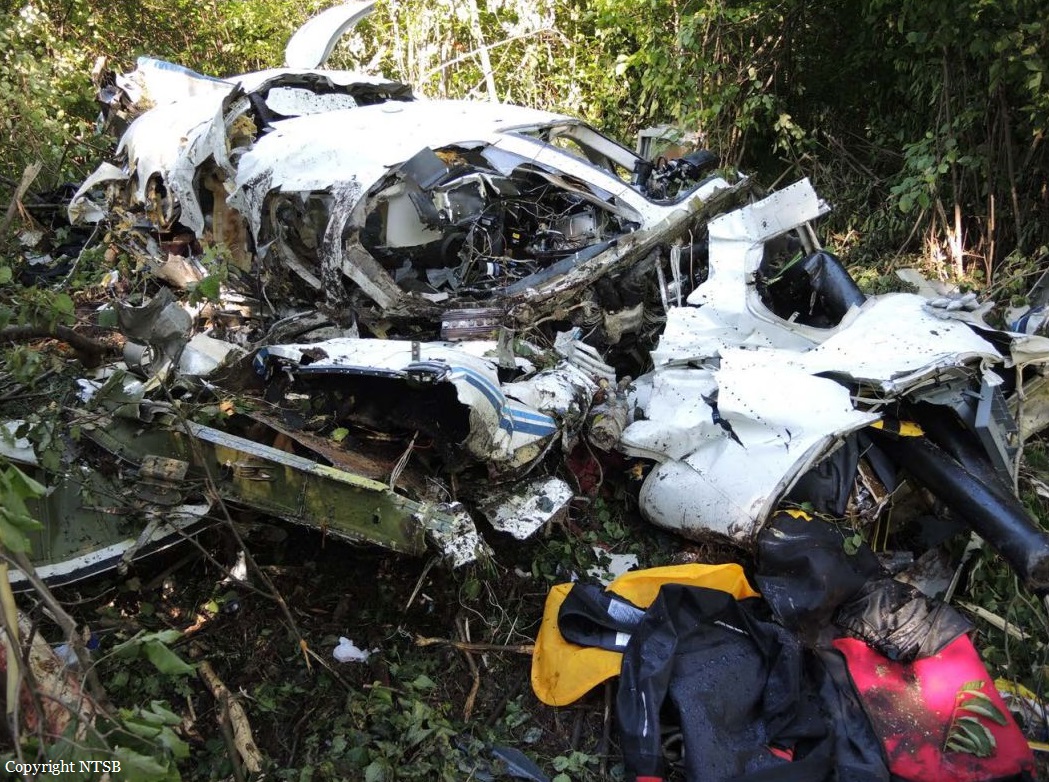
The airline transport rated pilot and passenger departed on a cross-country business flight in a twin-engine, turbo-propeller-equipped airplane in day, visual meteorological conditions. Shortly after takeoff, the airplane banked left, descended, and impacted terrain about 1/2 mile from the end of the runway. There was not a post-crash fire and fuel was present on site. A postaccident airframe examination did not reveal any anomalies that would have precluded normal operation. Examination of the left engine found signatures consistent with the engine producing power at impact. Examination of the right engine revealed rotational scoring on the compressor turbine disc/blades, and rotational scoring on the upstream side of the power vane and baffle, which indicated that the compressor section was rotating at impact; however, the lack of rotational scoring on the power turbine disc assembly, indicated the engine was not producing power at impact. Testing of the right engine's fuel control unit, fuel pump, propeller governor, and overspeed governor did not reveal any abnormities that would have accounted for the loss of power. The reason for the loss of right engine power could not be determined based on the available information.
Probable cause:
The loss of engine power and the subsequent pilot's loss of control for reasons that could not be determined because post-accident engine examination revealed no anomalies.
Final Report:

Crash of a Pilatus PC-6/B2-H4 Turbo Porter near Wamena: 5 killed

Date & Time: Jul 5, 2017 at 1110 LT
Operator:
Registration:
PK-RCX
Flight Phase:
Survivors:
No
Site:
Schedule:
Wamena – Derakma
MSN:
922
YOM:
1998
Country:
Region:
Crew on board:
2
Crew fatalities:
Pax on board:
3
Pax fatalities:
Other fatalities:
Total fatalities:
5
Circumstances:
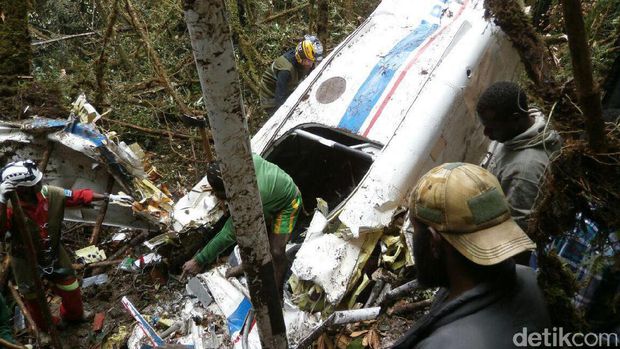
The single engine aircraft departed Wamena Airport at 1100LT with three passengers, two pilots and 508 kg of various goods. About 10 minutes later, the airplane struck the slope of a mountain at an altitude of 2,300 metres. It was scheduled to arrive at Derakma at 1125LT. The wreckage was found a day later by the crew of a helicopter. All five occupants were killed. At the time of the accident, VMC conditions prevailed.

Crash of a Gulfstream GIII off Punta Arenas: 9 killed

Date & Time: Jul 4, 2017 at 1343 LT
Type of aircraft:
Registration:
YV2896
Flight Phase:
Flight Type:
Survivors:
No
Schedule:
Maiquetía – Porlamar
MSN:
469
YOM:
1986
Country:
Crew on board:
3
Crew fatalities:
Pax on board:
6
Pax fatalities:
Other fatalities:
Total fatalities:
9
Circumstances:
While approaching the Island of Margarita, en route from Maiquetía-Simon Bolivar Airport to Porlamar, the crew encountered control difficulties and informed ATC about hydraulic problems. The crew initiated a rapid descent to 3,000 feet apparently to ditch the aircraft when it went out of control and crashed in the sea about 16 km west off Punta Arenas. The aircraft disintegrated on impact and only few debris were found floating on water. All nine occupants were killed, among them officers flying on behalf of the Vice-Presidency of the Venezuelan Government.

Crash of a Cessna 421C Golden Eagle III in Catawba: 6 killed

Date & Time: Jul 1, 2017 at 0153 LT
Registration:
N2655B
Flight Phase:
Flight Type:
Survivors:
No
Schedule:
Waukegan – Winnipeg
MSN:
421C-0698
YOM:
1979
Crew on board:
1
Crew fatalities:
Pax on board:
5
Pax fatalities:
Other fatalities:
Total fatalities:
6
Captain / Total flying hours:
2335
Captain / Total hours on type:
70.00
Circumstances:
The commercial pilot of the multi-engine airplane was conducting an instrument flight rules cross-country flight at night. The pilot checked in with air traffic control at a cruise altitude about 10,000 ft mean sea level (msl). About 31 minutes later, the pilot reported that he saw lightning off the airplane's left wing. The controller advised the pilot that the weather appeared to be about 35 to 40 miles away and that the airplane should be well clear of it. The pilot responded to the controller that he had onboard weather radar and agreed that they would fly clear of the weather. There were no further communications from the pilot. About 4 minutes later, radar information showed the airplane at 10,400 ft msl. About 1 minute later, radar showed the airplane in a descending right turn at 9,400 ft. Radar contact was lost shortly thereafter. The distribution of the wreckage, which was scattered in an area with about a 1/4-mile radius, was consistent with an in-flight breakup. The left horizontal stabilizer and significant portions of both left and right elevators and their respective trim tabs were not found. Of the available components for examination, no pre-impact airframe structural anomalies were found. Examination of the engines and turbochargers did not reveal any pre-impact anomalies. Examination of the propellers showed evidence of rotation at impact and no pre-impact anomalies. Review of weather information indicated that no convection or thunderstorms were coincident with or near the airplane's route of flight, and the nearest convective activity was located about 25 miles west of the accident site. Autopsy and toxicology testing revealed no evidence of pilot impairment or incapacitation. Given the lack of radar information after the airplane passed through 9,400 ft, it is likely that it entered a rapid descent during which it exceeded its design stress limitations, which resulted in the in-flight breakup; however, based on the available information, the event that precipitated the descent and loss of control could not be determined.
Probable cause:
A loss of control and subsequent in-flight breakup for reasons that could not be determined
based on the available information.
Final Report:

Crash of a Pacific Aerospace FU-24 Stallion in Upper Turon: 1 killed

Date & Time: Jun 16, 2017 at 1049 LT
Type of aircraft:
Registration:
VH-EUO
Flight Phase:
Survivors:
No
Schedule:
Upper Turon - Upper Turon
MSN:
3002
YOM:
1980
Country:
Region:
Crew on board:
1
Crew fatalities:
Pax on board:
0
Pax fatalities:
Other fatalities:
Total fatalities:
1
Captain / Total flying hours:
4688
Captain / Total hours on type:
786.00
Aircraft flight hours:
11059
Circumstances:
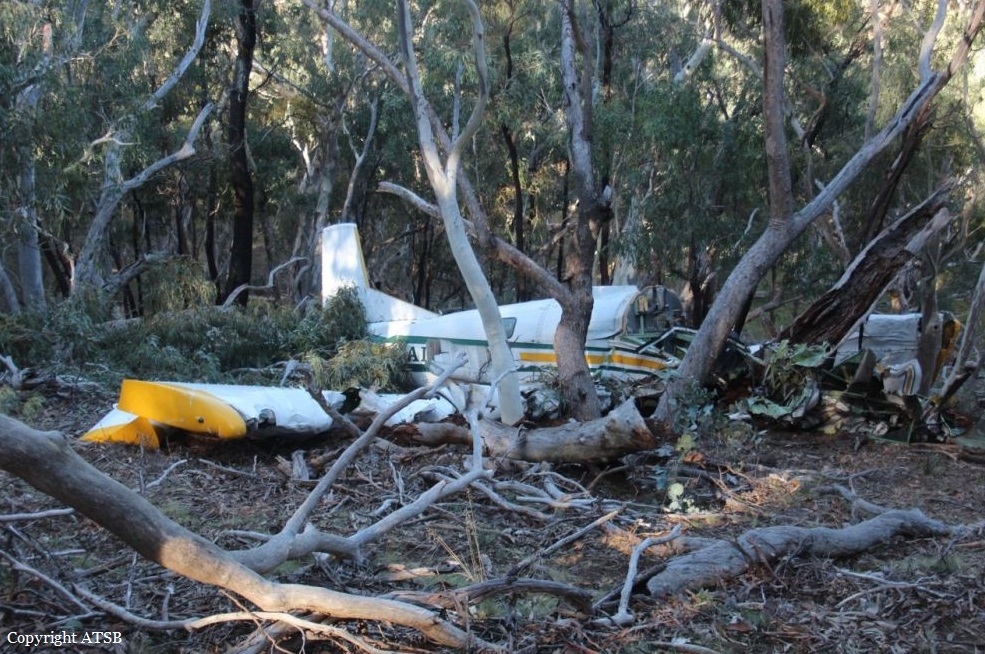
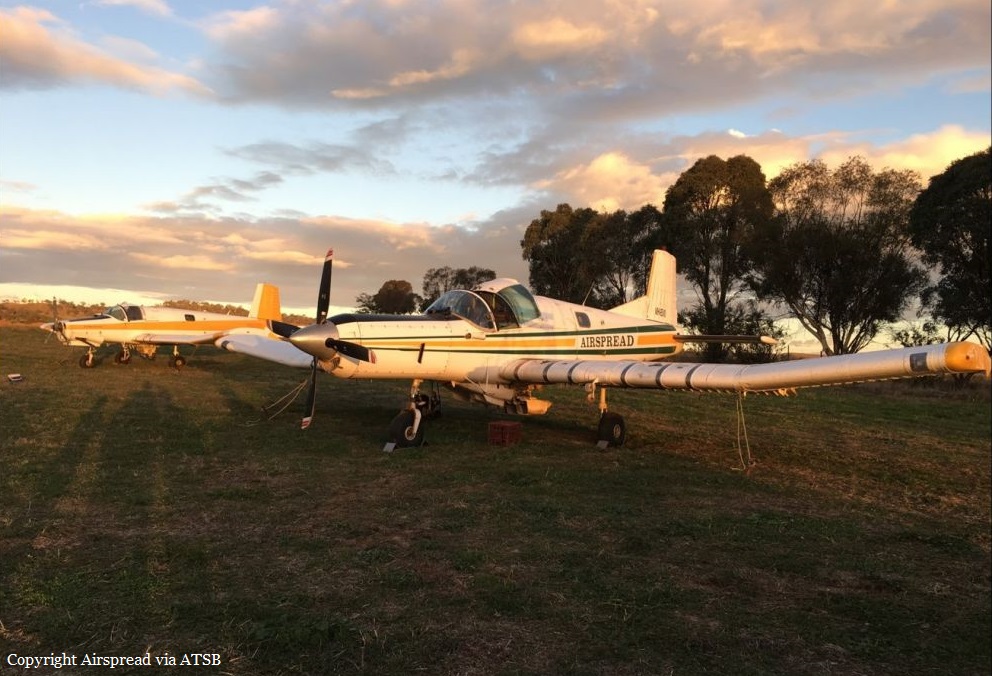
On 16 June 2017, a Pacific Aerospace Ltd FU24 Stallion, registered VH-EUO (EUO), was conducting aerial agricultural operations from a private airstrip at Redhill, 36 km north-north-east of Bathurst, New South Wales (NSW). The operations planned for that day involved the aerial application of fertiliser on three properties in the Upper Turon area of NSW. At about 0700 Eastern Standard Time on the morning of the accident, the pilot and loader drove to Bathurst Airport to fill the fuel tanker and then continued to the worksite at the Redhill airstrip in the Upper Turon area, arriving at about 0830. Work on the first property started at about 0900, with the first flight of the day commencing at 0920. Work on the first property continued until 1350 with two refuelling stops at 1048 and 1250. Approximately 40 tonnes of fertiliser was applied on the first job. In preparation for the second job, fertiliser and seed were loaded into the aircraft and maps of the second job area were passed to the pilot. At 1357, the aircraft took off for the first flight of the second job. The aircraft returned to reload, and at 1405 the aircraft took off for the second flight. A short time later, at 14:06:59, recorded flight data from the aircraft ceased. When the aircraft did not return as expected, the loader radioed the pilot. When the loader could not raise the pilot on the radio, he became concerned and drove his vehicle down the airstrip to see if the aircraft had experienced a problem on the initial climb. Finding no sign of the aircraft, he returned to the load site, while continuing to call the pilot on the radio. He then drove to the application area to search for the aircraft before returning to the load site. With no sign of the aircraft, the loader called emergency services to raise the alarm. By about 1500, police had arrived on site and a ground search commenced. A police helicopter also joined the search, which was eventually called off due to low light. The next morning, at about 0630, the search recommenced and included NSW Police State Emergency Service personnel, and local volunteers. At about 0757, the wreckage of the aircraft was found in dense bush on the side of a hill to the east of the application area. The pilot was found deceased in the aircraft. The aircraft was found approximately 17 hours after the last recorded flight data and there were no witnesses to the accident.
Probable cause:
From the evidence available, the following findings are made with respect to the collision with terrain involving a FU24 Stallion, VH-EUO 40 km north-east of Bathurst, New South Wales on 16 June 2017. These findings should not be read as apportioning blame or liability to any particular organisation or individual.
Contributing factors:
- The pilot flew the aircraft into an area of rising terrain that was outside the normal operating area for this job site.
- For reasons that could not be determined, the aircraft aerodynamically stalled and collided with terrain during re-positioning at the end of the application run.
Other findings:
- There was no evidence of any defect with the aircraft that would have contributed to the loss of control.
Final Report:

Crash of a Beechcraft 200 Super King Air in Bamako

Date & Time: Jun 14, 2017 at 1405 LT
Operator:
Registration:
TZ-DDG
Survivors:
Yes
Schedule:
Bamako - Bamako
MSN:
BB-589
YOM:
1979
Country:
Region:
Crew on board:
1
Crew fatalities:
Pax on board:
0
Pax fatalities:
Other fatalities:
Total fatalities:
0
Circumstances:
Following an uneventful cloud seeding mission over the region of Mopti, the pilot was returning to Bamako-Senou Airport. For unknown reasons, the aircraft made a belly landing and slid for few dozen metres before coming to rest on the right side of runway 06/24. The pilot escaped uninjured and the aircraft was damaged beyond repair.
Crash of a Shaanxi Y-8F-200W into the Andaman Sea: 122 killed

Date & Time: Jun 7, 2017 at 1335 LT
Type of aircraft:
Operator:
Registration:
5820
Flight Phase:
Flight Type:
Survivors:
No
Schedule:
Mergui – Yangon
YOM:
2016
Country:
Region:
Crew on board:
14
Crew fatalities:
Pax on board:
108
Pax fatalities:
Other fatalities:
Total fatalities:
122
Aircraft flight hours:
809
Circumstances:
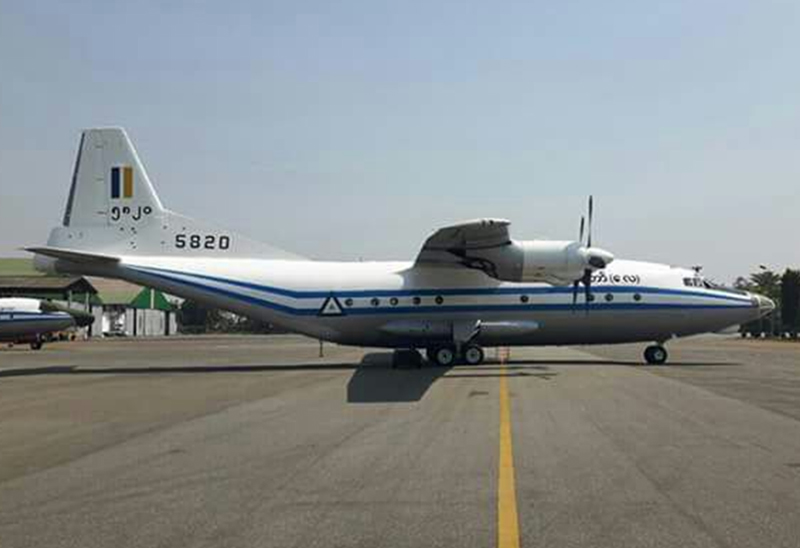
The aircraft departed Mergui (Myeik) Airport at 1306LT bound for Yangon, carrying soldiers and their family members. While cruising at an altitude of 18,000 feet in good weather conditions, radar contact was lost with the airplane that crashed in unknown circumstances in the Andaman Sea at 1335LT. SAR operations were initiated and first debris were found at the end of the afternoon about 218 km off the city of Dawei, according of the Myanmar Army Chief of Staff. It is believed that none of the occupants survived the crash. Brand new, the aircraft has been delivered to the Myanmar Air Force in March 2016. The Shaanxi Y-8 is a Chinese version of the Antonov AN-12 built post 2010. The tail of the aircraft was found a week later and both CFR and DFDR were recovered and transmitted to the Army for further investigations.