Crash of a Rockwell Aero Commander 500B off Shelter Cove

Date & Time: Mar 18, 1999 at 1835 LT
Registration:
C-FBCR
Flight Phase:
Flight Type:
Survivors:
Yes
Schedule:
Shelter Cove - Willits
MSN:
500-1376-135
YOM:
1963
Crew on board:
1
Crew fatalities:
Pax on board:
1
Pax fatalities:
Other fatalities:
Total fatalities:
0
Captain / Total flying hours:
5400
Captain / Total hours on type:
32.00
Aircraft flight hours:
11635
Circumstances:
Prior to departure the pilot believed that his airplane contained between 30 and 40 gallons of fuel, adequate for a 15-minute-long flight to another airport where he could purchase additional fuel. The pilot reported the fuel gauge registered 40 gallons, so he departed. During initial climb upon reaching an altitude of about 400 feet above the ocean, both engines simultaneously lost power. The pilot rocked the airplane's wings and experienced a 'short surge of power.' However, it lasted only a brief moment and all engine power was again totally lost. The pilot turned toward the shoreline, reduced airspeed, and ditched about 0.25 miles off shore. The overnight tide/wave action subsequently beached most of the airplane. In the pilot's report, he did not indicate having experienced any mechanical malfunctions. The Federal Aviation Administration (FAA) coordinator examined recovered portions of the airframe and engines. In pertinent part, the FAA reported finding no physical evidence of any mechanical malfunction with the examined components. However, because of the airframe damage sustained during immersion in the salt water and the subsequent destruction to components, the Safety Board was unable to document the integrity of the fuel quantity indicator system.
Probable cause:
Fuel exhaustion due to the pilot's failure to ensure that an adequate fuel supply was onboard. A contributing factor was the lack of suitable terrain for the forced landing.
Final Report:


Ground fire of an ATR42-320 in Mucuri

Date & Time: Mar 16, 1999 at 1818 LT
Type of aircraft:
Operator:
Registration:
PT-MFI
Survivors:
Yes
Schedule:
São Paulo – Mucuri
MSN:
302
YOM:
1992
Country:
Crew on board:
4
Crew fatalities:
Pax on board:
10
Pax fatalities:
Other fatalities:
Total fatalities:
0
Captain / Total flying hours:
10500
Captain / Total hours on type:
3550.00
Copilot / Total flying hours:
6500
Copilot / Total hours on type:
799
Circumstances:
On approach to Mucuri-Itabatã Airport runway 05, the right engine caught fire. The crew followed the checklist, continued the approach and completed a safe landing. After touchdown, the aircraft slightly deviated to the right and came to rest, bursting into flames. All 14 occupants escaped uninjured while the aircraft was damaged beyond repair.
Probable cause:
It is believed that the engine fire was the consequence of the failure of a fuel burner.
Final Report:

Crash of a Cessna 340A in Chesapeake: 2 killed

Date & Time: Mar 16, 1999 at 0950 LT
Type of aircraft:
Registration:
N13DT
Flight Type:
Survivors:
No
Schedule:
Chesapeake – Bunnell
MSN:
340A-0063
YOM:
1976
Crew on board:
1
Crew fatalities:
Pax on board:
1
Pax fatalities:
Other fatalities:
Total fatalities:
2
Captain / Total flying hours:
4500
Captain / Total hours on type:
10.00
Aircraft flight hours:
3575
Circumstances:
After takeoff, the airplane returned to the departure airport for an emergency landing. The aircraft was observed in the vicinity of the runway threshold, about 500 feet above the ground, with it's left propeller feathered, when it entered a left bank which increased to about 90 degrees. The airplane then entered a spin, descended, and impacted the ground. Examination of wreckage revealed the camshaft of the left engine had failed as a result of a fatigue crack. No other abnormalities were observed of airframe or engine. The left engine had accumulated about 1,200 hours since overhaul. The pilot purchased the airplane about 1 month prior to the accident. At that time, he reported 700 hours of flight experience in multi-engine airplanes, of which, 10 hours were in the make and model of the accident airplane.
Probable cause:
The pilot's failure to maintain control of the airplane during a single engine emergency landing, after experiencing a failure of the left engine. A factor in this accident was the failure of the left engine's camshaft due to a fatigue crack.
Final Report:

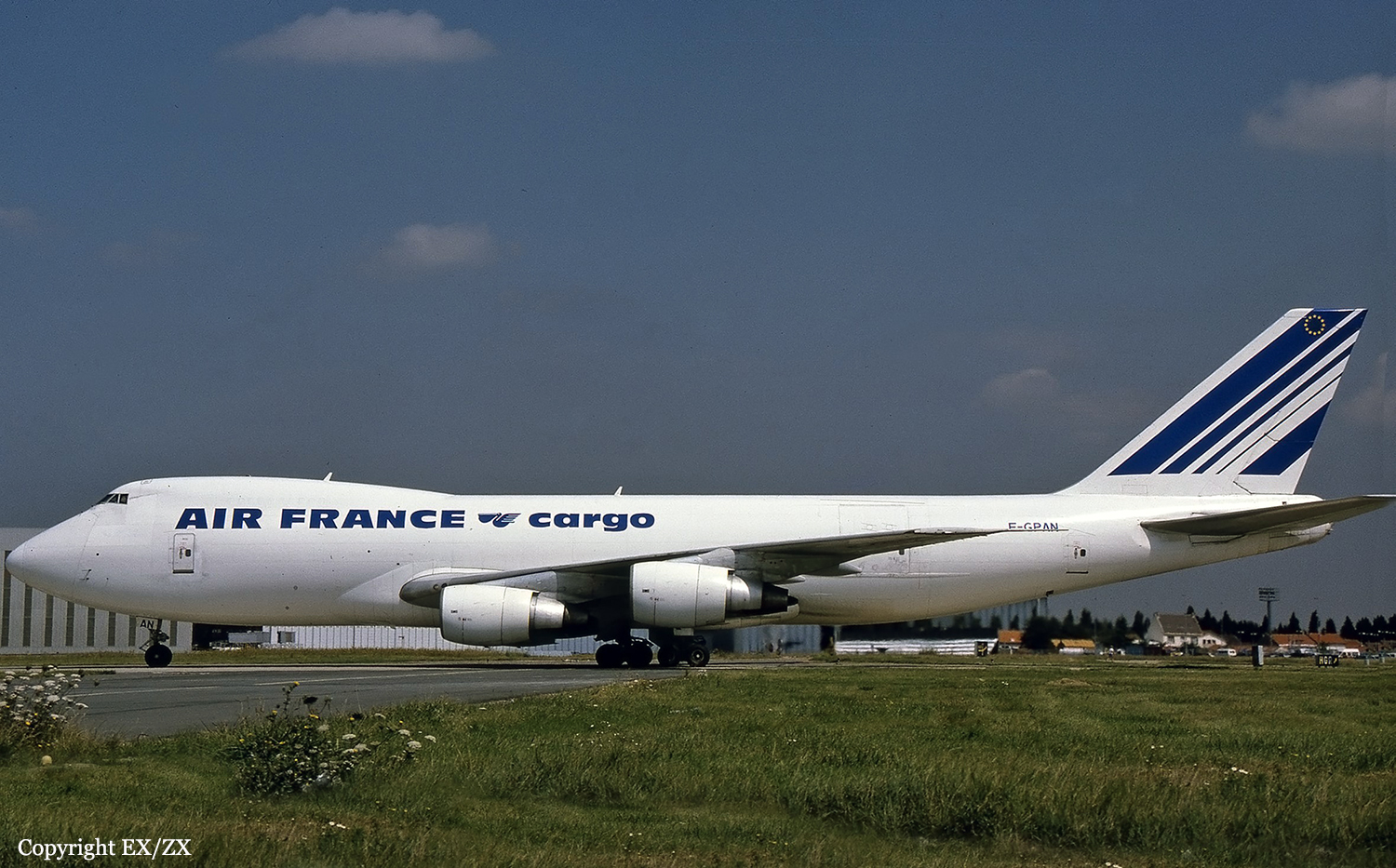
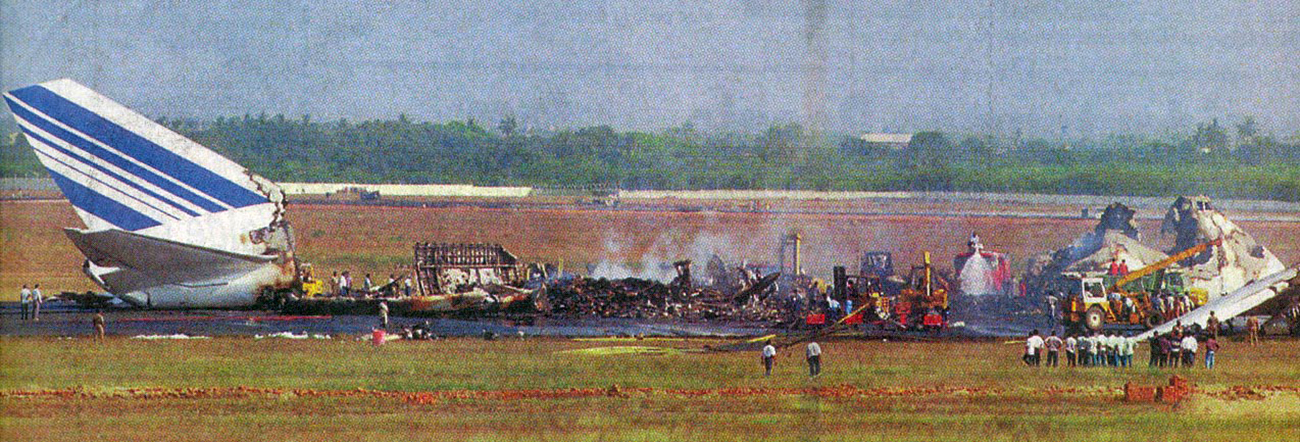
Crash of a Boeing 747-2B3F in Chennai

Date & Time: Mar 6, 1999 at 0029 LT
Type of aircraft:
Operator:
Registration:
F-GPAN
Flight Type:
Survivors:
Yes
Schedule:
Paris – Karachi – Bangalore – Chennai
MSN:
21515
YOM:
1978
Flight number:
AF6745
Country:
Region:
Crew on board:
5
Crew fatalities:
Pax on board:
0
Pax fatalities:
Other fatalities:
Total fatalities:
0
Aircraft flight hours:
72968
Aircraft flight cycles:
17608
Circumstances:
The aircraft was completing a cargo flight from Paris to Chennai with intermediate stops in Karachi and Bangalore, carrying five crew members and a load of various goods including three cars, 20 tons of cigarettes, chemicals and clothing for a total weight of 66 tons. The aircraft was cleared for a runway 07 ILS approach, but the approach was abandoned due to indications that the undercarriage was not down and locked. The flight crew concluded that all gear were down and locked despite a red GEAR light on the forward instrument panel. The crew had failed to recognize that the green GEAR DOWN light for the nose gear was not illuminated and assumed that the red GEAR light on the forward instrument panel was a false indication. The gear was recycled, but an alternate extension was not attempted. The pilot positioned the airplane for another approach. The aircraft touched down with the nose gear retracted. The nose struck the runway. The plane skidded and came to rest at 7000 feet down the runway (which is 13050 feet long). As the pilot informed the ATC of the mishap, he noticed smoke in the cockpit. Even as the smoke was being extinguished, flames erupted in the front portion of the aircraft. One of the crewmembers came down through a rope ladder from the cockpit, the other four were brought down through the rear of the aircraft using the fire engine step ladders. The fire services were not able to extinguish the fire and the plane burned out completely.

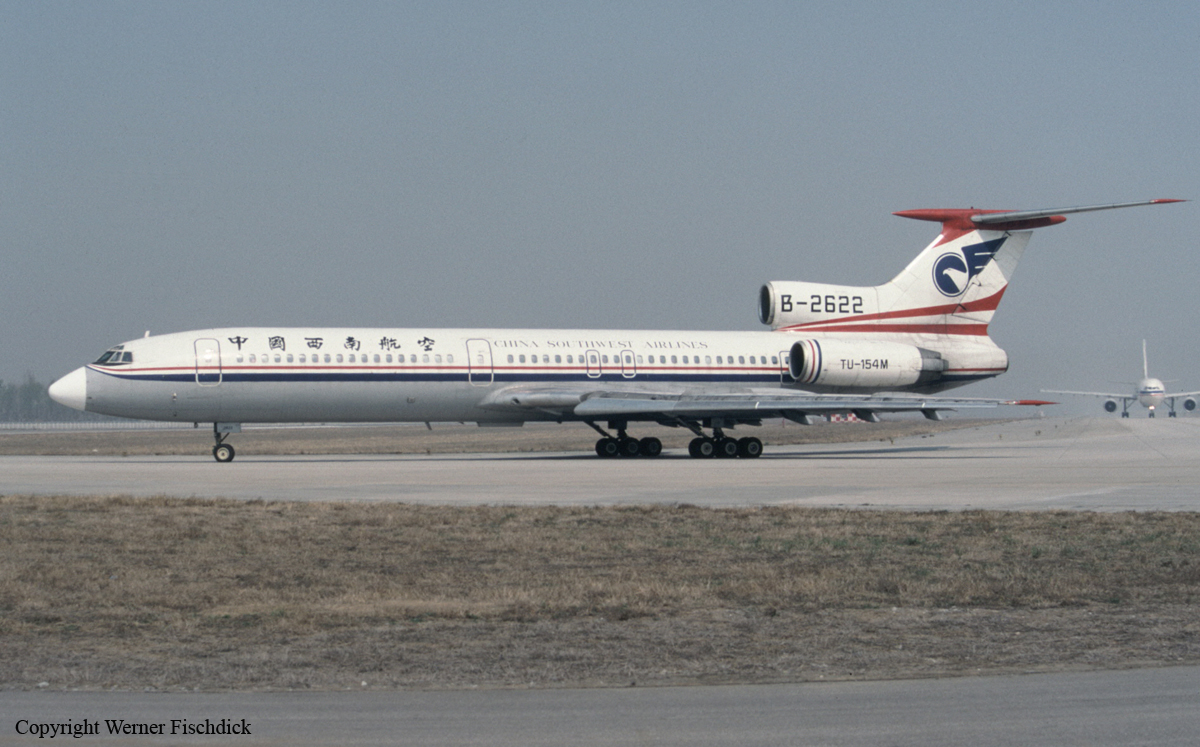
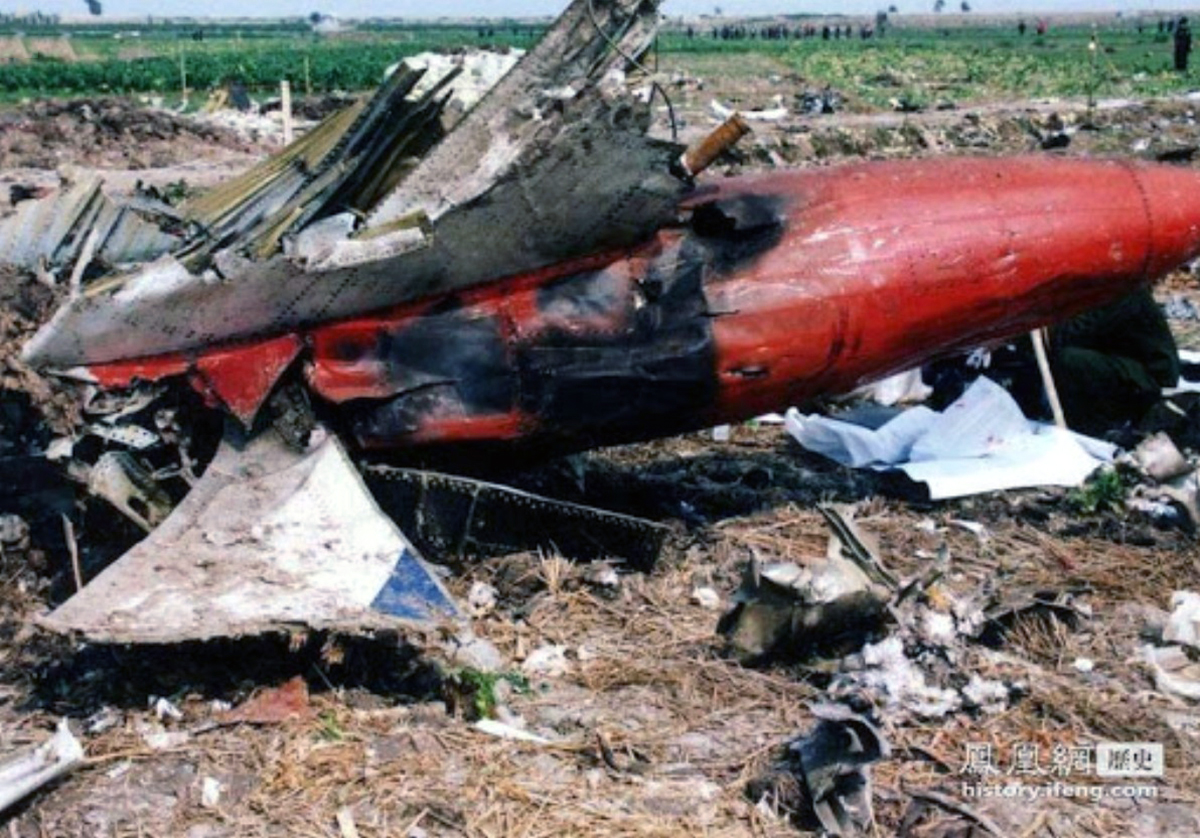
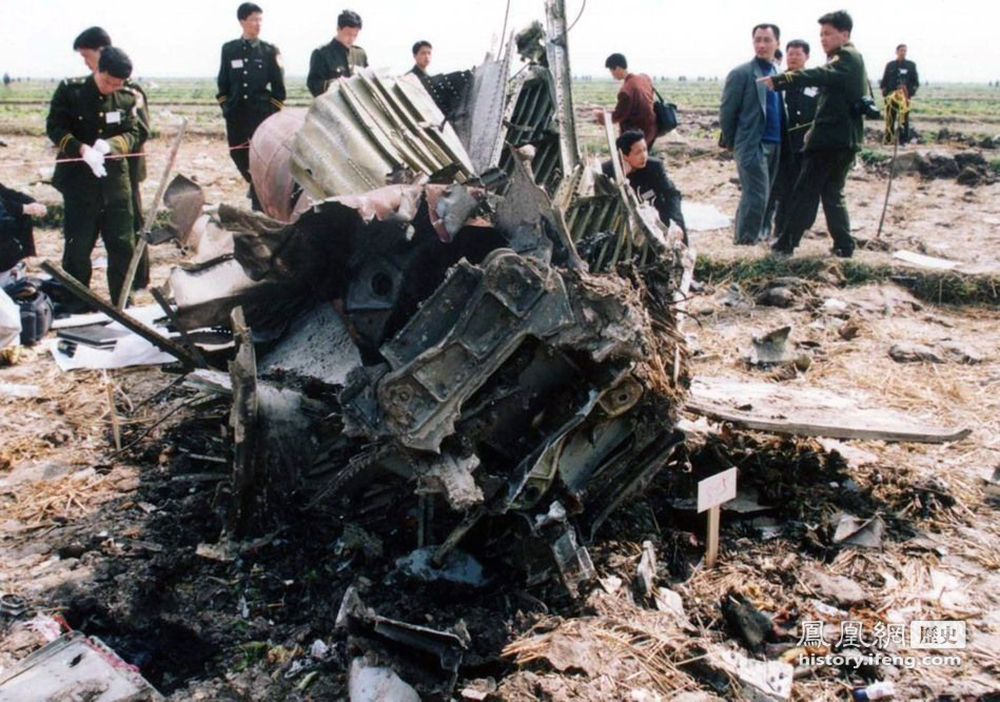
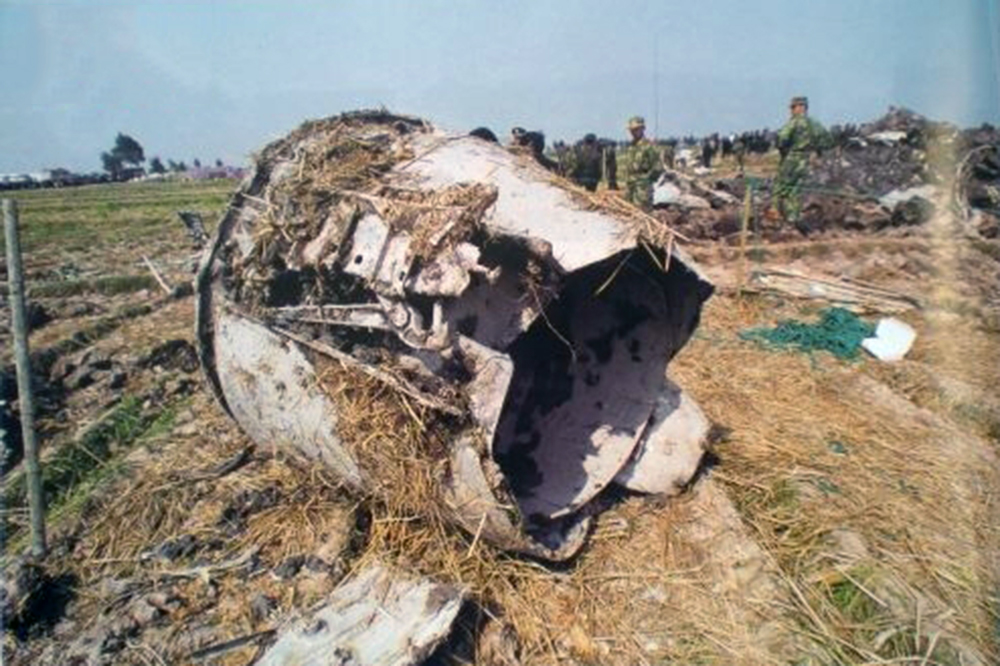
Crash of a Tupolev TU-154M in Wenzhou: 61 killed

Date & Time: Feb 24, 1999 at 1634 LT
Type of aircraft:
Operator:
Registration:
B-2622
Survivors:
No
Schedule:
Chengdu - Wenzhou
MSN:
90A846
YOM:
1990
Flight number:
SZ4509
Country:
Region:
Crew on board:
11
Crew fatalities:
Pax on board:
50
Pax fatalities:
Other fatalities:
Total fatalities:
61
Aircraft flight hours:
14135
Aircraft flight cycles:
7748
Circumstances:
Following an uneventful flight from Chengdu, the crew was cleared to descend to Wenzhou Airport. While passing 9,000 metres on descent, the crew encountered technical difficulties with the control column that was too far forward. At 1629LT, the crew was cleared to descend from 1,200 to 700 metres when the aircraft entered a nose-down attitude. Flaps were selected down (first stage) when the AOA alarm sounded in the cockpit. The aircraft entered an uncontrolled descent and crashed in an open field. It disintegrated on impact and all 61 occupants were killed. Several farmers were injured by debris.
Probable cause:
A self-locking nut, other than castle nut with cotter pin as specified, had been installed at the bolt for connection between pull rod and bellcranck in the elevator control system. The nut screwed off, resulting in bolt loss, which led to the loss of pitch control.

Crash of a Piper PA-31-310 Navajo B in La Serena

Date & Time: Feb 23, 1999
Type of aircraft:
Registration:
CC-CRV
Survivors:
Yes
MSN:
31-733
YOM:
1971
Country:
Crew on board:
1
Crew fatalities:
Pax on board:
3
Pax fatalities:
Other fatalities:
Total fatalities:
0
Circumstances:
On final approach to La Serena-La Florida Airport, both engines failed simultaneously. The pilot attempted an emergency landing when the aircraft stalled and crashed short of runway. All four occupants were injured and the aircraft was destroyed. The aircraft was completing a charter flight for the El Indio Mining Company.
Probable cause:
Double engine failure on approach due to fuel exhaustion.

Crash of a Hawker-Siddeley HS-748-206 Andover CC2 in Foxtrot

Date & Time: Feb 14, 1999
Operator:
Registration:
9L-LBG
Flight Type:
Survivors:
Yes
Schedule:
Lokichogio - Foxtrot
MSN:
1566
YOM:
1965
Country:
Region:
Crew on board:
2
Crew fatalities:
Pax on board:
0
Pax fatalities:
Other fatalities:
Total fatalities:
0
Circumstances:
The crew was completing an on-demand cargo flight from Lokichogio to the Foxtrot Airstrip, carrying supplies for SPLA troops. After landing, the aircraft suffered an asymmetrical thrust due to the failure of the left thrust reverser. The aircraft veered to the right and came to rest. Both pilots escaped uninjured while the aircraft was damaged beyond repair.
Probable cause:
Loss of control on landing following the failure of the left thrust reverser.

Crash of a Lockheed L-188A Electra in Kinshasa: 7 killed

Date & Time: Feb 8, 1999
Type of aircraft:
Operator:
Registration:
9Q-CDI
Flight Phase:
Flight Type:
Survivors:
No
Site:
Schedule:
Kinshasa - Mbandaka
MSN:
1037
YOM:
1959
Region:
Crew on board:
7
Crew fatalities:
Pax on board:
0
Pax fatalities:
Other fatalities:
Total fatalities:
7
Circumstances:
The four engine aircraft was completing a cargo flight from Kinshasa to Mbandaka on behalf of the Congolese Armed Forces, carrying seven crew members and a load of fuel drums, ammunitions and bombs. After takeoff from Kinshasa-N'Djili Airport, while climbing, the captain informed ATC about the failure of the engine n°3 and was cleared to return for an emergency landing. The aircraft went out of control and crashed three minutes after takeoff on a building owned by the Congolese Electricity Company and located near the airport. All seven occupants were killed.
Probable cause:
Failure of the engine n°3 after takeoff for unknown reasons. It was reported that the copilot failed to show up so the captain was the only pilot and he asked the flight engineer to take the copilot seat and a ground mechanic to perform the flight engineer duties.

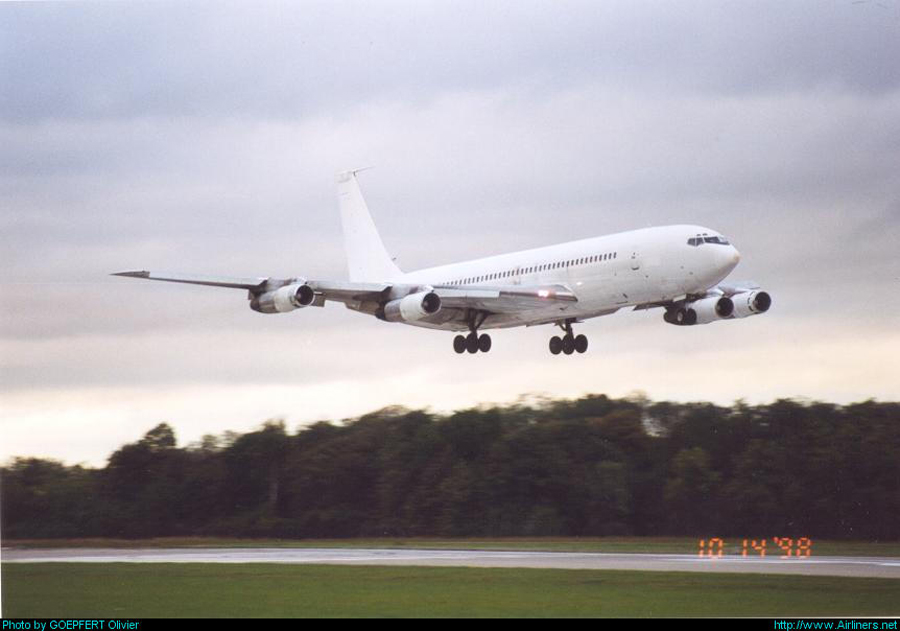
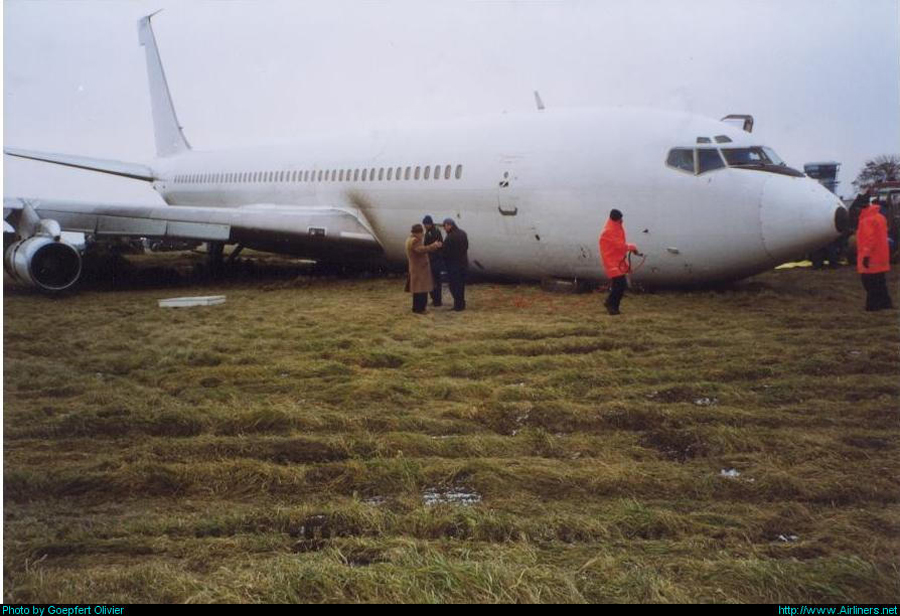
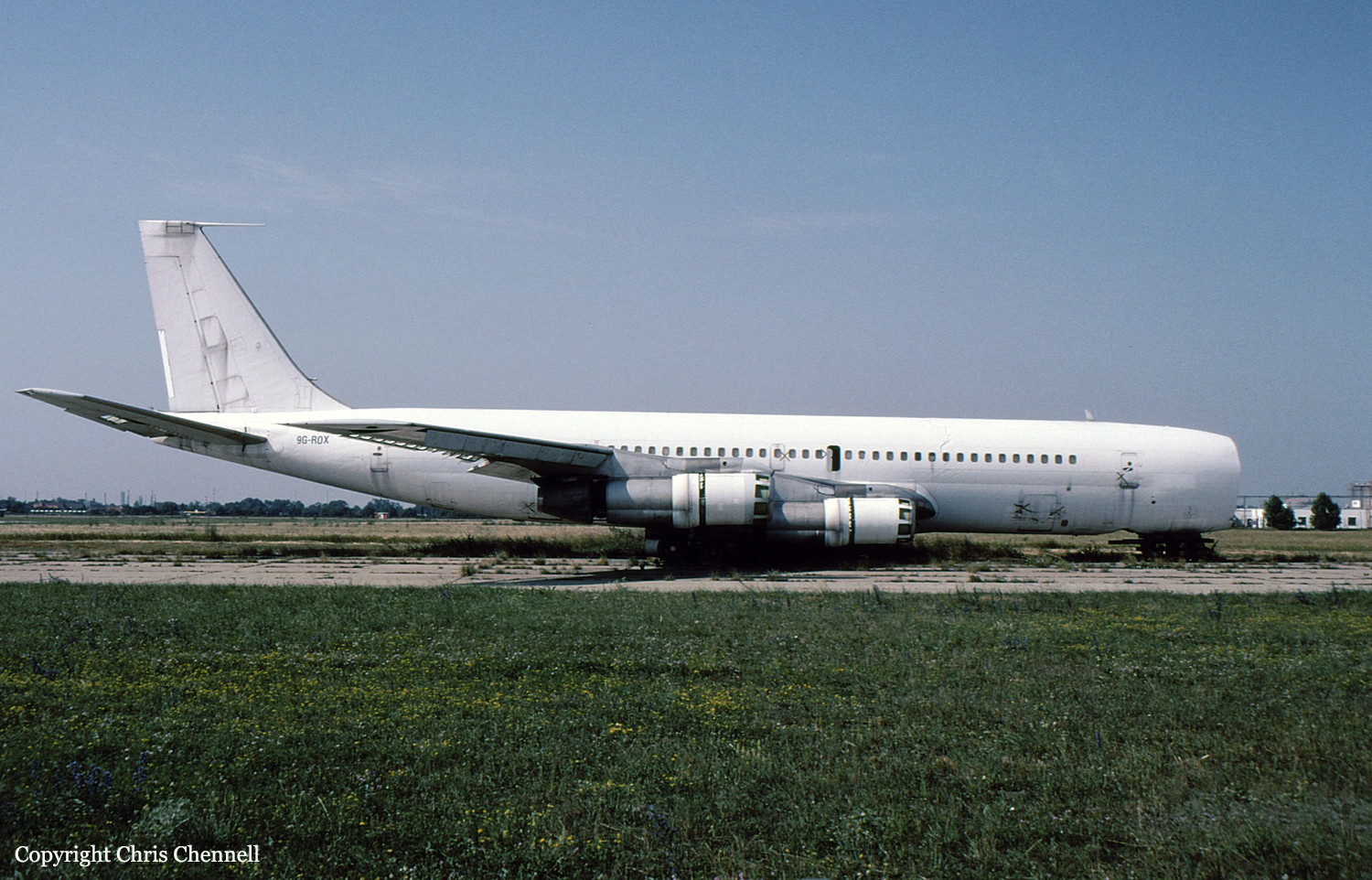
Crash of a Boeing 707-328C in Bratislava

Date & Time: Feb 7, 1999 at 2344 LT
Type of aircraft:
Operator:
Registration:
9G-ROX
Flight Phase:
Flight Type:
Survivors:
Yes
Schedule:
Bratislava – N’Djamena
MSN:
19521
YOM:
1967
Country:
Region:
Crew on board:
3
Crew fatalities:
Pax on board:
4
Pax fatalities:
Other fatalities:
Total fatalities:
0
Circumstances:
The aircraft was leased to a Belgian charter broker around June 1998 to operate fish charter flights between Mwanza and Vienna. The aircraft was in fact seen on many other airports, Bratislava, Ostrava and Lubumbashi. At the time of the accident, the plane is understood to have had a long list of 32 faults that needed urgent repair. Problems included a limited EGT of n°1 & 4 engines; n°3 engine constant speed drive (CSD) gearbox was consuming a 'massive amount of oil'; n°1 engine CSD generator missing; n°2 engine required bleed on takeoff and above FL330; left wing leading edge cracked and leaking; n°4 fuel tank and reserve tank gauge not working. Decision to ferry the aircraft to N'Djamena was taken on February 7. During the takeoff roll the n°2 & 3 engines failed. The takeoff was aborted but the aircraft could not be stopped within the remaining distance. It overran, lost its nose gear and came to rest 200 metres past the runway end. All seven occupants escaped uninjured while the aircraft was damaged beyond repair.

Ground fire of a Britten-Norman BN-2A-9 Islander in Porto Velho

Date & Time: Feb 2, 1999 at 1100 LT
Type of aircraft:
Registration:
PT-KNM
Flight Phase:
Flight Type:
Survivors:
Yes
Schedule:
Porto Velho – Lábrea
MSN:
669
YOM:
1972
Country:
Crew on board:
1
Crew fatalities:
Pax on board:
1
Pax fatalities:
Other fatalities:
Total fatalities:
0
Captain / Total flying hours:
260
Captain / Total hours on type:
25.00
Circumstances:
Parked at Porto Velho Airport, the aircraft was prepared for a cargo flight to Lábrea. On board were one passenger, one pilot and a load of foods. When the pilot started the engines, the left engine caught fire. The fire quickly spread to the left wing. Both occupants evacuated the cabin and the aircraft was destroyed by fire.
Probable cause:
The following findings were identified:
- The exact cause of the left engine failure and fire remains unknown,
- The pilot was not qualified to fly such type of aircraft,
- The aircraft was not airworthy at the time of the accident,
- The aircraft maintenance was not performed according to published procedures.
Final Report: