Country
code

Zhejiang

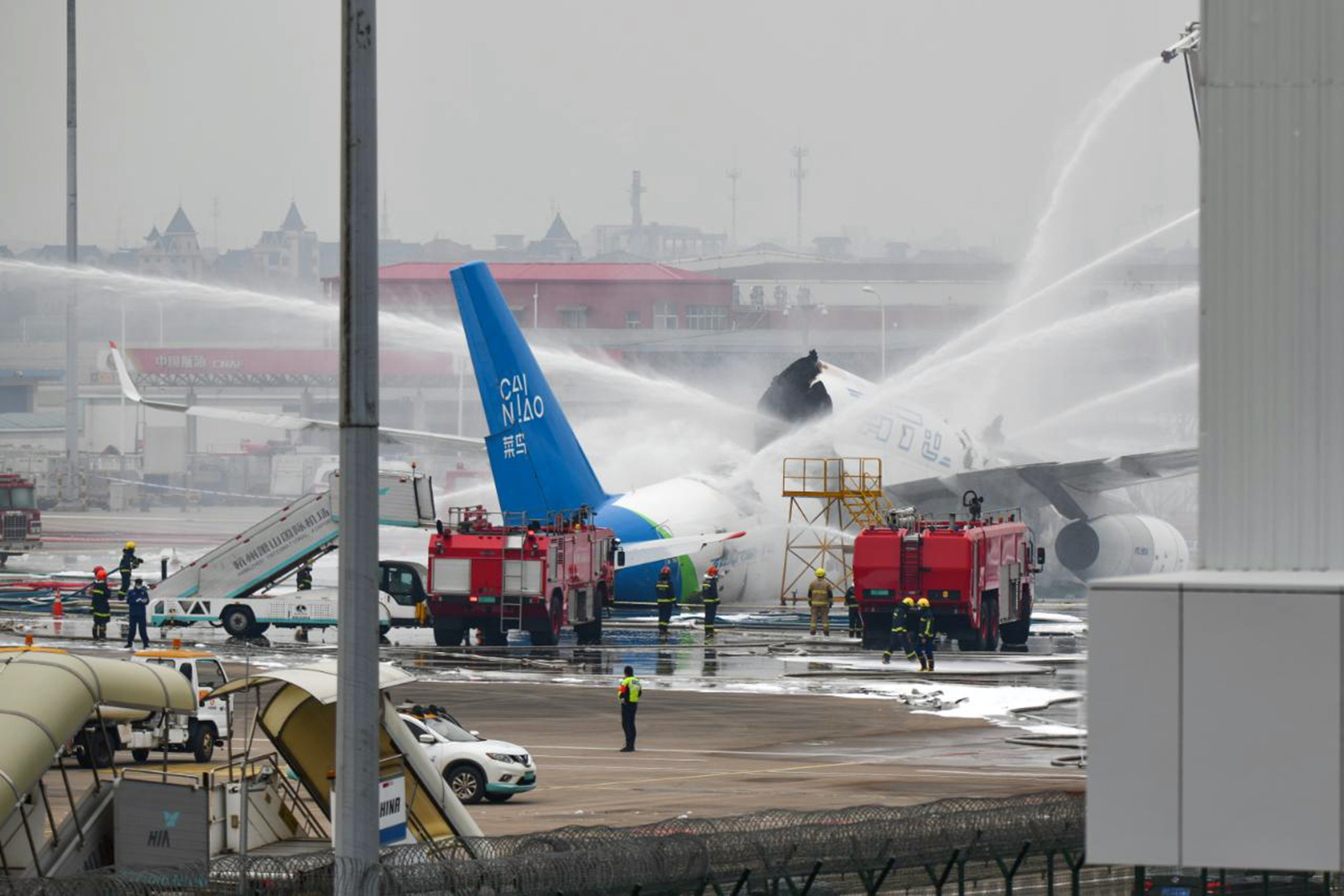
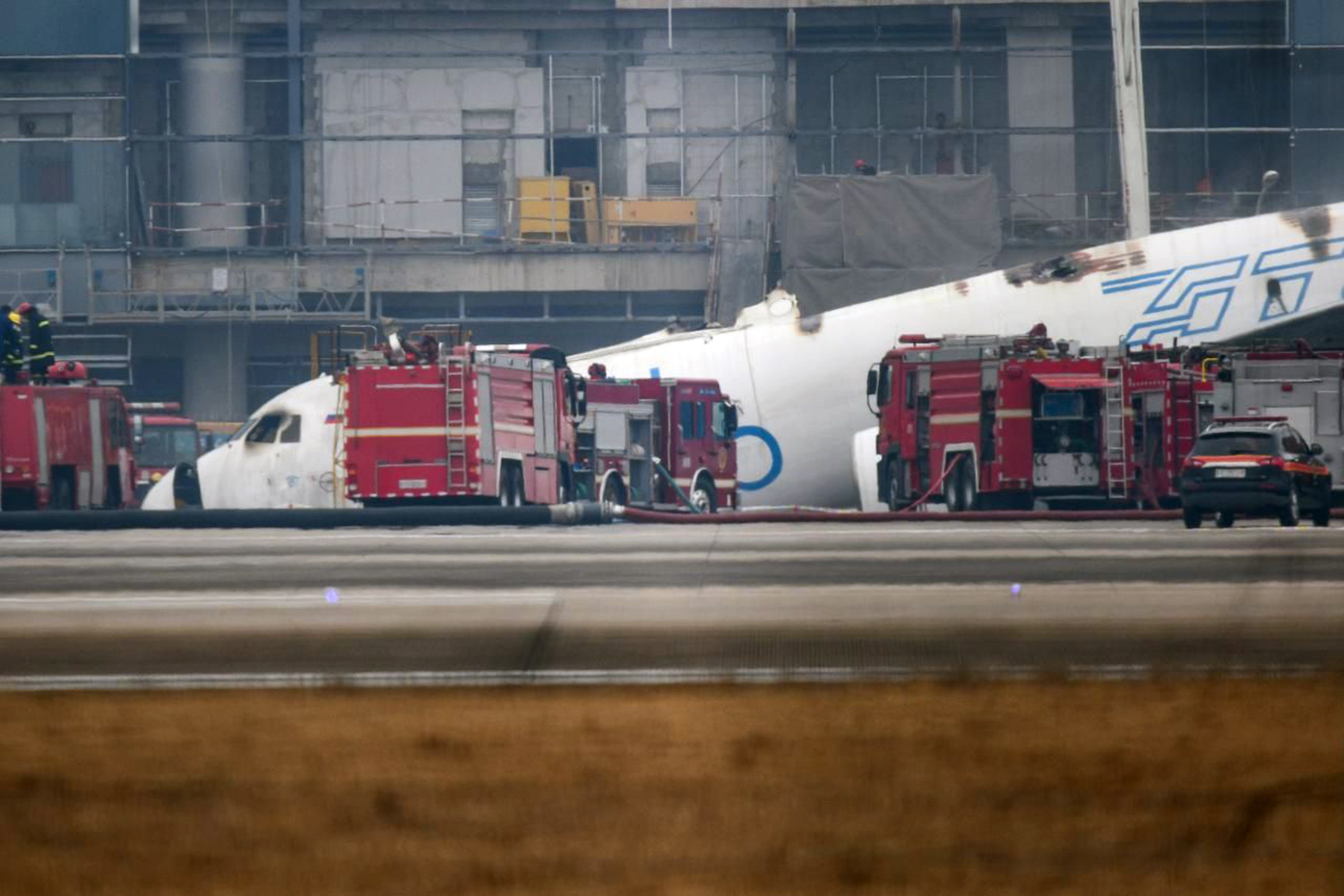
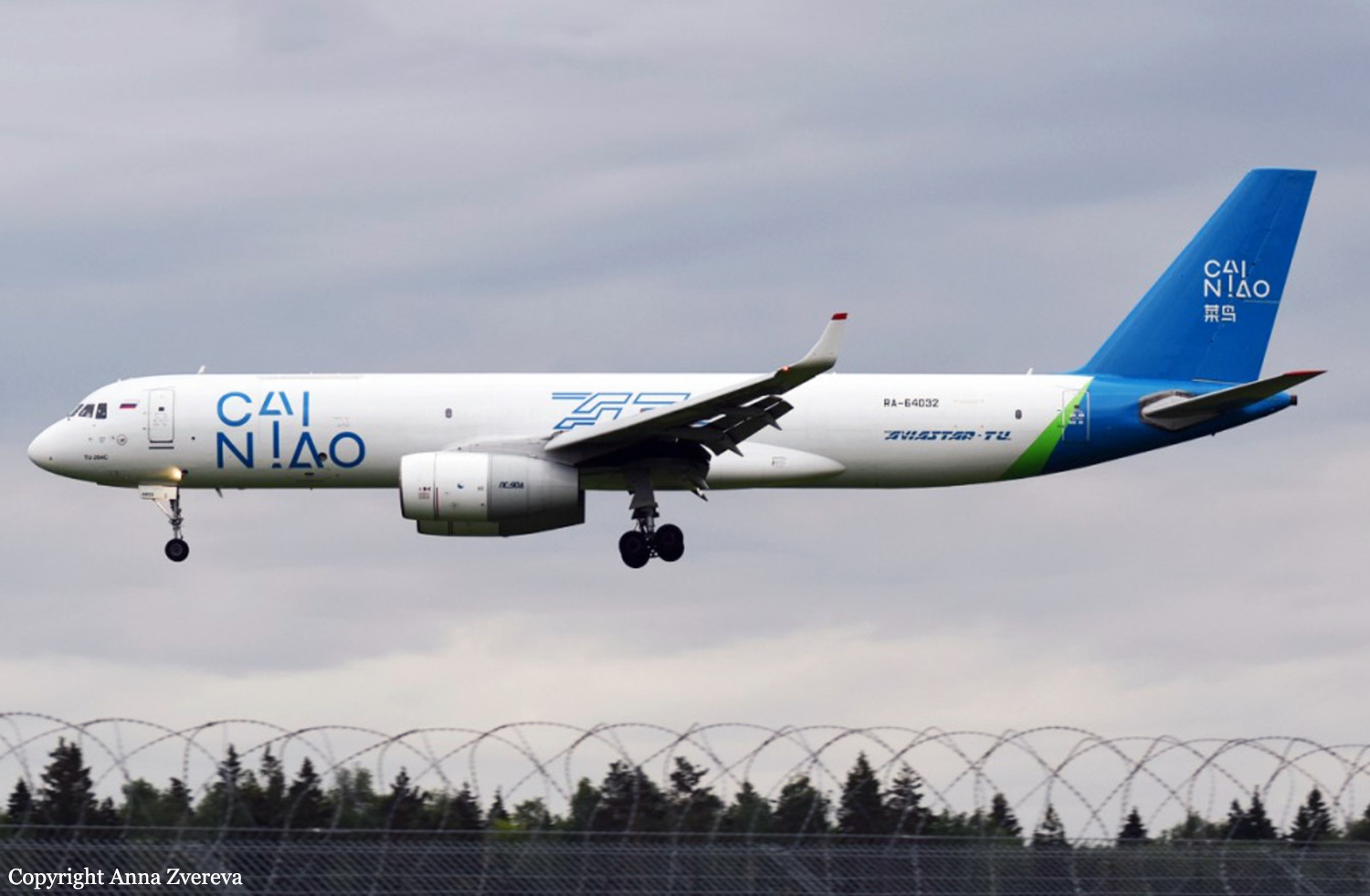
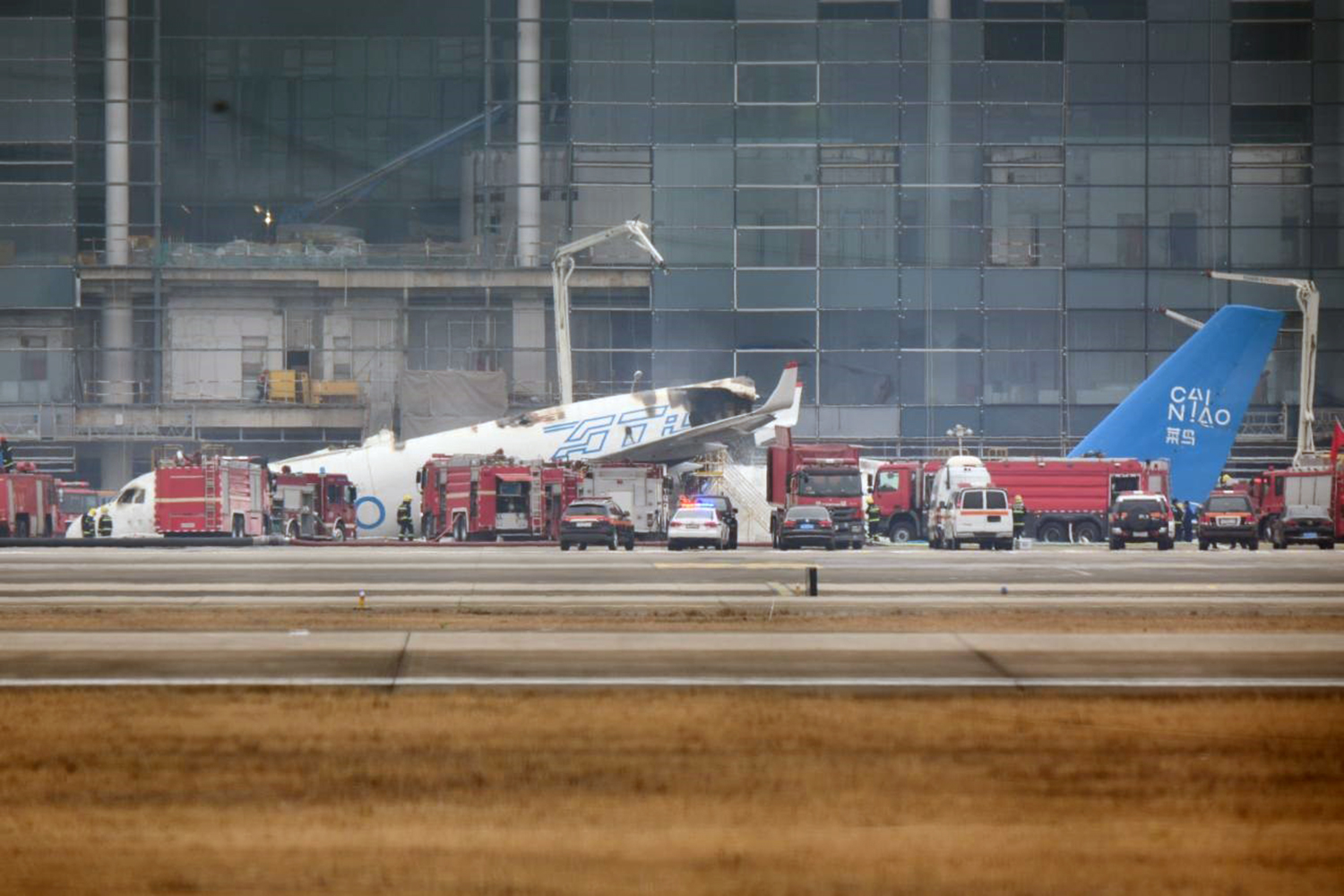
Ground fire of a Tupolev TU-204-100C in Hangzhou

Date & Time: Jan 8, 2022 at 0438 LT
Type of aircraft:
Operator:
Registration:
RA-64032
Flight Phase:
Flight Type:
Survivors:
Yes
Schedule:
Hangzhou - Novosibirsk
MSN:
145074 2 2 64032
YOM:
2002
Flight number:
4B6534
Country:
Region:
Crew on board:
8
Crew fatalities:
Pax on board:
0
Pax fatalities:
Other fatalities:
Total fatalities:
0
Captain / Total flying hours:
12587
Captain / Total hours on type:
3950.00
Copilot / Total flying hours:
3876
Copilot / Total hours on type:
3631
Aircraft flight hours:
35376
Aircraft flight cycles:
10470
Circumstances:
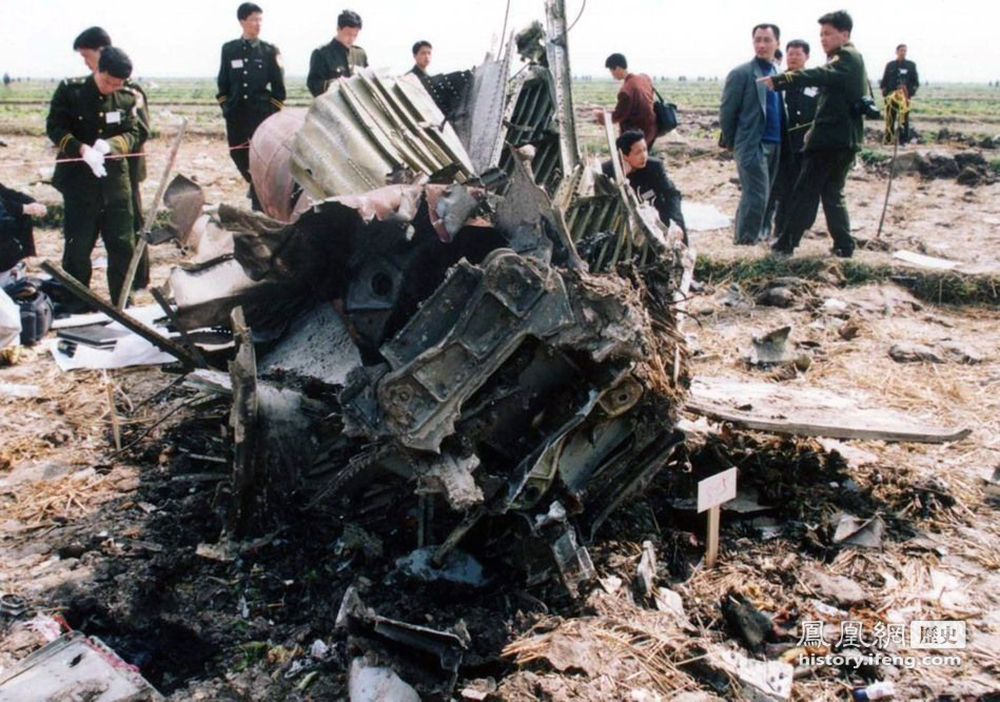
The airplane was ready for a cargo flight from Hangzhou to Novosibirsk-Tolmachevo Airport (flight 4B6534). On board were eight crew members (2 captains, 2 copilots, 2 flight engineers and 2 maintenance technicians) and a load of 20 tons of various goods. After the push back was completed from stand 204, the copilot was processing with a test of his oxygen mask when a leak occurred, later followed by three flashes coming from the right side of the cockpit. As black smoke was spreading in the cockpit and while taxiing, the captain stopped the airplane and all eight crew members evacuated from the left front door. Almost five hours were needed for the fire bombers to extinguish the fire and the airplane was almost destroyed. All eight crew members escaped uninjured.
Probable cause:
The investigation team believes that, the initial fire area was inside the console on the right side of the cockpit, and the origin of fire was located behind the audio control panel, in front of the oxygen shut-off and reducing device, and above the regulator control units. The most probable cause of fire is that the crew oxygen system components inside the right-hand console malfunctioned and resulted in oxygen leakage, and then the leaking oxygen formed an ephemeral oxygen-rich environment in the confined space. The considerable heat generated or emitted from the aircraft components and systems in this space ignited the combustible materials in the oxygen-rich environment. The leaking oxygen exacerbated the development and spread of the fire resulting in the substantial damage to the aircraft.
Final Report:
Crash of a Shijiazhuang Yunsunji Y-5B in Ningbo

Date & Time: Nov 19, 1999
Type of aircraft:
Registration:
B-8479
Survivors:
Yes
MSN:
0107
YOM:
1990
Location:
Country:
Region:
Crew on board:
2
Crew fatalities:
Pax on board:
5
Pax fatalities:
Other fatalities:
Total fatalities:
0
Circumstances:
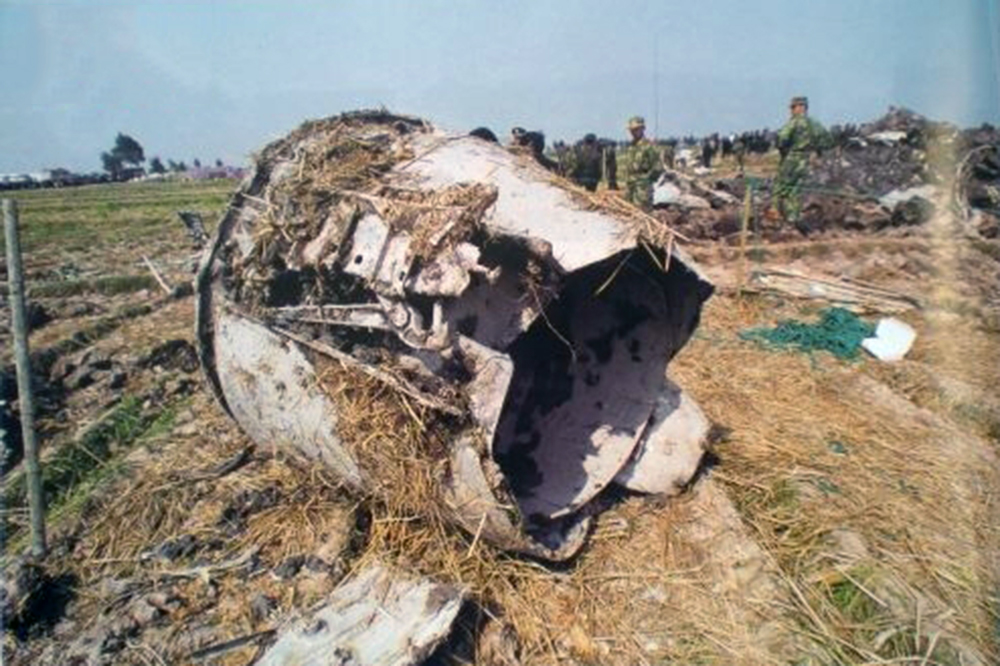
Ten minutes after takeoff from Ningbo Airport, the crew informed ATC about engine problems and was cleared to return. After making a 180 turn, the crew started the descent and was eventually forced to attempt an emergency landing. The aircraft crashed in a rice paddy field located near the runway threshold. All seven occupants escaped uninjured while the aircraft was damaged beyond repair after it lost its undercarriage and one wing.
Probable cause:
Engine failure due to oil exhaustion.

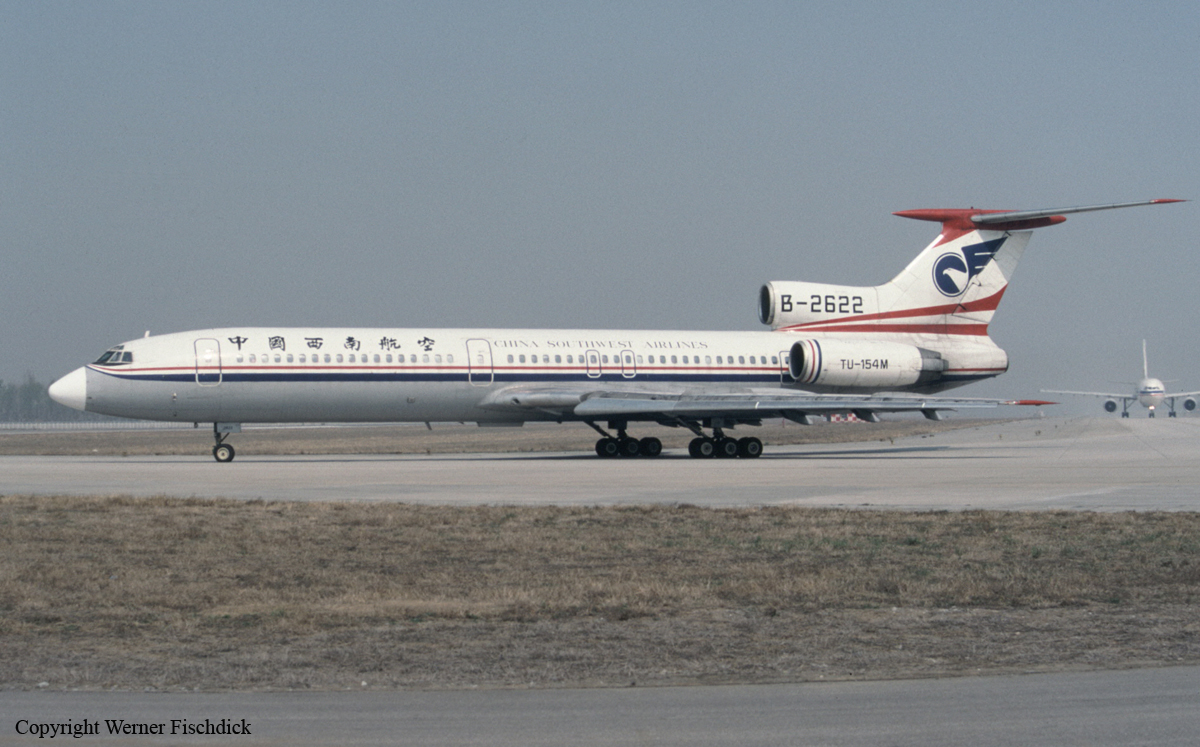
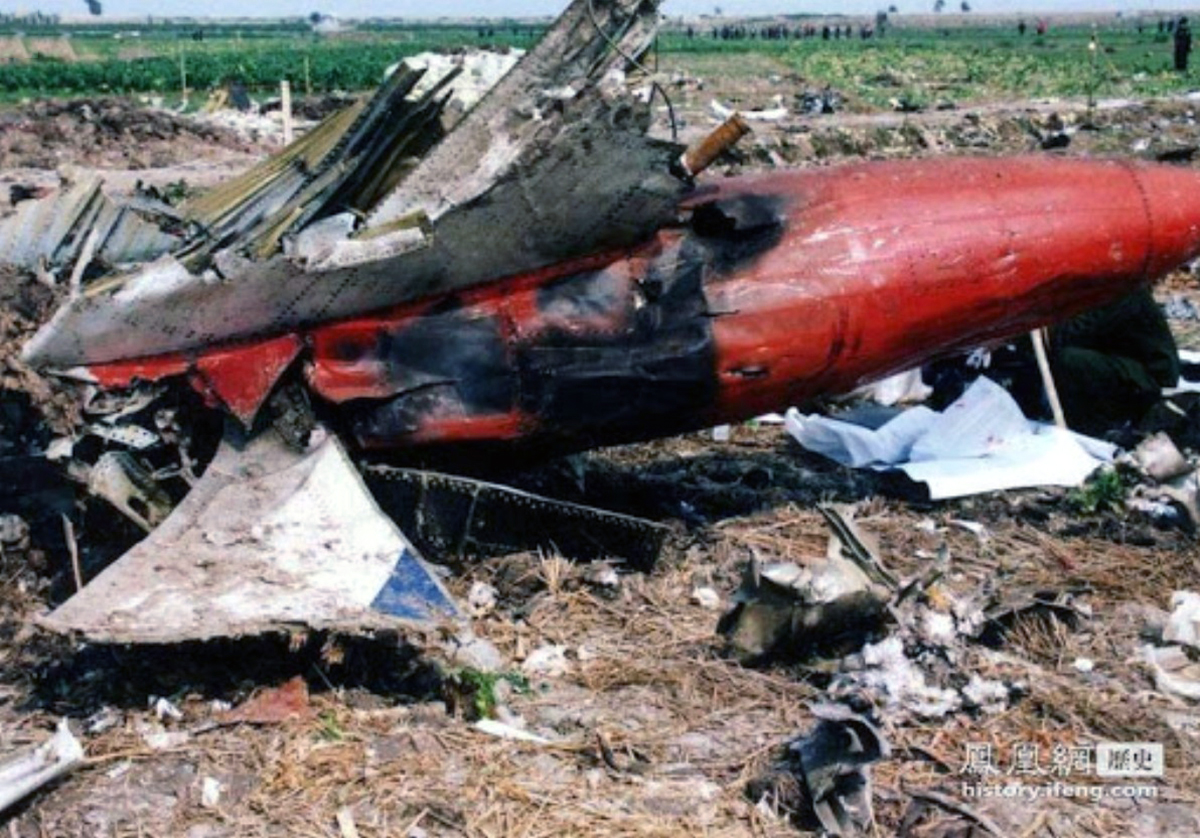
Crash of a Tupolev TU-154M in Wenzhou: 61 killed

Date & Time: Feb 24, 1999 at 1634 LT
Type of aircraft:
Operator:
Registration:
B-2622
Survivors:
No
Schedule:
Chengdu - Wenzhou
MSN:
90A846
YOM:
1990
Flight number:
SZ4509
Country:
Region:
Crew on board:
11
Crew fatalities:
Pax on board:
50
Pax fatalities:
Other fatalities:
Total fatalities:
61
Aircraft flight hours:
14135
Aircraft flight cycles:
7748
Circumstances:
Following an uneventful flight from Chengdu, the crew was cleared to descend to Wenzhou Airport. While passing 9,000 metres on descent, the crew encountered technical difficulties with the control column that was too far forward. At 1629LT, the crew was cleared to descend from 1,200 to 700 metres when the aircraft entered a nose-down attitude. Flaps were selected down (first stage) when the AOA alarm sounded in the cockpit. The aircraft entered an uncontrolled descent and crashed in an open field. It disintegrated on impact and all 61 occupants were killed. Several farmers were injured by debris.
Probable cause:
A self-locking nut, other than castle nut with cotter pin as specified, had been installed at the bolt for connection between pull rod and bellcranck in the elevator control system. The nut screwed off, resulting in bolt loss, which led to the loss of pitch control.

Crash of a Curtiss C-46 near Hangzhou: 26 killed

Date & Time: Jan 28, 1947
Type of aircraft:
Operator:
Flight Phase:
Survivors:
No
Schedule:
Shanghai – Hangzhou – Chongqing
Country:
Region:
Crew on board:
3
Crew fatalities:
Pax on board:
23
Pax fatalities:
Other fatalities:
Total fatalities:
26
Circumstances:
About 30 minutes after its departure from Hangzhou Airport, the twin engine aircraft crashed in unknown circumstances. 25 occupants were killed while a passenger was seriously injured and evacuated to a local hospital. The only survivor died from his injuries few hours later. Several foreign citizens were among the victims. As this accident was the eighth in China since last December 15, 1946, the State Secretary of Transport decided to suspend the operations of all Chinese operators for few days.

Crash of a Douglas DC-3C near Suichang: 20 killed

Date & Time: Oct 20, 1945 at 0840 LT
Type of aircraft:
Operator:
Registration:
104
Flight Phase:
Survivors:
No
Site:
Schedule:
Shanghai – Hong Kong
MSN:
20868
YOM:
1944
Country:
Region:
Crew on board:
6
Crew fatalities:
Pax on board:
7
Pax fatalities:
Other fatalities:
Total fatalities:
20
Circumstances:
The aircraft left Shanghai at 0720LT bound for Hong Kong. At 0840LT, the radio operator contacted Nanking ground control when communication was cut. The aircraft crashed on several houses in a village located about 20 km northeast of Suichang, in the province of Zhejiang. All 13 occupants, among them staff of the Aviation Inspection Institute, were killed. In the village, few houses were destroyed and seven people were killed while four others were injured.
Crew:
Cpt Frank L. Higgs, pilot,
Tang Ji, copilot,
Weng XiJun, radio operator,
Zhou Yuan, flight engineer,
Zhao KeFei,
Yang Qida.

Crash of a Douglas C-47 in Hangzhou: 2 killed

Date & Time: Mar 7, 1944
Operator:
Registration:
91
Flight Phase:
Flight Type:
Survivors:
No
MSN:
19452
YOM:
1944
Country:
Region:
Crew on board:
2
Crew fatalities:
Pax on board:
0
Pax fatalities:
Other fatalities:
Total fatalities:
2
Circumstances:
Shortly after takeoff from Hangzhou, aircraft encountered problems to gain height. The twin engine aircraft hit trees, stalled and crashed in a huge explosion. The aircraft was destroyed by impact forces and post crash fire and both pilots were killed. Crew was completing a cargo flight with a cargo consisting of alcohol boxes.
Probable cause:
Aircraft was unable to climb after takeoff because its total weight was well above the MTOW.

Crash of a Tupolev SB 2 in Hangzhou: 2 killed

Date & Time: Mar 16, 1938
Operator:
Registration:
P-6
Flight Phase:
Flight Type:
Survivors:
Yes
Country:
Region:
Crew on board:
3
Crew fatalities:
Pax on board:
0
Pax fatalities:
Other fatalities:
Total fatalities:
2
Circumstances:
The airplane was shot down by a Japanese fighter. A crew member was able to bail out and was rescued while two other occupants were killed when the airplane crashed near Hangzhou.
Probable cause:
Shot down by a Japanese fighter.

Crash of a Sikorsky S-38B in the Hangzhou Bay: 4 killed

Date & Time: Apr 10, 1934
Type of aircraft:
Operator:
Registration:
NC17V
Flight Phase:
Survivors:
No
Schedule:
Shanghai - Guangzhou
MSN:
414-08
YOM:
1929
Country:
Region:
Crew on board:
3
Crew fatalities:
Pax on board:
1
Pax fatalities:
Other fatalities:
Total fatalities:
4
Circumstances:
One hour after his departure from Shanghai, while overflying the Bay of Hangzhou, the crew encountered foggy conditions and informed his base he was returning to Shanghai. A brief message was transmitted with two audible words 'turning back'. Shortly later, the seaplane crashed in the Bay of Hangzhou, south of Shanghai. Some debris were found 10 days later and the dead body of the captain was found four months later. The passenger was a Japanese citizen.
Crew:
Robert H. Gast, pilot,
James Frink, pilot,
Ivan Carlson, radio operator.
Probable cause:
The cause of the accident could not be determined.

Crash of a Sikorsky S-38B in Hangzhou

Date & Time: Nov 24, 1933 at 0830 LT
Type of aircraft:
Operator:
Registration:
NC16V
Survivors:
Yes
Site:
Schedule:
Shanghai – Hangzhou
MSN:
314-20
YOM:
1930
Country:
Region:
Crew on board:
2
Crew fatalities:
Pax on board:
9
Pax fatalities:
Other fatalities:
Total fatalities:
0
Circumstances:
On approach to Hangzhou, the crew reduced his altitude due to low visibility caused by foggy conditions. As the Captain was unable to locate the landing area in the Hangzhou Bay, he initiated a go around procedure. During the last turn, while flying too low, the float plane impacted a hill and crashed. All 11 occupants were injured and the aircraft was destroyed.