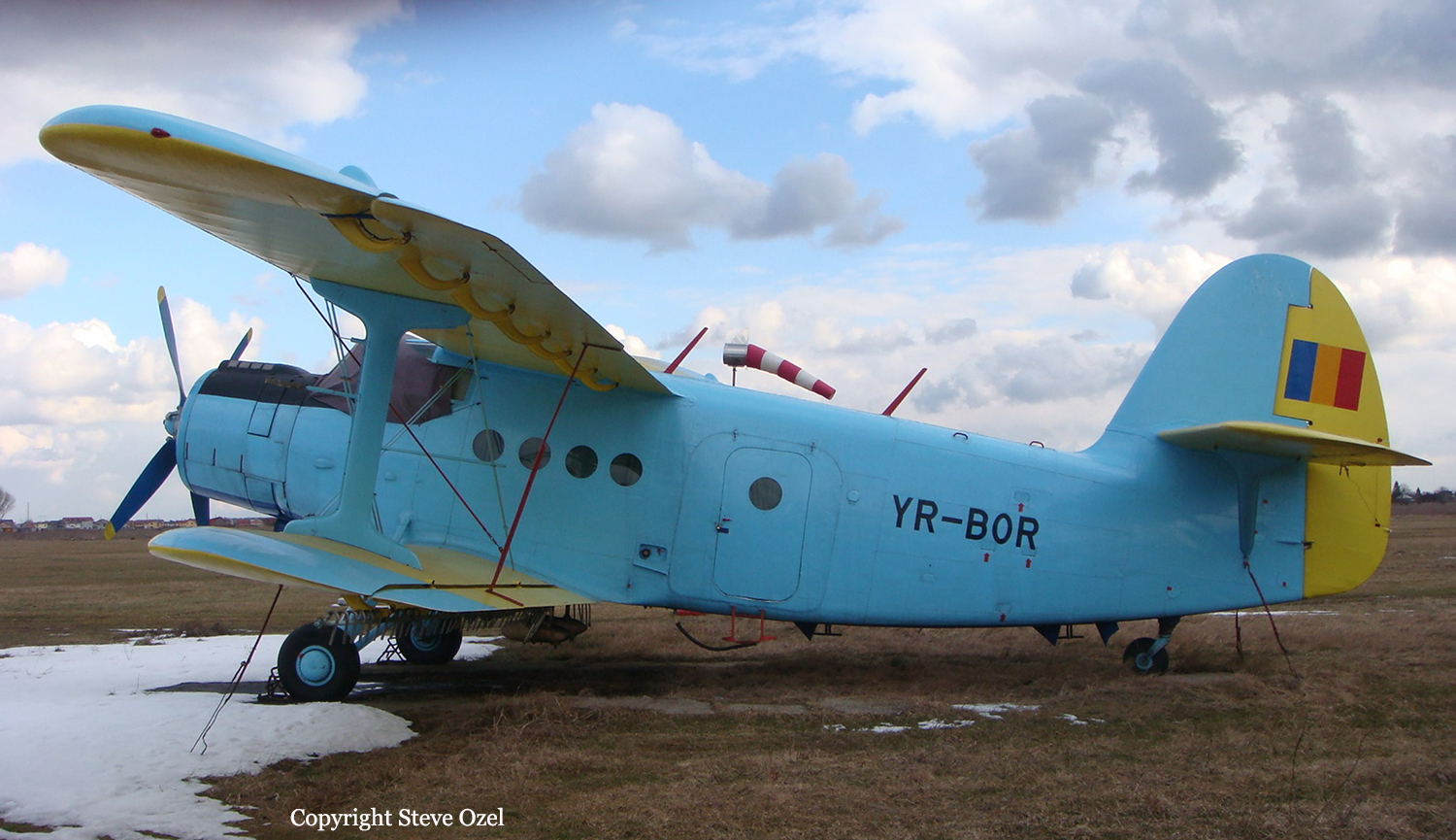
Crash of a PZL-Mielec AN-2R in Dârvari

Date & Time: Apr 23, 2012 at 0845 LT
Type of aircraft:
Operator:
Registration:
YR-BOR
Flight Phase:
Survivors:
Yes
Schedule:
Şirna - Şirna
MSN:
1G192-13
YOM:
1981
Country:
Region:
Crew on board:
2
Crew fatalities:
Pax on board:
0
Pax fatalities:
Other fatalities:
Total fatalities:
0
Captain / Total flying hours:
4500
Copilot / Total flying hours:
5550
Aircraft flight hours:
5467
Circumstances:
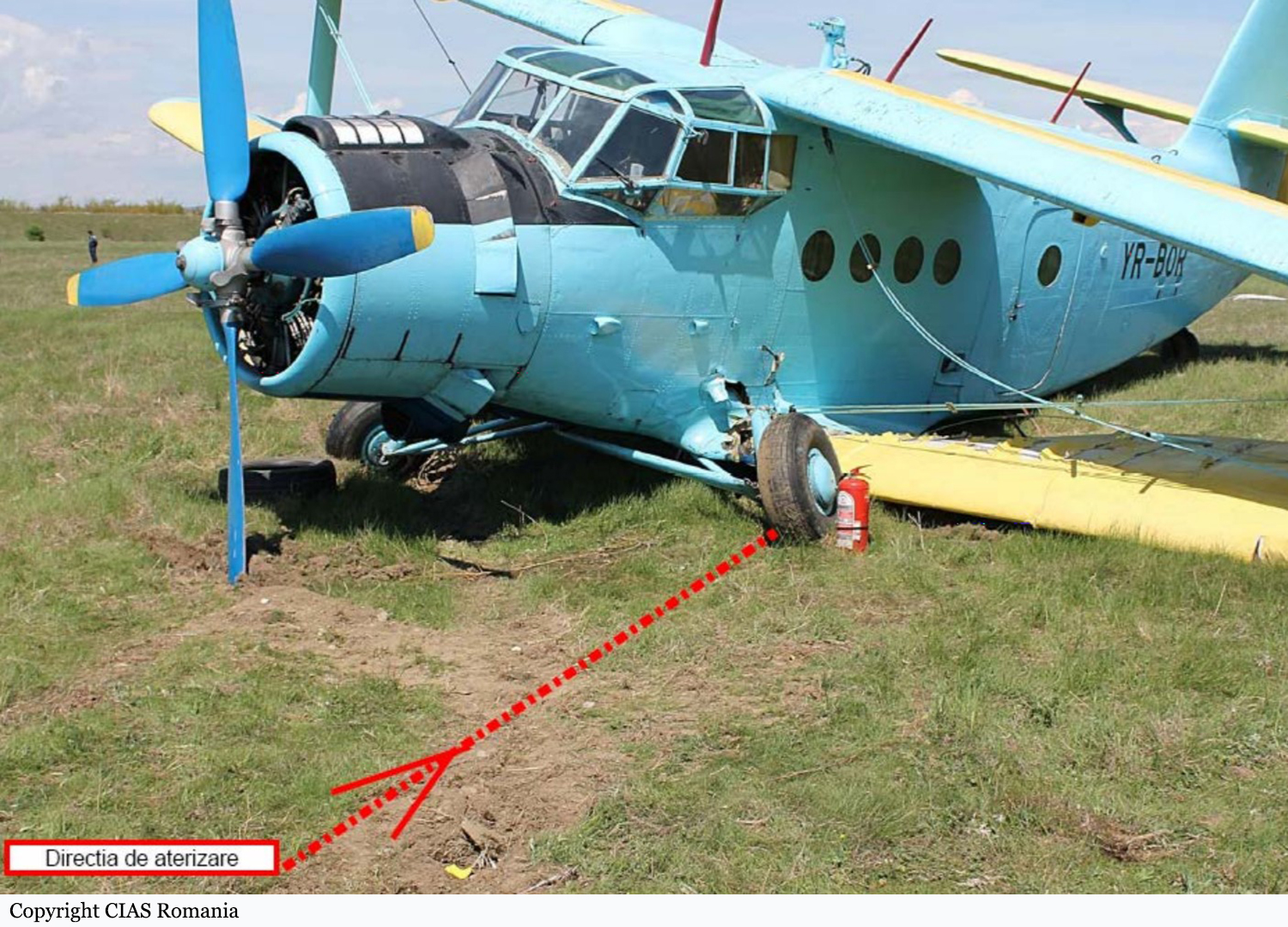
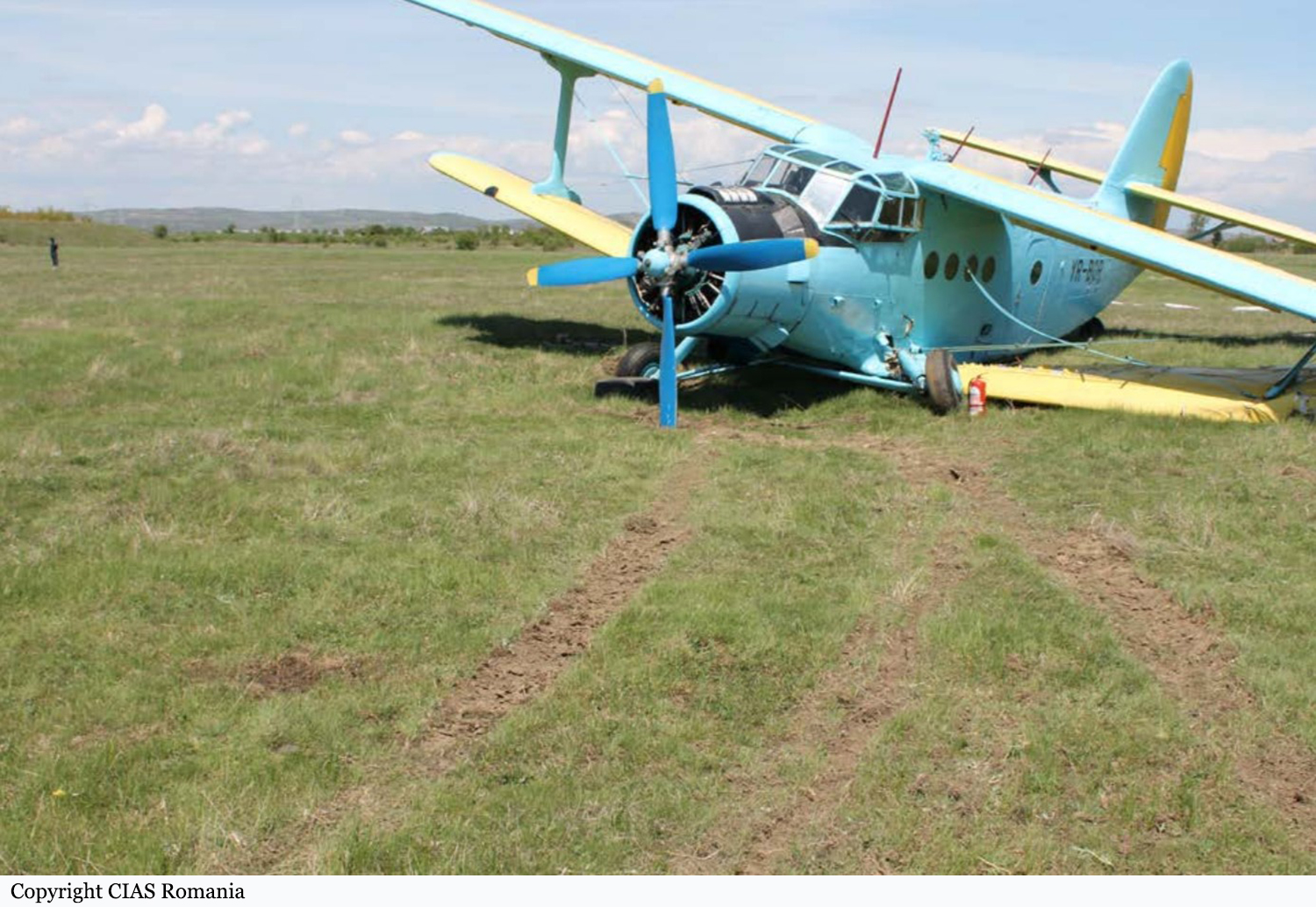
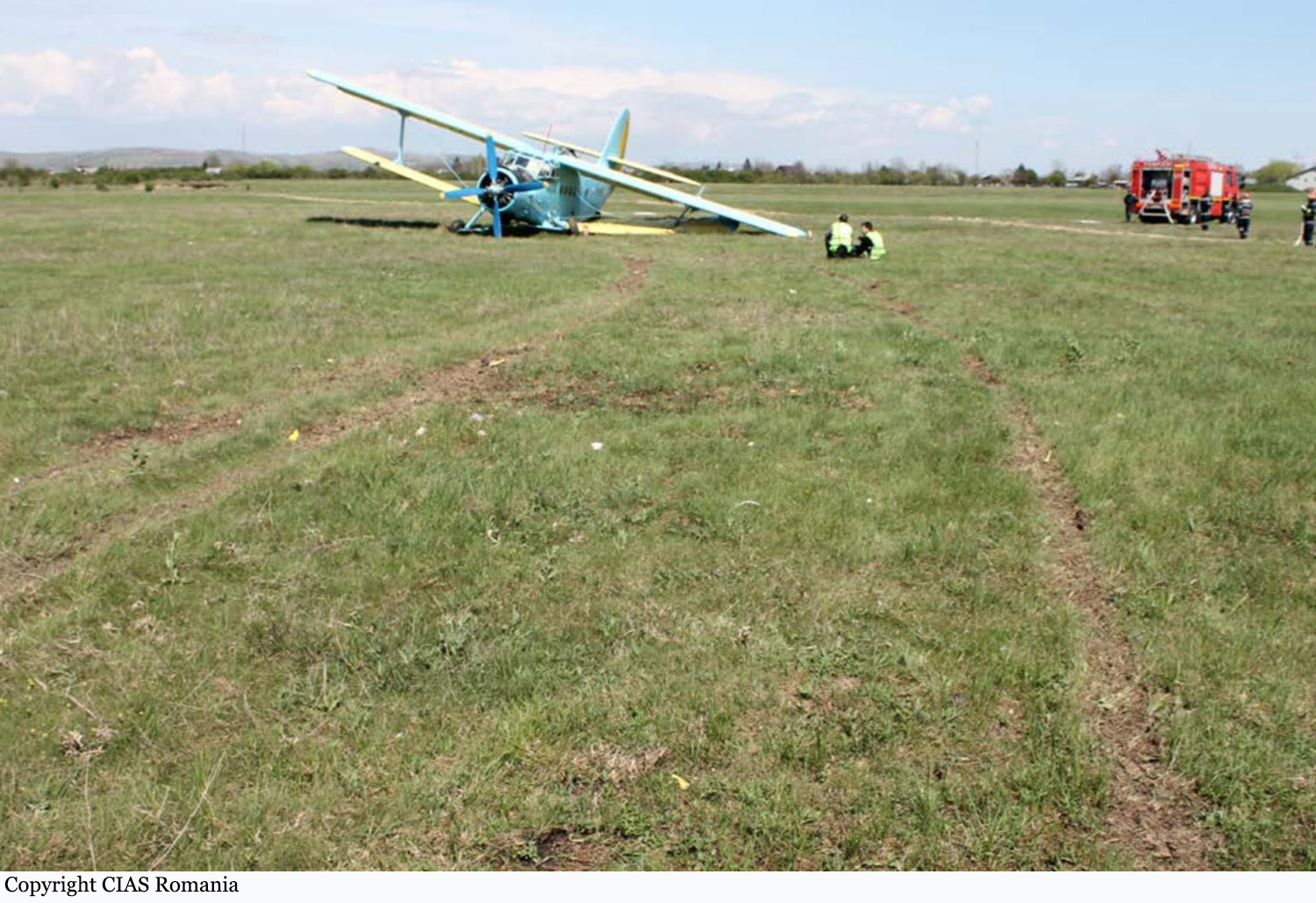
The crew departed Şirna Aerodrome around 0830LT on a local spraying mission. About 15 minutes into the flight, the crew encountered engine problems and elected to make an emergency landing. He found a suitable terrain and attempted to land when the aircraft collided with a small concrete wall and some bushes before coming to rest in an open field. Both pilots escaped uninjured and the aircraft was damaged beyond repair.
Probable cause:
Failure of the crew who selected an unsuitable terrain for an emergency landing (rough terrain) and did not take into consideration the wind component.
Final Report:

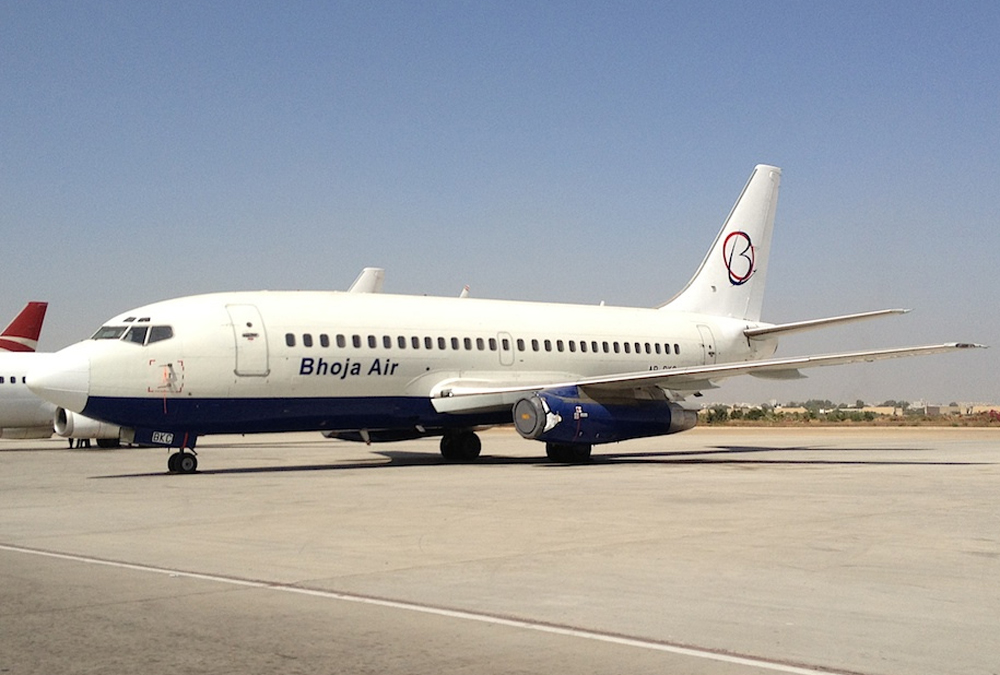
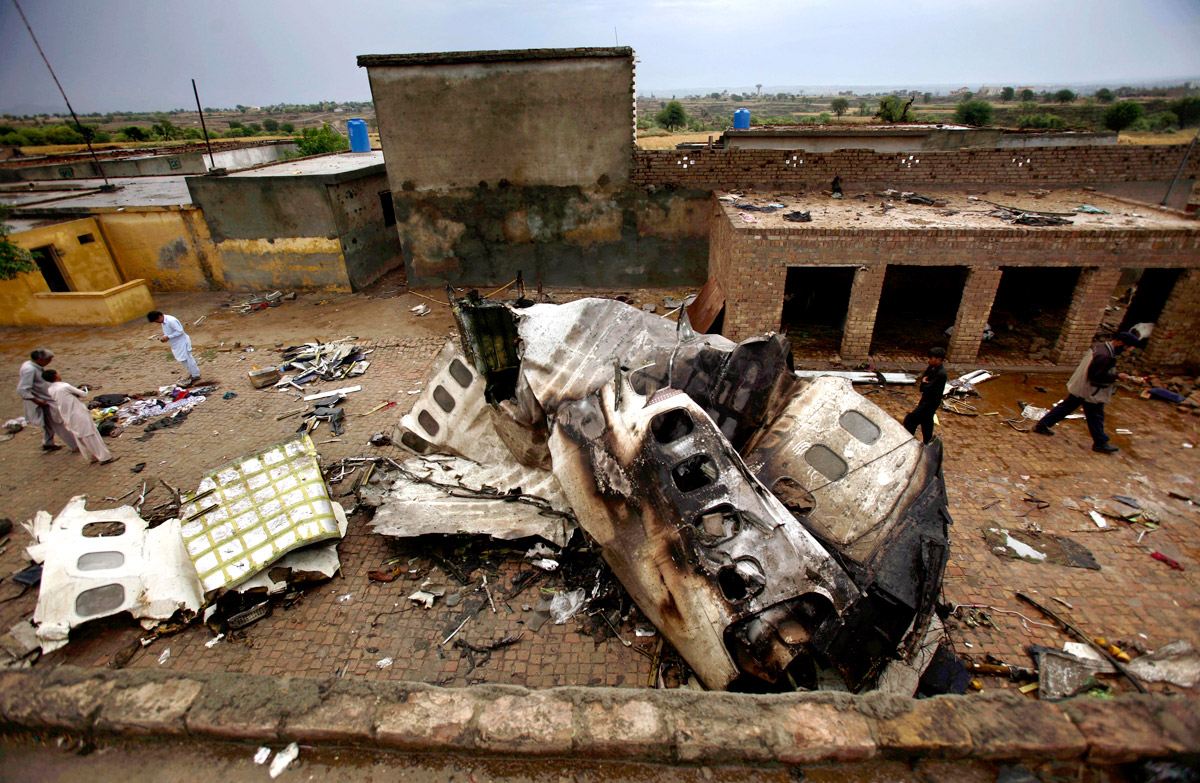
Crash of a Boeing 737-236 in Islamabad: 127 killed

Date & Time: Apr 20, 2012 at 1840 LT
Type of aircraft:
Operator:
Registration:
AP-BKC
Survivors:
No
Schedule:
Karachi - Islamabad
MSN:
23167/1074
YOM:
1984
Flight number:
BHO213
Country:
Region:
Crew on board:
6
Crew fatalities:
Pax on board:
121
Pax fatalities:
Other fatalities:
Total fatalities:
127
Captain / Total flying hours:
10158
Captain / Total hours on type:
2027.00
Copilot / Total flying hours:
2832
Copilot / Total hours on type:
750
Aircraft flight hours:
46933
Aircraft flight cycles:
37824
Circumstances:
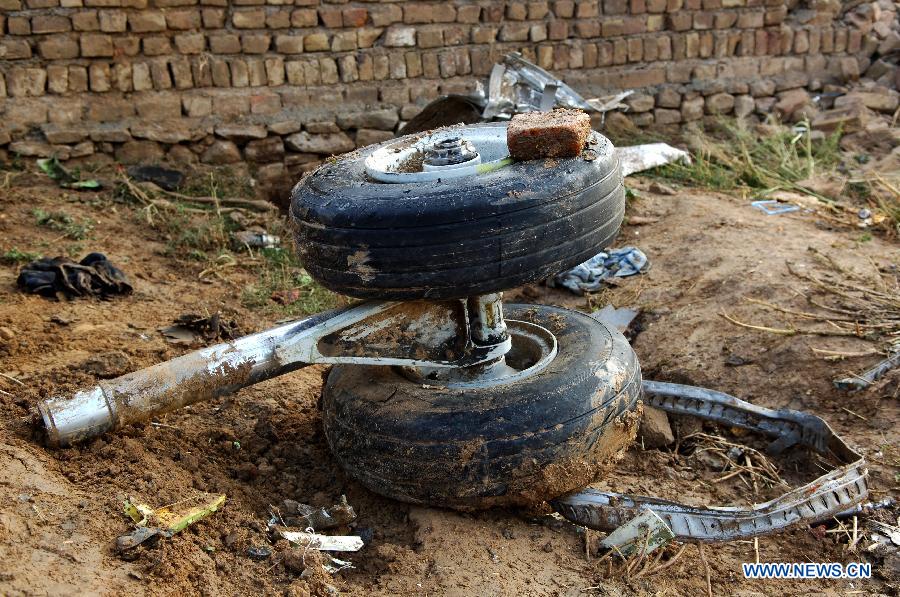
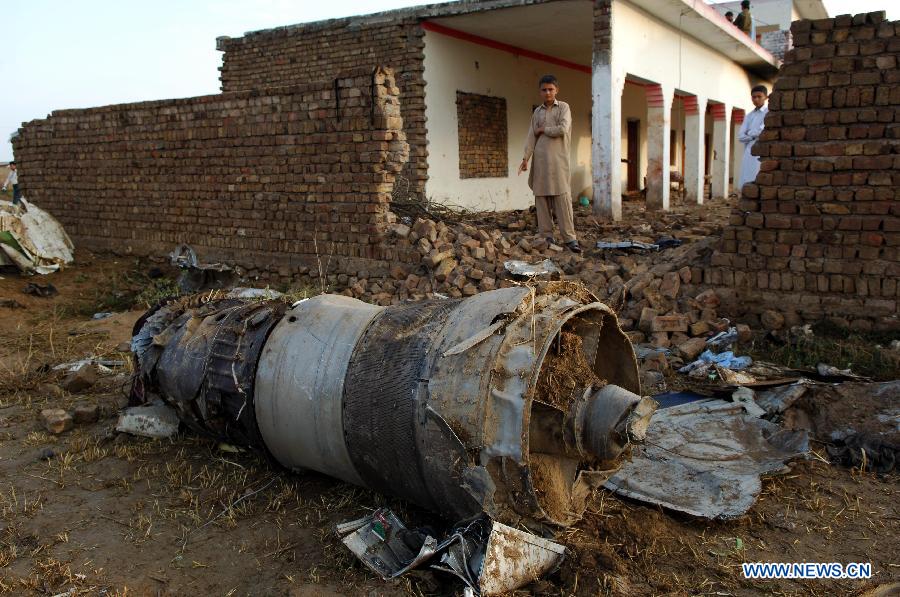
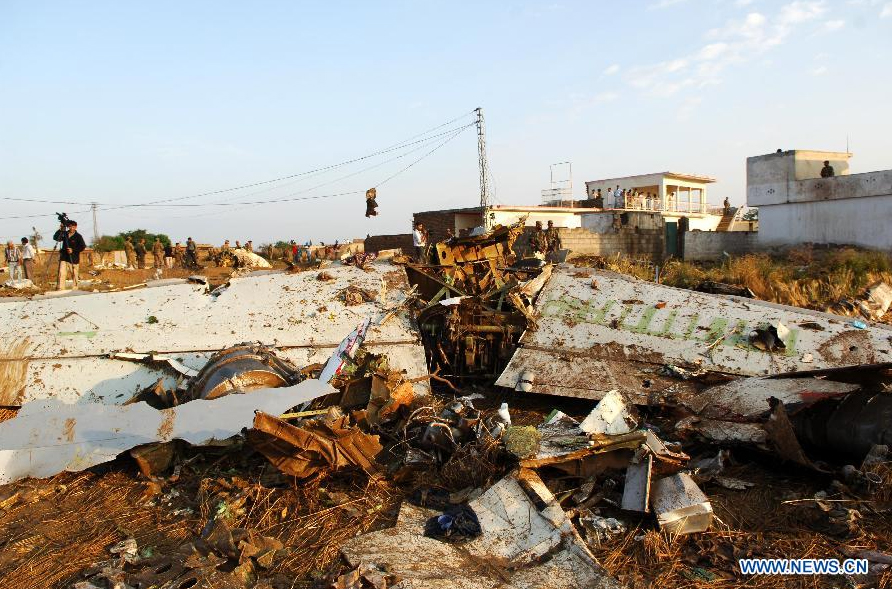
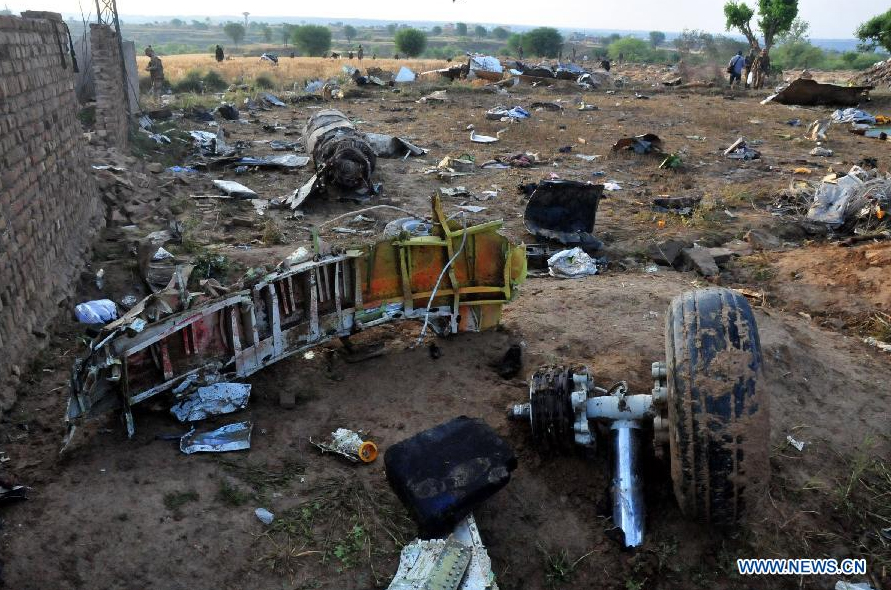
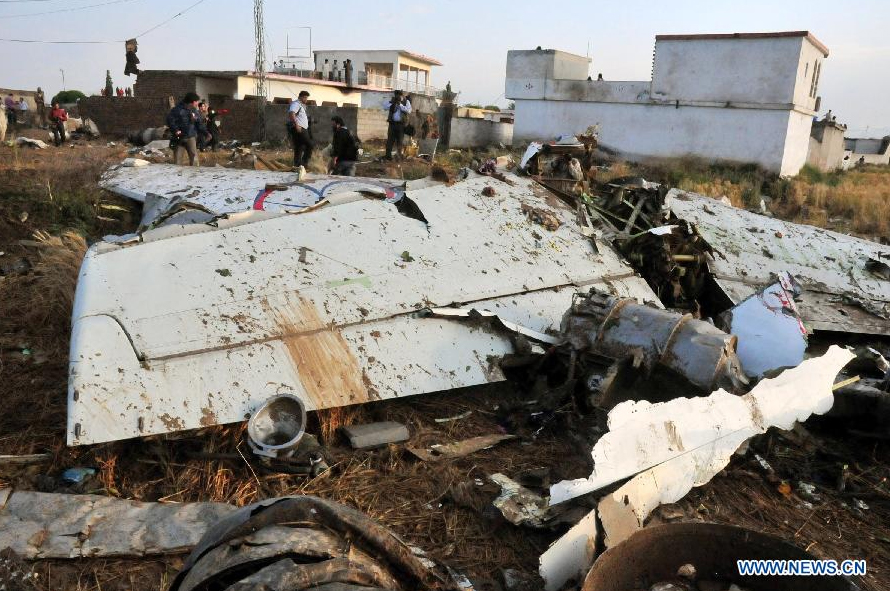
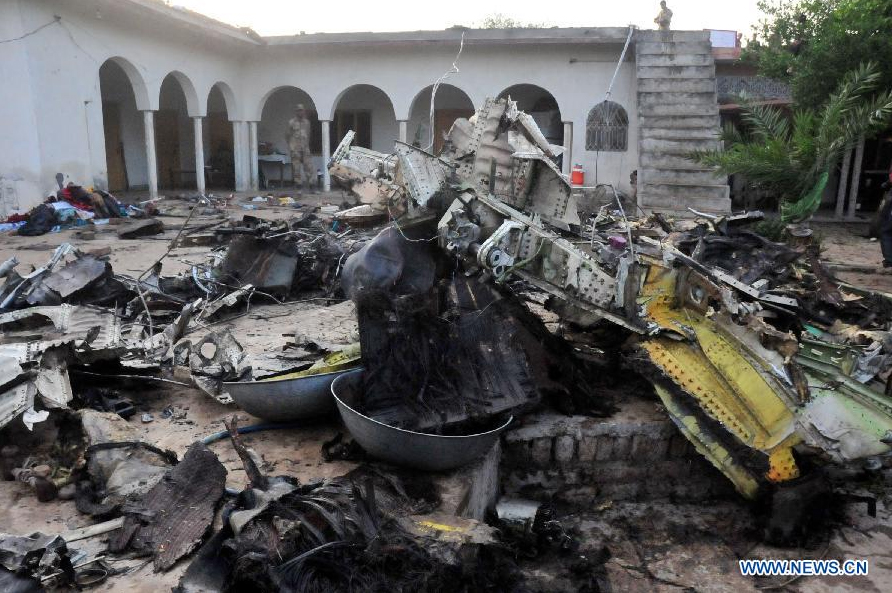
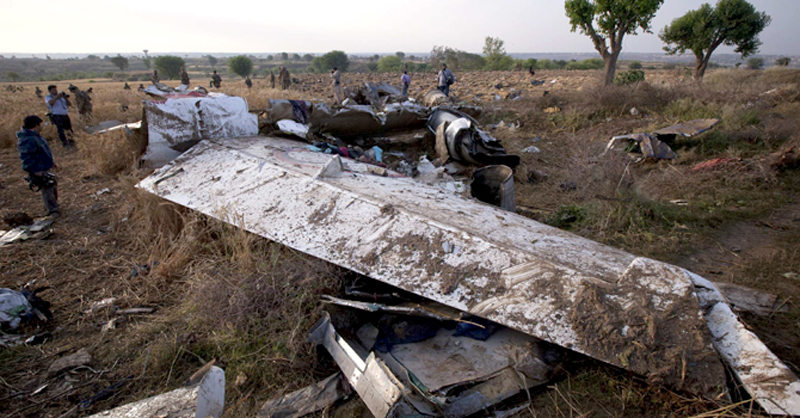
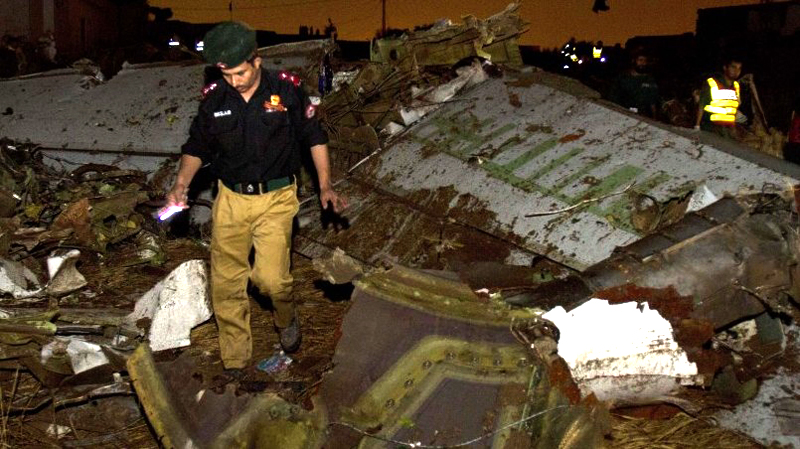
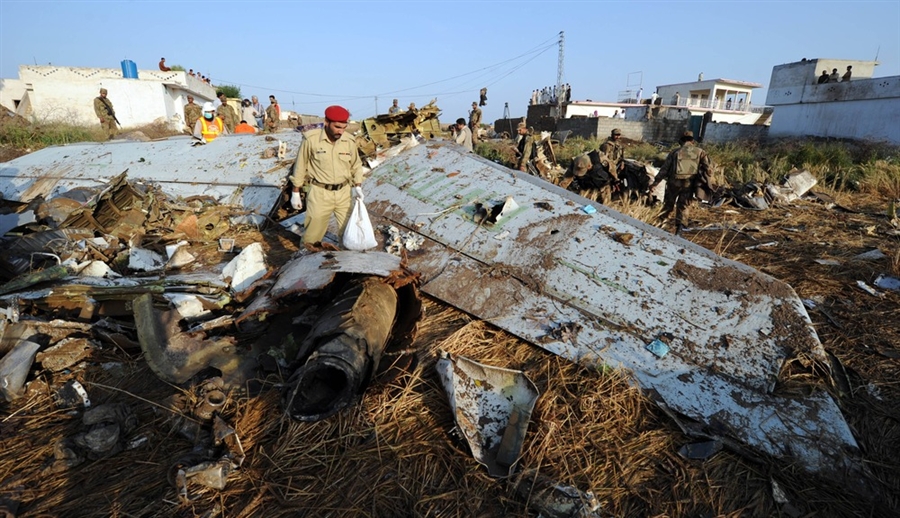
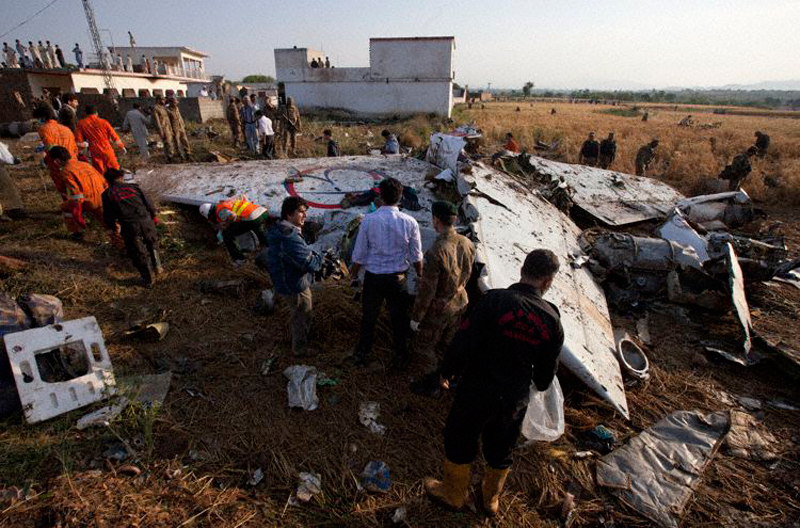
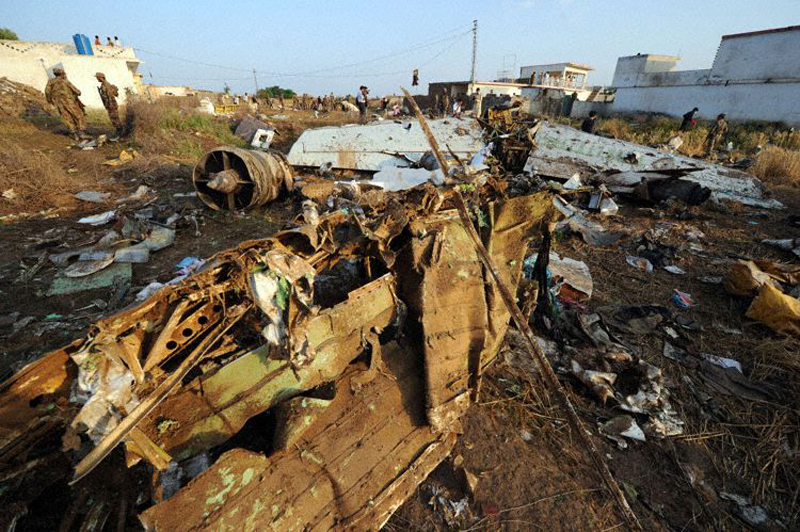
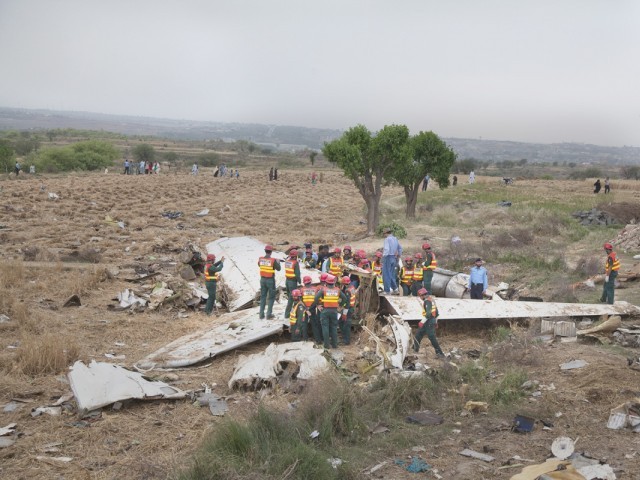
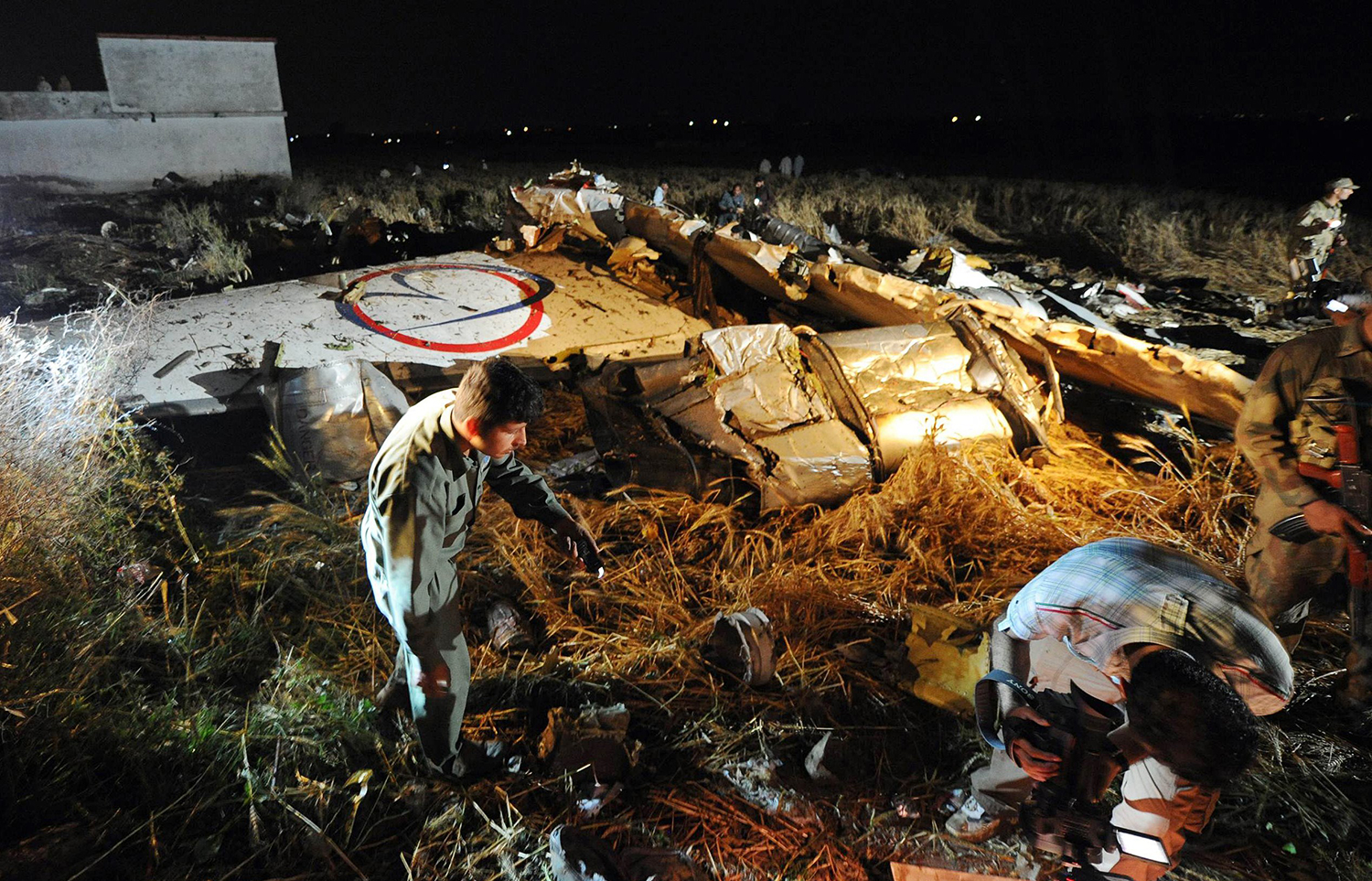
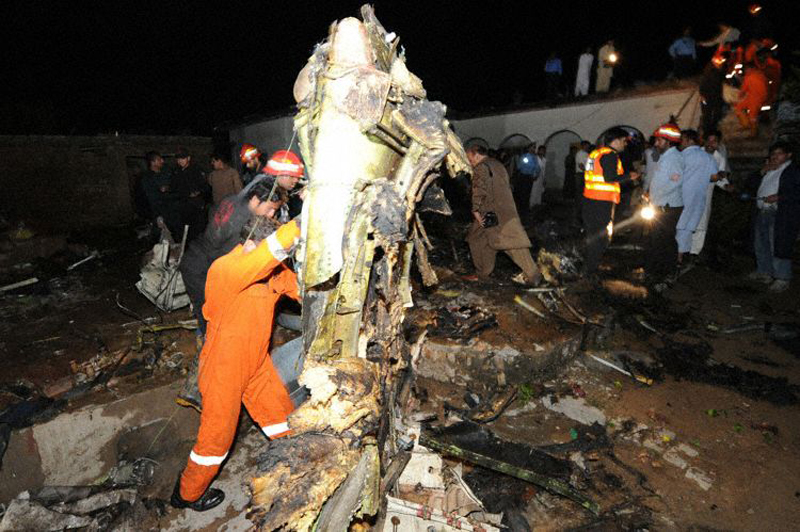
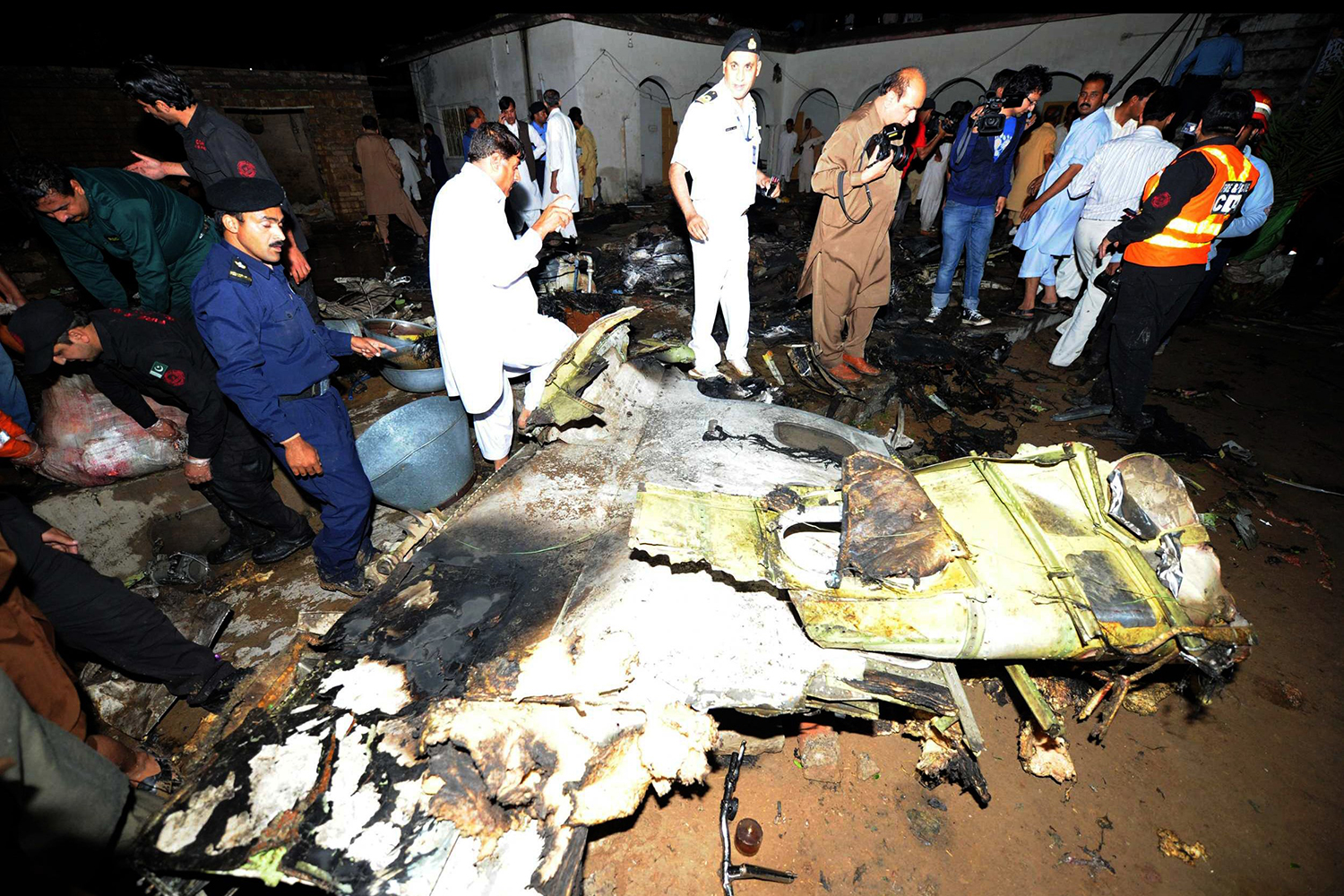
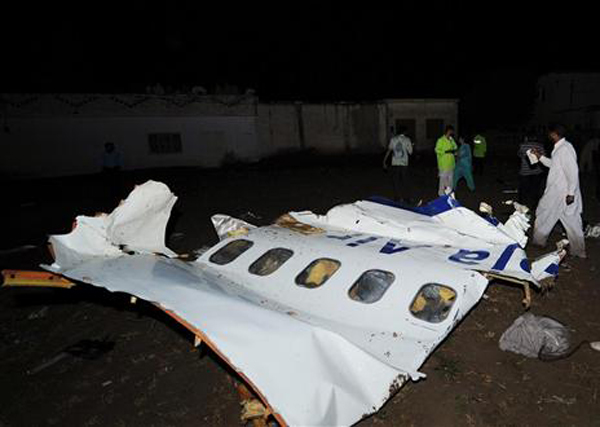
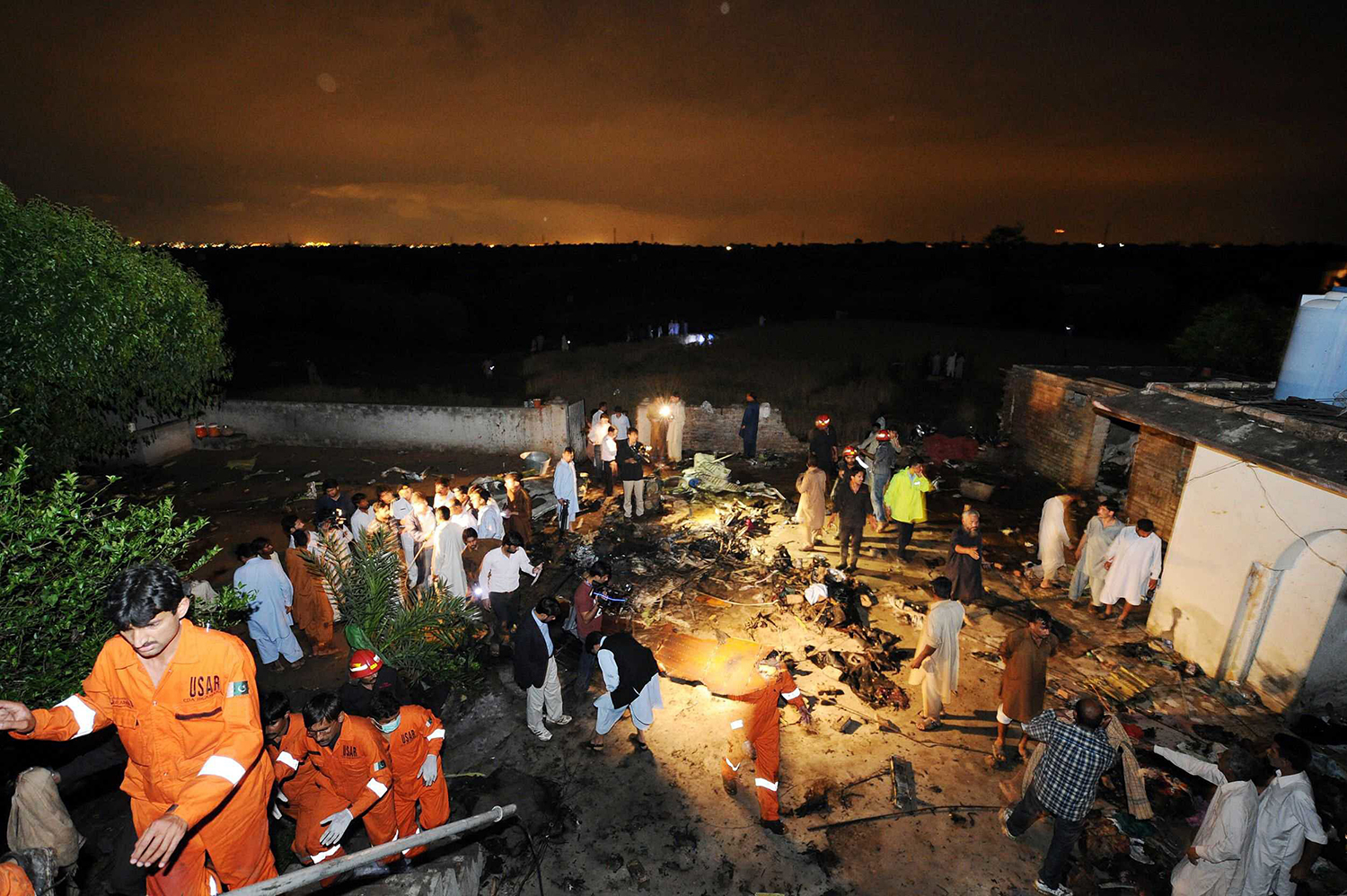
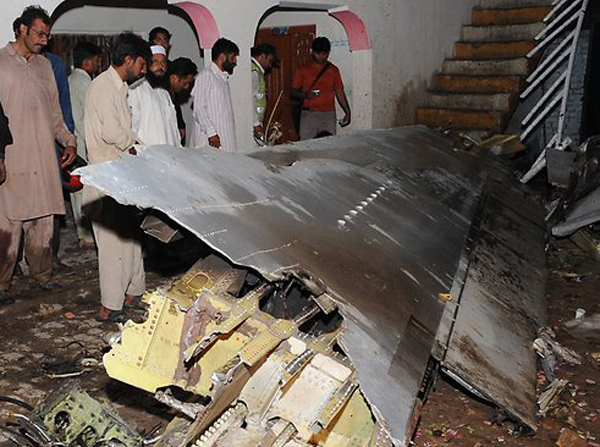
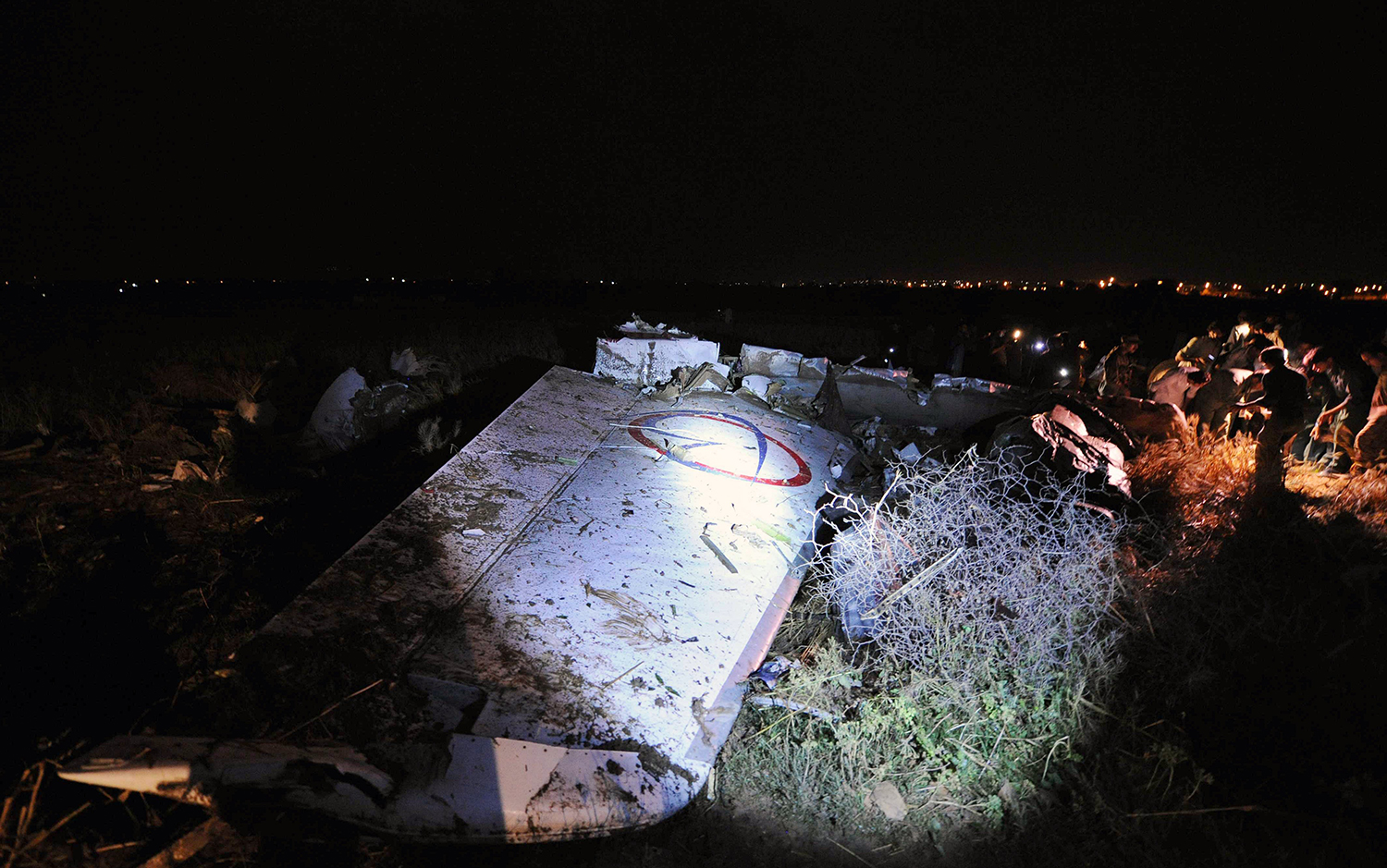
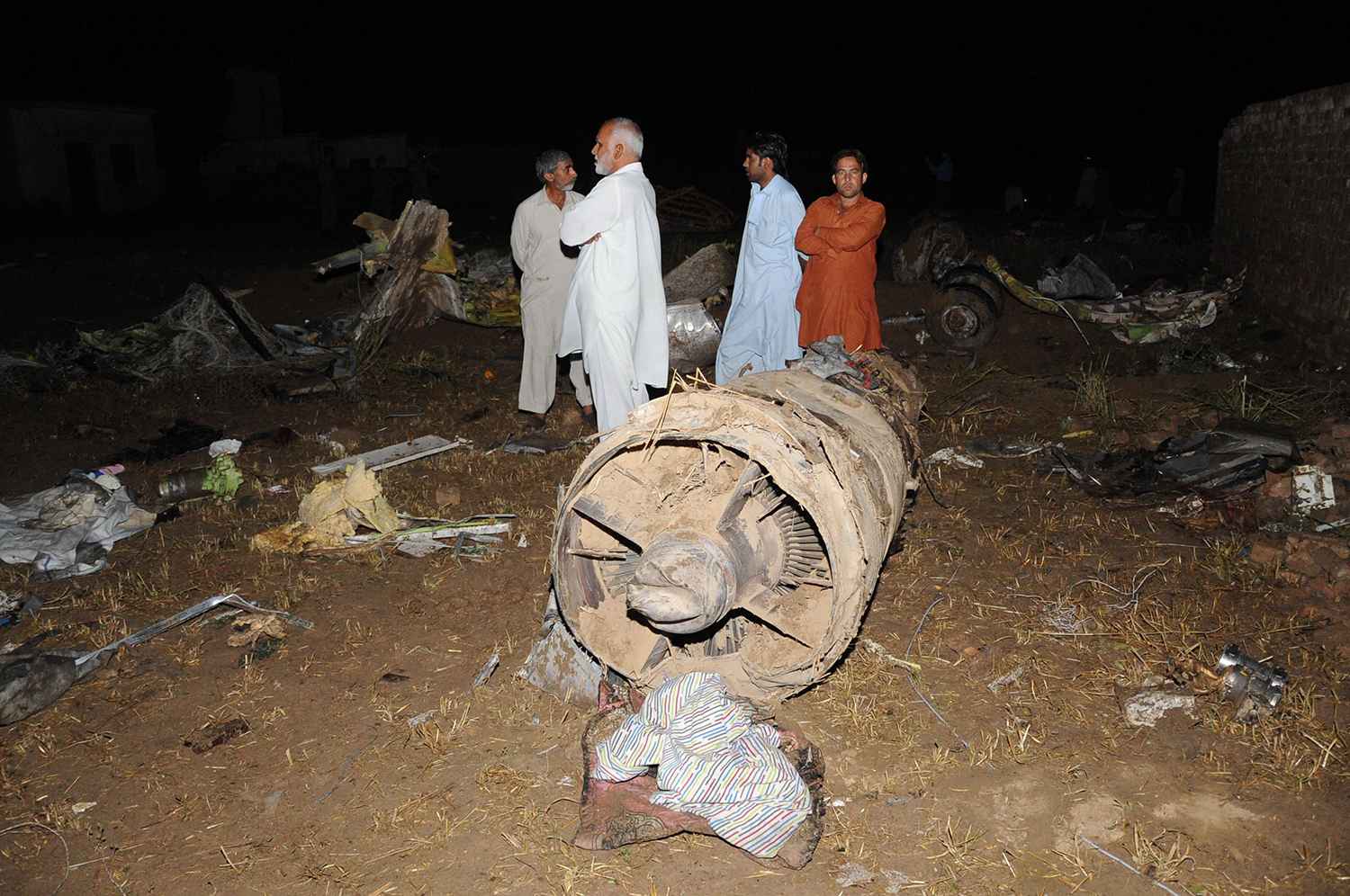
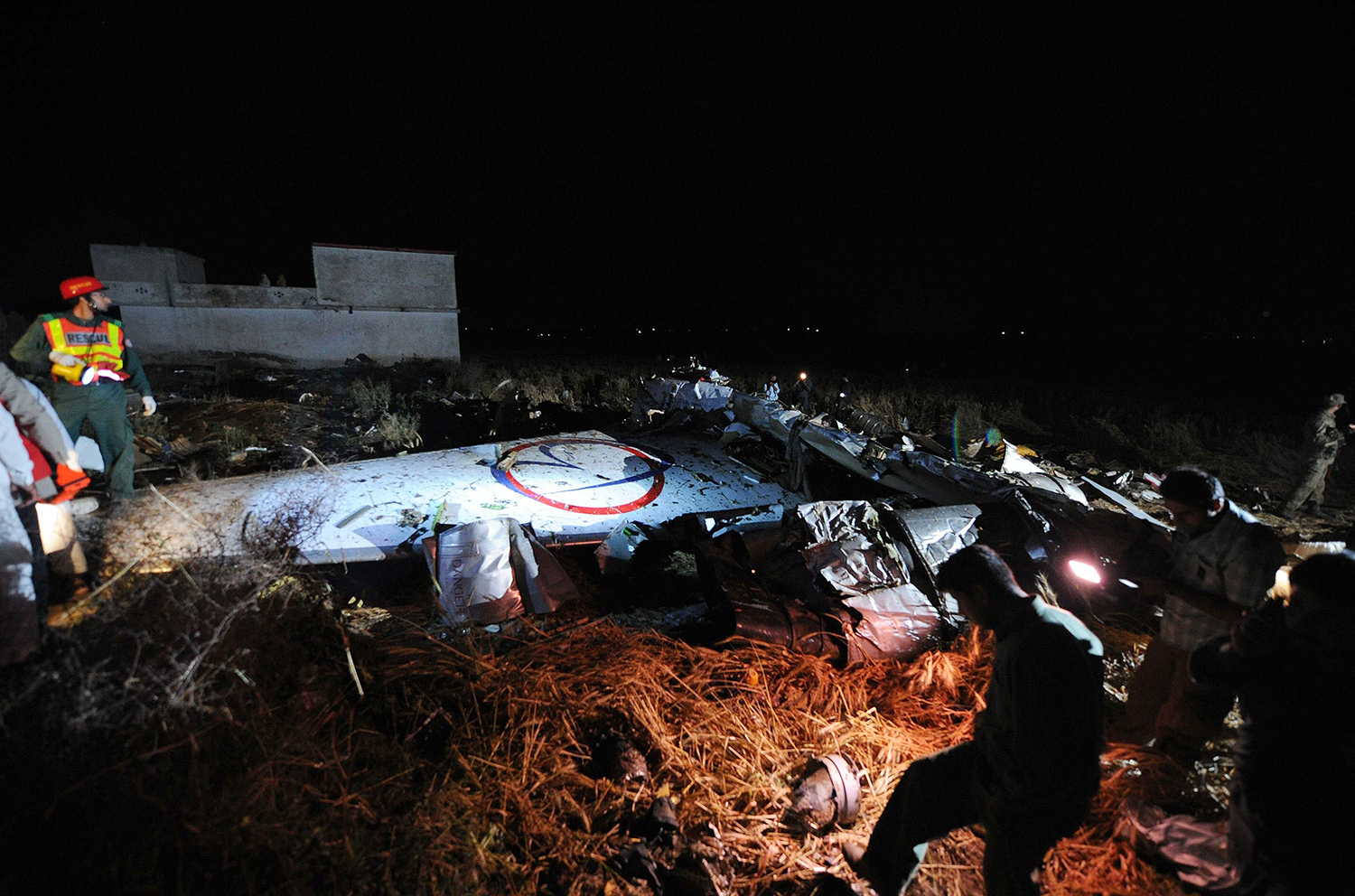
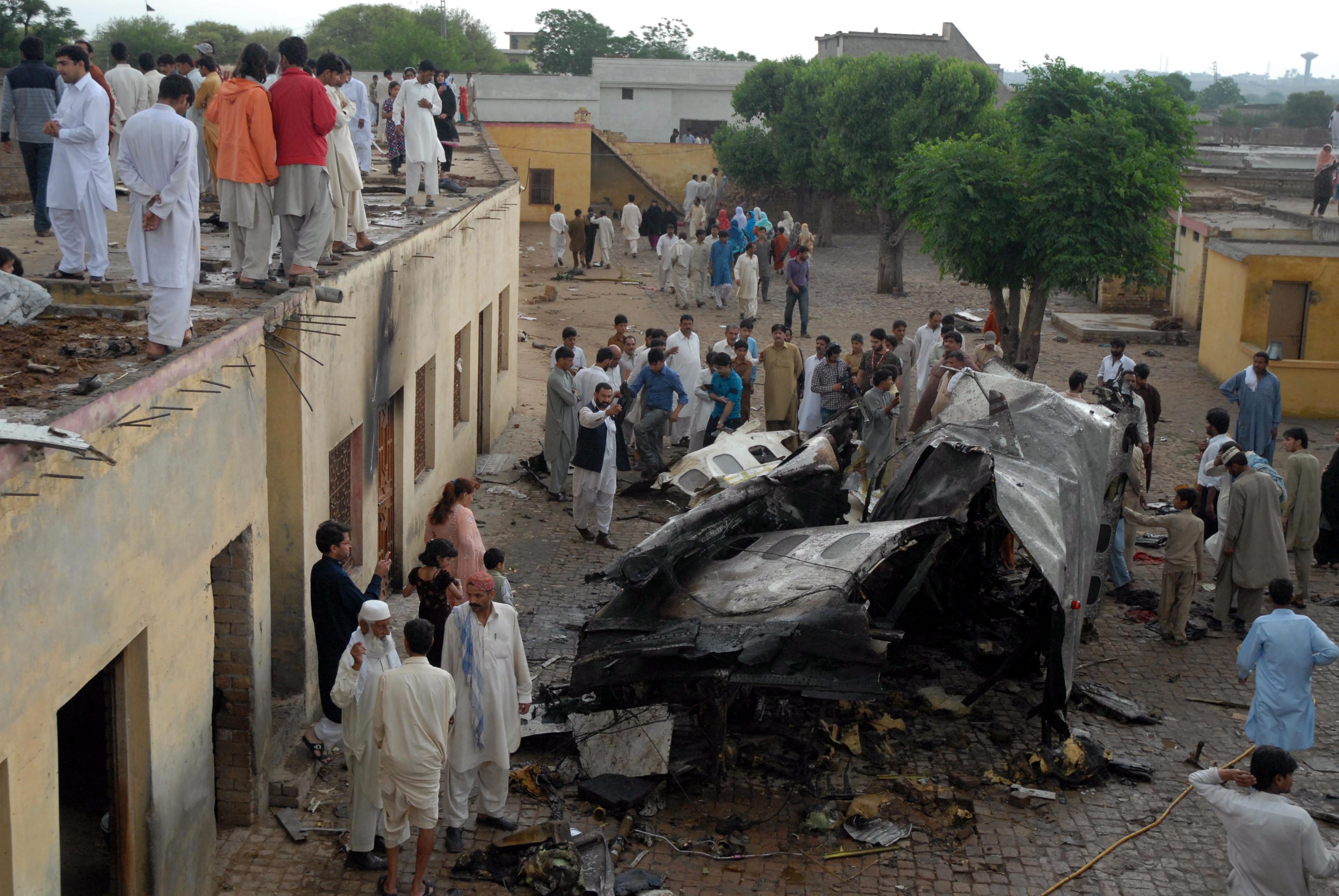
On 20th April, 2012, M/s Bhoja Air Boeing 737-236A Reg # AP-BKC was scheduled to fly domestic Flight BHO-213 from Jinnah International Airport (JIAP) Karachi to Benazir Bhutto International Airport (BBIAP) Islamabad. The aircraft had 127 souls onboard including 06 flight crew members. The Mishap Aircraft (MA) took off for Islamabad at 1705 hrs Pakistan Standard Time (PST) from Karachi. The reported weather at Islamabad was thunderstorm with gusty winds. During approach for landing at BBIAP, Islamabad (OPRN), Flight BHO-213 was cleared by Islamabad Approach Radar for an Instrument Landing System (ILS) approach for Runway 30. The MA, while established on ILS (aligned with Runway 30 at prescribed altitude), at 6 miles to touchdown was asked by the Approach Radar to change over to Air Traffic Control (ATC) Tower frequency for final landing clearance. The cockpit crew came on ATC Tower frequency and flight was cleared to land at BBIAP, Islamabad, but the cockpit crew did not respond to the landing clearance call. The ATC Tower repeated the clearance but there was no response. After a few minutes, a call from a local resident was received in ATC Tower, stating that an aircraft had crashed close to Hussain Abad (A population around 4 nm short of runway 30 BBIAP, Islamabad). It was later confirmed that Flight BHO-213 had crashed and all 127 souls onboard (121 passengers + 6 flight crew) had sustained fatal injuries along with complete destruction of aircraft.
Probable cause:
Factors Leading to the Accident:
- The aircraft accident took place as a result of combination of various factors which directly and indirectly contributed towards the causation of accident. The primary causes of accident include, ineffective management of the basic flight parameters such as airspeed, altitude, descent rate attitude, as well as thrust management. The contributory factors include the crew’s decision to continue the flight through significant changing winds associated with the prevailing weather conditions and the lack of experience of the crew to the airplane’s automated flight deck.
- The reasons of ineffective management of the automated flight deck also include Bhoja Air’s incorrect induction of cockpit crew having experience of semi automated aircraft, inadequate cockpit crew simulator training and absence of organizational cockpit crew professional competence and monitoring system.
- The incorrect decision to continue for the destination and not diverting to the alternate aerodrome despite the presence of squall line and very small gaps observed by the Captain between the active weather cells is also considered a contributory factor in causation of the accident.
- The operator’s Ops Manual (CAA Pakistan approved) clearly states to avoid active weather cells by 5 to 10 nm which was violated by the cockpit crew is also considered a contributory factor in causation of the accident.
- FO possessed average professional competence level and was due for his six monthly recurrent simulator training for Boeing 737-200 aircraft (equipped with a semi-automated flight deck). Bhoja Air requested an extension for his recurrent simulator training on 07th March, 2012. As per the existing laid down procedures of CAA Pakistan, two months extension was granted for recurrent simulator training on 09th March, 2012. The extension was granted for Boeing 737-200 aircraft, whereas the newly inducted Boeing 737-236A aircraft was equipped with automated flight deck. It is important to note that Bhoja Air did not know this vital piece of information till their cockpit crew went for simulator training to South Africa. This critical information regarding automation of the newly inducted Boeing 737-236A was not available with Flight Standard Directorate CAA, Pakistan as the information was not provided by the Bhoja Air Management.
- Therefore it is observed that due to the ignorance of Bhoja Air Management and CAA Pakistan, the said extension in respect of FO for simulator training was initially requested by former and subsequently approved by the latter. This resulted in absence of variance type training conformance of FO because of which he did not contribute positively in recovering the aircraft out of unsafe set of conditions primarily due to lack of automation knowledge, proper training and relying on captain to take remedial actions. This is also considered as one of the contributory factors in causation of accident.
- The Captain’s airline flying experience on semi automated flight deck aircraft and his selection for automated aircraft without subsequent training and monitoring to enhance his professional competence and skill, is one of the factors in causation of the accident.
- None of the cockpit crew member challenged the decision of each other to continue for the destination despite violation of Ops Manual instructions which is against the essence of CRM training.
- After experiencing the extremely adverse weather conditions, the cockpit crew neither knew nor carried out the Boeing recommended QRH and FCOM / Ops Manual procedures to handle the abnormal set of conditions / situations due to non availability of customized Boeing documents for Boeing 737-236A (advanced version of Boeing 737-200 series).

Finalization:
- The ineffective automated flight deck management in extreme adverse weather conditions by cockpit crew caused the accident. The ineffective automated flight deck management was due to various factors including; incorrect selection of cockpit crew on account of their inadequate flying experience, training and competence level for Boeing 737-236A (advanced version of Boeing 737-200 series), absence of formal simulator training in respect of FO for handling an automated flight deck, non-existence of cockpit crew professional competence / skill level monitoring system at operator level (Bhoja Air).
- The cockpit crew incorrect decision to continue the flight for destination and non- adherence to Boeing recommended QRH and FCOM remedial actions / procedures due to non-availability of customized aircraft documents (at Bhoja Air) for Boeing 737-236A (advanced version of Boeing 737-200 series) contributed towards the causation of accident. The inability of CAA Pakistan to ensure automated flight deck variance type training and monitoring requirements primarily due to incorrect information provided by the Bhoja Air Management was also a contributory factor in causation of the accident.
Final Report:

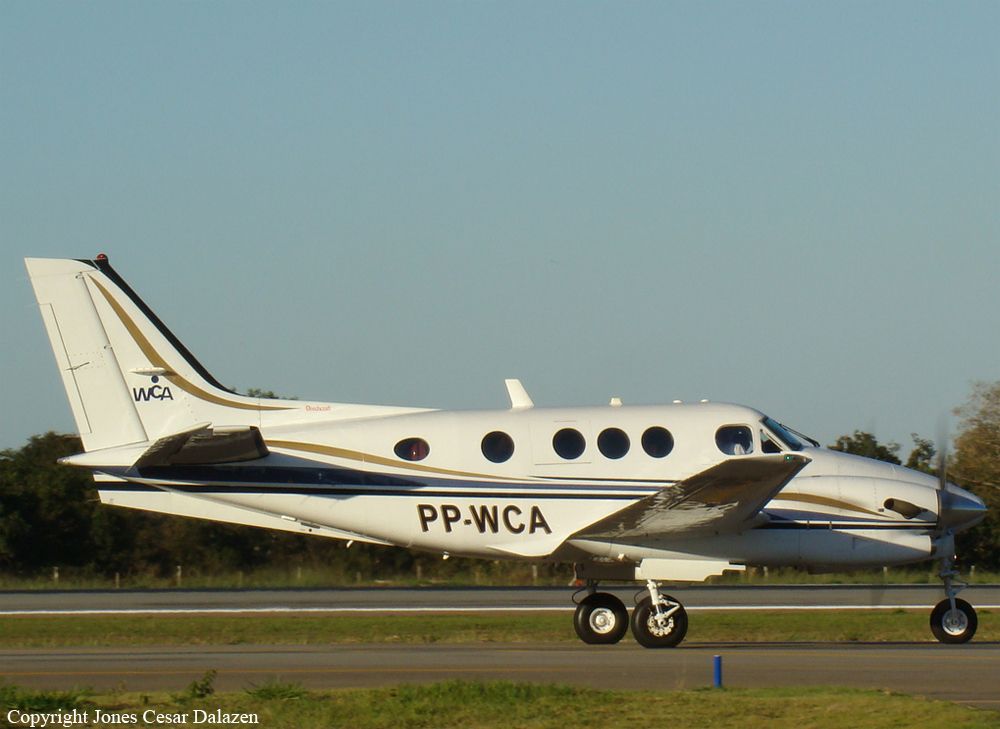
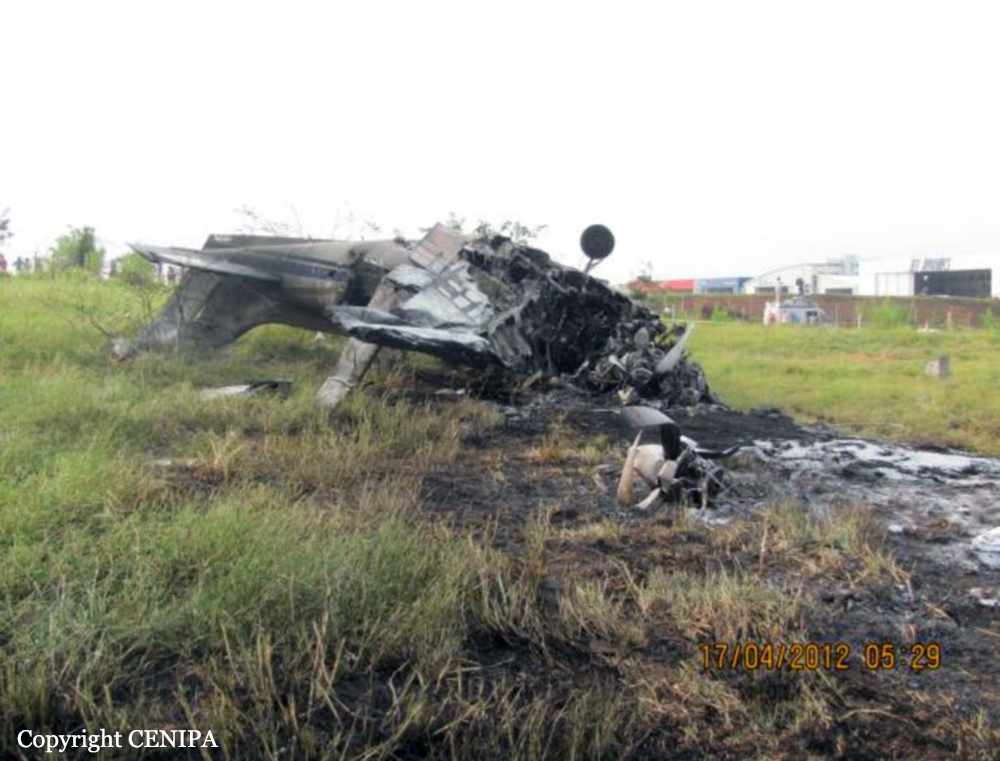
Crash of a Beechcraft C90B King Air in Jundiaí: 1 killed

Date & Time: Apr 20, 2012 at 1430 LT
Type of aircraft:
Registration:
PP-WCA
Flight Type:
Survivors:
No
Schedule:
Jundiaí - Jundiaí
MSN:
LJ-1676
YOM:
2002
Country:
Crew on board:
1
Crew fatalities:
Pax on board:
0
Pax fatalities:
Other fatalities:
Total fatalities:
1
Circumstances:
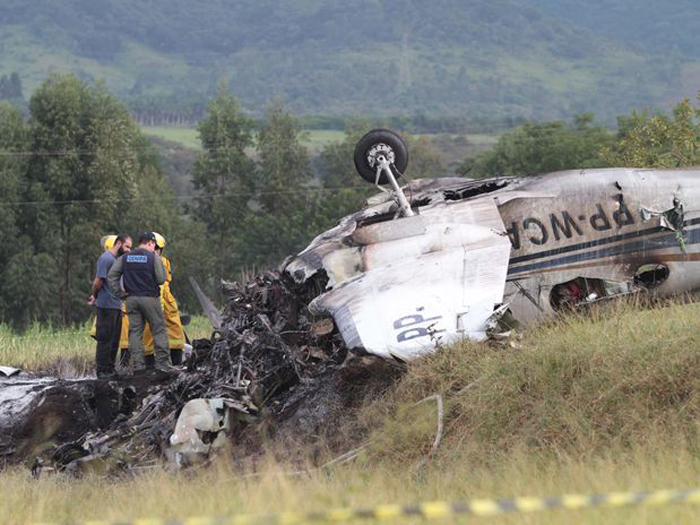
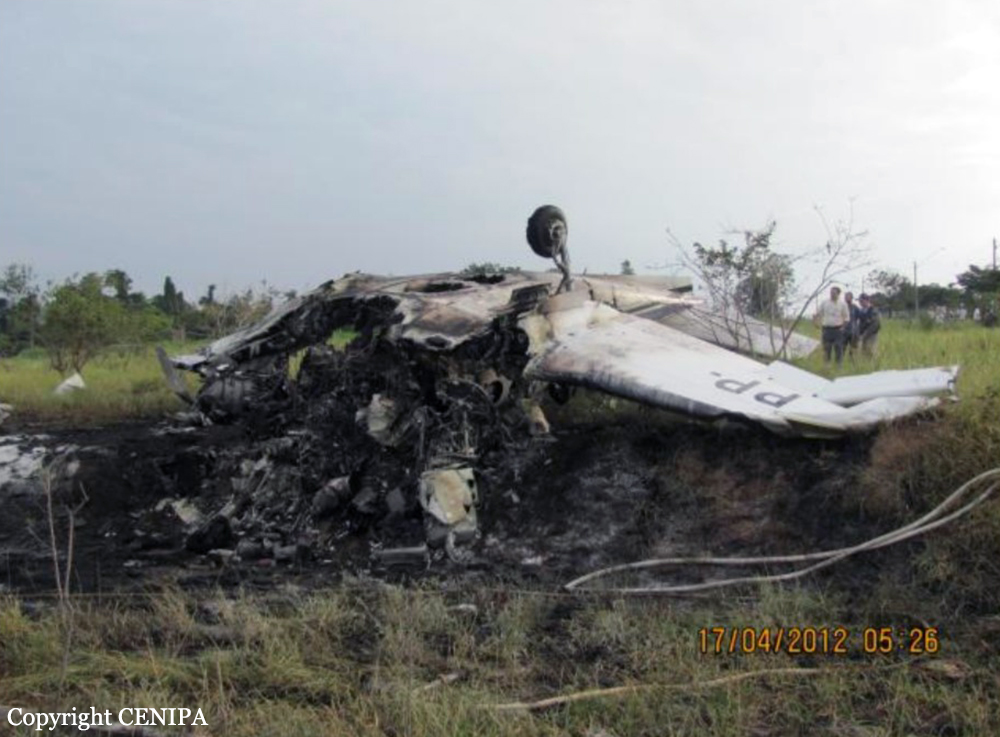
The pilot, sole aboard, was completing a local flight from Jundiaí-Comandante Rolim Adolfo Amaro Airport. Shortly after takeoff from runway 36, the pilot reported to ATC that the engine lost power and that he was not able to maintain a safe altitude. He was cleared for an immediate return and completed a circuit. On final approach to runway 18, he lost control of the airplane that crashed 180 metres short of runway and came to rest upside down, bursting into flames. The aircraft was totally destroyed and the pilot was killed.
Probable cause:
The following factors were identified:
- Upon intercepting the final leg for landing, the aircraft crossed the approach axis, and the pilot, in an attempt to make the aircraft join the approach axis again, may have depressed the rudder pedal in an inadequate manner, inadvertently making the aircraft enter a Cross Control Stall.
- The pilot, intentionally, violated a number of aeronautical regulations in force in order to fly an aircraft for which he had no training and was not qualified.
- The short experience of the pilot in the aircraft model hindered the correct identification of the situation and the adoption of the necessary corrective measures.
- The DCERTA’s vulnerability allowed a non-qualified pilot to file a flight notification by making use of the code of a qualified pilot. Thus, the last barrier capable of preventing the accident flight to be initiated was easily thrown down, by making it difficult to implement a more effective supervisory action.
Final Report:

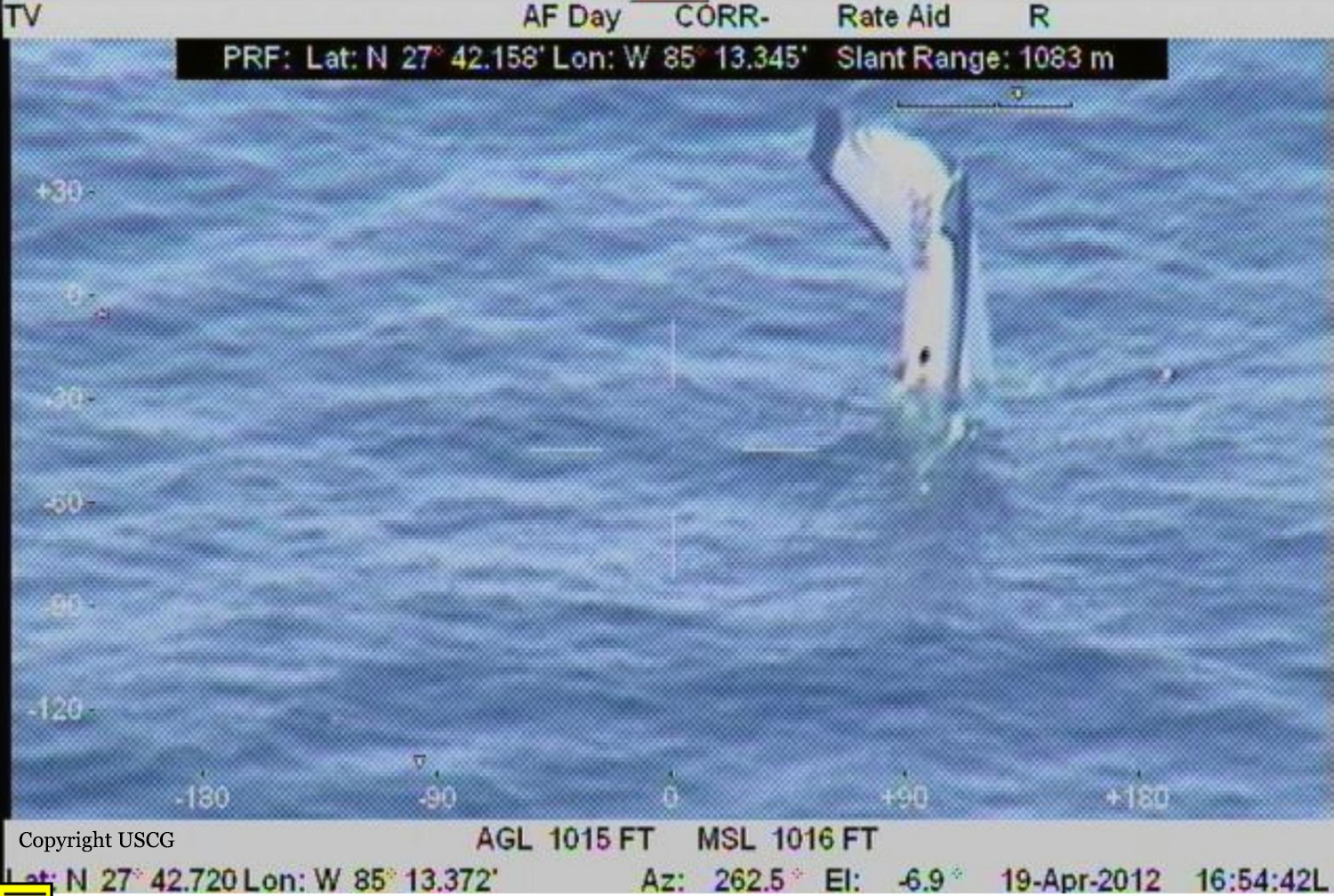
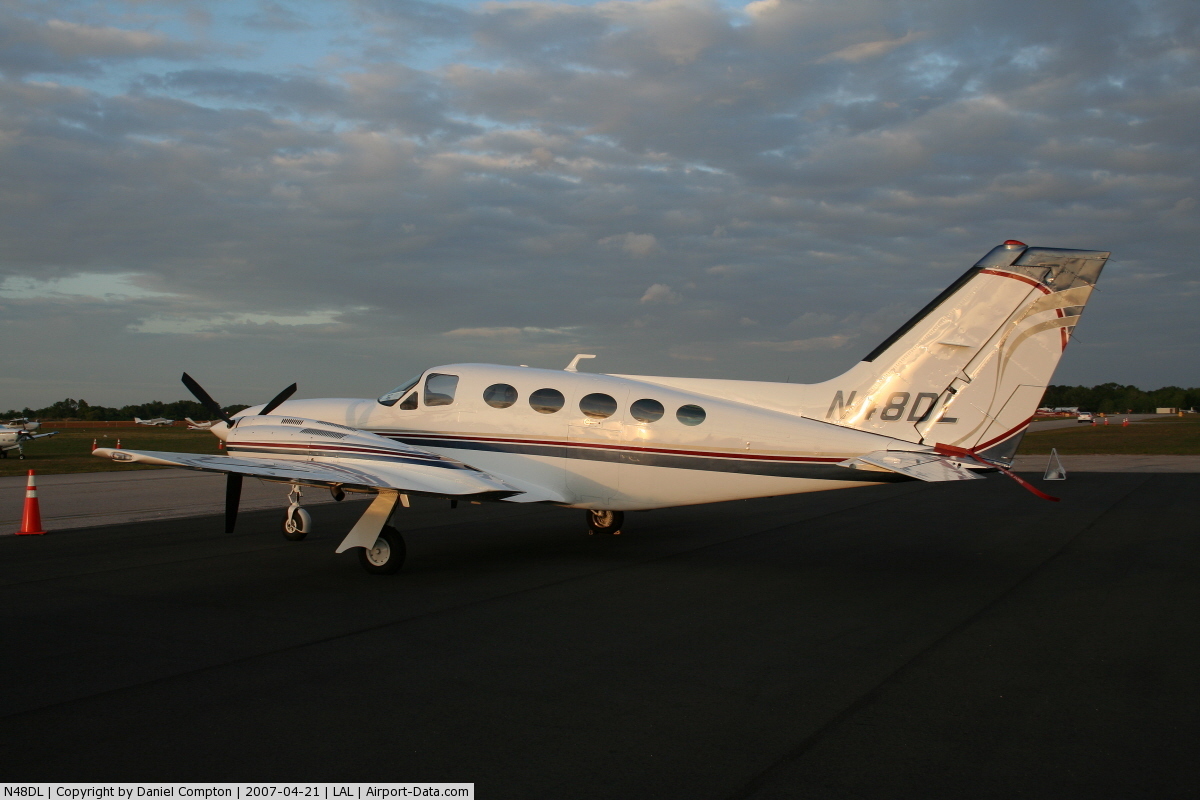
Crash of a Cessna 421C Golden Eagle III in the Gulf of Mexico: 1 killed

Date & Time: Apr 19, 2012 at 1208 LT
Operator:
Registration:
N48DL
Flight Phase:
Flight Type:
Survivors:
No
Schedule:
Slidell - Sarasota
MSN:
421C-0511
YOM:
1978
Country:
Region:
Crew on board:
1
Crew fatalities:
Pax on board:
0
Pax fatalities:
Other fatalities:
Total fatalities:
1
Captain / Total flying hours:
2350
Aircraft flight hours:
4659
Circumstances:
According to a statement provided by the Jacksonville Center air traffic control (ATC) facility, the pilot contacted ATC while at flight level 270. About 25 minutes later, the airplane began to deviate from the ATC-assigned altitude and route. The controller’s attempts to contact the pilot were unsuccessful. The North American Aerospace Defense Command launched military fighter aircraft to intercept the airplane. The military pilots reported that the airplane was circling in a left turn at a high altitude and low airspeed and that its windows were partially frosted over. They also reported that the pilot was slumped over in the cockpit and not moving. They fired flares, and the pilot continued to be unresponsive. The airplane circled for about 3 hours before it descended into the Gulf of Mexico and sank. The pilot and airplane were not recovered. Review of the pilot’s Federal Aviation Administration medical records did not reveal any recent medical conditions that would have deemed him unfit to fly.
Probable cause:
Pilot incapacitation, which resulted in the pilot’s inability to maintain airplane control and the airplane’s subsequent ocean impact.
Final Report:

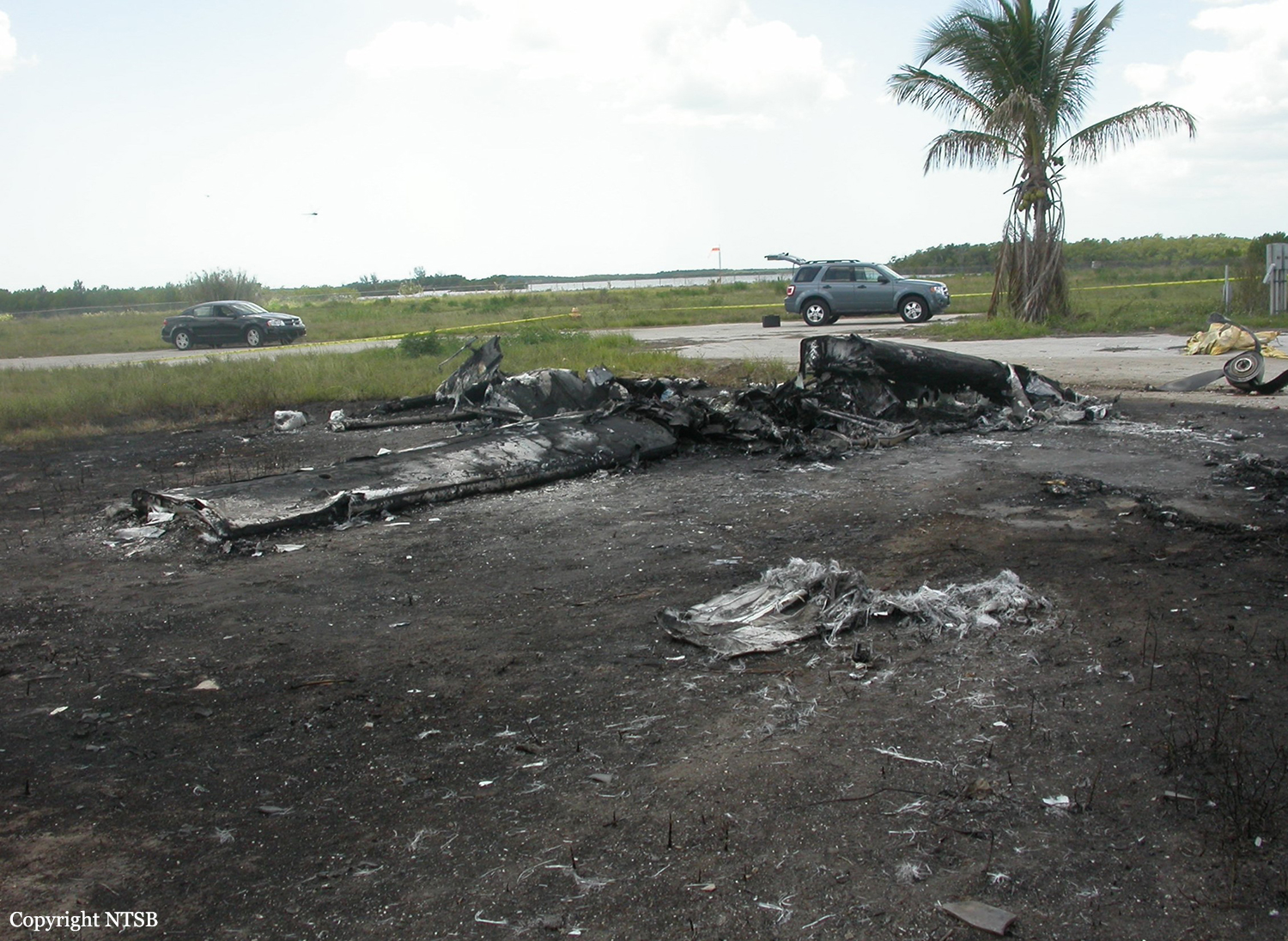
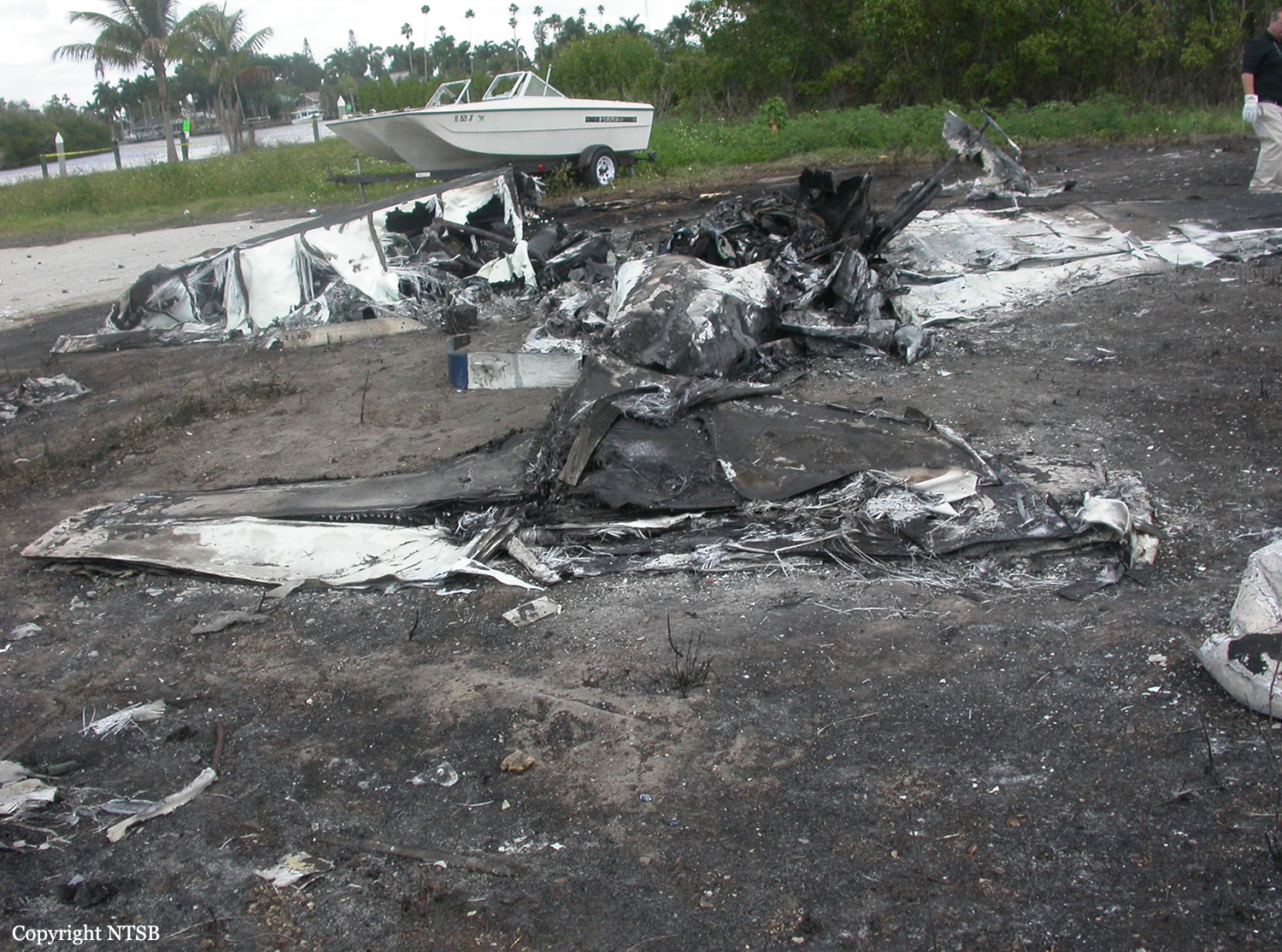
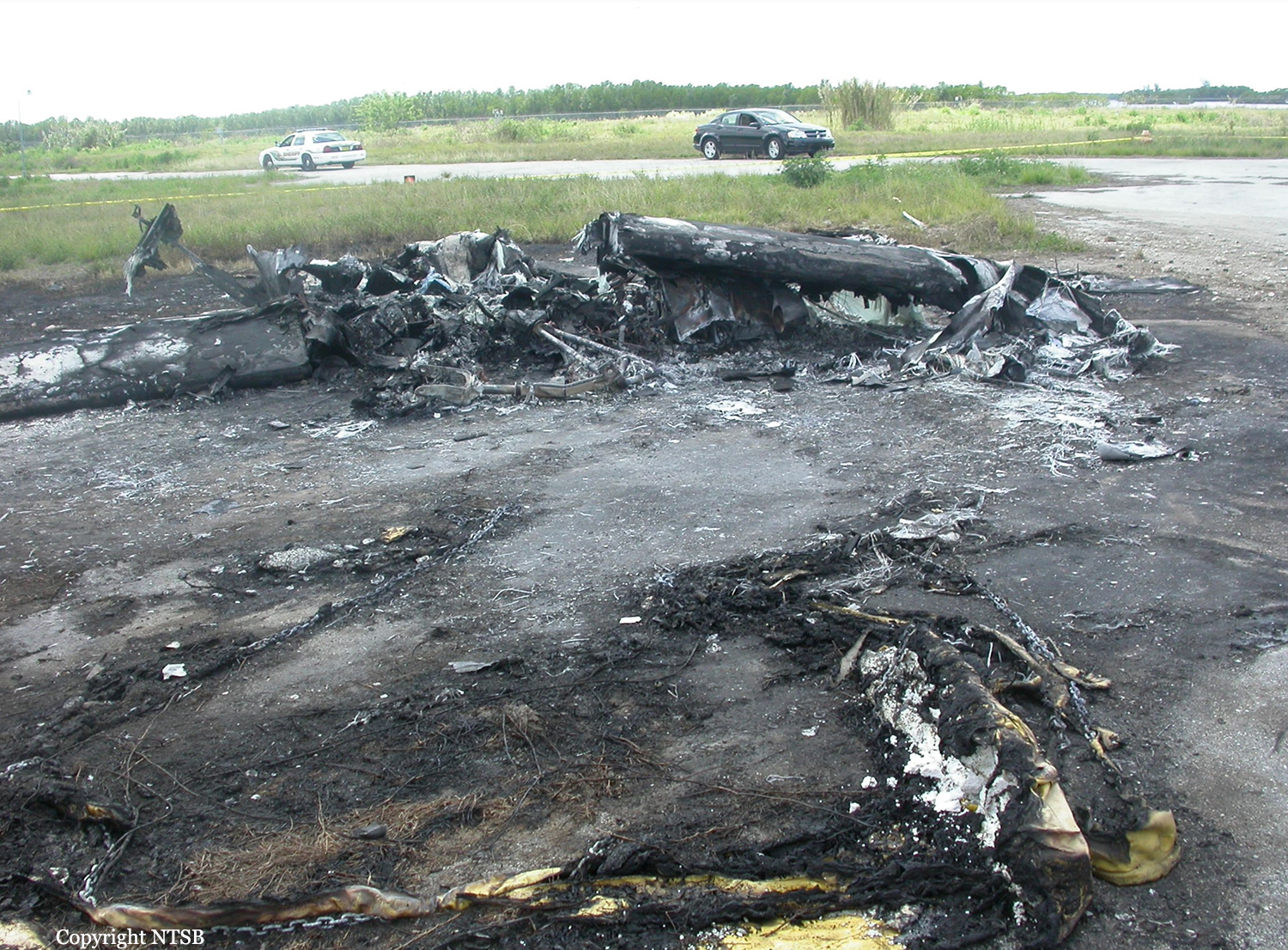
Crash of a Comp Air CA-8 in Everglades City: 1 killed

Date & Time: Apr 6, 2012 at 1645 LT
Type of aircraft:
Operator:
Registration:
N548SF
Flight Phase:
Flight Type:
Survivors:
No
Schedule:
Everglades City - Merritt Island
MSN:
0585552921
YOM:
2006
Crew on board:
1
Crew fatalities:
Pax on board:
0
Pax fatalities:
Other fatalities:
Total fatalities:
1
Captain / Total flying hours:
1208
Circumstances:
Witnesses observed the airplane depart the airport to the north and make an abrupt right turn at an altitude of about 150 feet. One witness, who was also a pilot, described the wings as “shimmying,” appearing as if the airplane stalled before it banked to the right in a nose-down attitude. The airplane crashed and was nearly consumed during the postcrash fire. A postaccident examination was conducted with no preimpact mechanical anomalies noted. Records indicate that the pilot built the airplane from a kit about 6 years before the accident. The pilot and airplane logbooks were not located during the investigation; therefore, the maintenance history for the airplane, and the pilot’s recent (and total) flight experience could not be determined. Postaccident toxicological testing revealed metabolites of the drug diazepam (Valium) in the pilot’s blood and urine. Valium is a prescription benzodiazepine classed as a central nervous system depressant and tranquilizer, used as a sleep aid and to inhibit anxiety. The amount noted in the pilot’s blood suggested he took the drug 12 to 24 hours before the accident, and, as a result, it would not have affected his performance.
Probable cause:
The pilot’s failure to maintain sufficient airspeed during the initial climb after takeoff, which resulted in an aerodynamic stall and loss of airplane control.
Final Report:

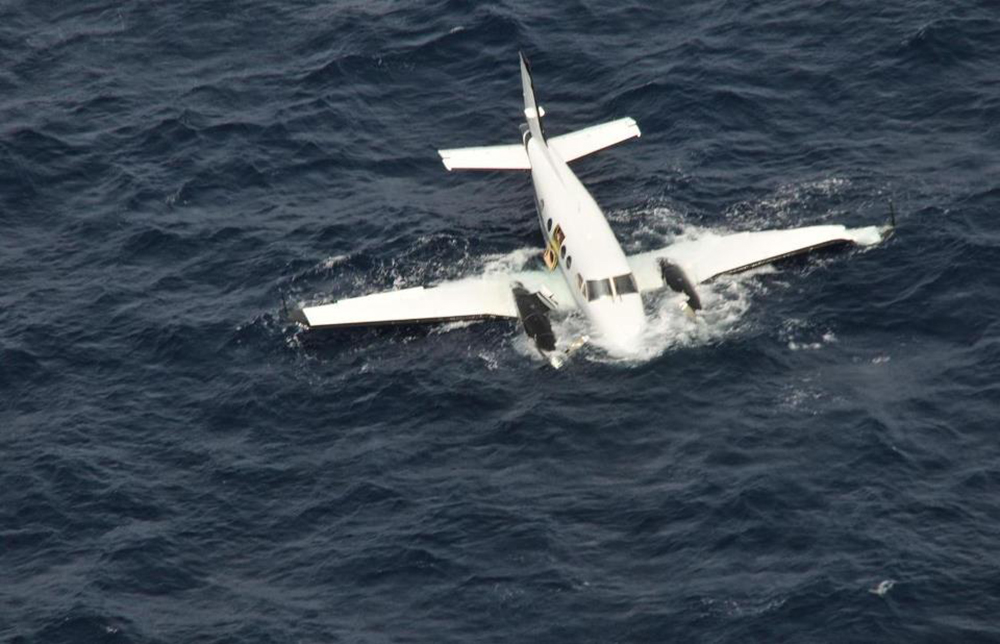
Crash of a Beechcraft C90GTi King Air off Oranjestad

Date & Time: Apr 3, 2012 at 0920 LT
Type of aircraft:
Operator:
Registration:
N8116L
Flight Phase:
Flight Type:
Survivors:
Yes
Schedule:
Wichita - Fort Lauderdale - Willemstad - Belo Horizonte
MSN:
LJ-2042
YOM:
2011
Crew on board:
2
Crew fatalities:
Pax on board:
0
Pax fatalities:
Other fatalities:
Total fatalities:
0
Captain / Total flying hours:
11700
Captain / Total hours on type:
2600.00
Copilot / Total flying hours:
3649
Copilot / Total hours on type:
33
Aircraft flight hours:
14
Circumstances:
On April 3, 2012, about 0920 atlantic standard time (ast), a Hawker Beechcraft C90GTx, N8116L, operated by Lider Taxi Aereo, was substantially damaged after ditching in the waters of the Caribbean Sea, 17 miles north of Aruba, following a dual loss of engine power during cruise. The flight departed Fort Lauderdale Executive Airport (FXE), Fort Lauderdale, Florida, and was destined for Hato International Airport (TNCC), Willemstad, Curacao. The airline transport pilot and the pilot rated passenger were uninjured. Visual meteorological conditions prevailed, and an instrument flight plan was filed for the delivery flight conducted under 14 Code of Federal Regulations Part 91. The Amsterdam arrived at the ditching location at 1120. The airplane was partially submerged. The crew of the Amsterdam attempted to prevent the airplane from sinking by placing a cable around it and hoisting it onboard. However during the attempted recovery, the fuselage broke in half and the airplane sank.
Probable cause:
Review of the fuel ticket revealed that the misspelled words; "Top Neclles" was handwritten on it. It was also signed by the pilot. Further review revealed that only 25 gallons had been uploaded to the airplane, and this number had been entered in the box labeled "TOTAL GALLONS DELIVERED". Review of the start reading and end reading from the truck meter also concurred with this amount. Furthermore, It was discovered that the "134 gallons" that the pilot believed had been uploaded to the airplane was in fact the employee number of the fueler that had topped off the nacelle tanks and had entered his employee number on the "FUEL DEL BY:" line. Utilizing the information contained on the fuel ticket, it was determined that the airplane had departed with only 261 gallons of fuel on-board. Review of performance data in the POH/AFM revealed that in order to complete the flight the airplane would have needed to depart with 328 gallons on-board.
Final Report:

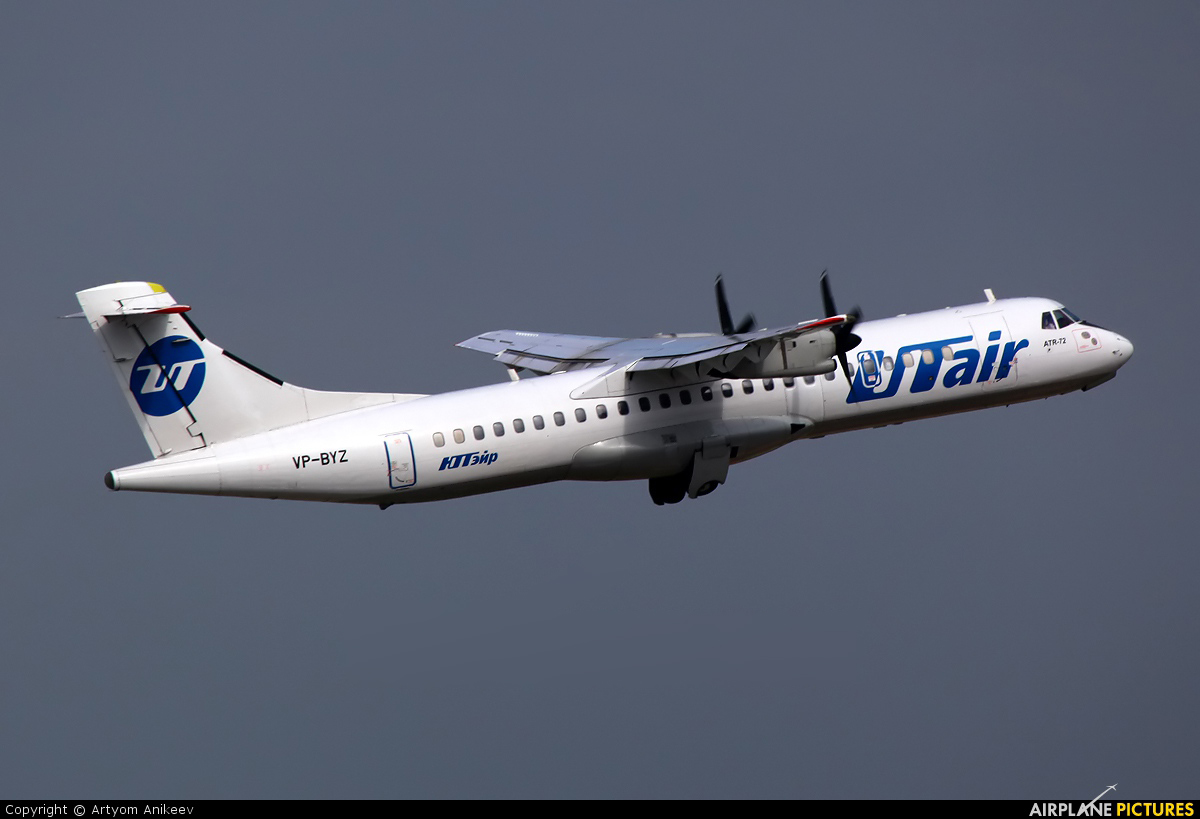
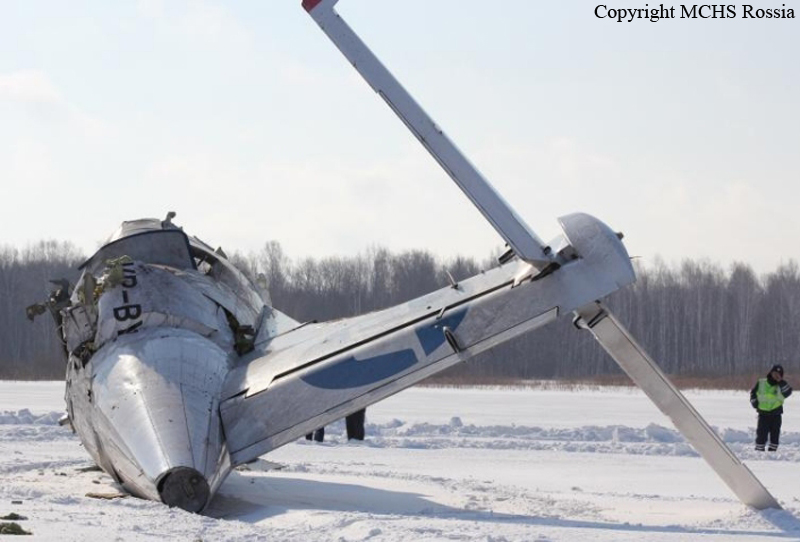
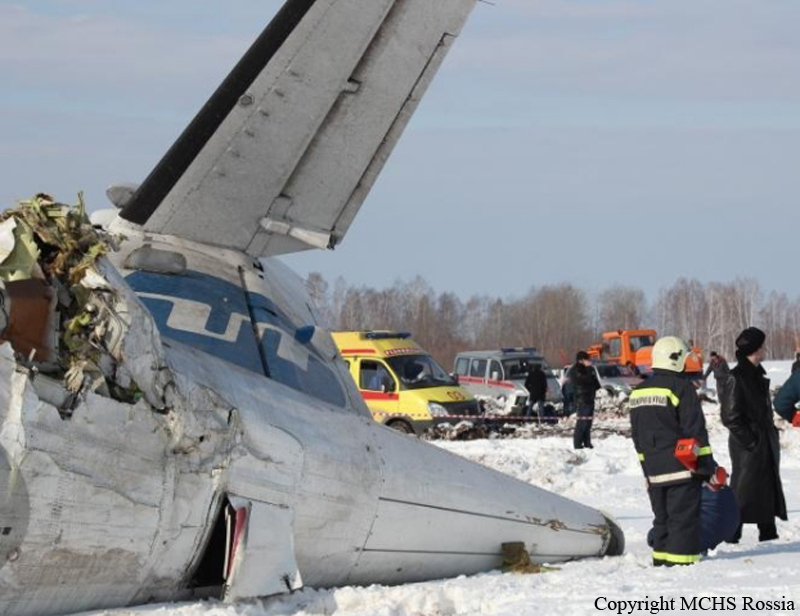
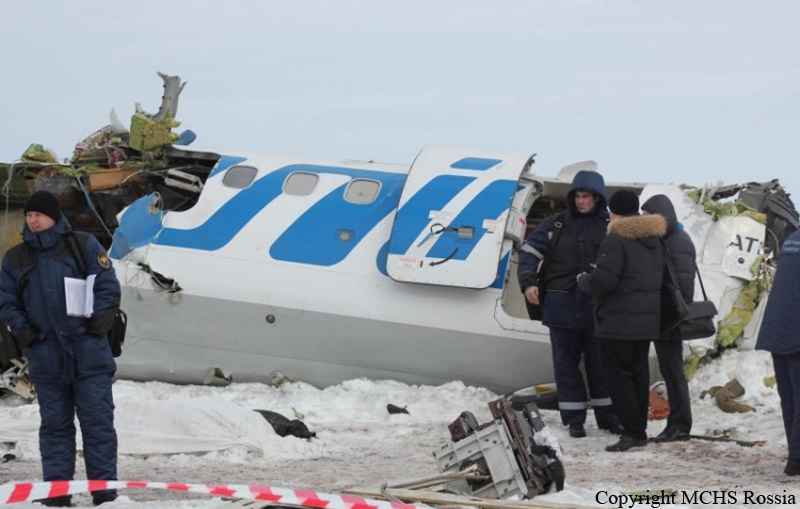
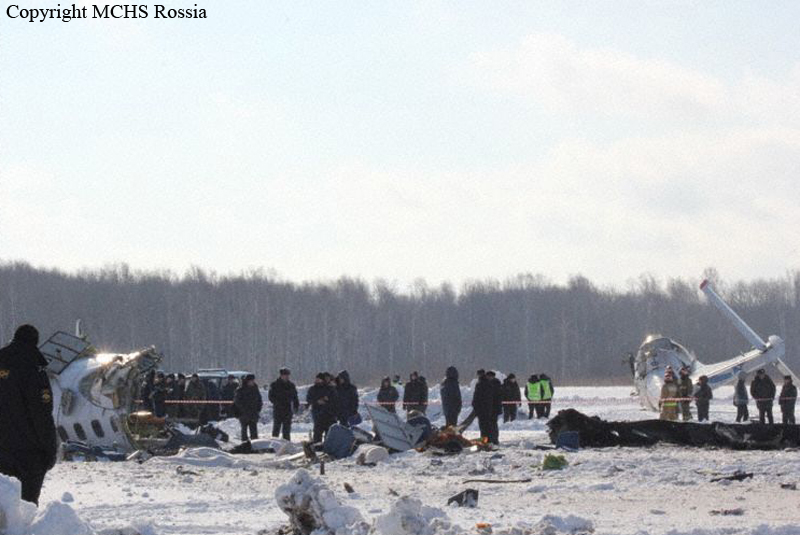
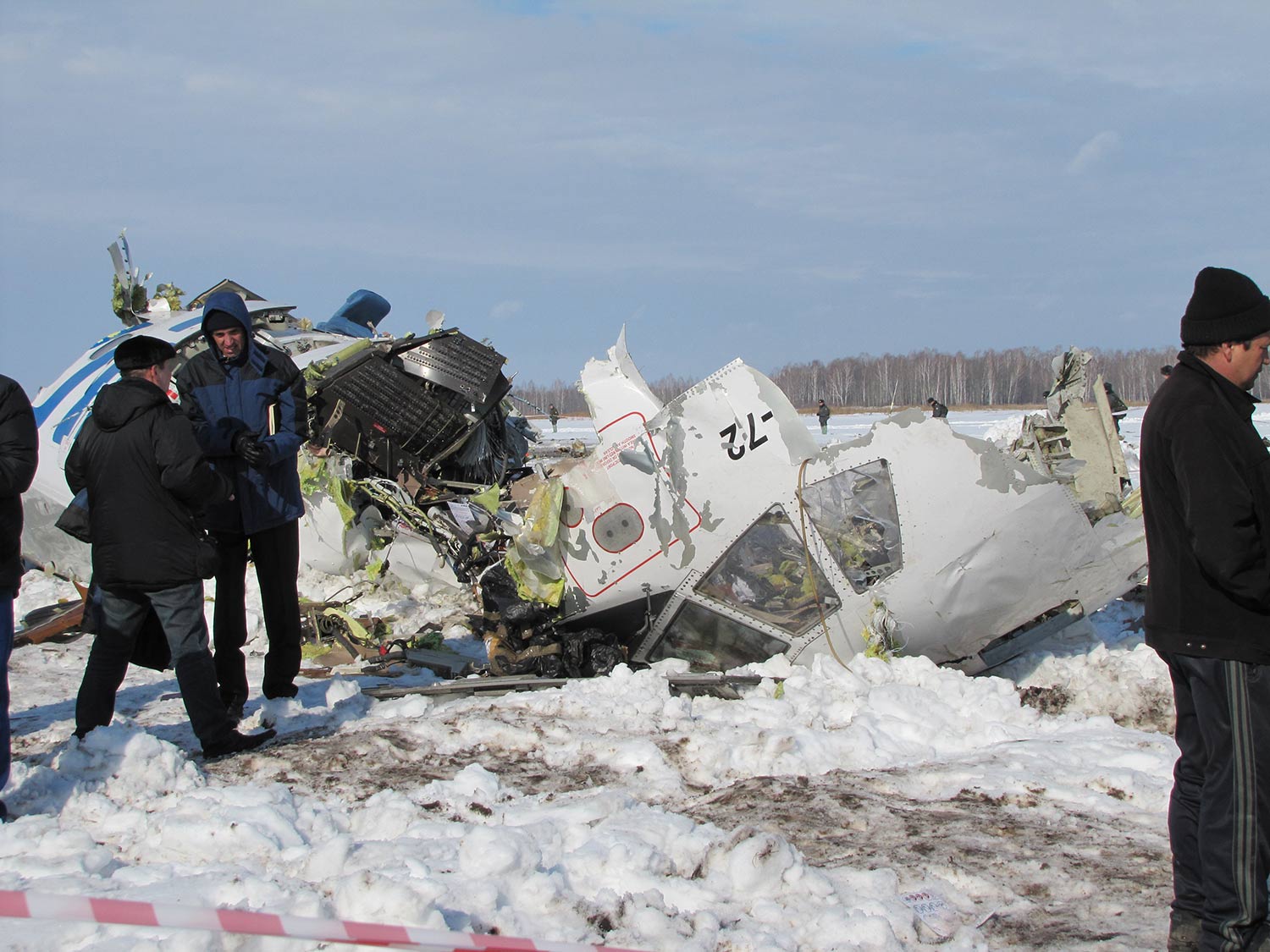
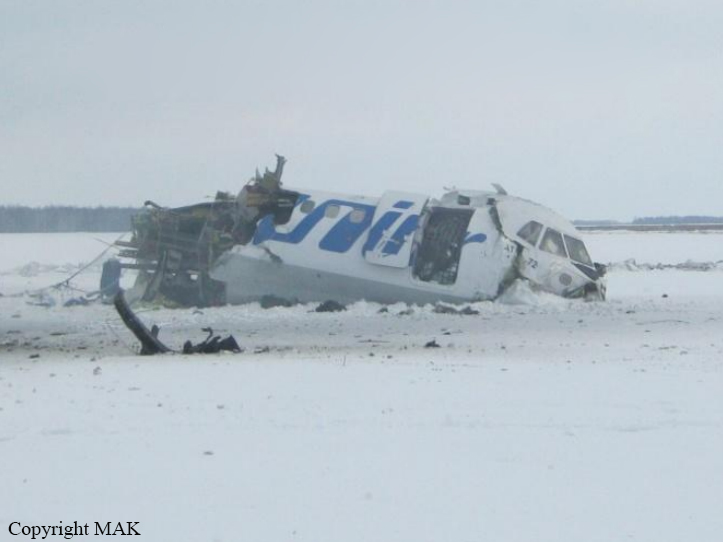
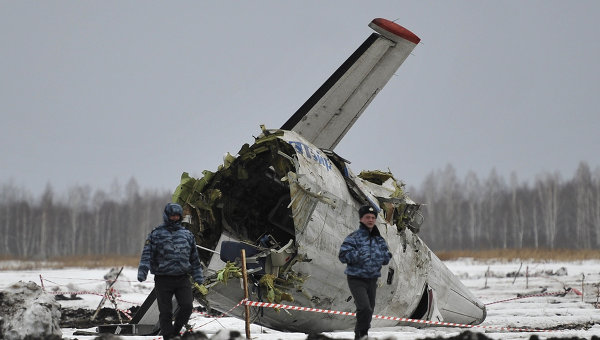
Crash of an ATR72-201 in Tyumen: 33 killed

Date & Time: Apr 2, 2012 at 0735 LT
Type of aircraft:
Operator:
Registration:
VP-BYZ
Flight Phase:
Survivors:
Yes
Schedule:
Tyumen - Surgut
MSN:
332
YOM:
1992
Flight number:
UT120
Country:
Region:
Crew on board:
4
Crew fatalities:
Pax on board:
39
Pax fatalities:
Other fatalities:
Total fatalities:
33
Captain / Total flying hours:
2602
Captain / Total hours on type:
2522.00
Copilot / Total flying hours:
1825
Copilot / Total hours on type:
1765
Aircraft flight hours:
35523
Aircraft flight cycles:
49663
Circumstances:
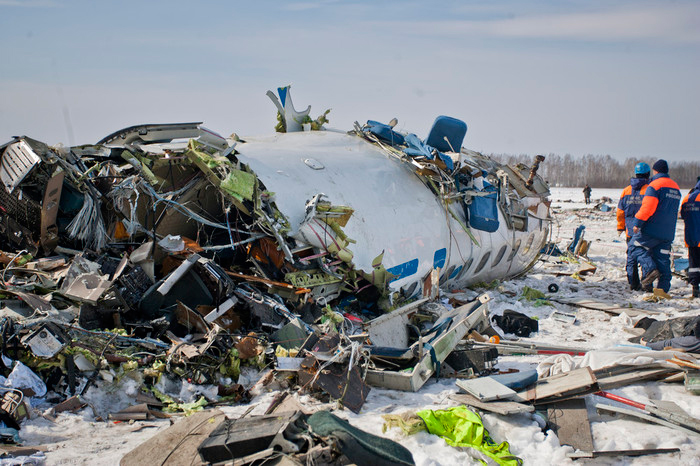
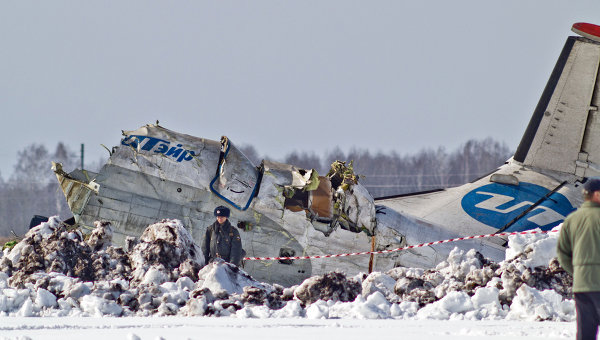
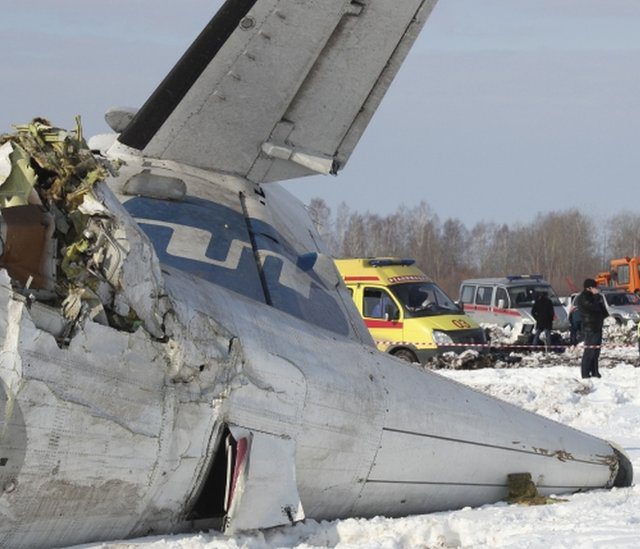
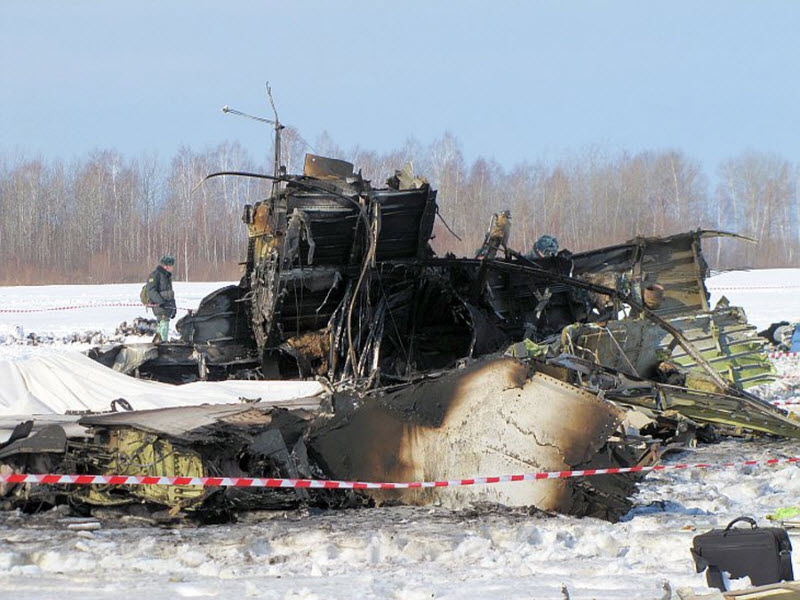
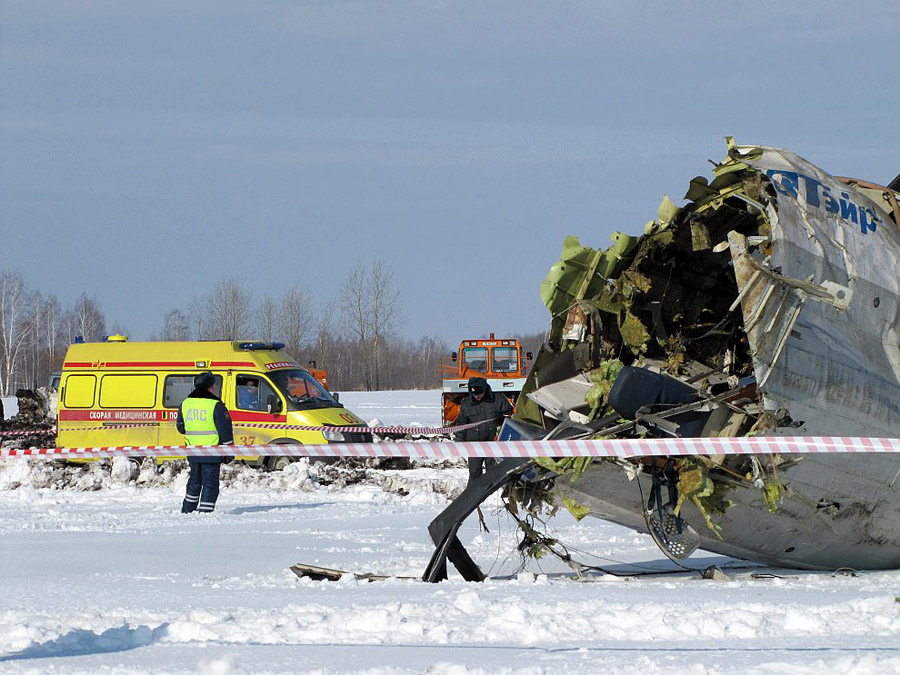
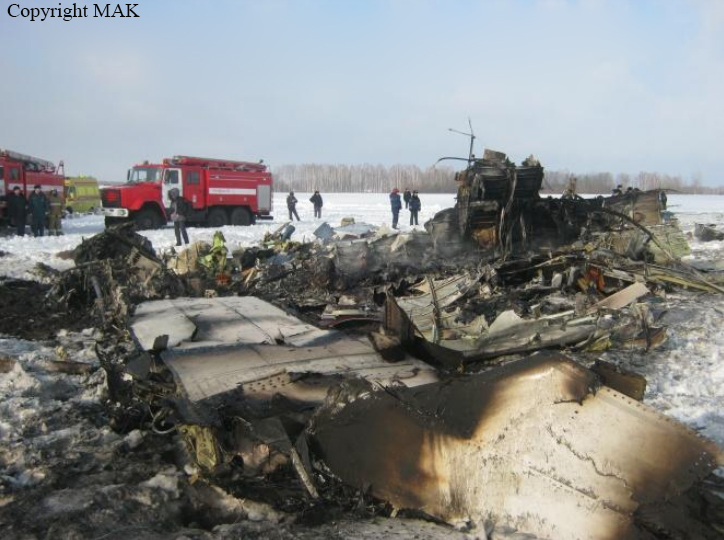
On 01.04.2012 the the UTAir Air Division 1 crew (based at Surgut AP) was conducting a scheduled passenger flight UTA-119 on the АТR 72-201 VP-BYZ A/C from Surgut to Tyumen. The landing at Tyumen (Roschino) AP was performed at 17:41 (23:41 local time). Descending for landing at Roschino (Tyumen) AD was conducted in extended cloudiness with icing conditions. According to the FDR records, the flight crew used the aircraft ice protection system. At the time of flight UTA-119 landing at Roschino (Tyumen) AD the weather was as follows: surface wind 090°-7 m/s, visibility 1600 m, showers of moderate snow with rain, significant cumulonimbus (5-7 oct.) clouds, fractonimbus, cloud base at 140 m, temperature + 0.2°C, dew point + 0.2°C, QFE 735 mmhg (980 hPa), friction coefficient 0.6; moderate icing at cloud layer from 140 m to 4800 m. Forecast for landing: tempo visibility 500 m, showers of heavy snow with rain, vertical visibility 90 m. Weather at Roschino (Tyumen) AD at day time on 01.04.2012 and at night from 01.04.2012 to 02.04.2012 was formed by the cyclone trough forward part with the widespread precipitation area associated with warm front. A passage of the warm front through Roschino (Tyumen) AD was expected in the period from 20:00 to 21:00, with a temperature of 0°C and relative humidity 100% precipitations were fallen from the cumulonimbus and fractonimbus clouds in form of showers of snow with rain. Visibility in precipitations was 1200–1600 m with individual charges of heavy wet snow with visibility 600–700 m and vertical visibility 100 m. Precipitation was followed by east wind 9–10 m/s, direction 90–110°, with individual gusts up to 13–14 m/s. This direction of wind remained till 21:00. After the passage of front through the region of Roschino (Tyumen) AD, at 21:05 the surface wind changed its direction to the west 250° – 260° with gradual increase of wind speed from 2–4 m/s to 7–10 m/s. Precipitation in the form of showers of moderate snow with rain at Roschino (Tyumen) AD went on till 22:00, 01.04.2012. From 22:00, 01.04.2012 to 01:00, 02.04.2012 precipitation turned into showers of slight snow with rain with a temperature of 0°C and relative humidity 100%. According to the observations of weather stations situated at a distance of about 200– 250 km from Roschino (Tyumen) AD and affected by the cyclone on 01.04.2012 as well as on 02.04.2012 storm detecting information was sent to the Roschino (Tyumen) AD AMC about glaze-ice accretion of wet snow. After the landing the A/C was placed at stand 3 heading to the air terminal (MH 30°). According to the flight shift work schedule, the crew left for rest to the Liner Hotel at Roschino AP and had a rest till 23:30 (05:30 local time). After having their rest, the crew members arrived to the AP and started the preflight preparation for the UTA120 scheduled passenger flight from Tyumen to Surgut with visiting AMC where at 00:15 they got weather briefing and documentation. The Nizhnevartovsk AD had been appointed as the alternate AP. At the end of the weather briefing the PIC received Form АВ-11 No.1 and put his signature at the sheet of the "Log of flight crews’ weather briefings at Tyumen-Roschino AMC" indicating the flight number and the A/C number. The weather forecast and actual weather at the departure AD, destination AD and alternate AD as well as their technical conditions did not imply any hazard for the flight operation. At 00:20 the crew passed a medical examination at the AP pre-start medical station and was cleared for the flight. According to the intra-airport radio conversation, around the same time the PIC made his decision to fly. After the medical examination, the F/O visited the aeronautical information office and received a navigator’s briefcase and flight plan; which is recorded in pertinent logbooks. Further, the crew continued the preflight preparation in the briefing room. According to the load documents there were 39 passengers, 133 kg of cargo, 143 kg of passengers’ luggage, and 1 kg of mail registered for the UTA120 flight. The fuel on board was 2000 kg, the A/C TOW was 18730 kg, the A/C weight balance was 30.72% mean aerodynamic chord. The TOW and weight balance were inside the AFM (FCOM) limitations. According to an avionics technician's statements the crew arrived to the A/C around 00:30. By the external observation video camera records it can be seen that the PIC performed the preflight inspection very briefly. He lingered for a few minutes by the right engine then moved along the fuselage sides, then stopped by the left main gear, and finally went into the cockpit. The after-inspection FTLB entry made by the PIC was: "LC PERFORMED BY CDR", the PIC also put the time of inspection which was 00:40 and quantity of fuel 2000 kg. There were no remarks made against the A/C condition in the FTLB. By the records of the external observation video camera, it can be seen that at 01:13 the boarding had been completed and the entrance door was closed. So, the A/C had been remaining at the AD under the influence of precipitations in the form of rain and wet snow with ambient temperature around zero degrees Celsius and wind velocity more than 10 m/s for more than 7 hours. There was no de/anti-icing treatment performed for the A/C before the flight. At 01:20 the flight crew performed the engine start, and after that passed through the Before Taxi checklist. At 01:24:46 the flight crew obtained clearance for holding position. At 01:32:08 after clearance for lineup position the flight crew reported: “Lining up”. At 01:32:58 the A/C started taking off. The takeoff was performed with flaps extended at 15°. The A/C lift-off occurred at 01:33:28 with a speed of around ≈127 kt. At 01:33:56 at height 600 ft2 and speed of 135 kt the A/P was engaged. At 01:34:00 at height 640 ft and speed of 139 kt the flaps retraction was started. At 01:34:08 after the retraction had been completed, at 690 ft and at a speed of 150 kt uncommanded development of right bank started. At 01:34:10 the A/P was disengaged. The bank angle reached around 40° to the right within 3 s and after that was counteracted by ailerons and rudder deflection. Further, the A/C banked to the left, which the flight crew was not able to compensate with full deflection of ailerons to the right. The A/C collision into terrain occurred at 01:34:35 with a pitch down angle ≈11°, left bank angle ≈55° and vertical rate of descent over 20 m/s. The ASL elevation of the accident area is about ≈110 m. The accident resulted in the A/C full destruction and partial damage by the ground fire. From the 43 persons onboard 4 crew members and 29 passengers were killed. Others sustained serious injuries.
Probable cause:
The immediate cause of the АТR 72-201 VP-BYZ aircraft accident was the PIC’s decision to takeoff without de/anti-icing treatment despite the fact that snow and ice deposits were present on aircraft surface and were discovered by the crew members during taxi which resulted in degradation of aircraft aerodynamic performance and stall during climbing after takeoff as well as inability of the crew to recognize stall and, consequently, failure to undertake recovery procedure. The aircraft stall occurred at the operational angles of attack right after flaps retraction with engaged autopilot before stall warning system activation and was caused by the loss of the wing lift effectiveness due to takeoff with non-removed ground icing. The system cause of the accident were shortcomings in ground handling activities and staff training in UTAir-Technik that became possible because of absence of due monitoring by the Technical and Operation Supervising Directorates of UTAir airline for compliance with airline requirements regarding ground handling and aircraft ground icing protection which resulted in erroneous evaluation of aircraft conditions by the PIC and aircraft mechanic (the shift head kept himself aloof from monitoring mechanic’s activities) after the aircraft has been on ground in icing conditions for a long time and in release the aircraft to fly without de/anti-icing treatment.
The contributing factors were:
- The shortcomings in the UTAir safety management system, which contains, all in all, general issues only and is not adopted for the implementation of Airline activities in particular areas, which did not allow to reveal and correct existing safety risks in a timely manner.
- The shortcomings in the UTAir-Technic quality management system, resulted in neglecting of certain requirements of the UTAir ground handling management manual regarding staff training and monitoring for aircraft de/anti-icing treatment which led to the situation when not sufficiently-qualified staff performed the evaluation of the aircraft surface conditions and made the decision on need for the aircraft to be de-iced/anti-iced.
- The absence at the time of the accident of basic regulations in force that establish state requirements for ground handling (de/anti-icing treatment in particular) including staff training and organization licensing.
- The shortcomings in crew members initial and recurrent training as far as the danger of ground icing, its influence on the aircraft aerodynamic performance together with aircraft anti-icing system operation features and design are concerned that did not allow the crew to make the only appropriate decision to return for de-icing/anti-icing treatment after the observation of the snow and ice contamination on the wing after anti-icing system activation in de-icing mode while taxiing for takeoff.
- The methodological imperfection of the crew computer based and simulator training programs concerning the prevention of aircraft stall, identification of approach to stall and taking timely actions for recovery.
- The increasing need for number of flight crews to perform highly growing flights schedule which, with ineffective SMS, resulted in flight instructor work deficiencies during PIC training and absence of PIC skills to take correct decisions and to strictly comply with the regulations in force.
- The possible fatigue of the crew members due to the violation of the work and rest balance while performing split flight shifts together with a large number of unused days-off.
Final Report:

Crash of a Fokker 50 in Wau

Date & Time: Mar 29, 2012 at 0945 LT
Type of aircraft:
Operator:
Registration:
ST-NEX
Survivors:
Yes
Schedule:
Juba - Wau
MSN:
20248
YOM:
1992
Flight number:
FDD360
Country:
Region:
Crew on board:
5
Crew fatalities:
Pax on board:
50
Pax fatalities:
Other fatalities:
Total fatalities:
0
Circumstances:
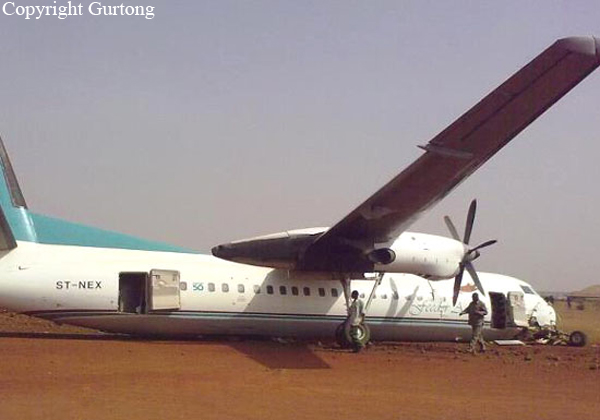
The aircraft was carrying 50 passengers and a crew of five from Juba to Wau. After landing, the left main gear collapsed. The aircraft skidded on the 2,175 metres long and unpaved runway, veered off and came to rest with its nose gear torn off. While all five crew members were injured, all 50 passengers escaped uninjured. The aircraft was damaged beyond repair. The airport reported that the first part of runway 09 was closed due to work in progress since three months. It appears from various sources that the airline reported there was no NOTAM indicating the work in progress to resurface the runway and tower did not advise about the work in progress, too. Due to the slope of the runway it was impossible to see the workers on the runway in time. After landing, the aircraft impacted obstacles and went out of control.
Crash of a Cessna 441 Conquest II in Battle Creek

Date & Time: Mar 27, 2012 at 0730 LT
Type of aircraft:
Operator:
Registration:
N1212C
Survivors:
Yes
Schedule:
Muskegon - Aurora
MSN:
441-0346
YOM:
1984
Crew on board:
1
Crew fatalities:
Pax on board:
2
Pax fatalities:
Other fatalities:
Total fatalities:
0
Captain / Total flying hours:
20154
Captain / Total hours on type:
13000.00
Aircraft flight hours:
12499
Circumstances:
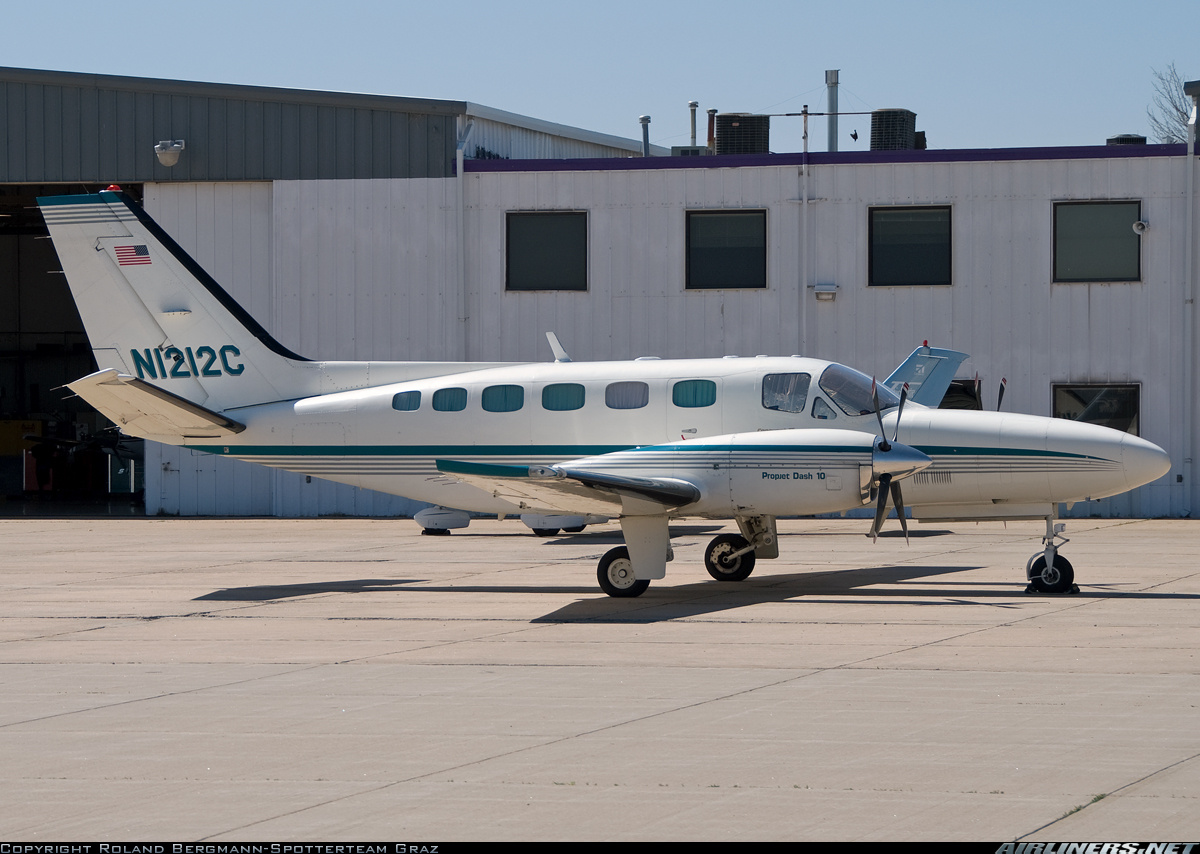
After the pilot finished the preflight inspection in the hangar, the maintenance technician pulled the airplane out of the hangar and connected the auxiliary power cart to the airplane. Shortly thereafter, the pilot boarded the airplane and proceeded with the normal checklist. The pilot signaled to the maintenance technician to disconnect the power cart. The maintenance technician subsequently signaled that the pilot was clear to start the engines. After departure, the pilot noted a problem with the landing gear, and, after establishing that the tow bar was, most likely, still attached to the nosewheel, he diverted to a nearby airport for a precautionary landing. During the landing, the nose landing gear collapsed and the primary structure in the nose of the airplane was substantially damaged.
Probable cause:
The maintenance technician did not remove the tow bar prior to the flight.
Final Report:

Crash of a Piper PA-46-500TP Malibu Meridian in Wellington

Date & Time: Mar 23, 2012 at 1745 LT
Operator:
Registration:
N21EP
Flight Phase:
Flight Type:
Survivors:
Yes
Schedule:
Wellington – Vero Beach
MSN:
46-97479
YOM:
2012
Crew on board:
1
Crew fatalities:
Pax on board:
0
Pax fatalities:
Other fatalities:
Total fatalities:
0
Captain / Total flying hours:
10651
Aircraft flight hours:
40
Circumstances:
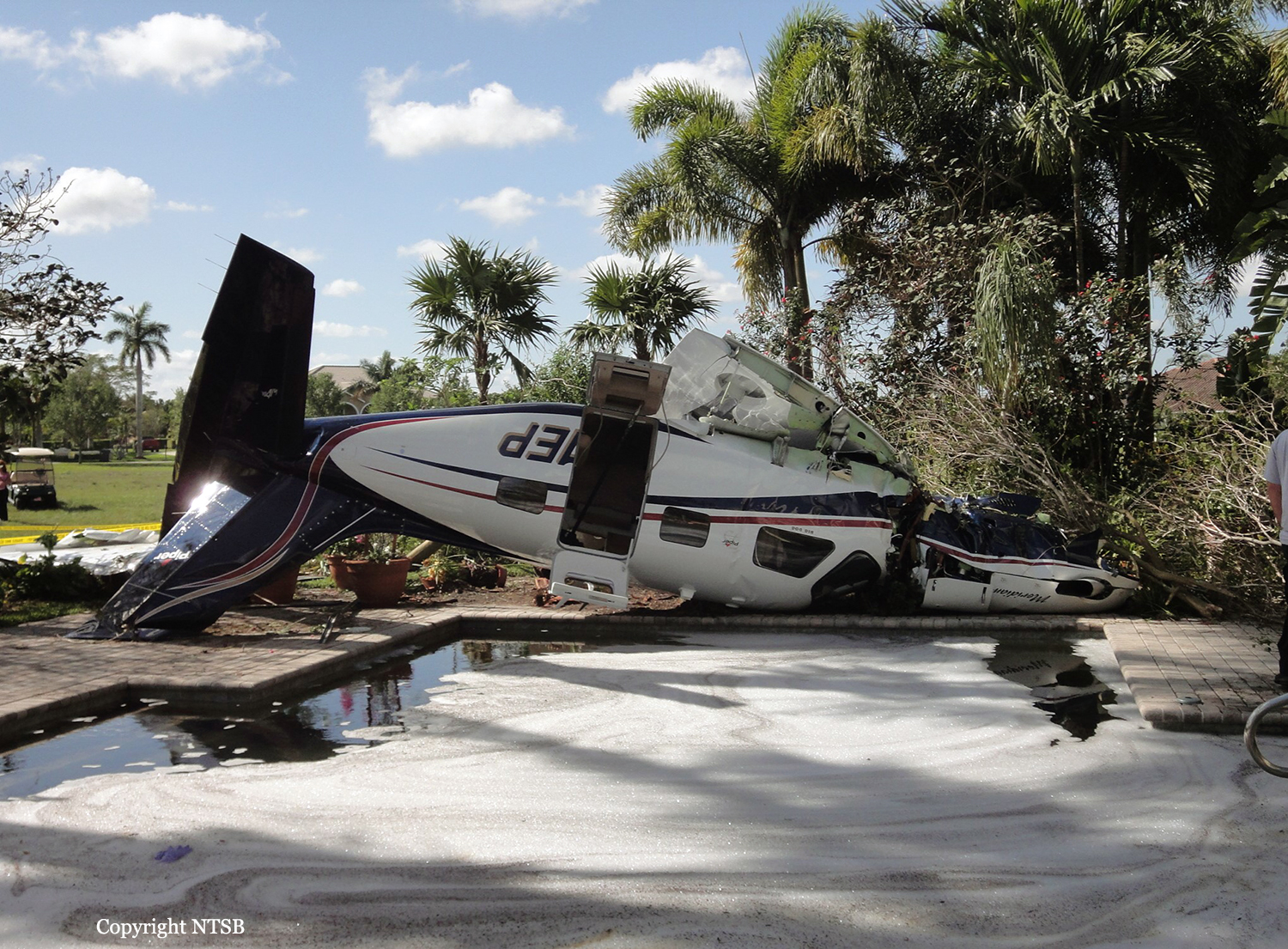
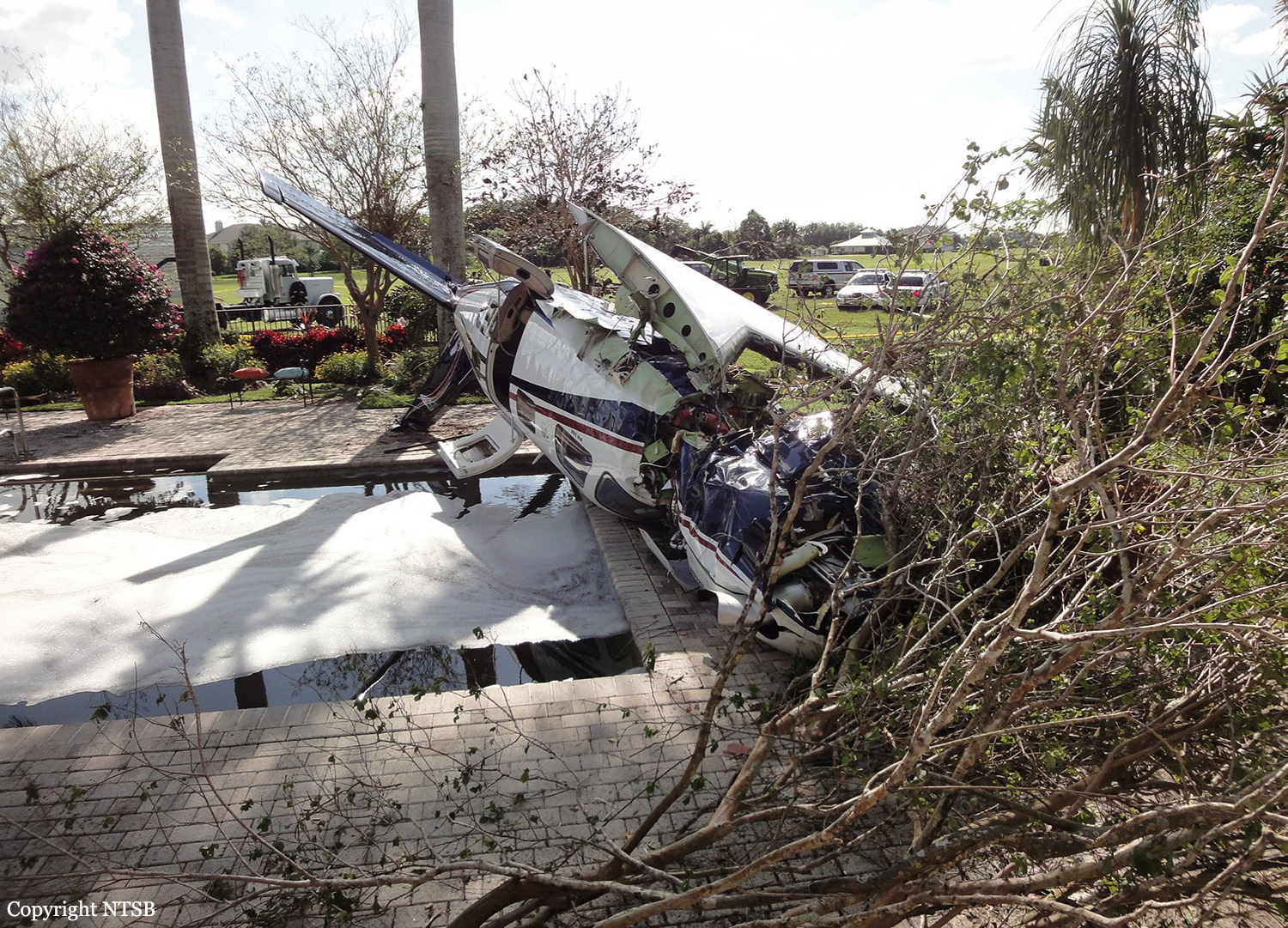
A witness reported that the airplane veered left during the takeoff roll and headed toward a large ditch that surrounded the runway. It appeared that the pilot did not attempt to stop the airplane or abort the takeoff. The airplane continued toward the ditch, and, upon reaching the ditch's edge, the airplane rotated and reached an altitude of about 50 feet. The airplane's left wing collided with trees. The airplane rolled left and then right before stalling and crashing. The pilot stated that the airplane seemed to pull left on takeoff, possibly due to a right quartering tailwind, and that he did not realize where he was positioned on the runway. Examination of the airplane and engine did not reveal any preimpact anomalies that would have precluded normal operation.
Probable cause:
The pilot's failure to maintain directional control of the airplane during the takeoff roll, which resulted in a collision with a tree.
Final Report: