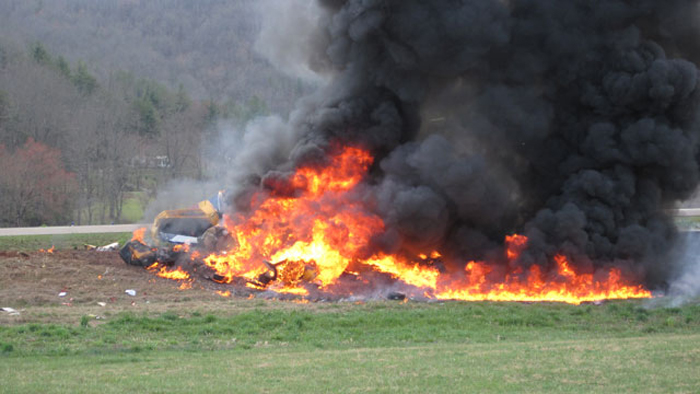
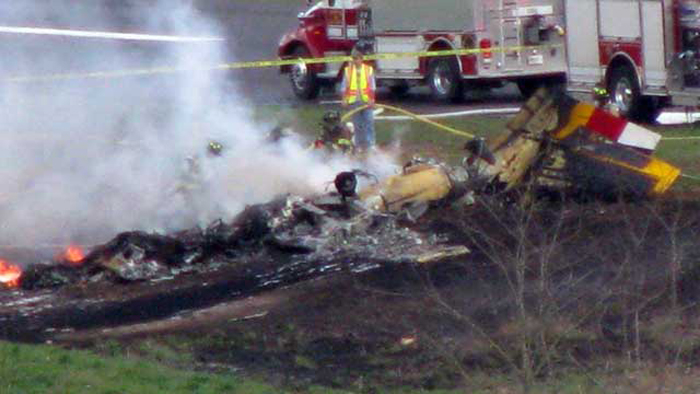
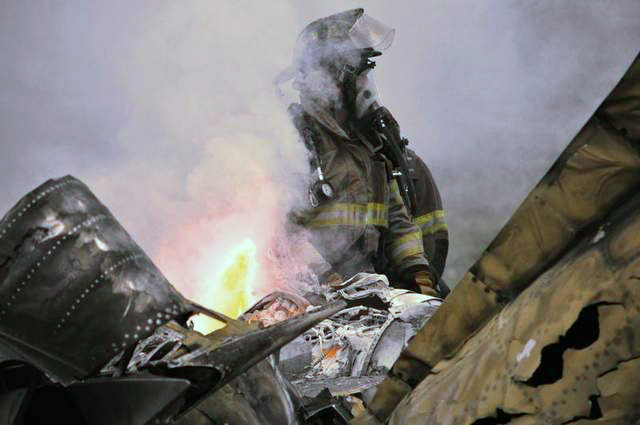
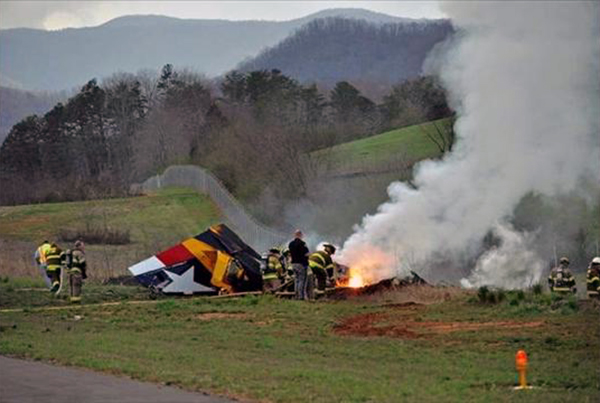
Crash of a Piper PA-46-500TP Malibu Meridian in Wellington

Date & Time: Mar 23, 2012 at 1745 LT
Operator:
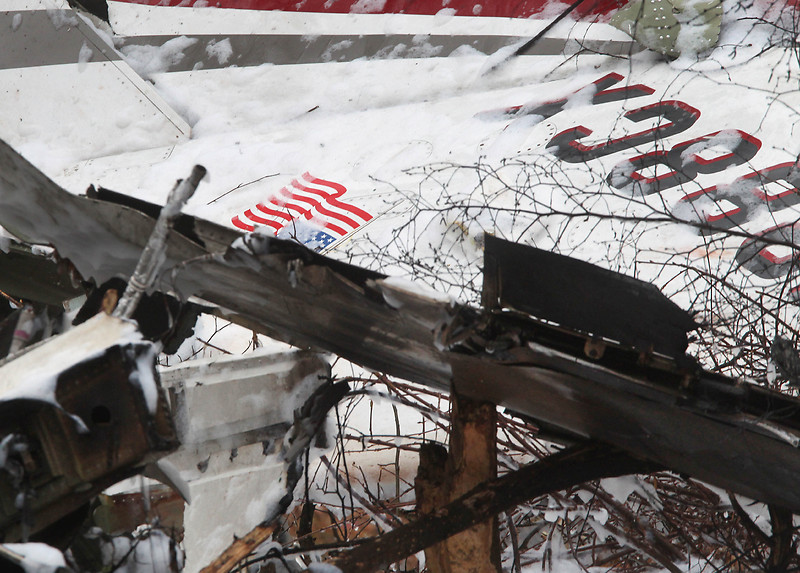
Registration:
N21EP
Flight Phase:
Flight Type:
Survivors:
Yes
Schedule:
Wellington – Vero Beach
MSN:
46-97479
YOM:
2012
Crew on board:
1
Crew fatalities:
Pax on board:
0
Pax fatalities:
Other fatalities:
Total fatalities:
0
Captain / Total flying hours:
10651
Aircraft flight hours:
40
Circumstances:
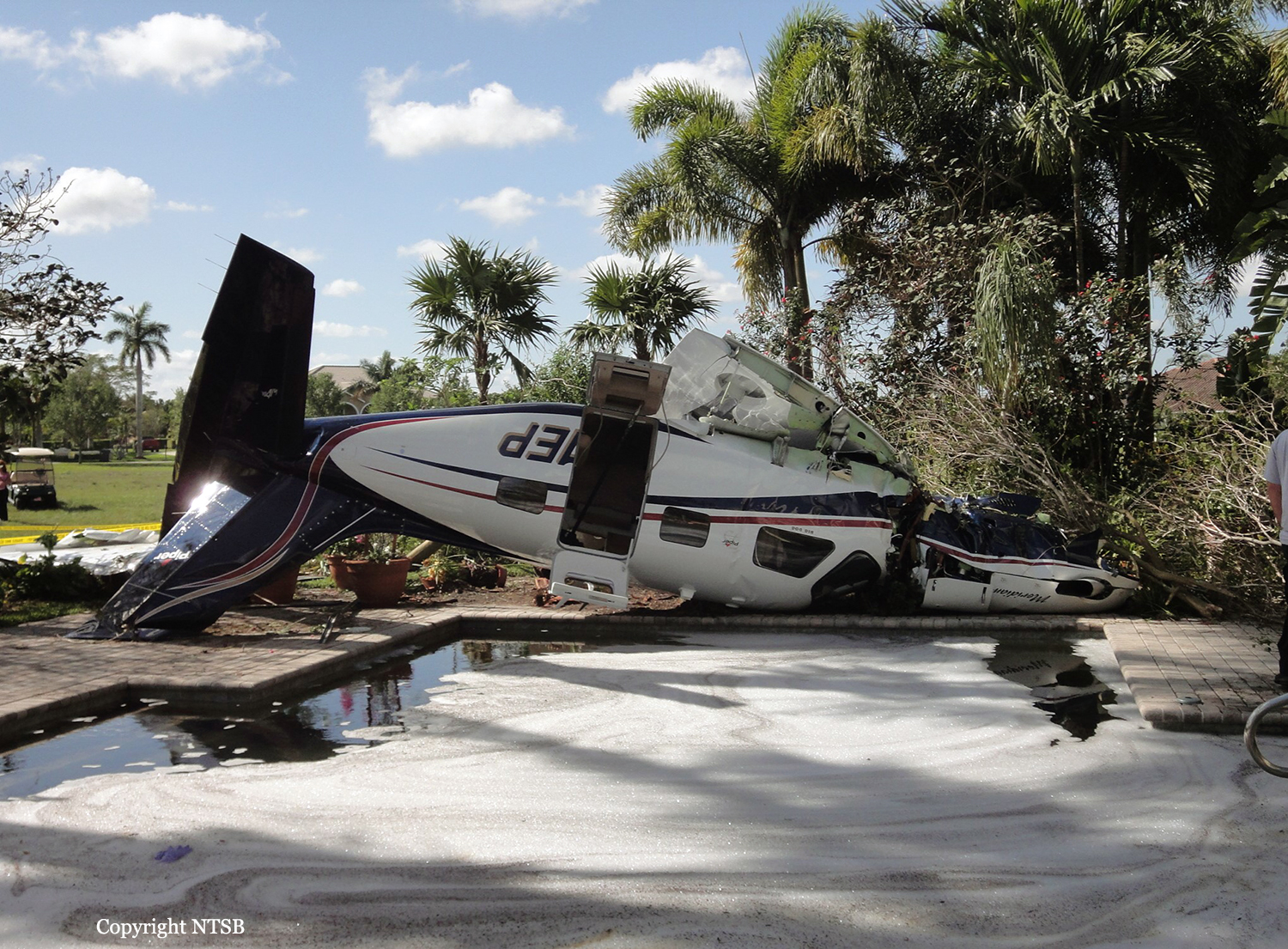
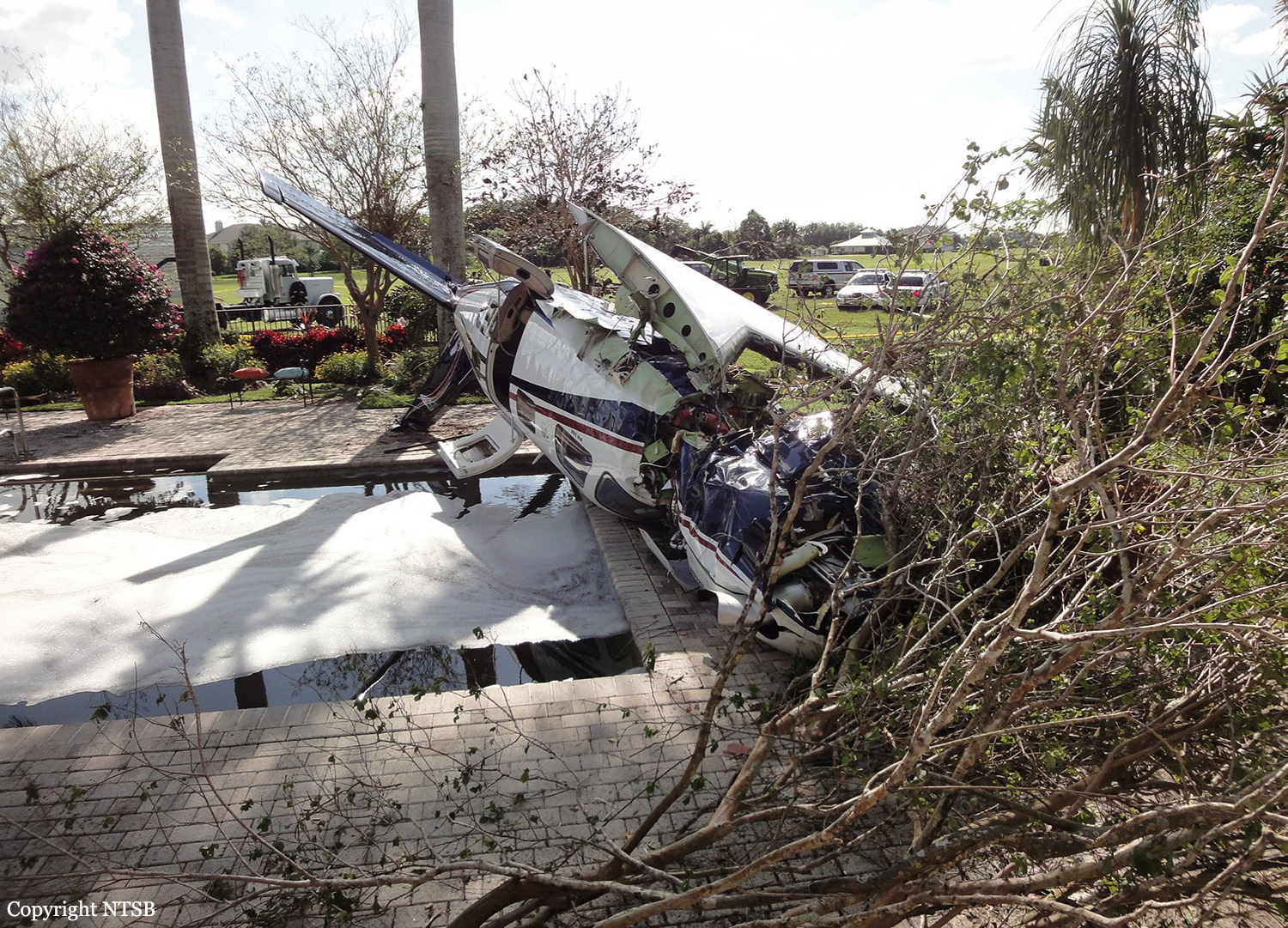
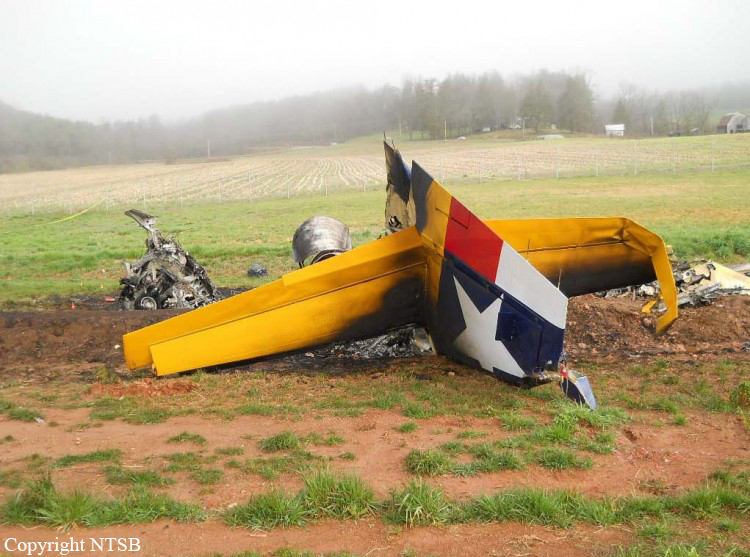
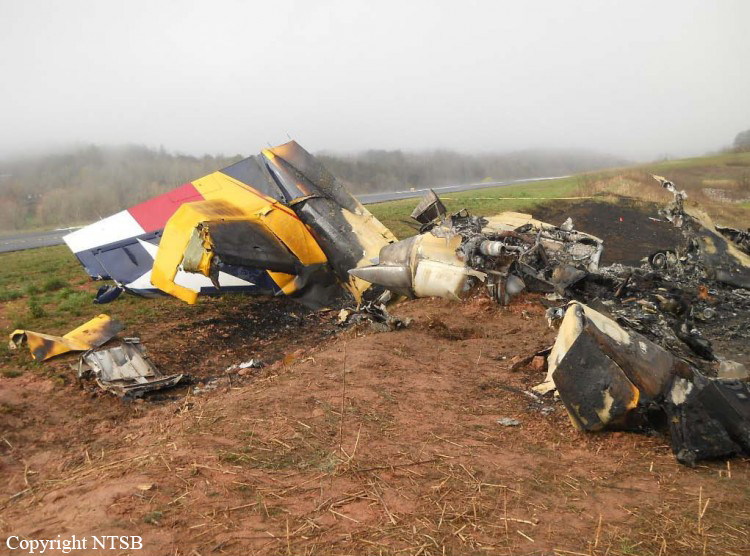
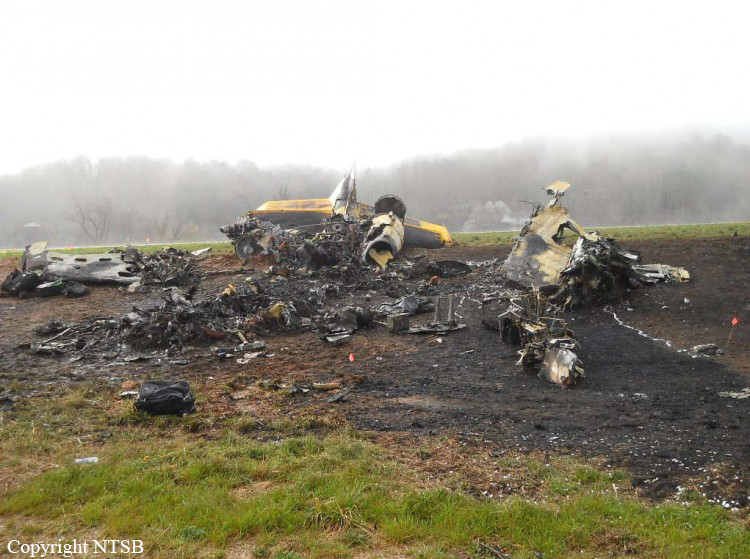
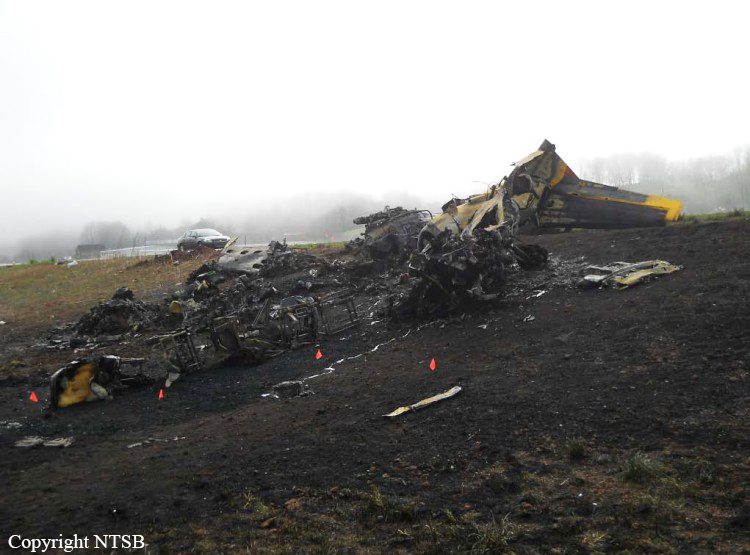
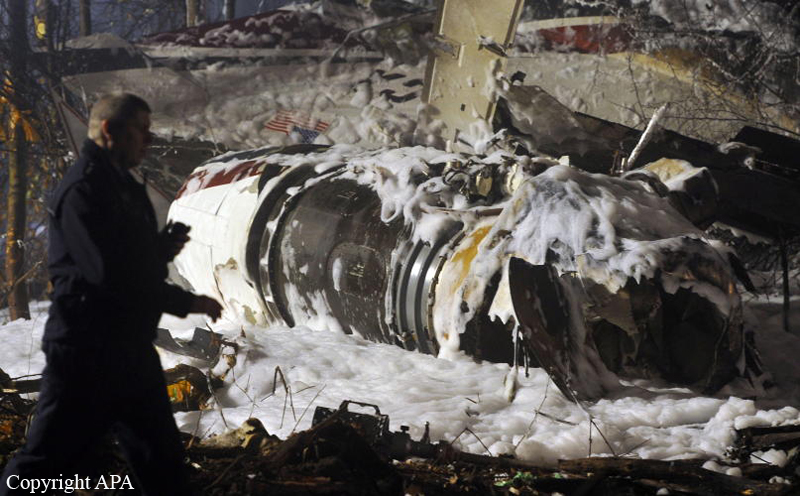
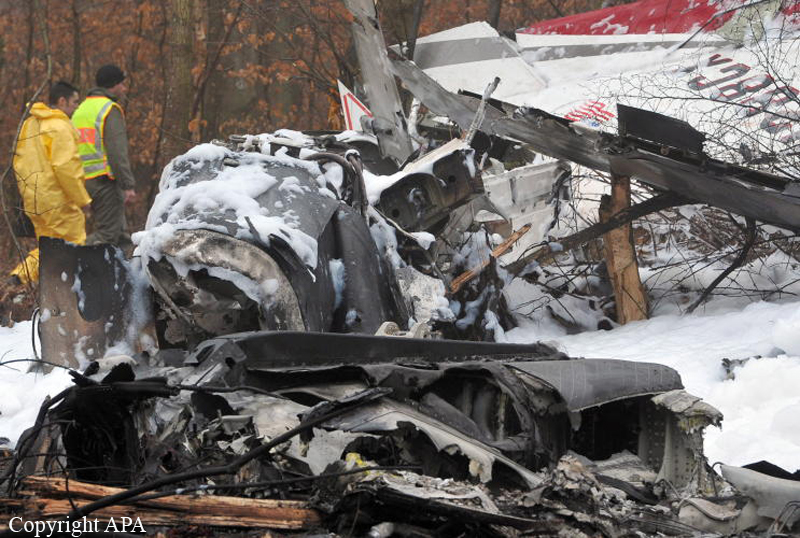
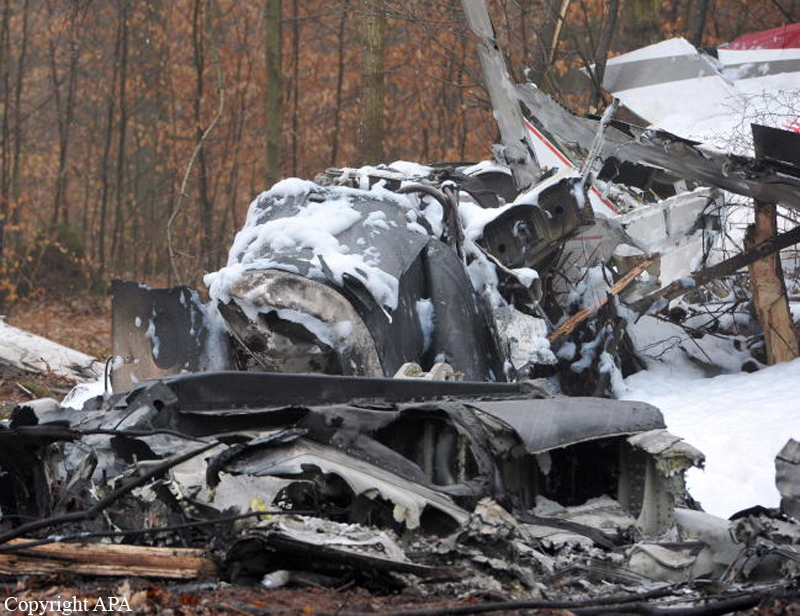
A witness reported that the airplane veered left during the takeoff roll and headed toward a large ditch that surrounded the runway. It appeared that the pilot did not attempt to stop the airplane or abort the takeoff. The airplane continued toward the ditch, and, upon reaching the ditch's edge, the airplane rotated and reached an altitude of about 50 feet. The airplane's left wing collided with trees. The airplane rolled left and then right before stalling and crashing. The pilot stated that the airplane seemed to pull left on takeoff, possibly due to a right quartering tailwind, and that he did not realize where he was positioned on the runway. Examination of the airplane and engine did not reveal any preimpact anomalies that would have precluded normal operation.
Probable cause:
The pilot's failure to maintain directional control of the airplane during the takeoff roll, which resulted in a collision with a tree.
Final Report:

Crash of a Lockheed C-130J-30 Super Hercules near Kiruna: 5 killed

Date & Time: Mar 15, 2012 at 1457 LT
Type of aircraft:
Operator:
Registration:
5630
Flight Phase:
Flight Type:
Survivors:
No
Site:
Schedule:
Harstad - Kiruna
MSN:
5630
YOM:
2010
Flight number:
HAZE 01
Country:
Region:
Crew on board:
4
Crew fatalities:
Pax on board:
1
Pax fatalities:
Other fatalities:
Total fatalities:
5
Captain / Total flying hours:
6153
Captain / Total hours on type:
5937.00
Copilot / Total flying hours:
3285
Copilot / Total hours on type:
243
Aircraft flight hours:
856
Circumstances:
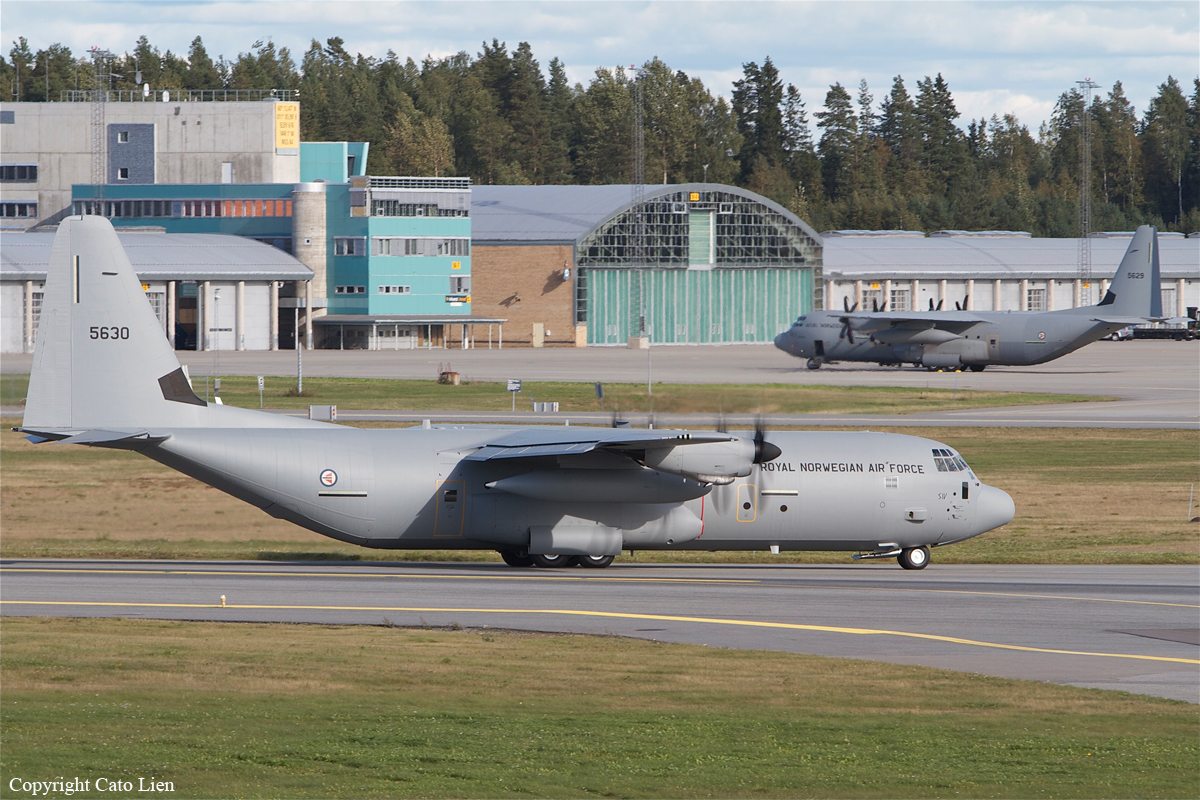
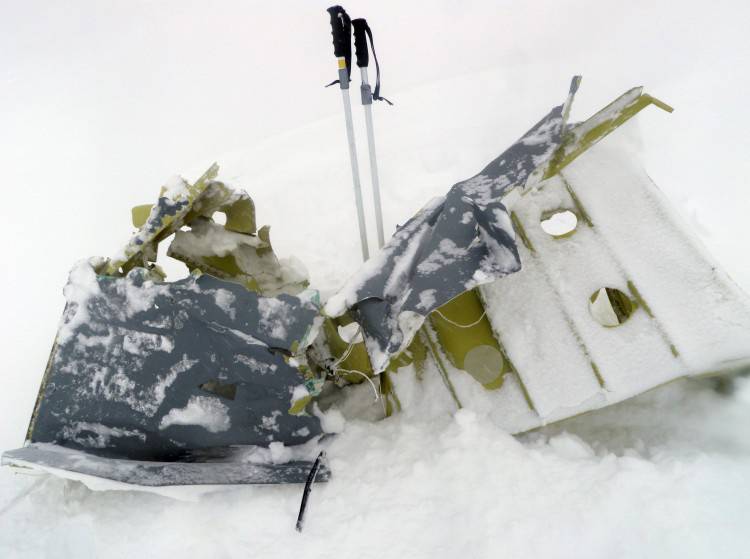
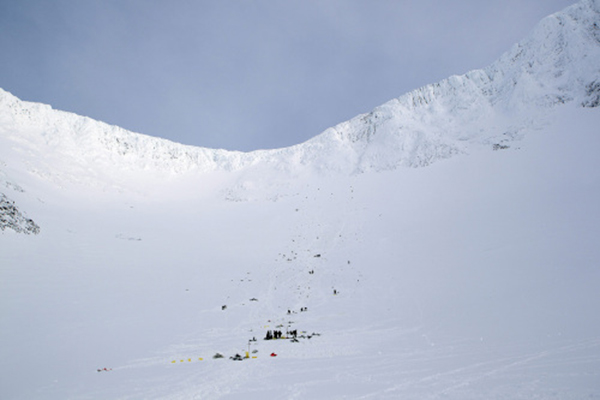
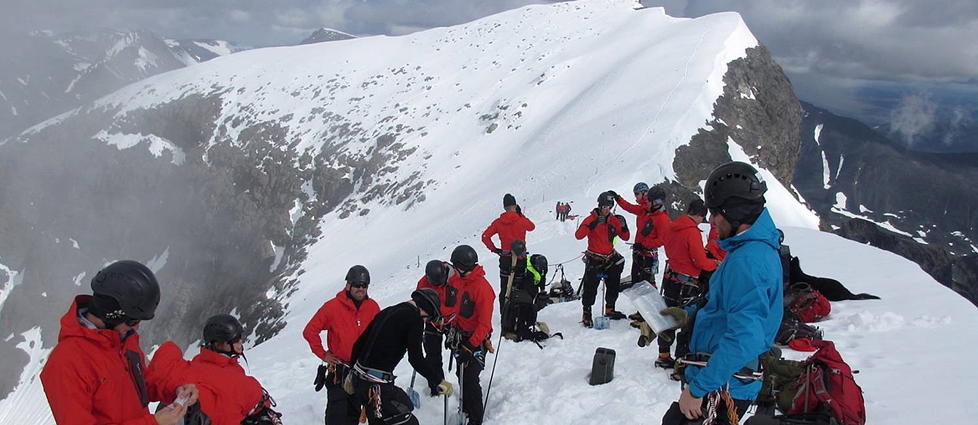
The accident occurred during a Norwegian military transport flight from Harstad/Narvik Airport (Evenes) in Norway to Kiruna Airport in Sweden. The flight was performed as a part of the Norwegian-led military exercise Cold Response. The aircraft, which was of the model C-130J-30 Super Hercules, had the call sign HAZE 01. HAZE 01 took off with a crew of four and one passenger on board. The aircraft climbed to Flight Level 130 and assumed a holding pattern south of Evenes. After one hour, the flight continued towards Kiruna Airport. The Norwegian air traffic control had radar contact and handed over the aircraft to the air traffic control on the Swedish side. Swedish air traffic control cleared HAZE 01 to descend to Flight Level 100 “when ready” and instructed the crew to contact Kiruna Tower. The crew acknowledged the clearance and directly thereafter, the aircraft left Flight Level 130 towards Flight Level 100. The lower limit of controlled airspace at the location in question is Flight Level 125. HAZE 01 informed Kiruna Tower that the aircraft was 50 nautical miles (NM) west of Kiruna and requested a visual approach when approaching. Kiruna Tower cleared HAZE 01, which was then in uncontrolled airspace, to Flight Level 70, and the aircraft continued to descend towards the cleared flight level. Neither ACC Stockholm nor Kiruna Tower had any radar contact with the aircraft during the sequence of events because the Swedish air navigation services do not have radar coverage at the altitudes at which HAZE 01 was situated. HAZE 01 levelled out at Flight Level 70 at 14.57 hrs. Half a minute later, the aircraft collided with the terrain between the north and south peaks on the west side of Kebnekaise. Data from the aircraft's recording equipment (CVR and DFDR) showed that HAZE 01 was flying in level flight at a ground speed of approximately 280 knots prior to the moment of collision and that the crew was not aware of the imminent danger of underlying terrain. The remaining distance to Kiruna Airport was 42 NM (77 km). Everyone on board received fatal injuries. Accidents in complex systems are rarely caused by a single factor, but there are often several circumstances that must coincide for an accident to occur. The analysis of the investigation deals with the circumstances which are deemed to have influenced the sequence of events and the barriers which are intended to prevent dangerous conditions from arising. In summary, the investigation indicates that latent weaknesses have existed both at the Norwegian Air Force and at LFV. It is these weaknesses and not the mistakes of individual persons that are assessed to be the root cause of the accident. On the part of flight operations, the investigation has found shortcomings with respect to procedures for planning and following up a flight. Together with a probably high confidence in air traffic control, this has led to the crew not noticing that the clearance entailed an altitude that did not allow for adequate terrain separation. In terms of the air traffic services, the investigation demonstrates that the aircraft was not issued clearances and flight information in accordance with applicable regulations. This is due to it not having been ensured that the air traffic controllers in question had sufficient experience and knowledge to guide air traffic from the west in towards Kiruna Airport in a safe manner under the present circumstances. The lack of radar coverage reduced the opportunities for air traffic control to monitor and guide air traffic. The aircraft's Ground Collision Avoidance System is the last barrier and is intended to be activated and provide warning upon the risk of obstacles in the aircraft's flight path. The investigation has shown that with the terrain profile in question and the settings in question, the criteria for a warning were not fulfilled. No technical malfunction on the aircraft has caused or contributed to the occurrence of the accident. The rescue operation was characterized by very good access to resources from both Sweden and abroad. The operations lasted for a relatively long time and were carried out under extreme weather conditions in difficult alpine terrain. The investigation of the rescue operation demonstrates the importance of further developing management, collaboration and training in several areas.
Probable cause:
The accident was caused by the crew on HAZE 01 not noticing to the shortcomings in the clearances issued by the air traffic controllers and to the risks of following these clearances, which resulted in the aircraft coming to leave controlled airspace and be flown at an altitude that was lower than the surrounding terrain.
The accident was rendered possible by the following organizational shortcomings in safety:
- The Norwegian Air Force has not ensured that the crews have had sufficiently safe working methods for preventing the aircraft from being flown below the minimum safe flight level on the route.
- LFV has not had sufficiently safe working methods for ensuring, partly, that clearances are only issued within controlled airspace during flight under IFR unless the pilot specifically requests otherwise and, partly, that relevant flight information is provided.
Final Report:

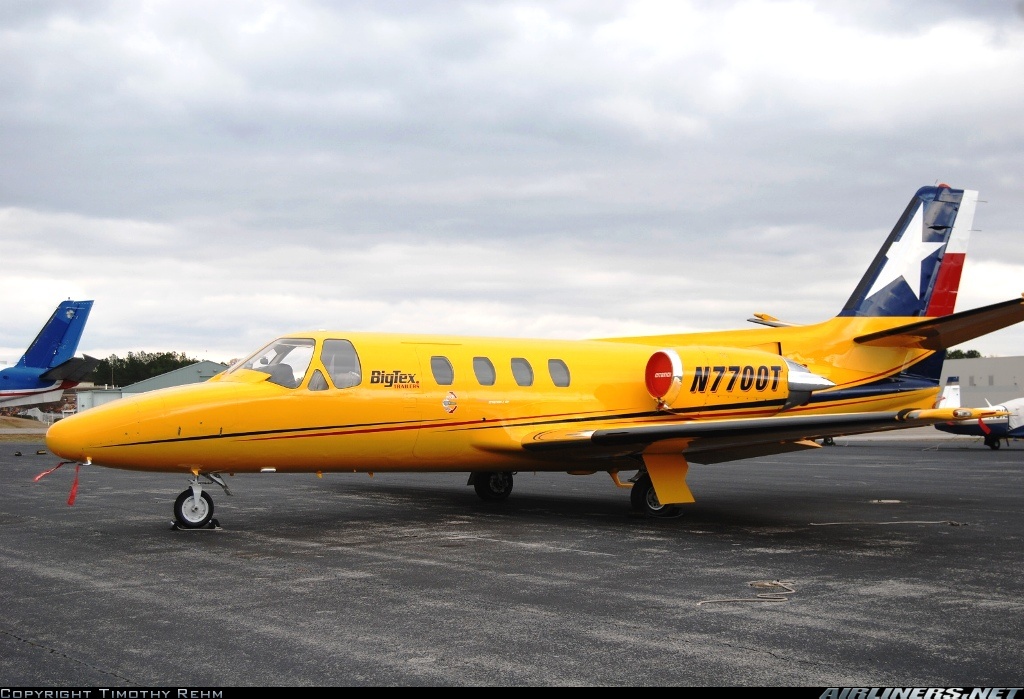
Crash of a Cessna 501 Citation I/SP in Franklin: 5 killed

Date & Time: Mar 15, 2012 at 1350 LT
Type of aircraft:
Operator:
Registration:
N7700T
Flight Type:
Survivors:
No
Schedule:
Venice - Franklin
MSN:
501-0248
YOM:
1982
Crew on board:
1
Crew fatalities:
Pax on board:
4
Pax fatalities:
Other fatalities:
Total fatalities:
5
Captain / Total flying hours:
1159
Captain / Total hours on type:
185.00
Aircraft flight hours:
4825
Circumstances:
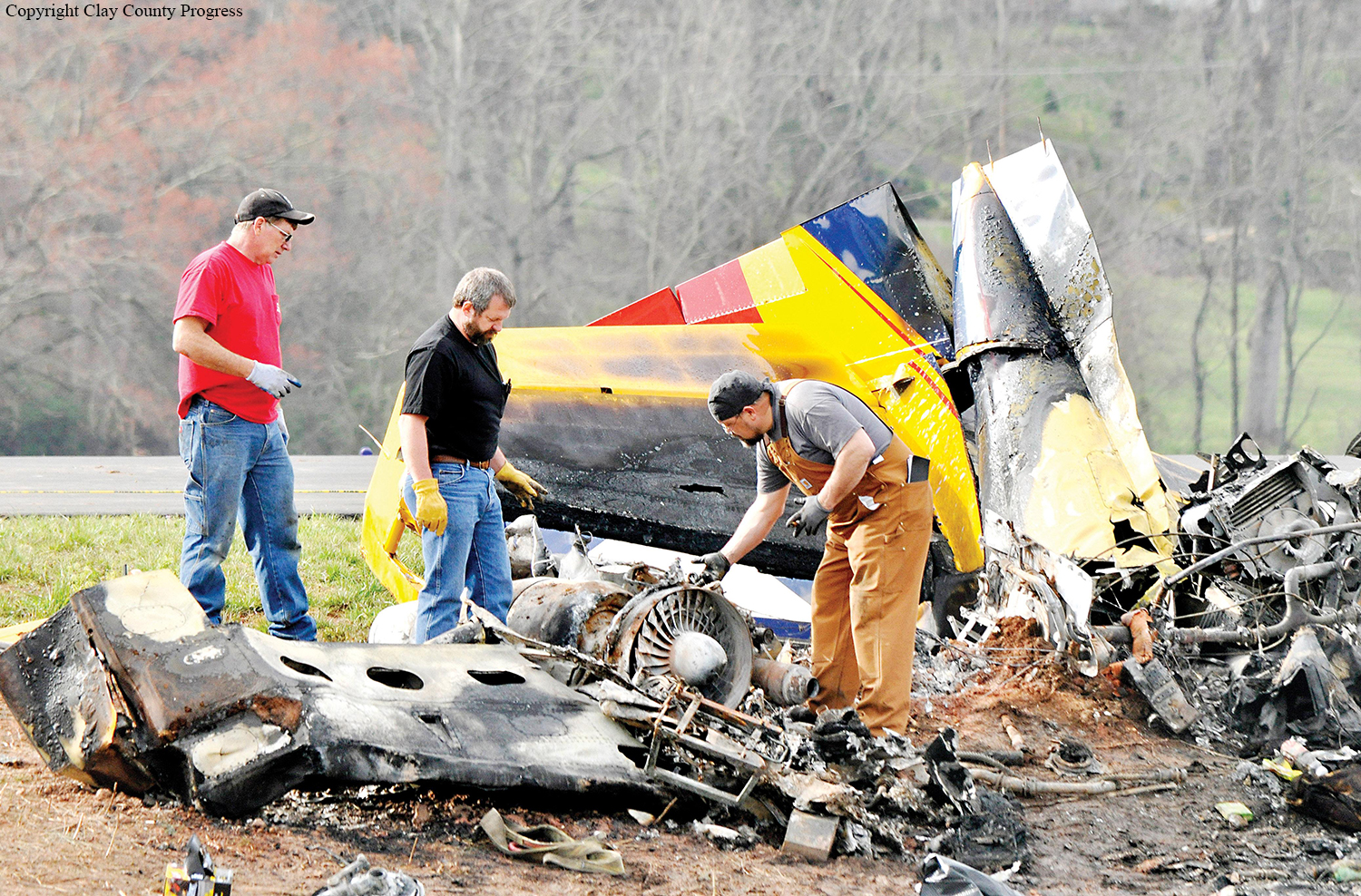
The pilot was not familiar with the mountain airport. The airplane was high during the first visual approach to the runway. The pilot performed a go-around and the airplane was again high for the second approach. During the second approach, the approach angle steepened, and the airplane pitched nose-down toward the runway. The nosegear touched down about halfway down the runway followed by main gear touchdown. The airplane then bounced and the sound of engine noise increased as the airplane banked right and the right wing contacted the ground. The airplane subsequently flipped over and off the right side of the runway, and a postcrash fire ensued. Examination of the airframe and engines did not reveal any preimpact mechanical malfunctions. The examination also revealed that the right engine thrust reverser was deployed during the impact sequence, and the left engine thrust reverser was stowed. Although manufacturer data revealed single-engine reversing has been demonstrated during normal landings and is easily controllable, the airplane had already porpoised and bounced during the landing. The pilot’s subsequent activation of only the right engine’s thrust reverser would have created an asymmetrical thrust and most likely exacerbated an already uncontrolled touchdown. Had the touchdown been controlled, the airplane could have stopped on the remaining runway or the pilot could have performed a go-around uneventfully.
Probable cause:
The pilot's failure to achieve a stabilized approach, resulting in a nose-first, bounced landing. Contributing to the accident was the pilot's activation of only one thrust reverser, resulting in asymmetrical thrust.
Final Report:

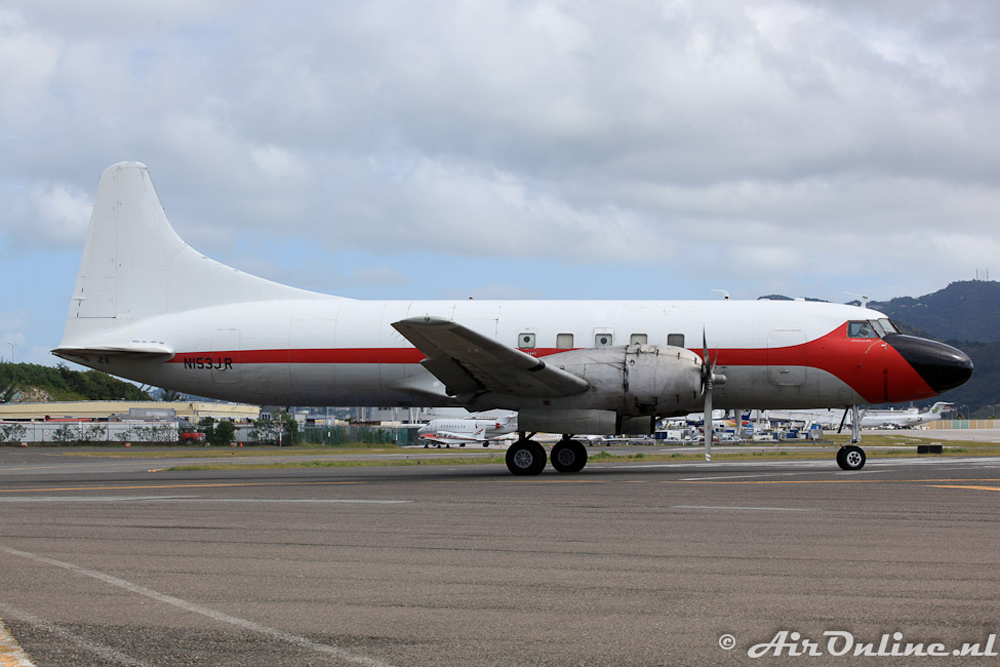
Crash of a Convair CV-440-38 in San Juan: 2 killed

Date & Time: Mar 15, 2012 at 0738 LT
Operator:
Registration:
N153JR
Flight Phase:
Flight Type:
Survivors:
No
Schedule:
San Juan - Sint Marteen
MSN:
117
YOM:
1953
Country:
Crew on board:
2
Crew fatalities:
Pax on board:
0
Pax fatalities:
Other fatalities:
Total fatalities:
2
Captain / Total flying hours:
22586
Captain / Total hours on type:
9000.00
Copilot / Total flying hours:
2716
Copilot / Total hours on type:
700
Circumstances:
The airplane, operated by Fresh Air, Inc., crashed into a lagoon about 1 mile east of the departure end of runway 10 at Luis Muñoz Marín International Airport (SJU), San Juan, Puerto Rico. The two pilots died, and the airplane was destroyed by impact forces. The airplane was operated under the provisions of 14 Code of Federal Regulations (CFR) Part 1251 as a cargo flight. Visual meteorological conditions prevailed at the time of the accident, and a visual flight rules flight plan was filed. The flight had departed from runway 10 at SJU destined for Princess Juliana International Airport, St. Maarten. Shortly after takeoff, the first officer declared an emergency, and then the captain requested a left turn back to SJU and asked the local air traffic controllers if they could see smoke coming from the airplane (the two tower controllers noted in postaccident interviews that they did not see more smoke than usual coming from the airplane). The controllers cleared the flight to land on runway 28, but as the airplane began to align with the runway, it crashed into a nearby lagoon (Laguna La Torrecilla). Radar data shows that the airplane was heading south at an altitude of about 520 ft when it began a descending turn to the right to line up with runway 28. The airplane continued to bank to the right until radar contact was lost. The estimated airspeed at this point was only 88 knots, 9 knots below the published stall speed for level flight and close to the 87-knot air minimum control speed. However, minimum control speeds increase substantially for a turn into the inoperative engine as the accident crew did in the final seconds of the flight. As a result, the airplane was operating close to both stall and controllability limits when radar contact was lost. Pilots flying multiengine aircraft are generally trained to shut down the engine experiencing a problem and feather that propeller; thus, the flight crew likely intended to shut down the right engine by bringing the mixture control lever to the IDLE CUTOFF position and feathering the right propeller, as called out in the Engine Fire In Flight Checklist. This would have left the flight crew with the left engine operative to return to the airport. However, postaccident examinations revealed that the left propeller was found feathered at impact, with the left engine settings consistent with the engine at takeoff or climb setting. The right engine settings were generally consistent with the engine being shut down; however, the right propeller’s pitch was consistent with a high rotation/takeoff power setting. The accident airplane was not equipped with a flight data recorder or a cockpit voice recorder (nor was it required to be so equipped); hence, the investigation was unable to determine at what point in the accident sequence the flight crew shut down the right engine and at what point they feathered the left propeller, or why they would have done so. Post accident examination of the airplane revealed fire and thermal damage to the airframe on the airplane’s right wing rear spar, nacelle aft of the power section, and in the vicinity of the junction between the augmentor assemblies and the exhaust muffler assembly. While the investigation was unable to determine the exact location of the ignition source, it appears to have been aft of the engine in the vicinity of the junction between the augmentor assemblies and exhaust muffler assembly. The investigation identified no indication of a fire in the engine proper and no mechanical failures that would have prevented the normal operation of either engine.
Probable cause:
The flight crew's failure to maintain adequate airspeed after shutting down the right engine due to an in-flight fire in one of the right augmentors. The failure to maintain airspeed resulted in either an aerodynamic stall or a loss of directional control.
Final Report:

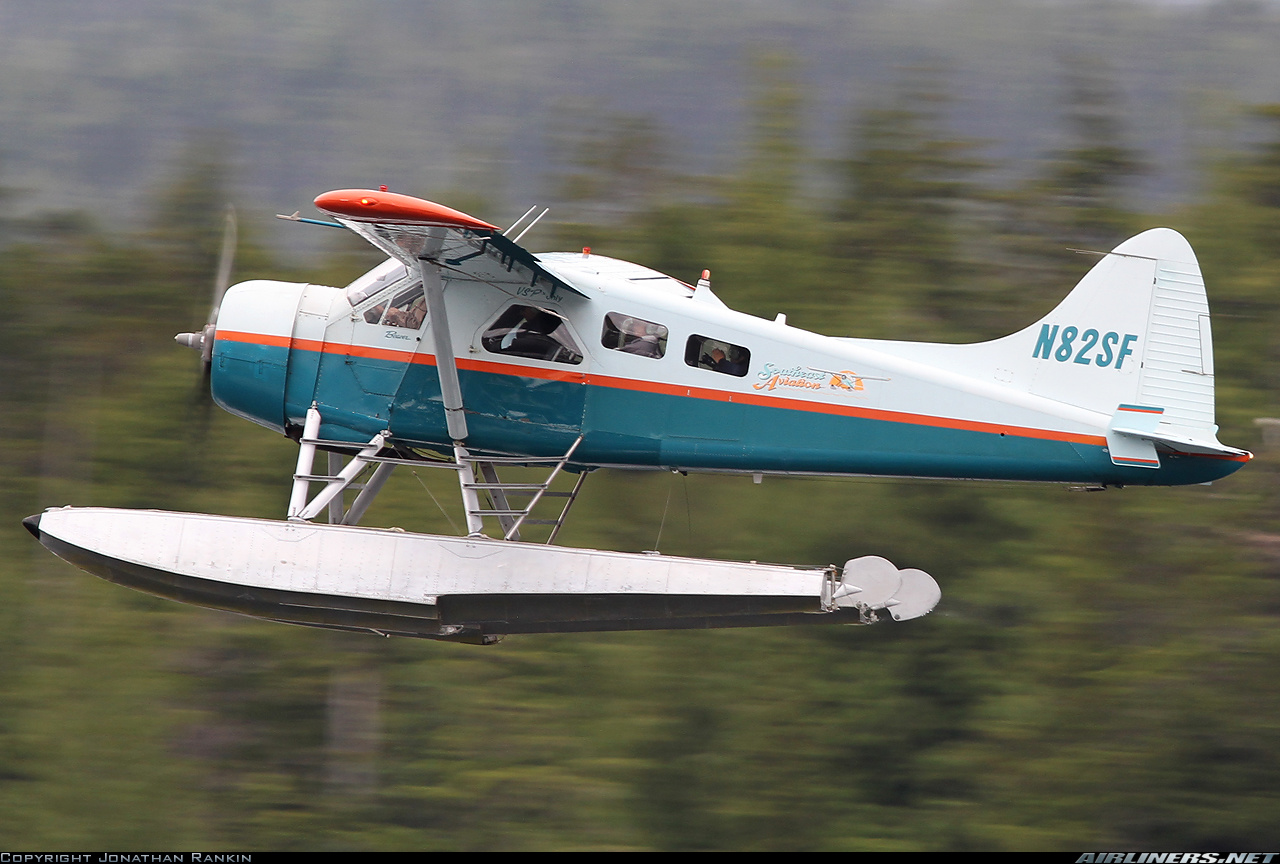
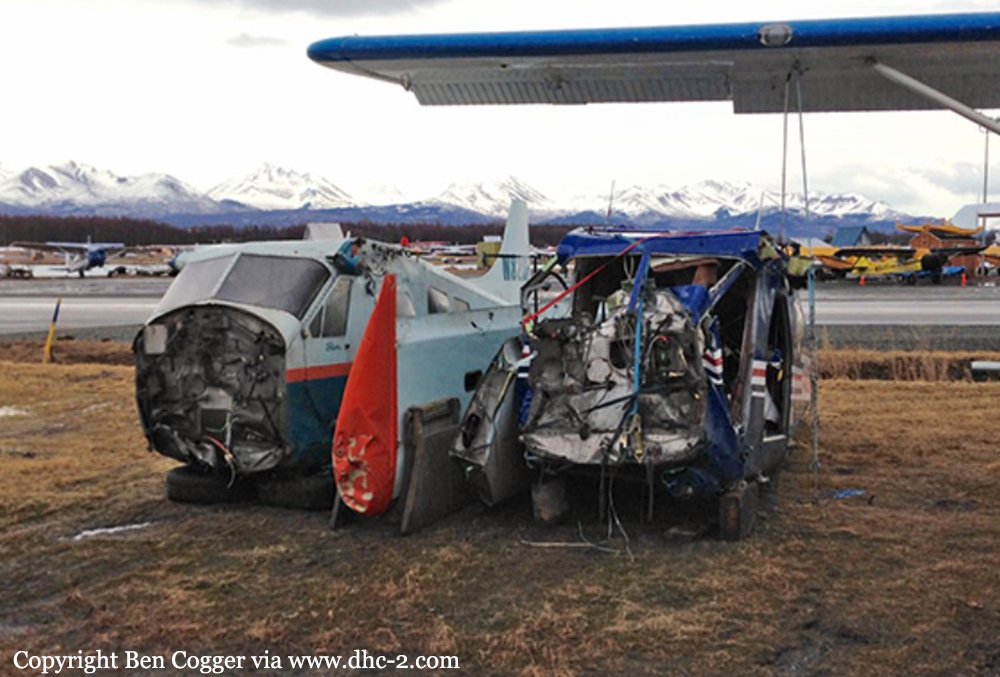
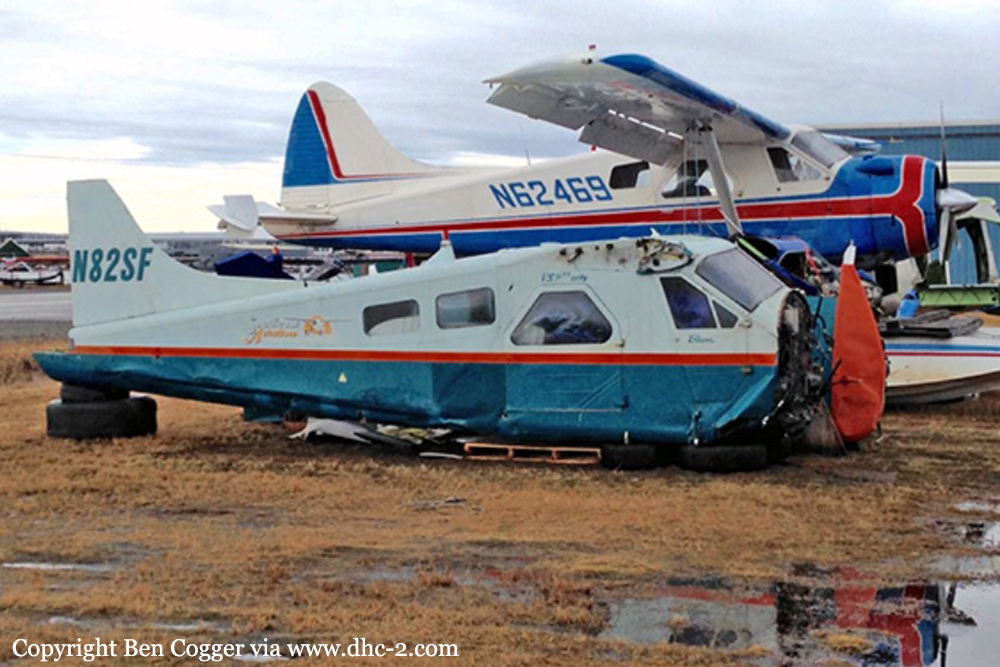
Crash of a De Havilland DHC-2 Beaver near Niblack

Date & Time: Mar 13, 2012 at 1040 LT
Type of aircraft:
Operator:
Registration:
N82SF
Flight Phase:
Survivors:
Yes
Schedule:
Niblack - Ketchikan
MSN:
839
YOM:
1955
Location:
Crew on board:
1
Crew fatalities:
Pax on board:
1
Pax fatalities:
Other fatalities:
Total fatalities:
0
Captain / Total flying hours:
23000
Captain / Total hours on type:
12000.00
Aircraft flight hours:
17574
Circumstances:
The pilot departed from an off-airport site in marginal visual flight rules conditions. Shortly after departure, the weather worsened, and flight visibility dropped to near zero in heavy snow. He attempted to follow the shoreline at a low altitude but was unable to maintain visual contact with the ground. He stated that he saw trees immediately in front of the airplane and attempted a right turn toward what he thought was an open bay. During the turn, the right float contacted a rock outcrop, and the airplane impacted the water. The pilot did not report any mechanical anomalies that would have precluded normal operation.
Probable cause:
The pilot's decision to depart in marginal visual meteorological conditions, and his continued visual flight into instrument meteorological conditions.
Final Report:

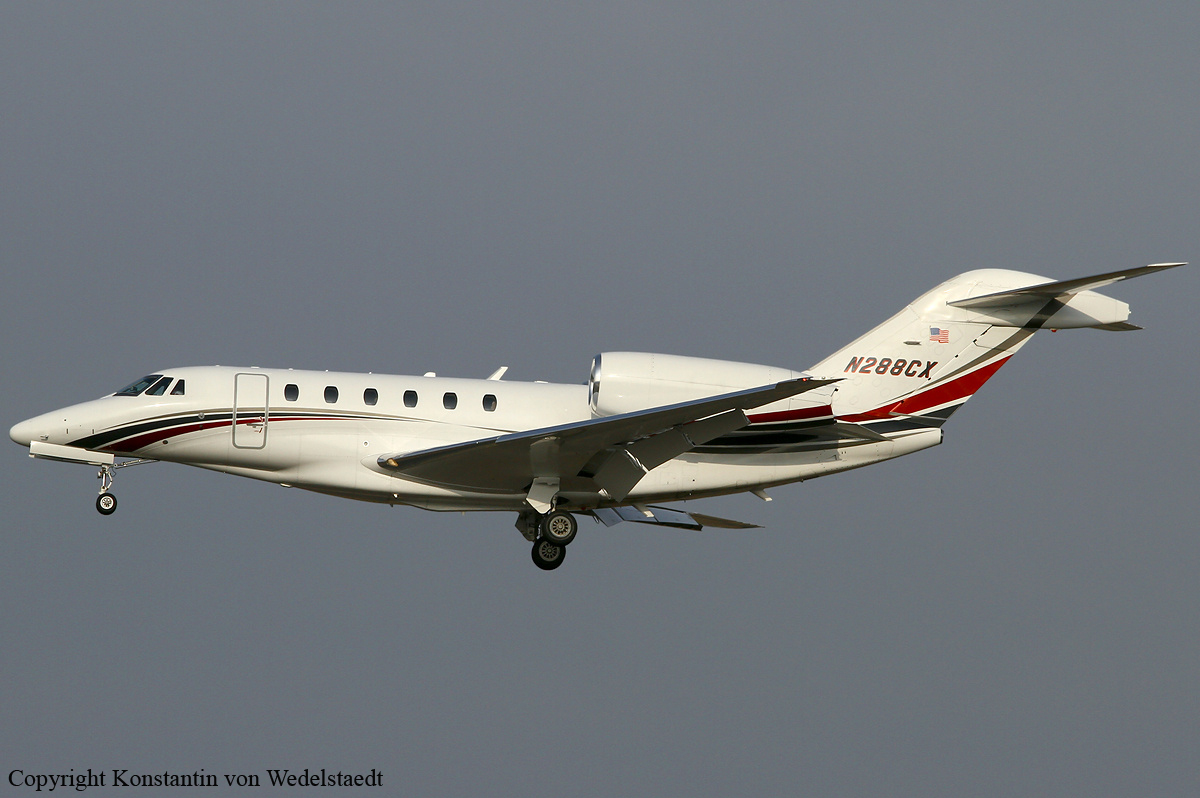
Crash of a Cessna 750 Citation X in Egelsbach: 5 killed

Date & Time: Mar 1, 2012 at 1856 LT
Type of aircraft:
Operator:
Registration:
N288CX
Survivors:
No
Schedule:
Linz – Egelsbach - Bratislava
MSN:
750-0219
YOM:
2003
Location:
Country:
Region:
Crew on board:
2
Crew fatalities:
Pax on board:
3
Pax fatalities:
Other fatalities:
Total fatalities:
5
Captain / Total flying hours:
4580
Copilot / Total flying hours:
3000
Aircraft flight hours:
3377
Aircraft flight cycles:
2223
Circumstances:
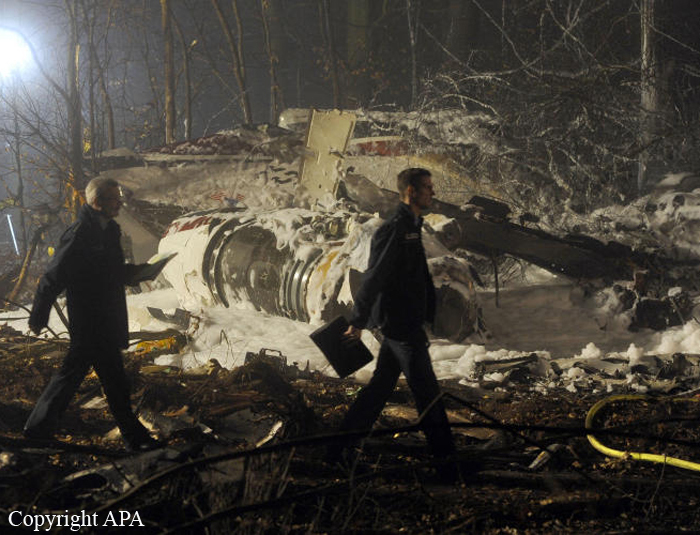
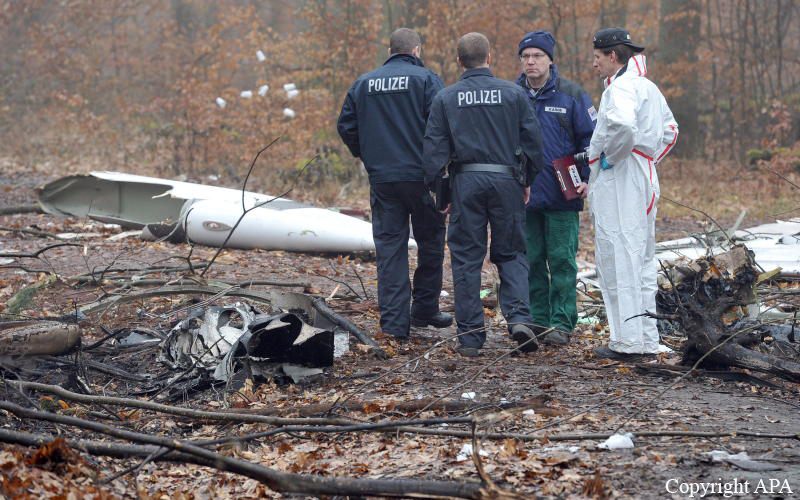
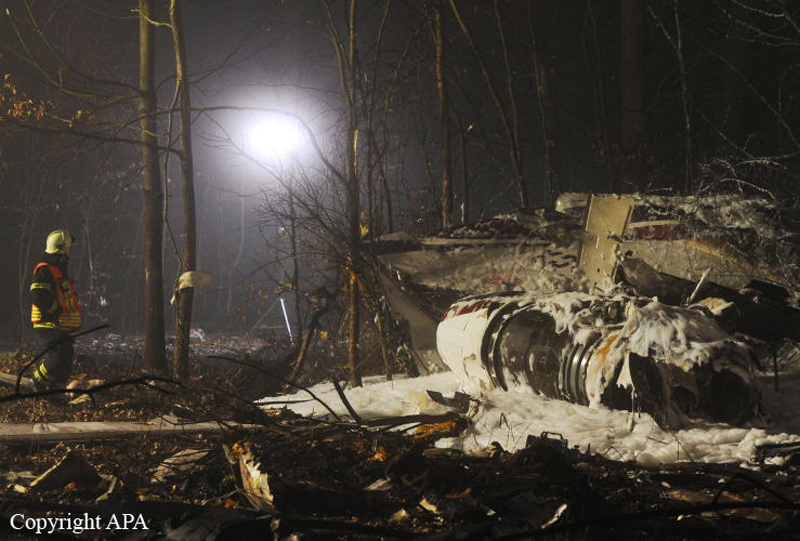
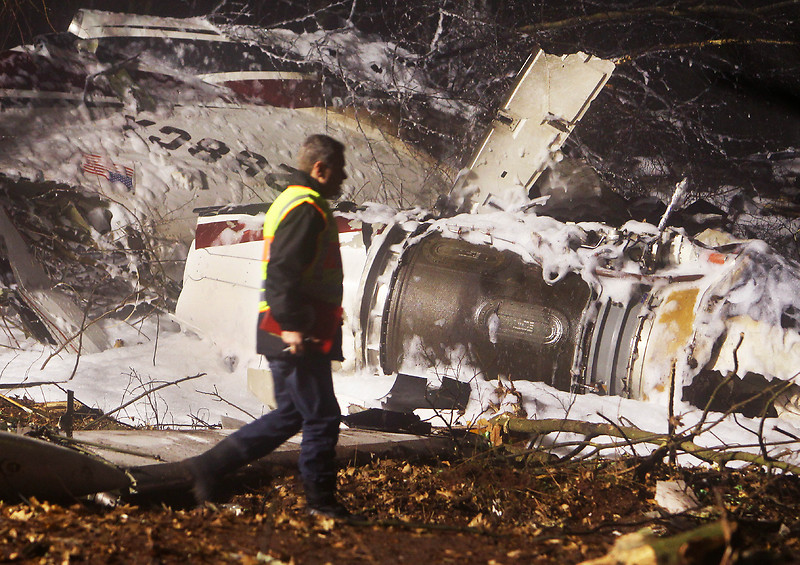
The airplane was on a business trip in Austria from Innsbruck via Salzburg to Linz. At 1816 hrs the airplane took off in Linz with two pilots and three passengers aboard; destination airport was to be Bratislava, Czech Republic. On the way to Bratislava a stopover in Egelsbach, Germany (EDFE) was planned; an additional passenger would board there. For the flight from Linz to Egelsbach a Y-flight plan was filed; it scheduled a flight according to Instrument Flight Rules (IFR) including an approach according to Visual Flight Rules (VFR). At 1824 hrs the airplane reached German airspace. The radio communication recorded by the air traffic service provider showed that the Cessna Citation 750 crew made the initial call to Langen Radar at 1836:54 hrs on frequency 120.575 MHz. At 1839:10 hrs the air traffic controller cleared a descent to Flight Level (FL) 140 after the identification of the airplane. Initially, the crew did not understand the instruction to fly a left turn toward SPESSART NDB and then later toward CHARLIE VOR. The Pilot in Command (PIC) apologized and let the controller know that he did not come here very often. At 1843:58 hrs a descent to 5,000 ft was instructed and the barometric air pressure QNH of 1,025 hPa passed. After "high speed approved" given by the controller the Citation 750 was passed on to Frankfurt Approach Control (136.125 MHz). At 1845:00 hrs the PIC made the initial call to Frankfurt Approach Control. He said he was in descent to 5,000 ft and did have the weather for Frankfurt. The controller issued a clearance for a visual approach at night (VFR Night) to Frankfurt-Egelsbach Airfield and asked him to report "Egelsbach in sight". The co-pilot acknowledged the clearance and that he would report "field in sight". The controller asked for a confirmation by the crew that it was indeed a VFR Night flight. About one minute later the controller asked the pilot if the IFR part had already been cancelled. The copilot answered "negative". The controller apologized and said it was his fault and he should continue his flight to CHARLIE. The controller added: “Disregard the VFR Night“. The crew made contact with the destination airport with VHF 2. The Aviation Supervision Office at Frankfurt-Egelsbach told the PIC that he could choose his landing direction. The crew received the information that runway 27 was easier to approach and that YANKEE ZWO was a good approach point. Afterwards the co-pilot said: “ … we’re proceeding direct to Egelsbach and we have just been talking to them we will take runway two seven for four miles final.” The controller advised of the “YANKEE inbound routing”; the pilot acknowledged with the reference that they were not yet flying VFR. The controller's information “ja however you may proceed YANKEE ONE“ was read back by the pilot with “YANKEE ONE“. The read-out of the Cockpit Voice Reorder (CFR) indicates that the crew had entered reporting point ECHO into the Flight Management System (FMS). The crew asked for a descent clearance to 4,000 ft which was granted at 1850:59 hrs. At 1851:36 hrs a descent for 3,000 ft was cleared. The pilot acknowledged the clearance with “…descend three thousand“; the controller answered: “….direct YANKEE ZWO für die zwo sieben“ (direct YANKEE ZWO for the two seven). After a further descent clearance to 2,500 ft, the controller asked at 1853:58 hrs if the pilot could cancel the IFR part. The co-pilot answered "affirmative". The controller confirmed the change from IFR to VFR with the time indication of 17:54 UTC. He added that the pilot should continue his descent to 1,500 ft or lower for the VFR Night flight and report airfield in sight. The pilot acknowledged that he would report back once he had the airfield in sight. Afterwards the PIC ordered “Flaps five“ which the co-pilot acknowledged with "Speed check. Flaps five selected“. According to the radar recording the airplane passed reporting point ECHO at 1854:42 hrs. The airplane passed YANKEE ONE to the south with a distance of 1.2 Nautical Miles (NM). The read-out of the Flight Data Recorder (FDR) data showed the airplane was in 2,800 ft AMSL at that time. The ground speed was about 285 kt with a rate of descent of 600 ft/min. Ten seconds after the PIC said “Okay. Let’s slow it down“ the flaps were set to 15° and the landing gear was extended. At that time the airplane was in about 1,770 ft AMSL with a brief rate of descent of 2,500 ft/min. At 1855:05 hrs the controller reported “…, field now eleven clock position, range six miles.“ The co-pilot answered that he had the airfield in sight after he had gotten the PIC's assurance. The airplane turned left to a heading of about 265°. At that time the rate of descent was about 600 ft/min and speed decreased further with 1 kt/s. At 18 55:16 hrs the last radio communication with Frankfurt Approach Control was “…. approved to leave any time …" which the co-pilot acknowledged. The co-pilot established radio contact with the Flugleiter of Egelsbach Airfield where he was asked to report airfield in sight. According to the recorded communication be-tween crew and Frankfurt-Egelsbach Info the runway lighting including the strobe lights were activated. The FDR recorded that at 1855:32 hrs the altitude select of the auto flight system was changed from 1,500 ft to 1,160 ft AMSL. The radar data showed that the on-request reporting point YANKEE TWO was passed at 1855:37 hrs in 1,530 ft AMSL with an airspeed of 175 kt. Based on the determined data the airplane was in about 820 ft AGL. At 1855:56 hrs the preselected altitude was reduced to 580 ft. The co-pilot's comment “….thousand feet above“ answered the PIC with “… and three miles to go only“. At 1856:06 hrs the radio altimeter reported “Five hundred“. The rate of descent was now 1,200 ft/min and increased in the following ten seconds up to 2,500 ft/min. The flaps drove from 15° to 35°. Two seconds after the radio altimeter the Enhanced Ground Proximity Warning System (EGPWS) generated the announcement "Sink rate, pull up, pull up, pull up, ...". Seven seconds after the beginning of the EGPWS warning the co-pilot said: “That’s five ….three hundred feet“. At 1856:08 hrs the EGPWS announced "...sink rate, too low, terrain, sink rate, terrain." The PIC asked "Terrain?" which the co-pilot answered with "Terrain!!!". At that moment an elevator deflection of up to 17° nose up occurred. The pitch increased from -4° to +20° within two seconds. At 1856:22 hrs the airplane collided with trees one second before the airplane reached the maximum pitch. At the time the autopilot was engaged. The engine parameter N1 (engine thrust) remained at 34% for both engines until the end of the recording. In the further course of the accident individual parts of the airplane were torn off by contact with trees. About 430 m after the initial tree contact the airplane impacted the ground. Prior to the impact the airplane had inverted itself. About 25 m prior to the ground impact both wings were torn-off by trees. The accident site was about 3.6 km (1.96 NM) from the threshold of runway 27 of Frankfurt-Egelsbach Airfield. The airplane was destroyed by impact forces and ensuing fire. Both pilots and the three passengers sustained fatal injuries.
Final Report:

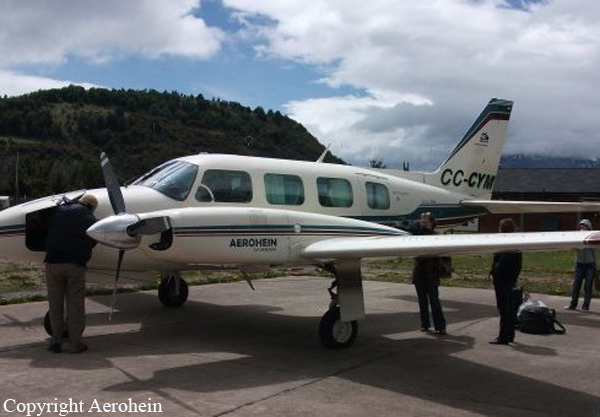
Crash of a Piper PA-31-325 Navajo C/R near Quellón: 8 killed

Date & Time: Mar 1, 2012 at 1215 LT
Type of aircraft:
Operator:
Registration:
CC-CYM
Flight Phase:
Survivors:
No
Site:
Schedule:
Melinka – Quellón
MSN:
31-8012016
YOM:
1980
Country:
Crew on board:
1
Crew fatalities:
Pax on board:
7
Pax fatalities:
Other fatalities:
Total fatalities:
8
Captain / Total flying hours:
10508
Aircraft flight hours:
3406
Circumstances:
The twin engine aircraft departed Melinka Airport at 1200LT on a taxi flight to Quellón, carrying seven passengers and one pilot. Eight minutes later, the pilot reported his position at 6,500 feet some 20 NM south of the destination. Six minutes later, at 1214LT, he reported at 3,000 feet some 10 NM southwest of Quellón. Shortly later, radar and radio contacts were lost after the airplane impacted the slope of a mountain located in the Piedra Blanca Mountain Range. The wreckage was found 15 km southwest of Quellón. The aircraft was destroyed by impact forces and all eight occupants were killed. At the time of the accident, weather conditions were poor with rain, fog and strong winds.
Probable cause:
Controlled flight into terrain following the decision of the pilot to continue the flight under VFR mode in IMC conditions.
The following contributing factors were identified:
- Cloudy conditions affecting the area where the accident occurred,
- Entering IMC conditions without clearance,
- Not maintaining the flight under VFR.
Final Report:

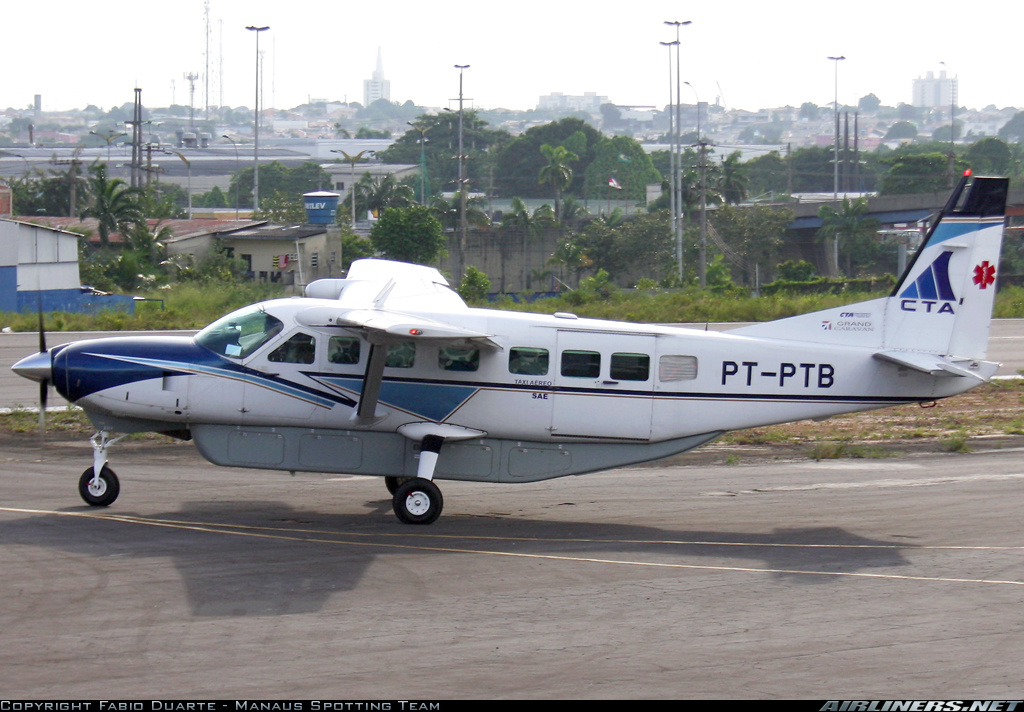
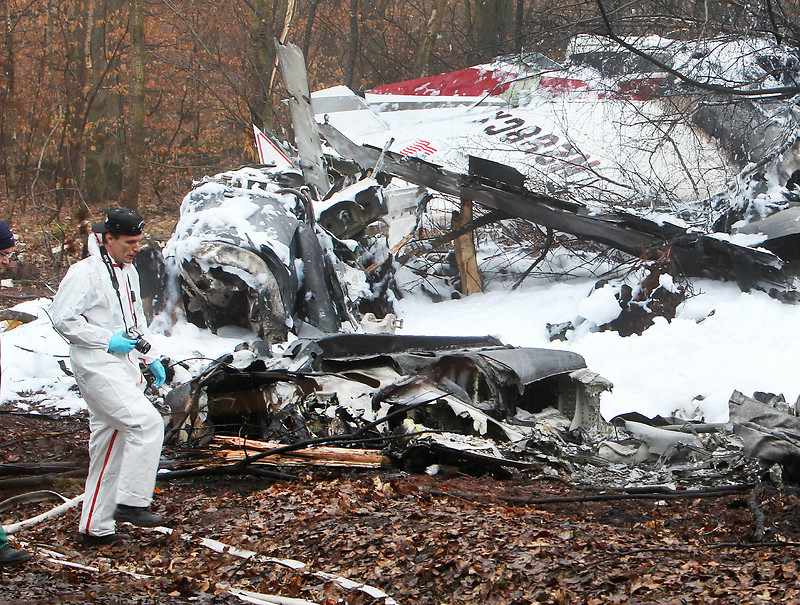
Crash of a Cessna 208B Grand Caravan in Manaus: 1 killed

Date & Time: Feb 28, 2012 at 0715 LT
Type of aircraft:
Operator:
Registration:
PT-PTB
Flight Phase:
Flight Type:
Survivors:
No
Schedule:
Manaus - Manaus
MSN:
208B-0766
YOM:
1999
Country:
Crew on board:
1
Crew fatalities:
Pax on board:
0
Pax fatalities:
Other fatalities:
Total fatalities:
1
Captain / Total flying hours:
12000
Captain / Total hours on type:
158.00
Circumstances:
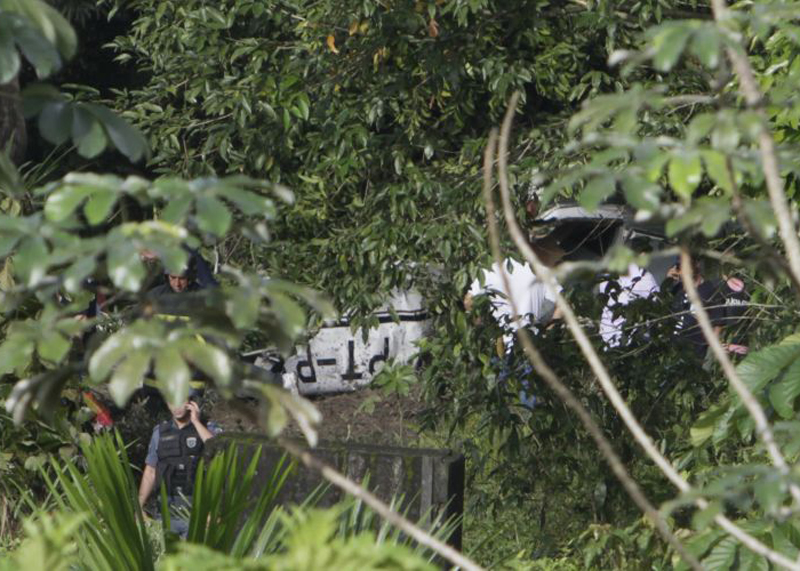
The pilot was performing a positioning flight from Manaus-Aeroclube de Flores Airport to the international Airport of Manaus-Eduardo Gomes. Shortly after takeoff from runway 11 which is 860 metres long, the single engine aircraft failed to gain sufficient altitude. It collided with an electric pole, stalled and crashed in a wooded area. The pilot, sole occupant, was killed.
Probable cause:
It was determined that the loss of control results from the fact that the flight controls were locked. Investigations show that the pilot failed to prepare the flight properly, that he did not follow the pre takeoff checklist and that he rushed the departure. It was reported that the operator was using since two years a control lock that had not been approved by the Civil Aviation Authority, and that no procedure had been put in place place concerning this lock system.
Final Report:

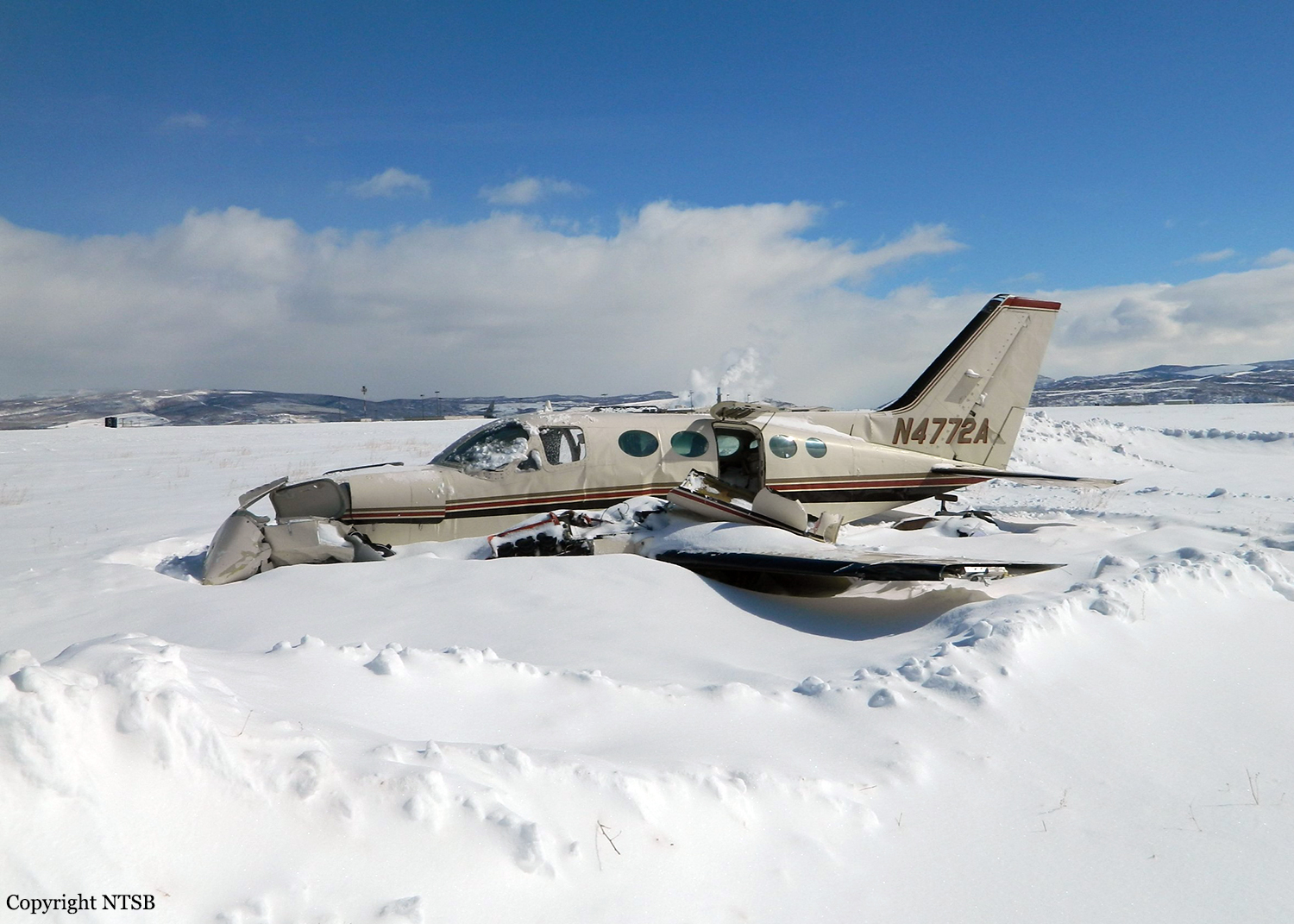
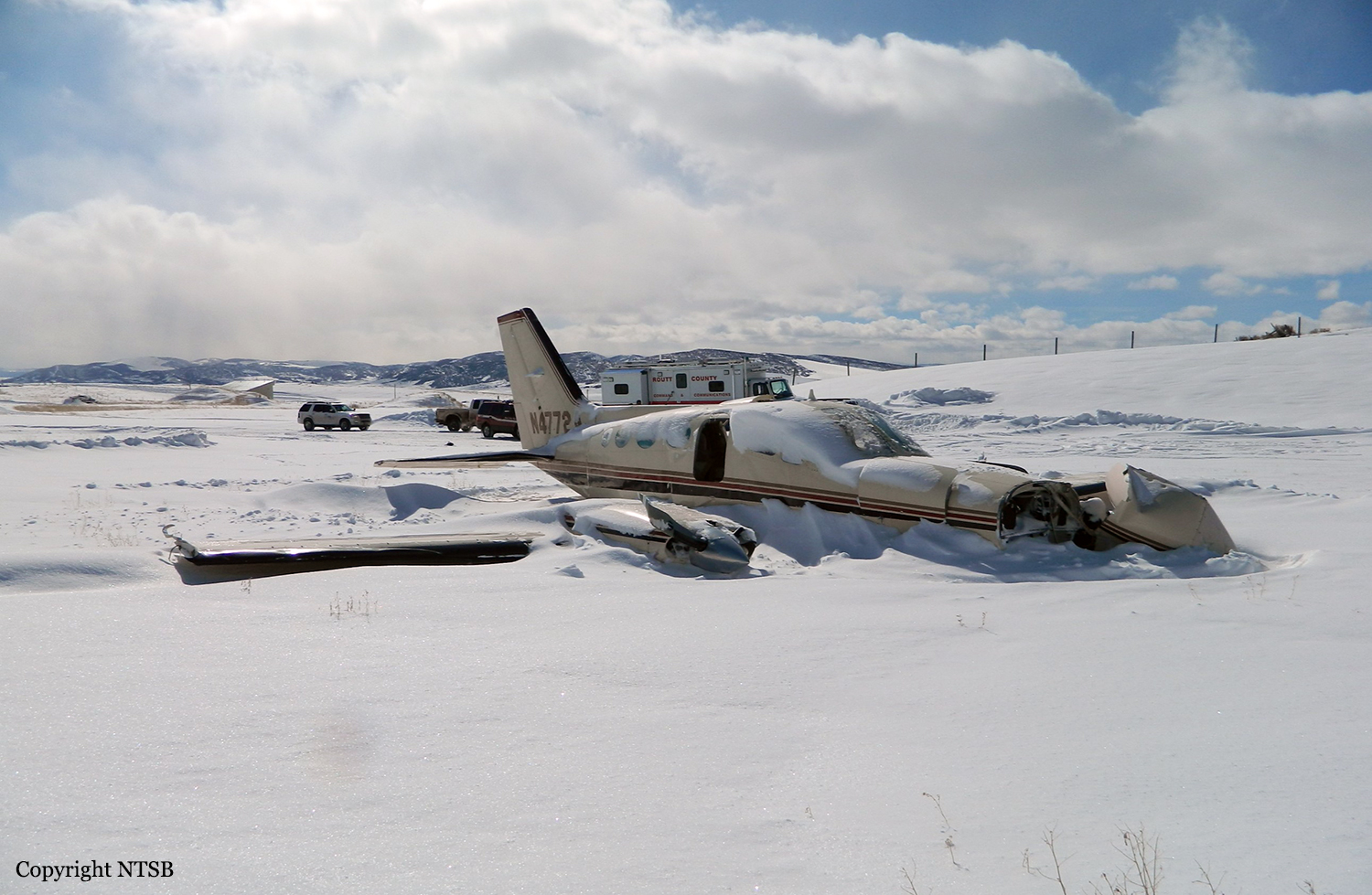
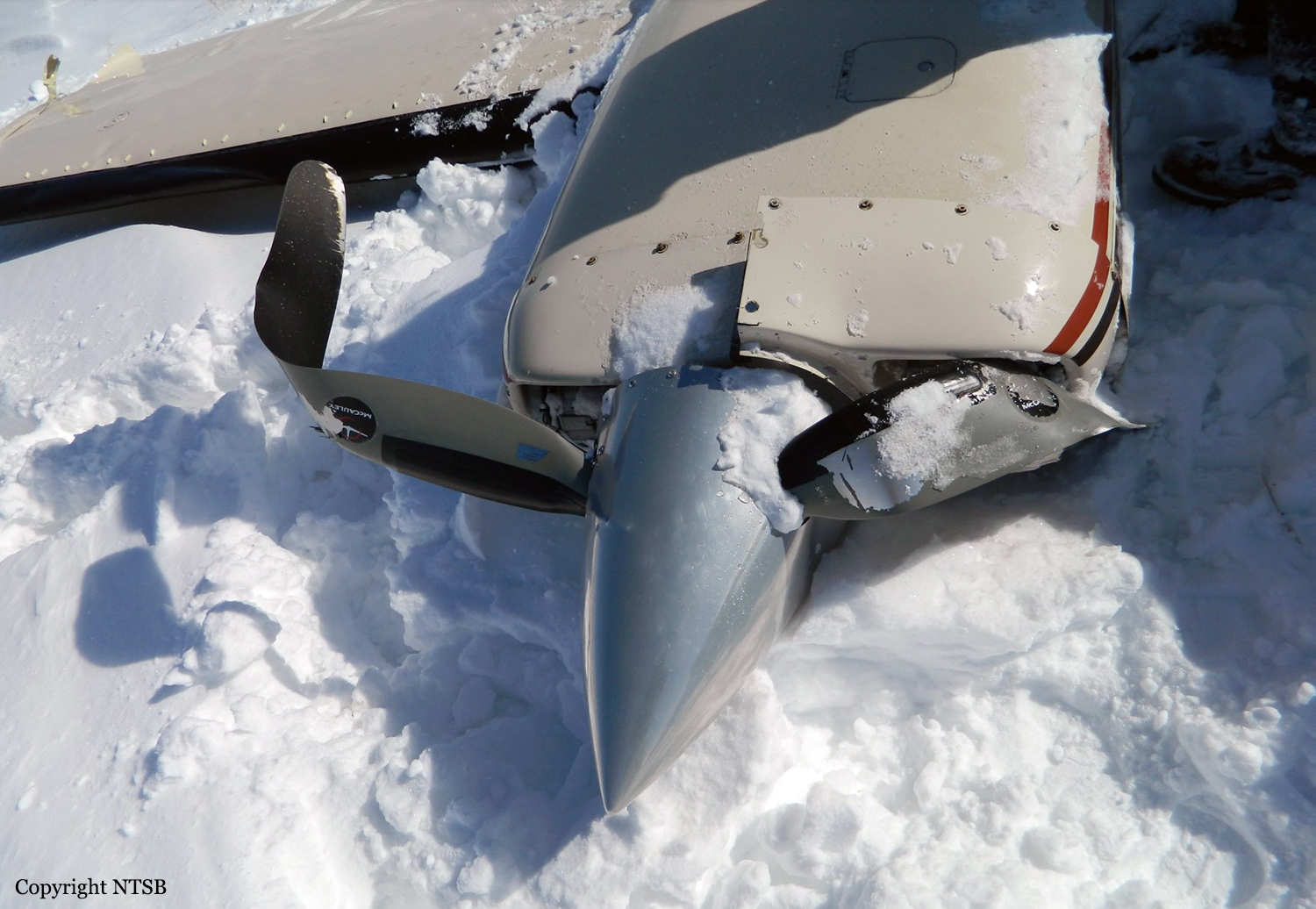
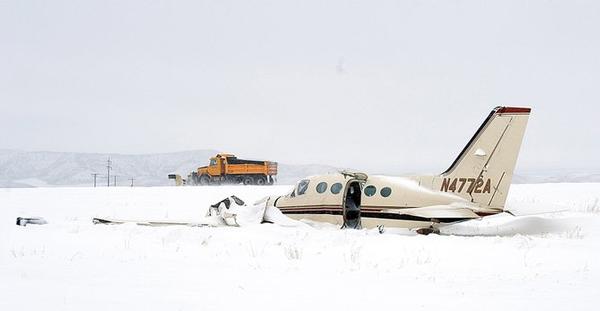
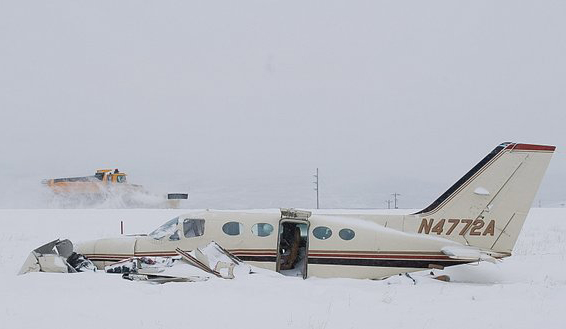
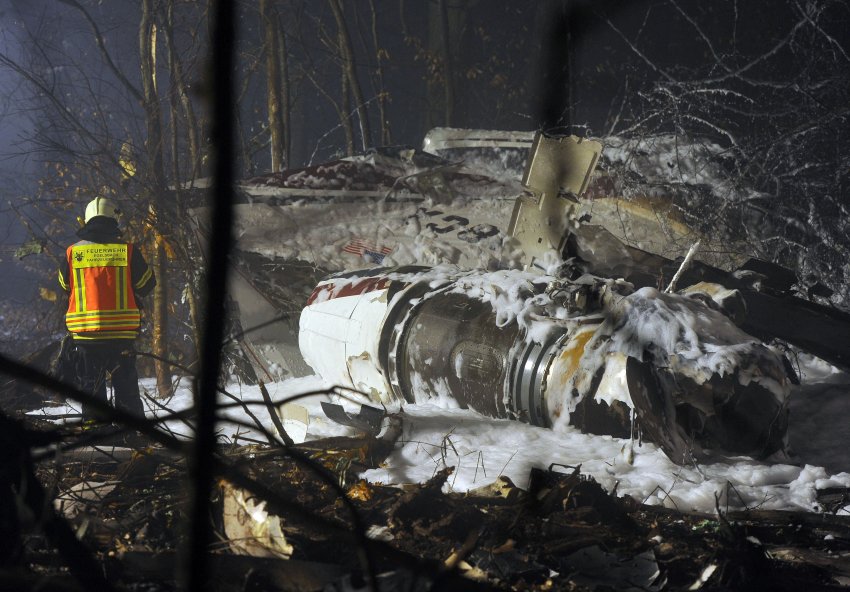
Crash of a Cessna 414A Chancellor in Hayden: 2 killed

Date & Time: Feb 19, 2012 at 1525 LT
Type of aircraft:
Registration:
N4772A
Flight Type:
Survivors:
Yes
Schedule:
Dalhart - Hayden
MSN:
414-0095
YOM:
1978
Crew on board:
1
Crew fatalities:
Pax on board:
5
Pax fatalities:
Other fatalities:
Total fatalities:
2
Circumstances:
The pilot performed an instrument approach to the runway with an approaching winter storm. A review of on-board global positioning system (GPS) data indicated that the airplane flew through the approach course several times during the approach and was consistently below the glideslope path. The airplane continued below the published decision height altitude and drifted to the right of the runway’s extended centerline. The GPS recorded the pilot’s attempt to perform a missed approach, a rapid decrease in ground speed, and then the airplane descend to the ground, consistent with an aerodynamic stall. Further, the airplane owner, who was also a passenger on the flight, stated that, after the pilot made the two “left turning circles” and had begun a third circle, he perceived that the airplane “just stalled.” An examination of the airframe and engine did not detect any preimpact anomalies that would have precluded normal operation. The airplane’s anti-ice and propeller anti-ice switches were found in the “off” position. A review of weather information revealed that the airplane was operating in an area with the potential for moderate icing and snow. Based on the GPS data and weather information, it is likely that the airframe collected ice during the descent and approach, which affected the airplane’s performance and led to an aerodynamic stall during the climb.
Probable cause:
The pilot’s inadvertent stall during a missed approach. Contributing to the accident was the pilot’s operation of the airplane in forecasted icing conditions without using all of its anti-ice systems.
Final Report:

Crash of a Pilatus U-28A near Djibouti City: 4 killed

Date & Time: Feb 18, 2012 at 1918 LT
Type of aircraft:
Operator:
Registration:
07-0736
Flight Type:
Survivors:
No
Schedule:
Djibouti City - Djibouti City
MSN:
0736
YOM:
2006
Country:
Region:
Crew on board:
4
Crew fatalities:
Pax on board:
0
Pax fatalities:
Other fatalities:
Total fatalities:
4
Captain / Total flying hours:
2316
Captain / Total hours on type:
2213.00
Copilot / Total flying hours:
1245
Copilot / Total hours on type:
1245
Circumstances:
On 18 February 2012, at approximately 1918 local time (L), a United States Air Force U-28A aircraft, tail number 07-0736, crashed five nautical miles (NM) southwest of Ambouli International Airport, Djibouti. This aircraft was assigned to the 34th Special Operations Squadron, 1st Special Operations Wing, Hurlburt Field, FL, and deployed to the 34th Expeditionary Special Operations Squadron, Camp Lemonnier, Djibouti. The aircraft was destroyed and all four aircrew members died instantly upon impact. The mishap aircraft (MA) departed Ambouli International Airport, Djibouti at 1357L, to accomplish a combat mission in support of a Combined Joint Task Force. The MA proceeded to the area of responsibility (AOR), completed its mission in the AOR and returned back to Djiboutian airspace at 1852L arriving overhead the airfield at 1910L to begin a systems check. The MA proceeded south of the airfield at 10,000 feet (ft) Mean Sea Level (MSL) for 10 NM then turned to the North towards the airfield, accomplished a systems check and requested entry into the pattern at Ambouli International Airport. This request was denied due to other traffic, and the MA was directed to proceed to the west and descend by Air Traffic Control (ATC). The MA began a left descending turn to the west and was directed by ATC to report final. The mishap crew (MC) reported they were passing through 4,000 ft MSL and would report when established on final approach. The MA, continuing to descend, initiated a right turn then reversed the turn entering a left turn while continually and smoothly increasing bank angle until reaching 55 degrees prior to impact. Additionally, the MA continued to steadily increase the descent rate until reaching 11,752 ft per minute prior to impact. The MC received aural “Sink Rate” and “Pull Up” alerts with no apparent corrective action taken. The MA impacted the ground at approximately 1918L, 5 NM southwest of Ambouli International Airport, Djibouti.
Probable cause:
The MC never lost control of the aircraft; there are no indications of mechanical malfunction; and there are no indications the crew took any actions to control or arrest the descent rate and nose down attitude. The evidence demonstrates that the MC did not recognize the position of the aircraft and, as a result, failed to take appropriate corrective actions. The only plausible reason for the MC not recognizing the situation or reacting to aural alerts is the cognitive disconnect associated with spatial disorientation. The Board President found that the clear and convincing evidence indicated the cause of the mishap was unrecognized spatial disorientation. Additionally, the Board President found by a preponderance of the evidence that failing to crosscheck and ignoring the “Sink Rate” caution substantially contributed to the mishap.
Final Report: