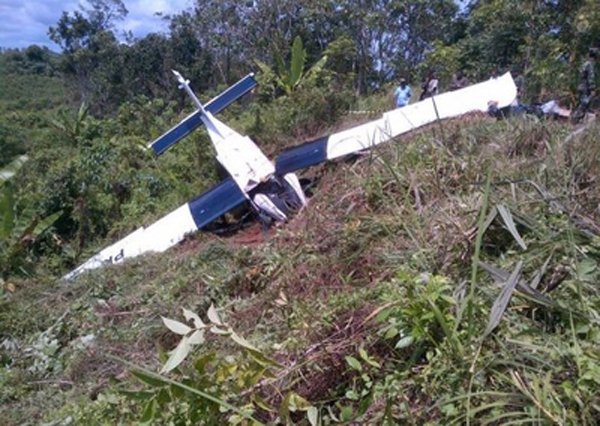
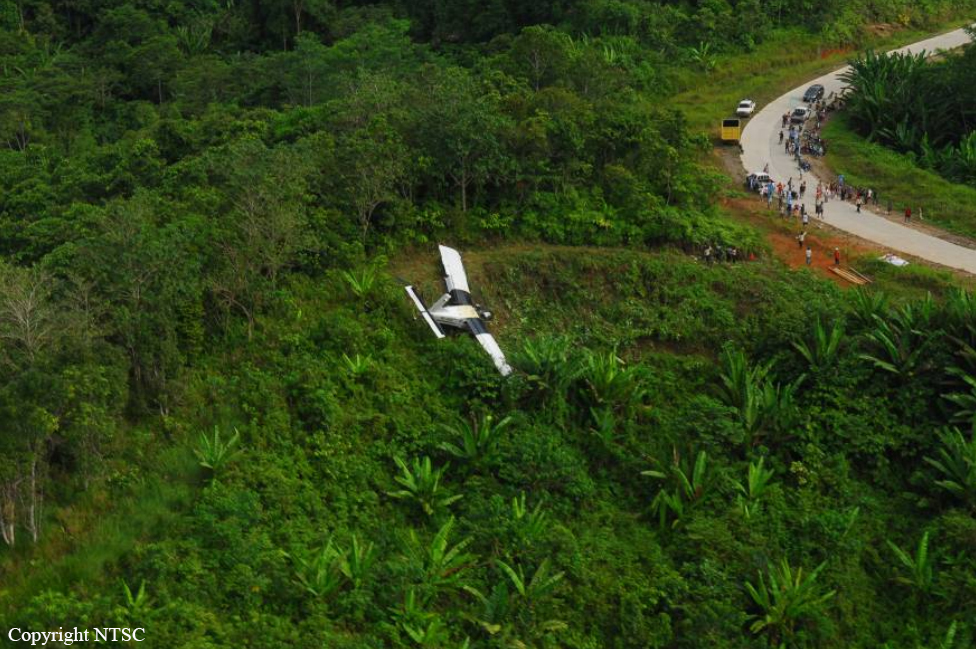
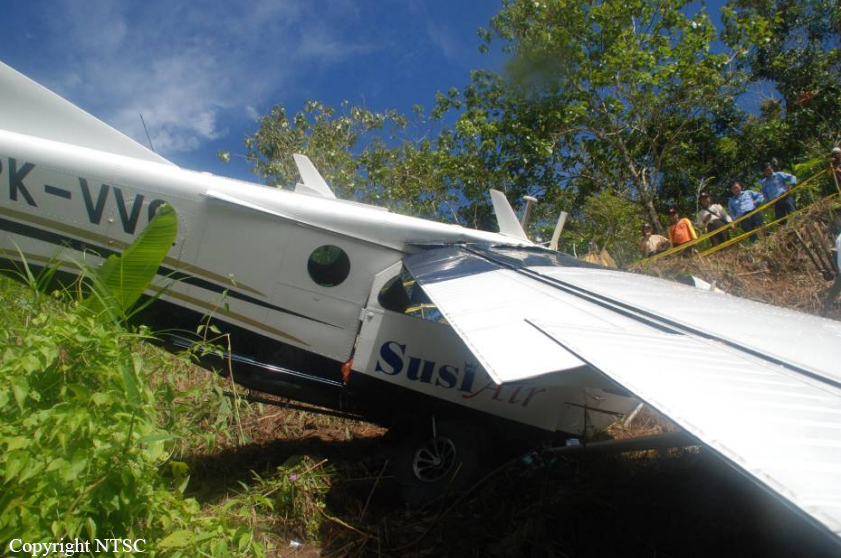
Crash of a Boeing 727-221F in Accra: 10 killed

Date & Time: Jun 2, 2012 at 1910 LT
Type of aircraft:
Operator:
Registration:
5N-BJN
Flight Type:
Survivors:
Yes
Schedule:
Lagos - Accra
MSN:
22540/1796
YOM:
1982
Flight number:
DHC111
Country:
Region:
Crew on board:
4
Crew fatalities:
Pax on board:
0
Pax fatalities:
Other fatalities:
Total fatalities:
10
Captain / Total flying hours:
14000
Captain / Total hours on type:
1464.00
Copilot / Total flying hours:
22463
Copilot / Total hours on type:
4180
Aircraft flight hours:
40251
Aircraft flight cycles:
25380
Circumstances:
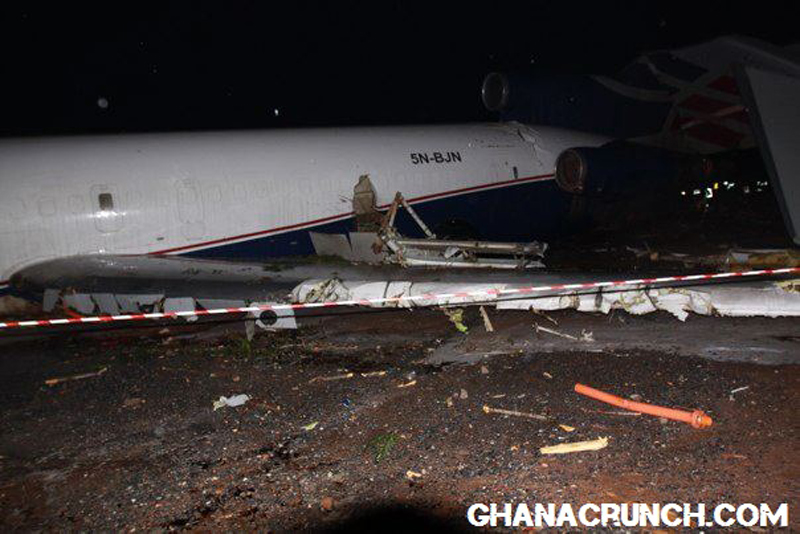
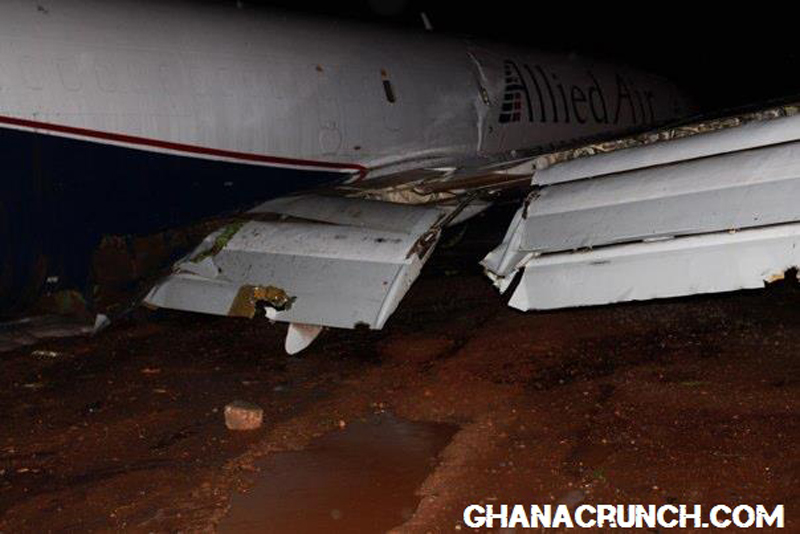
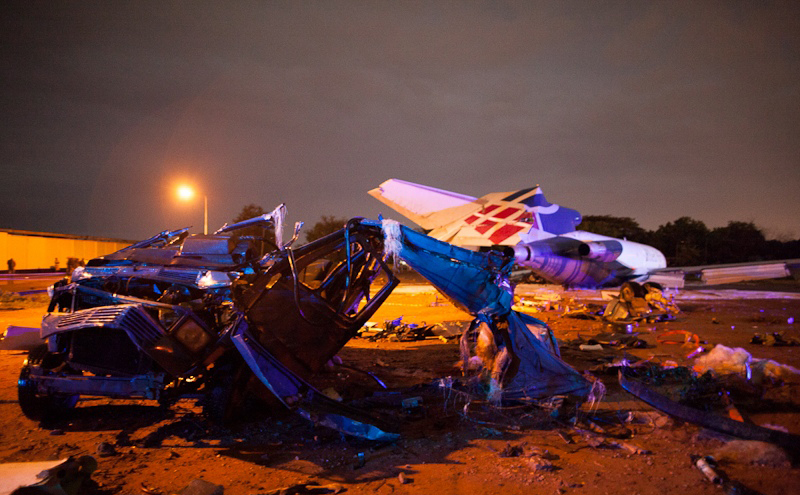
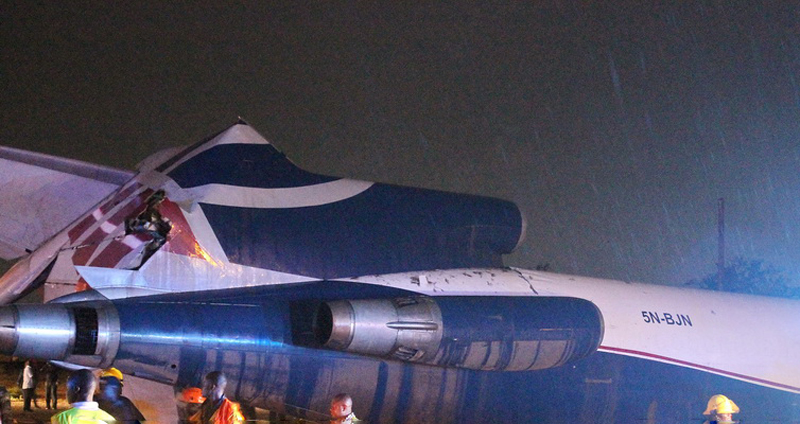
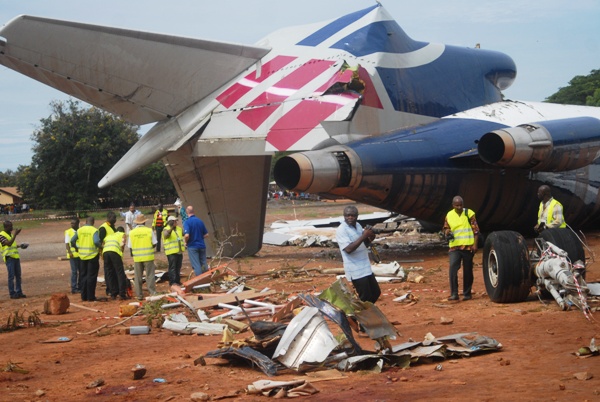
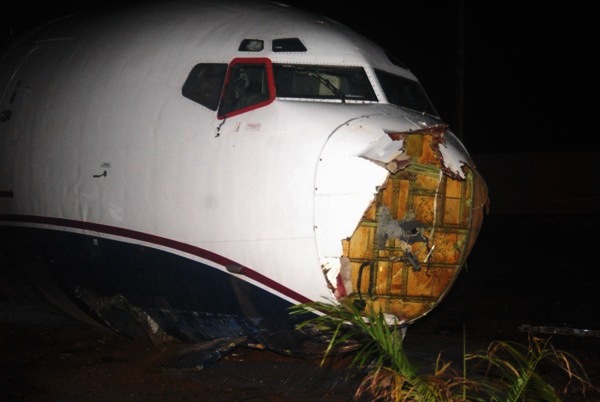
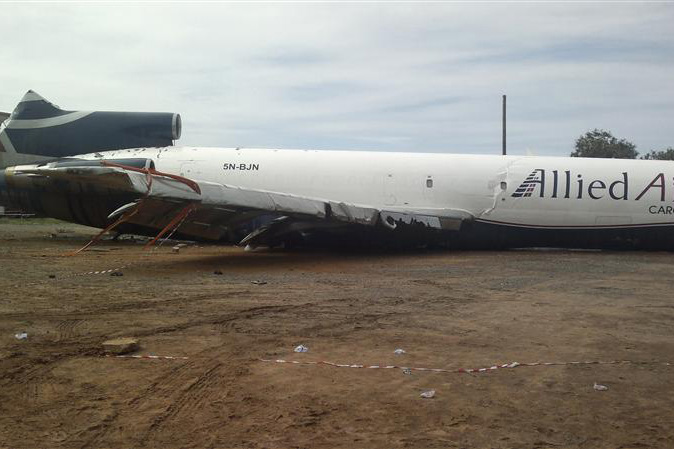
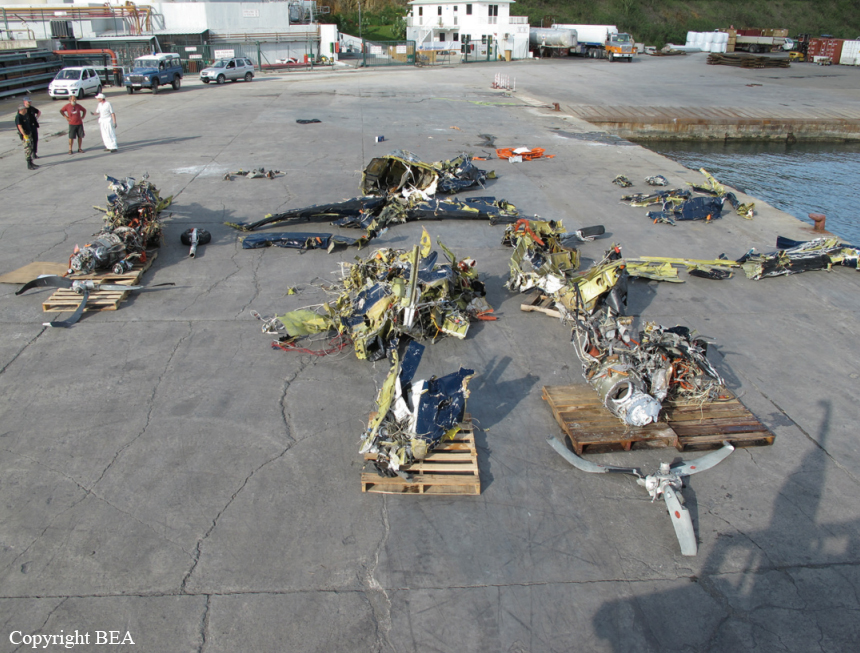
On 2nd June, 2012 at 1828hrs Allied Air Ltd Flight DHV 111, a Boeing 727-221 Cargo aircraft, Registration: 5N-BJN, departed Murtala Muhammed International Airport, Ikeja, Lagos-Nigeria to Kotoka International Airport, estimating Accra, Ghana at 1904hrs, en-route to Abidjan. While taxiing for take-off, the Flight Engineer observed that the CSD amber light (caution) had illuminated on the panel. With the Captain’s permission, it was disconnected. The flight was cleared Flight Level 240 and to maintain by Accra Area Control on 130.9MHz. The Flight was operating under Instrument Flight Rules (IFR) conditions and the flight was turbulent, the aircraft was cruising at a speed of 280kts which is the recommended turbulence speed. On the descent into Accra, the aircraft was cleared by Accra Approach on 119.5MHz initially to Flight Level 50 and later cleared to 2000ft. It was again instructed to climb to 3000ft due to high ground. On arrival at Accra, the Captain flew an Instrument Landing System (ILS) coupled approach, until he saw the runway. He then disconnected the autopilot at 500ft and manually flew the aircraft. After disconnecting the auto-pilot, he came into heavy IMC conditions in rain. The aircraft experienced an unstable approach at a high speed of 167kts and landed with a wind of 050/15kts at 154 kts and about 5807 ft from Runway 21 in nil visibility. The crew deployed thrust reversers and applied the normal brakes as well as the emergency pneumatic brakes but these actions were ineffective to stop the aircraft. Normally deploying the thrust reversers or applying the brakes would bring the nose wheel down. However, the nose gear was kept up. The speed brakes were not deployed. The crew reported seeing red lights rushing towards them soon after the main wheels touched the ground for the landing run. The aircraft nose gear never touched the ground until the aircraft went over the fence wall. A Lufthansa Flight DLH 566 operated on behalf of Lufthansa (LH) by Private Air which had landed earlier at 1902hrs reported a wind of 050/15kts and visibility of 3800m in rain. From the 2nd intersection where DLH 566 had stopped, ready to backtrack Runway 21, the crew observed Allied Air appeared to have landed at very high speed when the aircraft went past and could not determine whether the aircraft was taking off. A Lufthansa ground engineer who was waiting at the intersection to receive DLH 566 indicated the approximate touchdown point of DHV 111. Both the controller at the Tower and the Marshaller in the “follow me” vehicle waiting at the 1st Intersection saw Allied Air land between the 1st and 2nd intersections. The FDR indicated that the aircraft landed 4000 ft to the end of Runway 21. The full length of Runway 21 is 3403 m (11,162ft for take-off) but available for landing is 2990 m (9,807 ft). The FDR readout showed that the aircraft landed at 150 kts, and at 1.6 G, 5807 ft from the beginning of Runway 21 and 4000ft from the threshold of the Runway 03. The runway surface condition for braking as described by DLH crew was good. Shortly after Turkish Airline (THY 629) had landed, DLH 566 also landed followed by DHV 111. The aircraft over-run the runway and destroyed the Threshold Lights and the Approach lights on Runway 03. It knocked out the ILS Localizer transmitter structure and mounts, broke through the airport perimeter wall. The aircraft crossed Giffard Road, collided with a passenger mini bus killing all ten (10) persons on board. It uprooted a tree by the road side before finally coming to a stop at an open space near El-Wak Sport Stadium. The Emergency Locator Transmitter (ELT) was triggered by the impact. The right side of a taxi cab on the road was grazed by flying debris from the localizer transmitter structures carried along by the right wing of the aircraft. The leading edge of the wing was extensively damaged. The aircraft came to a rest outside the airport perimeter wall 1171 ft (350m) from the Threshold of Runway 03, heading 215° southwest, coordinates 05 35 13.67N 000o 10 29.20W. The four (4) crew members sustained minor injuries. The aircraft and the mini bus were all destroyed. At 1910hrs, RFFS was alerted by the Tower Controller through the crash alarm bell. It took 9 minutes for the firemen to get to the crash site. The Airport was closed for 45minutes during which runway inspection was carried out. No pool of water was found anywhere on the runway. Approximately one hour after the aircraft had over-run the runway, the Airport was re-opened to traffic. Other airlines including KLM and British Airways, landed. Even though the Technical Log Book had no records of deferred defect, the Captain in an interview said the windshield wipers where switched on during the landing phase but were unable to clear the rain. It was observed during the investigation that the windshield wipers were rather ¾ switched on.
Probable cause:
The probable causes of the accident were:
The decision of the Captain to continue with the landing instead of aborting at the missed approach point especially when he could hardly see through the windshield and when he did not know how far he had gone down the runway because of the rain and the tail wind components.
Contributory factors:
a. The Captain disconnected the auto-pilot and flew the aircraft manually in an unstable approach.
b. The Captain landed the aircraft at 4000ft to the threshold of Runway 03, 6060ft from Runway 21. He could not stop within the available distance.
c. The Captain chose to land with a tailwind of 050/15Kts in excess of maximum allowable tailwind of 10Kts.
d. The crew concentrated on tracking the Localizer rather than watching for threshold and runway edge lights. They suffered from fixation.
e. The Captain did not deploy speed brakes on landing.
Final Report:

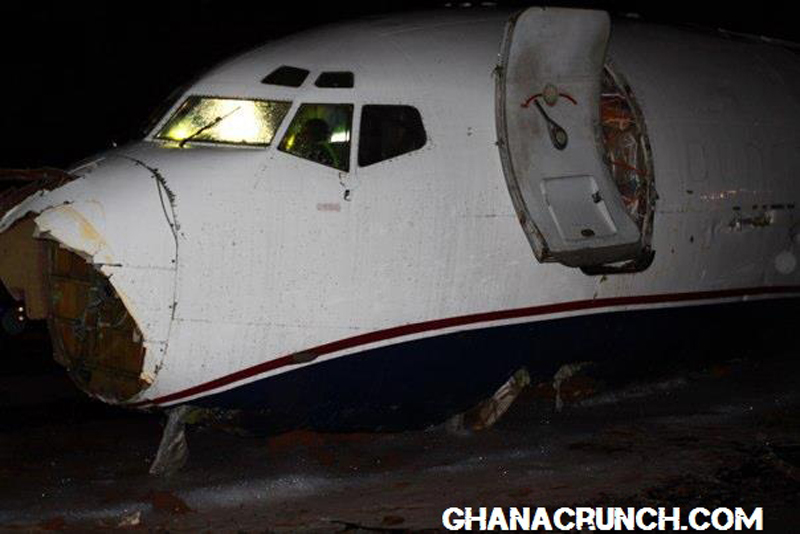
Crash of an Antonov AN-30B at Čáslav AFB

Date & Time: May 23, 2012 at 1150 LT
Type of aircraft:
Operator:
Registration:
04 black
Flight Type:
Survivors:
Yes
Schedule:
Čáslav - Čáslav
MSN:
0704
YOM:
1975
Region:
Crew on board:
4
Crew fatalities:
Pax on board:
19
Pax fatalities:
Other fatalities:
Total fatalities:
0
Circumstances:
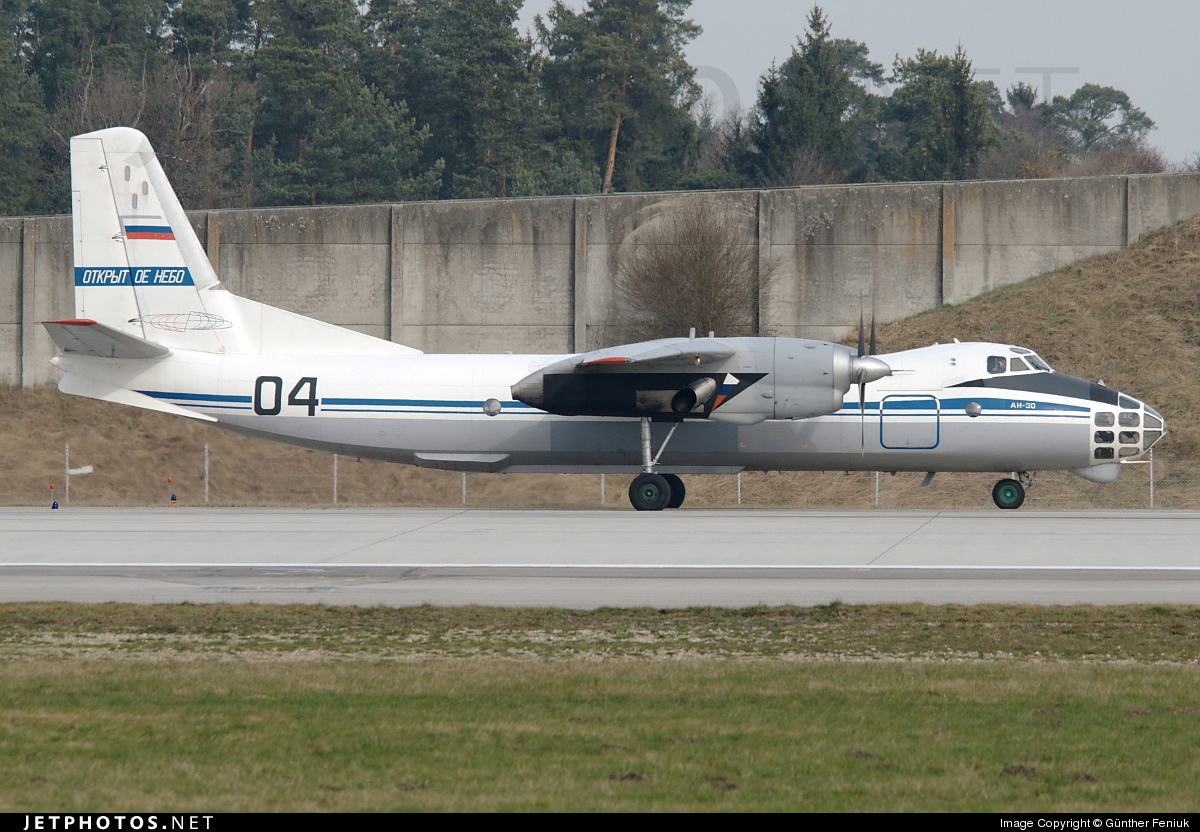
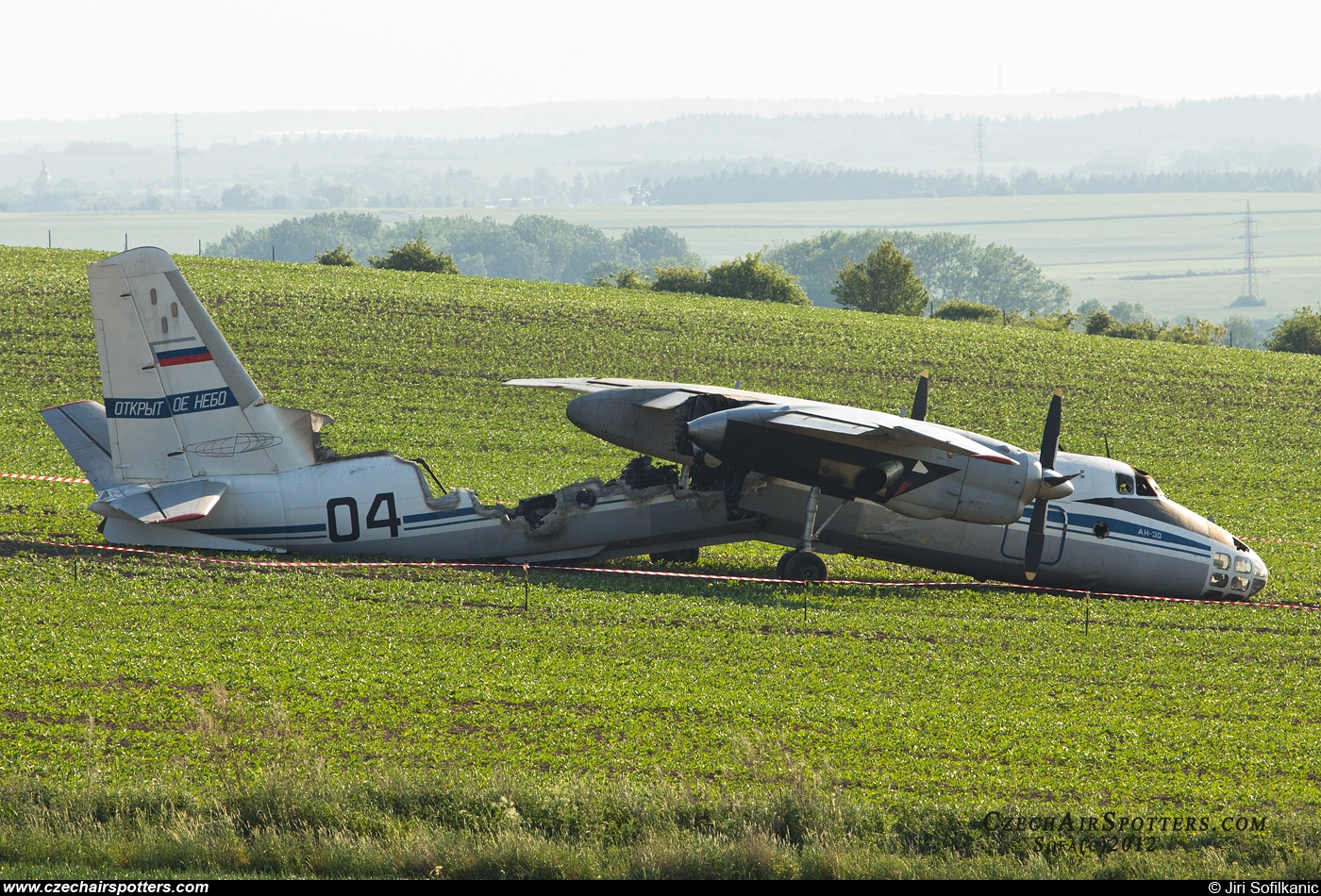
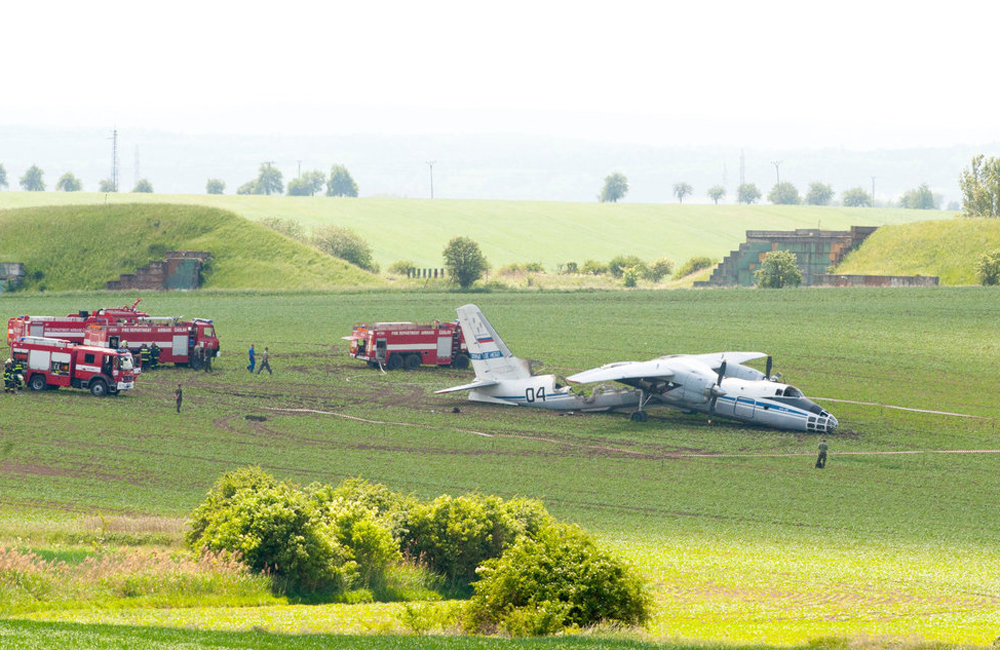
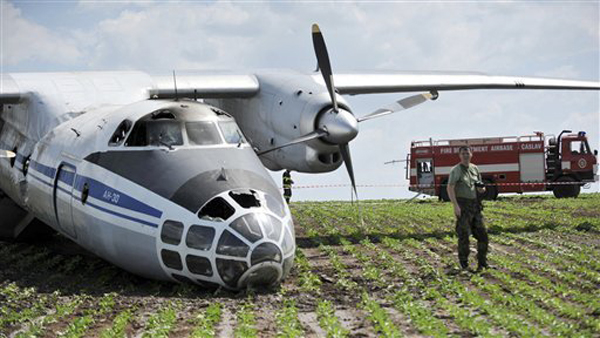
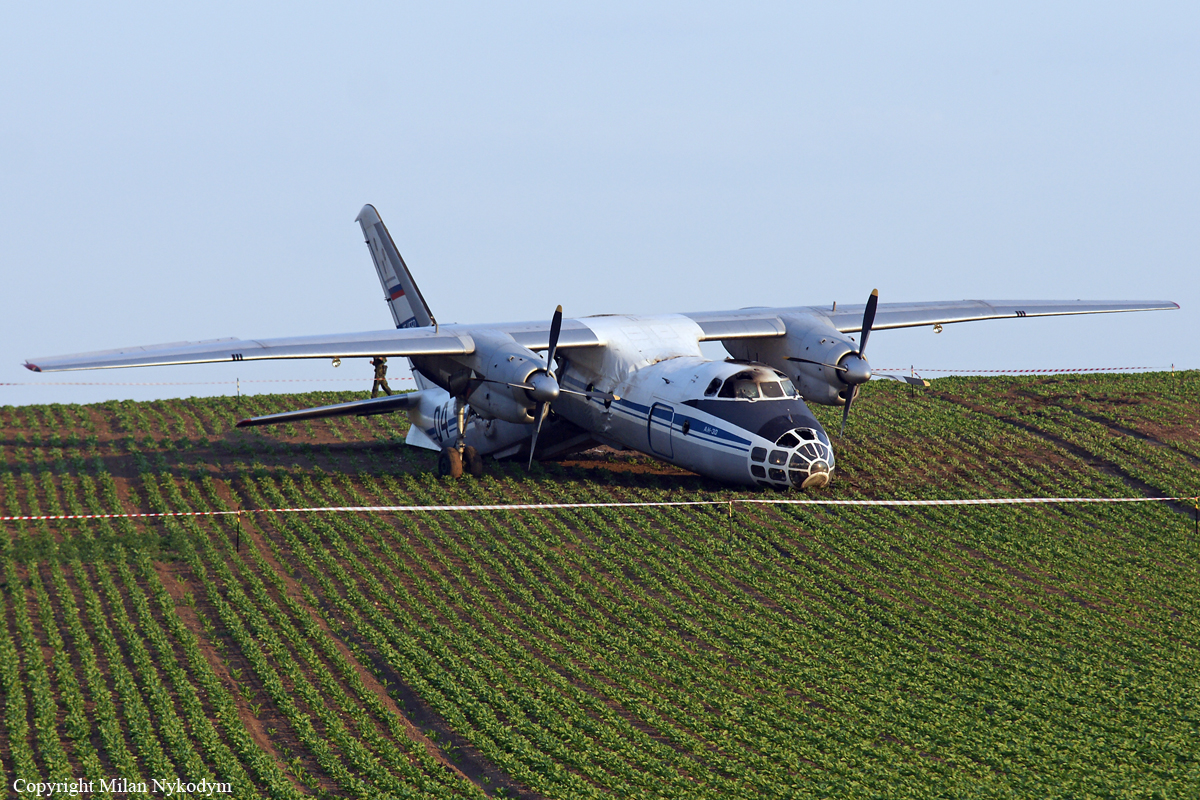
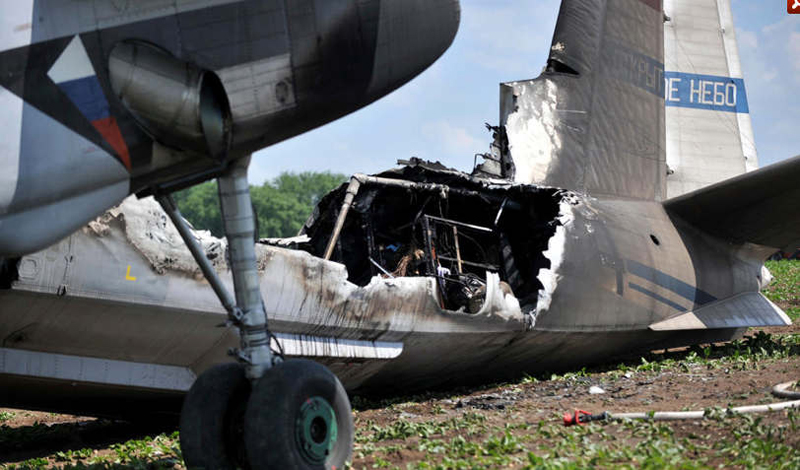
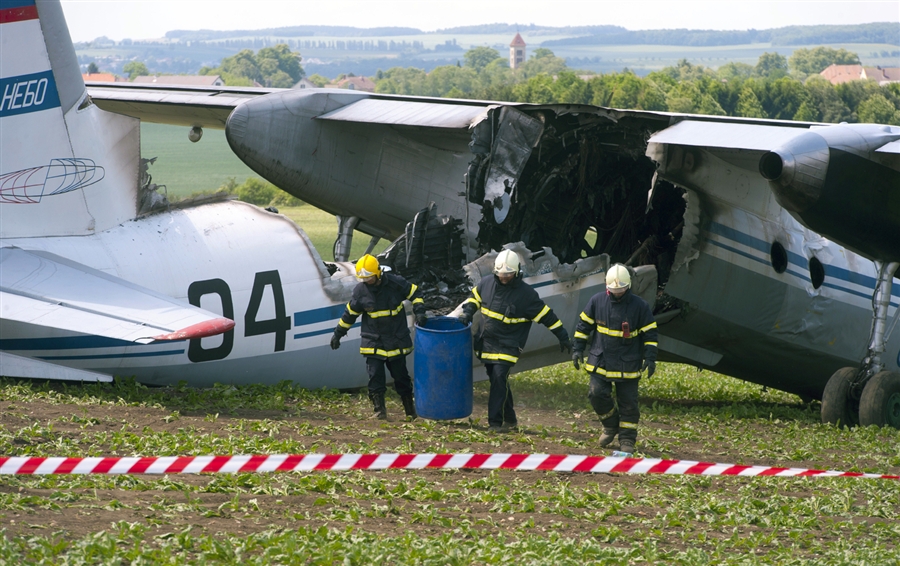
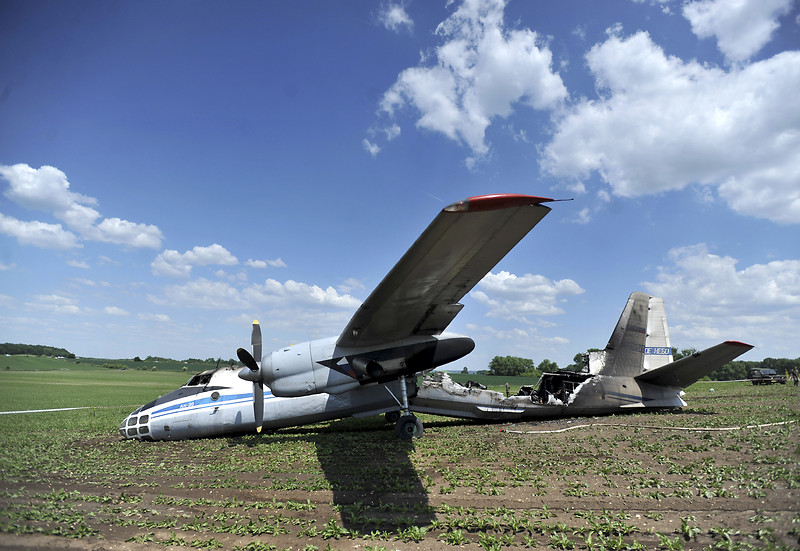
The aircraft was engaged in a training exercise at Čáslav AFB, carrying 14 Russian soldiers and 9 Czech soldiers. Upon landing in a nose-down attitude, the aircraft bounced twice. The nose gear collapsed and the aircraft skidded on runway. Unable to stop within the remaining distance, the aircraft overran and came to rest in an open field, broken in two and bursting into flames. Seven occupants were injured, among them two seriously. The aircraft was partially destroyed by fire.
Probable cause:
Wrong approach configuration on part of the crew who completed the landing at an excessive speed of 260 km/h and in a nose-down attitude, causing the nose gear to collapse due g-load estimated between 1.6 and 3.3 g.

Ground fire of a Short 360-100 in Houston

Date & Time: May 17, 2012 at 0715 LT
Type of aircraft:
Operator:
Registration:
N617FB
Flight Phase:
Flight Type:
Survivors:
Yes
Schedule:
Houston – Austin
MSN:
3617
YOM:
1983
Crew on board:
2
Crew fatalities:
Pax on board:
0
Pax fatalities:
Other fatalities:
Total fatalities:
0
Captain / Total flying hours:
5348
Captain / Total hours on type:
2305.00
Copilot / Total flying hours:
832
Copilot / Total hours on type:
171
Aircraft flight hours:
27504
Circumstances:
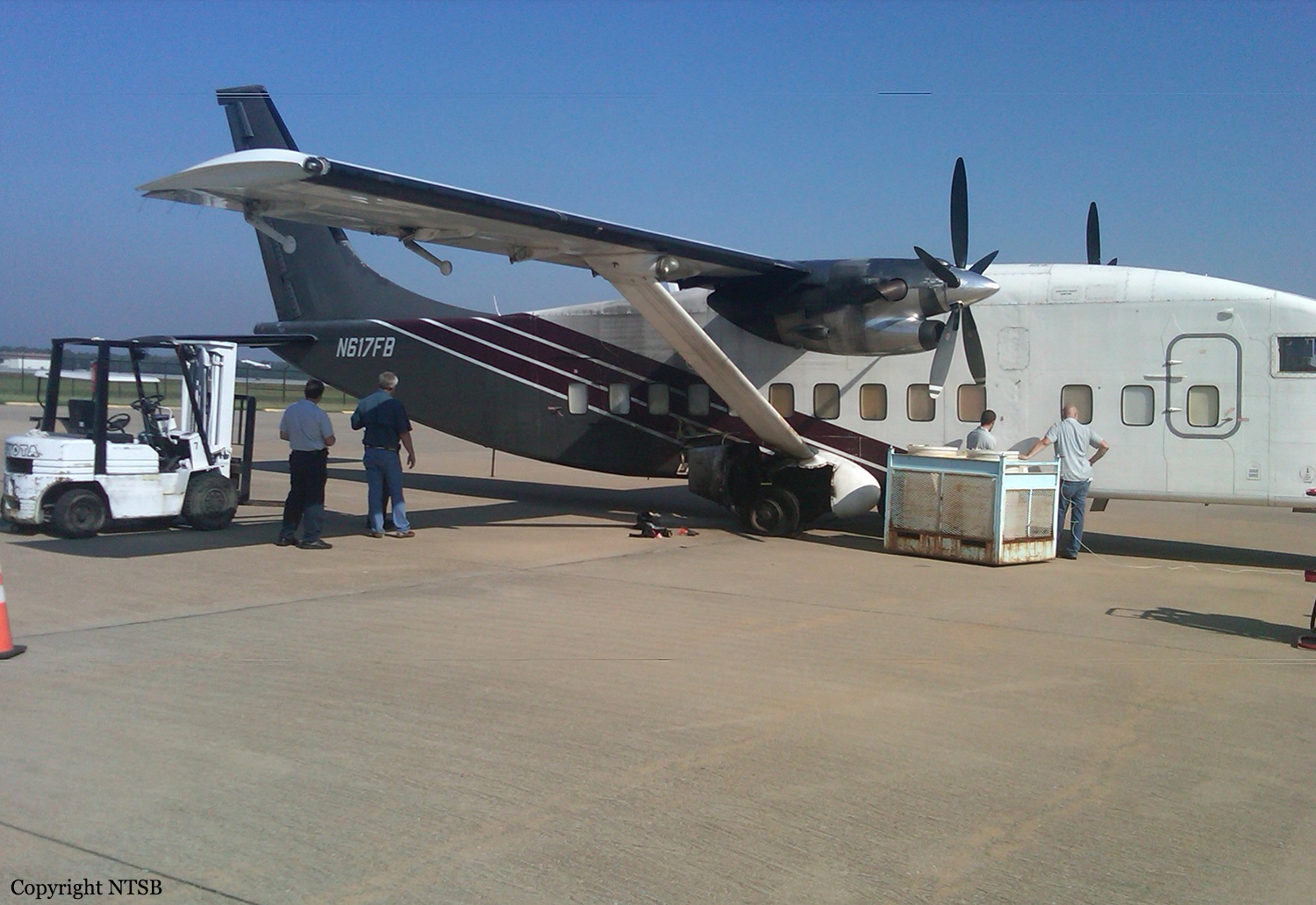
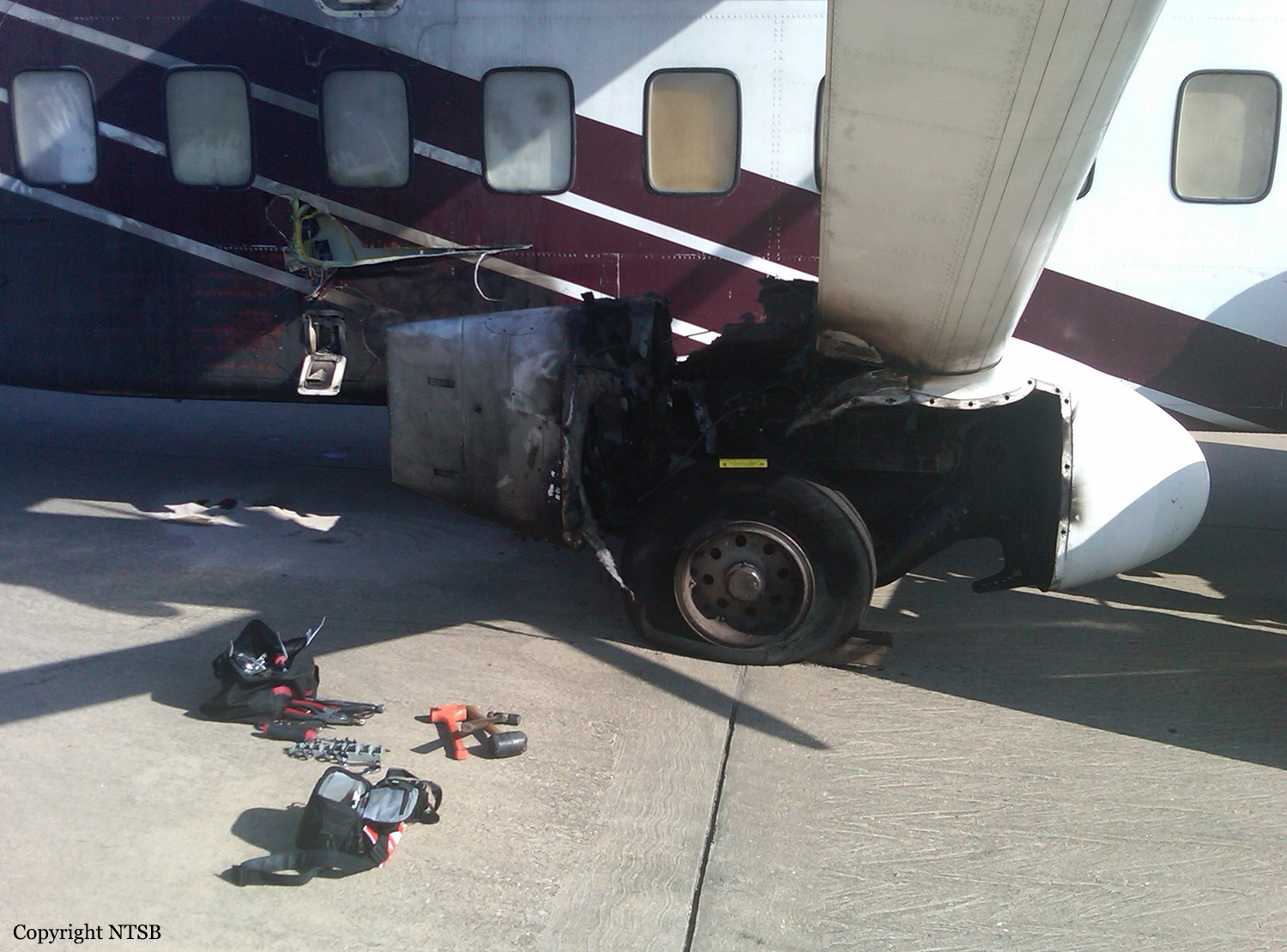
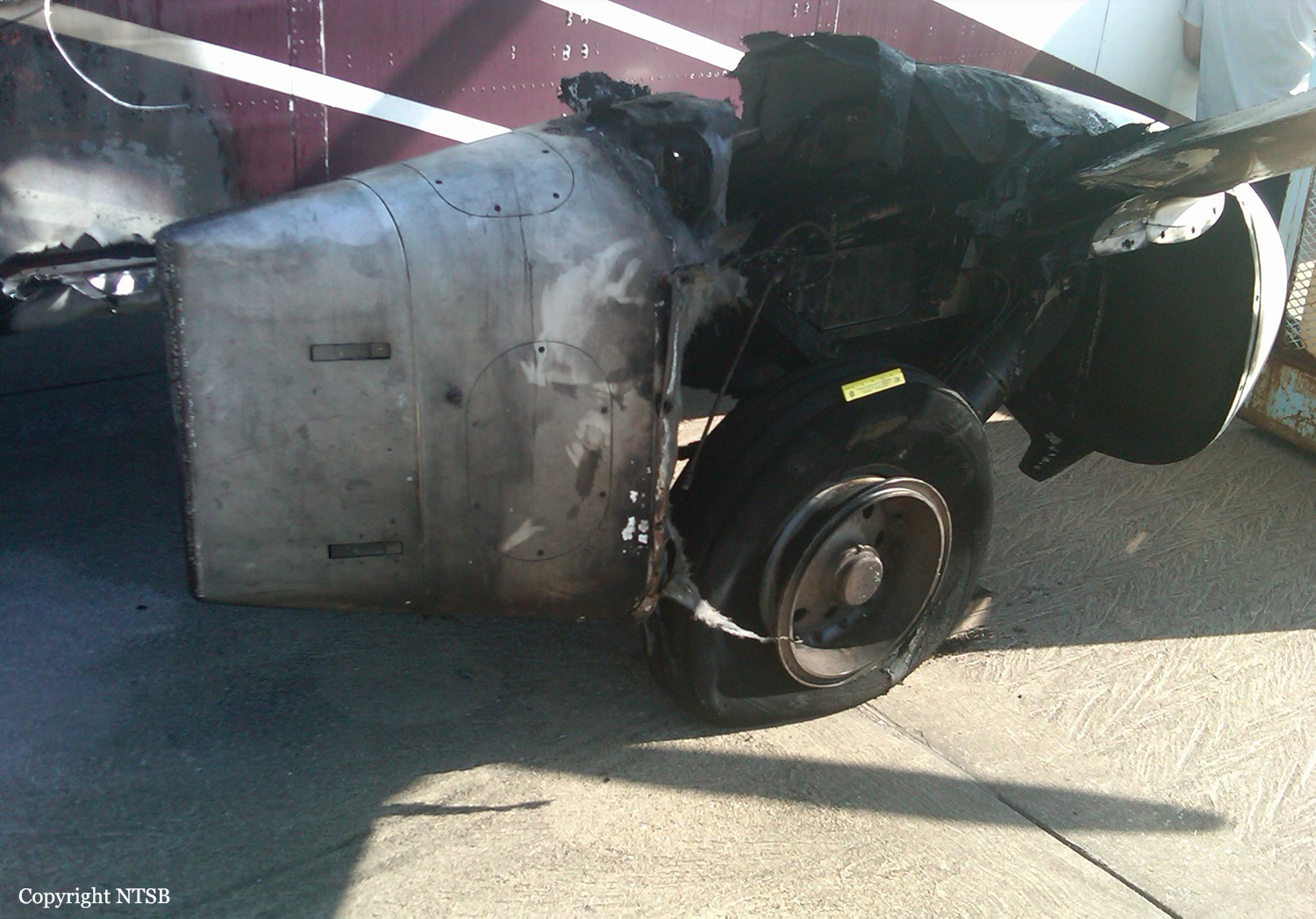
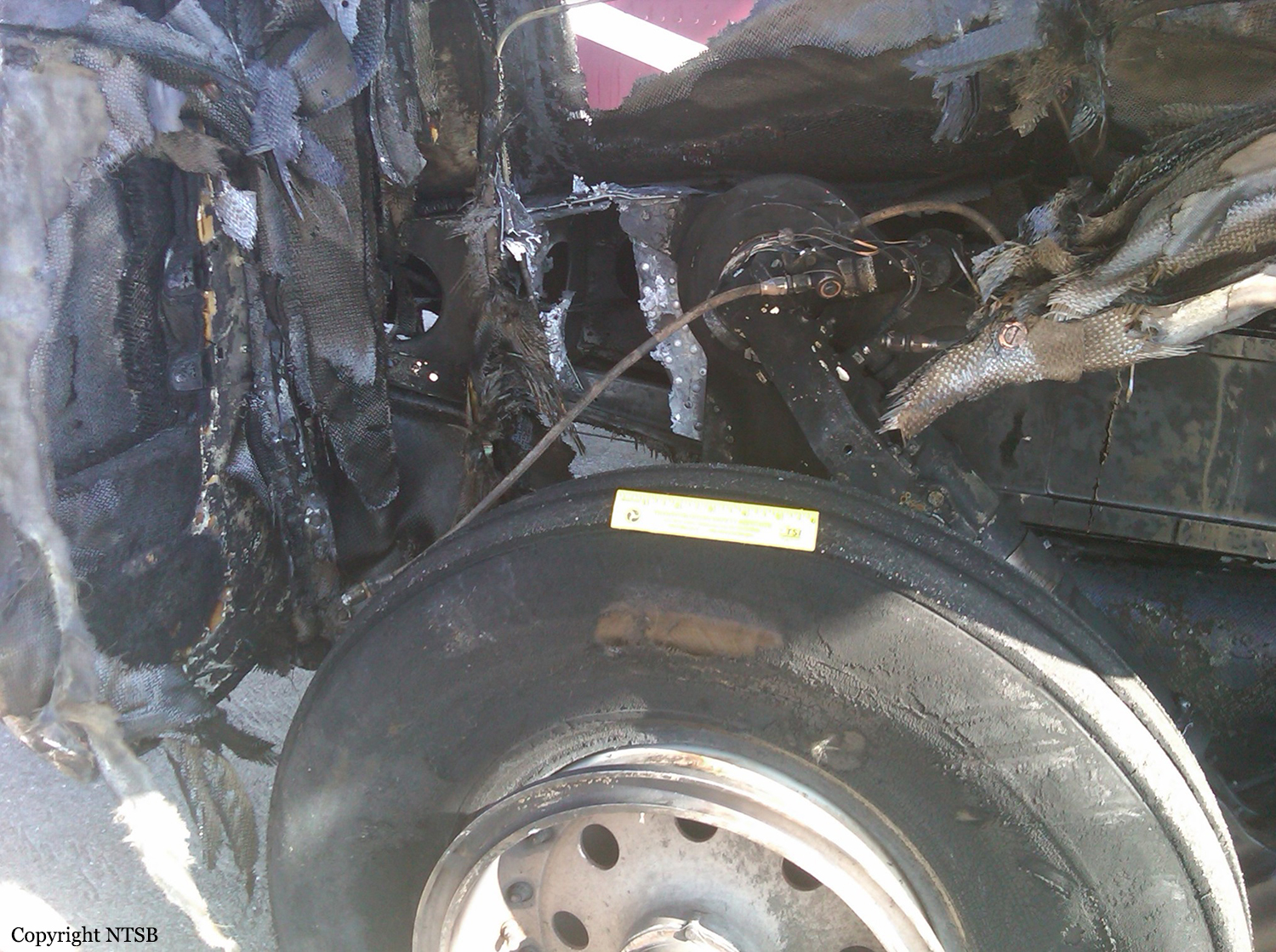
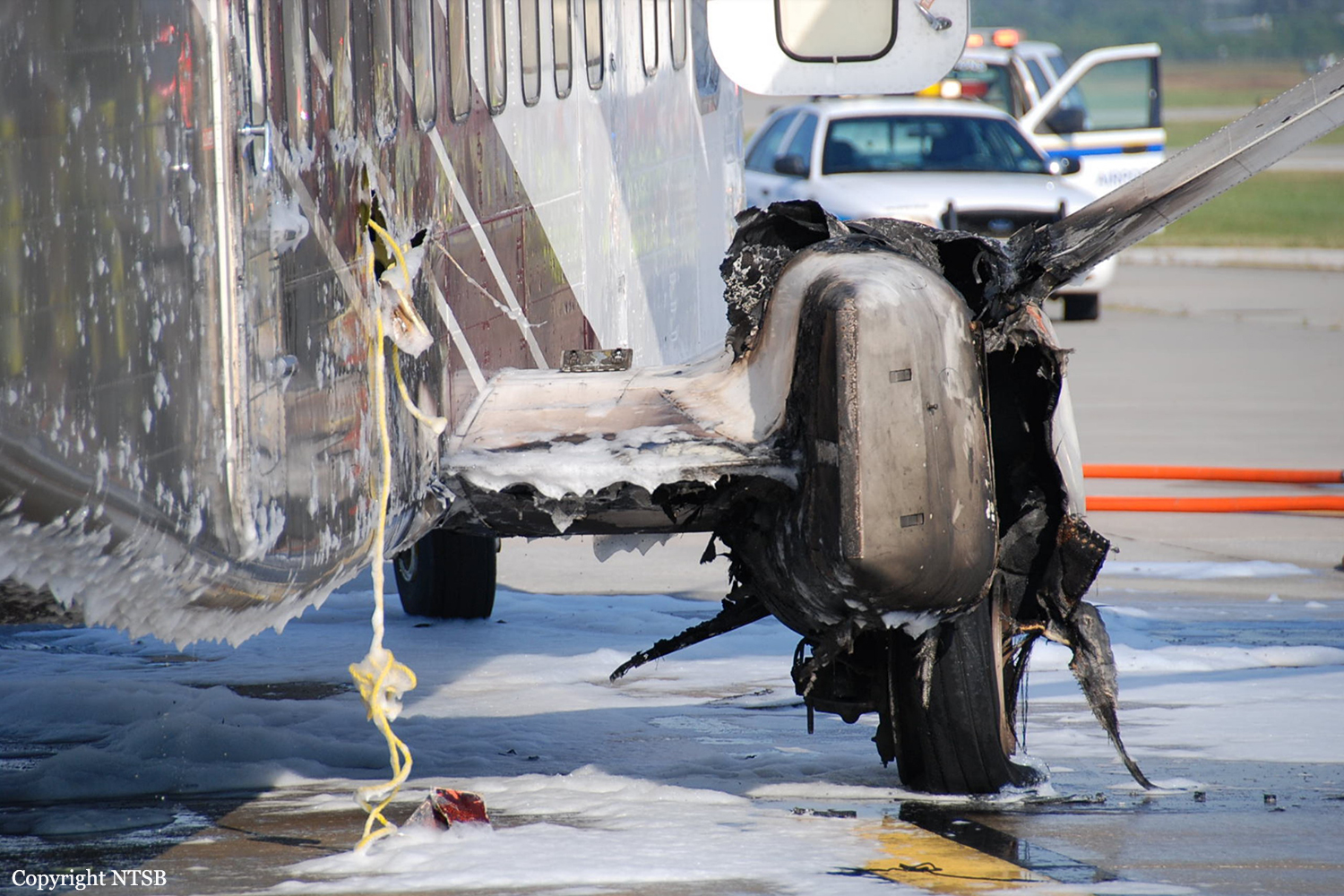
The pilots reported that the cargo airplane was about 60 pounds over its maximum takeoff weight. Because their taxi to the assigned runway was long, they decided to reduce weight by using higher-than-normal engine power settings to burn fuel before takeoff while using the wheel brakes to control the airplane’s speed while taxiing. During the taxi, a fire ignited in the right wheel housing. The pilots brought the airplane to a stop on the taxiway, evacuated, and attempted to extinguish the fire with two handheld fire extinguishers. Airport firefighting personnel arrived on scene and extinguished the fire using foam suppressant. Although the fire damage was extensive, postaccident examination of the airplane did not show evidence of mechanical malfunctions or failures with the wheel and brake system that could have caused the fire. The right and left main landing gear tires deflated when the fusible plugs in the wheels blew due to overheating. The fusible plugs are designed to “fail” if the wheels overheat, and those plugs functioned as designed. The pilots stated that they had been trained to not ride the brakes while taxiing. However, the captain stated that he did not realize that he was in danger of blowing the tires much less causing a fire, otherwise he would not have attempted to bum off excess fuel while taxiing.
Probable cause:
The pilots’ improper decision to burn fuel during the taxi by operating the engines at a higher-than-normal power setting and using the wheel brakes to control taxi speed, which resulted in a wheel fire.
Final Report:

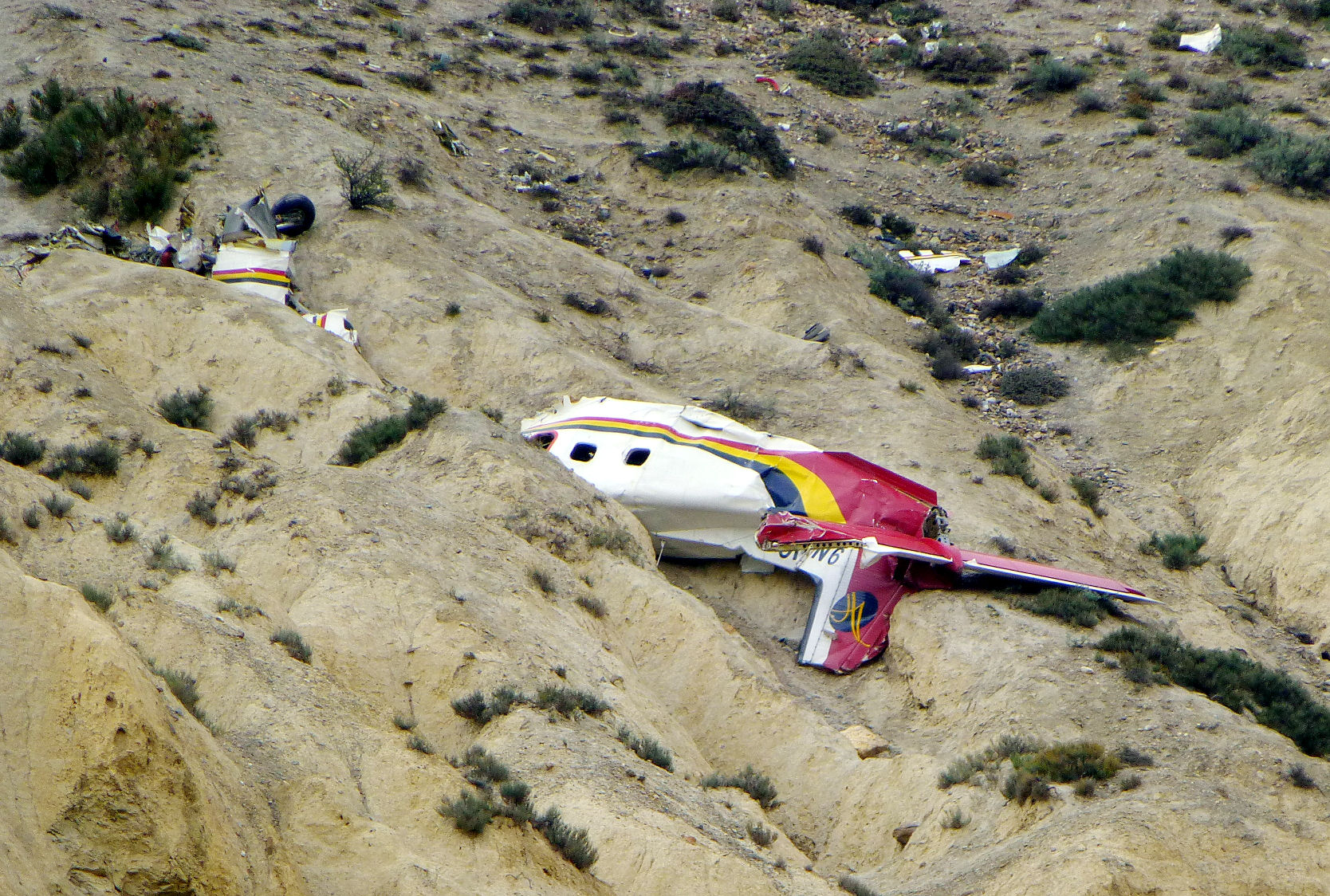
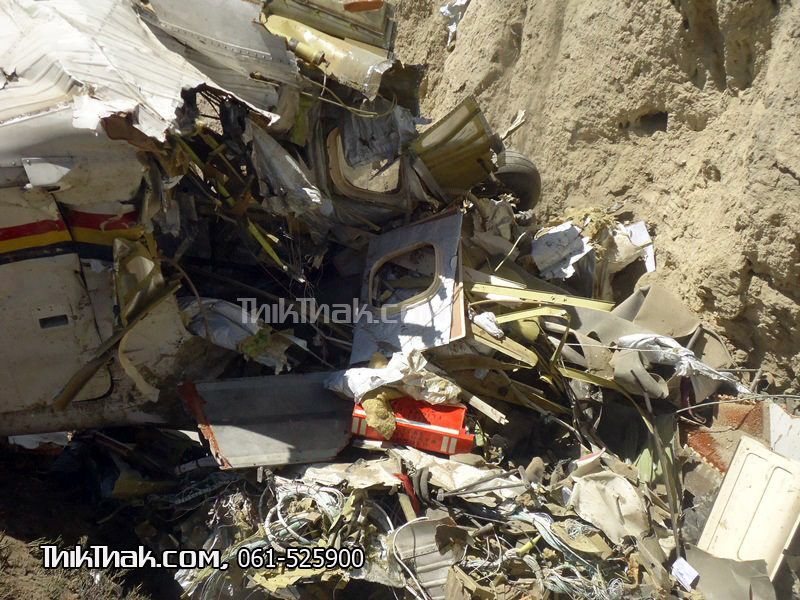
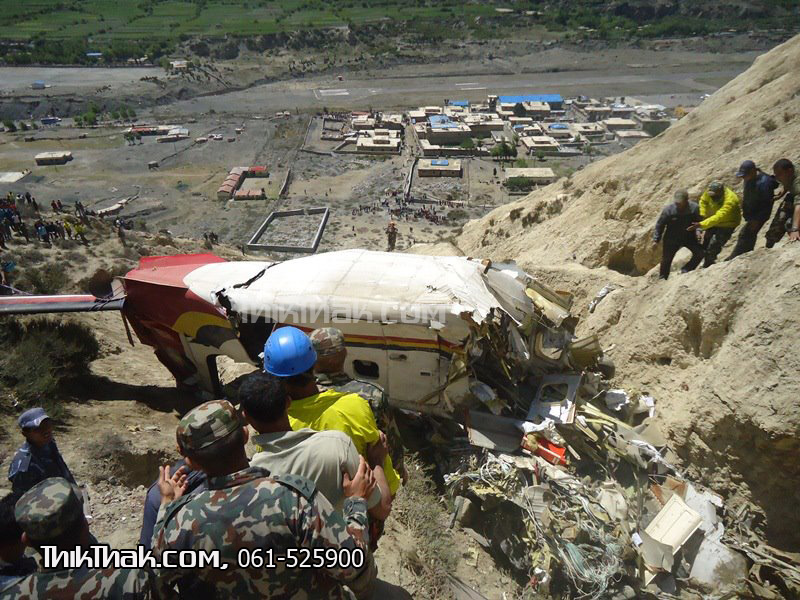
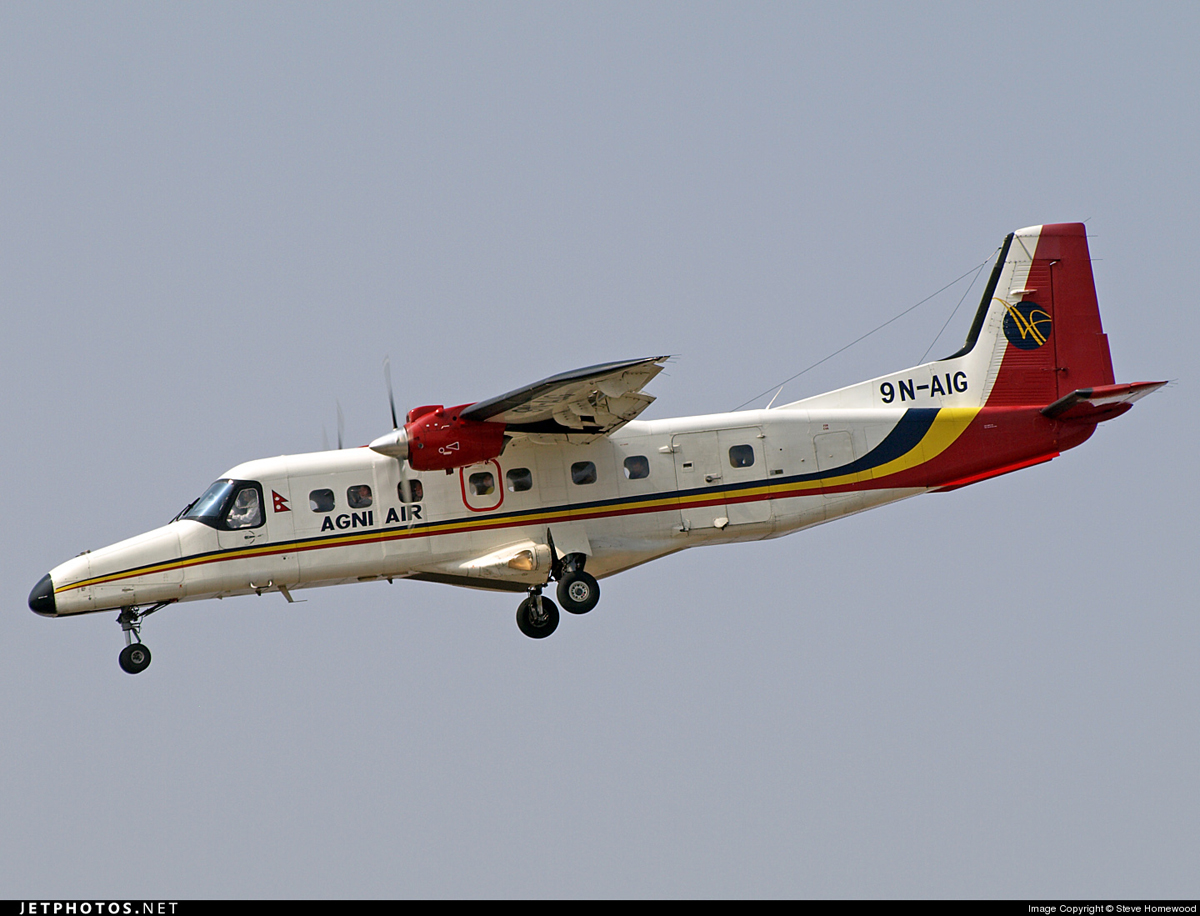
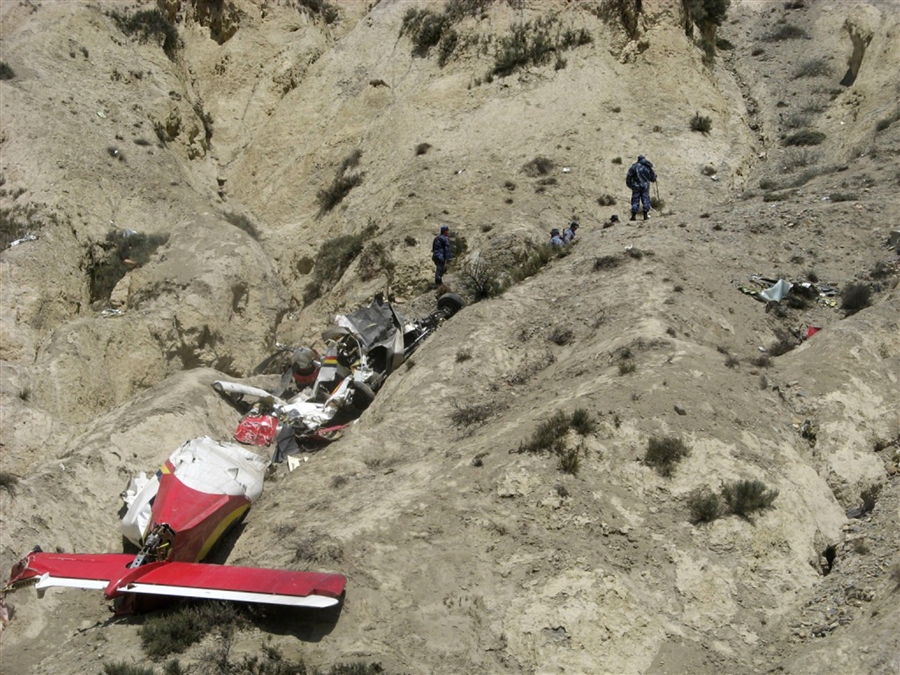
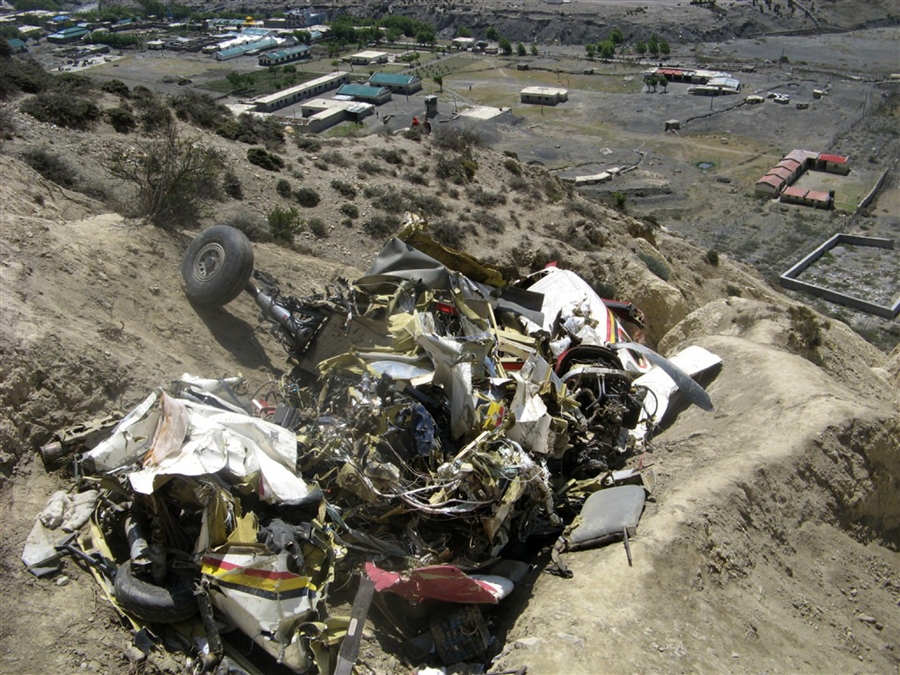
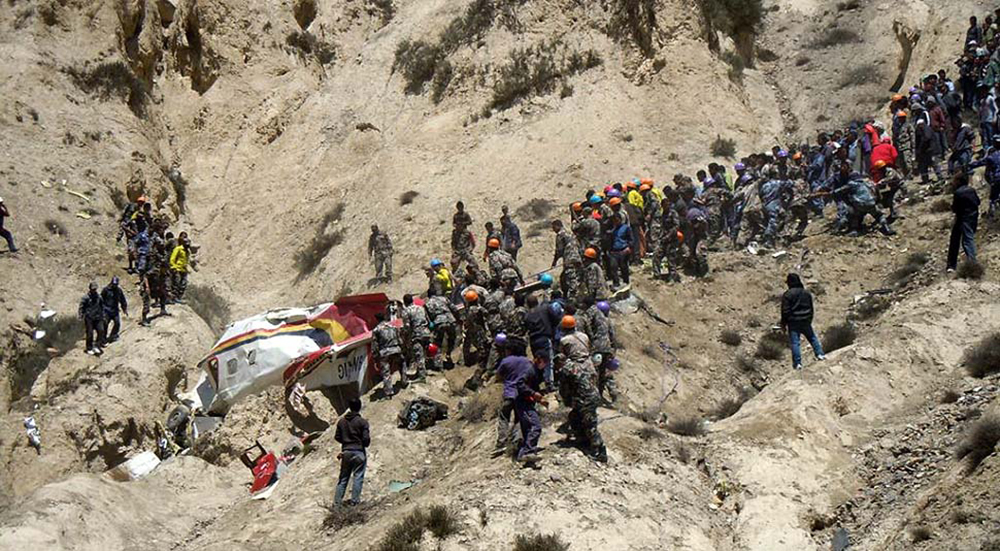
Crash of a Dornier DO228-212 in Jomsom: 15 killed

Date & Time: May 14, 2012 at 0945 LT
Type of aircraft:
Operator:
Registration:
9N-AIG
Survivors:
Yes
Schedule:
Pokhara - Jomsom
MSN:
8216
YOM:
1997
Flight number:
AG-CHT
Country:
Region:
Crew on board:
3
Crew fatalities:
Pax on board:
18
Pax fatalities:
Other fatalities:
Total fatalities:
15
Captain / Total flying hours:
5776
Captain / Total hours on type:
596.00
Circumstances:
On final approach to Jomsom Airport runway 06, the crew lowered the landing gear when they noticed a technical issue. On short final, the captain decided to initiate a go-around procedure and to divert to Pokhara. He made a sharp U-turn to the left at a speed of 73 knots when the left wing impacted a rocky hill located 270 meters above the runway 24 threshold. The aircraft stalled and crashed on the slope of the hill and was destroyed by impact forces. The stewardess and five passengers were seriously injured while all 15 other occupants, among them both pilots, were killed.
Probable cause:
The captain took the decision to make a sharp turn to the left at 73 knots without considering the turn radial and the rising terrain, which resulted in a continuous stall warning during the remaining 12 seconds of flight. The left hand wing of the aircraft struck a rock and the aircraft crashed. The decision of the captain to initiate a turn to the left at this stage of the flight was against all published procedures. It was reported that the commander was a senior flight instructor employed by the Civil Aviation Authority of Nepal.

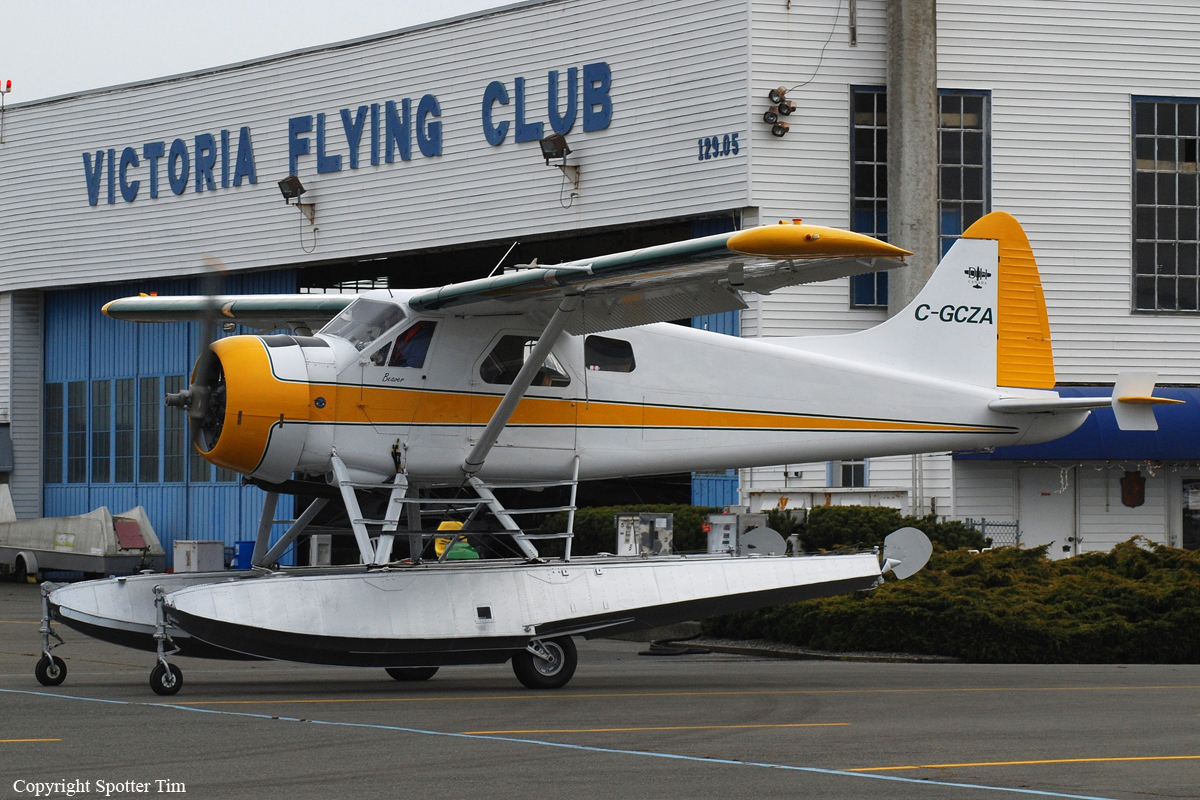
Crash of a De Havilland DHC-2 Beaver near Peachland: 3 killed

Date & Time: May 13, 2012 at 1845 LT
Type of aircraft:
Operator:
Registration:
C-GCZA
Flight Phase:
Flight Type:
Survivors:
No
Site:
Schedule:
Okanagan Lake - Pitt Meadows
MSN:
1667
YOM:
1966
Country:
Crew on board:
1
Crew fatalities:
Pax on board:
2
Pax fatalities:
Other fatalities:
Total fatalities:
3
Captain / Total flying hours:
420
Captain / Total hours on type:
50.00
Circumstances:
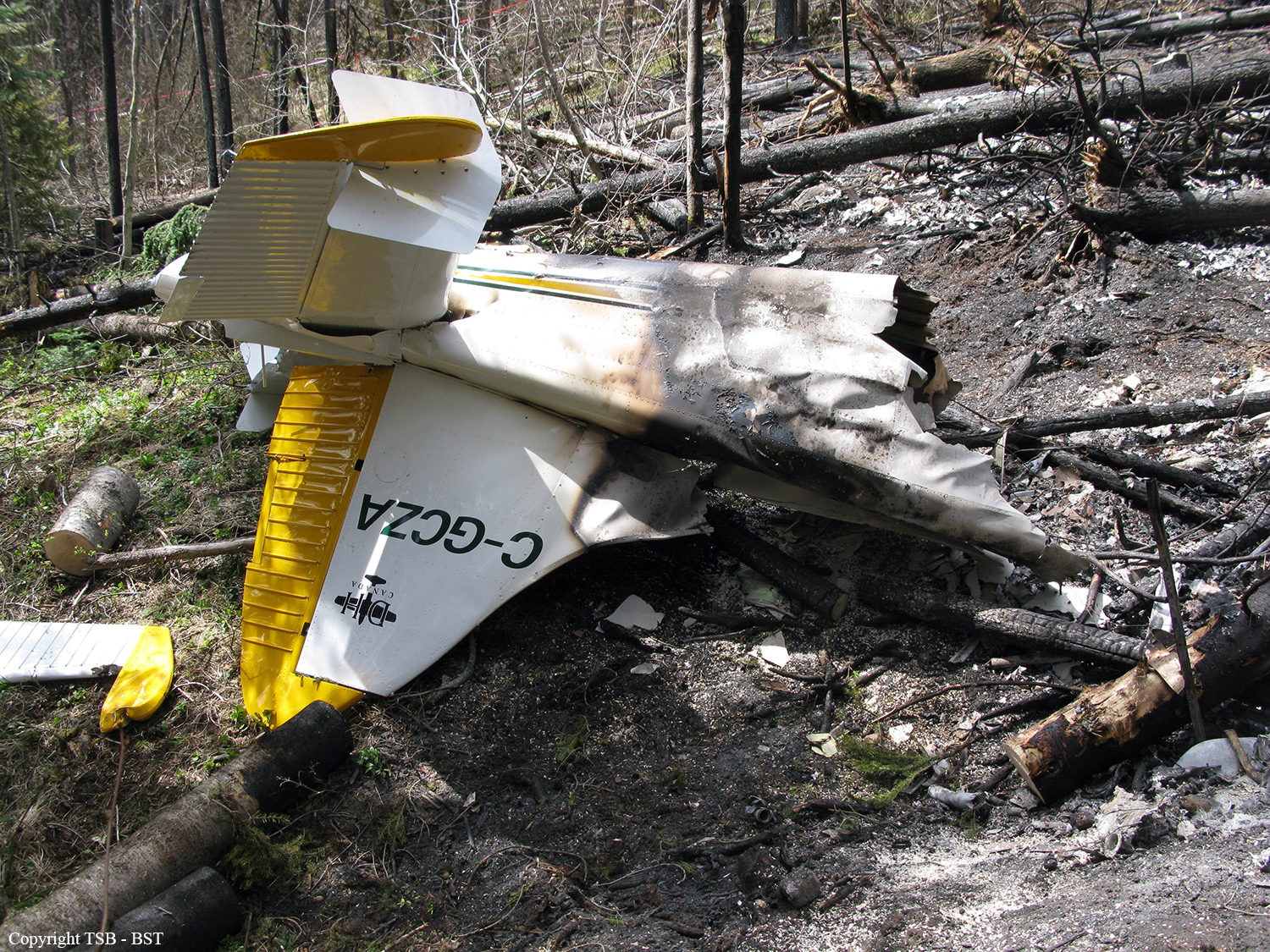
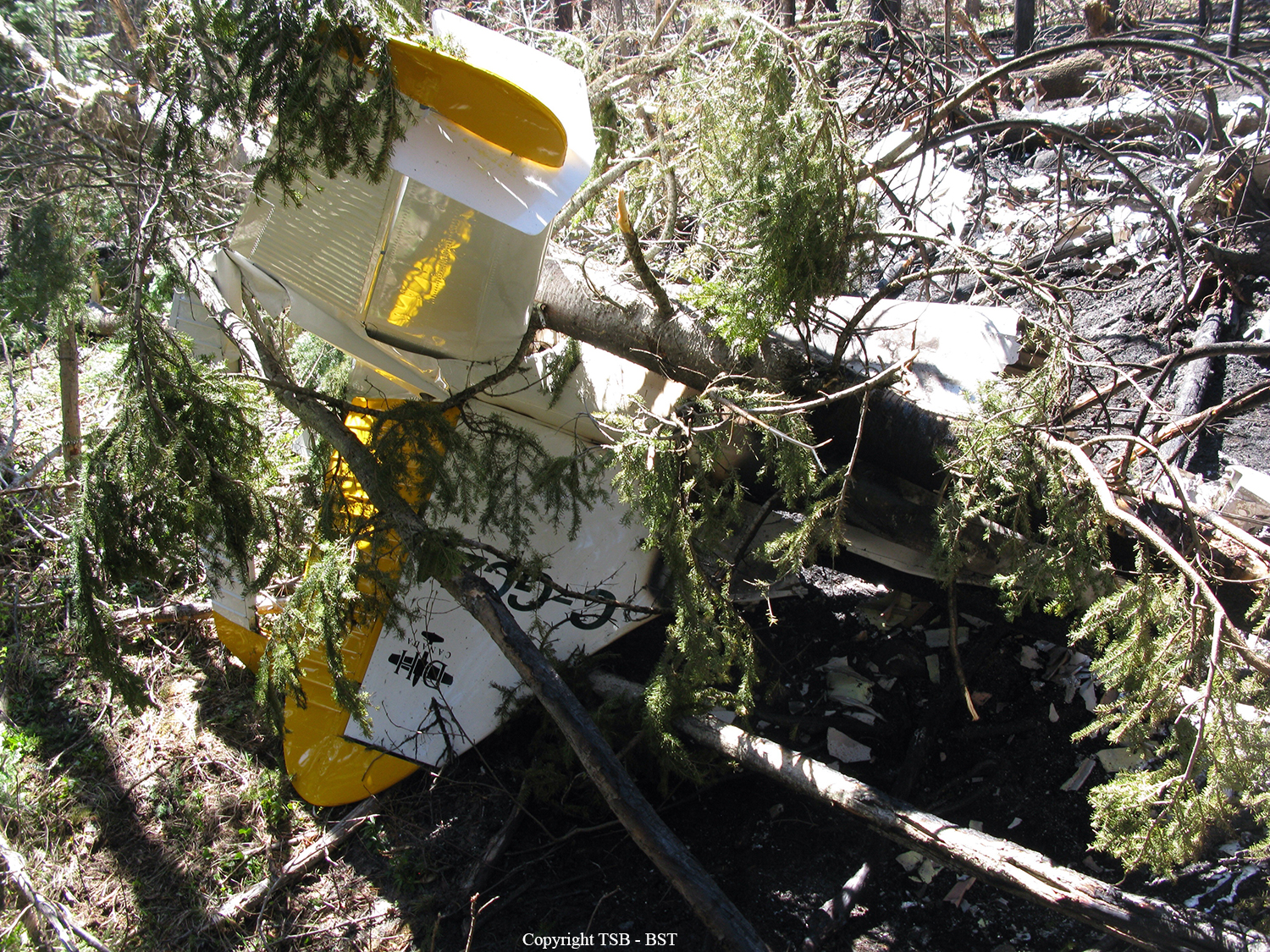
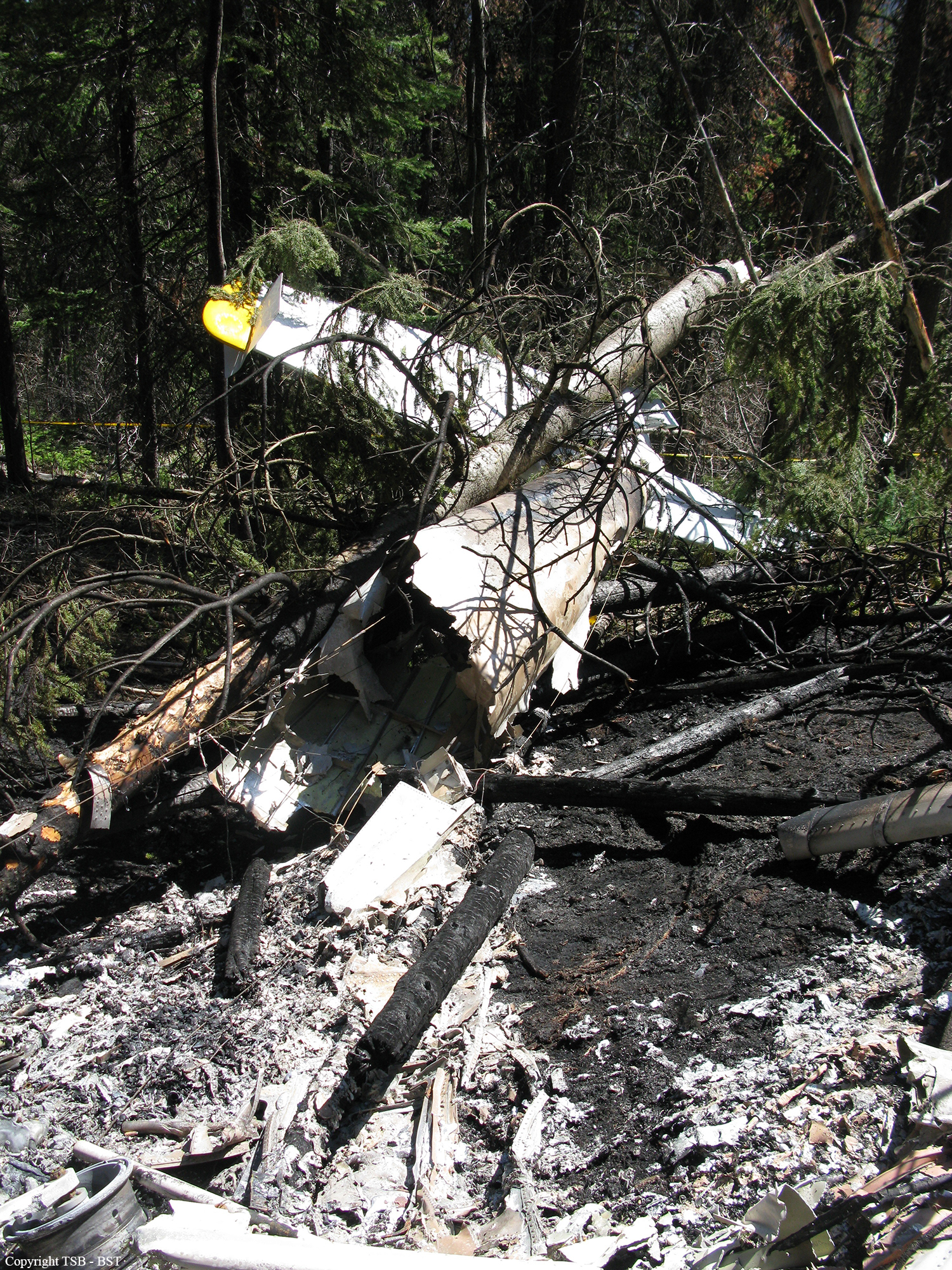
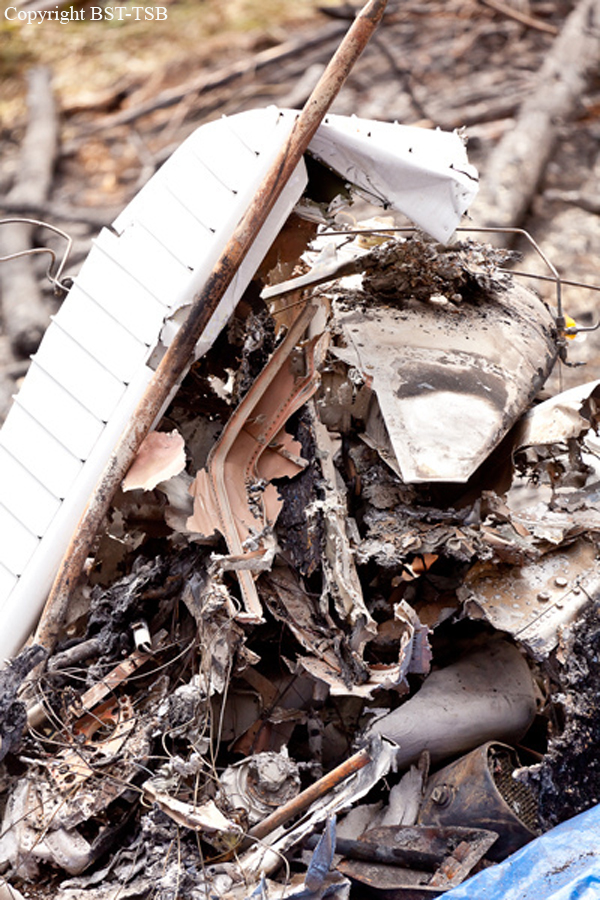
The privately operated de Havilland DHC-2 MK 1 amphibious floatplane (registration C-GCZA, serial number 1667) departed Okanagan Lake, near Kelowna, for a daytime flight under visual flight rules to Pitt Meadows, British Columbia, with the pilot and 2 passengers on board. While enroute, the aircraft struck trees and collided with terrain close to and 100 feet below the level of Highway 97C, near the Brenda Mines tailings hill. At 1850 Pacific Daylight Time, a brief 406-megahertz emergency-locator-transmitter signal was detected, which identified the aircraft; however, a location could not be determined. Most of the aircraft was consumed by a post-impact fire. The 3 occupants were fatally injured.
Probable cause:
There was no indication that an aircraft system malfunction contributed to this occurrence. There were no drastic changes in the aircraft’s flight path, and no emergency calls from the pilot to indicate that an in-flight emergency was experienced. The constant ground speed and flight path would also suggest that the aircraft was under the control of the pilot. As a result, this analysis will focus on the phenomenon of controlled flight into terrain (CFIT).
Findings as to Causes and Contributing Factors:
1. The combination of relatively high weight, effects of density altitude, and down-flowing air likely reduced the climb performance of the aircraft, resulting in the aircraft’s altitude being lower than anticipated at that stage in the flight.
2. The pilot’s vision was likely impaired by the sun, and the pilot may have been exposed to visual illusions; both were factors that contributed to the pilot not noticing the trees and the rising terrain, and colliding with them.
Findings as to Risk:
1. Visual illusions cause false impressions or misconceptions of actual conditions. Unrecognized and uncorrected spatial disorientation, caused by illusions, carries a high risk of incident or accident.
2. When there are no special departure procedures published for airports in mountainous regions surrounded by high terrain, there is a risk of pilots departing the valley at an altitude too low for terrain clearance.
Other Findings:
1. Information from the Wide Area Multilateration system was not preserved following the occurrence, as local NAV CANADA personnel were not aware that unfiltered data were only available for a limited time.
Final Report:
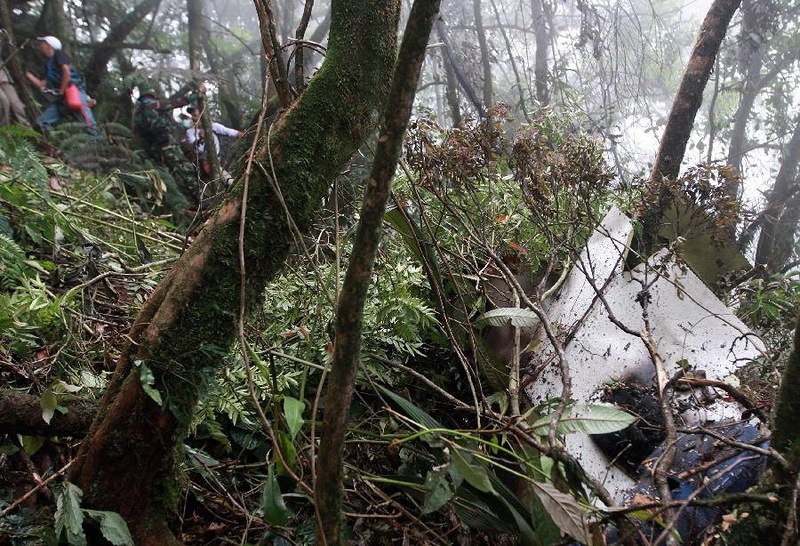
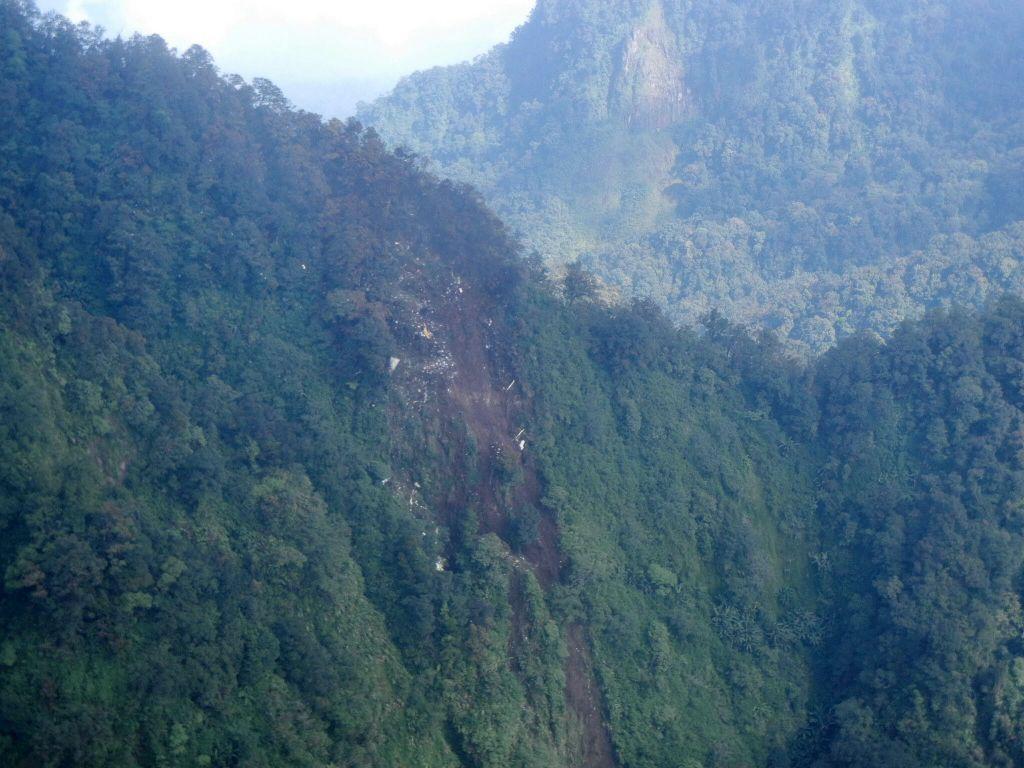
Crash of a Sukhoï Superjet 100-95 on Mt Salak: 45 killed

Date & Time: May 9, 2012 at 1431 LT
Type of aircraft:
Operator:
Registration:
97004
Flight Phase:
Flight Type:
Survivors:
No
Site:
Schedule:
Jakarta - Jakarta
MSN:
95004
YOM:
2009
Flight number:
RA36801
Country:
Region:
Crew on board:
4
Crew fatalities:
Pax on board:
41
Pax fatalities:
Other fatalities:
Total fatalities:
45
Captain / Total flying hours:
10347
Captain / Total hours on type:
1348.00
Copilot / Total flying hours:
3318
Copilot / Total hours on type:
625
Aircraft flight hours:
843
Aircraft flight cycles:
500
Circumstances:
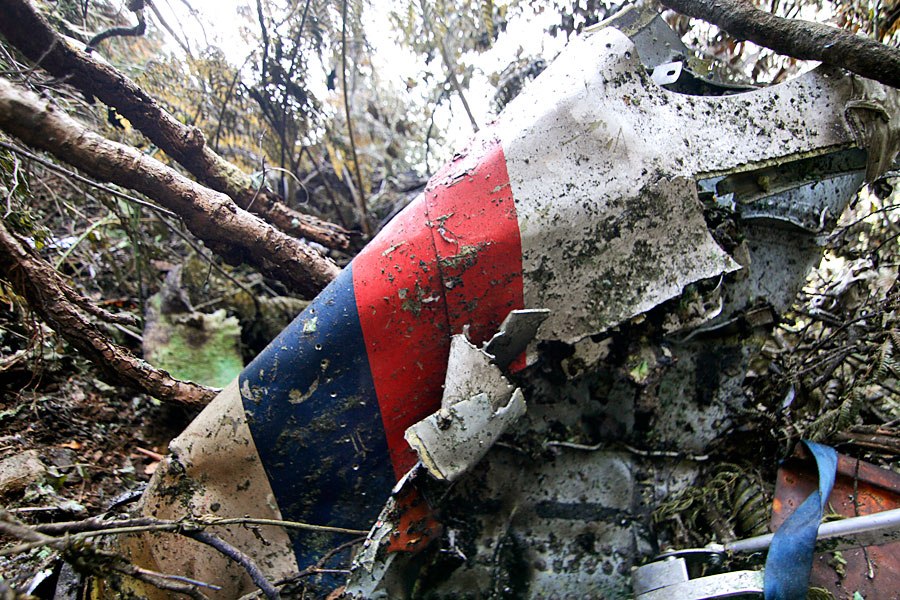
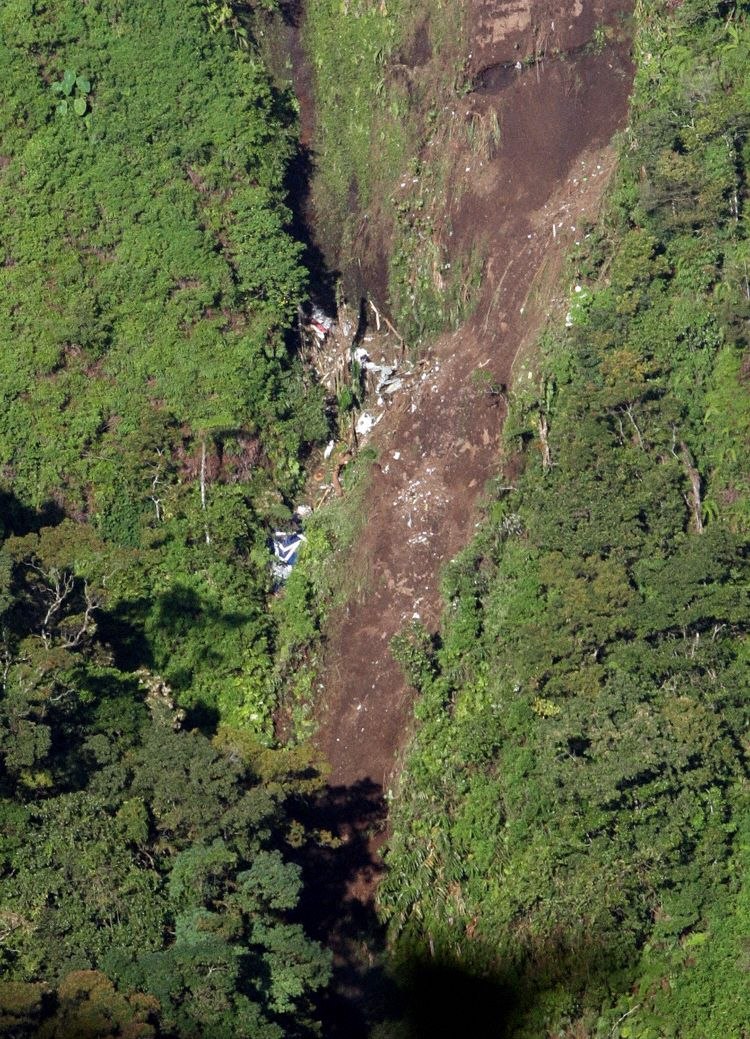
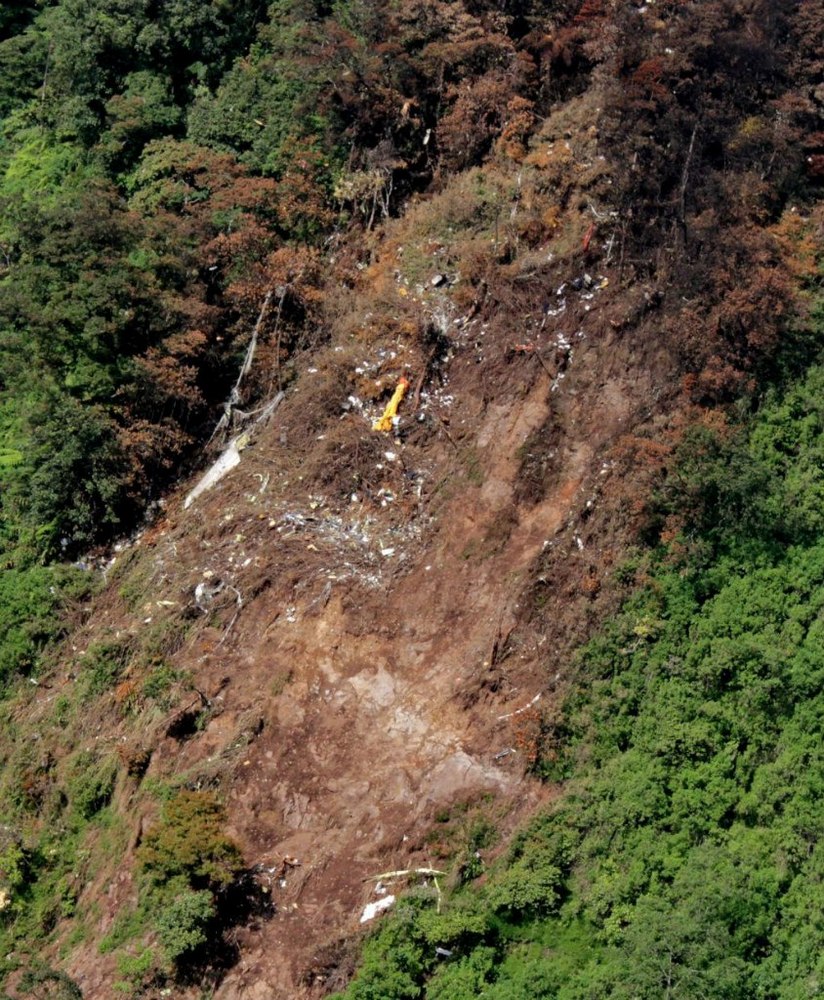
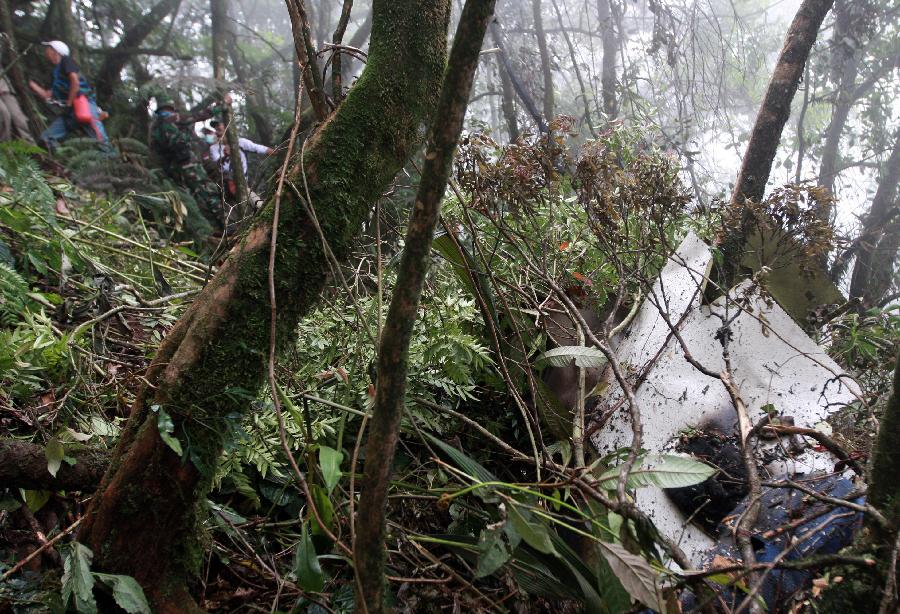
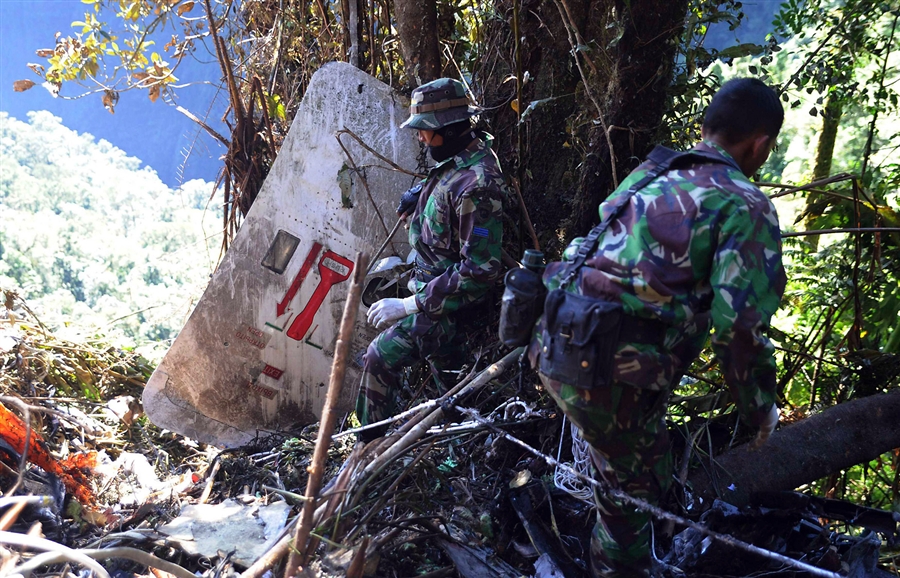
Aircraft was performing a demo flight and left Jakarta-Halim Perdanakasuma Airport at 1400LT with 41 passengers (potential buyers) on board and a crew of four. About thirty minutes later, while turning around Mount Salak, pilots received the authorization to descend from 10,000 feet to 6,000 feet in low visibility. Aircraft hit the edge of a cliff and crashed few yards further and was totally destroyed by impact and post impact fire. SAR teams arrived on scene 18 hours later and all 45 occupants were killed. At the time of the accident, weather conditions were marginal with clouds shrouding both Mount Salak and Mount Gede. First accident involving a Sukhoi Superjet 100. Present model was manufactured 09AUG2009 and totalized 843 flying hours for 500 cycles. Captain had 10,347 flying hours and was a test pilot by Sukhoi Civil Aircraft Company.
Probable cause:
- The flight crew was not aware of the mountainous area in the vicinity of the flight path due to various factors such as available charts, insufficient briefing and statements of the potential customer that resulted in inappropriate response to the TAWS warning. The impact could have been avoided by appropriate action of the pilot up to 24 seconds after the first TAWS warning.
- The Jakarta Radar service had not established the minimum vectoring altitudes and the Jakarta Radar system was not equipped with functioning MSAW for the particular area around Mount Salak.
- Distraction of the flight crew from prolonged conversation not related to the progress of the flight, resulted in the pilot flying not constantly changing the aircraft heading while in orbit. Consequently, the aircraft unintentionally exited the orbit.
Final Report:
Crash of a Piper PA-42-720 Cheyenne III off Grand Case: 4 killed

Date & Time: May 5, 2012 at 0240 LT
Type of aircraft:
Registration:
F-GXES
Flight Phase:
Flight Type:
Survivors:
No
Schedule:
Grand Case - Fort-de-France
MSN:
42-8001043
YOM:
1980
Flight number:
TIF520
Country:
Region:
Crew on board:
1
Crew fatalities:
Pax on board:
3
Pax fatalities:
Other fatalities:
Total fatalities:
4
Captain / Total flying hours:
3950
Captain / Total hours on type:
513.00
Aircraft flight hours:
7593
Aircraft flight cycles:
7830
Circumstances:
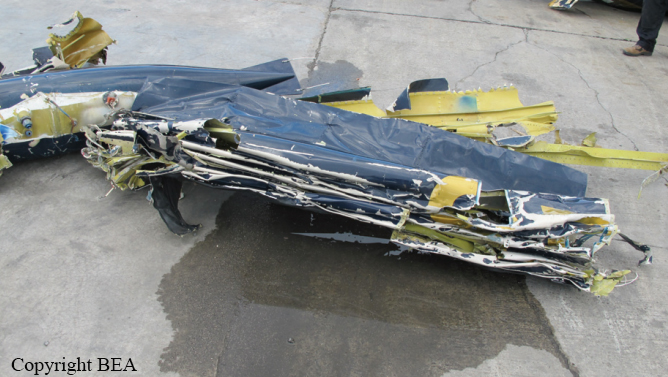
The twin engine aircraft was engaged in an ambulance flight between Grand Case and Fort-de-France and was carrying a pilot, a nurse, a doctor and a patient, a Greek citizen in honeymoon in Saint Martin who suffered a heart attack. He normally should be transferred to Fort-de-France from Saint Martin-Princess Juliana Airport with another Operator but the aircraft suffered technical problem prior to departure and the patient was transferred to Grand Case Airport. Piper PA-42 left Grand Case-L'Espérance runway 12 at 02H39. One minute later, during initial climb, it lost height and crashed into the Caribbean Sea, some three NM off the airport, off Tintamarre Island. Around 1000LT in the morning, a wheel and some others debris were found floating in water and no trace of the four occupants was found. They were later considered as deceased.
Probable cause:
The French BEA said in its final report that no technical anomaly to affect significantly the performance of the airplane or its pitch control could be demonstrated. It appears that the pilot had consumed alcohol before the flight and was awake since 0630LT and did not sleep over 20 hours, which could affect his capabilities. In conclusion, the investigation did not determine the cause of the accident, but the following factors may have contributed:
- aircraft's operation with one pilot only,
- absence of regulation does not allow the Civil Aviation Authority to ensure the adequacy of the operational objectives of an operator and its capacity to maintain its activity. This failure could not ensure that the pilot was able to conduct the flight.
- the presence of a flight recorder would probably help to understand the circumstances of the accident with more precision. Important data failed to the investigation, which was not able to identify all possible measures to avoid a similar accident in the future.
Final Report:
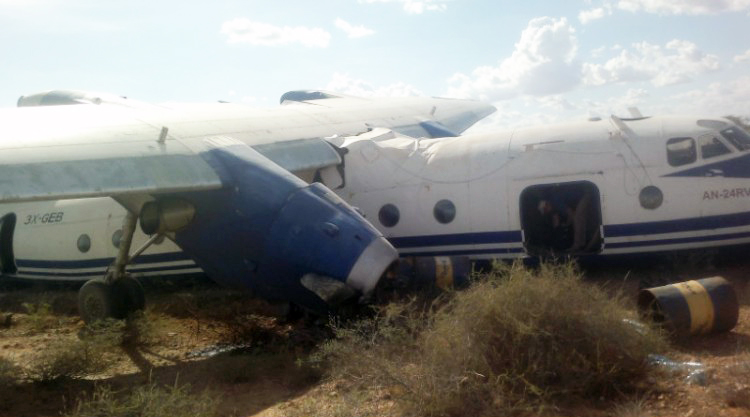
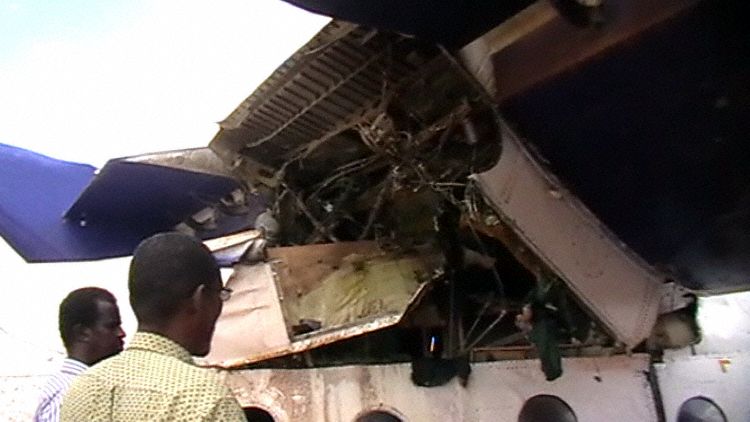
Crash of an Antonov AN-24RV in Galkayo

Date & Time: Apr 28, 2012 at 1433 LT
Type of aircraft:
Operator:
Registration:
3X-GEB
Survivors:
Yes
Schedule:
Hargeisa - Galkayo
MSN:
3 73 084 03
YOM:
1973
Flight number:
6J711
Country:
Region:
Crew on board:
4
Crew fatalities:
Pax on board:
32
Pax fatalities:
Other fatalities:
Total fatalities:
0
Circumstances:
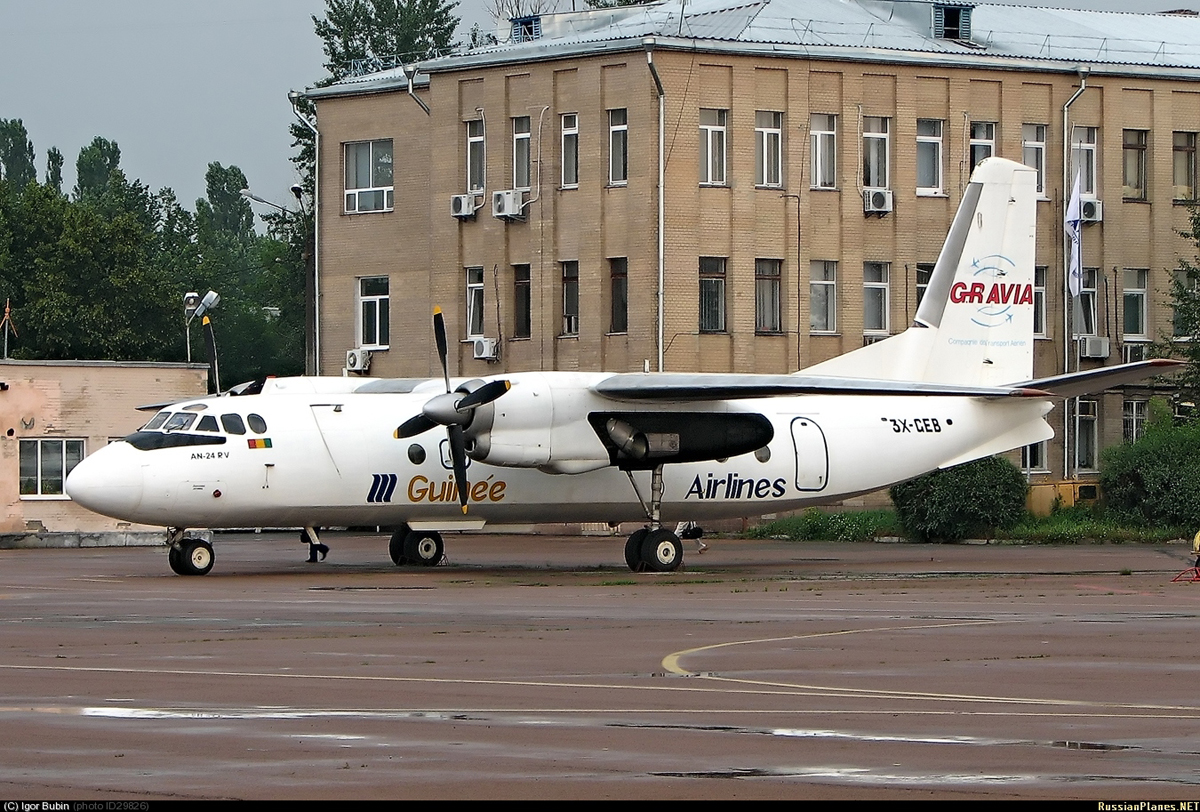
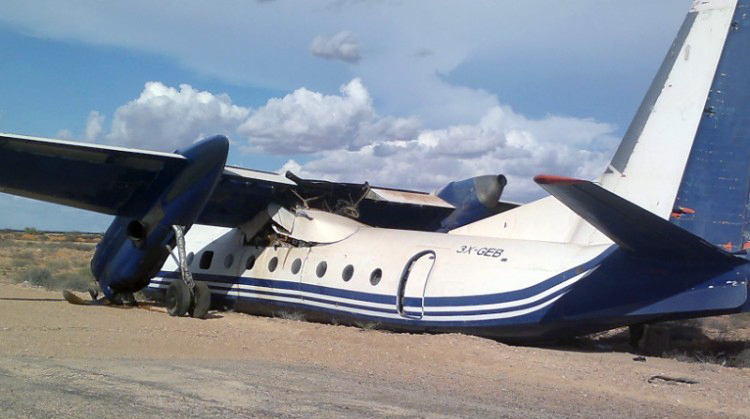
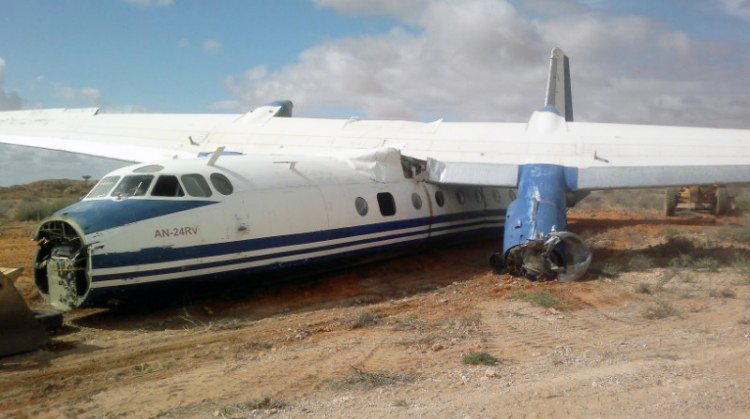
Following an uneventful flight from Hargeisa, the crew started the descent to Galkayo-Abdullahi Yusuf Airport runway 05L. On short final, at a height of about 5-7 feet, the captain spotted an animal crossing the runway from left to right. He attempted to extend the flare in order to avoid a collision but the aircraft subsequently touched down hard and bounced several times. Out of control, it veered off runway and came to rest with both wings partially detached. All 36 occupants evacuated safely while the aircraft was damaged beyond repair.

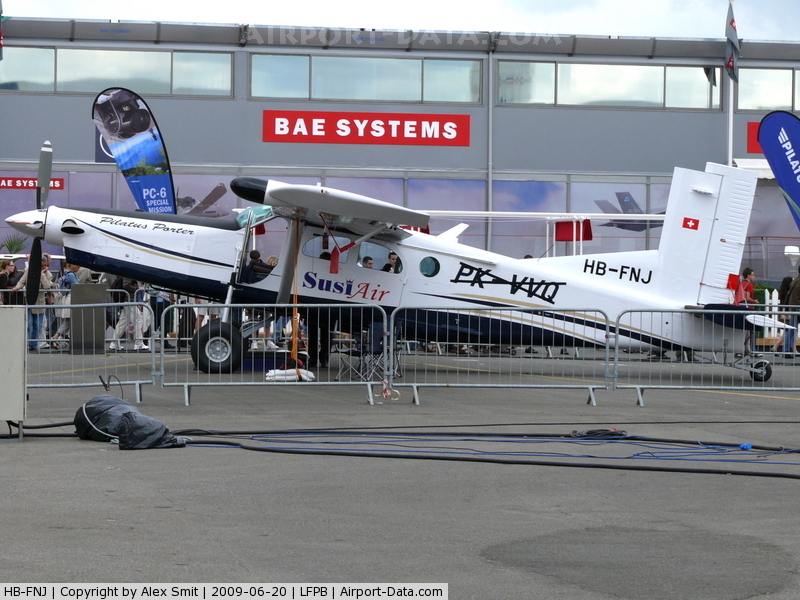
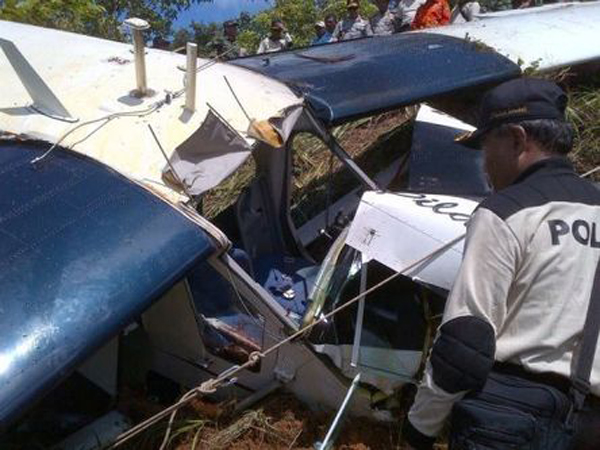
Crash of a Pilatus PC-6/B2-H4 Turbo Porter in Muaritan: 2 killed

Date & Time: Apr 25, 2012 at 1730 LT
Operator:
Registration:
PK-VVQ
Flight Phase:
Flight Type:
Survivors:
No
Schedule:
Balikpapan - Balikpapan
MSN:
965
YOM:
2009
Country:
Region:
Crew on board:
1
Crew fatalities:
Pax on board:
1
Pax fatalities:
Other fatalities:
Total fatalities:
2
Captain / Total flying hours:
1912
Captain / Total hours on type:
81.00
Aircraft flight hours:
2397
Aircraft flight cycles:
3466
Circumstances:
The Pilatus Porter PC-6 aircraft operated by PT. Puji Astuti Aviation (Susi Air) registered PK-VVQ on Areal Survey Flight, departed from Sepinggan-Balikpapan to Melak Area on 25 April 2012 at 0440 UTC (Universal Time Coordinate) or 1240 LT. There were one pilot and one pasenger on board, the estimate flight endurance was seven hours. At 0505 the aircraft reported leaving Balikpapan Approach. At 0910 the aircraft was reported to Melak Radio on radial 060 at the altitude of 3,500 feet, and that it would be leaving Survey after a further twenty minutes. Melak Radio reported that the aircraft lost contact at 0930. At 0922 a text message was sent by the passenger to his employer stating “Run out of fuel, landing on road”. The Search and Rescue Bureau informed that a distress signal was tetected on 1025 at the position of 00 25’.02” N 116.02’.48”E. On 26 April 2012 at 1730 UTC the aircraft was found in Muaritan – Kecamatan Tabang, Kutai Karta Negara at the position 00 25’.03” N 116.01’.55”E. The aircraft was substantially damaged, the pilot and the passenger were fatally injured.
Probable cause:
The engine flamed out caused by lack of fuel supply from main fuel tank to the engine. The pilot likely fixated on the survey flight execution and lost awareness of his fuel situation. The transferring of fuel from the auxiliary tank was not performed during the flight as required. The combination of inexperience of the pilot related to survey flying, fatigue and the highly demanding survey operator contributed to this sequence of events.
Final Report:
Crash of a Un PZL-Mielec AN-2R in Knyazhichi

Date & Time: Apr 23, 2012 at 1335 LT
Type of aircraft:
Operator:
Registration:
UR-81515
Flight Phase:
Survivors:
Yes
Schedule:
Knyazhichi - Knyazhichi
MSN:
1G208-15
YOM:
1984
Country:
Region:
Crew on board:
2
Crew fatalities:
Pax on board:
0
Pax fatalities:
Other fatalities:
Total fatalities:
0
Circumstances:
The crew was engaged in a spraying mission in the region of Knyazhichi, Sumy Oblast, Ukraine. Following 15 successful sorties that day, the crew was ready for the 16th and started the takeoff procedure from the third of the runway which is 768 metres long. After a course of 577 metres, the single engine aircraft failed to get airborne and overran. The crew decided to abort but this was too late. The aircraft sank in muddy field and rolled for about 56 metres before coming to rest upside down. Both occupants escaped uninjured while the aircraft was damaged beyond repair.
Probable cause:
The following factors were identified:
- The crew did not use the entire runway length for the takeoff procedure (577 metres instead of the 768 metres available),
- The decision of the crew to reject takeoff was taken too late,
- The wind direction changed during the takeoff procedure and became a tailwind component.