Zone

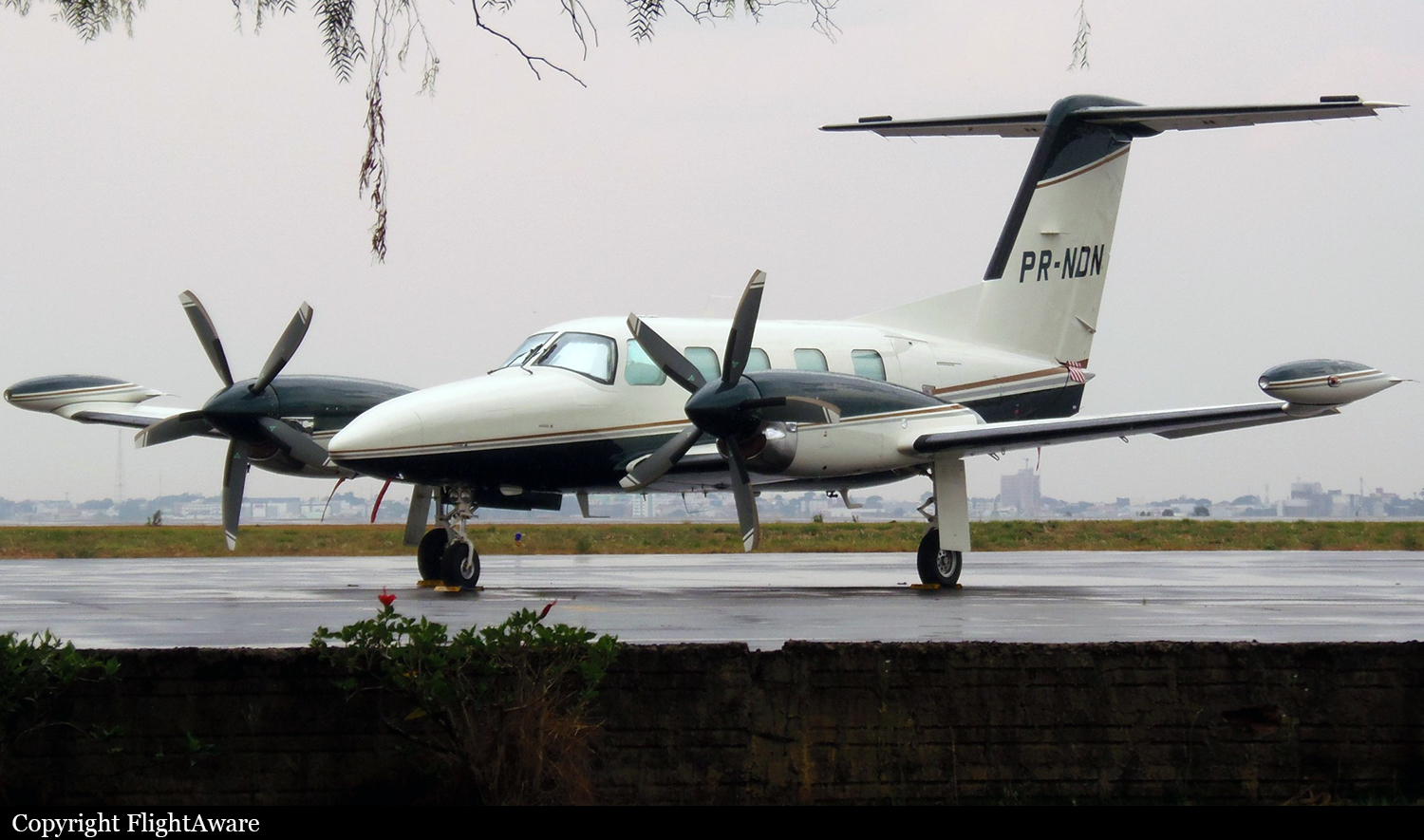
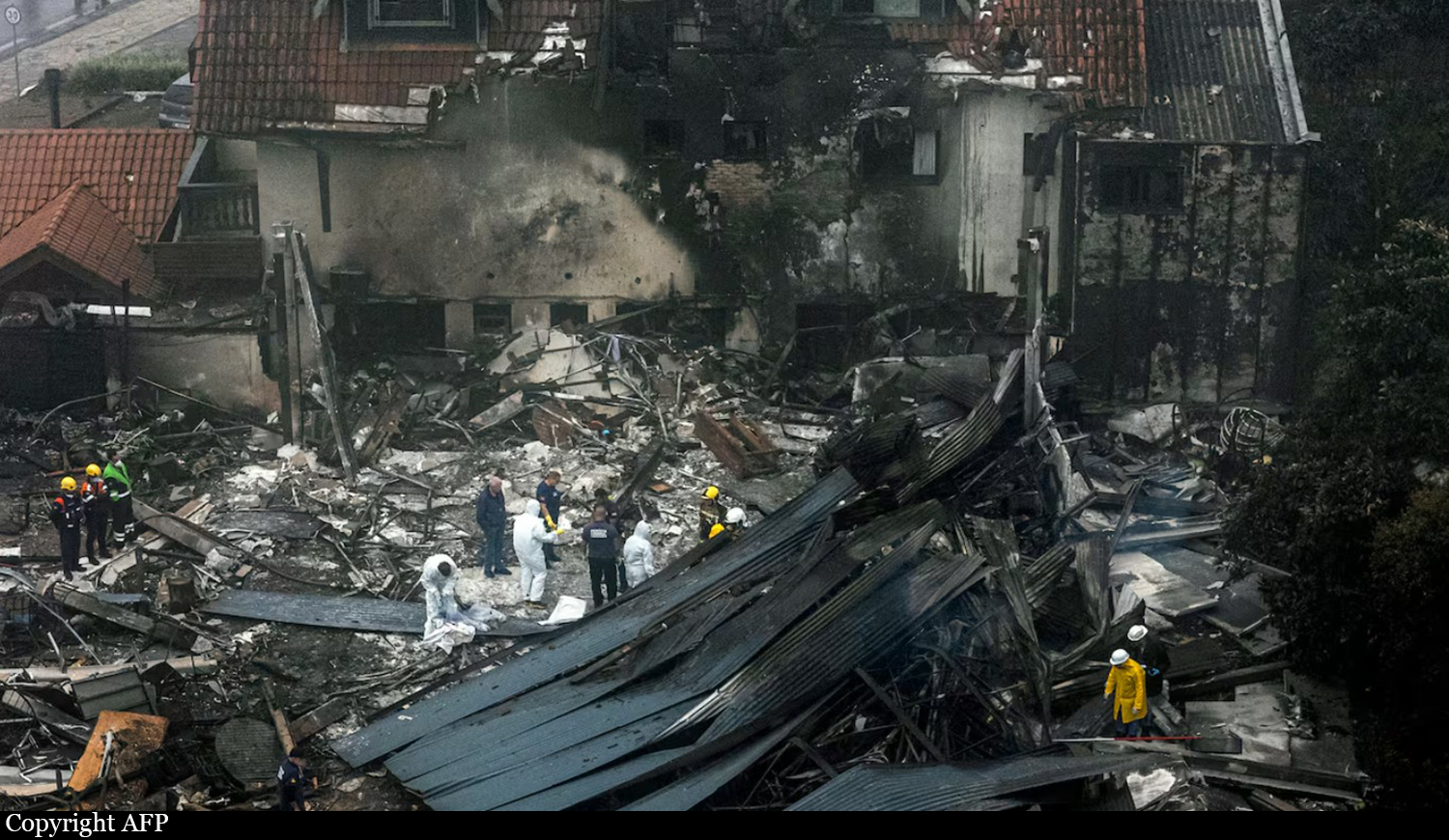
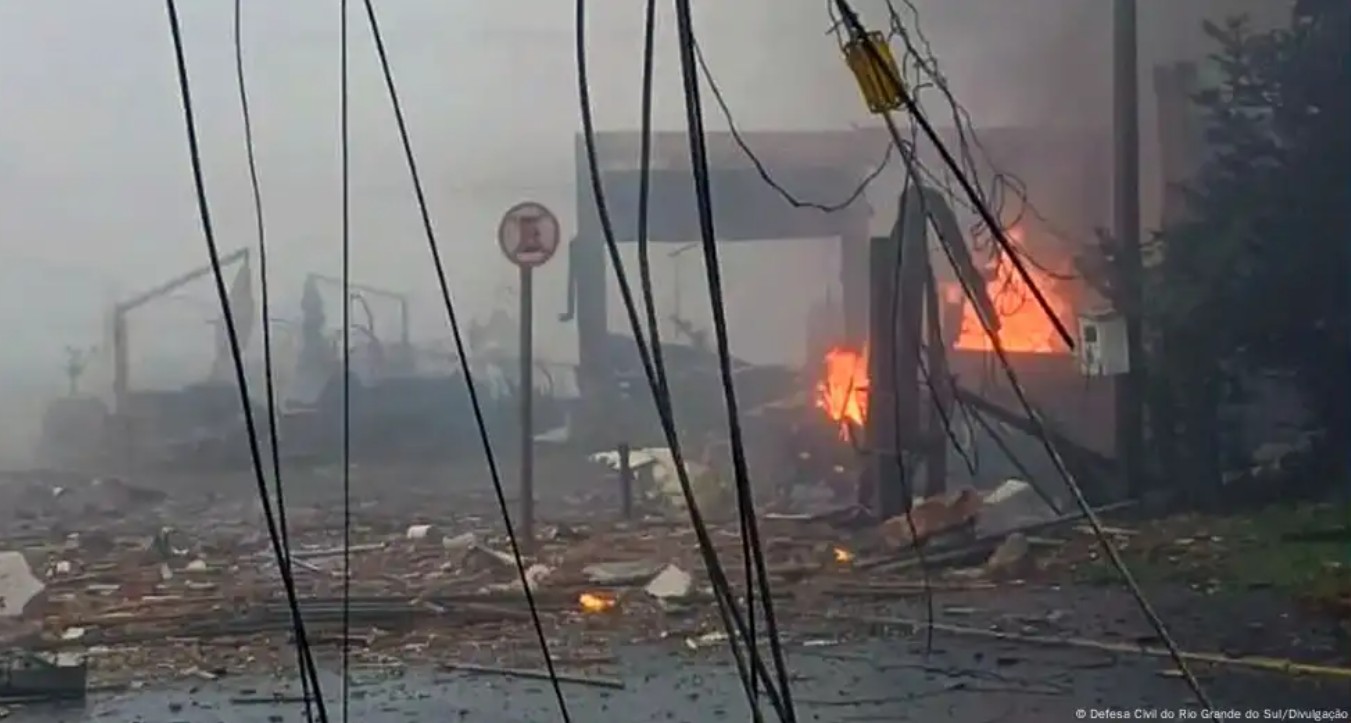
Crash of a Piper PA-42-1000 Cheyenne 400LS in Gramado: 10 killed

Date & Time: Dec 22, 2024 at 0913 LT
Type of aircraft:
Operator:
Registration:
PR-NDN
Flight Phase:
Flight Type:
Survivors:
No
Site:
Schedule:
Canela – Jundiaí
MSN:
42-5527040
YOM:
1989
Country:
Crew on board:
1
Crew fatalities:
Pax on board:
9
Pax fatalities:
Other fatalities:
Total fatalities:
10
Circumstances:
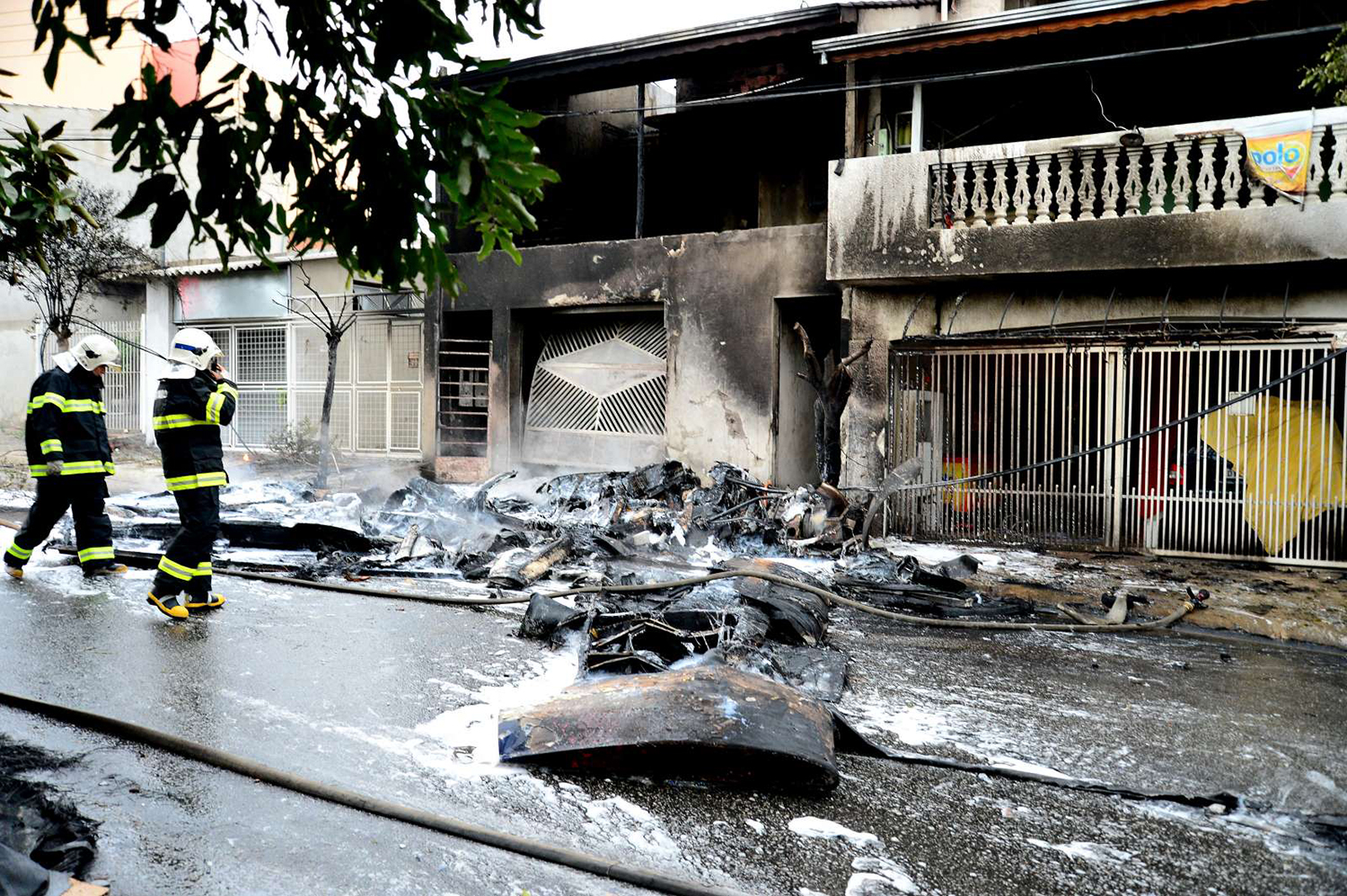
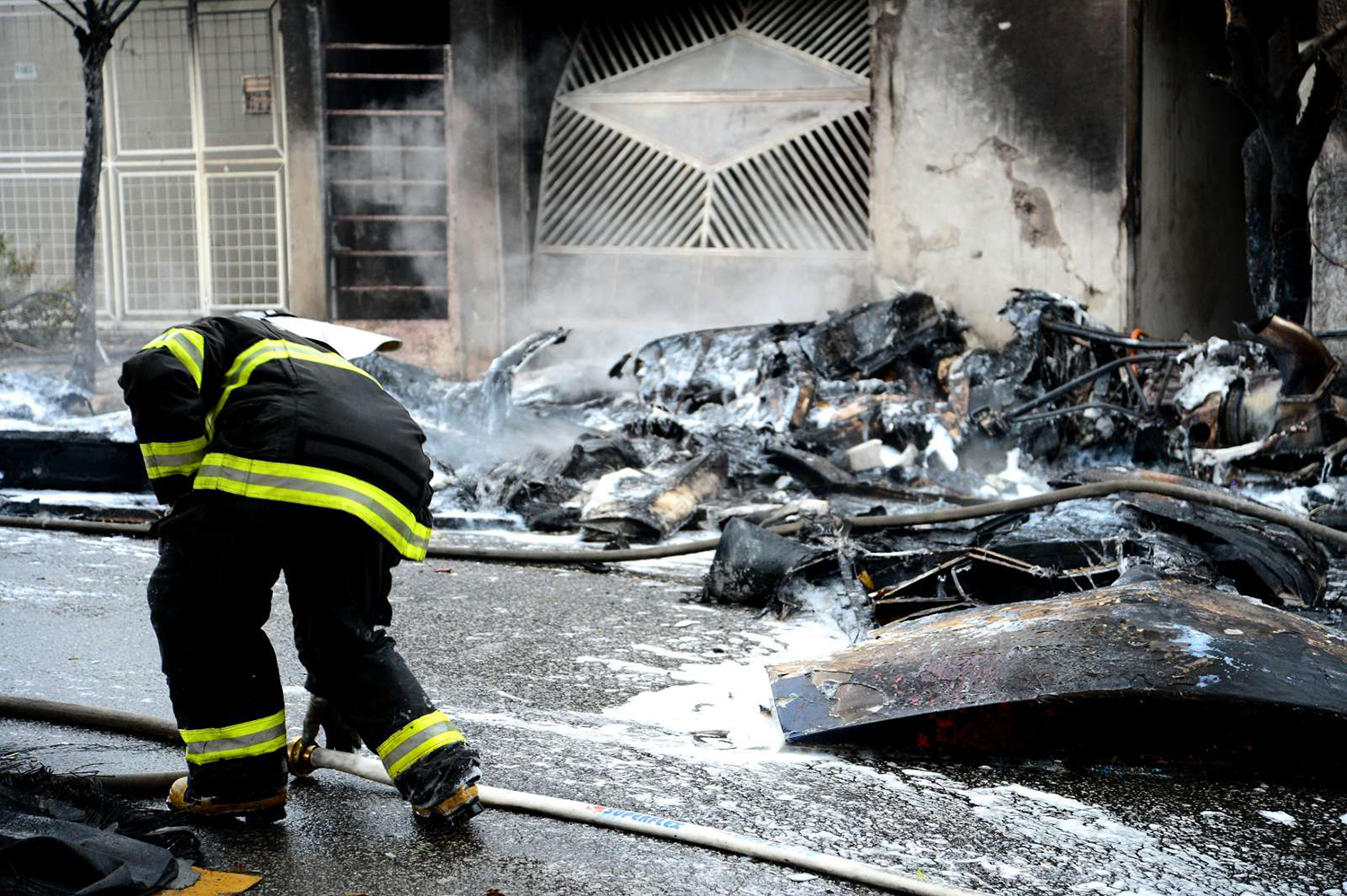
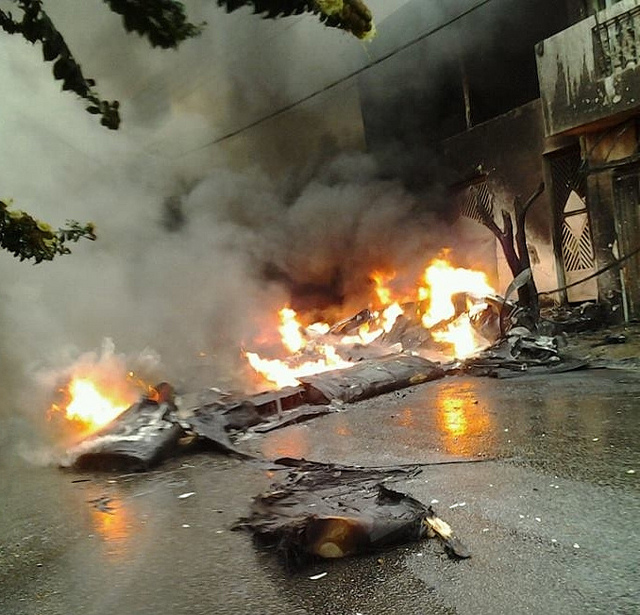
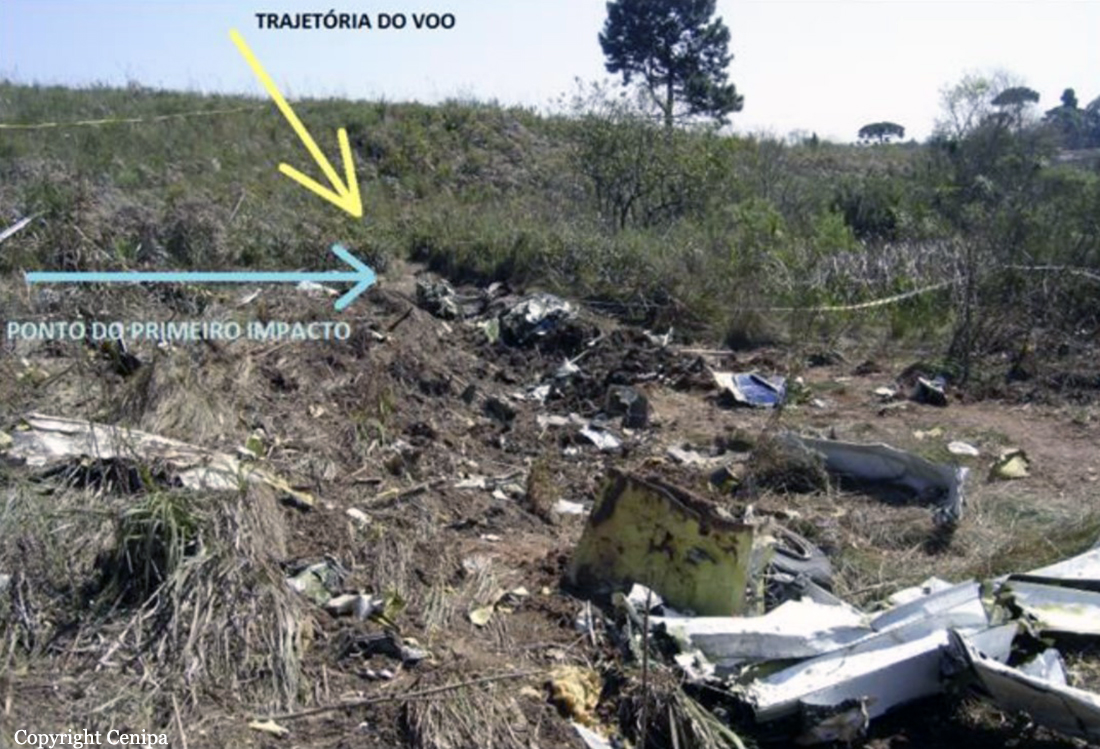
The twin engine airplane departed Canela Airport runway 24 at 0912LT on a private flight to Jundiaí, carrying nine passengers and one pilot. Weather conditions were marginal with limited visibility due to rain falls and fog. One minute later, the airplane collided with the chimney of a private house, lost height and crashed on an inn located in the center of the city of Gramado, about 3 km west of Canela Airport. The airplane was totally destroyed as well as several buildings. All 10 occupants were killed and 17 people on the ground were injured, two seriously. The pilot and owner of the airplane, Luiz Claudio Salgueiro Galeazzi, was travelling with his wife, three daughters, sister, brother in law, mother in law and two nephews.

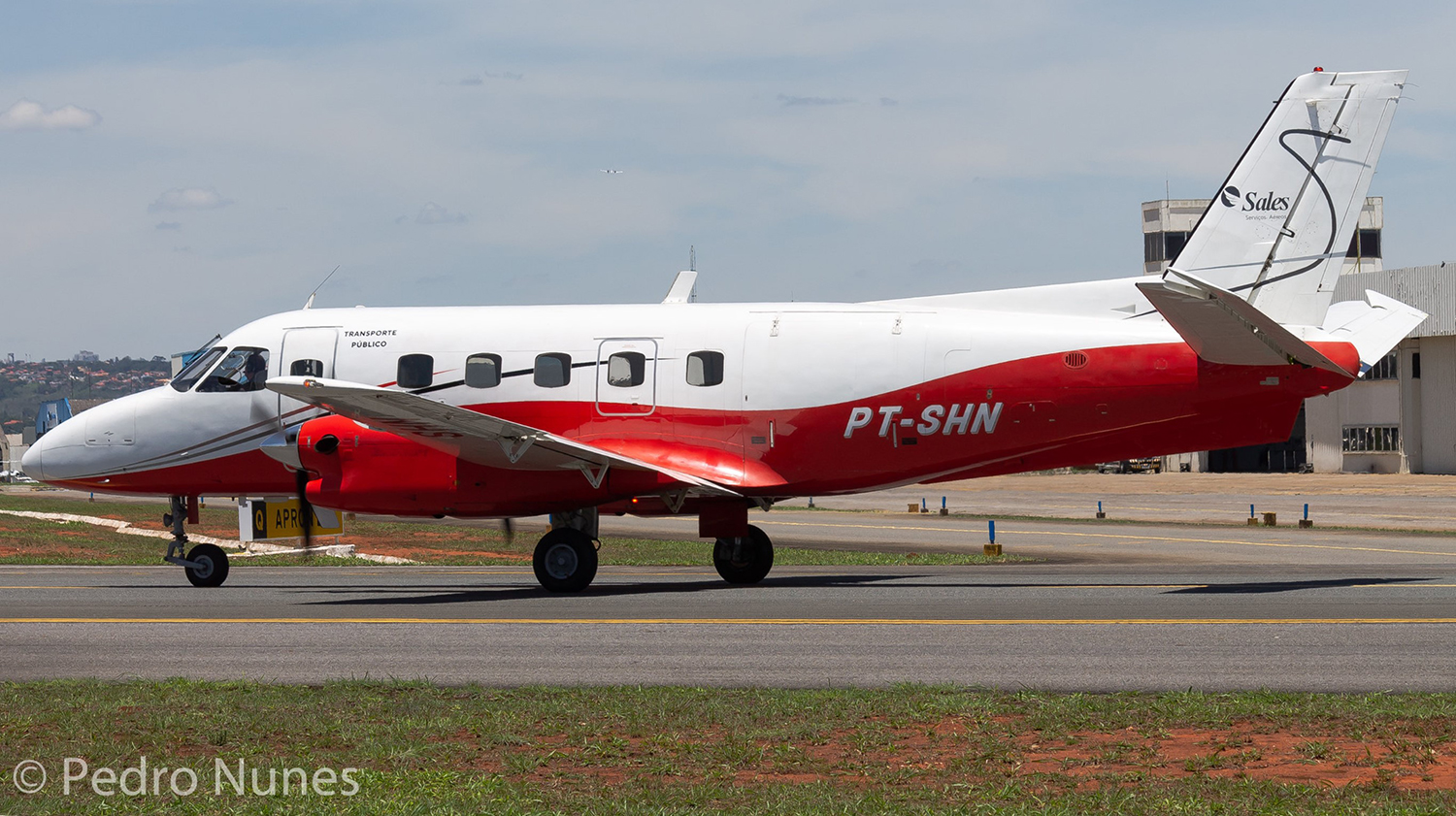
Crash of an Embraer EMB-110P1 Bandeirante in Eldorado do Sul

Date & Time: May 20, 2022 at 1052 LT
Operator:
Registration:
PT-SHN
Flight Type:
Survivors:
Yes
Schedule:
Jundiaí – Eldorado do Sul
MSN:
110-460
YOM:
1985
Country:
Crew on board:
2
Crew fatalities:
Pax on board:
0
Pax fatalities:
Other fatalities:
Total fatalities:
0
Captain / Total flying hours:
17101
Captain / Total hours on type:
1890.00
Copilot / Total flying hours:
1235
Copilot / Total hours on type:
779
Circumstances:
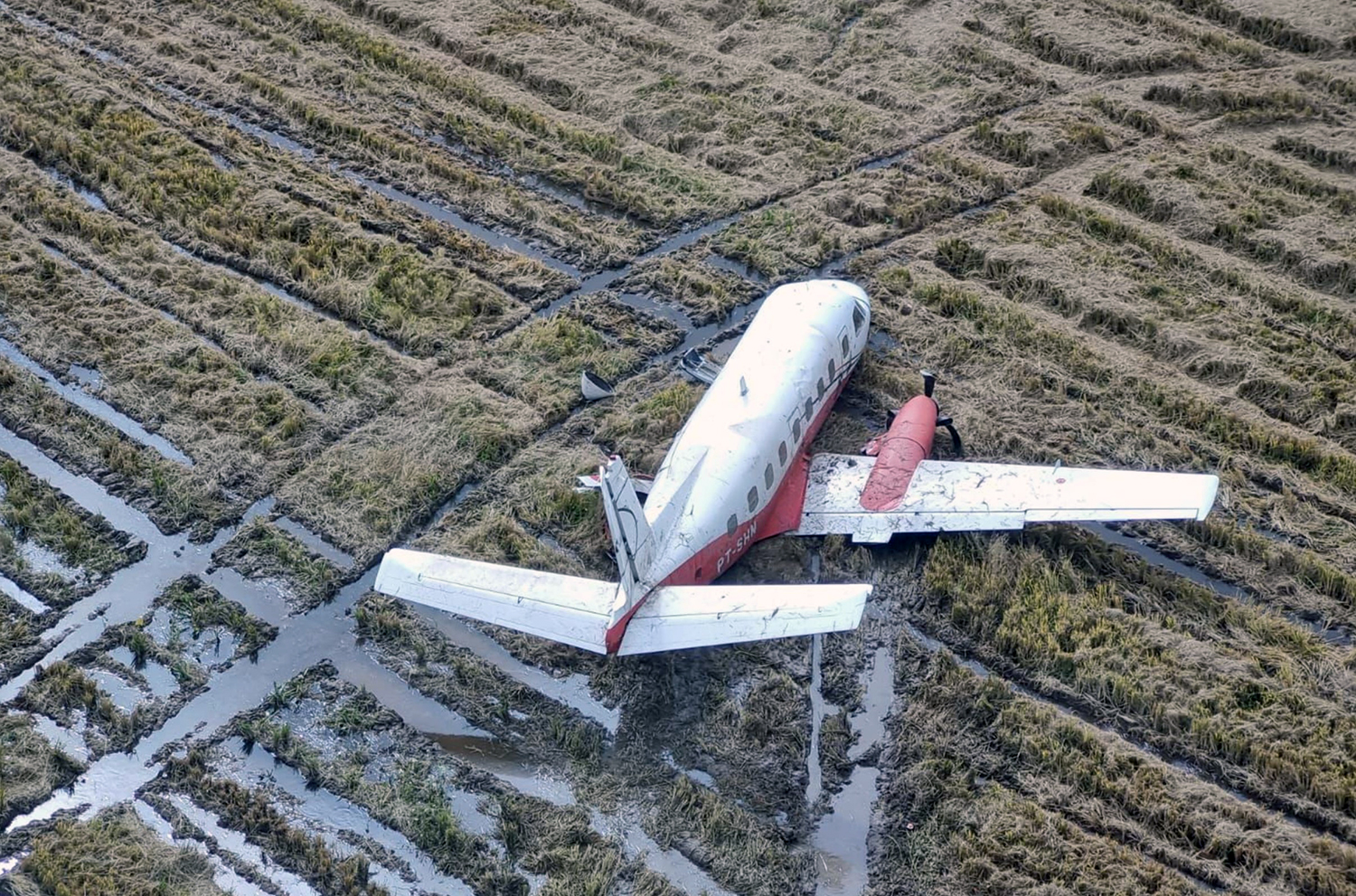
The airplane departed Jundiaí at 0800LT on a cargo flight to Eldorado do Sul, carrying two pilots and a load of automotive parts. About thirty minutes prior to reaching the destination, the descent procedure was initiated. During the descent, the crew observed that the left engine torque indicator would not reduce to values below 1,300 lb. ft. The crew continued toward the destination. On the final approach for landing, the left engine was shut down. Subsequently, the aircraft lost control and crash landed in a rice paddy field located short of runway. While contacting ground, the undercarriage and the left wing were torn off. Both pilots were injured, one seriously.
Probable cause:
Contributing factors:
- Attitude – a contributor.
Familiarity with the destination aerodrome, developed through recent experience, along with experience in this type of operation, generated a complacent attitude toward safety procedures and excessive confidence in the pilots’ ability to handle the situation.
These attitudes led to inadequate adherence to the procedures required in the presence of an engine malfunction. Additionally, the decision to continue the flight and landing under VFR, despite adverse meteorological conditions, reflected difficulty in reacting appropriately to external stimuli affecting the operation, resulting in inadequate behaviors and compromising flight safety.
- Training and Qualification – undetermined.
There were no records indicating that the pilots had completed CRM training, as required by Section 135.330 of RBAC 135. Furthermore, it is possible that the lack of completion of periodic flight training before the accident contributed to inadequate
performance and insufficient proficiency in the context of the emergency operation and management.
- Communication – a contributor.
During the management of the emergency, the crew demonstrated difficulty organizing and expressing information rationally and coherently. The PIC’s unclear and low assertiveness verbalizations hindered the SIC’s ability to properly interpret and act upon the
instructions. This situation worsened during the go-around after the first landing attempt, when the PIC repeatedly issued commands using non-standard phraseology, delaying actions on the part of the SIC. Throughout the second traffic circuit, information exchange between the pilots was insufficient to establish an orderly definition of the commands and actions to be executed before shutting down the left engine on final approach.
- Adverse meteorological conditions – undetermined.
Meteorological conditions below the minima for VFR and for landing at SIXE may have affected aircraft performance and induced the pilots to conduct engine-malfunction procedures at low altitude to maintain ground reference, reducing the safety margin during the ensuing loss of control.
- Crew Resource Management – a contributor.
Human resources available for the operation were inefficiently employed, with inadequate management of each crew member’s actions and a failure to consult emergency checklists.The confusion observed on the CVR indicated that, once assuming control of the
aircraft, the PIC struggled to provide clear direction to the SIC during critical flight phases, particularly during the landing attempt and the subsequent left-engine shutdown on final. At no point did the crew engage in dialogue aimed at analyzing the situation,
interpreting available information, or consulting checklists to support decision-making.
- Handling of aircraft flight controls – undetermined.
CVR transcripts showed that, when control was lost, the PIC applied maximum power on the right engine. Under those circumstances, the action performed by the crew may have aggravated the aircraft’s loss-of-control condition, which resulted in a left descending turn that continued until ground impact.
- Piloting judgment – a contributor.
There was inadequate assessment of aircraft operational parameters prior to shutting down the left engine. This misjudgment led the crew to perform the shutdown on final approach, at low altitude and with the aircraft fully configured for landing – conditions under which sustained flight was no longer possible. Additionally, shutting down the engine during final approach prevented recovery of control in the new single-engine flight condition due to insufficient altitude.
- Aircraft maintenance – undetermined.
The possibility of maintenance personnel involvement could not be ruled out, due to inadequacies in the corrective or preventive actions taken regarding discrepancies recorded in the Aircraft Logbook by the same crew days prior to the accident. At that time, a mismatch between the power-lever positions had been noted. It was considered that this condition may have been associated with the onset of FCU malfunction, through an incipient fracture in the bellows.
- Decision-making process – a contributor.
Evidence collected during the investigation suggests difficulty in perceiving, analyzing, and appropriately responding to the situation, resulting in hasty decision-making and inadequate use of available time to implement a safe course of action. During arrival at SIXE, inadequate evaluations and/or indecision were identified regarding measures to mitigate the emergency in question. By choosing to land at SIXE, the pilots did not comply with the meteorological minima prescribed for that operation, reducing the safety margin when shutting down the malfunctioning engine – an action that led to loss of control. Misinterpretation and insufficient analysis led to an underestimation of the seriousness of the situation, resulting in the decision to shut down the engine during final approach at an aerodrome lacking emergency response capability, without notifying air traffic services of the aircraft’s emergency condition.
- Managerial oversight – undetermined.
One deemed plausible that there was inadequate oversight by the organization’s management regarding pilot training activities and monitoring of qualifications. Additionally, in response to reports of discrepancies, the aircraft maintenance manager may not have adequately addressed abnormal behaviors exhibited by the aircraft – such as the power-lever mismatch – prior to the accident.
Final Report:

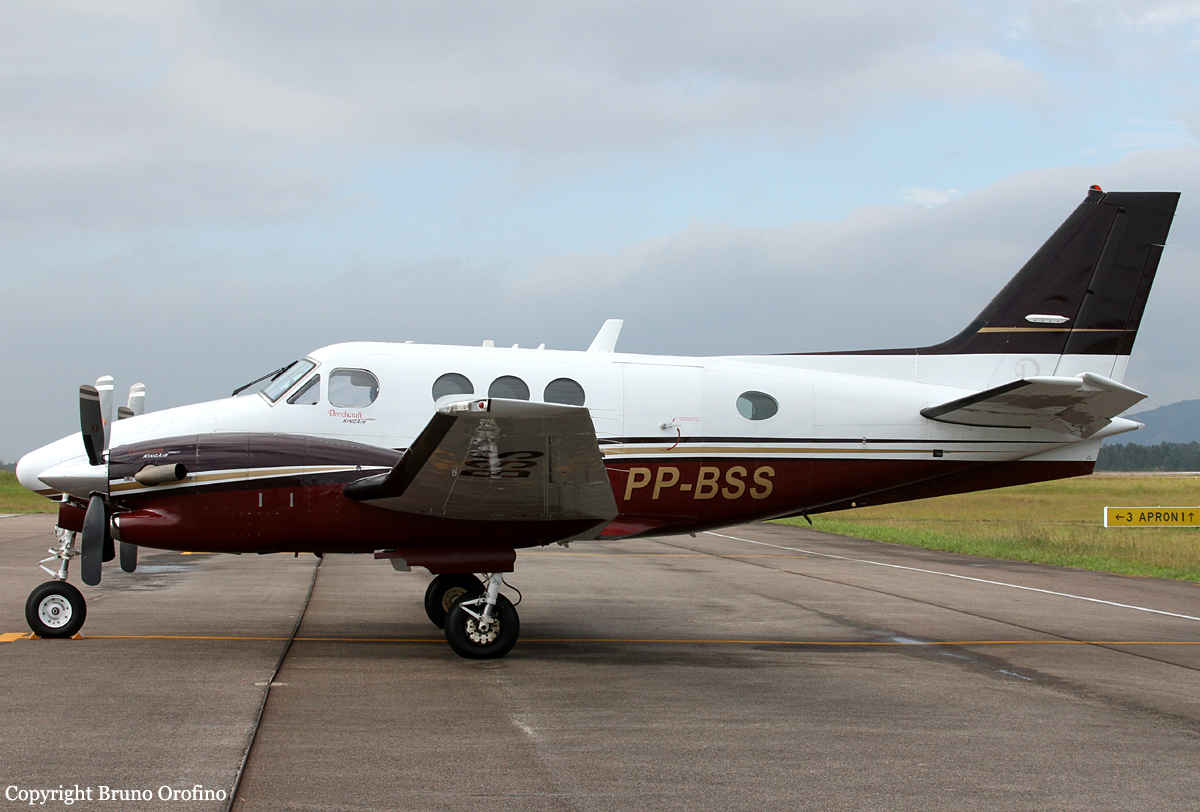
Crash of a Beechcraft C90GT King Air near Caieiras: 1 killed

Date & Time: Dec 2, 2019 at 0602 LT
Type of aircraft:
Registration:
PP-BSS
Flight Phase:
Flight Type:
Survivors:
No
Site:
Schedule:
Jundiaí – Campo de Marte
MSN:
LJ-1839
YOM:
2008
Country:
Crew on board:
1
Crew fatalities:
Pax on board:
0
Pax fatalities:
Other fatalities:
Total fatalities:
1
Captain / Total flying hours:
6000
Captain / Total hours on type:
211.00
Circumstances:
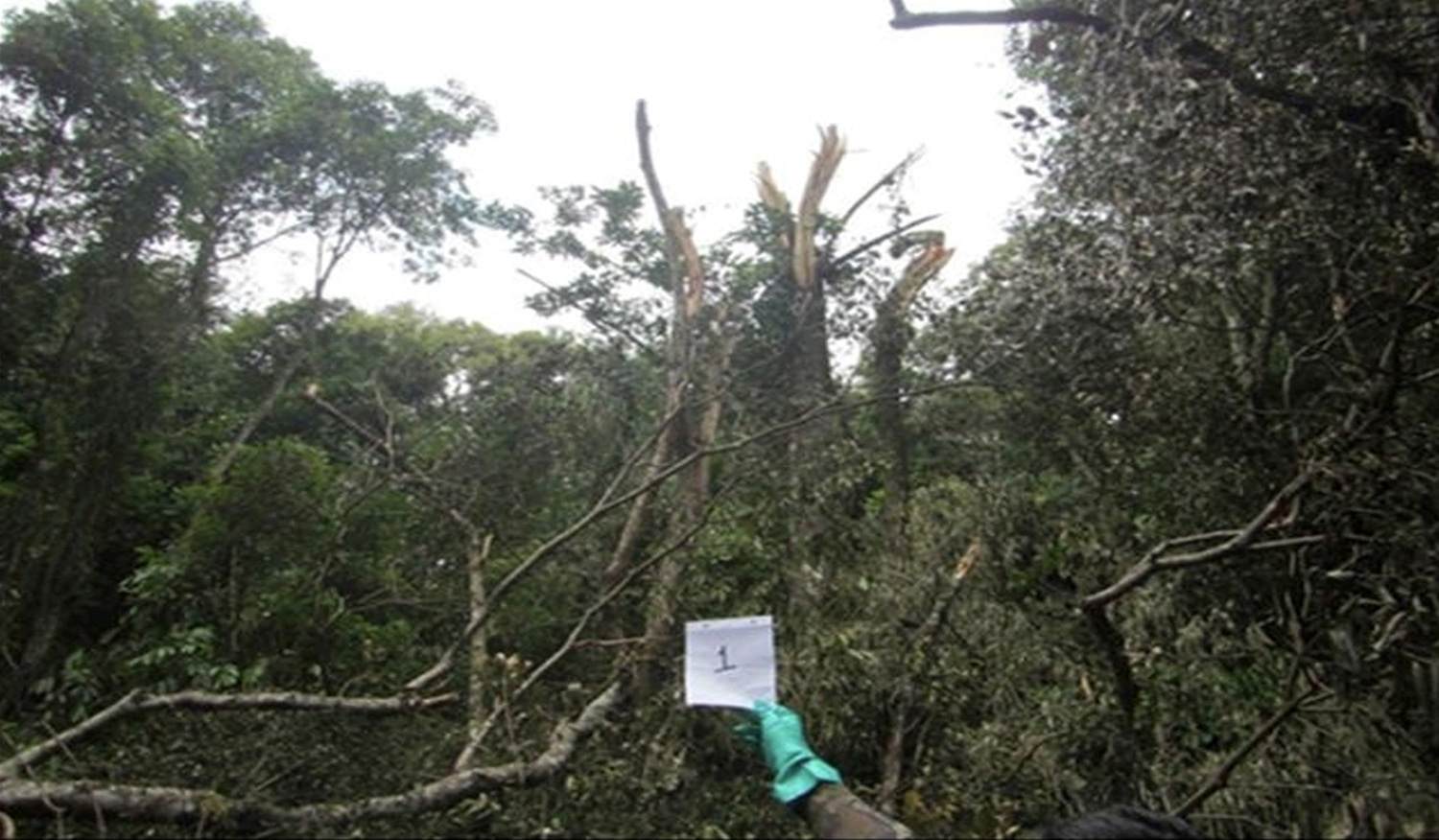
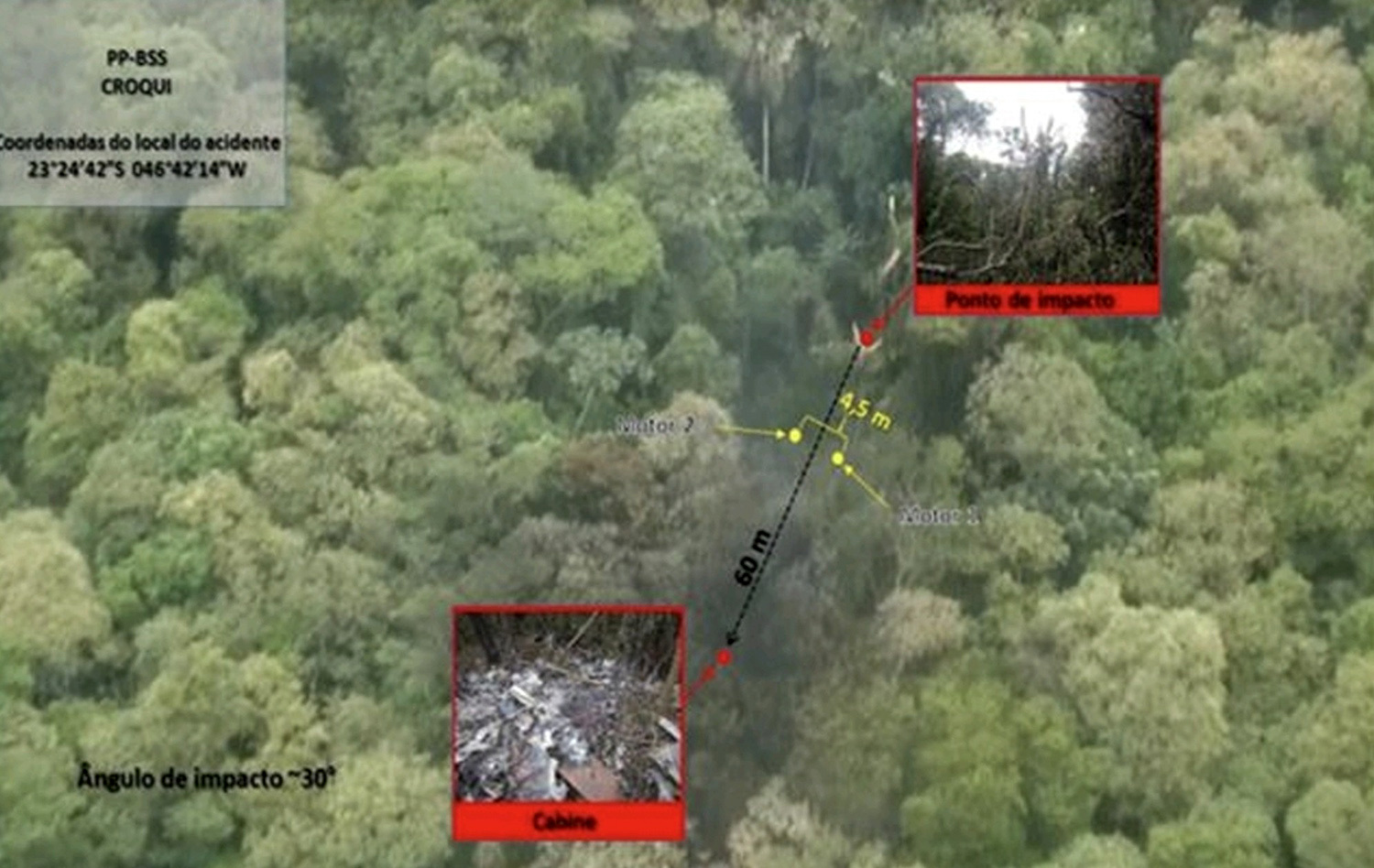
The pilot departed Jundiaí-Comandante Rolim Adolfo Amaro Airport at 0550LT on a short transfer flight to Campo de Marte, São Paulo. While descending to Campo de Marte Airport, he encountered poor weather conditions and was instructed by ATC to return to Jundiaí. Few minutes later, while flying in limited visibility, the twin engine airplane impacted trees and crashed in a wooded area located in Mt Cantareira, near Caieiras. The aircraft was destroyed by impact forces and a post crash fire and the pilot, sole on board, was killed.
Probable cause:
The accident was the consequence of the combination of the following factors:
- Attention – undetermined.
It is likely that the pilot has experienced a lowering of his attention in relation to the available information and the stimuli of that operational context in face of the adverse conditions faced.
- Attitude – a contributor.
It was concluded that there was no reaction to the warnings of proximity to the ground (Caution Terrain) and evasive action to avoid collision (Pull Up), a fact that revealed difficulties in thinking and acting in the face of an imminent collision condition, in which the aircraft was found.
- Adverse meteorological conditions – a contributor.
The clouds height and visibility conditions did not allow the flight to be conducted, up to SBMT, under VFR rules.
- Piloting judgment – a contributor.
The attempt to continue with the visual flight, without the minimum conditions for such, revealed an inadequate assessment, by the pilot, of parameters related to the operation of the aircraft, even though he was qualified to operate it.
- Perception – a contributor
The ability to recognize and project hazards related to continuing flight under visual rules, in marginal ceiling conditions and forward visibility, was impaired, resulting in reduced pilot situational awareness, probable geographic disorientation, and the phenomenon known as " tunnel vision''.
- Decision-making process – a contributor.
The impairment of the pilot's perception in relation to the risks related to the continuation of the flight in marginal safety conditions negatively affected his ability to perceive, analyze, choose alternatives and act appropriately due to inadequate judgments and the apparent fixation on keeping the flight under visual rules, which also contributed to this occurrence.
Final Report:

Crash of a Cessna 550 Citation II in Maraú: 5 killed

Date & Time: Nov 14, 2019 at 1417 LT
Type of aircraft:
Registration:
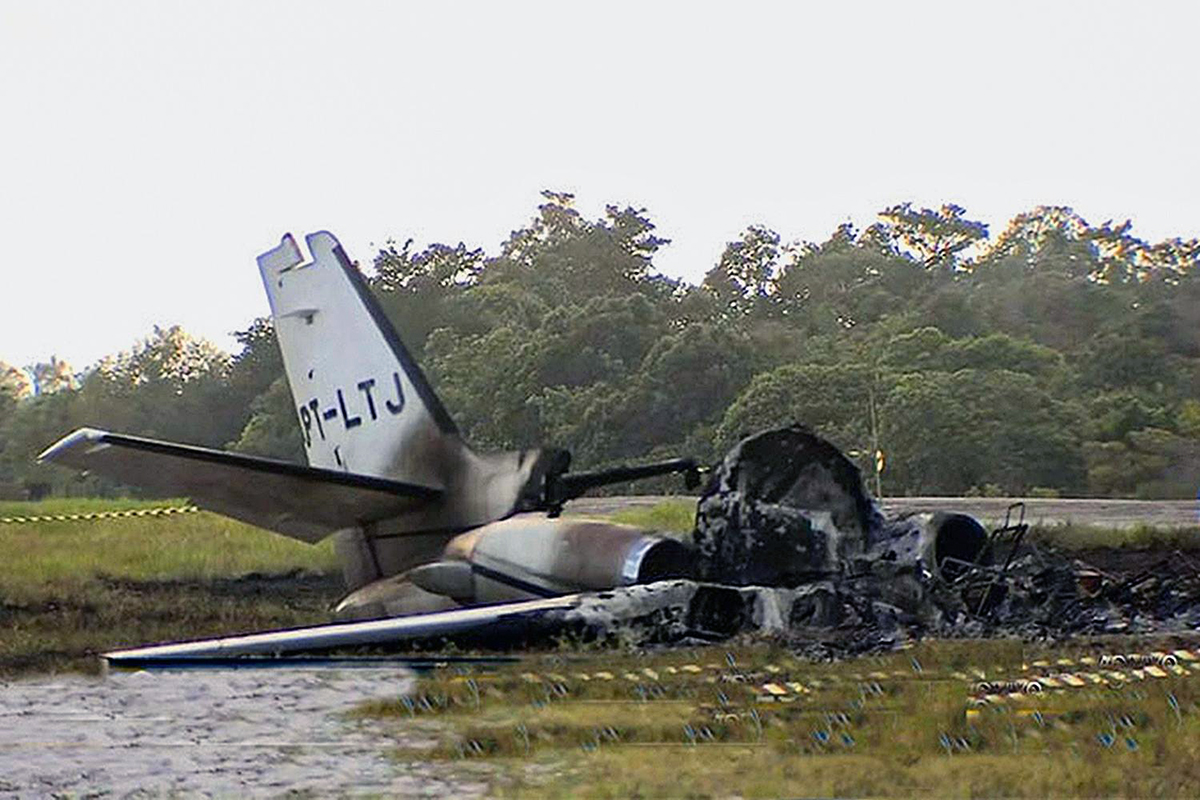
PT-LTJ
Flight Type:
Survivors:
Yes
Schedule:
Jundiaí – Maraú
MSN:
550-0225
YOM:
1981
Country:
Crew on board:
2
Crew fatalities:
Pax on board:
8
Pax fatalities:
Other fatalities:
Total fatalities:
5
Captain / Total flying hours:
8000
Captain / Total hours on type:
2500.00
Copilot / Total flying hours:
350
Copilot / Total hours on type:
25
Aircraft flight hours:
6978
Aircraft flight cycles:
6769
Circumstances:
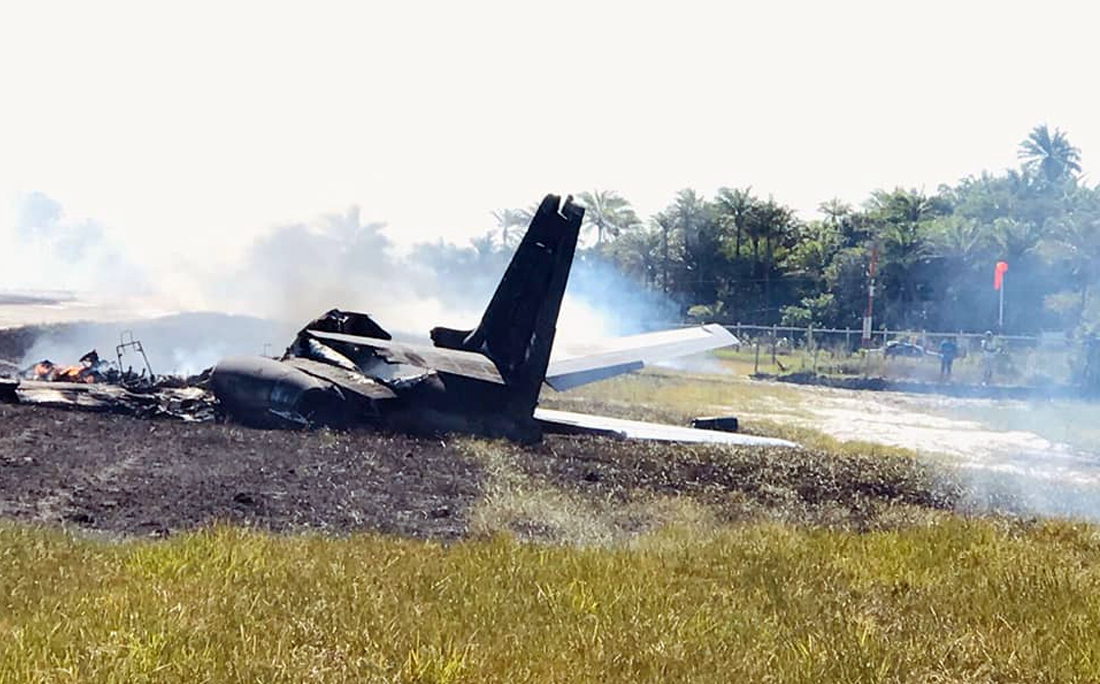
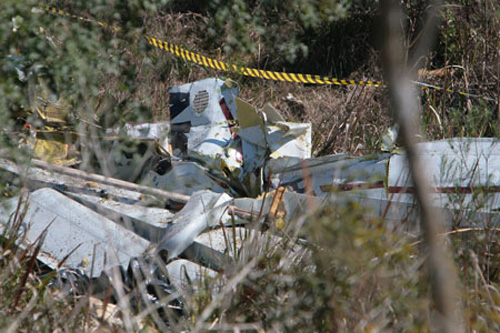
The aircraft took off from the Comandante Rolim Adolfo Amaro Aerodrome (SBJD), Jundiaí - SP, to the Barra Grande Aerodrome (SIRI), Maraú - BA, at about 1458 (UTC), in order to carry out a private flight, with two pilots and eight passengers on board. Upon arriving at the destination Aerodrome, at 1717 (UTC), the aircraft made an undershoot landing on runway 11, causing the main and auxiliary landing gear to burst. The airplane moved along the runway, dragging the lower fuselage and the lower wing, leaving the runway by its left side, and stopping with the heading lagged, approximately, 210º in relation to the landing trajectory. Afterwards, there was a fire that consumed most of the aircraft. The aircraft was destroyed. One crewmember and four passengers suffered fatal injuries and the other crewmember and four passengers suffered serious injuries.
Probable cause:
Contributing factors.
- Control skills – a contributor
The inadequate performance of the controls led the aircraft to make a ramp that was lower than the ideal. This condition had the consequence of touching the ground before the runway’s threshold.
- Attention – undetermined
During the approach for landing, the commander divided his attention between the supervision of the copilot's activities and the performance of the aircraft's controls. Such circumstances may have impaired the flight management and limited the reaction time to correct the approach ramp.
- Attitude – undetermined
The report that the commander took two photographs of the runway and of the Aerodrome with his cell phone, during the wind leg, reflected an inadequate and complacent posture in relation to his primary tasks at that stage of the flight, which may have contributed to this occurrence.
- Communication – undetermined
As reported by the commander, the low tone and intensity of voice used by the copilot during the conduct of callouts, associated with the lack of use of the head phones, limited his ability to receive information, which may have affected his performance in management of the flight.
- Crew Resource Management – a contributor
The lack of proper use of CRM techniques, through the management of tasks on board, compromised the use of human resources available for the operation of the aircraft, to the point of preventing the adoption of an attitude (go-around procedure) that would avoid the accident, from the moment when the recommended parameters for a stabilized VFR approach are no longer present.
- Illusions – undetermined
It is possible that the width of the runway, narrower than the normal for the pilots involved in the accident, caused the illusion that the aircraft was higher than expected, for that distance from the thrashold 11 of SIRI, to the point of influence the judgment of the approach ramp. In addition, the fact that the pilot was surprised by the geography of the terrain (existence of dunes) and the coloring of the runway (asphalt and concrete), may have led to a false visual interpretation, which reflected in the evaluation of the parameters related to the approach ramp.
- Piloting judgment – a contributor
The commander's inadequate assessment of the aircraft's position in relation to the final approach ramp and landing runway contributed to the aircraft touching the ground before the thrashold.
- Perception – undetermined
It is possible that a decrease in the crew's situational awareness level resulted in a delayed perception that the approach to landing was destabilized and made it impossible to correct the flight parameters in a timely manner to avoid touching the ground before the runway.
- Flight planning – undetermined
It is possible that, during the preparation work for the flight, the pilots did not take into account the impossibility of using the perception and alarm system of proximity to the ground that equipped the aircraft, and the inexistence of a visual indicator system of approach ramp at the Aerodrome.
- Other / Physical sensory limitations – undetermined
The impairment of the hearing ability of the aircraft commander, coupled with the lack of the use of head phones, may have interfered with the internal communication of the flight cabin, in the critical phase of the flight.
Final Report:

Crash of a Comp Air CA-8 in Sorocaba: 2 killed

Date & Time: May 29, 2013 at 1540 LT
Type of aircraft:
Operator:
Registration:
PP-XLR
Flight Phase:
Flight Type:
Survivors:
No
Site:
Schedule:
Sorocaba - Jundiaí
MSN:
0204CA8
YOM:
2006
Country:
Crew on board:
1
Crew fatalities:
Pax on board:
1
Pax fatalities:
Other fatalities:
Total fatalities:
2
Circumstances:
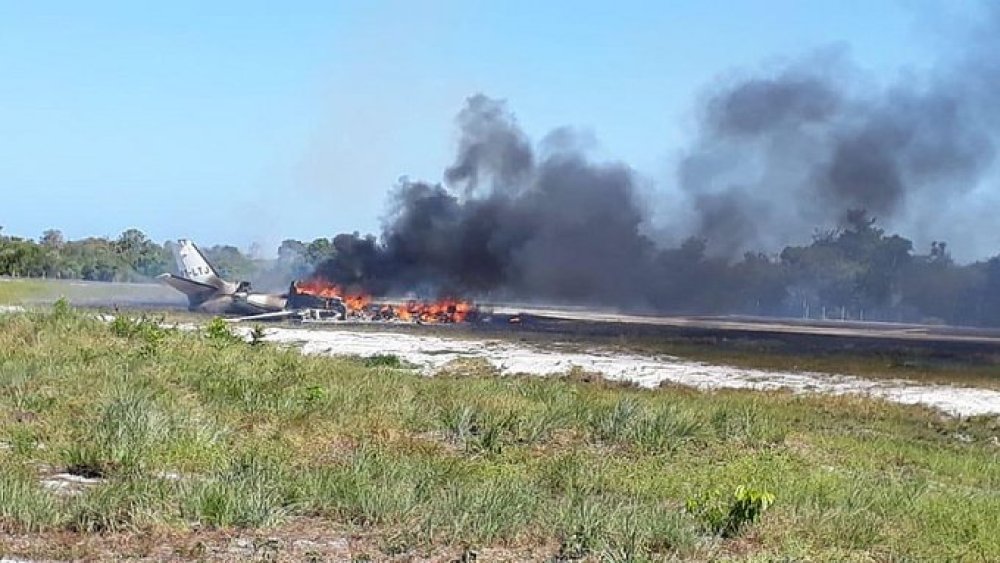
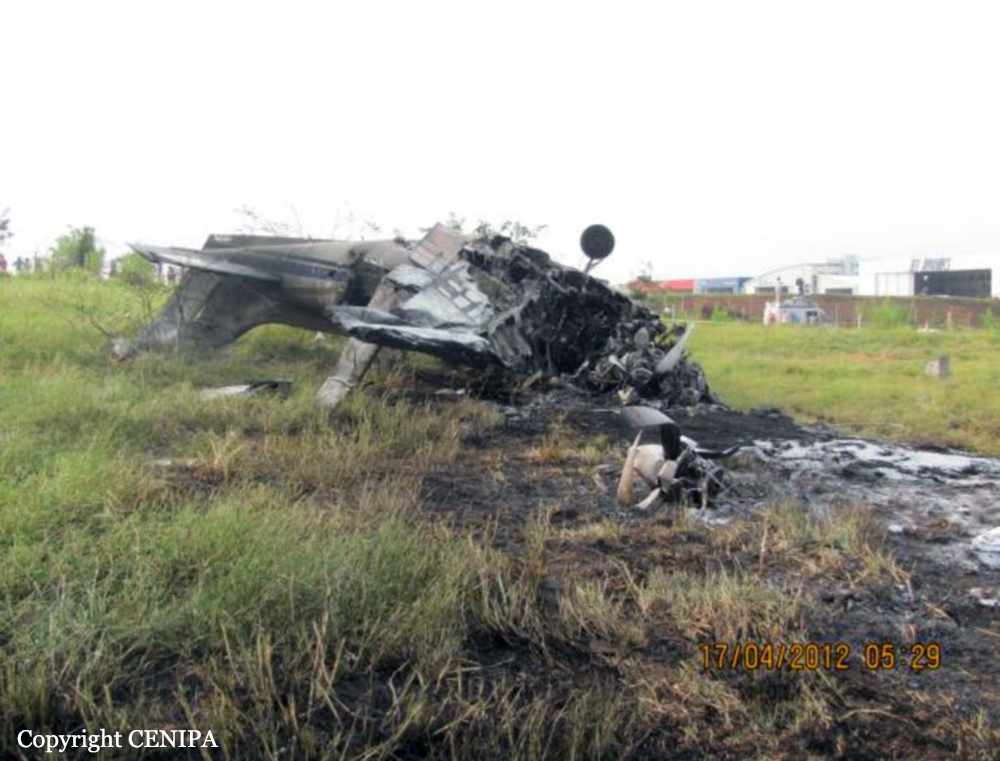
Shortly after take off from Sorocaba Airport, while climbing, the pilot encountered technical problems and elected to return. While trying to land in a wasteland, the single engine aircraft crashed in a street and was destroyed by impact forces and a post impact fire. Both occupants were killed as a house was also destroyed.

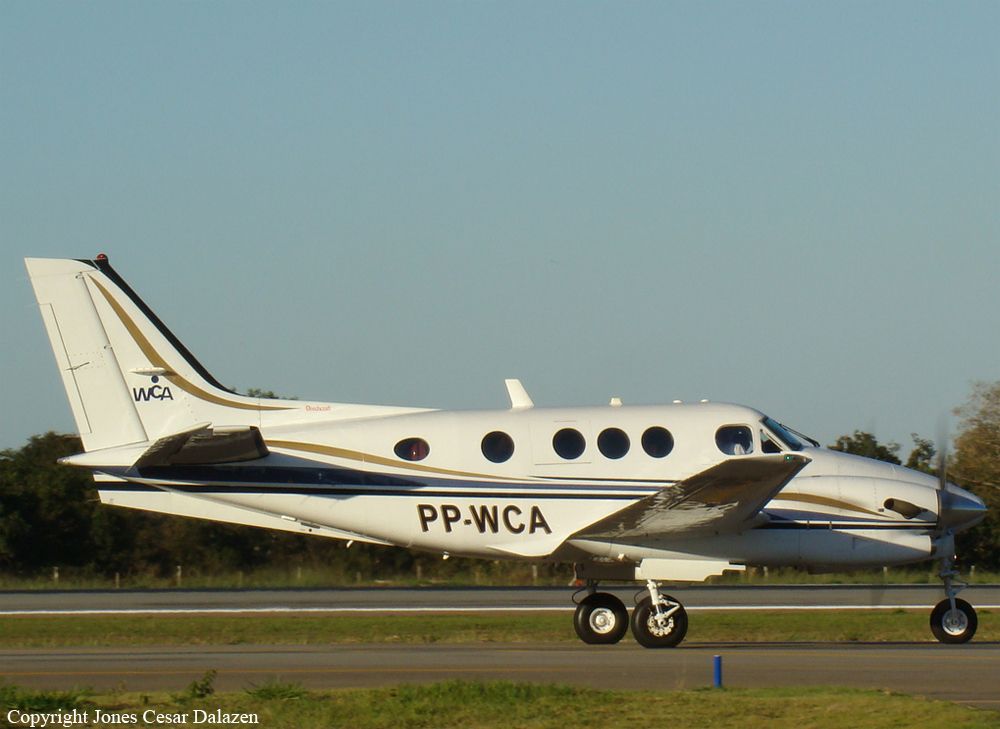
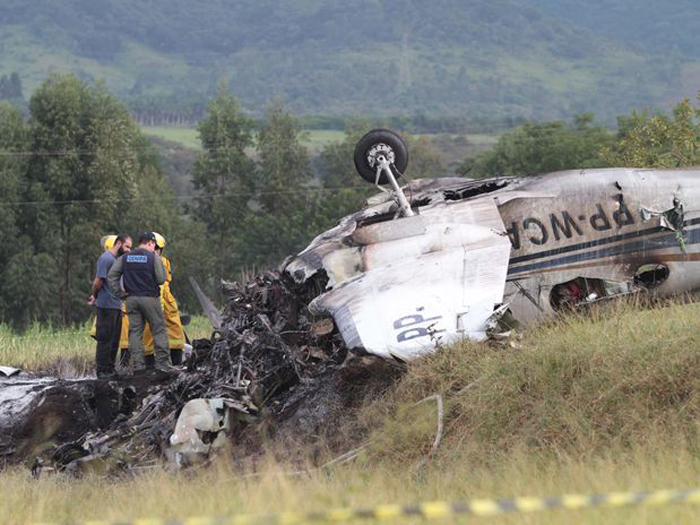
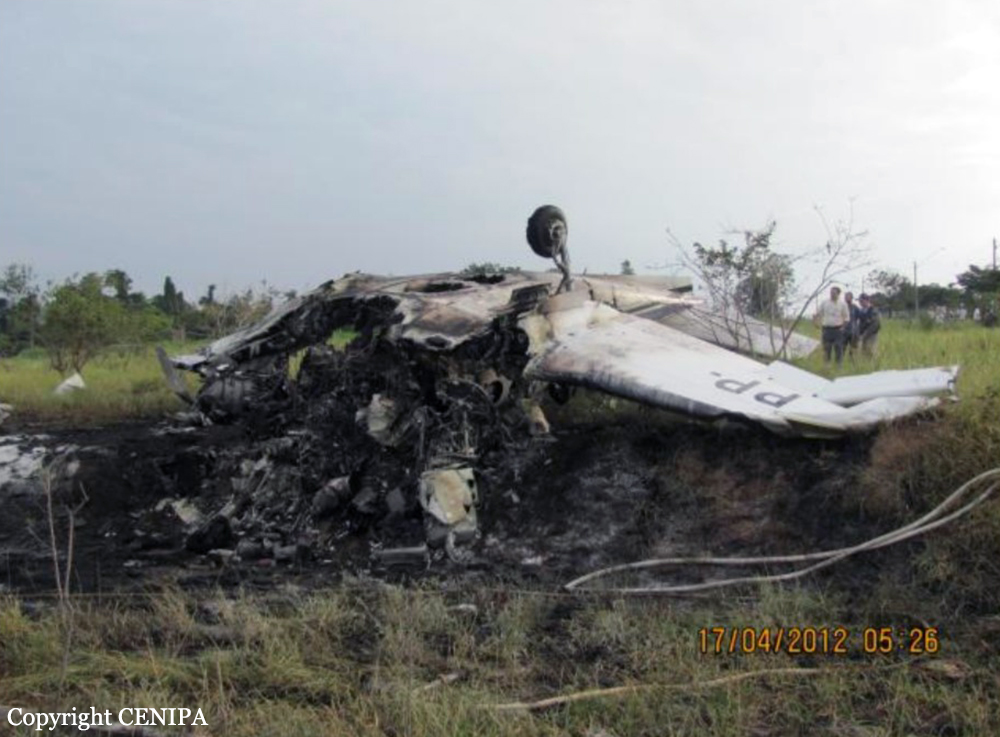
Crash of a Beechcraft C90B King Air in Jundiaí: 1 killed

Date & Time: Apr 20, 2012 at 1430 LT
Type of aircraft:
Registration:
PP-WCA
Flight Type:
Survivors:
No
Schedule:
Jundiaí - Jundiaí
MSN:
LJ-1676
YOM:
2002
Country:
Crew on board:
1
Crew fatalities:
Pax on board:
0
Pax fatalities:
Other fatalities:
Total fatalities:
1
Circumstances:
The pilot, sole aboard, was completing a local flight from Jundiaí-Comandante Rolim Adolfo Amaro Airport. Shortly after takeoff from runway 36, the pilot reported to ATC that the engine lost power and that he was not able to maintain a safe altitude. He was cleared for an immediate return and completed a circuit. On final approach to runway 18, he lost control of the airplane that crashed 180 metres short of runway and came to rest upside down, bursting into flames. The aircraft was totally destroyed and the pilot was killed.
Probable cause:
The following factors were identified:
- Upon intercepting the final leg for landing, the aircraft crossed the approach axis, and the pilot, in an attempt to make the aircraft join the approach axis again, may have depressed the rudder pedal in an inadequate manner, inadvertently making the aircraft enter a Cross Control Stall.
- The pilot, intentionally, violated a number of aeronautical regulations in force in order to fly an aircraft for which he had no training and was not qualified.
- The short experience of the pilot in the aircraft model hindered the correct identification of the situation and the adoption of the necessary corrective measures.
- The DCERTA’s vulnerability allowed a non-qualified pilot to file a flight notification by making use of the code of a qualified pilot. Thus, the last barrier capable of preventing the accident flight to be initiated was easily thrown down, by making it difficult to implement a more effective supervisory action.
Final Report:

Crash of an Embraer EMB-110P1 Bandeirante in Curitiba: 2 killed

Date & Time: Aug 22, 2007 at 0035 LT
Operator:
Registration:
PT-SDB
Flight Phase:
Flight Type:
Survivors:
No
Schedule:
Curitiba – Jundiaí
MSN:
110-323
YOM:
1980
Country:
Crew on board:
2
Crew fatalities:
Pax on board:
0
Pax fatalities:
Other fatalities:
Total fatalities:
2
Captain / Total flying hours:
18400
Captain / Total hours on type:
8200.00
Copilot / Total flying hours:
5600
Copilot / Total hours on type:
1600
Circumstances:
After passengers were dropped at Curitiba-Afonso Pena Airport, the crew was returning to his base in Jundiaí. Shortly after takeoff from runway 11 by night and marginal weather conditions, the airplane entered clouds at an altitude of 300 feet and continued to climb. Following a left turn, the aircraft climbed to an altitude of 700 feet then entered a right turn and an uncontrolled descent until it crashed in a field located near the Guatupê Police Academy located 3 km northeast of the airport. The accident occurred two minutes after takeoff. The aircraft was totally destroyed and both pilots were killed. At the time of the accident, the visibility was poor due to the night and a cloud base at 300 feet.
Probable cause:
Loss of control during initial climb in IMC conditions after the crew suffered a spatial disorientation. The following factors were identified:
- Weather conditions were not suitable for the completion of the flight,
- The crew failed to prepare the flight according to published procedures,
- The crew failed to follow the pre-takeoff checklist,
- The copilot did not have adequate training for this type of operation,
- The captain had emotional conditions that compromised flight operations,
- The relationship between both pilots was incompatible,
- The main attitude indicator was out of service since a week and the crew referred to the emergency attitude indicator,
- Because of poor flight preparation and non observation of the pre-takeoff checklist, the captain forgot to switch on the emergency attitude indicator prior to takeoff,
- At the time of the accident, the captain had accumulated 15 hours and 22 minutes of work without rest, which is against the law,
- The captain showed overconfidence and inflexibility which weakened his performances,
- Both pilots disagreed on operations,
- The visibility was poor due to the night and the ceiling at 300 feet above ground,
- The state of complacency of the organization was characterized by a culture adaptable to internal processes, without the adoption of formal rules for the operations division and the acceptance of operating conditions incompatible with security rules and protocols, which allowed the newly hired crew to feel free to act in disagreement with the standards and regulations in force at the time of the accident,
- Performing a sharp turn to the right in IMC conditions associated with a long working day and a lack of rest,
- The level of stress of the captain due to intense fatigue generated by a high workload and an insufficient rest period,
- Poor crew discipline,
- Poor judgment of the situation,
- Poor flight planning,
- Failures in the operator's organizational processes and lack of supervision of flight operations.
Final Report: