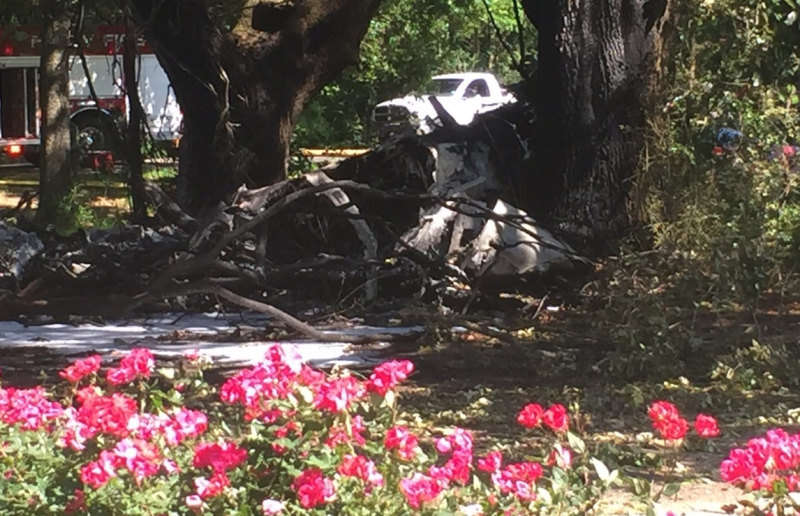
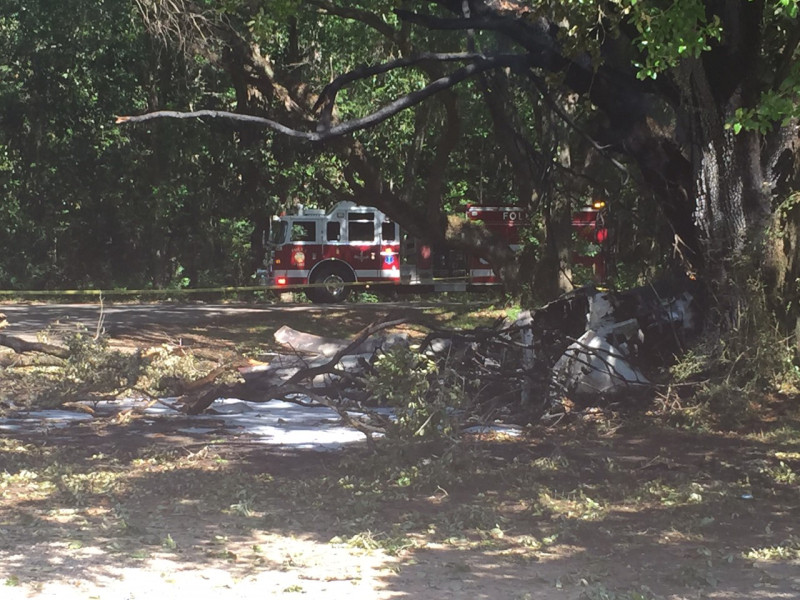
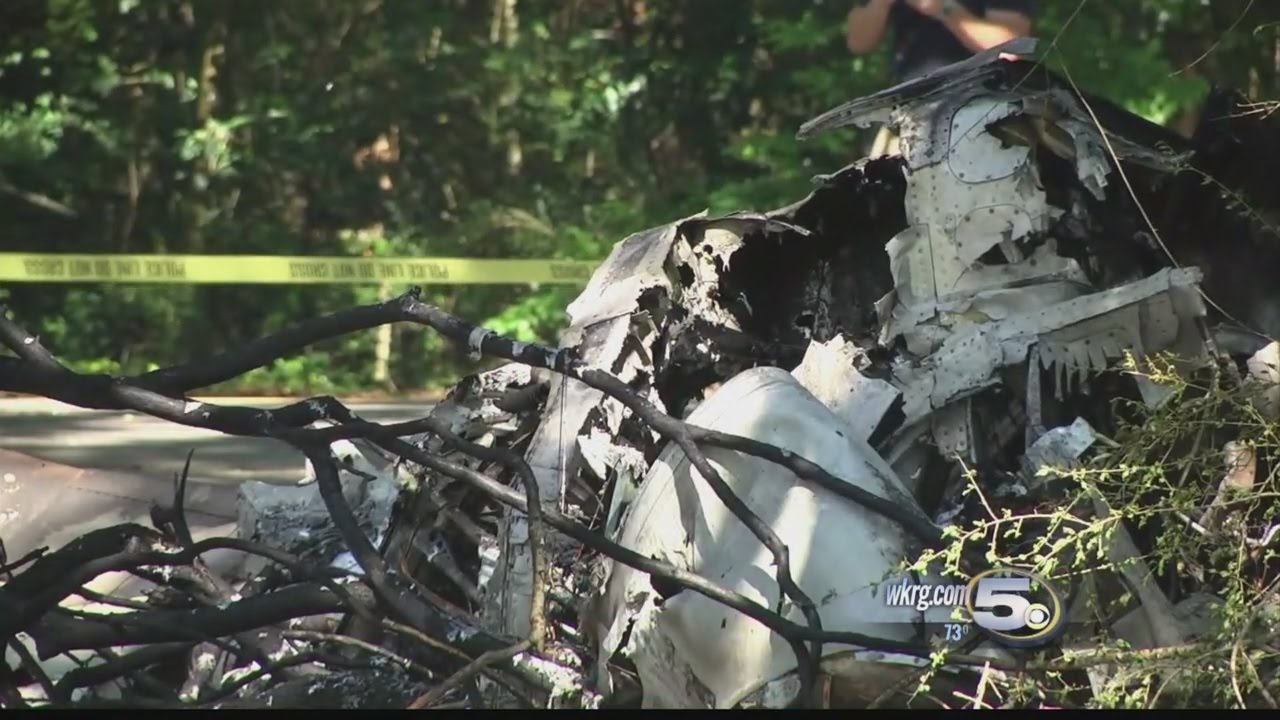
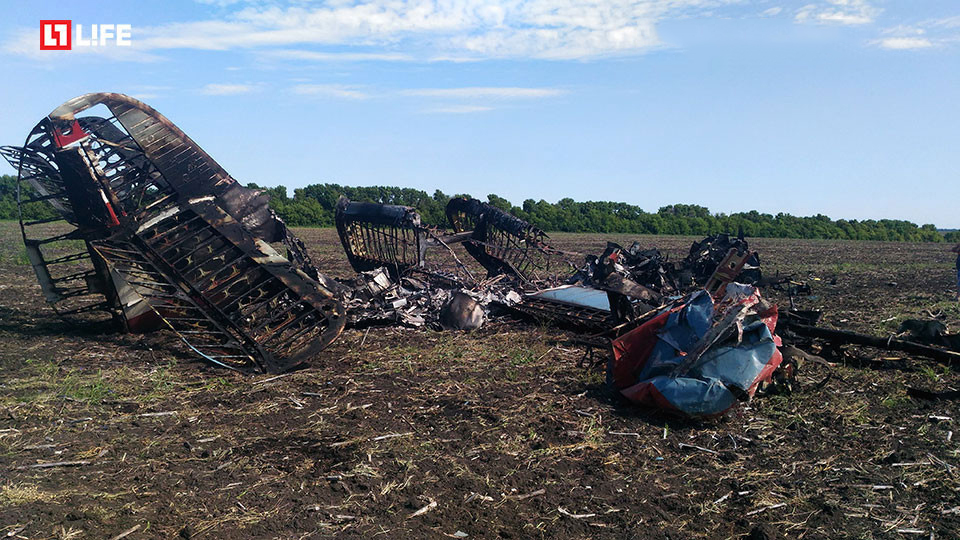
Crash of a PZL-Mielec AN-2R in Novopokrovskoye: 2 killed

Date & Time: Jun 30, 2016 at 0604 LT
Type of aircraft:
Operator:
Registration:
RA-33462
Flight Phase:
Survivors:
No
Schedule:
Novopokrovskoye - Novopokrovskoye
MSN:
1G228-12
YOM:
1988
Country:
Region:
Crew on board:
1
Crew fatalities:
Pax on board:
1
Pax fatalities:
Other fatalities:
Total fatalities:
2
Captain / Total flying hours:
4398
Captain / Total hours on type:
2140.00
Aircraft flight hours:
3370
Circumstances:
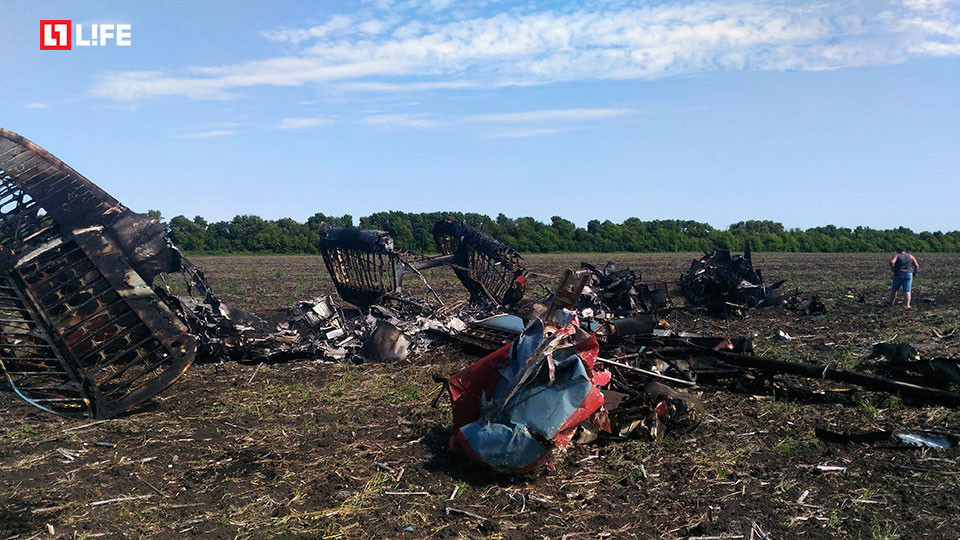
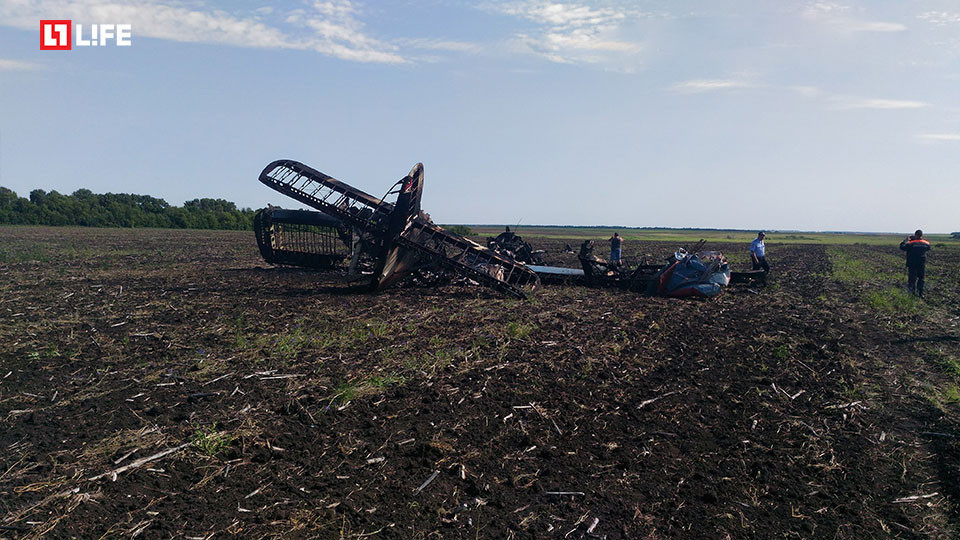
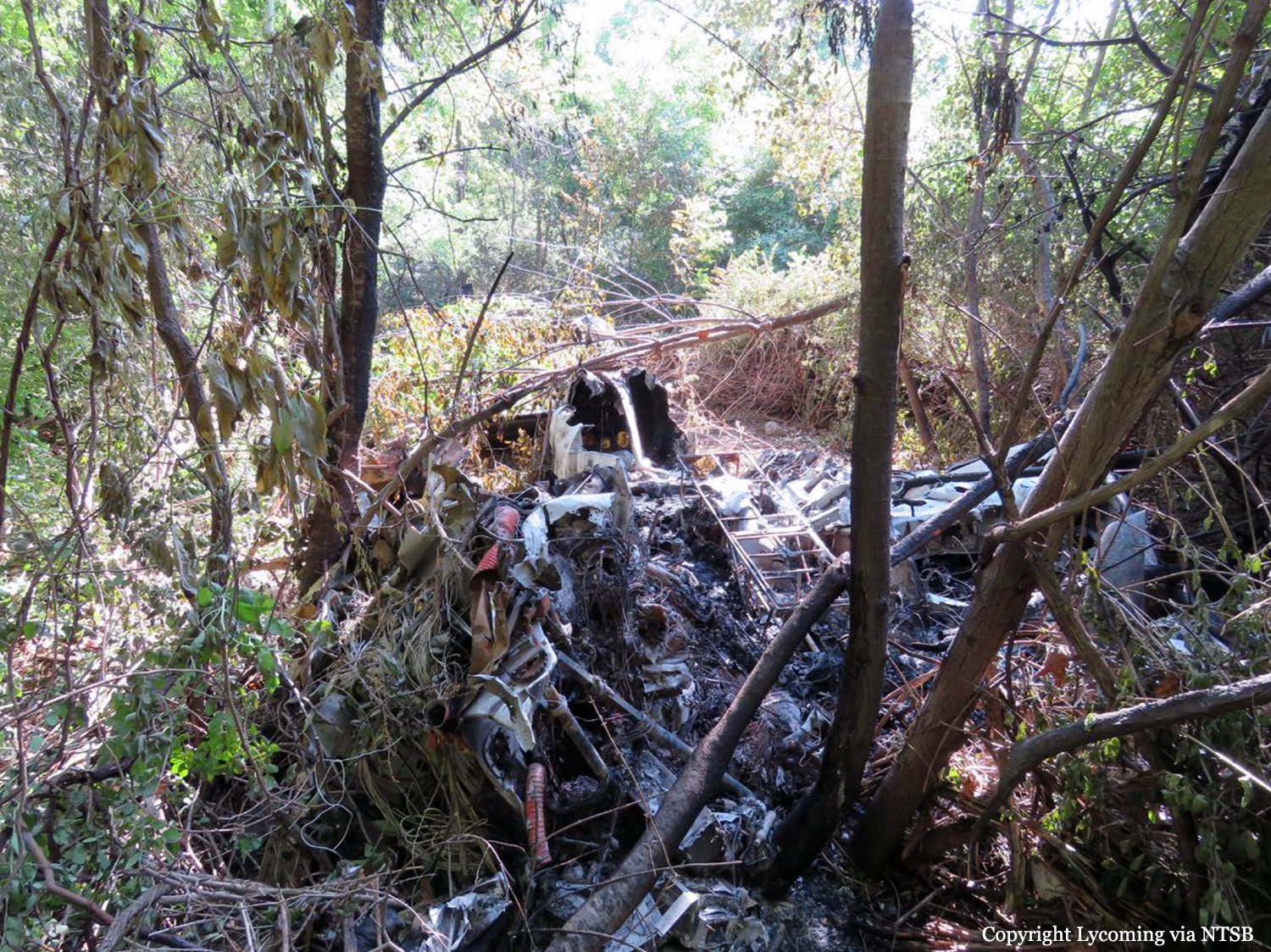
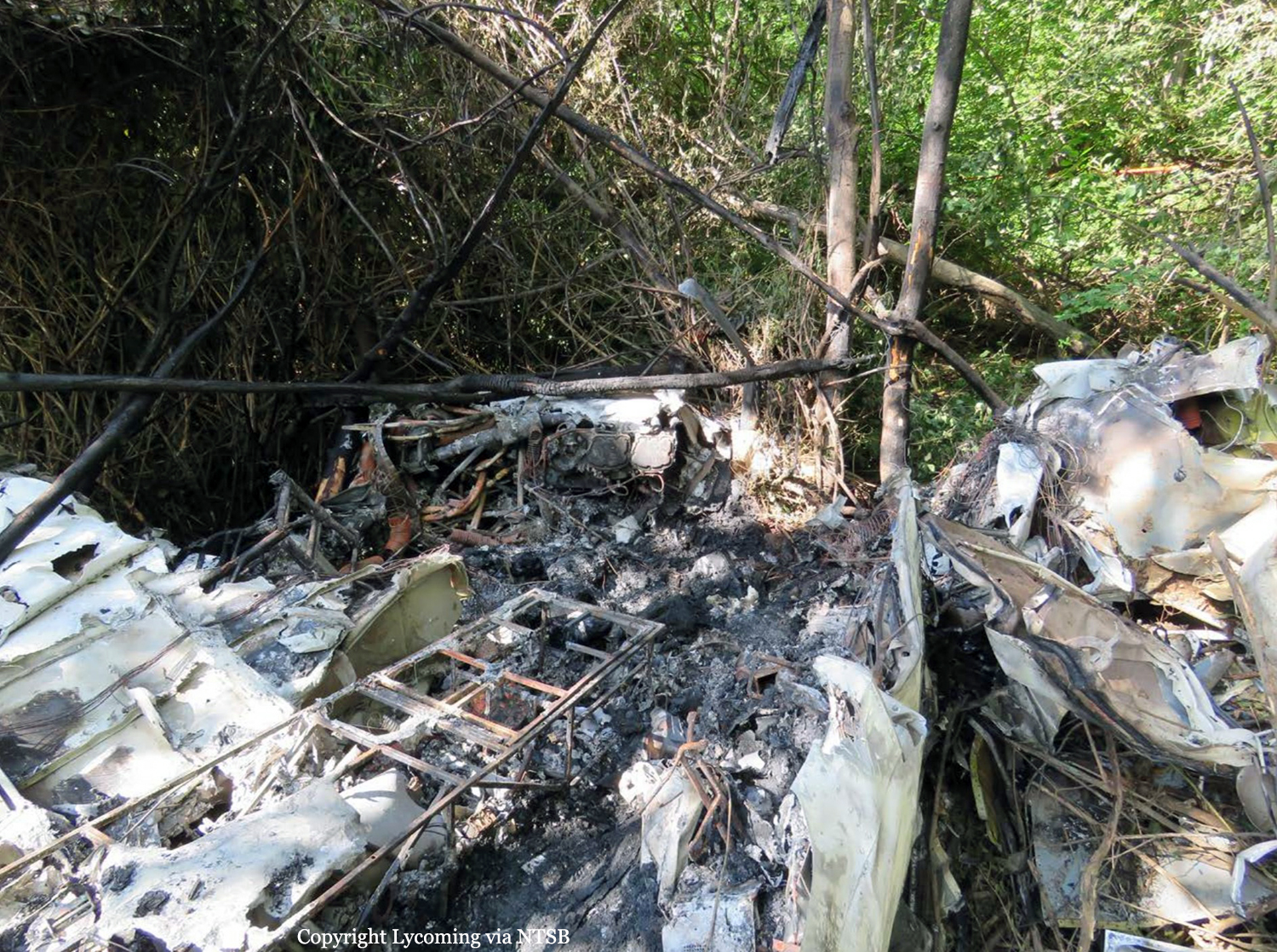
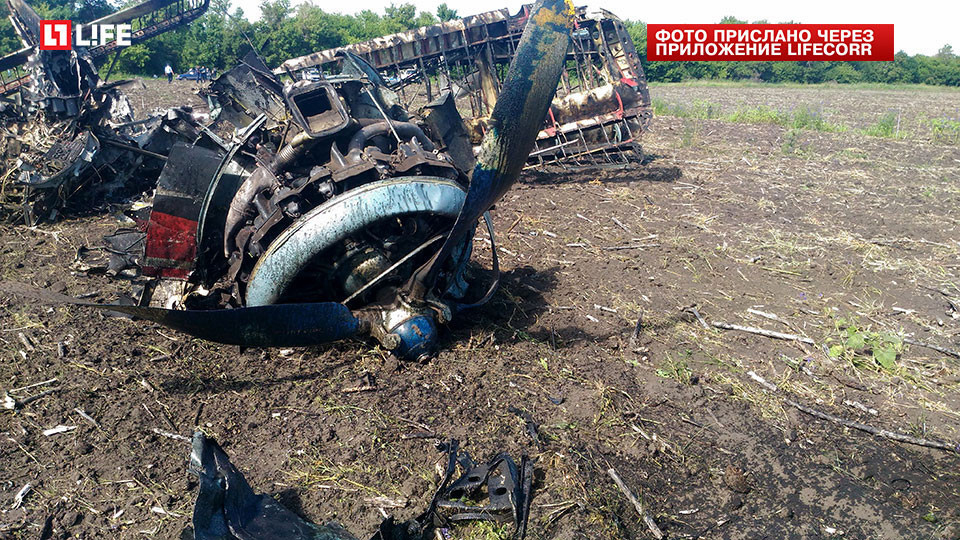
The airplane was engaged in a crop spraying mission, carrying a load of herbicides, one passenger and one pilot. In the early morning, while completing a seventh low pass, at a height of about 20-40 metres, the pilot initiated a left turn when the aircraft descended to the ground and crashed at a speed of 140 km/h in an open field, bursting into flames. The aircraft was destroyed by impact forces and a post crash fire and both occupants were killed.
Probable cause:
Fatal accident with Аn-2 RA-33462 agricultural aircraft occurred during aerial works on crop-dusting and was caused most probably by the piloting error consisting in unintentional descent when performing a turn for the next crop-dusting round which resulted in the aircraft controlled flight into terrain.
Most probably, the following factors contributed to the accident:
- The PIC not trained for crop-dusting flight without first officer,
- The PIC conducting the flight with a passenger on first-officer’s seat,
- The presence of alcohol in PIC's and the passenger's bodies,
- A possible transfer of the aircraft control from PIC to the passenger (former An-2 pilot) made by PIC,
- Violations of An-2 AFM and FAR-128 requirements on maintaining heights, bank angles during turns and flight speed while crop-dusting,
- Krasny Kut Civil Aviation Flight School management not controlling crop-dusting operations at the fields.
Final Report:
Crash of a Swearingen SA226T Merlin IIIB in Farmingdale

Date & Time: Jun 20, 2016 at 1758 LT
Operator:
Registration:
N127WD
Flight Type:
Survivors:
Yes
Schedule:
White Plains - Farmingdale
MSN:
T-297
YOM:
1978
Crew on board:
2
Crew fatalities:
Pax on board:
0
Pax fatalities:
Other fatalities:
Total fatalities:
0
Captain / Total flying hours:
11450
Captain / Total hours on type:
410.00
Copilot / Total flying hours:
1300
Copilot / Total hours on type:
5
Aircraft flight hours:
4500
Circumstances:
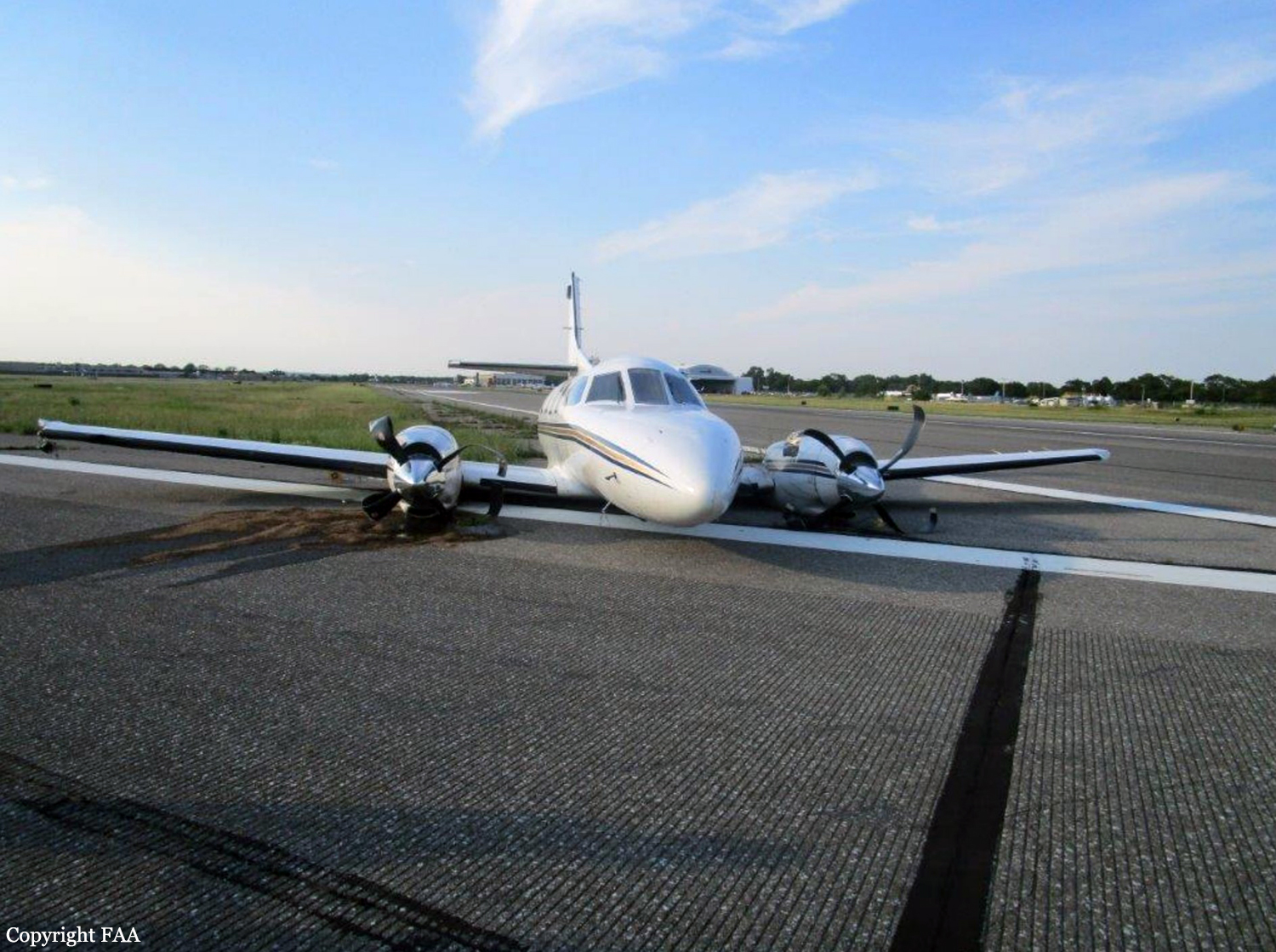
According to the pilot in command (PIC), he was conducting an instructional flight for his "new SIC (second in command)," who was seated in the left seat. He reported that they had flown two previous legs in the retractable landing gear-equipped airplane. He recalled that, during the approach, they discussed the events of their previous flights and had complied with the airport control tower's request to "keep our speed up." During the approach, he called for full flaps and retarded the throttle to flight idle. The PIC asserted that there was no indication that the landing gear was not extended because he did not hear a landing gear warning horn; however, he was wearing a noise-cancelling headset. He added that the landing gear position lights were not visible because the SIC's knee obstructed his view of the lights. He recalled that, following the flare, he heard the propellers hit the runway and that he made the decision not to go around because of unknown damage sustained to the propellers. The airplane touched down and slid to a stop on the runway. The airplane sustained substantial damage to the fuselage bulkheads, longerons, and stringers. The SIC reported that the flight was a training flight in visual flight rules conditions. He noted that the airspace was busy and that, during the approach, he applied full flaps, but they failed to extend the landing gear. He added that he did not hear the landing gear warning horn; however, he was wearing a noise-cancelling headset. The Federal Aviation Administration Aviation Safety Inspector that examined the wreckage reported that, during recovery, the pilot extended the nose landing gear via the normal extension process. However, due to significant damage to the main landing gear (MLG) doors, the MLG was unable to be extended hydraulically or manually. He added that an operational check of the landing gear warning horn was not accomplished because the wreckage was unsafe to enter after it was removed from the runway. The landing gear warning horn was presented by an aural tone in the cockpit and was not configured to be heard through the pilots' noise-cancelling headsets. When asked, the PIC and the SIC both stated that they could not remember who read the airplane flight manual Before Landing checklist.
Probable cause:
The pilot-in-command's failure to extend the landing gear before landing and his failure to use the Before Landing checklist. Contributing to the accident was the pilots' failure to maintain a sterile cockpit during landing.
Final Report:

Crash of a BAe 146-300 in Khark

Date & Time: Jun 19, 2016 at 1335 LT
Type of aircraft:
Operator:
Registration:
EP-MOF
Survivors:
Yes
Schedule:
Ahwaz – Khark
MSN:
E3149
YOM:
1989
Flight number:
IRM4525
Location:
Country:
Region:
Crew on board:
10
Crew fatalities:
Pax on board:
79
Pax fatalities:
Other fatalities:
Total fatalities:
0
Captain / Total flying hours:
5494
Captain / Total hours on type:
1270.00
Copilot / Total flying hours:
300
Copilot / Total hours on type:
110
Circumstances:
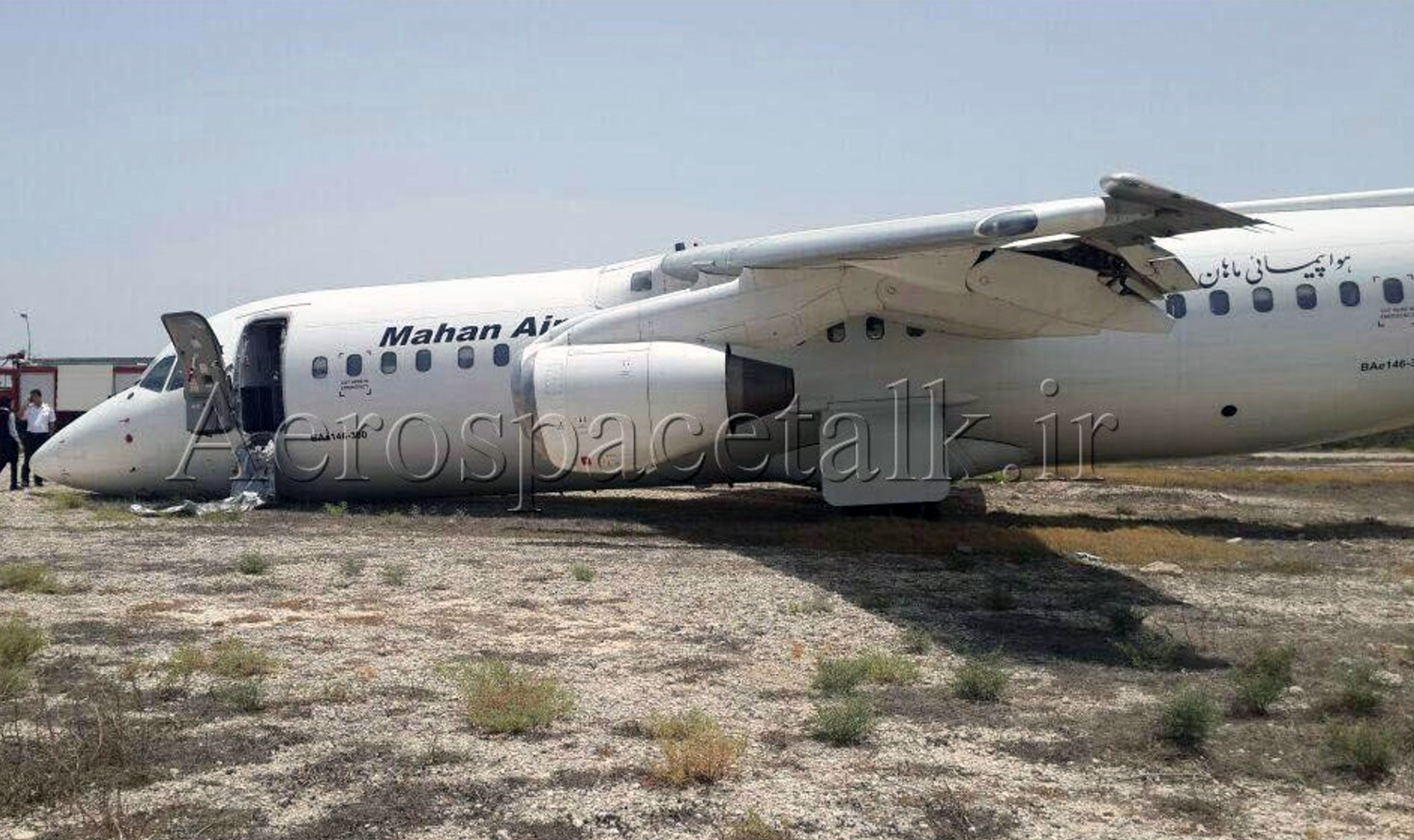
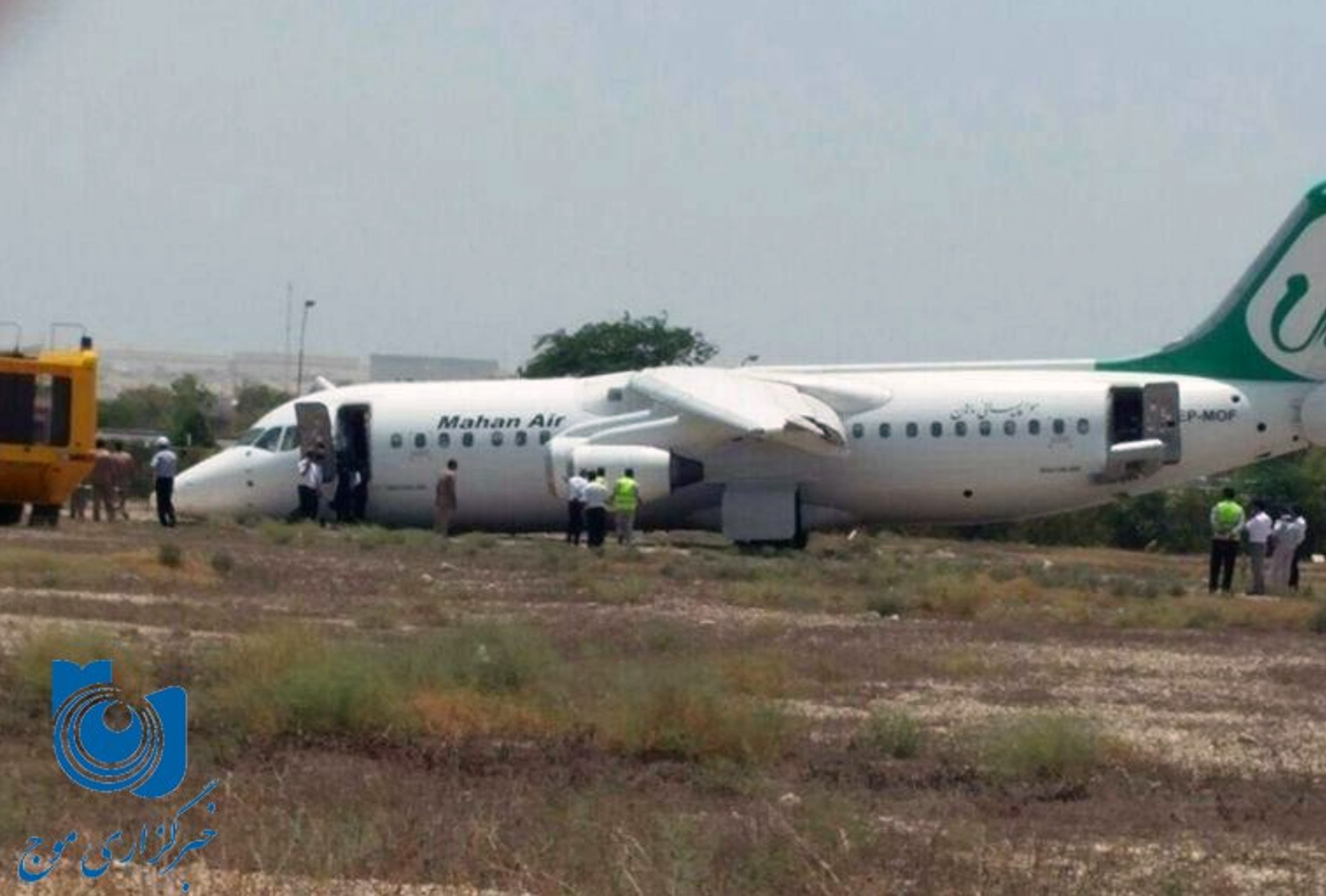
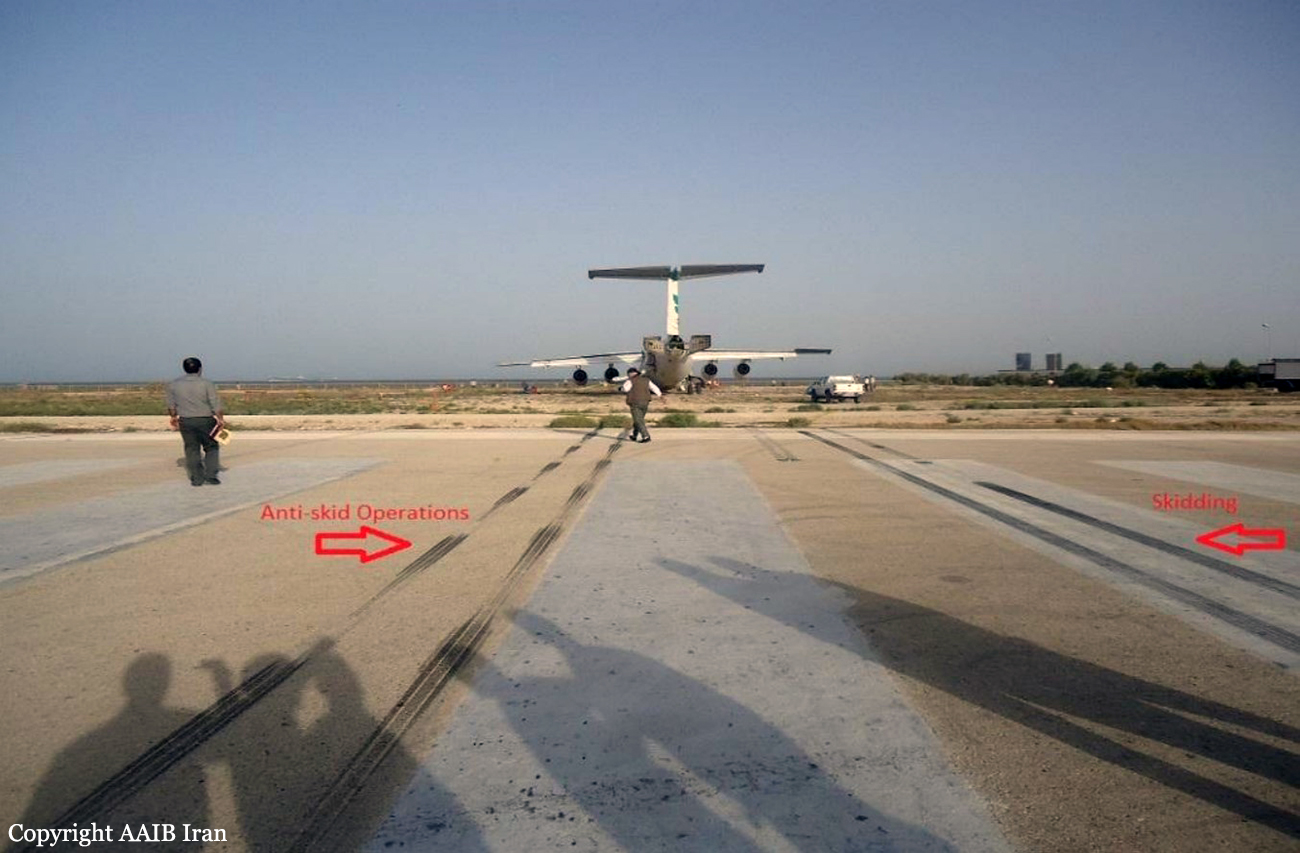
On June 19, 2016, Mahan Air flight IRM 4525 was a scheduled passenger flight which took off from Ahwaz Airport at 1257 LMT (0827 UTC) to destination and landed at Khark Island Airport at 1335 LMT (0905 UTC). After delivery of the flight from BUZ approach to Khark tower, the flight was cleared to land on RWY 31 via visual approach. At 10 NM on final the pilot has asked weather information of the destination so, the captain requested to perform a visual approach for RWY 13. Finally the pilot in command accomplished an un-stabilized approach and landed on the runway after passing long distance of the Runway. Regarding to the length of the runway (7,657 feet) the aircraft overran the end of runway and made runway excursion on runway 13 and came to rest on the unpaved surface after 54 meters past the runway end. The nose landing gear strut has broken and collapsed. The captain instructed the cabin crew to evacuate the aircraft. No unusual occurrences were noticed during departure, en-route and descent.
Probable cause:
The main cause of this accident is wrong behavior of the pilot which descripted as:
- Decision to make a landing on short field RWY 13 with tailwind.
- Un stabilized landing against on normal flight profile
- Weak, obviously, CRM in cockpit.
- Poor judgment and not accomplishing a go around while performing a unstabilized approach.
- Improper calculating of landing speed without focusing on the tailwind component
Contributing factors:
- Anti-skid failures of RH landing gear causing prolong landing distance.
- Instantaneous variable wind condition on aerodrome traffic pattern.
- Late activating of airbrakes and spoilers (especially airbrakes) with tailwind cause to increase the landing roll distance.
Final Report:

Crash of a Cessna 207 Stationair 7 near Goodnews Bay

Date & Time: Jun 17, 2016 at 1200 LT
Operator:
Registration:
N91170
Flight Phase:
Flight Type:
Survivors:
Yes
Site:
Schedule:
Quinhagak - Goodnews Bay
MSN:
207-00101
YOM:
1969
Crew on board:
1
Crew fatalities:
Pax on board:
0
Pax fatalities:
Other fatalities:
Total fatalities:
0
Captain / Total flying hours:
1150
Captain / Total hours on type:
78.00
Aircraft flight hours:
15089
Circumstances:
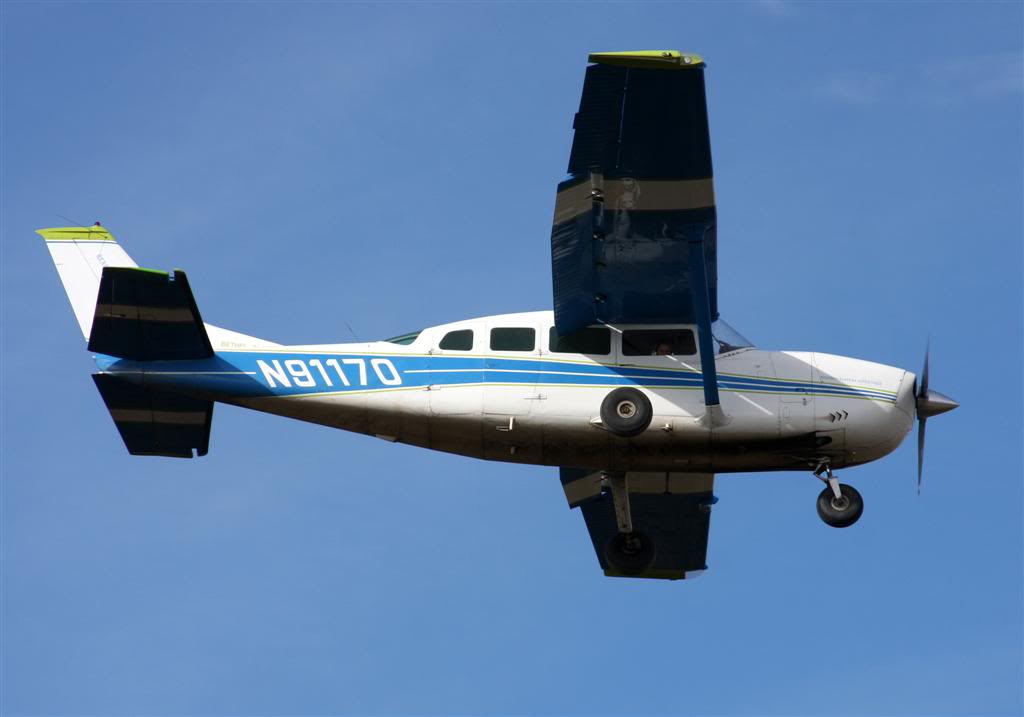
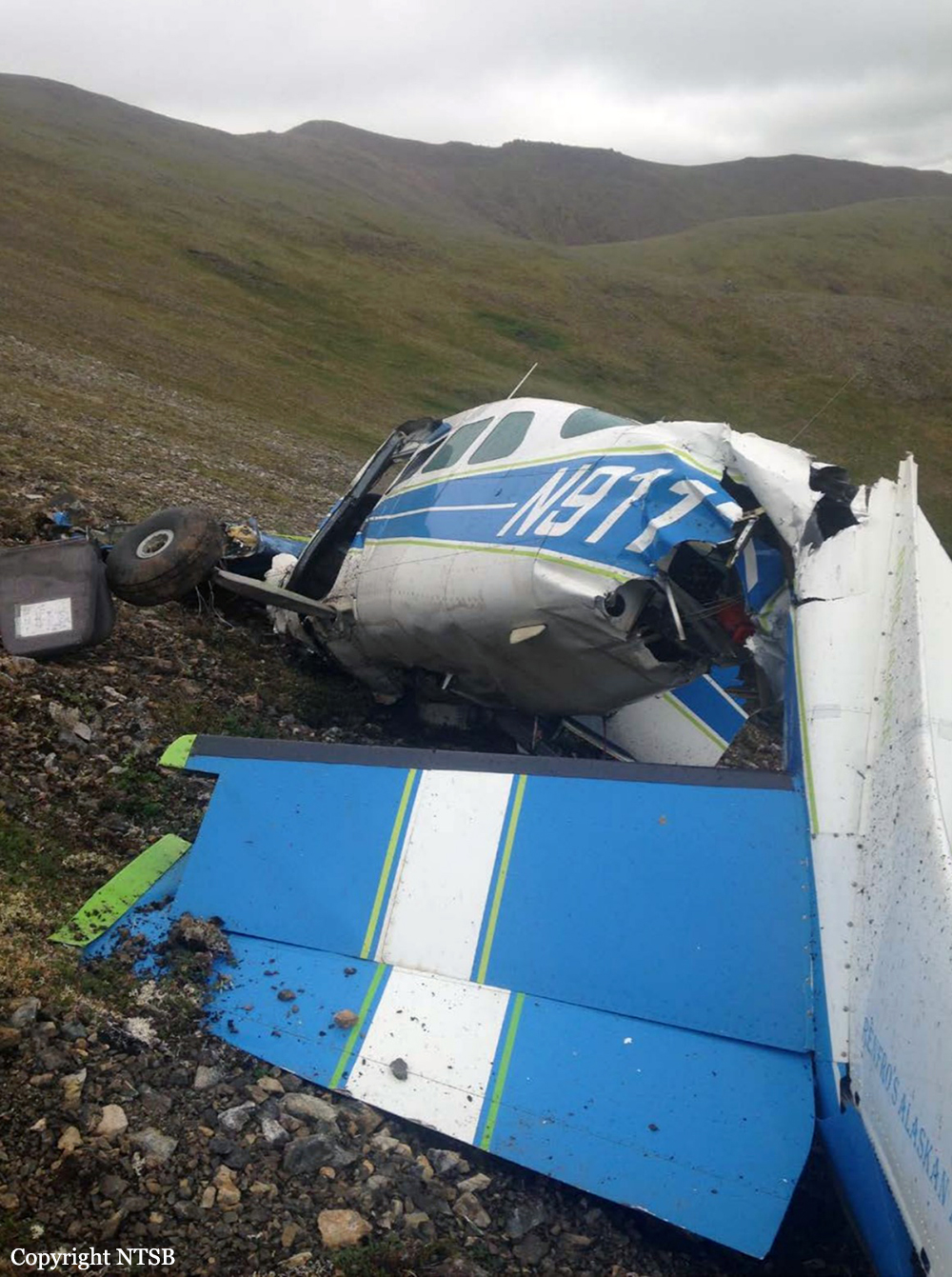
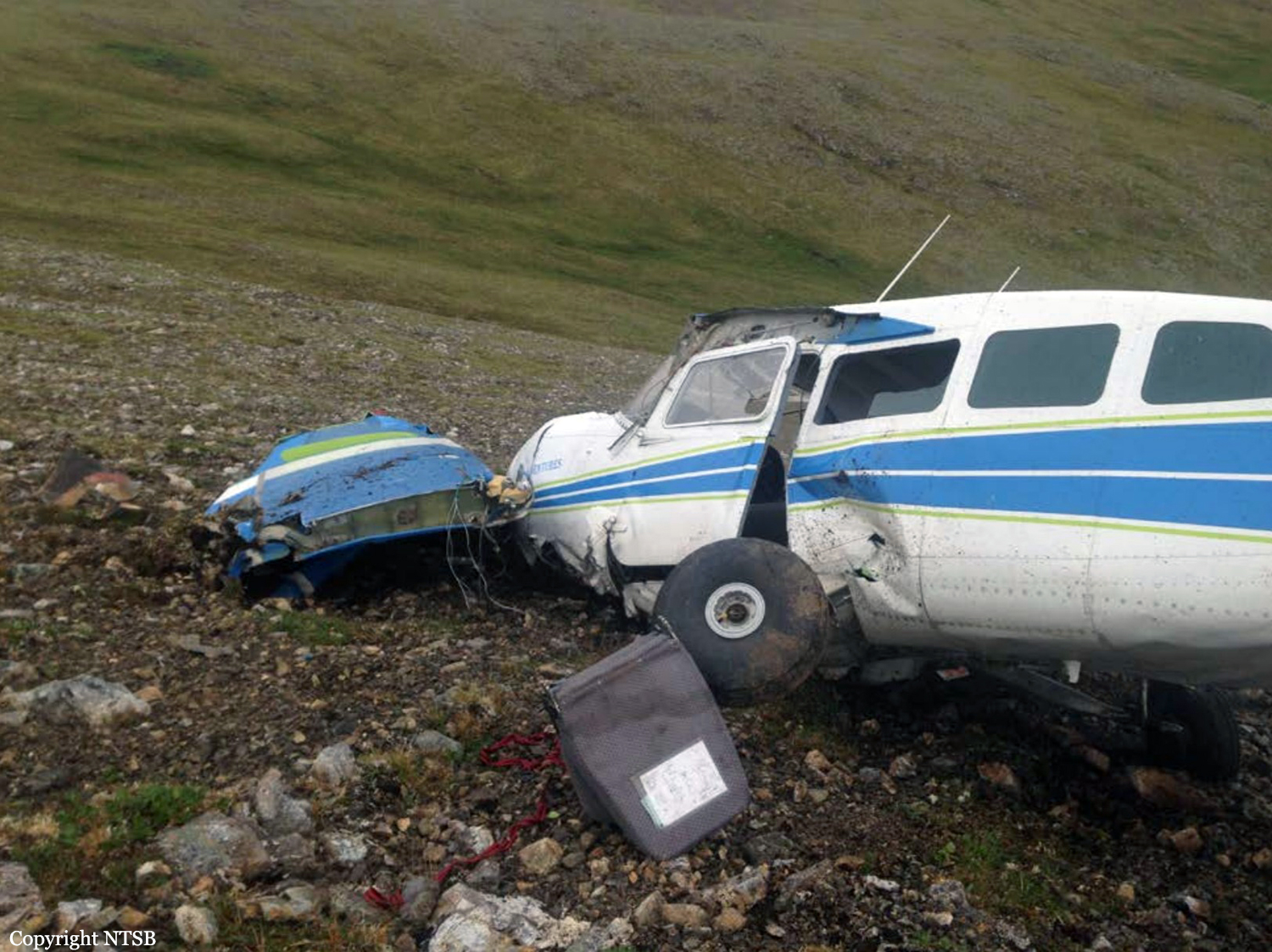
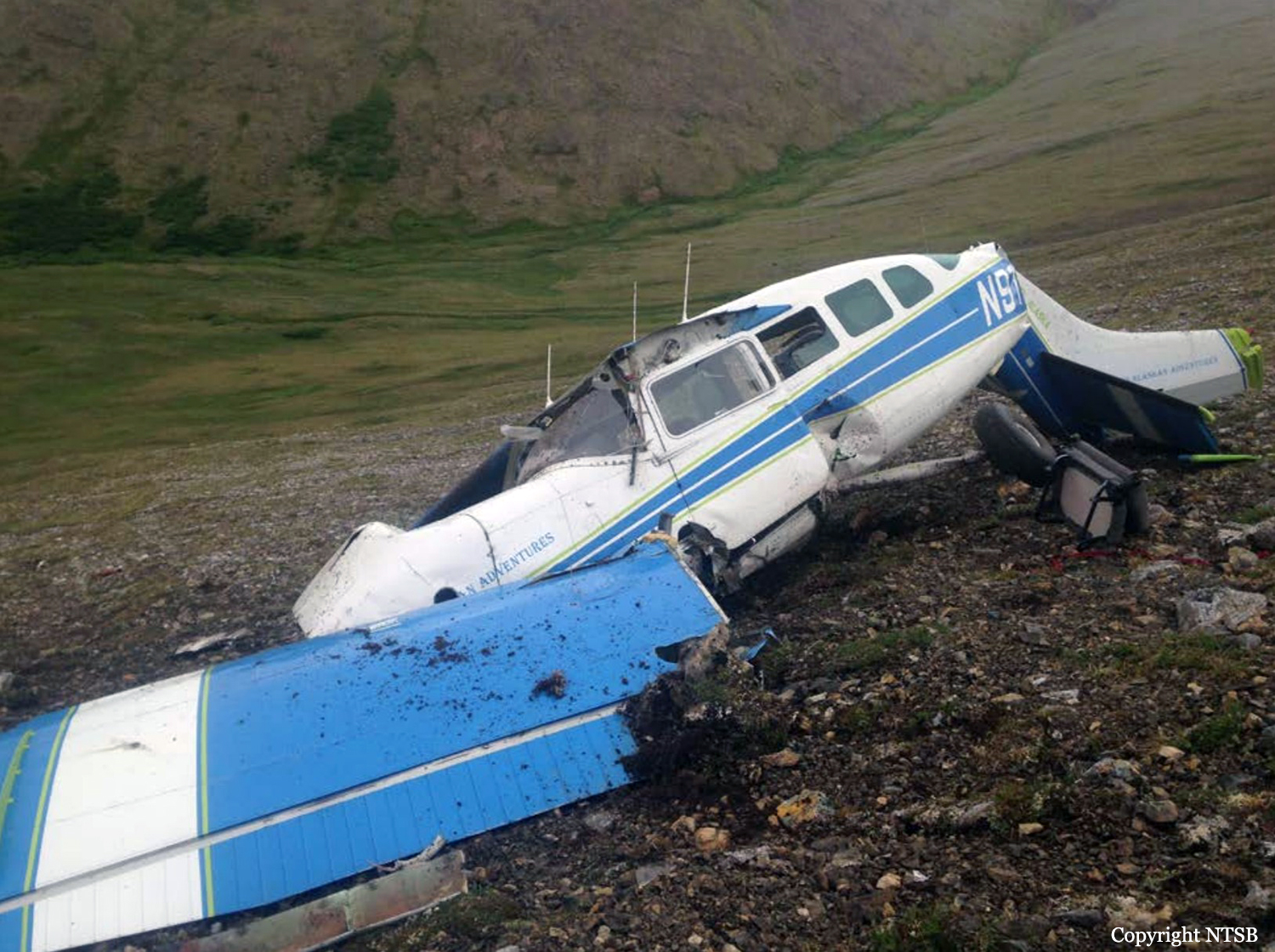
During cruise flight through an area of mountainous terrain, the commercial pilot became geographically disoriented and selected the incorrect route through the mountains. Upon realizing it was the incorrect route, he initiated a steep climb while executing a 180° turn. During the steep climbing turn, the airplane inadvertently entered instrument meteorological conditions, and the airplane subsequently impacted an area of rocky, rising terrain. The pilot reported there were no mechanical malfunctions or anomalies that would have precluded normal operation of the airplane.
Probable cause:
The pilot's failure to select the correct route through the mountains as a result of geographic disorientation, and his subsequent visual flight into instrument meteorological conditions, which resulted in collision with terrain.
Final Report:

Crash of a Piper PA-31-325 Navajo in State College: 2 killed

Date & Time: Jun 16, 2016 at 0830 LT
Type of aircraft:
Operator:
Registration:
N3591P
Flight Type:
Survivors:
No
Schedule:
Washington County – State College
MSN:
31-8012081
YOM:
1980
Crew on board:
1
Crew fatalities:
Pax on board:
1
Pax fatalities:
Other fatalities:
Total fatalities:
2
Captain / Total flying hours:
12493
Captain / Total hours on type:
718.00
Aircraft flight hours:
16040
Circumstances:
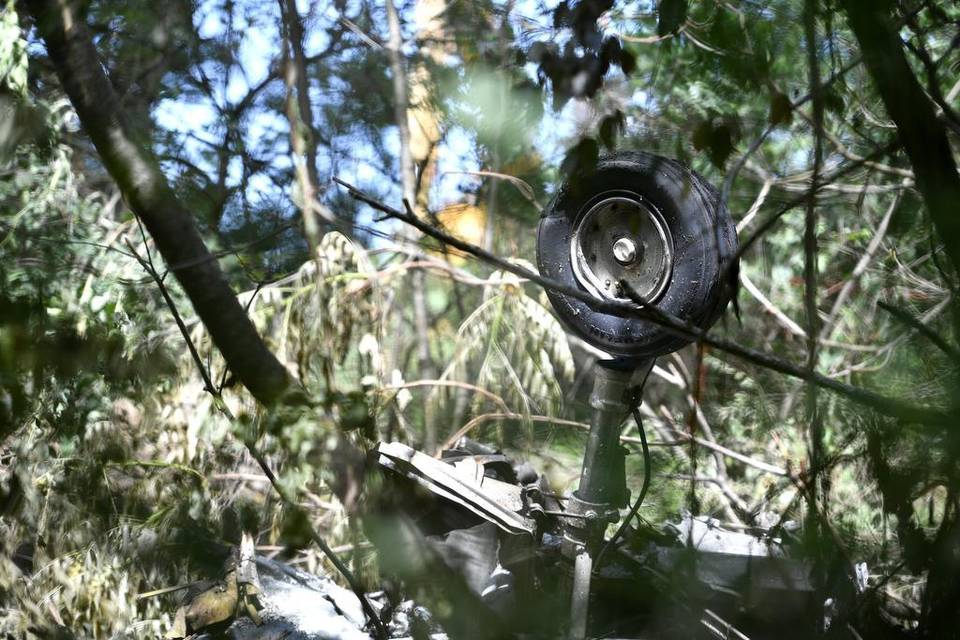
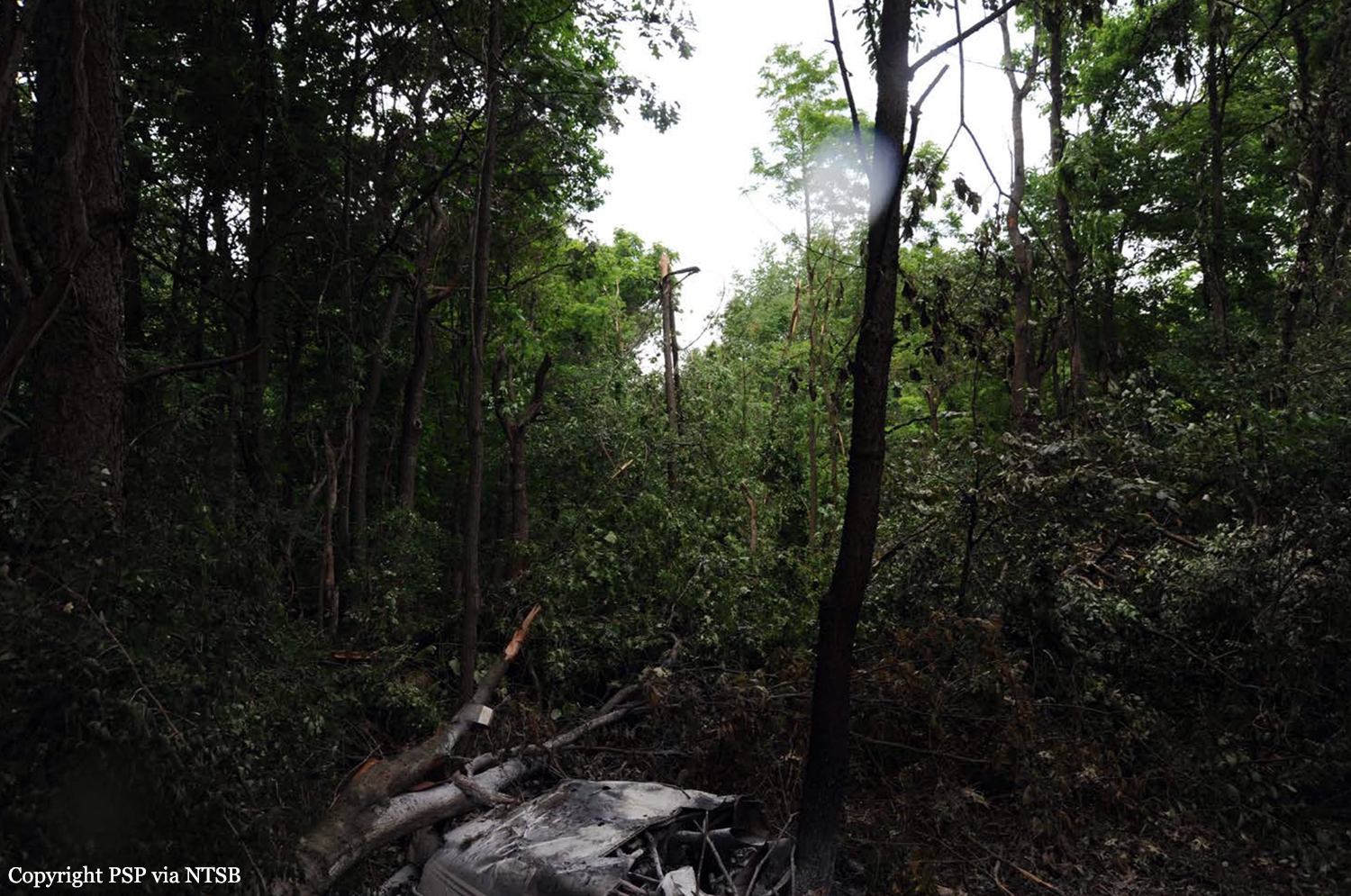
The commercial pilot was completing an instrument flight rules air taxi flight on a route that he had flown numerous times for the customer on board. Radar and voice communication data revealed that the airplane was vectored to the final approach course for the precision approach and was given a radio frequency change to the destination airport control tower frequency. The tower controller issued a landing clearance, which the pilot acknowledged; there were no further communications with the pilot. Weather conditions at the airport at the time of the accident included an overcast ceiling at 300 ft with 1 mile visibility in mist. The wreckage was located in densely-wooded terrain. Postaccident examination revealed no evidence of any mechanical malfunctions or anomalies that would have precluded normal operation. The wreckage path and evidence of engine power displayed by numerous cut tree branches was consistent with a controlled, wings-level descent with power. A radar performance study revealed that, as the airplane crossed the precision final approach fix 6.7 nautical miles (nm) from the runway threshold, the airplane was 800 ft above the glideslope. At the outer marker, 5.5 nm from the runway threshold, the airplane was 500 ft above the glideslope. When radar contact was lost 3.2 nm from the threshold, the airplane was about 250 ft above the glideslope. Although the airplane remained within the lateral limits of the approach localizer, its last two recorded radar returns would have correlated with a full downward deflection of the glideslope indicator in the cockpit, and therefore, an unstabilized approach. Further interpolation of radar data revealed that, during the last 2 minutes of the accident flight, the airplane's rate of descent increased from 400 ft per minute (fpm) to greater than 1,700 fpm, likely as a result of pilot inputs. During the final minute of the flight, the rate decreased briefly to 1,000 fpm before radar contact was lost. The company's standard operating procedures stated that, if a rate of descent greater than 1,000 fpm was encountered during an instrument approach, a missed approach should be performed. The airplane's relative position to the glideslope and its rapid changes in descent rate after crossing the outer marker suggest that the airplane never met the operator's stabilized approach criteria. Rather than executing a missed approach procedure as outlined in the company's operating procedures, the pilot chose to continue the unstabilized approach, which resulted in a descent into trees and terrain. It is unlikely that the pilot's well-controlled diabetes and effectively treated sleep apnea contributed to the circumstances of this accident. However, whether or not the pilot's multiple sclerosis contributed to this accident could not be determined.
Probable cause:
The pilot's decision to continue an unstabilized instrument approach in instrument meteorological conditions, which resulted in controlled flight into terrain.
Final Report:

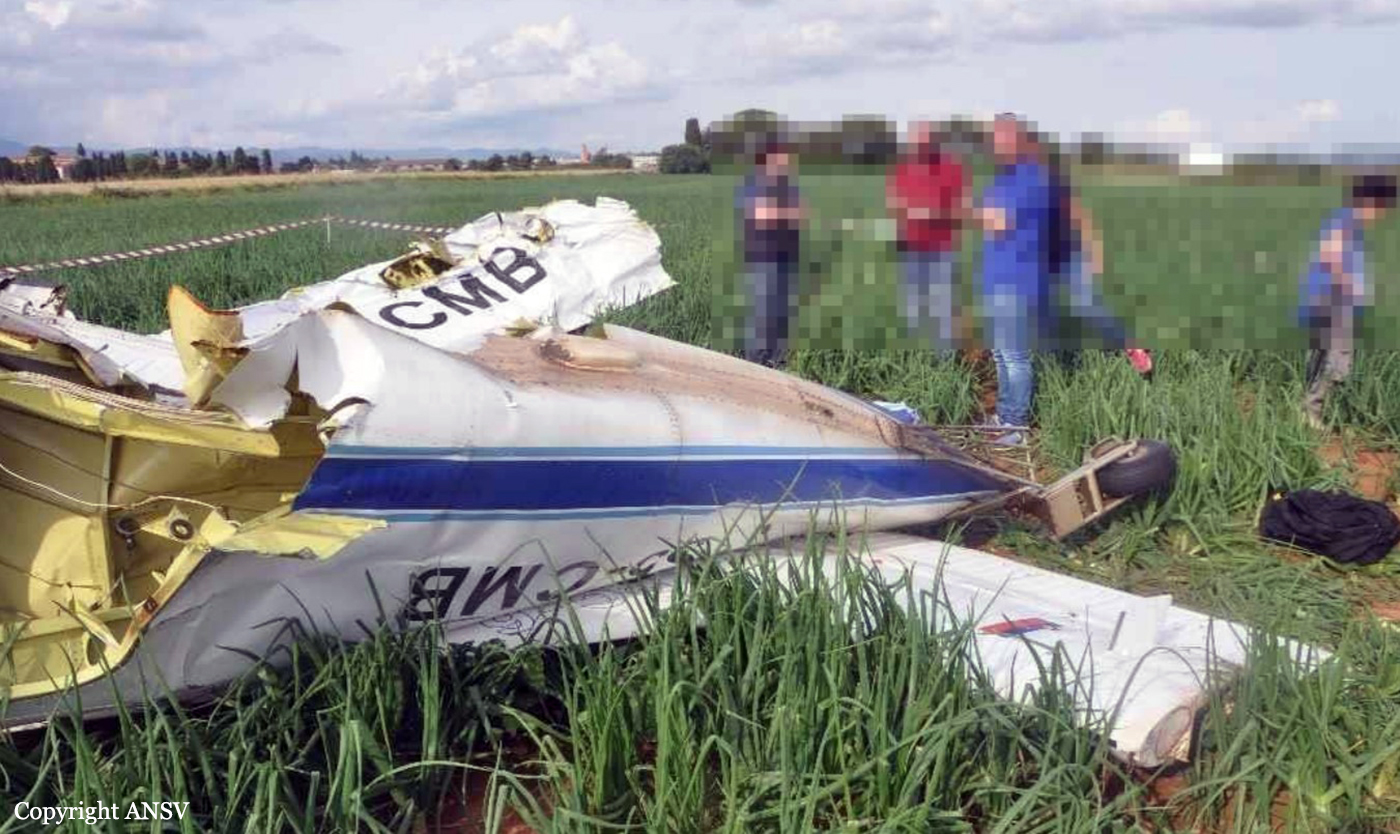
Crash of a Pilatus PC-6/B2-H4 Turbo Porter in Cecina: 2 killed

Date & Time: Jun 11, 2016 at 1230 LT
Operator:
Registration:
S5-CMB
Flight Phase:
Survivors:
Yes
Schedule:
Cecina - Cecina
MSN:
932
YOM:
2000
Location:
Country:
Region:
Crew on board:
2
Crew fatalities:
Pax on board:
7
Pax fatalities:
Other fatalities:
Total fatalities:
2
Captain / Total flying hours:
670
Copilot / Total flying hours:
3300
Copilot / Total hours on type:
1700
Aircraft flight hours:
6705
Circumstances:
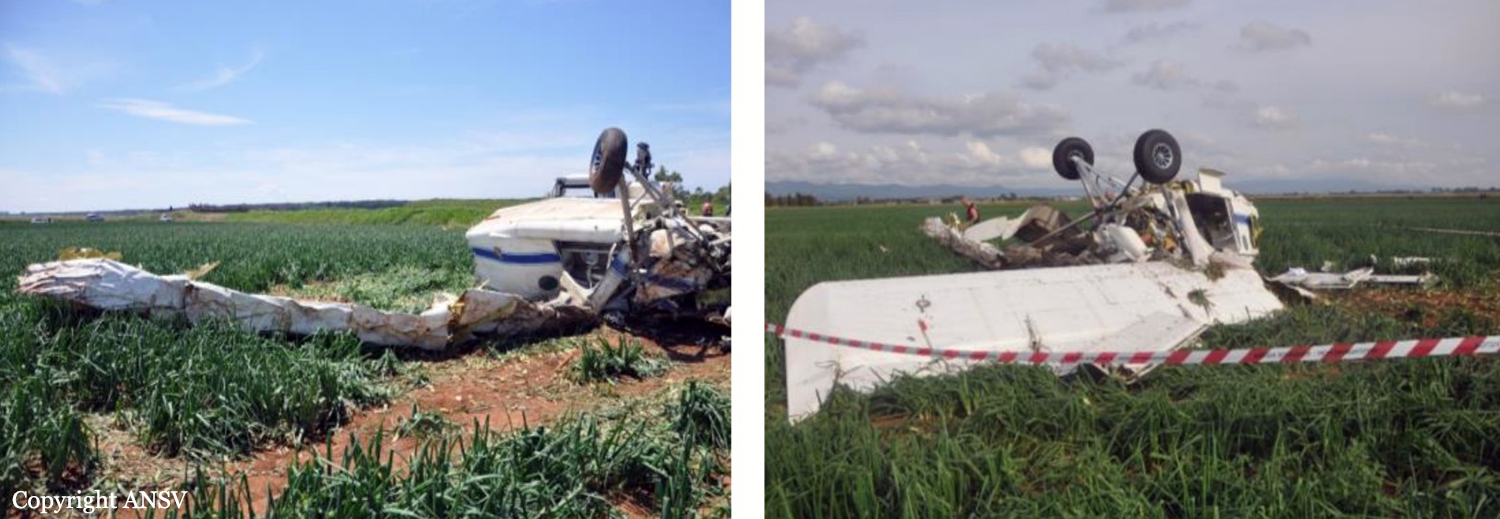
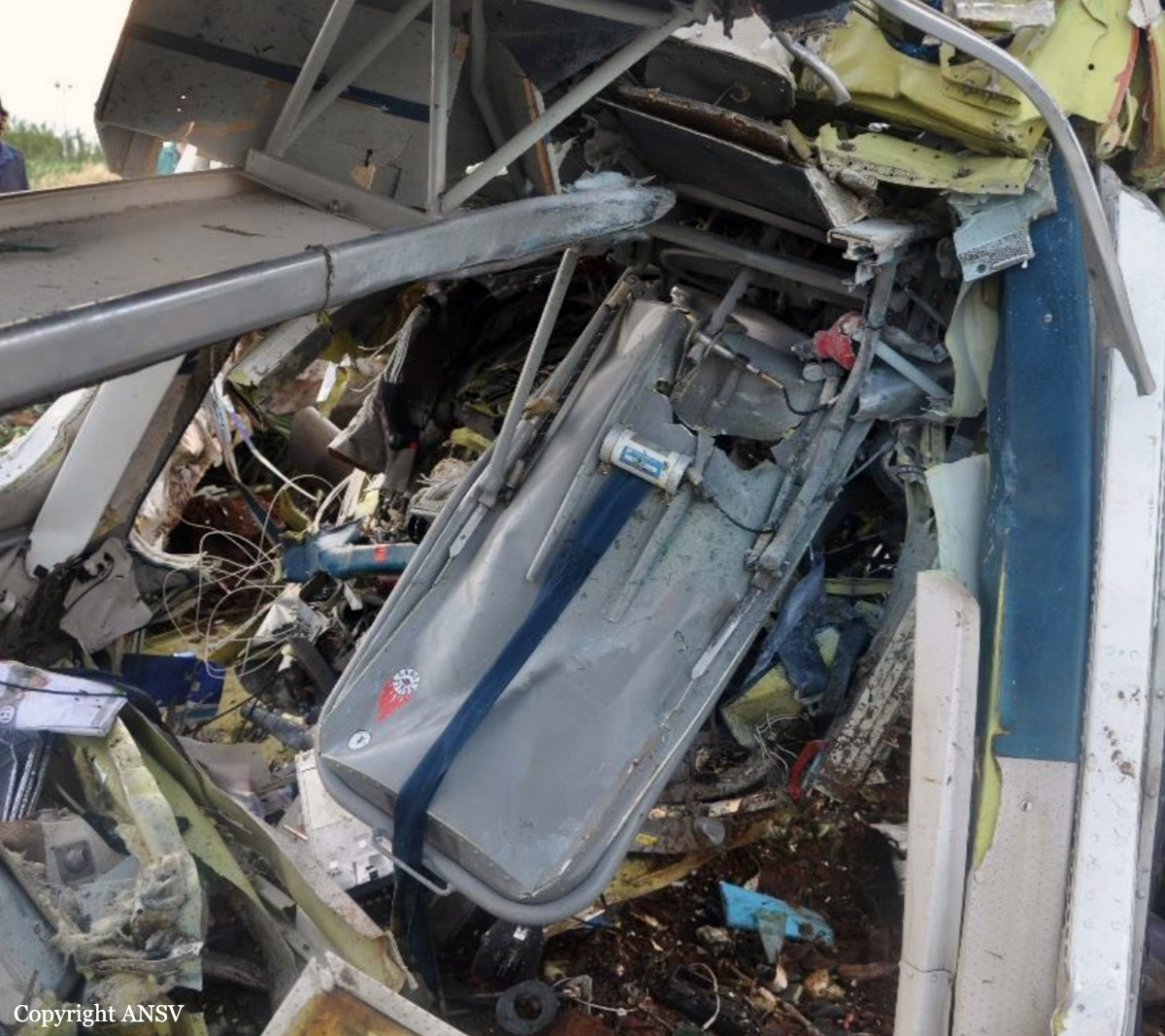
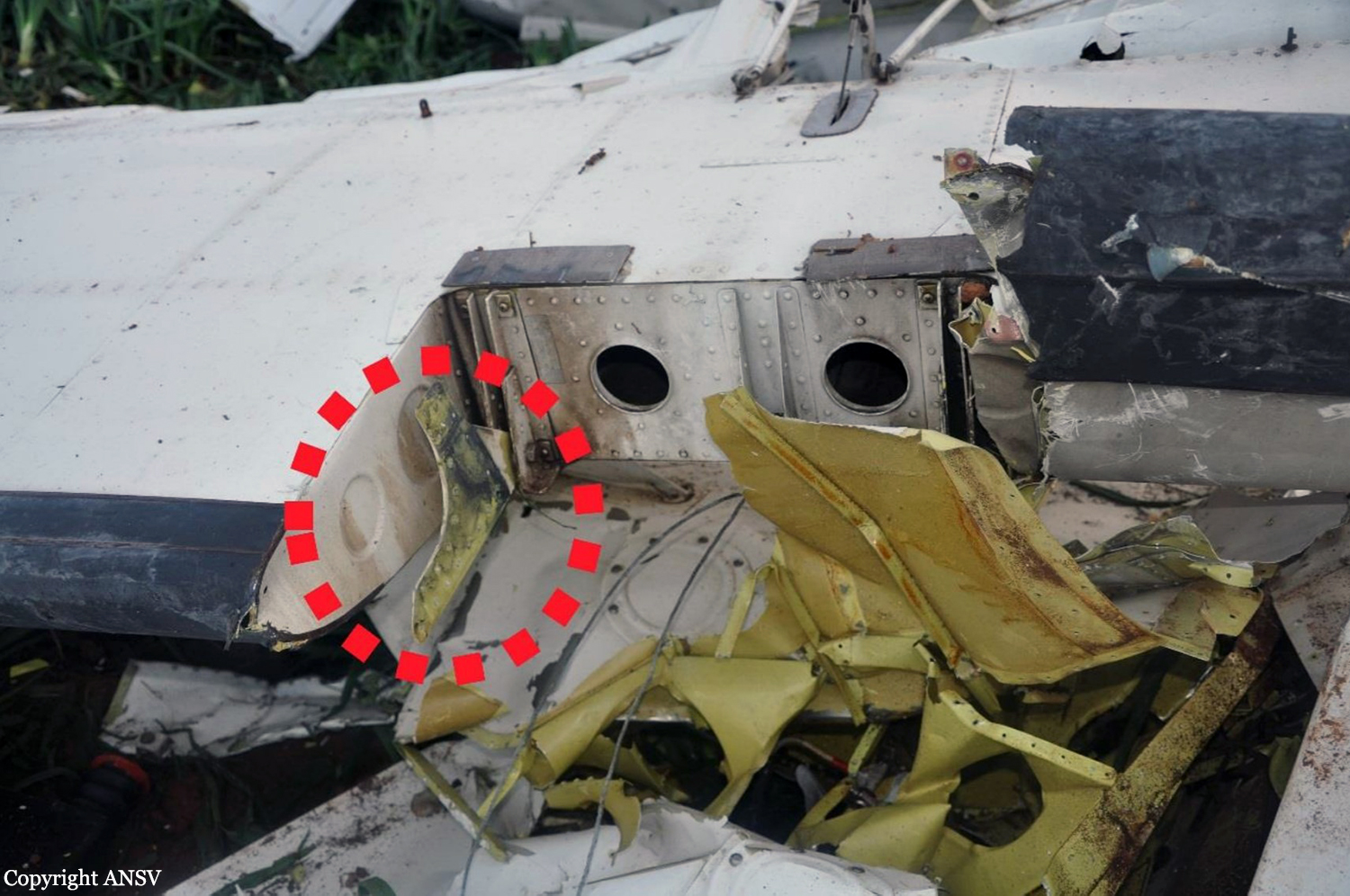
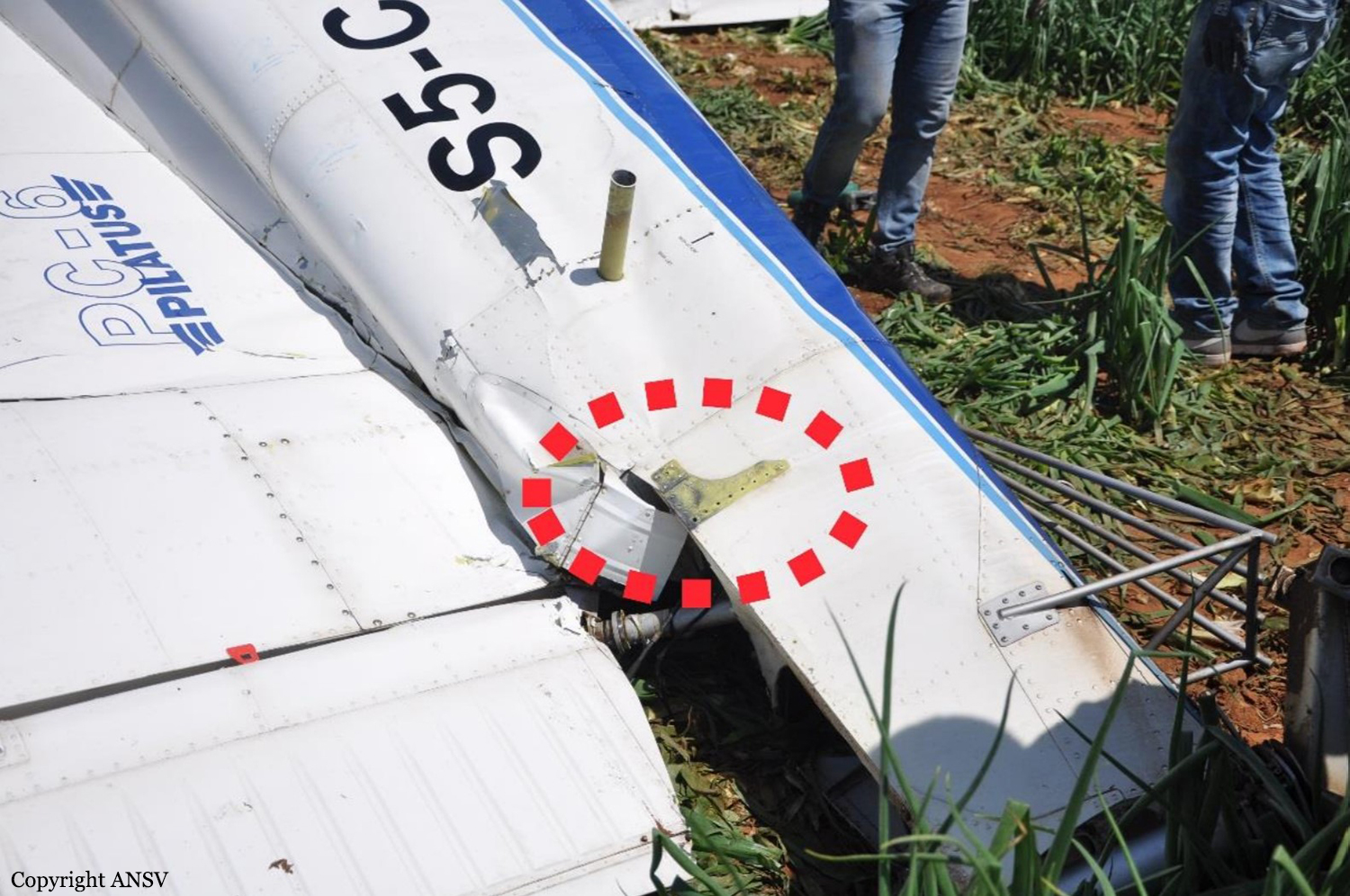
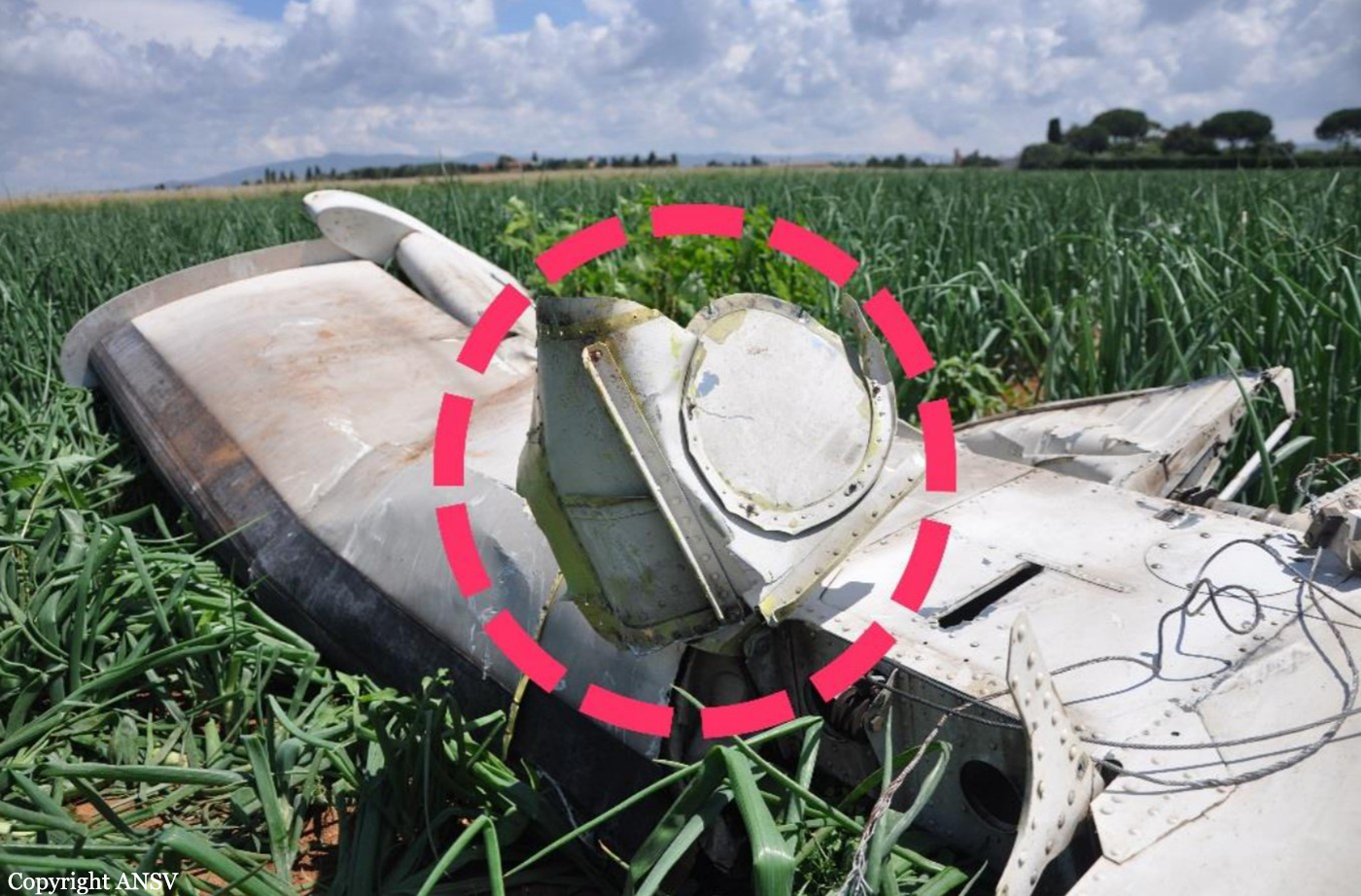
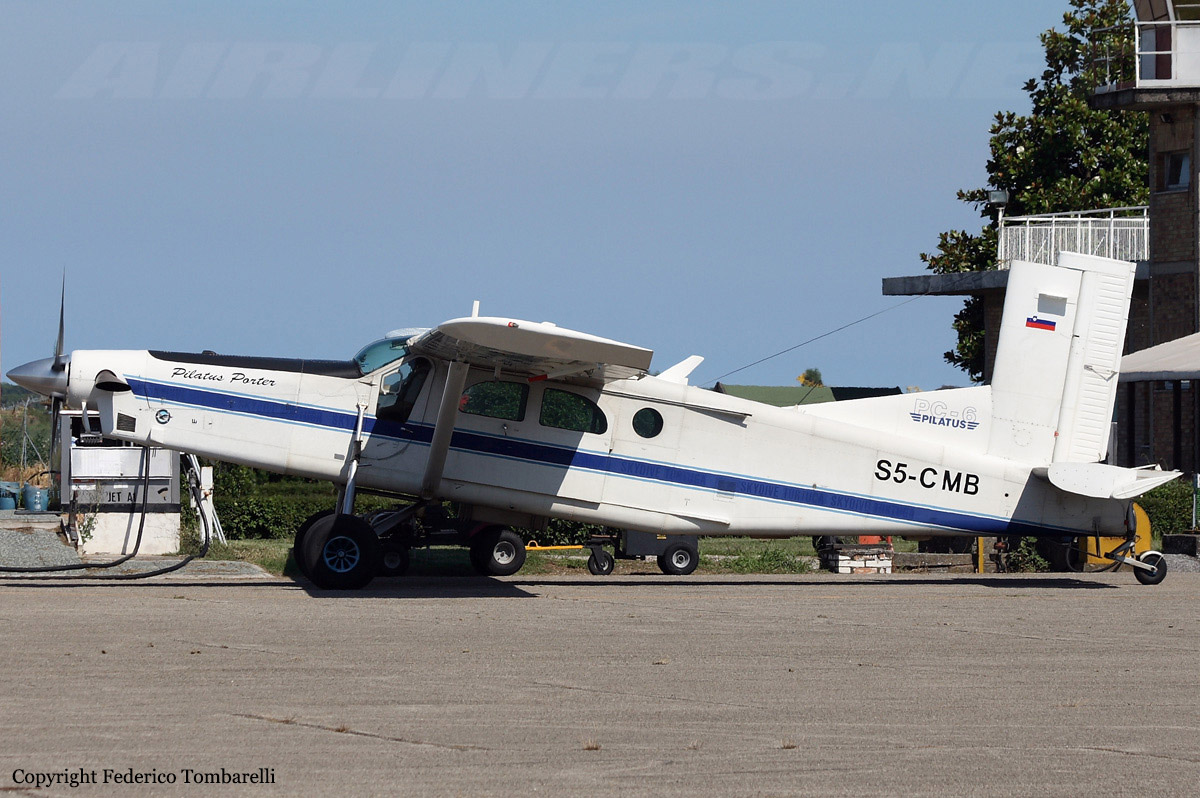
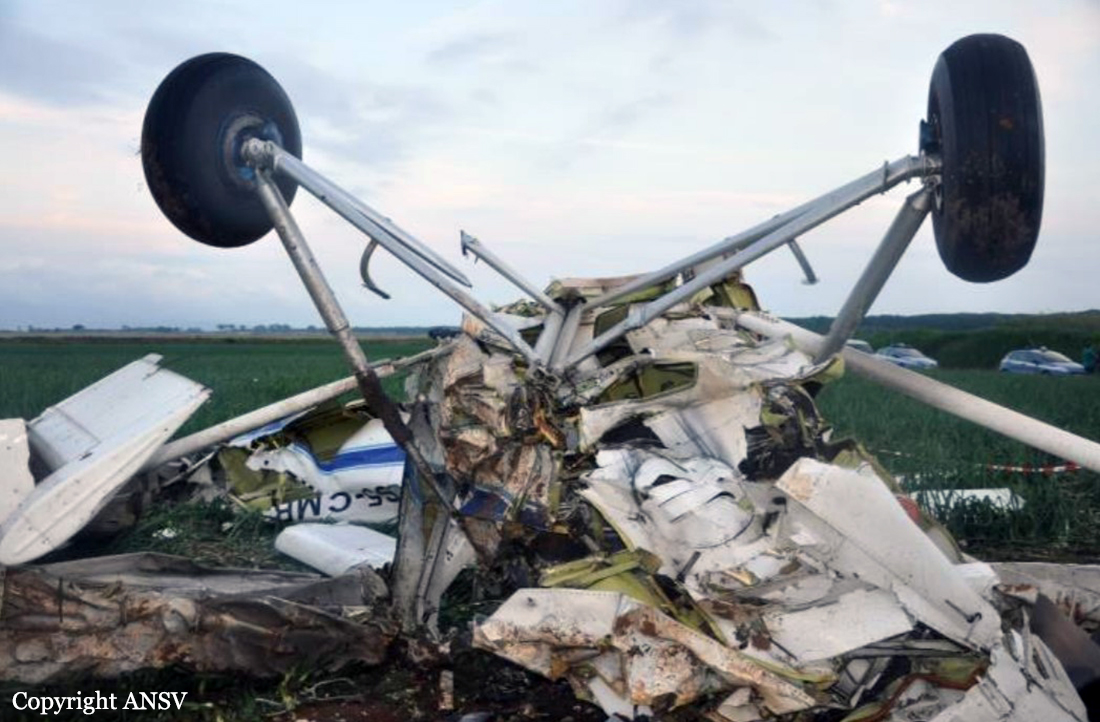
The aircraft, operated by Skydive Kalifornia (aka Skydive Toscana) was involved in a local skydiving flight from Cecina Airfield. When the aircraft reached the assigned altitude, six of the seven skydivers bailed out. When the seventh skydiver elected to jump, his auxiliary parachute accidentally opened while the skydiver was still in the cabin. He was sucked outside and collided with the right horizontal stabilizer that later detached. The aircraft entered an uncontrolled descent and crashed in a field. The aircraft was destroyed by impact forces and both pilots were killed. There was no fire. All seven skydivers were uninjured.
Probable cause:
The cause of the accident is attributable to the detachment of the horizontal stabilizer following the impact with a skydiver dragged by his auxiliary parachute that accidentally opened while he was still inside the aircraft. This detachment led to the loss of governability of the aircraft.
The following factors contributed to the incident:
- The conformation of the throwing material, with closing flap of the safety flap covering the pin, which, tending to come out of its seat, did not guarantee adequate protection of the locking pin from accidental interference.
- The conformation of the structure of the right front seat, which interferes with the closing system of the auxiliary parachute bag, which determined the opening.
- The non-optimal disposition of the skydivers and the DL on board the aircraft (first skydiver to go out not immediately to the door and DL with his back addressed to the skydiver student).
Final Report:

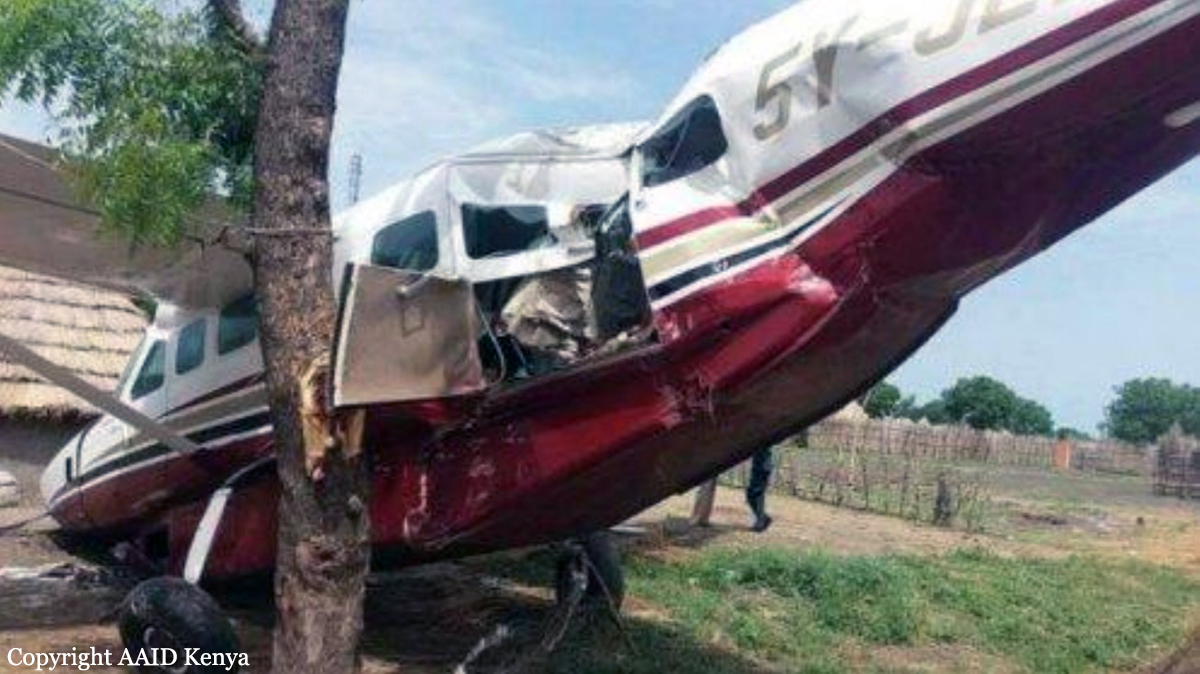
Crash of a Cessna 208B Grand Caravan in Akobo

Date & Time: Jun 3, 2016 at 1000 LT
Type of aircraft:
Operator:
Registration:
5Y-JLL
Flight Phase:
Survivors:
Yes
Schedule:
Akobo - Juba
MSN:
208B-2158
YOM:
2009
Country:
Region:
Crew on board:
1
Crew fatalities:
Pax on board:
4
Pax fatalities:
Other fatalities:
Total fatalities:
0
Circumstances:
On 3 June 2016, a Cessna 208B of registration 5Y-JLL and serial number 2158 was conducting a charter passenger flight from Akobo Airstrip to Juba with 4 passengers and one flight crew member on board. According to the operator, during takeoff from Akobo Airstrip at approximately 10 a.m. Local Time, the pilot executed a premature takeoff due to animal incursion on the runway. The airplane's right main landing gear clipped the Airstrip perimeter fence and the aircraft crash-landed onto grass-thatched houses and trees near the end of the runway. Damage was substantial with no reported injuries. The runway was reported to have been wet at the time of occurrence.
Final Report:

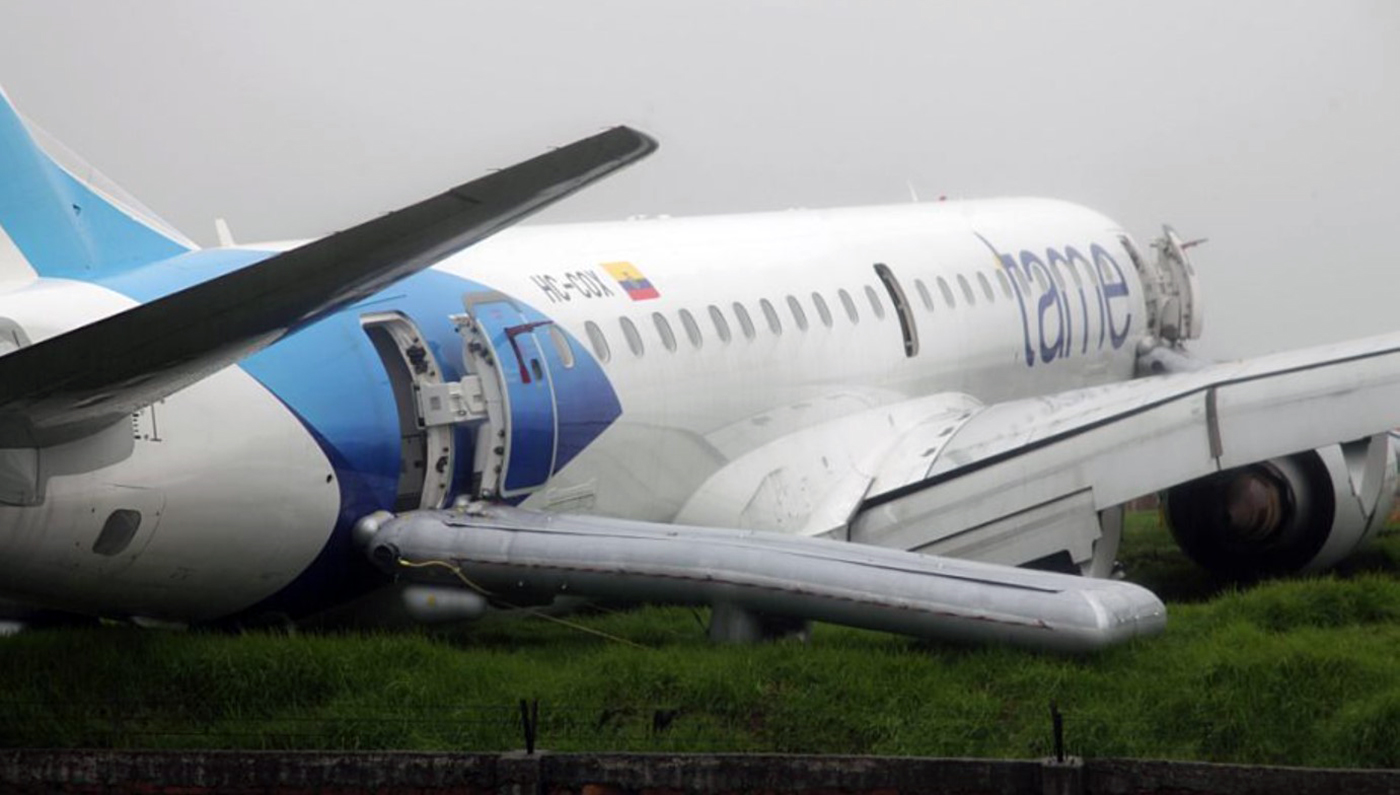
Crash of an Embraer ERJ-190-100AR in Cuenca

Date & Time: Apr 28, 2016 at 0751 LT
Type of aircraft:
Operator:
Registration:
HC-COX
Survivors:
Yes
Schedule:
Quito – Cuenca
MSN:
190-00372
YOM:
2010
Flight number:
EQ173
Country:
Crew on board:
6
Crew fatalities:
Pax on board:
87
Pax fatalities:
Other fatalities:
Total fatalities:
0
Captain / Total flying hours:
17523
Captain / Total hours on type:
2113.00
Copilot / Total flying hours:
3545
Copilot / Total hours on type:
2077
Aircraft flight hours:
11569
Aircraft flight cycles:
9707
Circumstances:
Following en uneventful flight from Quito, the crew initiated the descent to Cuenca-Mariscal La Mar Airport Runway 23. Weather conditions at destination were poor with rain falls and a contaminated runway. The pilot-in-command continued the approach below the glide and the aircraft passed over the runway threshold at a height of 37 feet instead the recommended 50 feet. The airplane landed 277 metres past the runway threshold at a speed of 127 knots and the crew activated the spoilers and the reverse thrust systems. Due to poor braking action, the captain activated the autobrake system, without success. As the aircraft could not be stopped within the remaining distance, the captain intentionally turn to the right when the aircraft ground looped, overran and came to rest in a grassy area. All 93 occupants were rescued, among them two passengers were slightly injured. The aircraft was damaged beyond repair.
Probable cause:
The following findings were identified:
- The condition of the runway at Cuenca airport, which at the time of the plane's landing was contaminated with water and slippery.
- The landing was made after a non-stabilized approach with a tailwind.
- During seven seconds, the crew continued the approach with an excessive rate of descent of 1,186 feet, 186 feet above the limit of 1,000 feet.
- The non-application of the Maximum Performance Landing procedure recommended by the aircraft manufacturer for landing on contaminated runways.
- The dispatch of the flight with 1,500 kg of fuel more than the amount of fuel usually used for this flight.
- Omission of the runway length calculation necessary to perform the landing using the braking efficiency information.
- The crew's decision to make the final approach with three red and one white lights, using the PAPI system, induced by the information in the Terminal Information document issued by the company, which authorized this procedure.
- The use of confusing terminology in the Terminal Information document, which used terms applicable to the Airbus fleet, instead of Embraer's.
- The crew's decision not to perform the thwarted approach maneuver after the maximum allowable vertical speed was exceeded and visibility was apparently limited after the minima were exceeded.
- Incorrect use of aircraft braking aids, in this case reverse braking aids
- The application of the emergency brake that inhibits the antiskid system.
- Lack of implementation of adequate management of crew resources, particularly within the cockpit.
- Lack of training in the use of tables for track distance calculation.
- In reference to landing conditions, the aircraft needed a runway length of 2,122 metres while the available distance was 1,900 metres.
Final Report:
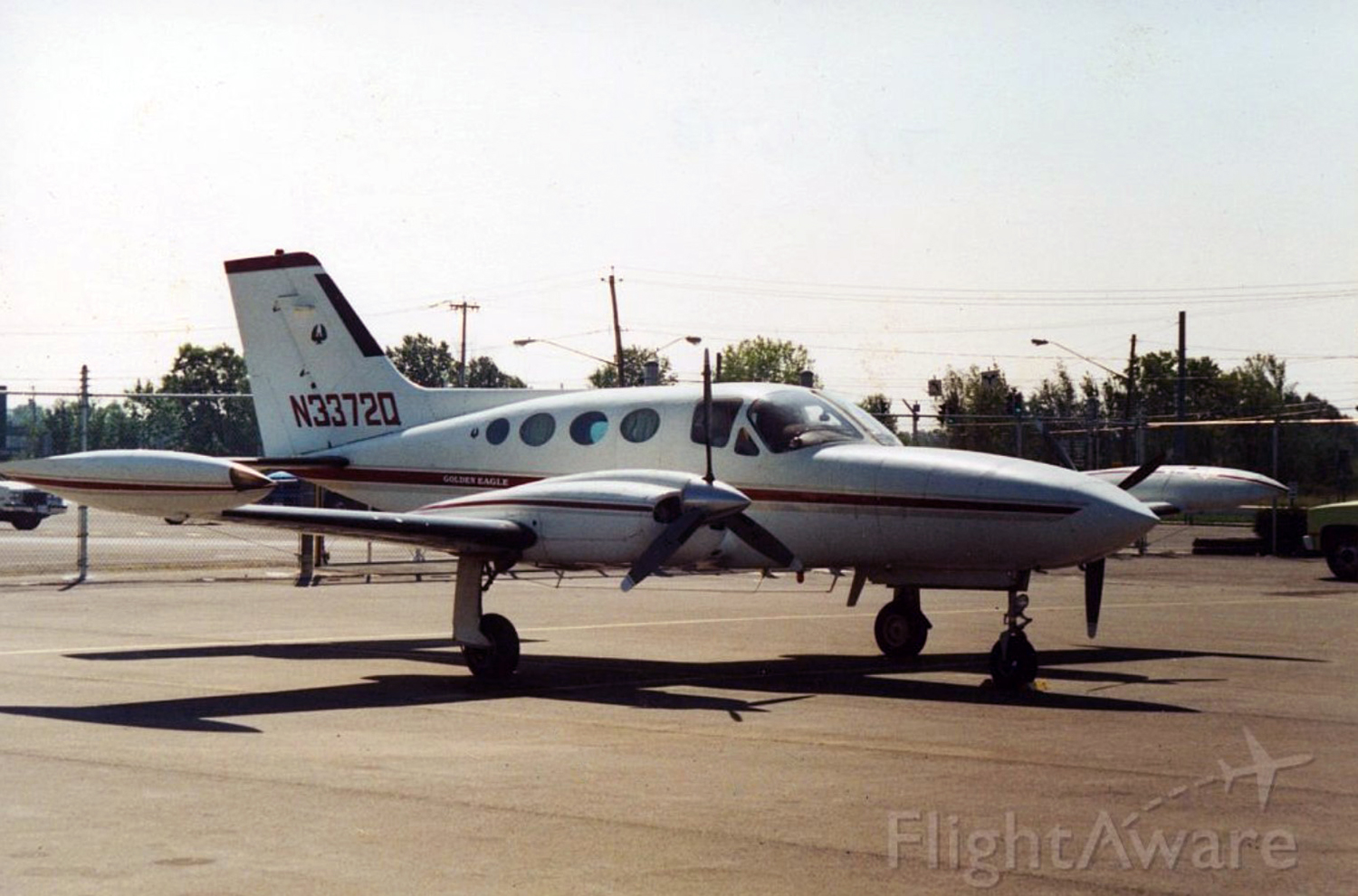
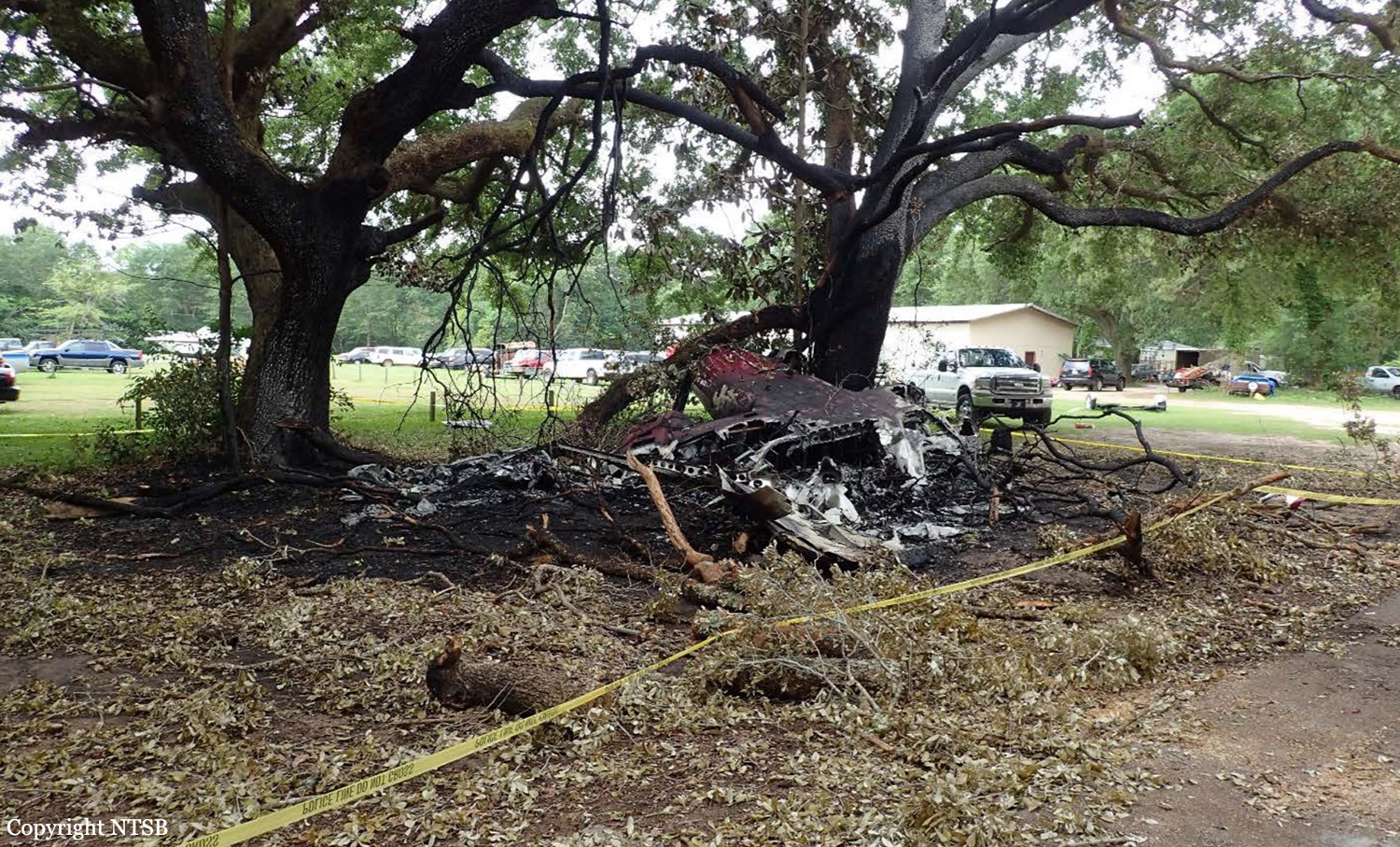
Crash of a Cessna 421B Golden Eagle II in Foley

Date & Time: Apr 26, 2016 at 1424 LT
Registration:
N3372Q
Flight Phase:
Flight Type:
Survivors:
Yes
Schedule:
Foley - Carrollton
MSN:
421B-0256
YOM:
1972
Location:
Crew on board:
1
Crew fatalities:
Pax on board:
0
Pax fatalities:
Other fatalities:
Total fatalities:
0
Captain / Total flying hours:
5450
Circumstances:
The private pilot of the twin-engine airplane departed on the personal flight. During the takeoff roll, all indications were normal. When the airplane accelerated to between 75 and 80 knots, the pilot pulled back on the yoke slowly, and the airplane began to climb. After he raised the landing gear, the pilot noticed that the airplane was not continuing to climb and that the airspeed was 80 knots; he then heard the stall warning horn. The airplane impacted trees about 1/4 mile from the runway, caught fire, and was destroyed; the pilot egressed with minor injuries. The airplane's published minimum control speed was 86 knots and the break ground and climb speed was 106 knots. Given that information, it is likely that the pilot's attempt to rotate and climb the airplane below 80 knots resulted in the airplane being unable to gain altitude and climb above trees at the end of the runway.
Probable cause:
The pilot's failure to obtain proper takeoff speed before breaking ground, which resulted in the airplane's failure to gain altitude and a collision with trees and terrain.
Final Report:
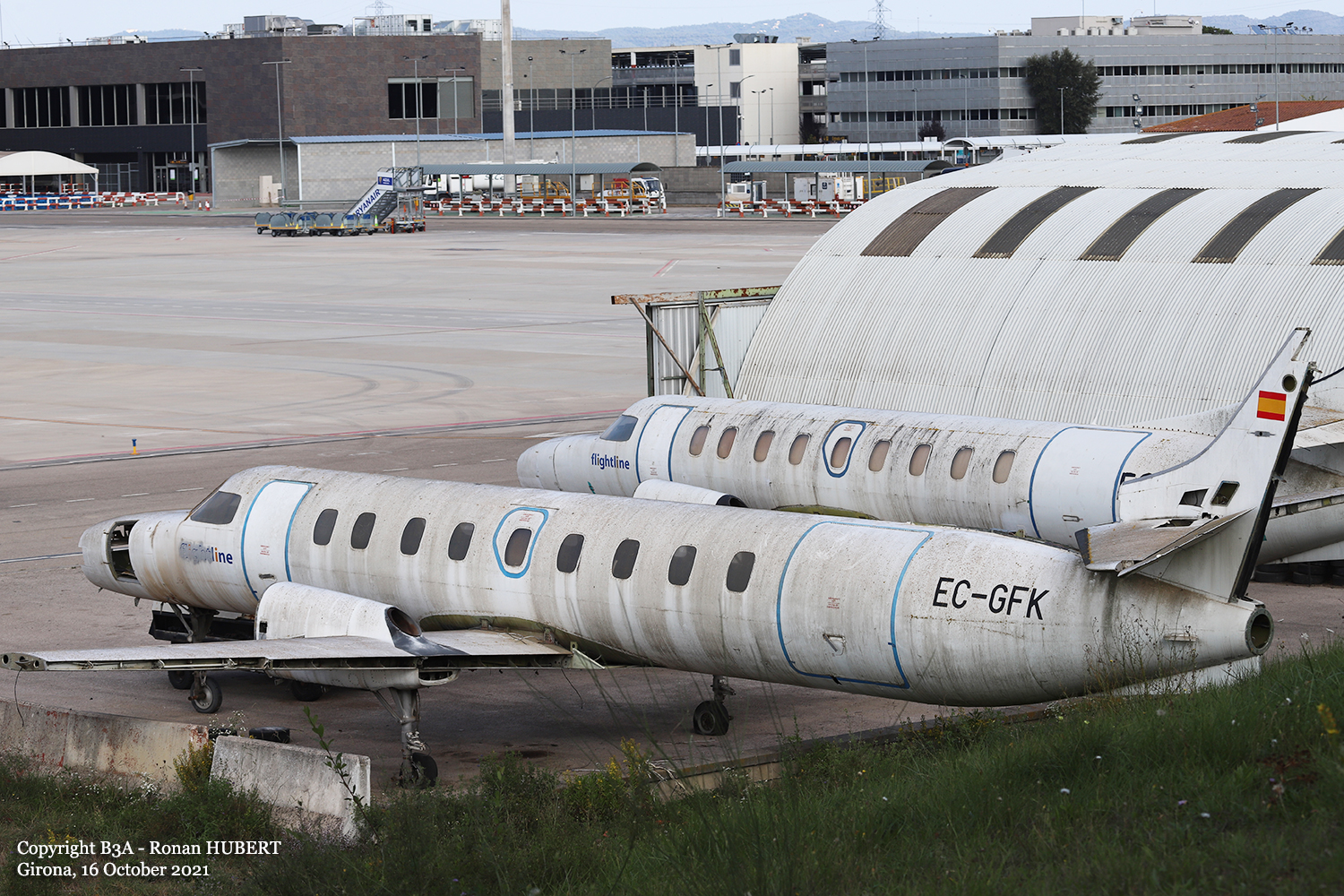
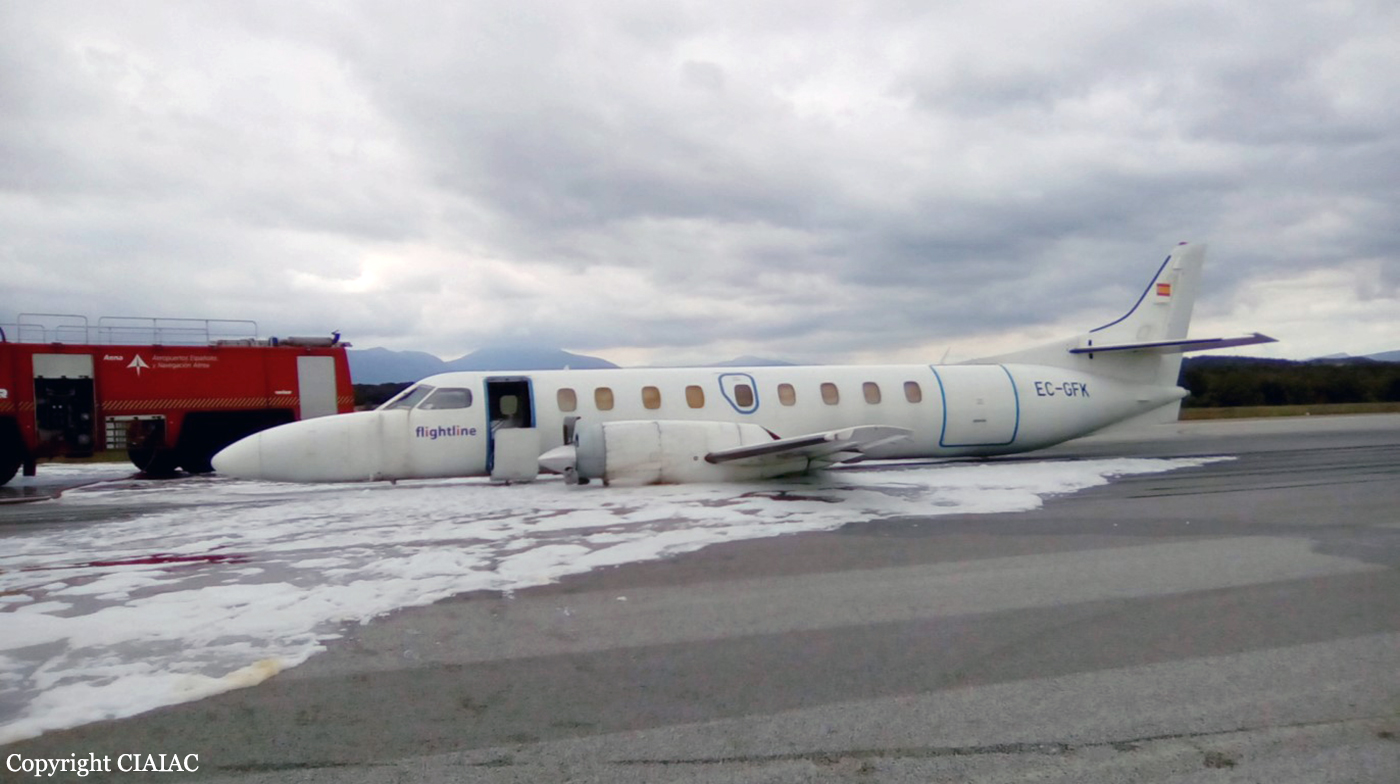
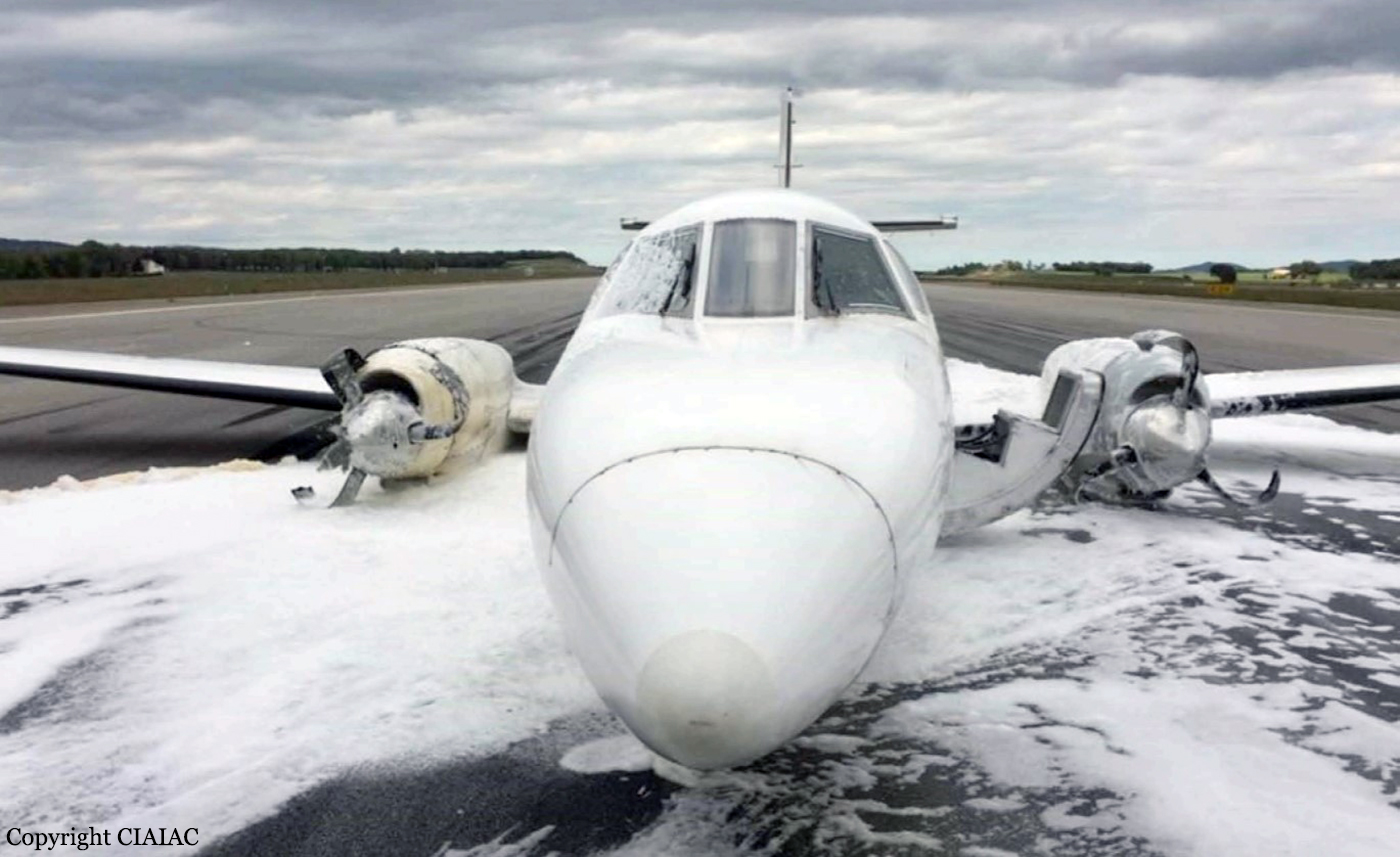
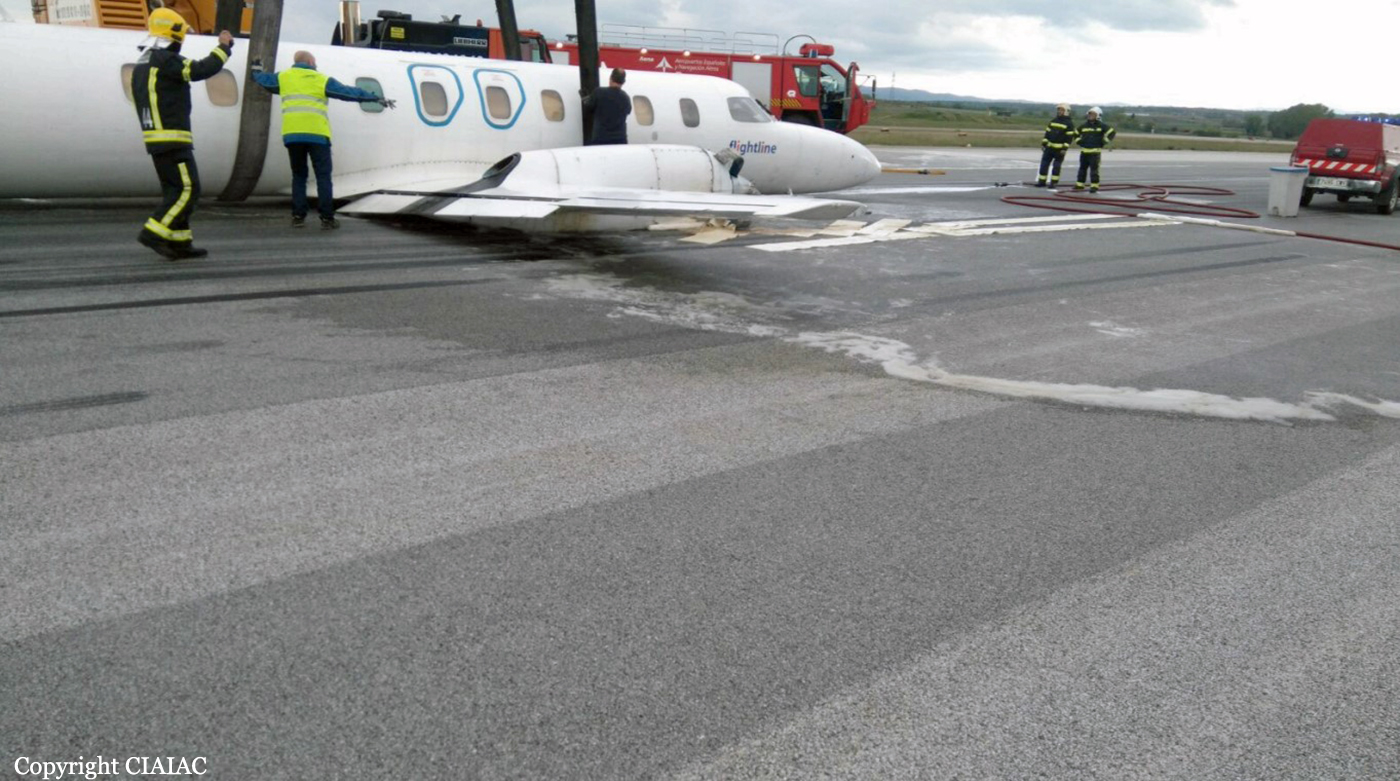
Crash of a Swearingen SA226AT Merlin IVA in Girona

Date & Time: Apr 24, 2016 at 1520 LT

Operator:
Registration:
EC-GFK
Flight Type:
Survivors:
Yes
Schedule:
Girona - Girona
MSN:
AT-062
YOM:
1977
Country:
Region:
Crew on board:
2
Crew fatalities:
Pax on board:
0
Pax fatalities:
Other fatalities:
Total fatalities:
0
Captain / Total flying hours:
2402
Captain / Total hours on type:
27.00
Copilot / Total flying hours:
7992
Copilot / Total hours on type:
6868
Aircraft flight hours:
16128
Circumstances:
The crew (one pilot under supervision and one instructor) departed Girona-Costa Brava on a local training flight. Following two successful landings and touch-and-go manoeuvres, the crew initiated a new approach to complete a full stop landing. The aircraft belly landed and slid for few dozen metres before coming to rest on the runway. Both pilots evacuated safely and the aircraft was damaged beyond repair.
Probable cause:
The cause of the accident was that the crew failed to actuate the lever used to deploy the landing gear. Inadequate presentation, in the operator's operating manuals, of the flight tasks to be performed by each crew member and the timing of these tasks is identified as a contributing factor.
Final Report: