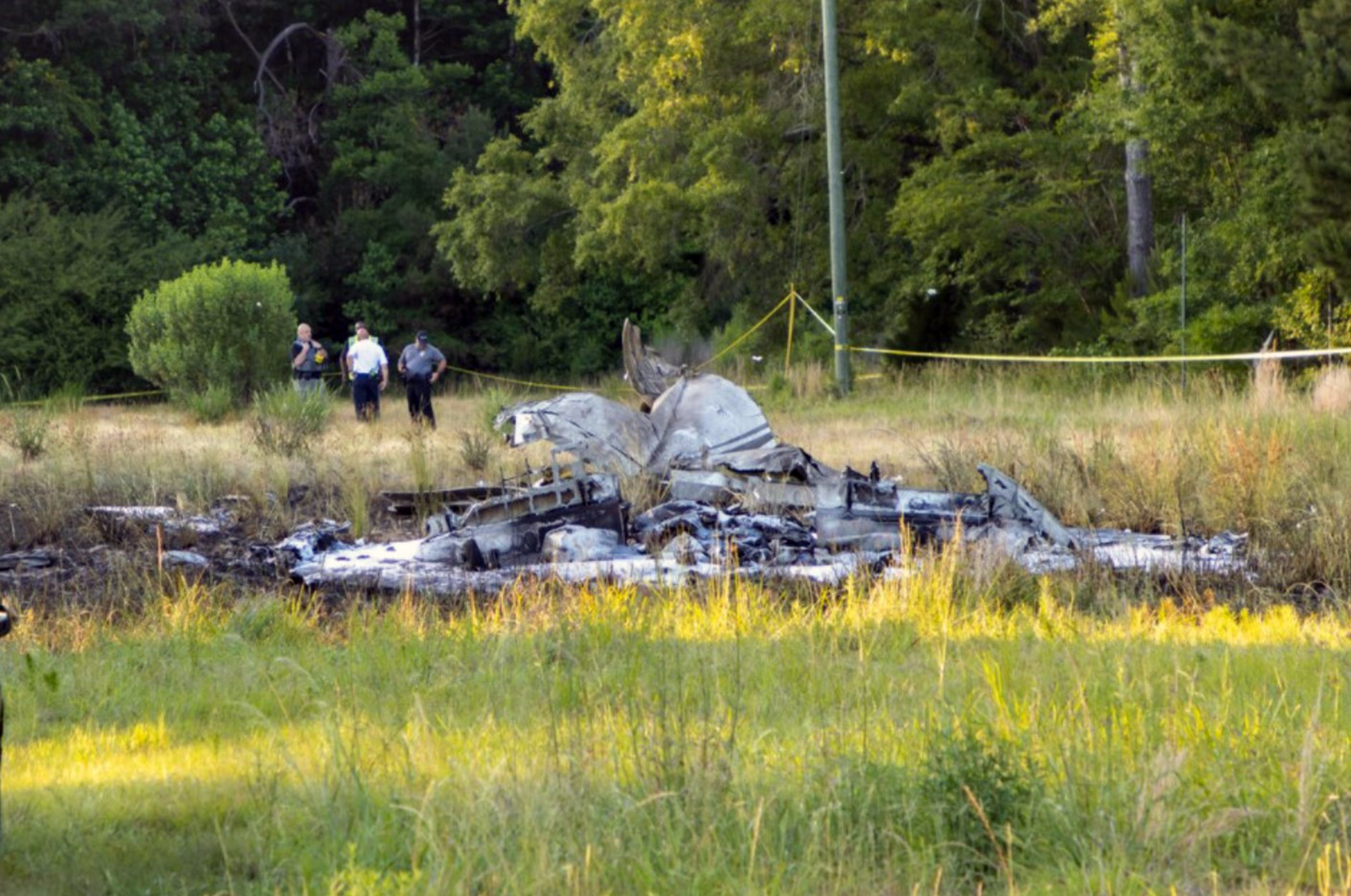
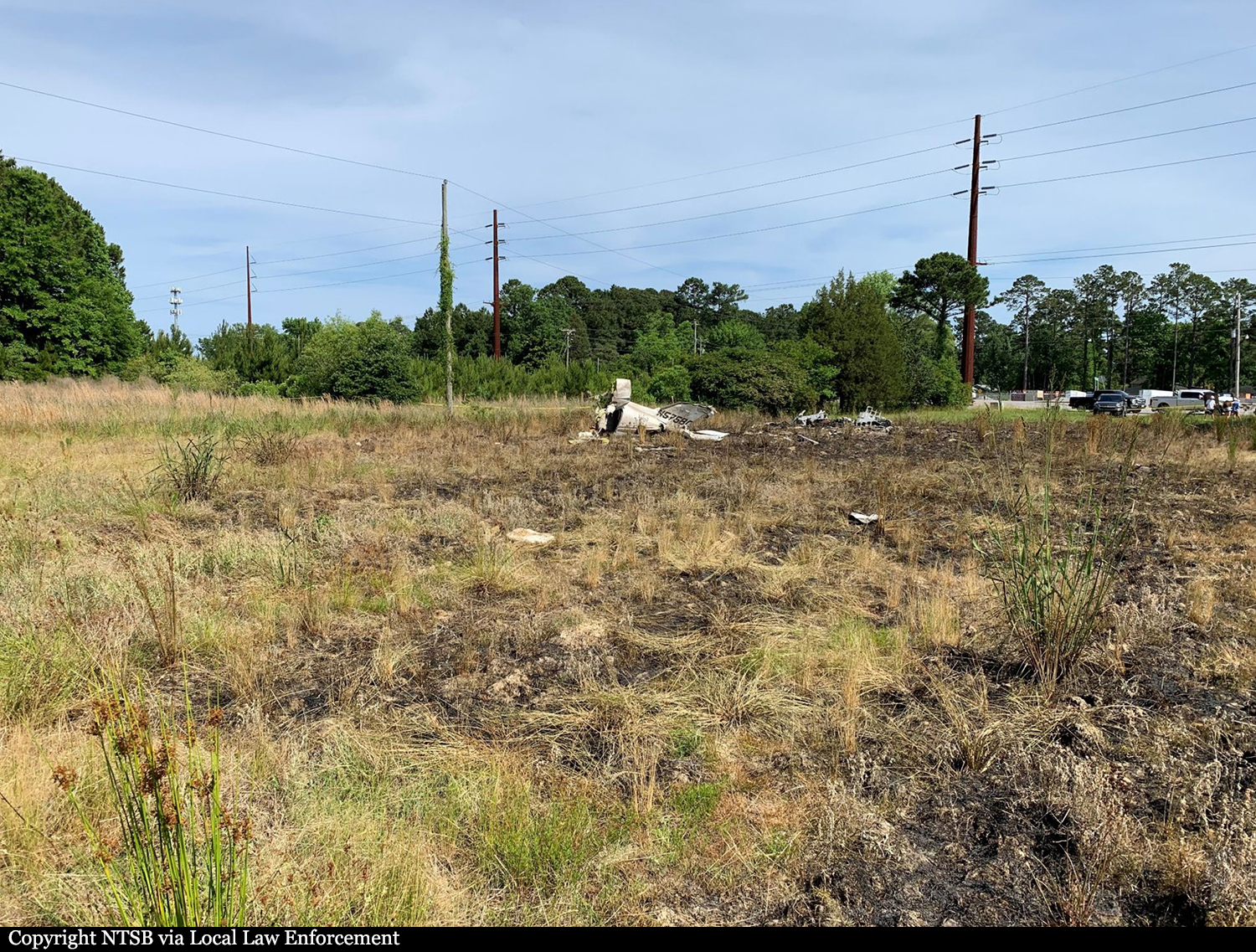
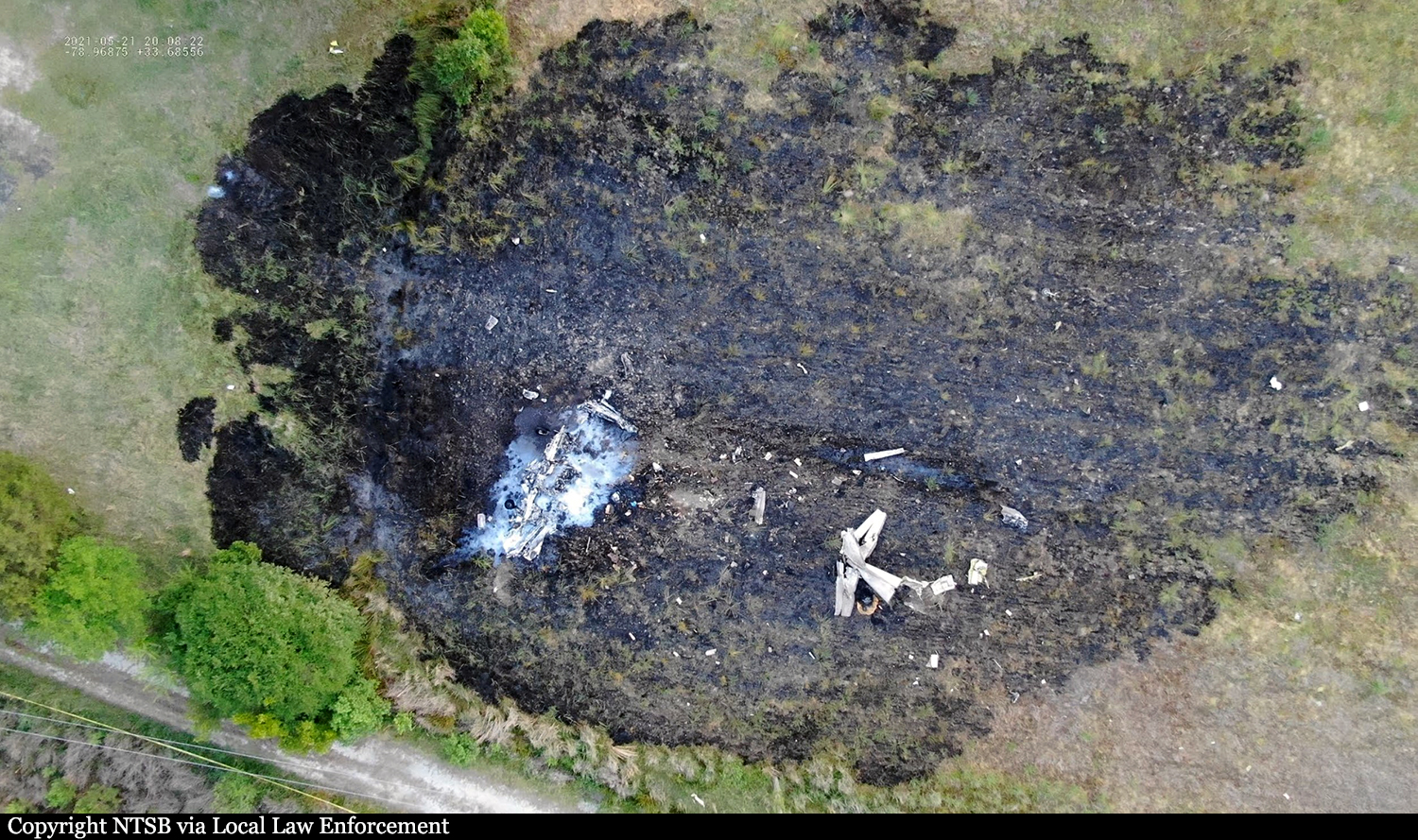
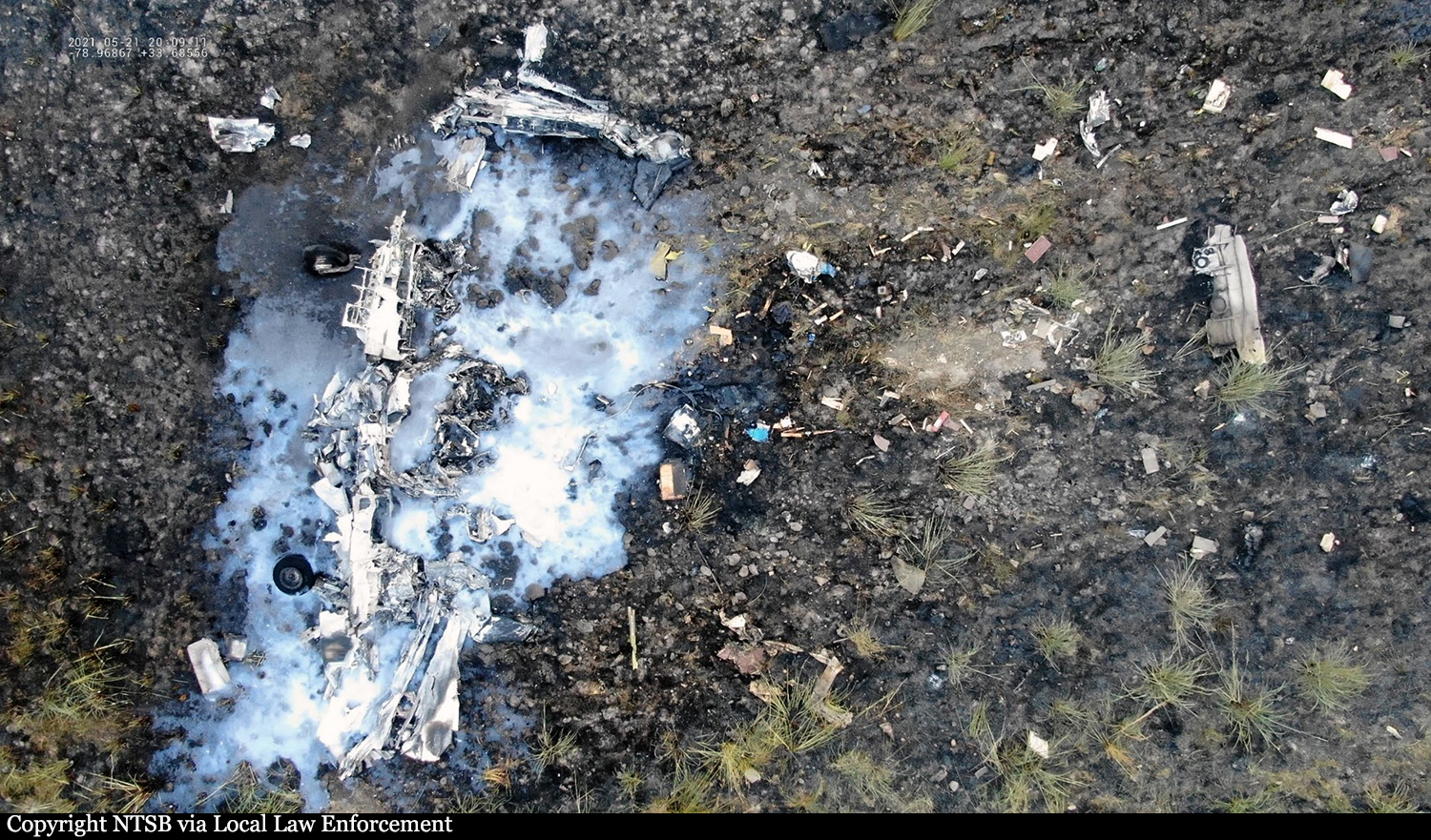
Crash of a Piper PA-31P-425 Pressurized Navajo in Myrtle Beach: 1 killed

Date & Time: May 21, 2021 at 1814 LT
Type of aircraft:
Operator:
Registration:
N575BC
Flight Phase:
Flight Type:
Survivors:
No
Schedule:
Myrtle Beach - North Myrtle Beach
MSN:
31-7730003
YOM:
1977
Crew on board:
1
Crew fatalities:
Pax on board:
0
Pax fatalities:
Other fatalities:
Total fatalities:
1
Captain / Total flying hours:
20000
Aircraft flight hours:
4826
Circumstances:
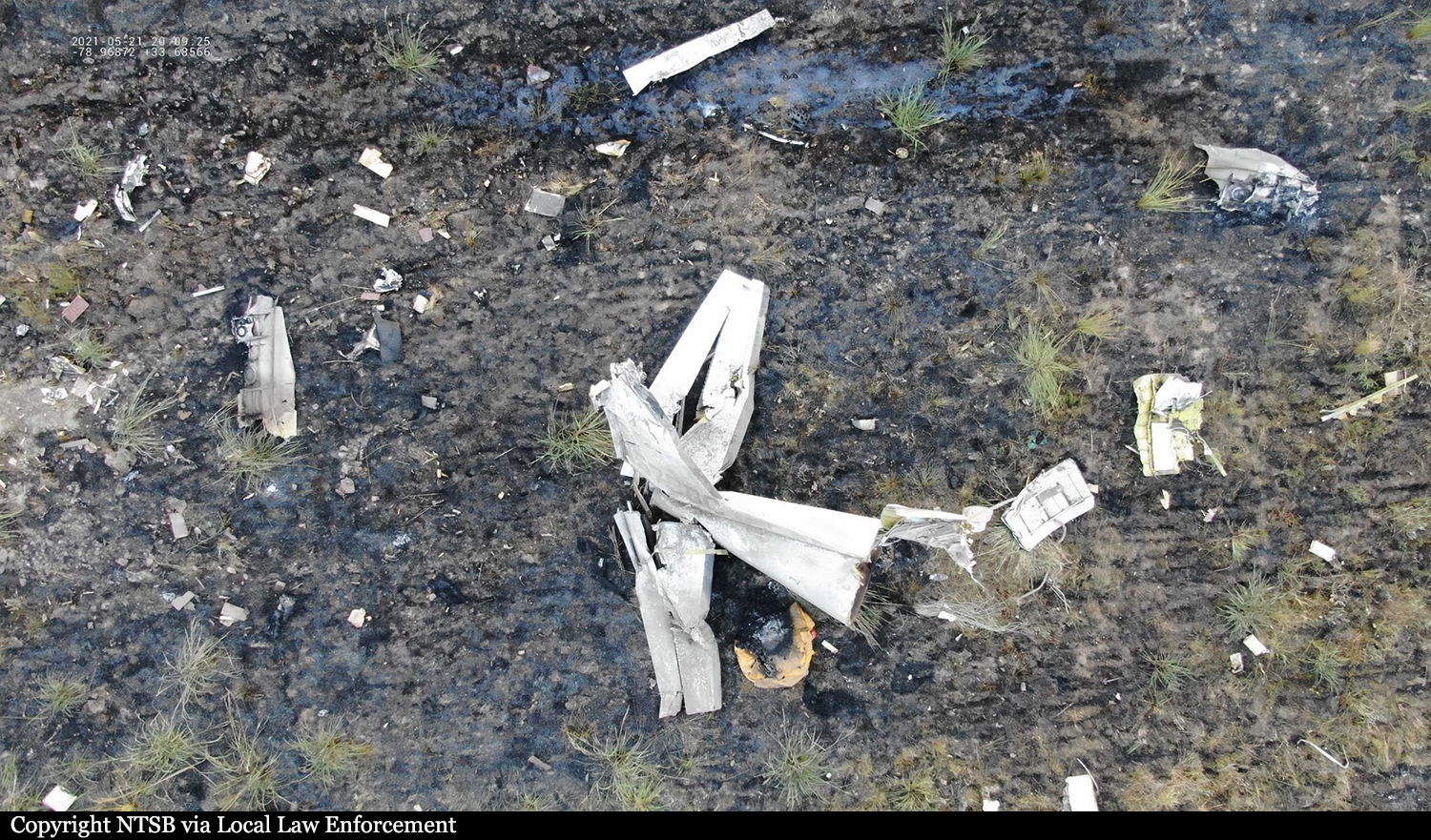
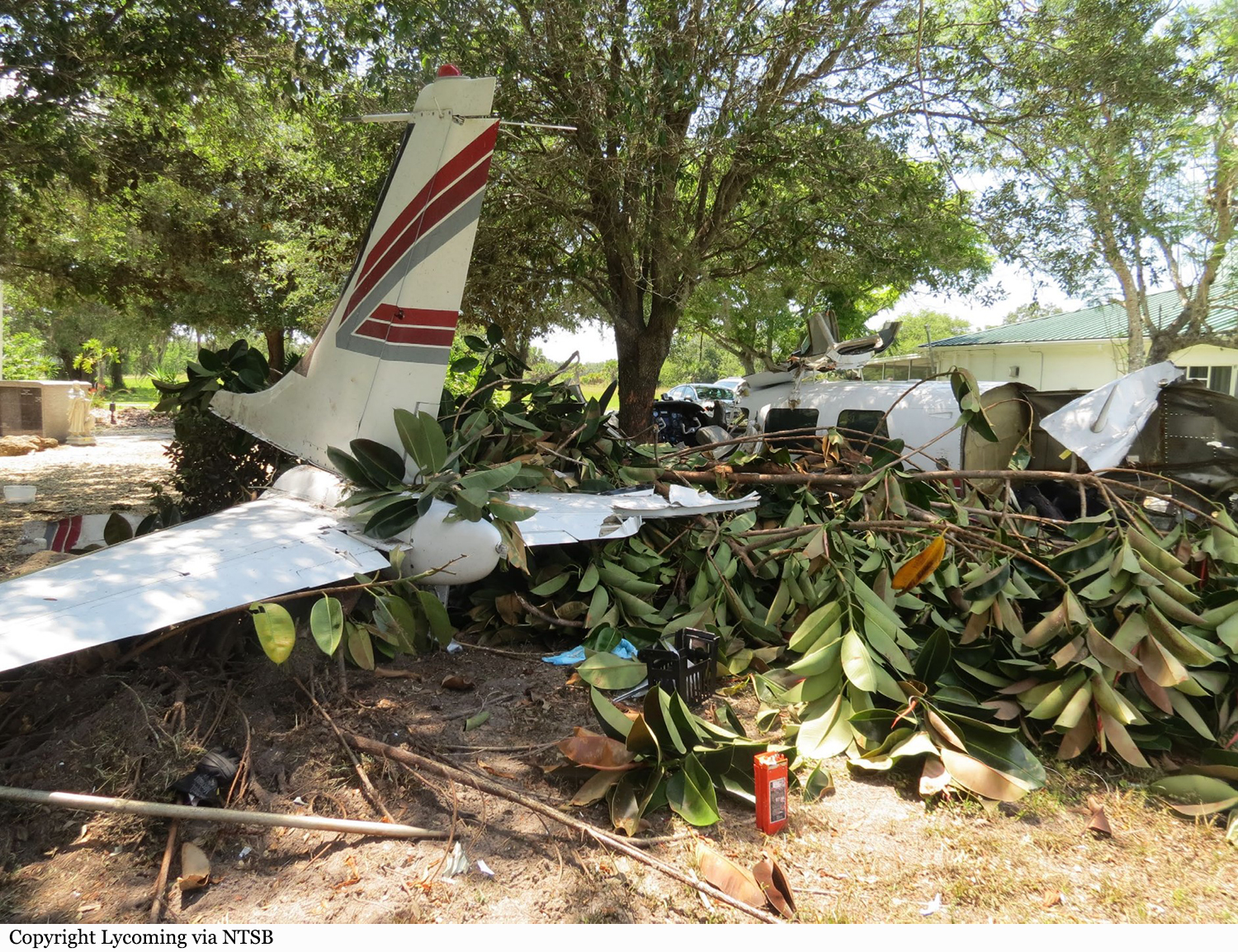
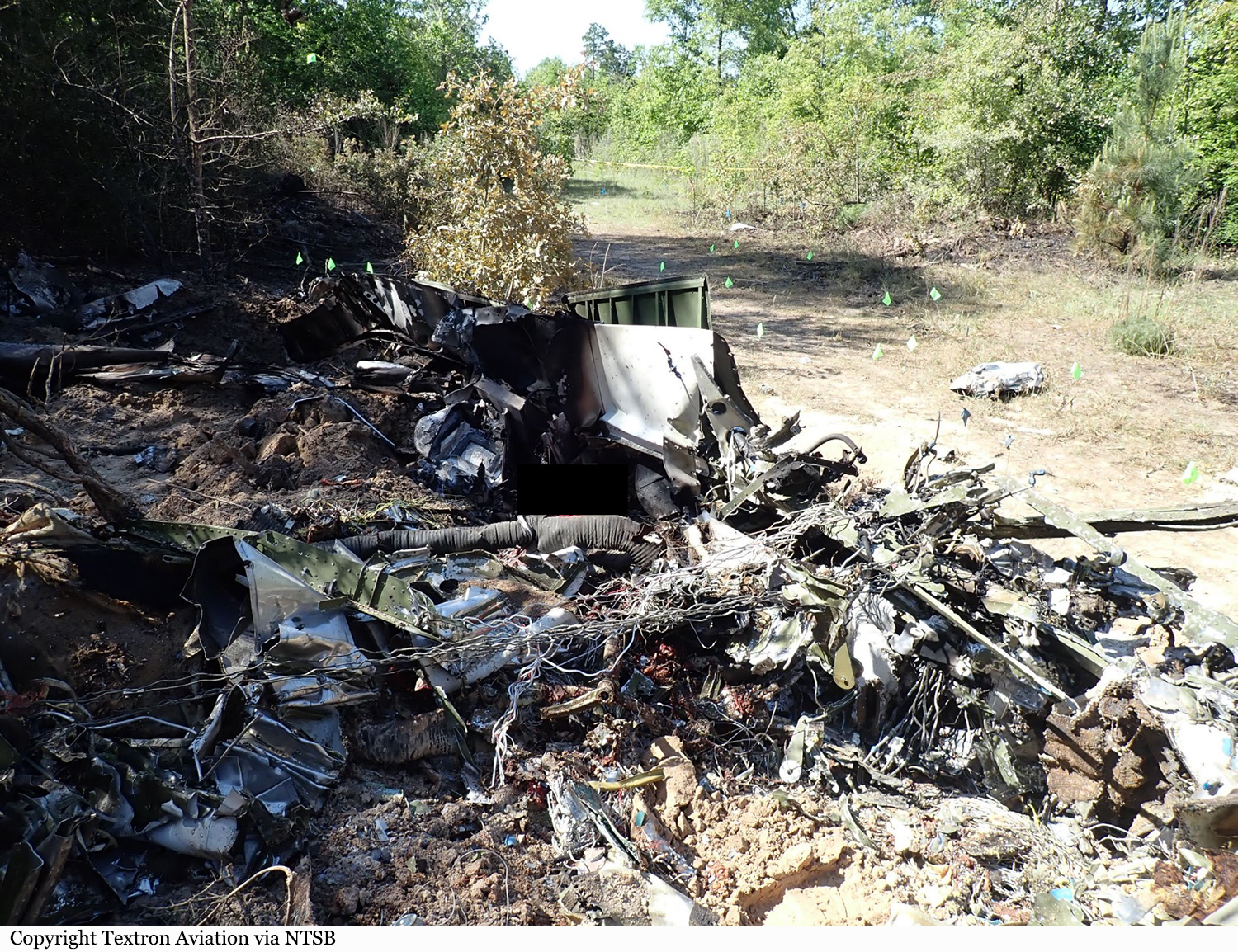
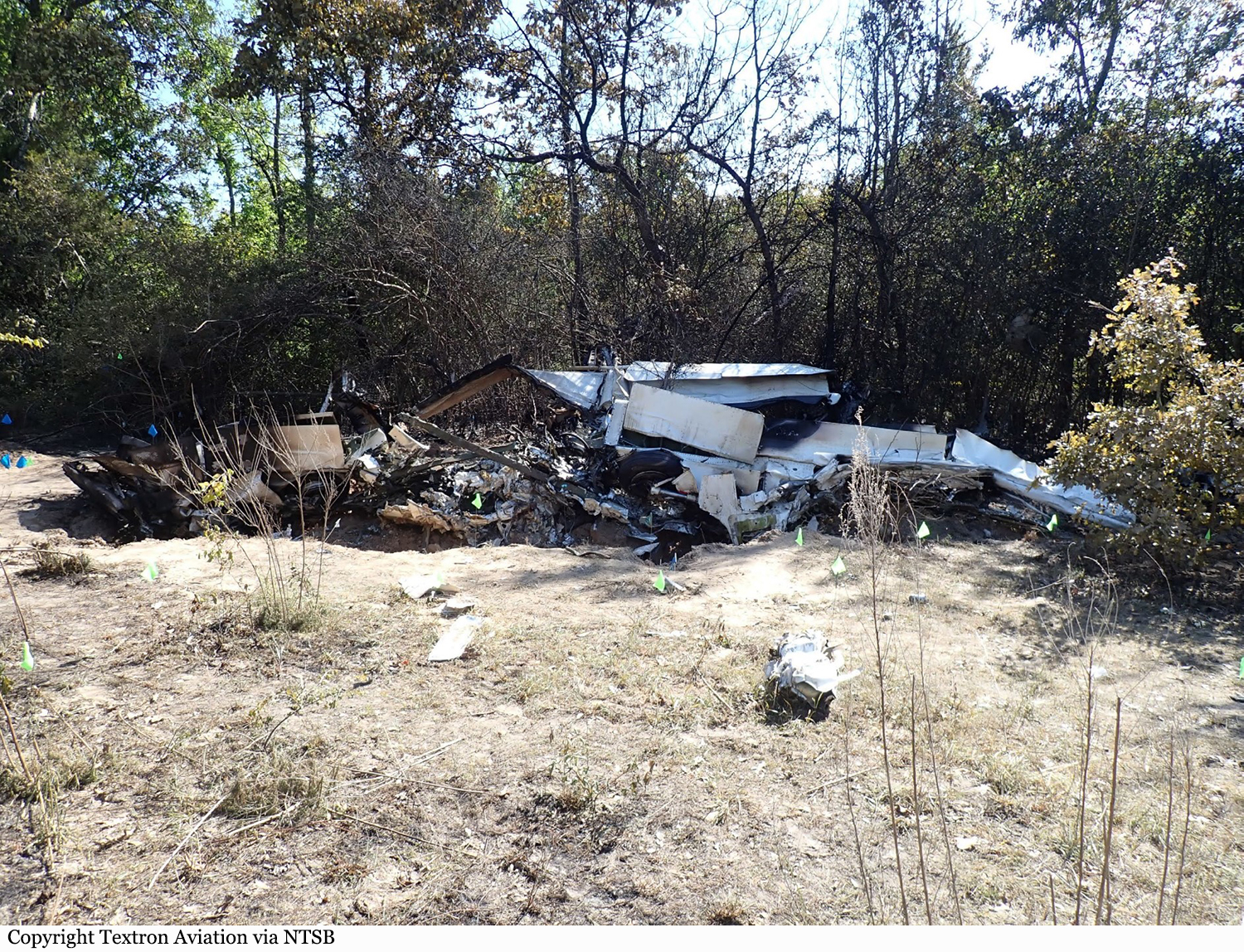
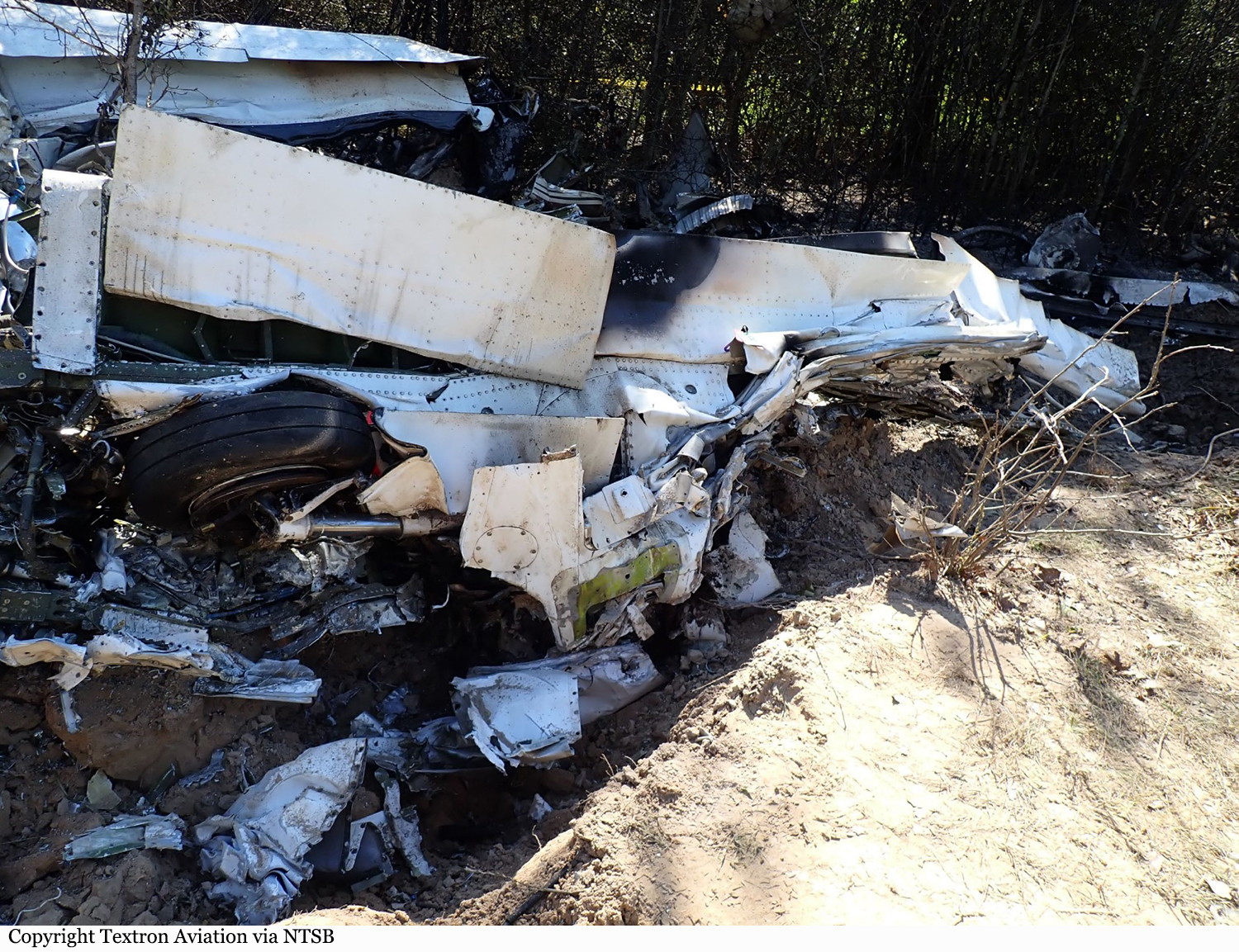
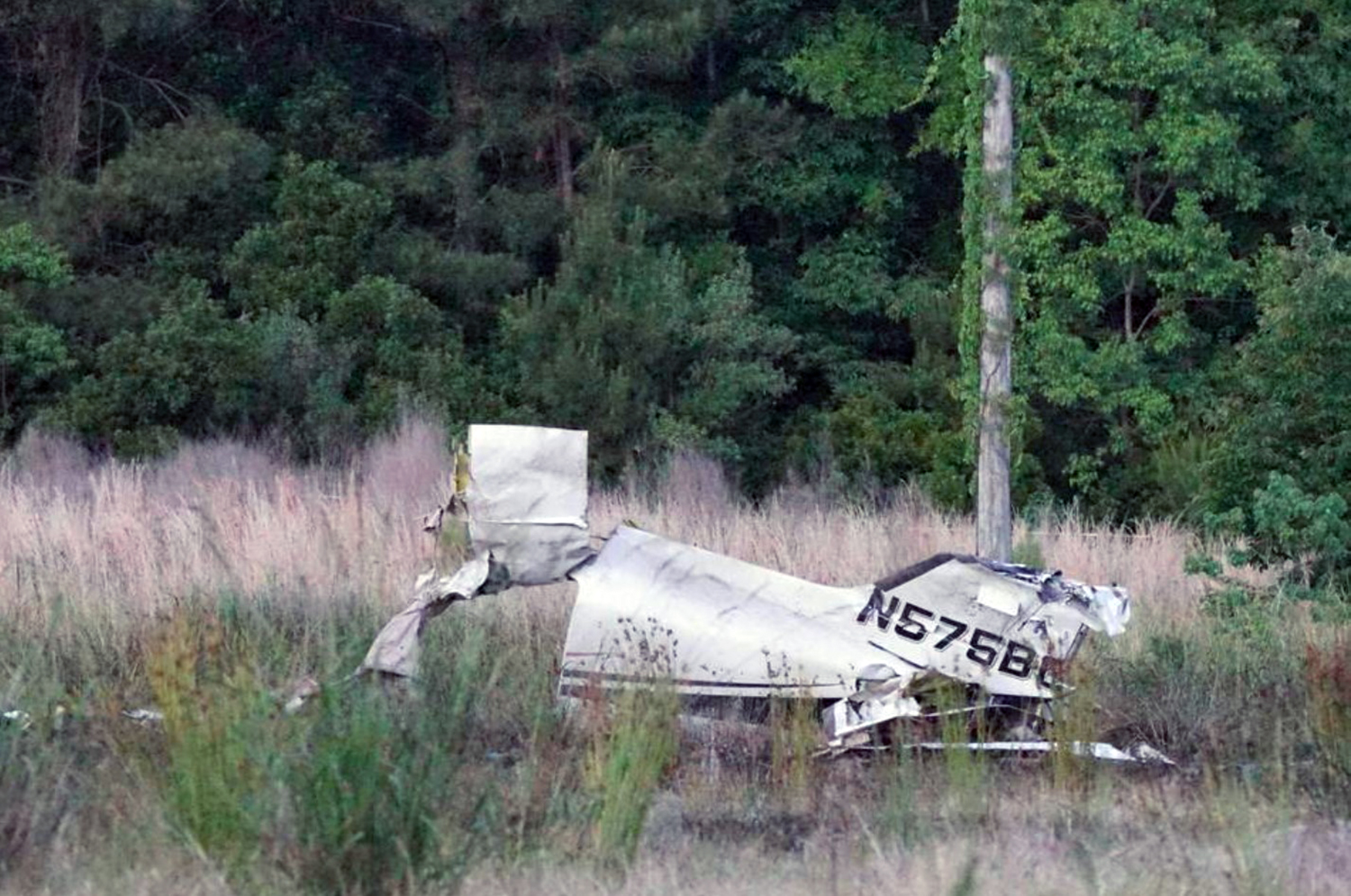
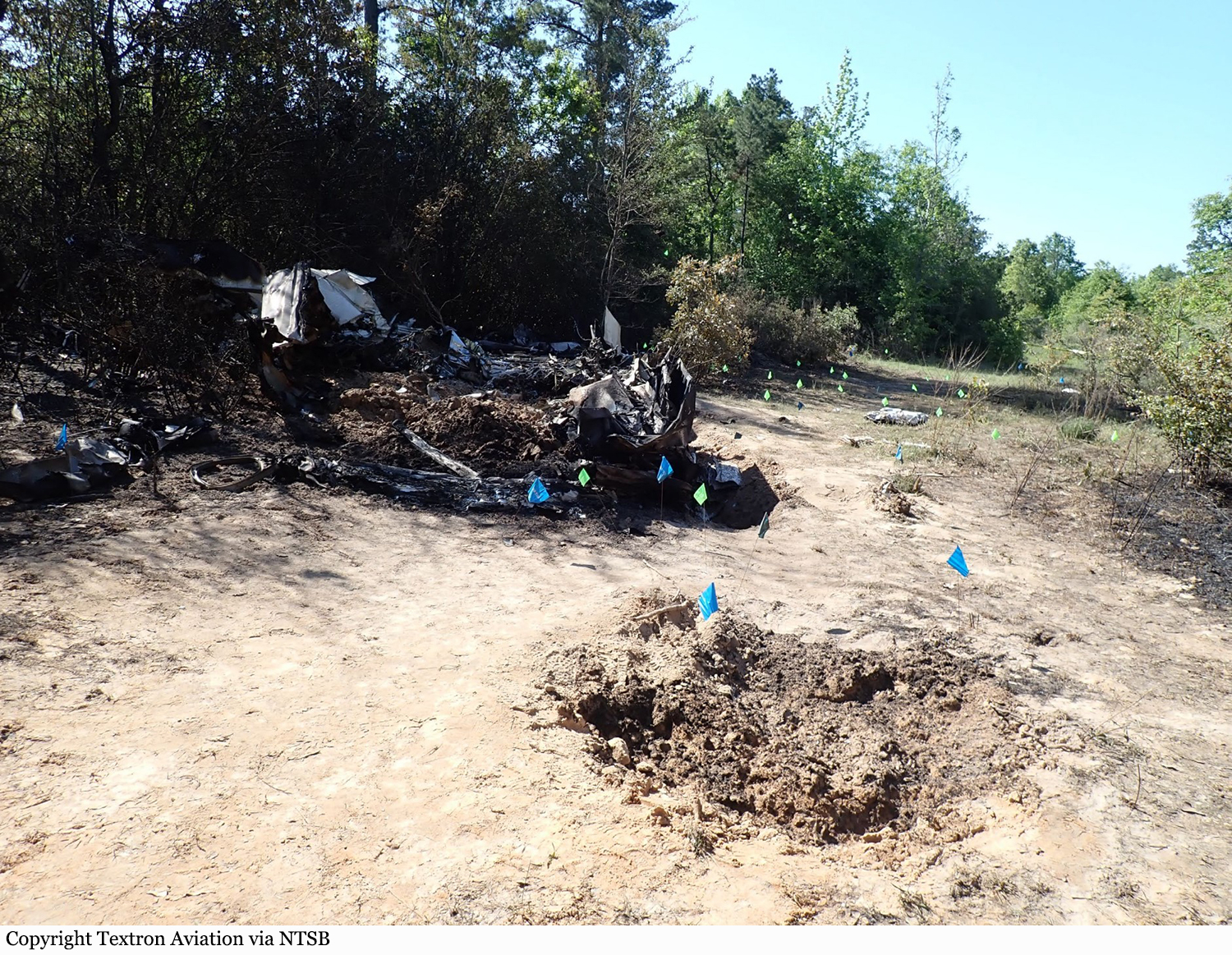
The airplane departed Myrtle Beach International Airport (MYR), Myrtle Beach, South Carolina, at 1812, with the intended destination of Grand Strand Airport (CRE), North Myrtle Beach, South Carolina. According to automatic dependent surveillance-broadcast and air traffic control (ATC) communications information, the pilot established contact with ATC and reported that he was ready for departure from runway 18. He was instructed to fly runway heading, climb to 1,700 ft mean sea level (msl), and was cleared for takeoff. Once airborne, the controller instructed the pilot to turn left; however, the pilot stated that he needed to return to runway 18. The controller instructed the pilot to enter a right closed traffic pattern at 1,500 ft msl. As the airplane continued to turn to the downwind leg of the traffic pattern, it reached an altitude of about 1,000 ft mean sea level (msl). While on the downwind leg of the traffic pattern, the airplane descended to 450 ft msl, climbed to 700 ft msl, and then again descended to 475 ft msl before radar contact was lost. About 1 minute after the pilot requested to return to the runway, the controller asked if any assistance was required, to which the pilot replied, “yes, we’re in trouble.” There were no further radio communications from the pilot. The airplane crashed in a field and was destroyed by impact forces and a post crash fire. The pilot, sole on board, was killed.
Probable cause:
The mechanic’s inadvertent installation of the elevator trim tabs in reverse, which resulted in the pitch trim system operating opposite of the pilot’s input and the pilot’s subsequent loss of control.
Final Report:

Crash of a Swearingen SA226TC Metro II in Denver

Date & Time: May 12, 2021 at 1023 LT
Type of aircraft:
Operator:
Registration:
N280KL
Flight Type:
Survivors:
Yes
Schedule:
Salida – Denver
MSN:
TC-280
YOM:
1978
Flight number:
LYM970
Crew on board:
1
Crew fatalities:
Pax on board:
0
Pax fatalities:
Other fatalities:
Total fatalities:
0
Captain / Total flying hours:
11184
Captain / Total hours on type:
2656.00
Aircraft flight hours:
29525
Circumstances:
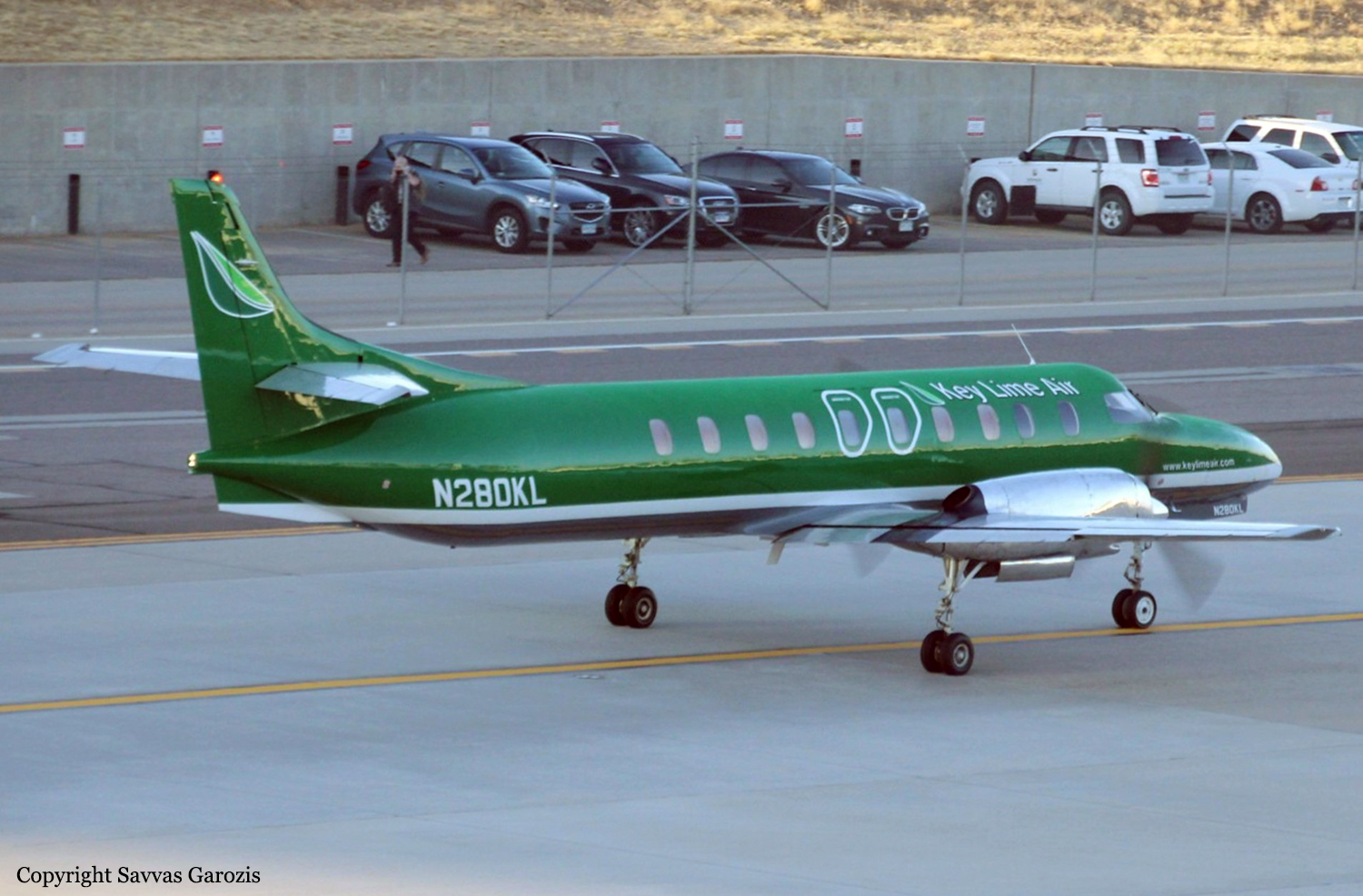
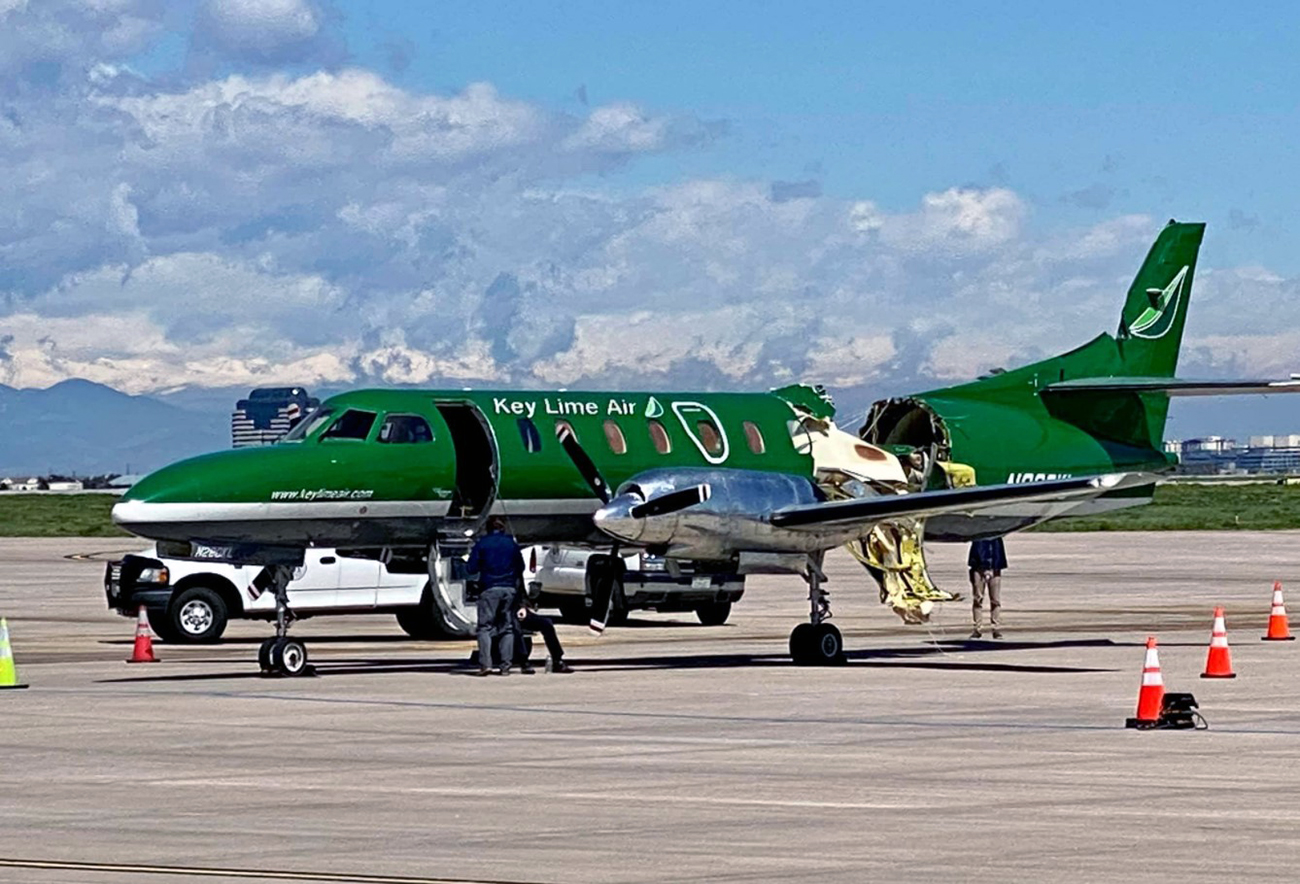
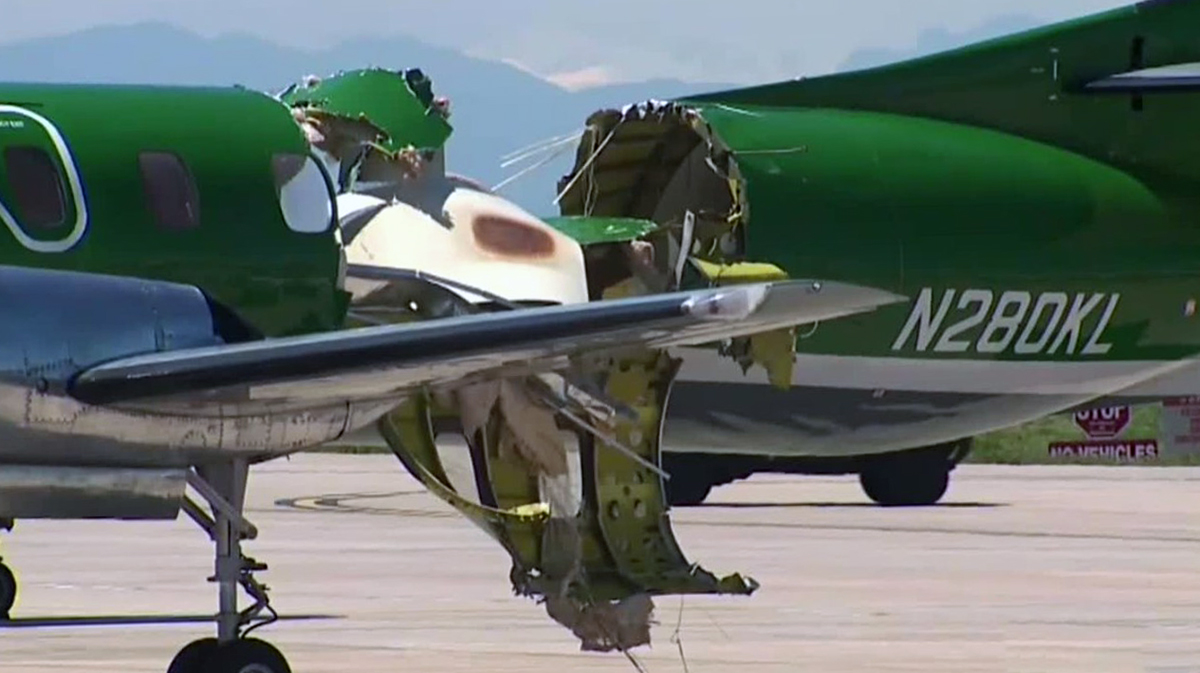
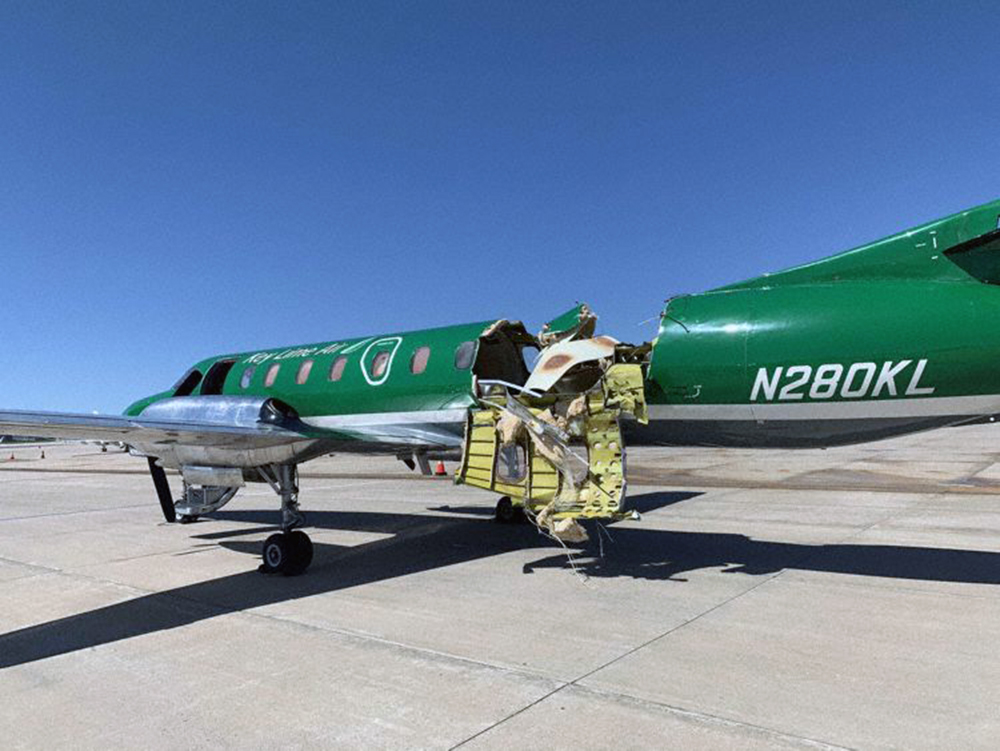
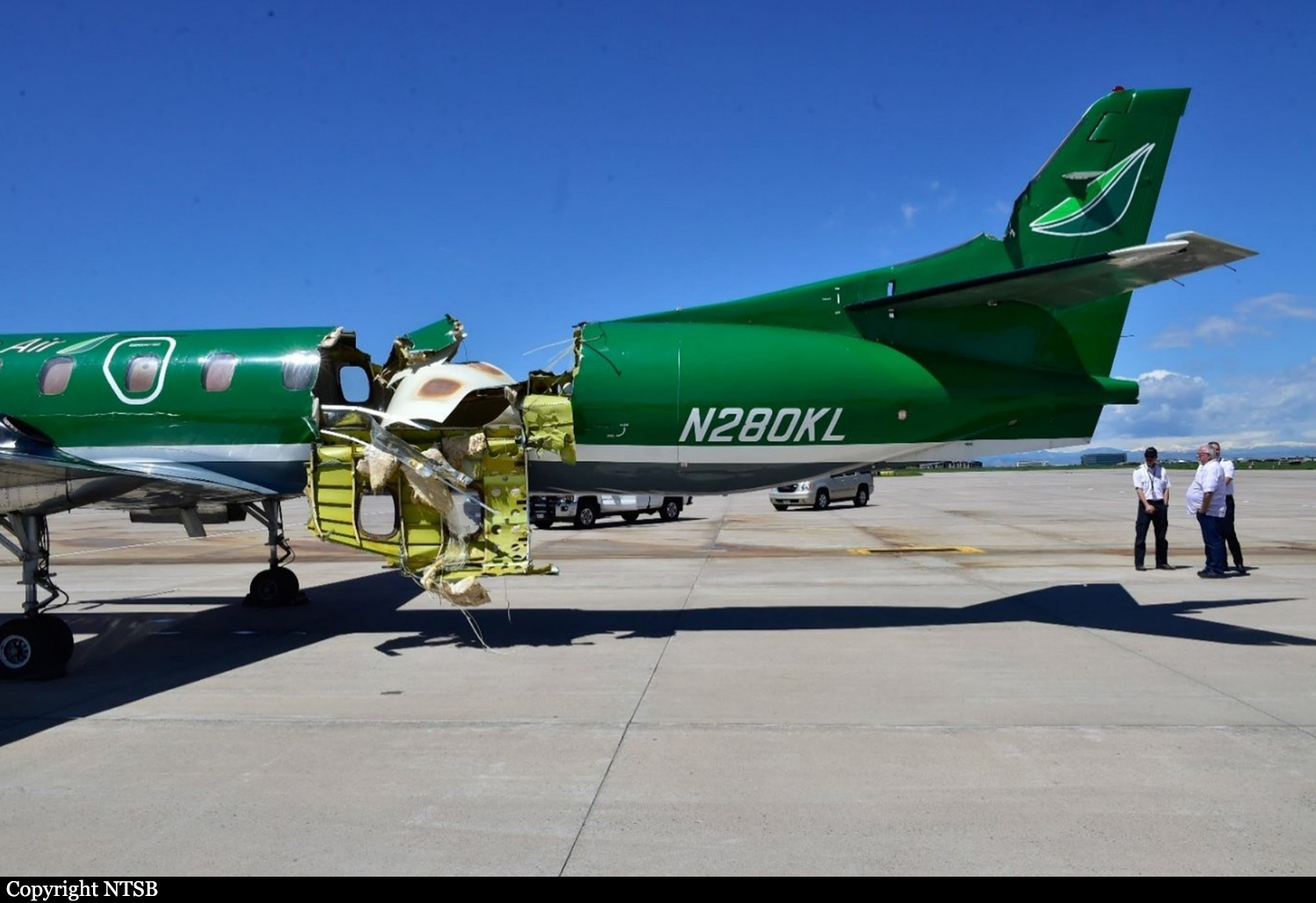
A Cirrus SR22 and a Swearingen AS226TC were approaching to land on parallel runways and being controlled by different controllers on different control tower frequencies. The pilot of the Swearingen was established on an extended final approach for the left runway, while the pilot of the Cirrus was flying a right traffic pattern for the right runway. Data from an on-board recording device showed that the Cirrus’ airspeed on the base leg of the approach was more than 50 kts above the manufacturer’s recommended speed of 90 to 95 kts. As the Cirrus made the right turn from the base leg to the final approach, its flight path carried it through the extended centerline for the assigned runway (right), and into the extended centerline for the left runway where the collision occurred. At the time of the collision, the Cirrus had completed about ½ of the 90° turn from base to final and its trajectory would have taken it even further left of the final approach course for the left runway. The pilot of the Swearingen landed uneventfully; the pilot of the Cirrus deployed the airframe parachute system, and the airplane came to rest upright about 3 nautical miles from the airport. Both airplanes sustained substantial damage to their fuselage. During the approach sequence the controller working the Swearingen did not issue a traffic advisory to the pilot regarding the location of the Cirrus and the potential conflict. The issuance of traffic information during simultaneous parallel runway operations was required by Federal Aviation Administration Order JO 7110.65Y, which details air traffic control procedures and phraseology for use by persons providing air traffic control services. The controller working the Cirrus did issue a traffic advisory to the Cirrus pilot regarding the Swearingen on the parallel approach. Based on the available information, the pilot of the Cirrus utilized a much higher than recommended approach speed which increased the airplane’s radius of turn. The pilot then misjudged the airplane’s flight path, which resulted in the airplane flying through the assigned final approach course and into the path of the parallel runway. The controller did not issue a traffic advisory to the pilot of Swearingen regarding the location of the Cirrus. The two airplanes were on different tower frequencies and had the controller issued an advisory, the pilot of the Swearingen may have been able to identify the conflict and maneuver his airplane to avoid the collision.
Probable cause:
The Cirrus pilot’s failure to maintain the final approach course for the assigned runway, which resulted in a collision with the Swearingen which was on final approach to the parallel runway. Contributing to the accident was the failure of the controller to issue a traffic advisory to the Swearingen pilot regarding the location of Cirrus, and the Cirrus pilot’s decision to fly higher than recommended approach speed which resulted in a larger turn radius and contributed to his overshoot of the final approach course.
Final Report:

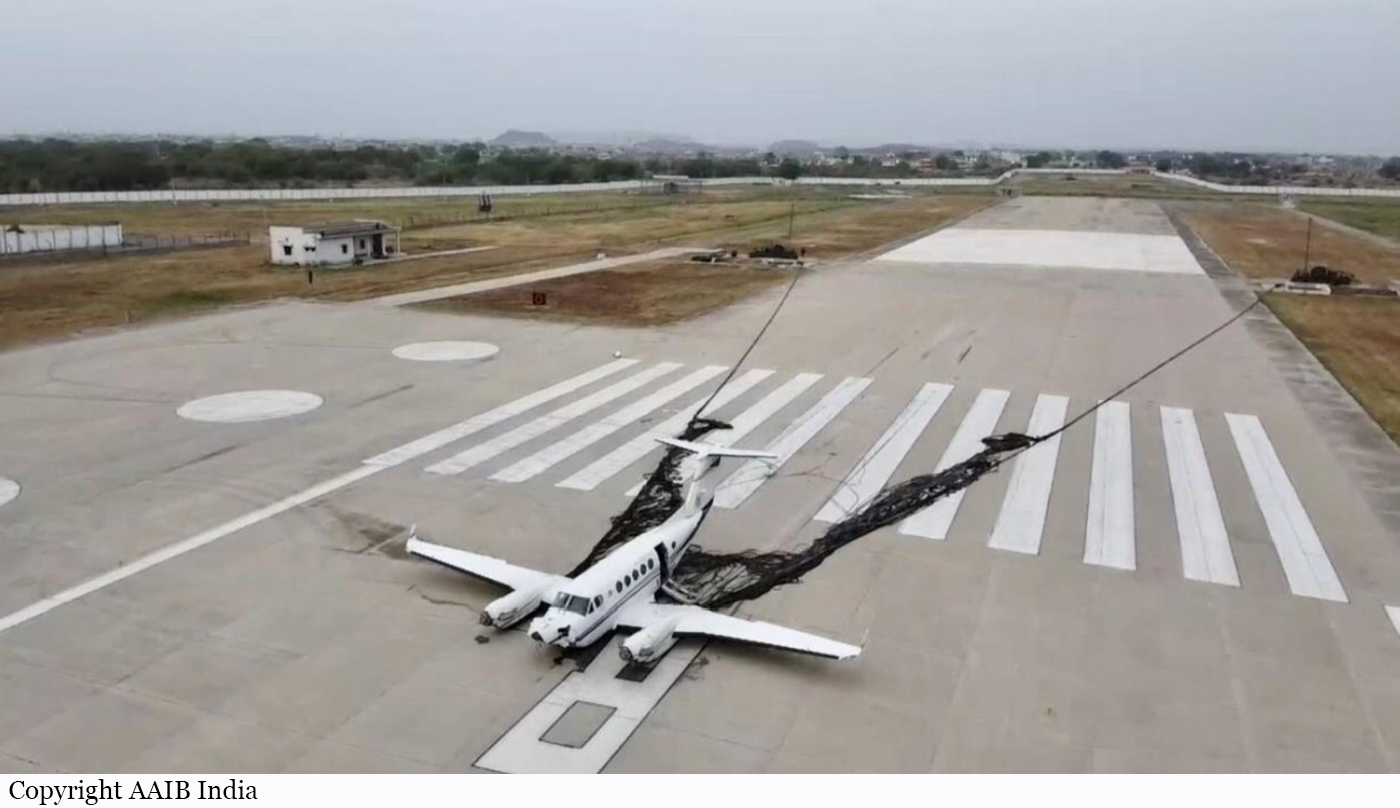
Crash of a Beechcraft B250GT Super King Air in Gwalior

Date & Time: May 6, 2021 at 2115 LT
Operator:
Registration:
VT-MPQ
Flight Type:
Survivors:
Yes
Schedule:
Indore - Gwalior
MSN:
BY-373
YOM:
2020
Country:
Region:
Crew on board:
2
Crew fatalities:
Pax on board:
1
Pax fatalities:
Other fatalities:
Total fatalities:
0
Captain / Total flying hours:
12324
Captain / Total hours on type:
9362.00
Copilot / Total flying hours:
5135
Copilot / Total hours on type:
50
Aircraft flight hours:
49
Circumstances:
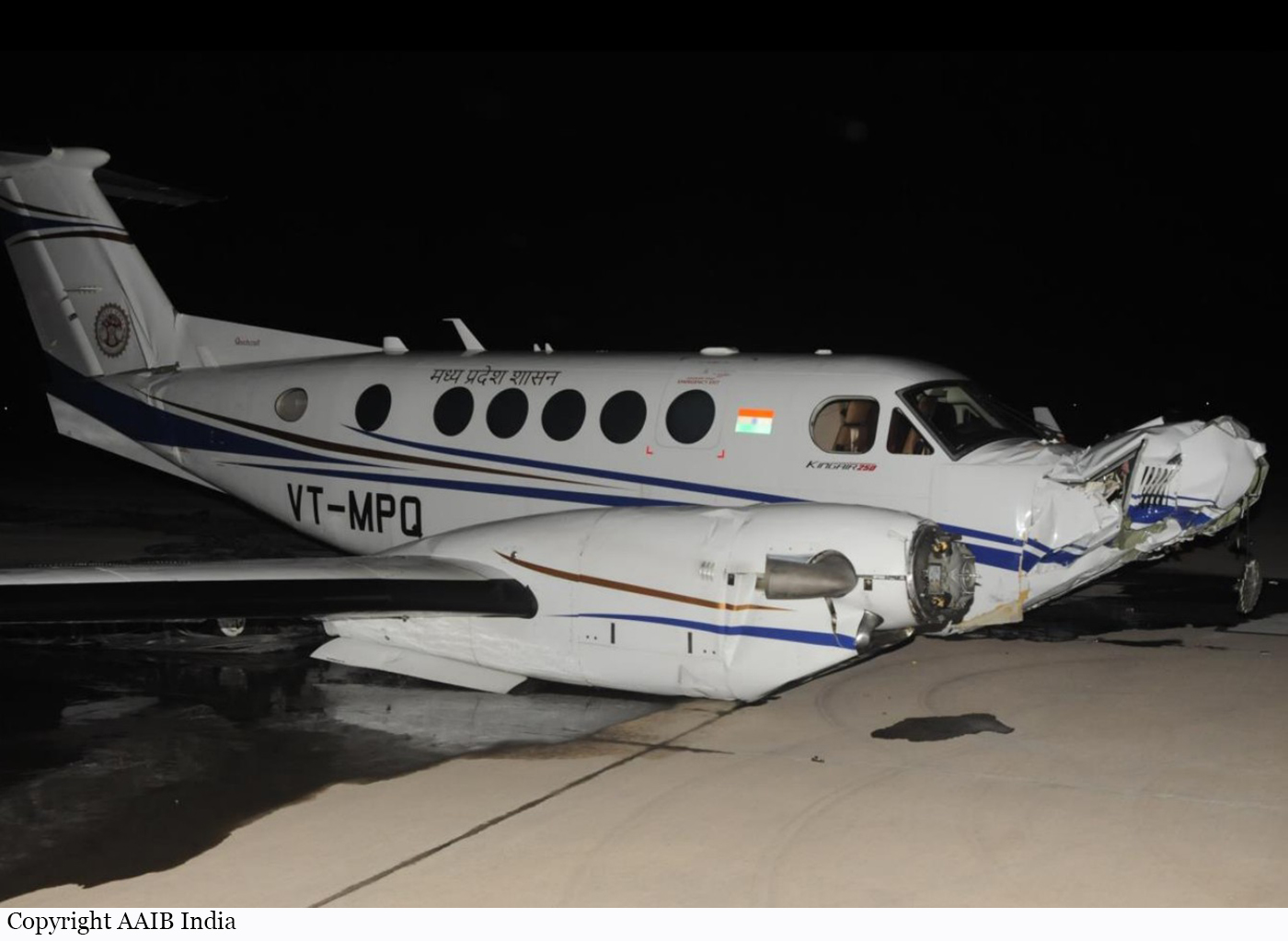
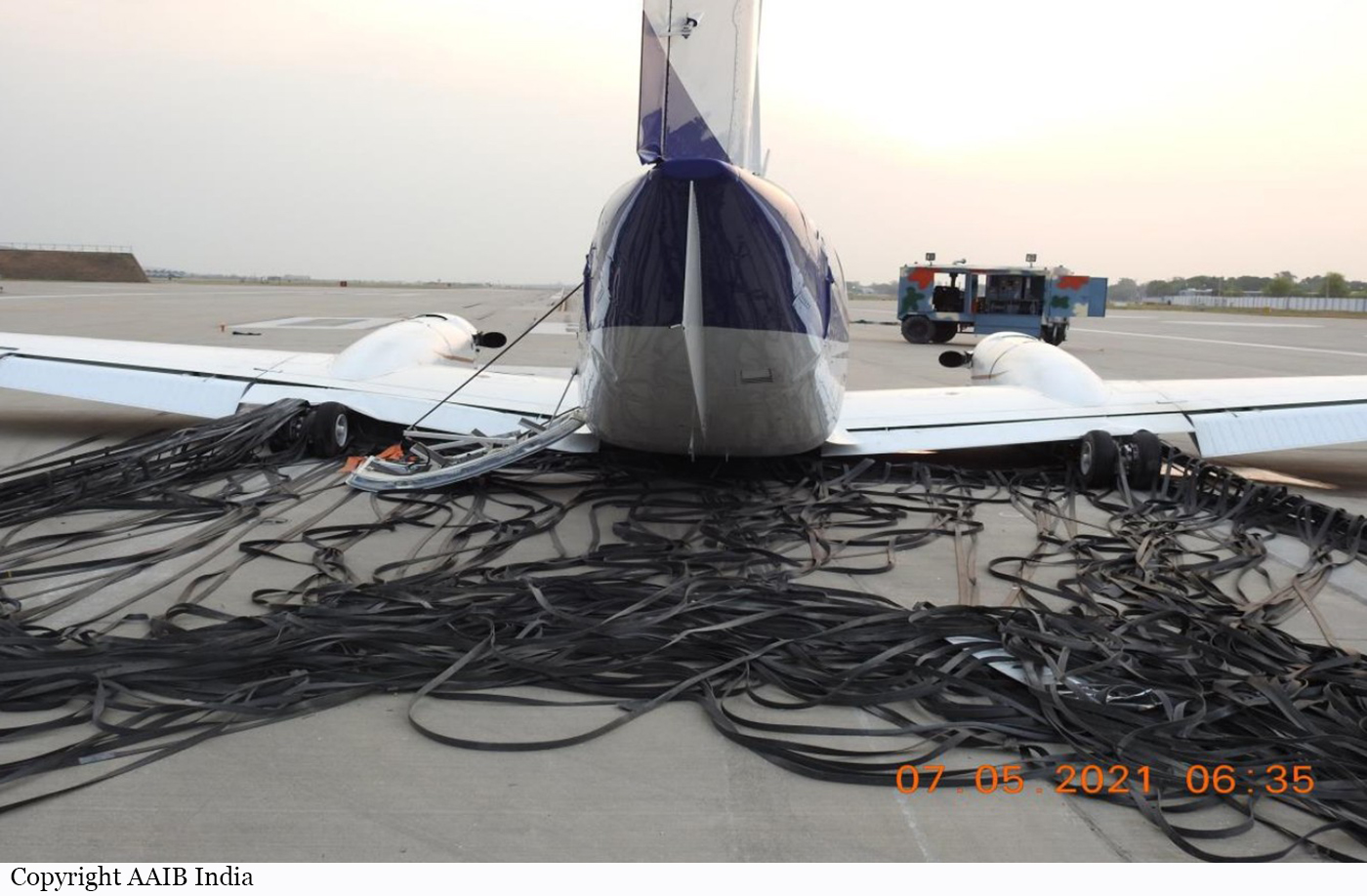
Beechcraft Super King Air B200GT aircraft, VT-MPQ belonging to the Directorate of Aviation, Government of Madhya Pradesh (DoA,GoMP) was involved in an accident on 06.05.2021 while operating a flight from Indore Airport to Gwalior. The flight was under the command of an ATPL holder with another CPL holder as Co-Pilot. There was one passenger on board in addition. The flight crew contacted ATC Indore for clearance to operate the flight to Gwalior. The aircraft was cleared for Gwalior via airway W10N and FL270. Aircraft departed from RWY25 at Indore and climbed to FL 270. Aircraft descended into Gwalior in coordination with Delhi and Gwalior. Approaching Gwalior the crew were advised by the ATC that RWY24L was in use. ATC then asked the crew if they would like to carry out a VOR approach for the opposite RWY 06R. The crew requested for a visual approach for RWY 06R in the night time and were cleared to descend 2700 ft and called field in sight at 25 NM. Crew then requested for right base RWY 06R and were cleared to circuit altitude. Crew called turning right base with field visual and were cleared to land which the crew acknowledged. Just before landing the aircraft and short of the threshold, the main gear collided with the raised arrester barrier and came to a halt on the Runway 06R just beyond the threshold markings at 1515 UTC. The aircraft was substantially damaged, however there was no post impact fire. The 2 crew and 1 passenger received minor to serious injuries.
Probable cause:
The PIC (PF) carrying out a visual approach at night and knowingly deviated below the visual approach path profile (3°) while disregarding the PAPI indications, thereby the aircraft collided with the raised Arrester Barrier. Lack of assertiveness on the part of the copilot (PM).
The following contributing factors were identified:
- Non-Compliance to the SOP of “Change of Runway Checklist” by the ATC staff leading to the 'Arrester Barrier' remaining in a 'Raised Position' while the aircraft (VT-MPQ) came in for landing on runway 06R.
- Non-essential conversation by the flight crew during the final approach for landing causing distraction leading to a delayed sighting of the raised Arrester Barrier.
- Systemic failure at various levels at the Gwalior Air Force Base to ensure that the 'Arrester Barrier Position Indicator Lights and Integral Panel Lights' were not rectified in a stipulated time period.
- A robust alternate procedure was not defined when the 'Arrester Barrier Position Indicator Lights and Integral Panel Lights' were unserviceable.
- The Gwalior Airforce Base authorities did not install 'Red Obstacle Lights' on the Arrester Barrier Poles to indicate the position of the obstacle on the date of the accident as per the DGCA requirements (CAR Section 4, Series B, Part 1).
Final Report:

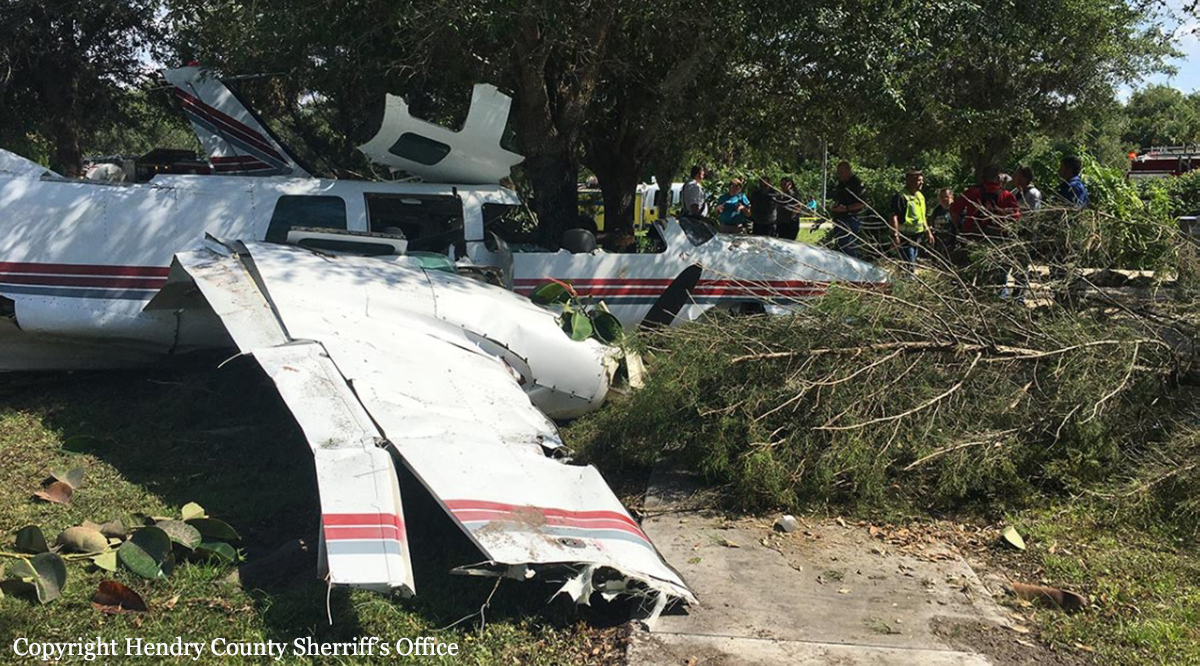
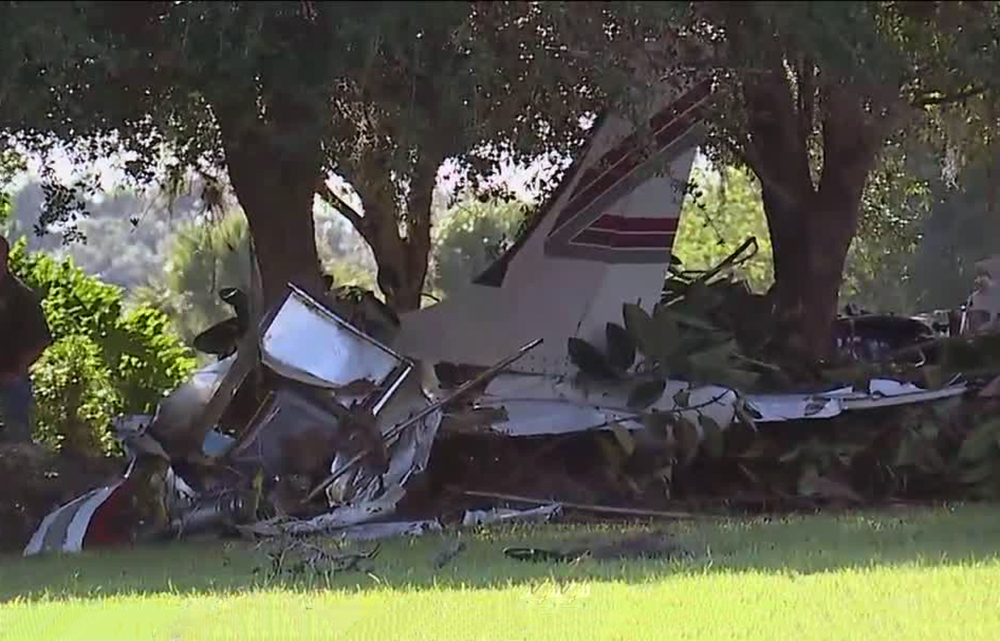
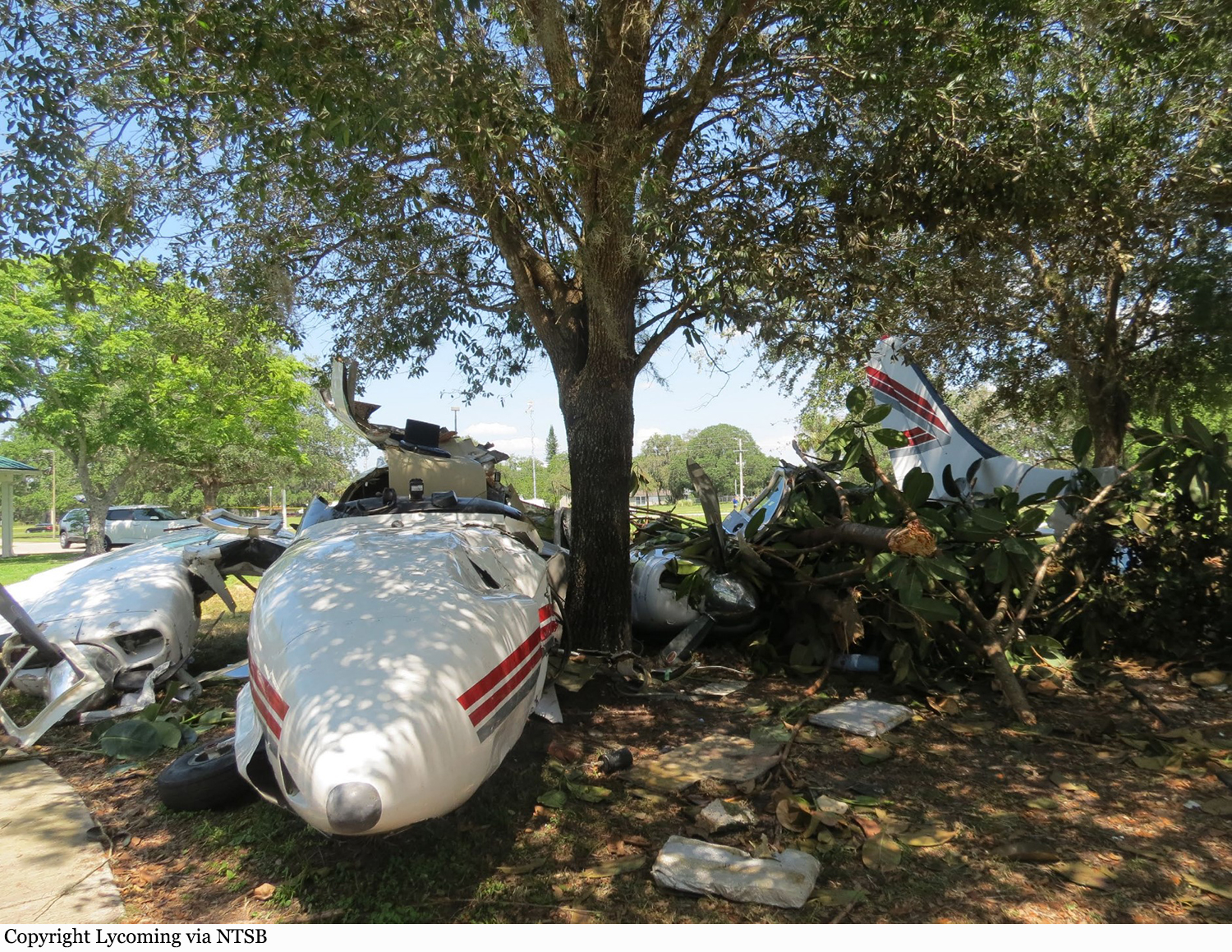
Crash of a Piper PA-60 Aerostar (Ted Smith 600) in LaBelle: 1 killed

Date & Time: May 6, 2021 at 1520 LT
Registration:
C-FAAZ
Flight Phase:
Flight Type:
Survivors:
Yes
Site:
Schedule:
LaBelle - LaBelle
MSN:
60-0148-065
YOM:
1973
Location:
Crew on board:
1
Crew fatalities:
Pax on board:
1
Pax fatalities:
Other fatalities:
Total fatalities:
1
Captain / Total flying hours:
10000
Captain / Total hours on type:
65.00
Aircraft flight hours:
5252
Circumstances:
The pilot, who was the owner of the airplane, and the pilot-rated passenger, whose maintenance facility had recently completed work on the airplane, departed on the second of two local flights on the day of the accident as requested by the pilot, since he had not flown the airplane recently. Flight track and engine monitor data indicated that, about 15 minutes after takeoff, fuel flow and engine exhaust gas temperature (EGT) values were consistent with a total loss of left engine power at an altitude about 2,500 ft. Engine power was fully restored about 4 minutes later. Between the time of the power loss and subsequent restoration, the airplane directly overflew an airport and was in the vicinity of a larger airport. It is likely that the left engine was intentionally shut down to practice one engine inoperative (OEI) procedures. Had the loss of power been unanticipated, the pilot would likely have initiated a landing at one of these airports in accordance with the airplane’s published emergency procedure, which was to land as soon as possible if engine power could not be restored; however, data indicated that engine power was restored, and the flight continued back to the departure airport. About 7.5 minutes later, about 6 nautical miles from the departure airport, engine data indicated a total loss of right engine power, followed almost immediately by a total loss of left engine power, at an altitude about 3,500 ft. A battery voltage perturbation consistent with starter engagement was recorded about 1 minute later, followed by a slight increase in left engine fuel flow; however, the data did not indicate that left engine power was fully restored during the remainder of the flight. The airplane continued in the direction of the departure airport as it descended and ultimately impacted a tree and terrain and came to rest upright. A witness saw the airplane flying toward her with the landing gear extended and stated that it appeared as though neither of the two propellers was turning. A doorbell security camera near the accident site captured the airplane as it passed overhead at low altitude. Sound spectrum analysis of the footage indicated that one engine was likely operating about 1,600 rpm while the other was operating at less than 1,000 rpm. The right propeller was found feathered at the accident site. An examination and test run of the right engine revealed no anomalies that would have precluded normal operation. The left propeller blades exhibited bending, twisting, and chordwise polishing consistent with the engine producing some power at the time of impact. Examination of the left engine and engine-driven fuel pump did not reveal any anomalies. Based on the available information, it is likely that the pilots were conducting practice OEI procedures and intentionally shut down the right engine. The loss of left engine power immediately after was likely the result of the pilot’s failure to properly identify and verify the “failed” engine before securing it, which resulted in an inadvertent shutdown of the left engine. Although partial left engine power was restored before the accident (as indicated by fuel flow values, damage to the left propeller, and sound spectrum analysis of security camera video), the left engine power available was inadequate to maintain altitude for reasons that could not be determined, and it is likely that the pilot was performing a forced landing when the accident occurred. It is also likely that the pilot’s decision to conduct intentional OEI flight at low altitude resulted in reduced time and altitude available for troubleshooting and restoration of engine power following the inadvertent shutdown of the left engine. The 67-year-old pilot was a Canadian national and had never applied for a Federal Aviation Administration medical certificate. According to the Transportation Safety Board of Canada, the pilot was issued a category 1 license with knowledge of a previous condition and knowledge of currently taking Xarelto (rivaroxabam). No acute or historical cardiovascular event was found on autopsy. Toxicology testing detected the sedating antihistamine cetirizine just below therapeutic levels in the pilot’s blood. A very low concentration of the narcotic pain medication codeine was detected in the pilot’s blood and urine; codeine’s metabolite morphine was also detected in his urine. The mood stabilizing medication lamotrigine was detected but not quantified in the pilot’s blood and urine. Thus, the pilot was taking some impairing medications and likely had a psychiatric condition that could impact decision-making and performance; however, given the circumstances of the accident, including the presence of the pilot-rated passenger to operate the airplane, the effects from the pilot’s use of cetirizine, codeine, and lamotrigine were not likely factors in this accident.
Probable cause:
The pilot's inadvertent shutdown of the left engine following an intentional shutdown of the right engine while practicing one engine inoperative (OEI) procedures. Contributing to the accident was the pilot’s decision to conduct OEI training at low altitude.
Final Report:
Crash of a Gulfstream G150 in Ridgeland

Date & Time: May 5, 2021 at 1033 LT
Type of aircraft:
Operator:
Registration:
N22ST
Flight Type:
Survivors:
Yes
Schedule:
New Smyrna Beach – Ridgeland
MSN:
251
YOM:
2008
Crew on board:
2
Crew fatalities:
Pax on board:
3
Pax fatalities:
Other fatalities:
Total fatalities:
0
Captain / Total flying hours:
9100
Captain / Total hours on type:
100.00
Copilot / Total flying hours:
1500
Copilot / Total hours on type:
32
Aircraft flight hours:
2580
Circumstances:
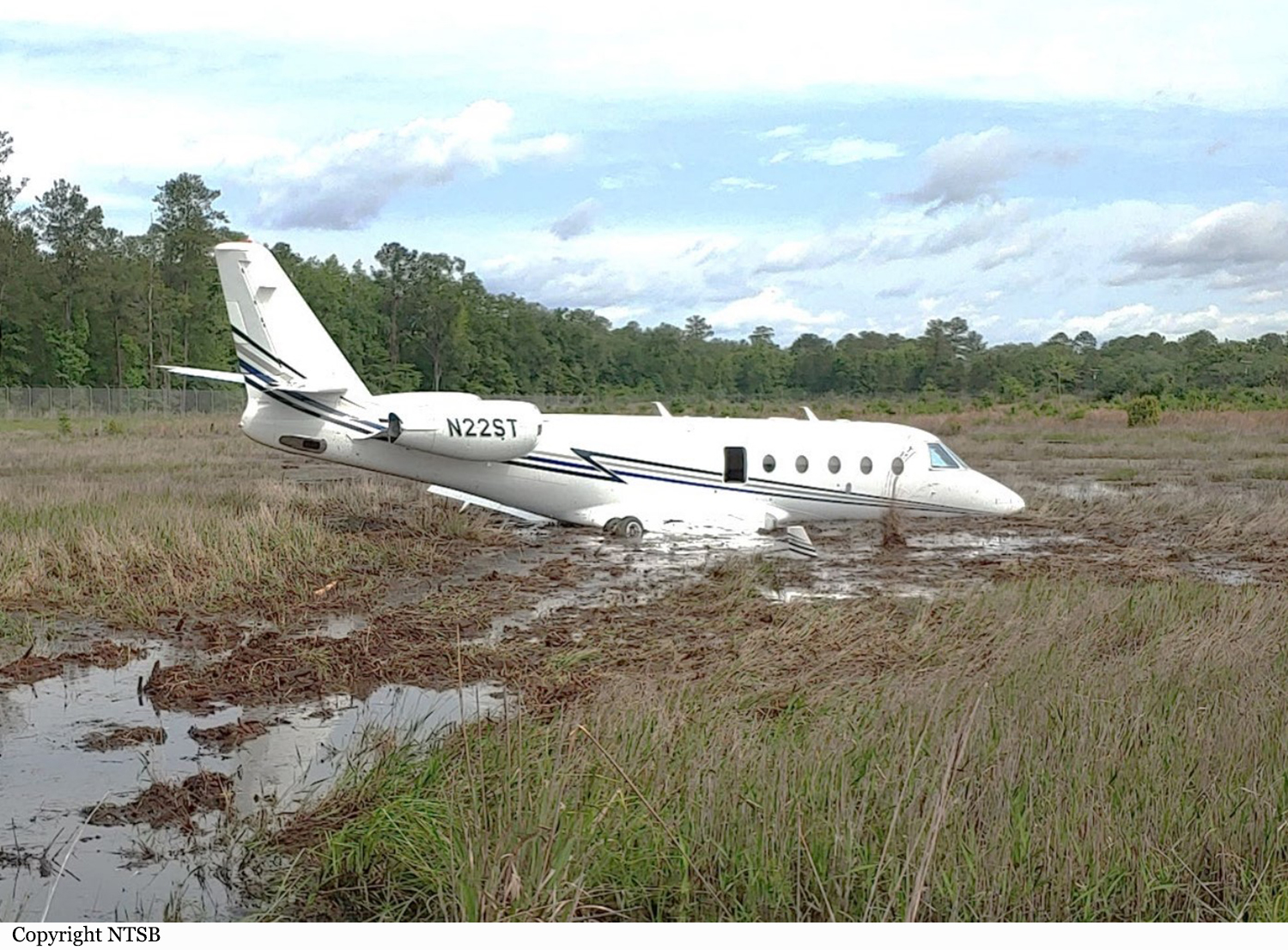
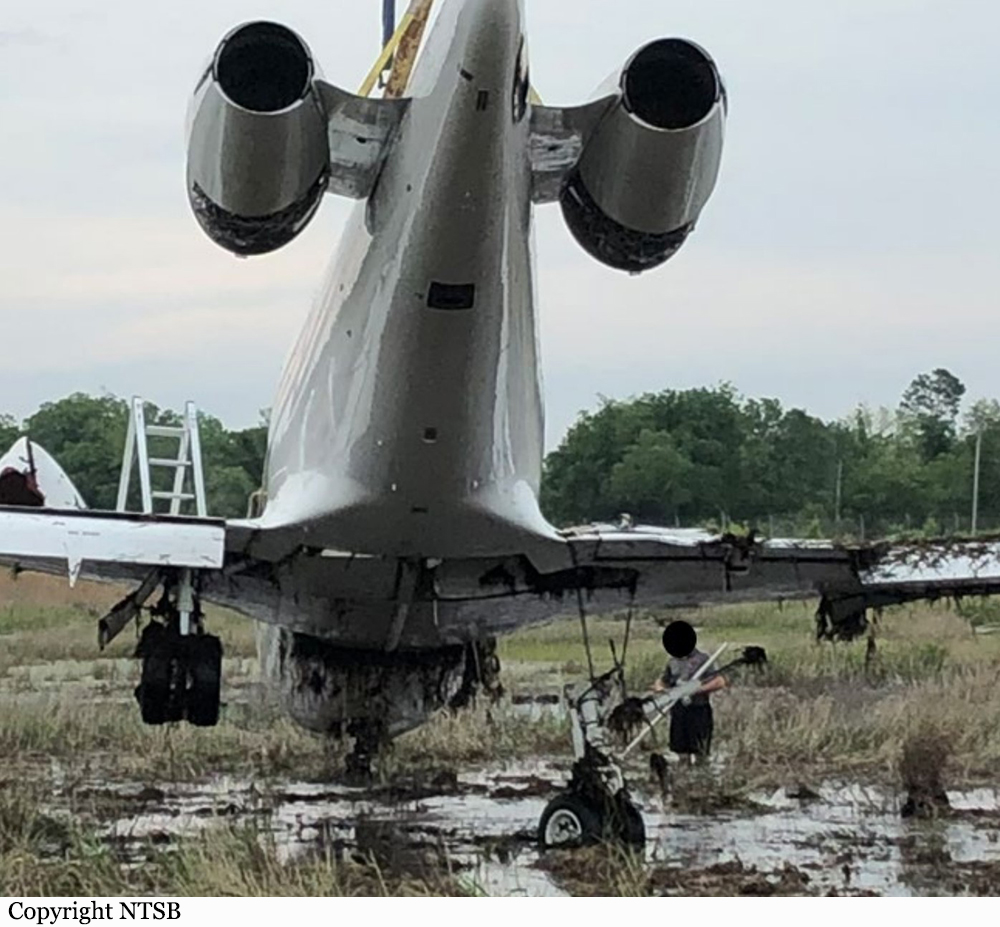
The pilot in command (PIC) and second-in-command (SIC) completed an uneventful positioning flight to pick up passengers and then continued to the destination airport. Cockpit voice recorder (CVR) information revealed that, while en route, the PIC expressed a desire to complete the flight as quickly as possible and arrive at the destination before another airplane that was also enroute to the destination airport, presumably to please the passengers. The PIC compared the flight with an automobile race, and the airplane’s overspeed warning annunciated multiple times during the descent. The flight crew elected to conduct a straight-in visual approach to land. Throughout the final approach, the airplane was high and fast, as evidenced by the SIC’s airspeed callouts. When the SIC asked whether s-turns should be made, and the PIC responded that such turns were not necessary. An electronic voice recorded by the CVR repeatedly provided “sink rate” and “pull up” warnings while the airplane was on final approach, providing indications to the crewmembers that the approach was unstable, but they continued the landing. The airplane touched down about 1,000 ft down the 4,200-ft-long runway. The PIC described that the airplane’s wheel brakes, thrust reversers, and ground air brakes did not function after touchdown, but witness and video evidence showed that the thrust reversers deployed shortly after touchdown. In addition, tire skid marks indicated that wheel braking occurred throughout the ground roll and increased heavily during the final 1,500 ft of the runway when the antiskid system activated. The ground air brakes did not deploy. The airplane overran the runway and came to rest about 400 ft past the departure end of the runway in marshy terrain. The fuselage and wings sustained substantial damage. The switch that controlled the automatic deployment of the ground air brake system was found in a position that should have allowed for their automatic deployment upon landing. There was no evidence to indicate a preaccident mechanical malfunction or failure with the hydraulic system, wheel brakes, thrust reversers, and weight-on-wheel switches, or electrical issues with either air brake switches. The airplane’s ground air brake deployment system logic required that both throttle levers be below 18° (throttle lever angle) in order to activate. The accident airplane’s throttle lever position microswitches were tested after the accident. The left throttle microswitch tested normal, but the right throttle microswitch produced an abnormal electrical current/resistance during initial testing. When the throttle was touched and then further manipulated by hand, the electrical resistance tested normal. The investigation was unable to determine whether the intermittent right throttle microswitch resistance prevented the ground air brakes from deploying because the testing was inconclusive. Landing performance calculations showed that, without ground air brakes, the landing ground roll exceeded the runway that was available from the airplane’s touchdown point about 1,000 ft down the runway. Mobile phone video evidence revealed that a quartering tailwind of about 10 to 15 knots persisted during the landing, which exceeded the manufacturer’s tailwind landing limitation of 10 knots for the airplane, and thus would have further increased the actual ground roll distance beyond that calculated. Throughout the final approach, the flight crew received several indications that the approach was unstable. The flight crew was aware that the airplane was approaching the runway high, fast, and at an abnormal sink rate. Both pilots had an opportunity to call for a go-around, which would have been the appropriate action. However, it is likely that the external pressures that the PIC and SIC accepted to complete the flight as quickly as possible influenced their decision-making in continuing the approach.
Probable cause:
The flight crew’s continuation of an unstable approach and the failure of the ground air brakes to deploy upon touchdown, both of which resulted in the runway overrun. Contributing was the crew’s motivation and response to external pressures to complete the flight as quickly as possible to accommodate passenger wishes and the crew’s decision to land with a quartering tailwind that exceeded the airplane’s limitations.
Final Report:
Crash of a Mitsubishi MU-2B-60 Marquise in Hattiesburg: 4 killed

Date & Time: May 4, 2021 at 2301 LT
Type of aircraft:
Operator:
Registration:
N322TA
Flight Type:
Survivors:
No
Site:
Schedule:
Wichita Falls – Hattiesburg
MSN:
760
YOM:
1980
Crew on board:
1
Crew fatalities:
Pax on board:
2
Pax fatalities:
Other fatalities:
Total fatalities:
4
Captain / Total flying hours:
7834
Captain / Total hours on type:
500.00
Aircraft flight hours:
7610
Circumstances:
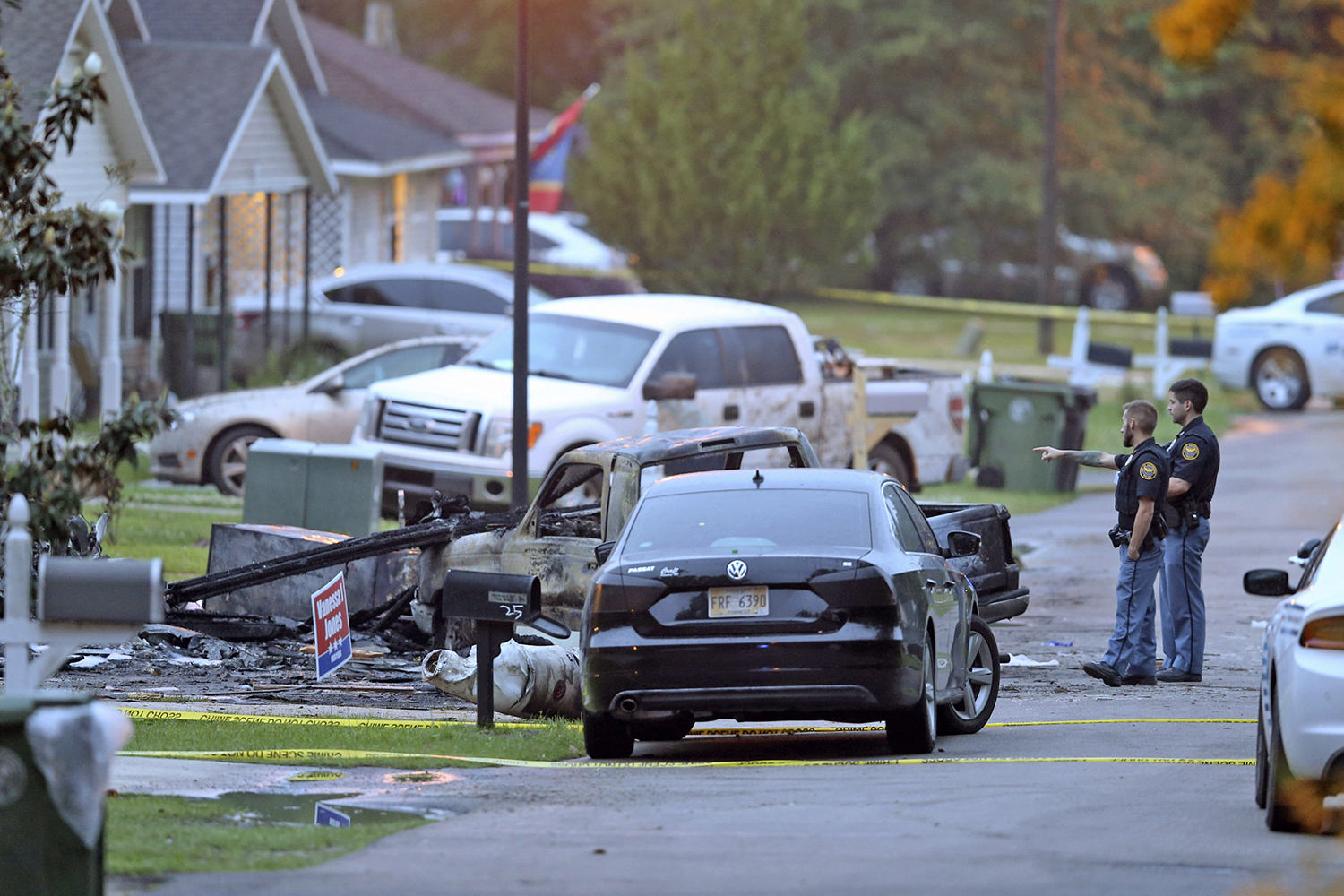
The pilot was flying a non precision approach in instrument meteorological conditions at night. While flying the procedure turn for the approach, the airplane’s speed decayed toward the stall speed before the airplane accelerated back to the standard approach speed. During the descent from the final approach fix, the airplane’s descent stopped for about 30 seconds and then the airplane descended at a rate of about 1,300 ft per minute. The airplane decelerated and continued to descend until the airspeed was about 85 knots (about 7 knots above the calculated stall speed for flaps 20°) and the altitude was 500 ft mean sea level. The last recorded data point showed the airplane about 460 ft mean sea level and 750 ft from the accident site. The airplane impacted a private residence, and a postcrash fire ensued and destroyed the airplane. Impact signatures were consistent with a low-energy impact. Examination of the airframe and engines did not detect any preimpact anomalies that would have precluded normal operations. Signatures on the engines and propellers were consistent with both engines providing power at impact. A review of the pilot’s toxicological information found that the level of eszopiclone in his specimens was subtherapeutic and thus not likely a factor in the accident. The circumstances of the accident are consistent with an inadvertent aerodynamic stall from which the pilot was unable to recover.
Probable cause:
The pilot’s failure to maintain control of the airplane during the night instrument approach which resulted in an inadvertent aerodynamic stall from which the pilot was unable to recover.
Final Report:

Crash of a Learjet 35A in Belo Horizonte: 1 killed

Date & Time: Apr 20, 2021 at 1452 LT
Type of aircraft:
Registration:
PR-MLA
Flight Type:
Survivors:
Yes
Schedule:
Belo Horizonte - Belo Horizonte
MSN:
35-072
YOM:
1976
Country:
Crew on board:
2
Crew fatalities:
Pax on board:
1
Pax fatalities:
Other fatalities:
Total fatalities:
1
Captain / Total flying hours:
3432
Captain / Total hours on type:
41.00
Copilot / Total flying hours:
3034
Copilot / Total hours on type:
2211
Circumstances:
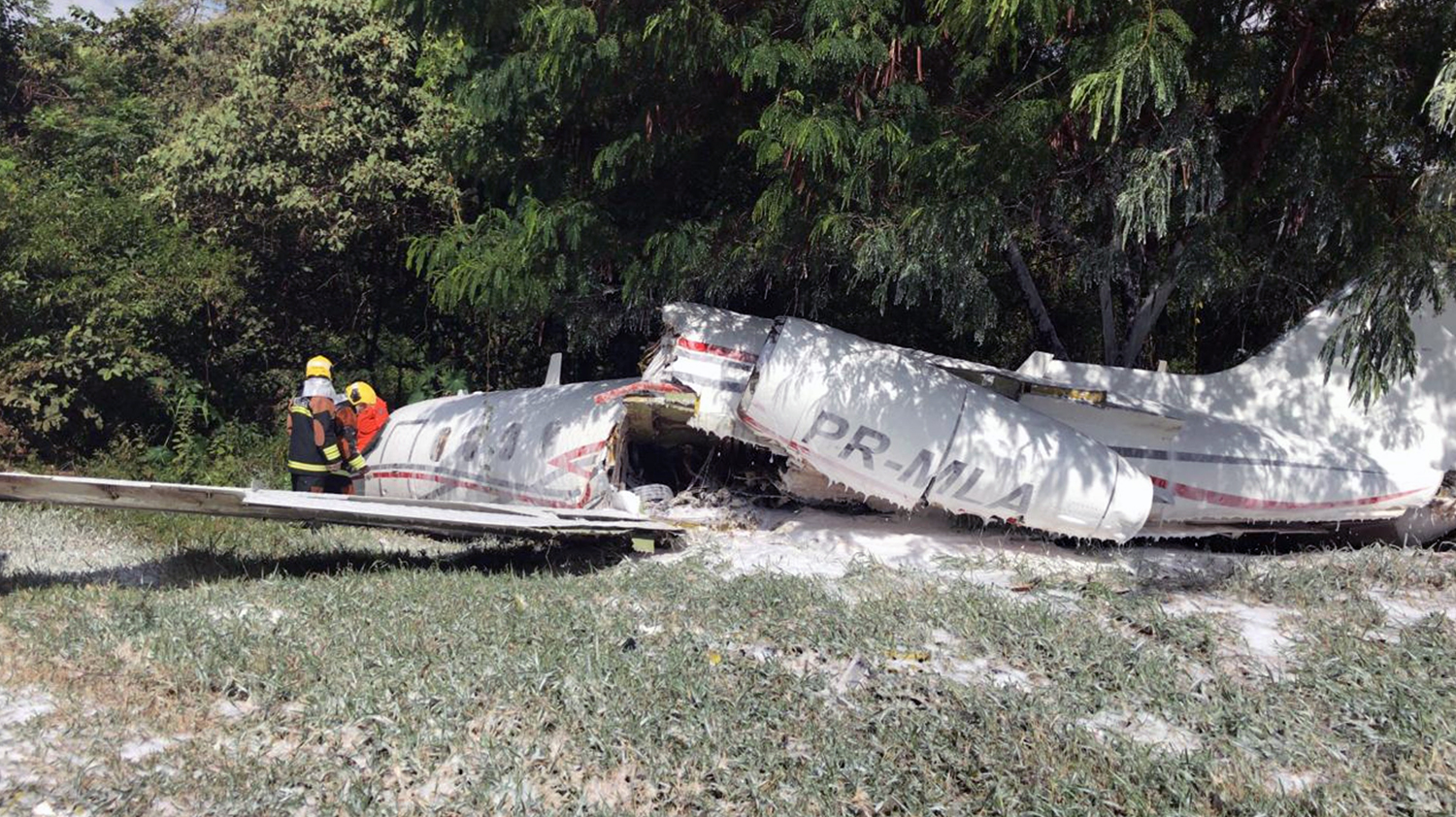
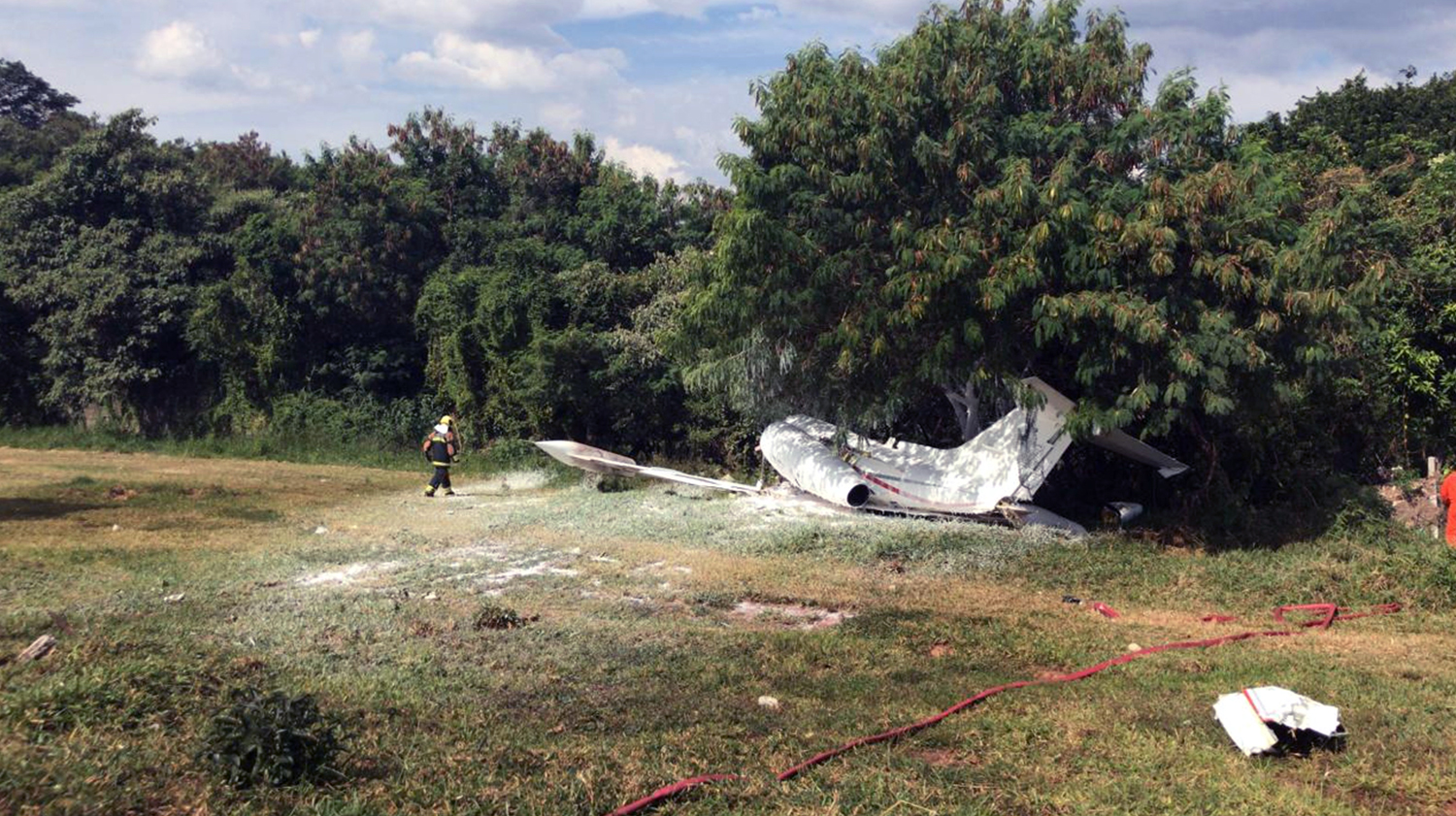
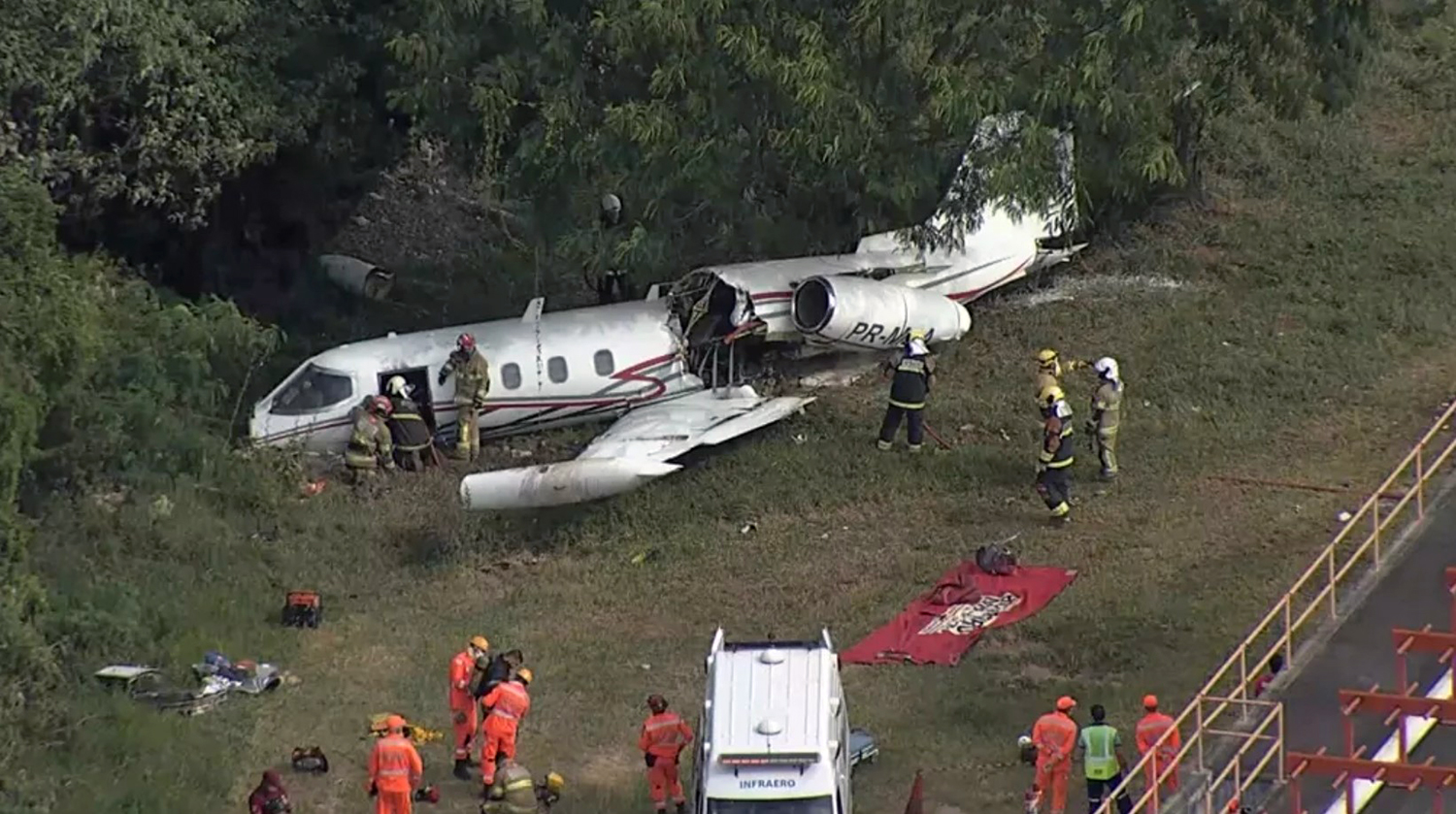
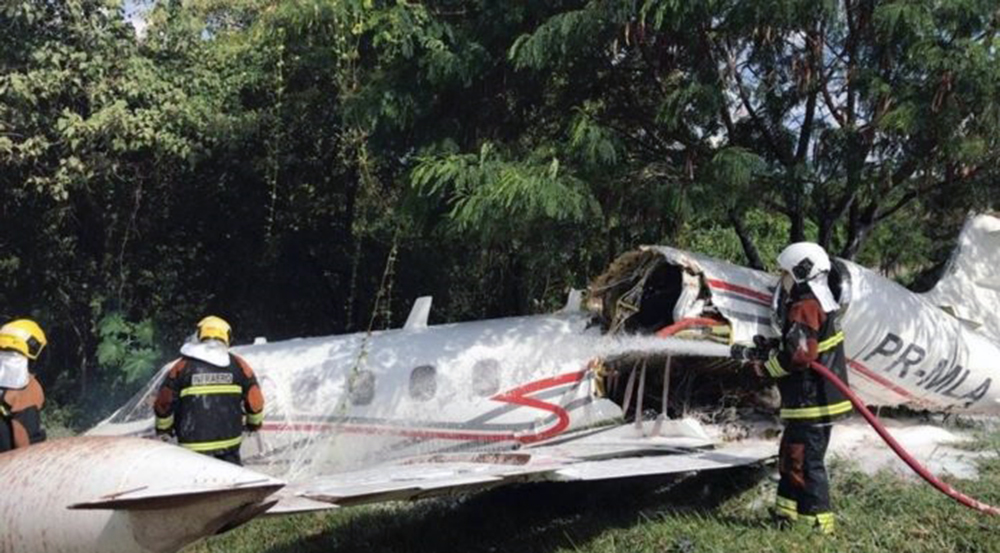
The airplane departed Belo Horizonte-Pampulha-Carlos Drummond de Andrade Airport at 1420LT on a local training fight. On board were two pilots and one passenger. After 30 minutes of flight over the area, the crew returned to the airport and initiated the approach to runway 13 to complete a touch and go manoeuvre. On final approach, the crew forgot to lower the gear, causing the airplane to land on its belly. It slid for few hundred metres, overran, went through the perimeter fence (striking concrete poles) and came to rest against trees, broken in two. The copilot aged 76 was killed while both other occupants were injured.
Probable cause:
Contributing factors:
- Attention – undetermined.
It is possible that the aircraft’s encounter with a kite led to a delayed and imprecise response to operational cues, which may have resulted in a breakdown in the alert and distraction management system, specifically regarding landing gear extension.
- Attitude – undetermined.
Conducting the flight with an unqualified pilot reflected the adoption of inappropriate attitudes such as complacency, overconfidence, and disregard for the requirements established in RBACs 91 and 61, which may have contributed to this accident.
- Crew Resource Management – a contributor.
Inefficient use of the human resources available for the aircraft operation led to inadequate task management among the crew. The PIC never questioned the aircraft’s readiness for landing, and the pilot occupying the right seat failed to monitor the aircraft configuration or assertively advise on the landing gear position for touchdown.
- Perception – a contributor.
During the approach, the aural warning indicating that the landing gear was still retracted was activated and could be heard on the CVR audio. However, the pilots took no corrective action, evidencing impaired ability to recognize and interpret internal environmental cues, which led to reduced situational awareness and culminated in a gear up landing.
- Limited pilot’s experience – undetermined.
Considering the PIC’s operational background, developed almost entirely in rotary wing aviation, it is possible that his limited experience with fixed-wing aircraft had not yet enabled him to acquire the full range of skills and knowledge necessary for the safe operation of Learjet 35 flights.
Final Report:
Crash of a Cessna 340A in Tatum: 1 killed

Date & Time: Apr 19, 2021 at 1346 LT
Type of aircraft:
Registration:
N801EC
Flight Phase:
Flight Type:
Survivors:
No
Schedule:
Longview - Tatum
MSN:
340A-0312
YOM:
1977
Location:
Crew on board:
1
Crew fatalities:
Pax on board:
0
Pax fatalities:
Other fatalities:
Total fatalities:
1
Captain / Total flying hours:
28665
Captain / Total hours on type:
120.00
Aircraft flight hours:
6500
Circumstances:
The pilot was planning to perform a functional test of the airplane’s newly upgraded autopilot system. Automatic dependent surveillance-broadcast data showed that, after takeoff, the airplane turned east and climbed to 2,750 ft. Air traffic control information indicated that the controller cleared the pilot to operate under visual flight rules to the east of the airport. Communications between ground control, tower control, and the pilot were normal during the ground taxi, takeoff, and climb. Radio and radar communications were lost 6 minutes after takeoff, and no radio distress calls were received from the pilot. The airplane impacted wooded terrain about 3/4 mile to the east of the last recorded radar data point. Groundspeeds and headings were consistent throughout the flight with no abrupt deviations. The airplane impacted the wooded terrain in a nose-down, near-vertical flight attitude. Most of the airplane, including the fuselage, wings, and empennage, were consumed by a postimpact fire. Both engines and propellers separated from the airplane at impact with the ground. Examination of the engines revealed no preaccident failures or malfunctions that would have precluded normal operations. Both propellers showed signs of normal operation. Flight control continuity was confirmed. The elevator trim cables stop blocks were secured to the cables and undamaged. They were found against the forward stop meaning the trim tab was at full down travel (elevator leading edge full down) which indicated that the airplane was trimmed full nose up at impact. The airplane’s cabin sustained fragmentation from impact and was consumed by fire; as a result, the autopilot system could not be examined. The investigation was unable to determine why the pilot lost control of the airplane.
Probable cause:
The pilot’s loss of airplane control for undetermined reasons.
Final Report:

Crash of a Piper PA-31-350 Navajo Chieftain off South Bimini: 1 killed

Date & Time: Apr 16, 2021 at 2142 LT
Operator:
Registration:
N827RD
Flight Phase:
Flight Type:
Survivors:
Yes
Schedule:
South Bimini – Miami-Opa Locka
MSN:
31-7652094
YOM:
1976
Country:
Crew on board:
1
Crew fatalities:
Pax on board:
1
Pax fatalities:
Other fatalities:
Total fatalities:
1
Captain / Total flying hours:
2085
Aircraft flight hours:
7102
Circumstances:
The airplane crashed moments after takeoff from the South Bimini Int’l Airport (MYBS), Bimini, Bahamas. The private flight departed MYBS with intended final destination of Opa Locka Airport (KOPF), Opa Locka, Florida, USA. The pilot sustained serious injuries and after being seen by medical personnel in South Bimini, was flown to Nassau, Bahamas for further medical attention. The passenger who occupied the right seat of the aircraft, succumbed to injuries he sustained as a result of the initial impact and subsequent crash sequence and subsequent submersion in the waters at the end of the runway environment. The pilot was a US certified commercial pilot with ratings for airplane land, single and multi-engine as well as an instrument airplane rating. The pilot’s medical certificate was valid at the time of the accident. The passenger (pilot’s son) also held a valid US certified private pilot – single engine land – airplane certificate. It is unknown what role (if any) the passenger (son) played during the takeoff to crash sequence. The weather conditions at the time of the accident was night (instrument meteorological conditions). A weak high pressure ridging was forecasted to continue to dominate the weather over the Bahamas throughout the night. However, no significant weather was anticipated.
Probable cause:
The AAIA has determined the probable cause of this accident to be loss of control inflight (LOC-I), resulting in uncontrolled flight into terrain (ocean). The cause of this loss of control could not be determined.
Final Report:

Crash of a Cessna 208B Grand Caravan in Marsabit: 2 killed

Date & Time: Mar 20, 2021 at 1000 LT
Type of aircraft:
Operator:
Registration:
5Y-JKN
Flight Type:
Survivors:
No
Site:
Schedule:
Nairobi – Marsabit
MSN:
208B-0688
YOM:
1998
Country:
Region:
Crew on board:
2
Crew fatalities:
Pax on board:
0
Pax fatalities:
Other fatalities:
Total fatalities:
2
Captain / Total flying hours:
4235
Captain / Total hours on type:
2329.00
Copilot / Total flying hours:
344
Copilot / Total hours on type:
104
Aircraft flight hours:
16343
Circumstances:
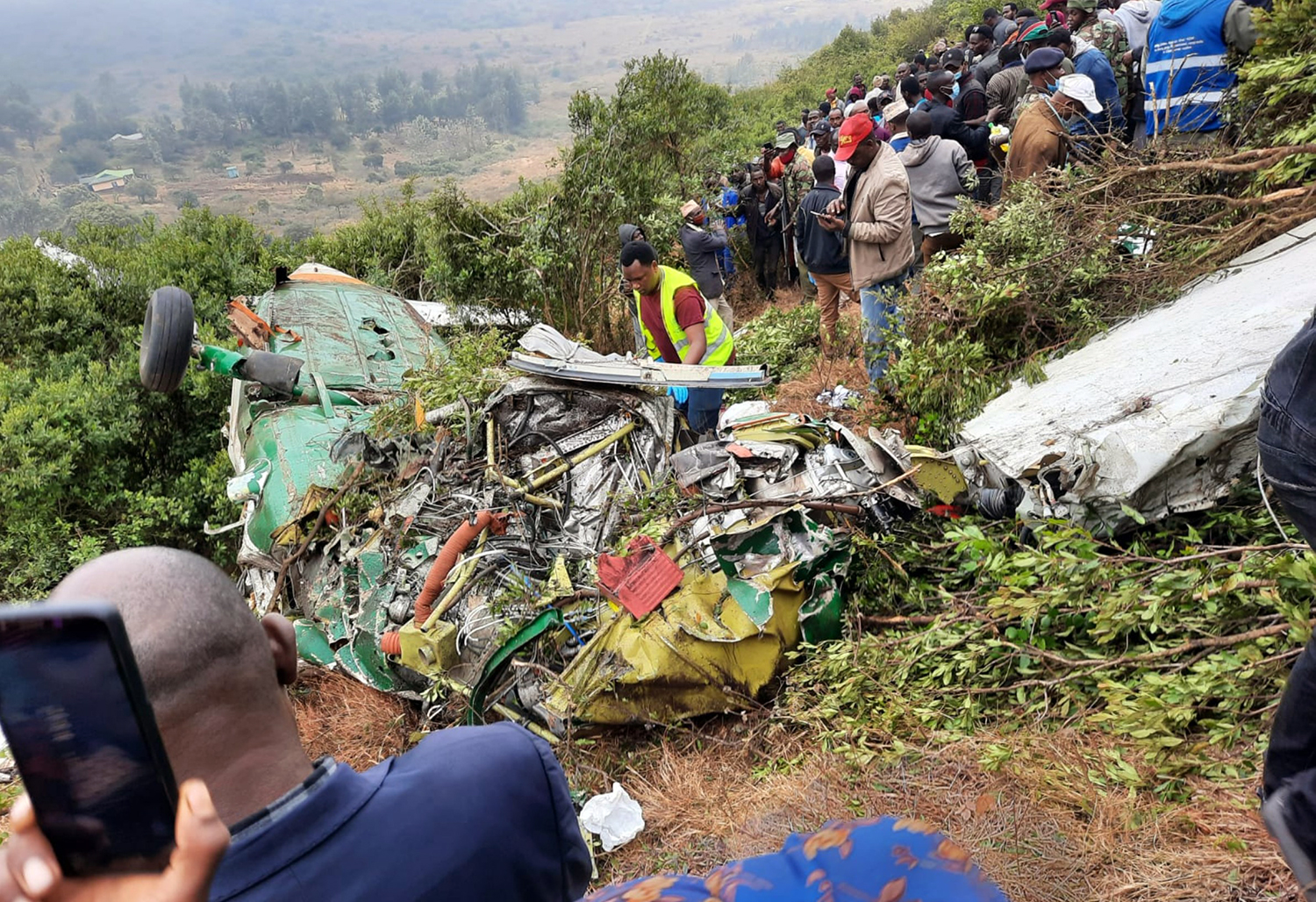
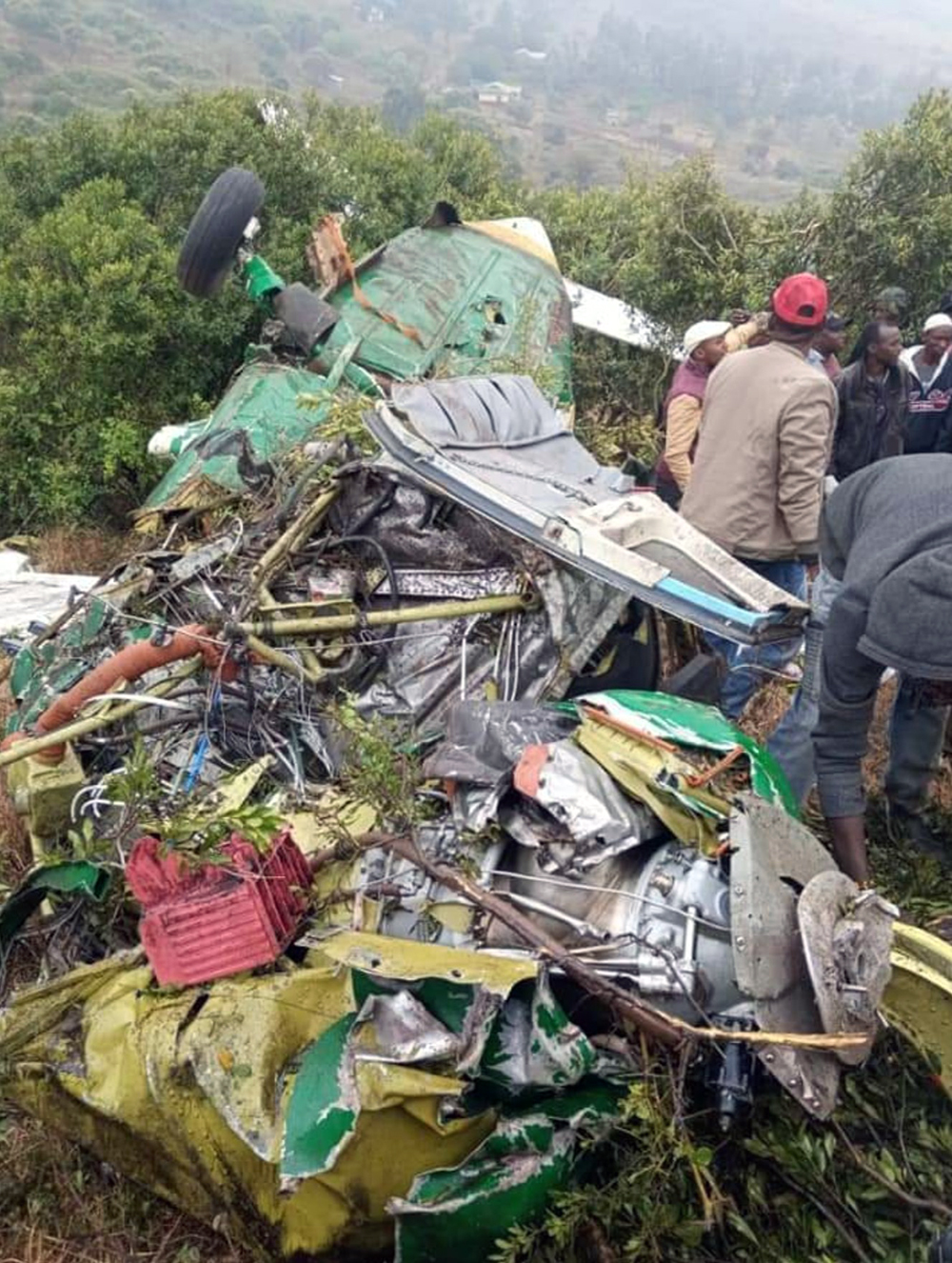
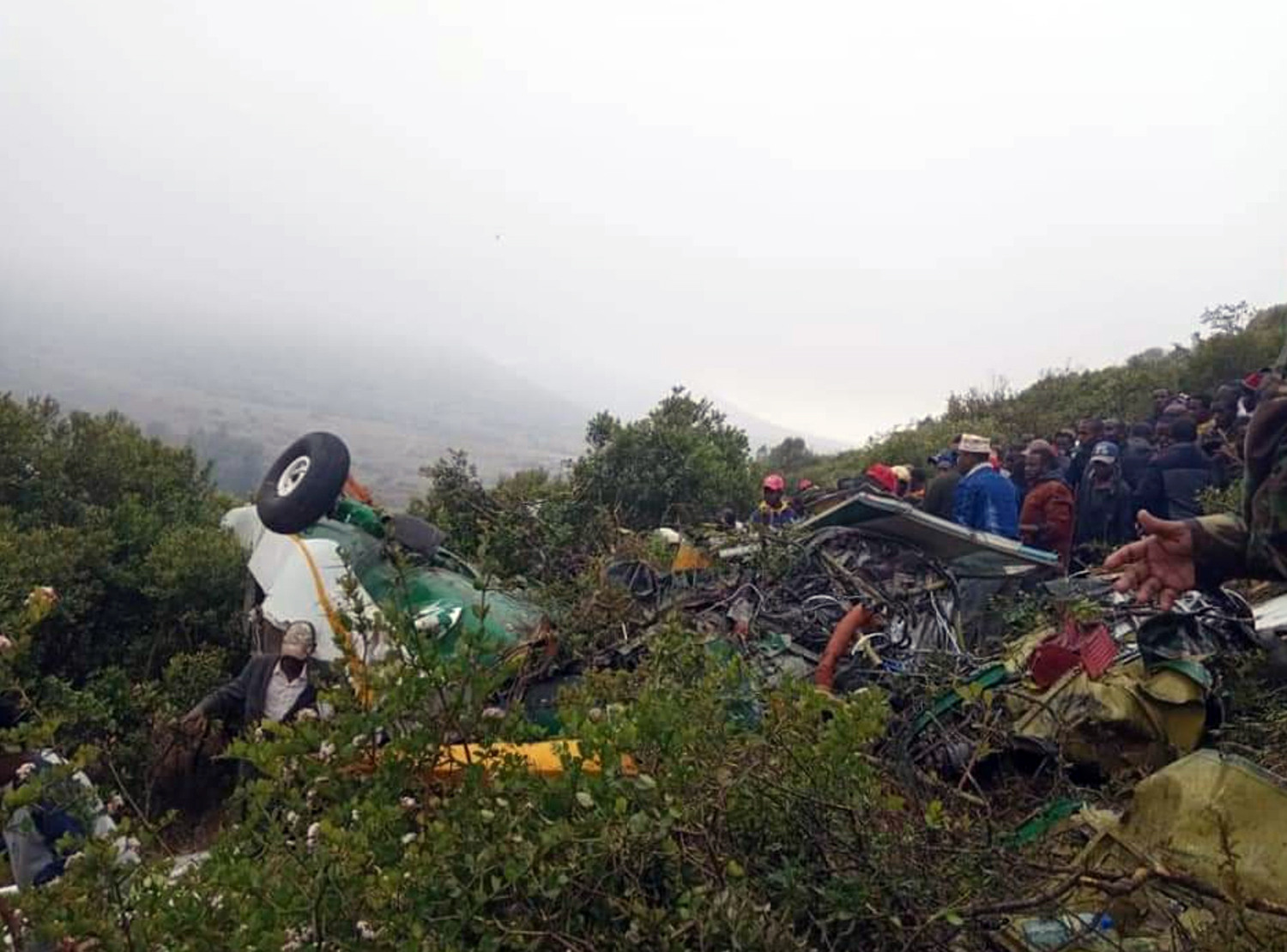
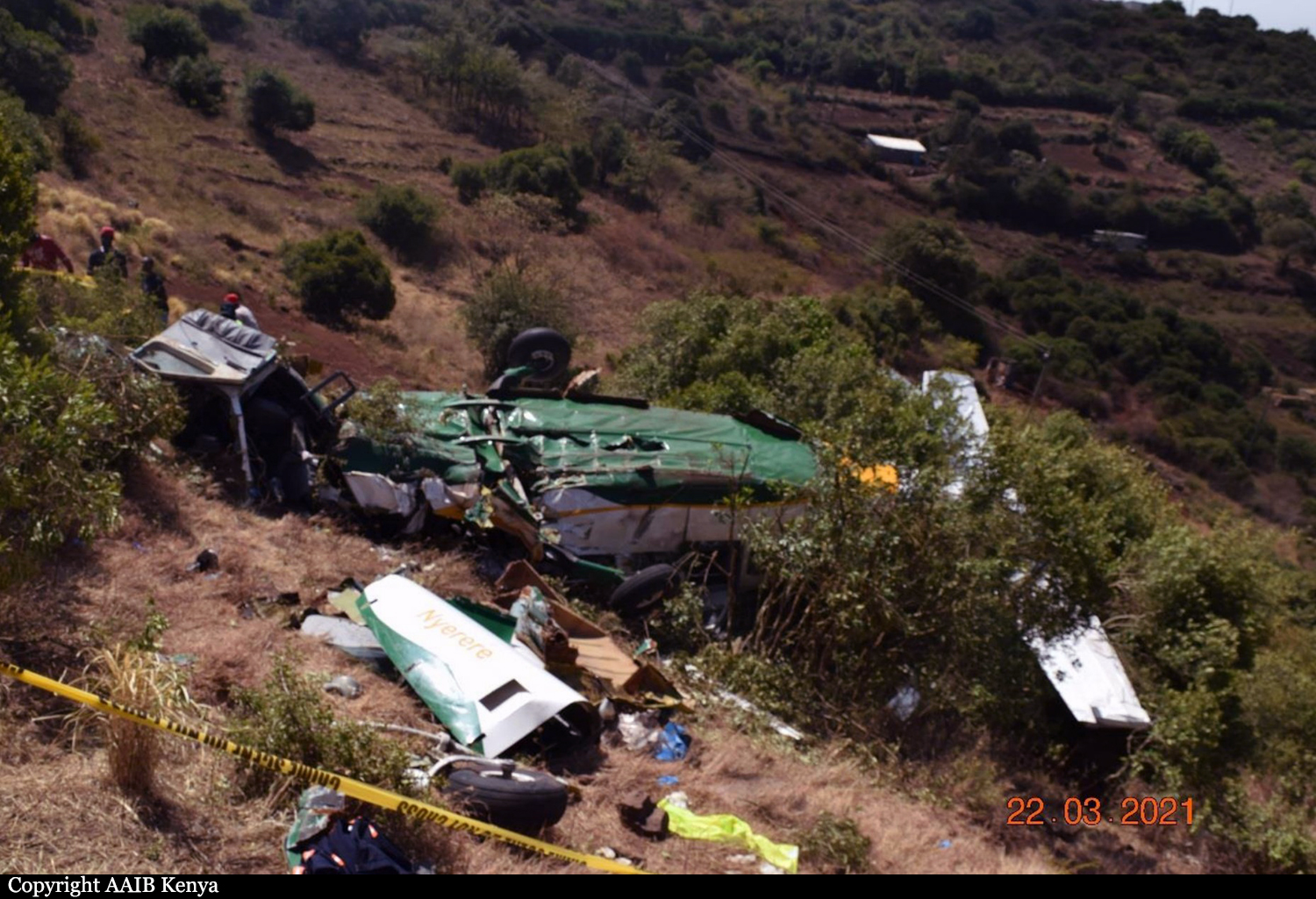
The report describes the accident to C208B type of aircraft, registration 5Y-JKN with two crew on onboard that occurred on Marsabit Hill on 20th March 2021 in which the aircraft crashed killing two crew onboard. The aircraft with 2200lbs fuel onboard was chartered to ferry Marsabit County Officials to a peace keeping mission at Illeret 156 nautical miles North West of Marsabit town. Preliminary information revealed that the aircraft departed Wilson Airport at 08.20am (0520Z) and arrived within the vicinity of Marsabit town at around 10.00a.m (0700Z). It collided with Kofia Mbaya Hill - Marsabit terrain while attempting to approach Marsabit airstrip. The aircraft first impacted the terrain with its nose-wheel and the main landing gears leaving parts of the fuselage and iron box with its content kept in the lower baggage compartment on the sport. It then ballooned and missed a house before it flipped upside down and impacted the ground and came to rest facing opposite direction. It left a trail of aircraft parts along its path before it came to rest. The nosewheel and its assembly separated and fell off and was found next to the house 110m from its first point of impact. There was no fire after impact but all the occupants received fatal injuries.
Probable cause:
The probable cause of the accident was a continued descend into terrain without forward visibility in thick fog.
The following contributing factors were identified:
- Location of the airstrip which is surrounded by high hills,
- Inadequate flight planning and crew resource management.
Final Report: