Crash of a Britten-Norman BN-2A-20 Islander in West Portal: 1 killed

Date & Time: Dec 8, 2018 at 0828 LT
Type of aircraft:
Operator:
Registration:
VH-OBL
Flight Phase:
Flight Type:
Survivors:
No
Site:
Schedule:
Cambridge – Bathurst Harbour
MSN:
2035
YOM:
1986
Country:
Region:
Crew on board:
1
Crew fatalities:
Pax on board:
0
Pax fatalities:
Other fatalities:
Total fatalities:
1
Captain / Total flying hours:
540
Captain / Total hours on type:
80.00
Aircraft flight hours:
12428
Circumstances:
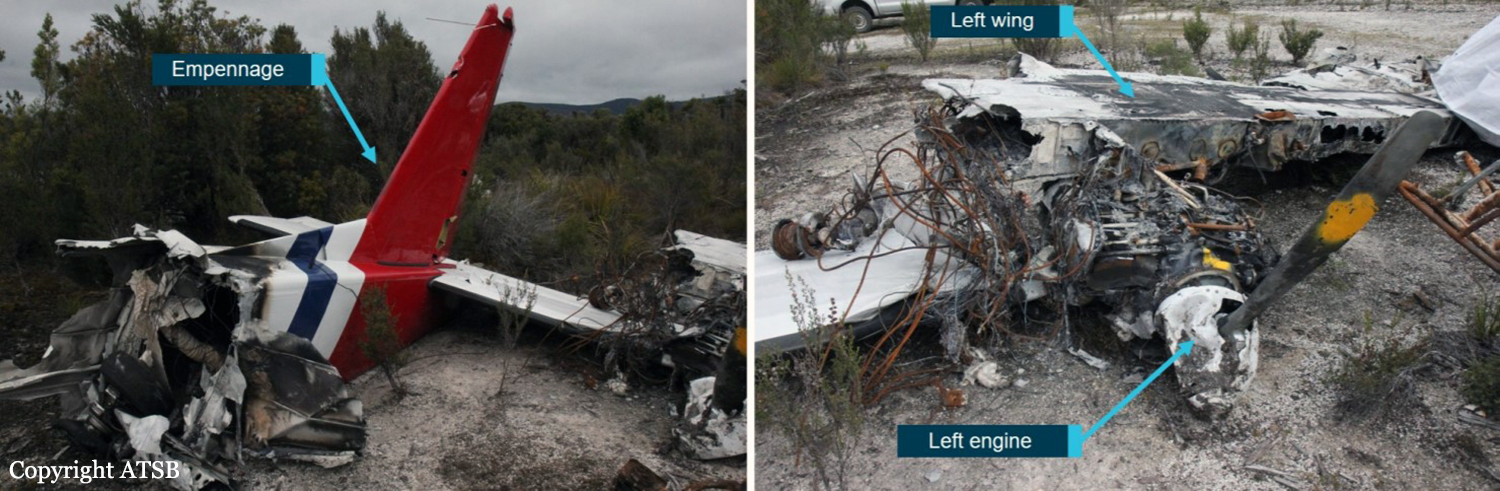
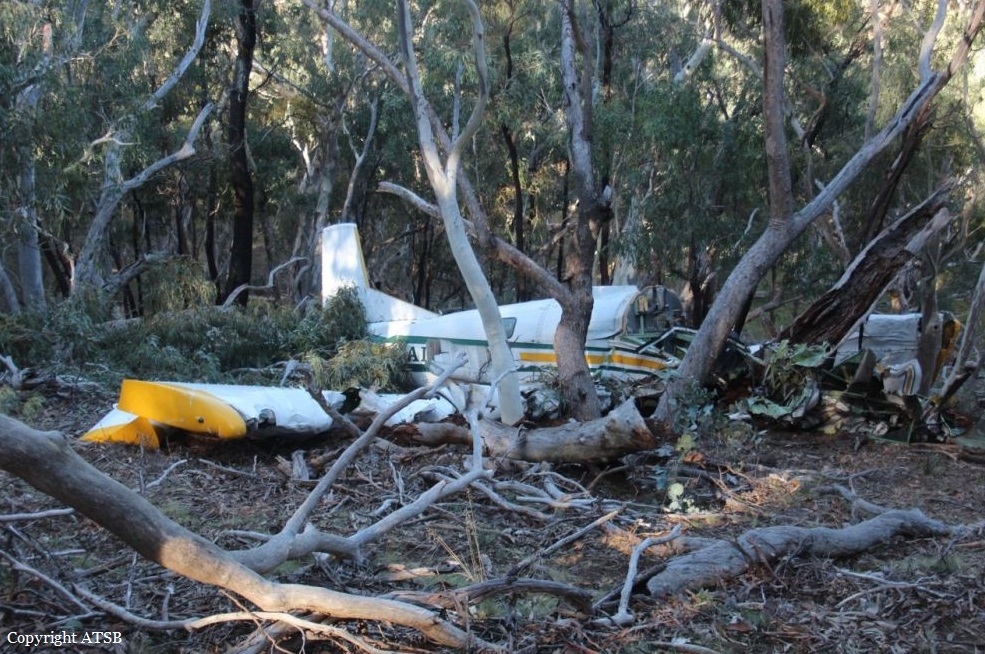
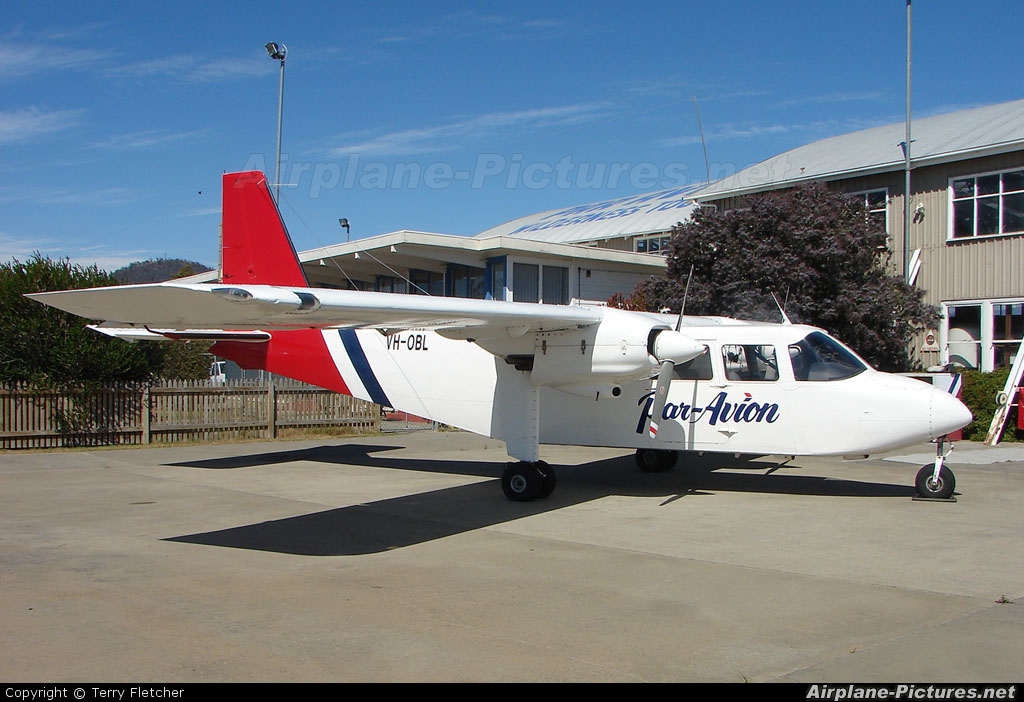
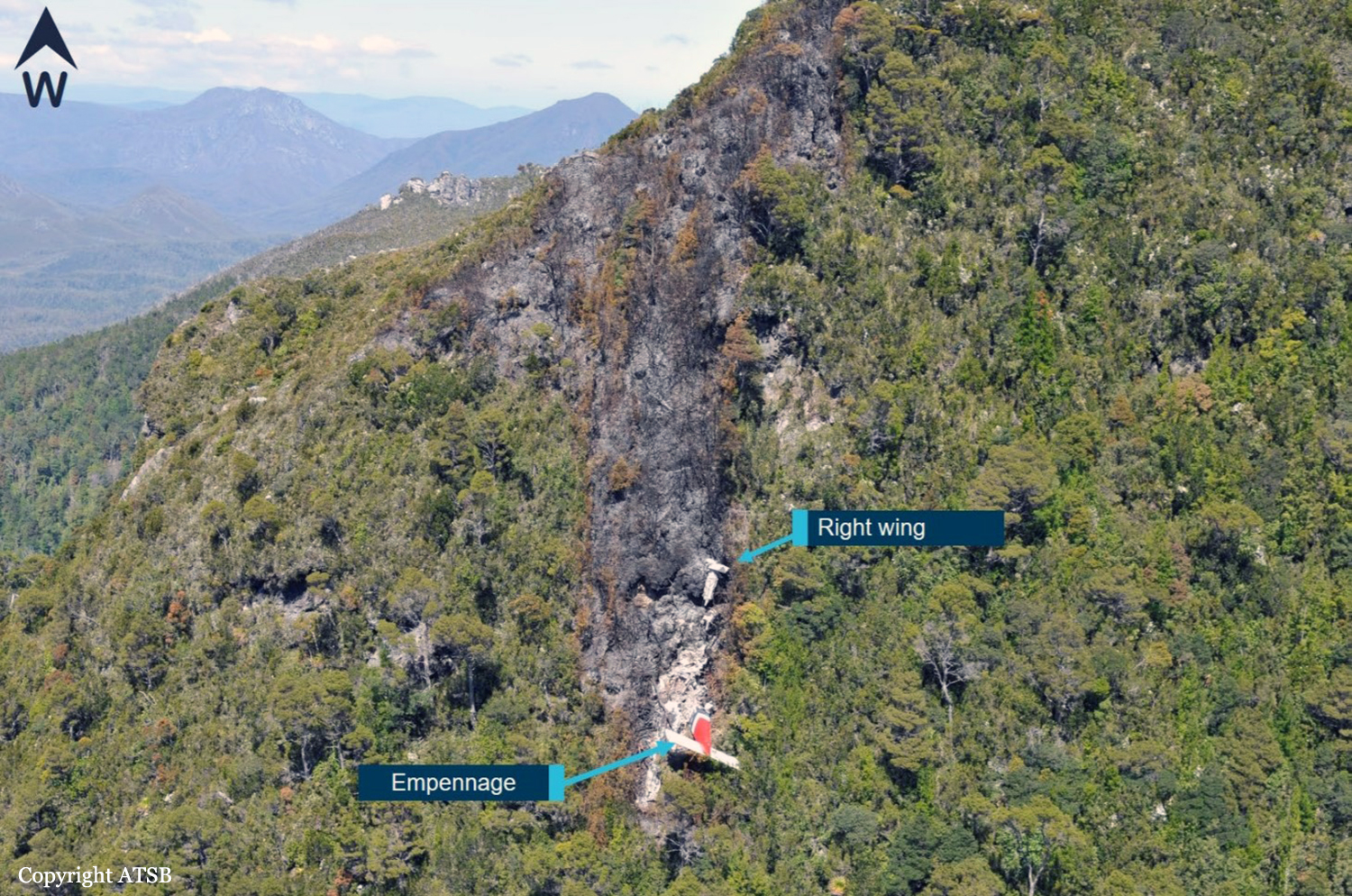
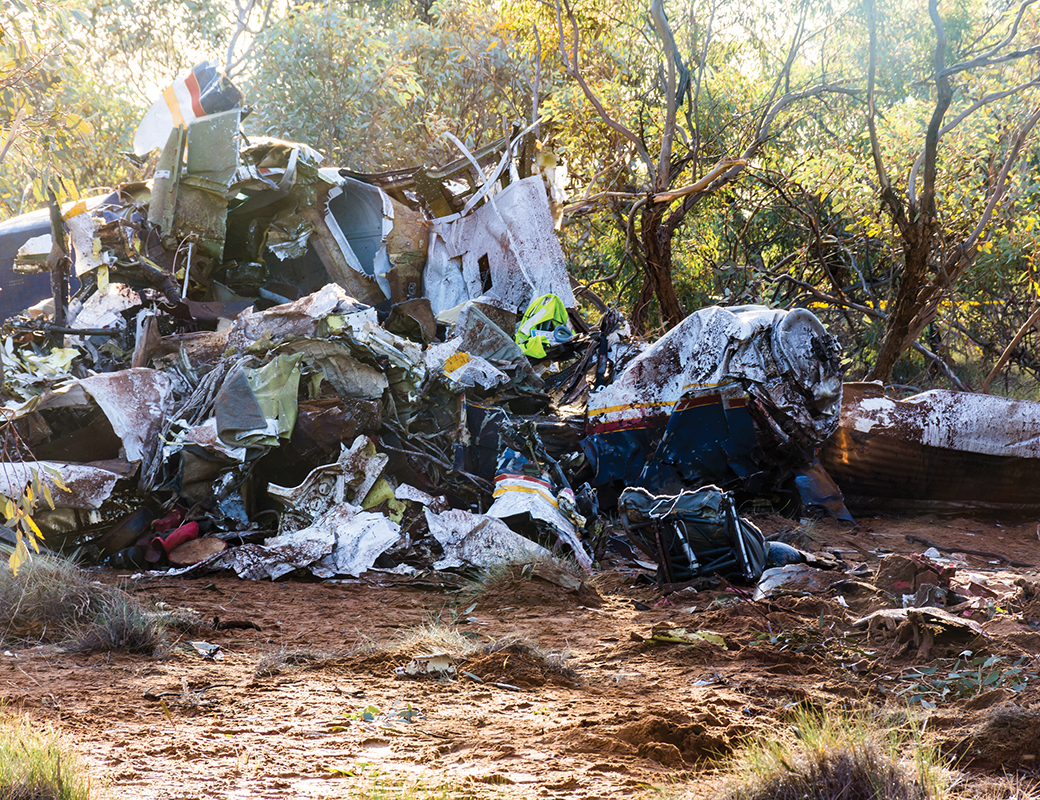
On 8 December 2018, the pilot of a Pilatus Britten-Norman BN2A-20 Islander, registered VH-OBL and operated by Airlines of Tasmania, was conducting a positioning flight under the visual flight rules from Cambridge Airport to the Bathurst Harbour aeroplane landing area (ALA), Tasmania. The aircraft departed Cambridge at about 0748 Eastern Daylight-saving Time and was scheduled to arrive at Bathurst Harbour about 0830 to pick up five passengers for the return flight. The passengers were part of a conservation project that flew to south-west Tasmania regularly, and it was the pilot’s only flight for that day. Automatic dependent surveillance broadcast (ADS-B) position and altitude data (refer to the section titled Recorded information) showed the aircraft tracked to the south-west towards Bathurst Harbour (Figure 1). At about 0816, the aircraft approached a gap in the Arthur Range known as ‘the portals’. The portals are a saddle (lowest area) between the Eastern and Western Arthur Range, and was an optional route that Airlines of Tasmania used between Cambridge and Bathurst Harbour when the cloud base prevented flight over the mountain range. After passing through the portals, the aircraft proceeded to conduct a number of turns below the height of the surrounding highest terrain. The final data point recorded was at about At about 0829, the Australian Maritime Safety Authority received advice that an emergency locator transmitter allocated to VH-OBL had activated. They subsequently advised the Tasmanian Police and the aircraft operator of the activation, and initiated search and rescue efforts. The rescue efforts included two helicopters and a Challenger 604 search and rescue jet aircraft. The Challenger arrived over the emergency locator transmitter signal location at around 0925, however, due to cloud cover the crew were unable to visually identify the precise location of VH-OBL. A police rescue helicopter arrived at the search area at about 1030. The pilot of that helicopter reported observing cloud covering the eastern side of the Western Arthur Range, and described a wall of cloud with its base sitting on the bottom of the west portal. Multiple attempts were made throughout the day to locate the accident site, however, due to low-level cloud, and fluctuating weather conditions, the search and rescue operation was unable to confirm visual location of the aircraft until about 1900. The aircraft wreckage was found in mountainous terrain of the Western Arthur Range in the Southwest National Park (Figure 2) . The search and rescue crew assessed that the accident was unlikely to have been survivable. The helicopter crew considered winching personnel to the site, however, due to a number of risks, including potential for cloud reforming, the time of day and lighting, and other hazards associated with the mountainous location, the helicopter departed the area. The aircraft wreckage was accessed the following day, when it was confirmed that the pilot was fatally injured.
Probable cause:
From the evidence available, the following findings are made with respect to the controlled flight into terrain involving Pilatus Britten-Norman BN2A, VH-OBL, 101 km west-south-west of Hobart, Tasmania, on 8 December 2018.
Contributing factors:
• The pilot continued descending over the Arthur Range saddle to a lower altitude than previous flights, likely due to marginal weather. This limited the options for exiting the valley surrounded
by high terrain.
• While using a route through the Arthur Range due to low cloud conditions, the pilot likely encountered reduced visual cues in close proximity to the ground, as per the forecast conditions. This led to controlled flight into terrain while attempting to exit the range.
Final Report:
Crash of a Boeing 737-8BK off Weno Island: 1 killed

Date & Time: Sep 28, 2018 at 0924 LT
Type of aircraft:
Operator:
Registration:
P2-PXE
Survivors:
Yes
Schedule:
Kolonia – Chuuk – Port Moresby
MSN:
33024/1688
YOM:
2005
Flight number:
PX073
Region:
Crew on board:
12
Crew fatalities:
Pax on board:
35
Pax fatalities:
Other fatalities:
Total fatalities:
1
Captain / Total flying hours:
19780
Captain / Total hours on type:
2276.00
Copilot / Total flying hours:
4618
Copilot / Total hours on type:
368
Aircraft flight hours:
37160
Aircraft flight cycles:
14788
Circumstances:
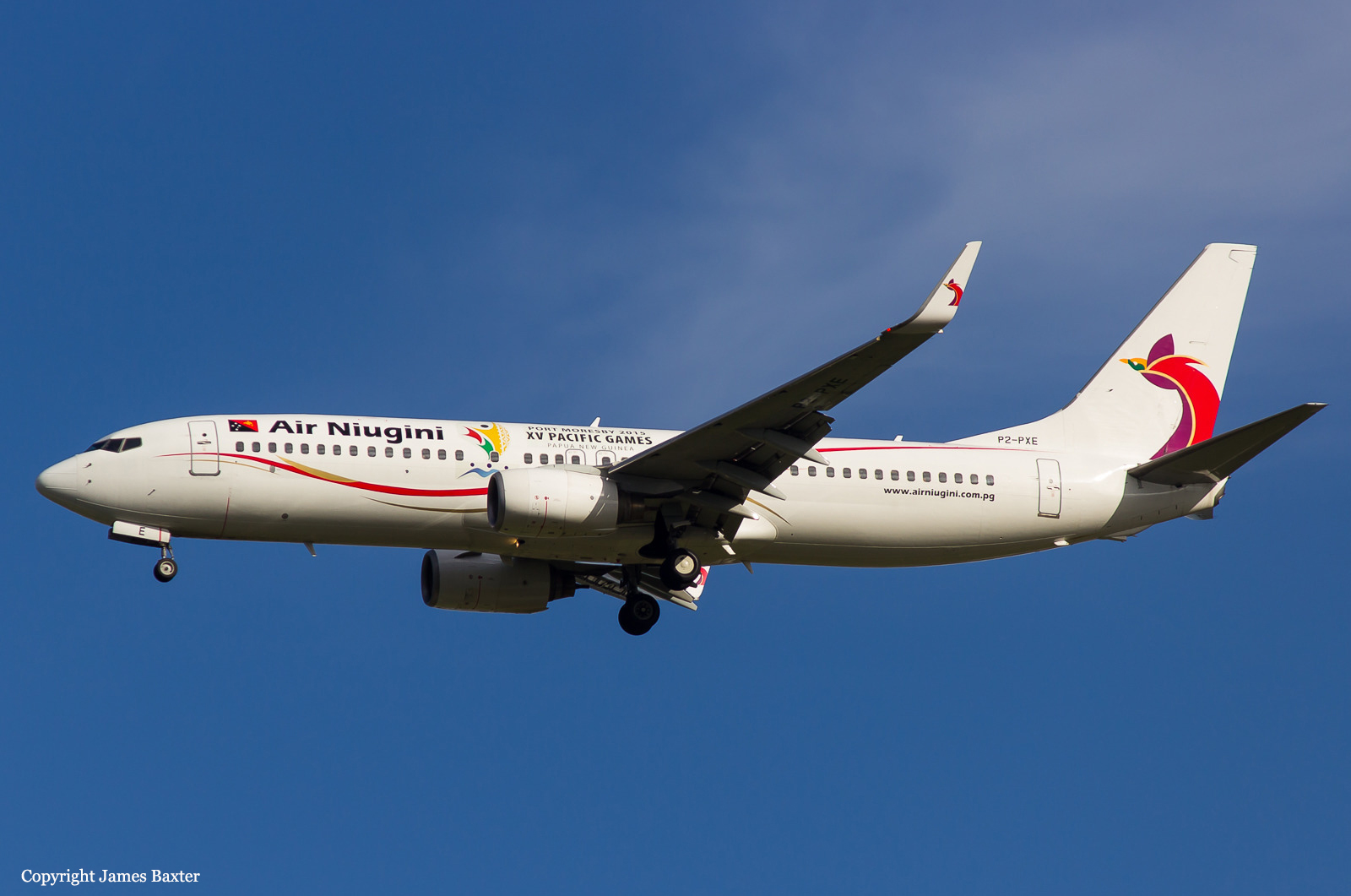
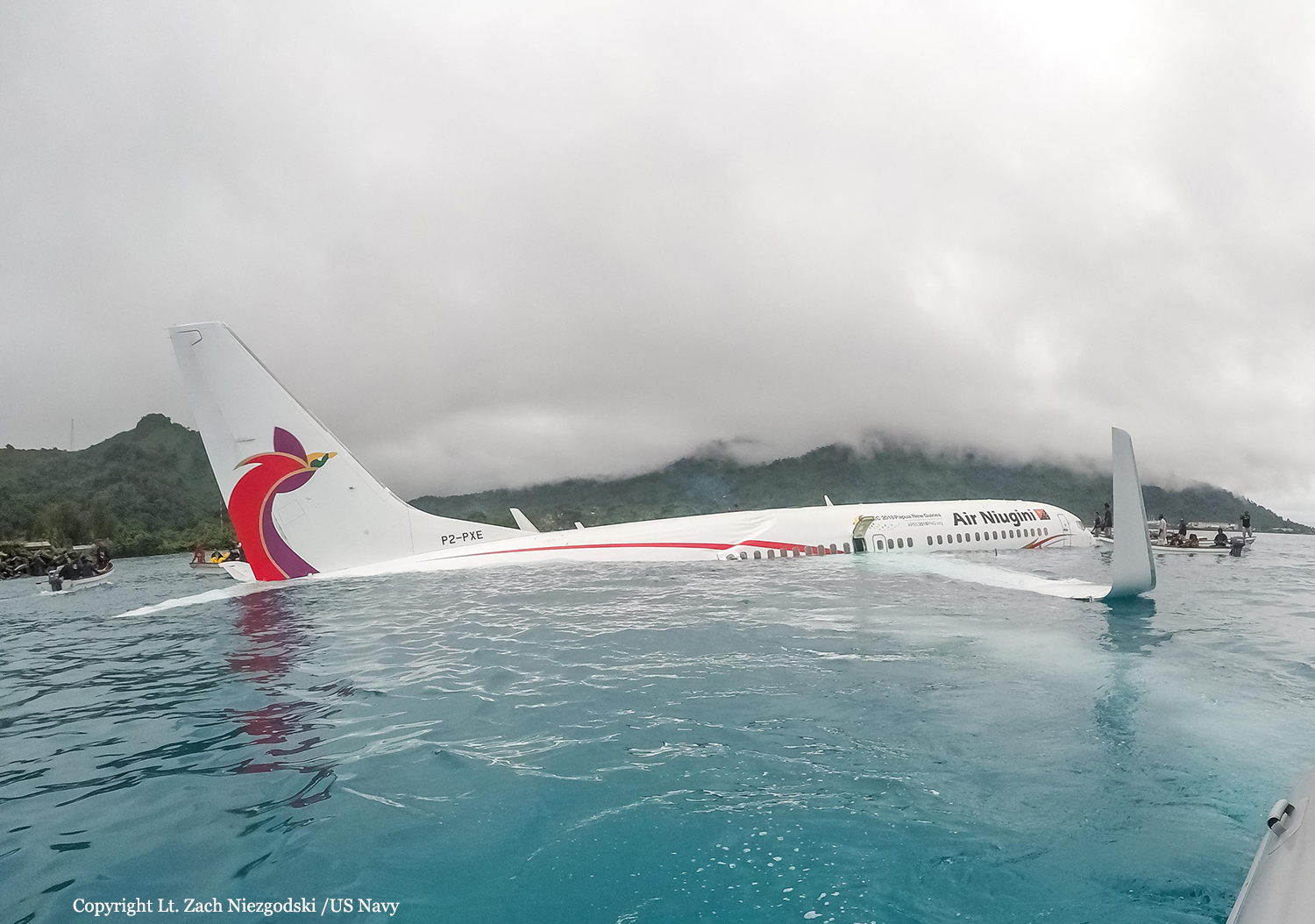
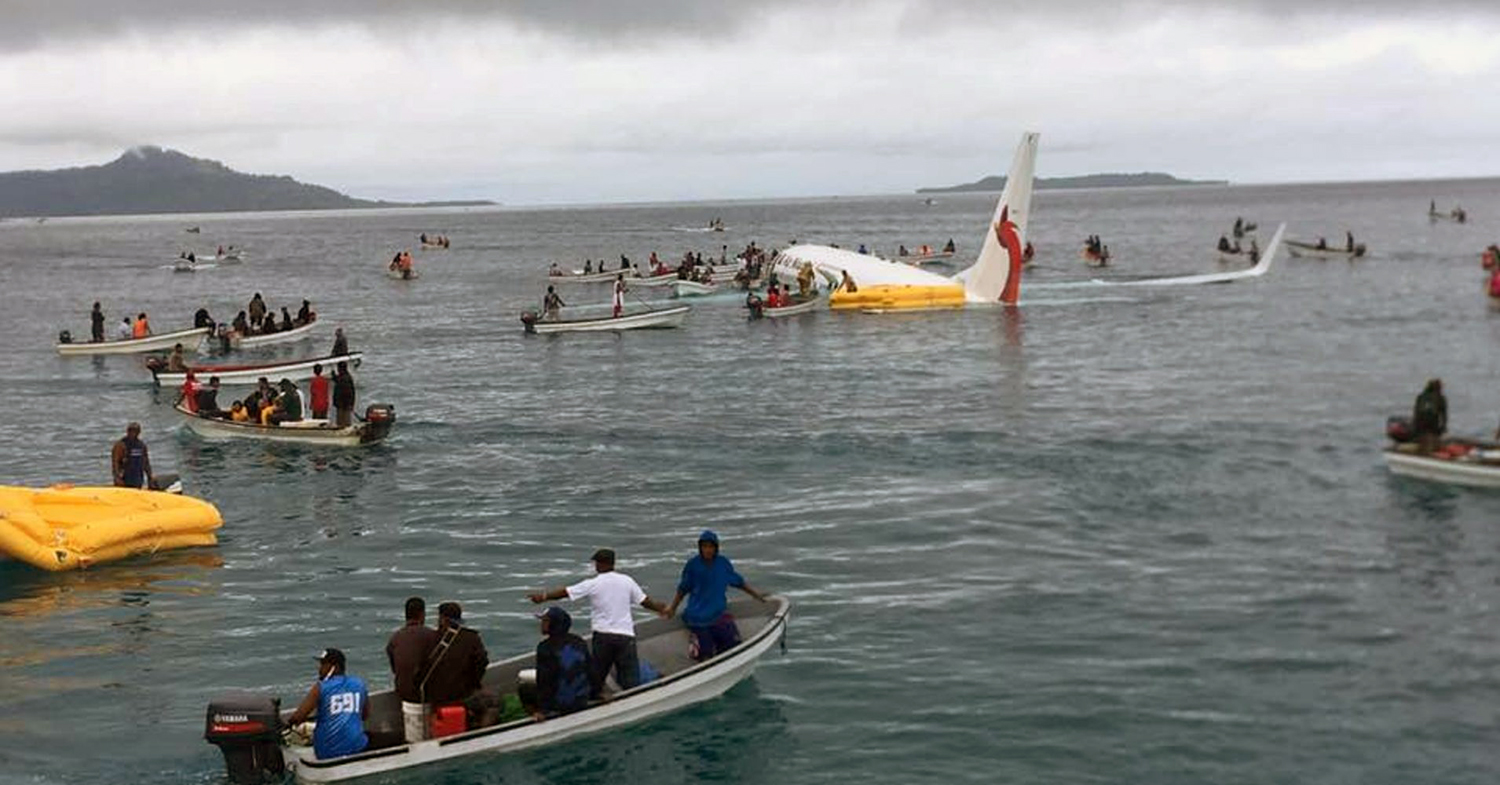
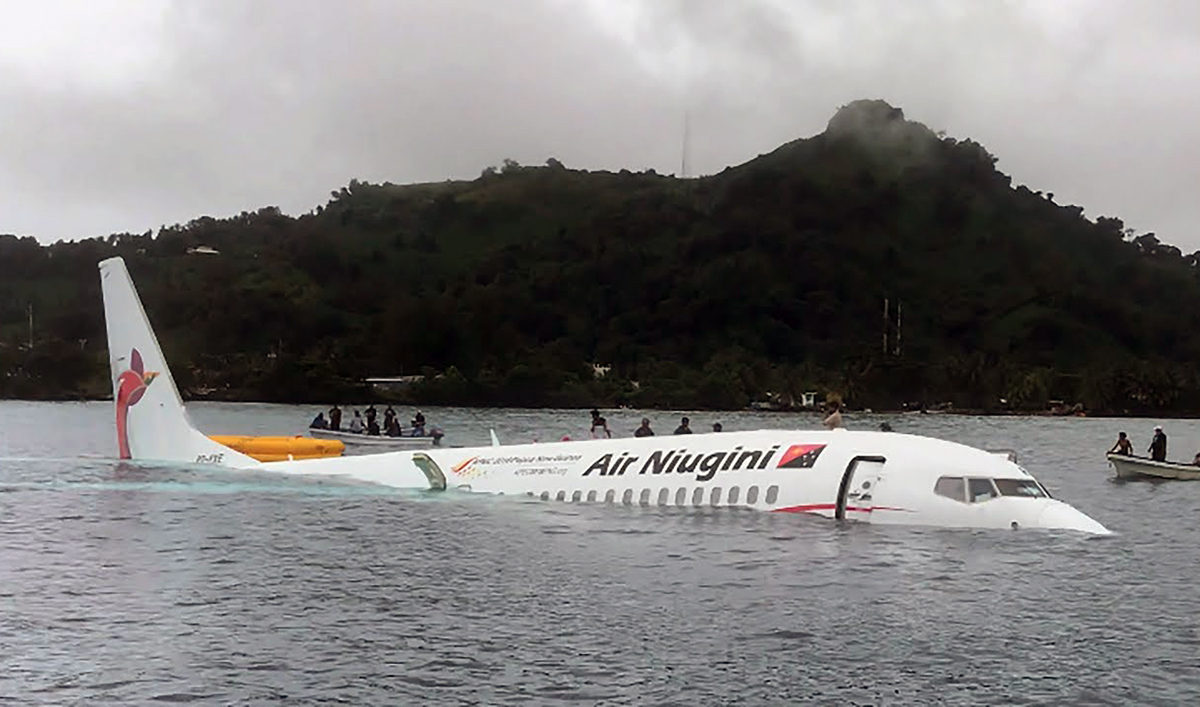
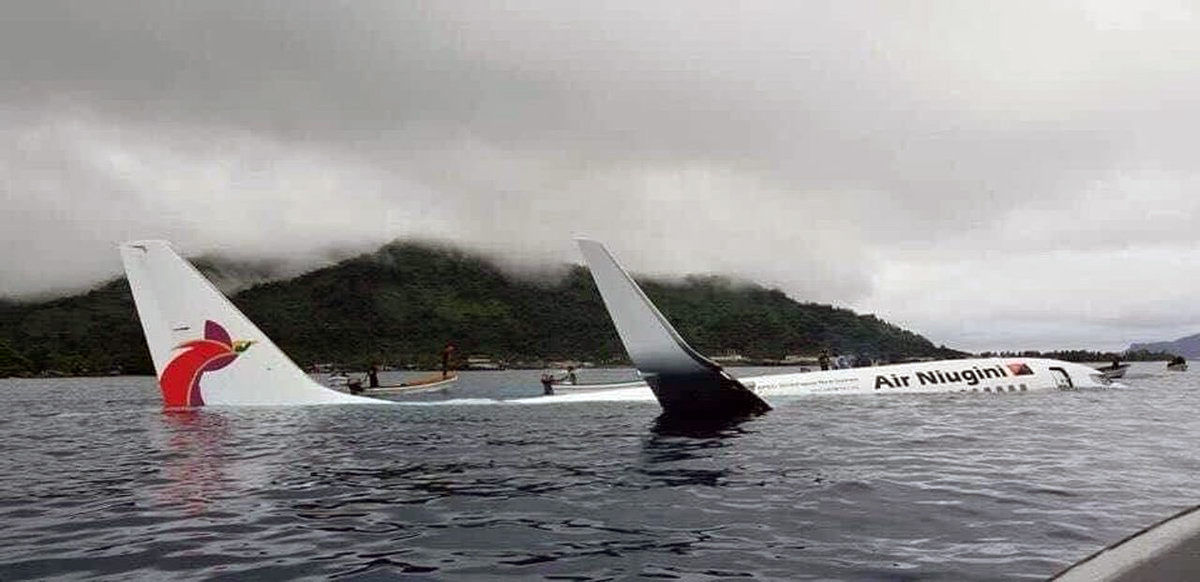
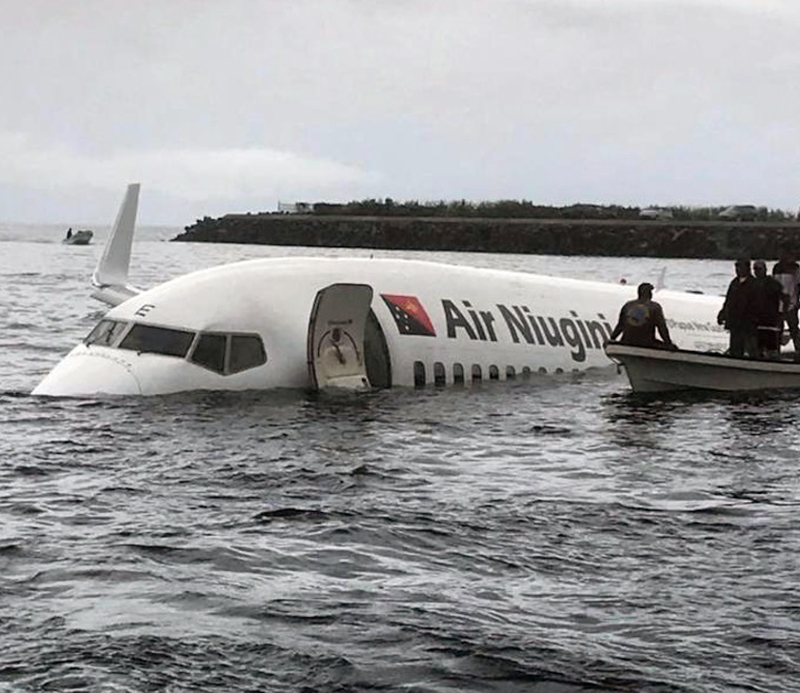
On 28 September 2018, at 23:24:19 UTC2 (09:24 local time), a Boeing 737-8BK aircraft, registered P2-PXE (PXE), operated by Air Niugini Limited, was on a scheduled passenger flight number PX073, from Pohnpei to Chuuk, in the Federated States of Micronesia (FSM) when, during its final approach, the aircraft impacted the water of the Chuuk Lagoon, about 1,500 ft (460 m) short of the runway 04 threshold. The aircraft deflected across the water several times before it settled in the water and turned clockwise through 210 deg and drifted 460 ft (140 m) south east of the runway 04 extended centreline, with the nose of the aircraft pointing about 265°. The pilot in command (PIC) was the pilot flying, and the copilot was the support/monitoring pilot. An Aircraft Maintenance Engineer occupied the cockpit jump seat. The engineer videoed the final approach on his iPhone, which predominantly showed the cockpit instruments. Local boaters rescued 28 passengers and two cabin crew from the left over-wing exits. Two cabin crew, the two pilots and the engineer were rescued by local boaters from the forward door 1L. One life raft was launched from the left aft over-wing exit by cabin crew CC5 with the assistance of a passenger. The US Navy divers rescued six passengers and four cabin crew and the Load Master from the right aft over-wing exit. All injured passengers were evacuated from the left over-wing exits. One passenger was fatally injured, and local divers located his body in the aircraft three days after the accident. The Government of the Federated States of Micronesia commenced the investigation and on 14th February 2019 delegated the whole of the investigation to the PNG Accident Investigation Commission. The investigation determined that the flight crew’s level of compliance with Air Niugini Standard Operating Procedures Manual (SOPM) was not at a standard that would promote safe aircraft operations. The PIC intended to conduct an RNAV GPS approach to runway 04 at Chuuk International Airport and briefed the copilot accordingly. The descent and approach were initially conducted in Visual Meteorological Conditions (VMC), but from 546 ft (600 ft)4 the aircraft was flown in Instrument Meteorological Conditions (IMC). The flight crew did not adhere to Air Niugini SOPM and the approach and pre-landing checklists. The RNAV (GPS) Rwy 04 Approach chart procedure was not adequately briefed. The RNAV approach specified a flight path descent angle guide of 3º. The aircraft was flown at a high rate of descent and a steep variable flight path angle averaging 4.5º during the approach, with lateral over-controlling; the approach was unstabilised. The Flight Data Recorder (FDR) recorded a total of 17 Enhanced Ground Proximity Warning System (EGPWS) alerts, specifically eight “Sink Rate” and nine “Glideslope”. The recorded information from the Cockpit Voice Recorder (CVR) showed that a total of 14 EGPWS aural alerts sounded after passing the Minimum Descent Altitude (MDA), between 307 ft (364 ft) and the impact point. A “100 ft” advisory was annunciated, in accordance with design standards, overriding one of the “Glideslope” aural alert. The other aural alerts were seven “Glideslope” and six “Sink Rate”. The investigation observed that the flight crew disregarded the alerts, and did not acknowledge the “minimums” and 100 ft alerts; a symptom of fixation and channelised attention. The crew were fixated on cues associated with the landing and control inputs due to the extension of 40° flap. Both pilots were not situationally aware and did not recognise the developing significant unsafe condition during the approach after passing the Missed Approach Point (MAP) when the aircraft entered a storm cell and heavy rain. The weather radar on the PIC’s Navigation Display showed a large red area indicating a storm cell immediately after the MAP, between the MAP and the runway. The copilot as the support/monitoring pilot was ineffective and was oblivious to the rapidly unfolding unsafe situation. He did not recognise the significant unsafe condition and therefore did not realise the need to challenge the PIC and take control of the aircraft, as required by the Air Niugini SOPM. The Air Niugini SOPM instructs a non-flying pilot to take control of the aircraft from the flying pilot, and restore a safe flight condition, when an unsafe condition continues to be uncorrected. The records showed that the copilot had been checked in the Simulator for EGPWS Alert (Terrain) however there was no evidence of simulator check sessions covering the vital actions and responses required to retrieve a perceived or real situation that might compromise the safe operation of the aircraft. Specifically sustained unstabilised approach below 1,000 ft amsl in IMC. The PIC did not conduct the missed approach at the MAP despite the criteria required for visually continuing the approach not being met, including visually acquiring the runway or the PAPI. The PIC did not conduct a go around after passing the MAP and subsequently the MDA although:
• The aircraft had entered IMC;
• the approach was unstable;
• the glideslope indicator on the Primary Flight Display (PFD) was showing a rapid glideslope deviation from a half-dot low to 2-dots high within 9 seconds after passing the MDA;
• the rate of descent high (more than 1,000 ft/min) and increasing;
• there were EGPWS Sink Rate and Glideslope aural alerts; and
• the EGPWS visual PULL UP warning message was displayed on the PFD.
The report highlights that deviations from recommended practice and SOPs are a potential hazard, particularly during the approach and landing phase of flight, and increase the risk of approach and landing accidents. It also highlights that crew coordination is less than effective if crew members do not work together as an integrated team. Support crew members have a duty and responsibility to ensure that the safety of a flight is not compromised by non-compliance with SOPs, standard phraseology and recommended practices. The investigation found that the Civil Aviation Safety Authority of PNG (CASA PNG) policy and procedures of accepting manuals rather than approving manuals, while in accordance with the Civil Aviation Rules requirements, placed a burden of responsibility on CASA PNG as the State Regulator to ensure accuracy and that safety standards are met. In accepting the Air Niugini manuals, CASA PNG did not meet the high standard of evidence-based assessment required for safety assurance, resulting in numerous deficiencies and errors in the Air Niugini Operational, Technical, and Safety manuals as noted in this report and the associated Safety Recommendations. The report includes a number of recommendations made by the AIC, with the intention of enhancing the safety of flight (See Part 4 of this report). It is important to note that none of the safety deficiencies brought to the attention of Air Niugini caused the accident. However, in accordance with Annex 13 Standards, identified safety deficiencies and concerns must be raised with the persons or organisations best placed to take safety action. Unless safety action is taken to address the identified safety deficiencies, death or injury might result in a future accident. The AIC notes that Air Niugini Limited took prompt action to address all safety deficiencies identified by the AIC in the 12 Safety Recommendations issued to Air Niugini, in an average time of 23 days. The quickest safety action being taken by Air Niugini was in 6 days. The AIC has closed all 12 Safety Recommendations issued to Air Niugini Limited. One safety concern prompting an AIC Safety Recommendation was issued to Honeywell Aerospace and the US FAA. The safety deficiency/concern that prompted this Safety Recommendation may have been a contributing factor in this accident. The PNG AIC is in continued discussion with the US NTSB, Honeywell, Boeing and US FAA. This recommendation is the subject of ongoing research and the AIC Recommendation will remain ACTIVE pending the results of that research.
Probable cause:
The flight crew did not comply with Air Niugini Standard Operating Procedures Manual (SOPM) and the approach and pre-landing checklists. The RNAV (GPS) Rwy 04 Approach chart procedure was not adequately briefed. The aircraft’s flight path became unstable with lateral over-controlling commencing shortly after autopilot disconnect at 625 ft (677 ft). From 546 ft (600 ft) the aircraft was flown in Instrument Meteorological Conditions (IMC) and the rate of descent significantly exceeded 1,000 feet/min in Instrument Meteorological Conditions (IMC) from 420 ft (477 ft). The flight crew heard, but disregarded, 13 EGPWS aural alerts (Glideslope and Sink Rate), and flew a 4.5º average flight path (glideslope). The pilots lost situational awareness and their attention was channelised or fixated on completing the landing. The PIC did not execute the missed approach at the MAP despite: PAPI showing 3 whites just before entering IMC; the unstabilised approach; the glideslope indicator on the PFD showing a rapid glideslope deviation from half-dot low to 2-dots high within 9 seconds after passing the MDA; the excessive rate of descent; the EGPWS aural alerts: and the EGPWS visual PULL UP warning on the PFD. The copilot (support/monitoring pilot) was ineffective and was oblivious to the rapidly unfolding unsafe situation. It is likely that a continuous “WHOOP WHOOP PULL UP”70 hard aural warning, simultaneously with the visual display of PULL UP on the PFD (desirably a flashing visual display PULL UP on the PFD), could have been effective in alerting the crew of the imminent danger, prompting a pull up and execution of a missed approach, that may have prevented the accident.
Final Report:

Crash of a De Havilland DHC-2 Beaver off Cottage Point: 6 killed

Date & Time: Dec 31, 2017 at 1515 LT
Type of aircraft:
Operator:
Registration:
VH-NOO
Flight Phase:
Survivors:
No
Schedule:
Cottage Point - Sydney
MSN:
1535
YOM:
1963
Country:
Region:
Crew on board:
1
Crew fatalities:
Pax on board:
5
Pax fatalities:
Other fatalities:
Total fatalities:
6
Captain / Total flying hours:
10762
Aircraft flight hours:
21872
Circumstances:
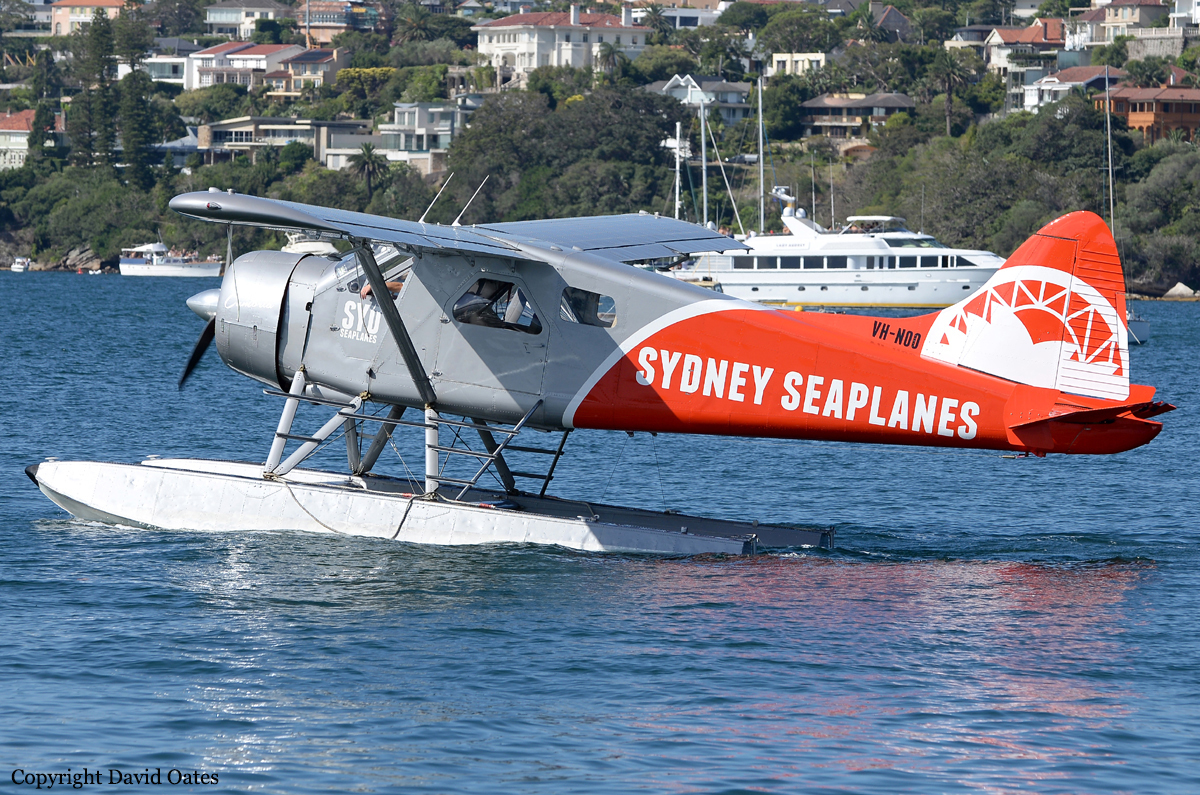
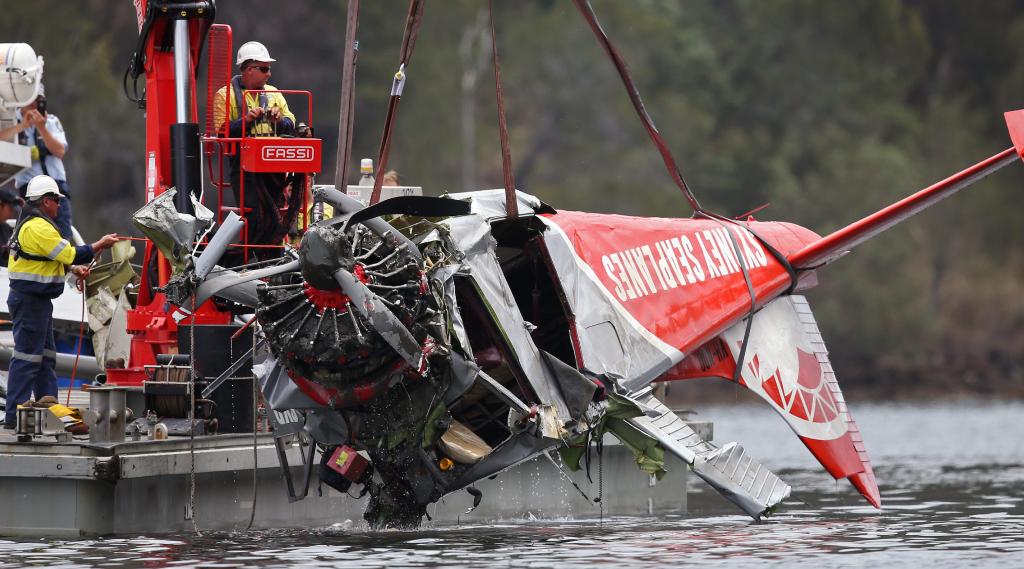
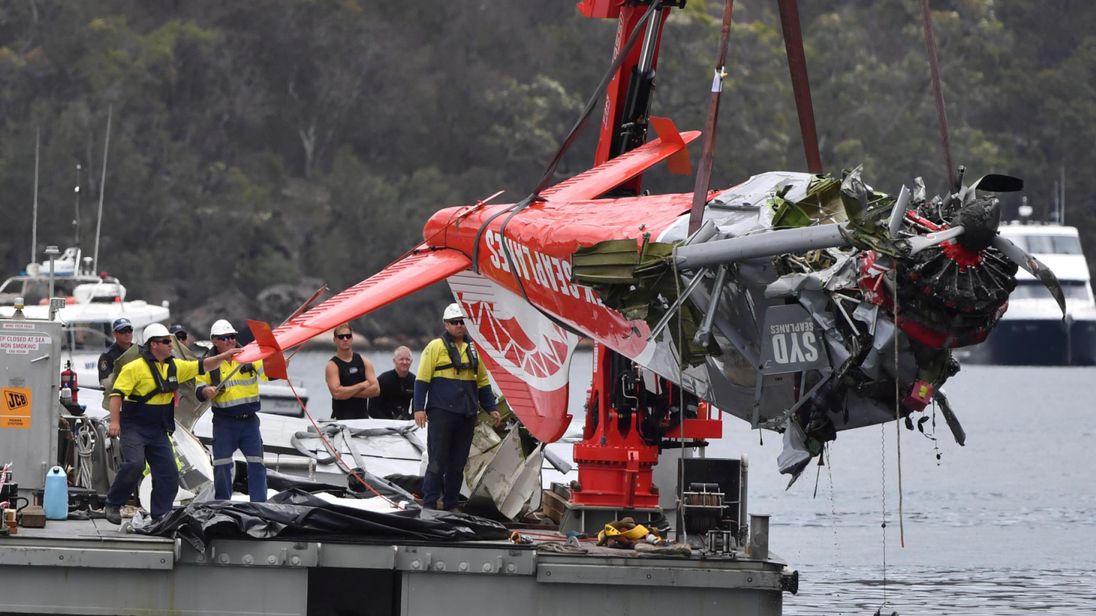
On 31 December 2017, at about 1045 Eastern Daylight-saving Time, five passengers arrived via water-taxi at the Sydney Seaplanes terminal, Rose Bay, New South Wales (NSW) for a charter fly-and-dine experience to a restaurant at Cottage Point on the Hawkesbury River. Cottage Point is about 26 km north of Sydney Harbour in the Ku-ring-gai Chase National Park, a 20 minute floatplane flight from Rose Bay. At about 1130, prior to boarding the aircraft, the passengers received a pre-flight safety briefing. At about 1135, the pilot and five passengers departed the Rose Bay terminal for the flight to Cottage Point via the northern beaches coastal route, in a de Havilland Canada DHC-2 Beaver floatplane, registered VH-NOO and operated by Sydney Seaplanes. The flight arrived at Cottage Point just before midday and the passengers disembarked. The pilot then conducted another four flights in VH-NOO between Cottage Point and Rose Bay. The pilot arrived at Cottage Point at about 1353. After securing the aircraft at the pontoon and disembarking passengers from that flight, the pilot walked to a kiosk at Cottage Point for a drink and food. At about 1415, the pilot received a phone call from the operator via the kiosk, asking the pilot to move the aircraft off the pontoon, which could only accommodate one aircraft at a time. This was to allow the pilot of the operator’s other DHC-2 aircraft (VH-AAM) to pick-up other restaurant passengers. The pilot of VH-NOO immediately returned to the aircraft and taxied away from the pontoon into Cowan Creek. The operator’s records indicated that VH-AAM arrived at the pontoon and shut down the engine at about 1419, and subsequently departed at about 1446. The pilot of VH-NOO returned to the pontoon after having taxied in Cowan Creek with the engine running for up to 27 minutes, while waiting for the other aircraft. During the taxi, closed-circuit television footage from a private residence at Cottage Point showed VH-NOO at 1444, with the pilot’s door ajar. After shutting down the aircraft, the pilot briefly went into the restaurant to see if the passengers were ready to leave, and then returned to the aircraft. The return flight to Rose Bay, scheduled to depart at 1500, provided sufficient time for the passengers to meet a previously booked water-taxi to transport them from Rose Bay to their hotel at 1545. At about 1457, the passengers commenced boarding the aircraft and at around 1504, the aircraft had commenced taxiing toward the designated take-off area in Cowan Creek. At about 1511, the aircraft took off towards the north-north-east in Cowan Creek, becoming airborne shortly before passing Cowan Point. The aircraft climbed straight ahead before commencing a right turn into Cowan Water. A witness, who was travelling east in a boat on the northern side of Cowan Water, photographed the aircraft passing over a location known as ‘Hole in the wall’. These photographs indicated that the aircraft was turning to the right with a bank angle of 15-20°. Witnesses observed the right turn continue above Little Shark Rock Point and Cowan Water. The last photograph taken by the passenger was when the aircraft was heading in a southerly direction towards Cowan Bay. At that time, the aircraft was estimated to be at an altitude of about 30 m (98 ft).Shortly after the turn in Cowan Water, several witnesses observed the aircraft heading directly towards and entering Jerusalem Bay flying level or slightly descending, below the height of the surrounding terrain. Witnesses also reported hearing the aircraft’s engine and stated that the sound was constant and appeared normal. About 1.1 km after entering Jerusalem Bay, near the entrance to Pinta Bay, multiple witnesses reported seeing the aircraft flying along the southern shoreline before it suddenly entered a steep right turn at low-level. Part-way through the turn, the aircraft’s nose suddenly dropped before the aircraft collided with the water, about 95 m from the northern shore and 1.2 km from the end of Jerusalem Bay. The aircraft came to rest inverted and with the cabin submerged. A number of people on watercraft who heard or observed the impact, responded to render assistance. Those people could not access the (underwater) aircraft cabin. The entire tail section and parts of both floats were initially above the waterline, but about 10 minutes later had completely submerged. The pilot and five passengers received fatal injuries.
Probable cause:
Contributing factors:
- The aircraft entered Jerusalem Bay, a known confined area, below terrain height with a level or slightly descending flight path. There was no known operational need for the aircraft to be
operating in the bay.
- While conducting a steep turn in Jerusalem Bay, it was likely that the aircraft aerodynamically stalled at an altitude too low to effect a recovery before colliding with the water.
- It was almost certain that there was elevated levels of carbon monoxide in the aircraft cabin, which resulted in the pilot and passengers having higher than normal levels of carboxyhaemoglobin in their blood.
- Several pre-existing cracks in the exhaust collector ring, very likely released exhaust gas into the engine/accessory bay, which then very likely entered the cabin through holes in the main
firewall where three bolts were missing.
- A 27 minute taxi before the passengers boarded, with the pilot’s door ajar likely exacerbated the pilot’s elevated carboxyhaemoglobin level.
- It was likely that the pilot's ability to safely operate the aircraft was significantly degraded by carbon monoxide exposure.
- Disposable chemical spot detectors, commonly used in general aviation, can be unreliable at detecting carbon monoxide in the aircraft cabin. Further, they do not draw a pilot's attention to a hazardous condition, instead they rely on the pilot noticing the changing colour of the sensor.
- There was no regulatory requirement from the Civil Aviation Safety Authority for piston-engine aircraft to carry a carbon monoxide detector with an active warning to alert pilots to the presence of elevated levels of carbon monoxide in the cabin. (Safety issue)

Other factors that increased risk:
- It was likely that the effectiveness of the disposable carbon monoxide chemical spot detector fitted to the aircraft was reduced due to sun bleaching.
- Although detectors were not required to be fitted to their aircraft, Sydney Seaplanes had no mechanism for monitoring the serviceability of the carbon monoxide detectors. (Safety issue)
- The in situ bolts used by the maintenance organisation to secure the magneto access panels on the main firewall were worn, and were a combination of modified AN3-3A bolts and non-specific bolts. This increased the risk of the bolts either not tightening securely on installation and/or coming loose during operations.
- The operator relied on volunteered passenger weights without allowances for variability, rather than actual passenger weights obtained just prior to a flight. This increased the risk of underestimating passenger weights and potentially overloading an aircraft.
- The standard passenger weights specified in Civil Aviation Advisory Publication (CAAP) 235-1(1) Standard passenger and baggage weights did not accurately reflect the average weights of the current Australian population. Further, the CAAP did not provide guidance on the use of volunteered passenger weights as an alternative to weights derived just prior to a flight.
- Australian civil aviation regulations did not mandate the fitment of flight recorders for passenger-carrying aircraft under 5,700 kg. Consequently, the determination of factors that influenced this accident, and other accidents, have been hampered by a lack of recorded data pertaining to the flight. This has likely resulted in the non-identification of safety issues, which continue to present a hazard to current and future passengercarrying operations. (Safety issue)
- Annex 6 to the Convention of International Civil Aviation did not mandate the fitment of flight recorders for passenger-carrying aircraft under 5,700 kg. Consequently, the determination of factors that influenced this accident, and numerous other accidents have been hampered by a lack of recorded data pertaining to the flight. This has likely resulted in important safety issues not being identified, which may remain a hazard to current and future passenger carrying operations. (Safety issue)

Other findings:
- It was very likely that the middle row right passenger did not have his seatbelt fastened at the time of impact, however, the reason for this could not be determined.
- The accident was not survivable due to the combination of the impact forces and the submersion of the aircraft.
- The pilot had no known pre-existing medical conditions that could explain the accident.
Final Report:

Crash of a Britten-Norman BN-2A Islander in Saidor Gap: 1 killed

Date & Time: Dec 23, 2017 at 1010 LT
Type of aircraft:
Operator:
Registration:
P2-ISM
Flight Phase:
Flight Type:
Survivors:
No
Site:
Schedule:
Derim - Lae
MSN:
227
YOM:
1970
Region:
Crew on board:
1
Crew fatalities:
Pax on board:
0
Pax fatalities:
Other fatalities:
Total fatalities:
1
Captain / Total flying hours:
1982
Captain / Total hours on type:
139.00
Aircraft flight hours:
32232
Circumstances:
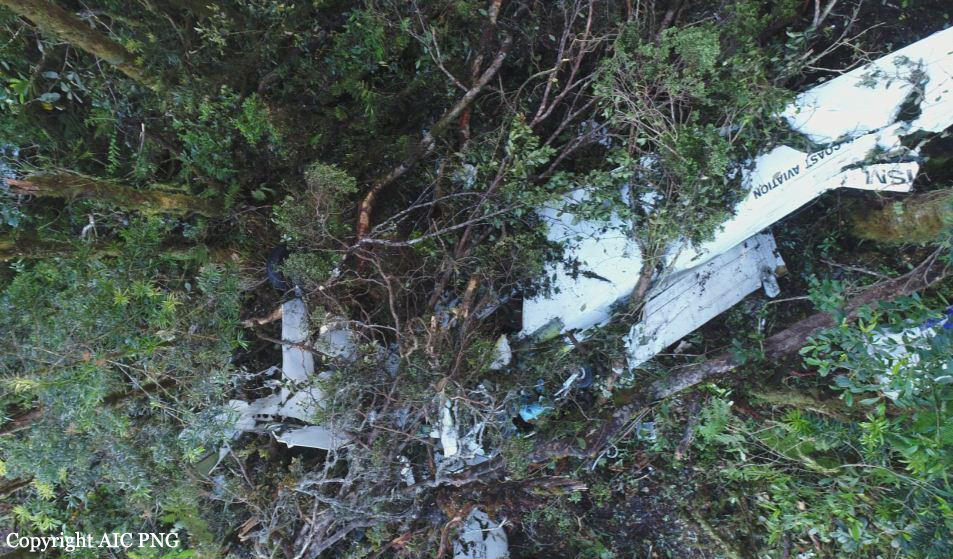
On 23 December 2017, at 00:10 UTC (10:10 local), a Britten Norman BN-2A Islander aircraft, registered P2-ISM (ISM), owned and operated by North Coast Aviation, impacted a ridge, at about 9,500 ft (6°11'29"S, 146°46'11"E) that runs down towards the Sapmanga Valley from the Sarawaget Ranges, Morobe Province. The pilot elected to track across the Sarawaget ranges (See figure 1), from Derim Airstrip to Nadzab Airport, Morobe Province, not above 10,000 ft. The track flown from Derim was to the northwest 6.5 nm (12 km) to a point 0.8 nm (1.5 km) westsouthwest of Yalumet Airstrip where the aircraft turned southwest to track to the Saidor Gap. GPS recorded track data immediately prior to the last GPS fix showed that the aircraft was on a shallow descent towards the ridge. The aircraft impacted the ridge about 150 m beyond the last fix. There were no reports of a transmission of an ELT distress signal. During the search for the aircraft, what appeared to be the right aileron was found hanging from a tree near the top of the heavily-timbered, densely-vegetated ridge. The remainder of the wreckage was found about 130 m from the aileron along the projected track. The aircraft impacted the ground in a steep nose-down, right wing-low attitude. The majority of the aircraft wreckage was contained at the ground impact point. The aircraft was destroyed by impact forces. The pilot, the sole occupant, who initially survived, was reported deceased by the rescue team on 27 December 2017 at 22:10. The pilot had made contact with one of the operator’s pilots at 16:15 on 23 December. The pilot’s time of death, recorded on the Death Certificate, was 10:40 am local on 24 December. Rescuers felled trees on the steep heavily timbered, densely vegetated slope about 20 metres from the wreckage and constructed a helipad.
Probable cause:
Cloud build up along the pilot’s chosen route may have forced him to manoeuvre closer than normal to the ridge, in order to avoid flying into the cloud. The aircraft’s right wing struck a tree protruding from the forest canopy during controlled flight into terrain. It is likely that the right aileron mass balance became snagged on the tree and rapidly dislodged the aileron from the wing. The loss of roll control, and the aerodynamic differential, forced the aircraft to descend steeply through the forest and impacted terrain.
Final Report:

Crash of a Pacific Aerospace FU-24 Stallion in Upper Turon: 1 killed

Date & Time: Jun 16, 2017 at 1049 LT
Type of aircraft:
Registration:
VH-EUO
Flight Phase:
Survivors:
No
Schedule:
Upper Turon - Upper Turon
MSN:
3002
YOM:
1980
Country:
Region:
Crew on board:
1
Crew fatalities:
Pax on board:
0
Pax fatalities:
Other fatalities:
Total fatalities:
1
Captain / Total flying hours:
4688
Captain / Total hours on type:
786.00
Aircraft flight hours:
11059
Circumstances:
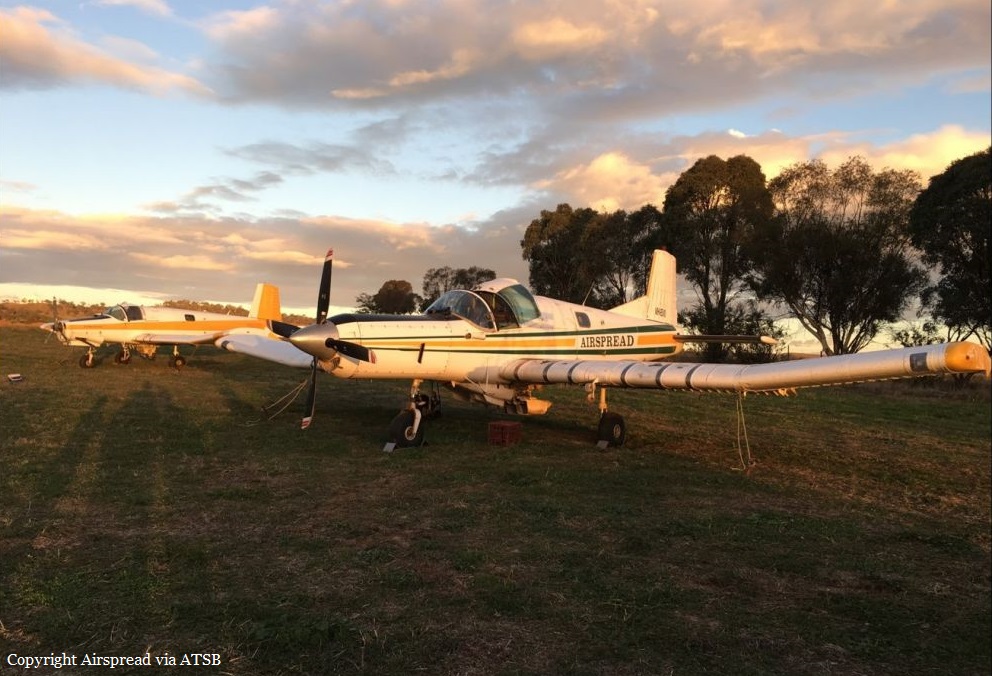
On 16 June 2017, a Pacific Aerospace Ltd FU24 Stallion, registered VH-EUO (EUO), was conducting aerial agricultural operations from a private airstrip at Redhill, 36 km north-north-east of Bathurst, New South Wales (NSW). The operations planned for that day involved the aerial application of fertiliser on three properties in the Upper Turon area of NSW. At about 0700 Eastern Standard Time on the morning of the accident, the pilot and loader drove to Bathurst Airport to fill the fuel tanker and then continued to the worksite at the Redhill airstrip in the Upper Turon area, arriving at about 0830. Work on the first property started at about 0900, with the first flight of the day commencing at 0920. Work on the first property continued until 1350 with two refuelling stops at 1048 and 1250. Approximately 40 tonnes of fertiliser was applied on the first job. In preparation for the second job, fertiliser and seed were loaded into the aircraft and maps of the second job area were passed to the pilot. At 1357, the aircraft took off for the first flight of the second job. The aircraft returned to reload, and at 1405 the aircraft took off for the second flight. A short time later, at 14:06:59, recorded flight data from the aircraft ceased. When the aircraft did not return as expected, the loader radioed the pilot. When the loader could not raise the pilot on the radio, he became concerned and drove his vehicle down the airstrip to see if the aircraft had experienced a problem on the initial climb. Finding no sign of the aircraft, he returned to the load site, while continuing to call the pilot on the radio. He then drove to the application area to search for the aircraft before returning to the load site. With no sign of the aircraft, the loader called emergency services to raise the alarm. By about 1500, police had arrived on site and a ground search commenced. A police helicopter also joined the search, which was eventually called off due to low light. The next morning, at about 0630, the search recommenced and included NSW Police State Emergency Service personnel, and local volunteers. At about 0757, the wreckage of the aircraft was found in dense bush on the side of a hill to the east of the application area. The pilot was found deceased in the aircraft. The aircraft was found approximately 17 hours after the last recorded flight data and there were no witnesses to the accident.
Probable cause:
From the evidence available, the following findings are made with respect to the collision with terrain involving a FU24 Stallion, VH-EUO 40 km north-east of Bathurst, New South Wales on 16 June 2017. These findings should not be read as apportioning blame or liability to any particular organisation or individual.
Contributing factors:
- The pilot flew the aircraft into an area of rising terrain that was outside the normal operating area for this job site.
- For reasons that could not be determined, the aircraft aerodynamically stalled and collided with terrain during re-positioning at the end of the application run.
Other findings:
- There was no evidence of any defect with the aircraft that would have contributed to the loss of control.
Final Report:

Crash of a Cessna 441 Conquest II in Renmark: 3 killed

Date & Time: May 30, 2017 at 1630 LT
Type of aircraft:
Operator:
Registration:
VH-XMJ
Flight Phase:
Flight Type:
Survivors:
No
Schedule:
Renmark - Adelaide
MSN:
441-0113
YOM:
1980
Country:
Region:
Crew on board:
3
Crew fatalities:
Pax on board:
0
Pax fatalities:
Other fatalities:
Total fatalities:
3
Captain / Total flying hours:
14751
Captain / Total hours on type:
987.00
Copilot / Total flying hours:
5000
Copilot / Total hours on type:
1000
Aircraft flight hours:
13845
Circumstances:
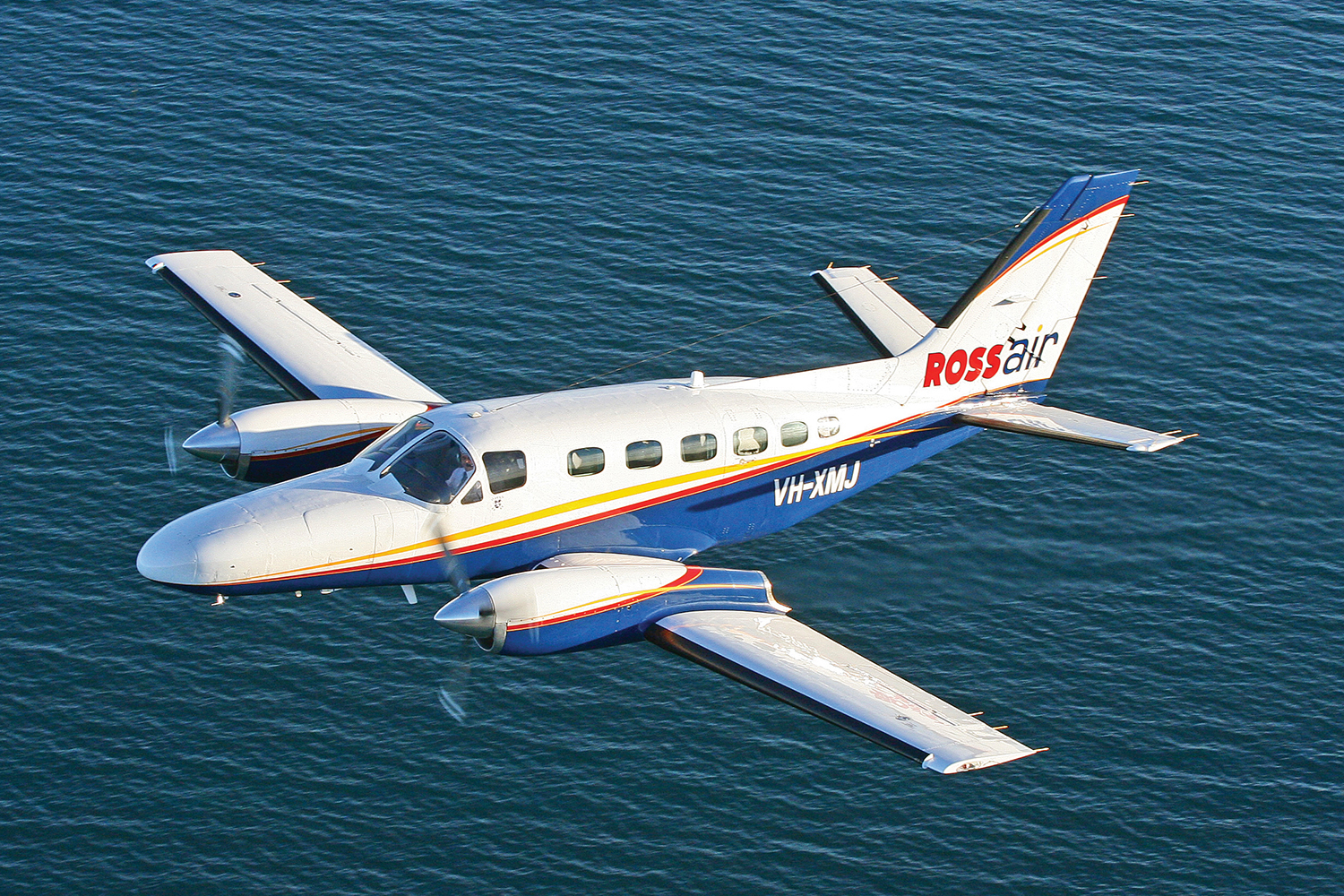
On 30 May 2017, a Cessna 441 Conquest II (Cessna 441), registered VH-XMJ (XMJ) and operated by AE Charter, trading as Rossair, departed Adelaide Airport, South Australia for a return flight via Renmark Airport, South Australia. On board the aircraft were:
• an inductee pilot undergoing a proficiency check, flying from the front left control seat
• the chief pilot conducting the proficiency check, and under assessment for the company training and checking role for Cessna 441 aircraft, seated in the front right control seat
• a Civil Aviation Safety Authority flying operations inspector (FOI), observing and assessing the flight from the first passenger seat directly behind the left hand pilot seat.
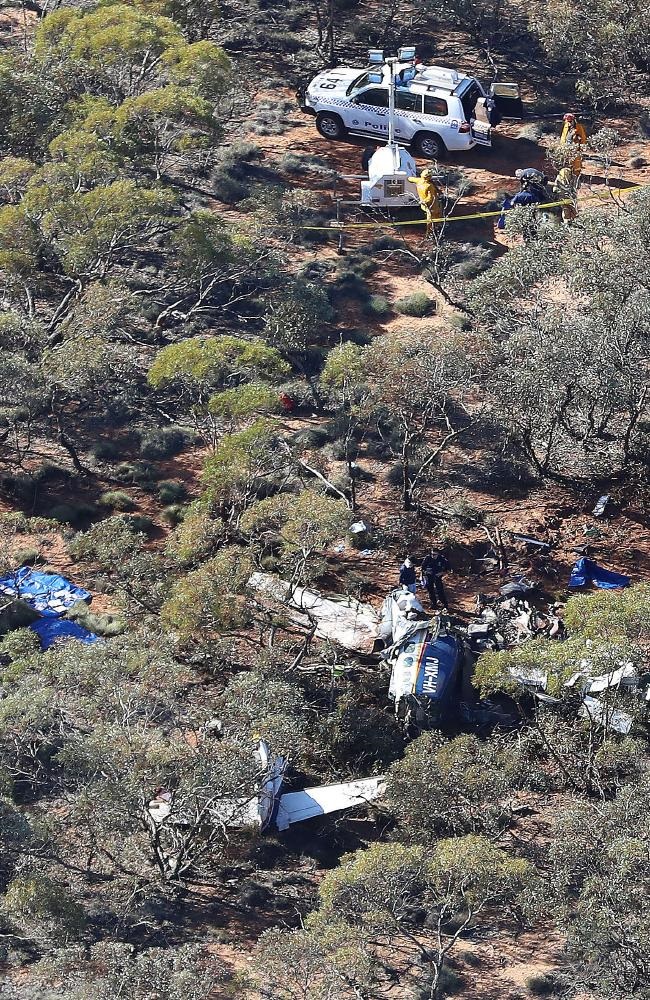
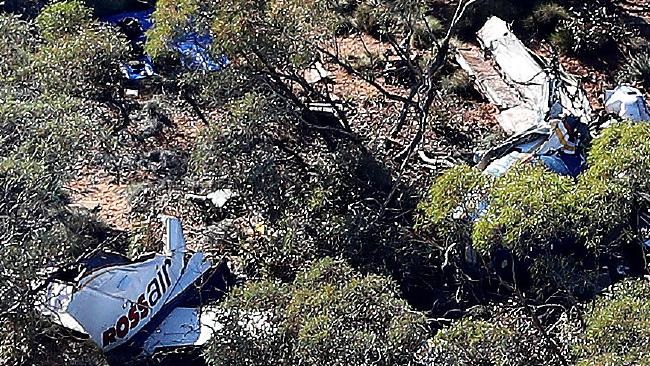
Each pilot was qualified to operate the aircraft. There were two purposes for the flight. The primary purpose was for the FOI to observe the chief pilot conducting an operational proficiency check (OPC), for the purposes of issuing him with a check pilot approval on the company’s Cessna 441 aircraft. The second purpose was for the inductee pilot, who had worked for Rossair previously, to complete an OPC as part of his return to line operations for the company. The three pilots reportedly started their pre-flight briefing at around 1300 Central Standard Time. There were two parts of the briefing – the FOI’s briefing to the chief pilot, and the chief pilot’s briefing to the inductee pilot. As the FOI was not occupying a control seat, he was monitoring and assessing the performance of the chief pilot in the conduct of the OPC. There were two distinct exercises listed for the flight (see the section titled Check flight sequences). Flight exercise 1 detailed that the inductee pilot was to conduct an instrument departure from Adelaide Airport, holding pattern and single engine RNAV2 approach, go around and landing at Renmark Airport. Flight exercise 2 included a normal take-off from Renmark Airport, simulated engine failure after take-off, and a two engine instrument approach on return to Adelaide. The aircraft departed from Adelaide at 1524, climbed to an altitude about 17,000 ft above mean sea level, and was cleared by air traffic control (ATC) to track to waypoint RENWB, which was the commencement of the Renmark runway 073 RNAV-Z GNSS approach. The pilot of XMJ was then cleared to descend, and notified ATC that they intended to carry out airwork in the Renmark area. The pilot further advised that they would call ATC again on the completion of the airwork, or at the latest by 1615. No further transmissions from XMJ were recorded on the area frequency and the aircraft left surveillance coverage as it descended towards waypoint RENWB. The common traffic advisory frequency used for air-to-air communications in the vicinity of Renmark Airport recorded several further transmissions from XMJ as the crew conducted practice holding patterns, and a practice runway 07 RNAV GNSS approach. Voice analysis confirmed that the inductee pilot made the radio transmissions, as expected for the check flight. At the completion of the approach, the aircraft circled for the opposite runway and landed on runway 25, before backtracking and lining up for departure. That sequence varied from the planned exercise in that no single-engine go-around was conducted prior to landing at Renmark. At 1614, the common traffic advisory frequency recorded a transmission from the pilot of XMJ stating that they would shortly depart Renmark using runway 25 to conduct further airwork in the circuit area of the runway. A witness at the airport reported that, prior to the take-off roll, the aircraft was briefly held stationary in the lined-up position with the engines operating at significant power. The take-off roll was described as normal however, and the witness looked away before the aircraft became airborne. The aircraft maintained the runway heading until reaching a height of between 300-400 ft above the ground (see the section titled Recorded flight data). At that point the aircraft began veering to the right of the extended runway centreline (Figures 1 and 15). The aircraft continued to climb to about 600 ft above the ground (700 ft altitude), and held this height for about 30 seconds, followed by a descent to about 500 ft (Figures 2 and 13). The information ceased 5 seconds later, which was about 60 seconds after take-off. A distress beacon broadcast was received by the Joint Rescue Coordination Centre and passed on to ATC at 1625. Following an air and ground search the aircraft was located by a ground party at 1856 about 4 km west of Renmark Airport. All on board were fatally injured and the aircraft was destroyed.
Probable cause:
Findings:
From the evidence available, the following findings are made with respect to the collision with terrain involving Cessna 441, registered VH-XMJ, that occurred 4 km west of Renmark Airport,
South Australia on 30 May 2017. These findings should not be read as apportioning blame or liability to any particular organisation or individual.
Contributing factors:
• Following a planned simulated engine failure after take-off, the aircraft did not achieve the expected single engine climb performance, or target airspeed, over the final 30 seconds of the flight.
• The exercise was not discontinued when the aircraft’s single engine performance and airspeed were not attained. That was probably because the degraded aircraft performance, or the
associated risk, were not recognised by the pilots occupying the control seats.
• It is likely that the method of simulating the engine failure and pilot control inputs, together or in isolation, led to reduced single engine aircraft performance and asymmetric loss of control.
• Not following the recommended procedure for simulating an engine failure in the Cessna 441 pilot’s operating handbook meant that there was insufficient height to recover following the loss of control.
Other factors that increased risk:
• The Rossair training and checking manual procedure for a simulated engine failure in a turboprop aircraft was inappropriate and, if followed, increased the risk of asymmetric control loss.
• The flying operations inspector was not in a control seat and did not share a communication systems with the crew. Consequently, he had reduced ability to actively monitor the flight and
communicate any identified performance degradation.
• The inductee pilot had limited recent experience in the Cessna 441, and the chief pilot had an extended time period between being training and being tested as a check pilot on this aircraft. While both pilots performed the same exercise during a practice flight the week before, it is probable that these two factors led to a degradation in the skills required to safely perform and monitor the simulated engine failure exercise.
• The chief pilot and other key operational managers within Rossair were experiencing high levels of workload and pressure during the months leading up to the accident.
• In the 5 years leading up to the accident, the Civil Aviation Safety Authority had conducted numerous regulatory service tasks for the air transport operator and had regular communication with the operator’s chief pilots and other personnel. However, it had not conducted a systemic or detailed audit during that period, and its focus on a largely informal and often undocumented approach to oversight increased the risk that organisational or systemic issues associated with the operator would not be effectively identified and addressed.
Other findings:
• A lack of recorded data from this aircraft reduced the available evidence about handling aspects and cockpit communications. This limited the extent to which potential factors contributing to the accident could be analysed.
Final Report:

Ground fire of a GippsAero GA8 Airvan in Gibb River

Date & Time: Apr 22, 2017 at 1255 LT
Type of aircraft:
Operator:
Registration:
VH-AJZ
Flight Type:
Survivors:
Yes
Schedule:
Derby - Gibb River
MSN:
GA8-05-96
YOM:
2005
Country:
Region:
Crew on board:
2
Crew fatalities:
Pax on board:
1
Pax fatalities:
Other fatalities:
Total fatalities:
0
Circumstances:
On 22 April 2017, a Gippsland Aeronautics GA-8 aircraft, registered VH-AJZ, was being used to conduct incendiary bombing aerial work operations in the Prince Regent River area of northern Western Australia (WA). On board were a pilot, a navigator seated in the co-pilot seat and a bombardier in the rear of the aircraft cabin. While conducting the incendiary bombing operations, the bombardier advised the pilot that he was suffering from motion sickness. The pilot elected to land at Gibb River aircraft landing area (ALA), WA, to take a lunch break and provide the bombardier with time to recover from the motion sickness. At about 1255 Western Standard Time (WST), the aircraft landed on runway 07 at Gibb River. During the landing roll, the engine failed. The aircraft had sufficient momentum to enable the pilot to turn the aircraft around on the runway and begin to taxi to the parking area at the western end of runway 07. Shortly after turning around, the aircraft came to rest on the runway. The pilot attempted to restart the engine, but the engine did not start. The pilot waited about 10–20 seconds before again attempting to restart the engine. While attempting the second restart of the engine, the pilot heard a loud noise similar to that of a backfire. The navigator then observed flames and smoke coming from around the front of the engine and immediately notified the pilot. After being notified of the fire, the pilot immediately shut down the engine and switched off the aircraft electrical system. As the pilot switched off the aircraft electrical system, the navigator located the aircraft fire extinguisher and evacuated from the aircraft through the co-pilot door. After evacuating from the aircraft, the navigator observed fire on the aircraft nose wheel. The navigator had difficulty preparing the fire extinguisher for use and was unable to discharge the fire extinguisher onto the fire. While the navigator was attempting to extinguish the fire, the pilot exited the aircraft through the pilot door and assisted the bombardier to exit the aircraft. After assisting the bombardier, the pilot moved to the front of the aircraft to assist the navigator with the firefighting. The pilot was able to activate the fire extinguisher and extinguished the fire on the nose wheel. The pilot observed fire continuing to burn within the engine compartment. Due to the heat of the fire, the pilot was unable to access the engine compartment to extinguish this fire. The pilot determined that no more could be done to contain the fire, and therefore, the pilot, navigator and bombardier moved clear of the aircraft to a safe location as the fire continued. The crew members were not injured. As a result of the fire, the aircraft was destroyed.
Probable cause:
These findings should not be read as apportioning blame or liability to any particular organisation or individual.
- The cause of the engine failure and fire could not be determined.
- After the fire was identified, two steps in the emergency procedure were omitted. This included not closing the fuel shutoff valve, which likely resulted in the fire not being extinguished and subsequently intensifying.
Final Report:

Crash of a Beechcraft B200 Super King Air in Melbourne: 5 killed

Date & Time: Feb 21, 2017 at 0858 LT
Registration:
VH-ZCR
Flight Phase:
Survivors:
No
Site:
Schedule:
Melbourne - King Island
MSN:
BB-1544
YOM:
1996
Country:
Region:
Crew on board:
1
Crew fatalities:
Pax on board:
4
Pax fatalities:
Other fatalities:
Total fatalities:
5
Captain / Total flying hours:
7681
Captain / Total hours on type:
2400.00
Aircraft flight hours:
6997
Circumstances:
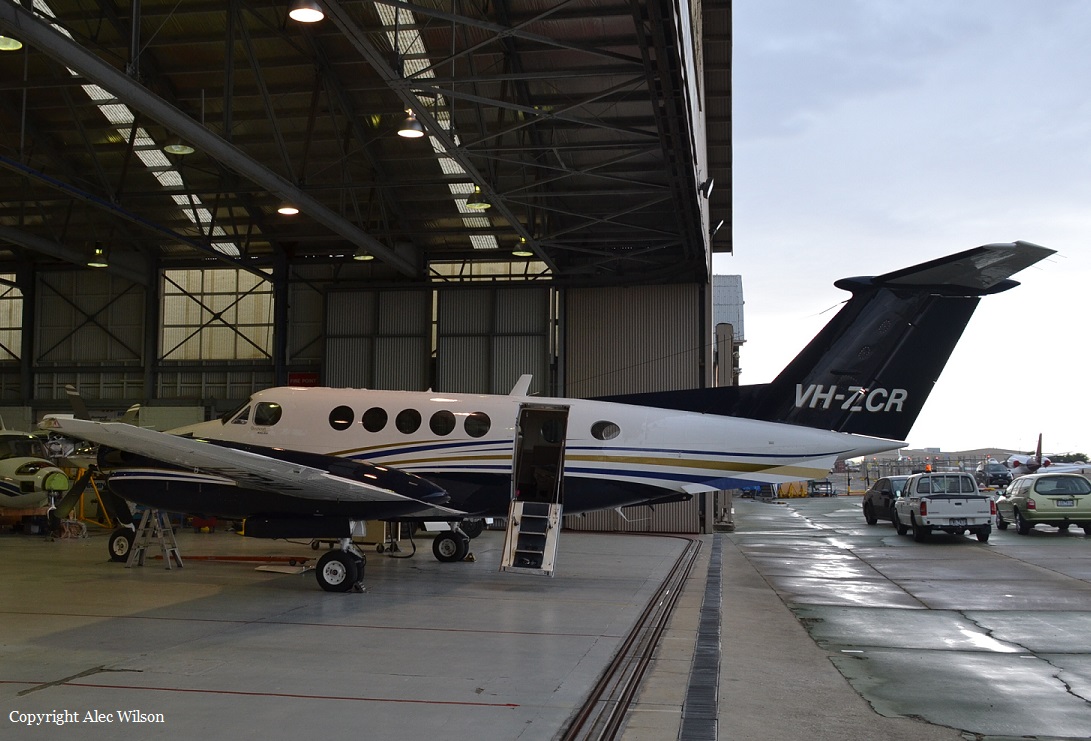
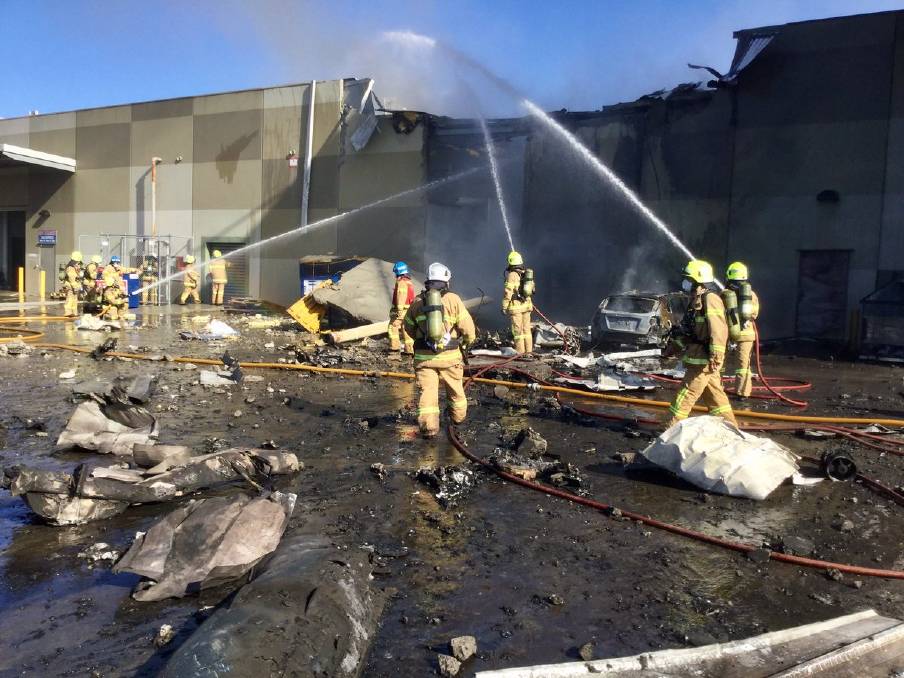
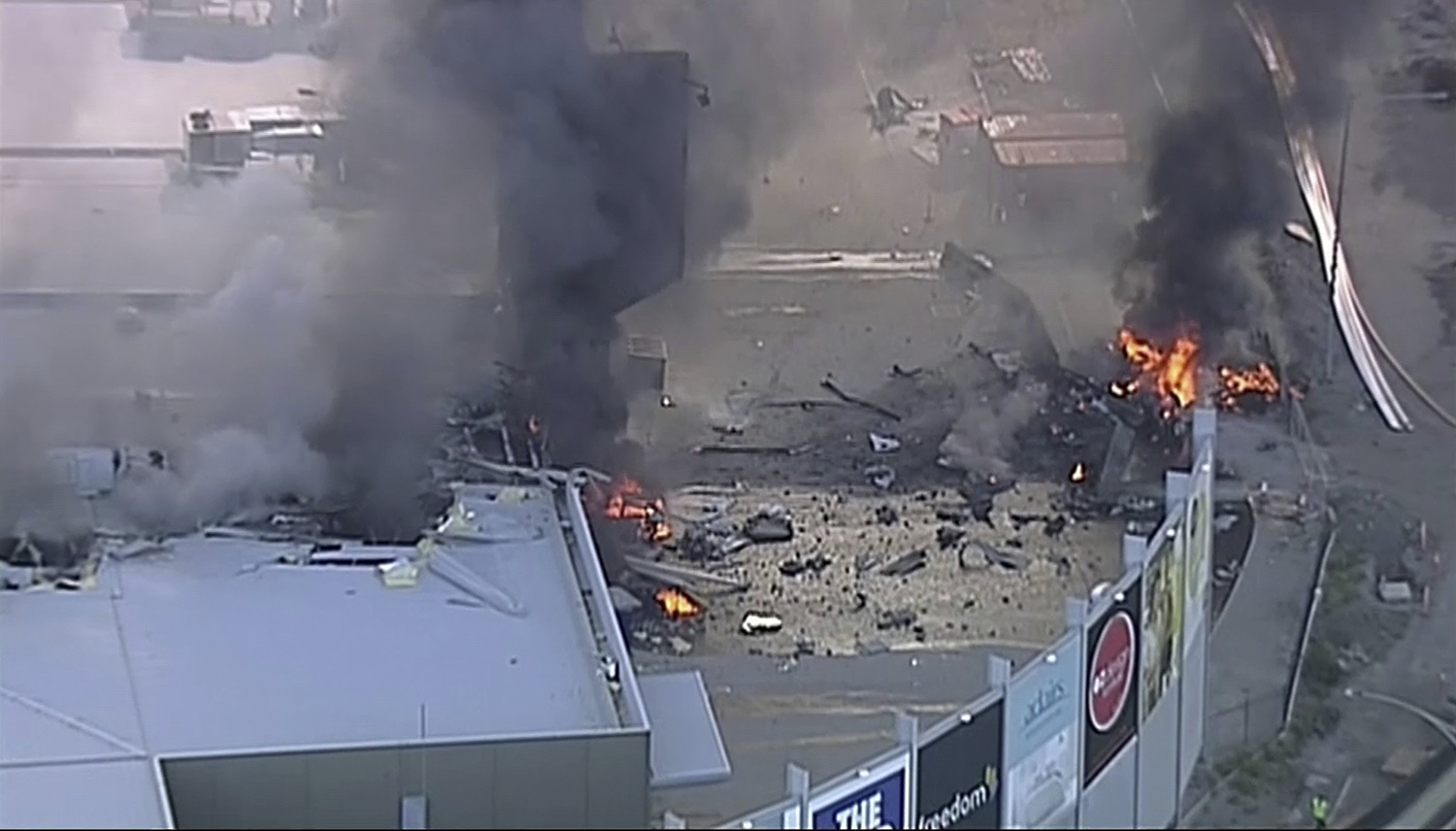
On 21 February 2017, the pilot of a Beechcraft B200 King Air aircraft, registered VH-ZCR (ZCR), and operated by Corporate & Leisure Aviation, was conducting a charter passenger flight from Essendon Airport, Victoria to King Island, Tasmania. There were four passengers on board. ZCR had been removed from a hangar and parked on the apron the previous afternoon in preparation for the flight. The pilot was first seen on the apron at about 0706 Eastern Daylight-saving Time. Closed-circuit television recorded the pilot walking around the aircraft and entering the cabin, consistent with conducting a pre-flight inspection of the aircraft. At about 0712, the pilot entered ZCR’s maintenance provider’s hangar. A member of staff working in the hangar reported that the pilot had a conversation with him that was unrelated to the accident flight. The pilot exited the hangar about 0715 and had a conversation with another member of staff who reported that their conversation was also unrelated to the accident flight. The pilot then returned to ZCR, and over the next 4 minutes he was observed walking around the aircraft. The pilot went into the cabin and re-appeared with an undistinguishable item. The pilot then walked around the aircraft one more time before re-entering the cabin and closing the air stair cabin door. At about 0729, the right engine was started and, shortly after, the left engine was started. Airservices Australia (Airservices) audio recordings indicated that, at 0736, the pilot requested a clearance from Essendon air traffic control (ATC) to reposition ZCR to the southern end of the passenger terminal. ATC provided the clearance and the pilot commenced taxiing to the terminal. At the terminal, ZCR was refueled and the pilot was observed on CCTV to walk around the aircraft, stopping at the left and right engines before entering the cabin. The pilot was then observed to leave the aircraft and wait for the passengers at the terminal. The passengers arrived at the terminal at 0841 and were escorted by the pilot directly to the aircraft. At 0849, the left engine was started and, shortly after, the right engine was started. At 0853, the pilot requested a taxi clearance for King Island, with five persons onboard, under the instrument flight rules. ATC instructed the pilot to taxi to holding point 'TANGO' for runway 17, and provided an airways clearance for the aircraft to King Island with a visual departure. The pilot read back the clearance. Airservices Automatic Dependent Surveillance Broadcast (ADS-B) data (refer to section titled Air traffic services information - Automatic Dependent Surveillance Broadcast data) indicated that, at 0854, ZCR was taxied from the terminal directly to the holding point. The aircraft did not enter the designated engine run-up bay positioned near holding point TANGO. At 0855, while holding at TANGO, the pilot requested a transponder code. The controller replied that he did not have one to issue yet. Two minutes later the pilot contacted ATC and stated that he was ready and waiting for a transponder code. The controller responded with the transponder code and a clearance to lineup on runway 17. At 0858, ATC cleared ZCR for take-off on runway 17 with departure instructions to turn right onto a heading of 200°. The pilot read back the instruction and commenced the takeoff roll. The aircraft’s take-off roll along runway 17 was longer than expected. Witnesses familiar with the aircraft type observed a noticeable yaw to the left after the aircraft became airborne. The aircraft entered a relatively shallow climb and the landing gear remained down. The shallow climb was followed by a substantial left sideslip, while maintaining a roll attitude of less than 10° to the left. Airservices ADS-B data indicated the aircraft reached a maximum height of approximately 160 ft above ground level while tracking in an arc to the left of the runway centreline. The aircraft’s track began diverging to the left of the runway centreline before rotation and the divergence increased as the flight progressed. Following the sustained left sideslip, the aircraft began to descend and at 0858:48 the pilot transmitted on the Essendon Tower frequency repeating the word ‘MAYDAY’ seven times in rapid succession. Approximately 10 seconds after the aircraft became airborne, and 2 seconds after the transmission was completed, the aircraft collided with the roof of a building in the Essendon Airport Bulla Road Precinct - Retail Outlet Centre (outlet centre), coming to rest in a loading area at the rear of the building. CCTV footage from a camera positioned at the rear of the building showed the final part of the accident sequence with post-impact fire evident; about 2 minutes later, first responders arrived onsite. At about 0905 and 0908 respectively, Victoria Police and the Metropolitan Fire Brigade arrived. The pilot and passengers were fatally injured and the aircraft was destroyed. There was significant structural, fire and water damage to the building. Additionally, two people on the ground received minor injuries and a number of parked vehicles were damaged.
Probable cause:
From the evidence available, the following findings are made with respect to the collision with terrain involving Beechcraft B200 King Air, registered VH-ZCR that occurred at Essendon Airport, Victoria on 21 February 2017. These findings should not be read as apportioning blame or liability to any particular organisation or individual.

Contributing factors:
- The aircraft's rudder trim was likely in the full nose-left position at the commencement of the take-off.
- The aircraft's full nose-left rudder trim setting was not detected by the pilot prior to take-off.
- Following a longer than expected ground roll, the pilot took-off with full left rudder trim selected. This configuration adversely affected the aircraft's climb performance and controllability, resulting in a collision with terrain.

Other factors that increased risk:
- The flight check system approval process did not identify that the incorrect checklist was nominated in the operator’s procedures manual and it did not ensure the required checks, related to the use of the cockpit voice recorder, were incorporated.
- The aircraft's cockpit voice recorder did not record the accident flight, resulting in a valuable source of safety related information not being available.
- The aircraft's maximum take-off weight was likely exceeded by about 240 kilograms.
- Two of the four buildings within the Bulla Road Precinct Retail Outlet Centre exceeded the obstacle limitation surface (OLS) for Essendon Airport, however, the OLS for the departure runway was not infringed and VH-ZCR did not collide with those buildings.

Other findings:
- The presence of the building struck by the aircraft was unlikely to have increased the severity of the outcome of this accident.
- Both of the aircraft’s engines were likely to have been producing high power at impact.
Final Report:

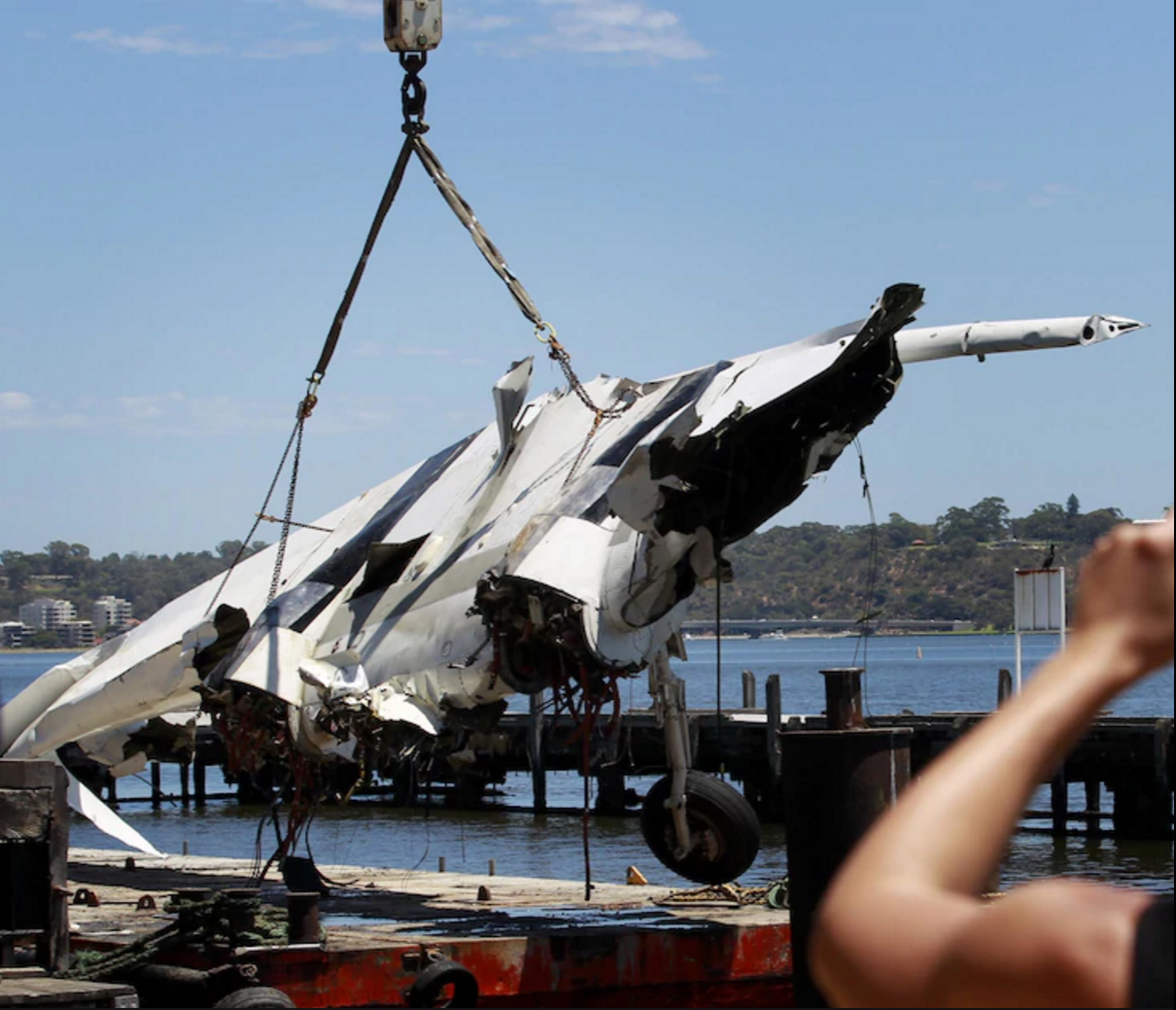
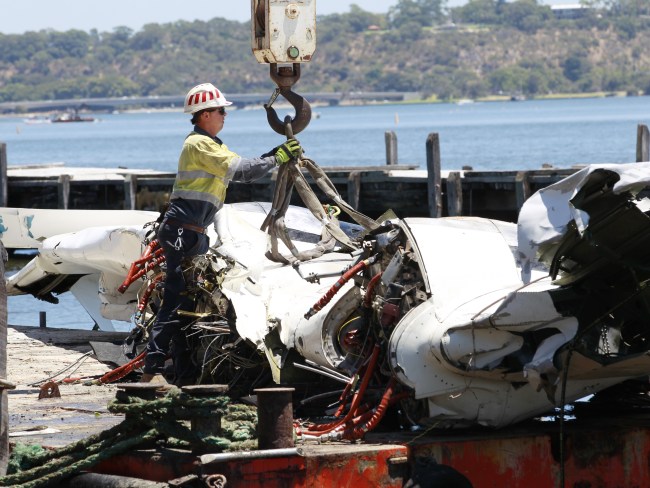
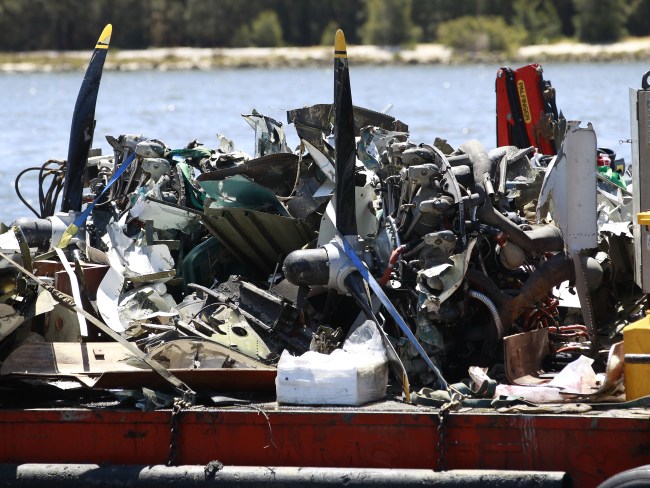
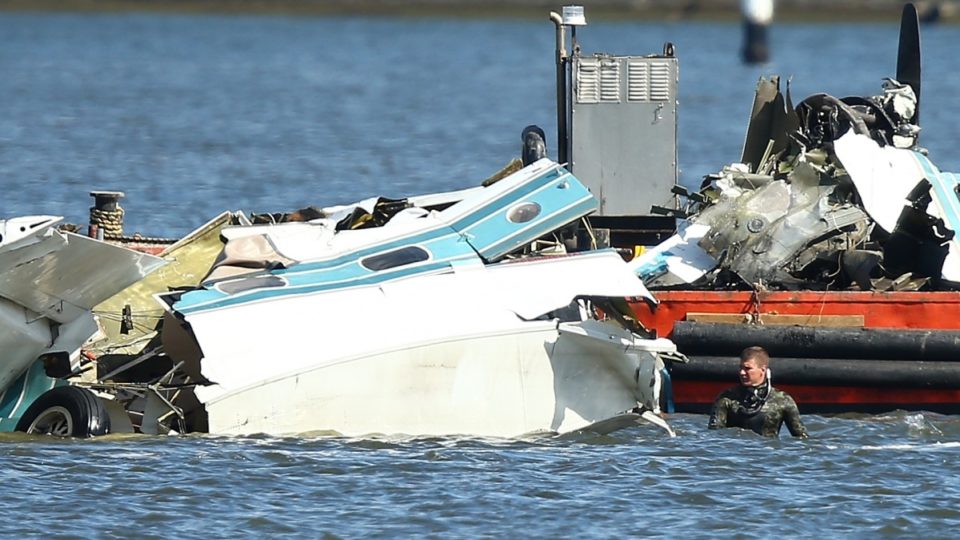
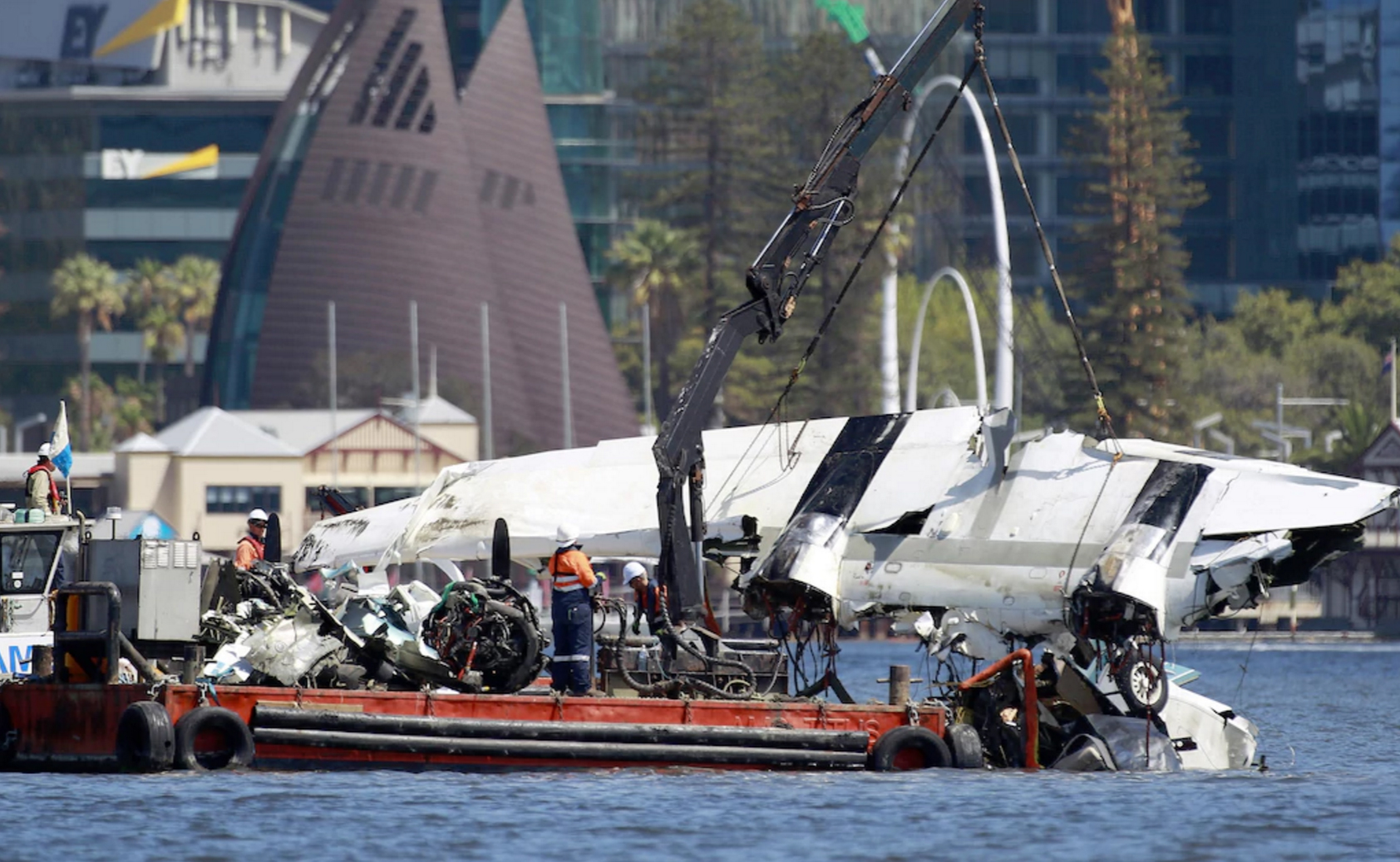
Crash of a Grumman G-73 Mallard in Perth: 2 killed

Date & Time: Jan 26, 2017 at 1708 LT
Type of aircraft:
Operator:
Registration:
VH-CQA
Flight Phase:
Flight Type:
Survivors:
No
Schedule:
Serpentine - Serpentine
MSN:
J-35
YOM:
1948
Country:
Region:
Crew on board:
1
Crew fatalities:
Pax on board:
1
Pax fatalities:
Other fatalities:
Total fatalities:
2
Captain / Total flying hours:
625
Captain / Total hours on type:
180.00
Circumstances:
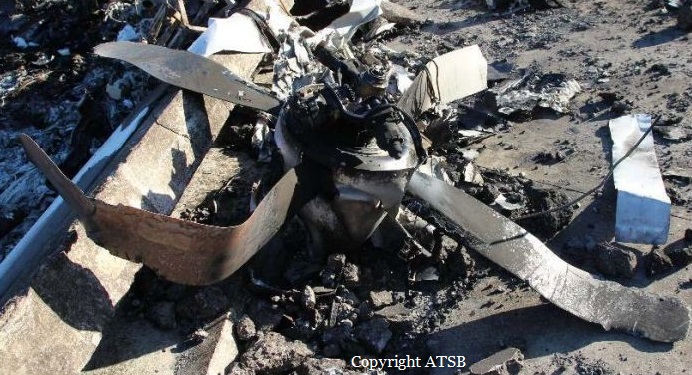
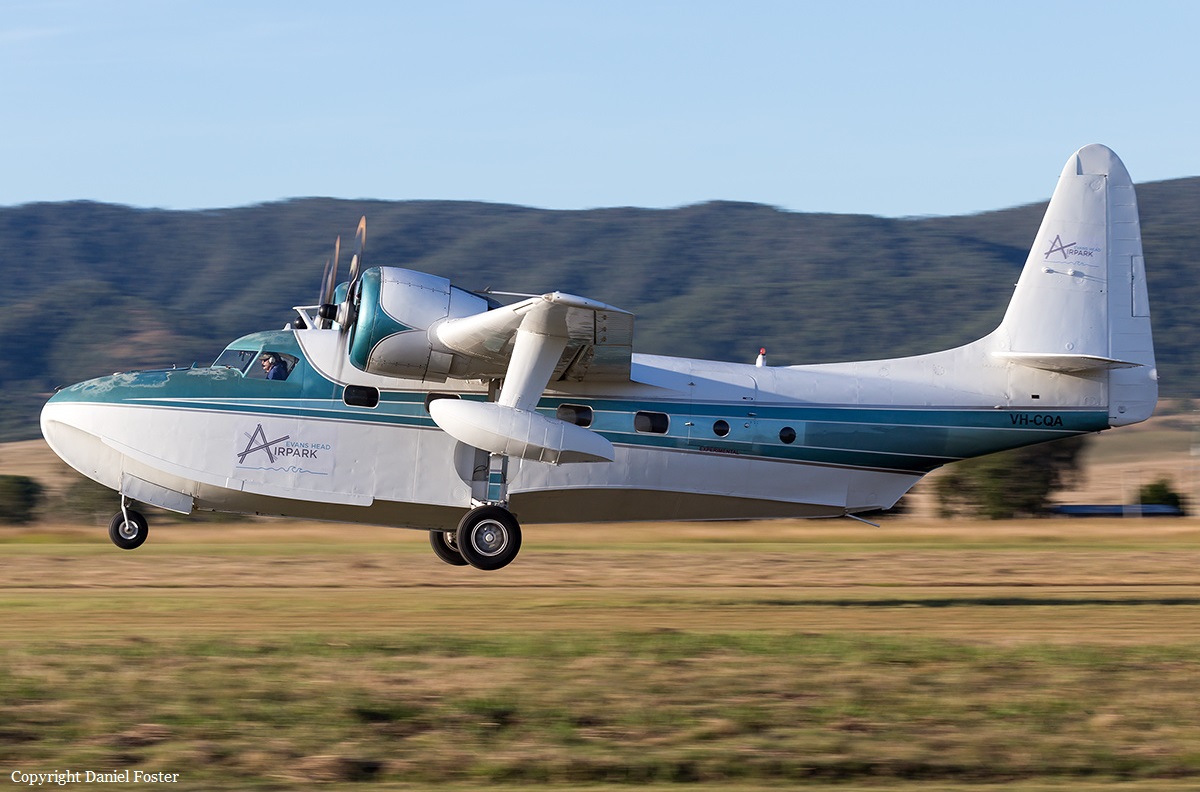
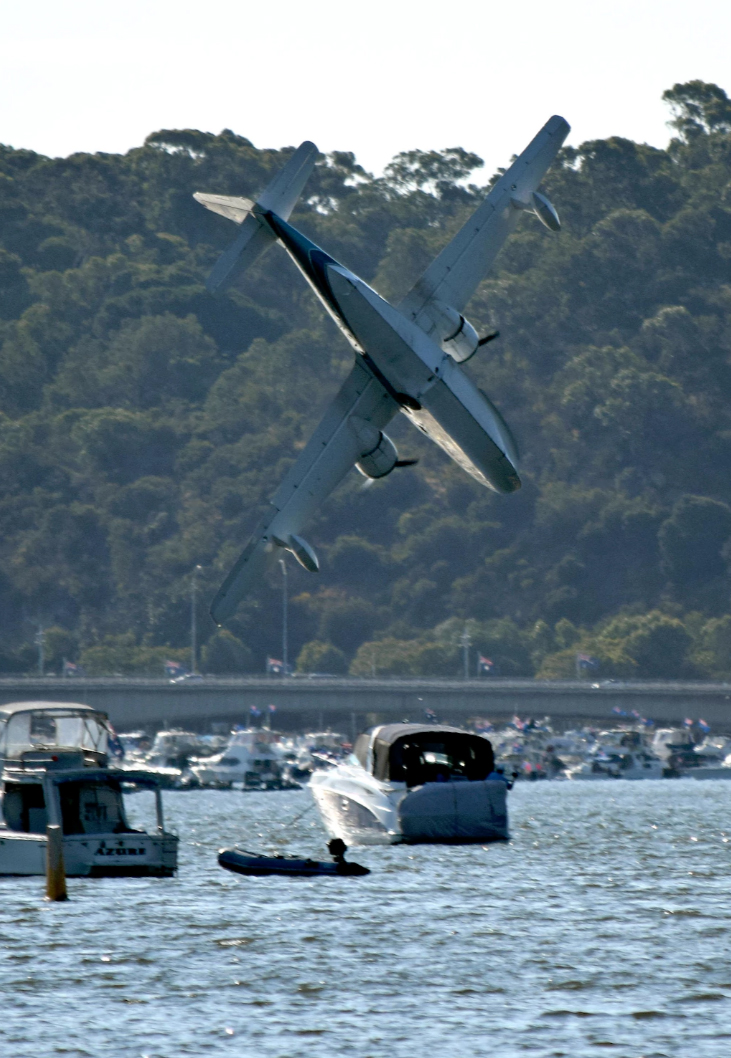
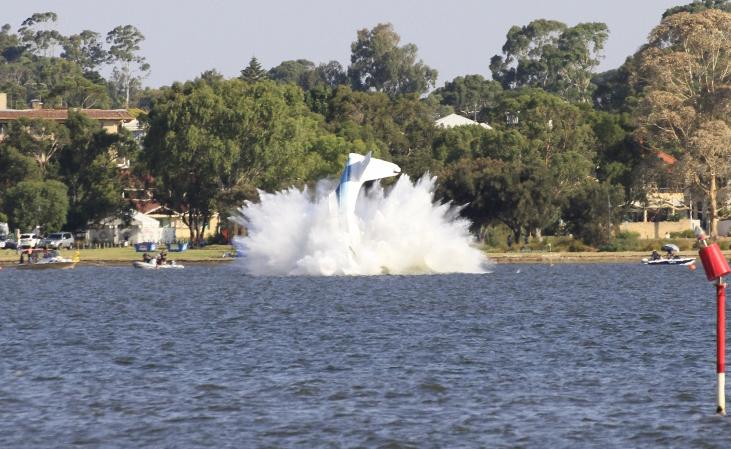
On 26 January 2017, the pilot of a Grumman American Aviation Corp G-73 amphibian aircraft, registered VH-CQA (CQA), was participating in an air display as part of the City of Perth Australia Day Skyworks event. On board were the pilot and a passenger. The pilot of CQA was flying ‘in company’ with a Cessna Caravan amphibian and was conducting operations over Perth Water on the Swan River, that included low-level passes of the Langley Park foreshore. After conducting two passes in company, both aircraft departed the display area. The pilot of CQA subsequently requested and received approval to conduct a third pass, and returned to the display area without the Cessna Caravan. During positioning for the third pass, the aircraft departed controlled flight and collided with the water. The pilot and passenger were fatally injured.
Probable cause:
From the evidence available, the following findings are made regarding the loss of control and collision with water involving the G-73 Mallard aircraft, registered VH-CQA 10 km west-south-west of Perth Airport, Western Australia on 26 January 2017. These findings should not be read as apportioning blame or liability to any particular organisation or individual. Safety issues, or system problems, are highlighted in bold to emphasise their importance. A safety issue is an event or condition that increases safety risk and (a) can reasonably be regarded as having the potential to adversely affect the safety of future operations, and (b) is a characteristic of an organisation or a system, rather than a characteristic of a specific individual, or characteristic of an operating environment at a specific point in time.
Contributing factors:
- The pilot returned the aircraft to the display area for a third pass in a manner contrary to the approved inbound procedure and which required the use of increased manoeuvring within a confined area to establish the aircraft on the display path.
- During the final positioning turn for the third pass, the aircraft aerodynamically stalled at an unrecoverable height.
- The pilot's decision to carry a passenger on a flight during the air display was contrary to the Instrument of Approval issued by the Civil Aviation Safety Authority for this air display and increased the severity of the accident consequence.
Final Report:
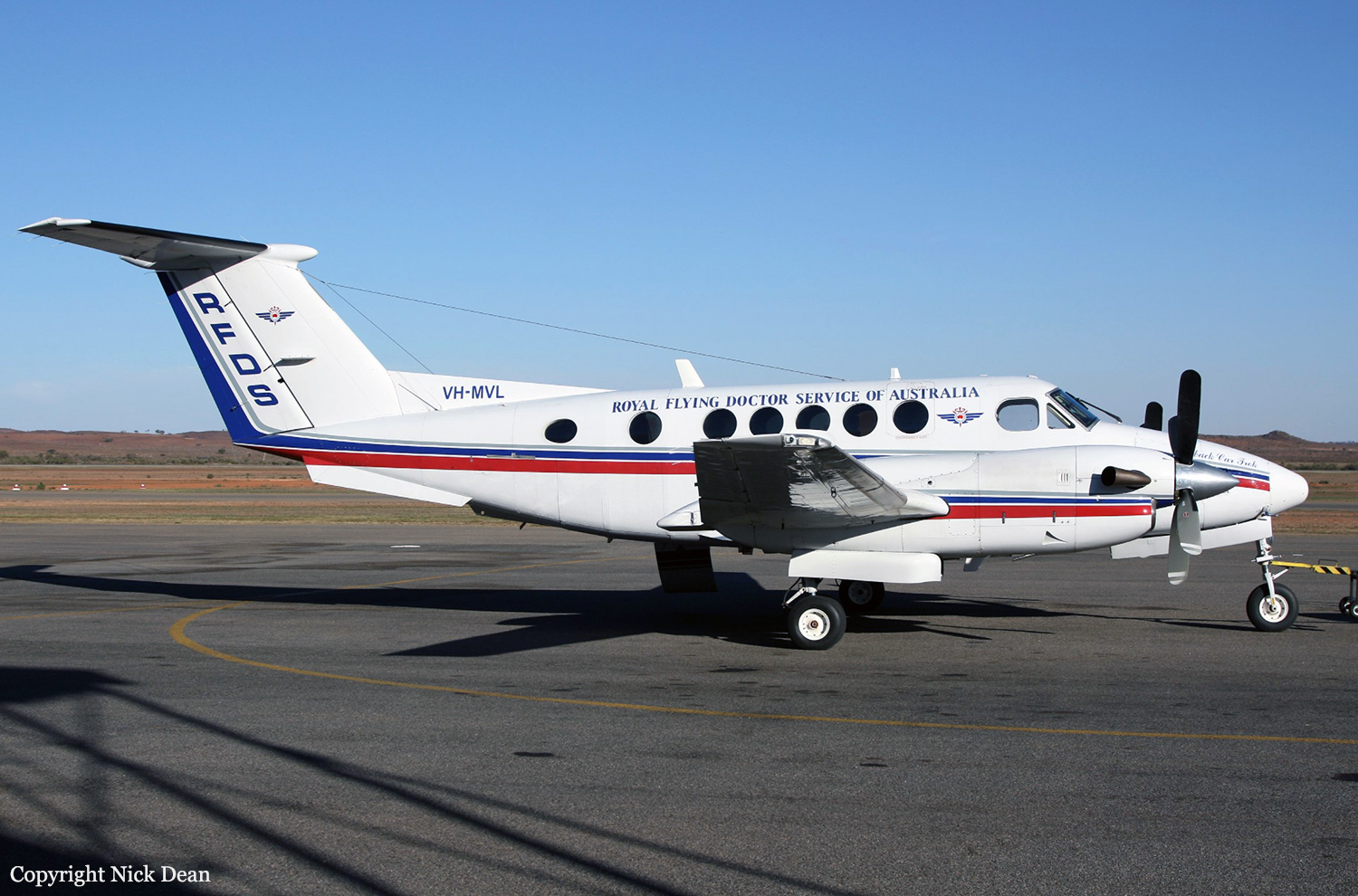
Crash of a Beechcraft B200 Super King Air in Moomba

Date & Time: Dec 13, 2016 at 1251 LT
Operator:
Registration:
VH-MVL
Flight Type:
Survivors:
Yes
Schedule:
Innamincka – Moomba
MSN:
BB-1333
YOM:
1989
Flight number:
FD209
Country:
Region:
Crew on board:
1
Crew fatalities:
Pax on board:
2
Pax fatalities:
Other fatalities:
Total fatalities:
0
Circumstances:
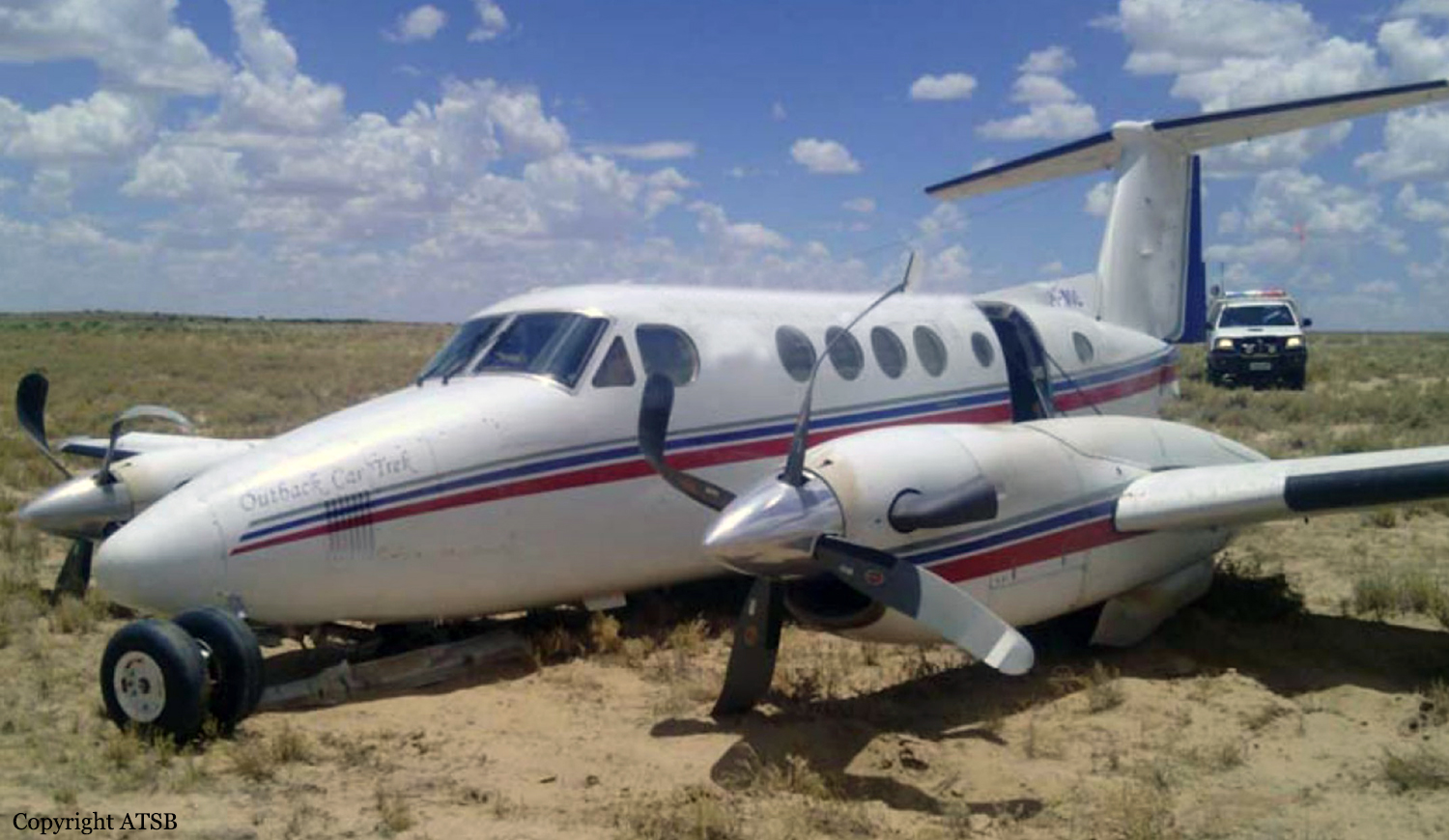
On 13 December 2016, a Beech Aircraft Corporation B200, registered VH-MVL, conducted a medical services flight from Innamincka, South Australia (SA) to Moomba, SA. On board the aircraft were the pilot and two passengers. On arrival at Moomba at about 1250 Central Daylight-saving Time (CDT), the pilot configured the aircraft to join the circuit with flaps set to the approach setting and the propeller speed set at 1900 RPM. They positioned the aircraft at 150–160 kt airspeed to join the downwind leg of the circuit for runway 30, which is a right circuit. The pilot lowered the landing gear on the downwind circuit leg. They reduced power (set 600-700 foot-pounds torque on both engines) to start the final descent on late downwind abeam the runway 30 threshold, in accordance with their standard operating procedures. At about the turn point for the base leg of the circuit, the pilot observed the left engine fire warning activate. The pilot held the aircraft in the right base turn, but paused before conducting the engine fire checklist immediate actions in consideration of the fact that they were only a few minutes from landing and there were no secondary indications of an engine fire. After a momentary pause, the pilot decided to conduct the immediate actions. They retarded the left engine condition lever to the fuel shut-off position, paused again to consider if there was any other evidence of fire, then closed the firewall shutoff valve, activated the fire extinguisher and doubled the right engine power (about 1,400 foot-pounds torque). The pilot continued to fly the aircraft in a continuous turn for the base leg towards the final approach path, but noticed it was getting increasingly difficult to maintain the right turn. They checked the engine instruments and confirmed the left engine was shut down. They adjusted the aileron and rudder trim to assist controlling the aircraft in the right turn. The aircraft became more difficult to control as the right turn and descent continued and the pilot focused on maintaining bank angle, airspeed (fluctuating 100–115 kt) and rate of descent. Due to the pilot’s position in the left seat, they were initially unable to sight the runway when they started the right turn. The aircraft had flown through the extended runway centreline when the pilot sighted the runway to the right of the aircraft. The aircraft was low on the approach and the pilot realised that a sand dune between the aircraft and the runway was a potential obstacle. They increased the right engine power to climb power (2,230 foot-pounds torque) raised the landing gear and retracted the flap to reduce the rate of descent. The aircraft cleared the sand dune and the pilot lowered the landing gear and continued the approach to the runway from a position to the left of the runway centreline. The aircraft landed in the sand to the left of the runway threshold and after a short ground roll spun to the left and came to rest. There were no injuries and the aircraft was substantially damaged.
Probable cause:
From the evidence available, the following findings are made with respect to the collision with terrain involving Beech Aircraft Corporation B200, registered VH-MVL that occurred at Moomba Airport, South Australia on 13 December 2016. These findings should not be read as apportioning blame or liability to any particular organisation or individual.
Contributing factors:
- The operator did not modify the aircraft to include a more reliable engine fire detection system in accordance with the manufacturer’s service bulletin, and as subsequently recommended by the Civil Aviation Safety Authority’s airworthiness bulletin. The incorporation of the manufacturer’s modification would have reduced the risk of a false engine fire warning.
- During the approach phase of flight, the pilot shutdown the left engine in response to observing a fire warning, but omitted to feather the propeller. The additional drag caused by the windmilling propeller, combined with the aircraft configuration set for landing while in a right turn, required more thrust than available for the approach.

Other factors that increased risk:
- The advice from the Civil Aviation Safety Authority to the operator, that differences training was acceptable, resulted in the pilot not receiving the operator’s published B200 syllabus of training. The omission of basic handling training on a new aircraft type could result in a pilot not developing the required skilled behaviour to handle the aircraft either near to or in a loss of control situation.

Other findings:
- The pilot met the standard required by the operator in their cyclic training and proficiency program and no knowledge deficiencies associated with handling engine fire warnings were identified.
Final Report: