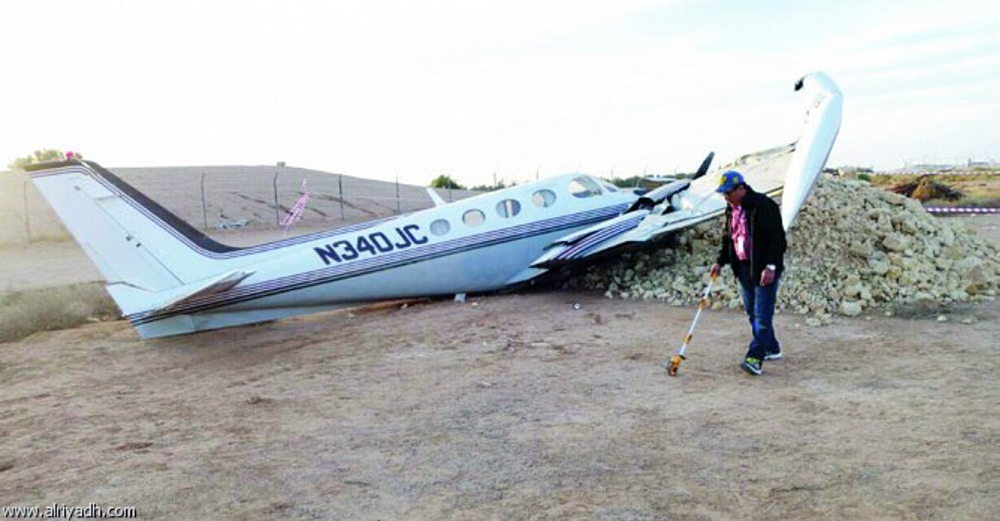
Crash of a Cessna 340 in Riyadh

Date & Time: Dec 3, 2014 at 1757 LT
Type of aircraft:
Registration:
N340JC
Flight Type:
Survivors:
Yes
Schedule:
Heraklion – Hurghada – Riyadh
MSN:
340-0162
YOM:
1972
Country:
Region:
Crew on board:
2
Crew fatalities:
Pax on board:
0
Pax fatalities:
Other fatalities:
Total fatalities:
0
Circumstances:
The crew was completing a ferry flight from Heraklion to Riyadh with an intermediate stop in Hurghada, Egypt. On final approach to Riyadh-King Khaled Airport, at an altitude of about 600 feet, the left engine lost power and failed, followed 10 seconds later by the right engine. The crew reported his situation to ATC when the aircraft lost height, impacted ground and slid for few dozen metres before coming to rest against a pile of rocks. One of the pilot suffered a broken wrist while the second pilot escaped uninjured. The aircraft was damaged beyond repair.
Probable cause:
Double engine failure on approach due to fuel exhaustion. It was determined that the crew miscalculated the fuel consumption for the flight from Hurghada to Riyadh.

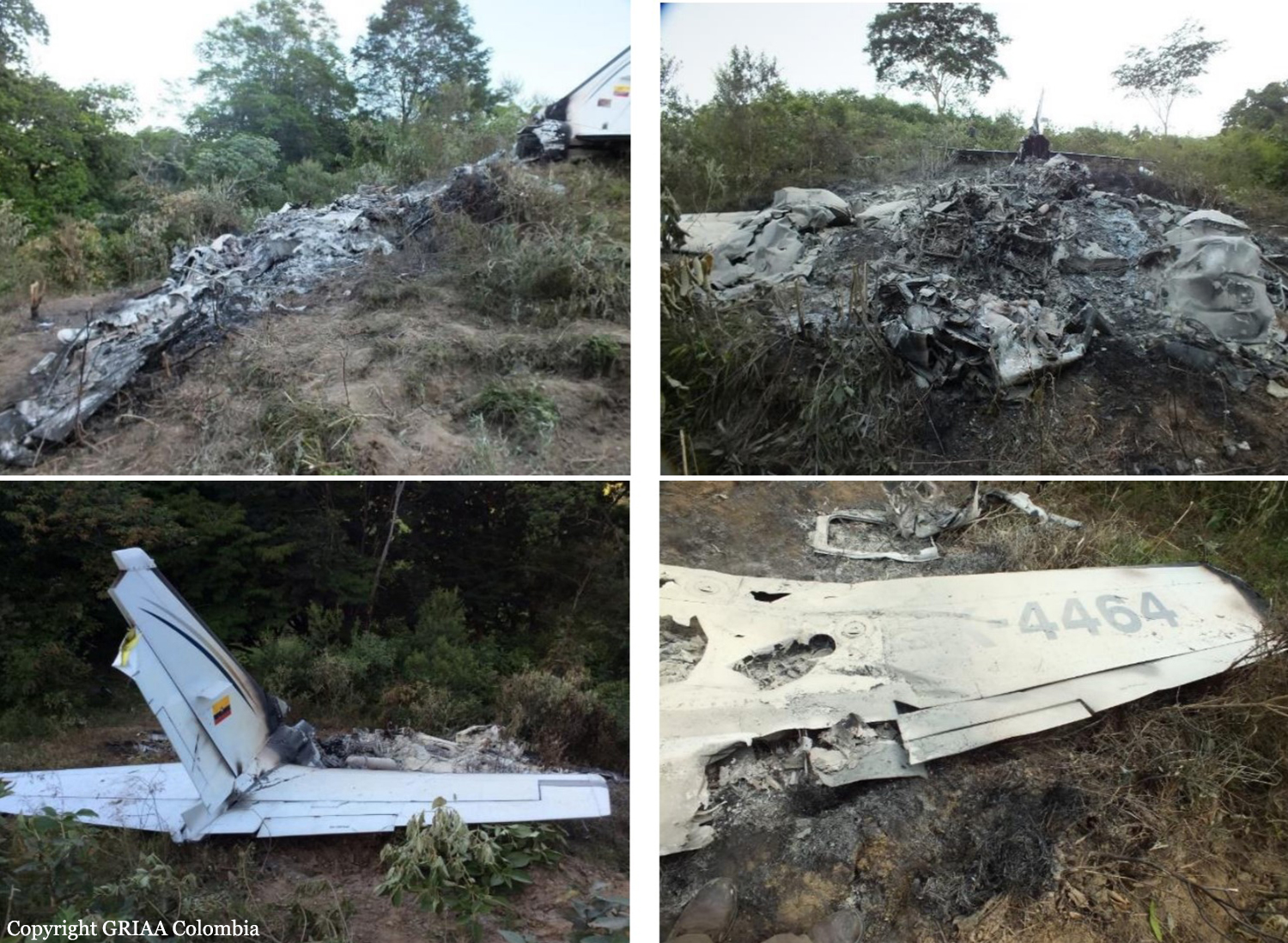
Crash of a Piper PA-31-350 Navajo Chieftain in Mariquita: 10 killed

Date & Time: Dec 3, 2014 at 0931 LT
Operator:
Registration:
HK-4464
Survivors:
No
Schedule:
Bogotá-Guaymaral – Bahía Solano
MSN:
31-7952229
YOM:
1979
Country:
Crew on board:
2
Crew fatalities:
Pax on board:
8
Pax fatalities:
Other fatalities:
Total fatalities:
10
Captain / Total flying hours:
2190
Captain / Total hours on type:
392.00
Copilot / Total flying hours:
302
Copilot / Total hours on type:
302
Aircraft flight hours:
10091
Circumstances:
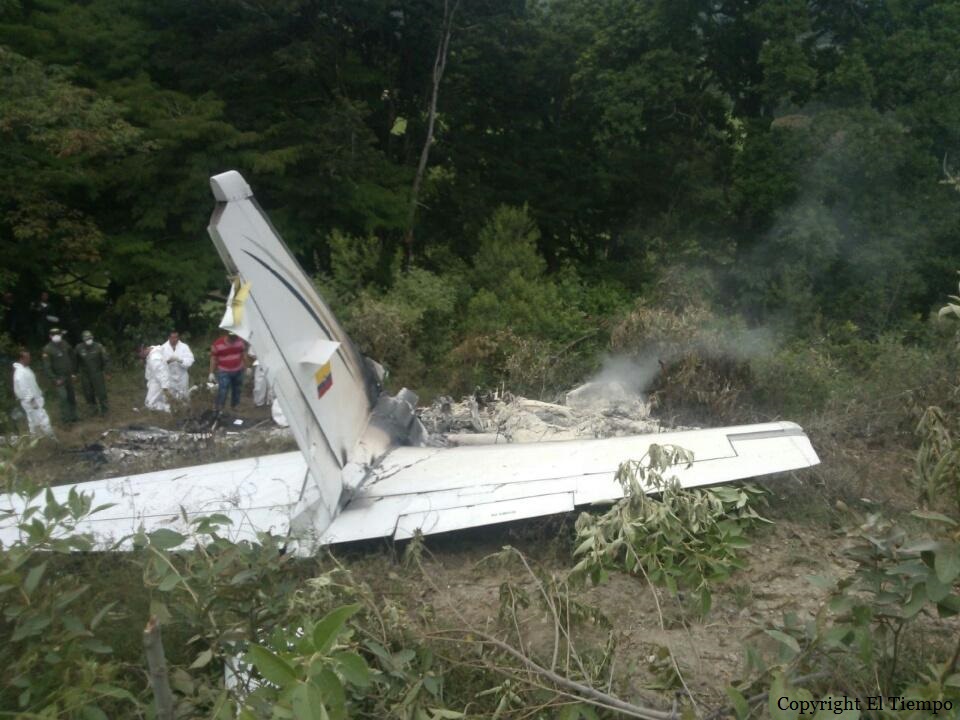
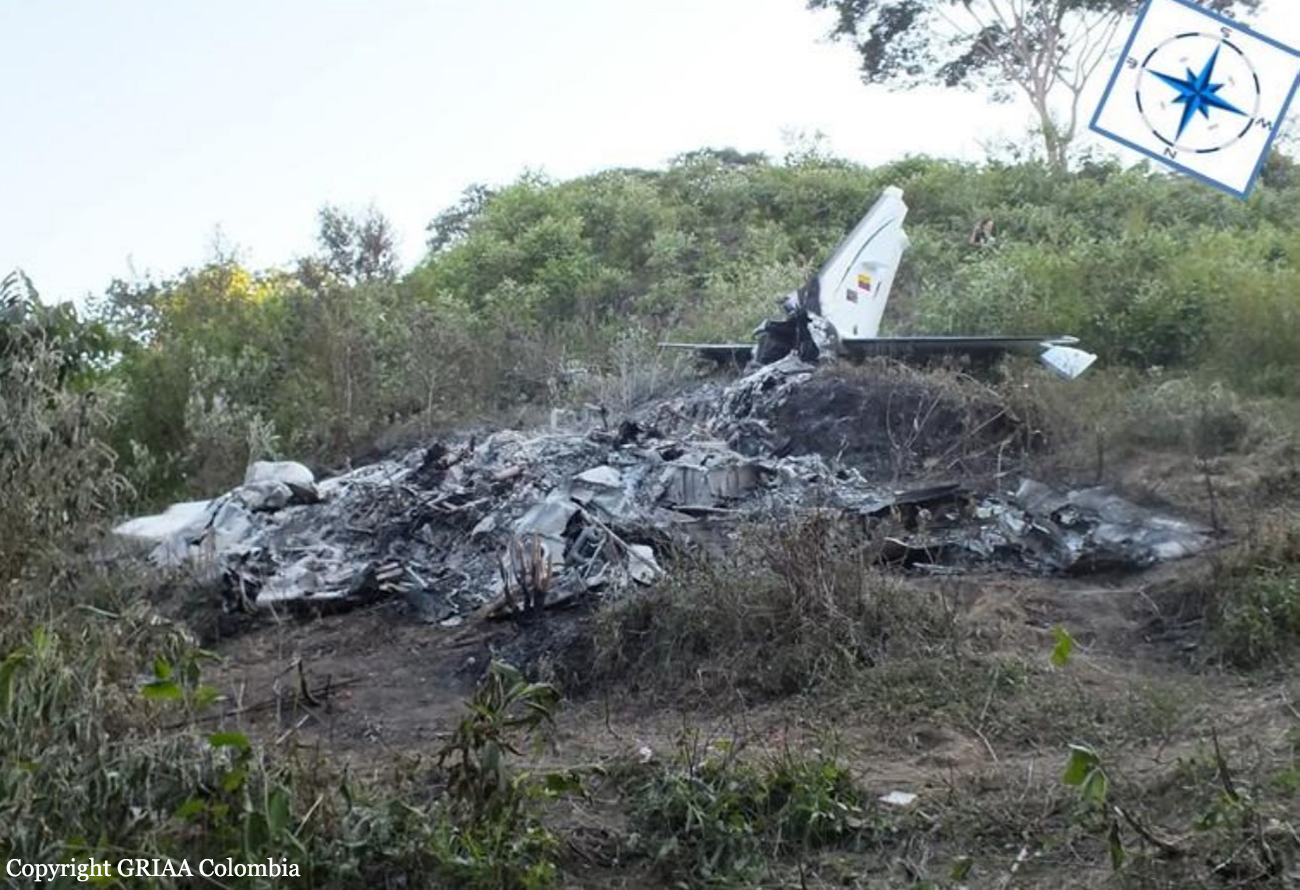
The twin engine aircraft departed Bogotá-Guaymaral Airport on a charter flight to Bahía Solano, carrying eight passengers and two pilots. En route, while in cruising altitude, the crew contacted ATC and reported engine trouble. He was then cleared to divert to Mariquita-José Celestino Mutis Airport for an emergency landing. On final approach to runway 19, the aircraft stalled and crashed on hilly and wooded terrain, bursting into flames. The aircraft was totally destroyed by impact forces and a post crash fire and all 10 occupants were killed.
Probable cause:
The accident was the consequence of the malfunction of the right engine in flight, causing a loss of speed and a subsequent stall.
The following contributing factors were identified:
- Limited operation of the aircraft due to an inoperative engine,
- Low speed,
- When the aircraft stalled, the distance with the ground was insufficient to expect recovery,
- The maintenance services were not performed according to the manufacturer when the aircraft was parked for almost six months.
Final Report:

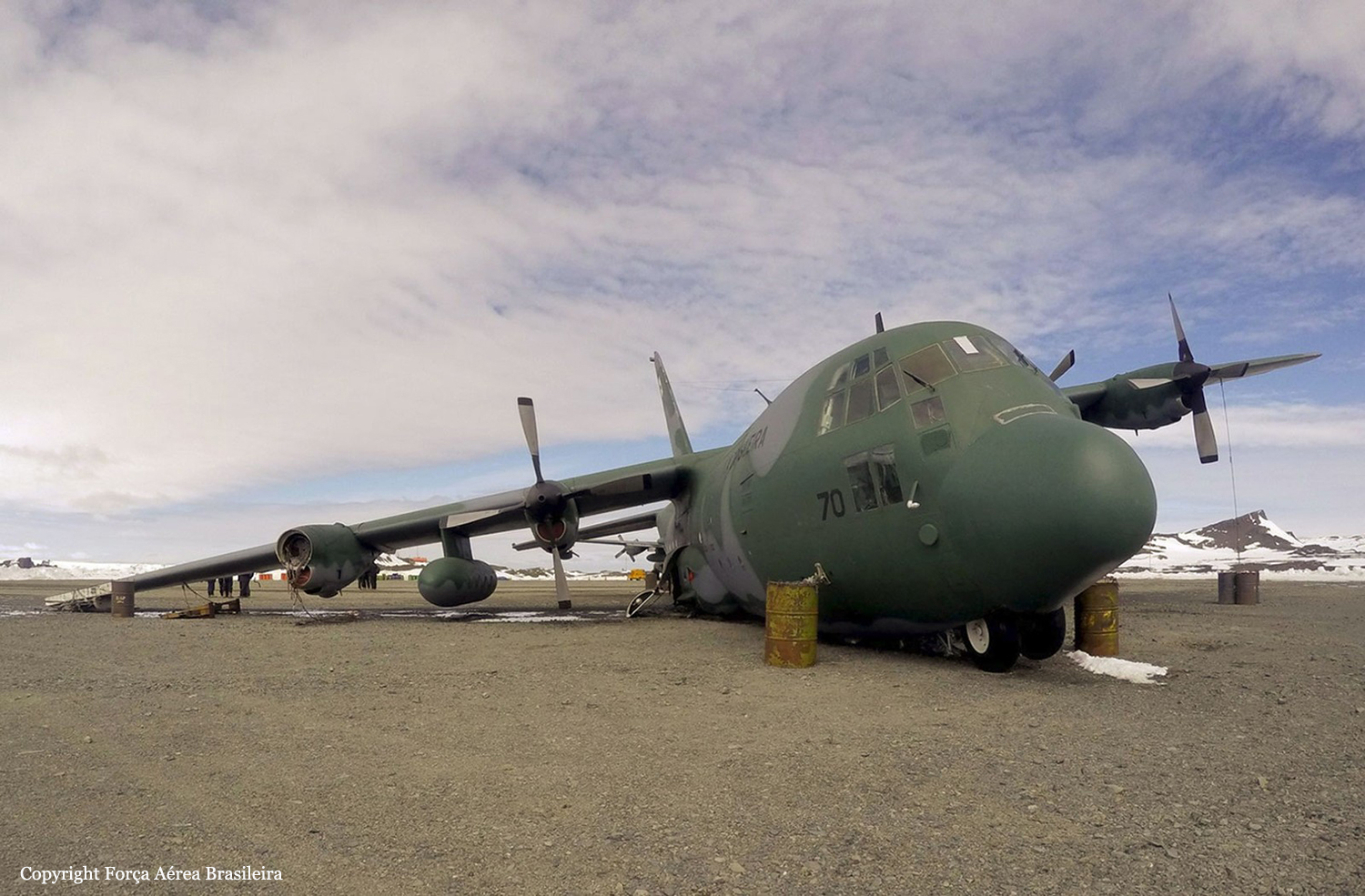
Crash of a Lockheed C-130M Hercules at Teniente Rodolfo Marsh

Date & Time: Nov 27, 2014
Type of aircraft:
Operator:
Registration:
2470
Flight Type:
Survivors:
Yes
Schedule:
Punta Arenas - Teniente Rodolfo Marsh
MSN:
4441
YOM:
1972
Country:
Region:
Crew on board:
0
Crew fatalities:
Pax on board:
0
Pax fatalities:
Other fatalities:
Total fatalities:
0
Circumstances:
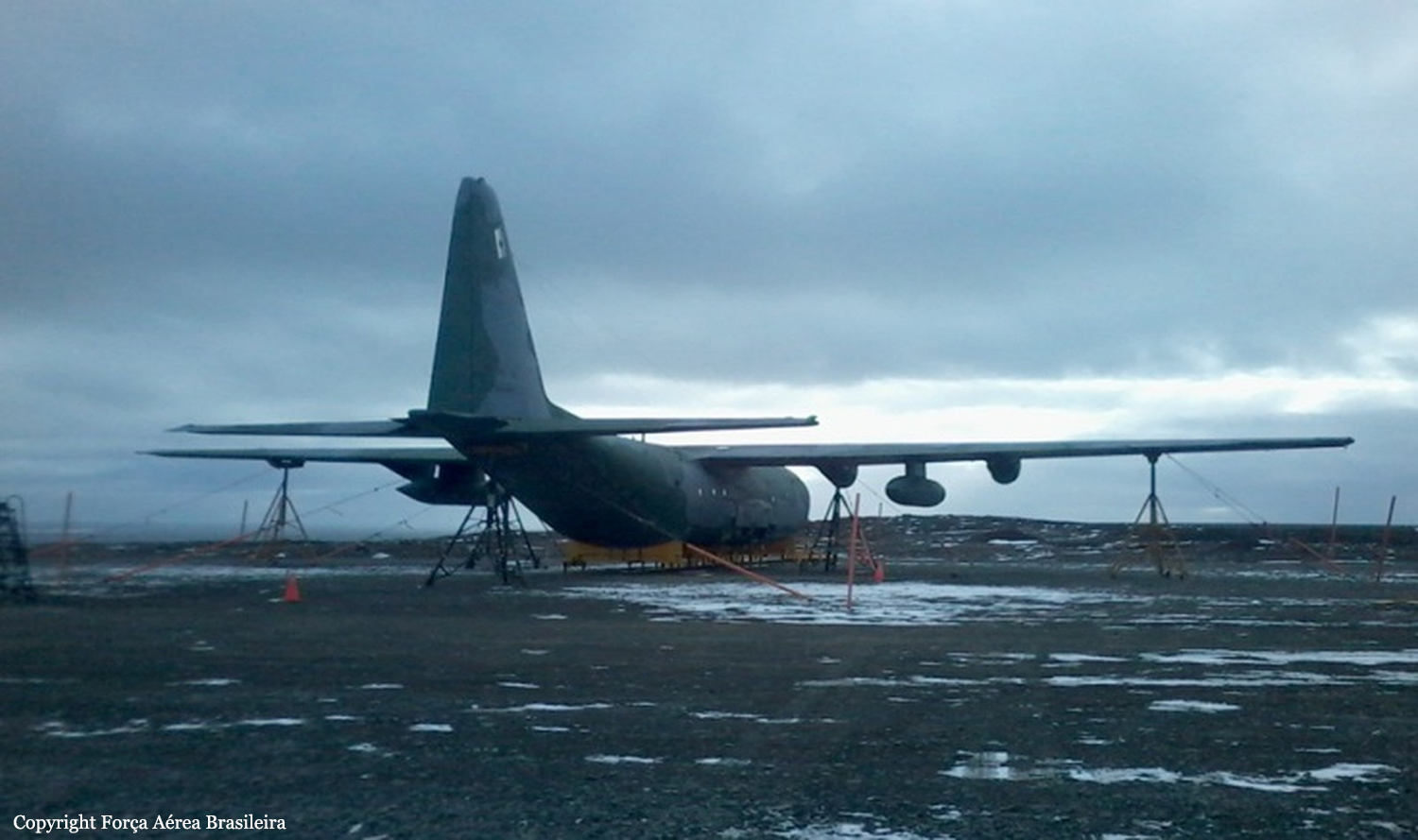
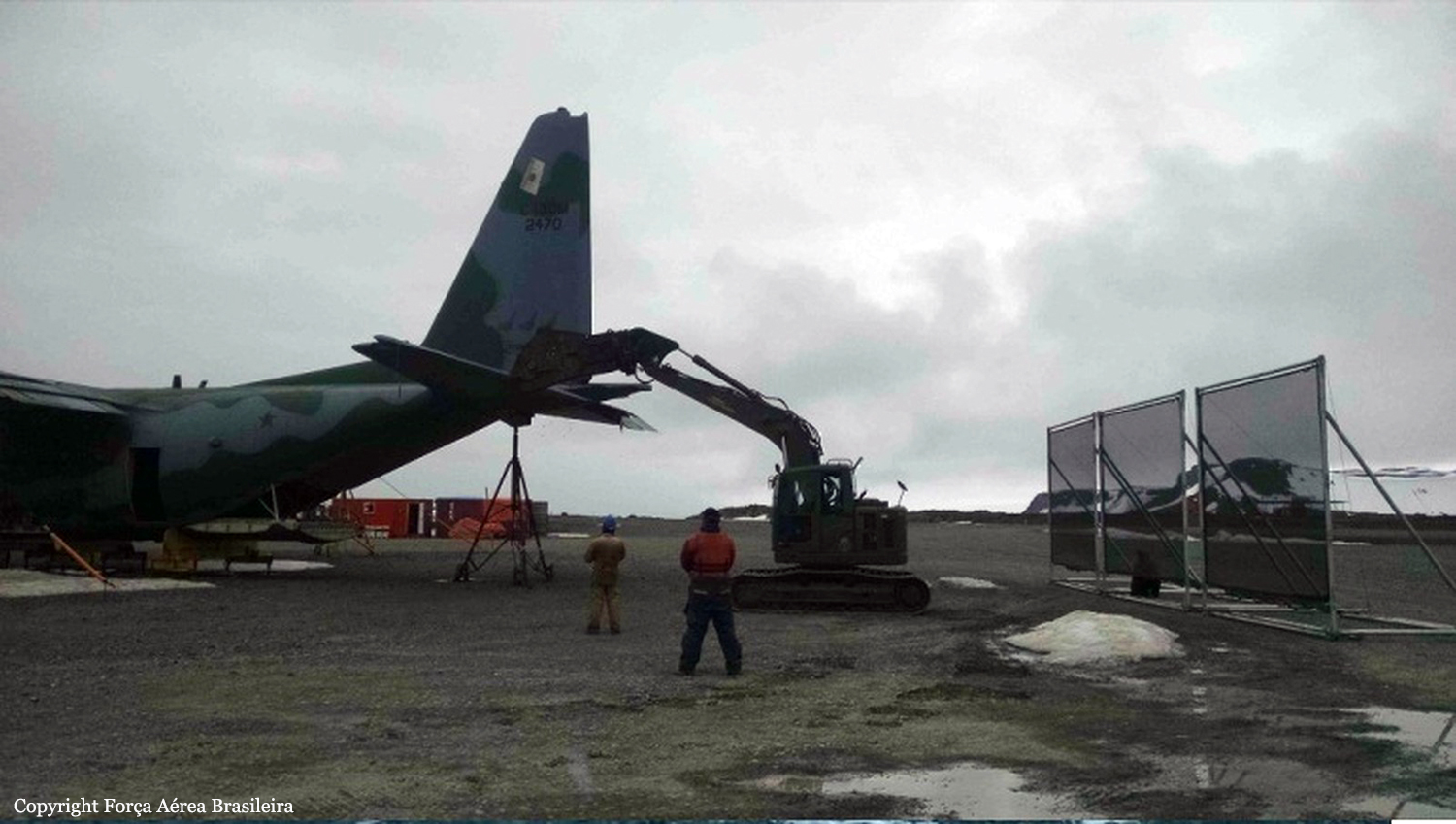
The aircraft was completing a supply mission from Punta Arenas, carrying a load of various goods and several passengers and crew members. After touchdown at Teniente Rodolfo Marsh-Presidente Eduardo Frei Montalva Airport, the right main gear collapsed, causing the propeller of the engine n°4 to detach. The airplane came to rest on a snow covered runway and all occupants escaped uninjured. The airplane was later parked on the apron and repairs were initiated. Eventually, in early 2017, it was decided to scrap the airplane which was destroyed on site. All debris were placed in a container and later shipped back to Brazil.
Probable cause:
Failure of the right main gear upon landing for unknown reasons.

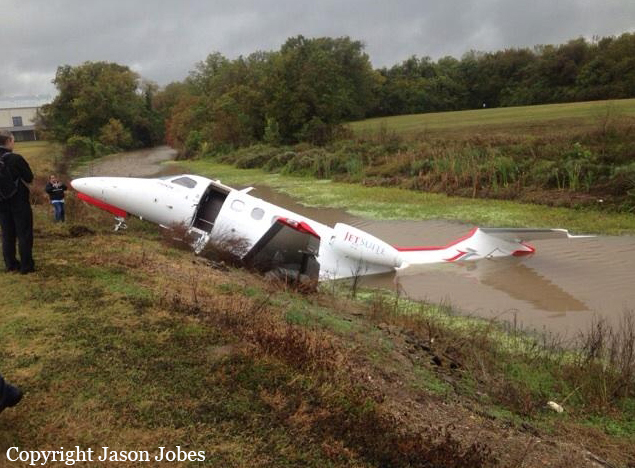
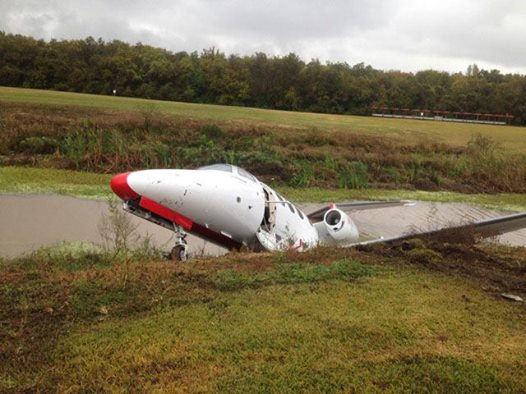
Crash of an Embraer EMB-500 Phenom 100 in Houston

Date & Time: Nov 21, 2014 at 1010 LT
Type of aircraft:
Operator:
Registration:
N584JS
Flight Type:
Survivors:
Yes
Schedule:
Houston - Houston
MSN:
500-00140
YOM:
2010
Flight number:
RSP526
Crew on board:
2
Crew fatalities:
Pax on board:
0
Pax fatalities:
Other fatalities:
Total fatalities:
0
Captain / Total flying hours:
6311
Captain / Total hours on type:
410.00
Copilot / Total flying hours:
4232
Copilot / Total hours on type:
814
Aircraft flight hours:
3854
Circumstances:
The pilots of the very light jet were conducting a positioning flight in instrument meteorological conditions. The flight was cleared by air traffic control for the instrument landing system (ILS) approach; upon being cleared for landing, the tower controller reported to the crew that there was no standing water on the runway. Review of the airplane's flight data recorder (FDR) data revealed that the airplane reached 50 ft above touchdown zone elevation (TDZE) at an indicated airspeed of 118 knots (KIAS). The airplane crossed the runway displaced threshold about 112 KIAS, and it touched down on the runway at 104 KIAS with about a 7-knot tailwind. FDR data revealed that, about 1.6 seconds after touchdown of the main landing gear, the nose landing gear touched down and the pilot's brake pedal input increased, with intermediate oscillations, over a period of 7.5 seconds before reaching full pedal deflection. During this time, the airplane achieved its maximum wheel braking friction coefficient and deceleration. The cockpit voice recorder recorded both pilots express concern the that the airplane was not slowing. About 4 seconds after the airplane reached maximum deceleration, the pilot applied the emergency parking brake (EPB). Upon application of the EPB, the wheel speed dropped to zero and the airplane began to skid, which resulted in reverted-rubber hydroplaning, further decreasing the airplane's stopping performance. The airplane continued past the end of the runway, crossed a service road, and came to rest in a drainage ditch. Postaccident examination of the brake system and data downloaded from the brake control unit indicated that it functioned as commanded during the landing. The airplane was not equipped with thrust reversers or spoilers to aid in deceleration. The operator's standard operating procedures required pilots to conduct a go-around if the airspeed at 50 ft above TDZE exceeded 111 kts. Further, the landing distances published in the airplane flight manual (AFM) are based on the airplane slowing to its reference speed (Vref) of 101 KIAS at 50 ft over the runway threshold. The airplane's speed at that time exceeded Vref, which resulted in an increased runway distance required to stop; however, landing distance calculations performed in accordance with the AFM showed that the airplane should still have been able to stop on the available runway. An airplane performance study also showed that the airplane had adequate distance available on which to stop had the pilot continued to apply maximum braking rather than engage the EPB. The application of the EPB resulted in skidding, which increased the stopping distance. Although the runway was not contaminated with standing water at the time of the accident, the performance study revealed that the maximum wheel braking friction coefficient was significantly less than the values derived from the unfactored wet runway landing distances published in the AFM, and was more consistent with the AFM-provided landing distances for runways contaminated with standing water. Federal Aviation Administration Safety Alert for Operators (SAFO) 15009 warns operators that, "the advisory data for wet runway landings may not provide a safe stopping margin under all conditions" and advised them to assume "a braking action of medium or fair when computing time-of-arrival landing performance or [increase] the factor applied to the wet runway time-of-arrival landing performance data." It is likely that, based on the landing data in the AFM, the crew expected a faster rate of deceleration upon application of maximum braking; when that rate of deceleration was not achieved, the pilot chose to engage the EPB, which only further degraded the airplane's braking performance.
Probable cause:
The pilot's engagement of the emergency parking brake during the landing roll, which decreased the airplane's braking performance and prevented it from stopping on the available runway. Contributing to the pilot's decision to engage the emergency parking brake was the expectation of a faster rate of deceleration and considerably shorter wet runway landing distance provided by the airplane flight manual than that experienced by the crew upon touchdown and an actual wet runway friction level lower than the assumed runway fiction level used in the calculation of the stopping distances published in the airplane flight manual.
Final Report:

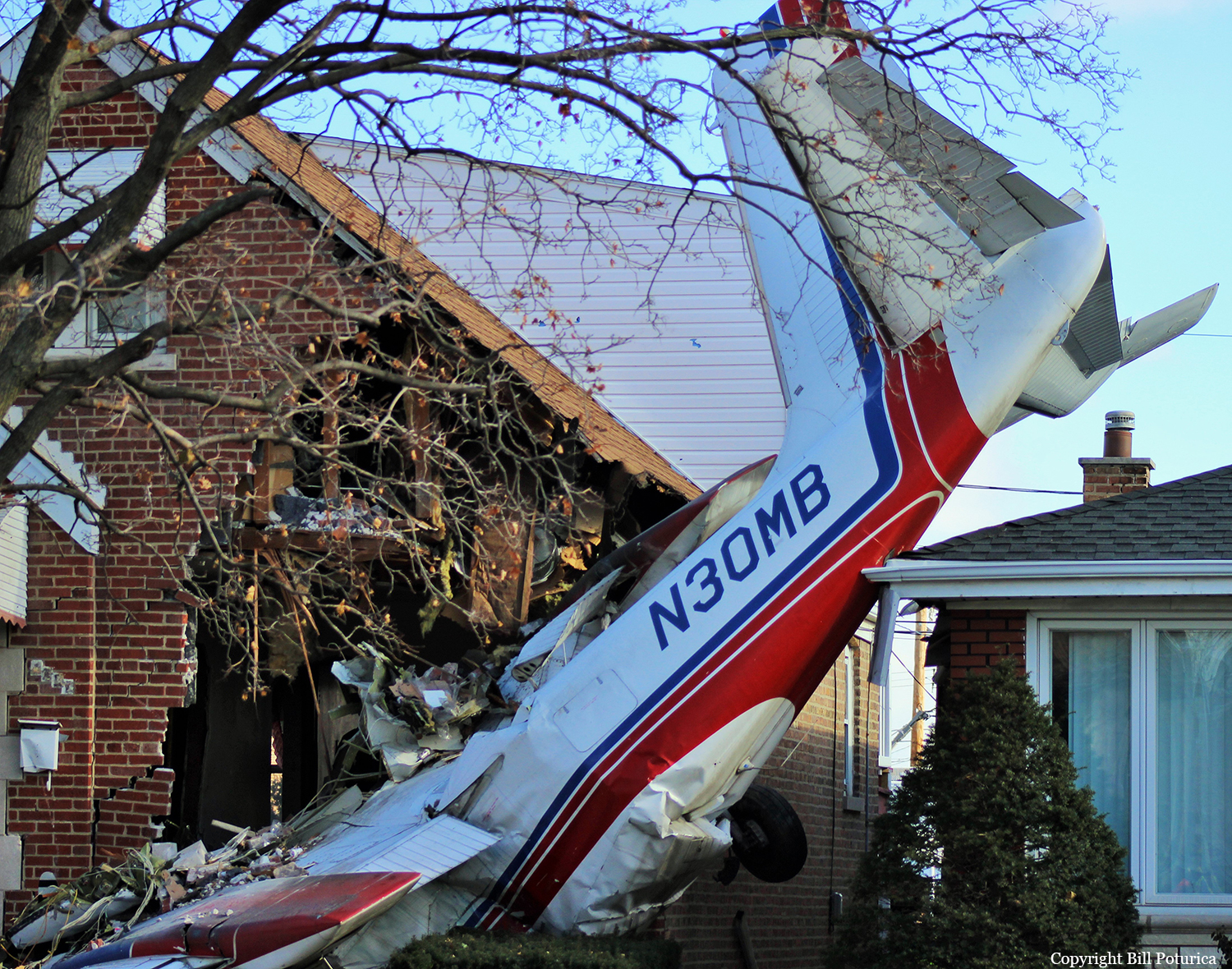
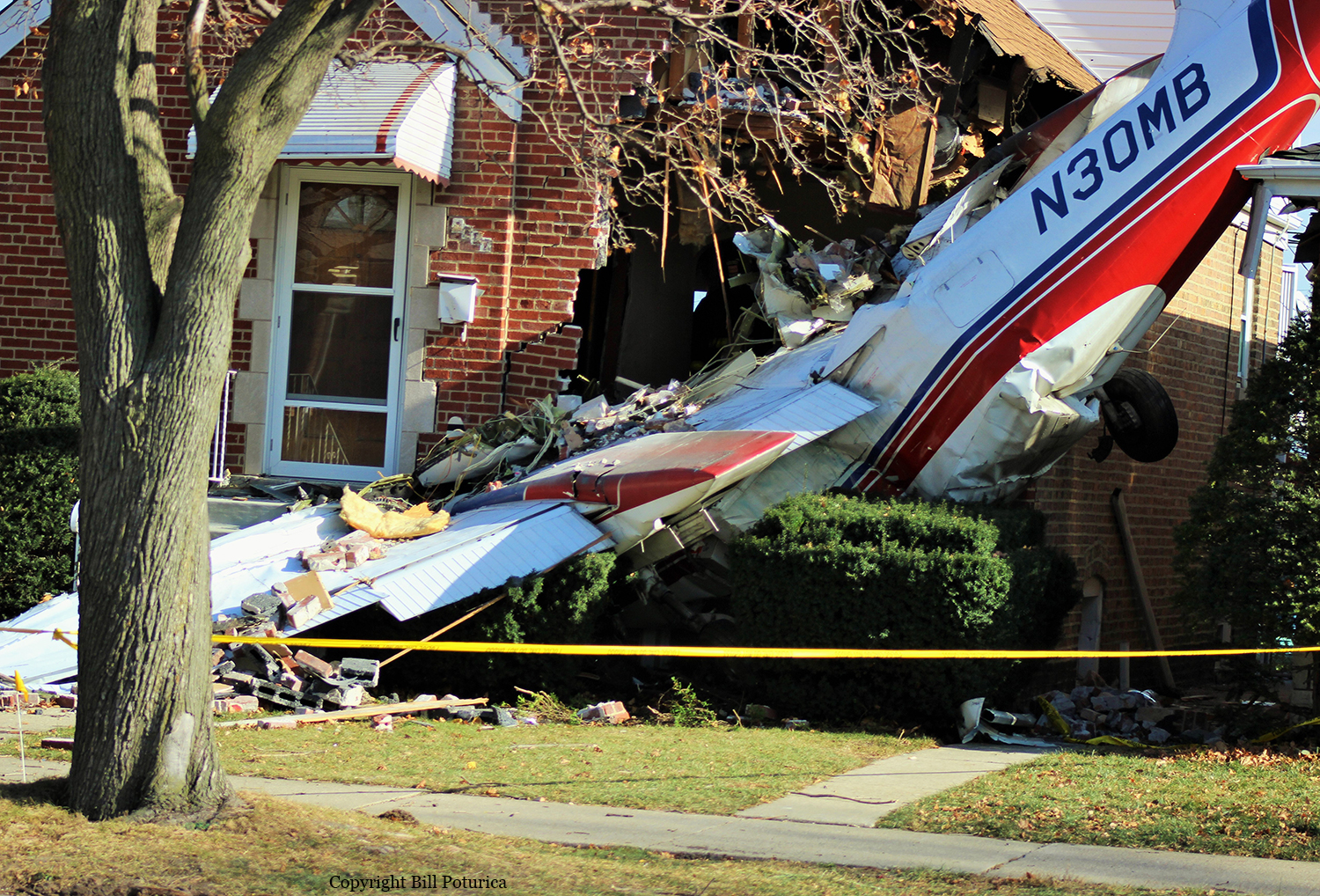
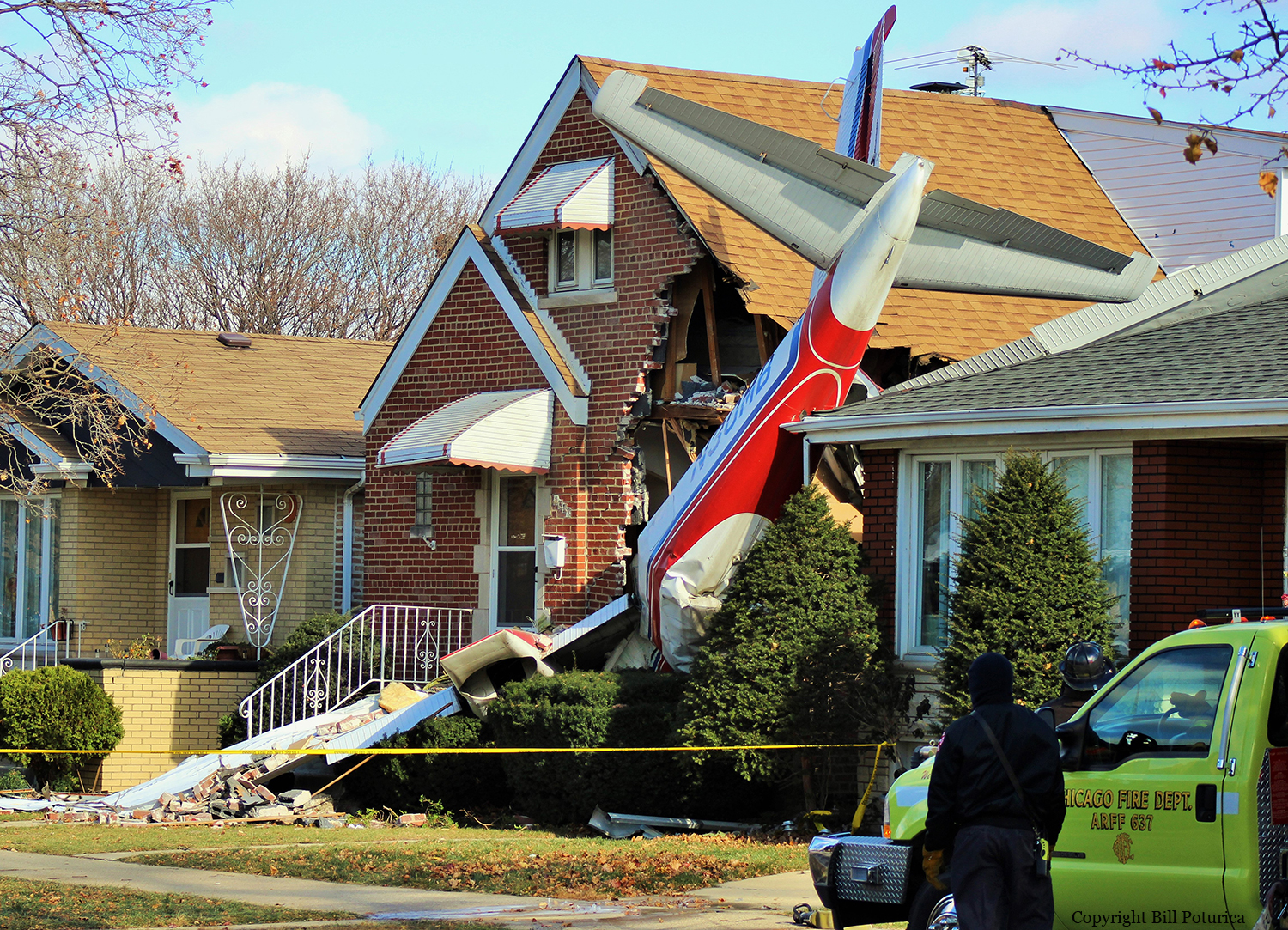
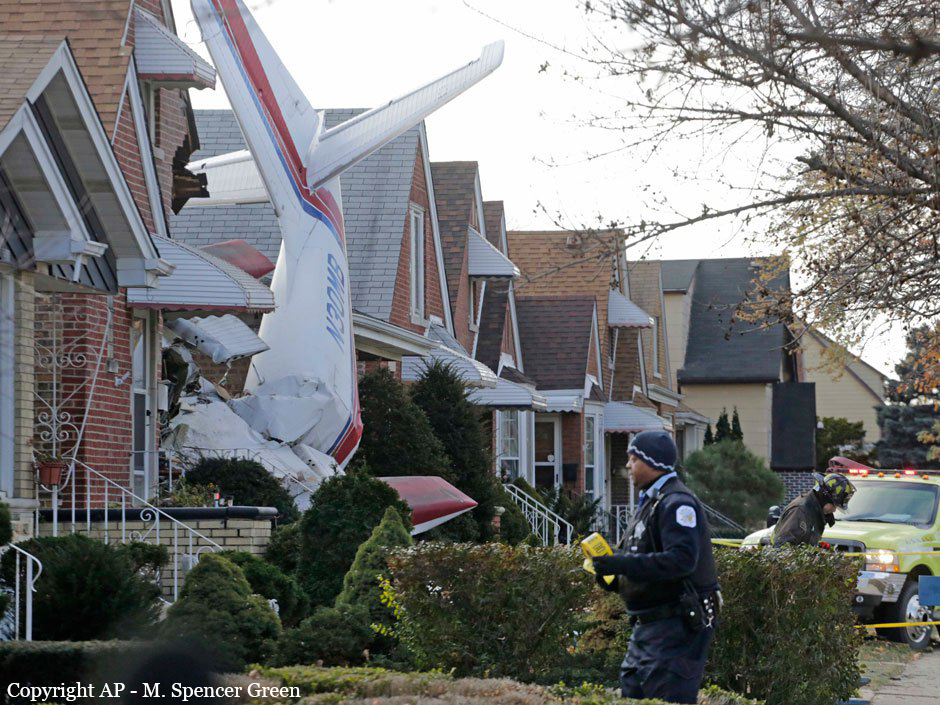
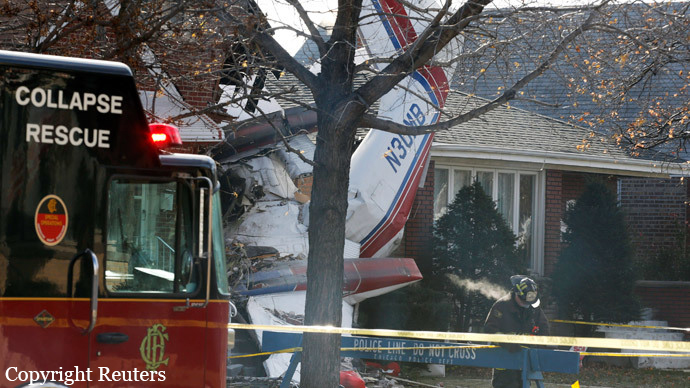
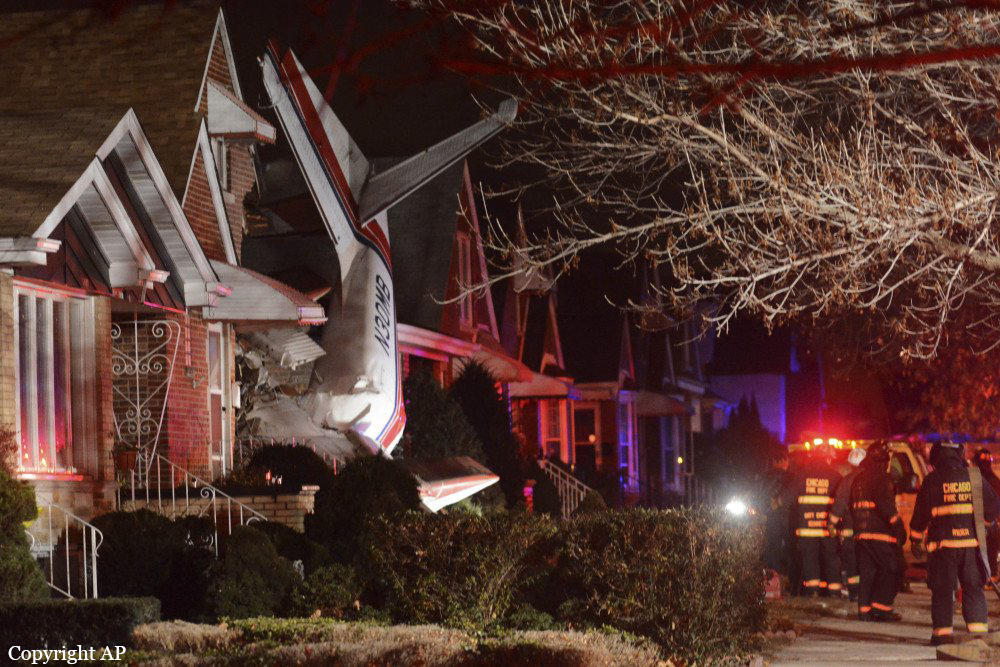
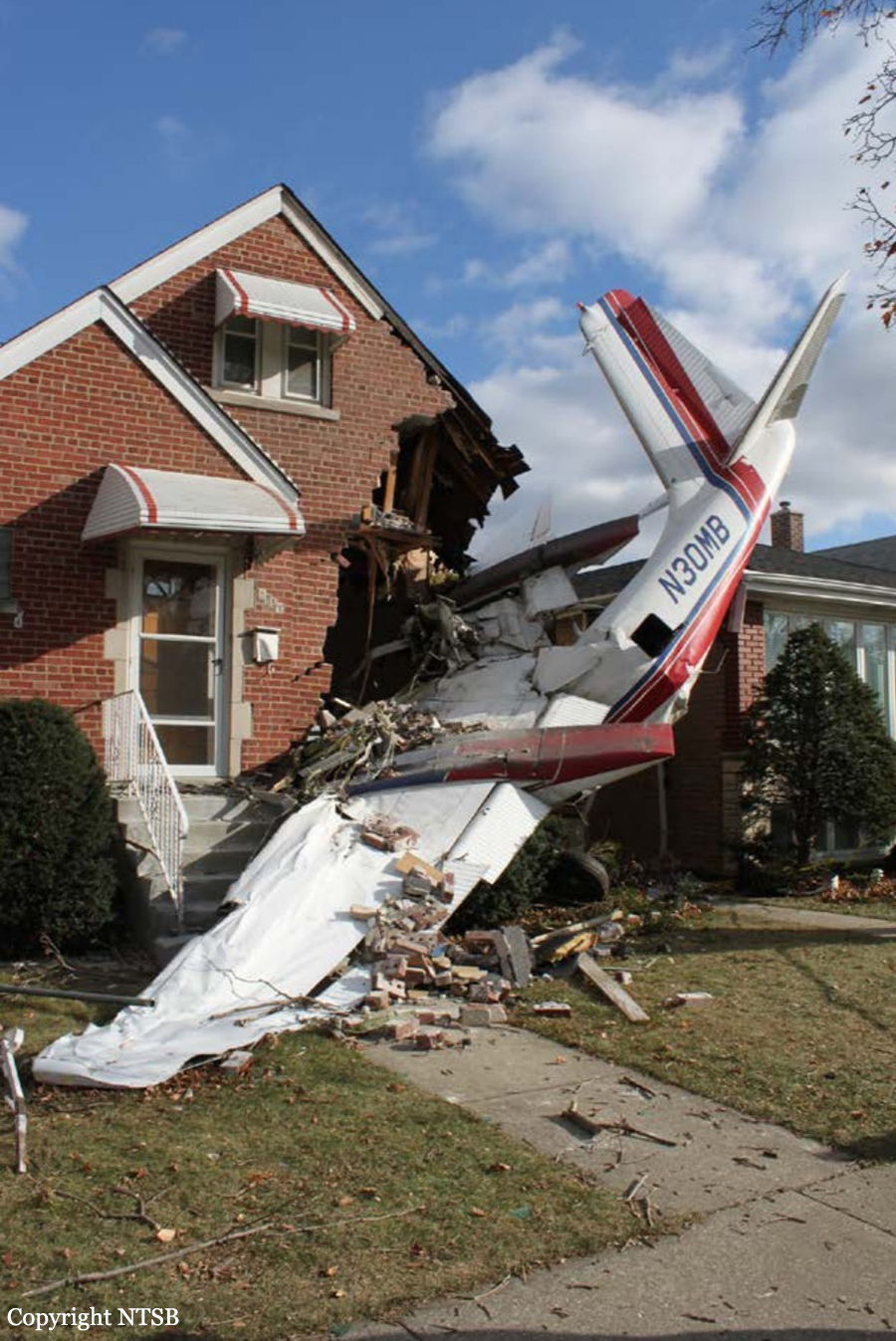
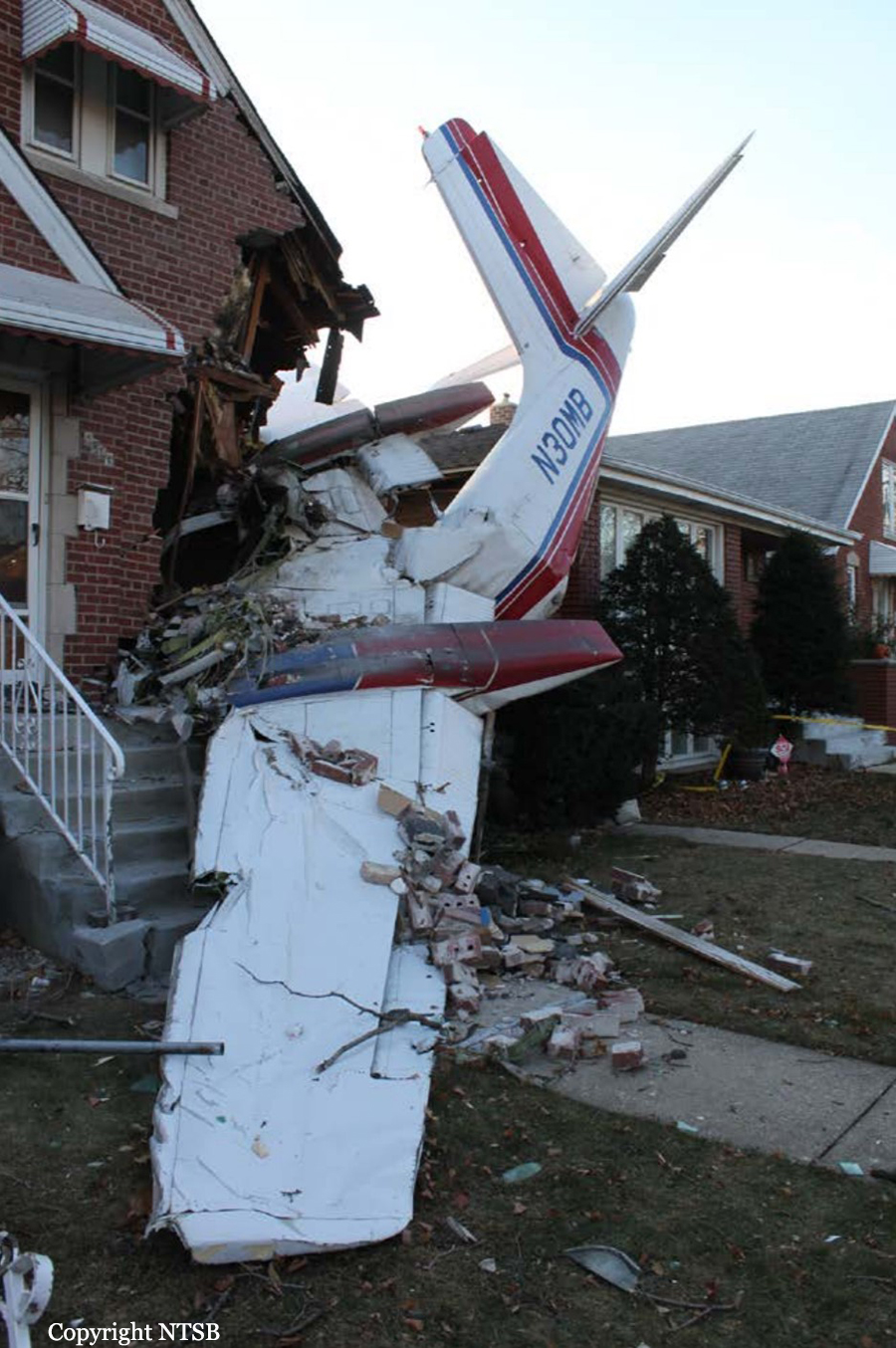
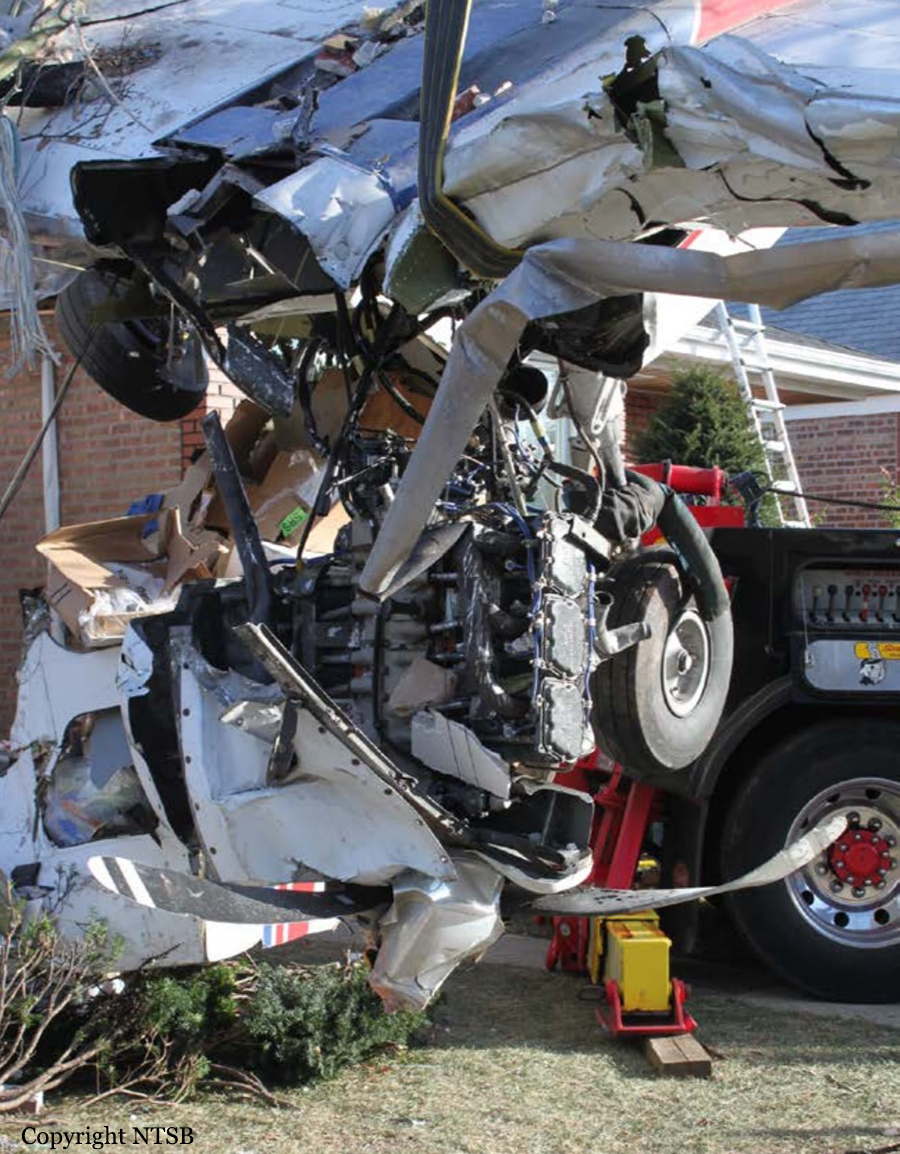
Crash of a Rockwell Aero Commander 500B in Chicago: 1 killed

Date & Time: Nov 18, 2014 at 0245 LT
Operator:
Registration:
N30MB
Flight Type:
Survivors:
No
Site:
Schedule:
Chicago - Columbus
MSN:
500-1453-160
YOM:
1964
Flight number:
CTL62
Crew on board:
1
Crew fatalities:
Pax on board:
0
Pax fatalities:
Other fatalities:
Total fatalities:
1
Captain / Total flying hours:
1339
Captain / Total hours on type:
34.00
Aircraft flight hours:
26280
Circumstances:
The commercial pilot was conducting an on-demand cargo charter flight. Shortly after takeoff, the pilot informed the tower controller that he wanted to "come back and land" because he was "having trouble with the left engine." The pilot chose to fly a left traffic pattern and return for landing. No further transmissions were received from the pilot. The accident site was located about 0.50 mile southeast of the runway's displaced threshold. GPS data revealed that, after takeoff, the airplane entered a left turn to a southeasterly course and reached a maximum GPS altitude of 959 ft (about 342 ft above ground level [agl]). The airplane then entered another left turn that appeared to continue until the final data point. The altitude associated with the final data point was 890 ft (about 273 ft agl). The final GPS data point was located about 135 ft northeast of the accident site. Based on GPS data and the prevailing surface winds, the airspeed was about 45 knots during the turn. According to the airplane flight manual, the stall speed in level flight with the wing flaps extended was 59 knots. Postaccident examination and testing of the airframe, engines, and related components did not reveal any preimpact mechanical failures or malfunctions that would have precluded normal operation; therefore, the nature of any issue related to the left engine could not be determined. Based on the evidence, the pilot failed to maintain adequate airspeed while turning the airplane back toward the airport, which resulted in an aerodynamic stall/spin.
Probable cause:
The pilot's failure to maintain airspeed while attempting to return to the airport after a reported engine problem, which resulted in an aerodynamic stall/spin.
Final Report:

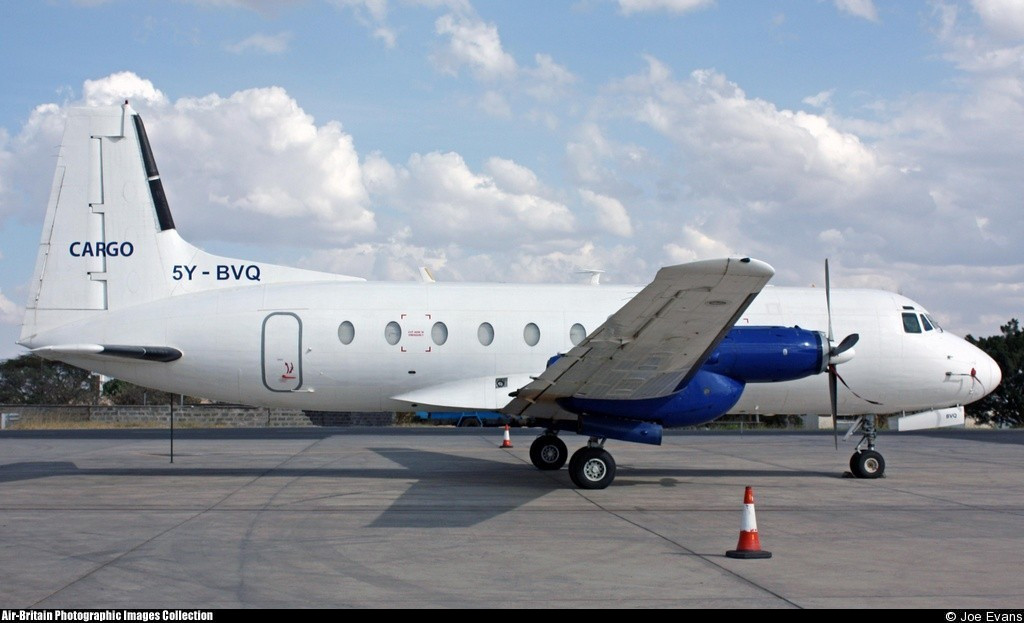
Crash of an Avro 748-399-2B in Panyagor: 2 killed

Date & Time: Nov 14, 2014 at 1020 LT
Type of aircraft:
Operator:
Registration:
5Y-BVQ
Flight Type:
Survivors:
Yes
Schedule:
Juba – Panyagor
MSN:
1778
YOM:
1980
Country:
Region:
Crew on board:
3
Crew fatalities:
Pax on board:
0
Pax fatalities:
Other fatalities:
Total fatalities:
2
Circumstances:
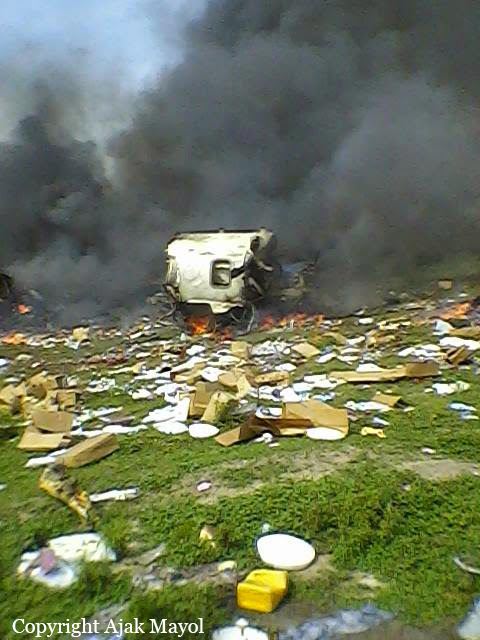
The crew was performing a humanitarian cargo flight from Juba to Panyagor. On final approach, it seems that the crew encountered technical problems, maybe with the undercarriage. The aircraft went out of control and crashed in a huge explosion short of runway and was destroyed by impact forces and a post crash fire. Both pilots were killed while the engineer was seriously injured. The mission was conducted on behalf of the Lutheran World Federation. It was confirmed that ten goats were killed as well.
Crash of a Learjet 35A in Freeport: 9 killed

Date & Time: Nov 9, 2014 at 1652 LT
Type of aircraft:
Registration:
N17UF
Survivors:
No
Site:
Schedule:
Nassau - Freeport
MSN:
258
YOM:
1979
Country:
Crew on board:
2
Crew fatalities:
Pax on board:
7
Pax fatalities:
Other fatalities:
Total fatalities:
9
Captain / Total flying hours:
13800
Copilot / Total flying hours:
996
Aircraft flight hours:
12046
Aircraft flight cycles:
10534
Circumstances:
The aircraft crashed into a garbage and metal recycling plant after striking a towering crane in the Grand Bahama Shipyard, while attempting a second landing approach to runway 06 at Freeport International Airport (MYGF), Freeport, Grand Bahama, Bahamas. The aircraft made an initial ILS instrument approach to Runway 06 at the Freeport International Airport but due to poor visibility and rain at the decision height, the crew executed a go around procedure. The crew requested to hold at the published holding point at 2,000 feet while they waited for the weather to improve. Once cleared for the second ILS approach, the crew proceeded inbound from the holding location to intercept the localizer of the ILS system associated with the instrument approach. During the approach, the crew periodically reported their position to ATC, as the approach was not in a radar environment. The crew was given current weather conditions and advised that the conditions were again deteriorating. The crew continued their approach and descended visually while attempting to find the runway, until the aircraft struck the crane positioned at Dock #2 of the Shipyard at approximately 220 feet above sea level, some 3.2 nautical miles (nm) from the runway threshold. A fireball lasting approximately 3 seconds was observed as a result of the contact between the aircraft and the crane. The right outboard wing, right landing gear and right wingtip fuel tank, separated from the aircraft on impact. This resulted in the aircraft travelling out of control, some 1,578 feet (526 yards) before crashing inverted into a pile of garbage and other debris in the City Services Garbage and Metal Recycling Plant adjacent to the Grand Bahama Shipyard. Both crew and 7 passengers were fatally injured. No person on the ground was injured. The crane in the shipyard that was struck received minimal damages while the generator unit and other equipment in the recycling plant received extensive damages.
Probable cause:
The Air Accident Investigation & Prevention Unit (AAIPU) determines that the probable cause(s) of this accident were:
- The poor decision making of the crew in initiating and continuing a descent in IMC below the authorized altitude, without visual contact with the runway environment.
Contributing Factors includes:
- Improper planning of the approach,
- Failure of the crew to follow the approved ILS approach while in IMC conditions,
- Insufficient horizontal or vertical situational awareness,
- Poor decision making,
- Deliberate actions of the crew by disabling the terrain alert warning system,
- Inadequate CRM practice.
Final Report:

Crash of a Boeing 737-4Y0 in Kabul

Date & Time: Nov 7, 2014 at 1500 LT
Type of aircraft:
Operator:
Registration:
YA-PIE
Survivors:
Yes
Schedule:
Herat - Kabul
MSN:
26086/2475
YOM:
1993
Location:
Country:
Region:
Crew on board:
0
Crew fatalities:
Pax on board:
0
Pax fatalities:
Other fatalities:
Total fatalities:
0
Circumstances:
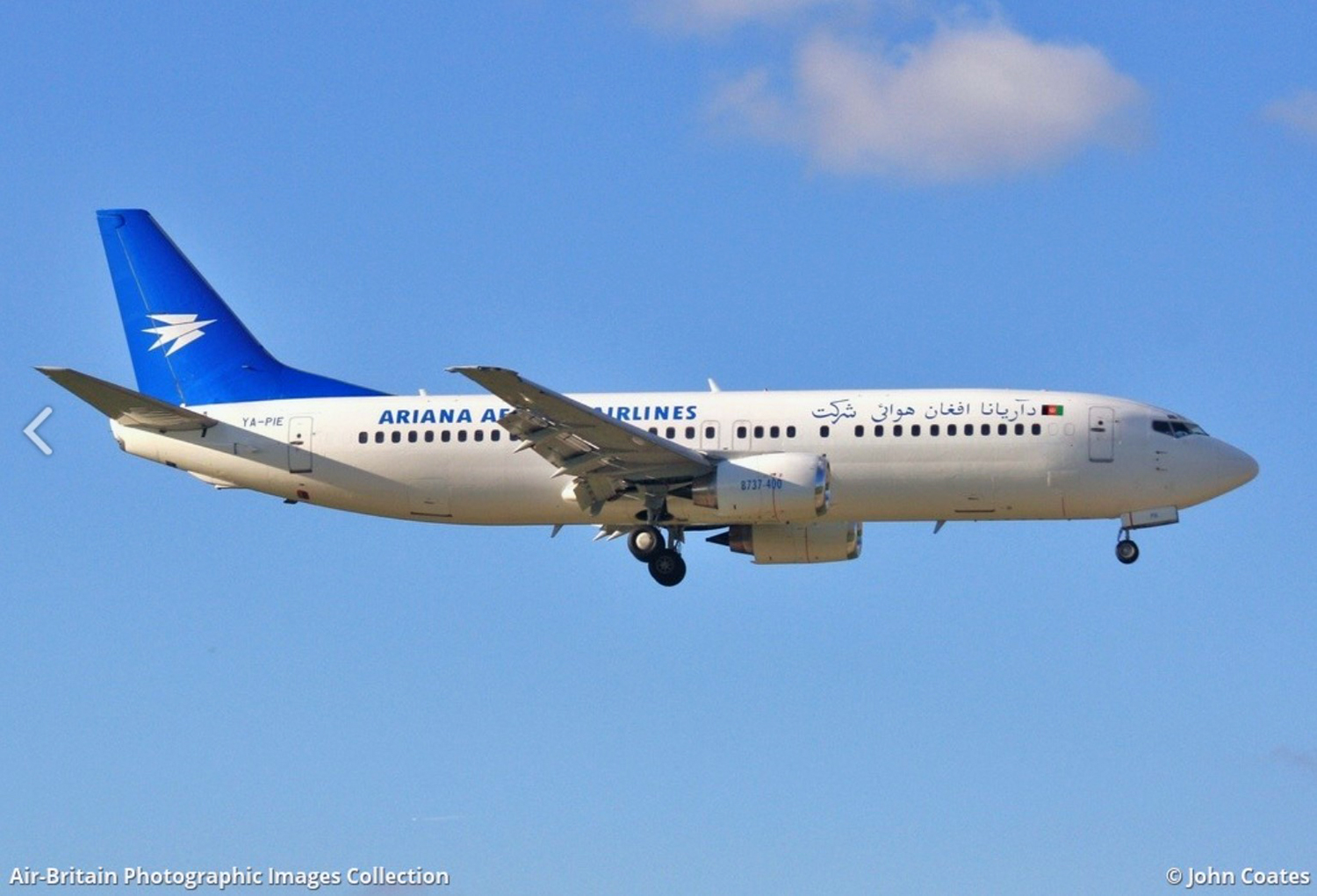
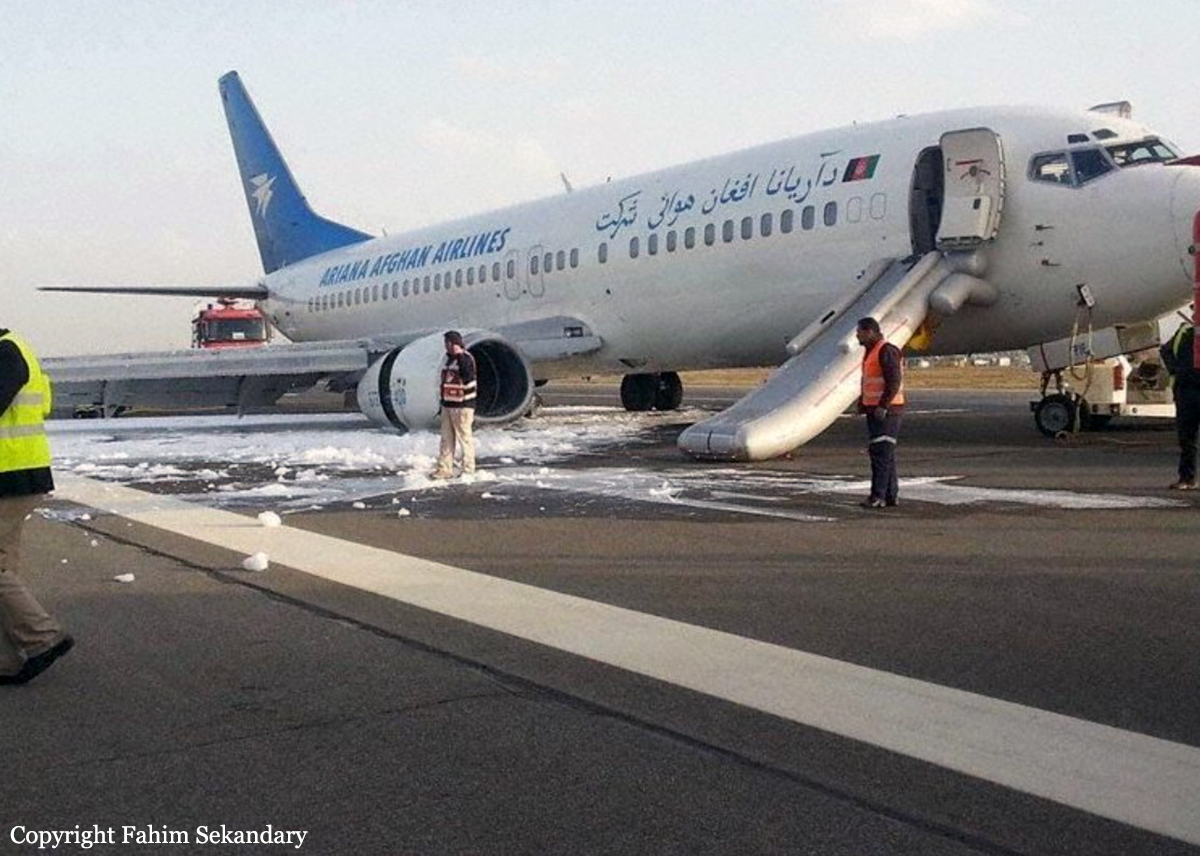
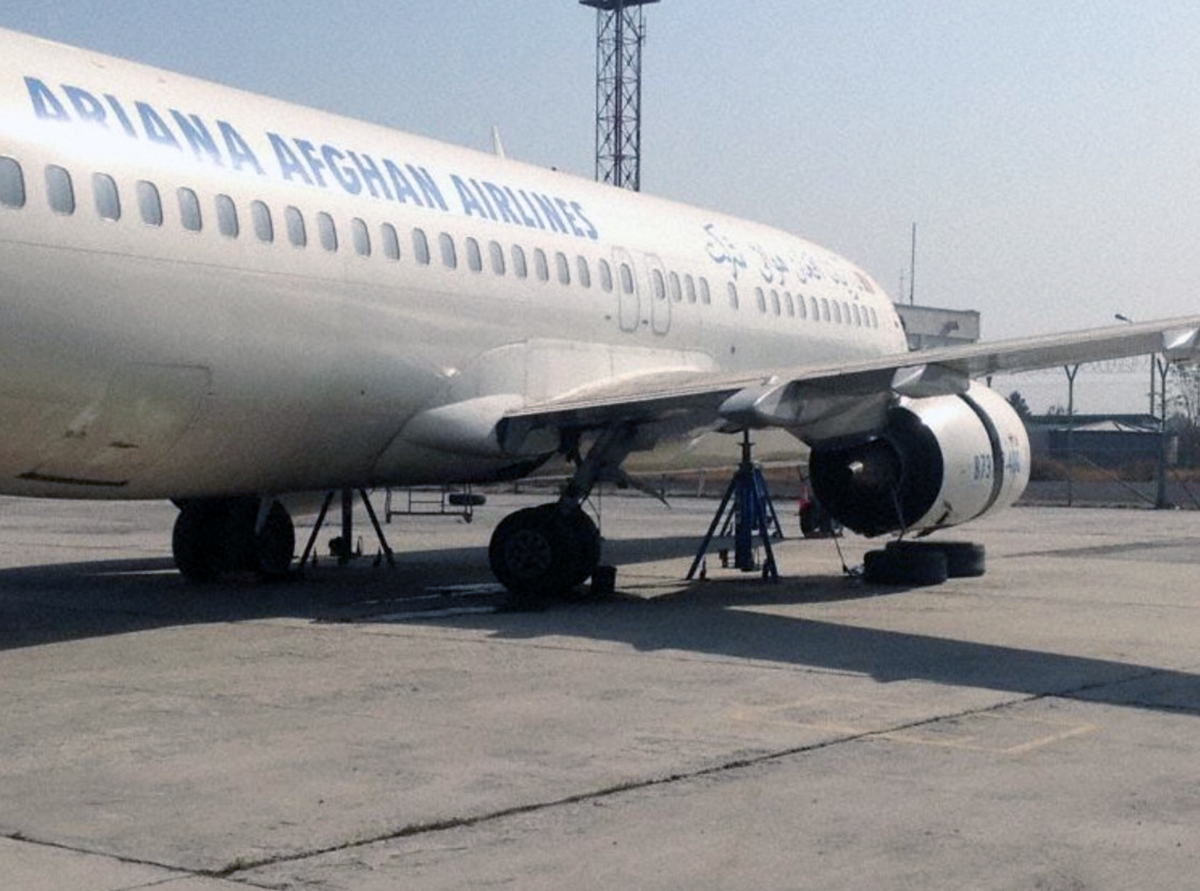
Upon touchdown at Kabul Airport runway 29, the right main gear collapsed, causing the right engine nacelle to struck the runway surface. The aircraft slid for few dozen metres before coming to rest. All occupants evacuated safely and the aircraft was damaged beyond repair.

Crash of a Let L-410UVP in Shabunda

Date & Time: Oct 25, 2014 at 1416 LT
Type of aircraft:
Operator:
Registration:
9Q-COT
Flight Type:
Survivors:
Yes
Schedule:
Bukavu – Shabunda
MSN:
83 10 23
YOM:
1983
Region:
Crew on board:
2
Crew fatalities:
Pax on board:
0
Pax fatalities:
Other fatalities:
Total fatalities:
0
Captain / Total flying hours:
14000
Captain / Total hours on type:
7325.00
Copilot / Total flying hours:
3300
Aircraft flight hours:
7187
Aircraft flight cycles:
8265
Circumstances:
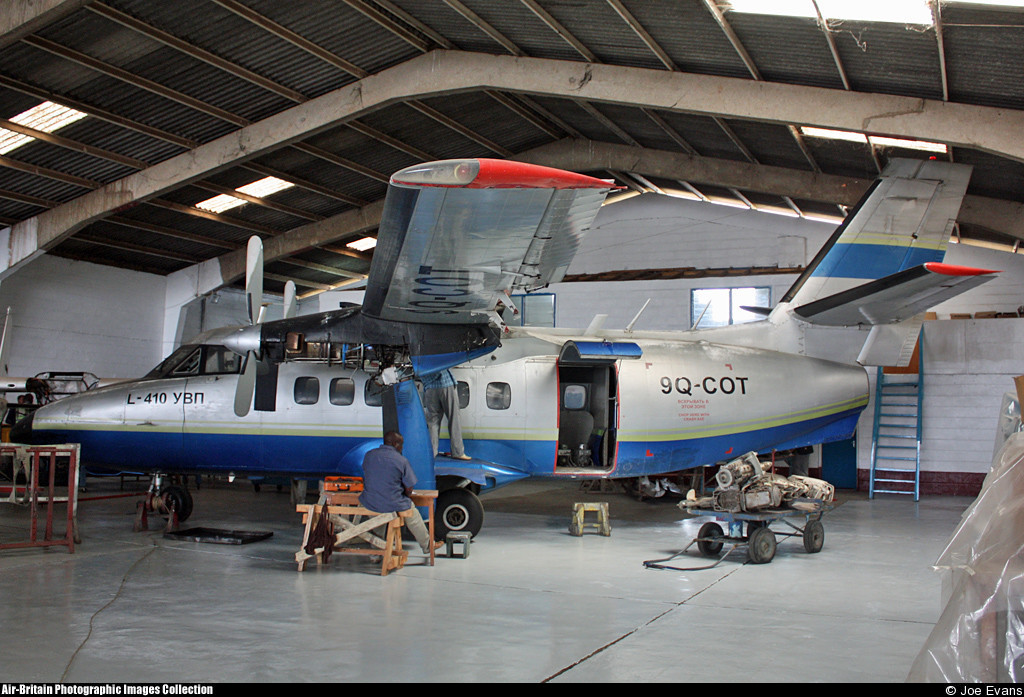
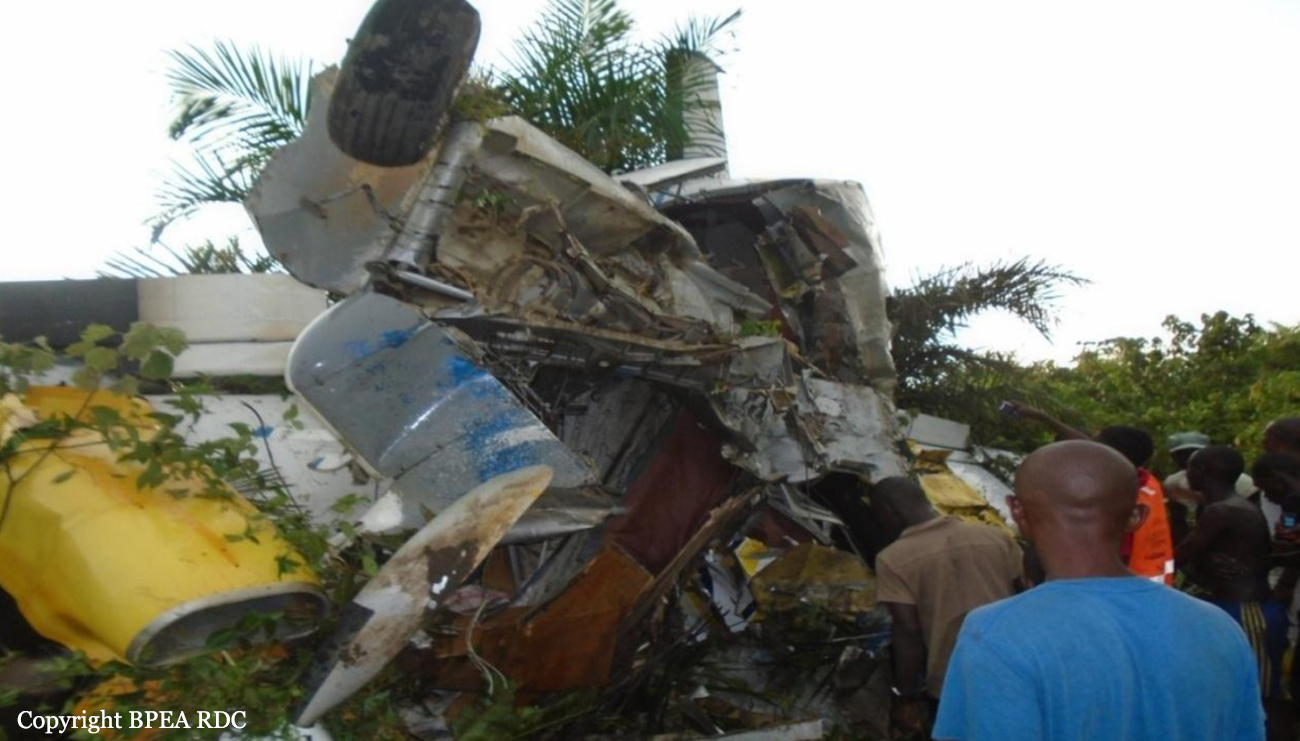
The twin engine aircraft departed Bukavu-Kavumu Airport at 1341LT on a 40-minute cargo flight to Shabunda, carrying two pilots and a load of 1,500 kilos of various goods. On final approach to Shabunda Airport, at a height of 300 feet, the right engine lost power. The crew attempted an emergency landing when the aircraft stalled and crashed in palm trees located 3,7 km short of runway. The aircraft was destroyed by impact forces and both pilots were seriously injured.
Probable cause:
On final approach, the right engine lost power, causing the aircraft to stall because the speed dropped. Investigations were unable to determine the exact cause of the loss of power because the aircraft was totally destroyed. Nevertheless, the crew was unable to expect a stall recovery because the stall occurred at an insufficient height.
Final Report:

Crash of a Piper PA-46-310P Malibu in Dubuque: 1 killed

Date & Time: Oct 13, 2014 at 2305 LT
Registration:
N9126V
Flight Type:
Survivors:
No
Schedule:
Ankeny – Dubuque
MSN:
46-08087
YOM:
1987
Location:
Crew on board:
1
Crew fatalities:
Pax on board:
0
Pax fatalities:
Other fatalities:
Total fatalities:
1
Captain / Total flying hours:
1003
Captain / Total hours on type:
100.00
Aircraft flight hours:
4785
Circumstances:
The instrument-rated private pilot was returning to his home airport after flying to another location to attend a meeting. At the departure airport, the pilot filed an instrument flight rules flight plan, had it activated, and then departed for his home airport. After reaching his assigned altitude, the pilot requested clearance directly to his destination with air traffic control, and he was cleared as requested. Before arriving at his airport, he requested off frequency to get the NOTAMs and weather conditions for his destination. The weather conditions at the arrival airport included a 200-ft overcast ceiling and 5 miles visibility with light rain and mist. The pilot then requested the instrument landing system (ILS) approach for landing. An air traffic controller issued vectors to the ILS final approach course and cleared the pilot to change off their frequency. Witnesses at the airport reported hearing and seeing the airplane break out of the clouds, fly over the runway about 100 ft above ground level (agl), and then disappear back into the clouds. Two witnesses stated that the engine sounded as if it were at full power and another witness stated that he heard the engine "revving" as if flew overhead. Shortly after the airplane was seen over the airport, it struck a line of 80-ft tall trees about 3,600 ft north-northwest of the airport and subsequently impacted the ground and a large tree near a residence. The published missed approach procedures required the pilot to climb the airplane to an altitude of 2,000 ft mean sea level (msl), or about 900 ft agl, while flying the runway heading. Upon reaching 2,000 ft msl, the pilot was required to begin a left turn to the northwest and then continue climbing to 3,300 ft msl. An examination of the airplane, the engine, and other airplane systems revealed no anomalies that would have precluded the airplane from being able to fully perform in a climb during the missed approach. It is likely that the pilot lost airplane control after initiating a missed approach in instrument meteorological conditions. Although it is possible that the pilot may have experienced spatial disorientation, there was insufficient evidence to conclude that spatial disorientation contributed to the accident.
Probable cause:
The pilot's loss of airplane control while attempting to fly a missed approach procedure in instrument meteorological conditions.
Final Report: