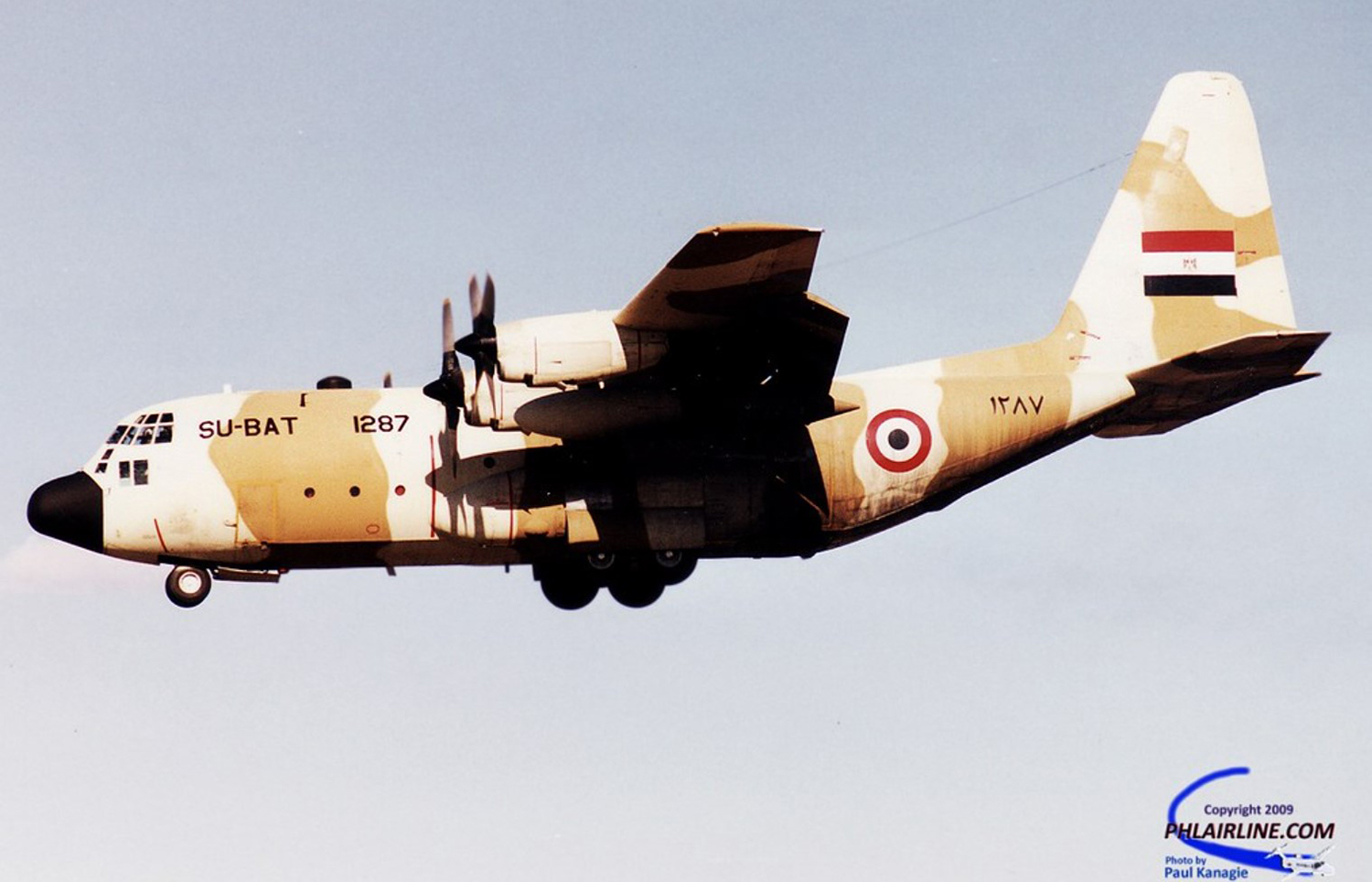
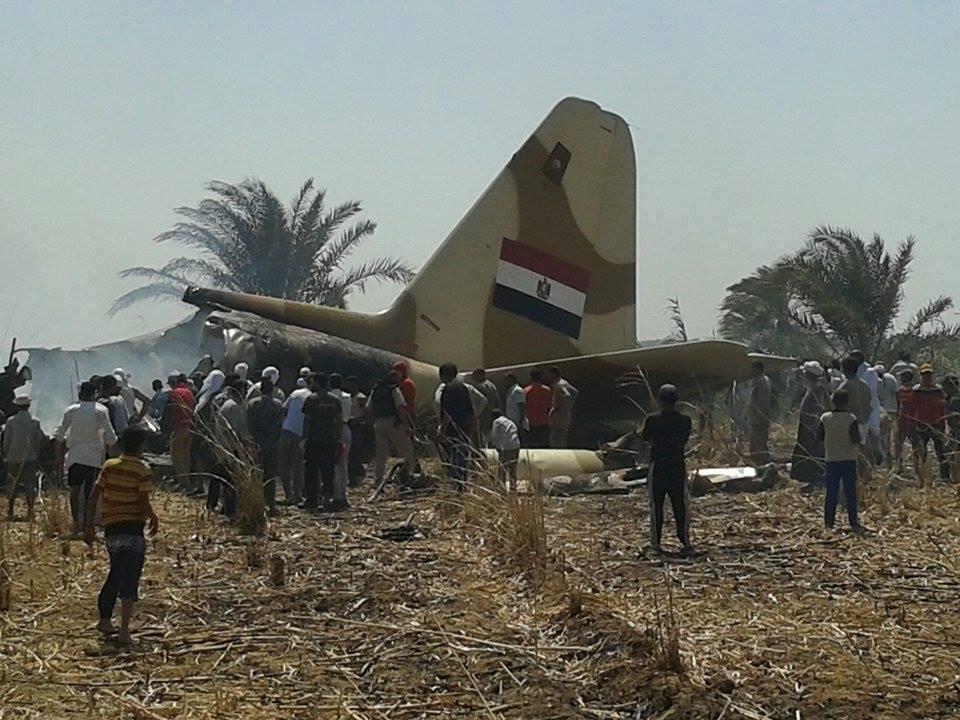
Crash of a Lockheed C-130H Hercules at Kawm Ushim AFB: 6 killed

Date & Time: Sep 21, 2014
Type of aircraft:
Operator:
Registration:
1287
Flight Type:
Survivors:
Yes
Schedule:
Kawm Ushim - Kawm Ushim
MSN:
4809
YOM:
1979
Country:
Region:
Crew on board:
7
Crew fatalities:
Pax on board:
0
Pax fatalities:
Other fatalities:
Total fatalities:
6
Circumstances:
The crew was performing a training flight at Kawm Ushim AFB. On final approach, the crew encountered technical difficulties and control was lost. The aircraft crashed short of runway and was destroyed by a post crash fire. A crew member survived while six others were killed. Dual registration 1287 and SU-BAT.
Crash of an Antonov AN-32 in Chandigarh

Date & Time: Sep 20, 2014 at 2130 LT
Type of aircraft:
Operator:
Registration:
K2757
Flight Type:
Survivors:
Yes
Schedule:
Bathinda – Chandigarh
MSN:
12 02
YOM:
1987
Country:
Region:
Crew on board:
4
Crew fatalities:
Pax on board:
5
Pax fatalities:
Other fatalities:
Total fatalities:
0
Circumstances:
For unknown reason, the aircraft seems to be unstable on landing. Upon touchdown, the right wing hit the ground and was torn off. Out of control, the aircraft veered off runway, went through a grassy area and came to rest upside down, bursting into flames. All nine occupants escaped with minor injuries and the aircraft was destroyed.

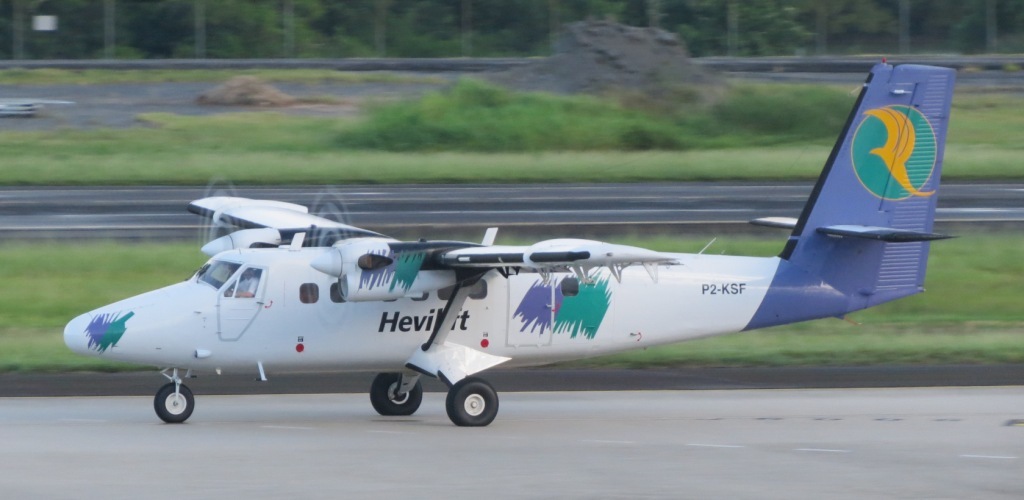
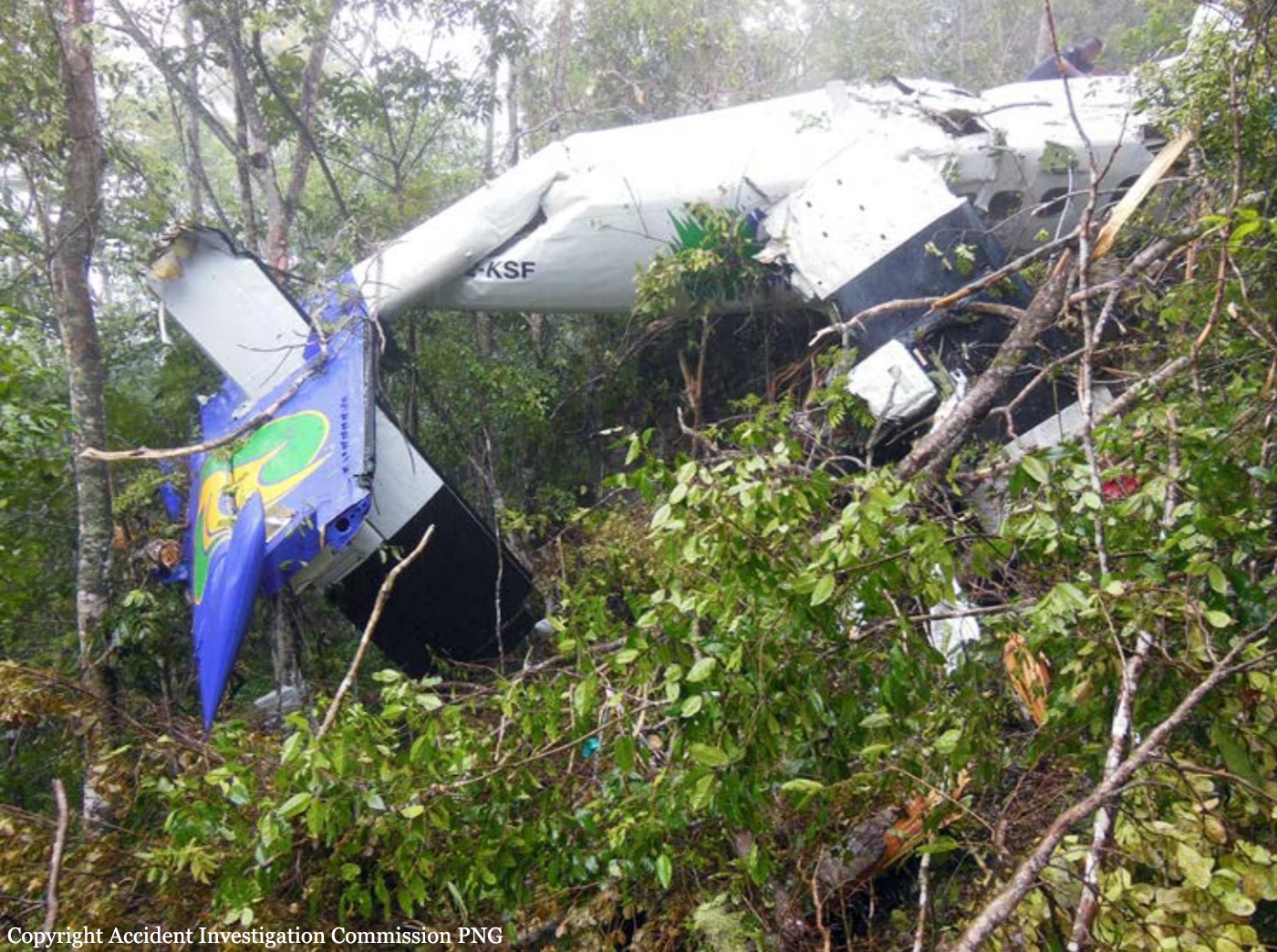
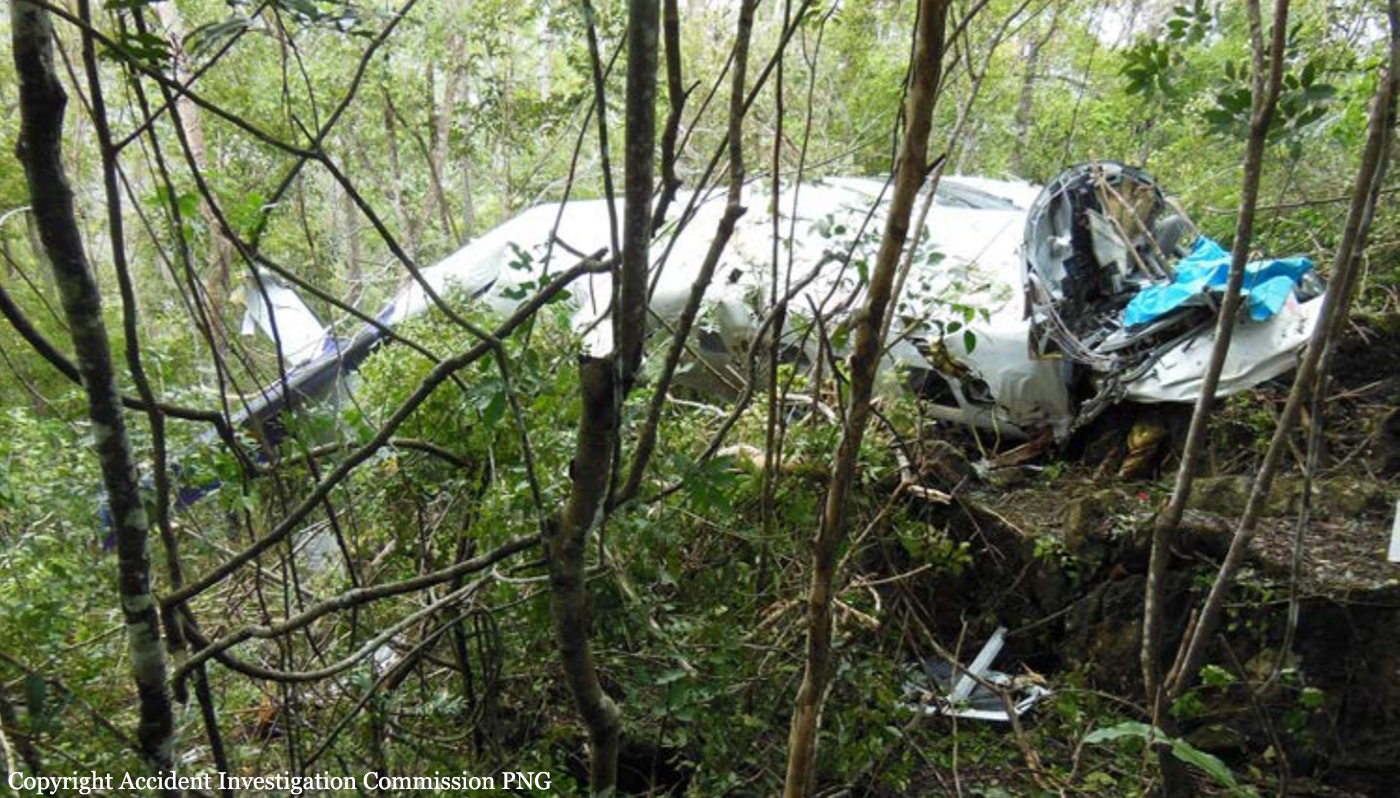
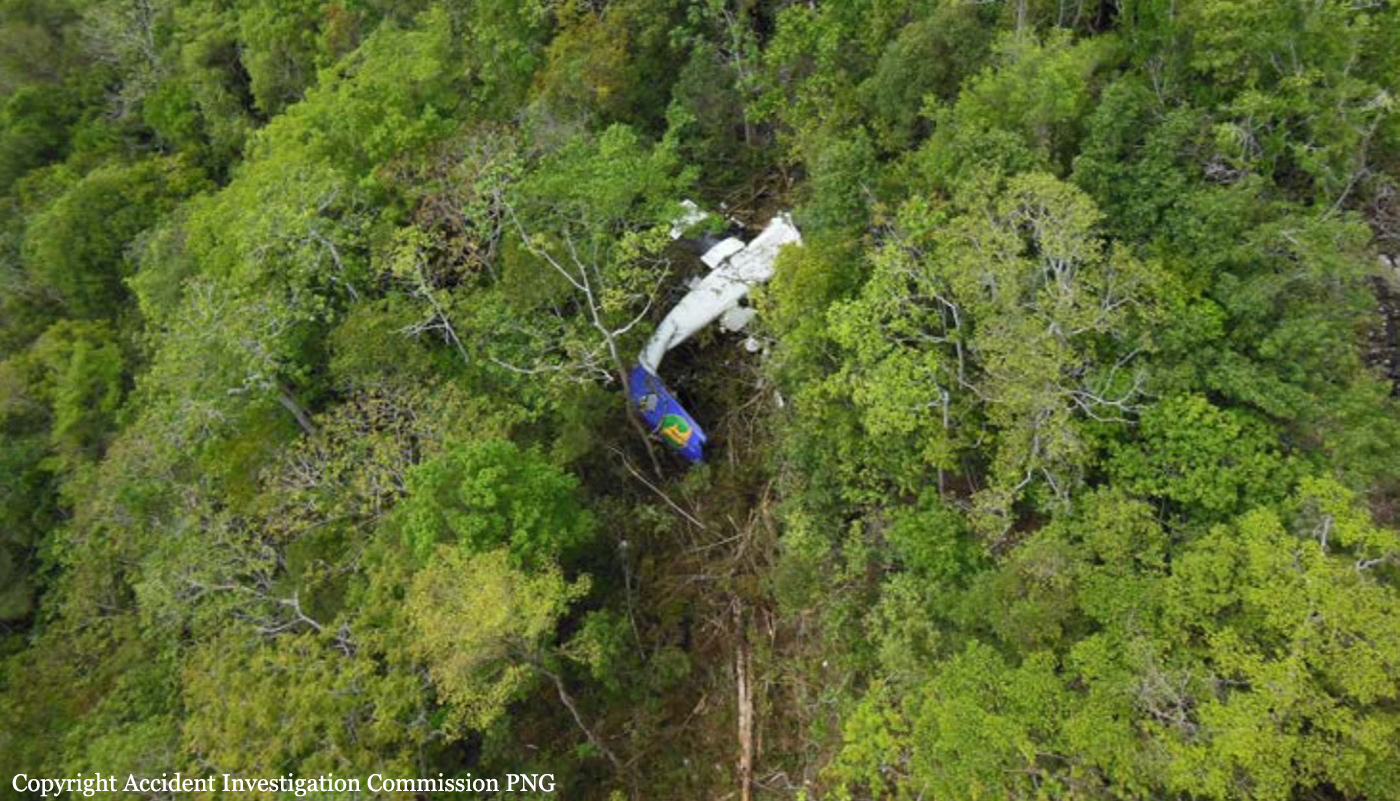
Crash of a De Havilland DHC-6 Twin Otter 300 near Port Moresby: 4 killed

Date & Time: Sep 20, 2014 at 0935 LT
Operator:
Registration:
P2-KSF
Survivors:
Yes
Site:
Schedule:
Woitape - Port Moresby
MSN:
528
YOM:
1977
Region:
Crew on board:
2
Crew fatalities:
Pax on board:
7
Pax fatalities:
Other fatalities:
Total fatalities:
4
Captain / Total flying hours:
19290
Captain / Total hours on type:
5980.00
Copilot / Total flying hours:
432
Copilot / Total hours on type:
172
Aircraft flight hours:
34327
Aircraft flight cycles:
46302
Circumstances:
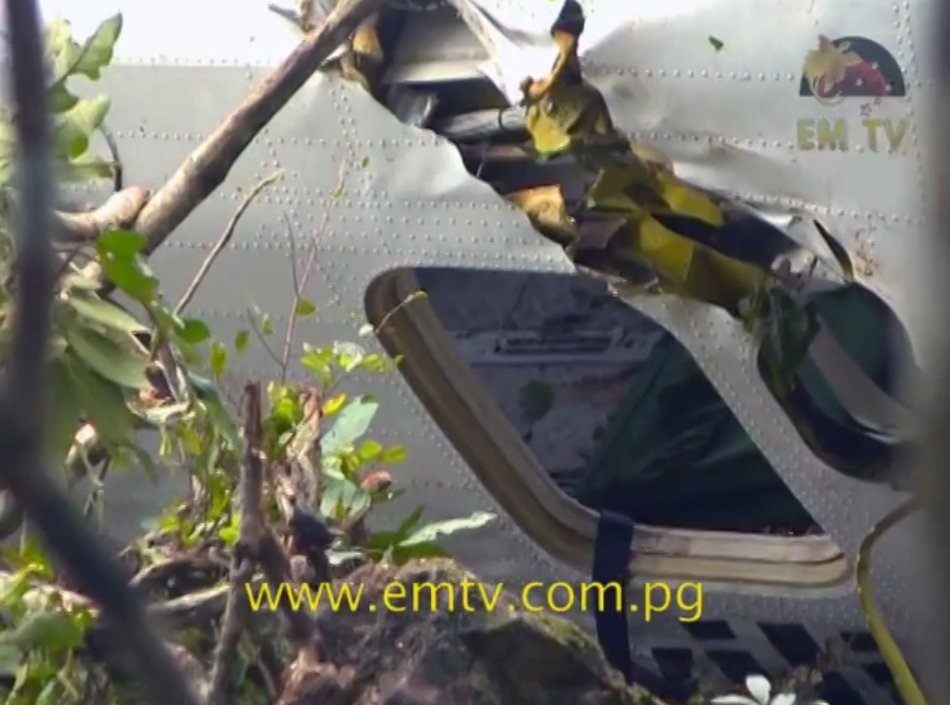
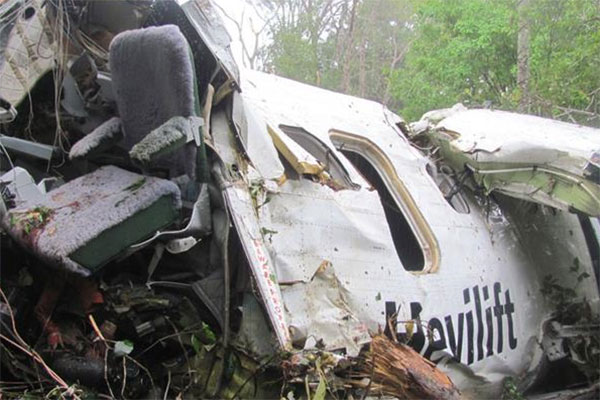
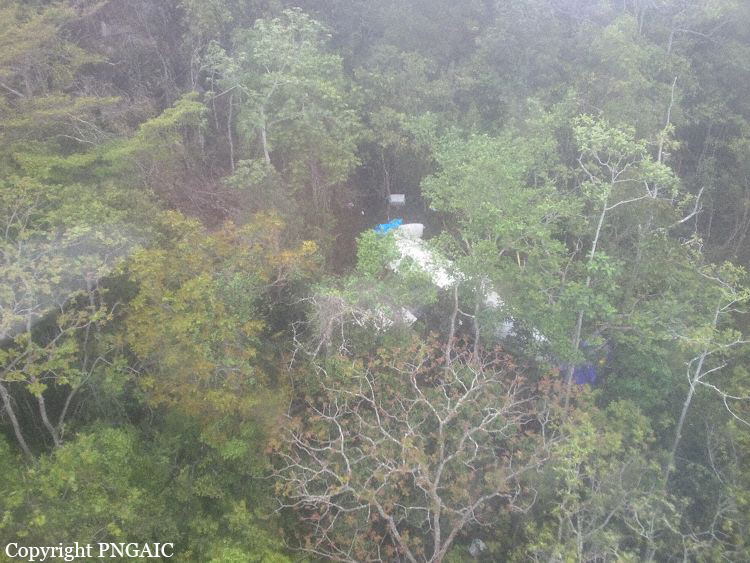
A DHC-6 Twin Otter aircraft was returning from Woitape, Central Province, to Jacksons Airport, Port Moresby on the morning of 20 September 2014 on a charter flight under the instrument flight rules (IFR). The weather at Woitape was reported to have been clear, but at Port Moresby the reported weather was low cloud and rain. Witnesses reported that the summit of Mt Lawes (1,700 ft above mean sea level (AMSL)) was in cloud all morning on the day of the accident. When the aircraft was 36 nm (67 km) from Port Moresby, air traffic control gave the flight crew a clearance to descend maintaining visual separation from terrain and to track to a left base position for runway 14 right (14R) at Jacksons Airport, Port Moresby. The clearance was accepted by the crew. When the aircraft was within 9.5 nm (17.5 km) of the airport, the pilot in command (PIC) contacted the control tower and said that they were “running into a bit of cloud” and that they “might as well pick up the ILS [instrument landing system] if it’s OK”. The flight crew could not have conducted an ILS approach from that position. They could have discontinued their visual approach and requested radar vectoring for an ILS approach. However, they did not do so. The Port Moresby Aerodrome Terminal Information Service (ATIS), current while the aircraft was approaching Port Moresby had been received by the flight crew. It required aircraft arriving at Port Moresby to conduct an ILS approach. The PIC’s last ILS proficiency check was almost 11 months before the accident flight. A 3-monthly currency on a particular instrument approach is required under PNG Civil Aviation Rule 61.807. It is likely the reason the PIC did not request a clearance to intercept the ILS from 30 nm (55.5 km) was that he did not meet the currency requirements and therefore was not authorized to fly an ILS approach. During the descent, although the PIC said to the copilot ‘we know where we are, keep it coming down’, it was evident from the recorded information that his assessment of their position was incorrect and that the descent should not have been continued. The PIC and copilot appeared to have lost situational awareness. The aircraft impacted terrain near the summit of Mt Lawes and was substantially damaged by impact forces. Both pilots and one passenger were fatally injured in the impact, and one passenger died on the day after the accident from injuries sustained during the accident. Of the five passengers who survived the accident, three were seriously injured and two received minor injuries. One of the fatally injured passengers was not wearing a seat belt.
Probable cause:
The following contributing factors were identified:
- The flight crew continued the descent in instrument meteorological conditions without confirming their position.
- The flight crew’s assessment of their position was incorrect and they had lost situational awareness
- The flight crew deprived themselves of the “Caution” and “Warning” alerts that would have sounded about 20 sec and about 10 sec respectively before the collision, by not deactivating the EGPWS Terrain Inhibit prior to departure from Woitape.
Final Report:

Crash of a Beechcraft 300LW Super King Air in Nordelta: 2 killed

Date & Time: Sep 14, 2014 at 1515 LT
Operator:
Registration:
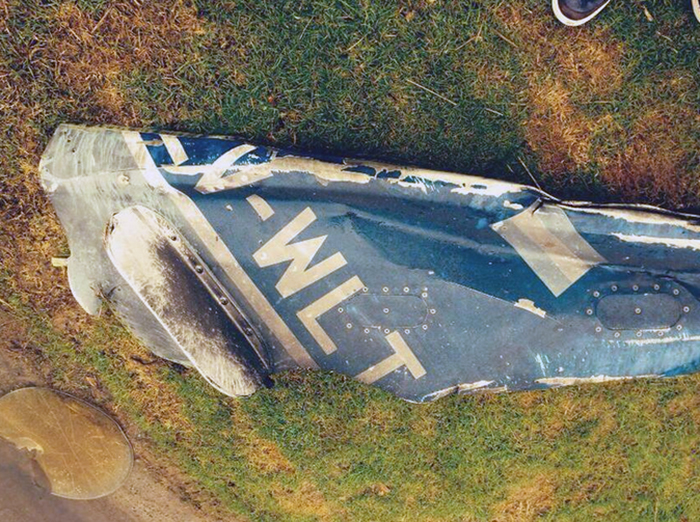
LV-WLT
Flight Type:
Survivors:
No
Site:
Schedule:
Lincoln – Buenos Aires
MSN:
FA-221
YOM:
1992
Country:
Crew on board:
1
Crew fatalities:
Pax on board:
1
Pax fatalities:
Other fatalities:
Total fatalities:
2
Captain / Total flying hours:
14004
Captain / Total hours on type:
2000.00
Aircraft flight hours:
2630
Aircraft flight cycles:
2419
Circumstances:
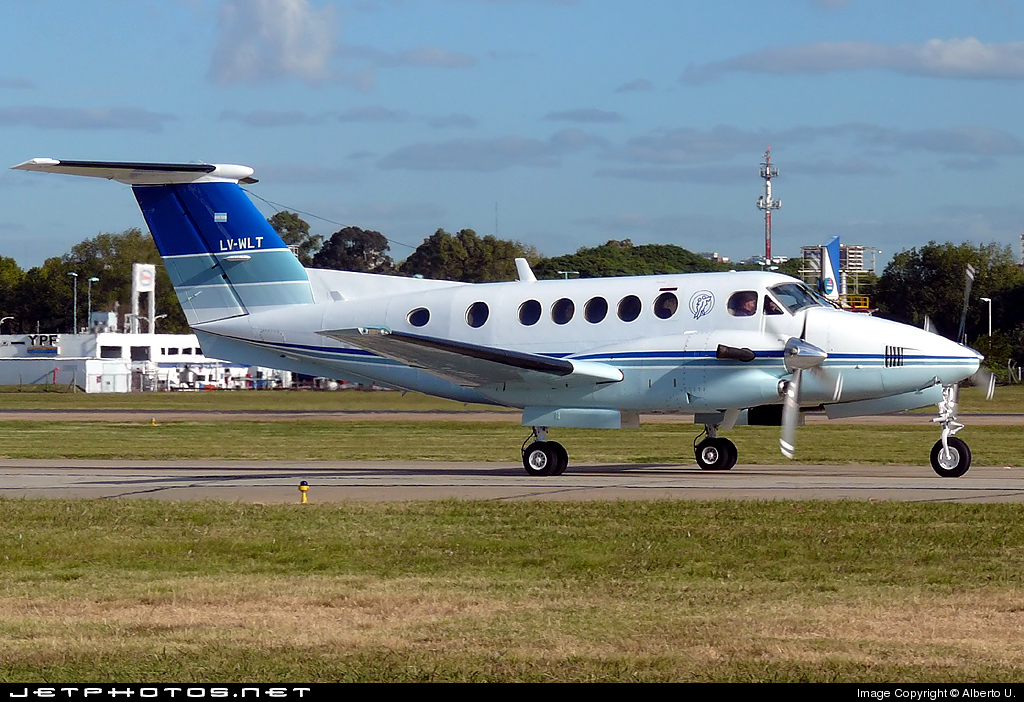
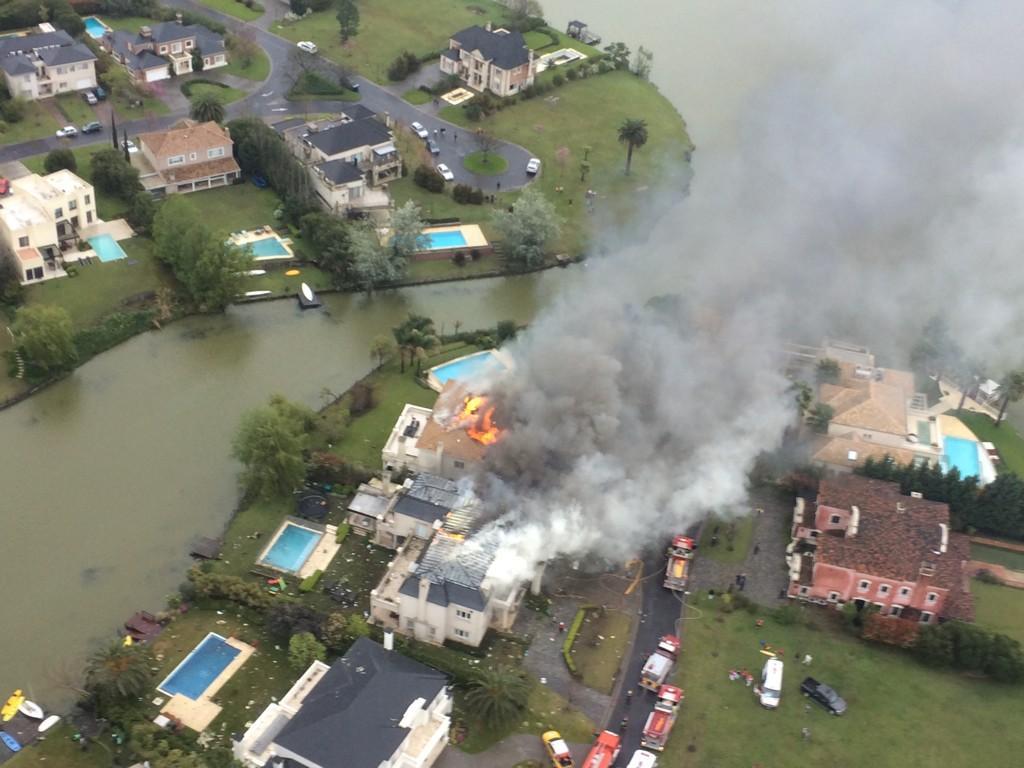
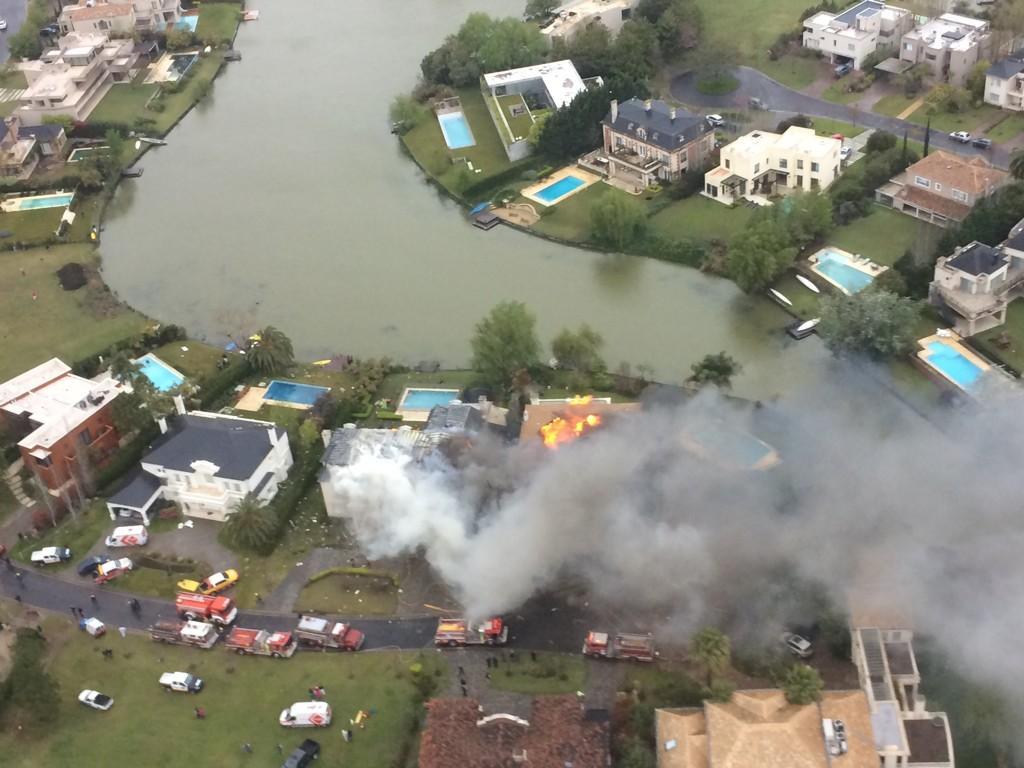
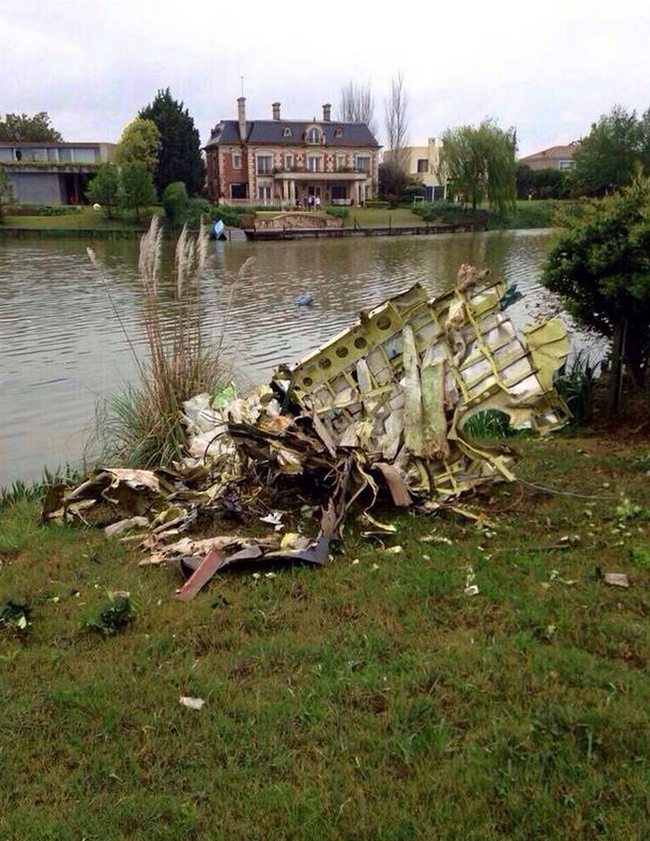
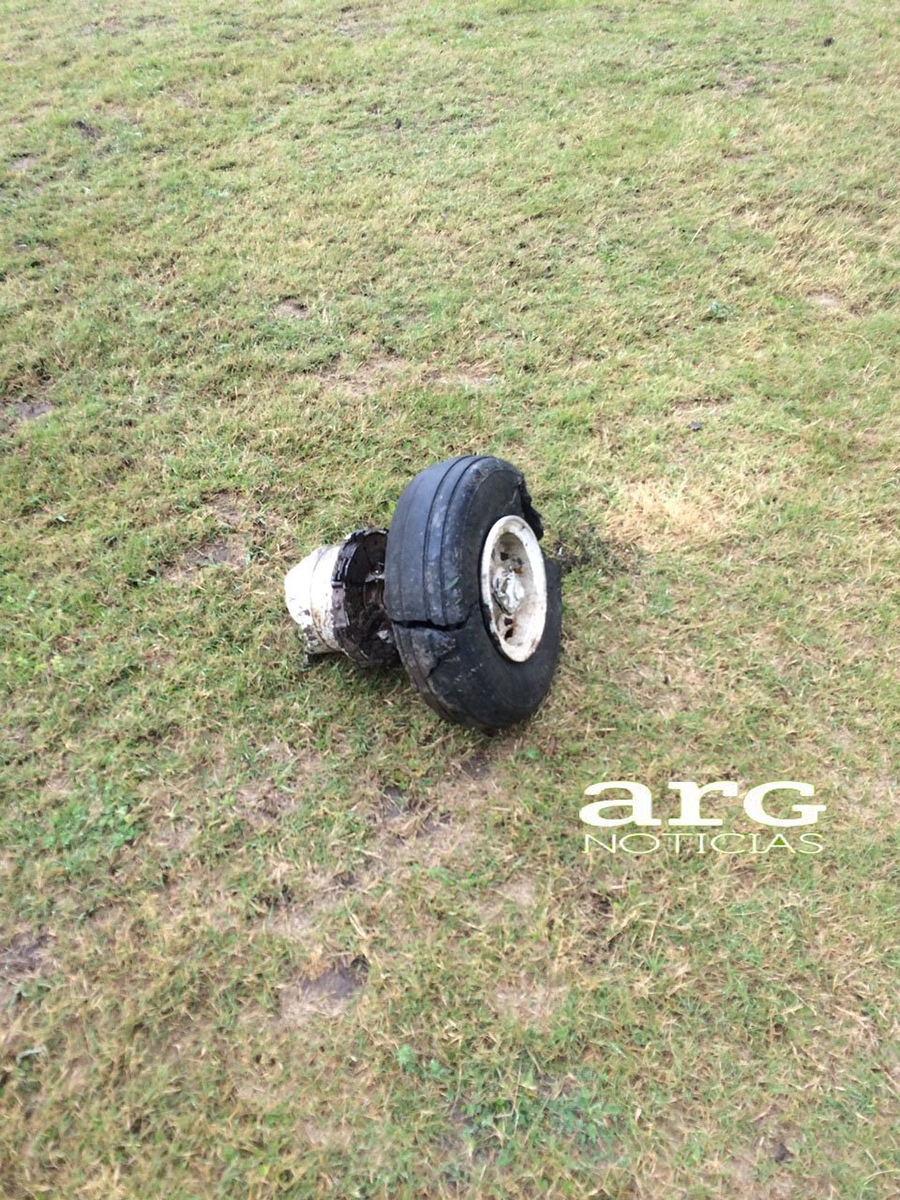
The twin engine aircraft departed Lincoln-Estancia La Nueva Airport on a private flight to Buenos Aires, carrying one passenger and one pilot. While descending to Buenos Aires-Aeroparque-Jorge Newbury Airport, the pilot was unable to intercept the ILS for runway 13 because of an excessive speed of 260 knots and a too high angle of descent. In such conditions, he could not configure the aircraft for approach and landing (flaps) in accordance with the information in the BE 300 flight manual. He completed a left turn at a speed of 228 knots and descended below the glide before initiating a second turn to the right when control was lost. The aircraft entered a dive and crashed onto two houses located in Nordelta, about 26 km northwest of the airport. The aircraft and two houses were destroyed and both occupants were killed, among them Gustavo Andres Deutsch aged 78 who was the former owner of the defunct airline LAPA.
Probable cause:
The accident resulted from the combination of immediate triggers and failures in the aeronautical system's defenses, including:
- Prevailing weather conditions at the scene of the accident;
- Pilot-in-command experienced difficulties in managing aircraft control and flight path during an instrument approach;
- The probability of overload of work of the pilot in command as a result of the operational demands presented by the situation;
- The execution of the operation by a single pilot (single pilot operation), taking into account the age of the pilot; and
- Deficiencies in pilot-in-command certification denying the value of CE-6 as a defense barrier for the aeronautical system (CE-6 is a Critical Element of ICAO Annex 19 regarding responsibilities in issuing licenses).
Final Report:

Crash of a Piper PA-61 Aerostar (Ted Smith 601P) in Austin: 1 killed

Date & Time: Sep 10, 2014 at 1326 LT
Operator:
Registration:
N711YM
Flight Type:
Survivors:
No
Schedule:
Dallas – Austin
MSN:
61-0215-023
YOM:
1975
Crew on board:
1
Crew fatalities:
Pax on board:
0
Pax fatalities:
Other fatalities:
Total fatalities:
1
Captain / Total flying hours:
525
Captain / Total hours on type:
37.00
Aircraft flight hours:
3438
Circumstances:
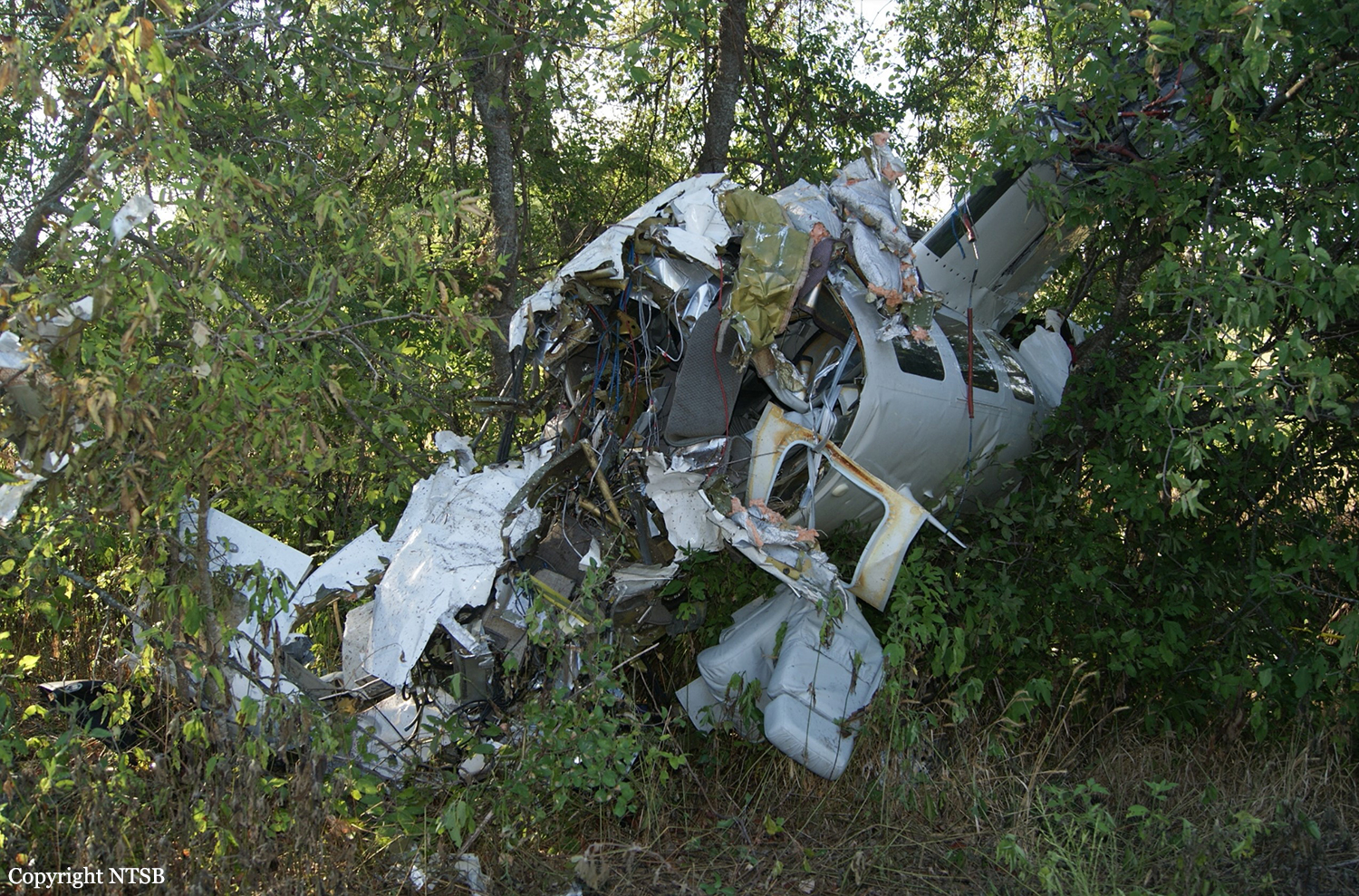
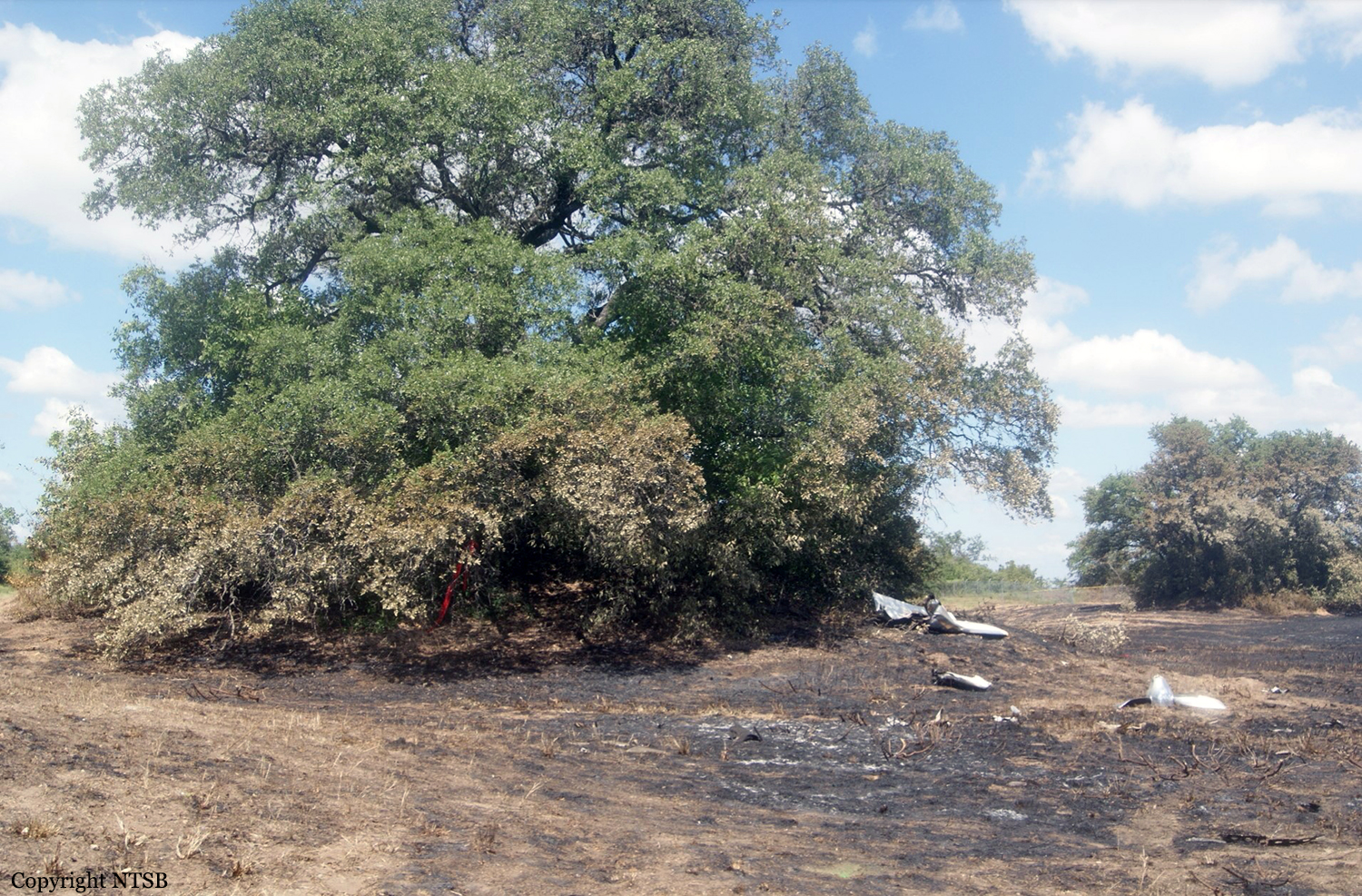
Witnesses reported observing the airplane flying slowly toward the airport at a low altitude. The left engine was at a low rpm; "sputtering," "knocking," or making a "banging" noise; and trailing black smoke. One witness said that, as the airplane passed over his location, he saw the tail "kick" horizontally to the right and the airplane bank slightly left. The airplane subsequently collided with trees and impacted a field 1/2 mile north of the airport. Disassembly of the right engine revealed no anomalies, and signatures on the right propeller blades were consistent with power and rotation on impact. The left propeller was found feathered. Disassembly of the left engine revealed that the spark plugs were black and heavily carbonized, consistent with a rich fuel-air mixture; the exhaust tubing also exhibited dark sooting. The rubber boot that connected the intercooler to the fuel injector servo was found dislodged and partially sucked in toward the servo. The clamp used to secure the hose was loose but remained around the servo, the safety wire on the clamp was in place, and the clamp was not impact damaged or bent. The condition of the boot and the clamp were consistent with improper installation. The time since the last overhaul of the left engine was about 1,050 hours. The last 100-hour inspection occurred 3 months before the accident, and the airplane had been flown only 0.8 hour since then. It could not be determined when the rubber boot was improperly installed. Although the left engine had failed, the pilot should have been able to fly the airplane and maintain altitude on the operable right engine, particularly since he had appropriately feathered the left engine.
Probable cause:
The pilot's failure to maintain sufficient clearance from trees during the single engine and landing approach. Contributing to the accident was the loss of power in the left engine due to an improperly installed rubber boot that became dislodged and was then partially sucked into the fuel injector servo, which caused an excessively rich fuel-air mixture that would not support combustion.
Final Report:

Crash of a Beechcraft 200C Super King Air in Nouméa

Date & Time: Sep 9, 2014 at 1150 LT
Operator:
Registration:
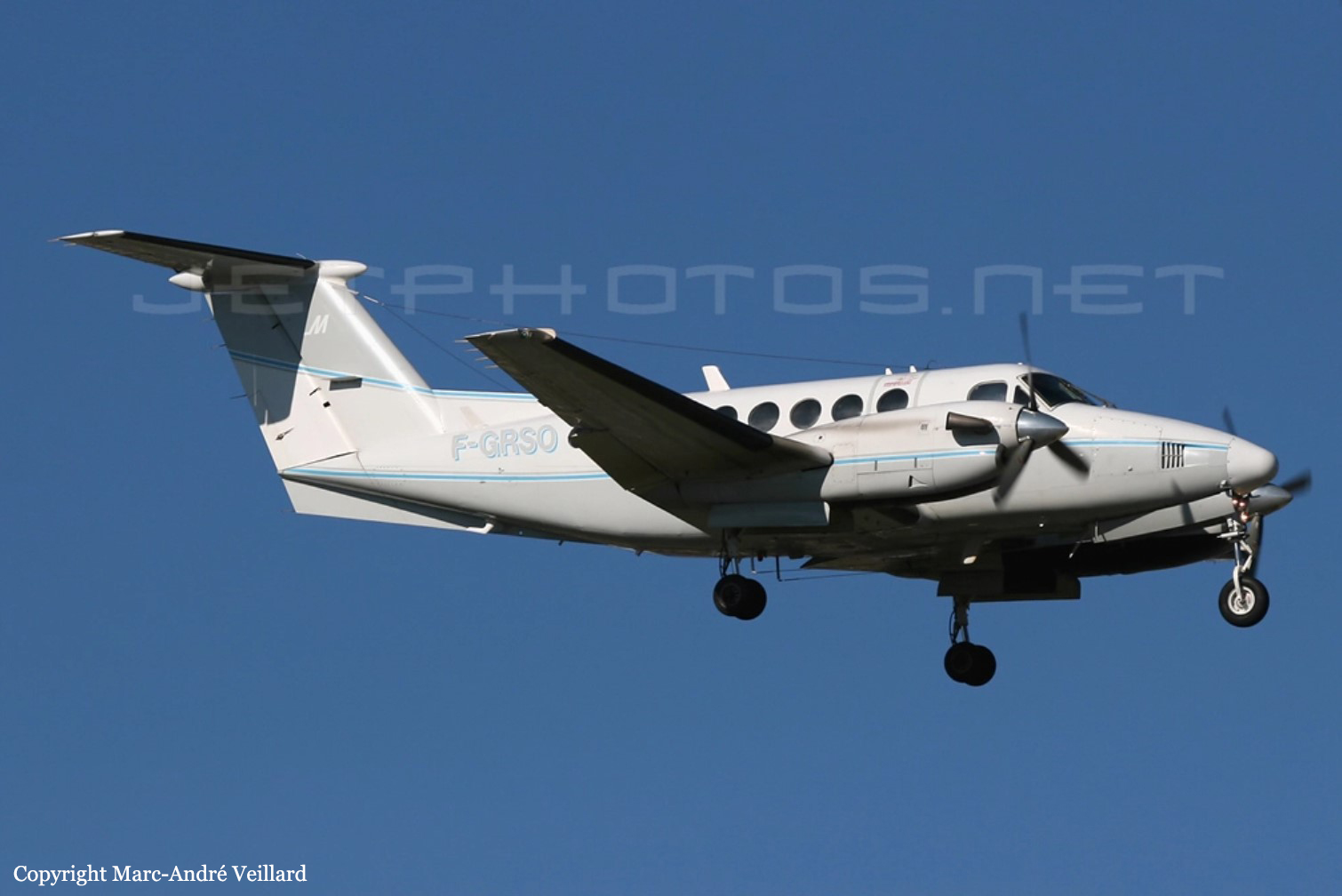
F-GRSO
Flight Type:
Survivors:
Yes
Schedule:
Lifou – Nouméa
MSN:
BL-11
YOM:
1980
Region:
Crew on board:
2
Crew fatalities:
Pax on board:
2
Pax fatalities:
Other fatalities:
Total fatalities:
0
Circumstances:
The twin engine airplane departed Lifou Airport on an ambulance flight to Nouméa-Magenta Airport, carrying two passengers and two pilots. On approach to Magenta Airport, the crew followed the checklist and lower the landing gears. As all three green light failed to came on the cockpit panel, the crew elected to lower the gears manually without success. The crew completed two low passes in front of the control tower and it was confirmed that the left main gear seems to be down but not locked. After a 45-minute flight to burn fuel, the crew completed the landing. Upon touchdown, both main landing gear collapsed while the nose gear remained extended. The aircraft slid for few dozen metres before coming to rest. All four occupants evacuated safely and the aircraft was damaged beyond repair.
Probable cause:
The rupture of two teeth of the sprocket of the control cylinder of the left main landing gear caused the cylinder to be locked and thus caused the mechanical system to extend the landing gear. This blockage prevented the complete extension and locking of the landing gear. This rupture and other damage to the two main landing gear actuators was probably the result of improper installation of the toothed gear and / or improper adjustment of the assembly.
Final Report:

Crash of a Fokker 50 in Mogadishu

Date & Time: Sep 6, 2014 at 1030 LT
Type of aircraft:
Operator:
Registration:
5Y-BYE
Survivors:
Yes
Schedule:
Galkayo - Mogadishu
MSN:
20204
YOM:
1990
Flight number:
6J715
Country:
Region:
Crew on board:
3
Crew fatalities:
Pax on board:
21
Pax fatalities:
Other fatalities:
Total fatalities:
0
Circumstances:
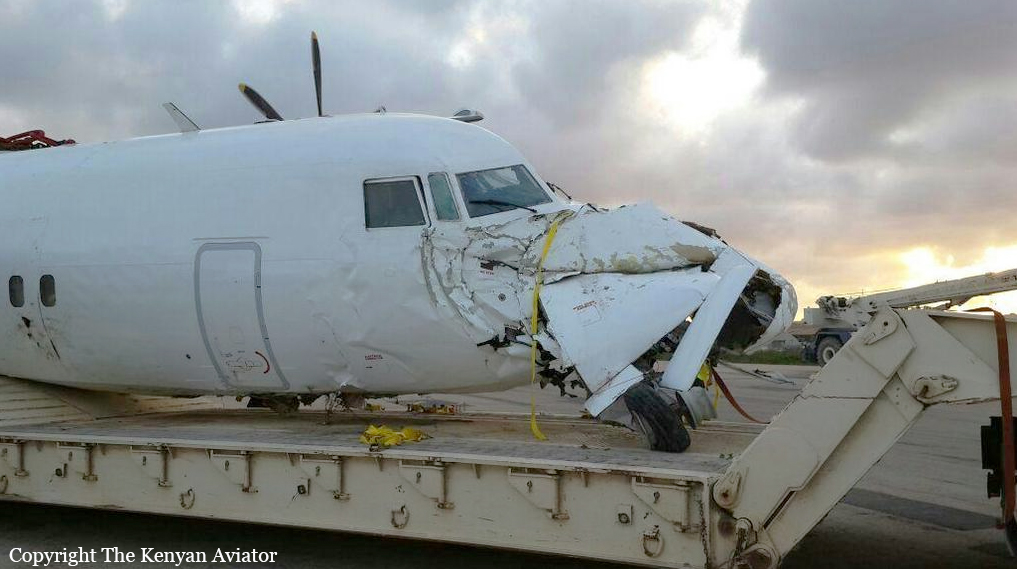
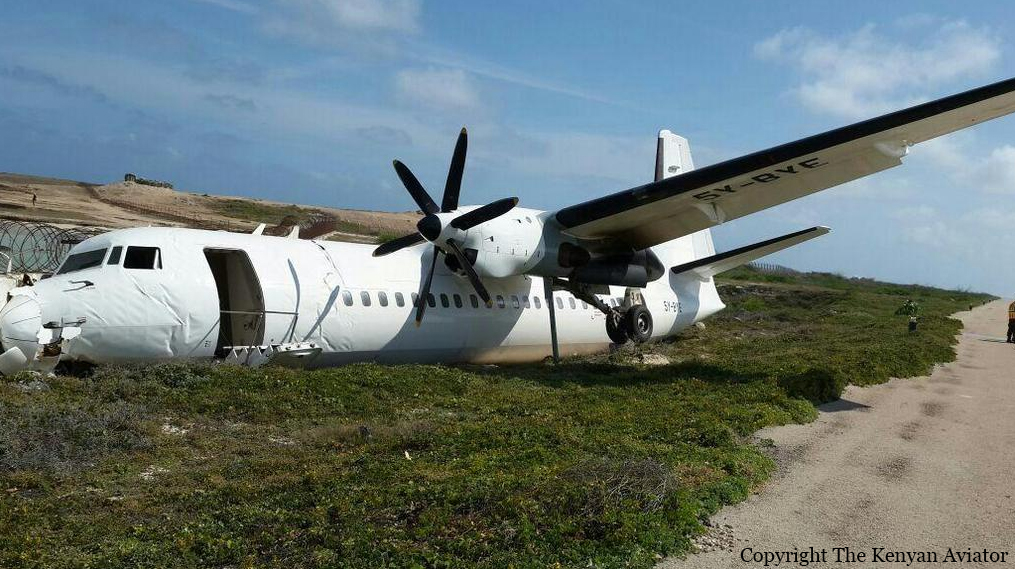
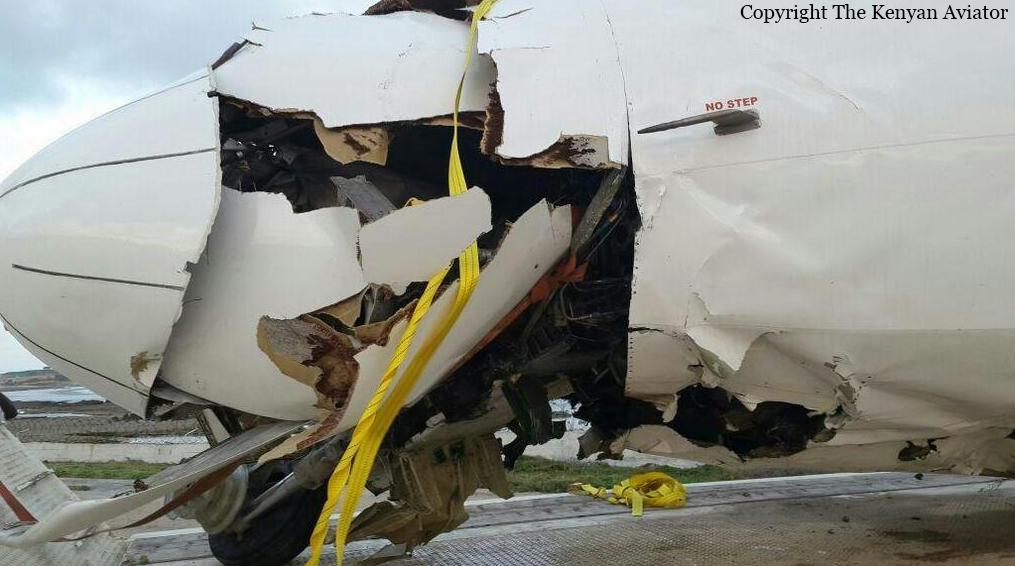
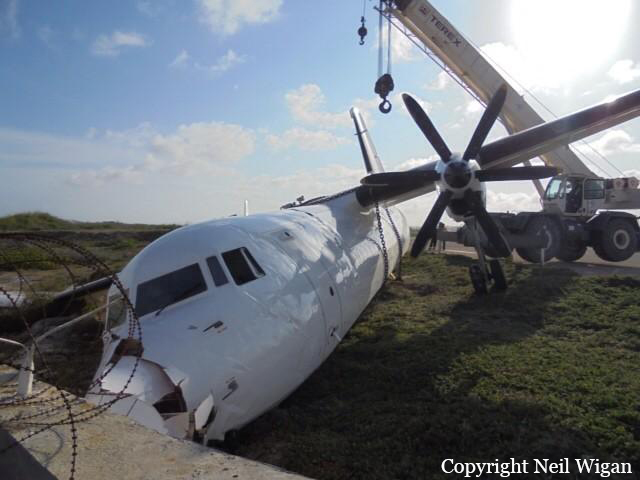
Upon landing on runway 05 at Mogadishu Airport, the right main gear failed. The aircraft veered off runway to the right then rolled for few dozen metres, collided with a concrete perimeter fence and came to rest. There was no fire. It appears the right wing and the right engine suffered severe damage (the right broke in two). The nose of the aircraft was destroyed and the fuselage was bent on several areas. All 24 occupants evacuated safely. The aircraft was completing a domestic schedule flight on behalf of Jubba Airways.

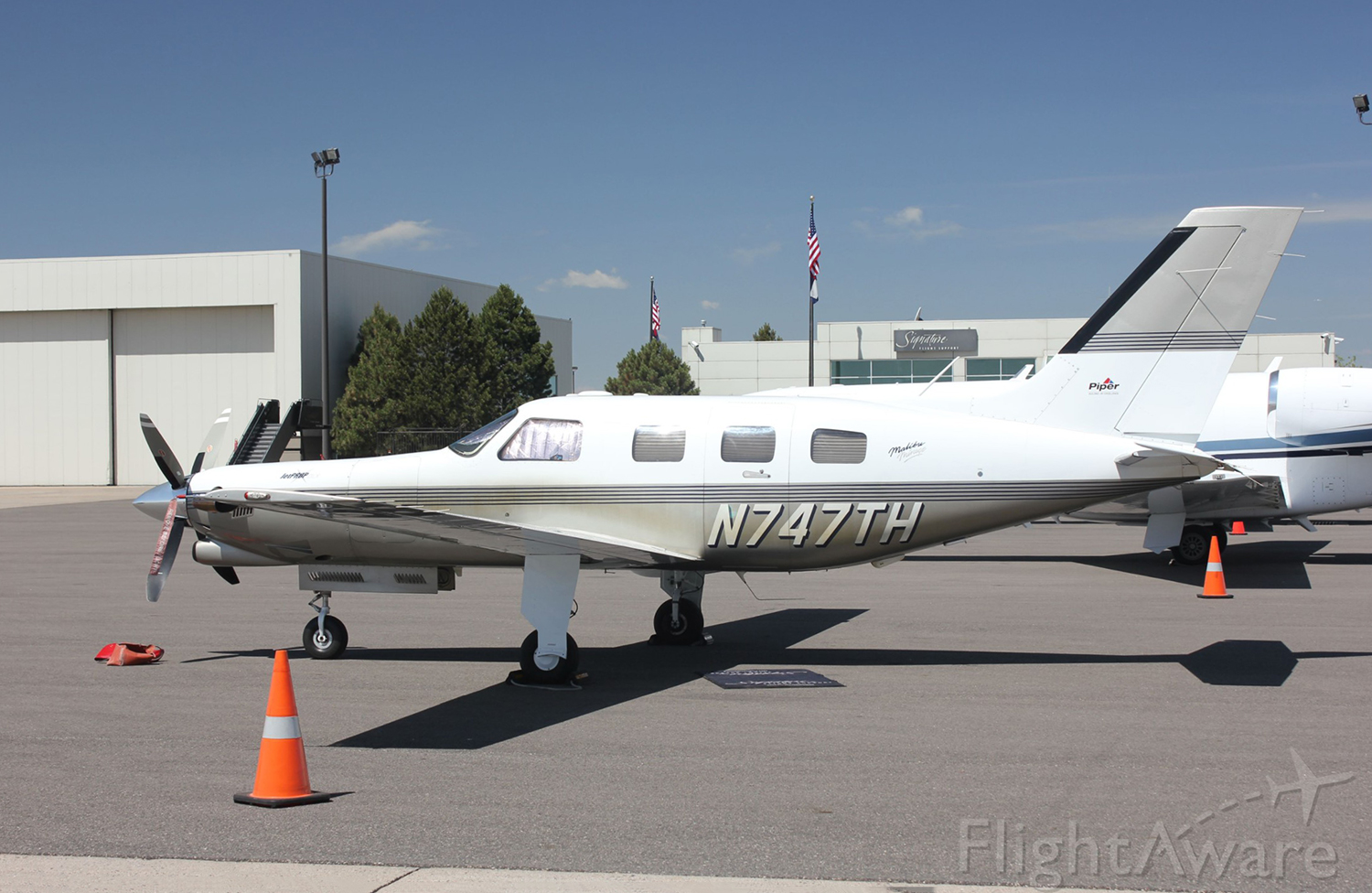
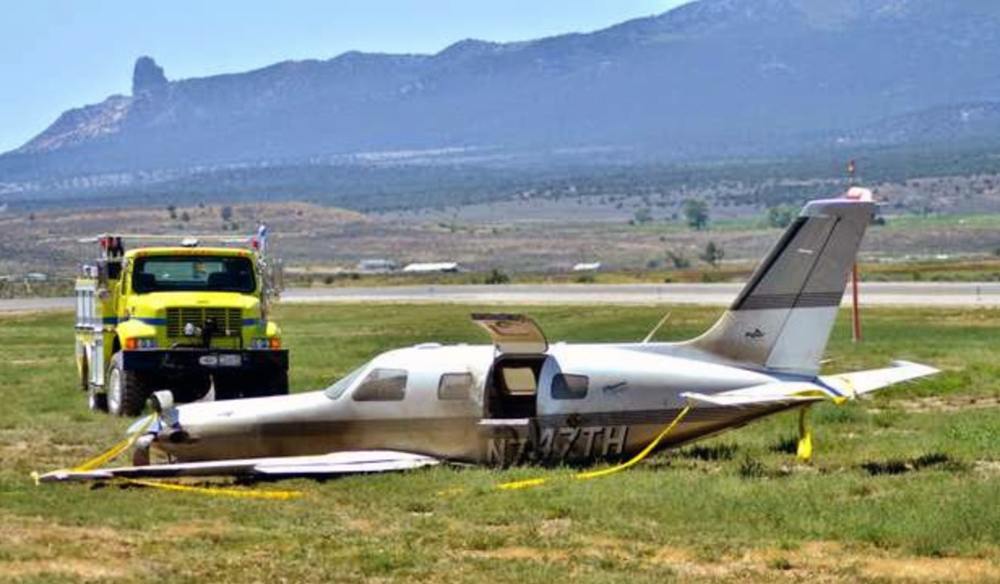
Crash of a Piper PA-46-350P Malibu Mirage in Cortez

Date & Time: Sep 3, 2014 at 1238 LT
Registration:
N747TH
Flight Type:
Survivors:
Yes
Schedule:
Cortez - Cortez
MSN:
46-36200
YOM:
1999
Location:
Crew on board:
2
Crew fatalities:
Pax on board:
0
Pax fatalities:
Other fatalities:
Total fatalities:
0
Captain / Total flying hours:
4000
Captain / Total hours on type:
2050.00
Copilot / Total flying hours:
4184
Copilot / Total hours on type:
1648
Aircraft flight hours:
2900
Circumstances:
The accident occurred during a local instructional flight to satisfy the commercial pilot's annual insurance currency requirements in the accident airplane. The flight instructor reported that the pilot was demonstrating a simulated loss of engine power during initial climb and return for a downwind landing. During initial climb, upon reaching 1,200 ft above ground level (agl), the flight instructor reduced engine power to flight idle and feathered the propeller. In response, the pilot reduced airplane pitch and entered a left, 45-degree-bank turn back toward the airport. The flight instructor stated that, upon rolling wings level, the airplane appeared to be lower than he had expected as it glided toward the runway; however, he believed there was sufficient altitude remaining to safely land on the runway and told the pilot to continue without increasing the engine power. The flight instructor ultimately decided to abort the maneuver as the airplane crossed over the runway threshold at 40 ft agl. The flight instructor advanced the engine power lever to the full-forward position and increased airplane pitch to arrest the descent; however, he did not perceive an increase in engine thrust. Without an increase in engine thrust and with the increased pitch, the airplane's airspeed decreased rapidly, and the airplane entered an aerodynamic stall about 30 ft above the runway. The airplane impacted the runway before sliding into a grassy area. The flight instructor reported that he did not recall advancing the propeller control when he decided to abort the maneuver, and, as such, the perceived lack of engine thrust was likely because the propeller remained feathered after he increased engine power. Additionally, the flight instructor postulated that the airplane's landing gear had not been retracted after takeoff, which resulted in a reduced climb gradient, and, as such, the airplane entered the maneuver farther away from the airport than anticipated. Further, with the landing gear extended, the airplane experienced a reduction in glide performance during the simulated forced landing. The flight instructor reported that the accident could have been prevented if he had maintained a safe flying airspeed after he took control of the airplane. Additionally, he believed that his delayed decision to abort the maneuver resulted in an insufficient margin of safety.
Probable cause:
The flight instructor's delayed decision to abort the simulated engine out maneuver, his failure to unfeather the propeller before restoring engine power, and his inadequate airspeed management, which led to an aerodynamic stall at low altitude.
Final Report:

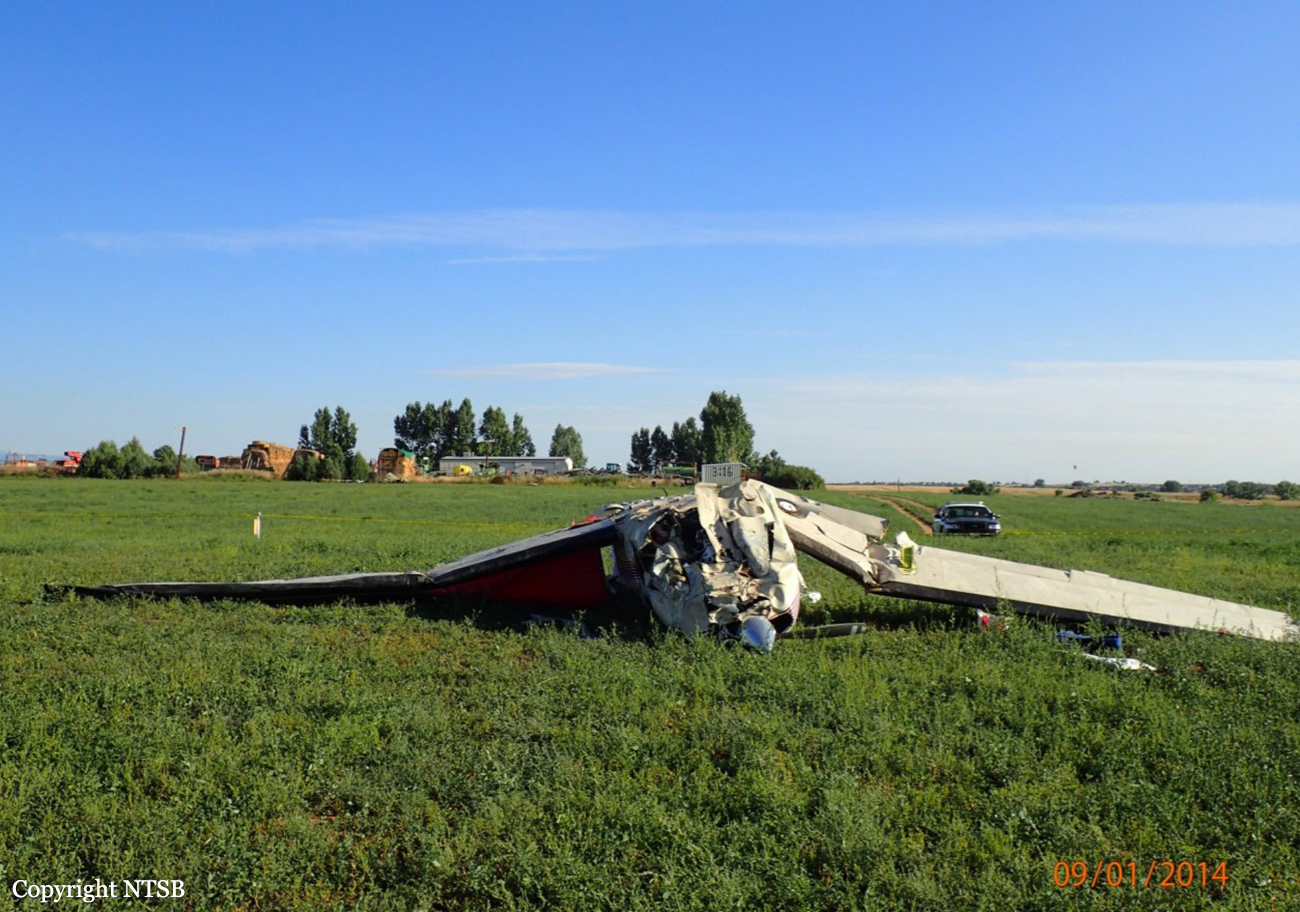
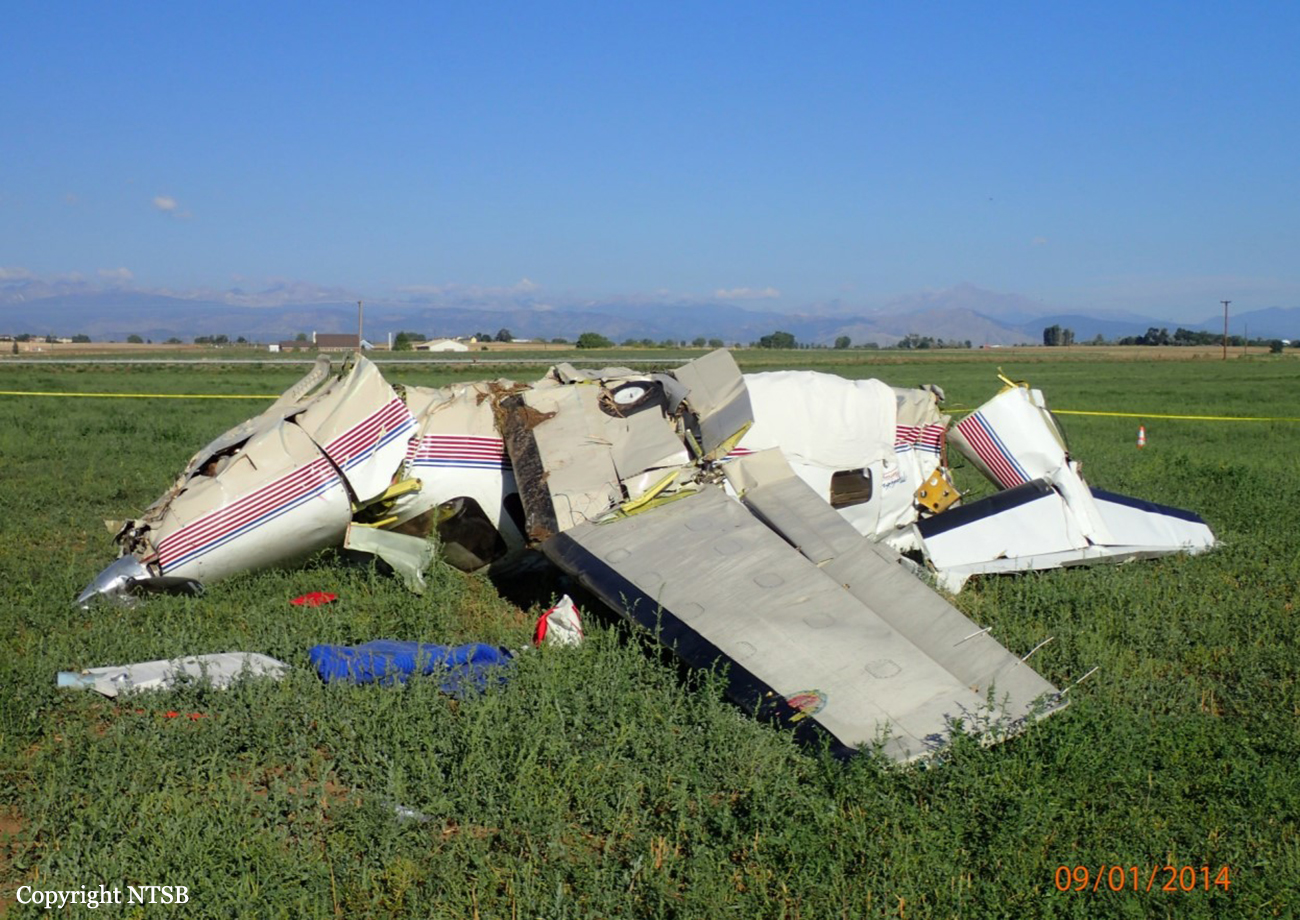
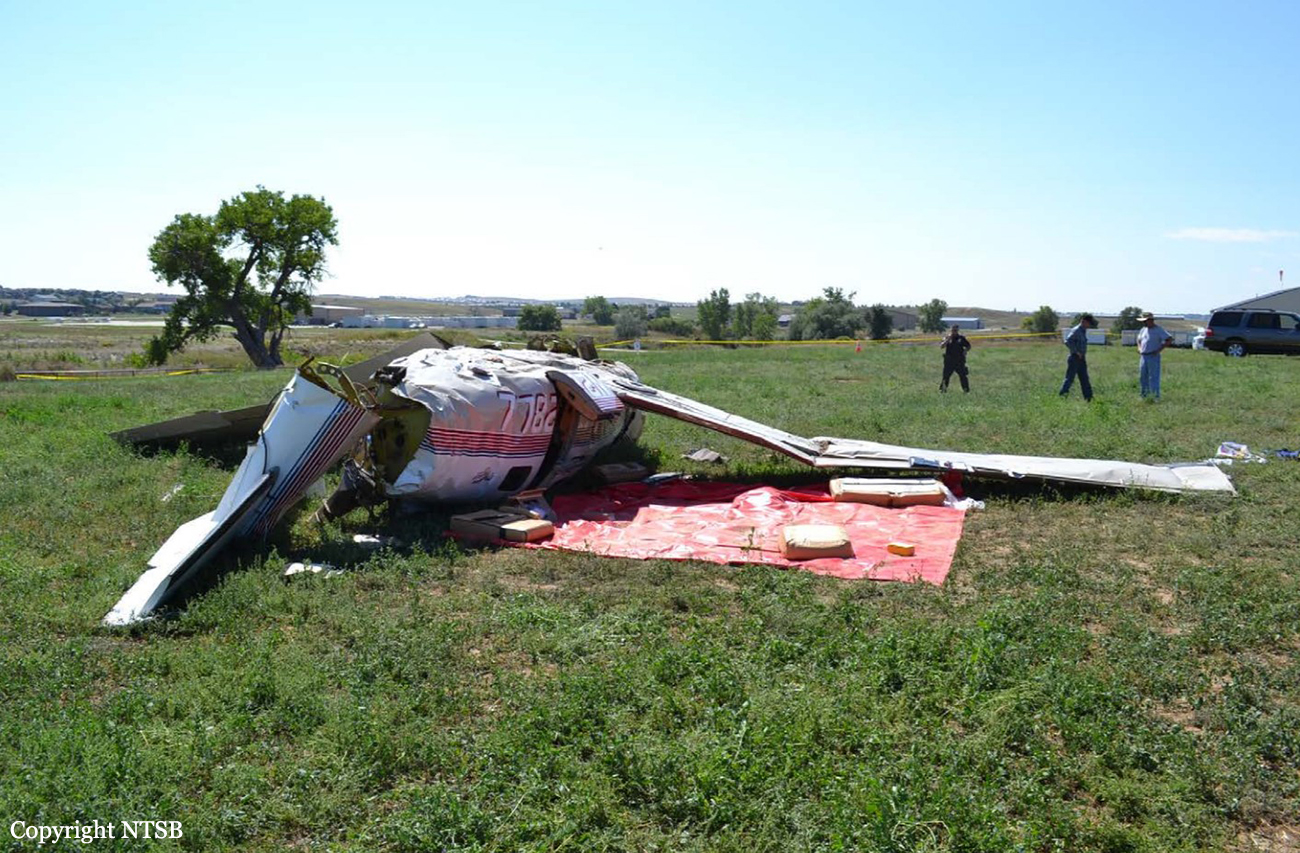
Crash of a Piper PA-46-350P Malibu Mirage in Erie: 5 killed

Date & Time: Aug 31, 2014 at 1150 LT
Registration:
N228LL
Flight Type:
Survivors:
No
Schedule:
Denver - Erie
MSN:
46-22164
YOM:
1994
Location:
Crew on board:
1
Crew fatalities:
Pax on board:
4
Pax fatalities:
Other fatalities:
Total fatalities:
5
Captain / Total flying hours:
1300
Aircraft flight hours:
2910
Circumstances:
The private pilot was inbound to the airport, attempting to conduct a straight-in approach to runway 33. Due to the prevailing wind, traffic flow at the time of the pilot's arrival was on runway 15. Another airplane was departing the airport in the opposite direction and crossed in close proximity to the accident airplane. The departing traffic altered his course to the right to avoid the accident airplane while the accident airplane stayed on his final approach course. The two aircraft were in radio communication on the airport common traffic advisory frequency and were exercising see-and-avoid rules as required. Witnesses reported that as the airplane continued down runway 33 for landing, they heard the power increase and observed the airplane make a left-hand turn to depart the runway in an attempted go-around. The airplane entered a left bank with a nose-high attitude, failed to gain altitude, and subsequently stalled and impacted terrain. It is likely the pilot did not maintain the necessary airspeed during the attempted go-around and exceeded the airplane's critical angle of attack. The investigation did not reveal why the pilot chose to conduct the approach with opposing traffic or why he attempted a landing with a tailwind, but this likely increased the pilot's workload during a critical phase of flight.
Probable cause:
The pilot's failure to maintain adequate airspeed and exceedance of the critical angle of attack during a go-around with a tailwind condition, which resulted in an aerodynamic stall. A contributing factor to the accident was the pilot's decision to continue the approach with opposing traffic.
Final Report:

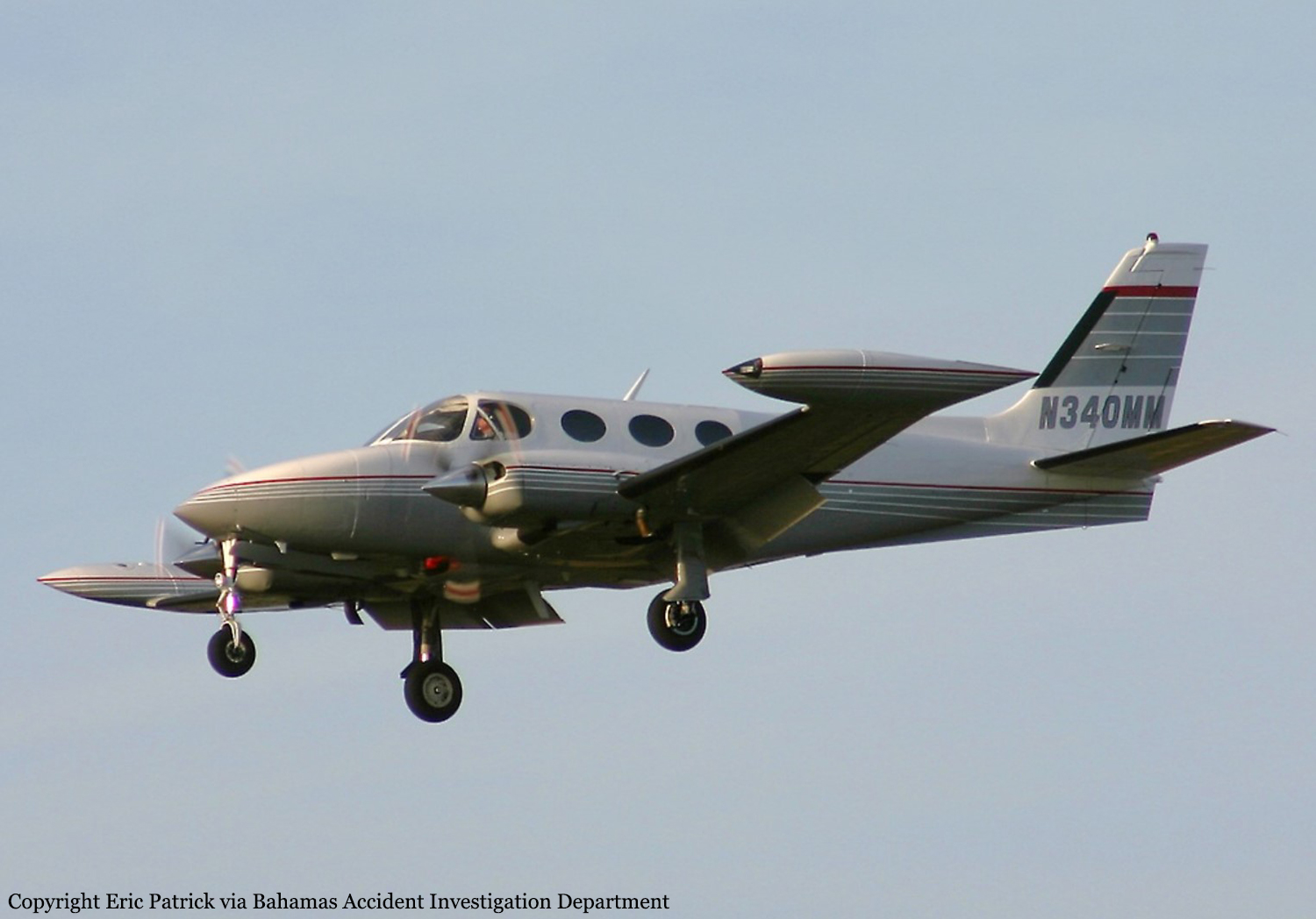
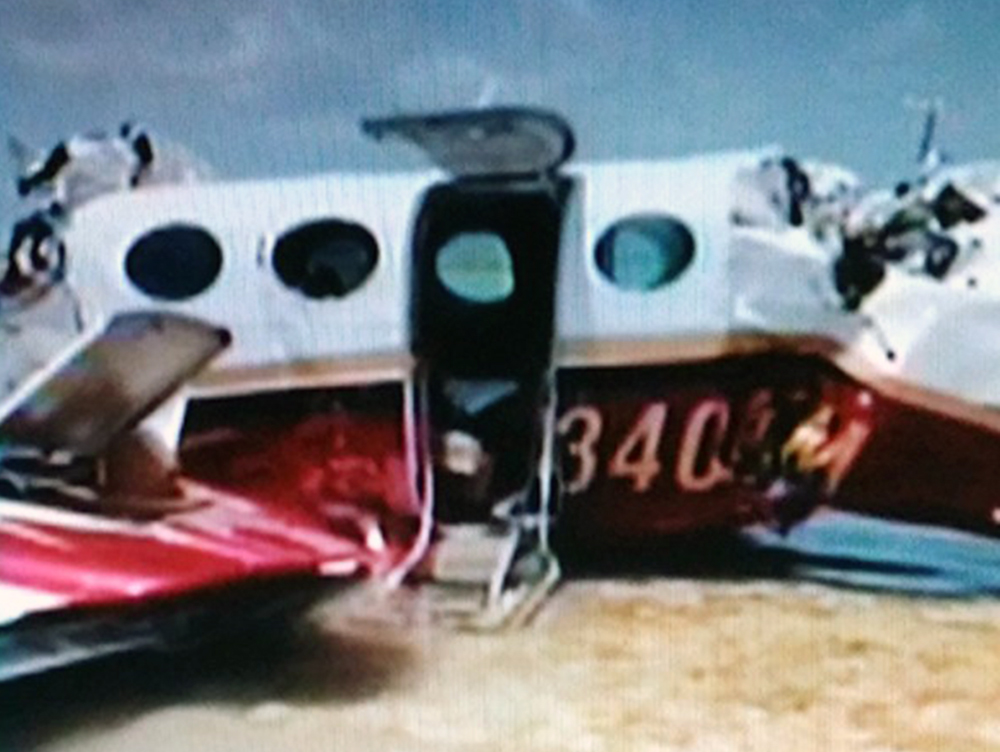
Crash of a Cessna 340A off Freeport: 4 killed

Date & Time: Aug 18, 2014 at 1002 LT
Type of aircraft:
Registration:
N340MM
Flight Type:
Survivors:
No
Schedule:
Ormond Beach - Freeport
MSN:
340A-0635
YOM:
1978
Country:
Crew on board:
1
Crew fatalities:
Pax on board:
3
Pax fatalities:
Other fatalities:
Total fatalities:
4
Aircraft flight hours:
5572
Circumstances:
On 18 August, 2014 at 10:02am local time (1402Z) UTC a fixed wing, twin-engine, Cessna 3 4 0 A aircraft, United States registration N340MM, serial number 340A0635, crashed into waters while on a left base to runway 06 at Grand Bahama International Airport (MYGF) Freeport, Grand Bahama, Bahamas. The aircraft departed Ormond Beach Municipal Airport (KOMN) at 8:51am local time (1251Z) for Grand Bahama International Airport (MYGF) on an Instrument Flight Rules (IFR) flight plan with the pilot and three passengers aboard. Sometime after 9:00am (1300Z) an IFR inbound flight plan on N340MM was received by Freeport Approach Control from Miami Center. Upon initial contact with Freeport Approach Control the pilot was given weather advisory, re-cleared to Freeport VOR and told to maintain four thousand feet and report at JAKEL intersection. He was also advised to expect an RNAV runway six approach. After the pilot’s acknowledgement of the information he later acknowledged his position crossing JAKEL. Freeport Approach then instructed the aircraft to descend to two thousand feet and cleared him direct to JENIB intersection for the RNAV runway six (6) approach. After descending to two thousand feet the pilot indicated to Freeport Approach that he had the field in sight and was able to make a visual approach. Freeport Approach re-cleared the aircraft for a visual approach and instructed the pilot to contact Freeport Control Tower on frequency 118.5. At 9:57am (1357Z) N340MM established contact with Freeport Tower and was cleared for the visual approach to runway six; he was told to join the left base and report at five (5) DME. At 10:01am (1401Z) the pilot reported being out of fuel and his intention was to dead stick the aircraft into the airport from seven miles out at an altitude of one thousand five hundred feet. A minute later the pilot radioed ATC to indicate they “were going down and expected to be in the water about five miles north of the airport.” Freeport Tower tried to get confirmation of the last transmission but was unable to. Several more calls went out from Freeport Tower to N340MM but communication was never reestablished. Freeport Control Tower then made request of aircrafts departing and arriving to assist in locating the lost aircraft by over flying the vicinity of the last reported position to see if visual contact could be made. An inbound aircraft reported seeing an aircraft down five miles from the airport on the 300 degree radial of the ZFP VOR. Calls were made to all the relevant agencies and search and rescue initiated. The aircraft was located at GPS coordinates 26˚ 35.708’N and 078˚ 47. 431 W. The aircraft received substantial damage as a result of the impact and crash sequence. There were no survivors.
Probable cause:
The probable cause of this accident has been determined as a lack of situational awareness resulting in a stalled condition and loss of control while attempting to remedy a fuel exhaustion condition at a very low altitude.
Contributing factors:
- The pilot’s incorrect fuel calculations which resulted in fuel exhaustion to both engines.
- Stalled aircraft.
- Loss of situational awareness.
Final Report: