Zone

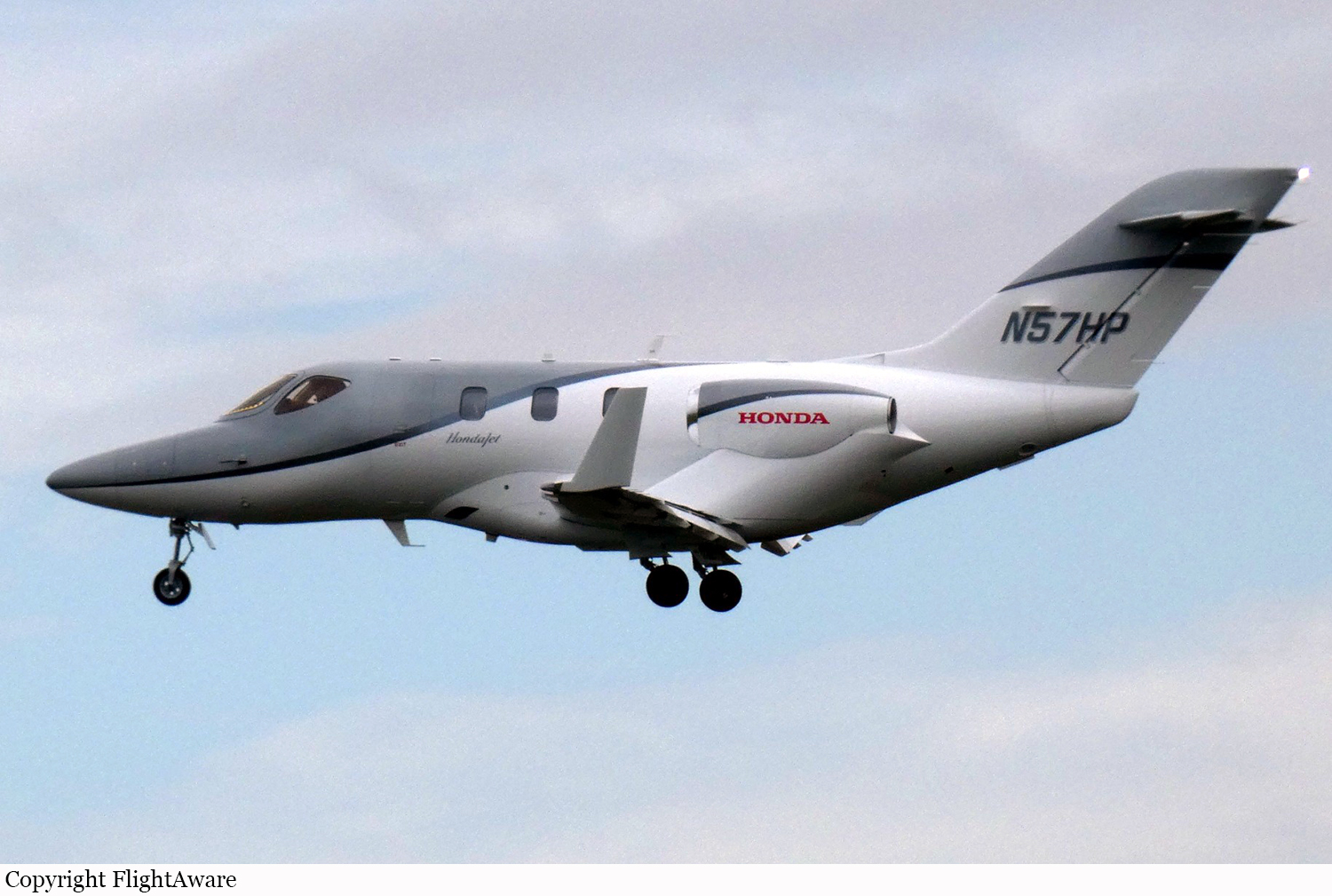
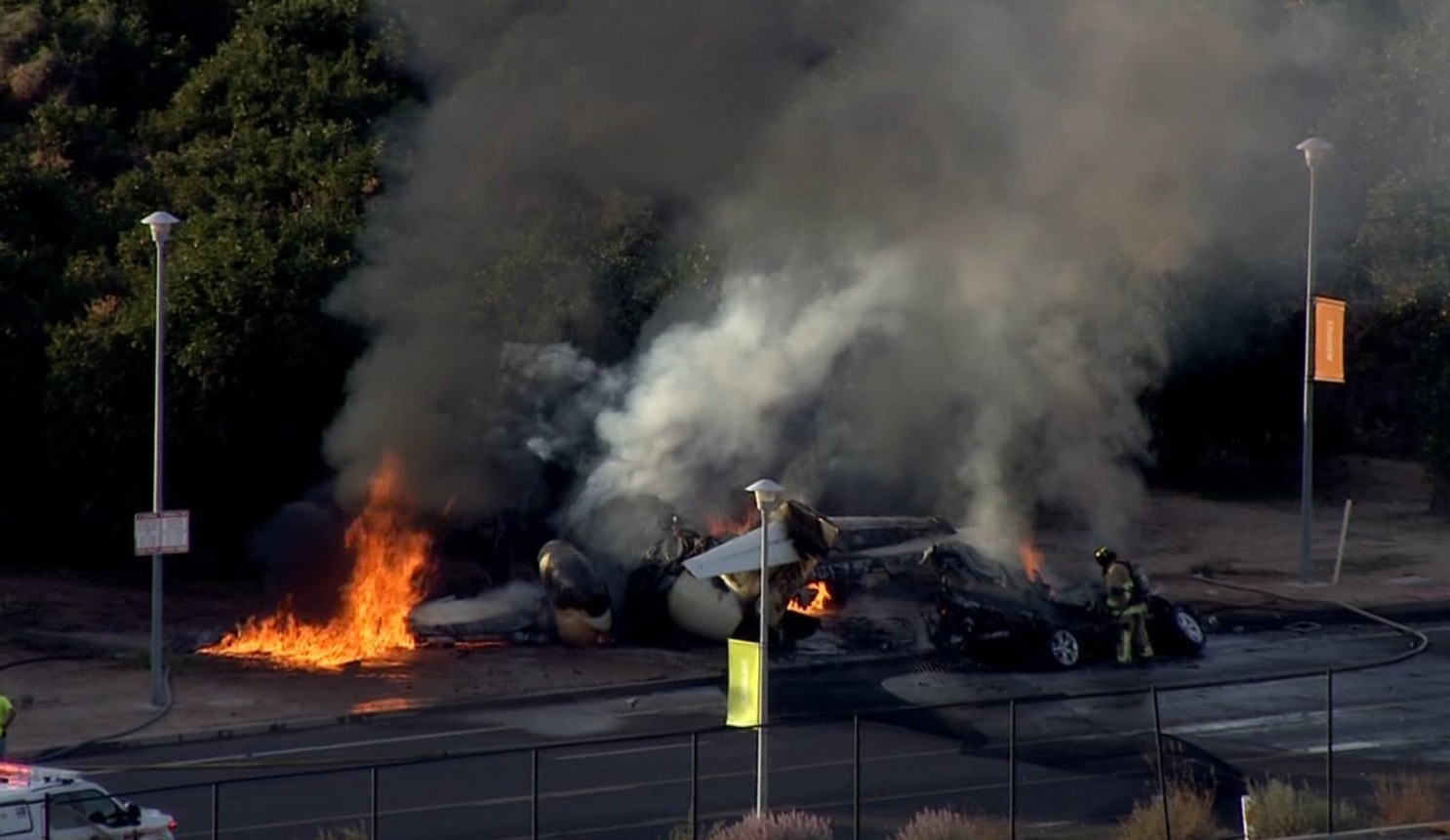
Crash of a Honda HA-420 HondaJet in Mesa: 5 killed

Date & Time: Nov 5, 2024 at 1639 LT
Type of aircraft:
Registration:
N57HP
Flight Phase:
Flight Type:
Survivors:
Yes
Schedule:
Mesa - Provo
MSN:
420-00033
YOM:
2016
Crew on board:
2
Crew fatalities:
Pax on board:
3
Pax fatalities:
Other fatalities:
Total fatalities:
5
Circumstances:
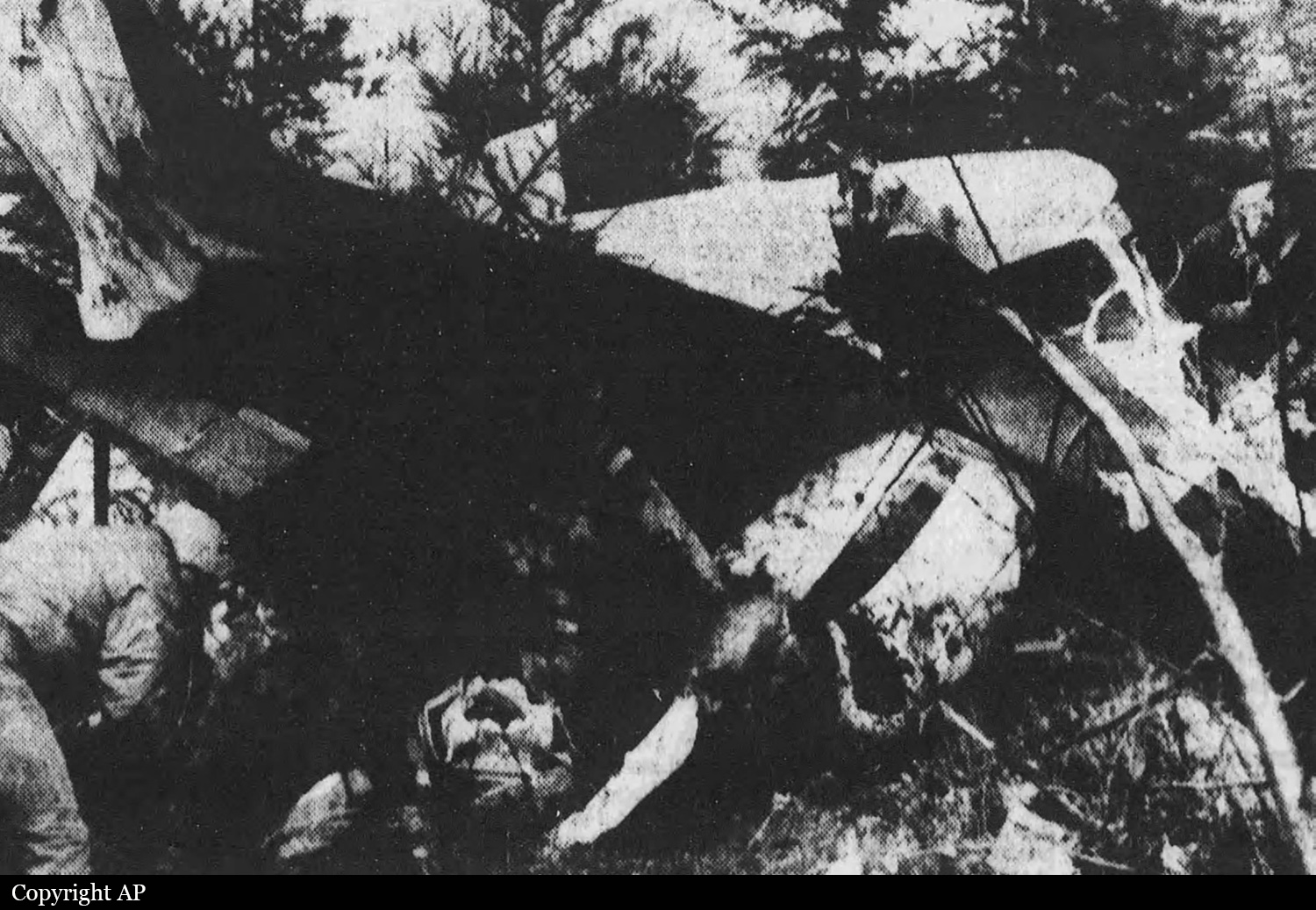
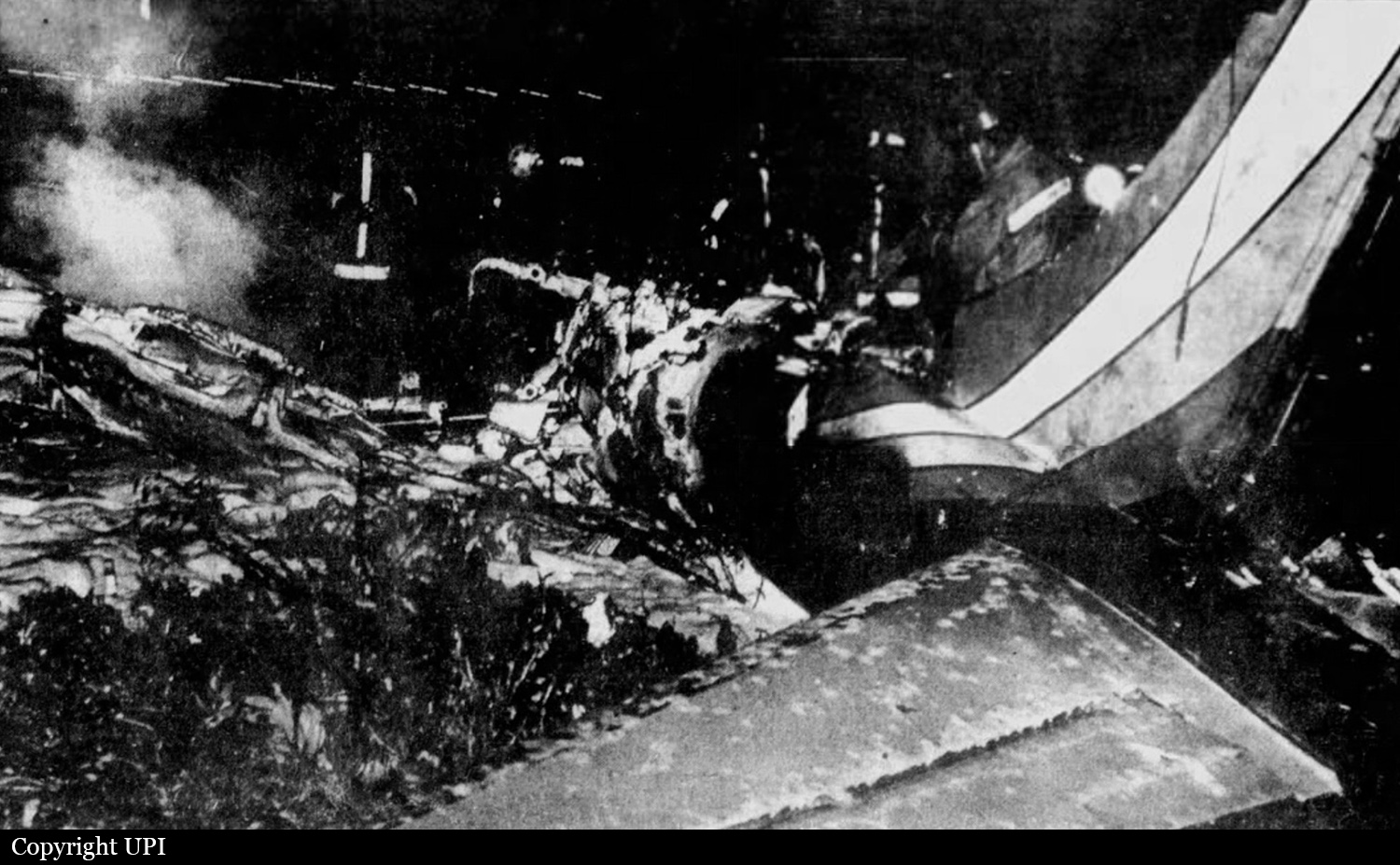
During the takeoff roll on runway 22L at Mesa-Falcon Field Airport, after completing a distance of about 3,400 feet and at a speed of 133 knots, the crew decided to abort the takeoff procedure and initiated an emergency braking maneuver. Unable to stop within the remaining distance, the airplane overran, went through the perimeter fence, hit a car moving around on North Greenfield Road and eventually came to rest against trees, bursting into flames. A passenger was rescued while four other occupants, two passengers and both pilots were killed. The car's driver was also killed. The accident occurred in good weather conditions.

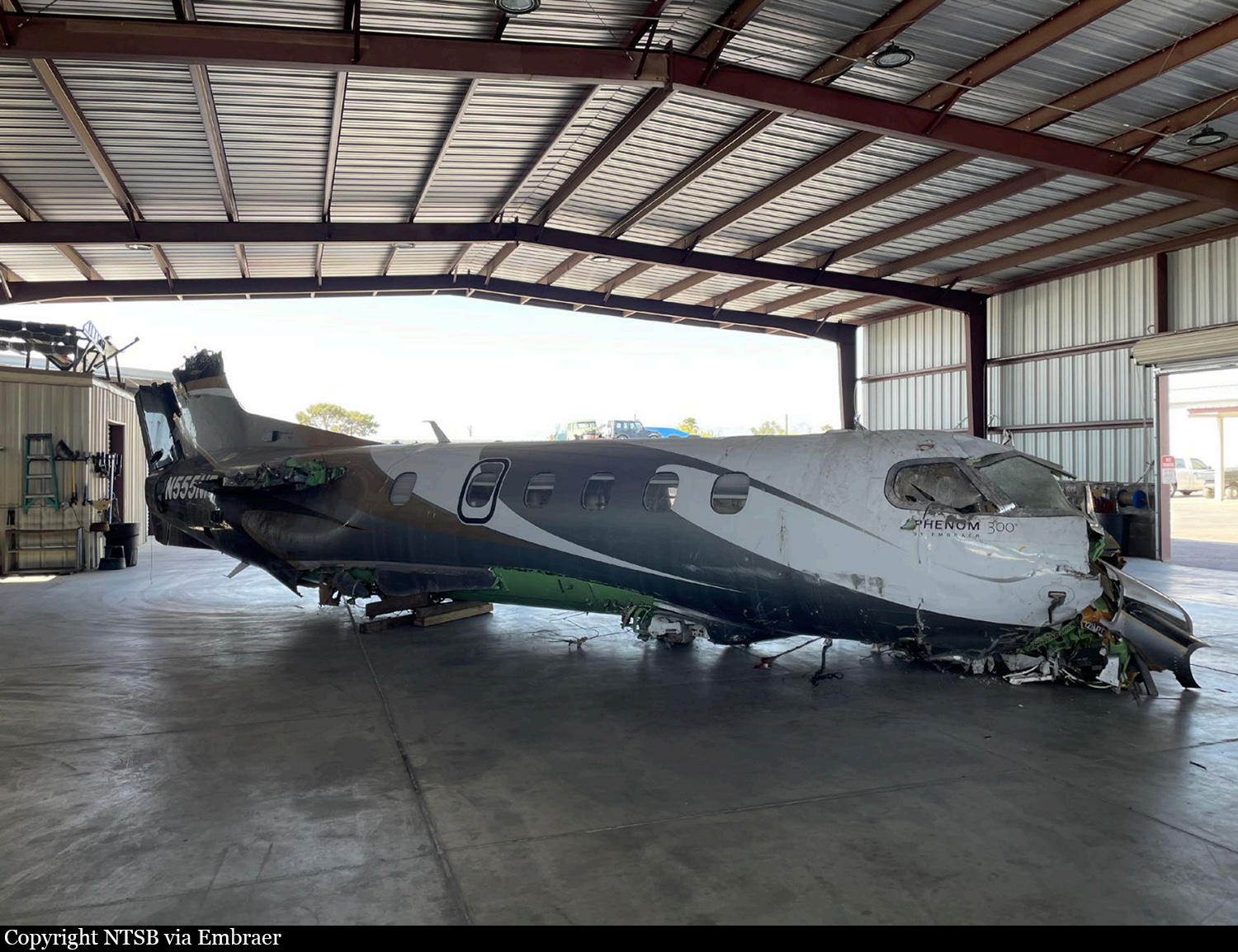
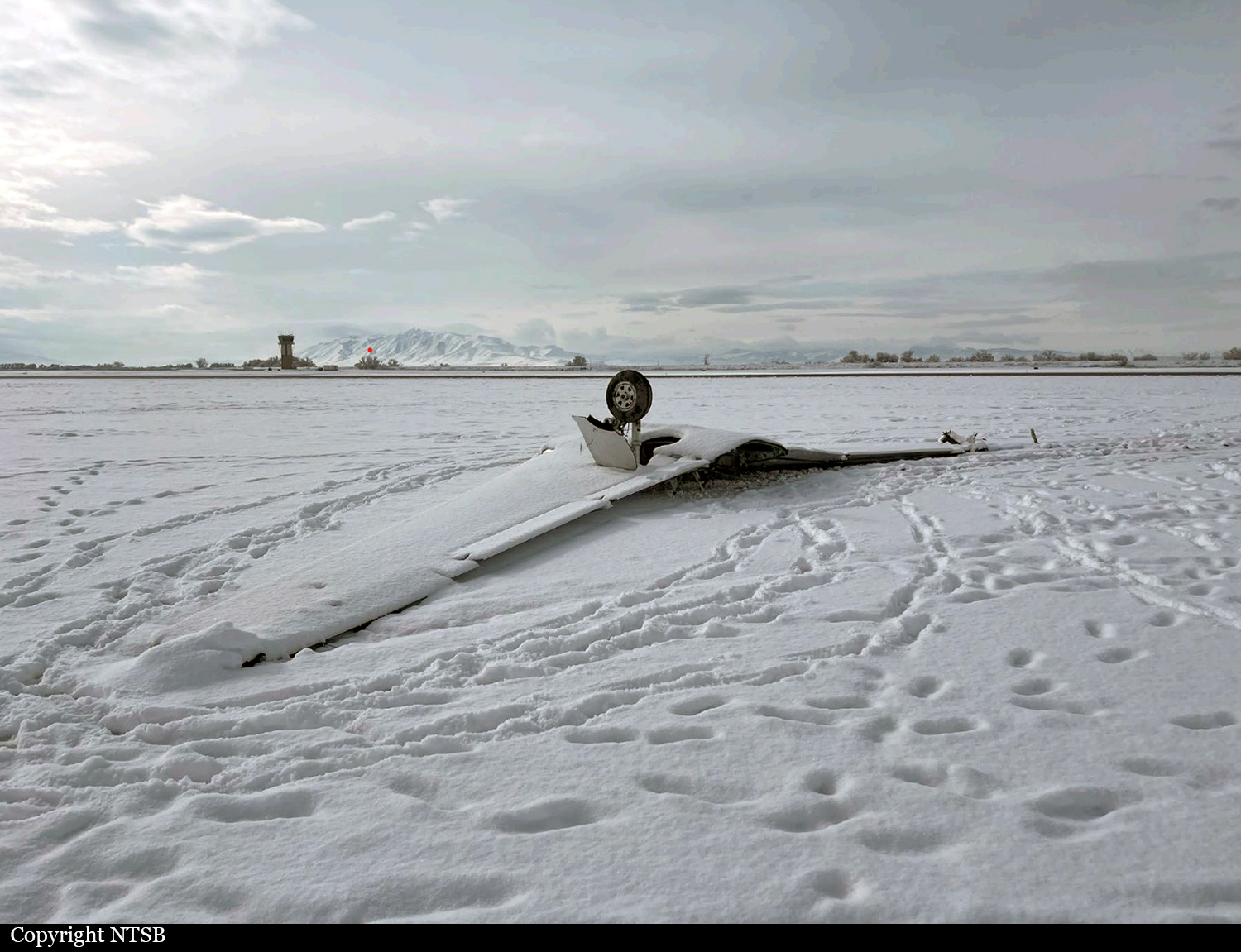
Crash of an Embraer EMB-505 Phenom 300 in Provo: 1 killed

Date & Time: Jan 2, 2023 at 1135 LT
Type of aircraft:
Operator:
Registration:
N555NR
Flight Phase:
Flight Type:
Survivors:
Yes
Schedule:
Provo - Chino
MSN:
505-00327
YOM:
2015
Location:
Crew on board:
1
Crew fatalities:
Pax on board:
3
Pax fatalities:
Other fatalities:
Total fatalities:
1
Captain / Total flying hours:
3456
Captain / Total hours on type:
172.00
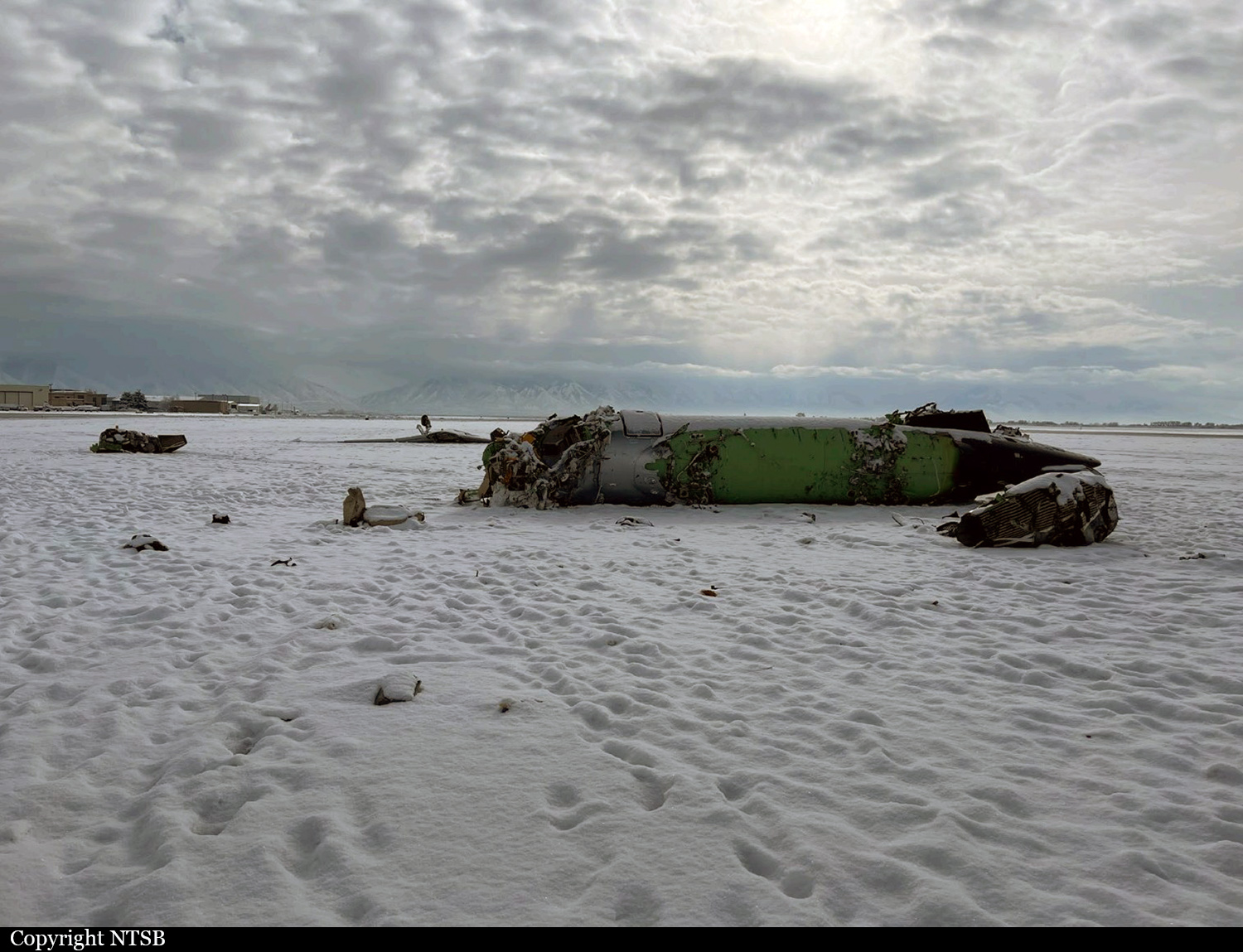
Circumstances:
The airplane was removed from a heated hangar and refueled, at which time water droplets were visible on both wings. The airplane remained outside for about 40 minutes, with no deice or anti-ice treatment, until takeoff was initiated. Multiple witnesses near the accident site reported observing the airplane take off and enter a nose-high attitude, after which it immediately rolled left and impacted the terrain. Wreckage and impact signatures at the accident site were consistent with the left wing impacting the runway surface before the nose of the airplane impacted terrain just to the left of the runway. Witnesses characterized the precipitation at the time of the accident as snow and misty rain, varying in intensity between light and medium. The airplane was equipped with a Wing and Horizontal Stabilizer Anti-Icing System to prevent and remove any ice formation on the leading edges of the wing and the horizontal stabilizer; the system is activated by a “Wing Stab” switch. Based upon both witness statements and flight data from the Cockpit Voice Data Recorder (CVDR) and Flight Data Recorder (FDR), the Wing Stab ice switch was turned on about 9 minutes after engine start, while the pilot was performing his checklist; however, it was turned off shortly thereafter. The recorded position of the Wing Stab system switch remained off through the remainder of the recorded data. The airplane pilot’s operating handbook (POH) stated that airplane surfaces contaminated by ice, frozen precipitation, or frost must be deiced before departure. The POH also stated that the airplane must be anti-iced when the risk of freezing precipitation exists or is actually taking place. While deicing removes ice, anti-icing protects against additional icing for a certain period of time. The POH further states that the entire wing should be inspected during the pre-takeoff contamination check, not just the leading edge of the wing or wingtips, and that “when inspecting the wing, during the pre-takeoff contamination check, look at the entire upper surface and not only at the leading edge or wing tip. Although the wing tips can be seen from the cockpit, almost the entire wing is visible from a cabin window. Therefore, it is strongly advised that the visual inspection be done by a crew member from the cabin. Additionally, the crew should ask for the assistance of trained and qualified personnel outside the airplane to assist in the pre-takeoff and check to make sure that the tail and fuselage, which are not visible from the cockpit or cabin, are free of any ice contamination.” Furthermore, the before-takeoff checklist included an ice accumulation check, and included guidance that, “aerodynamic surfaces must be confirmed free of all forms of frost, ice, snow and slush prior to entering the takeoff runway or initiating takeoff.” No evidence of the pilot requesting a passenger or vocalizing that he was checking the wings for ice accumulation was heard on the CVR audio. A postaccident examination of the airframe and engine revealed no evidence of mechanical malfunctions or failures that would have precluded normal operation. Although the Wing Stab ice protection switch was found in the on position, recorded data indicated that, after the initial system check, the wing stab ice protection system remained off through the remainder of the recorded data. The panel the switch was mounted to had separated from the instrument panel and had an area of dirt/mud directly below the switch itself. The anti-ice system valves and controller were tested at the respective manufacturers and functioned normally. Accordingly, based on the evidence, the switch was likely moved to the on position during the accident sequence. It could not be determined why the Wing Stab ice protection switch was turned off. At the accident time, and in the 3 hours before the accident, light snow, mist, IFR ceilings, and a temperature of -1°C were reported at the departure airport. Witnesses reported that around the time of the accident light snowfall with freezing mist existed, which would have allowed for accumulation of ice to form on the upper surfaces of the wings, fuselage, and tail surfaces in the 40 minutes between when the airplane exited the hangar and when it took off. Given that the pilot did not obtain any deice or anti-ice services before departure, and the immediate roll to the left as the weight on wheels transitioned from ground to air, the airplane likely had some degree of ice contamination on the upper surfaces of the wings, fuselage, and tail that affected the flight characteristics of the airplane.
Probable cause:
The pilot’s failure to deice the airplane before takeoff in weather conditions conducive to ice accumulation, which resulted in an ice-contaminated wing and subsequent stall during takeoff.
Final Report:

Crash of a Piper PA-31-310 Navajo in Enumclaw

Date & Time: Nov 29, 1990 at 1110 LT
Type of aircraft:
Registration:
N13UW
Flight Phase:
Flight Type:
Survivors:
Yes
Schedule:
Provo - Everett
MSN:
31-512
YOM:
1969
Crew on board:
1
Crew fatalities:
Pax on board:
4
Pax fatalities:
Other fatalities:
Total fatalities:
0
Captain / Total flying hours:
638
Captain / Total hours on type:
559.00
Circumstances:
During a cross country flight, the pilot failed to plan for the effects of known adverse weather, including strong winds aloft and mountain wave activity. The pilot overflew several possible fuel stops, continuing on toward the destination until the fuel was exhausted. The airplane collided with heavily wooded terrain after the loss of power to both engines.
Probable cause:
Fuel exhaustion due to inadequate preflight planning and preparations, and poor inflight planning and decisions. The pilot elected to fly into known adverse weather conditions, and did not calculate fuel consumption for the planned flight.
Final Report:

Crash of a Piper PA-61 Aerostar (Ted Smith 601) in San Diego: 5 killed

Date & Time: Feb 17, 1983 at 1913 LT
Registration:
N90353
Flight Phase:
Flight Type:
Survivors:
No
Schedule:
San Diego - Provo
MSN:
61P-0211-021
YOM:
1975
Crew on board:
1
Crew fatalities:
Pax on board:
4
Pax fatalities:
Other fatalities:
Total fatalities:
5
Circumstances:
While taking off, the aircraft climbed approximately 100 to 200 feet, then began loosing altitude. During a forced landing on a street, it hit a parked car and a light pole and burst in flames. The pilot, who later expired, said that neither engine developed full power (2575 rpm). He said this was not unusual when power was 1st applied, but said full rpm was generally obtained shortly after the roll was begun. After being committed for takeoff, both rpm's were reportedly between 2,300 and 2,400 rpm. Several witnesses stated the engines sounded like they were running rough. A witness reported the aircraft swerved 'as tho the pilot had difficulty with the left engine.' Reportedly, the pilot 'dropped some more flaps' below the 20° takeoff setting 'in order to pull it off' and raised the gear immediately after liftoff. Engine teardowns revealed excessive spark plug gaps, 1 magneto on the right engine had a .008 point gap (.016 required), its #1 and #4 distributor blocks were cracked and the #1 and #6 leads would not fire properly. Hartzell f-6-5a prop governors installed in place of f-6-35a. Aircraft was approximately 348 lbs over max weight limit. All five occupants were killed.
Probable cause:
Occurrence #1: loss of engine power(partial) - mech failure/malf
Phase of operation: takeoff - roll/run
Findings
1. (c) maintenance - improper - other maintenance personnel
2. (c) propeller system/accessories,governor - improper
3. (c) ignition system,magneto - cracked
4. (c) ignition system,magneto - erratic
5. (c) ignition system,spark plug - worn
----------
Occurrence #2: forced landing
Phase of operation: landing
Findings
6. (f) aircraft weight and balance - exceeded - pilot in command
7. (c) operation with known deficiencies in equipment - continued - pilot in command
8. (c) aborted takeoff - not performed - pilot in command
9. (f) lowering of flaps - improper - pilot in command
10. (f) lift-off - premature - pilot in command
----------
Occurrence #3: on ground/water collision with object
Phase of operation: landing
Findings
11. (f) light condition - night
12. (f) object - vehicle
13. (f) object - utility pole
Final Report:

Crash of a Mitsubishi MU-2B-20 Marquise in Provo: 2 killed

Date & Time: Dec 21, 1979 at 1758 LT
Type of aircraft:
Operator:
Registration:
N200BR
Survivors:
No
Schedule:
Denver - Provo
MSN:
205
YOM:
1971
Location:
Crew on board:
1
Crew fatalities:
Pax on board:
1
Pax fatalities:
Other fatalities:
Total fatalities:
2
Captain / Total flying hours:
12833
Captain / Total hours on type:
1785.00
Circumstances:
The pilot started the approach to Provo Municipal Airport by night. Due to limited visibility, he was unable to locate the runway as the lights were off. On final, the twin engine airplane crashed in a swamp located near the airport and was destroyed. Both occupants were killed.
Probable cause:
Controlled collision with ground in traffic pattern-circling due to inadequate preflight preparation on part of the pilot. The following contributing factors were reported:
- Improper IFR operation,
- The pilot misjudged altitude,
- Rain,
- Aircraft came to rest in water,
- The runway lights were not activated by the pilot,
- The pilot circled east when the runway was not sited.
Final Report:

Crash of a Cessna 421C Golden Eagle III near Spanish Fork: 5 killed

Date & Time: Jan 9, 1979 at 1710 LT
Operator:
Registration:
N5469G
Flight Phase:
Survivors:
No
Site:
Schedule:
Provo - San Francisco
MSN:
421C-0216
YOM:
1972
Crew on board:
1
Crew fatalities:
Pax on board:
4
Pax fatalities:
Other fatalities:
Total fatalities:
5
Captain / Total flying hours:
2629
Captain / Total hours on type:
52.00
Circumstances:
Few minutes after takeoff from Provo Airport, while climbing in marginal weather conditions and limited visibility, the twin engine airplane struck the slope of a mountain located near Spanish Fork, few miles southeast of Provo. The wreckage was found four days later, on January 13. All five occupants were killed.
Probable cause:
Controlled collision with ground from climb to cruise due to improper IFR operation. The following contributing factors were reported:
- Inadequate preflight preparation,
- Low ceiling,
- Fog,
- Snow,
- Visibility 3/4 mile or less.
Final Report:

Crash of a Cessna 421B Golden Eagle I in Roosevelt: 2 killed

Date & Time: Nov 21, 1973 at 1050 LT
Operator:
Registration:
N2217Q
Flight Phase:
Survivors:
No
Schedule:
Provo - Omaha
MSN:
421B-0017
YOM:
1970
Location:
Crew on board:
1
Crew fatalities:
Pax on board:
1
Pax fatalities:
Other fatalities:
Total fatalities:
2
Captain / Total flying hours:
18000
Captain / Total hours on type:
458.00
Circumstances:
While in cruising altitude, the pilot encountered problems with the left propeller and lost control of the airplane that dove into the ground and crashed in Roosevelt. The aircraft was destroyed and both occupants were killed.
Probable cause:
Powerplant failure caused by a propeller and accessories (governors) technical issue. The following factors were reported:
- Governors disconnected,
- Failed to maintain flying speed,
- Improper operation of flight controls,
- Physical impairment,
- Suspected mechanical discrepancy,
- Left governors lower spring seat/thrust bearing of pilot valve plunger loose,
- Possibility of hypoglycemic reaction.
Final Report:

Crash of a Douglas DC-3A near Salt Lake City: 13 killed

Date & Time: Nov 27, 1965 at 0715 LT
Type of aircraft:
Operator:
Registration:
N485
Flight Phase:
Survivors:
No
Site:
Schedule:
Lake City – Provo – Albuquerque
MSN:
4848
YOM:
1942
Flight number:
EDD065
Crew on board:
4
Crew fatalities:
Pax on board:
9
Pax fatalities:
Other fatalities:
Total fatalities:
13
Captain / Total flying hours:
12361
Captain / Total hours on type:
1443.00
Circumstances:
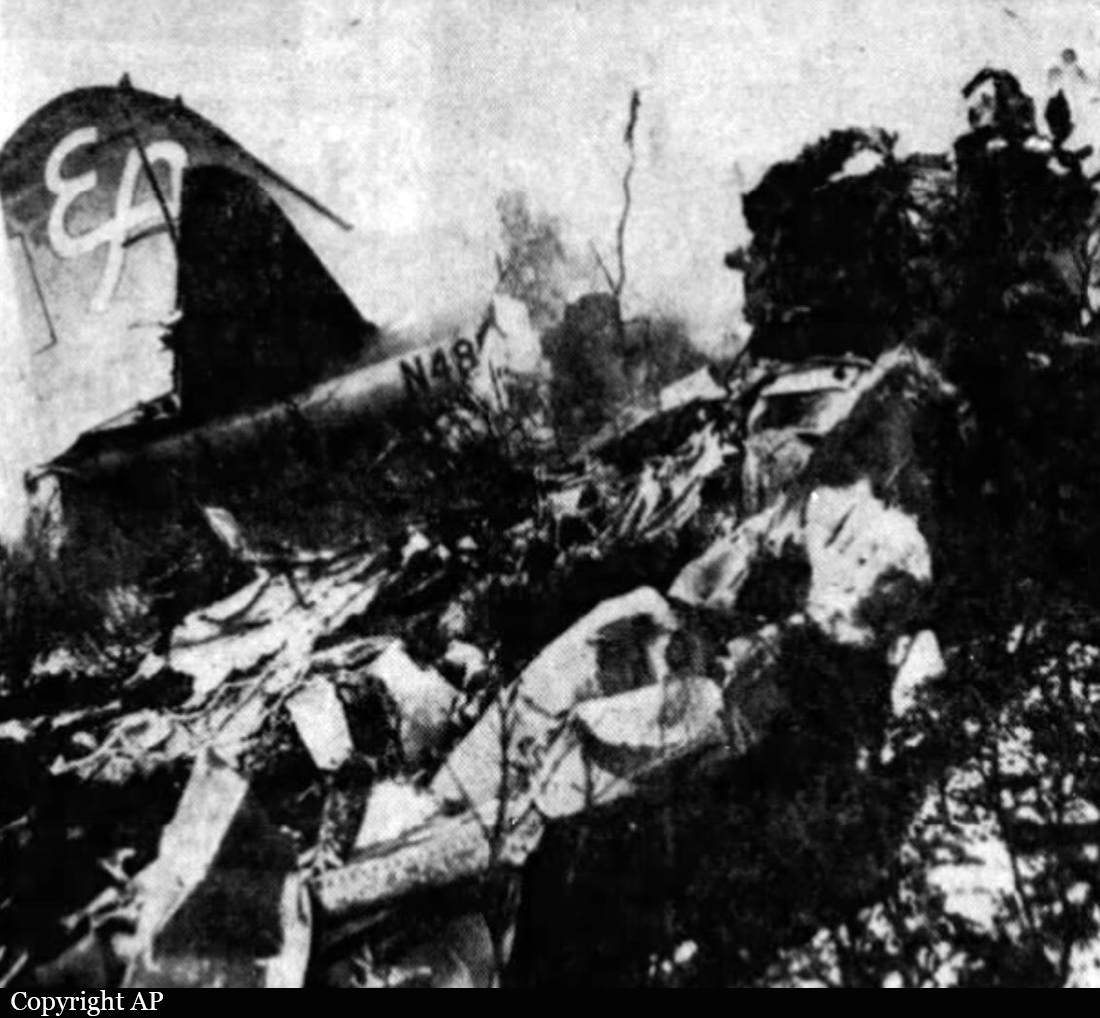
The airplane was on a charter flight from Salt Lake City to Albuquerque with an intermediate stop at Provo, carrying football supporters. Four minutes after its departure from Salt Lake City Airport, the crew encountered poor weather conditions when, at an altitude of 5,500 feet, the airplane struck the slope of a mountain located 22 miles south of Salt Lake City. The wreckage was found 11 feet below the summit (5,449 feet) and was destroyed upon impact. All 13 occupants were killed, among them the captain Garth Edde who founded Edde Airlines in 1960. At the time of the accident, the airplane was one mile east of the intended track.
Probable cause:
It was determined that the crew flew under VFR mode in adverse weather conditions. The crew exercised poor judgment.
Final Report:

Crash of a Boeing 247 in Provo

Date & Time: May 12, 1933 at 0830 LT
Type of aircraft:
Operator:
Registration:
NC13320
Flight Phase:
Flight Type:
Survivors:
Yes
Site:
Schedule:
Salt Lake City – Rock Springs
MSN:
1701
YOM:
1933
Location:
Crew on board:
2
Crew fatalities:
Pax on board:
0
Pax fatalities:
Other fatalities:
Total fatalities:
0
Aircraft flight hours:
15
Circumstances:
While on a cargo flight from Salt Lake City to Rock Springs, the crew encountered poor visibility due to foggy conditions. Too low, the airplane impacted ground and crashed on the slope of a mountain located near Provo. The aircraft was destroyed and both pilots were seriously injured.
Probable cause:
Controlled flight into terrain.