Circumstances:
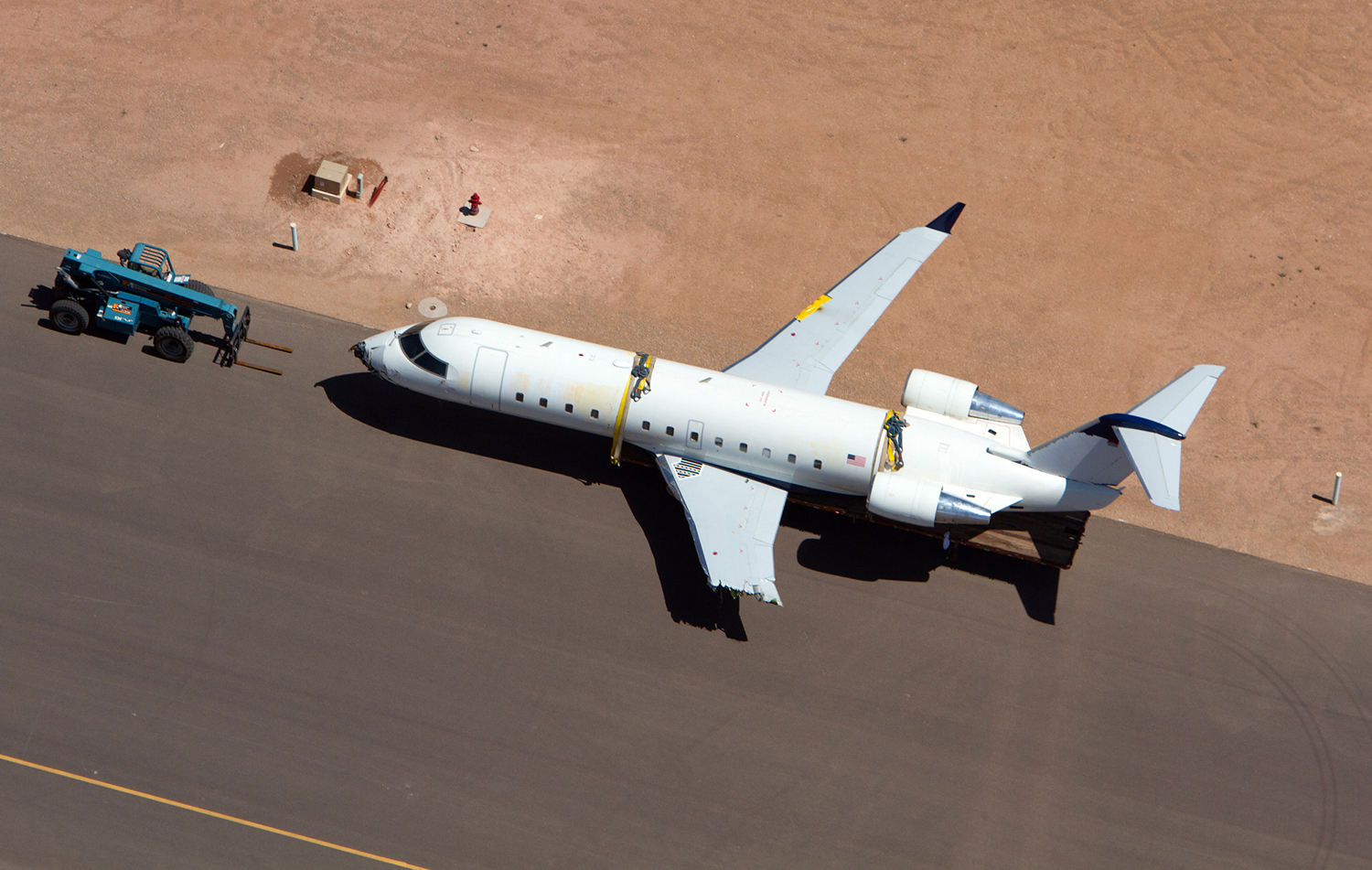
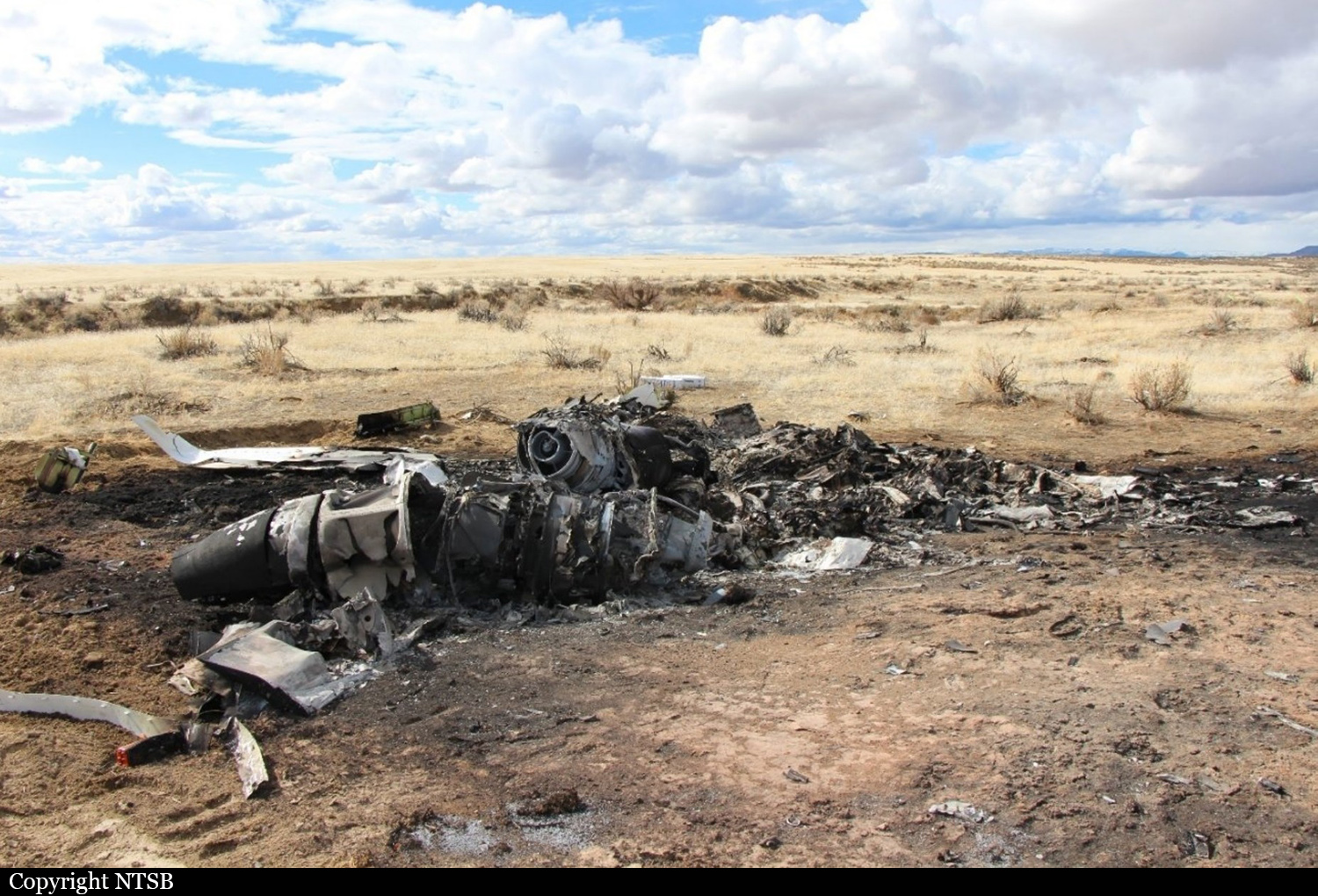
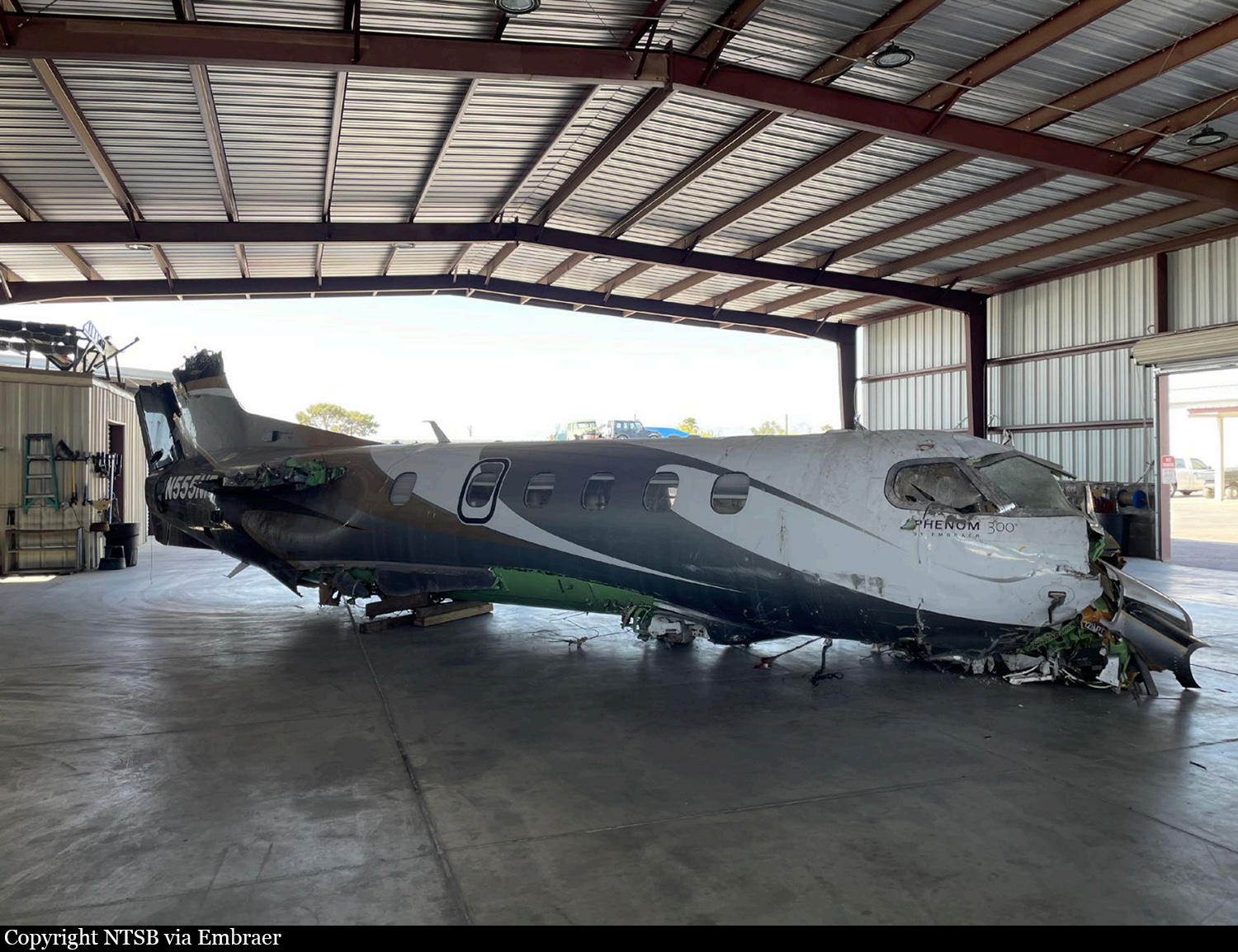
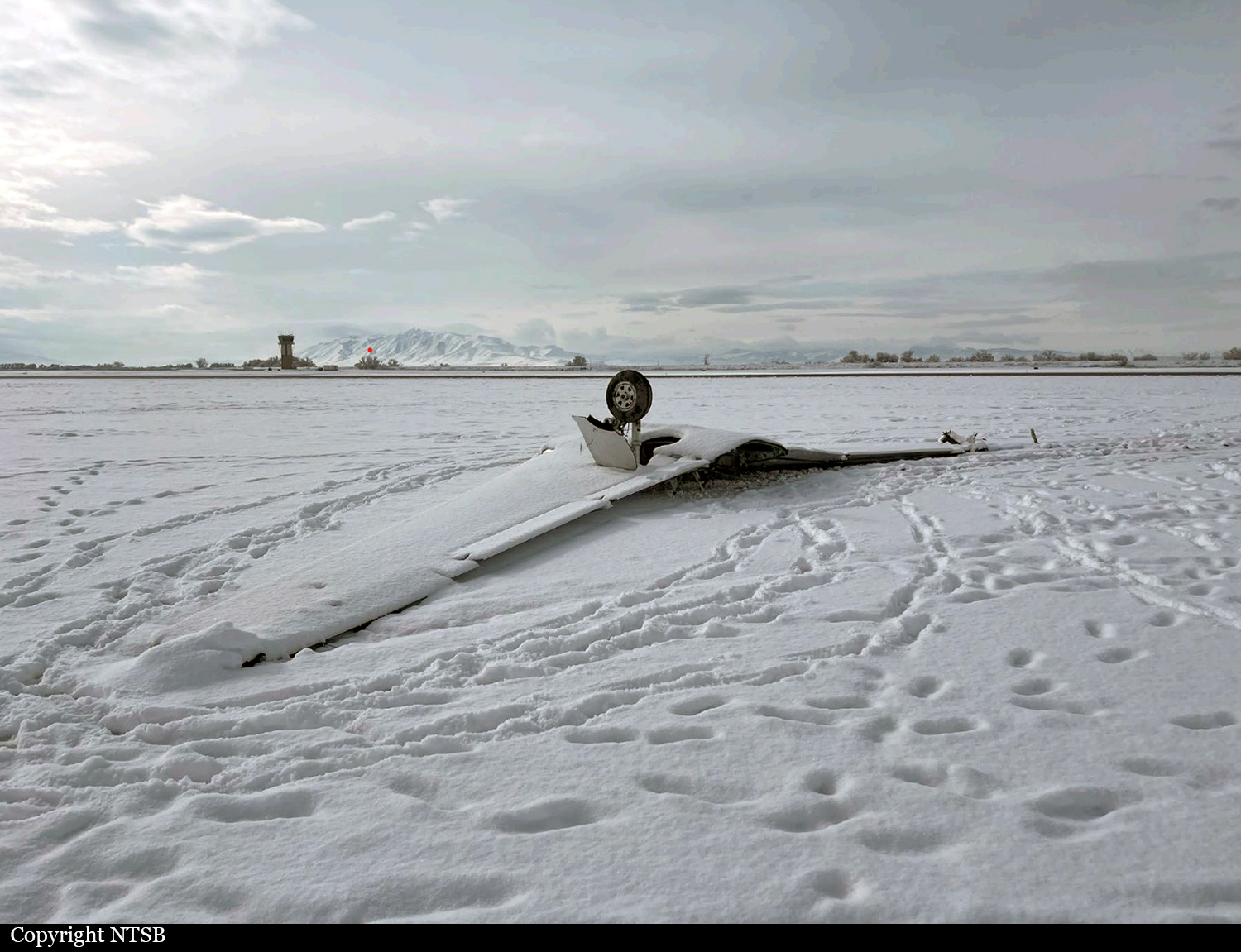
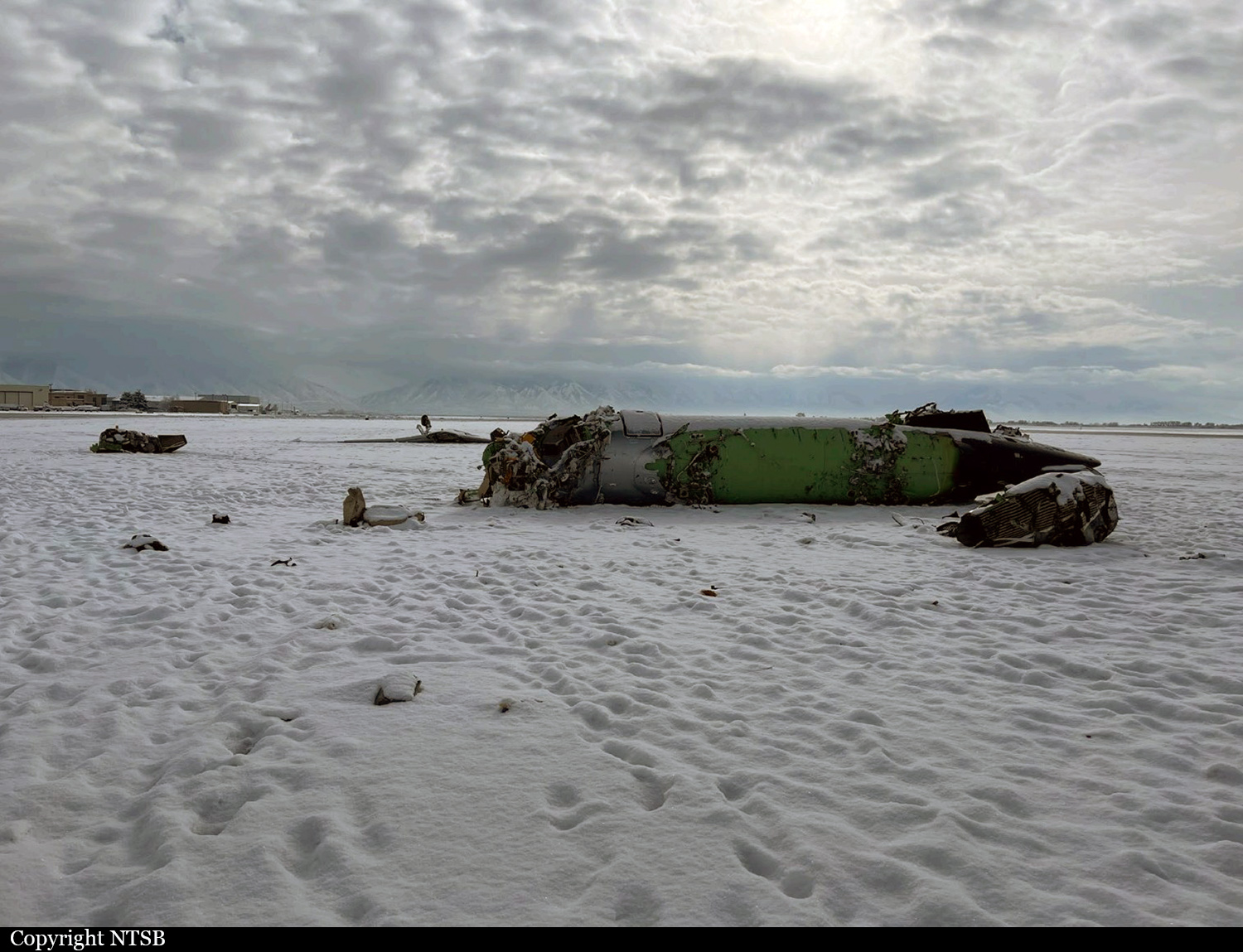
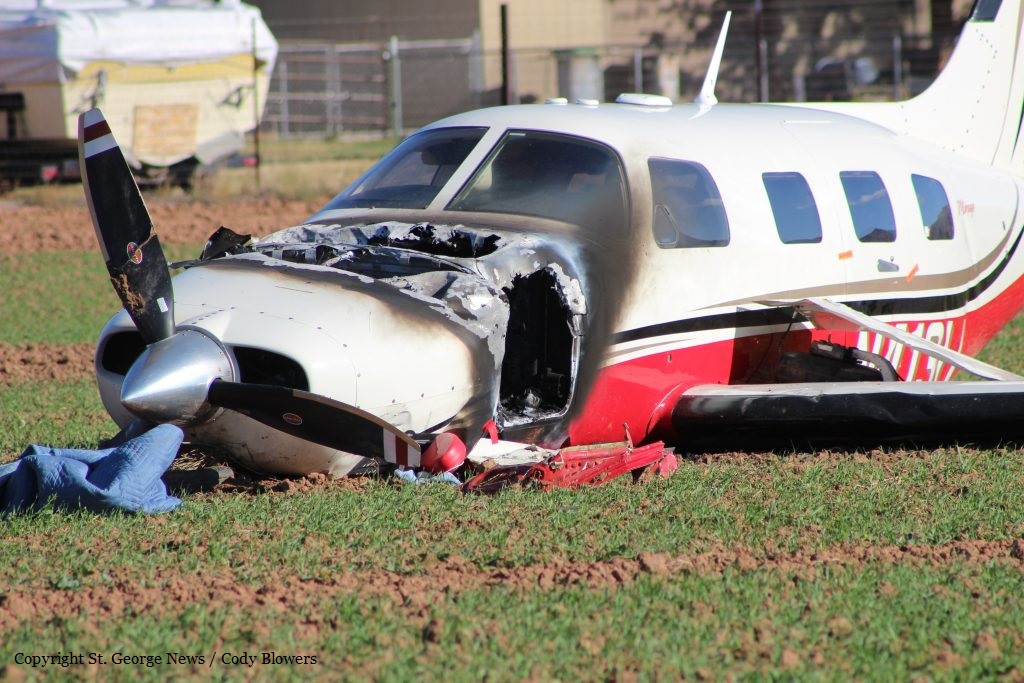
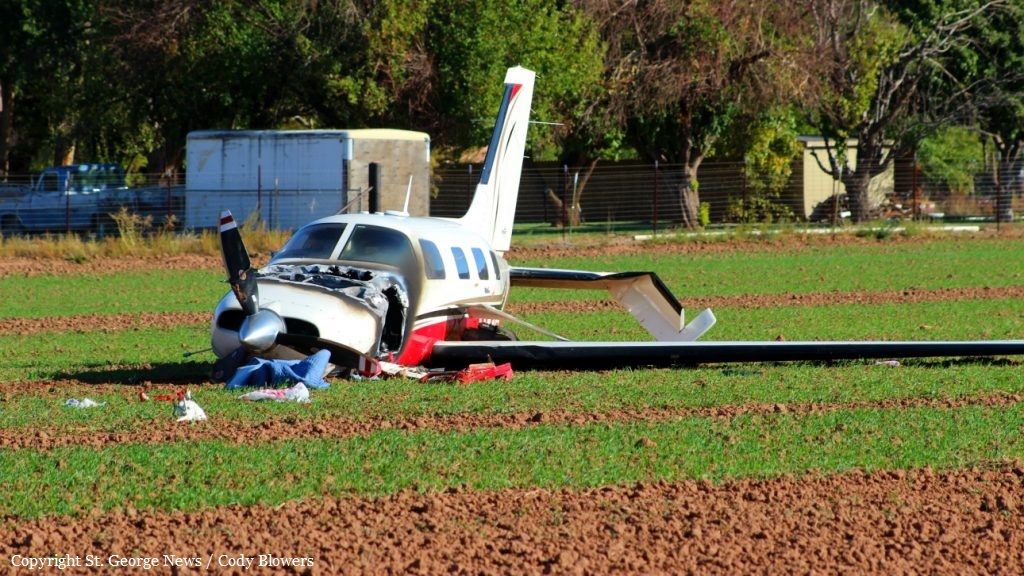
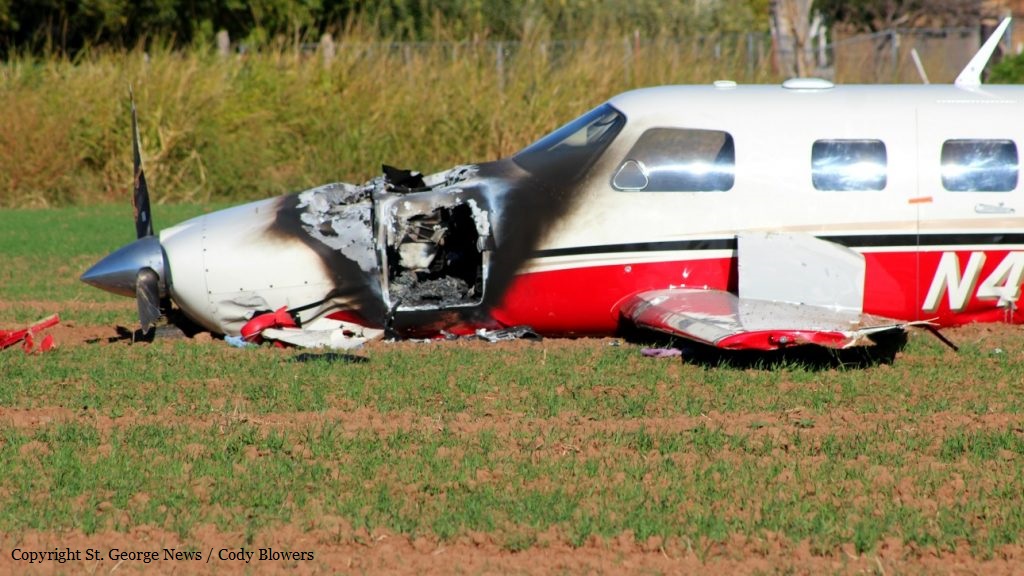
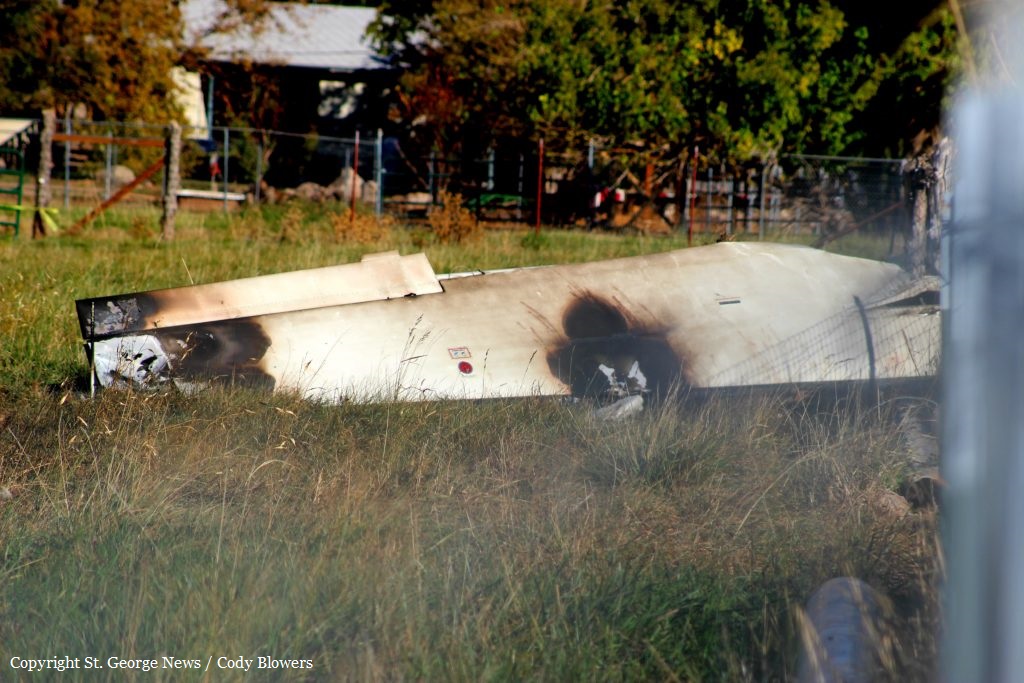
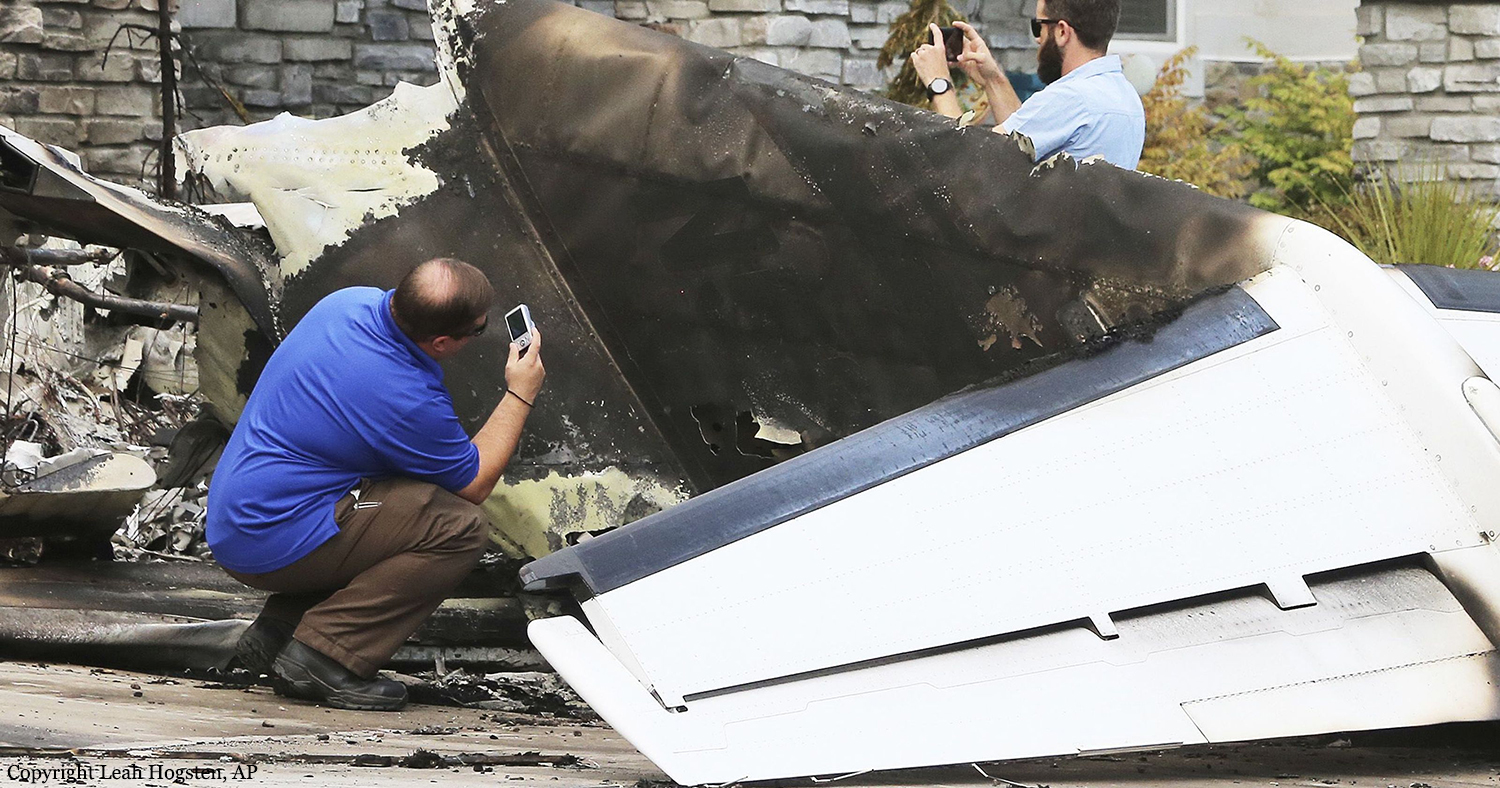
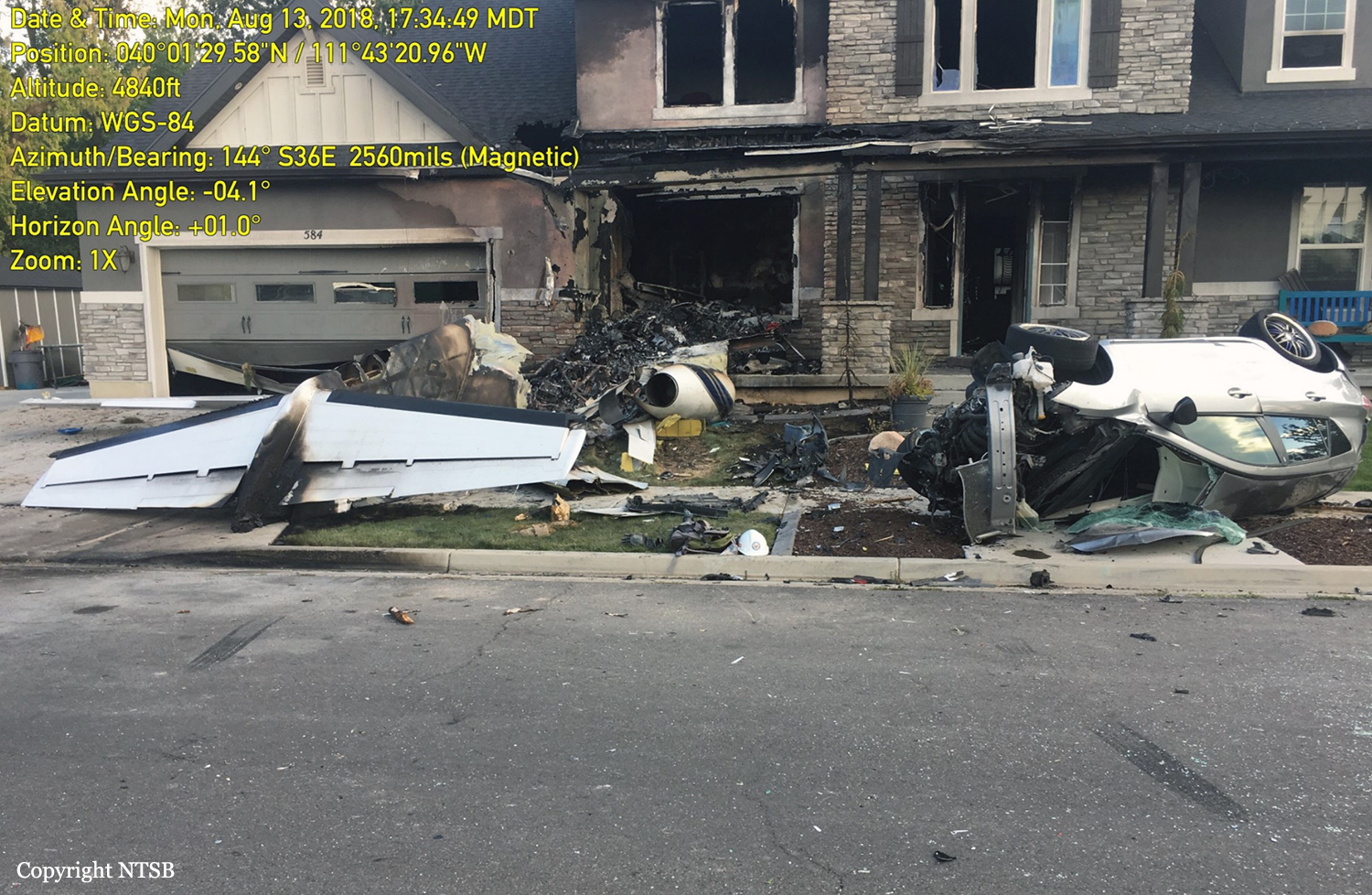
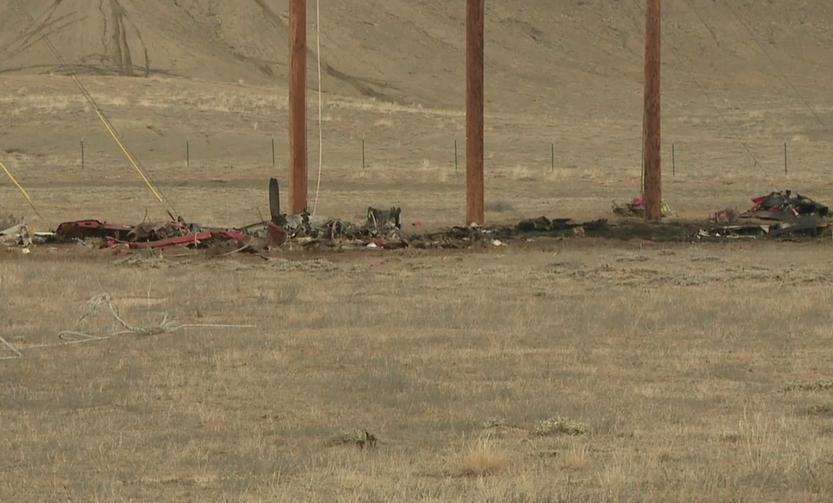
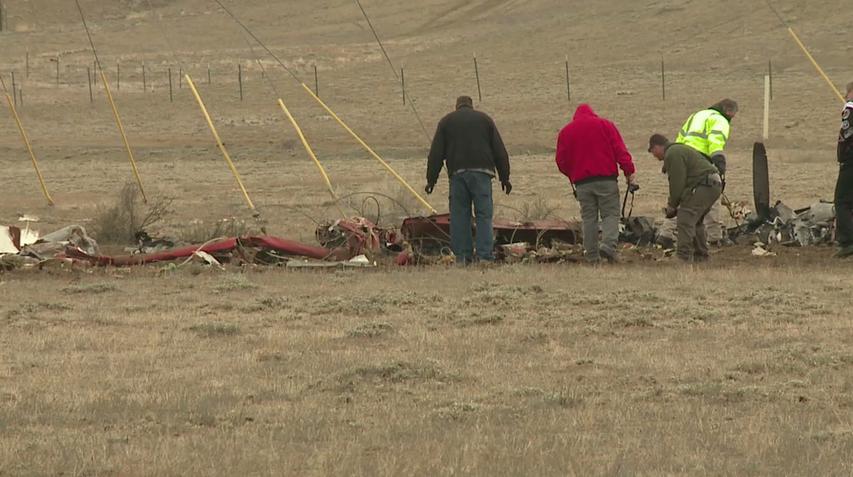
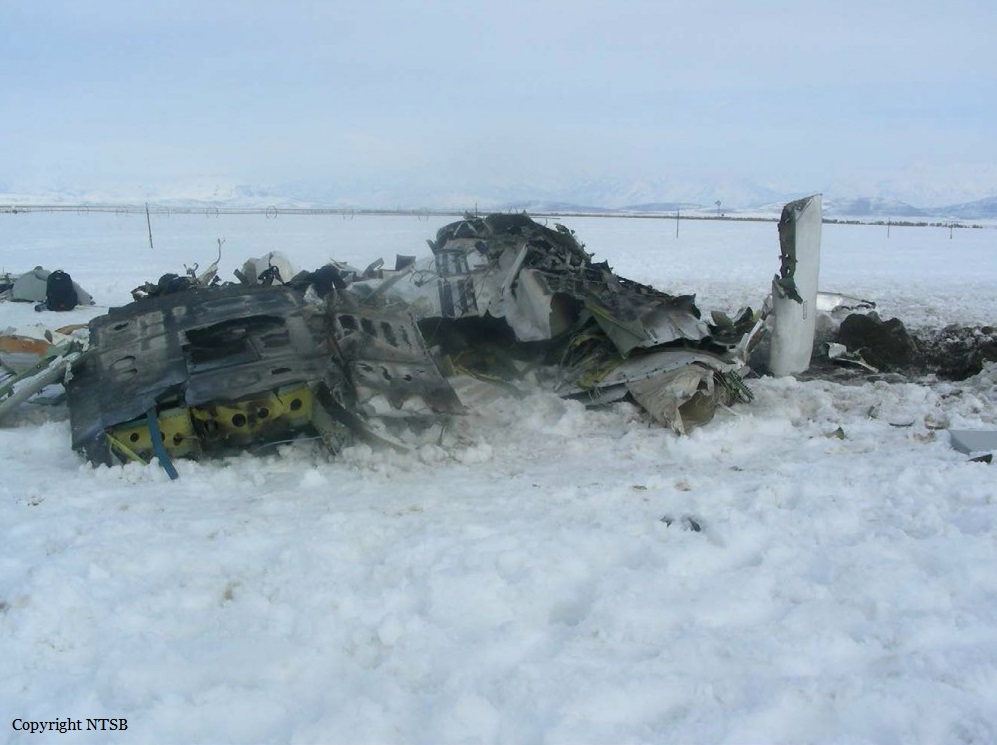
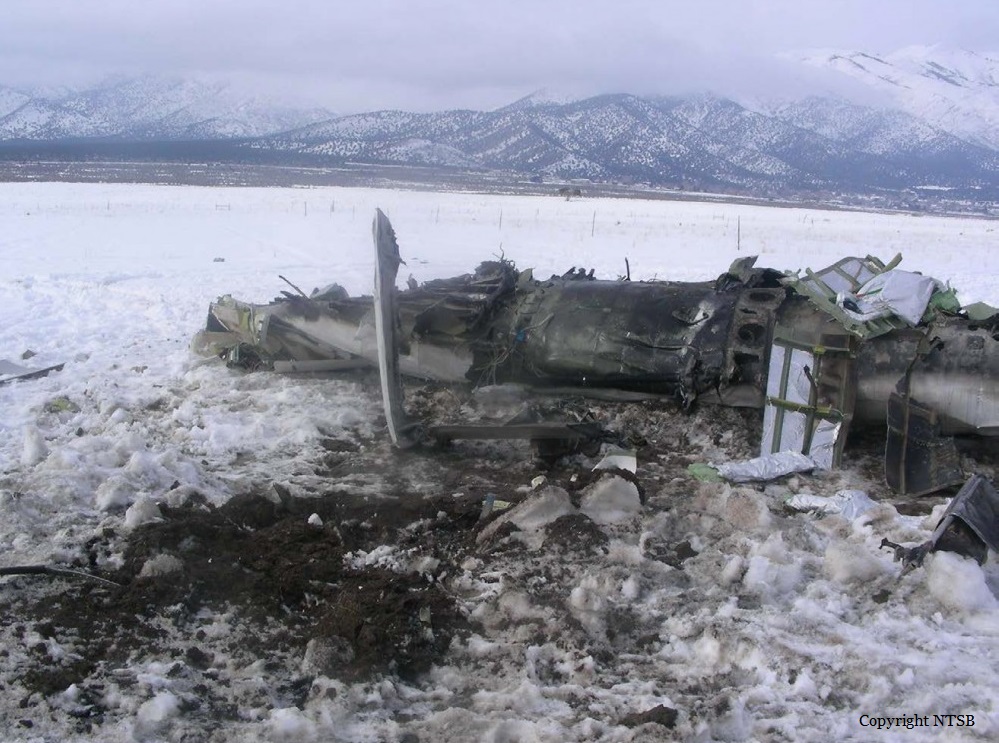
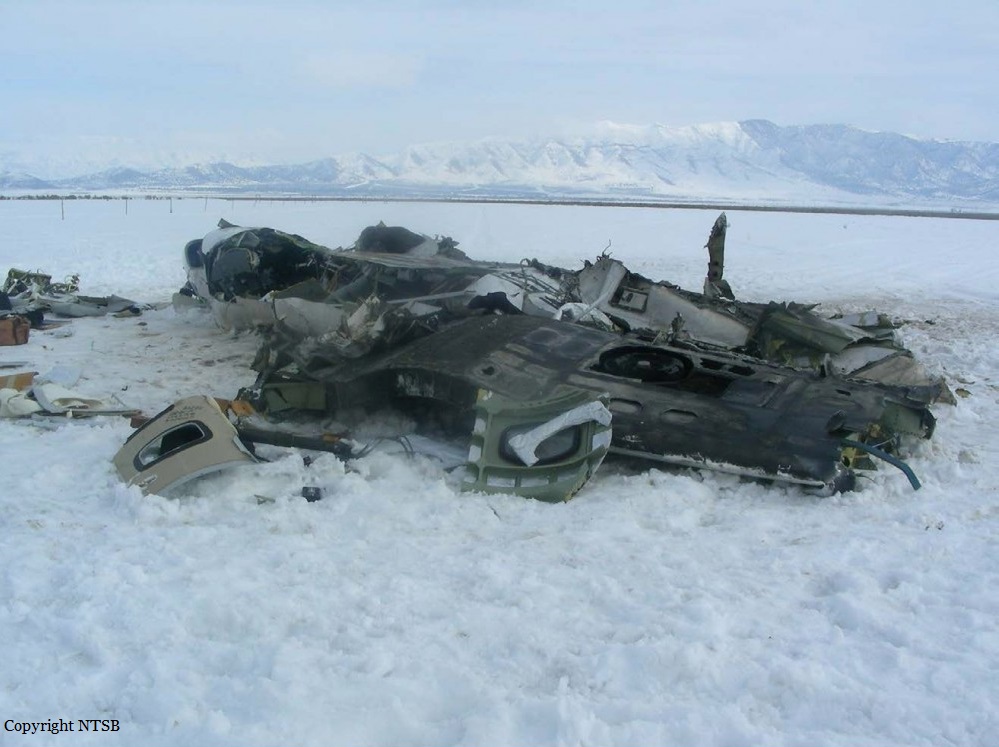
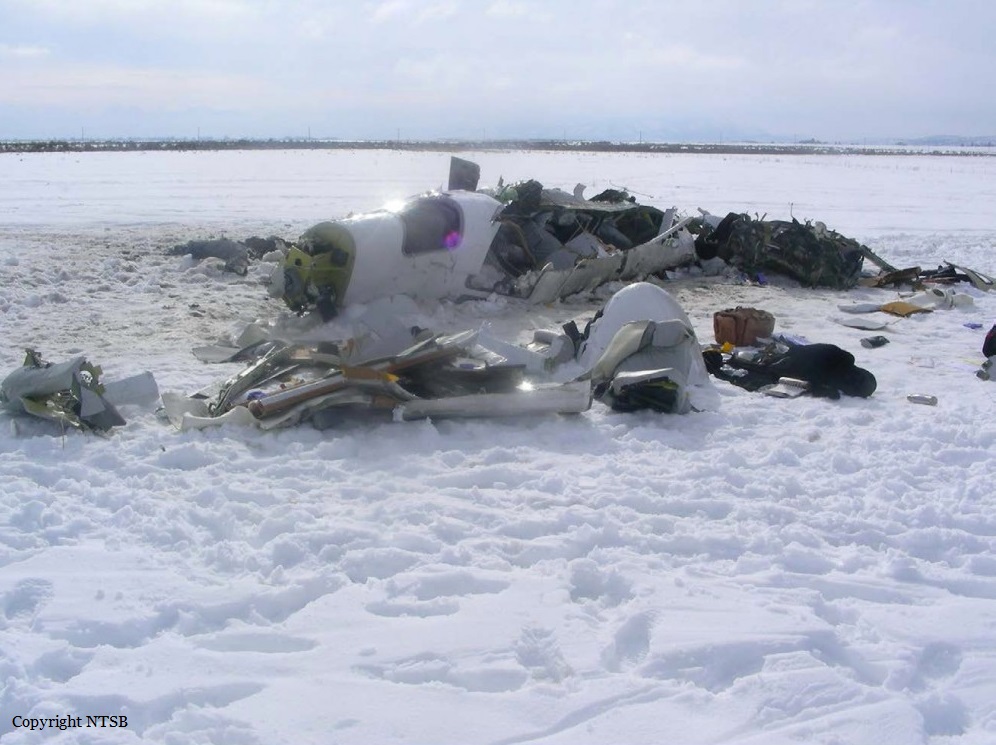
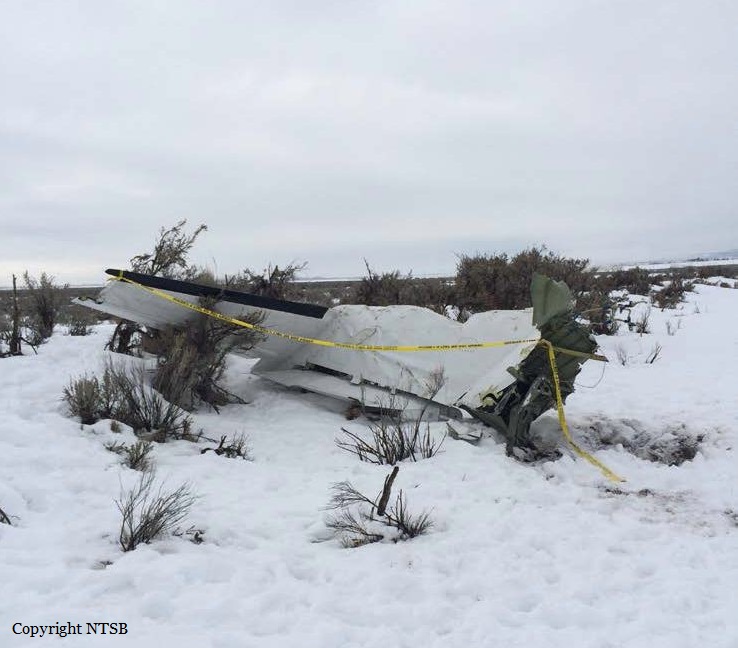
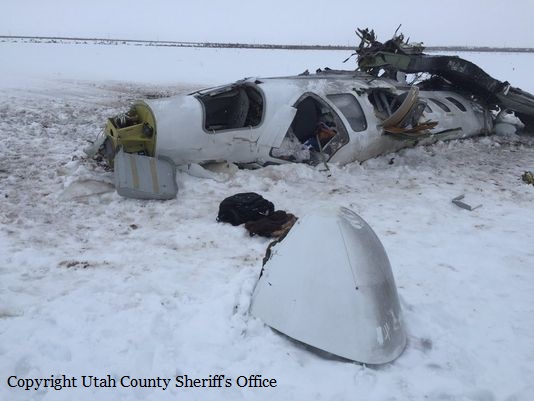
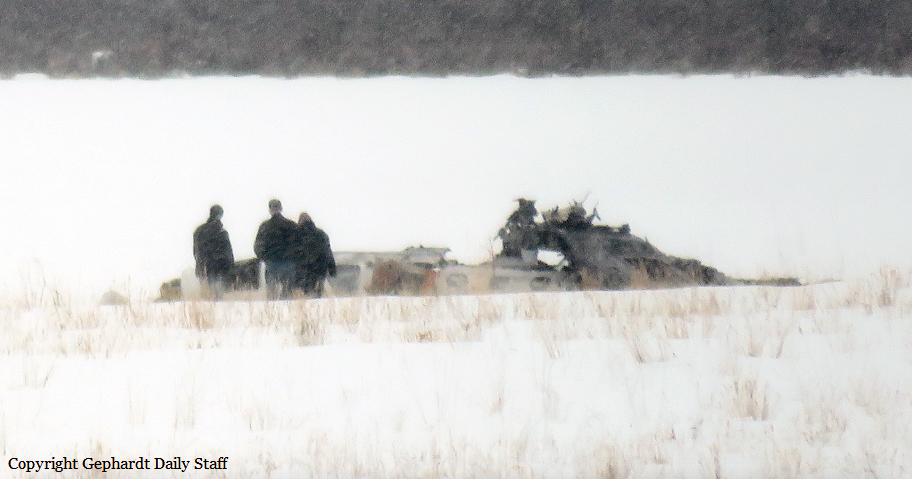
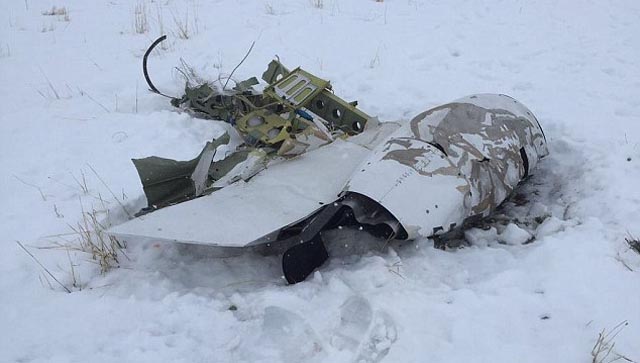
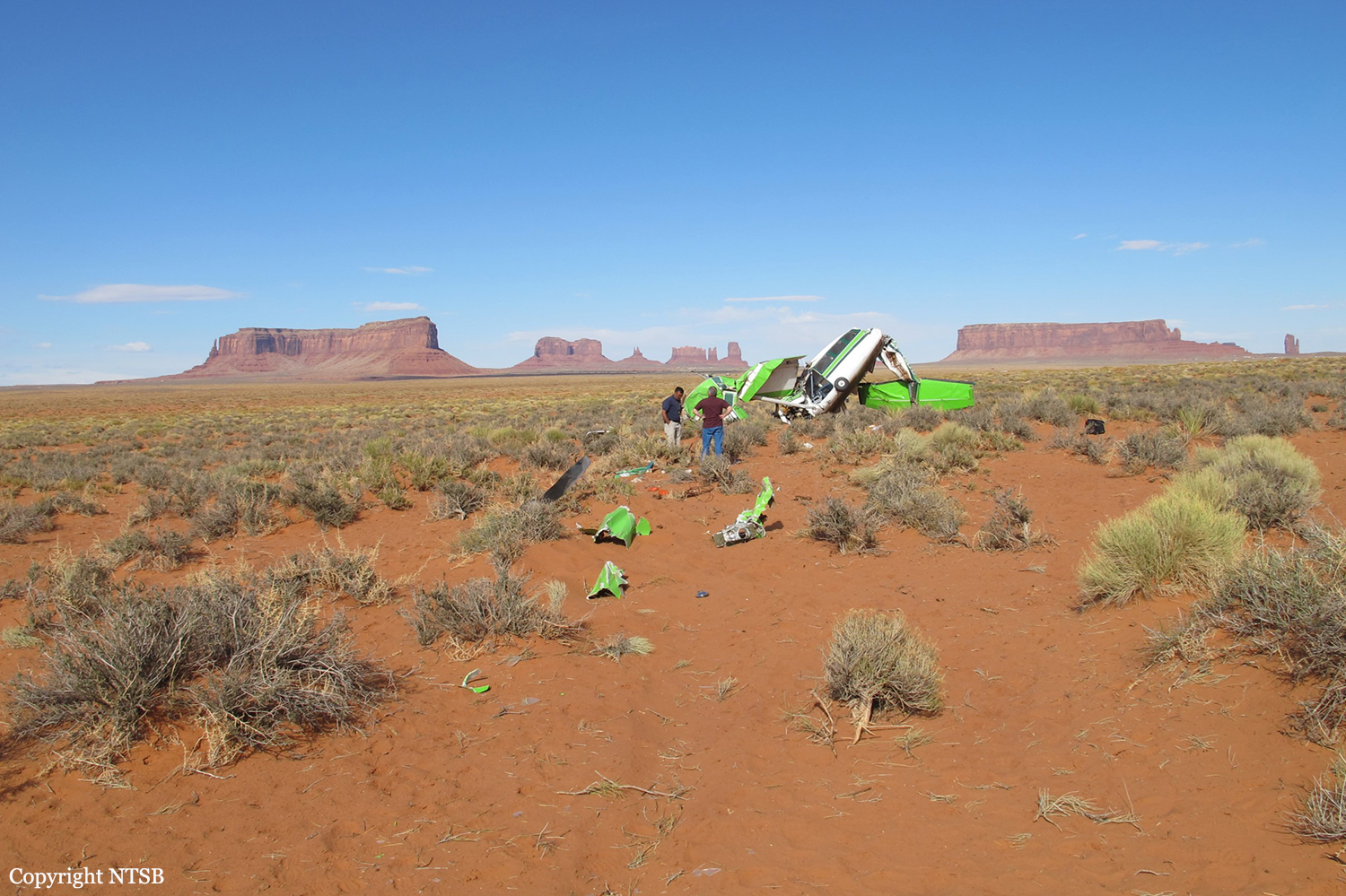
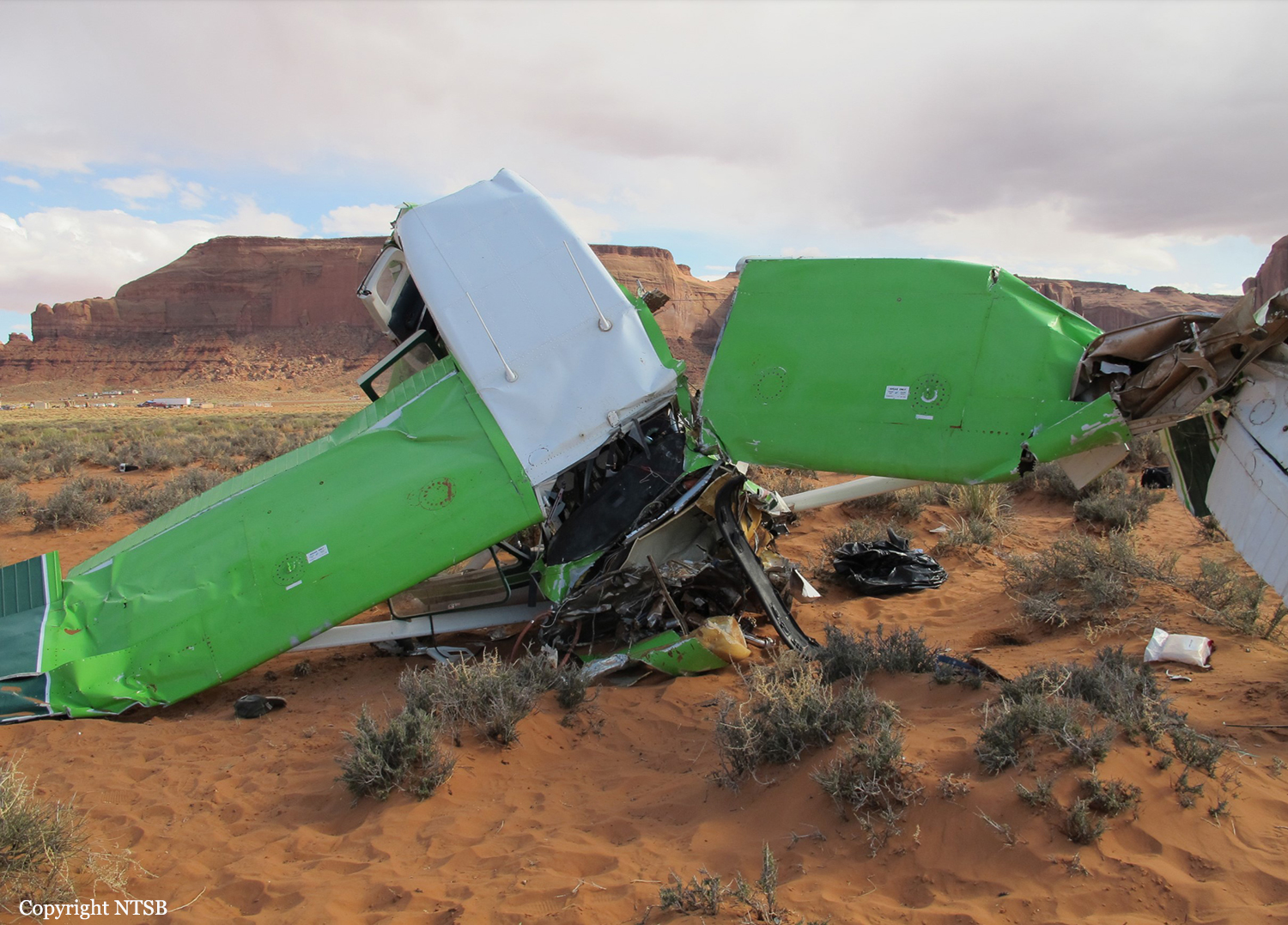
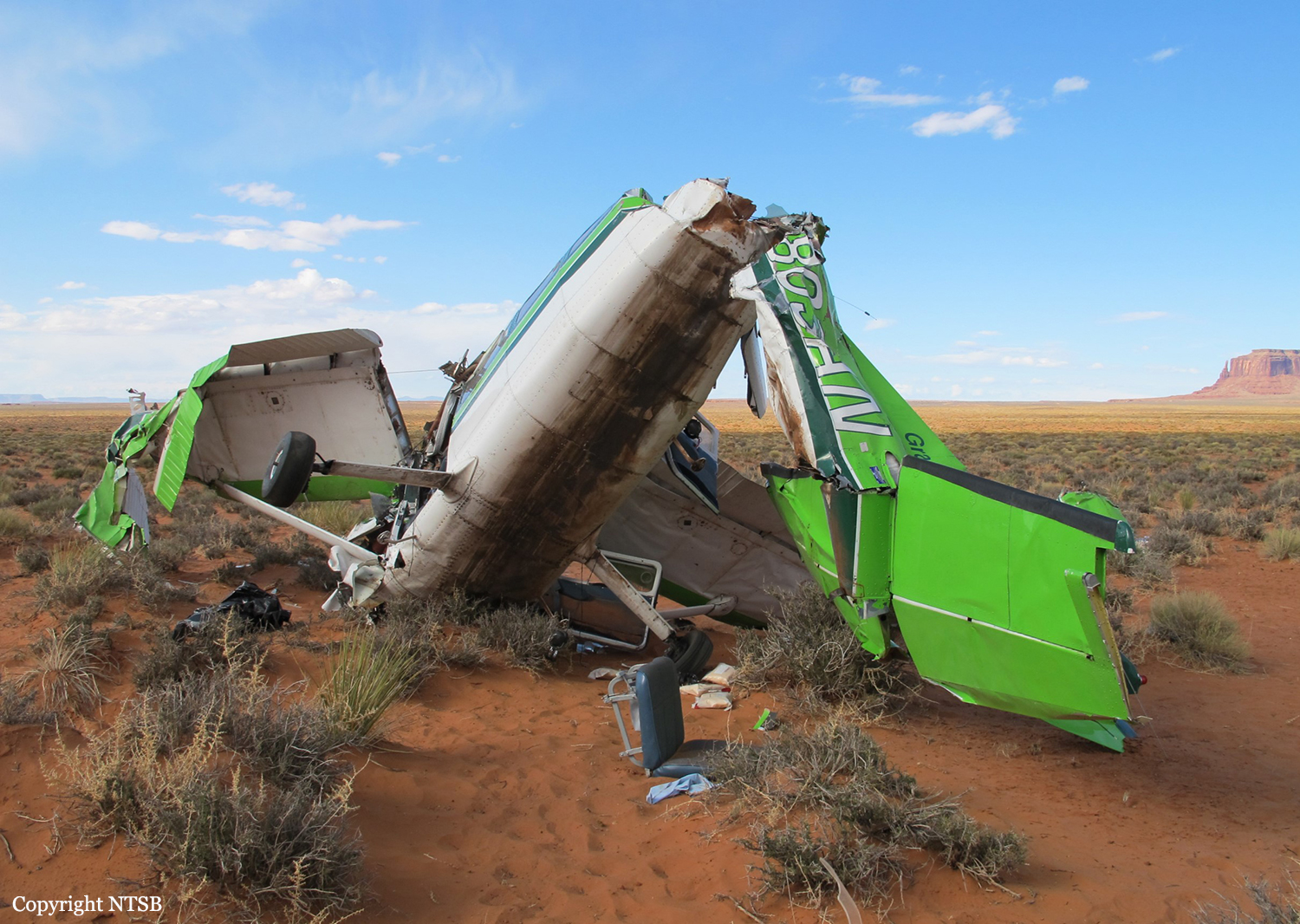
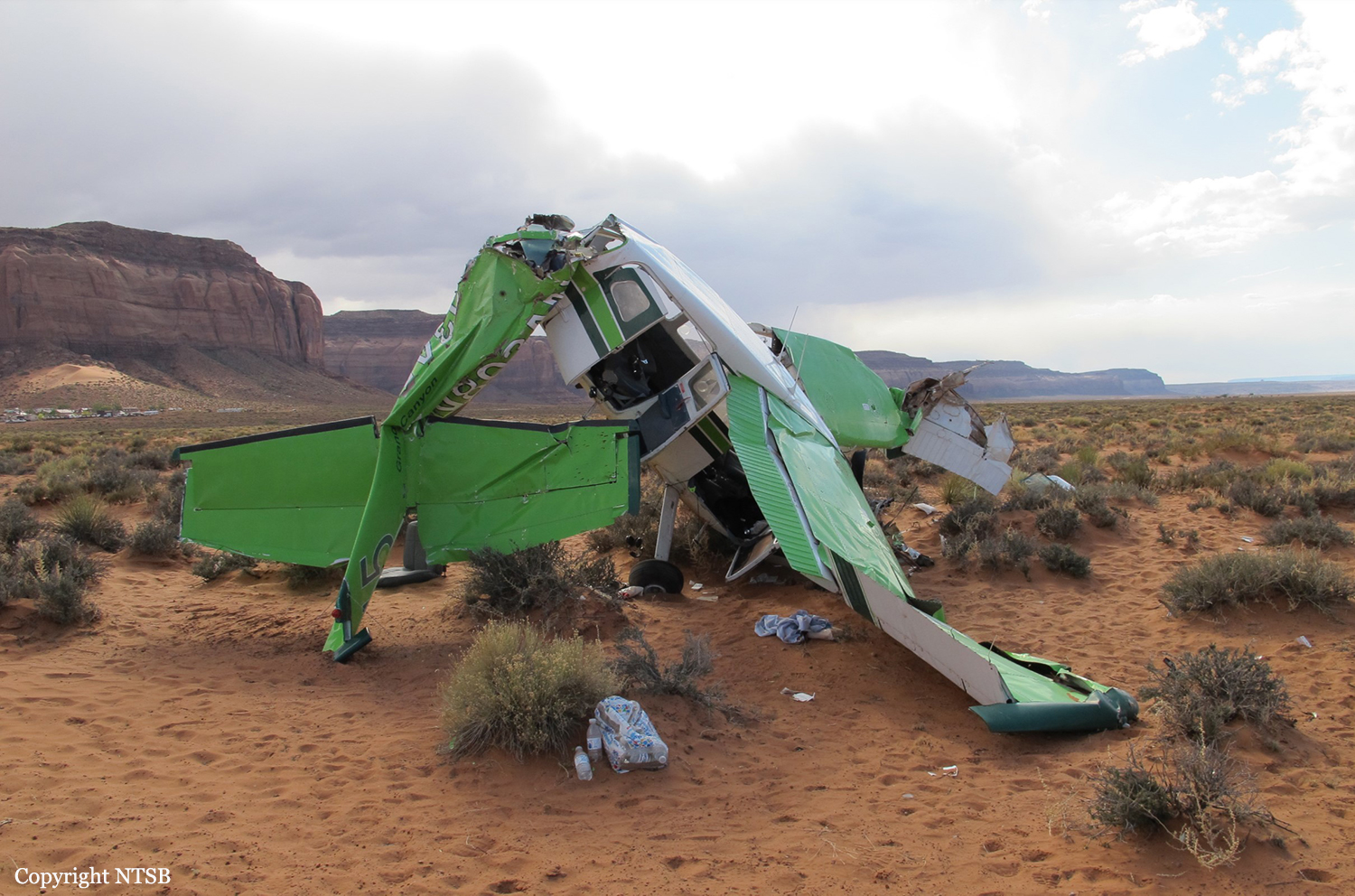
The airplane was removed from a heated hangar and refueled, at which time water droplets were visible on both wings. The airplane remained outside for about 40 minutes, with no deice or anti-ice treatment, until takeoff was initiated. Multiple witnesses near the accident site reported observing the airplane take off and enter a nose-high attitude, after which it immediately rolled left and impacted the terrain. Wreckage and impact signatures at the accident site were consistent with the left wing impacting the runway surface before the nose of the airplane impacted terrain just to the left of the runway. Witnesses characterized the precipitation at the time of the accident as snow and misty rain, varying in intensity between light and medium. The airplane was equipped with a Wing and Horizontal Stabilizer Anti-Icing System to prevent and remove any ice formation on the leading edges of the wing and the horizontal stabilizer; the system is activated by a “Wing Stab” switch. Based upon both witness statements and flight data from the Cockpit Voice Data Recorder (CVDR) and Flight Data Recorder (FDR), the Wing Stab ice switch was turned on about 9 minutes after engine start, while the pilot was performing his checklist; however, it was turned off shortly thereafter. The recorded position of the Wing Stab system switch remained off through the remainder of the recorded data. The airplane pilot’s operating handbook (POH) stated that airplane surfaces contaminated by ice, frozen precipitation, or frost must be deiced before departure. The POH also stated that the airplane must be anti-iced when the risk of freezing precipitation exists or is actually taking place. While deicing removes ice, anti-icing protects against additional icing for a certain period of time. The POH further states that the entire wing should be inspected during the pre-takeoff contamination check, not just the leading edge of the wing or wingtips, and that “when inspecting the wing, during the pre-takeoff contamination check, look at the entire upper surface and not only at the leading edge or wing tip. Although the wing tips can be seen from the cockpit, almost the entire wing is visible from a cabin window. Therefore, it is strongly advised that the visual inspection be done by a crew member from the cabin. Additionally, the crew should ask for the assistance of trained and qualified personnel outside the airplane to assist in the pre-takeoff and check to make sure that the tail and fuselage, which are not visible from the cockpit or cabin, are free of any ice contamination.” Furthermore, the before-takeoff checklist included an ice accumulation check, and included guidance that, “aerodynamic surfaces must be confirmed free of all forms of frost, ice, snow and slush prior to entering the takeoff runway or initiating takeoff.” No evidence of the pilot requesting a passenger or vocalizing that he was checking the wings for ice accumulation was heard on the CVR audio. A postaccident examination of the airframe and engine revealed no evidence of mechanical malfunctions or failures that would have precluded normal operation. Although the Wing Stab ice protection switch was found in the on position, recorded data indicated that, after the initial system check, the wing stab ice protection system remained off through the remainder of the recorded data. The panel the switch was mounted to had separated from the instrument panel and had an area of dirt/mud directly below the switch itself. The anti-ice system valves and controller were tested at the respective manufacturers and functioned normally. Accordingly, based on the evidence, the switch was likely moved to the on position during the accident sequence. It could not be determined why the Wing Stab ice protection switch was turned off. At the accident time, and in the 3 hours before the accident, light snow, mist, IFR ceilings, and a temperature of -1°C were reported at the departure airport. Witnesses reported that around the time of the accident light snowfall with freezing mist existed, which would have allowed for accumulation of ice to form on the upper surfaces of the wings, fuselage, and tail surfaces in the 40 minutes between when the airplane exited the hangar and when it took off. Given that the pilot did not obtain any deice or anti-ice services before departure, and the immediate roll to the left as the weight on wheels transitioned from ground to air, the airplane likely had some degree of ice contamination on the upper surfaces of the wings, fuselage, and tail that affected the flight characteristics of the airplane.