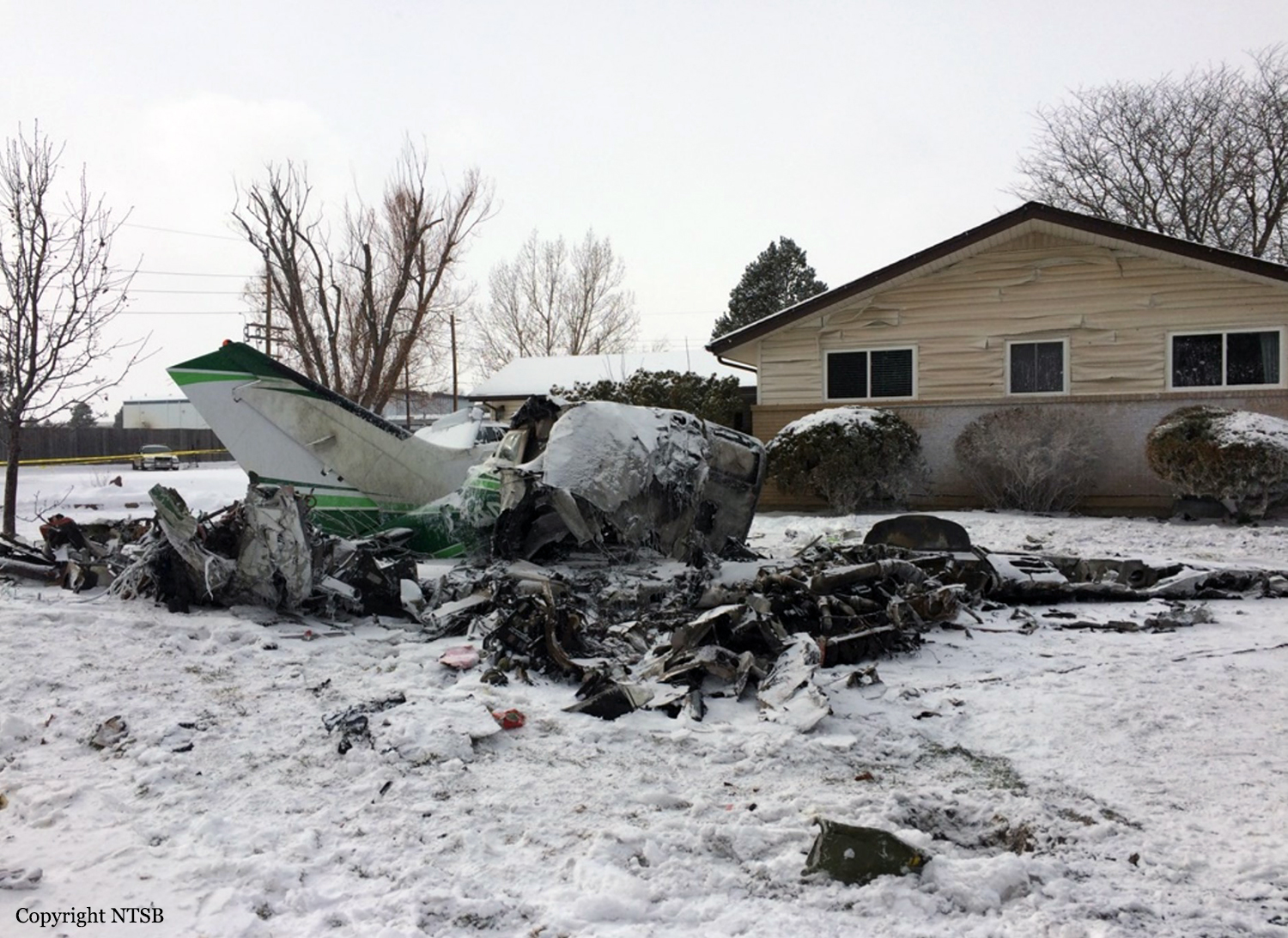
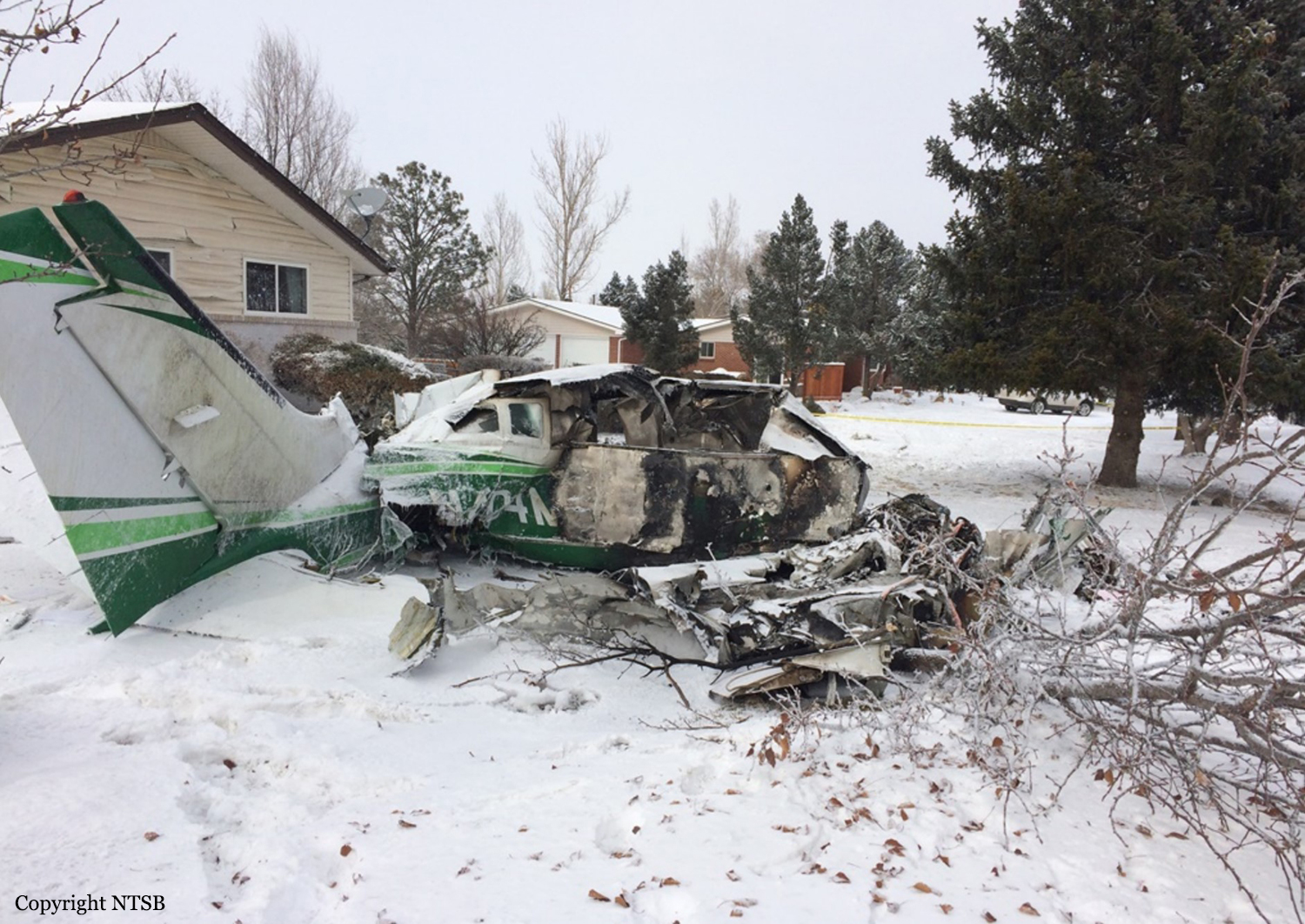
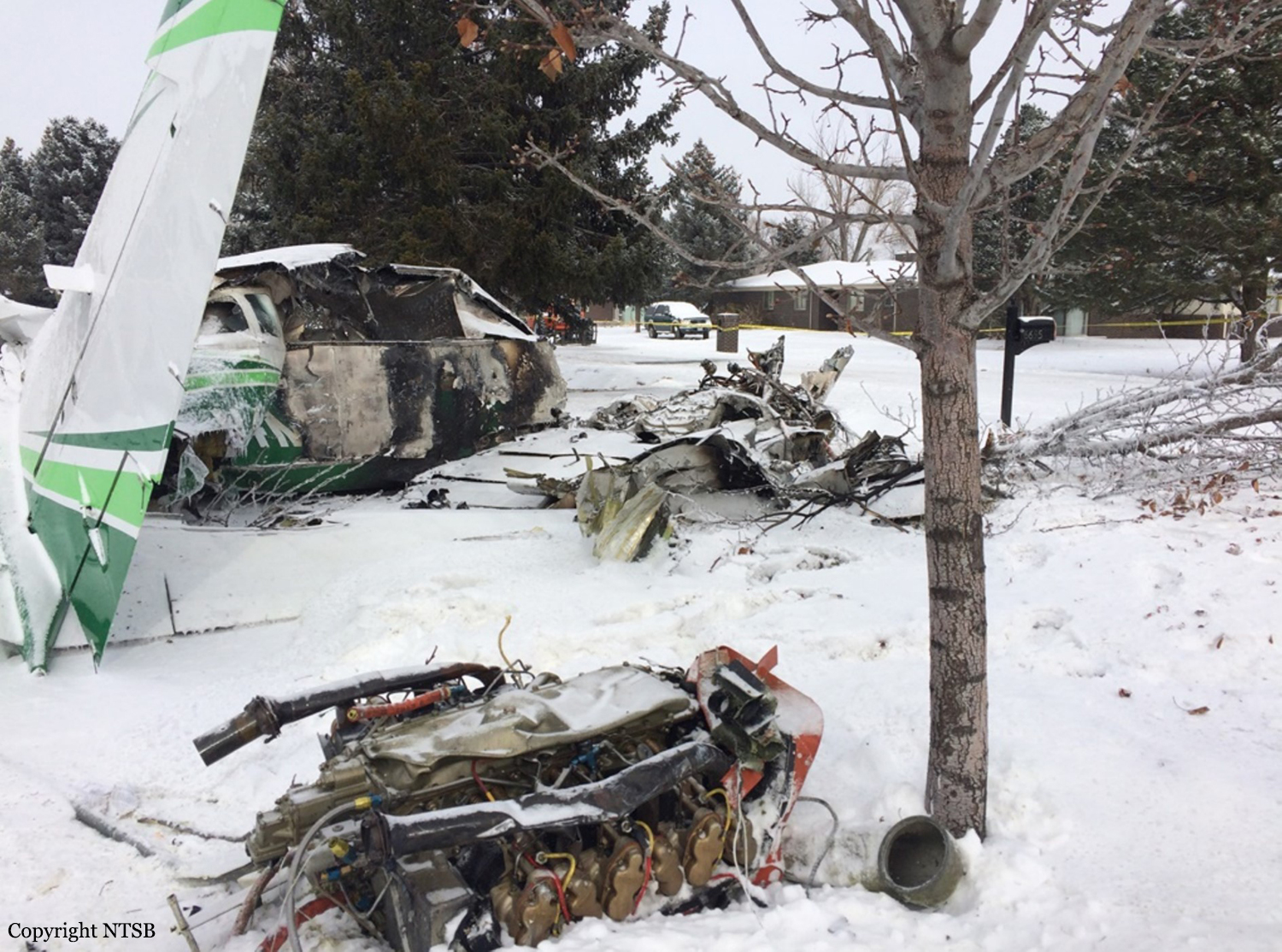
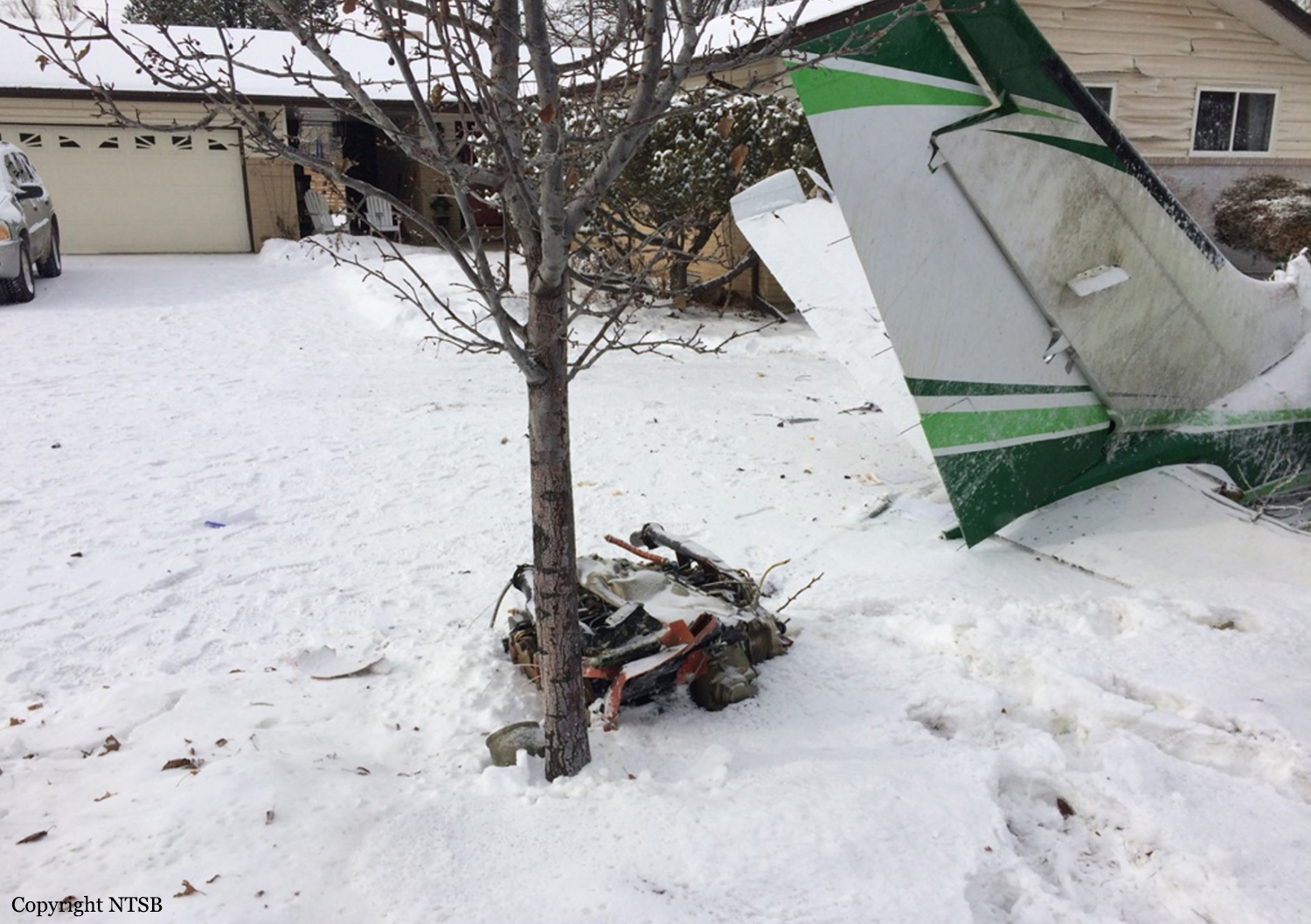
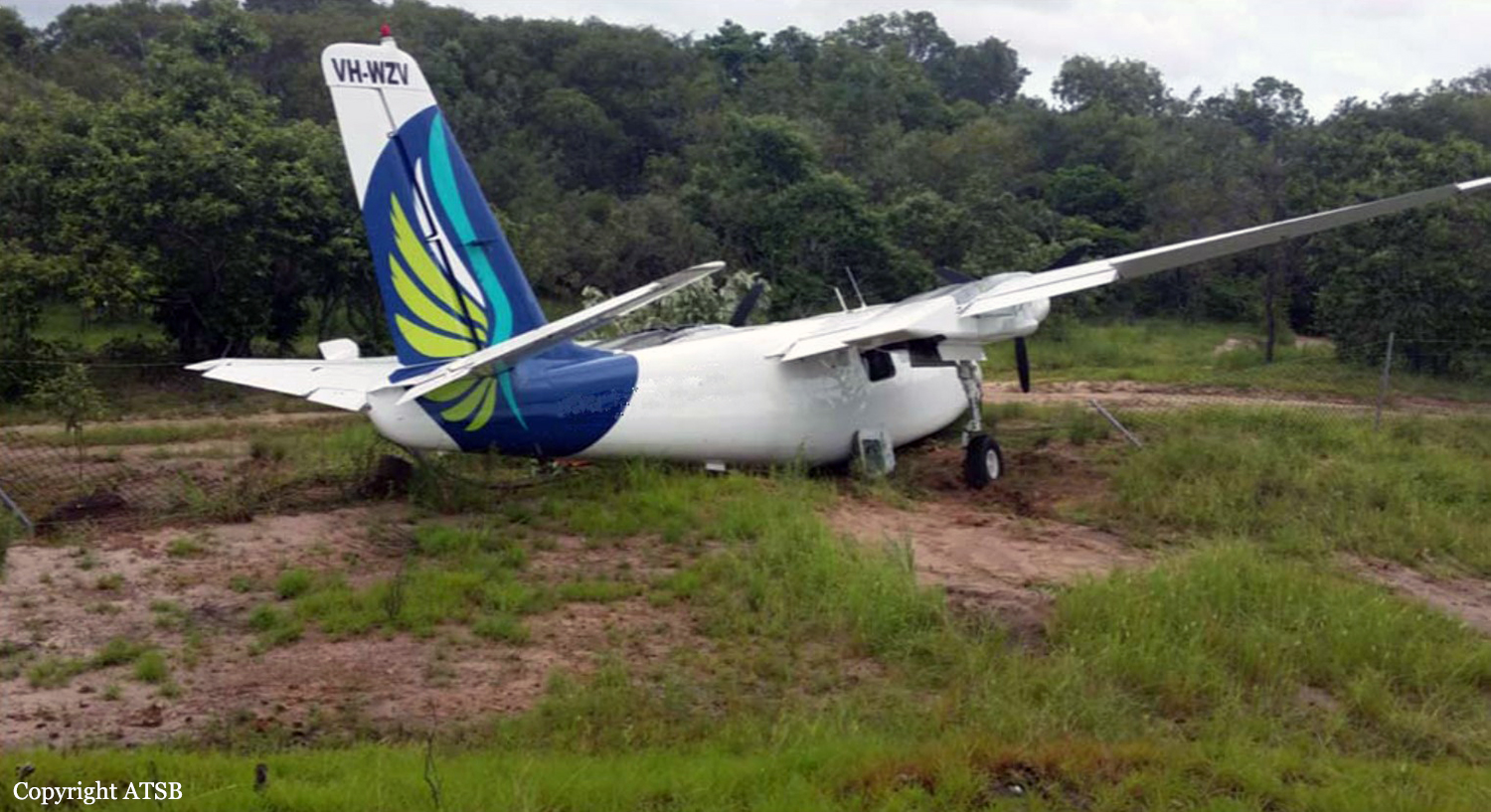
Crash of a Rockwell 500U Shrike Commander in Badu Island

Date & Time: Mar 8, 2015 at 1230 LT
Operator:

Registration:
VH-WZV
Flight Phase:
Survivors:
Yes
Schedule:
Badu Island - Horn Island
MSN:
500-1656-11
YOM:
1966
Country:
Region:
Crew on board:
1
Crew fatalities:
Pax on board:
5
Pax fatalities:
Other fatalities:
Total fatalities:
0
Circumstances:
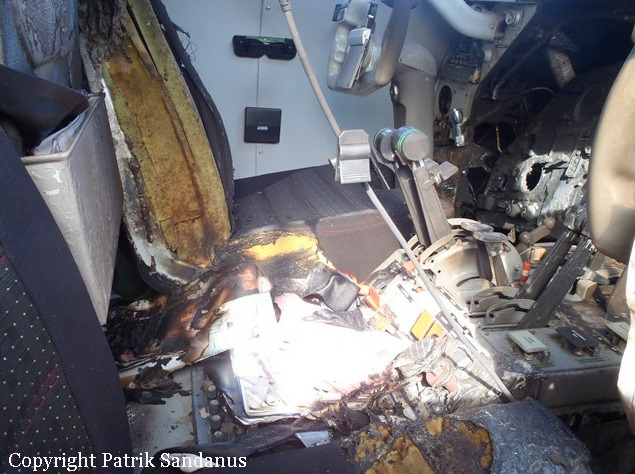
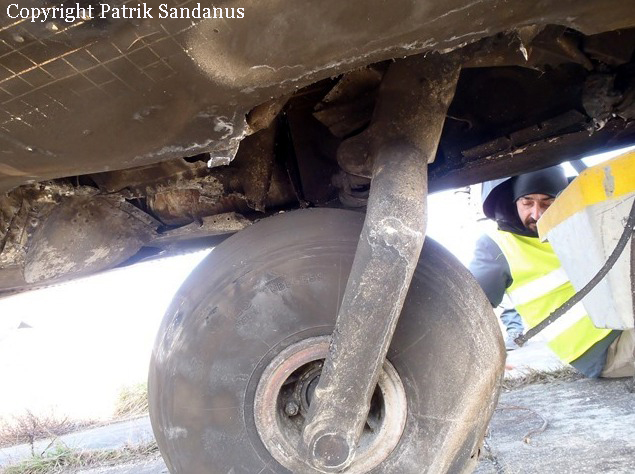
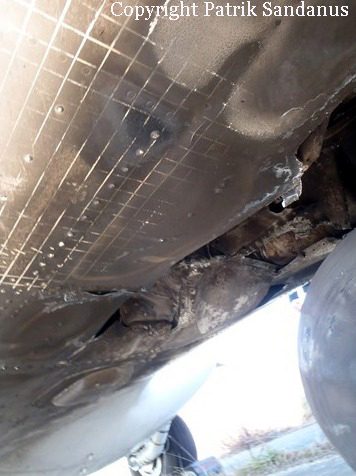
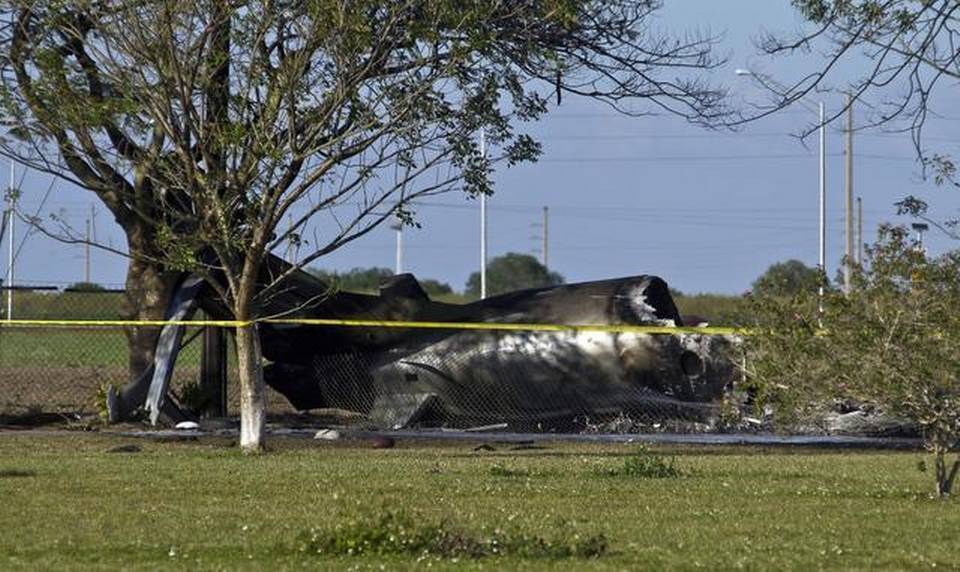
On 8 March 2015, the pilot of an Aero Commander 500 aircraft, registered VH-WZV, prepared to conduct a charter flight from Badu Island to Horn Island, Queensland, with five passengers. The aircraft had been refuelled earlier that day at Horn Island, where the pilot conducted fuel drains with no contaminants found. He had operated the aircraft for about 2 hours prior to landing at Badu Island with no abnormal performance or indications. At about 1330 Eastern Standard Time (EST), the pilot started the engines and conducted the standard checks with all indications normal, obtained the relevant clearances from air traffic control, and taxied for a departure from runway 30. As the pilot lined the aircraft up on the runway centreline at the threshold, he performed a pre-take-off safety self-brief and conducted the pre-takeoff checks. He then applied full power, released the brakes and commenced the take-off run. All engine indications were normal during the taxi and commencement of the take-off run. When the airspeed had increased to about 80 kt, the pilot commenced rotation and the nose and main landing gear lifted off the runway. Just as the main landing gear lifted off, the pilot detected a significant loss of power from the left engine. The aircraft yawed to the left, which the pilot counteracted with right rudder. He heard the left engine noise decrease noticeably and the aircraft dropped back onto the runway. The pilot immediately rejected the take-off; reduced the power to idle, and used rudder and brakes to maintain the runway centreline. The pilot initially assessed that there was sufficient runway remaining to stop on but, due to the wet runway surface, the aircraft did not decelerate as quickly as expected and he anticipated that the aircraft would overrun the runway. As there was a steep slope and trees beyond the end of the runway, he steered the aircraft to the right towards more open and level ground. The aircraft departed the runway to the right, collided with a fence and a bush resulting in substantial damage. The pilot and passengers were not injured.
Final Report:

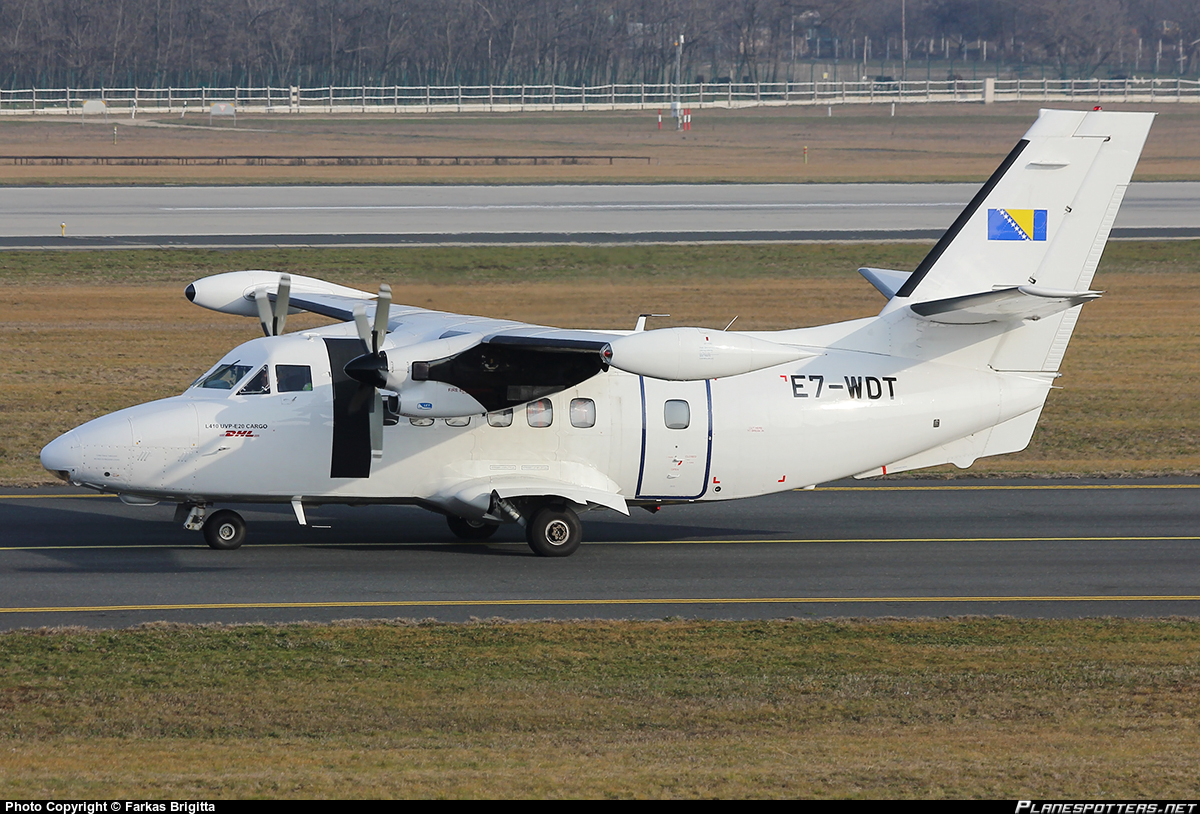
Crash of a Let L-410UVP-E20 in Ancona

Date & Time: Mar 5, 2015 at 1930 LT
Type of aircraft:
Operator:
Registration:
E7-WDT
Flight Type:
Survivors:
Yes
Schedule:
Sarajevo – Ancona
MSN:
91 26 15
YOM:
1991
Flight number:
RAC9002
Location:
Country:
Region:
Crew on board:
3
Crew fatalities:
Pax on board:
0
Pax fatalities:
Other fatalities:
Total fatalities:
0
Circumstances:
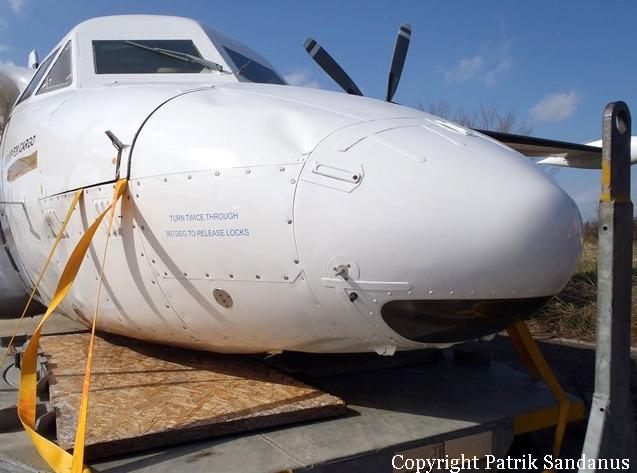
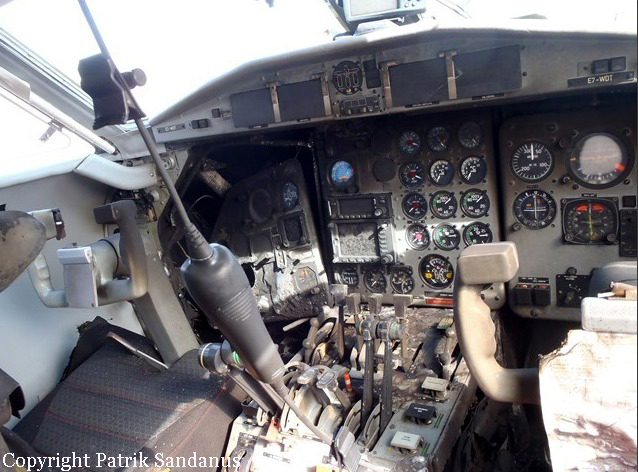
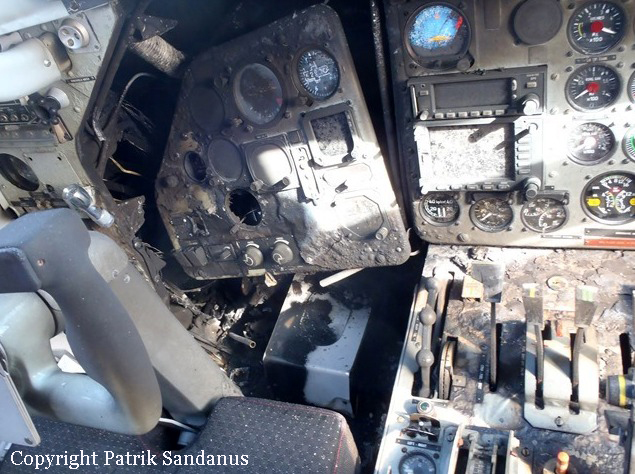
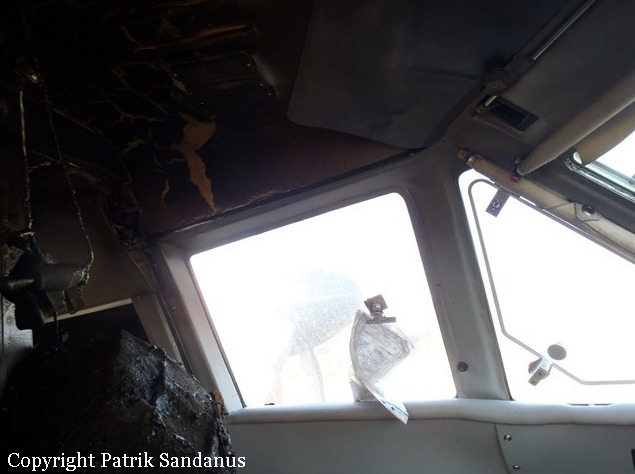
The twin engine aircraft departed Sarajevo Airport on a cargo flight to Ancona, carrying three crew members and a load of various goods. On approach to Ancona-Falconara Airport, the crew encountered strong winds. Upon touchdown on runway 04, the nose gear collapsed. The aircraft skidded for few dozen metres before coming to rest, bursting into flames. All three occupants escaped uninjured while the aircraft was damaged beyond repair due to severe damages in the cockpit area due to fire.

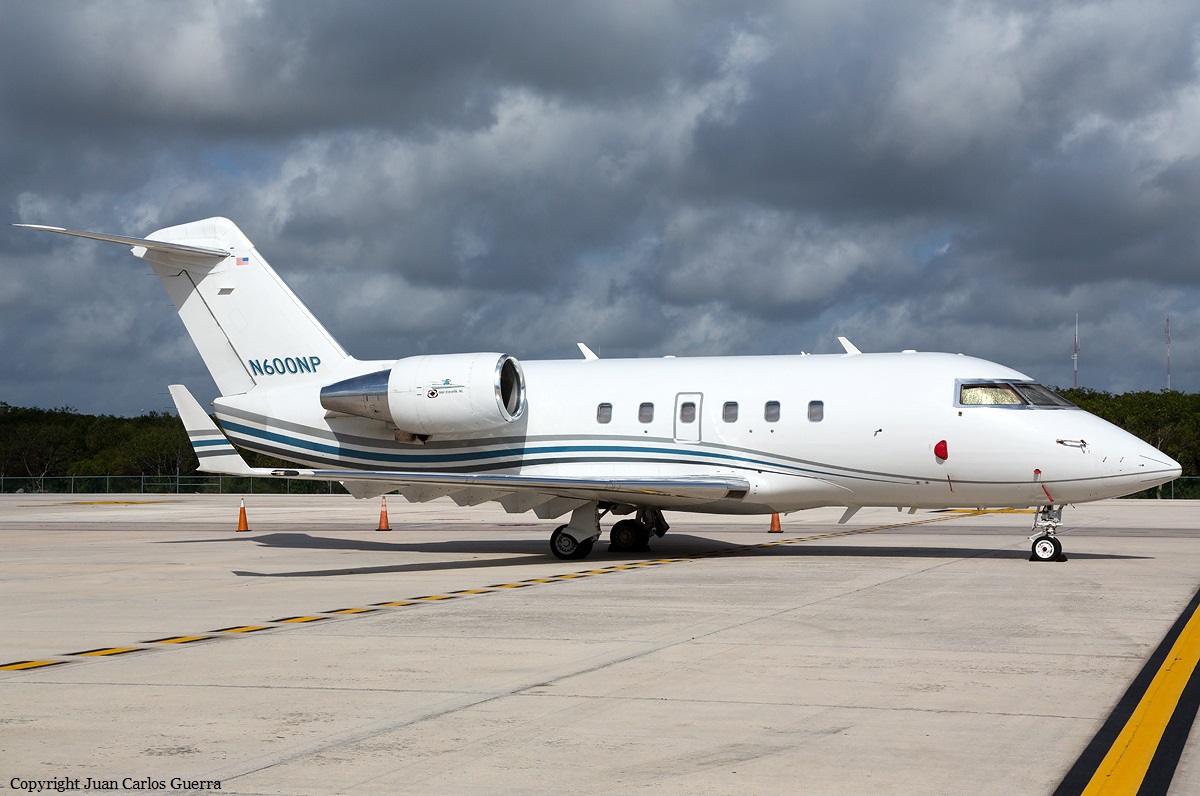
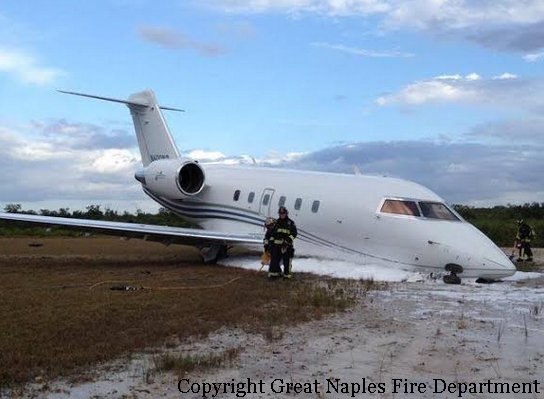
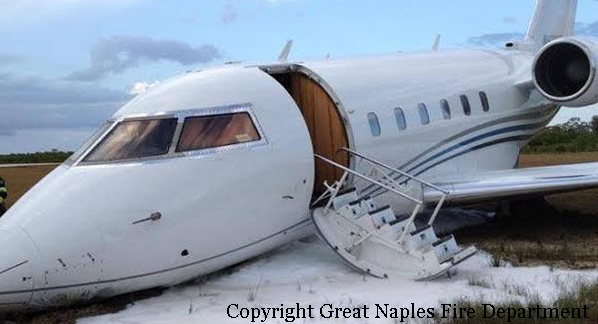
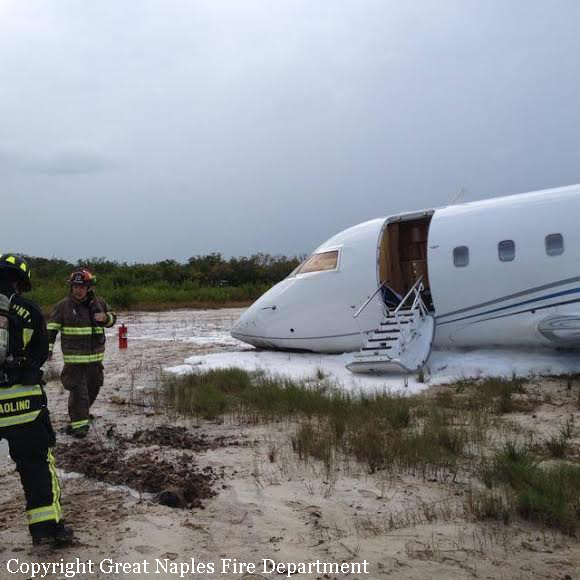
Crash of a Canadair CL-601-3A Challenger in Marco Island

Date & Time: Mar 1, 2015 at 1615 LT
Type of aircraft:
Operator:
Registration:
N600NP
Survivors:
Yes
Schedule:
Marathon – Marco Island
MSN:
3002
YOM:
1983
Crew on board:
3
Crew fatalities:
Pax on board:
6
Pax fatalities:
Other fatalities:
Total fatalities:
0
Captain / Total flying hours:
8988
Captain / Total hours on type:
844.00
Copilot / Total flying hours:
18500
Copilot / Total hours on type:
1500
Aircraft flight hours:
15771
Circumstances:
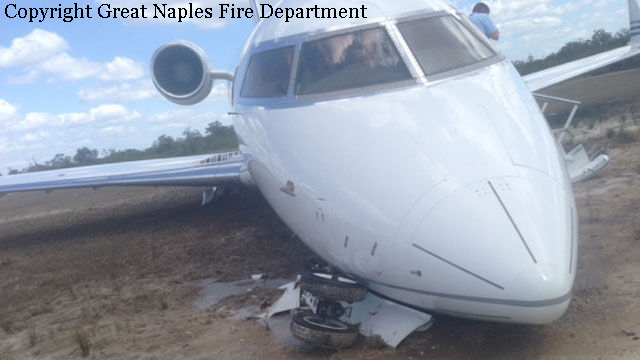
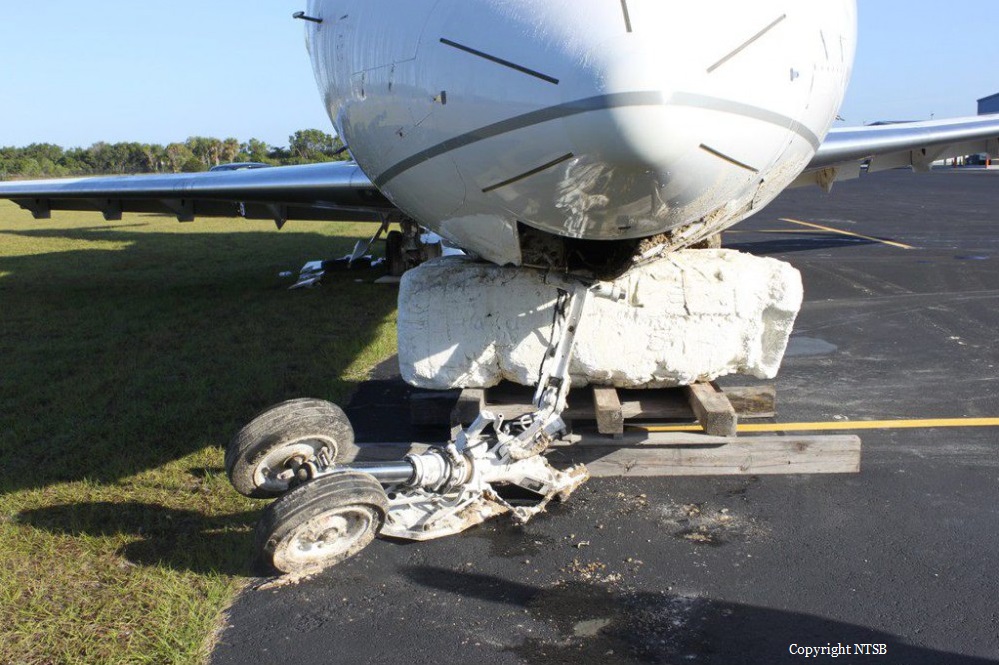
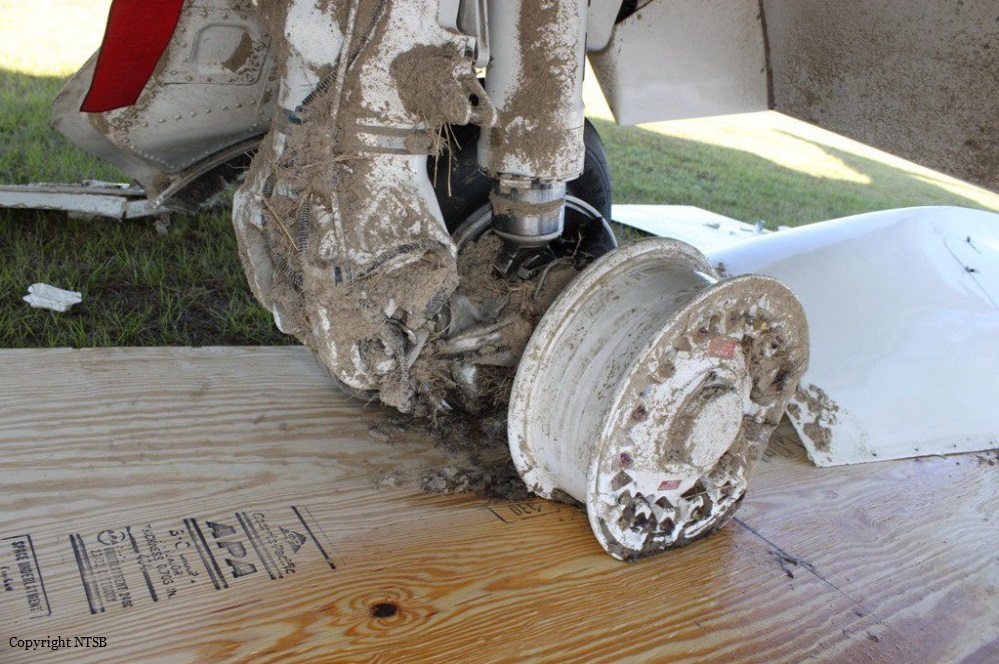
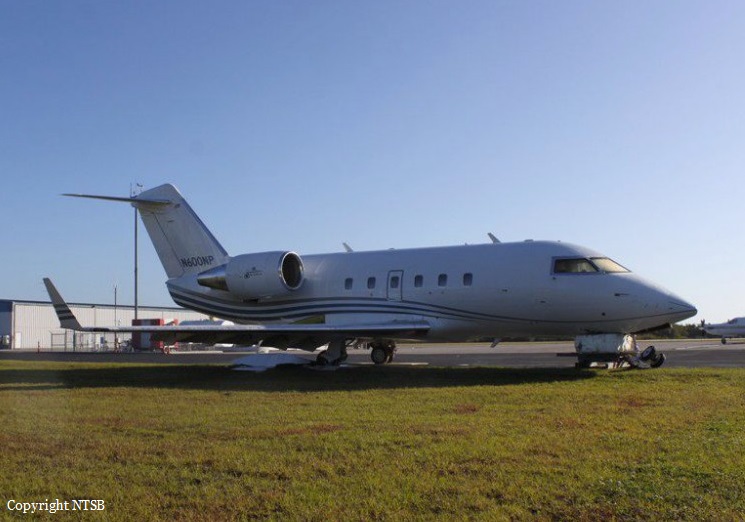
Earlier on the day of the accident, the pilot-in-command (PIC) and second-in-command (SIC) had landed the airplane on a 5,008-ft-long, asphalt-grooved runway. After touchdown with the flaps fully extended, the ground spoilers and thrust reversers were deployed, and normal braking occurred. The PIC, who was the flying pilot, and the SIC subsequently departed on an executive/corporate flight with a flight attendant, the airplane owner, and five passengers onboard. The PIC reported that he flew a visual approach to the dry, 5,000-ft-long runway while maintaining a normal glidepath at Vref plus 4 or 5 knots at the runway threshold with the flaps fully extended. He added that the touchdown was "firm" and between about 300 to 500 ft beyond the aiming point marking. After touchdown, the PIC tried unsuccessfully to deploy the ground spoilers. He applied "moderate" brake pressure when the nose landing gear (NLG) contacted the runway, but felt no deceleration. He also attempted to deploy the thrust reversers without success. The PIC then informed the SIC that there was no braking energy, released the brakes, and turned off the antiskid system. He then reapplied heavy braking but did not feel any deceleration, and he again tried to deploy the thrust reversers without success. He maintained directional control using the nosewheel steering and manually modulated the brakes. However, the airplane did not slow as expected. While approaching the runway end and realizing that he was not going to be able to stop the airplane on the runway, the PIC intentionally veered the airplane right to avoid water ahead. However, the airplane exited the runway end into sand, and the NLG collapsed. The airplane then came to rest about 250 ft past the departure end of the runway. The passengers exited the airplane, and shortly after, airport personnel arrived and rendered assistance. The airplane owner, who was a passenger in the cabin, stated that he left his seat and moved toward the cabin door when he realized that the airplane would not stop on the runway, and he sustained serious injuries. Examination of the airplane revealed that there was minimal pressure at the No. 2 (left inboard) brake due to failure of a spring in the upper brake control valve (BCV), and the coupling subassembly of the No. 1 wheel speed sensor (WSS) was fractured. A representative from the airplane manufacturer reported that, during certification of the brake system, the failure of the BCV spring was considered acceptably low and would be evident to flight crewmembers within five landings of the failure. Because the airplane did not pull while braking during the previous landing earlier that day to a similar length runway, the spring likely failed during the accident landing. Although the PIC was unable to manually deploy the ground spoilers and thrust reversers during the landing roll, they functioned normally during the landing earlier that day and during postaccident operational testing and examination, with no systems failures or malfunctions noted. Additionally, there were no malfunctions or failures with the weight-onwheels system found during postaccident examinations that would have precluded normal operation. Therefore, the PIC's unsuccessful attempts to deploy the ground spoilers and thrust reversers were likely due to errors made while multitasking when presented with an unexpected situation (inadequate deceleration) with little runway remaining. Airplane stopping distance calculations based on the airplane's reported weight, weather conditions, calculated and PIC-reported Vref speed, flap extension, and estimated touchdown point (300 to 500 ft beyond the aiming point marking as reported by the PIC and SIC and corroborated by security camera footage) and assuming the nonuse of the ground spoilers and thrust reversers, operational antiskid and steering systems, and the loss of one brake per side (symmetric half braking) showed that the airplane would have required 690 ft of additional runway; under the same conditions but with thrust reversers used, the airplane still would have required 27 ft of additional runway. Even though there were no antiskid failure annunciations, the PIC switched off the antiskid system, which led to the rupture of the Nos. 1, 3, and 4 tires and likely fractured the No. 1 WSS's coupling subassembly, both of which would have further contributed to the loss of braking action. Therefore, the combination of the failure of a spring in the No. 2 brake's upper BCV and the fracture of the coupling subassembly of the No. 1 WSS, the pilot's failure to attain the proper touchdown point, the slightly excess speed, and the subsequent failure of three of the tires resulted in there being insufficient runway remaining to avoid a runway overrun. Although the BCV manufacturer reported that there was 1 previous case involving a failed BCV spring and 43 instances of units with relaxed springs within the BCVs, none of these failed or relaxed springs would have been detected by maintenance personnel because a focused inspection of the BCV was not required.
Probable cause:
The failure of a spring inside the No. 2 brake's upper brake control valve and the fracture of the coupling subassembly of the No. 1 wheel speed sensor during landing, which resulted in the loss of braking action, and the pilot-in-command's (PIC) deactivation of the antiskid system even though there were no antiskid failure annunciations, which resulted in the rupture of the Nos. 1, 3, and 4 tires, further loss of braking action, and subsequent landing overrun. Contributing to accident were the PIC's improper landing flare, which resulted in landing several hundred feet beyond the aiming point marking, and his unsuccessful attempts to deploy the thrust reversers for reasons that could not be determined because postaccident operational testing did not reveal any anomalies that would have precluded normal operation. Contributing to the passenger's injury was his leaving his seat intentionally while the airplane was in motion.
Final Report:
Crash of an Antonov AN-32 in Malanje

Date & Time: Feb 14, 2015 at 2058 LT
Type of aircraft:
Operator:
Registration:
T-256
Flight Type:
Survivors:
Yes
Schedule:
Saurimo - Luanda
MSN:
21 08
YOM:
1989
Location:
Country:
Region:
Crew on board:
3
Crew fatalities:
Pax on board:
47
Pax fatalities:
Other fatalities:
Total fatalities:
0
Circumstances:
En route from Saurimo to Luanda, the crew encountered technical problems and was cleared to divert to Malanje Airport for an emergency landing. Upon landing on an unlit runway, the aircraft veered off runway and came to rest, bursting into flames. All 50 occupants escaped uninjured and the aircraft was totally destroyed by a post crash fire. The exact cause of the technical failure remains unknown.

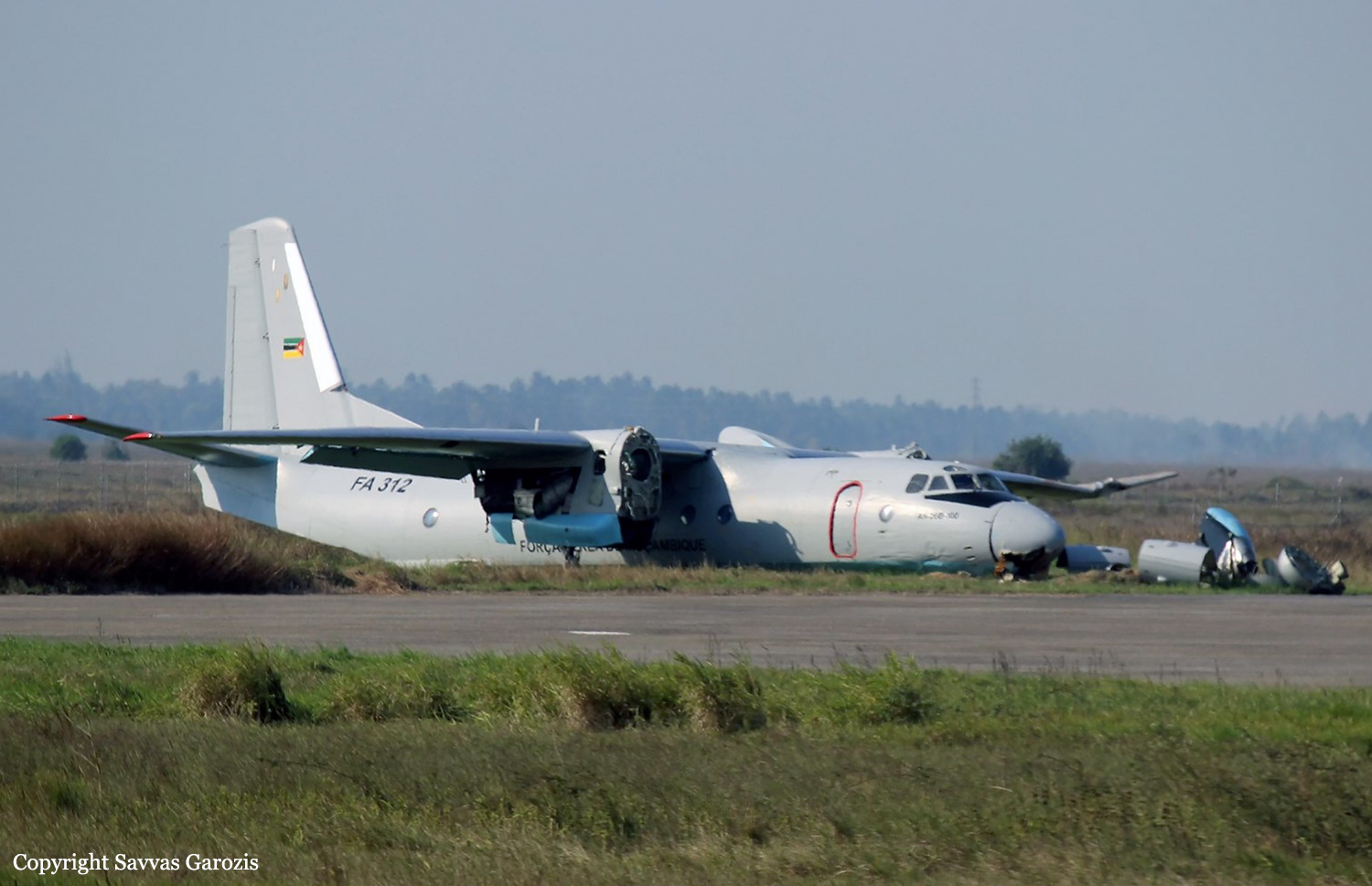
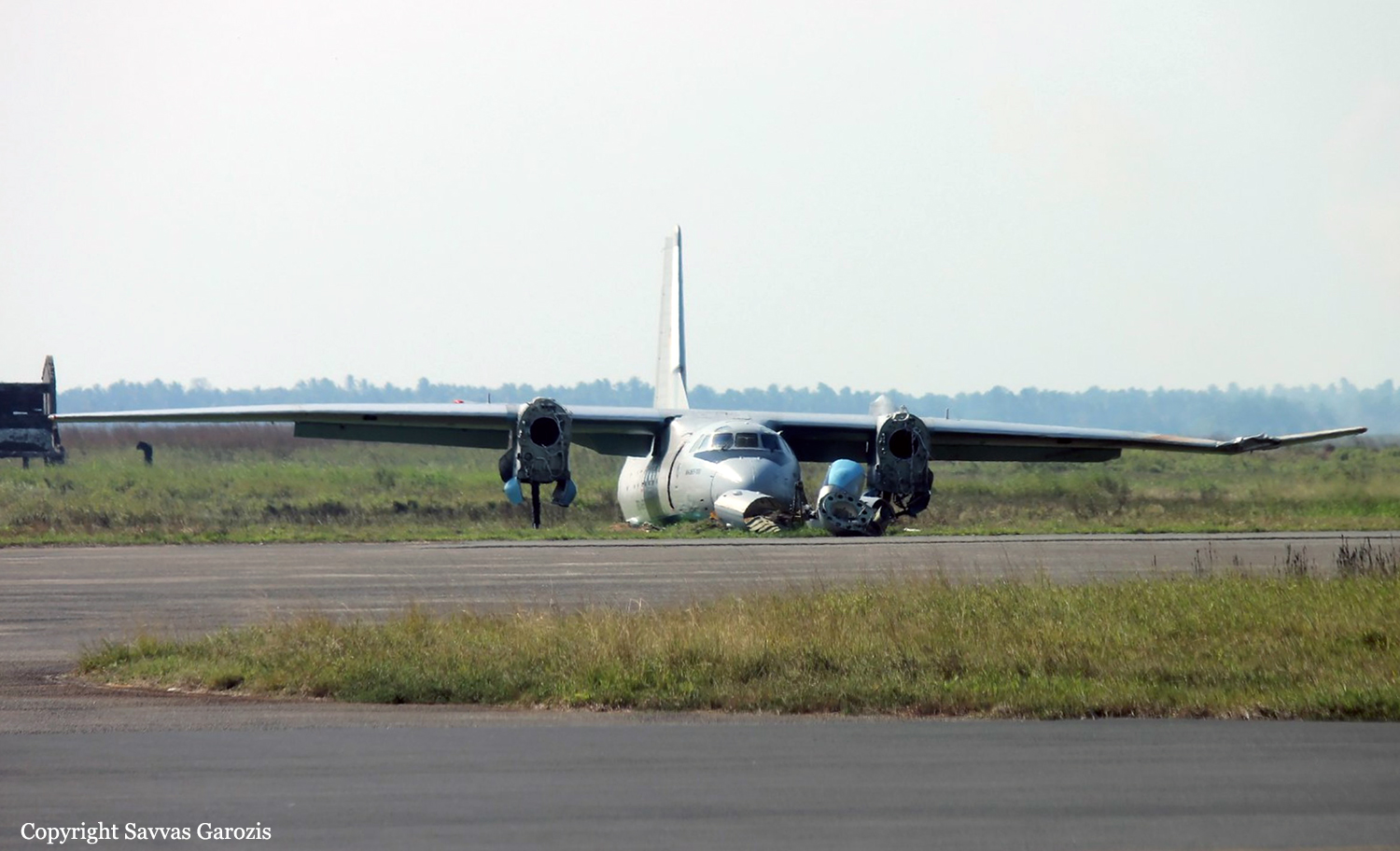
Crash of an Antonov AN-26 in Quelimane

Date & Time: Feb 14, 2015 at 1530 LT
Type of aircraft:
Operator:
Registration:
FA312
Flight Phase:
Flight Type:
Survivors:
Yes
Schedule:
Quelimane – Mocuba
MSN:
116 03
YOM:
1981
Country:
Region:
Crew on board:
6
Crew fatalities:
Pax on board:
0
Pax fatalities:
Other fatalities:
Total fatalities:
0
Circumstances:
The aircraft departed Quelimane on a cargo/military/supply mission to Mocuba, carrying six crew members and a load of equipment for the victims of the recent flood in northern Mozambique. Shortly after takeoff, one of the engines failed. The crew attempted an emergency landing when the aircraft crash landed in a field and came to rest about 150 metres past the runway end. All six occupants escaped uninjured and the aircraft was damaged beyond repair.

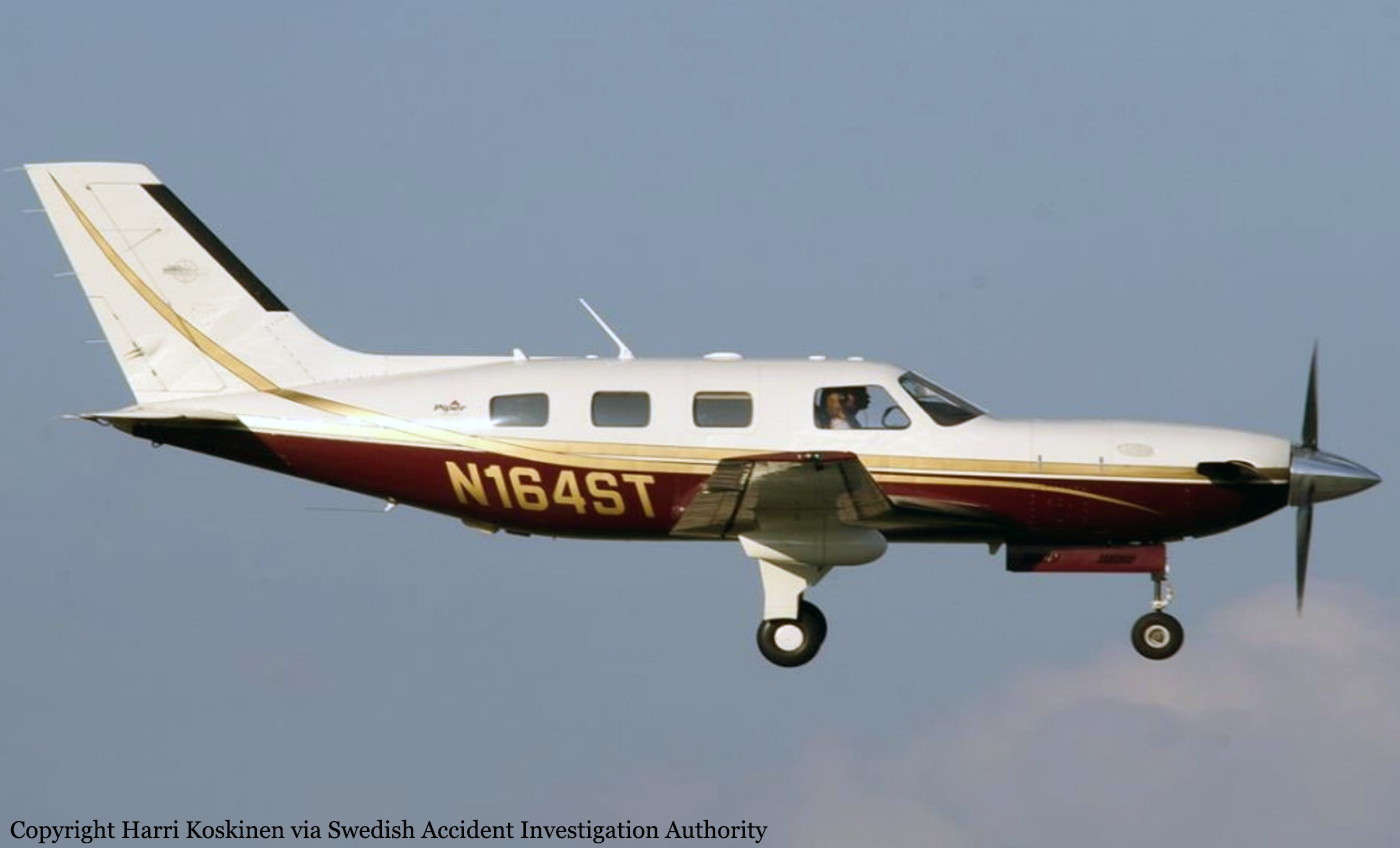
Crash of a Piper PA-46-500TP Malibu Meridian in Västerås

Date & Time: Feb 13, 2015 at 1203 LT
Registration:
N164ST
Flight Phase:
Flight Type:
Survivors:
Yes
Schedule:
Västerås – Prague
MSN:
46-97064
YOM:
2001
Country:
Region:
Crew on board:
1
Crew fatalities:
Pax on board:
2
Pax fatalities:
Other fatalities:
Total fatalities:
0
Captain / Total flying hours:
674
Captain / Total hours on type:
184.00
Aircraft flight hours:
2767
Circumstances:
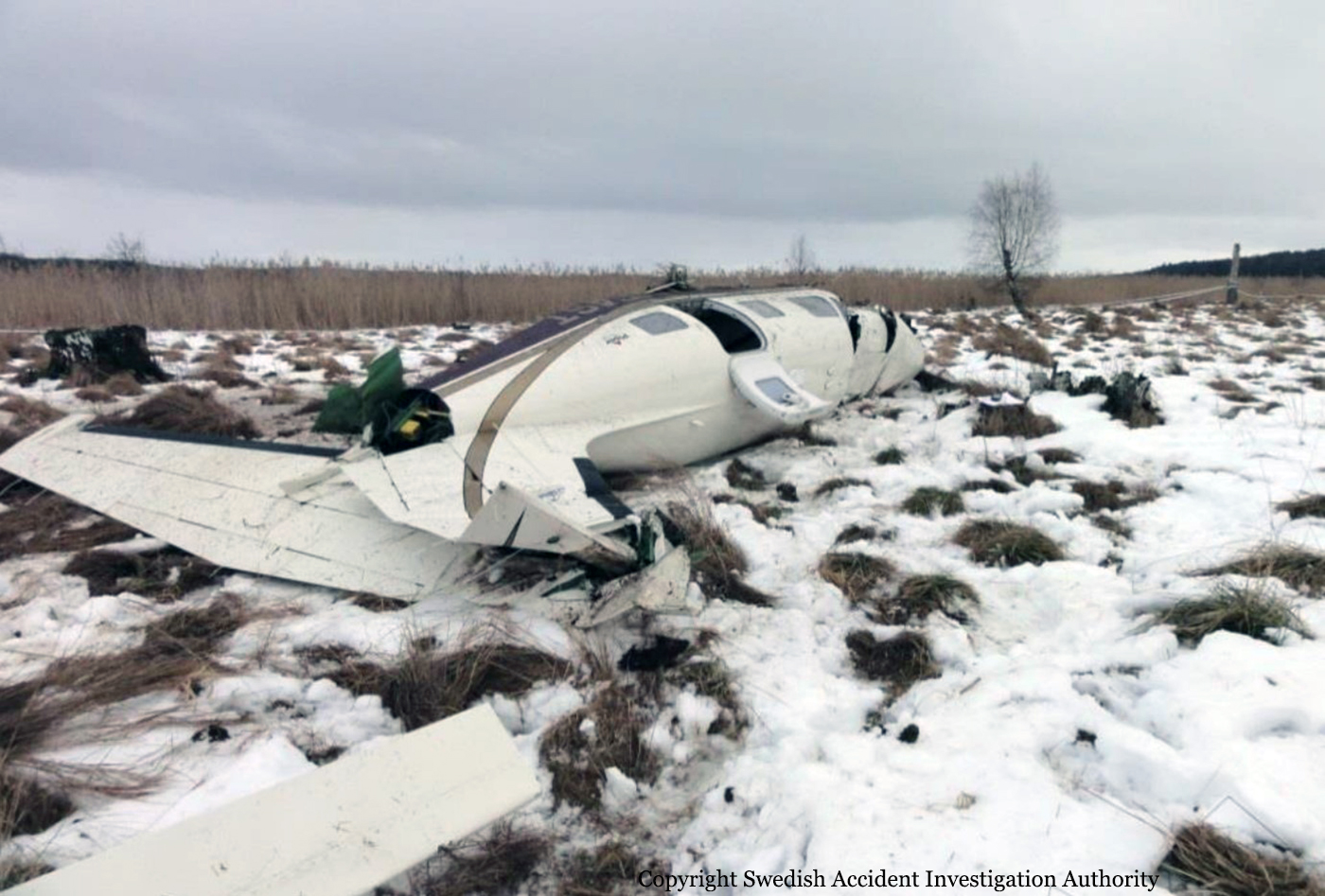
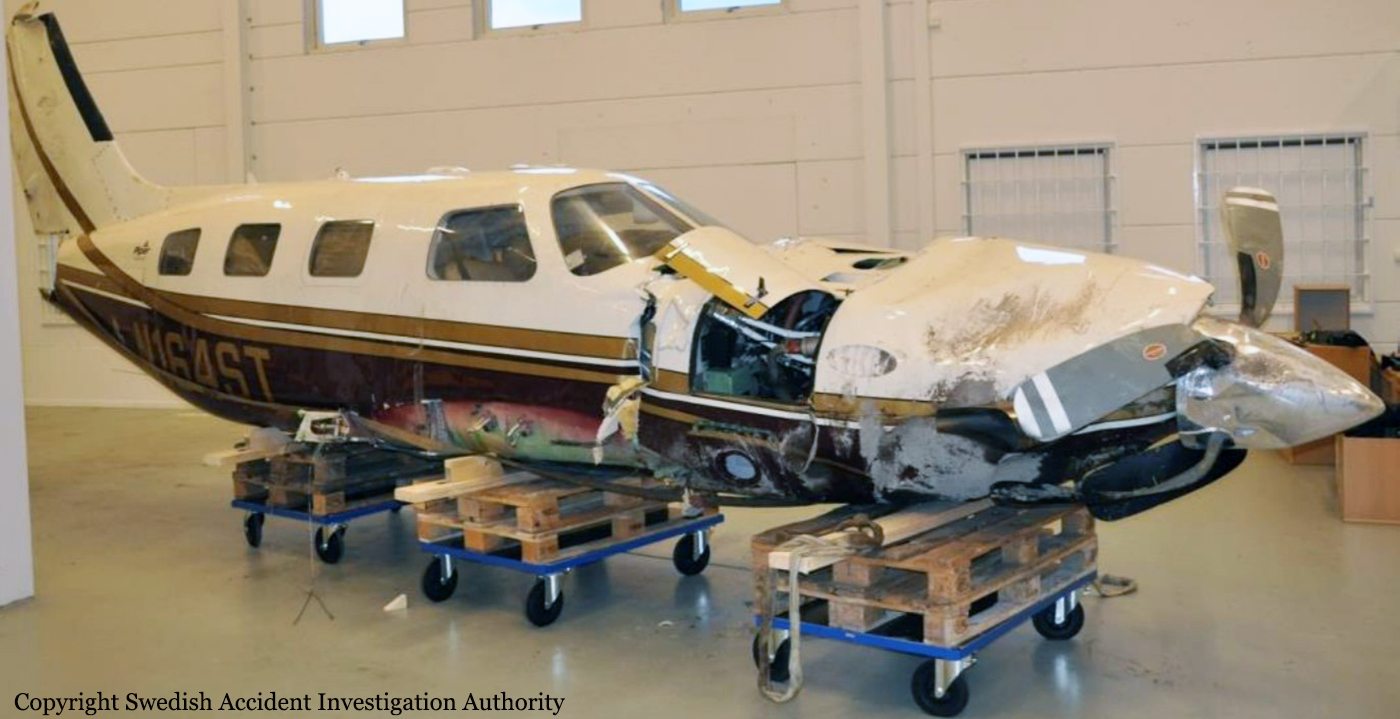
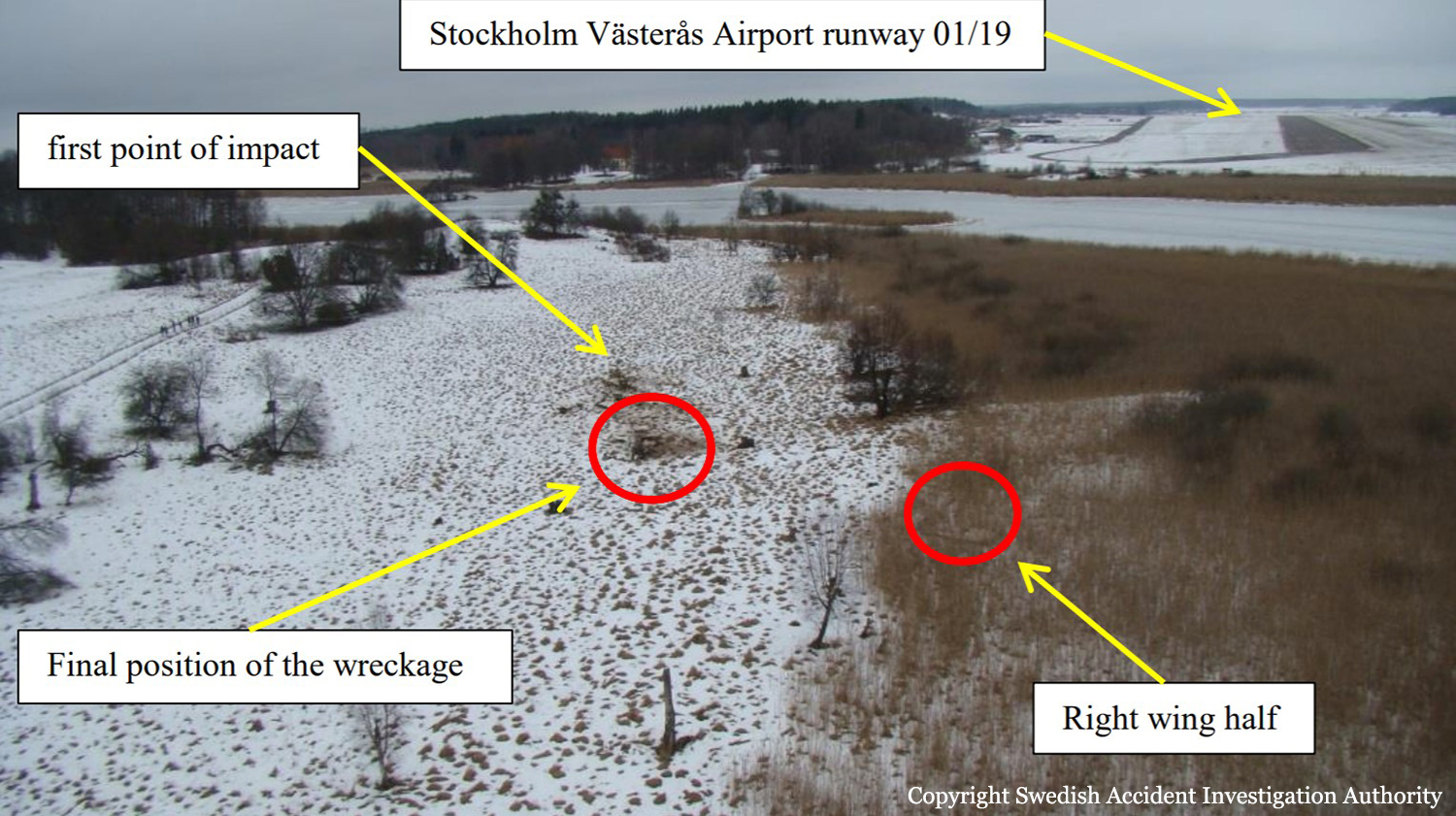
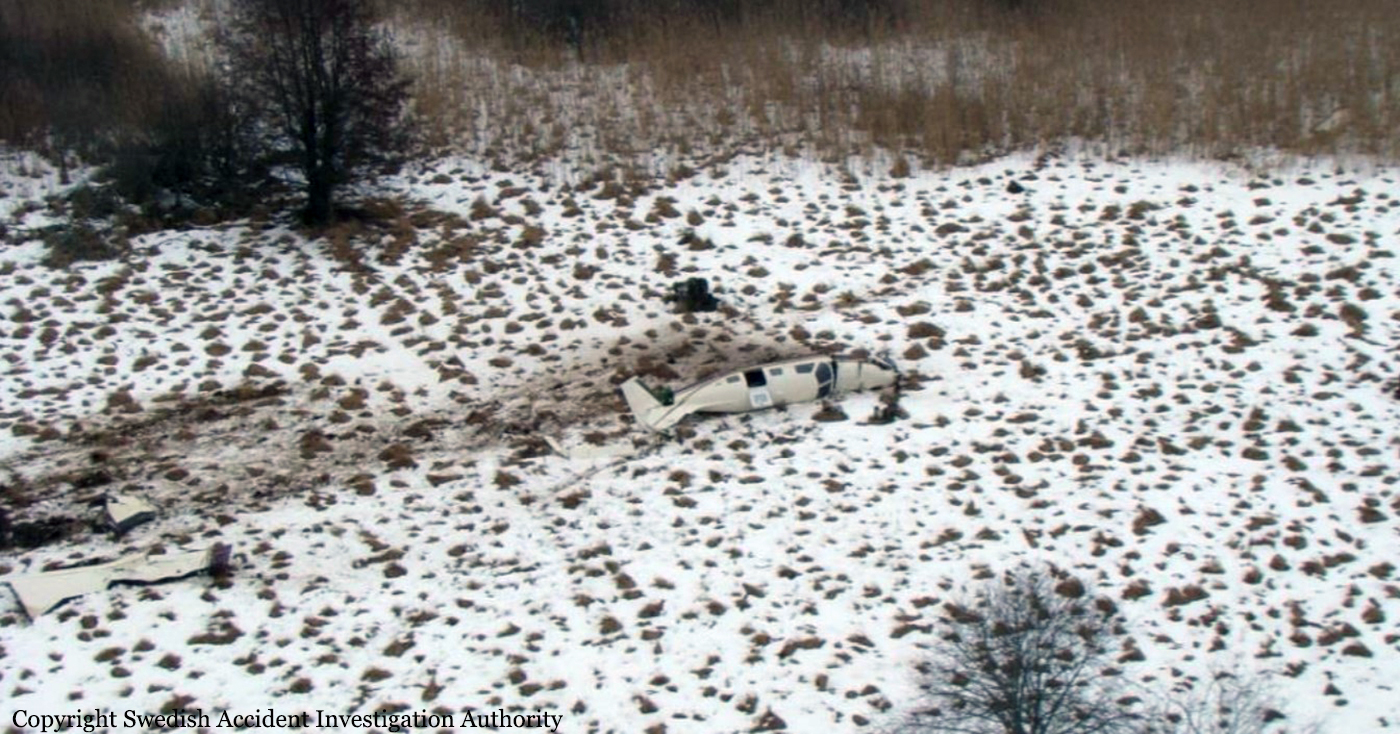
The aircraft, a Piper PA46-500TP Malibu Meridian, should carry out a private flight from Västeras airport to Prague. On board were a pilot and two passengers. Shortly after take-off an engine failure occurred and the pilot decided to make an emergency landing on Björnö Island, situated slightly to the right in the flight direction. The aircraft hit the ground with the left wing first and then rolled a number of times before it came to a final stop. During the accident both wings and parts of the tail separated from the aircraft. The fuselage remained relatively undamaged during the crash course. All three occupants escaped with minor injuries. A special study of the sequence of events shows that the impact, with the left wing first, caused the airplane's wings to act as shock absorbers, which greatly contributed to that the occupants only received minor injuries. During the accident - which occurred next to a secondary protection zone for water supply to the city of Västerås – a significant amount of fuel leaked out from the wreckage. The accident site was decontaminated after the accident. Examination undertaken in the area after the accident has not showed any trace of residual contamination in the soil.
Probable cause:
The engine failure was caused by damage to the engine's power turbine section. Most likely, the damage has been initiated in a labyrinth seal to the power turbine. The cause of the initial damage of the seal has not been established. The technical failure can not be assessed to be in a risk category where the risk of repeated failures of the same type is high. The accident was caused by damage to the power turbine which occurred over time, and that could not be identified by the engine's maintenance program.
Final Report:
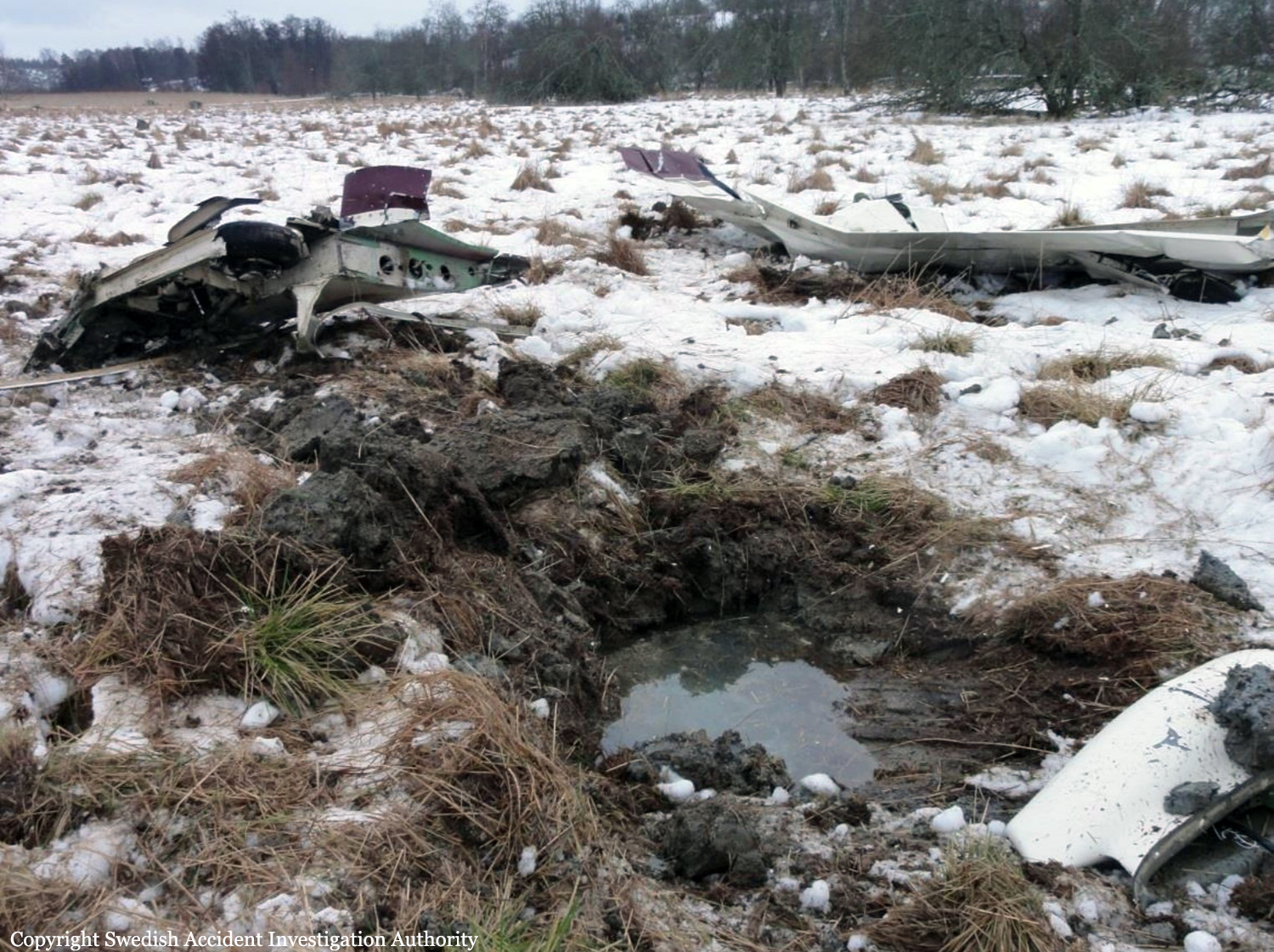
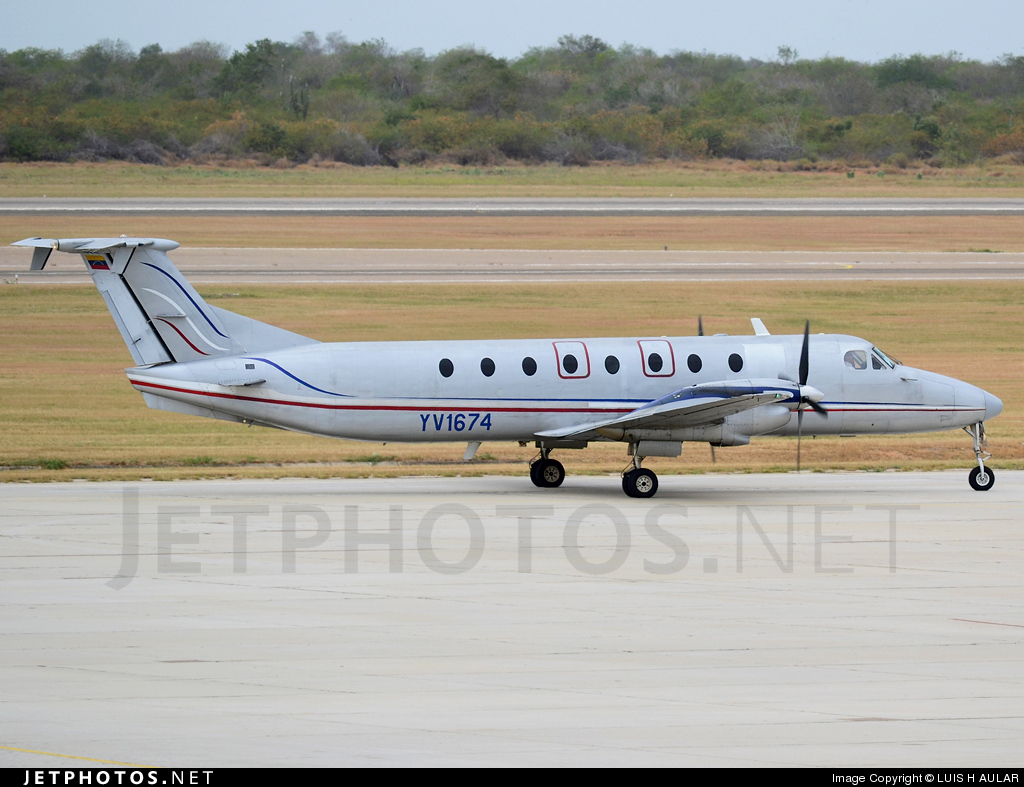
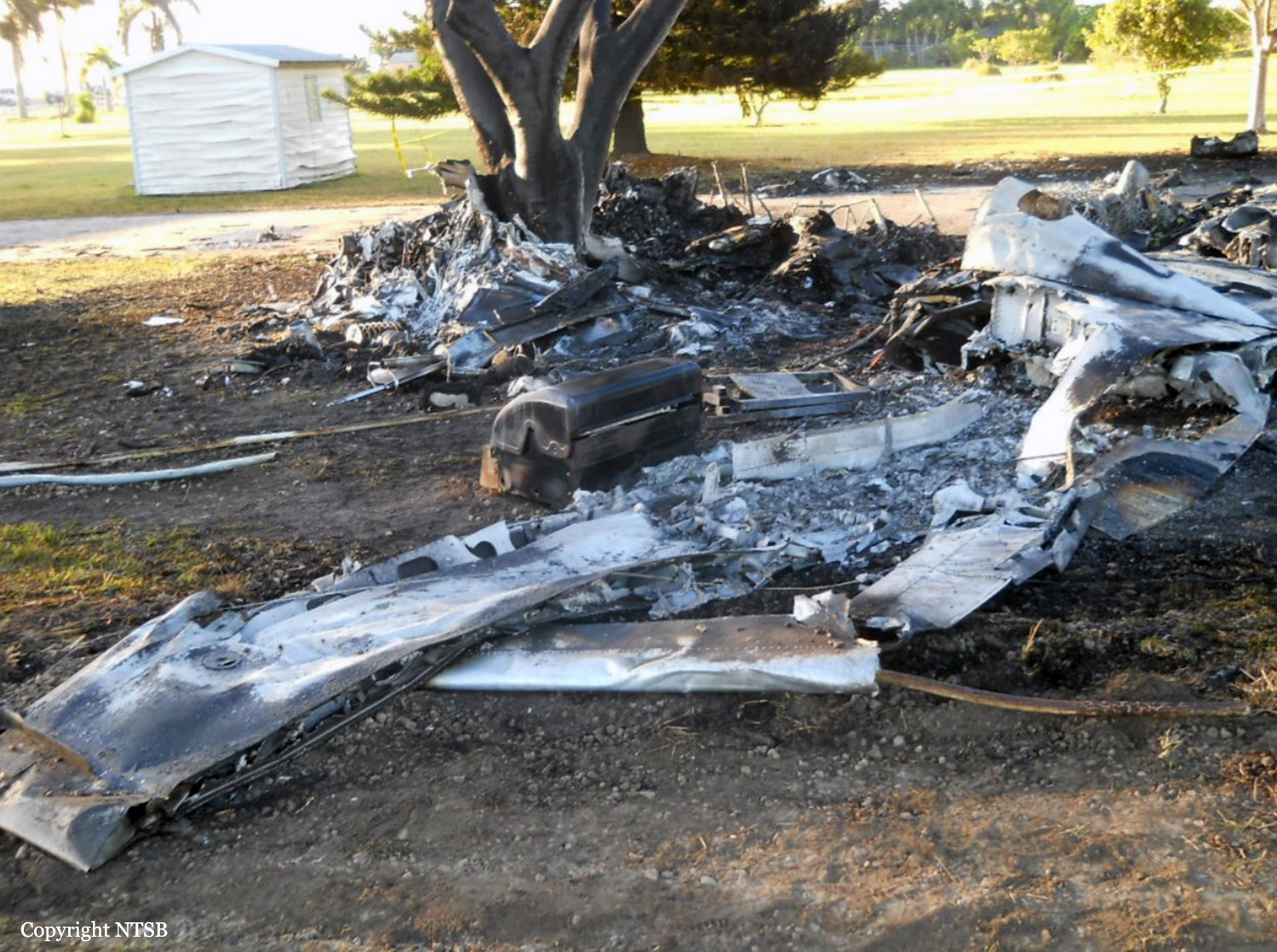
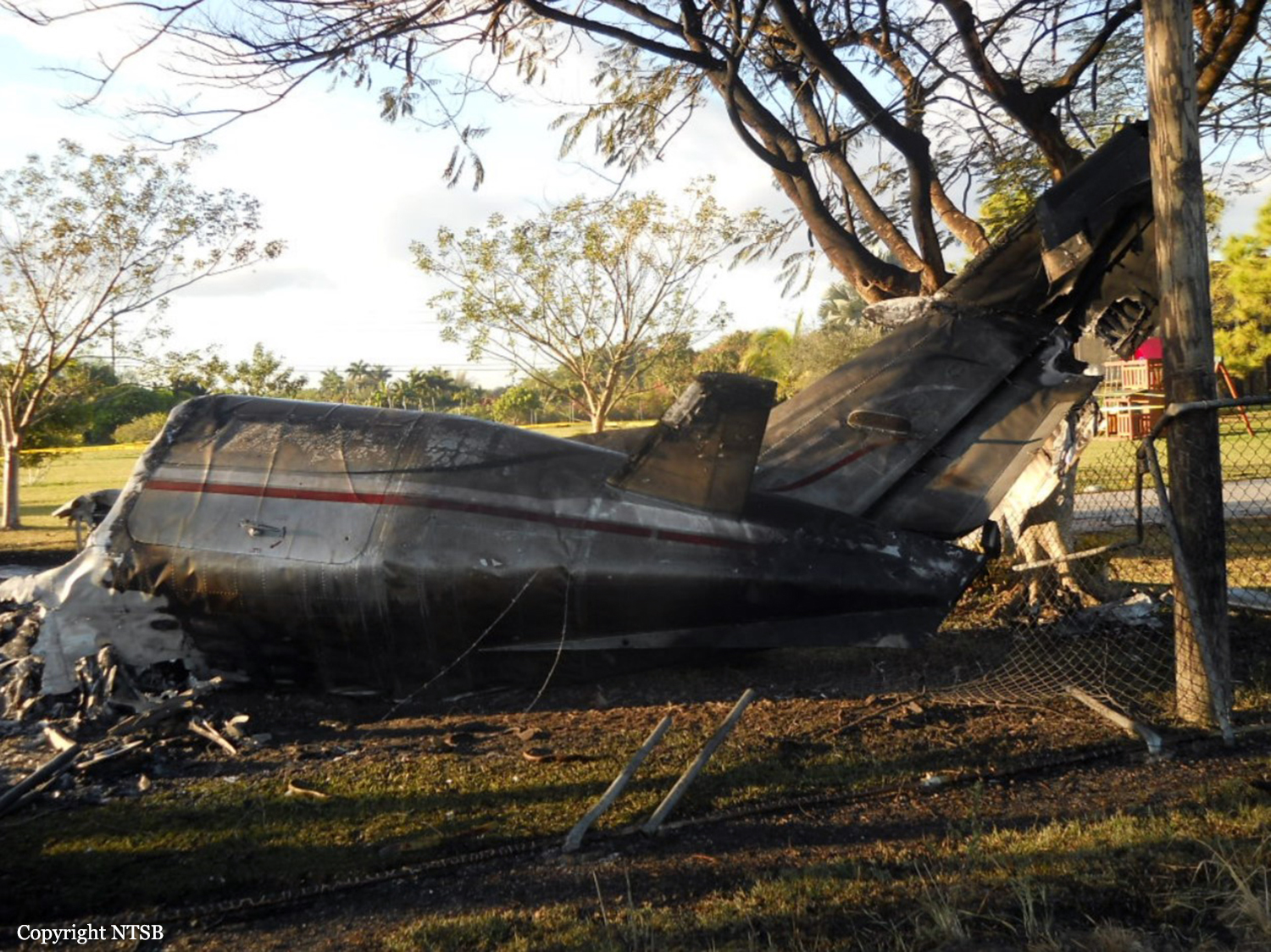
Crash of a Beechcraft 1900C in Kendall: 4 killed

Date & Time: Feb 11, 2015 at 1439 LT
Type of aircraft:
Registration:
YV1674
Flight Phase:
Flight Type:
Survivors:
No
Schedule:
Kendall - Procidenciales
MSN:
UC-47
YOM:
1988
Crew on board:
2
Crew fatalities:
Pax on board:
2
Pax fatalities:
Other fatalities:
Total fatalities:
4
Captain / Total flying hours:
19053
Captain / Total hours on type:
1476.00
Copilot / Total flying hours:
9529
Copilot / Total hours on type:
152
Aircraft flight hours:
35373
Circumstances:
The accident flight was a repositioning flight being operated by two airline transport pilots, and it was the multiengine turboprop airplane's first flight after an aviation maintenance technician (AMT) had replaced the left engine propeller with an overhauled propeller. The AMT subsequently performed an engine run, which included verifying correct power settings and corresponding blade angles. A review of flight data recorder (FDR) data revealed that, about 2 seconds after rotation, the left engine propeller rpm decreased to 60 percent, and the left engine torque increased off-scale (beyond 5,000 ft lbs), which is consistent with the left propeller traveling to the feathered position and the engine torque increasing in an attempt to maintain propeller rpm. About 30 seconds later, the flight crew shut down the left engine and attempted to return to the departure airport. Postaccident examination of the rudder trim actuator revealed that the rudder trim was at its full-right limit, which would have occurred to counteract the left engine drag before its shutdown. Based on this evidence, it is likely that the flight crew did not readjust the trim when the drag was alleviated, which resulted in the airplane being operated in a crosscontrolled attitude for about 50 seconds with a left bank and full-right rudder trim. Although the airplane should have been able to climb about 500 ft per minute with one engine operating, it slowed and descended from 300 ft in the cross-controlled attitude until it stalled, as indicated by a stall warning recorded by the cockpit voice recorder, and subsequently impacted terrain. Examination of the wreckage, including teardown examination of the left engine and propeller, did not reveal any preimpact mechanical anomalies. Review of the airplane maintenance manual revealed instructions to check the propeller reversing linkage on the front end of the engine, which controlled the beta valve, for proper rigging during propeller installation. The manual also contained a warning that misadjustment of the beta valve can cause unplanned feathering of the propeller and result in a possible hazard to airplane operation and over torque damage to the engine; however, the beta valve rigging could not be verified postaccident due to impact damage. Additionally, the ground/flight idle solenoid energizes when weight becomes off wheels and further opens the beta valve, which could exacerbate an existing misrigged condition as soon as the airplane becomes airborne, which is when the airplane experienced the uncommanded propeller feathering. The FDR data were consistent with the flight crew not performing the Before Takeoff (Runup) checklist. One of the items on that checklist was a low-pitch solenoid test, which would have energized the solenoid and possibly driven the left propeller uncommanded to feather during ground operations rather than in flight. A similar test during the post maintenance engine-run would have had the same results.
Probable cause:
The left engine propeller's uncommanded travel to the feathered position during takeoff for reasons that could not be determined due to impact damage. Contributing to the accident was the flight crew's failure to establish a coordinated climb once the left engine was shut down and the left propeller was in the feathered position.
Final Report:
Crash of a Pacific Aerospace PAC 750XL in Taupo Lake

Date & Time: Jan 7, 2015 at 1216 LT
Operator:
Registration:
ZK-SDT
Flight Phase:
Survivors:
Yes
Schedule:
Taupo - Taupo
MSN:
122
YOM:
2005
Country:
Region:
Crew on board:
1
Crew fatalities:
Pax on board:
12
Pax fatalities:
Other fatalities:
Total fatalities:
0
Captain / Total flying hours:
588
Captain / Total hours on type:
14.00
Circumstances:
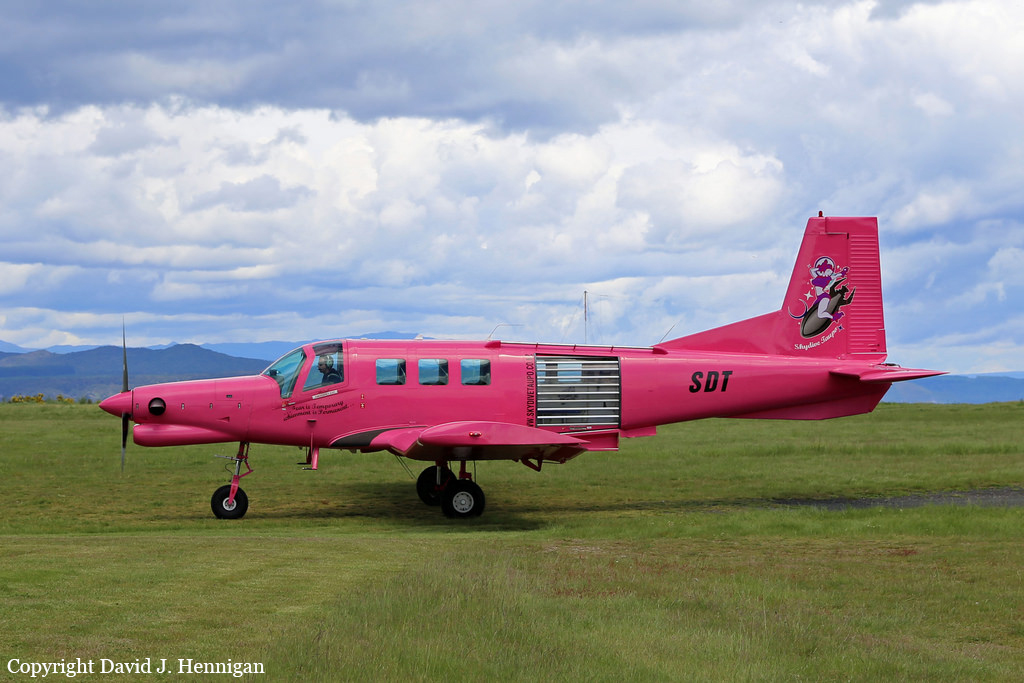
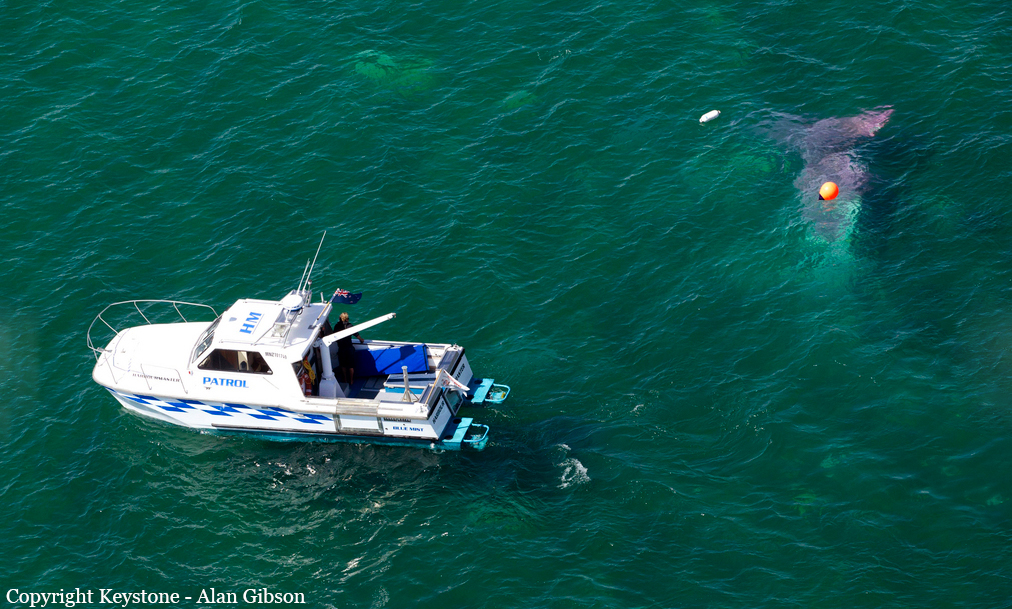
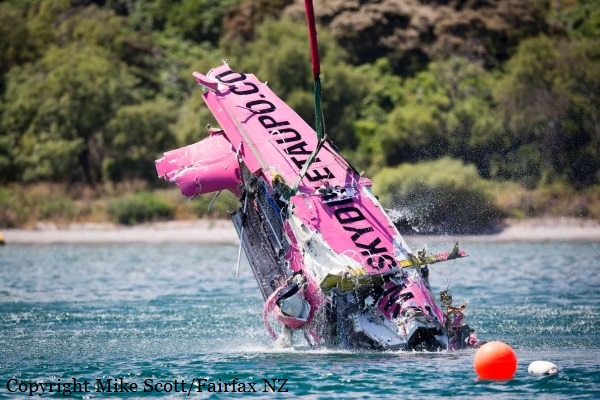
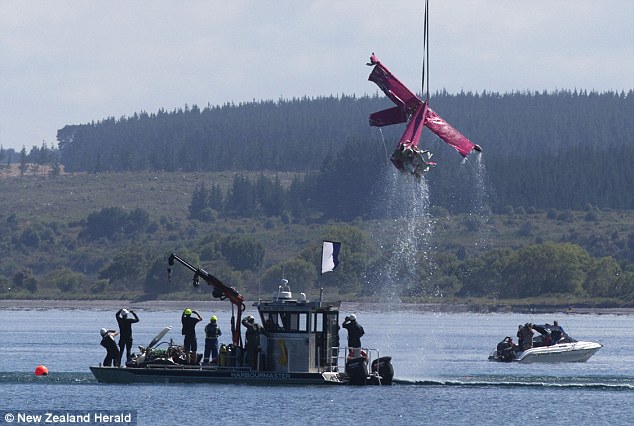
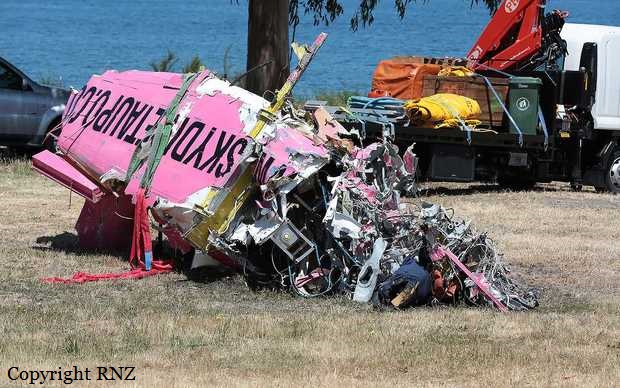
On 7 January 2015 a Pacific Aerospace Limited 750XL aeroplane was being used for tandem parachuting (or ‘skydiving’) operations at Taupō aerodrome. During the climb on the fourth flight of the day, the Pratt & Whitney Canada PT6A-34 engine failed suddenly. The 12 parachutists and the pilot baled out of the aeroplane and landed without serious injury. The aeroplane crashed into Lake Taupō and was destroyed.
Probable cause:
The following findings were identified:
- The first compressor turbine blade failed after a fatigue crack, which had begun at the trailing edge, propagated towards the leading edge. The blade finally fractured in tensile overload. The separated blade fragment caused other blades to fracture and the engine to stop.
- The fatigue crack in the trailing edge of the blade was likely initiated by the trailing edge radius having been below the specification for a new blade.
- The P&WC Repair Requirement Document 725009-SRR-001, at the time the blades were overhauled, had generic requirements for trailing edge thickness inspections but did not specify a minimum measurement for the trailing edge radius.
- The higher engine power settings used by the operator since August 2014 were within the flight manual limits. Therefore it was unlikely that the operator’s engine handling policy contributed to the engine failure.
- The operator had maintained the engine in accordance with an approved, alternative maintenance programme, but the registration of the engine into that programme had not been completed. The administrative oversight did not affect the reliability of the engine or contribute to the blade failure.
- It was likely that the maintenance provider had not followed fully the engine manufacturer’s recommended procedure for inspecting the compressor turbine blades. It could not be determined whether the crack might have been present, and potentially detectable, at the most recent borescope inspection.
- The operator had not equipped its pilots with flotation devices to cover the possibility of a ditching or an emergency bale-out over or near water.
- The pilot had demonstrated that he was competent and he had the required ratings. However, it was likely that the operator’s training of the pilot in emergency procedures was inadequate. This contributed to the pilot making a hasty exit from the aeroplane that jeopardized others.
Final Report:
Crash of a Cessna 404 Titan II in Englewood: 1 killed

Date & Time: Dec 30, 2014 at 0429 LT
Type of aircraft:
Operator:
Registration:
N404MG
Flight Phase:
Flight Type:
Survivors:
No
Schedule:
Denver - Denver
MSN:
404-0813
YOM:
1981
Flight number:
LYM182
Crew on board:
1
Crew fatalities:
Pax on board:
0
Pax fatalities:
Other fatalities:
Total fatalities:
1
Captain / Total flying hours:
2566
Captain / Total hours on type:
624.00
Aircraft flight hours:
16681
Circumstances:
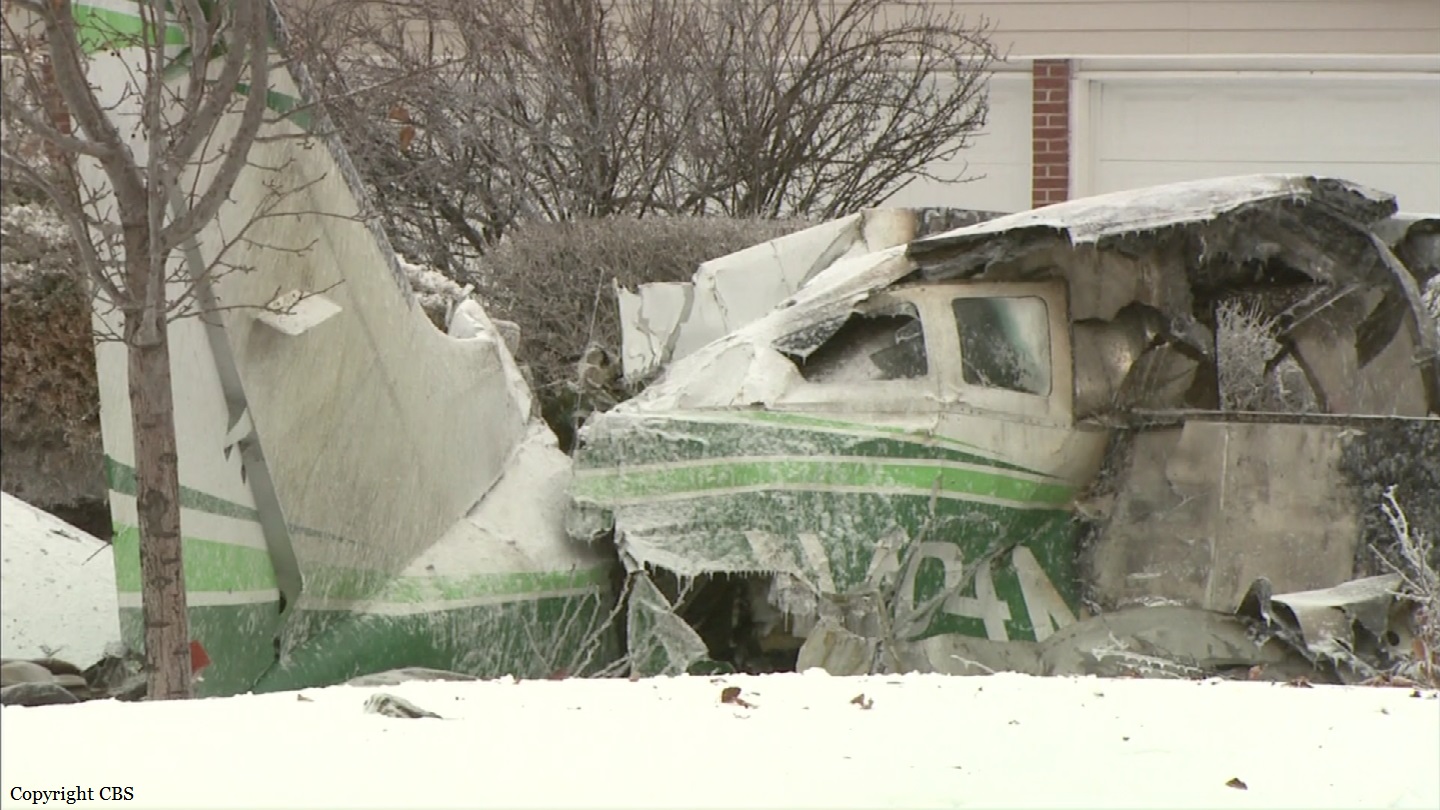
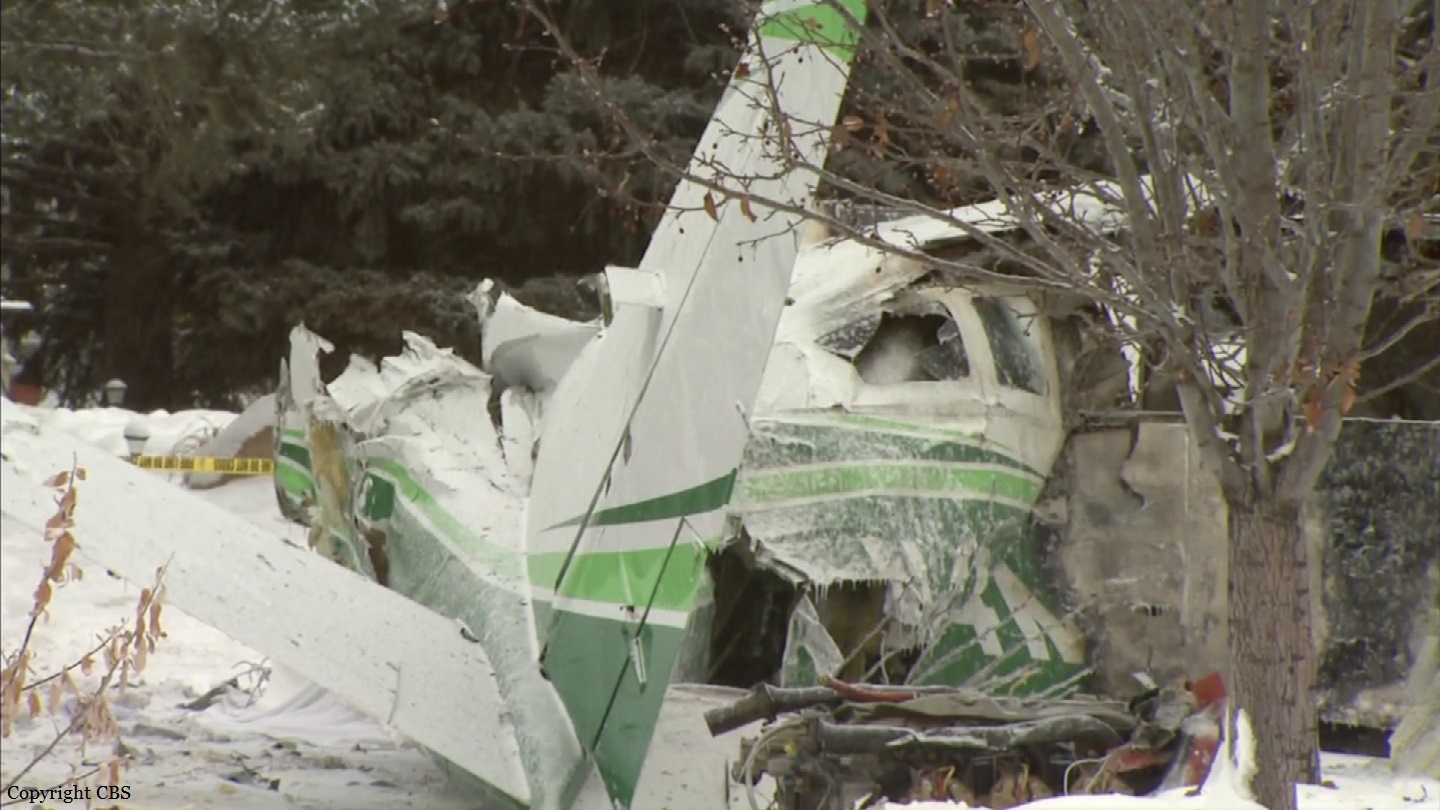
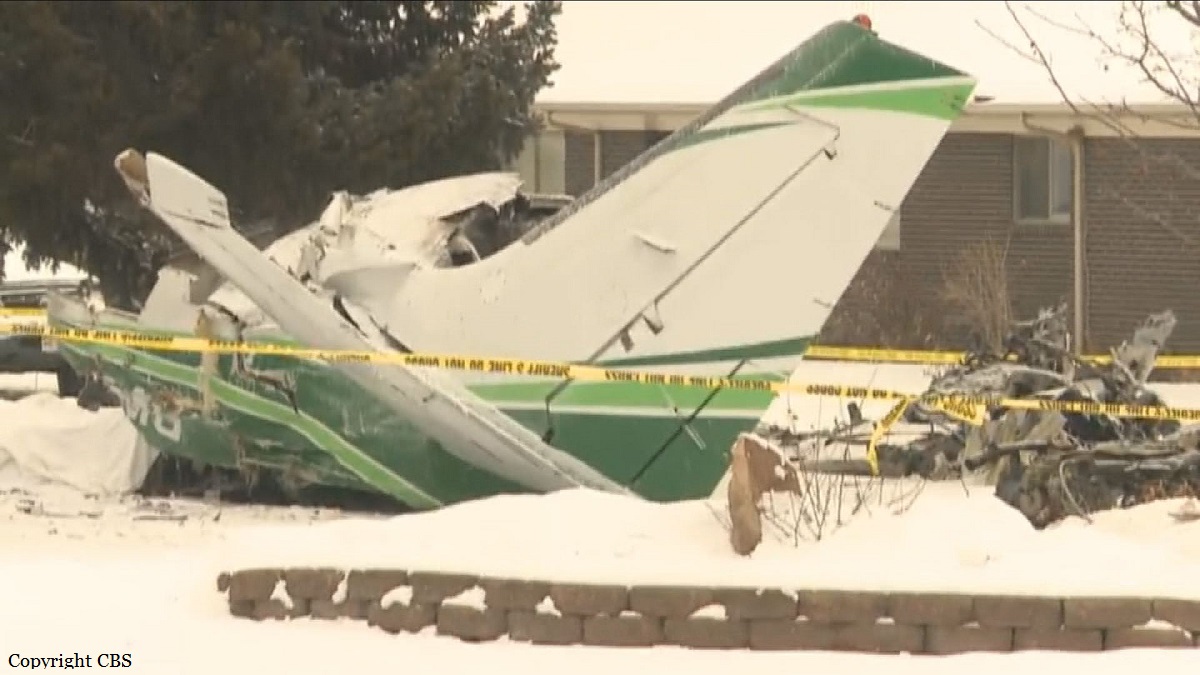
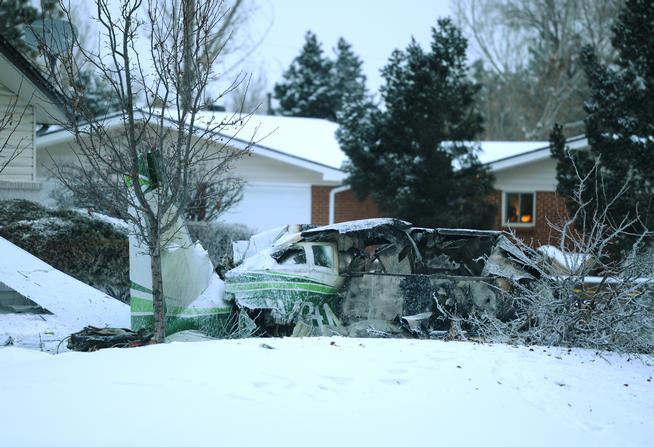
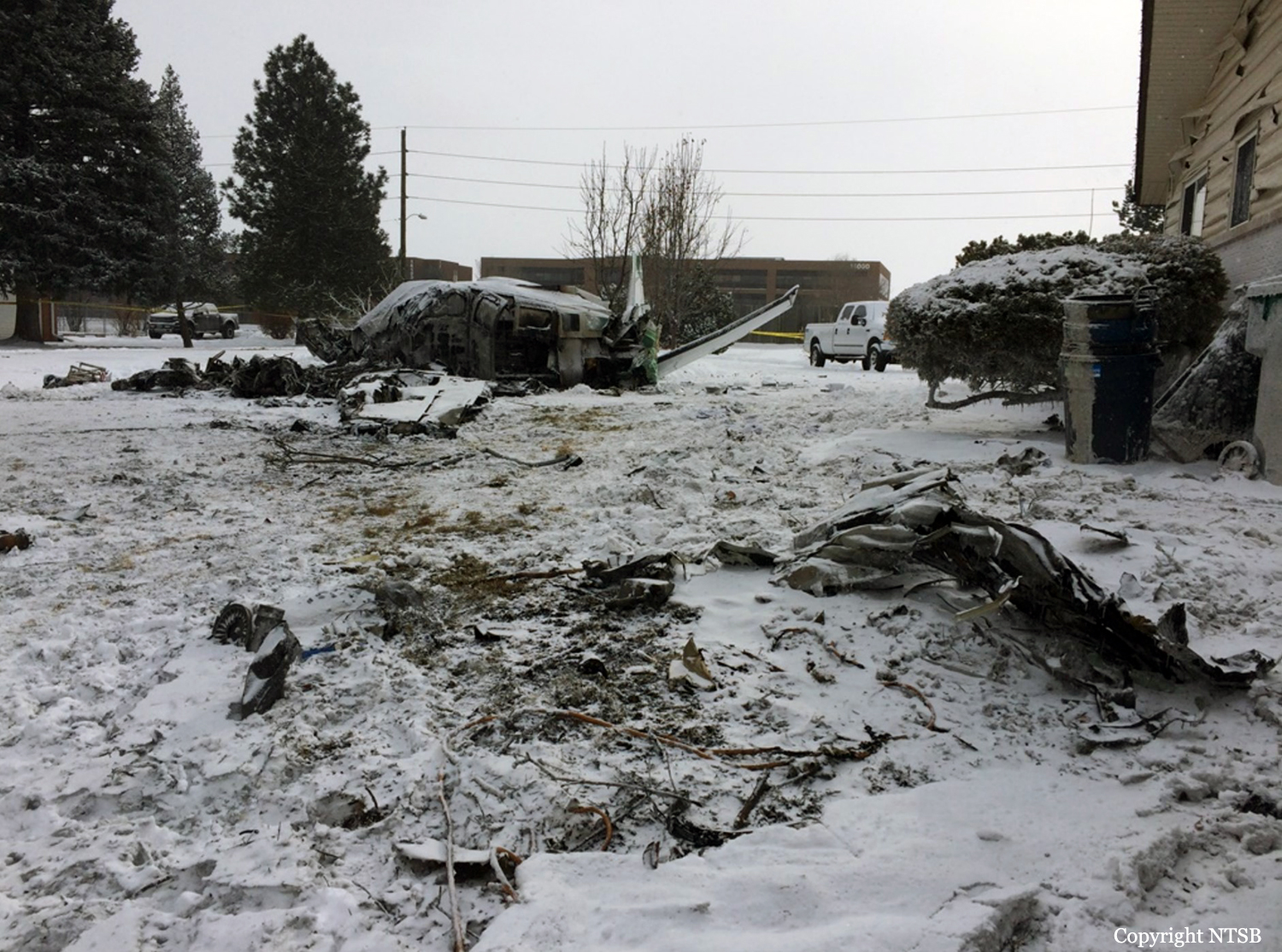
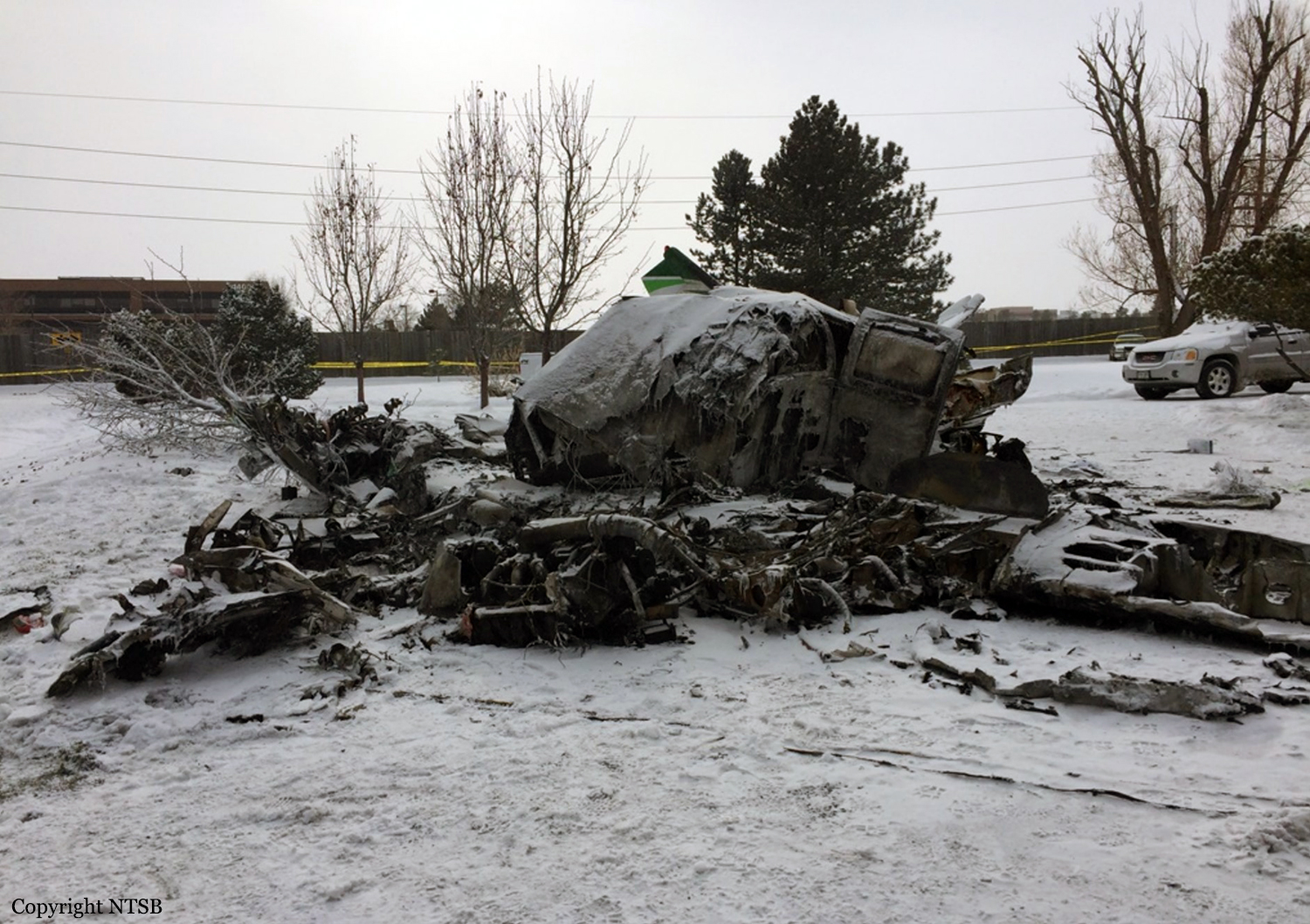
The pilot was conducting an early morning repositioning flight of the cargo airplane. Shortly after takeoff, the pilot reported to air traffic control that he had “lost an engine” and would return to the airport. Several witnesses reported that the engines were running rough and one witness reported that he did not hear any engine sounds just before the impact. The airplane impacted trees, a wooden enclosure, a chain-linked fence, and shrubs in a residential area and was damaged by the impact and postimpact fire. The airplane had been parked outside for 5 days before the accident flight and had been plugged in to engine heaters the night before the flight. It was dark and snowing lightly at the time of the accident. The operator reported that no deicing services were provided before the flight and that the pilot mechanically removed all of the snow and ice accumulation. The wreckage and witness statements were consistent with the airplane being in a right-winglow descent but the airplane did not appear to be out of control. Neither of the propellers were at or near the feathered position. The emergency procedures published by the manufacturer for a loss of engine power stated that pilots should first secure the engine and feather the propeller following a loss of engine power and then turn the fuel selector for that engine to “off.” The procedures also cautioned that continued flight might not be possible if the propeller was not feathered. The right fuel selector valve and panel were found in the off position. Investigators were not able to determine why an experienced pilot did not follow the emergency procedures and immediately secure the engine following the loss of engine power. It is not known how much snow and ice had accumulated on the airplane leading up to the accident flight or if the pilot was successful in removing all of the snow and ice with only mechanical means. The on-scene examination of the wreckage and the teardown of both engines did not reveal any preimpact mechanical malfunctions or failures. While possible, it could not be determined if water or ice ingestion lead to the loss of engine power at takeoff.
Probable cause:
The loss of power to the right engine for reasons that could not be determined during postaccident examination and teardown and the pilot’s failure to properly configure the
airplane for single-engine flight.
Final Report:
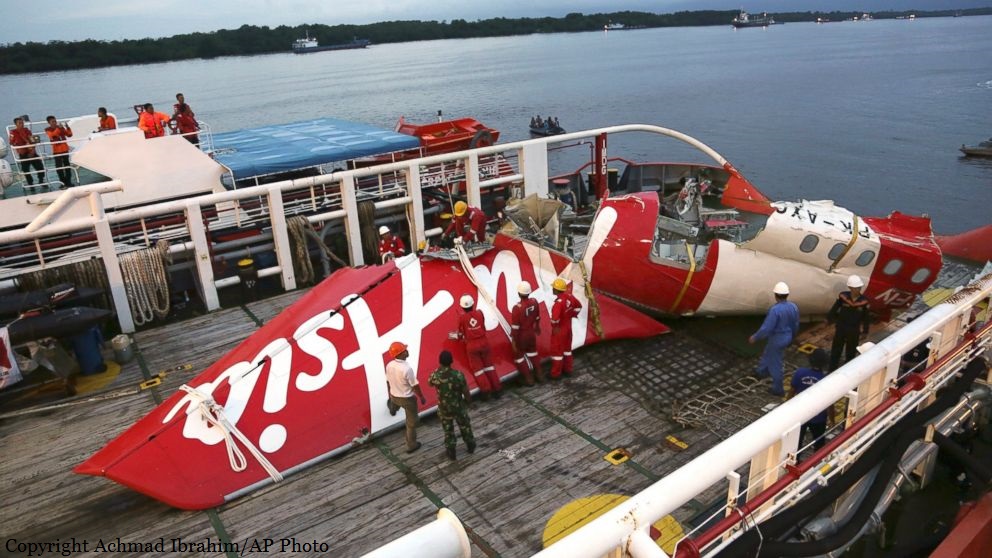
Crash of an Airbus A320-216 into the Java Sea: 162 killed

Date & Time: Dec 28, 2014 at 0618 LT
Type of aircraft:
Operator:

Registration:
PK-AXC
Flight Phase:
Survivors:
No
Schedule:
Surabaya – Singapore
MSN:
3648
YOM:
2008
Flight number:
QZ8501
Country:
Region:
Crew on board:
6
Crew fatalities:
Pax on board:
156
Pax fatalities:
Other fatalities:
Total fatalities:
162
Captain / Total flying hours:
20537
Captain / Total hours on type:
4687.00
Copilot / Total flying hours:
2247
Copilot / Total hours on type:
1367
Aircraft flight hours:
23039
Aircraft flight cycles:
13610
Circumstances:
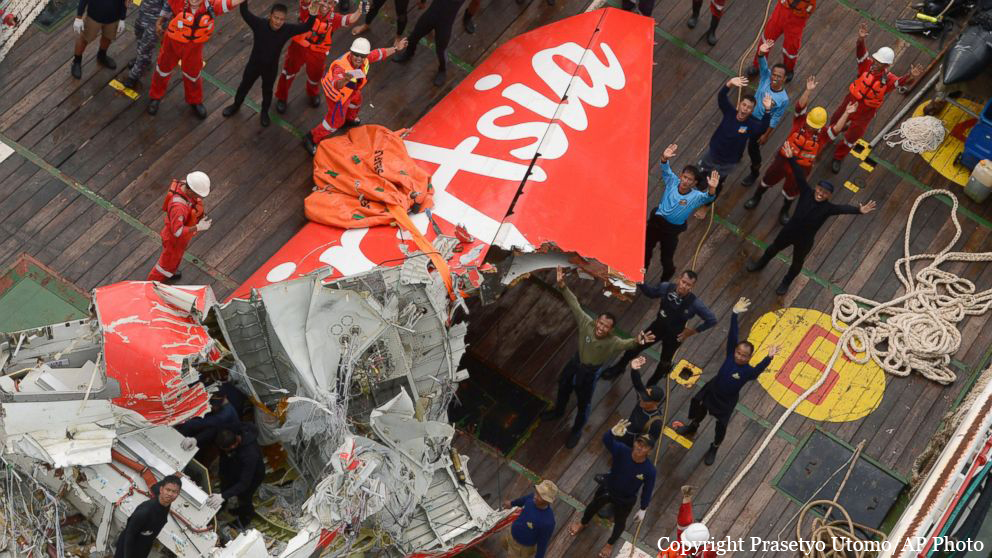
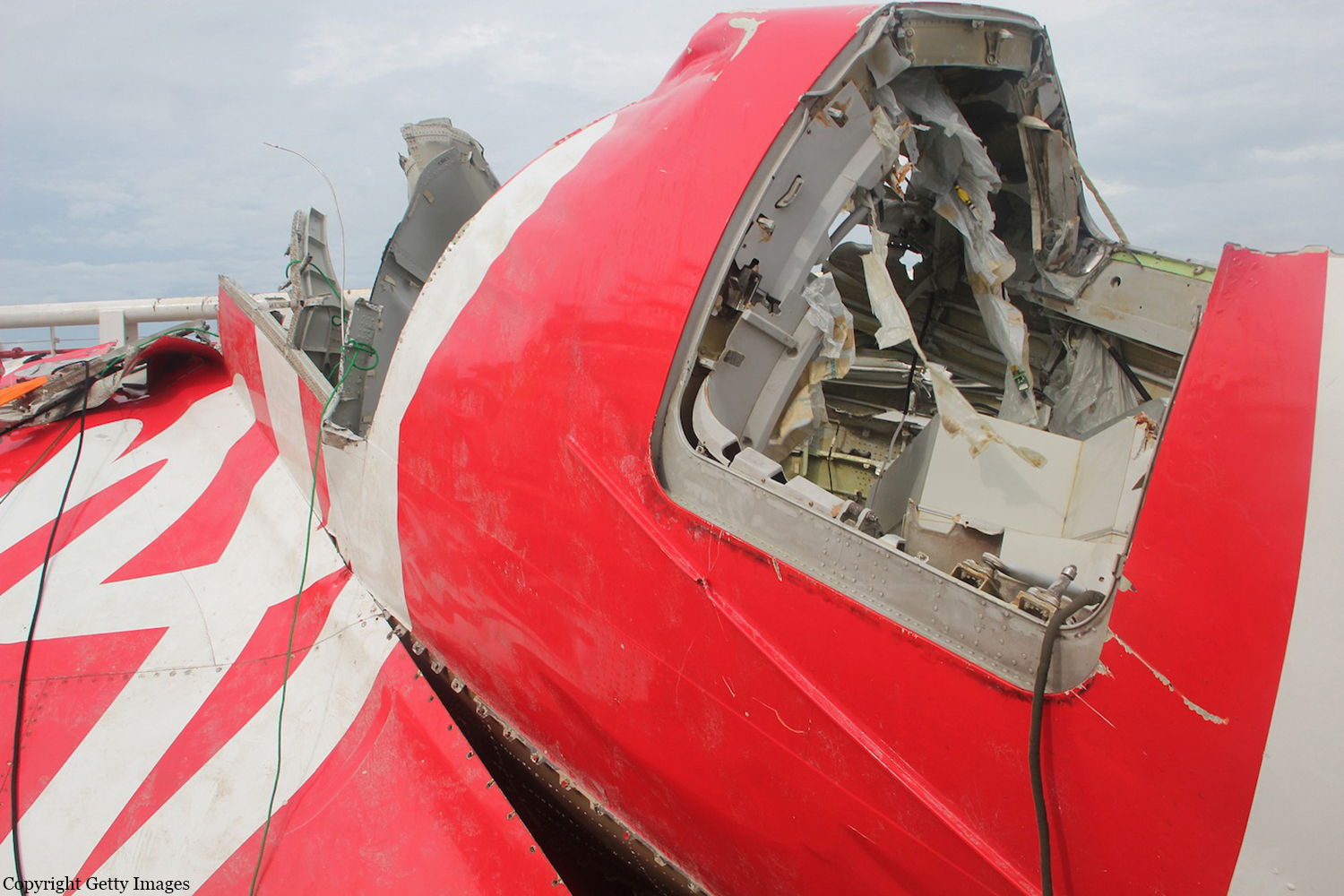
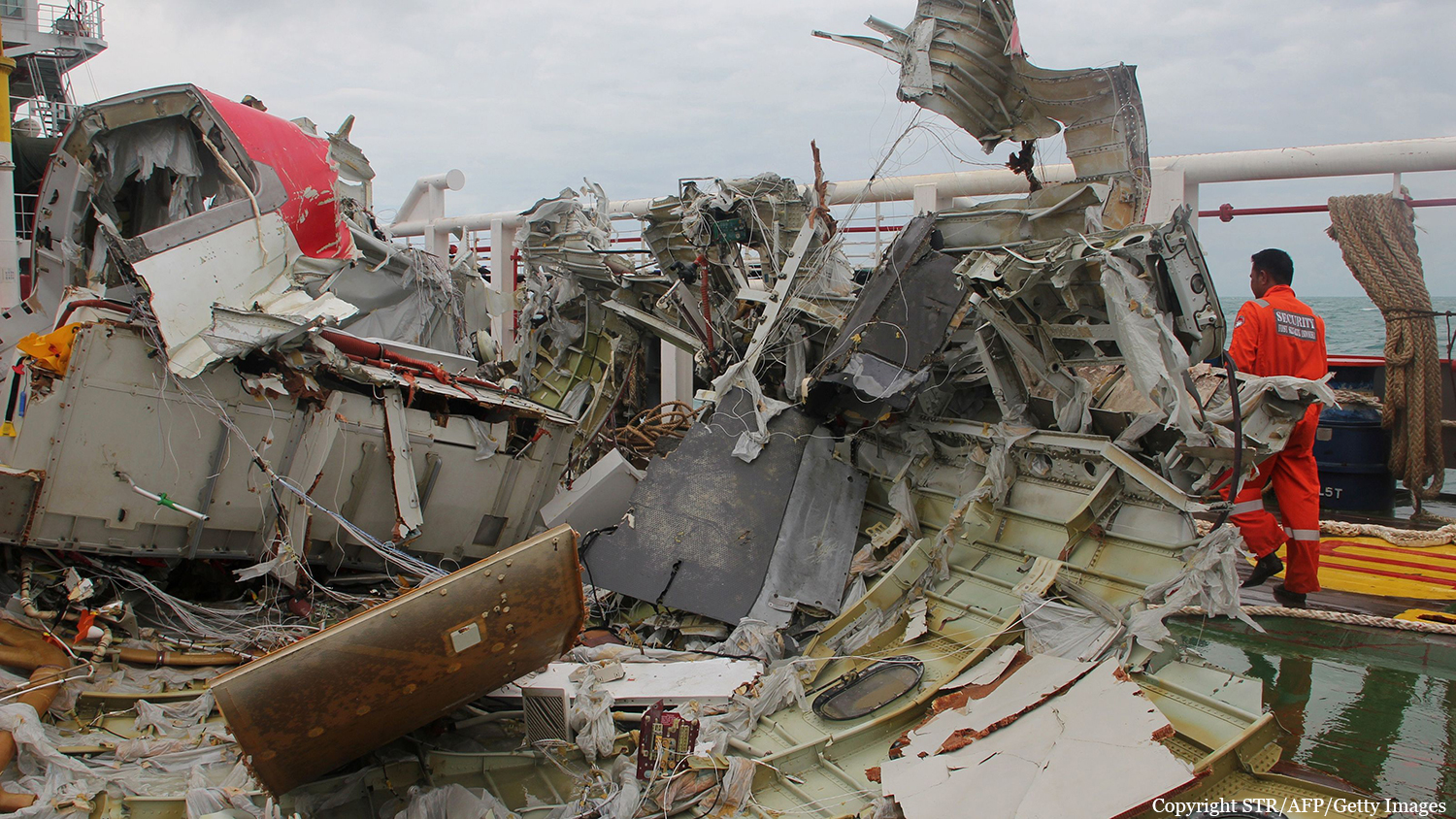
The aircraft left Surabaya-Juanda Airport at 0535LT and climbed to its assigned altitude of FL320 that he reached 19 minutes later. The crew contacted ATC to obtain the authorization to climb to FL380 and to divert to 310° due to bad weather conditions. At 0617, the radio contact was lost with the crew and a minute later, the transponder stopped when the aircraft disappeared from the radar screen. At this time, the aircraft was flying at the altitude of 36,300 feet and its speed was decreasing to 353 knots. It is believed the aircraft crashed some 80 nautical miles southeast off the Pulau Belitung Island, some 200 km from the Singapore Control Area. The Indonesian Company confirmed there were 156 Indonesian Citizens on board, three South Korean, one Malaysian, one Singapore and one French (the copilot) as well. At the time of the accident, the weather conditions were marginal with storm activity, rain falls and turbulence in the area between Pulau Belitung and Kalimantan. First debris were spotted by the Indonesian Navy some 48 hours later, about 150 NM east-south-east off the Pulau Belitung Island. About forty dead bodies were found up to December 30. The tail was recovered on January 10, 2015 and the black boxes were localized a day later. On January 12 and 13 respectively, the DFDR and the CVR were out of water and sent to Jakarta for analysis and investigations.
Probable cause:
The cracking of a solder joint of both channel A and B resulted in loss of electrical continuity and led to RTLU (rudder travel limiter unit) failure.
The existing maintenance data analysis led to unresolved repetitive faults occurring with shorter intervals. The same fault occurred 4 times during the flight.
The flight crew action to the first 3 faults in accordance with the ECAM messages. Following the fourth fault, the FDR recorded different signatures that were similar to the FAC CB‟s being reset resulting in electrical interruption to the FAC‟s.
The electrical interruption to the FAC caused the autopilot to disengage and the flight control logic to change from Normal Law to Alternate Law, the rudder deflecting 2° to the left resulting the aircraft rolling up to 54° angle of bank.
Subsequent flight crew action leading to inability to control the aircraft in the Alternate Law resulted in the aircraft departing from the normal flight envelope and entering prolonged stall condition that was beyond the capability of the flight crew to recover.
Final Report: