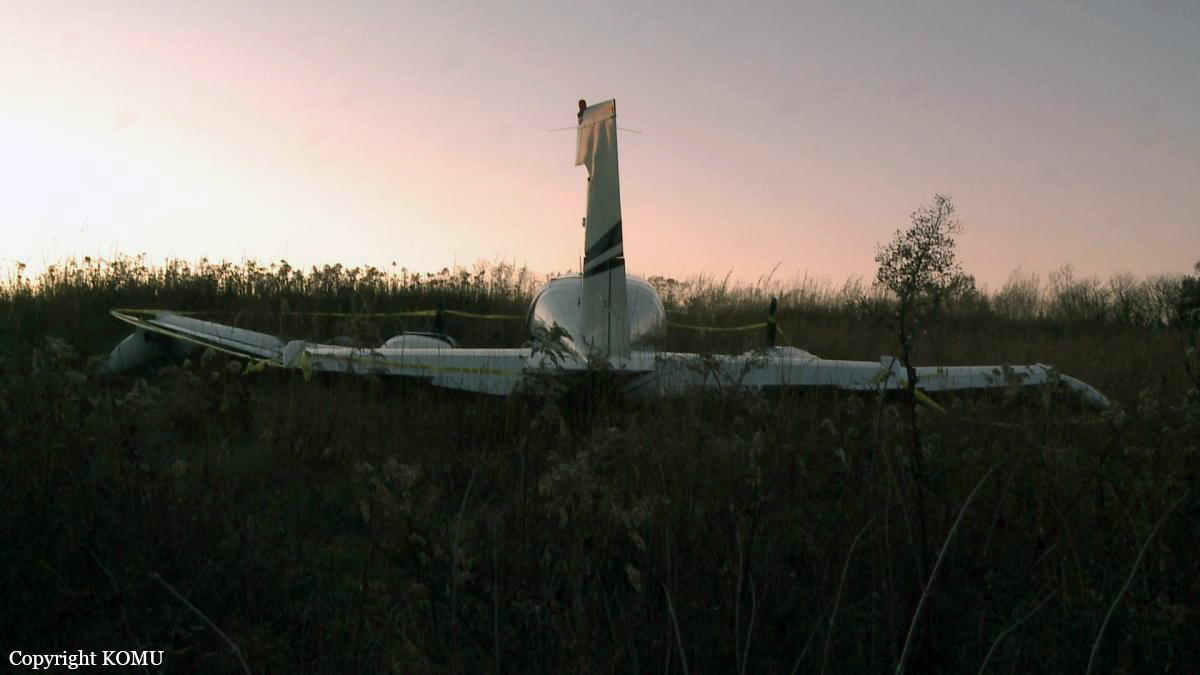
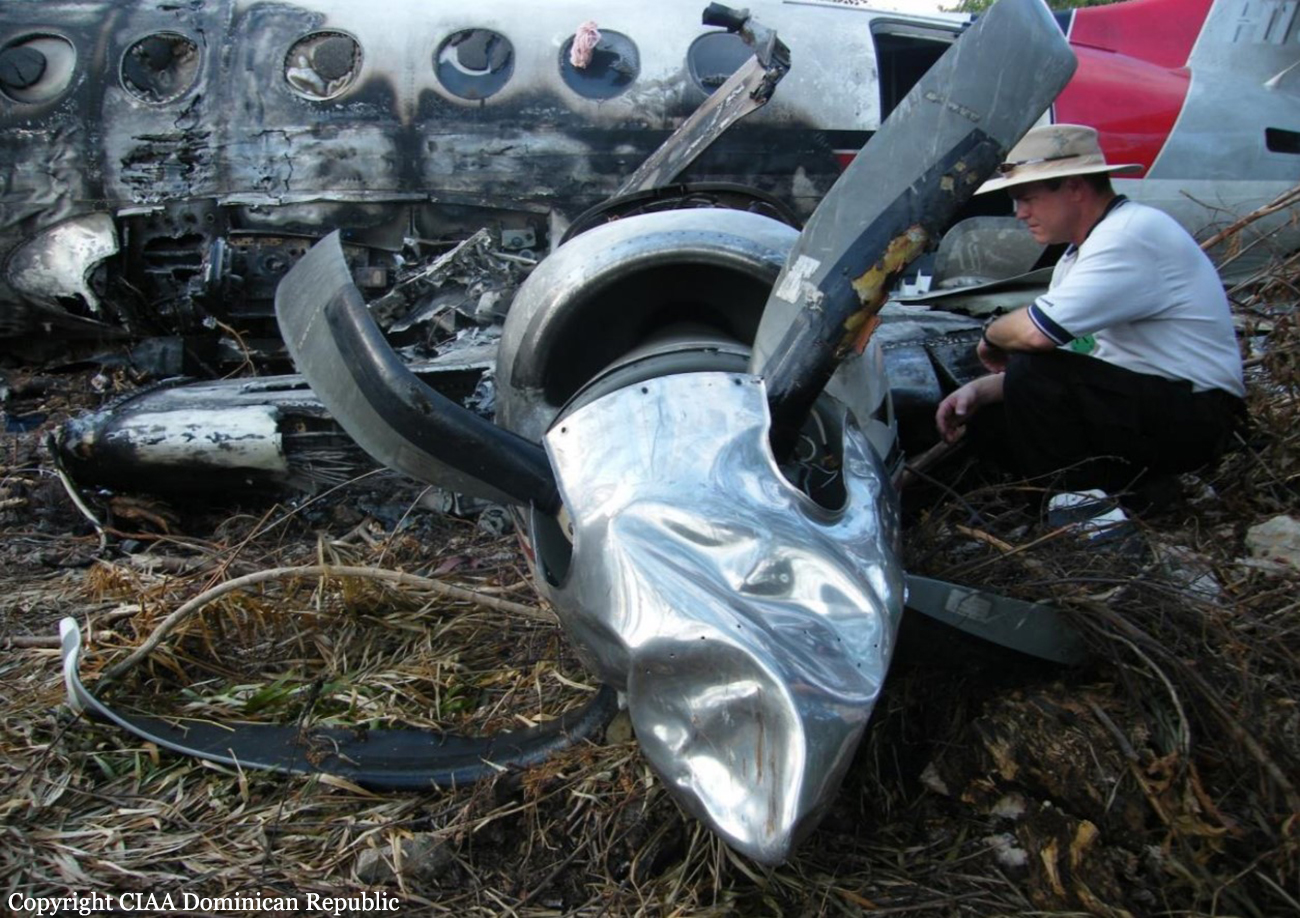
Crash of a Piper PA-31-350 Navajo Chieftain in Mariquita: 10 killed

Date & Time: Dec 3, 2014 at 0931 LT
Operator:

Registration:
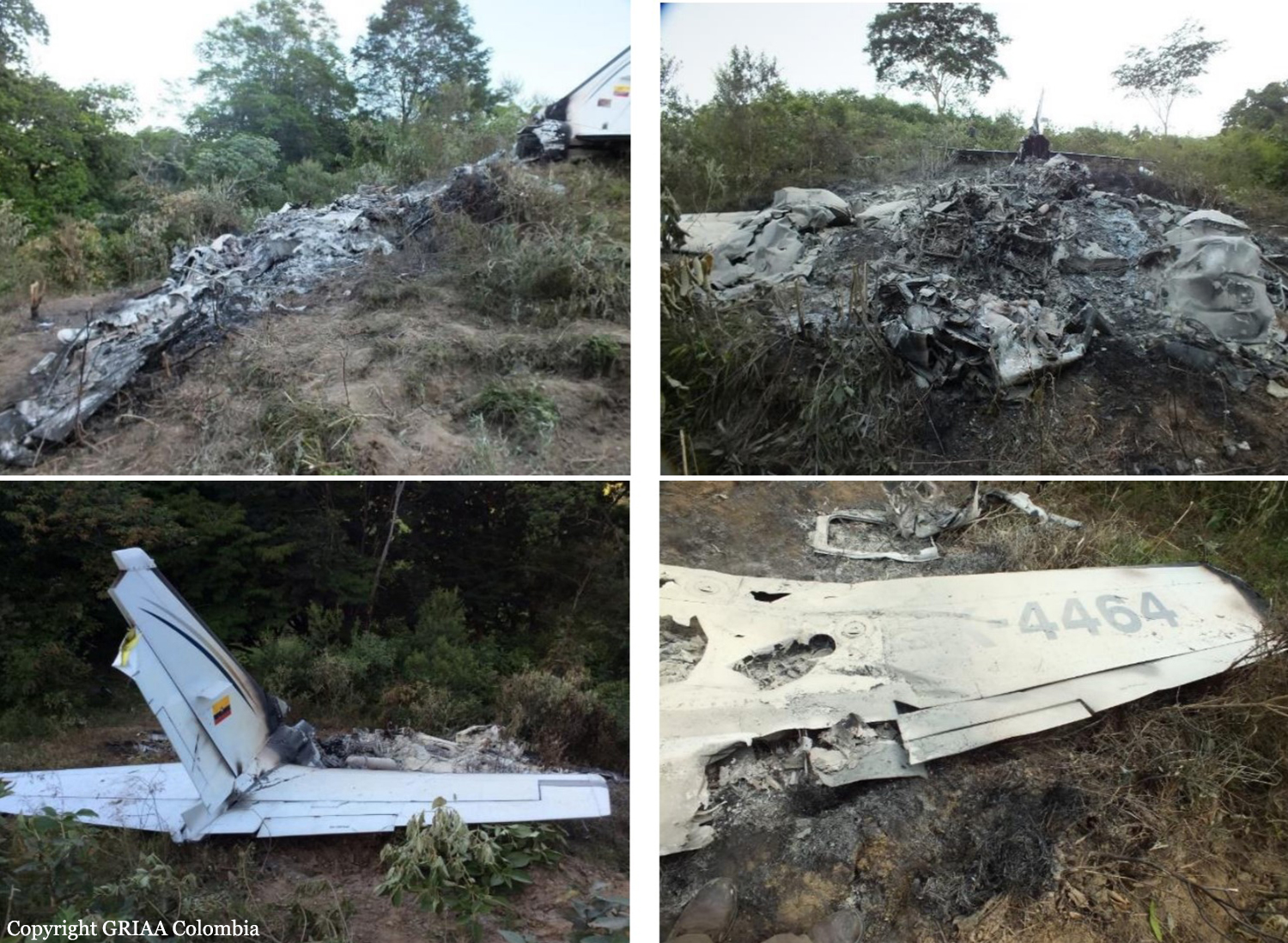
HK-4464
Survivors:
No
Schedule:
Bogotá-Guaymaral – Bahía Solano
MSN:
31-7952229
YOM:
1979
Country:
Crew on board:
2
Crew fatalities:
Pax on board:
8
Pax fatalities:
Other fatalities:
Total fatalities:
10
Captain / Total flying hours:
2190
Captain / Total hours on type:
392.00
Copilot / Total flying hours:
302
Copilot / Total hours on type:
302
Aircraft flight hours:
10091
Circumstances:
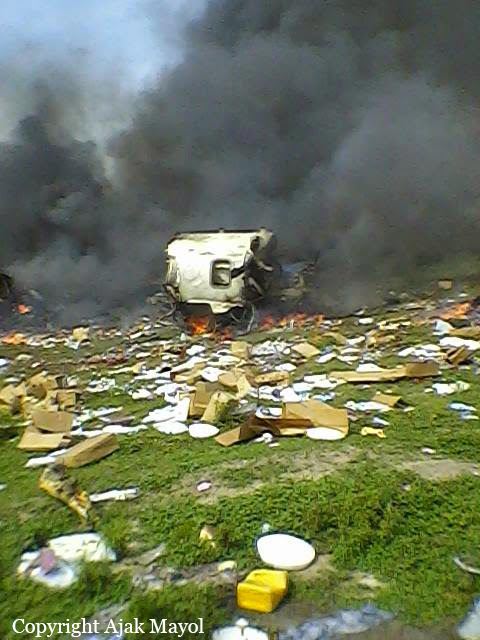
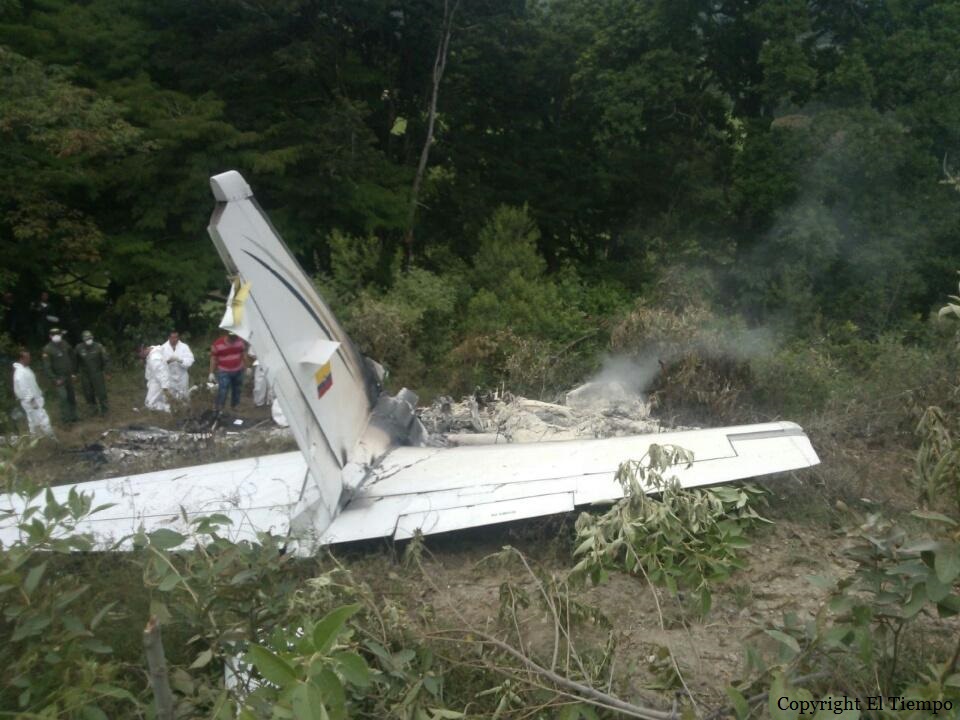
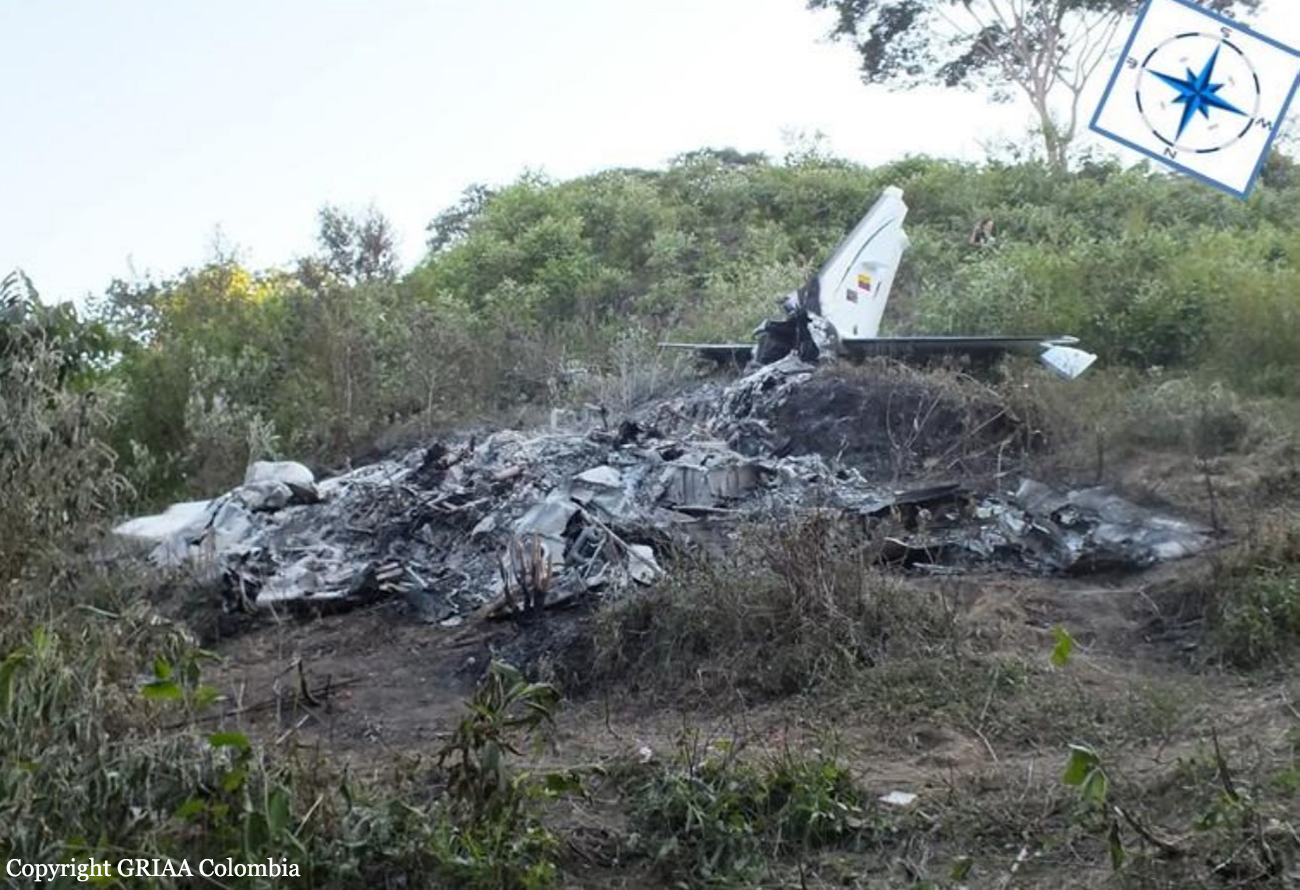
The twin engine aircraft departed Bogotá-Guaymaral Airport on a charter flight to Bahía Solano, carrying eight passengers and two pilots. En route, while in cruising altitude, the crew contacted ATC and reported engine trouble. He was then cleared to divert to Mariquita-José Celestino Mutis Airport for an emergency landing. On final approach to runway 19, the aircraft stalled and crashed on hilly and wooded terrain, bursting into flames. The aircraft was totally destroyed by impact forces and a post crash fire and all 10 occupants were killed.
Probable cause:
The accident was the consequence of the malfunction of the right engine in flight, causing a loss of speed and a subsequent stall.
The following contributing factors were identified:
- Limited operation of the aircraft due to an inoperative engine,
- Low speed,
- When the aircraft stalled, the distance with the ground was insufficient to expect recovery,
- The maintenance services were not performed according to the manufacturer when the aircraft was parked for almost six months.
Final Report:
Crash of a Piper PA-31-350 Navajo Chieftain off Nassau: 1 killed

Date & Time: Dec 2, 2014 at 0845 LT
Operator:
Registration:
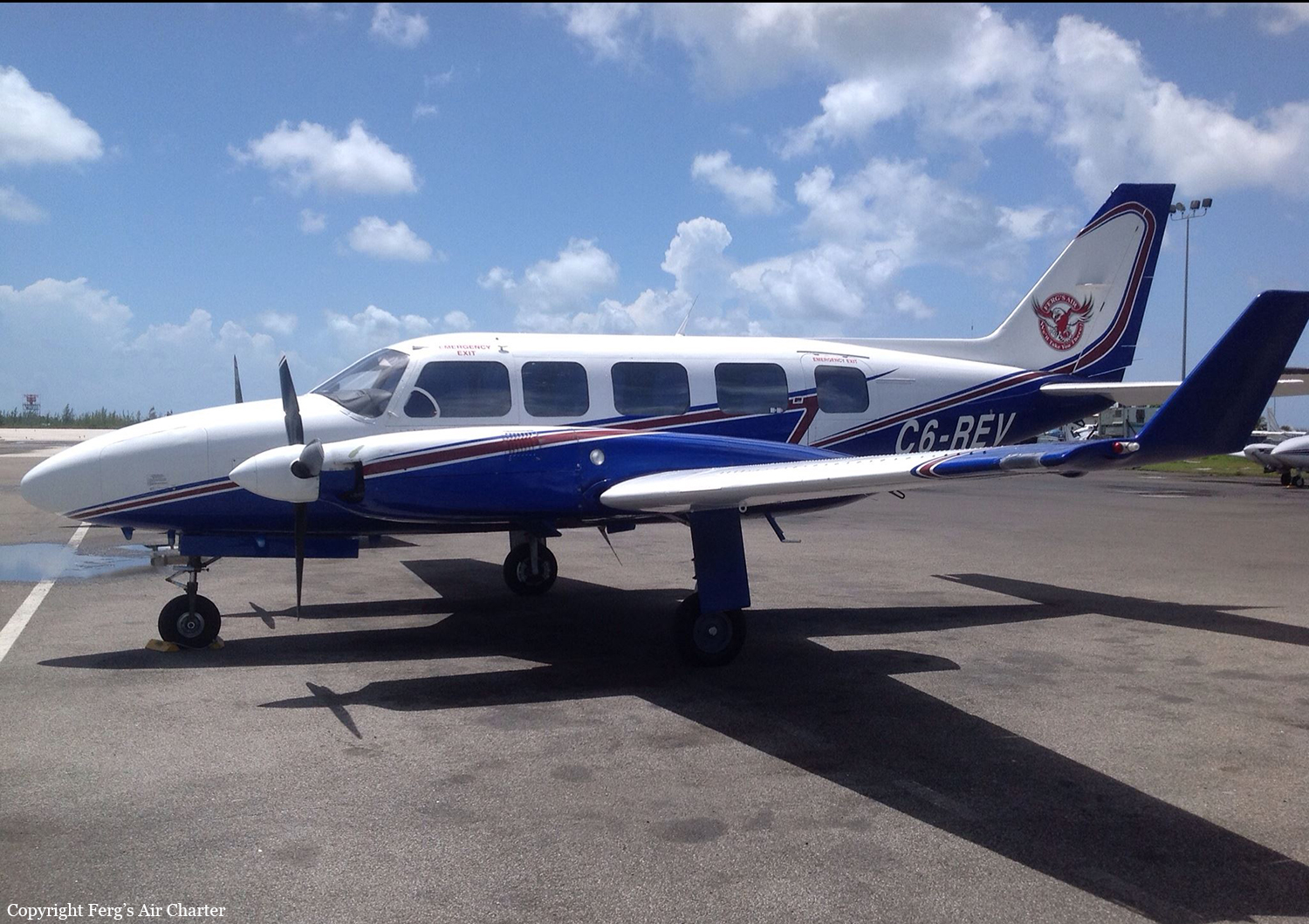
C6-REV
Flight Phase:
Survivors:
Yes
Schedule:
Governor’s Harbour – Nassau
MSN:
31-7652062
YOM:
1976
Flight number:
302
Country:
Crew on board:
1
Crew fatalities:
Pax on board:
10
Pax fatalities:
Other fatalities:
Total fatalities:
1
Captain / Total flying hours:
7650
Aircraft flight hours:
11744
Circumstances:
On Tuesday December 2nd, 2014 at approximately 8:45 am (1345Z) a Ferg’s Air Limited, Piper PA-31-350 Navajo aircraft, registration C6-REV, operated as Southern Air Limited Flight 302, ditched in waters approximately 6nm from shore in the southwestern district of New Providence. The flight originated at Governor’s Harbour, Eleuthera (MYEM) with 10+1 persons on board at approximately 8:15 am in Visual Meteorological Conditions (VMC). At around 8:30am, the aircraft 15 nautical miles east of Lynden Pindling International Airport at 4,500 feet contacted Nassau Air Traffic Control Tower. The aircraft was instructed that runway 09 was in use and they can expect a landing on that runway. Upon final approach to runway 09, with the landing gears selected to the “EXTEND” position, only the nose and right main landing gear lights indicated the “down and locked” position. The left main landing gear light did not illuminate to indicate the “down and locked” position, so the landing was aborted and the pilot requested to go around so he could recycle and troubleshoot the landing gear issue. The pilot made a left turn, flew over the north western shoreline and recycled the landing gears a few times and also tried the emergency hand pump in an attempt to extend the gear. Despite all efforts, the left main landing gear light still did not illuminate to indicated the gear was in the safe “down and locked” position. At this time the aircraft was allowed to fly by the tower so that the controller may make a visual check of the landing gears to see if they were in the extended position. The controller advised the pilot that all gears “appeared to be extended”. Once again the pilot proceeded outbound to make another attempt for landing. For this approach the pilot made a right turn over the southwestern shoreline and proceeded downwind to runway 09. While on the downwind to runway 09 the pilot stated he began to experience problems with the right engine. The engine eventually stopped and all attempts to restart were unsuccessful. As a result of single engine operation, level flight could not be maintained even after retracting the gears and cleaning up the airplane. The decision was made by the pilot to ditch in the water vs. attempting to make the airport where numerous trees and obstacles would make the landing more difficult if the runway could not be made. After touching down on the water the most of the occupants were able to evacuate the aircraft through the normal and emergency exits before the aircraft sank into the ocean. One passenger died during the process. Witness stated that “the plane skipped across the water three times before rotating and hitting with a severe impact. The port (left) tail section received the bulk of the impact as did the port side of the plane.” Eye witness further stated that the passenger that died and “luggage from the baggage compartment were ejected from the rear of the plane on the port side.” “Multiple passengers could not swim or were extremely limited in their ability to swim.” Despite the plane having the full complement of survival equipment (life vests), only two were taken out of the aircraft. Passengers were holding on to bags and other debris that floated out of the aircraft as it submerged. Passengers helped each other until rescuers arrived to assist. Estimates from eye witness were that “the entire plane disappeared under water from 30 to 60 seconds after impact.” The depth where the aircraft came to rest on the water was reported as in excess of 6,500 feet. Once the aircraft settled, it submerged and was not able to be recovered. Safety concerns raised by eye witness could not be confirmed as the plane was never recovered.
Probable cause:
The AAIPU determines that the probable causes of this accident as:
- Engine failure and the inability of the aircraft to maintain a safe altitude.
Contributing Factors includes:
- Failure of the left main landing gear.
The following findings were identified:
1. Weather was not a factor in the accident.
2. Air Traffic Services were proper and did not contribute to the cause of the accident.
3. The pilot was properly certified, trained and qualified for the flight.
4. The loss of power on the right engine resulted in the aircraft inability to maintain a safe altitude.
5. The Police and other emergency services response were timely and effective.
6. The depth of the water where the aircraft came to rest made it impossible for the aircraft to be recovered.
7. The aircraft was properly maintained in accordance with Bahamas and United States regulations and maintenance practices.
Final Report:

Crash of a Lockheed C-130M Hercules at Teniente Rodolfo Marsh

Date & Time: Nov 27, 2014
Type of aircraft:
Operator:
Registration:
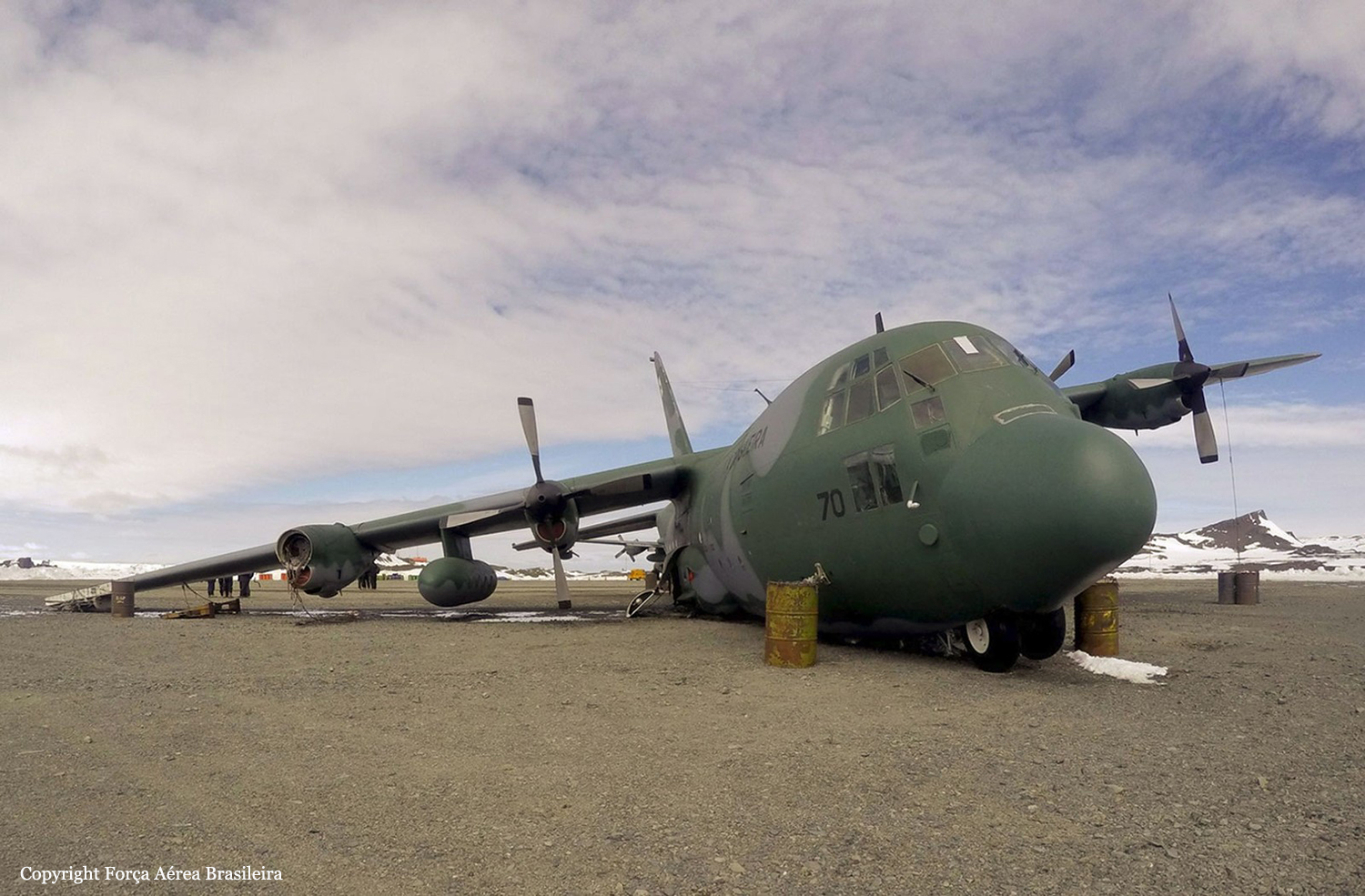
2470
Flight Type:
Survivors:
Yes
Schedule:
Punta Arenas - Teniente Rodolfo Marsh
MSN:
4441
YOM:
1972
Country:
Region:
Crew on board:
0
Crew fatalities:
Pax on board:
0
Pax fatalities:
Other fatalities:
Total fatalities:
0
Circumstances:
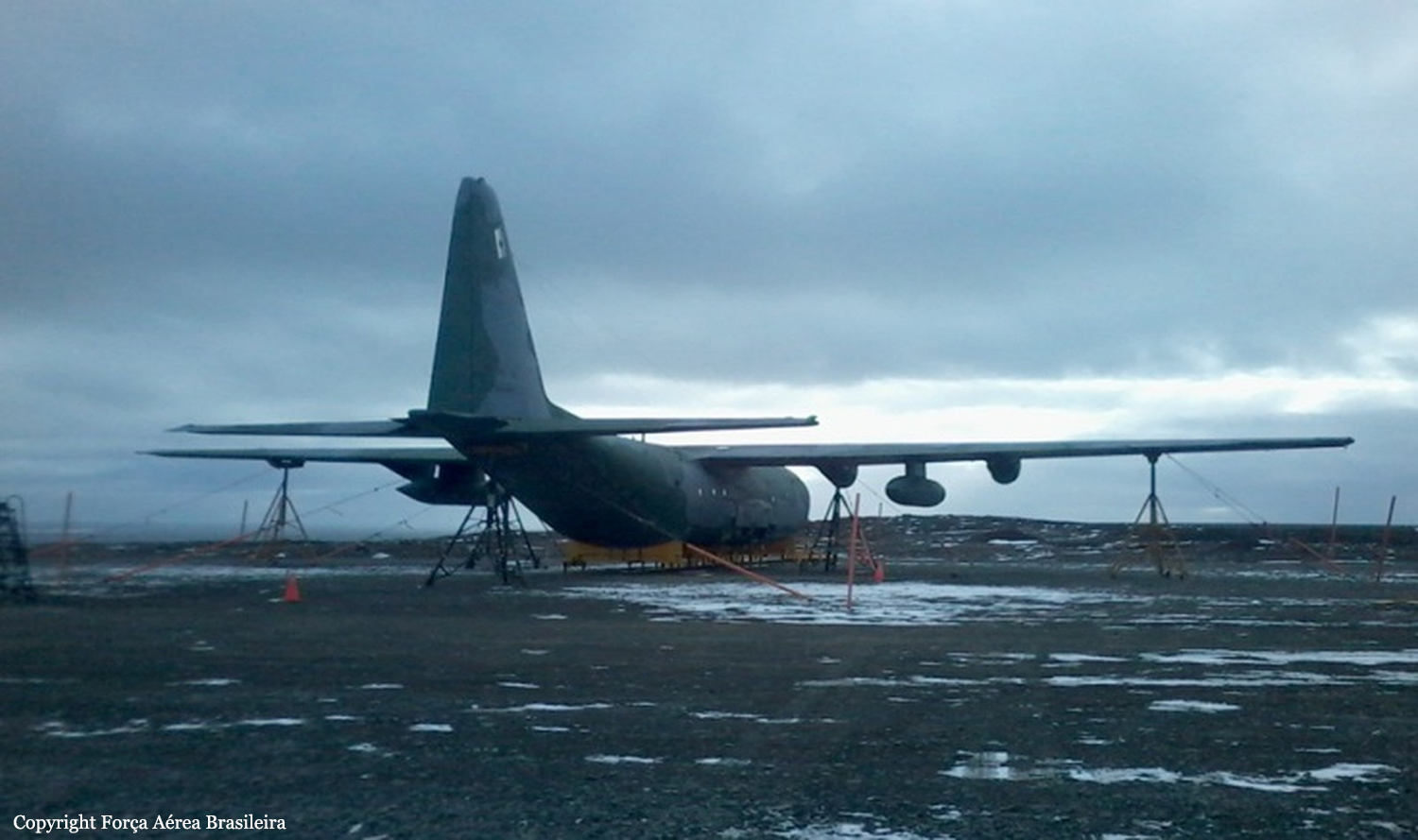
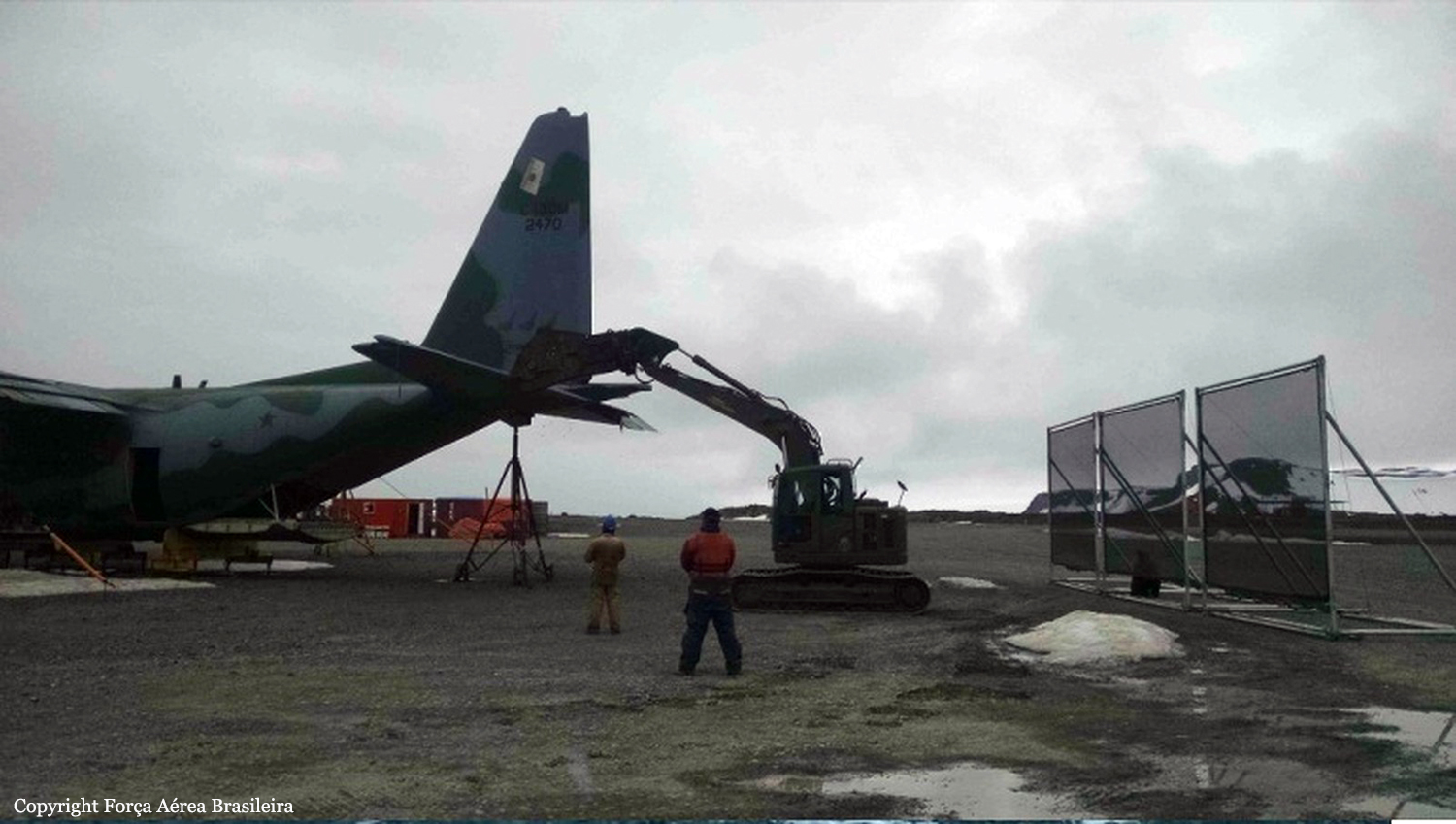
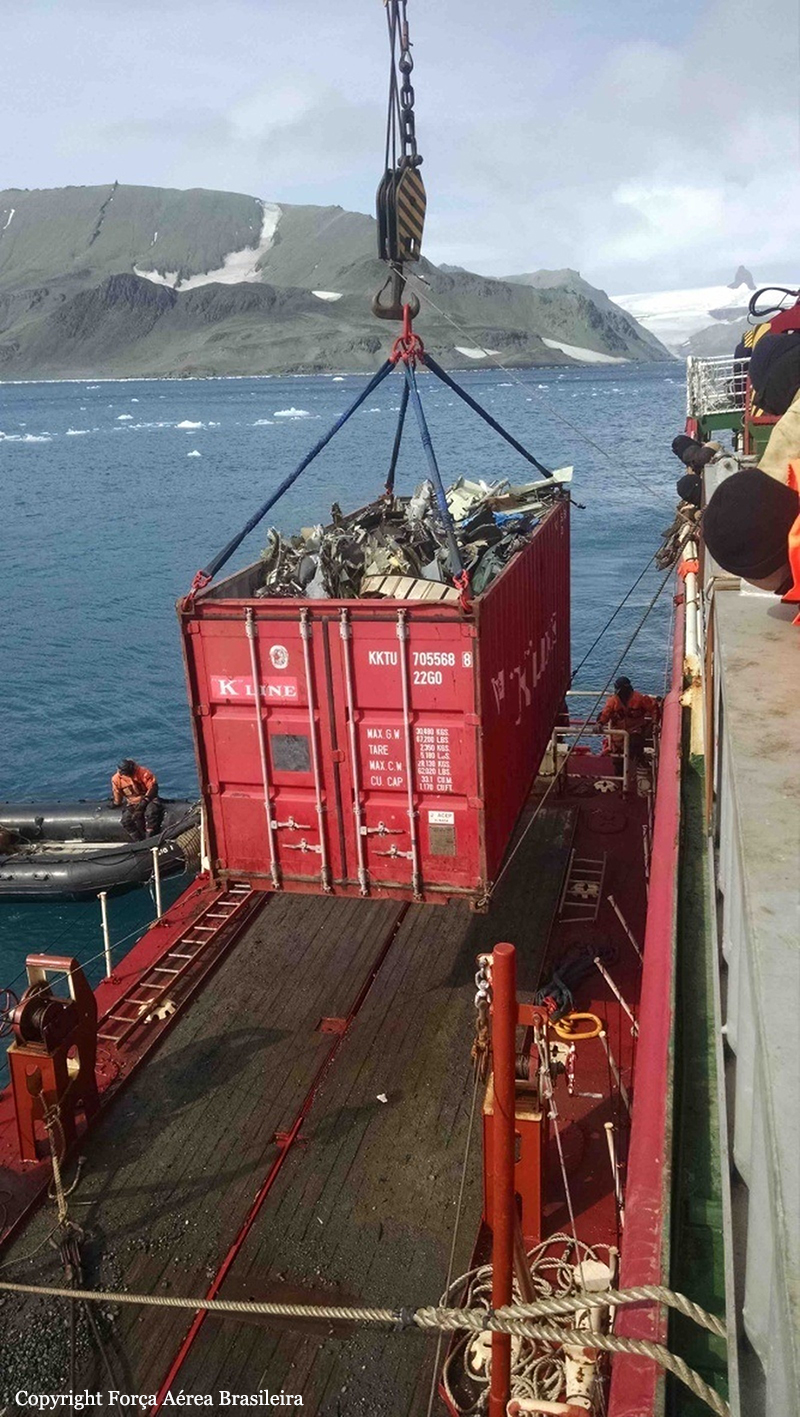
The aircraft was completing a supply mission from Punta Arenas, carrying a load of various goods and several passengers and crew members. After touchdown at Teniente Rodolfo Marsh-Presidente Eduardo Frei Montalva Airport, the right main gear collapsed, causing the propeller of the engine n°4 to detach. The airplane came to rest on a snow covered runway and all occupants escaped uninjured. The airplane was later parked on the apron and repairs were initiated. Eventually, in early 2017, it was decided to scrap the airplane which was destroyed on site. All debris were placed in a container and later shipped back to Brazil.
Probable cause:
Failure of the right main gear upon landing for unknown reasons.

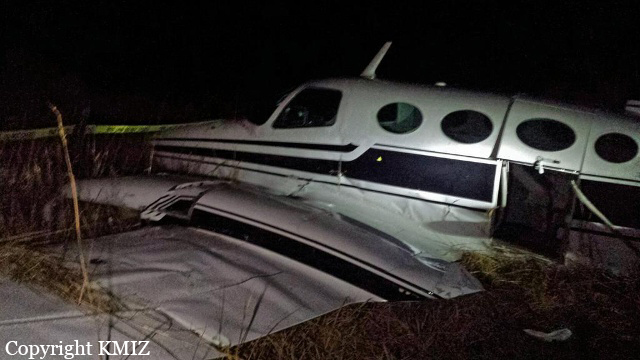
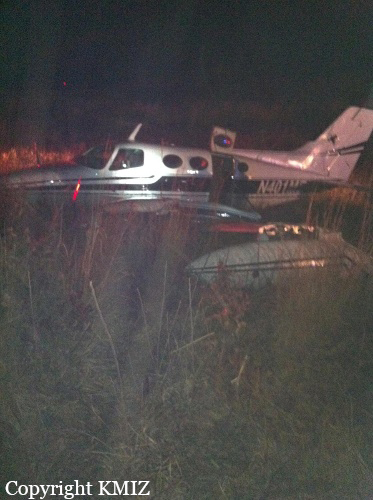
Crash of a Cessna 401A in Fulton

Date & Time: Nov 17, 2014 at 1720 LT
Type of aircraft:
Operator:
Registration:
N401ME
Flight Phase:
Survivors:
Yes
Schedule:
Fulton – Little Rock
MSN:
401A-0085
YOM:
1969
Location:
Crew on board:
2
Crew fatalities:
Pax on board:
1
Pax fatalities:
Other fatalities:
Total fatalities:
0
Captain / Total flying hours:
2949
Captain / Total hours on type:
304.00
Copilot / Total flying hours:
8675
Copilot / Total hours on type:
1850
Aircraft flight hours:
6434
Circumstances:
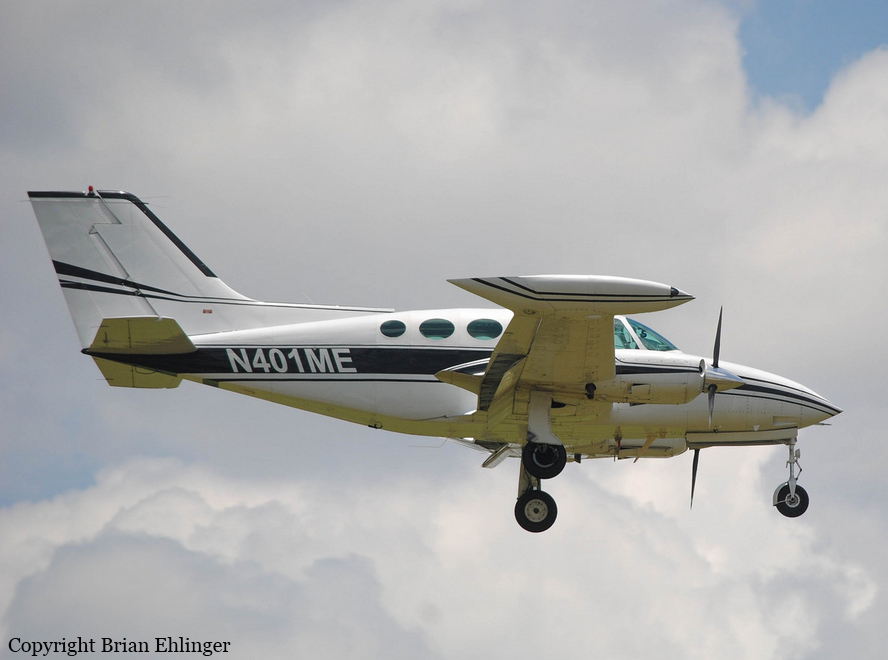
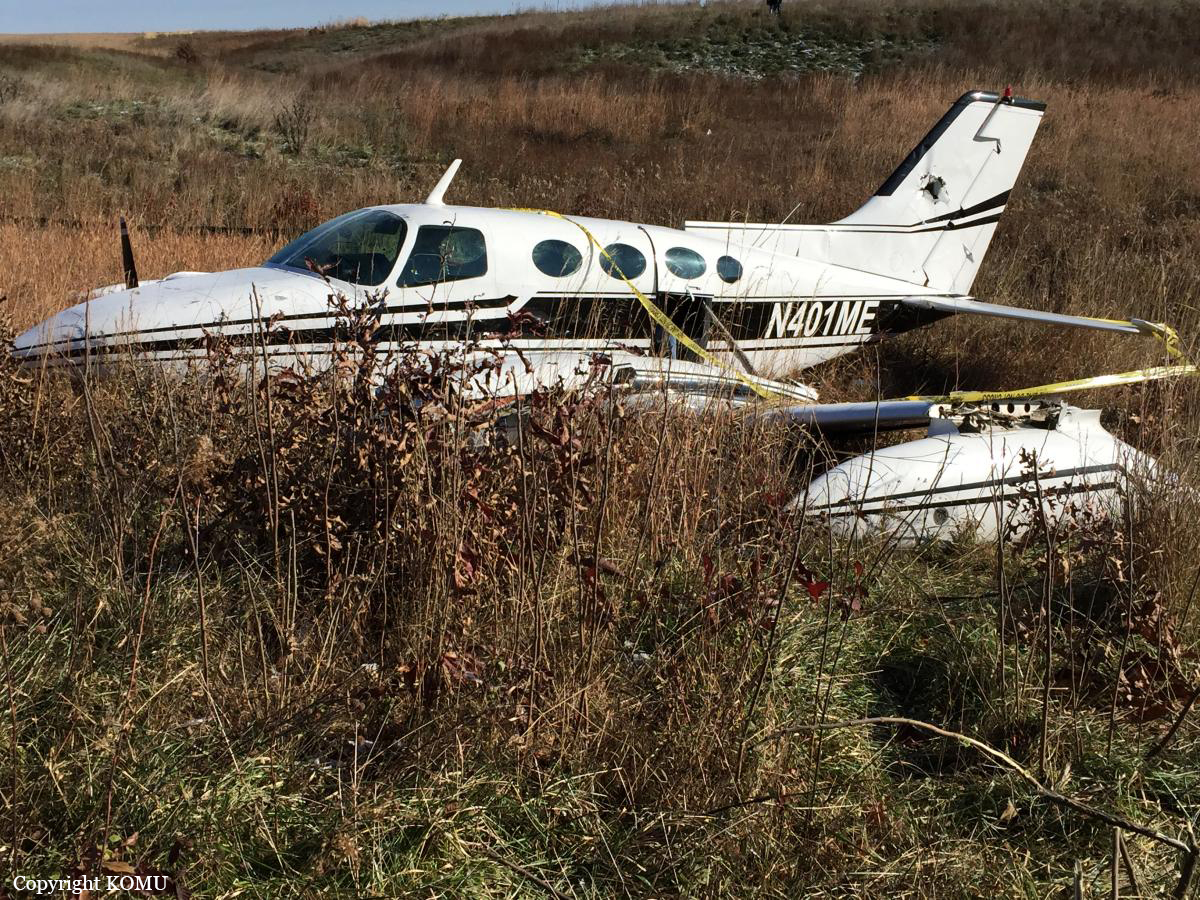
The private pilot reported that, immediately after takeoff in the multi-engine airplane, the right engine experienced a total loss of power. The pilot aborted the takeoff; the airplane exited the end of the runway surface, impacted rough terrain, and came to rest upright. Examination of the right engine showed that the magneto distributor drive gears were not turning. Both damaged magnetos were removed and replaced with a slave set of magnetos. The right engine was installed in an engine test cell, and subsequently started and performed normally throughout the test cell procedure. The damaged magnetos from the right engine were disassembled. Both nylon magneto distributor gears exhibited missing gear teeth and brown discoloration. A review of maintenance records showed that the right engine had been operated for about 8 years and an estimated 697 hours since the most recent magneto overhauls had been completed. According to maintenance instructions from the engine manufacturer, the magnetos should be inspected every 500 hours and should be overhauled or replaced at the expiration of five years since the last overhaul. Guidance also indicated that discoloration of the drive gear is an indication that the gear had been exposed to extreme heat and should be replaced.
Probable cause:
A failure of the right engine magneto distributor drive gears, which resulted in a total loss of engine power during takeoff. Contributing to the accident was the operator's failure to inspect and maintain the magnetos in accordance with the engine manufacturer's specifications.
Final Report:
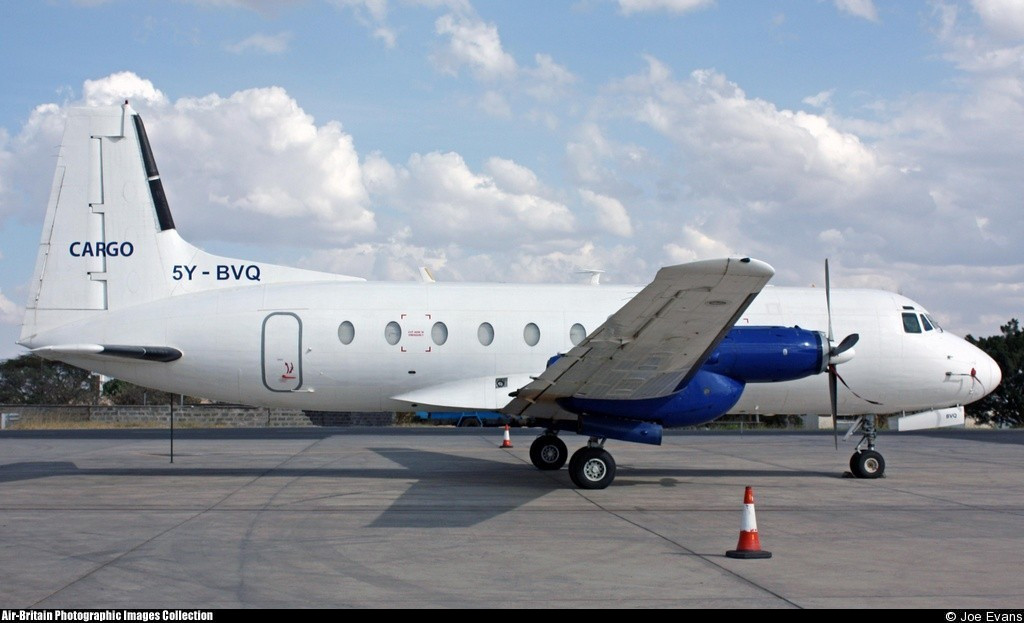
Crash of an Avro 748-399-2B in Panyagor: 2 killed

Date & Time: Nov 14, 2014 at 1020 LT
Type of aircraft:
Operator:
Registration:
5Y-BVQ
Flight Type:
Survivors:
Yes
Schedule:
Juba – Panyagor
MSN:
1778
YOM:
1980
Country:
Region:
Crew on board:
3
Crew fatalities:
Pax on board:
0
Pax fatalities:
Other fatalities:
Total fatalities:
2
Circumstances:
The crew was performing a humanitarian cargo flight from Juba to Panyagor. On final approach, it seems that the crew encountered technical problems, maybe with the undercarriage. The aircraft went out of control and crashed in a huge explosion short of runway and was destroyed by impact forces and a post crash fire. Both pilots were killed while the engineer was seriously injured. The mission was conducted on behalf of the Lutheran World Federation. It was confirmed that ten goats were killed as well.

Crash of a Boeing 737-4Y0 in Kabul

Date & Time: Nov 7, 2014 at 1500 LT
Type of aircraft:
Operator:
Registration:
YA-PIE
Survivors:
Yes
Schedule:
Herat - Kabul
MSN:
26086/2475
YOM:
1993
Location:
Country:
Region:
Crew on board:
0
Crew fatalities:
Pax on board:
0
Pax fatalities:
Other fatalities:
Total fatalities:
0
Circumstances:
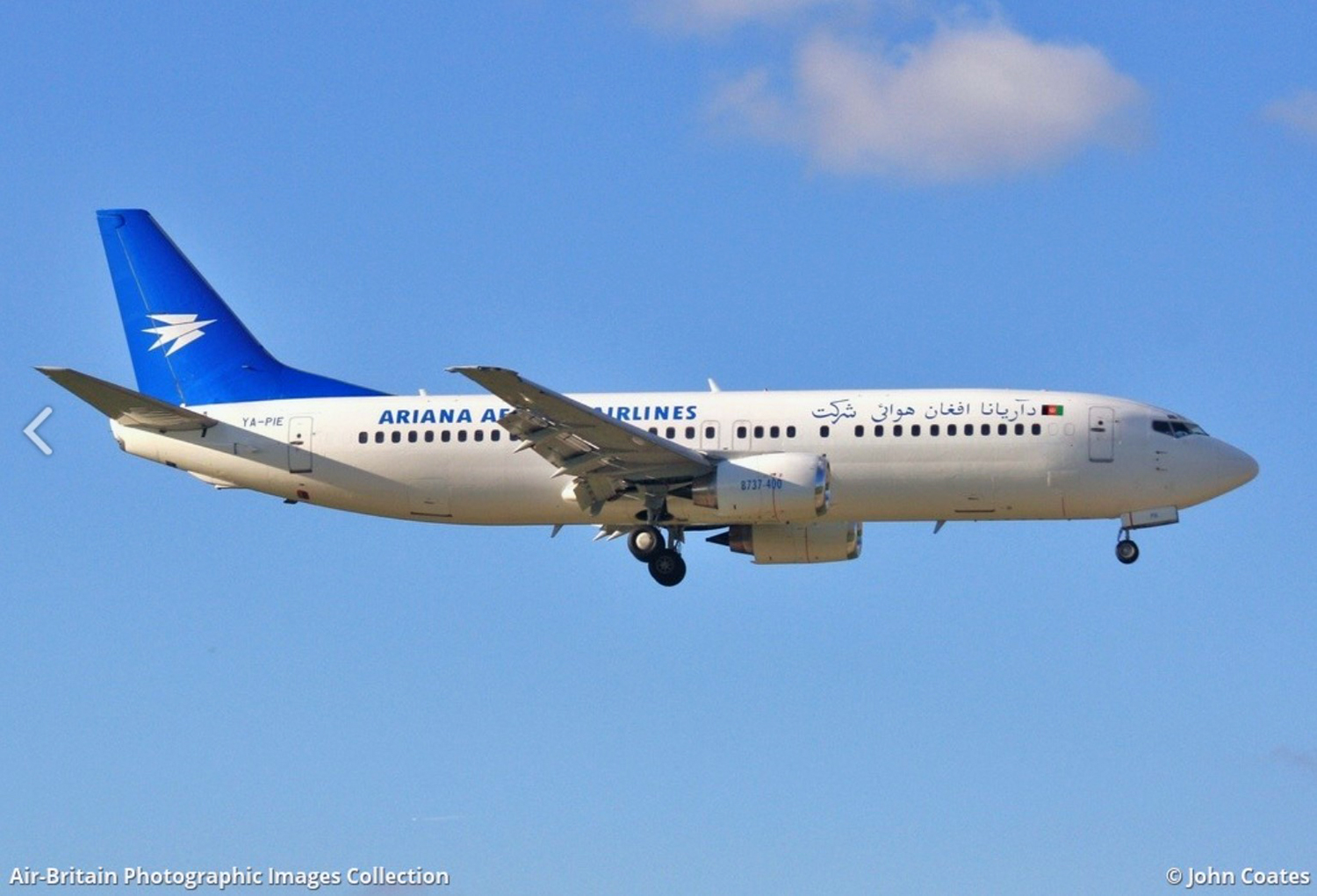
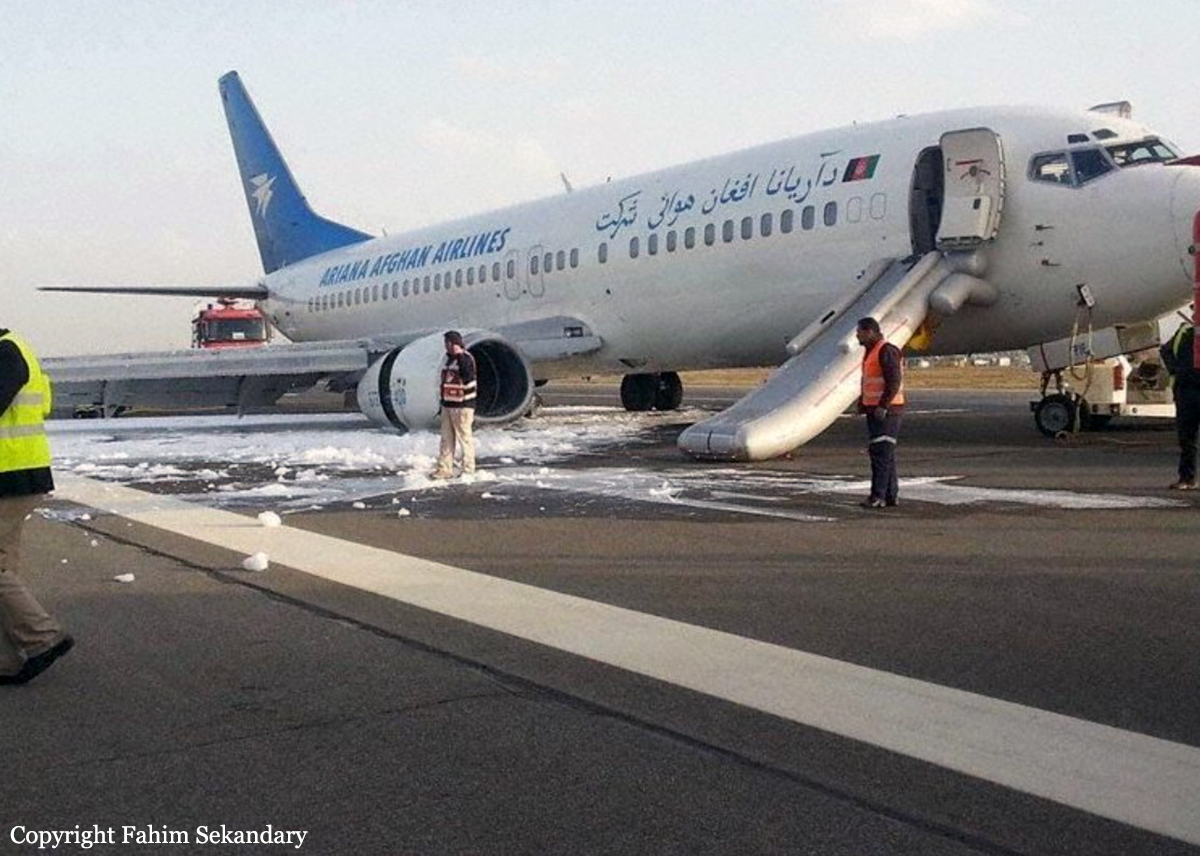
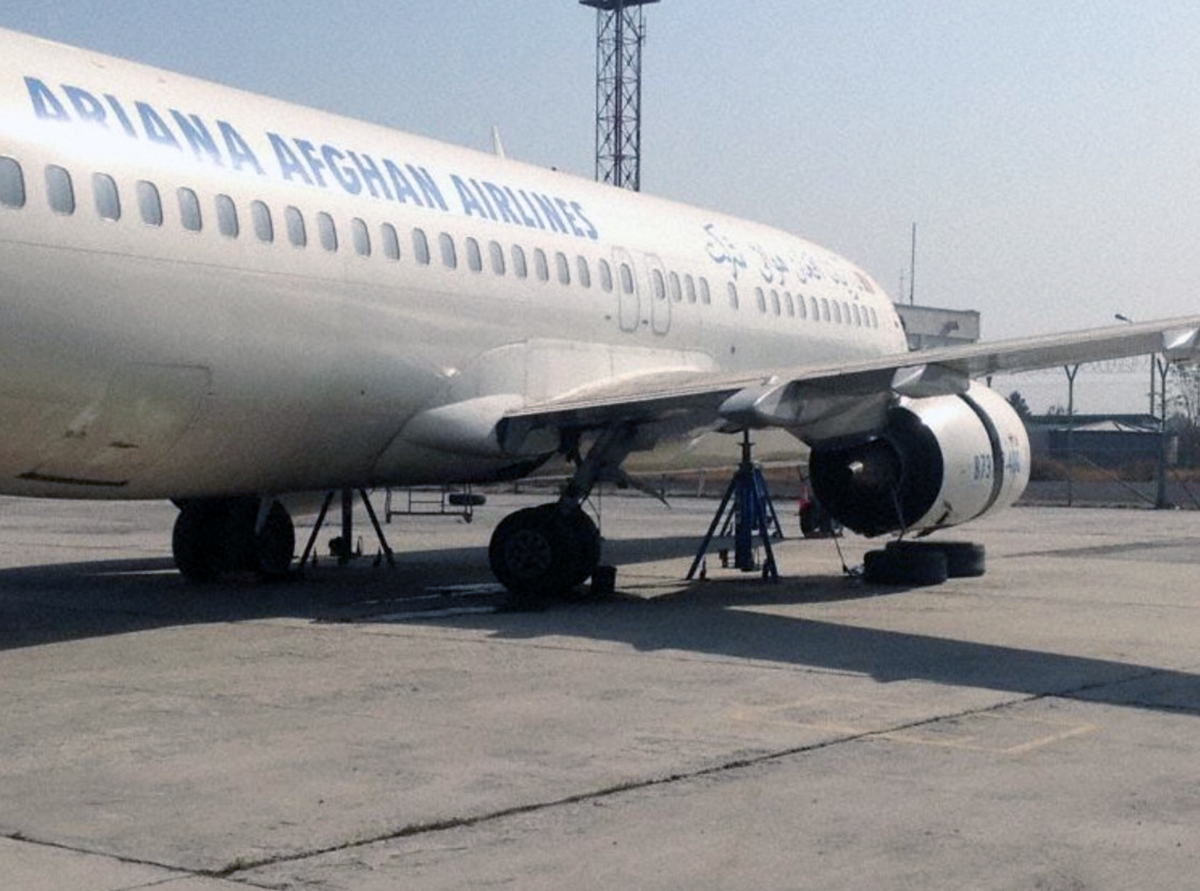
Upon touchdown at Kabul Airport runway 29, the right main gear collapsed, causing the right engine nacelle to struck the runway surface. The aircraft slid for few dozen metres before coming to rest. All occupants evacuated safely and the aircraft was damaged beyond repair.

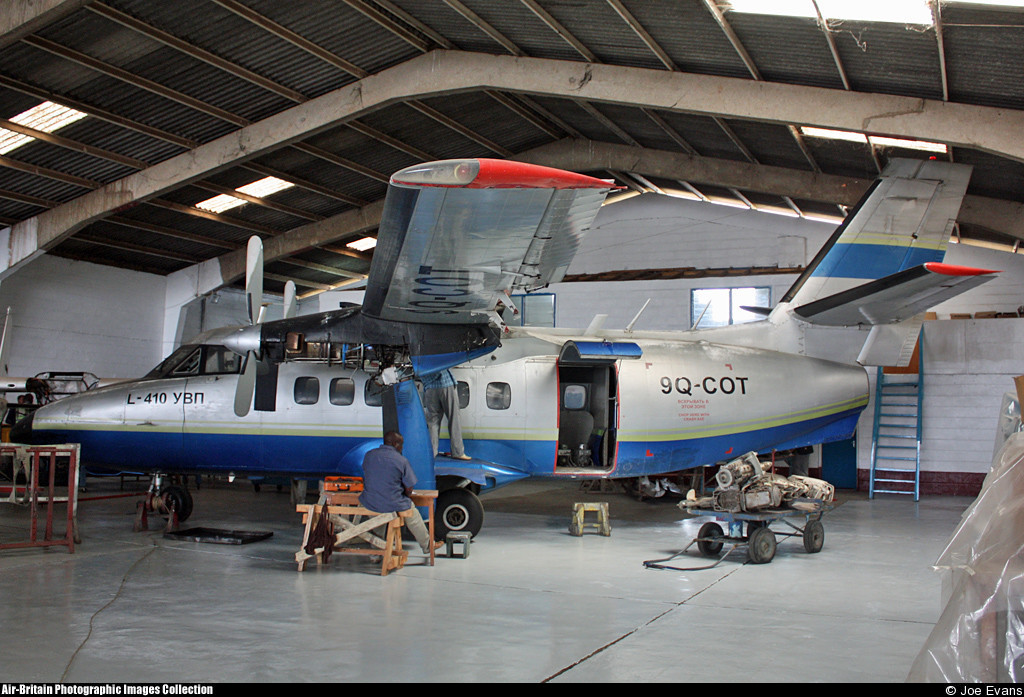
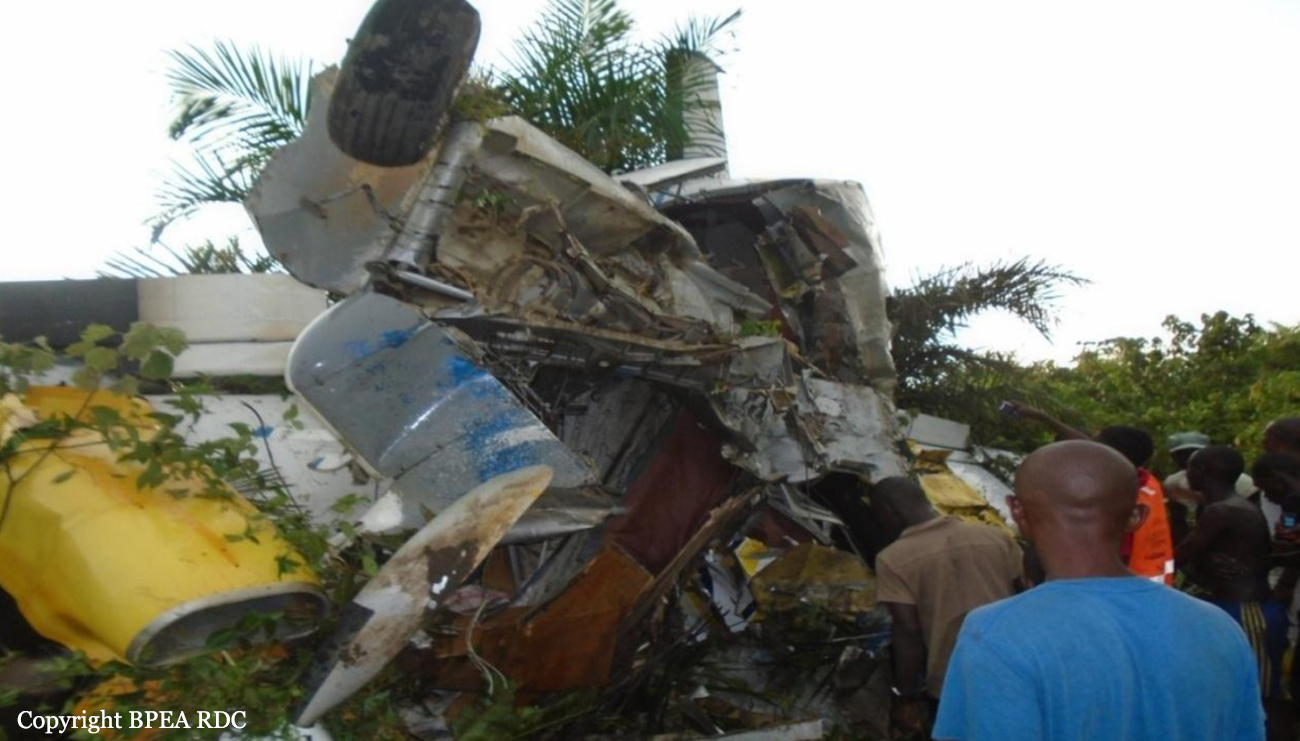
Crash of a Let L-410UVP in Shabunda

Date & Time: Oct 25, 2014 at 1416 LT
Type of aircraft:
Operator:
Registration:
9Q-COT
Flight Type:
Survivors:
Yes
Schedule:
Bukavu – Shabunda
MSN:
83 10 23
YOM:
1983
Region:
Crew on board:
2
Crew fatalities:
Pax on board:
0
Pax fatalities:
Other fatalities:
Total fatalities:
0
Captain / Total flying hours:
14000
Captain / Total hours on type:
7325.00
Copilot / Total flying hours:
3300
Aircraft flight hours:
7187
Aircraft flight cycles:
8265
Circumstances:
The twin engine aircraft departed Bukavu-Kavumu Airport at 1341LT on a 40-minute cargo flight to Shabunda, carrying two pilots and a load of 1,500 kilos of various goods. On final approach to Shabunda Airport, at a height of 300 feet, the right engine lost power. The crew attempted an emergency landing when the aircraft stalled and crashed in palm trees located 3,7 km short of runway. The aircraft was destroyed by impact forces and both pilots were seriously injured.
Probable cause:
On final approach, the right engine lost power, causing the aircraft to stall because the speed dropped. Investigations were unable to determine the exact cause of the loss of power because the aircraft was totally destroyed. Nevertheless, the crew was unable to expect a stall recovery because the stall occurred at an insufficient height.
Final Report:
Crash of a BAe 3101 Jetstream 31 in Punta Cana

Date & Time: Oct 12, 2014 at 2025 LT
Type of aircraft:
Operator:
Registration:
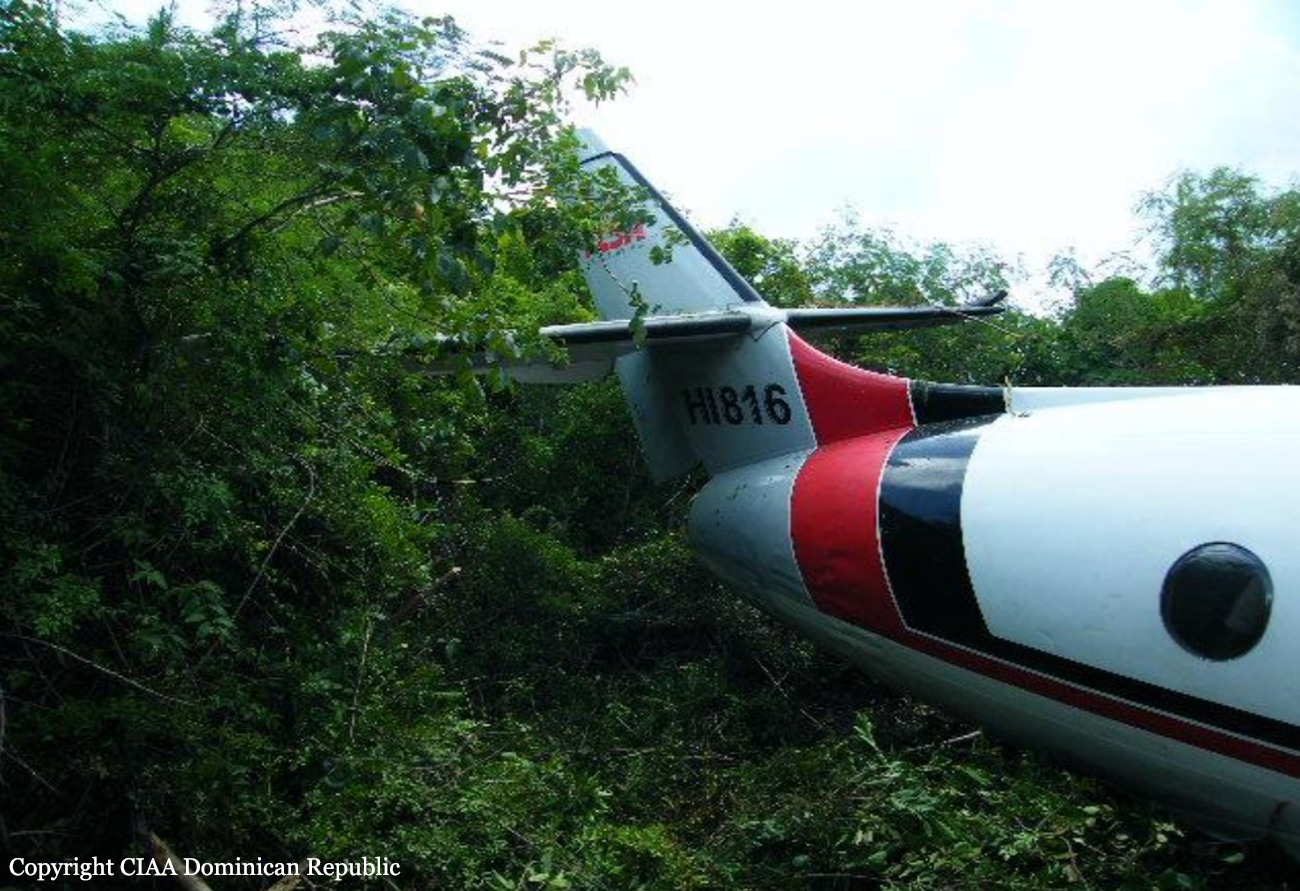
HI816
Survivors:
Yes
Schedule:
San Juan - Punta Cana
MSN:
694
YOM:
18
Crew on board:
3
Crew fatalities:
Pax on board:
10
Pax fatalities:
Other fatalities:
Total fatalities:
0
Captain / Total flying hours:
3850
Captain / Total hours on type:
3000.00
Aircraft flight hours:
29780
Circumstances:
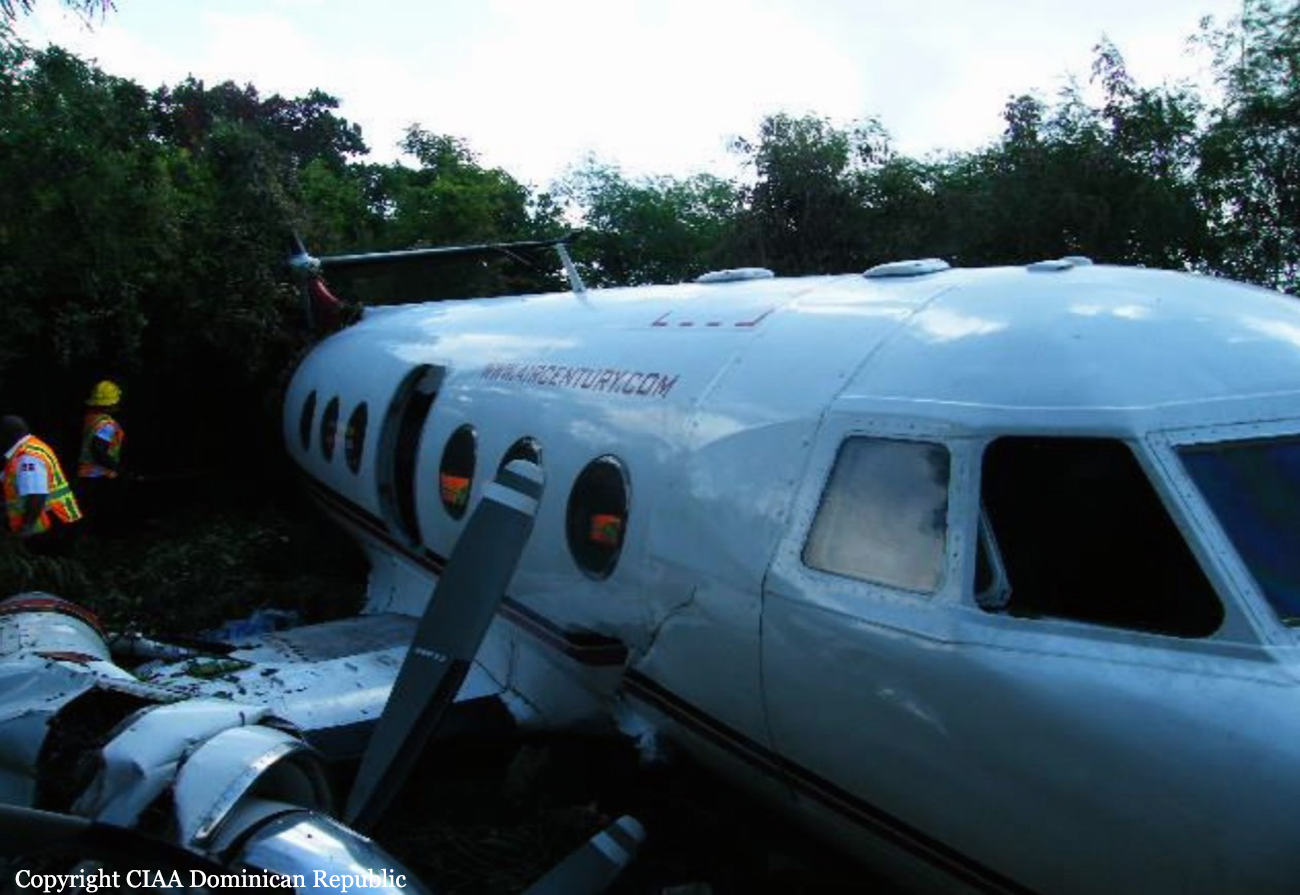
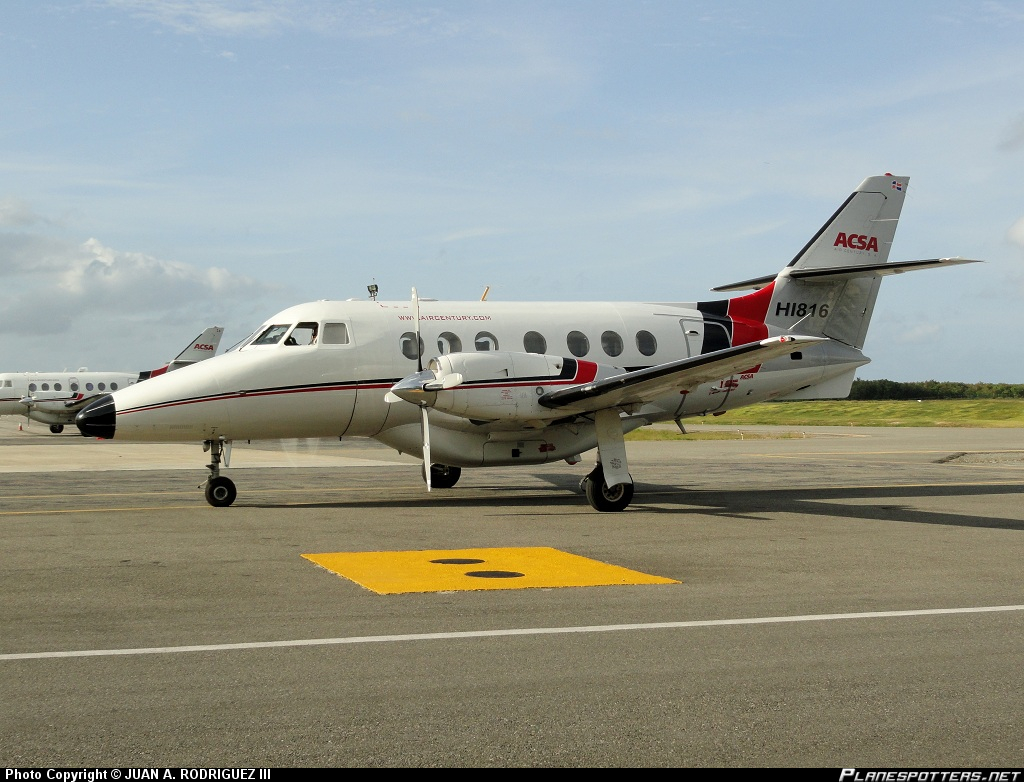
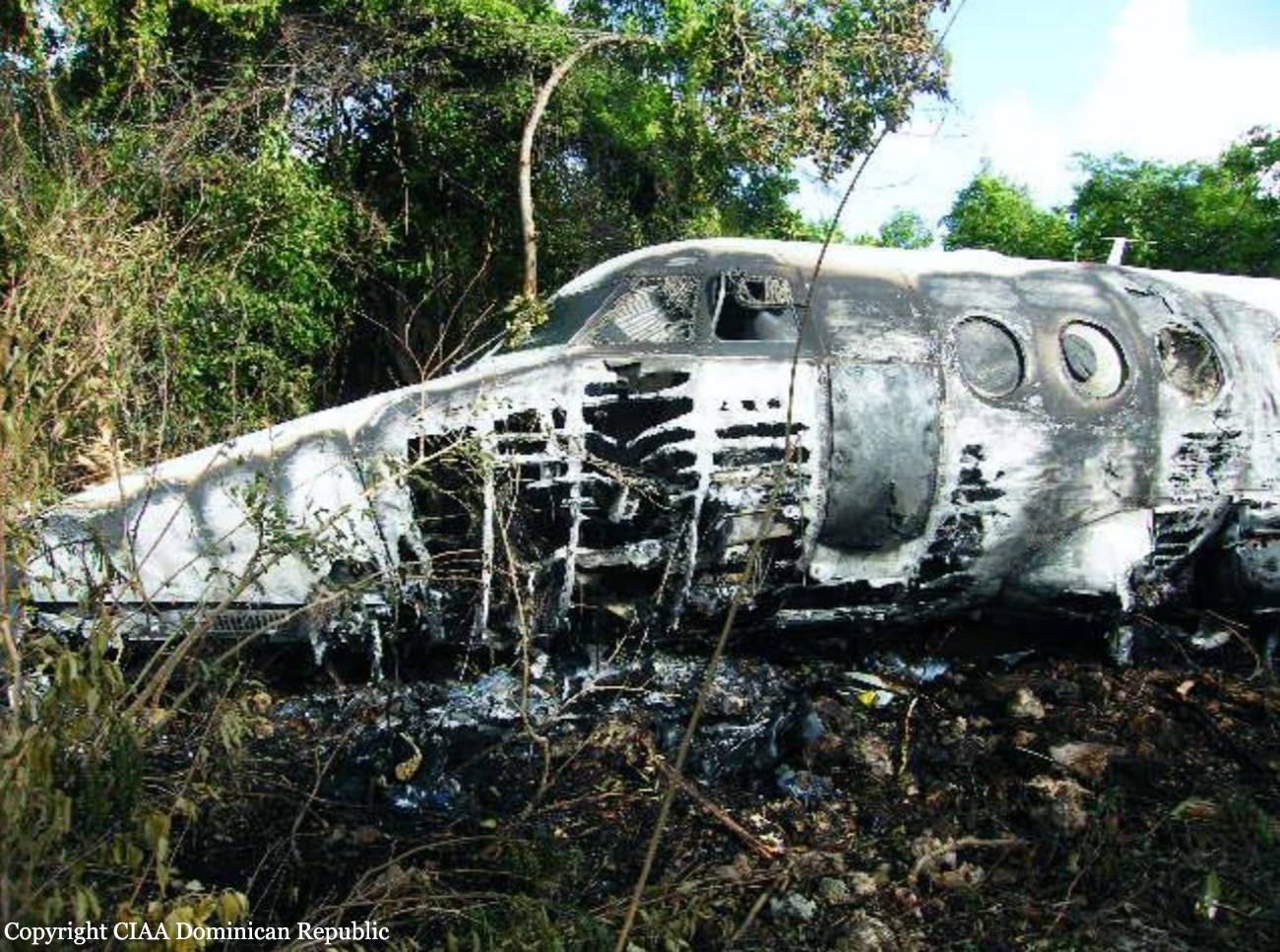
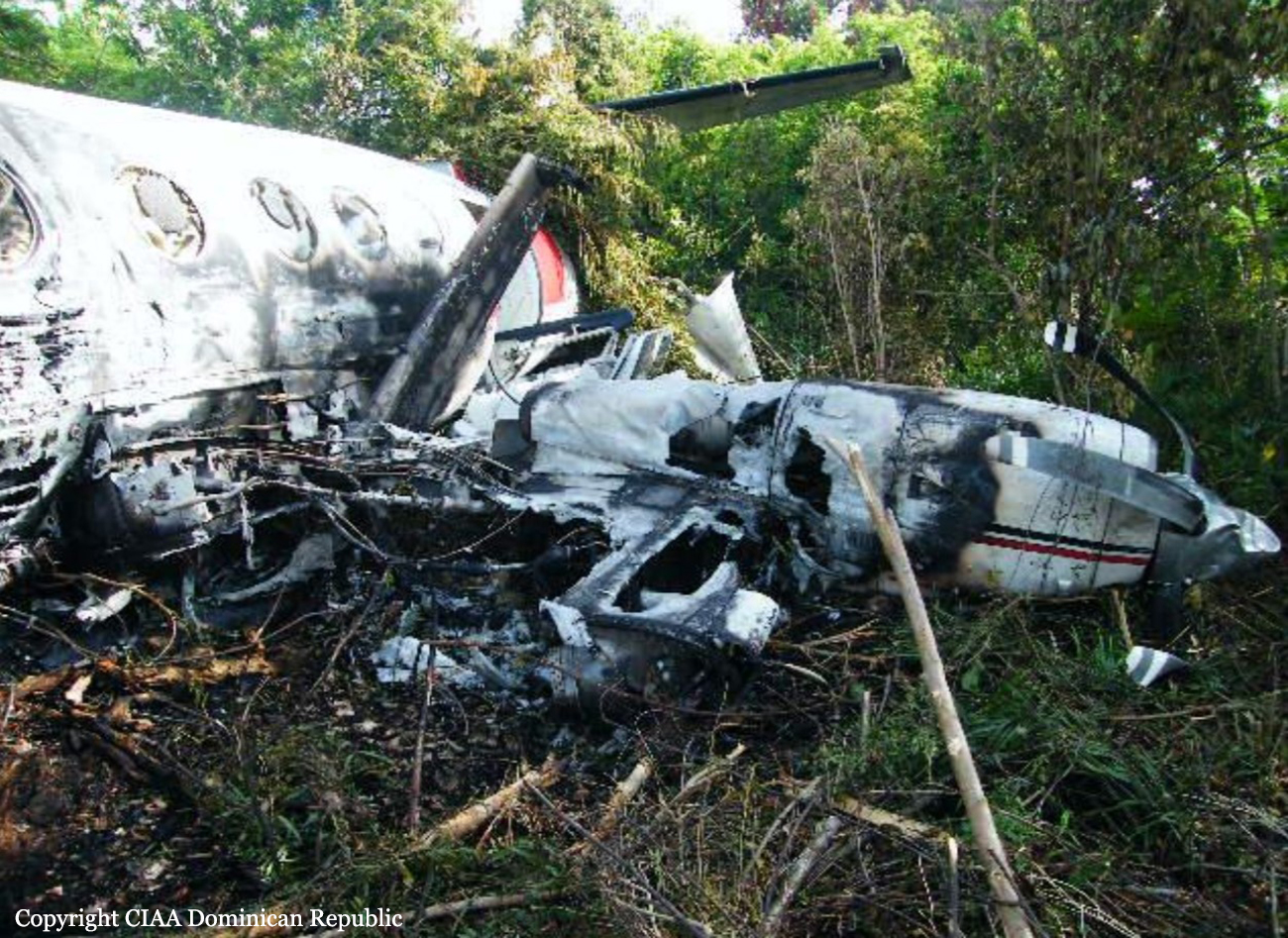
The twin engine aircraft departed San Juan-Luis Muñoz Marín (Isla Verde) Airport, Puerto Rico, on a charter flight to Punta Cana, carrying two pilots, one flight attendant and 10 crew members from Air Europa positioning to Punta Cana. Following an uneventful flight, the crew completed the approach and landing on runway 08. After a roll of about 1,500 feet, the aircraft deviated to the left, made a 45° turn, veered off runway and came to rest in a wooded area, bursting into flames. All 13 occupants evacuated safely, among them two passengers were slightly injured. The aircraft was destroyed.
Probable cause:
The accident was the consequence of the combination of human and technical factor. During the approach to land, the crew observed a fluctuation in oil pressure in the instrument panel of the #2 (right) engine. After landing, the crew activated the thrust reversers on both engines without waiting for the Beta light, an essential indication to ensure a proper operation of those system. This configuration caused the aircraft to turn sharply to the left at an angle of 45° because the thrust reverser system activated on the left engine only. The fluctuation in the oil pressure observed by the crew on final approach and the malfunction of the right engine was the consequence of an oil leak in flight.
Final Report:
Crash of a Beechcraft A100 King Air in Timmins

Date & Time: Sep 26, 2014 at 1740 LT
Type of aircraft:
Operator:
Registration:
C-FEYT
Survivors:
Yes
Schedule:
Moosonee – Timmins
MSN:
B-210
YOM:
1975
Flight number:
CRQ140
Location:
Country:
Crew on board:
2
Crew fatalities:
Pax on board:
7
Pax fatalities:
Other fatalities:
Total fatalities:
0
Captain / Total flying hours:
2400
Captain / Total hours on type:
1000.00
Copilot / Total flying hours:
580
Copilot / Total hours on type:
300
Aircraft flight hours:
14985
Aircraft flight cycles:
15570
Circumstances:
The aircraft was operating as Air Creebec flight 140 on a scheduled flight from Moosonee, Ontario, to Timmins, Ontario, with 2 crew members and 7 passengers on board. While on approach to Timmins, the crew selected “landing gear down,” but did not get an indication in the handle that the landing gear was down and locked. A fly-by at the airport provided visual confirmation that the landing gear was not fully extended. The crew followed the Quick Reference Handbook procedures and selected the alternate landing-gear extension system, but they were unable to lower the landing gear manually. An emergency was declared, and the aircraft landed with only the nose gear partially extended. The aircraft came to rest beyond the end of Runway 28. All occupants evacuated the aircraft through the main entrance door. No fire occurred, and there were no injuries to the occupants. Emergency services were on scene for the evacuation. The accident occurred during daylight hours, at 1740 Eastern Daylight Time.
Probable cause:
Findings as to causes and contributing factors:
1. During the extension of the landing gear, a wire bundle became entangled around the landing-gear rotating torque shaft, preventing full extension of the landing gear.
2. The entanglement by the wire bundle also prevented the alternate landing-gear extension system from working. The crew was required to conduct a landing with only the nose gear partially extended.
Other findings:
1. The wire bundle consisted of wiring for the generator control circuits, and when damaged, disabled both generators. The battery became the only source of electrical power until the aircraft landed.
Final Report:

Crash of a Lockheed C-130H Hercules at Kawm Ushim AFB: 6 killed

Date & Time: Sep 21, 2014
Type of aircraft:
Operator:
Registration:
1287
Flight Type:
Survivors:
Yes
Schedule:
Kawm Ushim - Kawm Ushim
MSN:
4809
YOM:
1979
Country:
Region:
Crew on board:
7
Crew fatalities:
Pax on board:
0
Pax fatalities:
Other fatalities:
Total fatalities:
6
Circumstances:
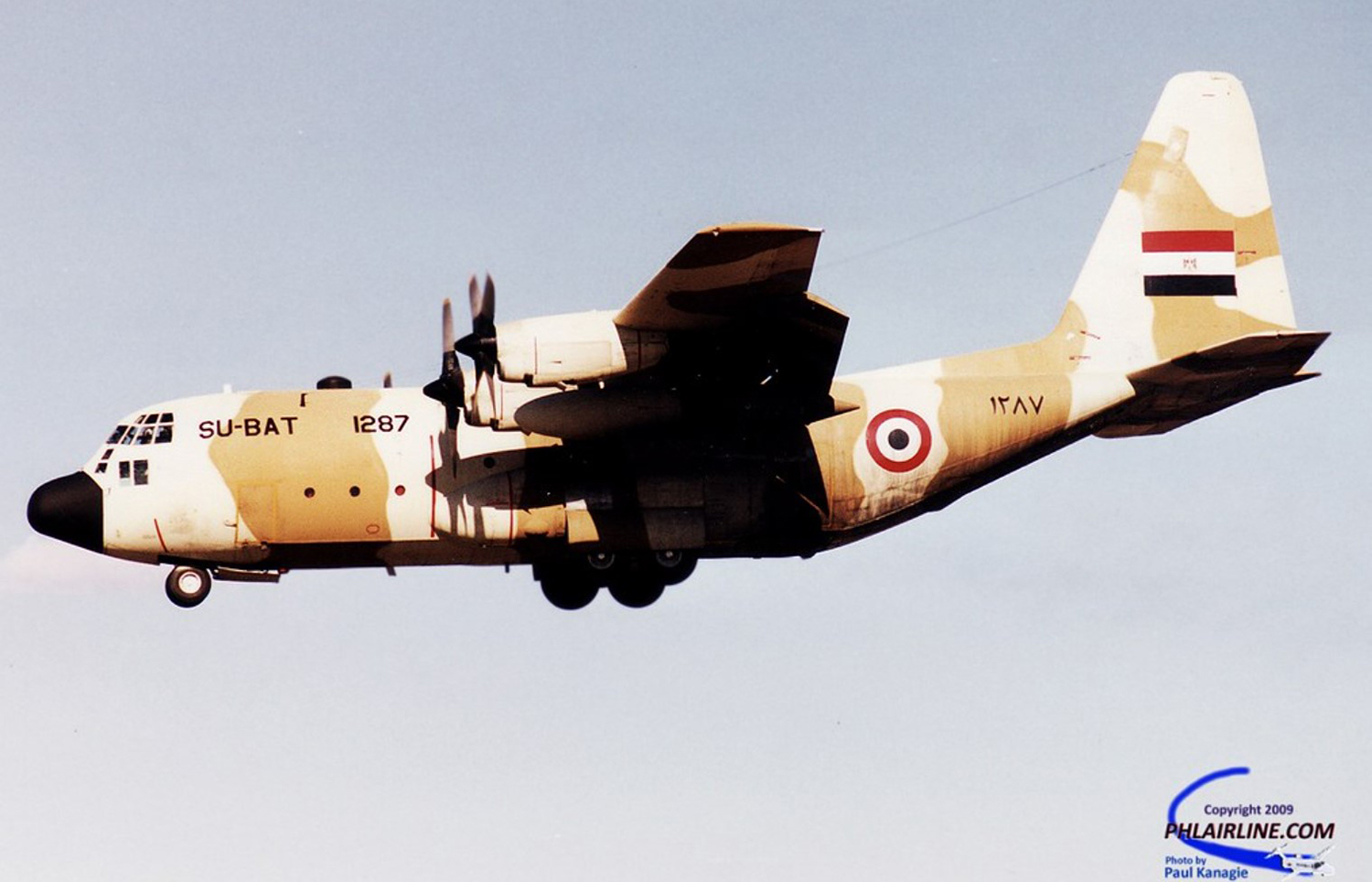
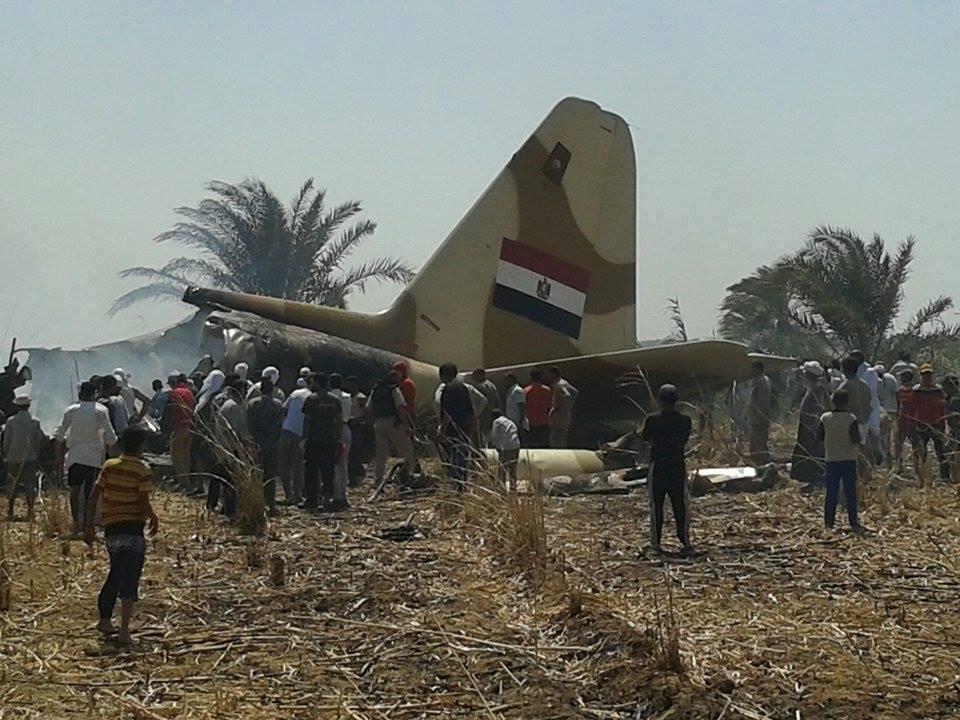
The crew was performing a training flight at Kawm Ushim AFB. On final approach, the crew encountered technical difficulties and control was lost. The aircraft crashed short of runway and was destroyed by a post crash fire. A crew member survived while six others were killed. Dual registration 1287 and SU-BAT.