Crash of a Cessna 414 Chancellor in Linz

Date & Time: Feb 13, 2004 at 0615 LT
Type of aircraft:
Operator:
Registration:
OE-FRW
Flight Phase:
Survivors:
Yes
Schedule:
Linz - Stuttgart
MSN:
414-0825
YOM:
1975
Country:
Region:
Crew on board:
2
Crew fatalities:
Pax on board:
5
Pax fatalities:
Other fatalities:
Total fatalities:
0
Captain / Total flying hours:
2527
Captain / Total hours on type:
830.00
Copilot / Total flying hours:
522
Copilot / Total hours on type:
250
Aircraft flight hours:
4463
Circumstances:
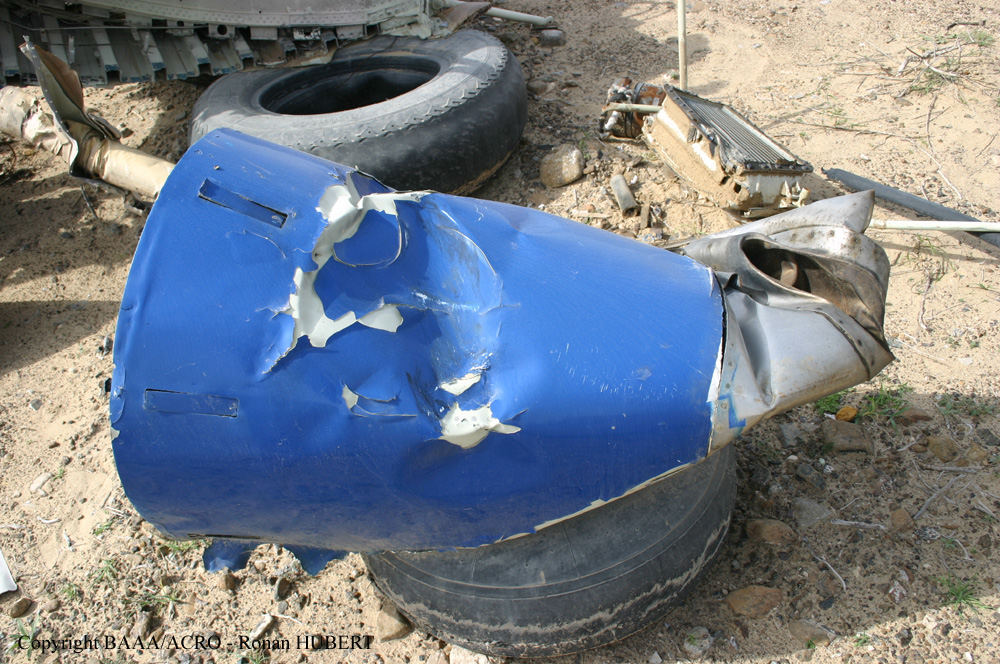
The twin engine aircraft departed Linz-Hörsching Airport on a taxi flight to Stuttgart with five passengers and two pilots on board. During the takeoff roll on runway 27, at a speed of 105 knots, the crew started the rotation. Immediately after liftoff, the aircraft adopted a high nose attitude with an excessive angle of attack. It rolled to the left, causing the left gear door and the left propeller to struck the runway surface, followed shortly later by the right propeller. After the speed dropped, the aircraft stalled and crash landed on the runway. It slid for few dozen metres and came to rest 2,752 metres past the runway threshold. All seven occupants were evacuated, one passenger suffered serious injuries. The aircraft was damaged beyond repair.
Probable cause:
The loss of control immediately after liftoff was the consequence of an aircraft contaminated with ice, resulting in an excessive weight, a loss of lift and a consequent stall. The following factors were identified:
- Poor flight preparation,
- The crew failed to follow the SOP procedures prior to takeoff,
- The aircraft has not been deiced prior to takeoff, increasing the total weight of the aircraft by 231 kilos, 8% above the MTOW,
- This situation caused the CofG to be out of the permissible limits,
- Poor judgment on part of the crew when the undercarriage were lowered.


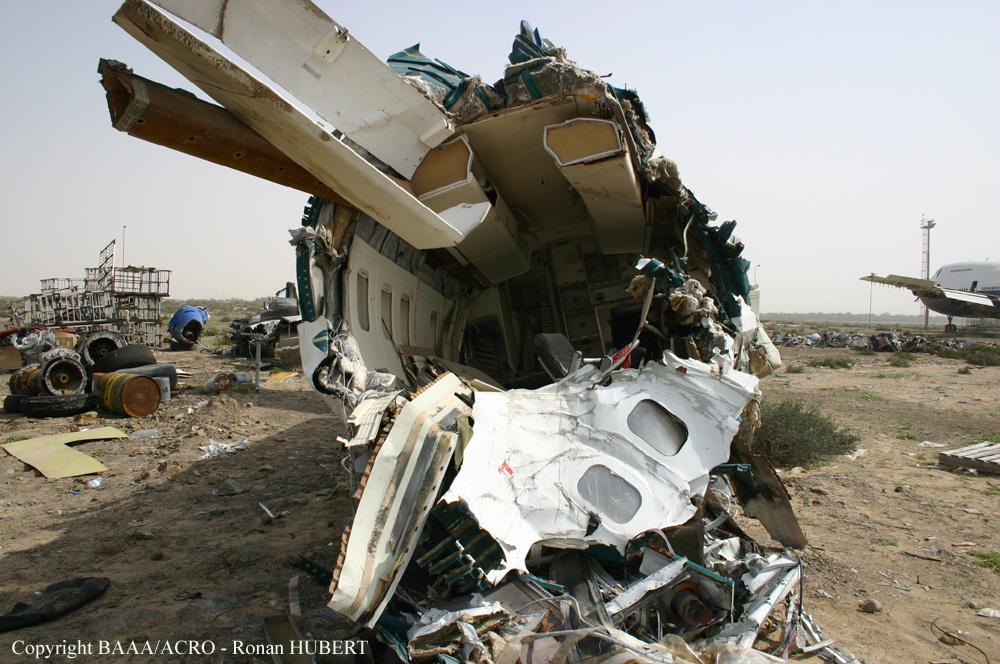
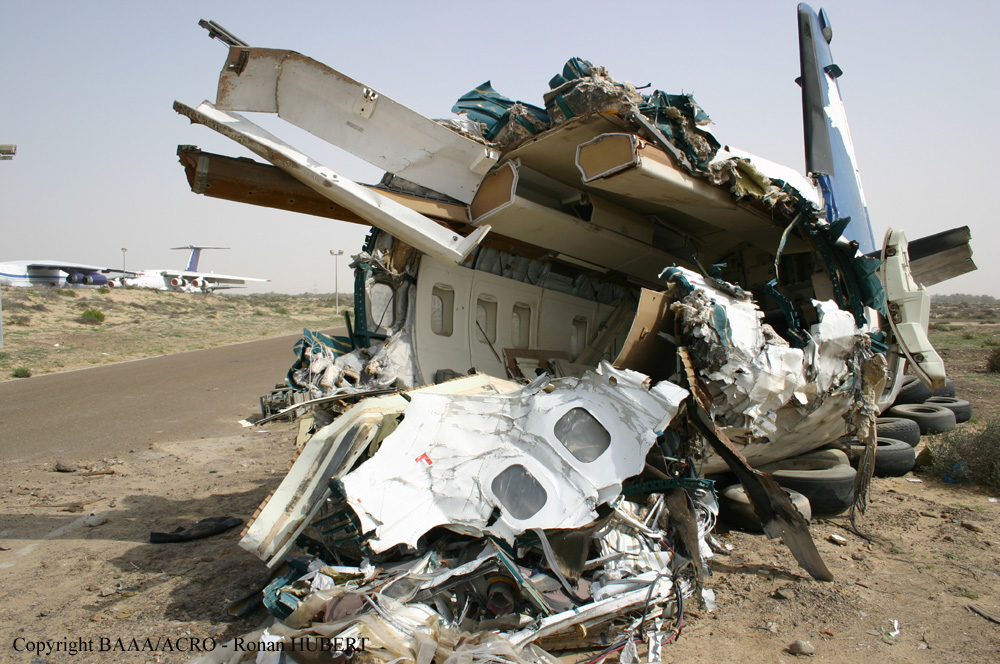
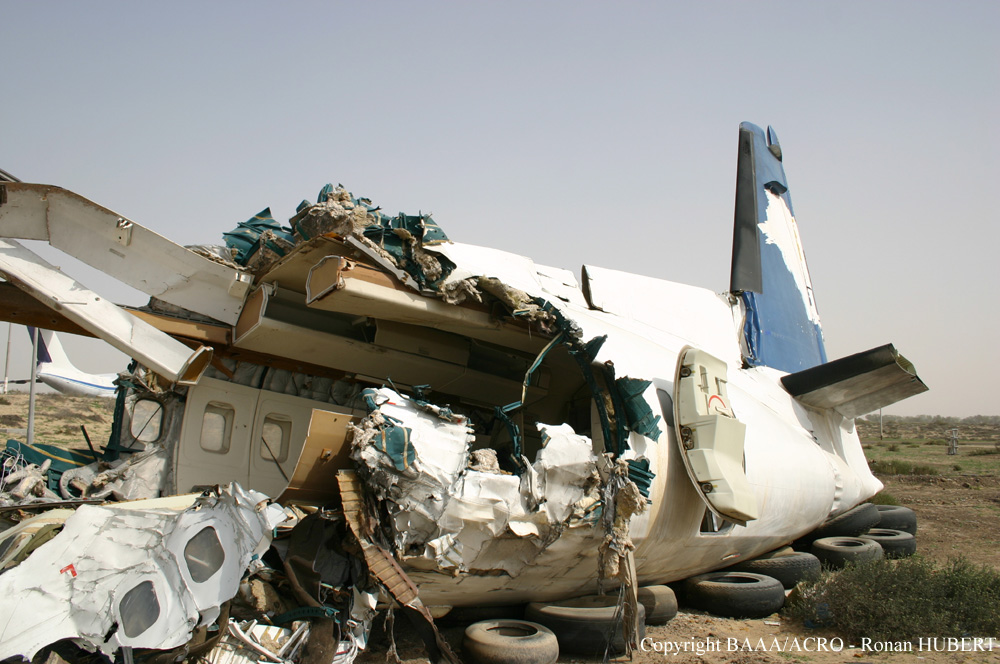
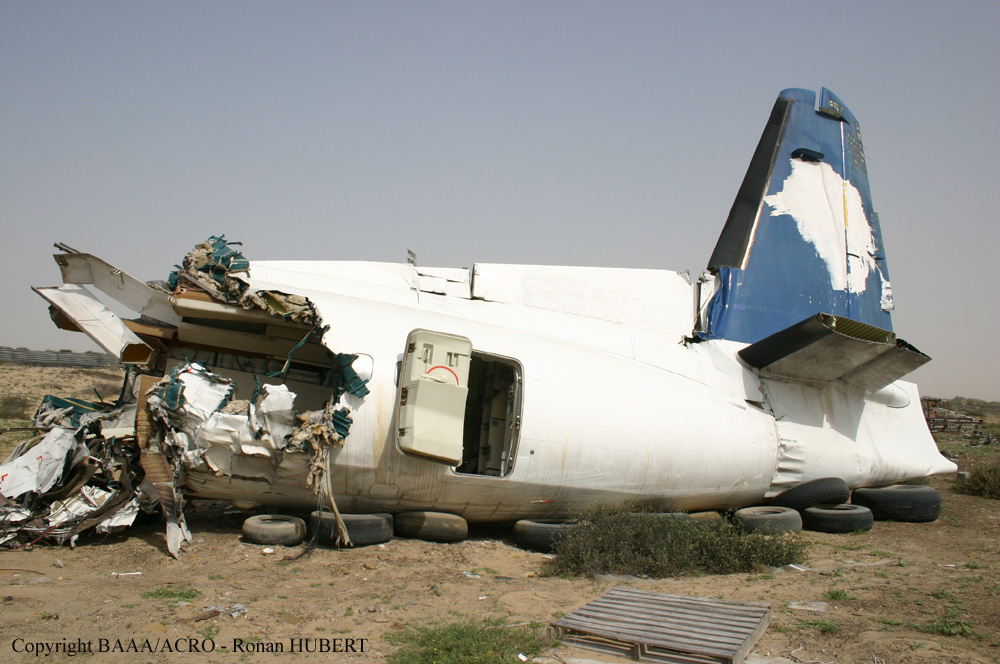
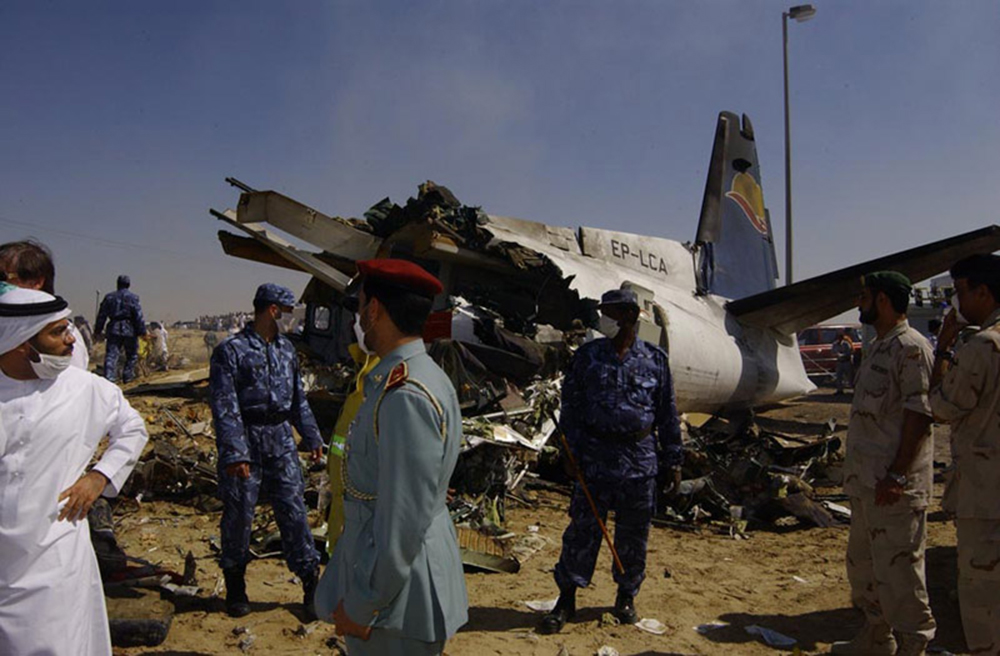
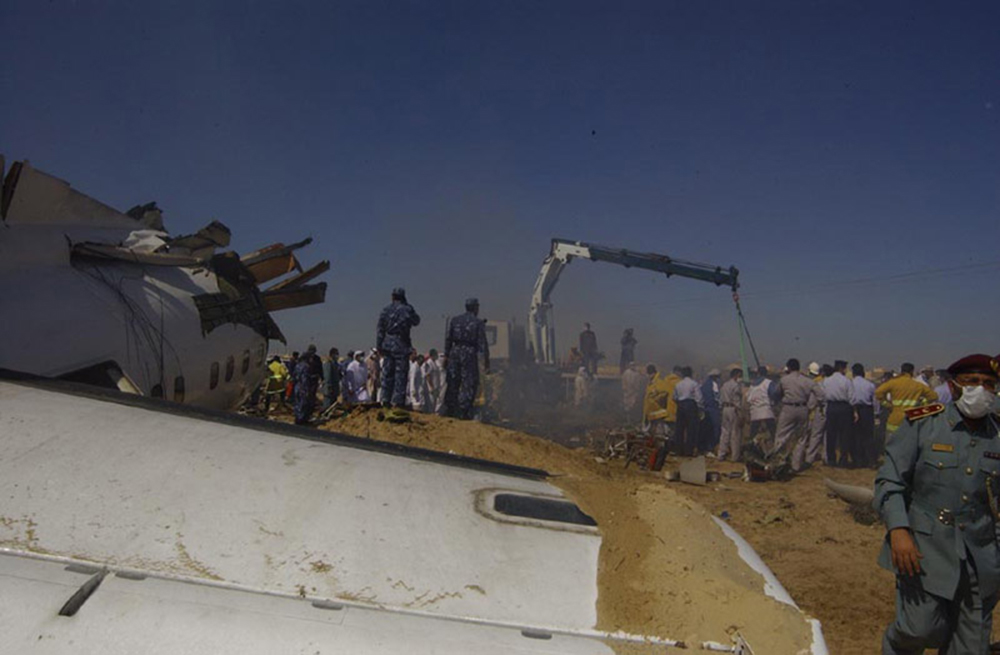
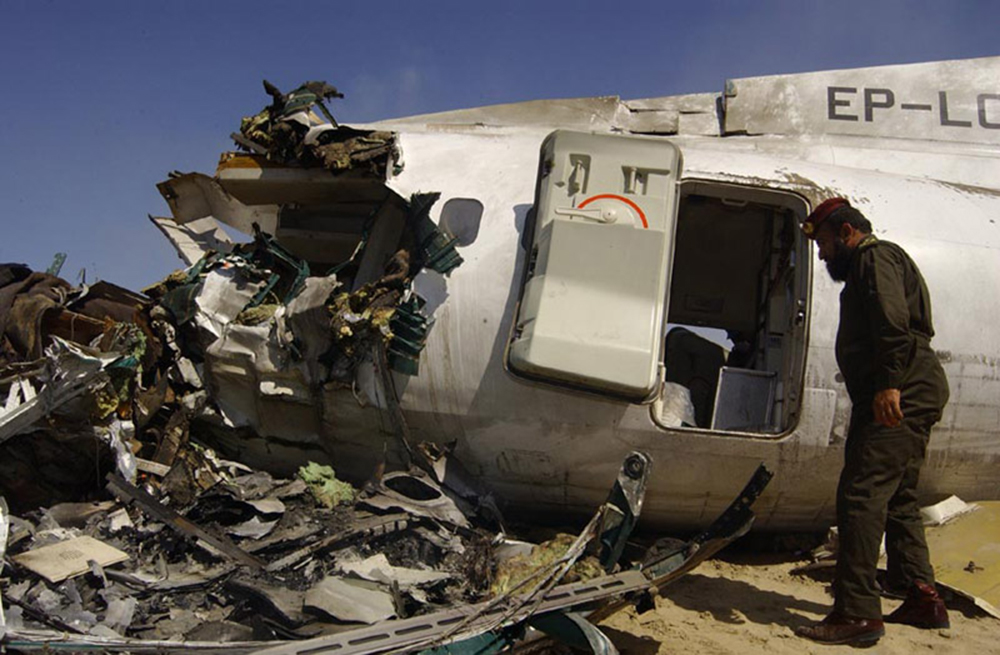
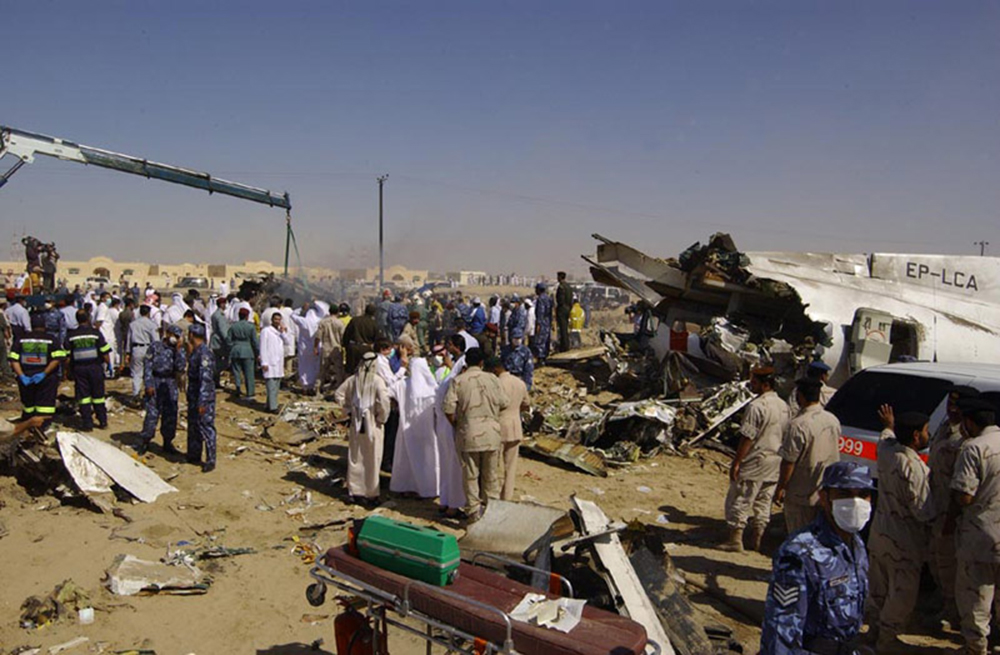
Crash of a Fokker 50 in Sharjah: 43 killed

Date & Time: Feb 10, 2004 at 1138 LT
Type of aircraft:
Operator:
Registration:
EP-LCA
Survivors:
Yes
Schedule:
Kish Island - Sharjah
MSN:
20273
YOM:
1993
Flight number:
IRK1770
Region:
Crew on board:
6
Crew fatalities:
Pax on board:
40
Pax fatalities:
Other fatalities:
Total fatalities:
43
Captain / Total flying hours:
6440
Captain / Total hours on type:
1516.00
Copilot / Total flying hours:
3978
Copilot / Total hours on type:
517
Aircraft flight hours:
20466
Aircraft flight cycles:
19845
Circumstances:
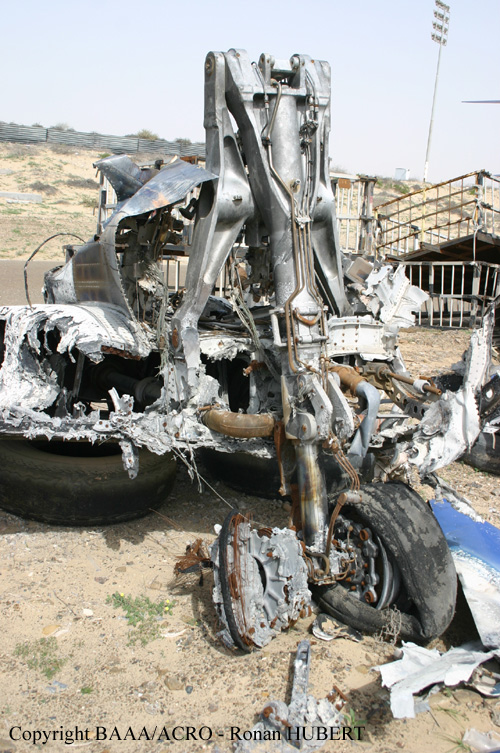
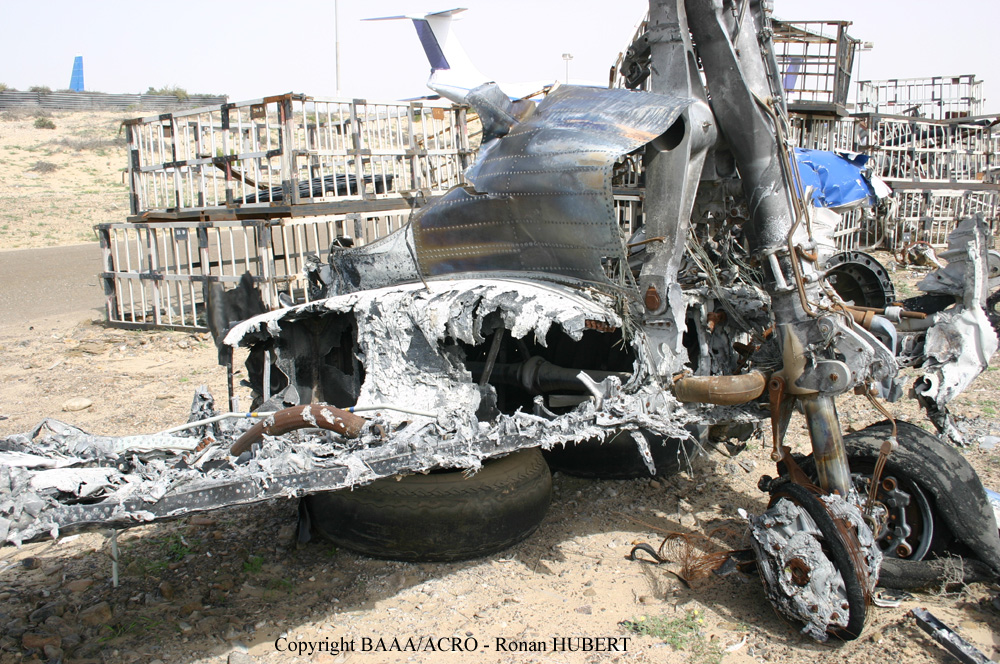
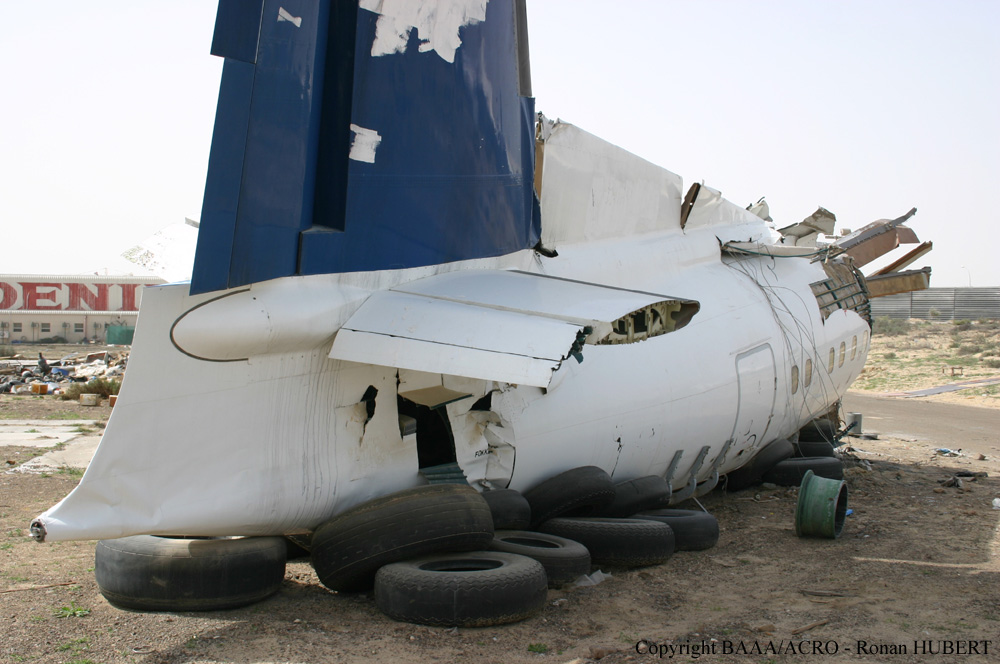
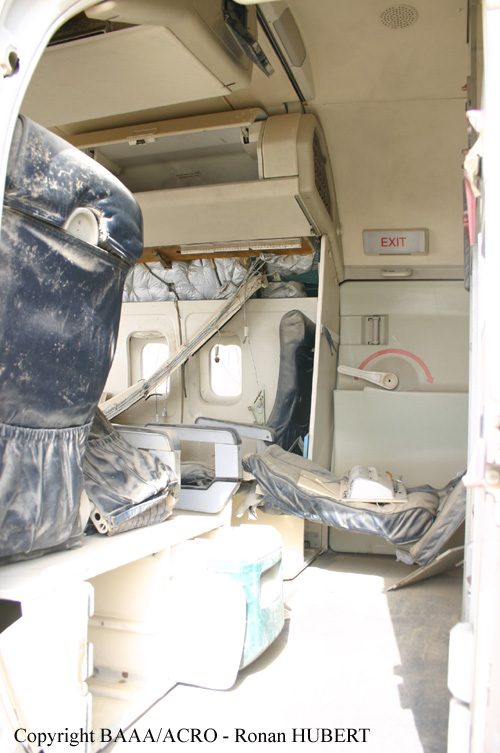
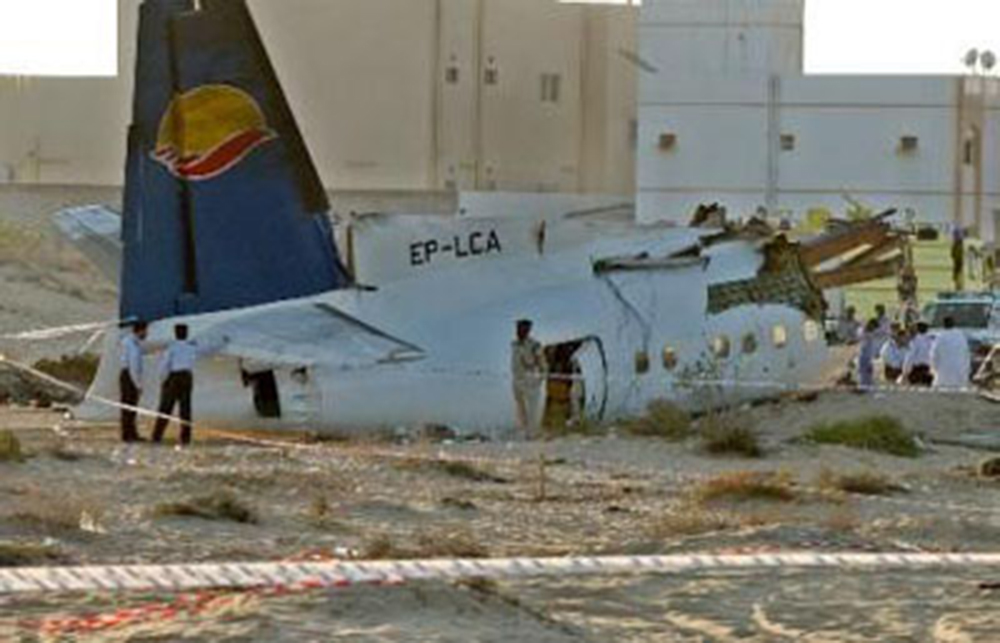
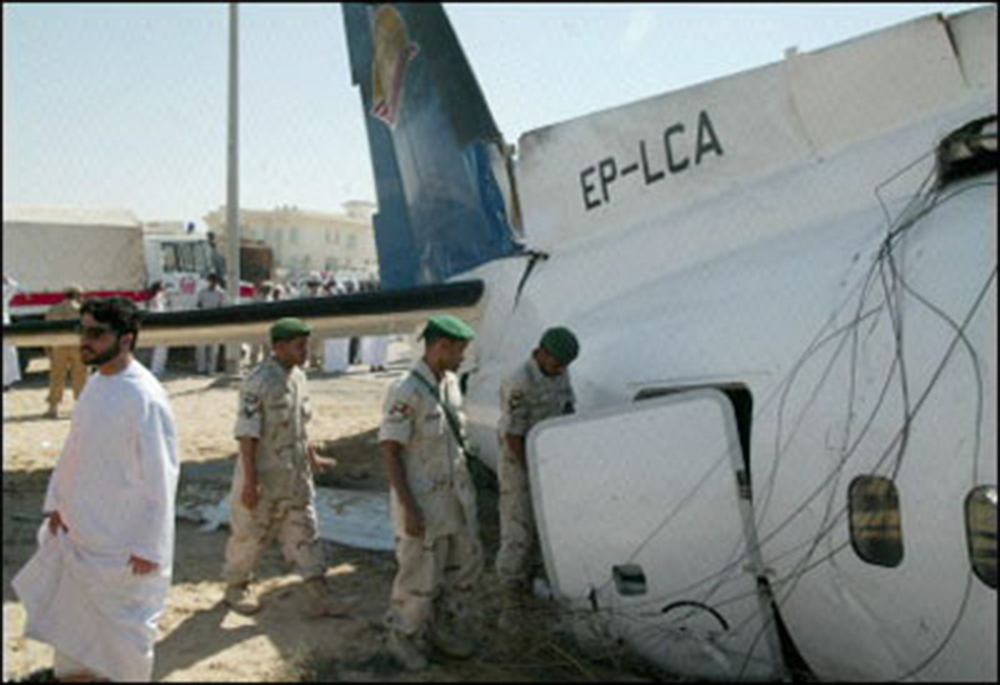
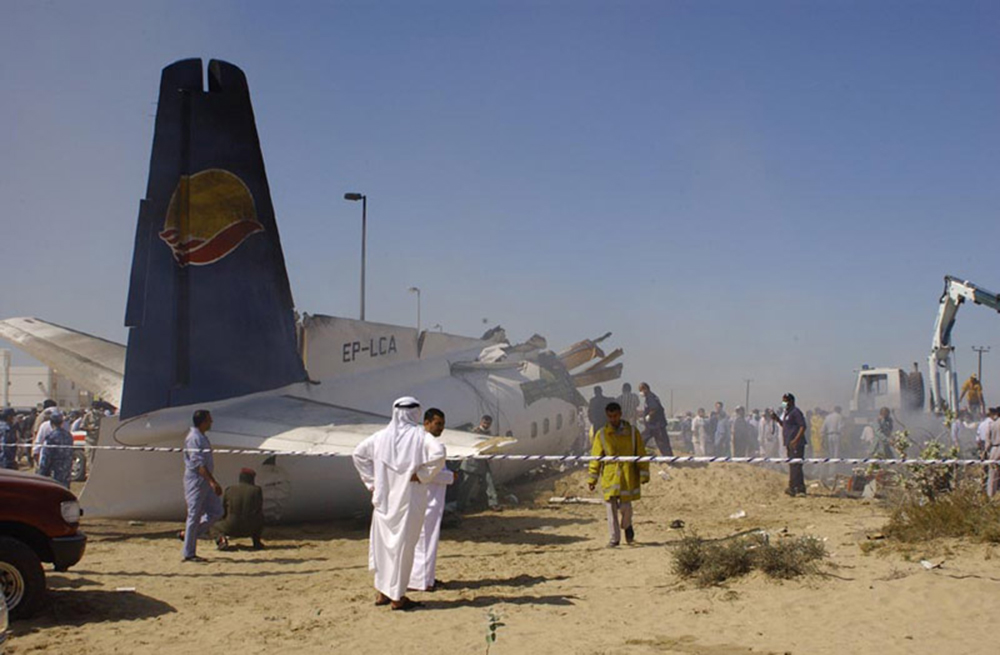
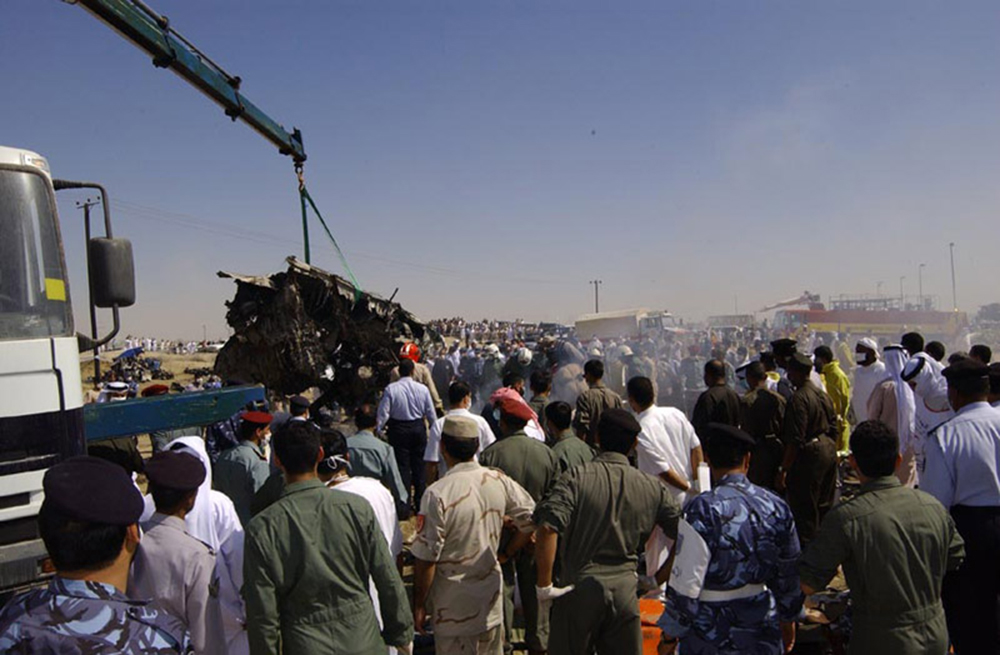
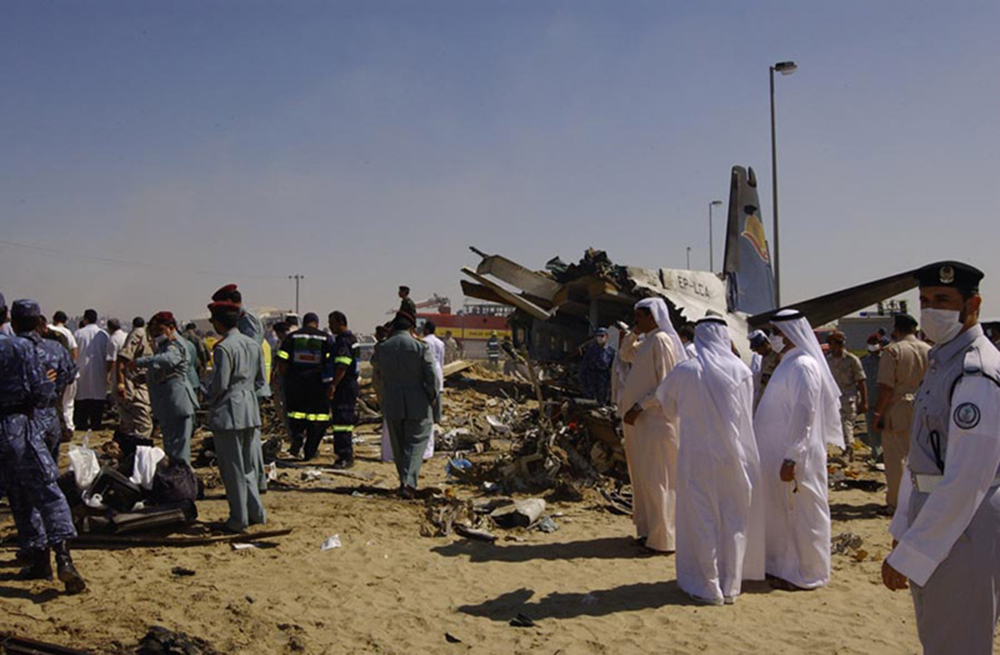
The aircraft was operating as a scheduled flight from Kish Island, Iran to Sharjah, UAE with the captain initially as the pilot flying (PF). During the cruise and just prior to descent, the captain unexpectedly handed over control of the aircraft to the First Officer prior to the approach to Sharjah. The first officer did not accept this willingly and stated that he was not confident of his ability to conduct a VOR/DME approach into Sharjah. This statement was not consistent with his previous experience and could indicate either a cultural or professional issue. The captain insisted the first officer fly the aircraft and encouraged and instructed him during the approach. At 11:24 hours local time, the aircraft contacted Dubai Arrivals and was cleared from 9000 ft to 5000 ft and instructed to expect a VOR/DME approach to runway 12 at Sharjah International Airport. At 11:29 hours the aircraft was further cleared to 2500 ft and cleared for the approach. The aircraft was under its own navigation and the daylight conditions were fine with excellent visibility. At 11:35 hours the aircraft was instructed to contact Sharjah Tower and the pilot reported that the aircraft was established on the VOR final approach for runway 12. The Tower cleared IRK7170 to land and advised that the wind was calm. At that point the aircraft was slightly above the approach profile. The initial speed for the approach was at least 50 kt high at approximately 190 kt with no flap and no landing gear. The aircraft should have been configured with landing gear down and flap 10° during the approach and stabilized at 130 kt prior to the MDA. Approaching the MDA at flight idle setting, the autopilot was disengaged and the first Officer called for flap 10 at 186 kt (limiting speed of 180 kt) and flap 25 was selected by the Captain, a setting uncalled for by the Pilot Flying at 183 kt (limiting speed of 160 kt), and the landing gear was called for and selected at approximately 185 kt (limiting speed of 170 kt). The captain then took control of the aircraft and shortly afterwards the ground range selectors were heard by Cockpit Voice Recorder to be lifted and the power levers moved from the flight idle stop into the ground control range. The left propeller then went to full reverse whilst the right propeller remained in positive pitch within the ground control range. The aircraft descended in an extreme nose low left bank attitude until impact. The aircraft crashed 2.6 nm from the runway onto an unprepared sandy area adjacent to a road and residential buildings. The aircraft broke apart on impact and a fire started immediately. Three passengers suffered injuries while 43 other occupants were killed.

Probable cause:
During the final approach, the power levers were moved by a pilot from the flight idle position into the ground control range, which led to an irreversible loss of flight control. The following contributing factors were identified:
1. By suddenly insisting the First Officer fly the final approach, the pilot in command created an environment, which led to a breakdown of crew resource management processes, the non observance of the operator’s standard operating procedures and a resultant excessive high approach speed.

2. An attempt to rectify this excessive high approach speed most likely resulted in the non compliance with the Standard Operating Procedures and the movement of the power levers below flight idle.

3. The unmodified version of the Skid Control Unit failed to provide adequate protection at the time of the event.
Final Report:

Crash of a Cessna 208 Caravan I off Green Island

Date & Time: Feb 8, 2004 at 1610 LT
Type of aircraft:
Operator:
Registration:
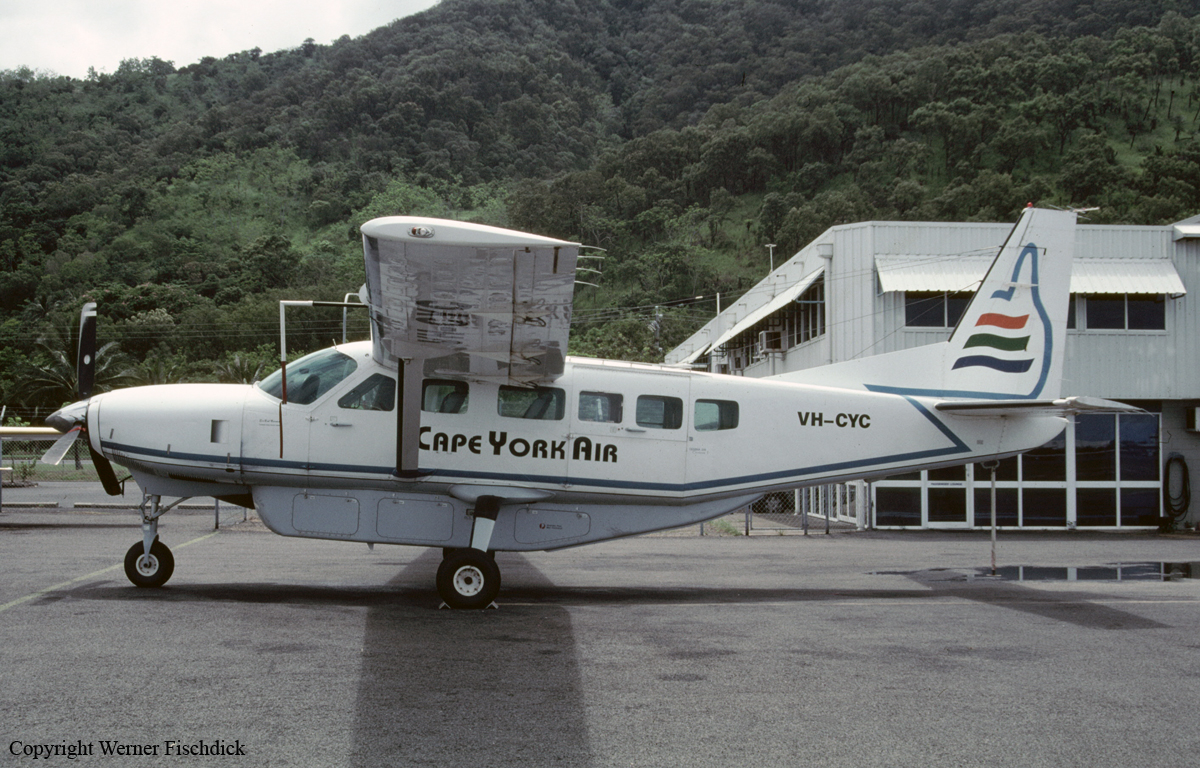
VH-CYC
Flight Phase:
Flight Type:
Survivors:
Yes
Schedule:
Cairns - Cairns
MSN:
208-0108
YOM:
1986
Country:
Region:
Crew on board:
1
Crew fatalities:
Pax on board:
1
Pax fatalities:
Other fatalities:
Total fatalities:
0
Captain / Total flying hours:
5333
Captain / Total hours on type:
211.00
Circumstances:
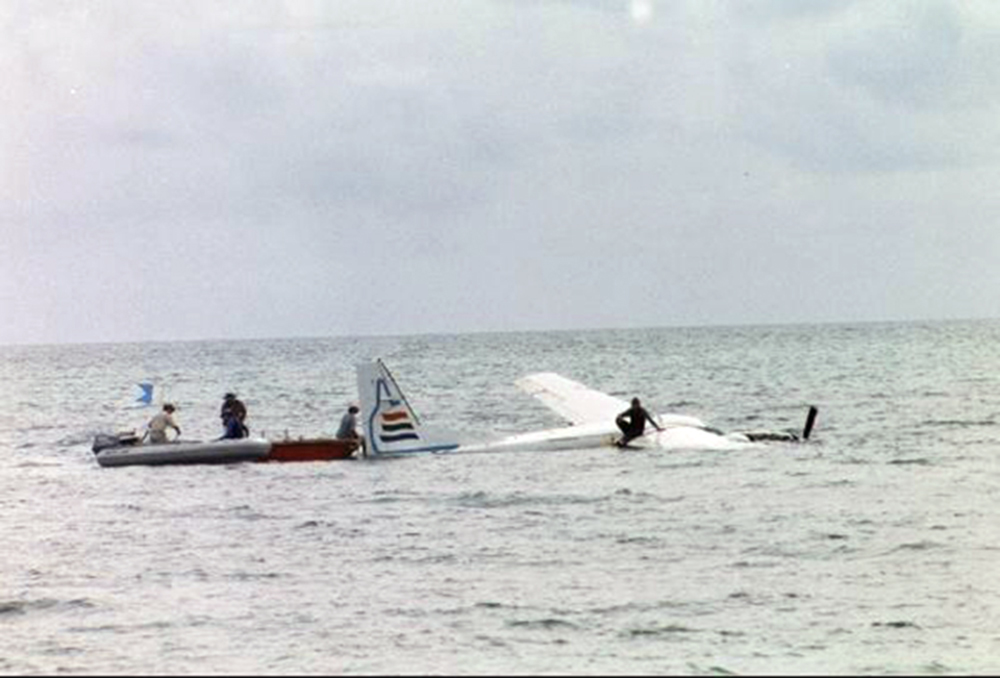
The aircraft, with two pilots on board, was being operated for pilot type endorsement training. Air Traffic Control (ATC) had cleared the pilots to conduct upper level air work between 4,000 and 5,000 ft above mean sea level (AMSL) within a 5 NM radius of Green Island, Queensland. Following the upper level air work, the crew requested, and were granted a clearance for, a simulated engine failure and descent to 2,000 ft. The pilot in command (PIC) reported that while completing the simulated engine failure training, he had retarded the power lever to the FLIGHT IDLE stop and the fuel condition lever to the LOW IDLE range, setting a value of 55% engine gas generator speed (Ng). The pilot under training then set the glide attitude at the best glide speed (for the operating weight) of about 79 knots indicated airspeed (KIAS). The PIC then instructed the pilot under training to place the propeller into the feathered position, and maintain best glide speed. The PIC reported that he instructed the pilot under training to advance the emergency power lever (EPL) to simulate manual introduction of fuel to the engine. According to the PIC, he then noticed that there was no engine torque increase, with the engine inter-turbine temperature (ITT or T5) and Ng rapidly decreasing, and a strong smell of fuel in the cockpit. While the pilot under training flew the aircraft, the PIC placed the ignition switch to the ON position and also selected START on the engine starter switch. He then reportedly placed the EPL to the CLOSED position, the propeller to the UNFEATHERED position and the fuel condition lever to the IDLE CUTOFF position to clear the excess fuel from the engine. The PIC reported that they then increased the aircraft airspeed to 120 KIAS, at which point he reintroduced fuel into the engine by advancing the fuel condition lever. He reported that following these actions, the strong fuel smell persisted. As the aircraft approached 1,500 ft, the PIC broadcast a MAYDAY, informing ATC that they had a 'flameout' of the engine and that they were going to complete a forced landing water ditching near Green Island. While the pilot under training flew the aircraft, the PIC placed the propeller into the feathered position, closed the fuel condition lever to the IDLE CUTOFF position and turned off the starter and ignition switches. They then completed a successful landing in a depth of about 2 m of water near Green Island. The pilots evacuated the aircraft without injury. The aircraft, which sustained minor damage during the ditching, but subsequent substantial damage due to salt water immersion, was recovered to the mainland. Following examination of all connections and control linkages, the engine was removed for examination under the supervision of the Australian Transport Safety Bureau (ATSB) at the engine manufacturer's overhaul facility. The engine trend monitoring (ETM) data logger was also removed from the aircraft for examination.
Probable cause:
The following factors were identified:
1. The pilots of CYC were conducting in-flight familiarization training using the emergency power lever. That procedure was not contained in the aircraft manufacturer's pilot operating handbook.
2. The engine manufacturer's documentation contained information on the use of the emergency power lever, which did not preclude the use of the emergency power lever for in-flight familiarization training.
3. The engine sustained a flameout at an altitude above mean sea level from which reignition of the engine was not successfully completed.
4. Erosion of the first-stage compressor blades would have reduced the aerodynamic efficiency of the compressor blades.
Final Report:

Crash of an Ilyushin II-18D in Colombo

Date & Time: Feb 4, 2004 at 2233 LT
Type of aircraft:
Operator:
Registration:
EX-005
Flight Type:
Survivors:
Yes
Schedule:
Dubai – Colombo
MSN:
188 0111 05
YOM:
1968
Flight number:
EXV3002
Country:
Region:
Crew on board:
7
Crew fatalities:
Pax on board:
0
Pax fatalities:
Other fatalities:
Total fatalities:
0
Circumstances:
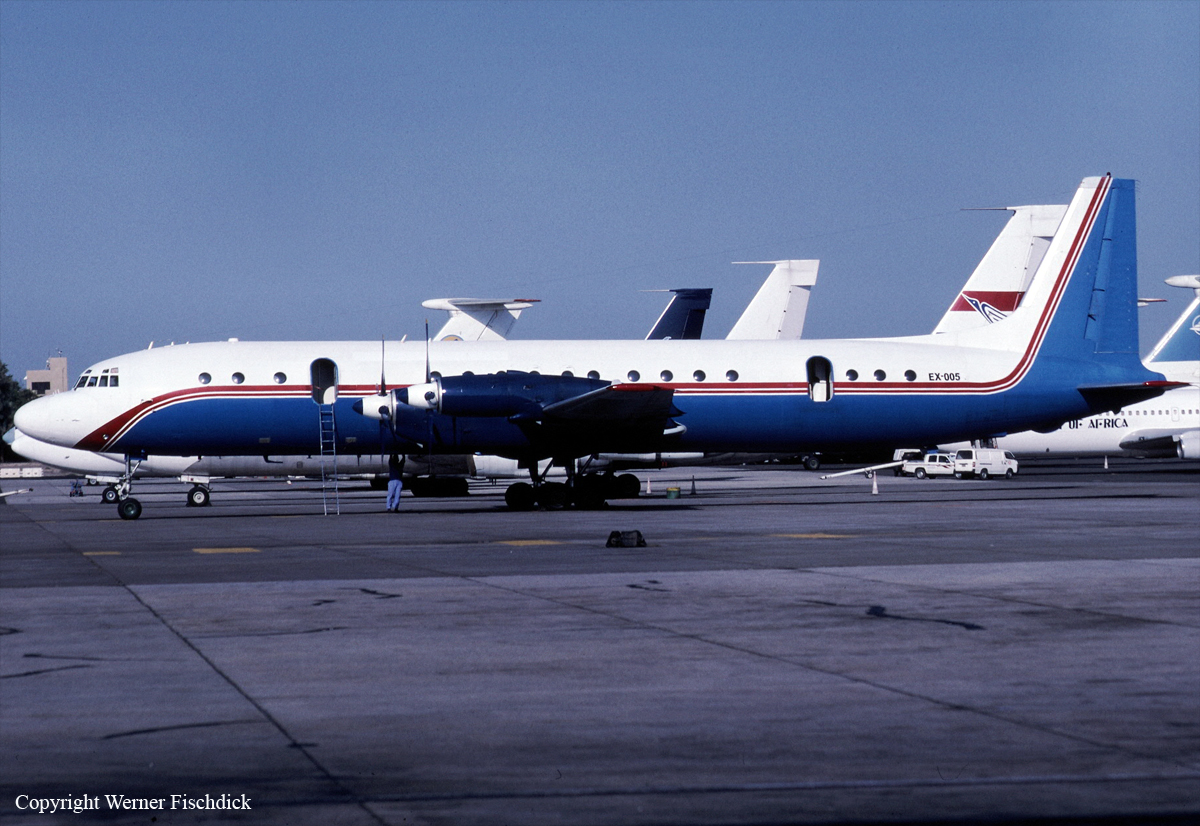
Following an uneventful cargo flight from Dubai, the crew started the descent to Colombo-Bandaranaike Airport by night and good weather conditions, using a GPS and DME systems. After being cleared to descend to FL150, the crew received the QNH and QFE values for Colombo: 1009 mb (hectopascals) and 756 mm Hg. The copilot mistakenly input 765 mm Hg instead of 756 mm Hg in the altimeters. At a distance of 14 km from the airport, the aircraft was 60 metres above the sea. It continued to descend until the undercarriage struck the water surface at a distance of 10,7 km from the runway 04 threshold. The captain decided to initiate a go-around procedure but shortly later, at a height of about 60-90 metres, he continued the approach. Assuming the undercarriage may have been damaged, he decided to carry out a belly landing. The aircraft landed 50 metres to the right of the main runway and 450 metres past its threshold. The aircraft then slid for a distance of 2,230 before coming to rest. All seven occupants escaped uninjured and the aircraft was damaged beyond repair.

Crash of a Beechcraft C90 King Air near Homestead: 2 killed

Date & Time: Jan 31, 2004 at 1632 LT
Type of aircraft:
Registration:
N75GC
Flight Phase:
Flight Type:
Survivors:
No
Schedule:
Marathon – Fort Lauderdale
MSN:
LJ-727
YOM:
1977
Crew on board:
1
Crew fatalities:
Pax on board:
1
Pax fatalities:
Other fatalities:
Total fatalities:
2
Captain / Total flying hours:
4528
Captain / Total hours on type:
200.00
Aircraft flight hours:
8208
Circumstances:
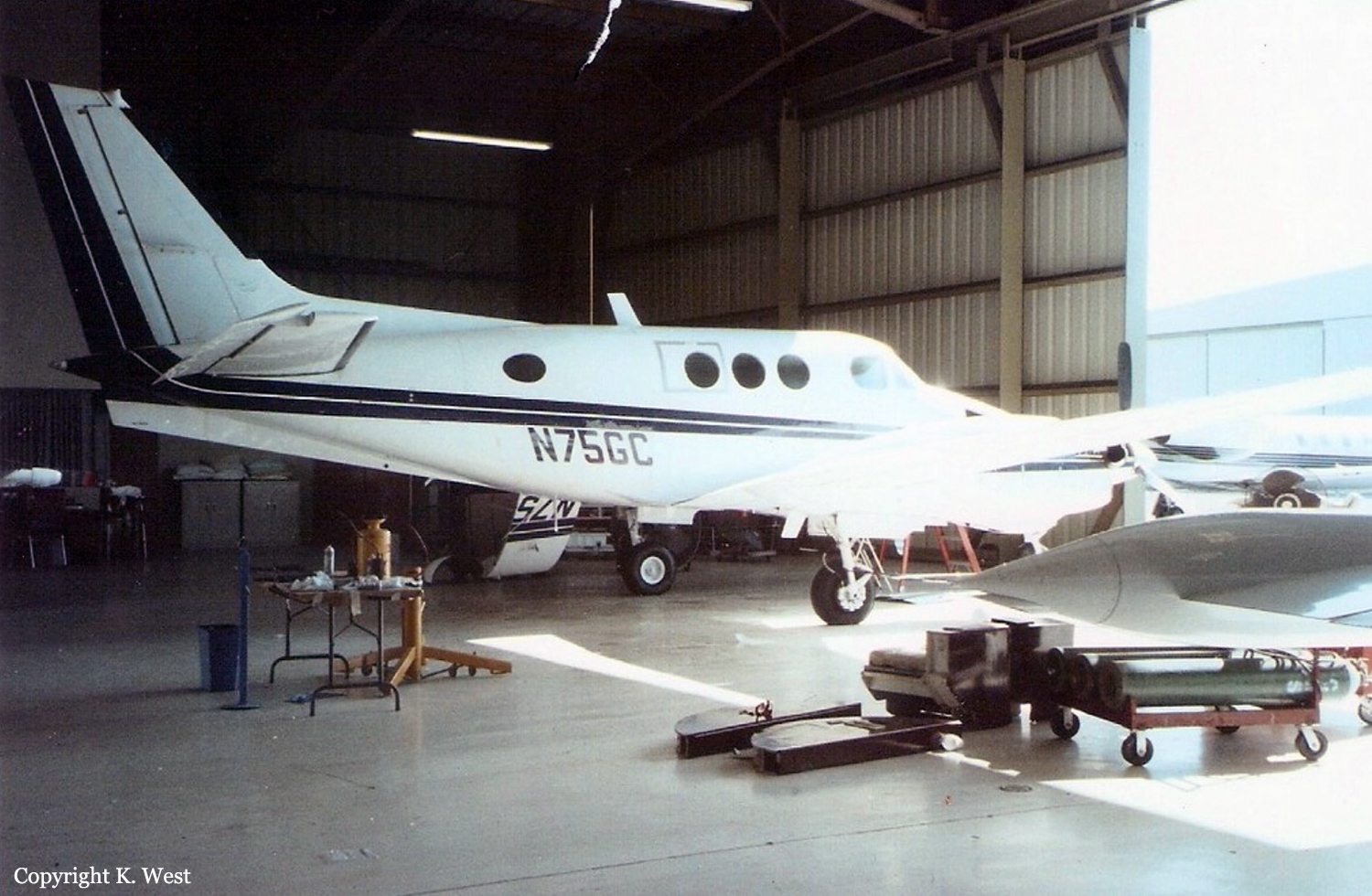
The instrument rated pilot received three weather briefings on the date of the accident from the Miami Automated Flight Service Station. The pilot obtained his IFR clearance while airborne, was advised to climb to 9000 feet mean sea level (MSL), then later advised to descend and maintain 2000 feet, and to fly heading 030 degrees. Radar data indicates that following the instruction from the controller, the airplane made a right descending turn to a southeasterly heading, followed by a left turn to an easterly heading where the airplane was lost from radar while at 2,200 feet mean sea level. The crash was located 138 degrees and .38 nautical mile from the last radar target. Between 1631:04, and 1631:16, the airplane descended from 7,600 to 6,100 feet. Between 1631:16, and the last radar target 12 seconds later at 1631:28, the airplane descended 3,900 feet. Weather radar data indicates the airplane encountered video integrator and processor (VIP) Level 2, or "moderate intensity" echoes in the area of the in-flight loss of control. Approximately 10 and 20 miles east-northeast through southeast of the accident site, maximum echoes of VIP Level 5 to 6, or "intends to extreme intensity" echoes were noted. The strongest reflectivities were located 20 miles east of the accident site. Disintegration of the airplane was noted; there was no evidence of in-flight, or post crash fire of any recovered components. The full span of the left wing, left aileron, left horizontal, and left elevator were accounted for. A section of the right wing and right outboard flap was identified; the right wing was fragmented. Examination of the engine and propellers revealed no evidence of preimpact failure or malfunction. No determination was made whether the pilot met the instrument recency of experience requirement of 14 CFR Part 61.57 (c).
Probable cause:
The pilot's inadequate in-flight planning/decision which resulted in an encounter with rain showers and turbulence, a loss of aircraft control, and overstress of the airframe.
Final Report:

Crash of a Cessna 414A Chancellor in Laupahoehoe: 3 killed

Date & Time: Jan 31, 2004 at 0140 LT
Type of aircraft:
Operator:
Registration:
N5637C
Flight Phase:
Flight Type:
Survivors:
No
Site:
Schedule:
Honolulu – Hilo
MSN:
414A-0118
YOM:
1978
Crew on board:
1
Crew fatalities:
Pax on board:
2
Pax fatalities:
Other fatalities:
Total fatalities:
3
Captain / Total flying hours:
8230
Captain / Total hours on type:
1037.00
Aircraft flight hours:
11899
Circumstances:
The airplane collided with trees and mountainous terrain at the 3,600-foot-level of Mauna Kea Volcano during an en route cruise descent toward the destination airport that was 21 miles east of the accident site. The flight departed Honolulu VFR at 0032 to pickup a patient in Hilo, on the Island of Hawaii. The inter island cruising altitude was 9,500 feet and the flight was obtaining VFR flight advisories. At 0113, just before the flight crossed the northwestern coast of Hawaii, the controller provided the pilot with the current Hilo weather, which was reporting a visibility of 1 3/4 miles in heavy rain and mist with ceiling 1,700 feet broken, 2,300 overcast. Recorded radar data showed that the flight crossed the coast of Hawaii at 0122, descending through 7,400 feet tracking southeast bound toward the northern slopes of Mauna Kea and Hilo beyond. The last recorded position of the aircraft was about 26 miles northwest of the accident site at a mode C reported altitude of 6,400 feet. At 0130, the controller informed the pilot that radar contact was lost and also said that at the airplane's altitude, radar coverage would not be available inbound to Hilo. The controller terminated radar services. A witness who lived in the immediate area of the accident site reported that around 0130 he heard a low flying airplane coming from the north. He alked outside his residence and observed an airplane fly over about 500 feet above ground level (agl) traveling in the direction of the accident site about 3 miles east. The witness said that light rain was falling and he could see a half moon, which he thought provided fair illumination. The area forecast in effect at the time of the flight's departure called for broken to overcast layers from 1,000 to 2,000 feet, with merging layers to 30,000 feet and isolated cumulonimbus clouds with tops to 40,000 feet. It also indicated that the visibility could temporarily go below 3 statute miles. The debris path extended about 500 feet along a magnetic bearing of 100 degrees with debris scattered both on the ground and in tree branches. Investigators found no anomalies with the airplane or engines that would have precluded normal operation. Pilots for the operator typically departed under VFR, even in night conditions or with expectations of encountering adverse weather, to preclude ground holding delays. The pilots would then pick up their instrument flight rules (IFR) clearance en route. The forecast and actual weather conditions at Hilo were below the minimums specified in the company Operations Manual for VFR operations.
Probable cause:
The pilot's disregard for an in-flight weather advisory, his likely encounter with marginal VFR or IMC weather conditions, his decision to continue flight into those conditions, and failure to maintain an adequate terrain clearance altitude resulting in an in-flight collision with trees and mountainous terrain. A contributing factor was the pilot's failure to adhere to the VFR weather minimum procedures in the company's Operations Manual.
Final Report:

Crash of a Beechcraft 1900D in Ghardaïa: 1 killed

Date & Time: Jan 28, 2004 at 2101 LT
Type of aircraft:
Operator:
Registration:
7T-VIN
Survivors:
Yes
Schedule:
Hassi R’Mel – Ghardaïa
MSN:
UE-365
YOM:
1999
Country:
Region:
Crew on board:
3
Crew fatalities:
Pax on board:
2
Pax fatalities:
Other fatalities:
Total fatalities:
1
Aircraft flight hours:
1742
Circumstances:
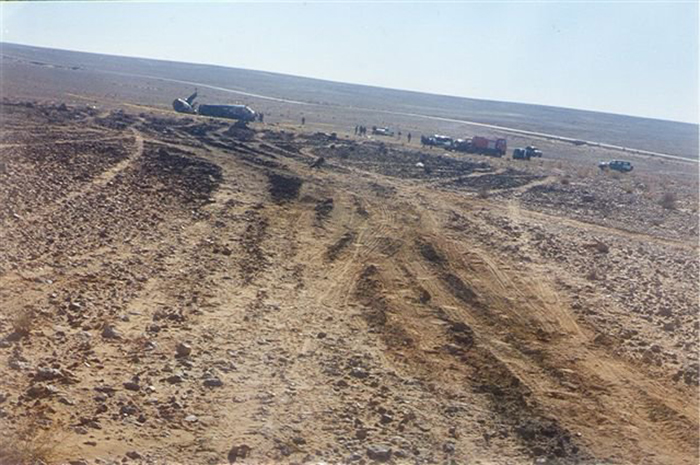
The aircraft departed Hassi R'Mel-Tilrhempt Airport at 2030LT on a 15-minutes charter flight to Ghardaïa, carrying three crew members and two employees of the Sonatrach (Société Nationale pour le Transport et la Commercialisation d’Hydrocarbures). At 2044LT, the crew was cleared for a right hand circuit in preparation for an approach to runway 30. At that moment a Boeing 727 inbound from Djanet was on long finals. The copilot stated that he intended to carry out an NDB/ILS approach to runway 30. The captain however preferred a visual approach. The copilot carried out the captain's course and descent instructions with hesitation. At 2057LT, the EGPWS alarm sounded. Power was added and a climb was initiated from a lowest altitude of 240 feet above ground level. The captain then took over control and assumed the role of Pilot Flying. The airplane manoeuvred south of the airport until 2101LT when the copilot saw the runway. The captain rolled left to -57° and pitched down to -18.9° in order to steer the airplane towards the runway. Again the EGPWS sounded but the descent continued until the airplane impacted the ground and broke up. All five occupants were injured and the aircraft was destroyed. A day later, the copilot died from his injuries.
Probable cause:
The Commission believes that the accident can be explained by a series of several causes which, taken separately, would not lead to an accident.
The causes are related to:
1 - the lack of rigor in the approach and landing phase evidenced by a failure to follow standard operating procedures, including the arrival checklist.
2 - the failure to strictly comply with the holding, approach and landing procedures in force for the aerodrome of Ghardaïa.
3 - the fact that the captain seemed occupied by the visual search maneuvers that put him temporarily out of the control loop. He was so focused on the visual search for the runway and abandoned the monitoring of parameters that are critical for the safety of the flight. This concentration completely disoriented him.
4 - the fact that the crew did not respond appropriately to different alarms that occurred, indicating a lack of control in the operation of the aircraft in that kind of situation. Lack of control was apparently due to his lack of training on this aircraft type.
5 - The activities in the southern part of Algeria may cause a certain routine that can promote the tendency to conduct visual approaches. It seems, indeed, that the crew is more experienced in visual flights.
6 - A lack of coordination and communication between the crew members flying together for the first time.

Crash of a Yakovlev Yak-40 in Tashkent: 37 killed

Date & Time: Jan 13, 2004 at 1927 LT
Type of aircraft:
Operator:
Registration:
UK-87985
Survivors:
No
Schedule:
Termez - Tashkent
MSN:
9 54 08 44
YOM:
1975
Flight number:
UZB1154
Country:
Region:
Crew on board:
5
Crew fatalities:
Pax on board:
32
Pax fatalities:
Other fatalities:
Total fatalities:
37
Aircraft flight hours:
37000
Circumstances:
Following an uneventful flight from Termez, the crew started the descent to Tashkent-Yuzhny Airport by night and marginal weather conditions. The visibility was limited due to foggy conditions with an RVR between 600 and 900 metres for runway 08L. The captain continued the approach with an excessive rate of descent, causing the aircraft to pass below the MDA without any visual contact with the ground. At an altitude of 165-170 metres, the captain positioned the airplane in a flat attitude then continued the descent at a distance of 2 km from the runway threshold, but this time with an insufficient rate of descent. The aircraft passed over the runway threshold at a height of about 30-40 metres and flew over the runway for a distance of 3,3 km. The captain established a visual contact with the runway lights, elected to land but failed to realize he was in fact approaching the end of the runway which is 4 km long. He reduced both engines power to idle, activated the thrust reversers when he realized his mistake and attempted a go-around. The aircraft collided with a 2 metres high concrete wall located 260 metres past the runway end, lost its right wing and crashed in a drainage ditch located along the perimeter fence, bursting into flames. The aircraft was totally destroyed and all 37 occupants were killed, among them Richard Conroy, special UNO representative in Uzbekistan.
Probable cause:
The following factors were identified:
- The crew failed to maintain a correct approach pattern maybe following a wrong setting of the approach selector in SP mode instead of ILS mode,
- The crew decided to continue the approach without establishing any visual contact with the approach light and runway light system,
- The crew failed to comply with published procedures,
- The crew failed to initiate a go-around procedure.

Crash of a De Havilland DHC-6 Twin Otter in Sturt Island

Date & Time: Jan 5, 2004
Operator:
Registration:
P2-KSG
Flight Phase:
Survivors:
Yes
MSN:
509
YOM:
1976
Region:
Crew on board:
2
Crew fatalities:
Pax on board:
1
Pax fatalities:
Other fatalities:
Total fatalities:
0
Circumstances:
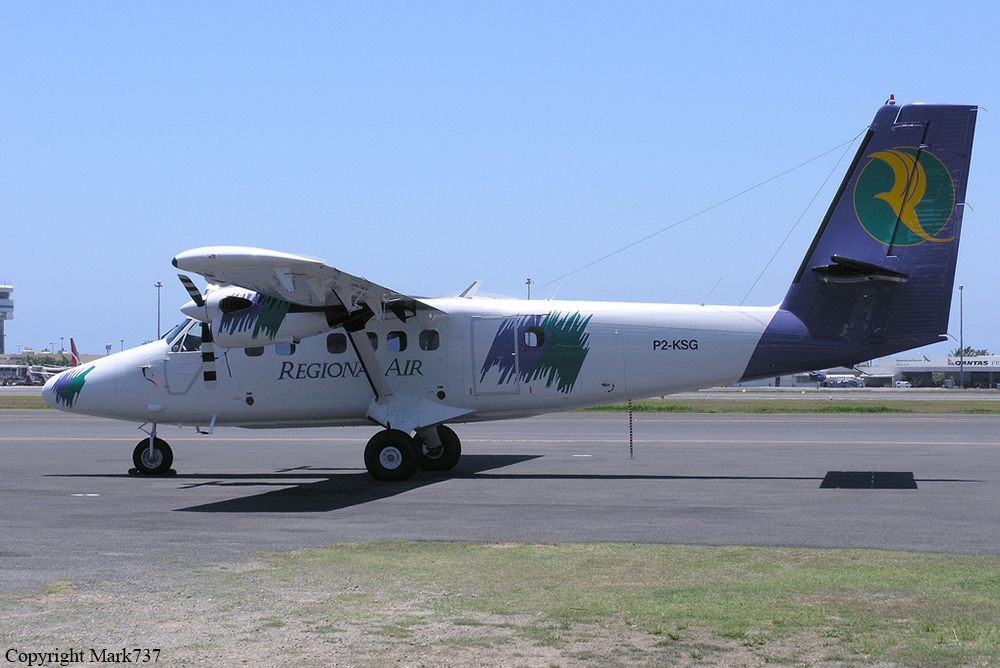
During the takeoff roll from a grassy runway (780 metres long), the pilot noted standing water on the ground. He attempted to take off prematurely to avoid these puddles but the aircraft stalled and crash landed. All three occupants escaped uninjured while the aircraft was damaged beyond repair.

Crash of a Rockwell Grand Commander 690A in Cortez: 1 killed

Date & Time: Jan 3, 2004 at 1212 LT
Operator:
Registration:
N700SR
Flight Type:
Survivors:
No
Schedule:
Mesa – Cortez
MSN:
690-11164
YOM:
1974
Location:
Crew on board:
1
Crew fatalities:
Pax on board:
0
Pax fatalities:
Other fatalities:
Total fatalities:
1
Captain / Total flying hours:
1872
Captain / Total hours on type:
91.00
Aircraft flight hours:
7506
Circumstances:
The pilot executed the VOR approach to runway 21. He was heard to report passing the VORTAC outbound for the procedure turn, and crossing the VORTAC (final approach fix) inbound. Witnesses said they saw the airplane emerge from the overcast slightly high and fast. They said the airplane entered a steep left bank and turned about 90 degrees before disappearing in a snow shower northeast of the airport. They heard no unusual engine noises. Another witness near the accident site saw the airplane in a steep bank and at low altitude, "just above the power lines." Based on the witness location, the airplane had turned about 270 degrees. The witness said the wings "wobbled" and the nose "dipped," then the left wing dropped and the airplane descended to the ground "almost vertically." Members of the County Sheriff's Posse, who were at a gunnery range just north of the airport, reported hearing an airplane pass over at low altitude. One posse member said he heard "an engine pitch change." He did not see the airplane because it was "snowing heavily," nor did he hear the impact. An examination of the airplane revealed no anomalies. At the time of the accident, the weather at the destination airport was few clouds 300 feet, 900 feet broken, 3,200 feet overcast; visibility, 1/2 statute and snow; temperature, 32 degrees F.; dew point, 32 degrees F.; wind, 290 degrees at 10 knots, gusting to 15 knots; altimeter, 29.71 inches.
Probable cause:
The pilot's inadequate planned approach and his failure to maintain airspeed which resulted in a stall. Contributing factors were low altitude flight maneuvering in an attempt to lose excessive altitude and realign the airplane for landing, and his failure to perform a missed approach, and the snow fall.
Final Report: