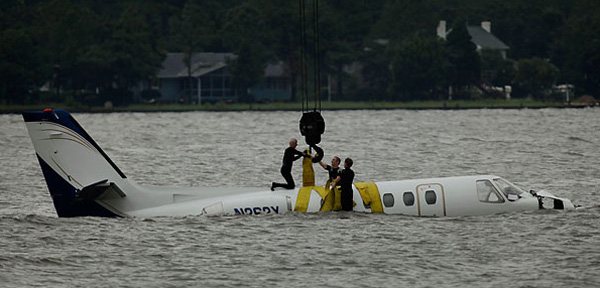
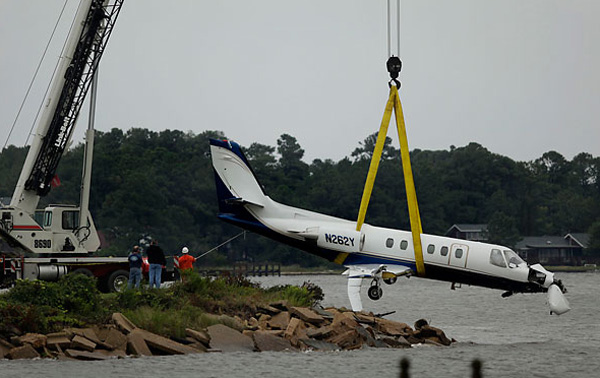
Crash of a Cessna 550 Citation II in Manteo

Date & Time: Oct 1, 2010 at 0830 LT
Type of aircraft:
Operator:
Registration:
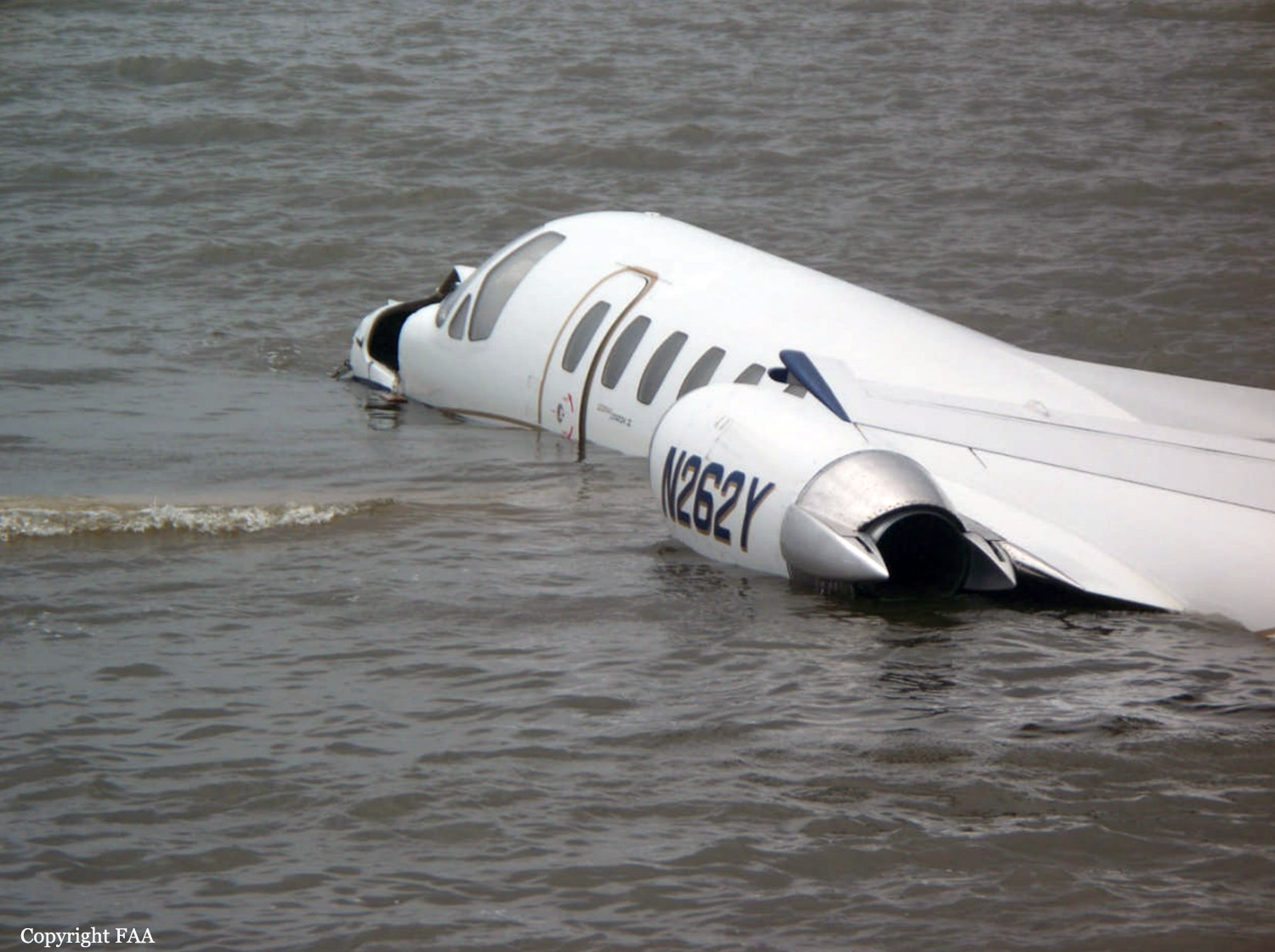
N262Y
Survivors:
Yes
Schedule:
Tampa - Manteo
MSN:
550-0291
YOM:
1981
Crew on board:
2
Crew fatalities:
Pax on board:
5
Pax fatalities:
Other fatalities:
Total fatalities:
0
Captain / Total flying hours:
9527
Captain / Total hours on type:
2025.00
Copilot / Total flying hours:
3193
Copilot / Total hours on type:
150
Aircraft flight hours:
9643
Circumstances:
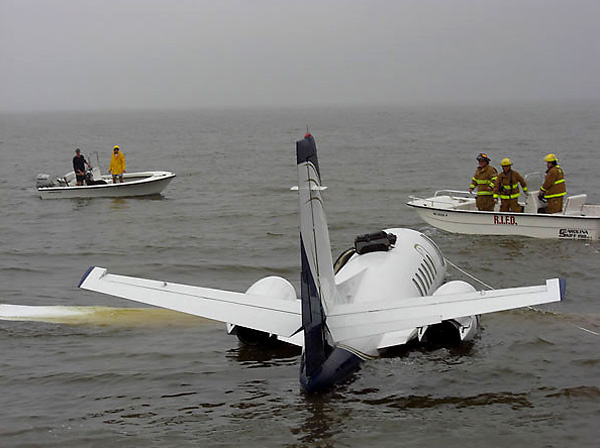
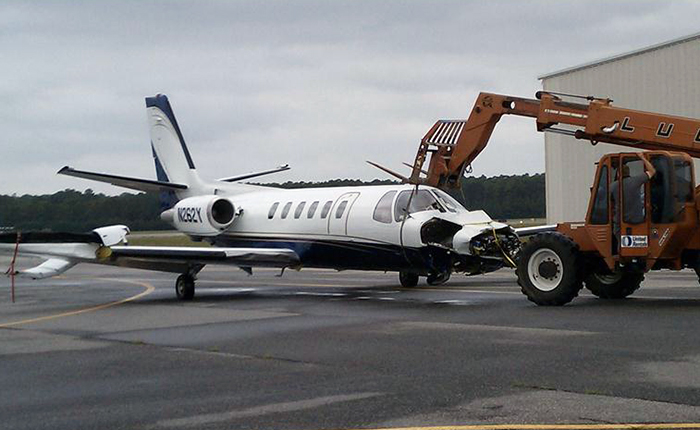
According to postaccident written statements from both pilots, the pilot-in-command (PIC) was the pilot flying and the copilot was the pilot monitoring. As the airplane approached Dare County Regional Airport (MQI), Manteo, North Carolina, the copilot obtained the current weather information. The automated weather system reported wind as 350 degrees at 4 knots, visibility at 1.5 miles in heavy rain, and a broken ceiling at 400 feet. The copilot stated that the weather had deteriorated from the previous reports at MQI. The PIC stated that they would fly one approach to take a look and that, if the airport conditions did not look good, they would divert to another airport. Both pilots indicated in phone interviews that, although they asked the Washington air route traffic control center controller for the global positioning system (GPS) runway 5 approach, they did not expect it due to airspace restrictions. They expected and received a GPS approach to runway 23 to circle-to-land on runway 5. According to the pilots' statements, the airplane was initially fast on approach to runway 23. As a result, the copilot could not deploy approach flaps when the PIC requested because the airspeed was above the flap operating range. The PIC subsequently slowed the airplane, and the copilot extended flaps to the approach setting. The PIC also overshot an intersection but quickly corrected and was on course about 1 mile prior to the initial approach fix. The airplane crossed the final approach fix on speed (Vref was 104) at the appropriate altitude, with the flaps and landing gear extended. The copilot completed the approach and landing checklist items but did not call out items because the PIC preferred that copilots complete checklists quietly. The PIC then stated that they would not circle-to-land due to the low ceiling. He added that a landing on runway 23 would be suitable because the wind was at a 90-degree angle to the runway, and there was no tailwind factor. Based on the reported weather, a tailwind component of approximately 2 knots existed at the time of the accident, and, in a subsequent statement to the Federal Aviation Administration, the pilot acknowledged there was a tailwind about 20 degrees behind the right wing. The copilot had the runway in sight about 200 feet above the minimum descent altitude, which was 440 feet above the runway. The copilot reported that he mentally prepared for a go around when the PIC stated that the airplane was high about 300 feet above the runway, but neither pilot called for one. The flight crew stated that the airplane touched down at 100 knots between the 1,000-foot marker and the runway intersection-about 1,200 feet beyond the approach end of the 4,305-foot-long runway. The speed brakes, thrust reversers, and brakes were applied immediately after the nose gear touched down and worked properly, but the airplane departed the end of the runway at about 40 knots. According to data extracted from the enhanced ground proximity warning system, the airplane touched down about 1,205 feet beyond the approach end of the 4,305-foot-long wet runway, at a ground speed of 127 knots. Data from the airplane manufacturer indicated that, for the estimated landing weight, the airplane required a landing distance of approximately 2,290 feet on a dry runway, 3,550 feet on a wet runway, or 5,625 feet for a runway with 0.125 inch of standing water. The chart also contained a note that the published limiting maximum tailwind component for the airplane is 10 knots but that landings on precipitation-covered runways with any tailwind component are not recommended. The note also indicates that if a tailwind landing cannot be avoided, the above landing distance data should be multiplied by a factor that increases the wet runway landing distance to 3,798 feet, and the landing distance for .125 inch of standing water to 6,356 feet. All distances in the performance chart are based on flying a normal approach at Vref, assume a touchdown point 840 feet from the runway threshold in no wind conditions, and include distance from the threshold to touchdown. The PIC's statement about the airplane being high at 300 feet above the runway reportedly prompted the copilot to mentally prepare for a go around, but neither pilot called for one. However, the PIC asked the copilot what he thought, and his reply was " it's up to you." The pilots touched down at an excessive airspeed (23 knots above Vref), more than 1,200 feet down a wet 4,305-foot-long runway, leaving about 3,100 feet for the airplane to stop. According to manufacturer calculations, about 2,710 feet of ground roll would be required after the airplane touched down, assuming a touchdown speed at Vref; a longer ground roll would be required at higher touchdown speeds. Although a 2 knot crosswind component existed at the time of the accident, the airplane's excessive airspeed at touchdown (23 knots above Vref) had a much larger effect on the outcome of the landing.
Probable cause:
The pilot-in-command's failure to maintain proper airspeed and his failure to initiate a go-around, which resulted in the airplane touching down too fast on a short, wet runway and a subsequent runway overrun. Contributing to the accident was the copilot's failure to adequately monitor the approach and call for a go around and the flight crew's lack of proper crew resource management.
Final Report:
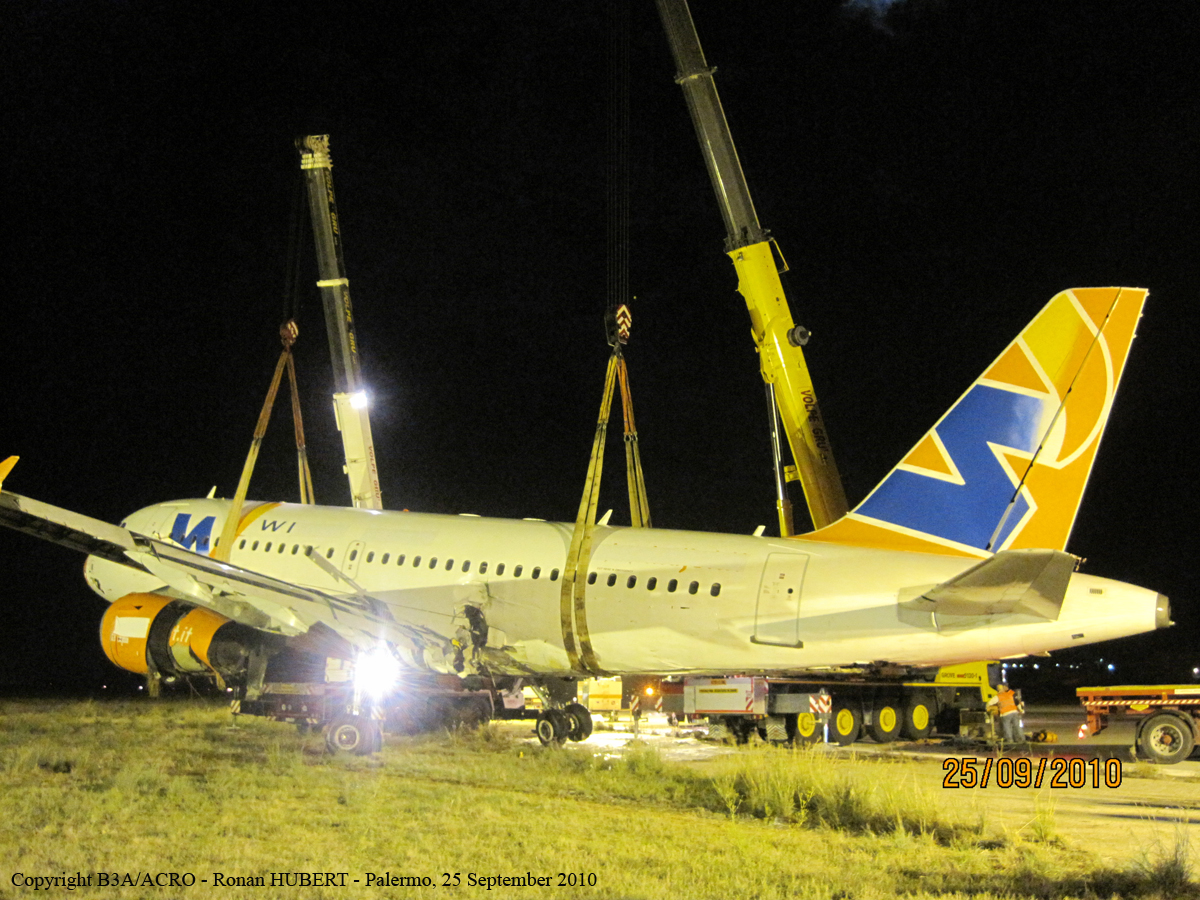
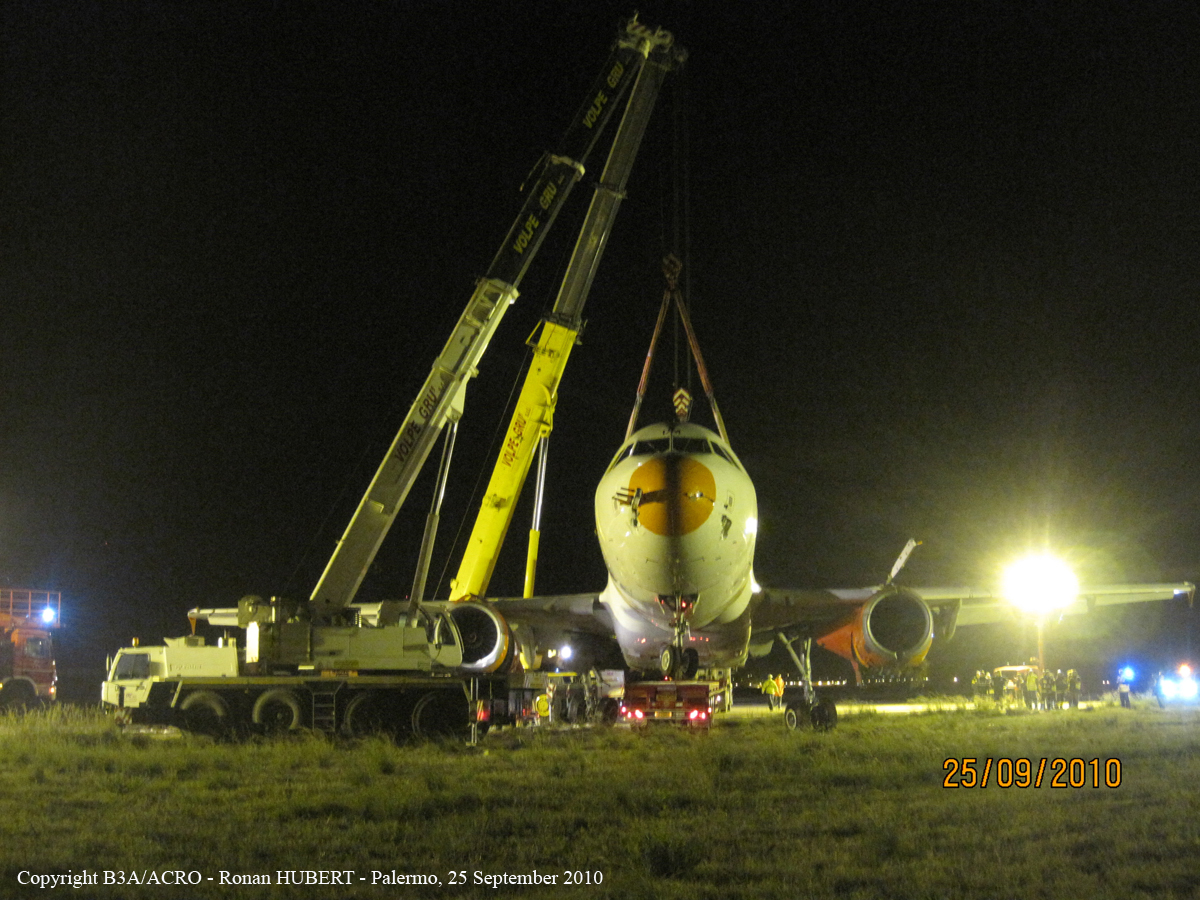
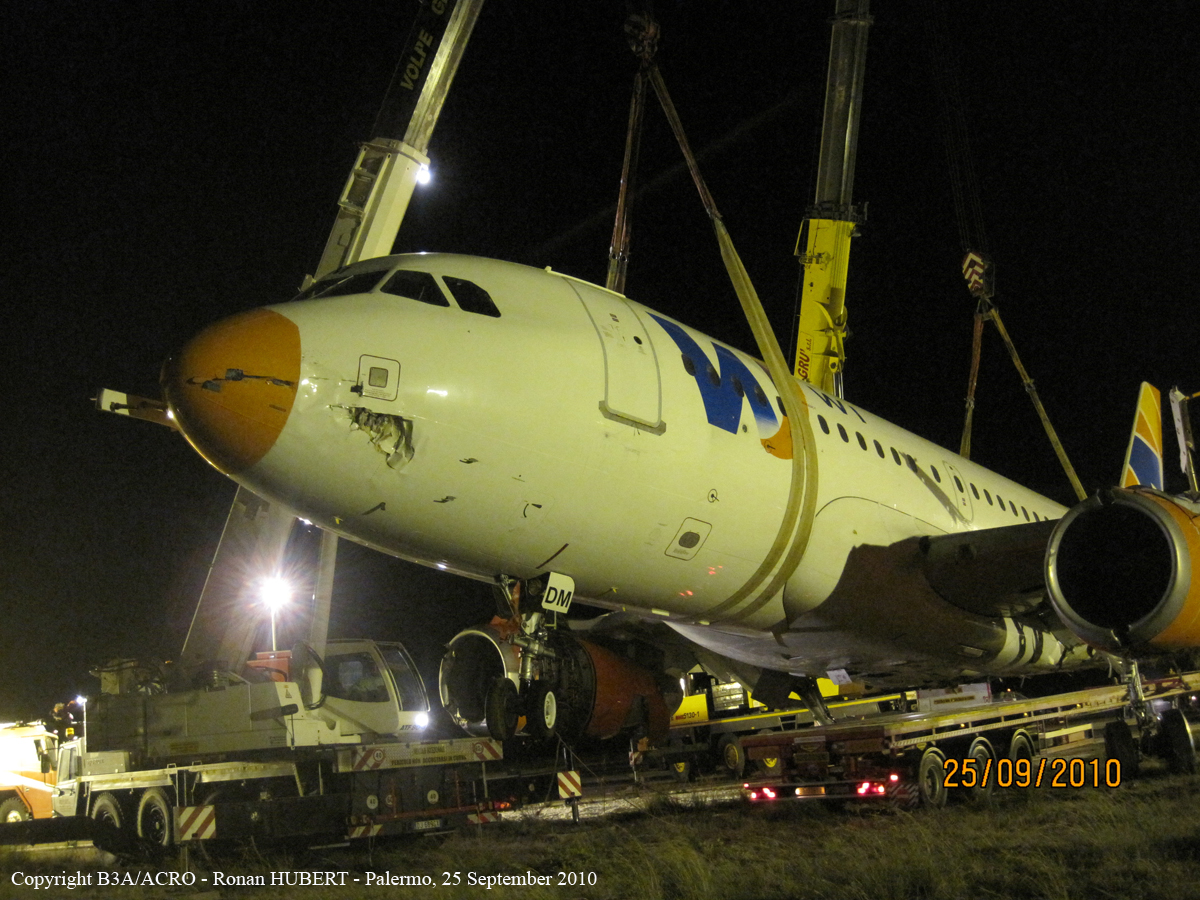
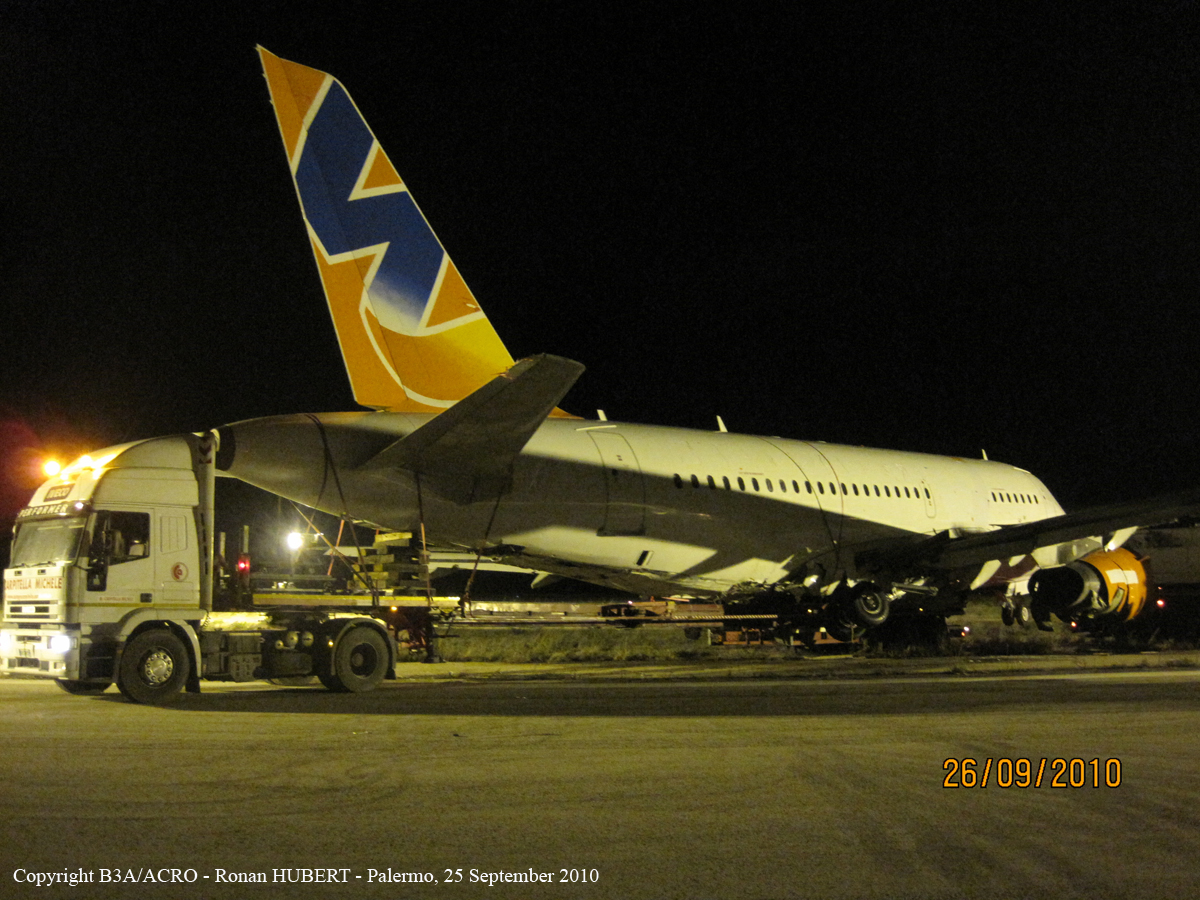
Crash of an Airbus A319-132 in Palermo

Date & Time: Sep 24, 2010 at 2007 LT
Type of aircraft:
Operator:
Registration:
EI-EDM
Survivors:
Yes
Schedule:
Rome - Palermo
MSN:
2424
YOM:
2005
Flight number:
JET243
Country:
Region:
Crew on board:
5
Crew fatalities:
Pax on board:
124
Pax fatalities:
Other fatalities:
Total fatalities:
0
Captain / Total flying hours:
13860
Captain / Total hours on type:
2918.00
Copilot / Total flying hours:
1182
Copilot / Total hours on type:
937
Aircraft flight hours:
15763
Aircraft flight cycles:
8936
Circumstances:
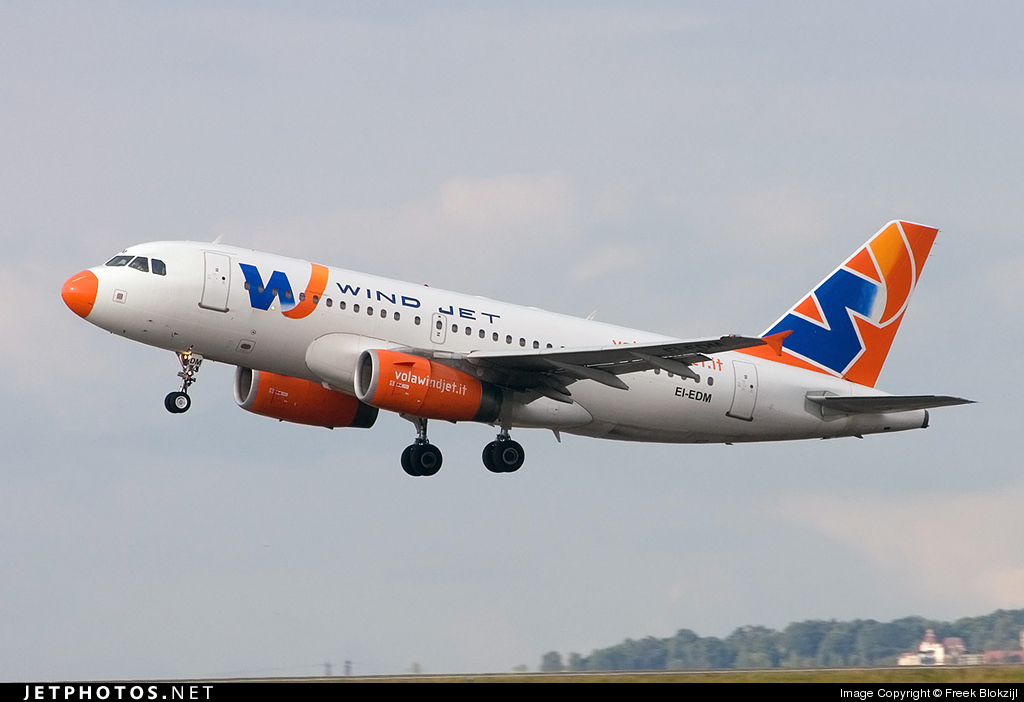
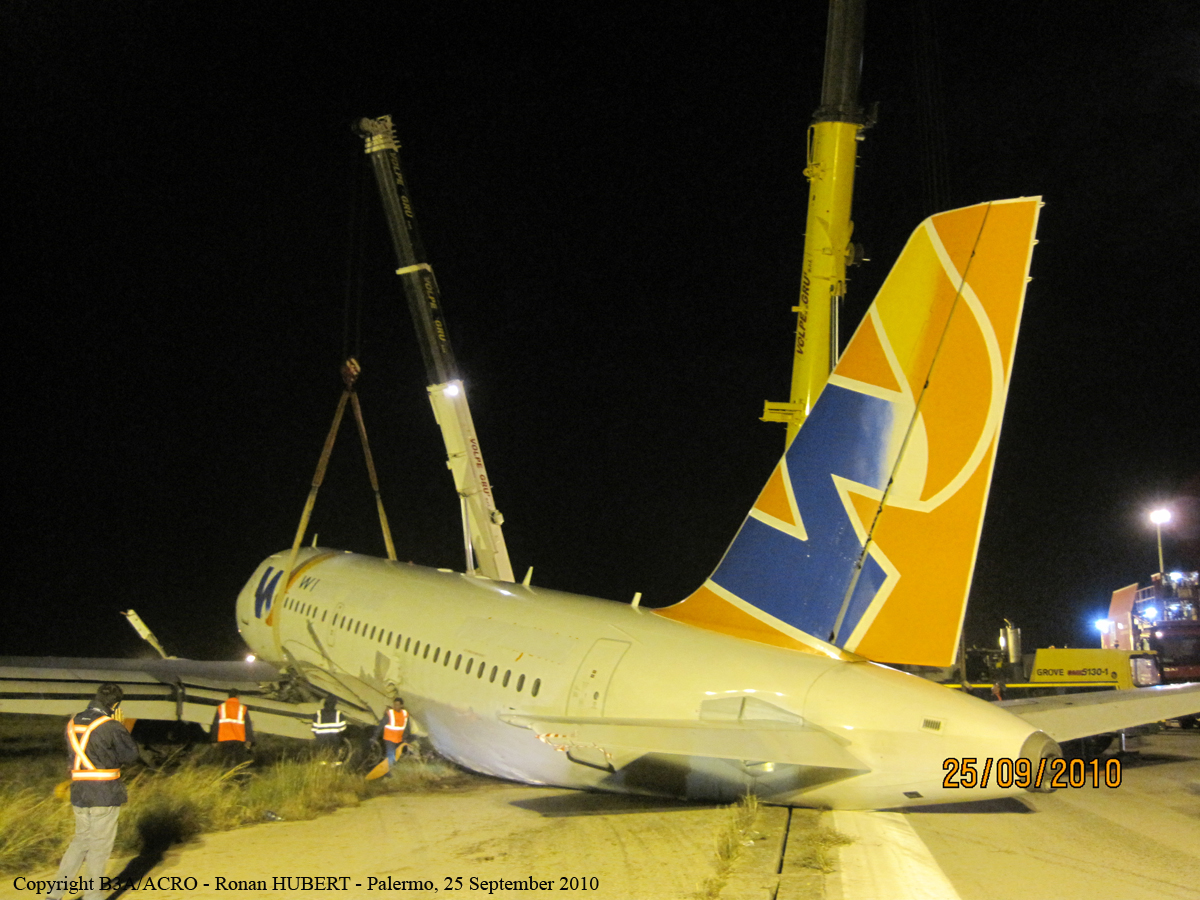
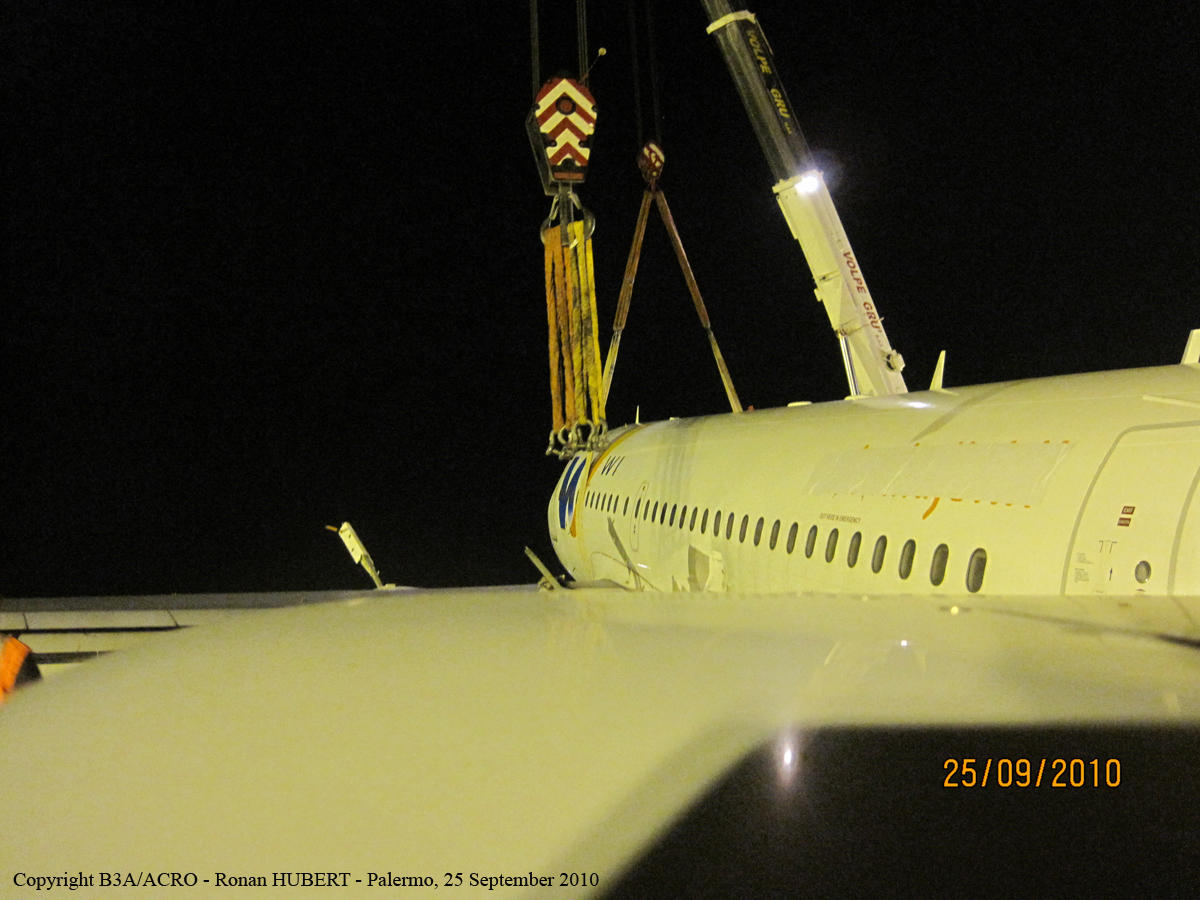
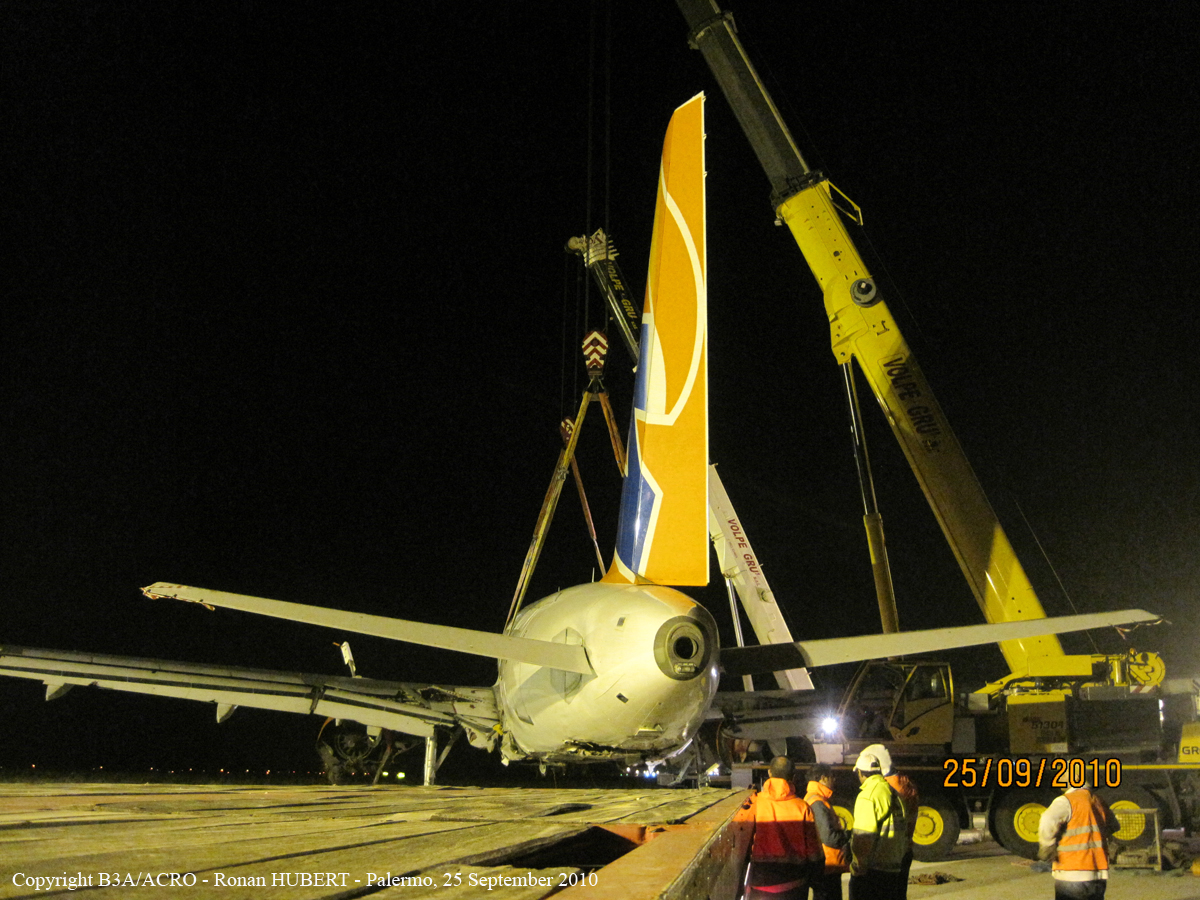
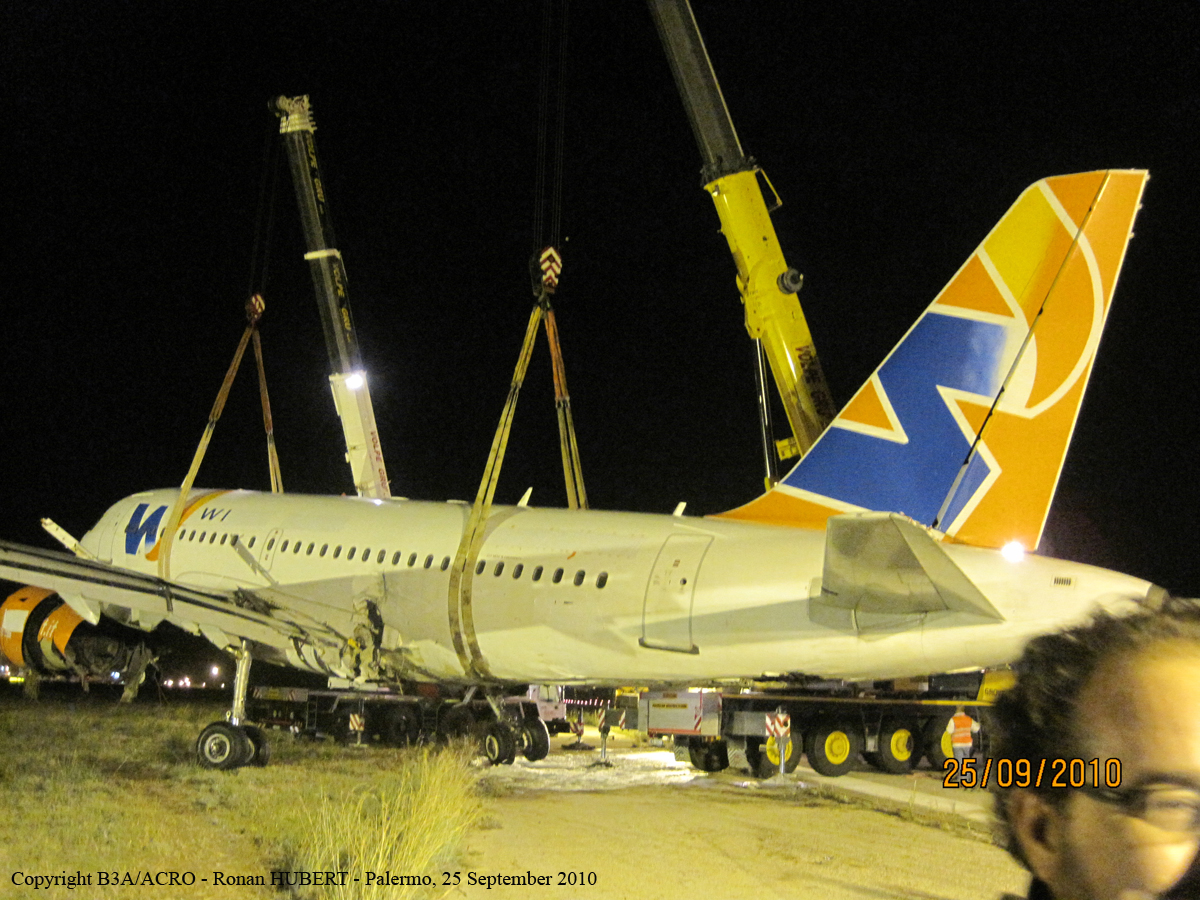
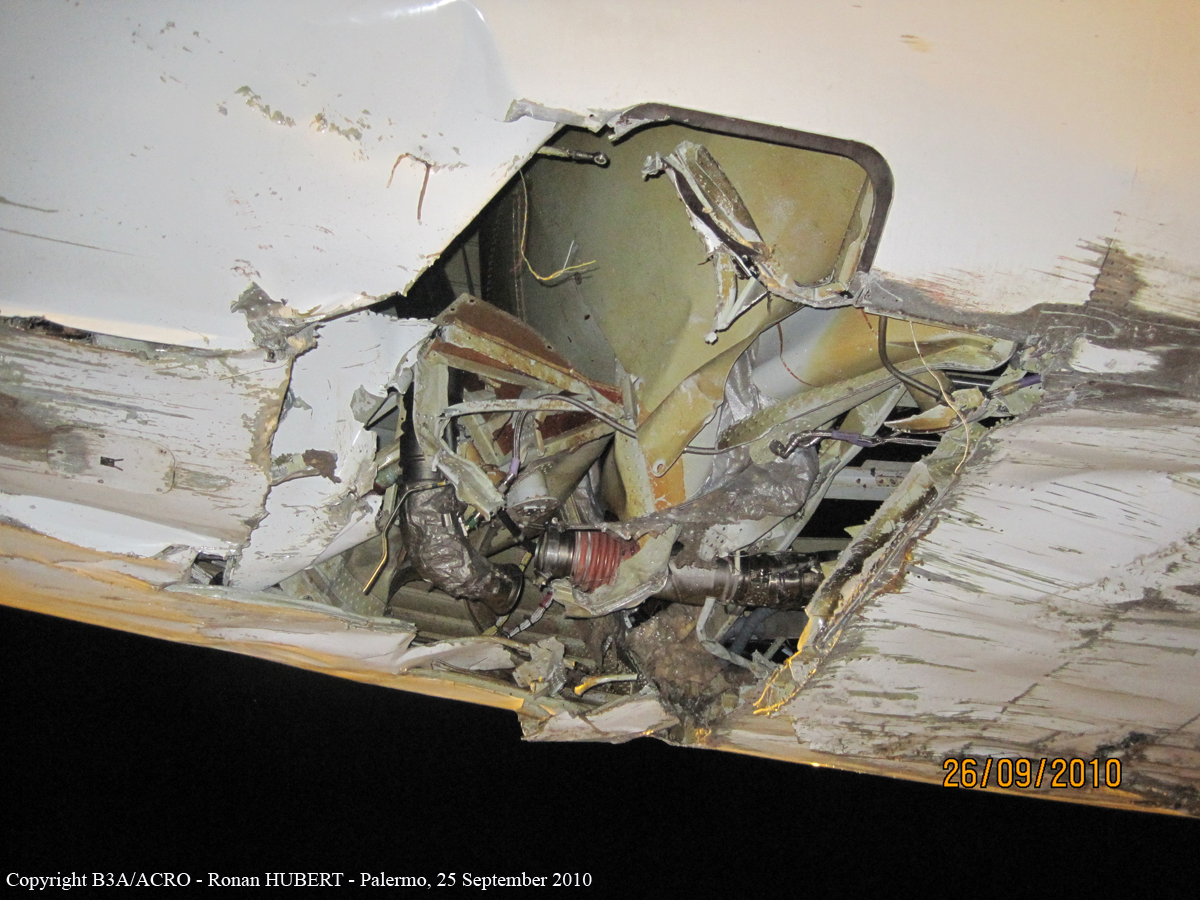
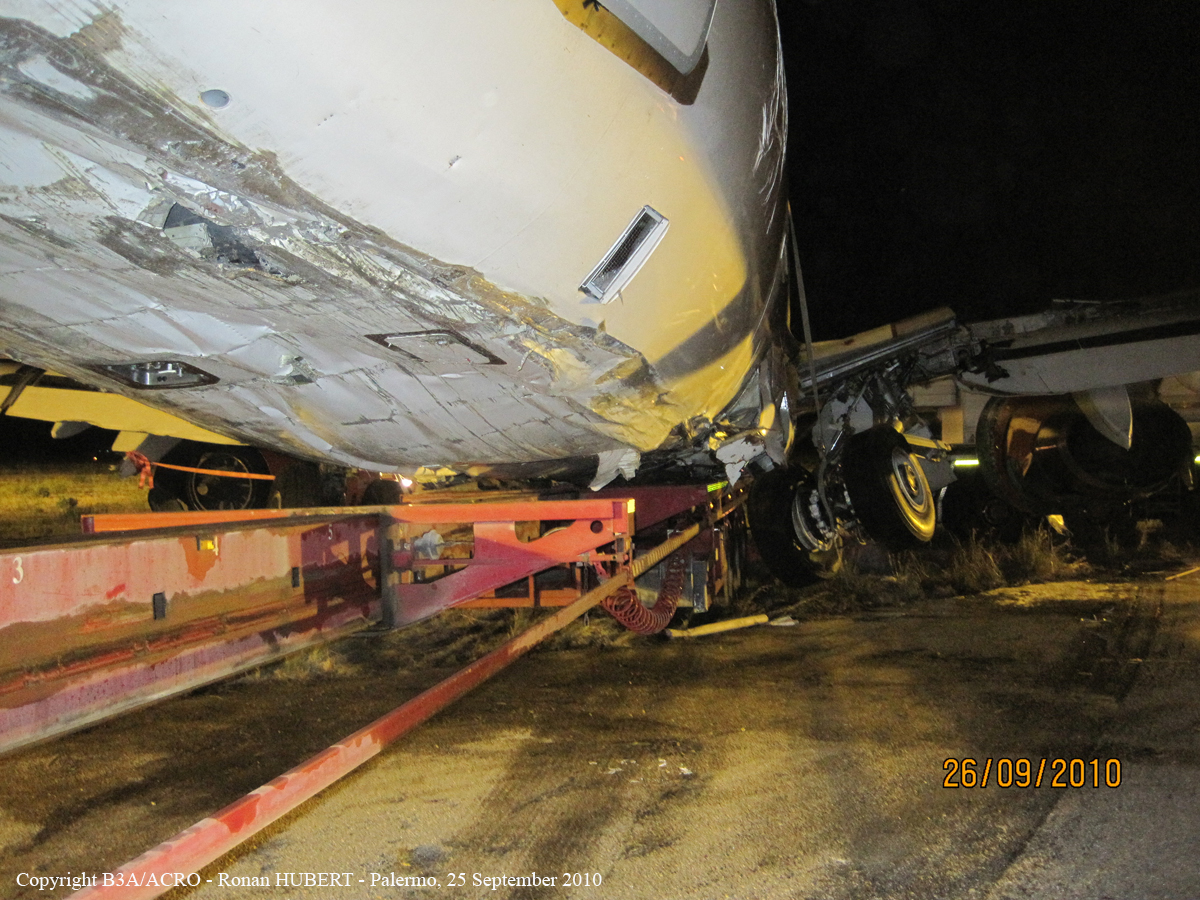
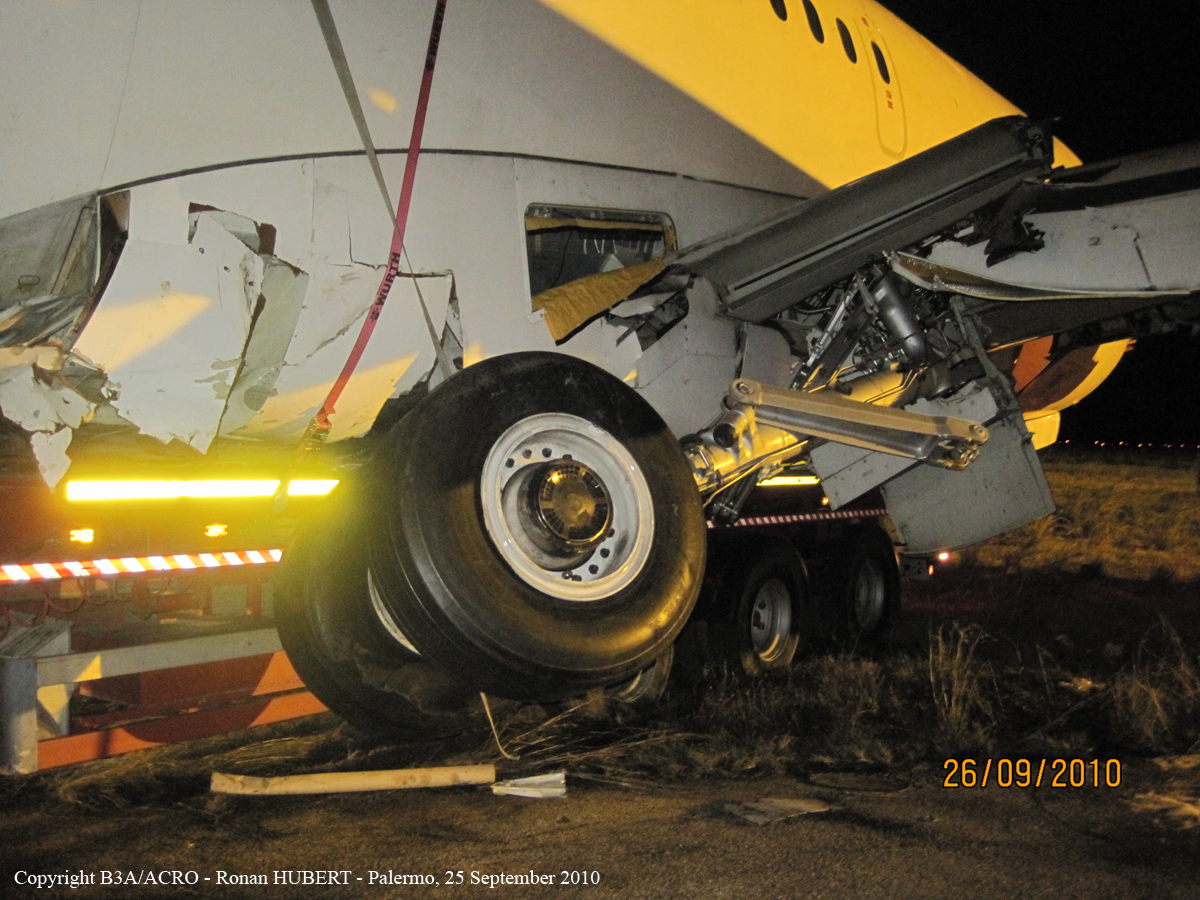
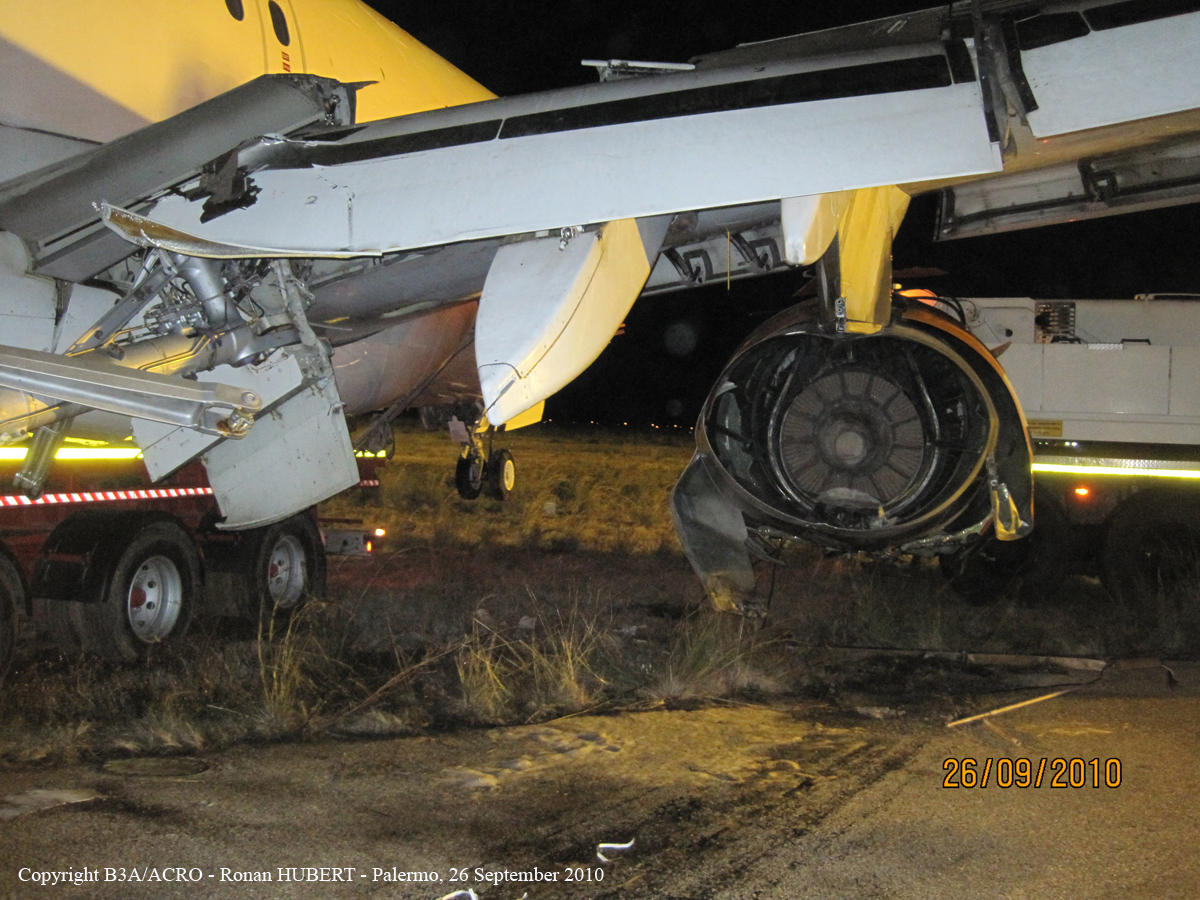
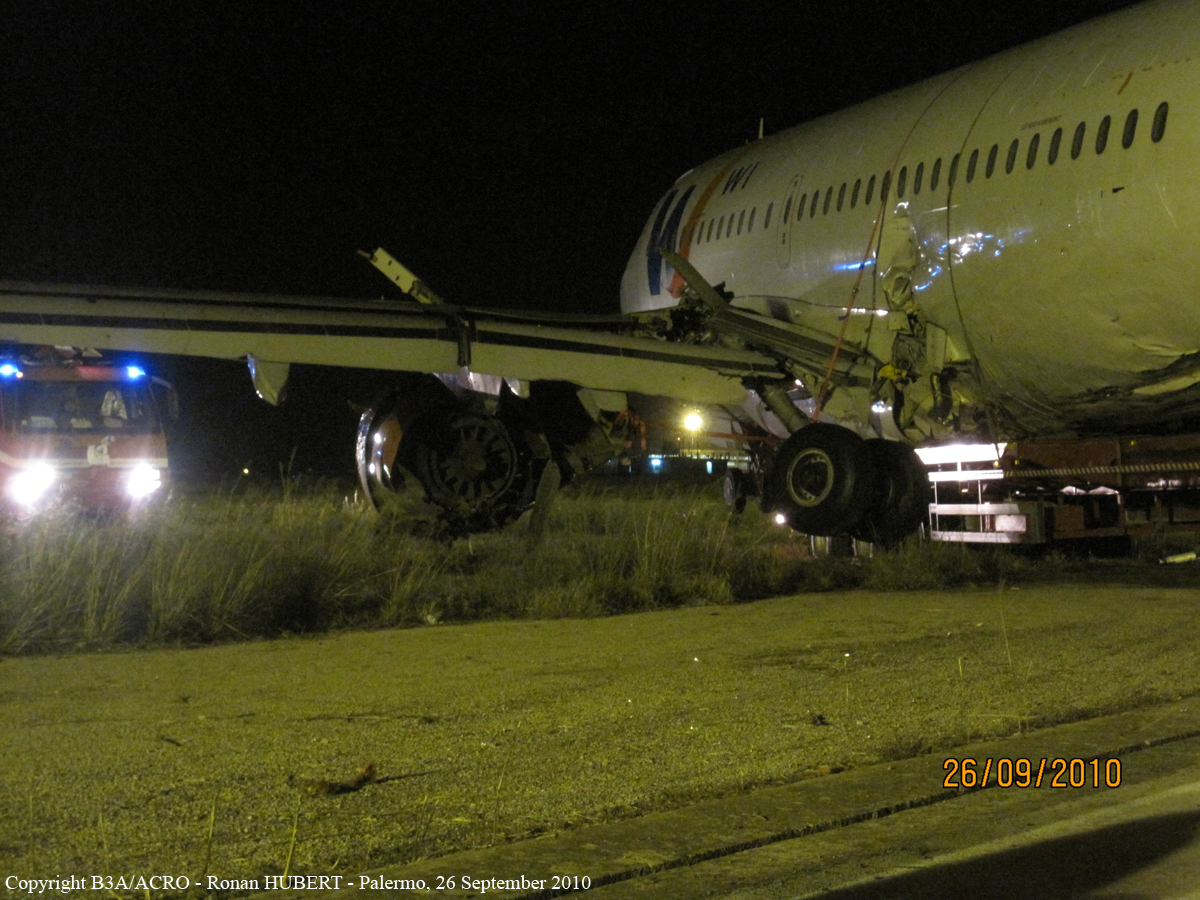
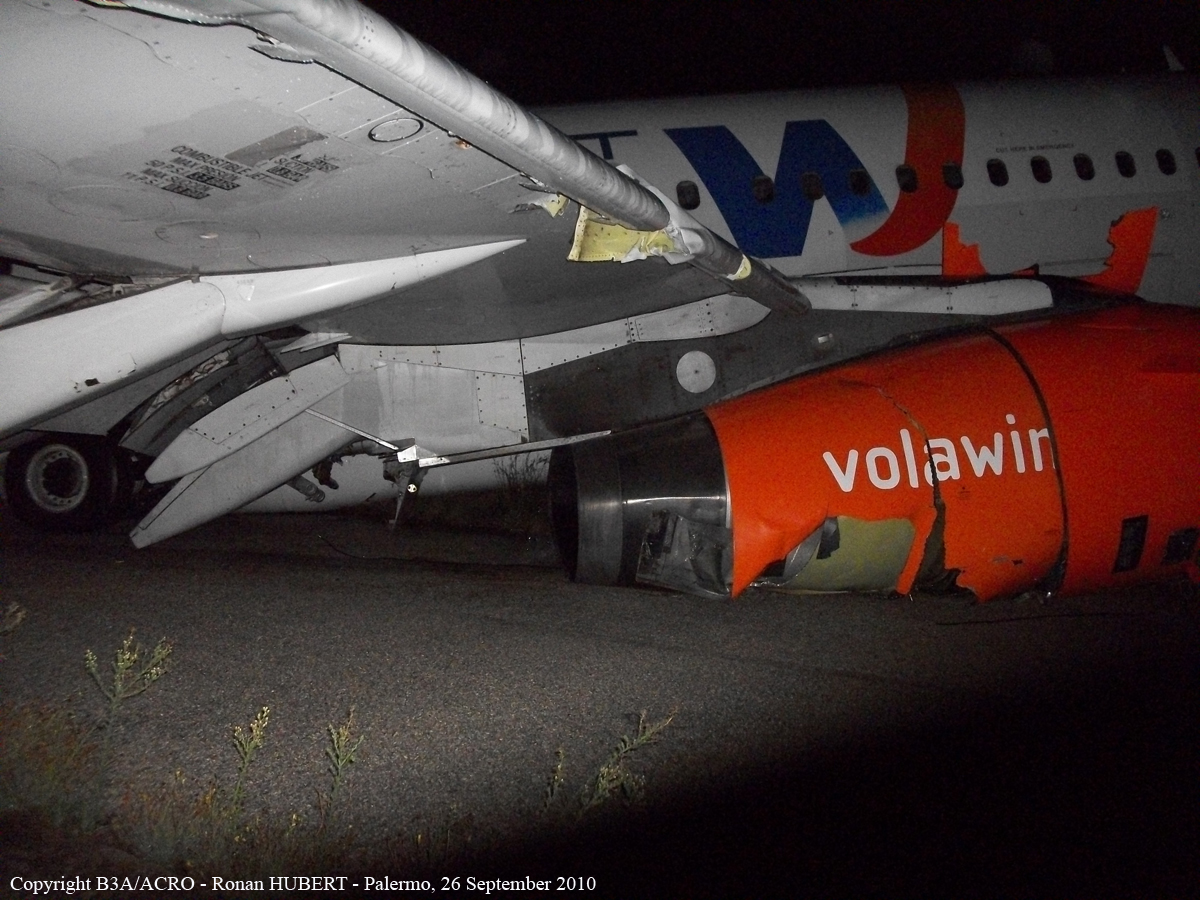
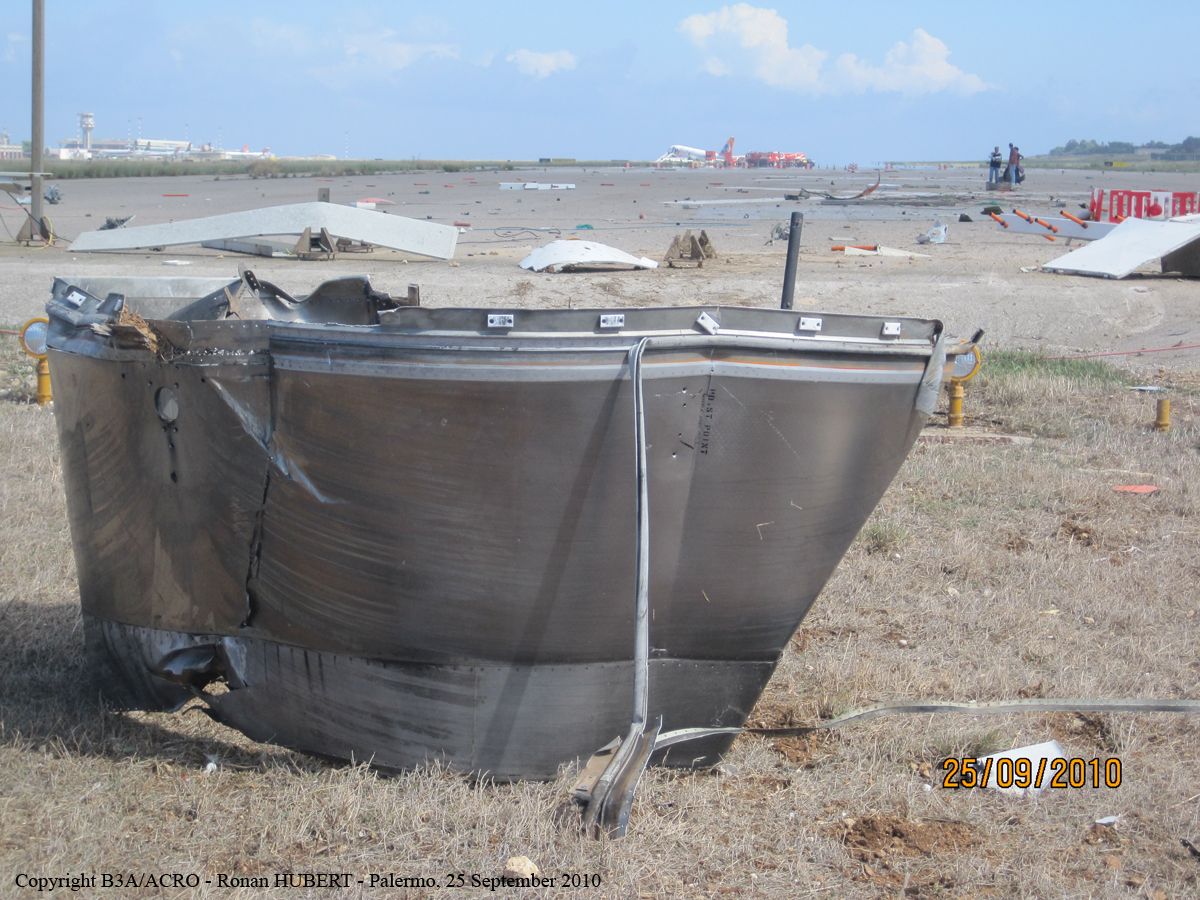
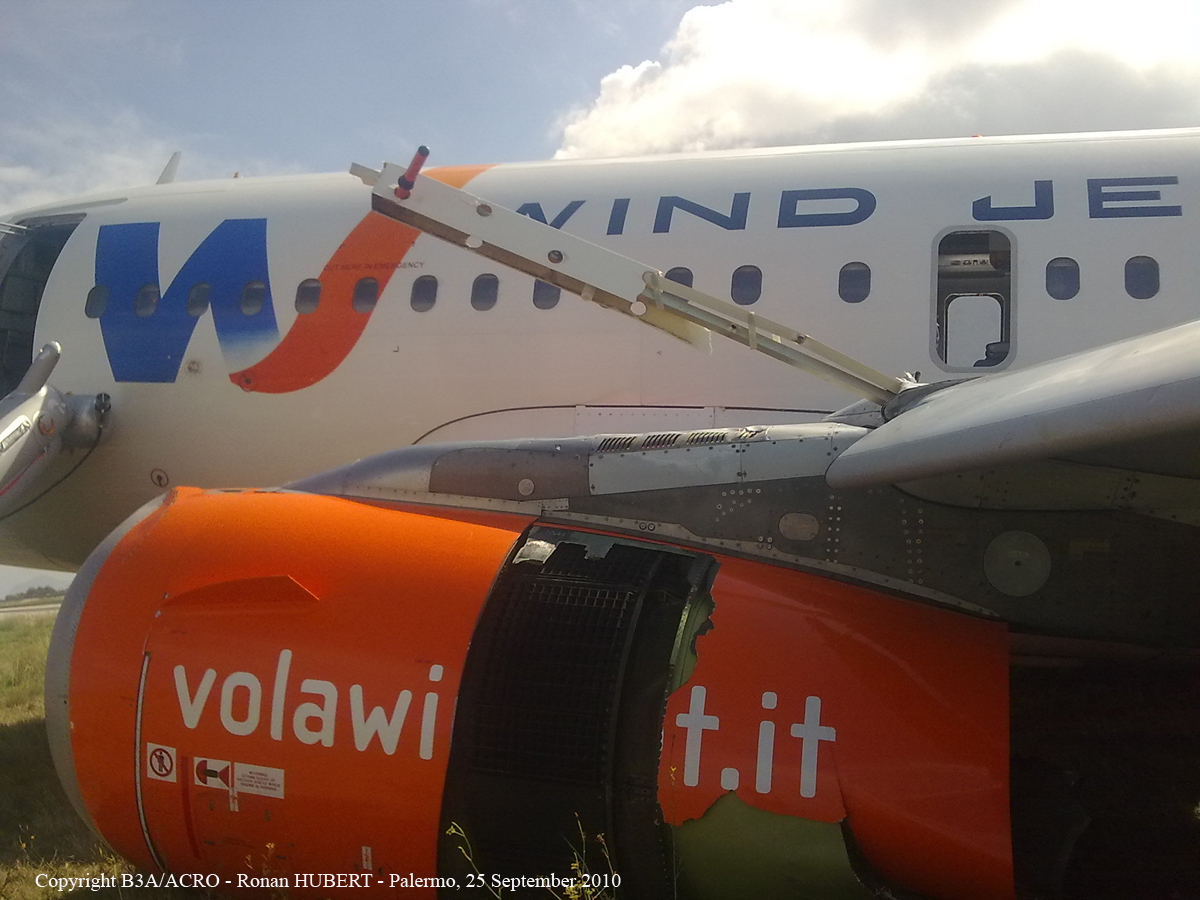
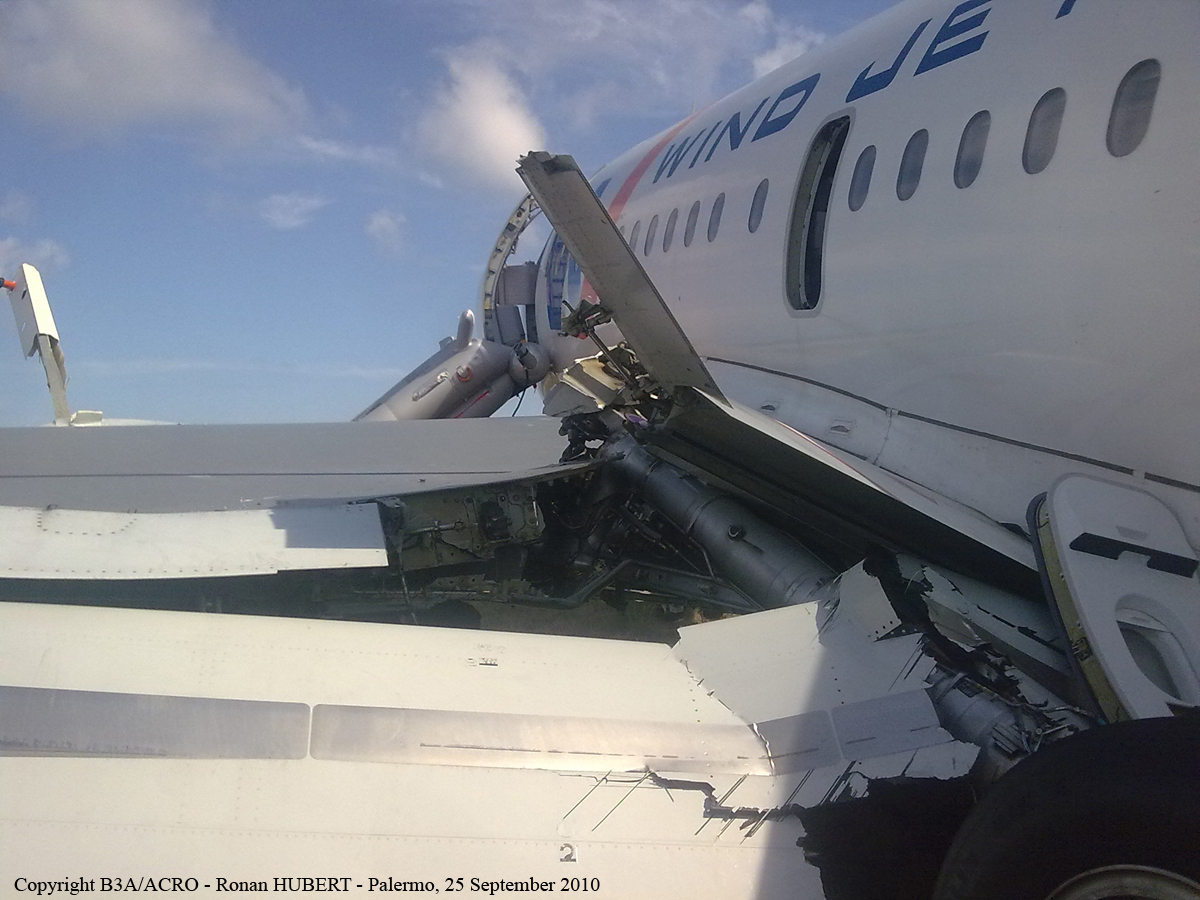
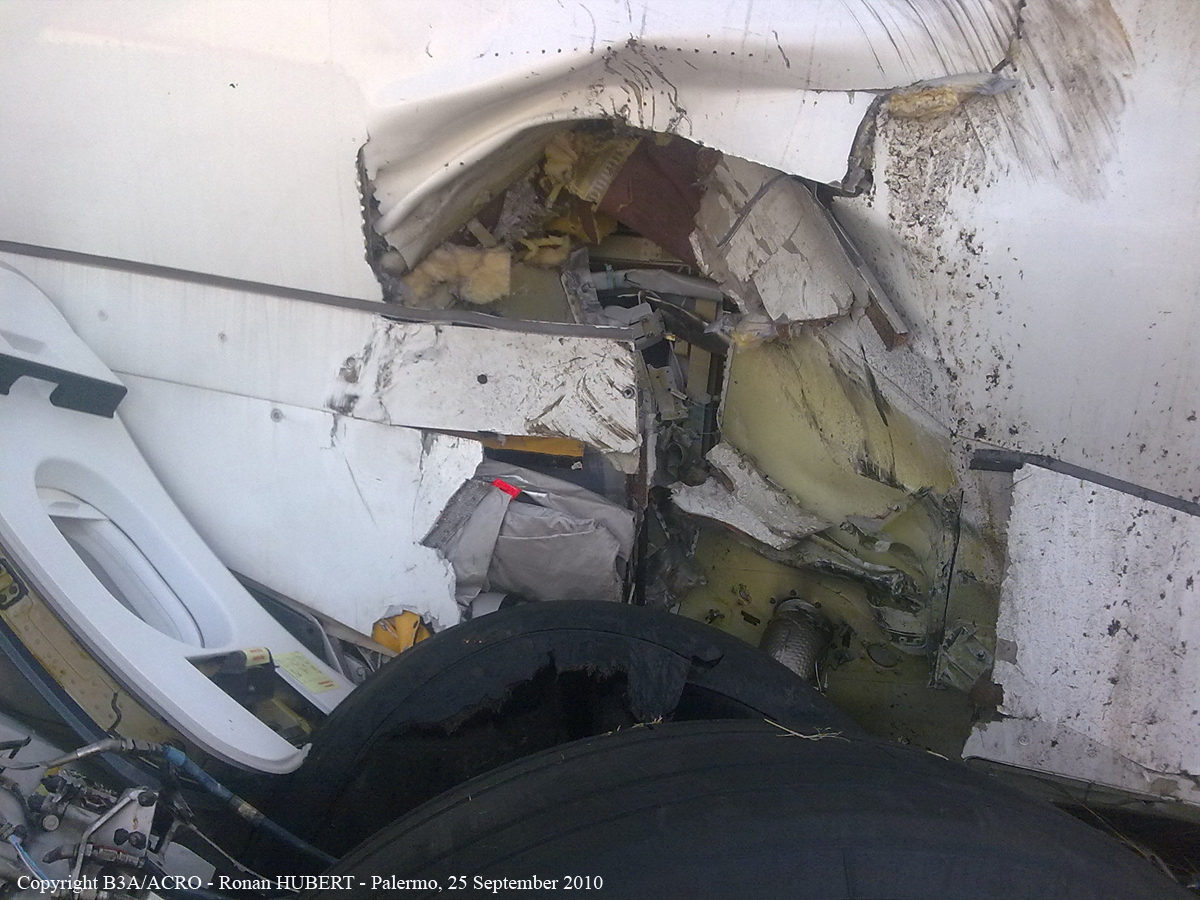
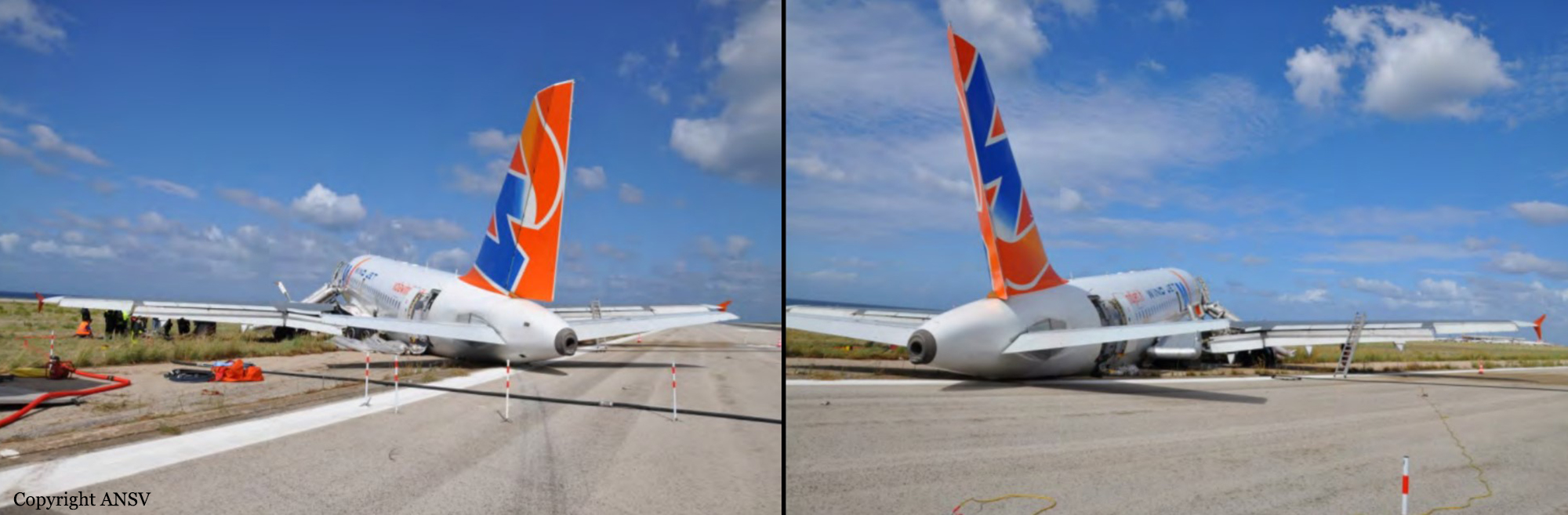
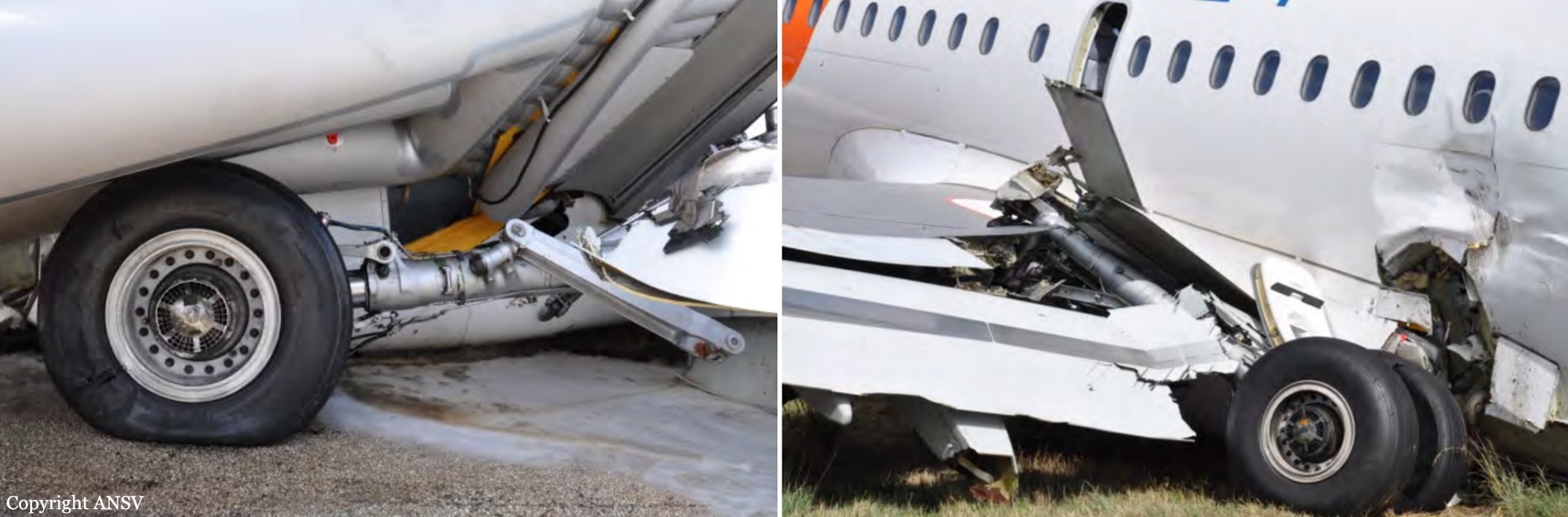
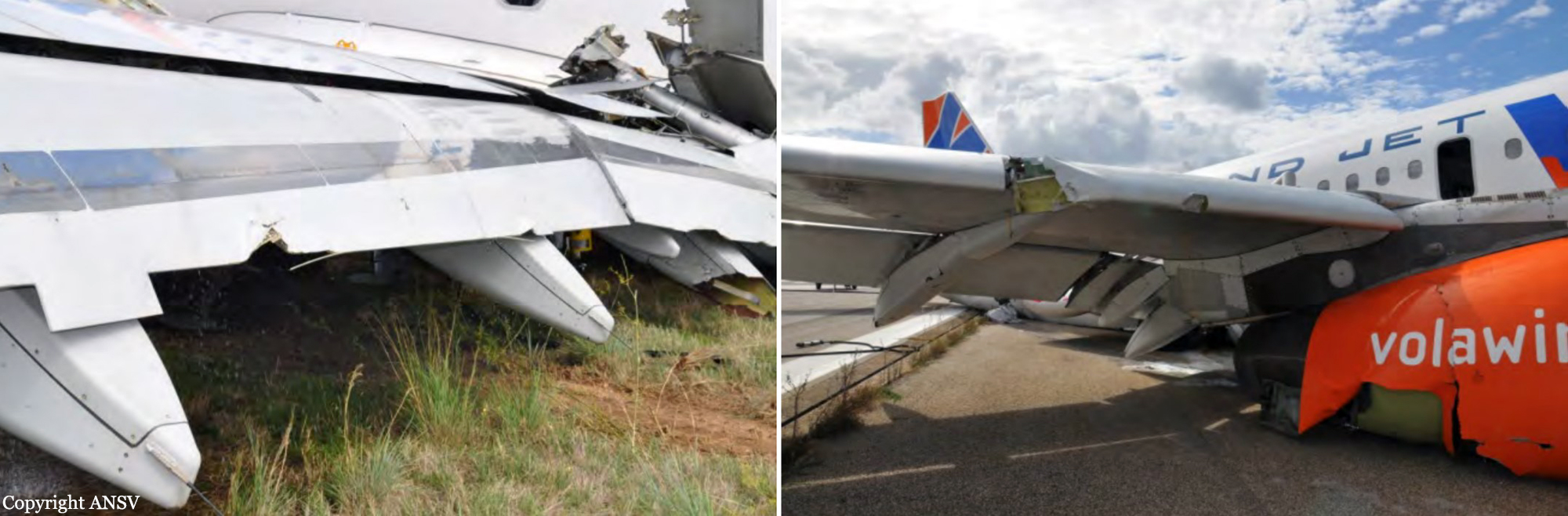
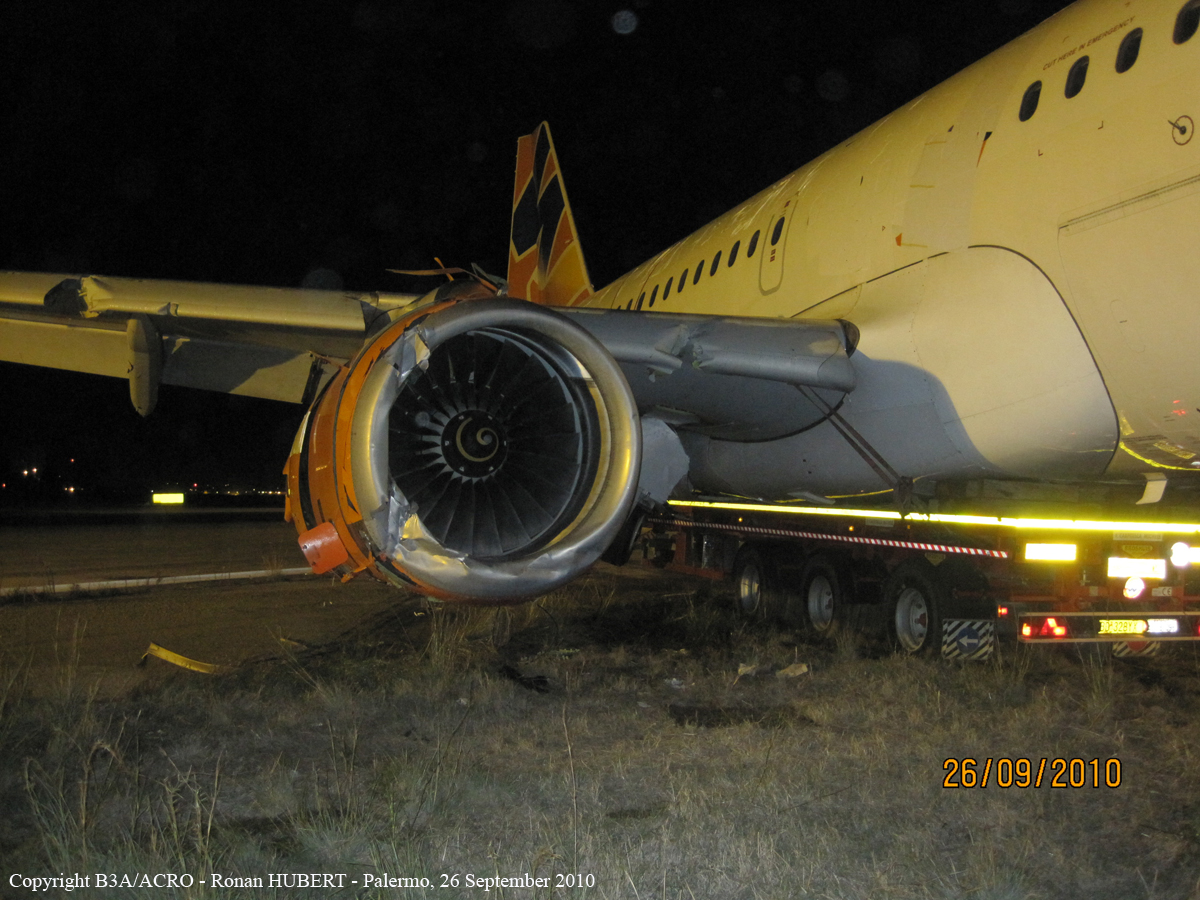
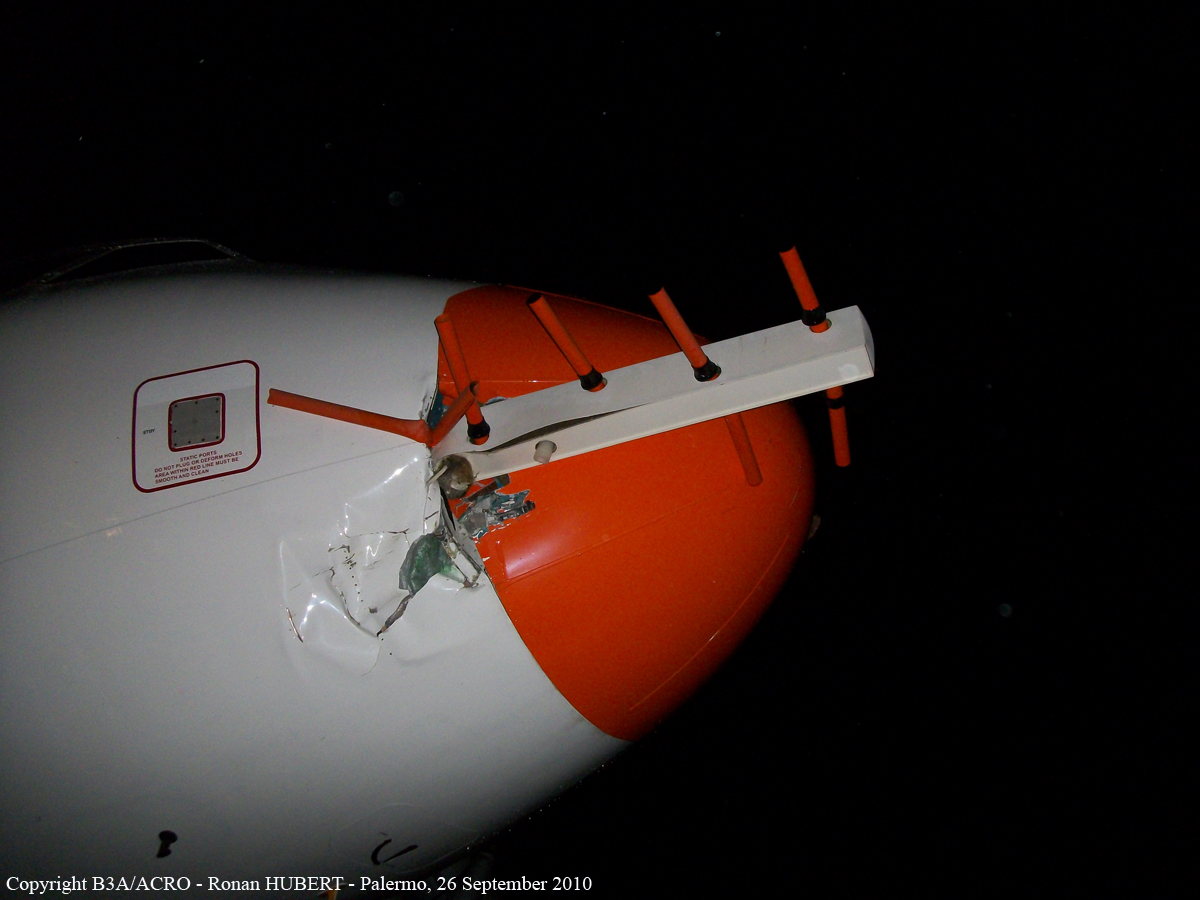
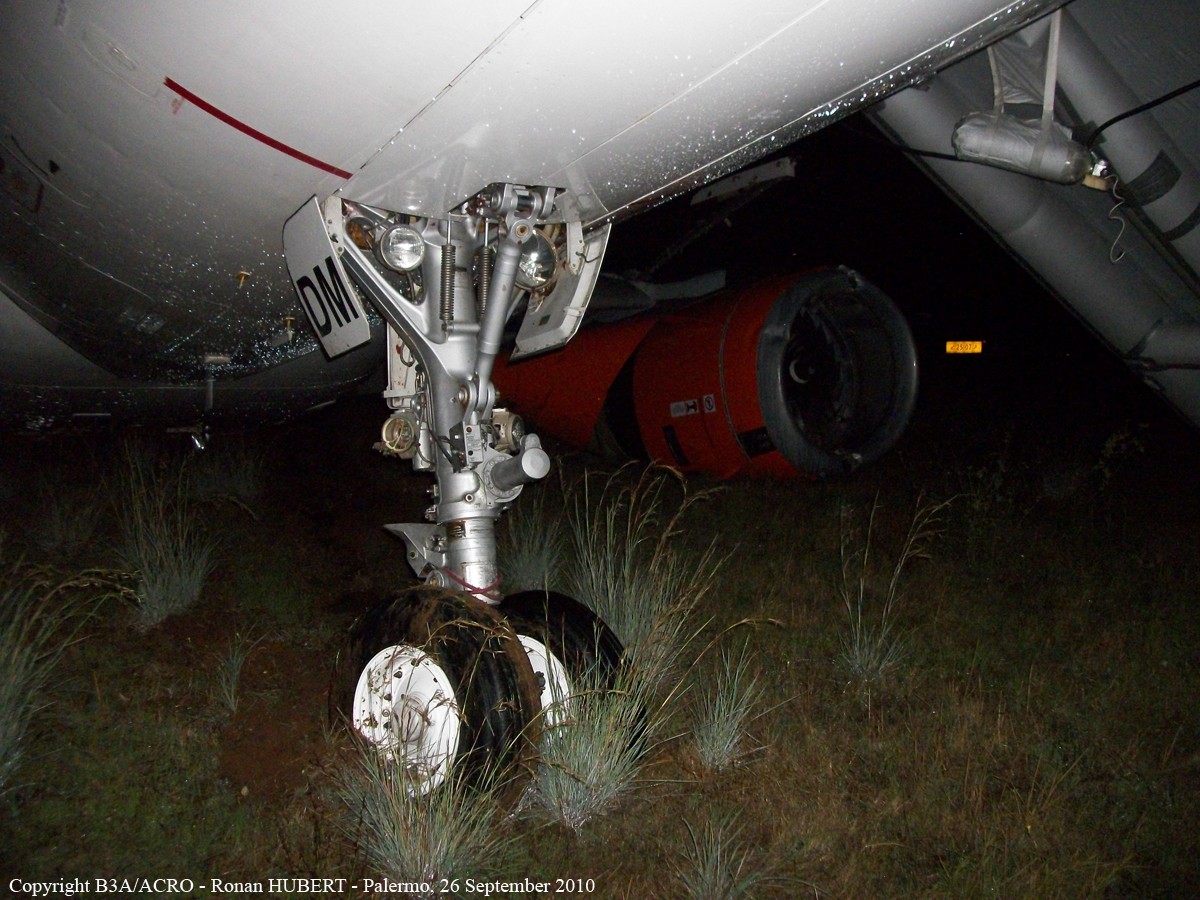
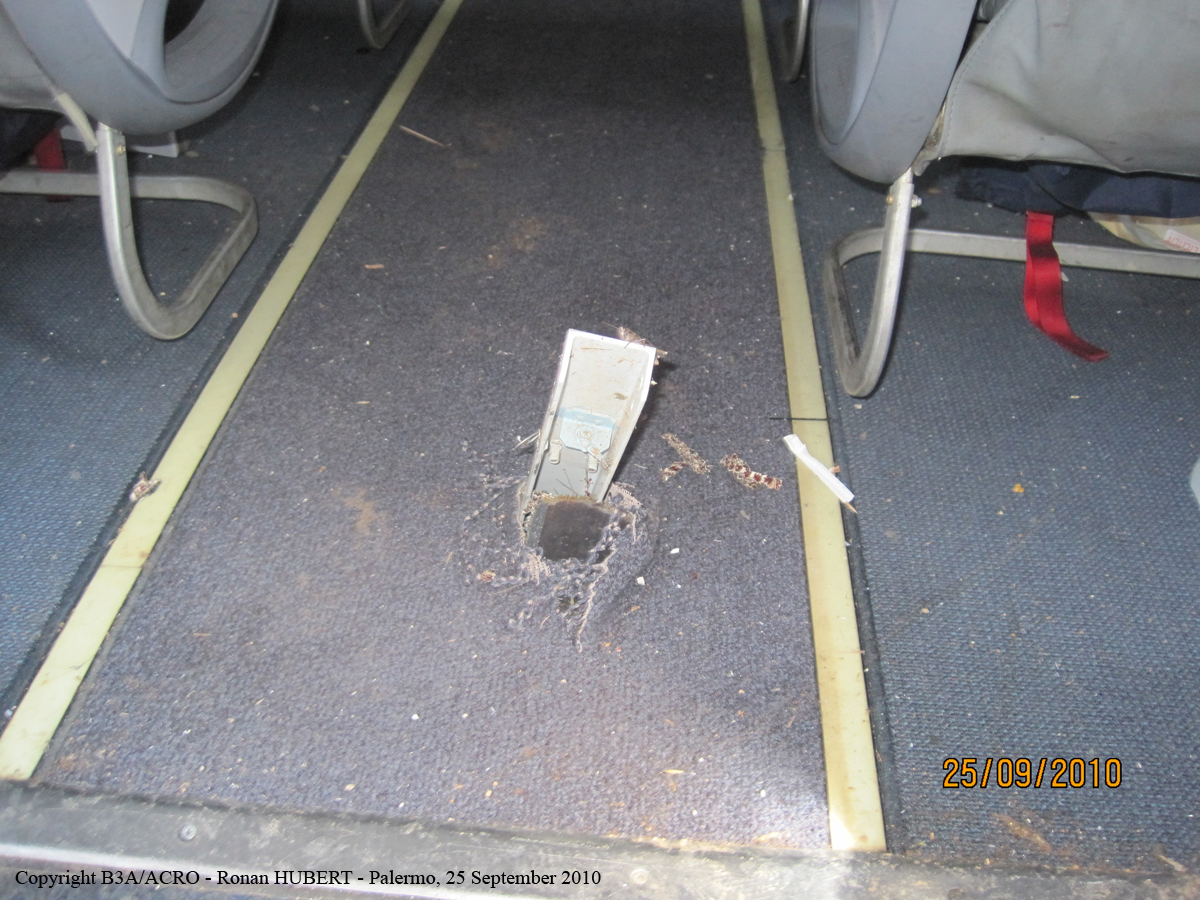
Following an uneventful flight from Rome-Fiumicino Airport, the crew started a night approach to Palermo-Punta Raisi Airport in poor weather conditions with heavy rain falls, thunderstorm activity and reduced visibility. During the descent, weather information was transmitted to the crew, indicating a visibility of 4 km with few CB's at 1,800 feet and a windshear warning for runway 20. On final approach, at an altitude of 810 feet (100 feet above MDA), following the 'minimum' call, the captain instructed the copilot to continue the approach despite the copilot did not establish a visual contact with the runway. At an altitude of 240 feet, the copilot reported the runway in sight but informed the captain that all four PAPI's lights were red. The captain took over control and continued the approach after the airplane deviated from the descent profile. With an excessive rate of descent of 1,360 feet per minute, the aircraft impacted ground 367 metres short of runway 07 threshold and collided with the runway 25 localizer antenna. Upon impact, both main landing gear were partially torn off. The aircraft slid for about 850 metres before coming to rest on the left of the runway. All 129 occupants were rescued, among them 35 were injured. The aircraft was damaged beyond repair.
Probable cause:
The event is classified as short landing accident and the cause is mainly due to human factors. The fact that the aircraft contacted the ground took place about 367 meters short of the runway threshold was due to the crew's decision to continue the instrument approach without a declared shared acquisition of the necessary visual references for the completion of the non-precision procedure and of the landing maneuver. The investigation revealed no elements to consider that the incident occurred due to technical factors inherent in the aircraft.
The following contributing factors were identified:
- The poor attitude of those present in the cockpit to use of basics of CRM, particularly with regard to interpersonal and cognitive abilities of each and, overwhelmingly, the commander.
- Deliberate failure to comply with SOP in place which provided, reaching the MDA, to apply the missed approach procedure where adequate visual reference of the runway in use had not been in sight of both pilots.
- Failure to apply, by those present in the cockpit, the operators rules, concerning in particular: the concept of "sterile cockpit"; to do the descent briefing; to make callouts on final approach.
- The routine with the crew, carrying out approaches to Palermo-Punta Raisi Airport, from which the complacency to favor the personalization of the standards set by operator, and by law. The complacency is one of the most insidious aspects in the context of the human factor, as it creeps in individual self-satisfaction of a condition, which generates a lowering of situational awareness, however bringing them to believe they had found the best formula to operate.
- The existence of adverse weather conditions, characterized by the presence of an extreme rainfall, which significantly reduced the overall visibility.
- The "black hole approach" phenomenon, due to adverse weather conditions together with an approach carried out at night, the sea, to a coast characterized by few dimly lit urban settlements.
This created the illusion in the PF of "feeling high" compared to what he saw and believed to be the threshold, with the result to get him to abandon the ideal descent profile, hitherto maintained, to make a correction and the subsequent short landing.
- The decrease of performance of the light beam produced by SLTH in extreme rain conditions; The only bright horizontal reference for the crew consisted of the crossbar of the SALS, probably mistaken for the threshold lights.
Final Report:

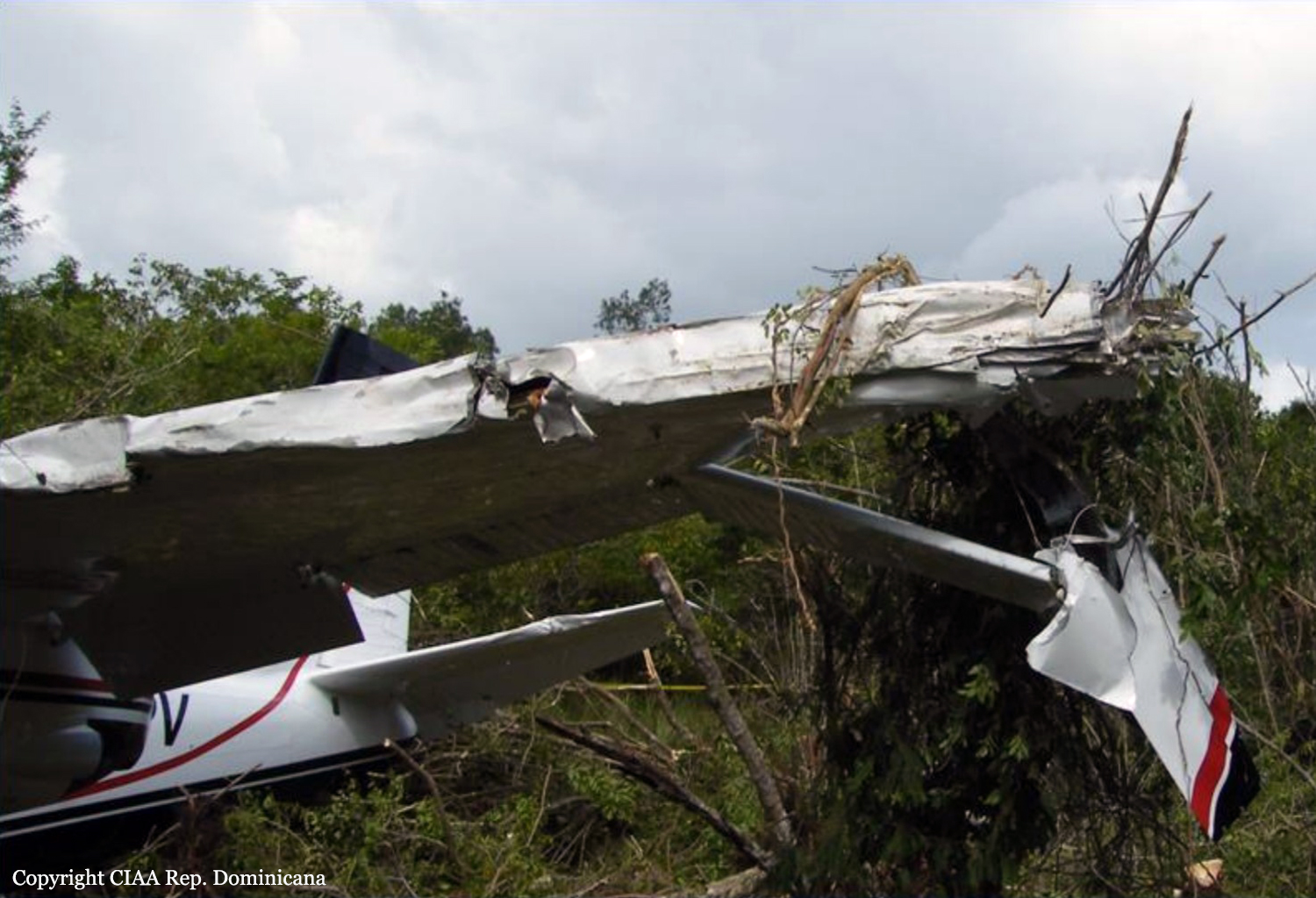
Crash of a Rockwell Aero Commander 500 in Santo Domingo

Date & Time: Sep 23, 2010 at 1245 LT
Registration:
N100PV
Flight Type:
Survivors:
Yes
Schedule:
San Juan - Santo Domingo
MSN:
500-784
YOM:
1959
Crew on board:
2
Crew fatalities:
Pax on board:
2
Pax fatalities:
Other fatalities:
Total fatalities:
0
Captain / Total flying hours:
2500
Captain / Total hours on type:
100.00
Aircraft flight hours:
7810
Circumstances:
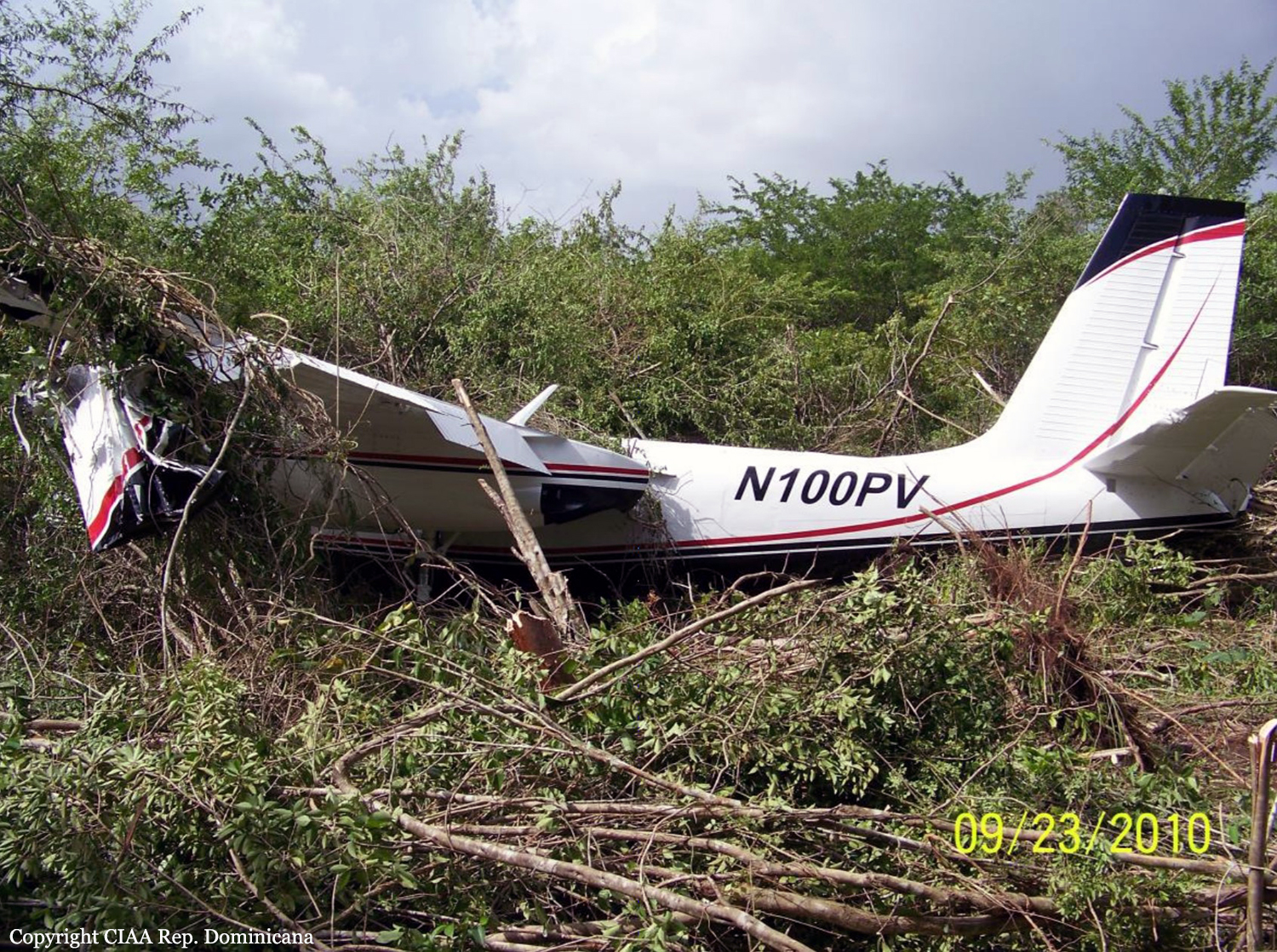
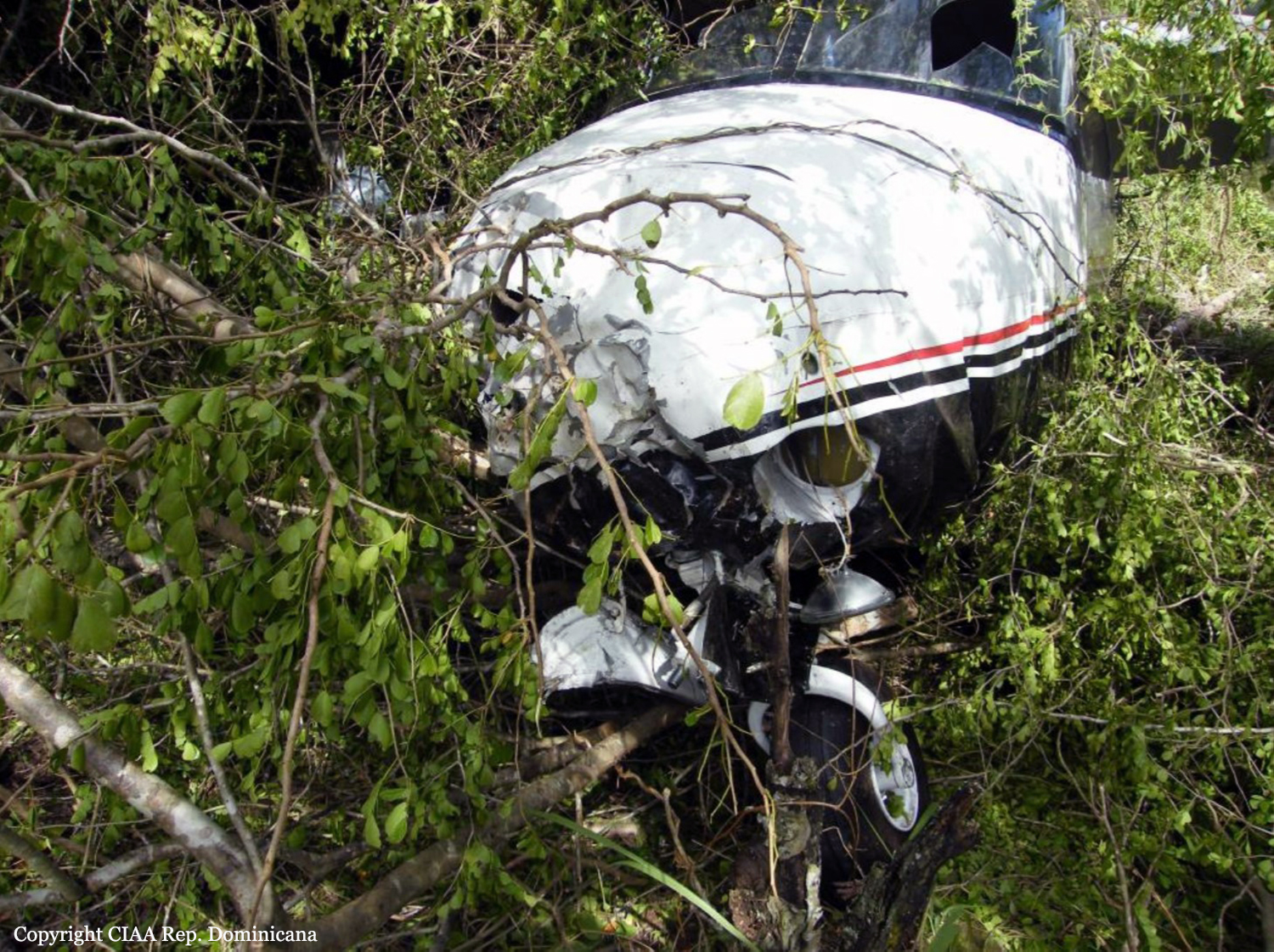
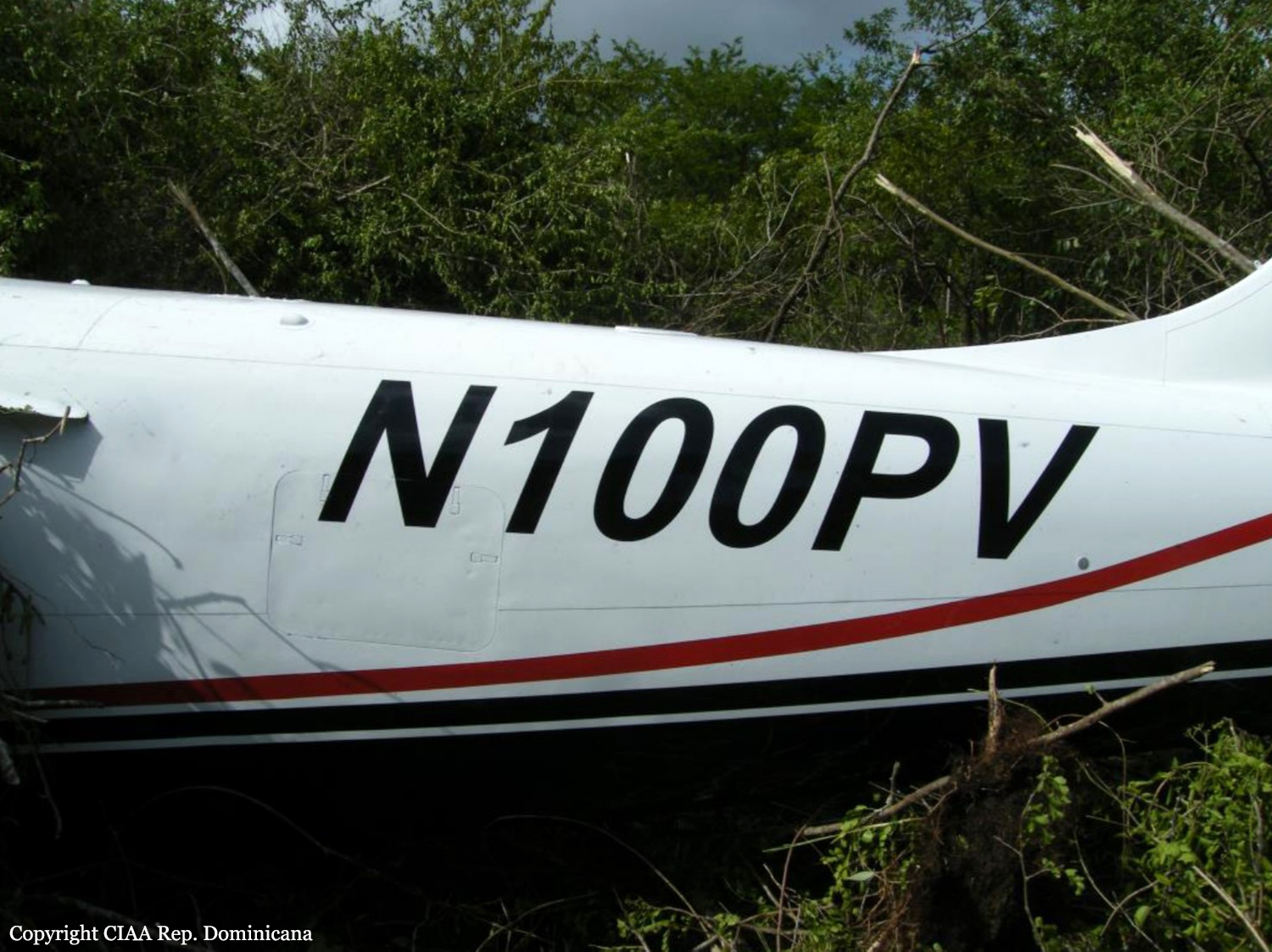
The twin engine aircraft departed San Juan-Isla Grande Airport on a private flight to Santo Domingo with two passengers and two pilots on board. On final approach to Santo Domingo-Las Américas-Dr. José Francisco Peña Gómez Airport, at an altitude of 2,000 feet and at a distance of 8 km from the airport, both engines failed simultaneously. As the crew realized he was unable to reach the airport, he attempted an emergency landing when the aircraft crashed in a dense wooded area located about one km southeast of runway 35 threshold. All four occupants escaped uninjured and the aircraft was damaged beyond repair.
Probable cause:
Double engine failure on final approach due to fuel exhaustion. It was determined that prior to takeoff from San Juan Airport, the fuel quantity in the tanks was sufficient for the flight to Santo Domingo. But the fuel cap was missing prior to takeoff and the crew applied some 'duct tape' in an attempt to replace the fuel cap. Despite the aircraft was unworthy, the crew decided to takeoff in such conditions. Because the fuel cap was missing, some fuel leaked in flight, causing both engines to stop on final approach to Santo Domingo Airport.
Final Report:

Crash of a Fletcher FU-24-954 in Fox Glacier: 9 killed

Date & Time: Sep 4, 2010 at 1327 LT
Type of aircraft:
Registration:
ZK-EUF
Flight Phase:
Survivors:
No
Schedule:
Fox Glacier - Fox Glacier
MSN:
281
YOM:
1981
Country:
Region:
Crew on board:
1
Crew fatalities:
Pax on board:
8
Pax fatalities:
Other fatalities:
Total fatalities:
9
Captain / Total flying hours:
4554
Captain / Total hours on type:
41.00
Circumstances:
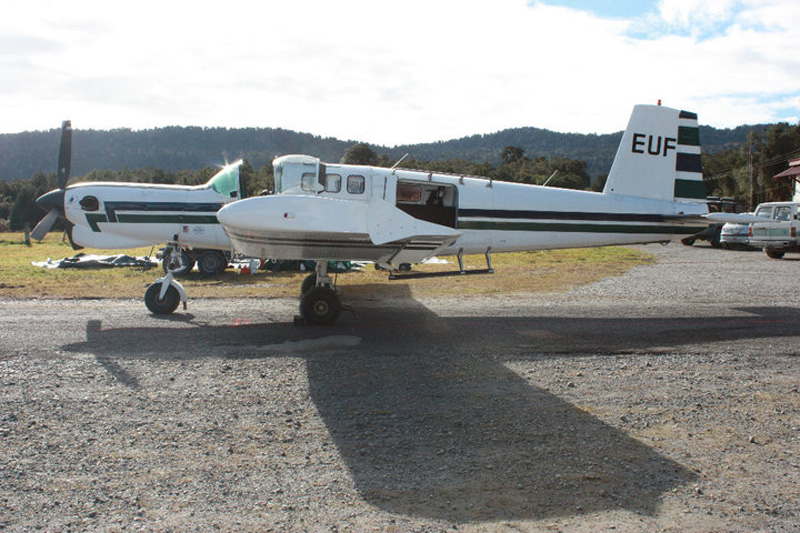
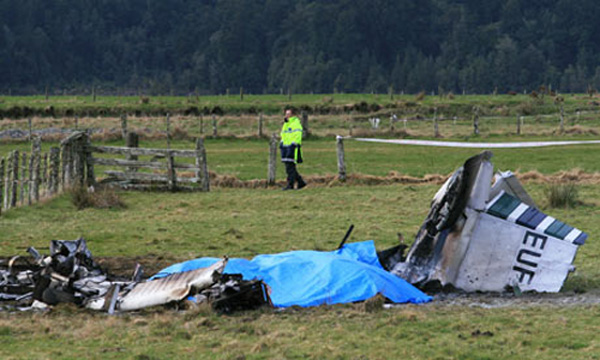
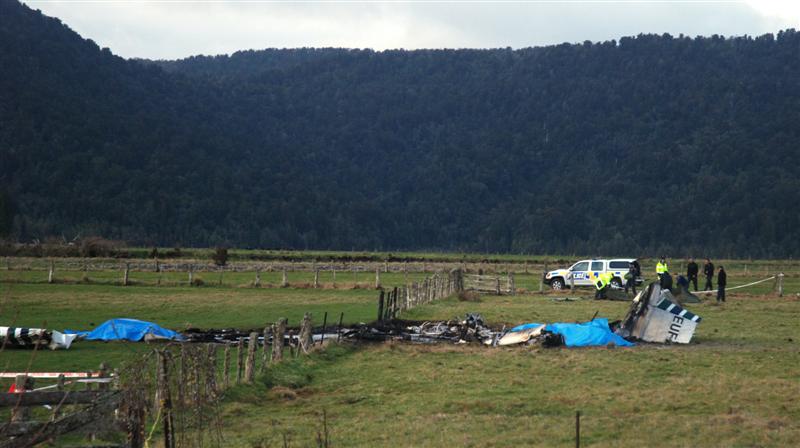
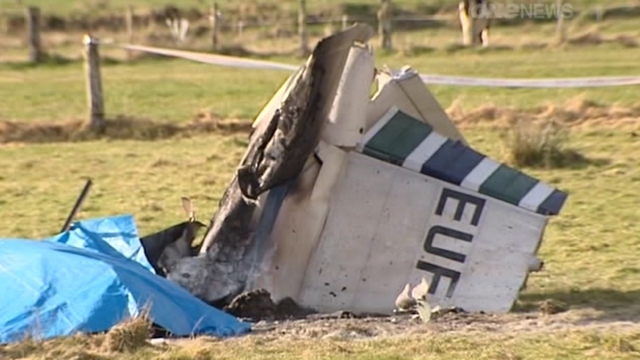
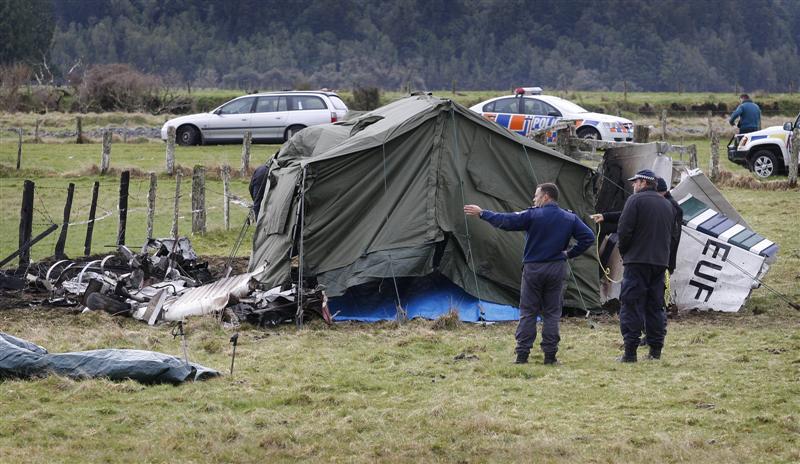
Shortly after take off from Fox Glacier aerodrome, while climbing, aircraft stalled and crashed in flames in a paddock near the airfield. All nine occupants, the pilot and 8 skydivers, were killed. The new owner and operator of the aeroplane had not completed any weight and balance calculations on the aeroplane before it entered service, nor at any time before the accident. As a result the aeroplane was being flown outside its loading limits every time it carried a full load of 8 parachutists. On the accident flight the centre of gravity of the aeroplane was well rear of its aft limit and it became airborne at too low a speed to be controllable. The pilot was unable to regain control and the aeroplane continued to pitch up, then rolled left before striking the ground nearly vertically.
Probable cause:
Findings:
- There were no technical defects identified that may have contributed to the accident and the aeroplane was considered controllable during the take-off roll, with the engine able to deliver power during the short flight.
- The aeroplane’s centre of gravity was at least 0.122m rear of the maximum permissible limit, which created a tendency for the nose to pitch up. The most likely reason for the crash was the aeroplane being excessively out of balance. In addition, the aeroplane probably became airborne early and at too low an airspeed to prevent uncontrollable nose-up pitch.
- The aeroplane reached a pitch angle that would have made it highly improbable for the unrestrained parachutists to prevent themselves sliding back towards the tail. Any shift in weight rearward would have made the aeroplane more unstable.
- The engineering company that modified ZK-EUF for parachuting operations did not follow proper processes required by civil aviation rules and guidance. Two of the modifications had been approved for a different aircraft type, one modification belonged to another design holder and a fourth was not referred to in the aircraft maintenance logbook.
- The flight manual for ZK-EUF had not been updated to reflect the new role of the aeroplane and was limited in its usefulness to the aeroplane owner for calculating weight and balance.
- Regardless of the procedural issues with the project to modify ZK-EUF, the engineering work conducted on ZK-EUF to convert it from agricultural to parachuting operations in the standard category was by all accounts appropriately carried out.
- The weight and balance of the aeroplane, with its centre of gravity at least 0.122m outside the maximum aft limit, would have caused serious handling issues for the pilot and was the most significant factor contributing to the accident.
- ZK-EUF was 17 kg over its maximum permissible weight on the accident flight, but was still 242 kg lighter than the maximum all-up weight for which the aeroplane was certified in its previous agricultural role. Had the aeroplane not been out of balance it is considered the excess weight in itself would have been unlikely to cause the accident. Nevertheless, the pilots should have made a full weight and balance calculation before each flight.
- The aeroplane owner and their pilots did not comply with civil aviation rules and did not follow good, sound aviation practice by failing to conduct weight and balance calculations on the aeroplane. This resulted in the aeroplane being routinely flown overweight and outside the aft centre of gravity allowable limit whenever it carried 8 parachutists.
- The empty weight and balance for ZK-EUF was properly recorded in the flight manual, but the stability information in that manual had not been appropriately amended to reflect its new role of a parachute aeroplane. Nevertheless, it was still possible for the aeroplane operator to initially have calculated the weight and balance of the aeroplane for the predicted operational loads before entering the aeroplane into service.
- The aeroplane owner did not comply with civil aviation rules and did not follow good, sound aviation practice when they: used the incorrect amount of fuel reserves; removed the flight manual from the aeroplane; and did not formulate their own standard operating procedures before using the aeroplane for commercial parachuting operations.
- The Director of Civil Aviation delegated the task of assessing and overseeing major modifications to Rule Part 146 design organisations and individual holders of “inspection authorisations”. The delegations did not absolve the Director of his responsibility to monitor compliance with civil aviation rules and guidance.
Page 38 | Report 10-009
- The delegations increased the risk that unless properly managed the CAA could lose control of 2 safety-critical functions: design and inspection. The Director had not appropriately managed that risk with the current oversight programme.
- The CAA had adhered strictly to its normal practice and was acting in accordance with civil aviation rules when approving the change in airworthiness category from special to standard. However, knowing the scope, size and complexity of the modifications required to change ZK-EUF from an agricultural to a parachuting aeroplane, it should have had greater participation in the process to help ensure there were no safety implications.
- There was a flaw in the regulatory system that allowed an engineering company undertaking major modification work on an aircraft to have little or no CAA involvement by using an internal or contracted design delegation holder and a person with the inspection authorisation to oversee and sign off the work.
- The level of parachuting activity in New Zealand warranted a stronger level of regulatory oversight than had been applied in recent years.
- The CAA’s oversight and surveillance of commercial parachuting were not adequate to ensure that operators were functioning in a safe manner.
- The CAA had mechanisms through the Director’s powers under the Civil Aviation Act and his designated powers under the HSE Act to effectively regulate the parachuting industry pending the introduction of Rule Part 115.
- An alcohol and drug testing regime needs to be initiated for persons performing activities critical to flight safety, to detect and deter the use of performance-impairing substances.
- In this case the impact was not survivable and the passengers wearing safety restraints would not have prevented their deaths, but in other circumstances the wearing of safety restraints might reduce injuries and save lives.
- Safety harnesses or restraints would help to prevent passengers sliding rearward and altering the centre of gravity of the aircraft. It could not be established if this was a factor in this accident.
Final Report:
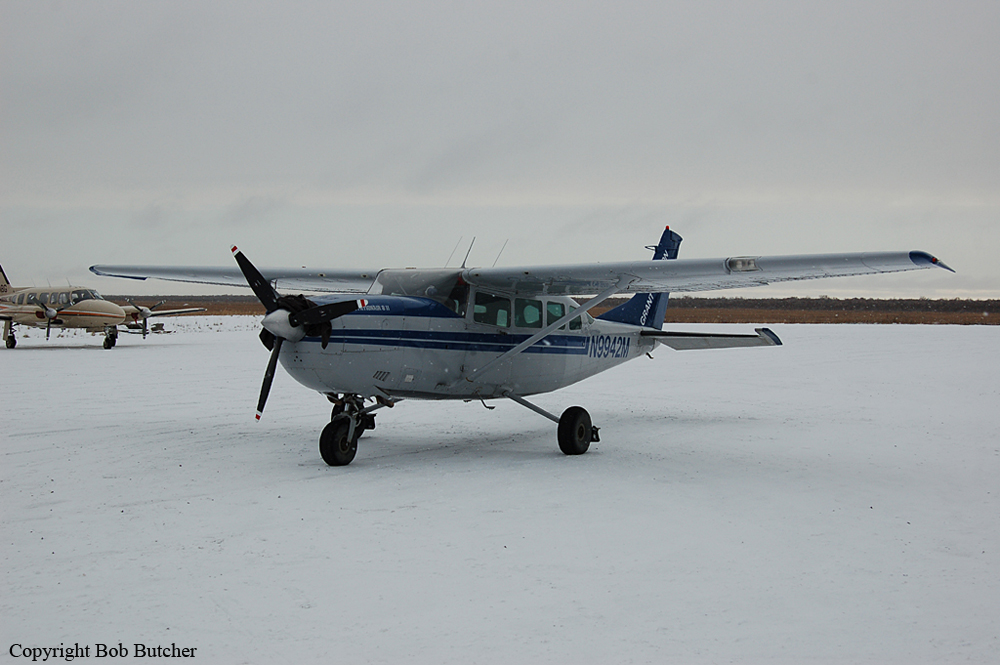
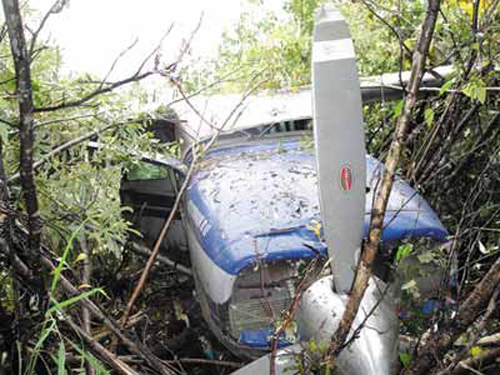
Crash of a Cessna 207A Skywagon in Tuluksak

Date & Time: Sep 3, 2010 at 1830 LT
Operator:
Registration:
N9942M
Flight Phase:
Survivors:
Yes
Schedule:
Tuluksak - Bethel
MSN:
207-0756
YOM:
1983
Location:
Crew on board:
1
Crew fatalities:
Pax on board:
2
Pax fatalities:
Other fatalities:
Total fatalities:
0
Captain / Total flying hours:
4545
Captain / Total hours on type:
245.00
Aircraft flight hours:
29550
Circumstances:
Shortly after take off from runway 20, aircraft hit tree tops, stalled and crashed in a wooded area near the airport. Both passenger were slightly injured while the pilot was seriously injured. Aircraft was damaged beyond repair. The director of operations for the operator stated that soft field conditions and standing water on the runway slowed the airplane during the takeoff roll. The airplane did not lift off in time to clear trees at the end of the runway and sustained substantial damage to both wings and the fuselage when it collided with the trees. The pilot reported that he used partial power at the beginning of the takeoff roll to avoid hitting standing water on the runway with full power. After passing most of the water, he applied full power, but the airplane did not accelerate like he thought it would. He recalled the airplane being in a nose-high attitude and the main wheels bouncing several times before the airplane impacted the trees at the end of the runway.
Probable cause:
The pilot's delayed application of full power during a soft/wet field takeoff, resulting in a collision with trees during takeoff.
Final Report:

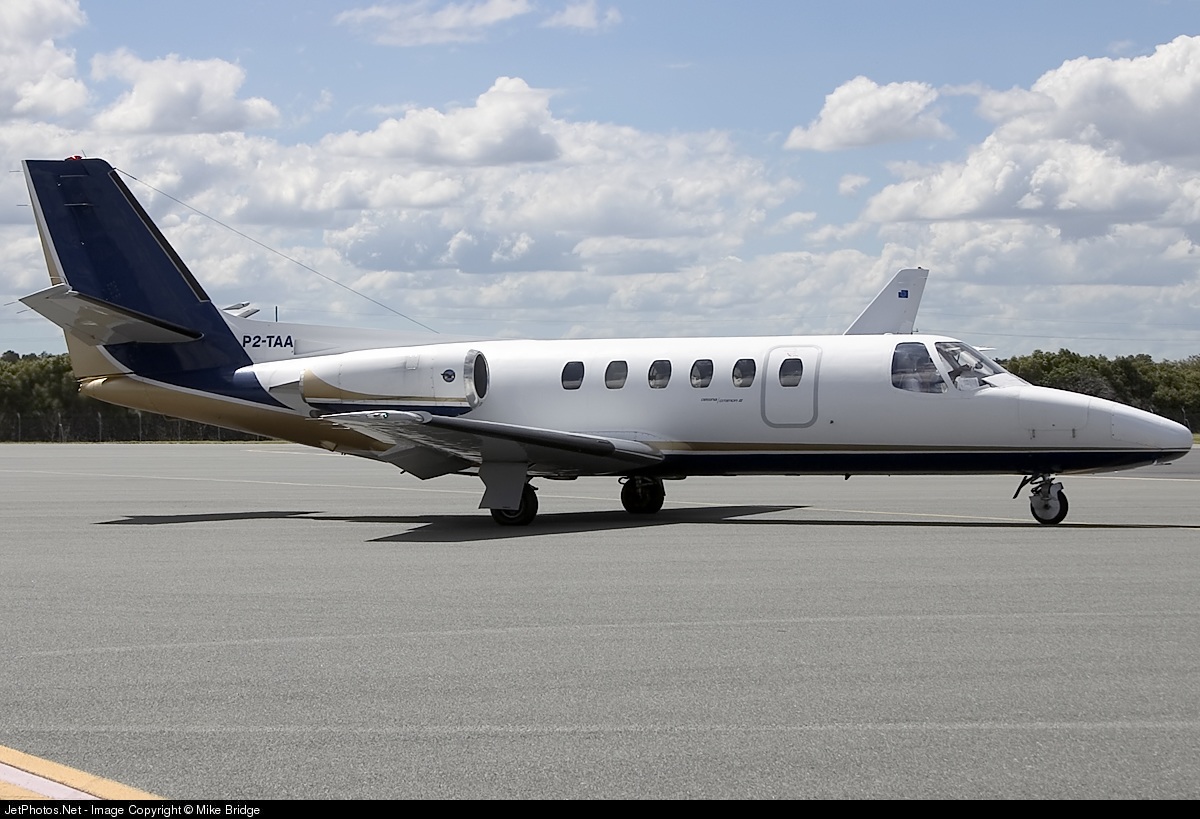
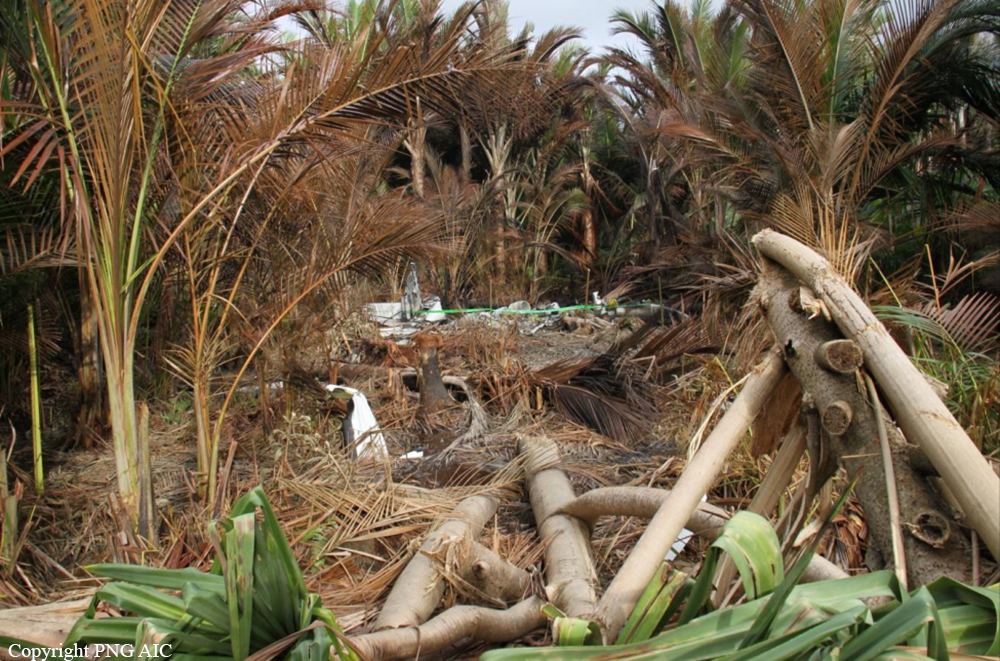
Crash of a Cessna 550 Citation II in Bwagaoia: 4 killed

Date & Time: Aug 31, 2010 at 1615 LT
Type of aircraft:
Registration:
P2-TAA
Survivors:
Yes
Schedule:
Port Moresby – Bwagaoia
MSN:
550-0145
YOM:
1980
Region:
Crew on board:
2
Crew fatalities:
Pax on board:
3
Pax fatalities:
Other fatalities:
Total fatalities:
4
Captain / Total flying hours:
14591
Copilot / Total flying hours:
872
Aircraft flight hours:
14268
Circumstances:
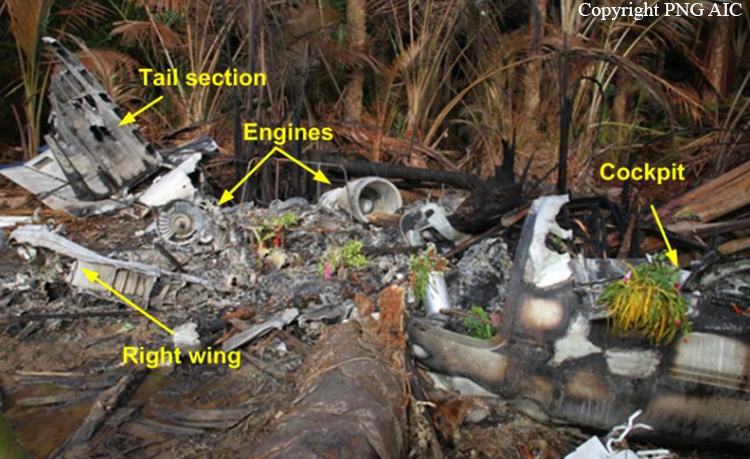
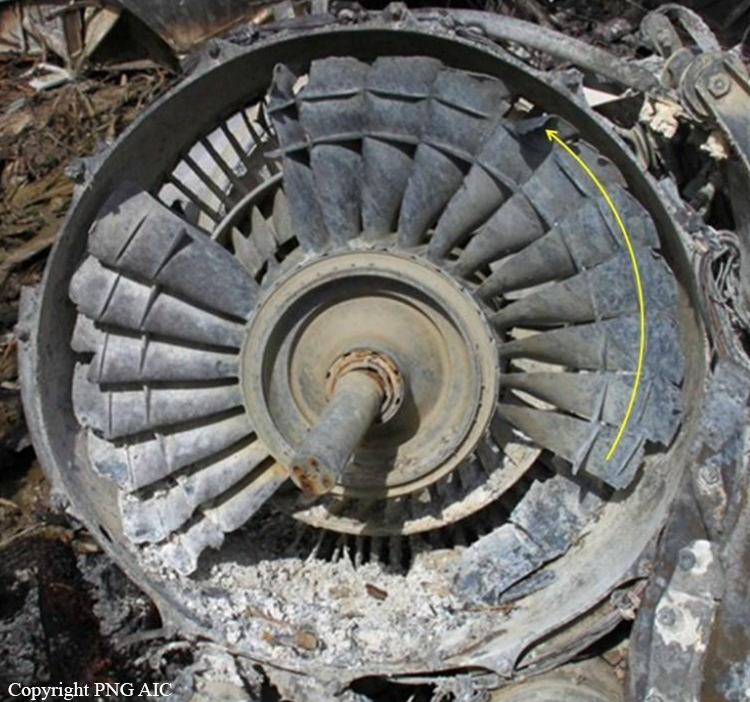
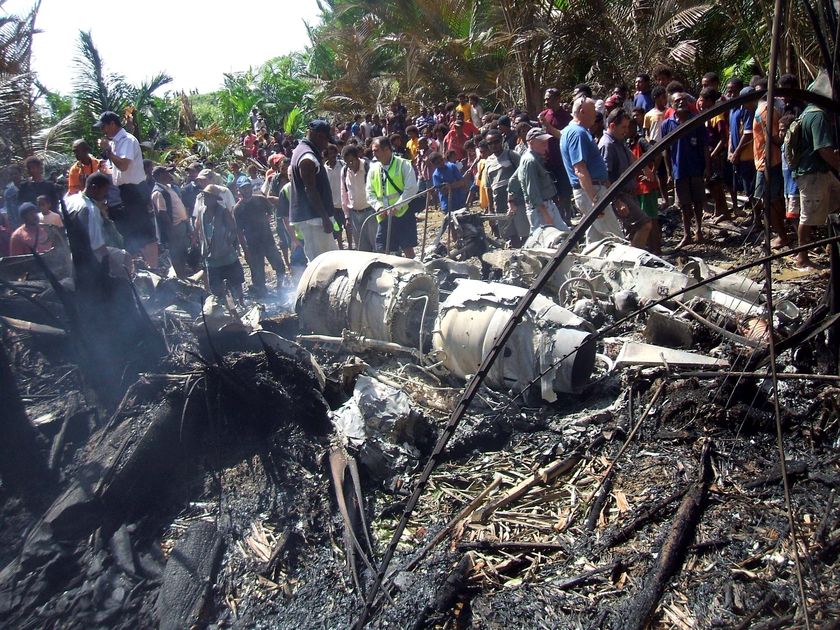
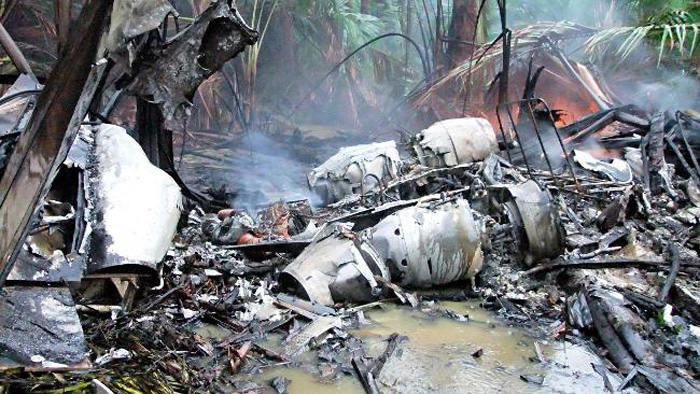
The aircraft was conducting a charter flight from Jackson’s International Airport, Port Moresby, National Capital District, Papua New Guinea (PNG), to Bwagaoia Aerodrome, Misima Island, Milne Bay Province, PNG (Misima). There were two pilots and three passengers on board for the flight. The approach and landing was undertaken during a heavy rain storm over Bwagaoia Aerodrome at the time, which resulted in standing water on the runway. This water, combined with the aircraft’s speed caused the aircraft to aquaplane. There was also a tailwind, which contributed the aircraft to landing further along the runway than normal. The pilot in command (PIC) initiated a baulked landing procedure. The aircraft was not able to gain flying speed by the end of the runway and did not climb. The aircraft descended into terrain 100 m beyond the end of the runway. The aircraft impacted terrain at the end of runway 26 at 1615:30 PNG local time and the aircraft was destroyed by a post-impact, fuel-fed fire. The copilot was the only survivor. Other persons who came to assist were unable to rescue the remaining occupants because of fire and explosions in the aircraft. The on-site evidence and reports from the surviving copilot indicated that the aircraft was serviceable and producing significant power at the time of impact. Further investigation found that the same aircraft and PIC were involved in a previous landing overrun at Misima Island in February 2009.
Probable cause:
Contributing safety factors:
• The operator’s processes for determining the aircraft’s required landing distance did not appropriately consider all of the relevant performance factors.
• The operator’s processes for learning and implementing change from the previous runway overrun incident were ineffective.
• The flight crew did not use effective crew resource management techniques to manage the approach and landing.
• The crew landed long on a runway that was too short, affected by a tailwind, had a degraded surface and was water contaminated.
• The crew did not carry out a go-around during the approach when the visibility was less than the minimum requirements for a visual approach.
• The baulked landing that was initiated too late to assure a safe takeoff.
Other safety factors:
• The aircraft aquaplaned during the landing roll, limiting its deceleration.
• The runway surface was described as gravel, but had degraded over time.
• The weather station anemometer was giving an incorrect wind indication.
Final Report:
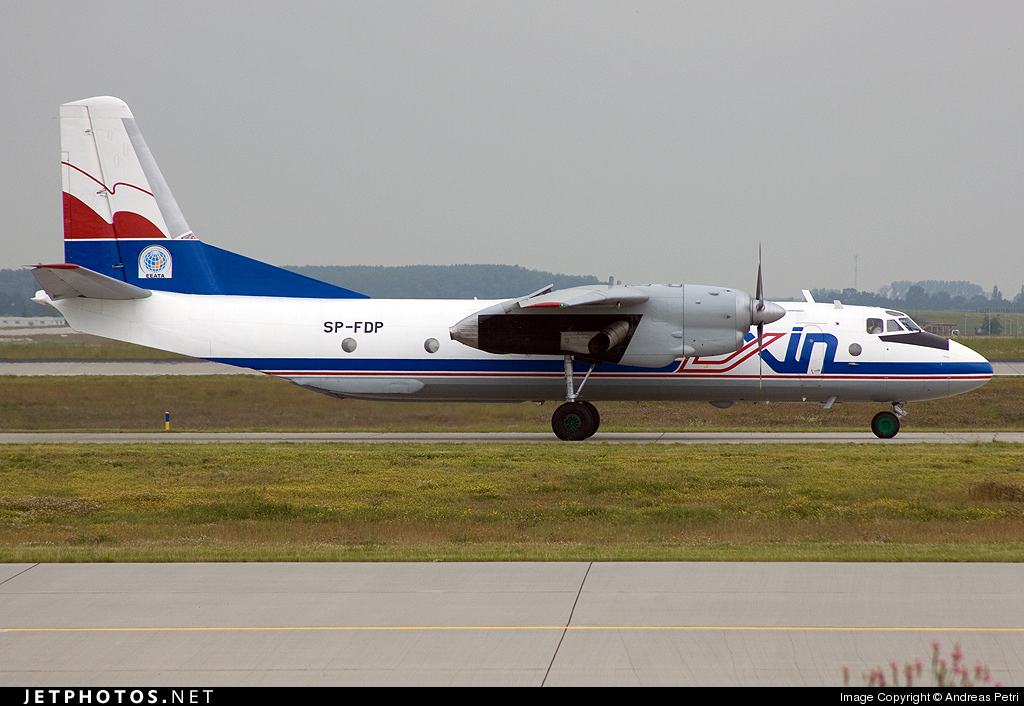
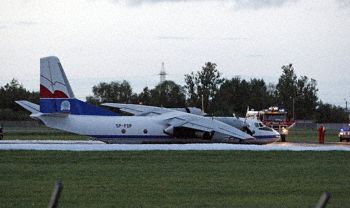
Crash of an Antonovv AN-26B in Tallinn

Date & Time: Aug 25, 2010 at 1747 LT
Type of aircraft:
Operator:
Registration:
SP-FDP
Flight Phase:
Flight Type:
Survivors:
Yes
Schedule:
EXN3788
MSN:
119 03
YOM:
1982
Flight number:
Tallinn - Helsinki
Country:
Region:
Crew on board:
4
Crew fatalities:
Pax on board:
0
Pax fatalities:
Other fatalities:
Total fatalities:
0
Captain / Total flying hours:
5569
Captain / Total hours on type:
4432.00
Copilot / Total flying hours:
738
Copilot / Total hours on type:
485
Aircraft flight hours:
21510
Circumstances:
On 25th August 2010 cargo aircraft An-26B, registration SP-FDP started from Tallinn-Lennart Meri-Ülemiste Airport to Helsinki. After uneventful flight preparations, the aircraft started its take-off roll on runway 08. Based on pilots statements and FDR/CVR recordings the aircraft entered runway 08 from taxiway B on the West end of the runway and lined up for takeoff. On 16:47:22 the aircraft started its takeoff roll. The calculated V1 was 182 and Vr was 201 km/h. 10 seconds later PF started rotation without Vr callout at 123 km/h. The aircraft pitch angle increased to 4.6˚ 2 seconds later. At 16:47:38 the navigator made V1 call-out at 160.5 km/h. 1 second later flight engineer called “Retracting” in Polish. The aircraft started to pitch down and 3 seconds later it contacted the runway and continued on its belly for 1,228 m before coming to its rest position 3 m right from the runway centerline. No persons were injured and no fire broke up. The occurrence was classified as an accident due to the substantial damage to the aircraft structures.
Probable cause:
The investigation determined the inadequate action of the flight engineer, consisting in early and uncommanded landing gear retraction, as a cause of the accident.
Contributing factors to the accident were:
1. Inadequate crew recourse management and insufficient experience in cooperation and coordination between crewmembers.
2. Start of aircraft rotation at low speed and with fast elevator movement to 17˚, which resulted in:
Lifting the aircraft sufficiently to close the WOW switch and allow the retraction of the landing gear at the speed not sufficient for the climb.
Providing misleading information to FE about the aerodynamic status of the aircraft.
3. Inadequate adjustment of the WOW switch, which allowed the gear retraction to be activated before the aircraft was airborne. The position of the landing gear selector on the central console is not considered as a contributing factor to the accident. However, investigation finds necessary to point it out as a safety concern, specifically in situations, where crewmembers are trained and/or used to operate the aircrafts with gear selector location according to the EASA Certification Standards CS-25. Positioning of the gear lever to the location which is compliant to EASA document CS-25, would create additional safety barrier to avoid similar occurrences, specifically in aircrafts where landing gear is operated by FE.
Final Report:
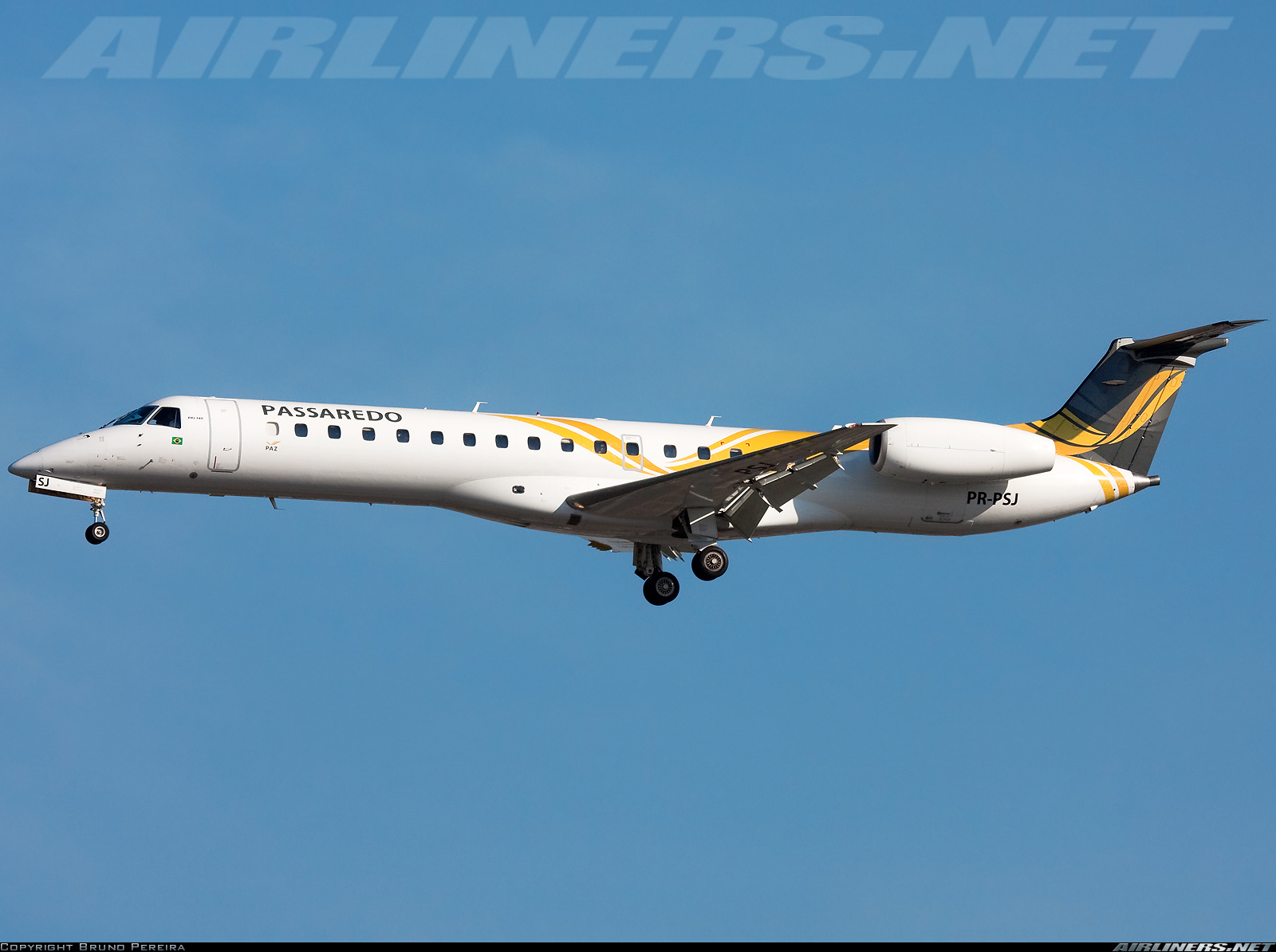
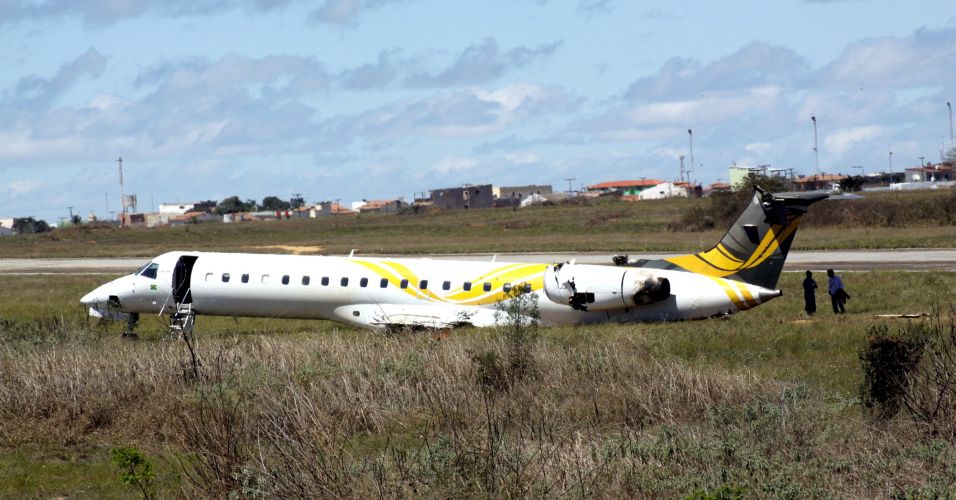
Crash of an Embraer ERJ-145LU in Vitoria da Conquista

Date & Time: Aug 25, 2010 at 1440 LT
Type of aircraft:
Operator:
Registration:
PR-PSJ
Survivors:
Yes
Schedule:
São Paulo – Vitoria da Conquista
MSN:
145-351
YOM:
2000
Flight number:
PTB2231
Country:
Crew on board:
3
Crew fatalities:
Pax on board:
35
Pax fatalities:
Other fatalities:
Total fatalities:
0
Captain / Total flying hours:
4400
Captain / Total hours on type:
3100.00
Copilot / Total flying hours:
1373
Copilot / Total hours on type:
813
Circumstances:
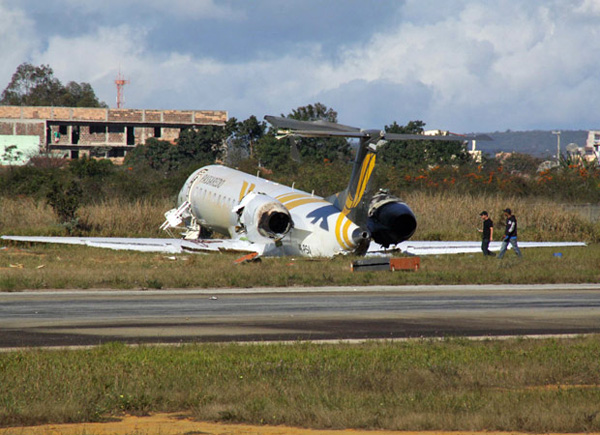
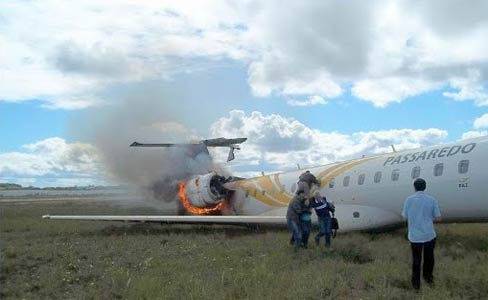
While approaching Vitoria da Conquista Airport runway 15, the crew failed to realize his altitude was too low. On short final, the aircraft impacted a small mound located few metres short of runway threshold. On impact, both main landing gears were torn off. The aircraft slid on runway for about 300 metres then veered off runway to the left and came to rest in a grassy area some 35 metres left of the runway with the right engine on fire. All 38 occupants escaped uninjured while the aircraft was damaged beyond repair.
Probable cause:
The following factors were identified:
- During the approach, the flight crew's attention was focused on the characteristics of the geographical relief and presence of birds, reducing their awareness as to the maintenance of the approach slope.
- The group culture of maintaining a low angle of approach led the crew to choose the runway aspect instead of the VASIS as a reference for the approach, making them susceptible to various types of spatial illusion.
- Taking into account copilot's report that he was not succeeding in correcting the aircraft glide path relative to the runway, one may suppose that he was not applying the appropriate amplitude for such correction.
- The physical characteristics of the runway 15 (the active one) contributed to a wrong perception of the ideal glide path. The pronounced acclivity of the runway, its width (narrower than the runways on which the crew was accustomed to operate), and the low terrain near the threshold, caused in the pilots a perception that they were above the ideal approach slope, leading them to seek correction, which resulted in an angle of approach below the ideal one.
- For the flight in question, the company chose two pilots who had never operated in SBQV. A crewmember with previous experience in the locality would have a higher level of awareness in relation to the specific characteristics of the aerodrome.
- No company publications were found that could provide the pilots with guidance on the specifics of SBQV, capable of helping with the management of the risks associated with the operation in that aerodrome.
Final Report:
Crash of a Let L-410UVP-E20C in Bandundu: 20 killed

Date & Time: Aug 25, 2010 at 1400 LT
Type of aircraft:
Operator:
Registration:
9Q-CCN
Survivors:
Yes
Schedule:
Kinshasa - Kiri - Bokoro - Semendwa - Bandundu - Kinshasa
MSN:
91 26 08
YOM:
1991
Region:
Crew on board:
3
Crew fatalities:
Pax on board:
18
Pax fatalities:
Other fatalities:
Total fatalities:
20
Circumstances:
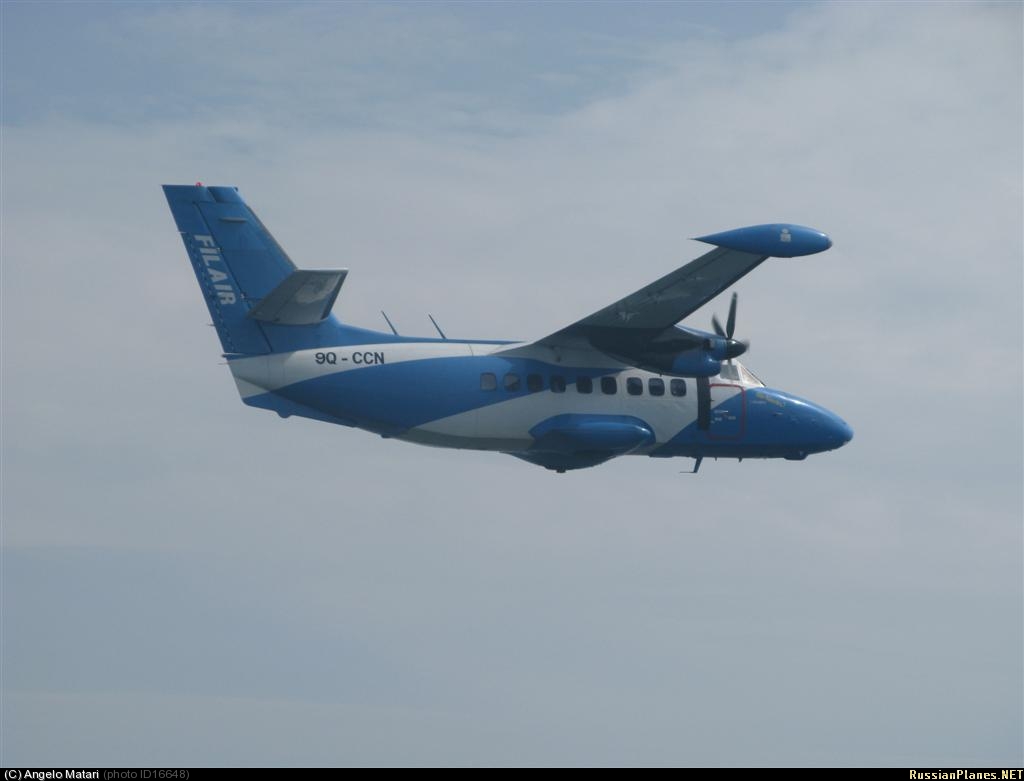
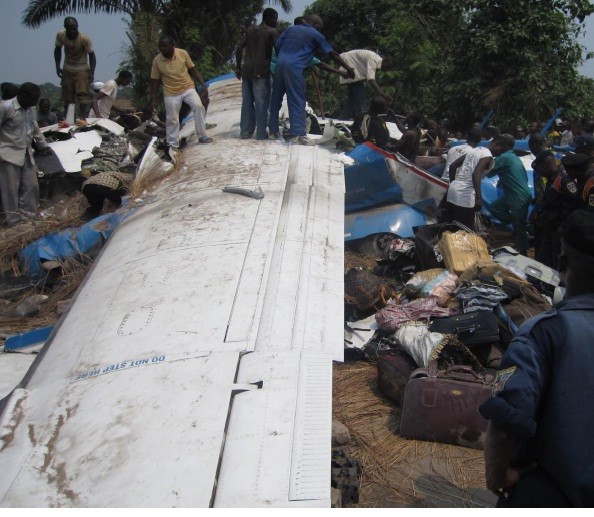
On final approach to Bandundu Airport, the twin engine aircraft nosed down and crashed onto an earth made house. The aircraft was destroyed by impact forces and all occupants, except one passenger, were killed. According to the survivor, a passenger embarked illegally a crocodile he would sell to local market at Bandundu as 'bush meat'. On final approach, the animal went out of his bag and walked in the cabin. Panicked, the stewardess and several passengers departed their seats and rushed to the front of the cabin near the cockpit. After the CofG moved too far forward, the crew lost control of the aircraft that nosed down and crashed. The crocodile was later found unhurt but eventually killed by locals.
Probable cause:
Loss of control on final approach due to the movement of several passengers in the cabin, panicked by the presence of a crocodile.

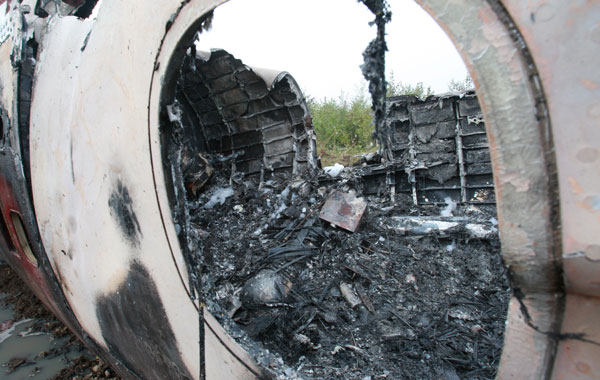
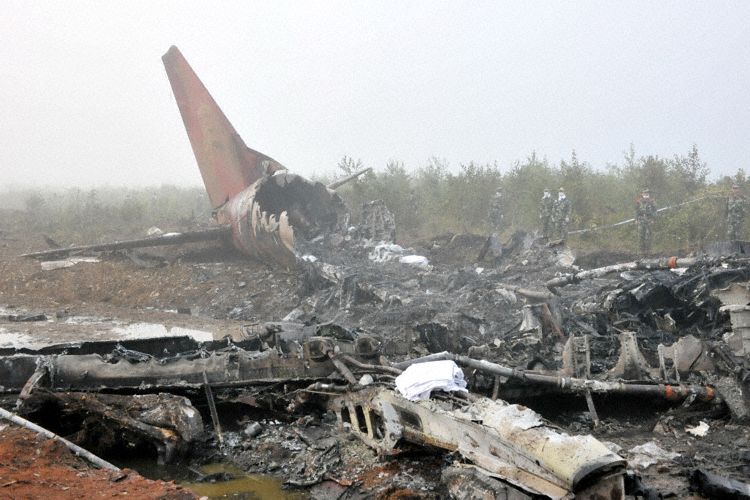
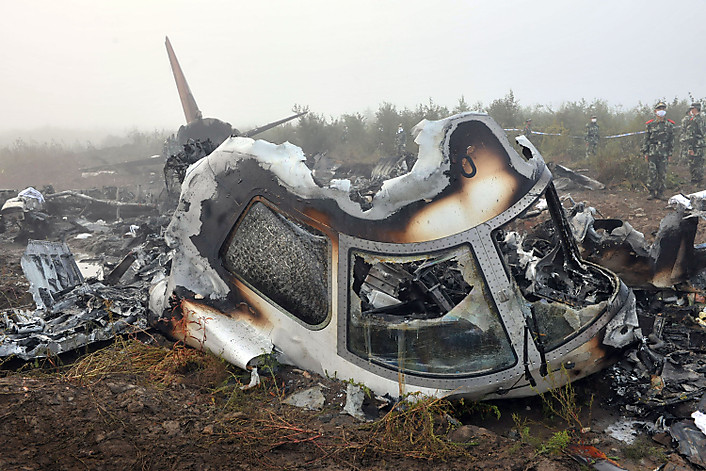
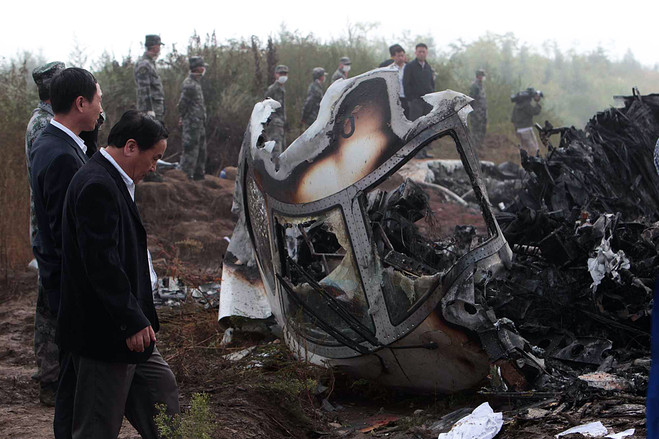
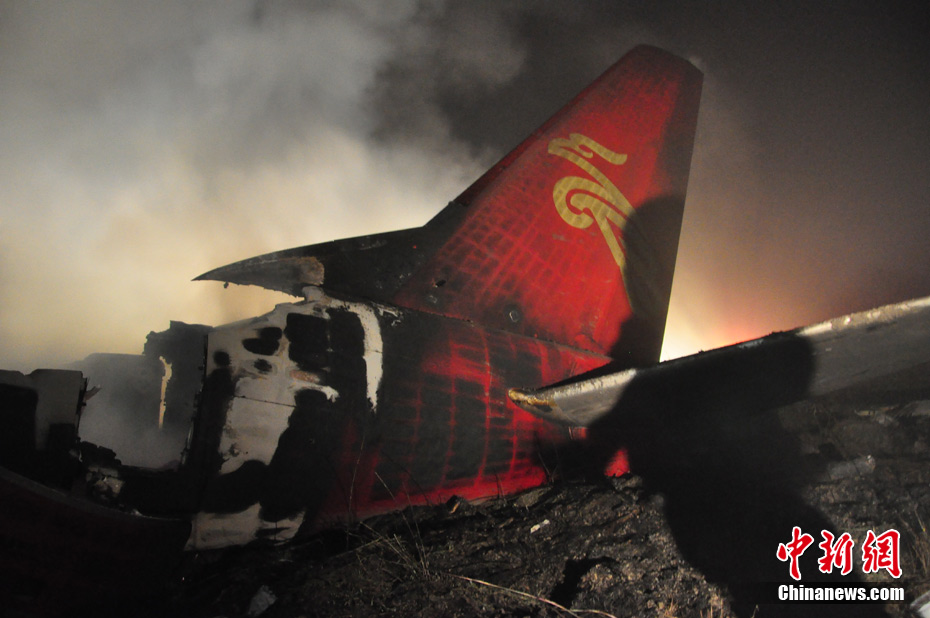
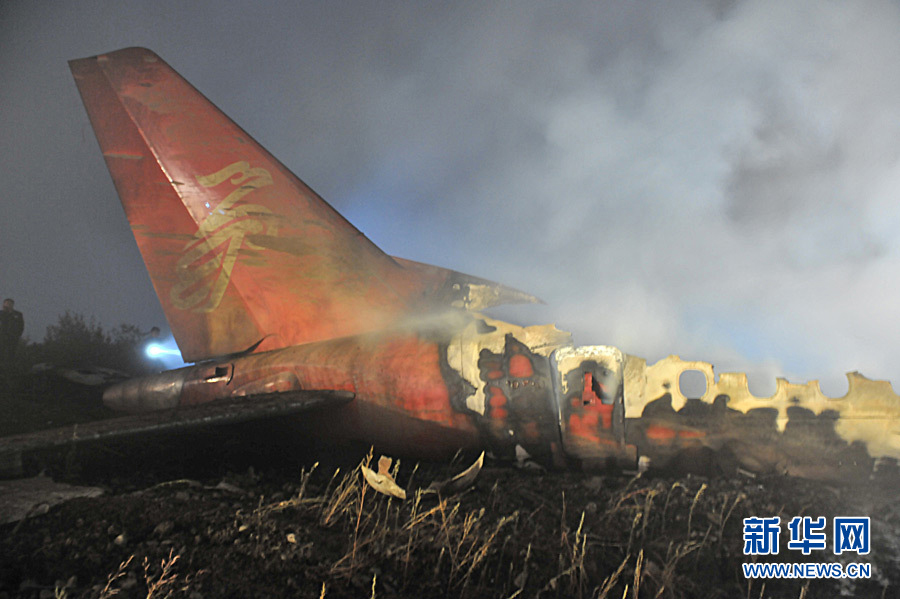
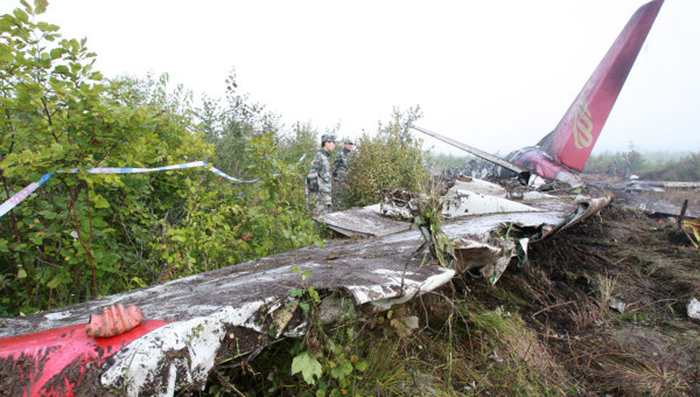
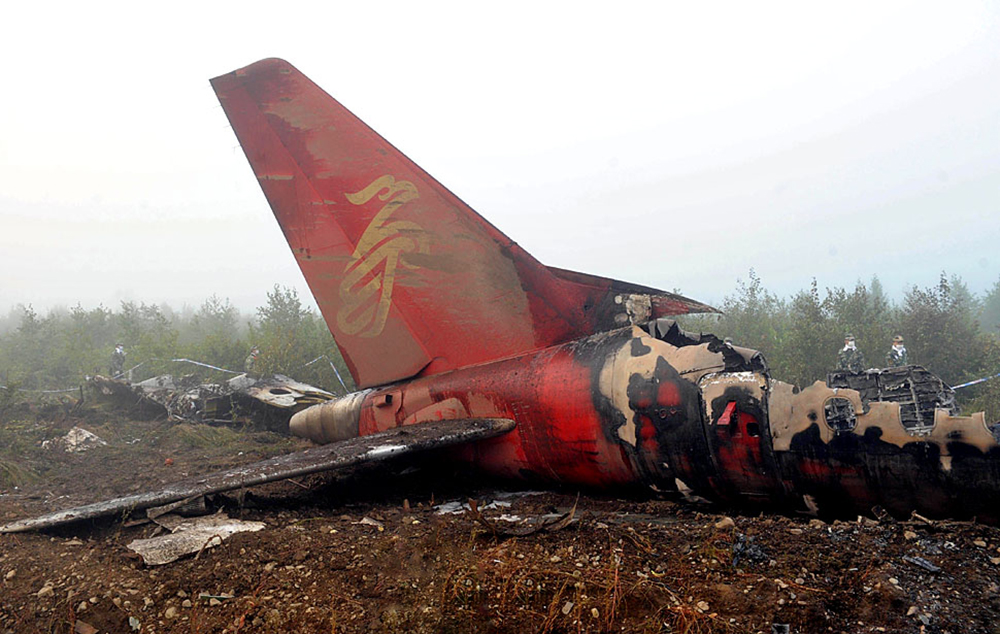
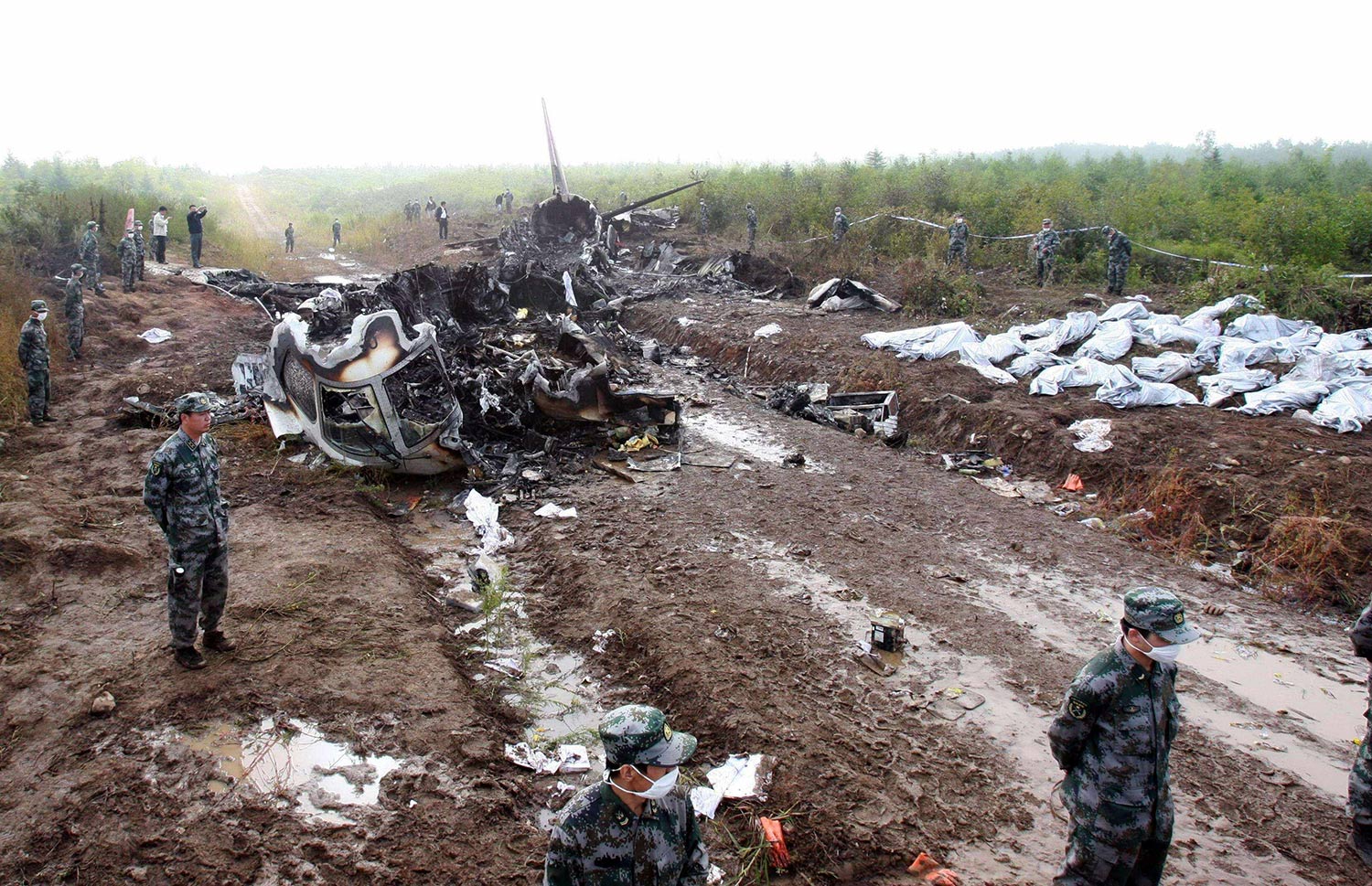
Crash of an Embraer ERJ-190-100LR in Yichun: 44 killed

Date & Time: Aug 24, 2010 at 2138 LT
Type of aircraft:
Operator:
Registration:
B-3130
Survivors:
Yes
Schedule:
Harbin - Yichun
MSN:
190-00223
YOM:
2008
Flight number:
VD8387
Country:
Region:
Crew on board:
5
Crew fatalities:
Pax on board:
91
Pax fatalities:
Other fatalities:
Total fatalities:
44
Aircraft flight hours:
5109
Aircraft flight cycles:
4712
Circumstances:
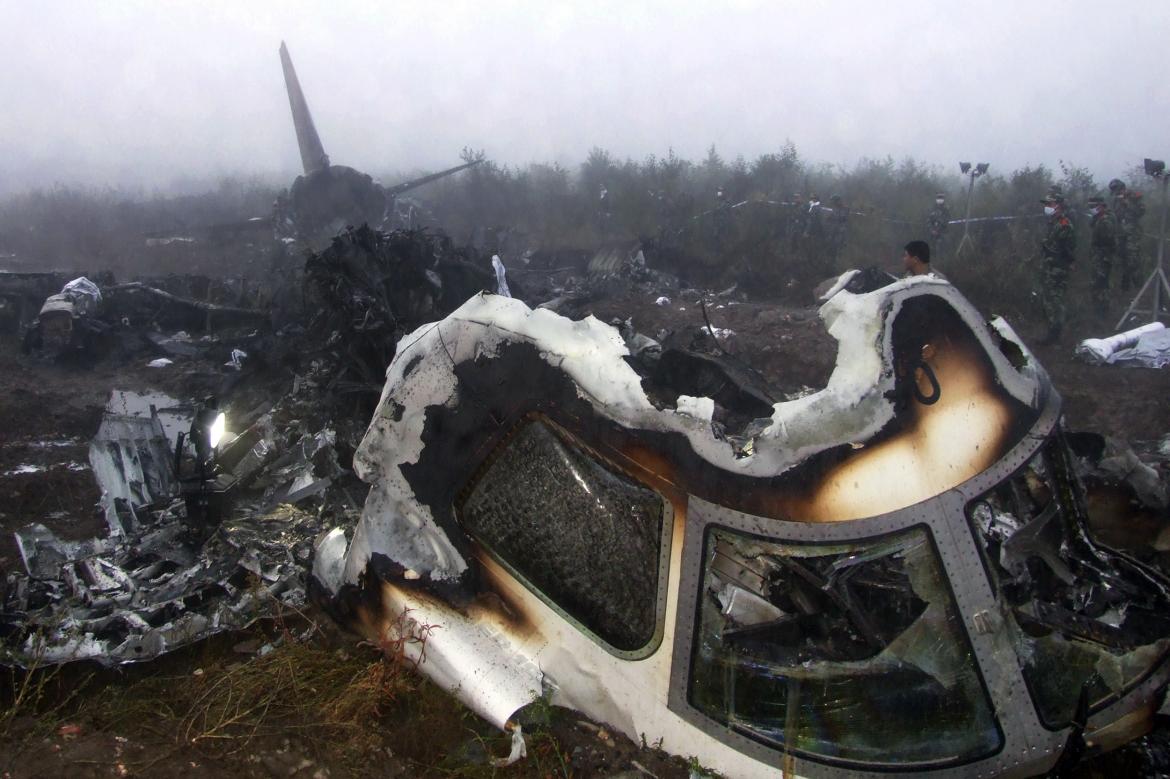
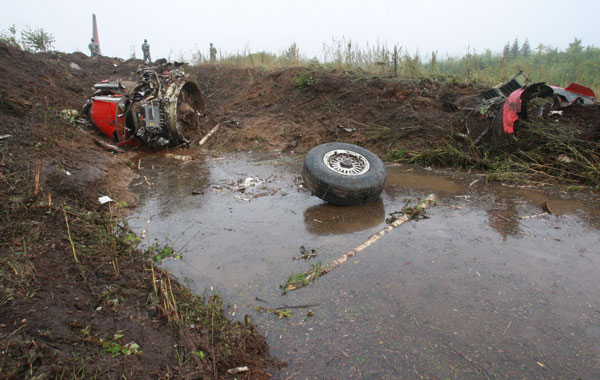
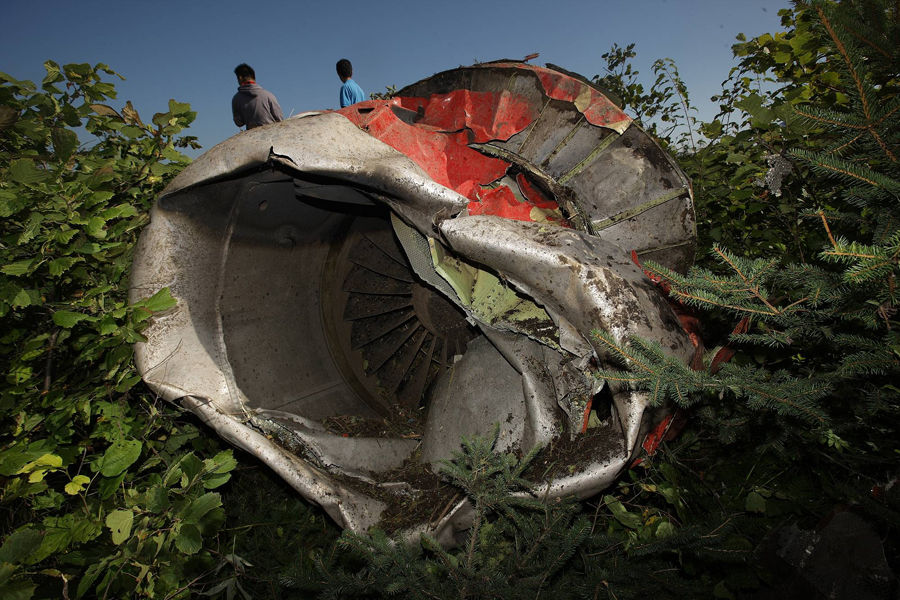
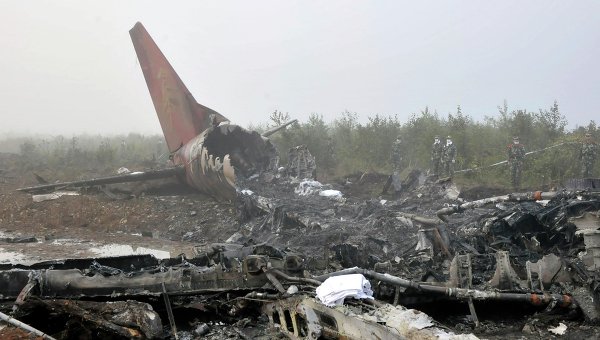
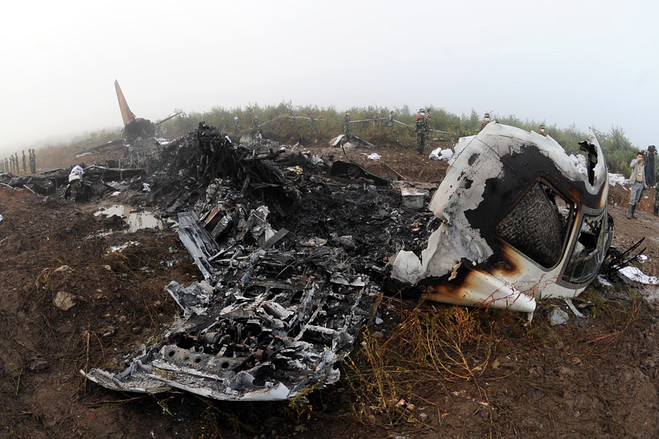
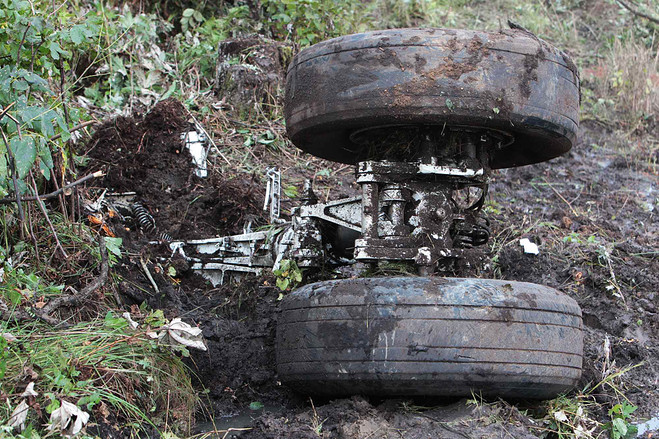
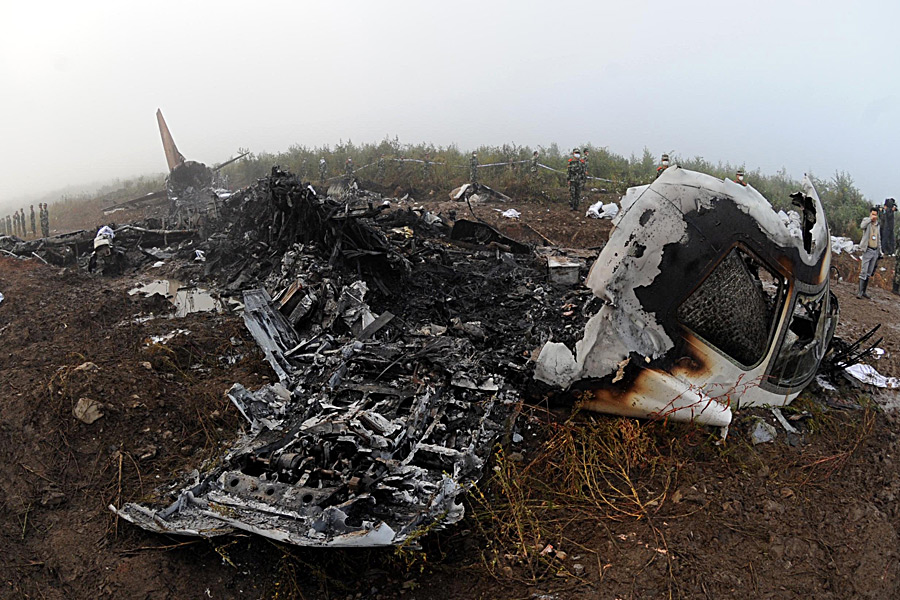
The crew started the approach in poor weather conditions with a visibility reduced at 2,800 metres. On short final, the aircraft was too low and the crew did not establish visual contact with the runway. The aircraft impacted ground 1,110 metres short of runway 30, slid and came to rest in flames 690 meters short of runway. 44 passengers were killed while the aircraft was destroyed by a post crash fire. First fatal accident involving an Embraer 190 and first accident at Yuchin Airport since it was open to traffic in 2009.
Probable cause:
- In violation of the airline's flight operation manual the captain attempted the approach to Yichun below required visibility. The airport reported 2800 meters of visibility while the manual required 3600 meters of visibility to begin the approach
- In violation of regulations by the Civil Aviation Authority the crew descended below minimum descent altitude although the aircraft was operating in fog and visual contact with the runway had not been established
- Despite the aural height announcements and despite not seeing the runway the crew continued the landing in the blind without initiating a go-around resulting in impact with terrain
Contributing factors were:
- The airline's safety management is insufficient:
* part of the flight crew arbitrarily implement the company's operations manual as the company does not follow up outstanding problems. Records suggest frequent deviations from approach profiles, i.e. deviation above or below glide slopes, excessive rates of descents and unstable approaches
* crew rostering and crew cooperation: Each of the crew was flying into Yichun for the first time despite the known safety risks at the airport, the communication and cooperation within the crew was insufficient, the crew members did not monitor each other in order to reduce human errors
* the airline's emergency training did not meet requirements, in particular the cabin crew training did not provide for hands on training on E190 cabin doors and overwing exits. Alternate means by the airline did prove ineffective and did not provide the quality China's Civil Aviation Authority requires thus leaving cabin crew unprepared to meet required cabin crew emergency response capabilities
- Parent company's Shenzhen Airlines oversight insufficient
* Shenzhen Airlines, after having taken over Henan Airlines in 2006, did not provide sufficient funding and technical support affecting the stability and safety of staff and quality management
* Air China, holding stock into Shenzhen Airlines, installed a safety supervisor but failed to address the safety management issues with Shenzhen and Henan Airlines
- No supervision by China's Civil Aviation Authority
* the license to operate the flight from Harbin to Yichun was granted without route validation and without safety management in violation of regulations
* to solve the lack of cabin crew flight attendants were certified although not meeting the relevant requirements for air transport operations
* the regional office of the Civil Aviation Authority did not communicate to their superiors that they had approved the domestic operation of the route from Harbin to Yichun permitting non-standard procedures
- China's Civil Aviation Authority safety management loopholes.