Crash of a Canadair RegionalJet CRJ-200ER in Almaty: 21 killed

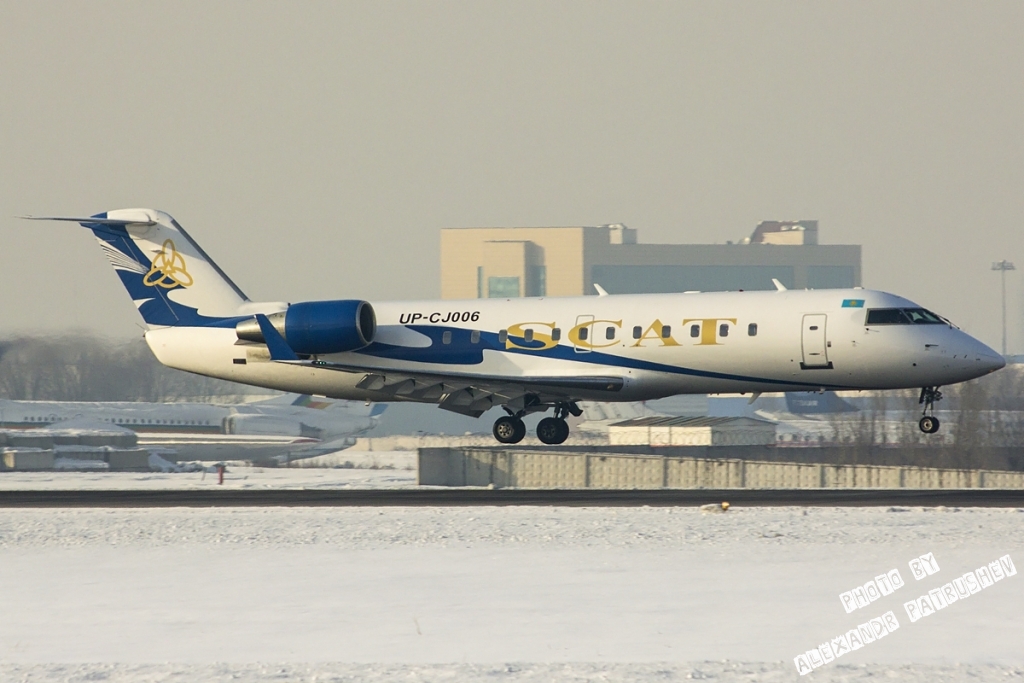
Date & Time: Jan 29, 2013 at 1310 LT
Operator:

Registration:
UP-CJ006
Survivors:
No
Schedule:
Kokshetau - Almaty
MSN:
7413
YOM:
2000
Flight number:
VSV760
Country:
Region:
Crew on board:
5
Crew fatalities:
Pax on board:
16
Pax fatalities:
Other fatalities:
Total fatalities:
21
Captain / Total flying hours:
18194
Captain / Total hours on type:
1010.00
Copilot / Total flying hours:
3507
Copilot / Total hours on type:
132
Aircraft flight hours:
25707
Aircraft flight cycles:
22975
Circumstances:
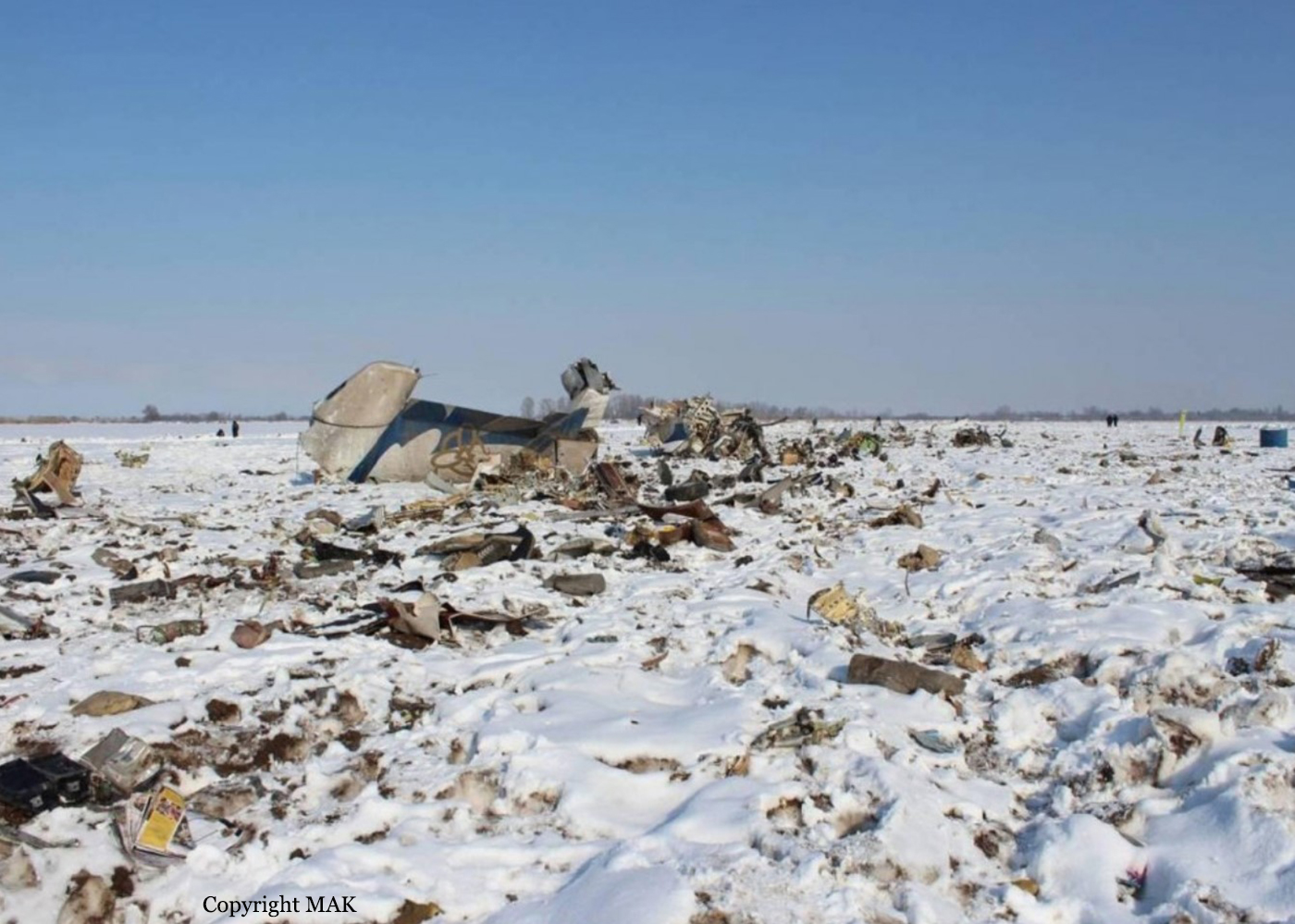
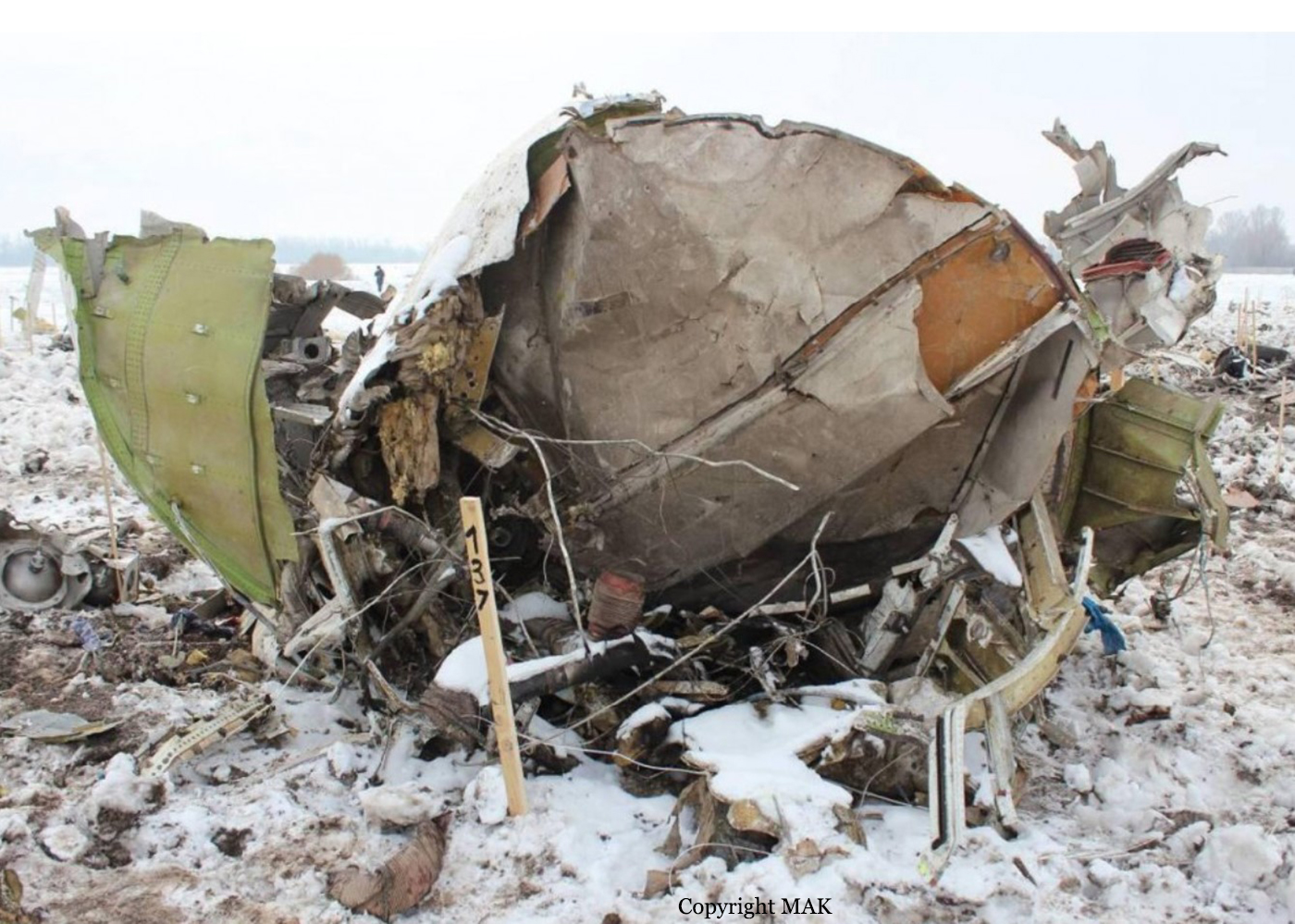
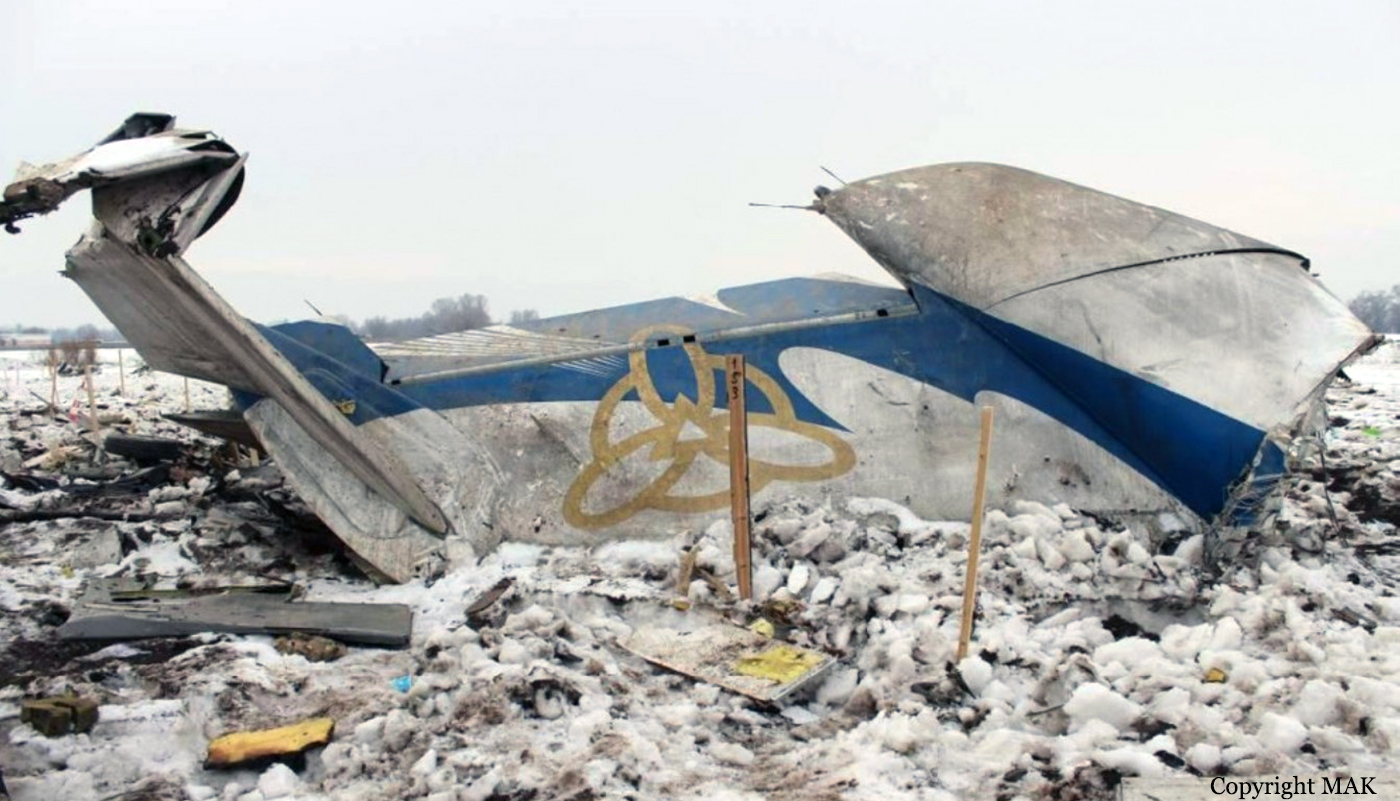
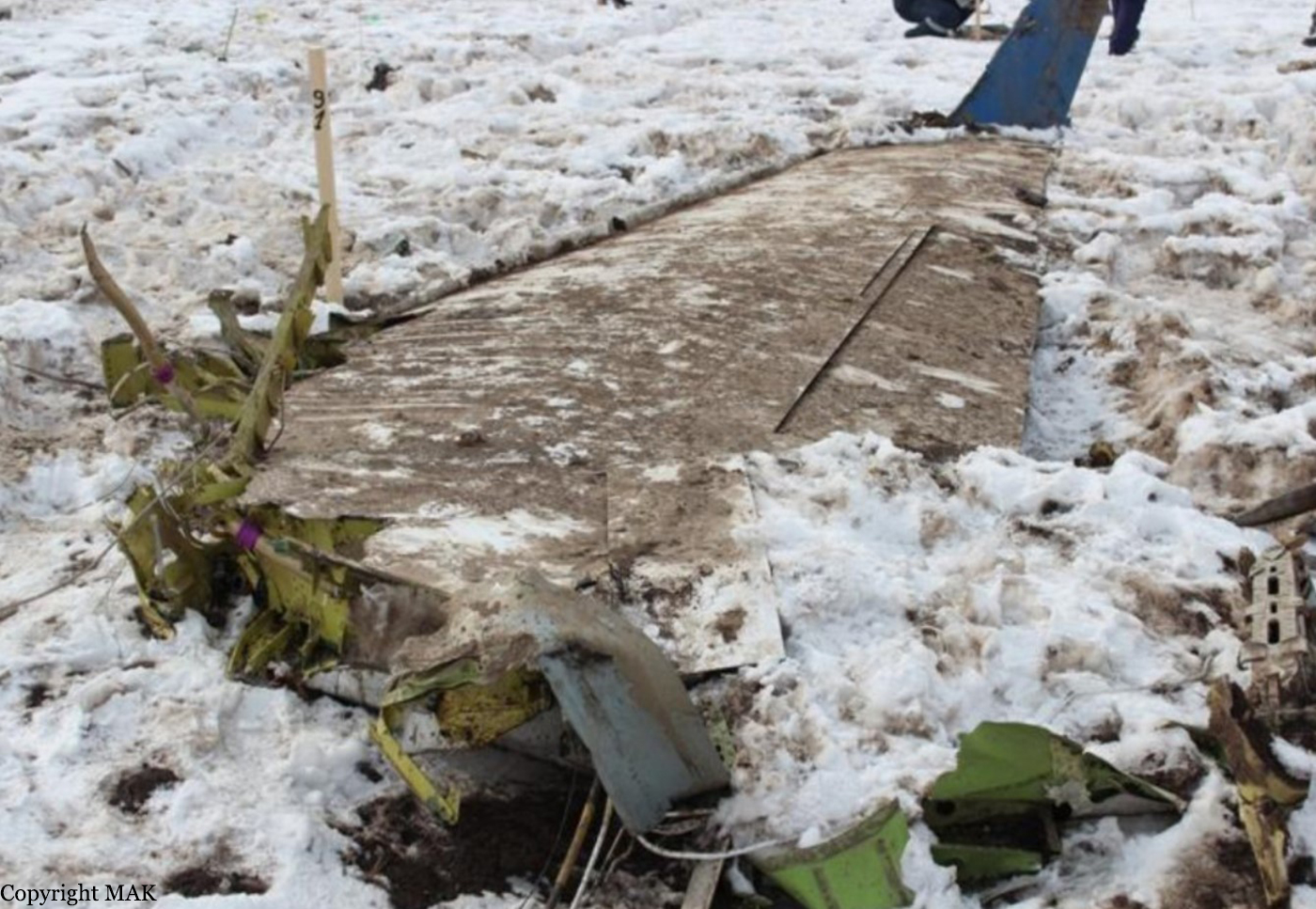
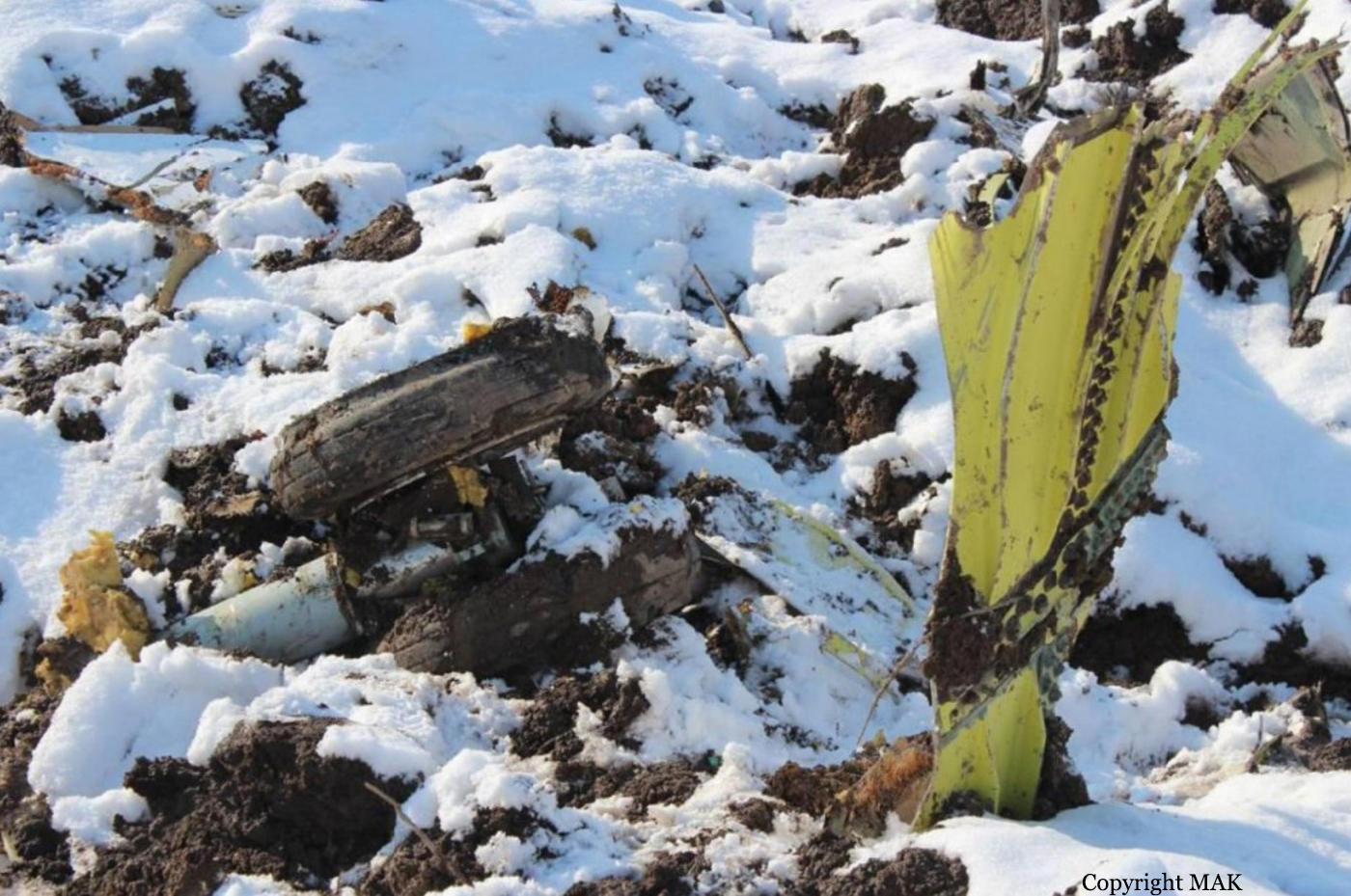
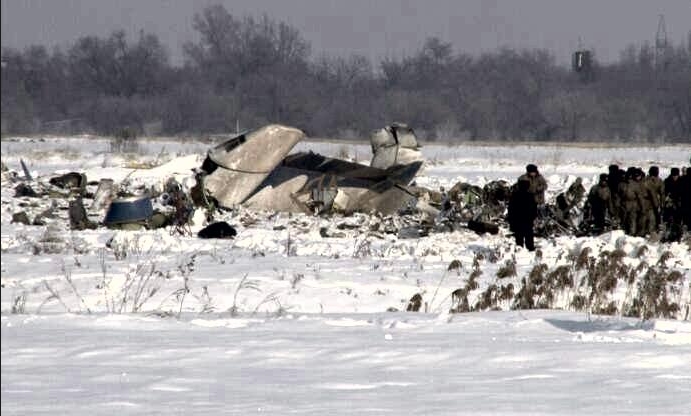
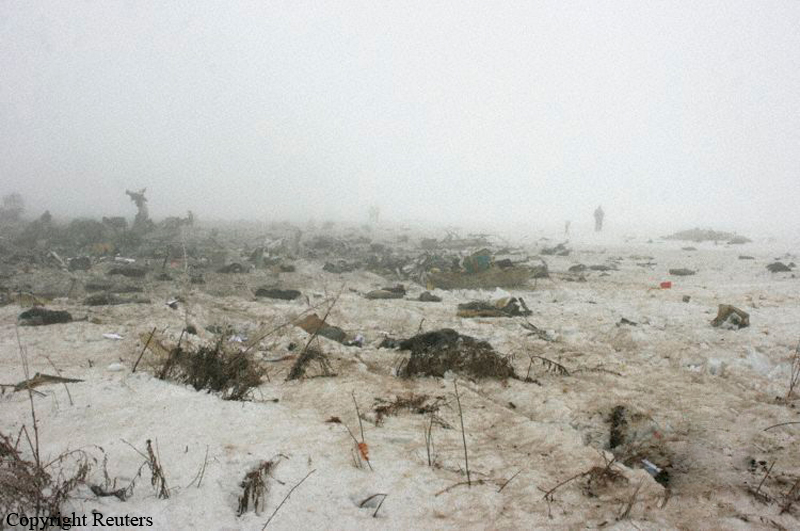
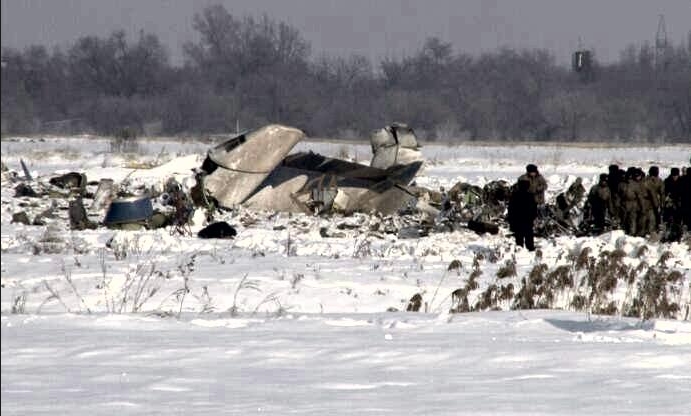
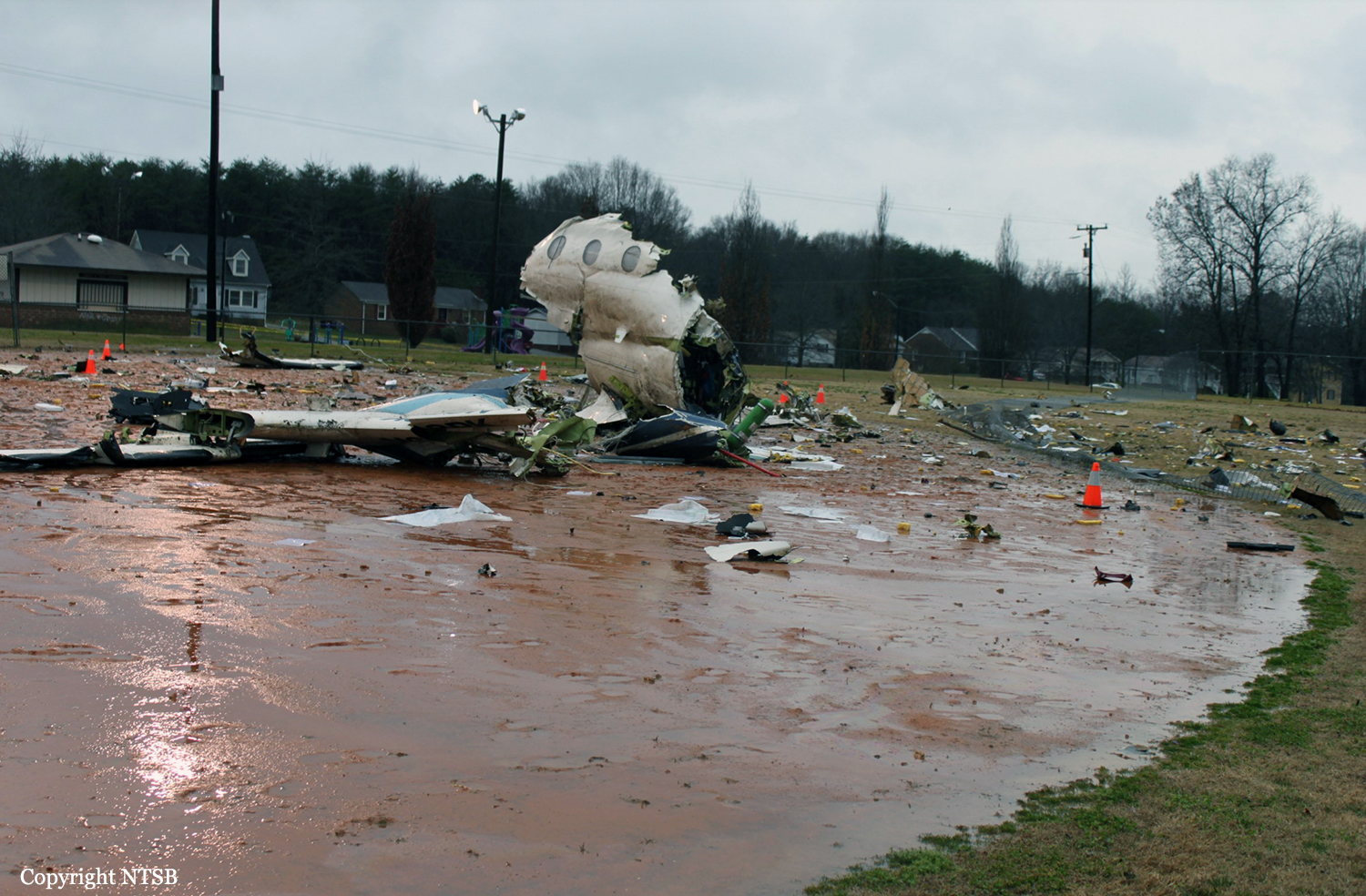
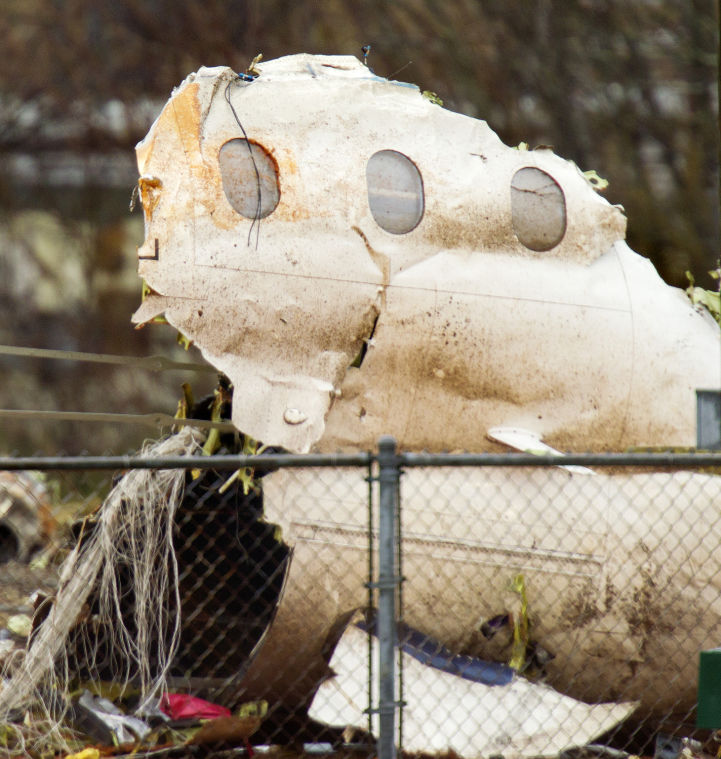
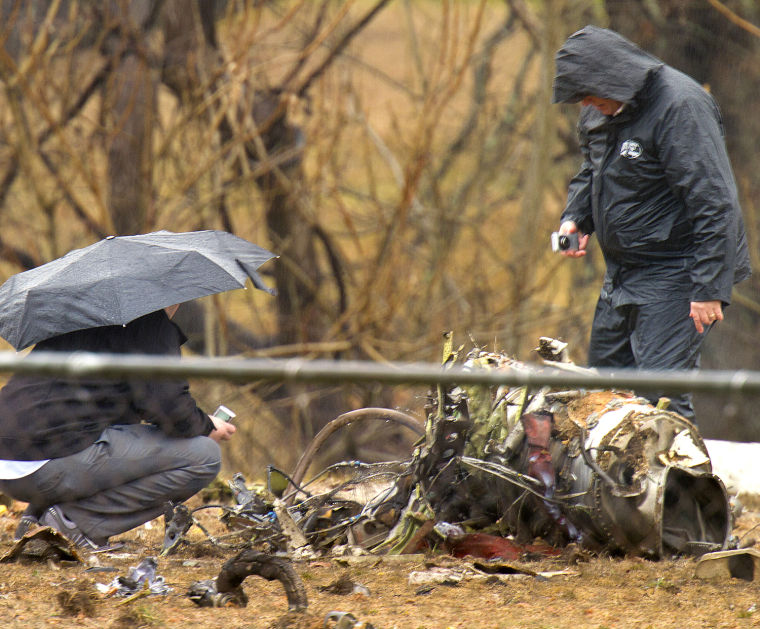
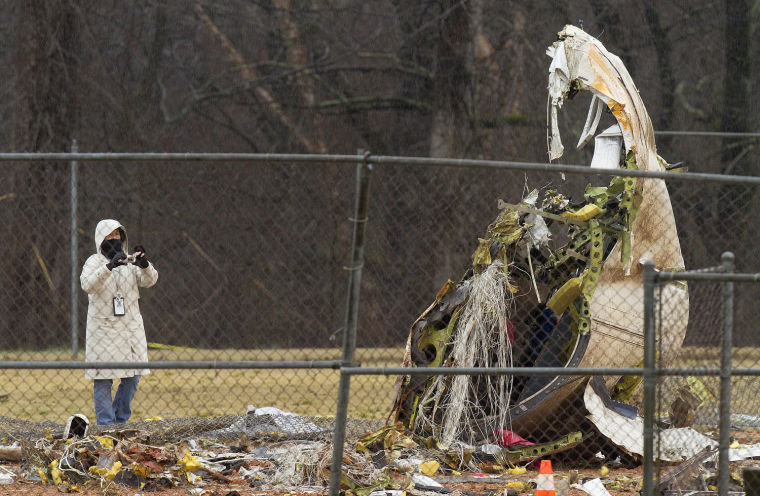
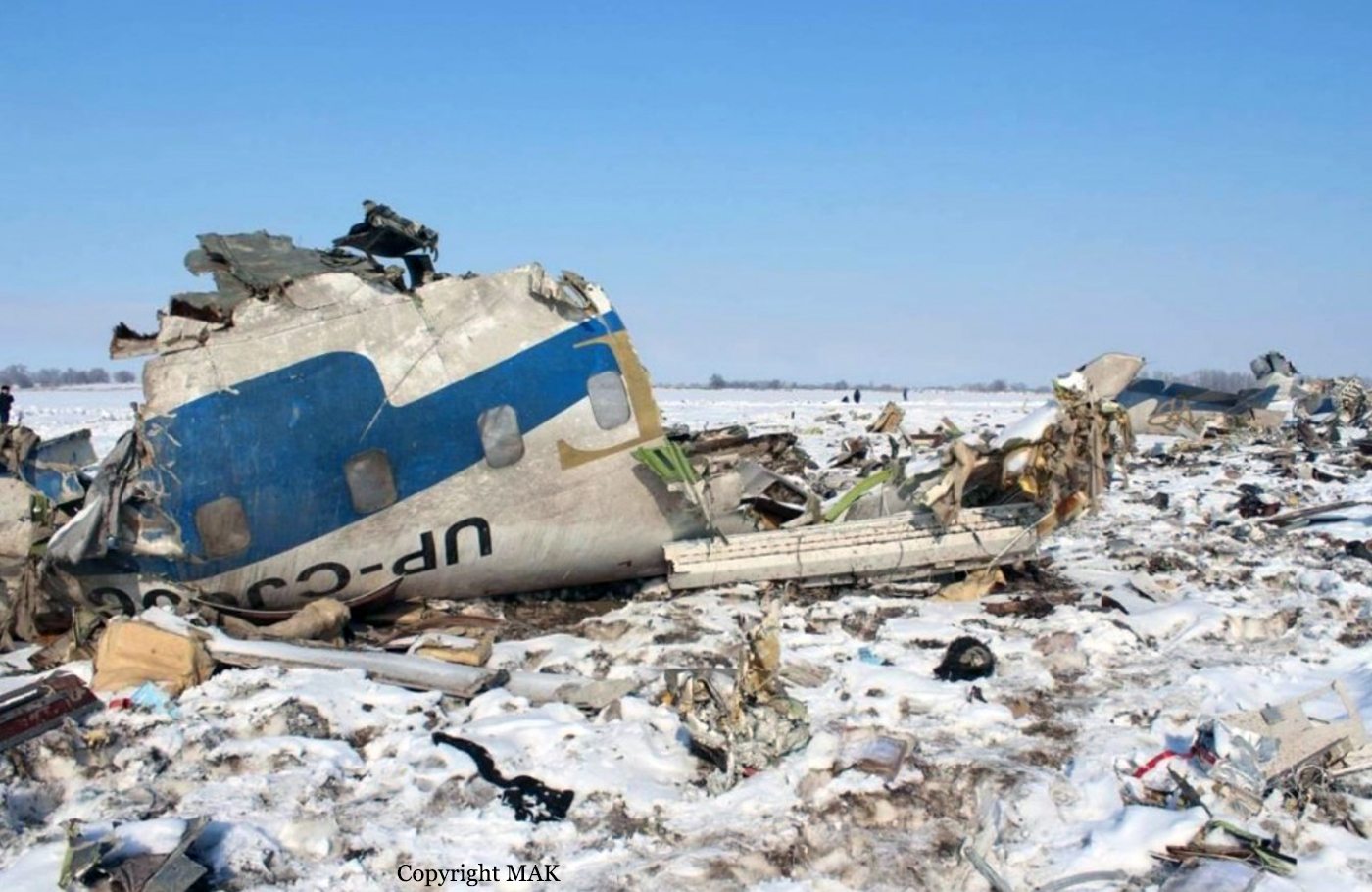
Following an uneventful flight from Kokshetau, the crew started the descent to Almaty Airport and was cleared for an ILS approach (Cat IIIb approach) to runway 23R. At this time, the horizontal visibility was 200 metres, the vertical visibility 40 metres and the RVR for runway 23R was 275-250-225 metres respectively. Due to this poor weather conditions at destination, the captain got stressed, creating a strong emotional reaction. On short final, at an altitude of 180 metres, the captain decided to abandon the landing procedure and initiated a go-around manoeuvre. The automatic pilot system was deactivated and the TO/GA mode was activated. Four seconds later, the captain pushed the control column forward, causing the aircraft to descend. The EGPWS alarm sounded in the cockpit but there was no response from the flying crew. In a pitch angle of -16° and with a descent rate of about 20-30 metres per second, the aircraft impacted ground and disintegrated in a snow covered field. The wreckage was found some 1,400 metres short of runway. All 21 occupants were killed. Due to the actual weather conditions, the crew should perform a Cat IIIc approach.
Probable cause:
The accident with aircraft CRJ-200 UP-CJ006 occurred during the execution of a go-around, in instrument meteorological conditions, without the possibility of visual contact with ground reference points (vertical visibility in the fog did not exceed 40 m), the necessity of which was caused by the mismatch between the actual weather conditions and the minimum conditions for which the crew was certified to land. As a result, the deflection of the elevator towards a dive of the aircraft caused a descent and collision with the ground. It was not possible to uniquely identify the causes of the aircraft's transfer to a dive from the available data. The Commission did not find evidence of failures of aviation equipment, as well as external to the aircraft (icing, wind shear, wake turbulence) when trying to perform a go-around.
The most likely factors that led to the accident, were:
- Partial loss performance of the pilot in command, which at the time of aircraft impact with the ground was not in a working position;
- The lack of CRM levels in the crew, and violation of the Fly-Navigate-Communicate principle, which manifested itself in diverting attention by the co-pilot to conduct external radio communication and lack of control of the flight instrument parameters;
- The lack of response to the EGPWS and the actions required;
- The impact somatogravic illusions of perception of the pitch angle (a nose-up illusion);
- Increased emotional stress by the crew members associated with the unjustified expectations of improved weather conditions at the time of landing;
- Failure to comply with the requirements for health examination of flight personnel, which led to the pilot in command flying without the rehabilitation period and without assessment of his health status after undergoing surgery.
Final Report:
Crash of a Piper PA-46-500TP Malibu Meridian in Three Hills

Date & Time: Jan 29, 2013 at 0915 LT
Registration:
C-GMHP
Flight Type:
Survivors:
Yes
Schedule:
La Crete - Three Hills
MSN:
46-97332
YOM:
2008
Country:
Crew on board:
1
Crew fatalities:
Pax on board:
2
Pax fatalities:
Other fatalities:
Total fatalities:
0
Circumstances:
On approach to Three Hills Airport, the pilot encountered poor weather conditions. Too low, the single engine airplane struck the ground, lost its left wing and came to rest in a snow covered field. All three occupants were rescued, among them a passenger was slightly injured. The aircraft was damaged beyond repair.

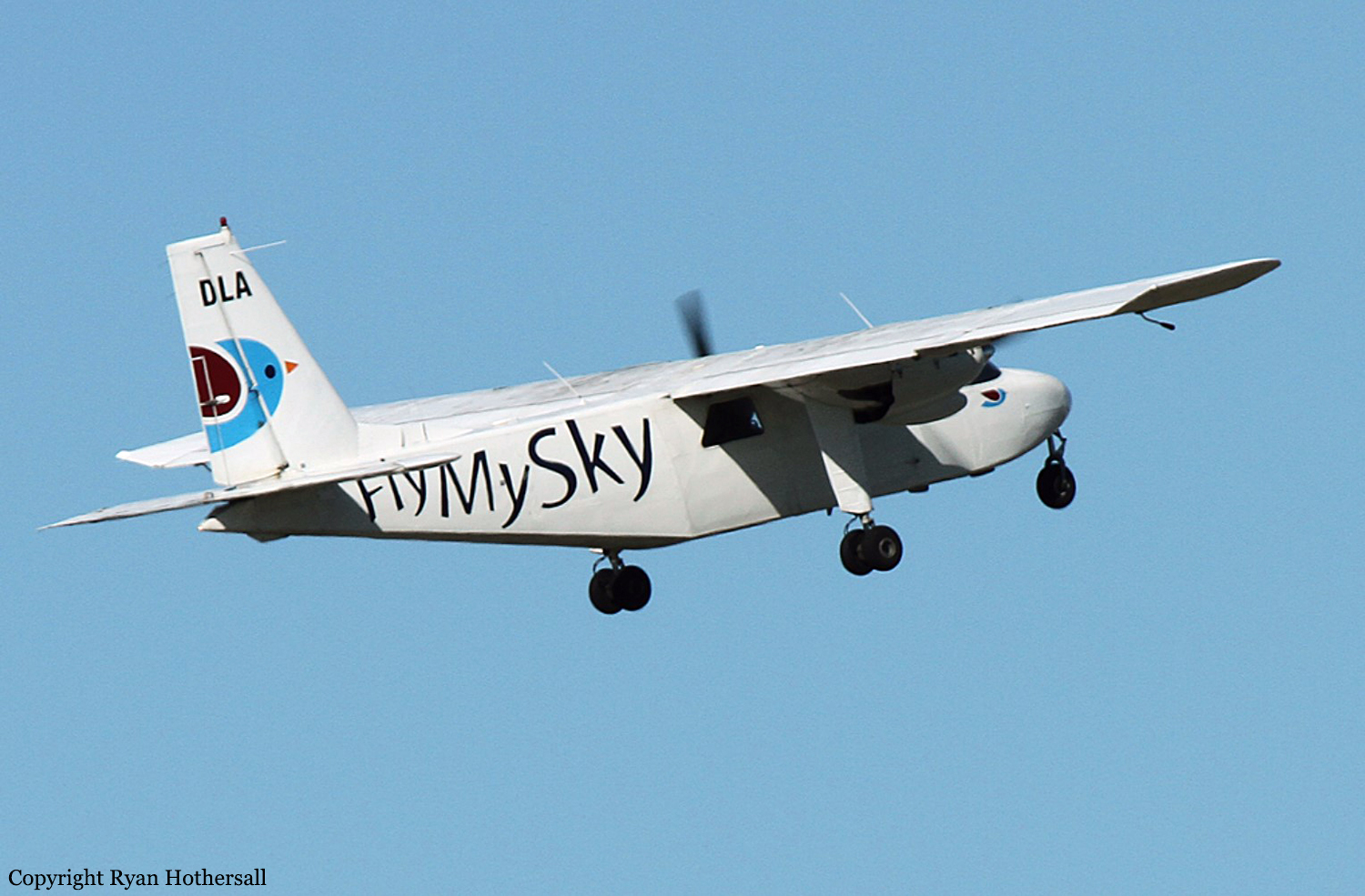
Crash of a Britten Norman BN-2B-26 Islander at Okiwi Station

Date & Time: Jan 25, 2013 at 0827 LT
Type of aircraft:
Operator:
Registration:
ZK-DLA
Survivors:
Yes
Schedule:
Auckland – Okiwi Station
MSN:
2131
YOM:
1984
Country:
Region:
Crew on board:
1
Crew fatalities:
Pax on board:
8
Pax fatalities:
Other fatalities:
Total fatalities:
0
Captain / Total flying hours:
3170
Captain / Total hours on type:
296.00
Circumstances:
On approach to runway 18 at Okiwi, New Zealand, the aircraft encountered windshear on short final as the pilot reduced power to land. The pilot was unable to arrest the descent rate and the aircraft landed heavily. Damage was caused to both landing gear oleos and one brake unit, with rippling found on the upper and lower skin of each wing. One passenger sustained a back injury, which was later identified as a fractured vertebra. The pilot was aware of fluctuating wind conditions at Okiwi and had increased the approach speed to 70 knots as per company standard operating procedures. The pilot reported that despite this, the airspeed reduced rapidly and significantly at 10 to 15 feet agl, leaving little time to react to the situation.
Probable cause:
Loss of height and hard landing due to windshear on short final.

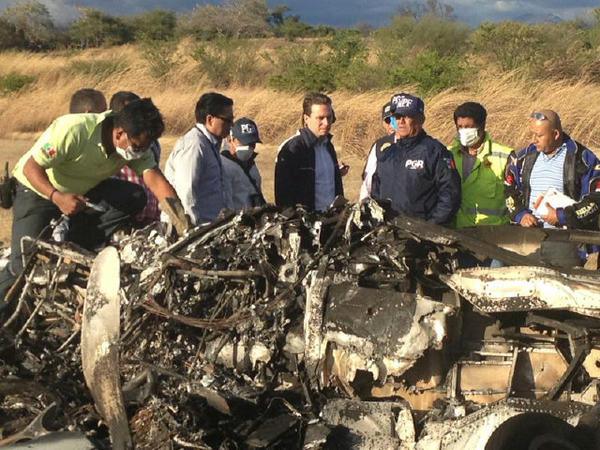
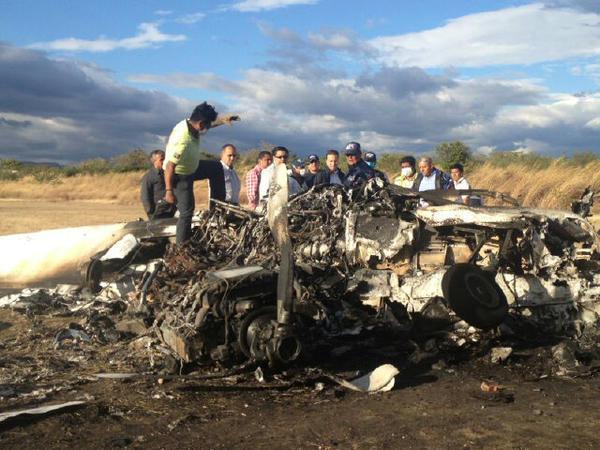
Crash of a Piper PA-31-325 Navajo C/R in Tuxtla Gutierrez: 8 killed

Date & Time: Jan 17, 2013 at 1334 LT
Type of aircraft:
Registration:
XB-EZY
Flight Phase:
Survivors:
No
Schedule:
Tuxtla Gutierrez – Puebla
MSN:
31-8212007
YOM:
1982
Country:
Crew on board:
2
Crew fatalities:
Pax on board:
6
Pax fatalities:
Other fatalities:
Total fatalities:
8
Circumstances:
At 1339LT, the crew was cleared for takeoff from runway 32 at Tuxtla Gutierrez-Angel Albino Corzo Airport. During initial climb, after being cleared to climb to 12,500 feet, the crew informed ATC he was returning to the airport. Shortly later, the aircraft lost height and crashed in a field, bursting into flames. The aircraft was totally destroyed and all 8 occupants were killed.
Probable cause:
One of the engine failed after takeoff due to a fuel pump malfunction. The crew elected to return but the aircraft stalled due to an insufficient speed. Poor engine maintenance was considered as a contributing factor as well as the fact that the crew initiated the flight while the aircraft's weight was above the allowable MTOW.
Final Report:
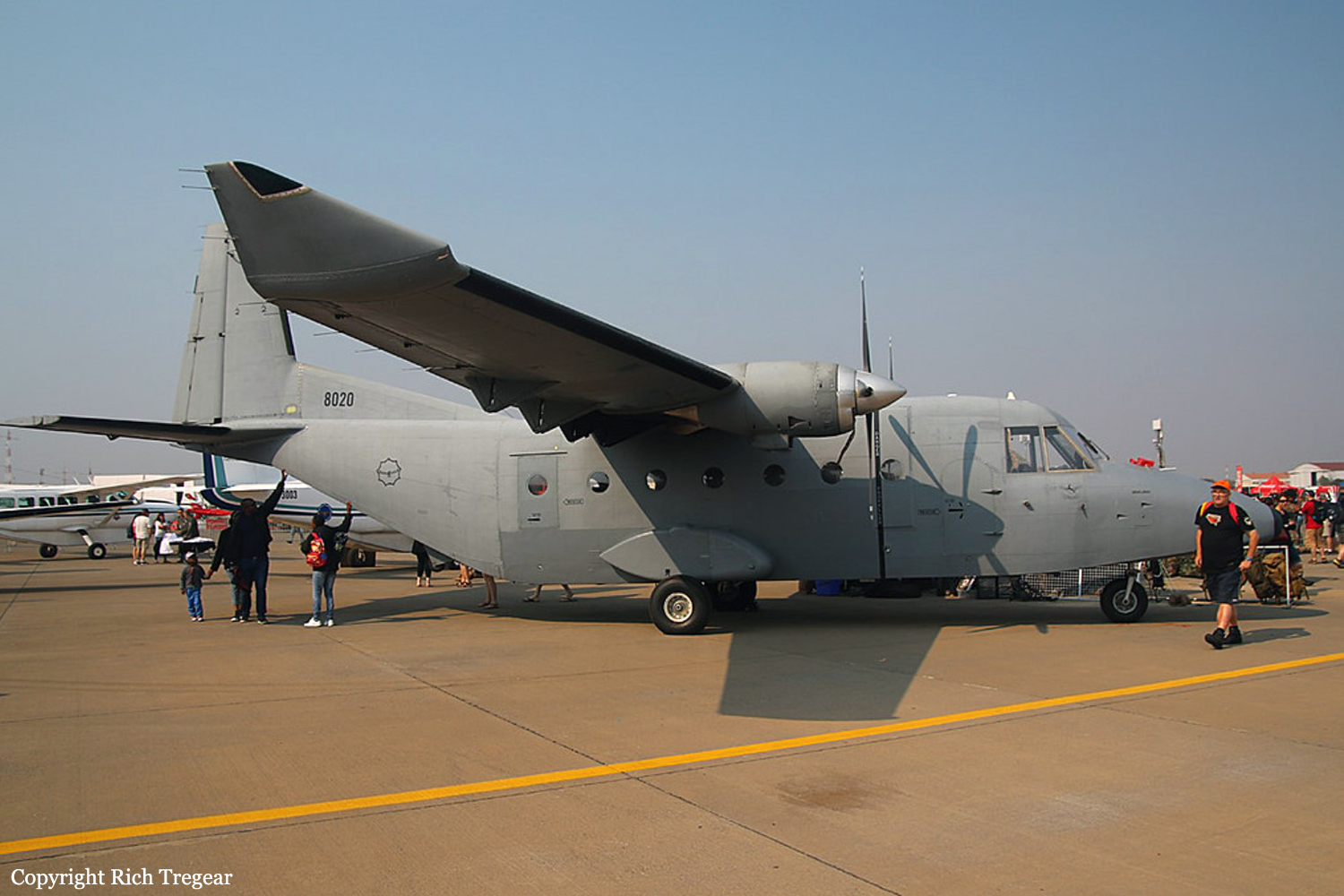
Crash of a Casa 212 Aviocar 300 in Bloemfontein

Date & Time: Jan 17, 2013 at 1030 LT
Type of aircraft:
Operator:
Registration:
8020
Survivors:
Yes
Schedule:
Bloemfontein - Bloemfontein
MSN:
371
YOM:
1988
Country:
Region:
Crew on board:
5
Crew fatalities:
Pax on board:
0
Pax fatalities:
Other fatalities:
Total fatalities:
0
Circumstances:
The twin engine aircraft was engaged in a local paratroopers/skydiving mission at Bloemspruit AFB that shares a runway with Bloemfontein-Bram Fischer International Airport. For unknown reasons, the aircraft landed hard on its nose, veered off runway and came to rest with its left wing on the ground. All five crew members escaped uninjured while the aircraft was damaged beyond repair.

Crash of a Pilatus PC-12/45 in Burlington: 1 killed

Date & Time: Jan 16, 2013 at 0556 LT
Type of aircraft:
Operator:
Registration:
N68PK
Flight Phase:
Survivors:
No
Schedule:
Burlington - Morristown
MSN:
265
YOM:
1999
Flight number:
SKQ53
Crew on board:
1
Crew fatalities:
Pax on board:
0
Pax fatalities:
Other fatalities:
Total fatalities:
1
Captain / Total flying hours:
6369
Captain / Total hours on type:
315.00
Aircraft flight hours:
4637
Circumstances:
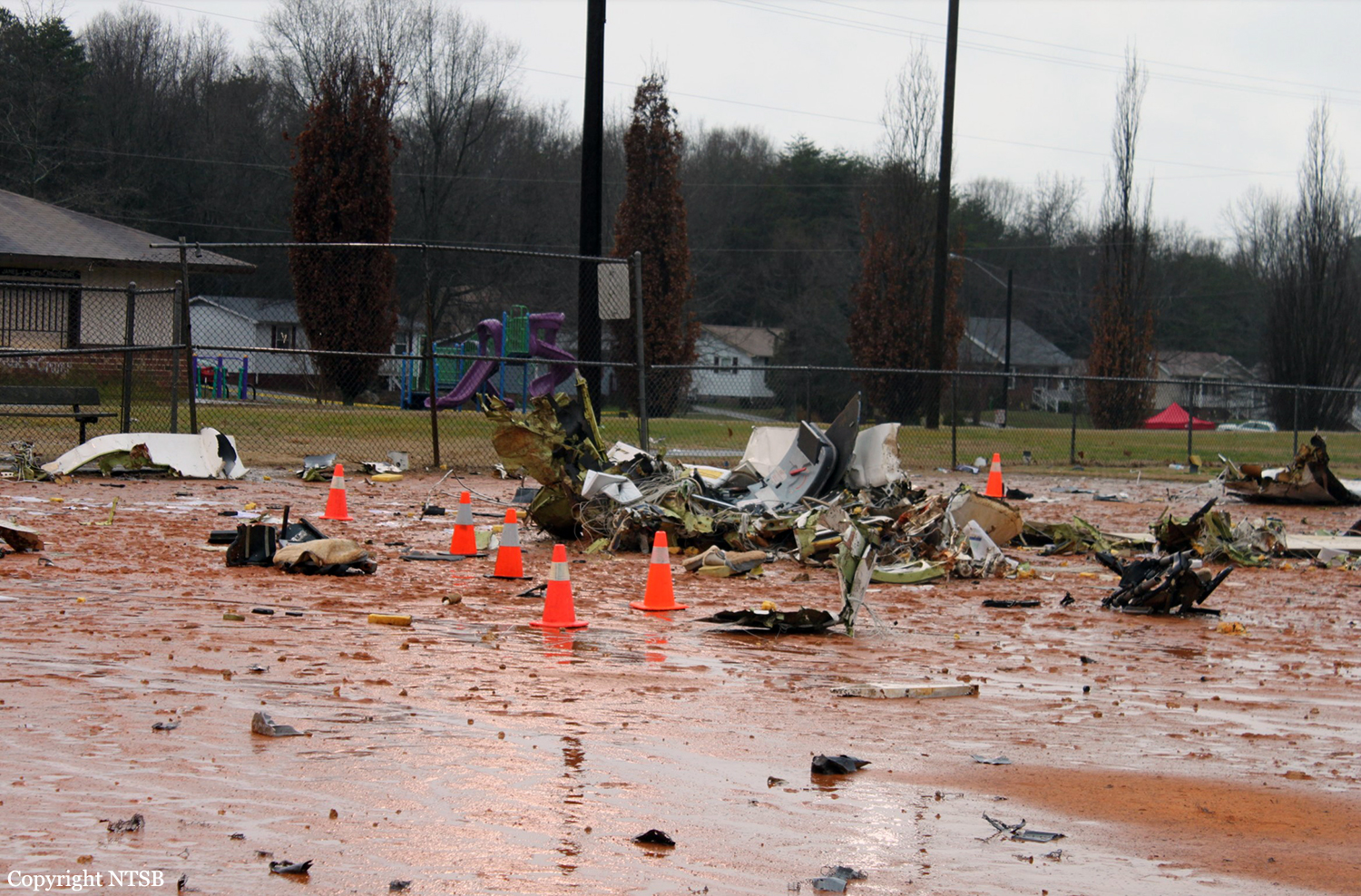
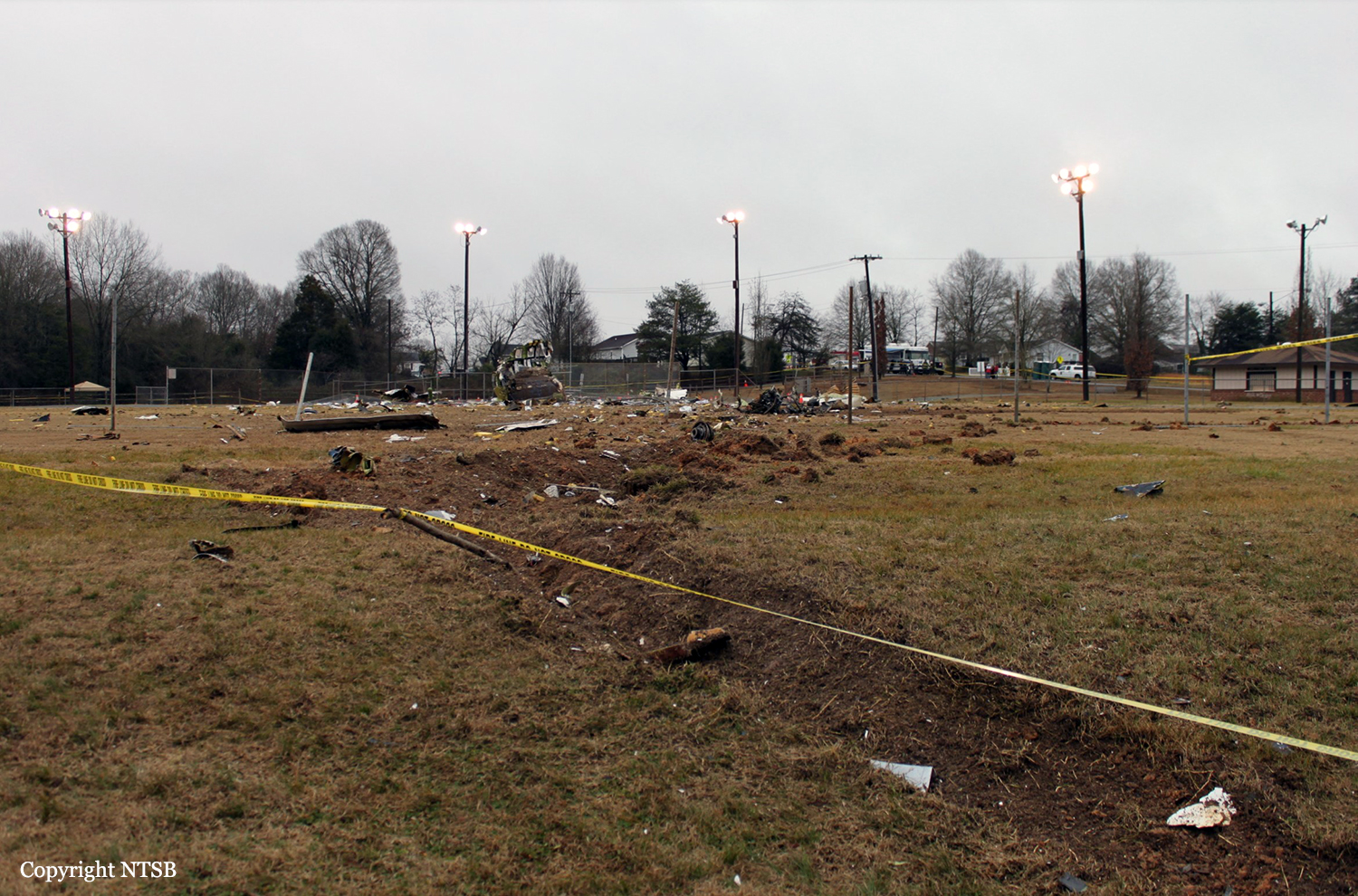
The pilot departed in night instrument flight rules (IFR) conditions on a medical specimen transport flight. During the climb, an air traffic controller told the pilot that the transponder code he had selected (2501) was incorrect and instructed him to reset the transponder to a different code (2531). Shortly thereafter, the airplane reached a maximum altitude of about 3,300 ft and then entered a descending right turn. The airplane’s enhanced ground proximity warning system recorded a descent rate of 11,245 ft per minute, which triggered two “sink rate, pull up” warnings. The airplane subsequently climbed from an altitude of about 1,400 ft to about 2,000 ft before it entered another turning descent and impacted the ground about 5 miles northeast of the departure airport. The airplane was fragmented and strewn along a debris path that measured about 800-ft long and 300-ft wide. Postaccident examination of the airplane did not reveal any preimpact mechanical malfunctions that would have precluded the pilot from controlling the airplane. The engine did not display any evidence of preimpact anomalies that would have precluded normal operation. An open resistor was found in the flight computer that controlled the autopilot. It could not be determined if the open resistor condition existed during the flight or occurred during the impact. If the resistor was in an open condition at the time of autopilot engagement, the autopilot would appear to engage with a mode annunciation indicating engagement, but the pitch and roll servos would not engage. The before taxiing checklist included checks of the autopilot system to verify autopilot function before takeoff. It could not be determined if the pilot performed the autopilot check before the accident flight or if the autopilot was engaged at the time of the accident. The circumstances of the accident are consistent with the known effects of spatial disorientation. Dark night IFR conditions prevailed, and the track of the airplane suggests a loss of attitude awareness. Although the pilot was experienced in night instrument conditions, it is possible that an attempt to reset the transponder served as an operational distraction that contributed to a breakdown in his instrument scan. Similarly, if the autopilot’s resistor was in an open condition and the autopilot had been engaged, the pilot’s failure to detect an autopilot malfunction in a timely manner could have contributed to spatial disorientation and the resultant loss of control.
Probable cause:
The pilot's failure to maintain airplane control due to spatial disorientation during the initial climb after takeoff in night instrument flight rules conditions.
Final Report:
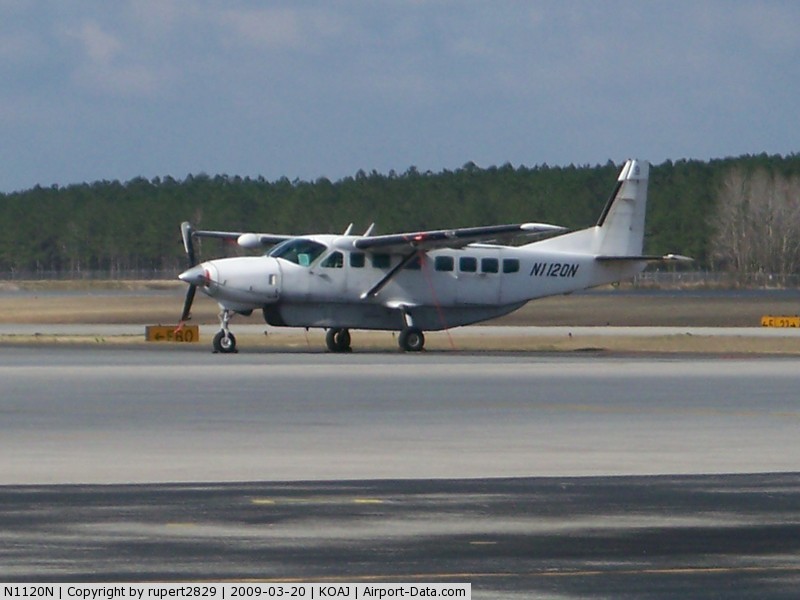
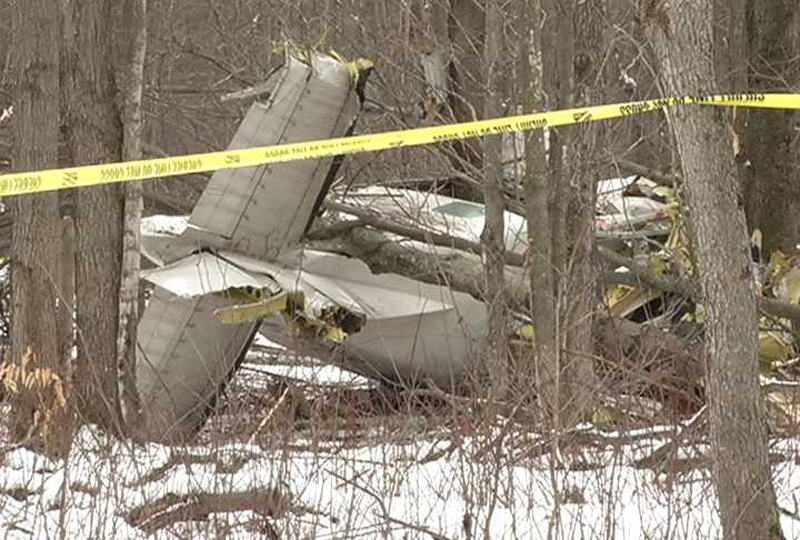
Crash of a Cessna 208B Super Cargomaster in Pellston: 1 killed

Date & Time: Jan 15, 2013 at 1958 LT
Type of aircraft:
Operator:
Registration:
N1120N
Flight Phase:
Flight Type:
Survivors:
No
Schedule:
Pellston - Lansing
MSN:
208B-0386
YOM:
1994
Flight number:
MRA605
Crew on board:
1
Crew fatalities:
Pax on board:
0
Pax fatalities:
Other fatalities:
Total fatalities:
1
Captain / Total flying hours:
1921
Captain / Total hours on type:
34.00
Aircraft flight hours:
10132
Circumstances:
The pilot landed at the airport to refuel the airplane and pick up cargo. The pilot spoke with three employees of the fixed base operator who stated that he seemed alert and awake but wanted to make a "quick turn." After the airplane was fueled and the cargo was loaded, the pilot departed; the airplane crashed 1 minute later. Night visual meteorological conditions prevailed at the time. An aircraft performance GPS and simulation study indicated that the airplane entered a right bank almost immediately after takeoff and then made a 42 degree right turn and that it was accelerating throughout the flight, from about 75 knots groundspeed shortly after liftoff to about 145 knots groundspeed at impact. The airplane was climbing about 500 to 700 feet per minute to a peak altitude of about 260 feet above the ground before descending. The simulation showed a gas generator speed of about 93 percent throughout the flight. The study indicated that the load factor vectors, which were the forces felt by the pilot, could have produced a somatogravic illusion of a climb, even while the airplane was descending. The postaccident examination of the airframe and engine revealed no evidence of mechanical malfunctions or failures that would have precluded normal operation. Based on the findings from the aircraft performance GPS and simulation study, the degraded visual reference conditions present about the time of the accident, and the forces felt by the pilot, it is likely that he experienced spatial disorientation, which led to his inadvertent controlled descent into terrain.
Probable cause:
The pilot's inadvertent controlled descent into terrain due to spatial disorientation. Contributing to the accident was lack of visual reference due to night conditions.
Final Report:
Crash of a Piper PA-61P Aerostar (Ted Smith 601) in Hermosillo

Date & Time: Jan 13, 2013 at 1800 LT
Registration:
N6081Y
Flight Type:
Survivors:
Yes
MSN:
61-0681-7963321
YOM:
1979
Country:
Crew on board:
0
Crew fatalities:
Pax on board:
0
Pax fatalities:
Other fatalities:
Total fatalities:
0
Circumstances:
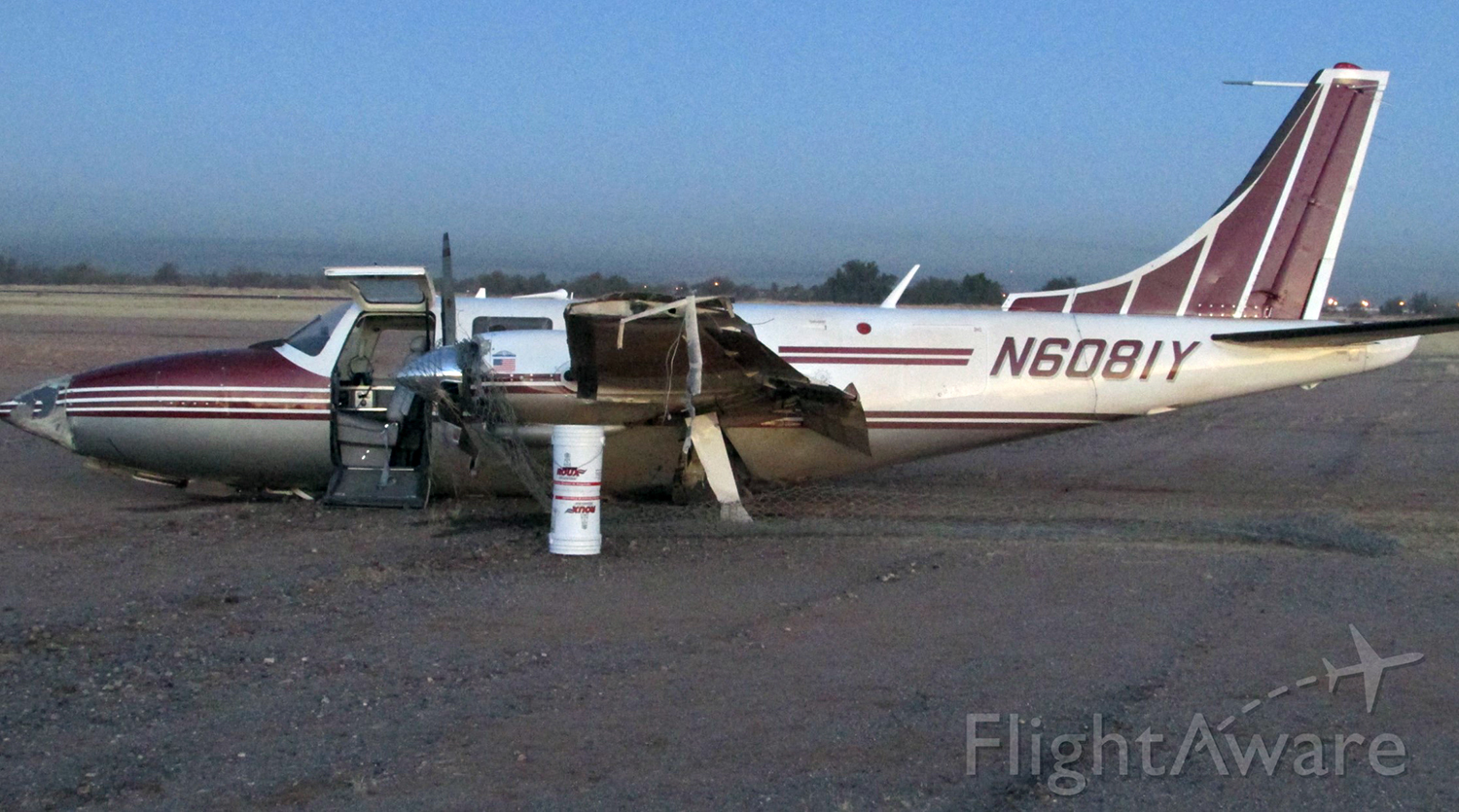
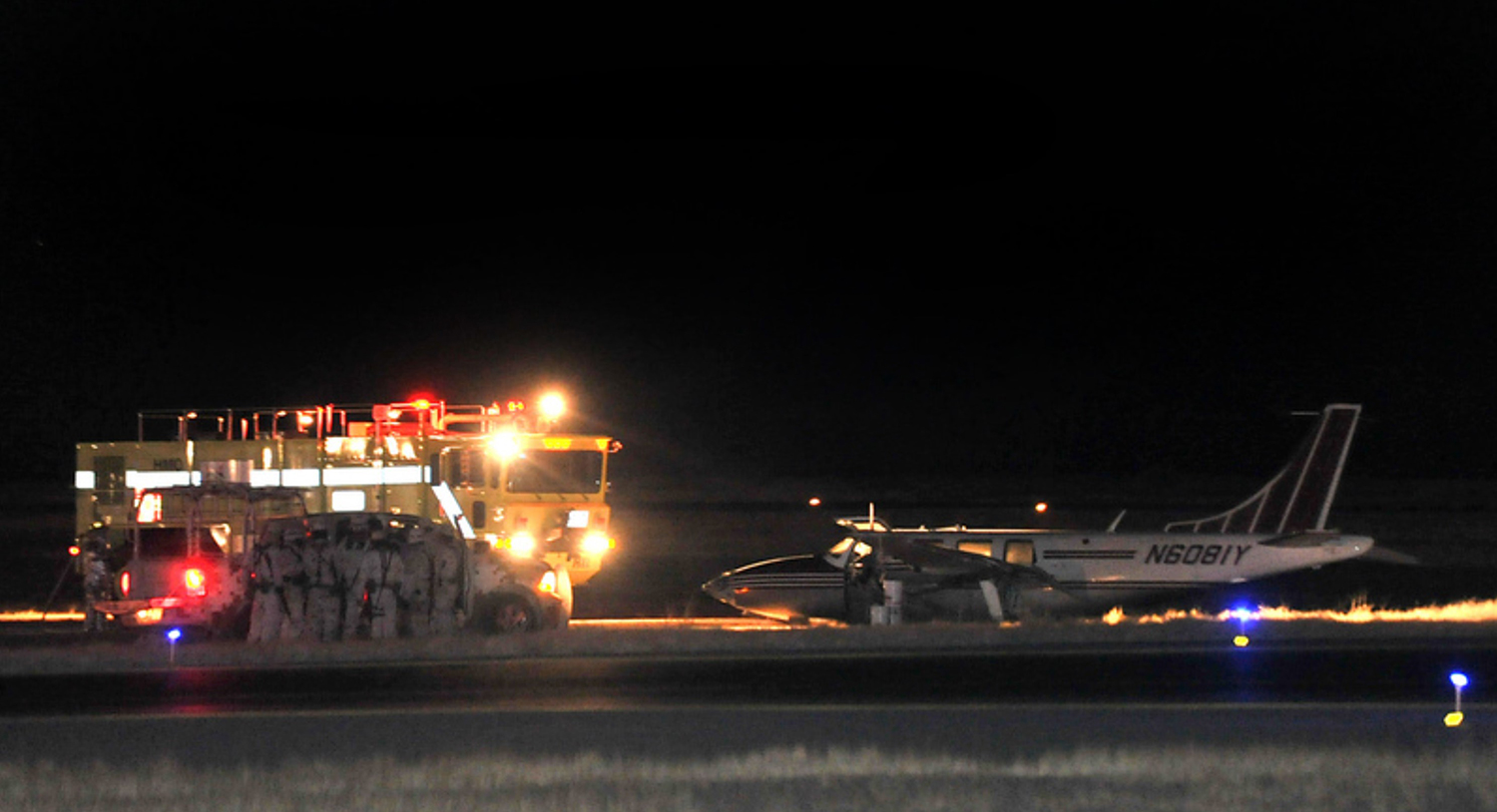
The twin engine aircraft suffered an accident at Hermosillo-General Ignacio Pesqueira Garcia Airport. After touchdown, the airplane veered off runway, collided with a fence and came to rest on its belly. All occupants escaped uninjured while the aircraft was damaged beyond repair.

Crash of a Piper PA-60 Aerostar (Ted Smith 602P) in North Las Vegas

Date & Time: Jan 2, 2013 at 1515 LT
Registration:
N3AG
Flight Type:
Survivors:
Yes
Schedule:
North Las Vegas - North Las Vegas
MSN:
60-8365-018
YOM:
1983
Crew on board:
2
Crew fatalities:
Pax on board:
0
Pax fatalities:
Other fatalities:
Total fatalities:
0
Captain / Total flying hours:
3900
Captain / Total hours on type:
1700.00
Copilot / Total flying hours:
11535
Copilot / Total hours on type:
60
Aircraft flight hours:
3259
Circumstances:
The pilot receiving instruction conducted three full-stop landings without incident. After the fourth takeoff, the flight instructor simulated a prearranged left engine failure about 600 ft above ground level (agl). The pilot followed emergency procedures, used the checklist, and prepared to land. The pilot reported that, when the airplane was about 50 to 100 ft agl on final approach, he thought that it was a little too high, so he chose to initiate a go-around. He moved the throttle levers full forward, but neither engine responded. The flight instructor pushed the airplane's nose down, and the pilot continued the approach. On touchdown, the right main and nose landing gear collapsed. A postimpact fire ensued, which consumed most of the airplane. Postaccident examination of the landing gear revealed that it collapsed due to bending overload consistent with a hard landing. The reason for the failure of both engines to respond to power inputs could not be determined because of the postcrash fire damage.
Probable cause:
The pilot's failure to maintain an adequate descent rate while on final approach, which resulted in a hard landing and landing gear collapse due to overload following the failure of both engines to respond to power inputs during an attempted go-around for reasons that could not be determined due to postcrash fire damage.
Final Report:

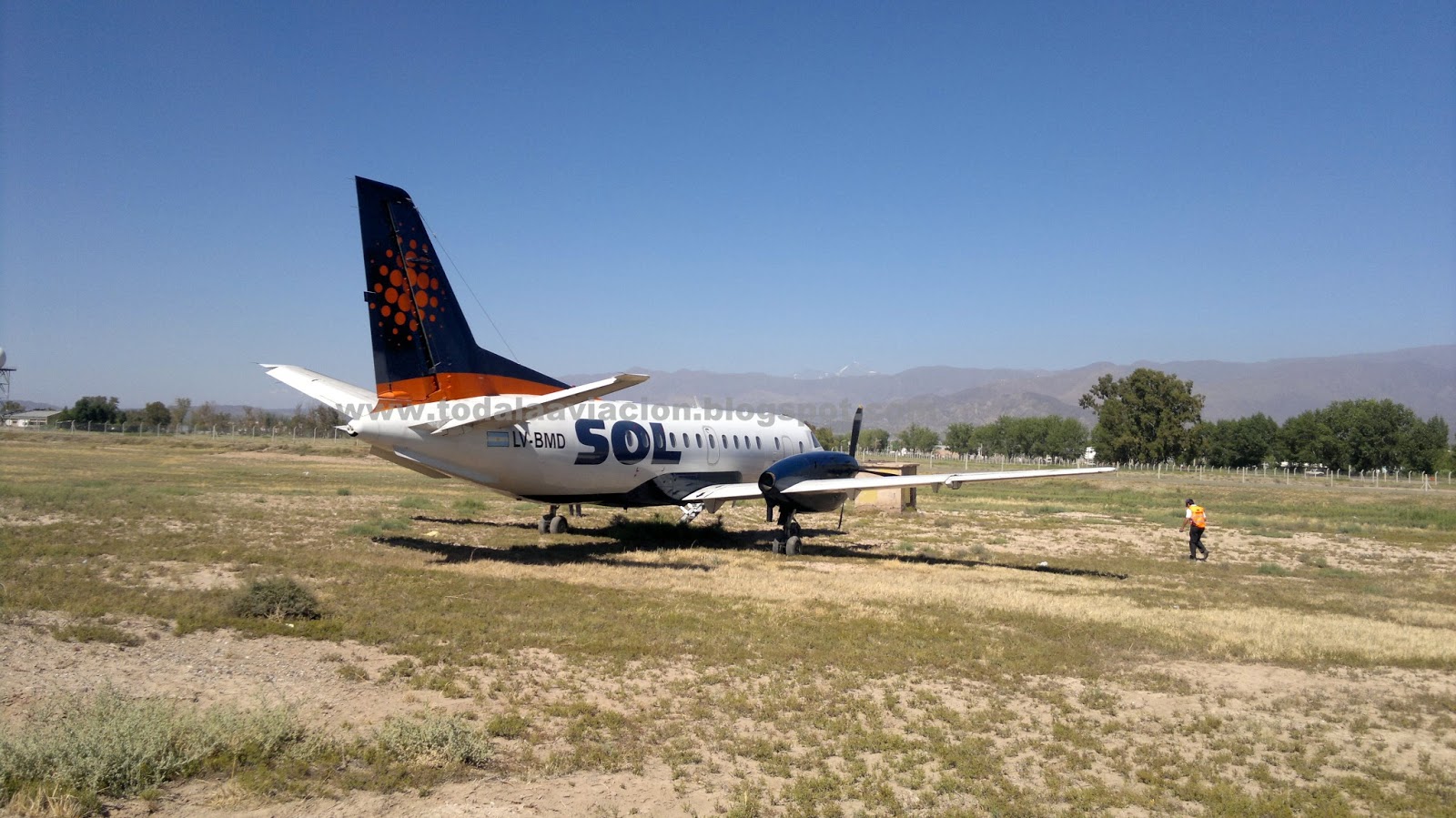
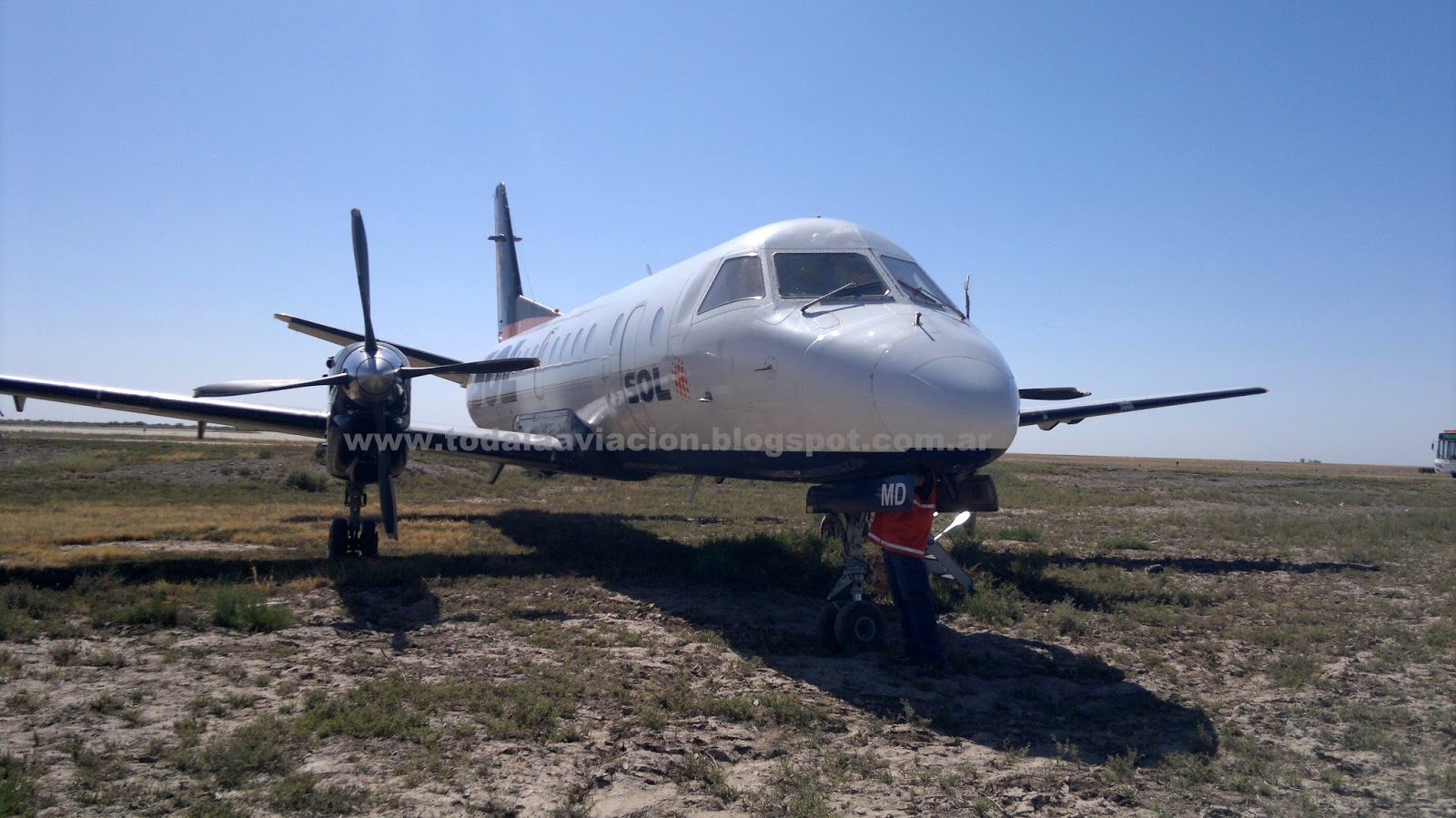
Ground accident of a Saab 340A in Mendoza

Date & Time: Jan 2, 2013 at 1011 LT
Type of aircraft:
Operator:
Registration:
LV-BMD
Flight Phase:
Survivors:
Yes
Schedule:
Mendoza - Neuquén
MSN:
123
YOM:
1988
Flight number:
OLS5420
Country:
Crew on board:
3
Crew fatalities:
Pax on board:
30
Pax fatalities:
Other fatalities:
Total fatalities:
0
Captain / Total flying hours:
7000
Captain / Total hours on type:
600.00
Copilot / Total flying hours:
1818
Copilot / Total hours on type:
110
Aircraft flight hours:
47798
Circumstances:
While taxiing to runway 18 for a departure to Neuquén, the twin engine aircraft went out of control, veered off taxiway to the left and rolled onto a soft ground four about 40 metres before coming to rest. The nose gear sank in soft ground, causing both propeller blades to struck the ground and to be partially torn off. The fuselage was hit by debris. All 33 occupants evacuated safely and the aircraft was damaged beyond repair.
Probable cause:
The loss of control during taxiing was the consequence of the combination of the following factors:
- The electric pump which controls fluid pressure in the hydraulic system was not operational, generating a deficit of fluid pressure in the hydraulic system.
- The low fluid pressure warning in the hydraulic system was not recognized by the crew.
- The crew could not control the path of the aircraft due to the unavailability of nose wheel steering.
- The persistence of an informal practice among the crews of the operator on the operation of the hydraulic system, contrary to the concept of operation of the hydraulic system established by the manufacturer.
- The lack of detection of the informal practice on the operation of the hydraulic system by the operator's safety monitoring mechanisms.
Final Report: