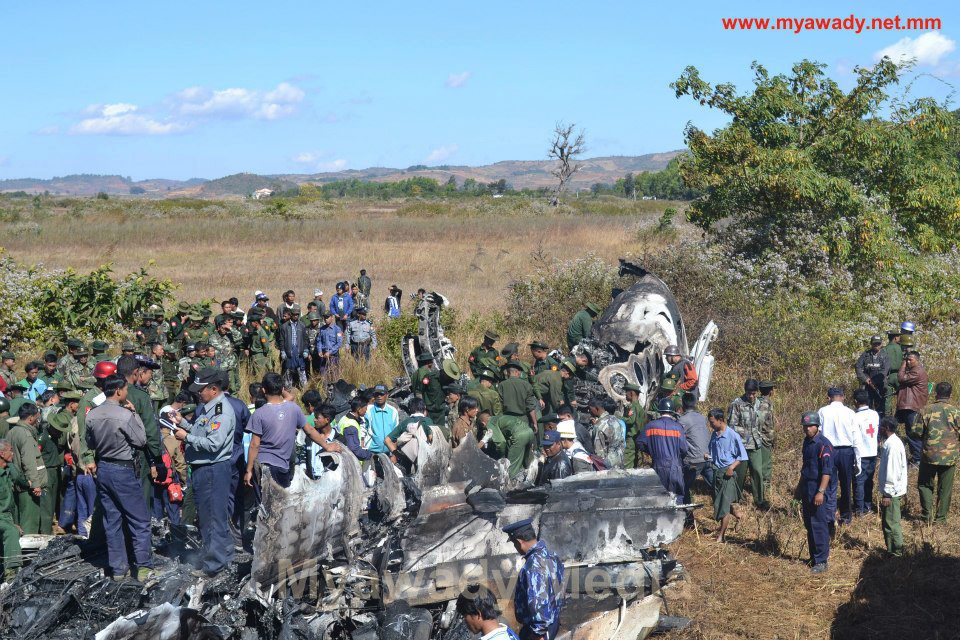
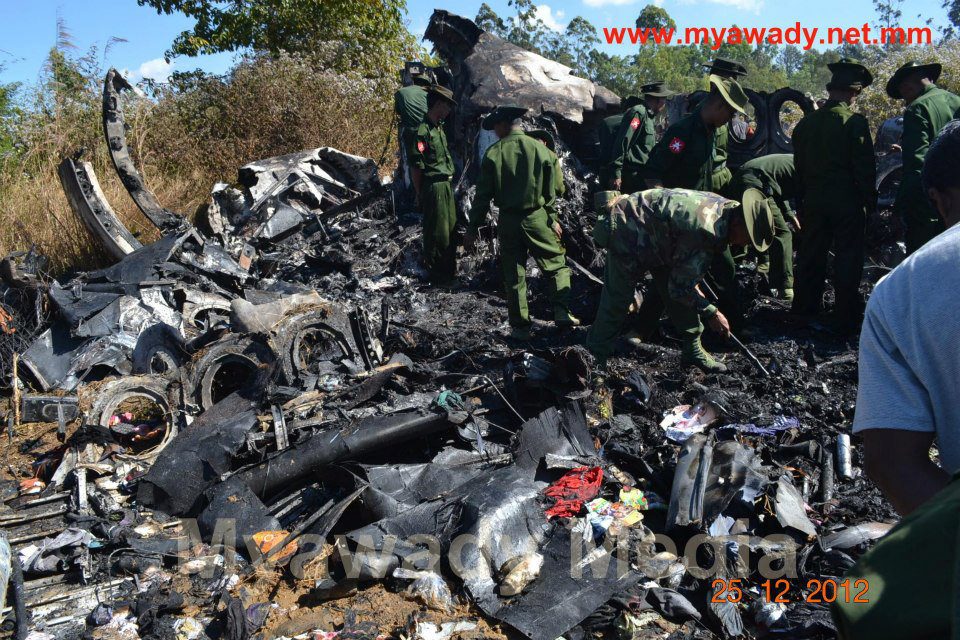
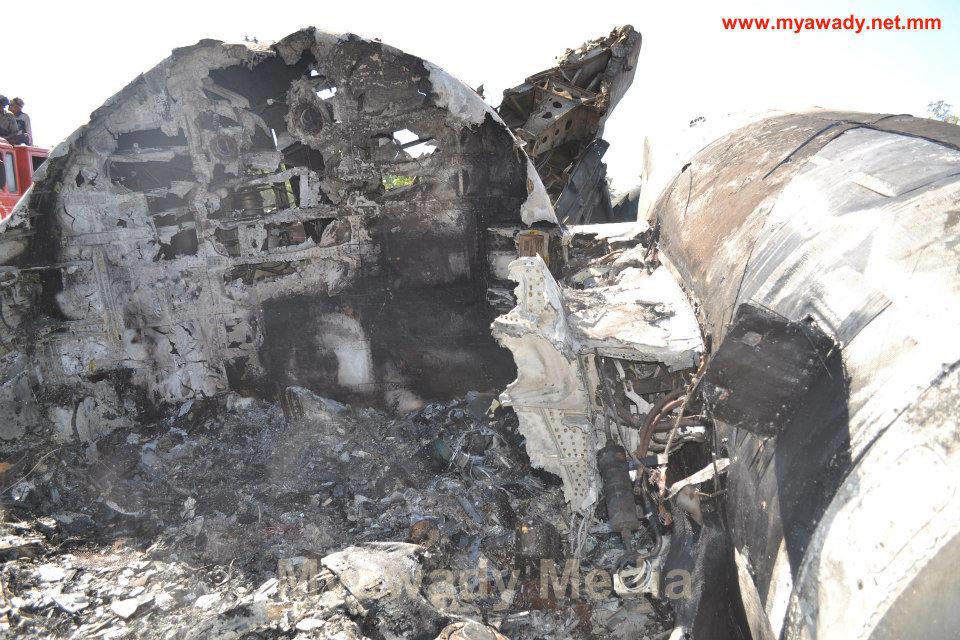
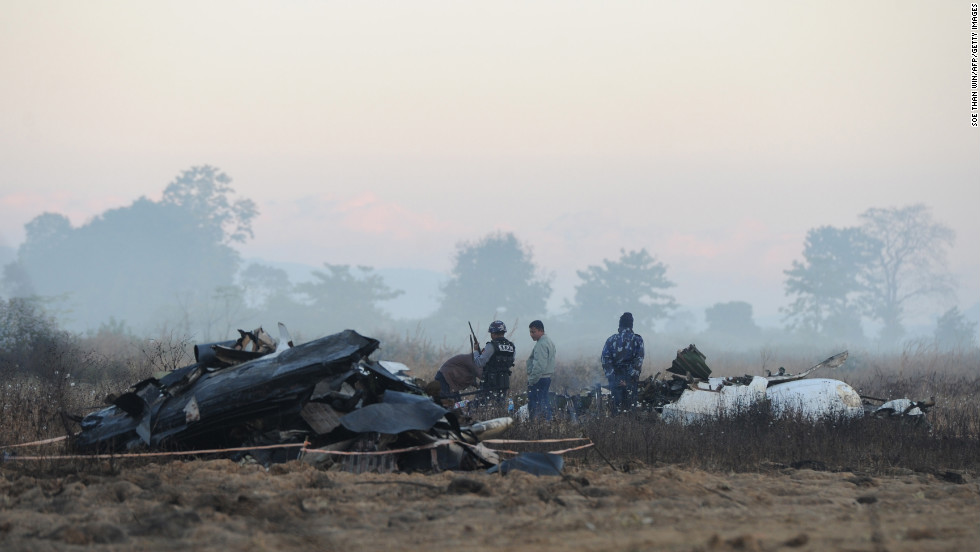
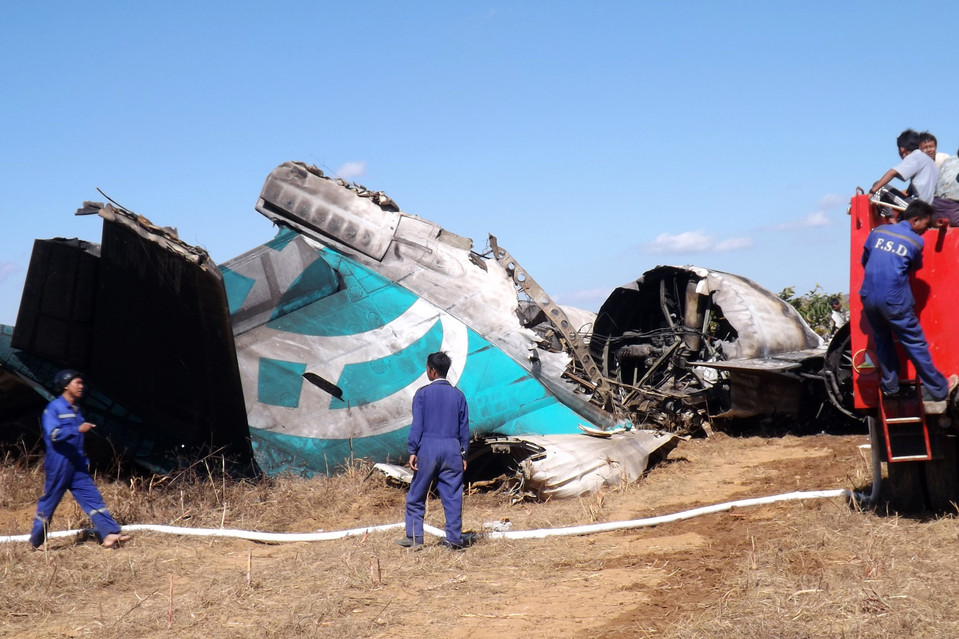
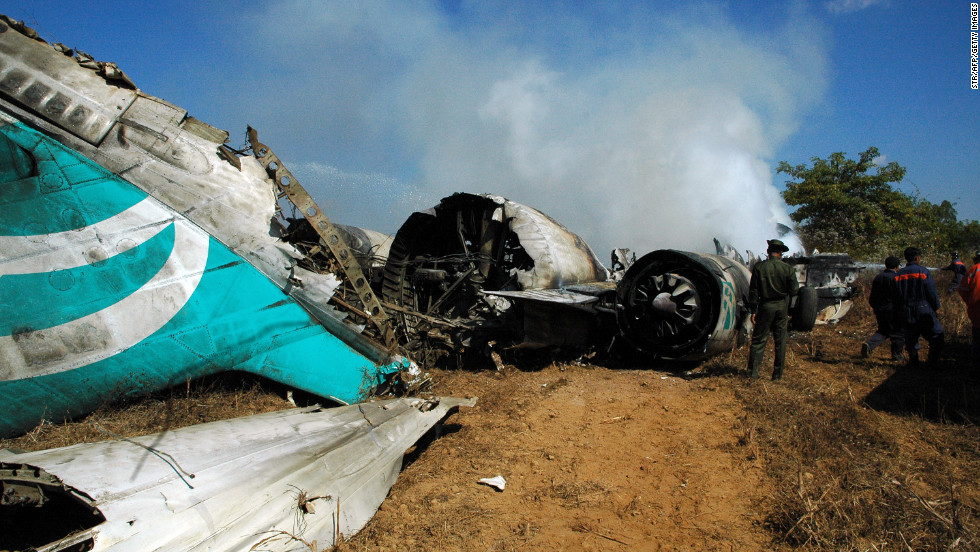
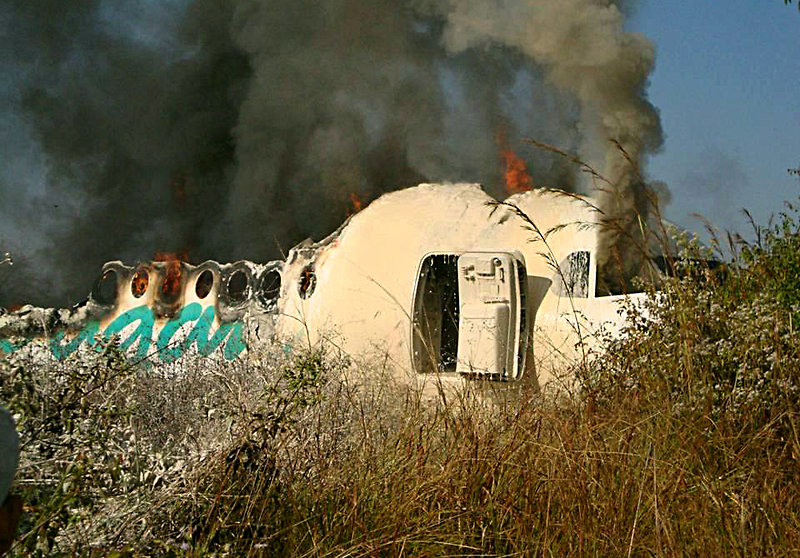
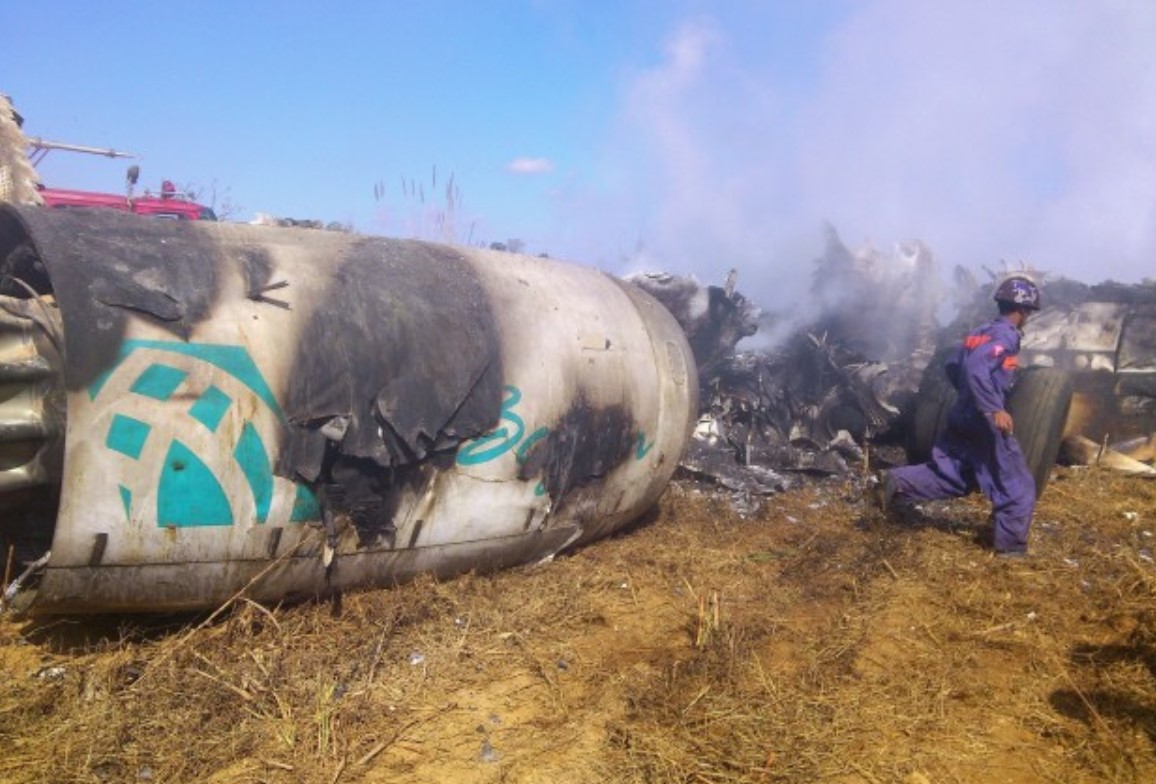
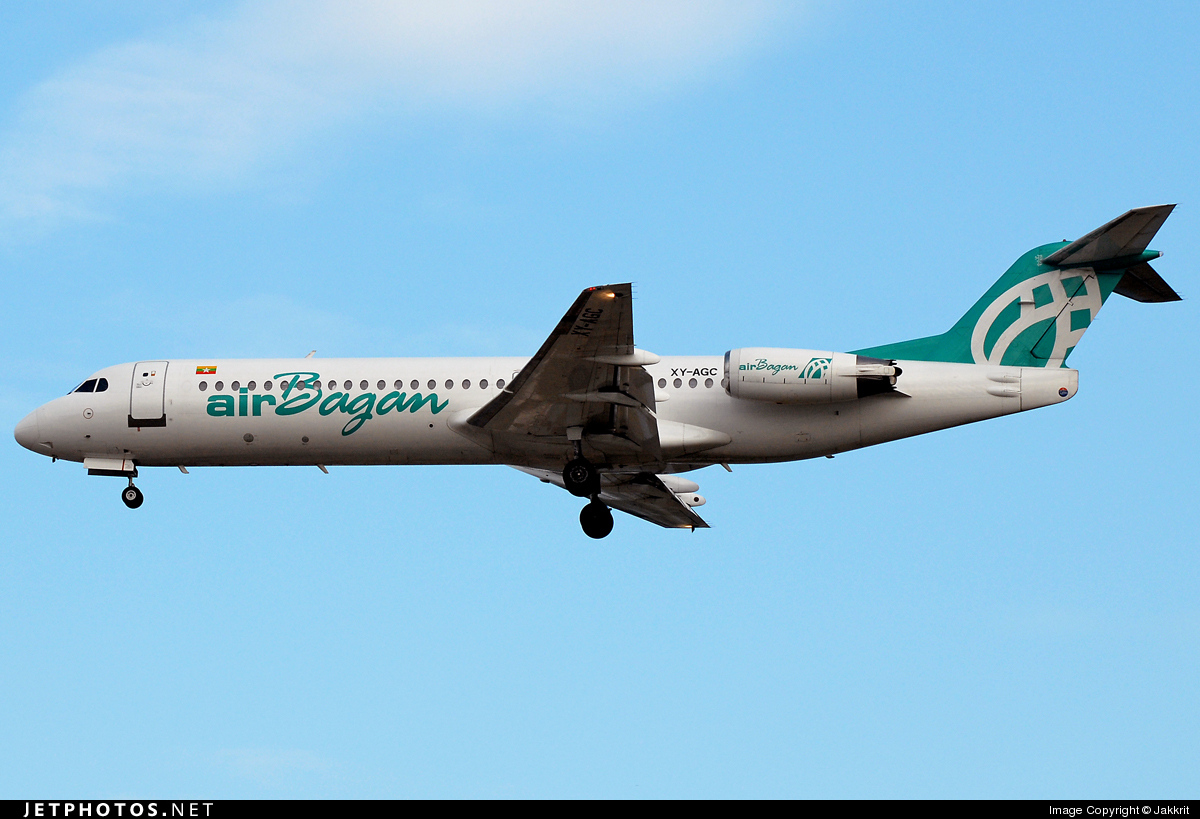
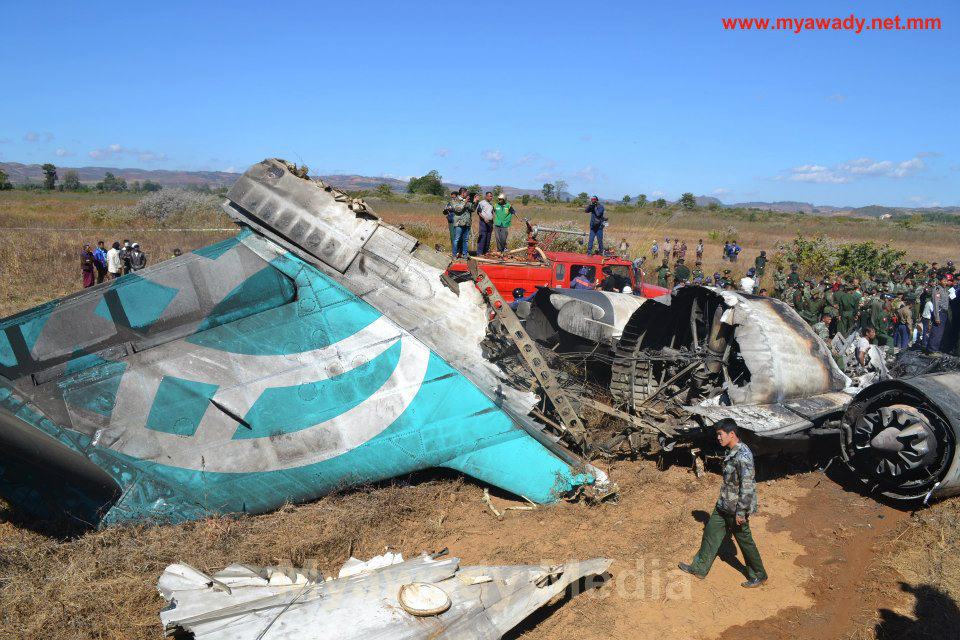
Crash of a Fokker 100 in Heho: 2 killed

Date & Time: Dec 25, 2012 at 0853 LT
Type of aircraft:
Operator:
Registration:
XY-AGC
Survivors:
Yes
Schedule:
Mandalay - Heho
MSN:
11327
YOM:
1991
Flight number:
JAB011
Location:
Country:
Region:
Crew on board:
6
Crew fatalities:
Pax on board:
65
Pax fatalities:
Other fatalities:
Total fatalities:
2
Captain / Total flying hours:
5937
Captain / Total hours on type:
2547.00
Copilot / Total flying hours:
849
Copilot / Total hours on type:
486
Aircraft flight hours:
27378
Aircraft flight cycles:
32584
Circumstances:
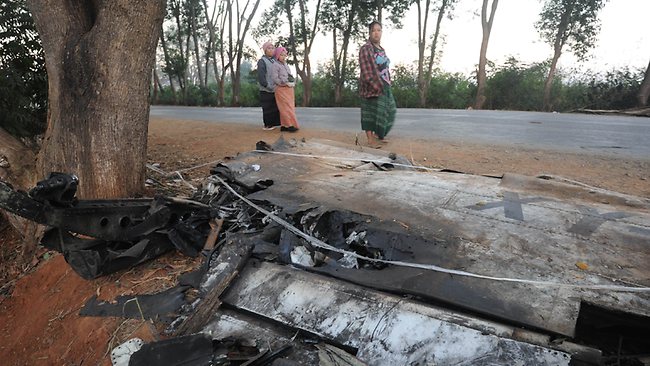
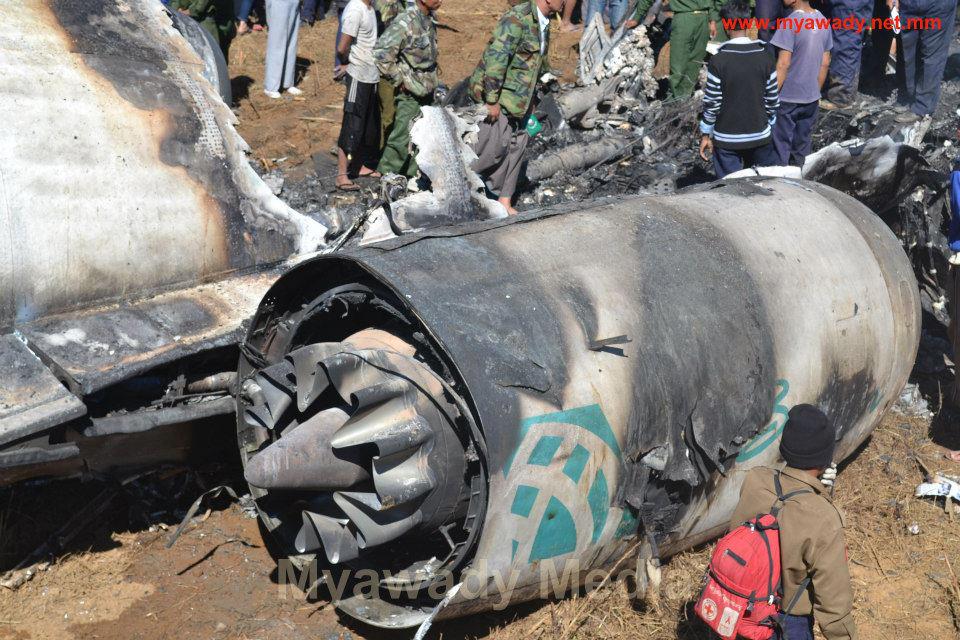
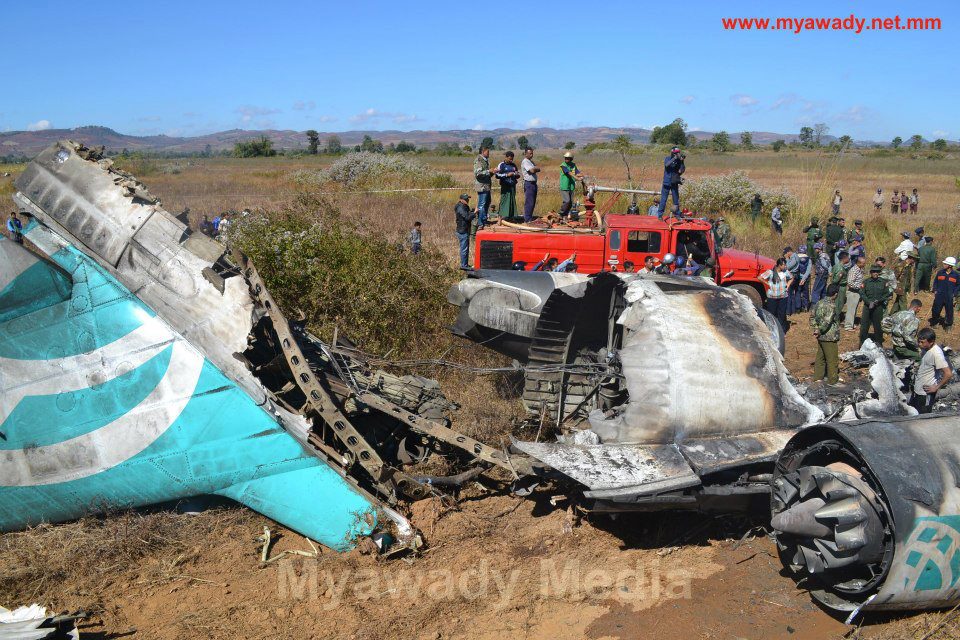
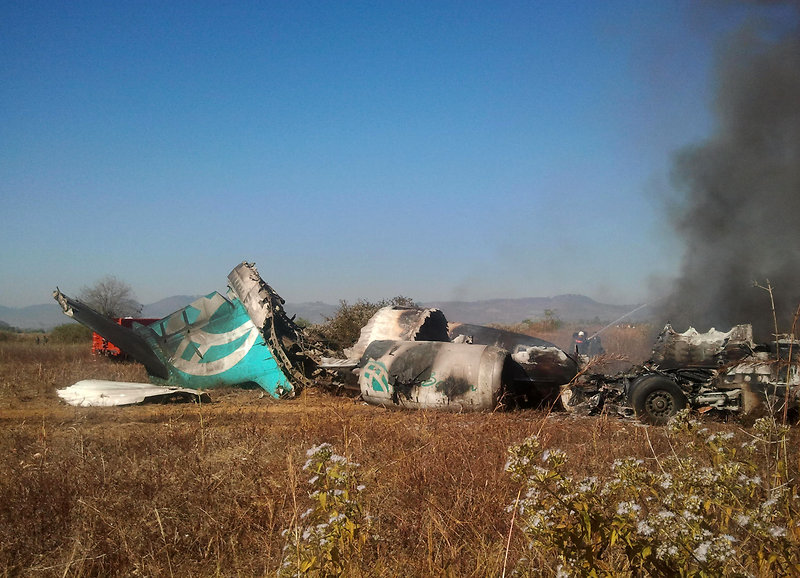
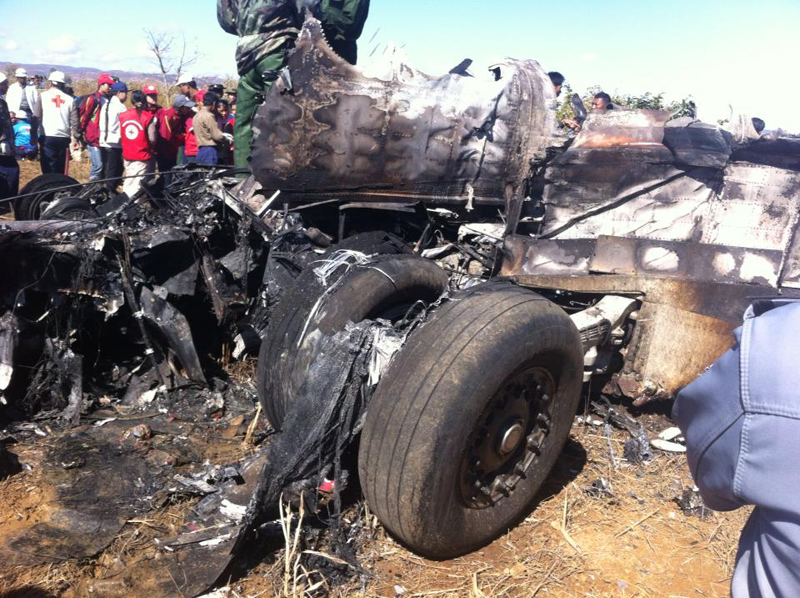
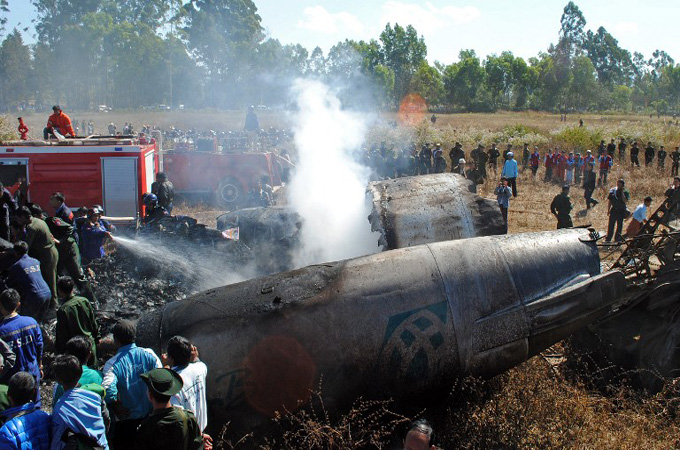
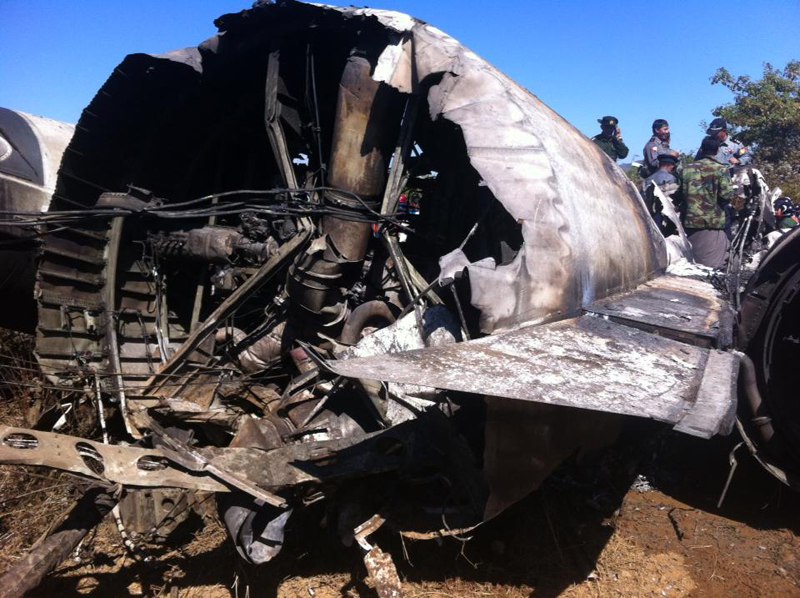
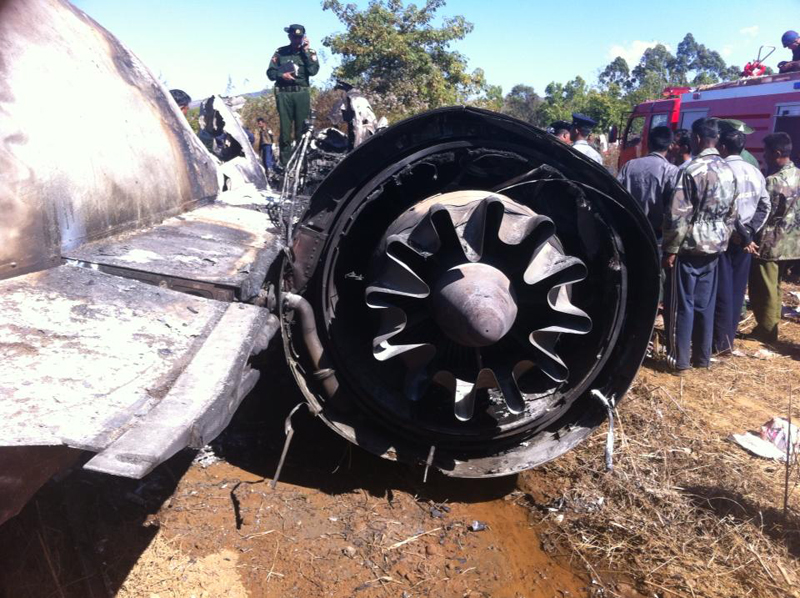
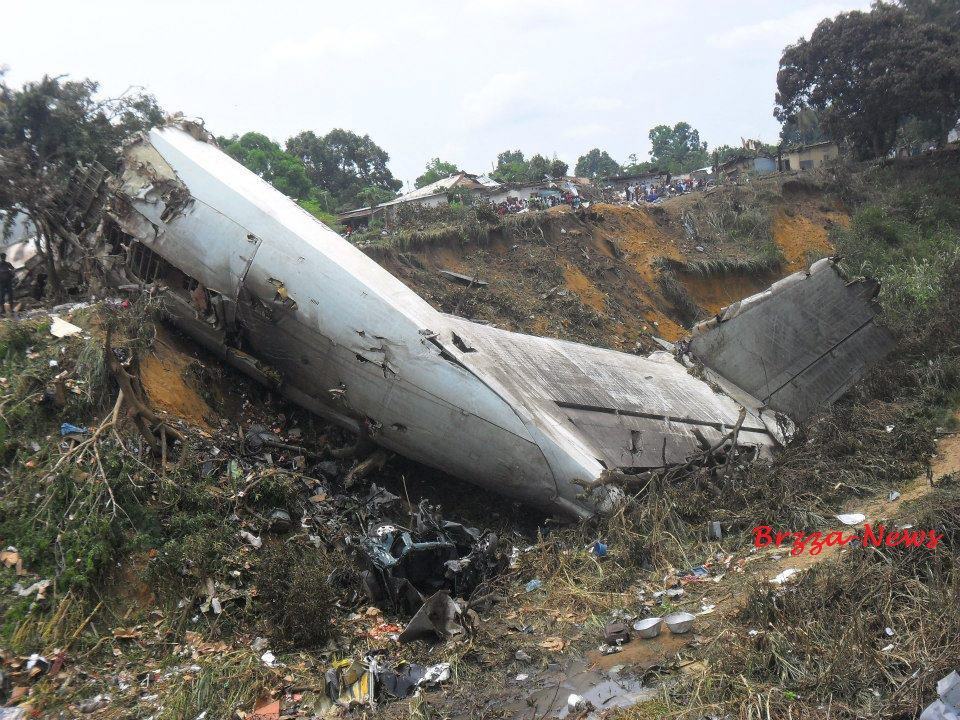
On 25 December 2012 at 0603 local Time, an Air Bagan Ltd Fokker 100 aircraft registered XY-AGC (MSN-11327) departed Yangon International Airport (VYYY) on a scheduled passenger flight to Mandalay International Airport (VYMD) with the Pilot in command (PIC) as pilot flying. The aircraft was refueled after 60 passengers disembarked and 46 passengers boarded. The PIC made briefing and completed the aircraft checks. At 0826 local time, departed Mandalay International Airport (VYMD) to Heho Airport (VYHH). On Board the pilot in command (PIC), first officer (FO), 4 cabin crews and 65 passengers (Total 71 POB) and the First Officer was designated as the Pilot Flying for the flight. The aircraft climbed to FL. 130 and cruised with an indicated airspeed of 250 Kts. The Pilot in command contacted Heho ATC at flight level 130 and 50 NM to Heho. Heho ATC provided the present weather condition (wind calm, visibility 3000M, Distinct fog, Temperature 17. C, QNH 1018 mb, RW 36). At about 0836 local time, the first officer started crew briefing and called out "Radio Altimeter" alive . The aircraft started descend to 9000ft and continued overhead Heho NDB. At about 0847 local time, while heading 220 degrees and descending to 6000ft and commenced a non-precision Non Directional Beacon (NDB) approach to runway 36. During the final inbound track at about 2.5 NM to the runway at 08:52:349, the EGPWS aural warning called out "500". The Pilot in command initiated "Alt hold" at about 0853, just before the EGPWS alert "100" "50" 40" "30" and the aircraft struck 66 KV power lines, trees, telephone cables, fence and collided with terrain short of the runway, coming to rest approximately 0.7 NM from the threshold. During the ground collision, both wings separated and a fire commenced almost immediately. An emergency evacuation was initiated by the cabin crews. One aircraft occupant and one motorcyclist on the ground were fatally injured, 70 of the occupants and one motorcyclist survived and the aircraft was destroyed by fire.
Probable cause:
Primary Cause:
- During the final approach, the aircraft descended below the MDA and the crew did not follow the operator SOP's.
- The pilots had no corrective action against to change VMC to IMC during bad weather condition and insufficient time for effective respond to last moment.
Secondary Cause:
- Captain of the aircraft had insufficient assessment on the risk that assigned the FO as PF.
- There may be under pressure by the following aircrafts as the first plane on that day to Heho.
Final Report:
Crash of a Piper PA-31-350 Navajo Chieftain in Leesburg: 1 killed

Date & Time: Dec 24, 2012 at 1435 LT
Registration:
N78WM
Flight Type:
Survivors:
Yes
Schedule:
Crescent City - Leesburg
MSN:
31-7952047
YOM:
1979
Crew on board:
1
Crew fatalities:
Pax on board:
1
Pax fatalities:
Other fatalities:
Total fatalities:
1
Captain / Total flying hours:
3000
Captain / Total hours on type:
900.00
Aircraft flight hours:
4912
Circumstances:
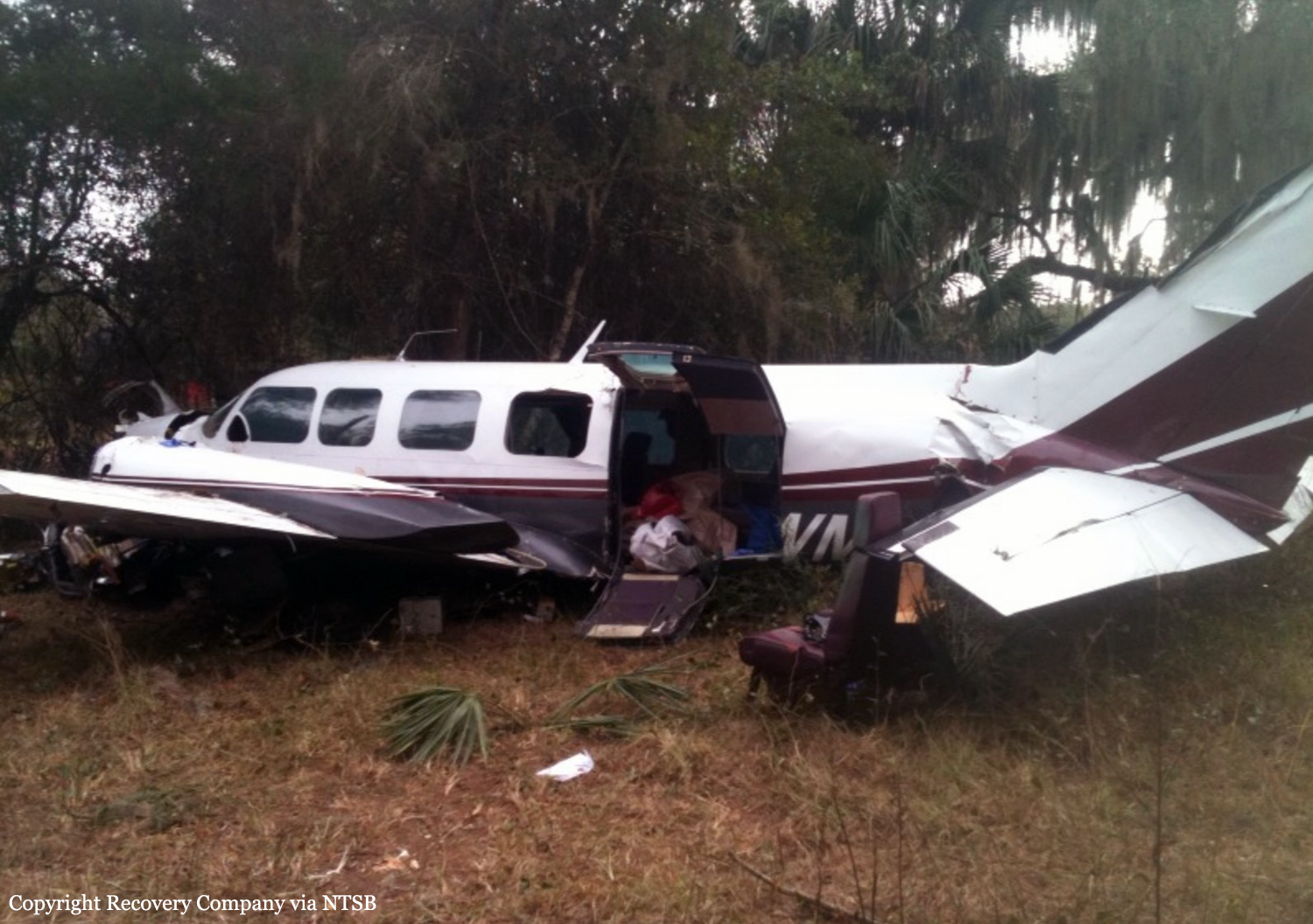
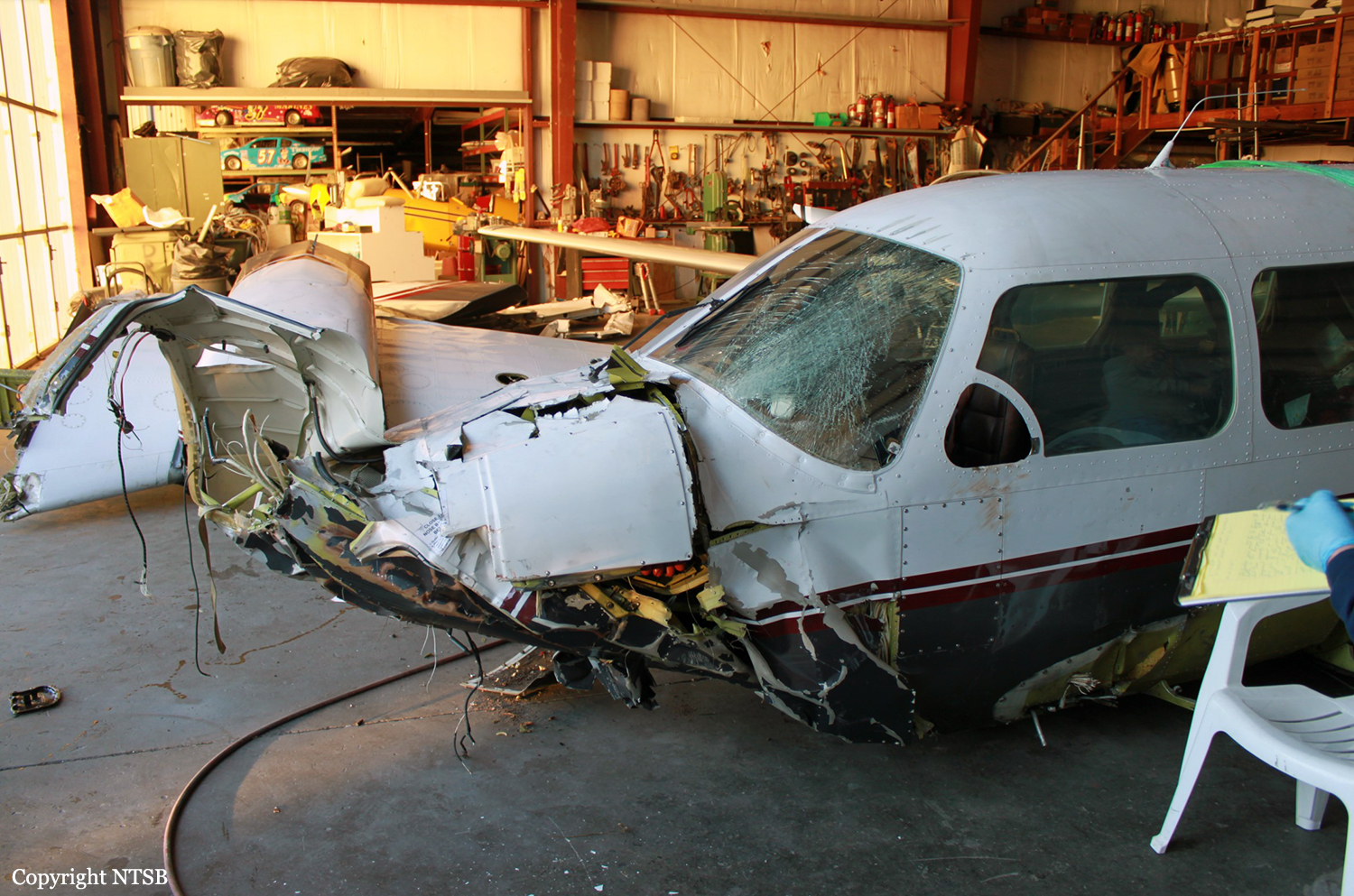
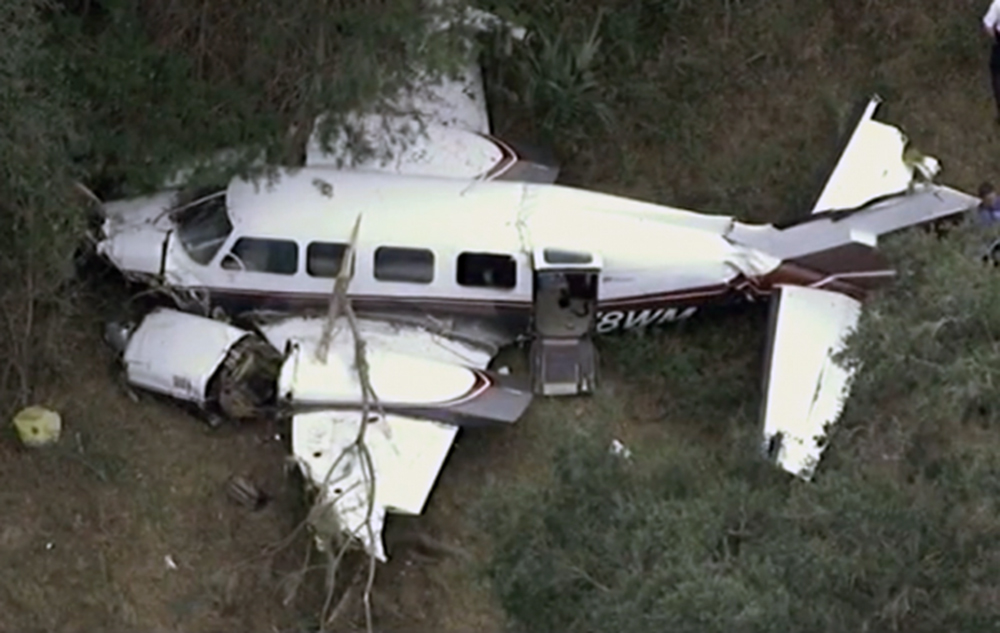
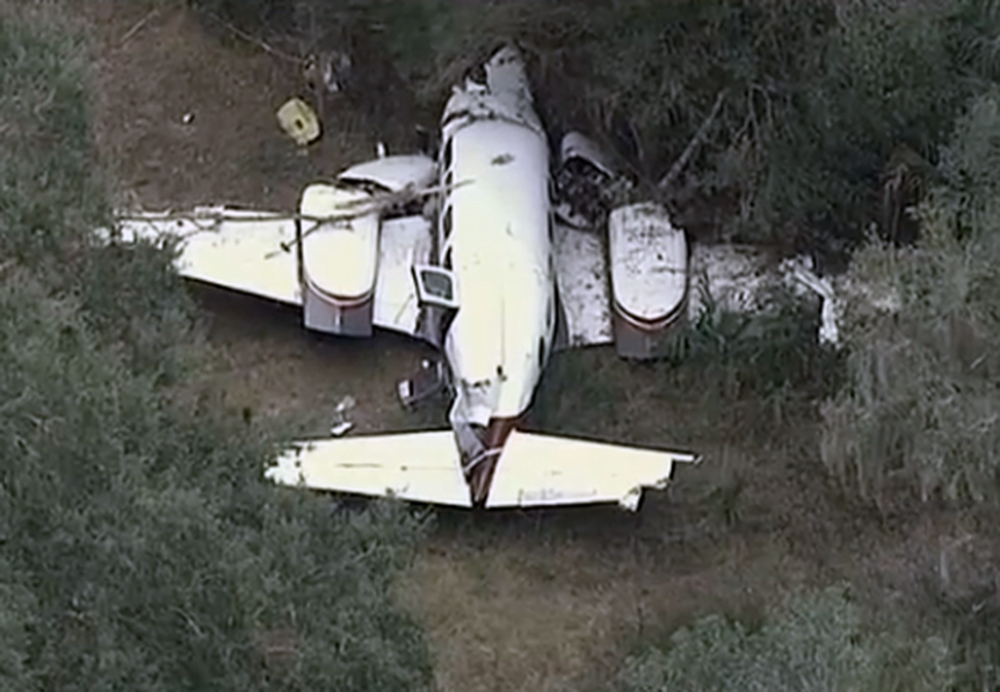
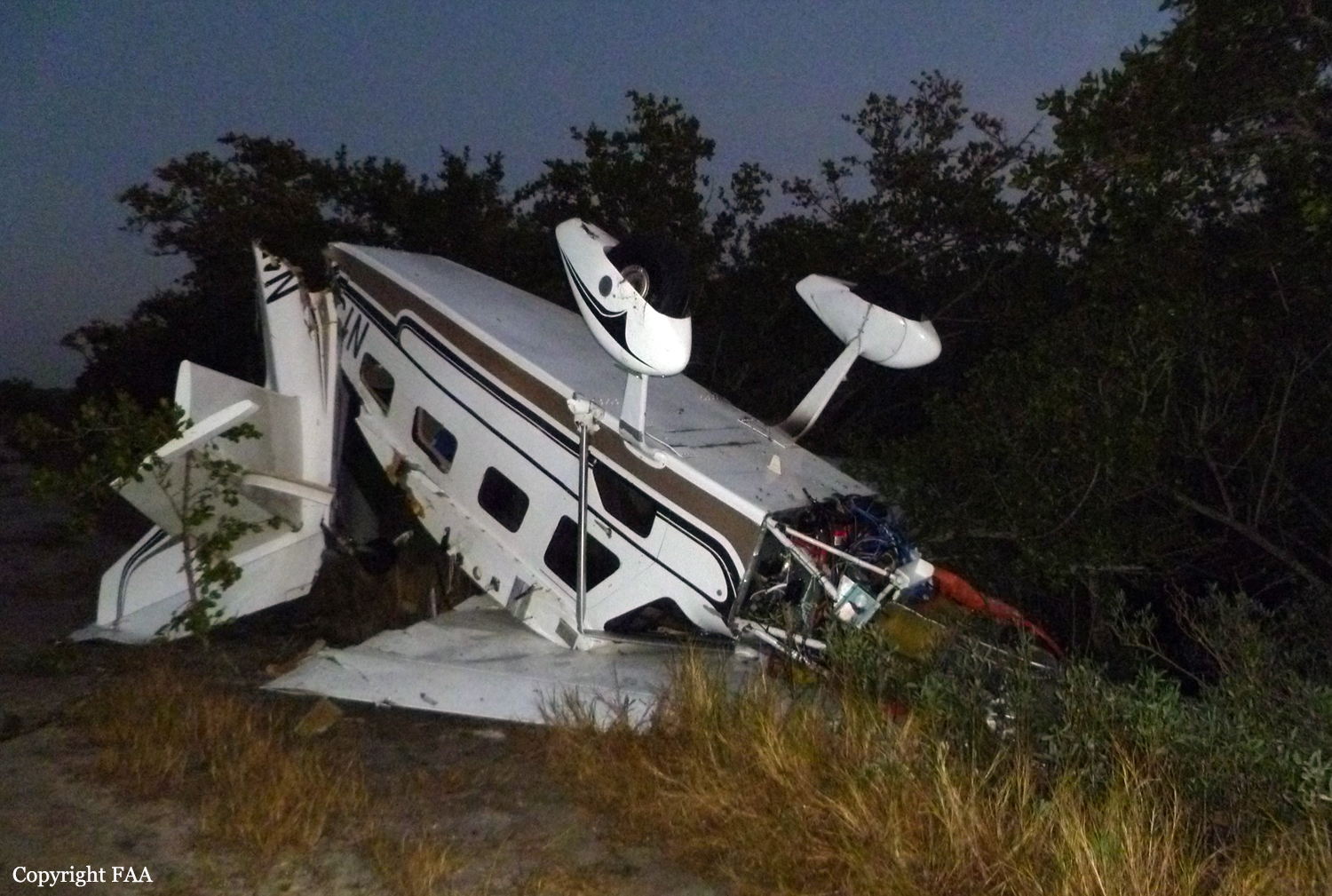
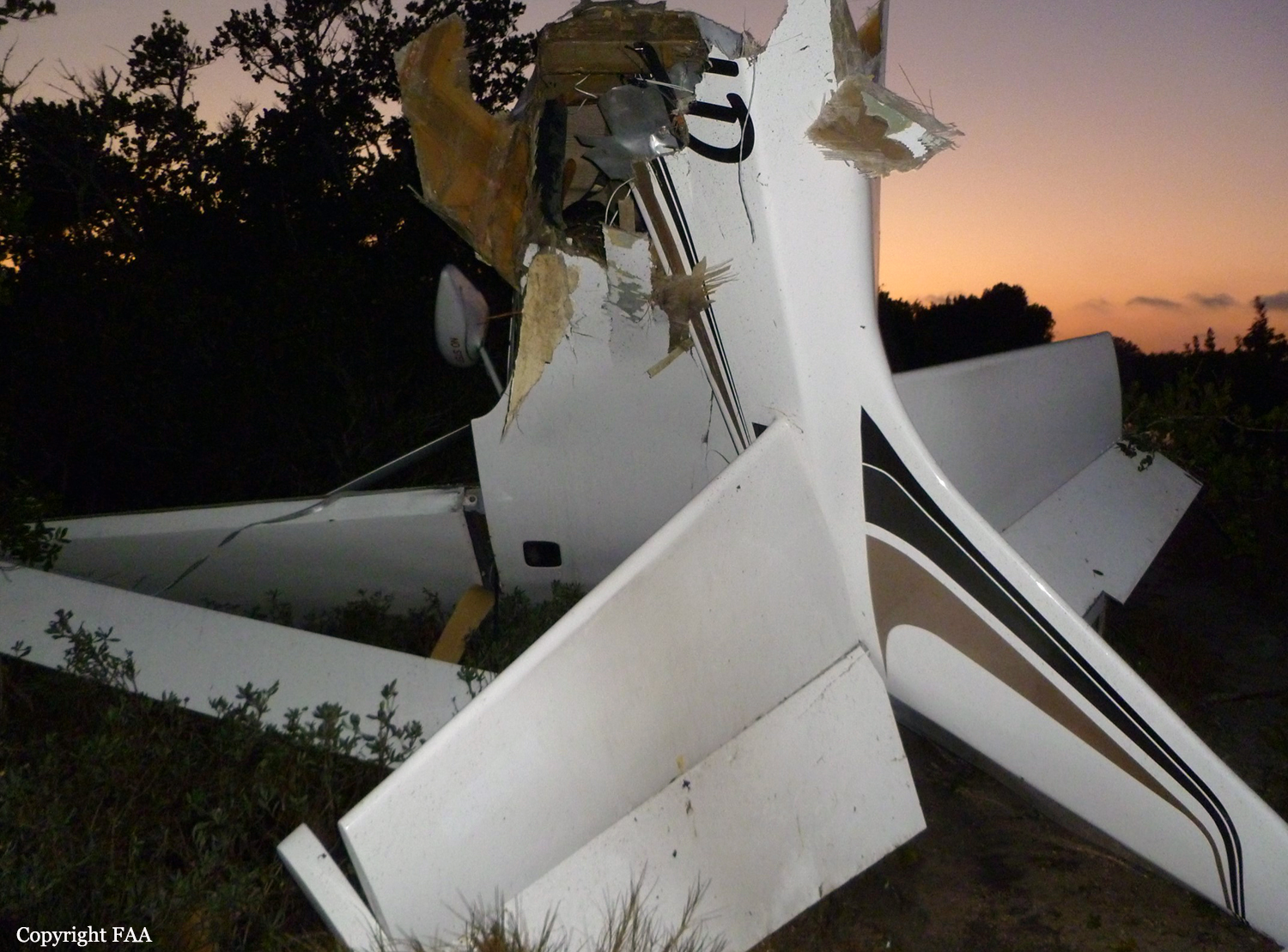
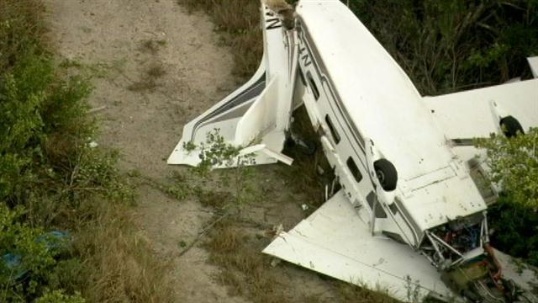
The pilot and the pilot-rated passenger were flying from their home, which was located at a residential airpark where no fuel services were available, to an airport located about 37 miles away. According to the passenger, shortly after departure, she queried the pilot about the airplane's apparent low fuel state. The pilot responded that one of the fuel gauges always indicated more available fuel than the other, and that if necessary they could use fuel from that tank. However, about 15 minutes after departure, the pilot advised air traffic control that the airplane was critically low on fuel. About 5 minutes later, both engines lost total power, and the airplane descended into trees and terrain. Examination of the airframe and engines after the accident confirmed that all of the airplane's fuel tanks were essentially empty, and that the trace amounts of fuel recovered were absent of contamination. Based on the autopsy and toxicology results, the pilot had emphysema, hypertension, dilated cardiomyopathy, and severe coronary artery disease; however, given that the passenger did not report any signs of acute incapacitation, and that the pilot did not communicate any medical issues to air traffic control, it does not appear that these conditions affected his performance on the day of the accident. The pilot did not report any chronically painful conditions to the FAA in his most recent medical certificate applications; however, postaccident toxicology tests indicated that the pilot was taking several pain medications (diclofenac, gabapentin, and oxycodone) and one illegal substance (marijuana). Based on the medications' Food and Drug Administration warnings, gabapentin and oxycodone may be individually impairing and sedating; their combined effect may be additive. The effects of the underlying conditions that necessitated the medication could not be determined. It is impossible to determine from the available information what direct effect the marijuana alone may have had on the pilot's judgment and psychomotor functioning; however, the combination of marijuana, oxycodone, and gabapentin likely significantly impaired the pilot's judgment and contributed to his failure to ensure the airplane had sufficient fuel to complete the planned flight.
Probable cause:
The pilot's inadequate preflight planning, which resulted in fuel exhaustion and a subsequent total loss of power in both engines during cruise flight. Contributing to the accident was the pilot’s use of prescription and illicit drugs, which likely impaired his judgment.
Final Report:
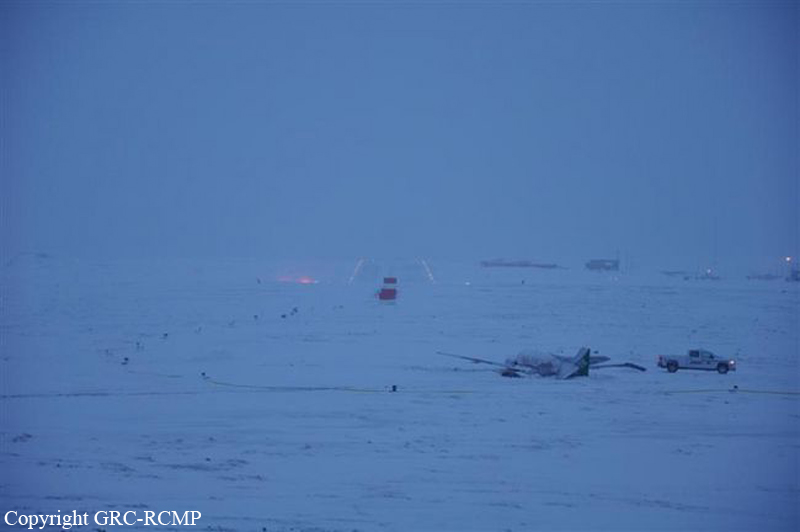
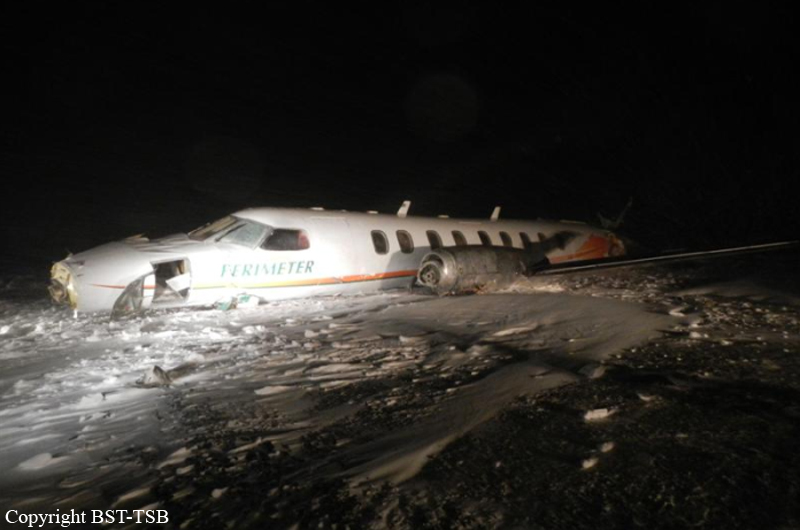
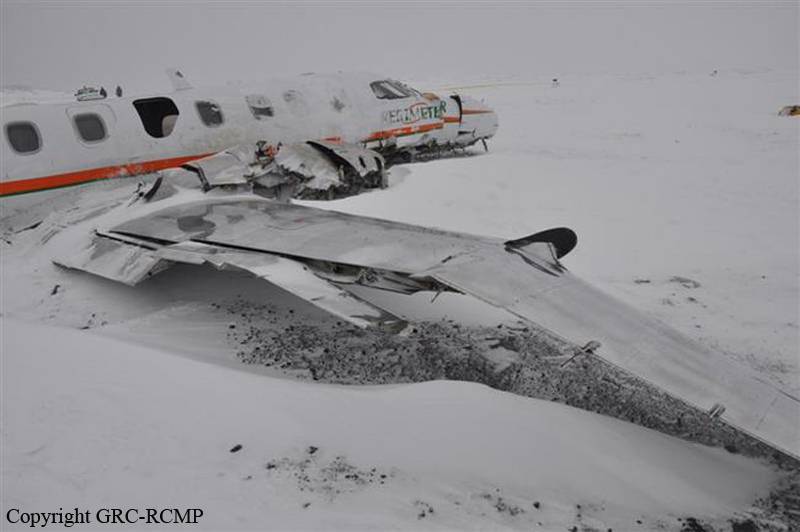
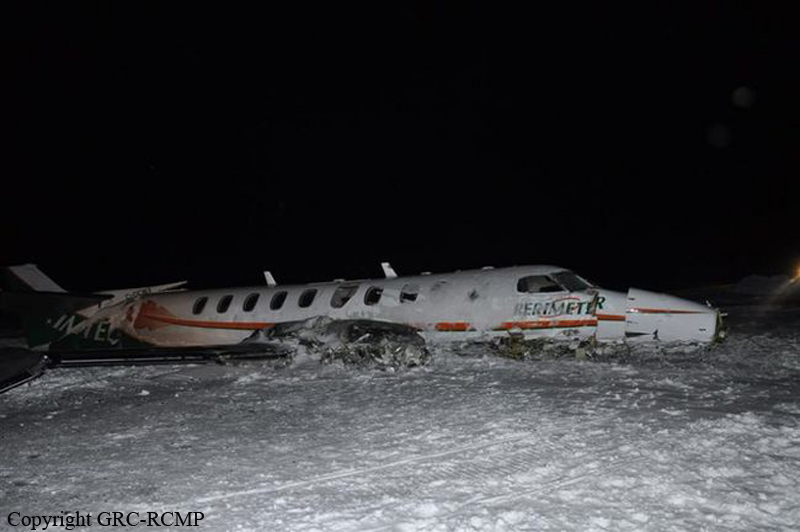
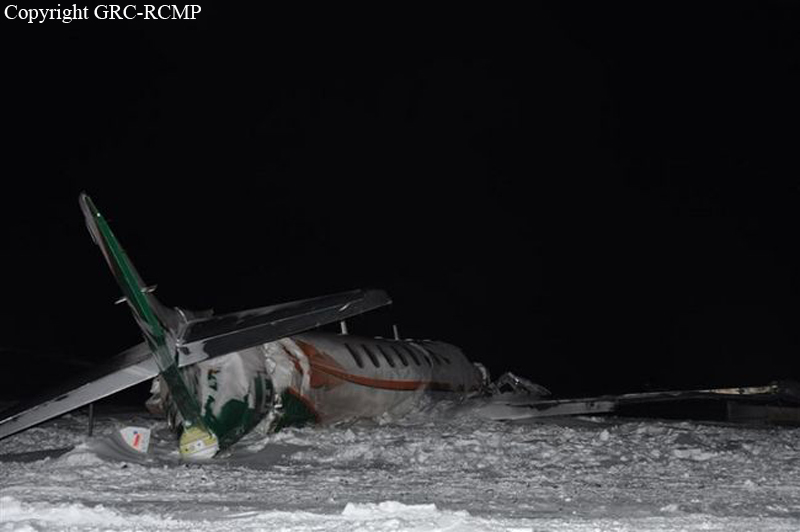
Crash of a Swearingen SA227AC Metro III in Sanikiluaq: 1 killed

Date & Time: Dec 22, 2012 at 1806 LT
Type of aircraft:
Operator:
Registration:
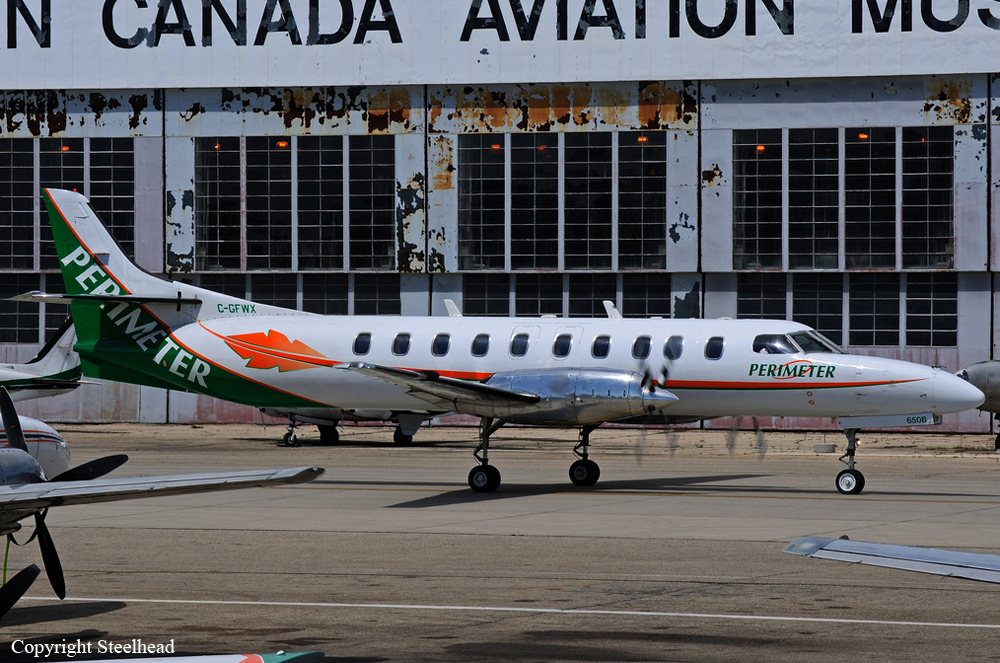
C-GFWX
Survivors:
Yes
Schedule:
Winnipeg - Sanikiluaq
MSN:
AC-650B
YOM:
1986
Flight number:
PAG993
Country:
Crew on board:
2
Crew fatalities:
Pax on board:
7
Pax fatalities:
Other fatalities:
Total fatalities:
1
Captain / Total flying hours:
5700
Captain / Total hours on type:
2330.00
Copilot / Total flying hours:
1250
Copilot / Total hours on type:
950
Aircraft flight hours:
32982
Circumstances:
On 22 December 2012, the Perimeter Aviation LP, Fairchild SA227-AC Metro III (registration C-GFWX, serial number AC650B), operating as Perimeter flight PAG993, departed Winnipeg/James Armstrong Richardson International Airport, Manitoba, at 1939 Coordinated Universal Time (1339 Central Standard Time) as a charter flight to Sanikiluaq, Nunavut. Following an attempted visual approach to Runway 09, a non precision non-directional beacon (NDB) Runway 27 approach was conducted. Visual contact with the runway environment was made and a circling for Runway 09 initiated. Visual contact with the Runway 09 environment was lost and a return to the Sanikiluaq NDB was executed. A second NDB Runway 27 approach was conducted with the intent to land on Runway 27. Visual contact with the runway environment was made after passing the missed approach point. Following a steep descent, a rejected landing was initiated at 20 to 50 feet above the runway; the aircraft struck the ground approximately 525 feet beyond the departure end of Runway 27. The 406 MHz emergency locator transmitter activated on impact. The 2 flight crew and 1 passenger sustained serious injuries, 5 passengers sustained minor injuries, and 1 infant was fatally injured. Occupants exited the aircraft via the forward right overwing exit and were immediately transported to the local health centre. The aircraft was destroyed. The occurrence took place during the hours of darkness at 2306 Coordinated Universal Time (1806 Eastern Standard Time).
Probable cause:
Findings as to causes and contributing factors:
1. The lack of required flight documents, such as instrument approach charts, compromised thoroughness and placed pressure on the captain to find a workaround solution during flight planning. It also negatively affected the crew’s situational awareness during the approaches at CYSK (Sanikiluaq).
2. Weather conditions below published landing minima for the approach at the alternate airport CYGW (Kuujjuarapik) and insufficient fuel to make CYGL (La Grande Rivière) eliminated any favourable diversion options. The possibility of a successful landing at CYGW was considered unlikely and put pressure on the crew to land at CYSK (Sanikiluaq).
3. Frustration, fatigue, and an increase in workload and stress during the instrument approaches resulted in crew attentional narrowing and a shift away from welllearned, highly practised procedures.
4. Due to the lack of an instrument approach for the into-wind runway and the unsuccessful attempts at circling, the crew chose the option of landing with a tailwind, resulting in a steep, unstable approach.
5. The final descent was initiated beyond the missed approach point and, combined with the 14-knot tailwind, resulted in the aircraft remaining above the desired 3- degree descent path.
6. Neither pilot heard the ground proximity warning system warnings; both were focused on landing the aircraft to the exclusion of other indicators that warranted alternative action.
7. During the final approach, the aircraft was unstable in several parameters. This instability contributed to the aircraft being half-way down the runway with excessive speed and altitude.
8. The aircraft was not in a position to land and stop within the confines of the runway, and a go-around was initiated from a low-energy landing regime.
9. The captain possibly eased off on the control column in the climb due to the low airspeed. This, in combination with the configuration change at a critical phase of flight, as called for in the company procedures, may have contributed to the aircraft’s poor climb performance.
10. A rate of climb sufficient to ensure clearance from obstacles was not established, and the aircraft collided with terrain.
11. The infant passenger was not restrained in a child restraint system, nor was one required by regulations. The infant was ejected from the mother’s arms during the impact sequence, and contact with the interior surfaces of the aircraft contributed to the fatal injuries.
Findings as to risk:
1. If instrument approaches are conducted without reference to an approach chart, there is a risk of weakened situational awareness and of error in following required procedures, possibly resulting in the loss of obstacle clearance and an accident.
2. If additional contingency fuel is not accounted for in the aircraft weight, there is a risk that the aircraft may not be operated in accordance with its certificate of airworthiness or may not meet the certified performance criteria.
3. If Transport Canada crew resource management (CRM) training requirements do not reflect advances in CRM training, such as threat and error management and assertiveness training, there is an increased risk that crews will not effectively employ CRM to assess conditions and make appropriate decisions in critical situations.
4. If a person assisting another is seated next to an emergency exit, there is an increased risk that the use of the exit will be hindered during an evacuation.
5. If a person holding an infant is seated in a row with no seatback in front of them, there is an increased risk of injury to the infant as no recommended brace position is available.
6. If young children are not adequately restrained, there is a risk that injuries sustained will be more severe.
7. If a lap-held infant is ejected from its guardian’s arms, there is an increased risk the infant may be injured, or cause injury or death to other occupants.
8. If more complete data on the number of infants and children travelling by air are not available, there is a risk that their exposure to injury or death in the event of turbulence or a survivable accident will not be adequately assessed and mitigated.
9. If temperature corrections are not applied to all altitudes on the approach chart, there is an increased risk of controlled flight into terrain due to a reduction of obstacle clearance.
10. If the missed approach point on non-precision instrument approaches is located beyond the 3-degree descent path, there is an increased risk that a landing attempt will result in a steep, unstable descent, and possible approach-and-landing accident.
11. If there is not sufficient guidance in the standard operating procedures, there is a risk that crews will not react and perform the required actions in the event that ground proximity warning system warnings are generated.
12. If standard operating procedures, the Airplane Flight Manual and training are not aligned with respect to low-energy go-arounds, there is a risk that crews may perform inappropriate actions at a critical phase of flight.
13. If non-compliant practices are not identified, reported, and dealt with by a company’s safety management system, there is a risk that they will not be addressed in a timely manner.
14. If Transport Canada’s oversight is dependent on the effectiveness of a company’s safety management system’s reporting of safety issues, there is a risk that important issues will be missed.
Other findings:
1. The quick response of the people on the ground reduced the exposure of passengers and crew to the elements.
Final Report:
Crash of a Cessna 550 Citation II in Oklahoma City

Date & Time: Dec 21, 2012 at 1000 LT
Type of aircraft:
Operator:
Registration:
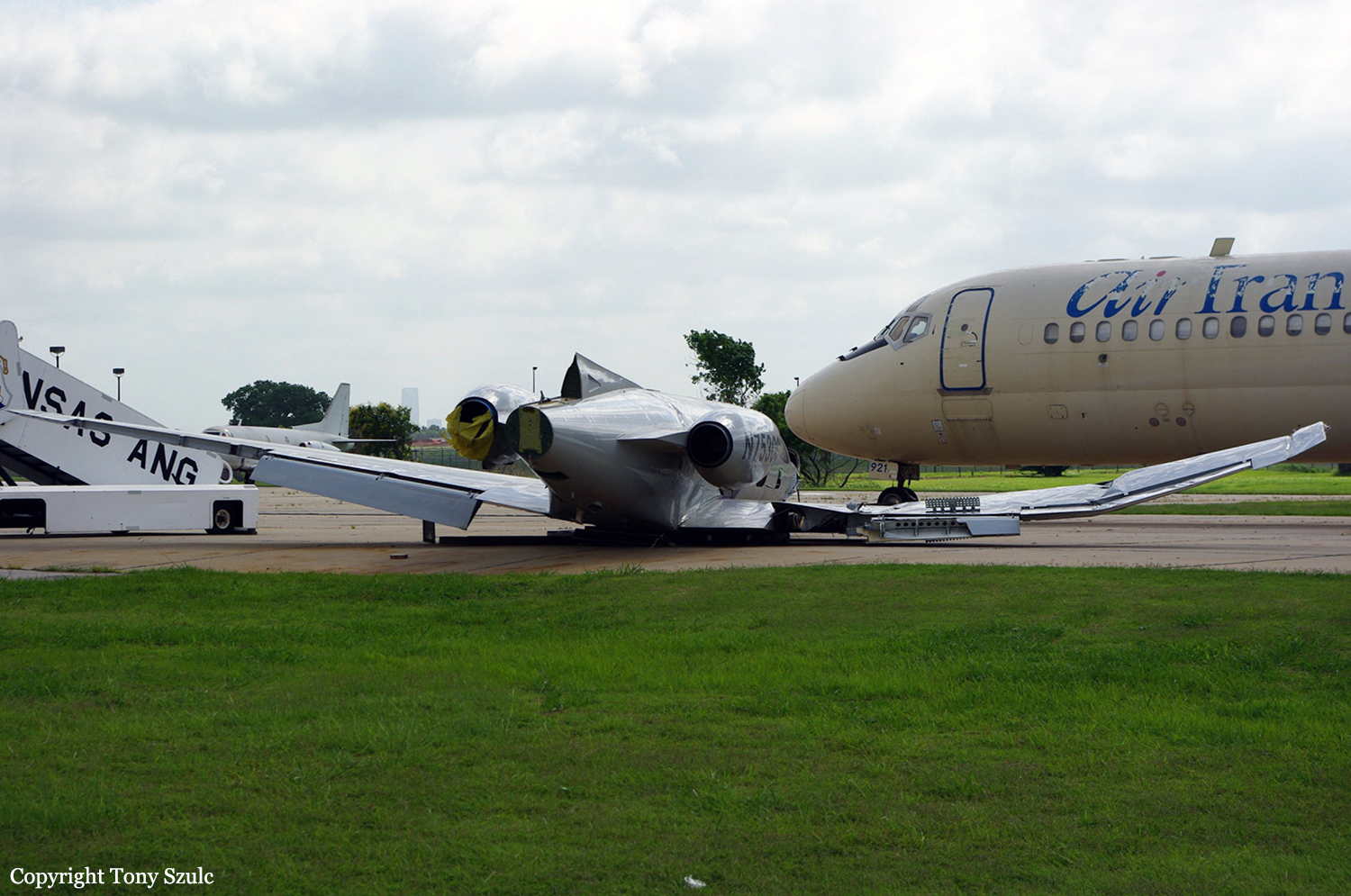
N753CC
Flight Type:
Survivors:
Yes
Schedule:
Oklahoma City - Oklahoma City
MSN:
550-0109
YOM:
1980
Crew on board:
2
Crew fatalities:
Pax on board:
0
Pax fatalities:
Other fatalities:
Total fatalities:
0
Captain / Total flying hours:
5097
Captain / Total hours on type:
420.00
Copilot / Total flying hours:
357
Copilot / Total hours on type:
357
Aircraft flight hours:
13506
Circumstances:
While on the right downwind leg, the flight crew advised the air traffic control tower controller that they would make a full stop landing. The tower controller acknowledged, told them to extend their downwind, and stated that he would call their base turn. The controller then called out the landing traffic on final, which was an Airbus A300-600 heavy airplane. The flight crew replied that they had the traffic in sight, and the controller cleared the flight to land behind the Airbus, and to be cautious of wake turbulence. The flight crew observed the Airbus abeam their current position and estimated that they made their base turn about 3 miles from the runway. Before turning onto final approach, the flight crew discussed wake turbulence avoidance procedures and planned to make a steeper approach and land beyond the Airbus's touchdown point. They also added 10 to 15 knots to the Vref speed as an additional precaution against a wake turbulence encounter. The reported wind provided by the tower controller was 180 degrees at 4 knots. The flight crew observed tire smoke from the Airbus as it touched down and discussed touching down beyond that touchdown point. The tower controller advised the flight crew to be prepared for a go-around if the Airbus did not clear the runway in time, which the flight crew acknowledged. The flight crew estimated that the Airbus had turned off the runway when their airplane was about 1,000 feet from the threshold and about 200 feet above ground level (agl). The flight crew reported having a stabilized approach to their planned landing point. When the airplane was about 150 feet agl and established on the runway centerline, the airplane experienced an uncommanded left roll. The heading swung to the left and the nose dropped. The crew reported that the airplane was buffeting heavily. Immediately, they set full power, and the flying pilot used both hands on the control wheel in an attempt to roll the airplane level and recover the pitch. He managed to get the airplane nearly back to level when the right main gear struck the ground short of the threshold and left of the runway. The airplane collided with a small drainage ditch and a dirt service road, causing the right main gear and the nose gear to collapse. Videos from cameras at the airport recorded the accident sequence, and the accident airplane was about 51 seconds behind the Airbus. A wake vortex study indicated that the accident airplane encountered the Airbus's right vortex, and the airplane's direction of left roll was consistent with the counter-clockwise rotation of the right vortex.
Probable cause:
The flight crew's decision to fly close behind a heavy airplane, which did not ensure there was adequate distance and time in order to avoid a wake turbulence encounter with the preceding heavy airplane's wake vortex, which resulted in a loss of airplane control during final approach.
Final Report:
Crash of a Beechcraft B100 King Air in Libby: 2 killed

Date & Time: Dec 19, 2012 at 0002 LT
Type of aircraft:
Operator:
Registration:
N499SW
Survivors:
No
Schedule:
Coolidge - Libby
MSN:
BE-89
YOM:
1980
Location:
Crew on board:
1
Crew fatalities:
Pax on board:
1
Pax fatalities:
Other fatalities:
Total fatalities:
2
Captain / Total flying hours:
980
Circumstances:
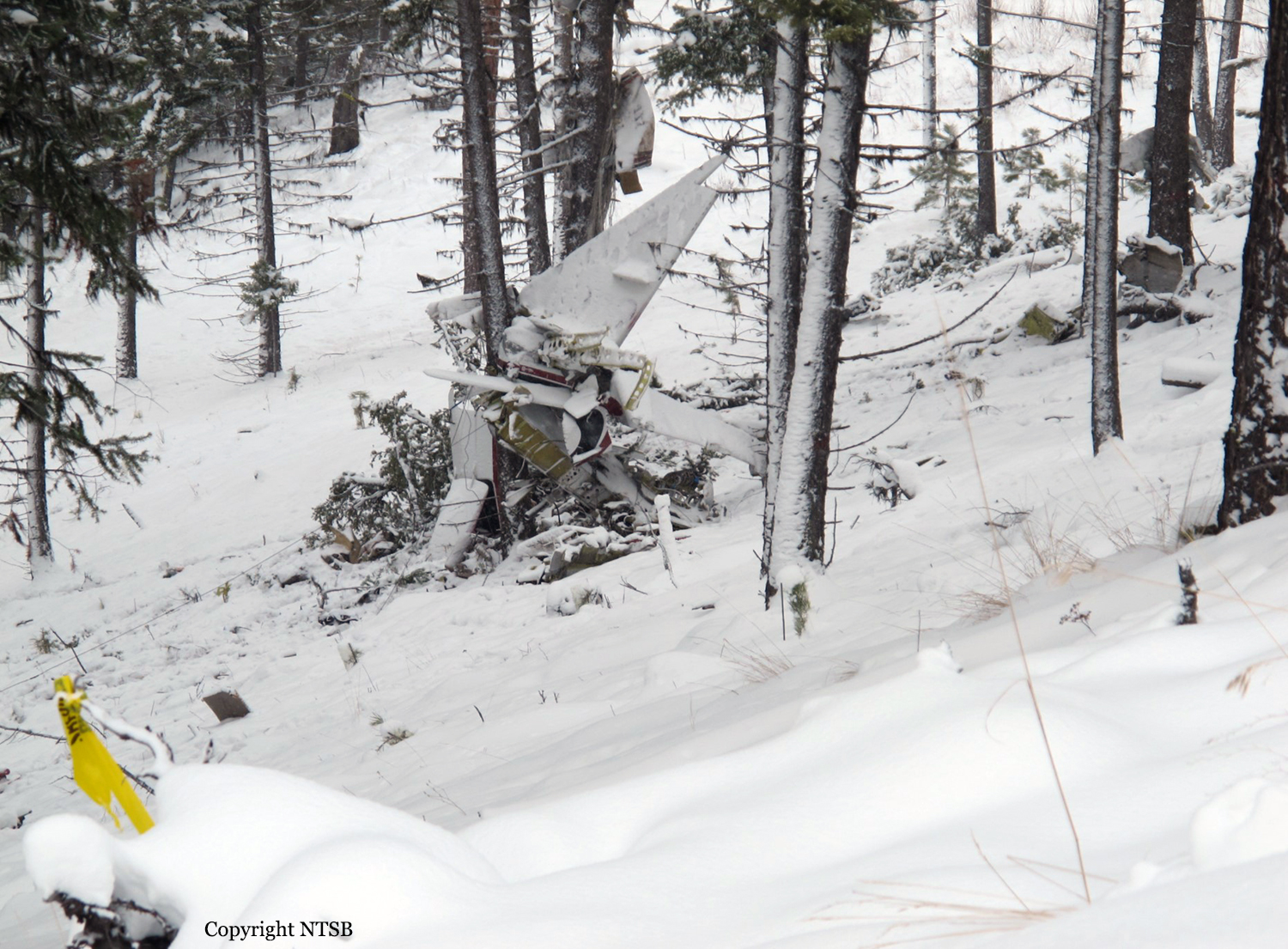
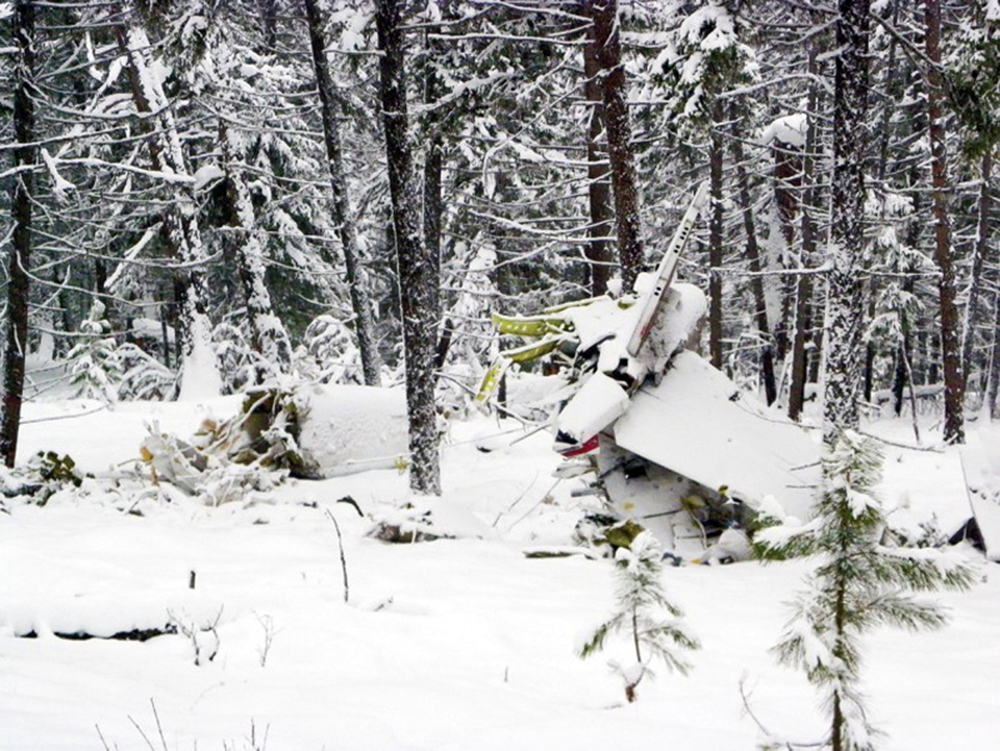
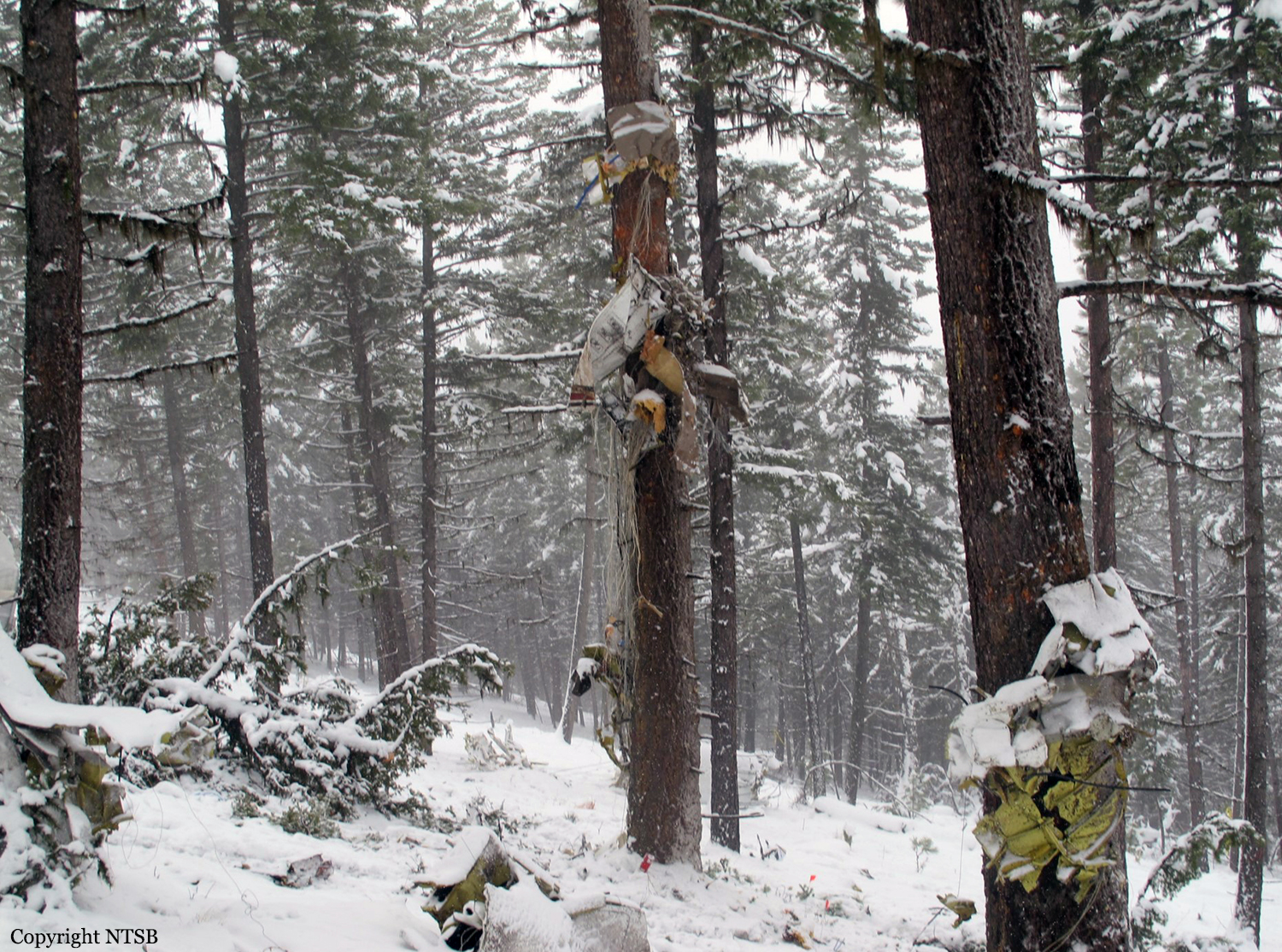
When the flight was about 7 miles from the airport and approaching it from the south in dark night conditions, the noncertificated pilot canceled the instrument flight rules (IFR) flight plan. A police officer who was on patrol in the local area reported that he observed a twin-engine airplane come out of the clouds about 500 ft above ground level and then bank left over the town, which was north of the airport. The airplane then turned left and re-entered the clouds. The officer went to the airport to investigate, but he did not see the airplane. He reported that it was dark, but clear, at the airport and that he could see stars; there was snow on the ground. He also observed that the rotating beacon was illuminated but that the pilot-controlled runway lighting was not. The Federal Aviation Administration issued an alert notice, and the wreckage was located about 7 hours later 2 miles north of the airport. The airplane had collided with several trees on downsloping terrain; the debris path was about 290 ft long. Postaccident examination of the airframe and engine revealed no mechanical malfunctions or failures that would have precluded normal operation. The town and airport were located within a sparsely populated area that had limited lighting conditions, which, along with the clouds and 35 percent moon illumination, would have restricted the pilot’s visual references. These conditions likely led to his being geographically disoriented (lost) and his subsequent failure to maintain sufficient altitude to clear terrain. Although the pilot did not possess a valid pilot’s certificate, a review of his logbooks indicated that he had considerable experience flying the airplane, usually while accompanied by another pilot, and that he had flown in both visual and IFR conditions. A previous student pilot medical certificate indicated that the pilot was color blind and listed limitations for flying at night and for using color signals. The pilot had applied for another student pilot certificate 2 months before the accident, but this certificate was deferred pending a medical review.
Probable cause:
The noncertificated pilot’s failure to maintain clearance from terrain while maneuvering to land in dark night conditions likely due to his geographic disorientation (lost). Contributing to the accident was the pilot’s improper decision to fly at night with a known visual limitation.
Final Report:
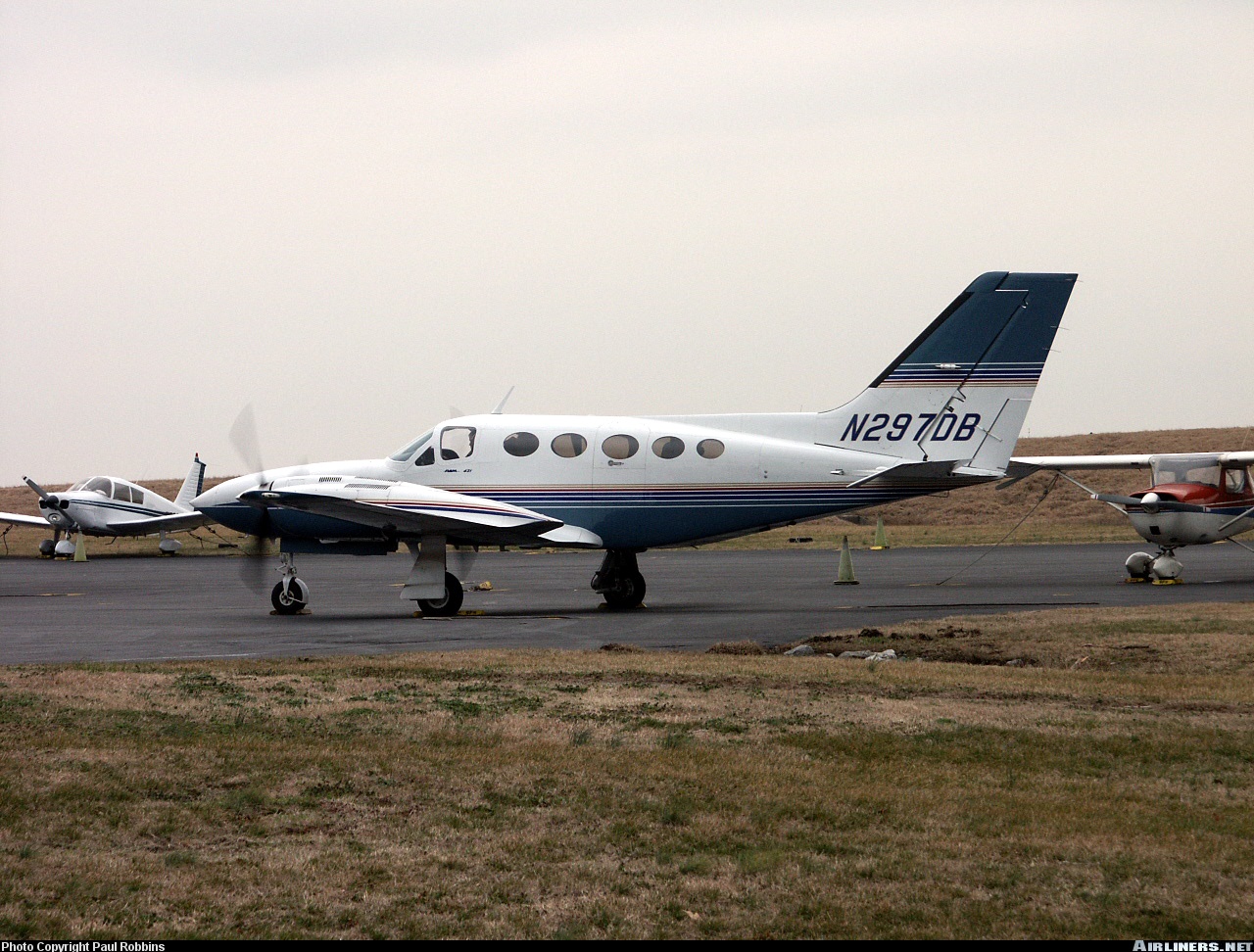
Crash of a Cessna 421C Golden Eagle III in Palm Beach County: 1 killed

Date & Time: Dec 8, 2012 at 1334 LT
Operator:
Registration:
N297DB
Flight Phase:
Flight Type:
Survivors:
No
Schedule:
Palm Beach County - Kendall
MSN:
421C-0826
YOM:
1980
Crew on board:
1
Crew fatalities:
Pax on board:
0
Pax fatalities:
Other fatalities:
Total fatalities:
1
Captain / Total flying hours:
1219
Captain / Total hours on type:
100.00
Aircraft flight hours:
7040
Circumstances:
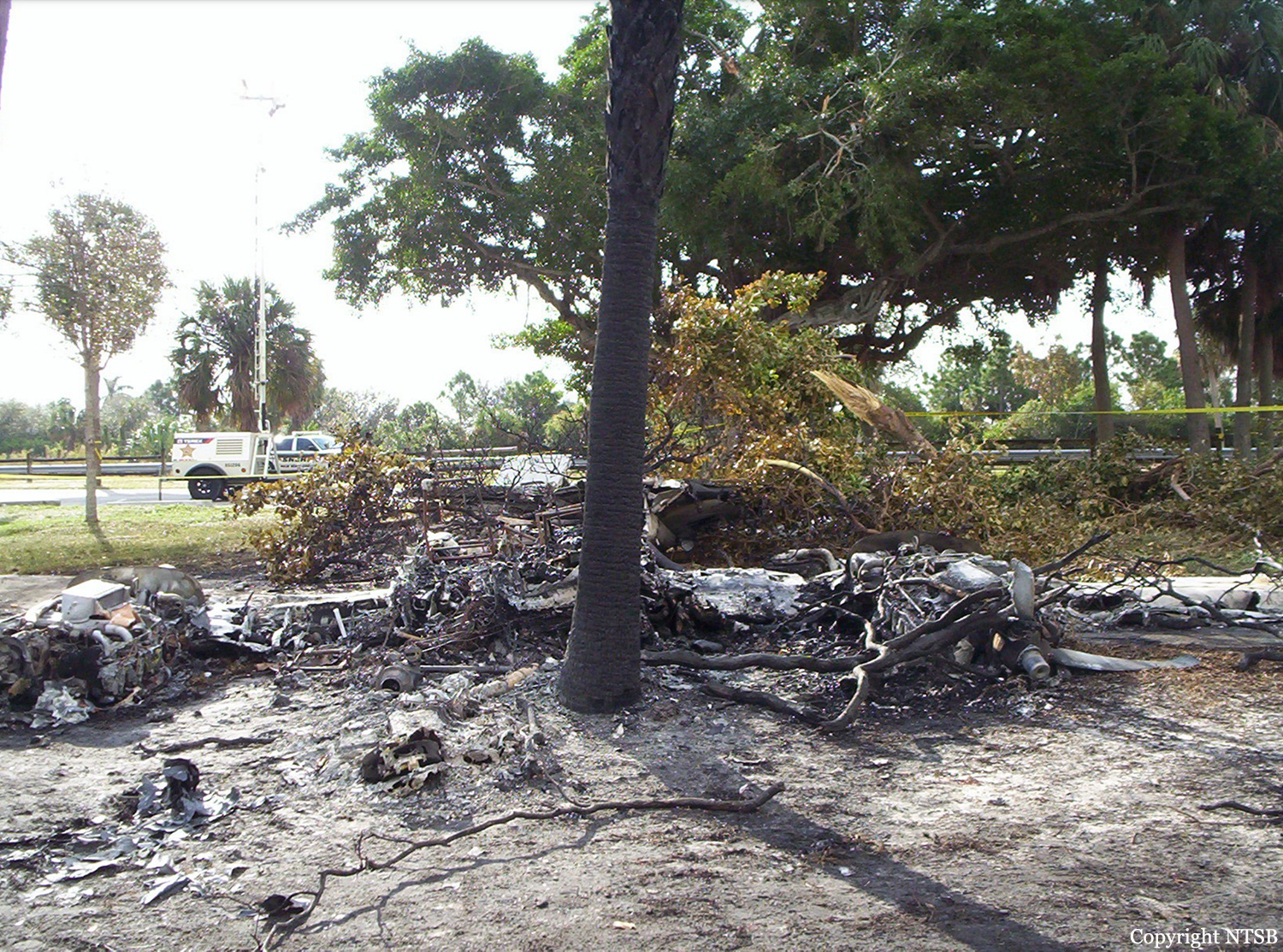
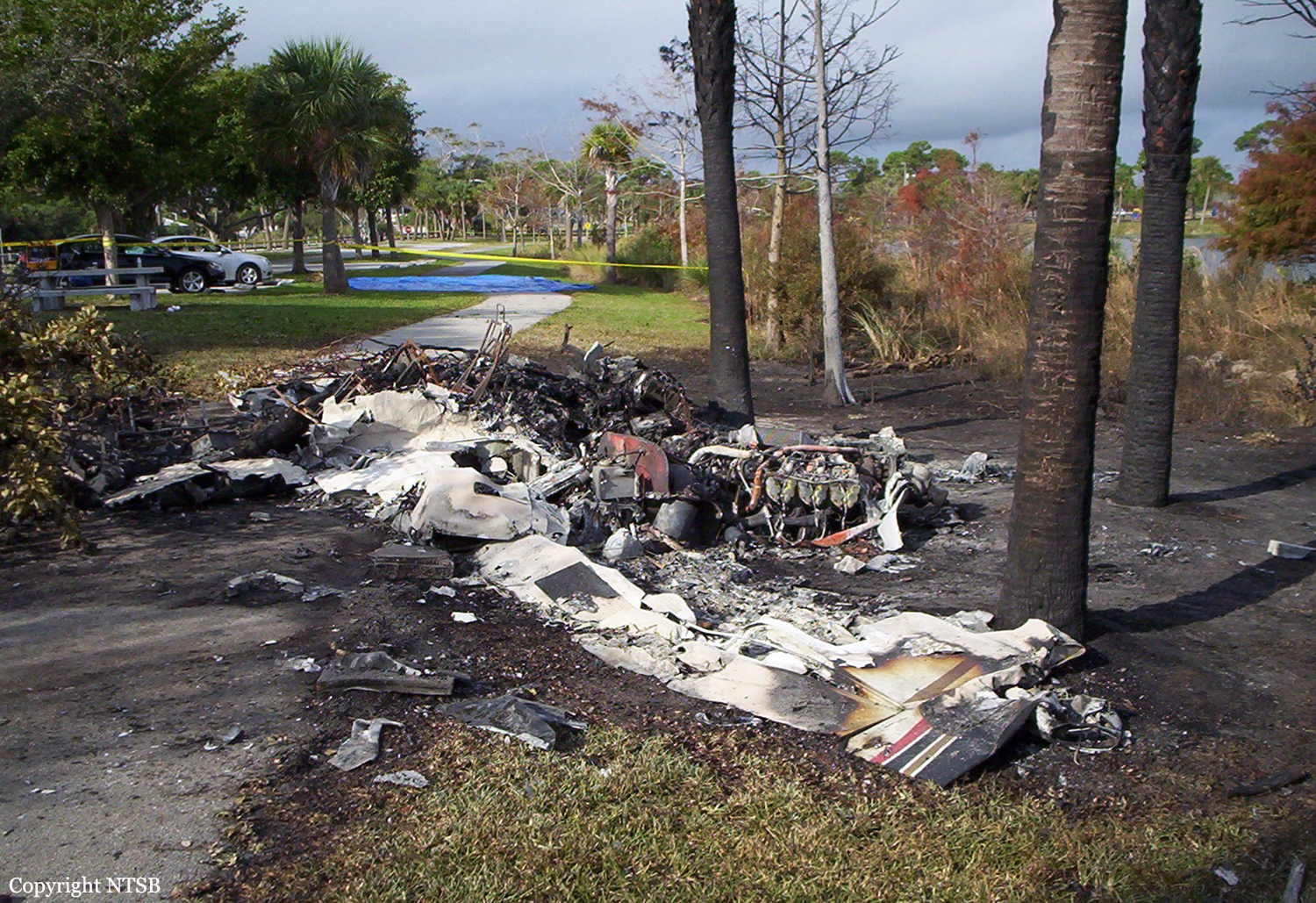
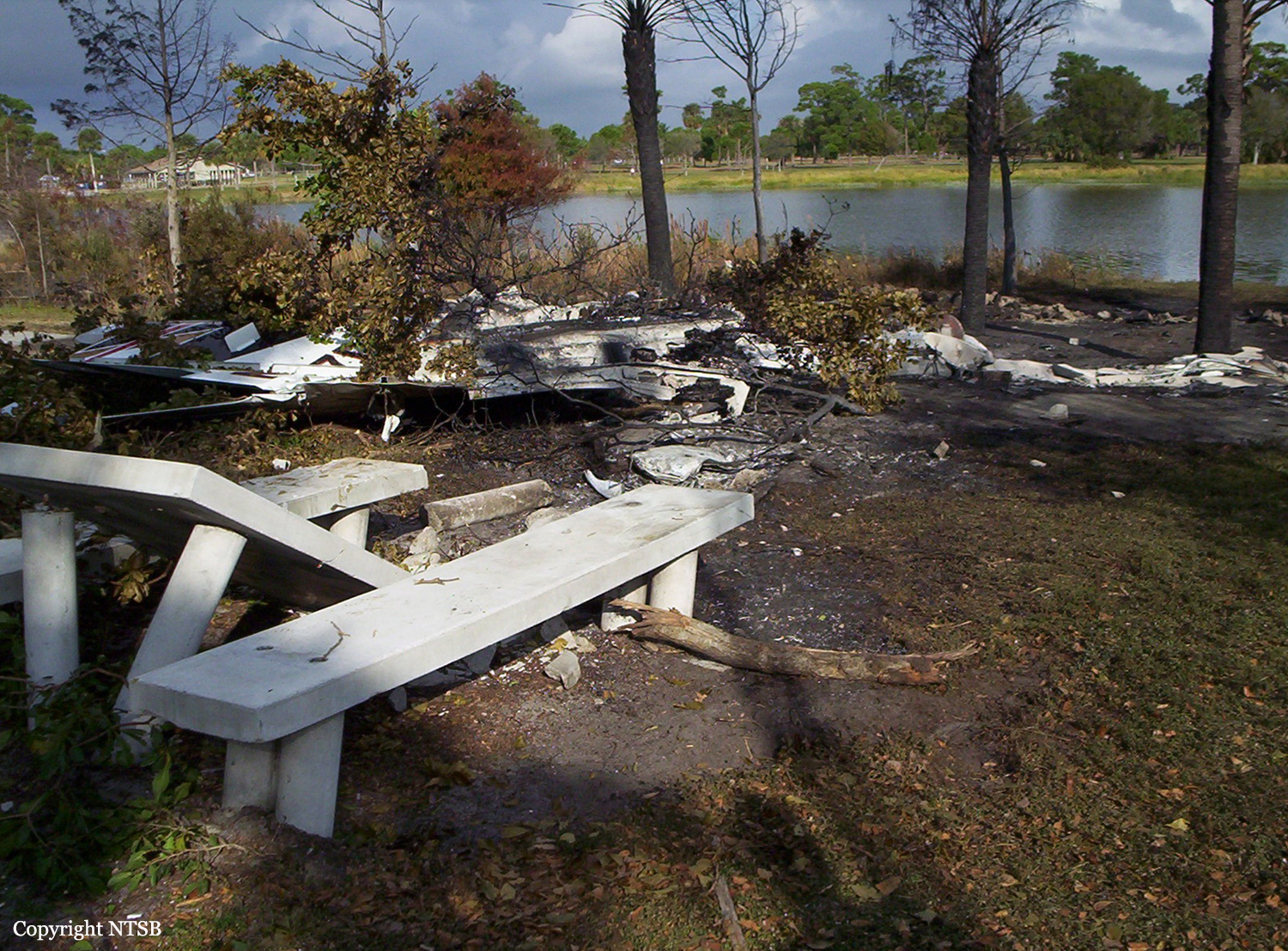
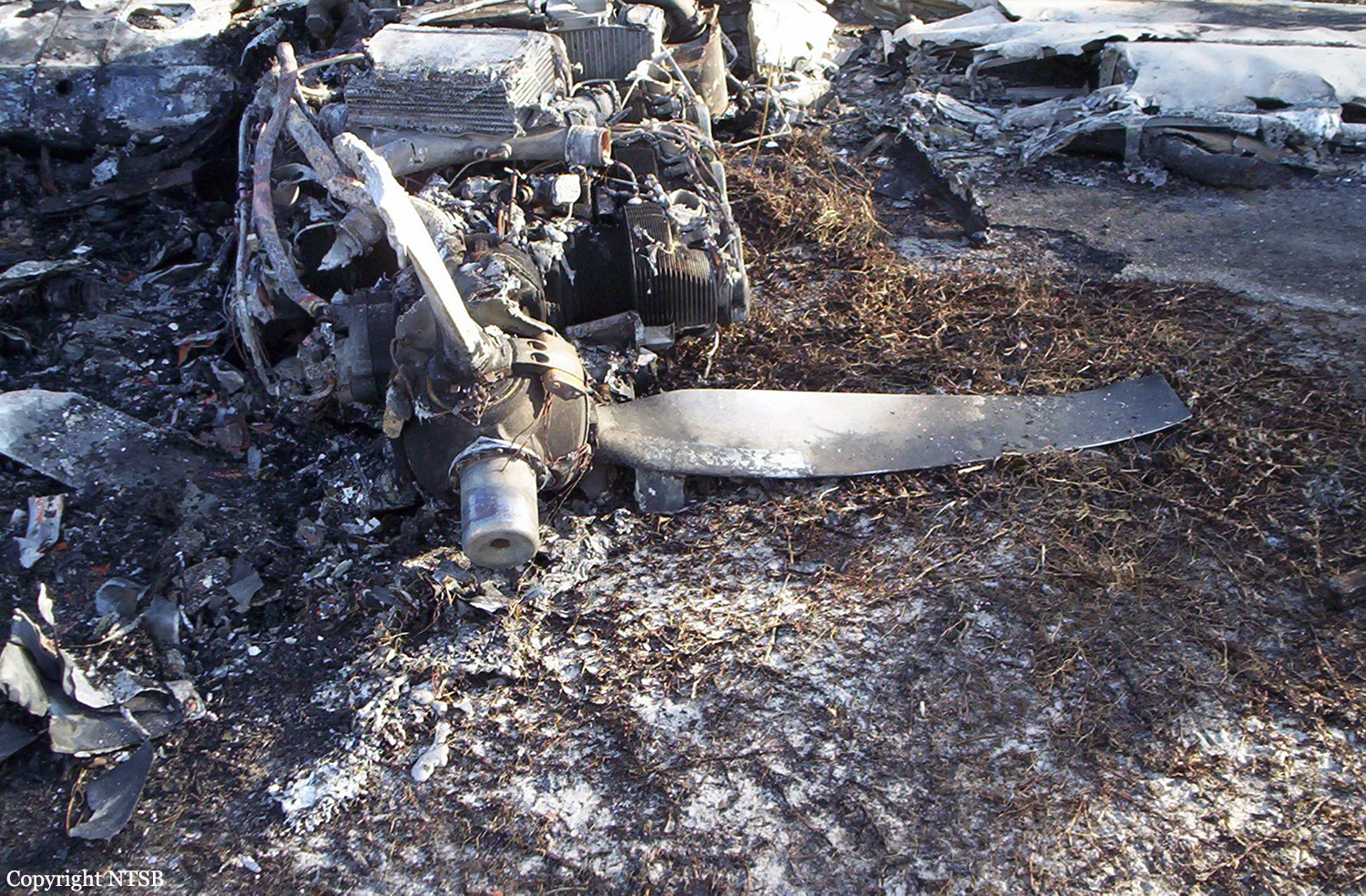
On December 8, 2012, at 1334 eastern standard time, a Cessna 421C, N297DB, operated by a private individual, was destroyed when it collided with trees and terrain following a loss of control after takeoff from North Palm Beach County Airpark (LNA), Lantana, Florida. The commercial pilot was fatally injured. Visual meteorological conditions prevailed, and no flight plan was filed for the personal flight, which was conducted under the provisions of Title 14 Code of Federal Regulations Part 91. The pilot took delivery of the airplane from a maintenance facility that had just completed an annual inspection and repainting of the airplane. According to the owner of the facility, who was a certificated pilot and an airframe and powerplant mechanic, the pilot completed the preflight inspection and the airplane was towed outside. The pilot started the airplane, but then shutdown to resolve an alternator charging light. Afterwards, the pilot stated that he planned to fly to Okeechobee, Florida, complete a few landings, and then continue to Miami. According to the mechanic, the pilot performed a ground run of the airplane for several minutes before taxiing to the approach end of Runway 3 for takeoff. The airplane lifted off about halfway down the runway and climbed at a "normal" rate. The mechanic then observed the airplane suddenly yaw to the left "for a second or two" and the airplane's nose continued to pitch up before rolling left and descending vertically, nose-down, until it disappeared from view. Several witnesses provided similar accounts to a Federal Aviation Administration (FAA) inspector and the local sheriff's department. One witness, a certificated flight instructor said, "The airplane just kept pitching up, and then it looked like a VMC roll."
Probable cause:
The pilot's failure to follow established engine-out procedures and to maintain a proper airspeed after the total loss of engine power on one of the airplane’s two engines during the initial climb. Contributing to the accident was the total loss of engine power due to a loss of torque on the crankcase bolts for reasons that could not be determined because of impact- and fire-related damage to the engine.
Final Report:
Crash of a Britten-Norman BN-2A-7 Islander in La Yesca

Date & Time: Dec 7, 2012
Type of aircraft:
Operator:
Registration:
XC-UPJ
Flight Phase:
Flight Type:
Survivors:
Yes
Schedule:
La Yesca - Zapopan AFB
MSN:
307
YOM:
1971
Country:
Crew on board:
1
Crew fatalities:
Pax on board:
2
Pax fatalities:
Other fatalities:
Total fatalities:
0
Circumstances:
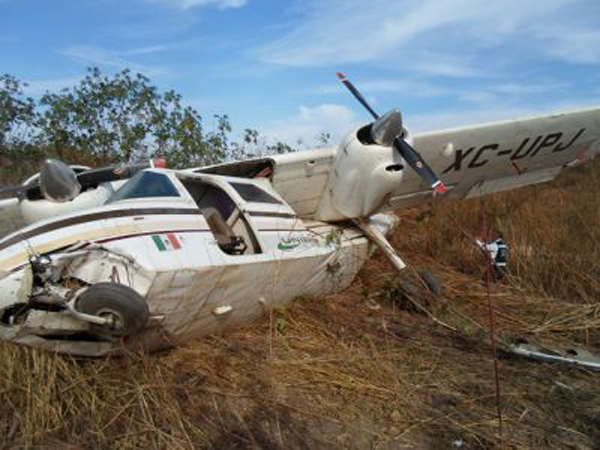
The twin engine aircraft was engaged in an ambulance flight from La Yesca to the Zapopan Air Base, carrying two soldiers who were injured in a car crash, and one pilot. During the takeoff roll, the airplane encountered strong crosswinds and went out of control. It veered off runway to the right and came to rest in a wooded area. All three occupants were rescued while the aircraft was damaged beyond repair.

Crash of a Piper PA-46-350P Malibu Mirage in Greensburg: 4 killed

Date & Time: Dec 2, 2012 at 1816 LT
Registration:
N92315
Flight Type:
Survivors:
No
Schedule:
Destin – Greensburg
MSN:
46-22135
YOM:
1993
Crew on board:
1
Crew fatalities:
Pax on board:
3
Pax fatalities:
Other fatalities:
Total fatalities:
4
Captain / Total flying hours:
398
Captain / Total hours on type:
52.00
Aircraft flight hours:
1612
Circumstances:
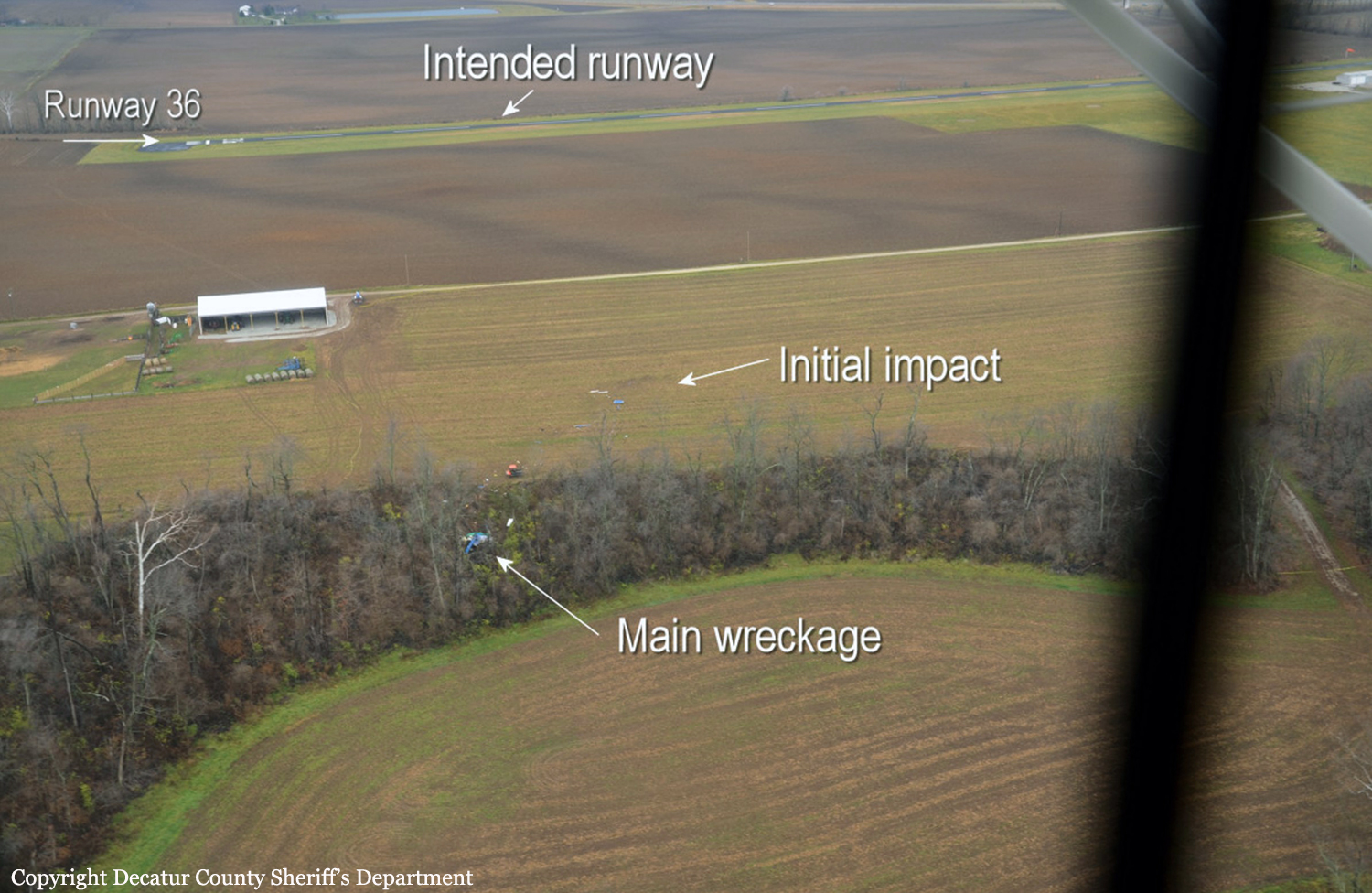
The instrument-rated private pilot was executing a non precision instrument approach procedure at night in deteriorating weather conditions. According to GPS track data, the pilot executed the approach as published but descended below the missed approach point's minimum altitude before executing a climbing right turn. This turn was not consistent with the published missed approach procedure. The airplane then began a series of left and right ascending and descending turns to various altitudes. The last few seconds of recorded data indicated that the airplane entered a descending left turn. Two witnesses heard the airplane fly overhead at a low altitude and described the weather as foggy. Reported weather at a nearby airport about 26 minutes before the accident was visibility less than 2 miles in mist and an overcast ceiling of 300 feet. A friend of the pilot flew the same route in a similarly equipped airplane and arrived about 30 minutes before the accident airplane. He said he performed the same approach to the missed approach point but never broke out of the clouds, so he executed a missed approach and diverted to an alternate airport. A postaccident examination of the airframe and engine revealed no evidence of mechanical malfunctions or failures that would have precluded normal operation. Federal Aviation Administration Flight Training Handbook Advisory Circular 61-21A cautions that pilots are particularly vulnerable to spatial disorientation during periods of low visibility due to conflicts between what they see and what their supporting senses, such as the inner ear and muscle sense, communicate. The accident airplane's maneuvering flightpath, as recorded by the GPS track data, in night instrument meteorological conditions is consistent with the pilot's loss of airplane control due to spatial disorientation.
Probable cause:
The pilot's failure to maintain airplane control while maneuvering in night instrument meteorological conditions due to spatial disorientation.
Final Report:

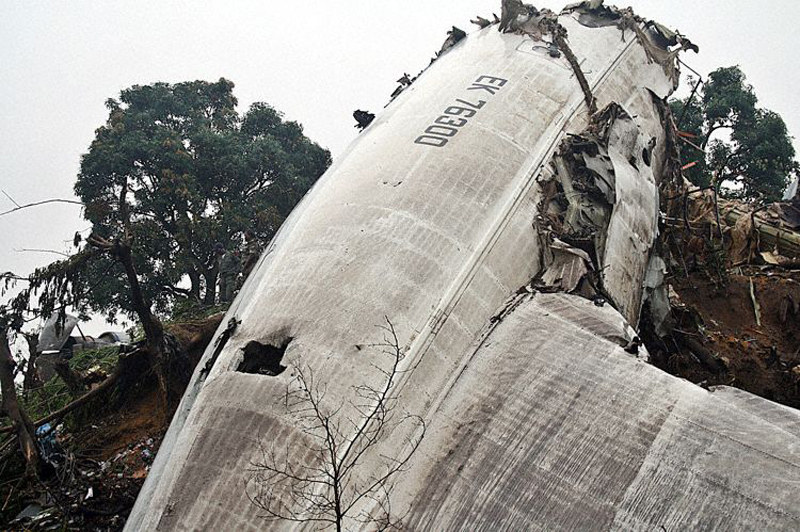
Crash of an Ilyushin II-76T in Brazzaville: 32 killed

Date & Time: Nov 30, 2012 at 1730 LT
Type of aircraft:
Operator:
Registration:
EK-76300
Flight Type:
Survivors:
No
Schedule:
Pointe-Noire - Brazzaville
MSN:
0834 10300
YOM:
1978
Country:
Region:
Crew on board:
6
Crew fatalities:
Pax on board:
1
Pax fatalities:
Other fatalities:
Total fatalities:
32
Circumstances:
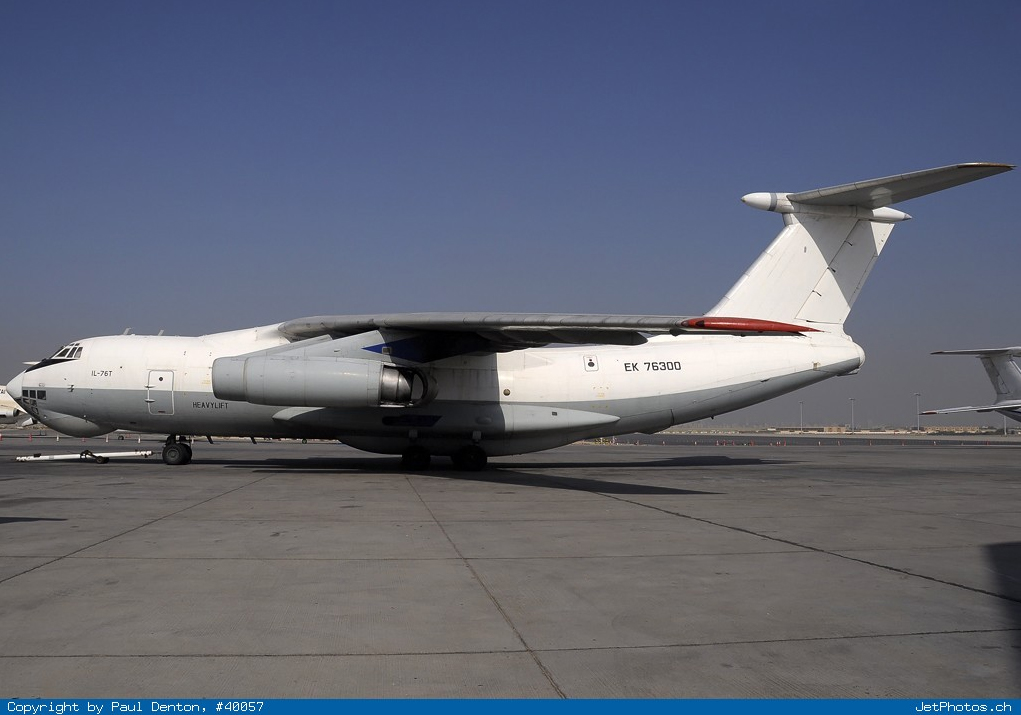
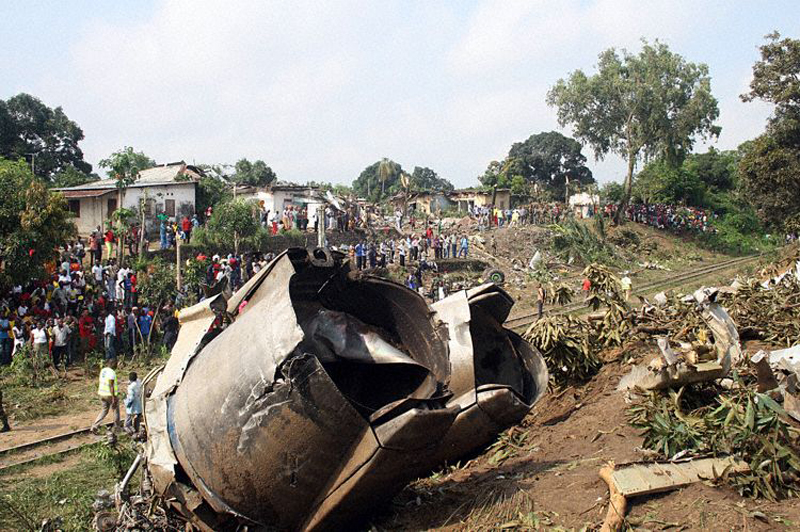
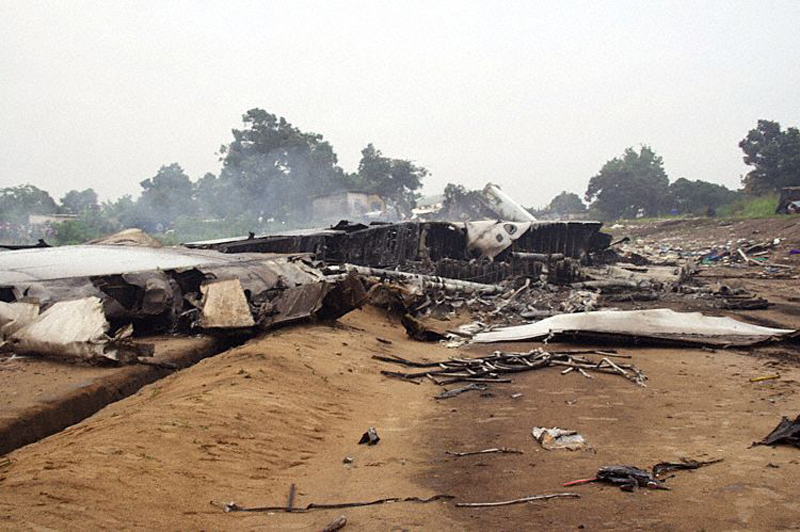
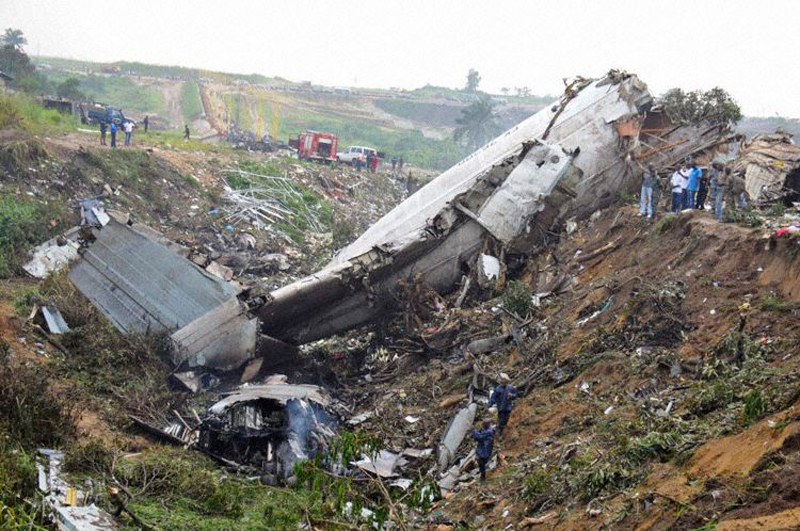
The four engine aircraft was completing a cargo flight from Pointe-Noire to Brazzaville, carrying one passenger, a crew of six and a load consisting of automobiles and various goods. On final approach to runway 05L in poor weather conditions, the crew descended too low on the glide when the aircraft impacted houses and tree tops and eventually crashed in the district of La Poudrière, about 900 metres short of runway. All 7 occupants were killed as well as 25 people on the ground. Fourteen other people were injured. At the time of the accident, weather conditions were poor with thunderstorm activity, rain falls and limited visibility. MAK stated in February 2013 that they received the FDR from the Congolese authorities but the recorders show mechanical damages as a result of the impact forces.

Crash of a Comp Air CA-8 in Merritt Island

Date & Time: Nov 28, 2012 at 1435 LT
Type of aircraft:
Operator:
Registration:
N155JD
Flight Type:
Survivors:
Yes
Schedule:
Merritt Island - Merritt Island
MSN:
998205
YOM:
2001
Crew on board:
1
Crew fatalities:
Pax on board:
1
Pax fatalities:
Other fatalities:
Total fatalities:
0
Captain / Total flying hours:
5569
Captain / Total hours on type:
102.00
Aircraft flight hours:
923
Circumstances:
On November 28, 2012, about 1435 eastern standard time, an experimental amateur-built Comp Air 8 (CA-8), N155JD, operated by a private individual, was substantially damaged during a go-around, while attempting to land at the Merritt Island Airport (COI), Merritt Island, Florida. The certificated commercial pilot sustained serious injuries and a passenger sustained minor injuries. Visual meteorological conditions prevailed and no flight plan was filed for the personal flight that was conducted under the provisions of 14 Code of Federal Regulations Part 91. The pilot reported that he flew from Smithfield, North Carolina, to Marion, South Carolina (MAO), without incident. After refueling, he departed MAO for COI. While en route, approximately 150 miles north of Ormond Beach, Florida, the airplane began to experience a left rolling tendency, which required right aileron control inputs to counteract. He configured the fuel selector to the left fuel tank in an attempt to lighten the wing and compensate for the turning tendency; however, the force required to maintain directional control became greater as the flight progressed. The pilot subsequently entered the traffic pattern at COI for runway 29, a 3,601-foot-long, 75- foot-wide, asphalt runway. While maneuvering in the traffic pattern, full right aileron control was required to maintain straight and level flight, and only a slight relaxing of right aileron control was needed to turn left. The pilot had difficulty compensating for a northwest crosswind, which resulted in the airplane drifting to the southern edge of the runway. He performed a go-around and lined-up on the northern side of the runway 29 approach course for a second landing attempt, which again resulted in a go-around. When the pilot applied engine power, the airplane began to slowly roll to the left despite right aileron and rudder control inputs. He decreased engine power; however, the airplane's left wing struck the ground and the airplane flipped-over. The left wing, propeller, and empennage separated during the impact sequence. The airplane's flight controls were electrically actuated. On site examination of the airplane by a Federal Aviation Administration (FAA) inspector did not reveal any preimpact malfunctions, which would have precluded normal operation. The fuel tanks were compromised during the accident. The airplane's rudder, elevator, and aileron control servos were removed for further examination. According to the FAA inspector, the rudder and elevator control servos functioned normally; however, the aileron control servo sustained impact damage during the accident sequence and could not be tested. The six seat, high-wing, tail-wheel, turboprop airplane, serial number 998205, was constructed primarily of composite material and was equipped with a Walter M601D series, 650 horsepower engine, with an AVIA 3-bladed constant-speed propeller. According to FAA records, the airplane was issued an experimental airworthiness certificate on April 26, 2001. The airplane was purchased from one of the builders, by the commercial pilot, through a corporation, on September 30, 2012. At that time, the airplane had been operated for about 925 total hours and had undergone a condition inspection. The pilot reported about 5,570 hours of total flight experience, which included about 100 hours in the same make and model as the accident airplane. In addition, the pilot had accumulated about 23 hours and 5 hours in make and model, during the 30 and 90 days preceding the accident, respectively. Winds reported at an airport located about 8 miles southeast of the accident site, about the time of the accident, were from 340 degrees at 16 knots.
Probable cause:
The pilot's improper decision to continue a cross-country flight as a primary control (aileron) system anomaly progressively worsened. Contributing to the accident was an aileron control system anomaly, the reason for which could not be determined because the aileron control system could not be tested due to impact damage, and the pilot’s inability to compensate for crosswind conditions encountered during the approach due to the aileron problem.
Final Report: