Crash of a Raytheon 390 Premier I in Thomson: 5 killed

Date & Time: Feb 20, 2013 at 2006 LT
Type of aircraft:
Operator:
Registration:
N777VG
Flight Phase:
Survivors:
Yes
Schedule:
Nashville - Thomson
MSN:
RB-208
YOM:
2007
Crew on board:
2
Crew fatalities:
Pax on board:
5
Pax fatalities:
Other fatalities:
Total fatalities:
5
Captain / Total flying hours:
13319
Captain / Total hours on type:
198.00
Copilot / Total flying hours:
2932
Copilot / Total hours on type:
45
Aircraft flight hours:
635
Circumstances:
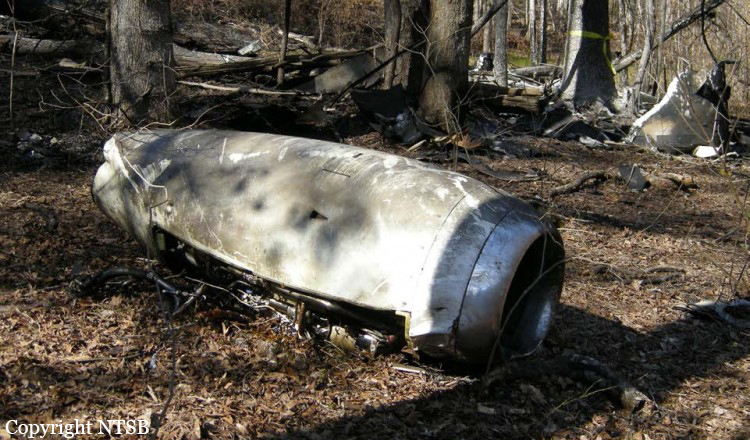
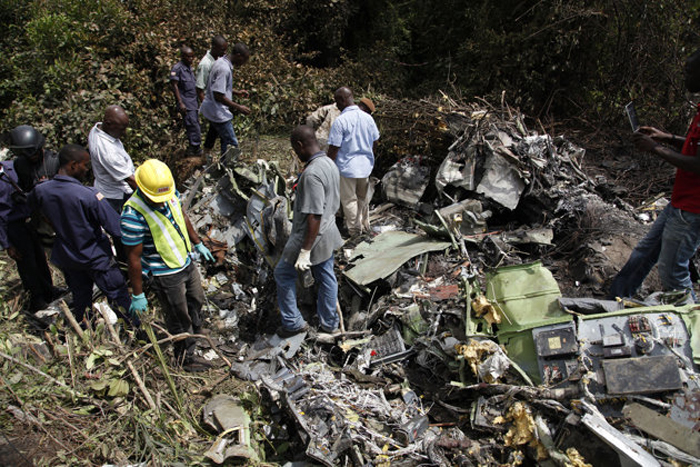
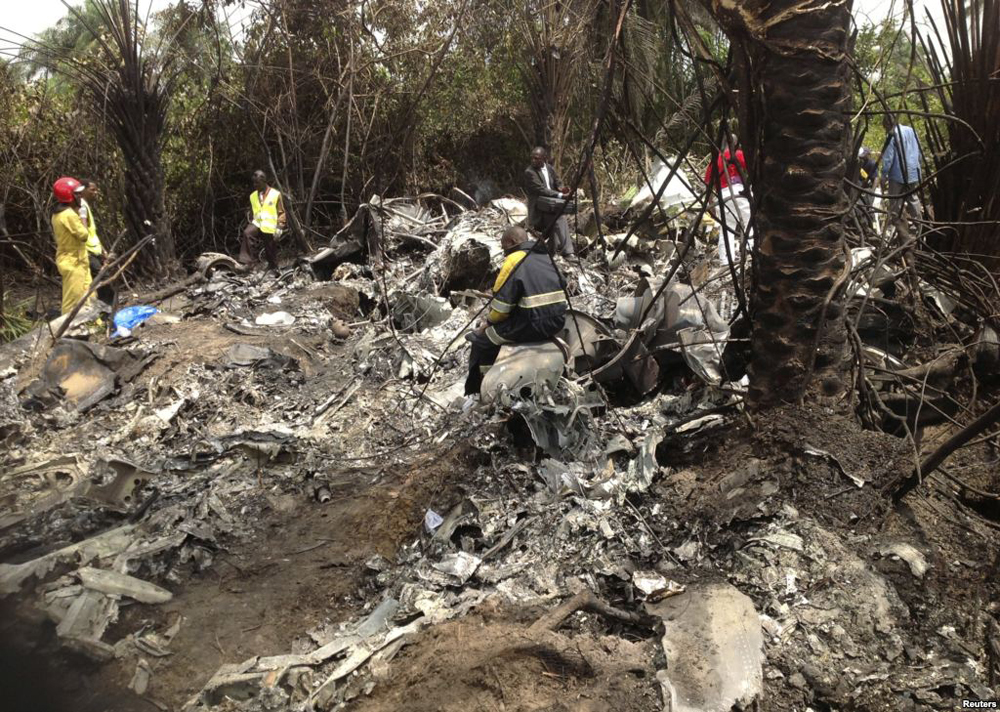
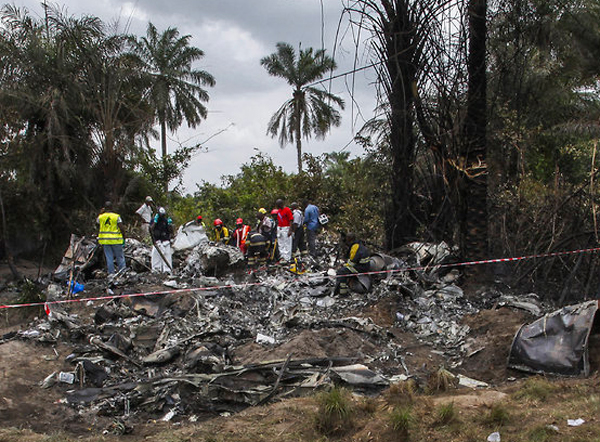
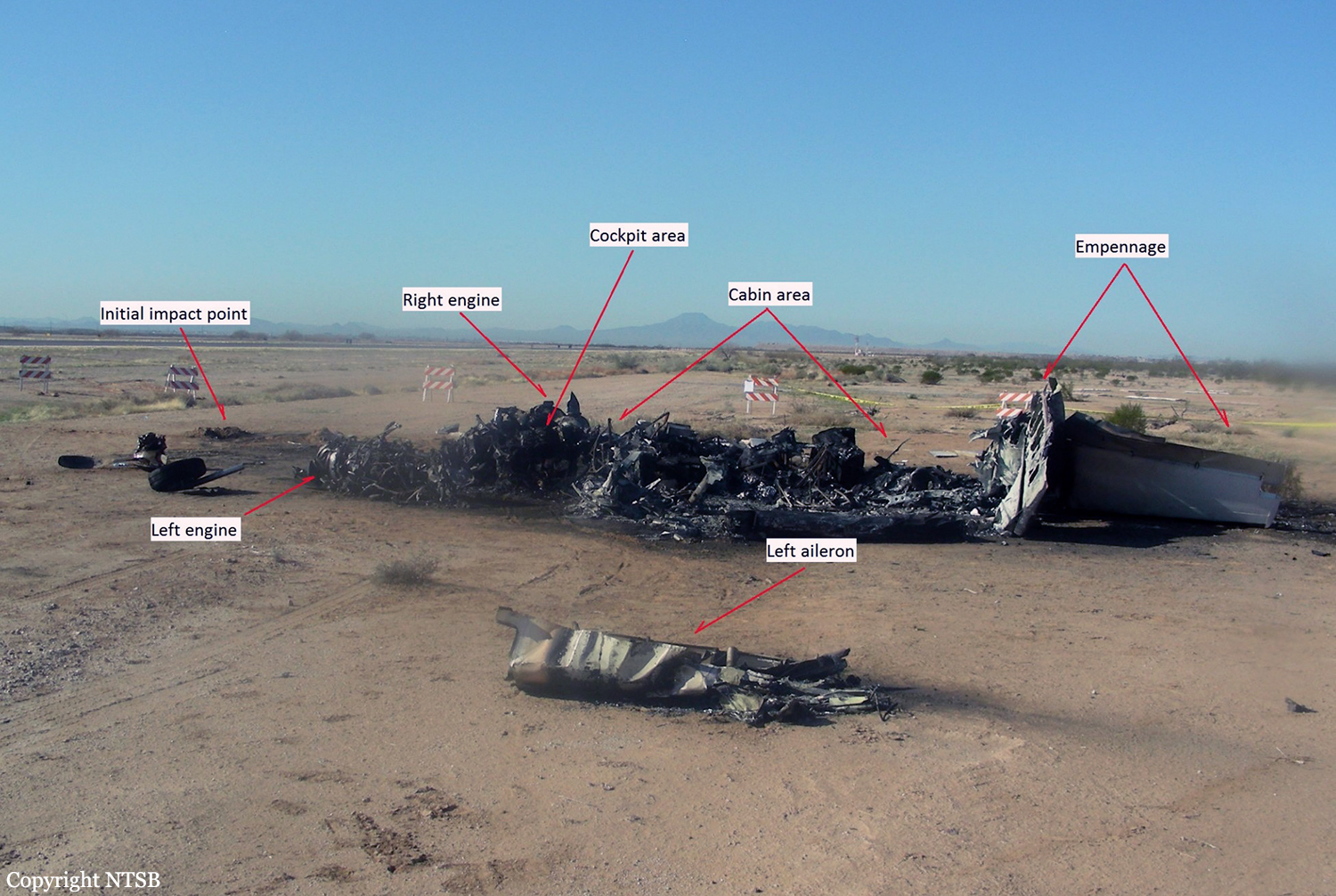
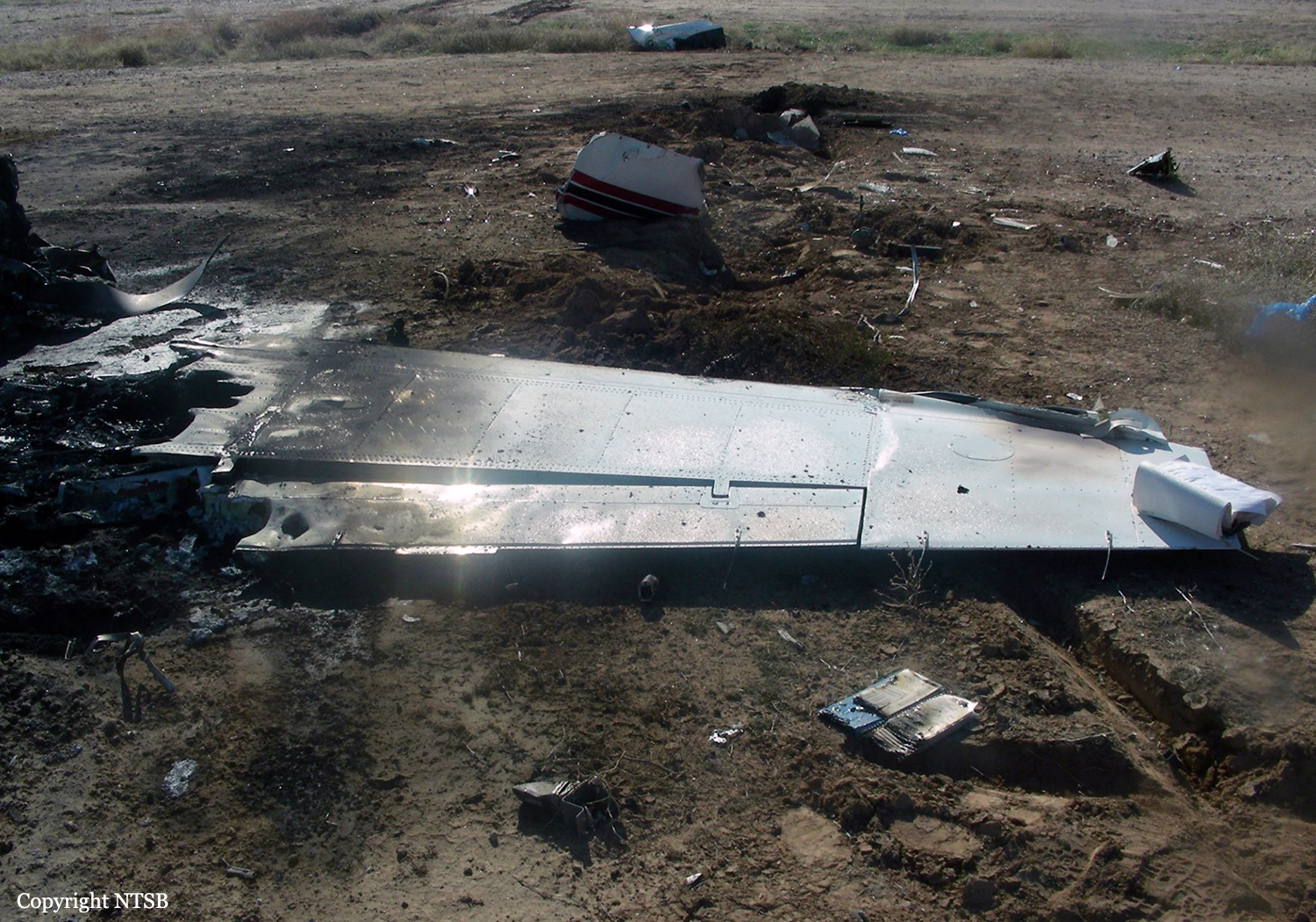
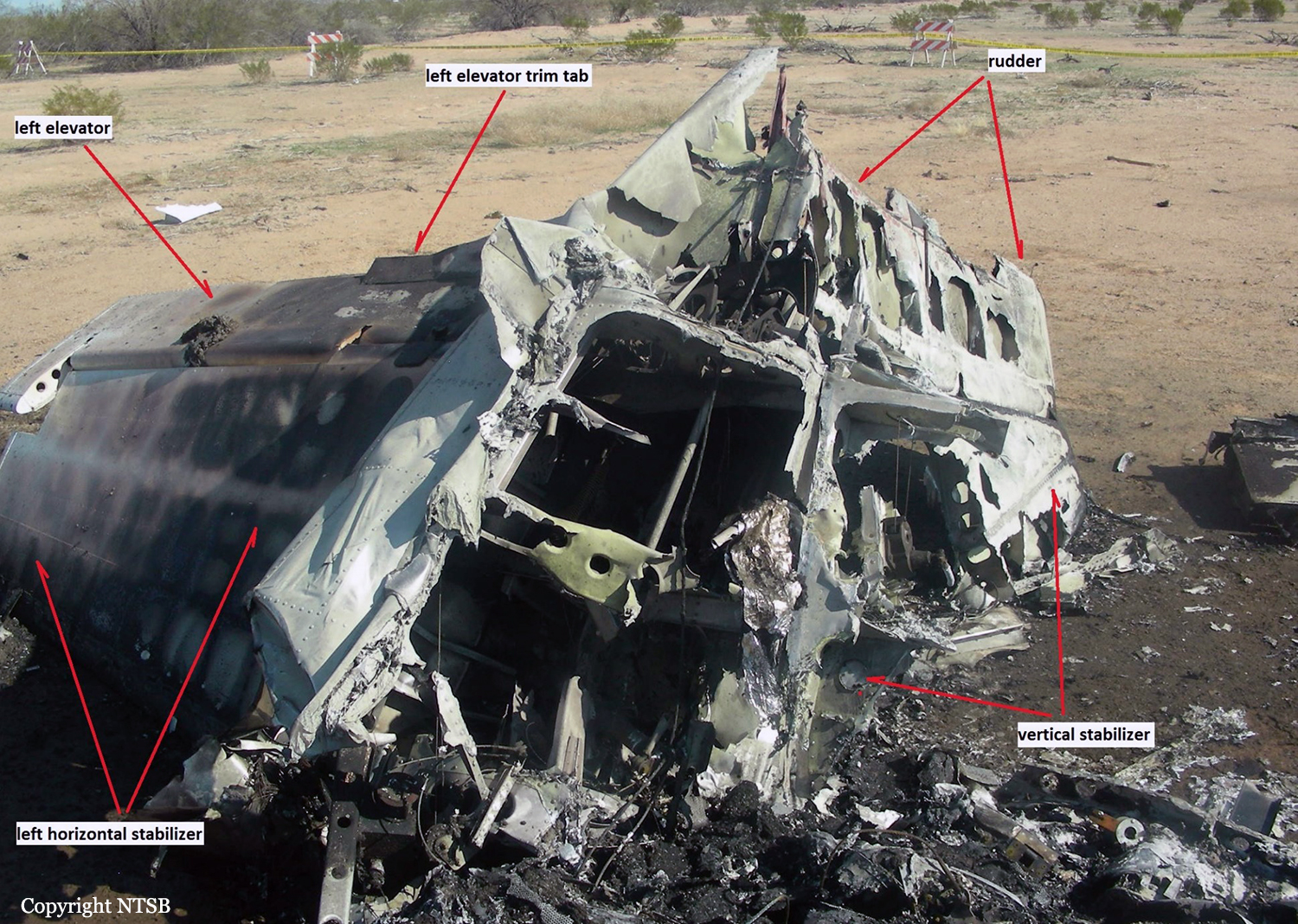
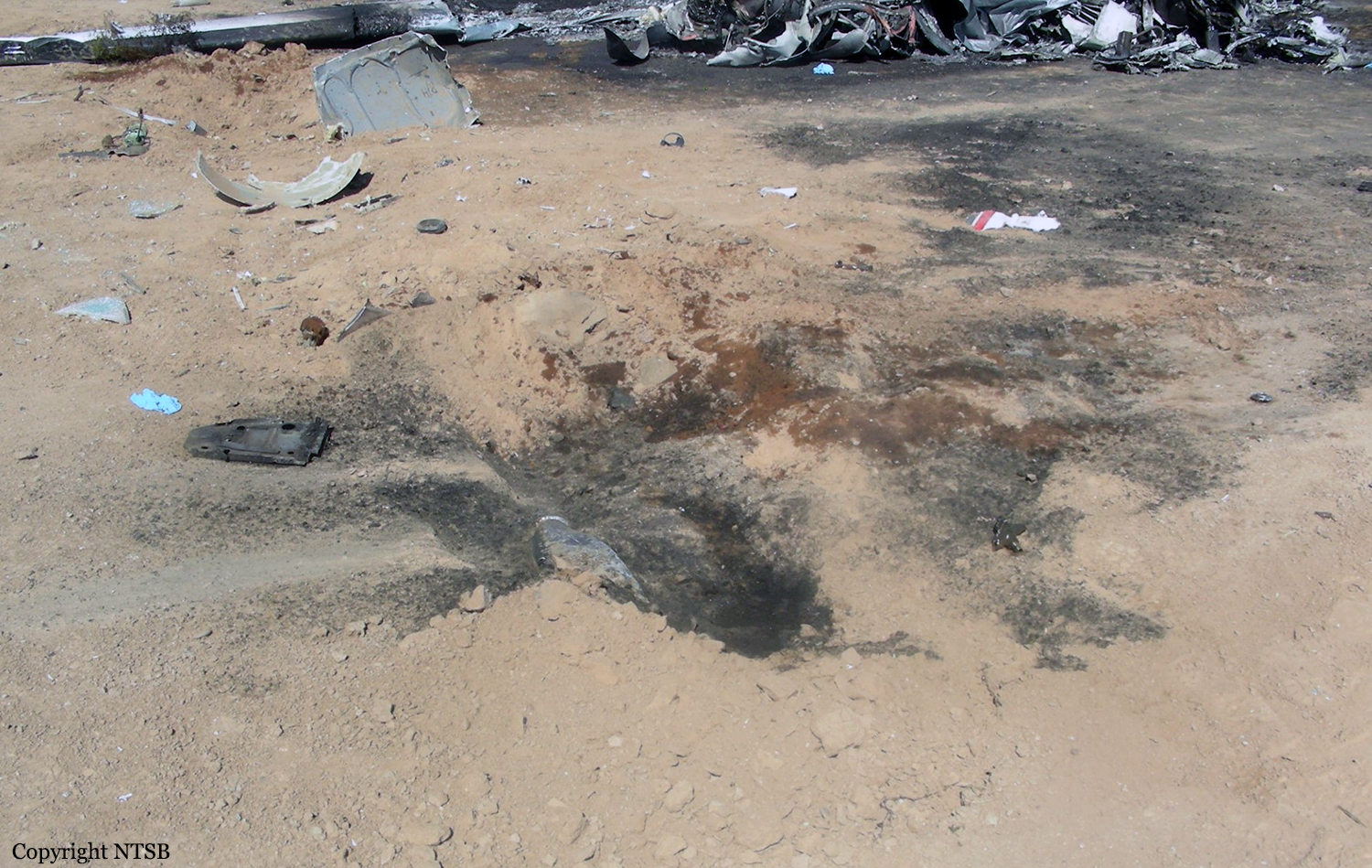
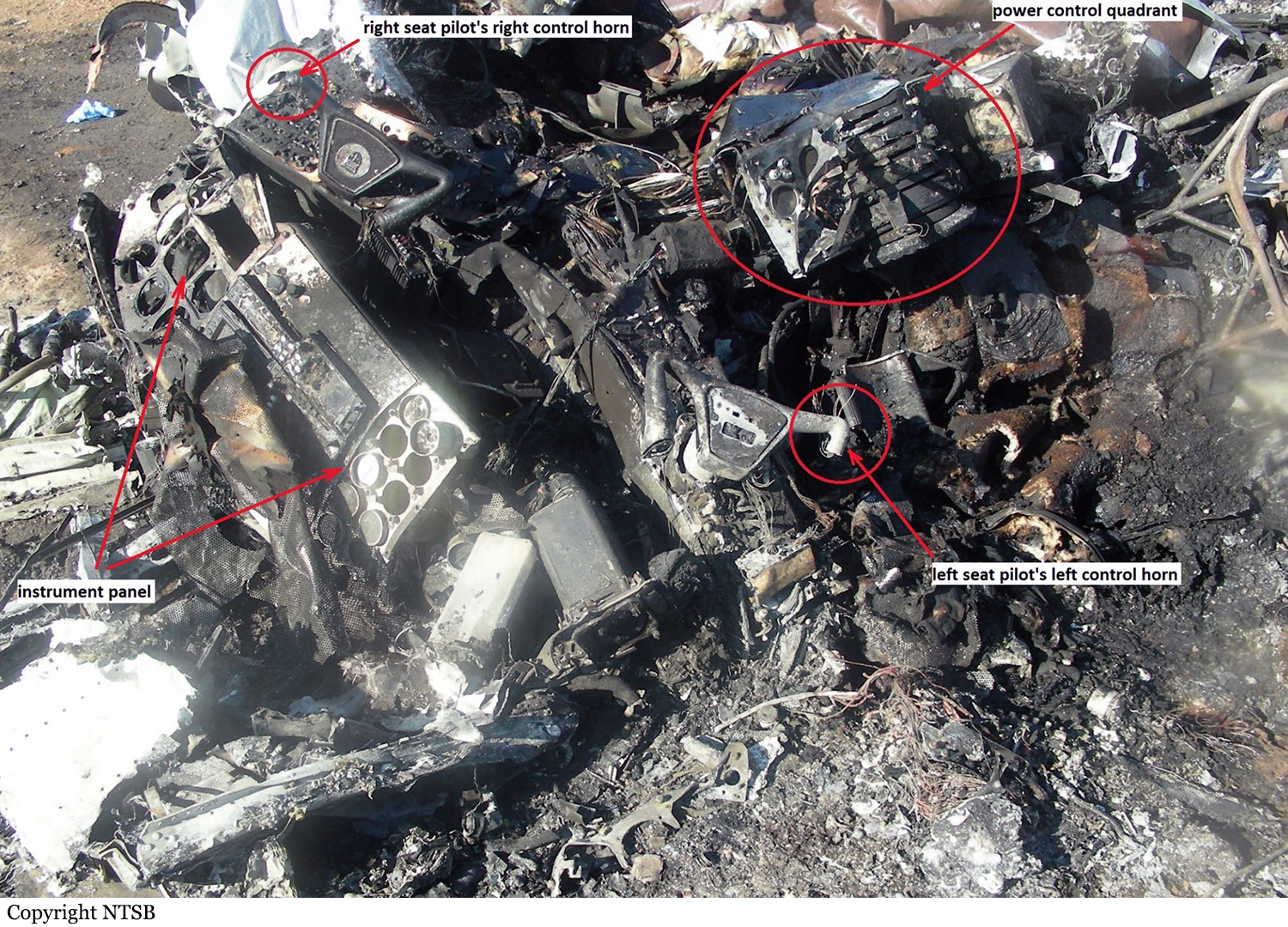
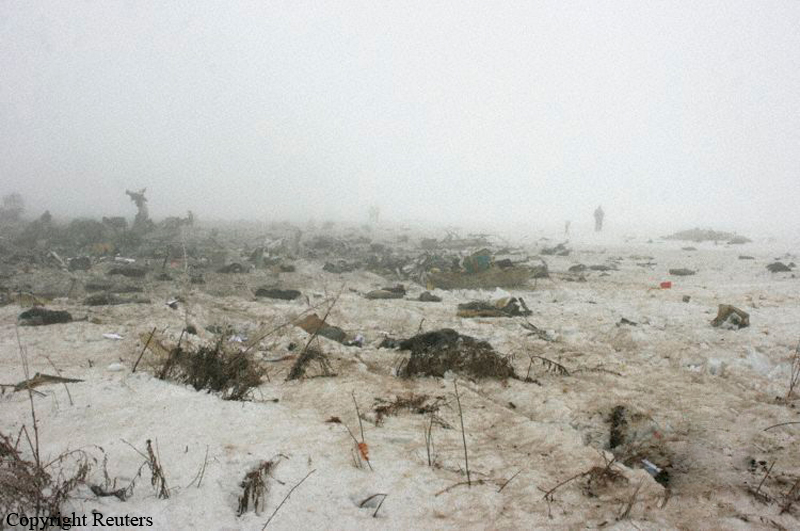
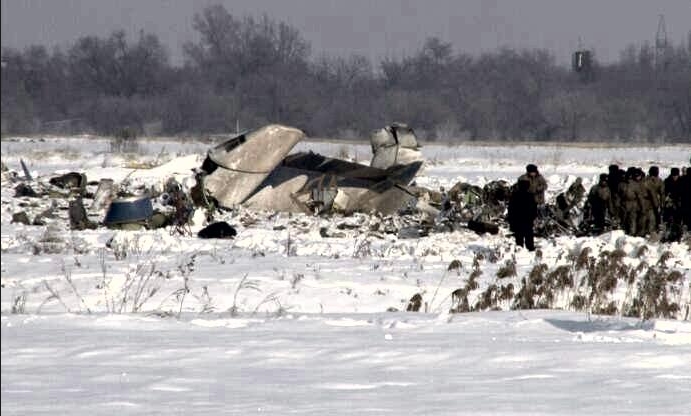
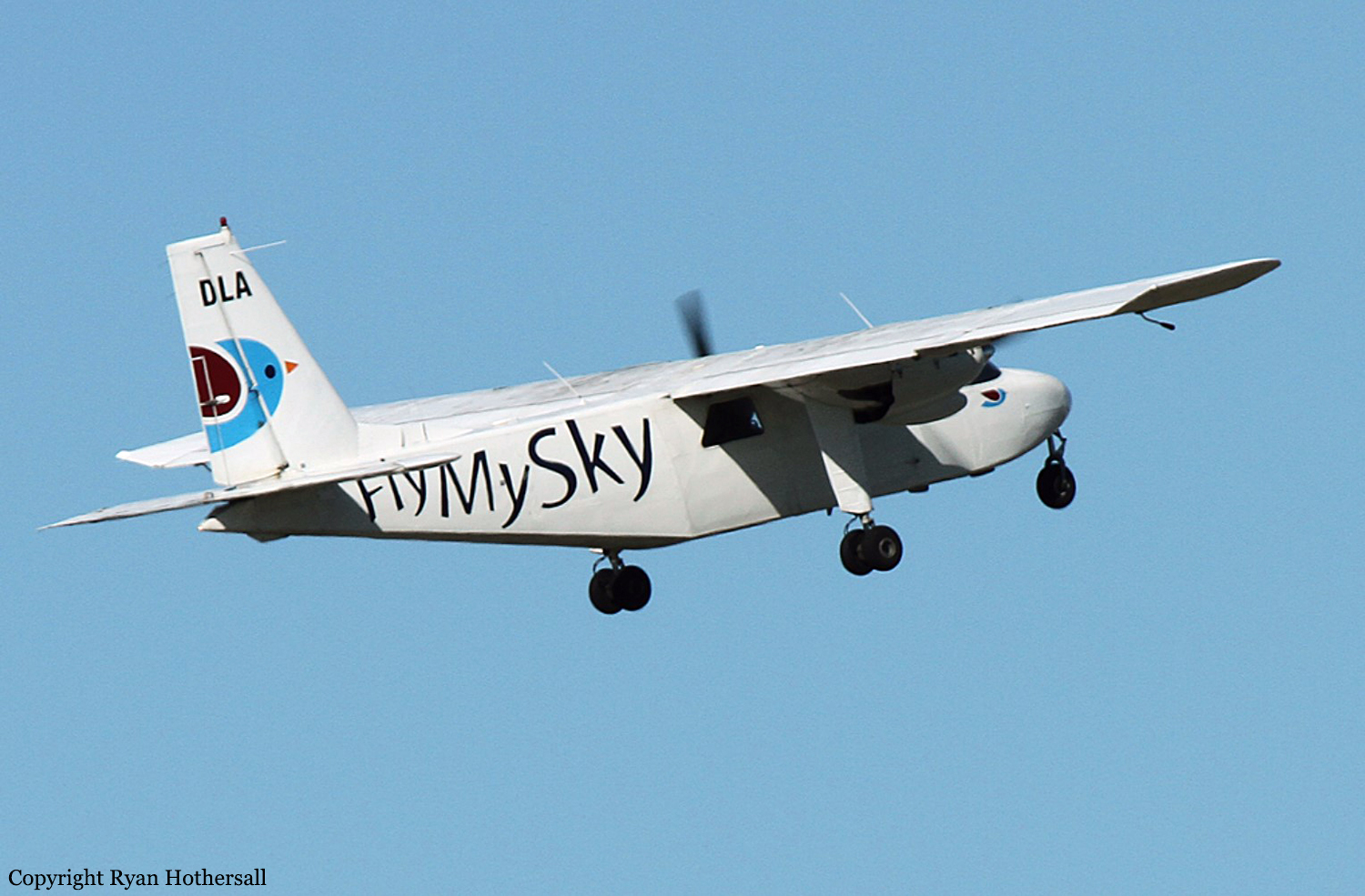
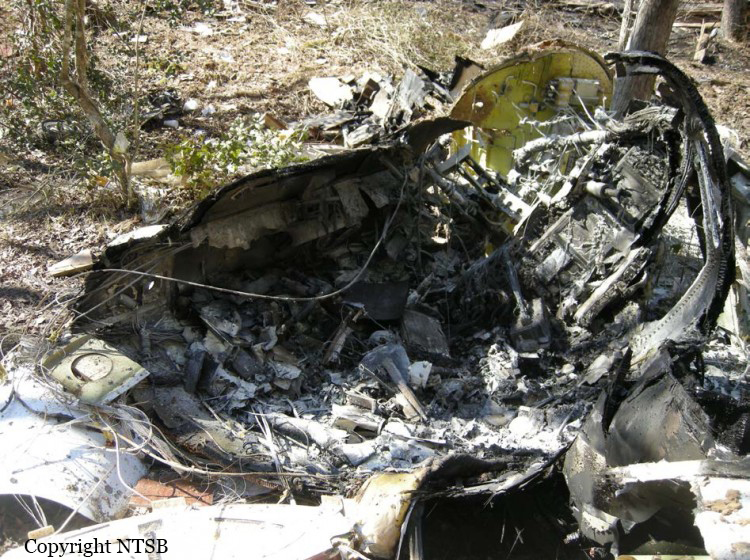
Aircraft was destroyed following a collision with a utility pole, trees, and terrain following a go-around at Thomson-McDuffie Regional Airport (HQU), Thomson, Georgia. The airline transport-rated pilot and copilot were seriously injured, and five passengers were fatally injured. The airplane was registered to the Pavilion Group LLC and was operated by the pilot under the provisions of 14 Code of Federal Regulations Part 91 as a business flight. Night visual meteorological conditions prevailed, and an instrument flight rules flight plan was filed. The flight originated at John C. Tune Airport (JWN), Nashville, Tennessee, about 1828 central standard time (1928 eastern standard time). The purpose of the flight was to transport staff members of a vascular surgery practice from Nashville to Thomson, where the airplane was based. According to initial air traffic control information, the pilot checked in with Augusta approach control and reported HQU in sight. About 2003, the pilot cancelled visual flight rules flight-following services and continued toward HQU. The last recorded radar return was observed about 2005, when the airplane was at an indicated altitude of 700 feet above mean sea level and 1/2 mile from the airport. There were no distress calls received from the crew prior to the accident. Witnesses reported that the airplane appeared to be in position to land when the pilot discontinued the approach and commenced a go-around. The witnesses observed the airplane continue down the runway at a low altitude. The airplane struck a poured-concrete utility pole and braided wires about 59 feet above ground level. The pole was located about 1/4 mile east the departure end of runway 10. The utility pole was not lighted. During the initial impact with the utility pole, the outboard section of the left wing was severed. The airplane continued another 1/4 mile east before colliding with trees and terrain. A postcrash fire ensued and consumed a majority of the airframe. The engines separated from the fuselage during the impact sequence. On-scene examination of the wreckage revealed that all primary airframe structural components were accounted for at the accident site. The landing gear were found in the down (extended) position, and the flap handle was found in the 10-degree (go-around) position. An initial inspection of the airport revealed that the pilot-controlled runway lights were operational. An examination of conditions recorded on an airport security camera showed that the runway lights were on the low intensity setting at the time of the accident. The airport did not have a control tower. An inspection of the runway surface did not reveal any unusual tire marks or debris. Weather conditions at HQU near the time of the accident included calm wind and clear skies.
Probable cause:
The pilot's failure to follow airplane flight manual procedures for an antiskid failure in flight and his failure to immediately retract the lift dump after he elected to attempt a go-around on the runway. Contributing to the accident were the pilot's lack of systems knowledge and his fatigue due to acute sleep loss and his ineffective use of time between flights to obtain sleep.
Final Report:
Crash of an Antonov AN-24RV in Donetsk: 5 killed

Date & Time: Feb 13, 2013 at 1809 LT
Type of aircraft:
Operator:
Registration:
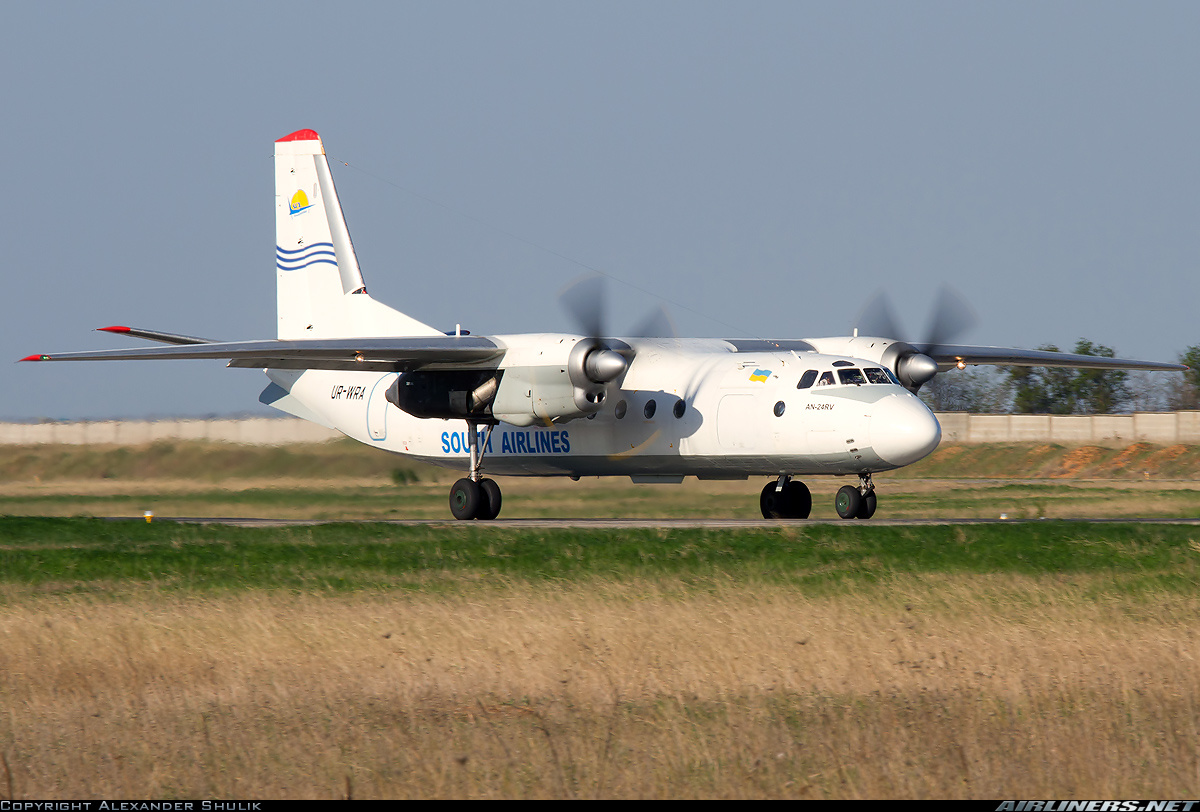
UR-WRA
Survivors:
Yes
Schedule:
Odessa - Donetsk
MSN:
3 73 087 09
YOM:
1973
Flight number:
YG8971
Country:
Region:
Crew on board:
8
Crew fatalities:
Pax on board:
44
Pax fatalities:
Other fatalities:
Total fatalities:
5
Captain / Total flying hours:
3245
Captain / Total hours on type:
560.00
Copilot / Total flying hours:
175
Aircraft flight hours:
51136
Aircraft flight cycles:
32645
Circumstances:
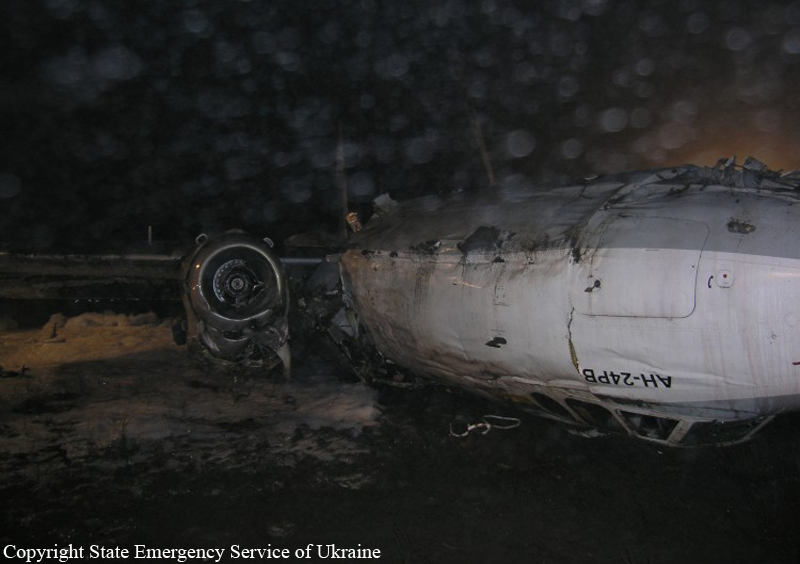
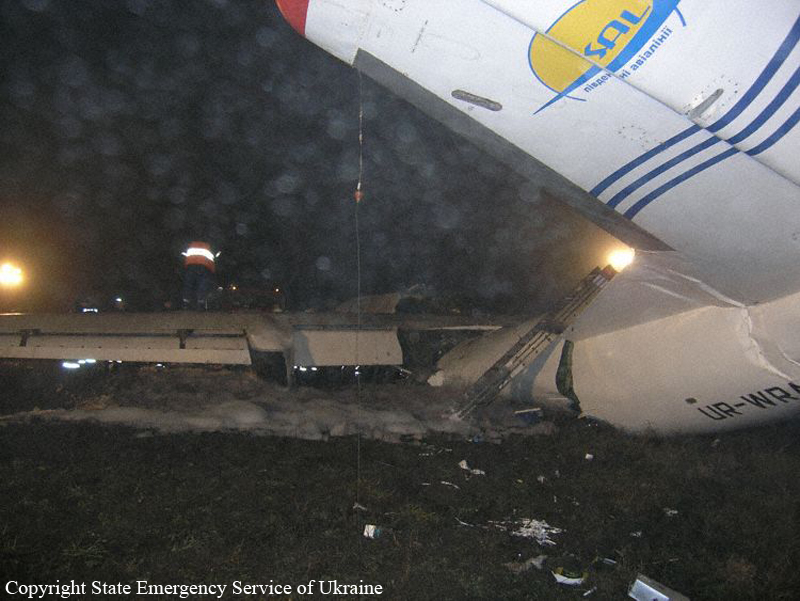
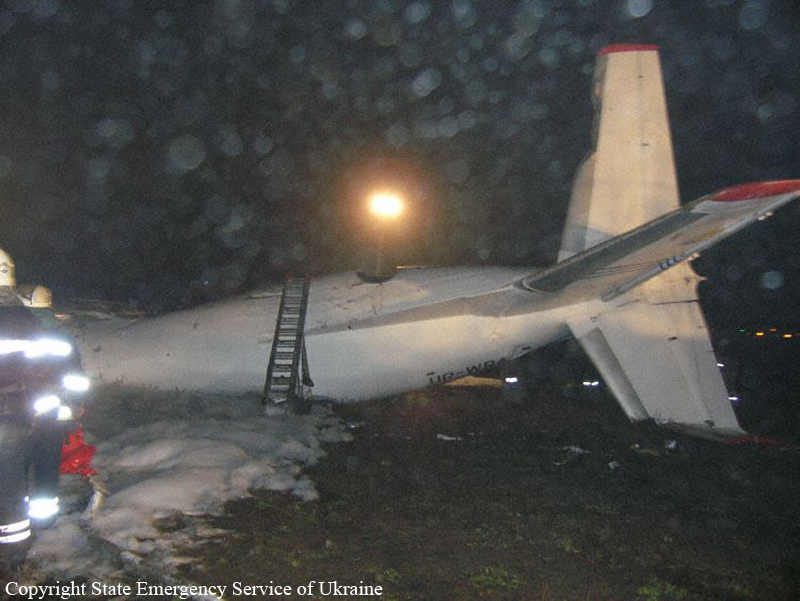
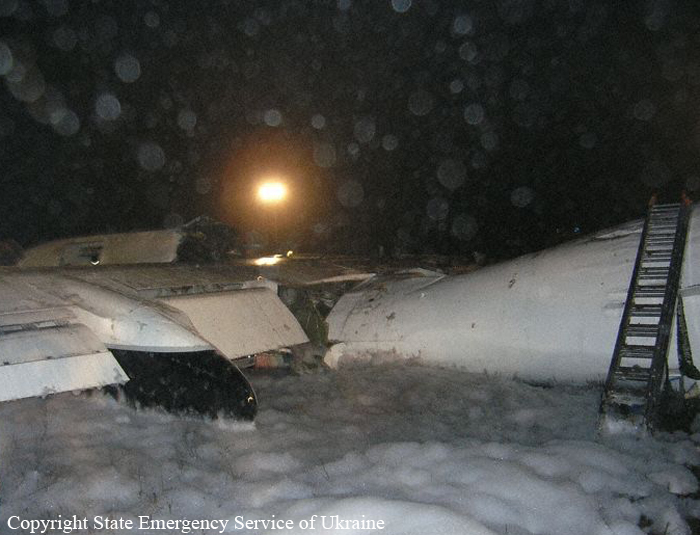
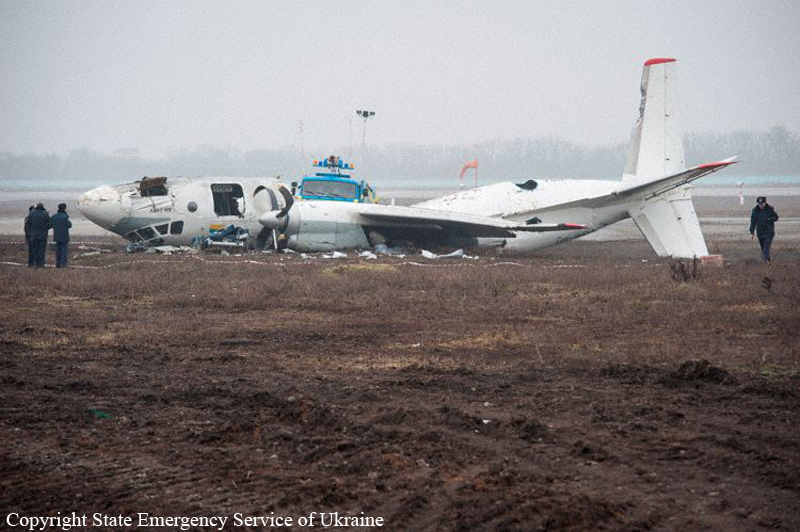
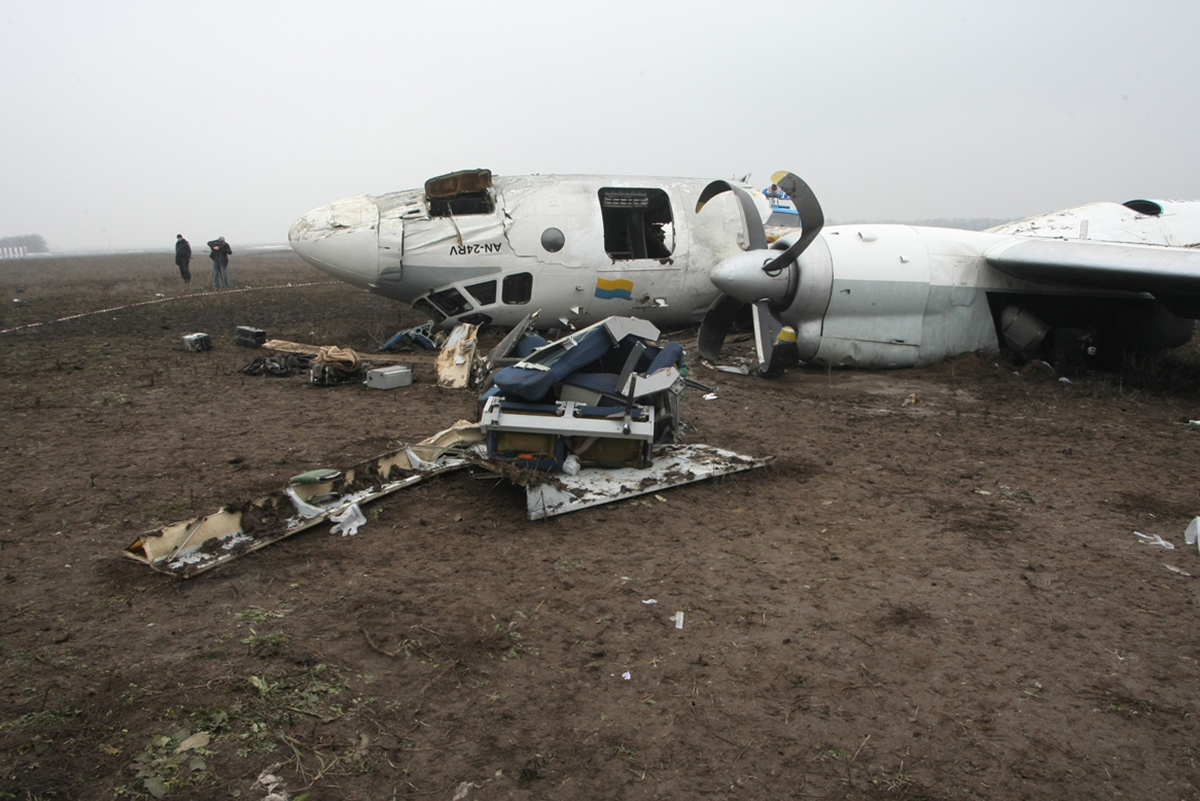
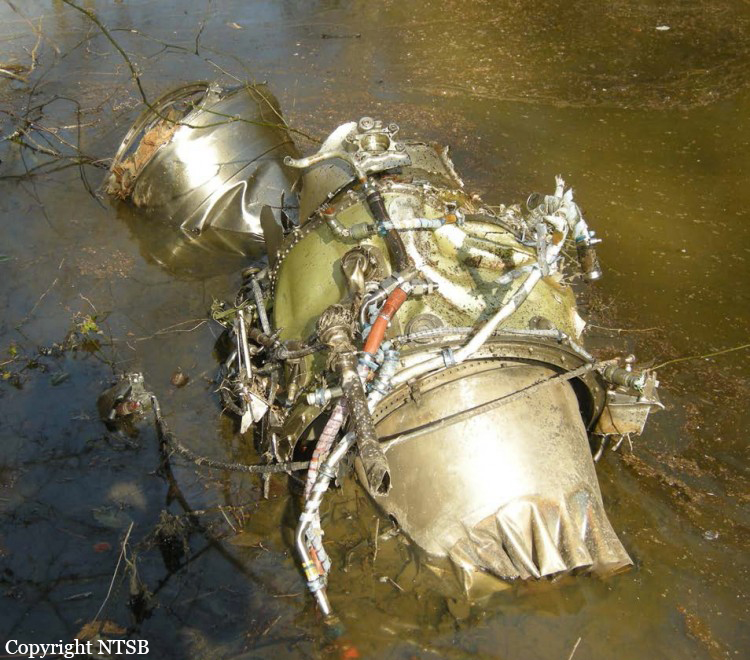
On final approach to Donetsk-Sergei Prokofiev Airport, during the last segment, the aircraft banked right to a angle of 48°, causing the right wing to struck the ground. The aircraft overturned and crashed in a grassy area to the left of runway 08, coming to rest upside down. Five passengers were killed while all other occupants were injured. The aircraft was destroyed. It was performing a charter flight from Odessa with 44 football fans on their way to a match between Shakhtar Donetsk and Borussia Dortmund. At the time of the accident, the visibility was poor due to the night and foggy conditions. The horizontal visibility was reported to be 250 metres with an RVR of 750 metres for runway 08 and vertical visibility of 200 feet.
Probable cause:
It was planned that an instructor should perform the flight with the crew but he did not show up, so the captain decided to do the flight without him. On final approach to Donetsk, the visibility was limited and the captain was authorized to descent until 1,000 feet on approach where he should establish a visual contact with runway 08 or the approach lights. At this decision height, he continued the approach without any calls to the rest of the crew despite he did not establish any visual contact with the runway. During the last segment, the aircraft banked right due to a too low approach speed of 103 knots, stalled and crashed. The crew failed to monitor the approach speed, and the captain decided to continue the approach despite the visibility was below minimums. At the decision height, he should abandon the approach for a go-around procedure.
Final Report:

Crash of a Boeing 737-33A in Muscat

Date & Time: Feb 11, 2013 at 1325 LT
Type of aircraft:
Operator:
Registration:
AP-BEH
Survivors:
Yes
Schedule:
Sialkot - Muscat
MSN:
25504/2341
YOM:
1992
Flight number:
PK259
Country:
Region:
Crew on board:
7
Crew fatalities:
Pax on board:
107
Pax fatalities:
Other fatalities:
Total fatalities:
0
Circumstances:
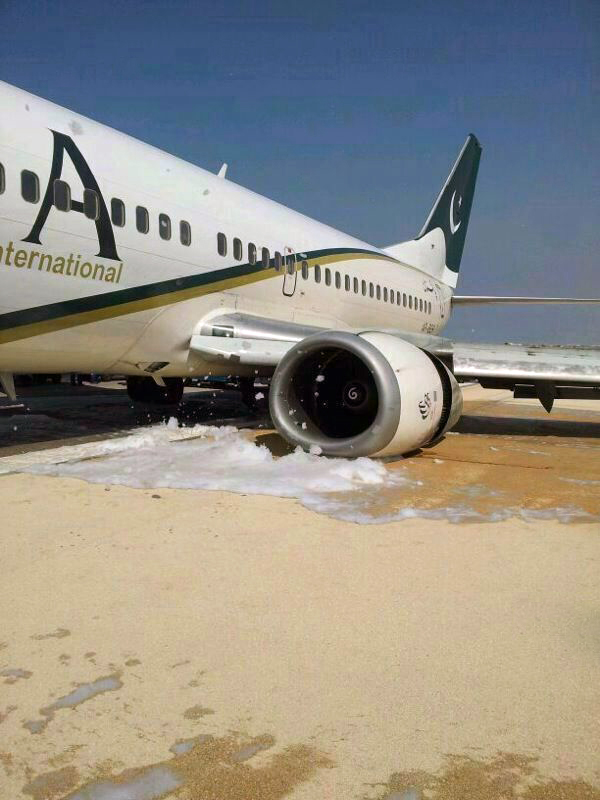
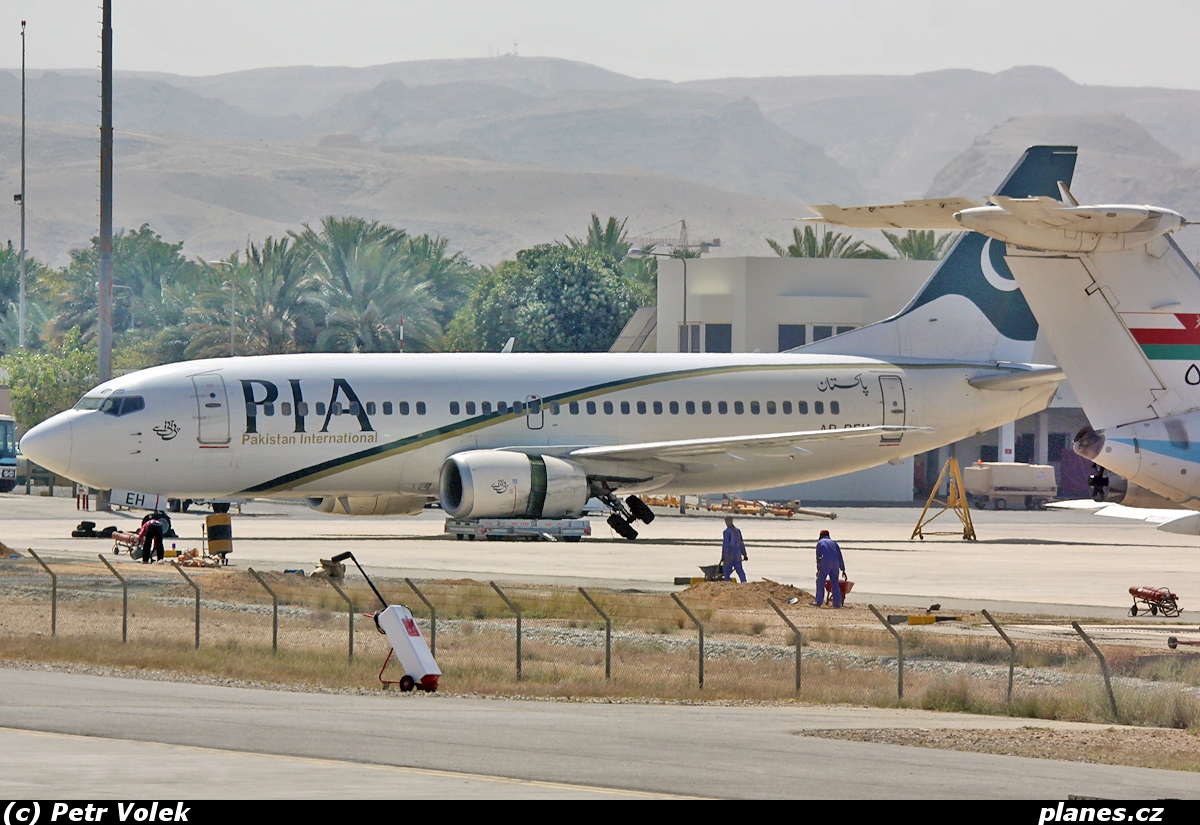
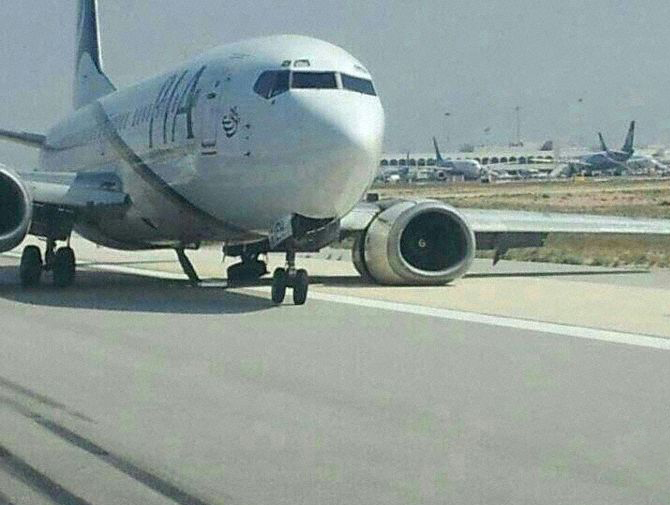
Following an uneventful flight from Sialkot, the crew completed the approach to Muscat-Seeb Runway 26L. After touchdown, while decelerating, the left main gear collapsed, causing the left engine to struck the ground. The aircraft slid for few dozen metres before coming to rest on the left edge of the runway. All 114 occupants evacuated uninjured while the aircraft was damaged beyond repair.

Crash of a Casa CN235-220 in Monrovia: 11 killed

Date & Time: Feb 11, 2013 at 0710 LT
Registration:
3X-GGG
Flight Type:
Survivors:
No
Schedule:
Conakry - Monrovia
MSN:
N014
YOM:
1991
Country:
Region:
Crew on board:
5
Crew fatalities:
Pax on board:
6
Pax fatalities:
Other fatalities:
Total fatalities:
11
Circumstances:
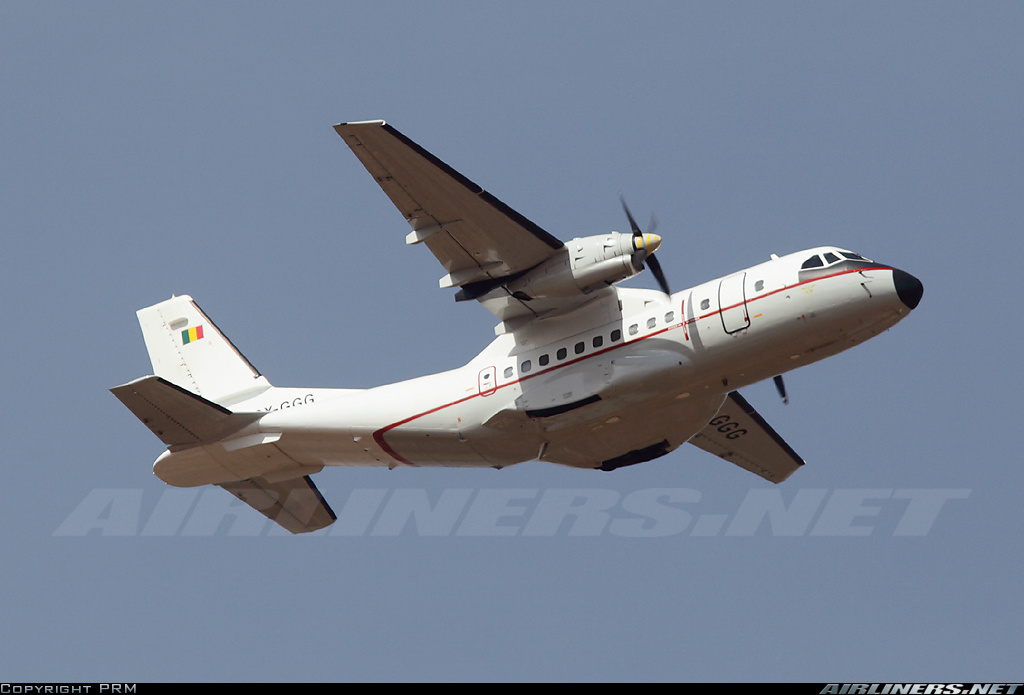
The aircraft was carrying a delegation of Senior Officials of the Guinea Air Force to Monrovia. On final approach to Roberts Airport, the aircraft descended too low, impacted trees and crashed in a wooded area located near Charlesville, some 4 km short of runway. The aircraft was destroyed by impact forces and a post crash fire and all 11 occupants were killed, among them General Souleymane Kéléfa Diallo, Chief of Staff of the Guinea Army Forces. The delegation was on its way to Monrovia to take part to the celebration of the Liberia Army forces anniversary.
Probable cause:
In July 2013, the investigation board confirmed that the accident resulted of multiple errors committed by the pilots who did not carry sufficient attention to the flight and the approach procedure. Investigators also concluded that the flight crew was tired, which was considered as a contributing factor because their faculties and capacities were diminished.

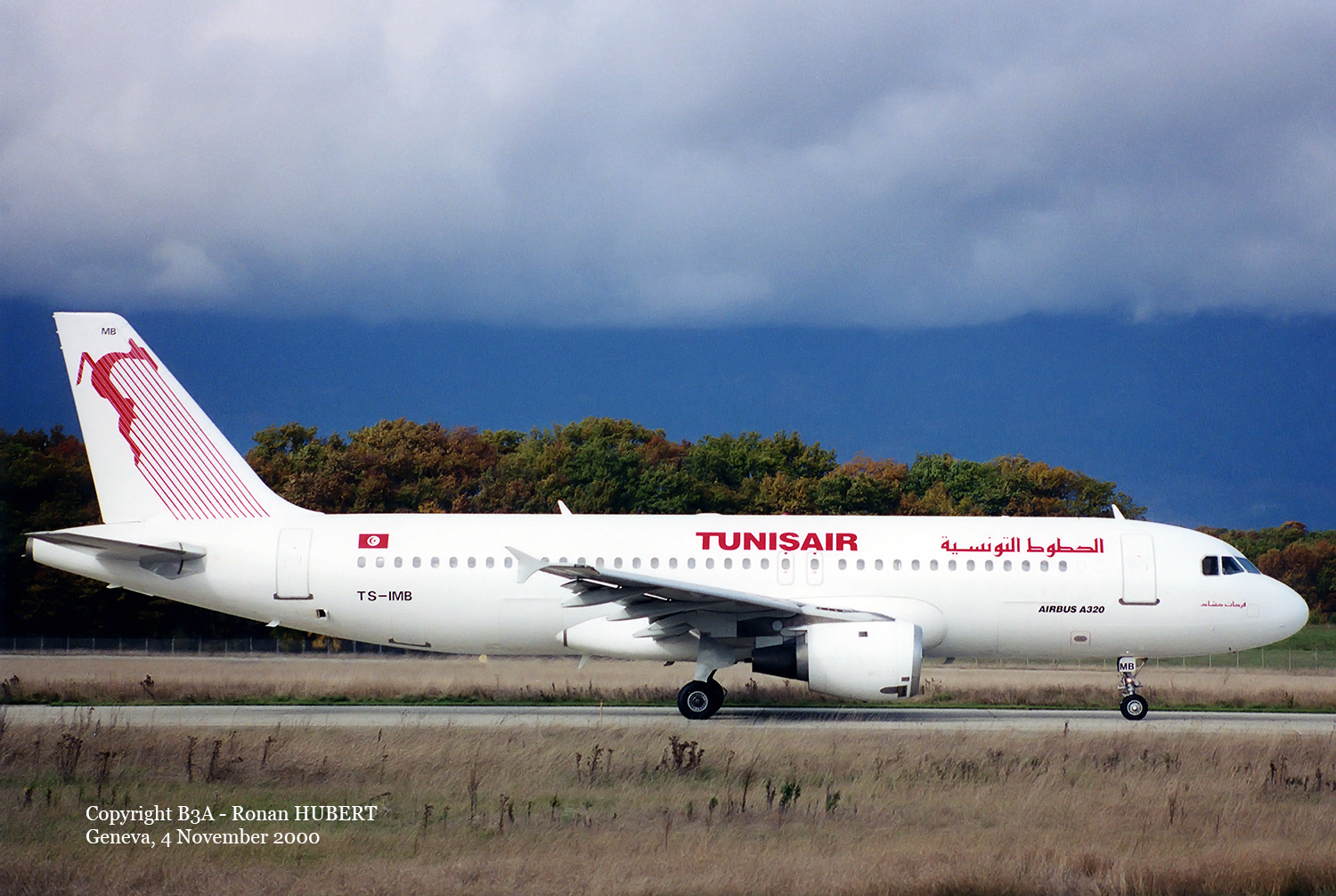
Crash of an Airbus A320-211 in Tunis

Date & Time: Feb 6, 2013 at 1423 LT
Type of aircraft:
Operator:
Registration:
TS-IMB
Survivors:
Yes
Schedule:
Casablanca - Tunis
MSN:
119
YOM:
1990
Flight number:
TU712
Country:
Region:
Crew on board:
8
Crew fatalities:
Pax on board:
75
Pax fatalities:
Other fatalities:
Total fatalities:
0
Circumstances:
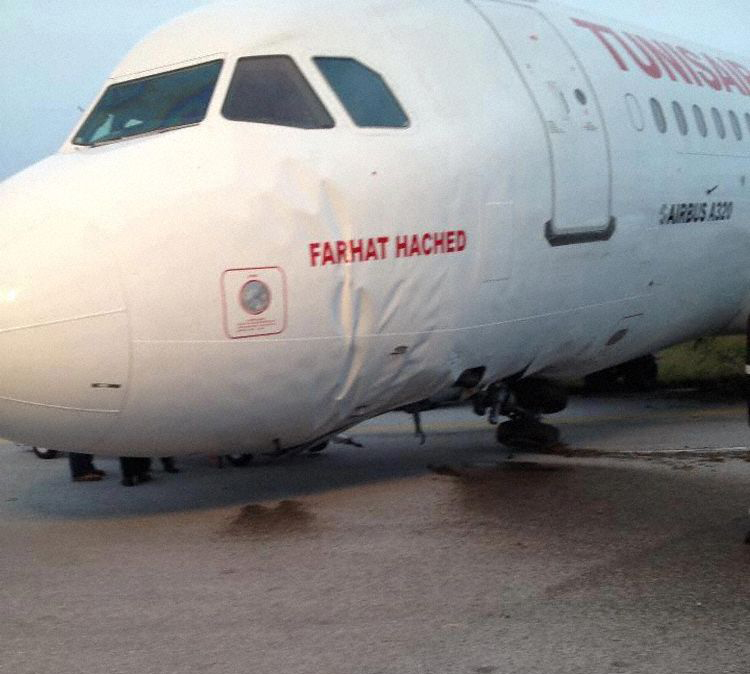
Following an uneventful flight from Casablanca-Mohamed V Airport, the crew started the approach to Tunis-Carthage International Airport Runway 19 and encountered marginal weather conditions. After touchdown, the aircraft rolled for a distance of 1,600 metres then deviated to the right. The aircraft veered off runway, rolled in a grassy area for 114 metres when the nose gear impacted the concrete perpendicularly runway 11/29. On impact, the nose gear was torn off and the aircraft rolled for another 130 metres before coming to rest. All 83 occupants evacuated safely while the aircraft was damaged beyond repair. At the time of the accident, strong crosswinds and heavy rain falls passed over the airport.

Crash of a Beechcraft E90 King Air in Casa Grande: 2 killed

Date & Time: Feb 6, 2013 at 1135 LT
Type of aircraft:
Registration:
N555FV
Flight Type:
Survivors:
No
Schedule:
Marana - Casa Grande
MSN:
LW-248
YOM:
1977
Crew on board:
2
Crew fatalities:
Pax on board:
0
Pax fatalities:
Other fatalities:
Total fatalities:
2
Captain / Total flying hours:
1079
Captain / Total hours on type:
112.00
Copilot / Total flying hours:
8552
Copilot / Total hours on type:
325
Aircraft flight hours:
8345
Circumstances:
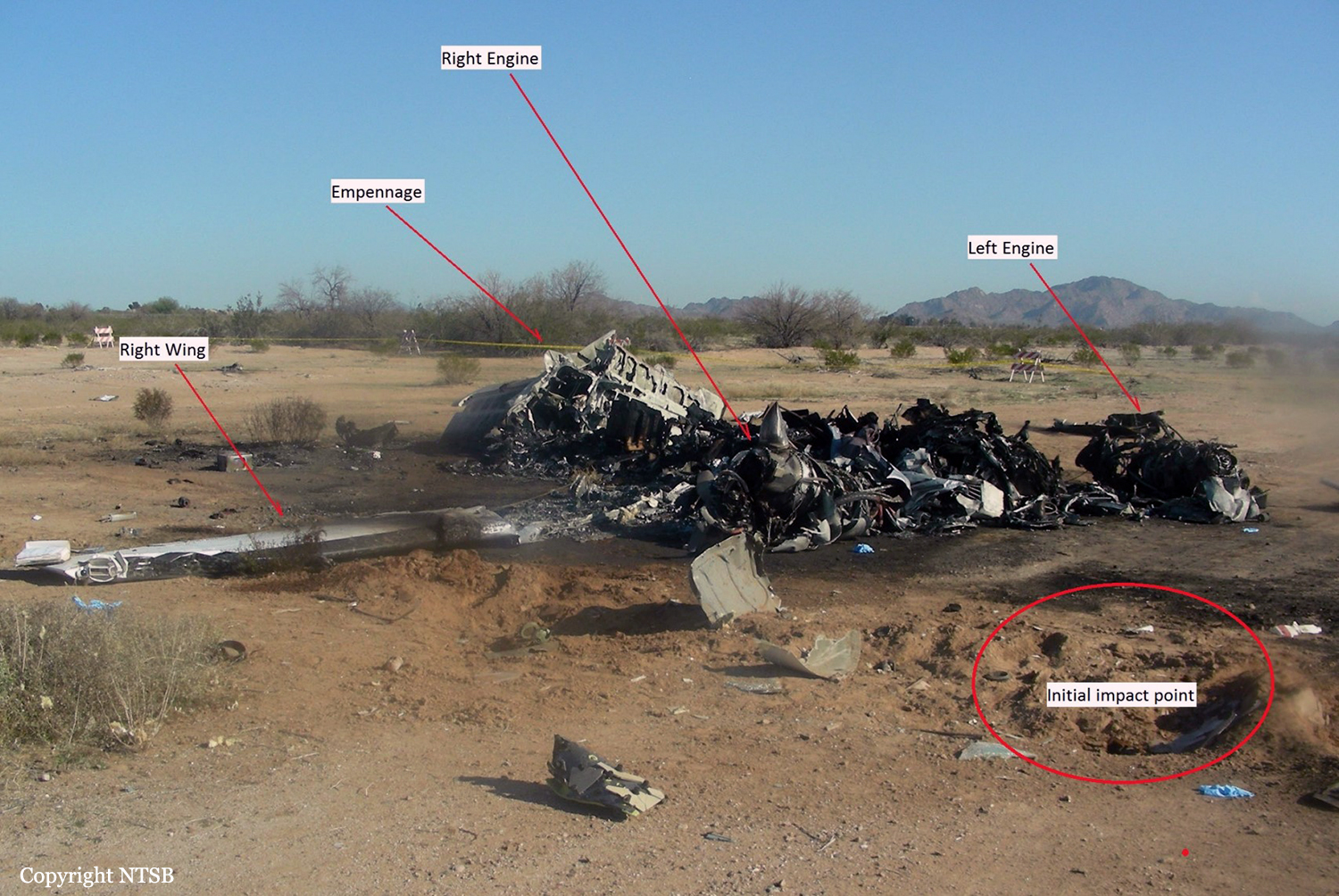
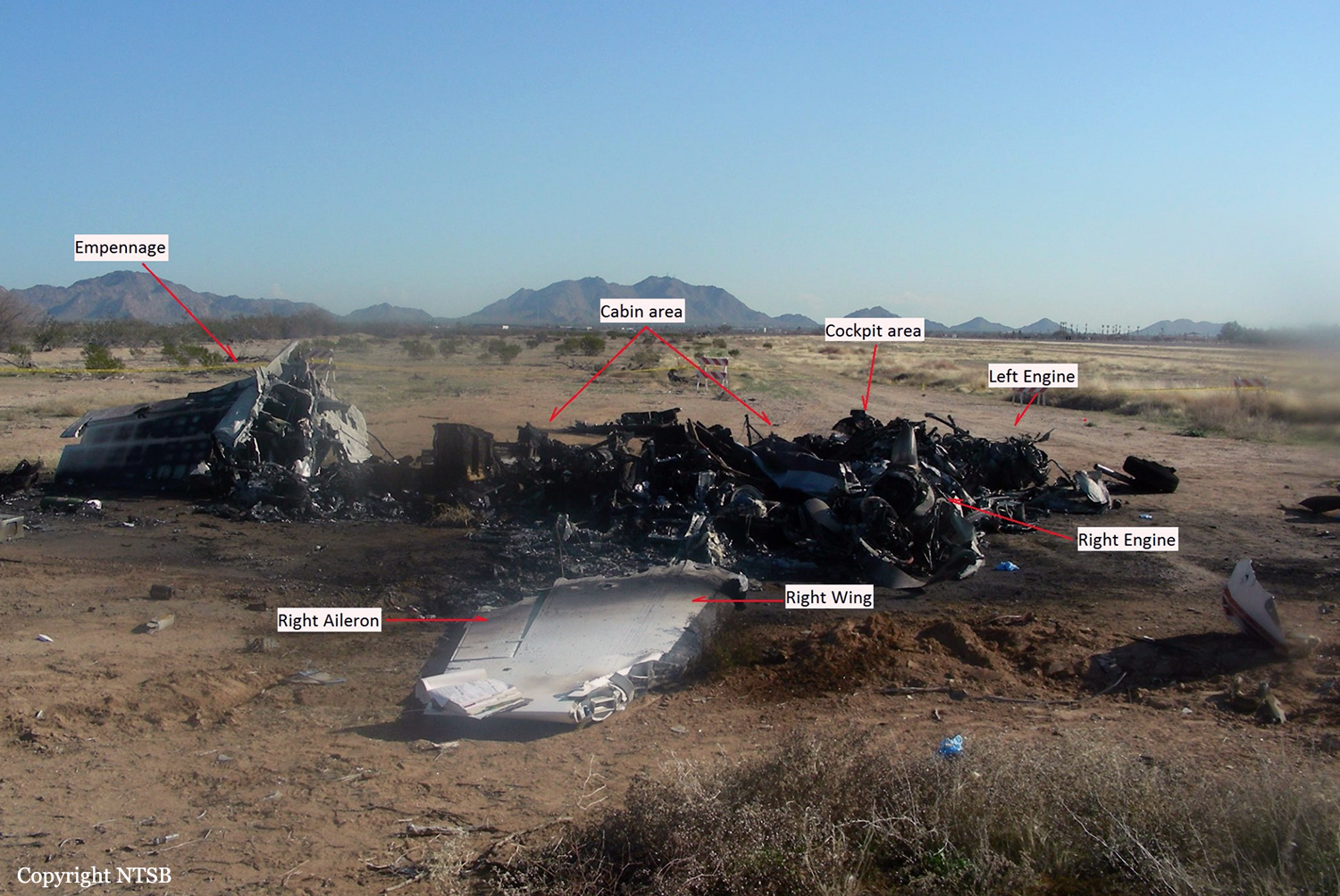
The lineman who spoke with the pilot/owner of the accident airplane before its departure reported that the pilot stated that he and the flight instructor were going out to practice for about an hour. The flight instructor had given the pilot/owner his initial instruction in the airplane and flew with the pilot/owner regularly. The flight instructor had also given the pilot/owner about 58 hours of dual instruction in the accident airplane. The pilot/owner had accumulated about 51 hours of pilot-in-command time in the airplane make and model. It is likely that the pilot/owner was the pilot flying. Several witnesses reported observing the accident sequence. One witness reported seeing the airplane pull up into vertical flight, bank left, rotate nose down, and then impact the ground. One witness reported observing the airplane go from east to west, turn sharply, and then go north of the runway. He subsequently saw the airplane hit the ground. One witness, who was a pilot, stated that he observed the airplane enter a left bank and then a nose-down attitude of about 75 degrees at an altitude of about 300 feet above ground level, which was too low to recover. It is likely that the pilot was attempting a go-around and pitched up the airplane excessively and subsequently lost control, which resulted in the airplane impacting flat desert terrain about 100 feet north of the active runway at about the midfield point in a steep nose-down, left-wing-low attitude. The airplane was destroyed by postimpact forces and thermal damage. All components necessary for flight were accounted for at the accident site. A postaccident examination of the airframe and both engines revealed no anomalies that would have precluded normal operation. Additionally, an examination of both propellers revealed rotational scoring and twisting of the blades consistent with there being power during the impact sequence. No anomalies were noted with either propeller that would have precluded normal operation. Toxicological testing of the pilot was negative for drugs and alcohol. The flight instructor’s toxicology report revealed the presence of tetrahydrocannabinol (THC). Given the elevated levels of metabolite in the urine and kidney, the absence of quantifiable THC in the urine, and the low level of THC in the kidney and liver, it is likely that the flight instructor most recently used marijuana at least several hours before the accident. However, the effects of marijuana use on the flight instructor’s judgment and performance at the time of the accident could not be determined. A review of the flight instructor’s personal medical records indicated that he had a number of medical conditions that would have been grounds for denying his airman medical certificate. The ongoing treatment of his conditions with more than one sedating benzodiazepine, including oxazepam, simultaneously would also likely not have been allowed. However, none of the prescribed, actively sedating medications were found in the flight instructor’s tissues, and oxazepam was only found in the urine, which suggests that the flight instructor used the medication many hours and possibly several days before the accident. The toxicology findings indicate that the flight instructor likely did not experience any impairment from the benzodiazepine medication itself; however, the cognitive effects from the underlying mood disturbance could not be determined.
Probable cause:
The pilot’s loss of control of the airplane after pitching it excessively nose up during a go-around, which resulted in a subsequent aerodynamic stall/spin.
Final Report:
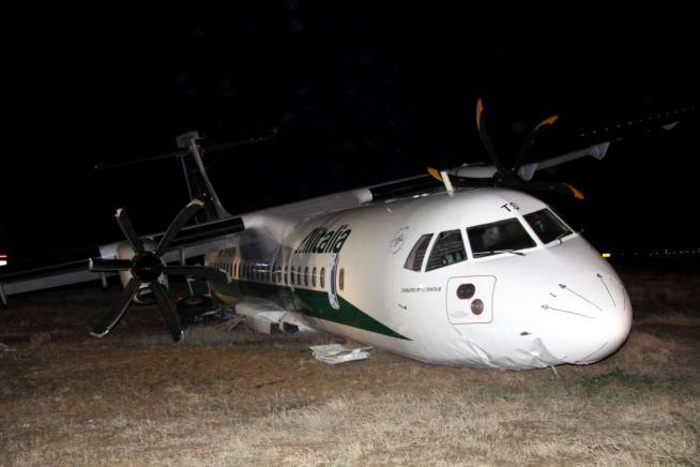
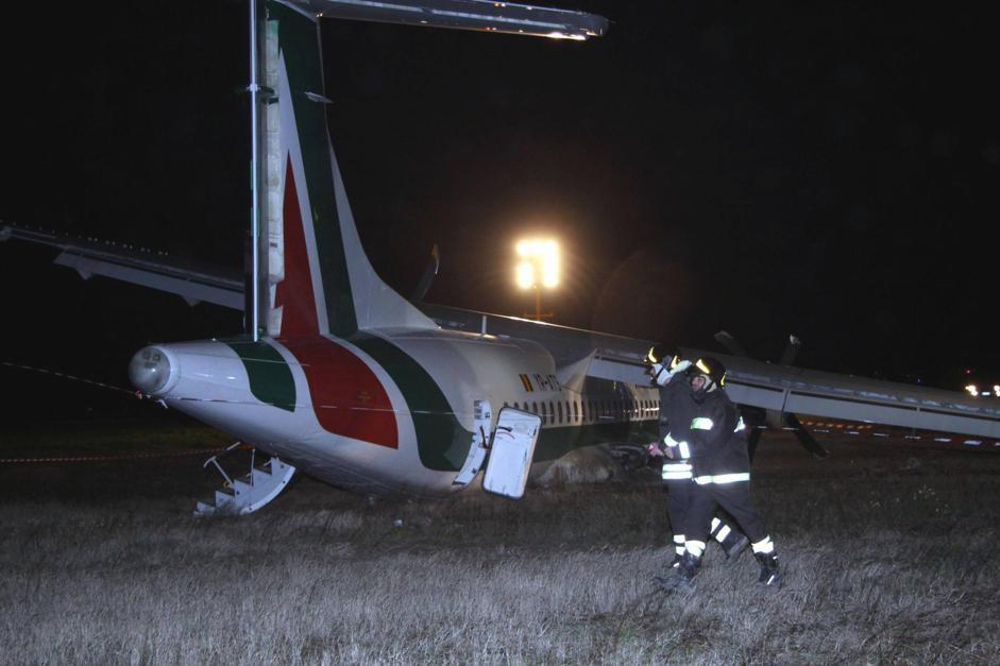
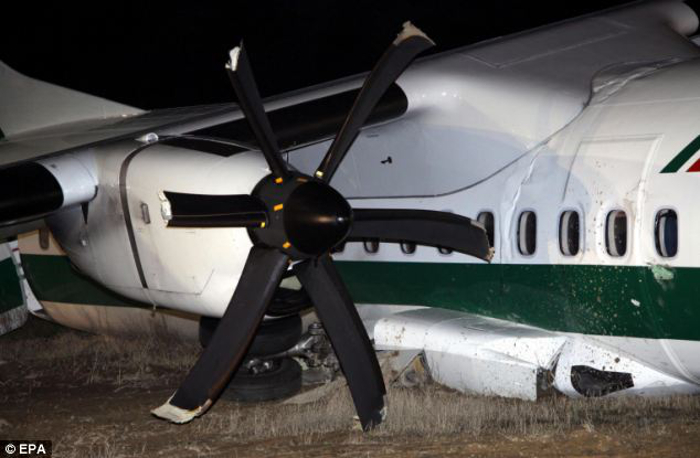
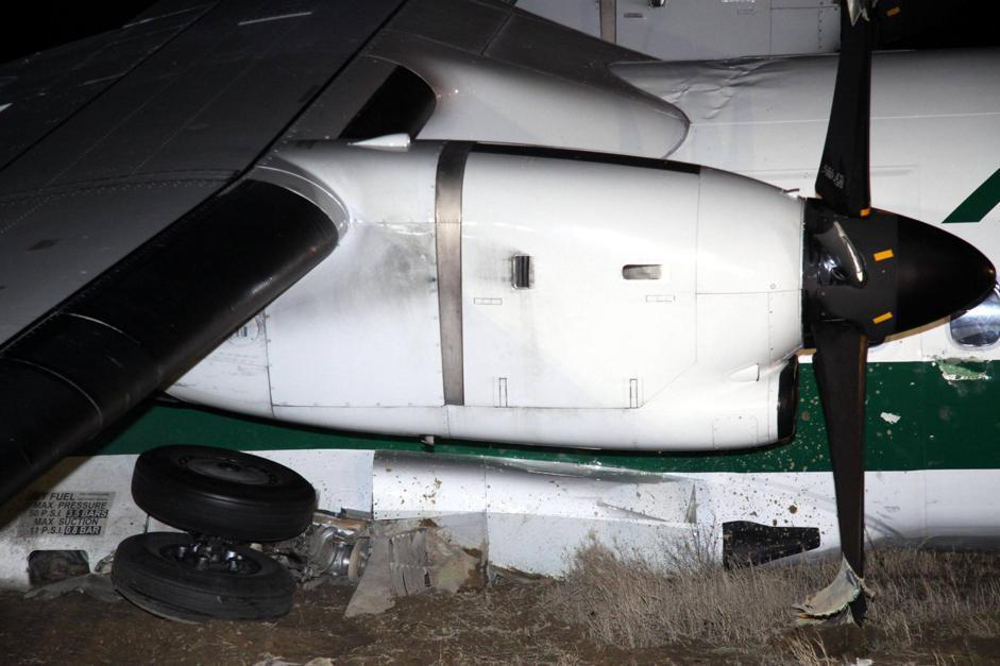
Crash of an ATR72-500 in Rome

Date & Time: Feb 2, 2013 at 2032 LT
Type of aircraft:
Operator:
Registration:
YR-ATS
Survivors:
Yes
Schedule:
Pisa - Rome
MSN:
533
YOM:
1997
Flight number:
AZ1670
Country:
Region:
Crew on board:
4
Crew fatalities:
Pax on board:
46
Pax fatalities:
Other fatalities:
Total fatalities:
0
Captain / Total flying hours:
18552
Captain / Total hours on type:
3351.00
Copilot / Total flying hours:
624
Copilot / Total hours on type:
14
Aircraft flight hours:
24088
Circumstances:
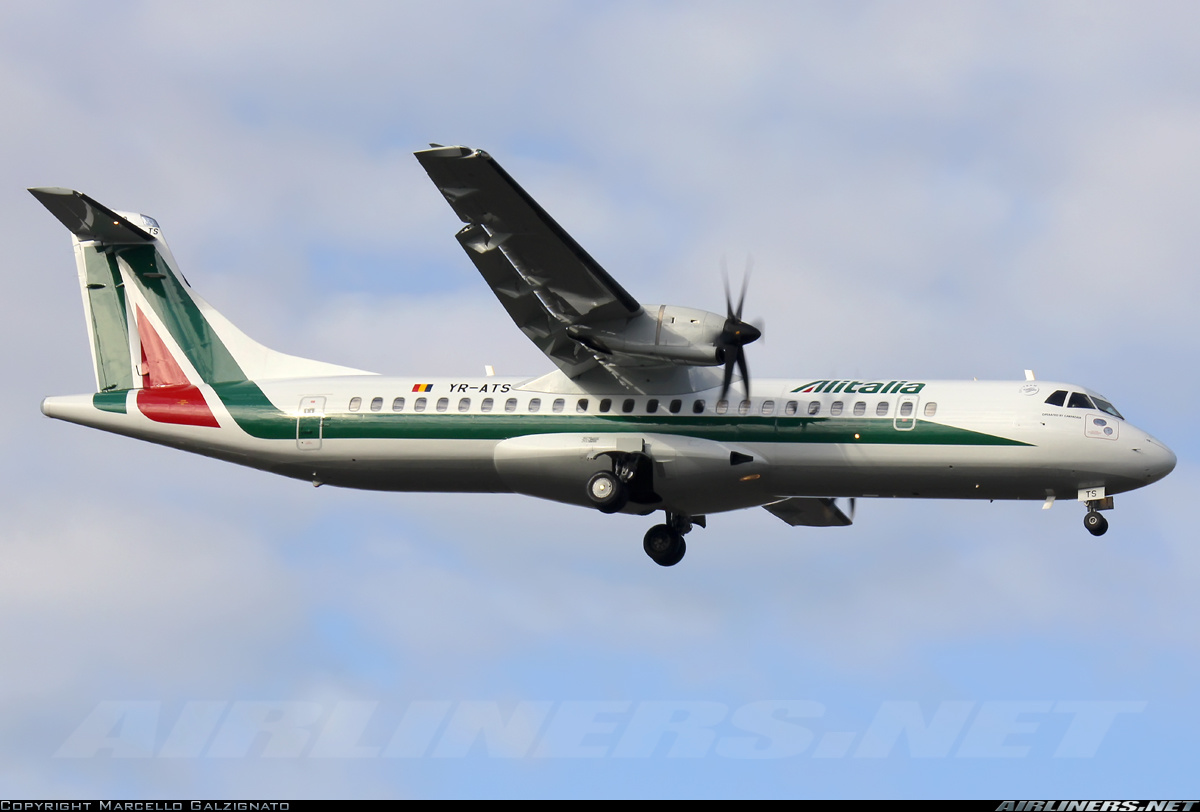
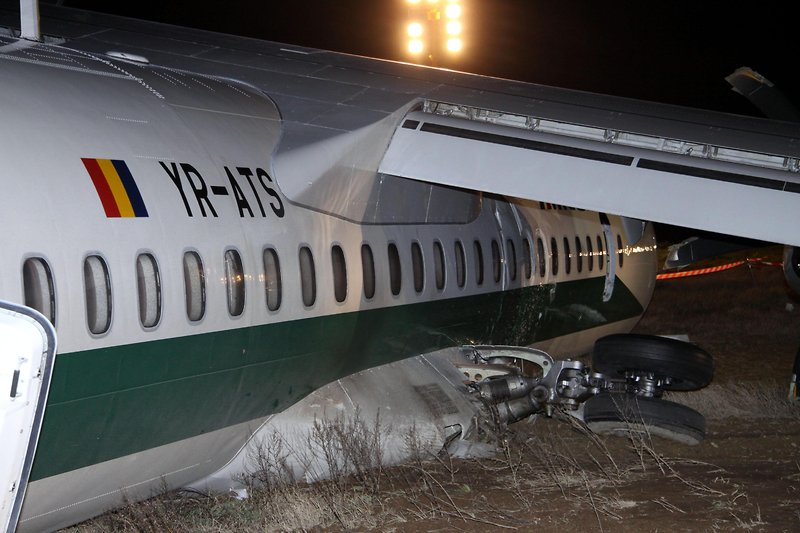
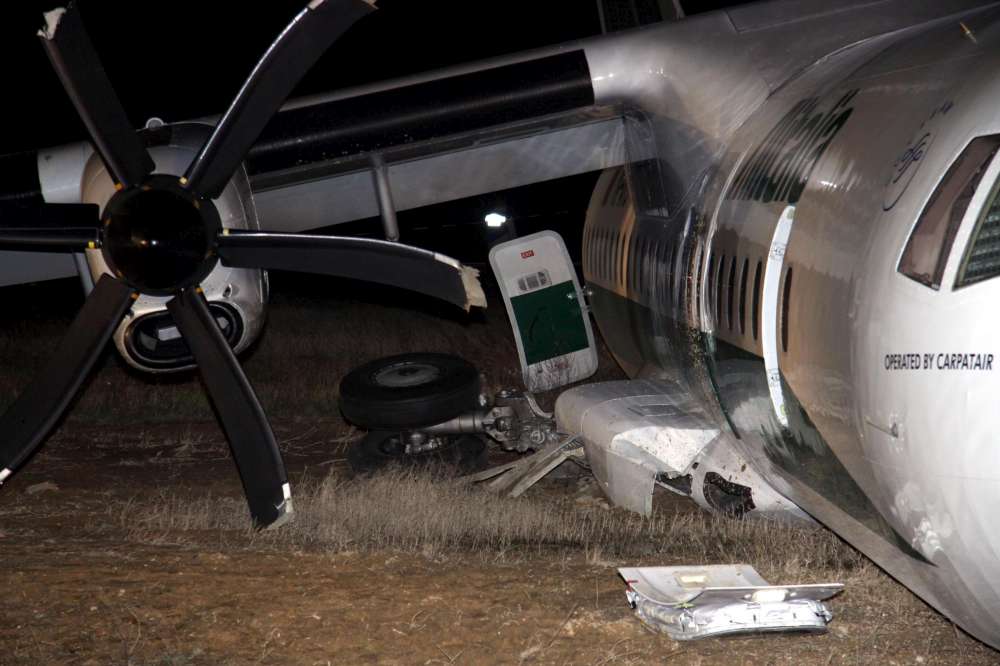
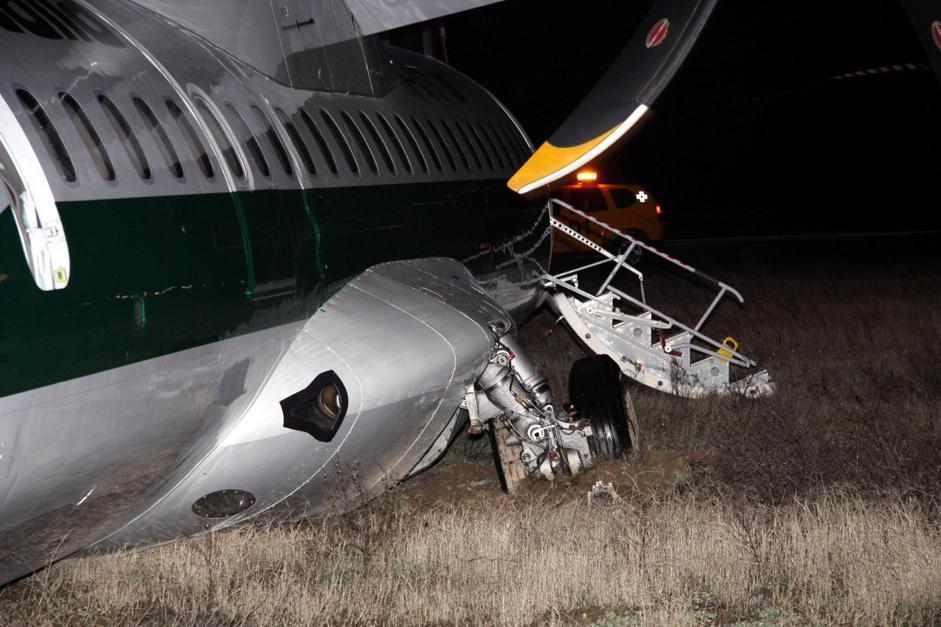
The Rome-Fiumicino Airport Runway 25 was closed to trafic due to work in progress so the crew was vectored and cleared for a landing on runway 16L. The approach was completed in good visibility with strong crosswinds from 250° at 28 knots gusting to 41 knots and windshear. On the last segment, the aircraft lost height and impacted ground 567 metres short of runway 16L threshold. The aircraft bounced three times, lost its right main gear, slid for few dozen metres and came to rest in a grassy area some 1,780 metres past the runway threshold. All 50 occupants were rescued, among them seven were slightly injured. The aircraft was damaged beyond repair.
Probable cause:
The accident is due to the human factor. In particular, it was caused by an improper conduct of the aircraft by the PF (commander) during landing, not consistent with the provisions of the operator's manuals, in an environmental context characterized by the presence of significant criticality (presence of crosswind with values at the limit/excess those allowed for the ATR 72) and in the absence of an effective CRM.
The following factors may have contributed to the event:
- The failure to carry out the landing briefing, which, in addition to being required by company regulations, would have been an important moment of pooling and acceptance of information fundamental to the safety of operations.
- The maintenance of a V APP significantly higher than expected.
- The conviction of the commander (PF), deriving from his considerable general and specific experience on the aircraft in question, to be able to conduct a safe landing in spite of the presence of critical wind conditions for the type of aircraft.
- The considerable difference in experience between the commander and the first officer, which has reasonably prevented the latter from showing his critical capacity, thus rendering CRM techniques ineffective.
Final Report:
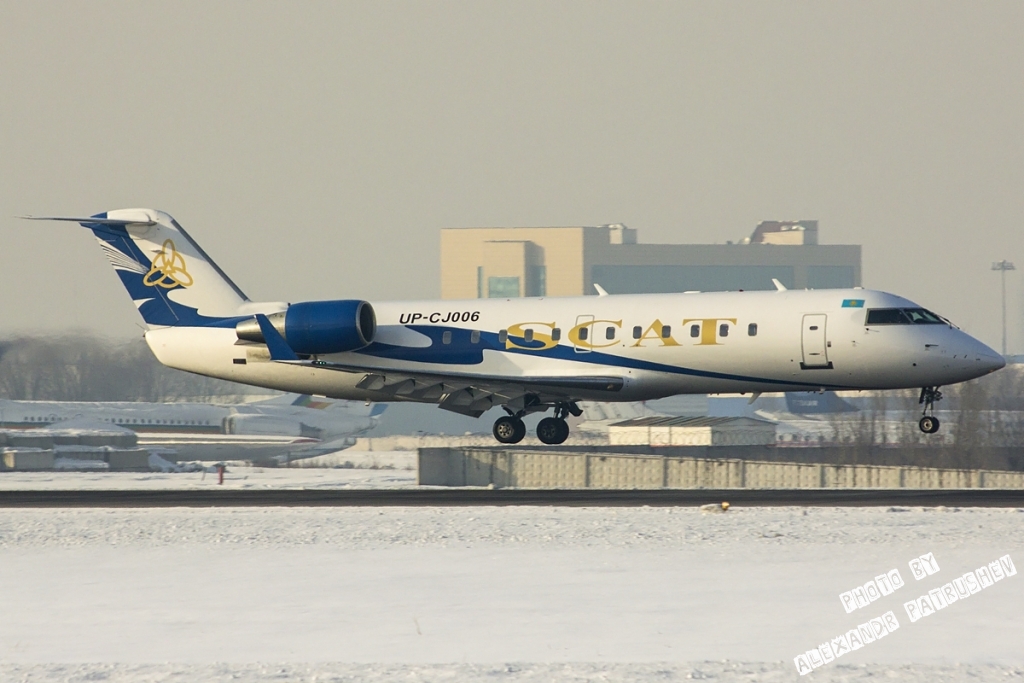
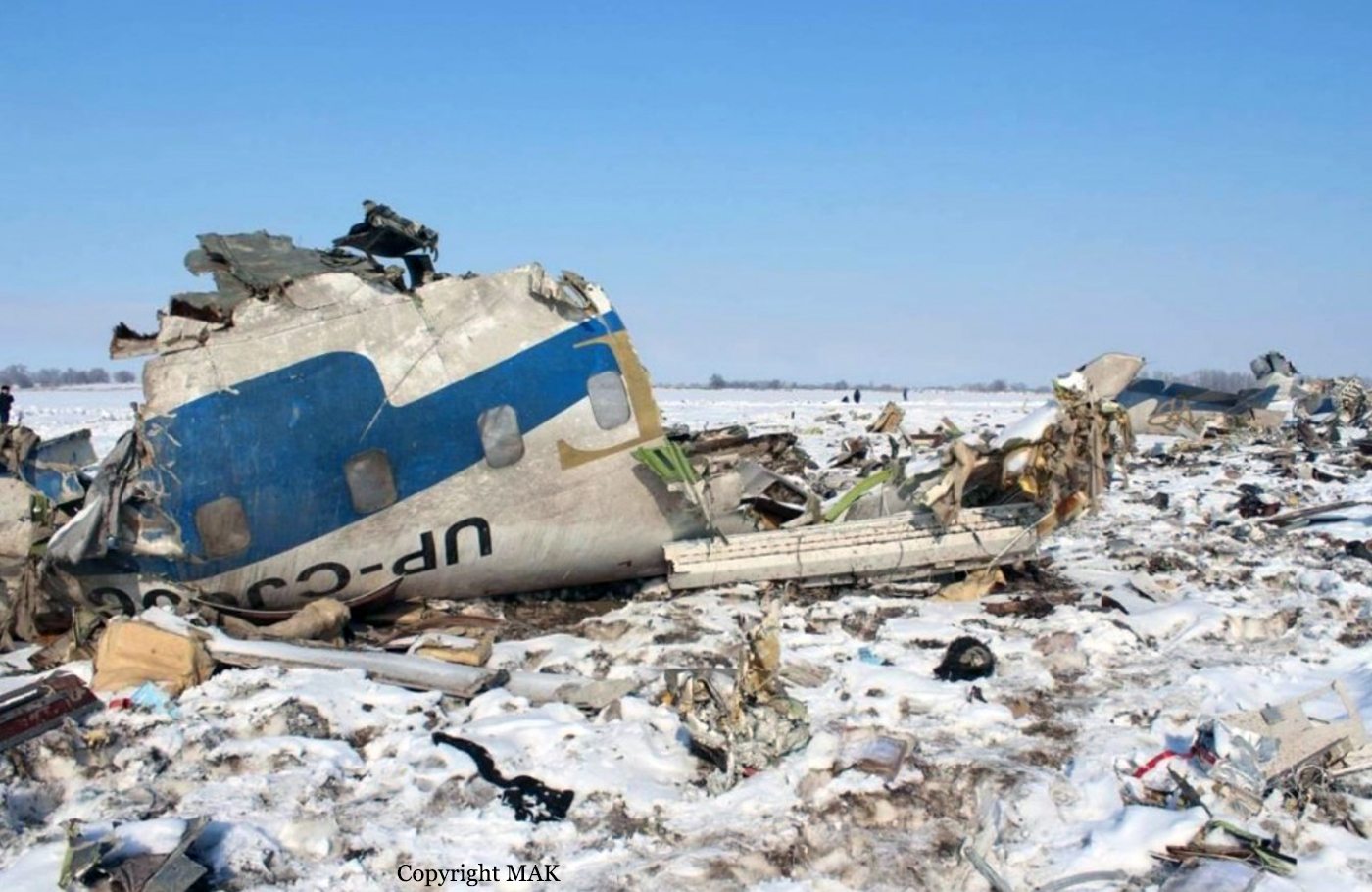
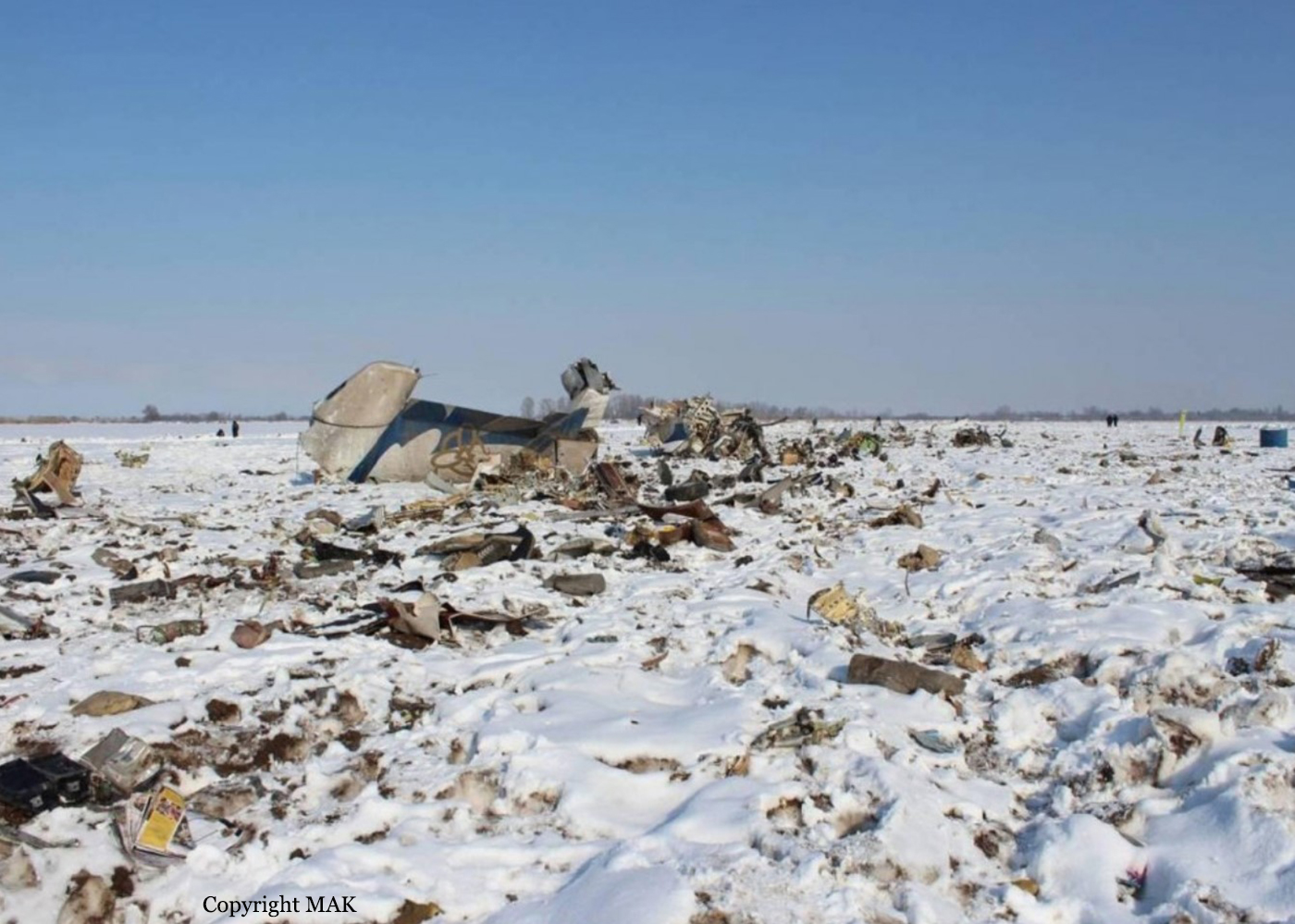
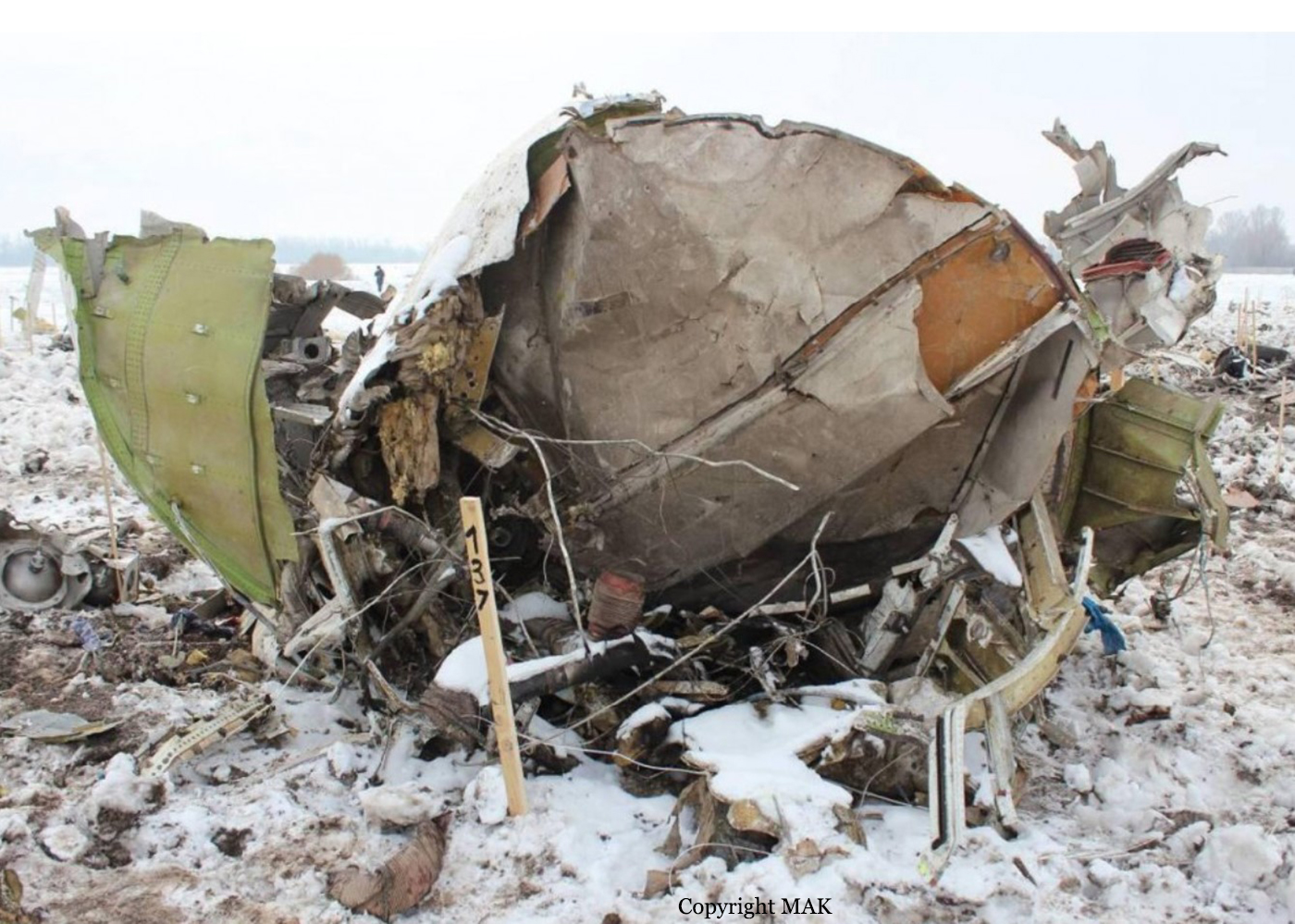
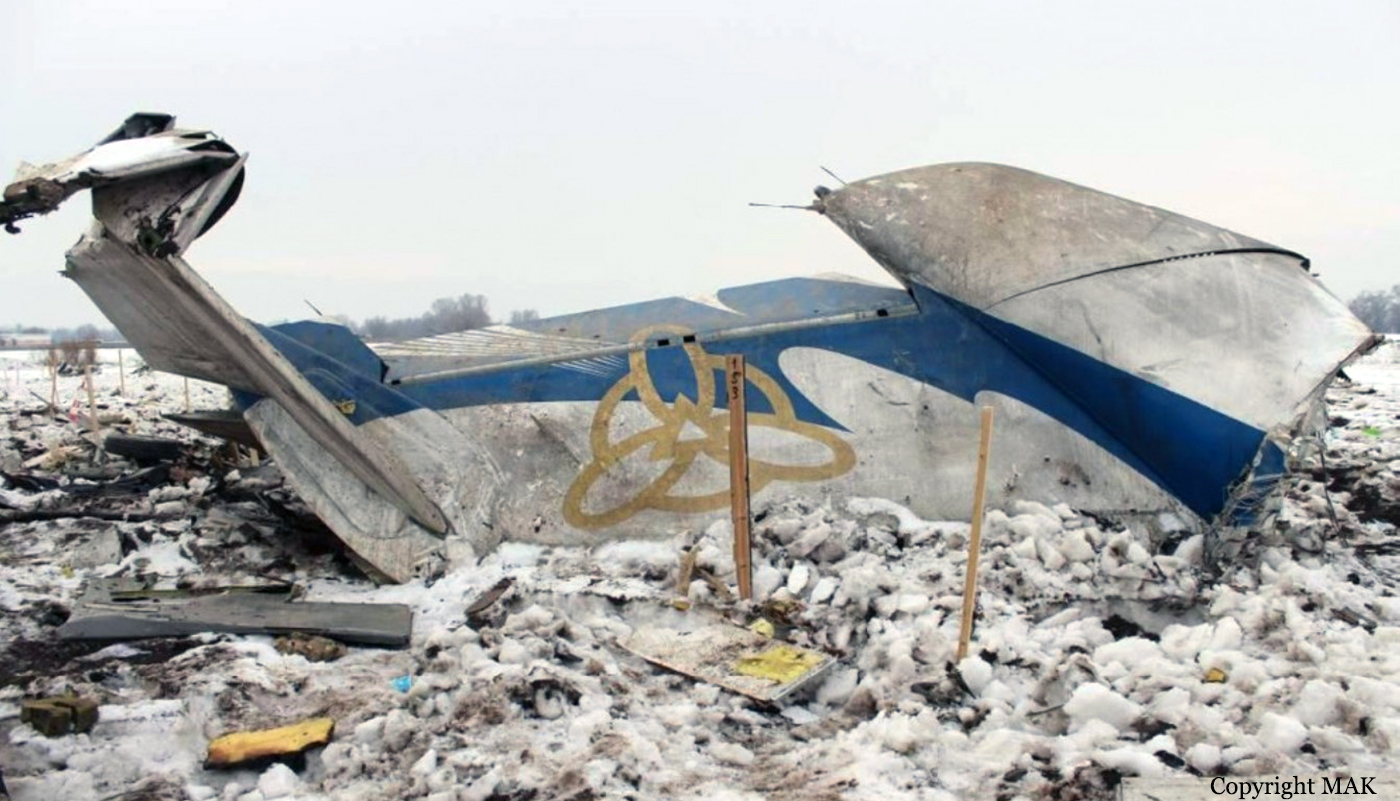
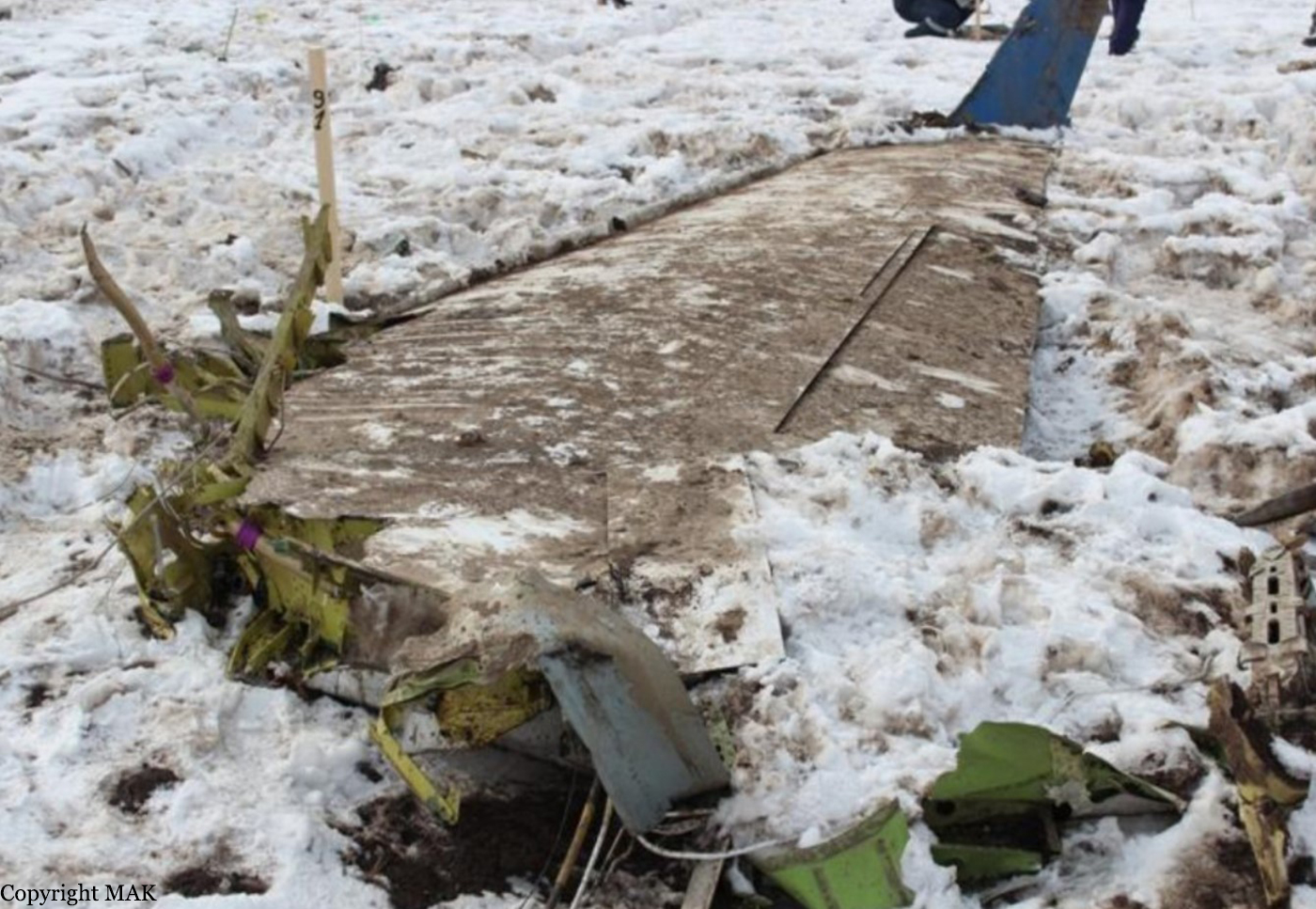
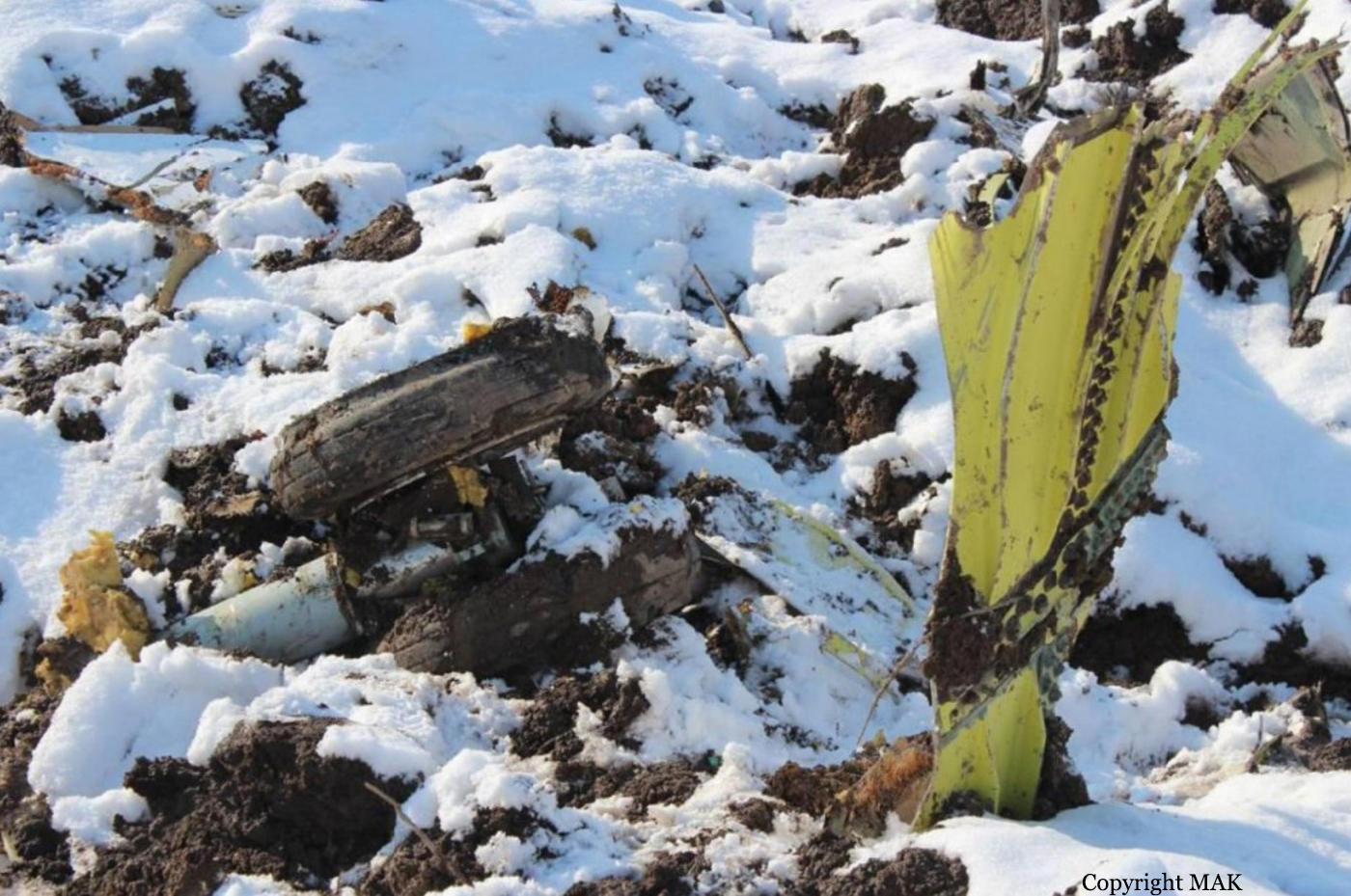
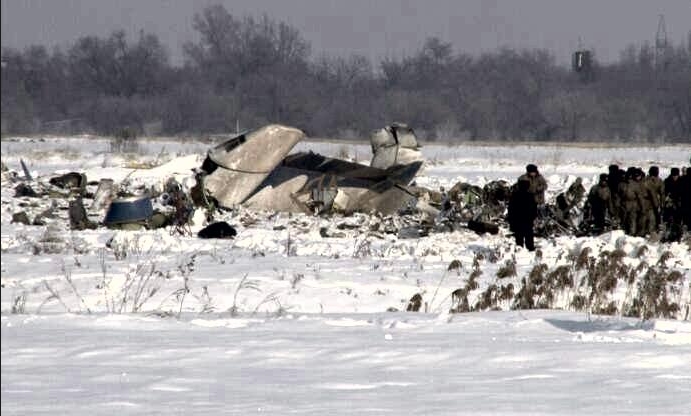
Crash of a Canadair RegionalJet CRJ-200ER in Almaty: 21 killed

Date & Time: Jan 29, 2013 at 1310 LT
Operator:
Registration:
UP-CJ006
Survivors:
No
Schedule:
Kokshetau - Almaty
MSN:
7413
YOM:
2000
Flight number:
VSV760
Country:
Region:
Crew on board:
5
Crew fatalities:
Pax on board:
16
Pax fatalities:
Other fatalities:
Total fatalities:
21
Captain / Total flying hours:
18194
Captain / Total hours on type:
1010.00
Copilot / Total flying hours:
3507
Copilot / Total hours on type:
132
Aircraft flight hours:
25707
Aircraft flight cycles:
22975
Circumstances:
Following an uneventful flight from Kokshetau, the crew started the descent to Almaty Airport and was cleared for an ILS approach (Cat IIIb approach) to runway 23R. At this time, the horizontal visibility was 200 metres, the vertical visibility 40 metres and the RVR for runway 23R was 275-250-225 metres respectively. Due to this poor weather conditions at destination, the captain got stressed, creating a strong emotional reaction. On short final, at an altitude of 180 metres, the captain decided to abandon the landing procedure and initiated a go-around manoeuvre. The automatic pilot system was deactivated and the TO/GA mode was activated. Four seconds later, the captain pushed the control column forward, causing the aircraft to descend. The EGPWS alarm sounded in the cockpit but there was no response from the flying crew. In a pitch angle of -16° and with a descent rate of about 20-30 metres per second, the aircraft impacted ground and disintegrated in a snow covered field. The wreckage was found some 1,400 metres short of runway. All 21 occupants were killed. Due to the actual weather conditions, the crew should perform a Cat IIIc approach.
Probable cause:
The accident with aircraft CRJ-200 UP-CJ006 occurred during the execution of a go-around, in instrument meteorological conditions, without the possibility of visual contact with ground reference points (vertical visibility in the fog did not exceed 40 m), the necessity of which was caused by the mismatch between the actual weather conditions and the minimum conditions for which the crew was certified to land. As a result, the deflection of the elevator towards a dive of the aircraft caused a descent and collision with the ground. It was not possible to uniquely identify the causes of the aircraft's transfer to a dive from the available data. The Commission did not find evidence of failures of aviation equipment, as well as external to the aircraft (icing, wind shear, wake turbulence) when trying to perform a go-around.
The most likely factors that led to the accident, were:
- Partial loss performance of the pilot in command, which at the time of aircraft impact with the ground was not in a working position;
- The lack of CRM levels in the crew, and violation of the Fly-Navigate-Communicate principle, which manifested itself in diverting attention by the co-pilot to conduct external radio communication and lack of control of the flight instrument parameters;
- The lack of response to the EGPWS and the actions required;
- The impact somatogravic illusions of perception of the pitch angle (a nose-up illusion);
- Increased emotional stress by the crew members associated with the unjustified expectations of improved weather conditions at the time of landing;
- Failure to comply with the requirements for health examination of flight personnel, which led to the pilot in command flying without the rehabilitation period and without assessment of his health status after undergoing surgery.
Final Report:
Crash of a Piper PA-46-500TP Malibu Meridian in Three Hills

Date & Time: Jan 29, 2013 at 0915 LT
Registration:
C-GMHP
Flight Type:
Survivors:
Yes
Schedule:
La Crete - Three Hills
MSN:
46-97332
YOM:
2008
Country:
Crew on board:
1
Crew fatalities:
Pax on board:
2
Pax fatalities:
Other fatalities:
Total fatalities:
0
Circumstances:
On approach to Three Hills Airport, the pilot encountered poor weather conditions. Too low, the single engine airplane struck the ground, lost its left wing and came to rest in a snow covered field. All three occupants were rescued, among them a passenger was slightly injured. The aircraft was damaged beyond repair.

Crash of a Britten Norman BN-2B-26 Islander at Okiwi Station

Date & Time: Jan 25, 2013 at 0827 LT
Type of aircraft:
Operator:
Registration:
ZK-DLA
Survivors:
Yes
Schedule:
Auckland – Okiwi Station
MSN:
2131
YOM:
1984
Country:
Region:
Crew on board:
1
Crew fatalities:
Pax on board:
8
Pax fatalities:
Other fatalities:
Total fatalities:
0
Captain / Total flying hours:
3170
Captain / Total hours on type:
296.00
Circumstances:
On approach to runway 18 at Okiwi, New Zealand, the aircraft encountered windshear on short final as the pilot reduced power to land. The pilot was unable to arrest the descent rate and the aircraft landed heavily. Damage was caused to both landing gear oleos and one brake unit, with rippling found on the upper and lower skin of each wing. One passenger sustained a back injury, which was later identified as a fractured vertebra. The pilot was aware of fluctuating wind conditions at Okiwi and had increased the approach speed to 70 knots as per company standard operating procedures. The pilot reported that despite this, the airspeed reduced rapidly and significantly at 10 to 15 feet agl, leaving little time to react to the situation.
Probable cause:
Loss of height and hard landing due to windshear on short final.