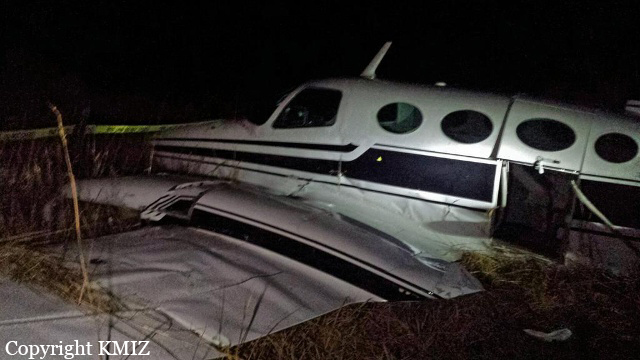
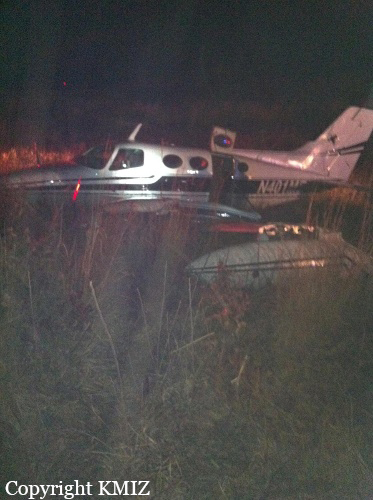
Crash of a Cessna 404 Titan II in Englewood: 1 killed

Date & Time: Dec 30, 2014 at 0429 LT
Type of aircraft:
Operator:
Registration:
N404MG
Flight Phase:
Flight Type:
Survivors:
No
Schedule:
Denver - Denver
MSN:
404-0813
YOM:
1981
Flight number:
LYM182
Crew on board:
1
Crew fatalities:
Pax on board:
0
Pax fatalities:
Other fatalities:
Total fatalities:
1
Captain / Total flying hours:
2566
Captain / Total hours on type:
624.00
Aircraft flight hours:
16681
Circumstances:
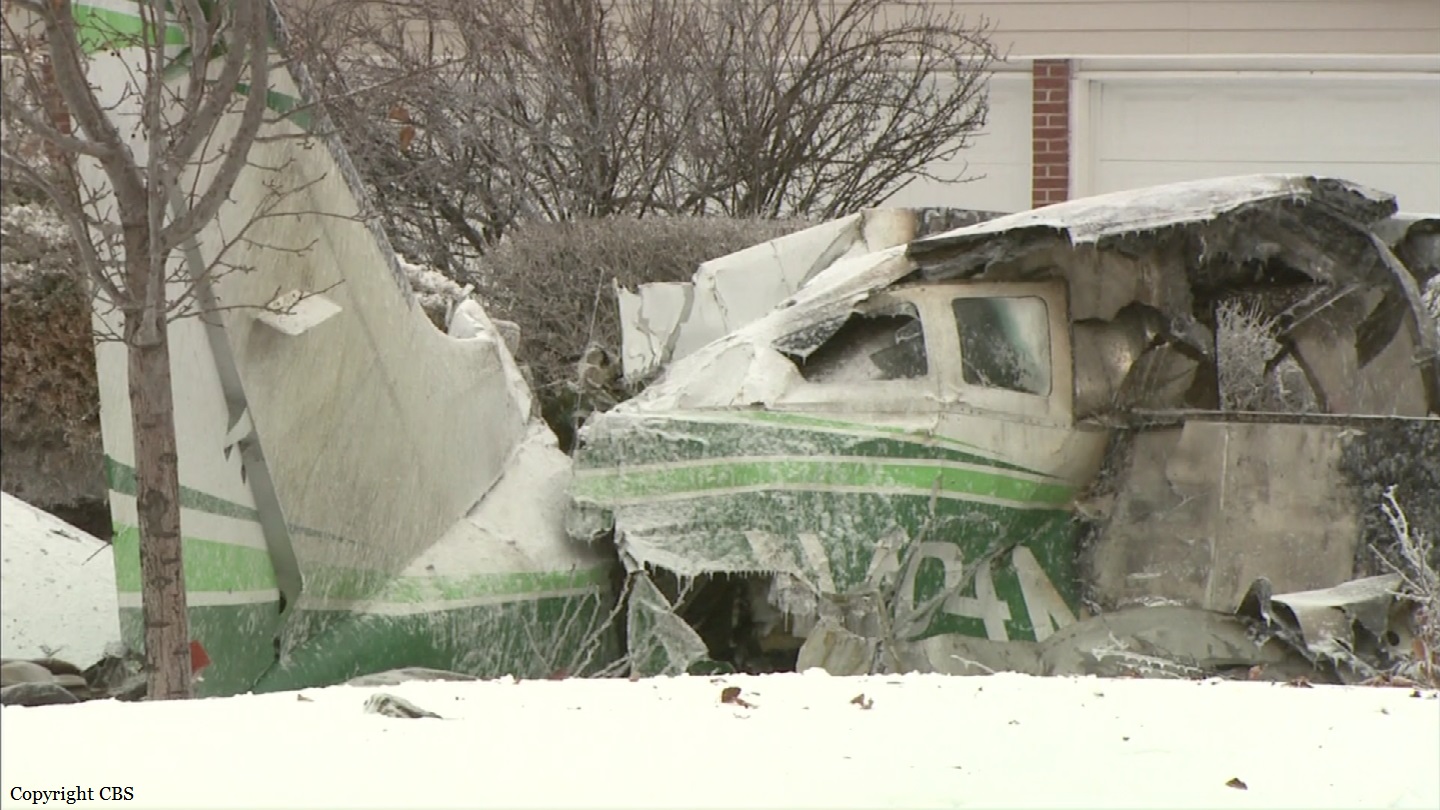
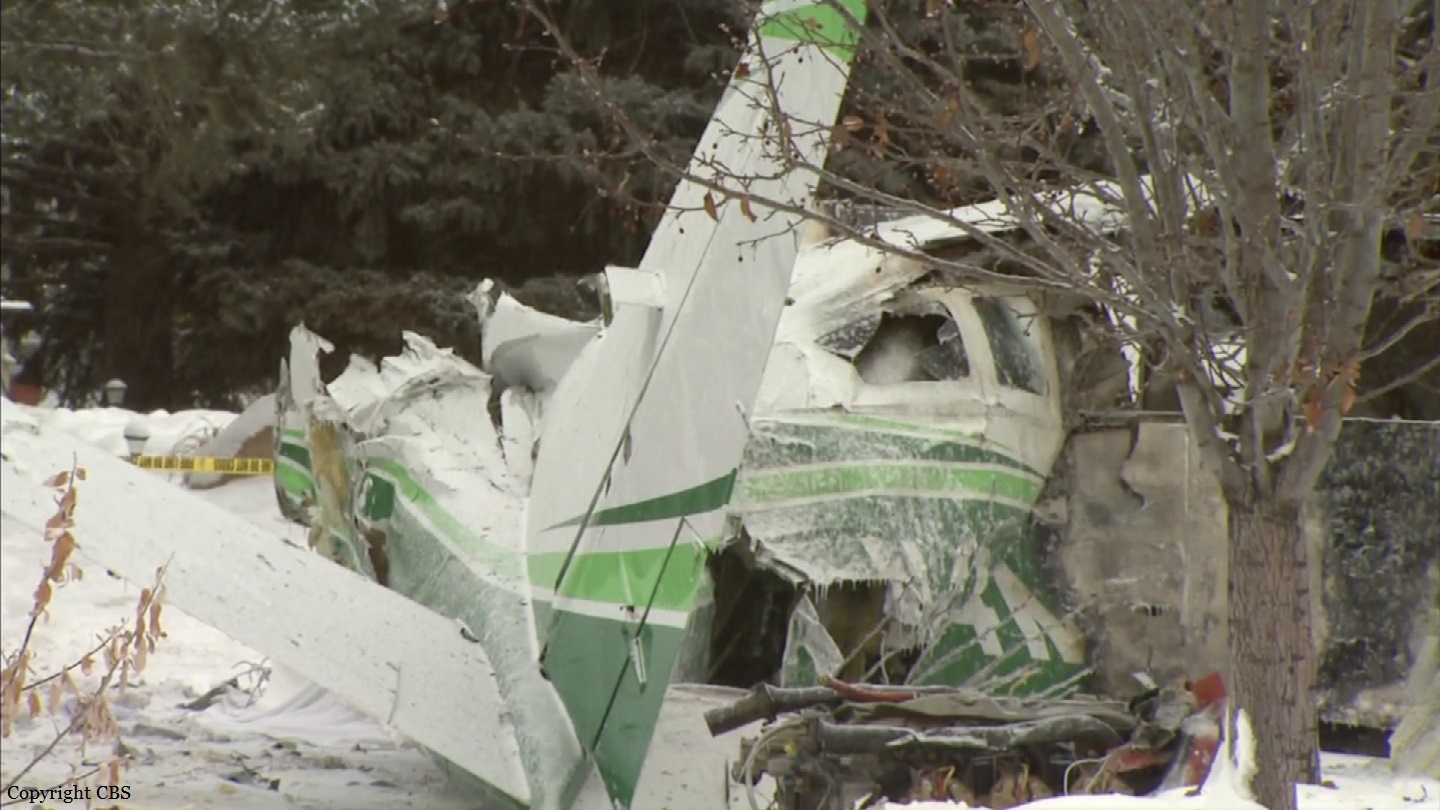
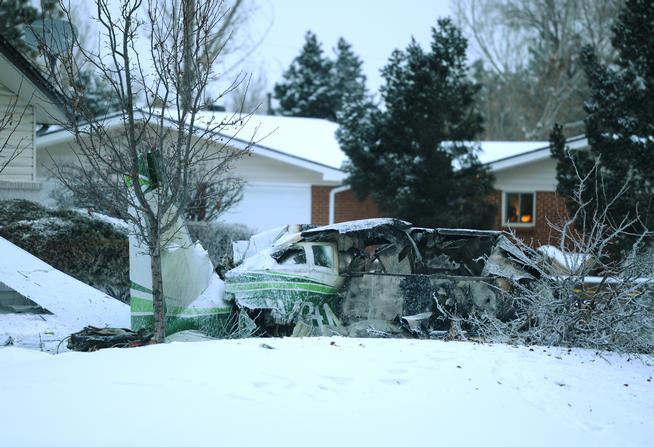
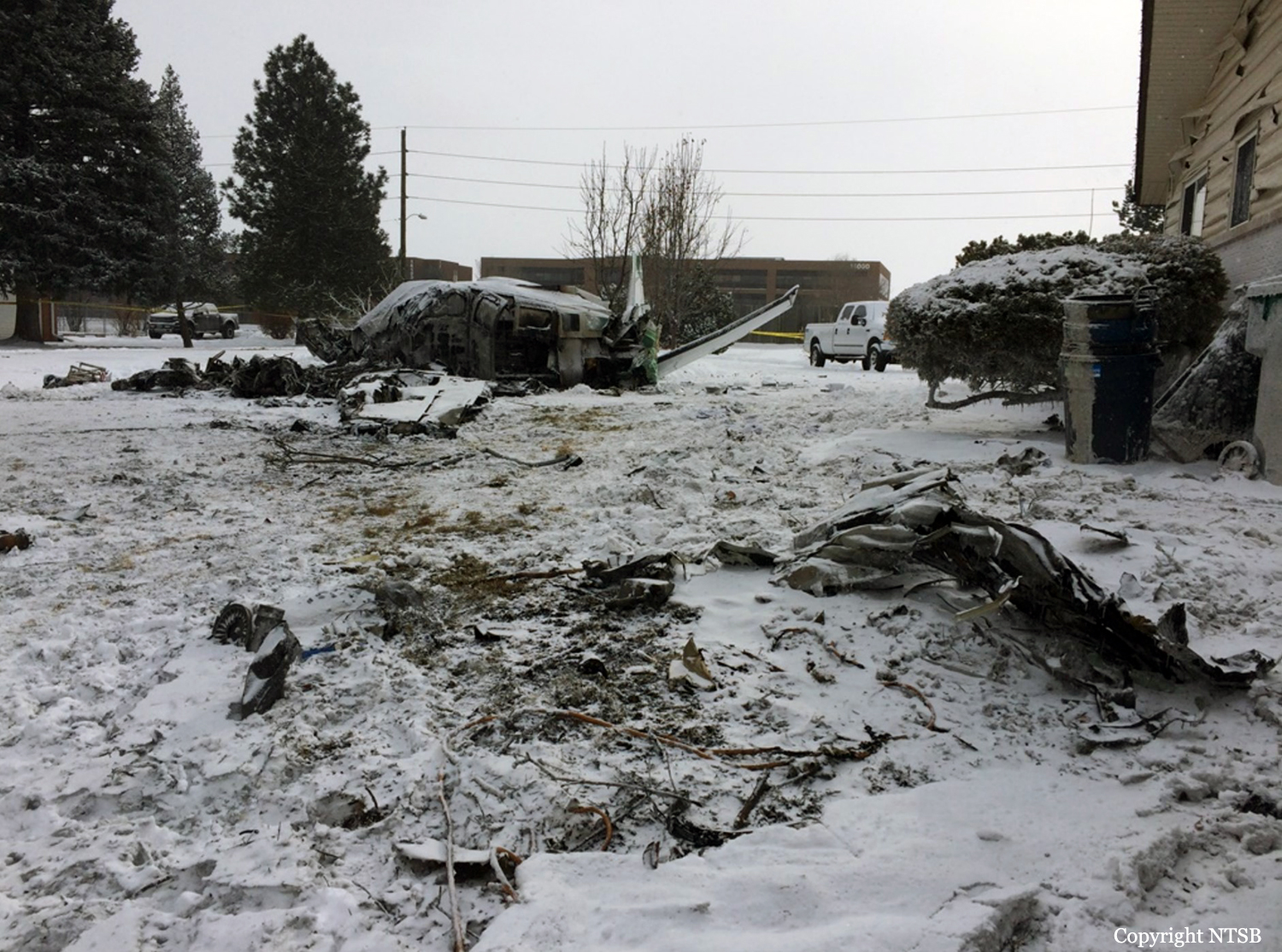
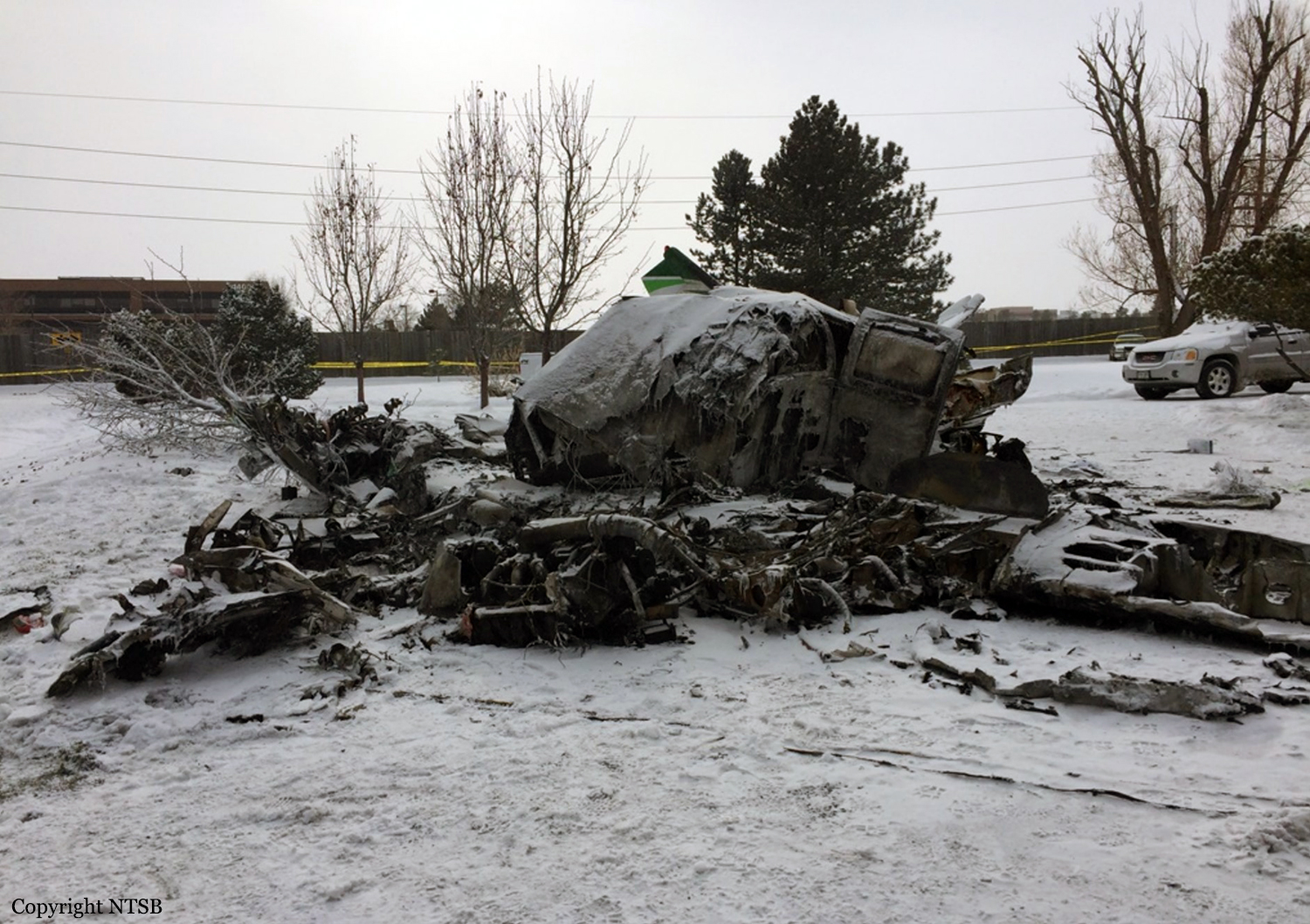
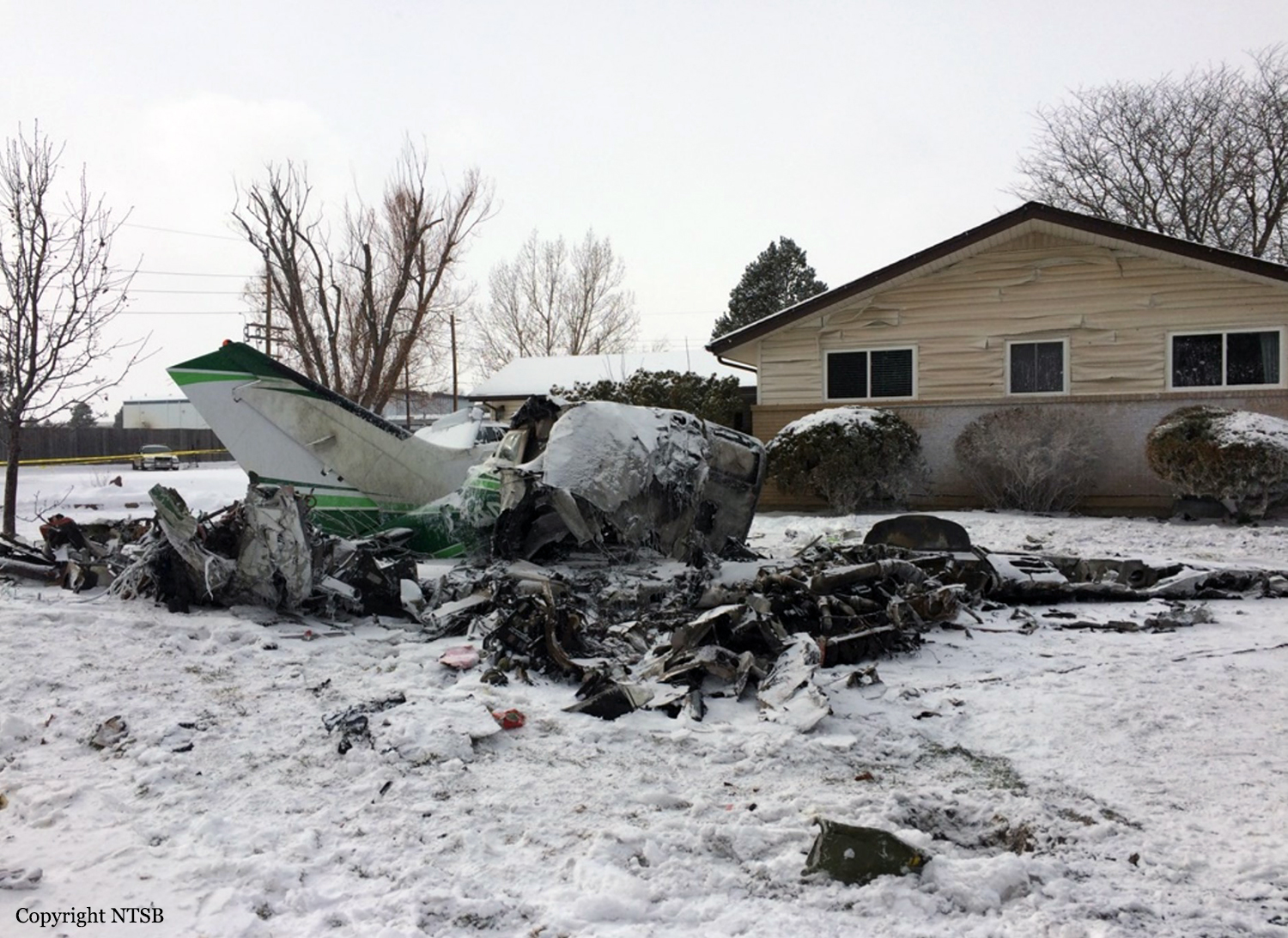
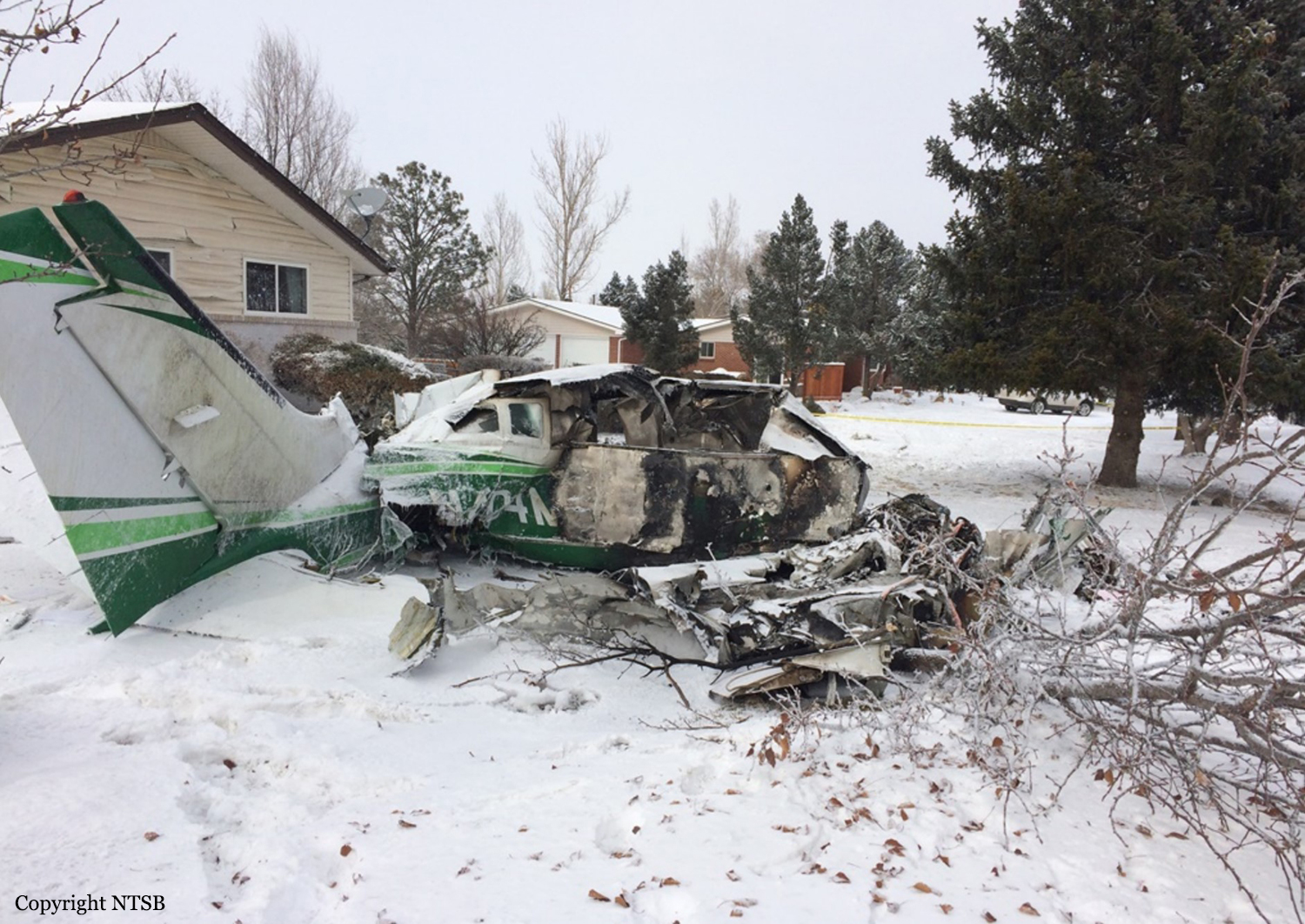
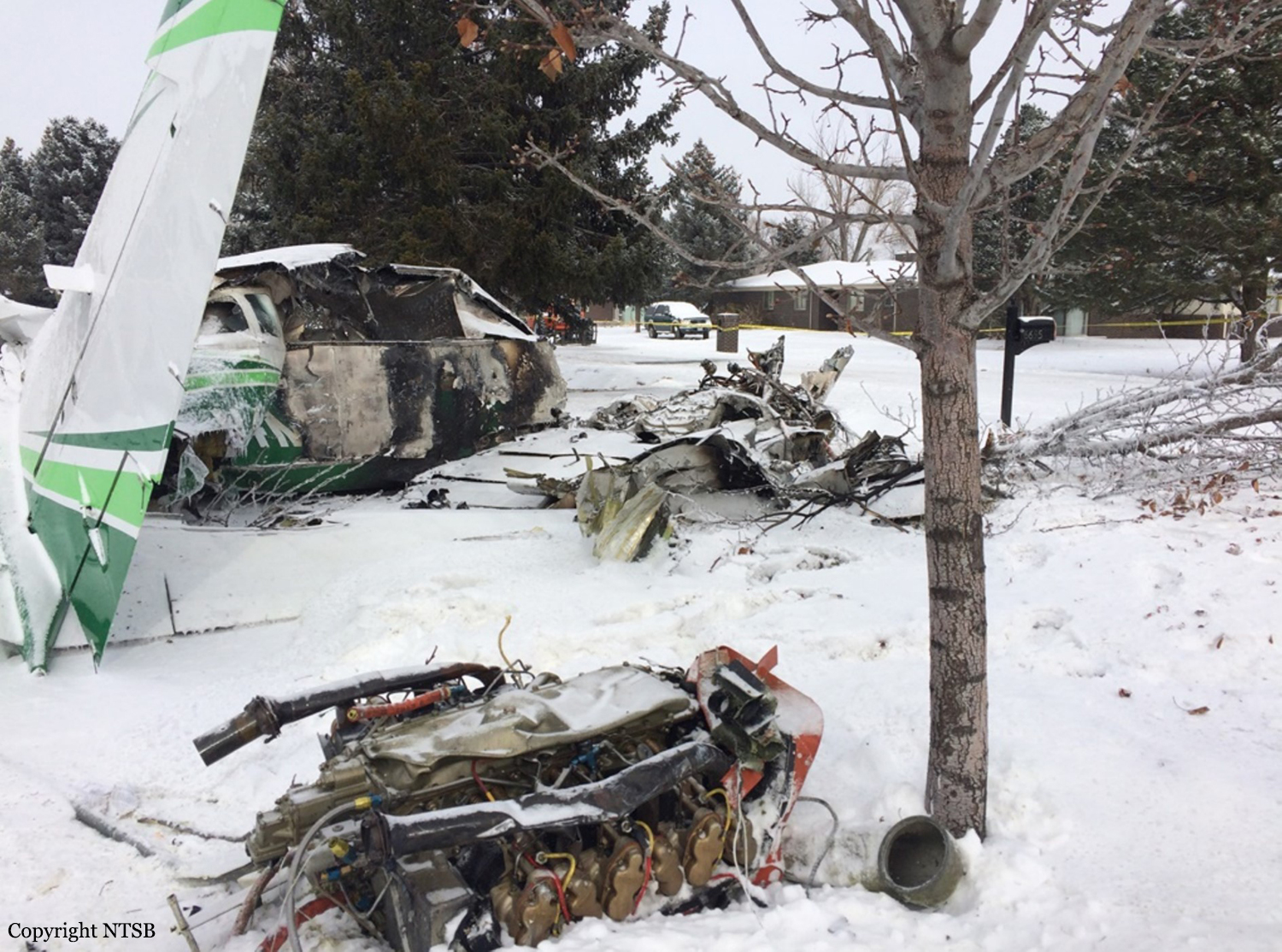
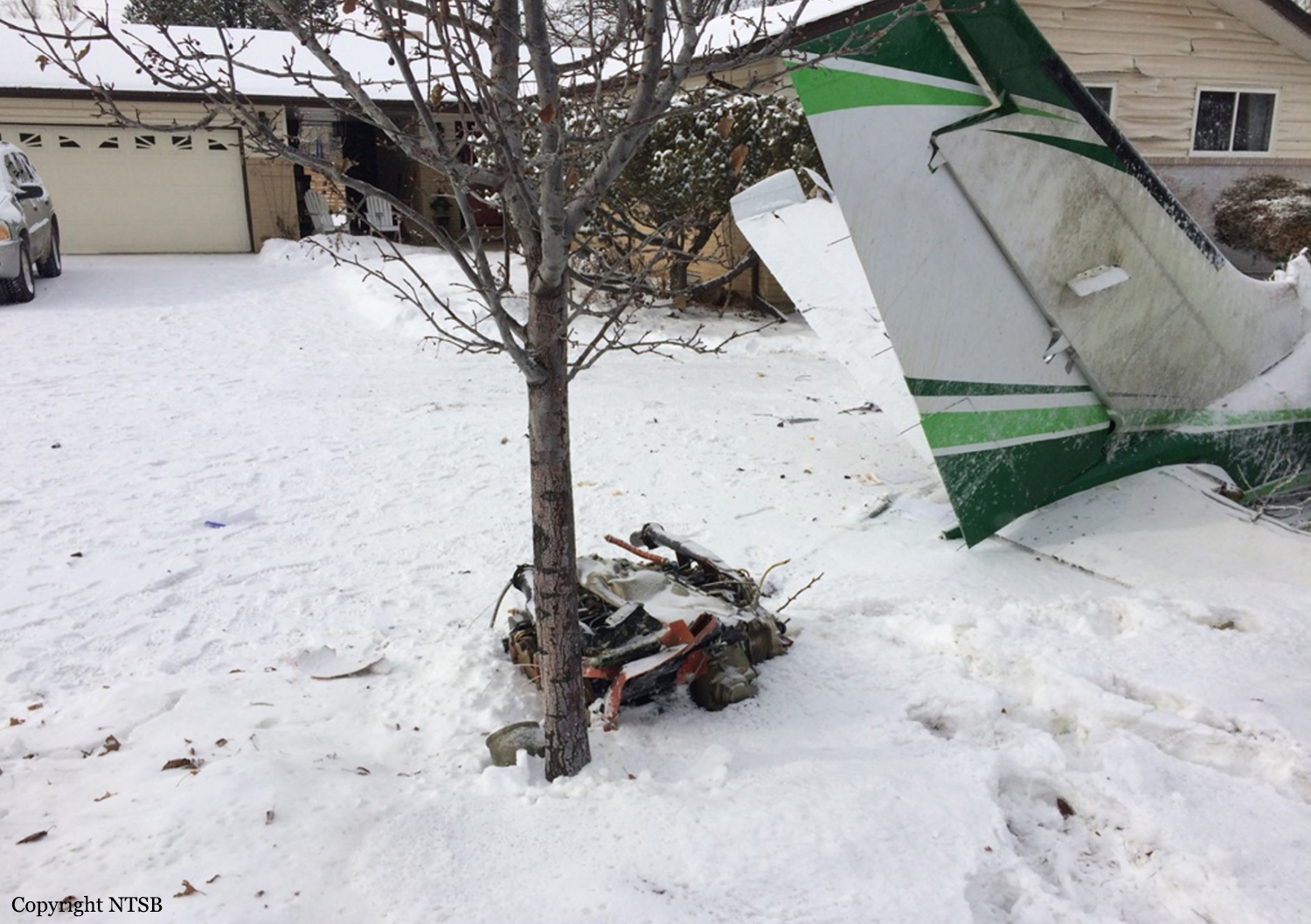
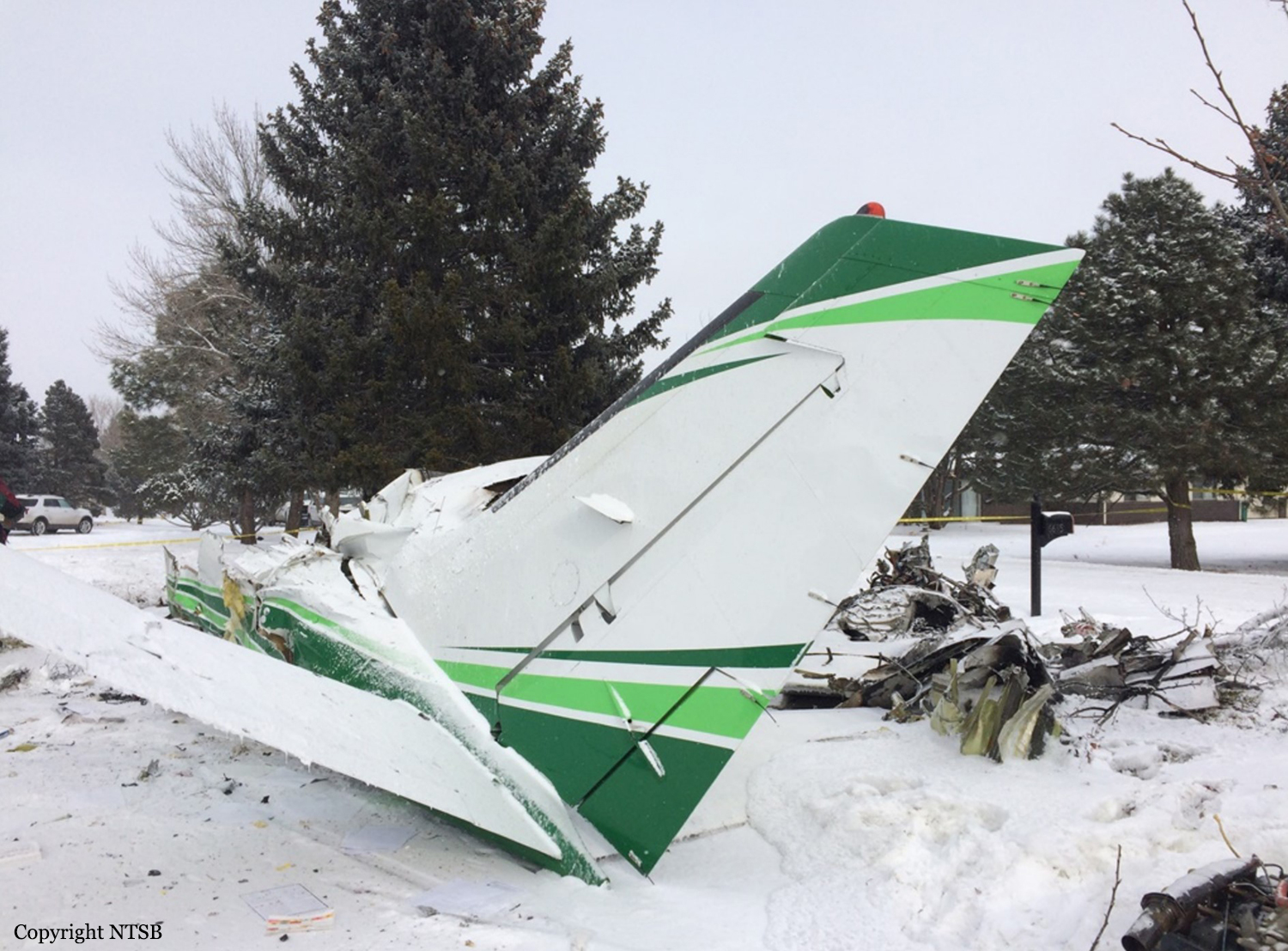
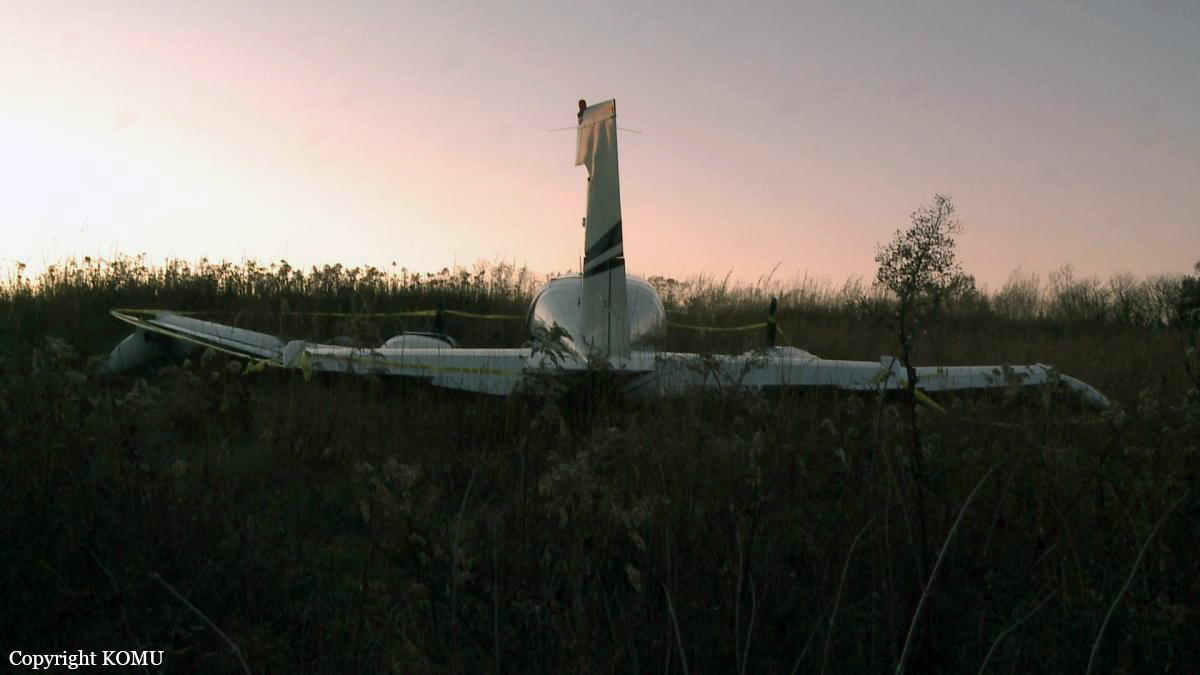
The pilot was conducting an early morning repositioning flight of the cargo airplane. Shortly after takeoff, the pilot reported to air traffic control that he had “lost an engine” and would return to the airport. Several witnesses reported that the engines were running rough and one witness reported that he did not hear any engine sounds just before the impact. The airplane impacted trees, a wooden enclosure, a chain-linked fence, and shrubs in a residential area and was damaged by the impact and postimpact fire. The airplane had been parked outside for 5 days before the accident flight and had been plugged in to engine heaters the night before the flight. It was dark and snowing lightly at the time of the accident. The operator reported that no deicing services were provided before the flight and that the pilot mechanically removed all of the snow and ice accumulation. The wreckage and witness statements were consistent with the airplane being in a right-winglow descent but the airplane did not appear to be out of control. Neither of the propellers were at or near the feathered position. The emergency procedures published by the manufacturer for a loss of engine power stated that pilots should first secure the engine and feather the propeller following a loss of engine power and then turn the fuel selector for that engine to “off.” The procedures also cautioned that continued flight might not be possible if the propeller was not feathered. The right fuel selector valve and panel were found in the off position. Investigators were not able to determine why an experienced pilot did not follow the emergency procedures and immediately secure the engine following the loss of engine power. It is not known how much snow and ice had accumulated on the airplane leading up to the accident flight or if the pilot was successful in removing all of the snow and ice with only mechanical means. The on-scene examination of the wreckage and the teardown of both engines did not reveal any preimpact mechanical malfunctions or failures. While possible, it could not be determined if water or ice ingestion lead to the loss of engine power at takeoff.
Probable cause:
The loss of power to the right engine for reasons that could not be determined during postaccident examination and teardown and the pilot’s failure to properly configure the
airplane for single-engine flight.
Final Report:

Crash of a an Antonov AN-26B in Obo

Date & Time: Dec 12, 2014 at 1500 LT
Type of aircraft:
Operator:
Registration:
UP-AN608
Flight Type:
Survivors:
Yes
Schedule:
Entebbe – Obo
MSN:
135 04
YOM:
1984
Location:
Region:
Crew on board:
3
Crew fatalities:
Pax on board:
4
Pax fatalities:
Other fatalities:
Total fatalities:
0
Circumstances:
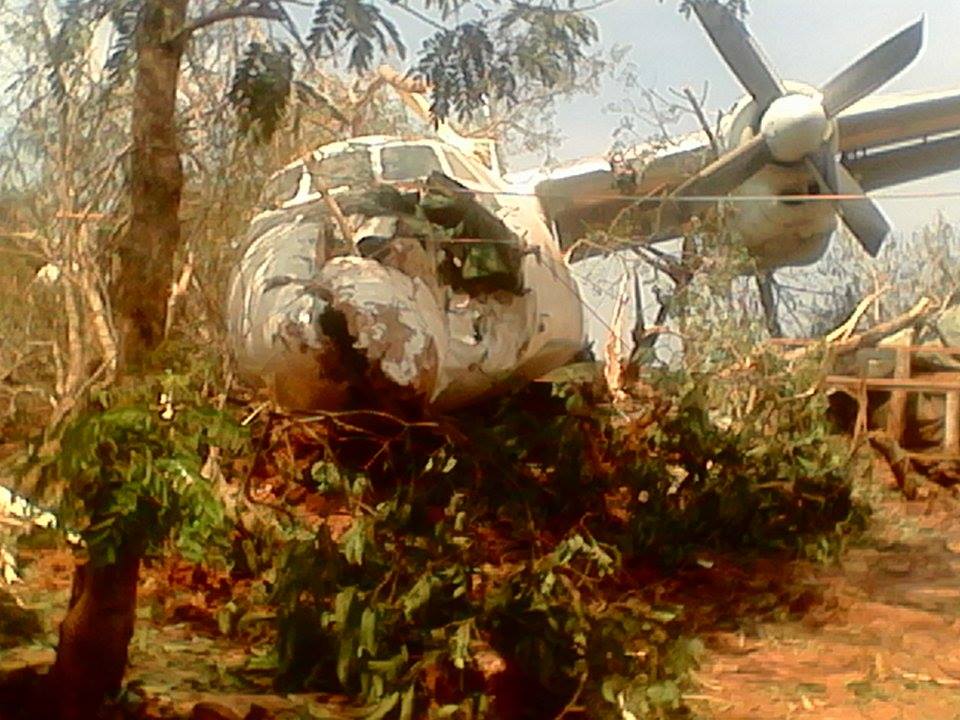
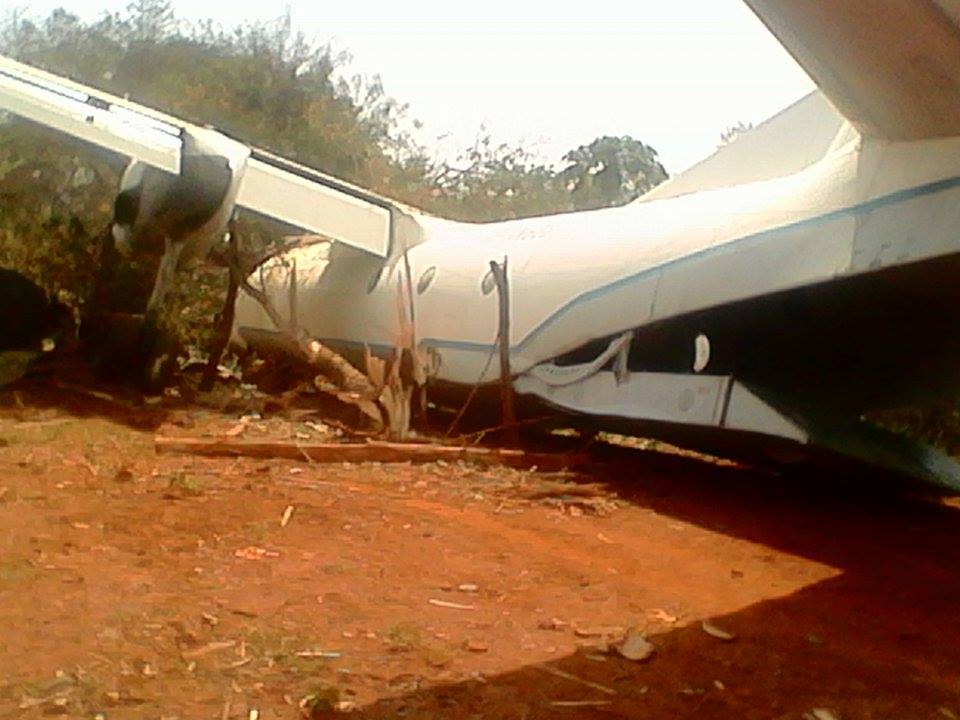
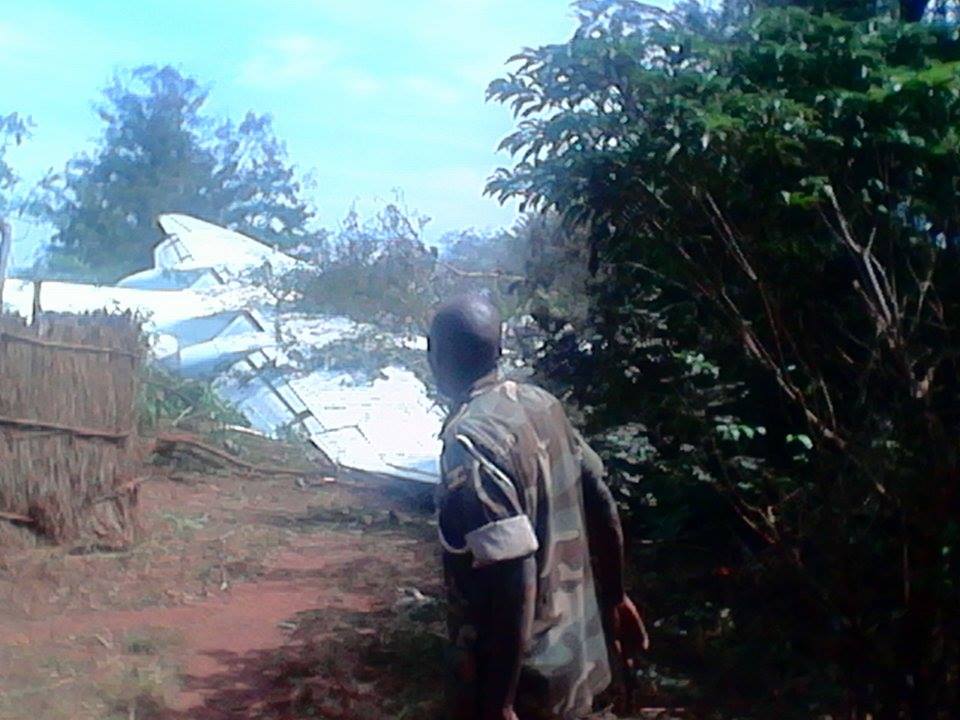
After touchdown at Obo Airfield, the aircraft was unable to stop within the remaining distance, overran and came to rest in a wooded area. All seven occupants escaped uninjured, the cargo equipment was recovered and the aircraft was damaged beyond repair. The aircraft was completing a cargo flight from Entebbe to Obo, with a possible intermediate stop in Sudan, carrying an aircraft engine, some fuel drums (Jet A-1) and other logistics intended to the UPDF military offensive, code-named 'Operation Lightning Thunder' that has been hunting Lord's Resistance Army (LRA) and its rebel leader Joseph Kony. About 100 members of the US special forces were based at the Obo Airstrip at the time of the accident. The runway 04/22 is about 2,050 feet long (625 meters).

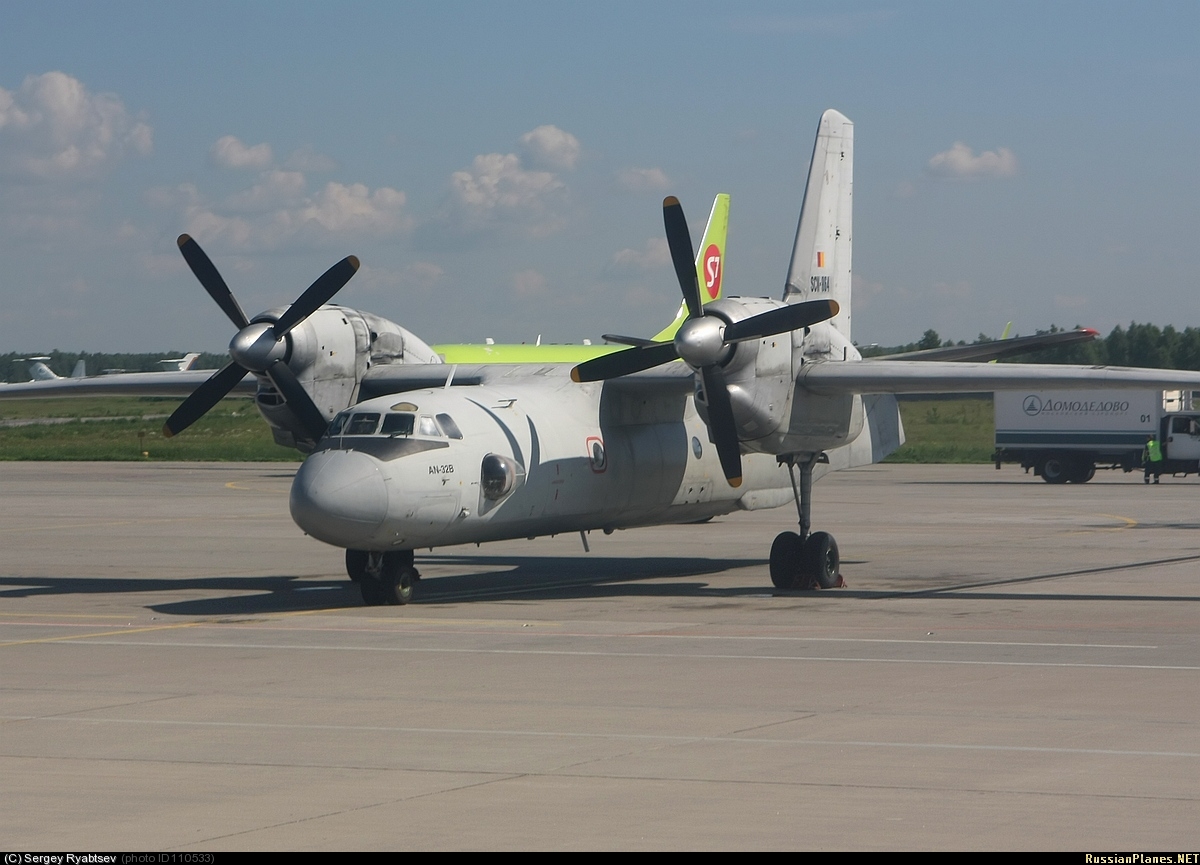
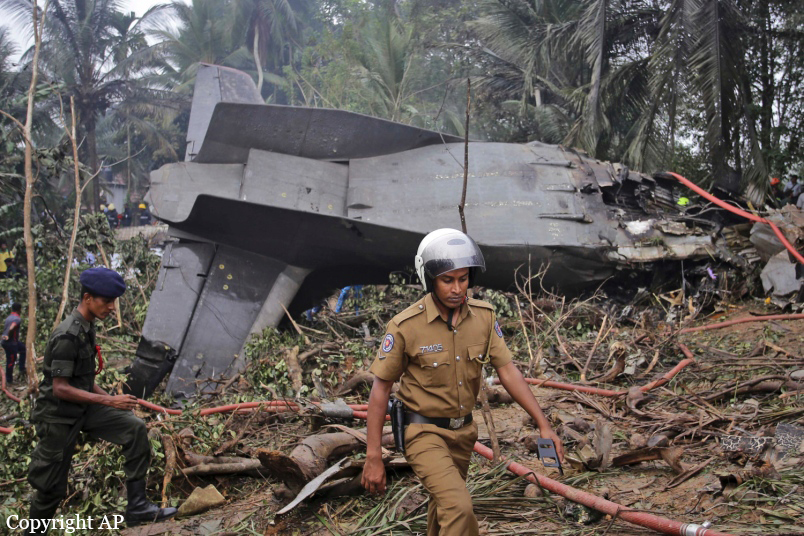
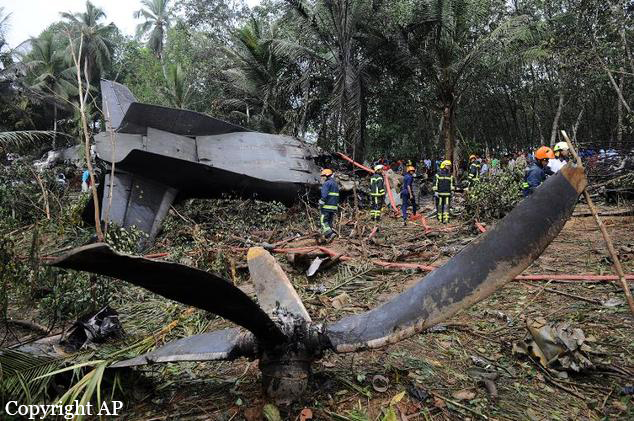
Crash of an Antonov AN-32B in Hokandara: 5 killed

Date & Time: Dec 12, 2014 at 0620 LT
Type of aircraft:
Operator:
Registration:
SCM-864
Flight Type:
Survivors:
Yes
Schedule:
Colombo - Colombo
MSN:
35 09
YOM:
1996
Country:
Region:
Crew on board:
5
Crew fatalities:
Pax on board:
0
Pax fatalities:
Other fatalities:
Total fatalities:
5
Circumstances:
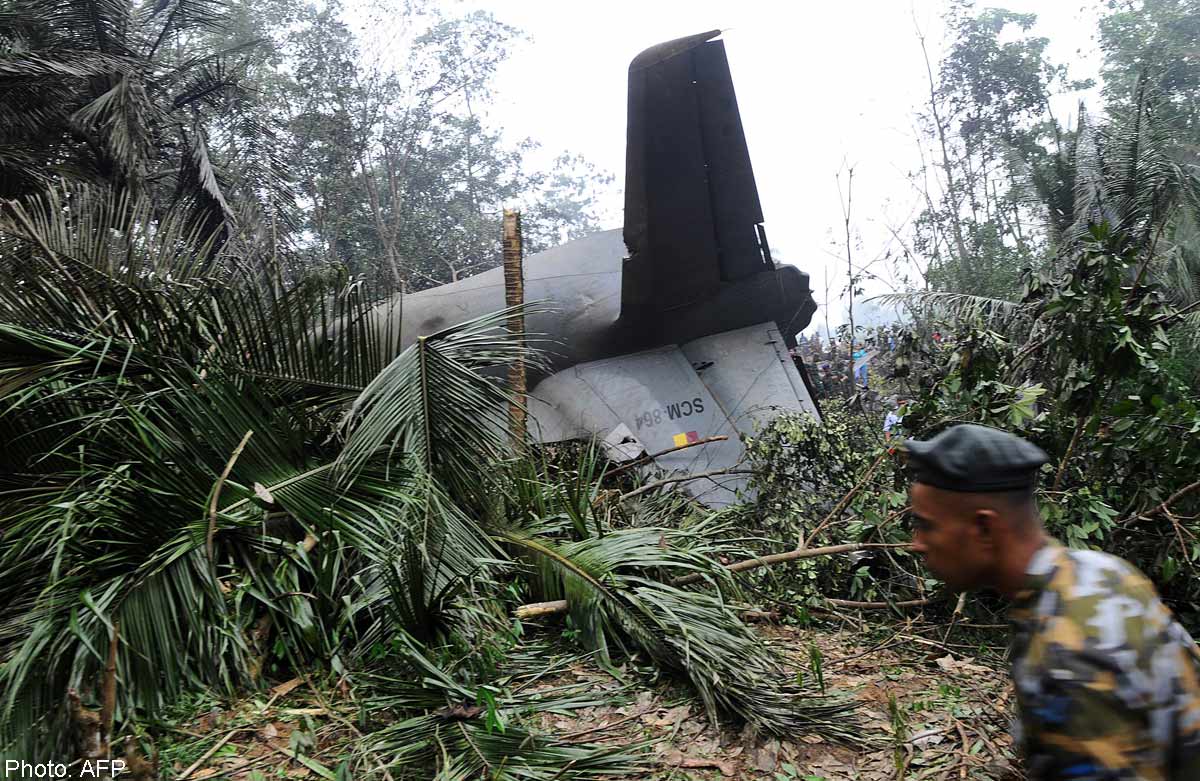
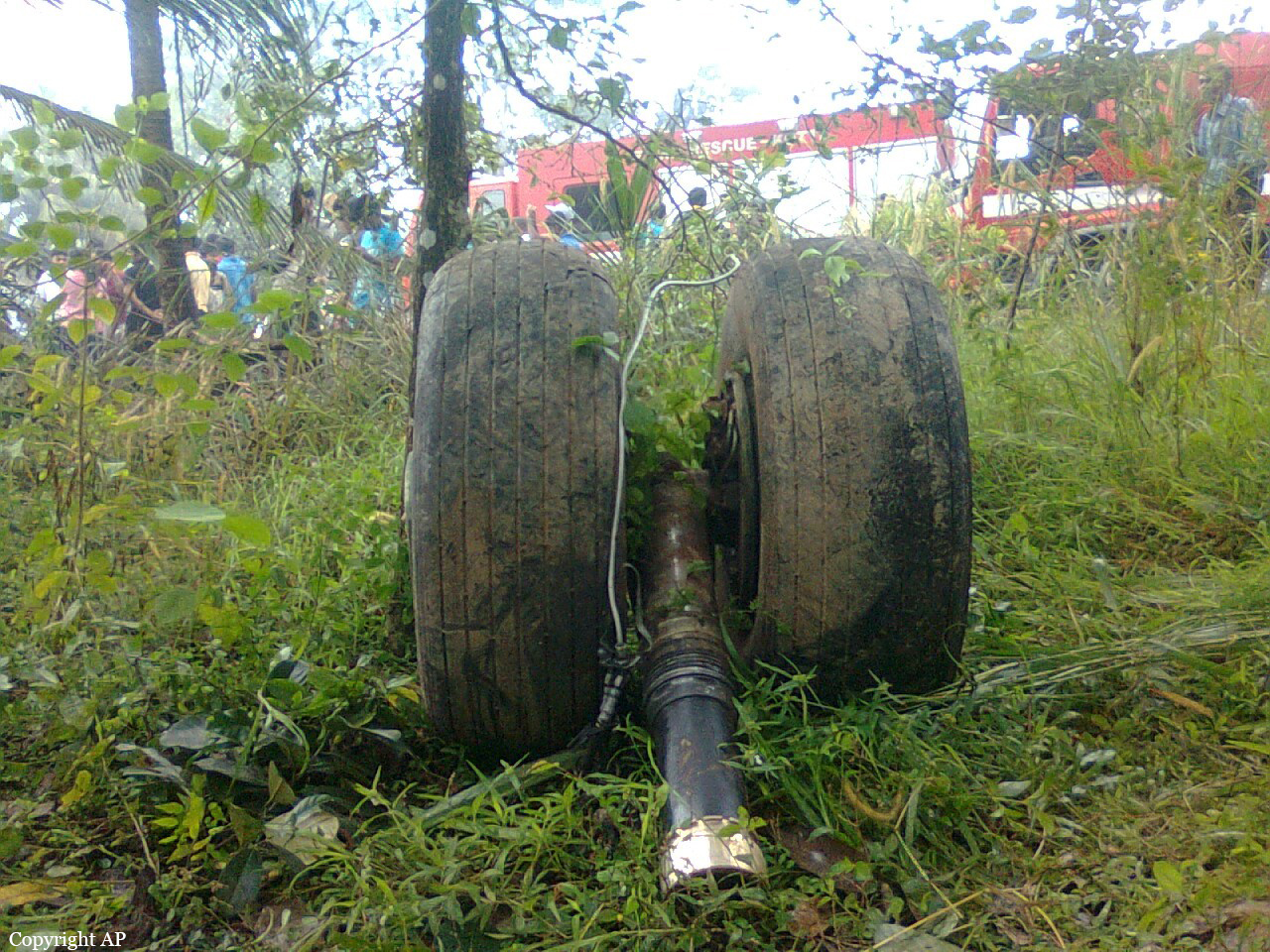
The approach to Colombo-Ratmalana Airport was completed in marginal weather conditions and low visibility. Too low, the aircraft struck the roof of a house and crashed inverted in a wooded area located in Hokandara, less than 10 km from the runway threshold, bursting into flames. The aircraft was destroyed by impact forces and a post crash fire. A crew member was seriously injured while four other occupants were killed. The only survivor died from his injuries six days later, on December 18.

Crash of a Cessna 340 in Riyadh

Date & Time: Dec 3, 2014 at 1757 LT
Type of aircraft:
Registration:
N340JC
Flight Type:
Survivors:
Yes
Schedule:
Heraklion – Hurghada – Riyadh
MSN:
340-0162
YOM:
1972
Country:
Region:
Crew on board:
2
Crew fatalities:
Pax on board:
0
Pax fatalities:
Other fatalities:
Total fatalities:
0
Circumstances:
The crew was completing a ferry flight from Heraklion to Riyadh with an intermediate stop in Hurghada, Egypt. On final approach to Riyadh-King Khaled Airport, at an altitude of about 600 feet, the left engine lost power and failed, followed 10 seconds later by the right engine. The crew reported his situation to ATC when the aircraft lost height, impacted ground and slid for few dozen metres before coming to rest against a pile of rocks. One of the pilot suffered a broken wrist while the second pilot escaped uninjured. The aircraft was damaged beyond repair.
Probable cause:
Double engine failure on approach due to fuel exhaustion. It was determined that the crew miscalculated the fuel consumption for the flight from Hurghada to Riyadh.

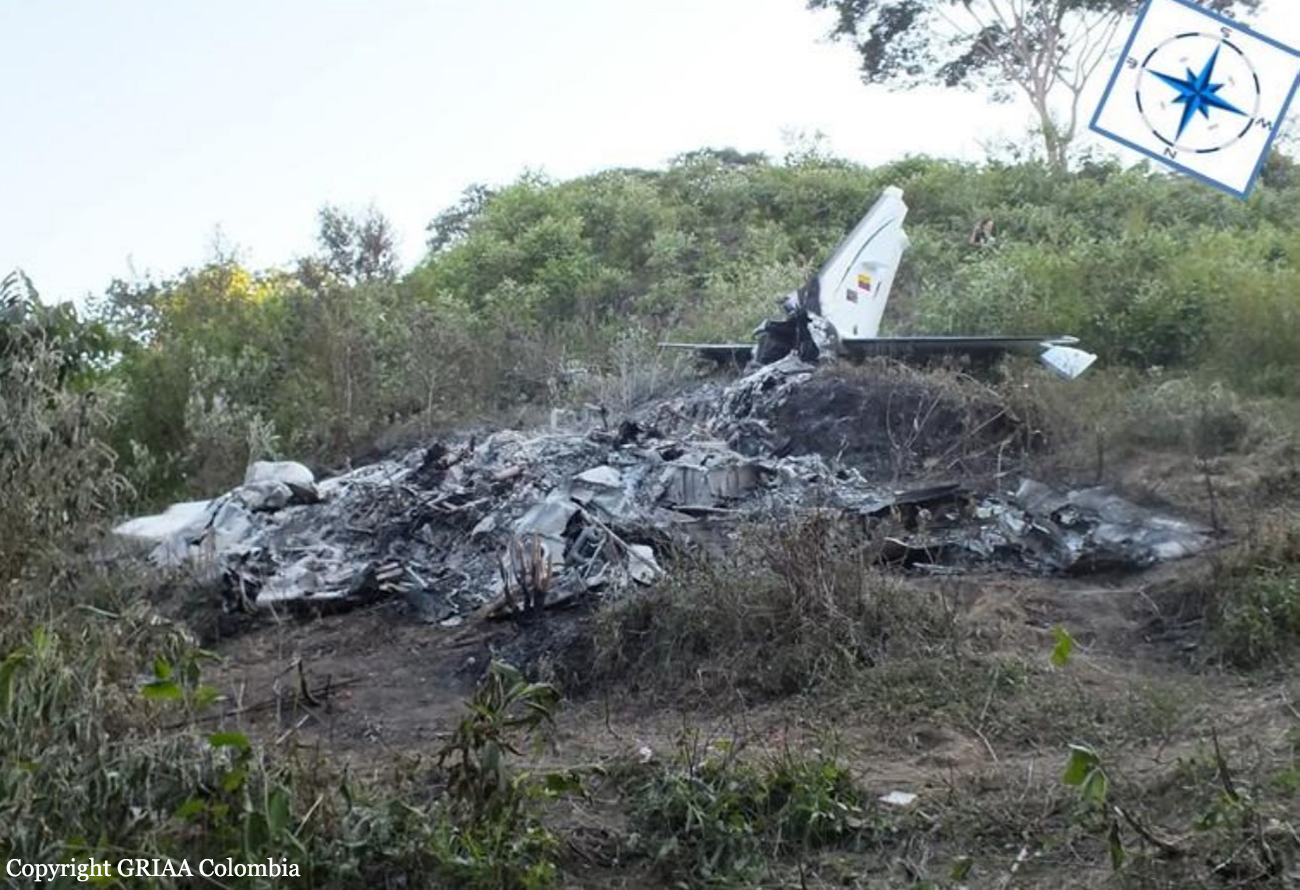
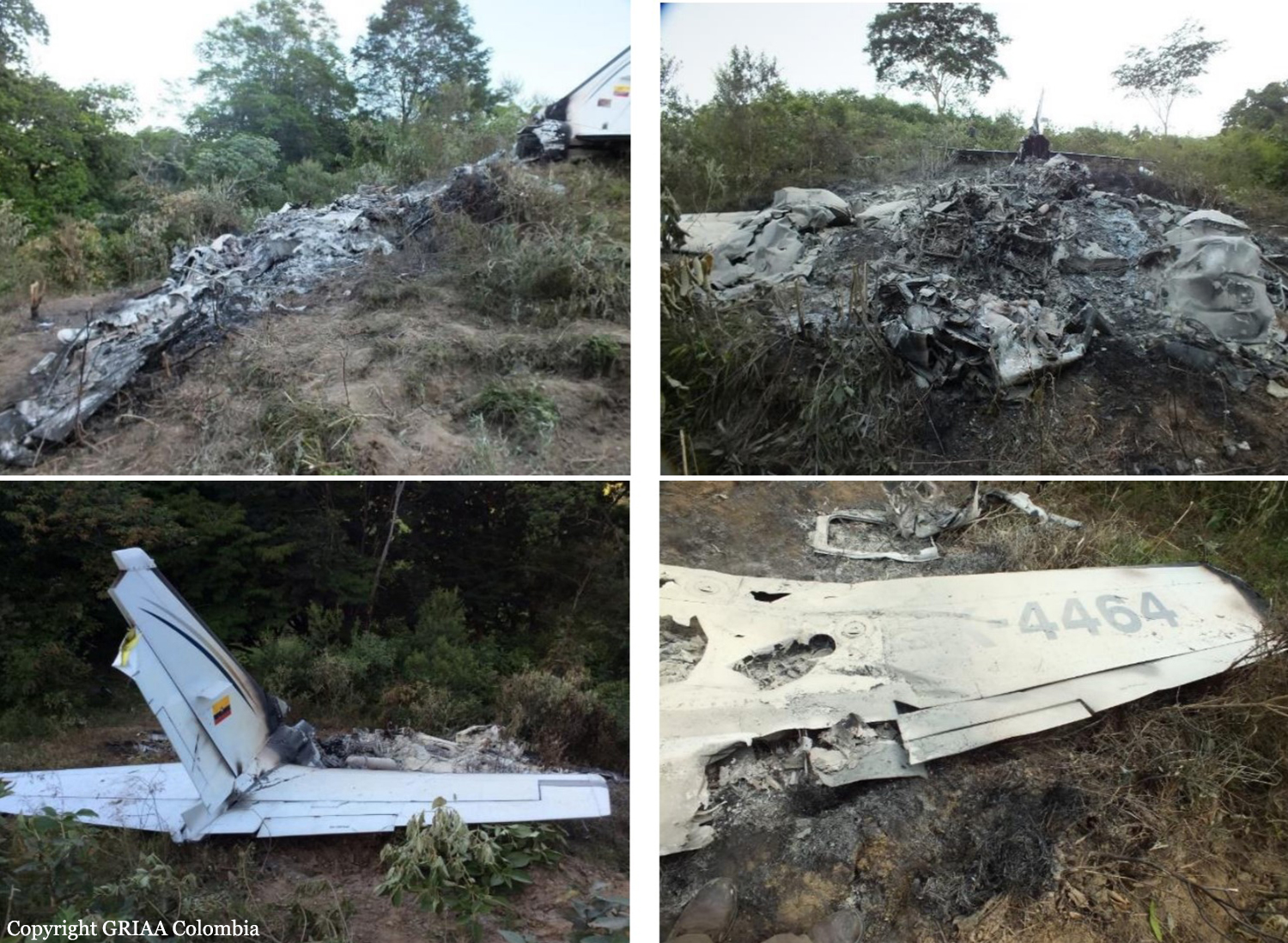
Crash of a Piper PA-31-350 Navajo Chieftain in Mariquita: 10 killed

Date & Time: Dec 3, 2014 at 0931 LT
Operator:
Registration:
HK-4464
Survivors:
No
Schedule:
Bogotá-Guaymaral – Bahía Solano
MSN:
31-7952229
YOM:
1979
Country:
Crew on board:
2
Crew fatalities:
Pax on board:
8
Pax fatalities:
Other fatalities:
Total fatalities:
10
Captain / Total flying hours:
2190
Captain / Total hours on type:
392.00
Copilot / Total flying hours:
302
Copilot / Total hours on type:
302
Aircraft flight hours:
10091
Circumstances:
The twin engine aircraft departed Bogotá-Guaymaral Airport on a charter flight to Bahía Solano, carrying eight passengers and two pilots. En route, while in cruising altitude, the crew contacted ATC and reported engine trouble. He was then cleared to divert to Mariquita-José Celestino Mutis Airport for an emergency landing. On final approach to runway 19, the aircraft stalled and crashed on hilly and wooded terrain, bursting into flames. The aircraft was totally destroyed by impact forces and a post crash fire and all 10 occupants were killed.
Probable cause:
The accident was the consequence of the malfunction of the right engine in flight, causing a loss of speed and a subsequent stall.
The following contributing factors were identified:
- Limited operation of the aircraft due to an inoperative engine,
- Low speed,
- When the aircraft stalled, the distance with the ground was insufficient to expect recovery,
- The maintenance services were not performed according to the manufacturer when the aircraft was parked for almost six months.
Final Report:
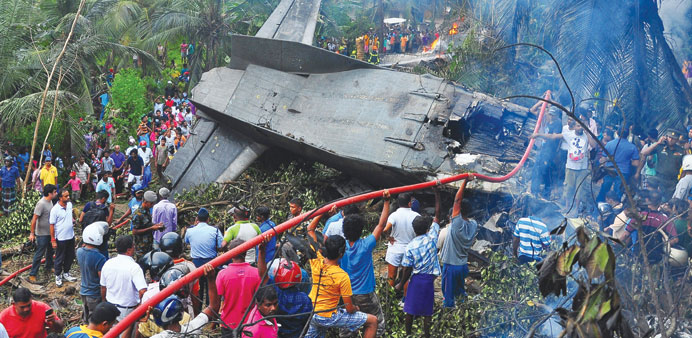
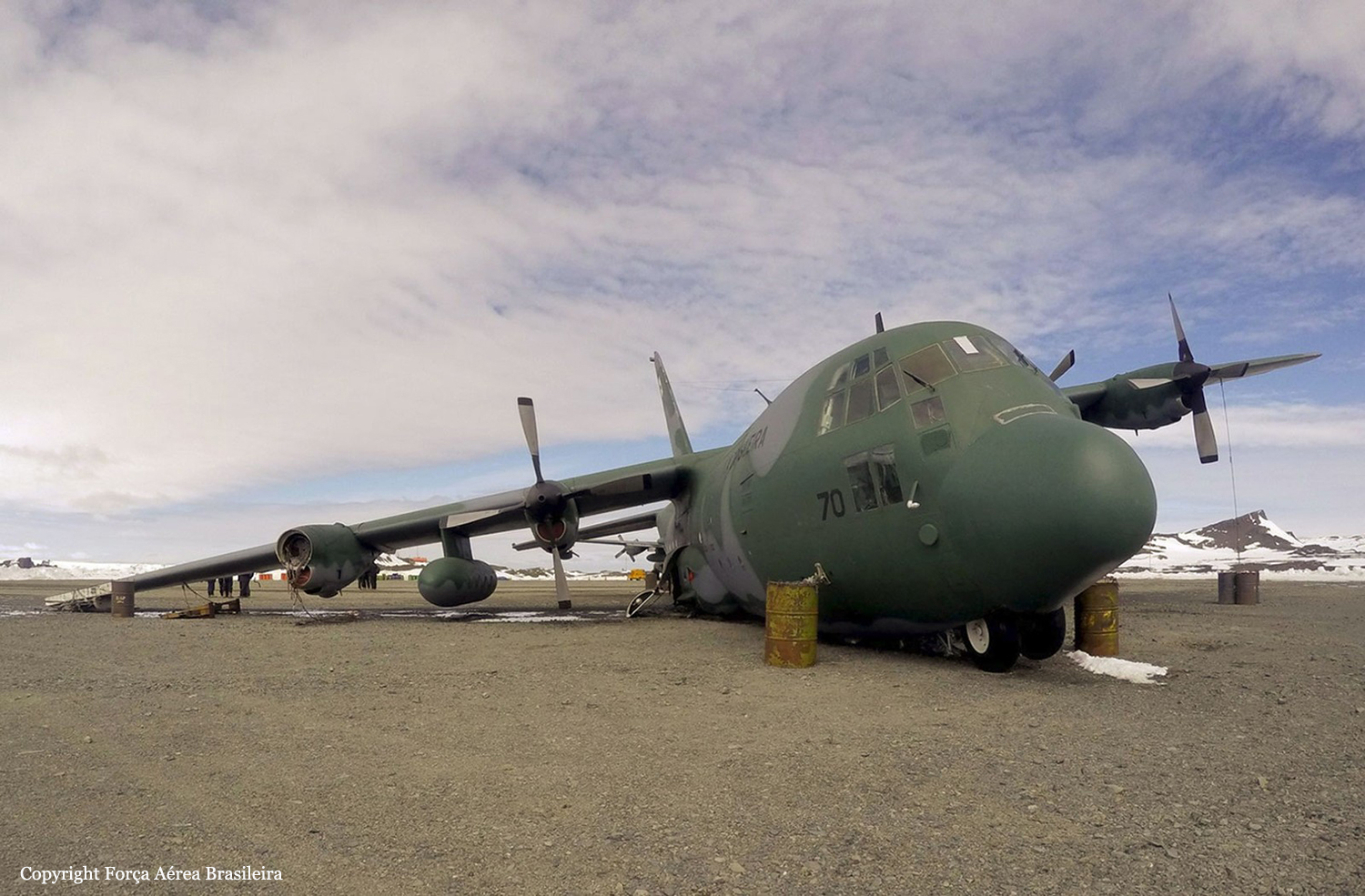
Crash of a Lockheed C-130M Hercules at Teniente Rodolfo Marsh

Date & Time: Nov 27, 2014
Type of aircraft:
Operator:
Registration:
2470
Flight Type:
Survivors:
Yes
Schedule:
Punta Arenas - Teniente Rodolfo Marsh
MSN:
4441
YOM:
1972
Country:
Region:
Crew on board:
0
Crew fatalities:
Pax on board:
0
Pax fatalities:
Other fatalities:
Total fatalities:
0
Circumstances:
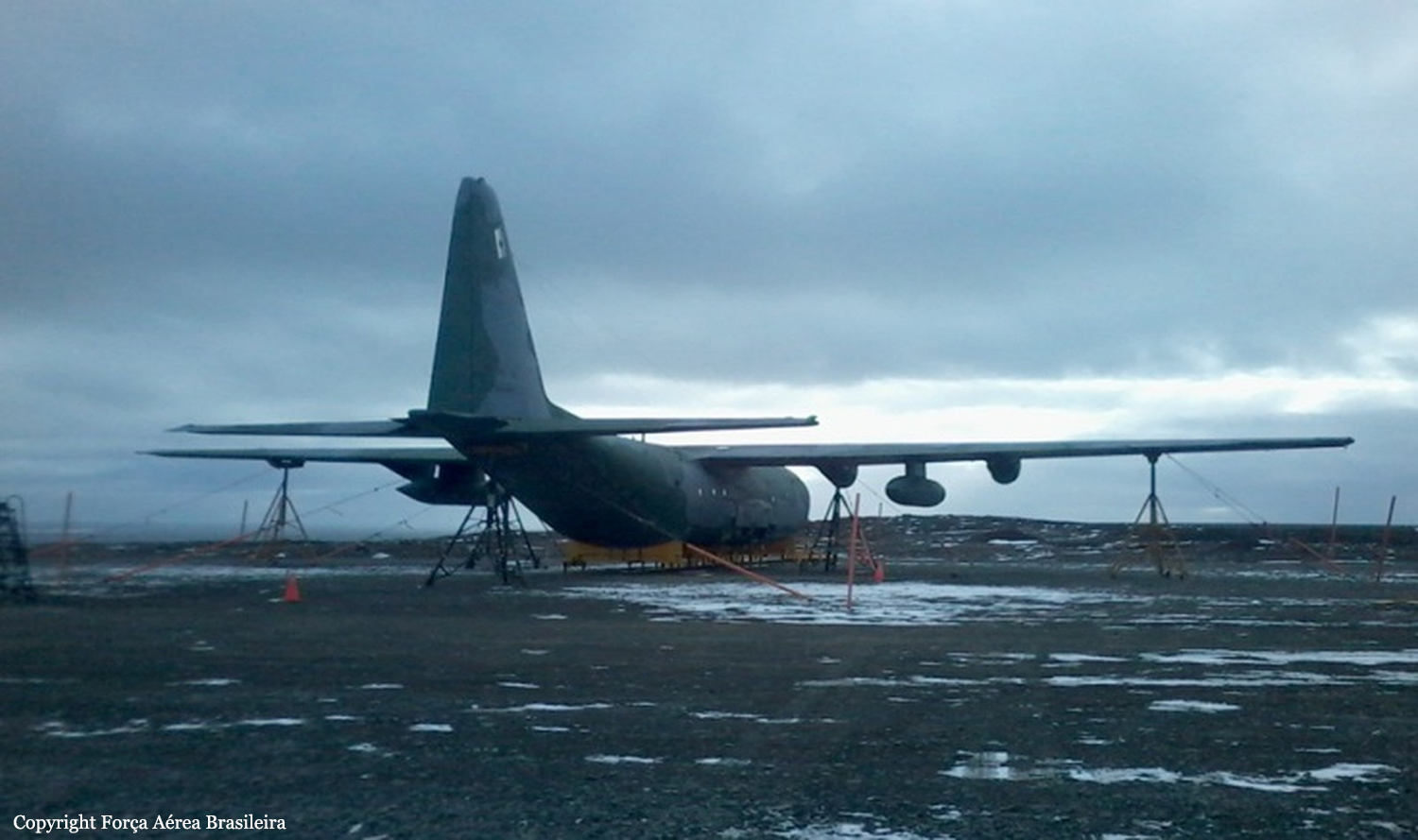
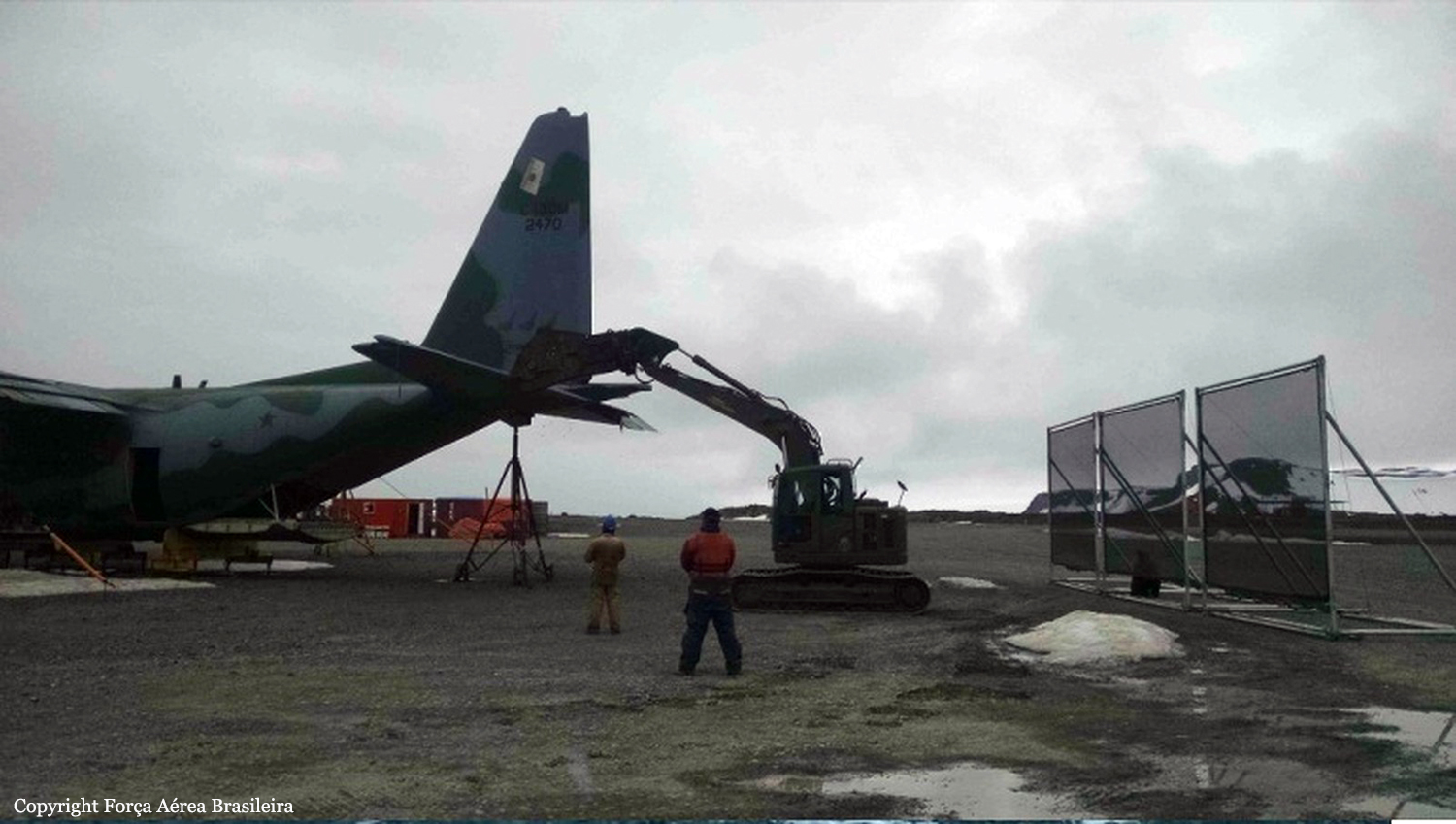
The aircraft was completing a supply mission from Punta Arenas, carrying a load of various goods and several passengers and crew members. After touchdown at Teniente Rodolfo Marsh-Presidente Eduardo Frei Montalva Airport, the right main gear collapsed, causing the propeller of the engine n°4 to detach. The airplane came to rest on a snow covered runway and all occupants escaped uninjured. The airplane was later parked on the apron and repairs were initiated. Eventually, in early 2017, it was decided to scrap the airplane which was destroyed on site. All debris were placed in a container and later shipped back to Brazil.
Probable cause:
Failure of the right main gear upon landing for unknown reasons.

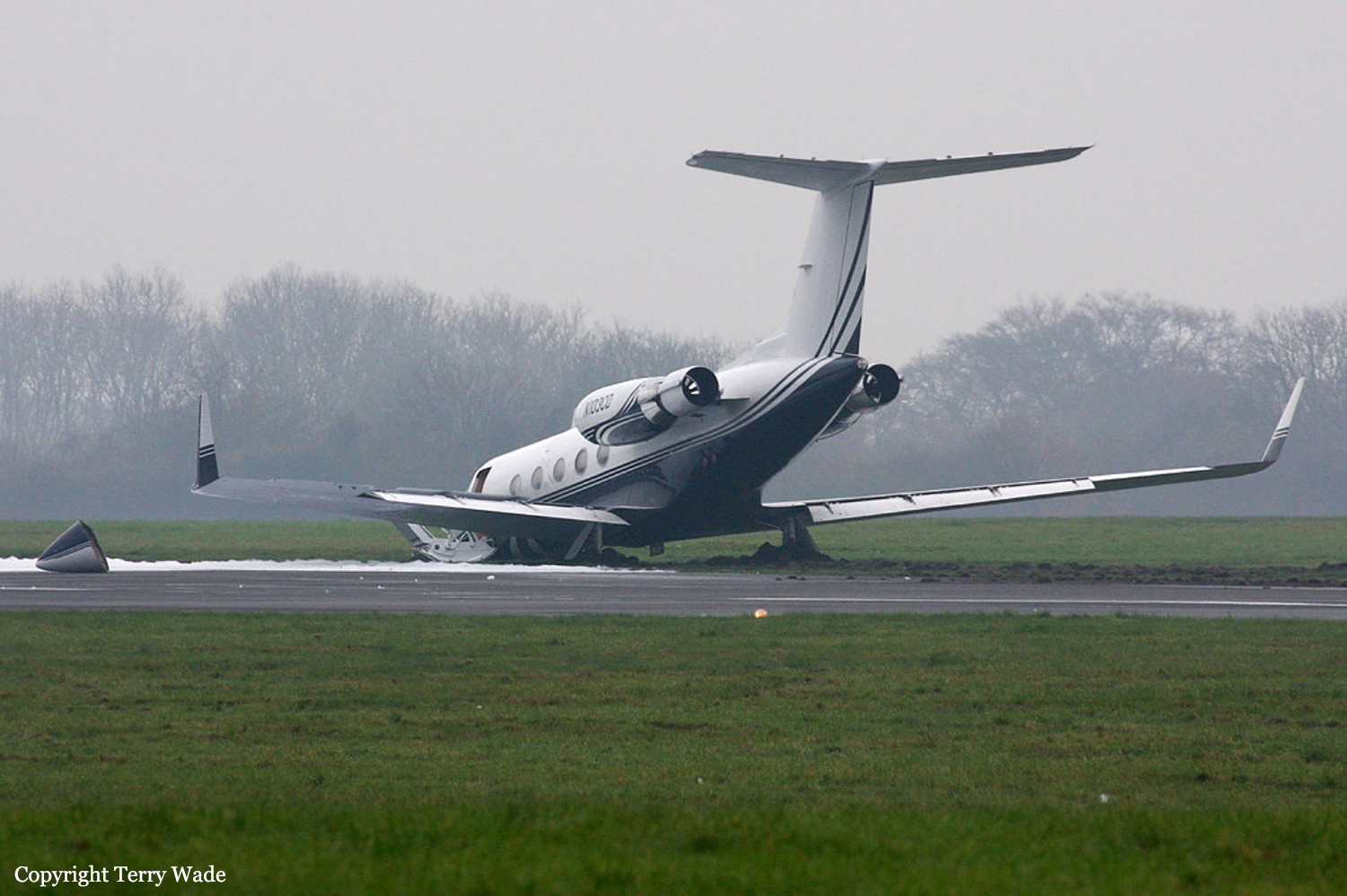
Crash of a Gulfstream GIII in Biggin Hill

Date & Time: Nov 24, 2014 at 2030 LT
Type of aircraft:
Operator:
Registration:
N103CD
Flight Phase:
Flight Type:
Survivors:
Yes
Schedule:
Biggin Hill - Gander
MSN:
418
YOM:
1984
Region:
Crew on board:
2
Crew fatalities:
Pax on board:
5
Pax fatalities:
Other fatalities:
Total fatalities:
0
Captain / Total flying hours:
4120
Captain / Total hours on type:
3650.00
Circumstances:
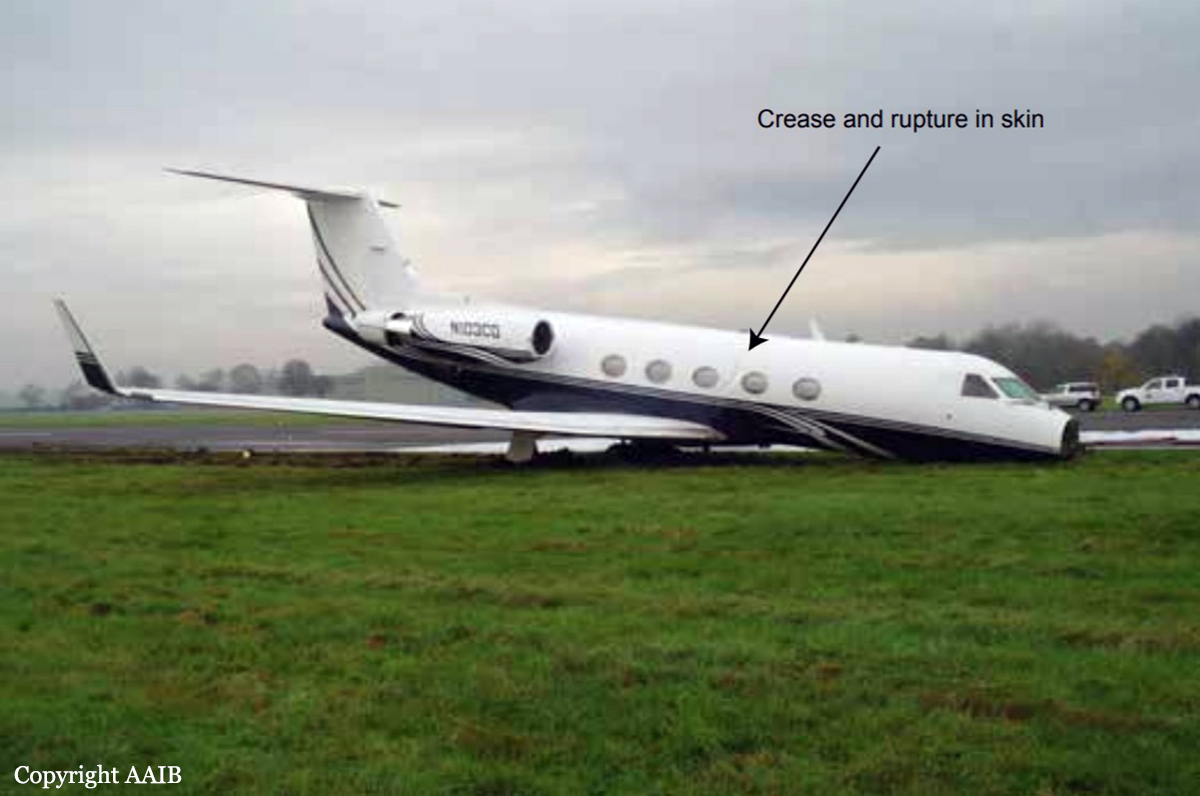
On 24 November 2014 the crew of Gulfstream III N103CD planned for a private flight from Biggin Hill Airport to Gander International Airport in Canada. The weather reported at the airport at 2020 hrs was wind ‘calm’, greater than 10 km visibility with fog patches, no significant cloud, temperature 5°C, dew point 4°C and QNH 1027 hPa. At 2024 hrs, the crew was cleared to taxi to Holding Point J1 for a departure from Runway 03. After the crew read back the taxi clearance, the controller transmitted: “we are giving low level fog patches on the airfield, general visibility in excess of 10 km but visibility not measured in the fog patches. it seems to be very low, very thin fog from the zero three threshold to approximately half way down the runway then it looks completely clear”. The crew acknowledged the information. At 2028 hrs, the aircraft was at the holding point and was cleared for takeoff by the controller. The aircraft taxied towards the runway from J1 but lined up with the runway edge lights, which were positioned 3 m to the right of the edge of the runway. The aircraft began its takeoff run at 2030 hrs, passing over paved surface for approximately 248 m before running onto grass which lay beyond. The commander, who was the handling pilot, closed the thrust levers to reject the takeoff when he realized what had happened and the aircraft came to a halt on the grass having suffered major structural damage. The crew shut down the engines but were unable to contact ATC on the radio to tell the controller what had happened. The co-pilot moved from the flight deck into the passenger cabin and saw that no one had been injured. He vacated the aircraft through the rear baggage compartment and then helped the commander, who was still inside, to open the main exit door. The commander and the five passengers used the main exit to vacate the aircraft. The controller saw that the aircraft had stopped but did not realize that it was not on the runway. He attempted to contact the crew on the radio but, when he saw the lights of the aircraft switch off, he activated the crash alarm, at 2032 hrs, declaring an aircraft ground incident. At 2034 hrs the airport fire service reached the aircraft and declared an aircraft accident, after which the airport emergency plan was activated.
Probable cause:
This was a private flight which could not depart in conditions of less than 400 m RVR. RVR cannot be measured at the threshold end of Runway 03 but the prevailing visibility was reported as being more than 10 km. The crew reported that there was moisture on the windscreen from the mist and they could see a “glow” around lights which were visible to them. They were also aware while taxiing that there was some patchy ground fog on the airfield. The ATC controller transmitted that visibility had not been measured in the fog patches but there seemed to be ‘very low, very thin fog from the zero three threshold to approximately half way down the runway’. With hindsight, this piece of information is significant but, at the time, the crew did not consider the fog to be widespread or thick; operating under FAR Part 91 in the United States, they were used to making their own judgments as to whether the visibility was suitable for a takeoff. However, after the aircraft came to a halt following its abortive takeoff attempt, the controller could only see the top of the fuselage and tail above the layer of fog. It is likely, therefore, that the visibility was worse than the crew appreciated at the time N103CD taxied from Holding Point J1. The route from J1 to the runway The information on the aerodrome chart used by the crew, and the source of information in the UK AIP, suggested that the aircraft would be required to taxi in a straight line from J1 to the runway and then make a right turn onto the runway heading. In fact, in order to taxi from J1 onto the runway, an aircraft must: taxi in a straight line; follow a curve to the right onto runway heading but still displaced to the right of the runway itself; turn left towards the runway; and then turn right again onto runway heading. The UK AIP states that there is no centreline lighting on Runway 03, and that the pavement width at the beginning of the runway is twice the normal runway width. It recognizes the potential for confusion and urges crews to ensure that they have lined up correctly. This information was not available to the crew on their aerodrome charts and both crew members believed that the runway had centreline lighting. Further, the light from those left-side runway edge lights covered in fog would have been scattered, making it harder for the crew to perceive them as a distinct line of lights. The situation is likely to have been made worse by the bright lights reflecting off the top of the fog layer, making the underlying runway lights even harder to see, or swamping them completely as shown in Figure 5. The CCTV images in Figure 5 show that peripheral lighting can interact with low fog layers to reduce the visibility of underlying aerodrome lighting. Current standards associated with apron lighting only address the minimum light levels required to make the areas safe and there are no standards relating to light spilling into other areas.
Human and environmental factors Five of the factors identified by the ATSB as being present in misaligned takeoffs were present in this accident:
1. It was dark.
2. It was potentially a confusing taxiway environment given that the aerodrome chart did not reflect the actual layout of the taxiways. Pilots had previously reported having difficulty when vacating the runway near the Runway 03 threshold because of a lack of taxiway lighting.
3. There was an additional paved area (the ORP) near the runway.
4. There was no runway centreline lighting and the runway edge lights before the displaced threshold were recessed.
5. There was reduced visibility.
It appeared that the information available to the crew caused them to develop an incorrect expectation of their route to the runway. Both crew members believed that the runway had centreline lighting and, when the first right turn almost lined the aircraft up with some lights, their incorrect expectation was reinforced and they believed that the aircraft was lined up correctly. Cues to the contrary, such as runway edge lights on the other side of the runway, or the fact that the first three lights ahead of the aircraft were red (indicating that they were edge lights before the displaced threshold), did not appear to have been strong enough to make the crew realize that they had lost situational awareness. Figure 8 indicates that the apparent intensity of the white left-side runway edge lights was significantly less than that of the right-side lights, when viewed from the position where the aircraft lined up. This, along with other visual issues relating to contrast and the fog, is a plausible explanation as to why they were not noticed by the crew. The aircraft began its takeoff roll from a location beyond the first red runway edge light and approximately 46 m short of the next light, as shown in Figure 1. Aircraft structure only obscures approximately the first 13 m of pavement ahead of pilots within a Gulfstream III aircraft and therefore these lights would not have been obscured by the aircraft. However, it is likely that the recessed nature of the red edge lights before the displaced threshold made them less compelling than the elevated white edge lights beyond, which would explain why their significance – that they could only have been runway edge lights – was not appreciated by the flight crew.
Final Report:
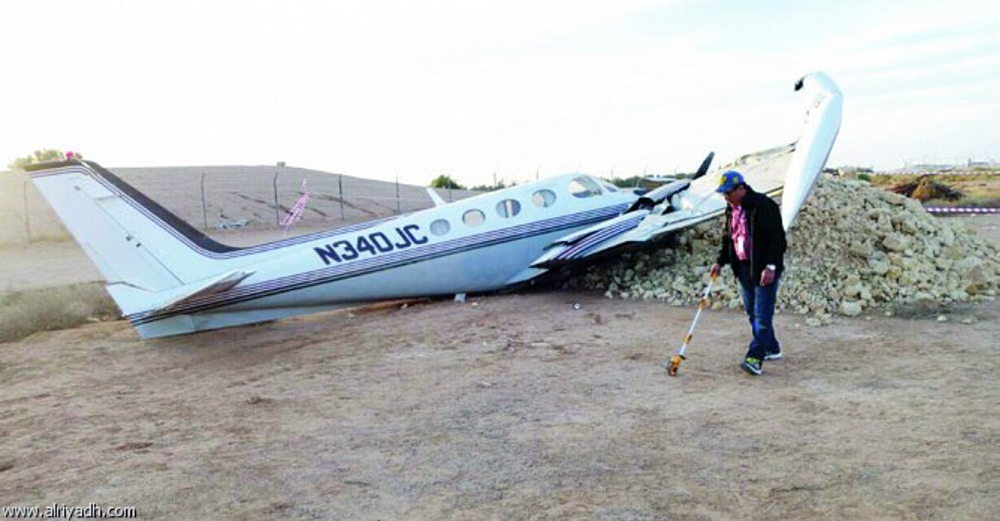
Crash of an Embraer EMB-500 Phenom 100 in Houston

Date & Time: Nov 21, 2014 at 1010 LT
Type of aircraft:
Operator:
Registration:
N584JS
Flight Type:
Survivors:
Yes
Schedule:
Houston - Houston
MSN:
500-00140
YOM:
2010
Flight number:
RSP526
Crew on board:
2
Crew fatalities:
Pax on board:
0
Pax fatalities:
Other fatalities:
Total fatalities:
0
Captain / Total flying hours:
6311
Captain / Total hours on type:
410.00
Copilot / Total flying hours:
4232
Copilot / Total hours on type:
814
Aircraft flight hours:
3854
Circumstances:
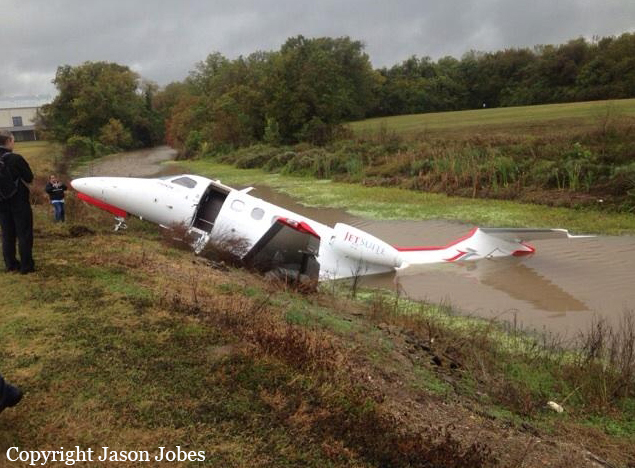
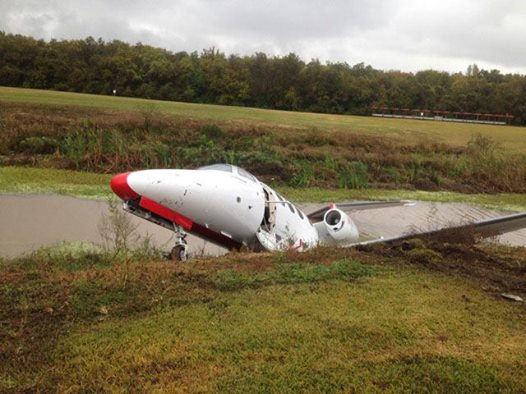
The pilots of the very light jet were conducting a positioning flight in instrument meteorological conditions. The flight was cleared by air traffic control for the instrument landing system (ILS) approach; upon being cleared for landing, the tower controller reported to the crew that there was no standing water on the runway. Review of the airplane's flight data recorder (FDR) data revealed that the airplane reached 50 ft above touchdown zone elevation (TDZE) at an indicated airspeed of 118 knots (KIAS). The airplane crossed the runway displaced threshold about 112 KIAS, and it touched down on the runway at 104 KIAS with about a 7-knot tailwind. FDR data revealed that, about 1.6 seconds after touchdown of the main landing gear, the nose landing gear touched down and the pilot's brake pedal input increased, with intermediate oscillations, over a period of 7.5 seconds before reaching full pedal deflection. During this time, the airplane achieved its maximum wheel braking friction coefficient and deceleration. The cockpit voice recorder recorded both pilots express concern the that the airplane was not slowing. About 4 seconds after the airplane reached maximum deceleration, the pilot applied the emergency parking brake (EPB). Upon application of the EPB, the wheel speed dropped to zero and the airplane began to skid, which resulted in reverted-rubber hydroplaning, further decreasing the airplane's stopping performance. The airplane continued past the end of the runway, crossed a service road, and came to rest in a drainage ditch. Postaccident examination of the brake system and data downloaded from the brake control unit indicated that it functioned as commanded during the landing. The airplane was not equipped with thrust reversers or spoilers to aid in deceleration. The operator's standard operating procedures required pilots to conduct a go-around if the airspeed at 50 ft above TDZE exceeded 111 kts. Further, the landing distances published in the airplane flight manual (AFM) are based on the airplane slowing to its reference speed (Vref) of 101 KIAS at 50 ft over the runway threshold. The airplane's speed at that time exceeded Vref, which resulted in an increased runway distance required to stop; however, landing distance calculations performed in accordance with the AFM showed that the airplane should still have been able to stop on the available runway. An airplane performance study also showed that the airplane had adequate distance available on which to stop had the pilot continued to apply maximum braking rather than engage the EPB. The application of the EPB resulted in skidding, which increased the stopping distance. Although the runway was not contaminated with standing water at the time of the accident, the performance study revealed that the maximum wheel braking friction coefficient was significantly less than the values derived from the unfactored wet runway landing distances published in the AFM, and was more consistent with the AFM-provided landing distances for runways contaminated with standing water. Federal Aviation Administration Safety Alert for Operators (SAFO) 15009 warns operators that, "the advisory data for wet runway landings may not provide a safe stopping margin under all conditions" and advised them to assume "a braking action of medium or fair when computing time-of-arrival landing performance or [increase] the factor applied to the wet runway time-of-arrival landing performance data." It is likely that, based on the landing data in the AFM, the crew expected a faster rate of deceleration upon application of maximum braking; when that rate of deceleration was not achieved, the pilot chose to engage the EPB, which only further degraded the airplane's braking performance.
Probable cause:
The pilot's engagement of the emergency parking brake during the landing roll, which decreased the airplane's braking performance and prevented it from stopping on the available runway. Contributing to the pilot's decision to engage the emergency parking brake was the expectation of a faster rate of deceleration and considerably shorter wet runway landing distance provided by the airplane flight manual than that experienced by the crew upon touchdown and an actual wet runway friction level lower than the assumed runway fiction level used in the calculation of the stopping distances published in the airplane flight manual.
Final Report:

Crash of a Cessna 401A in Fulton

Date & Time: Nov 17, 2014 at 1720 LT
Type of aircraft:
Operator:
Registration:
N401ME
Flight Phase:
Survivors:
Yes
Schedule:
Fulton – Little Rock
MSN:
401A-0085
YOM:
1969
Location:
Crew on board:
2
Crew fatalities:
Pax on board:
1
Pax fatalities:
Other fatalities:
Total fatalities:
0
Captain / Total flying hours:
2949
Captain / Total hours on type:
304.00
Copilot / Total flying hours:
8675
Copilot / Total hours on type:
1850
Aircraft flight hours:
6434
Circumstances:
The private pilot reported that, immediately after takeoff in the multi-engine airplane, the right engine experienced a total loss of power. The pilot aborted the takeoff; the airplane exited the end of the runway surface, impacted rough terrain, and came to rest upright. Examination of the right engine showed that the magneto distributor drive gears were not turning. Both damaged magnetos were removed and replaced with a slave set of magnetos. The right engine was installed in an engine test cell, and subsequently started and performed normally throughout the test cell procedure. The damaged magnetos from the right engine were disassembled. Both nylon magneto distributor gears exhibited missing gear teeth and brown discoloration. A review of maintenance records showed that the right engine had been operated for about 8 years and an estimated 697 hours since the most recent magneto overhauls had been completed. According to maintenance instructions from the engine manufacturer, the magnetos should be inspected every 500 hours and should be overhauled or replaced at the expiration of five years since the last overhaul. Guidance also indicated that discoloration of the drive gear is an indication that the gear had been exposed to extreme heat and should be replaced.
Probable cause:
A failure of the right engine magneto distributor drive gears, which resulted in a total loss of engine power during takeoff. Contributing to the accident was the operator's failure to inspect and maintain the magnetos in accordance with the engine manufacturer's specifications.
Final Report:
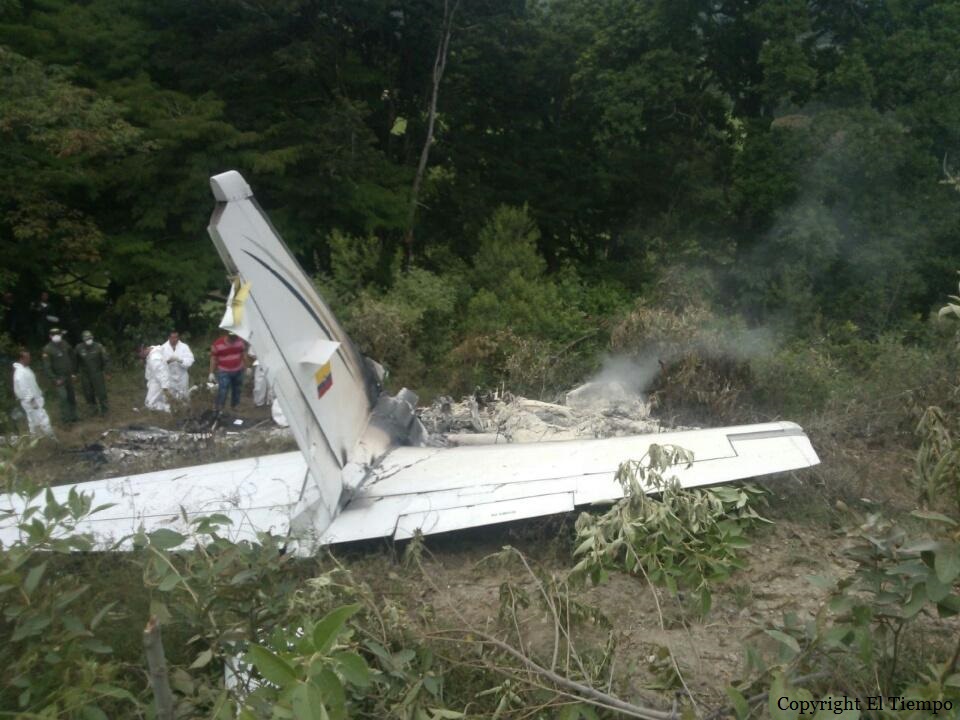
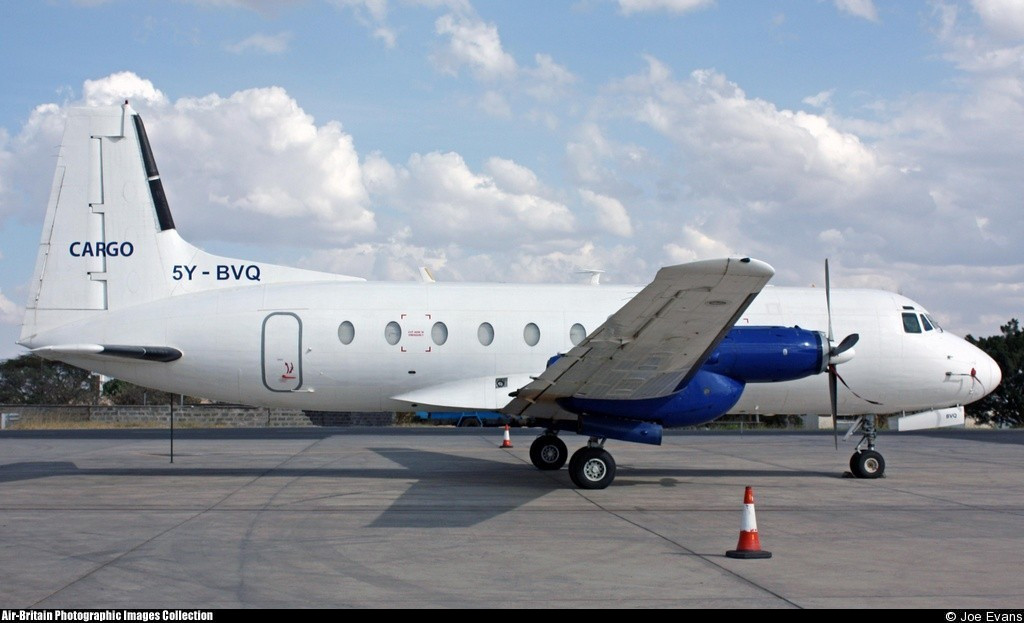
Crash of an Avro 748-399-2B in Panyagor: 2 killed

Date & Time: Nov 14, 2014 at 1020 LT
Type of aircraft:
Operator:

Registration:
5Y-BVQ
Flight Type:
Survivors:
Yes
Schedule:
Juba – Panyagor
MSN:
1778
YOM:
1980
Country:
Region:
Crew on board:
3
Crew fatalities:
Pax on board:
0
Pax fatalities:
Other fatalities:
Total fatalities:
2
Circumstances:
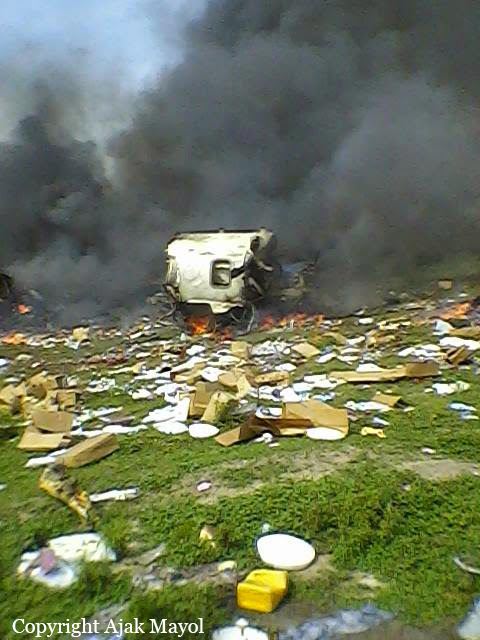
The crew was performing a humanitarian cargo flight from Juba to Panyagor. On final approach, it seems that the crew encountered technical problems, maybe with the undercarriage. The aircraft went out of control and crashed in a huge explosion short of runway and was destroyed by impact forces and a post crash fire. Both pilots were killed while the engineer was seriously injured. The mission was conducted on behalf of the Lutheran World Federation. It was confirmed that ten goats were killed as well.