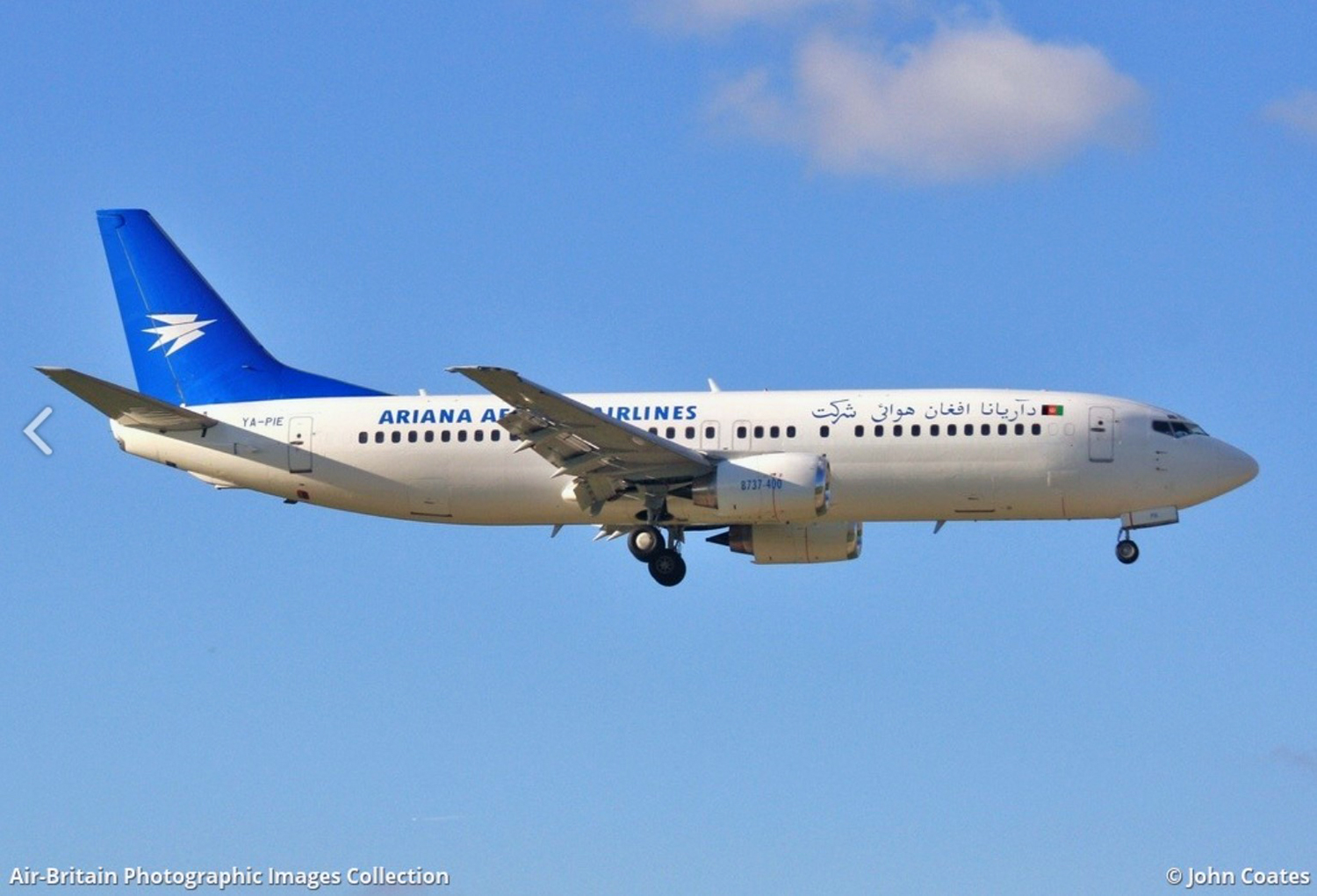
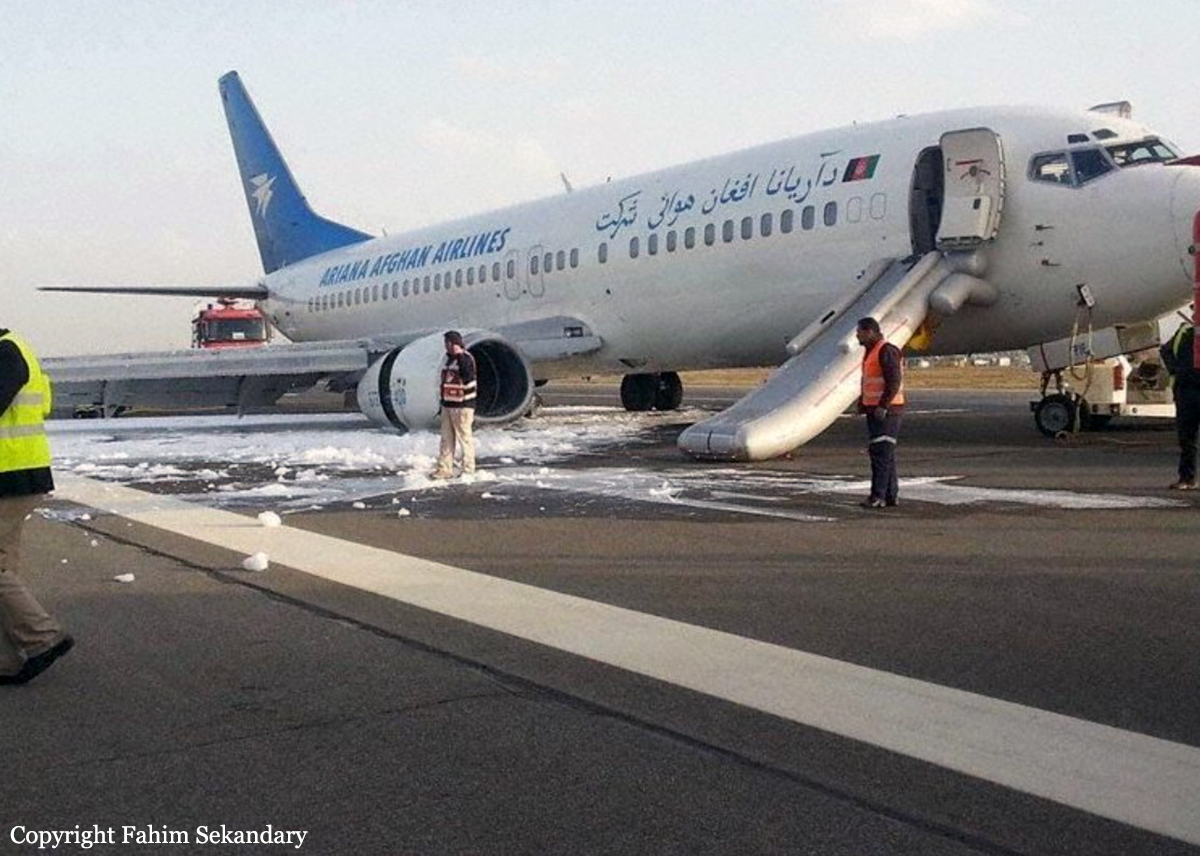
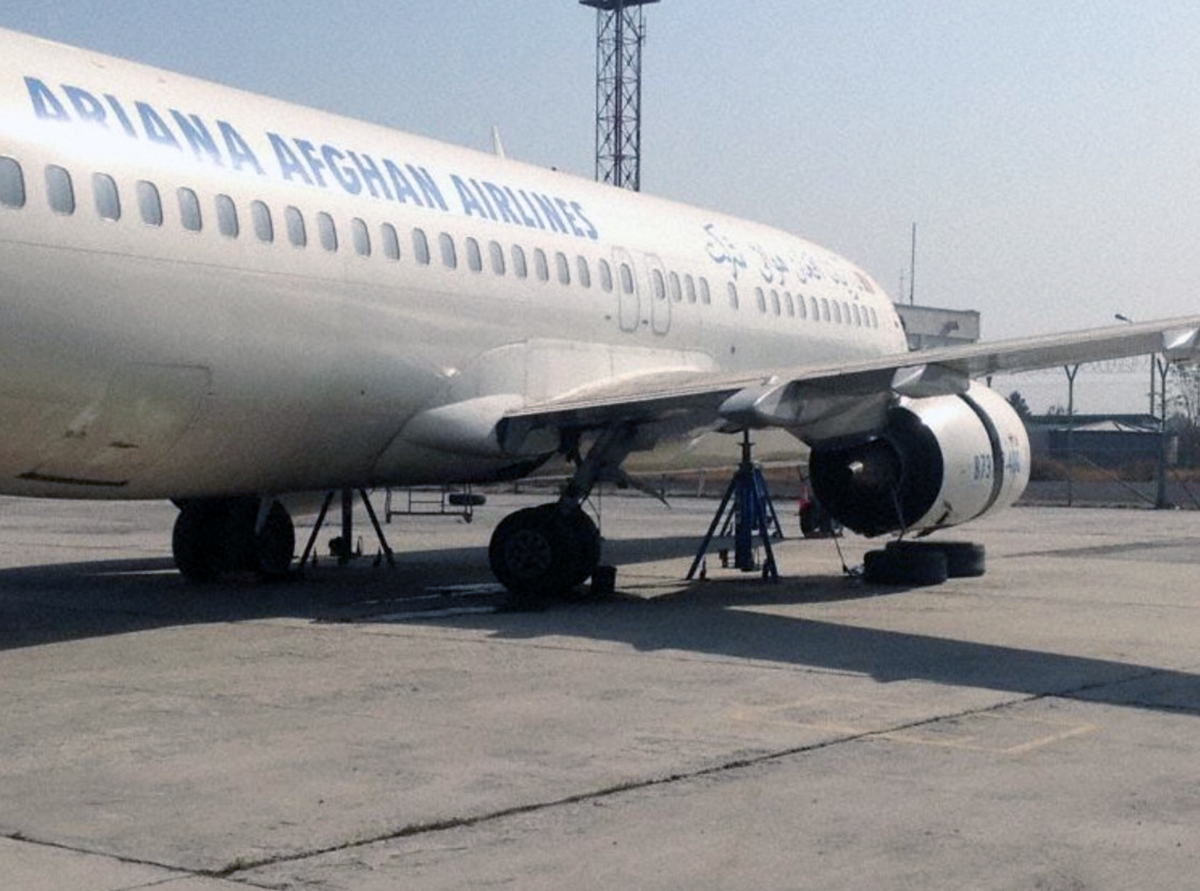
Crash of a Boeing 737-4Y0 in Kabul

Date & Time: Nov 7, 2014 at 1500 LT
Type of aircraft:
Operator:
Registration:
YA-PIE
Survivors:
Yes
Schedule:
Herat - Kabul
MSN:
26086/2475
YOM:
1993
Location:
Country:
Region:
Crew on board:
0
Crew fatalities:
Pax on board:
0
Pax fatalities:
Other fatalities:
Total fatalities:
0
Circumstances:
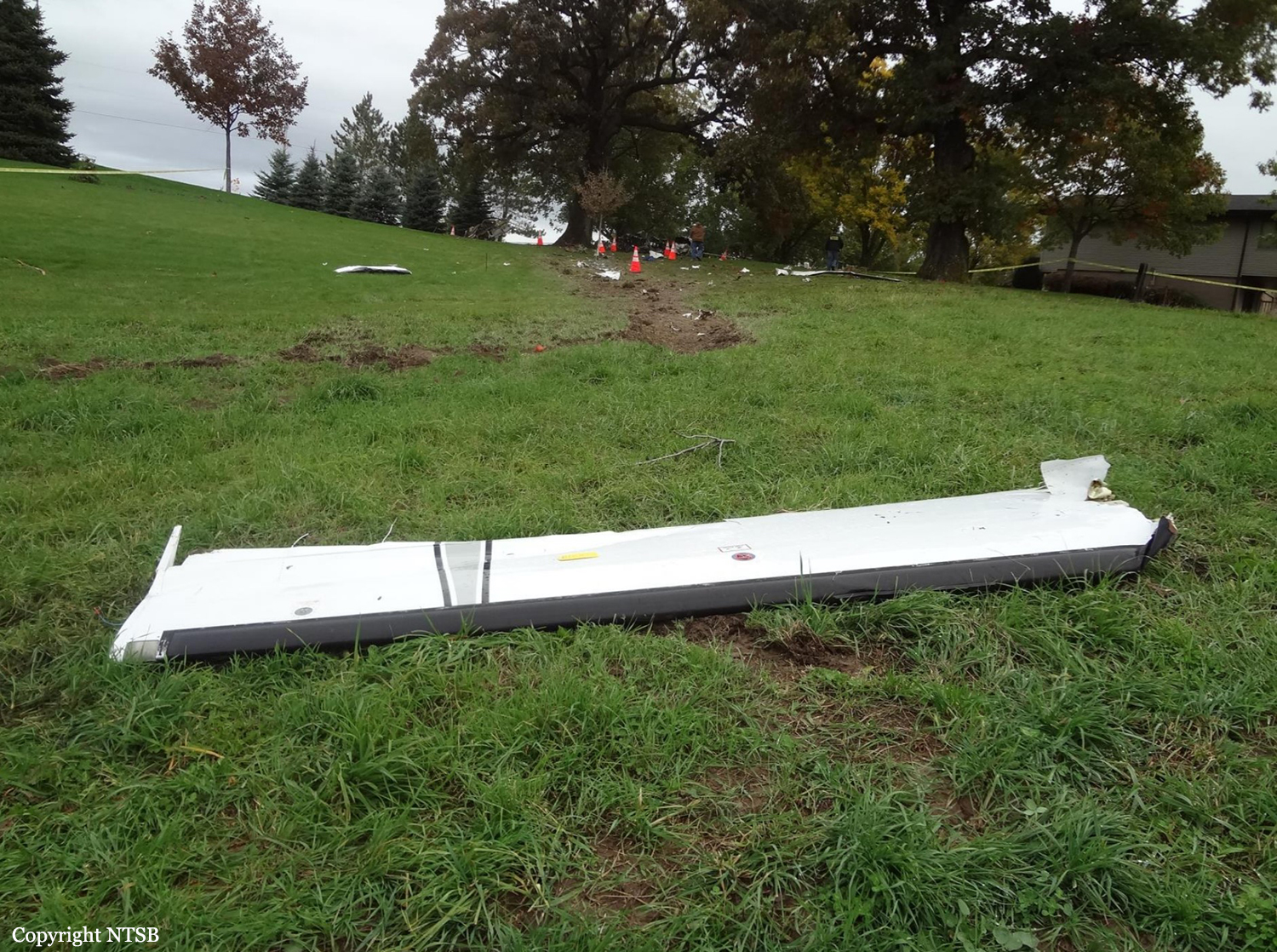
Upon touchdown at Kabul Airport runway 29, the right main gear collapsed, causing the right engine nacelle to struck the runway surface. The aircraft slid for few dozen metres before coming to rest. All occupants evacuated safely and the aircraft was damaged beyond repair.

Crash of a Beechcraft B200 Super King Air in Wichita: 4 killed

Date & Time: Oct 30, 2014 at 0948 LT
Registration:
N52SZ
Flight Phase:
Flight Type:
Survivors:
No
Schedule:
Wichita – Mena
MSN:
BB-1686
YOM:
1999
Crew on board:
1
Crew fatalities:
Pax on board:
0
Pax fatalities:
Other fatalities:
Total fatalities:
4
Captain / Total flying hours:
3139
Aircraft flight hours:
6314
Aircraft flight cycles:
7257
Circumstances:
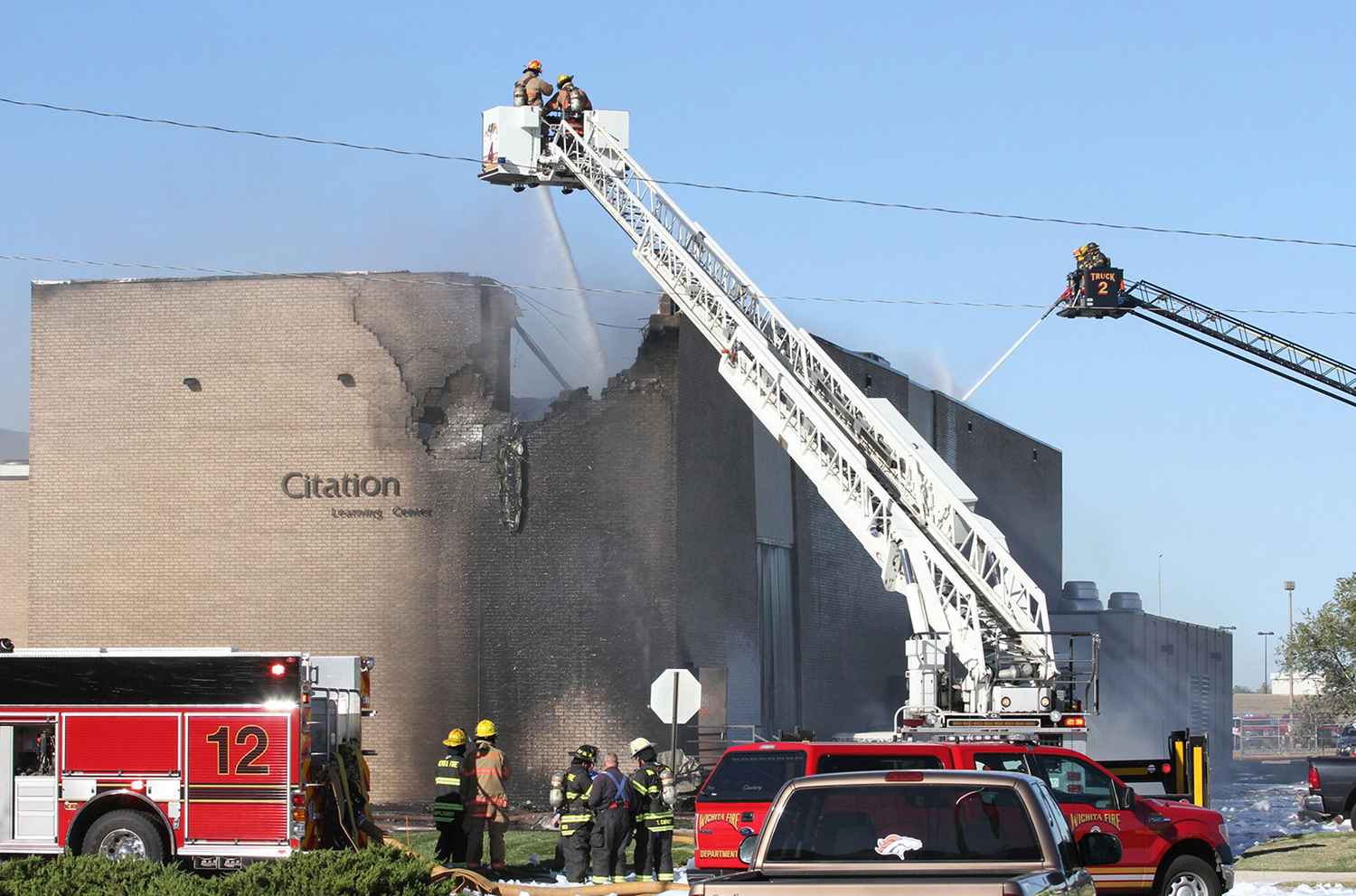
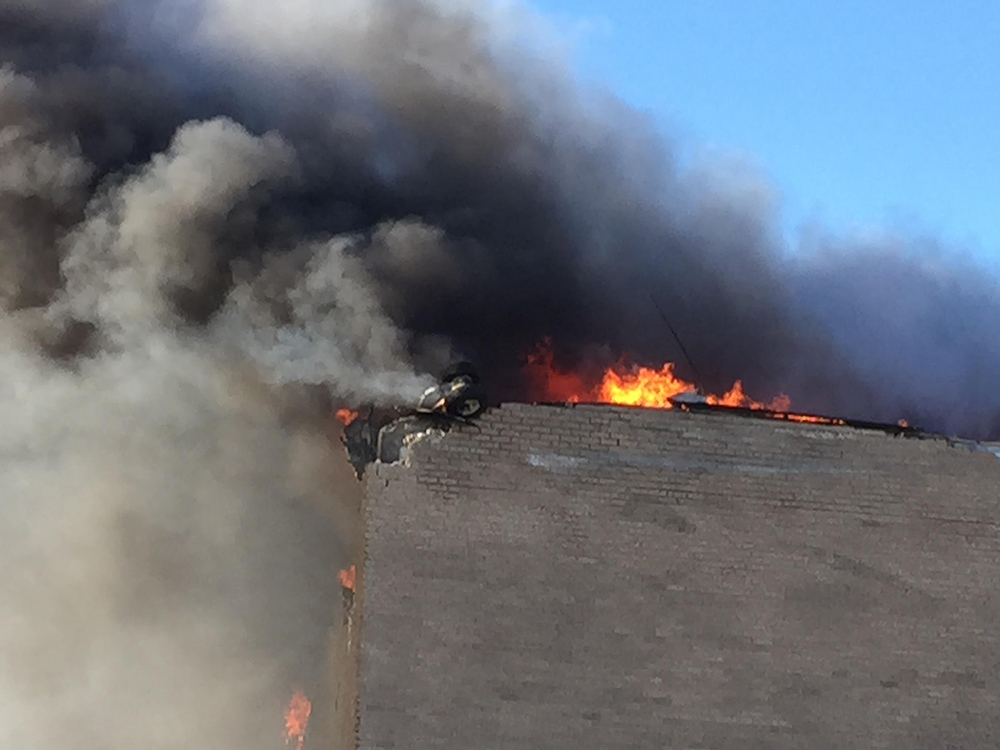
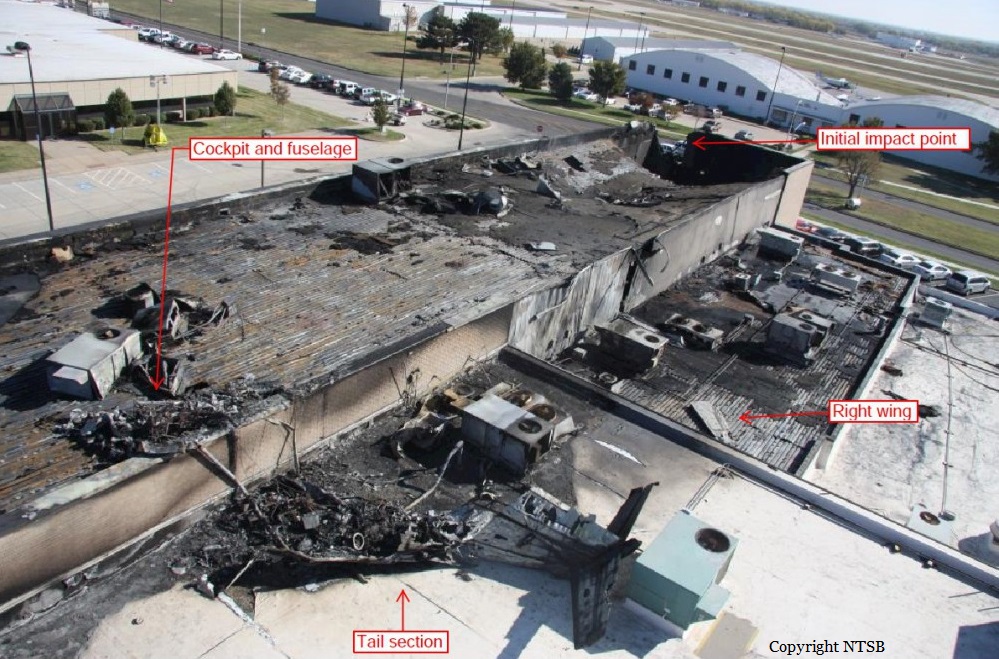
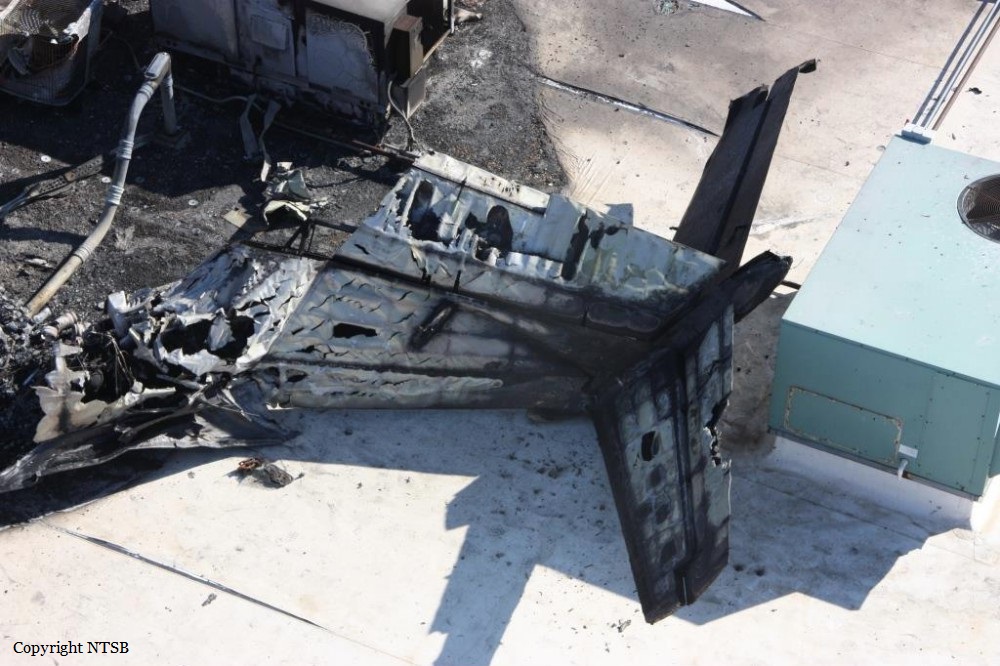
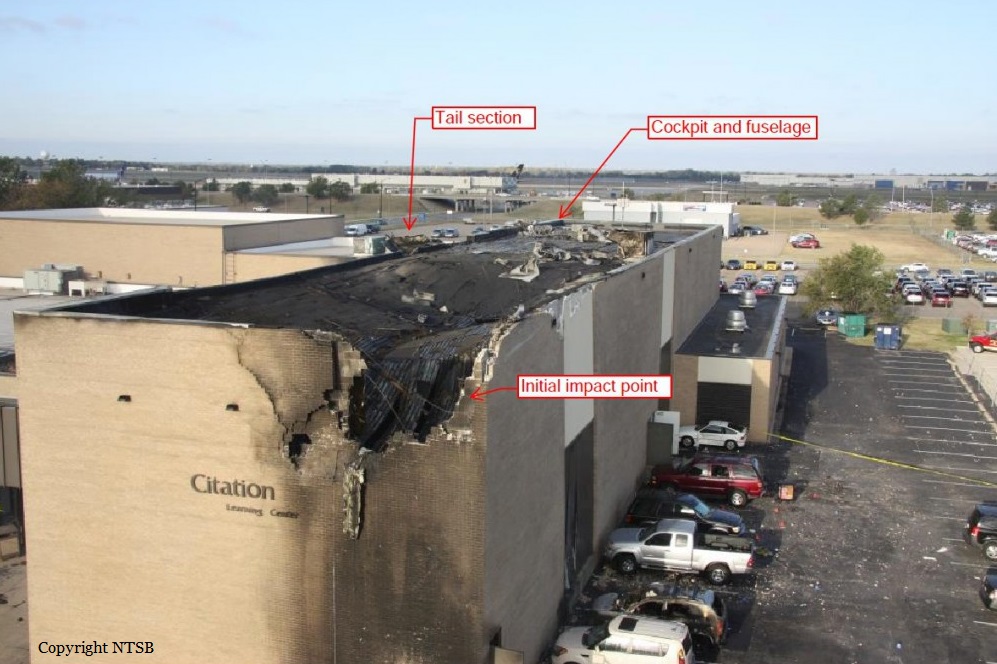
The airline transport pilot was departing for a repositioning flight. During the initial climb, the pilot declared an emergency and stated that the airplane "lost the left engine." The airplane climbed to about 120 ft above ground level, and witnesses reported seeing it in a left turn with the landing gear extended. The airplane continued turning left and descended into a building on the airfield. A postimpact fired ensued and consumed a majority of the airplane. Postaccident examinations of the airplane, engines, and propellers did not reveal any anomalies that would have precluded normal operation. Neither propeller was feathered before impact. Both engines exhibited multiple internal damage signatures consistent with engine operation at impact. Engine performance calculations using the preimpact propeller blade angles (derived from witness marks on the preload plates) and sound spectrum analysis revealed that the left engine was likely producing low to moderate power and that the right engine was likely producing moderate to high power when the airplane struck the building. A sudden, uncommanded engine power loss without flameout can result from a fuel control unit failure or a loose compressor discharge pressure (P3) line; thermal damage prevented a full assessment of the fuel control units and P3 lines. Although the left engine was producing some power at the time of the accident, the investigation could not rule out the possibility that a sudden left engine power loss, consistent with the pilot's report, occurred. A sideslip thrust and rudder study determined that, during the last second of the flight, the airplane had a nose-left sideslip angle of 29°. It is likely that the pilot applied substantial left rudder input at the end of the flight. Because the airplane's rudder boost system was destroyed, the investigation could not determine if the system was on or working properly during the accident flight. Based on the available evidence, it is likely that the pilot failed to maintain lateral control of the airplane after he reported a problem with the left engine. The evidence also indicates that the pilot did not follow the emergency procedures for an engine failure during takeoff, which included retracting the landing gear and feathering the propeller. Although the pilot had a history of anxiety and depression, which he was treating with medication that he had not reported to the Federal Aviation Administration, analysis of the pilot's autopsy and medical records found no evidence suggesting that either his medical conditions or the drugs he was taking to treat them contributed to his inability to safely control the airplane in an emergency situation.
Probable cause:
The pilot's failure to maintain lateral control of the airplane after a reduction in left engine power and his application of inappropriate rudder input. Contributing to the accident was the pilot's failure to follow the emergency procedures for an engine failure during takeoff. Also contributing to the accident was the left engine power reduction for reasons that could not be determined because a postaccident examination did not reveal any anomalies that would have precluded normal operation and thermal damage precluded a complete examination.
Final Report:

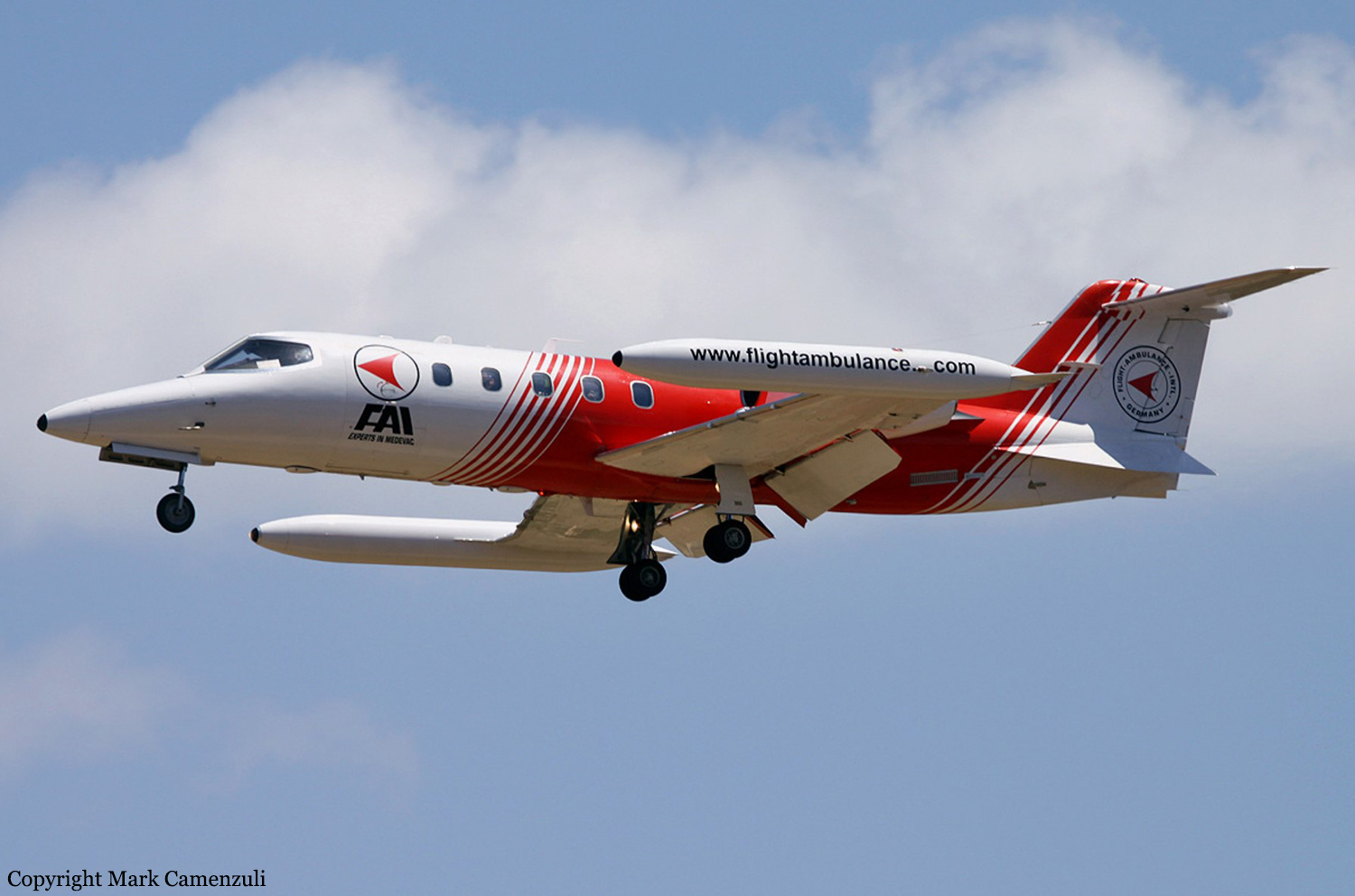
Crash of a Learjet 35A in Tamanrasset

Date & Time: Oct 25, 2014 at 1513 LT
Type of aircraft:
Operator:
Registration:
D-CFAX
Flight Phase:
Flight Type:
Survivors:
Yes
Schedule:
Tamanrasset – Bata
MSN:
35-135
YOM:
1977
Country:
Region:
Crew on board:
2
Crew fatalities:
Pax on board:
2
Pax fatalities:
Other fatalities:
Total fatalities:
0
Circumstances:
The airplane was completing an ambulance flight (positioning) from Europe to Bata, Equatorial Guinea, with an intermediate stop in Tamanrasset, carrying a medical team of two doctors and two pilots. During the takeoff roll from Tamanrasset-Aguenar Airport, the crew heard a loud noise and decided to abort. Unable to stop within the remaining distance, the aircraft overran and came to rest. All four occupants escaped uninjured and the aircraft was damaged beyond repair.

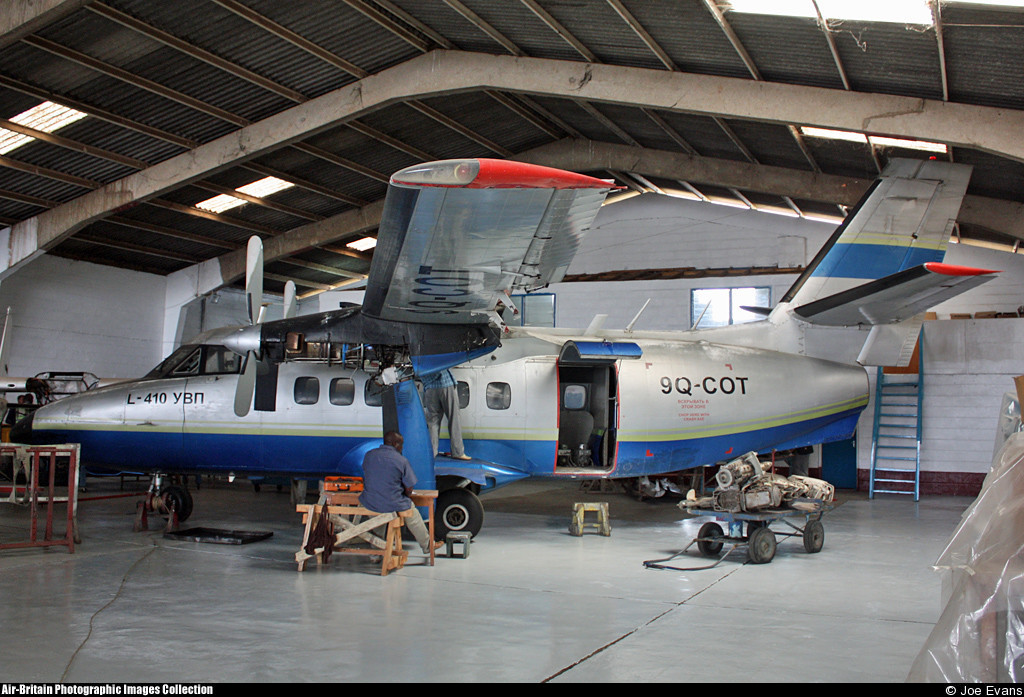
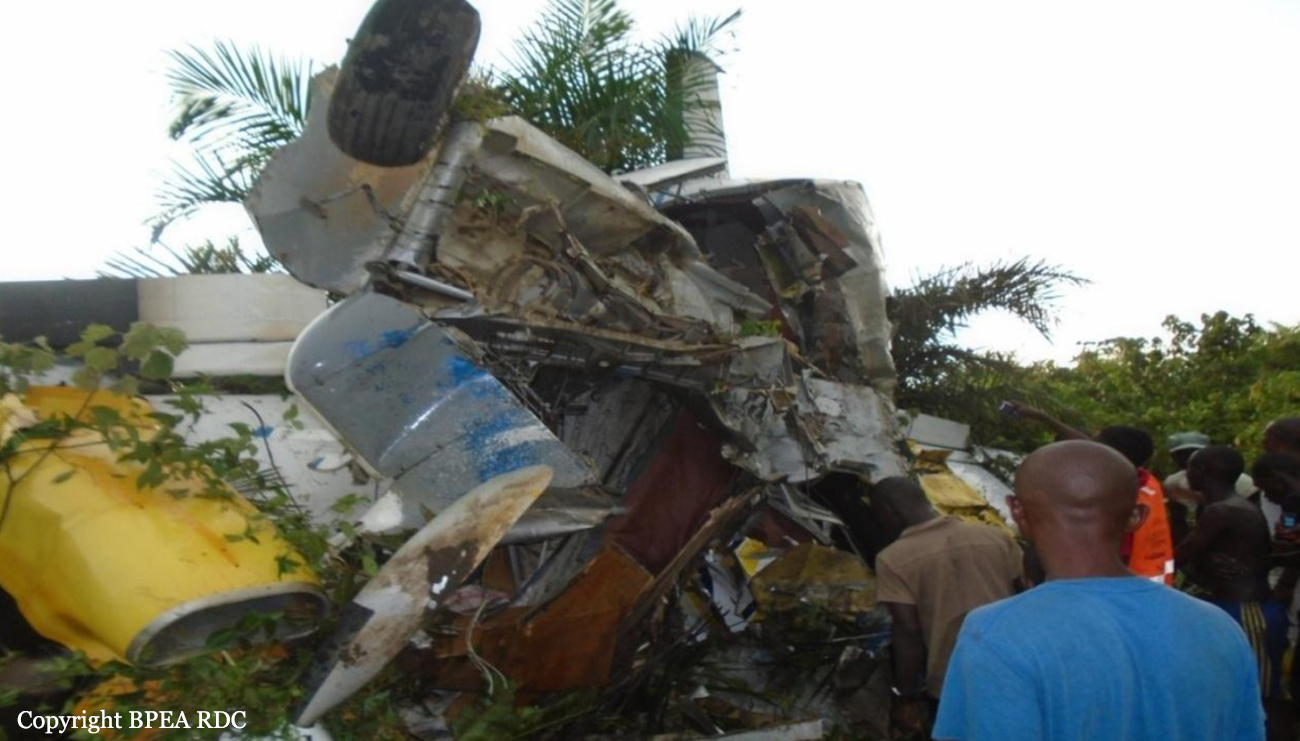
Crash of a Let L-410UVP in Shabunda

Date & Time: Oct 25, 2014 at 1416 LT
Type of aircraft:
Operator:
Registration:
9Q-COT
Flight Type:
Survivors:
Yes
Schedule:
Bukavu – Shabunda
MSN:
83 10 23
YOM:
1983
Region:
Crew on board:
2
Crew fatalities:
Pax on board:
0
Pax fatalities:
Other fatalities:
Total fatalities:
0
Captain / Total flying hours:
14000
Captain / Total hours on type:
7325.00
Copilot / Total flying hours:
3300
Aircraft flight hours:
7187
Aircraft flight cycles:
8265
Circumstances:
The twin engine aircraft departed Bukavu-Kavumu Airport at 1341LT on a 40-minute cargo flight to Shabunda, carrying two pilots and a load of 1,500 kilos of various goods. On final approach to Shabunda Airport, at a height of 300 feet, the right engine lost power. The crew attempted an emergency landing when the aircraft stalled and crashed in palm trees located 3,7 km short of runway. The aircraft was destroyed by impact forces and both pilots were seriously injured.
Probable cause:
On final approach, the right engine lost power, causing the aircraft to stall because the speed dropped. Investigations were unable to determine the exact cause of the loss of power because the aircraft was totally destroyed. Nevertheless, the crew was unable to expect a stall recovery because the stall occurred at an insufficient height.
Final Report:

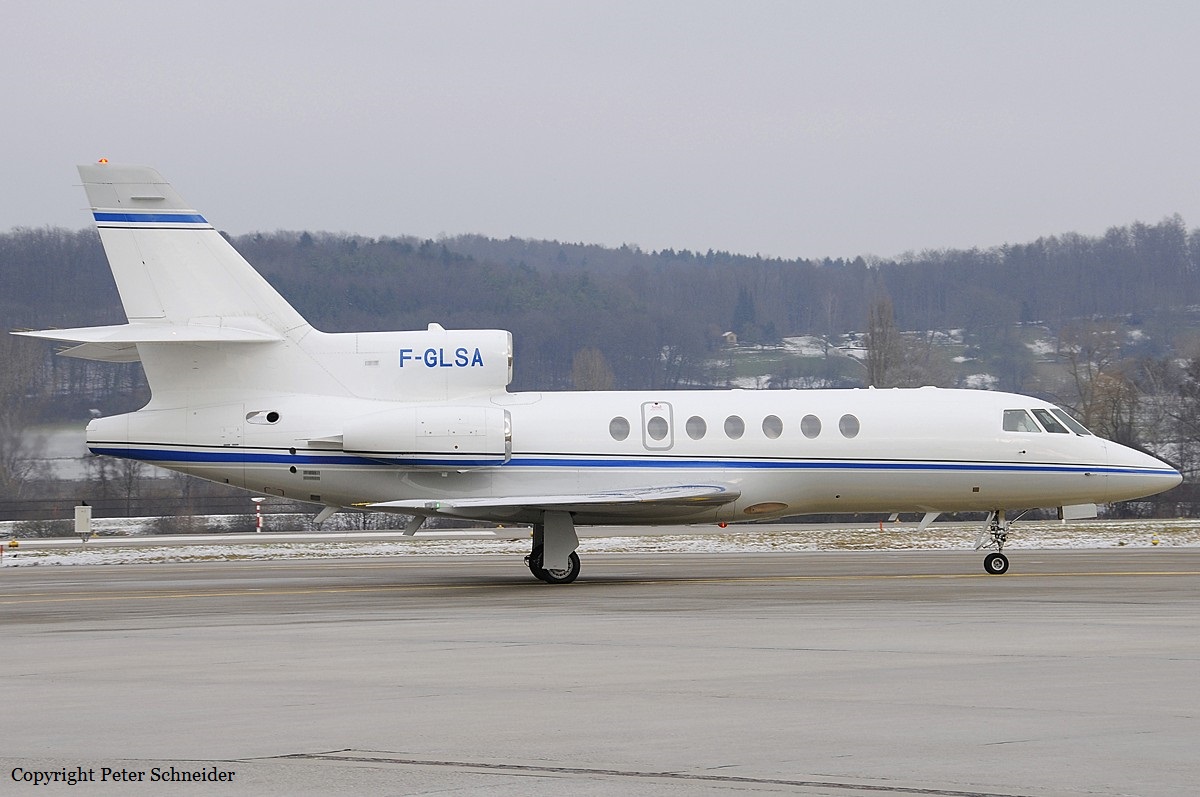
Crash of a Dassault Falcon 50EX in Moscow-Vnukovo: 4 killed

Date & Time: Oct 20, 2014 at 2357 LT
Type of aircraft:
Operator:
Registration:
F-GLSA
Flight Phase:
Survivors:
No
Schedule:
Moscow - Paris
MSN:
348
YOM:
2006
Flight number:
LEA074P
Country:
Region:
Crew on board:
3
Crew fatalities:
Pax on board:
1
Pax fatalities:
Other fatalities:
Total fatalities:
4
Captain / Total flying hours:
6624
Captain / Total hours on type:
1266.00
Copilot / Total flying hours:
1478
Copilot / Total hours on type:
246
Aircraft flight hours:
2197
Aircraft flight cycles:
1186
Circumstances:
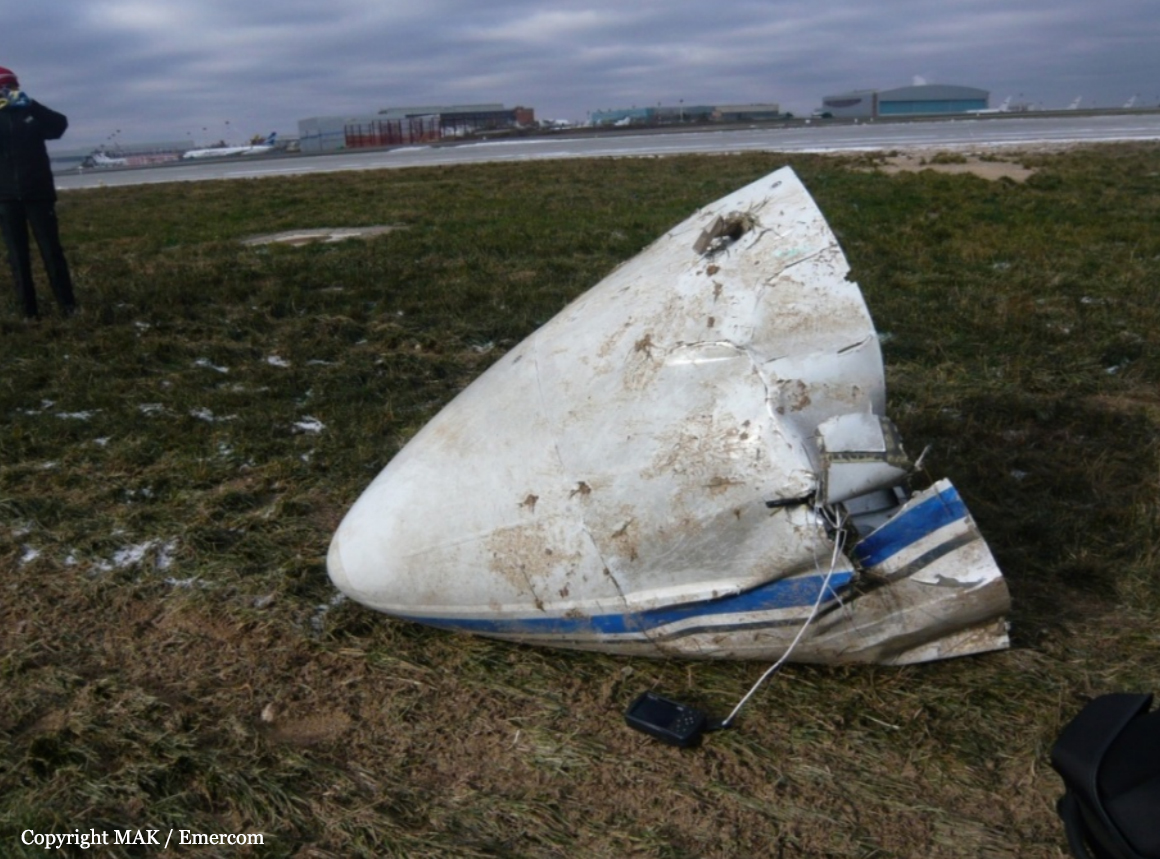
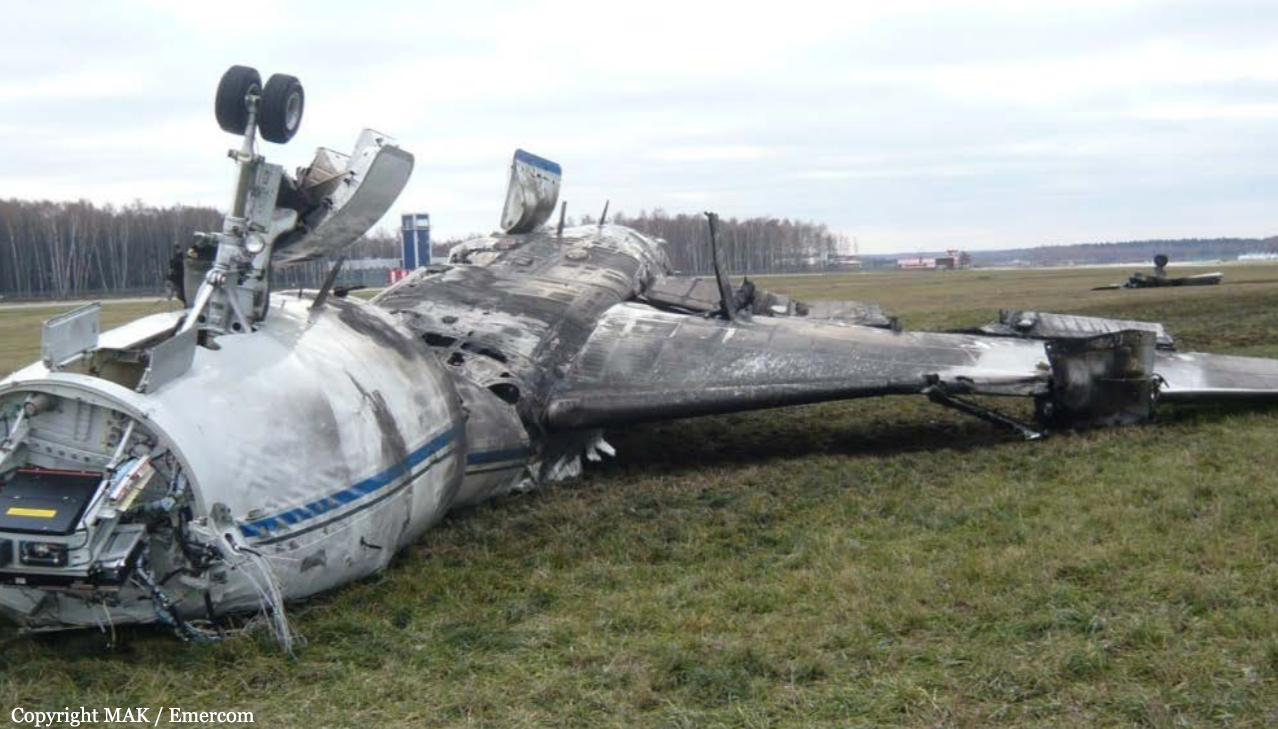
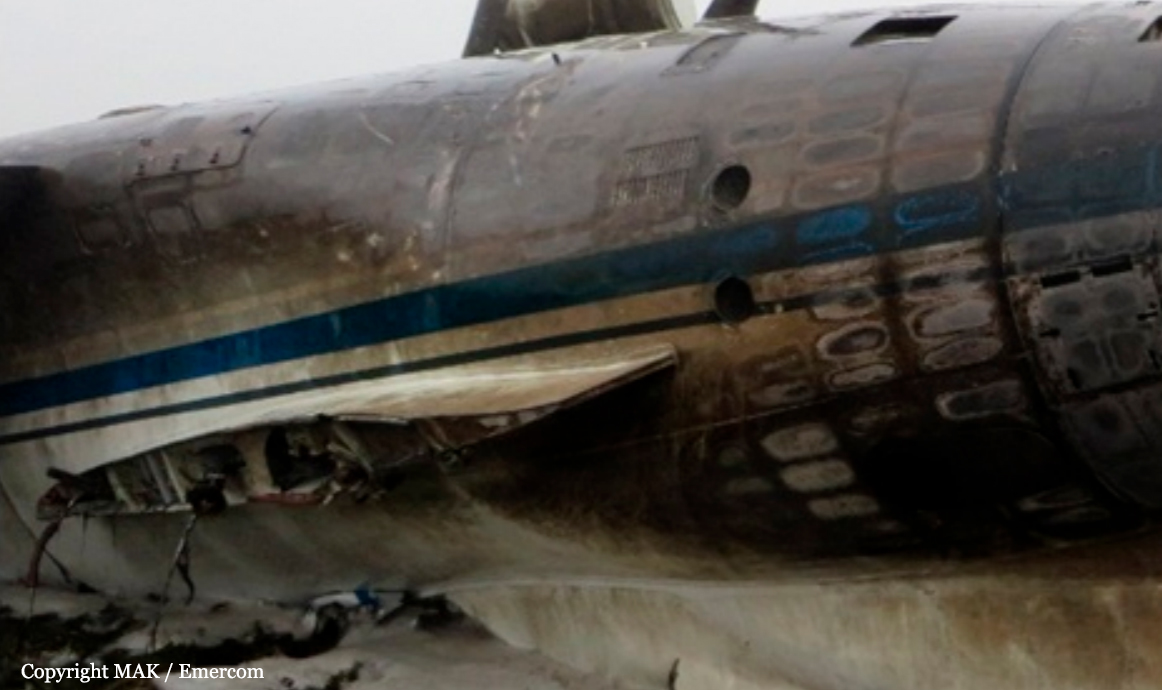
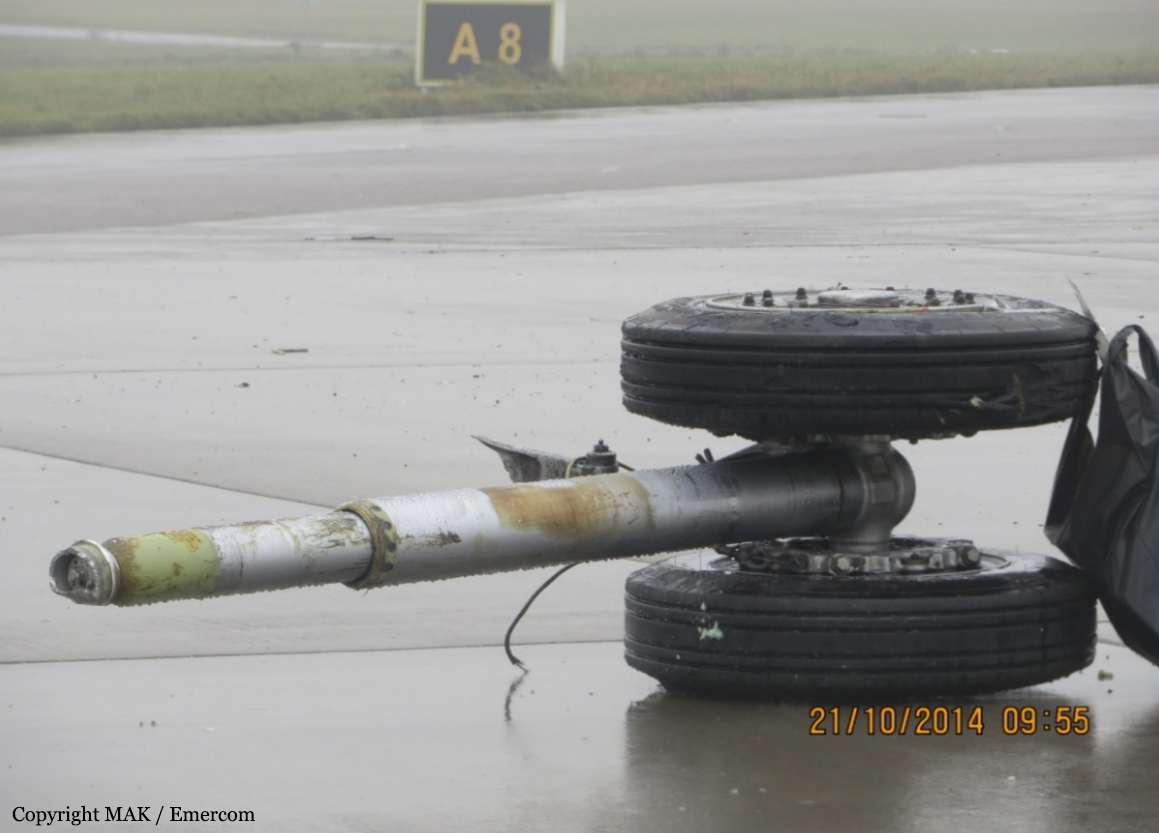
During the takeoff run on runway 06 at Moscow-Vnukovo Airport, the three engine aircraft hit a snowplow with its left wing. The aircraft went out of control, rolled over and came to rest upside down in flames. All four occupants were killed, three crew members and Mr. Christophe de Margerie, CEO of the French Oil Group Total, who was returning to France following a meeting with the Russian Prime Minister Dmitry Medvedev. At the time of the accident, the RVR on runway 06 was estimated at 350 meters due to foggy conditions. The pilot of the snow-clearing vehicle was slightly injured.
Probable cause:
The accident occurred at nighttime under foggy conditions while it was taking off after cleared by the controller due to collision with the snowplow that executed runway incursion and stopped on the runway. Most probably, the accident was caused by the combination of the following contributing factors:
- lack of guidance on loss of control over an airdrome vehicle and/or situational awareness on the airfield in pertinent documents defining the duties of airdrome service personnel (airdrome shift supervisor and vehicle drivers);
- insufficient efficiency of risk mitigation measures to prevent runway incursions in terms of airdrome peculiarilies that is two intersecling runways;
- lack of proper supervision from the airdrome service shift supervisor, alcohol detected in his organism, over the airfield operations: no report to the ATM or request to the snowplow driver as he lost visual contact with the snowplow;
- violation by the airdrome service shift supervisor of the procedure for airdrome vehicles operations, their entering the runway (RWY 2) out of operation (closed for takeoff and landing operations) without requesting and receiving clearance from the ground controller;
- violations by the medical personnel of Vnukovo AP of vehicle driver medical check requirements by performing formally (only exterior assessment) the mandatory medical check of drivers after the duty, which significantly increased the risk of drivers consuning alcohol during the duty. The measures and controls applied at Vnukovo Airport to mitigate the risk of airdrome drivers doing their duties under the influence of alcohol were not effective enough;
- no possibility for the snowplow drivers engaged in airfield operations (due to lack of pertinent equipment on the airdrome vehicles) to continuously listen to the radio exchange at the Departure Control frequency, which does not comply with the Interaction Procedure of the Airdrome Service with Vnukovo ATC Center.
- loss of situational awareness by the snowplow driver, alcohol detected in his organism, while perfonning airfield operations that led to runway incursion and stop on the runway in use.
His failure to contact the airdrome service shift supervisor or ATC controllers after situational awareness was lost;
- ineffective procedures that resulted in insufficiently trained personnel using the airfield surveillance and control subsystem A3000 of A-SMGCS at the Vnukovo ATC Center, for air traffic management;
- no recommendation in the SOP of ATM personnel of Vnukovo ATC Center on how to set up the airfield surveillance and control subsystem A3000, including activation and deactivation of the Reserved Lines and alerts (as a result, all alerts were de-activated at the departure controller and ground controller's working positions) as well as how to operate the system including attention allocation techniques during aircraft takeoff and actions to deal with the subsystem messages and alerts;
- the porting of the screen second input of the A3000 A-SMGCS at the ATC shift supervisor WP for the display of the weather information that is not envisaged by the operational manual of the airfield surveillance and control subsystem. When weather information is selected to be displayed the radar data and the light alerts (which were present during the accident takeoff) become un available for the specialist that occupies the ATC shift supervisor's working position;
- the ATC shift supervisor's decision to join the sectors at working positions of Ground and Departure Control without considering the actual level of personnel training and possibilities for them to use the information of the airfield surveillance and control system (the criteria for joining of sectors are not defined in the Job Description of ATC shift supervisor, in particular it does not take into account the technical impossibility to change settings of the airfield surveillance and control system);
- failure by the ground controller to comply with the SOPs, by not taking actions to prevent the incursion of RWY 2 that was closed for takeoff and landing operations by the vehicles though having radar information and alert on the screen of the airfield surveillance and control system;
- failure by the out of staff instructor controller and trainee controller (providing ATM under the supervision of the instructor controller) to detect two runway incursions by the snowplow on the runway in use, including after the aircrew had been cleared to take off (as the clearance was given, the runway was clear), provided there was pertinent radar information on the screen of the airfield surveillance and control subsystem and as a result failure to inform the crew about the obstacle on the runway;
- lack of recommendations at the time of the accident in the Operator's (Unijet) FOM for flight crews on actions when external threats appear (e.g. foreign objects on the runway) during the takeoff;
- the crew failing to take measures to reject takeoff as soon as the Captain mentioned «the car crossing the road». No decision to abort takeoff might have been caused by probable nonoptimal psycho-emotional status of the crew (the long wait for the departure at an unfamiliar airport and their desire to fly home as soon as possible), which might have made it difficult for them to assess the actual threat level as they noticed the snowplow after they had started the takeoff run;
- the design peculiarity of the Falcon 50EX aircraft (the nose wheel steering can only be controlled from the LH seat) resulting in necessity to transfer aircraft control at a high workload phase of the takeoff roll when the FO (seated right) performs the takeoff.
Final Report:


Crash of a Piper PA-46-310P Malibu in Dubuque: 1 killed

Date & Time: Oct 13, 2014 at 2305 LT
Registration:
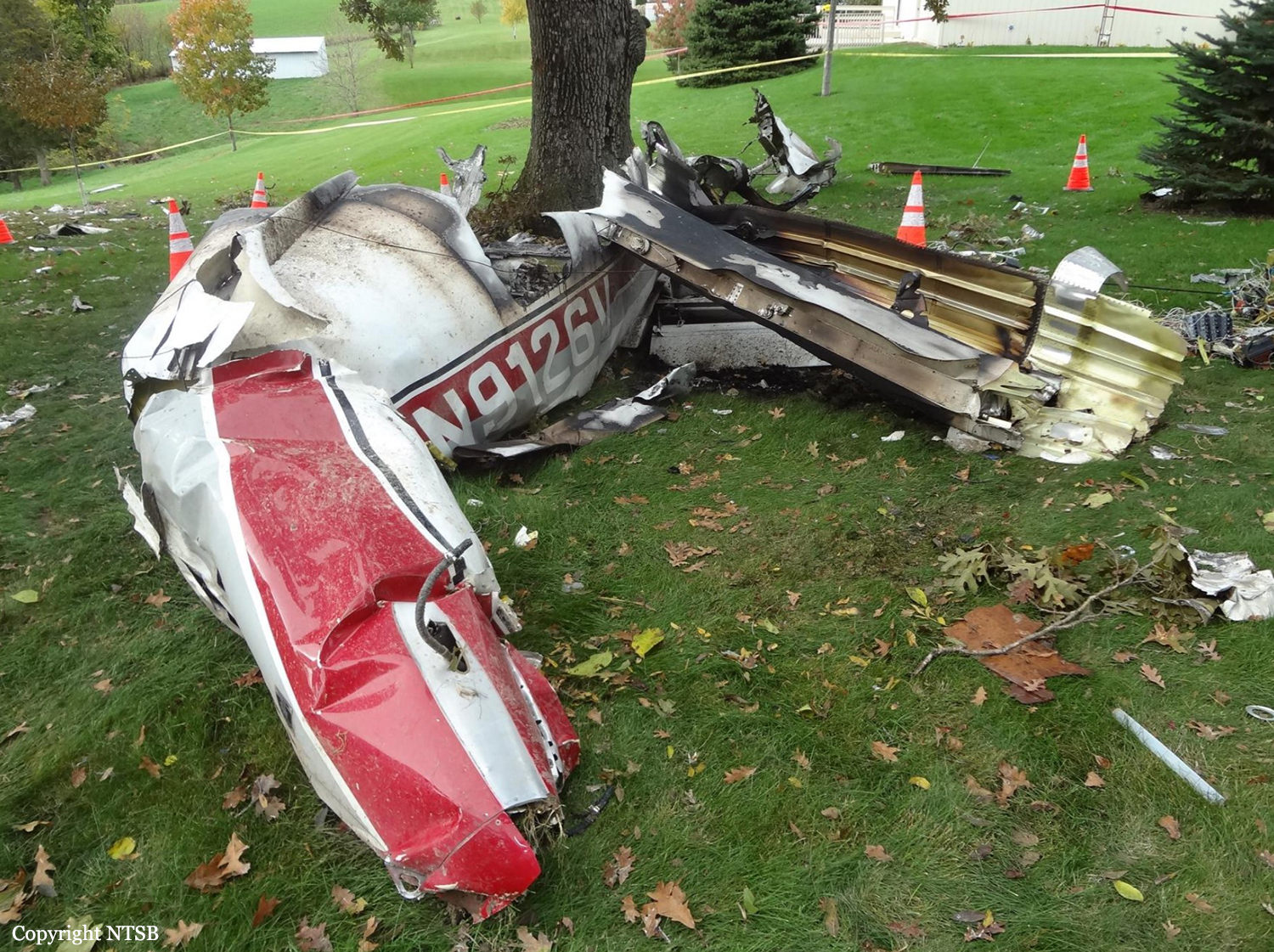
N9126V
Flight Type:
Survivors:
No
Schedule:
Ankeny – Dubuque
MSN:
46-08087
YOM:
1987
Location:
Crew on board:
1
Crew fatalities:
Pax on board:
0
Pax fatalities:
Other fatalities:
Total fatalities:
1
Captain / Total flying hours:
1003
Captain / Total hours on type:
100.00
Aircraft flight hours:
4785
Circumstances:
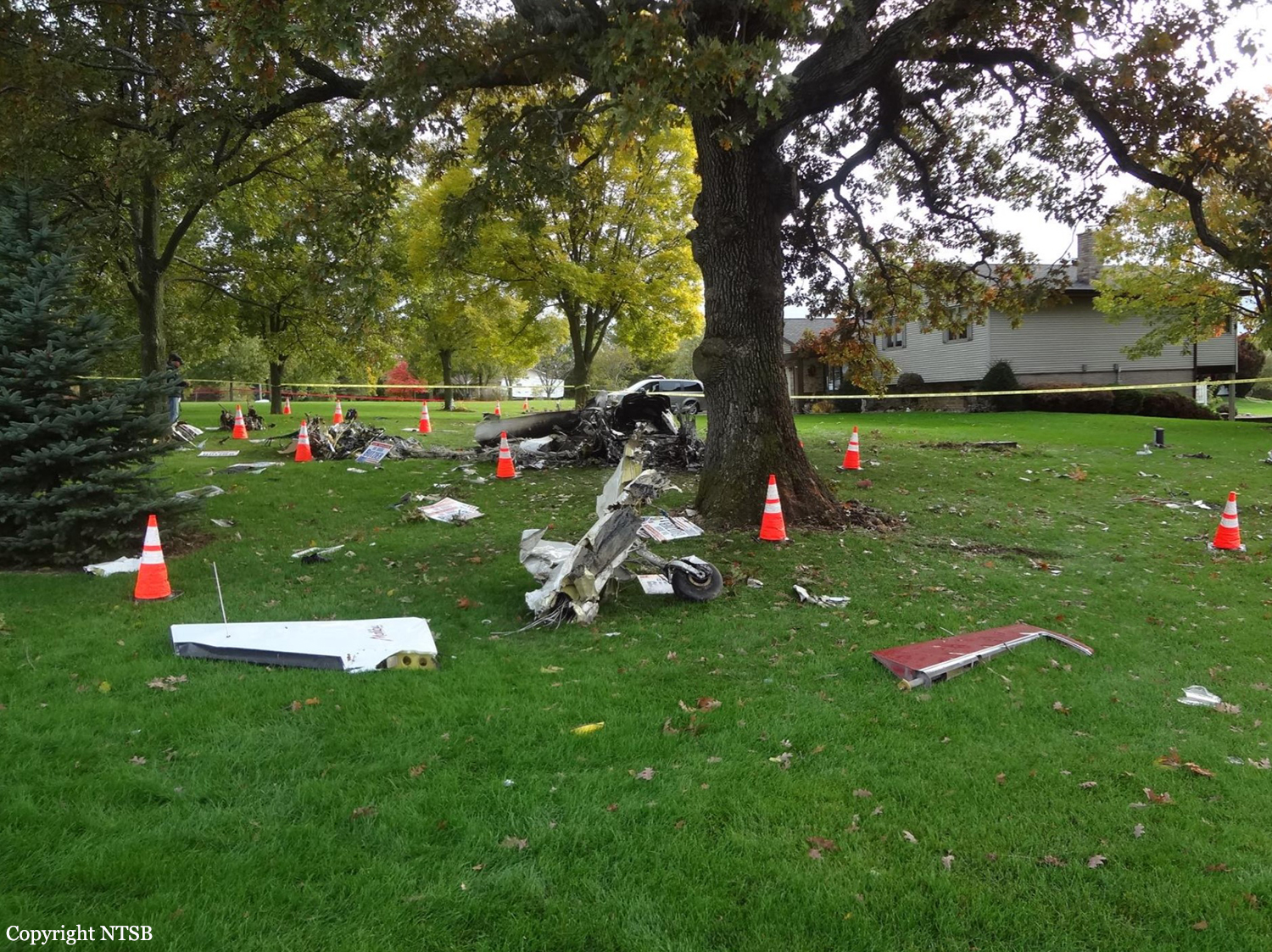
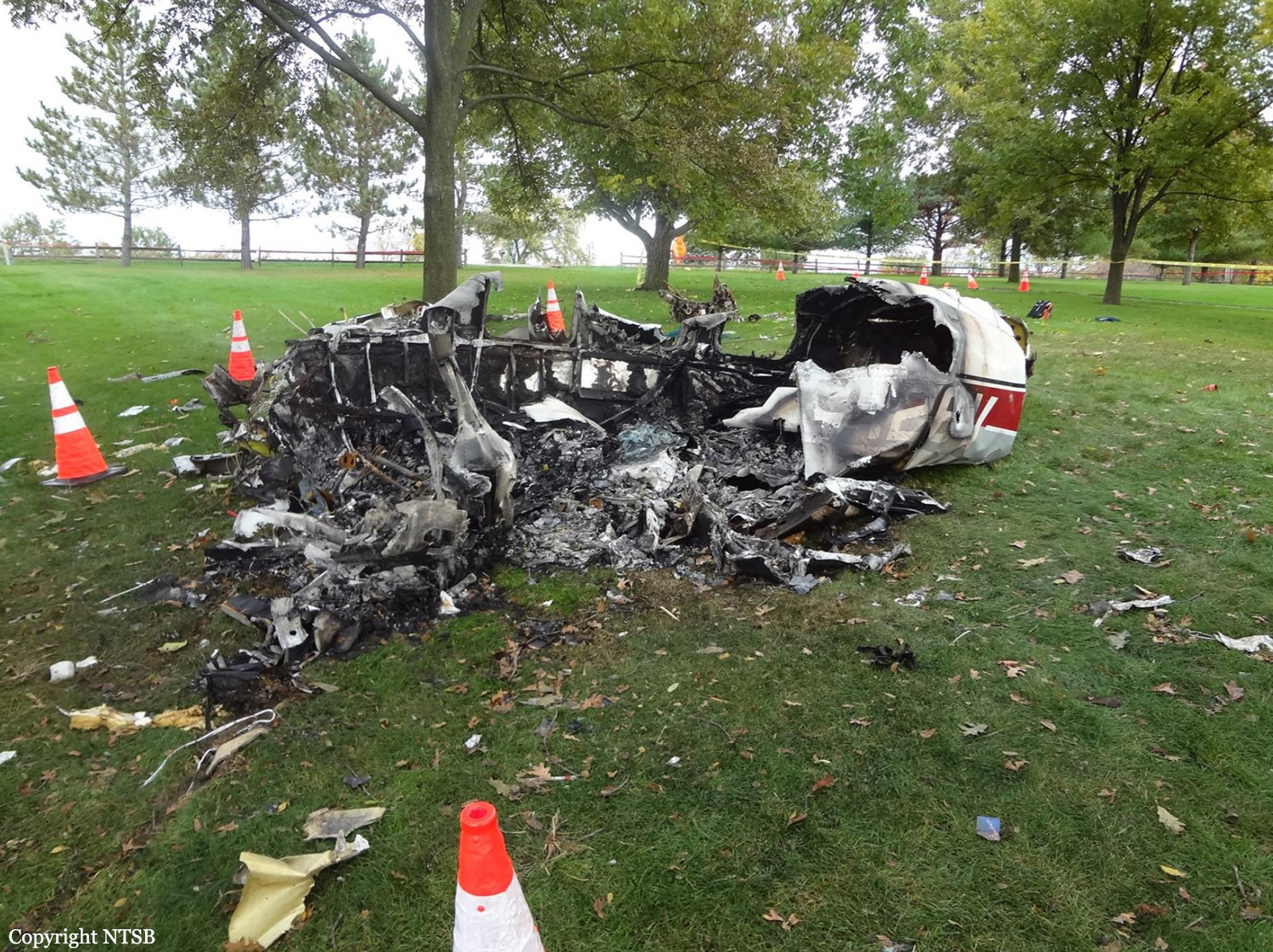
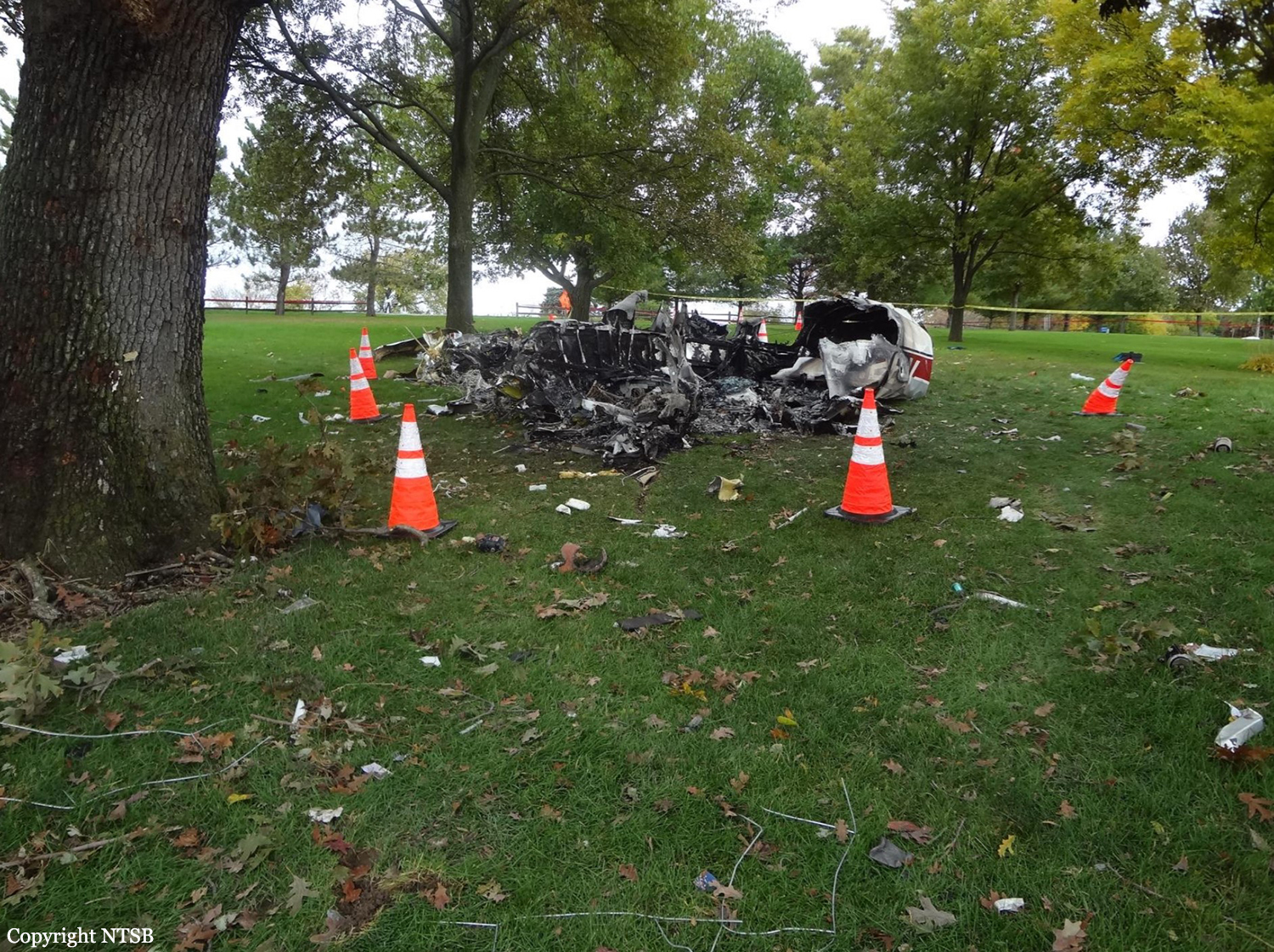
The instrument-rated private pilot was returning to his home airport after flying to another location to attend a meeting. At the departure airport, the pilot filed an instrument flight rules flight plan, had it activated, and then departed for his home airport. After reaching his assigned altitude, the pilot requested clearance directly to his destination with air traffic control, and he was cleared as requested. Before arriving at his airport, he requested off frequency to get the NOTAMs and weather conditions for his destination. The weather conditions at the arrival airport included a 200-ft overcast ceiling and 5 miles visibility with light rain and mist. The pilot then requested the instrument landing system (ILS) approach for landing. An air traffic controller issued vectors to the ILS final approach course and cleared the pilot to change off their frequency. Witnesses at the airport reported hearing and seeing the airplane break out of the clouds, fly over the runway about 100 ft above ground level (agl), and then disappear back into the clouds. Two witnesses stated that the engine sounded as if it were at full power and another witness stated that he heard the engine "revving" as if flew overhead. Shortly after the airplane was seen over the airport, it struck a line of 80-ft tall trees about 3,600 ft north-northwest of the airport and subsequently impacted the ground and a large tree near a residence. The published missed approach procedures required the pilot to climb the airplane to an altitude of 2,000 ft mean sea level (msl), or about 900 ft agl, while flying the runway heading. Upon reaching 2,000 ft msl, the pilot was required to begin a left turn to the northwest and then continue climbing to 3,300 ft msl. An examination of the airplane, the engine, and other airplane systems revealed no anomalies that would have precluded the airplane from being able to fully perform in a climb during the missed approach. It is likely that the pilot lost airplane control after initiating a missed approach in instrument meteorological conditions. Although it is possible that the pilot may have experienced spatial disorientation, there was insufficient evidence to conclude that spatial disorientation contributed to the accident.
Probable cause:
The pilot's loss of airplane control while attempting to fly a missed approach procedure in instrument meteorological conditions.
Final Report:
Crash of a BAe 3101 Jetstream 31 in Punta Cana

Date & Time: Oct 12, 2014 at 2025 LT
Type of aircraft:
Operator:
Registration:
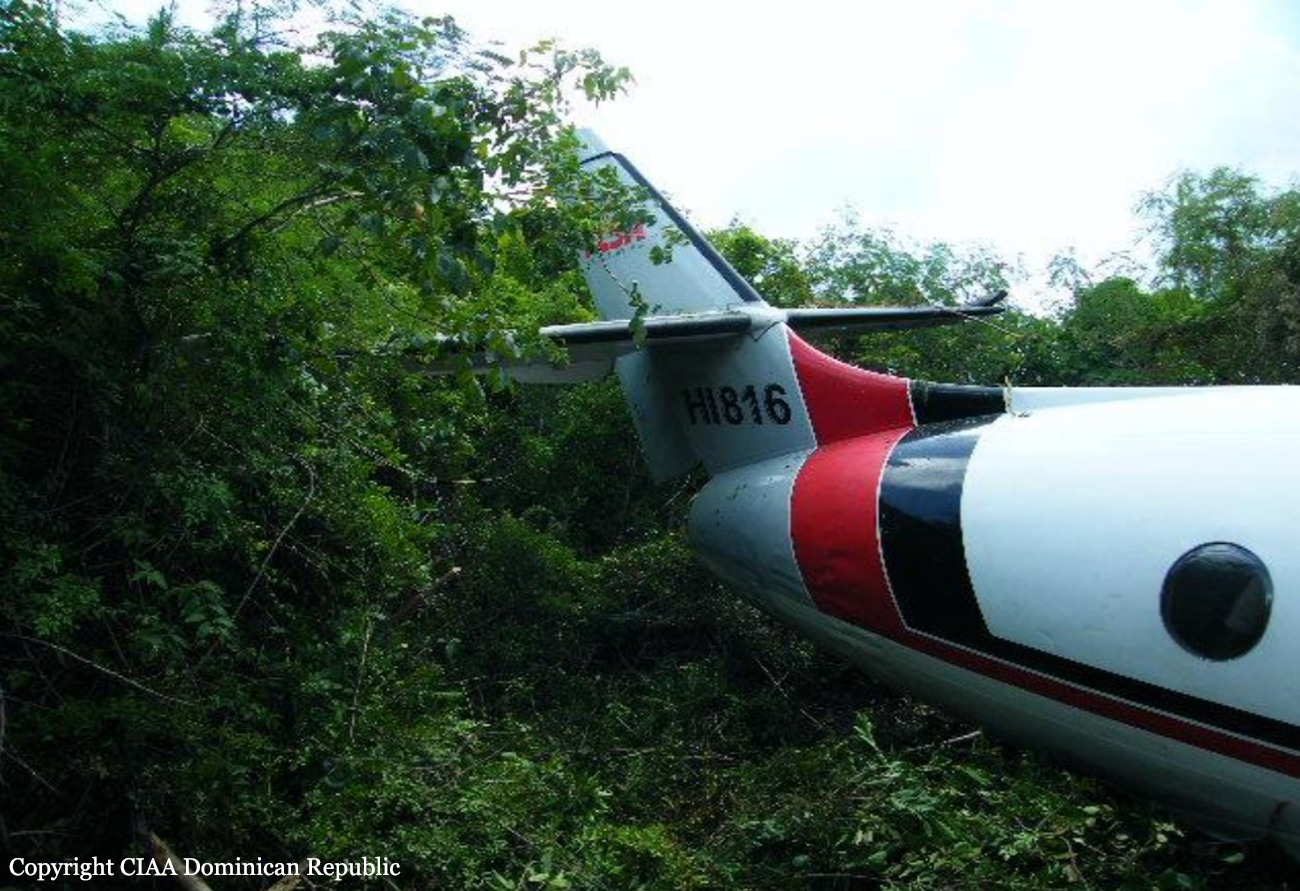
HI816
Survivors:
Yes
Schedule:
San Juan - Punta Cana
MSN:
694
YOM:
18
Crew on board:
3
Crew fatalities:
Pax on board:
10
Pax fatalities:
Other fatalities:
Total fatalities:
0
Captain / Total flying hours:
3850
Captain / Total hours on type:
3000.00
Aircraft flight hours:
29780
Circumstances:
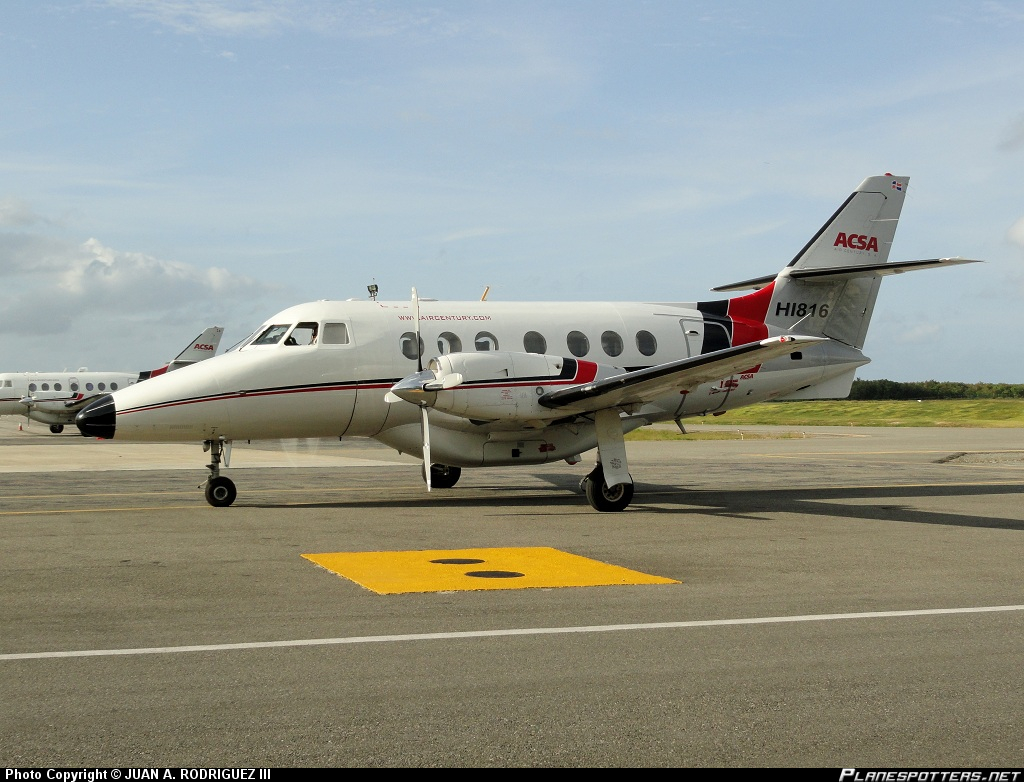
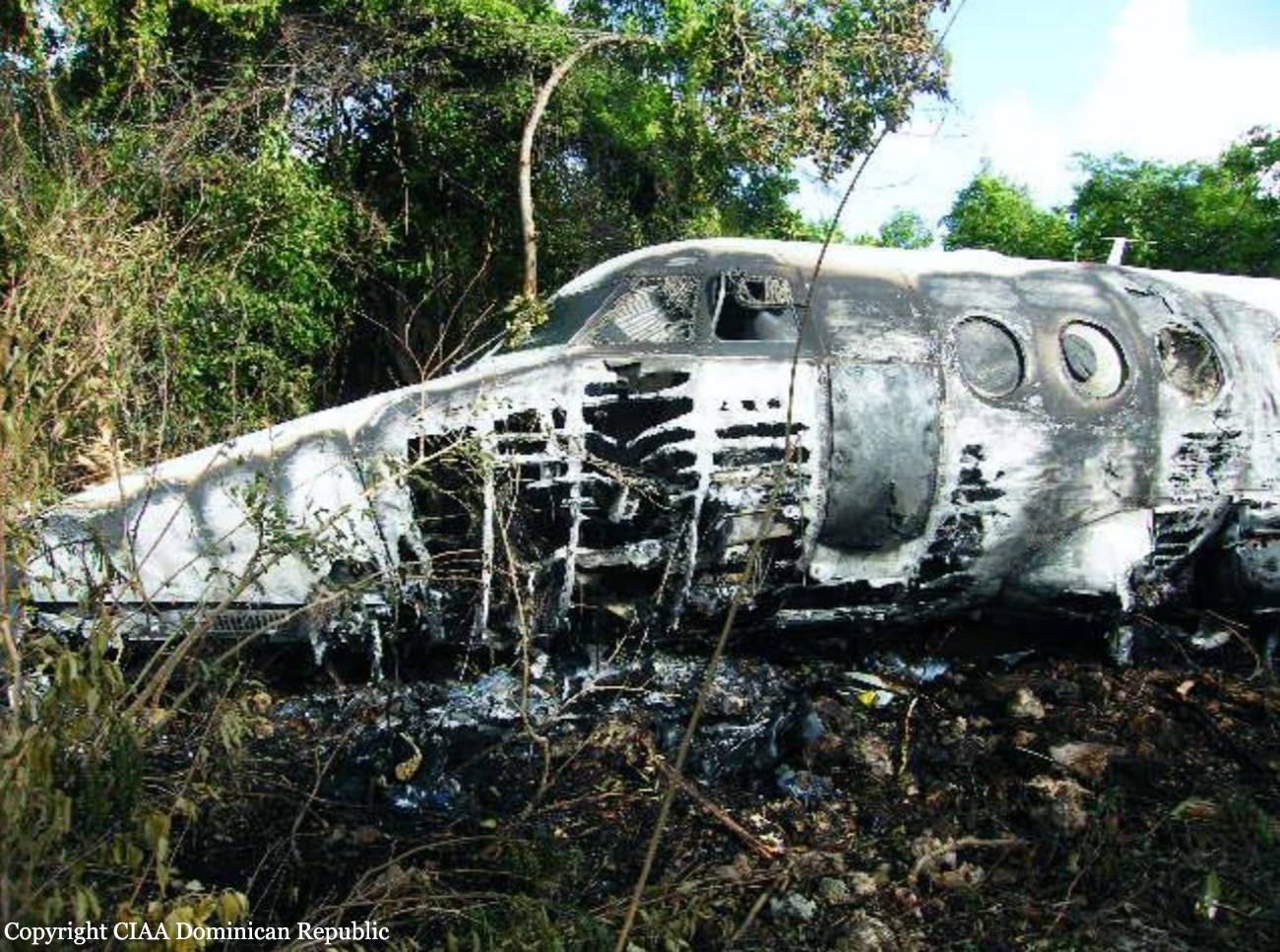
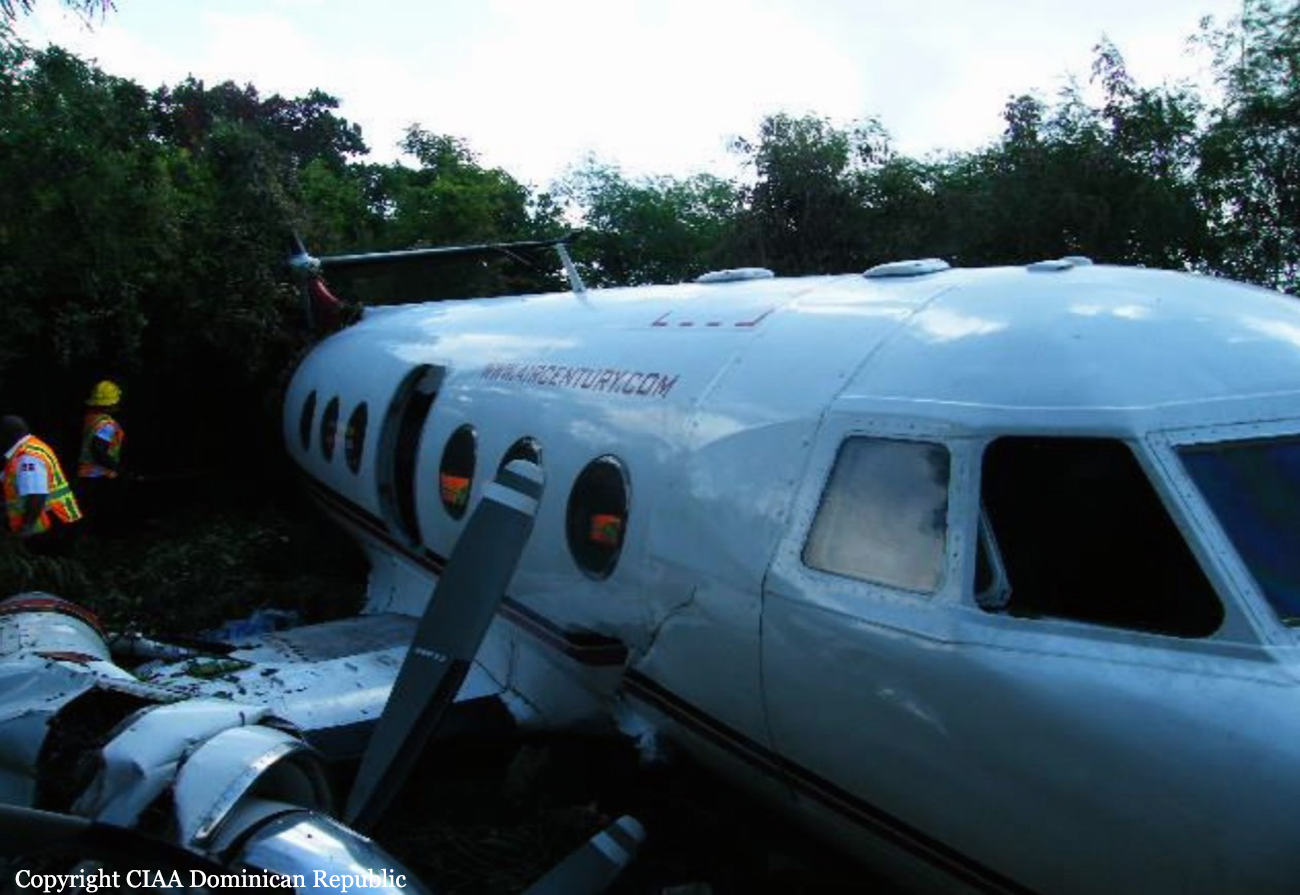
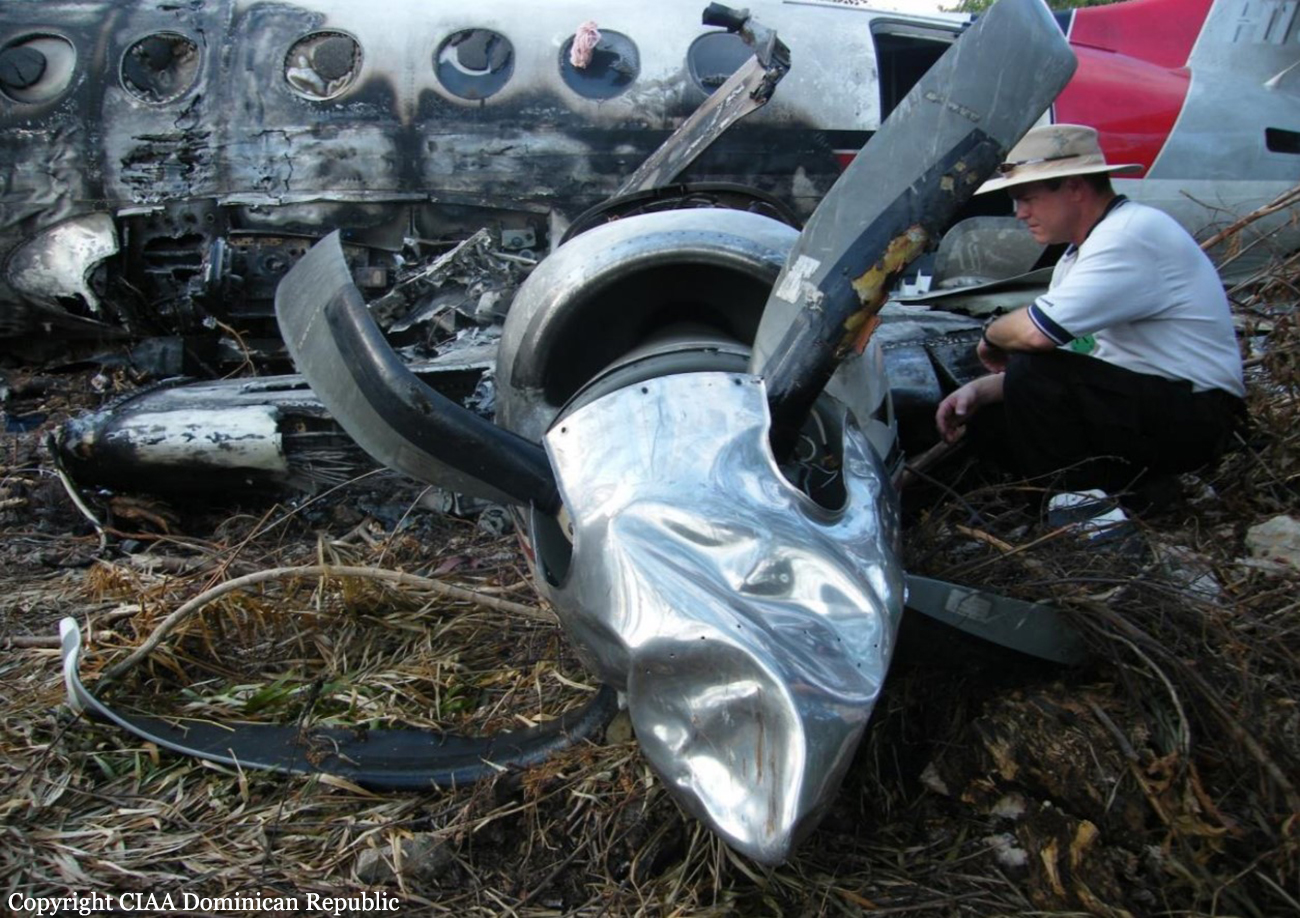
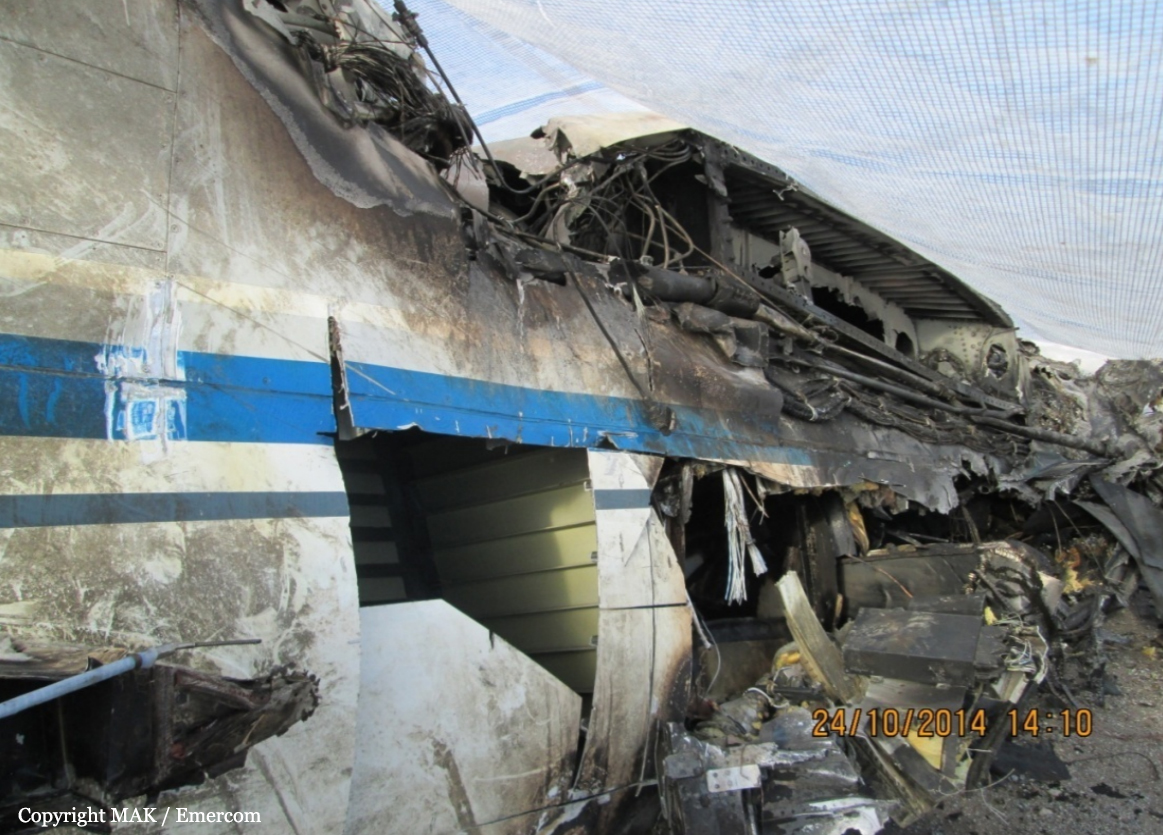
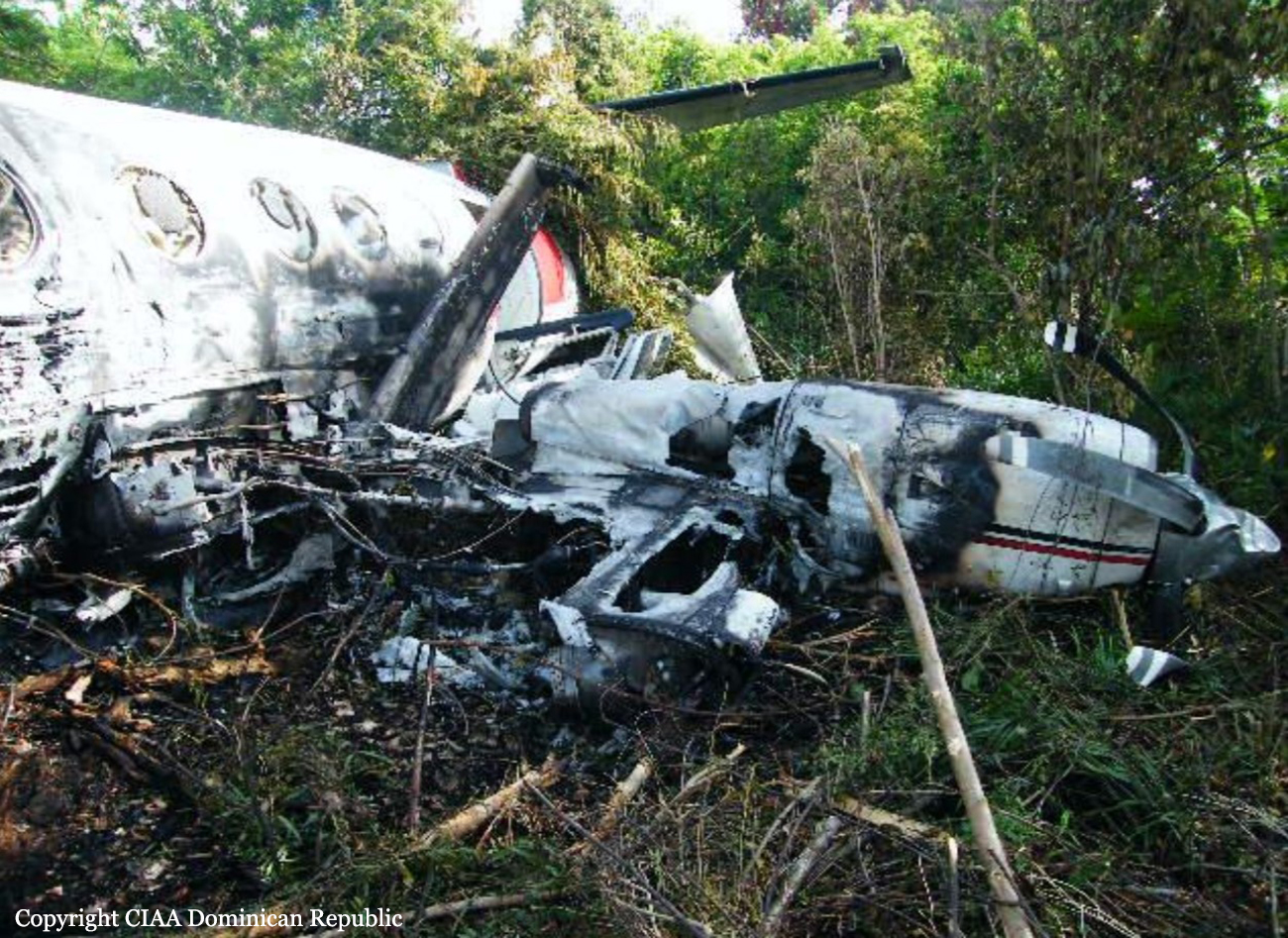
The twin engine aircraft departed San Juan-Luis Muñoz Marín (Isla Verde) Airport, Puerto Rico, on a charter flight to Punta Cana, carrying two pilots, one flight attendant and 10 crew members from Air Europa positioning to Punta Cana. Following an uneventful flight, the crew completed the approach and landing on runway 08. After a roll of about 1,500 feet, the aircraft deviated to the left, made a 45° turn, veered off runway and came to rest in a wooded area, bursting into flames. All 13 occupants evacuated safely, among them two passengers were slightly injured. The aircraft was destroyed.
Probable cause:
The accident was the consequence of the combination of human and technical factor. During the approach to land, the crew observed a fluctuation in oil pressure in the instrument panel of the #2 (right) engine. After landing, the crew activated the thrust reversers on both engines without waiting for the Beta light, an essential indication to ensure a proper operation of those system. This configuration caused the aircraft to turn sharply to the left at an angle of 45° because the thrust reverser system activated on the left engine only. The fluctuation in the oil pressure observed by the crew on final approach and the malfunction of the right engine was the consequence of an oil leak in flight.
Final Report:
Crash of a Beechcraft A100 King Air in Timmins

Date & Time: Sep 26, 2014 at 1740 LT
Type of aircraft:
Operator:
Registration:
C-FEYT
Survivors:
Yes
Schedule:
Moosonee – Timmins
MSN:
B-210
YOM:
1975
Flight number:
CRQ140
Location:
Country:
Crew on board:
2
Crew fatalities:
Pax on board:
7
Pax fatalities:
Other fatalities:
Total fatalities:
0
Captain / Total flying hours:
2400
Captain / Total hours on type:
1000.00
Copilot / Total flying hours:
580
Copilot / Total hours on type:
300
Aircraft flight hours:
14985
Aircraft flight cycles:
15570
Circumstances:
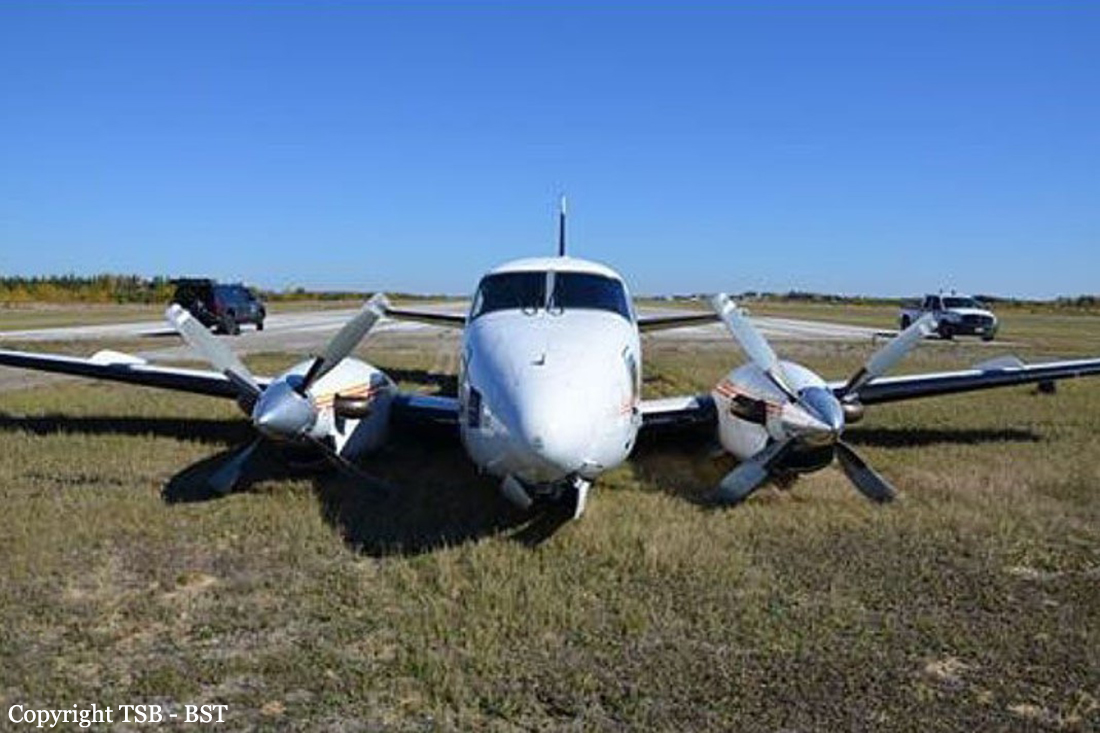
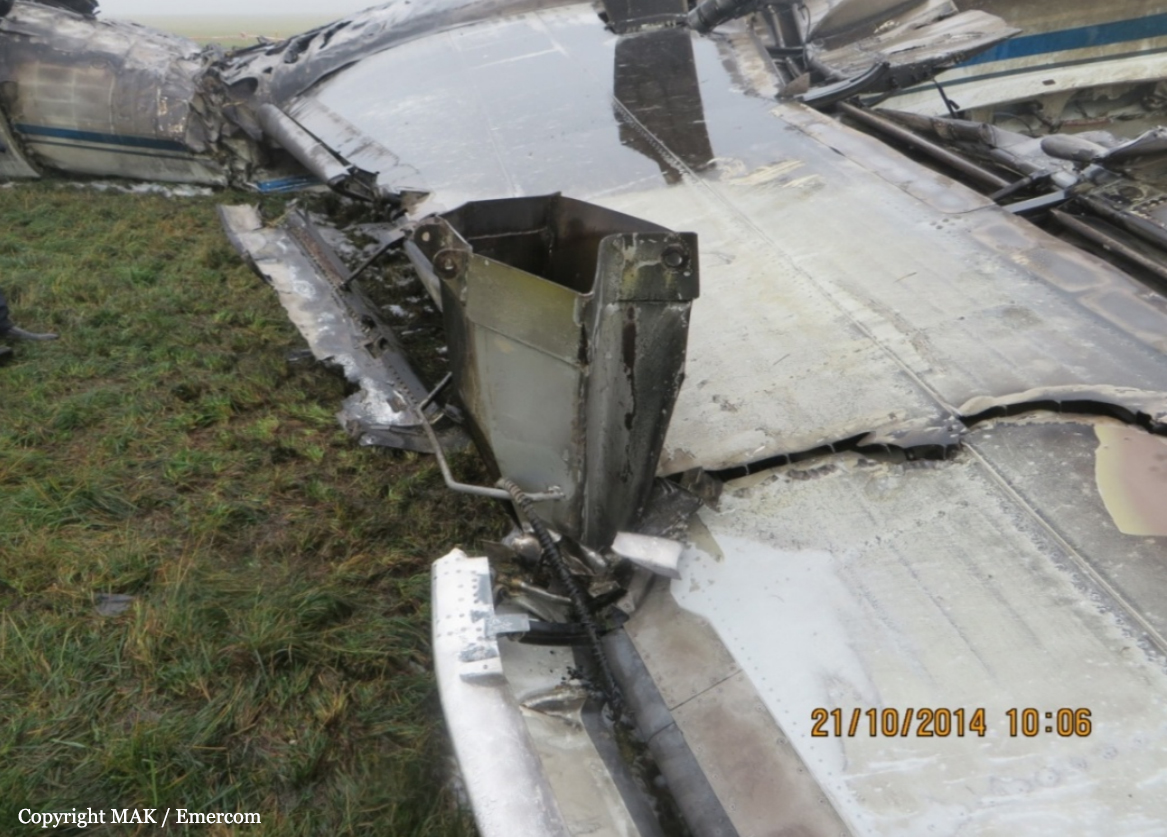
The aircraft was operating as Air Creebec flight 140 on a scheduled flight from Moosonee, Ontario, to Timmins, Ontario, with 2 crew members and 7 passengers on board. While on approach to Timmins, the crew selected “landing gear down,” but did not get an indication in the handle that the landing gear was down and locked. A fly-by at the airport provided visual confirmation that the landing gear was not fully extended. The crew followed the Quick Reference Handbook procedures and selected the alternate landing-gear extension system, but they were unable to lower the landing gear manually. An emergency was declared, and the aircraft landed with only the nose gear partially extended. The aircraft came to rest beyond the end of Runway 28. All occupants evacuated the aircraft through the main entrance door. No fire occurred, and there were no injuries to the occupants. Emergency services were on scene for the evacuation. The accident occurred during daylight hours, at 1740 Eastern Daylight Time.
Probable cause:
Findings as to causes and contributing factors:
1. During the extension of the landing gear, a wire bundle became entangled around the landing-gear rotating torque shaft, preventing full extension of the landing gear.
2. The entanglement by the wire bundle also prevented the alternate landing-gear extension system from working. The crew was required to conduct a landing with only the nose gear partially extended.
Other findings:
1. The wire bundle consisted of wiring for the generator control circuits, and when damaged, disabled both generators. The battery became the only source of electrical power until the aircraft landed.
Final Report:
Crash of a Beechcraft C90 King Air in Oneida

Date & Time: Sep 25, 2014 at 1510 LT
Type of aircraft:
Operator:
Registration:
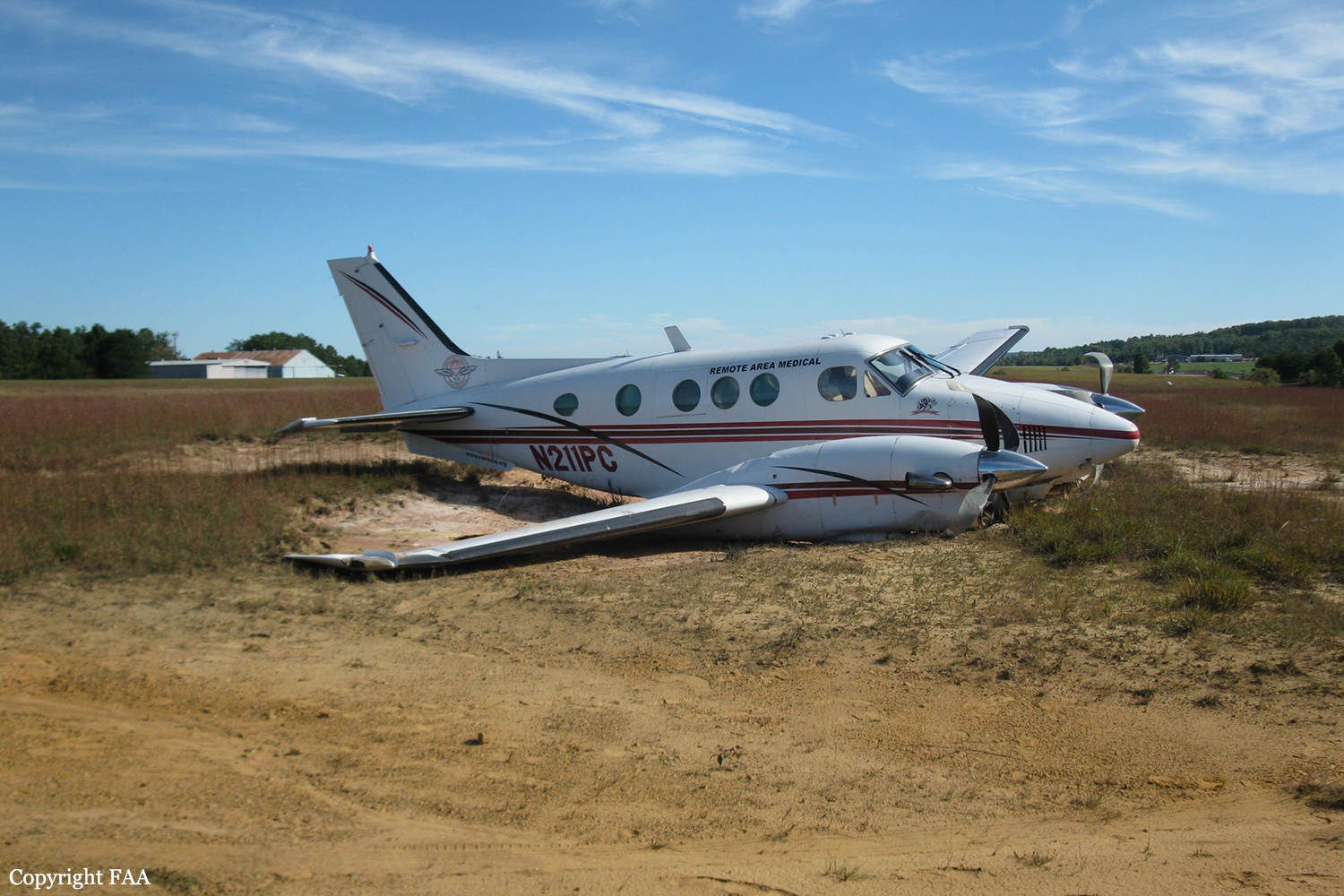
N211PC
Flight Type:
Survivors:
Yes
Schedule:
Oneida - Oneida
MSN:
LJ-910
YOM:
1980
Crew on board:
1
Crew fatalities:
Pax on board:
0
Pax fatalities:
Other fatalities:
Total fatalities:
0
Captain / Total flying hours:
9956
Captain / Total hours on type:
448.00
Aircraft flight hours:
7203
Circumstances:
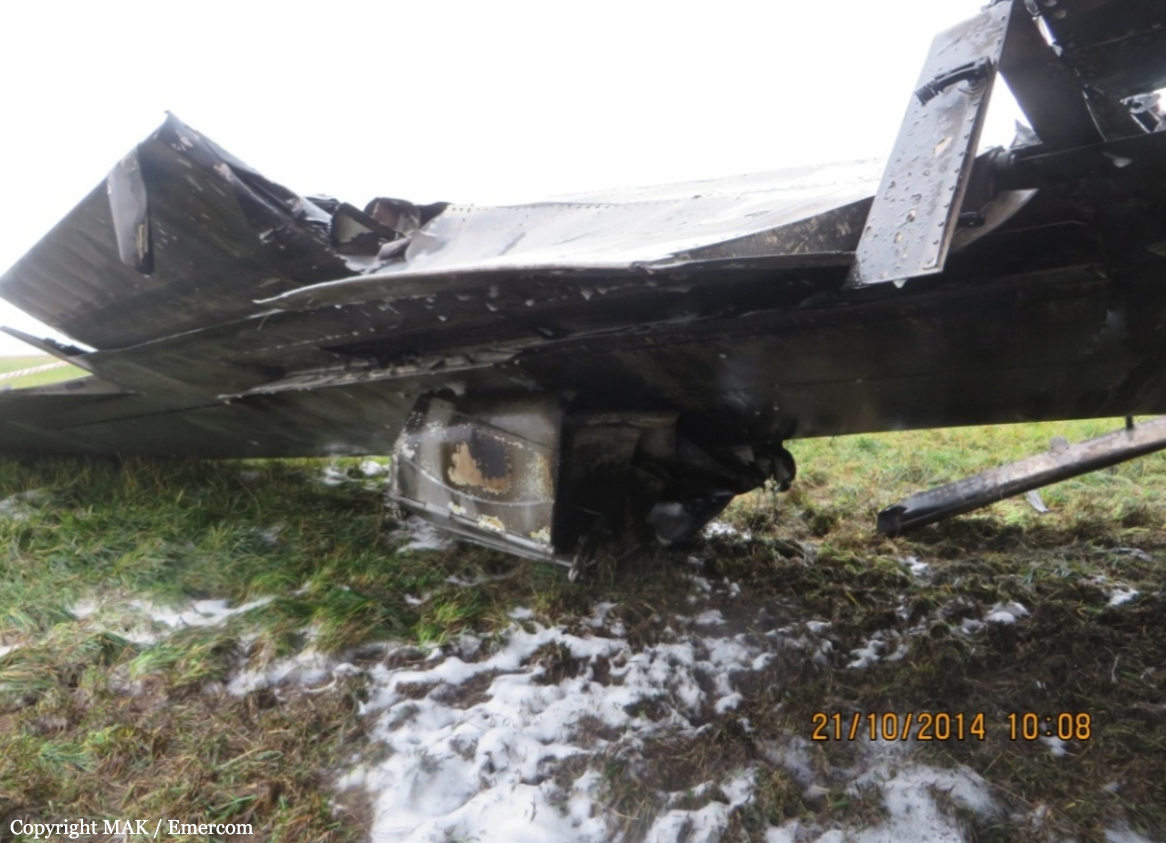
According to the pilot's written statement he departed runway 05 and the airplane veered "sharply" to the right. The pilot assumed a failure of the right engine and turned to initiate a landing on runway 23. Seconds after the airplane touched down it began to veer to the left. The pilot applied power to the left engine and right rudder, but the airplane departed the left side of the runway, the right main and nose landing gear collapsed and the airplane came to rest resulting in substantial damage to the right wing. The pilot reported that he had failed to configure the rudder trim prior to takeoff and that there were no preimpact mechanical malfunctions or anomalies that would have precluded normal operation.
Probable cause:
The pilot's failure to properly configure the rudder trim for takeoff and his failure to maintain directional control during a precautionary landing, which resulted in a runway excursion and collision with terrain.
Final Report:
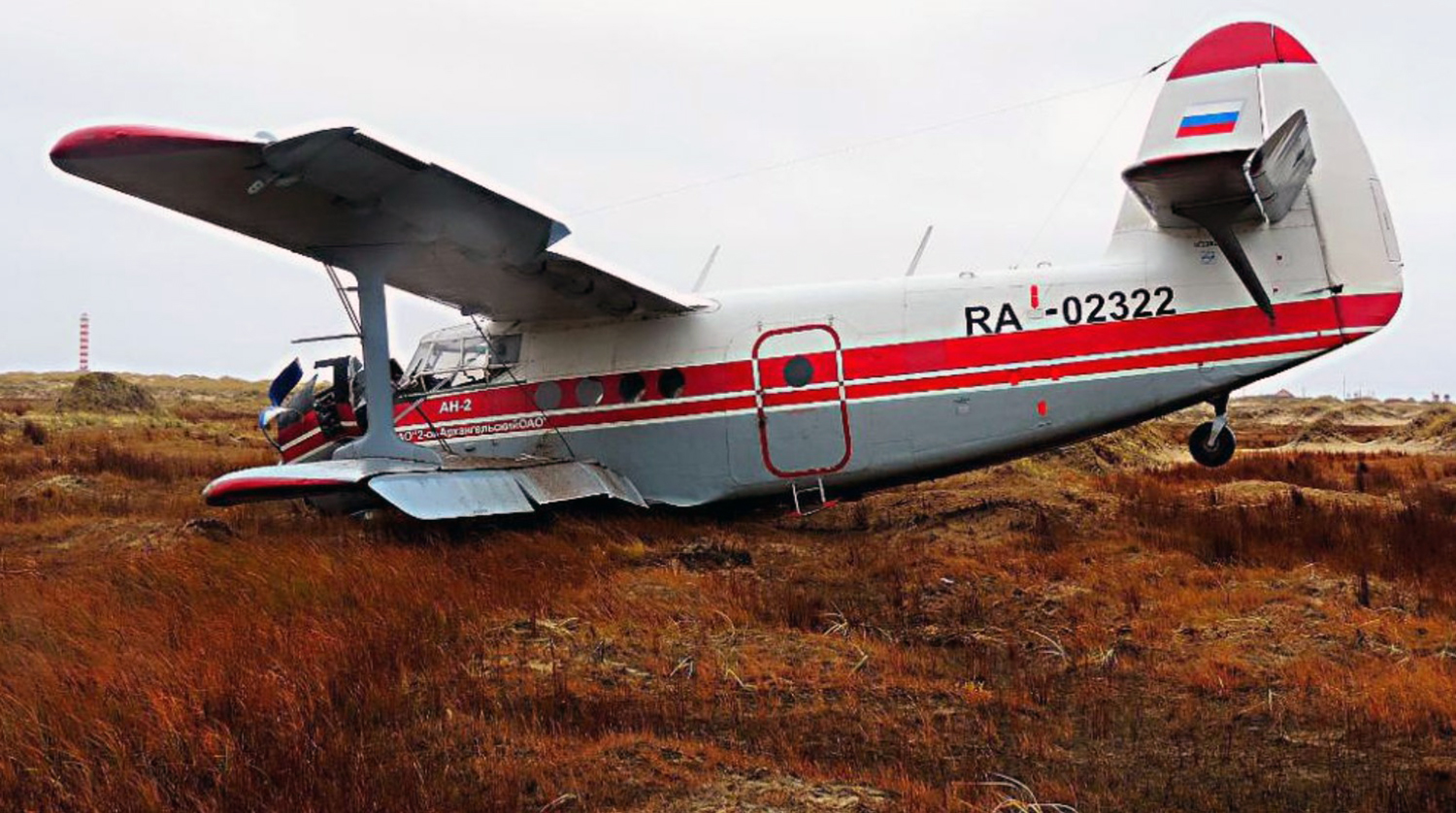
Crash of a PZL-Mielec AN-2 in Shoyna

Date & Time: Sep 24, 2014 at 1225 LT
Type of aircraft:
Operator:
Registration:
RA-02322
Flight Phase:
Survivors:
Yes
Schedule:
Shoyna – Arkhangelsk
MSN:
1G239-26
YOM:
1990
Flight number:
OAO718
Country:
Region:
Crew on board:
2
Crew fatalities:
Pax on board:
8
Pax fatalities:
Other fatalities:
Total fatalities:
0
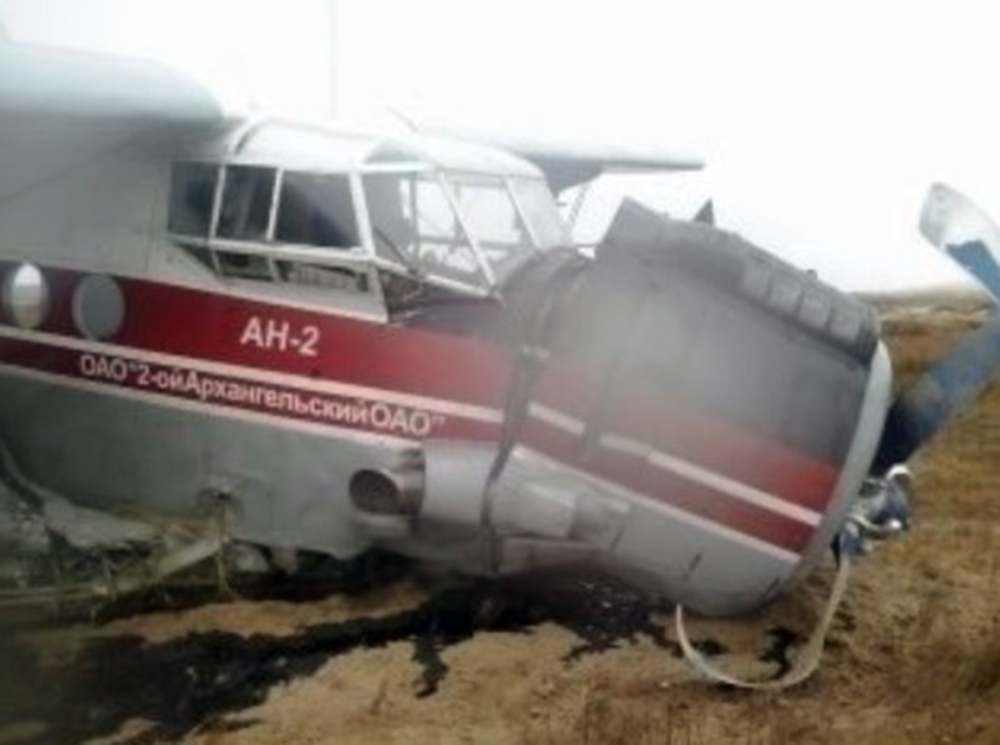
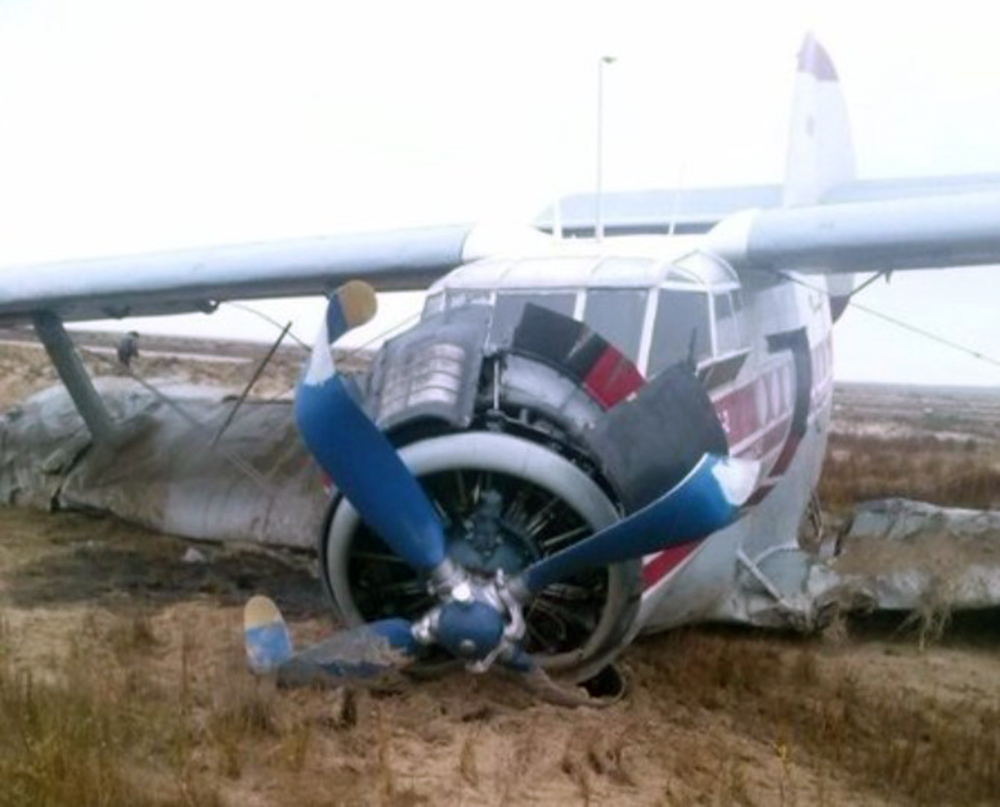
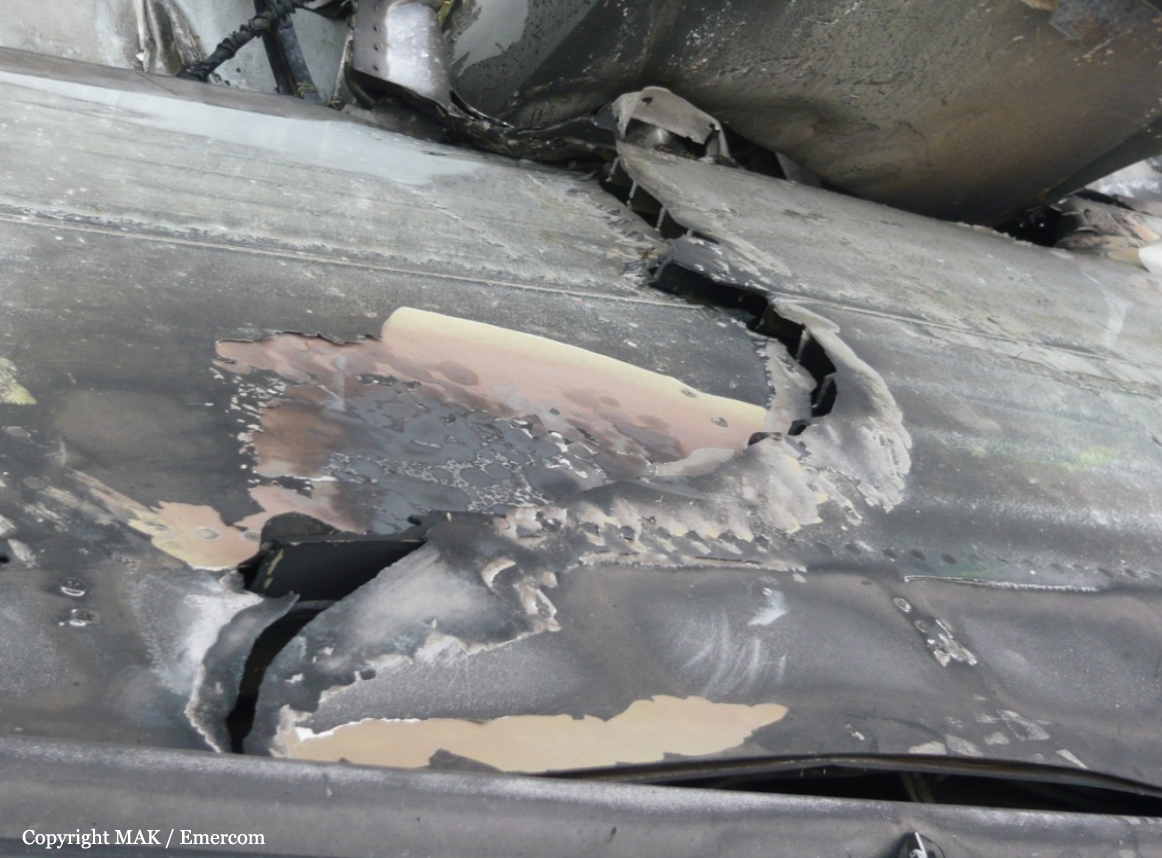
Circumstances:
The single engine aircraft departed Shoyna Airport on a regular schedule service to Arkhangelsk-Vaskovo Airport, carrying eight passengers and two pilots. At liftoff, the aircraft banked right, causing the right lower wing to struck the ground. The right main gear was torn off upon impact. Out of control, the aircraft veered off runway and came to rest in a grassy area. All 10 occupants were rescued, among them three were slightly injured. The aircraft was damaged beyond repair. It is believed that the crew encountered strong cross winds upon takeoff.