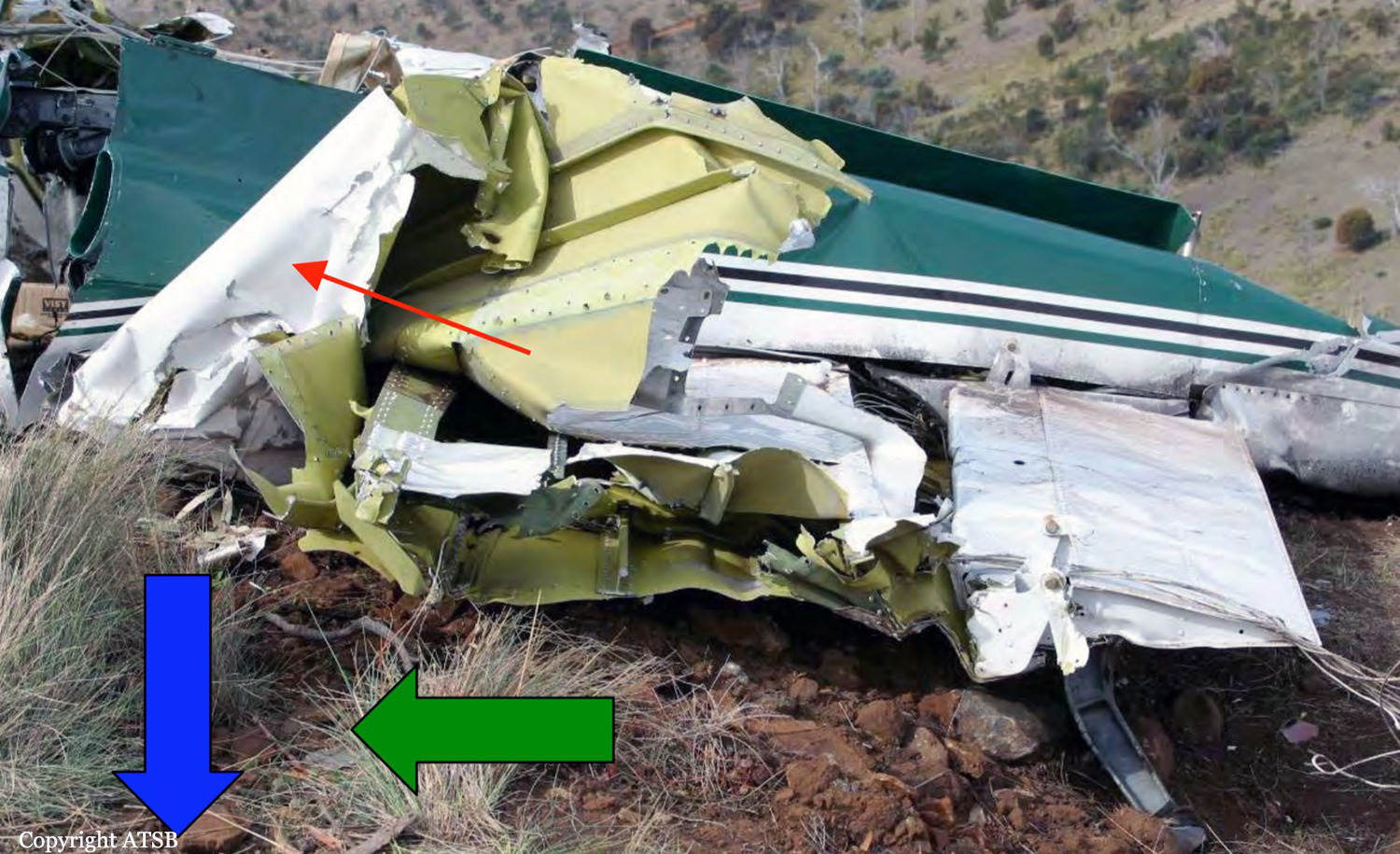
Crash of a Piper PA-31T Cheyenne II near Benalla: 6 killed

Date & Time: Jul 28, 2004 at 1048 LT
Type of aircraft:
Registration:
VH-TNP
Survivors:
No
Site:
Schedule:
Bankstown – Benalla
MSN:
31-7920026
YOM:
1979
Country:
Region:
Crew on board:
1
Crew fatalities:
Pax on board:
5
Pax fatalities:
Other fatalities:
Total fatalities:
6
Captain / Total flying hours:
14017
Captain / Total hours on type:
3100.00
Aircraft flight hours:
5496
Circumstances:
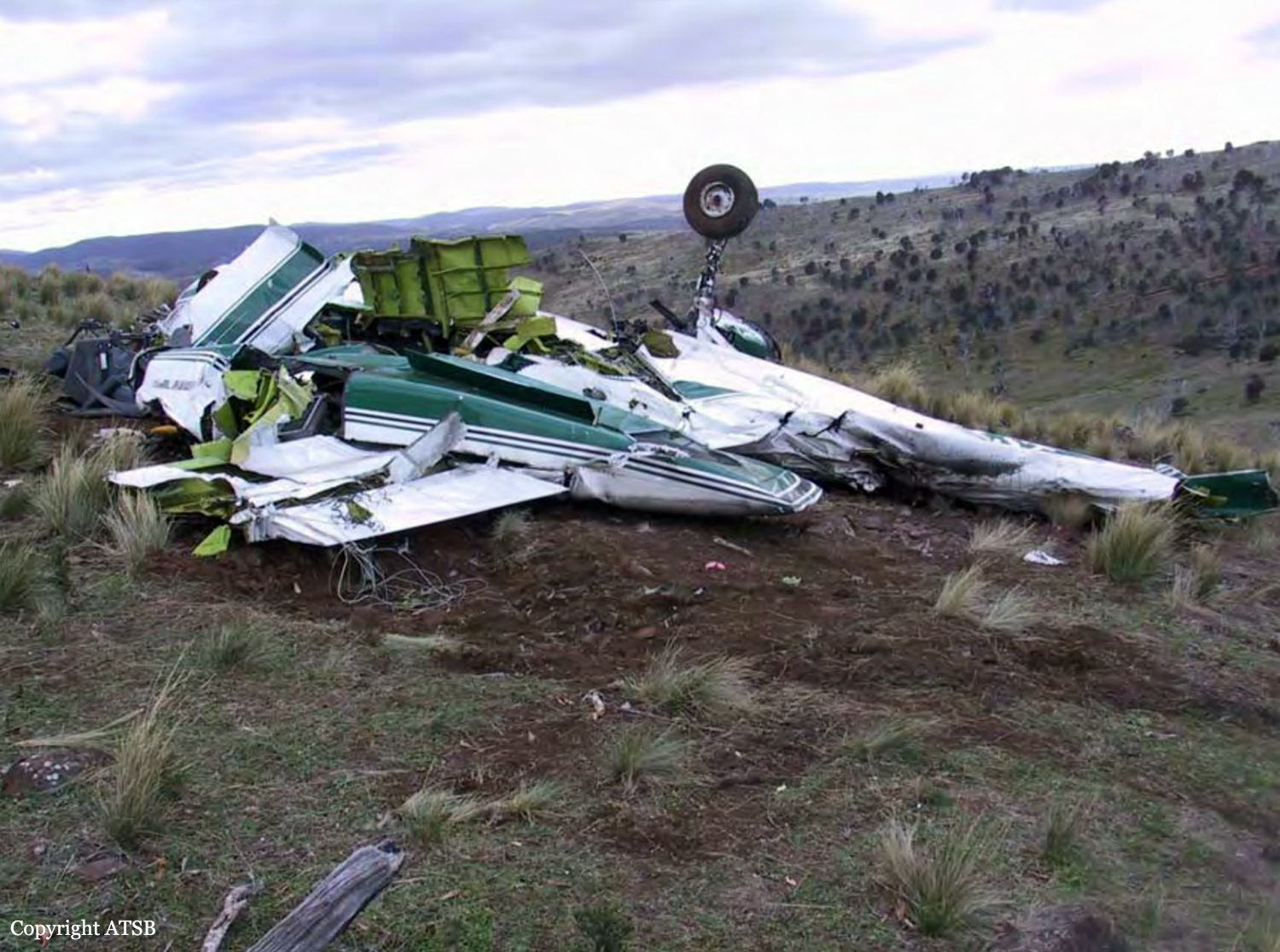
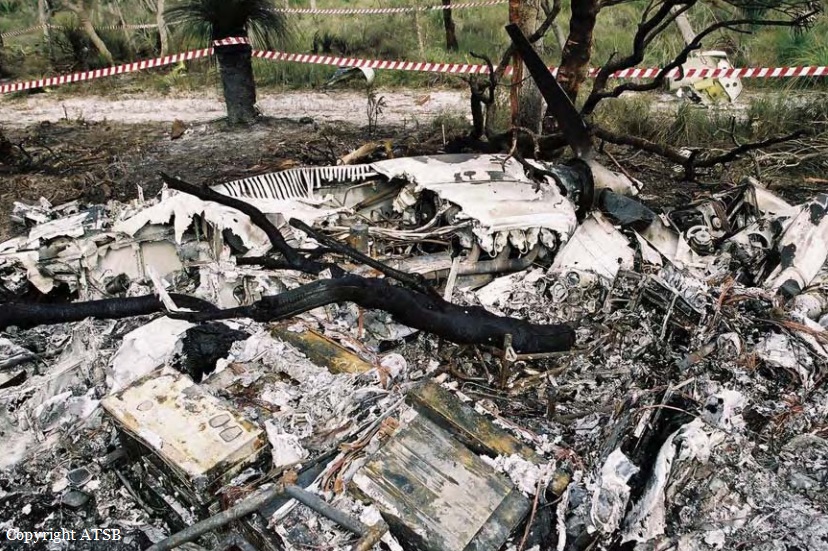
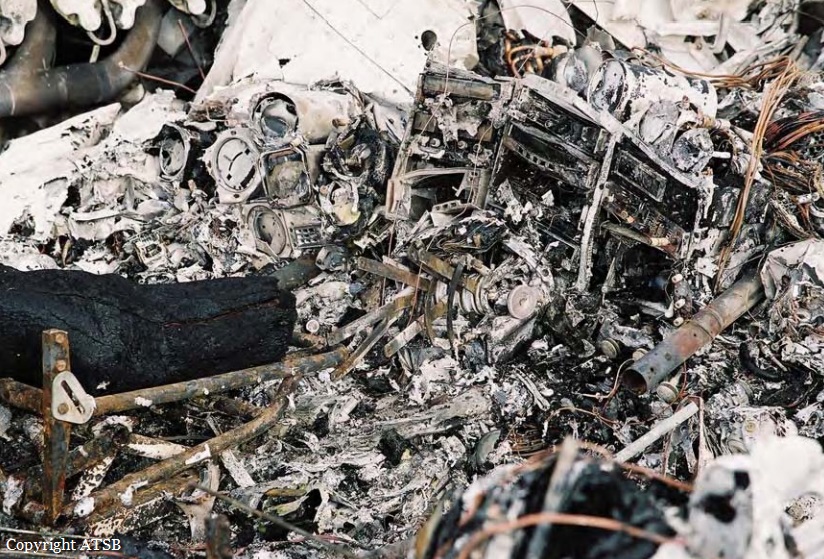
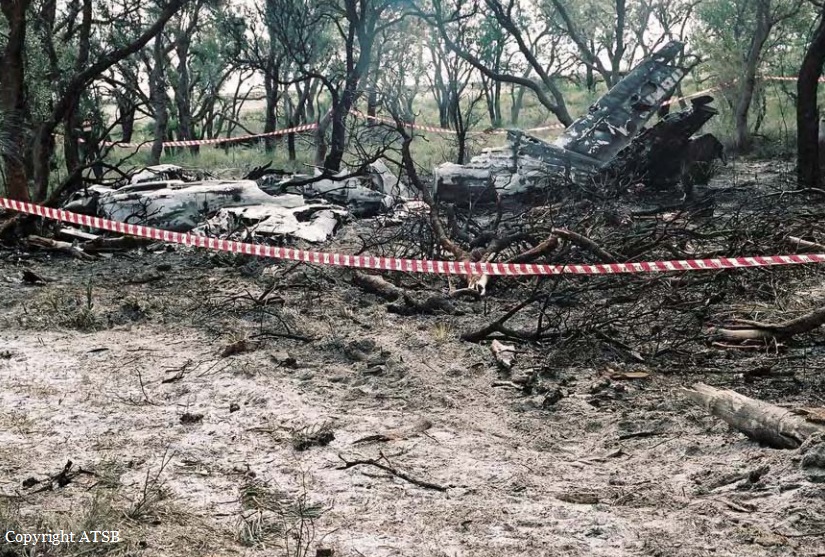
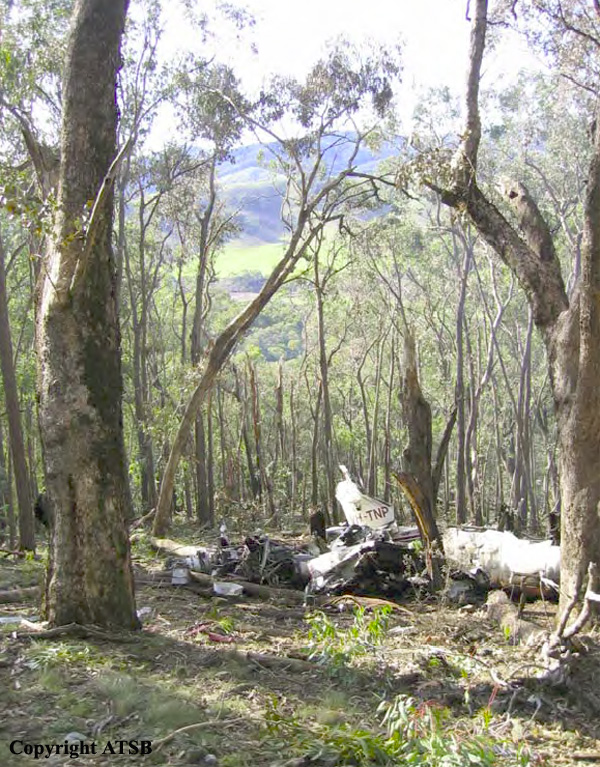
At 0906 Eastern Standard Time on 28 July 2004, a Piper Aircraft Corporation PA31T Cheyenne aircraft, registered VH-TNP, with one pilot and five passengers, departed Bankstown, New South Wales on a private, instrument flight rules (IFR) flight to Benalla, Victoria. Instrument meteorological conditions at the destination necessitated an instrument approach and the pilot reported commencing a Global Positioning System (GPS) non-precision approach (NPA) to Benalla. When the pilot had not reported landing at Benalla as expected, a search for the aircraft was commenced. Late that afternoon the crew of a search helicopter located the burning wreckage on the eastern slope of a tree covered ridge, approximately 34 km southeast of Benalla. All occupants were fatally injured and the aircraft was destroyed by impact forces and a post-impact fire.
Probable cause:
Significant factors:
1. The pilot was not aware that the aircraft had diverged from the intended track.
2. The route flown did not pass over any ground-based navigation aids.
3. The sector controller did not advise the pilot of the divergence from the cleared track.
4. The sector controller twice cancelled the route adherence monitoring alerts without confirming the pilot’s tracking intentions.
5. Cloud precluded the pilot from detecting, by external visual cues, that the aircraft was not flying the intended track.
6. The pilot commenced the approach at an incorrect location.
7. The aircraft’s radio altimeter did not provide the pilot with an adequate defence to avoid collision with terrain.
8. The aircraft was not fitted with a terrain awareness warning system (TAWS).
Final Report:
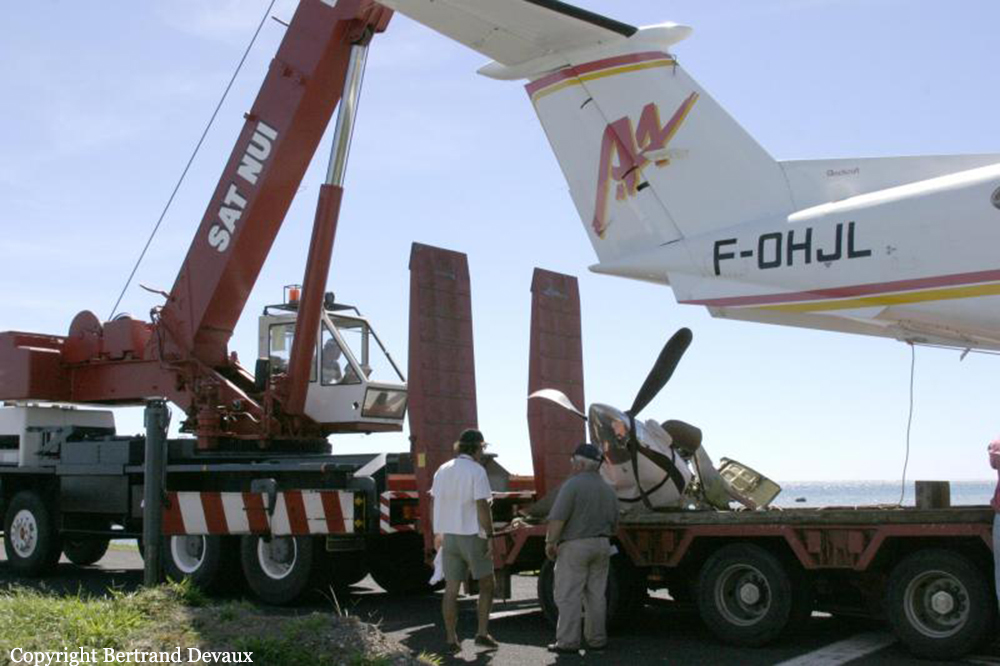
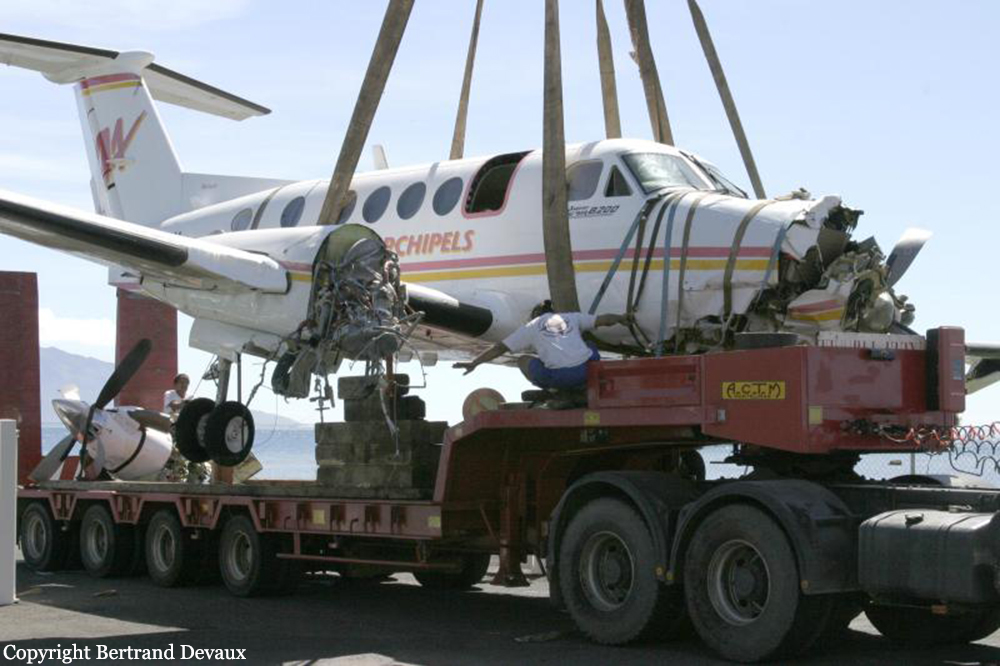
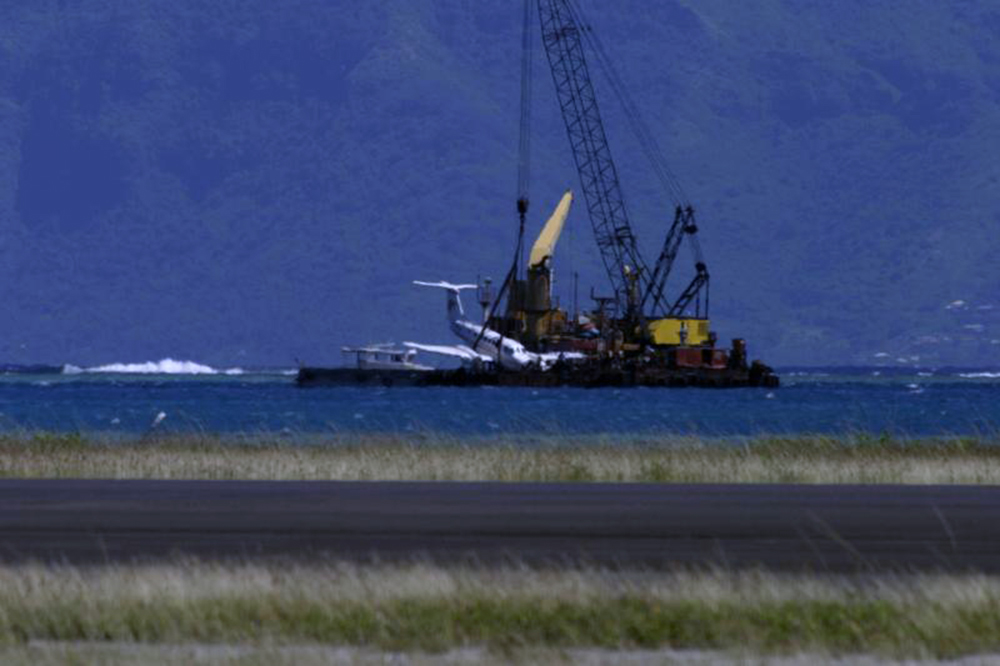
Crash of a Beechcraft B200 Super King Air off Papeete

Date & Time: Apr 16, 2004 at 1450 LT
Operator:
Registration:
F-OHJL
Flight Phase:
Flight Type:
Survivors:
Yes
Schedule:
Papeete - Papeete
MSN:
BB-1592
YOM:
1997
Location:
Region:
Crew on board:
1
Crew fatalities:
Pax on board:
1
Pax fatalities:
Other fatalities:
Total fatalities:
0
Circumstances:
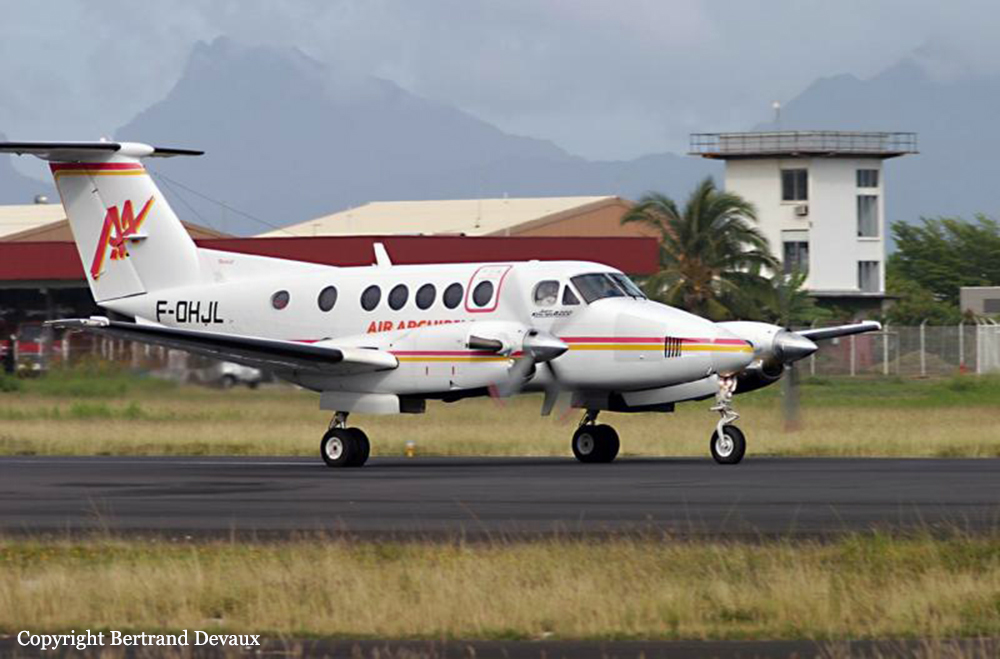
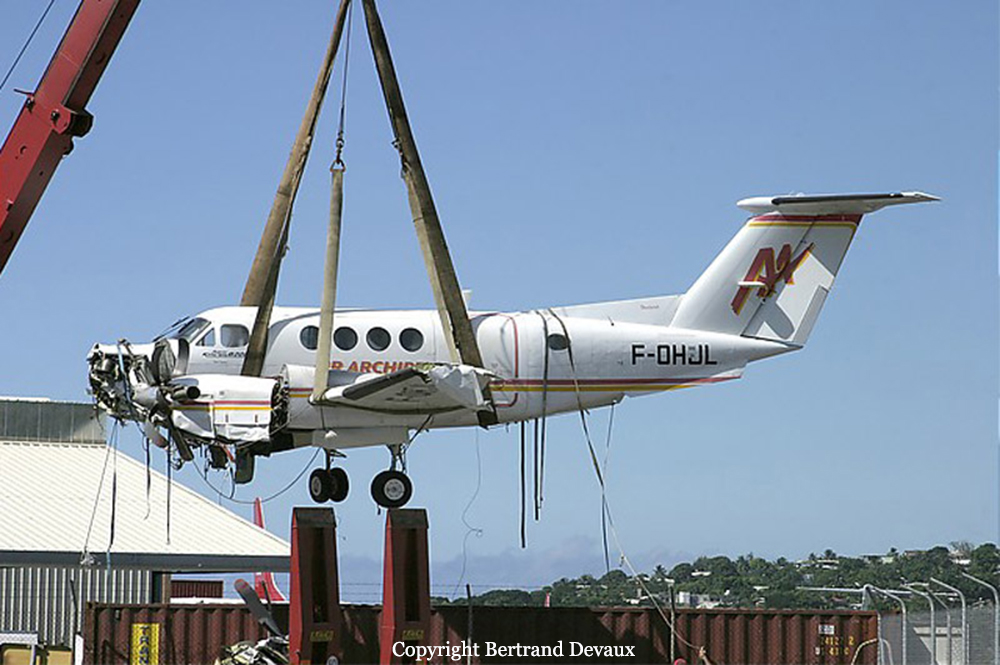
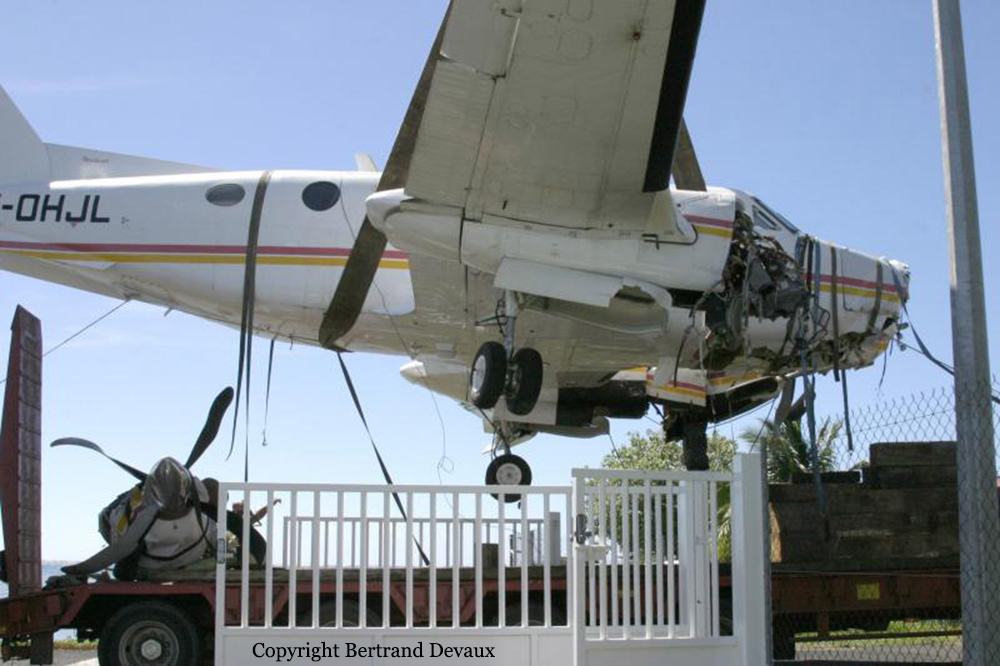
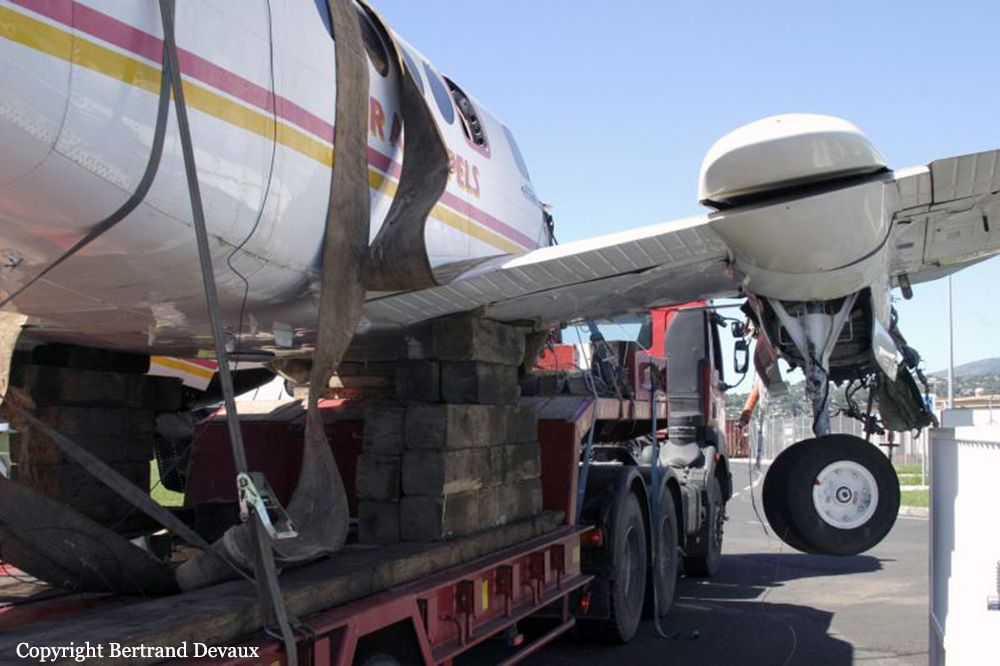
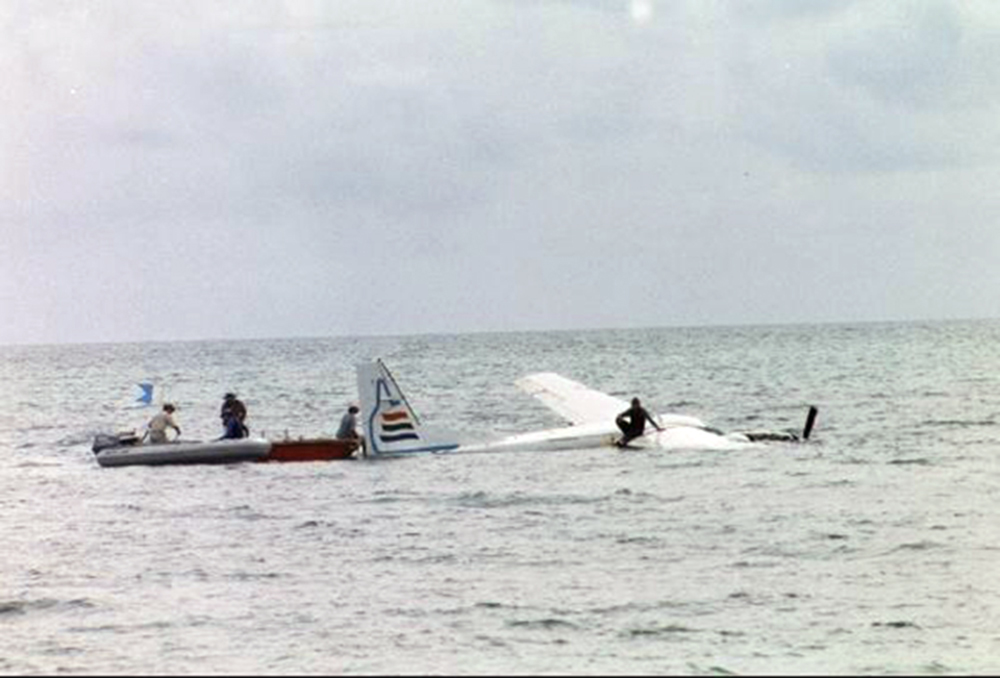
The aircraft departed Papeete-Faaa on a local post maintenance flight with one engineer and one pilot on board. Shortly after takeoff, while in initial climb, the pilot informed ATC about control problems and elected to return. Unable to maintain control, he decided to ditch the aircraft few hundred metres offshore. The aircraft sank by a depth of 21 metres and both occupants were able to swim to shore.

Crash of a Rockwell Shrike Commander 500S near Hobart: 1 killed

Date & Time: Feb 19, 2004 at 1643 LT
Operator:
Registration:
VH-LST
Flight Phase:
Flight Type:
Survivors:
No
Schedule:
Hobart – Devonport
MSN:
500-3111
YOM:
1971
Location:
Country:
Region:
Crew on board:
1
Crew fatalities:
Pax on board:
0
Pax fatalities:
Other fatalities:
Total fatalities:
1
Captain / Total flying hours:
371
Captain / Total hours on type:
40.00
Circumstances:
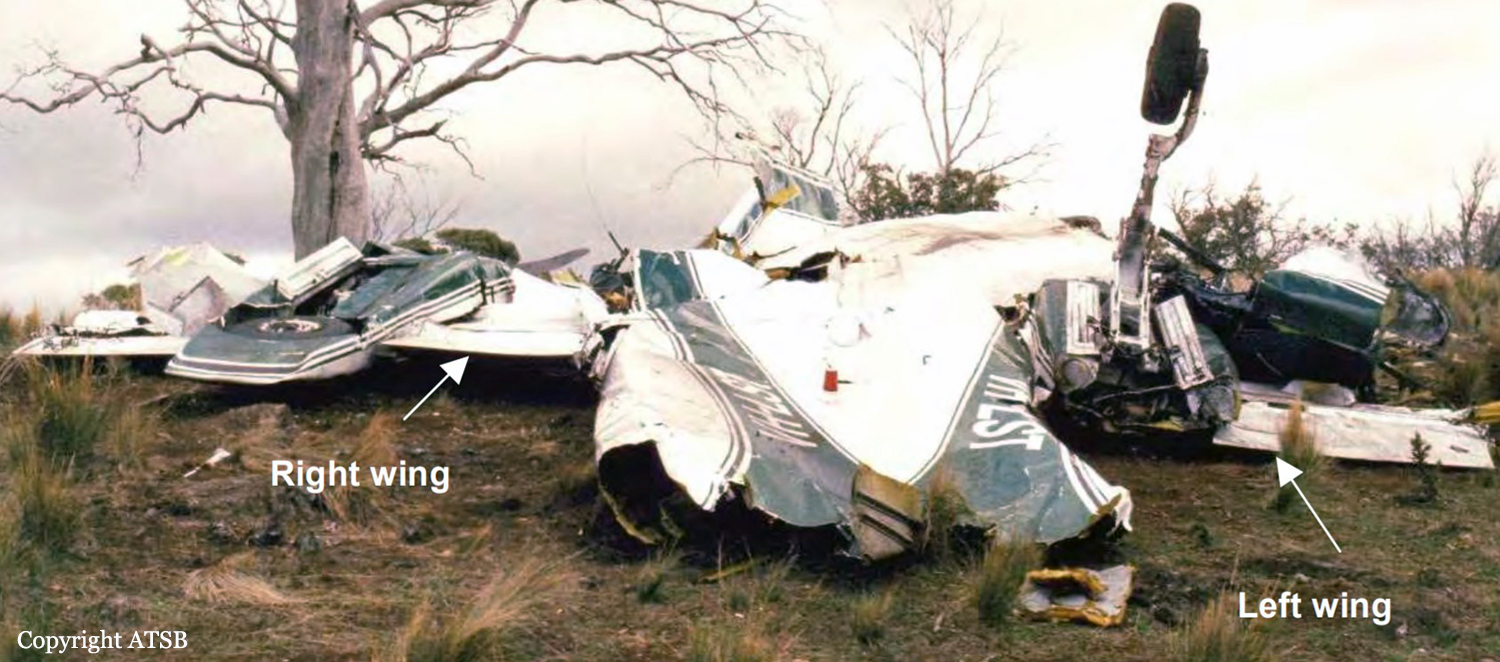
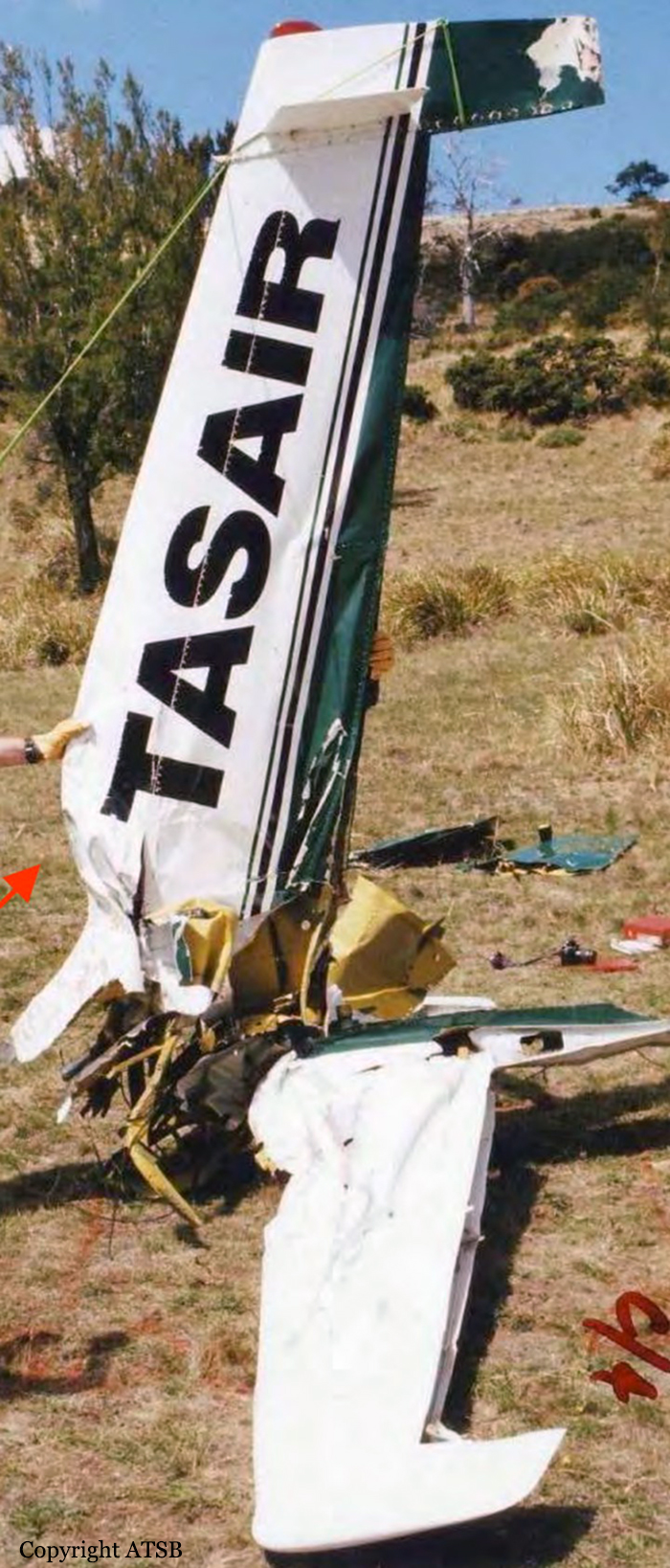
The aircraft commenced taxying at Hobart for a Visual Flight Rules (VFR) ferry flight to Devonport. The pilot, who was the sole occupant, reported a departure time of 1643 to air traffic control, with an intention to climb to 8,500 ft and to fly a track of 319 degrees magnetic. Due to following traffic, the pilot was required to report leaving specific altitudes. At 1646, the pilot reported leaving 4,500 ft, and was advised that air traffic services were terminated. The acknowledgement of that call was the last communication heard from the pilot. At about 1800, the operator’s staff at Devonport advised the Hobart base that the aircraft had not arrived. The operator advised AusSAR and the Hobart air traffic control tower, and organised company search aircraft from both Hobart and Devonport. The non-flying occupant of the Hobart search aircraft sighted the wreckage at about 1930. Shortly after, a search and rescue helicopter arrived at the accident site. The pilot of the aircraft was found fatally injured in the wreckage. The wreckage was located 58 km from Hobart airport on a bearing of 320 degrees magnetic. Based on predictions of aircraft performance and the distance of the accident site from Hobart, the estimated time of the accident was 1656. There were no eyewitnesses to the accident. Aircraft flight profile The aircraft was not equipped with a flight data recorder or cockpit voice recorder, nor was it required to be. As such, and given that the aircraft was operating outside of radar coverage, there was no recorded flight profile information available. The pilot was not required to report cruising at 8,500 ft and there was no evidence to confirm that the aircraft had reached that altitude. However, based on the normal climb and cruise performance, forecast winds and the radio broadcasts made by the pilot, the aircraft should have reached an altitude of 8,500 ft approximately 35 km from Hobart at about 1651, which was 5 minutes prior to the estimated time of the accident at 1656.
Probable cause:
The trajectory analysis provided the ATSB with a high degree of confidence with respect to the aircraft altitude and speed at the time of the in-flight breakup. The aircraft’s speed could have readily accelerated to Vne during a rapid descent from the nominated cruise altitude of 8,500 ft to the break-up altitude of around 3,150 ft. At such a speed, a relatively small control input force or gusts encountered in the longitudinal (pitch) axis of the aircraft could have resulted in the symmetrical downward wing overloading and failure that occurred. There is no compelling evidence to support any one reason for the departure of the aircraft from the cruise altitude into a high speed dive type situation. However, there are a number of factors that provide some weight to the possibility of a flight upset related to operation of the autopilot. These factors include:
• The lack of any reference in the operations manual to the installation of a Bendix FCS-810 autopilot in LST and the lack of information in the operations manual on the operation of the FCS-810 autopilot
• The pilot’s relative inexperience in the operation of the particular autopilot system fitted to LST
• The operating characteristics of the autopilot system fitted to LST
• The illegible nature of the Aircraft Flight Manual supplement pertaining to the limitations and operating procedures for the autopilot system fitted to LST
• The autopilot controller pitch command wheel being found at the accident site in the maximum nose-down position
• Both elevator trim tabs being found at the accident site at or close to the maximum nose-down trim position. However, it is not possible to discount other explanations for the departure from cruise flight, including a runaway pitch-trim condition, pilot incapacitation, the effects of mountain waves and/or severe turbulence, or a combination of any of the above. On the evidence available to the investigation, it was not possible to conclusively determine the circumstances that led to the aircraft descending at speed to the altitude at which the in-flight breakup occurred.
Final Report:
Crash of a Cessna 208 Caravan I off Green Island

Date & Time: Feb 8, 2004 at 1610 LT
Type of aircraft:
Operator:
Registration:
VH-CYC
Flight Phase:
Flight Type:
Survivors:
Yes
Schedule:
Cairns - Cairns
MSN:
208-0108
YOM:
1986
Country:
Region:
Crew on board:
1
Crew fatalities:
Pax on board:
1
Pax fatalities:
Other fatalities:
Total fatalities:
0
Captain / Total flying hours:
5333
Captain / Total hours on type:
211.00
Circumstances:
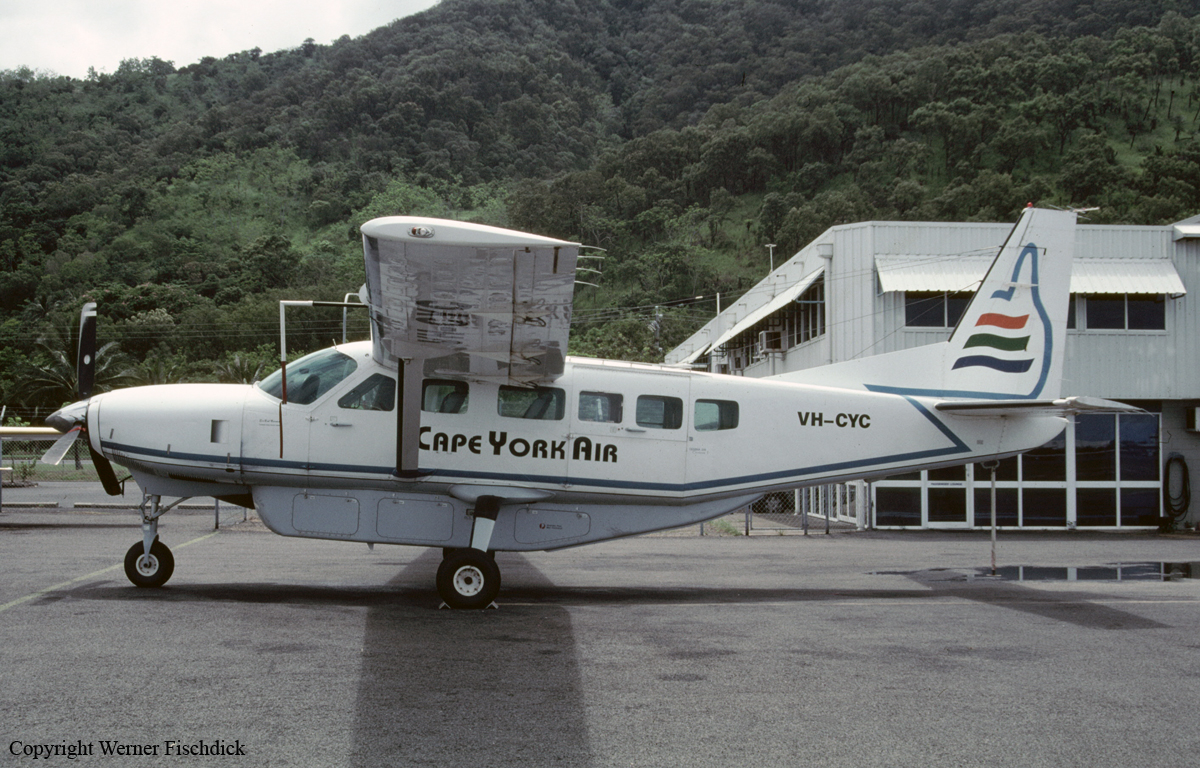
The aircraft, with two pilots on board, was being operated for pilot type endorsement training. Air Traffic Control (ATC) had cleared the pilots to conduct upper level air work between 4,000 and 5,000 ft above mean sea level (AMSL) within a 5 NM radius of Green Island, Queensland. Following the upper level air work, the crew requested, and were granted a clearance for, a simulated engine failure and descent to 2,000 ft. The pilot in command (PIC) reported that while completing the simulated engine failure training, he had retarded the power lever to the FLIGHT IDLE stop and the fuel condition lever to the LOW IDLE range, setting a value of 55% engine gas generator speed (Ng). The pilot under training then set the glide attitude at the best glide speed (for the operating weight) of about 79 knots indicated airspeed (KIAS). The PIC then instructed the pilot under training to place the propeller into the feathered position, and maintain best glide speed. The PIC reported that he instructed the pilot under training to advance the emergency power lever (EPL) to simulate manual introduction of fuel to the engine. According to the PIC, he then noticed that there was no engine torque increase, with the engine inter-turbine temperature (ITT or T5) and Ng rapidly decreasing, and a strong smell of fuel in the cockpit. While the pilot under training flew the aircraft, the PIC placed the ignition switch to the ON position and also selected START on the engine starter switch. He then reportedly placed the EPL to the CLOSED position, the propeller to the UNFEATHERED position and the fuel condition lever to the IDLE CUTOFF position to clear the excess fuel from the engine. The PIC reported that they then increased the aircraft airspeed to 120 KIAS, at which point he reintroduced fuel into the engine by advancing the fuel condition lever. He reported that following these actions, the strong fuel smell persisted. As the aircraft approached 1,500 ft, the PIC broadcast a MAYDAY, informing ATC that they had a 'flameout' of the engine and that they were going to complete a forced landing water ditching near Green Island. While the pilot under training flew the aircraft, the PIC placed the propeller into the feathered position, closed the fuel condition lever to the IDLE CUTOFF position and turned off the starter and ignition switches. They then completed a successful landing in a depth of about 2 m of water near Green Island. The pilots evacuated the aircraft without injury. The aircraft, which sustained minor damage during the ditching, but subsequent substantial damage due to salt water immersion, was recovered to the mainland. Following examination of all connections and control linkages, the engine was removed for examination under the supervision of the Australian Transport Safety Bureau (ATSB) at the engine manufacturer's overhaul facility. The engine trend monitoring (ETM) data logger was also removed from the aircraft for examination.
Probable cause:
The following factors were identified:
1. The pilots of CYC were conducting in-flight familiarization training using the emergency power lever. That procedure was not contained in the aircraft manufacturer's pilot operating handbook.
2. The engine manufacturer's documentation contained information on the use of the emergency power lever, which did not preclude the use of the emergency power lever for in-flight familiarization training.
3. The engine sustained a flameout at an altitude above mean sea level from which reignition of the engine was not successfully completed.
4. Erosion of the first-stage compressor blades would have reduced the aerodynamic efficiency of the compressor blades.
Final Report:

Crash of a Piper PA-61 Aerostar (Ted Smith 601) off Byron Bay: 2 killed

Date & Time: Jan 27, 2004 at 1335 LT
Operator:
Registration:
VH-WRF
Flight Phase:
Flight Type:
Survivors:
No
Schedule:
Coolangatta - Coolangatta
MSN:
61-0497-128
YOM:
1978
Country:
Region:
Crew on board:
2
Crew fatalities:
Pax on board:
0
Pax fatalities:
Other fatalities:
Total fatalities:
2
Captain / Total flying hours:
7127
Captain / Total hours on type:
308.00
Copilot / Total flying hours:
283
Copilot / Total hours on type:
3
Circumstances:
The Ted Smith Aerostar 601 aircraft, registered VH-WRF, departed Coolangatta at 1301 ESuT with a flight instructor and a commercial pilot on board. The aircraft was being operated on a dual training flight in the Byron Bay area, approximately 55 km south-south-east of Coolangatta. The aircraft was operating outside controlled airspace and was not being monitored by air traffic control. The weather in the area was fine with a south-easterly wind at 10 - 12 kts, with scattered cloud in the area with a base of between 2,000 and 2,500 ft. The purpose of the flight was to introduce the commercial pilot, who was undertaking initial multi-engine training, to asymmetric flight. At approximately 1445, the operator advised Australian Search and Rescue that the aircraft had not returned to Coolangatta, and that it was overdue. Recorded radar information by Airservices Australia revealed that the aircraft had disappeared from radar coverage at 1335. Its position at that time was approximately 18 km east-south-east of Cape Byron. Search vessels later recovered items that were identified as being from the aircraft in the vicinity of the last recorded position of the aircraft. Those items included aircraft checklist pages, a blanket, a seat cushion from the cabin, as well as a number of small pieces of cabin insulation material. No item showed any evidence of heat or fire damage. No further trace of the aircraft was found.
Probable cause:
Without the aircraft wreckage or more detailed information regarding the behaviour of the aircraft in the final stages of the flight, there was insufficient information available to allow any conclusion to be drawn about the development of the accident. Many possible explanations exist. The fact that no radio transmission was received from the aircraft around the time radar contact was lost could indicate that the aircraft was involved in a sudden or unexpected event at that time that prevented the crew from operating the radio. The speed regime of the aircraft during the last recorded data points indicated that airframe failure due to aerodynamic overload was unlikely. The nature of the items from the aircraft that were recovered from the ocean surface indicated that the aircraft cabin had been ruptured during the accident sequence.
Final Report:

Crash of a De Havilland DHC-6 Twin Otter in Sturt Island

Date & Time: Jan 5, 2004
Operator:
Registration:
P2-KSG
Flight Phase:
Survivors:
Yes
MSN:
509
YOM:
1976
Region:
Crew on board:
2
Crew fatalities:
Pax on board:
1
Pax fatalities:
Other fatalities:
Total fatalities:
0
Circumstances:
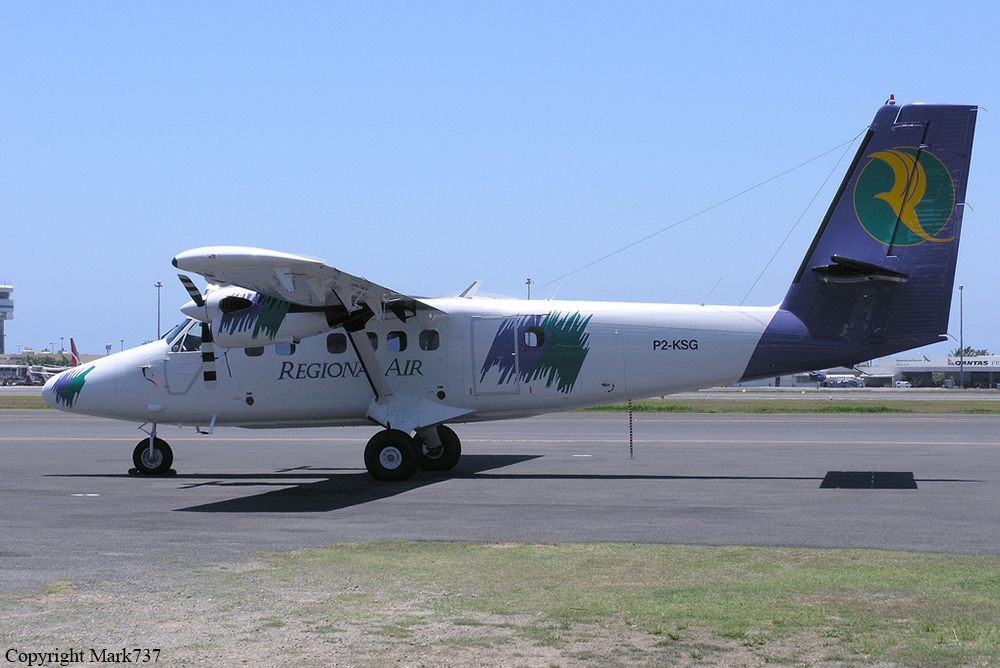
During the takeoff roll from a grassy runway (780 metres long), the pilot noted standing water on the ground. He attempted to take off prematurely to avoid these puddles but the aircraft stalled and crash landed. All three occupants escaped uninjured while the aircraft was damaged beyond repair.

Crash of a Fletcher FU-24-950M in Mairoa: 1 killed

Date & Time: Dec 19, 2003 at 1500 LT
Type of aircraft:
Operator:
Registration:
ZK-BXZ
Flight Phase:
Survivors:
No
MSN:
65
YOM:
1960
Country:
Region:
Crew on board:
1
Crew fatalities:
Pax on board:
0
Pax fatalities:
Other fatalities:
Total fatalities:
1
Captain / Total flying hours:
14335
Captain / Total hours on type:
5000.00
Circumstances:
On the morning of 19 December 2003, the pilot began work about 0630 hours, flying from Te Kuiti aerodrome to an agricultural airstrip about eight nautical miles to the west. At that strip he completed a 150 tonne lime contract that had been started by two other aircraft the day before. Refuelling of the aircraft was completed approximately every hour, and the pilot stopped for a break with about four loads remaining. At 1400 hours, with the job completed, he flew to the strip from which he operated until the time of the accident. On arrival at this strip, the pilot completed a reconnaissance flight with the pilot of ZK-EMW, discussed their sowing plan, and agreed on a 1.1 tonne load with the loader driver. Take-offs were made to the south-west, landings in the opposite direction. The loader driver reported that the job was going smoothly, and that the pilot seemed in good spirits, at one stage miming wiping his brow, which the loader driver took to be a comment on the heat of the day. During this time, a third company aircraft, ZK-JAL, arrived at the strip and shut down, as the loader driver was able to handle only two aircraft at a time. The pilot of ZK-JAL flew a briefing sortie with the pilot of ZK-BXZ prior to the planned departure of ZK-BXZ. After each take-off, ZK-BXZ would turn left on to a downwind leg and then cross over the top (loading) end of the strip on the way to the sowing area. ZK-BXZ was working inward from the eastern boundary of the property, and ZK-EMW from the western boundary. While topdressing was in progress, fresh lime was being trucked to the strip and placed in the large fertilizer bin from which the loader was replenishing the aircraft. The lime was received directly from the processing plant, and was dry and free-flowing. As each load arrived, the farmer would mix a cobalt supplement with it in the bin. One of the truck drivers, who himself held a Commercial Pilot Licence (Aeroplane), took several photographs of the aircraft landing and taking off. One photograph showed ZK-BXZ leaving the end of the strip on probably its penultimate take-off, with ZK-EMW on final approach on the reciprocal heading. On this occasion ZK-EMW passed over ZK-BXZ just after the latter became airborne. The next photograph showed ZK-BXZ approximately two thirds of the way down the strip, with 20° of flap set on its final take-off, with dirt being thrown up by the wheels as it hit the soft spots in the strip. The driver did not watch the take-off beyond this point. The pilot of ZK-EMW initially reported that on his landing approach, he flew over ZK-BXZ while it was still on its take-off run. He later disputed this and claimed that ZK-BXZ had just become airborne when it disappeared from view under his right wing. In any event, ZK-BXZ only flew approximately 170 metres, so the proximity of these two aircraft was very close if ZK-BXZ was already airborne at this point in time. The close proximity of the two aircraft is significant as it is possible that ZKBXZ, being the lower of the two aircraft, may have encountered wake turbulence from ZK-EMW. All aircraft produce wake turbulence as a by-product of generating lift from their wings, the intensity varying with the aircraft’s speed, weight and configuration. The weather conditions, as discussed in the article appended to this report, were favourable for ZK-BXZ to encounter the wake vortices from the aircraft passing above. The first indication of the accident was a loud bang heard by the farmer – he was in the bin mixing in the cobalt supplement, and initially thought he had heard a truck tailgate slamming. Looking towards the end of the strip, he saw a plume of smoke and immediately went by motorcycle to investigate. On arrival at the scene, he found the aeroplane well ablaze, and was unable to get close because of the heat. As the accident occurred, a fourth company aircraft, ZK-EGV, arrived at the strip. The pilot did not see the actual impact, but flew over the burning wreckage on approach. As soon as he landed he went by foot to the accident site, as he had arrived too late to join those that had gone on board the loading vehicle. The loader driver used his fire extinguisher to quell the flames, but could do nothing to assist the pilot. After the extinguisher ran out, the fire flared up again, and all those present could do was to await the arrival of the Fire Service. The accident occurred in daylight, at approximately 1500 hours NZDT, at Mairoa, 10 nm south-west of Te Kuiti aerodrome, at an elevation of 1150 ft. Latitude: S 38° 22.9', longitude: E 174° 57.0'; grid reference: 260-R16-806117.
Probable cause:
Conclusions:
- The pilot was properly licensed, rated, and fit for the flight undertaken.
- The aircraft had been subjected to regular maintenance and appeared to be airworthy prior to the accident.
- The engine strip found no reason why the engine would not be producing full power.
- The aircraft was operating to the limits of its performance for the given conditions.
- The accident was not survivable.
- It has not been possible to determine a conclusive cause for the accident.
Final Report:
Crash of a Convair CV-580F off Paraparaumu: 2 killed

Date & Time: Oct 3, 2003 at 2125 LT
Type of aircraft:
Operator:
Registration:
ZK-KFU
Flight Phase:
Flight Type:
Survivors:
No
Schedule:
Christchurch – Palmerston North
MSN:
17
YOM:
1952
Flight number:
AFZ642
Country:
Region:
Crew on board:
2
Crew fatalities:
Pax on board:
0
Pax fatalities:
Other fatalities:
Total fatalities:
2
Captain / Total flying hours:
16928
Captain / Total hours on type:
3286.00
Copilot / Total flying hours:
20148
Copilot / Total hours on type:
194
Aircraft flight hours:
66660
Aircraft flight cycles:
98774
Circumstances:
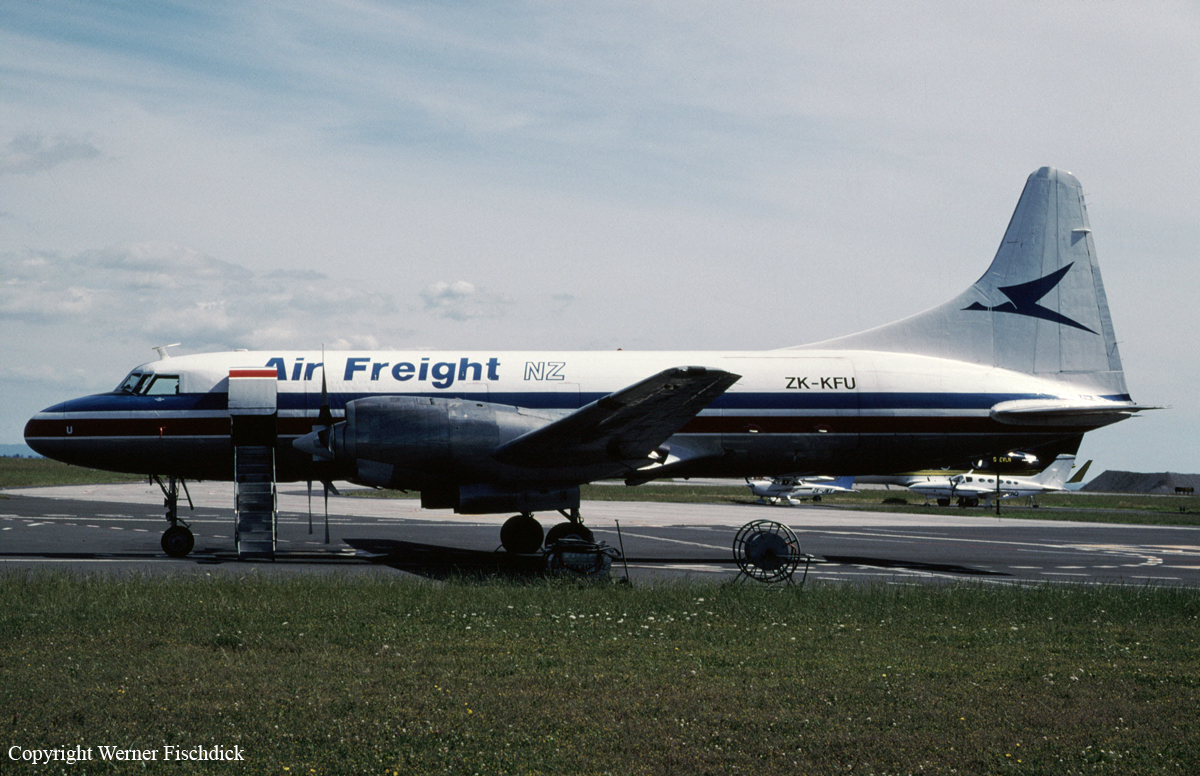
On Friday 3 October 2003, Convair 580 ZK-KFU was scheduled for 2 regular return night freight flights from Christchurch to Palmerston North. The 2-pilot crew arrived at the operatorís base on Christchurch Aerodrome at about 1915 and together they checked load details, weather and notices for the flight. The flight, using the call sign Air Freight 642 (AF642), was to follow a standard route from Christchurch to Palmerston North via Cape Campbell non-directional beacon (NDB), Titahi Bay NDB, Paraparaumu NDB and Foxton reporting point. The pilots completed a pre-flight inspection of ZK-KFU and at 2017 the co-pilot (refer paragraph 1.10.4) called Christchurch Ground requesting a start clearance. The ground controller approved engine start and cleared AF 642 to Palmerston North at flight level 210 (FL 210) and issued a transponder code of 5331. The engines were started and the aircraft taxied for take-off on runway 20. At 2032 AF 642 started its take-off on schedule and tracked initially south towards Burnham NDB before turning right for Cape Campbell NDB, climbing to FL210. The flight progressed normally until crossing Cook Strait. After crossing Cape Campbell NDB, the crew changed to the Wellington Control frequency and at 2108 advised Wellington Control that AF 642 was at FL210, and requested to fly directly to Paraparaumu NDB. The change in routing was common industry practice and offered a shorter distance and flight time with no safety penalty. The Wellington controller approved the request and AF 642 tracked directly to Paraparaumu NDB. At 2113 the Wellington controller cleared AF 642 to descend initially to FL130 (13 000 feet (ft)). The co-pilot acknowledged the clearance. At 2122 the Wellington controller cleared AF 642 for further descent to 11 000 ft, and at 2125 instructed the crew to change to the Ohakea Control frequency. At 2125:14, after crossing Paraparaumu NDB, the co-pilot reported to Ohakea Control that AF 642 was in descent to 11 000 ft. The Ohakea controller responded 'Air Freight 642 Ohakea good evening, descend to 7000 ft. Leave Foxton heading 010, vectors [to] final VOR/DME 076 circling for 25. Palmerston weather Alfa, [QNH] 987.' At 2125:34 the co-pilot replied ìRoger down to 7000 and leaving Foxton heading 010 for 07 approach circling 25 and listening for Alfa. Air Freight 642. At 2125:44 the Ohakea controller replied 'Affirm, the Ohakea QNH 987.' The crew did not respond to this transmission. A short time later the controller saw the radar signature for AF 642 turn left and disappear from the screen. At 2126:17 the Ohakea controller attempted to contact AF 642 but there was no response from the crew. The controller telephoned Police and a search for AF 642 was started. Within an hour of the aircraft disappearing from the radar, some debris, later identified as coming from AF 642, was found washed ashore along Paraparaumu Beach. Later in the evening an aerial search by a Royal New Zealand Air Force helicopter using night vision devices and a sea search by local Coastguard vessels located further debris offshore. After an extensive underwater search lasting nearly a week, aircraft wreckage identified as being from ZK-KFU was located in an area about 4 km offshore from Peka Peka Beach, or about 10 km north of Paraparaumu. Police divers recovered the bodies of the 2 pilots on 11 October and 15 October.
Probable cause:
The following findings were identified:
Findings are listed in order of development and not in order of priority.
- The crew was appropriately licensed and fit to conduct the flight.
- The captain was an experienced company line-training captain, familiar with the aircraft and route.
- The co-pilot while new to the Convair 580 was, nevertheless, an experienced pilot and had flown the route earlier in the week.
- The aircraft had a valid Certificate of Airworthiness and was recorded as being serviceable for the flight.
- The estimated aircraft weight and balance were within limits at the time of the accident.
- With a serviceable weather radar the weather was suitable for the flight to proceed.
- The captain was the flying pilot for the flight from Christchurch to Palmerston North.
- The flight proceeded normally until the aircraft levelled after passing Paraparaumu NDB.
- Why the aircraft was levelled at about 14 400 ft was not determined, but could have been because of increasing or expected turbulence.
- The weather conditions at around the time of the accident were extreme.
- The aircraft descended through an area of forecast severe icing, which was probably beyond the capabilities of the aircraft anti-icing system to prevent ice build-up on the wings and tailplane.
- The crew was probably aware of the presence of icing but might not have been aware of the likely speed and the extent of ice accretion.
- The rate of ice accretion might have left insufficient time for the crew to react and prevent the aircraft stalling.
- The transponder transmissions were impaired probably due to ice build-up on the aerials.
- The aircraft probably stalled because of a rapid build-up of ice, pitching the aircraft nose down and probably disorientating the crew. This could have resulted from a tailplane stall.
- Although the aircraft controls were probably still functional in the descent, a very steep nose down attitude, high speed and a potentially stalled tailplane, made recovery very unlikely.
- Under a combination of high airspeed and G loading, the aircraft started to break-up in midair, probably at about 7000 ft.
- Although there was no evidence to support the possibility of a mechanical failure or other catastrophic event contributing to the accident, given the level of destruction to ZK-KFU and that some sections of the aircraft were not recovered, these possibilities cannot be fully ruled out.
- The crew of AF 642 not being advised of the presence of a new SIGMET concerning severe icing should not have affected the pilotsí general awareness of the conditions being encountered.
- Had the crew been aware of the new SIGMET it might have caused them to be more alert to icing.
- Pilots awareness of the presence of potentially hazardous conditions would be increased if other pilots commonly sent AIREPs when such conditions were encountered.
- Operatorsí manuals, especially for IFR operators, might contain inadequate and misleading information for flight in adverse weather conditions.
- The search for the aircraft and pilots was competently handled in adverse conditions.
- The regular mandatory checks of the CVR failed to show that it was not recording on all channels.
- The lack of any intra cockpit voice recordings hampered and prolonged the investigation.
- The DFDR data and available CVR recordings provided limited but valuable information for the investigation.
- Had more modern and capable recorders been installed on ZK-KFU, significantly more factual information would have be available for the investigation, thus enhancing the investigation and increasing the likelihood of finding a confirmed accident cause, rather than a probable one.
- Had suitable ULB tracking equipment been available, the finding of the wreckage and recovery of the recorders would have been completed more promptly.
- The lack of tracking equipment could have resulted in the recorders not being found, and possibly even the wreckage not being found had it been in deeper water.
Final Report:

Crash of a Fletcher FU-24-950M near Matawai

Date & Time: Sep 20, 2003 at 1015 LT
Type of aircraft:

Operator:
Registration:
ZK-BDS
Flight Phase:
Flight Type:
Survivors:
Yes
Site:
Schedule:
Motu - Opotiki
MSN:
001
YOM:
1954
Country:
Region:
Crew on board:
1
Crew fatalities:
Pax on board:
1
Pax fatalities:
Other fatalities:
Total fatalities:
0
Circumstances:
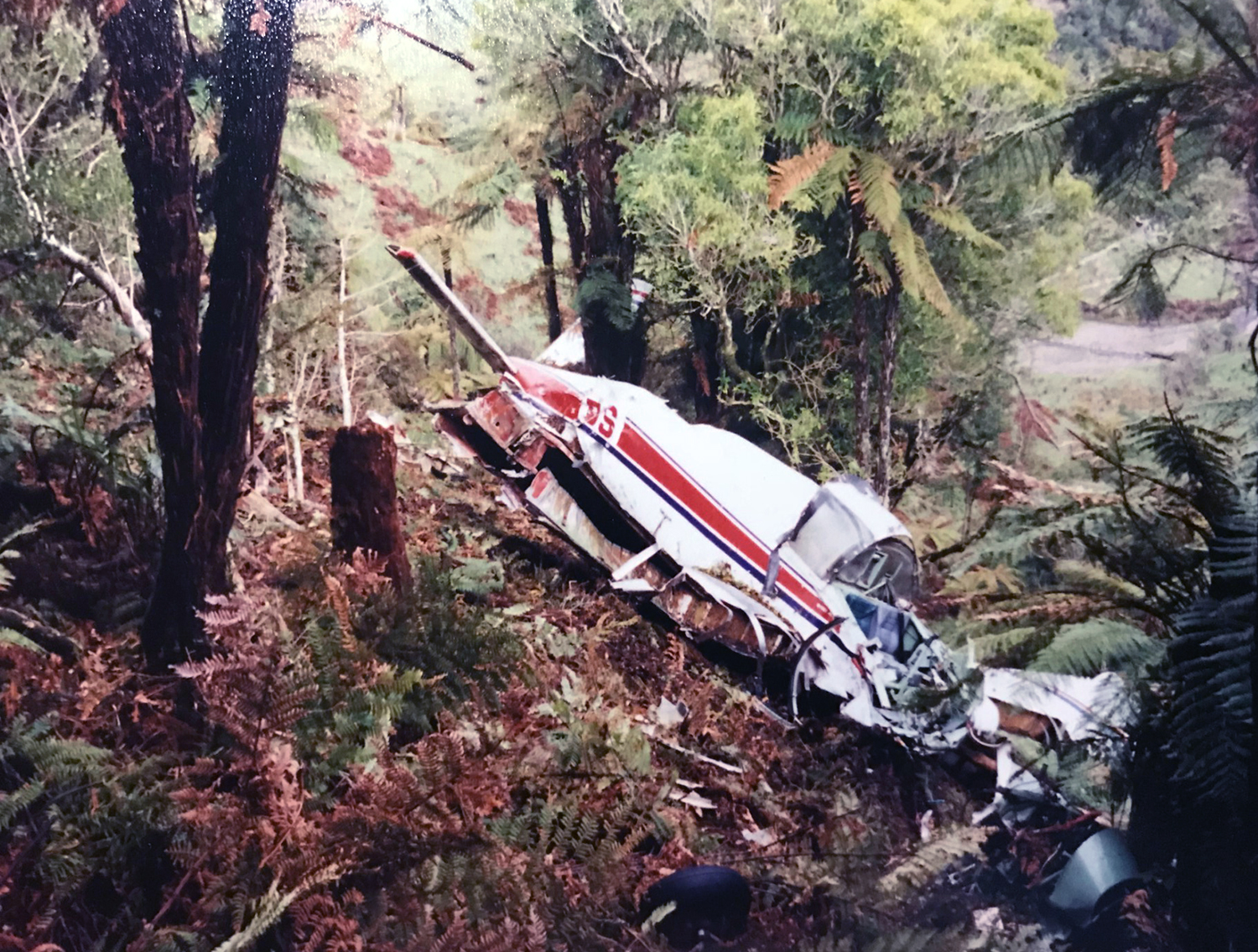
Crashed during bad weather. Andrew Wilde was flying and George Muir was a passenger. While enroute from Motu - Opotiki the gully became un-negotiable, so Andrew decided to return to Motu by flying a reciprocal course low level, depicted by arrows on his hand held marine GPS. During the return trip to Motahora up the Otara river valley, he found that the cloud base had lowered even further than when he entered the valley 6 minutes prior & he became fully reliant on that little GPS. The GPS became our enemy & lured Andrew into the cloud base, which ended our flight abruptly.
Testimony from George Muir, loader driver and passenger during this flight.

Crash of a Cessna 404 Titan II in Jandakot: 2 killed

Date & Time: Aug 11, 2003 at 1537 LT
Type of aircraft:
Operator:
Registration:
VH-ANV
Flight Phase:
Survivors:
Yes
Schedule:
Jandakot - Jandakot
MSN:
404-0820
YOM:
1981
Country:
Region:
Crew on board:
1
Crew fatalities:
Pax on board:
5
Pax fatalities:
Other fatalities:
Total fatalities:
2
Captain / Total flying hours:
16722
Captain / Total hours on type:
12345.00
Aircraft flight hours:
16819
Circumstances:
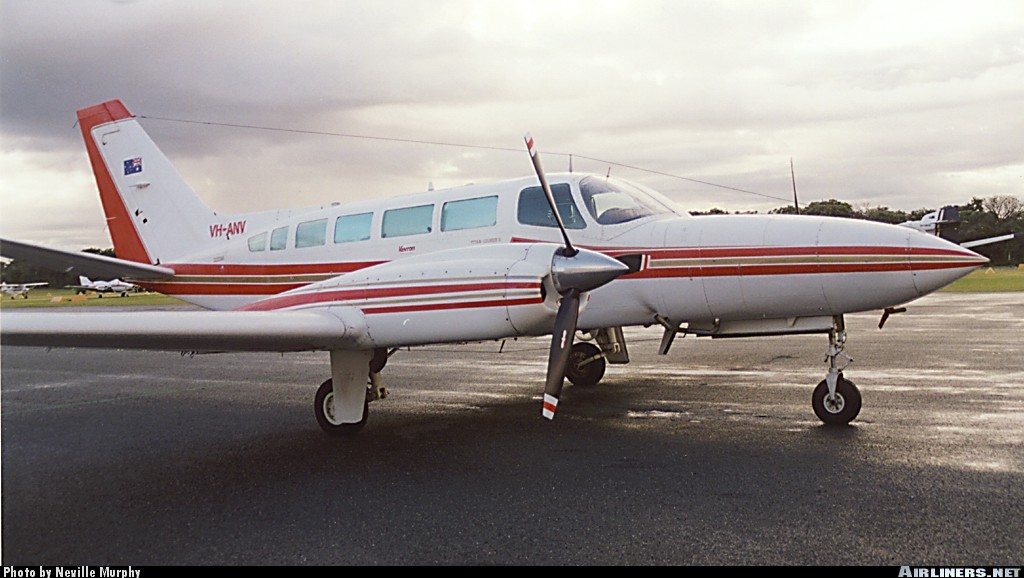
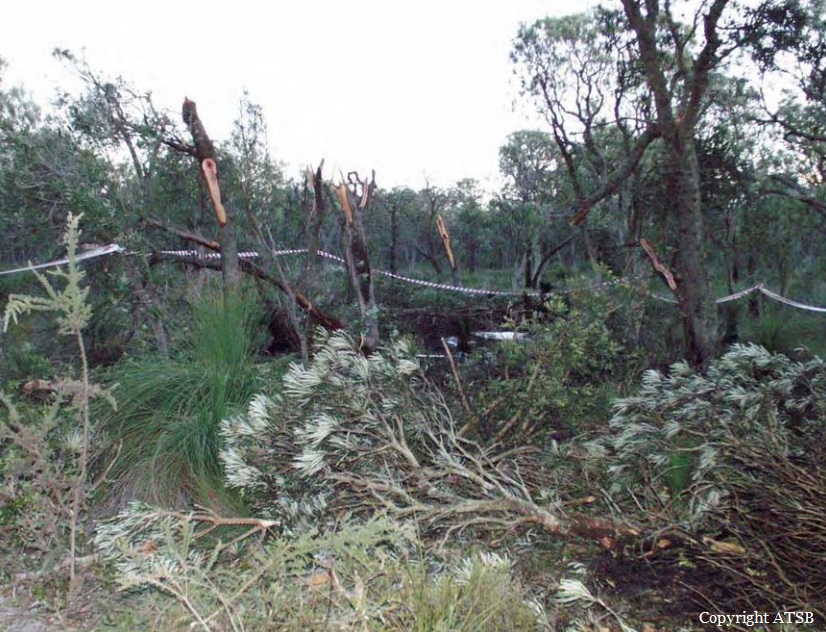
The aircraft took off from runway 24 right (24R) at Jandakot Airport, WA. One pilot and five passengers were on board the aircraft. The flight was being conducted in the aerial work category, under the instrument flight rules. Shortly after the aircraft became airborne, while still over the runway, the pilot recognized symptoms that he associated with a failure of the right engine and elected to continue the takeoff. The pilot retracted the landing gear, selected the wing flaps to the up position and feathered the propeller of the right engine. The pilot later reported that he was concerned about clearing a residential area and obstructions along the flight path ahead, including high-voltage powerlines crossing the aircraft’s flight path 2,400 m beyond the runway. The aircraft was approximately 450 m beyond the upwind threshold of runway 24R when the pilot initiated a series of left turns. Analysis of radar records indicated that during the turns, the airspeed of the aircraft reduced significantly below the airspeed required for optimum single-engine performance. The pilot transmitted to the aerodrome controller that he was returning for a landing and indicated an intention to land on runway 30. However, the airspeed decayed during the subsequent manoeuvring such that he was unable to safely complete the approach to that runway. The pilot was unable to maintain altitude and the aircraft descended into an area of scrub-type terrain, moderately populated with trees. During the impact sequence at about 1537, the outboard portion of the left wing collided with a tree trunk and was sheared off. A significant quantity of fuel was spilled from the wing’s fuel tank and ignited. An intense postimpact fire broke out in the vicinity of the wreckage and destroyed the aircraft. Four passengers and the pilot vacated the aircraft, but sustained serious burns in the process. One of those passengers died from those injuries 85 days after the accident. A fifth passenger did not survive the post-impact fire.
Probable cause:
Significant factors:
1. The material specification contained in the engineering order for replacing the pump bushing of the engine driven fuel pump (EDFP) fitted to the right engine was not appropriate.
2. High torsional loads between the EDFP’s spindle shaft and the sleeve bearing sheared the pump’s drive shaft during a critical phase of flight.
3. The reduction in fuel pressure was insufficient to sustain operation of the engine at the take-off power setting.
4. The loss of engine power occurred close to the decision speed with the landing gear extended while the aircraft was over the runway.
5. The pilot elected to continue the takeoff.
6. The aircraft was manoeuvred, including turns and banks, at low altitude resulting in a decrease in airspeed below that required to maximise one-engine inoperative performance.
7. The pilot was unable to maintain the aircraft’s altitude over terrain that was unsuitable for an emergency landing.
Final Report: