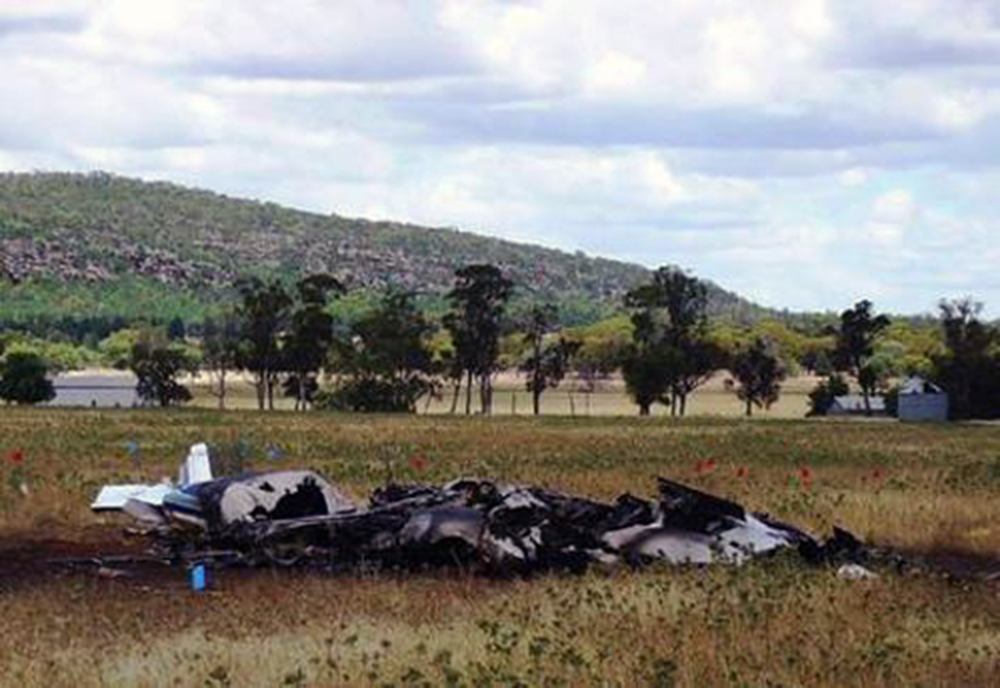
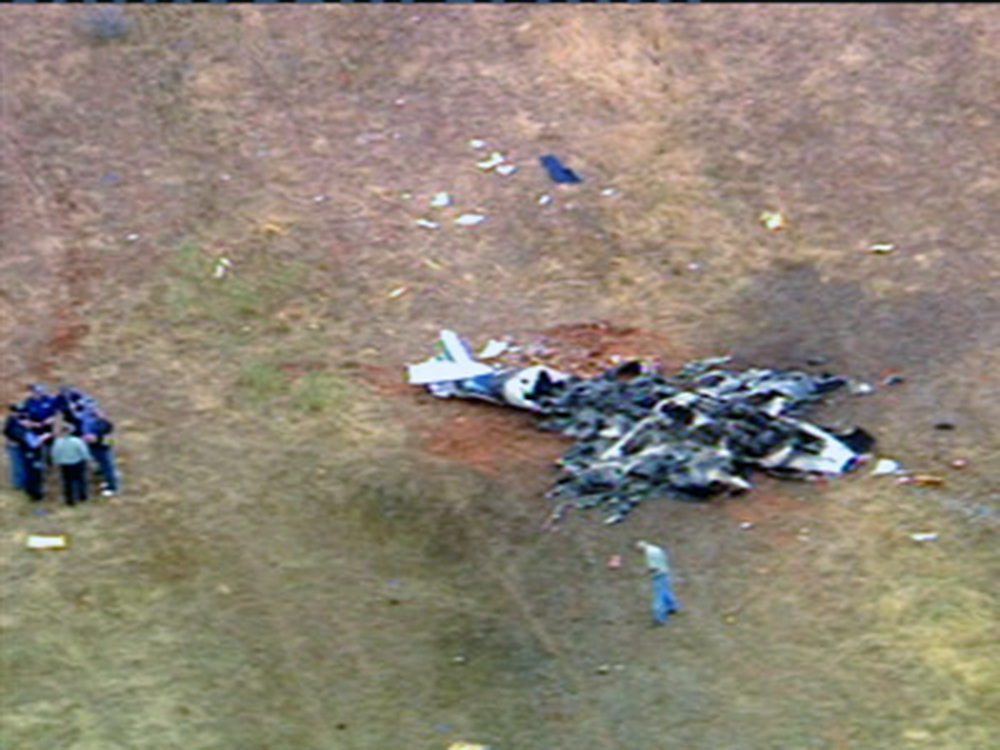
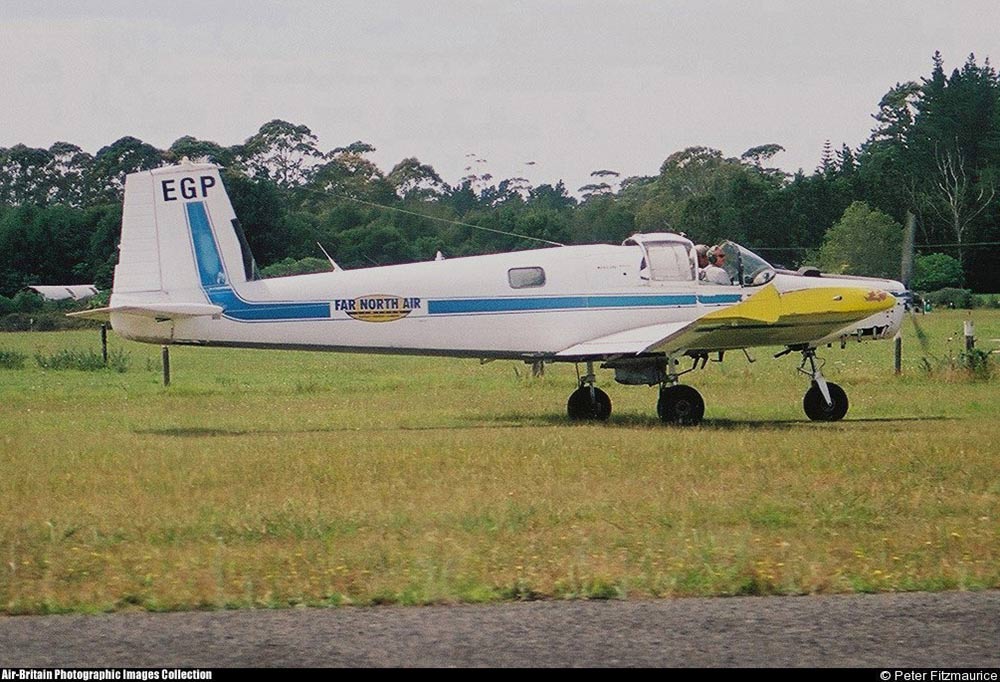
Crash of a Fletcher FU-24-950 near Kaitaia: 1 killed

Date & Time: Mar 31, 2006 at 1345 LT
Type of aircraft:
Operator:
Registration:
ZK-EGP
Flight Phase:
Survivors:
No
Site:
Schedule:
Kaitaia - Kaitaia
MSN:
238
YOM:
1977
Country:
Region:
Crew on board:
1
Crew fatalities:
Pax on board:
0
Pax fatalities:
Other fatalities:
Total fatalities:
1
Captain / Total flying hours:
1347
Captain / Total hours on type:
864.00
Aircraft flight hours:
11230
Circumstances:
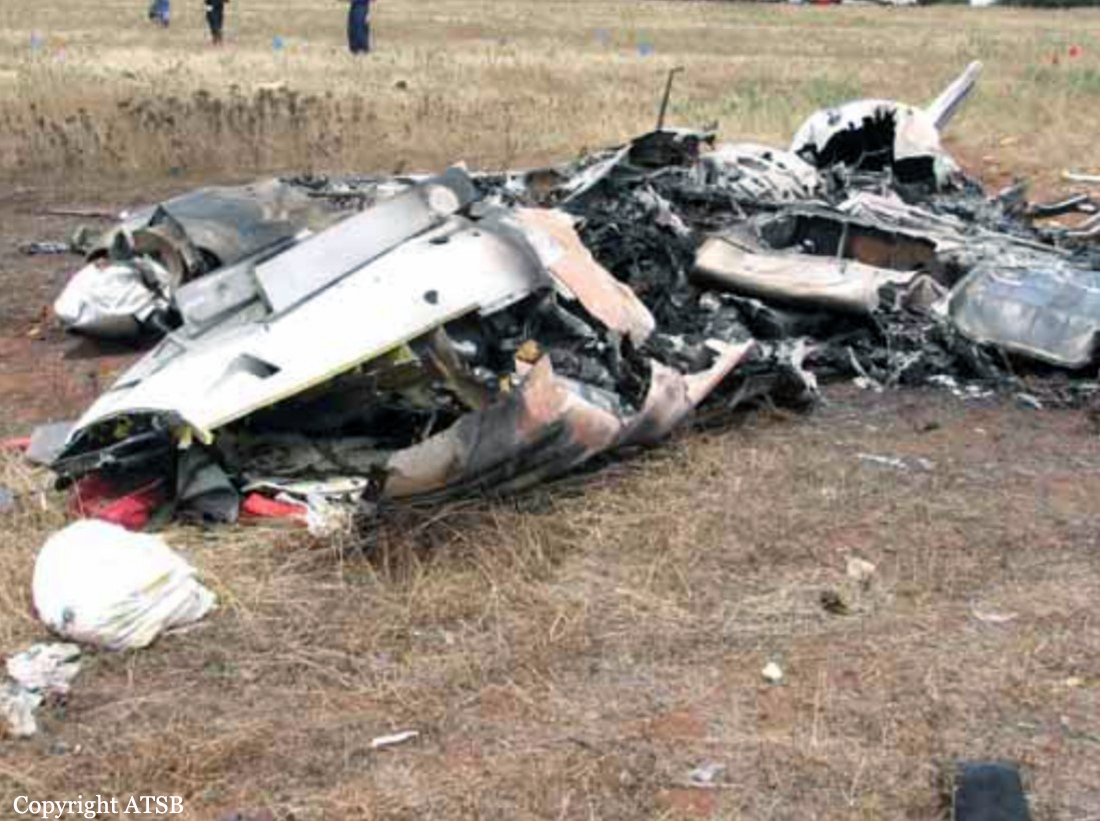
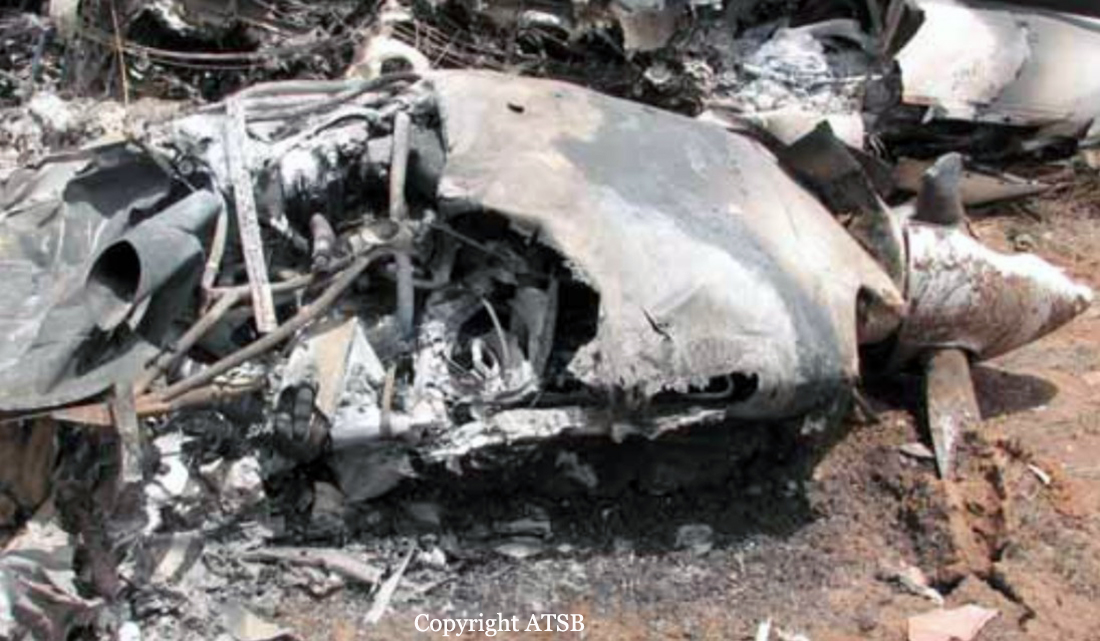
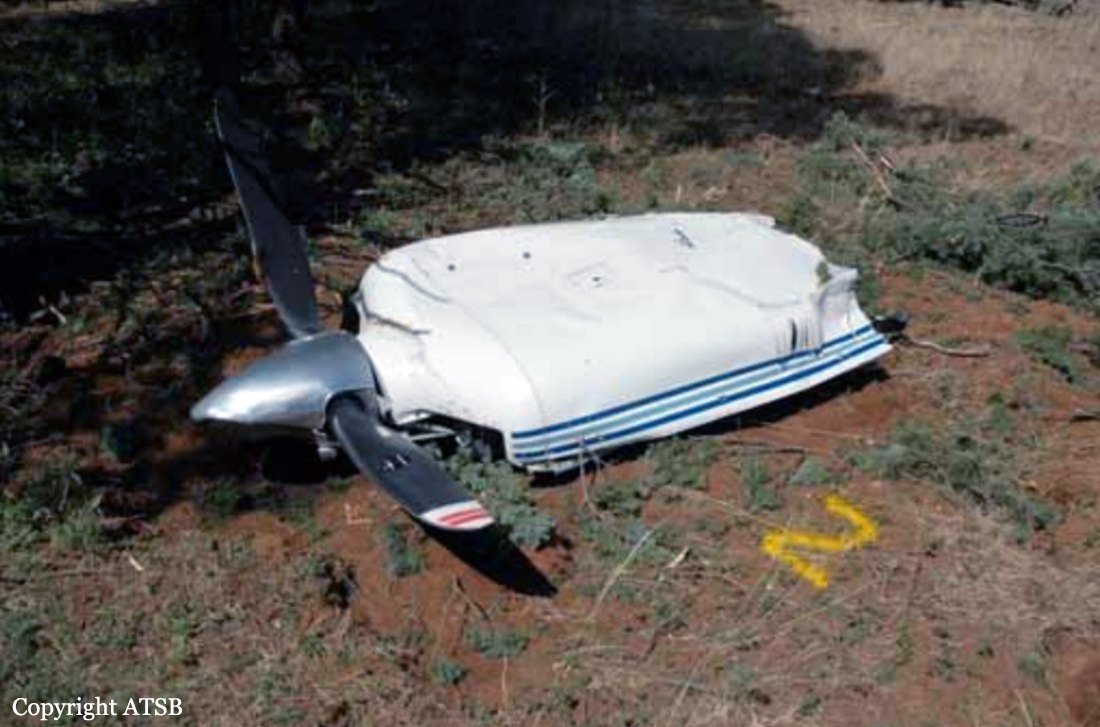
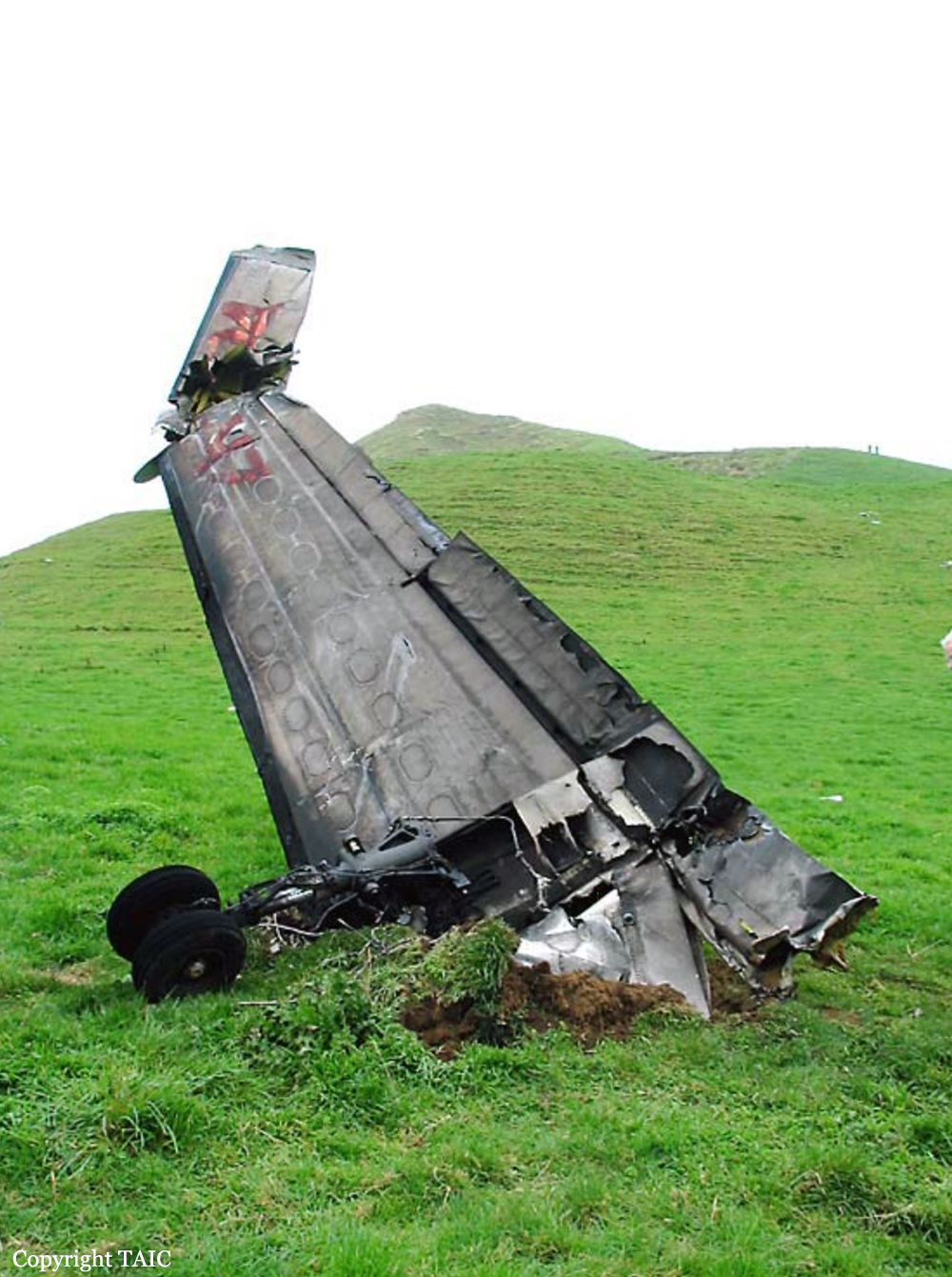
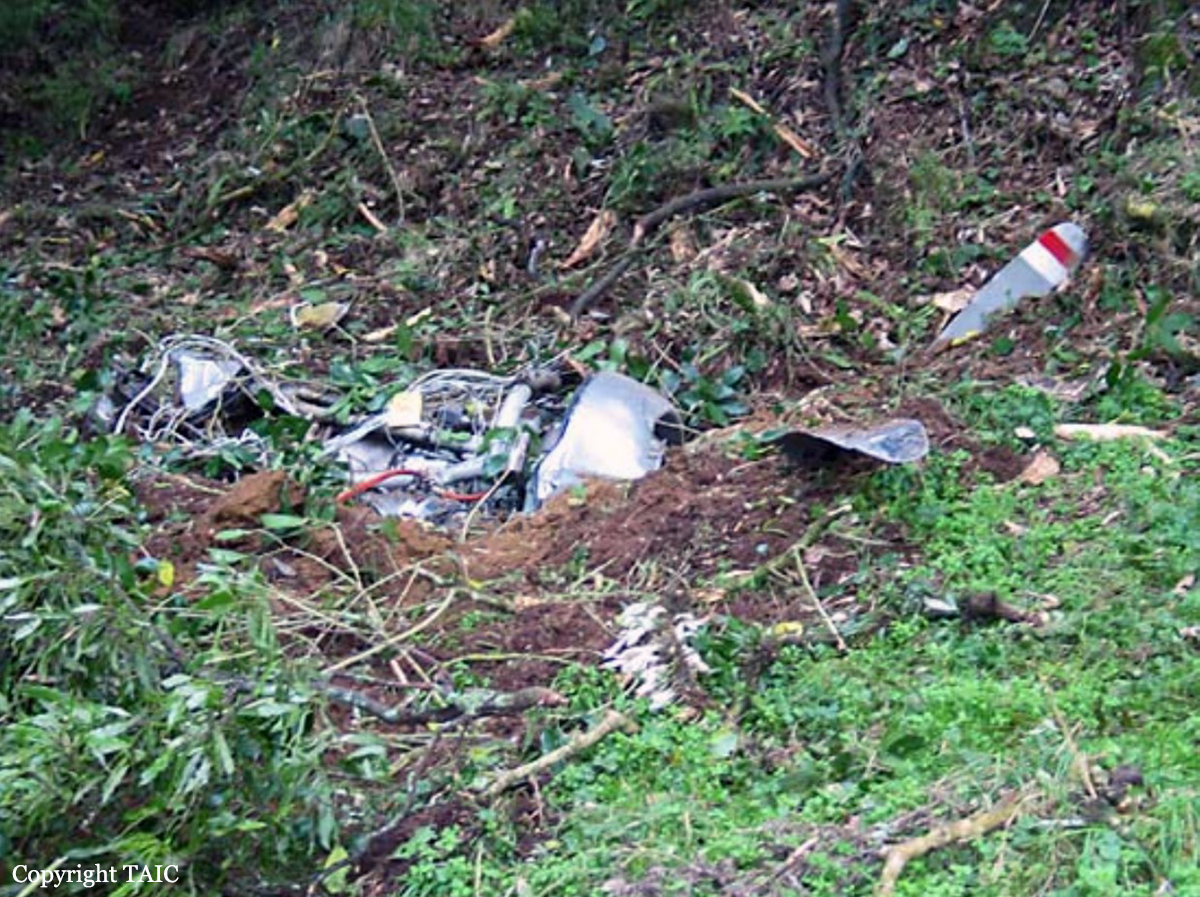
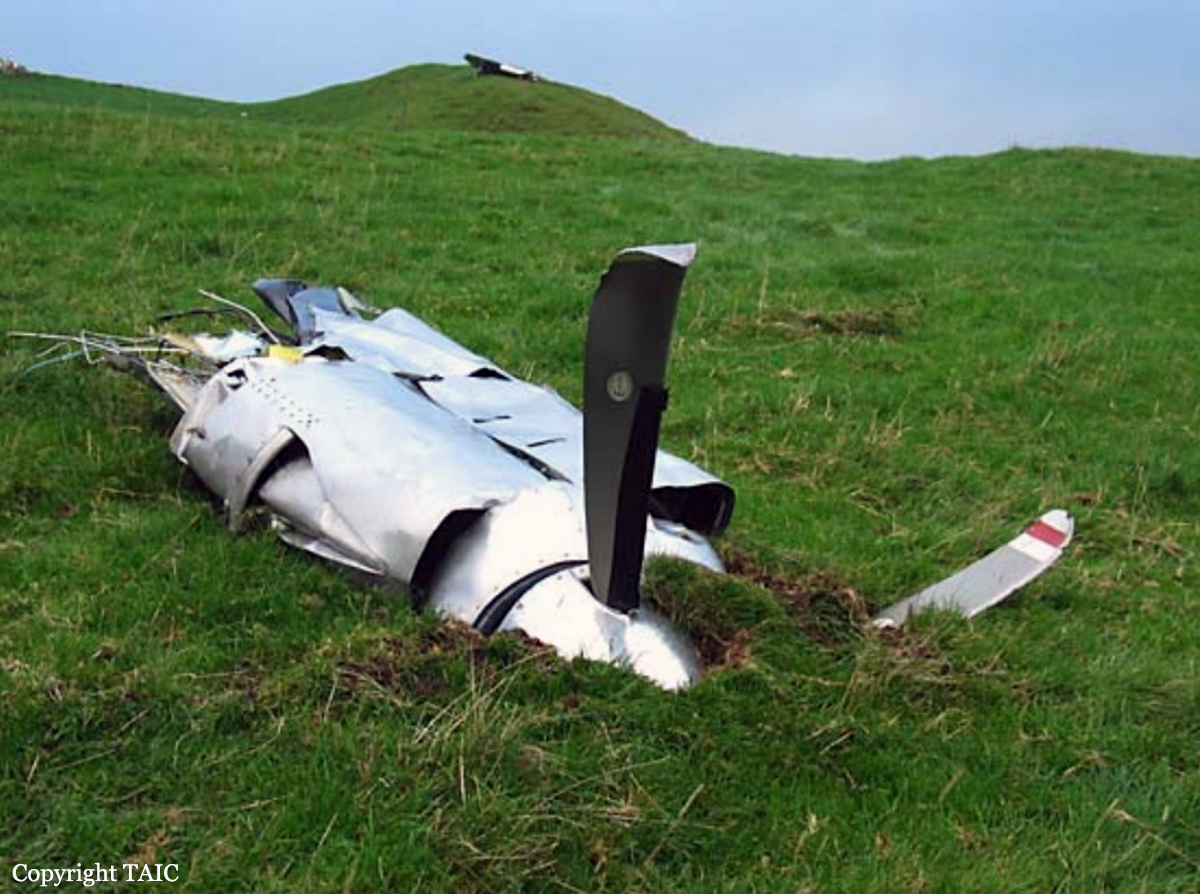
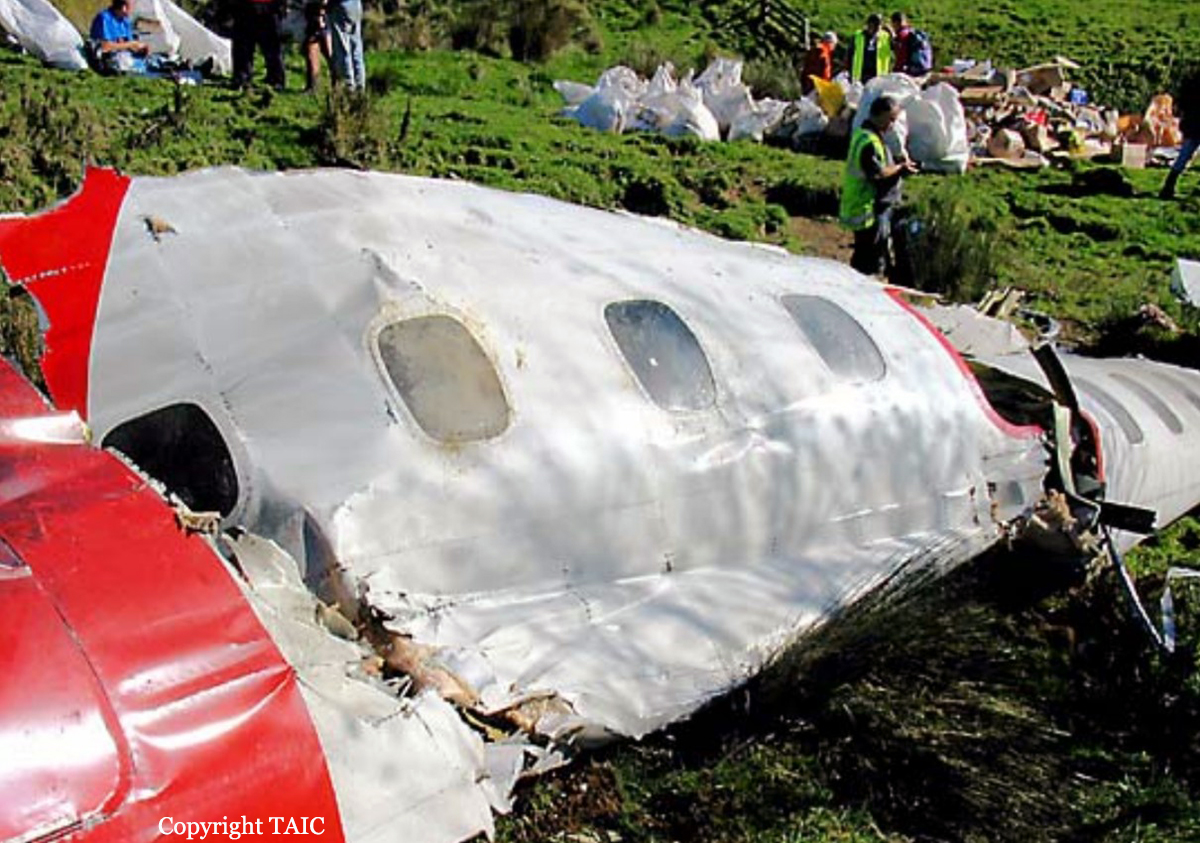
On Friday 31 March 2006 the pilot intended to carry out topdressing on properties near a steep hill range nine kilometres to the south-west of Kaitaia. The day’s activities commenced at approximately 0600 hours when the pilot and loaderdriver met at Kaitaia aerodrome. The pilot and loader-driver flew in the aircraft from the aerodrome to a farm airstrip located on the back of a hill range near the Pukepoto Quarry where the fertiliser-loading truck had been parked overnight. The topdressing operation began in the morning with spreading approximately 25 tonnes of superphosphate on nearby farmland which was stored in the fertiliser bins next to the airstrip. As the last of the superphosphate was being spread, a consignment of fresh lime was delivered by a trucking contractor. The topdressing operation continued with the spreading of the lime on another property near the base of the hill range, about three kilometres from the airstrip. At around 1000 hours, while waiting on another delivery of lime by the trucking contractor, the pilot and loader-driver flew in the aircraft to another airstrip about 20 km to the south-east near Broadwood. They repositioned a fertiliser-loading truck located at this airstrip to another airstrip near Pawarenga, in anticipation of the next day’s topdressing. The pilot and loader-driver then flew back to the original farm airstrip near the Pukepoto Quarry, arriving at approximately 1100 hours. At about this time the pilot received a cell phone call from his supervising Chief Pilot. During the conversation he asked the Chief Pilot for his advice about the best direction for spreading lime on the land that he was currently working on. The pilot also commented about how the lime was ‘hanging up’ and not flowing easily from the aircraft’s hopper. The Chief Pilot cautioned the pilot about the poor flow properties of new lime and advised him to spread the lime in line with the hill range, not up the slope. The topdressing operation then resumed until all the lime in the fertiliser bin had been used. The pilot and loader-driver then stopped for lunch during which time the aircraft was refuelled and another truckload of lime was delivered. The pilot had commented to the loader-driver during lunch that the lime was still hanging up in the aircraft’s hopper. He was finding that he needed to complete about two passes to clear the entire load from the hopper. Just before starting the afternoon’s topdressing flights, the pilot had a conversation on his cell phone with a bank manager in Auckland. The conversation concerned the financial position of his topdressing business. The loader-driver reported that the pilot became very agitated during the conversation, but appeared to calm down prior to beginning the afternoon’s flying. The farm-owner observed the aircraft on its first flight of the afternoon as it completed the first two passes. He was aware that the aircraft had flown further away after these two passes and assumed the aircraft was returning to the airstrip for a second load of lime. He did not notice anything abnormal about the aircraft. Other witnesses reported that the aircraft flew parallel with a plantation of 30-40 metre high trees towards the rising hill range. The closest eye witness reported seeing what appeared to be fertiliser dropping from the aircraft as it flew along the tree line up the slope. The dropping of the fertiliser then stopped at which point the aircraft was seen entering a steep right hand turn away from the slope whilst descending towards the ground. The aircraft disappeared in to tall bush on the hillside and witnesses heard the aircraft impact the ground. A large smoke-like cloud was then seen rising up through the bush. On hearing the impact, the farm-owner and a local share-milker from a nearby farm searched the hillside for the aircraft. The aircraft was obscured by the tall bush and was initially difficult to locate. The share-milker made his way down the hillside through the bush to the aircraft. He quickly realised that the pilot was deceased. The farmer-owner went to alert the emergency services, however another property owner who had heard the aircraft strike the ground and seen the smoke had already telephoned the New Zealand Police. The accident occurred in daylight, at approximately 1345 hours NZDT, 9 km south-west of Kaitaia at an elevation of 880 feet AMSL. Latitude: S 35° 10' 26.1", longitude: E 173° 11' 29.4"; grid reference: NZMS 260 N05 283698.
Probable cause:
Conclusions:
- The pilot was appropriately licensed and was being supervised as required by Civil Aviation Rules.
- The aircraft had been maintained in accordance with the requirements of Civil Aviation Rules, and had a valid airworthiness certificate.
- There was no evidence that the aircraft had suffered any mechanical problem which may have contributed to the accident.
- The probable initiator of the accident was a hung load of lime which would have limited the climb performance of the aircraft. Factors contributing to the accident were the steep rising terrain and a high tree line which restricted the turning options for the pilot.
- The pilot flew the aircraft into a situation where he had limited recovery options. Due to his limited agricultural flying experience, he may not have appreciated his predicament until it was too late or taken recovery action early enough. The aircraft appears to have aerodynamically stalled during a right hand turn from which there was insufficient height to recover.
- In addition, the pilot’s decision making ability and concentration may have been impaired to some degree by various distractions and fatigue.
- The accident was not survivable.
- The standard sight (observation) window installed on Fletcher aircraft is an impractical method for pilots to monitor the upper level of the hopper contents during flight, particularly with a product like lime which has a higher relative density compared to other fertiliser products.
Final Report:
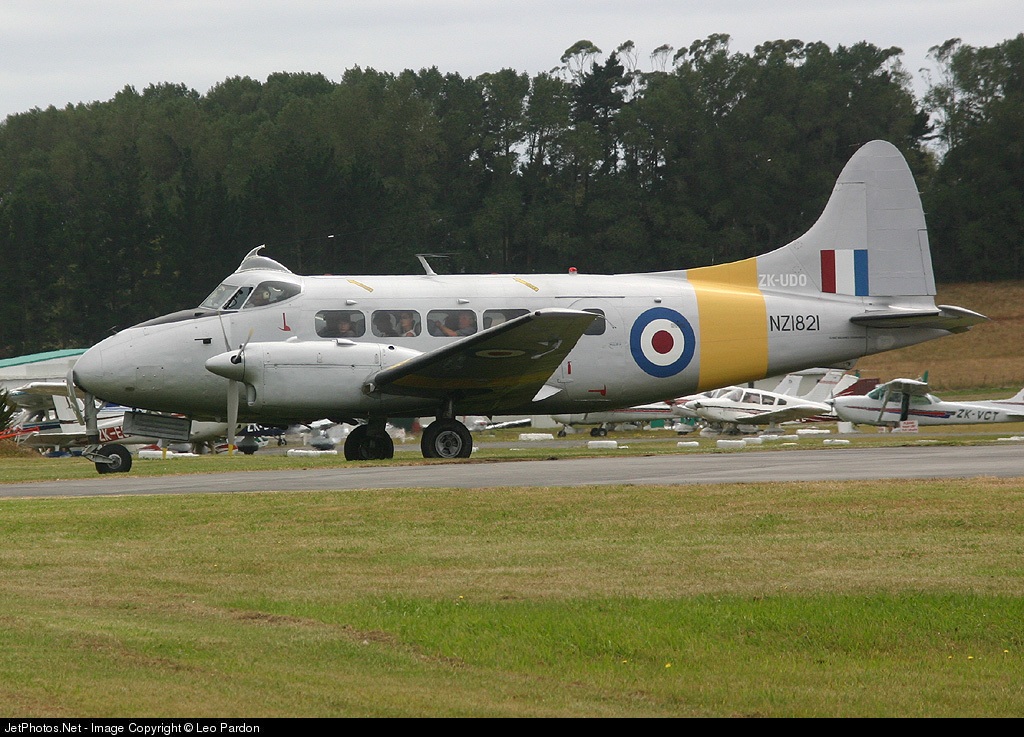
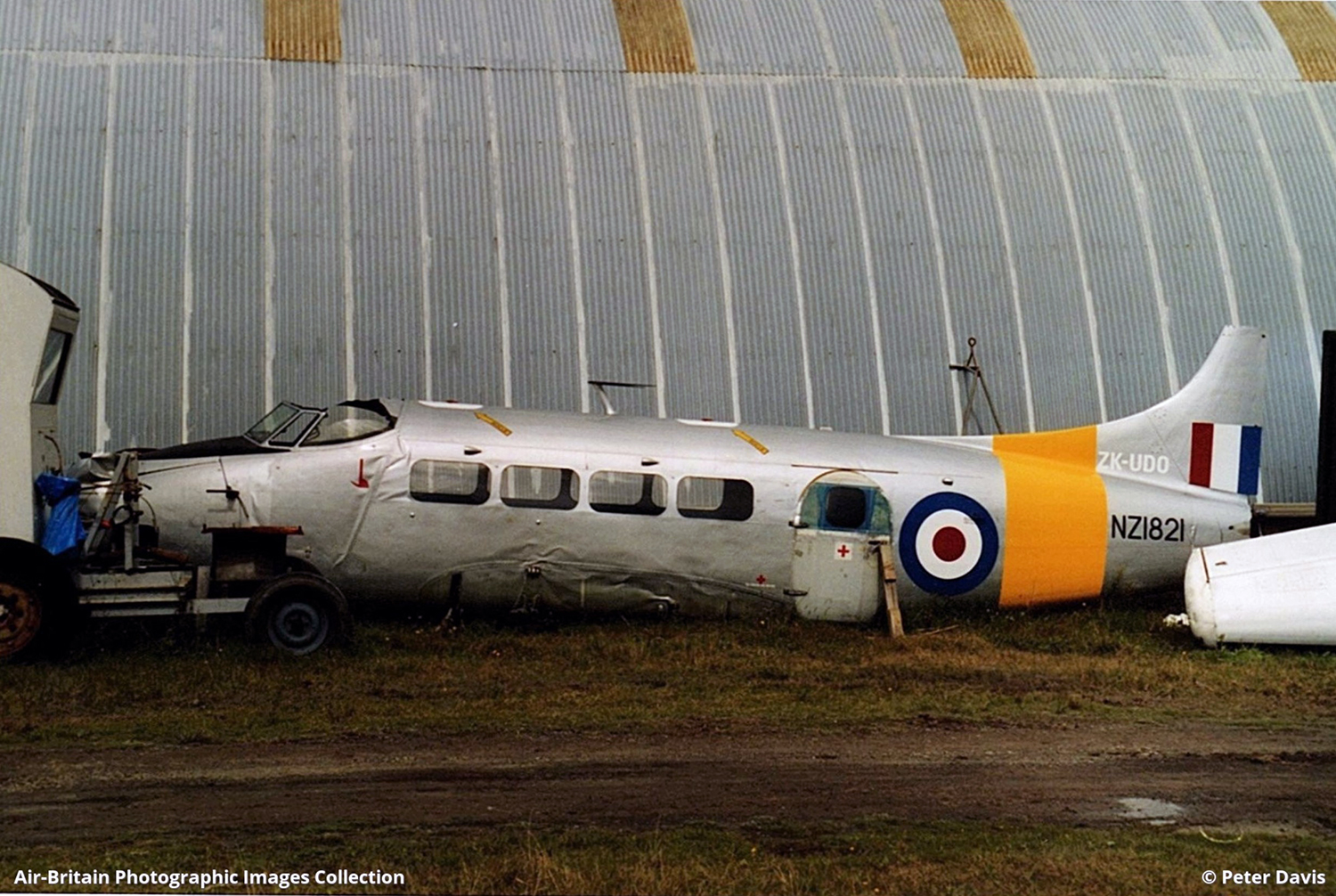
Crash of a De Havilland DH.104 Dove 1B at Ohakea AFB

Date & Time: Feb 3, 2006 at 1020 LT
Type of aircraft:
Operator:
Registration:
ZK-UDO
Flight Type:
Survivors:
Yes
MSN:
04412
YOM:
1953
Country:
Region:
Crew on board:
2
Crew fatalities:
Pax on board:
7
Pax fatalities:
Other fatalities:
Total fatalities:
0
Circumstances:
The aircraft was performing a private tour when enroute, the crew decided to divert to Ohakea AFB due to the deterioration of the weather conditions. On final approach, when full flaps was selected, the aircraft rolled left and right. The pilots could not control the aircraft that struck the runway surface and came to rest. While all occupants were uninjured, the aircraft was considered as damaged beyond repair.
Probable cause:
Failure of the port flap jack linkage eye-bolt which caused an asymmetrical flap condition, causing the aircraft to be out of control.

Crash of a Piper PA-31-350 Navajo Chieftain near Condobolin: 4 killed

Date & Time: Dec 2, 2005 at 1350 LT
Registration:
VH-PYN
Flight Phase:
Flight Type:
Survivors:
No
Schedule:
Brisbane – Swan Hill
MSN:
31-8252075
YOM:
1982
Country:
Region:
Crew on board:
2
Crew fatalities:
Pax on board:
2
Pax fatalities:
Other fatalities:
Total fatalities:
4
Captain / Total flying hours:
4600
Captain / Total hours on type:
1000.00
Aircraft flight hours:
2900
Circumstances:
On 2 December 2005, at 1122 Eastern Daylight-saving Time, a Piper Aircraft Corporation PA-31-350 Chieftain aircraft, registered VH-PYN (PYN), departed Archerfield, Qld, on a private flight to Griffith, NSW. The flight was planned under the instrument flight rules (IFR). On board the aircraft were the pilot, two passengers and an observer-pilot who was on the flight to gain knowledge of the aircraft operation. The aircraft tracked direct to Moree and then Coonamble at 10,000 ft, in accordance with the flight plan. At 1303, the pilot amended the destination to Swan Hill, Vic, tracking via Hillston, NSW. At 1314, the pilot advised air traffic control that the aircraft had passed overhead Coonamble at 1312 maintaining 10,000 ft, and was estimating Hillston at 1418. At 1316, the pilot reported that he was tracking 5 NM (9 km) left of track due to weather. At 1337, the pilot advised that he was diverting up to 20 NM (37 km) left of track due to weather. At 1348, the pilot reported that he was diverting 29 NM (54 km) left of track, again due to weather. No further radio transmission from the pilot was heard. At about 1400, police received a report that an aircraft had crashed on a property approximately 28 km north of Condobolin, NSW. The extensively burned wreckage was subsequently confirmed as PYN. Other wreckage, spread along a trail up to 4 km from the main wreckage, was located the following day. Examination of air traffic control recorded radar data indicated that the aircraft entered radar coverage about 50 km north of Condobolin at 1346:34. The last valid radar data from the secondary surveillance radar located on Mount Bobbara was at 1349:53. During that 3 minute 19 second period, the recorded aircraft track was approximately 56 km left of the Coonamble to Hillston track and showed a change in direction from southerly to south-westerly. The aircraft’s groundspeed was in the range between 200 and 220 kts. The aircraft’s altitude remained steady at 10,000 ft. The last recorded radar position of the aircraft was approaching the limit of predicted radar coverage and was within 10 km of the location of the main aircraft wreckage. Earlier that day, the aircraft had departed Bendigo, Vic, at 0602 and arrived at Archerfield at 1034. The pilot and the observer-pilot were on board. The aircraft was refuelled to full tanks with 314 litres of aviation gasoline at Archerfield. The refuelling agent reported that the main and auxiliary tanks were full at the completion of refuelling. He also reported that the pilots had commented that the forecast for their return flight indicated that weather conditions would be ‘patchy’.
Probable cause:
Contributing factors:
• A line of thunderstorms crossed the aircraft’s intended track.
• The aircraft was operating in the vicinity of thunderstorm cells.
• In circumstances that could not be determined, the aircraft’s load limits were exceeded, causing structural failure of the airframe.
Other safety factors:
• Air traffic control procedures, did not require the SIGMET information to be passed to the aircraft.
• There were shortcomings in the Airservices Australia Hazard Alert procedures and guidelines for assessing SIGMET information.
• Air traffic control procedures for the dissemination of SIGMET information contained in the Aeronautical Information Publication were inconsistent with procedures contained in International Civil Aviation Organization (ICAO) Doc. 4444 and ICAO Doc. 7030.
Other key findings:
• The aircraft was not equipped with weather radar or lightning strike detection systems.
• The pilot did not make any request for additional information regarding the weather to air traffic services.
• The pilot in command was occupying the right cockpit seat and the observer- pilot the left cockpit seat at the time of the breakup, but that arrangement was not considered to have influenced the development of the accident.
Final Report:
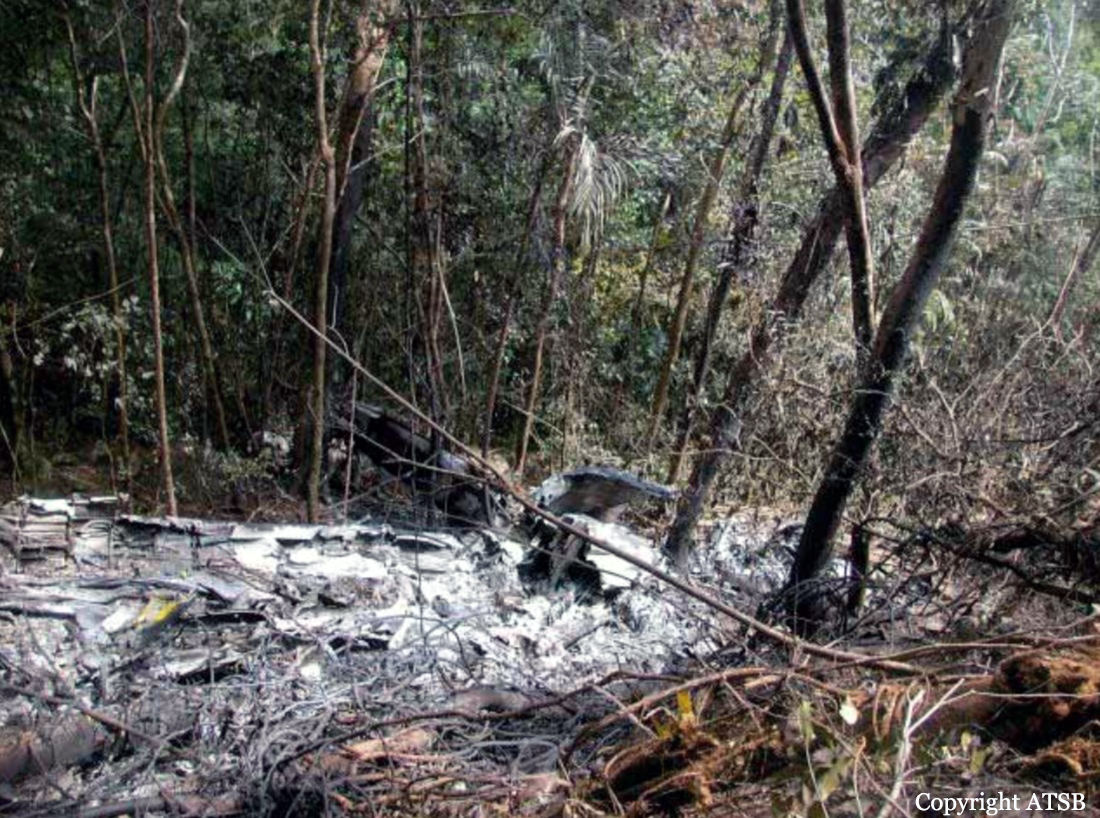
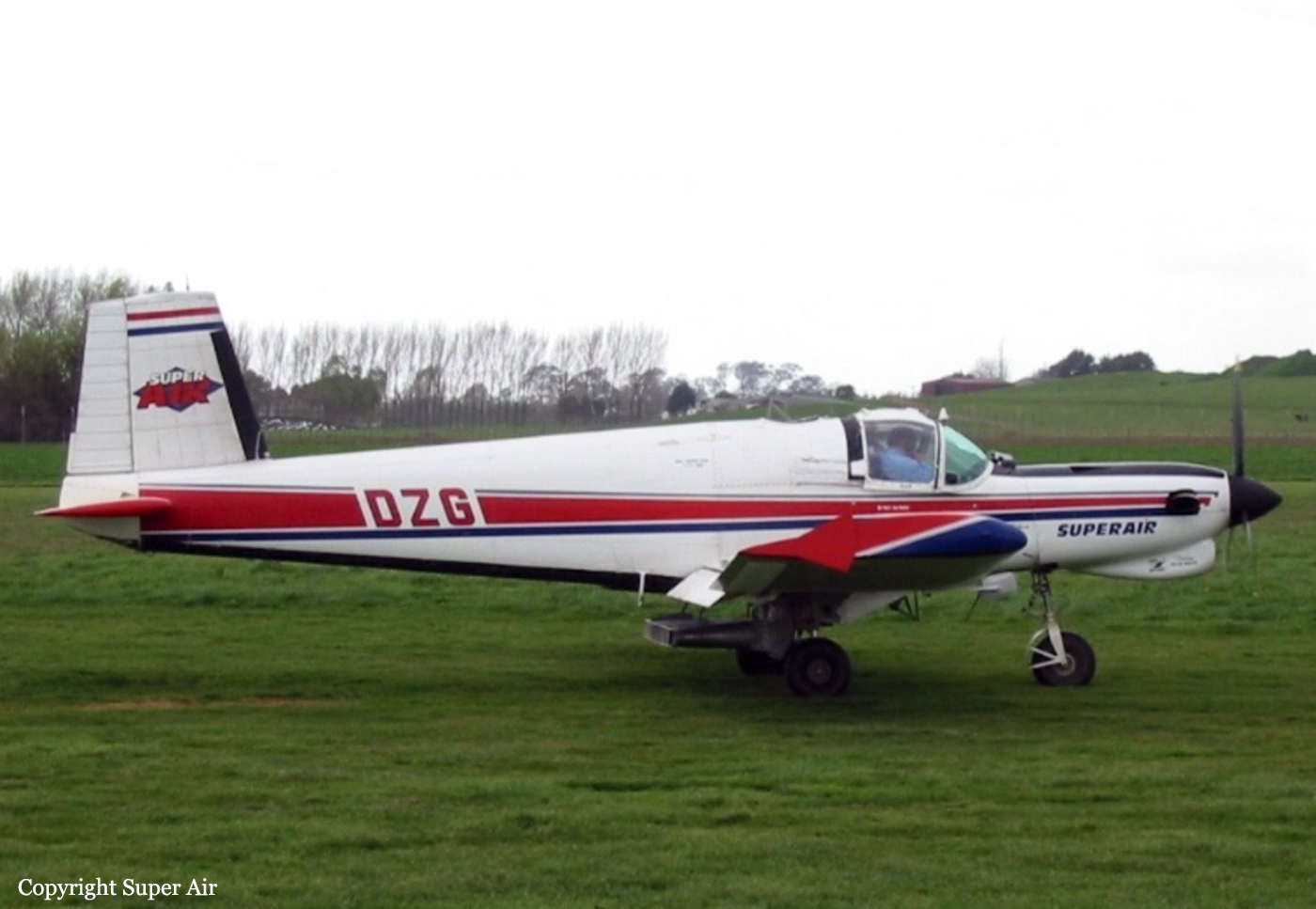
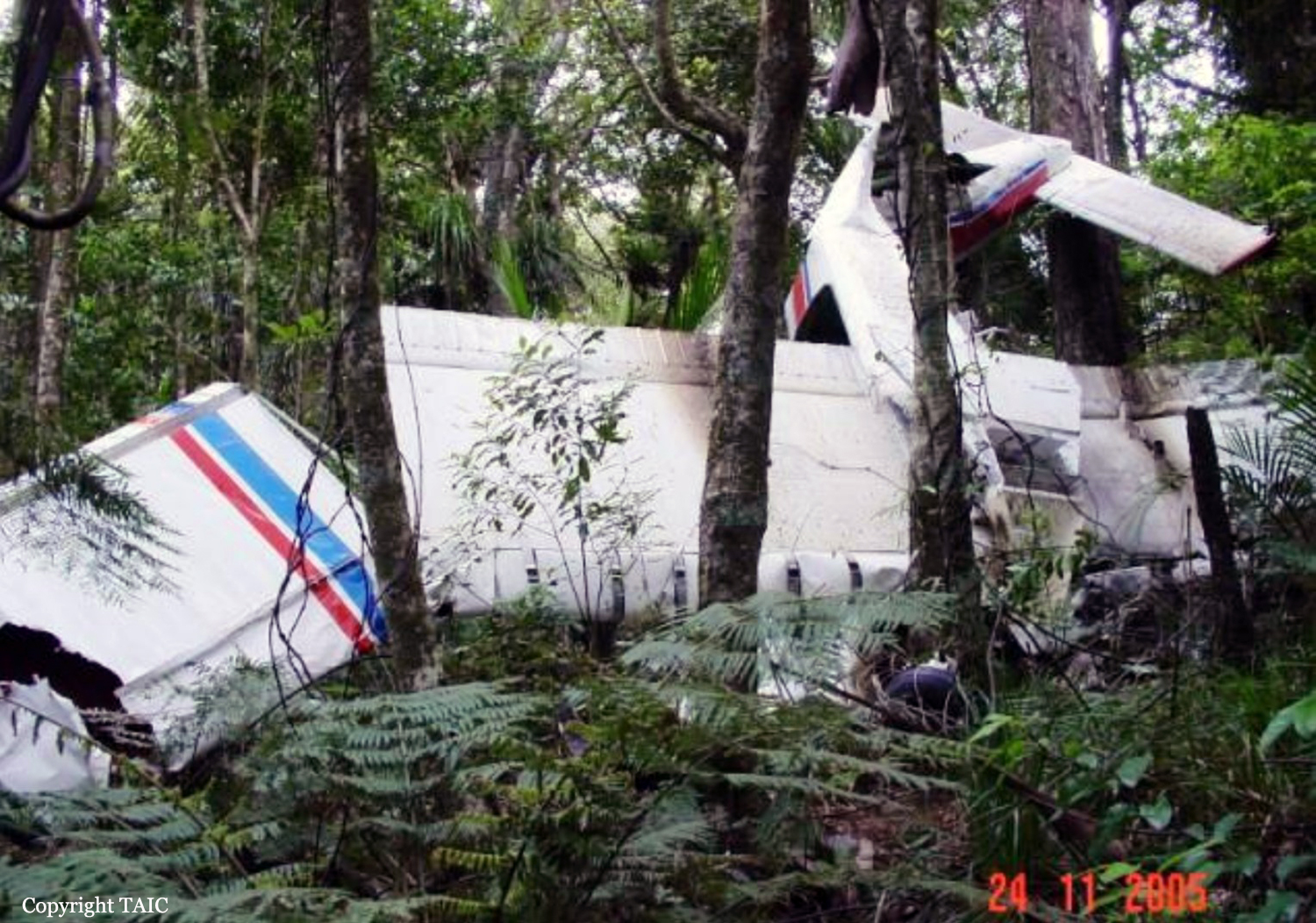
Crash of a Fletcher FU-24-950 in Whangarei: 2 killed

Date & Time: Nov 22, 2005 at 1142 LT
Type of aircraft:
Operator:
Registration:
ZK-DZG
Flight Type:
Survivors:
No
MSN:
207
YOM:
1975
Country:
Region:
Crew on board:
1
Crew fatalities:
Pax on board:
1
Pax fatalities:
Other fatalities:
Total fatalities:
2
Captain / Total flying hours:
16000
Captain / Total hours on type:
2382.00
Aircraft flight hours:
10597
Circumstances:
On 21 November 2005, the day before the accident, the pilot had completed a day of aerial topdressing in ZK-DZG, a New Zealand Aerospace Industries Fletcher FU24-950, then flown the aircraft with his loader-driver as a passenger to Whangarei Aerodrome. That evening the pilot contacted his operator’s (the company’s) chief engineer in Hamilton and said that the airspeed indicator in ZK-DZG was stuck on 80 knots. The chief engineer told him the pitot-static line for the indicator was probably blocked and to have a local aircraft engineer blow out the line. Early the next morning, the day of the accident, the pilot flew ZK-DZG with his loader-driver on board to an airstrip 50 km north-west of Whangarei to spread fertiliser on a farm property. As the morning progressed, the weather conditions became unsuitable for aerial topdressing. At about 1020, the pilot used his mobile telephone to talk to another company pilot at Kerikeri, and told him that the wind was too strong for further work. The conversation included general work-related issues and ended about 1045, with the pilot saying that he was shortly going to return to Whangarei and go to his motel. Before leaving for Whangarei, the pilot spoke with a truck driver who had delivered fertiliser to the airstrip about 1100. The driver commented later that the pilot said the wind had picked up enough to preclude further topdressing. After they had covered the fertiliser, the pilot told the driver that he and the loader-driver would fly to Whangarei. The driver did not recall anything untoward, except that the pilot had casually mentioned there was some electrical fault causing an amber light in the cockpit to flicker and that it would only be a problem if a second light came on. He said the pilot did not appear to be concerned about the light. The driver then left and did not see the aircraft depart. The pilot used his mobile telephone to tell an aircraft engineer at Whangarei Aerodrome about the airspeed indicator problem and asked him if he could have a look at it and blow out the pitot-static system. The engineer believed the call was made from the ground at about 1130, but he could not be certain of the time. The engineer agreed to rectify the problem and the pilot said he would arrive at the Aerodrome about noon. The engineer said he did not know that the pilot had spent the previous night in Whangarei or that the aircraft had been parked at the Aerodrome overnight. ZK-DZG was equipped with a global positioning system (GPS) and its navigation data was downloaded for analysis. From the data it was established that the aircraft departed from the airstrip at 1131 and flew for about 39 km on a track slightly right of the direct track to Whangarei Aerodrome, before altering heading direct to the aerodrome and Pukenui Forest located 5 km west of Whangarei city. A witness who had some aeroplane pilot flying experience, and was on a property close to the track of ZK-DZG, said he saw the aircraft fly past shortly after about 1130 at an estimated height of 500 feet. He watched it fly in the direction of Pukenui Forest for about 40 seconds before turning his head away. A short time later he turned again to look at the aircraft, which by then was just above the horizon about 2 ridges away. He said there was a strong, constant wind blowing from the right (south) of the aircraft, which appeared to be drifting sideways and rocking its wings. He then saw the aircraft enter a steep descending turn that seemed to tighten before it disappeared from view. He estimated it to have turned about 270 degrees. Another witness near the aircraft track and accident site reported seeing the aircraft at about 1140 flying just above the tree line and thought it might have been “dusting” the forest. The aircraft then turned and disappeared behind some trees. Other witnesses who heard or saw the aircraft described the weather as squally throughout the morning with strong winds from the south, and said that near the time of the accident there was no rain. The witnesses noticed nothing untoward with the aircraft itself, and at the time none was concerned that the aircraft may have been involved in an accident. The local aircraft engineer said he was not concerned when ZK-DZG did not arrive at Whangarei, because from his experience it was not unusual for agricultural pilots to change their plans at the last minute and to not inform the engineers. He described his conversation with the pilot as being casual and said the pilot did not mention that he was finishing topdressing for the day because of the weather. He thought the pilot was just trying to fit in the maintenance work and that his plans had changed. The pilot had not asked him to provide any search and rescue watch, nor did the engineer expect him to because he could not recall any pilot having asked him to do so. There was no evidence that the pilot made any radio calls during the flight. The frequency to which the radio was selected and its serviceability could not be determined because of the accident damage. At about 2200 a member of the pilot’s family contacted the emergency services when she became concerned that there had been no contact from the pilot. An extensive aerial search began at first light the next morning, and at about 1120 the wreckage of ZK-DZG was located about 50 metres (m) below a ridge in a heavily wooded area of Pukenui Forest, at an elevation of 920 feet above sea level. Both occupants were fatally injured.
Probable cause:
Findings are listed in order of development and not in order of priority.
- The pilot was correctly licensed, experienced and authorised for the flight.
- The pilot was operating the aircraft in an unserviceable condition because of a stuck airspeed indicator, which prevented him accurately assessing the aircraft airspeed. Consequently the
aircraft could have exceeded its airspeed limitations by some degree in the turbulent conditions.
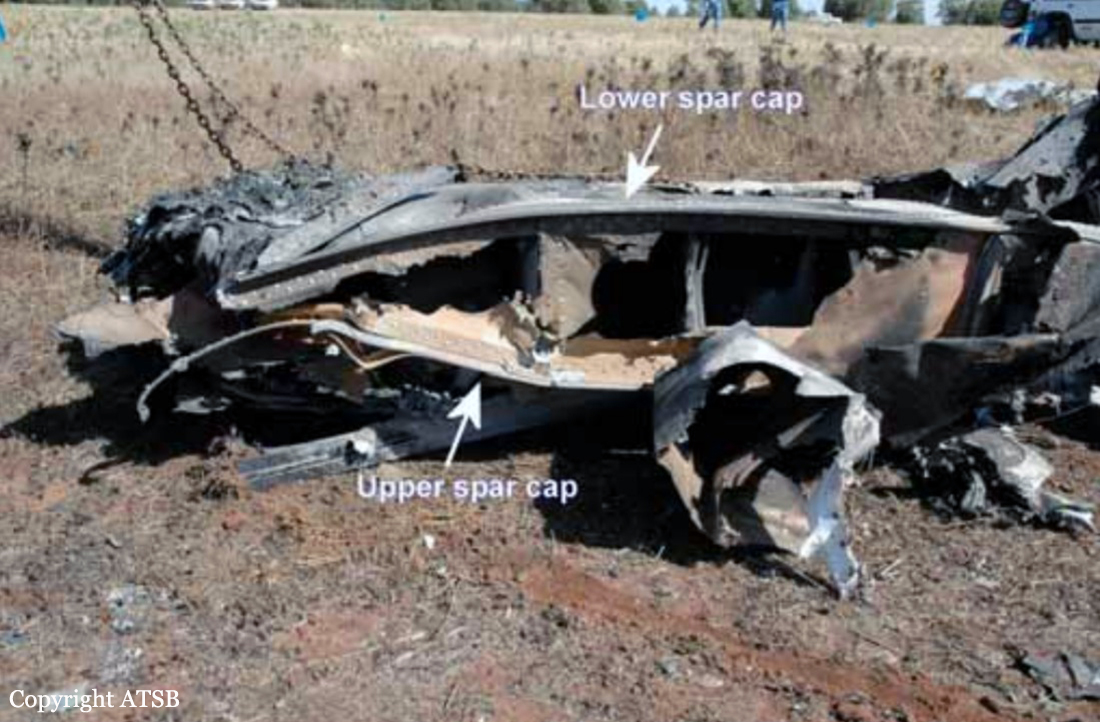
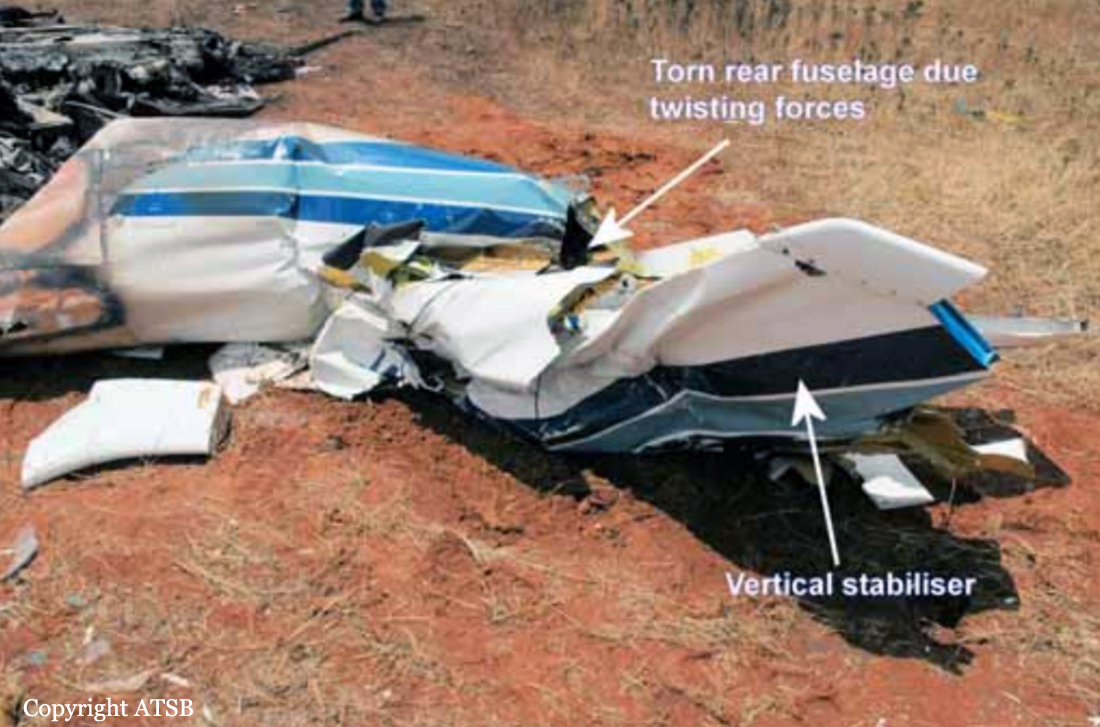
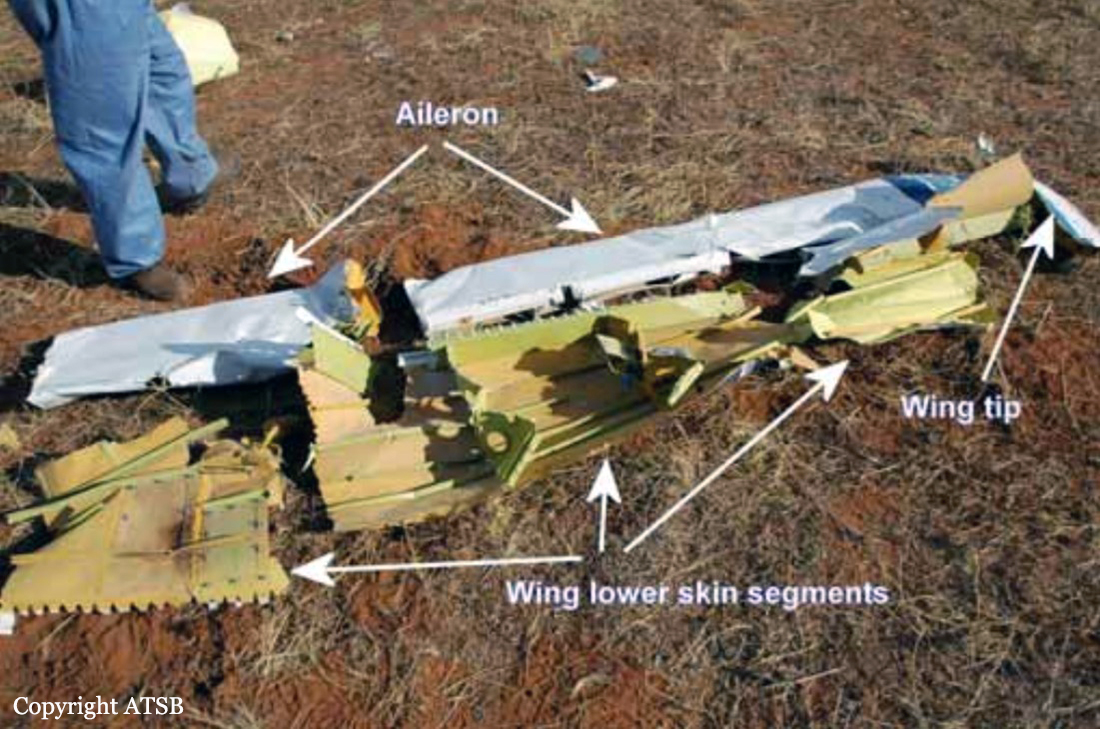
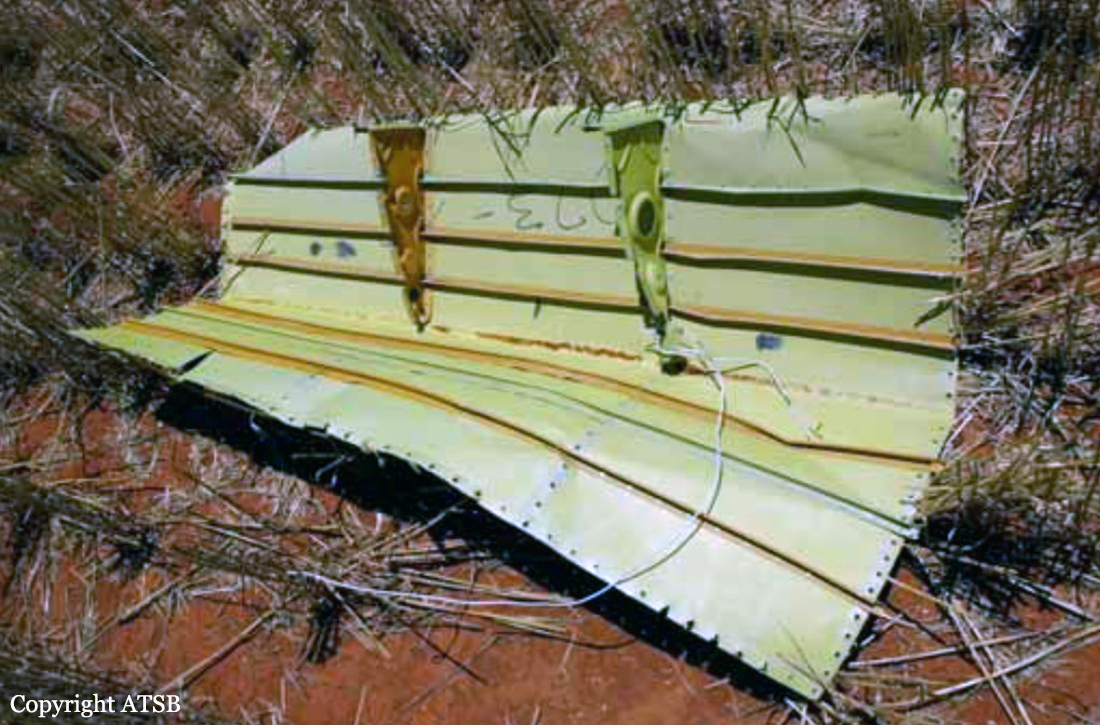
- The structural integrity of the vertical fin had been reduced to such an extent by a cluster of unnoticed pre-existing fatigue cracks in its leading edge that eventual failure was inevitable. When the fin failed, it brought about an unrecoverable loss of control and the accident.
- Although the early design of the vertical fin met recognised requirements, it did not provide for any structural redundancy and the leading edge of the fin (a structural component) was not
damage-tolerant.
- The cracks in the fin leading edge went unnoticed until the failure, most likely because an approved black rubber anti-abrasion strip along that surface had prevented any detailed examination of it.
- The approved maintenance programmes did not reflect the inspection-dependent nature of the vertical fin for its ongoing airworthiness, with the inspection periods having been extended over
the years without full consideration given to the importance of frequent inspections for timely detection of fatigue damage.
- There was no evidence that the fitment of a more powerful STC-approved turbine engine, in place of a piston engine, had initiated the fatigue cracks in the fin leading edge. However, once
started, the extra engine power might have contributed to the rate of propagation of the cracks.
- The vertical fin defects and failures in the Fletcher aircraft over the years were not confined to turbine-powered aircraft.
- The CAA’s STC approval process for the turbine engine installation was generally robust and had followed recognised procedures, but the process should have been enhanced by an in-depth
evaluation of the fatigue effects on the empennage.
- Given the generally harsh operating environment and frequency of operations for the turbine powered Fletcher, the continued airworthiness requirements of the fin were not scrutinised as
robustly as they should have been during the STC approval process. Consequently the maintenance programmes had not been improved to ensure the ongoing structural integrity of the fin.
Final Report:
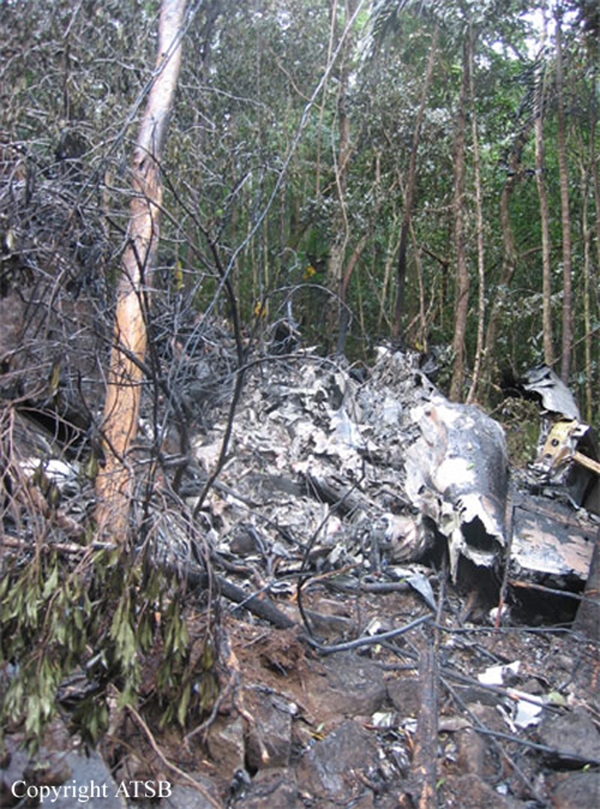
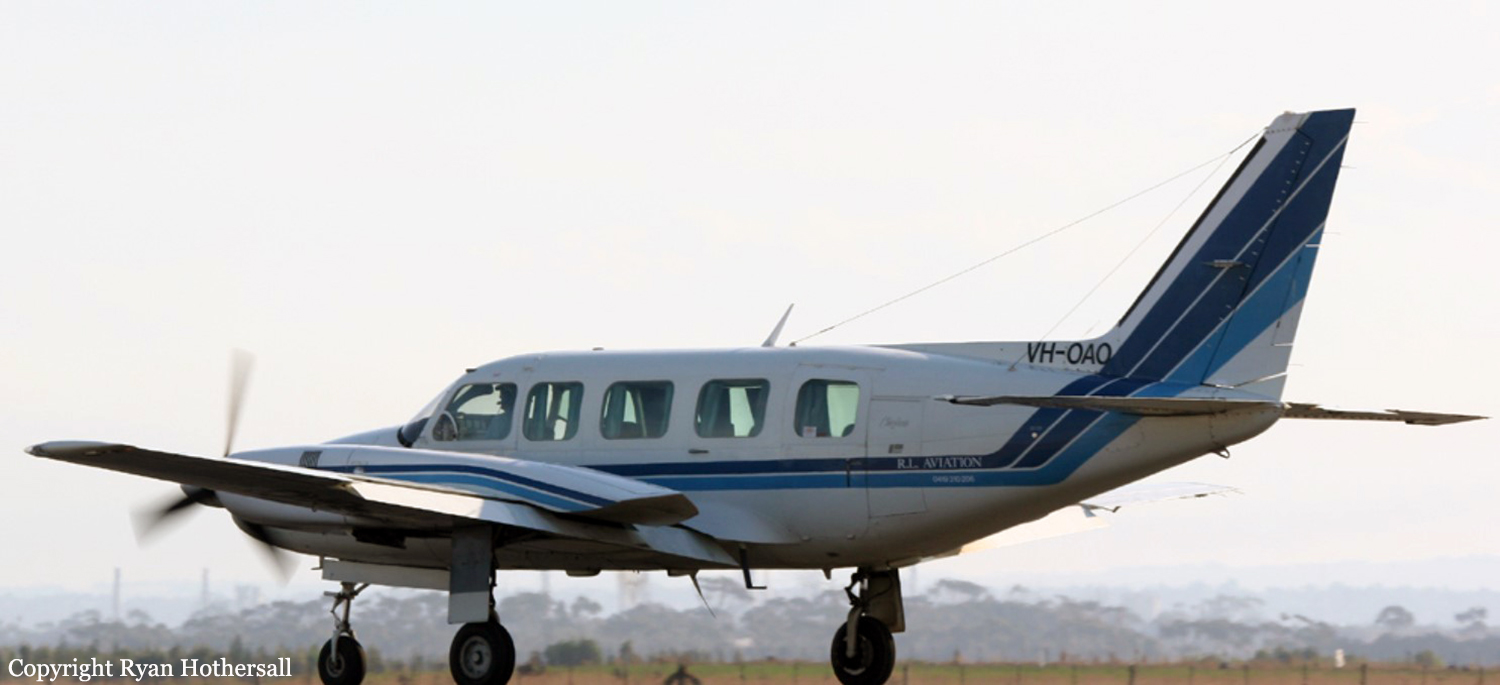
Crash of a Piper PA-31-350 Navajo Chieftain in Mount Hotham: 3 killed

Date & Time: Jul 8, 2005 at 1725 LT
Operator:
Registration:
VH-OAO
Survivors:
No
Schedule:
Melbourne - Mount Hotham
MSN:
31-8252021
YOM:
1982
Country:
Region:
Crew on board:
1
Crew fatalities:
Pax on board:
2
Pax fatalities:
Other fatalities:
Total fatalities:
3
Captain / Total flying hours:
4770
Captain / Total hours on type:
1269.00
Aircraft flight hours:
9137
Circumstances:
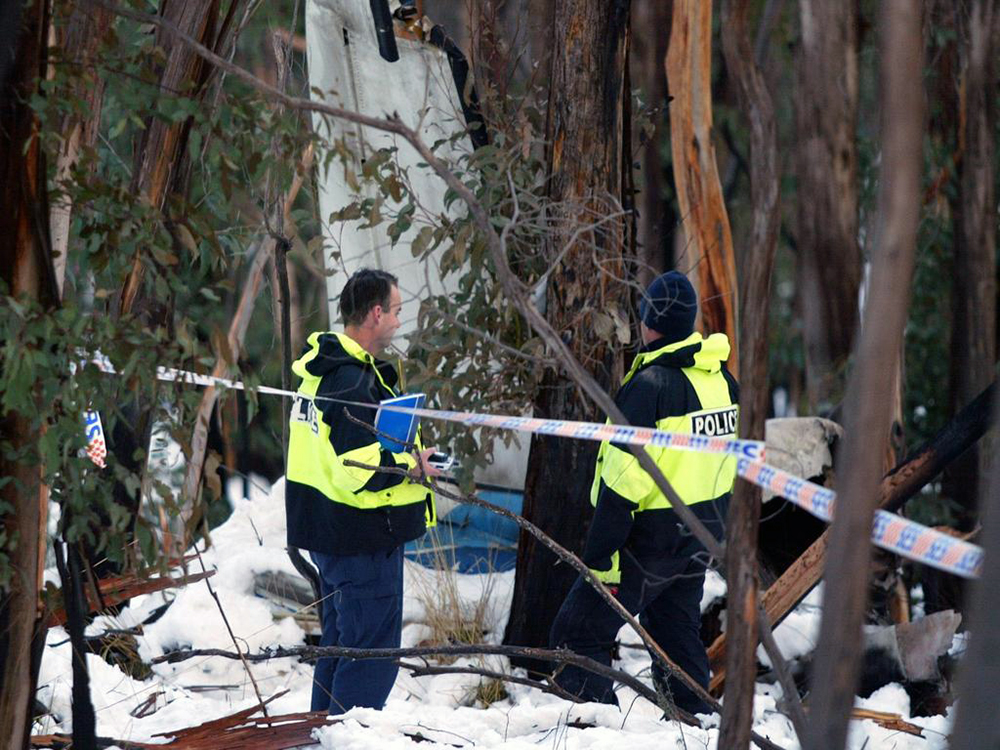
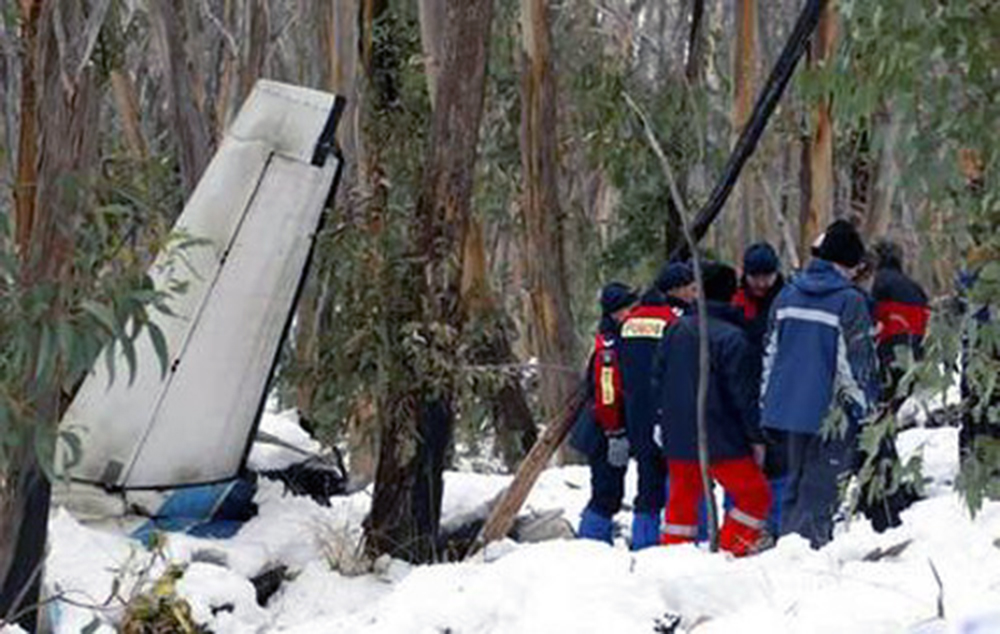
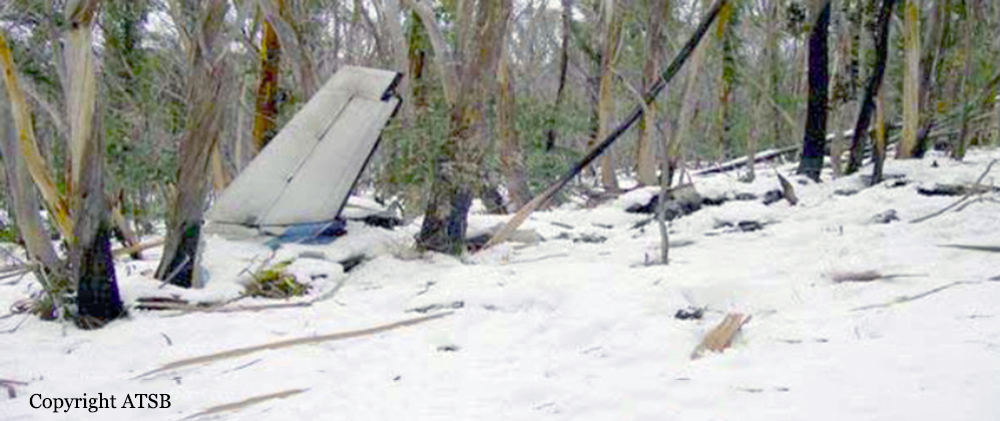
On 8 July 2005, the pilot of a Piper PA-31-350 Navajo Chieftain, registered VH-OAO, submitted a visual flight rules (VFR) flight plan for a charter flight from Essendon Airport to Mount Hotham, Victoria. On board the aircraft were the pilot and two passengers. At the time, the weather conditions in the area of Mount Hotham were extreme. While taxiing at Essendon, the pilot requested and was granted an amended airways clearance to Wangaratta, due to the adverse weather conditions at Mount Hotham. The aircraft departed Essendon at 1629 Eastern Standard Time. At 1647 the pilot changed his destination to Mount Hotham. At 1648, the pilot contacted Flightwatch and requested that the operator telephone the Mount Hotham Airport and advise an anticipated arrival time of approximately 1719. The airport manager, who was also an accredited meteorological observer, told the Flightwatch operator that in the existing weather conditions the aircraft would be unable to land. At 1714, the pilot reported to air traffic control that the aircraft was overhead Mount Hotham and requested a change of flight category from VFR to instrument flight rules (IFR) in order to conduct a Runway 29 Area Navigation, Global Navigation Satellite System (RWY 29 RNAV GNSS) approach via the initial approach fix HOTEA. At 1725 the pilot broadcast on the Mount Hotham Mandatory Broadcast Zone frequency that the aircraft was on final approach for RWY 29 and requested that the runway lights be switched on. No further transmissions were received from the aircraft. The wreckage of the aircraft was located by helicopter at 1030 on 11 July. The aircraft had flown into trees in a level attitude, slightly banked to the right. Initial impact with the ridge was at about 200 ft below the elevation of the Mount Hotham aerodrome. The aircraft had broken into several large sections and an intense fire had consumed most of the cabin. The occupants were fatally injured.
Probable cause:
Findings:
• There were no indications prior to, or during the flight, of problems with any aircraft systems that may have contributed to the circumstances of the occurrence.
• The pilot continued flight into forecast and known icing conditions in an aircraft not approved for flight in icing conditions.
• The global navigation satellite constellation was operating normally.
• The pilot did not comply with the requirements of the published instrument approach procedure.
• The pilot was known, by his Chief Pilot and others, to adopt non-standard approach procedures to establish his aircraft clear of cloud when adverse weather conditions existed at Mount Hotham.
• The pilot may have been experiencing self-imposed and external pressures to attempt a landing at Mount Hotham.
• Terrain features would have been difficult to identify due to a heavy layer of snow, poor visibility, low cloud, continuing heavy snowfall, drizzle, sleet and approaching end of daylight.
• The pilot’s attitude, operational and compliance practices had been of concern to some Airservices’ staff.
• The operator’s operational and compliance history was recorded by CASA as being of concern, and as a result CASA staff continued to monitor the operator. However, formal surveillance of the operator in the preceding two years had not identified any significant operational issues.
Significant factors:
• The weather conditions at the time of the occurrence were extreme.
• The extreme weather conditions were conducive to visual illusions associated with a flat light phenomenon.
• The pilot did not comply with the requirements of flight under either the instrument flight rules (IFR) or the visual flight rules (VFR).
• The pilot did not comply with the requirements of the published instrument approach procedure and flew the aircraft at an altitude that did not ensure terrain clearance.
• The aircraft accident was consistent with controlled flight into terrain.
Final Report:

Crash of a Swearingen SA227DC Metro 23 in Lockhart River: 15 killed

Date & Time: May 7, 2005 at 1144 LT
Type of aircraft:
Operator:
Registration:
VH-TFU
Survivors:
No
Site:
Schedule:
Bamaga – Lockhart River – Cairns
MSN:
DC-818B
YOM:
1992
Flight number:
HC675
Country:
Region:
Crew on board:
2
Crew fatalities:
Pax on board:
13
Pax fatalities:
Other fatalities:
Total fatalities:
15
Captain / Total flying hours:
6071
Captain / Total hours on type:
3248.00
Copilot / Total flying hours:
655
Copilot / Total hours on type:
150
Aircraft flight hours:
26877
Aircraft flight cycles:
28529
Circumstances:
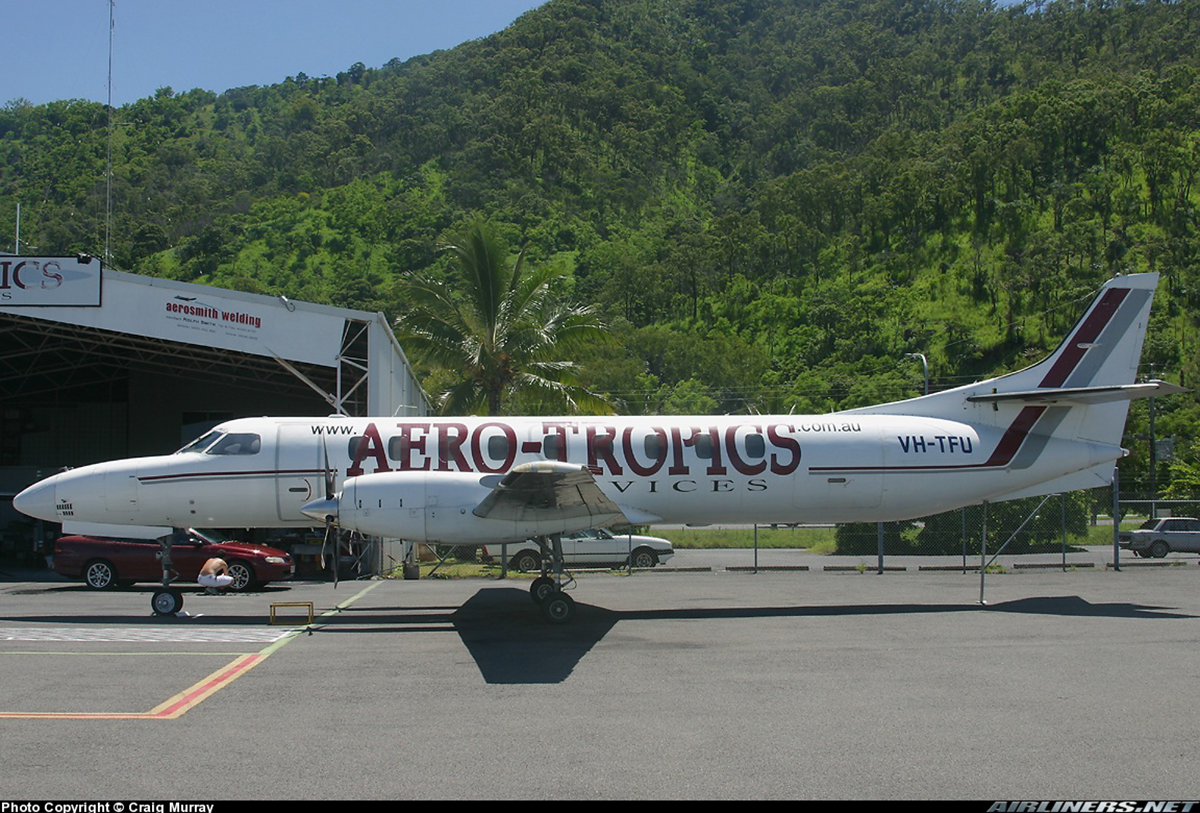
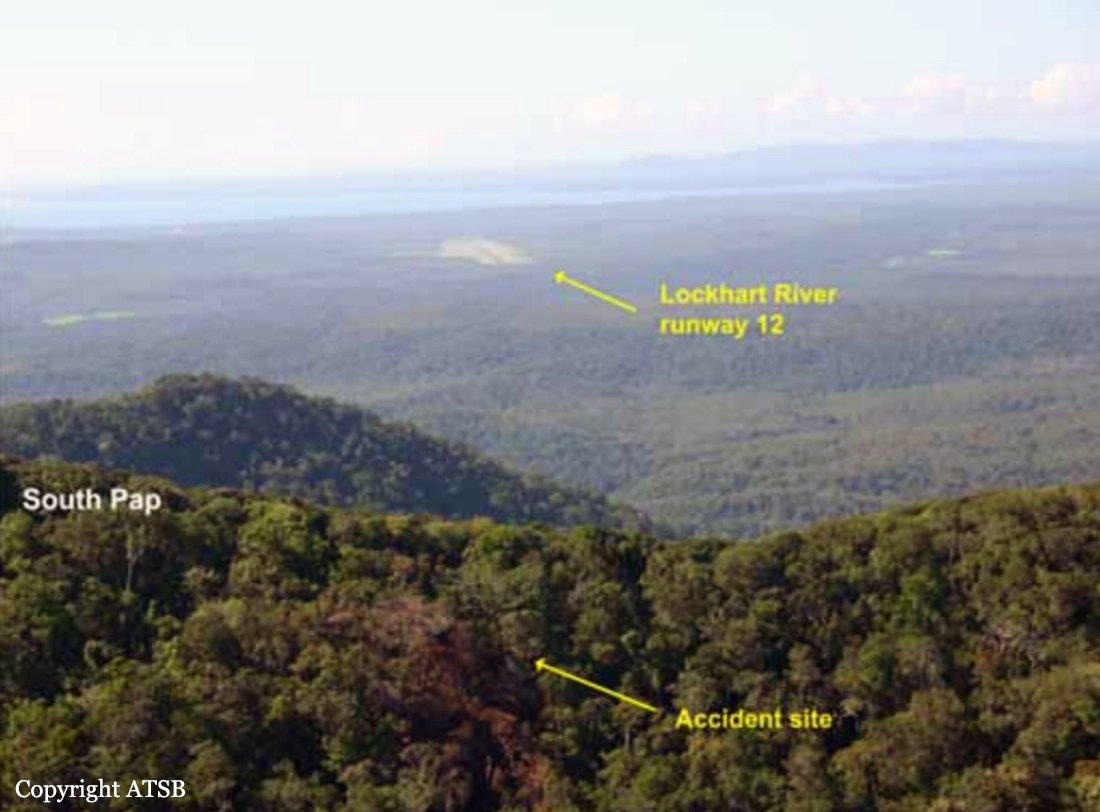
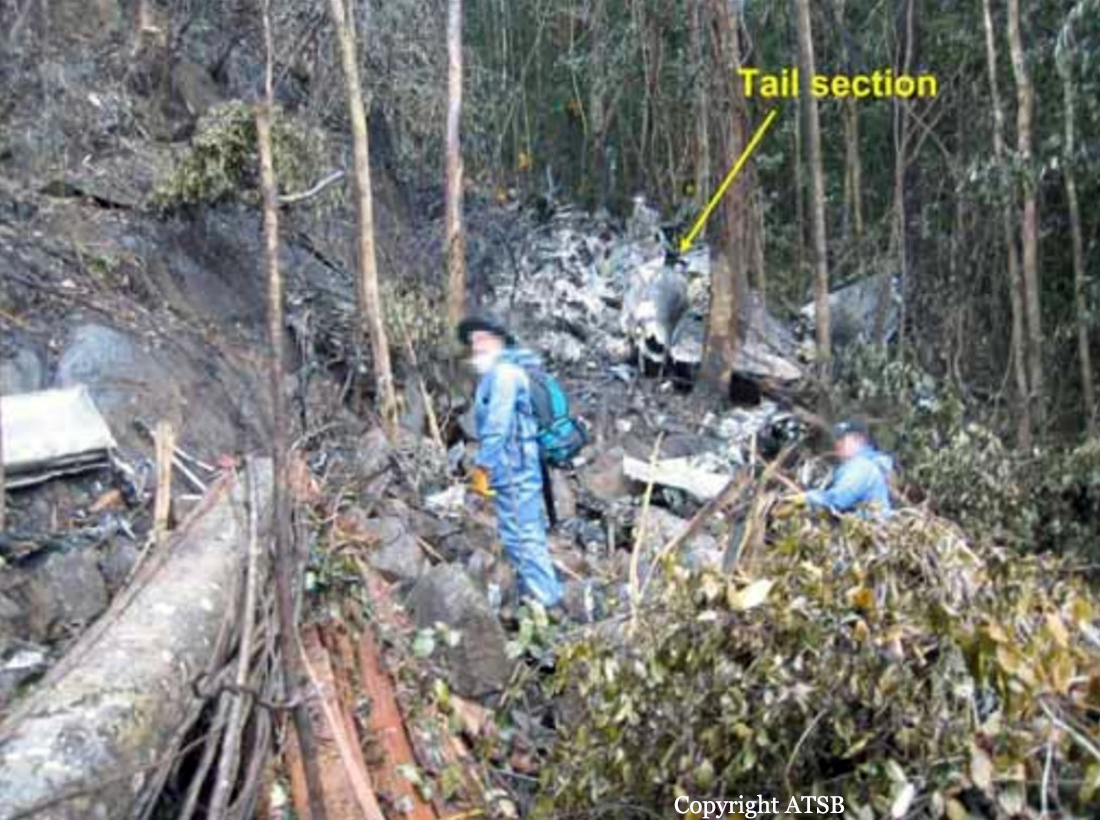
On 7 May 2005, a Fairchild Aircraft Inc. SA227DC Metro 23 aircraft, registered VH-TFU, with two pilots and 13 passengers, was being operated by Transair on an instrument flight rules (IFR) regular public transport (RPT) service from Bamaga to Cairns, with an intermediate stop at Lockhart River, Queensland. At 1143:39 Eastern Standard Time, the aircraft impacted terrain in the Iron Range National Park on the north-western slope of South Pap, a heavily timbered ridge, approximately 11 km north-west of the Lockhart River aerodrome. At the time of the accident, the crew was conducting an area navigation global navigation satellite system (RNAV (GNSS)) non-precision approach to runway 12. The aircraft was destroyed by the impact forces and an intense, fuel-fed, post-impact fire. There were no survivors. The accident was almost certainly the result of controlled flight into terrain; that is, an airworthy aircraft under the control of the flight crew was flown unintentionally into terrain, probably with no prior awareness by the crew of the aircraft’s proximity to terrain. Weather conditions in the Lockhart River area were poor and necessitated the conduct of an instrument approach procedure for an intended landing at the aerodrome. The cloud base was probably between 500 ft and 1,000 ft above mean sea level and the terrain to the west of the aerodrome, beneath the runway 12 RNAV (GNSS) approach, was probably obscured by cloud. The flight data recorder (FDR) data showed that, during the entire descent and approach, the aircraft engine and flight control system parameters were normal and that the crew were accurately navigating the aircraft along the instrument approach track. The FDR data and wreckage examination showed that the aircraft was configured for the approach, with the landing gear down and flaps extended to the half position. There were no radio broadcasts made by the crew on the air traffic services frequencies or the Lockhart River common traffic advisory frequency indicating that there was a problem with the aircraft or crew.
Probable cause:
Contributing factors relating to occurrence events and individual actions:
- The crew commenced the Lockhart River Runway 12 RNAV (GNSS) approach, even though the crew were aware that the copilot did not have the appropriate endorsement and had limited experience to conduct this type of instrument approach.
- The descent speeds, approach speeds and rate of descent were greater than those specified for the aircraft in the Transair Operations Manual. The speeds and rate of descent also exceeded those appropriate for establishing a stabilised approach.
- During the approach, the aircraft descended below the segment minimum safe altitude for the aircraft's position on the approach.
- The aircraft's high rate of descent, and the descent below the segment minimum safe altitude, were not detected and/or corrected by the crew before the aircraft collided with terrain.
- The accident was almost certainly the result of controlled flight into terrain.

Contributing factors relating to local conditions:
- The crew probably experienced a very high workload during the approach.
- The crew probably lost situational awareness about the aircraft's position along the approach.
- The pilot in command had a previous history of conducting RNAV (GNSS) approaches with crew without appropriate endorsements, and operating the aircraft at speeds higher than those specified in the Transair Operations Manual.
- The Lockhart River Runway 12 RNAV (GNSS) approach probably created higher pilot workload and reduced position situational awareness for the crew compared with most other instrument approaches. This was due to the lack of distance referencing to the missed approach point throughout the approach, and the longer than optimum final approach segment with three altitude limiting steps.
- The copilot had no formal training and limited experience to act effectively as a crew member during a Lockhart River Runway 12 RNAV (GNSS) approach.

Contributing factors relating to Transair processes:
- Transair's flight crew training program had significant limitations, such as superficial or incomplete ground-based instruction during endorsement training, no formal training for new pilots in the operational use of GPS, no structured training on minimising the risk of controlled flight into terrain, and no structured training in crew resource management and operating effectively in a multi-crew environment. (Safety Issue)
- Transair's processes for supervising the standard of flight operations at the Cairns base had significant limitations, such as not using an independent approved check pilot to review operations, reliance on passive measures to detect problems, and no defined processes for selecting and monitoring the performance of the base manager. (Safety Issue)
- Transair's standard operating procedures for conducting instrument approaches had significant limitations, such as not providing clear guidance on approach speeds, not providing guidance for when to select aircraft configuration changes during an approach, no clear criteria for a stabilised approach, and no standardised phraseology for challenging safety-critical decisions and actions by other crew members. (Safety Issue)
- Transair had not installed a terrain awareness and warning system, such as an enhanced ground proximity warning system, in VH-TFU.
- Transair's organisational structure, and the limited responsibilities given to non-management personnel, resulted in high work demands on the chief pilot. It also resulted in a lack of independent evaluation of training and checking, and created disincentives and restricted opportunities within Transair to report safety concerns with management decision making. (Safety Issue)
- Transair did not have a structured process for proactively managing safety related risks associated with its flight operations. (Safety Issue)
- Transair's chief pilot did not demonstrate a high level of commitment to safety. (Safety Issue)

Contributing factors relating to the Civil Aviation Safety Authority processes:
- CASA did not provide sufficient guidance to its inspectors to enable them to effectively and consistently evaluate several key aspects of operator management systems. These aspects included evaluating organisational structure and staff resources, evaluating the suitability of key personnel, evaluating organisational change, and evaluating risk management processes. (Safety Issue)
- CASA did not require operators to conduct structured and/or comprehensive risk assessments, or conduct such assessments itself, when evaluating applications for the initial issue or subsequent variation of an Air Operator's Certificate. (Safety Issue)

Other factors relating to local conditions:
- There was a significant potential for crew resource management problems within the crew in high workload situations, given that there was a high trans-cockpit authority gradient and neither pilot had previously demonstrated a high level of crew resource management skills.
- The pilots' endorsements, clearance to line operations, and route checks did not meet all the relevant regulatory and operations manual requirements to conduct RPT flights on the Metro aircraft.
- Some cockpit displays and annunciators relevant to conducting an instrument approach were in a sub-optimal position in VH-TFU for useability or attracting the attention of both pilots.

Other factors relating to instruments approaches:
- Based on the available evidence, the Lockhart River Runway 12 RNAV (GNSS) approach design resulted in mode 2A ground proximity warning system alerts and warnings when flown on the recommended profile or at the segment minimum safe altitudes. (Safety Issue)
- The Australian convention for waypoint names in RNAV (GNSS) approaches did not maximise the ability to discriminate between waypoint names on the aircraft global positioning system display and/or on the approach chart. (Safety Issue)
- There were several design aspects of the Jeppesen RNAV (GNSS) approach charts that could lead to pilot confusion or reduction in situational awareness. These included limited reference regarding the 'distance to run' to the missed approach point, mismatches in the vertical alignment of the plan-view and profile-view on charts such as that for the Lockhart River runway 12 approach, use of the same font size and type for waypoint names and 'NM' [nautical miles], and not depicting the offset in degrees between the final approach track and the runway centreline. (Safety Issue)
- Jeppesen instrument approach charts depicted coloured contours on the plan-view of approach charts based on the maximum height of terrain relative to the airfield only, rather than also considering terrain that increases the final approach or missed approach procedure gradient to be steeper than the optimum. Jeppesen instrument approach charts did not depict the terrain profile on the profile-view although the segment minimum safe altitudes were depicted. (Safety Issue)
- Airservices Australia's instrument approach charts did not depict the terrain contours on the plan-view. They also did not depict the terrain profile on the profile-view, although the segment minimum safe altitudes were depicted. (Safety Issue)

Other factors relating to Transair processes:
- Transair's flight crew proficiency checking program had significant limitations, such as the frequency of proficiency checks and the lack of appropriate approvals of many of the pilots conducting proficiency checks. (Safety Issue)
- The Transair Operations Manual was distributed to company pilots in a difficult to use electronic format, resulting in pilots minimising use of the manual. (Safety Issue) Other factors relating to regulatory requirements and guidance
- Although CASA released a discussion paper in 2000, and further development had occurred since then, there was no regulatory requirement for initial or recurrent crew resource management training for RPT operators. (Safety Issue)
- There was no regulatory requirement for flight crew undergoing a type rating on a multi-crew aircraft to be trained in procedures for crew incapacitation and crew coordination, including allocation of pilot tasks, crew cooperation and use of checklists. This was required by ICAO Annex 1 to which Australia had notified a difference. (Safety Issue)
- The regulatory requirements concerning crew qualifications during the conduct of instrument approaches in a multi-crew RPT operation was potentially ambiguous as to whether all crew members were required to be qualified to conduct the type of approach being carried out. (Safety Issue)
- CASA's guidance material provided to operators about the structure and content of an operations manual was not as comprehensive as that provided by ICAO in areas such as multi-crew procedures and stabilised approach criteria. (Safety Issue)
- Although CASA released a discussion paper in 2000, and further development and publicity had occurred since then, there was no regulatory requirement for RPT operators to have a safety management system. (Safety Issue)
- There was no regulatory requirement for instrument approach charts to include coloured contours to depict terrain. This was required by a standard in ICAO Annex 4 in certain situations. Australia had not notified a difference to the standard. (Safety Issue)
- There was no regulatory requirement for multi-crew RPT aircraft to be fitted with a serviceable autopilot. (Safety Issue)

Other factors relating to Civil Aviation Safety Authority processes:
- CASA's oversight of Transair, in relation to the approval of Air Operator's Certificate variations and the conduct of surveillance, was sometimes inconsistent with CASA's policies, procedures and guidelines.
- CASA did not have a systematic process for determining the relative risk levels of airline operators. (Safety Issue)
- CASA's process for evaluating an operations manual did not consider the useability of the manual, particularly manuals in electronic format. (Safety Issue)
- CASA's process for accepting an instrument approach did not involve a systematic risk assessment of pilot workload and other potential hazards, including activation of a ground proximity warning system. (Safety Issue) Other key findings An 'other key finding' is defined as any finding, other than that associated with safety factors, considered important to include in an investigation report. Such findings may resolve ambiguity or controversy, describe possible scenarios or safety factors when firm safety factor findings were not able to be made, or note events or conditions which 'saved the day' or played an important role in reducing the risk associated with an occurrence.
- It was very likely that both crew members were using RNAV (GNSS) approach charts produced by Jeppesen.
- The cockpit voice recorder did not function as intended due to an internal fault that had developed sometime before the accident flight and that was not discovered or diagnosed by flight crew or maintenance personnel.
- There was no evidence to indicate that the GPWS did not function as designed.
- There would have been insufficient time for the crew to effectively respond to the GPWS alert and warnings that were probably annunciated during the final 5 seconds prior to impact with terrain.
Final Report:
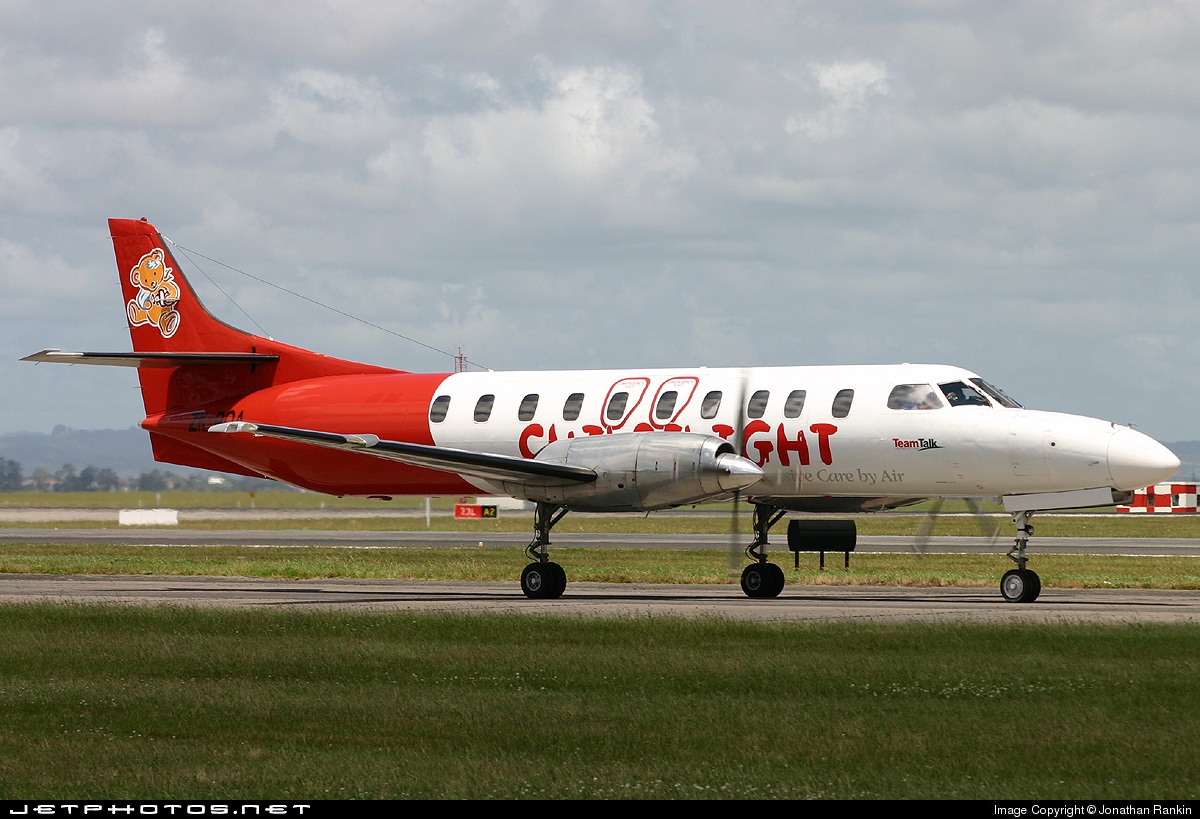
Crash of a Swearingen SA227AC Metro III near Stratford: 2 killed

Date & Time: May 3, 2005 at 2214 LT
Type of aircraft:
Operator:
Registration:
ZK-POA
Flight Phase:
Flight Type:
Survivors:
No
Site:
Schedule:
Auckland – Blenheim
MSN:
AC-551B
YOM:
1983
Flight number:
AWO023
Country:
Region:
Crew on board:
2
Crew fatalities:
Pax on board:
0
Pax fatalities:
Other fatalities:
Total fatalities:
2
Captain / Total flying hours:
6500
Captain / Total hours on type:
2750.00
Copilot / Total flying hours:
2345
Copilot / Total hours on type:
70
Aircraft flight hours:
29010
Aircraft flight cycles:
29443
Circumstances:
The crew requested engine start at 2128 and Post 23 taxied for runway 23R at about 2132. The flight data recorder (FDR) showed that during the taxi a left turn through about 320° was made in 17 seconds. Post 23 departed at about 2136 with the first officer (FO) the pilot flying (PF). The planned cruise level was flight level (FL) 180 but the cockpit voice recorder (CVR) showed that in order to get above turbulence encountered at that level the crew requested, and were cleared by air traffic control (ATC), to cruise at FL220. The autopilot was engaged for the climb and cruise. There were 2 CVR references to the crew’s use of the de-icing system to remove trace or light icing from the wings. CVR comments also indicated that stars were visible, and that the aircraft’s weather radar was serviceable. At 2159 ATC cleared Post 23 to track from near New Plymouth very high frequency (VHF) omni-directional radio range (VOR) direct to Tory VOR at the northeast end of the Marlborough Sounds, and at 2206 ATC transferred Post 23 to Christchurch Control. The CVR recorded normal crew interaction and aircraft operation, except that climb power remained set for about 15 minutes after reaching cruise level in order to make up some of the delay caused by the late departure. At about 2212:28, after power was reduced to a cruise setting and the cruise checks had been completed, the captain said, “We’ll just open the crossflow again…sit on left ball and trim it accordingly”. The only aircraft component referred to as “crossflow”, and operable by a flight deck switch or control, was the fuel crossflow valve between the left and right wing tanks. The captain repeated the instruction 5 times in a period of 19 seconds, by telling the FO to, “Step on the left pedal, and just trim it to take the pressure off” and “Get the ball out to the right as far as you can …and just trim it”. The FO sought confirmation of the procedure and said, “I was being a bit cautious” to which the captain replied, “Don’t be cautious mate, it’ll do it good”. Nine seconds later the FO asked, “How’s that?”. The Captain replied, “That’s good – should come right – hopefully it’s coming right.” There was no other comment at any time from either pilot about the success or otherwise of the fuel transfer. During this time, the repeated aural alert of automatic horizontal stabiliser movement sounded for a period of 27 seconds, as the stabiliser re-trimmed the aircraft as it slowed from the higher speed reached during cruise at climb power. Forty-seven seconds after opening the crossflow, the captain said, “Doesn’t like that one mate… you’d better grab it.” Within one second there was the aural alert “Bank angle”, followed by a chime tone, probably the selected altitude deviation warning. Both pilots exclaimed surprise. After a further 23 seconds the captain asked the FO to confirm that the autopilot was off, but it was unclear from the CVR whether the captain had taken control of the aircraft at that point. The FO confirmed that the autopilot was off just before the recording ended at 2213:41. The bank angle alert was heard a total of 7 times on the CVR before the end of the recording. During the last 25 seconds of radar data recorded by ATC, Post 23 lost 2000 ft altitude and the track turned left through more than 180°. Radar data from Post 23 ceased at 2213:45 when the aircraft was descending through FL199 about 1700 metres (m) southeast of the accident area. Commencing at 2213:58, the ATC controller called Post 23 three times, without response. He then initiated the uncertainty phase of search and rescue for the flight. The operator had a flight-following system that displayed the same ATC radar data from Airways Corporation of New Zealand (ACNZ). The operator’s dispatcher noticed that the data for Post 23 had ceased and, after discussing this with ACNZ, he advised the operator’s management. There were many witnesses to the accident who reported noticing a very loud and unusual noise. Some, familiar with the sound of aircraft cruising overhead on the New Plymouth – Wellington air route, thought the noise was an aircraft engine but described it as “high-revving” or “roaring”. Witnesses A were located about 3 kilometres (km) south of the southernmost part of the track of Post 23 as recorded by ATC radar, and about 6 km south of the accident site. They described going outside to identify the cause of an intense noise. As they looked northeast and upwards about 45°, they saw an orange-yellow light descending through broken cloud layers at high speed. A “big burst” and 3 or 4 separate fireballs were observed “just above the horizon” about 5 km away. No explosion was heard. The biggest fireball lasted the longest time and was above the others. The night was dark and it had been drizzling. Witness B, almost 7 km to the northeast of the accident site, observed light and dark cloud patterns moving towards the northwest. She thought the moon caused the light variation; however moonrise was almost 3 hours later. This witness also first observed a fireball below the cloud at an elevation of about 6°. She described it as “a big bright circle” followed by 2 smaller fireballs that fell slowly. No explosion was heard. Witness C, who was less than 1000 m from the aircraft’s diving flight path, described seeing the nose section falling after an explosion “like a real big ball of fire”. The wings were then seen falling after a smaller fireball that was followed by a third small fireball. The witness said it was a still night, with no rain at that time, and the fireballs were observed below the lowest cloud. The fireballs illuminated falling wreckage and cargo. Witness D, also less than 1000 m from the accident site, described parts of the aircraft falling, illuminated by the fireball. Witnesses generally agreed that the first and biggest fireball was round and orange, and then shrank away. Descriptions of the smaller fireballs varied, but were usually of a more persistent, streaming flame that fell very steeply or straight down. A large number of emergency service members and onlookers converged on the accident area. Those who got within about 1000 m of the scene reported a strong smell of fuel. The first item of wreckage was located at about 2315. The main wreckage field was on hilly farmland 7 km northeast of Stratford at an elevation of approximately 700 ft.
Probable cause:
Findings are listed in order of development and not in order of priority.
- The flight crew was appropriately licensed and rated for the aircraft, and qualified for the flight.
- The captain was experienced on the type and the operation, and approved as a line training captain, while the FO was recently trained and not very experienced on the type.
- The aircraft had a valid Certificate of Airworthiness and records indicated that it had been maintained in accordance with its airworthiness requirements. There were no relevant deferred
maintenance items prior to dispatch of the accident flight.
- Although the aircraft had been refuelled in one tank only, it probably took off with the fuel balanced within limits.
- Some fuel imbalance led the captain to decide to carry out further fuel balancing while the aircraft was in cruising flight.
- The captain’s instructions to the FO while carrying out fuel balancing resulted in the aircraft being flown at a large sideslip angle by the use of the rudder trim control while the autopilot was engaged.
- The FO’s reluctance to challenge the captain’s instruction may have been due to his inexperience and underdeveloped CRM skills.
- The autopilot probably disengaged automatically because a servo reached its torque limit, allowing the aircraft to roll and dive abruptly as a result of the applied rudder trim.
- The crew was unable to recover control from the ensuing spiral dive before airspeed and g limits were grossly exceeded, resulting in the structural failure and in-flight break-up of the aircraft.
- The in-flight fire which occurred was a result of the break-up, and not a precursor to it.
- The applied rudder trim probably contributed to the crew’s inability to recover control of the aircraft.
- The crew’s other control inputs to recover from the spiral dive were not optimal, and contributed to the structural failure of the aircraft.
- The flying conditions of a dark night with cloud cover below probably hindered the crew’s early perception of the developing upset.
- The AFM limitation on use of the autopilot above 20 000 ft should have led to the crew disconnecting it when climbing the aircraft above that altitude.
- The crew’s non-observance of this autopilot limitation probably did not affect its performance, or its automatic disengagement.
- If the aircraft had been manually flown during the fuel-balancing manoeuvre, the upset would probably have not occurred.
- The operator should detail the in-flight fuel balancing procedure as a written SOP for its Metro aircraft operation.
- The AFM for the SA 226/227 family of aircraft should include a limitation and warning that the autopilot must be disconnected while in-flight fuel balancing is done, and should include a procedure for in-flight fuel balancing.
Final Report:
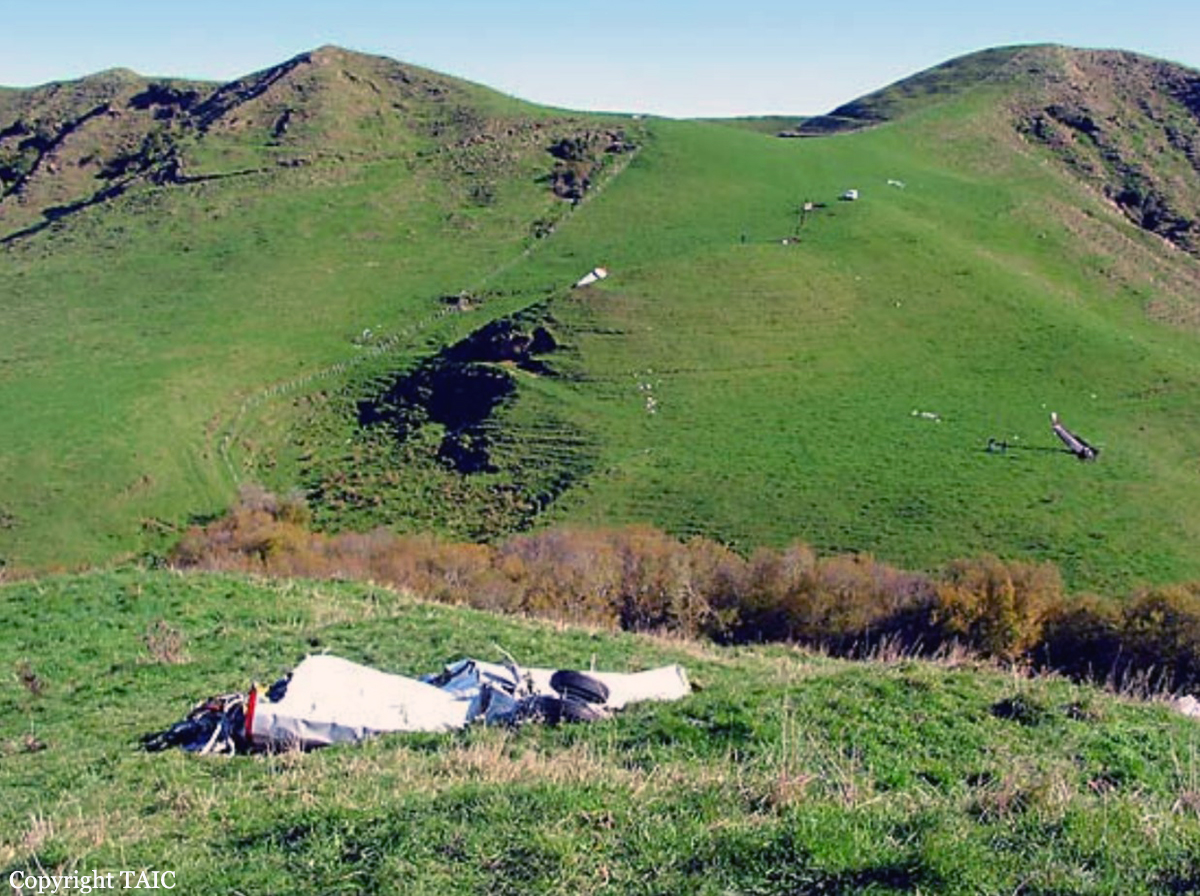
Crash of a De Havilland DHC-6 Twin Otter 300 in Bimin: 2 killed

Date & Time: Feb 22, 2005 at 1343 LT
Operator:
Registration:
P2-MFQ
Survivors:
Yes
Schedule:
Tabubil - Bimin
MSN:
174
YOM:
1968
Region:
Crew on board:
3
Crew fatalities:
Pax on board:
10
Pax fatalities:
Other fatalities:
Total fatalities:
2
Circumstances:
On approach to Bimin-Wobagen Airport runway 30, the twin engine aircraft lost height and crashed in a wooded area. Both pilots (New Zealand citizens) were killed instantly and all 11 other occupants were injured, some seriously. They walk away to the village to find help and receive care. The aircraft has a single 11/29 grass/dirt runway located at an altitude of 1,767 metres and offer a 10° slope. Runway 29 is for landing only and runway 11 for takeoff only.

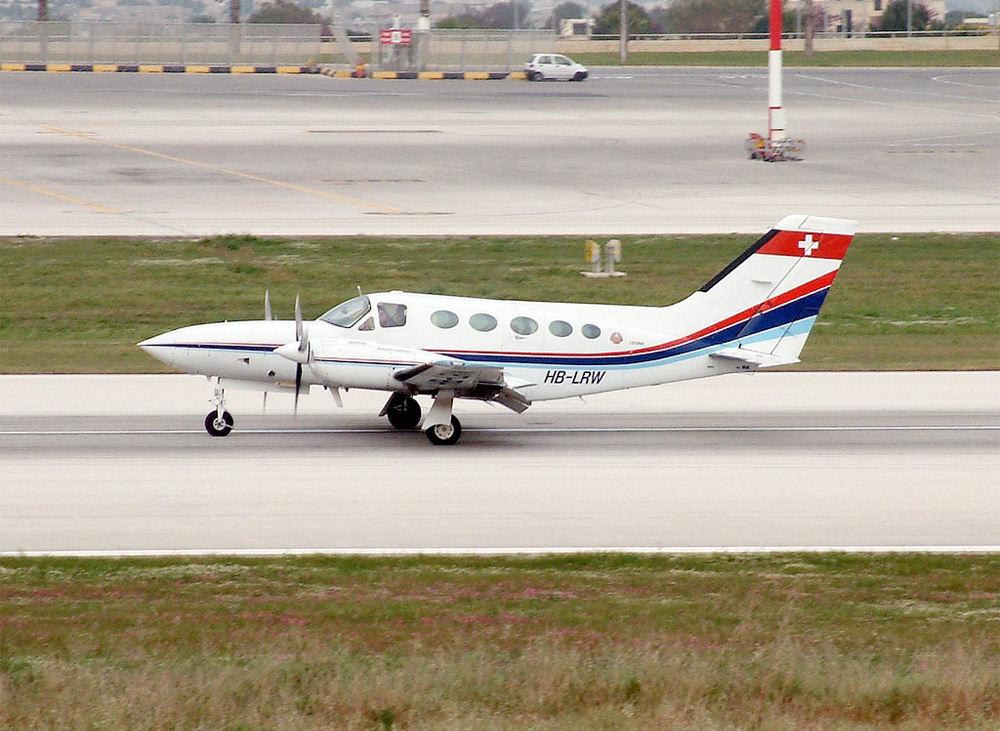
Crash of a Cessna 421C Golden Eagle III in El Questro: 2 killed

Date & Time: Aug 30, 2004 at 1200 LT
Operator:
Registration:
HB-LRW
Flight Phase:
Flight Type:
Survivors:
No
Schedule:
El Questro – Broome
MSN:
421C-0633
YOM:
1974
Country:
Region:
Crew on board:
1
Crew fatalities:
Pax on board:
1
Pax fatalities:
Other fatalities:
Total fatalities:
2
Captain / Total flying hours:
2128
Captain / Total hours on type:
975.00
Aircraft flight hours:
3254
Circumstances:
On 30 August 2004, shortly before 1200 Western Standard Time, the owner-pilot of a twin-engine Cessna Aircraft Company 421C Golden Eagle (C421) aircraft, registered HB-LRW, commenced his takeoff from runway 32 at El Questro Aircraft Landing Area (ALA). The private flight was to Broome, where the pilot intended resuming the aircraft delivery flight from Switzerland to Perth. The available documentation indicated that the flight segments en route to Australia had all been to international or major aerodromes. The pilot of a Cessna Aircraft Company 210 (C210) and his two passengers in the runway 32 parking area witnessed the takeoff. Those witnesses reported that the C421 pilot carried out a pre-flight inspection of the aircraft prior to boarding for the takeoff. During that inspection, he was observed preparing for, and conducting a fuel drain check under the left wing, and to have removed some weed-like material from the right main wheel. He then loaded a small amount of personal luggage into the aircraft cabin, before he and the sole passenger boarded. The C210 pilot witness, who reported having observed a number of twin-engine aircraft operations at another aerodrome, did not comment on the nature of the pilot's start and engines run-up checks. The passenger witnesses reported that the pilot of the C421 made a number of unsuccessful attempts to start the left engine, before reverting to starting the right engine. He then started the left engine and moved the aircraft clear of the C210 in order to conduct his engine run-up checks. The passenger witnesses reported that during those checks they heard a 'frequency vibration' as the C421 pilot manipulated the engines' controls. The witnesses at the parking area reported that the C421 pilot taxied the aircraft onto the runway and applied power to commence a rolling takeoff. They, together with a hearing witness located to the north of the ALA indicated that the engines sounded 'normal' throughout the takeoff. Witnesses who observed the takeoff reported that the aircraft accelerated away 'briskly'. The pilot witness stated that the take-off roll and lift-off from the runway appeared similar to other twin-engine aircraft takeoffs that he had observed. The witnesses at the parking area also stated that, shortly after lift-off from the runway, the aircraft banked slightly to the left at an estimated 10 to 15 degrees angle of bank and drifted left before striking the trees along the side of the runway and impacting the ground. There was no report of any objects falling from the aircraft, or of any smoke or vapour emanating from the aircraft during the takeoff. The aircraft was destroyed by the impact forces and post-impact fire. The pilot and passenger were fatally injured.
Probable cause:
For reasons that could not be determined, the aircraft commenced a slight left angle of bank and drifted left after lift-off at a height from which the pilot was unable to recover prior to striking trees to the left of the runway.
Final Report:
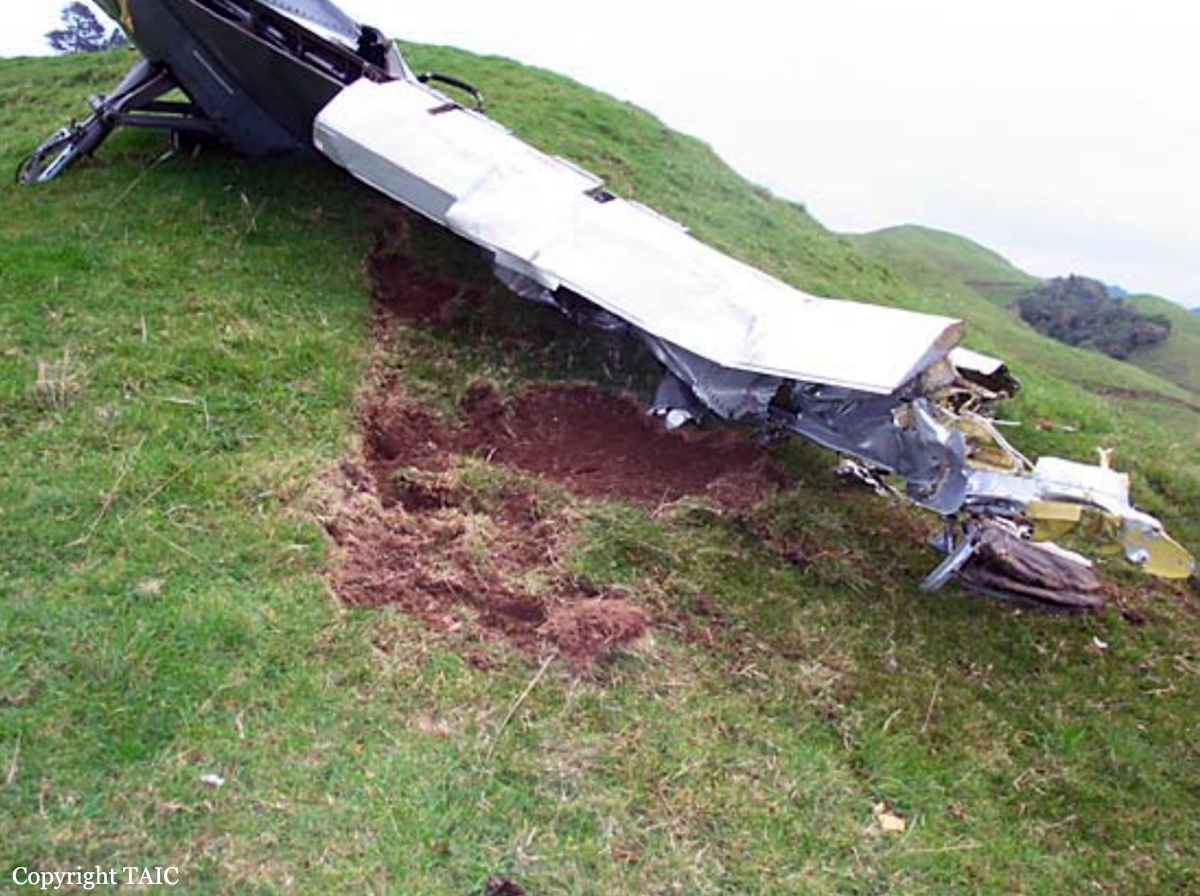
Crash of a De Havilland DHC-6 Twin Otter 300 near Ononge: 2 killed

Date & Time: Jul 29, 2004 at 1030 LT
Operator:
Registration:
P2-MBA
Flight Phase:
Flight Type:
Survivors:
Yes
Site:
Schedule:
Port Moresby - Ononge
MSN:
353
YOM:
1973
Location:
Region:
Crew on board:
2
Crew fatalities:
Pax on board:
1
Pax fatalities:
Other fatalities:
Total fatalities:
2
Circumstances:
While descending to Ononge, the crew encountered poor weather conditions and decided to divert to the Yongai Airfield located about 27 km northeast of Ononge. Few minutes later, while cruising at an altitude of 2,286 metres in clouds, the twin engine aircraft struck the slope of a mountain. Rescuers arrived on scene a day later. The loadmaster was seriously injured while both pilots were killed.
Probable cause:
Controlled flight into terrain.